Text description provided by the architects
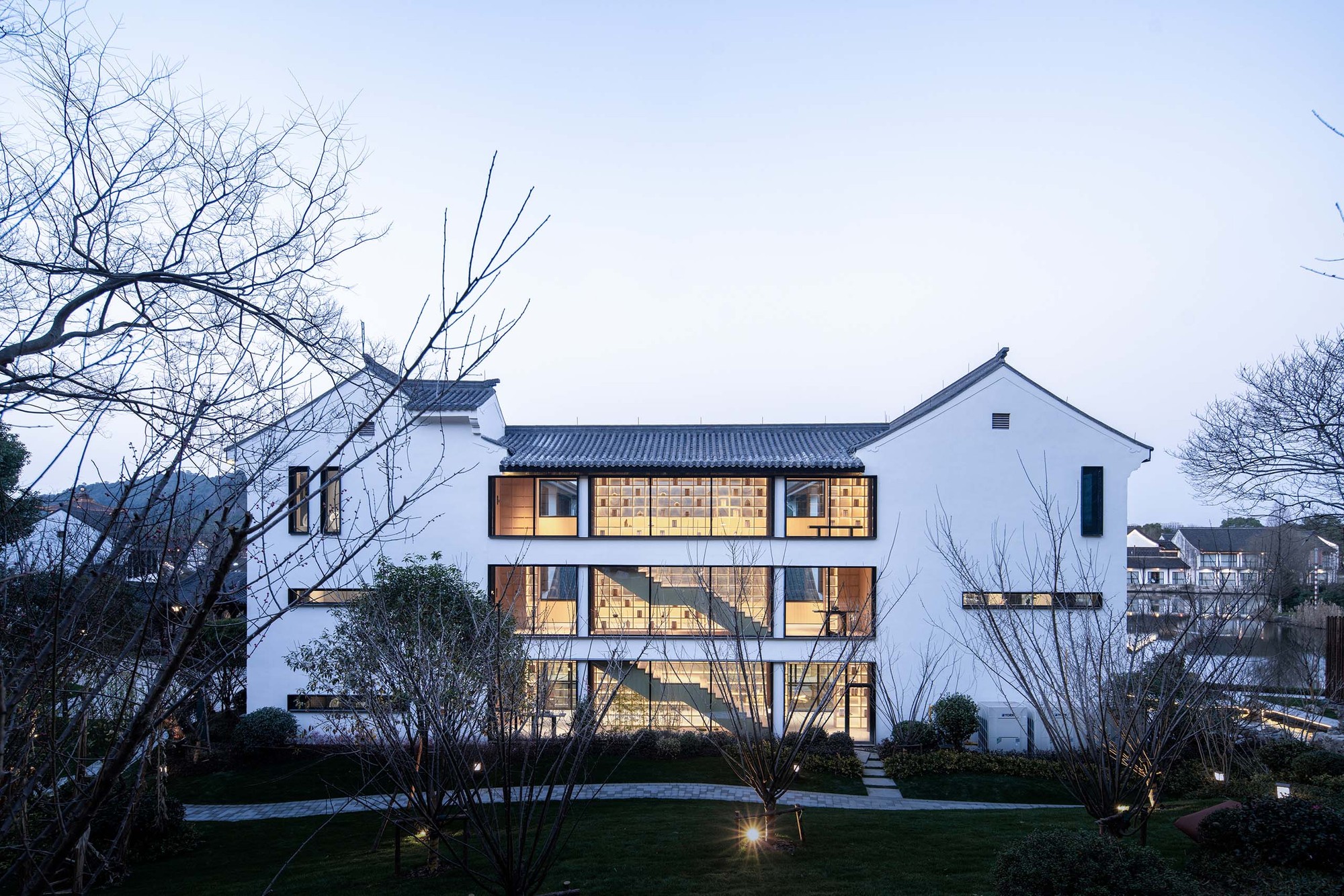
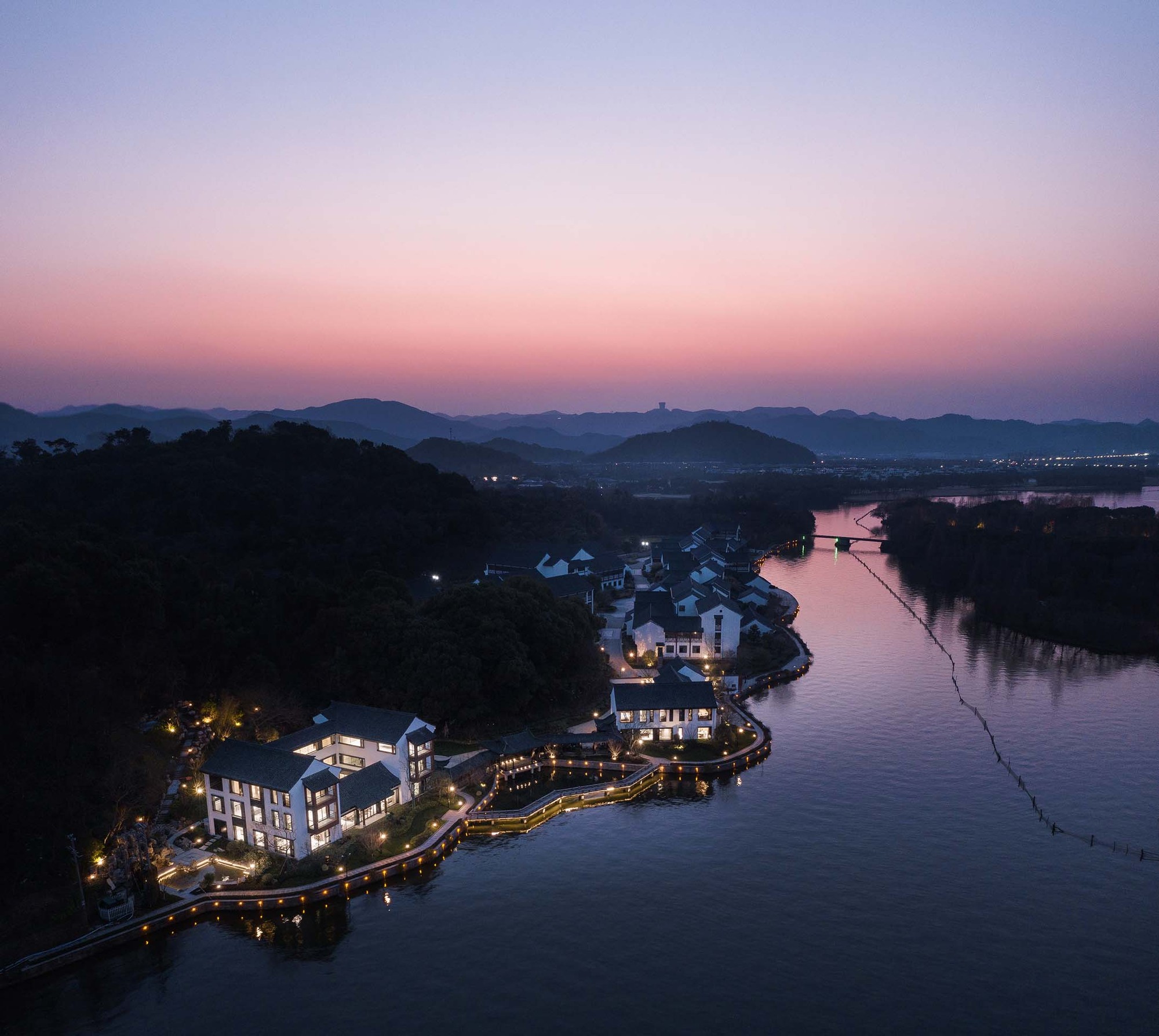
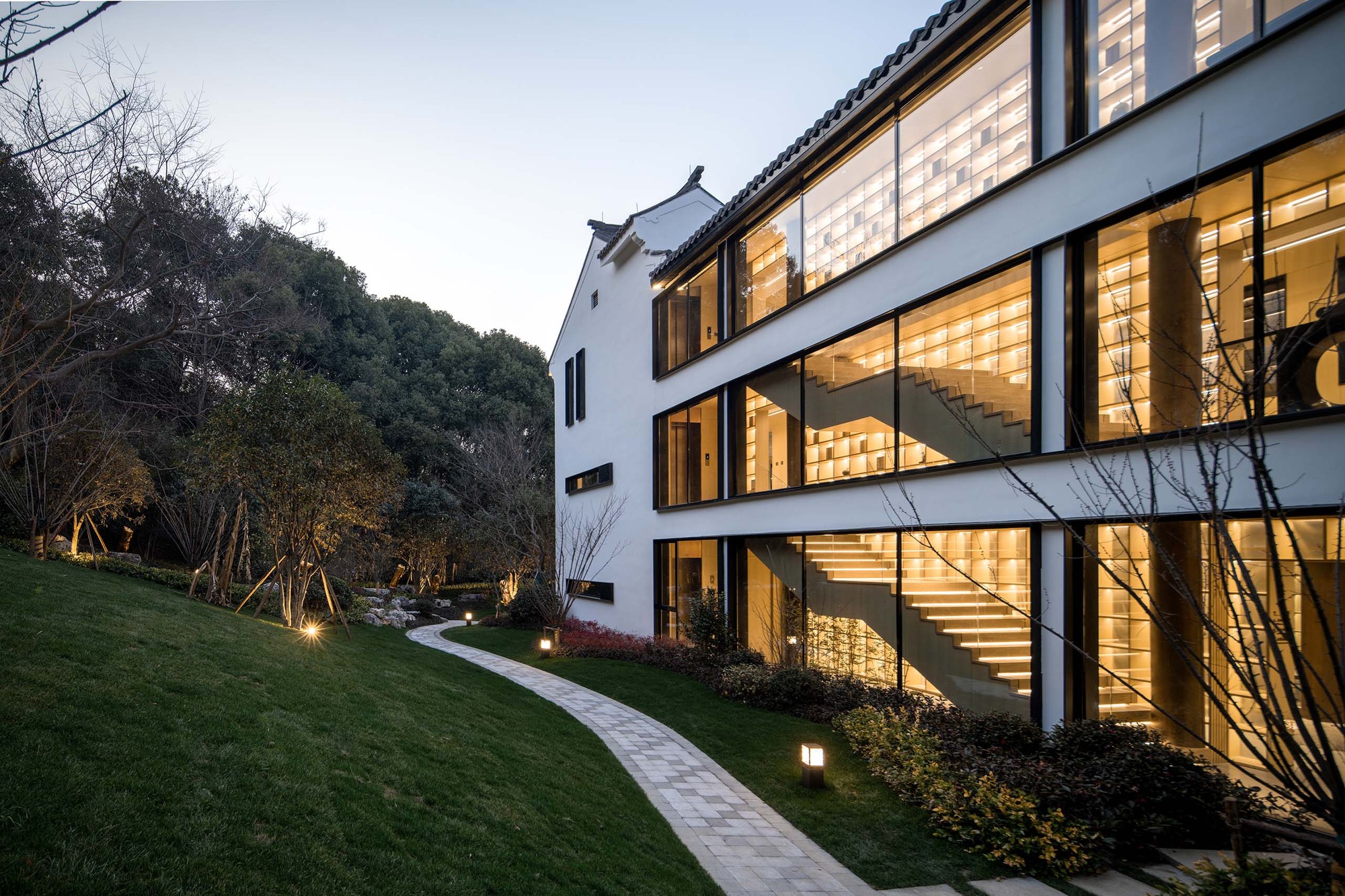
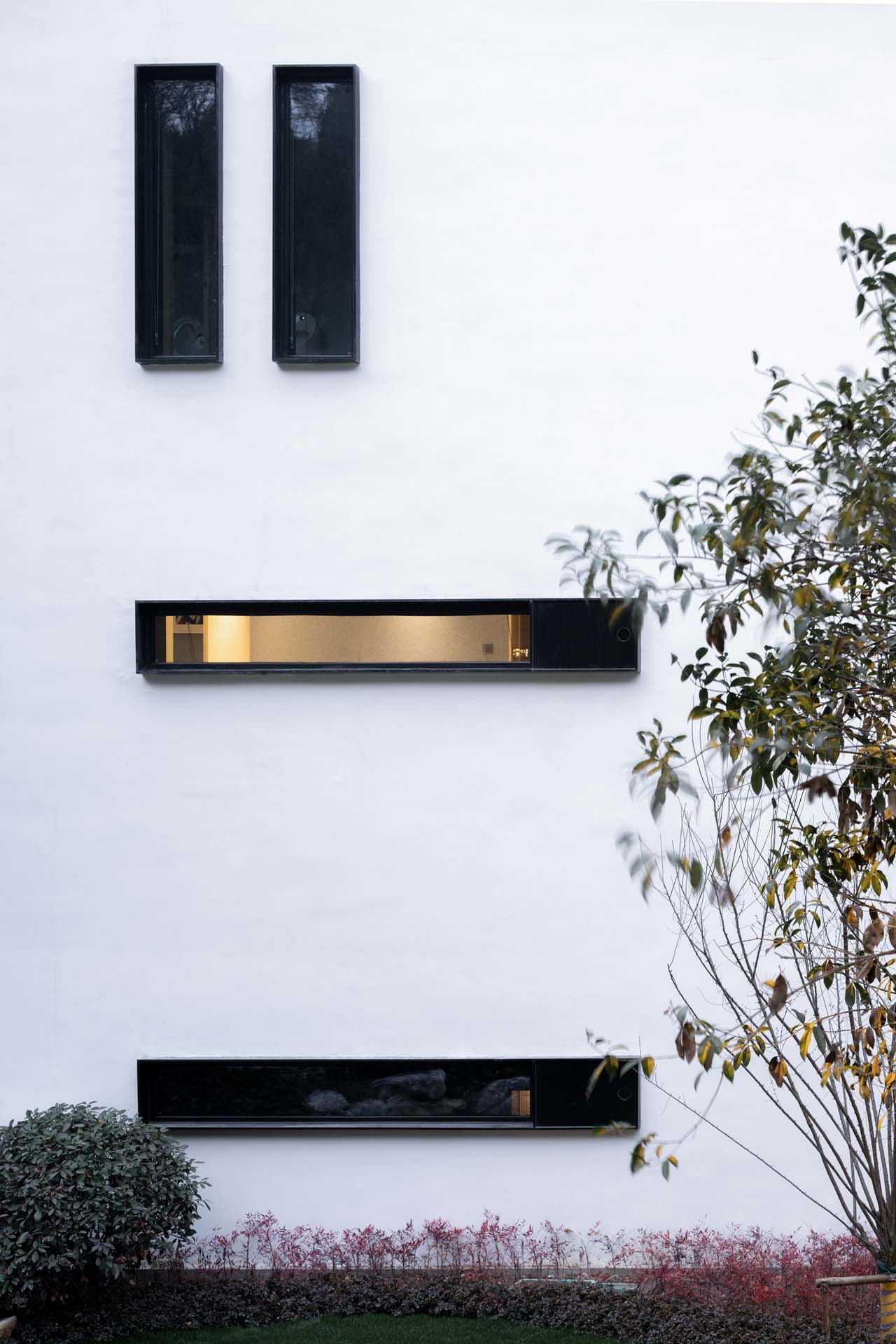
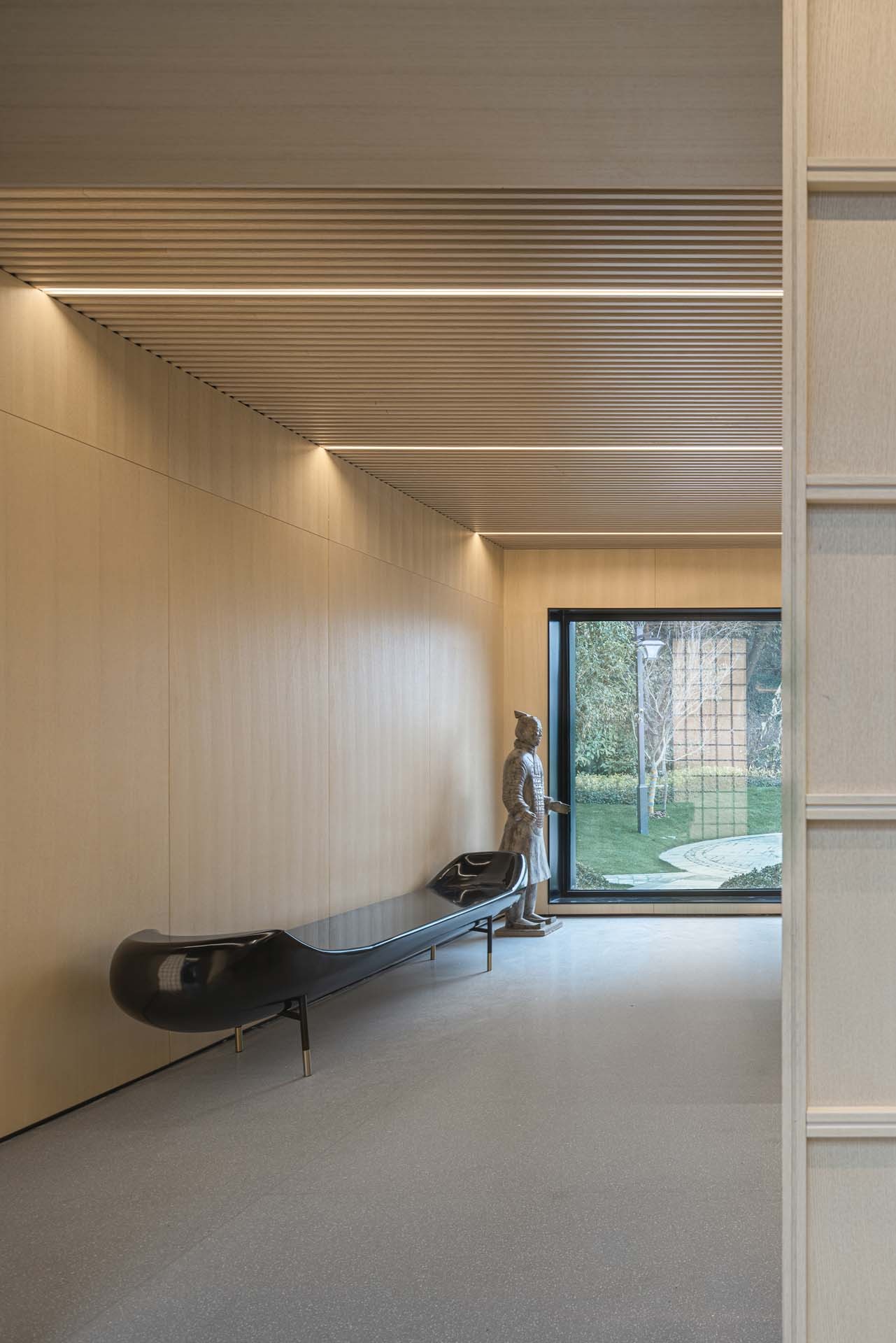
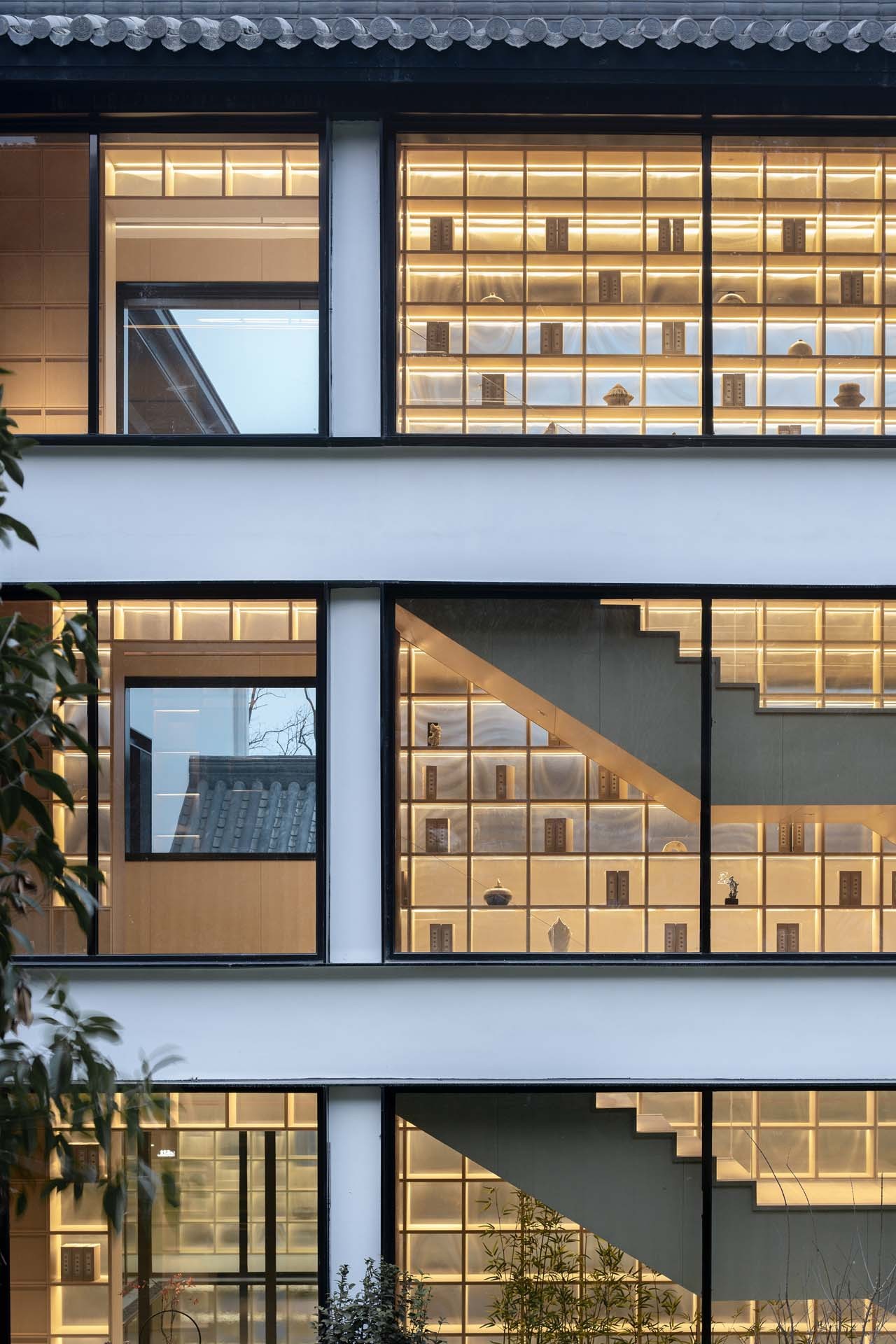
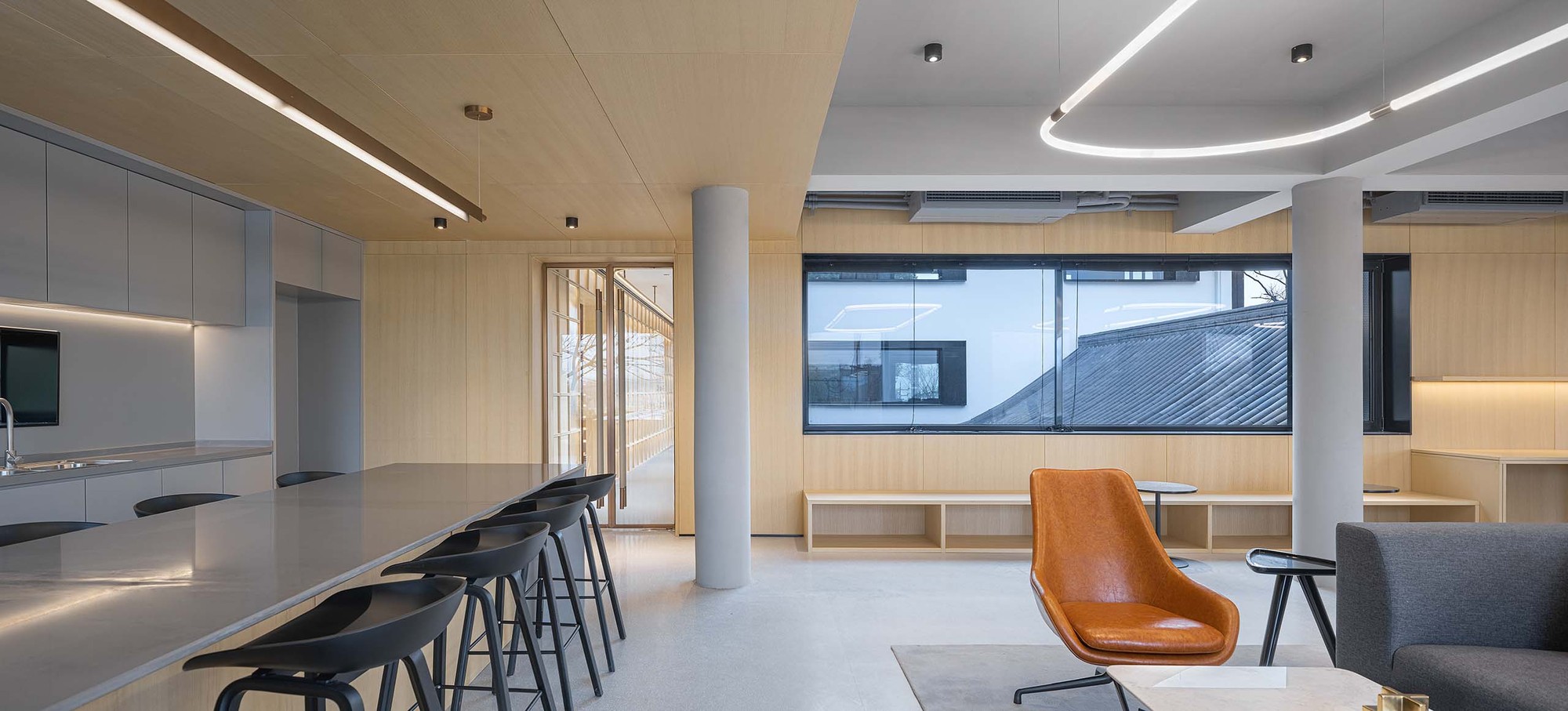
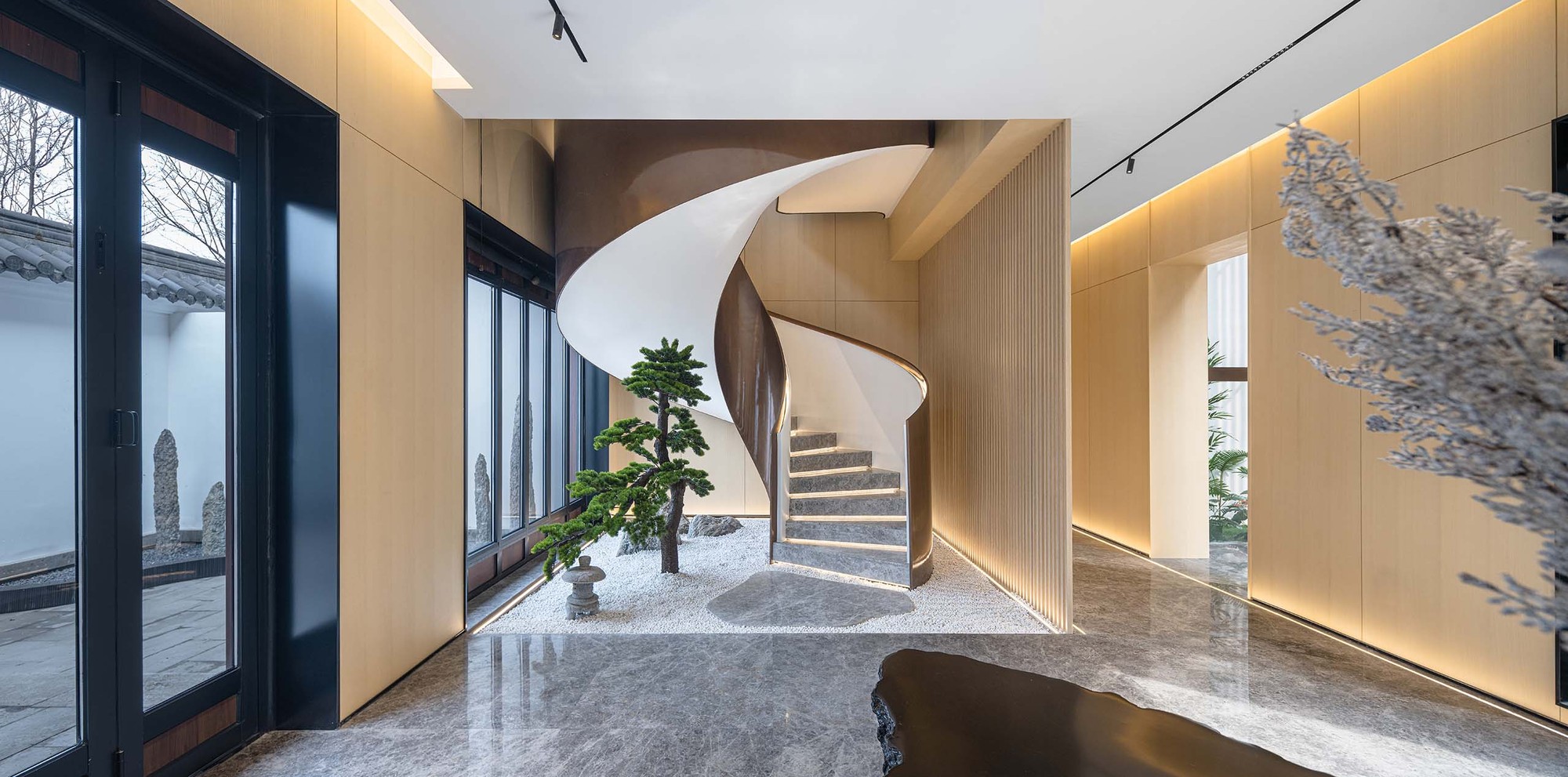
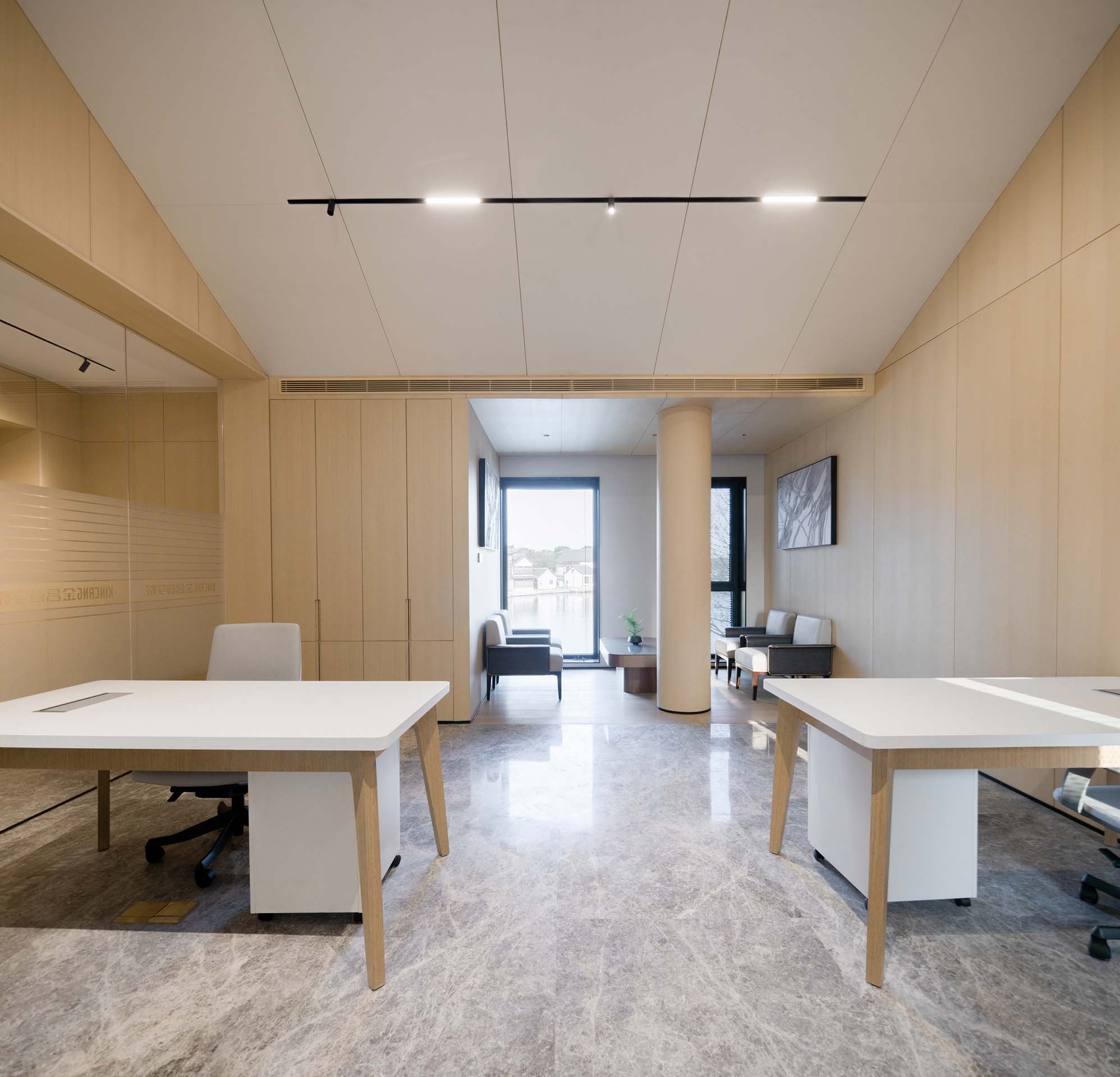
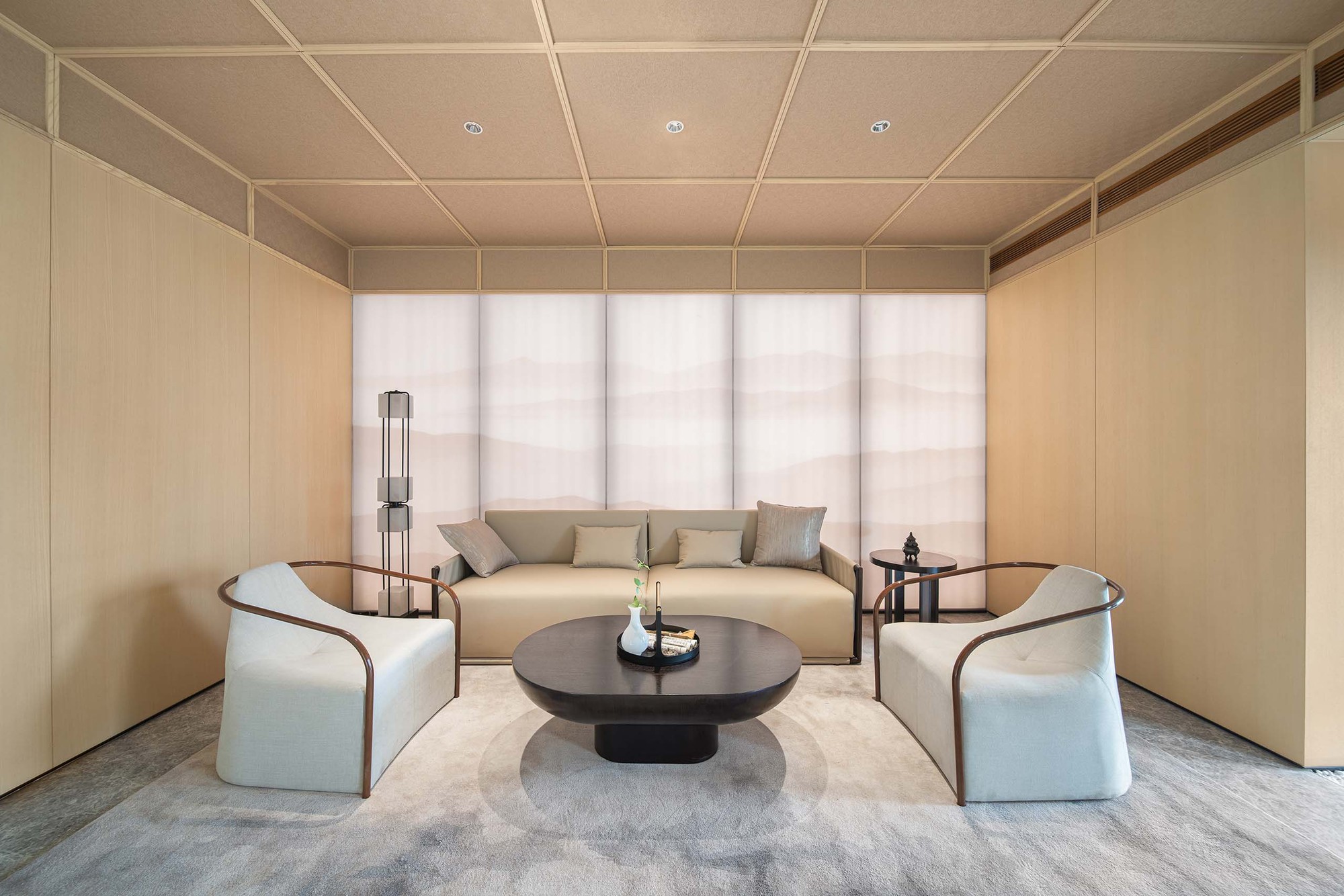
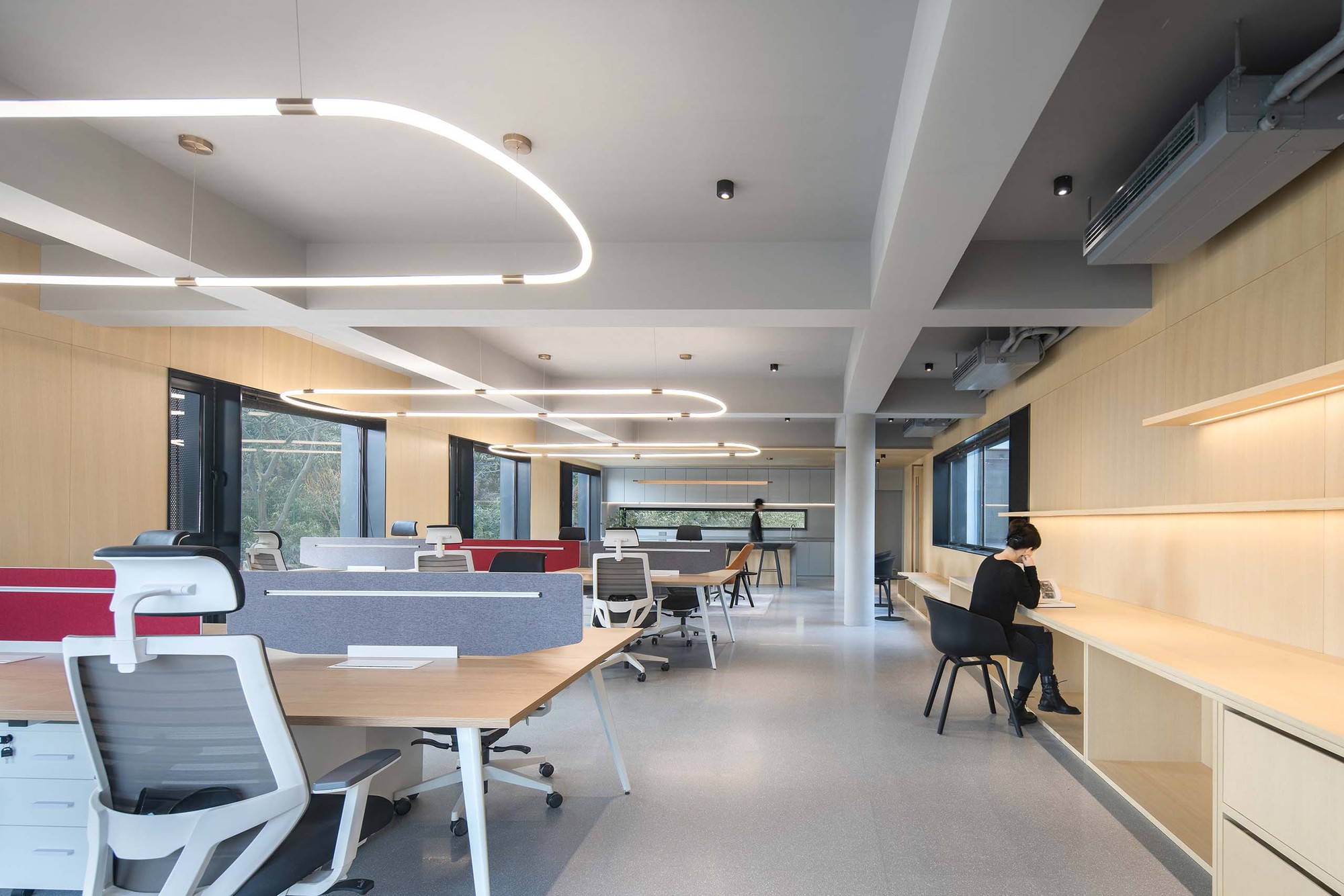
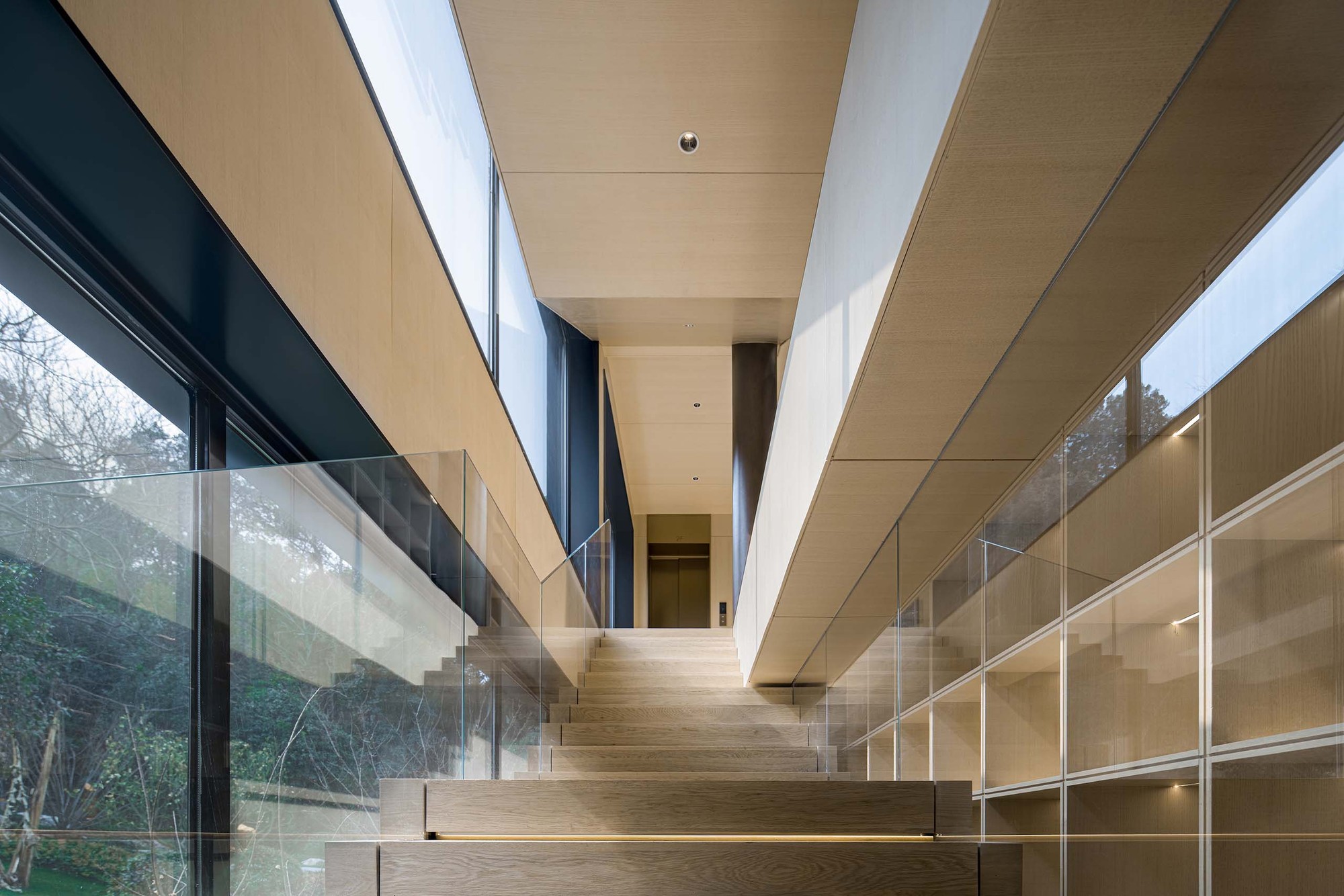
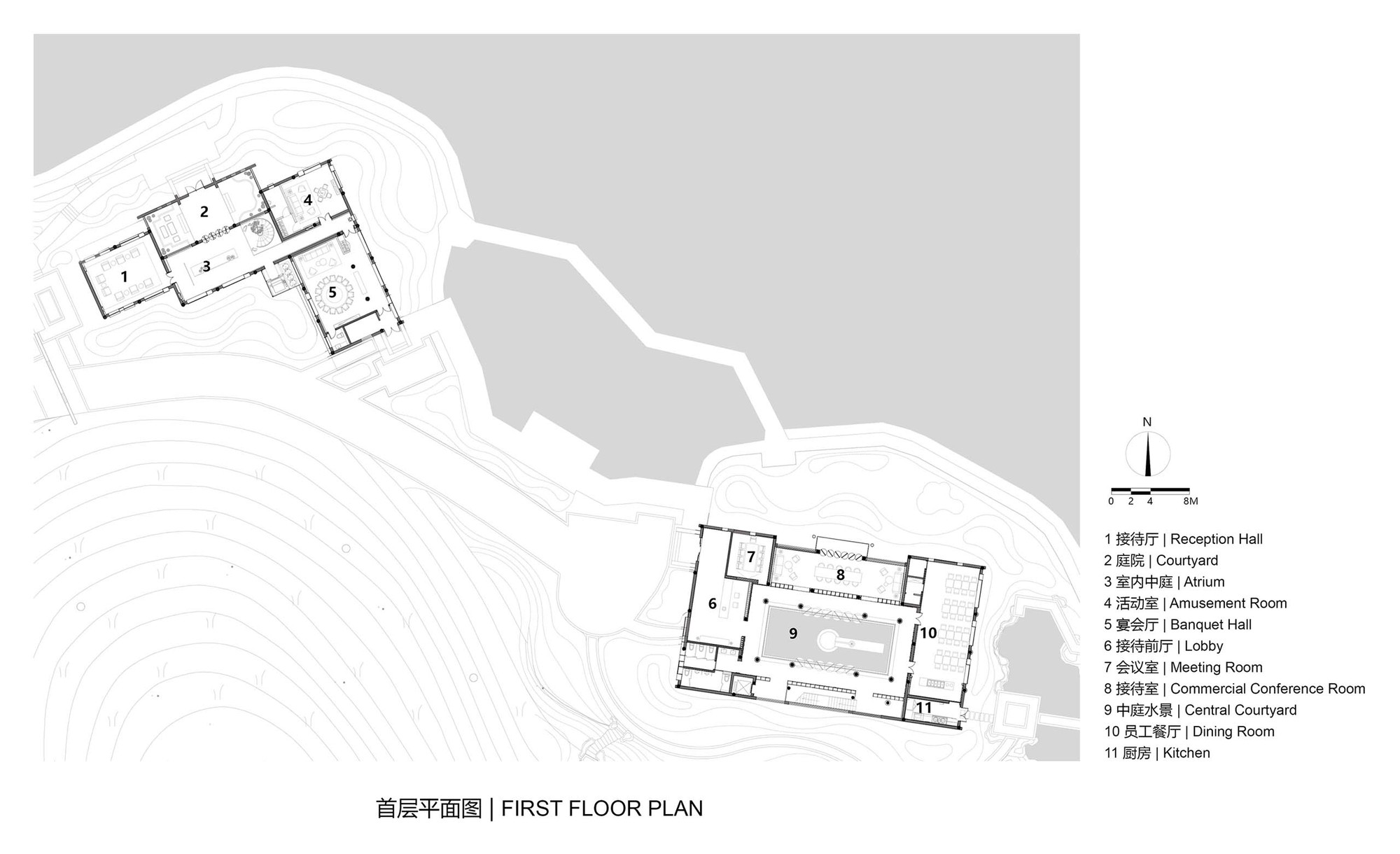
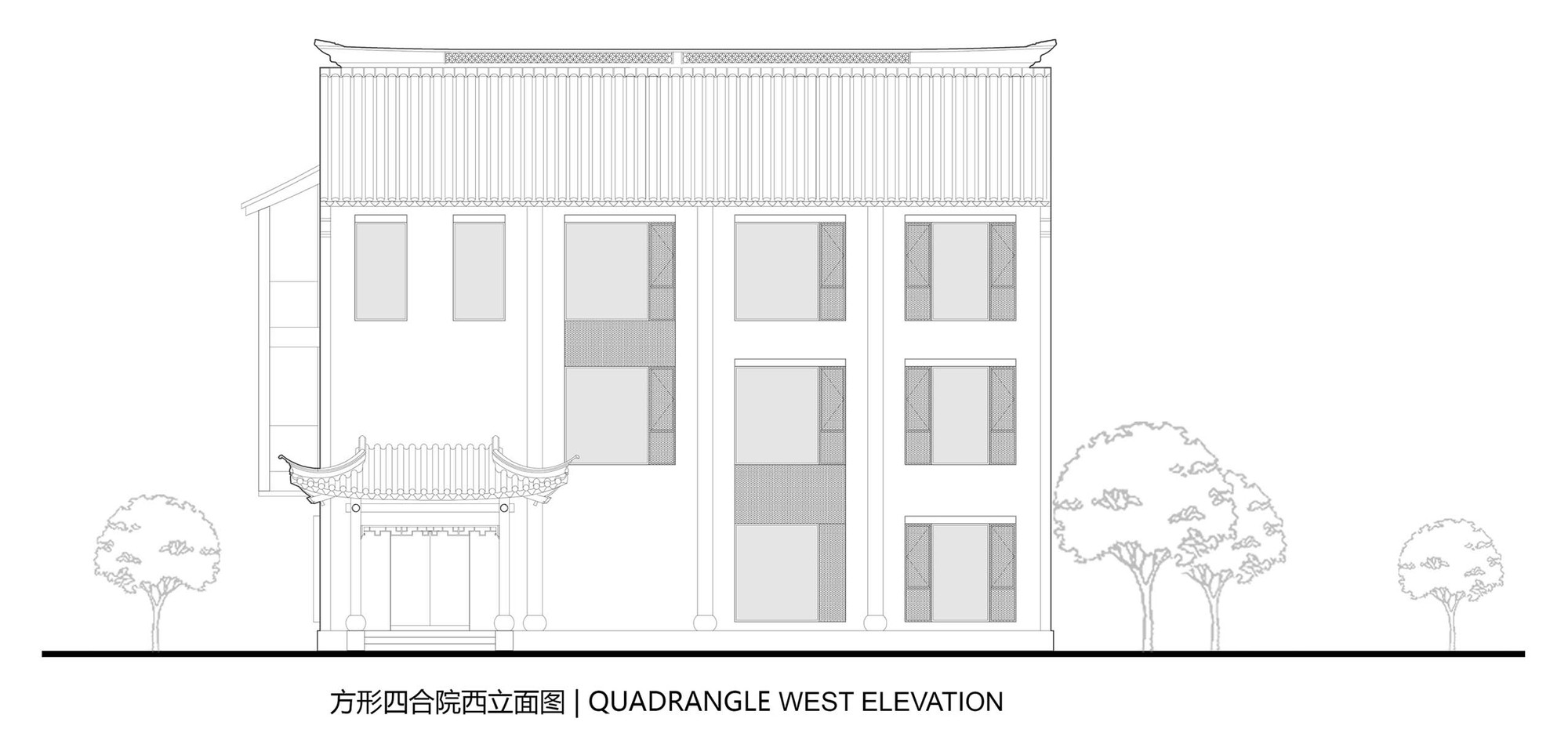
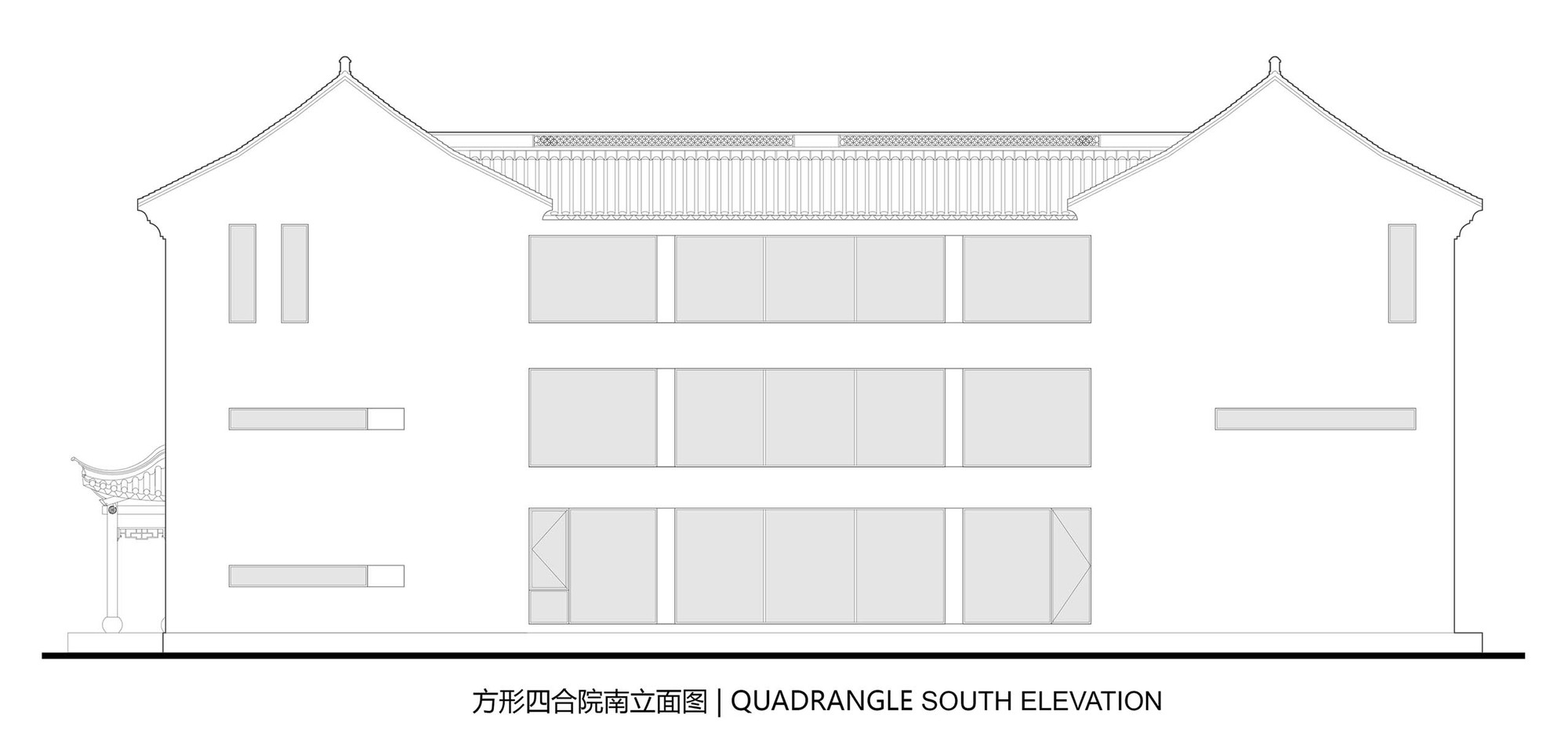
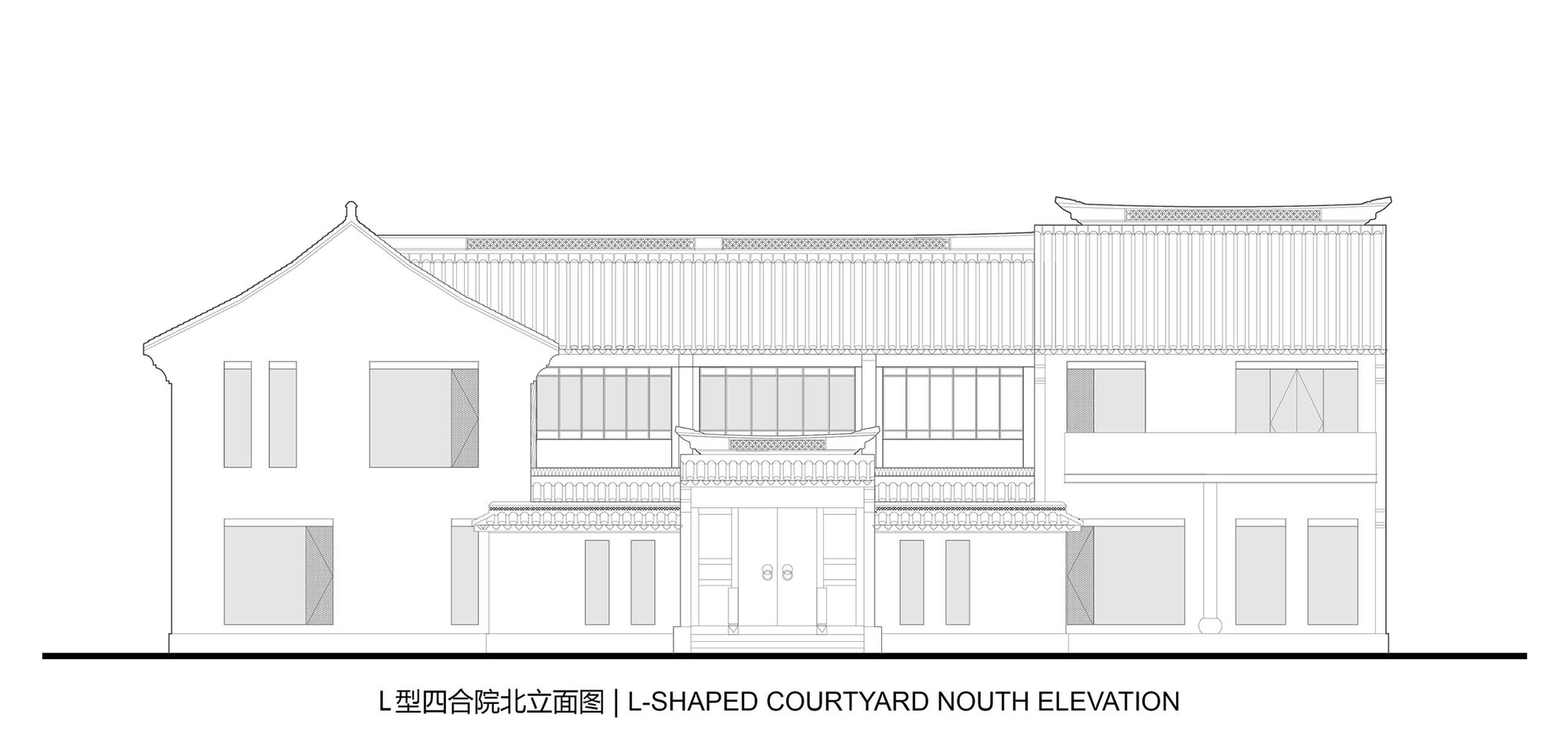
Jinchang Business School, renovated by LYCS Architecture as an integrated architecture, interior and soft-furnishing project, is now in use. Its main function is corporate office and training, and it is located in the scenic Keyan area of Shaoxing. Hidden in the city, the business school sits on the shore of Jianhu Lake, where wupeng boats still travel back and forth; Lu Xun, Sun Yat-sen and Zhou Enlai once went boating here, giving the lake its name. The site faces water and backs onto mountains, separated from the city by a single ridge, and this near-and-far relationship gives the place a hidden-in-the-city character. The project is adapted from two Chinese-style imitation-archaeological buildings: a two-storey L-shaped courtyard house and a three-storey siheyuan. The ornate decorative style of the facades looks slightly dated, but the flying eaves and hip-and-ridge corners made by Shaoxing craftsmen are authentic. Taking the essence and discarding the dross, the team preserved some of the beautiful architectural details while introducing a new order to meet the needs of modern office work. The design strategy is resort-style office. Different from the functional layout of a conventional office, the resort-style workplace satisfies not only the basic needs of office and meeting but also living, reception, dining and live-streaming, supporting closed training and research. Office work emphasises rest and effort; considering the volumes and positions of the two buildings, the team assigned different functions. The smaller L-shaped courtyard is used mainly for leisure and reception, more private and quiet; the larger siheyuan better accommodates the main functions of office and meeting, more public and open. Immersive landscape is introduced: even the view on screen is connected to the water outside. The result is a training campus that turns a pastiche traditional compound into a contemporary resort workplace, preserving the craft of the eaves while reordering the interior for twenty-first-century work.














 Editor's Pick
 Latest Design