Text description provided by the architects
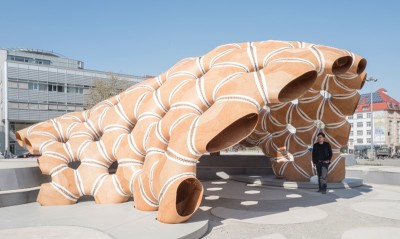
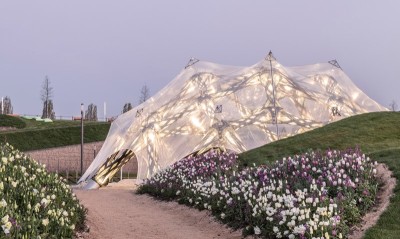
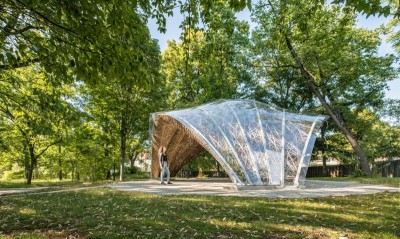
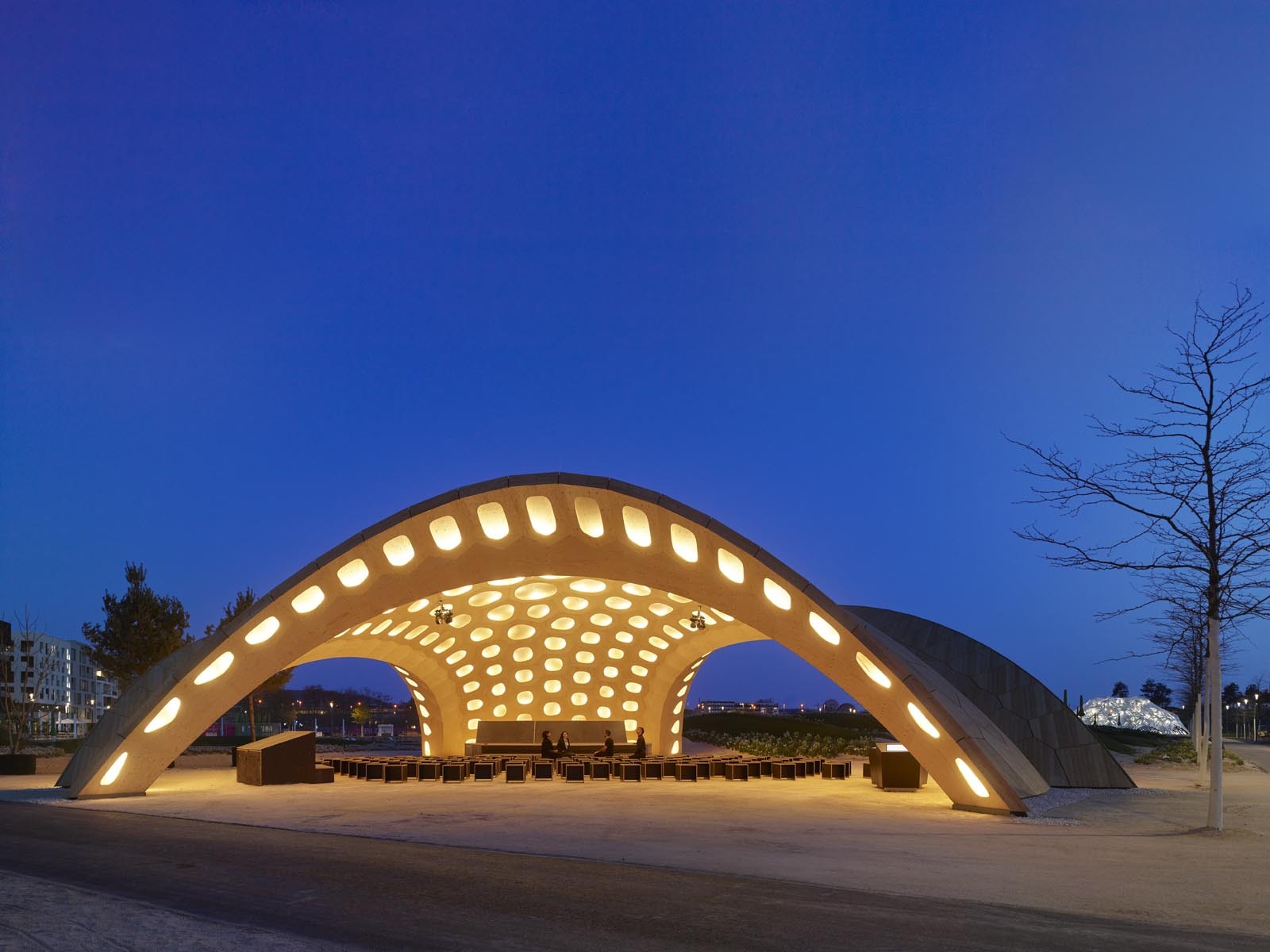
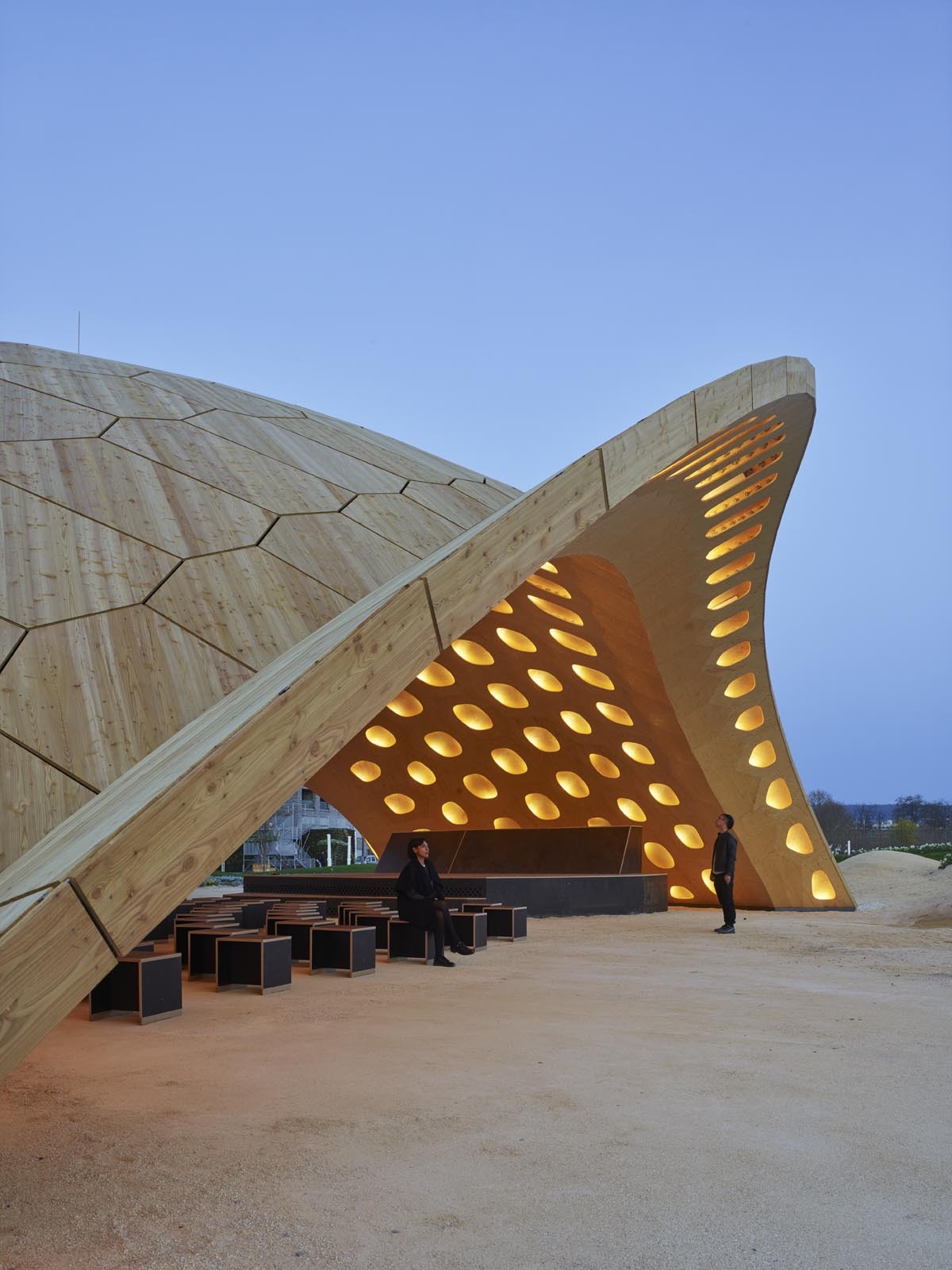
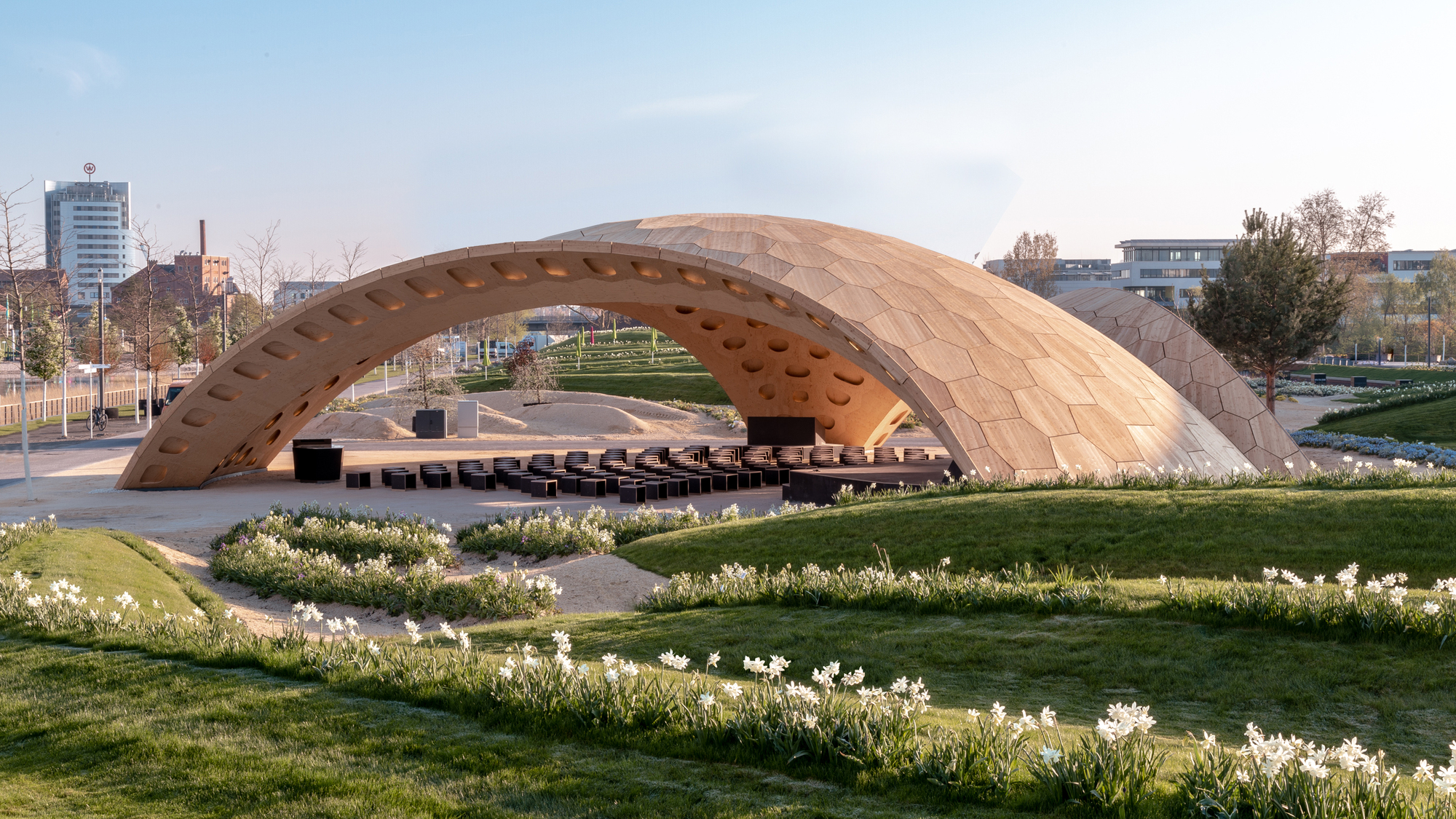
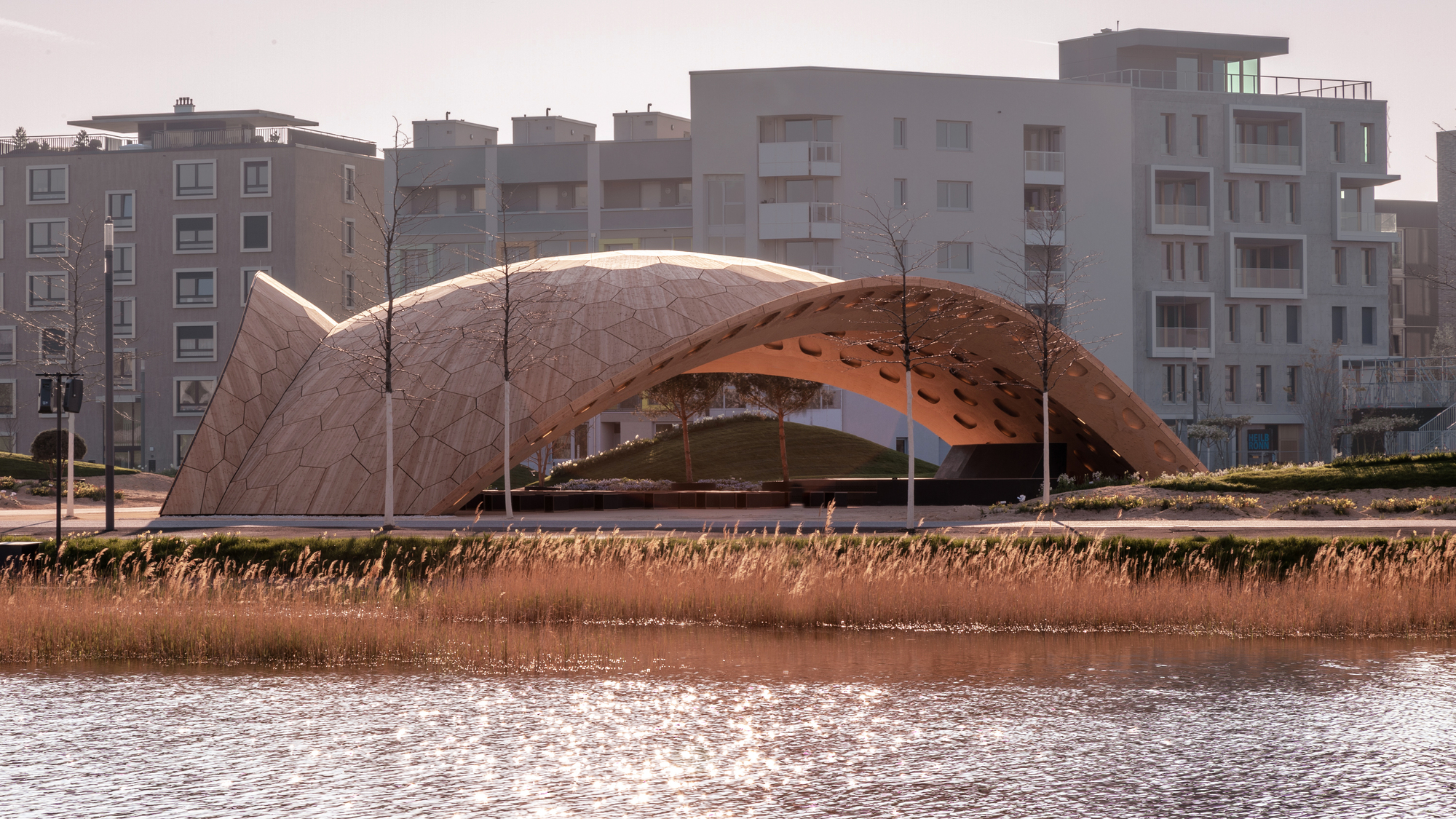
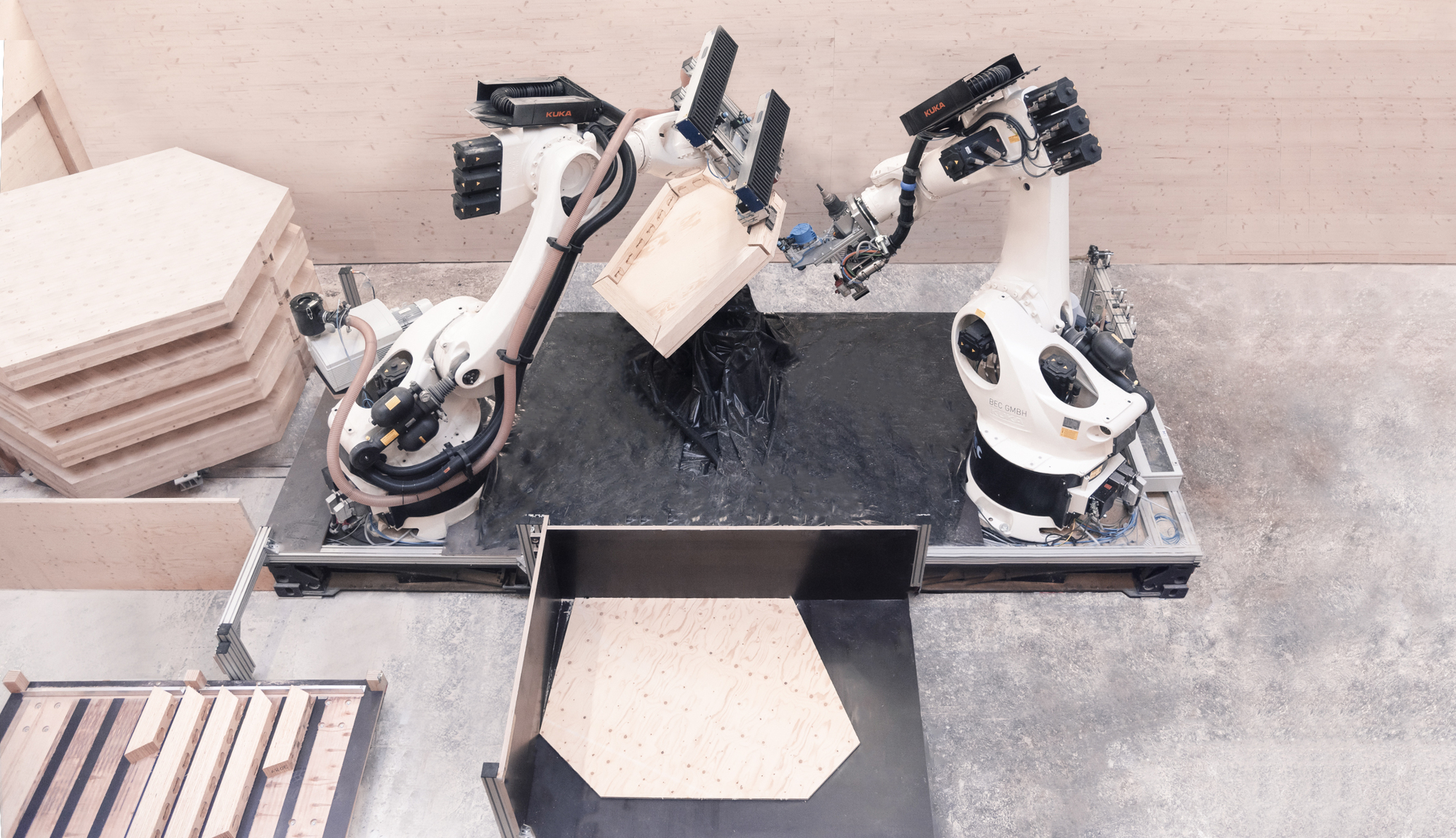
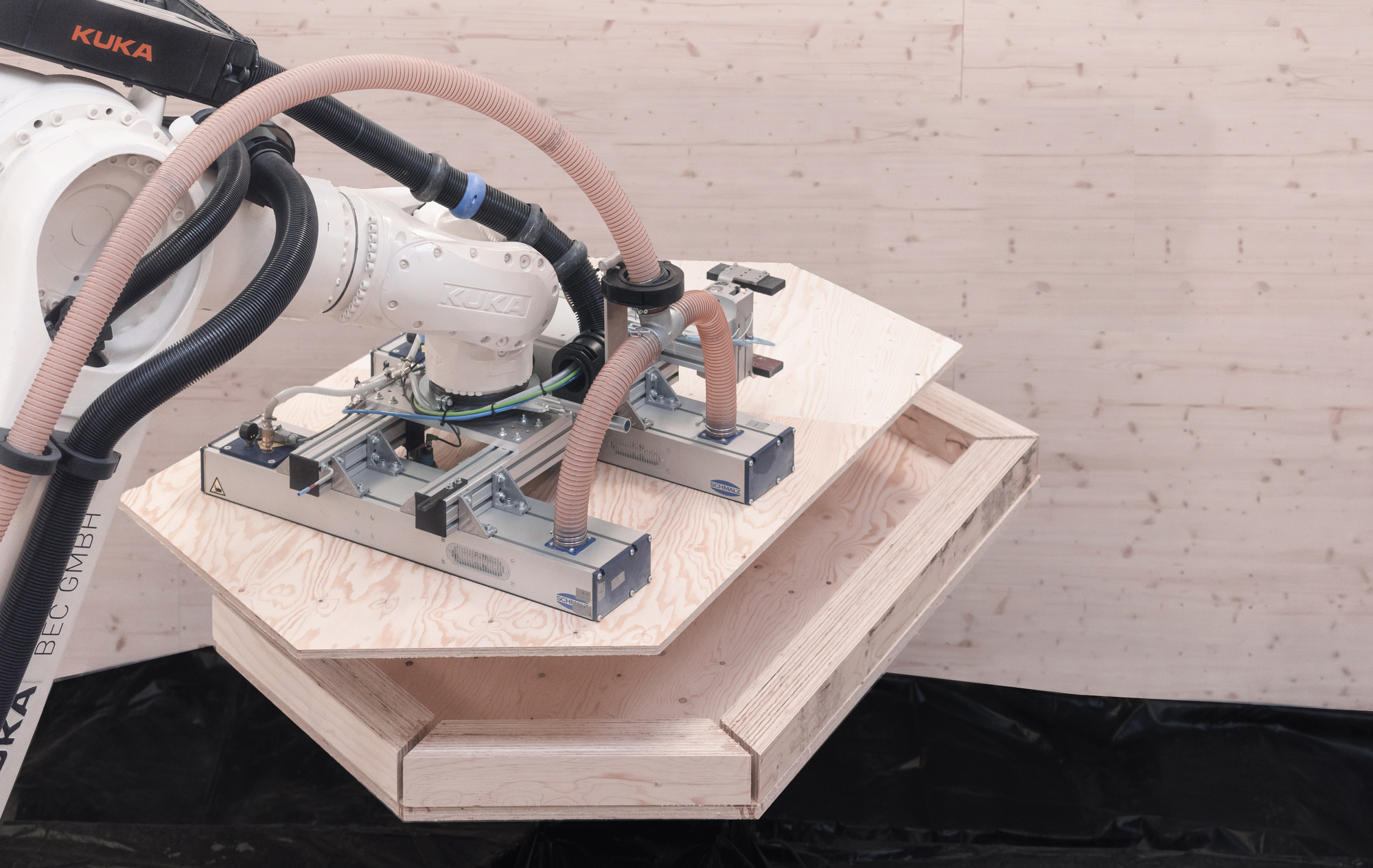
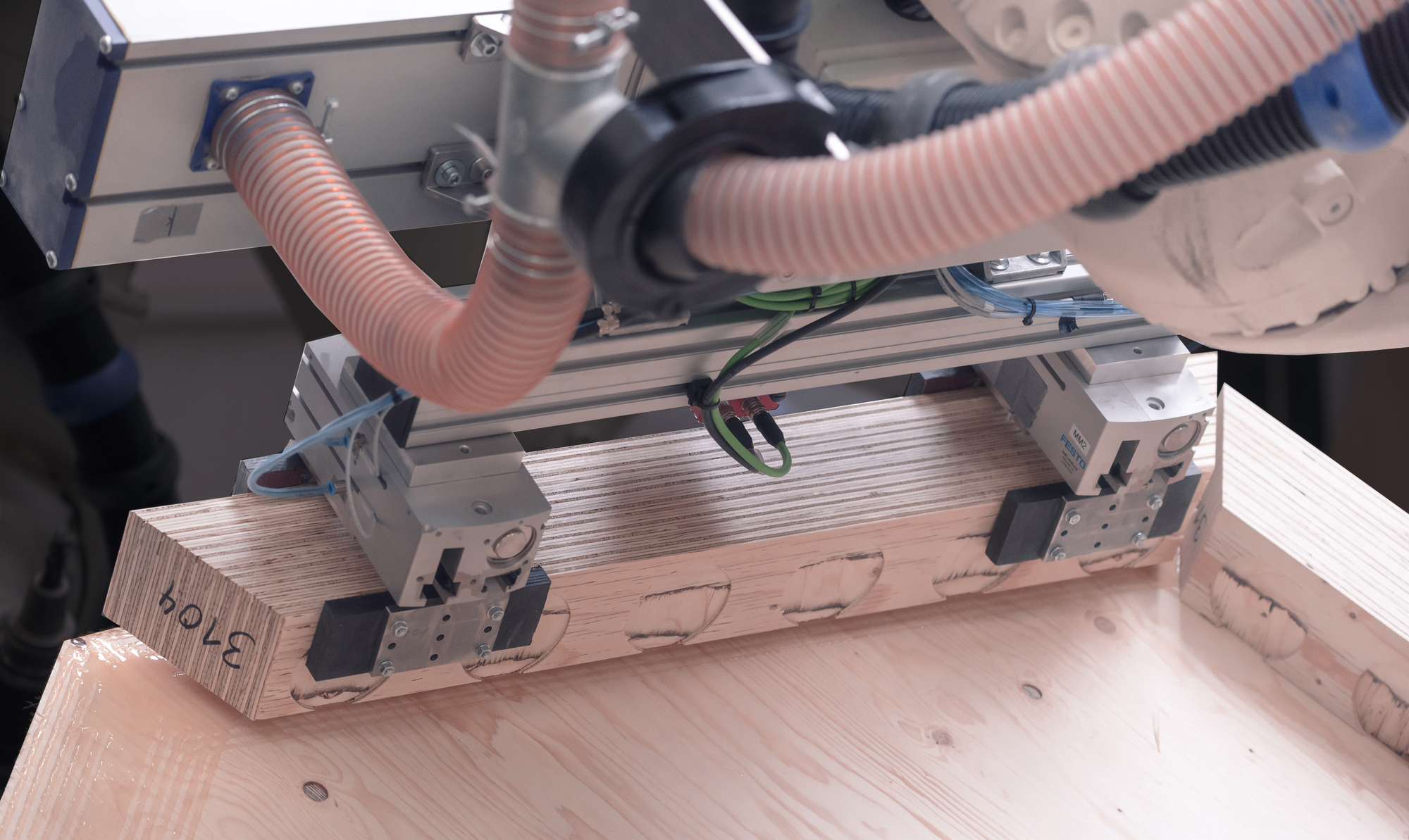
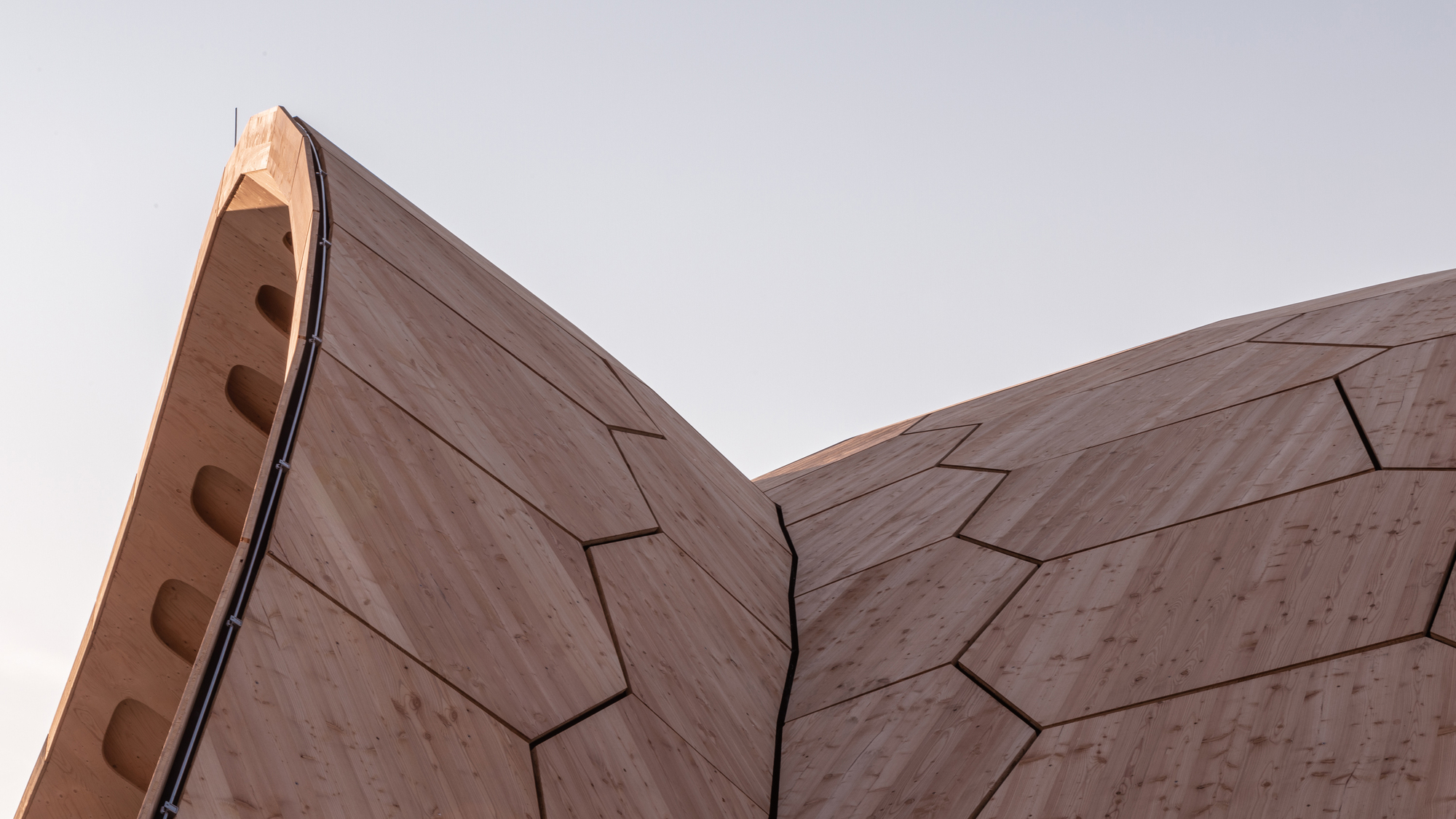
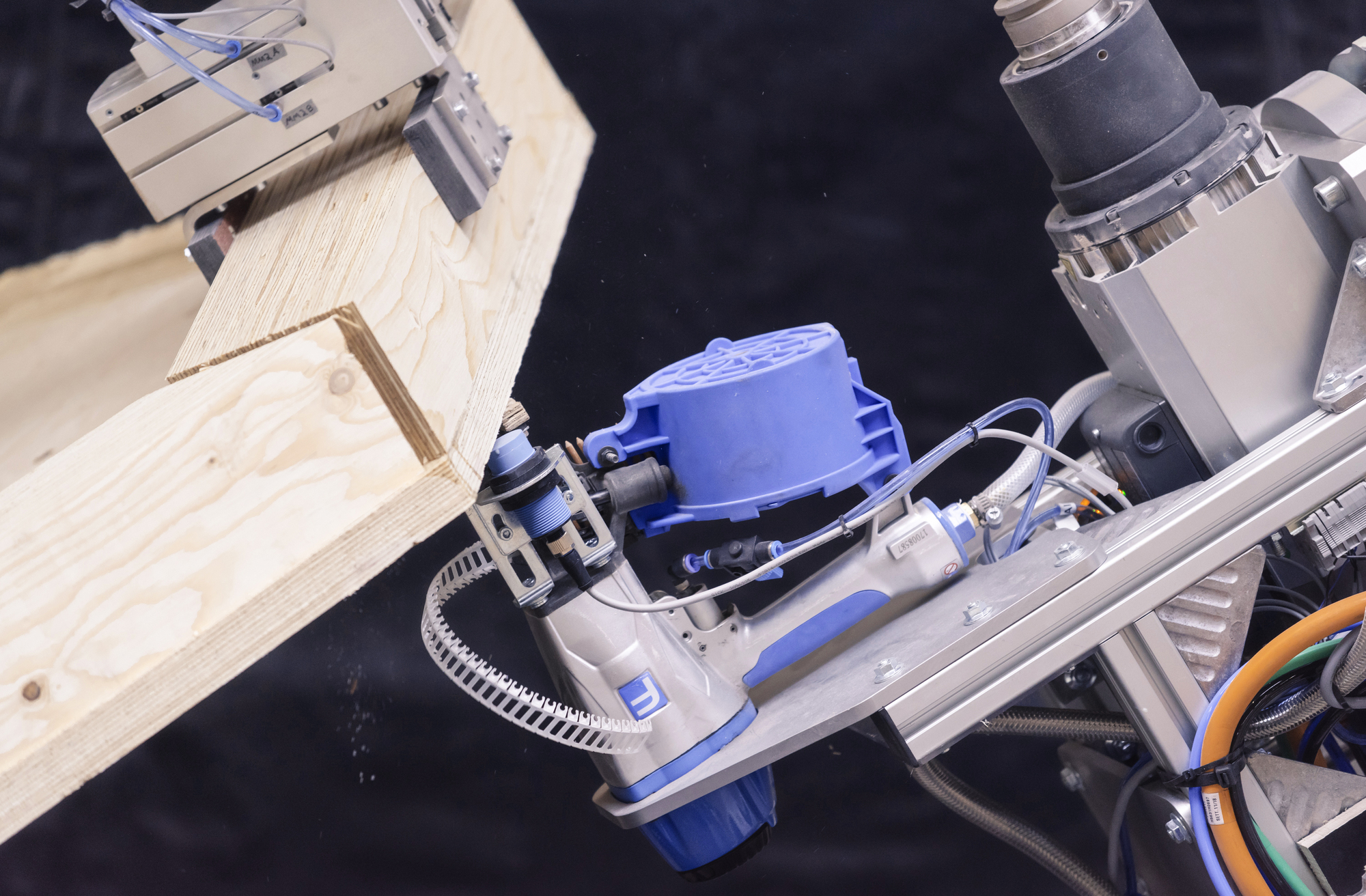
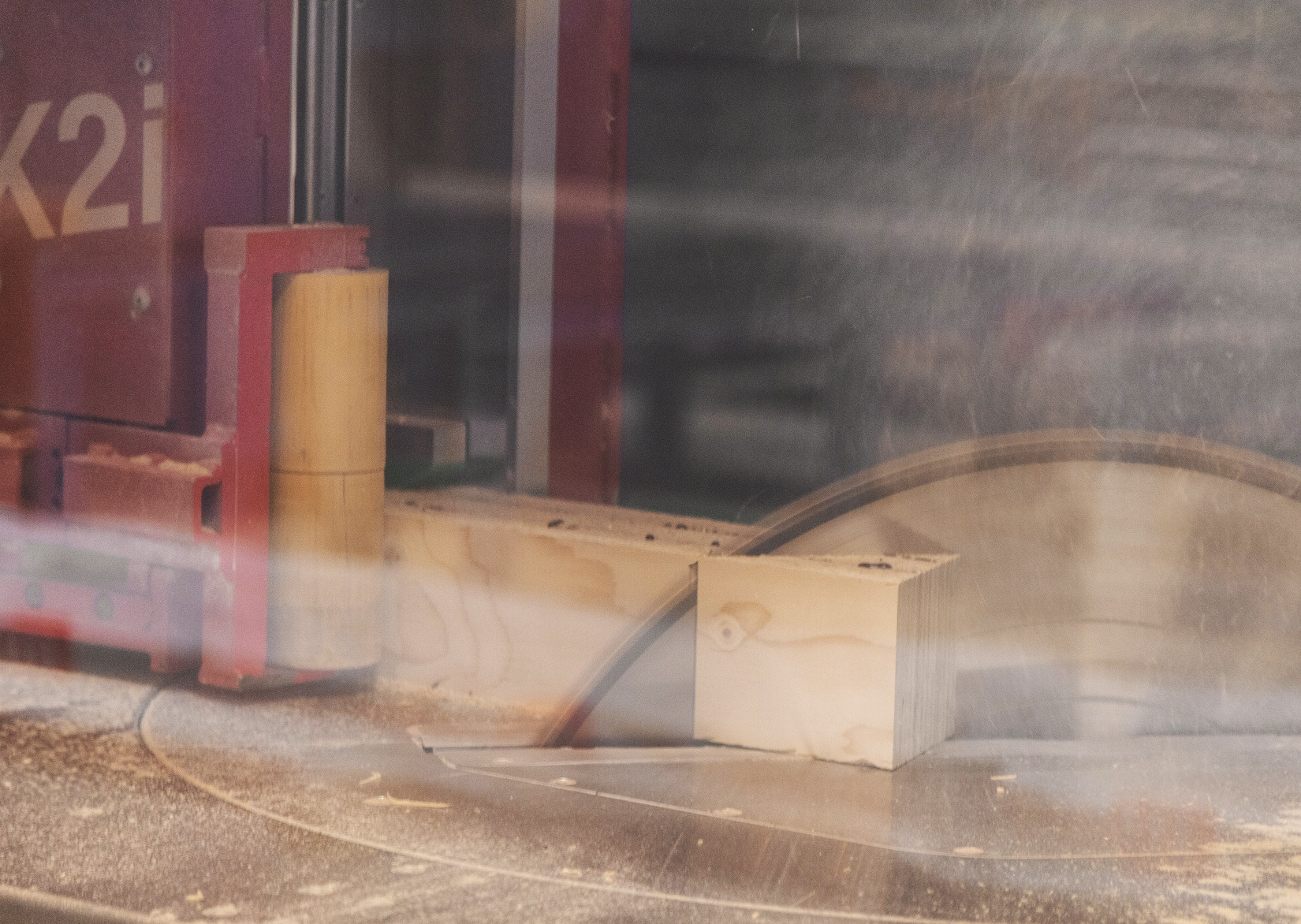
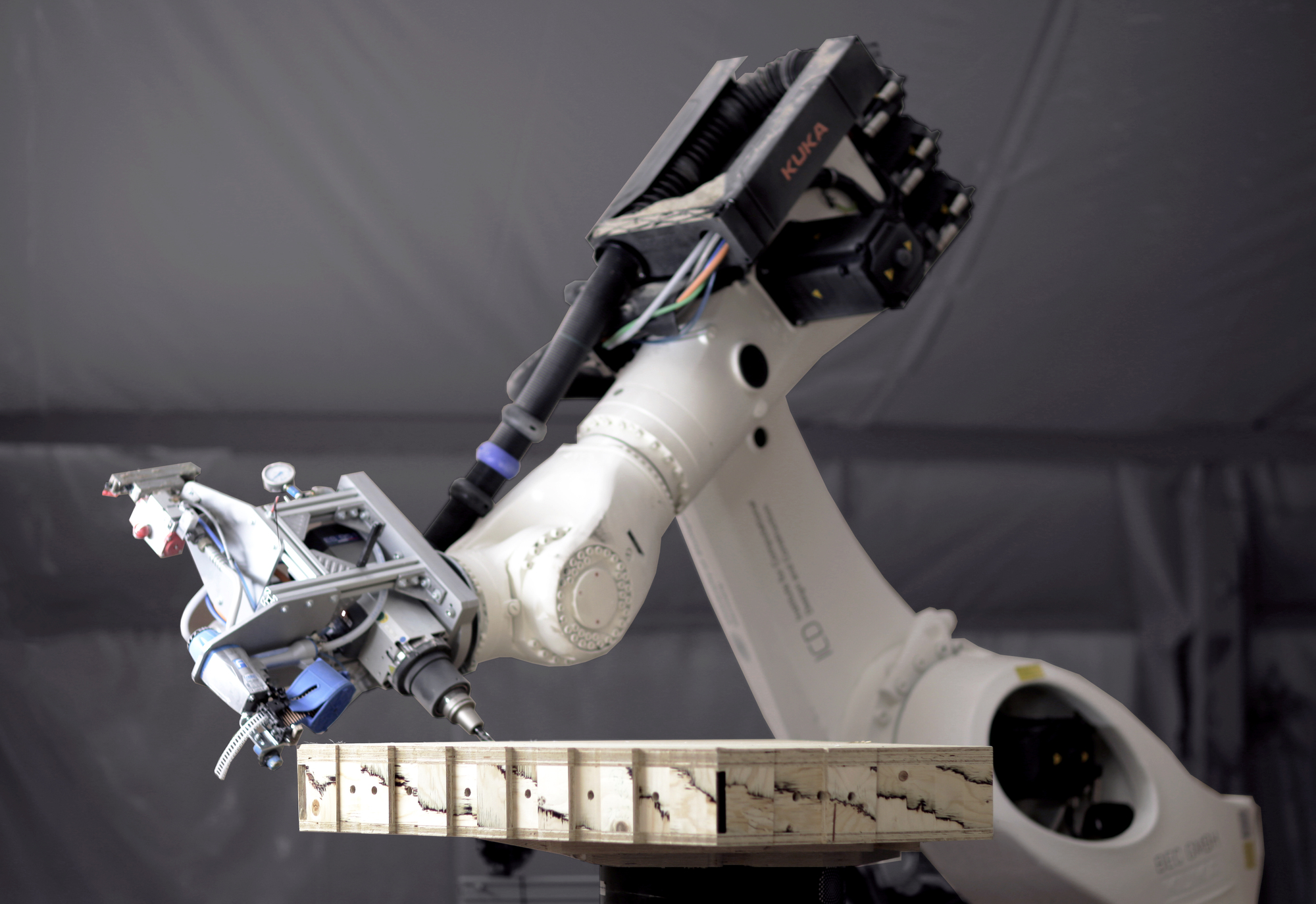
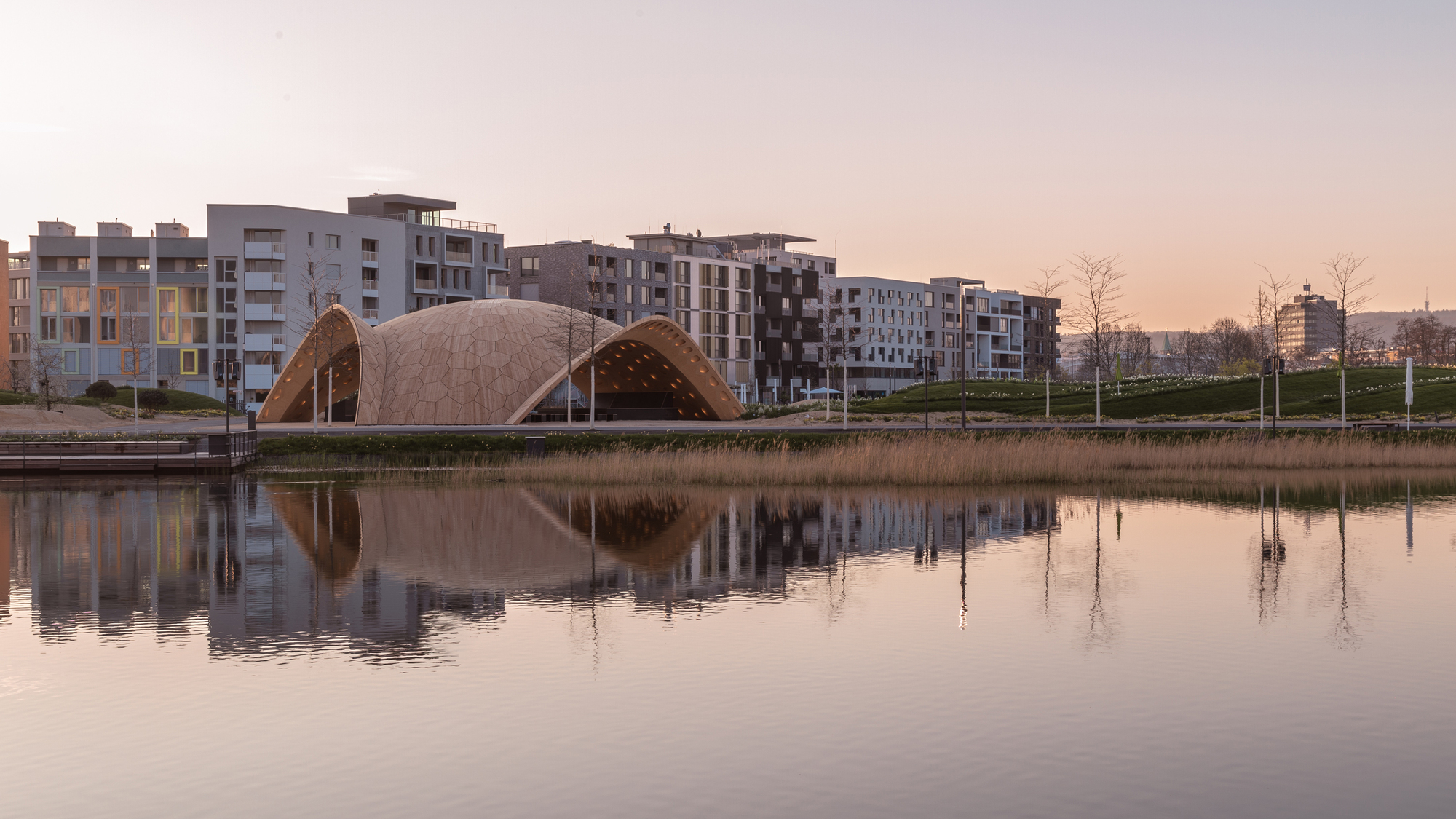
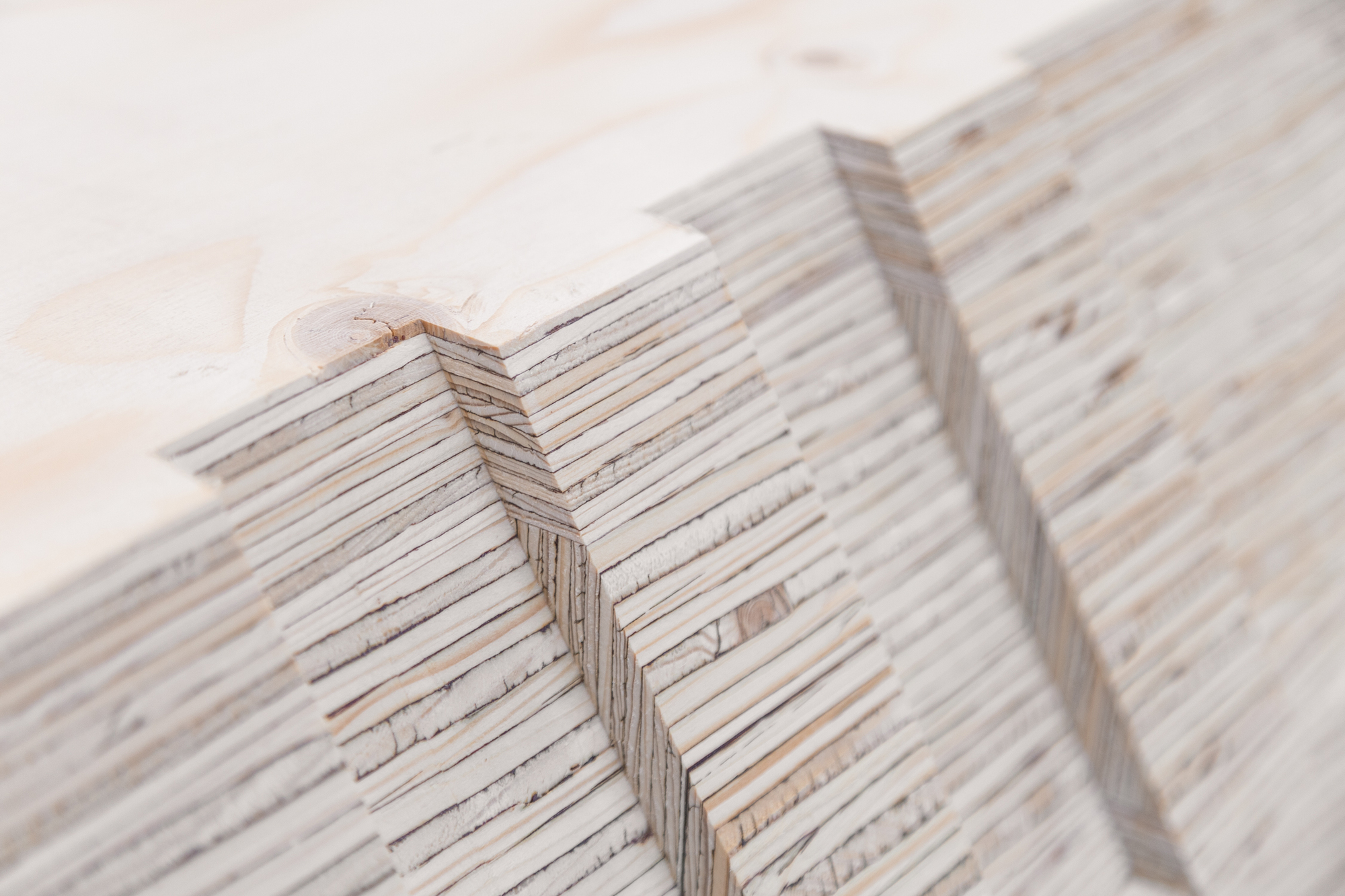
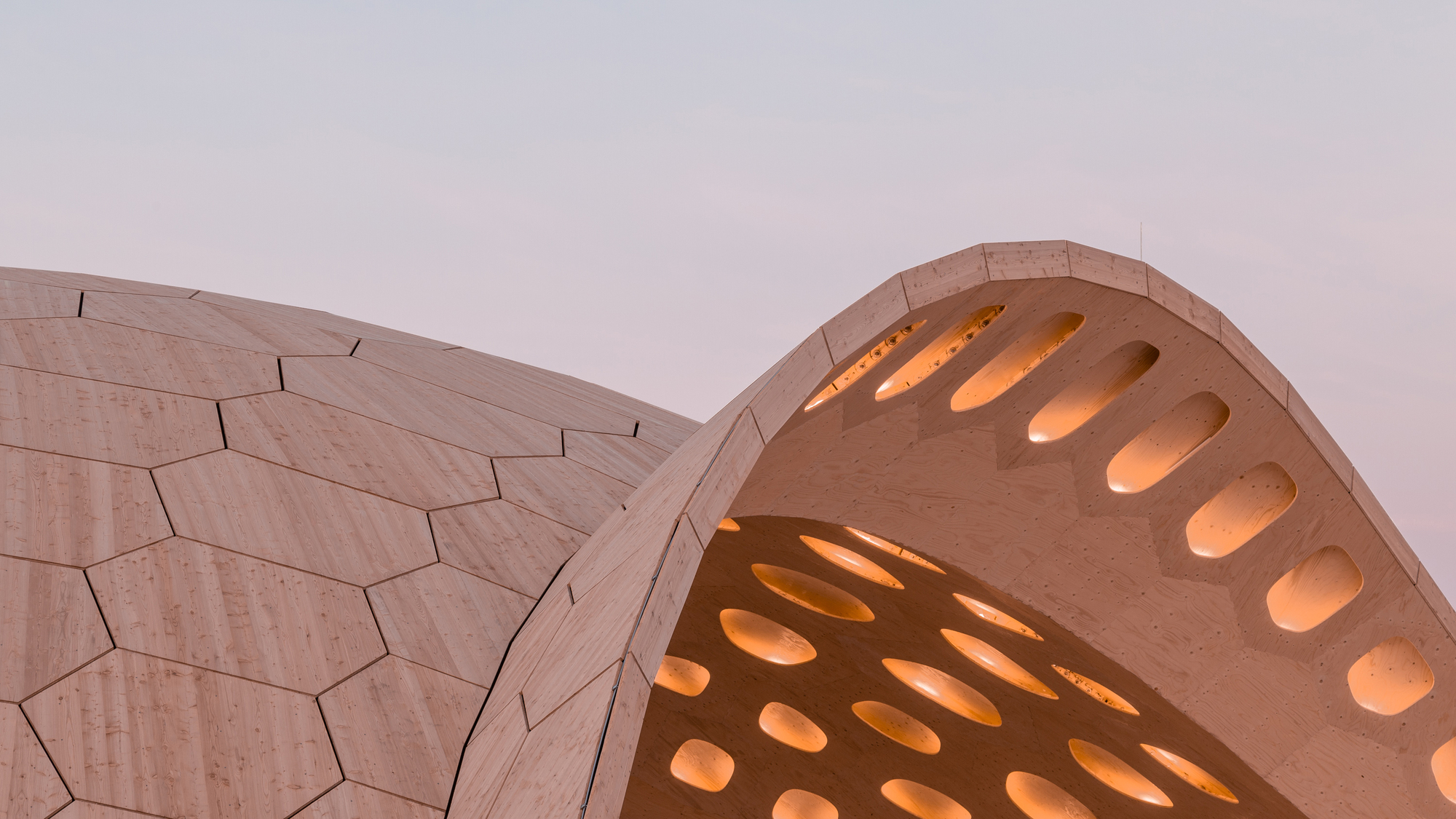
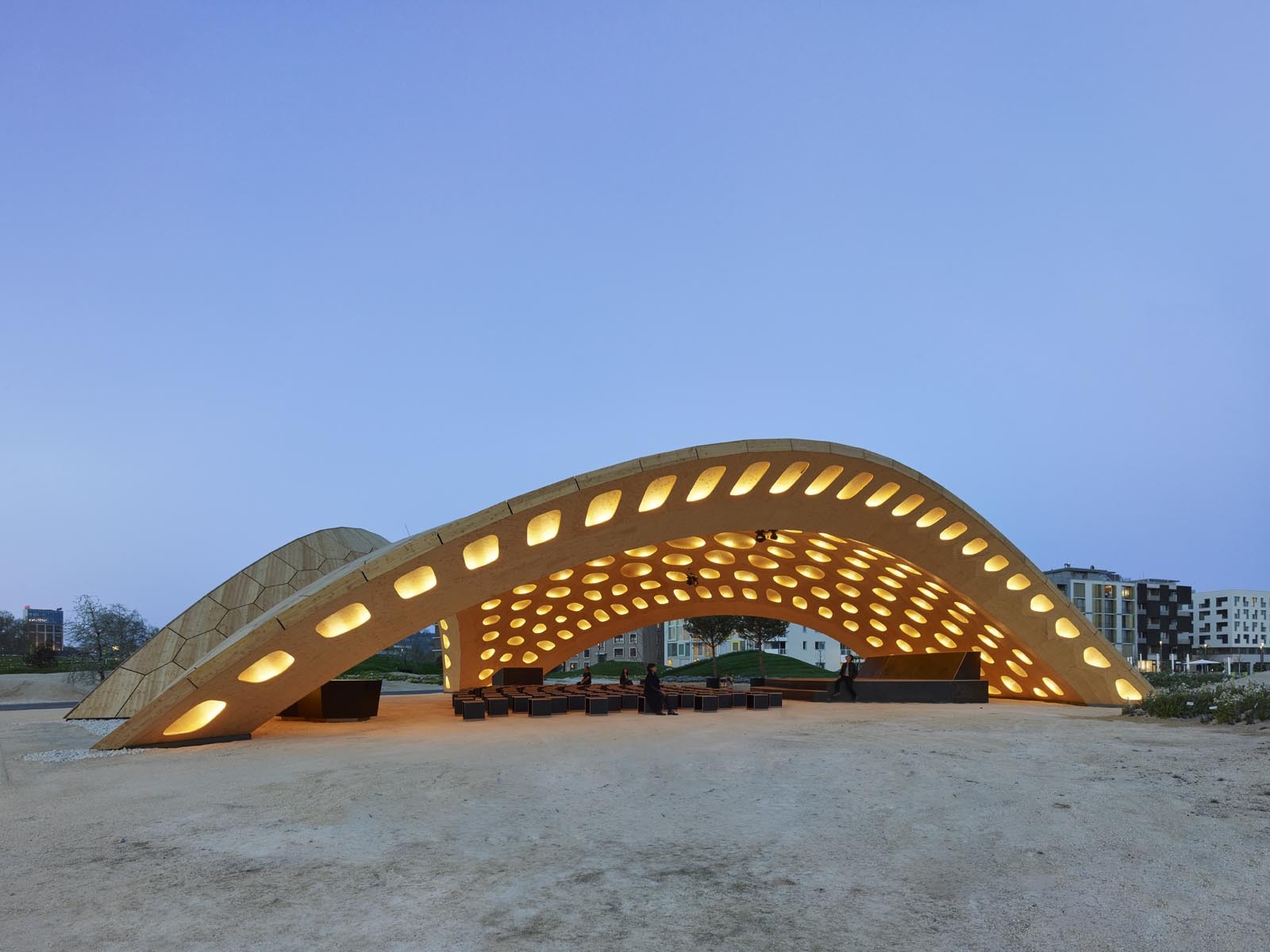
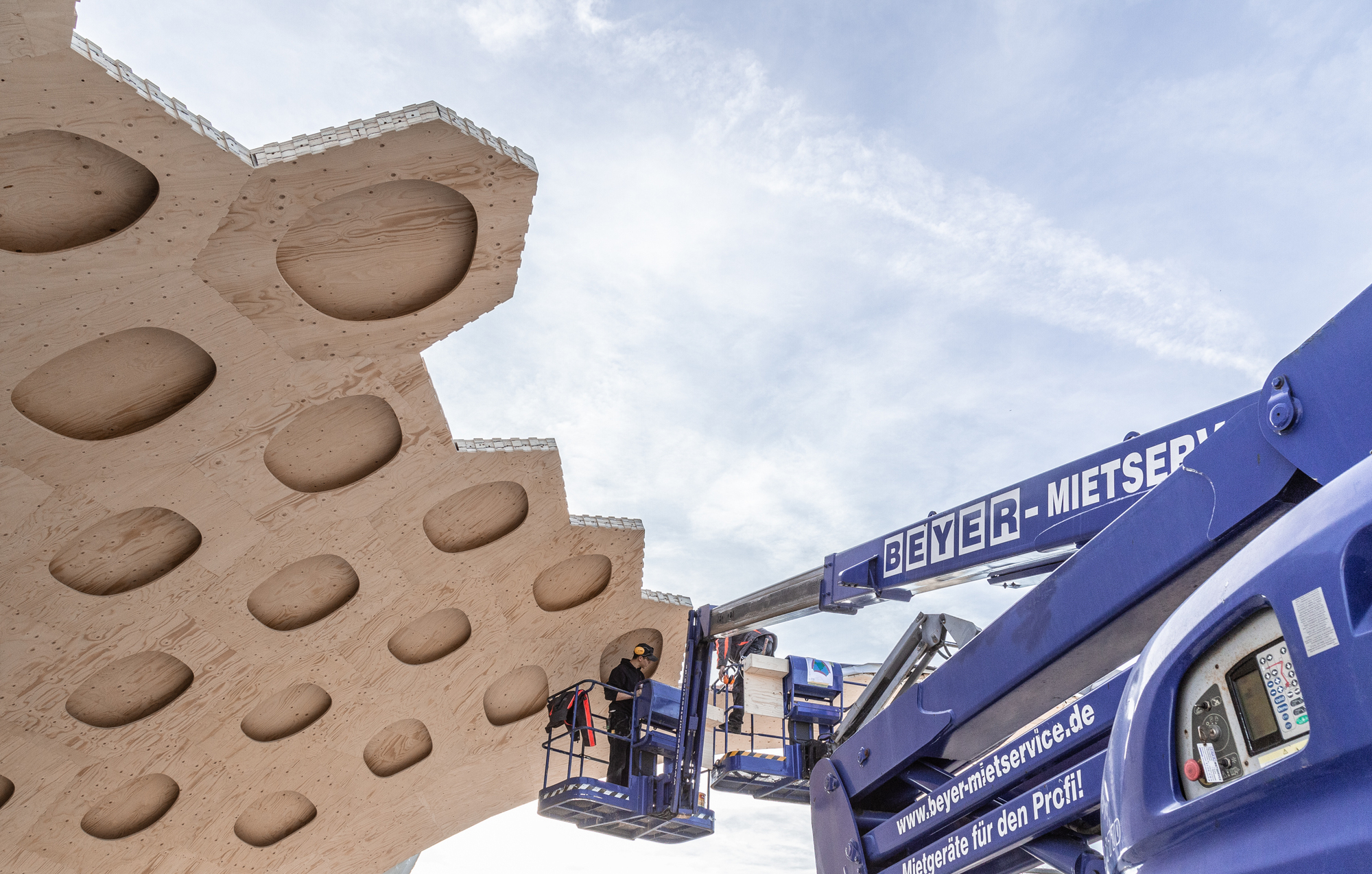
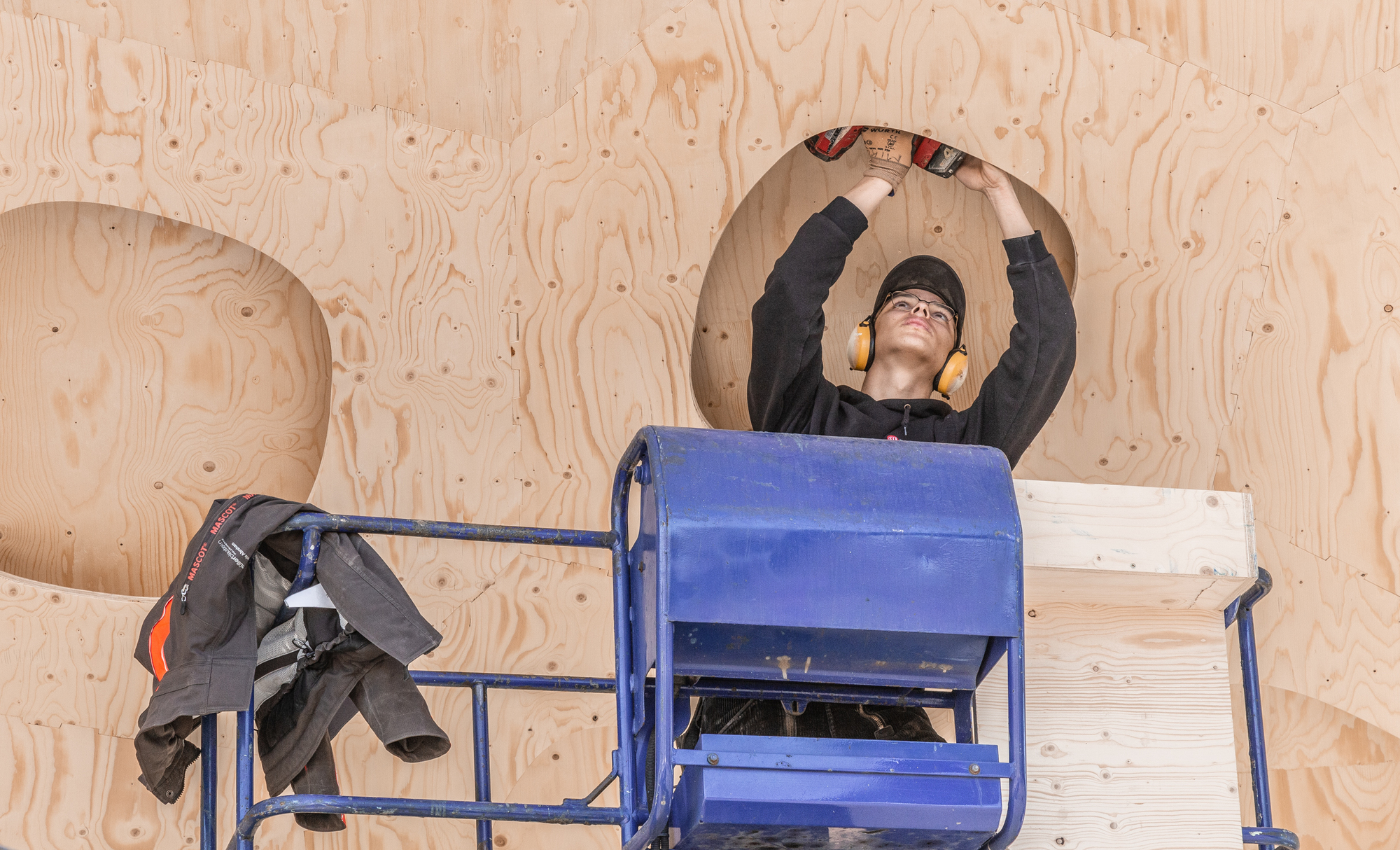
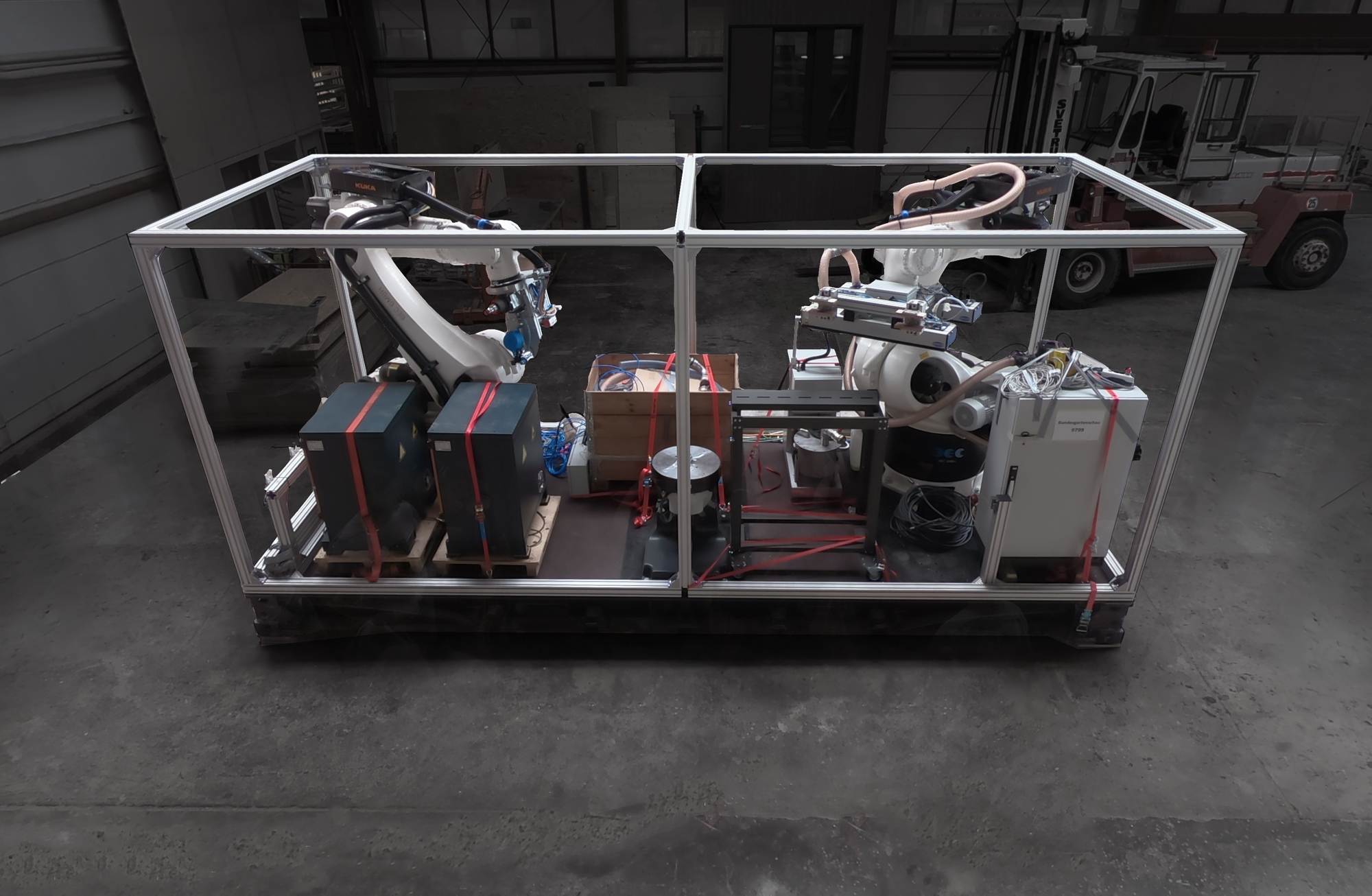
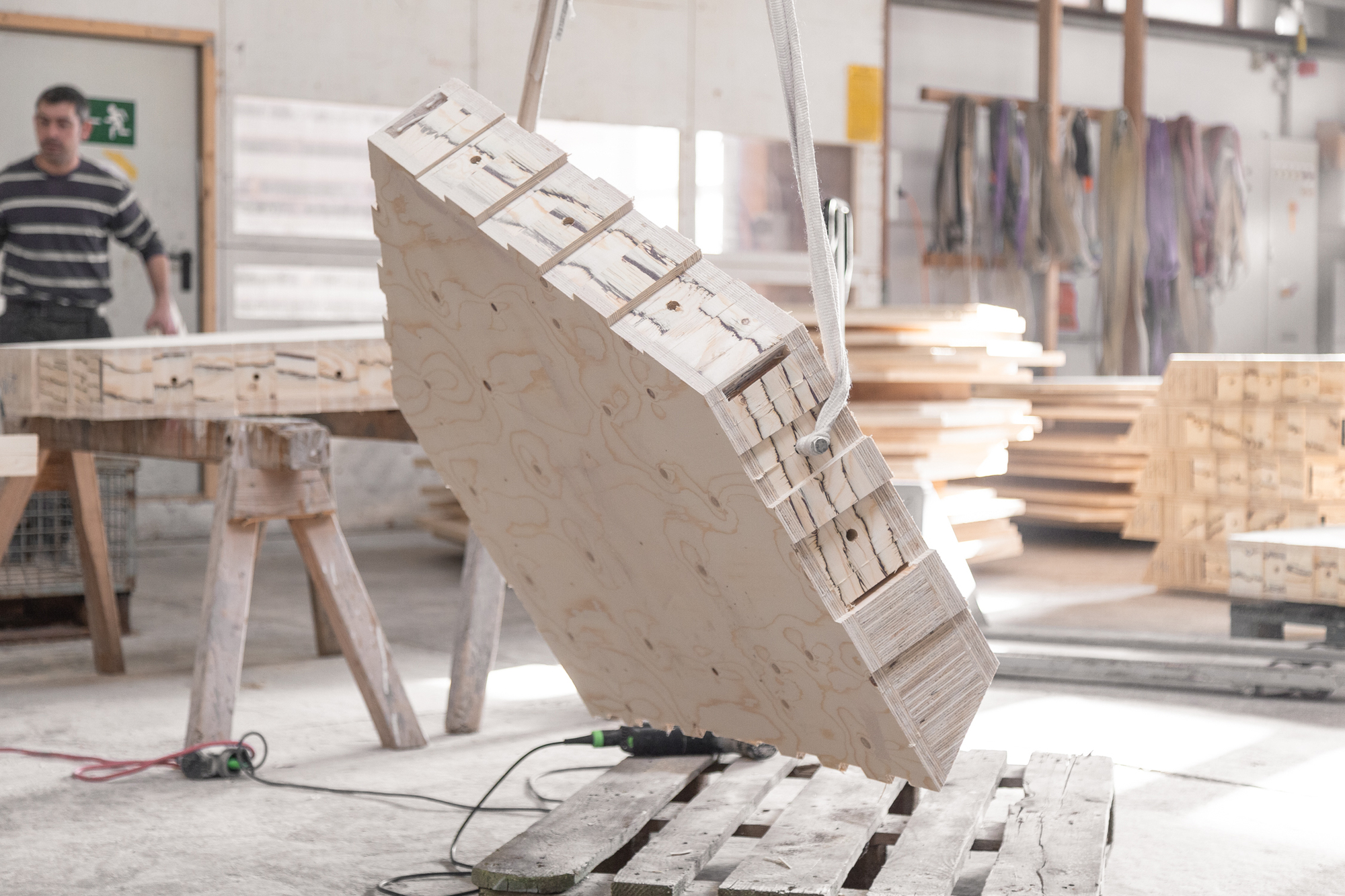
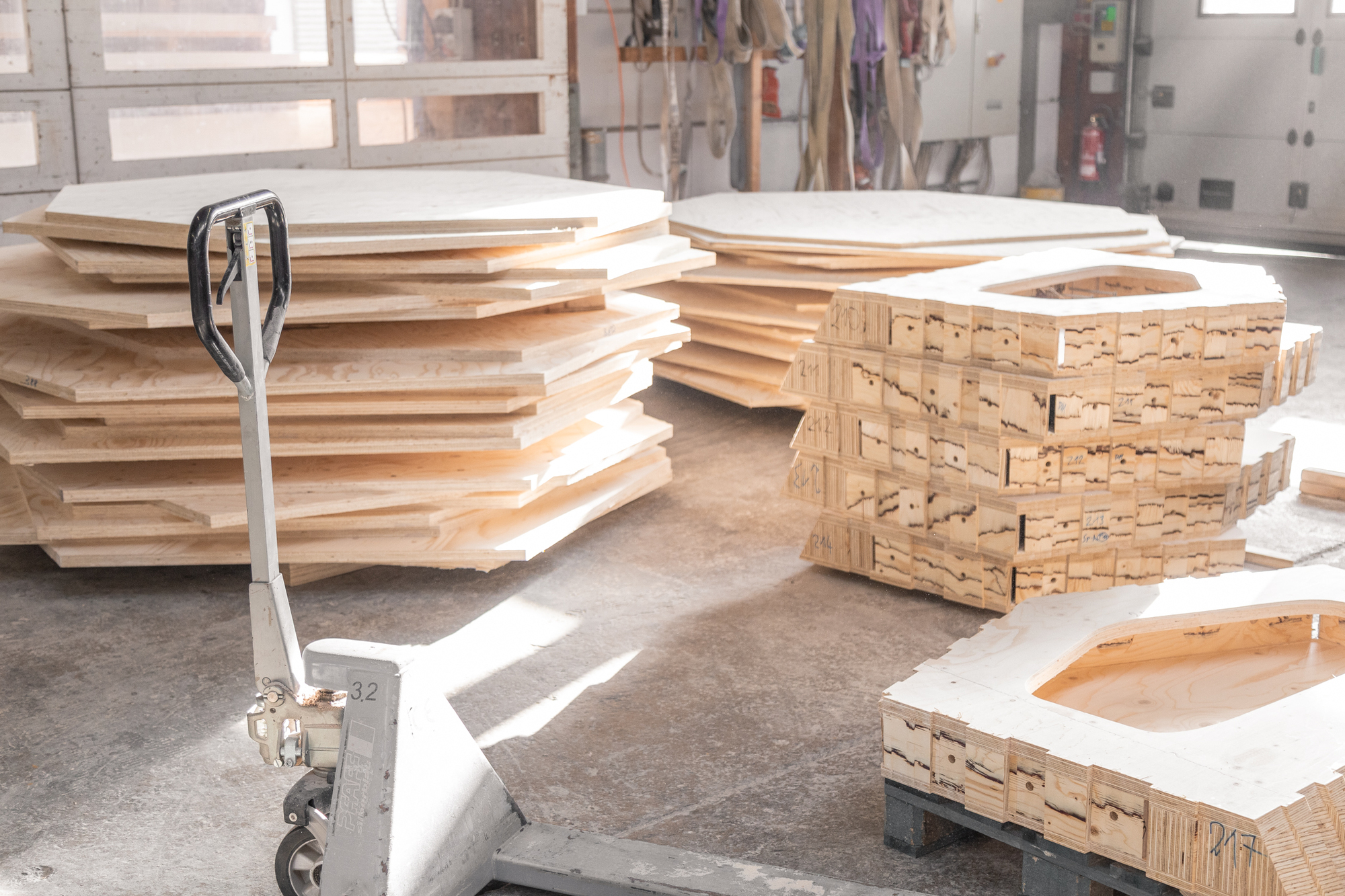
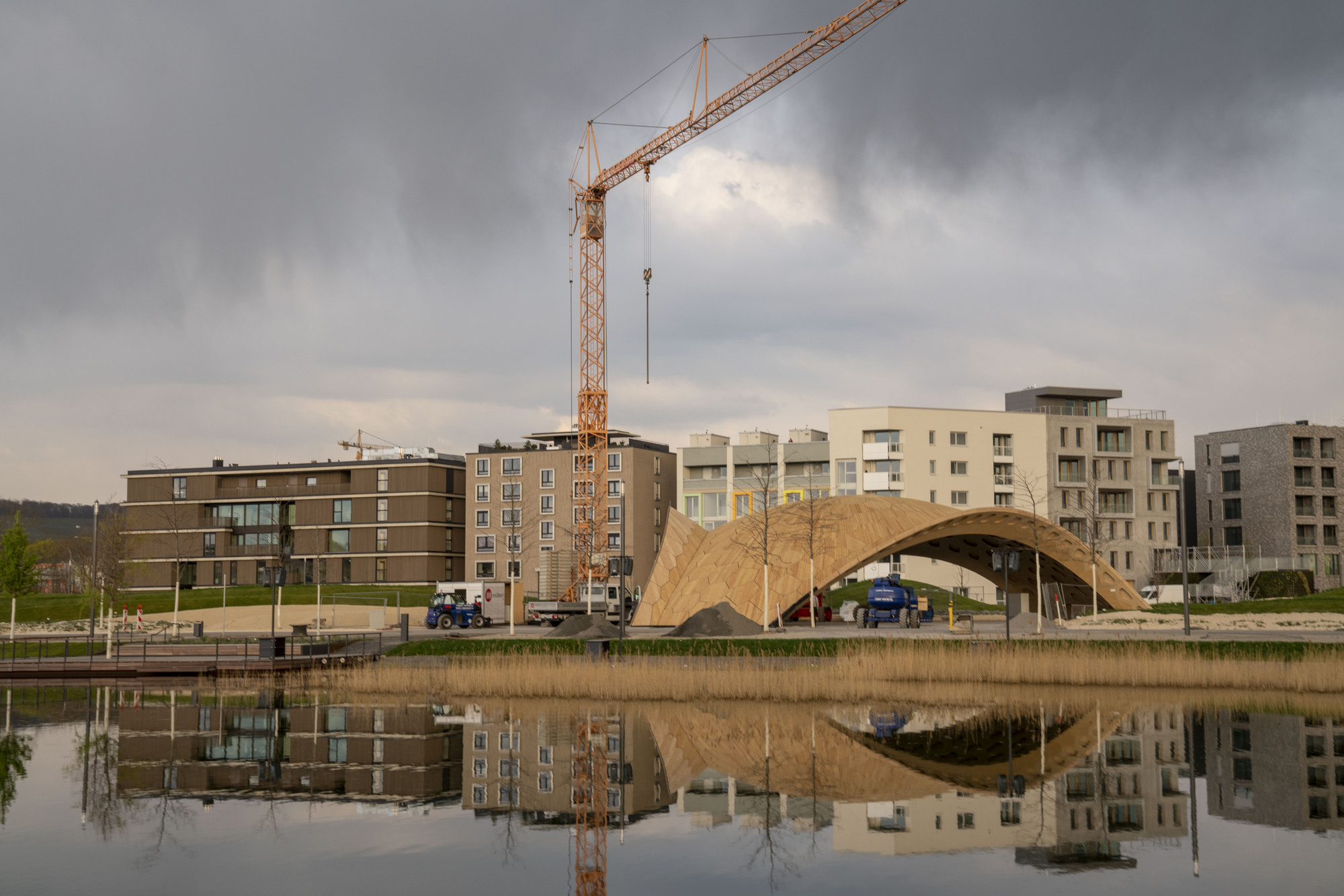
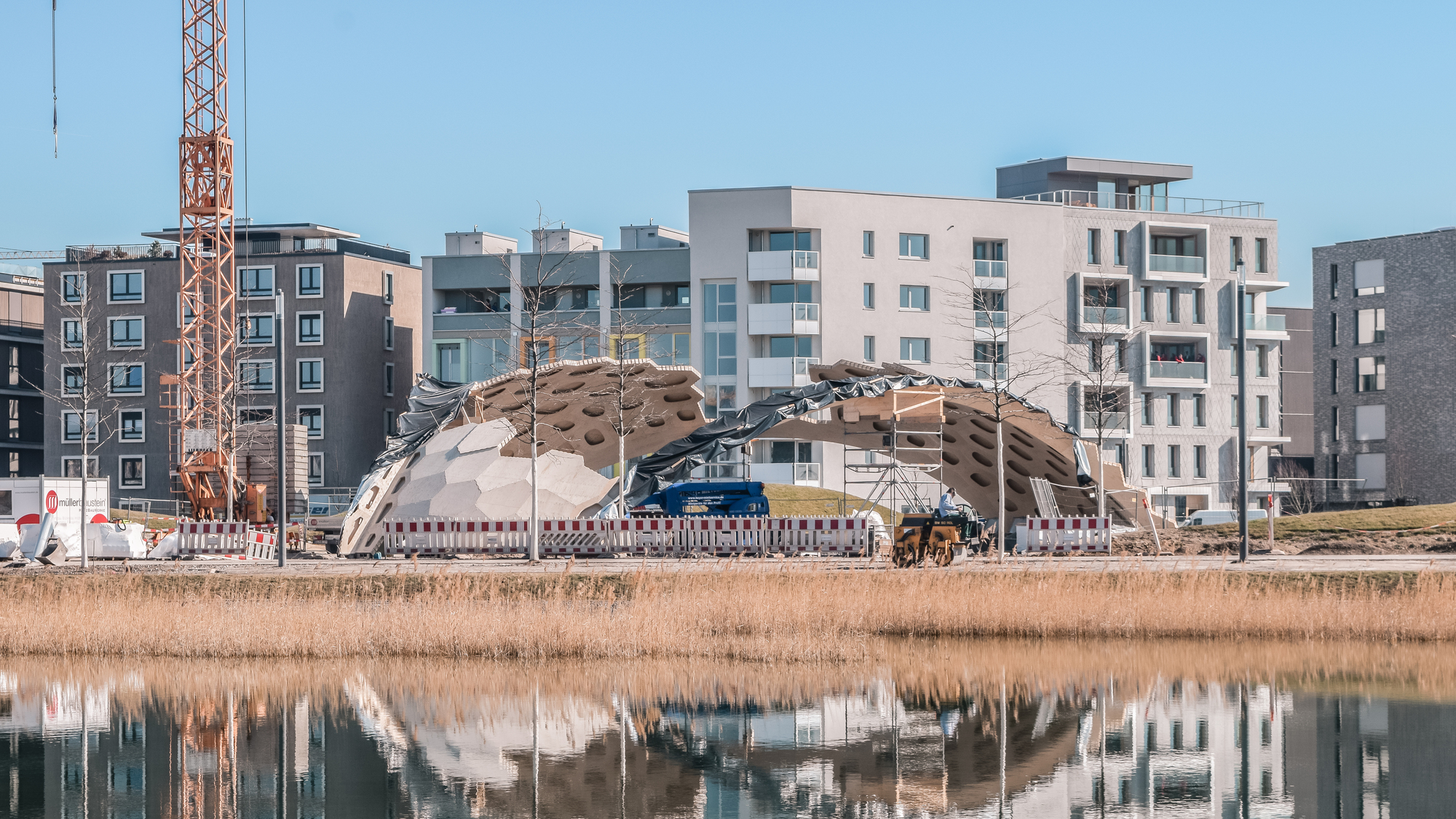
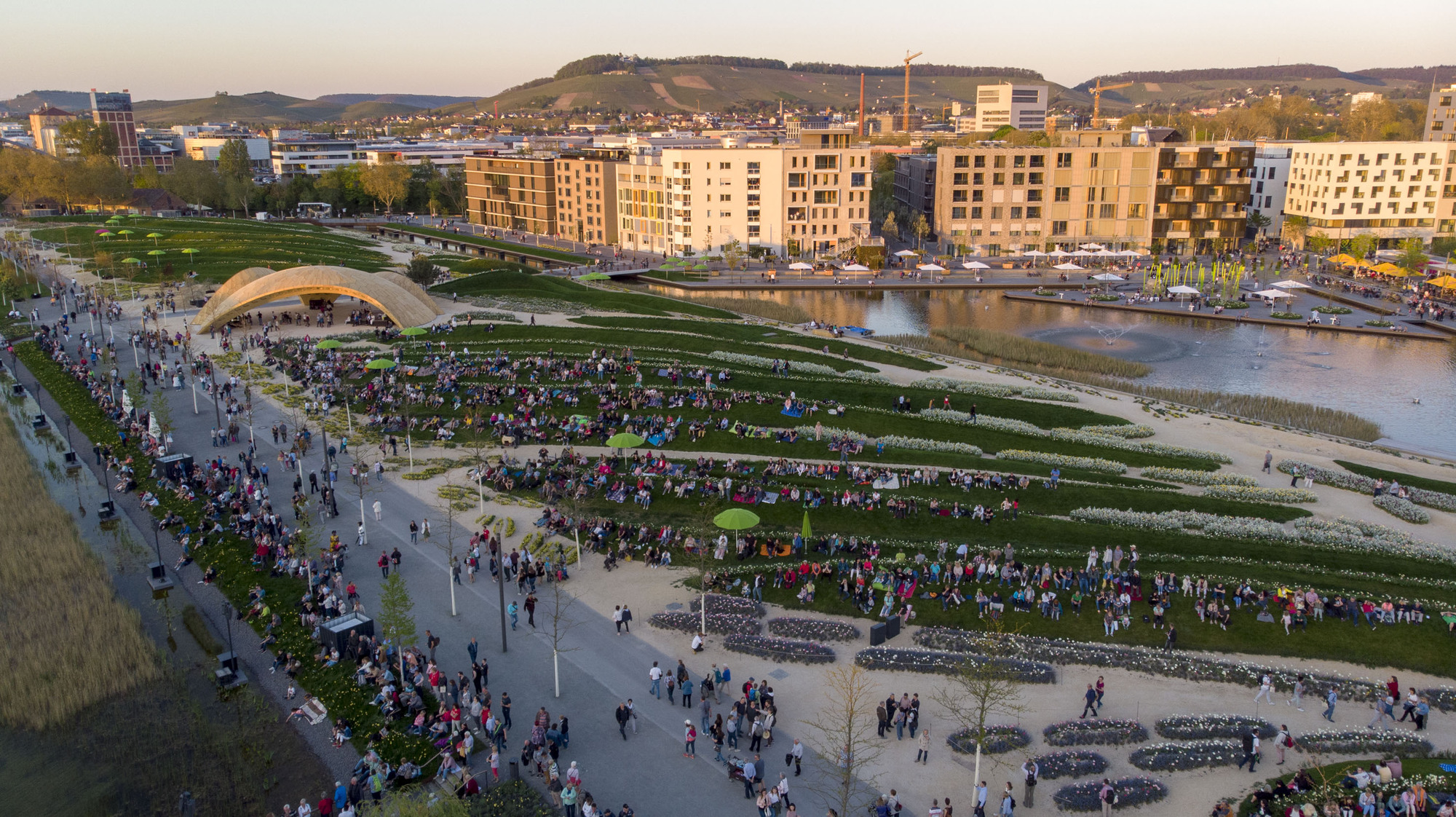
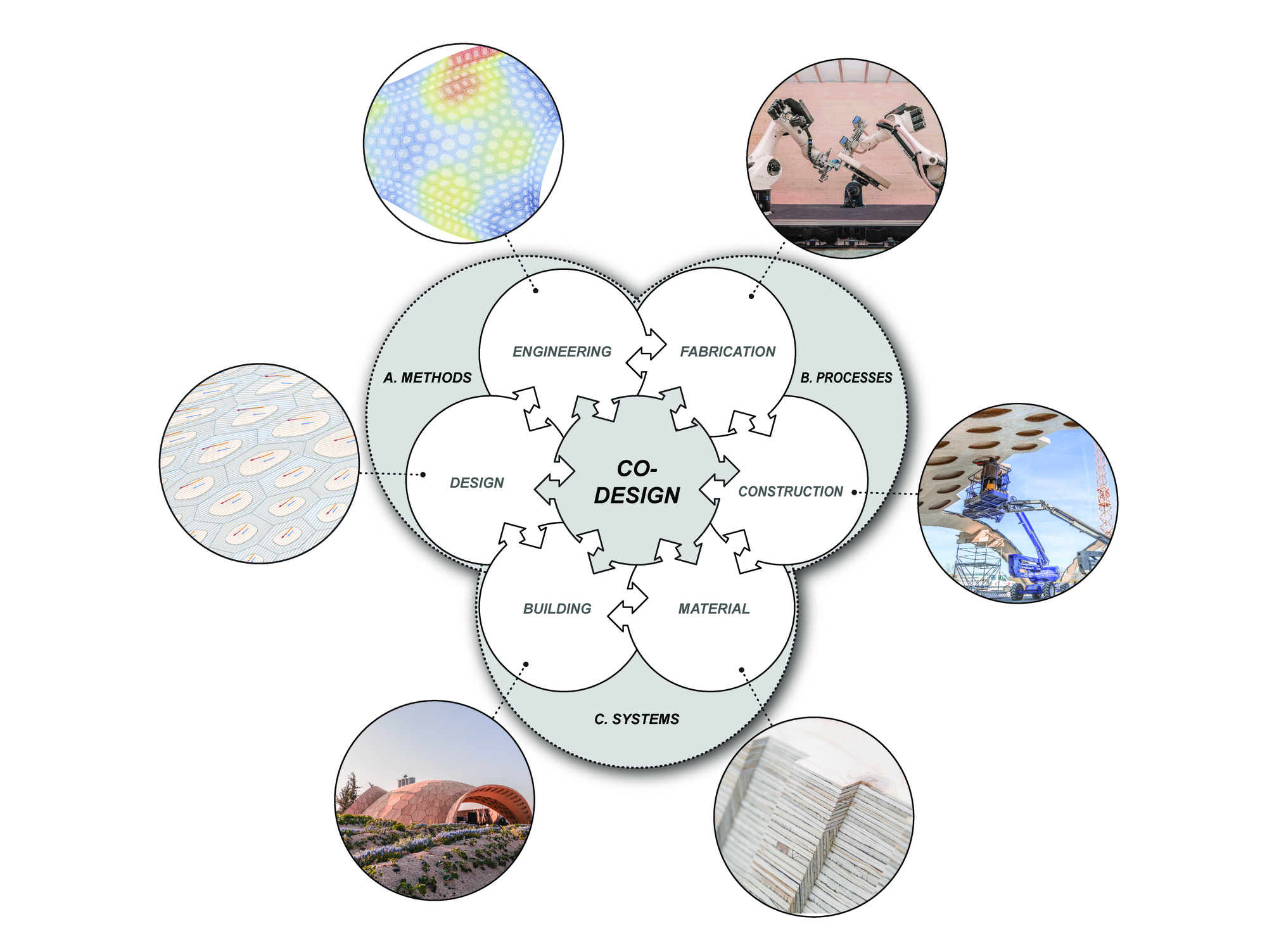
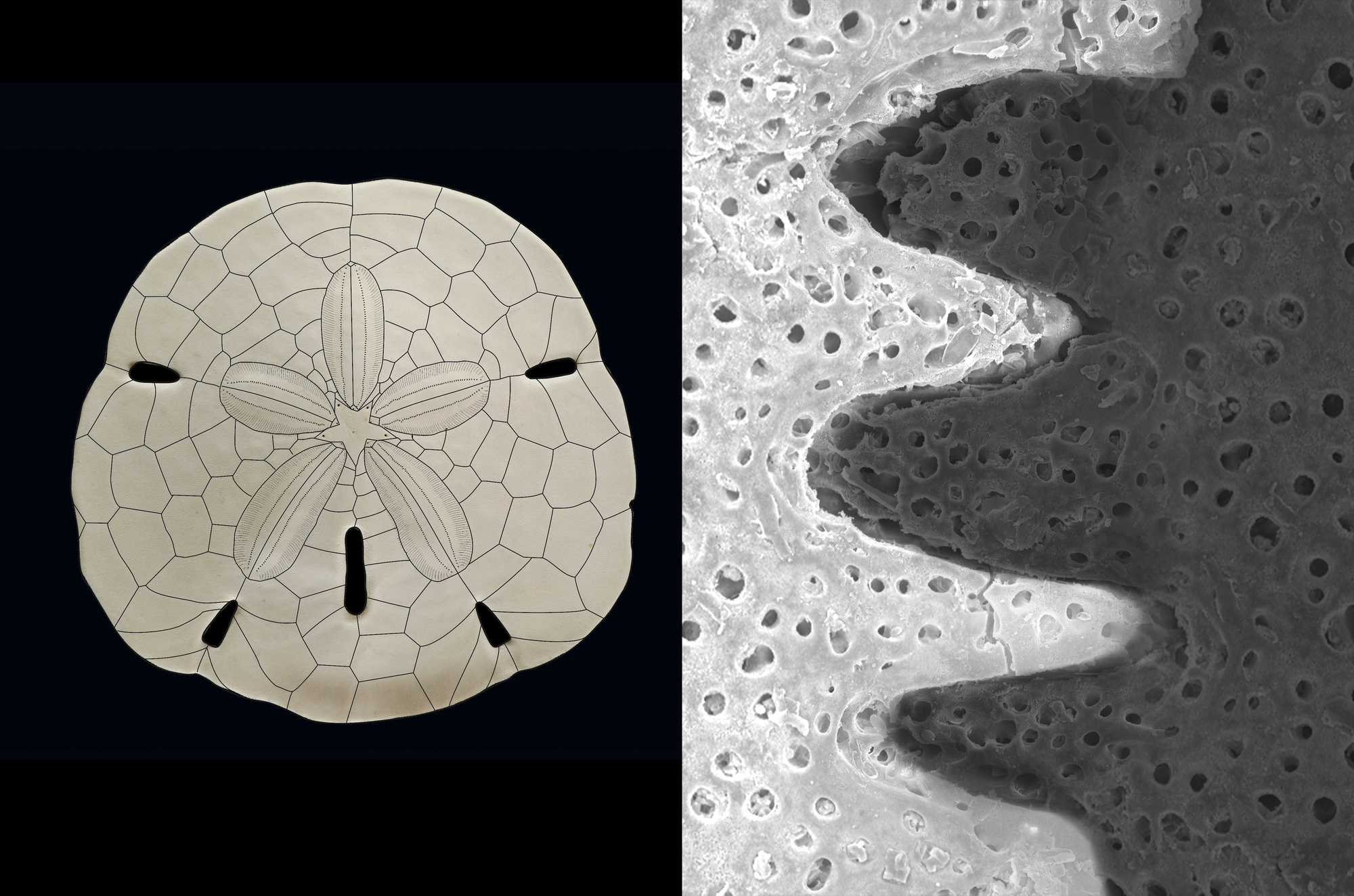
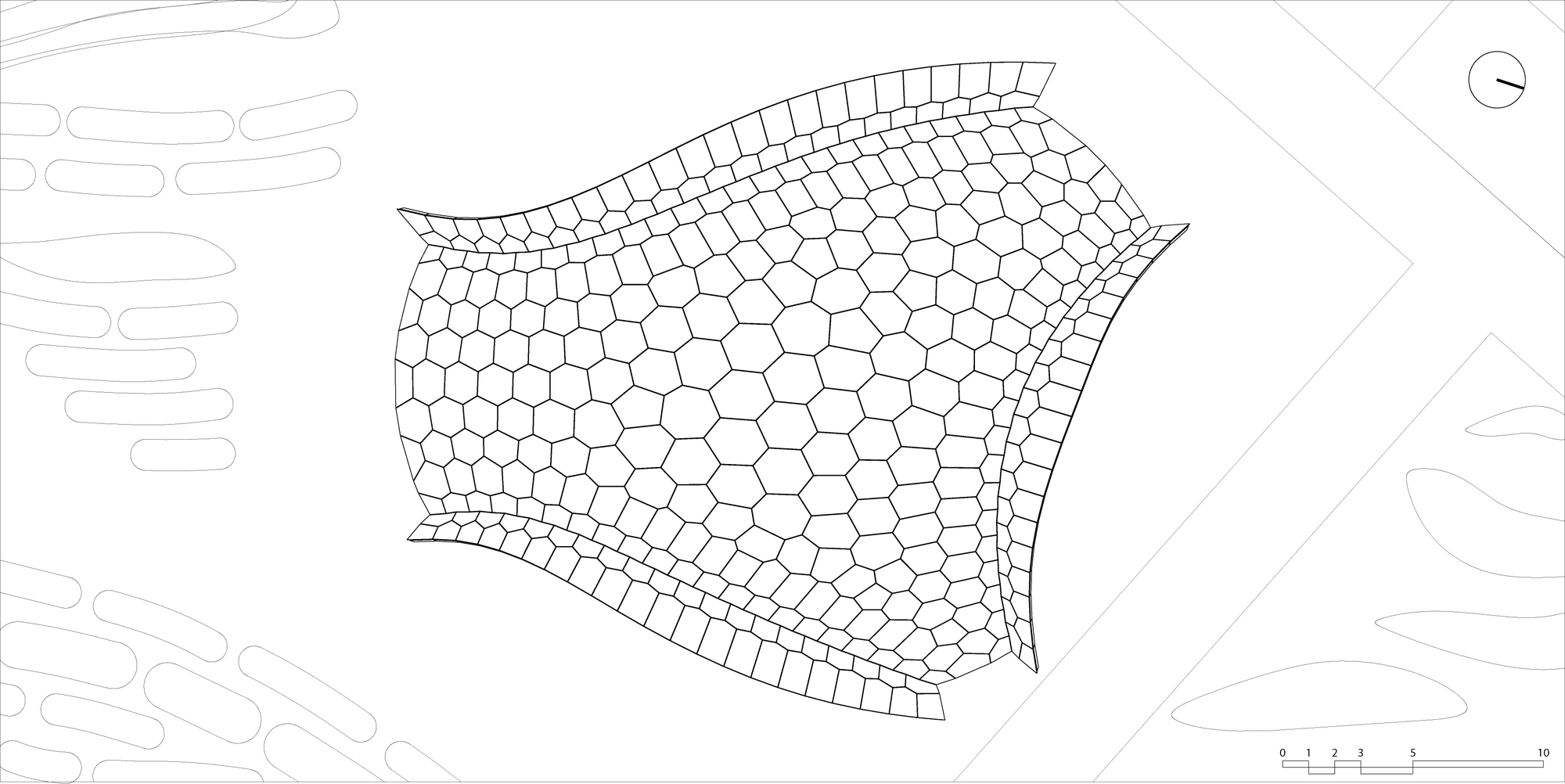
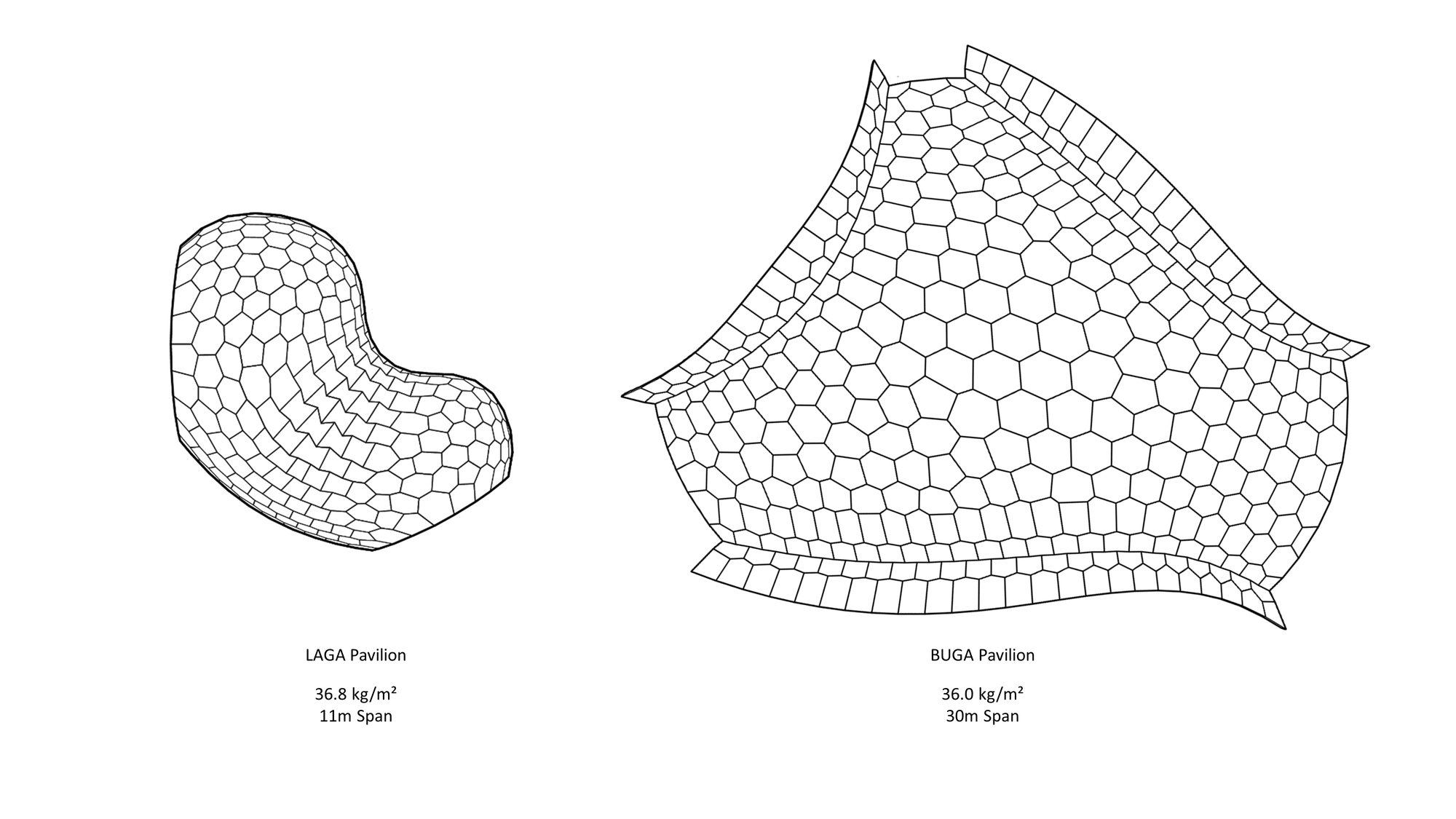
The BUGA Wood Pavilion uses a new digital wood-construction technique. Developed through ten years of joint research by the ICD Institute for Computational Design and the ITKE Institute of Building Structures and Structural Design at the University of Stuttgart, the segmented timber shell is inspired by the skeletal principle of the sea urchin. An automated production platform ensures that 376 distinct hollow wood segments are milled and assembled with sub-millimetre precision, like fitting together a giant three-dimensional puzzle. Remarkably, the pavilion achieves a 30-metre timber span with minimal material use, allowing it to host the large events and performances of the Bundesgartenschau while creating a unique spatial experience. The pavilion applies biomimetic principles at every scale, achieving maximum formal variation with minimum material, both in the overall shell geometry and in the individual wood segments. To save material and reduce structural weight, each segment is built from two thin plywood plates that, at the top and bottom of the building, form a ring beam around a polygonal hollow wood-box structure. A large opening at the base creates a distinctive architectural feature and reveals the connection nodes that are hidden elsewhere during assembly. The lightweight components are joined by finger joints that echo the morphological features of sea-urchin skeletons. As it is assembled, the shell's expressive doubly curved geometry demonstrates the dynamic formal possibilities of robotic timber design. The project is a working demonstration of how computational design and biomimicry can produce a large public building that is structurally efficient, materially frugal and spatially memorable.
TEAM
Design Team: ICD: Prof. Achim Menges, Martin Alvarez, Monika Göbel, Abel Groenewolt, Oliver David Krieg, Ondrej Kyjanek, Hans Jakob Wagner ITKE: Prof. Jan Knippers, Lotte Aldinger, Simon Bechert, Daniel Sonntag























 Editor's Pick
 Latest Design
 Best Idea