Text description provided by the architects
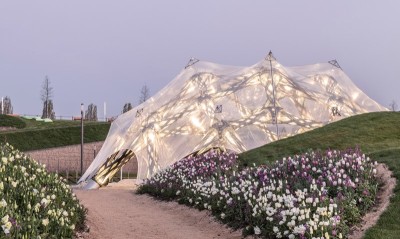
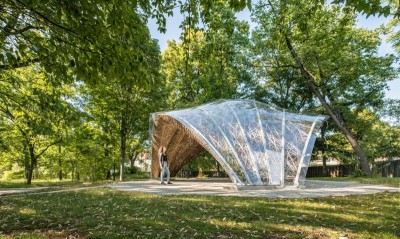
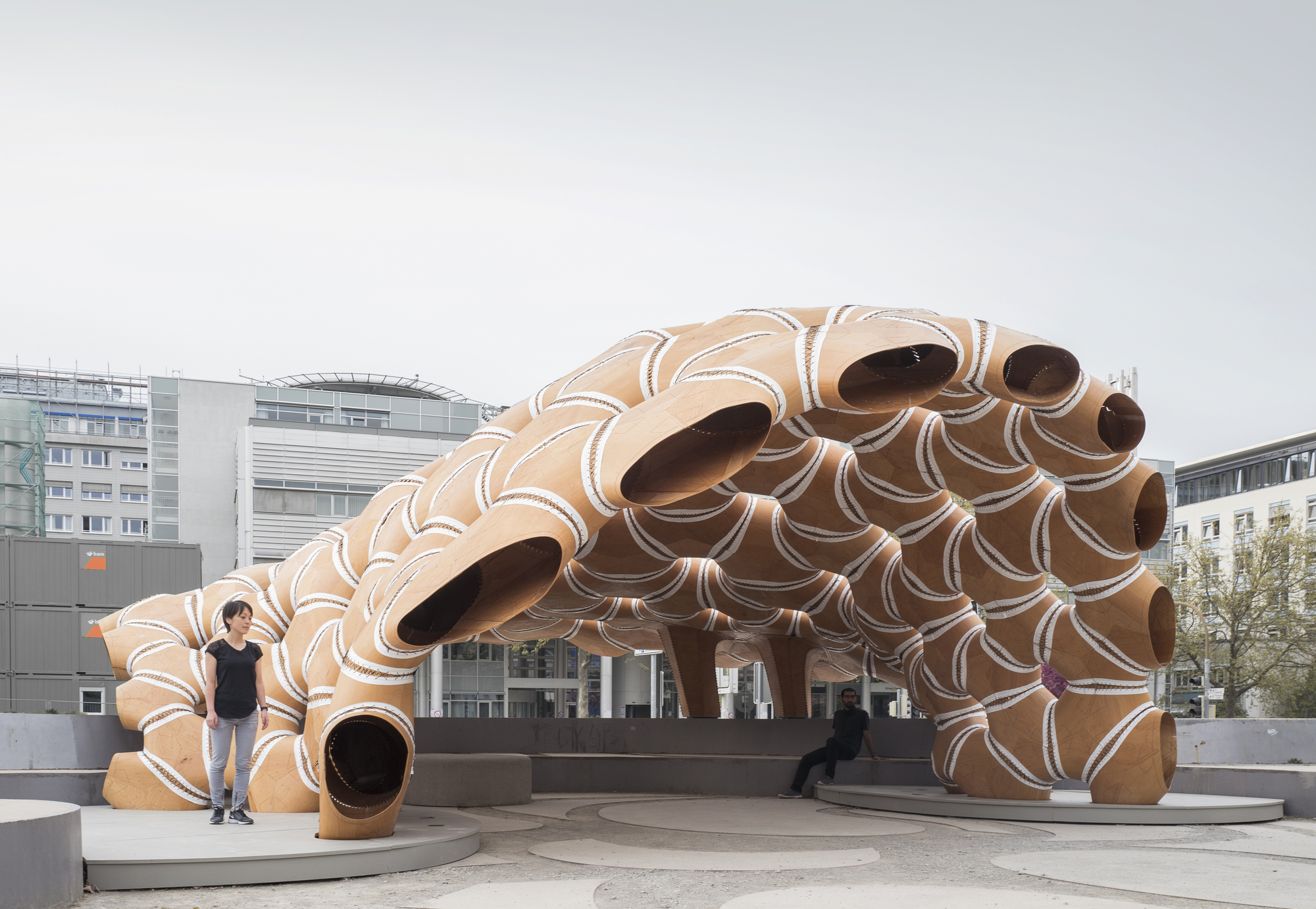
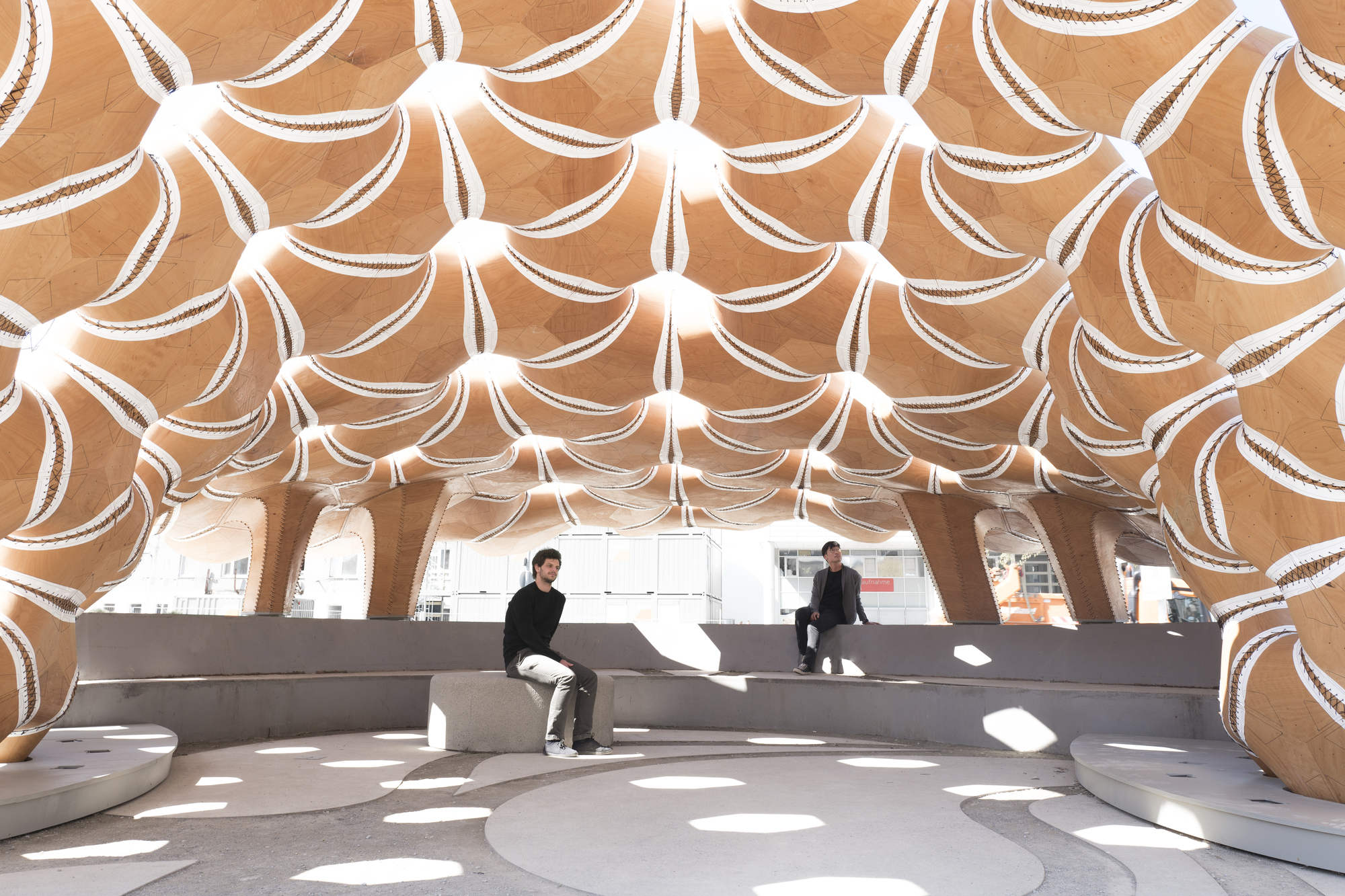
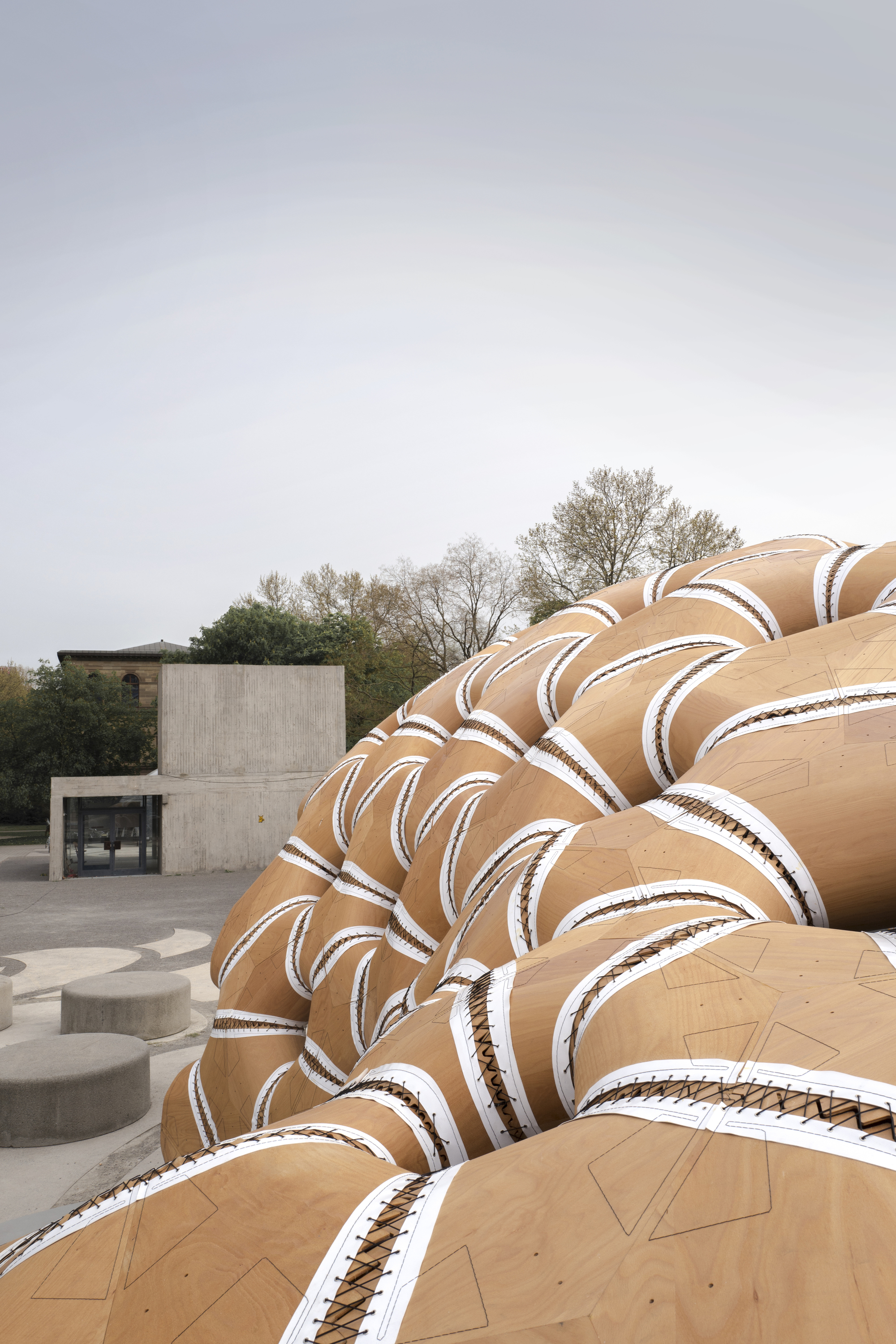
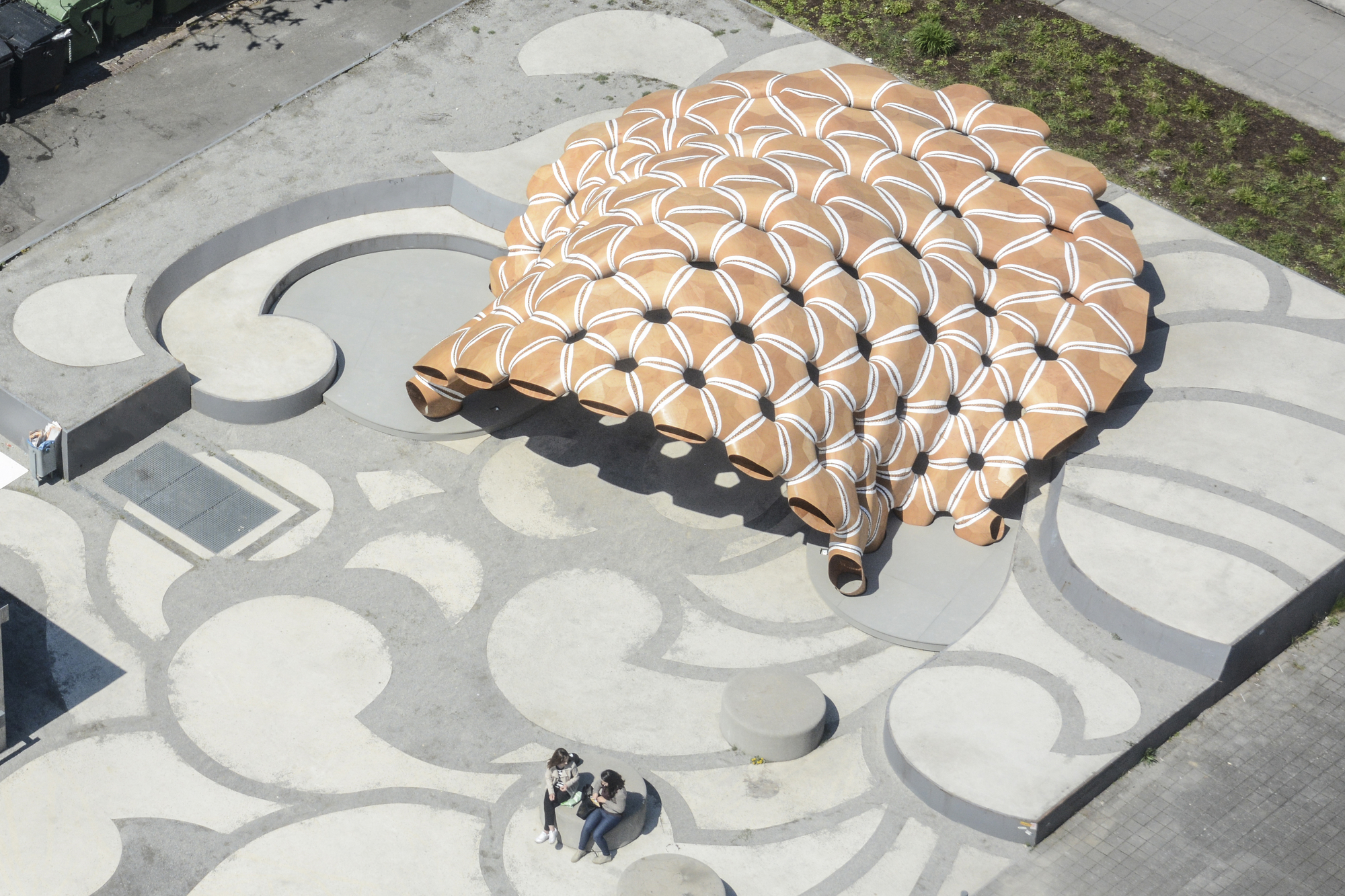
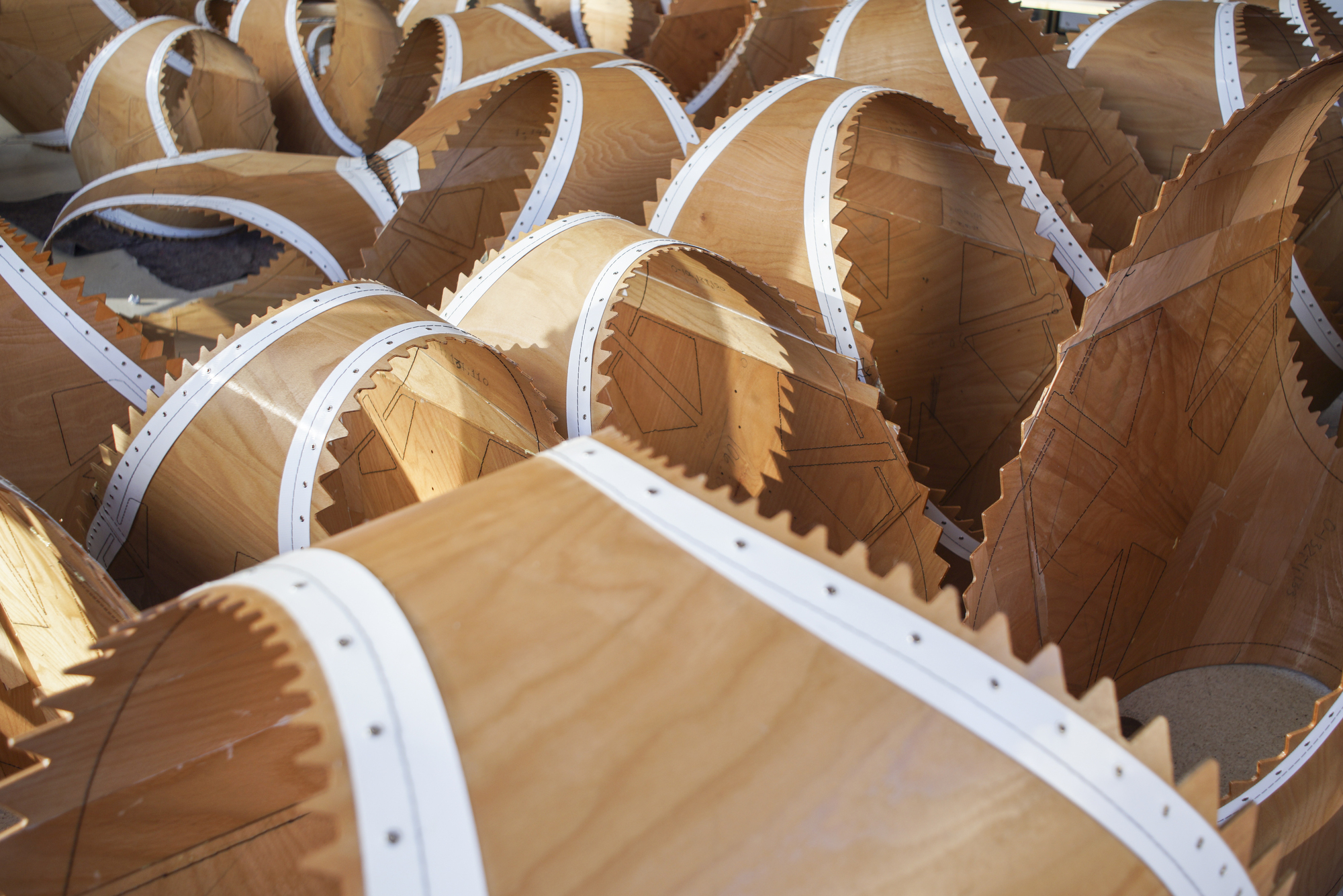
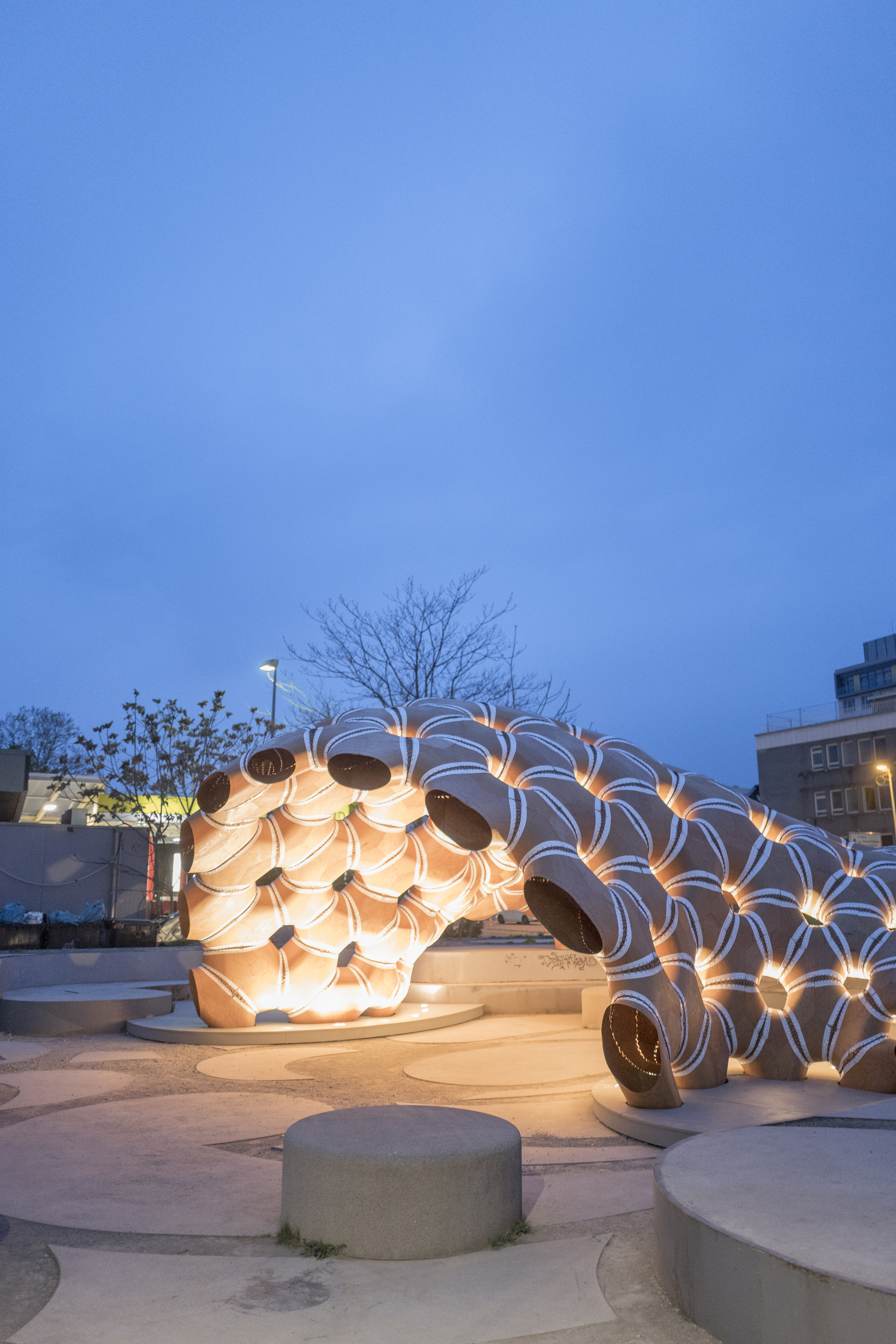
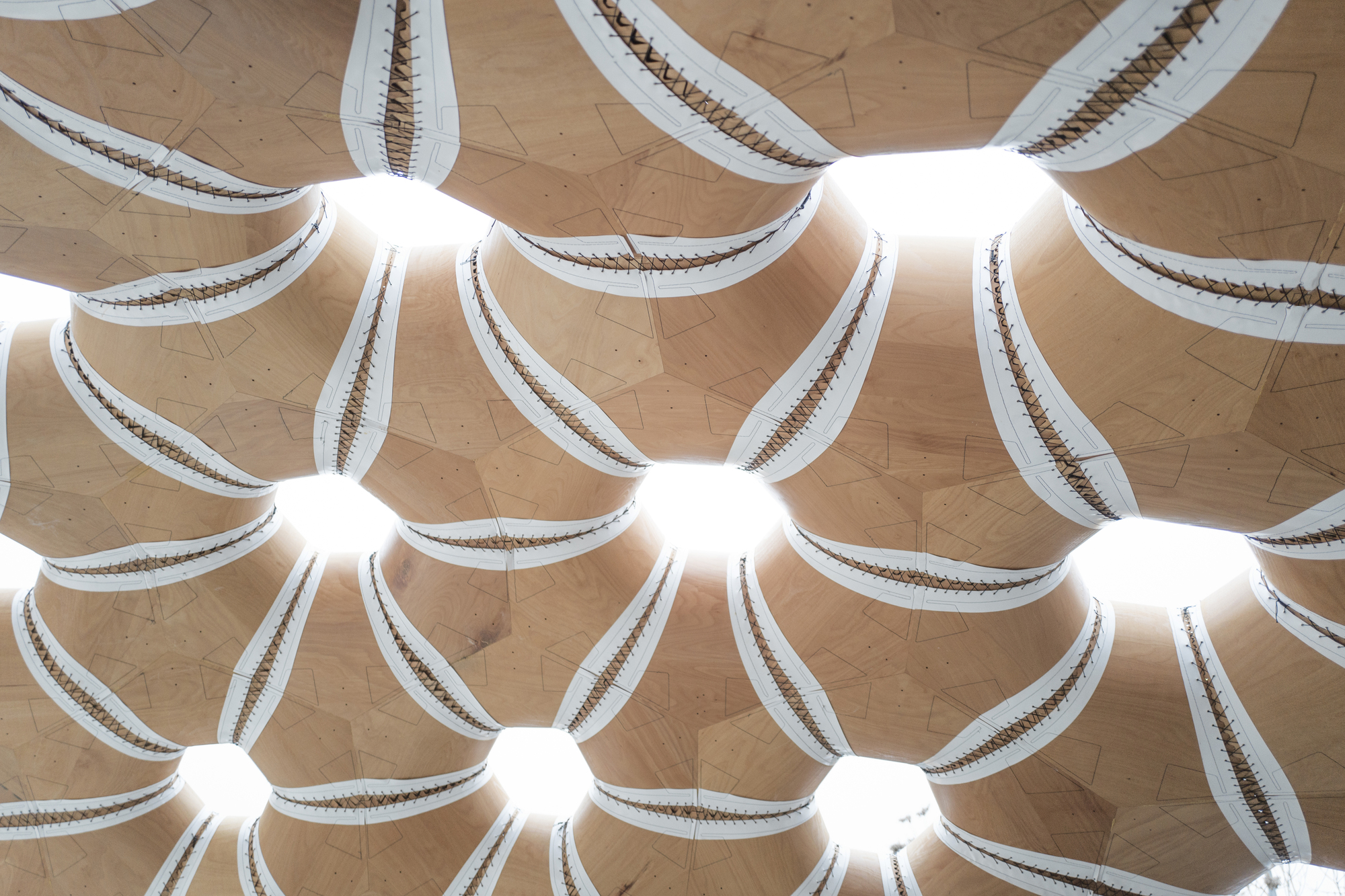
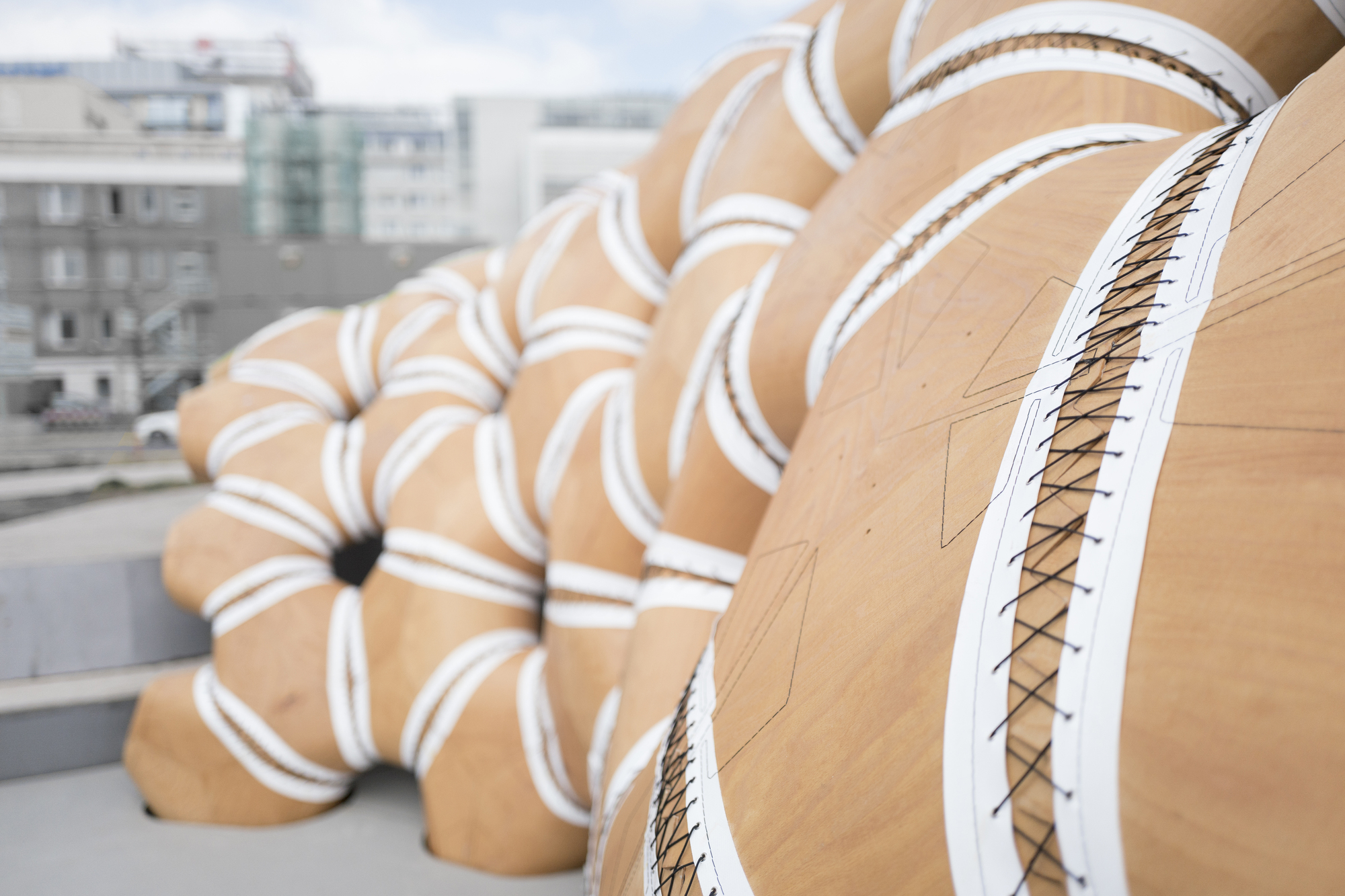
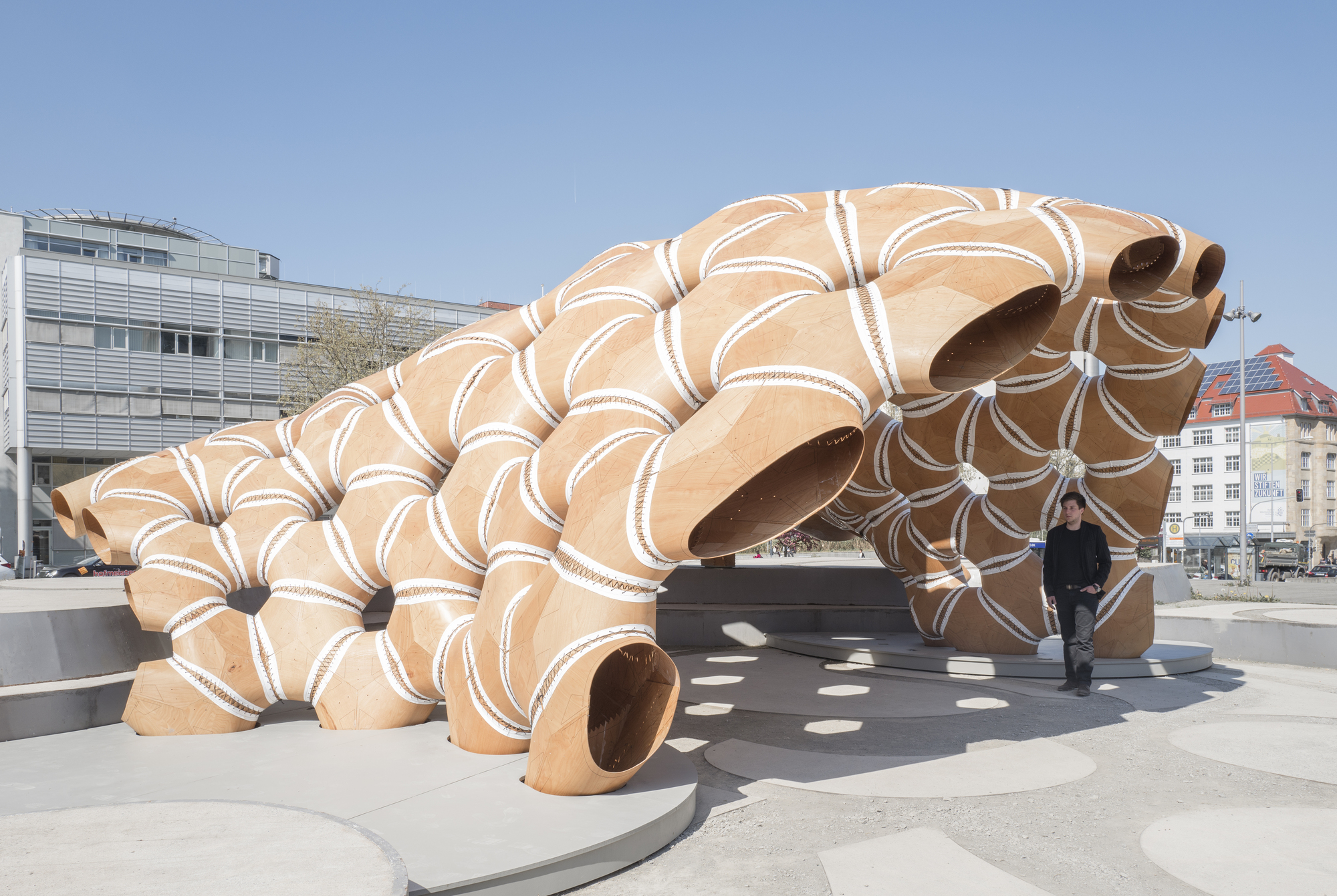
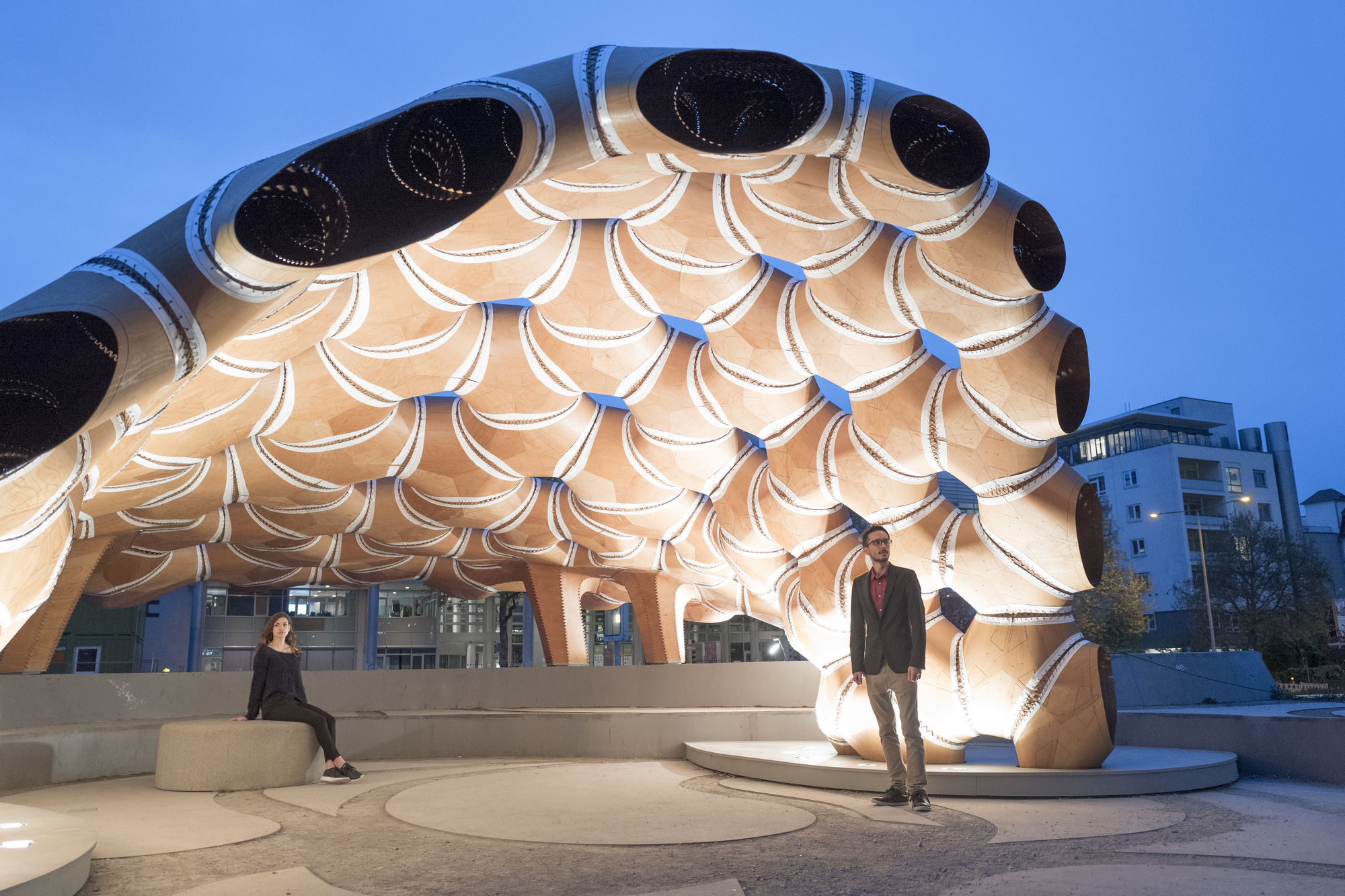
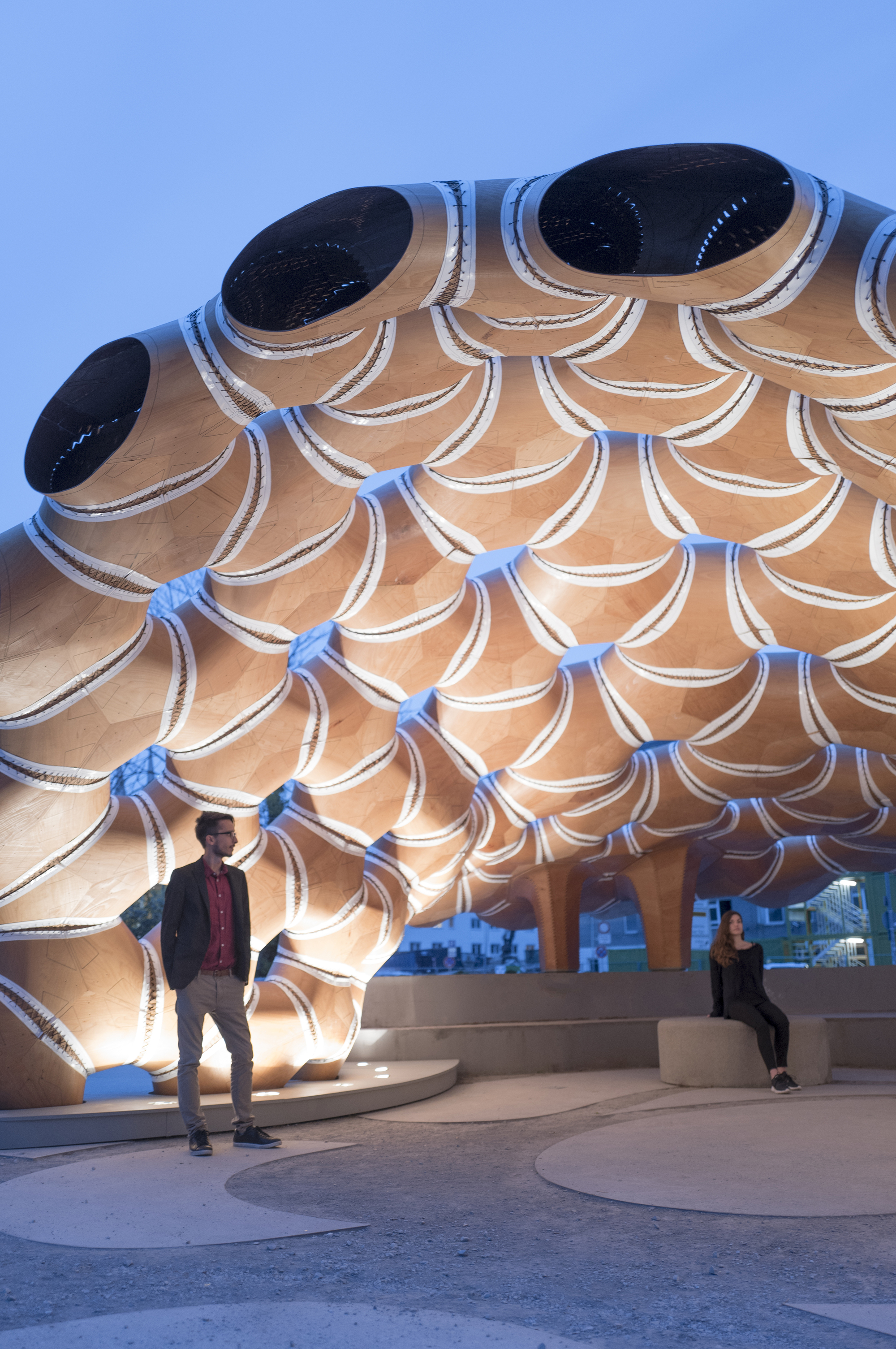
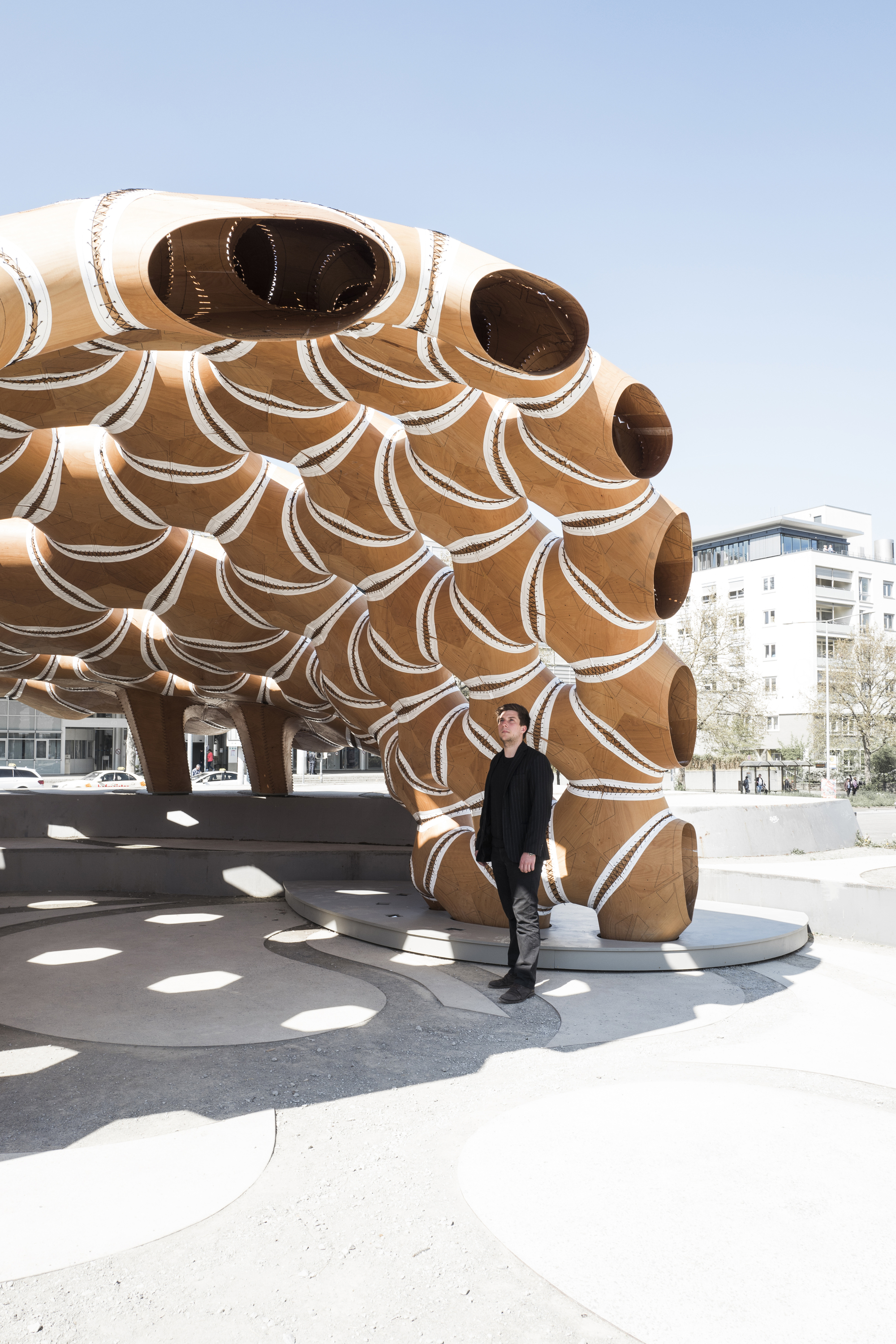
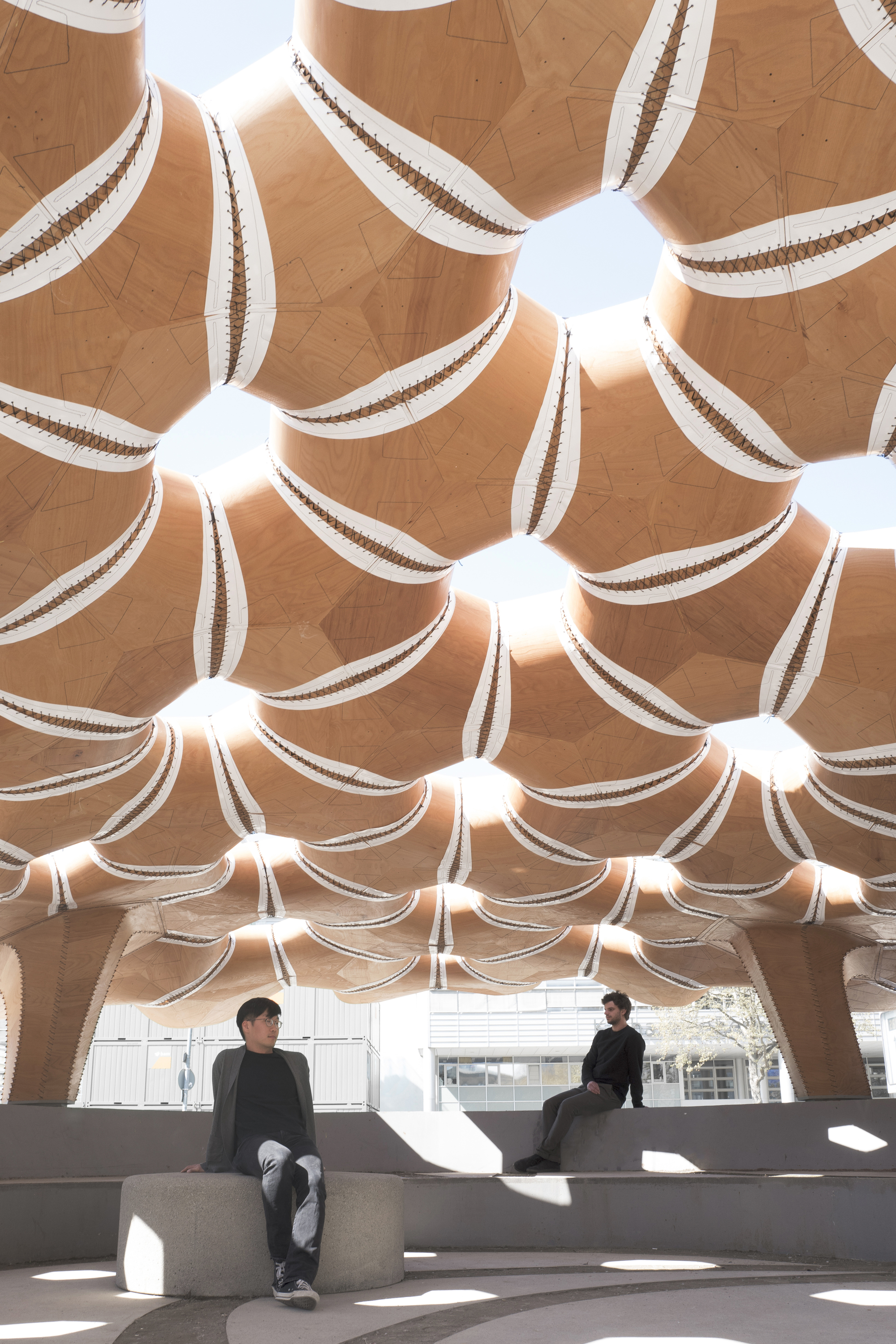
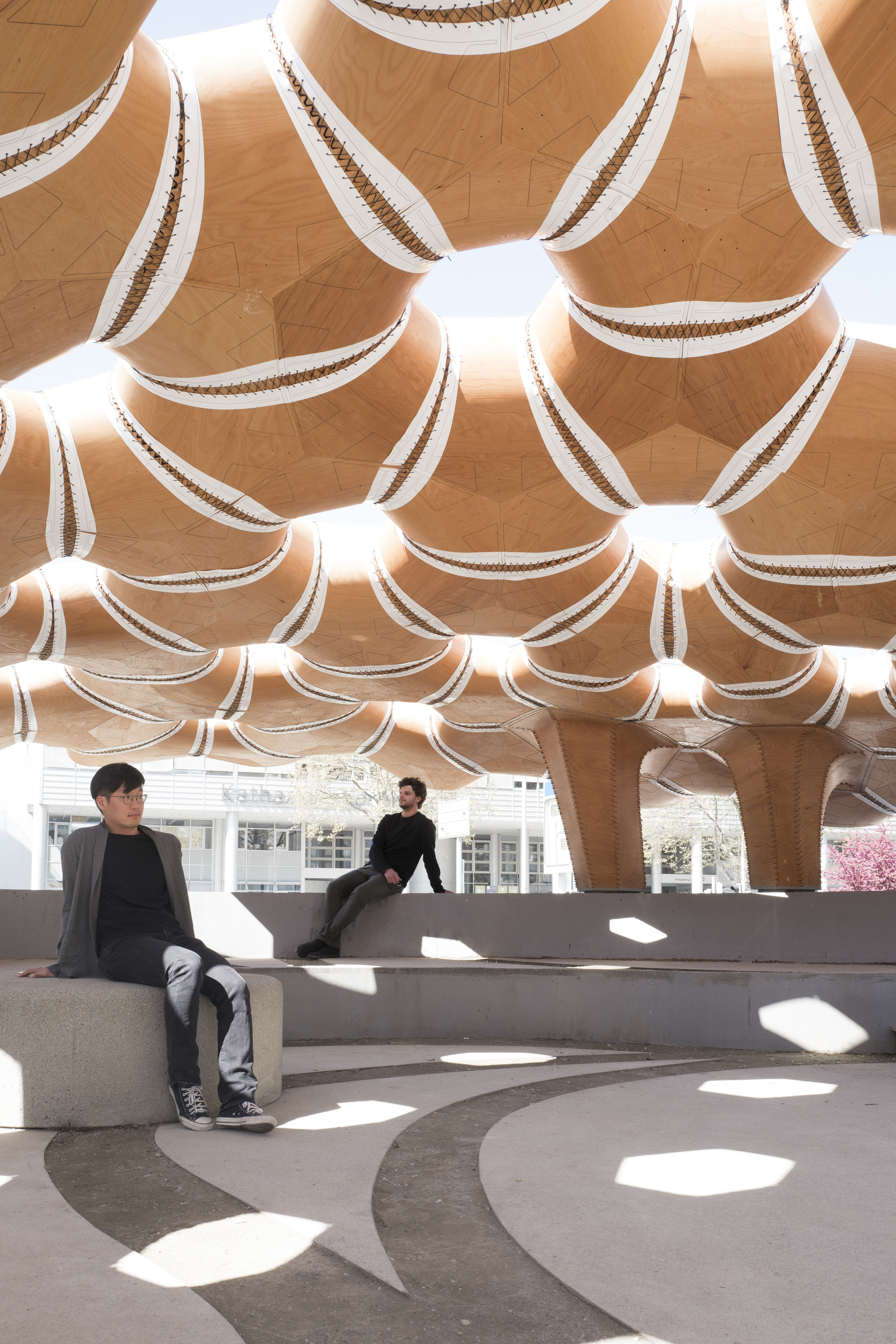
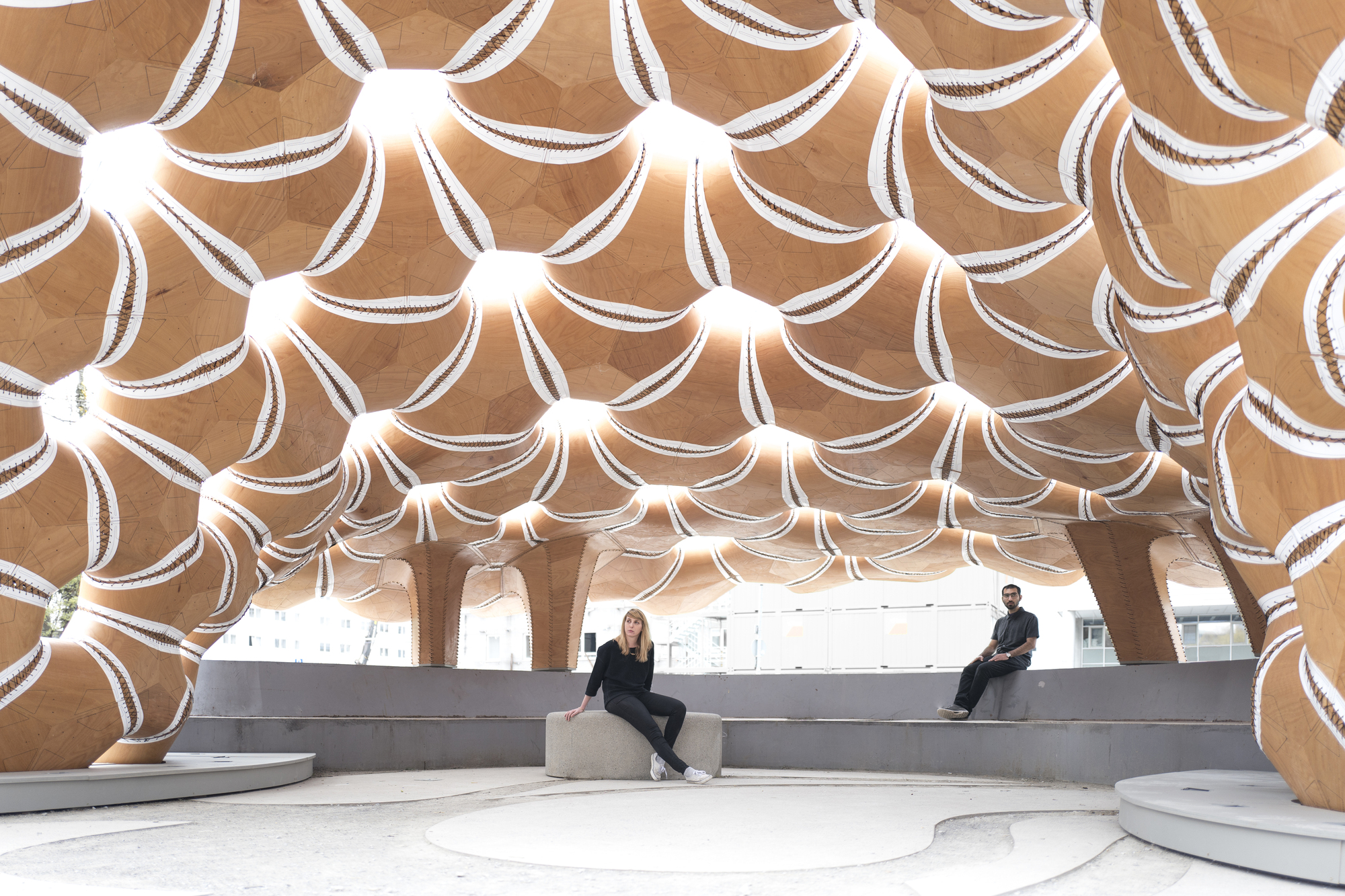
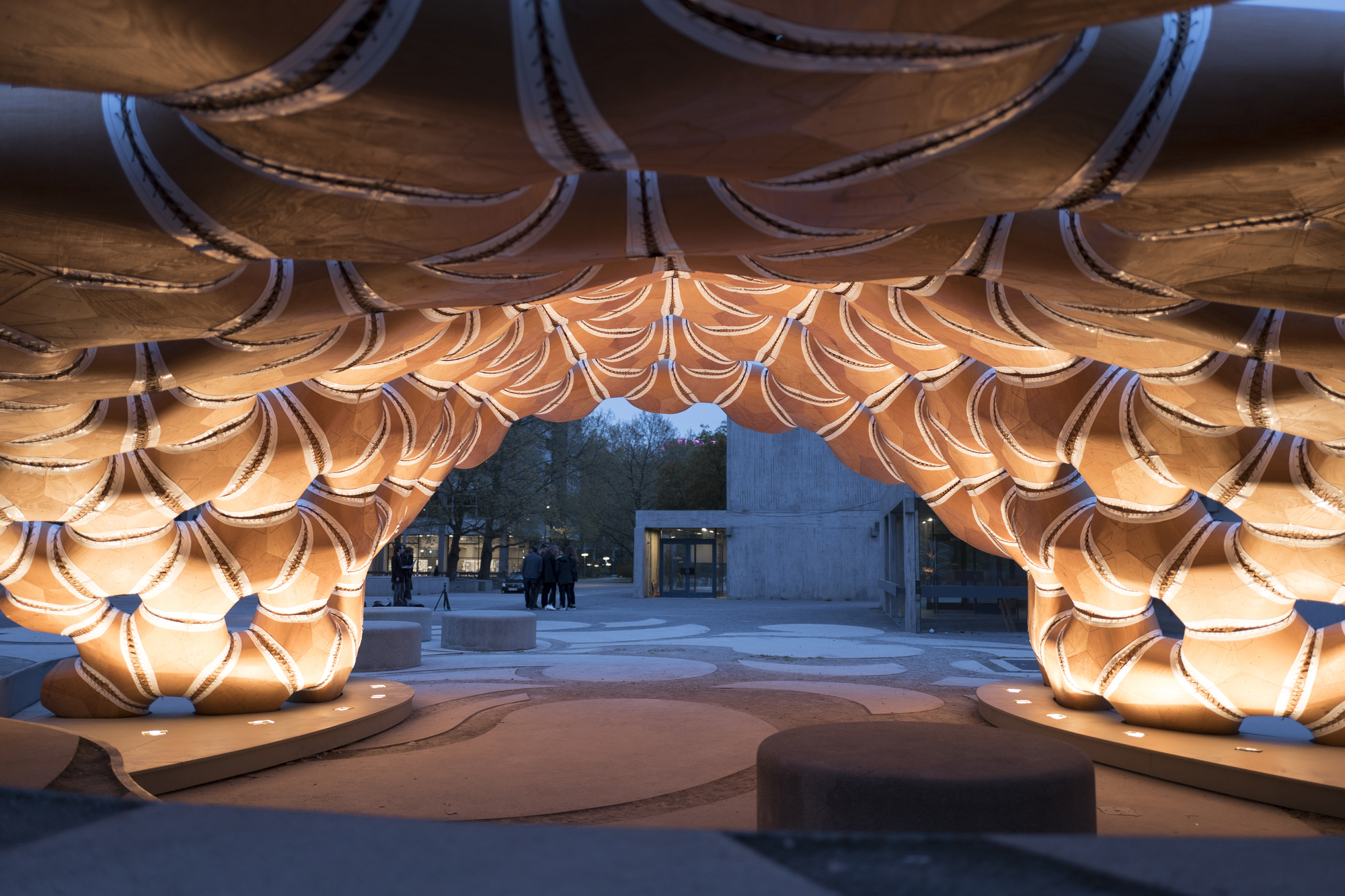
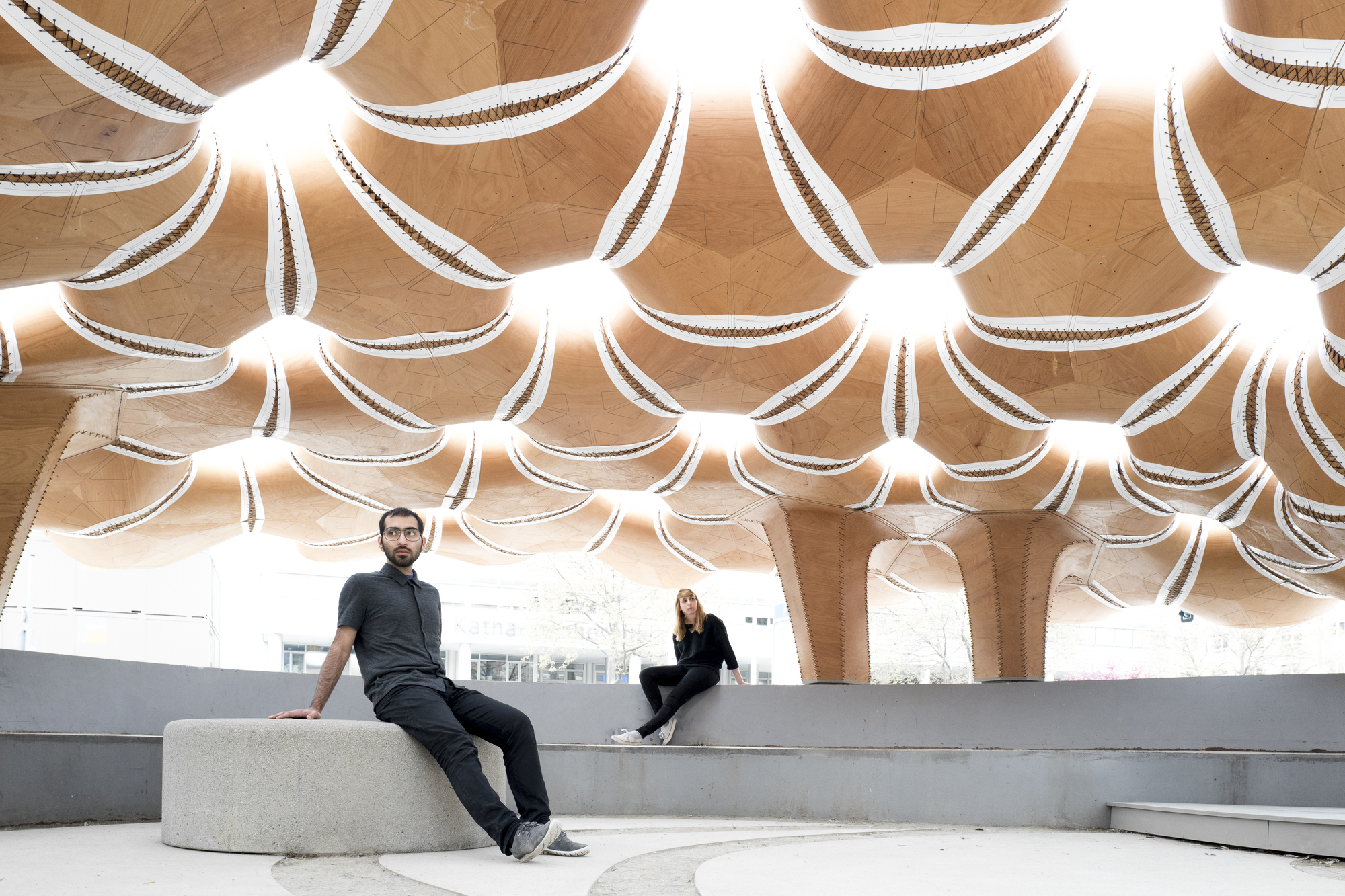
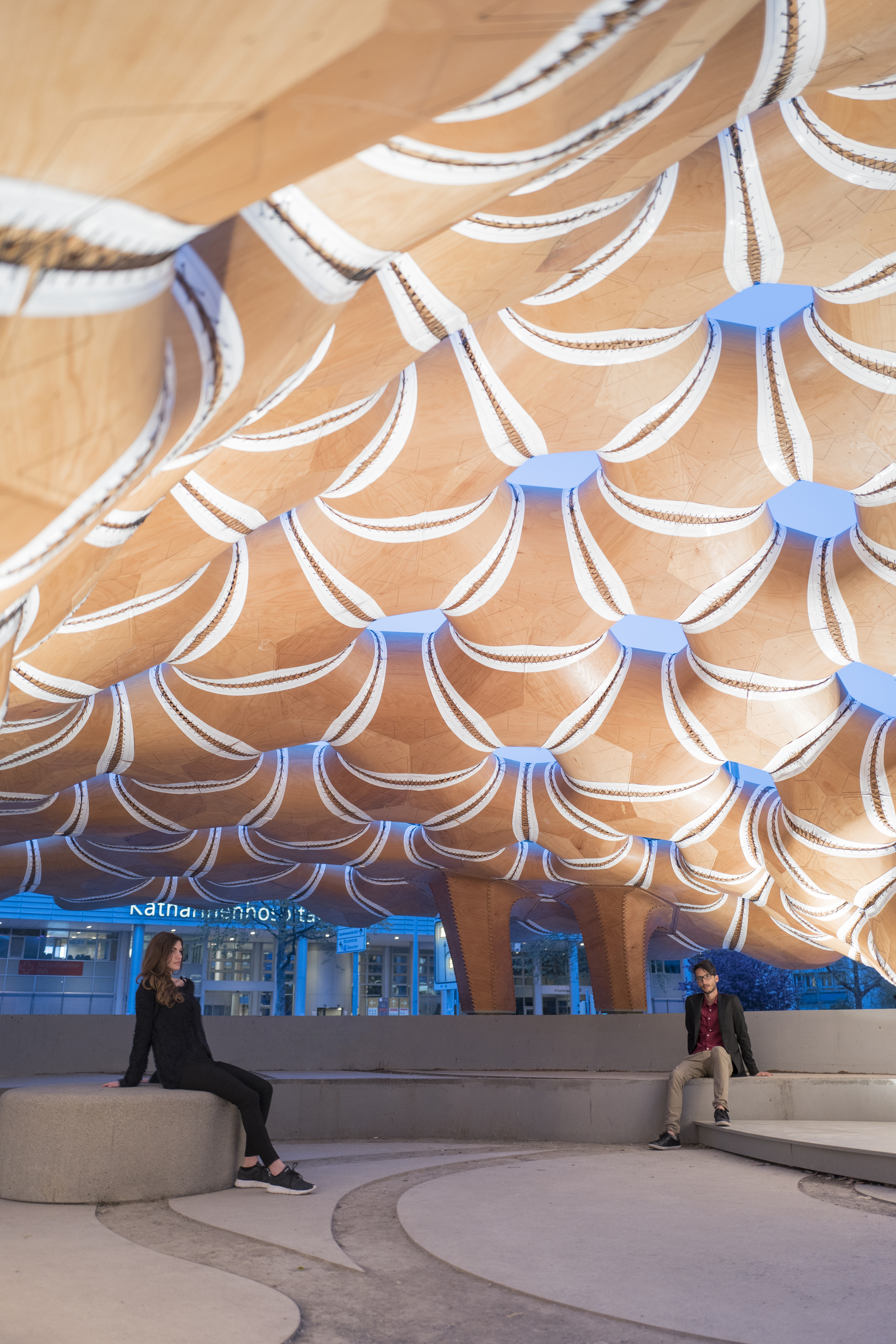
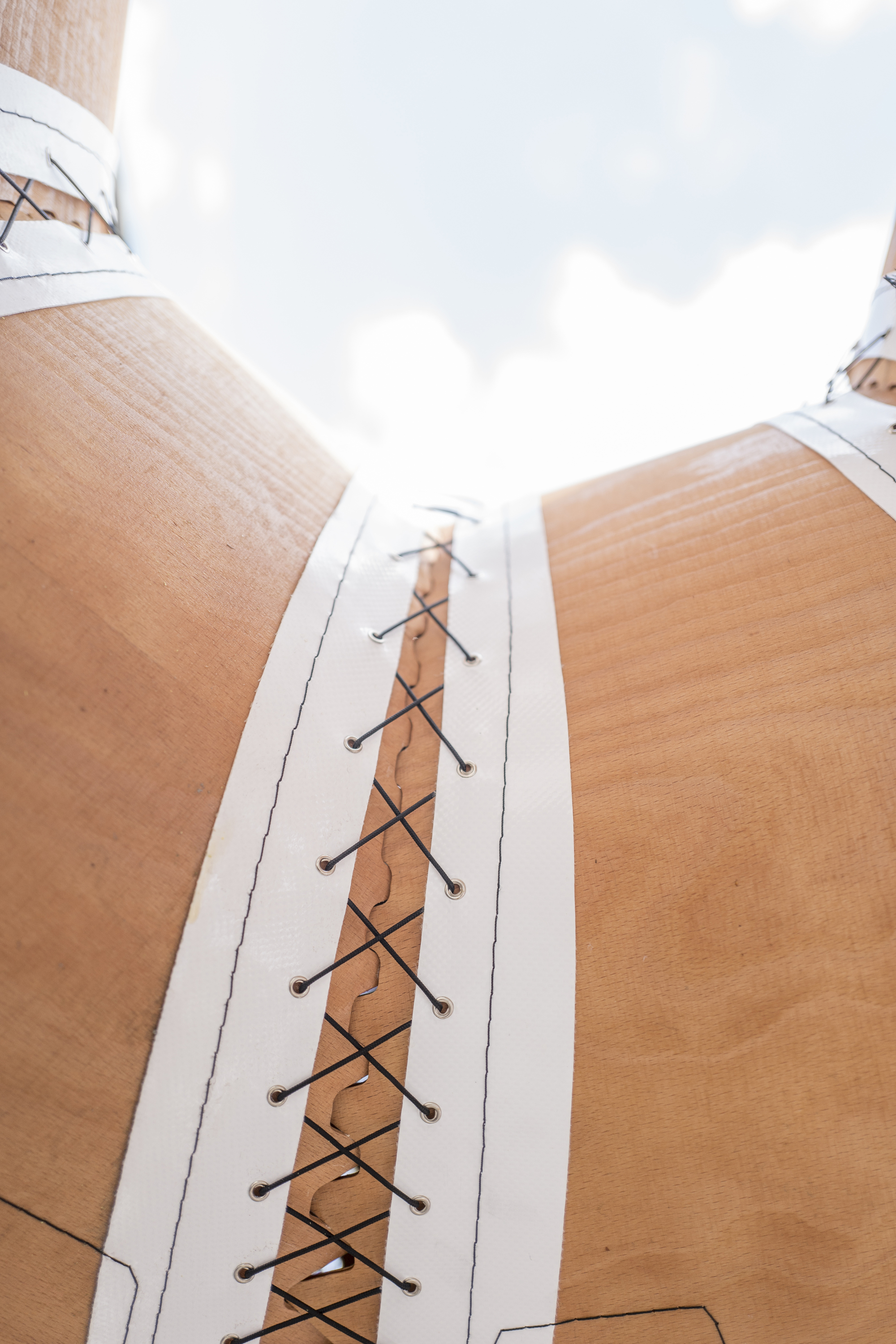
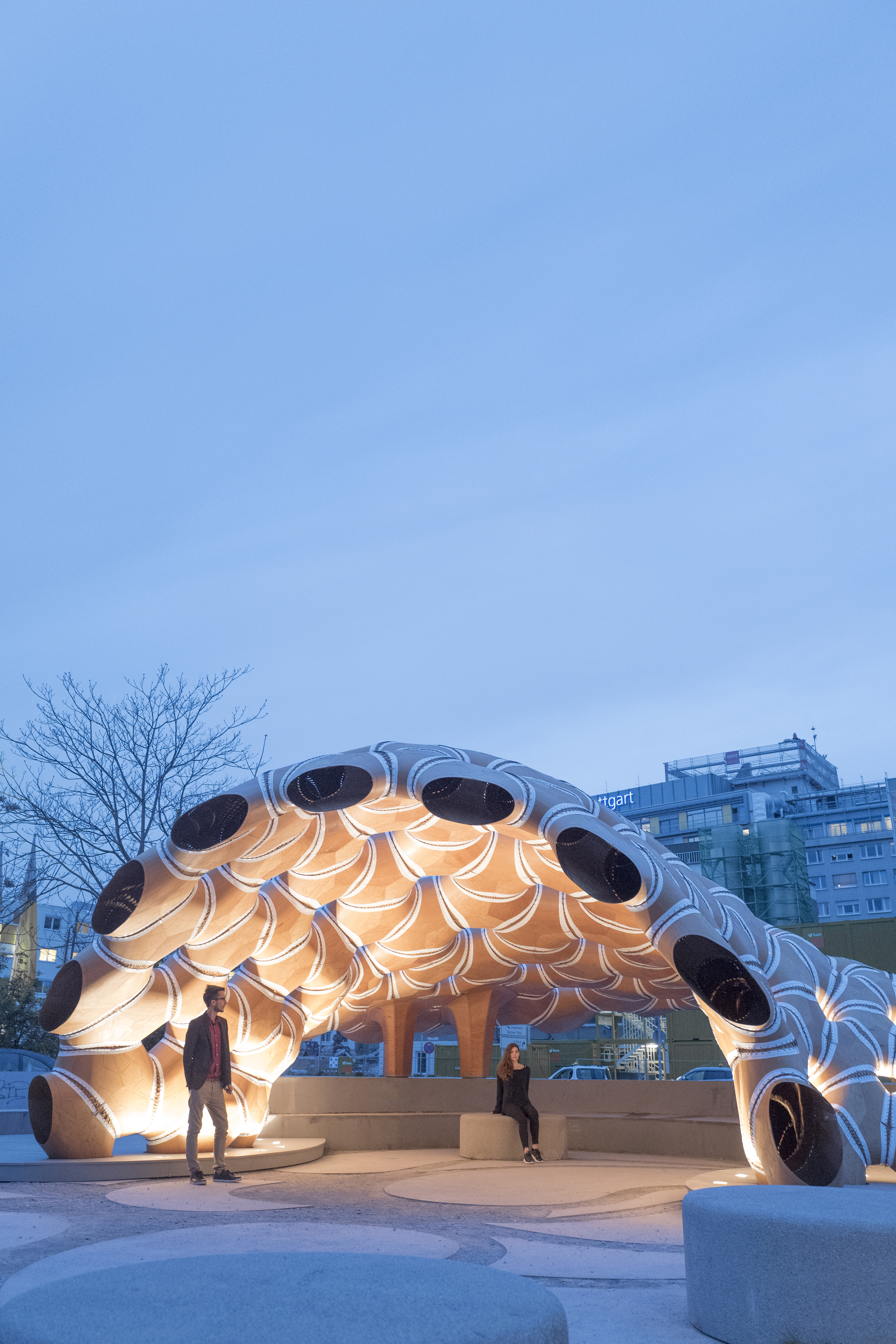
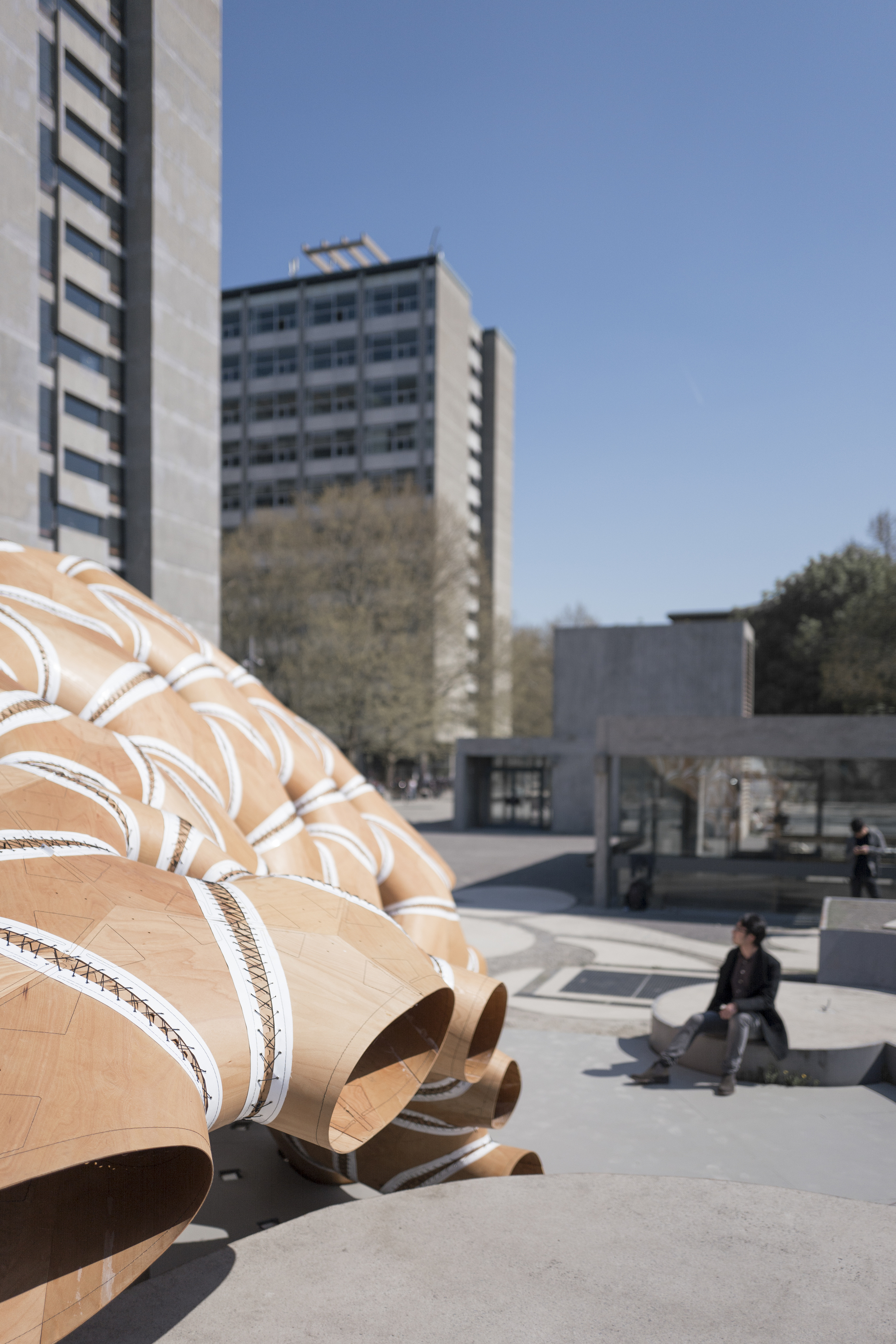
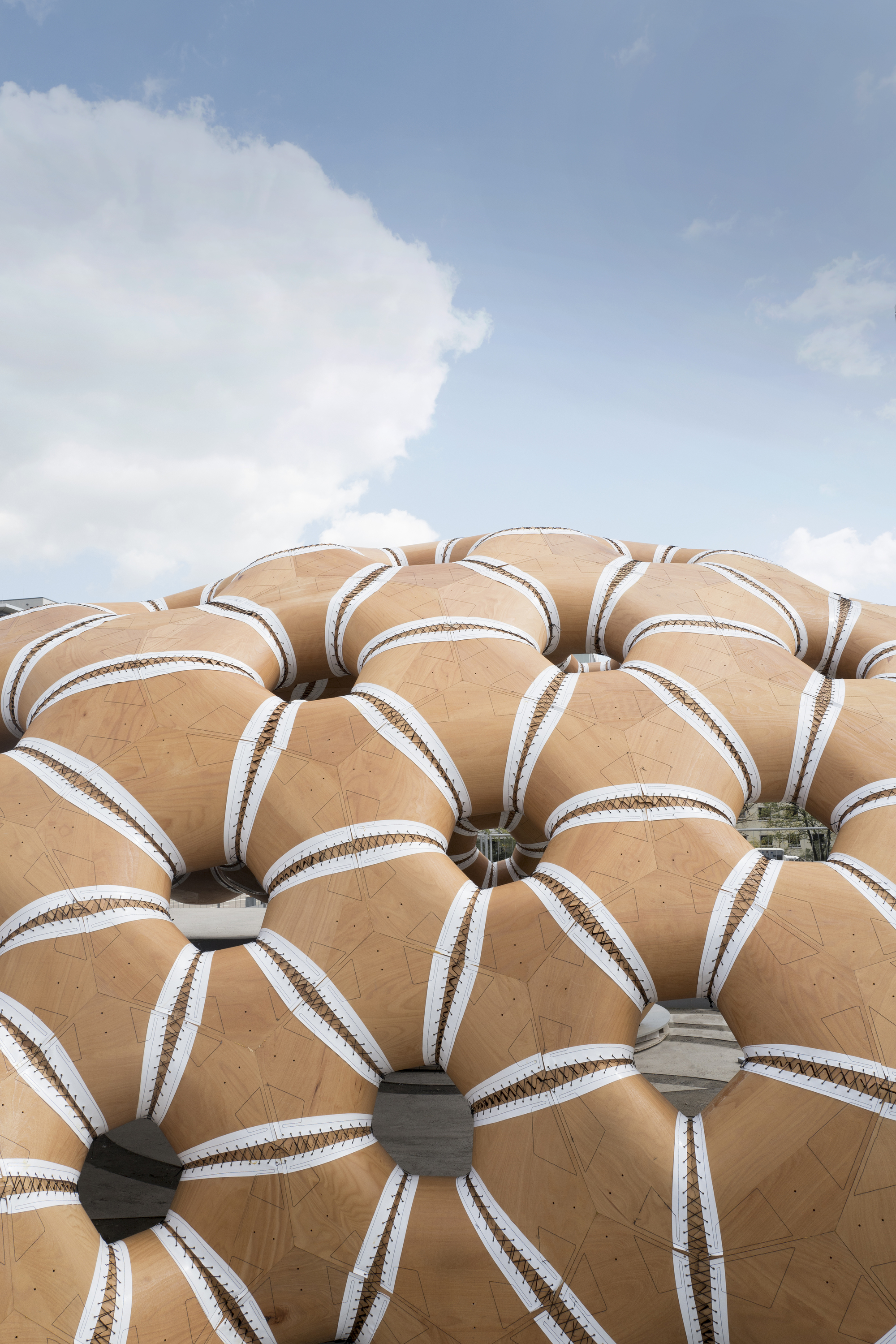
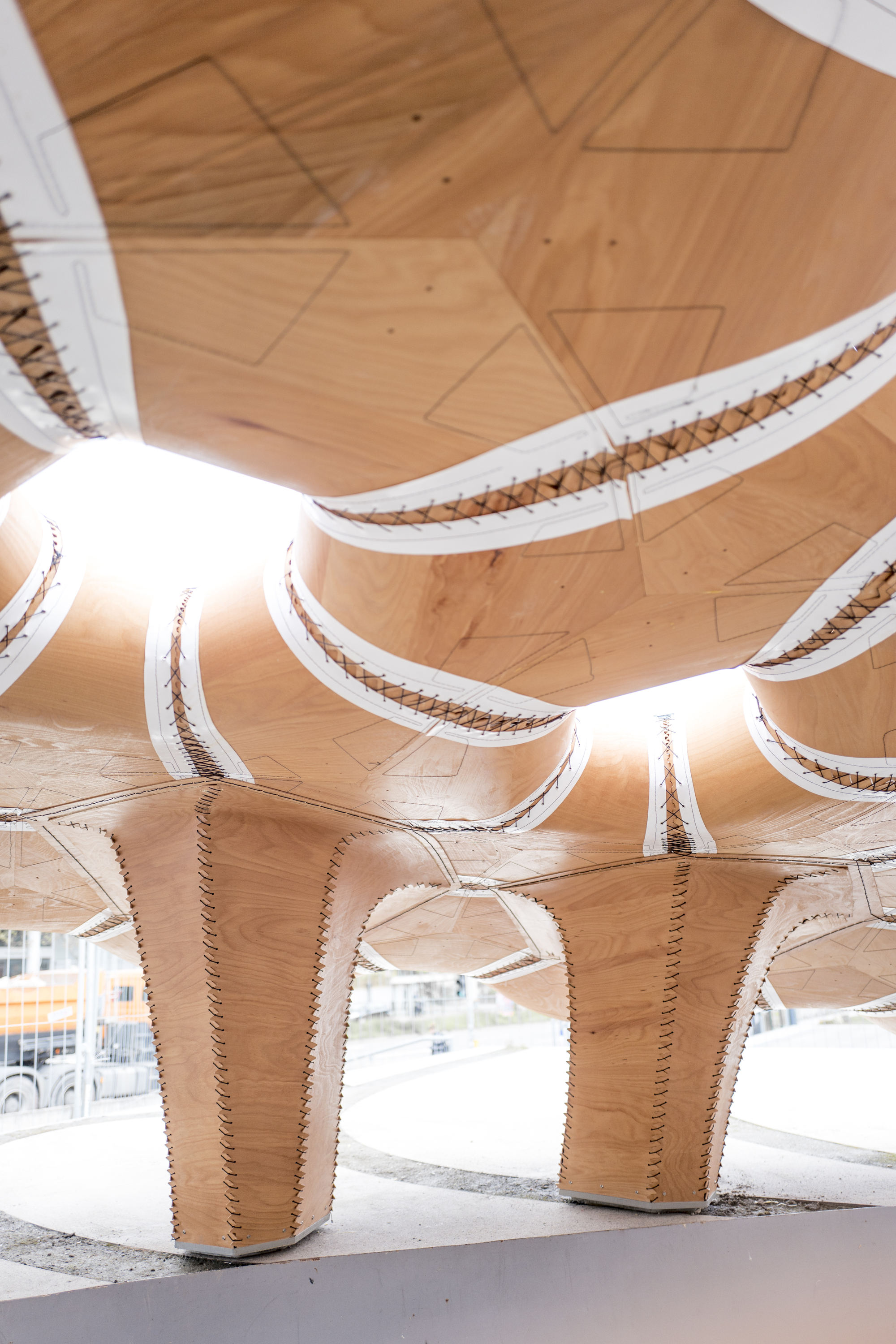
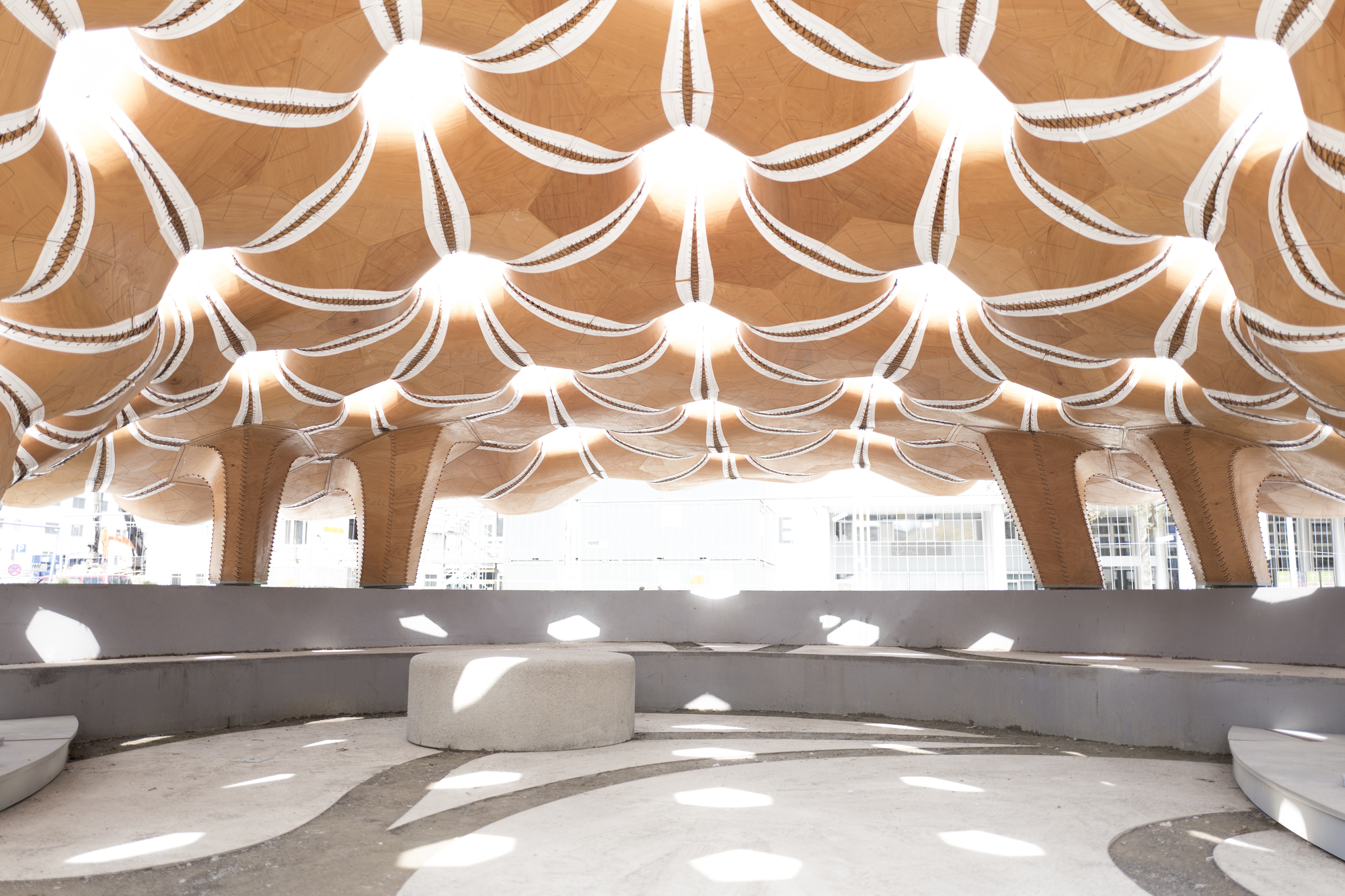
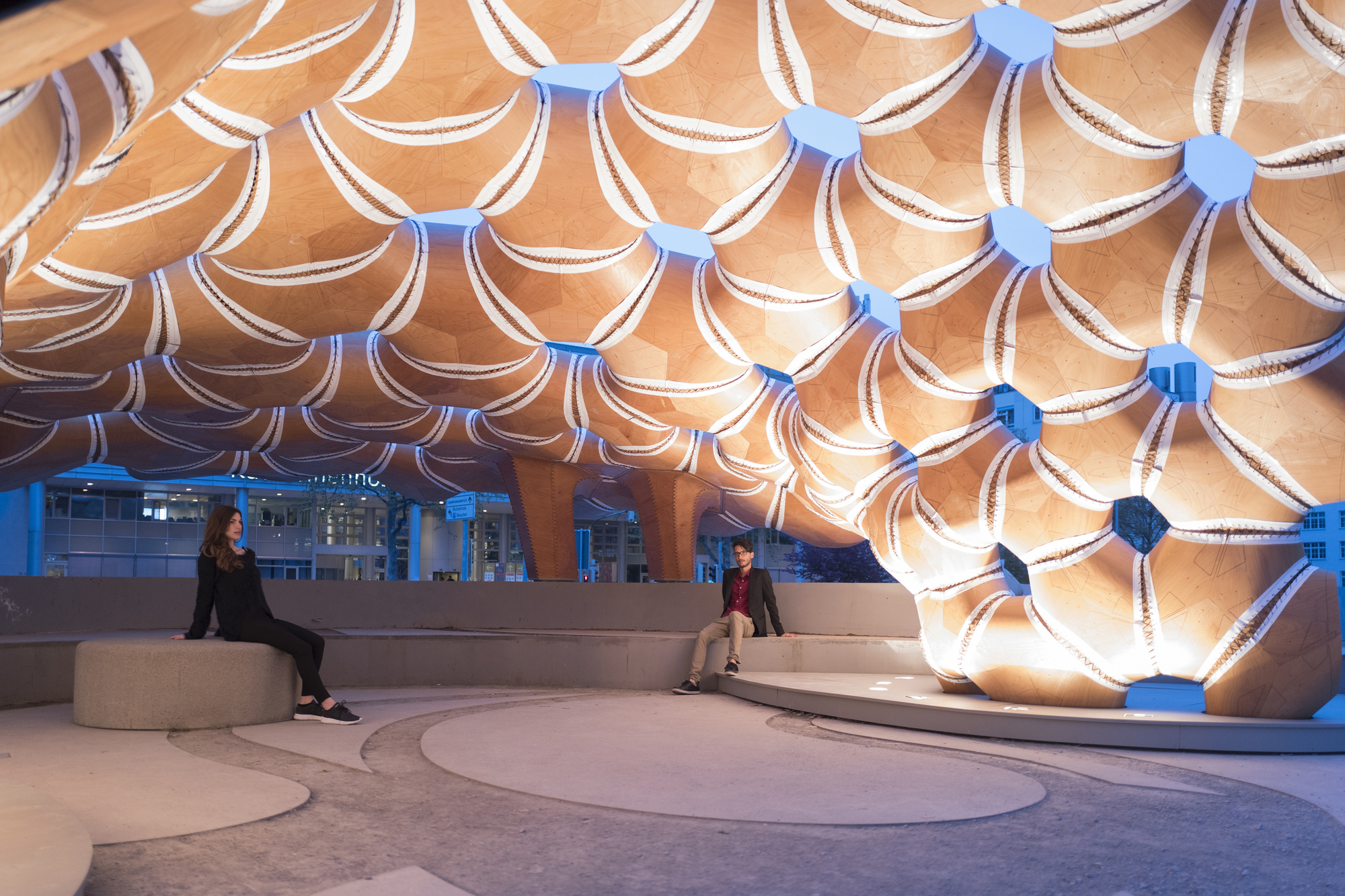
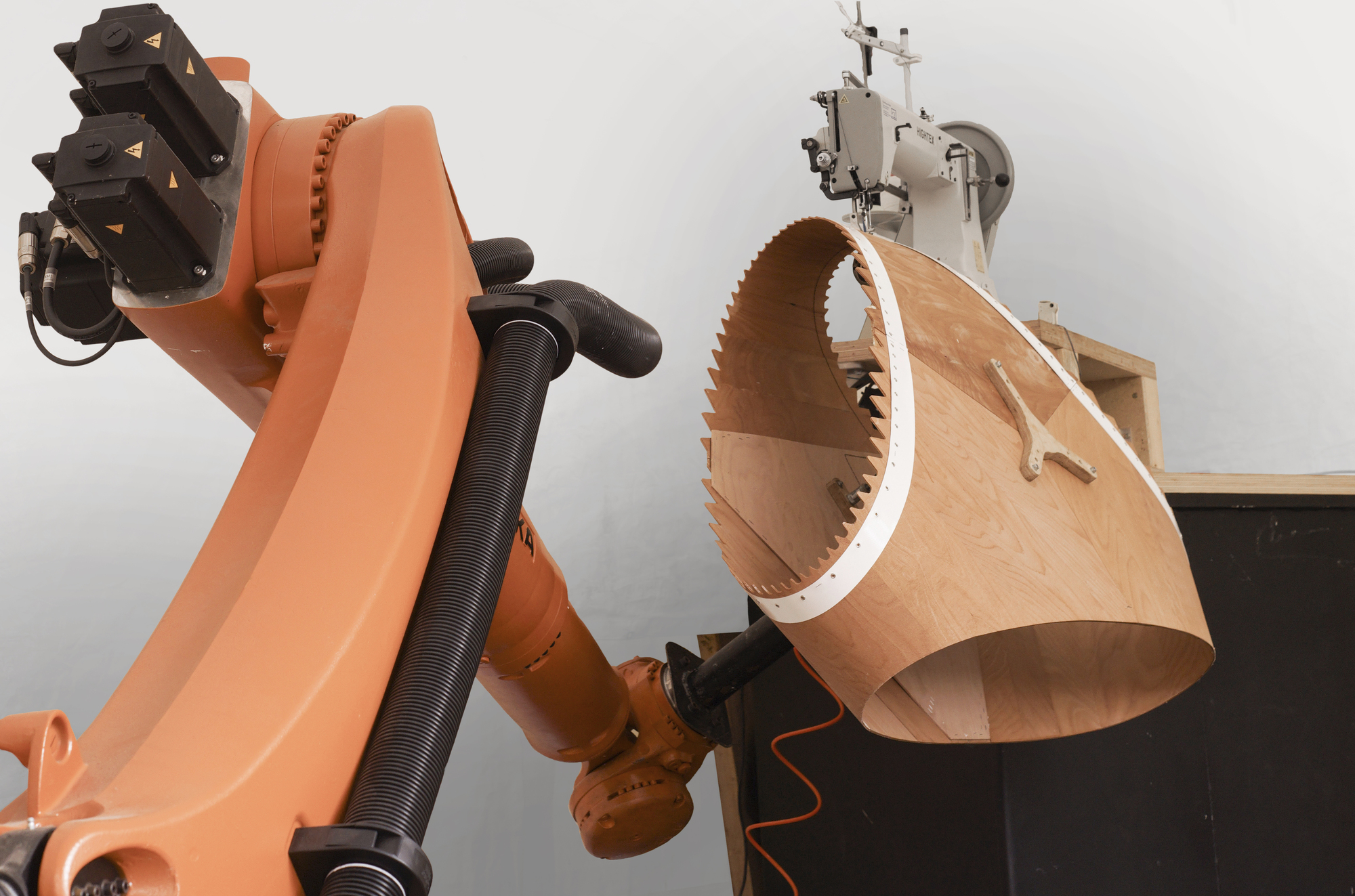
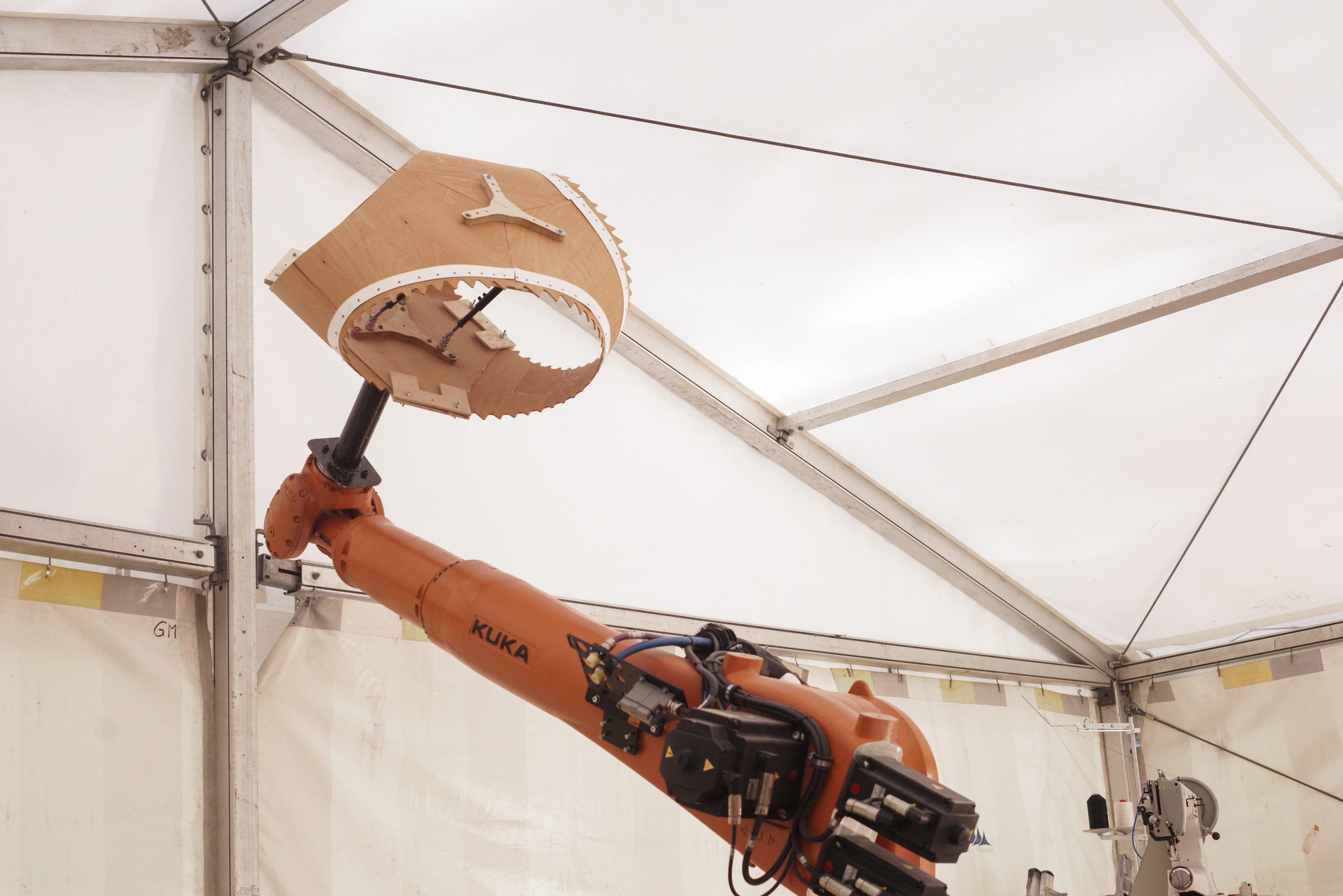
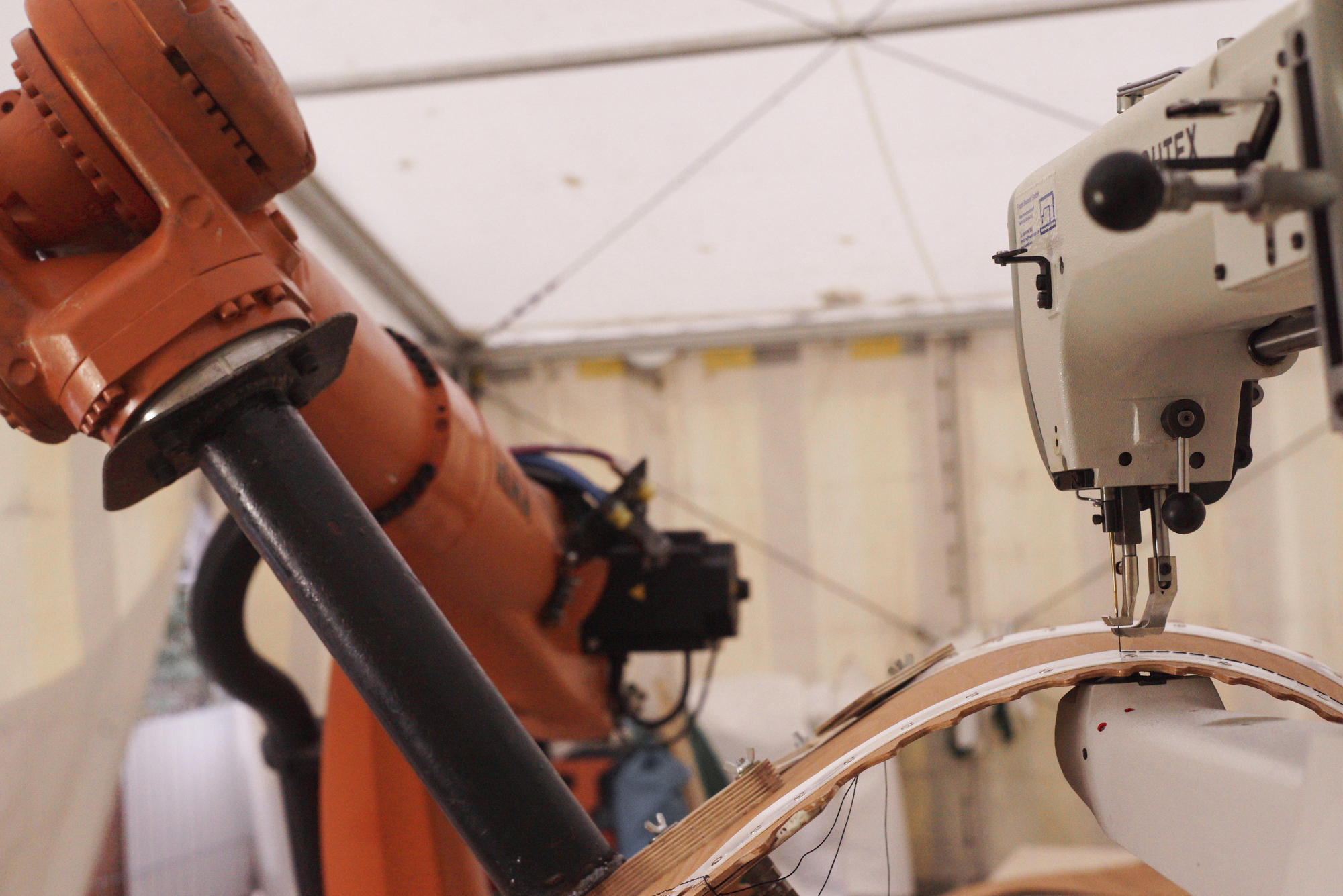
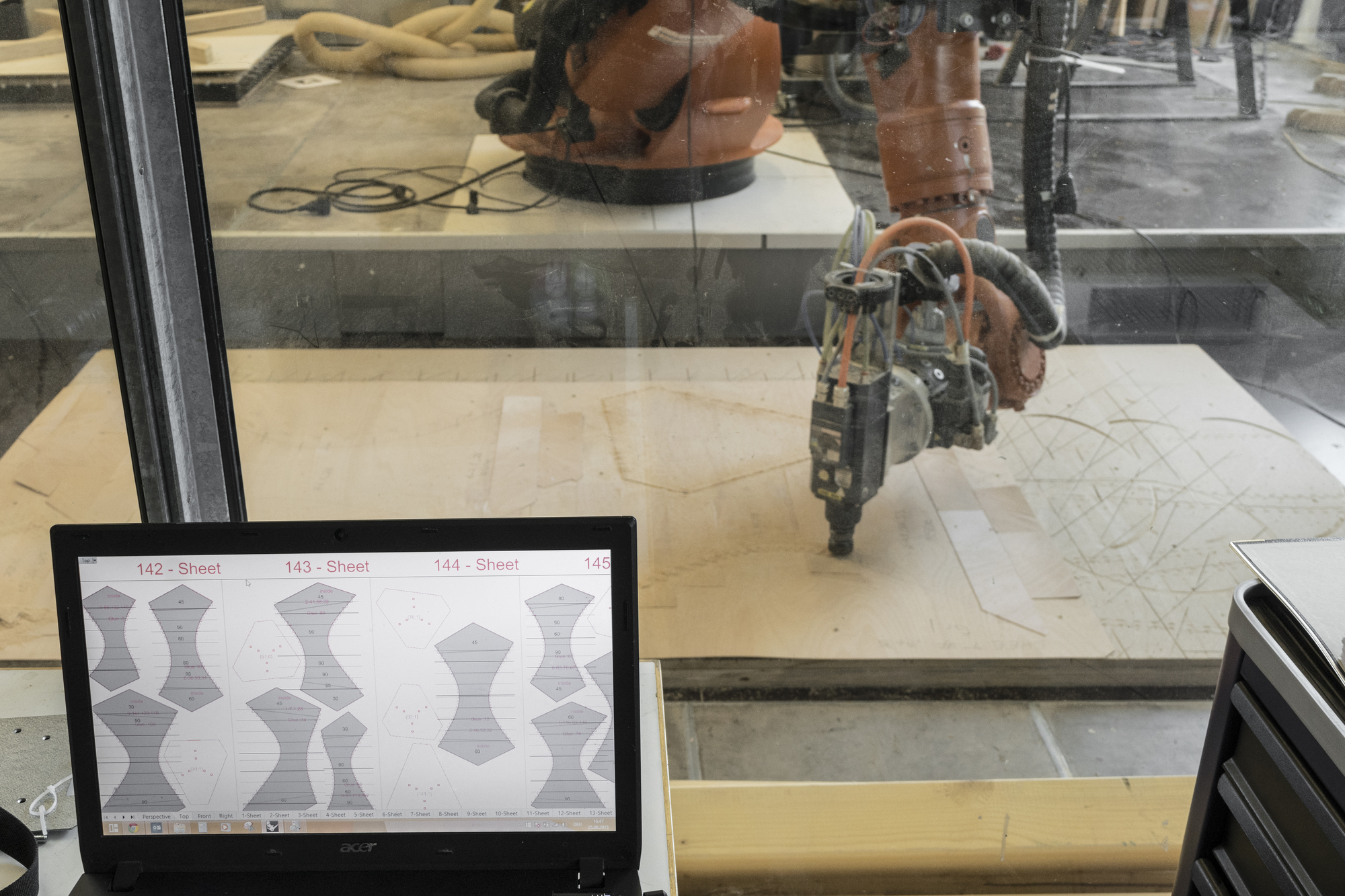
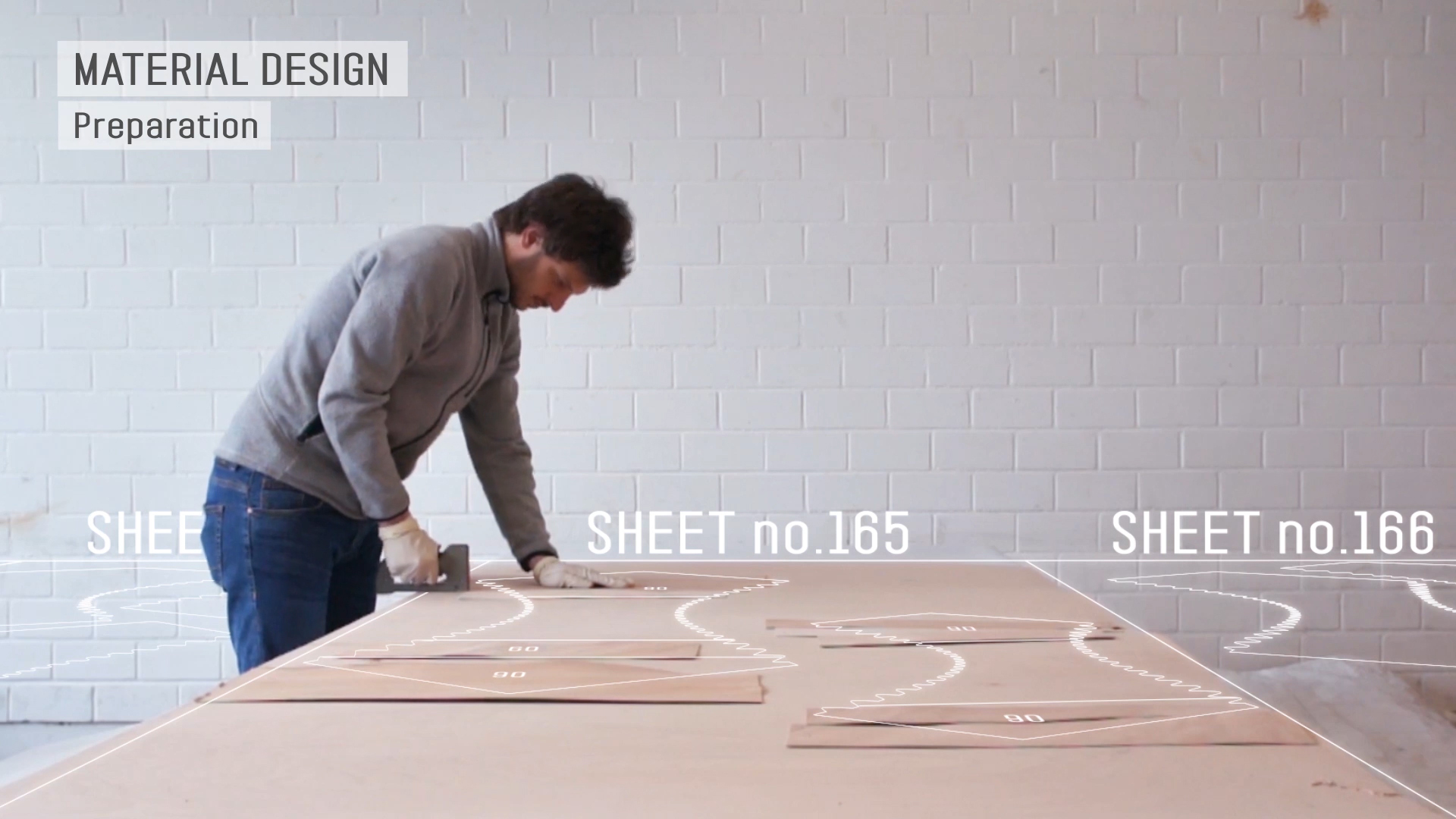
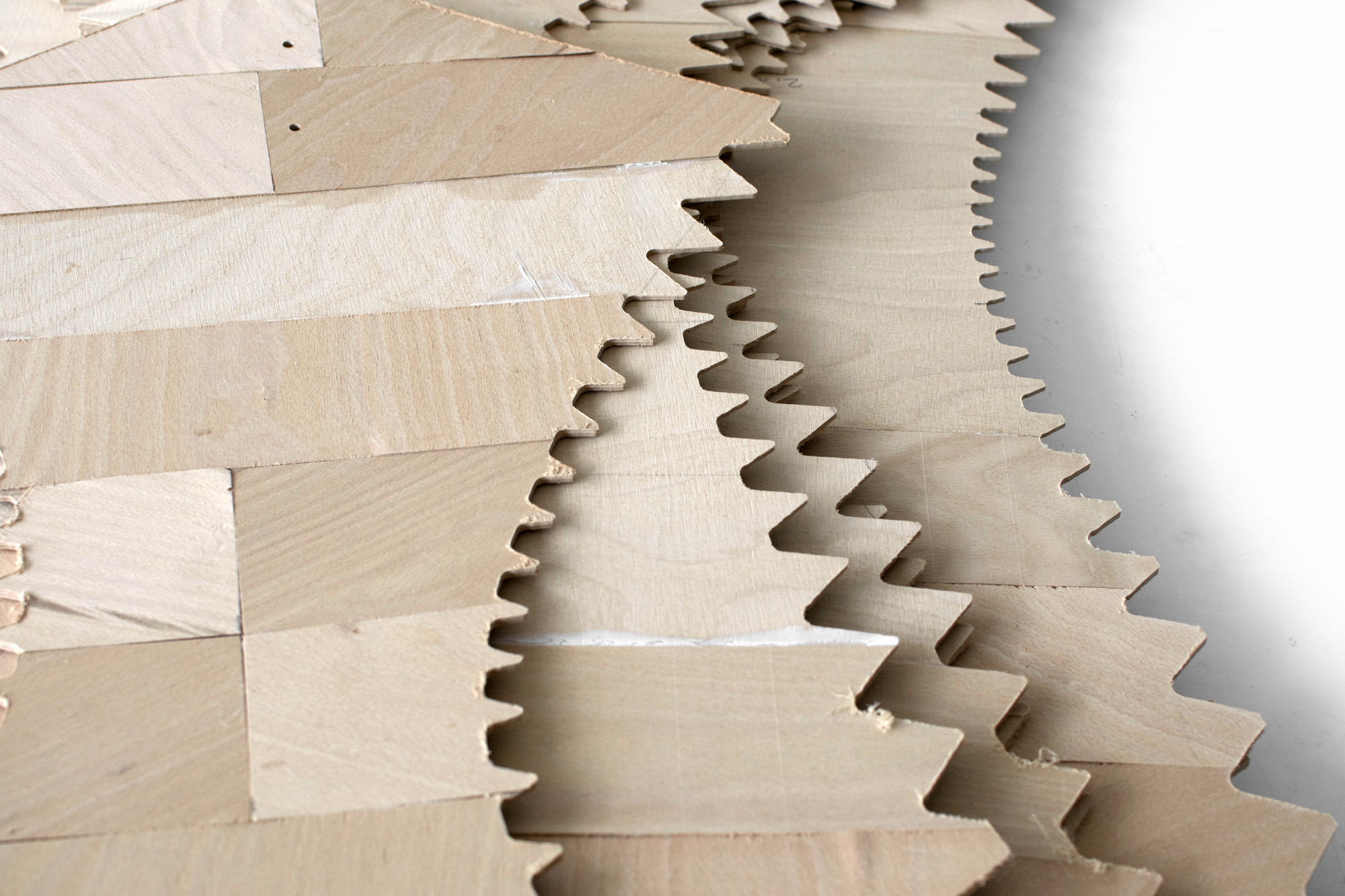
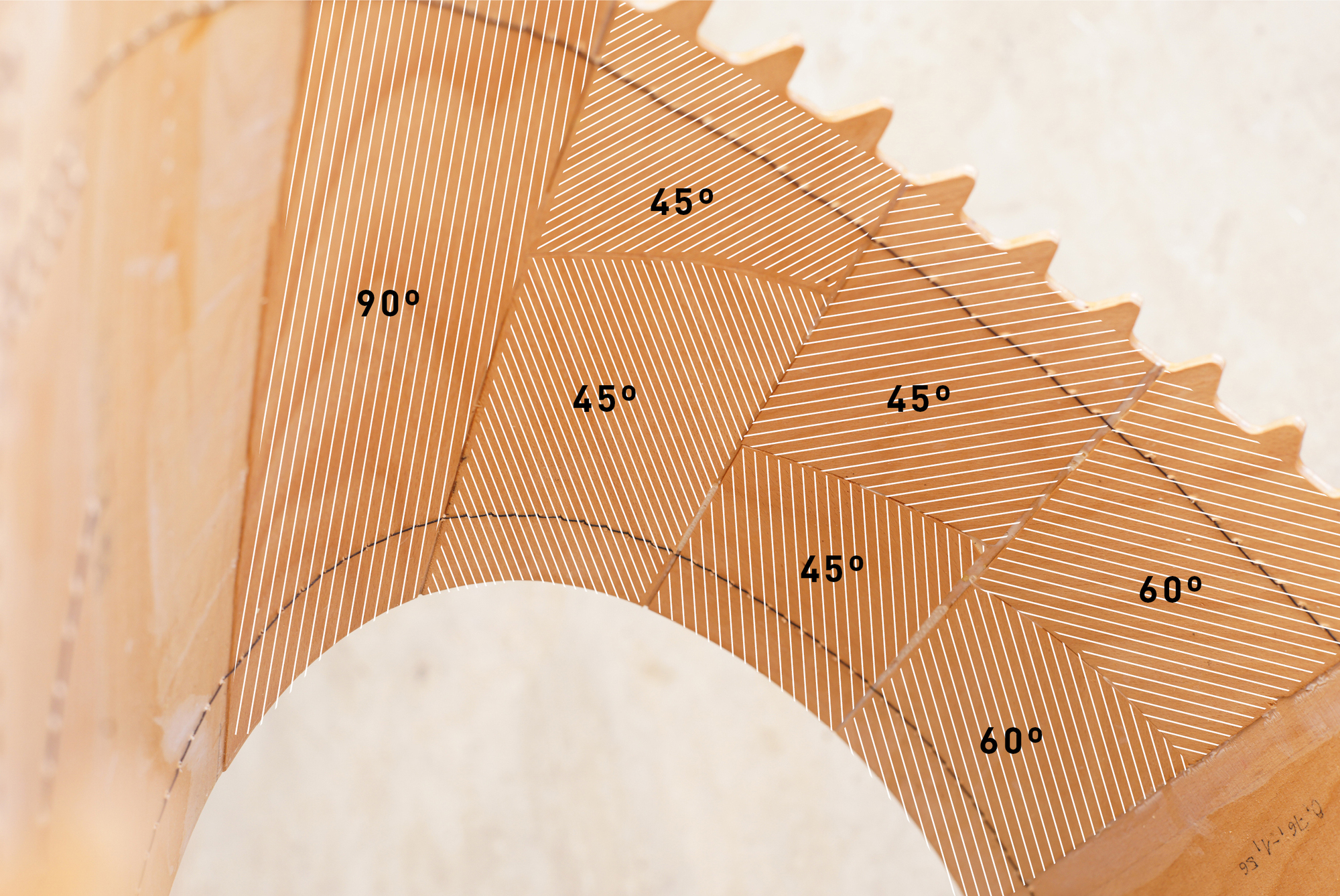
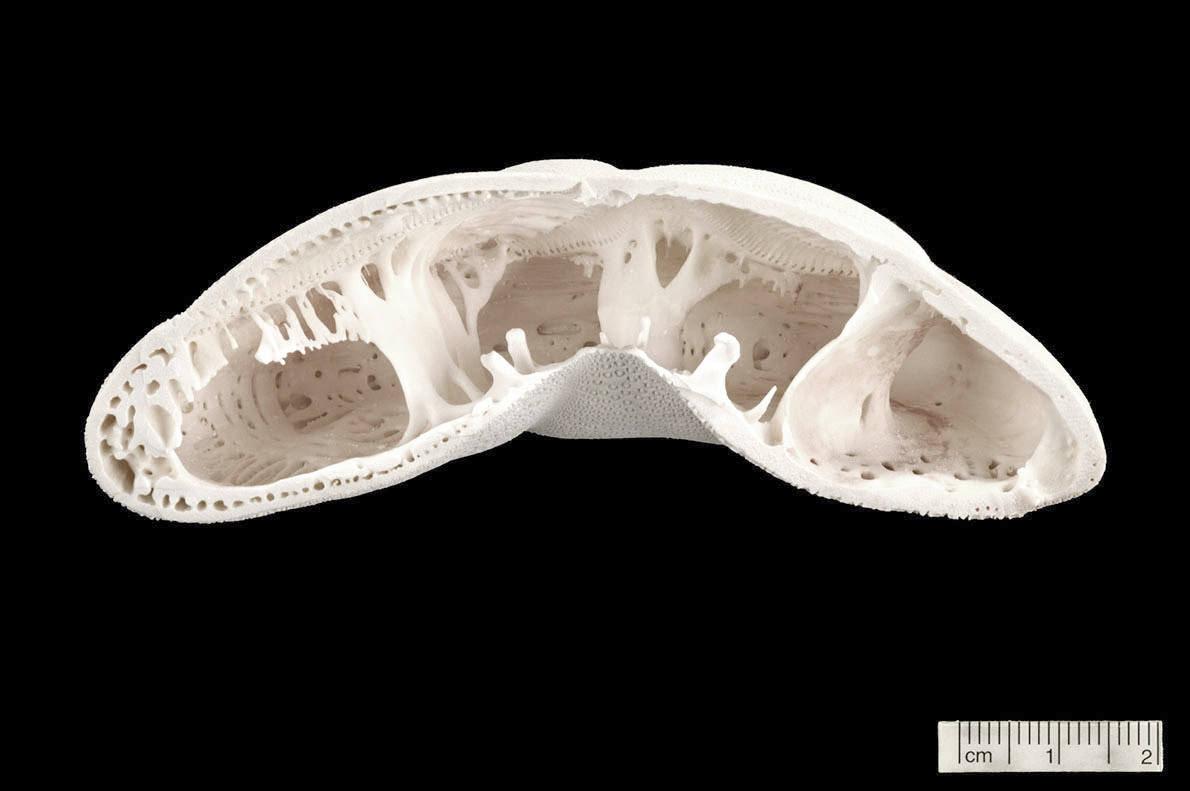
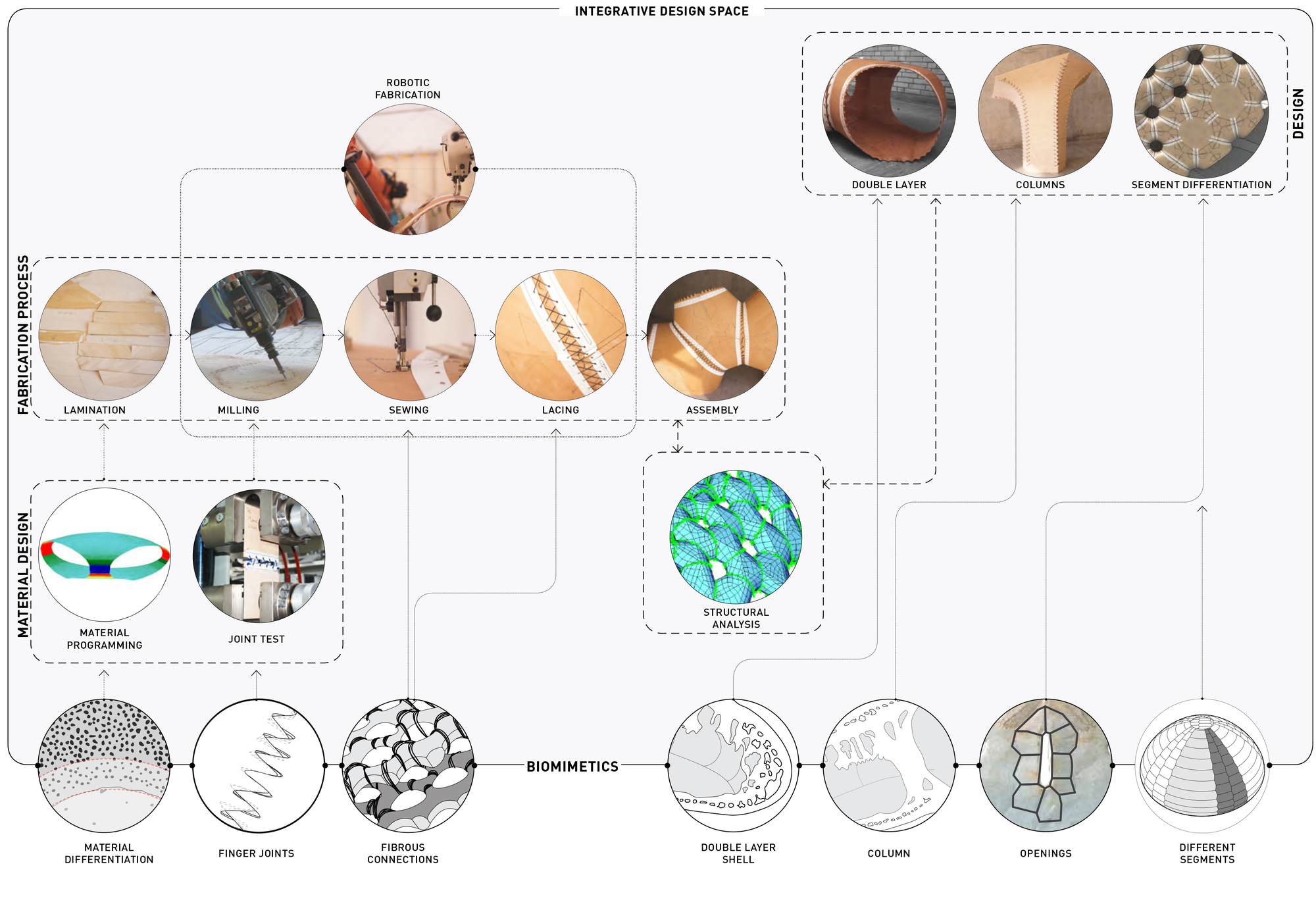
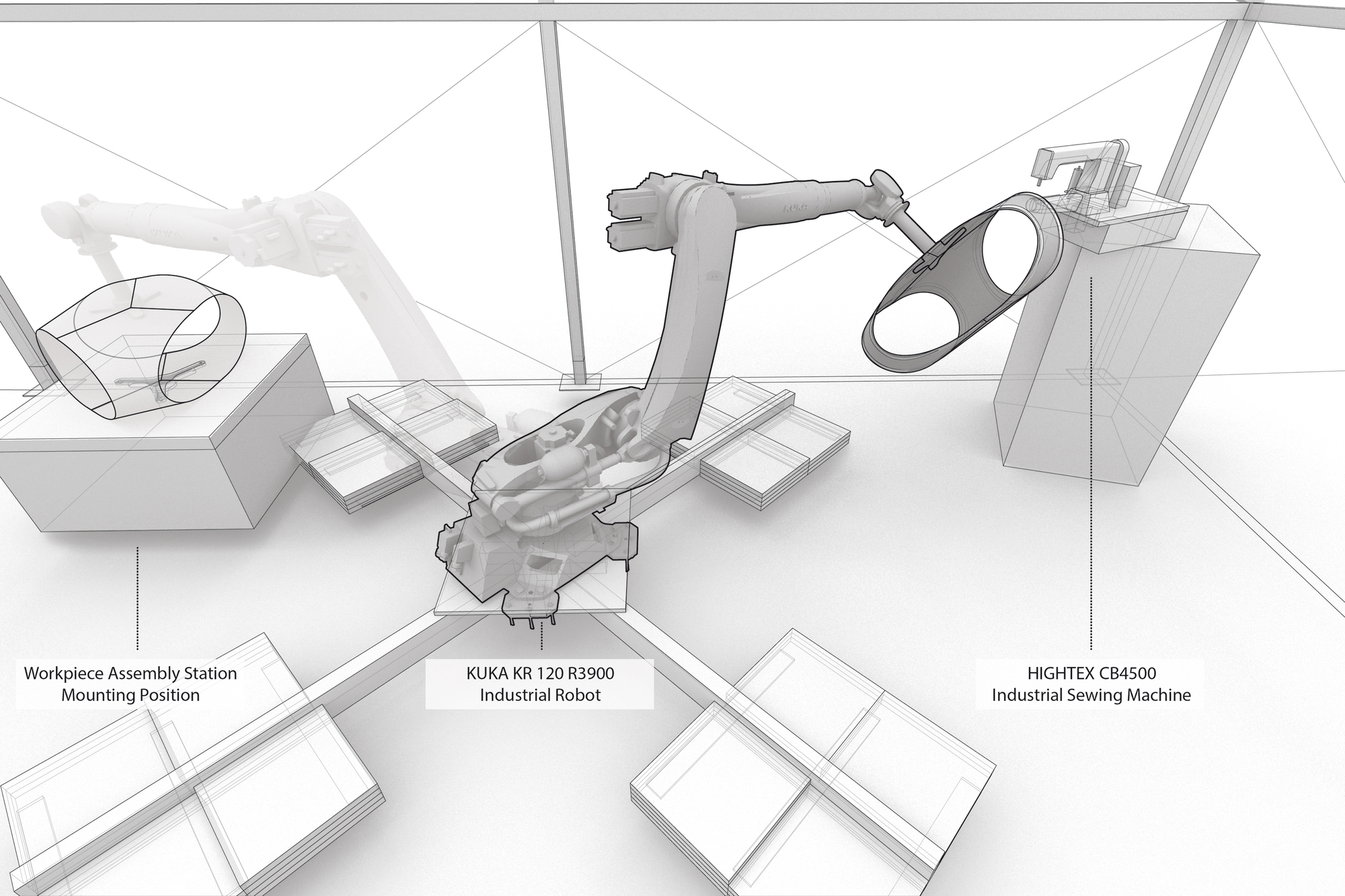
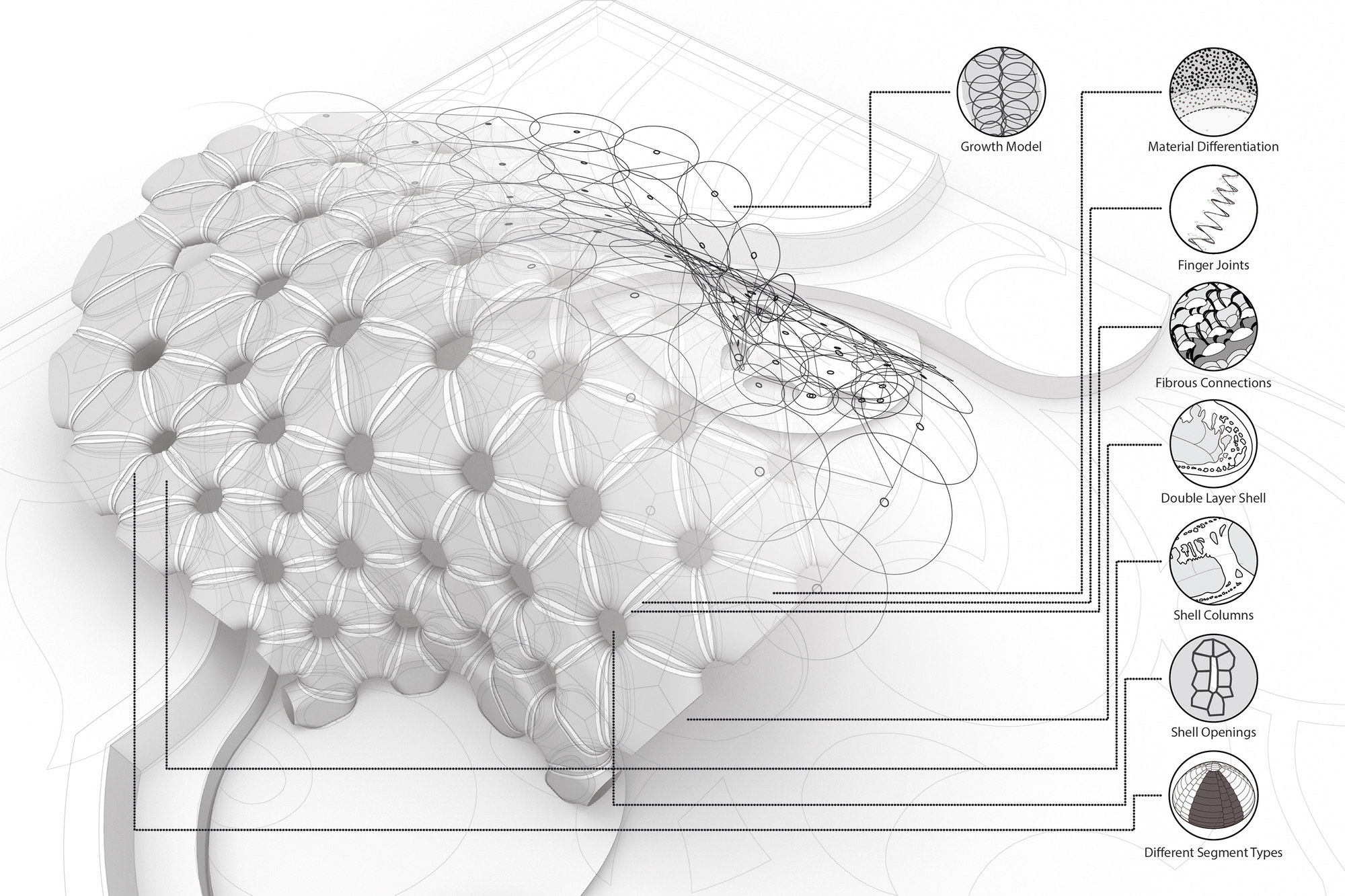
The 2015-16 Research Pavilion, designed by the ICD Institute for Computational Design and the ITKE Institute of Building Structures and Structural Design at the University of Stuttgart, demonstrates the robotic textile manufacturing of segmented wood shells. It is the first building-scale project to apply industrial sewing technology to timber construction, and it forms part of a series of research pavilions that explore the future of computational design, biomimicry and robotic fabrication in architecture. The project was developed and built by students and researchers within an interdisciplinary team of architects, engineers, biologists and palaeontologists. The pavilion is characterised by a dual bottom-up design approach based on biomimetic research into natural segmented shell structures and the robotic sewing of thin plywood. The team began by analysing the morphology of sand dollars and developed a fabrication technology capable of elastically bending double-layered plywood segments. Introducing fibre-sewing techniques into timber construction makes lightweight, high-performance wood-shell modules possible. Earlier biomimetic research by the design team on sea urchins gradually evolved into the construction concept for this project, yielding a new method for building wood-plank shells. In this project, architects and engineers from Stuttgart University worked with biologists from the University of Tübingen in a cross-disciplinary collaboration, analysing natural segmented shell structures in depth and exploring all the relevant aspects of their performance. Within the phylum Echinodermata, two classes, the sea urchins and the sand dollars, grow according to segmented skeletal logic that the pavilion translates into architectural terms. The result is a lightweight, materially efficient structure that demonstrates how biologically informed design and digital fabrication can produce buildings that are at once experimental and buildable.












 Editor's Pick
 Latest Design