Text description provided by the architects
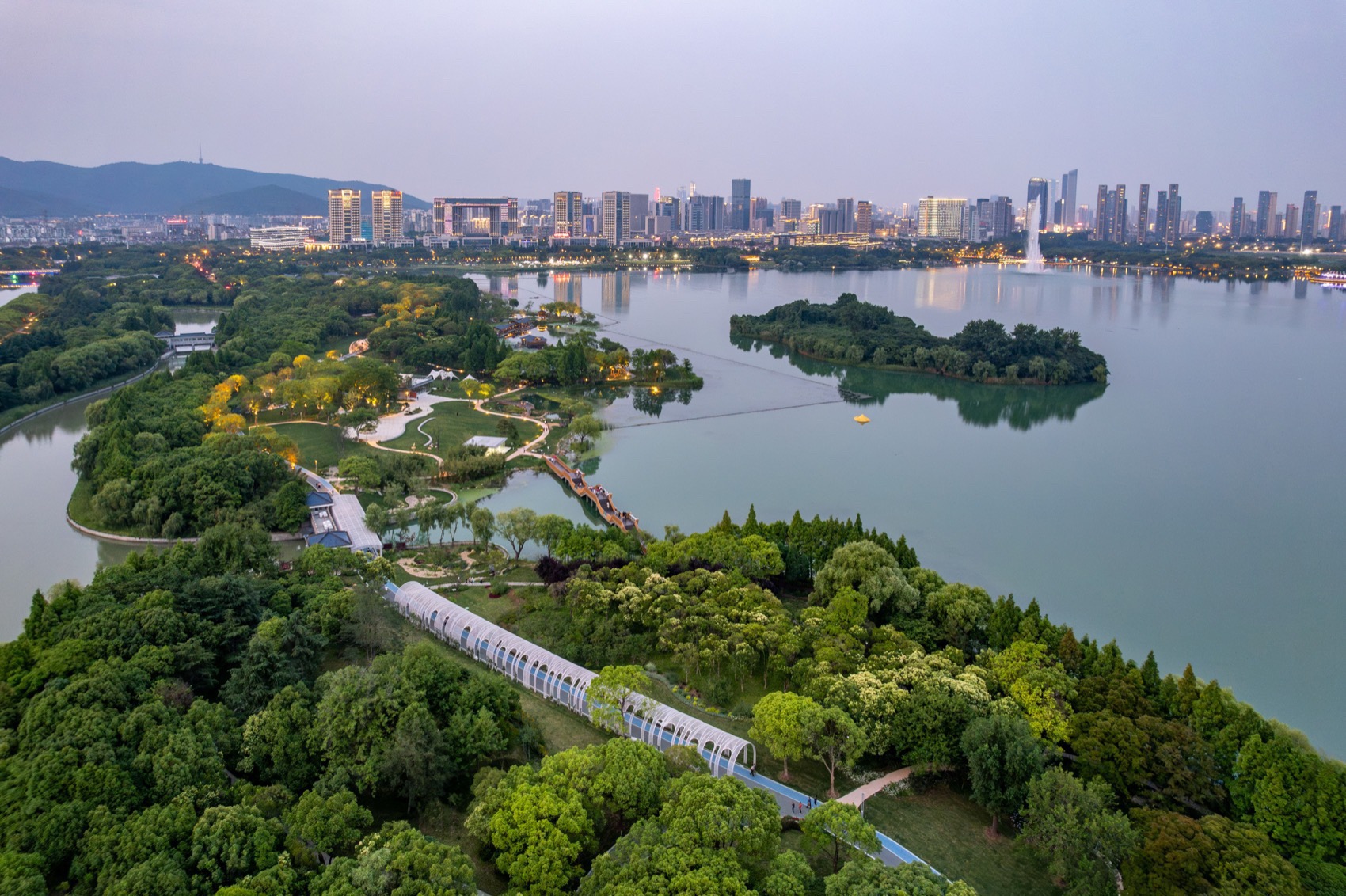
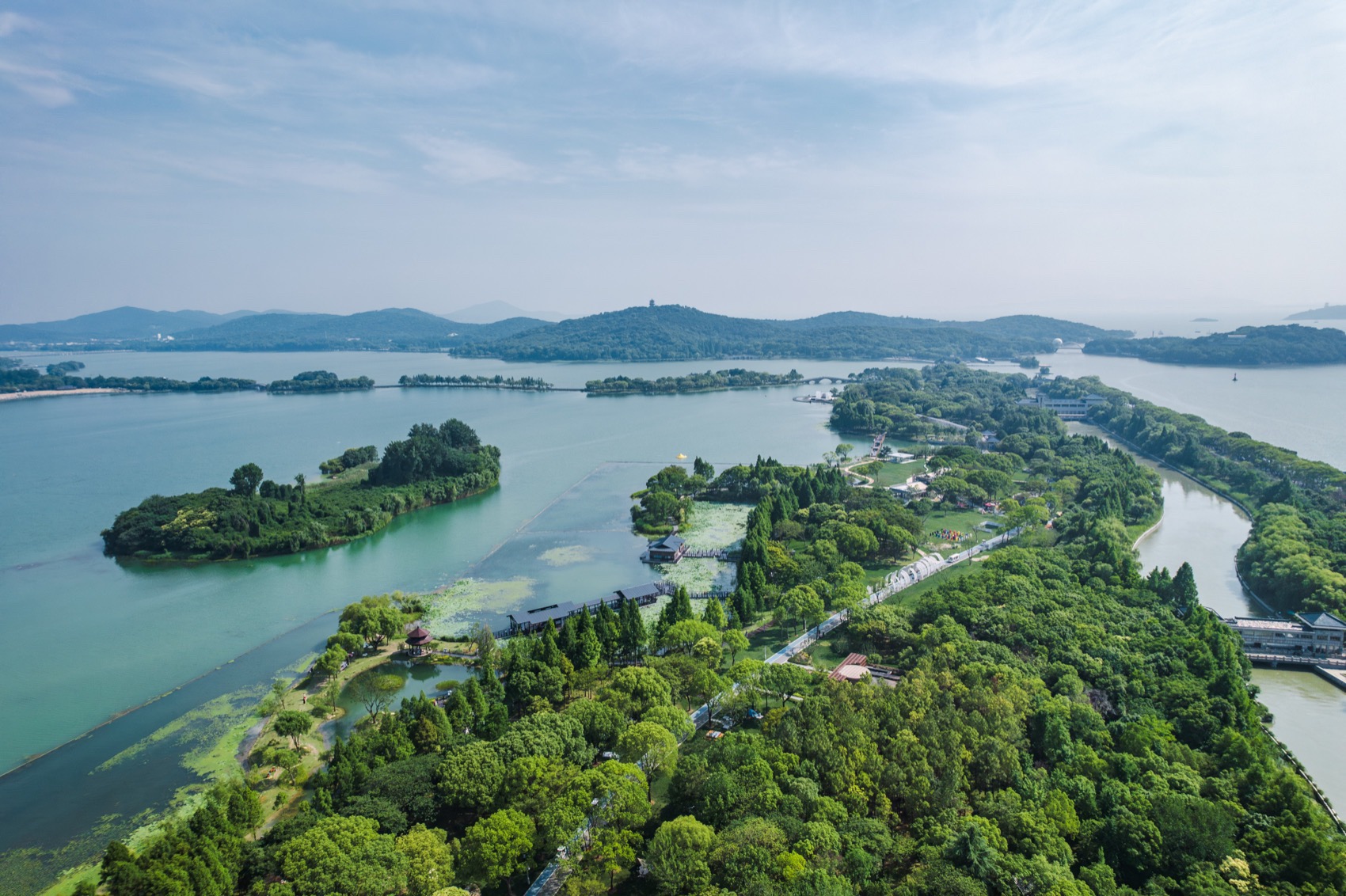
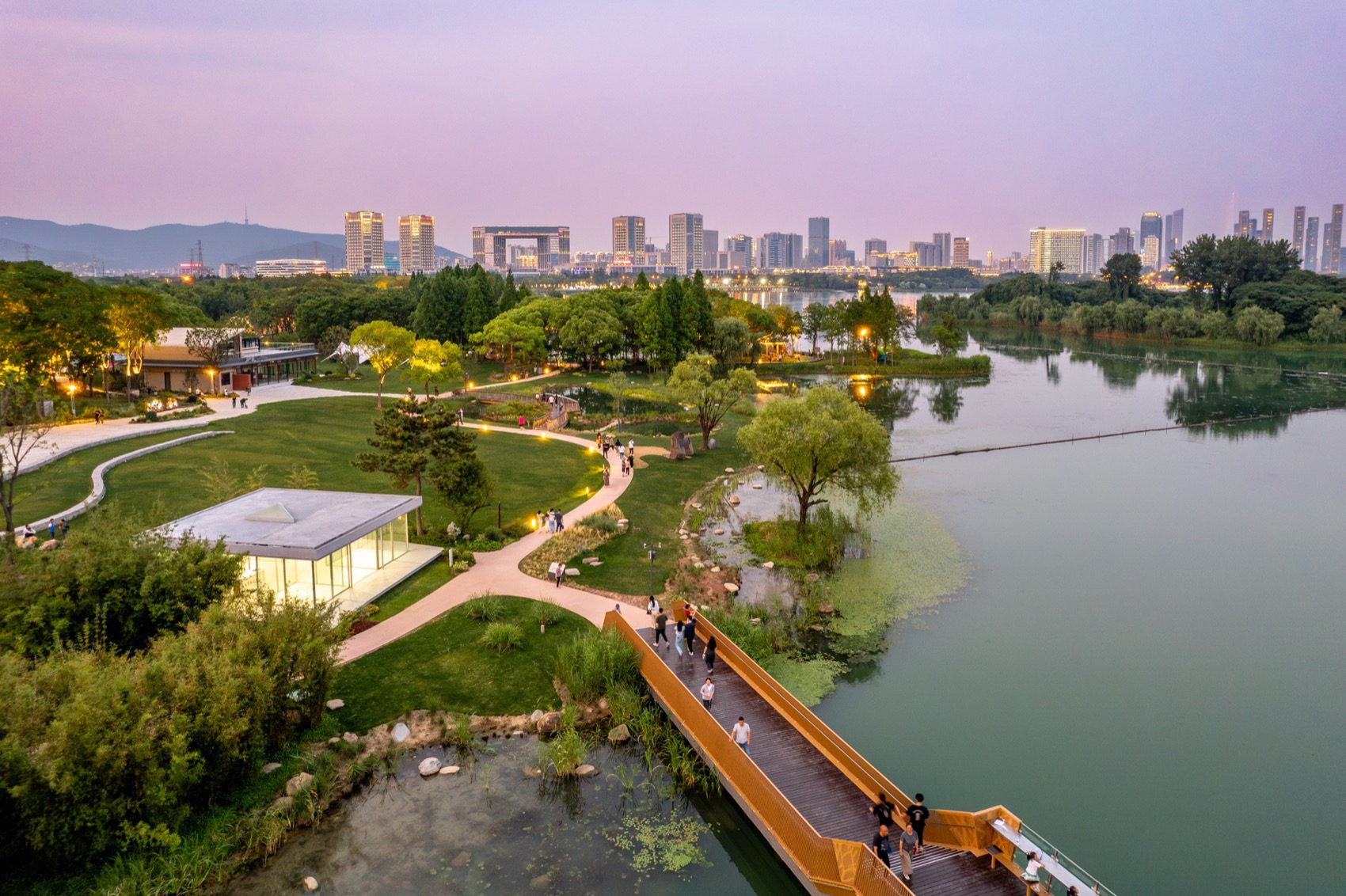
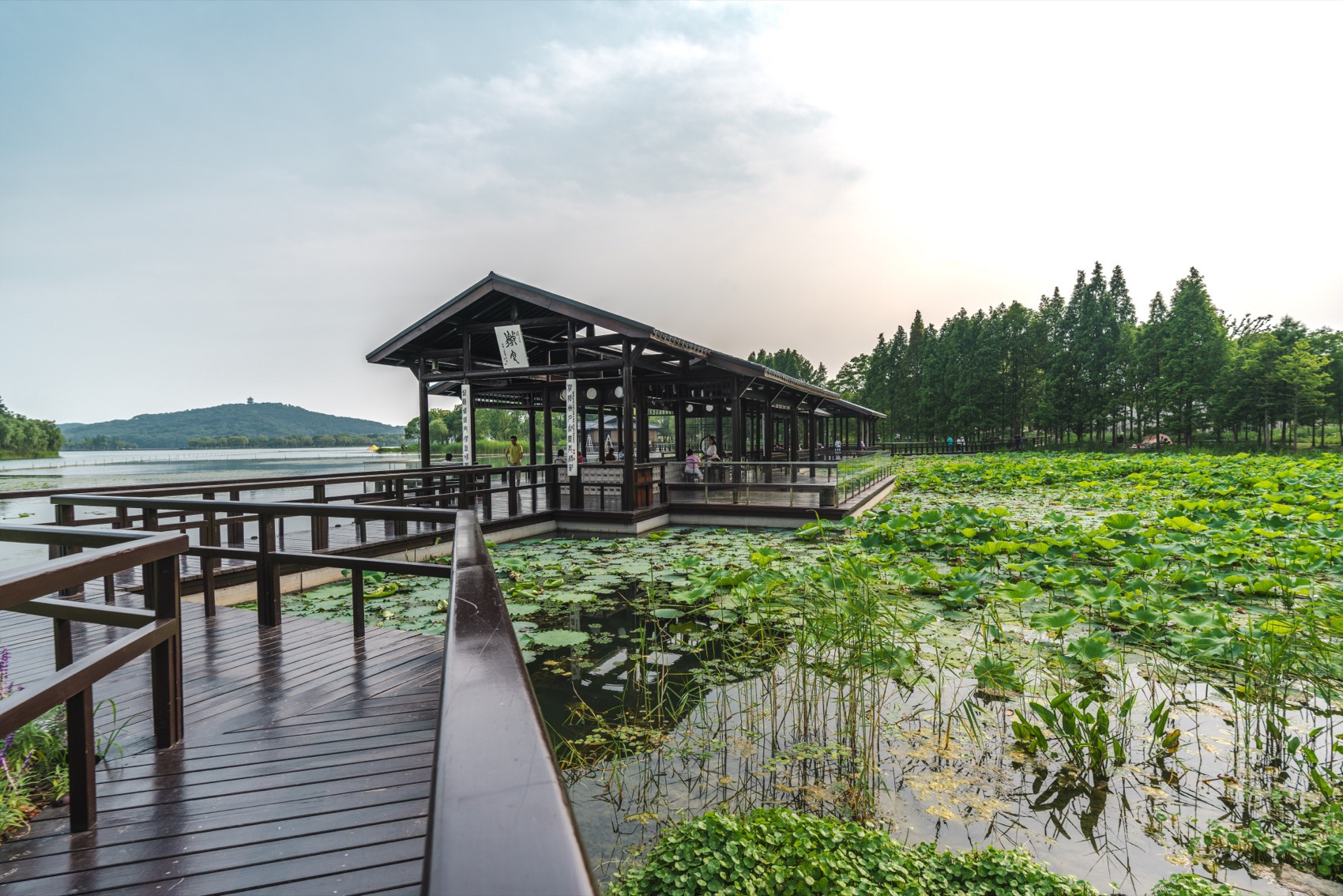
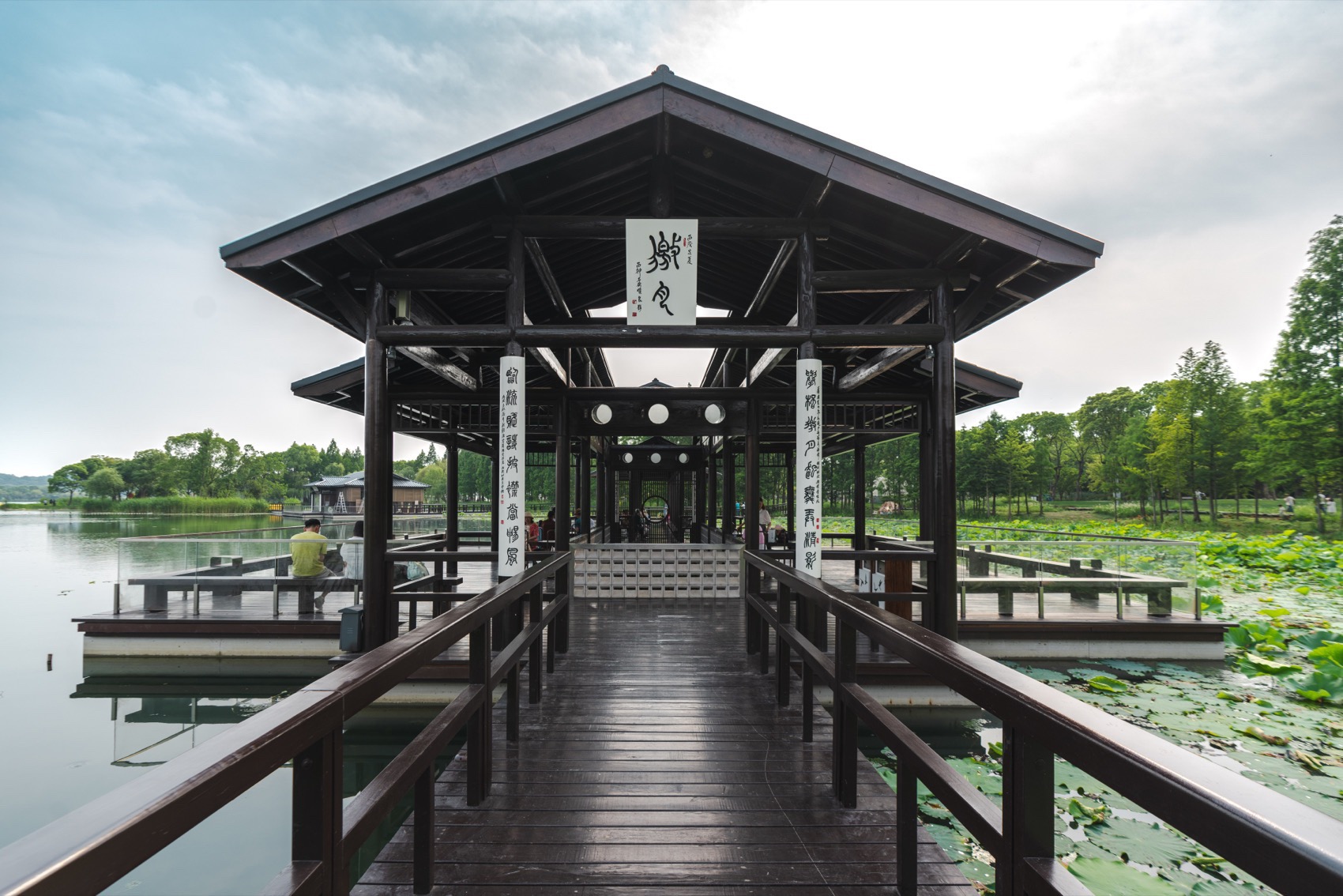
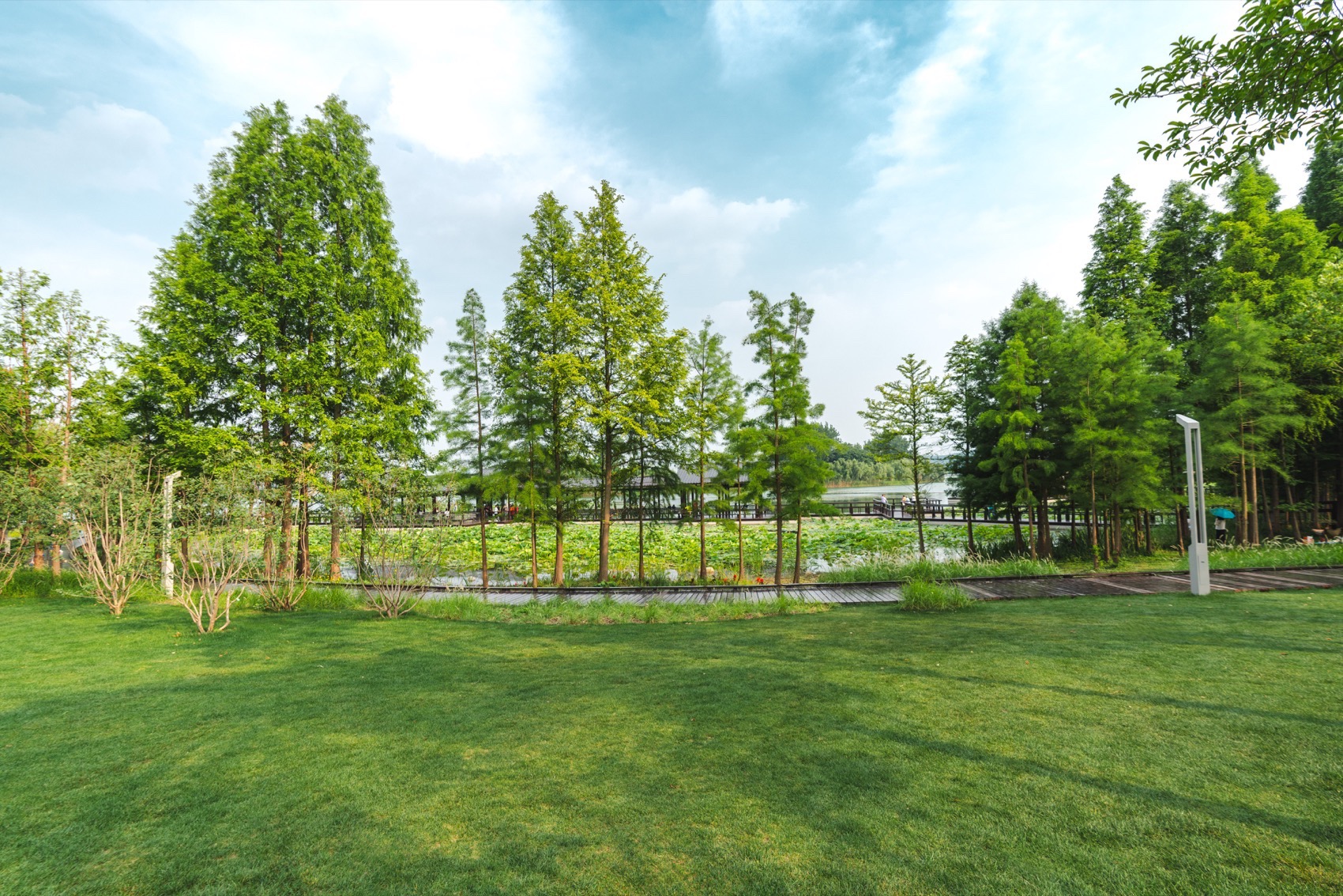
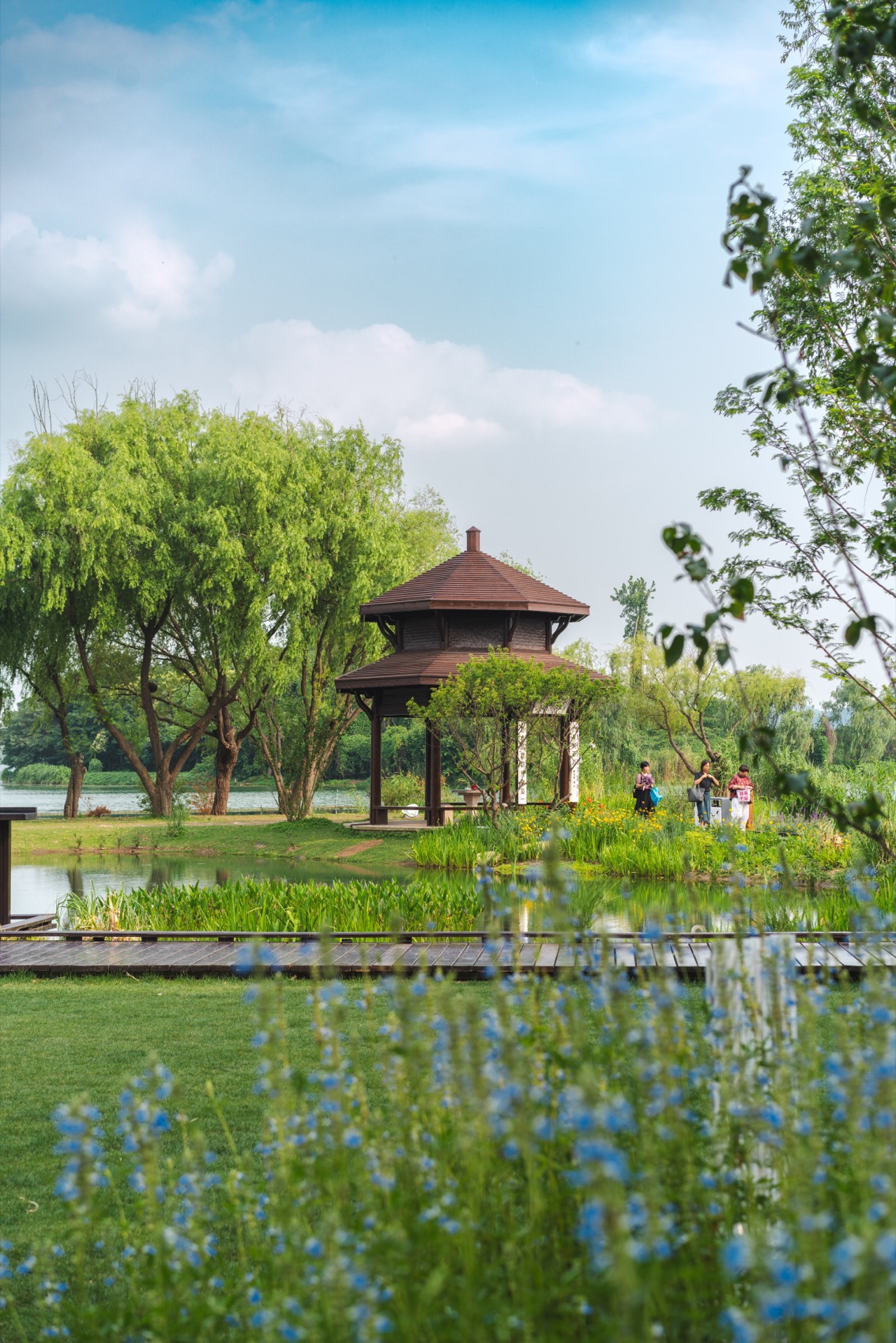
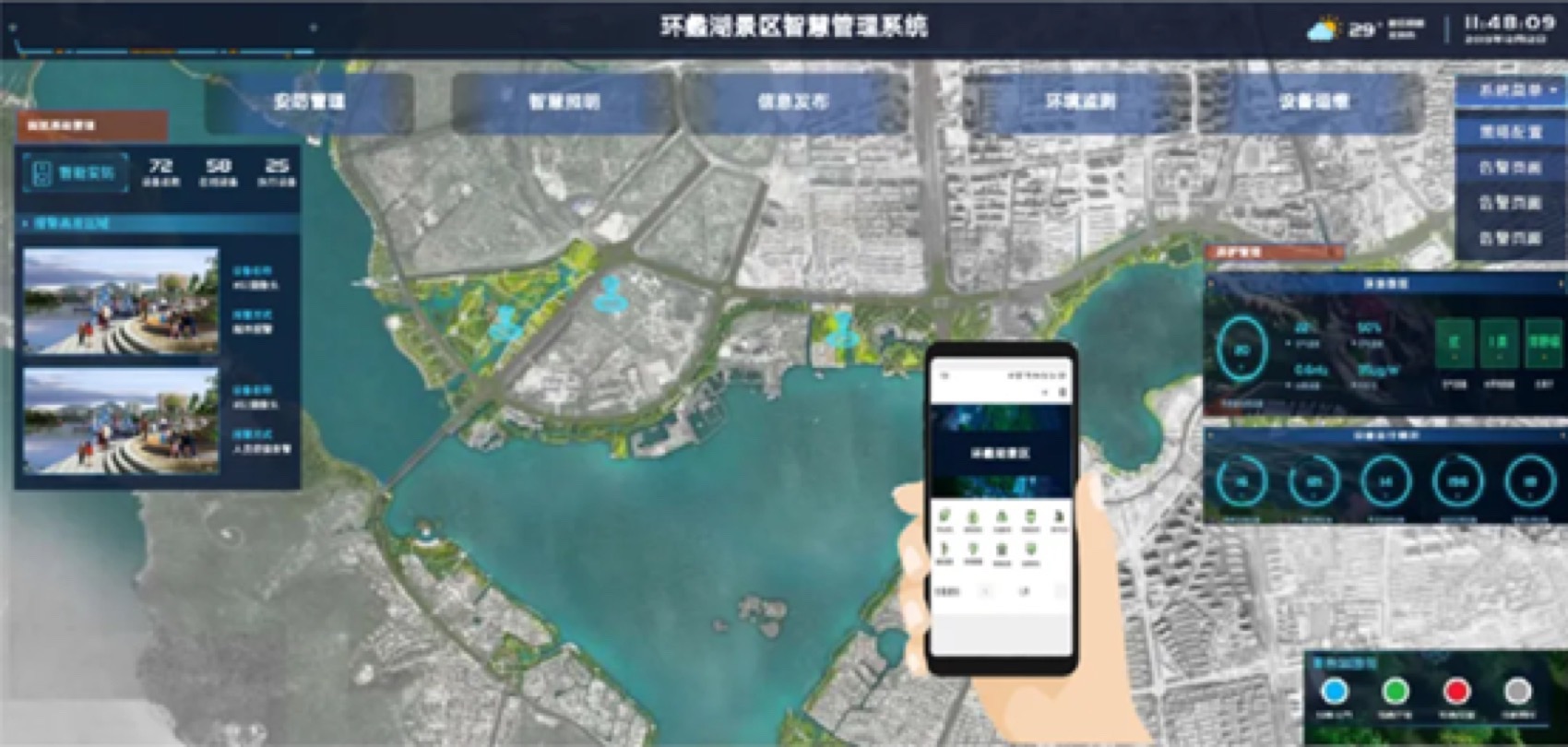
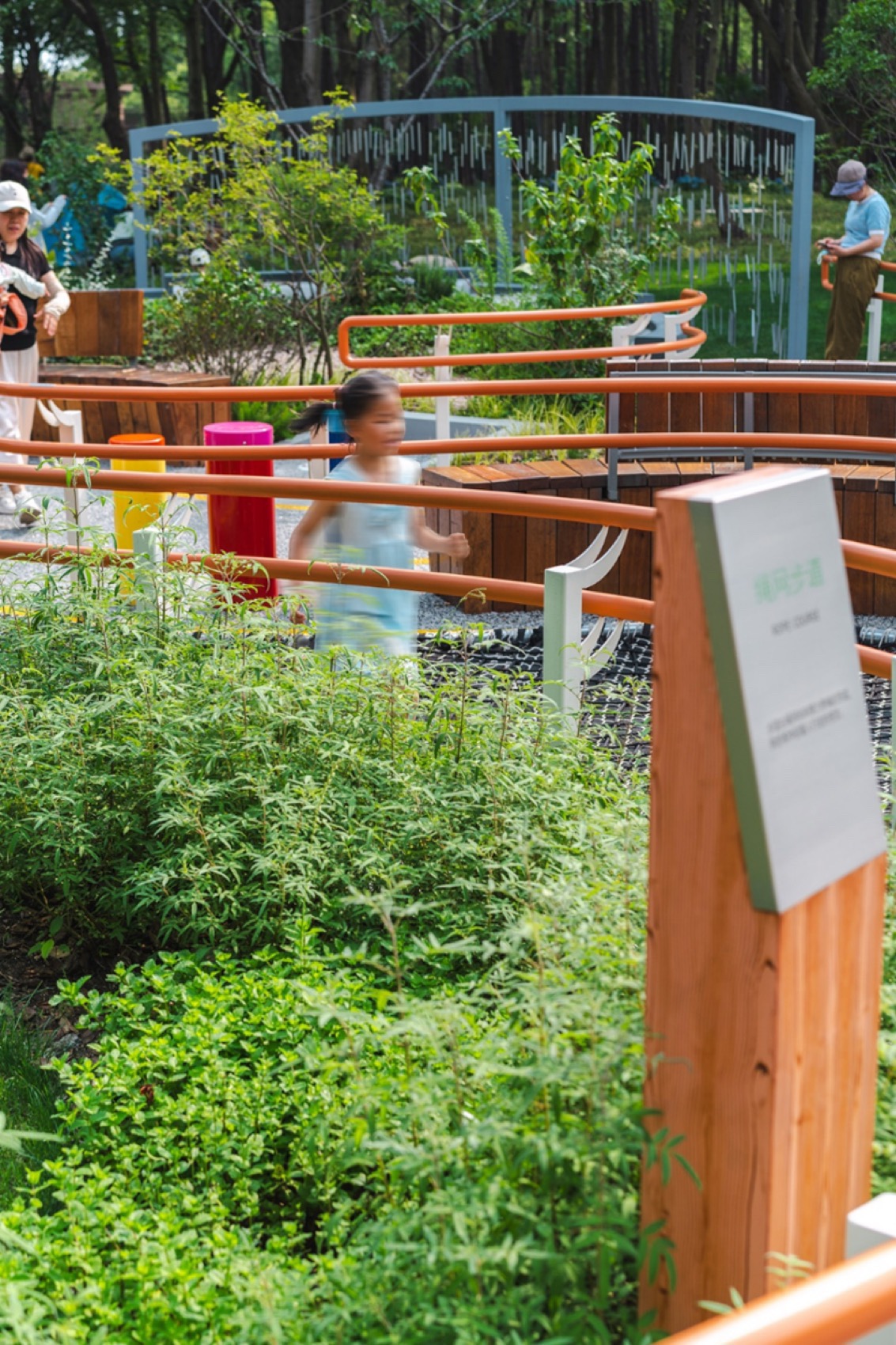
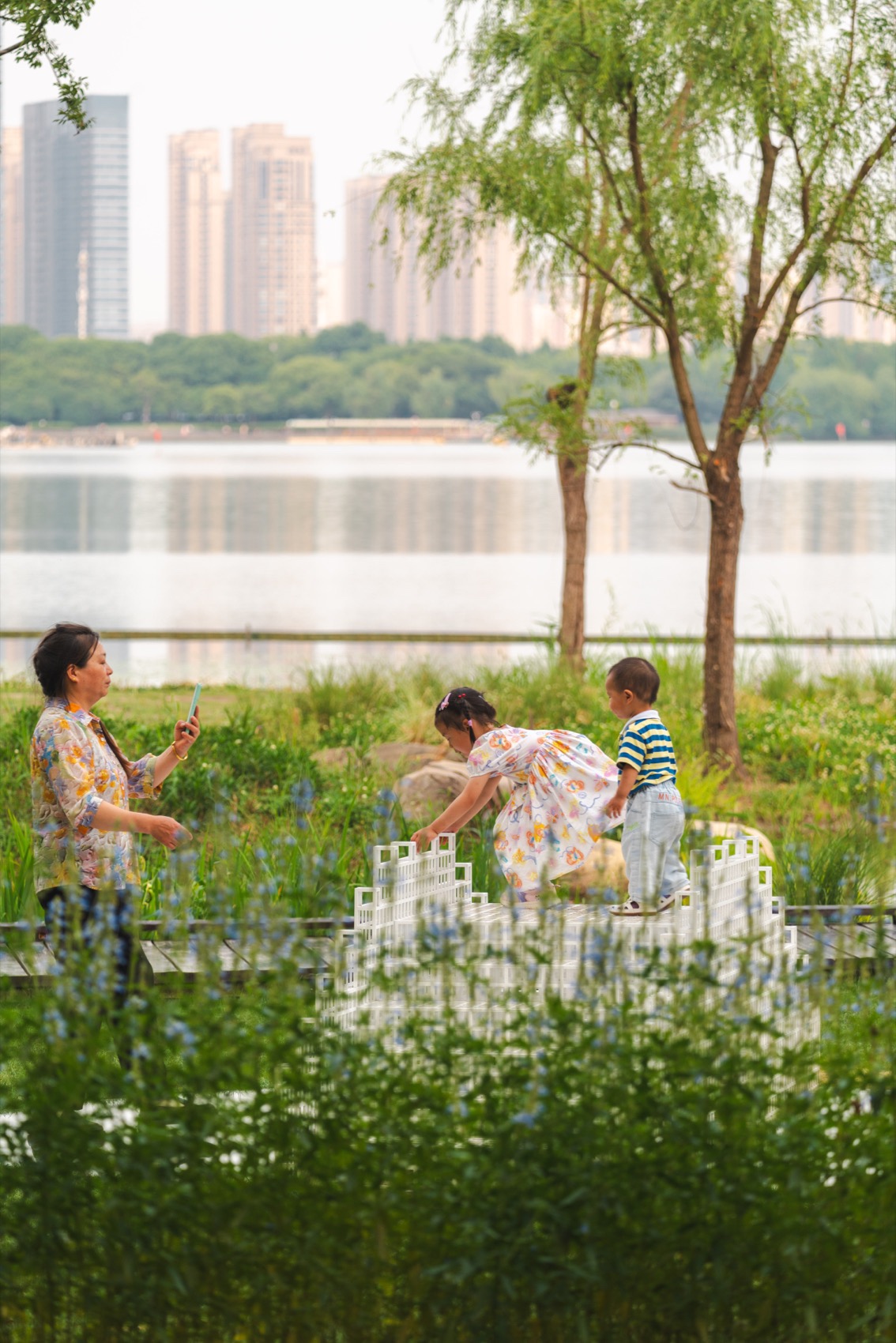
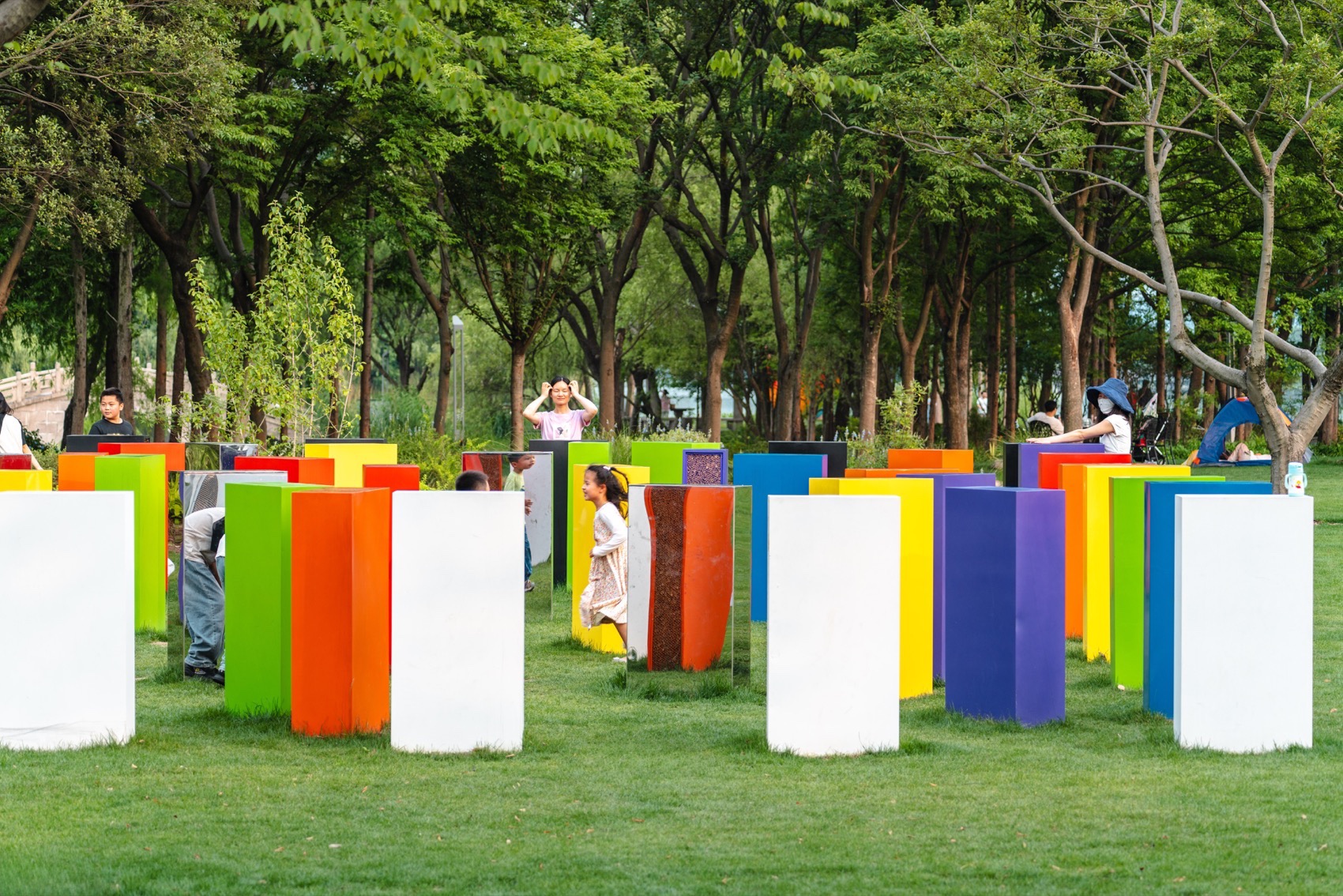
AECOM’s involvement in the development of Li Lake (or ‘Lihu’) has spanned over two decades. In the early 2000s, AECOM participated in the master planning of Li Lake Parklands and the surrounding new city area, aiming to establish a new image for Wuxi and unlock the value and vibrancy of Li Lake to drive regional development. Since then, the “Bogong Island – Light of Li Lake” in Li Lake Parklands has become beloved by the public, with its romantic sunsets beneath the palm trees by the lake, earning the nickname “Little Sanya of Wuxi” on social media. The iconic 100-meter-high water fountain has also become a preferred spot for Wuxi residents for daily leisure and evening walks. Today, Li Lake Scenic Area is expected to become a more ecologically beneficial water environment and a stronger urban cultural brand that will provide improved tourism services and create a more vibrant public space. In response to these evolving needs, AECOM has once again become involved in enhancing the scenic area around Li Lake, focusing on water as the core element, as well as returning the lake to the people, and creating a future-oriented, high-quality sustainable waterfront space. This continues AECOM’s longstanding commitment to building a more beautiful Li Lake. Wuxi’s waterfront public spaces for the future Li Lake is the city’s most important lake and a rare ecological water resource. Guided by ESG principles (Environment, Social, and Governance), AECOM had addressed the existing issues and set practical improvement paths to construct an “inclusive and locally distinctive waterfront public space,” “a high-quality, healthy, safe, and biodiverse waterside environment,” and “a smart service and technology-driven future urban waterfront. ” The plan outlines a comprehensive spatial renovation with the “One Lake, Three Rings, Five Roads, Eight Scenic Spots” framework, aiming to transform the Li Lake Scenic Area into a new “landscape and cultural landmark” for Wuxi. Bogong Island: An eco-lakeshore In April 2024, the project’s first section the Bogong Island segment of West Li Lake — opened to the public. In May, the Wuxi Li Lake Eco-Design Festival was launched on Bogong Island. As the event venue, Bogong Island showcased a vibrant green landscape, embodying AECOM’s vision of a sustainable urban public space that harmonizes ecological environments with human culture. The island also reflected the eco-friendly principles of the design festival, promoting coexistence and prosperity between people, the city, and nature. 01 Rejuvenating the vibrancy of Li Lake for people and city The project team integrated urban activities with the natural environment to upgrade the overall spatial quality and supporting facilities around Li Lake, delivering positive social impacts for the region. On one hand, the goal is to create an inclusive waterfront environment that encourages community participation and revitalizes neighborhood vitality. On the other hand, through refined landscape design, the project maximizes the efficient use of environmental assets to give back to the city’s development. AECOM proposed a ‘multi-friendly rings’ strategy, creating premium circuits and refined nodes that are friendly for all ages, cyclists, and children. These routes reflect Wuxi’s cultural heritage, offer diverse cultural experiences, and provide a full range of service facilities. They cater to all ages, providing varied recreational and waterside experiences, aiming to “restore the landscape and redefine functionality,” meeting the public’s demand for higher-quality spaces around Li Lake. The project team restructured the existing pathway system, transforming the Bogong Island section’s walking and jogging paths into scenic routes. The newly enhanced landscaping and facilities along both sides have revitalized the previously ordinary park roads into vibrant, modern spaces, perfect for walking and jogging in a comfortable and leisure-friendly environment. In addition, AECOM has always paid close attention to the activity needs of all age groups and incorporated these needs into the spatial design. The project team, taking into account the unique environmental features of Bogong Lake, created activity loops specifically designed for children and seniors, providing tailored experiences for different groups and aiming to offer a friendly public leisure space for people of all ages. Under the lakeside redwood forest, in areas where ground cover plants do not thrive, pine bark was laid down, and fallen trees were repurposed to create a children’s play area in a minimally invasive and low-impact way. The original basketball court, which had low usage, was transformed into a space suitable for younger children’s activities. As for the previously hazardous waterside boardwalk, the project team used weather-resistant materials to renovate the railings, planted additional lotuses to enhance the plant scenery, and refreshed the tea house facade to restore its function. This also highlighted the tea house’s unique location in the bird habitat on Oulu Island, creating an ideal space for the elderly to enjoy birdwatching, lotus viewing, and tea tasting. At the same time, the project team, guided by ESG principles for sustainable operations, focused on the spatial design to link the operational resources of the lake’s hinterland. Through refined landscape design and strategic planning, the team revitalized and integrated the underutilized spaces around the lake, transforming them into valuable operational assets, thereby promoting the sustainable development of the scenic area. AECOM first identified and reserved spaces within Li Lake to accommodate international events. During the design process, we also considered the diverse possibilities for hosting year-round local and international leisure and tourism activities for all ages. The aim was to create a local, all-weather urban festival experience and foster open, accessible spaces that encourage social interaction. We believe that in the near future, this place will become a gathering center for local residents, business people, and tourists alike, where they can be close to Li culture, contemporary art, and the natural landscape of mountains, lakes, and rivers around the clock. It will shape a new era for Wuxi’s cultural experience that is suitable for living, working, and traveling. possibilities for a variety of urban activities and leisure needs 02 Sponge city demonstration: Water purification and human-nature coexistence Inspired by the historical water management legend of Zhang Bogong, the project integrates sponge city principles, focusing on watershed governance. Through a dual-chain system, it establishes a “rainwater collection-buffer absorption-water purification” pathway. The design includes sponge facilities along key nodes to enhance the scenic and ecological benefits. To create a park that combines sponge city functions with scenic beauty, the integration of sponge facilities is crucial. The design of the sponge facilities at Bogong Island is based on an analysis of the site’s elements, including its terrain, natural resources, and existing facilities. The sponge facilities are strategically positioned in key areas with specific functions, allowing them to effectively serve both aesthetic and ecological purposes. Rainwater collection and purification treatment Large proportion of green space Key activity area, use of high efficiency rain garden Furthermore, we believe that for humans and nature to coexist harmoniously, it is essential for people to understand and maintain our natural environment. Therefore, the project team has installed ecological education facilities throughout Bogong Island, enabling visitors to interactively experience the sponge city features and the ecosystem’s cycles. Wet area, living water facilities for education and fun Insect and butterfly habitat Natural ecological wisdom and interactive science popularization facilities that match the landscape 03 Technology-empowered operations: Efficient and forward-looking With a foundation rooted in Li Lake’s historical and cultural heritage and a future focused on sustainability, the waterfront space must showcase environmental beauty and embrace a sustainable future. AECOM introduced the concept of smart management, integrating digital technology into urban waterfront governance. This innovation elevates the overall environmental management efficiency and quality of Li Lake. When Bogong Island opened, a digital twin-based AI sentinel system was implemented, enabling real-time monitoring of foot traffic, parking, park facilities, and environmental conditions. This system effectively improves the management efficiency and service capabilities of the scenic area, advancing its development toward intelligent and refined management, offering a more personalized and efficient experience for visitors and residents alike. Looking ahead, the system will be progressively enhanced. It will encompass the monitoring and analysis of ecological factors such as air quality, water quality, and soil pH levels, as well as the biodiversity within the park. By leveraging smart technologies, we aim to scientifically predict and maintain the ecosystem’s health, extending our reach to the whole Li Lake Scenic Area. Li Lake will be built into a multi-dimensional, multi-functional modern urban space through phased stages. West Li Lake, which links to the city, will show the harmonious coexistence of city and nature, while the gardens and wetlands in Central Li Lake will show how tradition and modernity, ecological protection and urban development can be integrated. Middle and East Li Lake will provide citizens with rich cultural life and leisure space options. As the Bogong Island section becomes integrated into the daily lives of Wuxi’s citizens, AECOM will continue to serve the area’s development. Our efforts will be directed towards making Li Lake a vital catalyst for the city’s public life, enriching the cultural and spiritual lives of its people, while simultaneously stimulating regional economic growth and enhancing the city’s cultural influence., Ltd., Ltd












 Editor's Pick