Text description provided by the architects
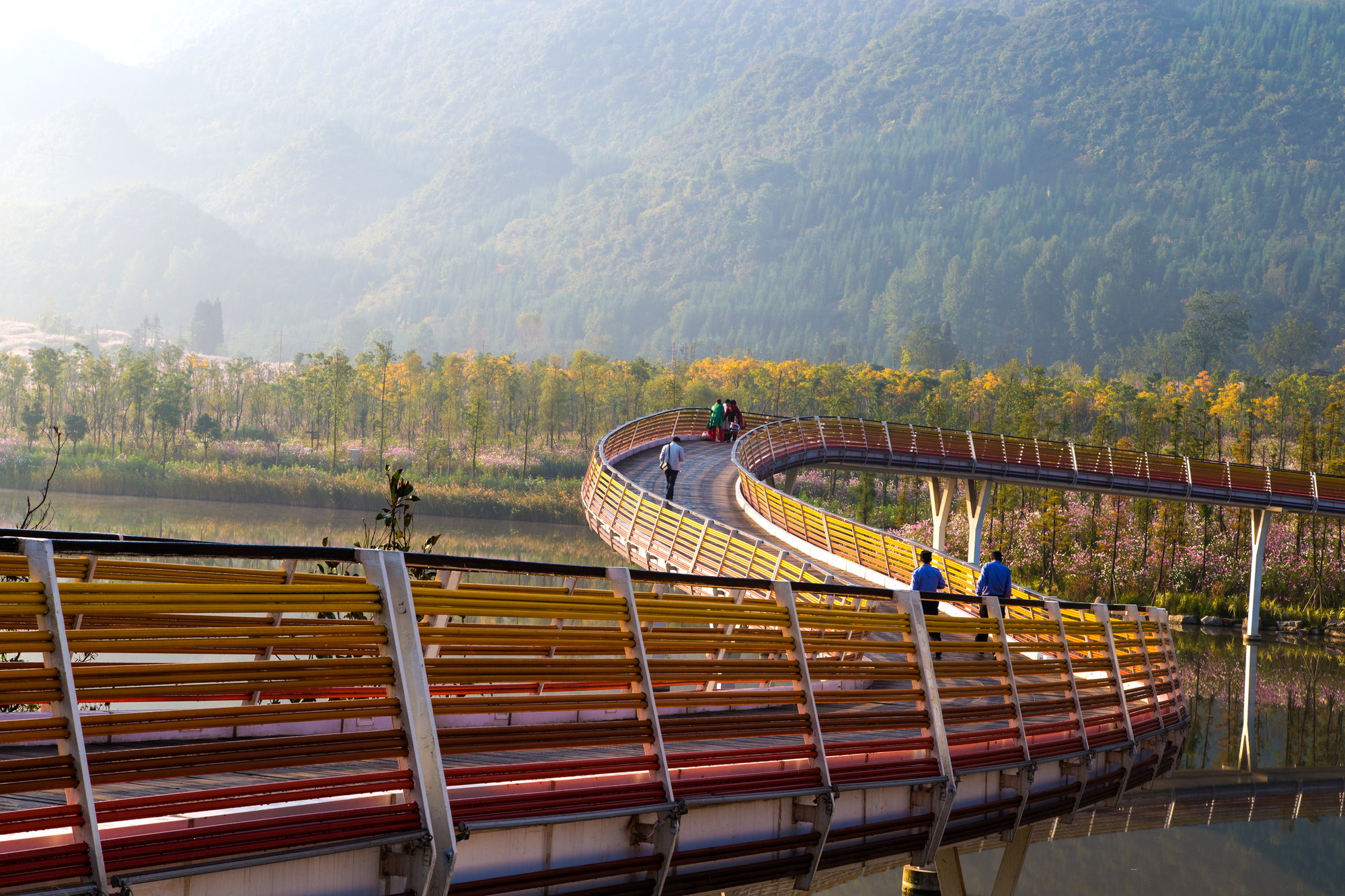
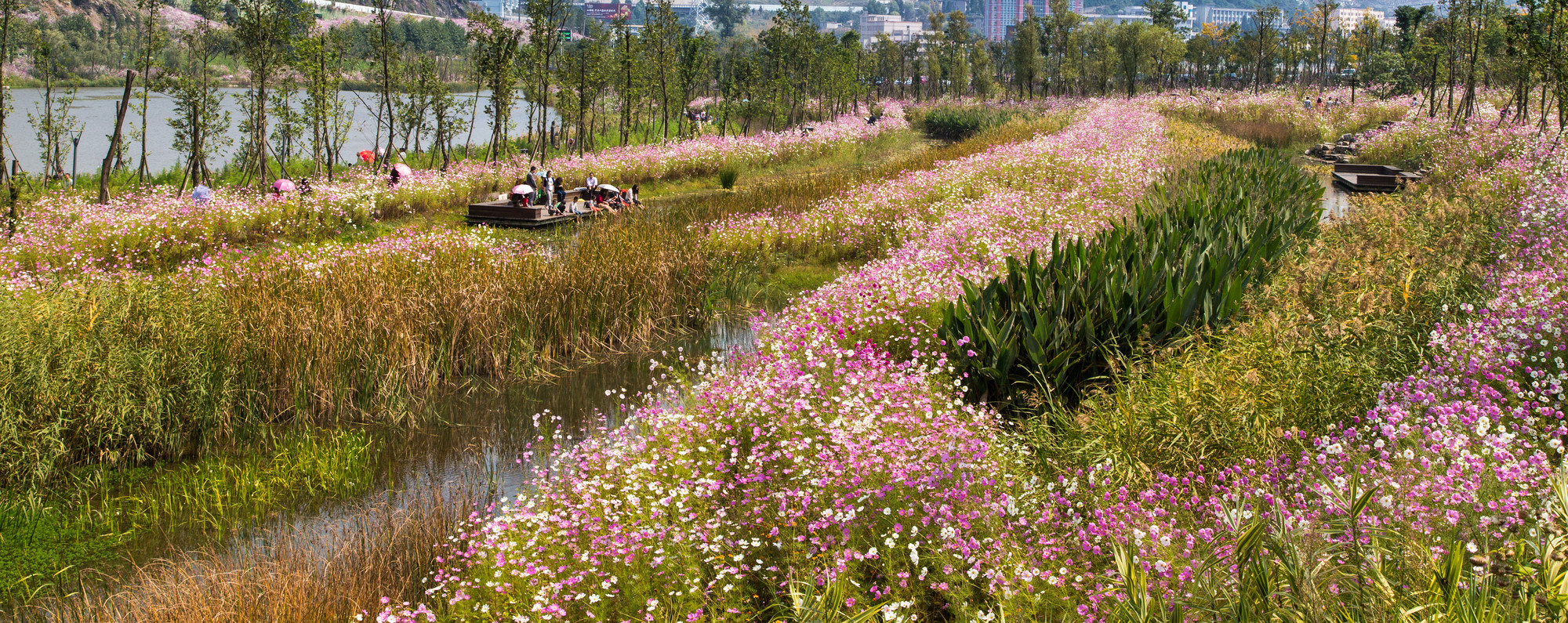
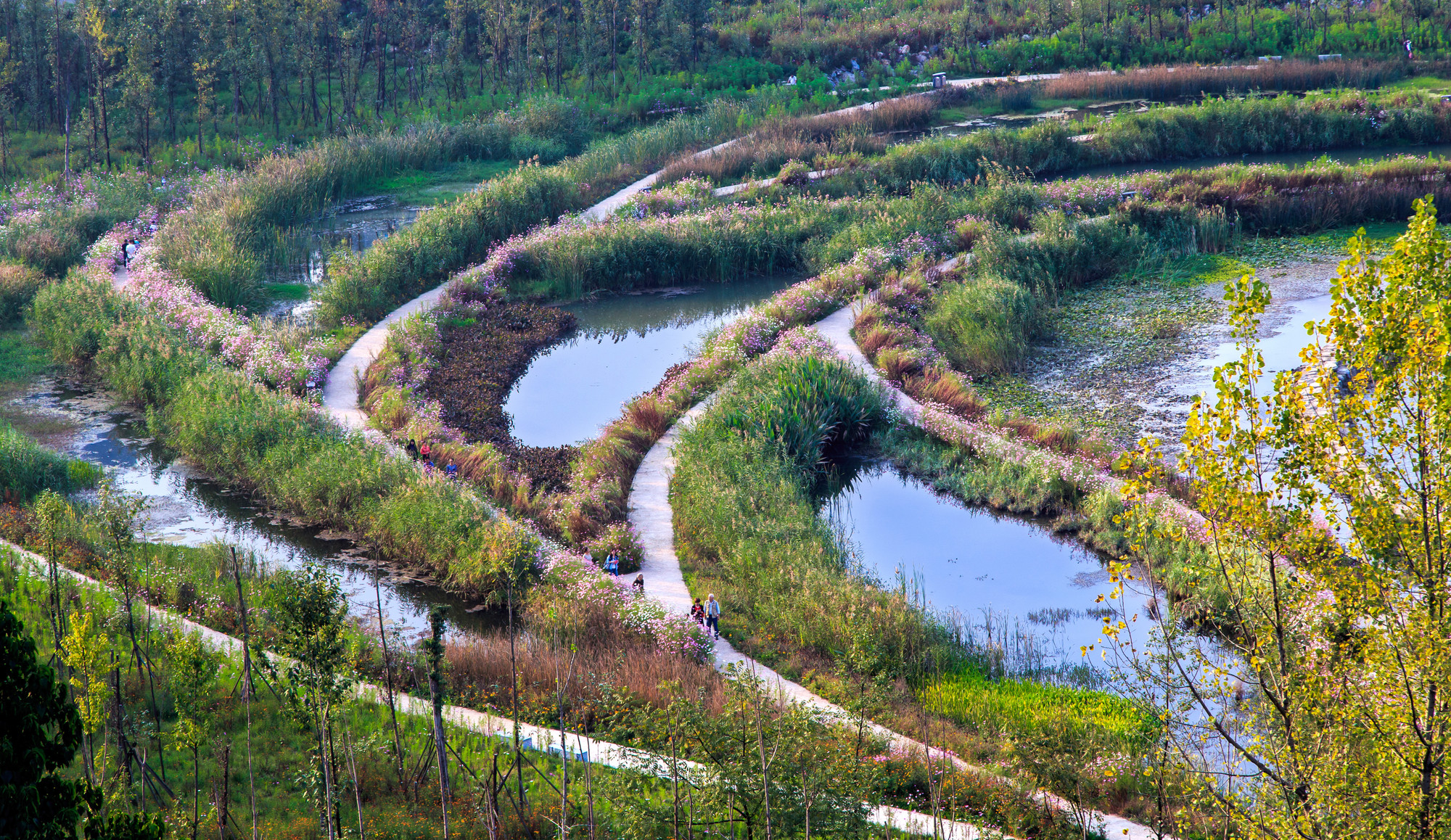
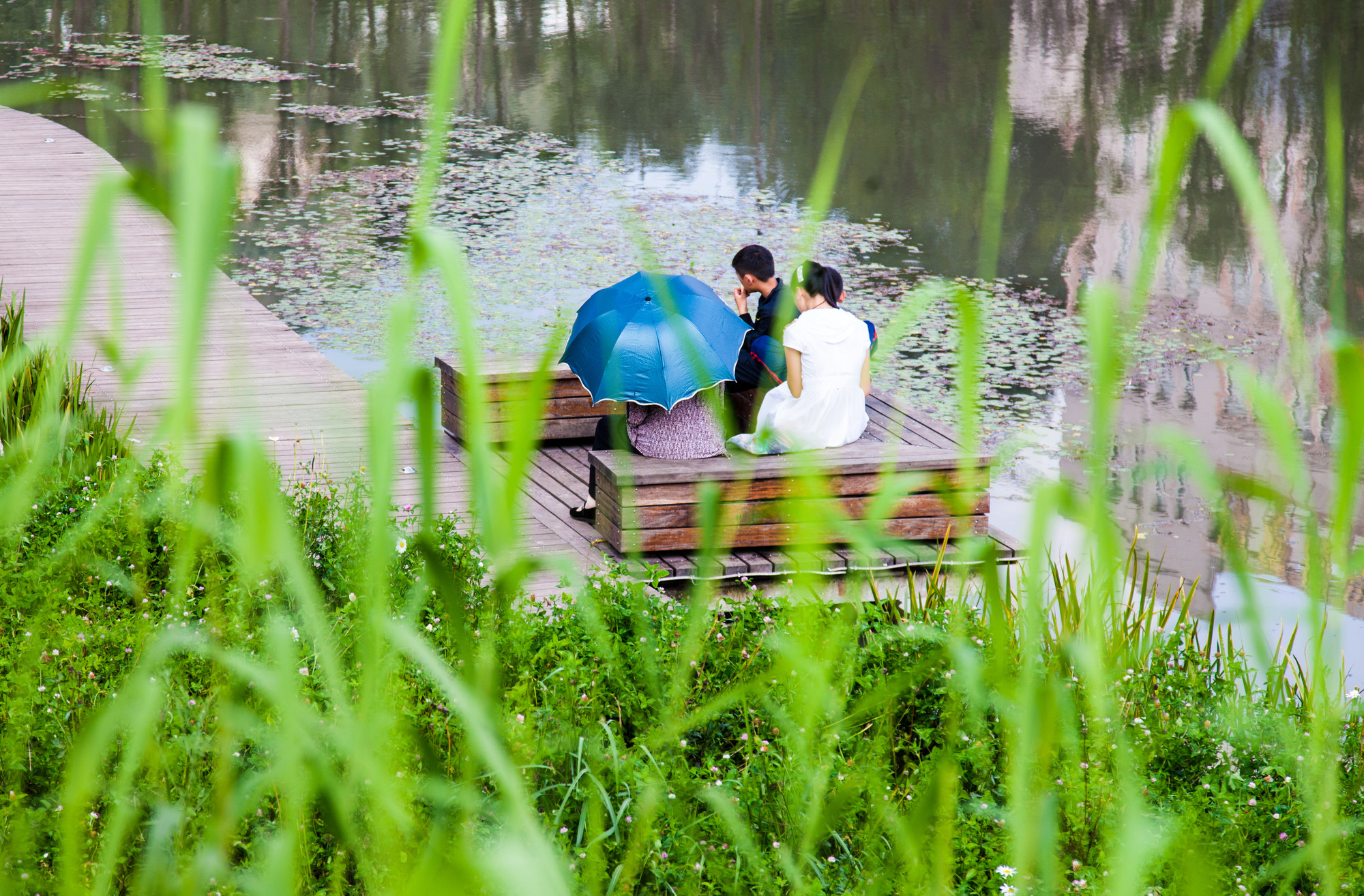
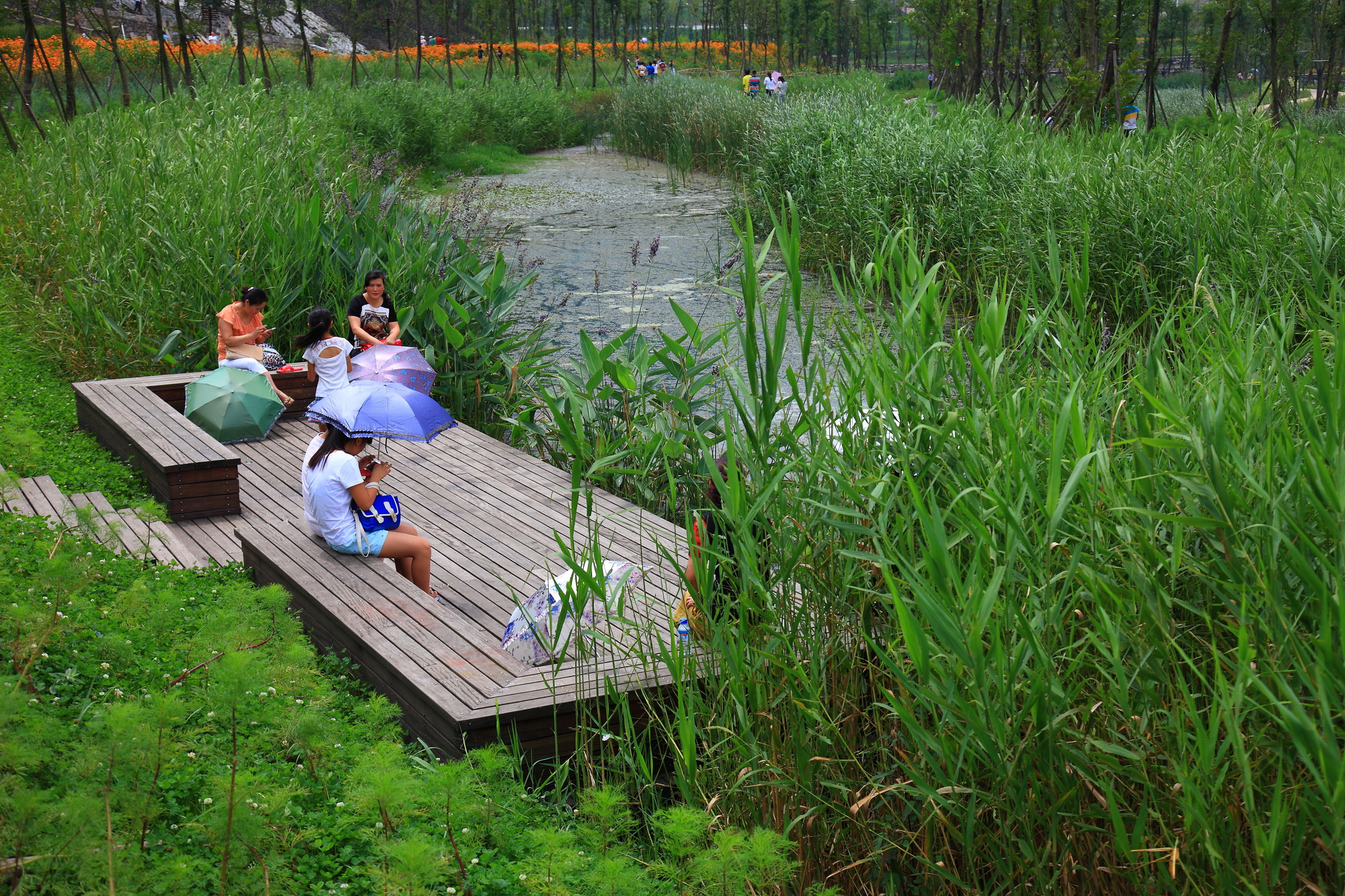
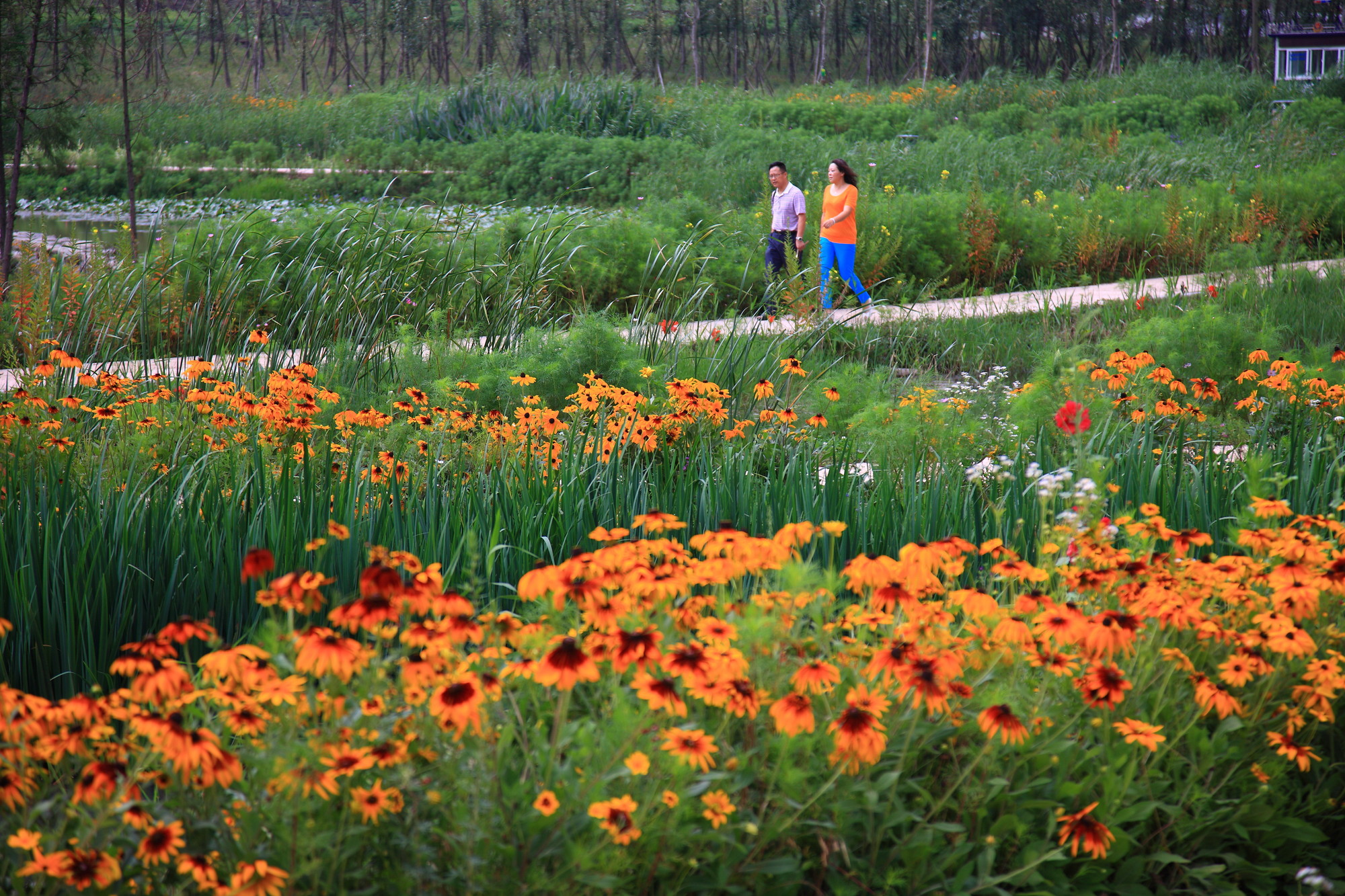
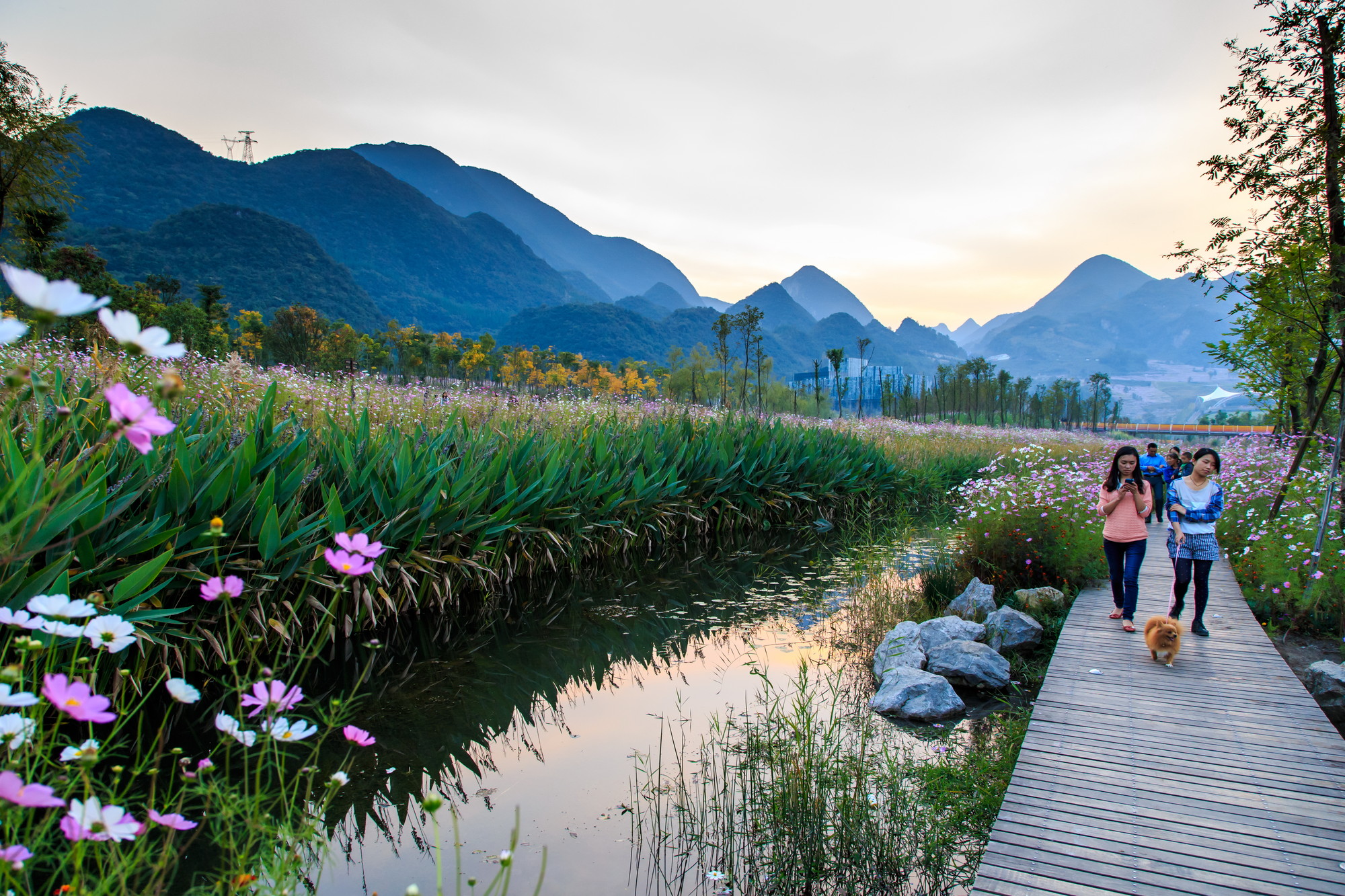
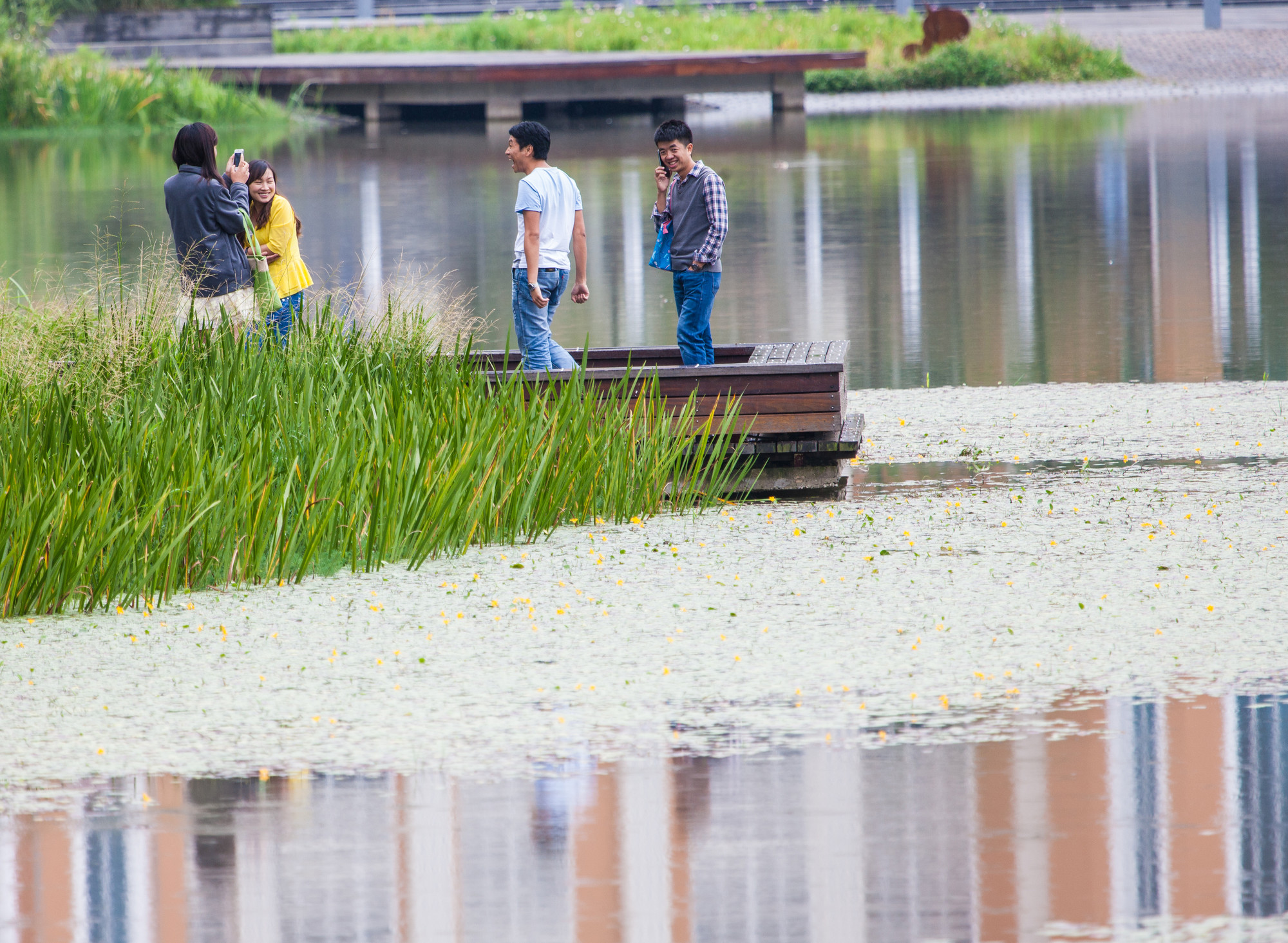
Through a series of regenerative design techniques, especially measures to slow stormwater flow, a concrete drainage channel and a degraded urban site have been transformed into a nationally renowned wetland park, providing multiple ecosystem services as a key part of the city's ecological infrastructure: stormwater management, water purification, habitat restoration and a valuable public space for gathering. Liupanshui, founded in the mid-1960s, is an industrial city in limestone hills surrounded by mountains, with the Shuicheng River running through it; its cool highland climate covers sixty square kilometers and 600,000 residents. The city commissioned landscape architects to develop a comprehensive strategy addressing serious problems including water pollution from heavy industry of coal, steel and cement during the Cold War era. The design turns a degraded concrete channel into a living wetland that cleans water, restores habitat and invites the public, with boardwalks, native planting and terraced pools. The transformed park has become a symbol of Chinese sponge-city design and is visited by planners from across the country studying regenerative riverfront treatment.















 Editor's Pick
 Latest Design
 Best Idea