Text description provided by the architects
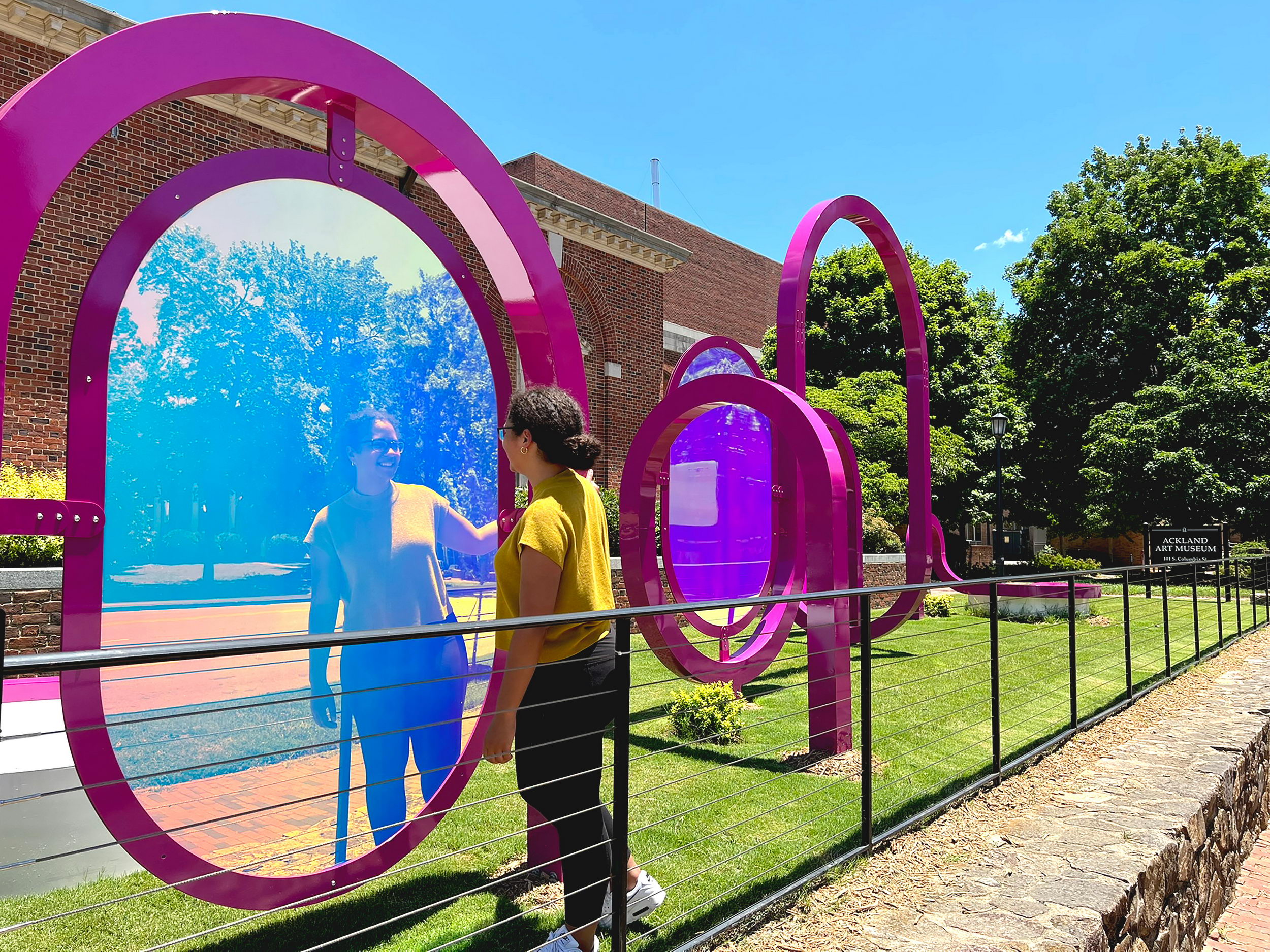
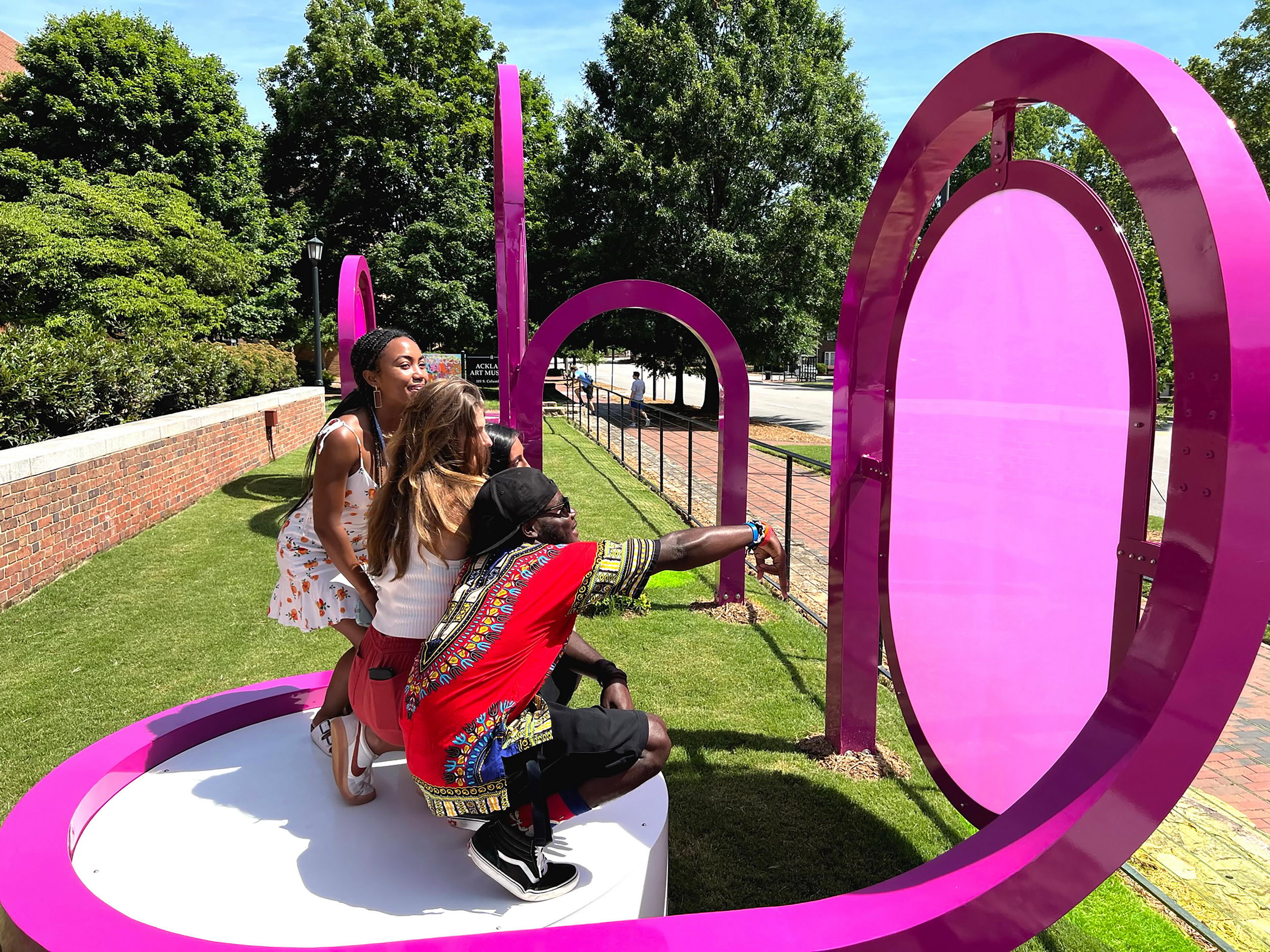
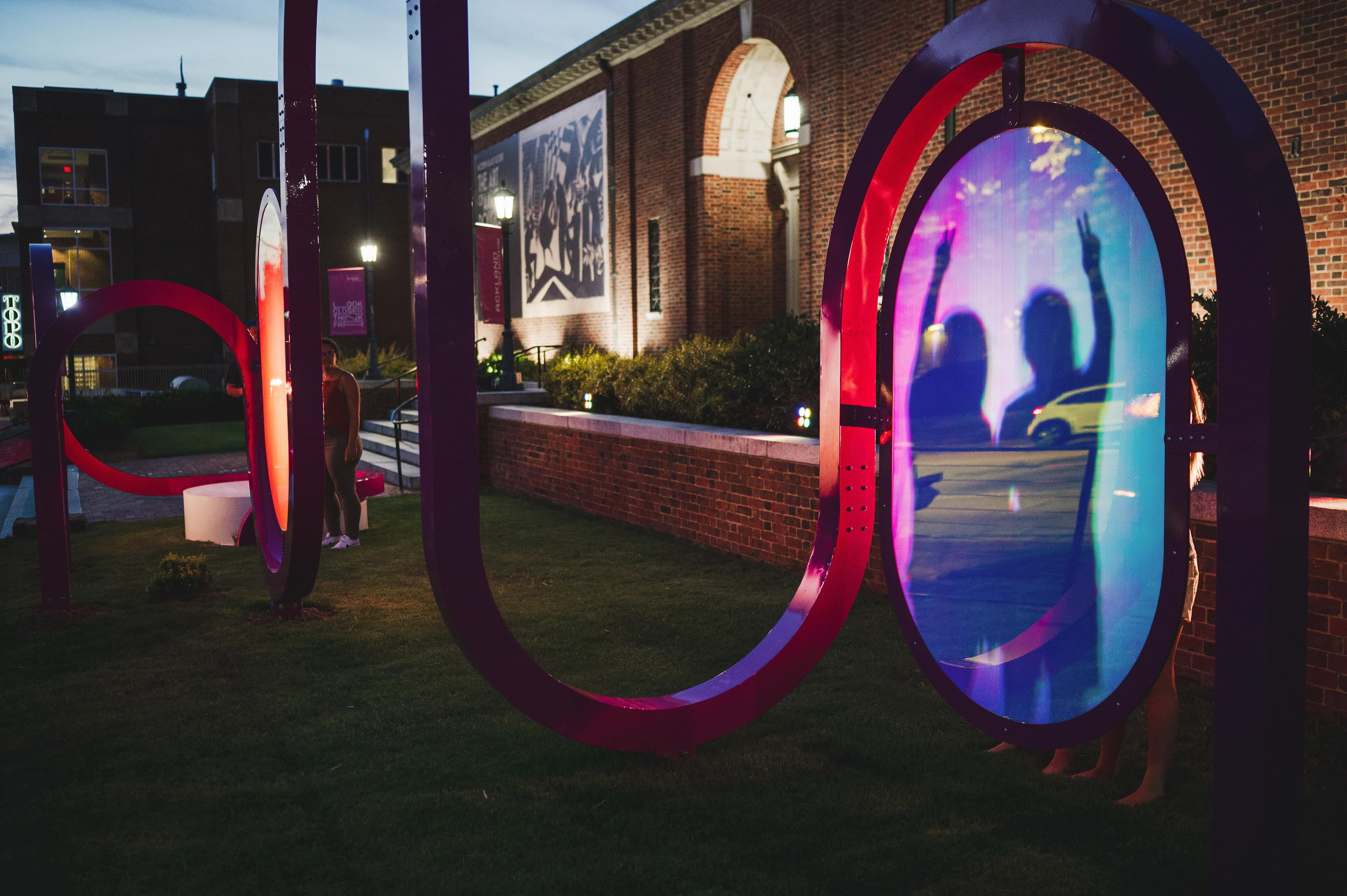
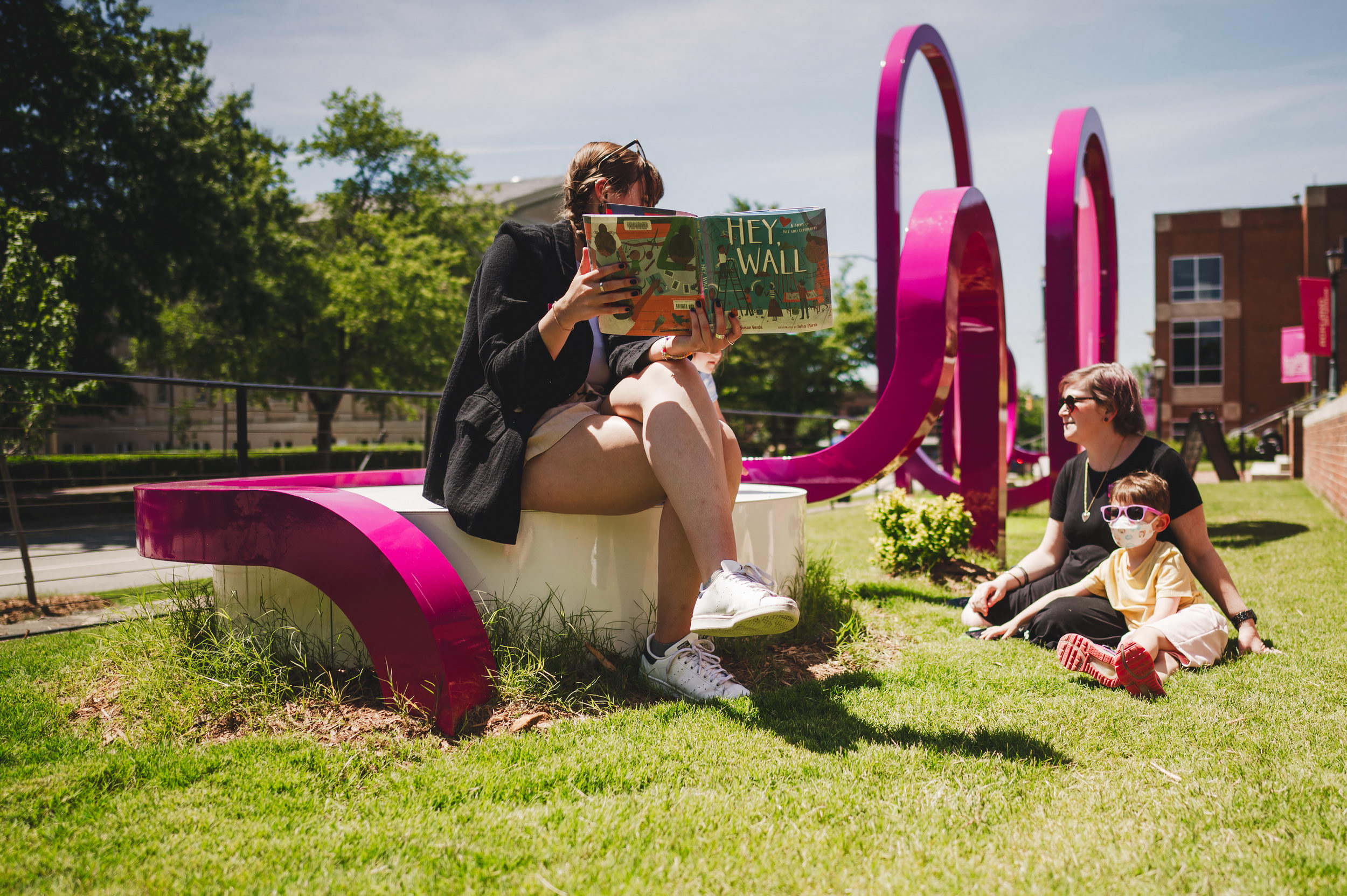
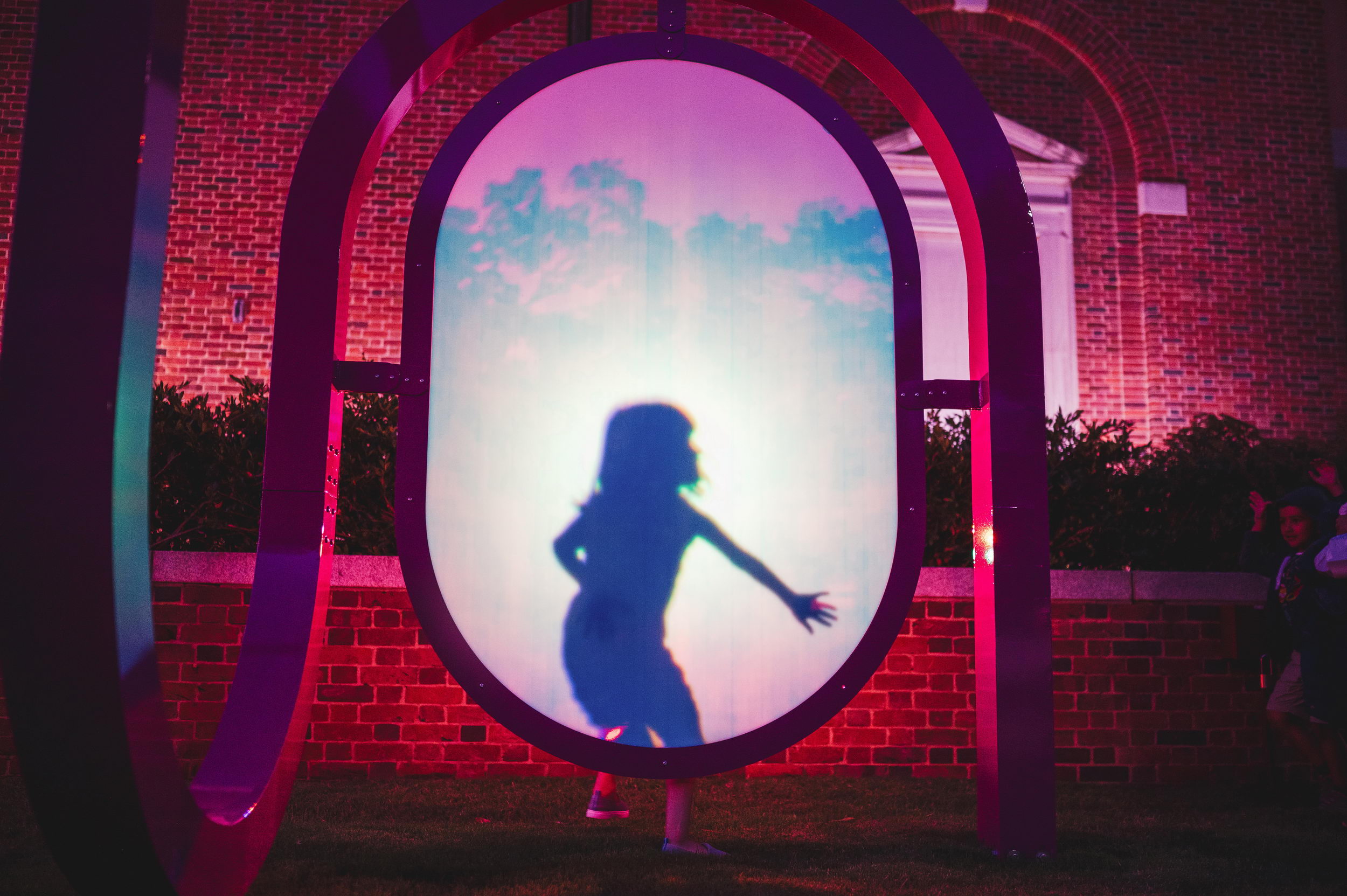
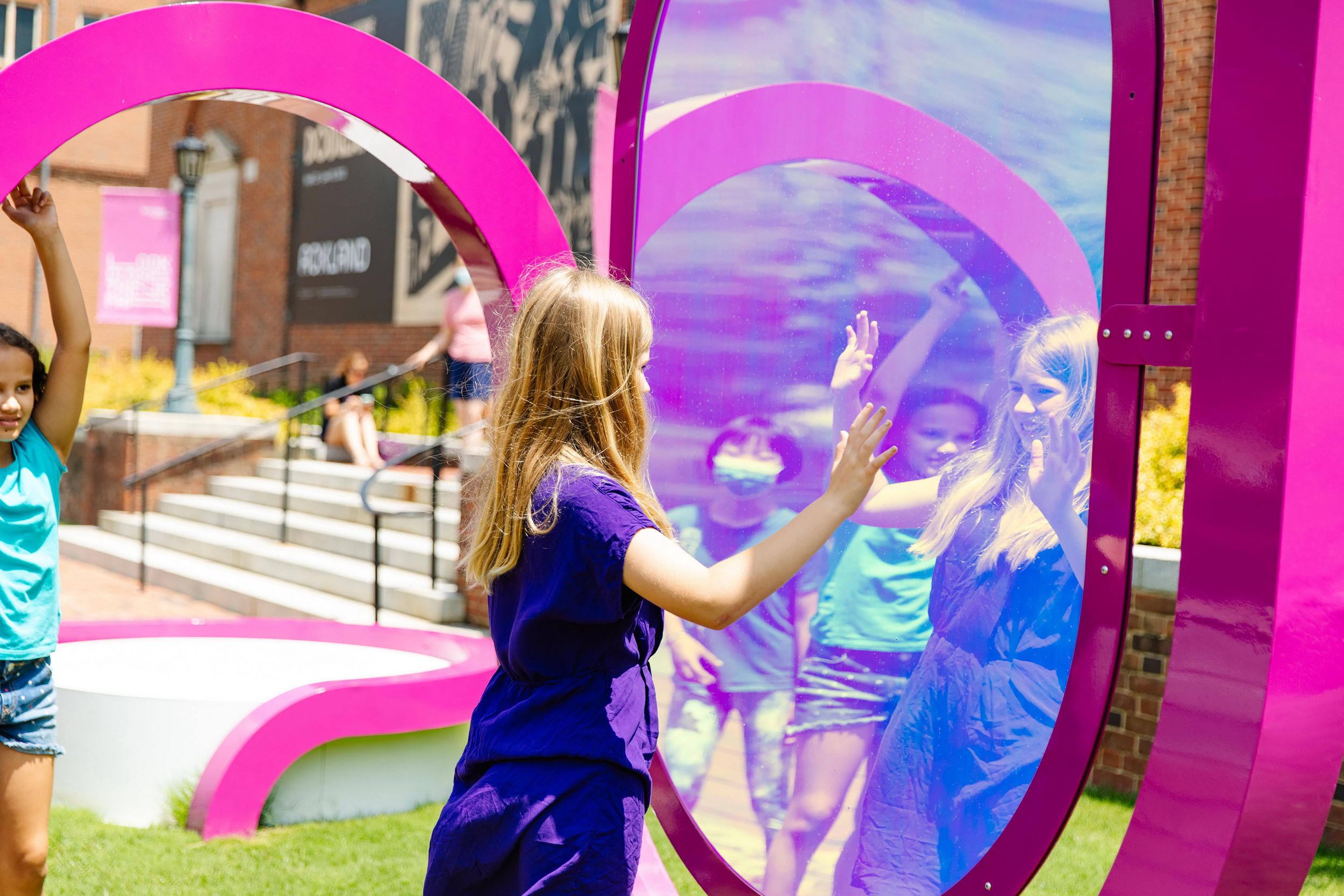
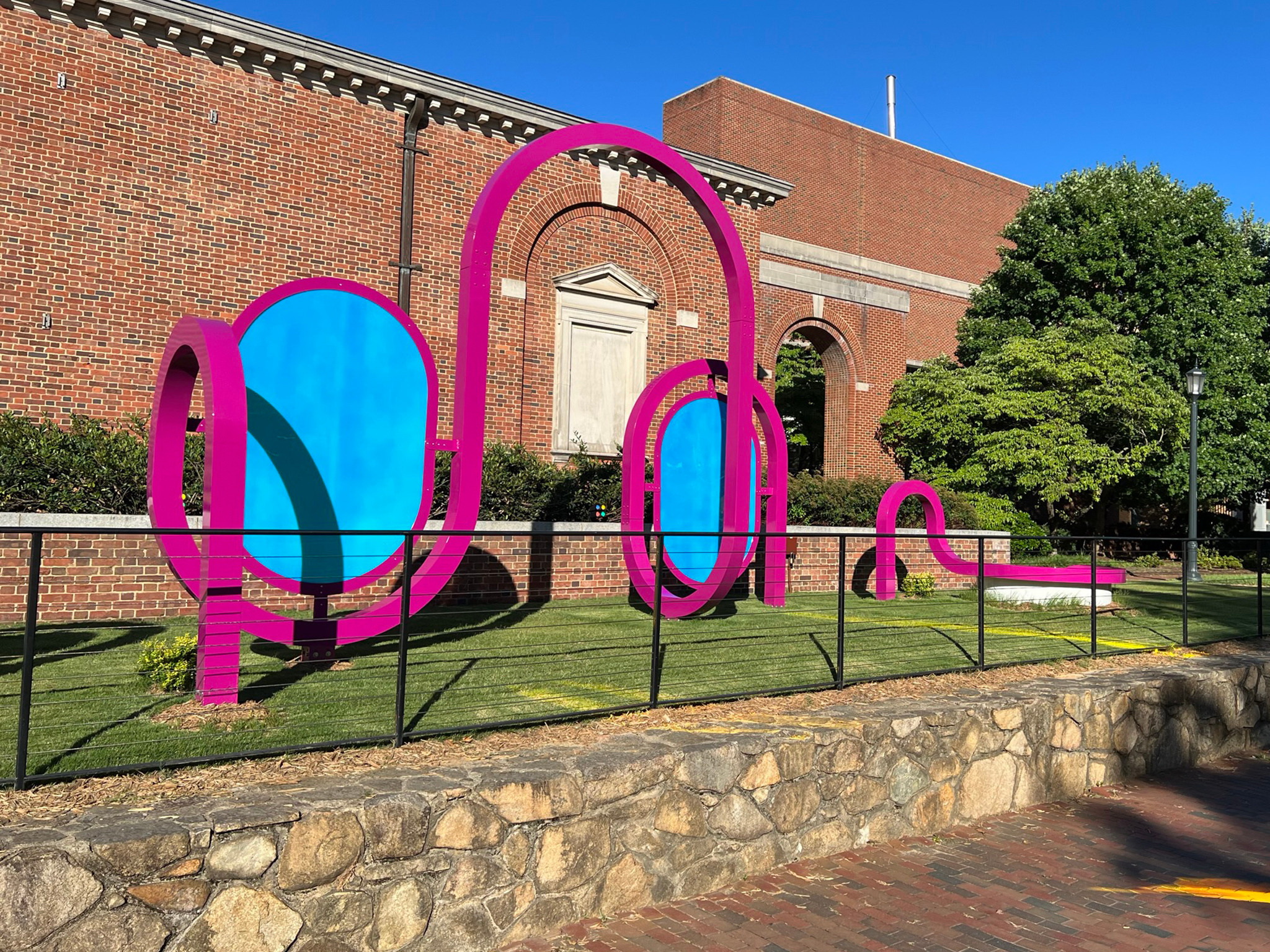
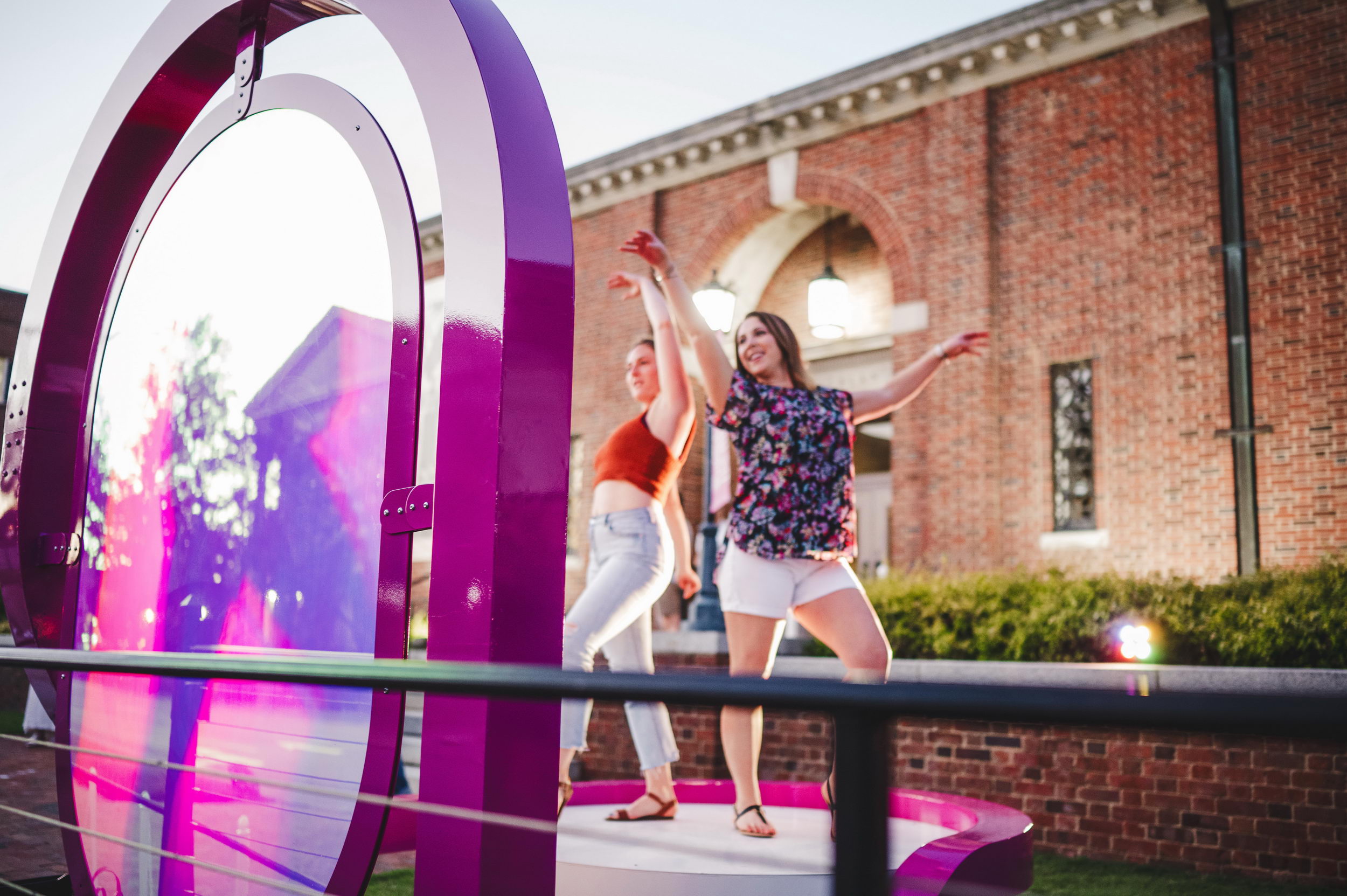
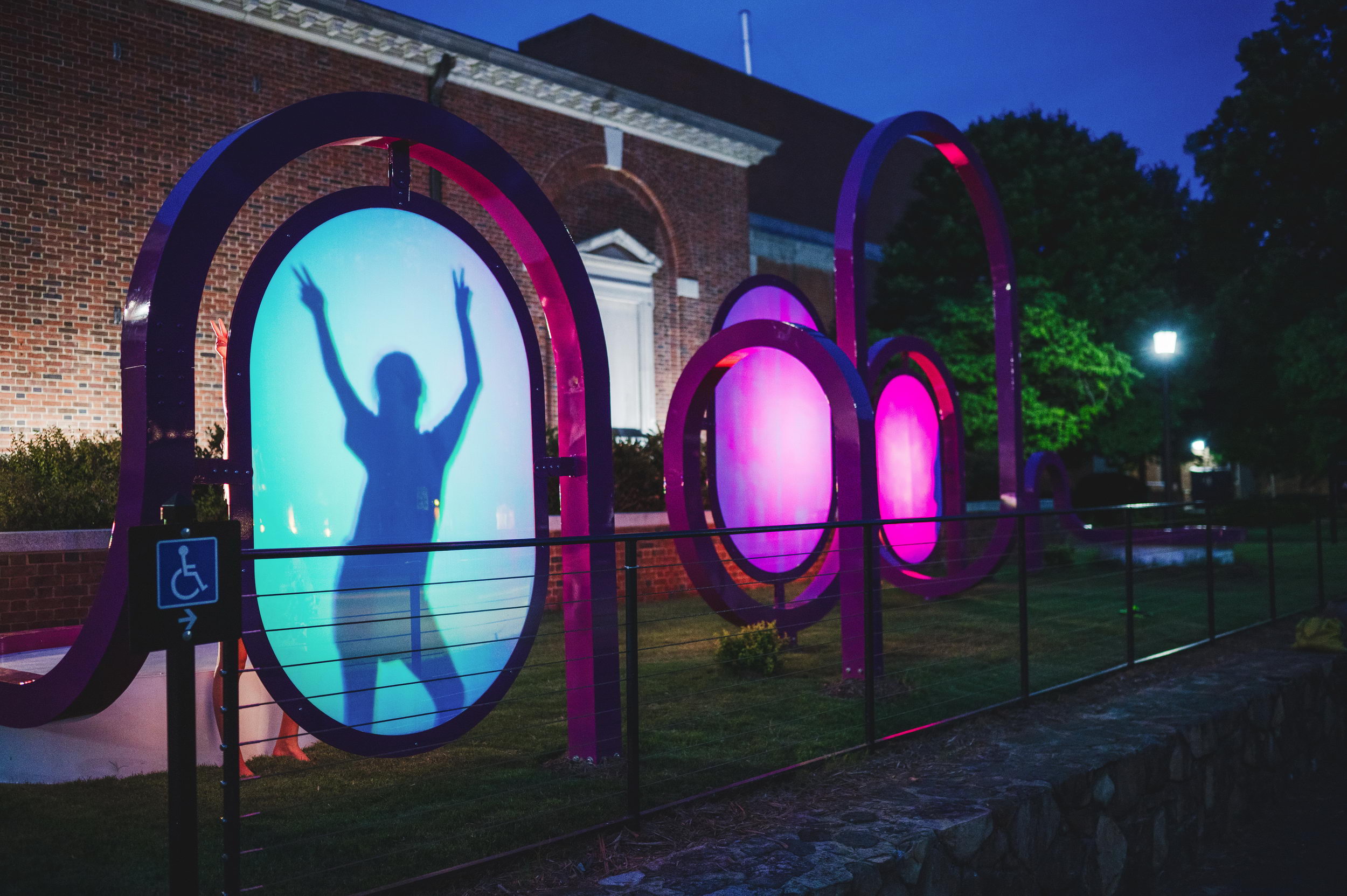
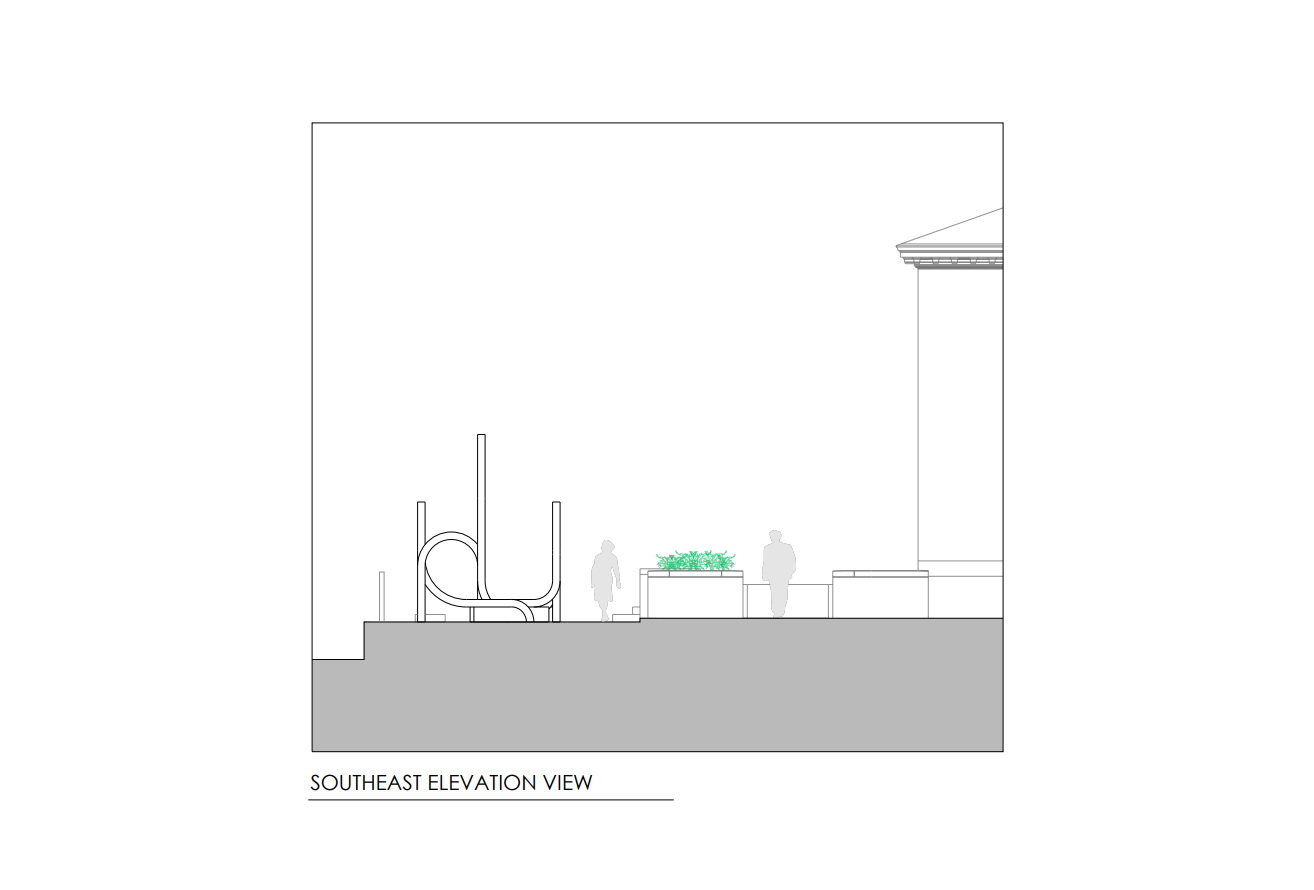
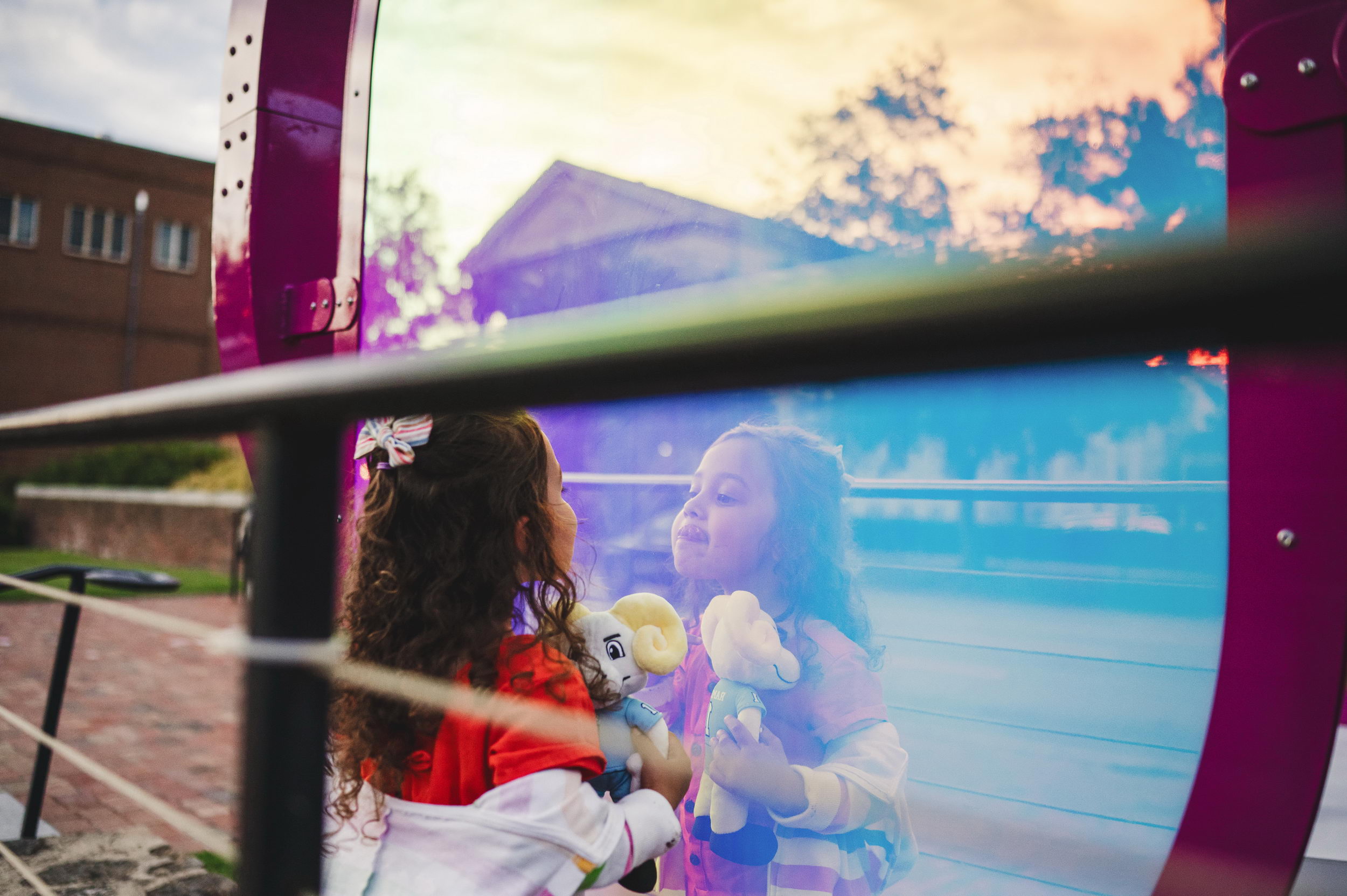
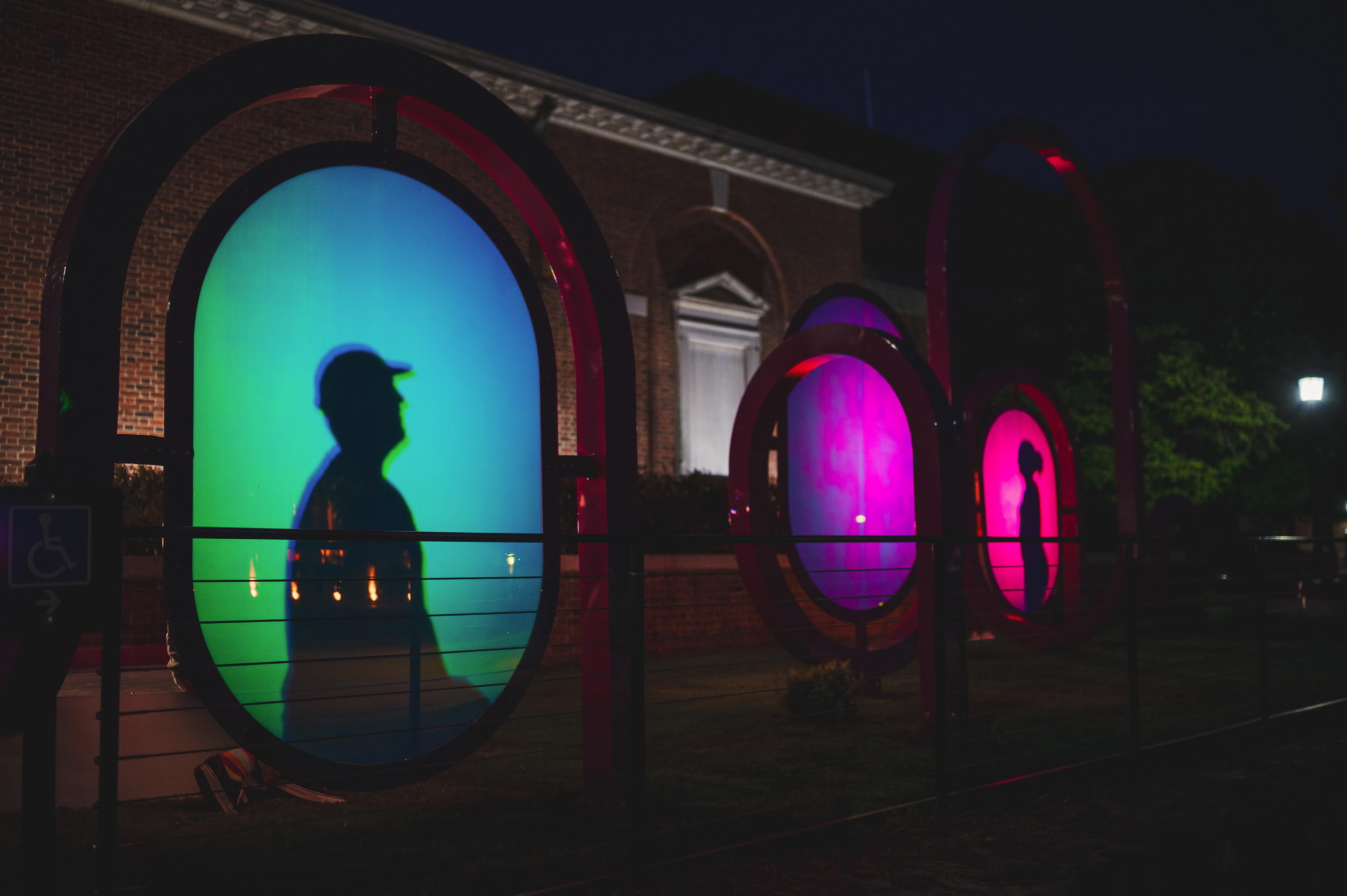
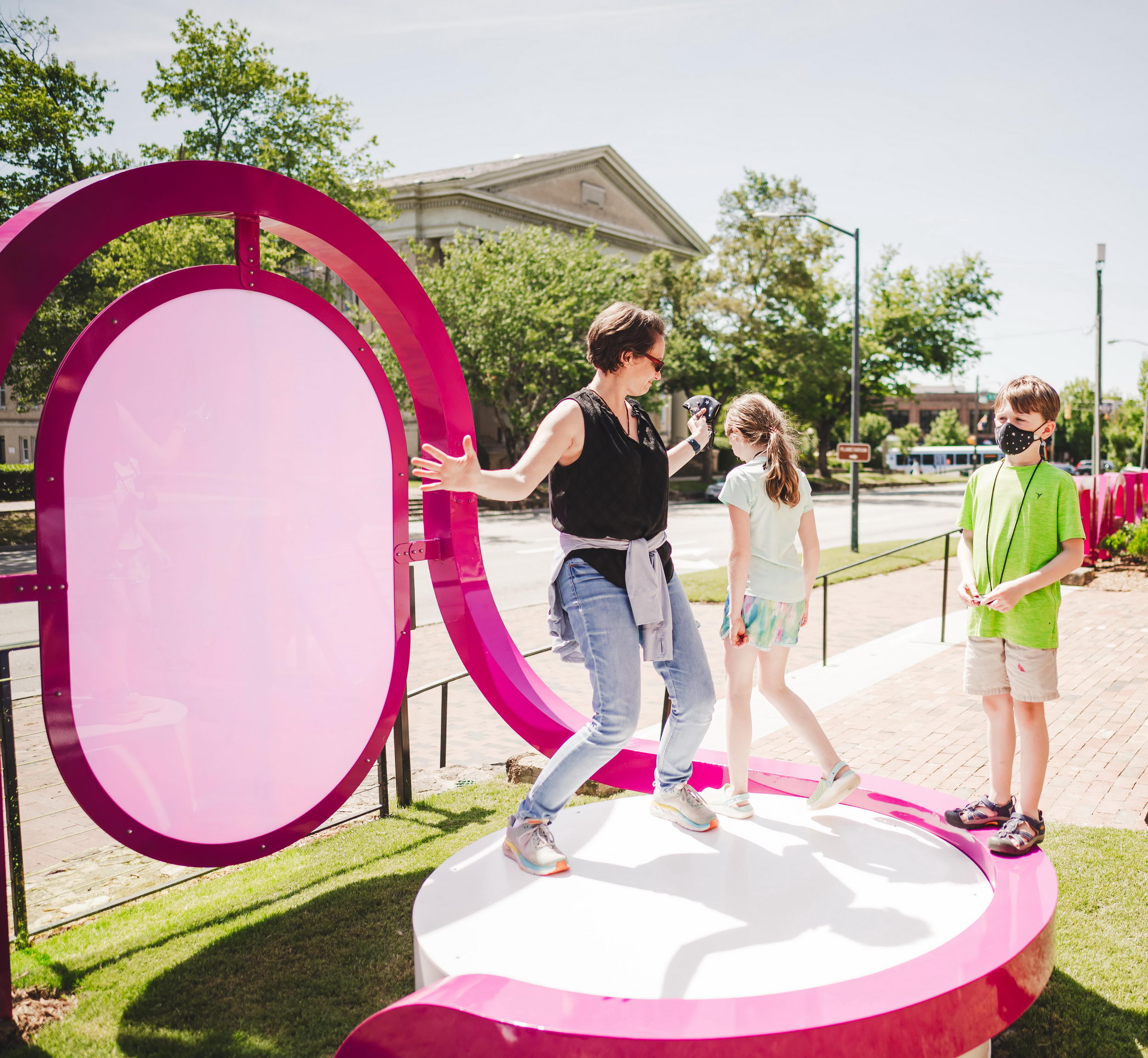
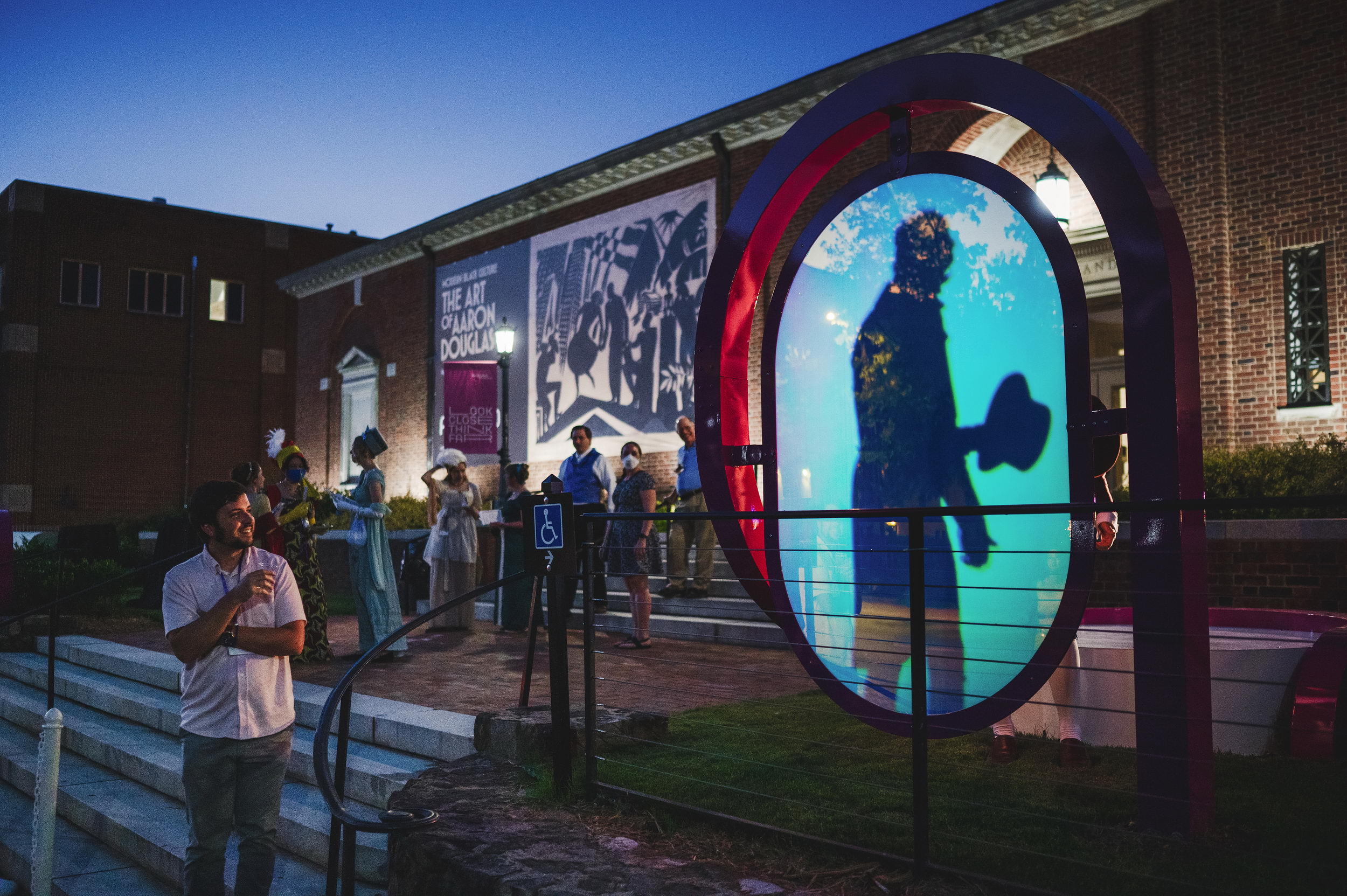
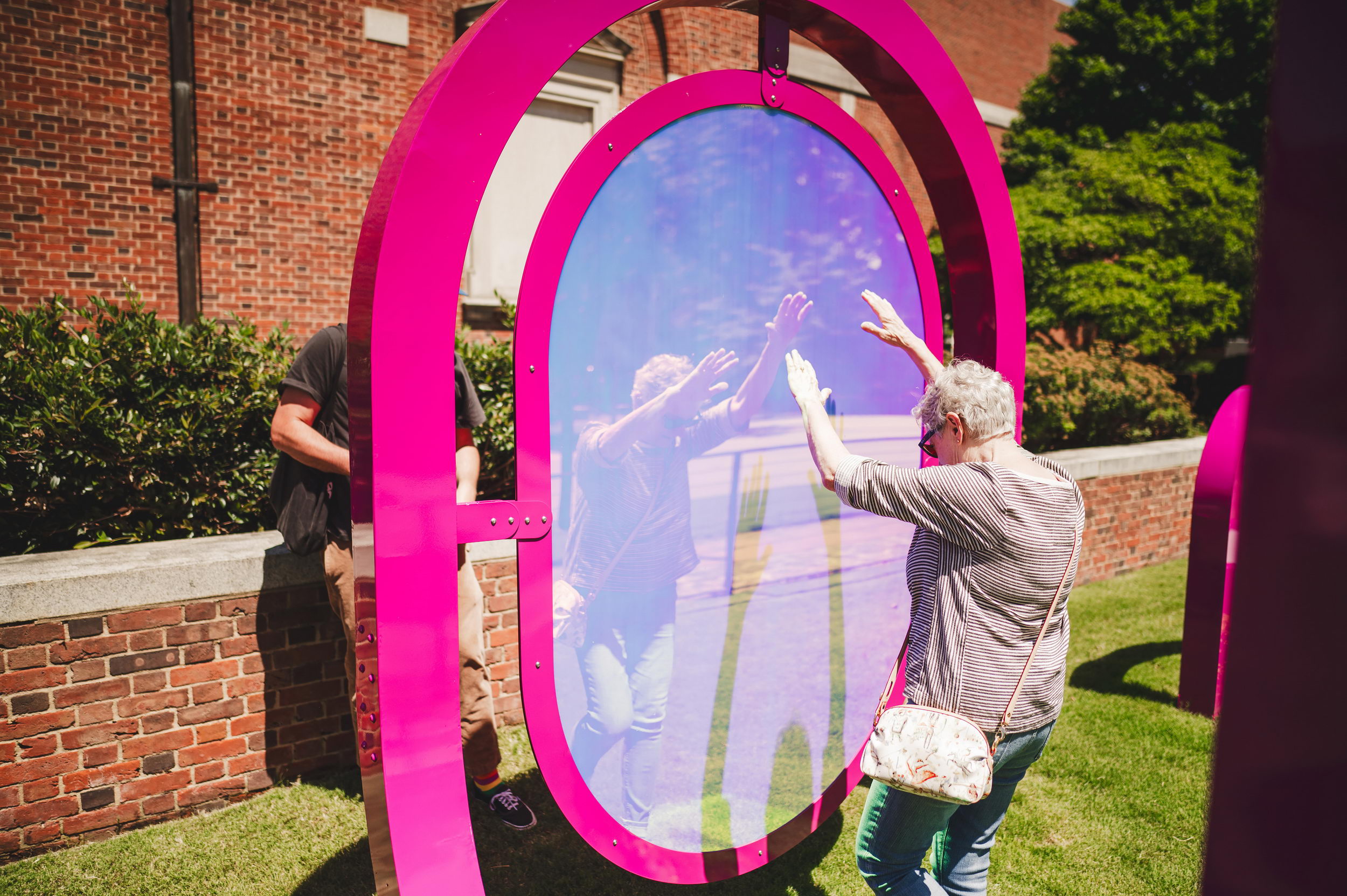
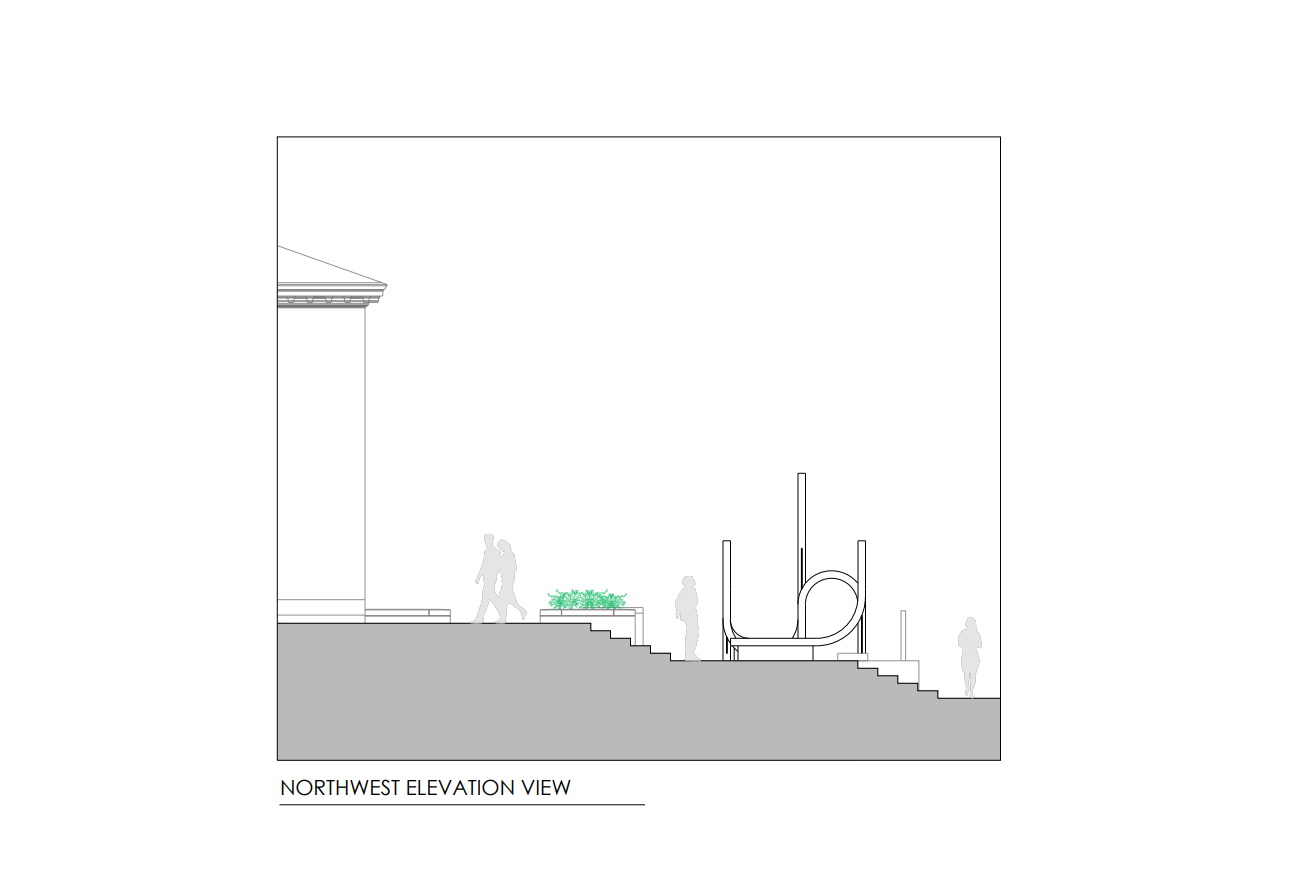
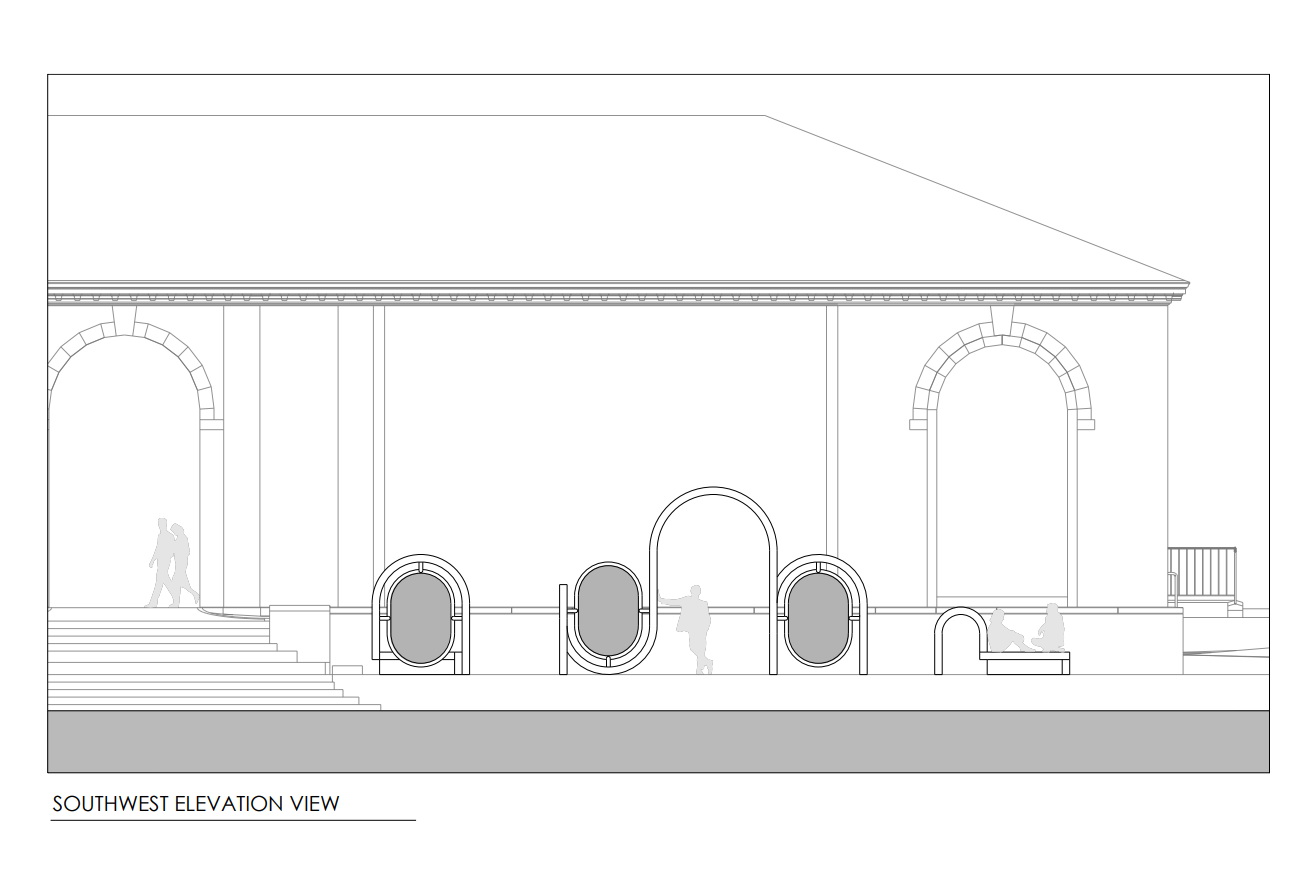
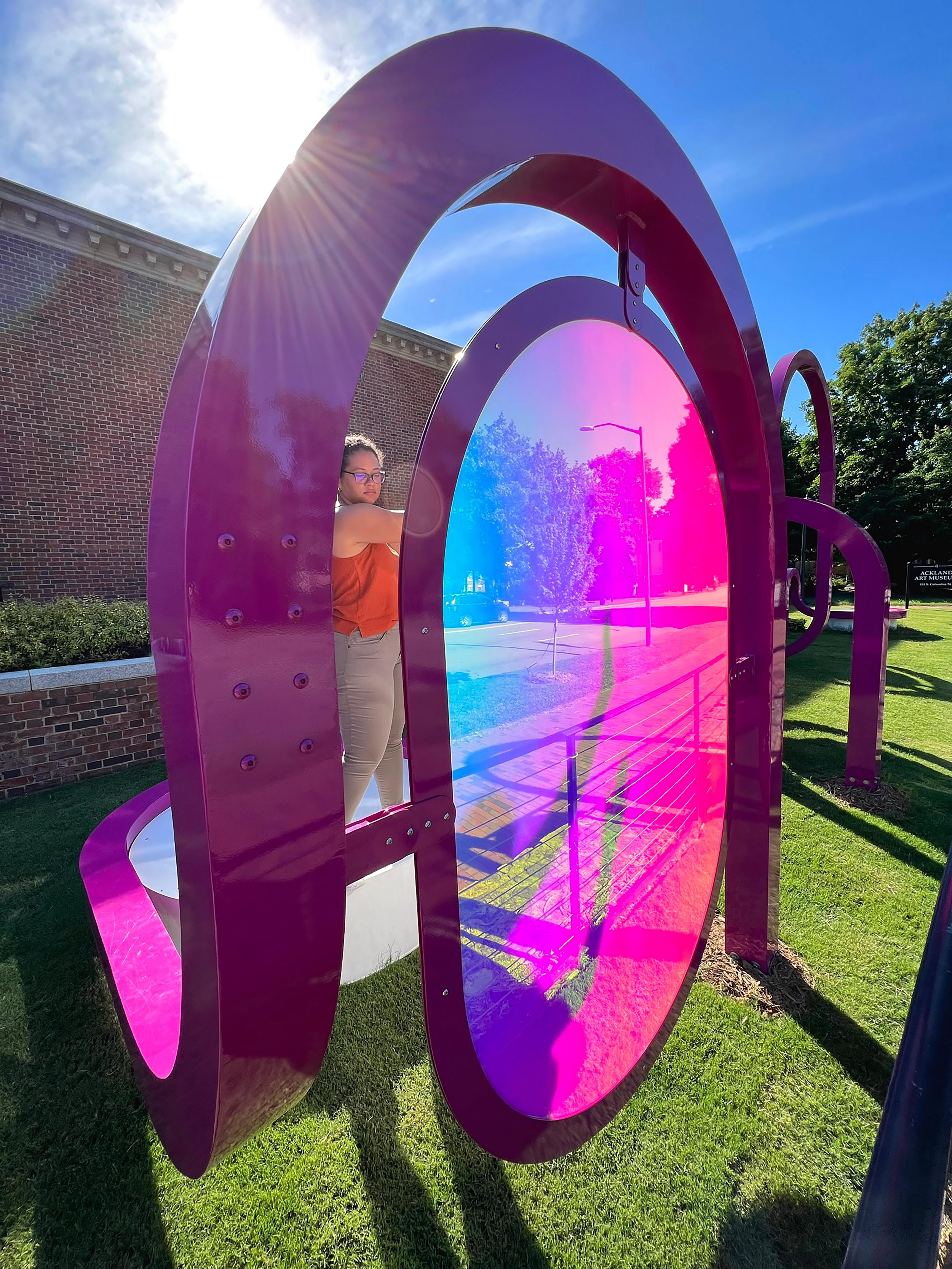
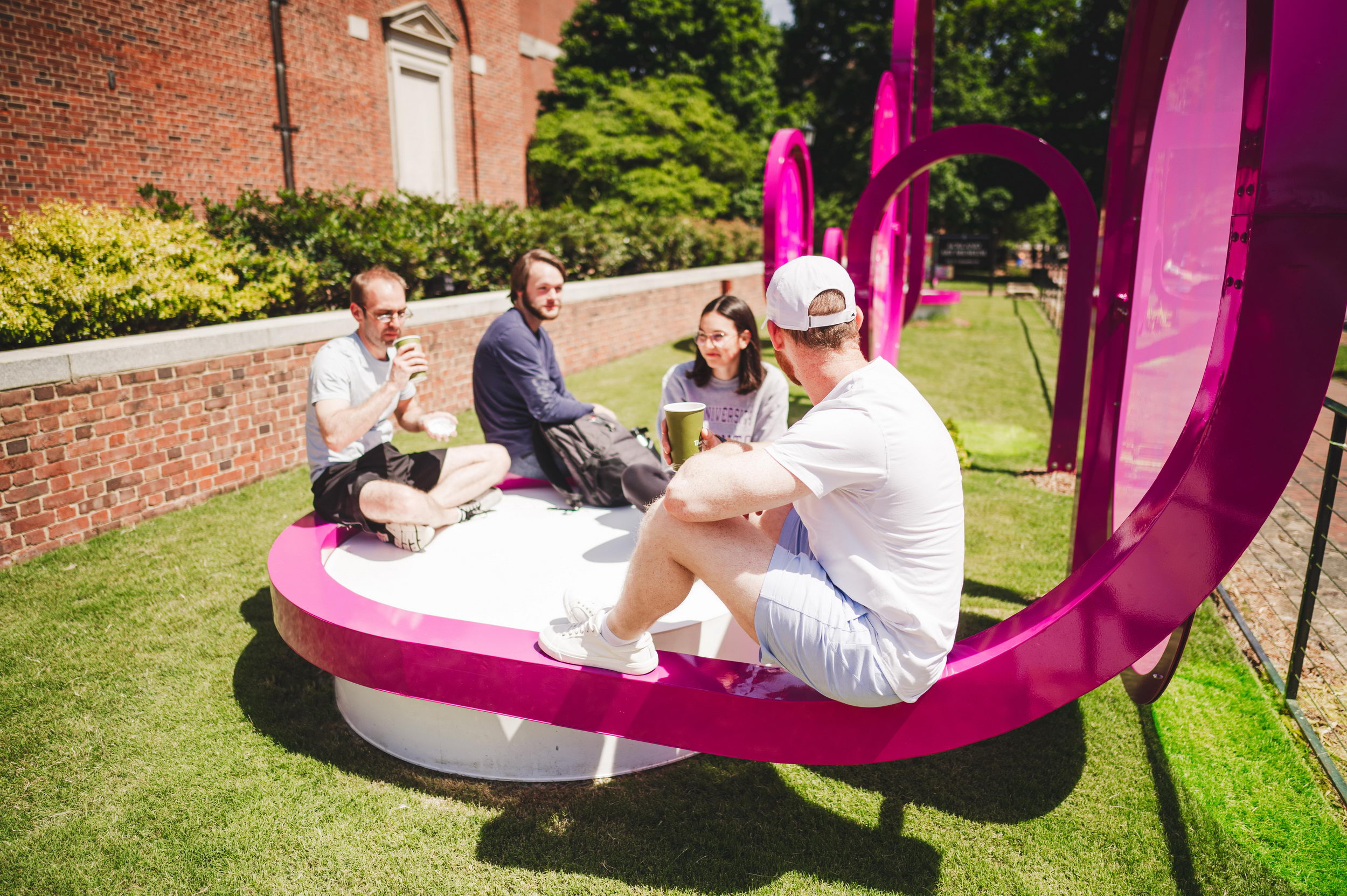
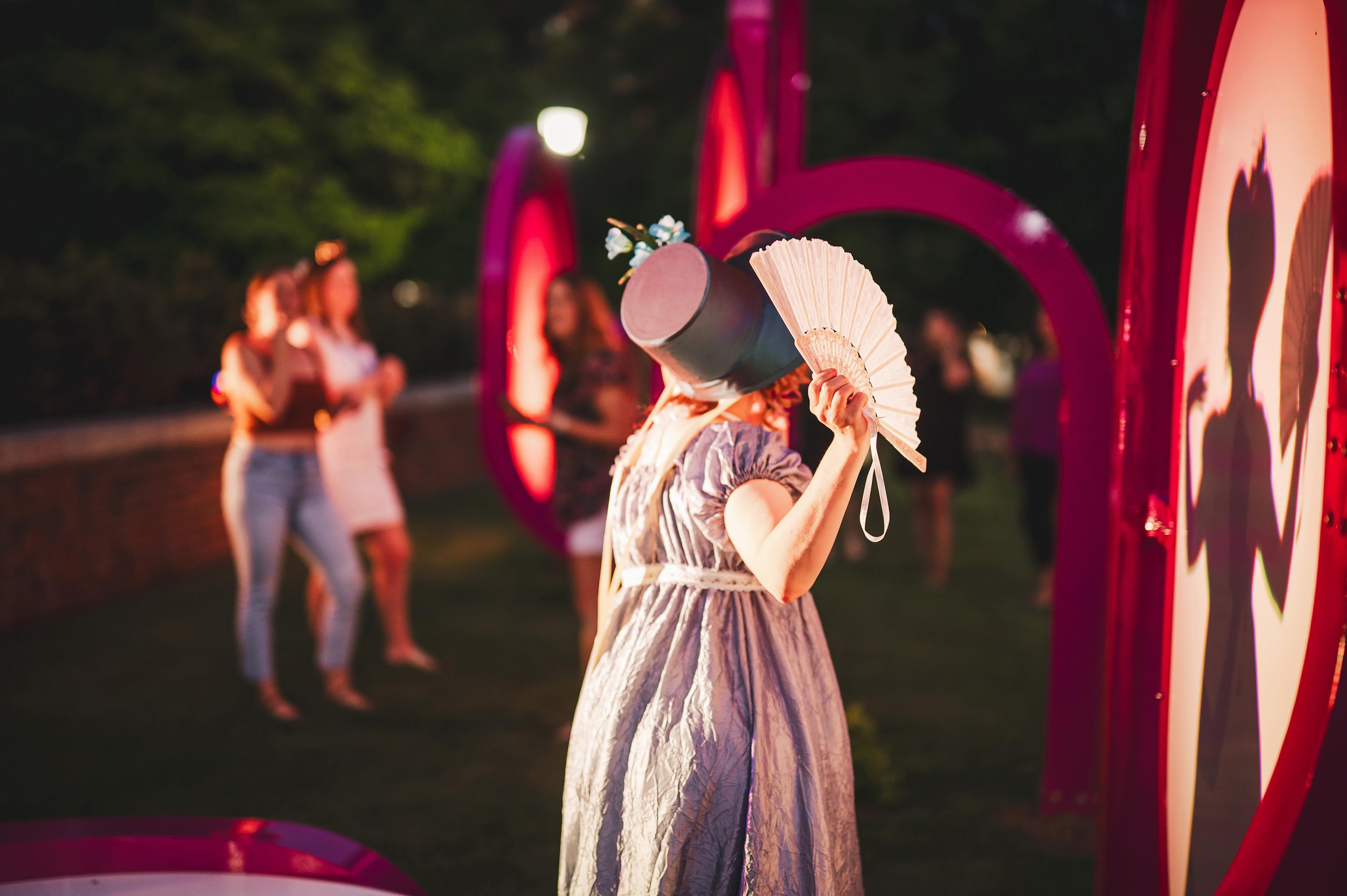
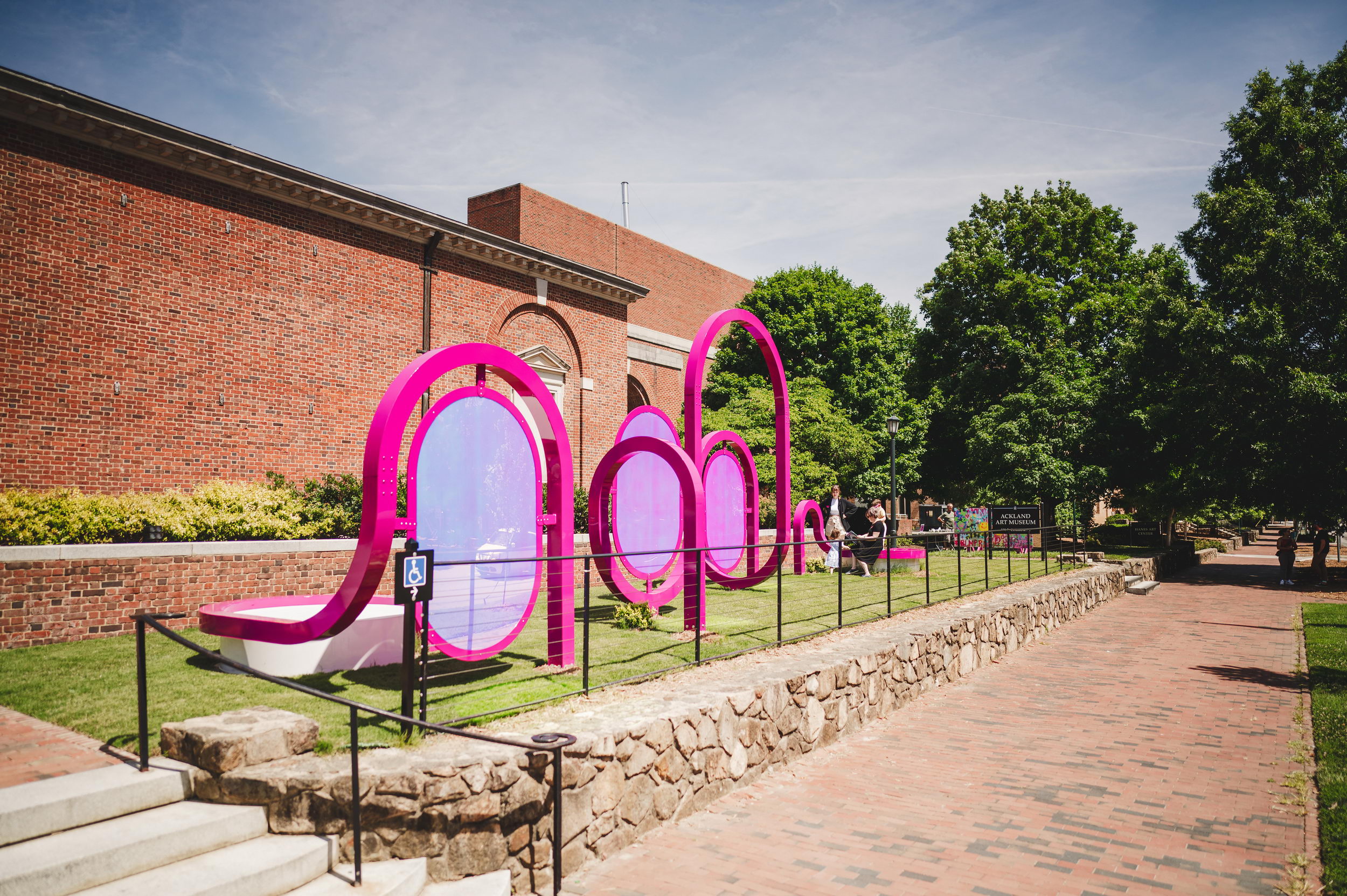
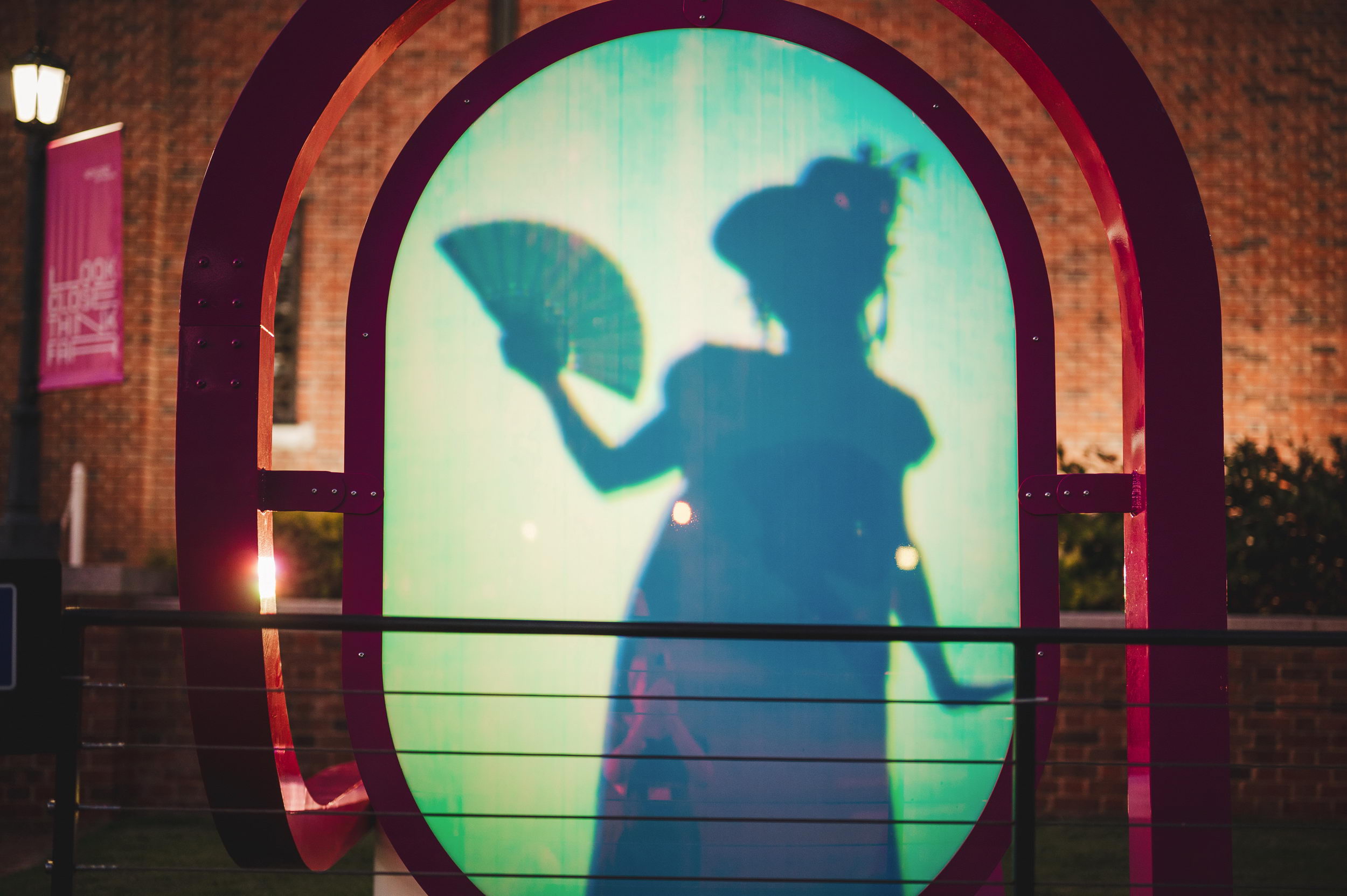
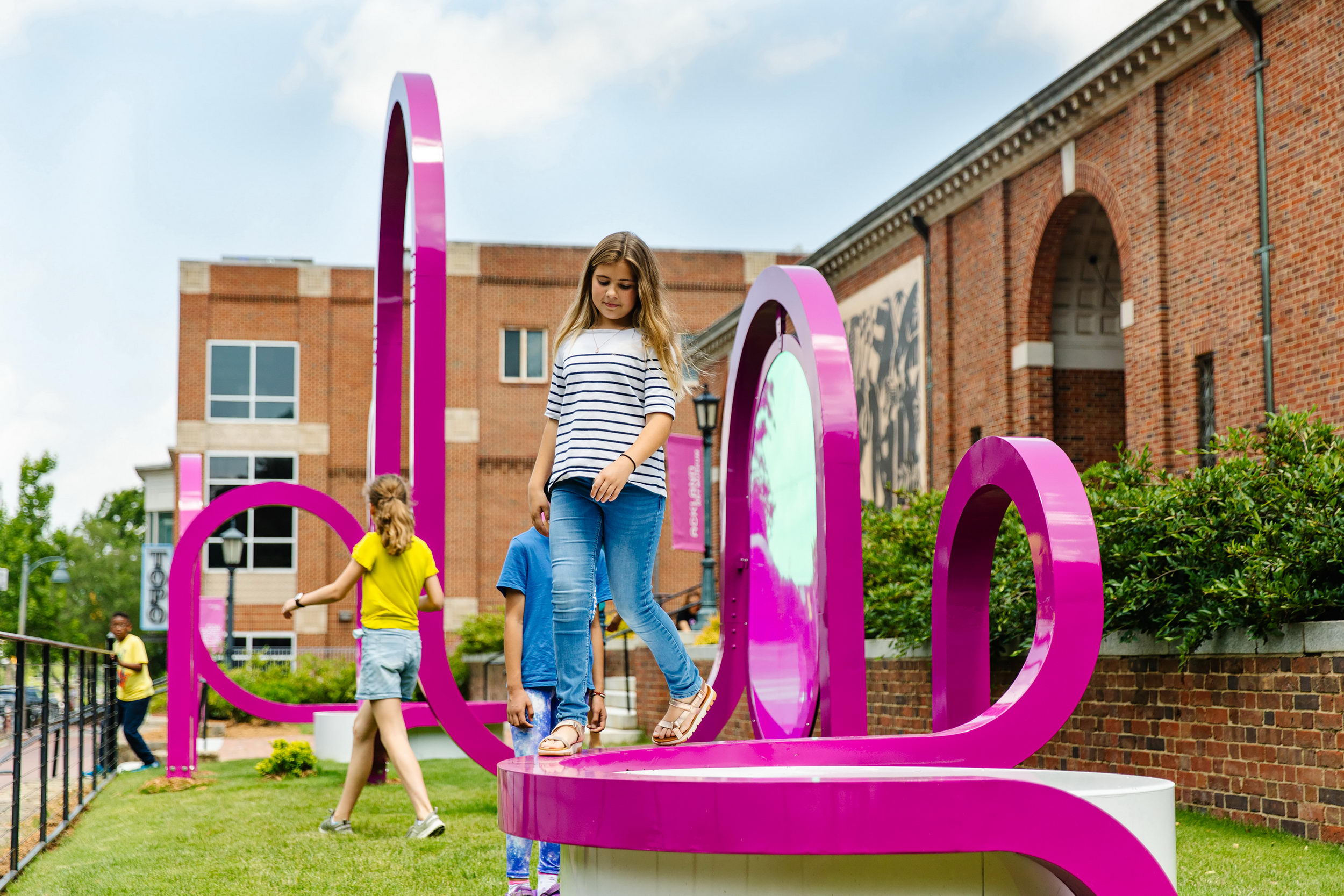
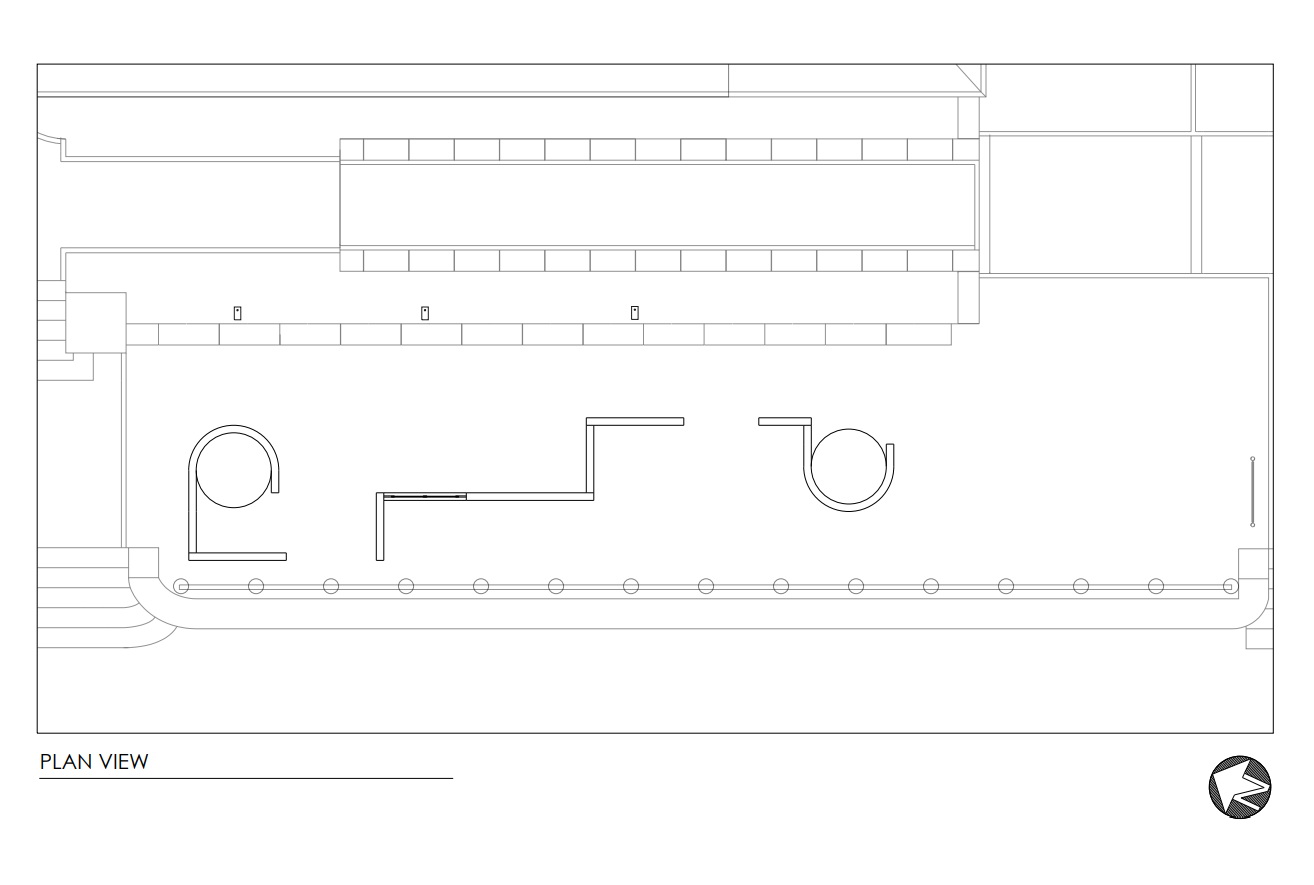
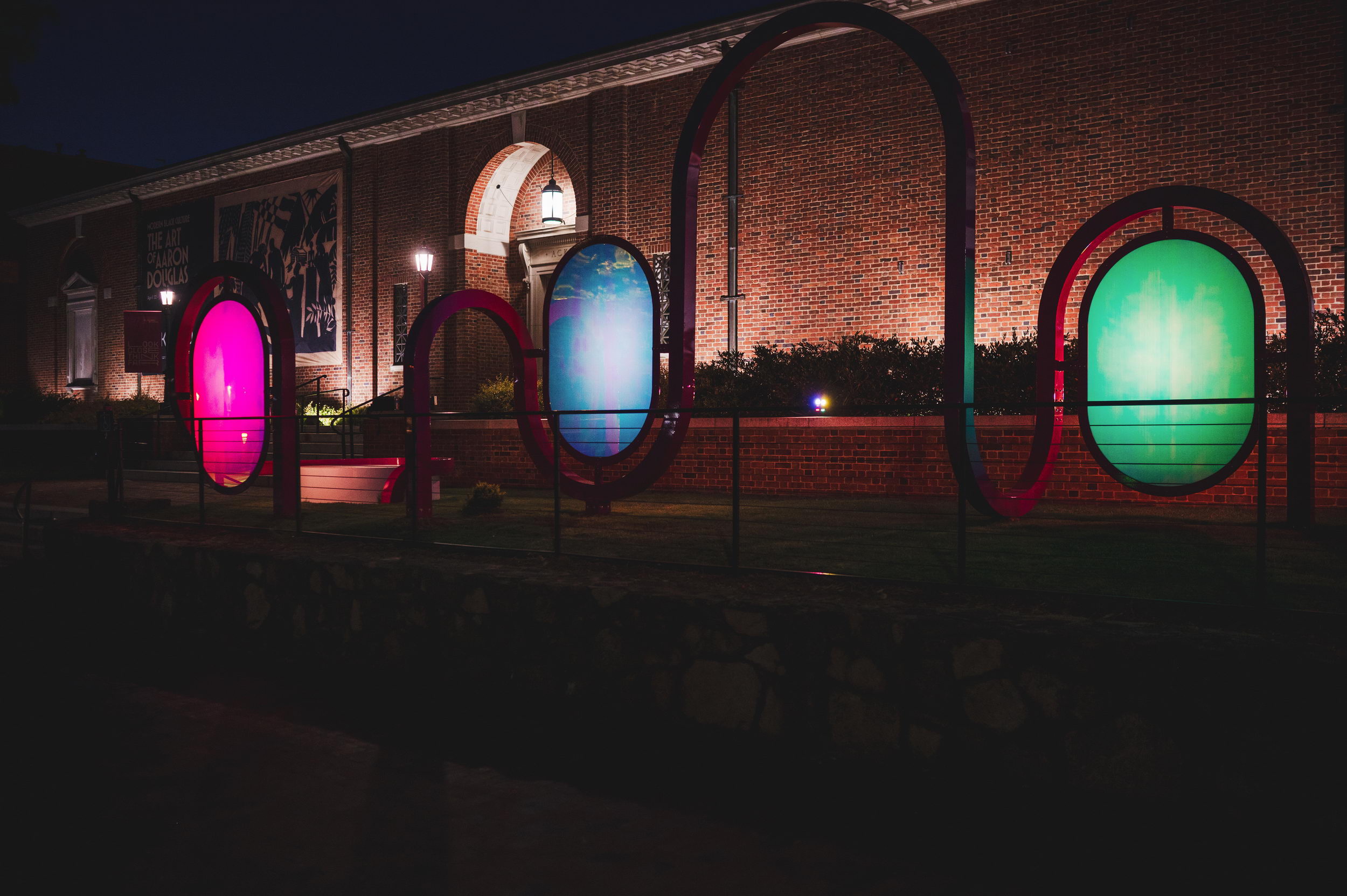
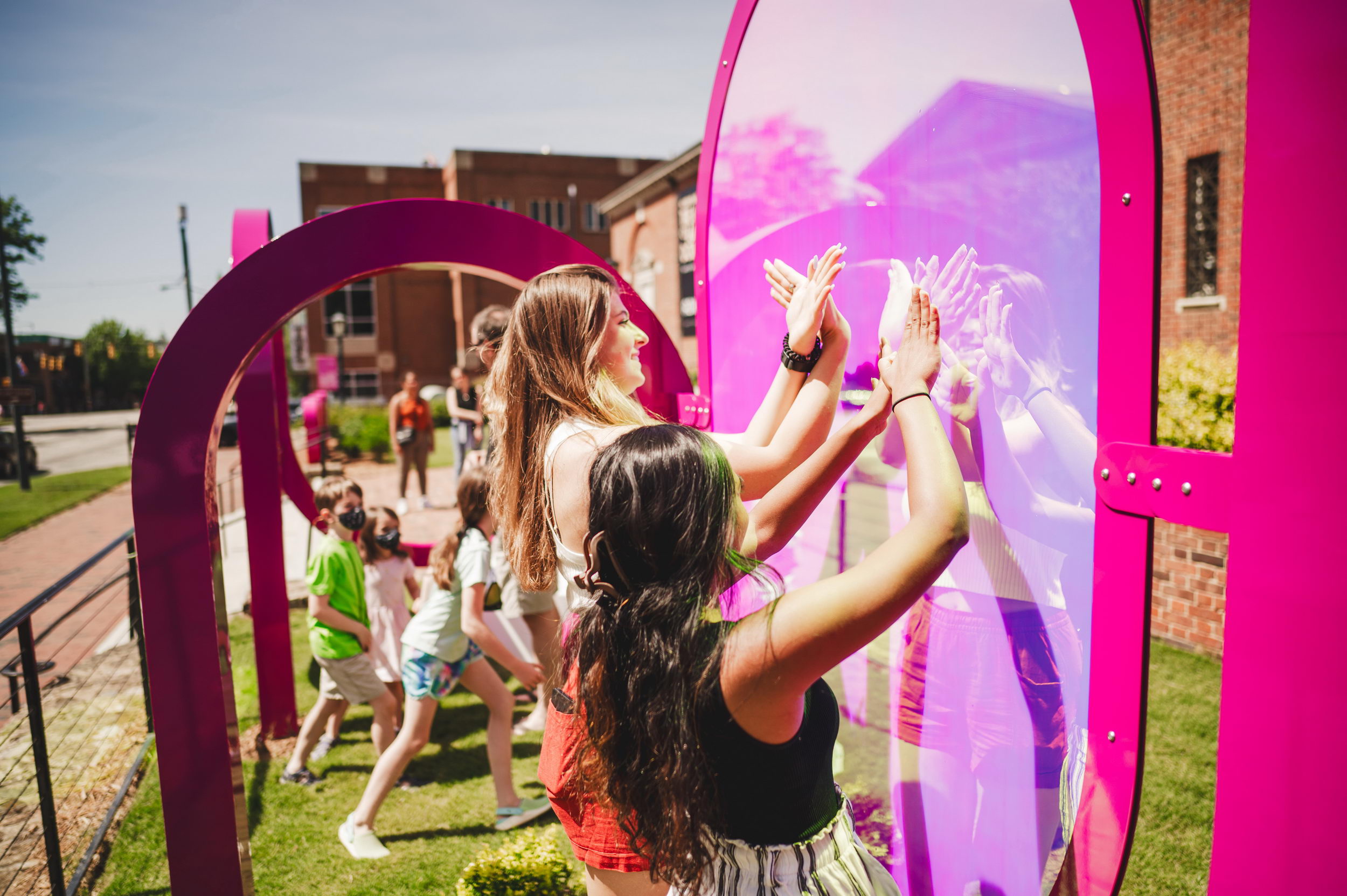
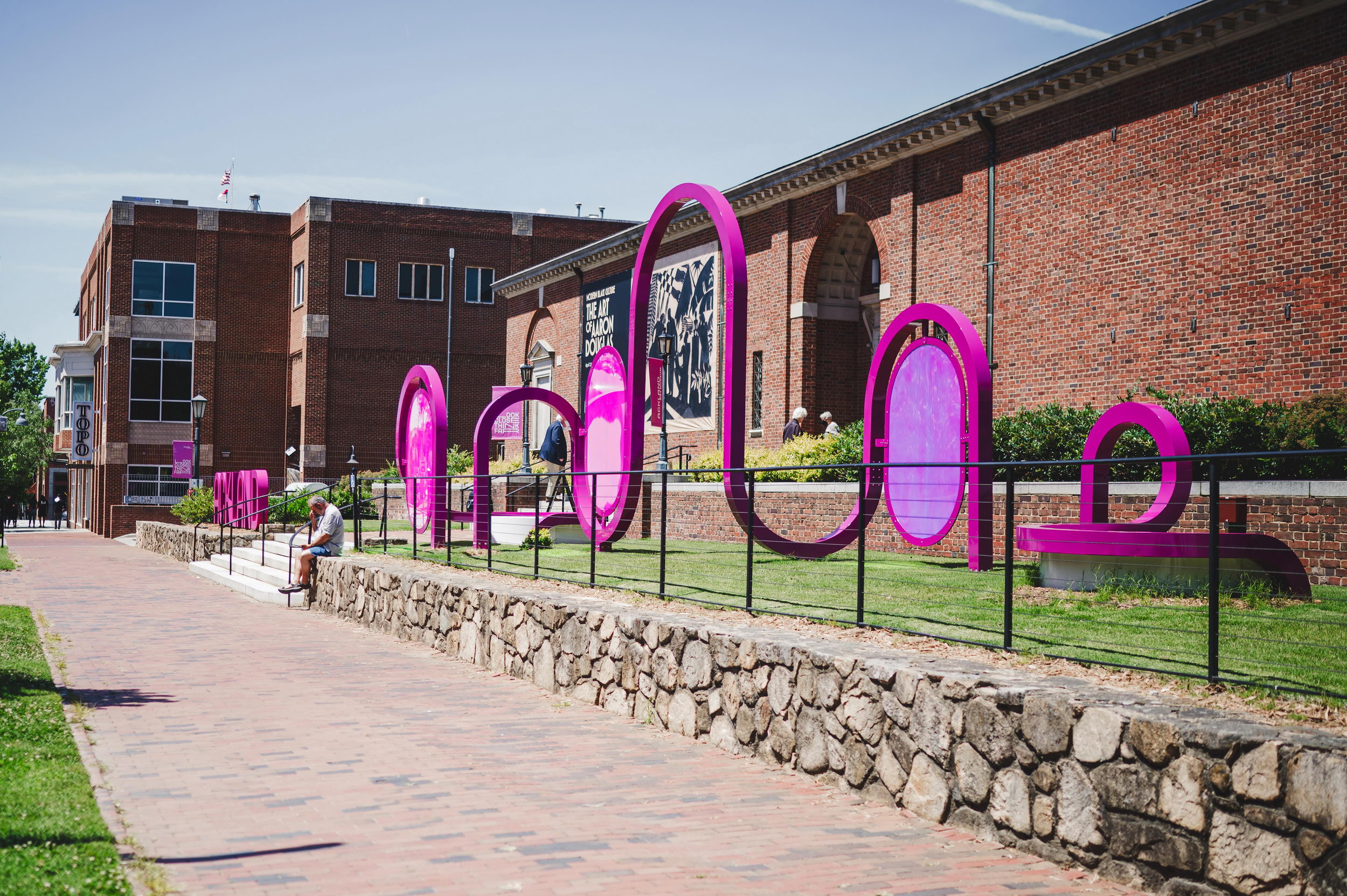
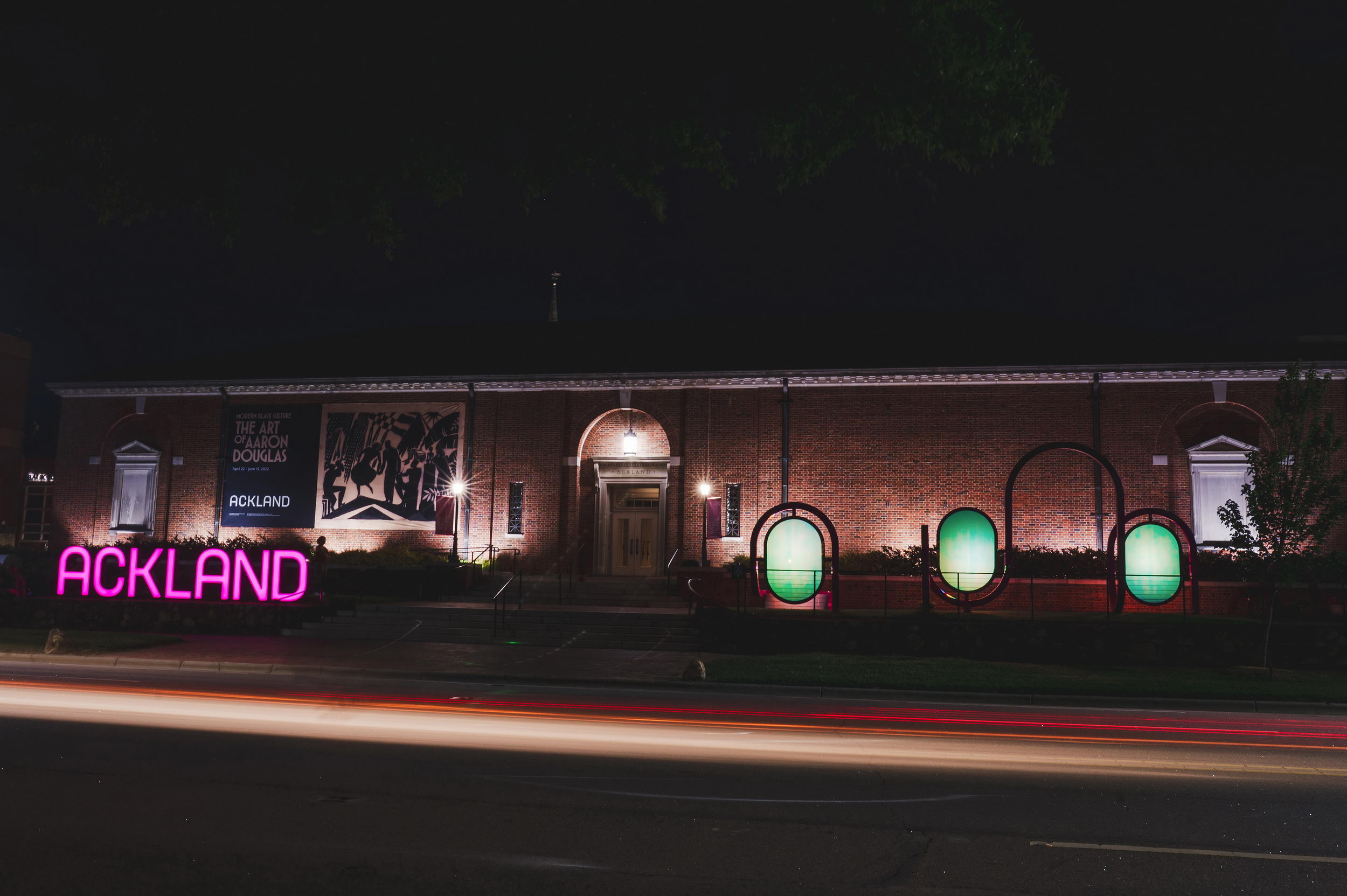
pARC was designed by The Urban Conga toserve as an open-ended programmable space for the community of Chapel Hill andthe Ackland Art Museum, located at the University of North Carolina. The UrbanConga studio designed the spatial intervention through a series ofparticipatory design workshops with community stakeholders and museumrepresentatives. Feedback and input from the community and museumrepresentatives led to the final design of the space, as well as input onfuture public programming. The Ackland Art Museum is a free museum in ChapelHill that hosts a surplus of diverse programming within its doors, but itseemed many community members were unaware of the museum and what it had tooffer. pARC was designed to sit on the open terrace of the museum, serving as abridge to connect it to the street as a programmable extension of theconversations, events, teachings, and other programming that currently existswithin the doors of the Ackland. The design shows how play can be utilizedas a tool in the democratization of art institutions, effectively removing artfrom the pedestal to allow people to take ownership of the work and the space. It invites people from the street into the museum, attracting people who mayhave previously been uncomfortable entering the space. The installation becomesa transformative communal platform, allowing all users to engage with themuseum, university, and each other in new ways. The design of pARC both mimics andcontrasts the Georgian-style architecture of the museum. The design takes thesymmetrical colonial composition and breaks it into a series of interconnectedarcs. These series of arcs appear to grow up from the ground to frame thevarious social spaces that allow users to put their own identity onto the work,the museum, and the surrounding space. pARC becomes a flexible communal spaceevoking endless ways to play, gather, perform, teach, converse, or even take anap. The spatial gesture takes on its users' identities and utilizes itsplayable design to break down social barriers and spark communal connectionwithin the space. The color of the work was designed in coordination with therebranding of the Ackland, helping to draw people into the museum and servingas a connector to their new brand and mission. The work utilizes universaldesign standards to make it an inclusive space that anyone can use. Underneaththe grass sits a sustainable mesh system that allows for wheelchairaccessibility within the space, while still allowing the grass to grow upthrough it. Each archway serves as a framed orreflective view of the surrounding context, allowing the user to view the areathrough a different lens. As one passes the work, they begin to realize thattheir movement changes the colors of the panels, sparking different filteredviews of the context around them. The installation not only responds to theuser, but also to the environment by reflecting and refracting the surroundingcontext through its dichroic lenses, while also casting shadows onto the groundand the panels themselves. The work utilizes light, both during the day and atnight, as a tool to evoke play and wonder within the space. During the day, theuser can interact with the sun to cast shadows onto the panels, or to shift thecolors reflected within the space. This interaction sparks a connection betweenthe person and the sun, and reveals how their actions begin to create areaction within the space. At night, this same effect is created through theuse of red, green, and blue lights that allow the user to color mix with theirshadows on the panels. The shadow play on the work becomes another way that theuser can begin to play with the work, space, and others. pARC becomes a transformative landmark forall types of play, from physical to fantasy, highlighting how play can beutilized as a critical tool in evoking more inclusive and equitable communalspaces. Technical sheet Client: Ackland Art Museum & Universityof North Carolina Year: 2022 Location: Chapel Hill, NC – USA Project Size: 864 sq ft Designers: The Urban Conga




 Editor's Pick
 Latest Design