Text description provided by the architects
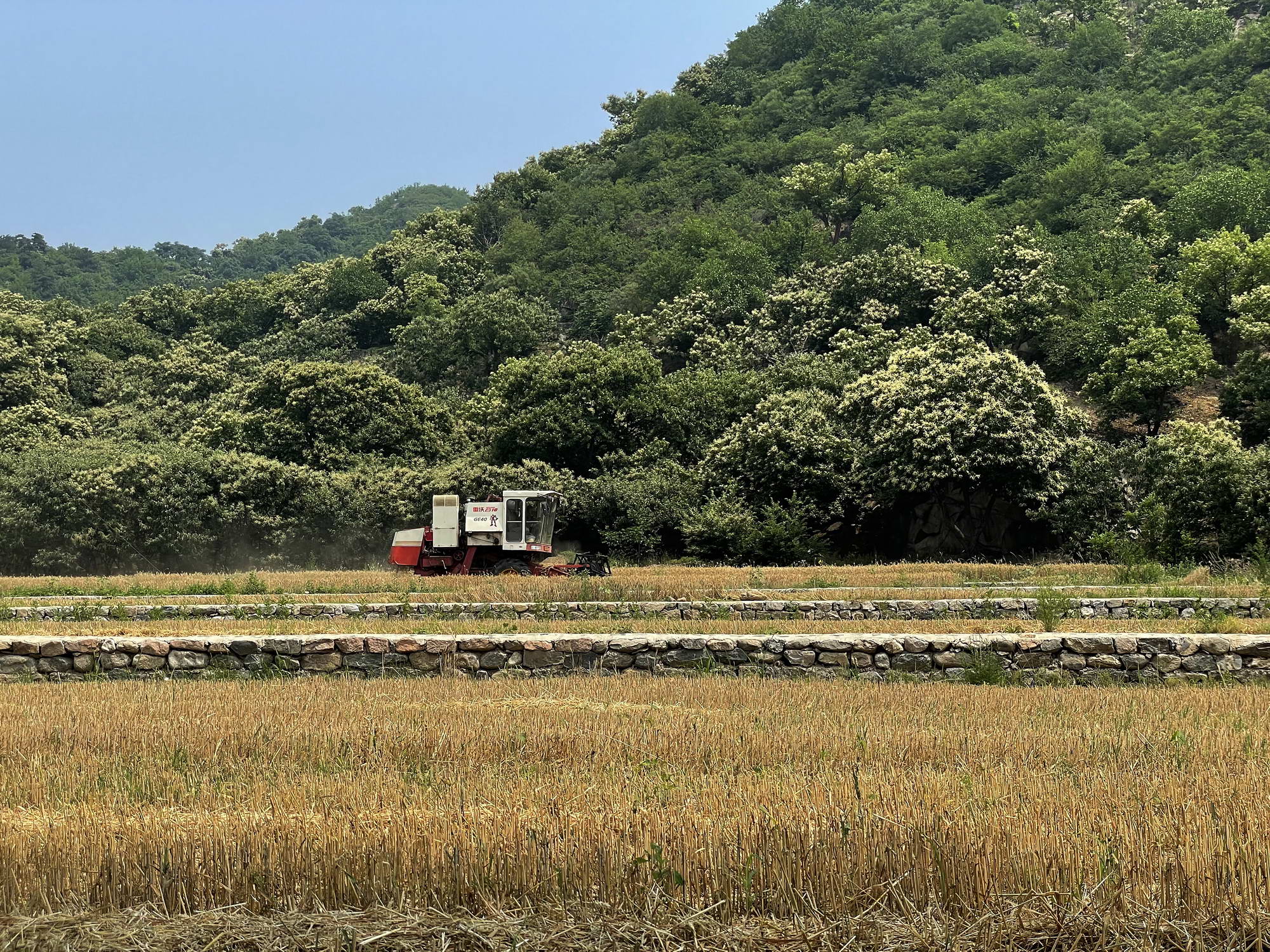
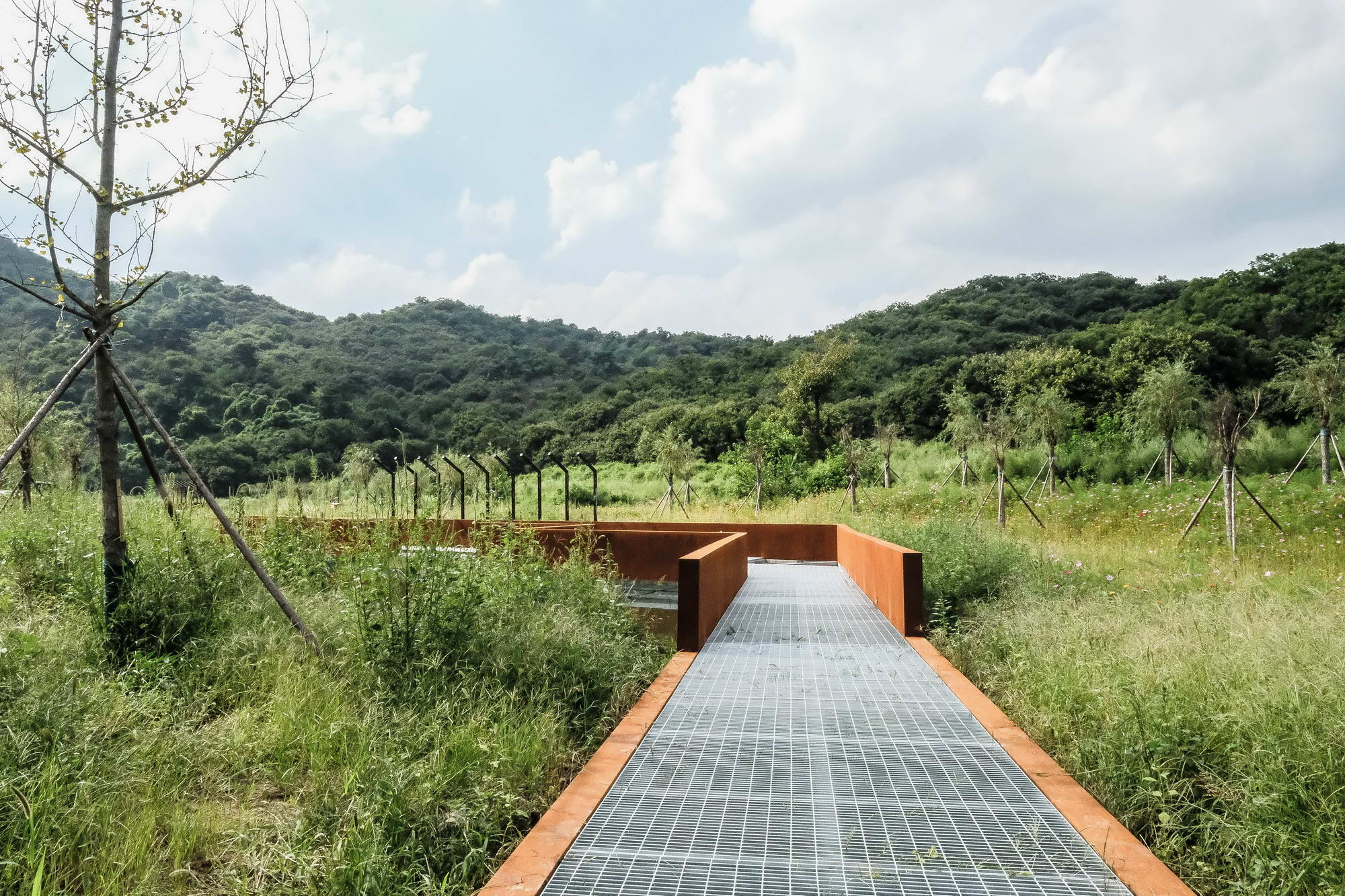
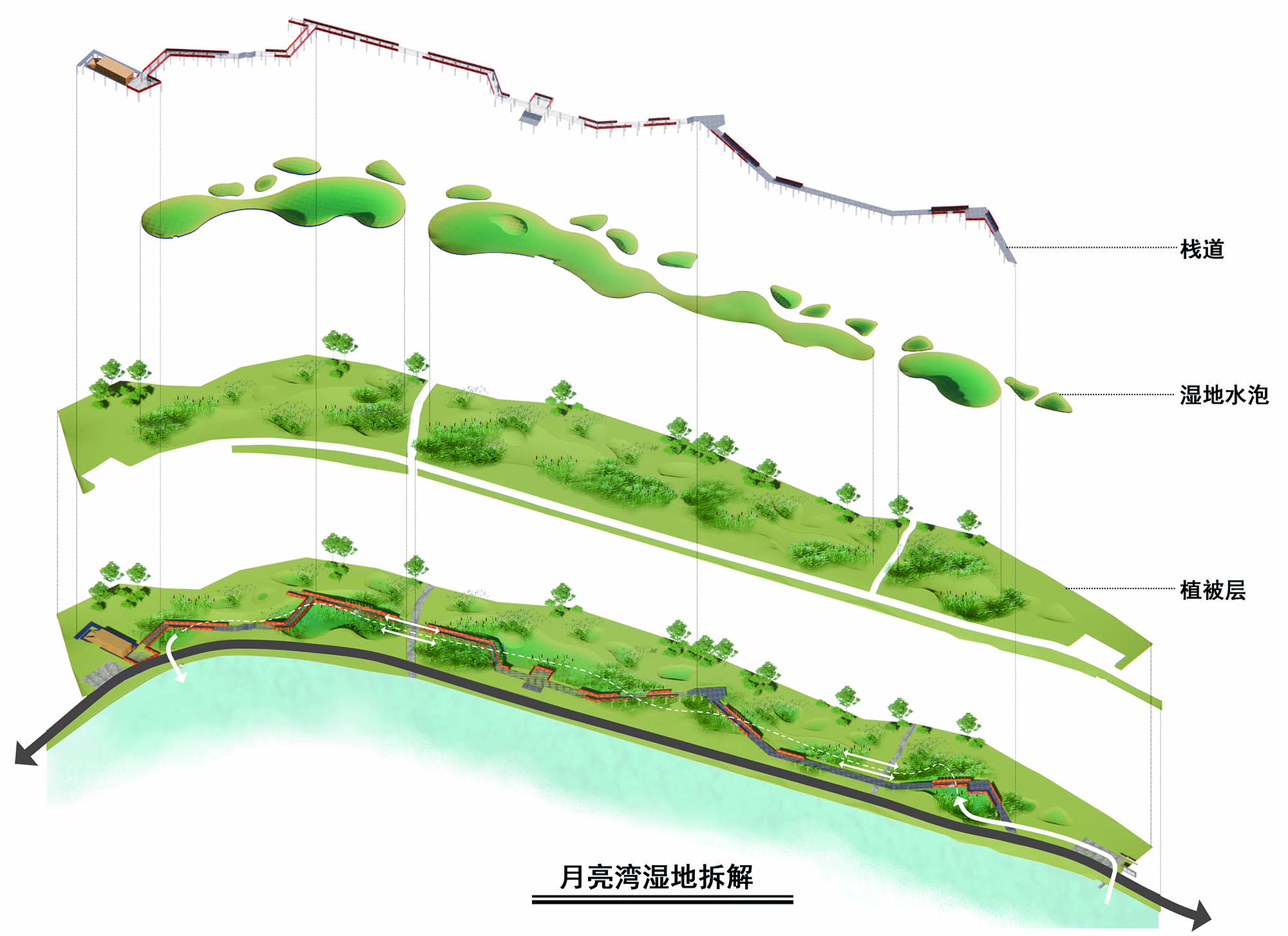
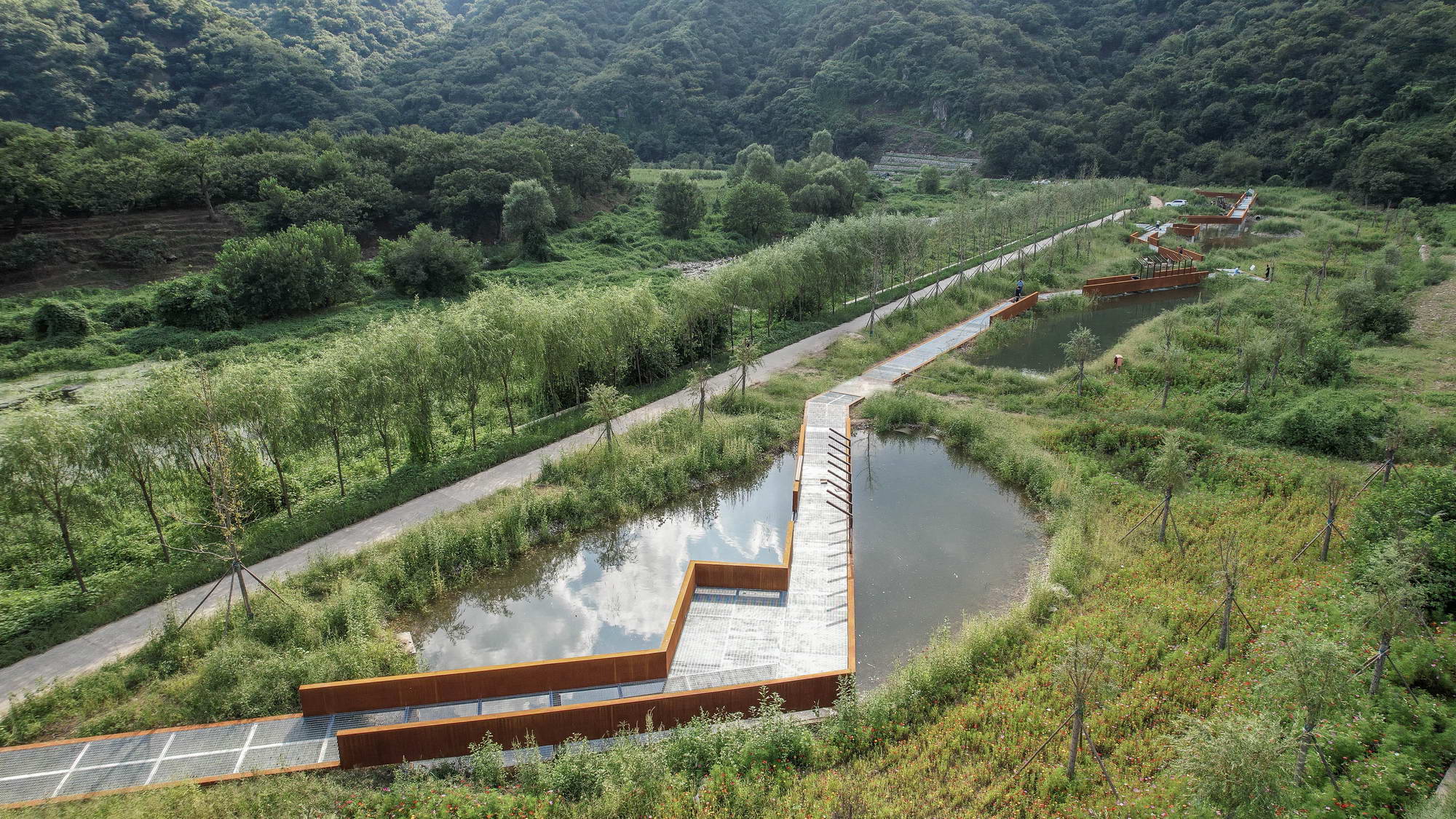
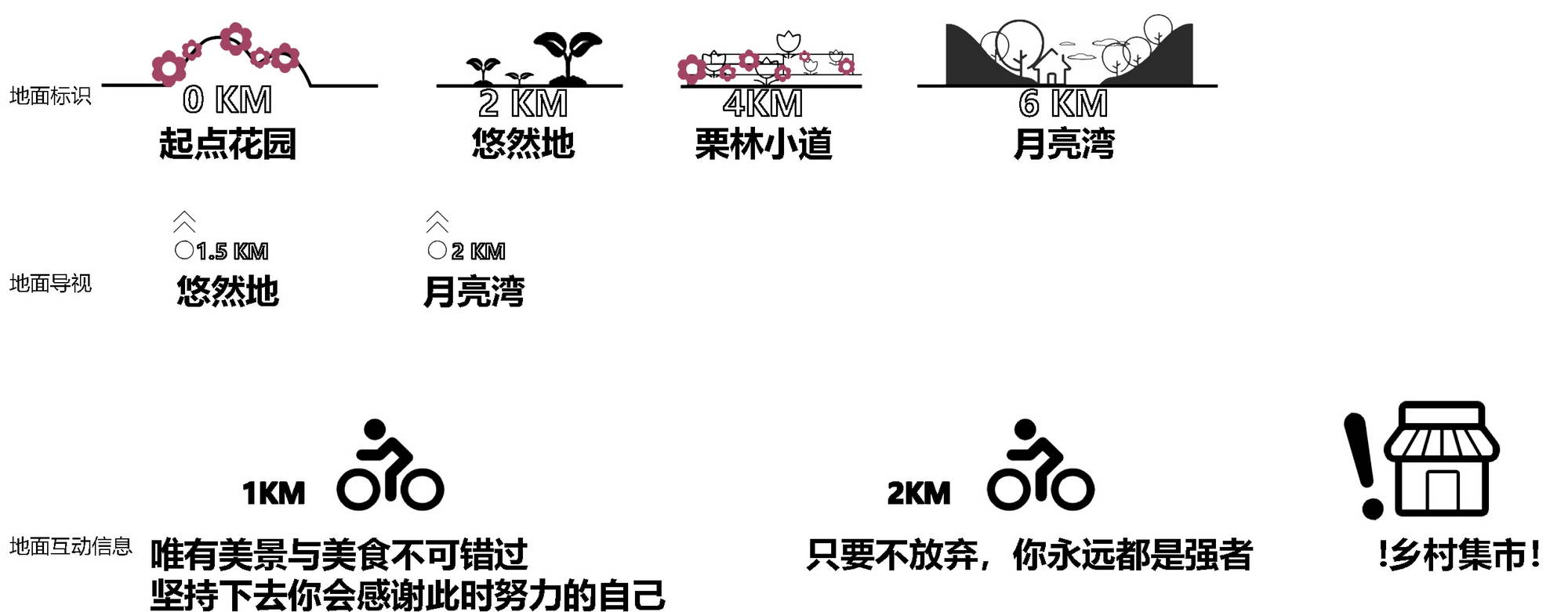
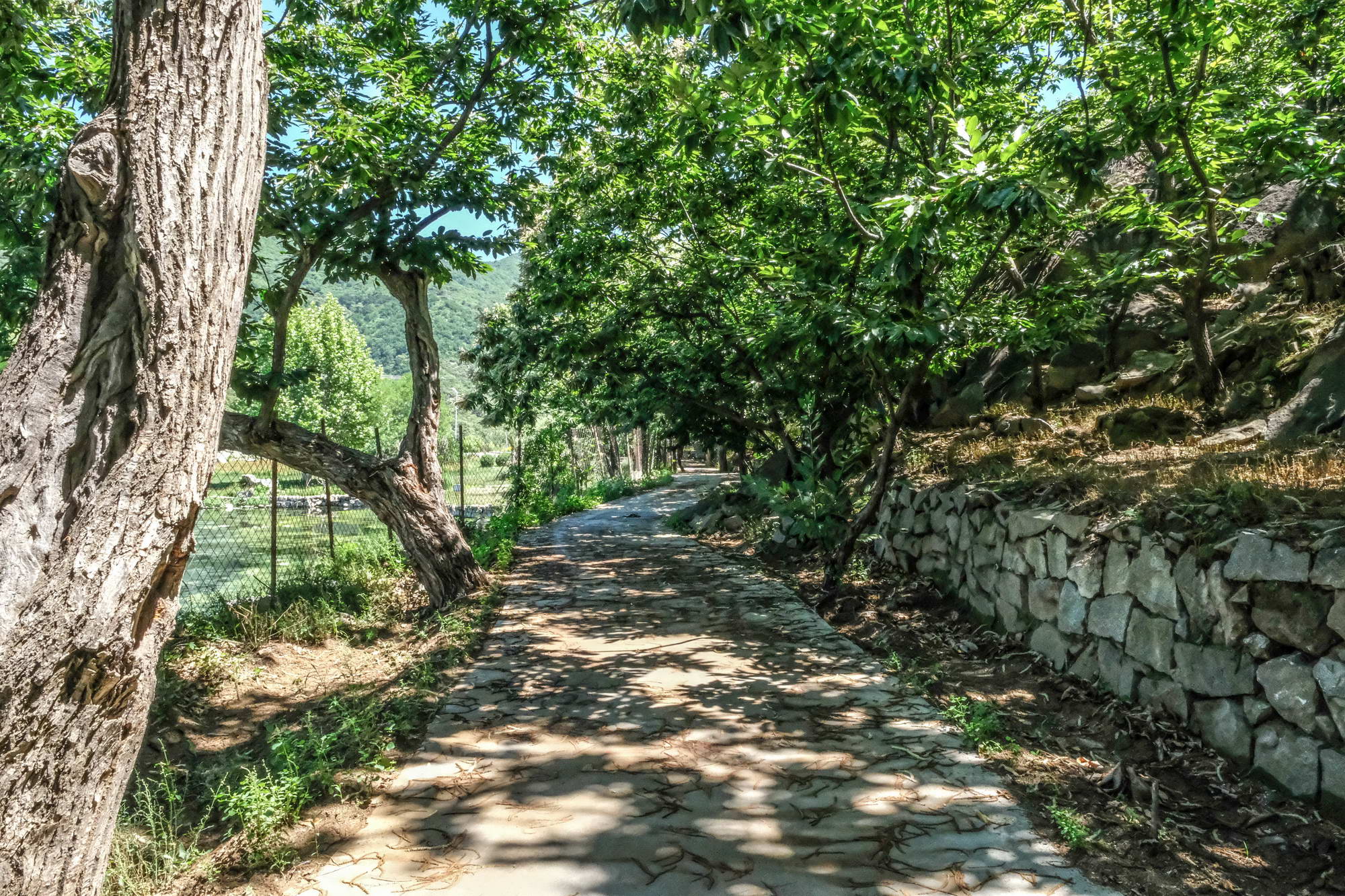
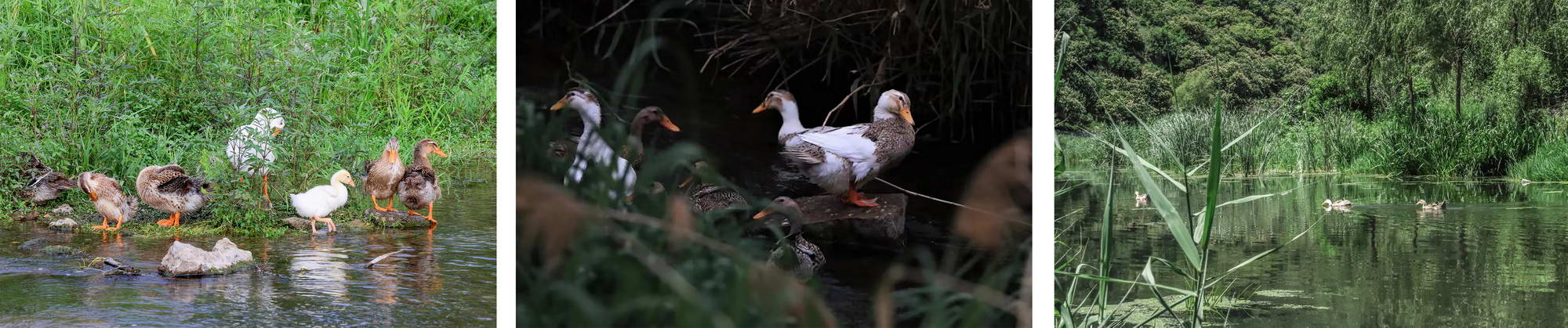
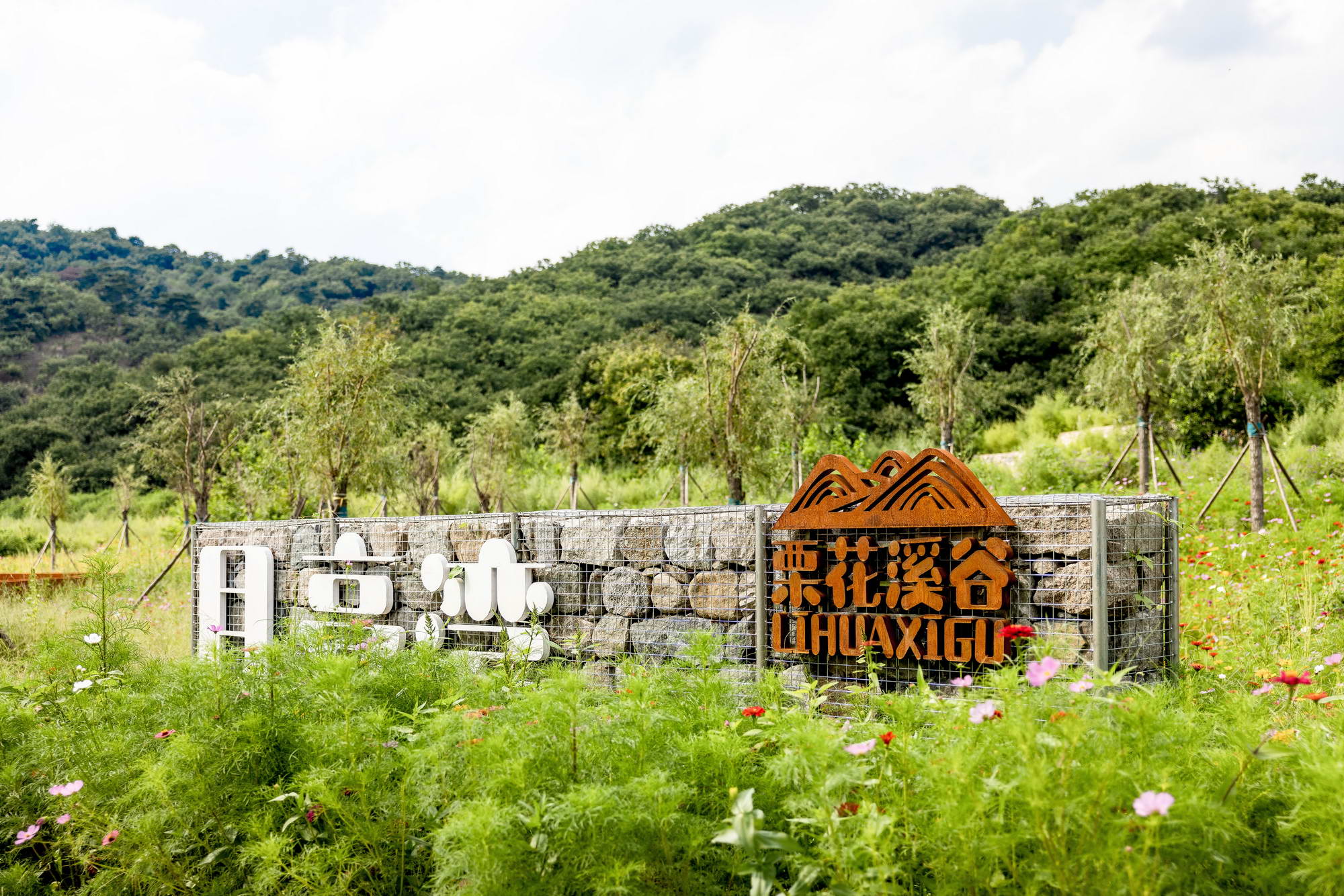
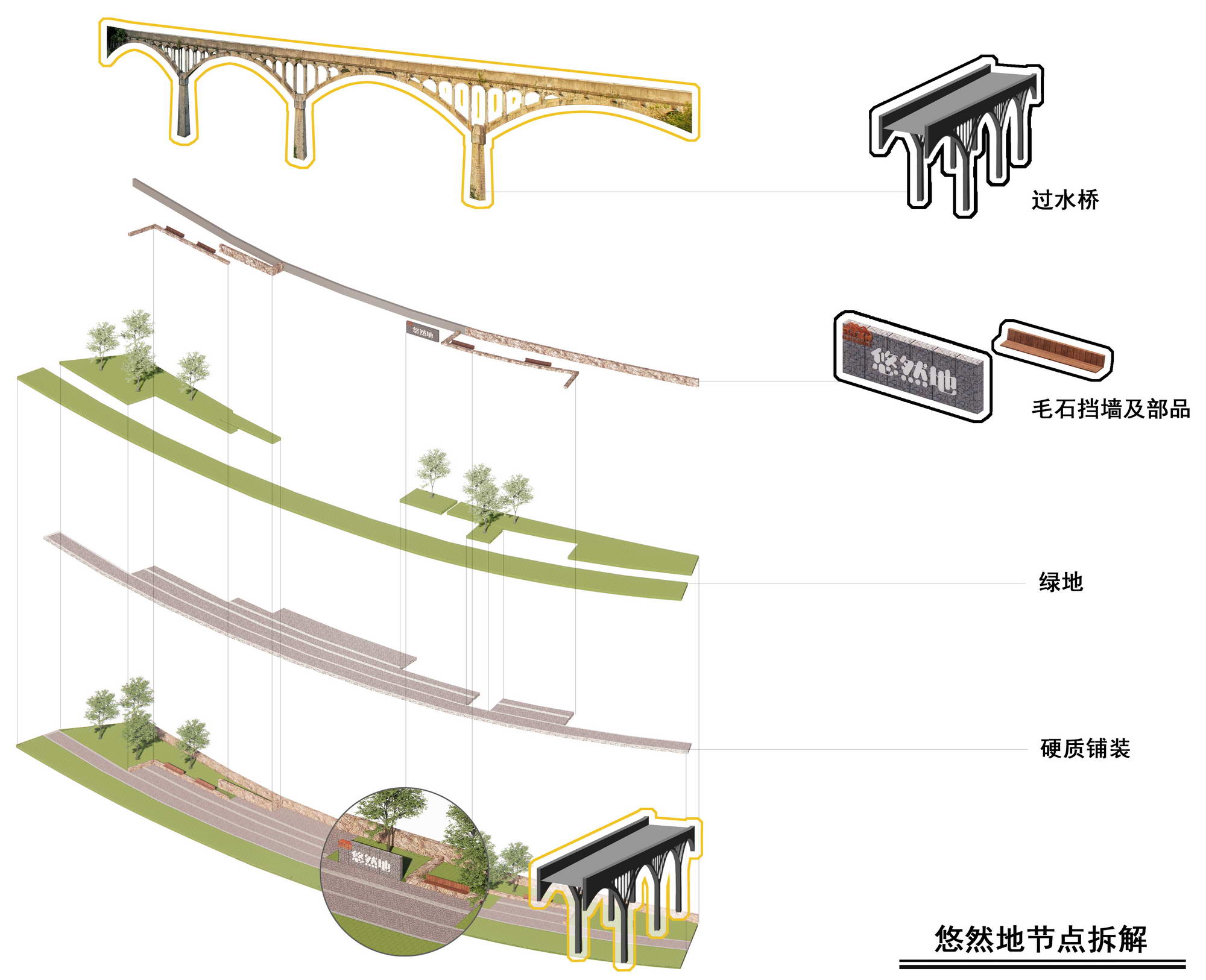
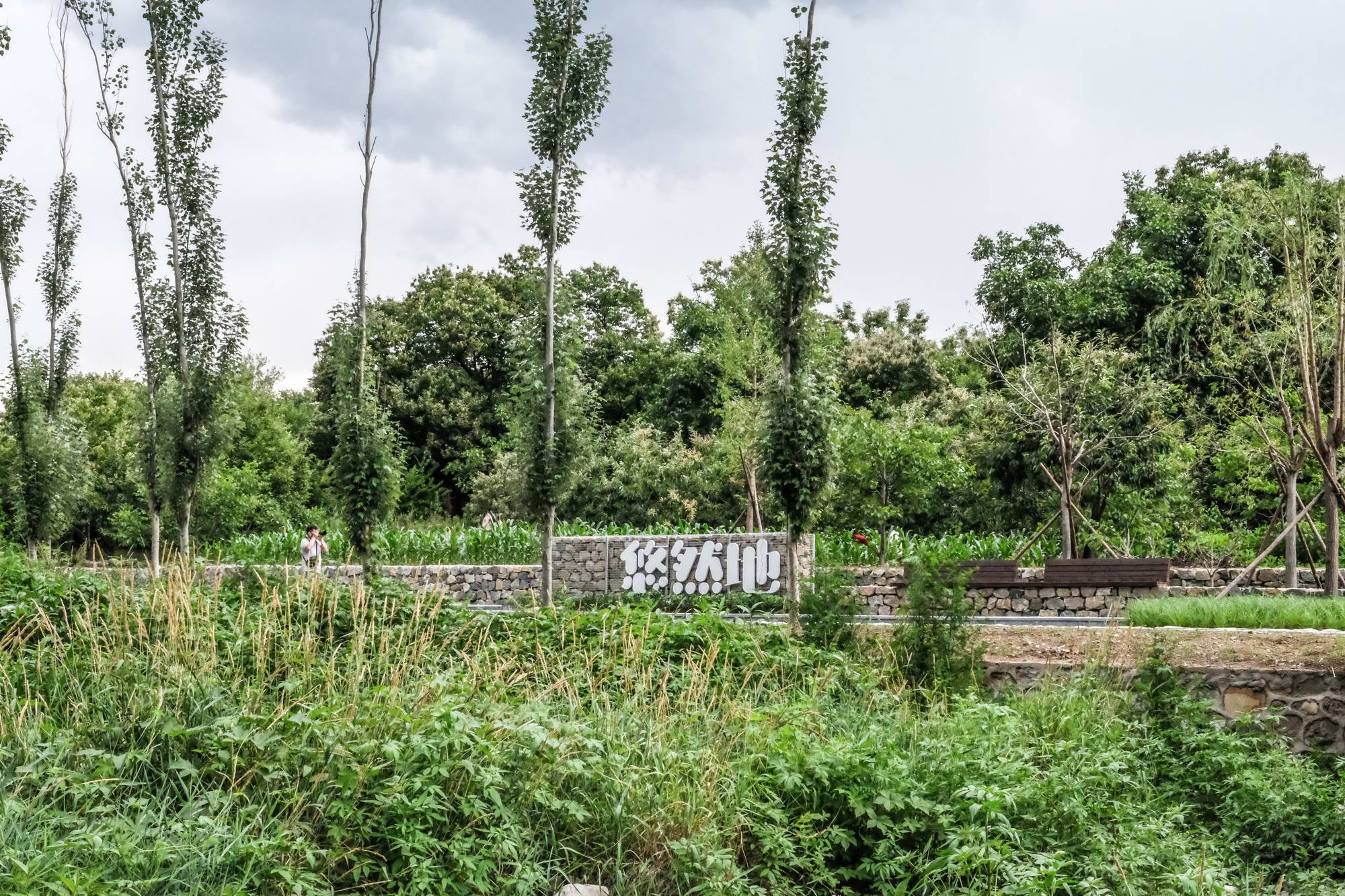
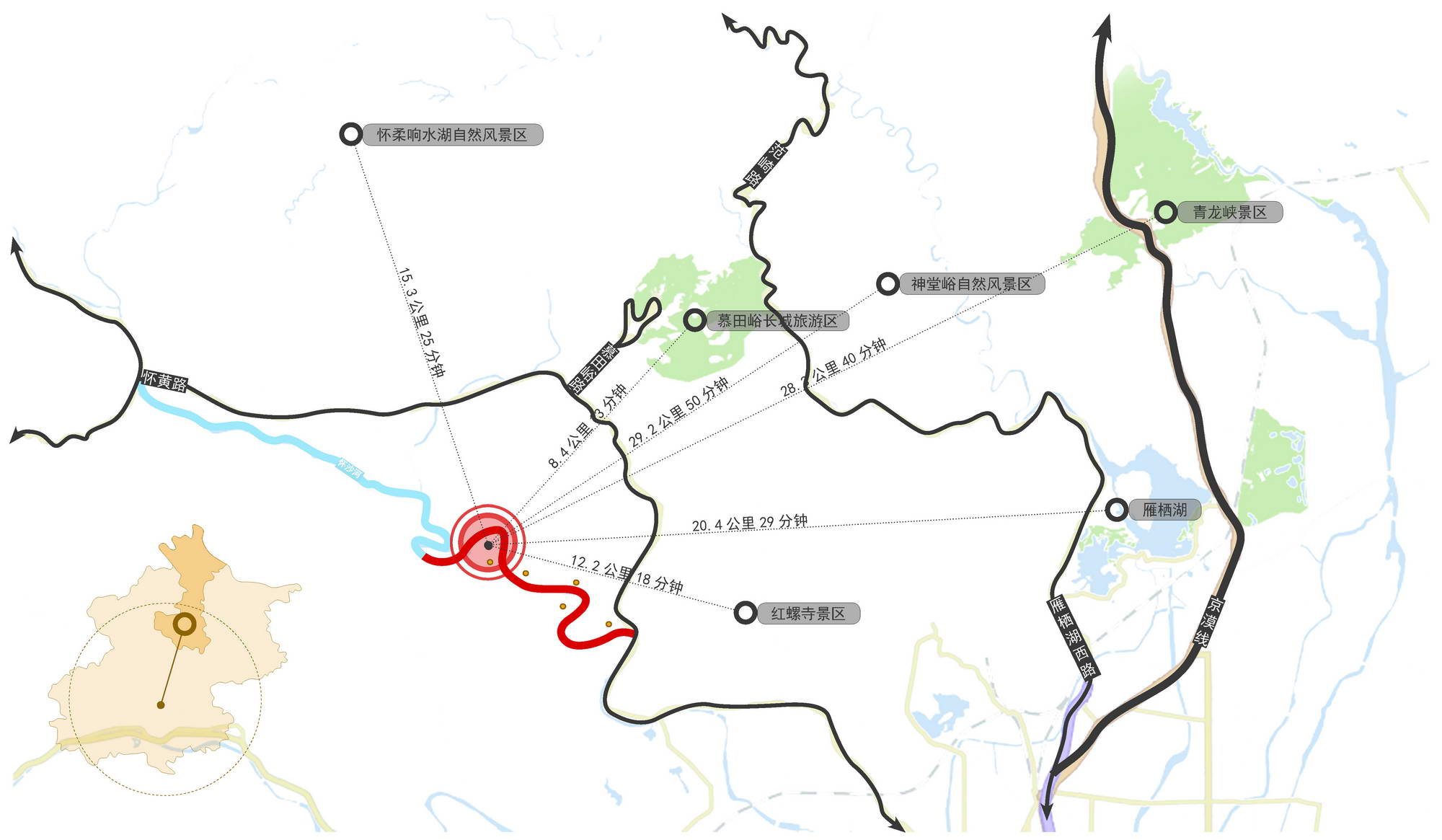
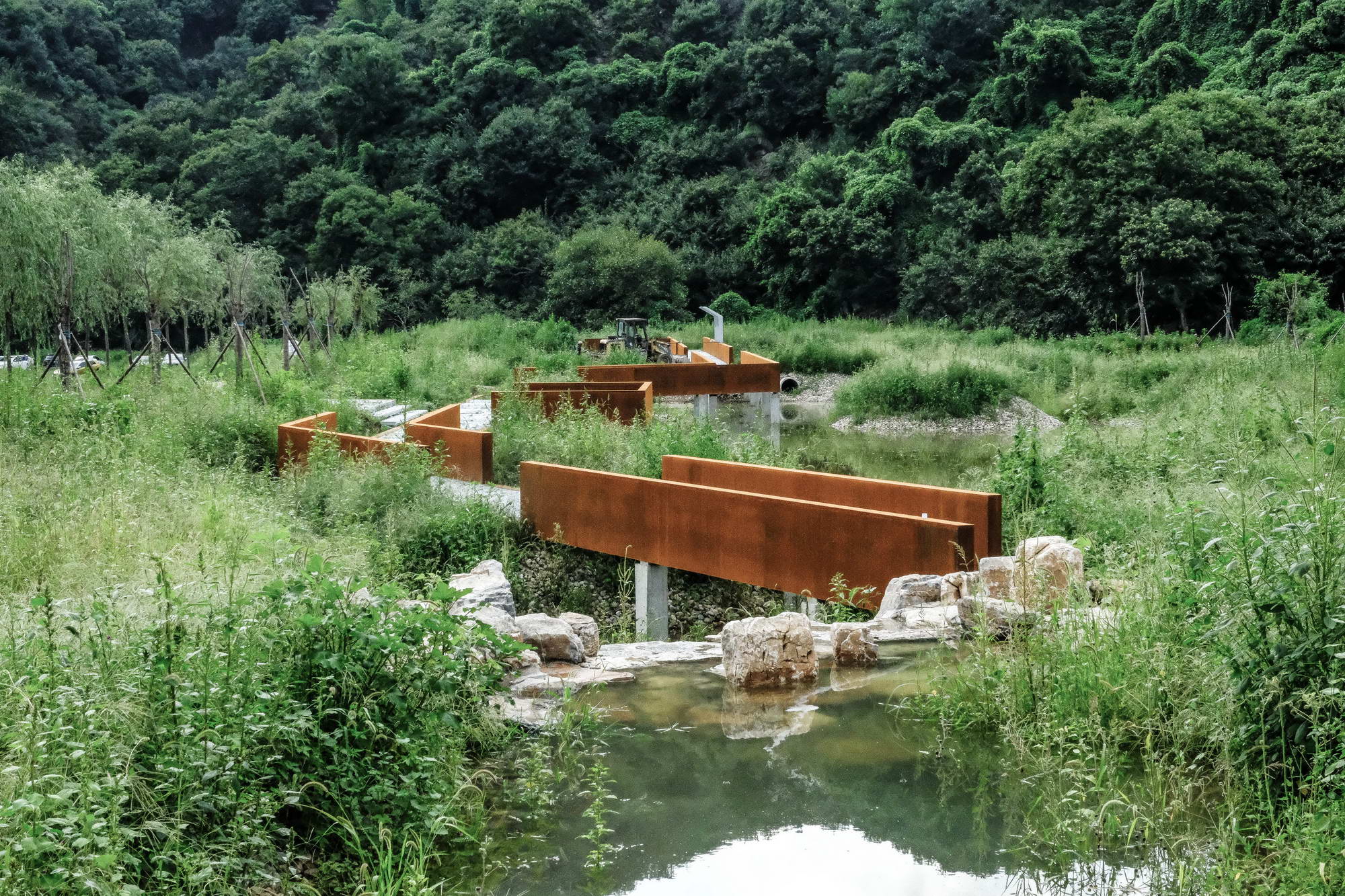
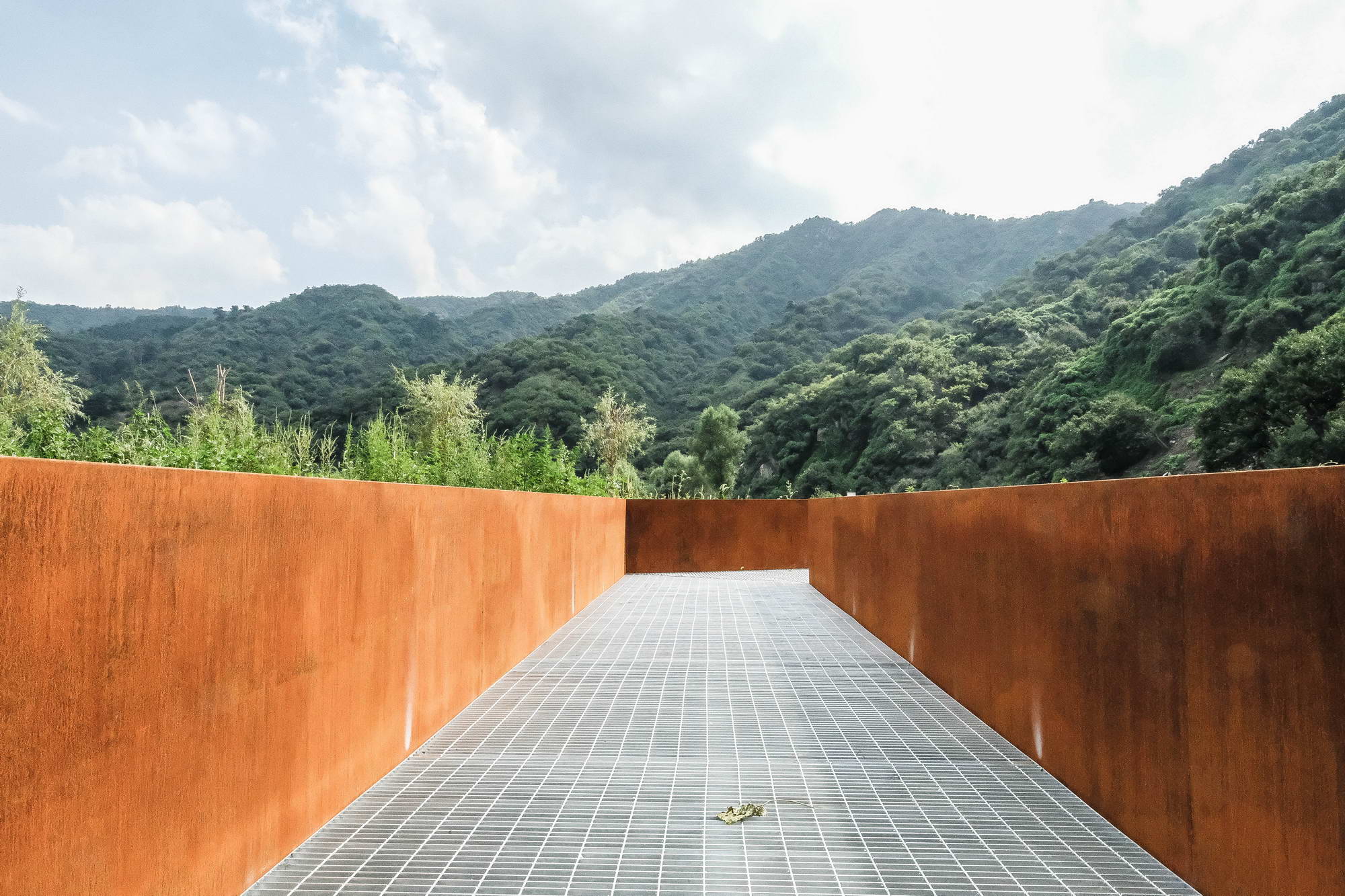
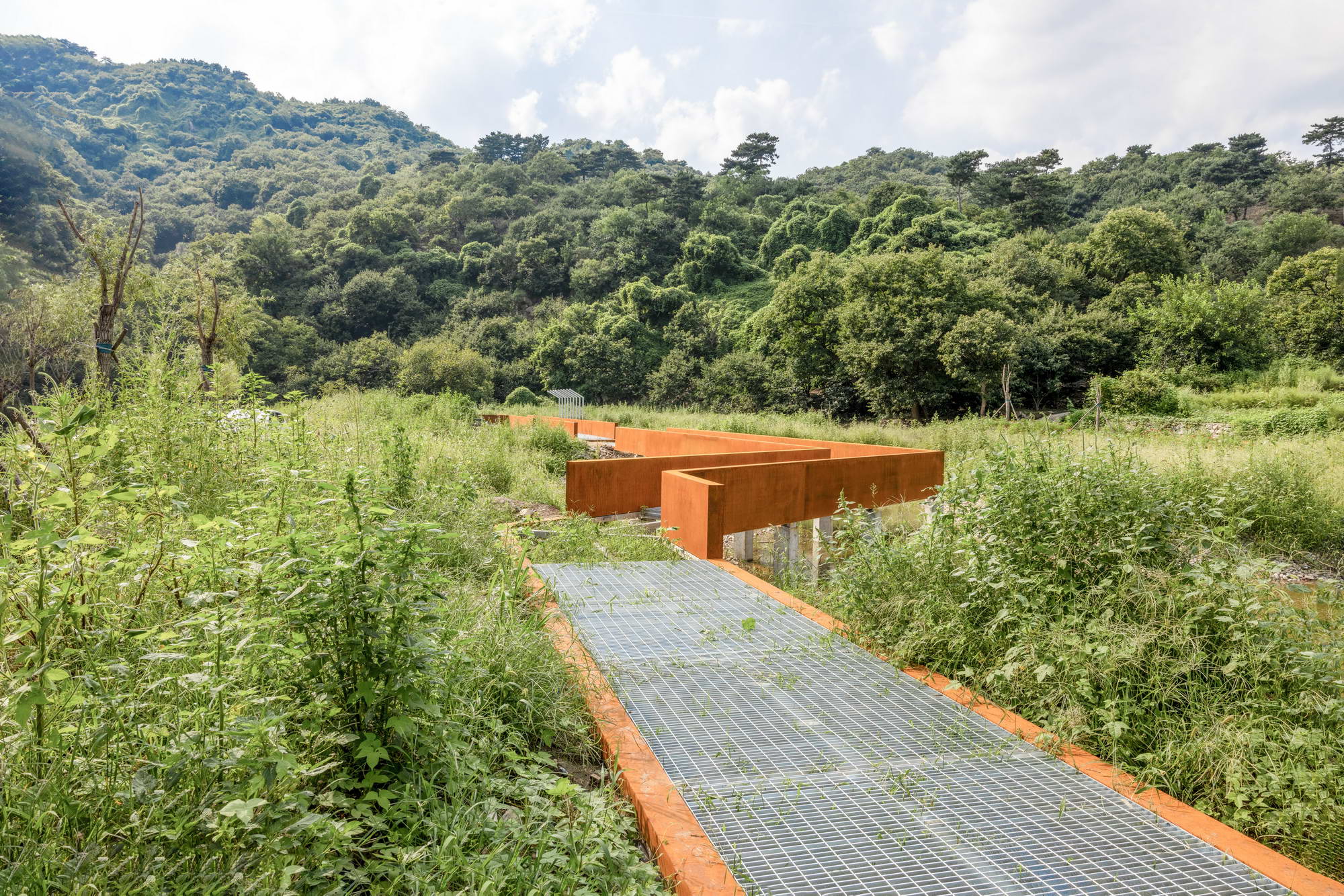
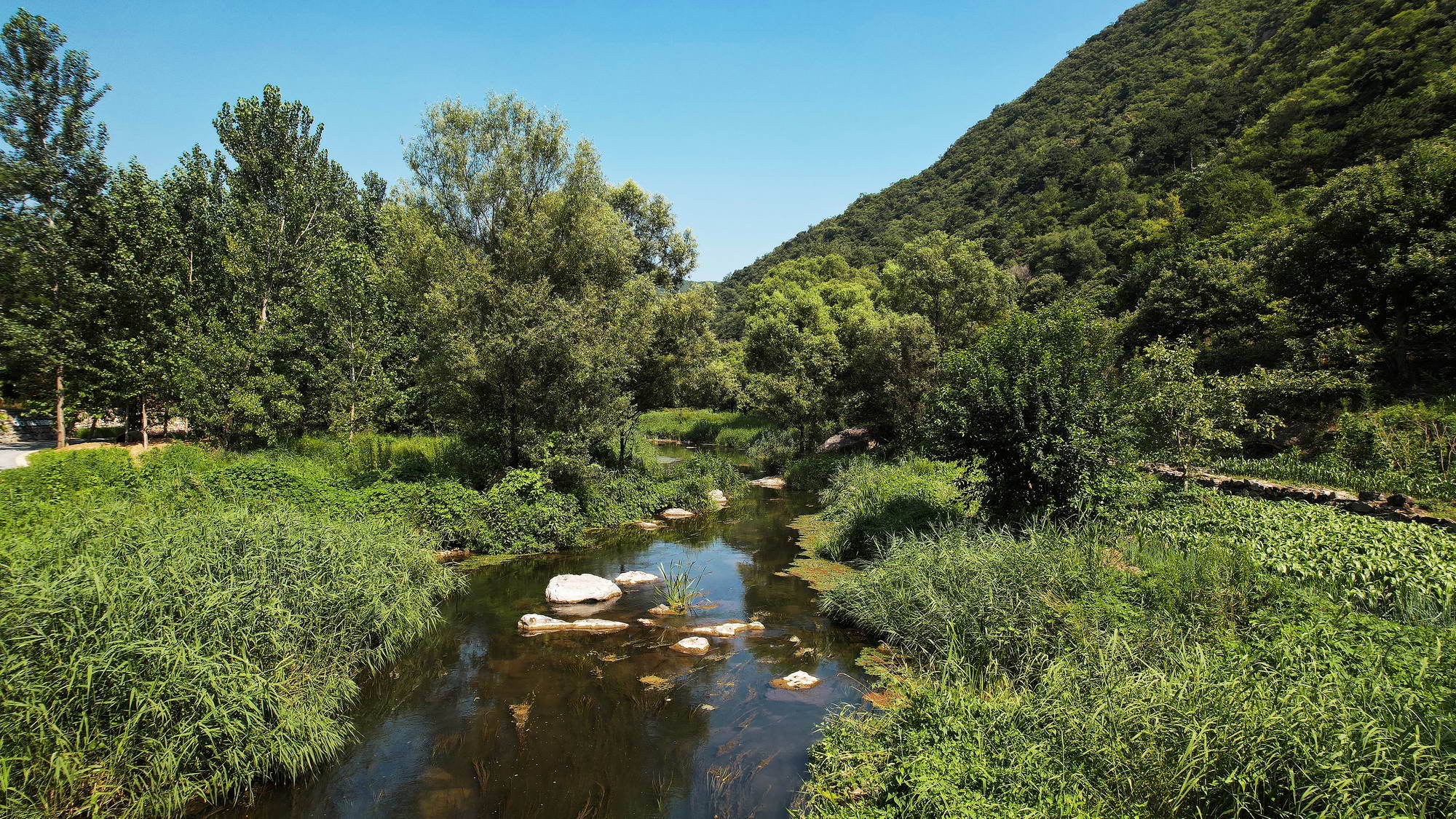
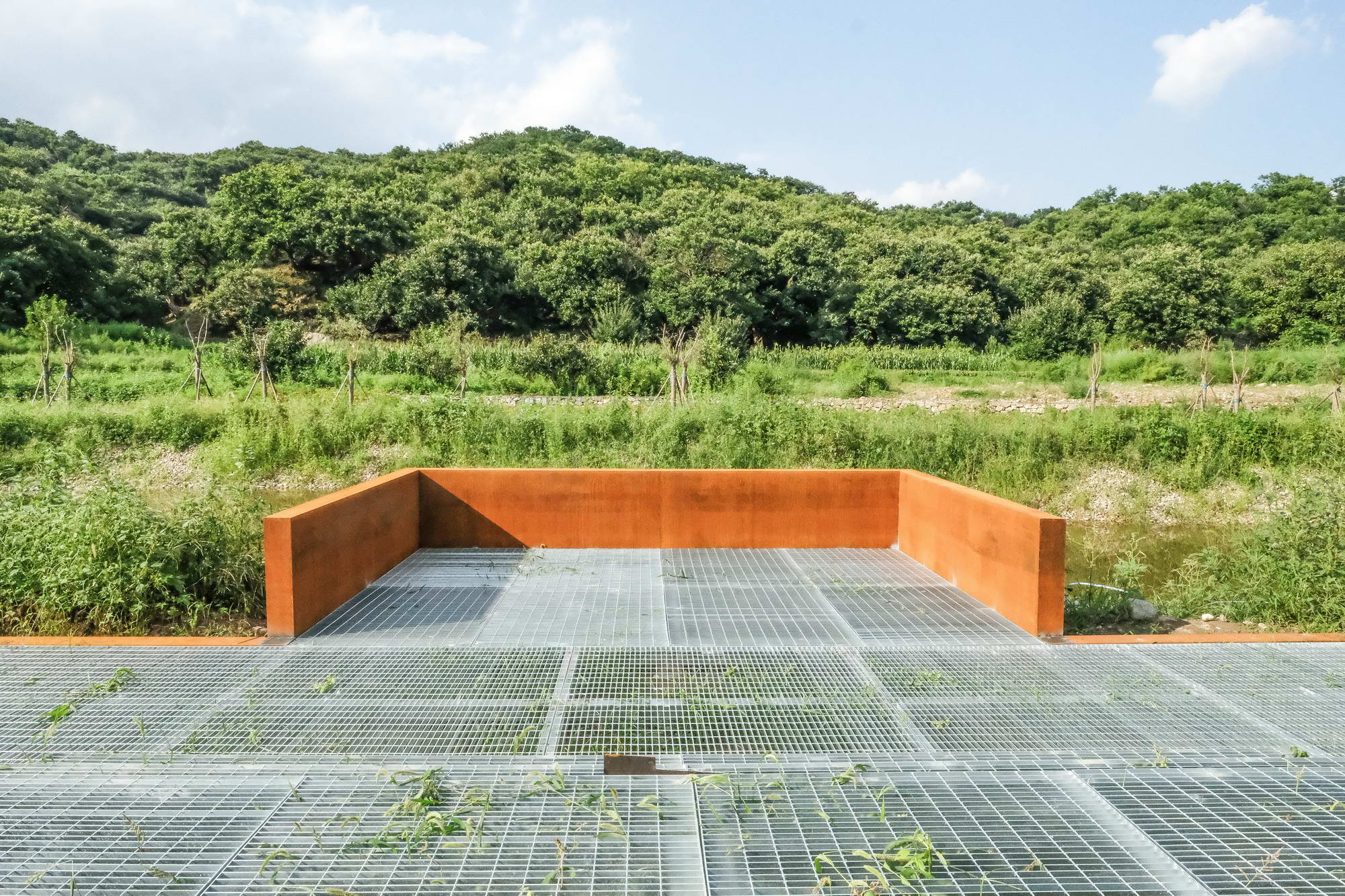
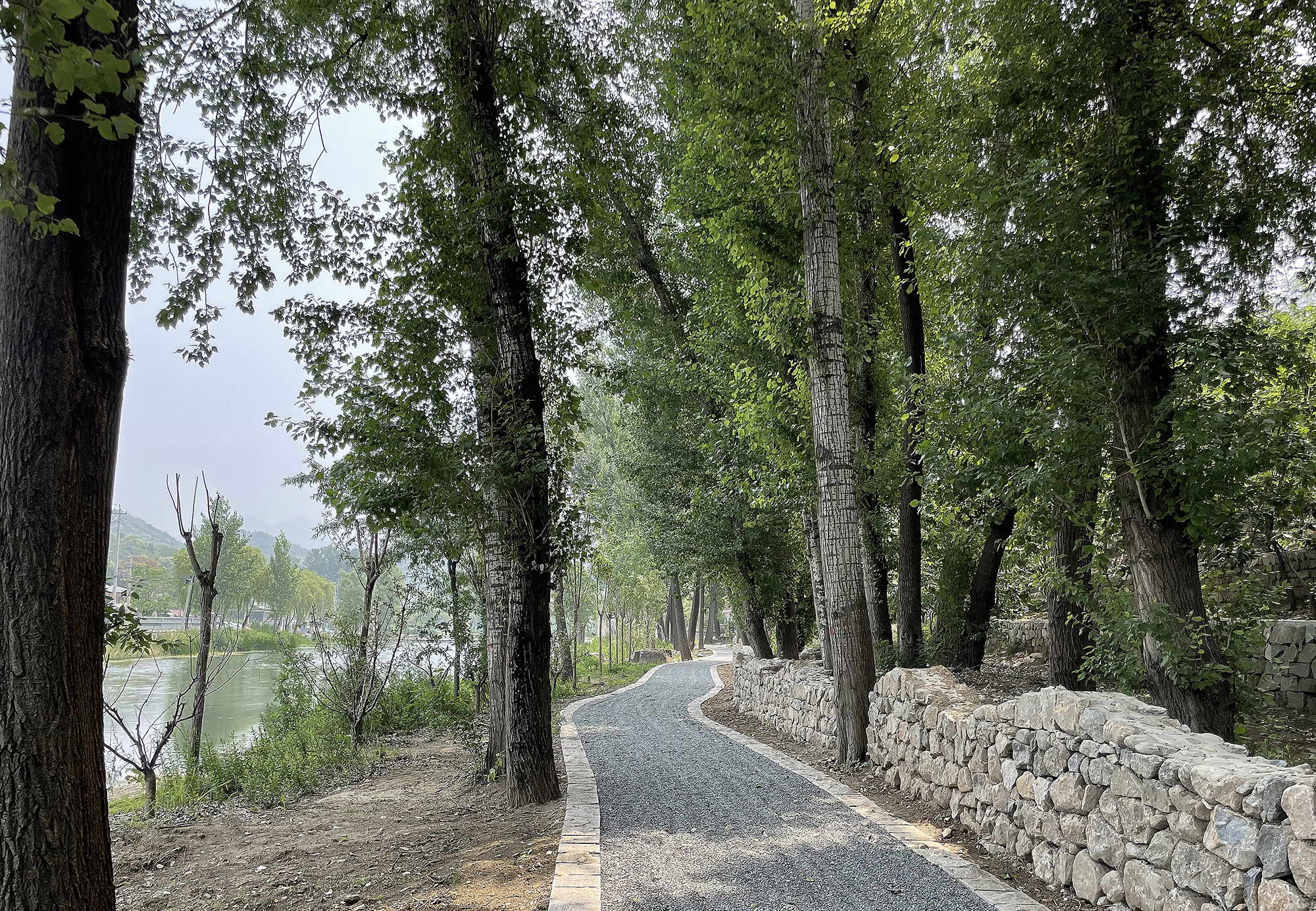
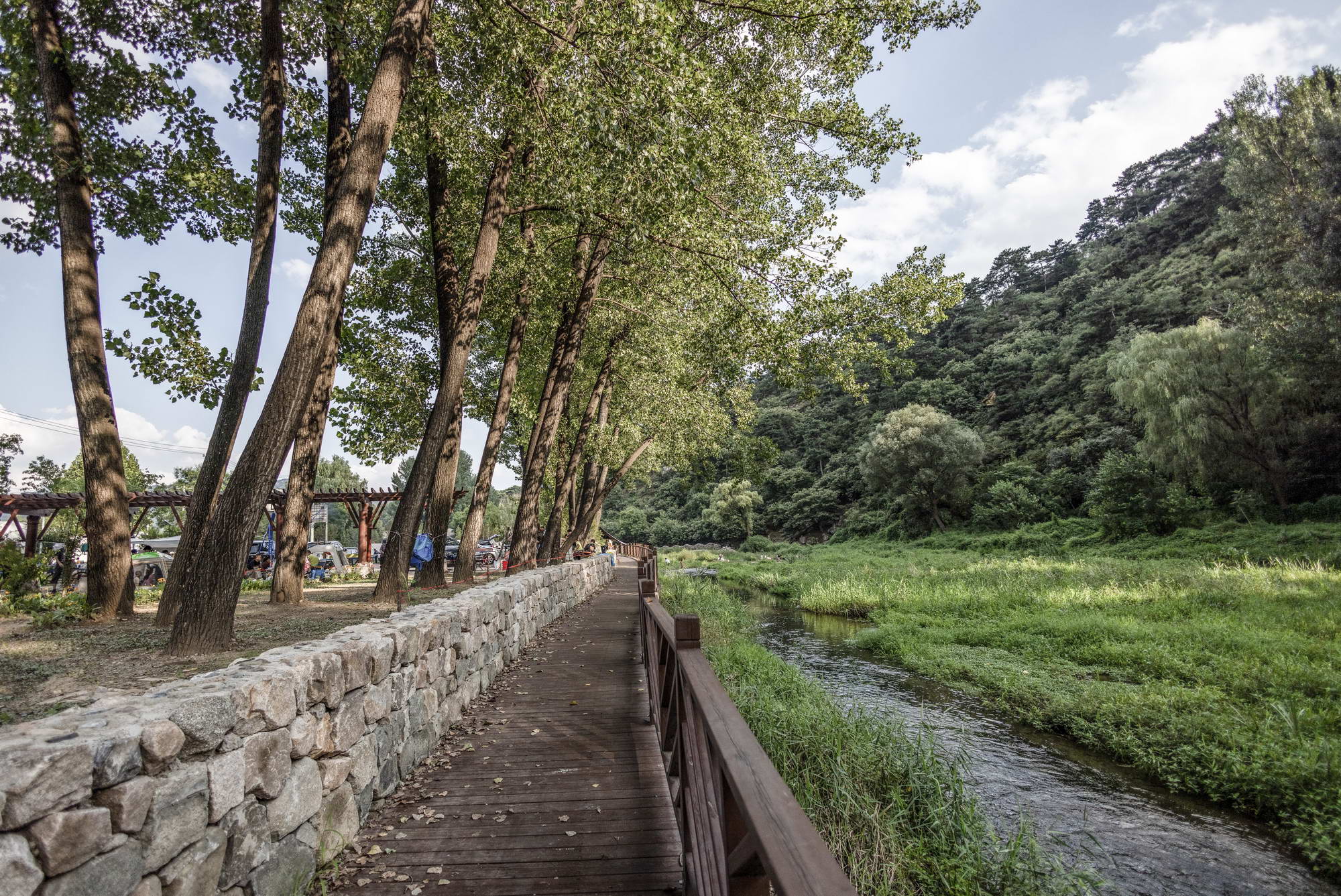
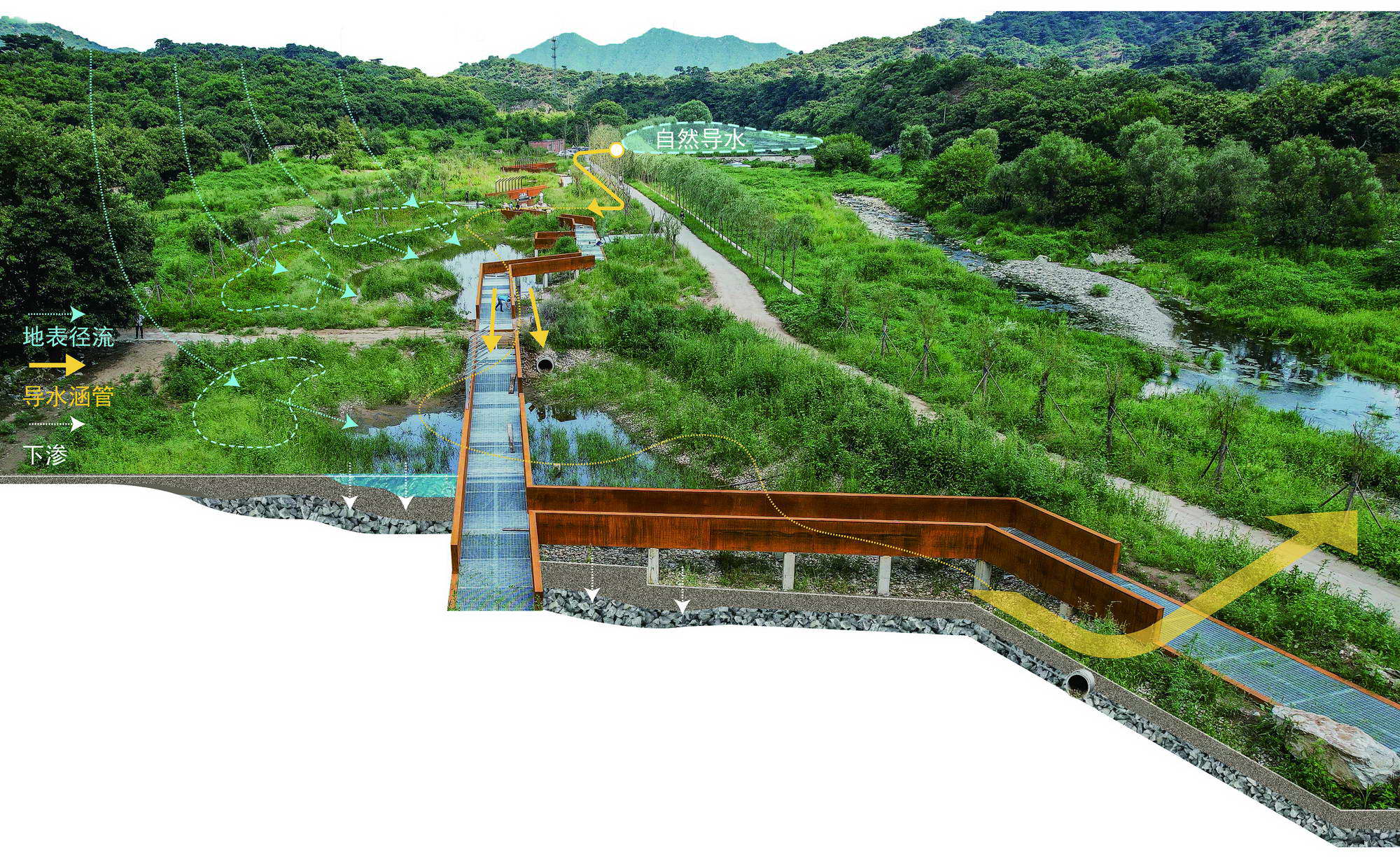
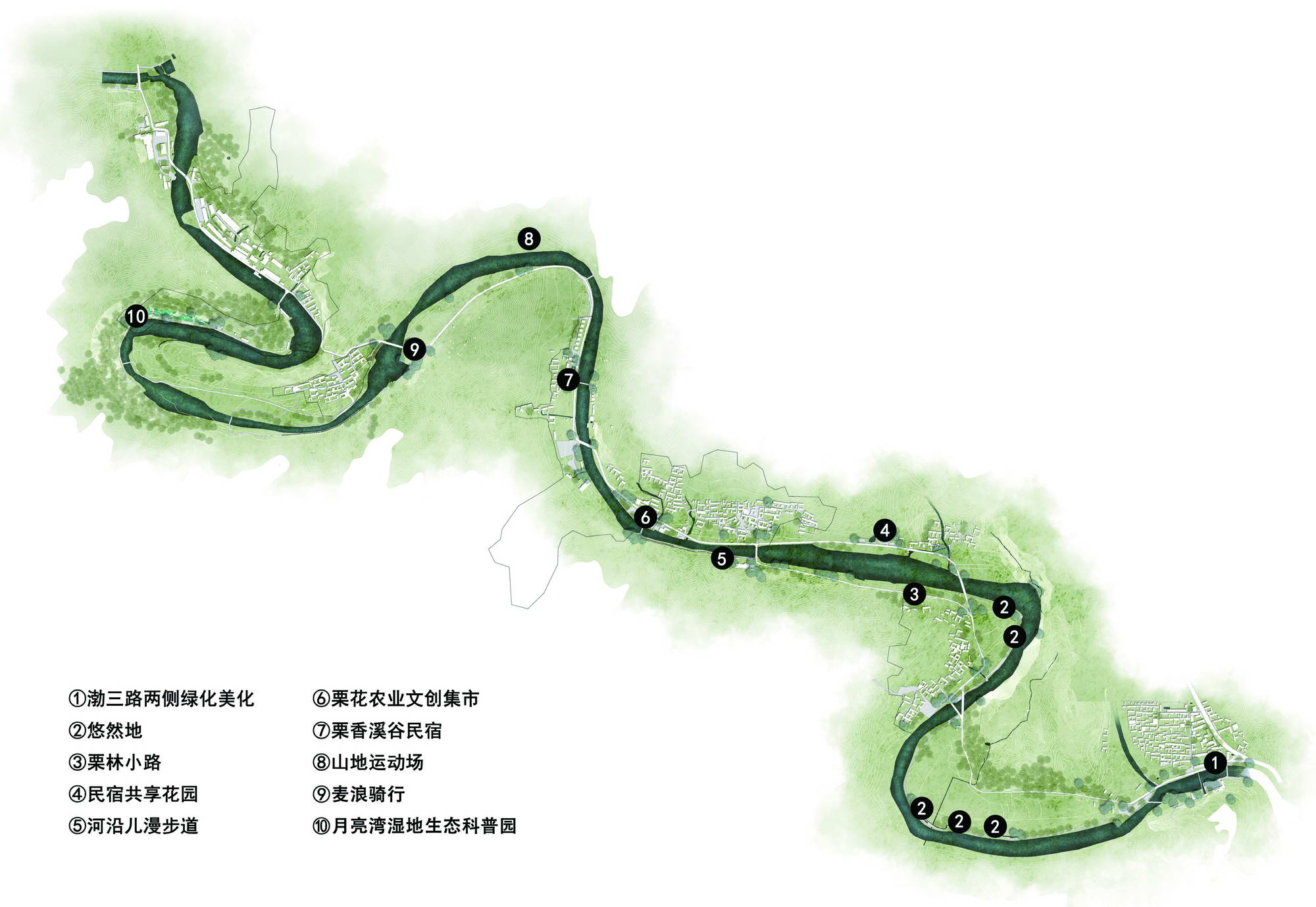
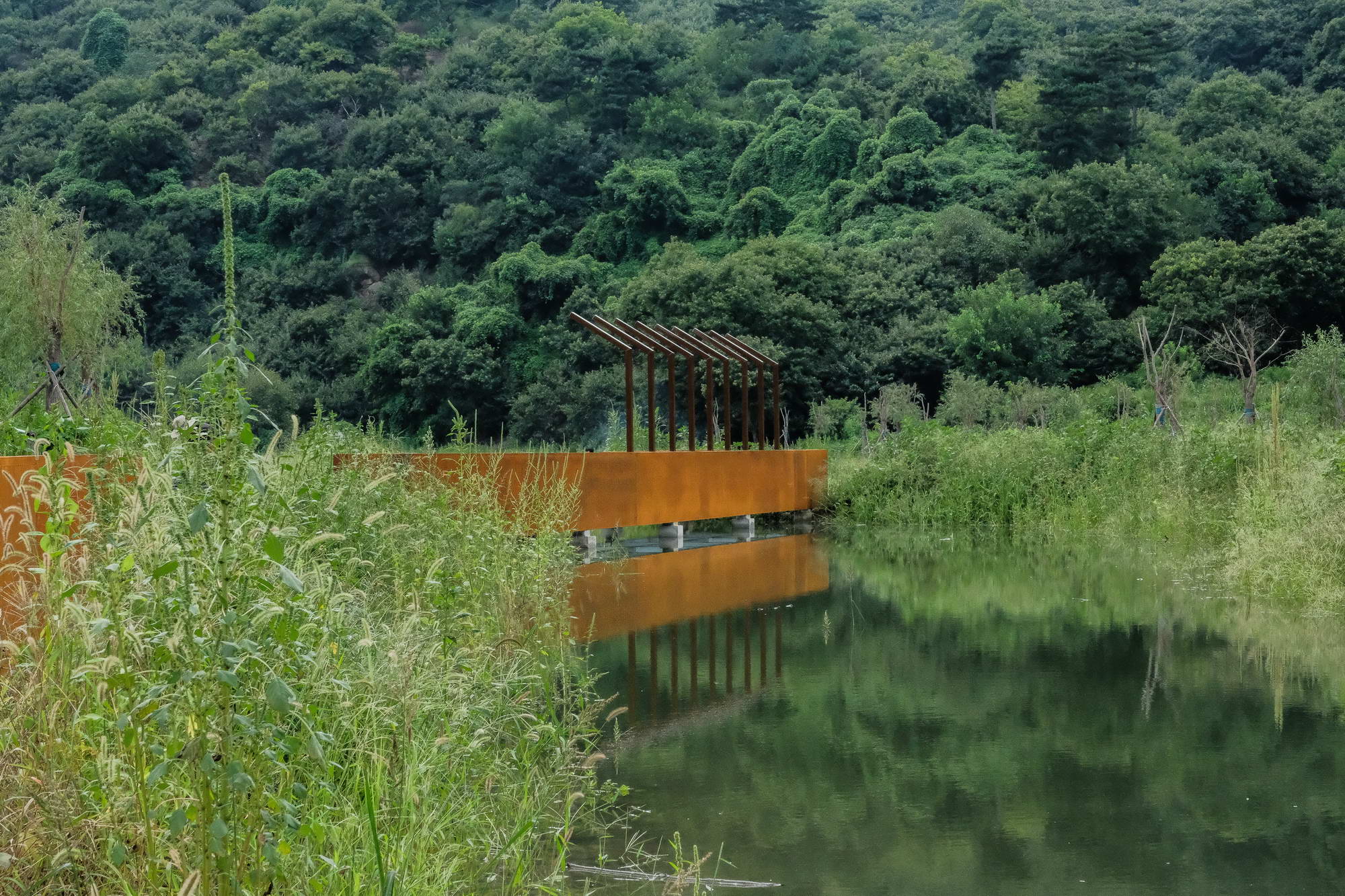
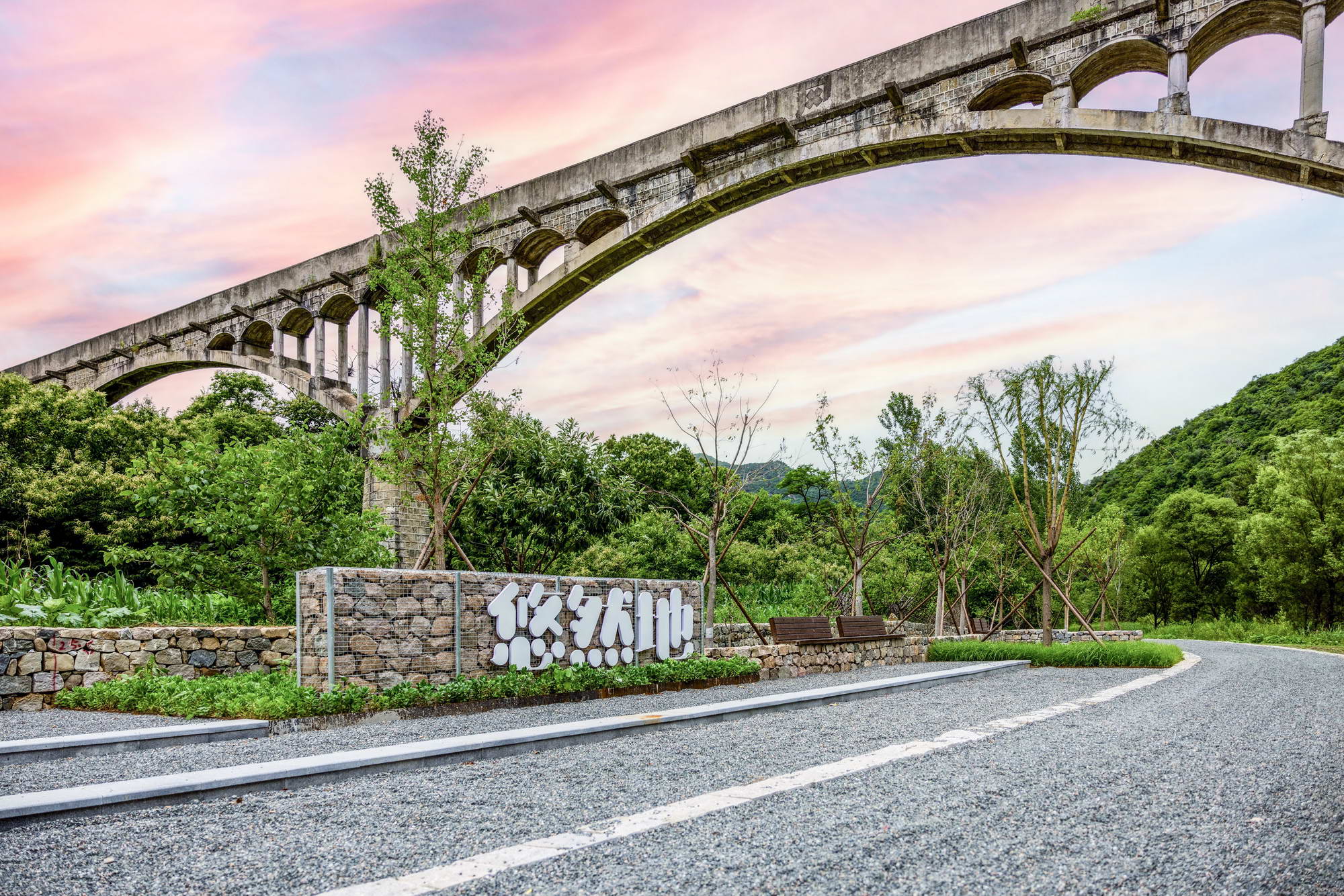
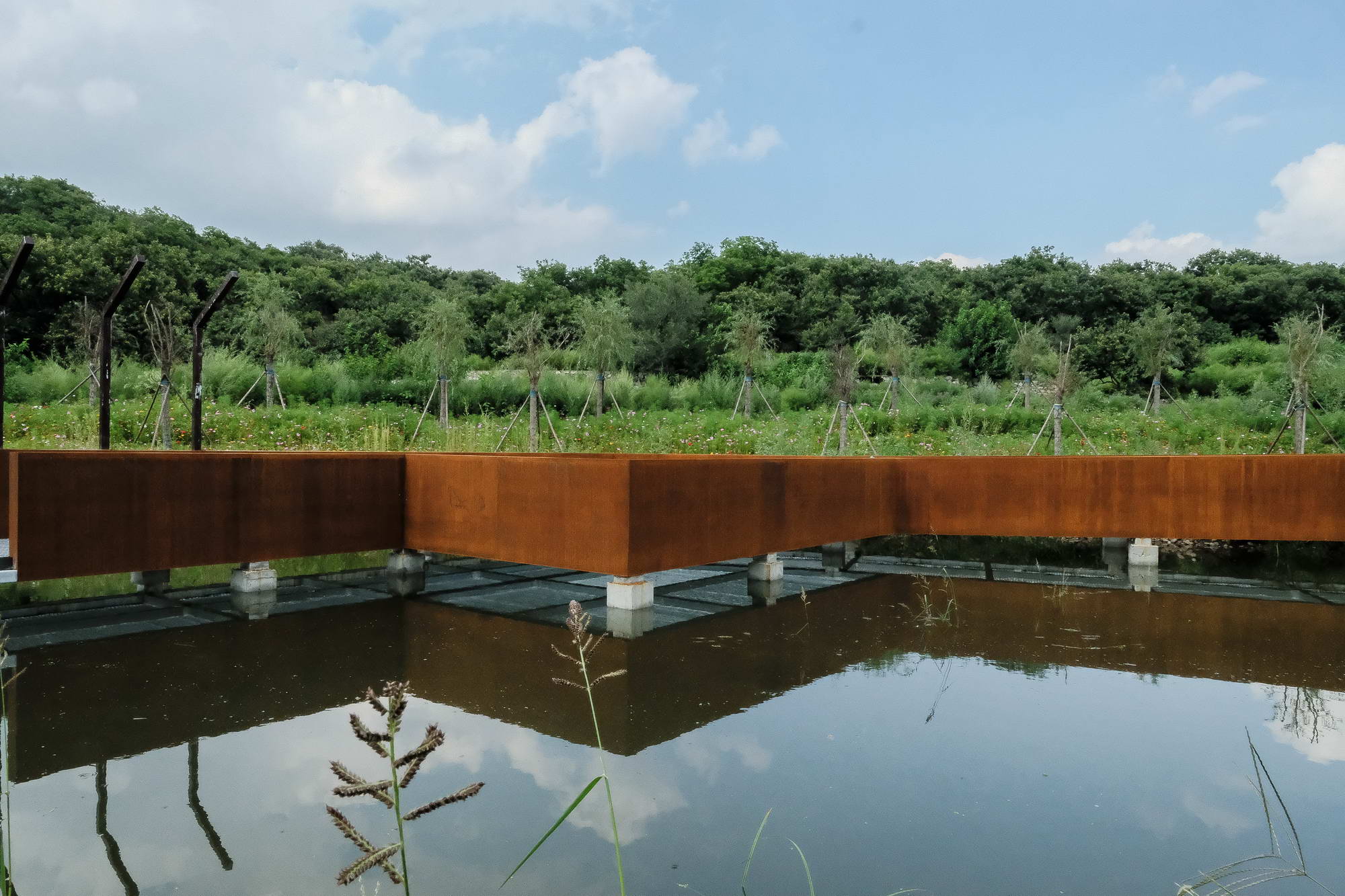
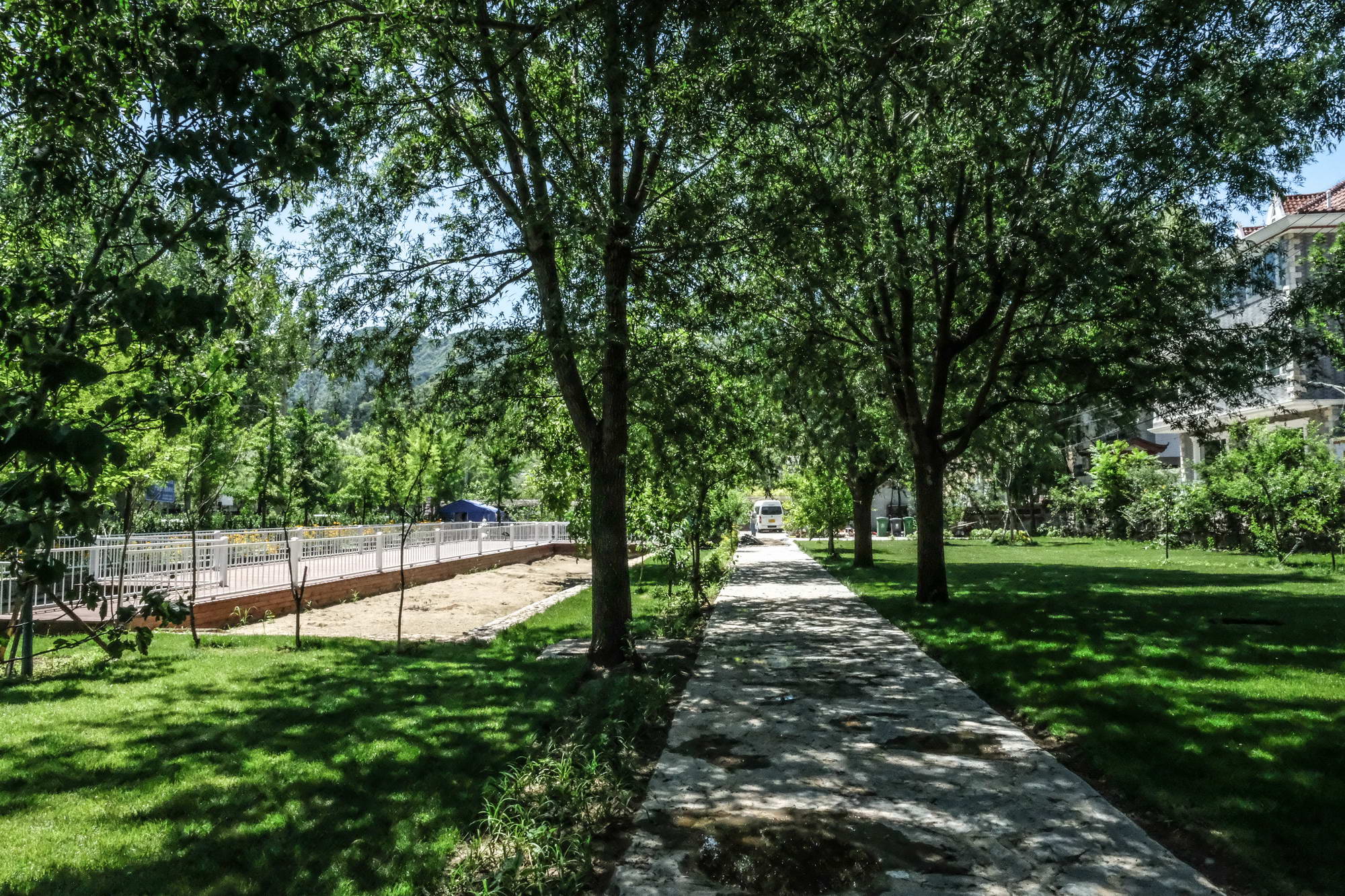
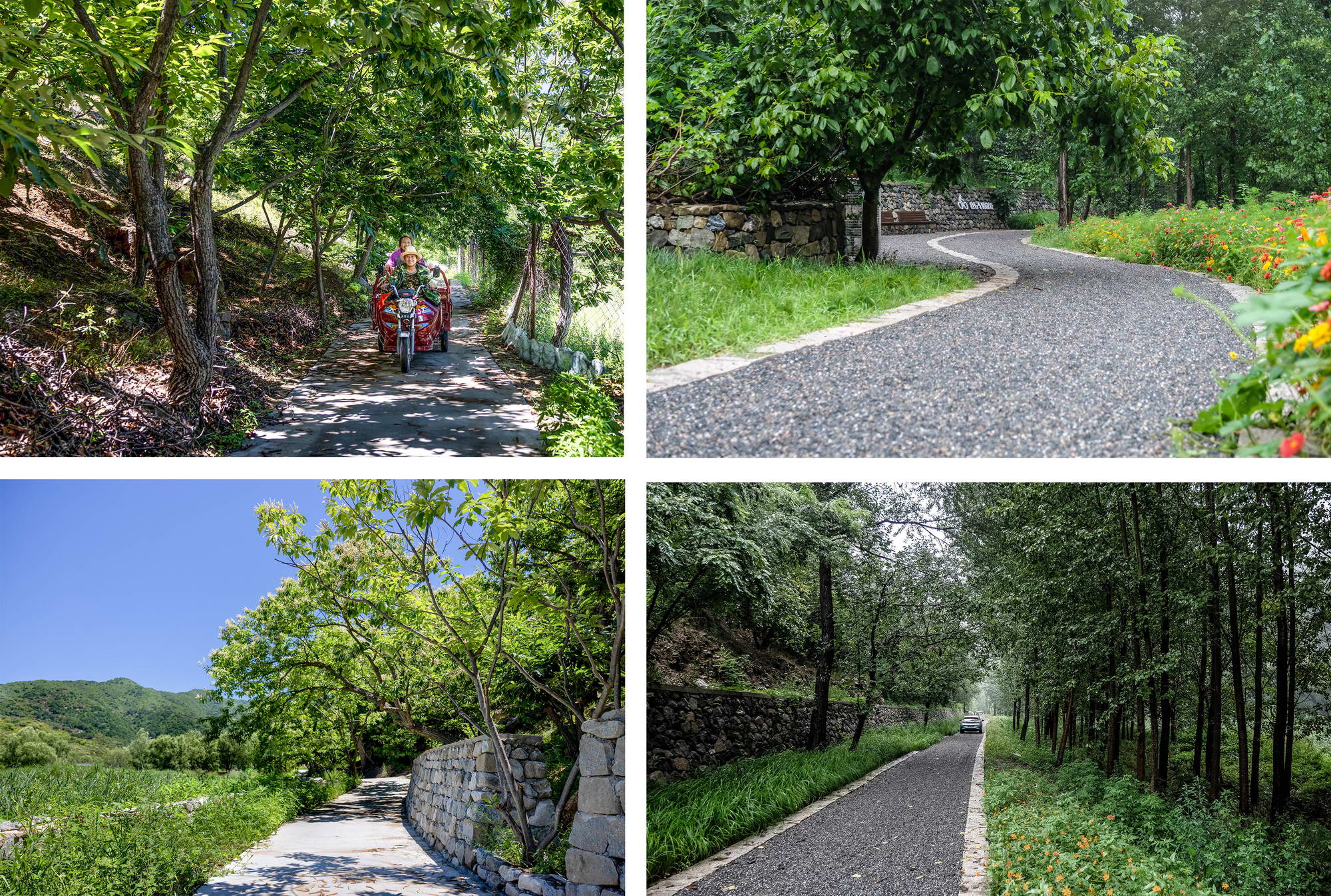
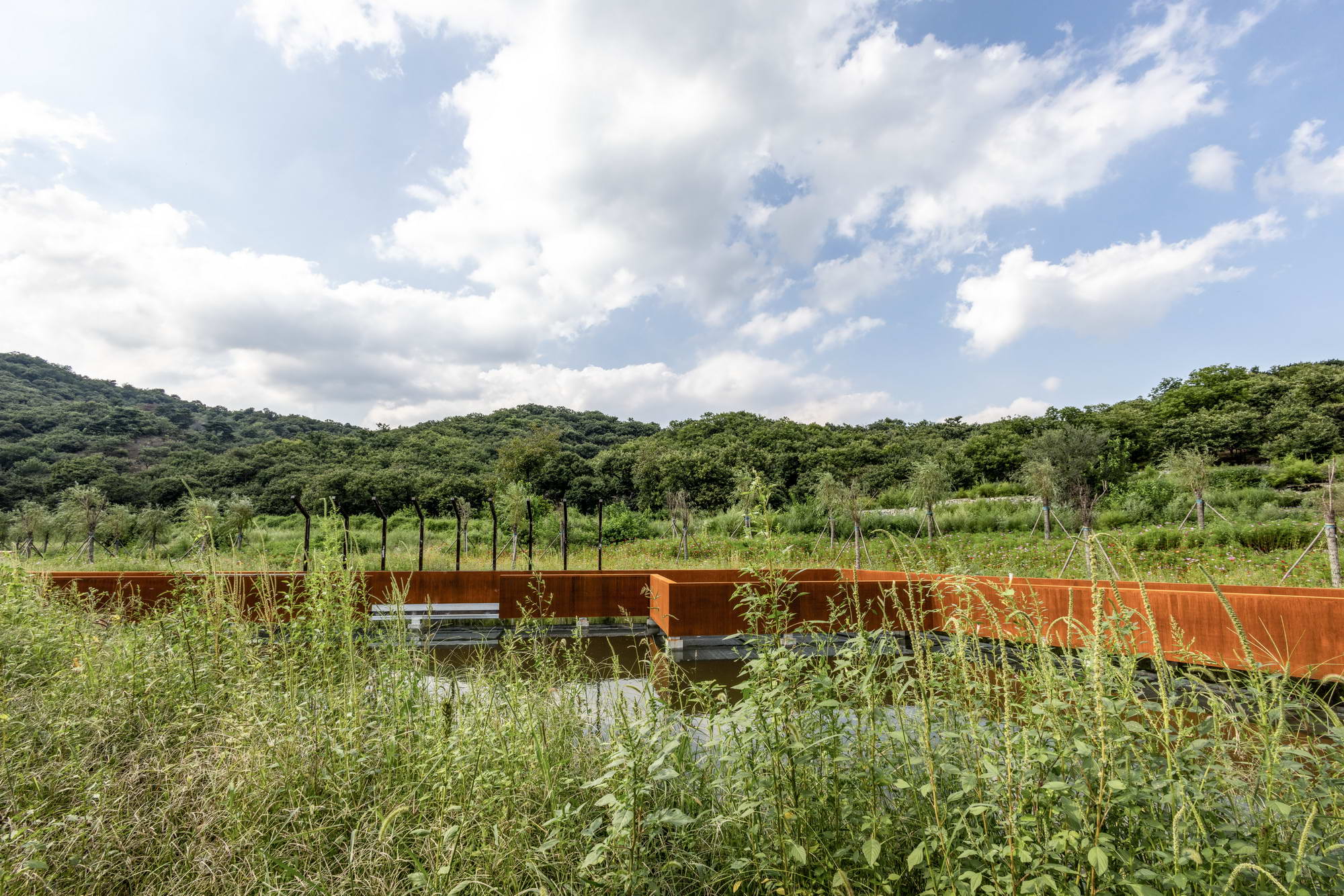
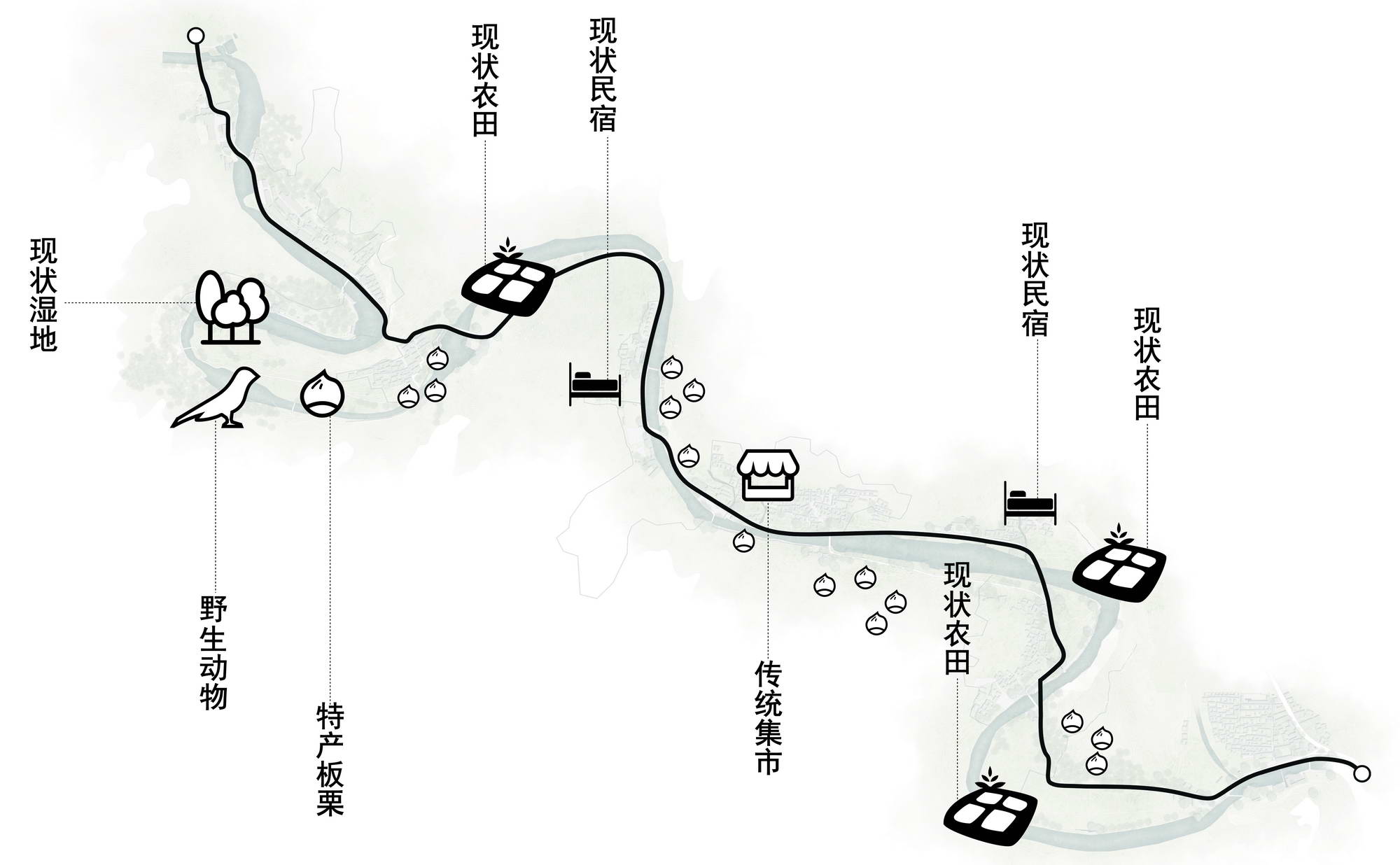
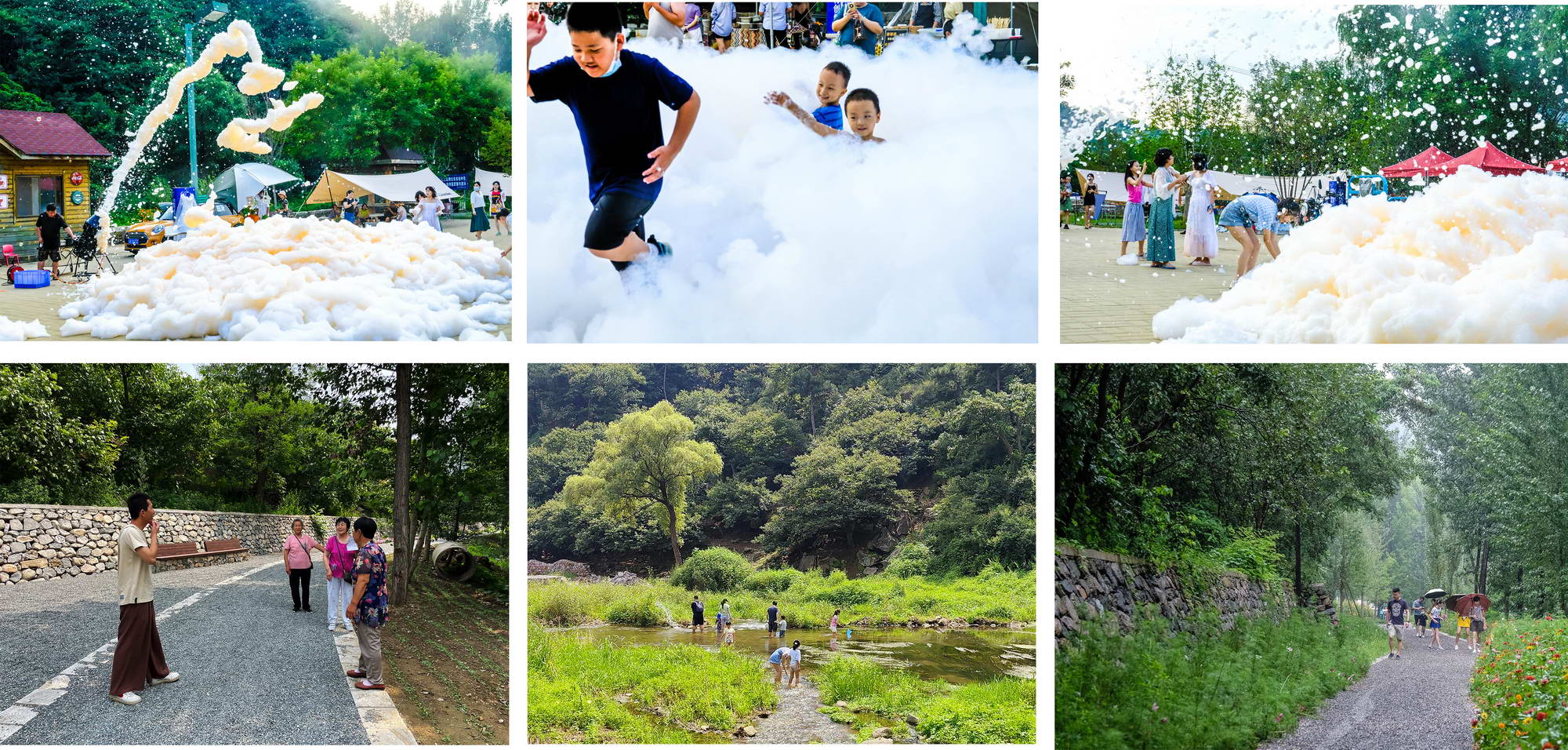
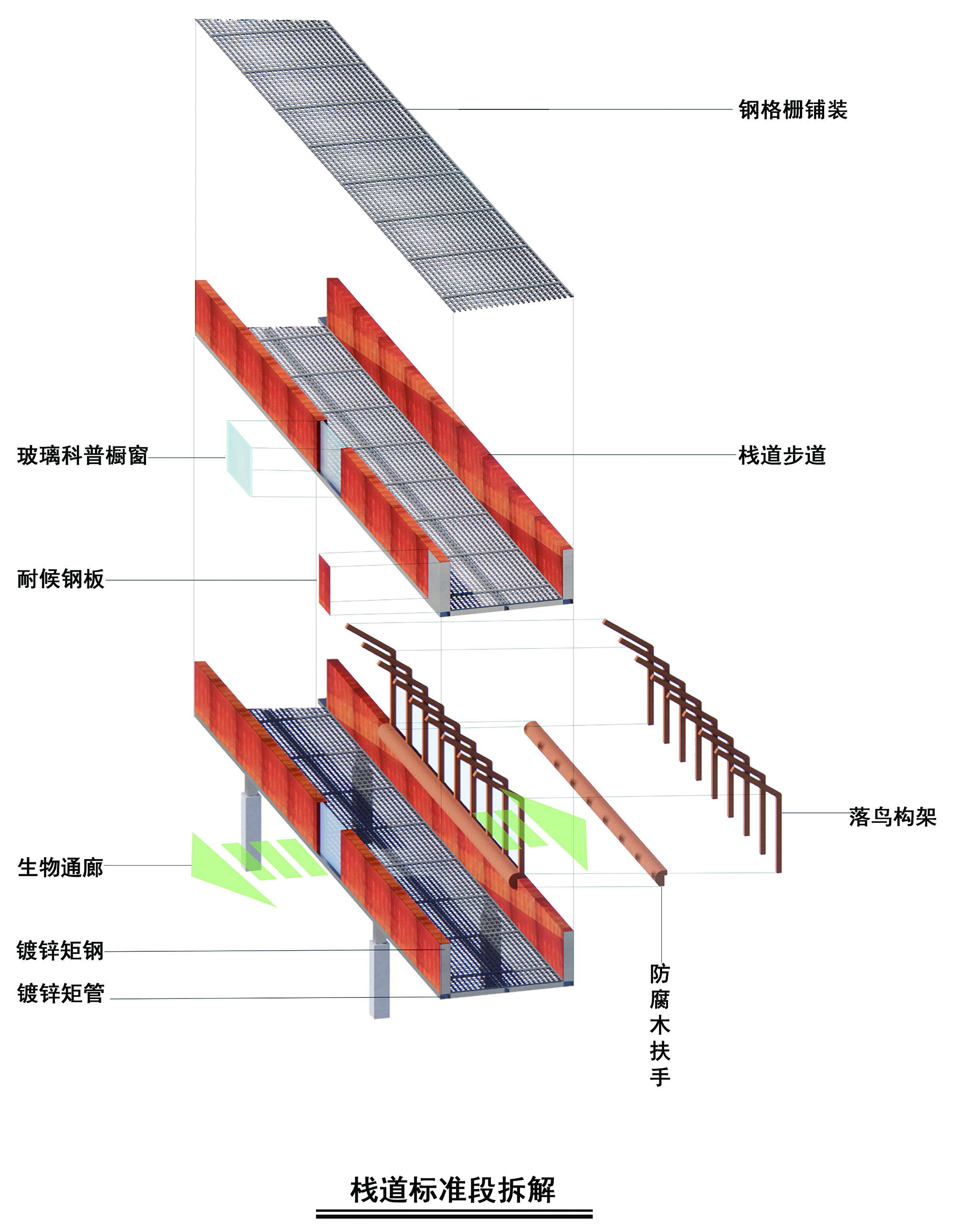
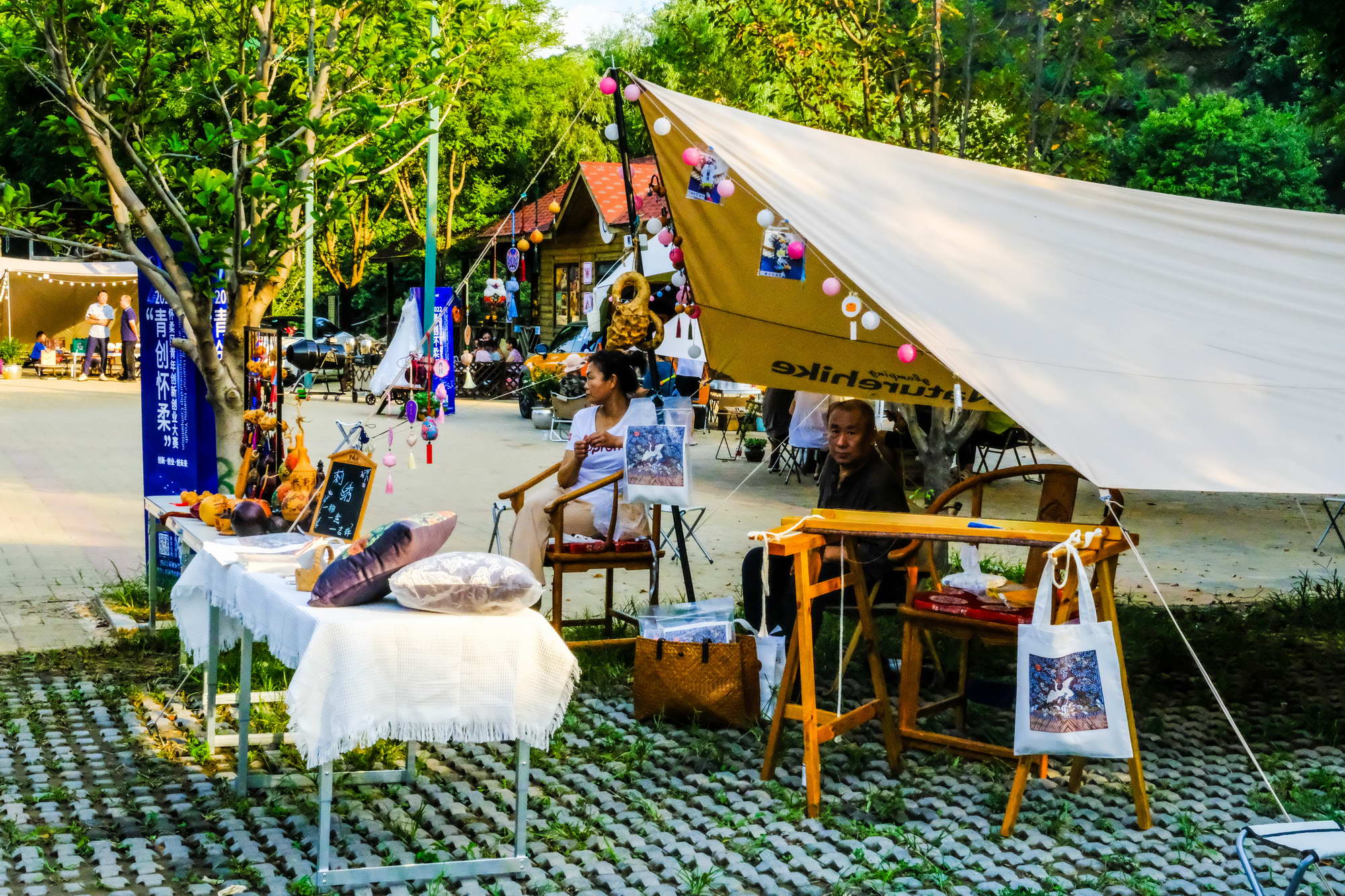
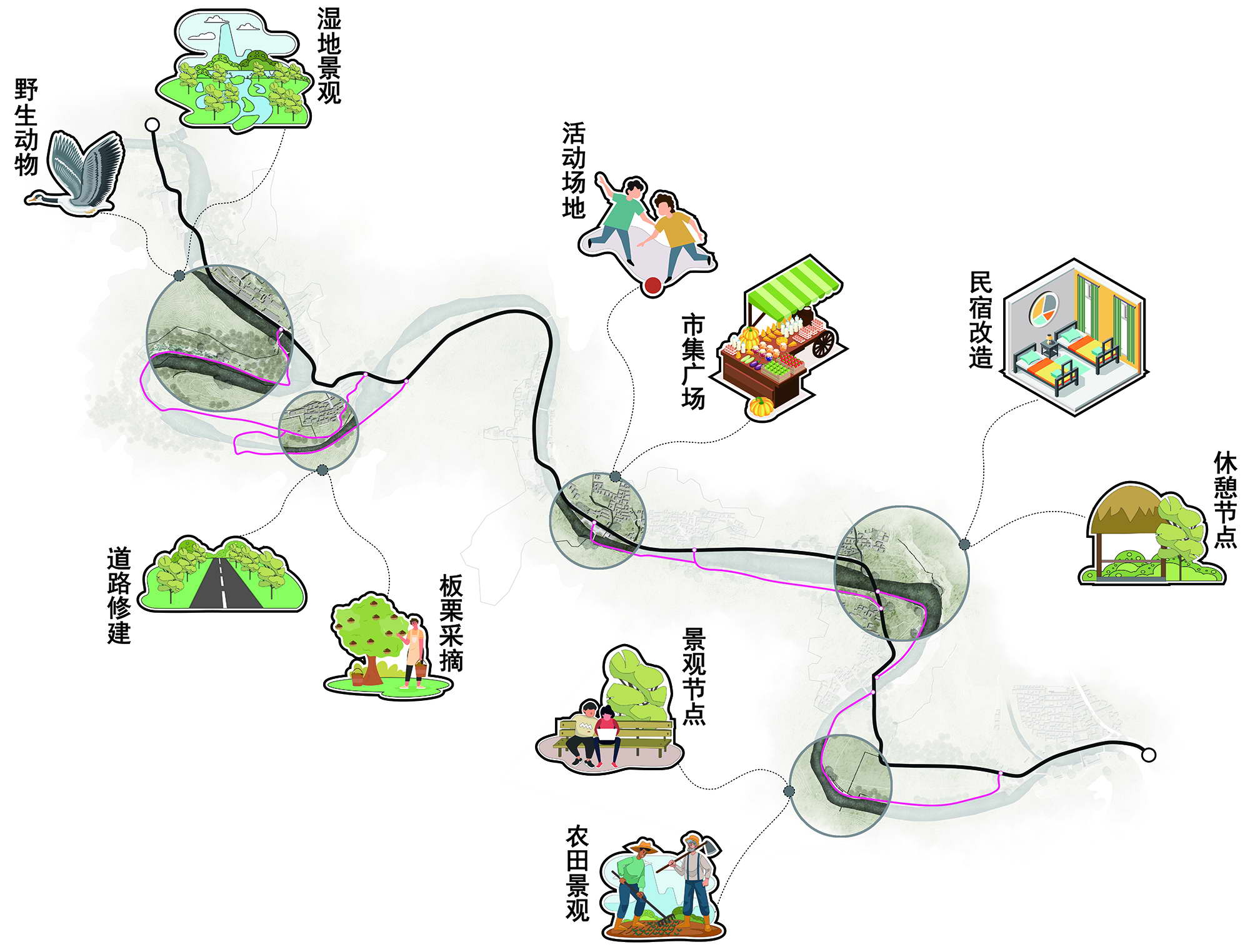
The Lihua (Chestnut Flower) Valley Scenic Route Upgrade in Bohai Town, Huairou, Beijing, is led by Jiuyuan (Beijing) International Architectural Consultants for the Bohai Town People's Government, with a design team including Zhang Jian, Zhang Xueting, Kang Yanqiang, Kang Jin, Yuan Yi, Qin Douhuizi, Li Siyu, Zhang Yingfan, Wang Yuwei, Qiu Qiu and Yu Zhongxing. Bohai Town lies in the shallow mountain ring 20 kilometres northwest of Huairou centre, surrounded by mountains and crossed by the Huaisha River, an important ecological protection and water-conservation zone within the Great Wall cultural belt and Beijing's one-hour tourism circle. Over the last decade, boutique homestays and rural hotels have driven rural tourism here; in 2020, Beijing's leisure-agriculture policy encouraged Huairou to build a Baiquan Tanghe leisure route, and the town sought to upgrade the Lihua Valley brand and integrate tourism resources along the Huaisha River. The route runs from Sanduhe to Badaoling villages, linking five villages, through a valley dense with chestnut trees whose golden blossoms give the brand its name. Past bottom-up growth has produced scale fragmentation, uniform tourism products and weak infrastructure. The design team, which has worked in Huairou for seven years, sets itself the goal of rural revitalisation and common prosperity through design intervention and ecological care. The strategy is low-impact: a 3.5-to-4-metre compacted-gravel path that serves pedestrians, slow cyclists, agricultural vehicles and passing turning spaces, with a permeable base; boardwalks, water-edge spaces, homestay courtyards and market or pocket-park nodes are placed along the visual sequence of mountain, water, forest, field and village, and the route is reconciled with flood discharge. The Chestnut Market Square at Liuduhe Village is rebuilt by sorting its existing space into activity and parking zones, adding a three-metre green belt at the entrance, an identity system, renewed lighting, and links to under-forest green space, so that the Friday market works on all days. Moon Bay, at the downstream tail of the route in Baduhe Village, is a wide river bend with natural mudflats, rich flora and increasing wild-bird habitat; a low weir with a guide channel maintains wetland character in dry season and assists flood discharge and rain storage in wet season. Guided ecological repair retains existing trees, rebuilds soil on grade changes, replants native water-edge species such as calamus and wild flowers, and integrates with existing terraces. A low-impact bird-watching hide of timber and thatch is placed where migratory birds can be observed without disturbance. Between Sanduhe and Siduhe, several open 'Youran Fields' use permeable bases and compacted gravel for rest, picnics and tents; the segment also contains the iconic Xiangshui Bridge, a multi-arch irrigation structure in use since the 1970s, whose muddy approaches are opened up so that villagers can already be seen singing opera there on summer evenings. The team co-builds selected homestays with operators, uses an accompanied design-and-construction approach that accepts complex rural conditions and repeated village input, and frames the upgrade as a shift from landscape beautification to rural vitality, where grandmothers singing opera in the Youran Field are the project's living proof.





 Editor's Pick