Text description provided by the architects
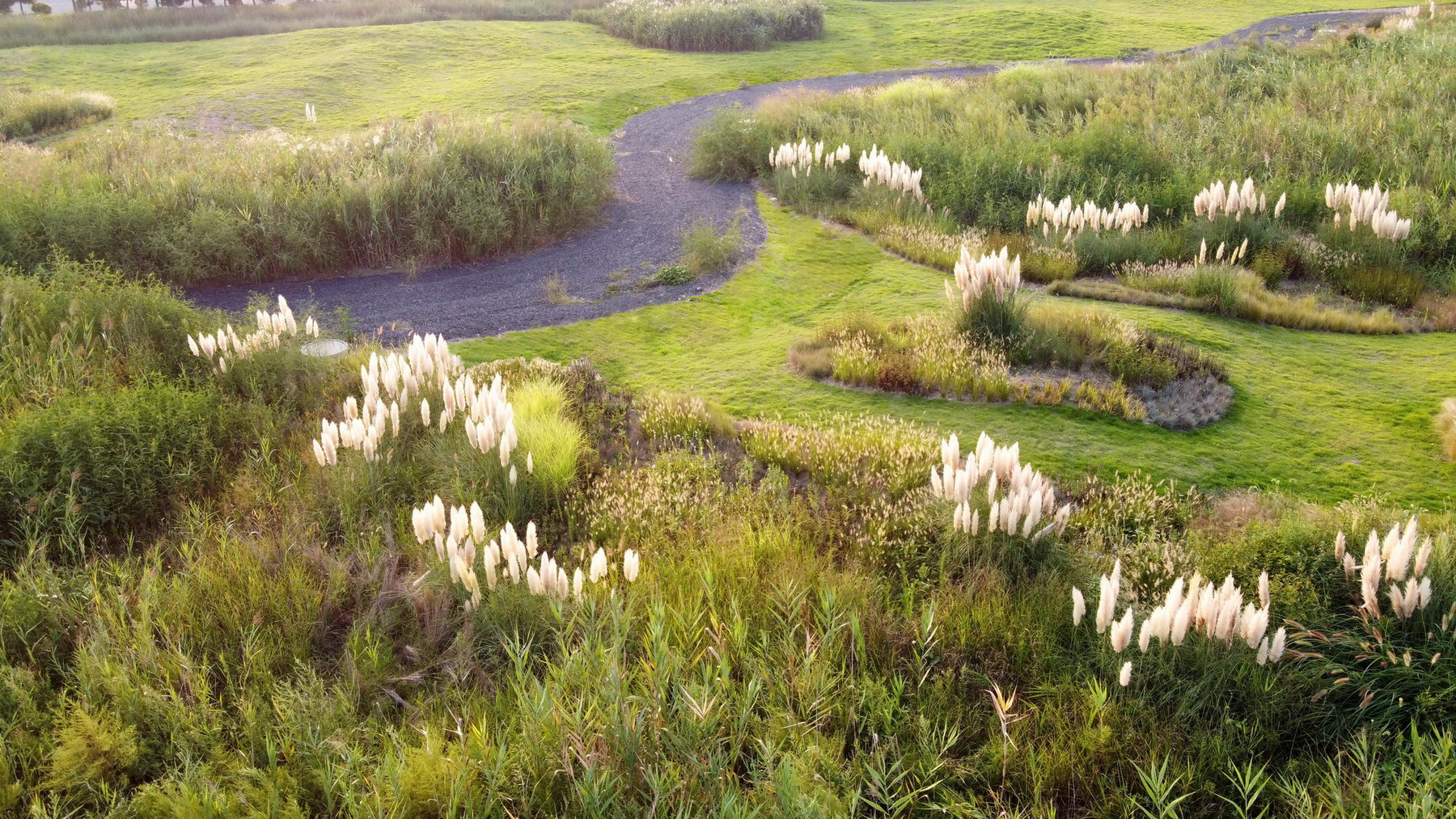
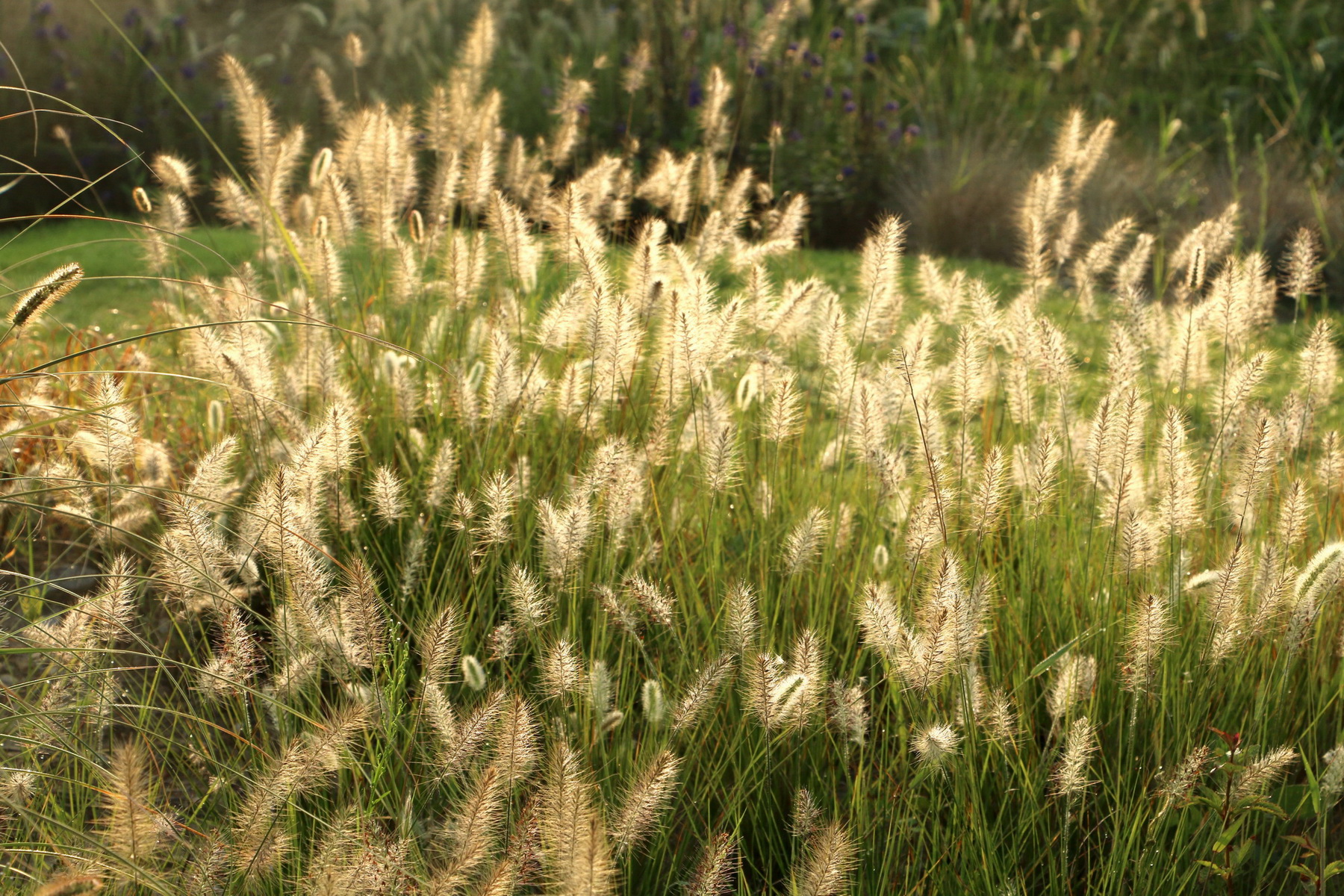
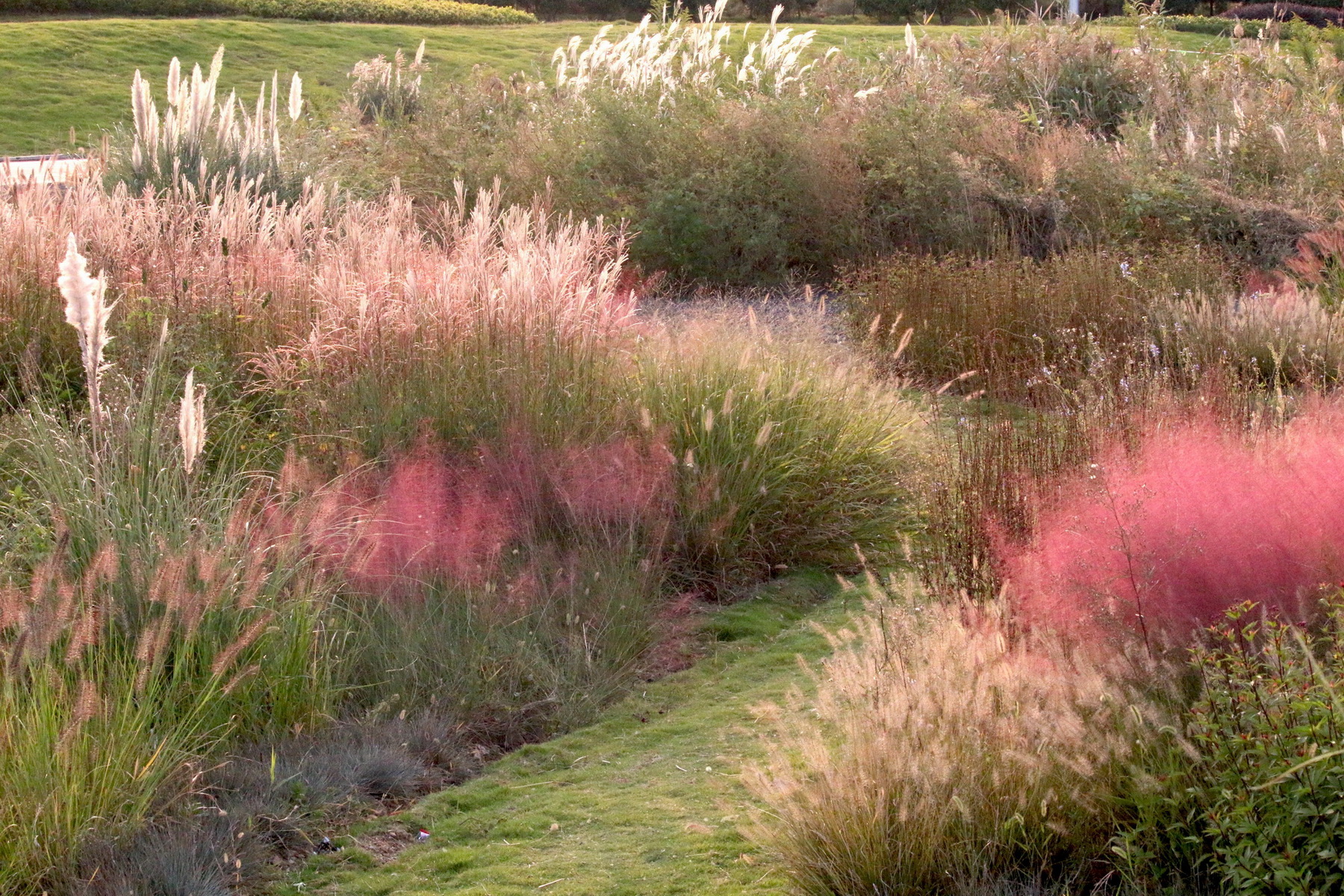
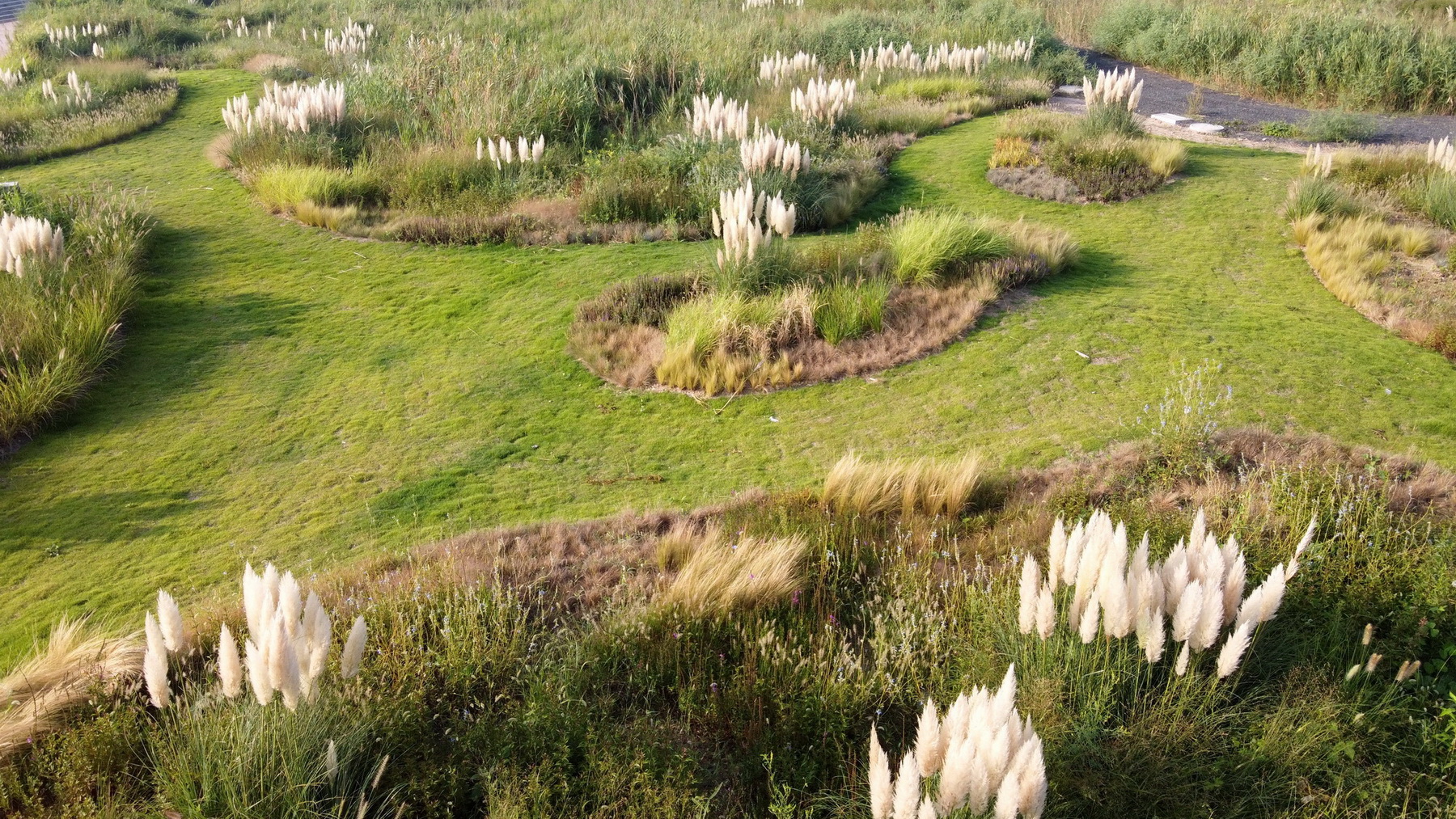
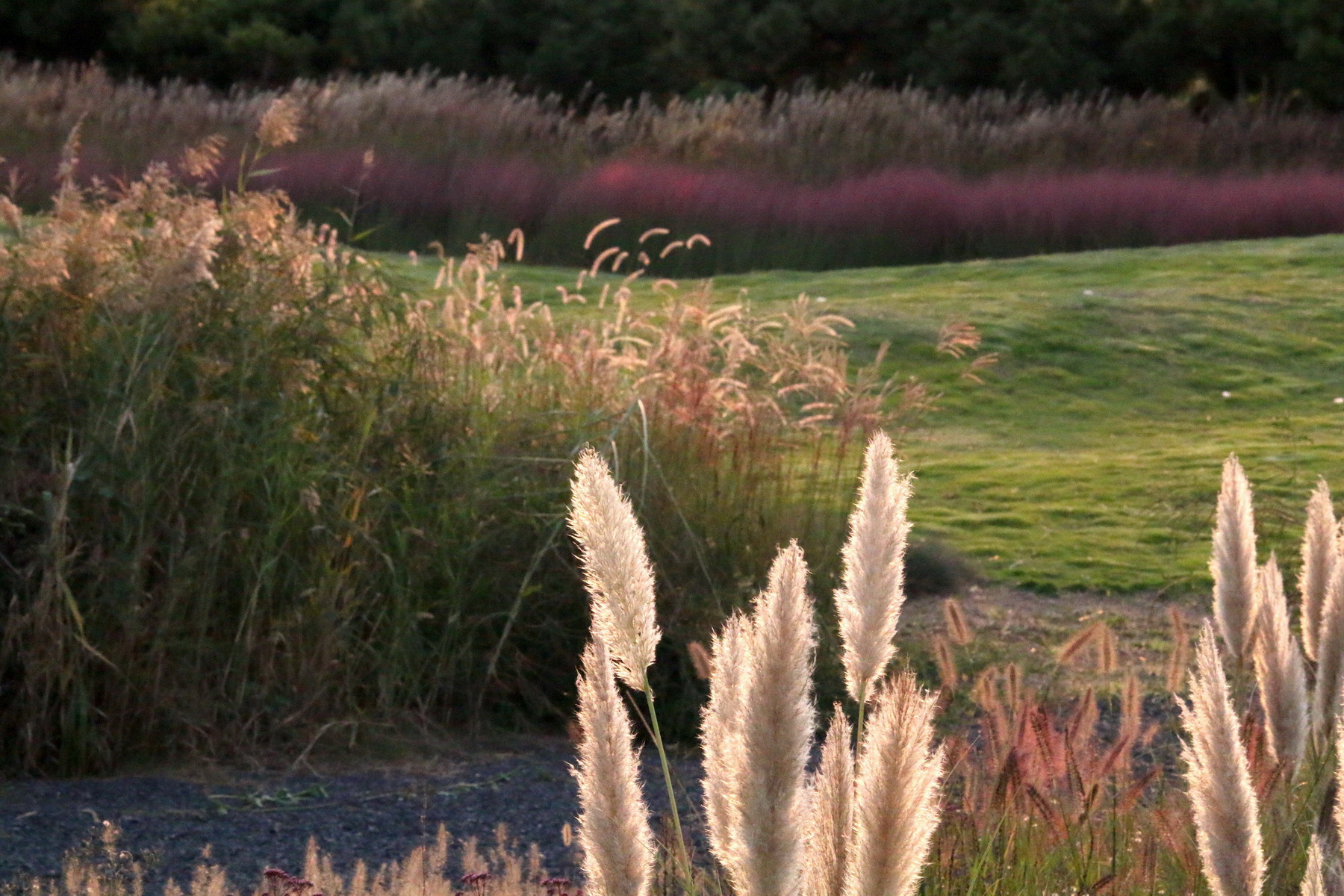
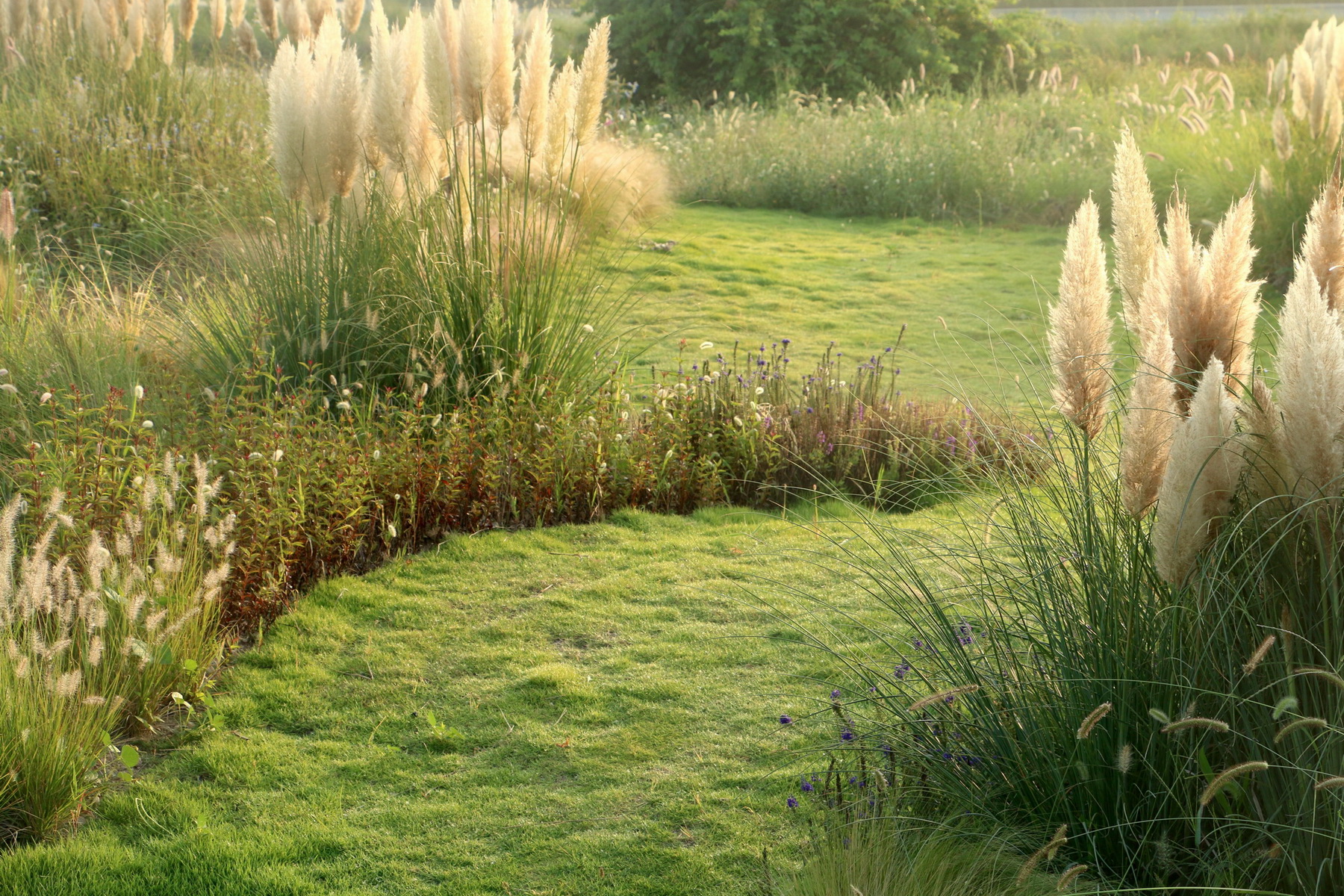
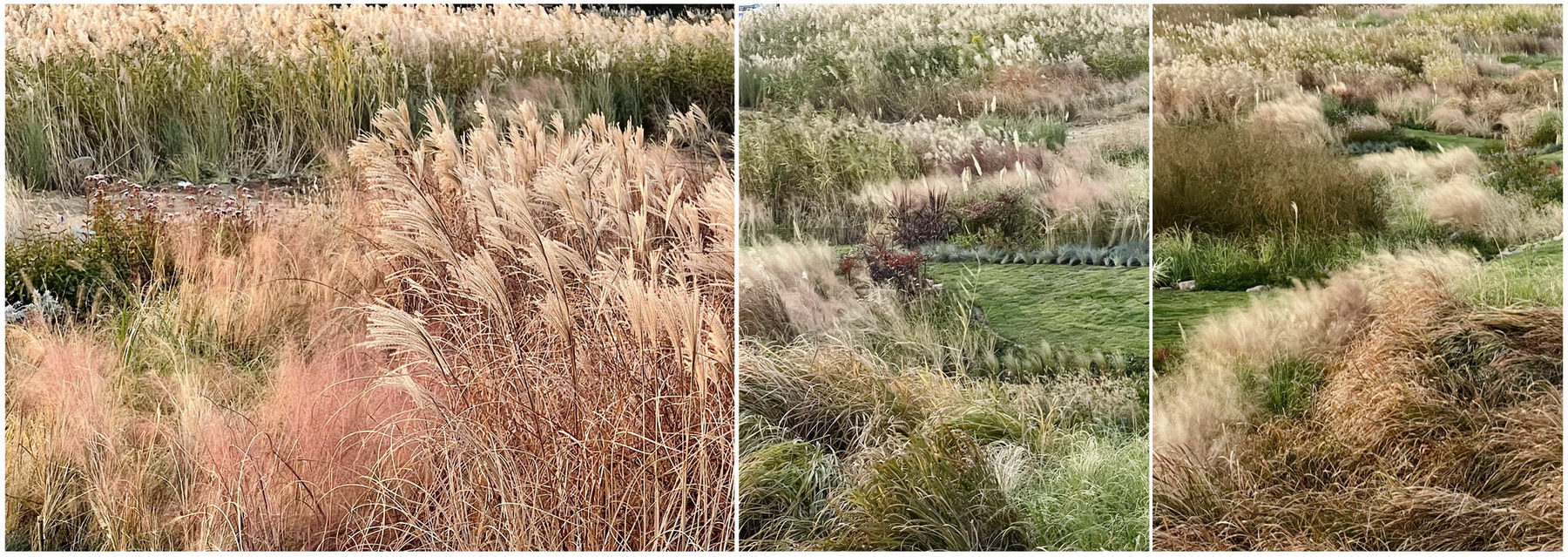
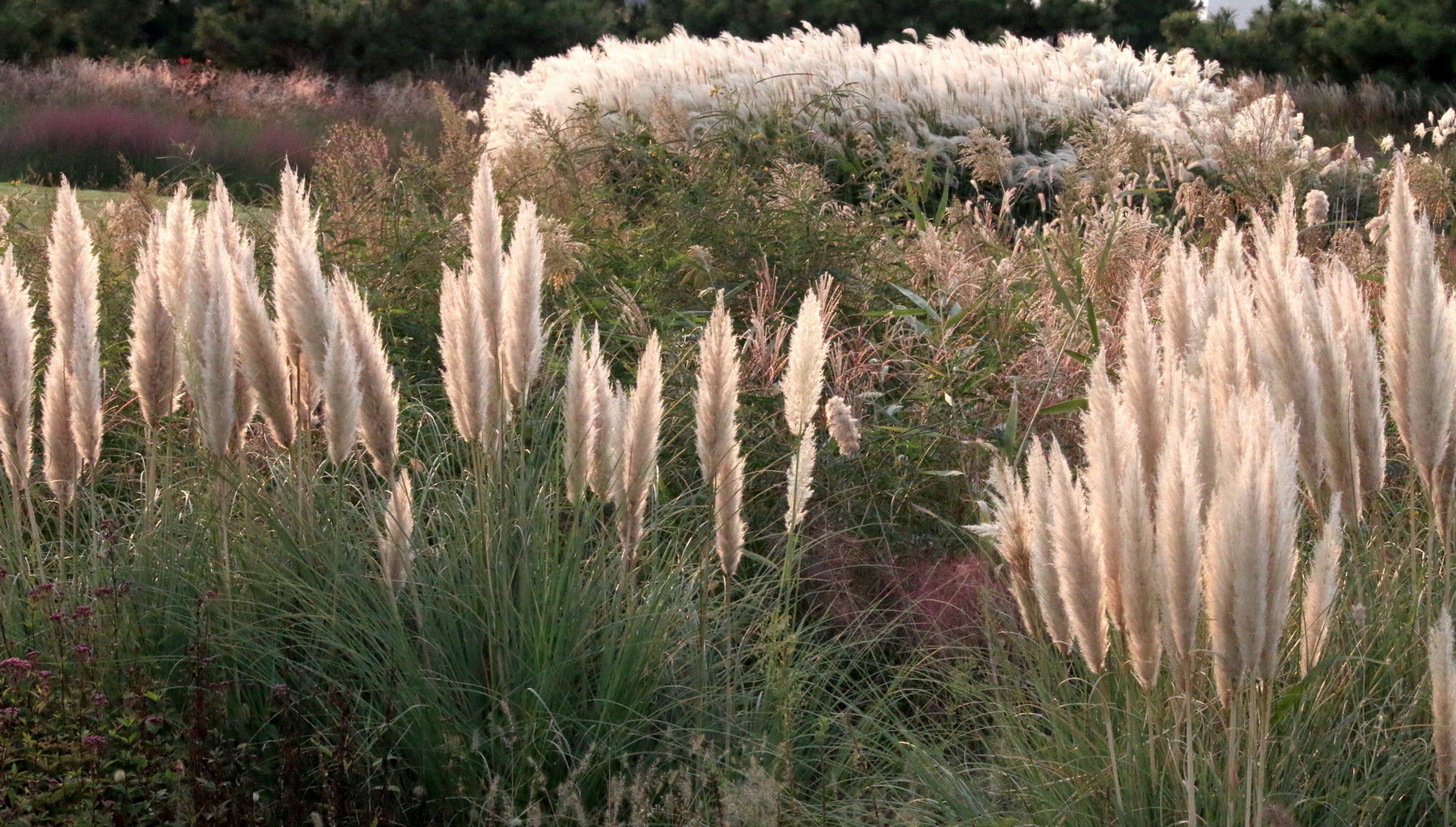
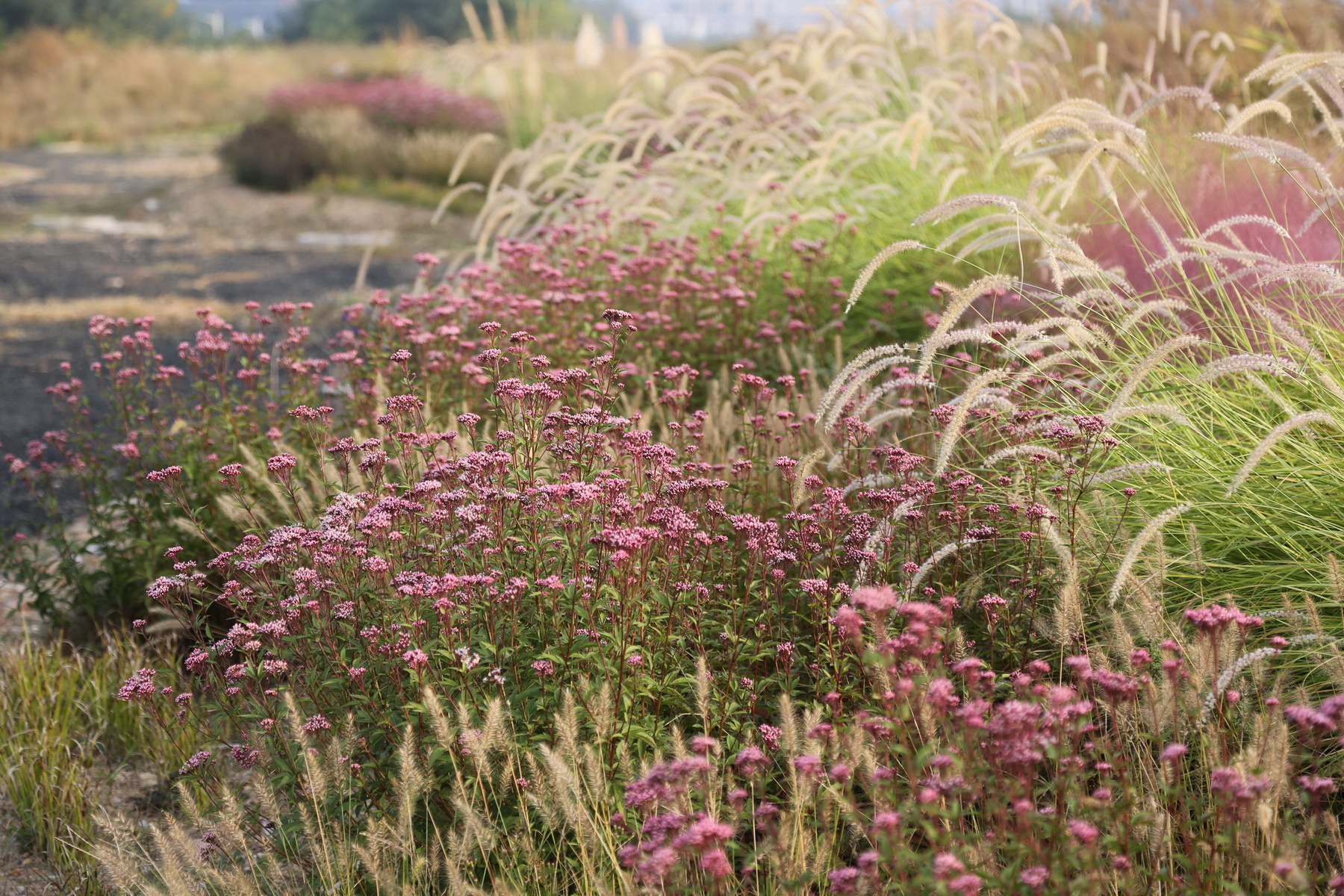
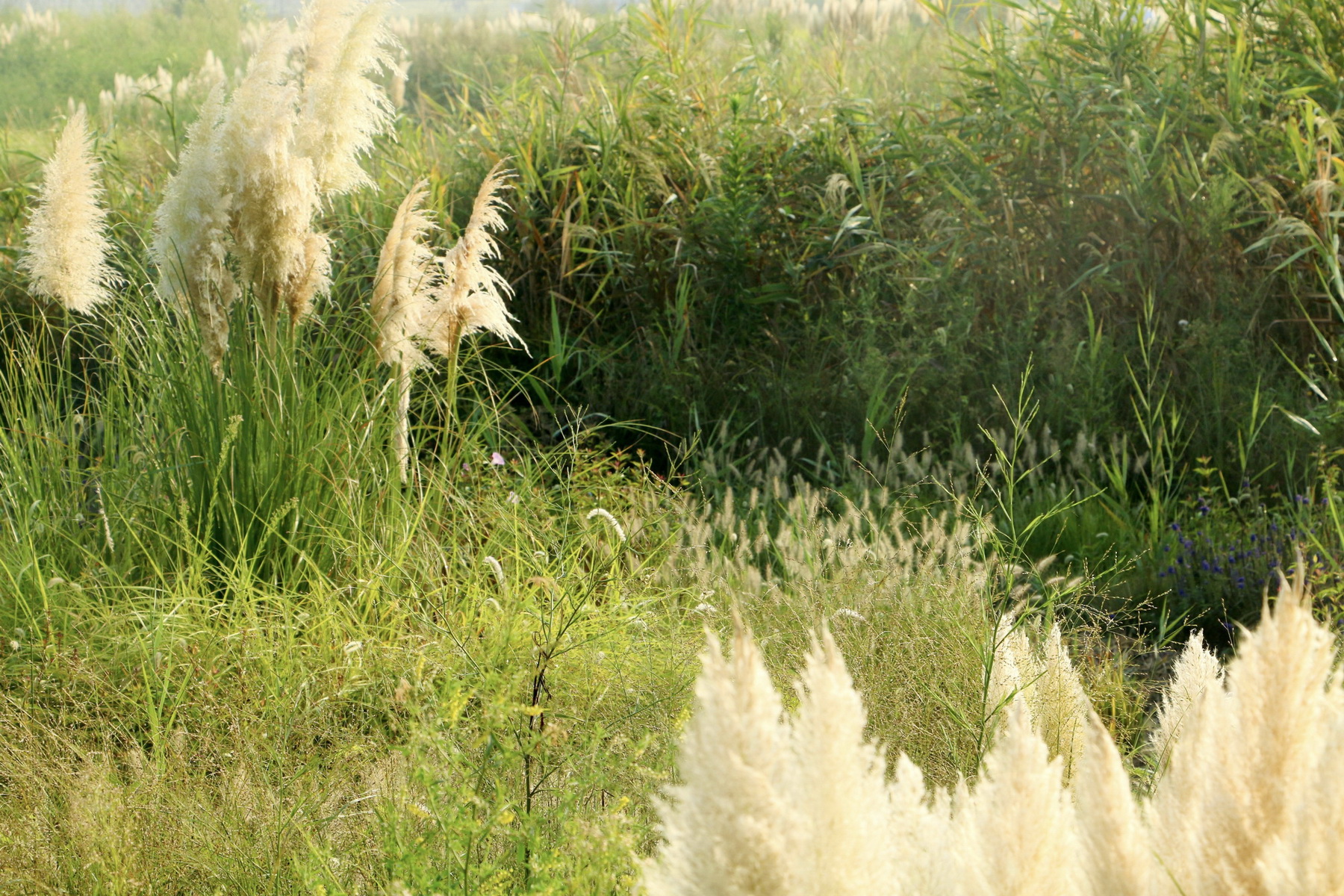
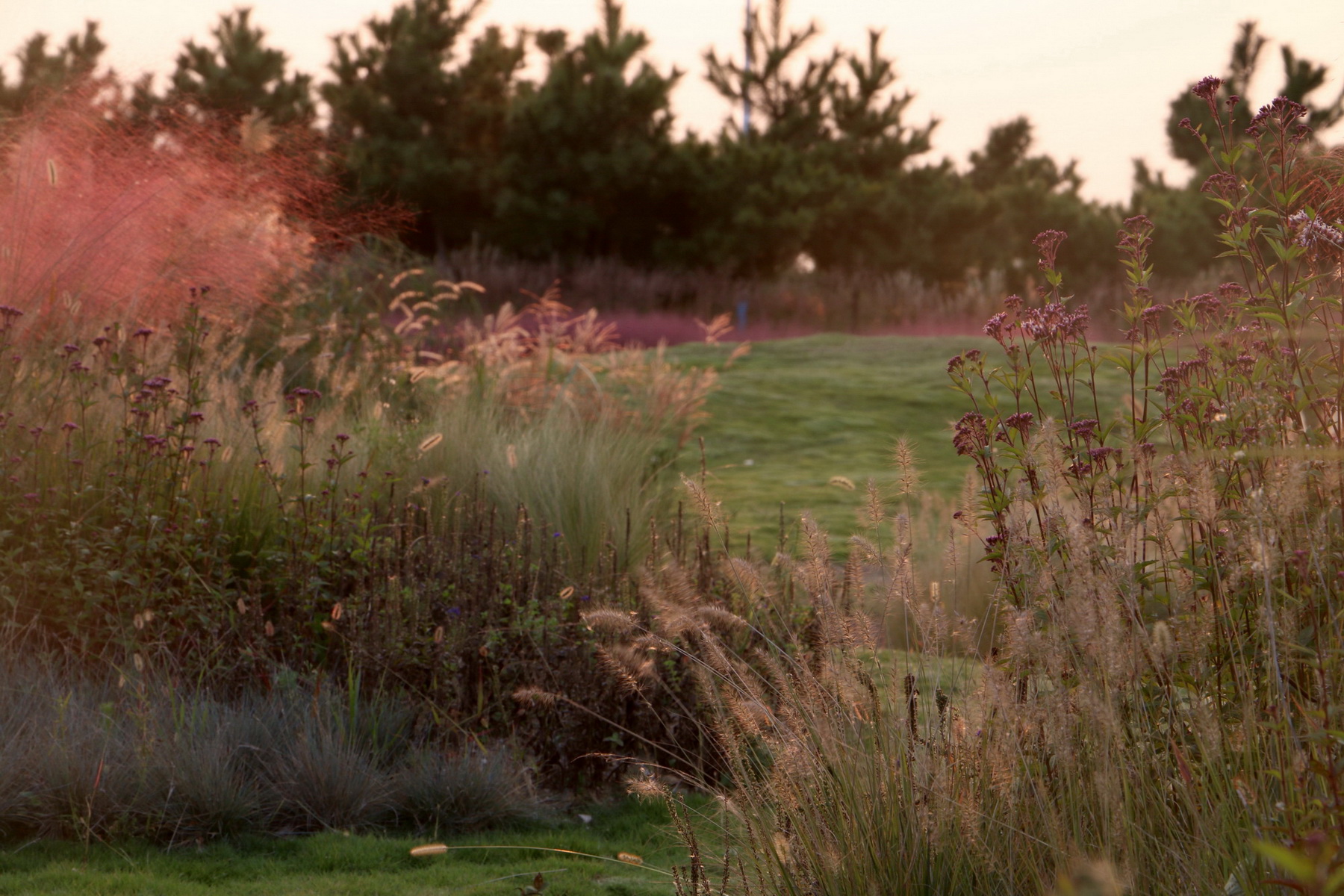
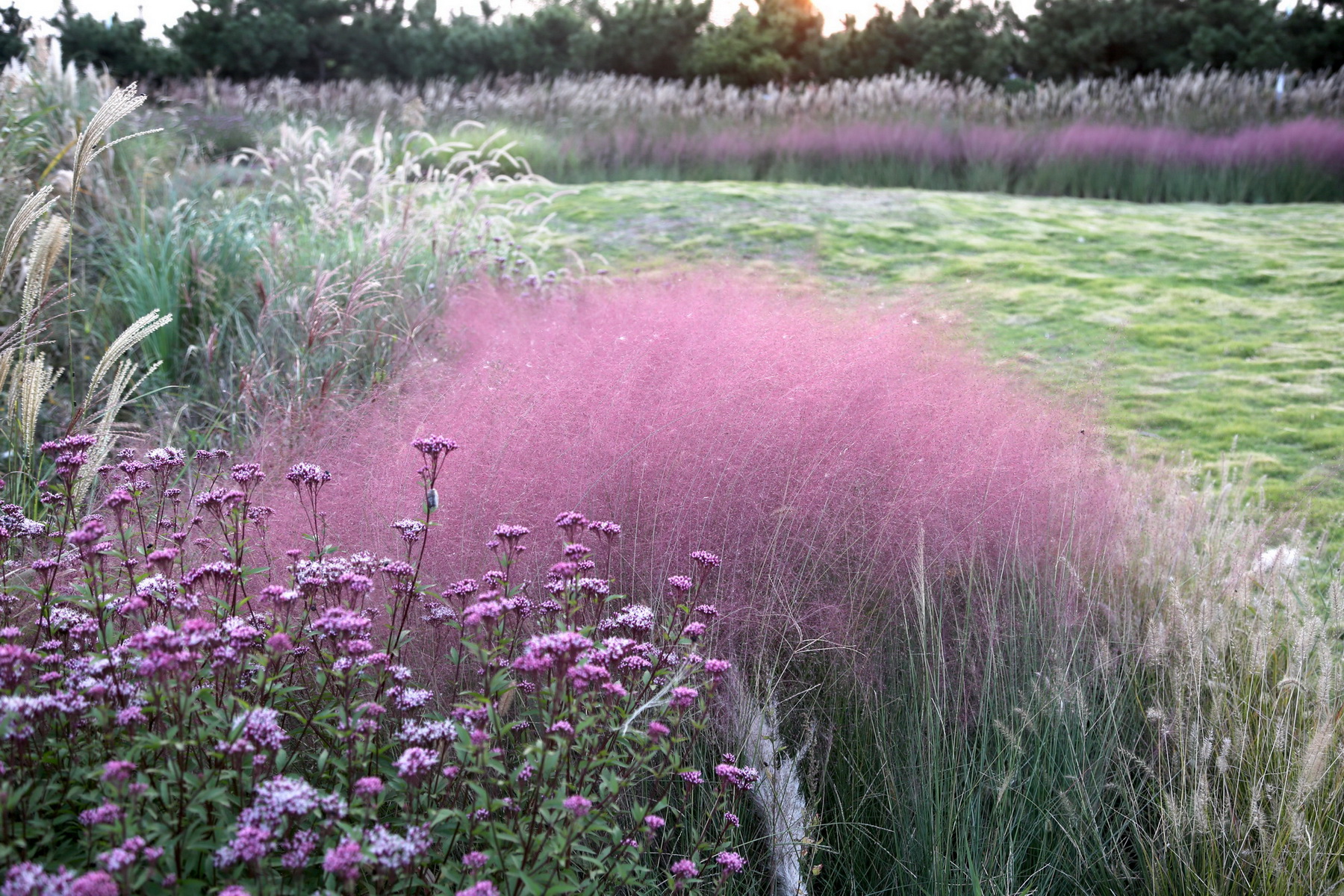
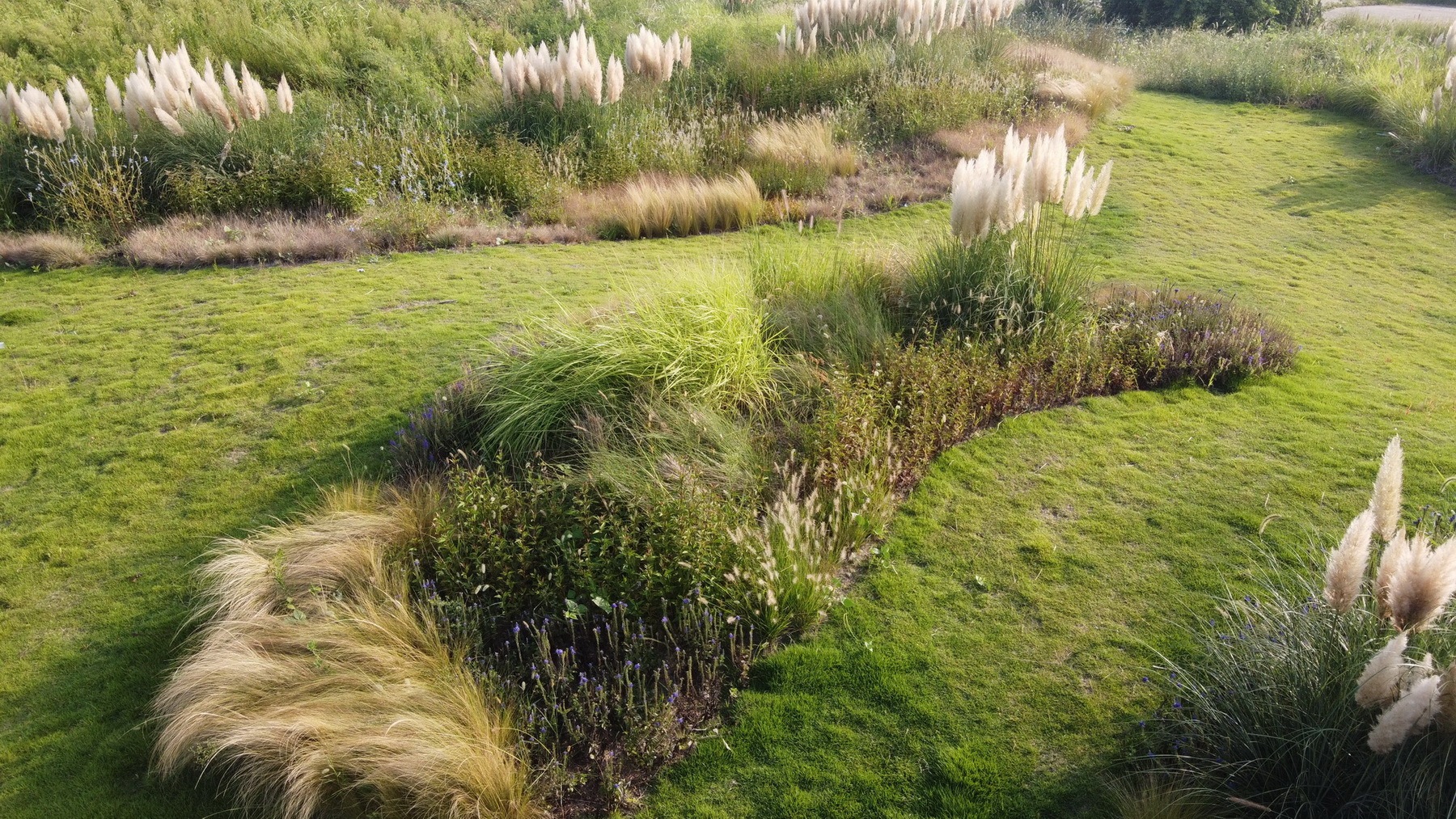
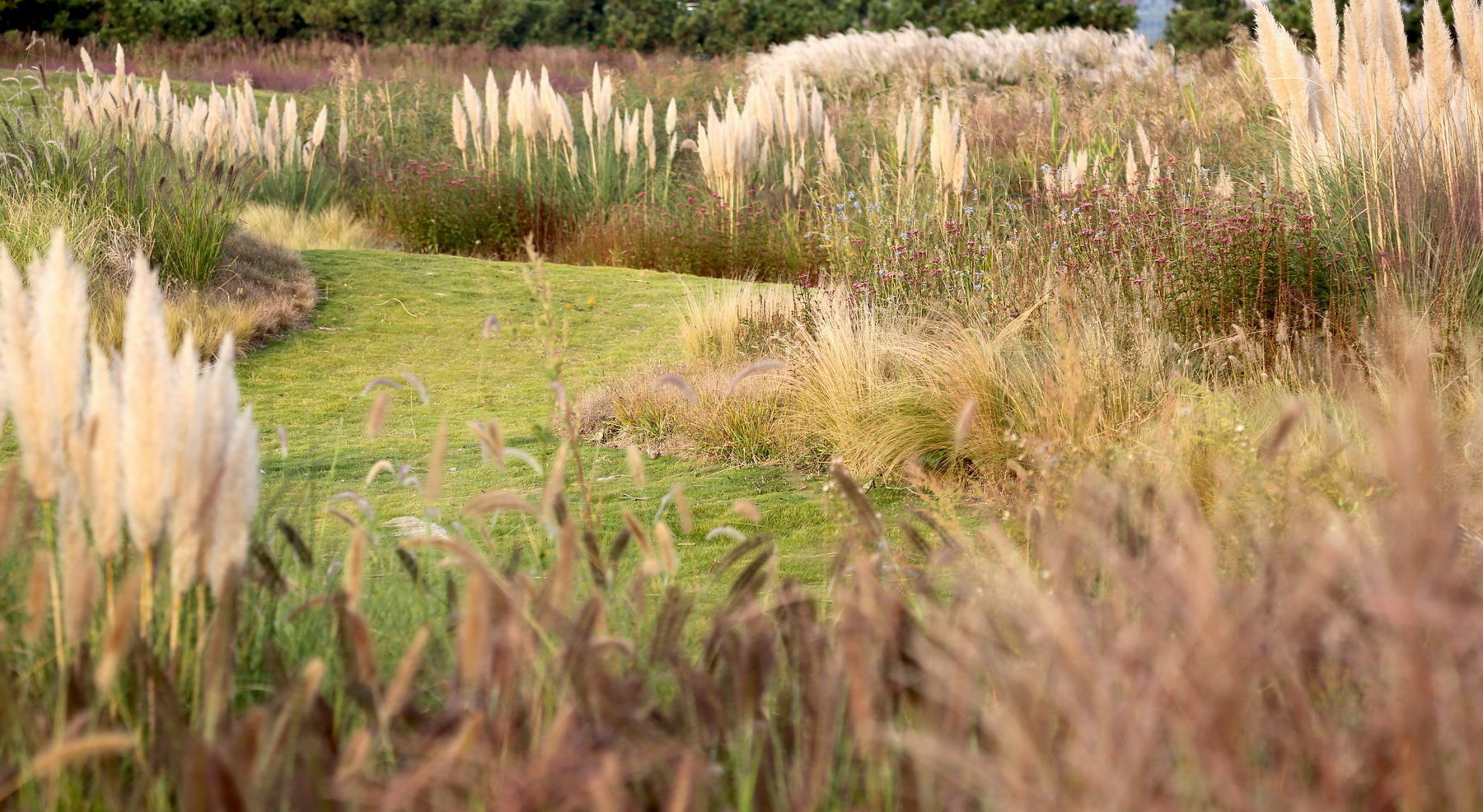
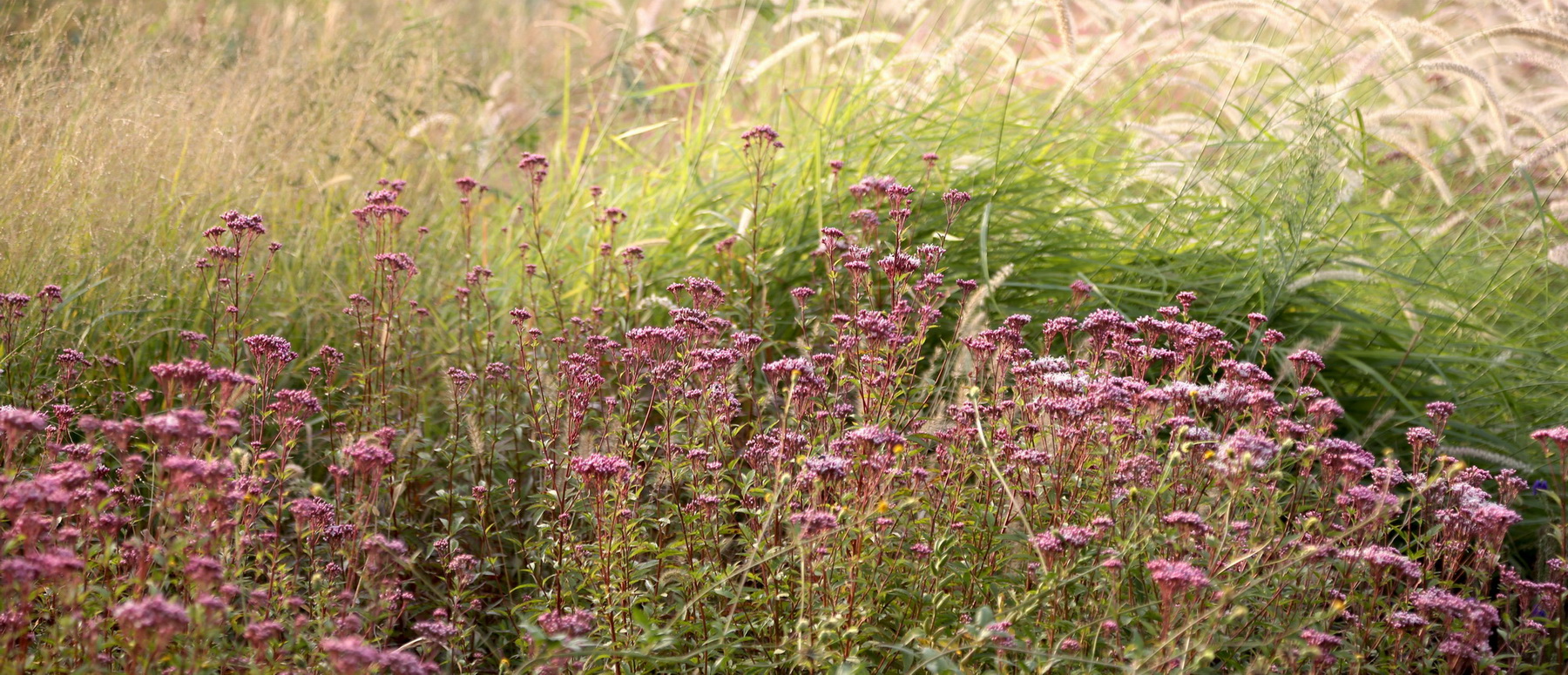
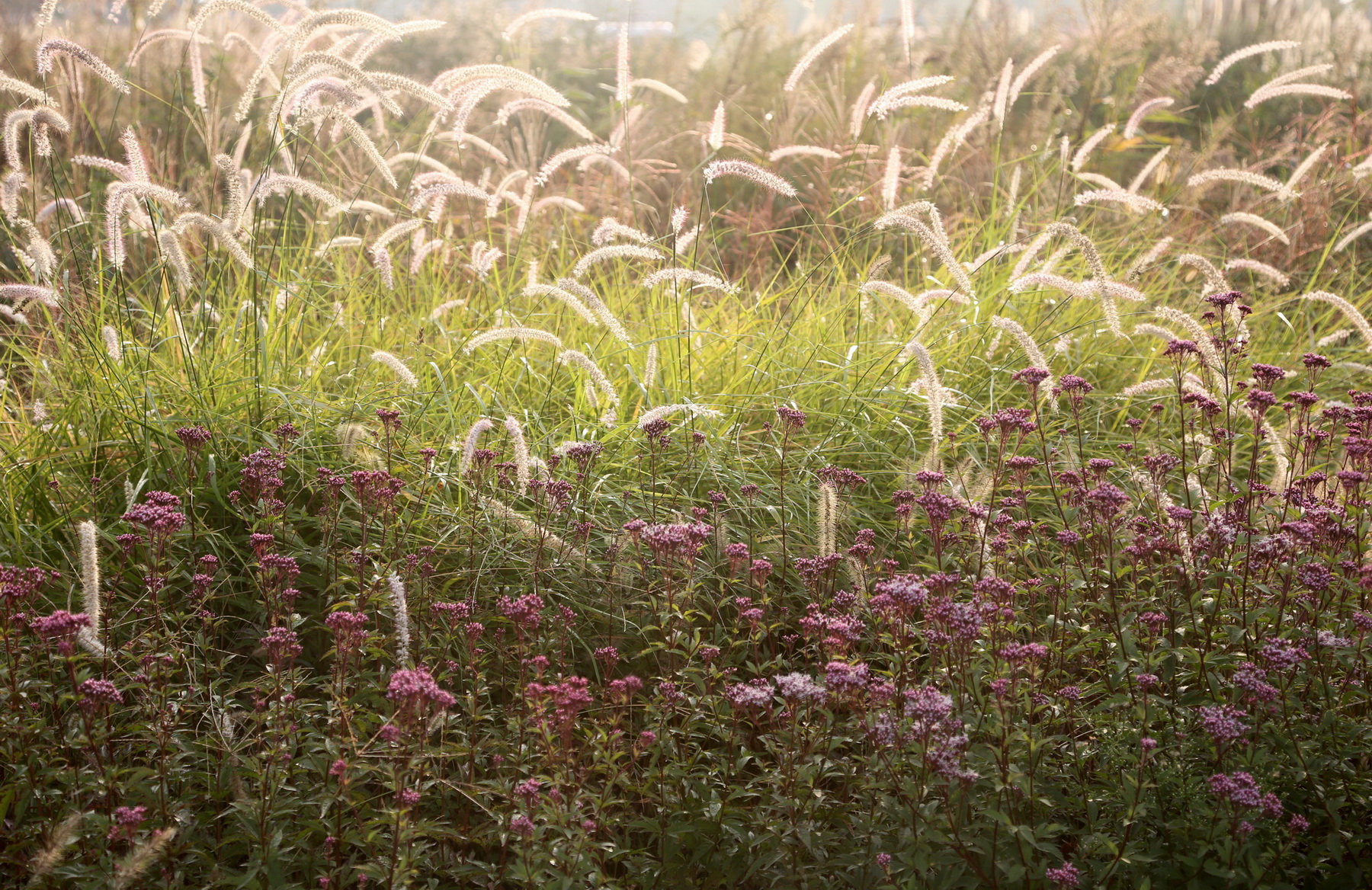
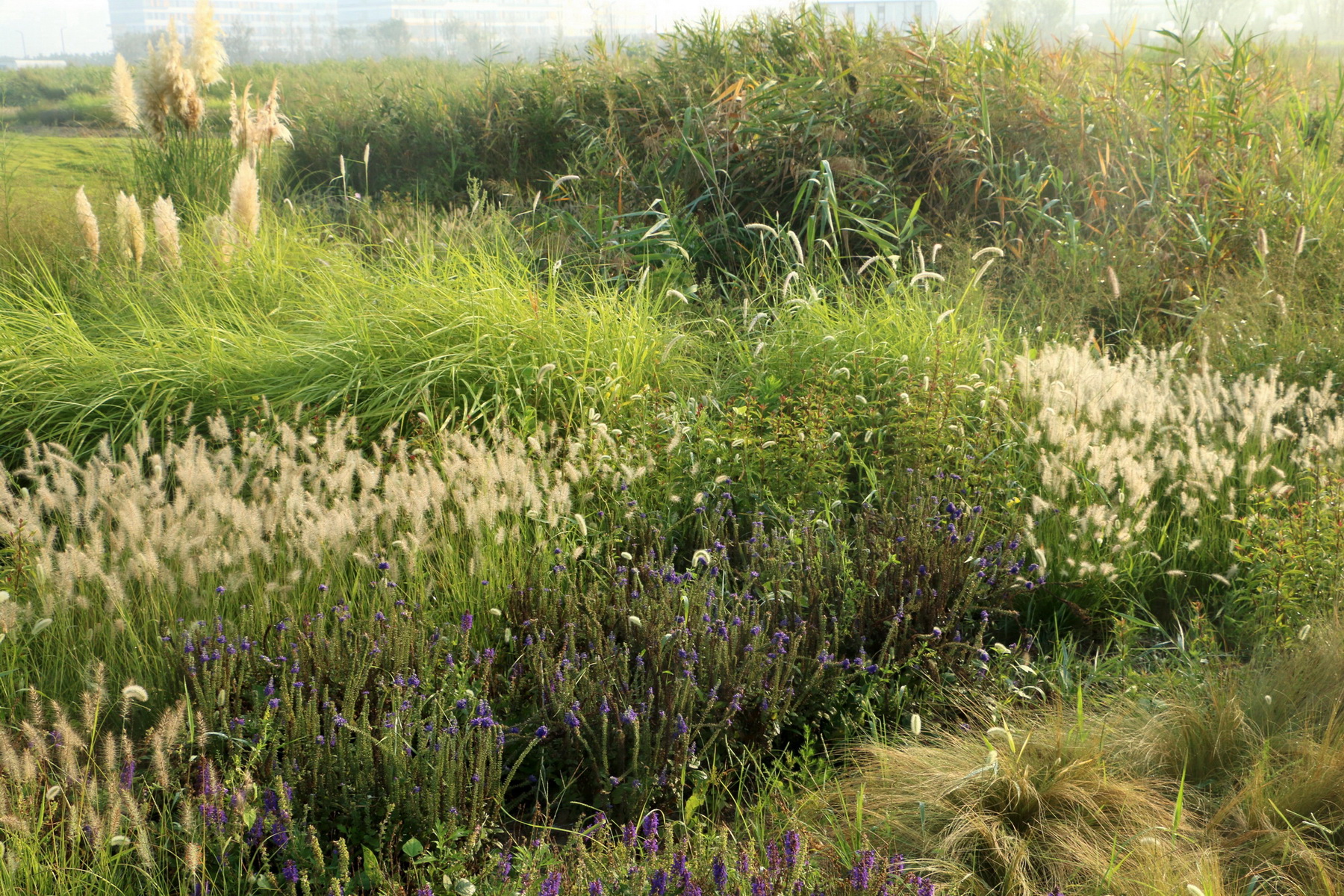
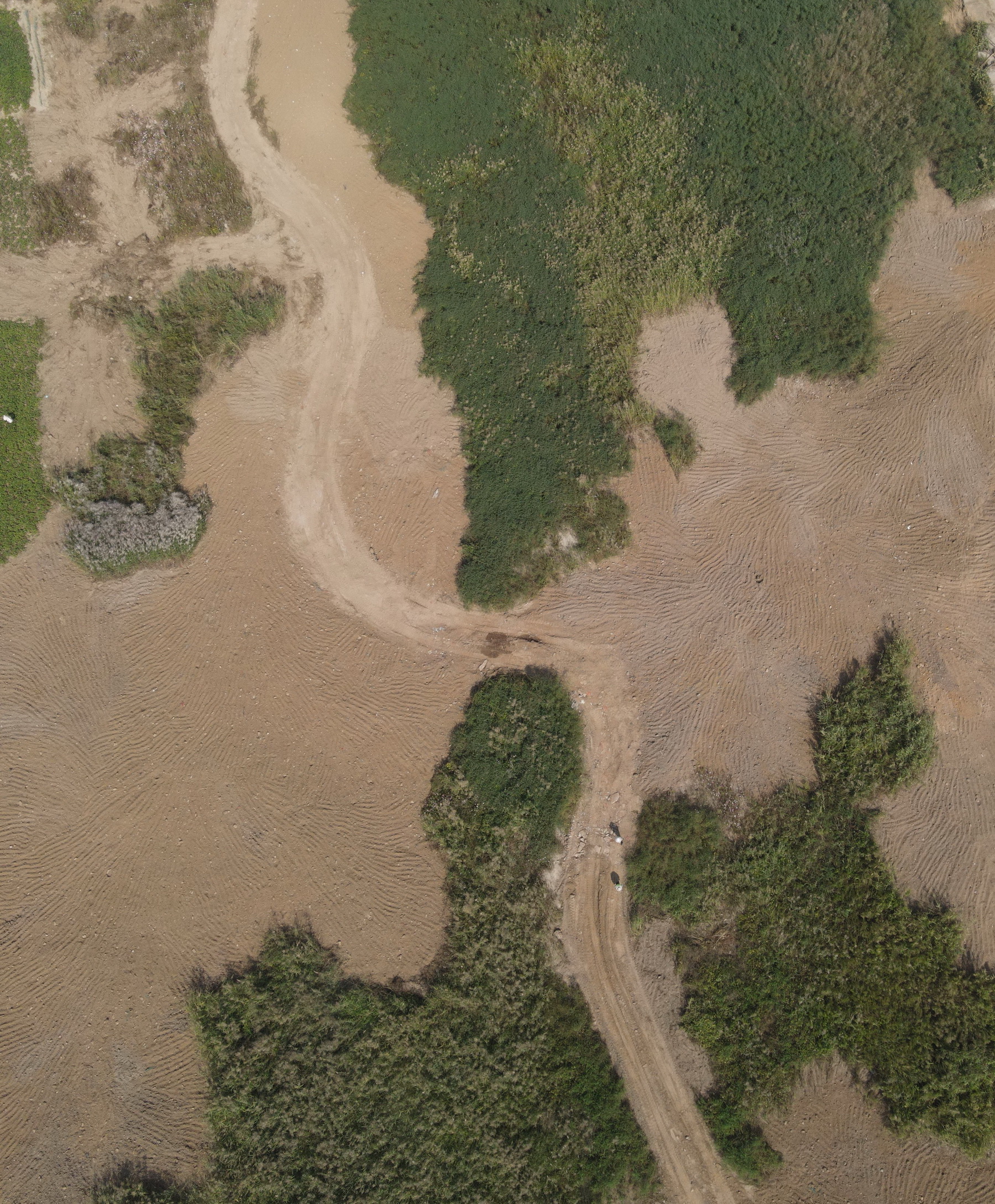
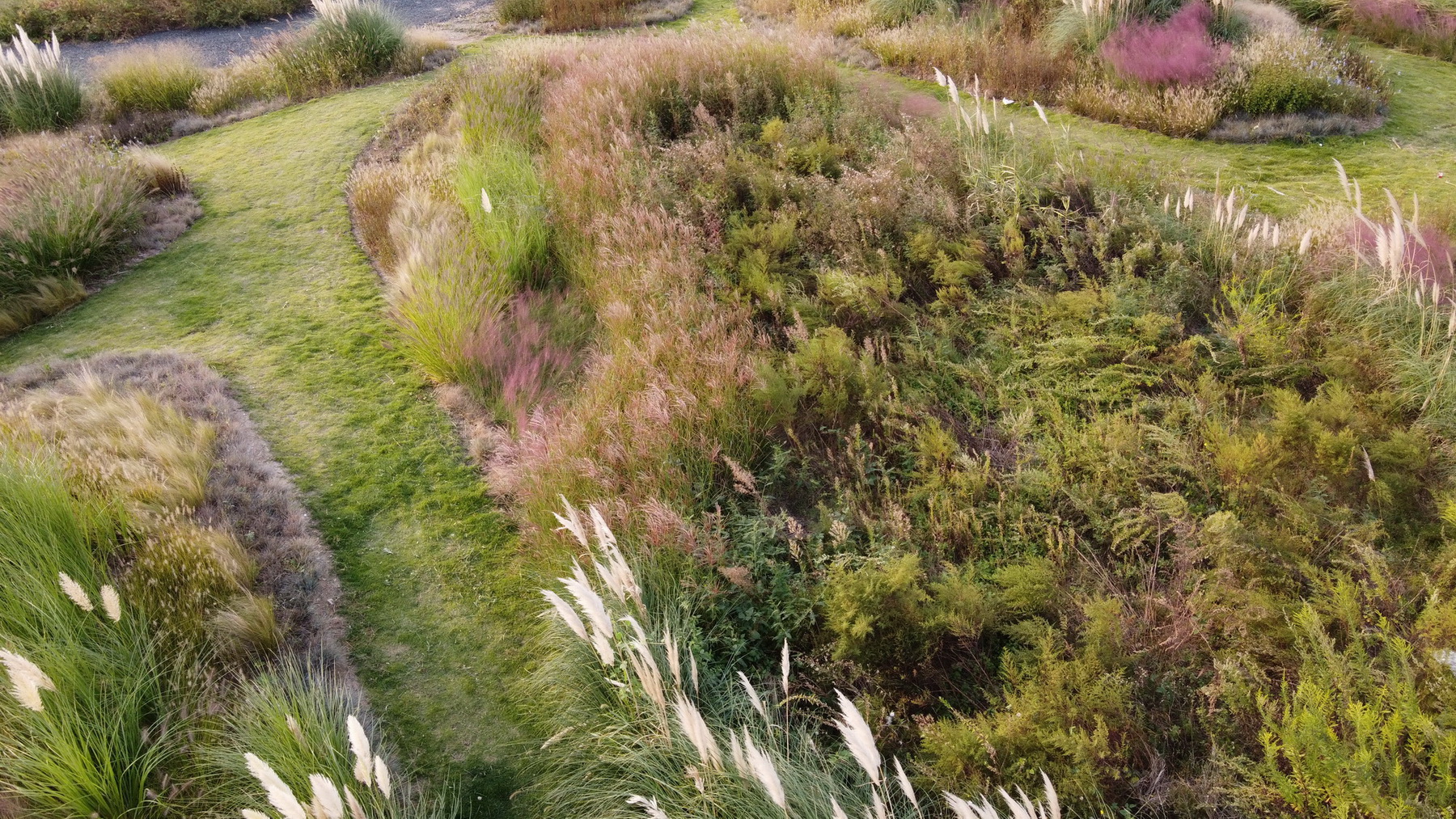
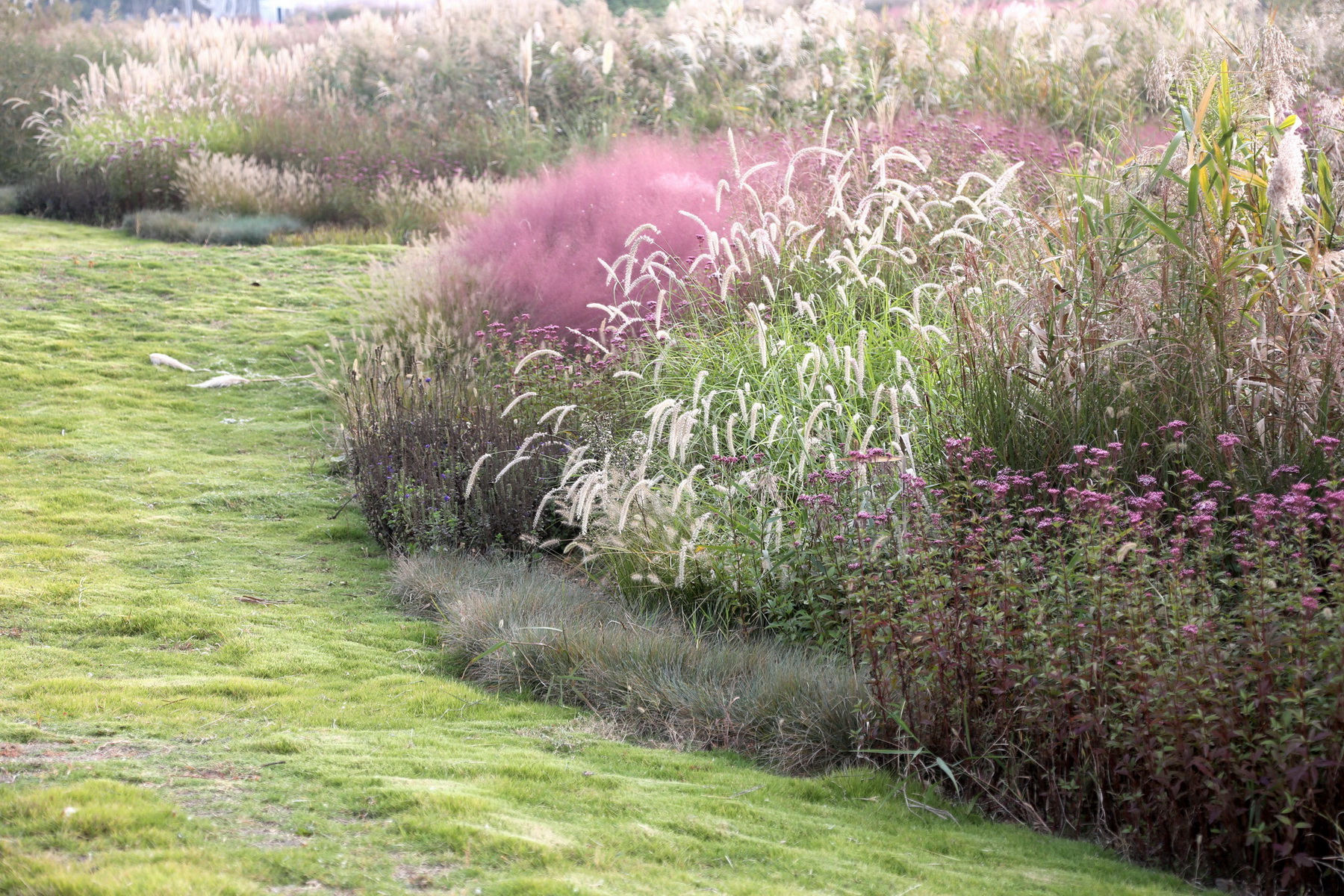
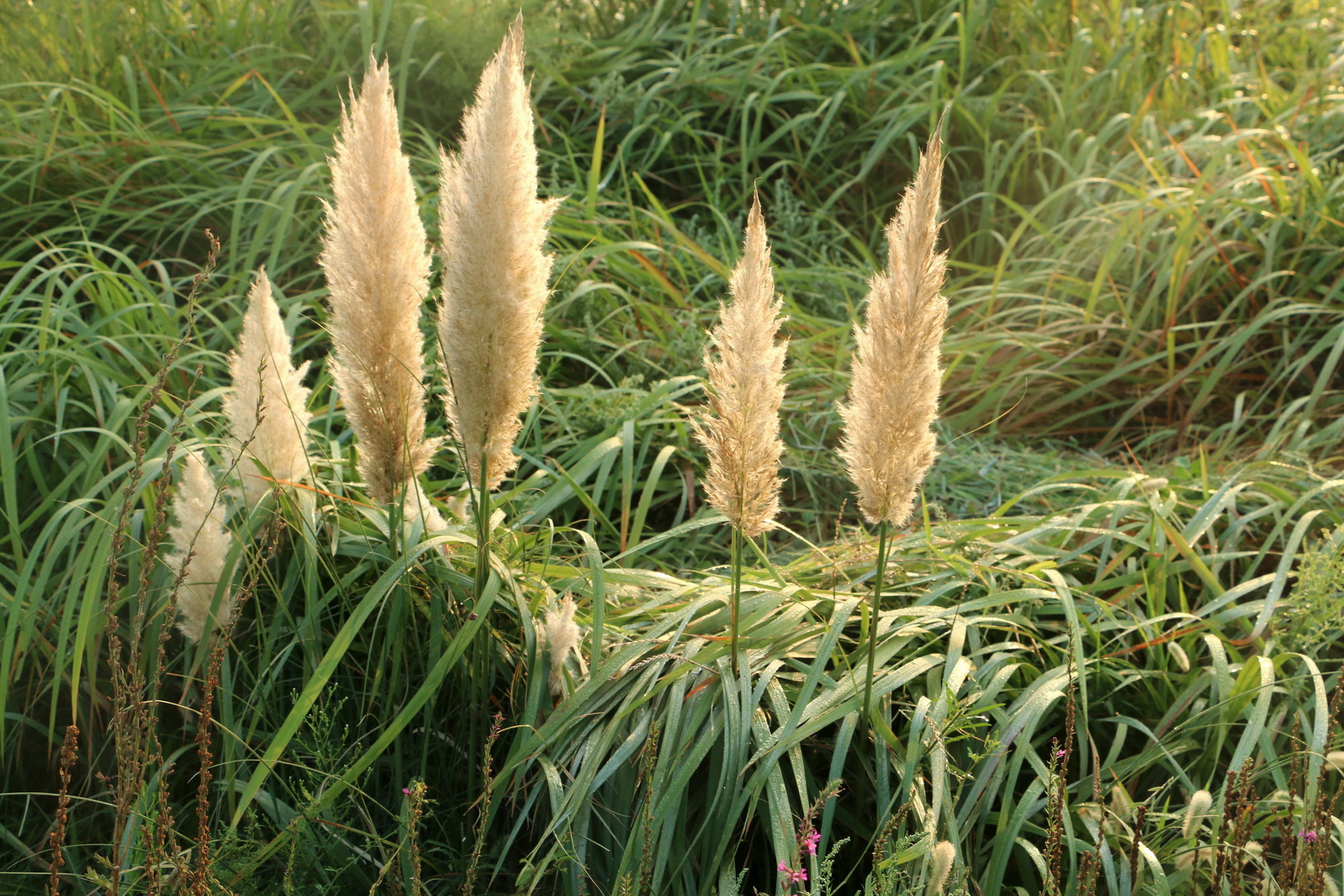
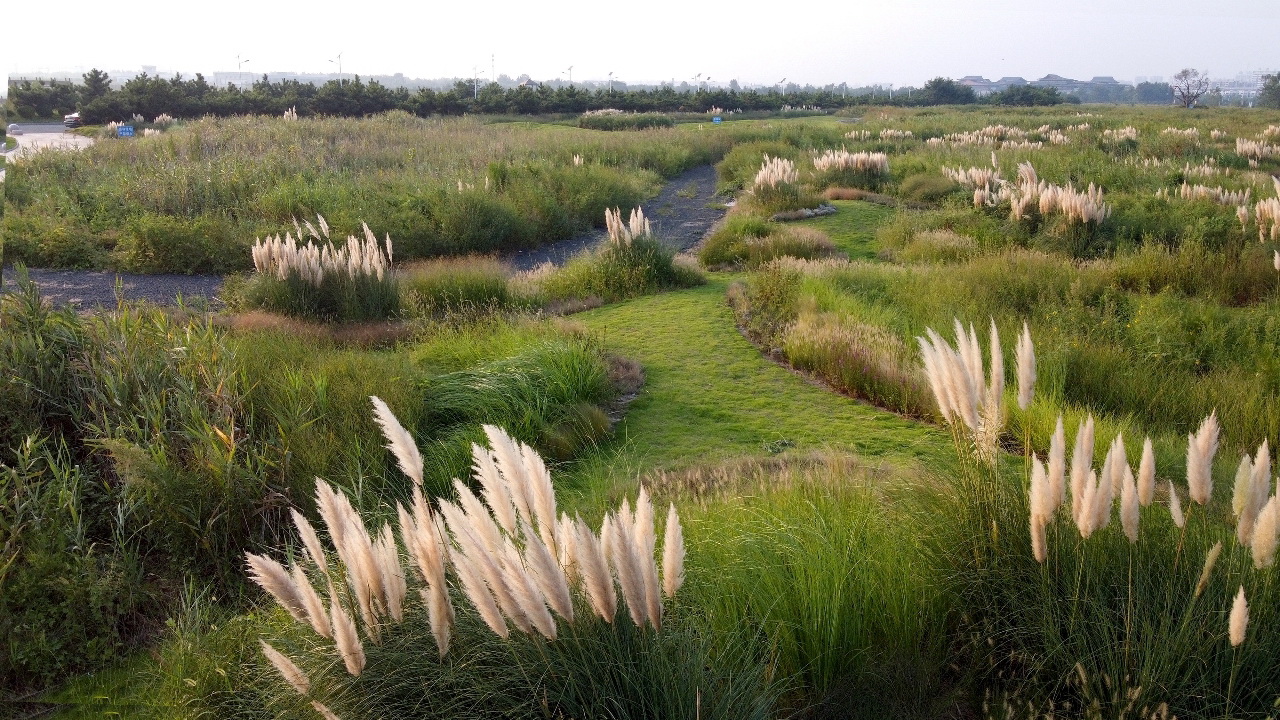
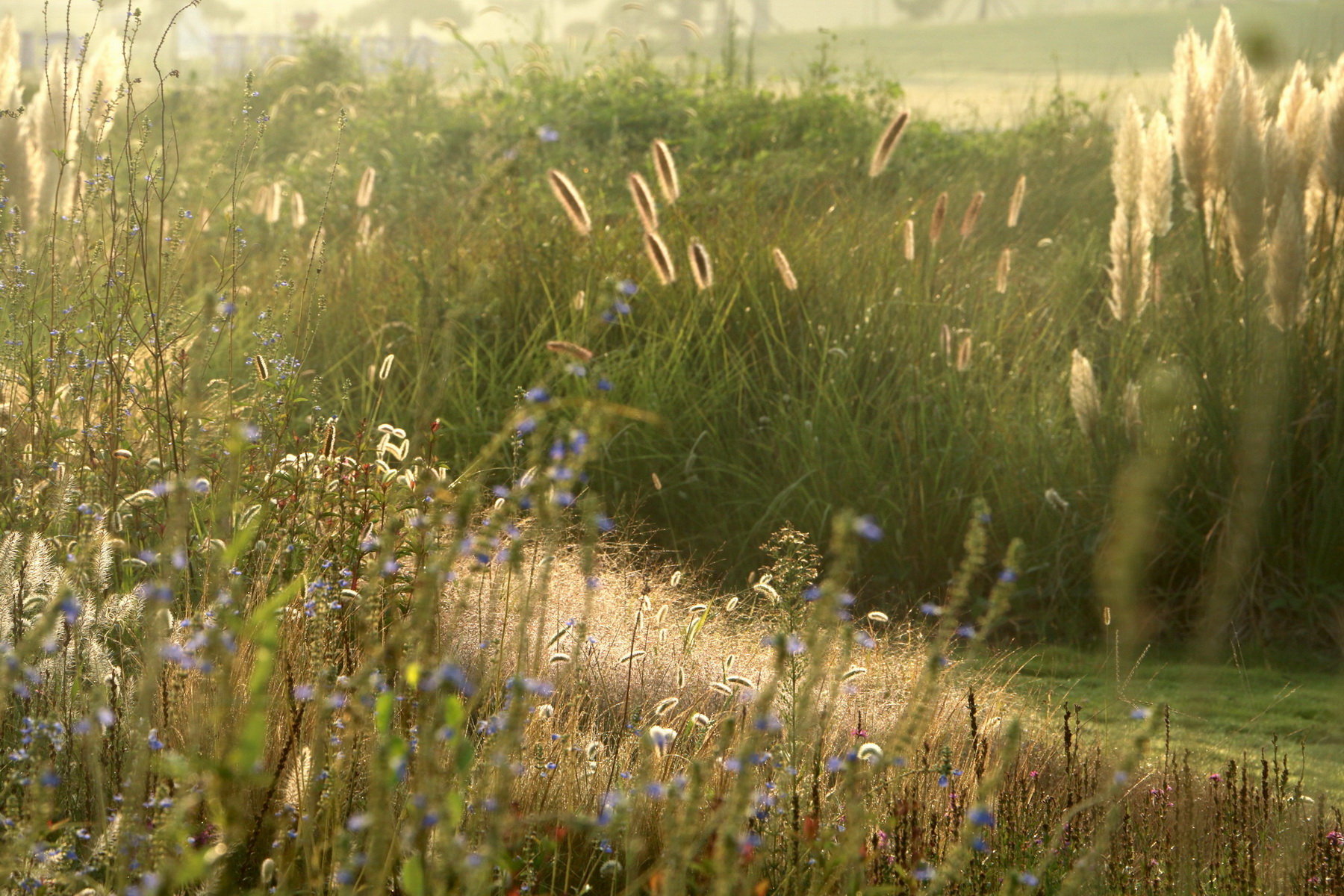
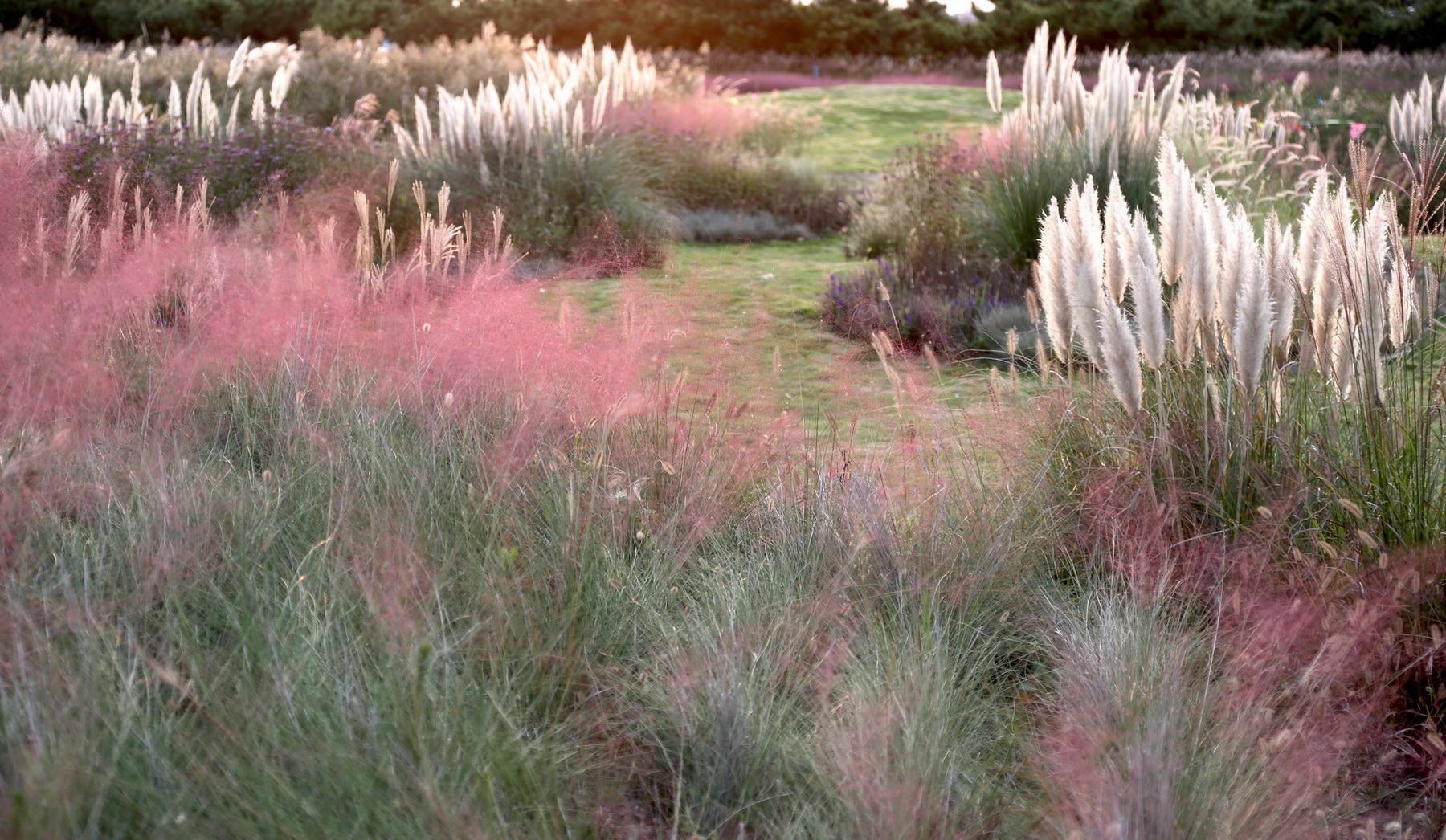
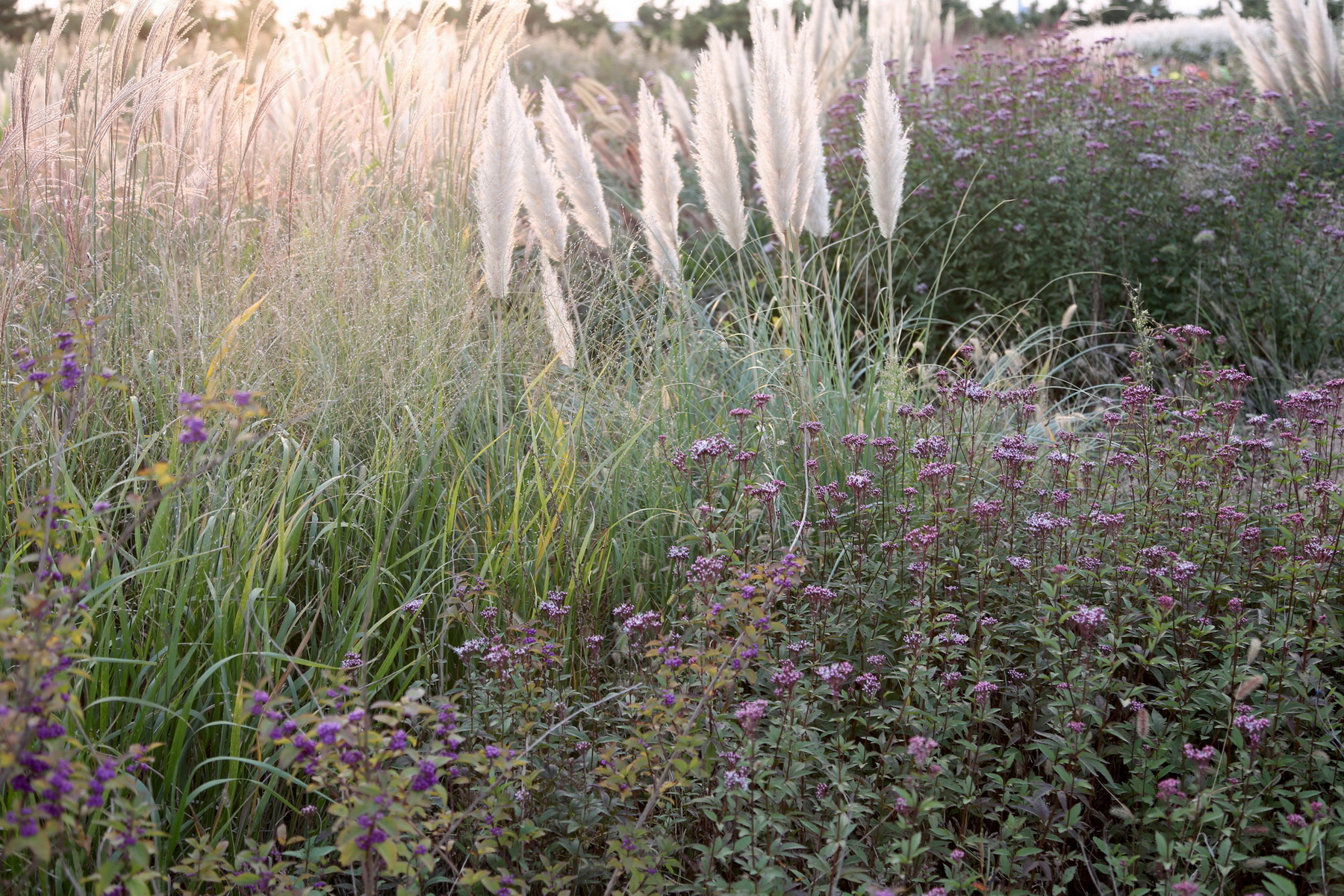
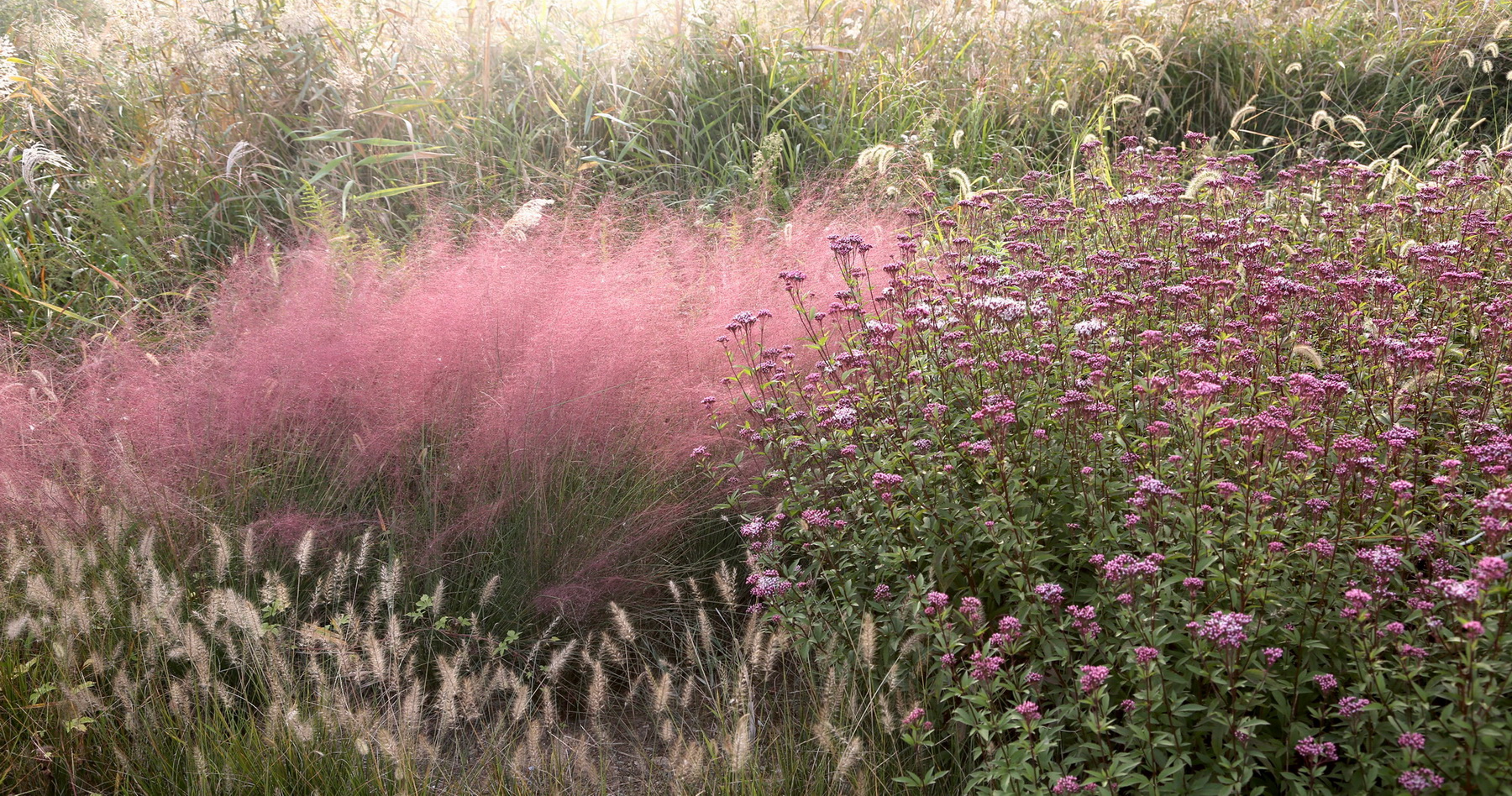
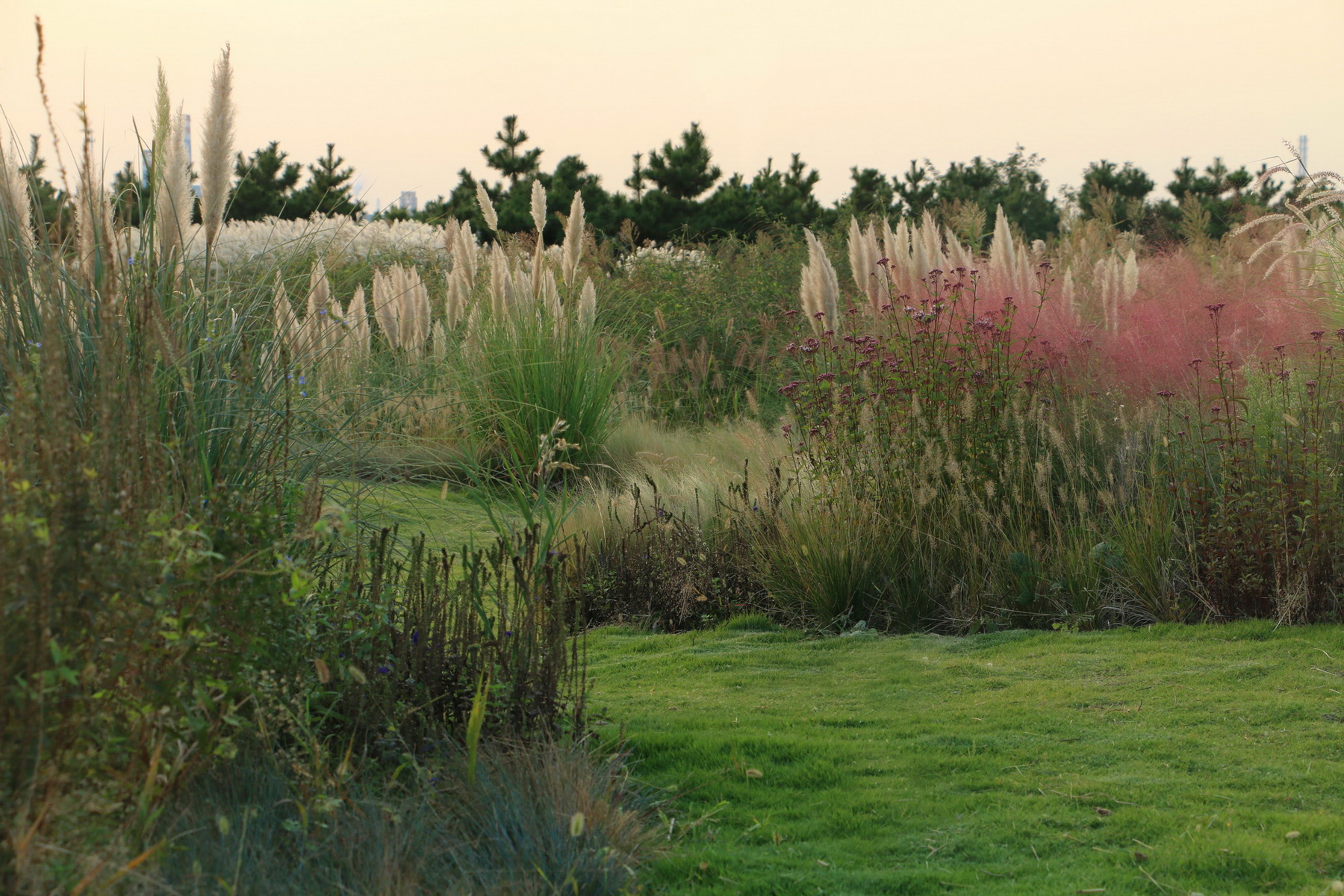
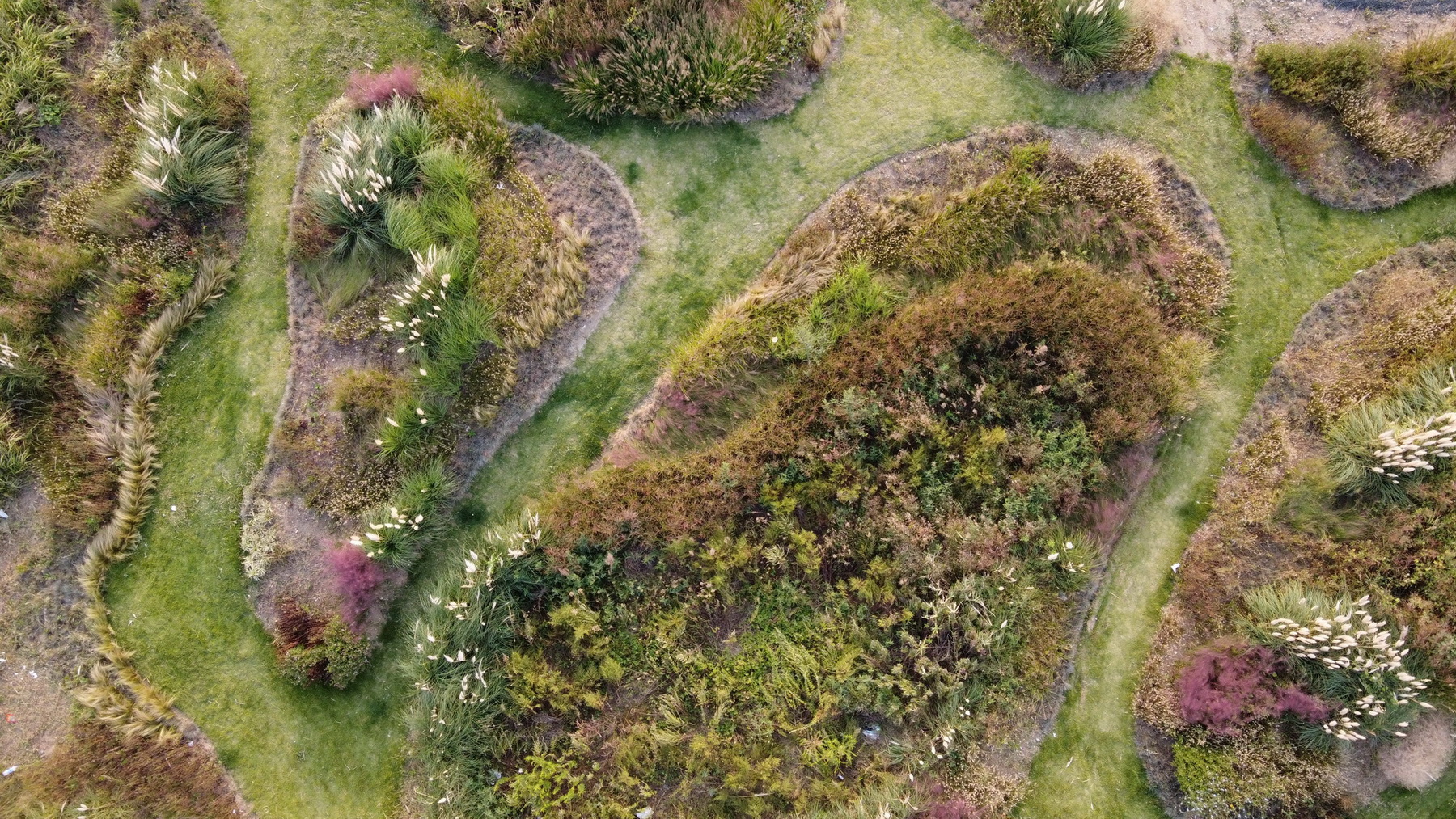
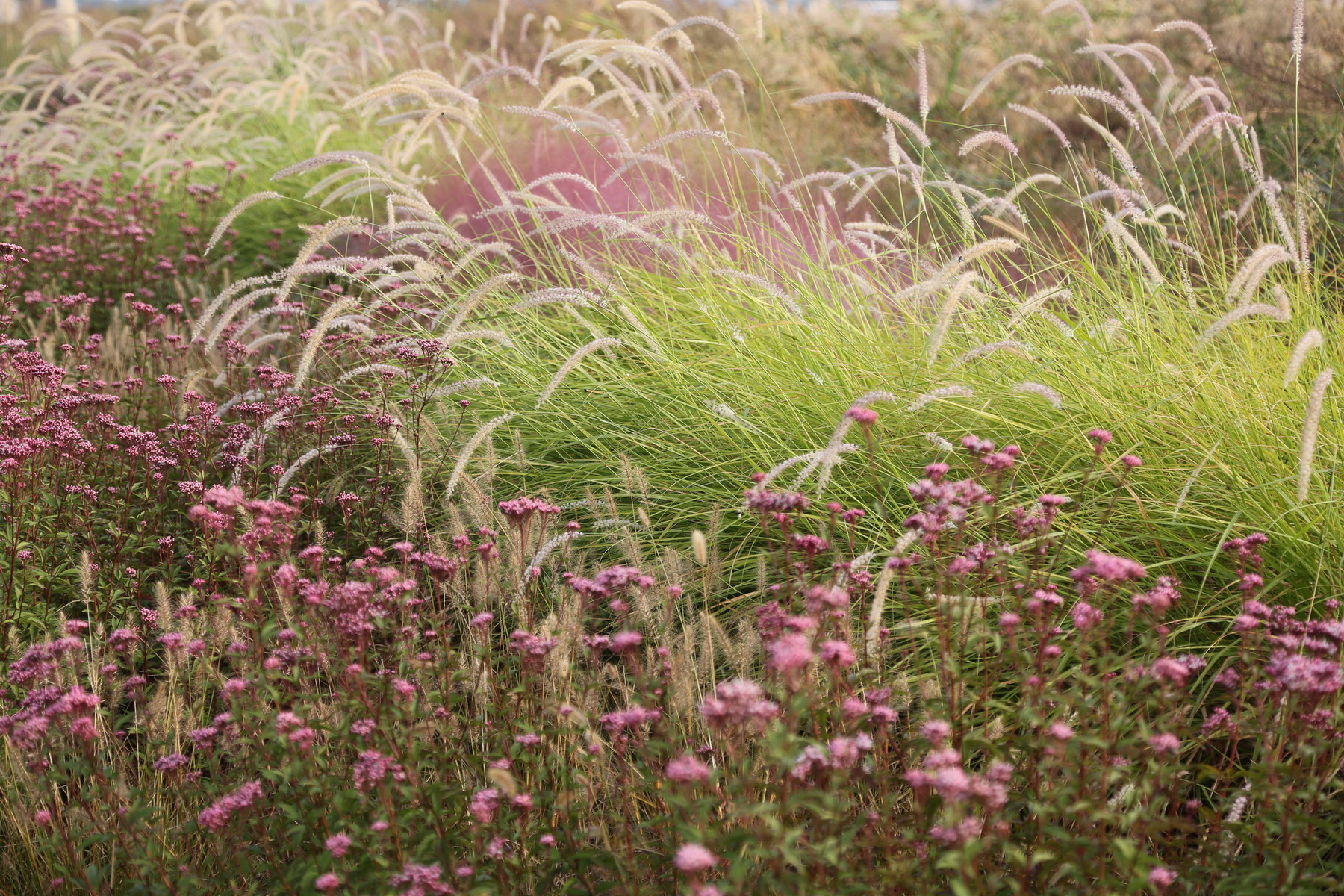
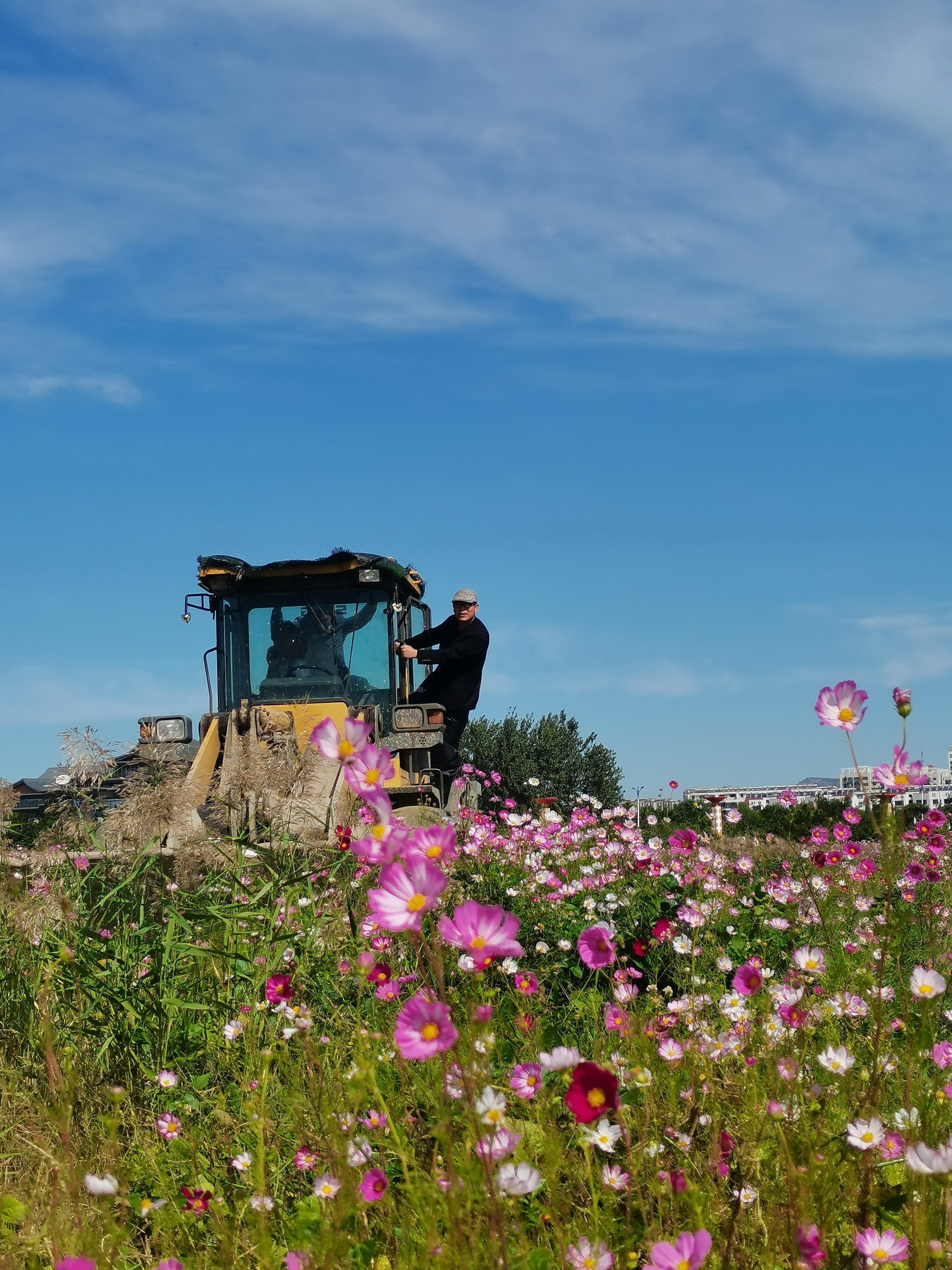
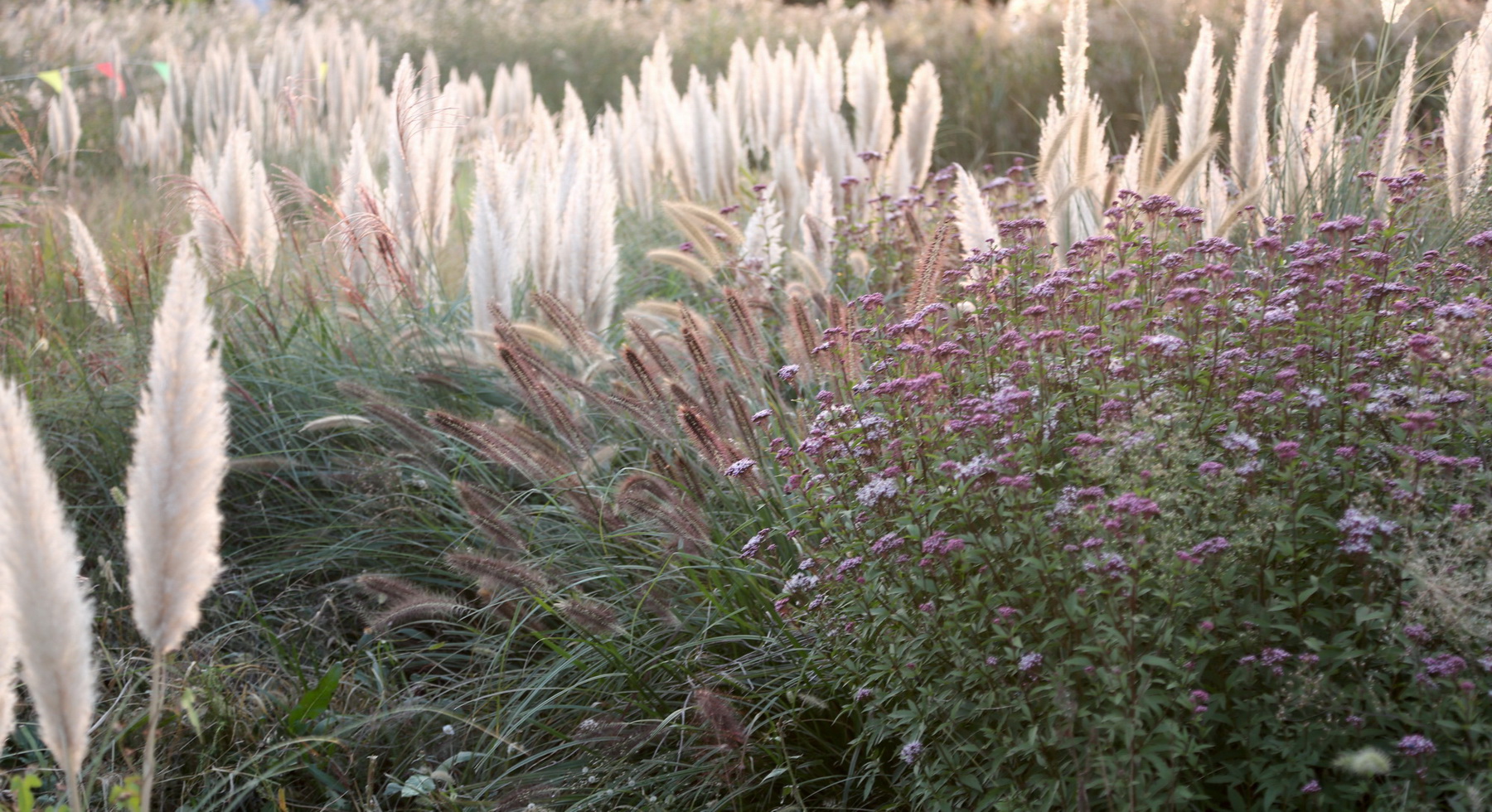
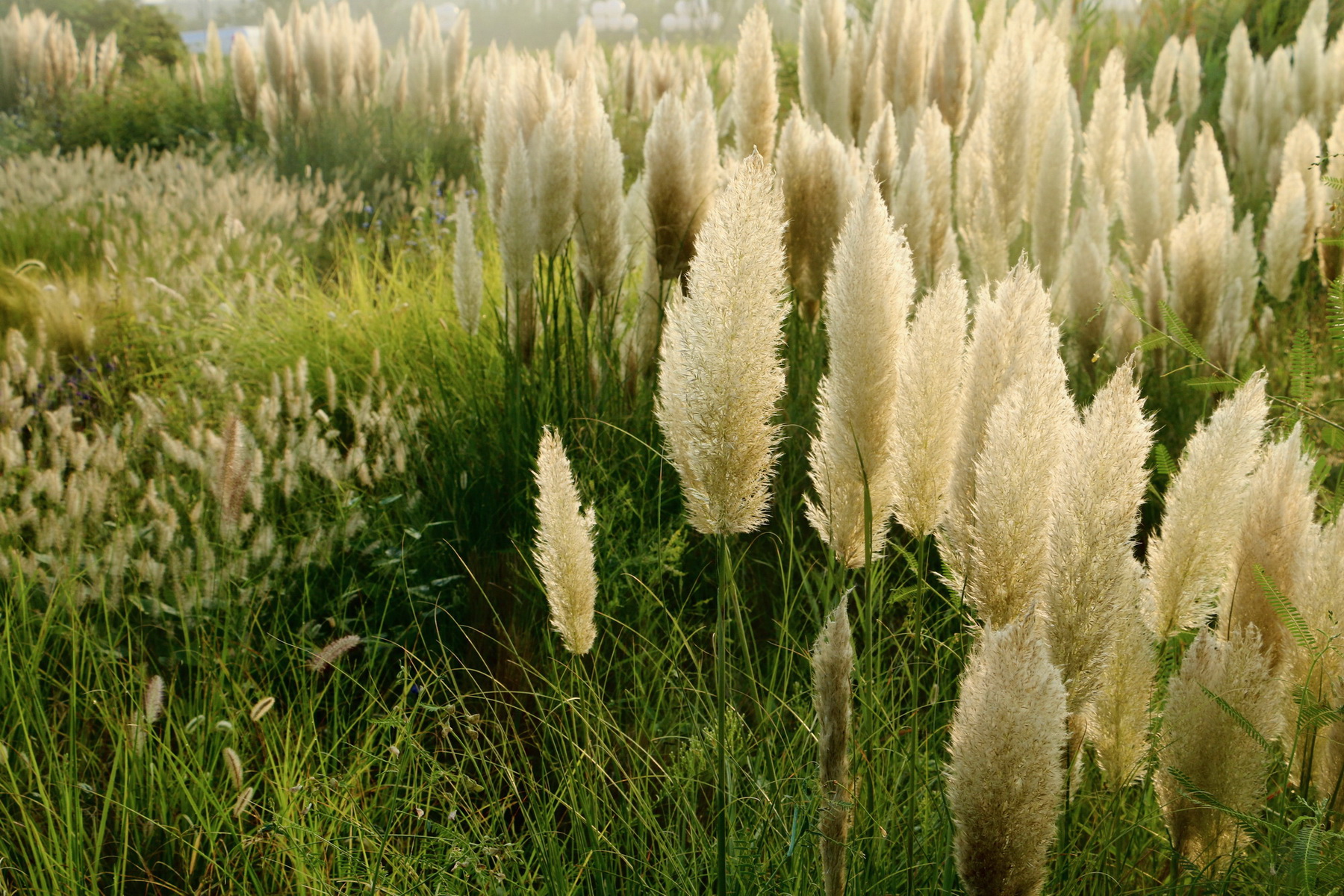
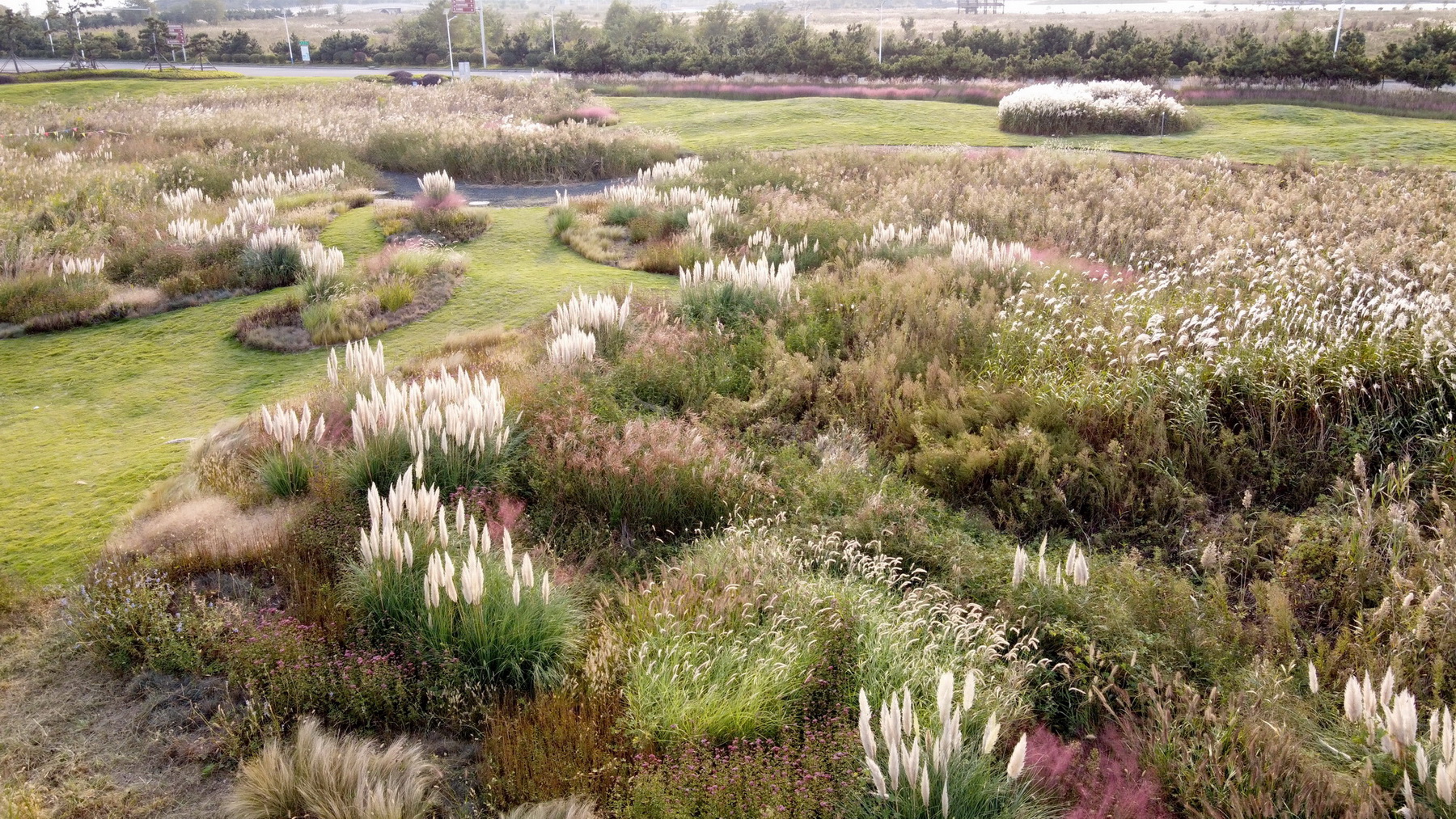
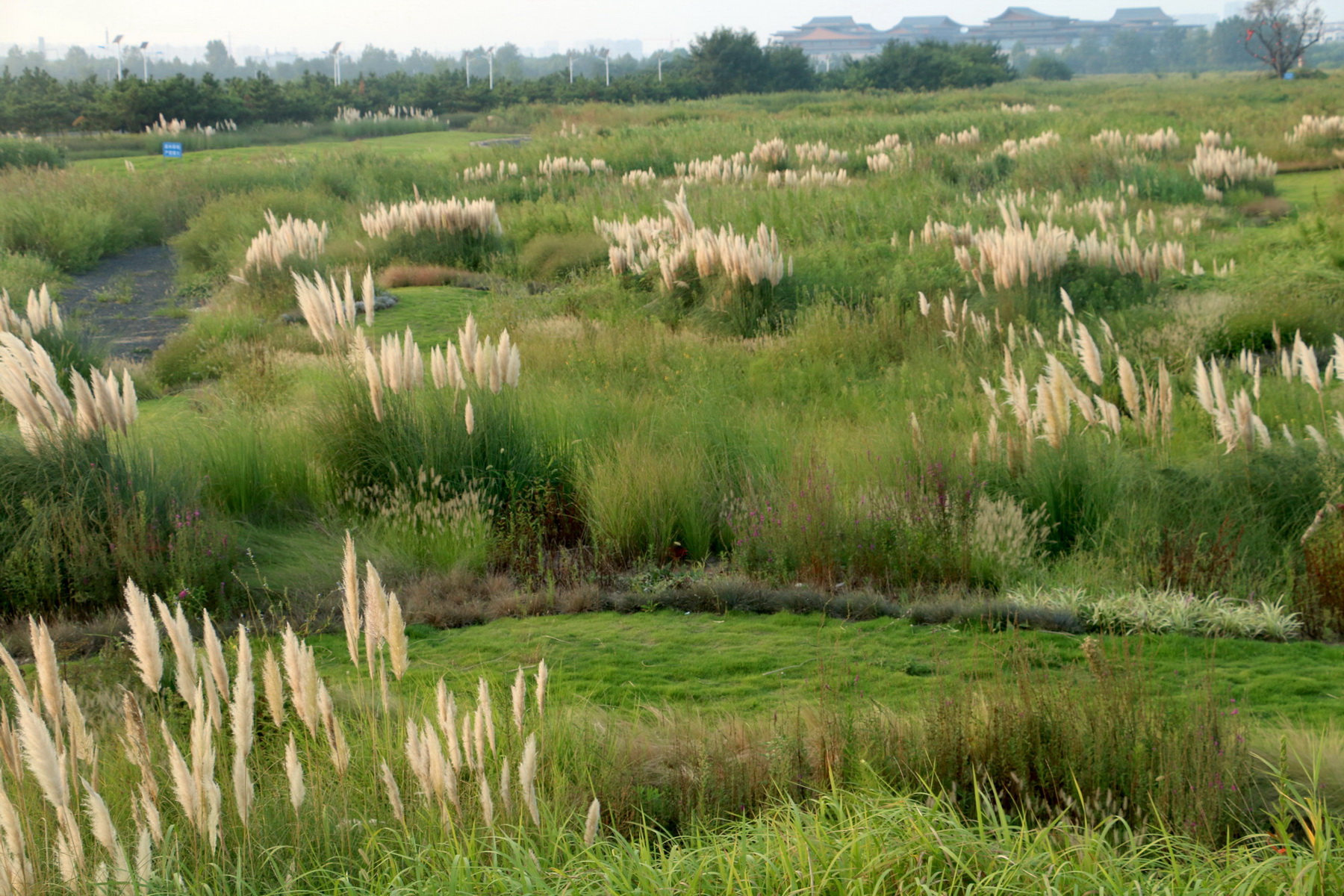
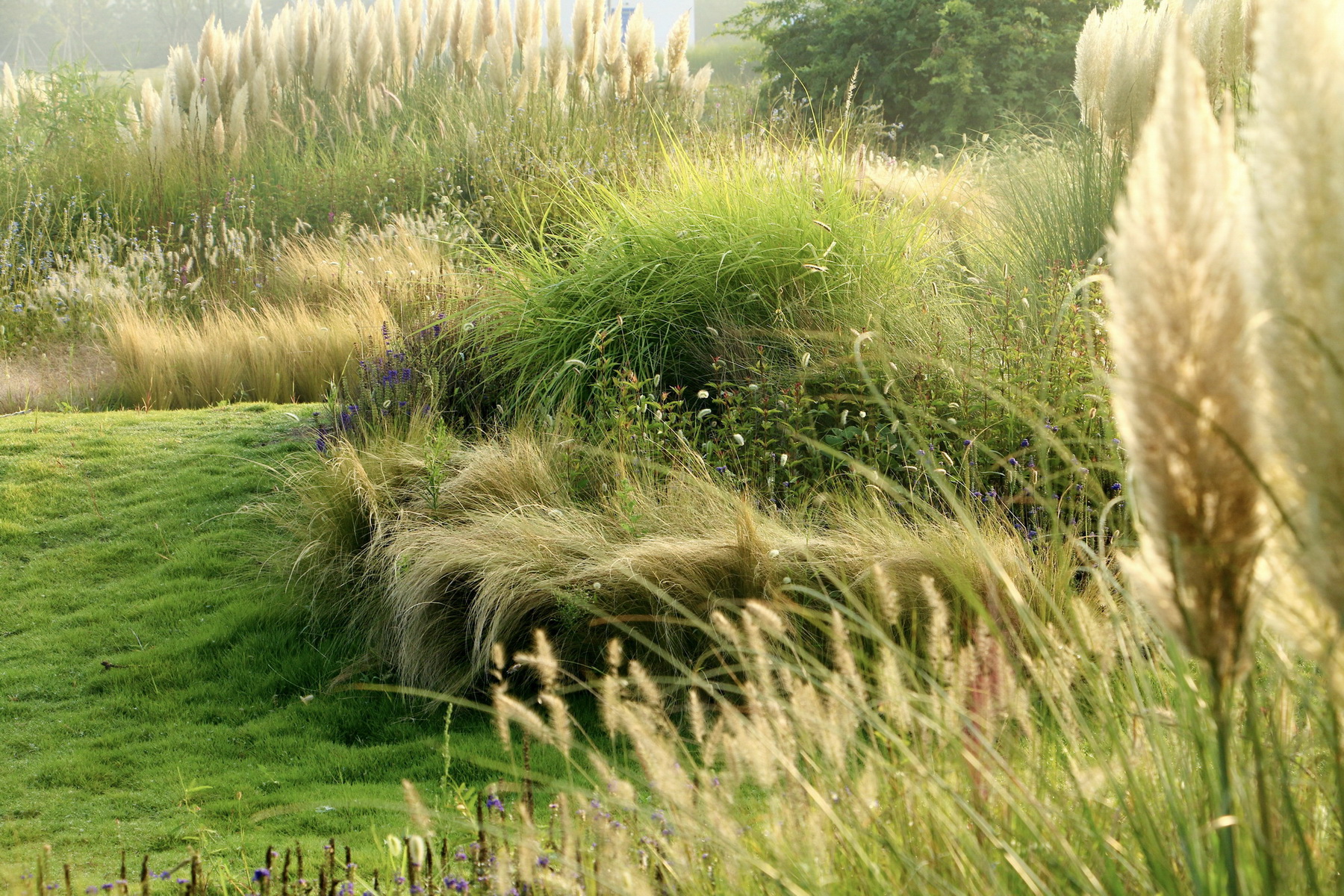
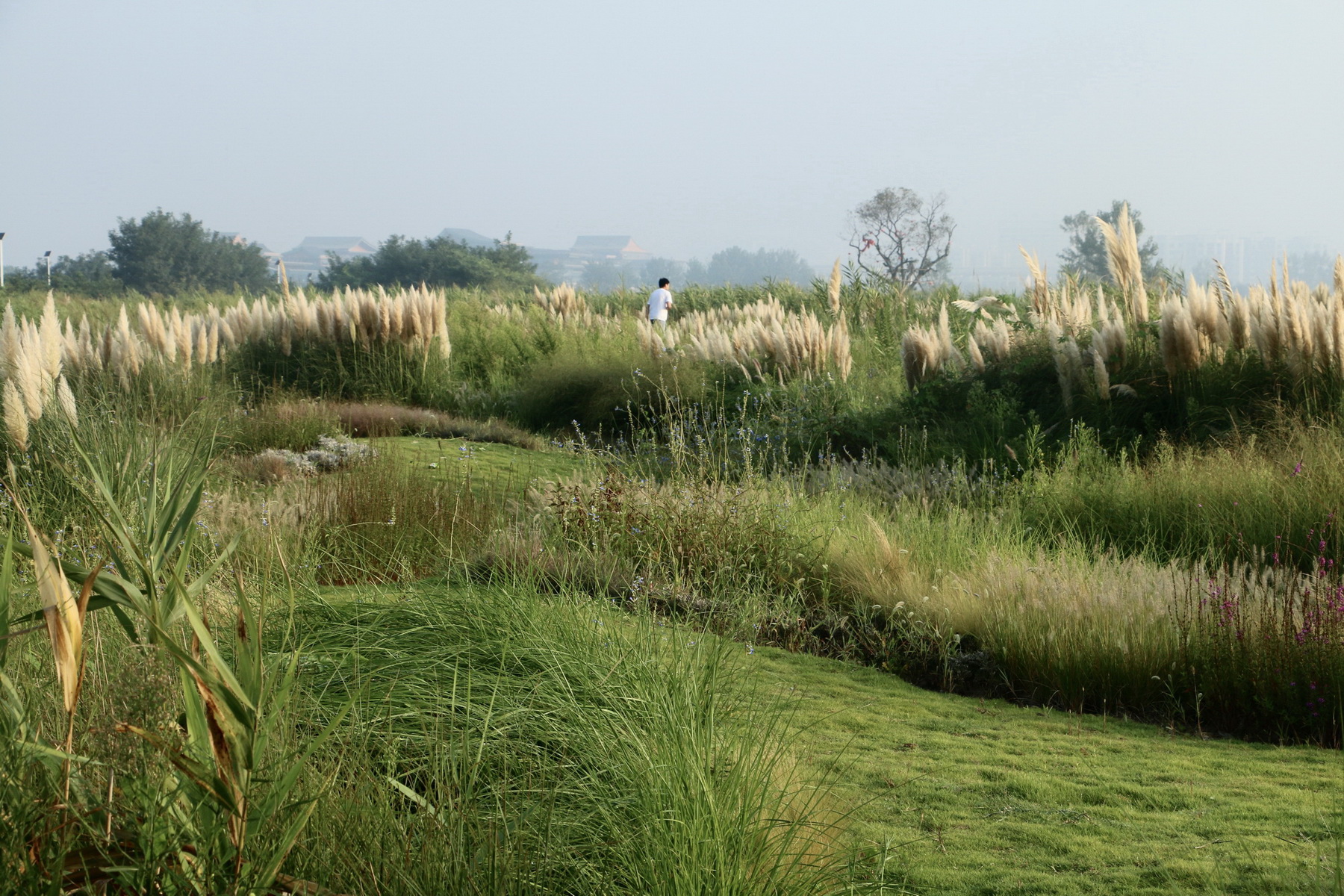
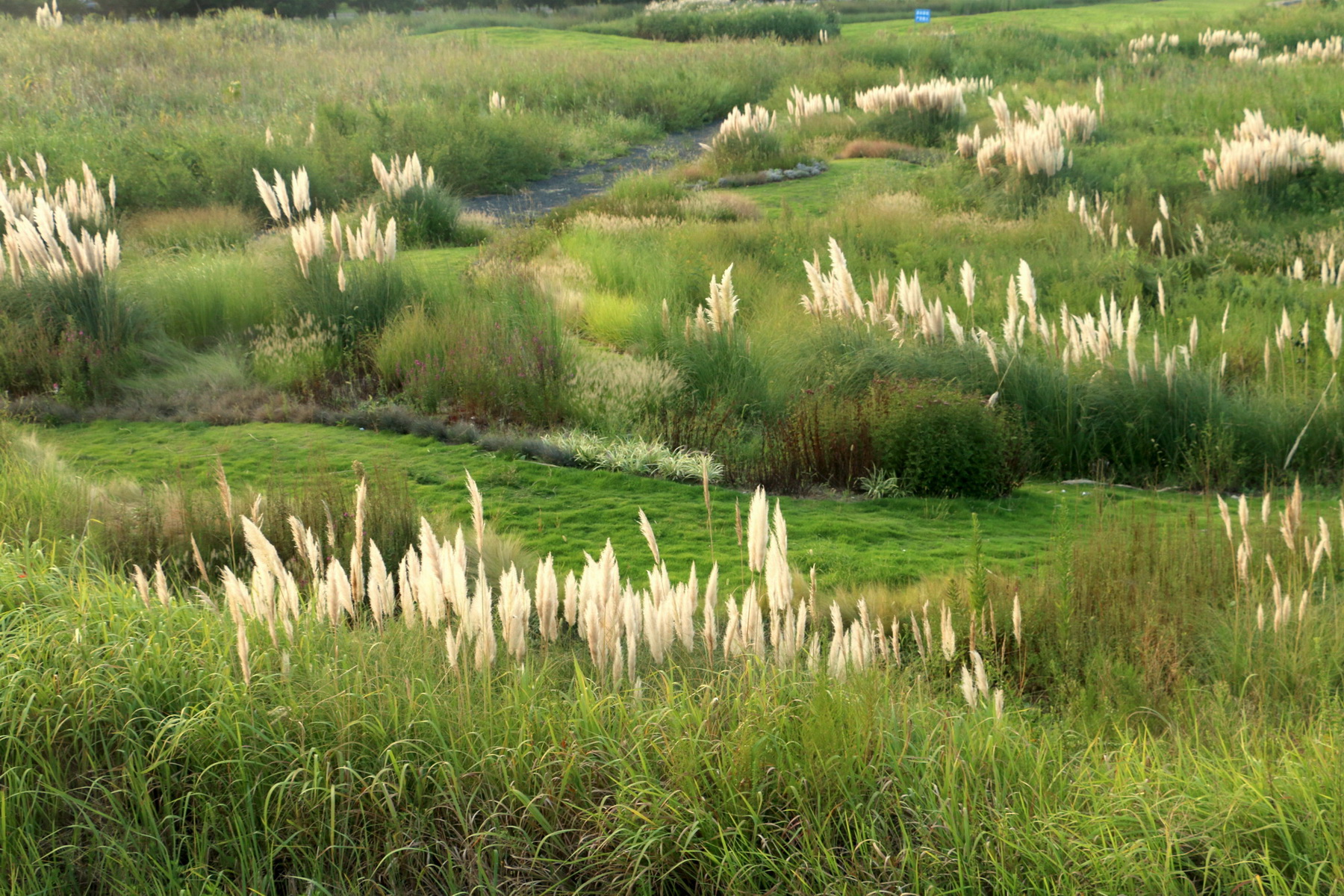
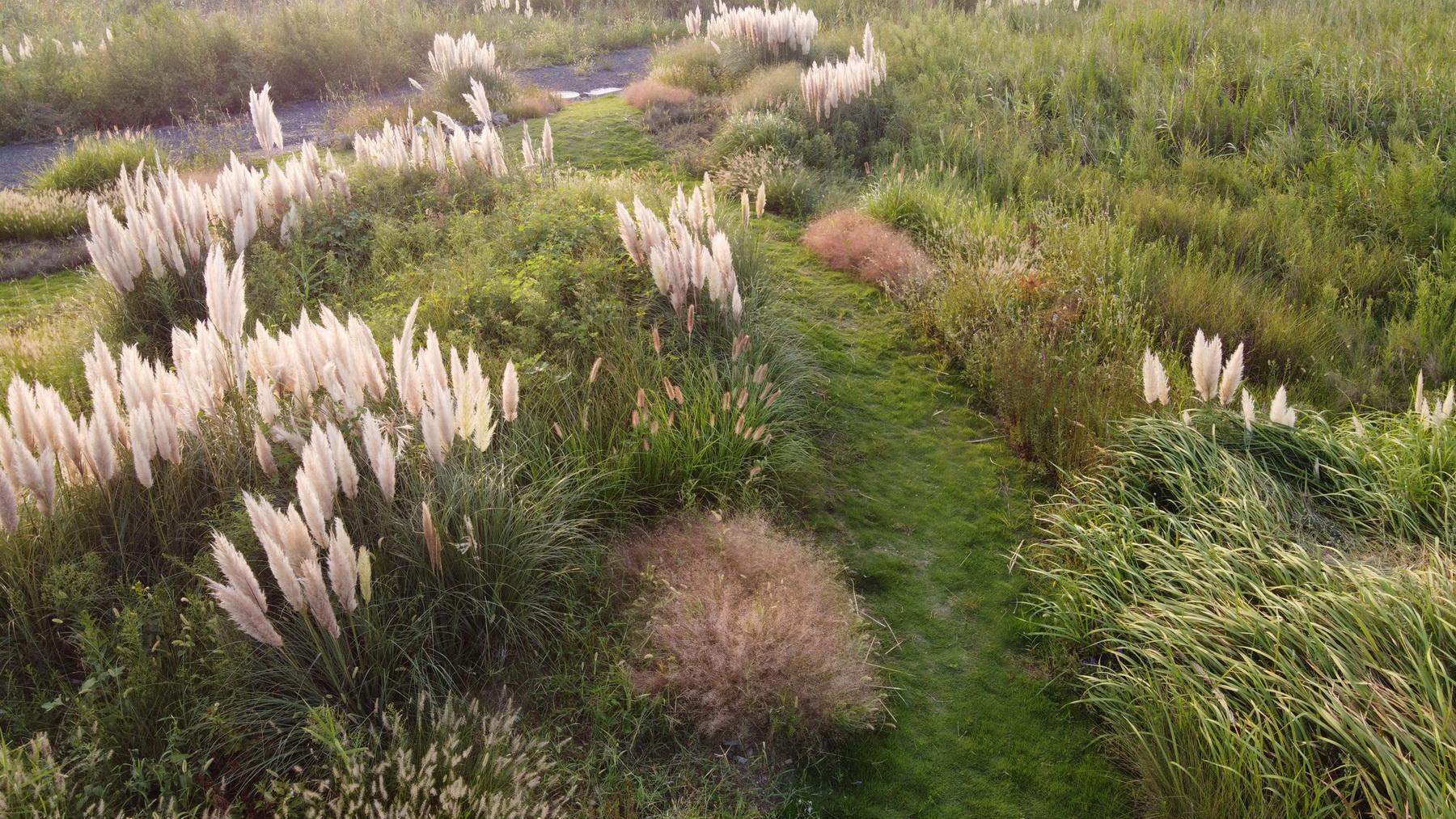
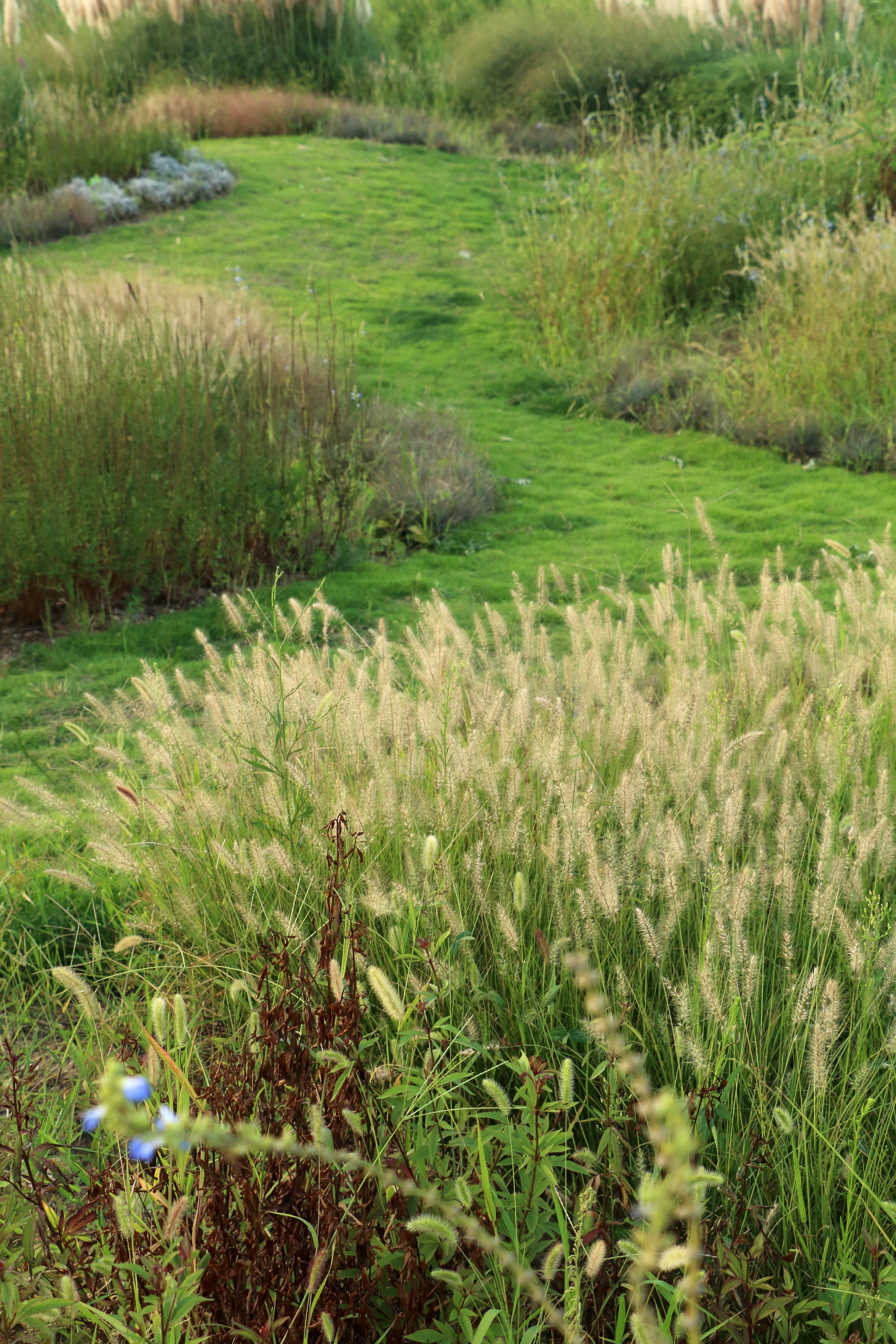
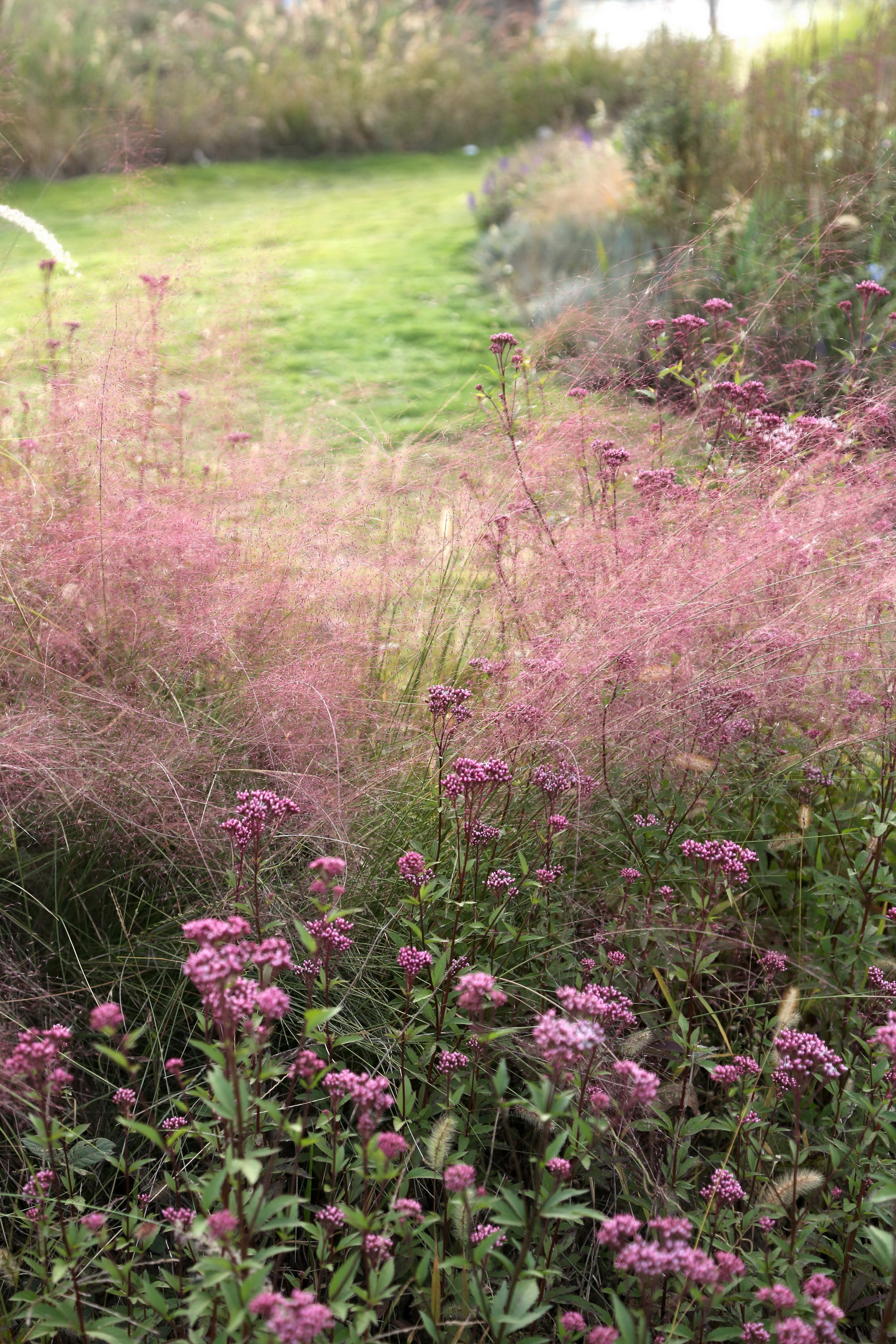
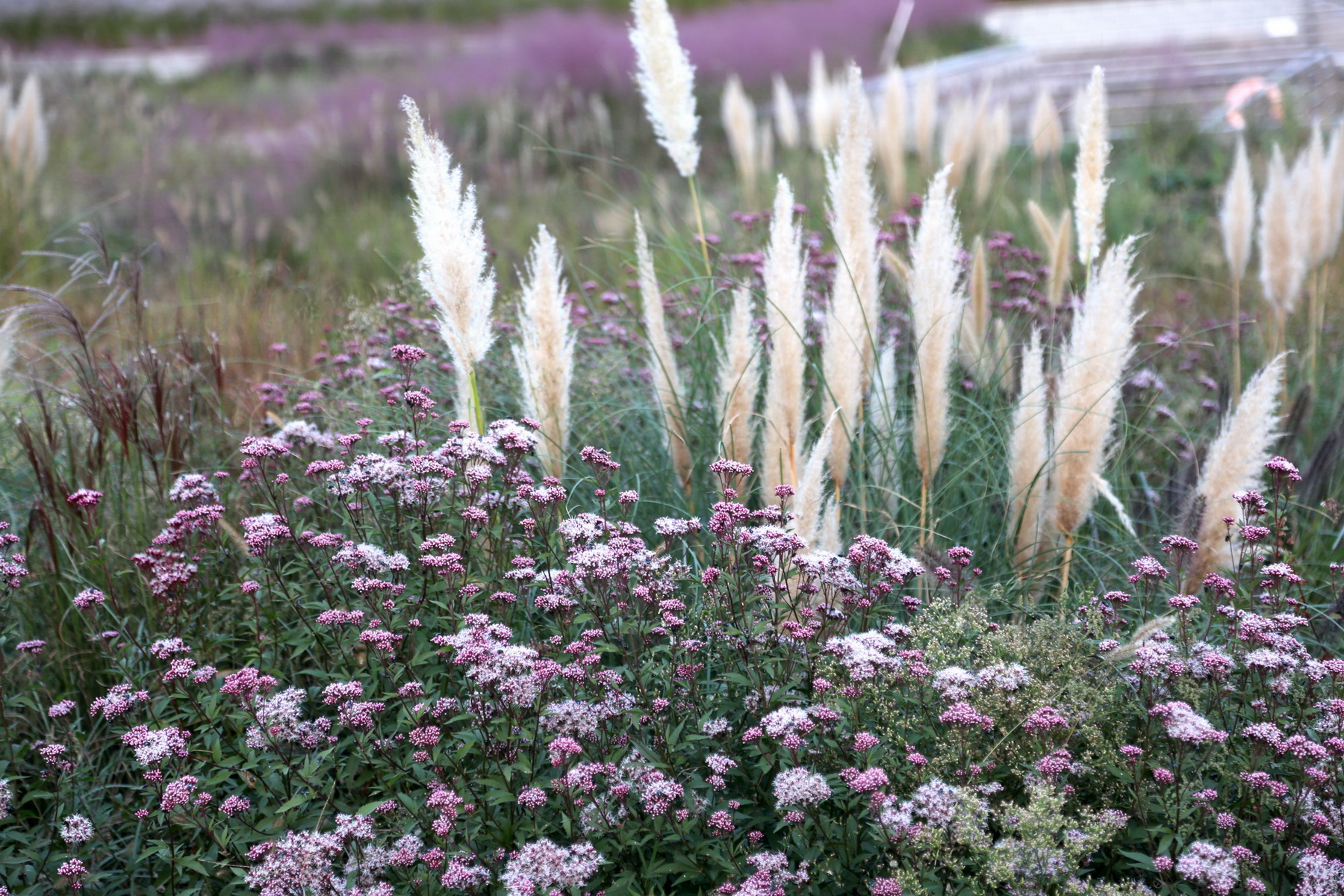
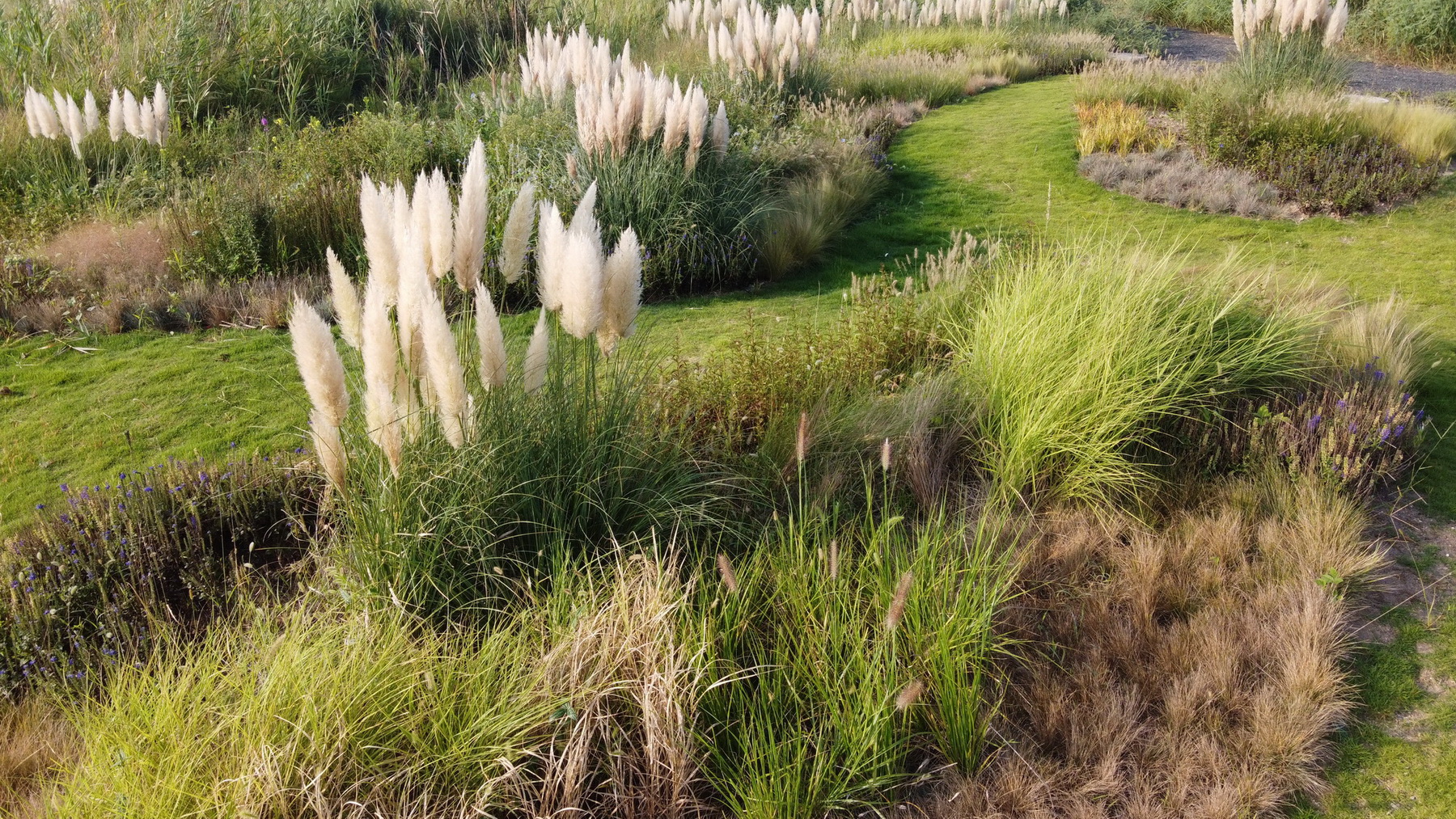
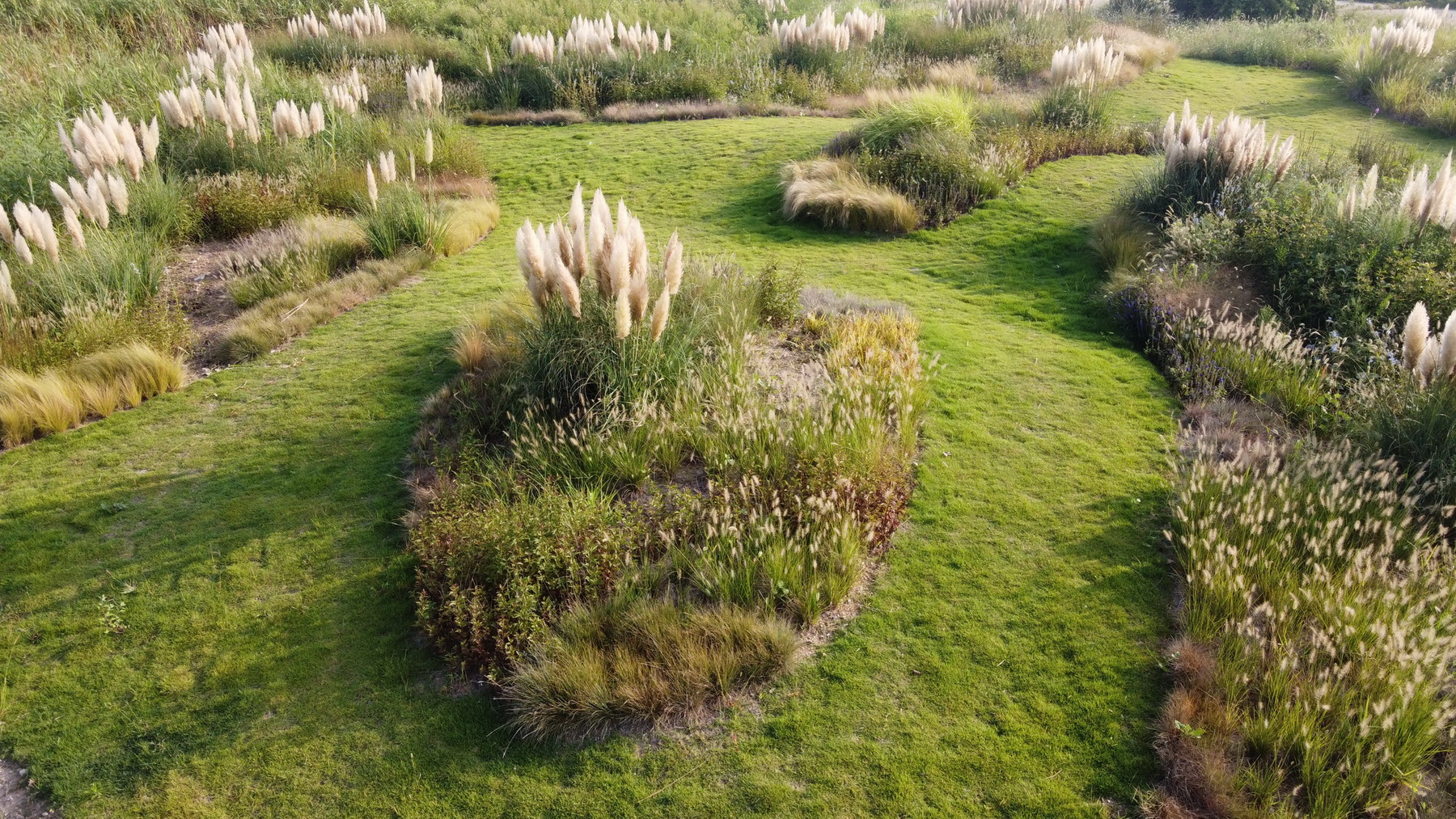
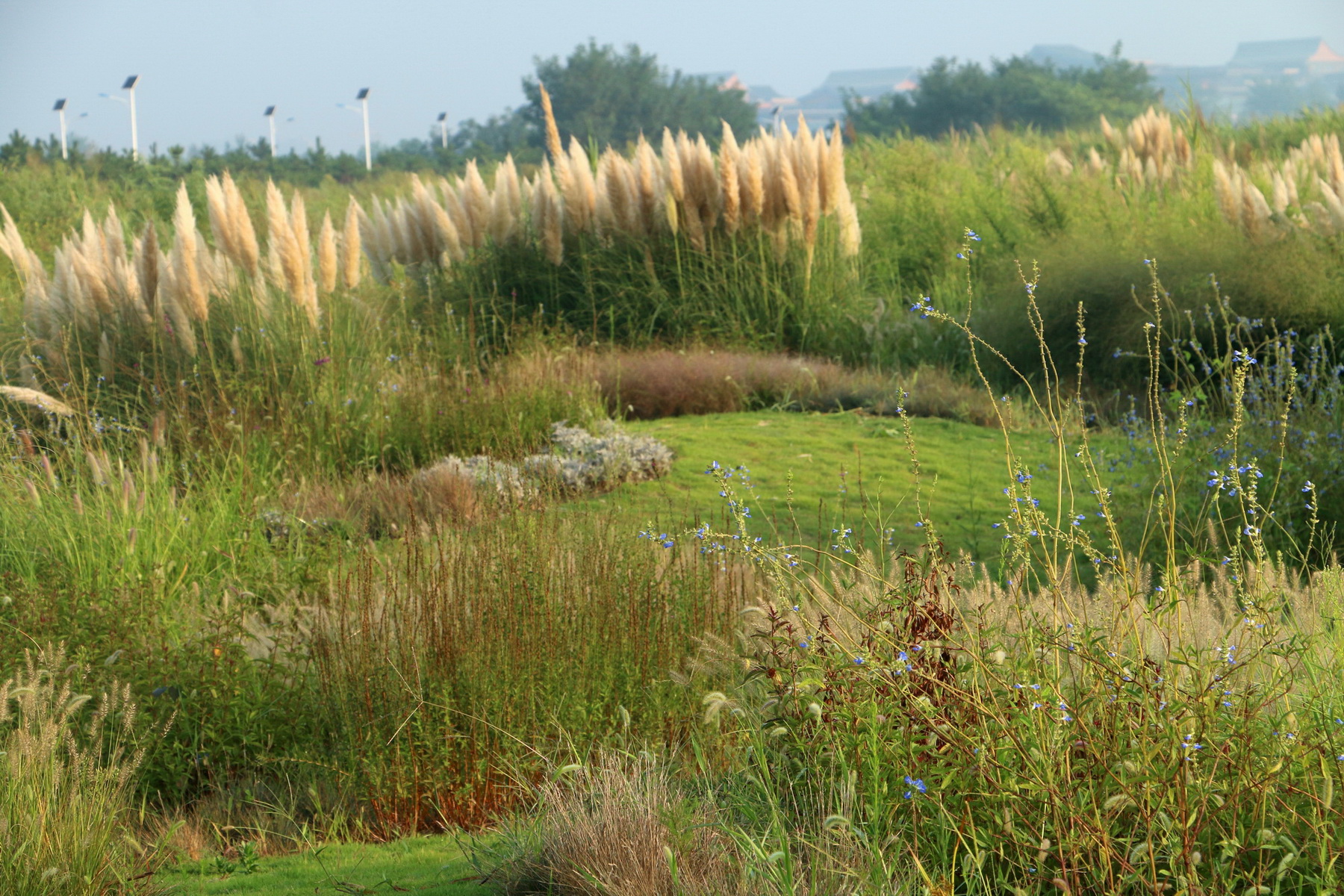
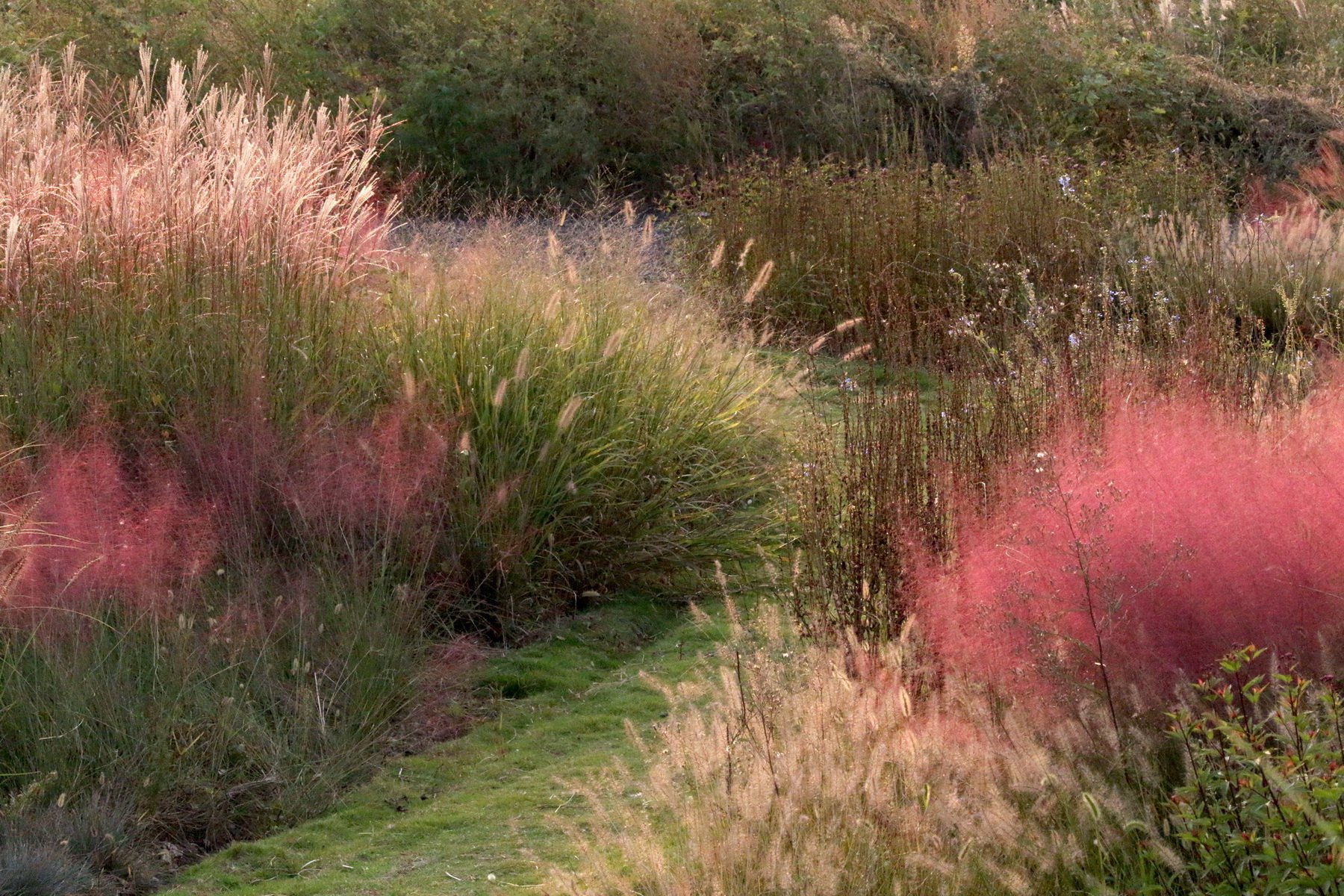
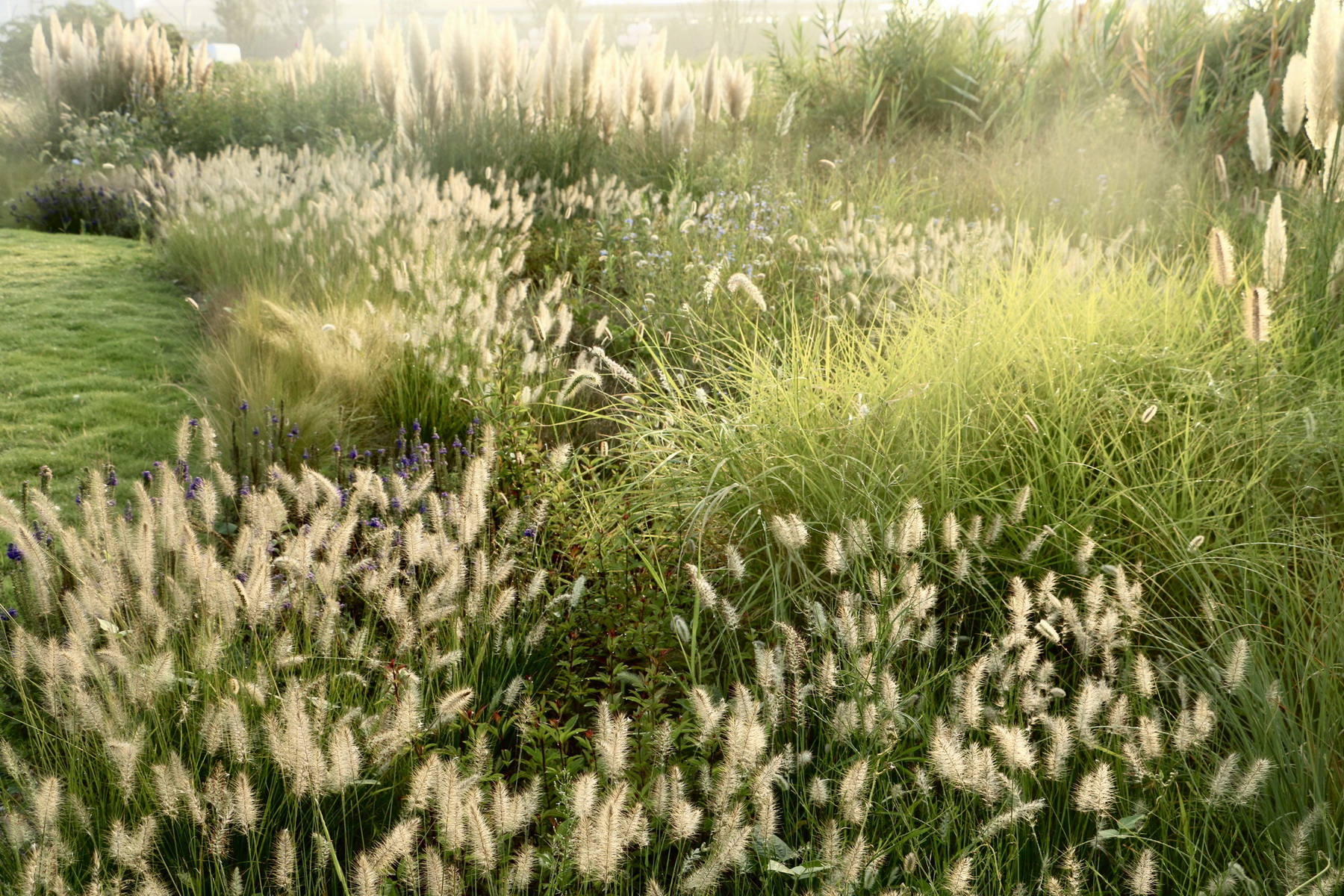
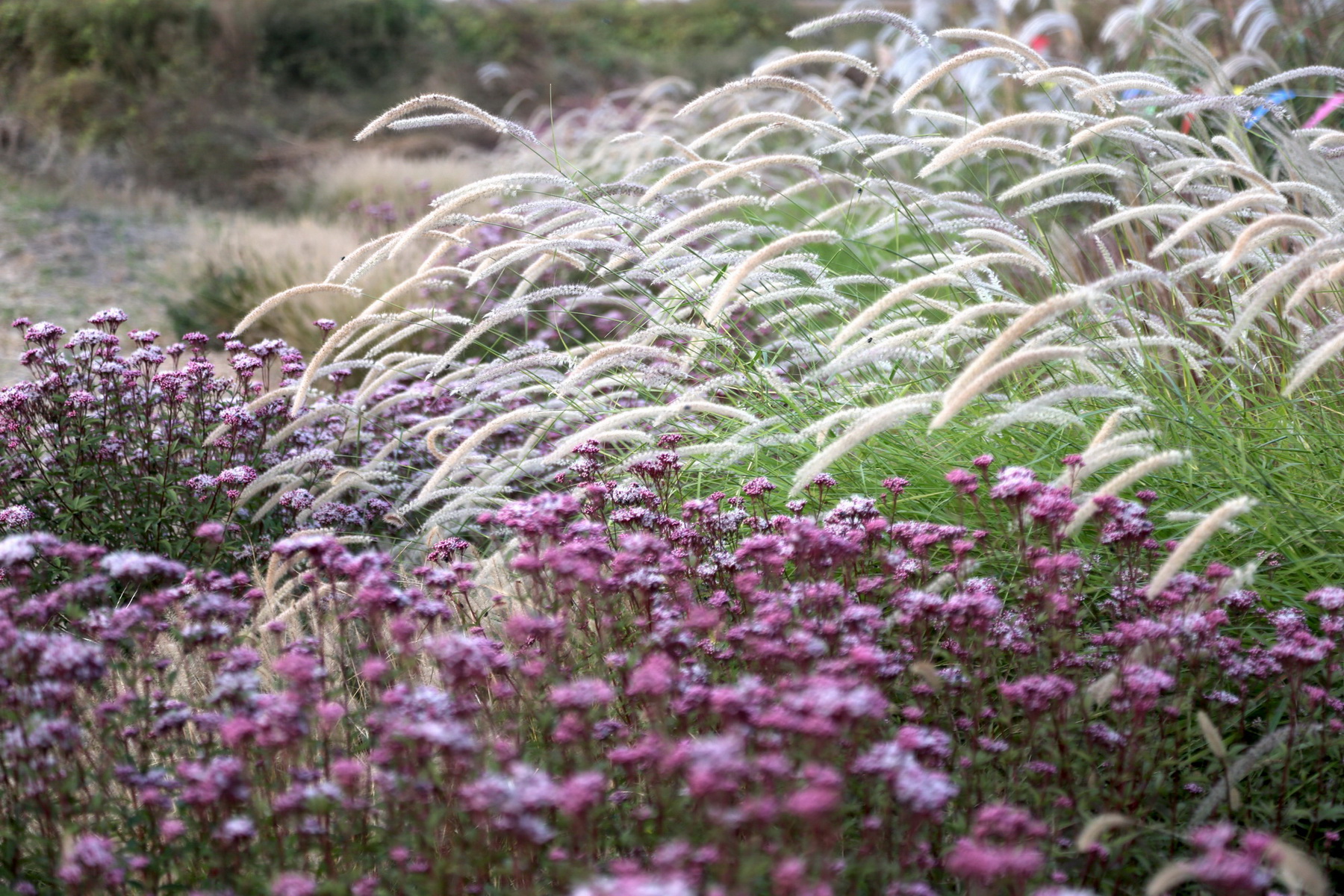
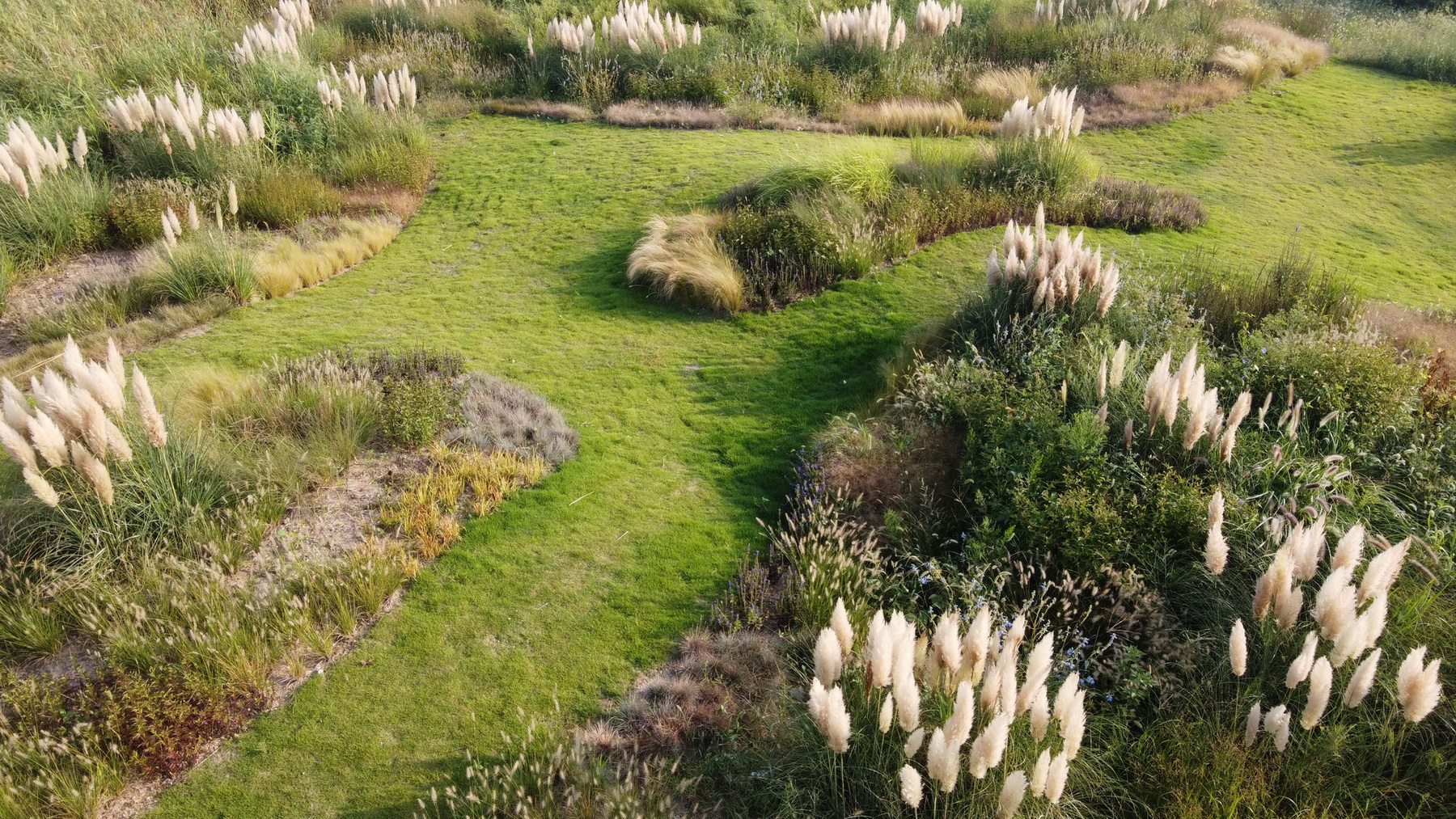
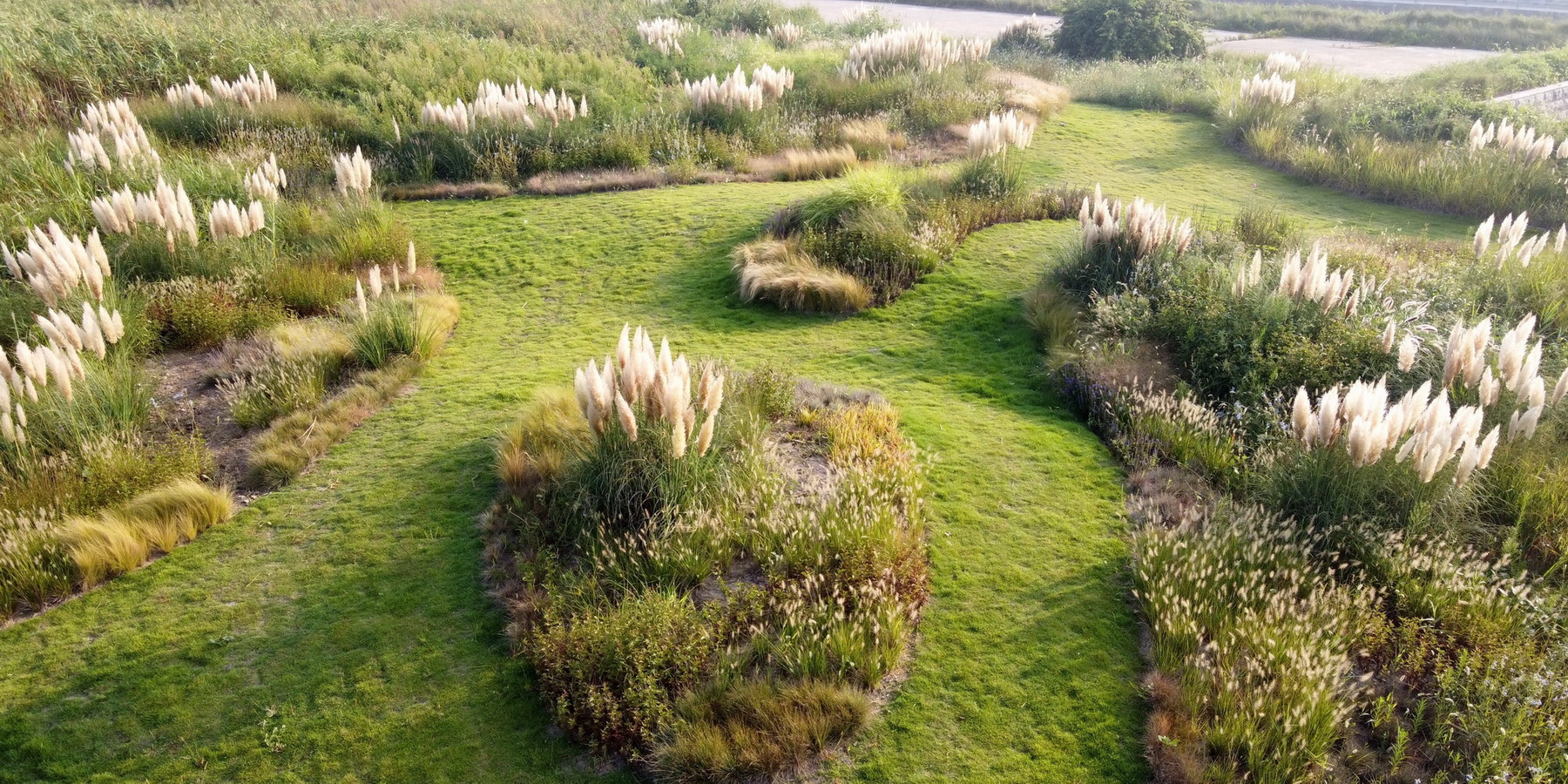
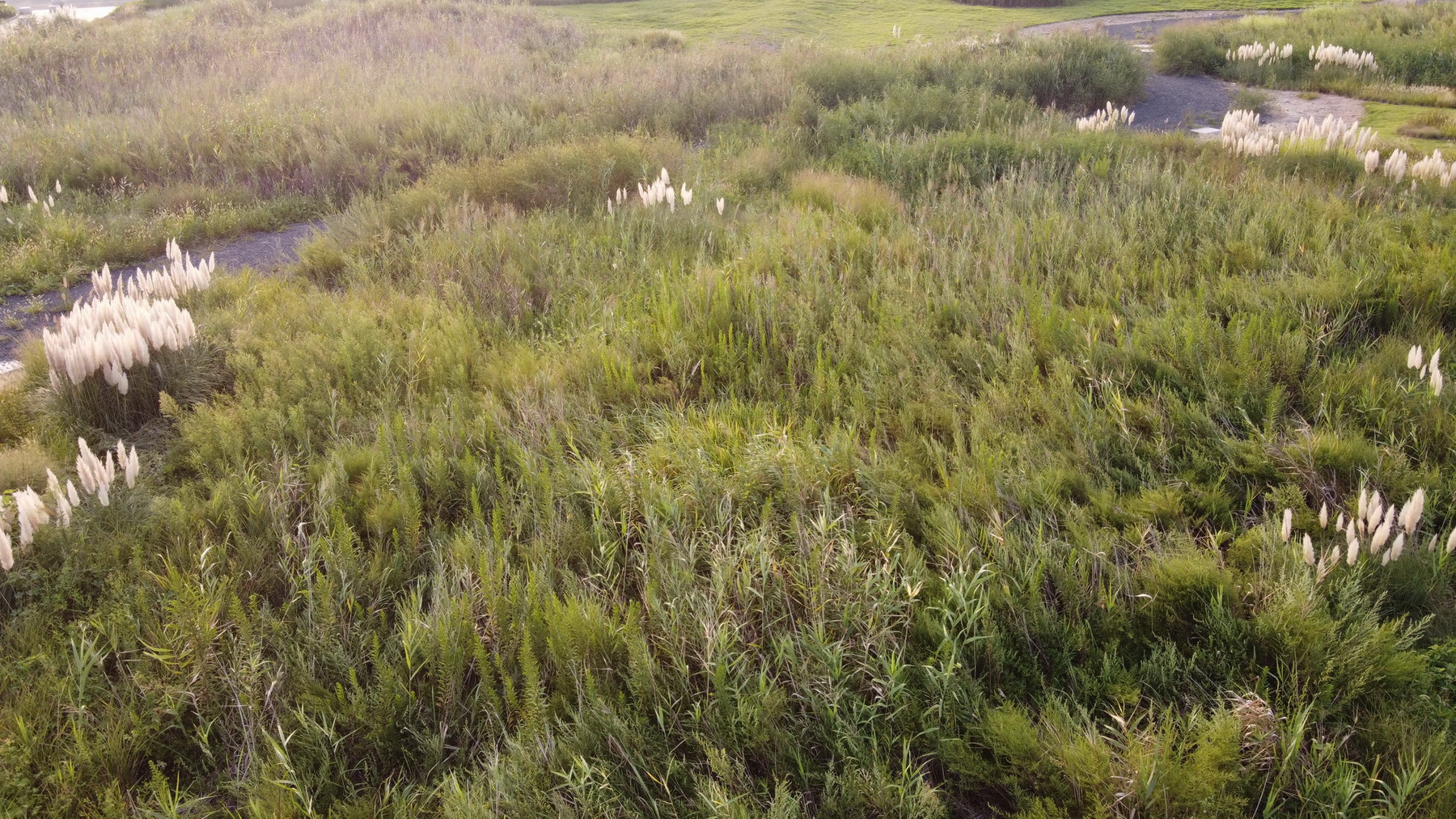
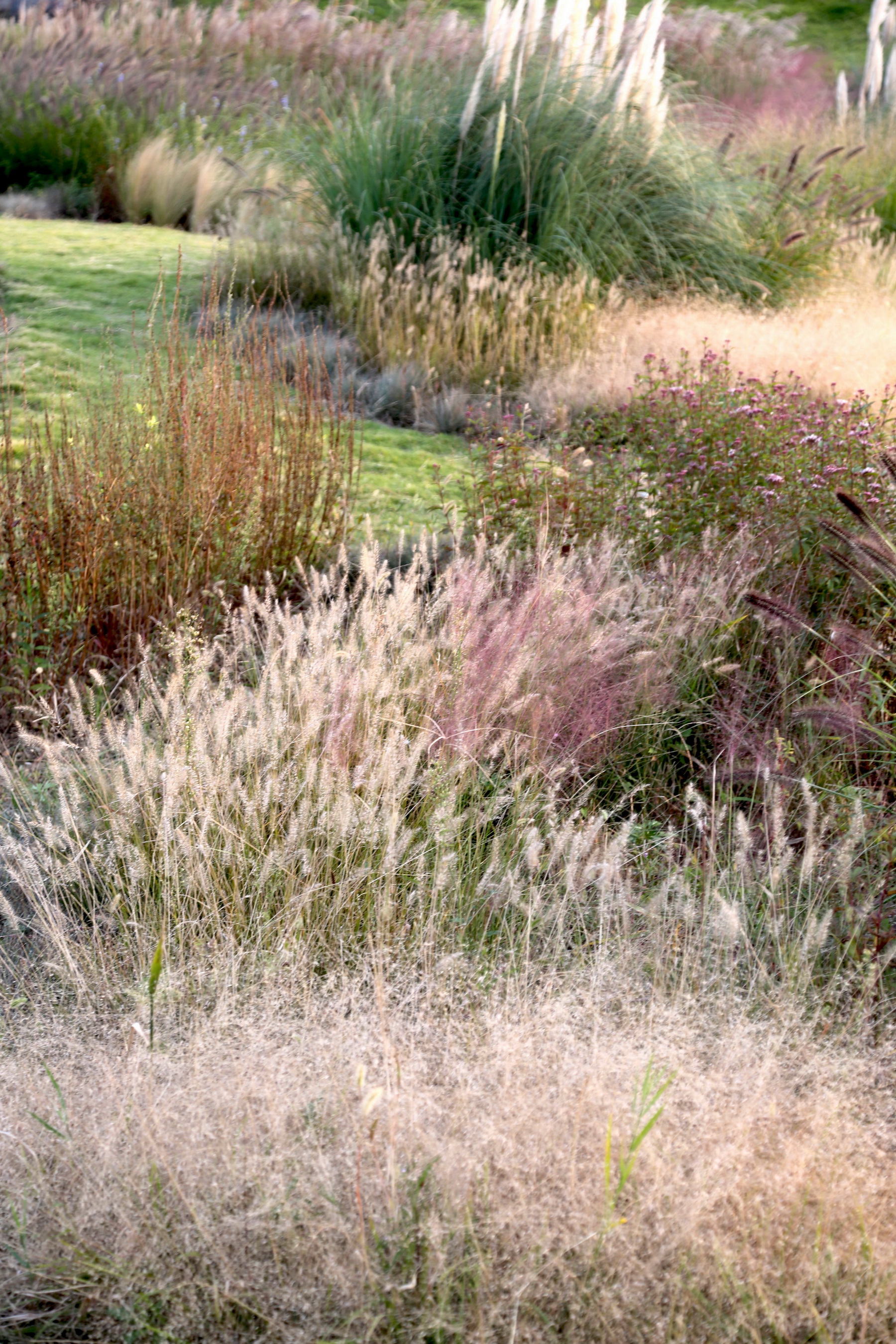
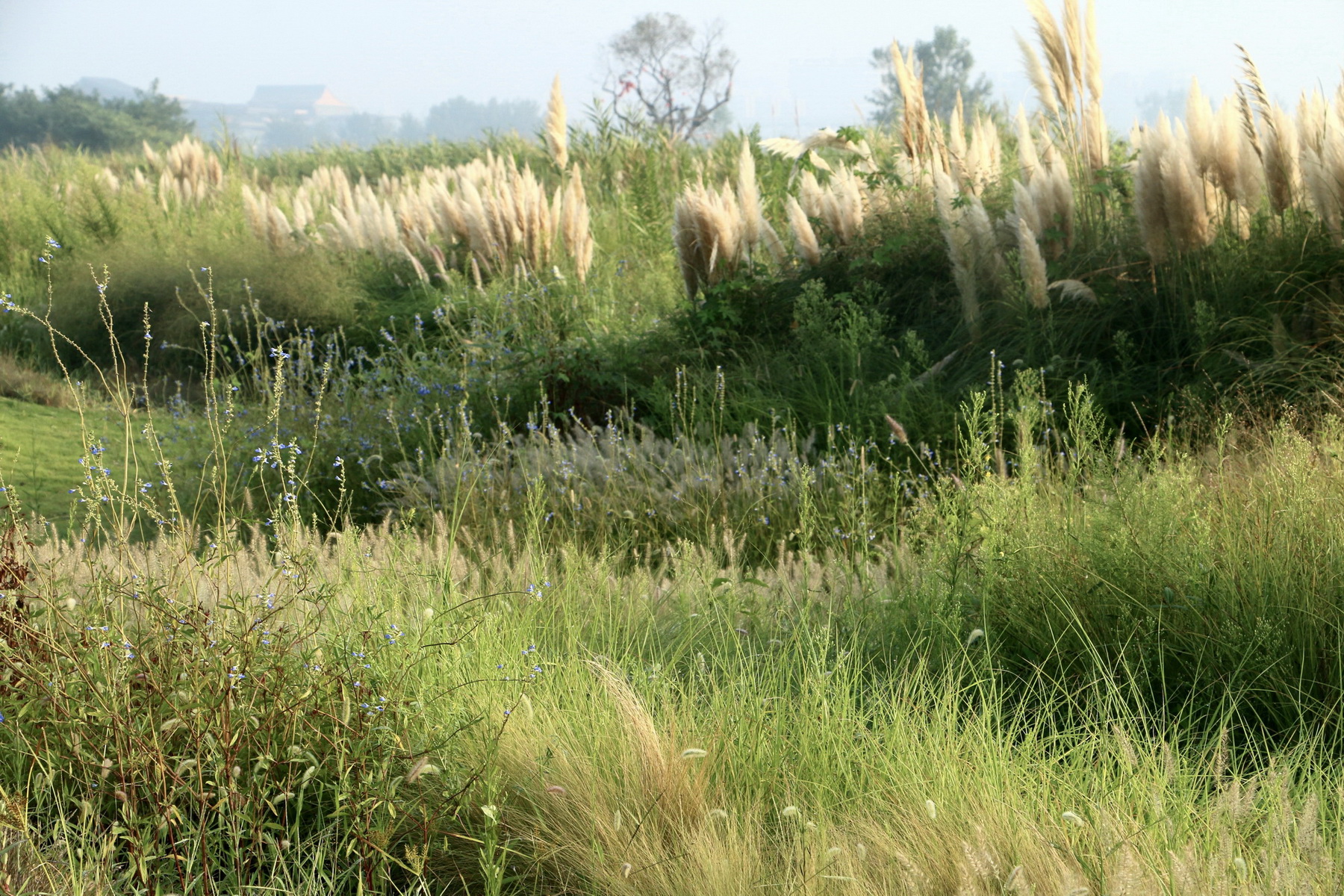
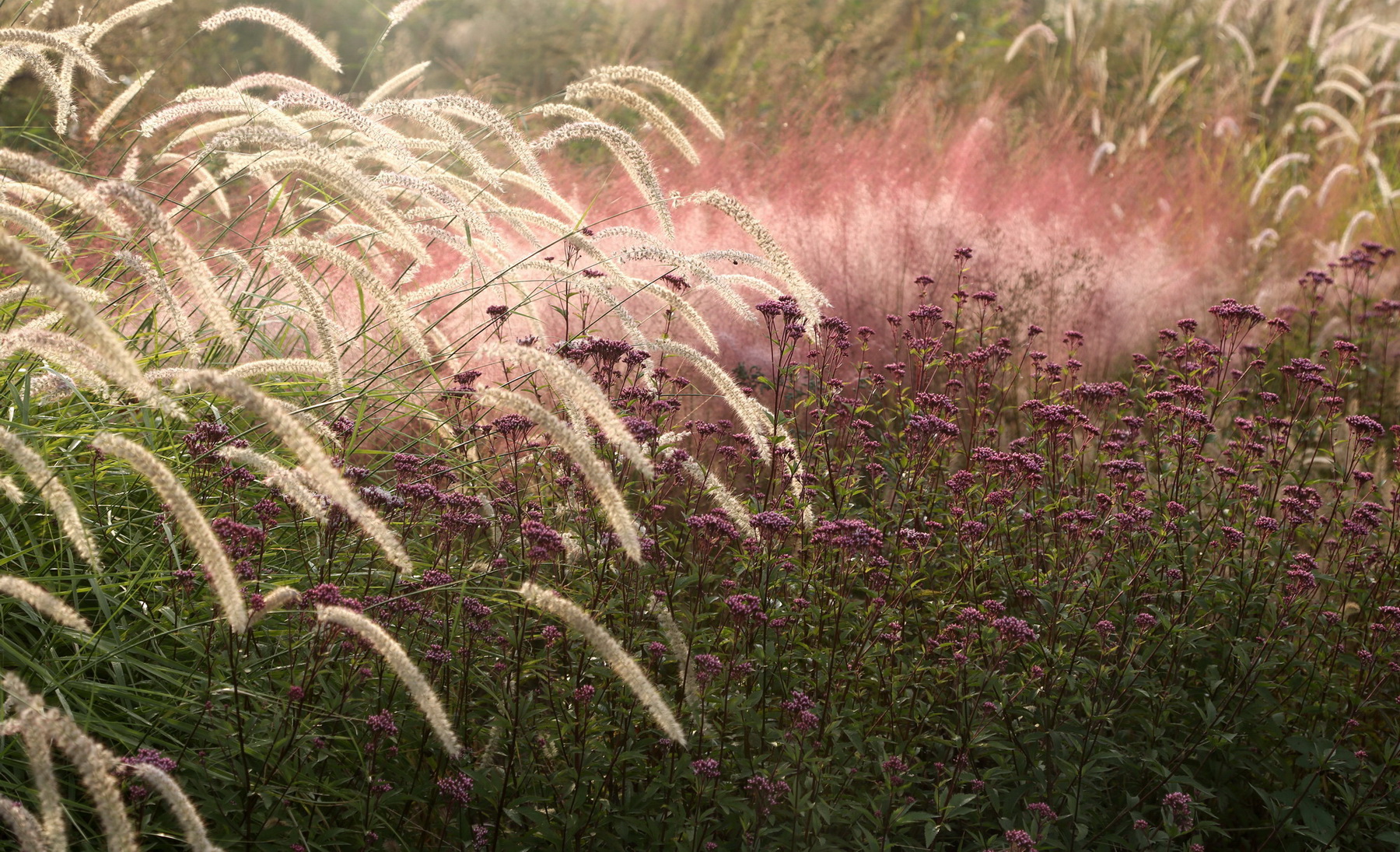
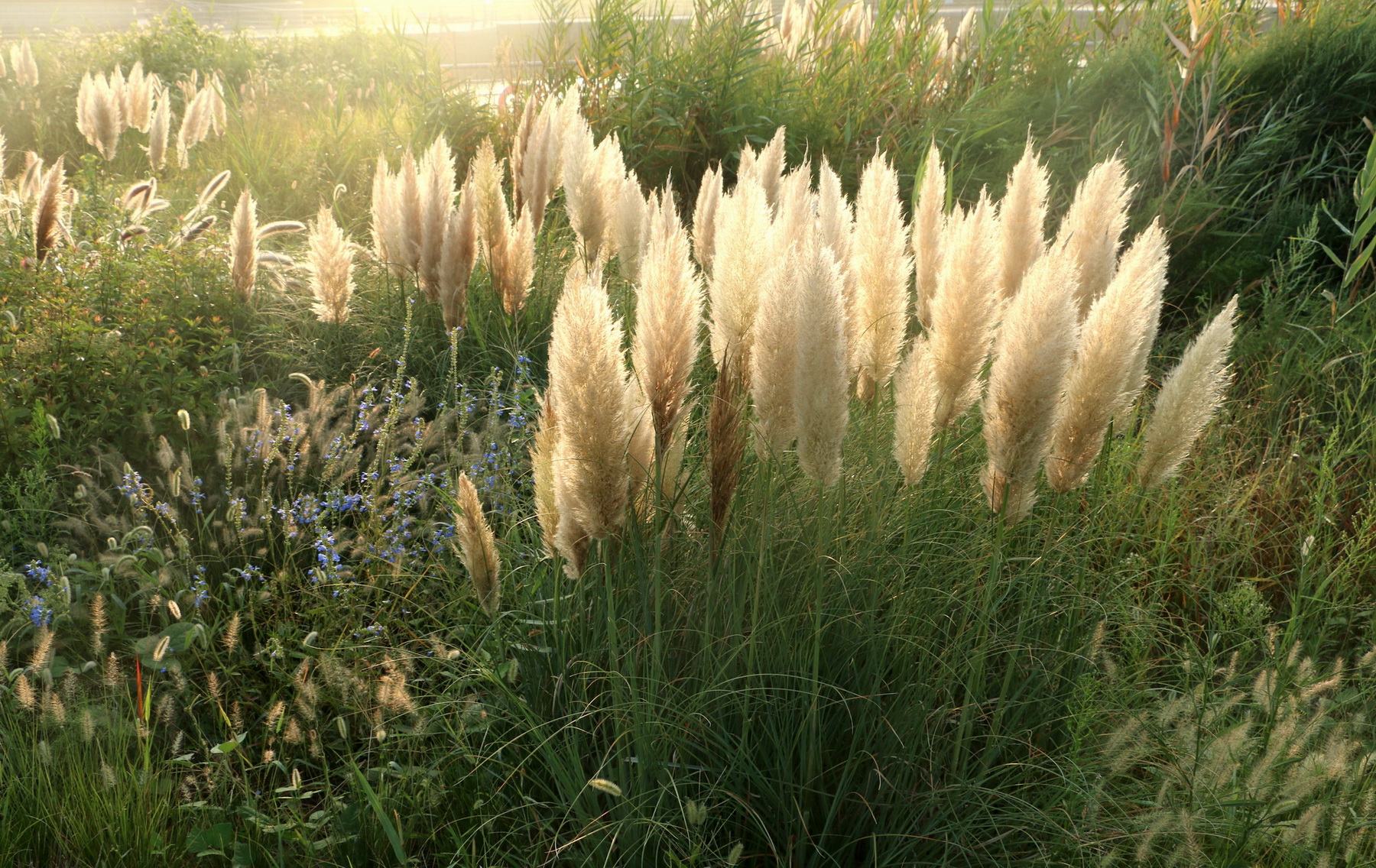
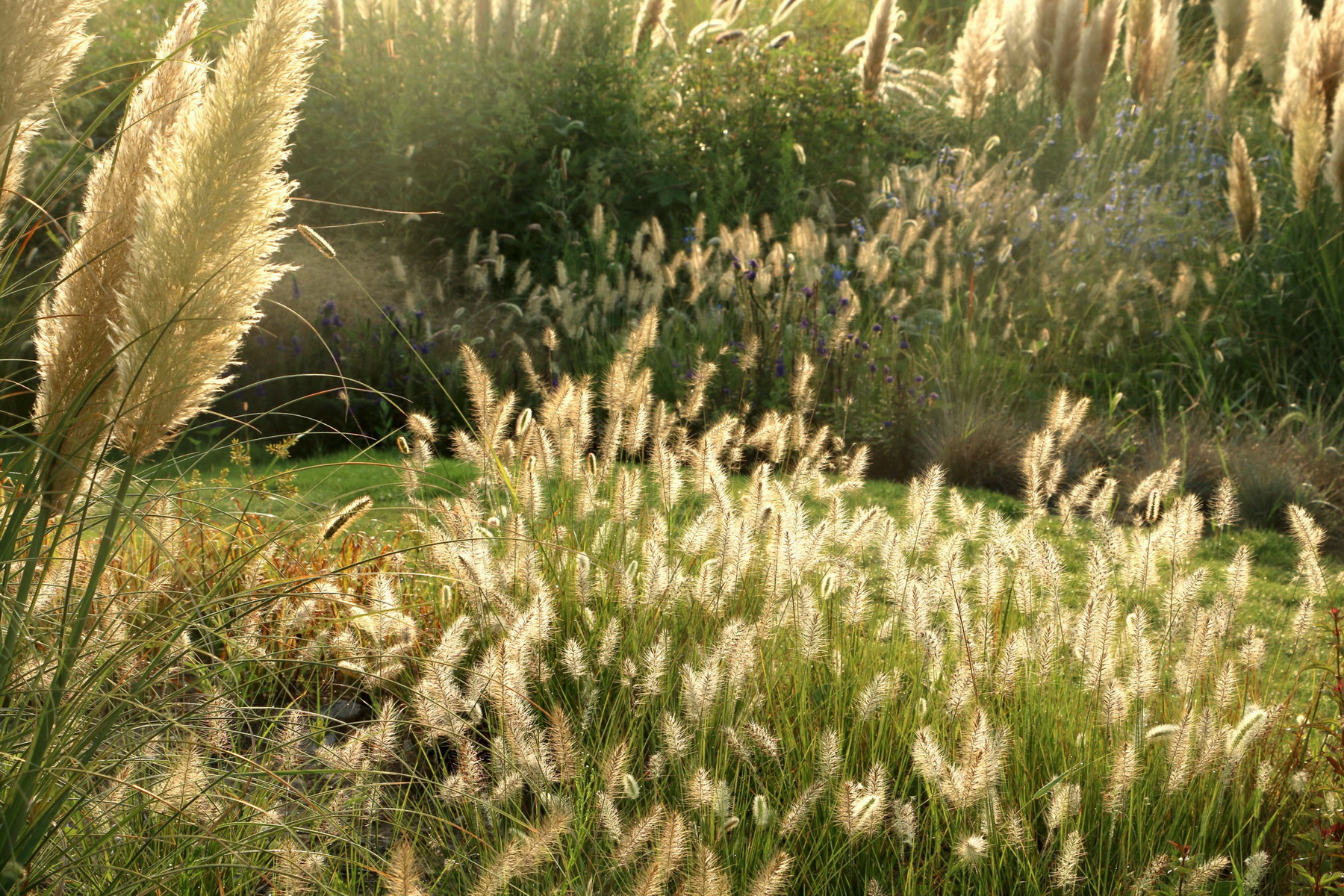
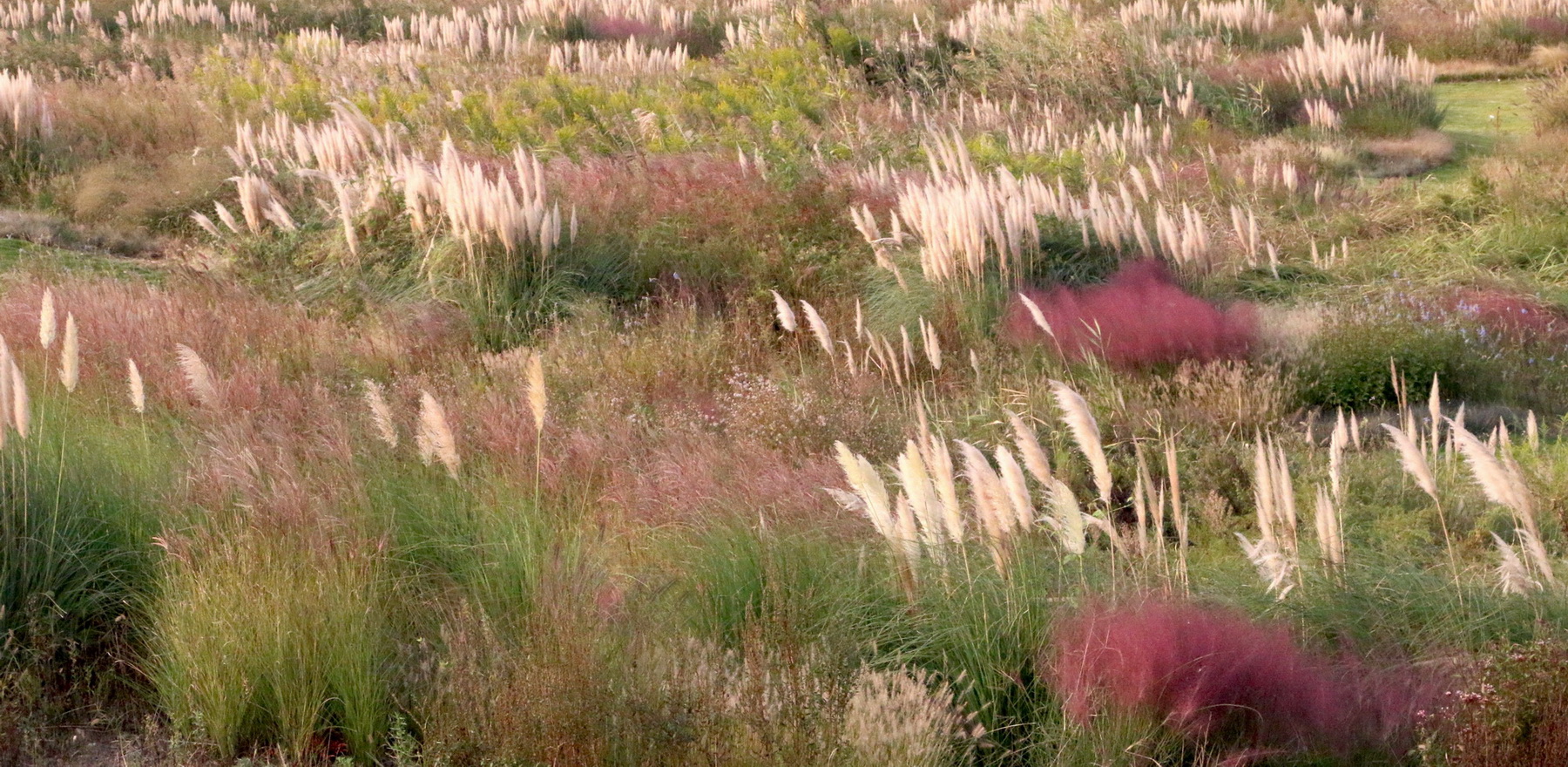
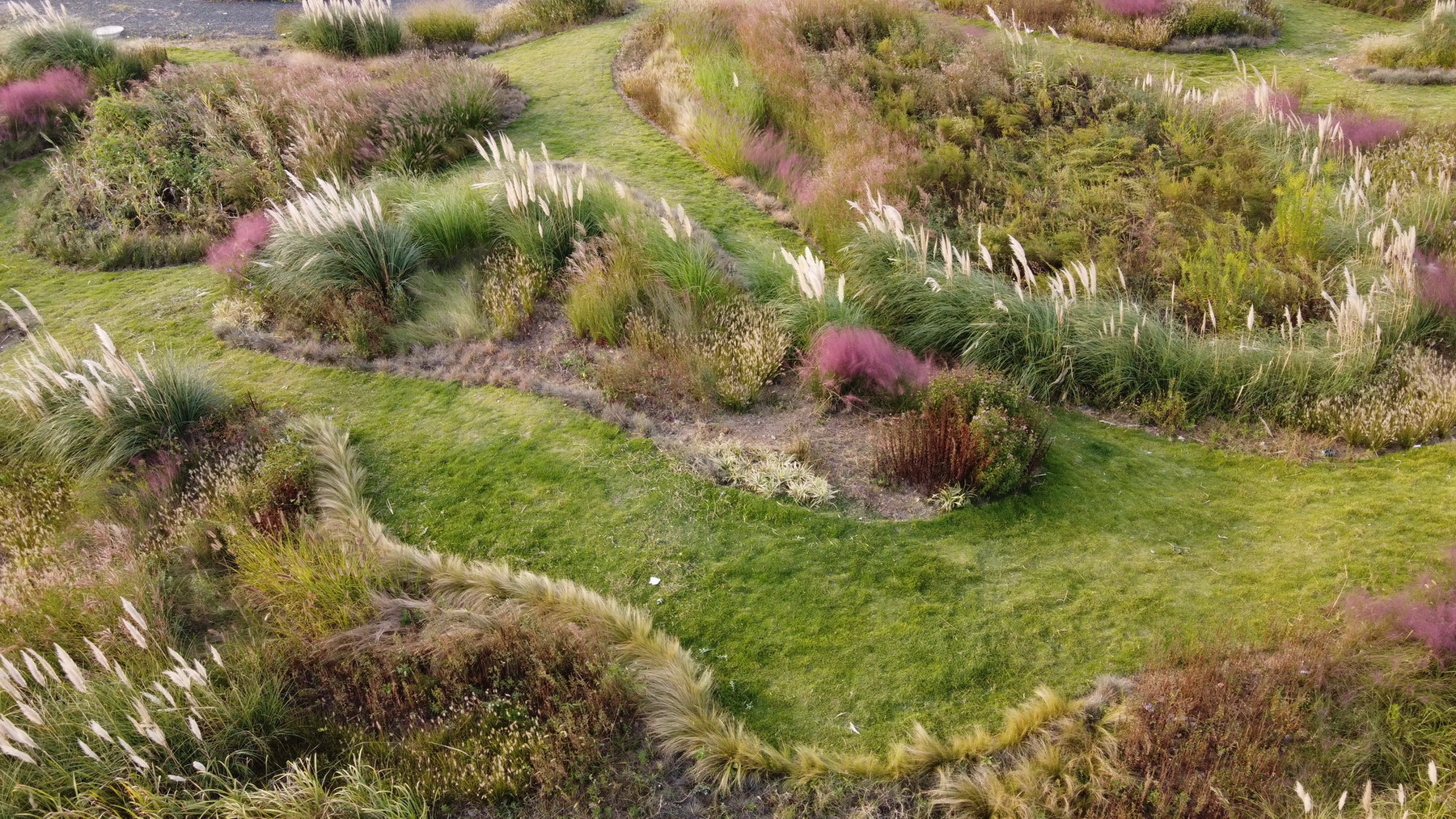
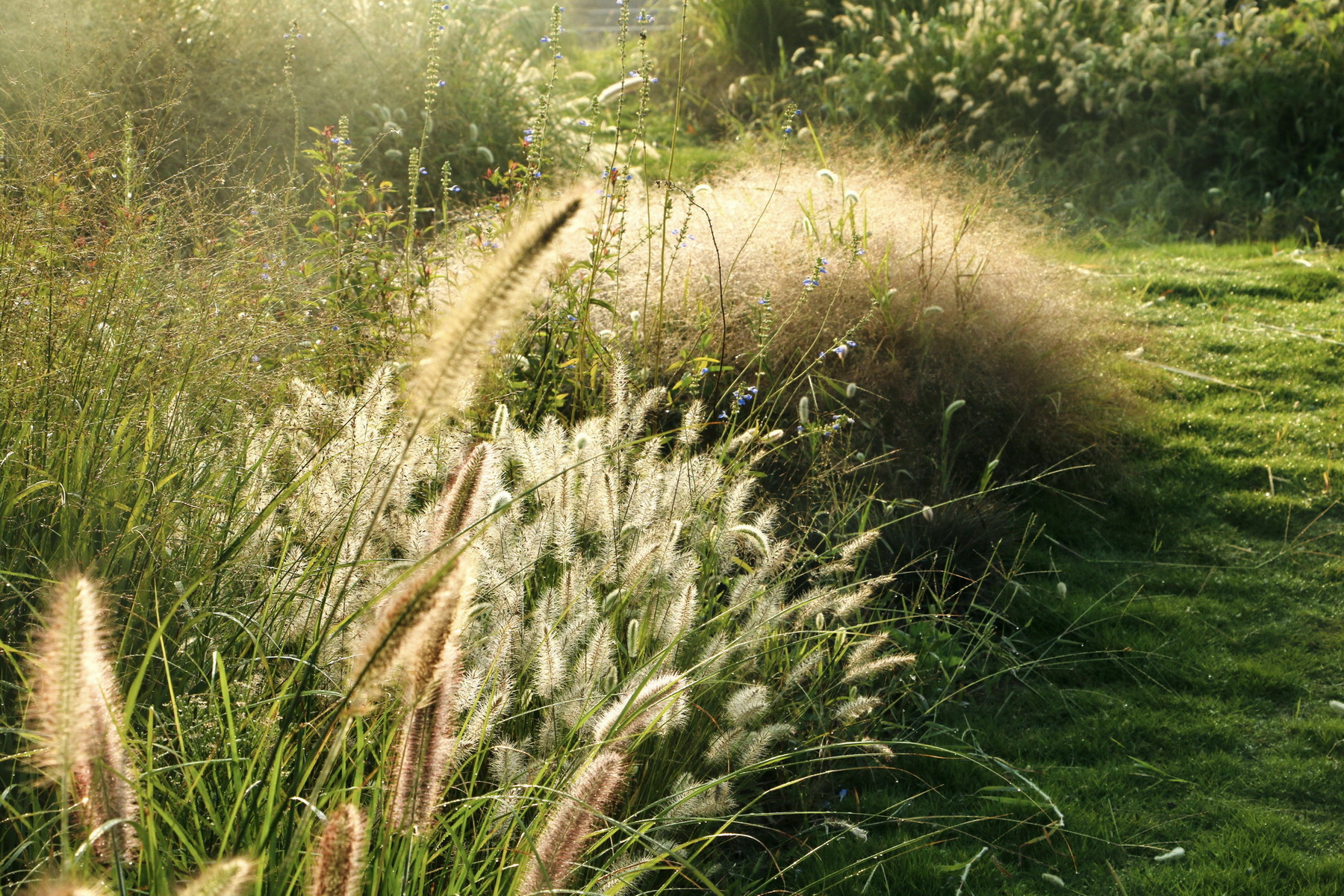
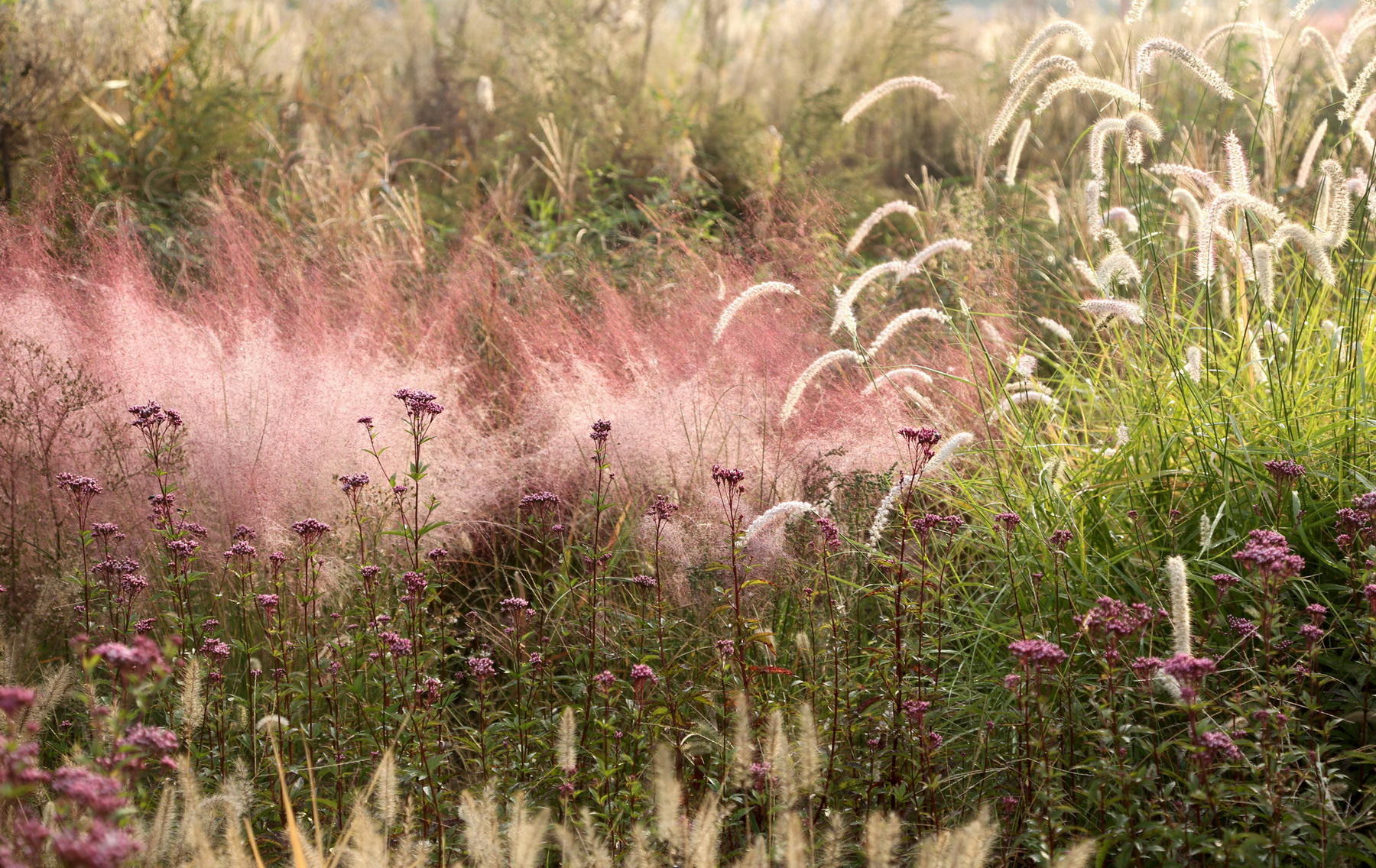
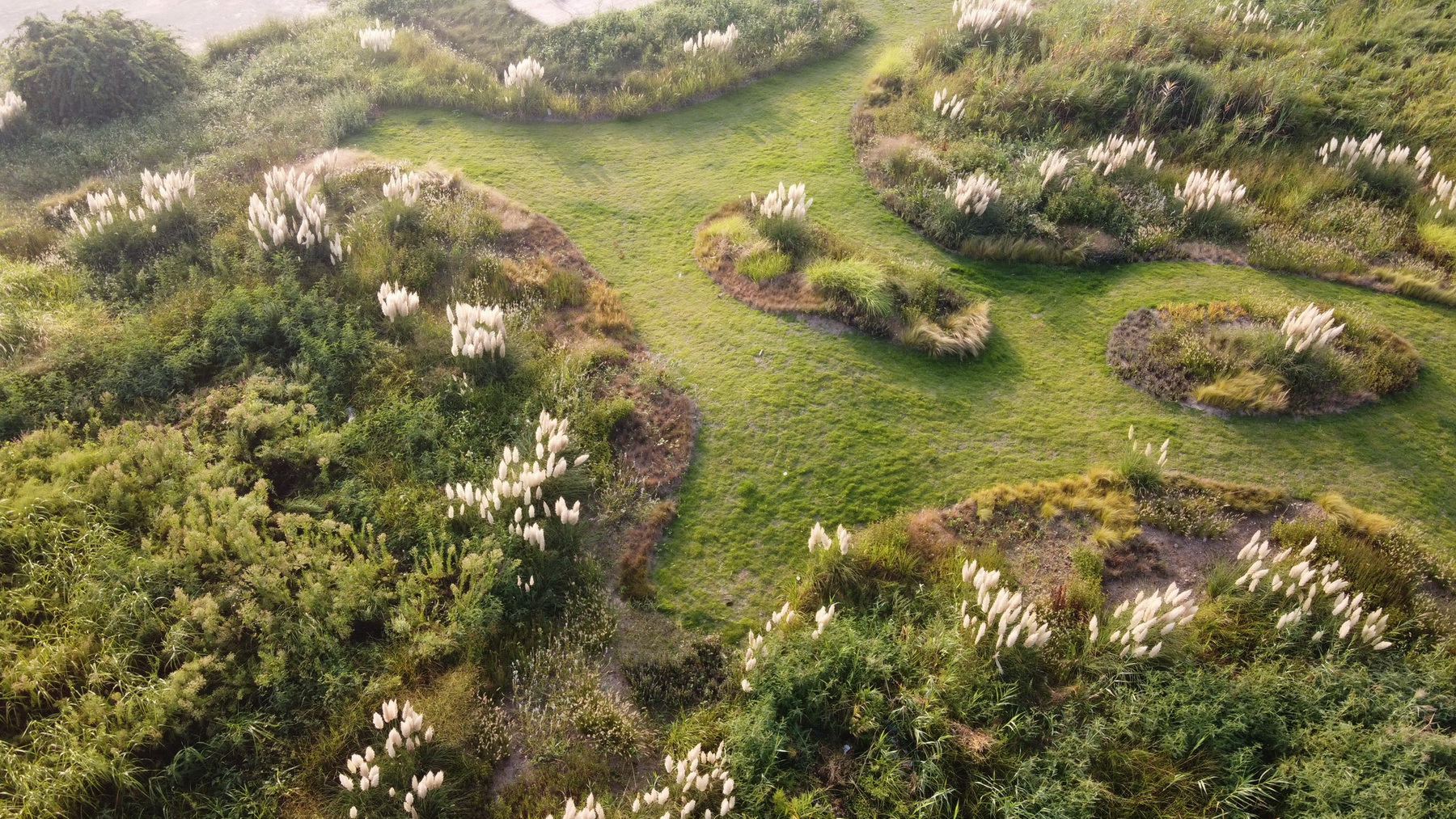
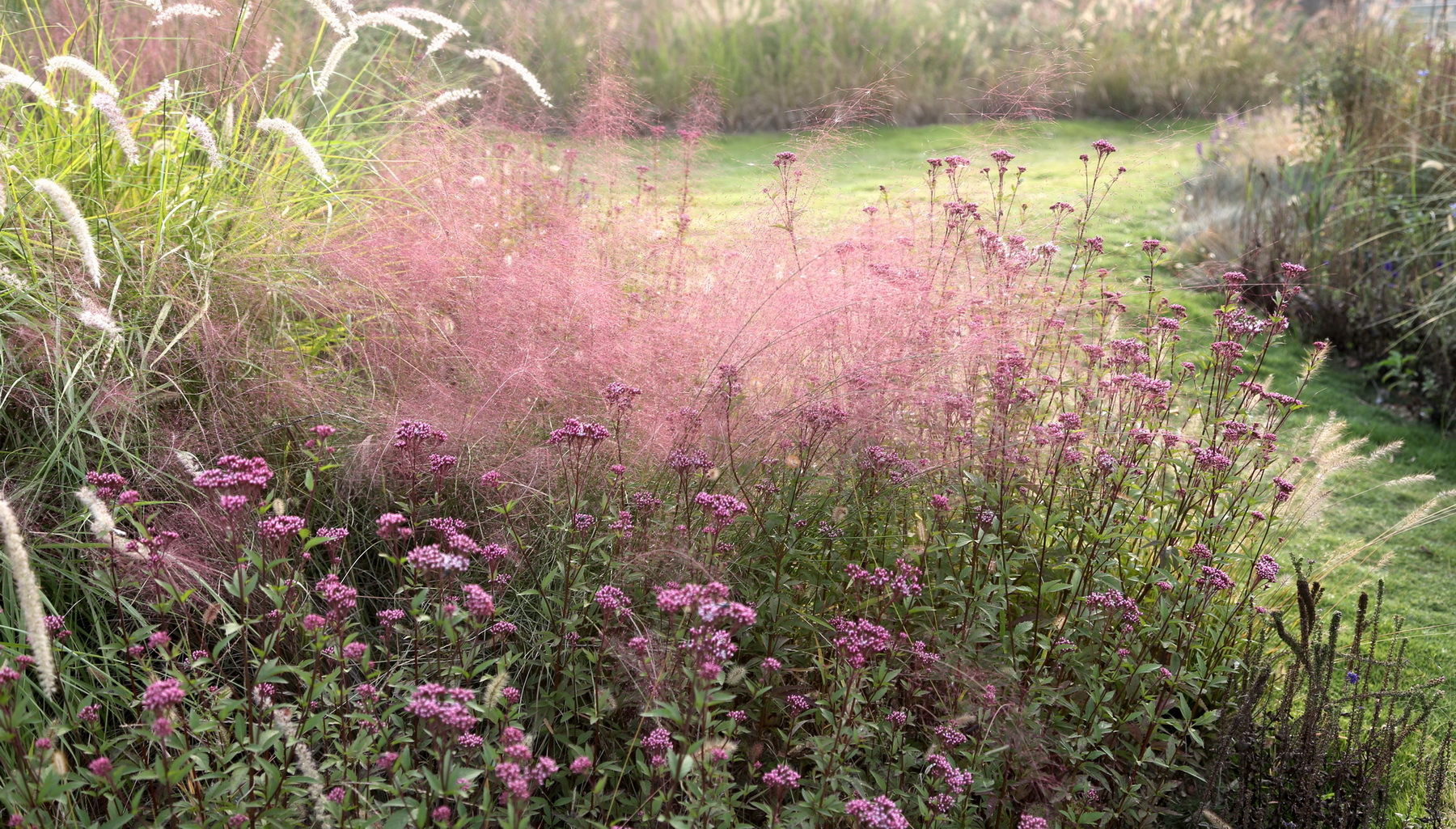
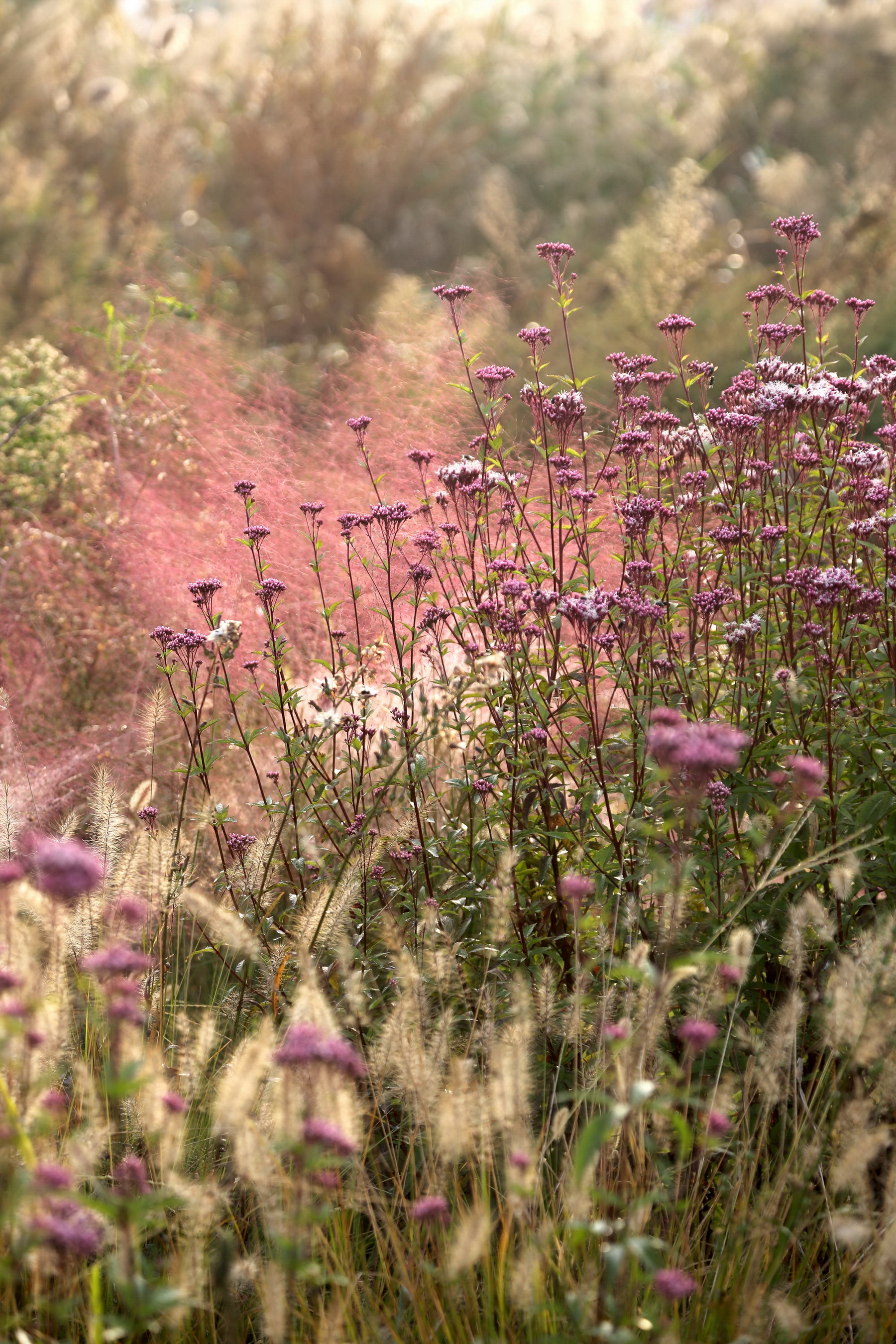
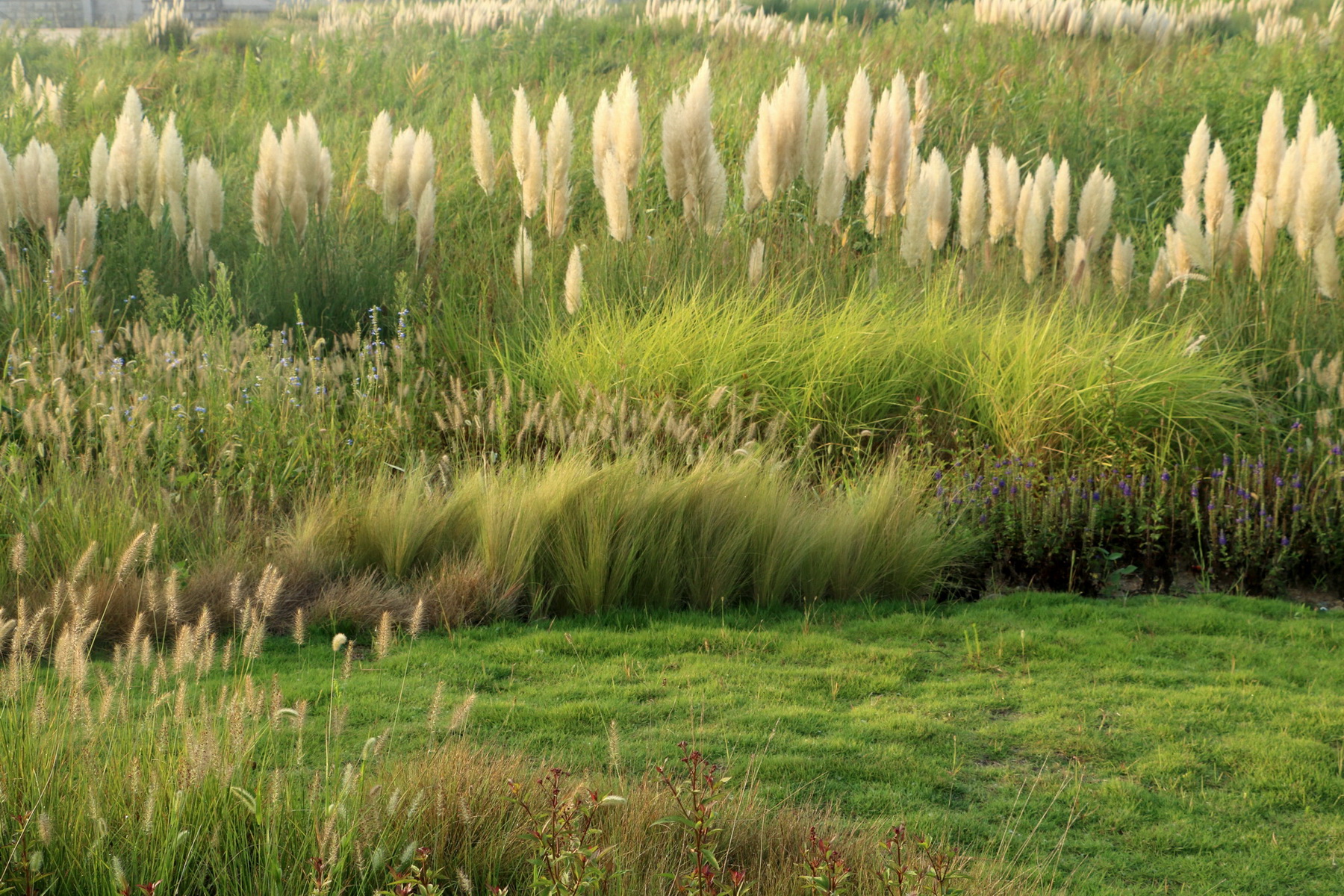
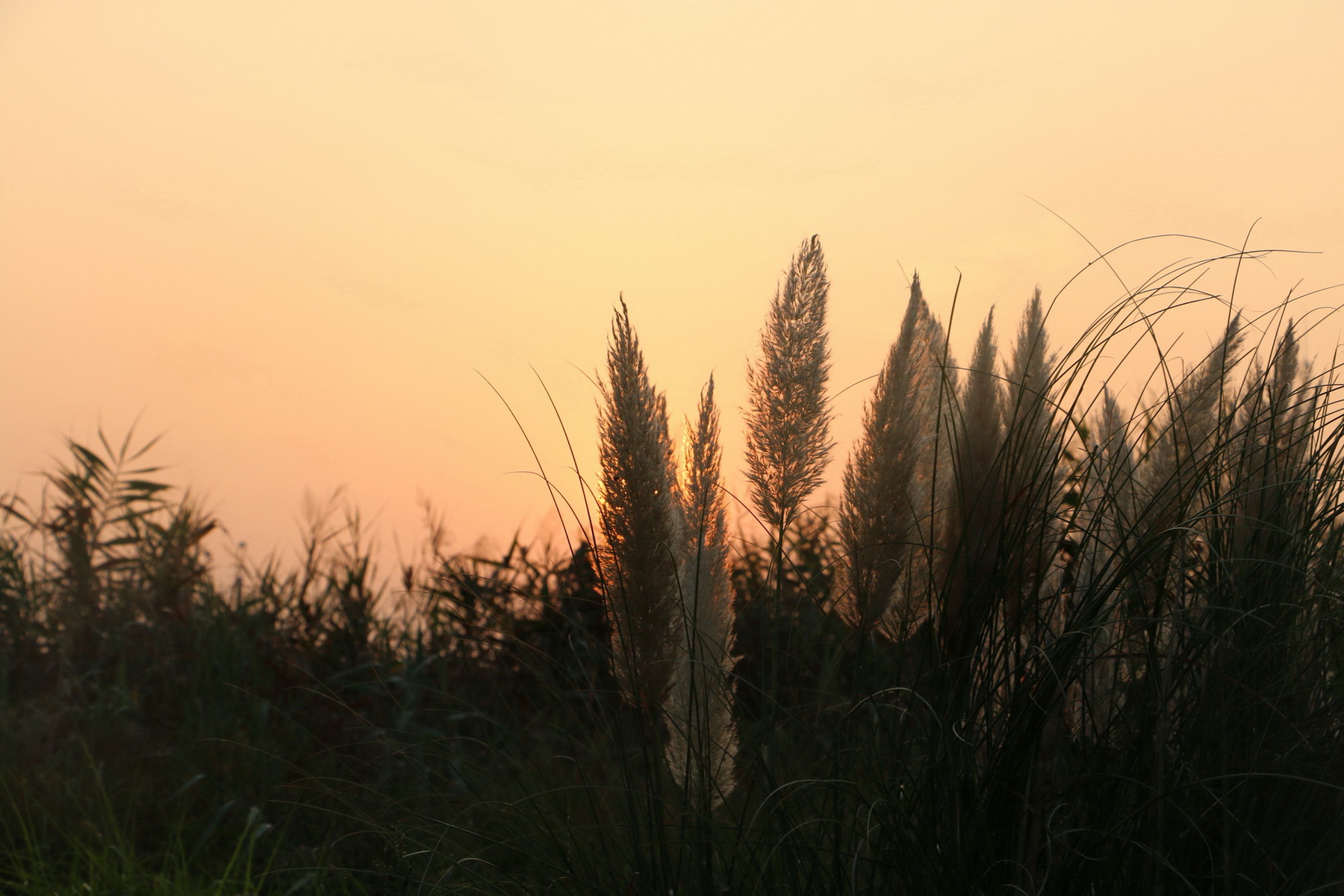
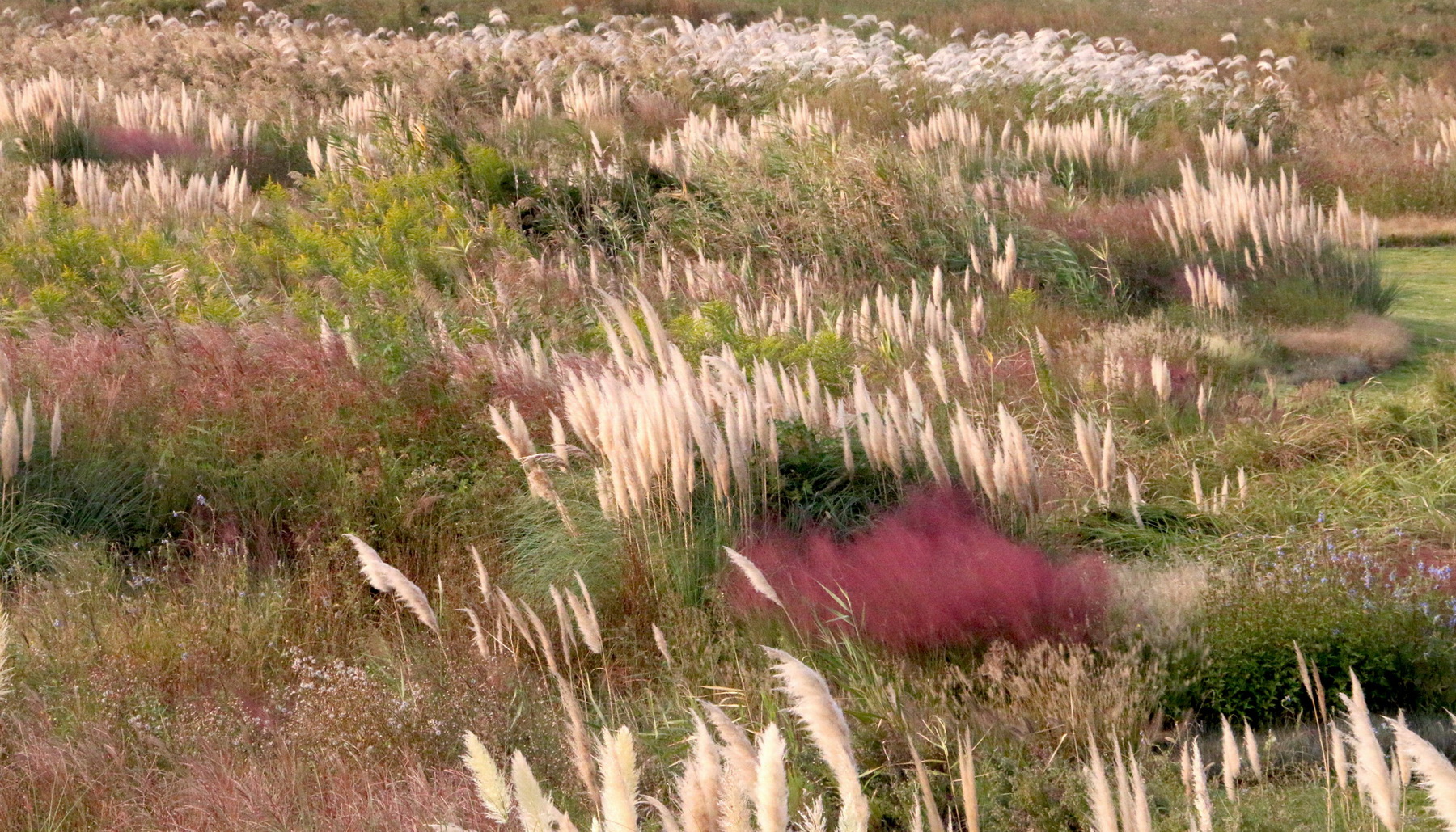
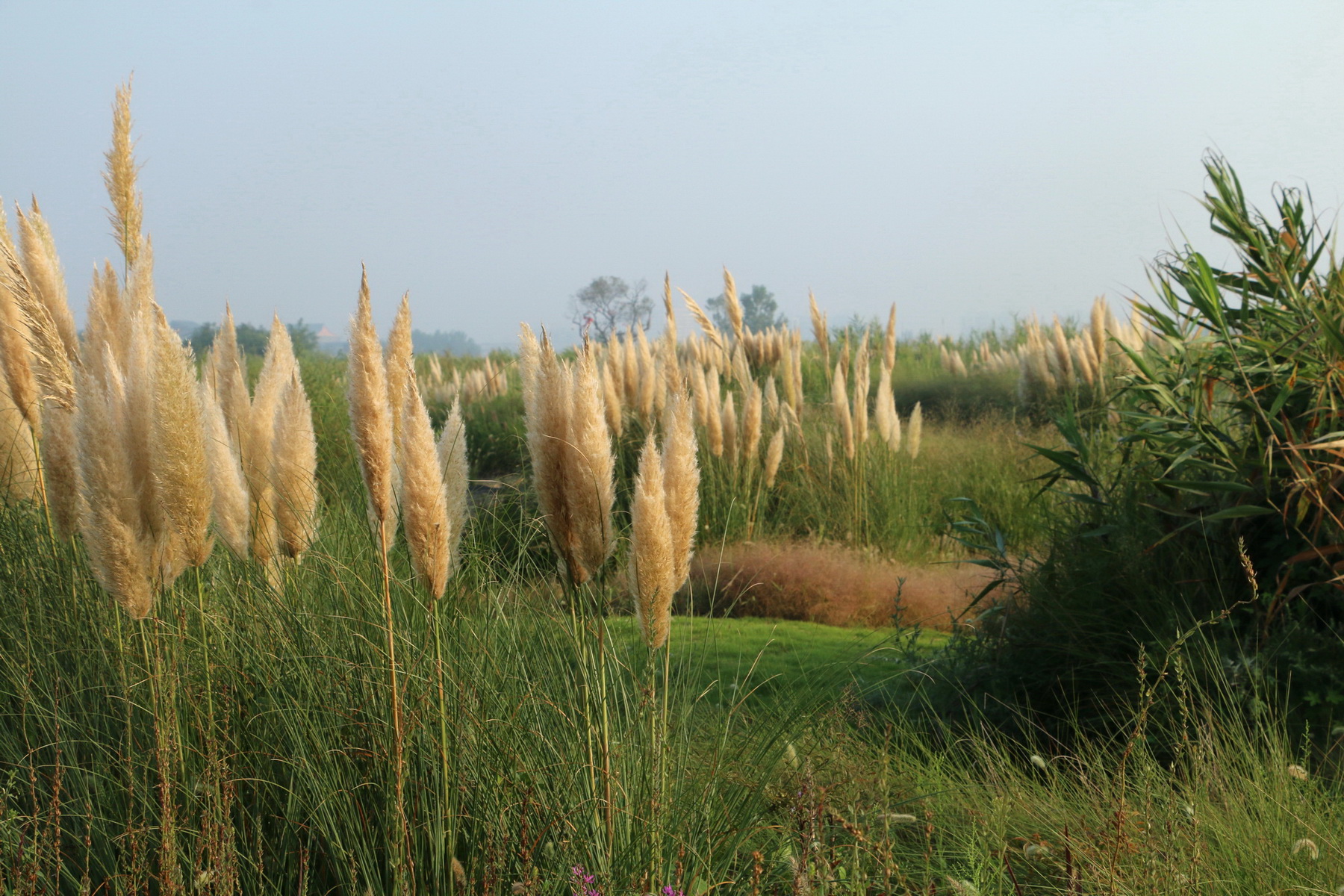
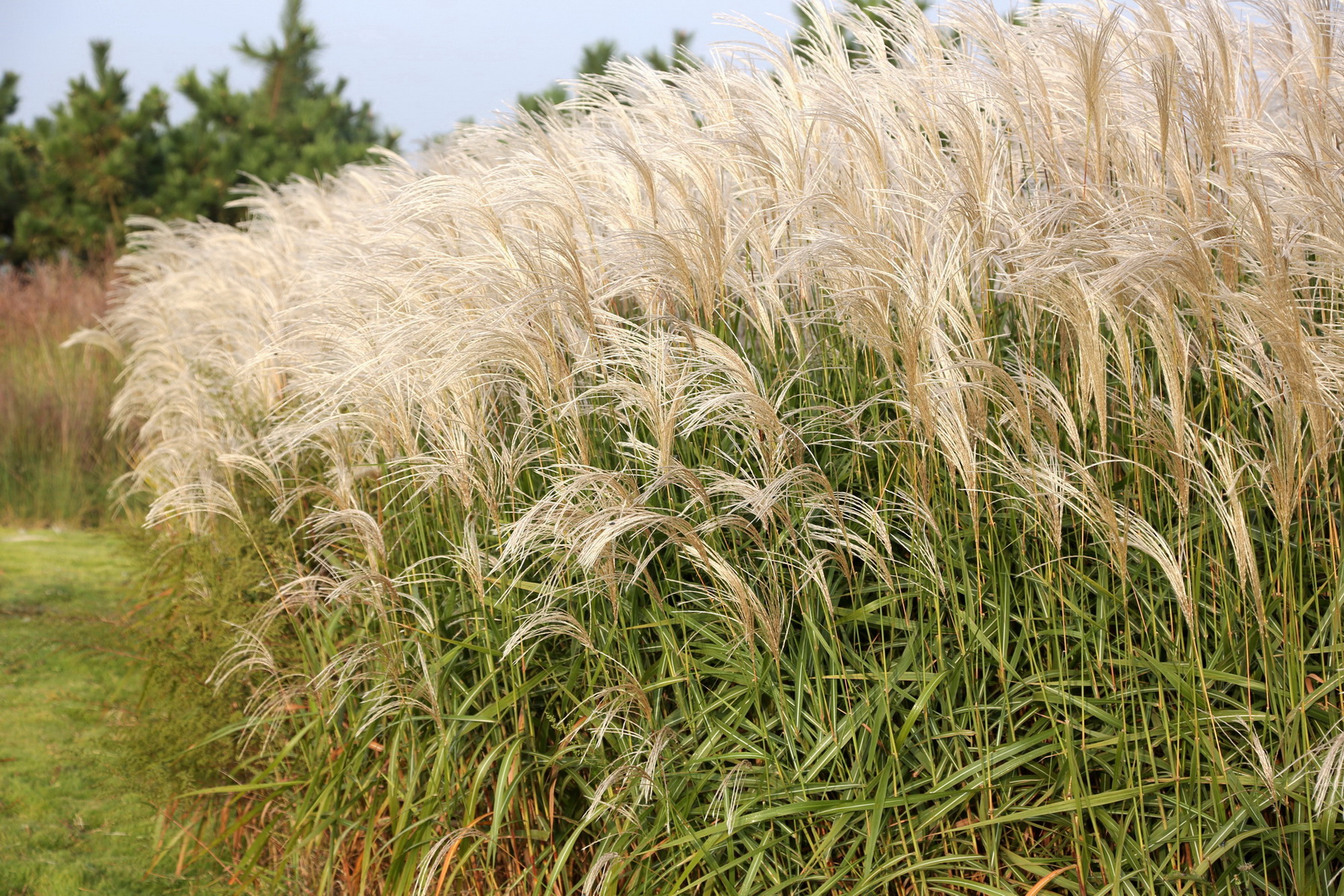
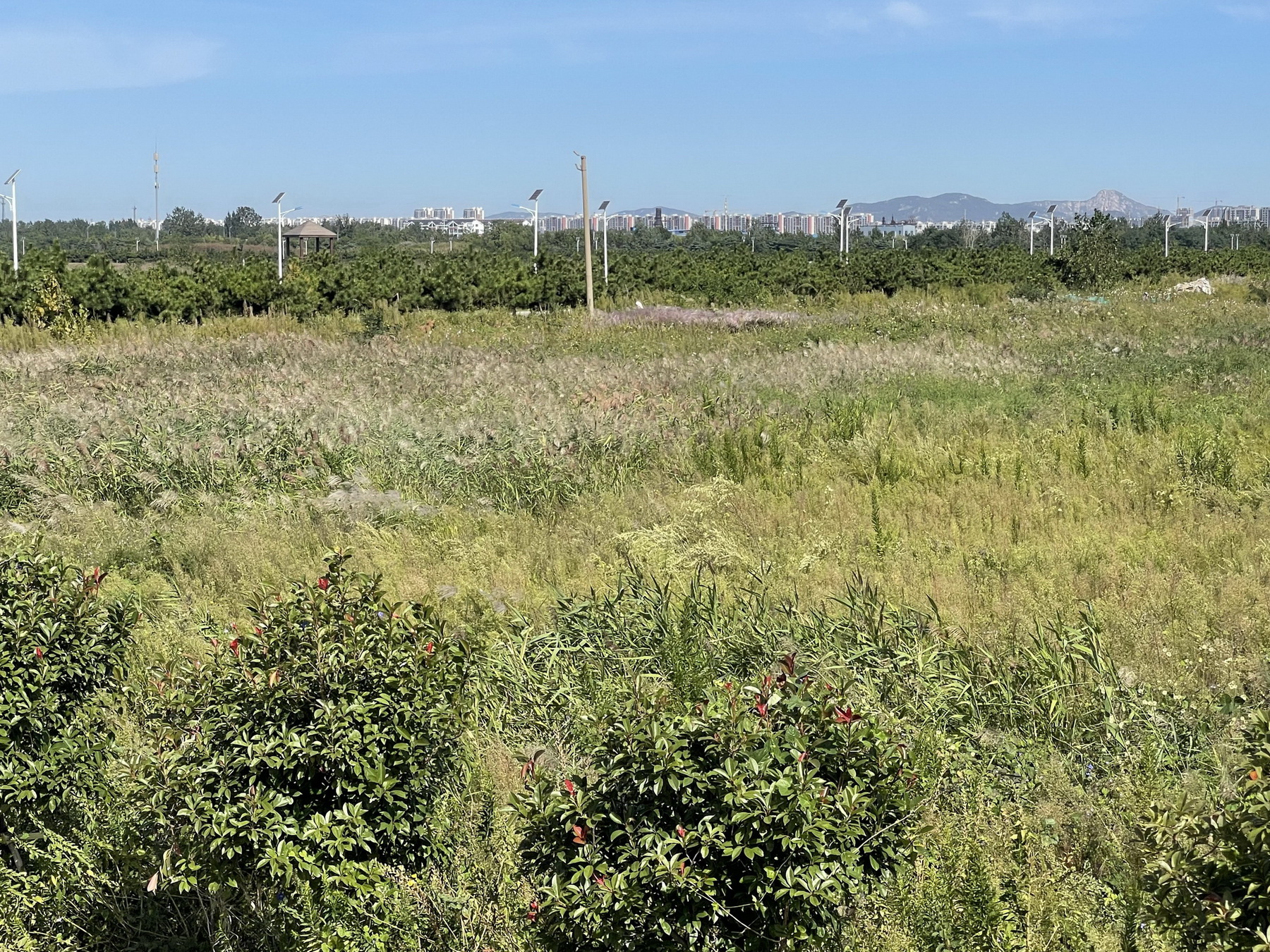
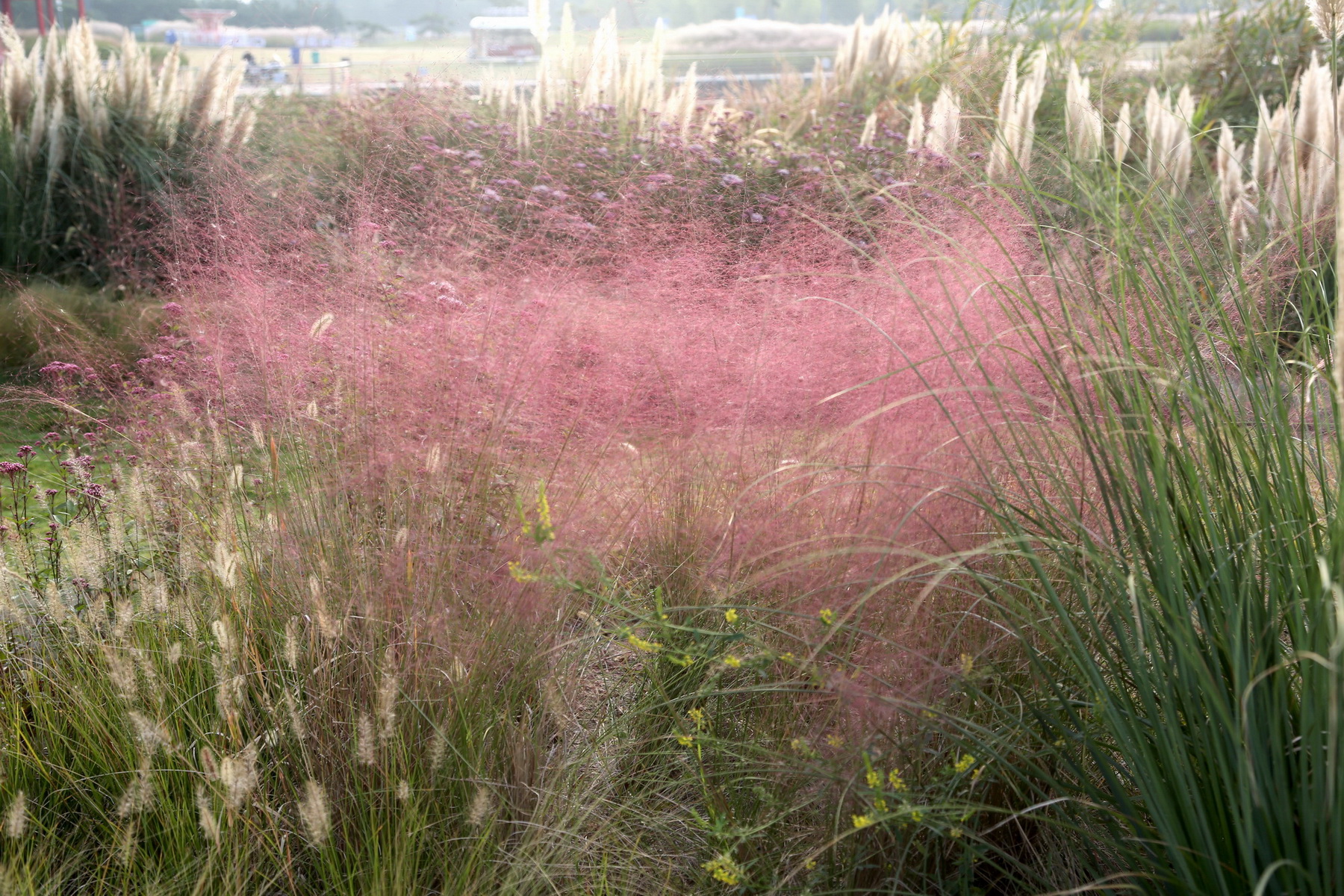
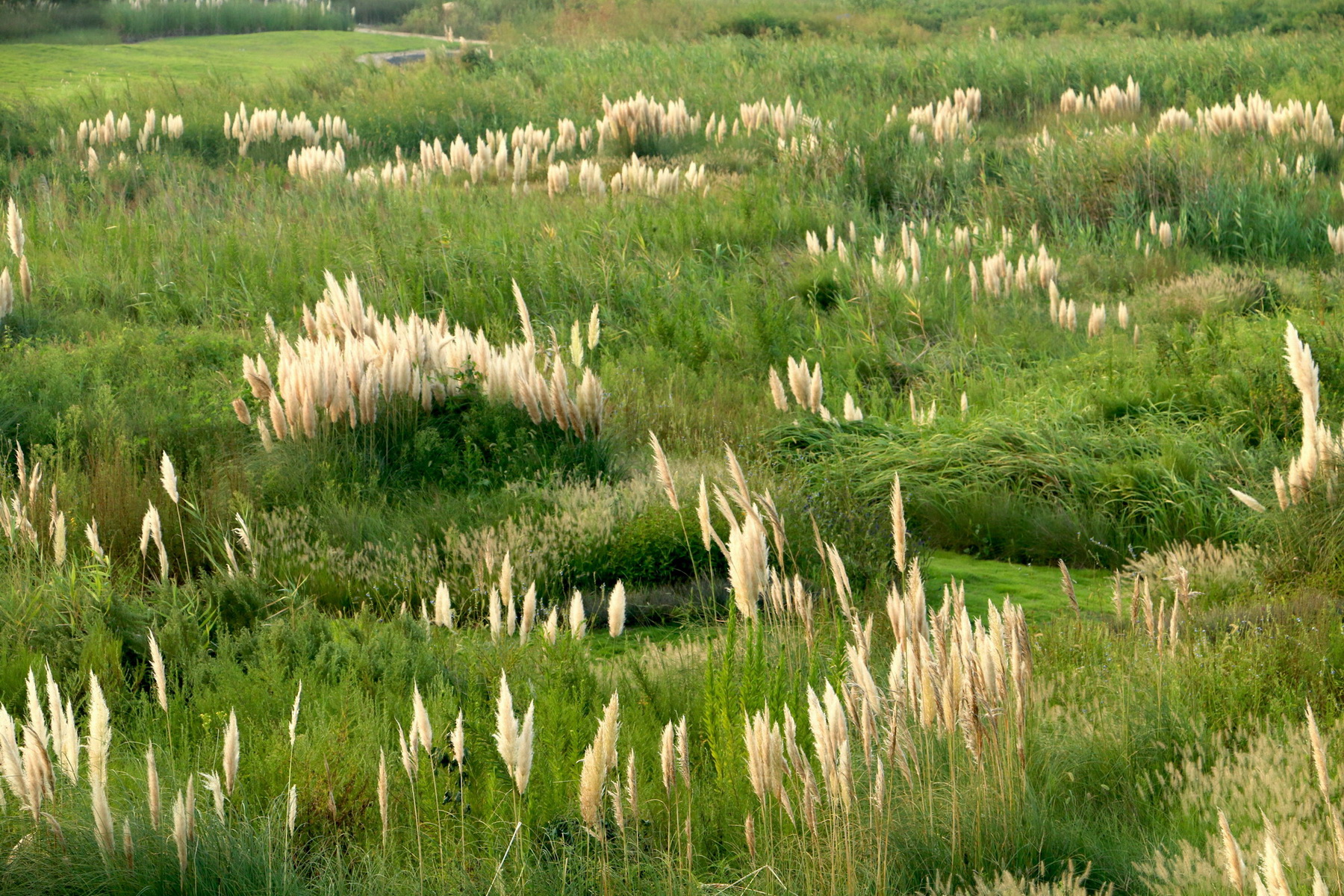
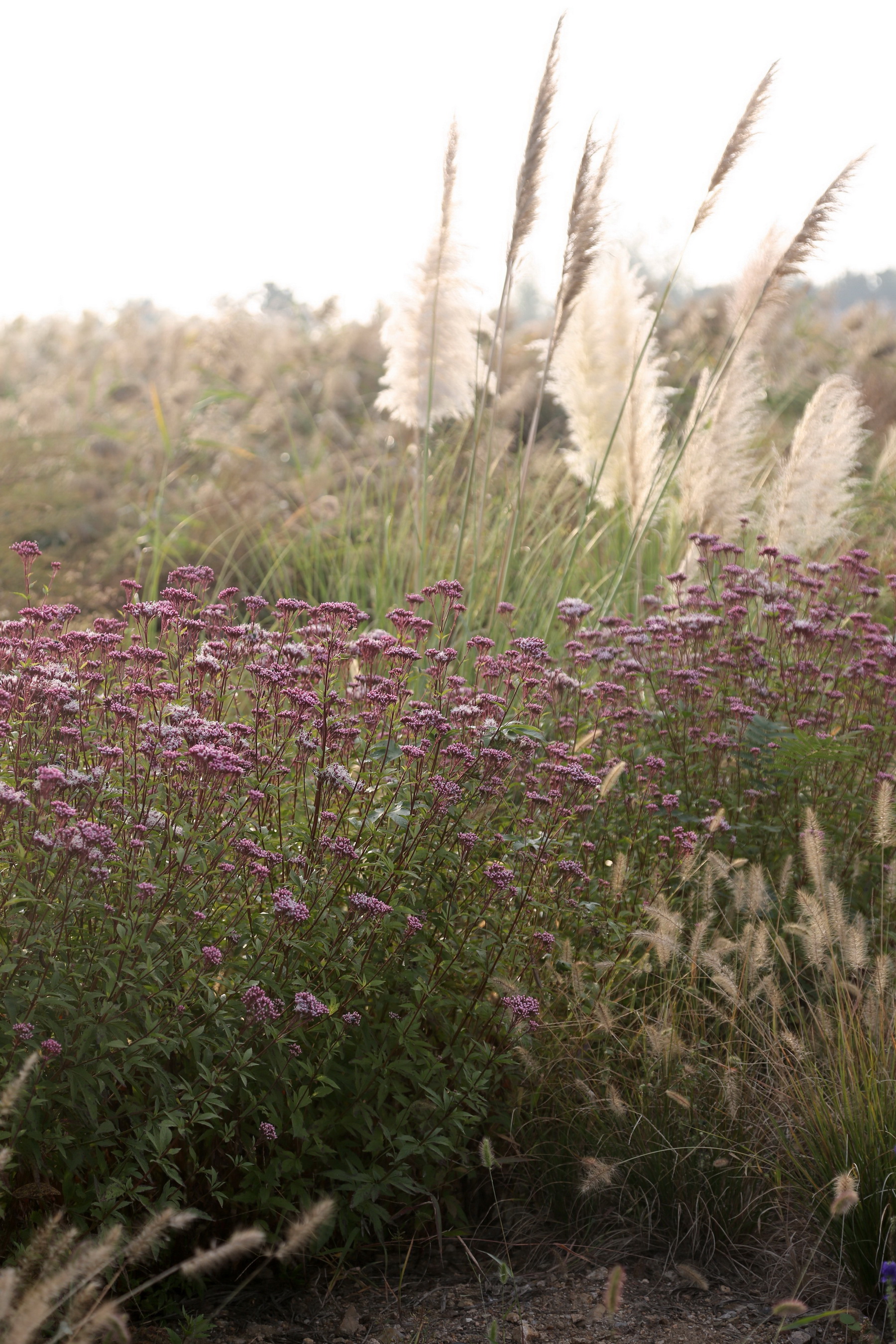
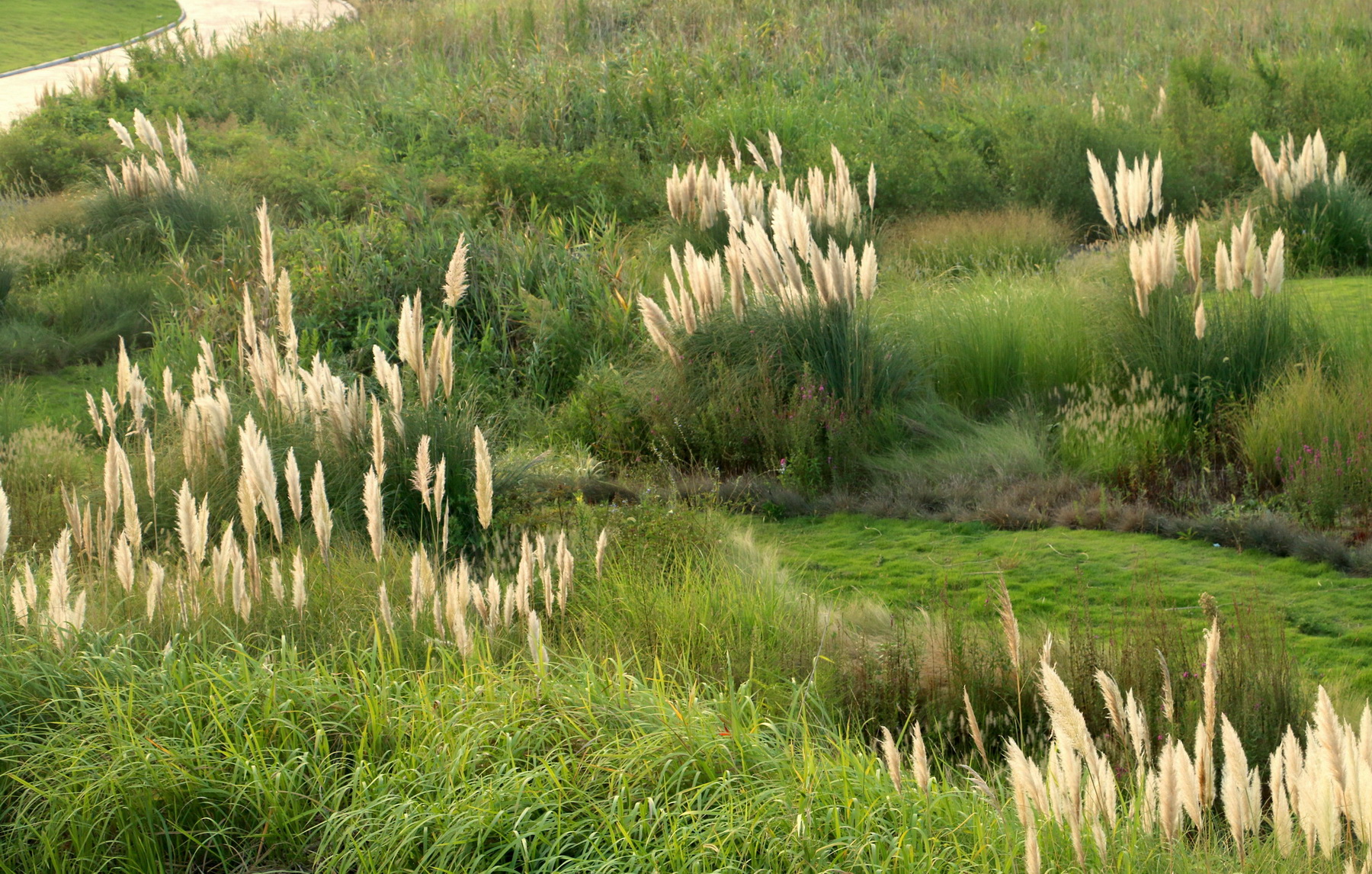
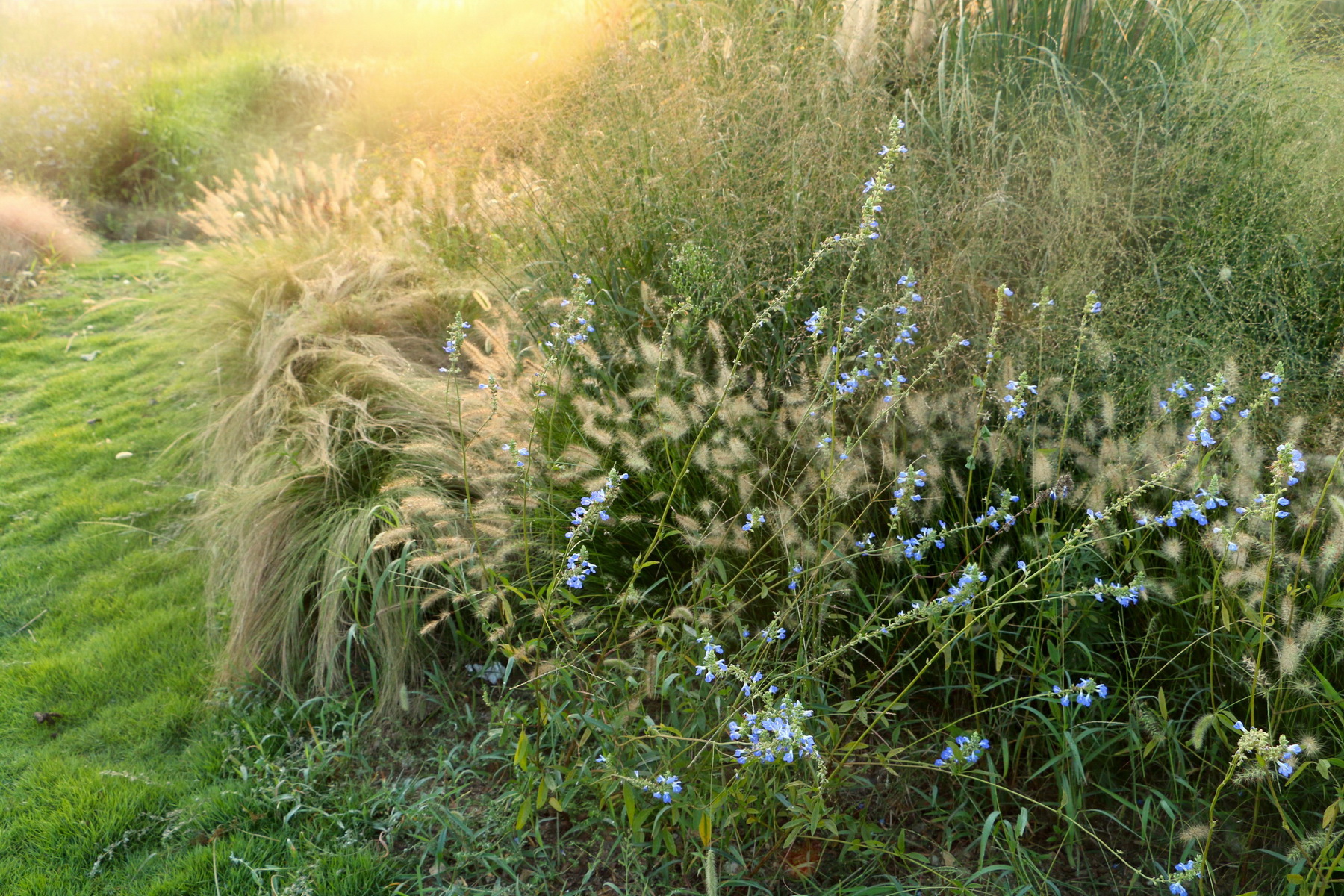
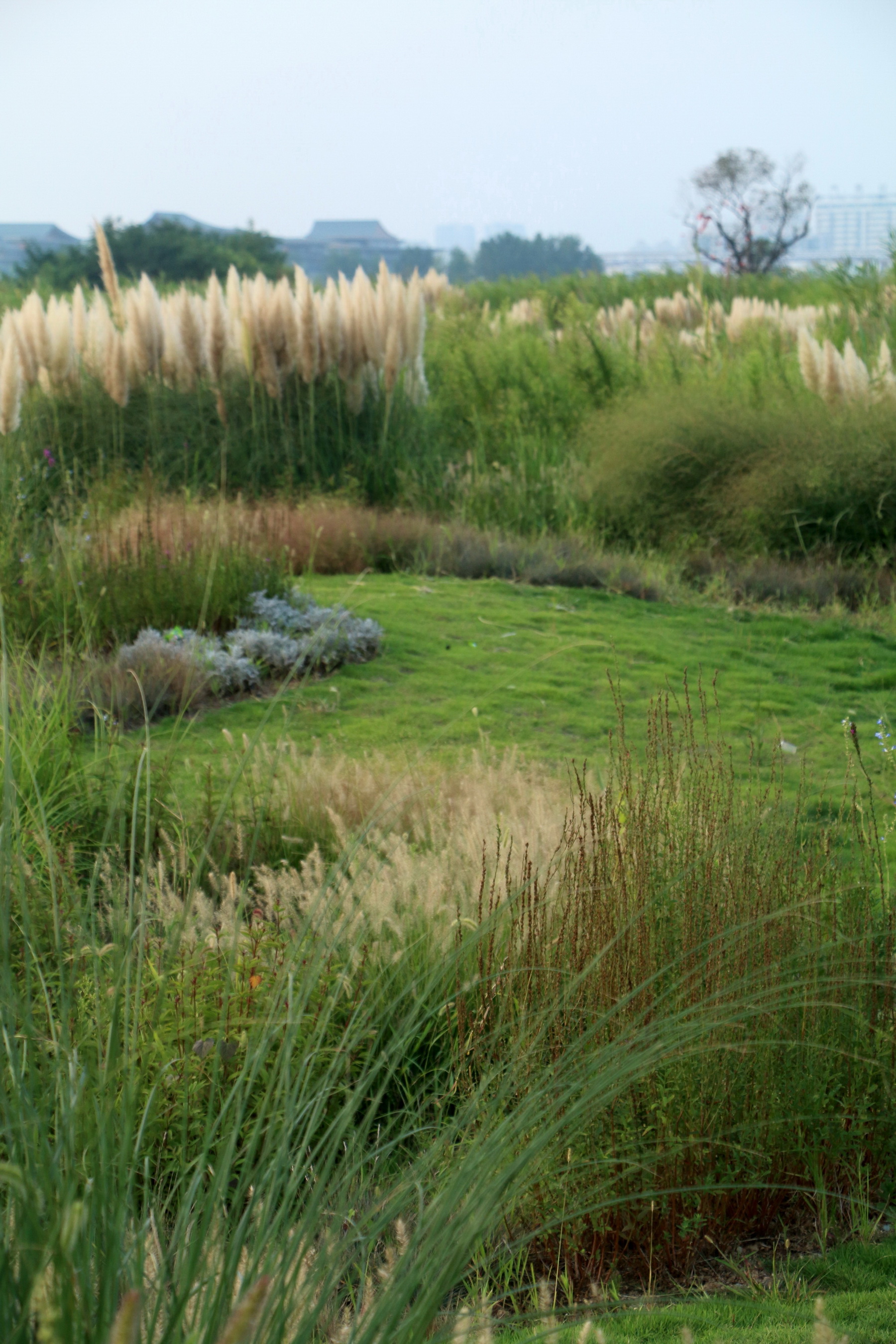
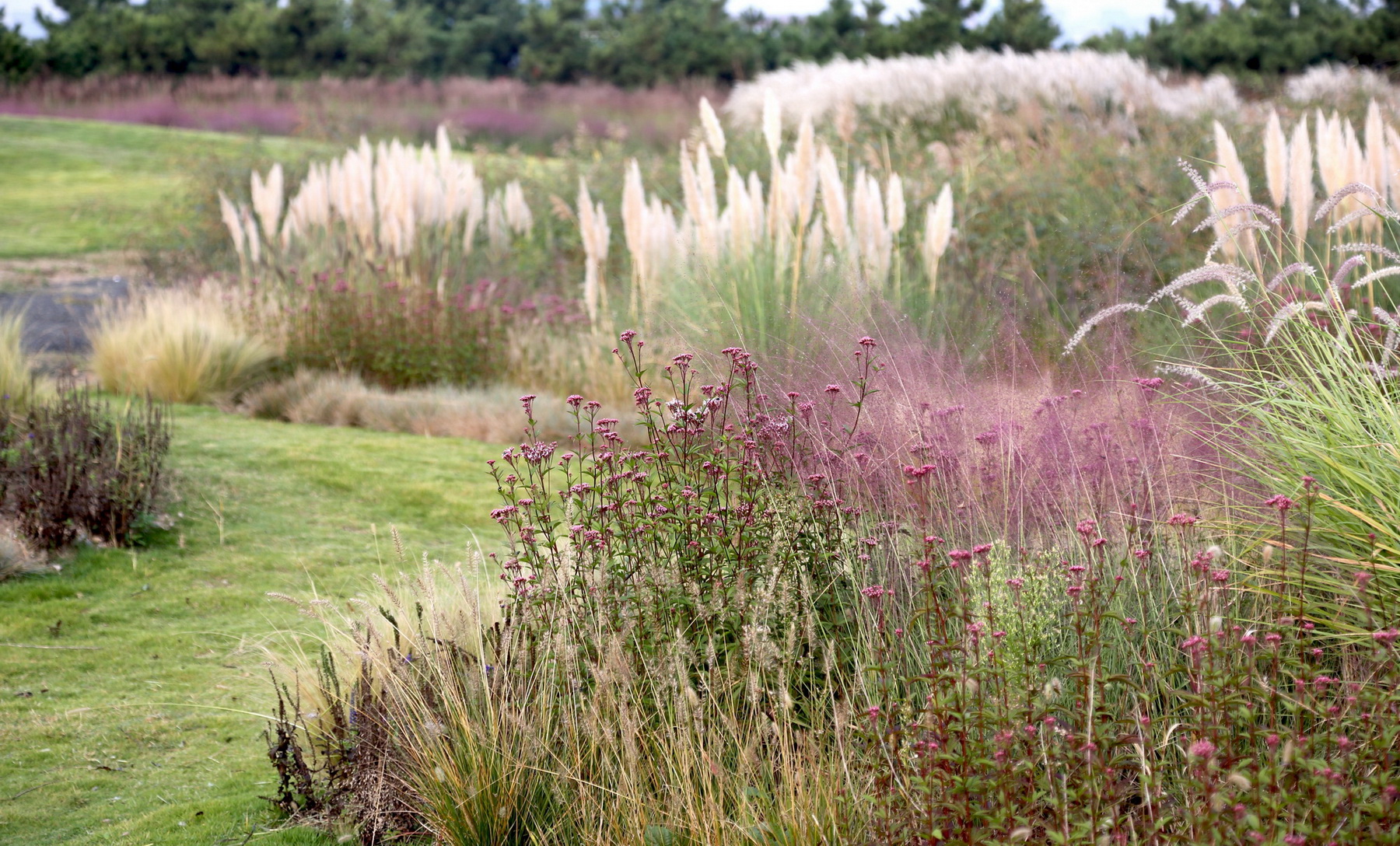
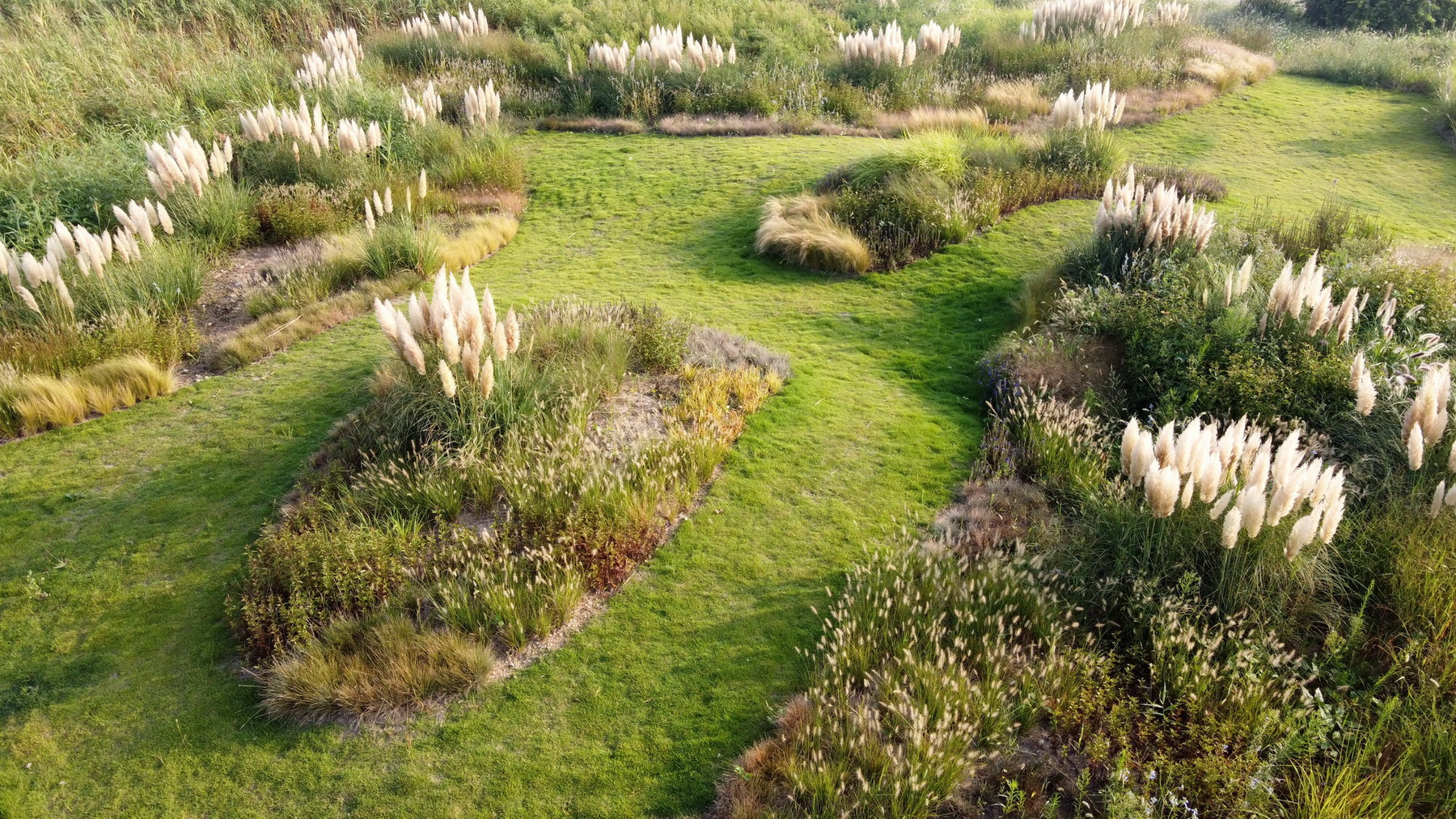
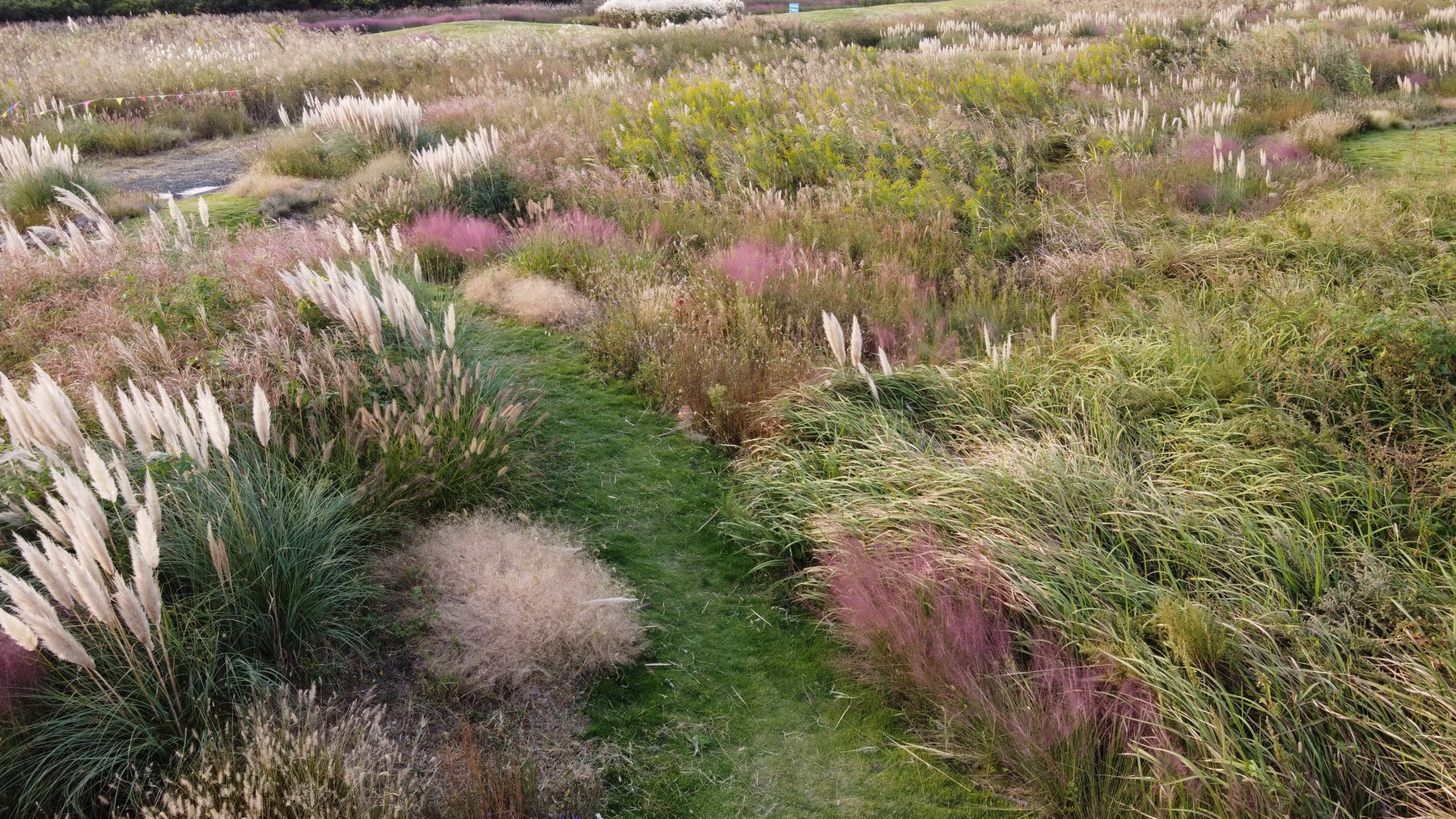
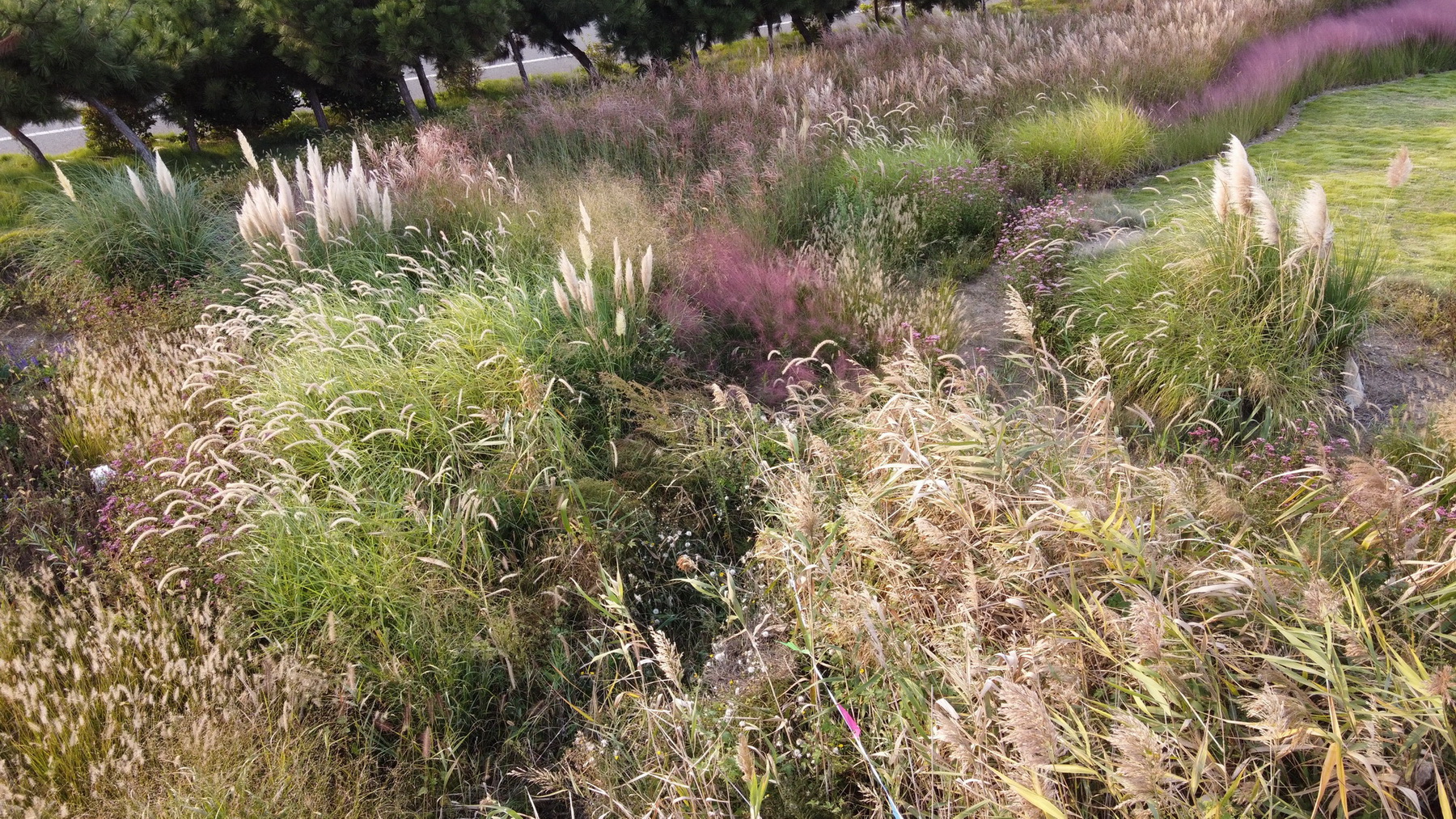
The Duodaohai Wild Grass Park in Lanshan District, Rizhao, Shandong, is an urban transformation of a derelict coastal strip by Kong Xiangwei Studio. Wild grass has an ambiguous identity: ignored, sometimes equated with wasteland, pulled out by farmers, yet the essential base of ecosystems. Its vigorous seasonal rise and decay reminds visitors that life is a cycle and each state has its own beauty. The site, historically coastal tidal flat later turned urban green, lies at the southern edge of Rizhao near the Jiangsu border, on the geographic divide between north and south. A long north-south plot overgrown with reeds, wild legumes, mugwort and the invasive Canada goldenrod is upgraded into an open city park. The designer was struck by the power of this wilderness and by the order within disorder: each species holds its own ground without invading its neighbor. The decision was to keep reeds, silvergrass, pampas grass and wild legumes, remove the allergy-causing mugwort and the invasive goldenrod, and let nature show itself. Opening a path through nearly two hundred mu of overgrowth became the key challenge; with no original drawings and a tight schedule, the designer relied on site feel. A skilled skid-steer operator drove the machine while the designer leaned out of the cabin directing the route, and the main road was set in a single day. The skid steer became a drawing tool: clearing, shaping terrain, setting out, hand-planting, following the land. Working with another operator, the designer marked high points and regraded them into continuous microtopography. Planting was the next critical move: dozens of grass species suited to Rizhao were chosen with the help of an experienced grower and arranged by height, from the tallest Miscanthus sinensis and Cortaderia to the smallest blue fescue. A zoysia lawn was used as the ground plane and ornamental wild-grass habitat as the figure, with boundaries set by white lime on site and checked from multiple viewpoints. The designer worked alongside dozens of planters through a deep November, hands frozen by sunset but lulled by insect song. After a year of growth, the park reached its intended state: the retained native grasses still grow vigorously as a dense background, while the newly cultivated habitats provide a finer, ornamental foreground. The two kinds of grass meet naturally but stay in their own ground, producing a natural depth of field. The exploration argues that Chinese cities should retain native wild-grass habitats across climate zones, respecting natural selection and protecting local ecology, and that the combination of a large native-grass base with a cultivated wild-flower garden produces a romantic wilderness aesthetic in which delicacy and wildness coexist.









 Editor's Pick
 Latest Design