Text description provided by the architects
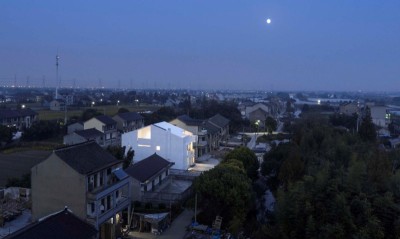
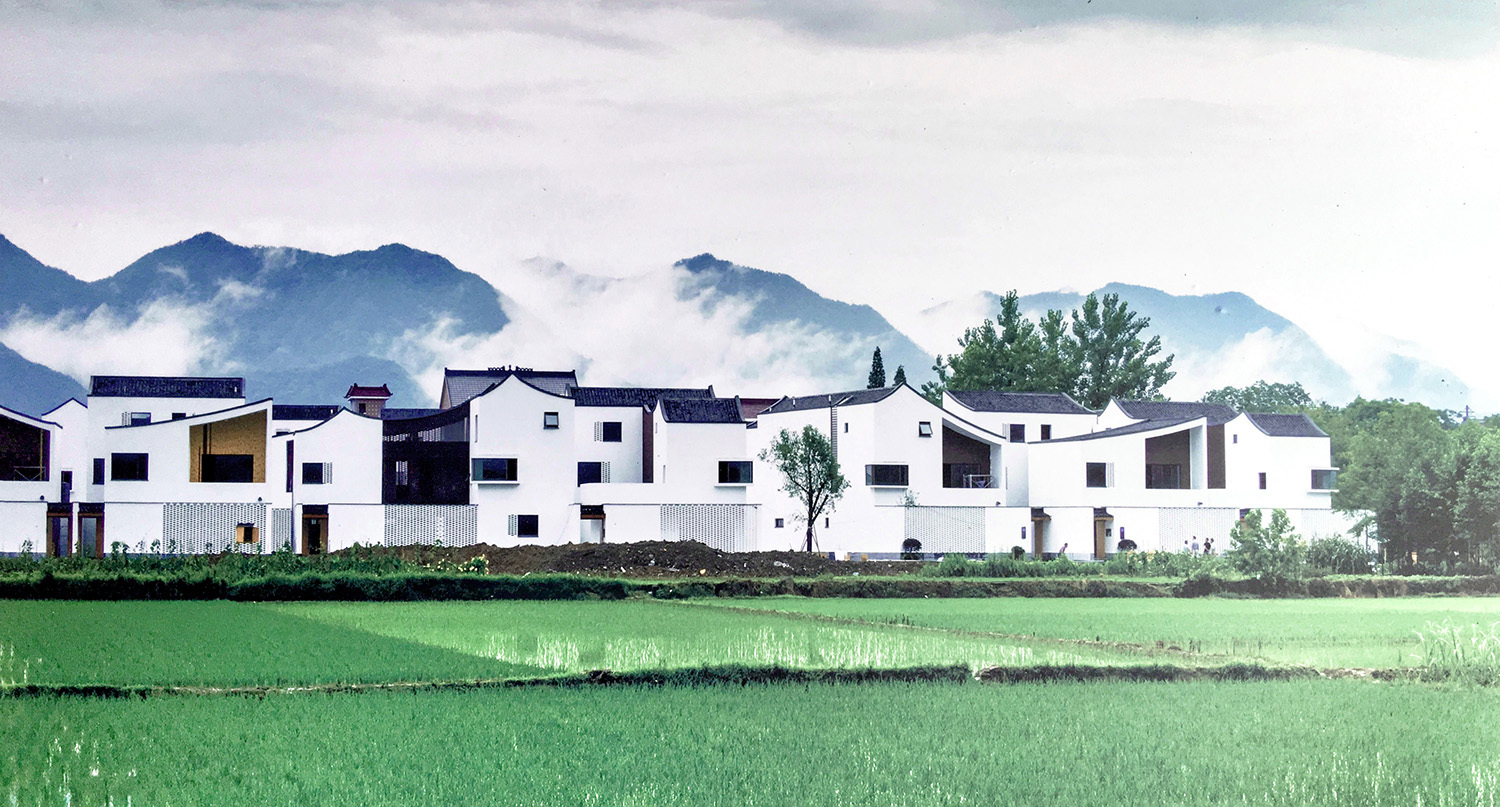
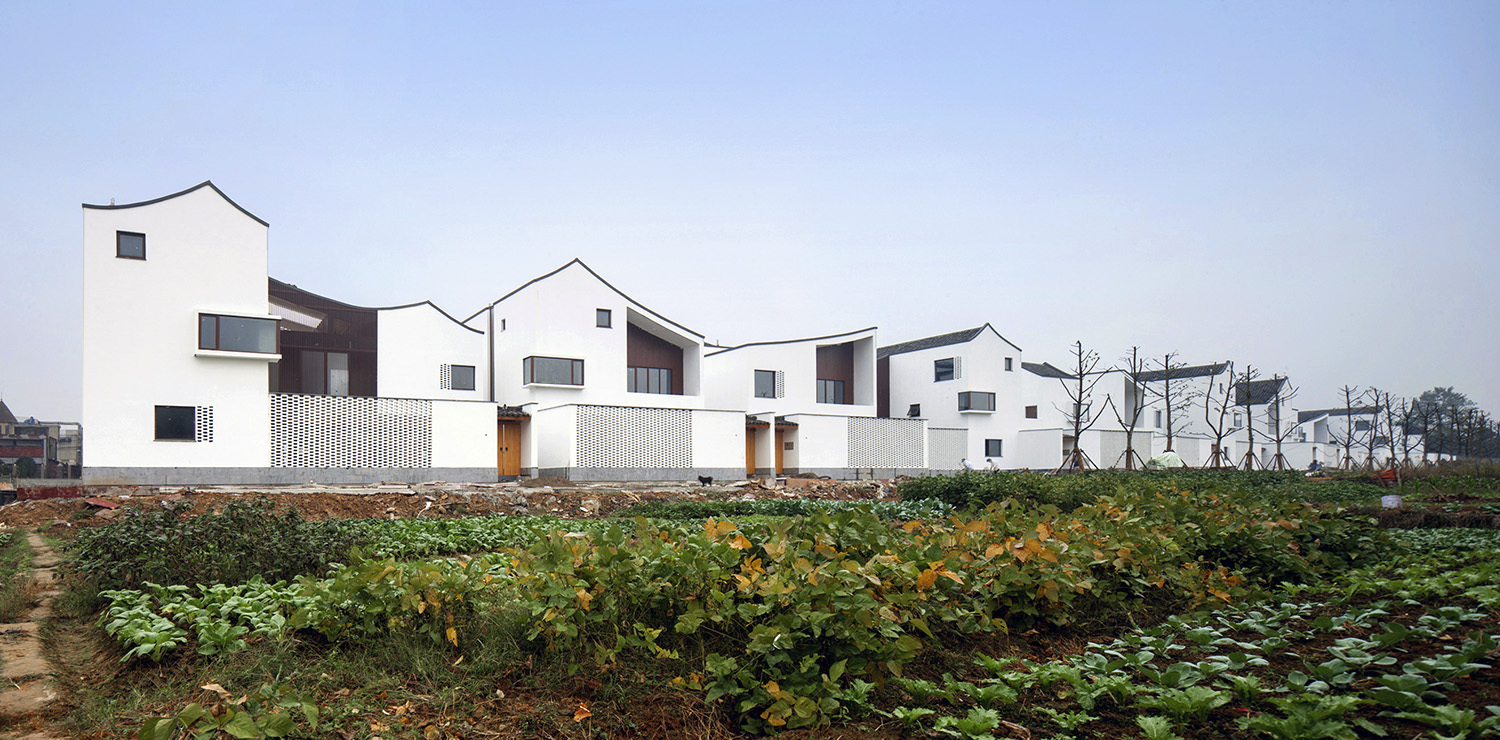
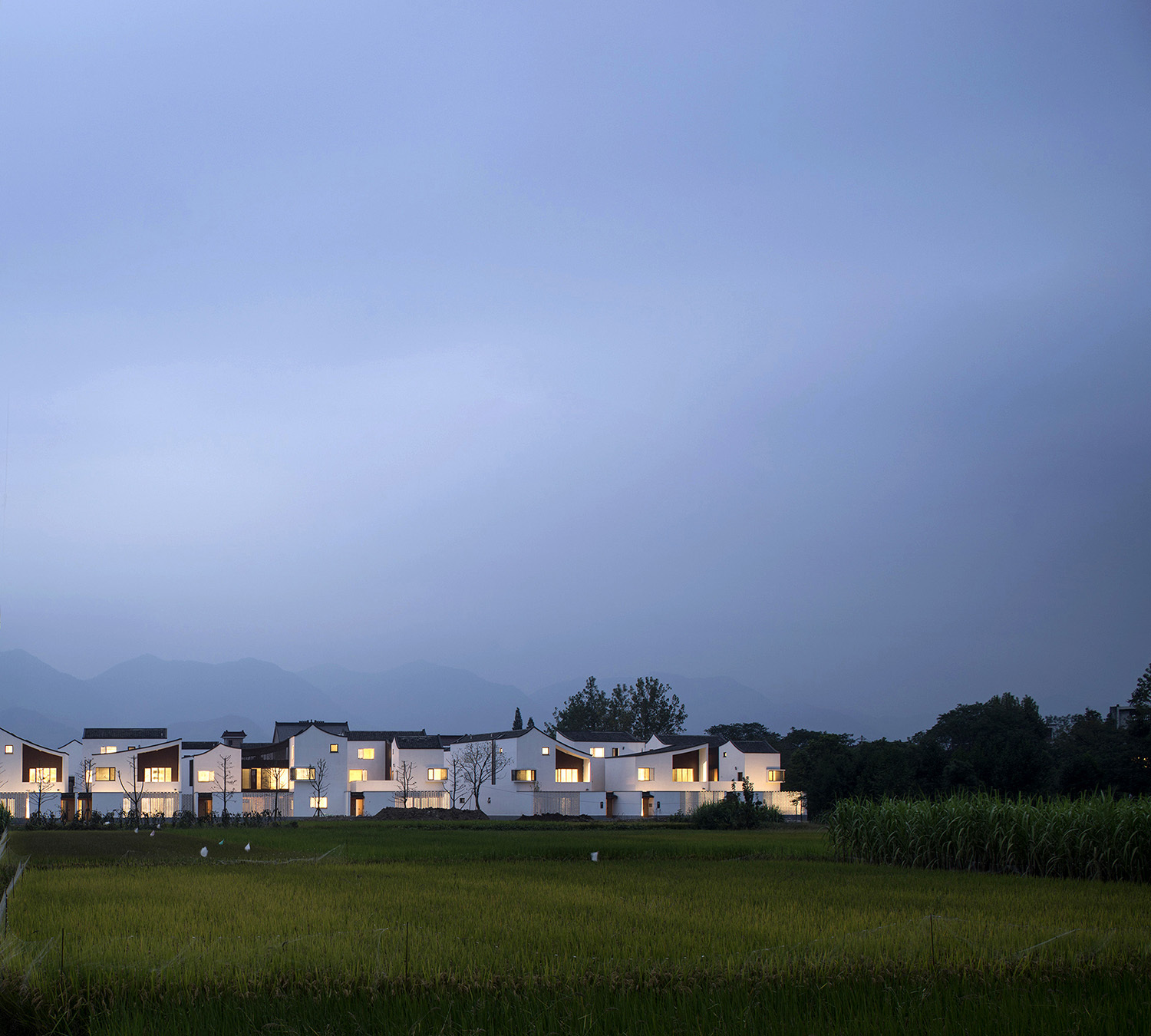
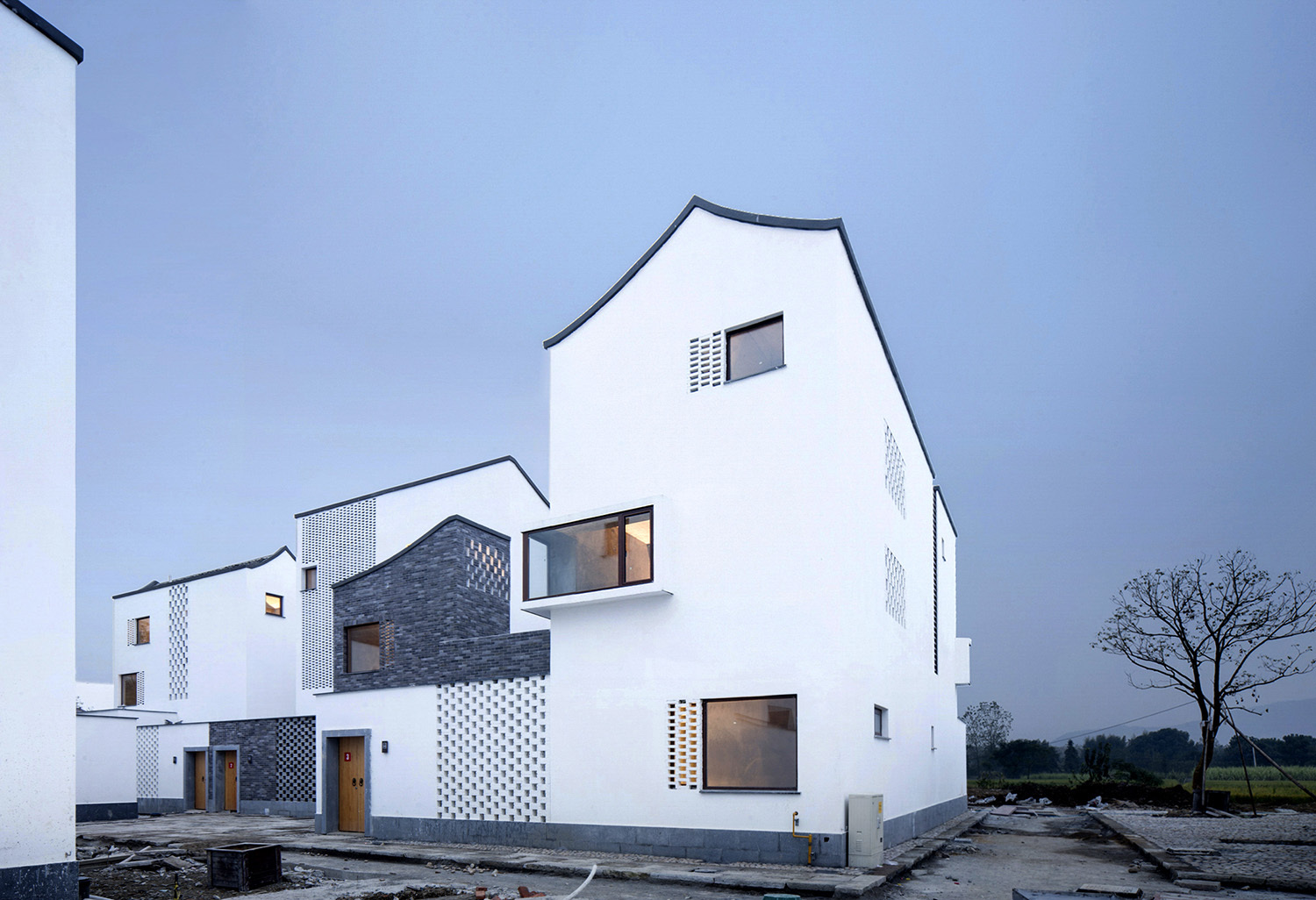
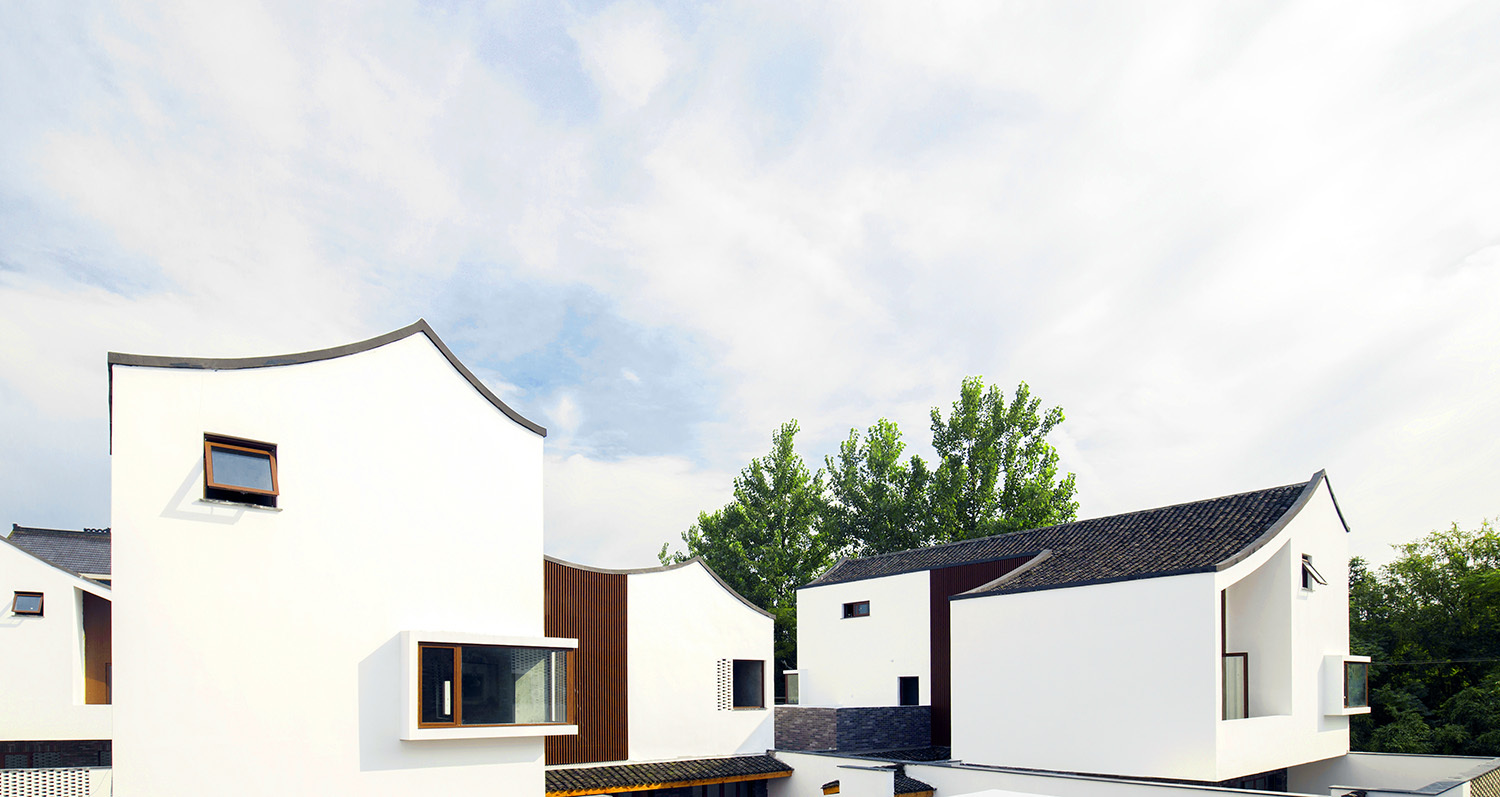
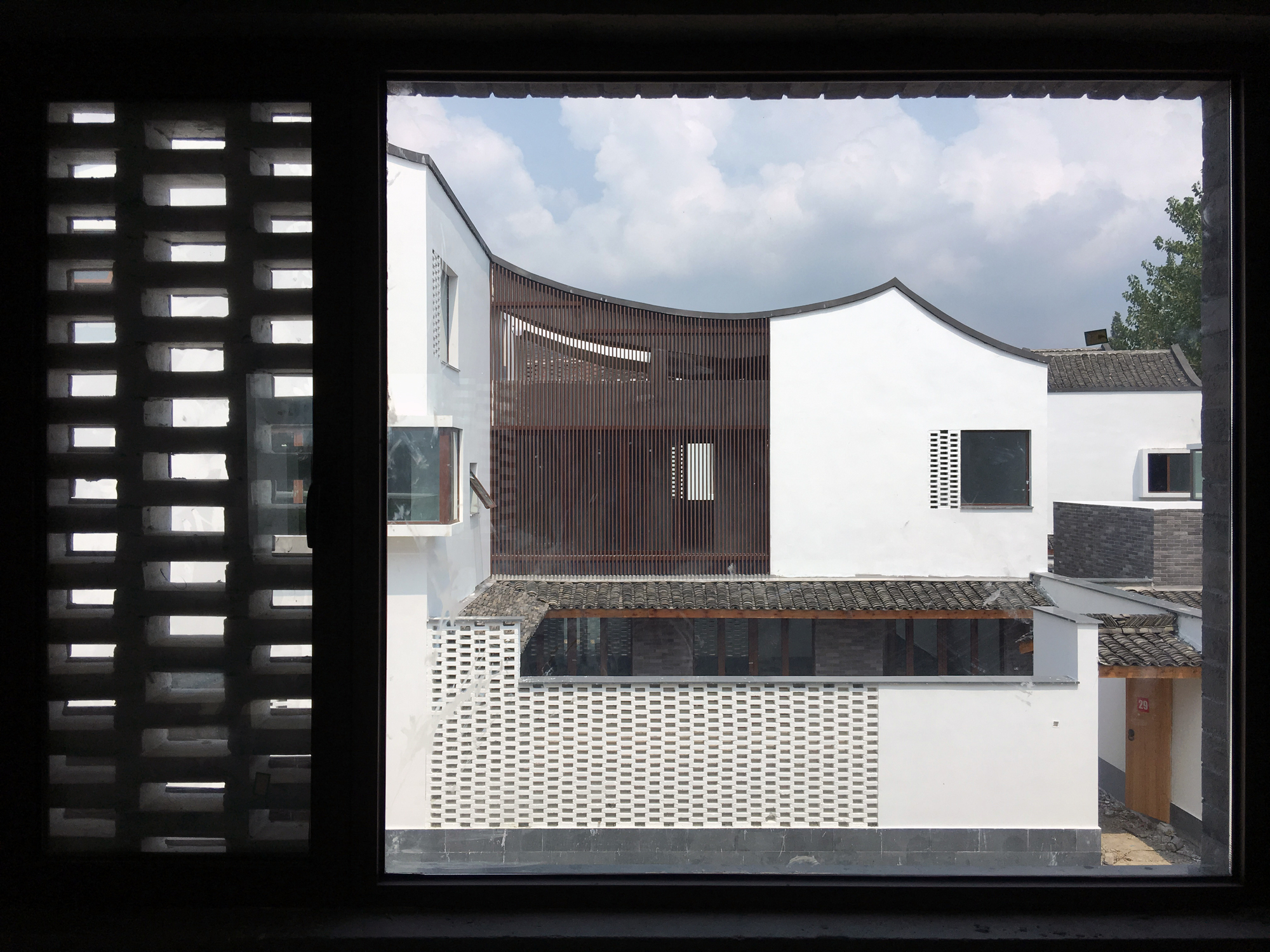
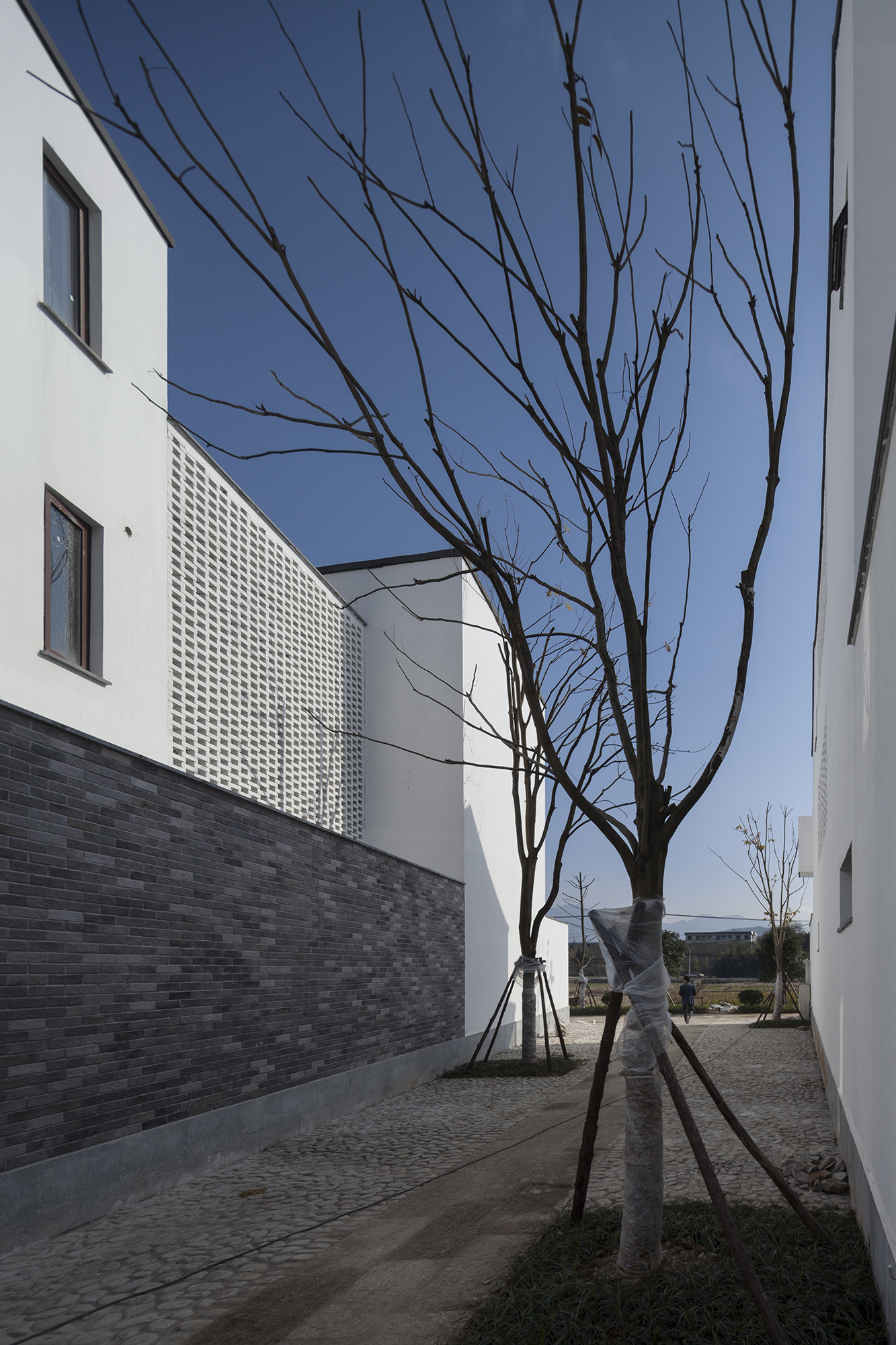
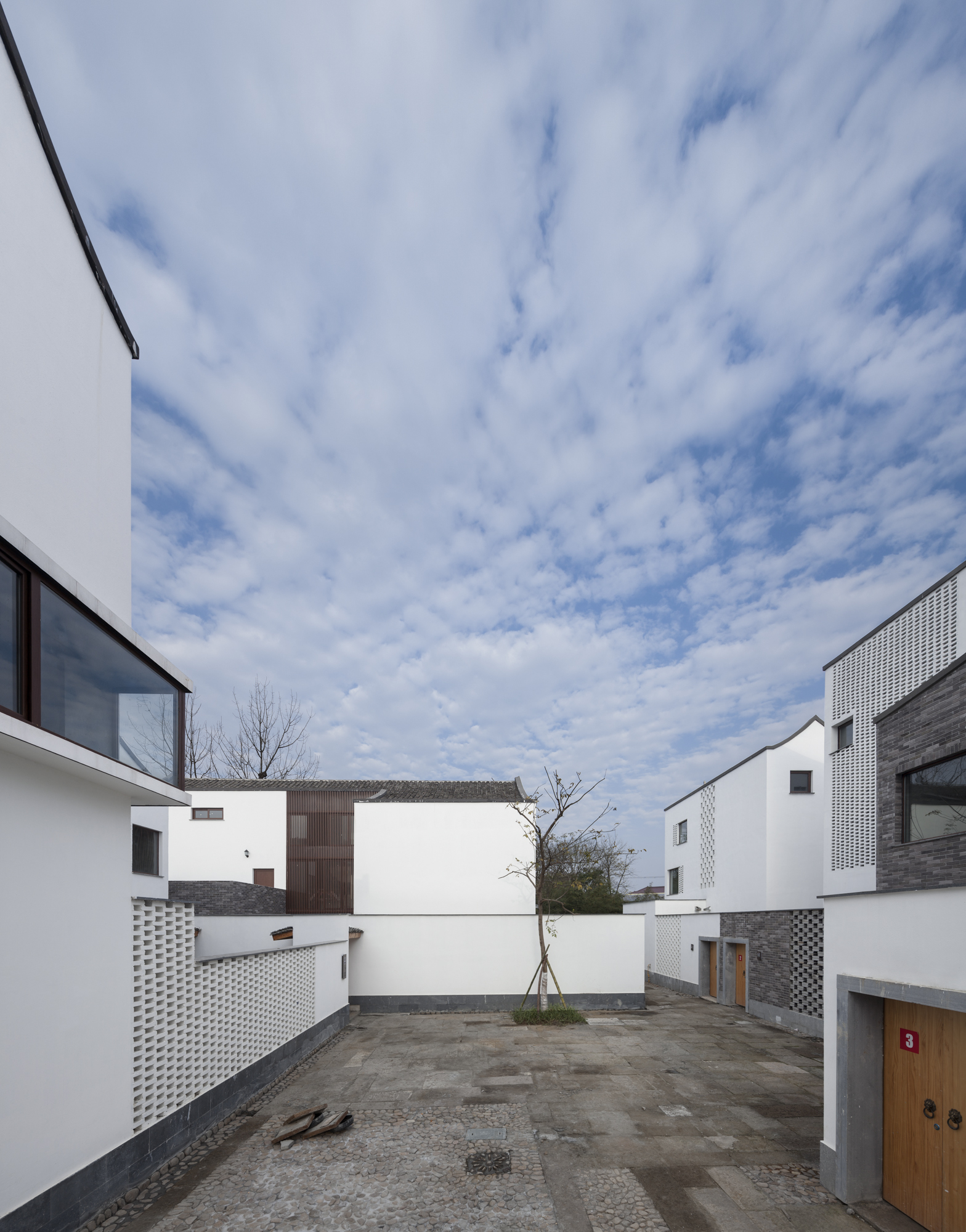
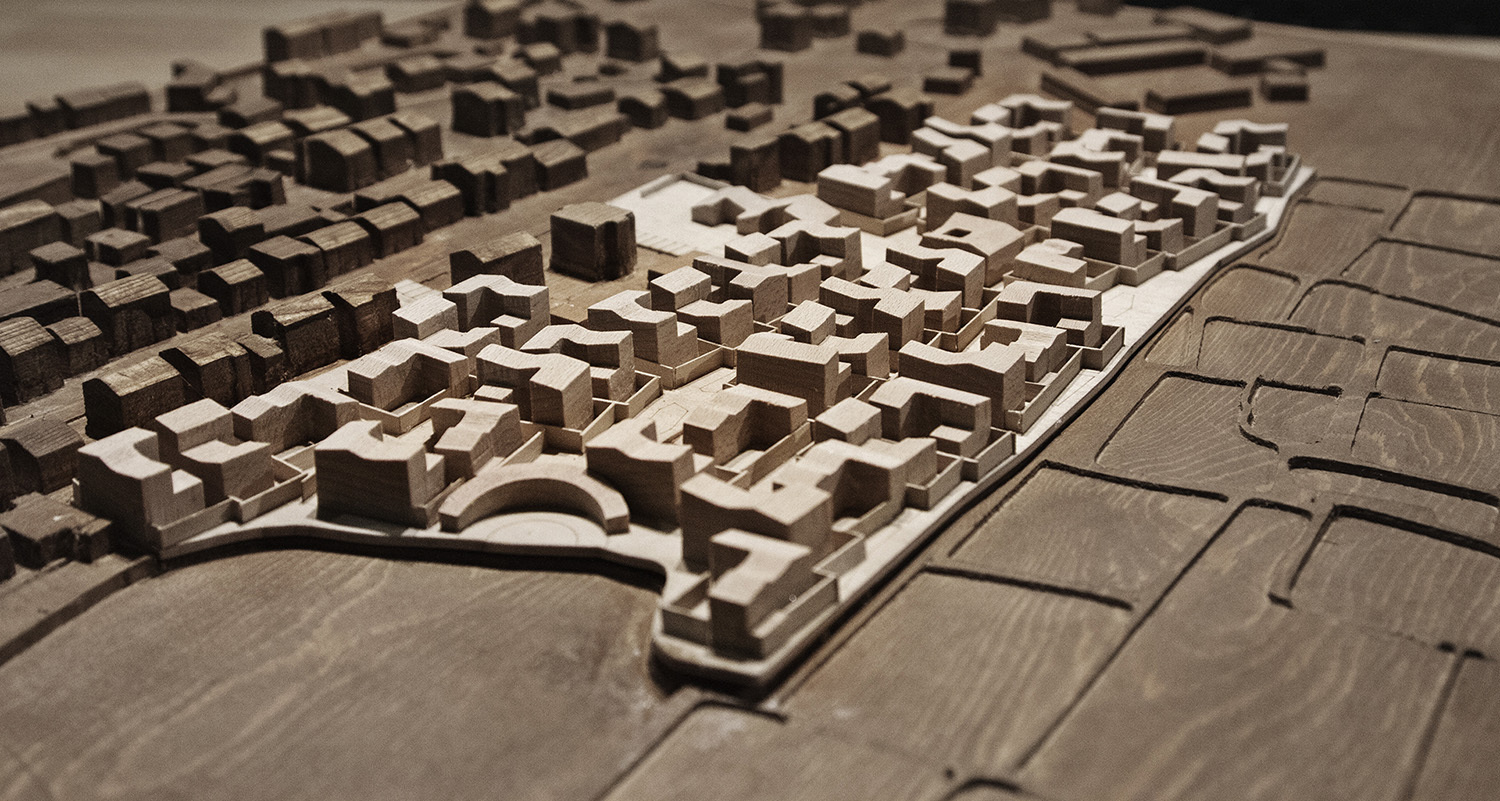
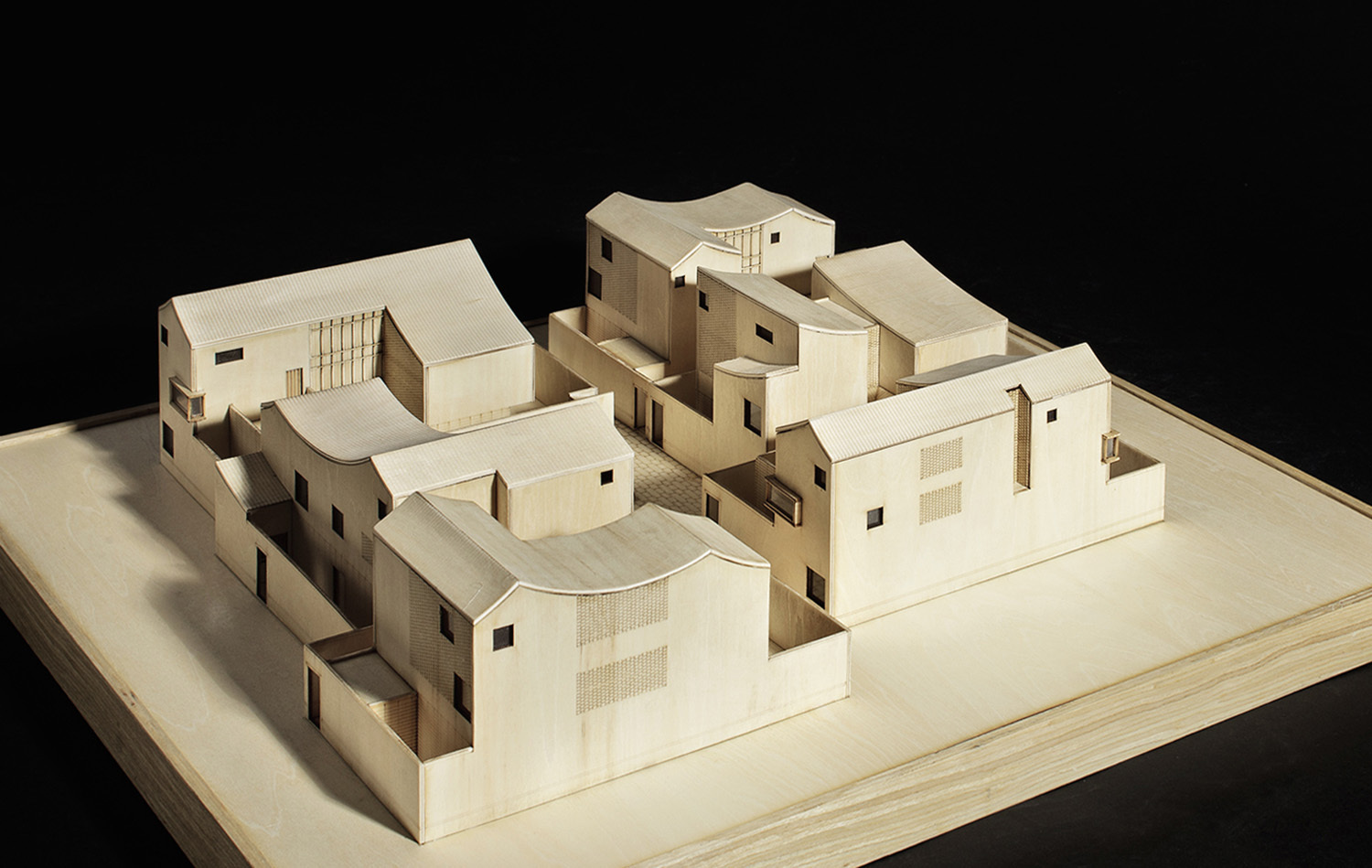
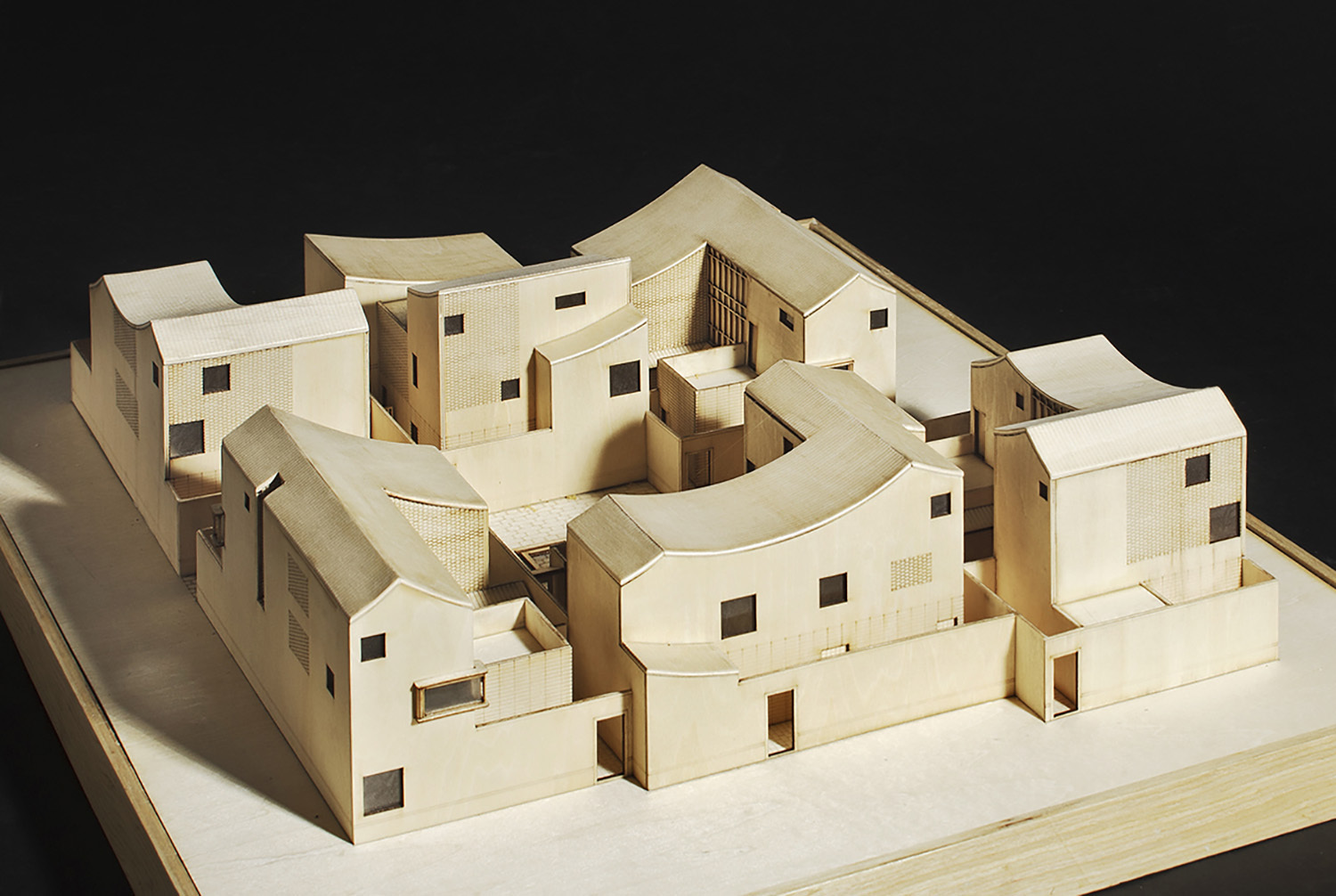
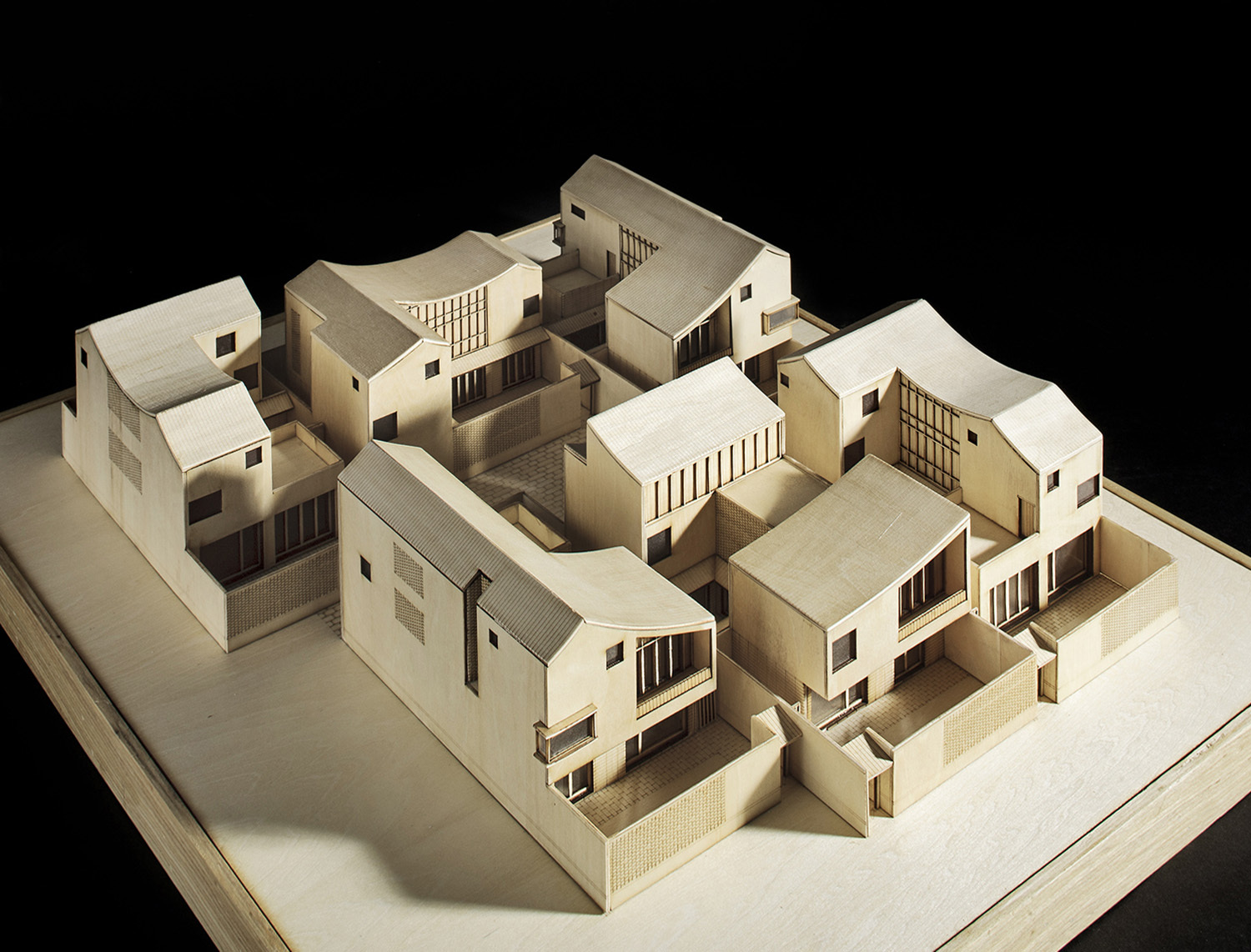
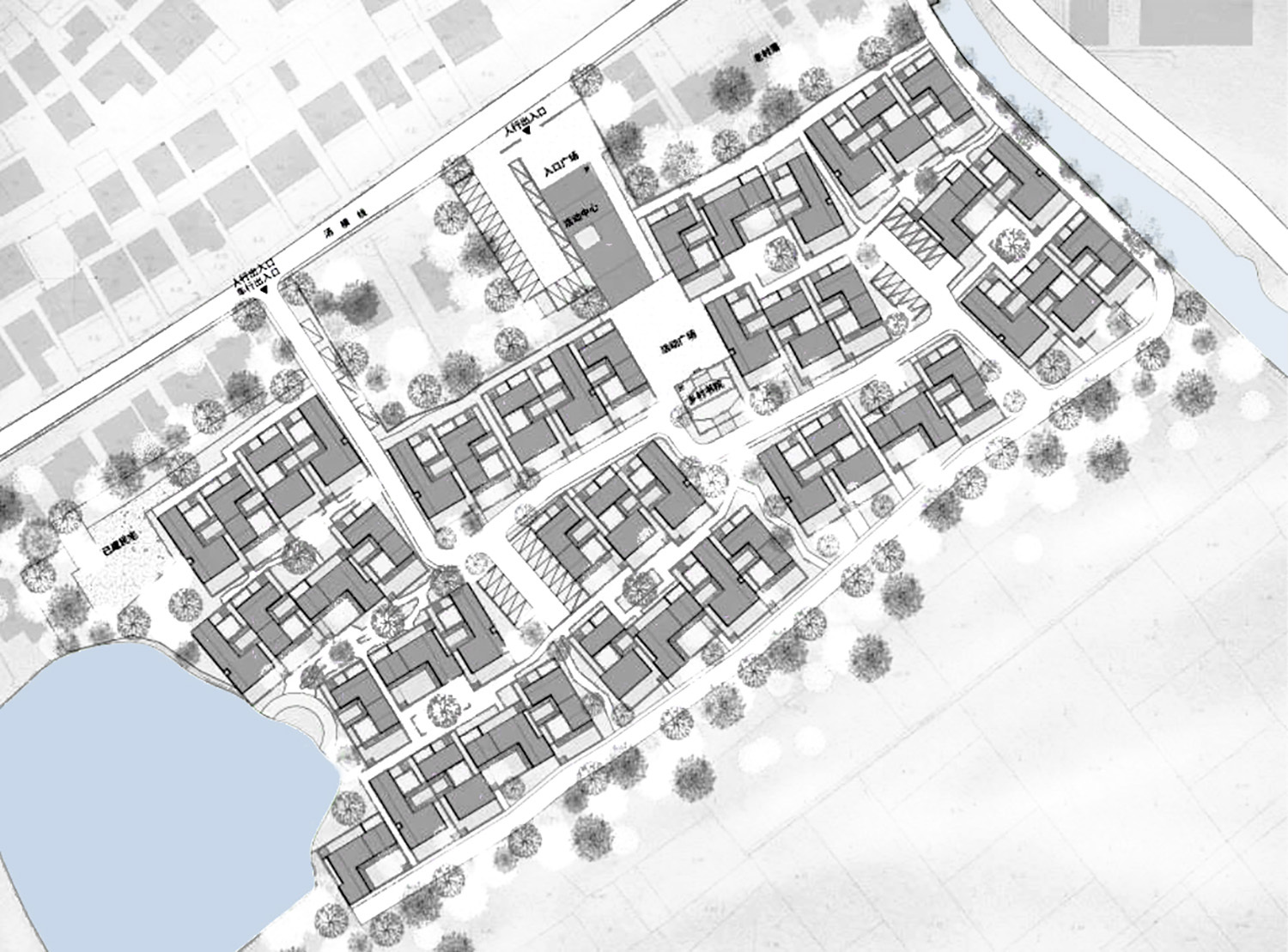
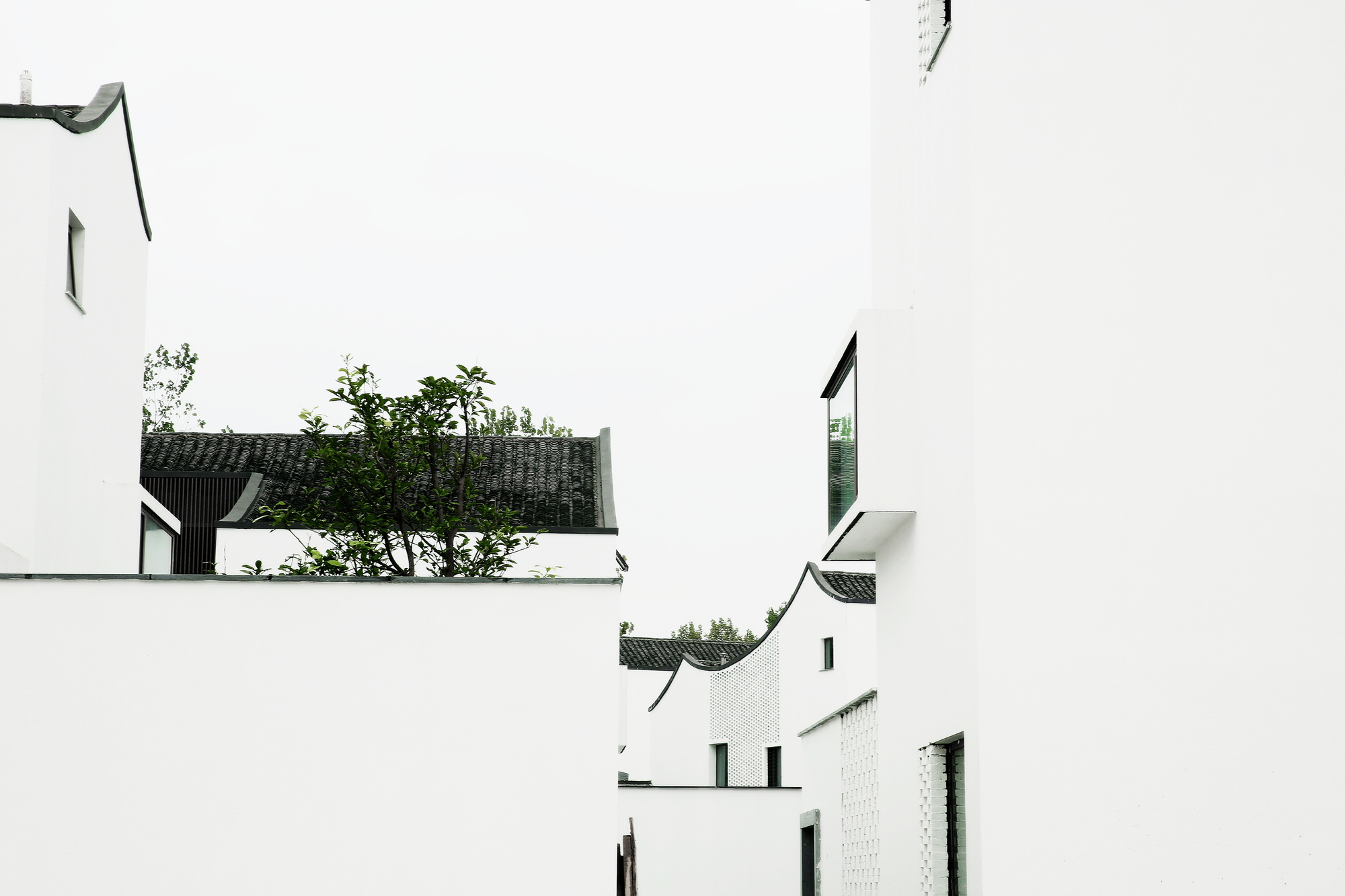
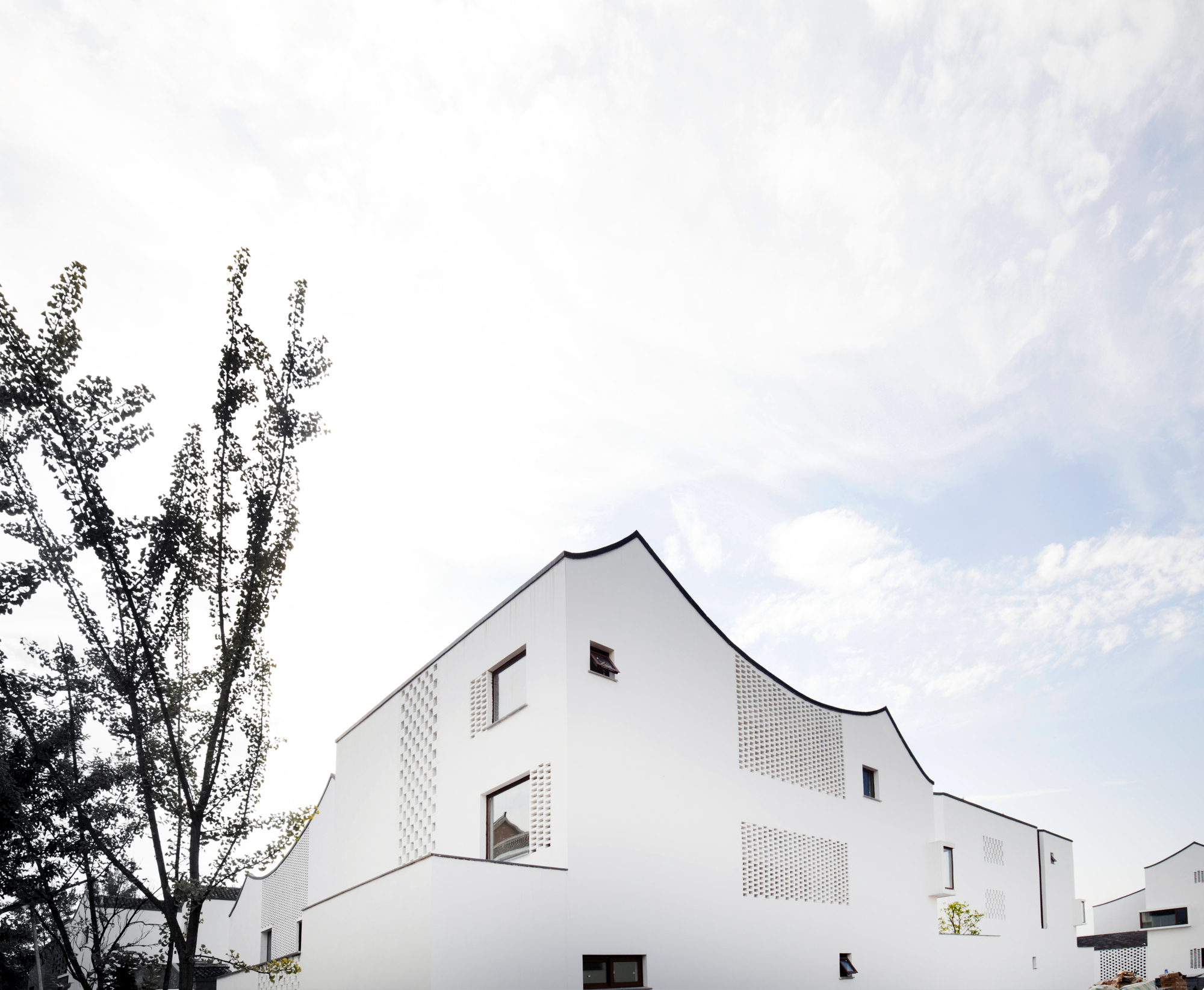
China's rapid urbanization has widened the gap between city and countryside. In Dongziguan Village, some original residents still lived in dilapidated historic houses, so the local government adopted a government-commissioned delivery model to build a replicable demonstration zone of new rural housing. The architects began with field surveys, interviews and measured drawings to gather genuine first-hand data. At the master-plan level, the design starts from the traditional courtyard unit, following a growth logic from unit to cluster and from cluster to village; four basic unit types, recombined, reproduce the diversity of the historic settlement. The floor plans respond to farmers' real needs, seeking a condition between the traditional vernacular house and the urban apartment. The facades do not copy decorative symbols of regional architecture; instead, elements are abstracted and recomposed, with solid outer skins and permeable inner spaces evoking the spirit of Jiangnan dwellings. The design aims to avoid urban intrusion into the traditional village fabric, to preserve the authenticity of rural life, and to maintain quality within a low-cost budget, using a contemporary formal language to reconstruct traditional elements and a modern construction method to express regional identity. The project explores the stance, attitude and values of architects intervening in the countryside under government-led delivery.













 Editor's Pick
 Latest Design
 Best Idea