Text description provided by the architects
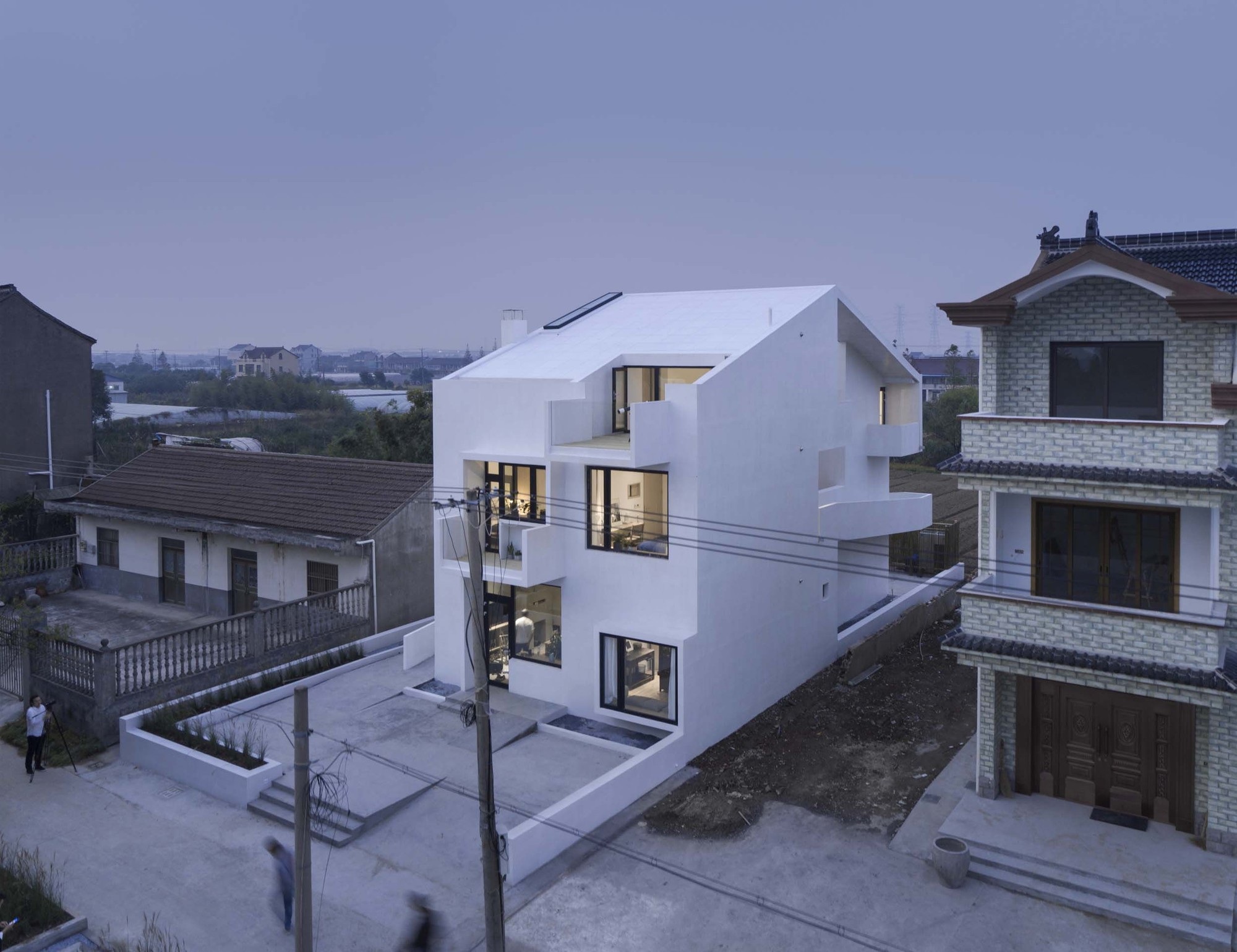
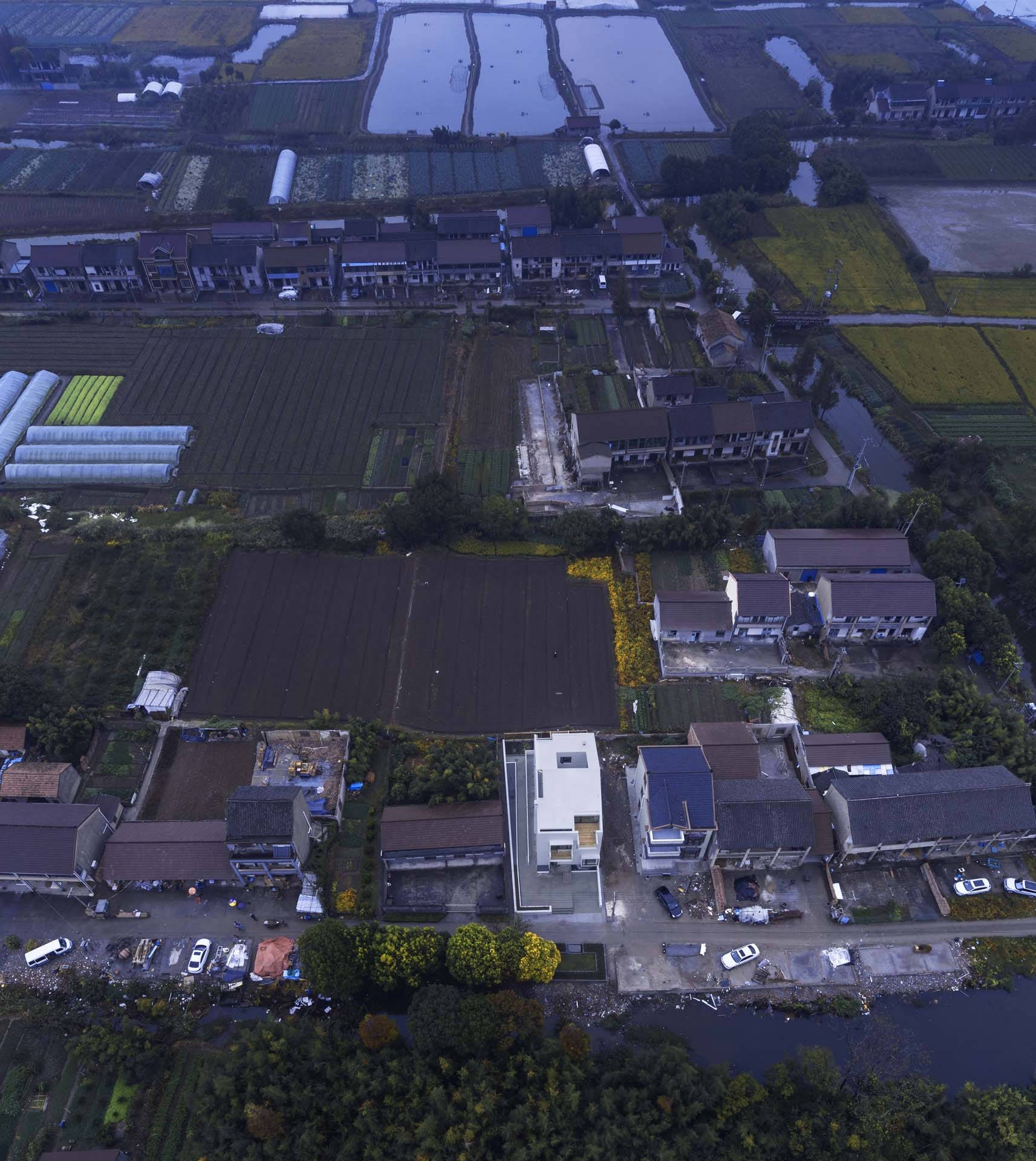
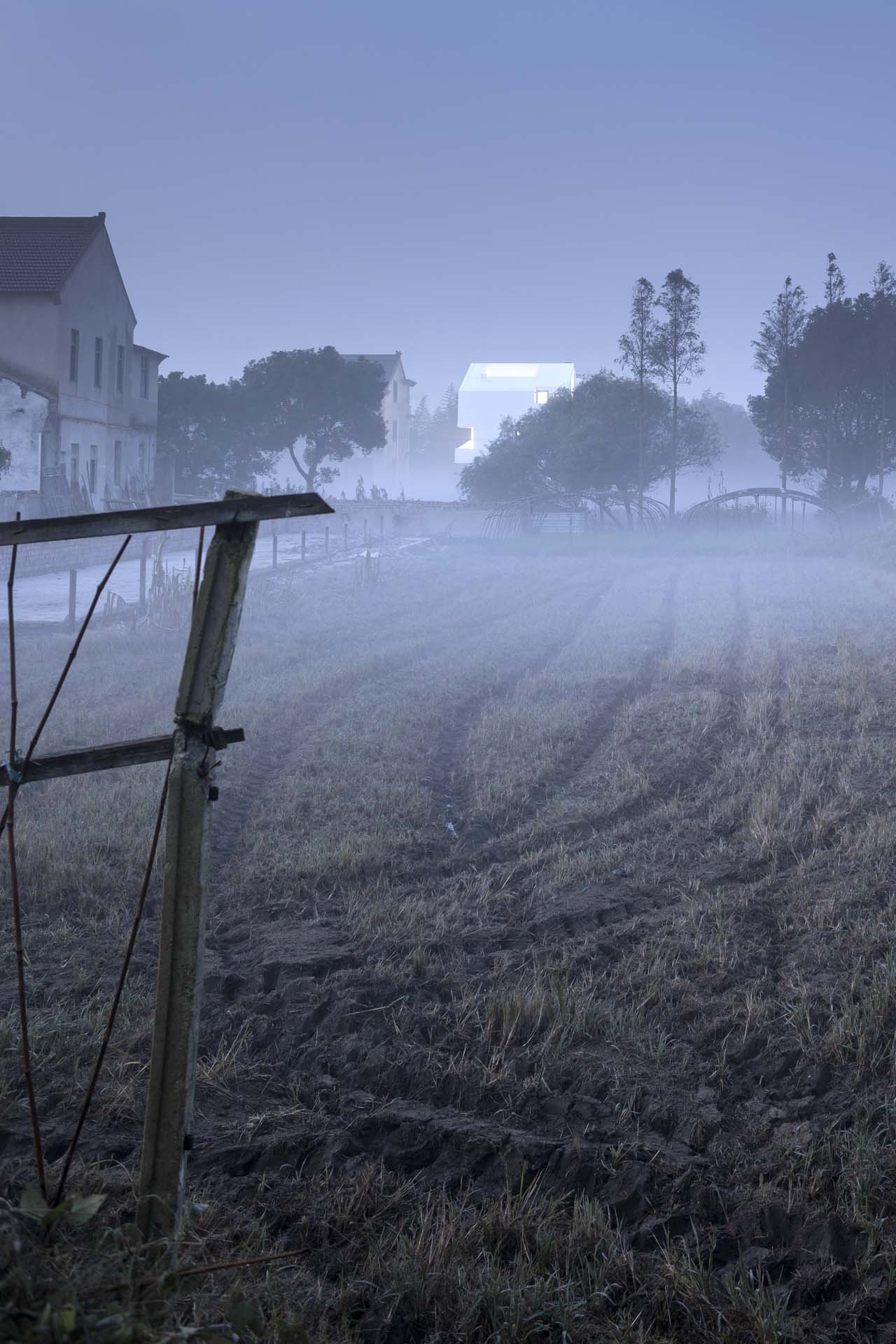
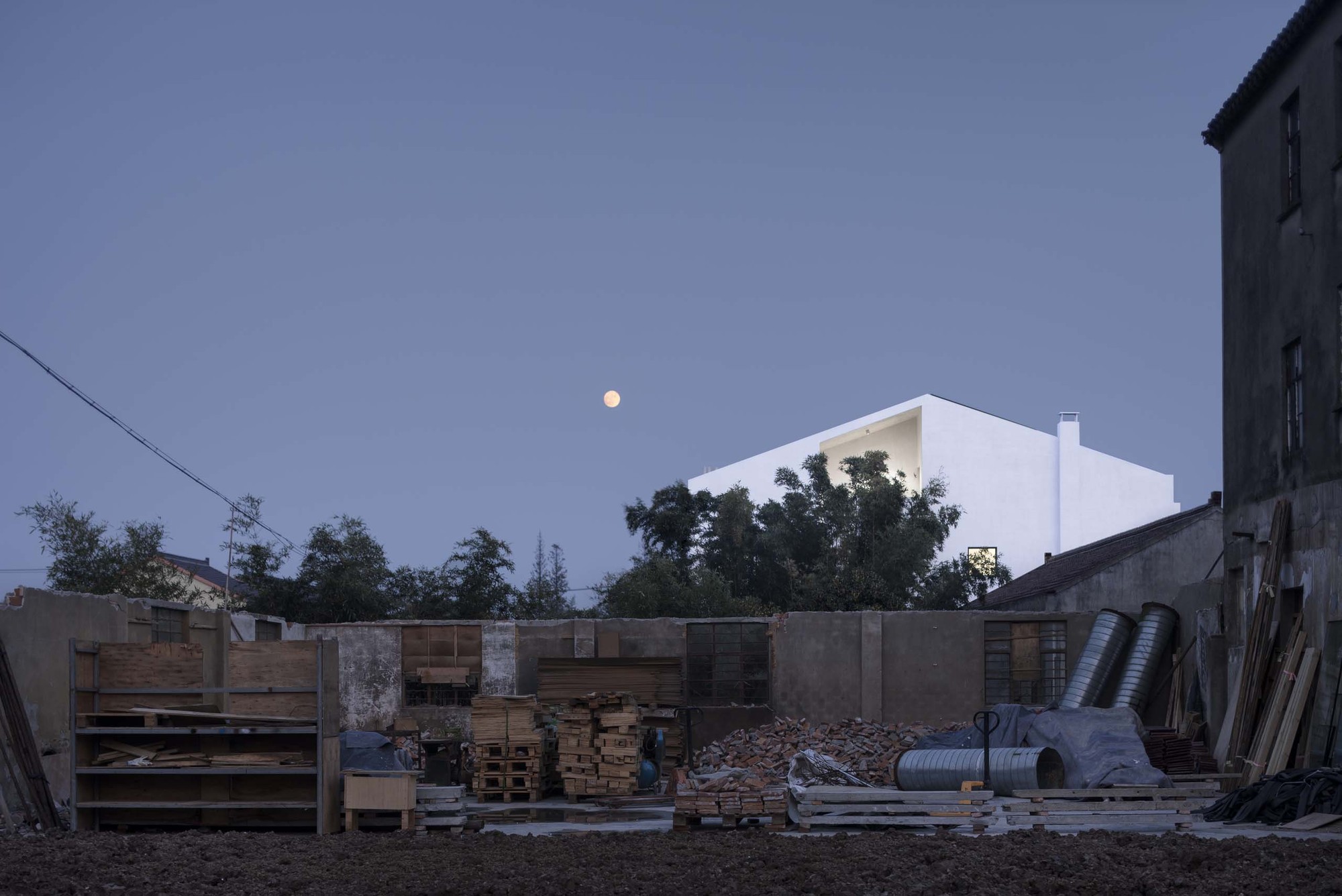
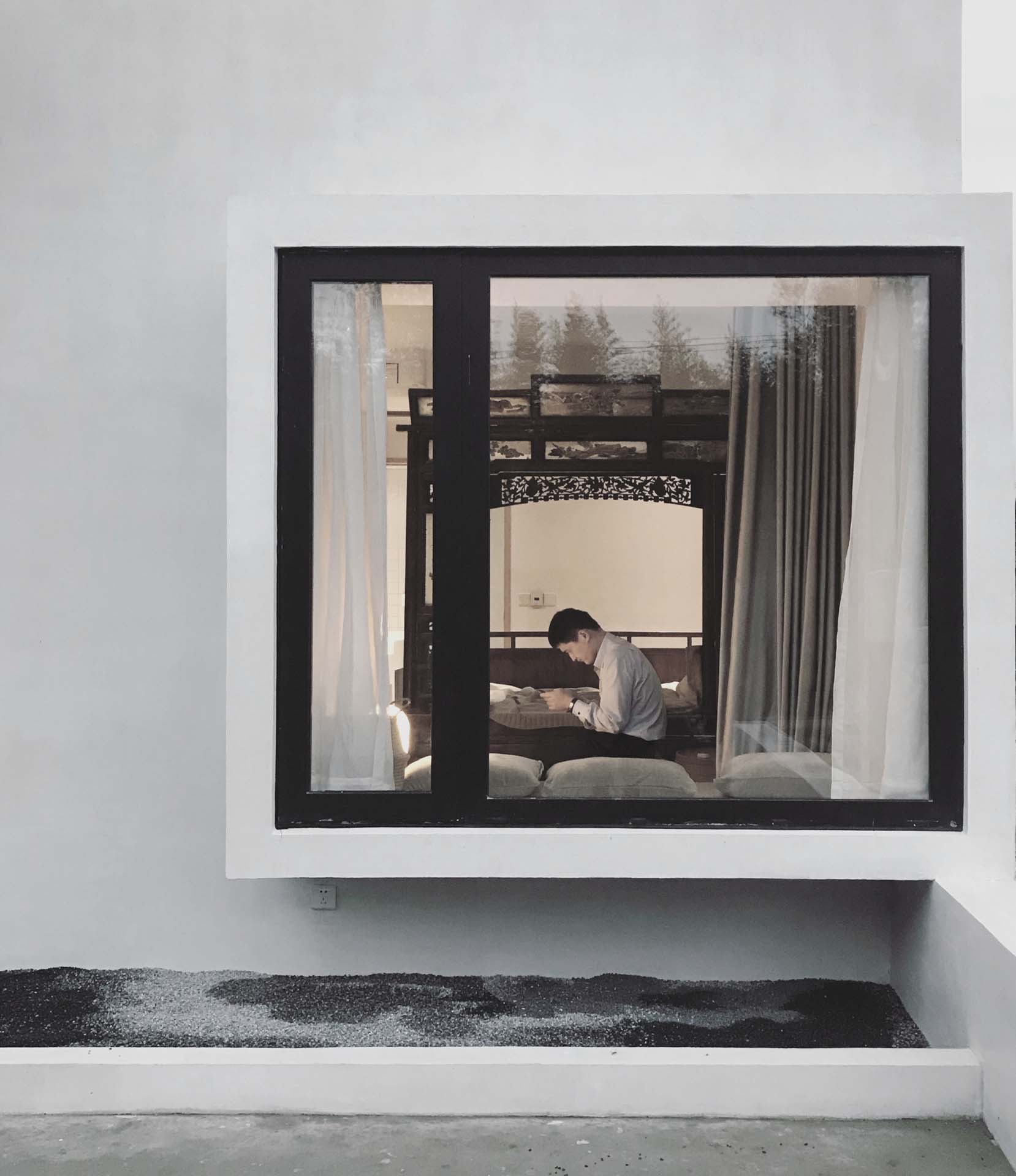
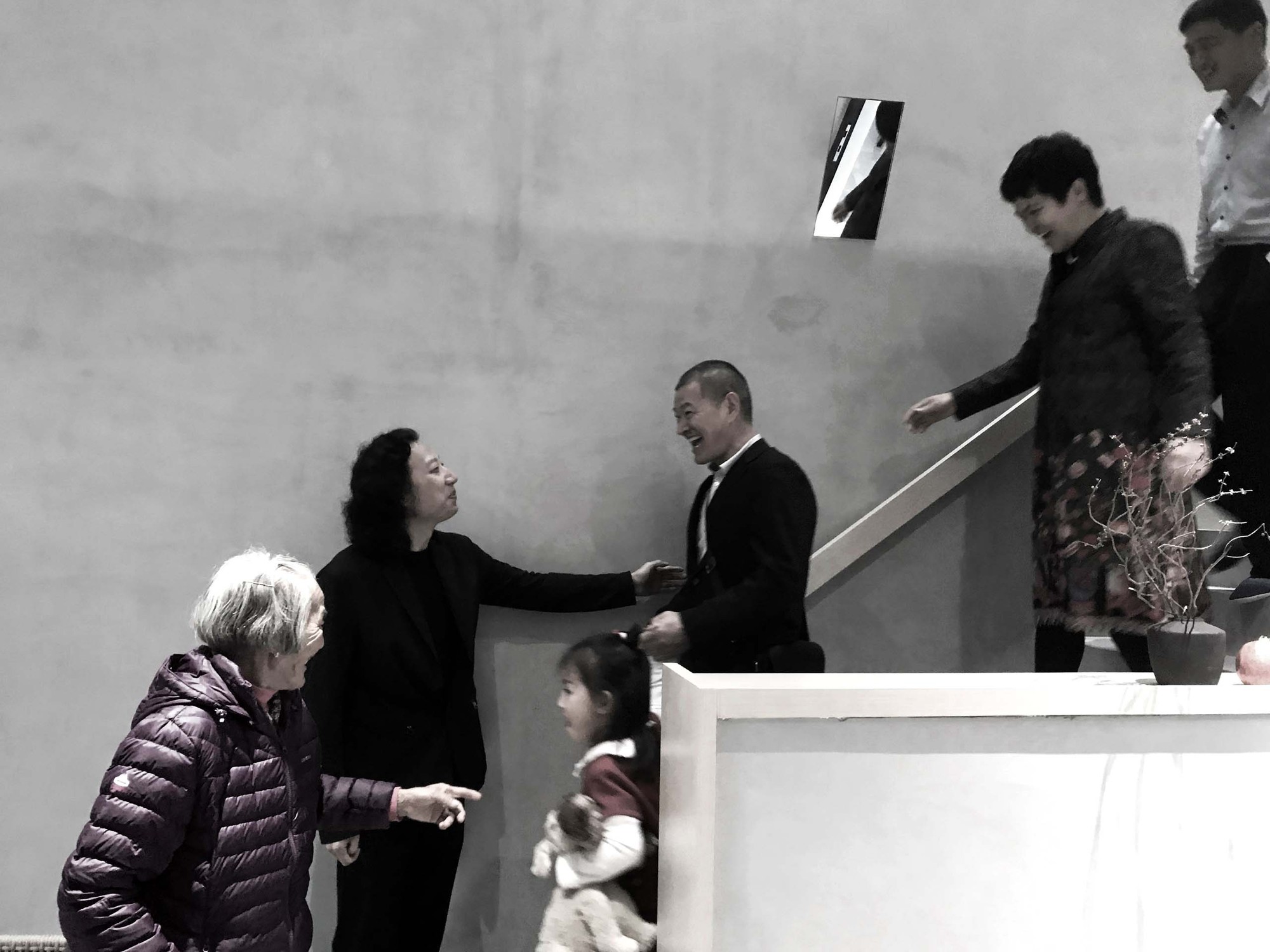
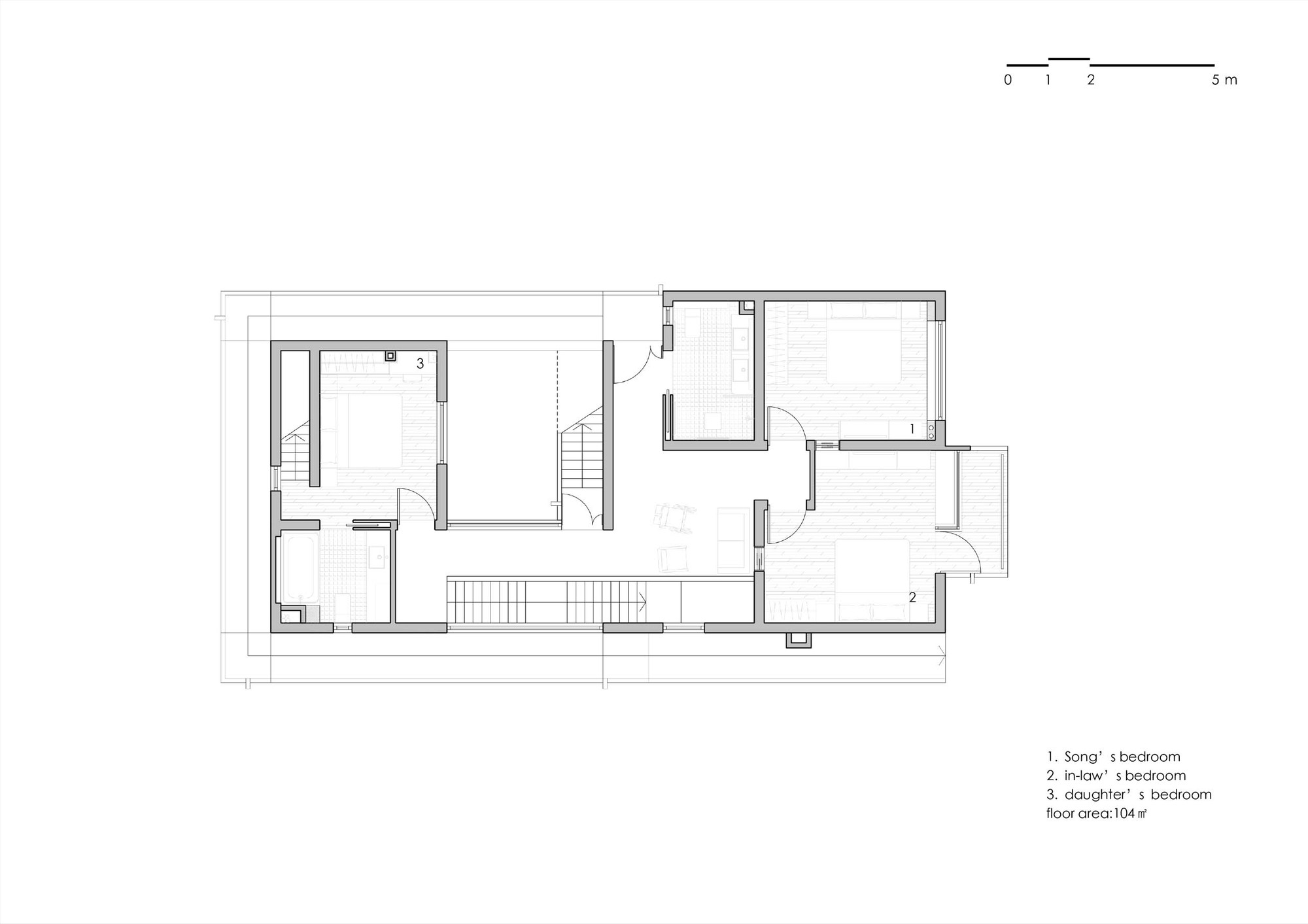
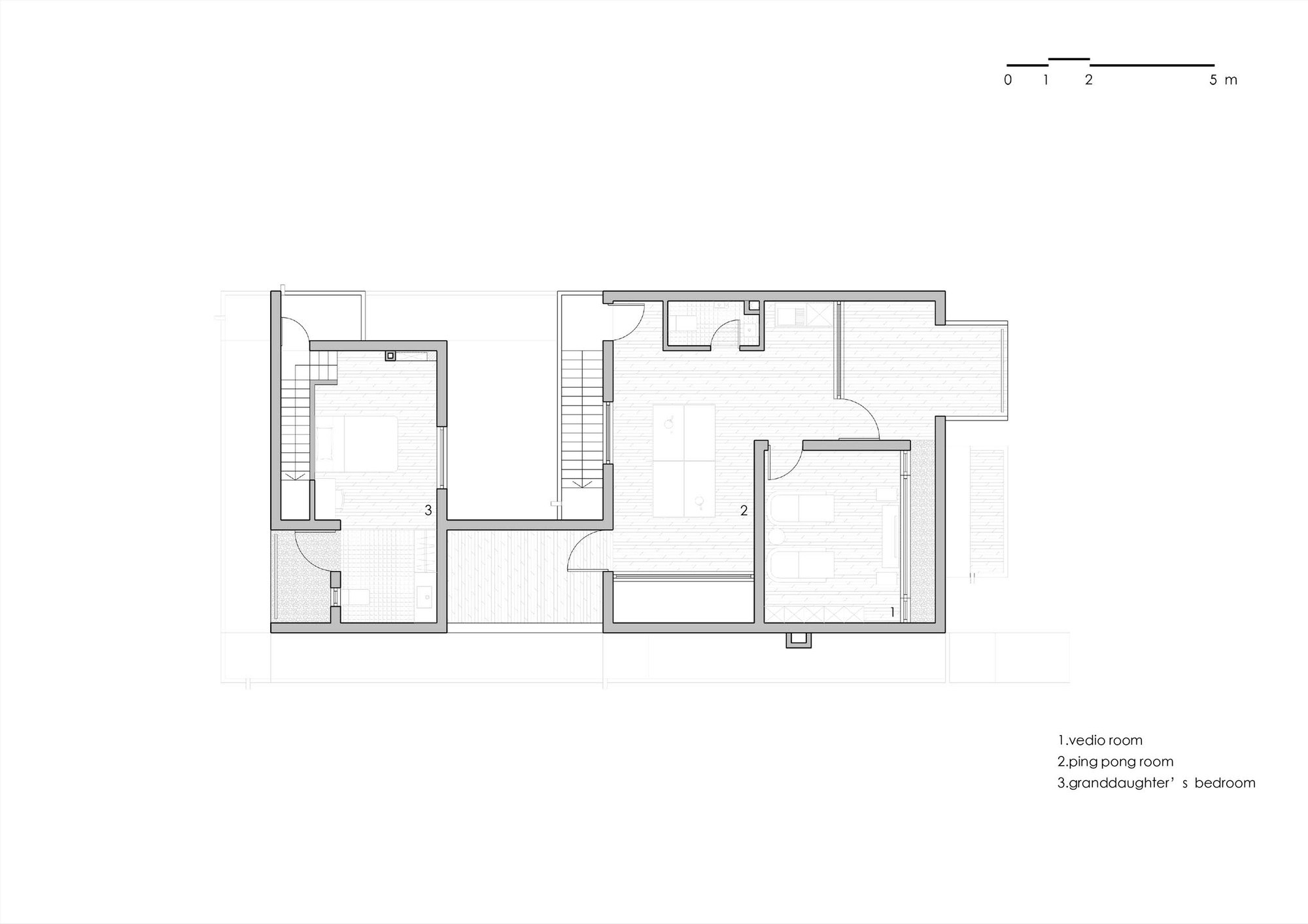
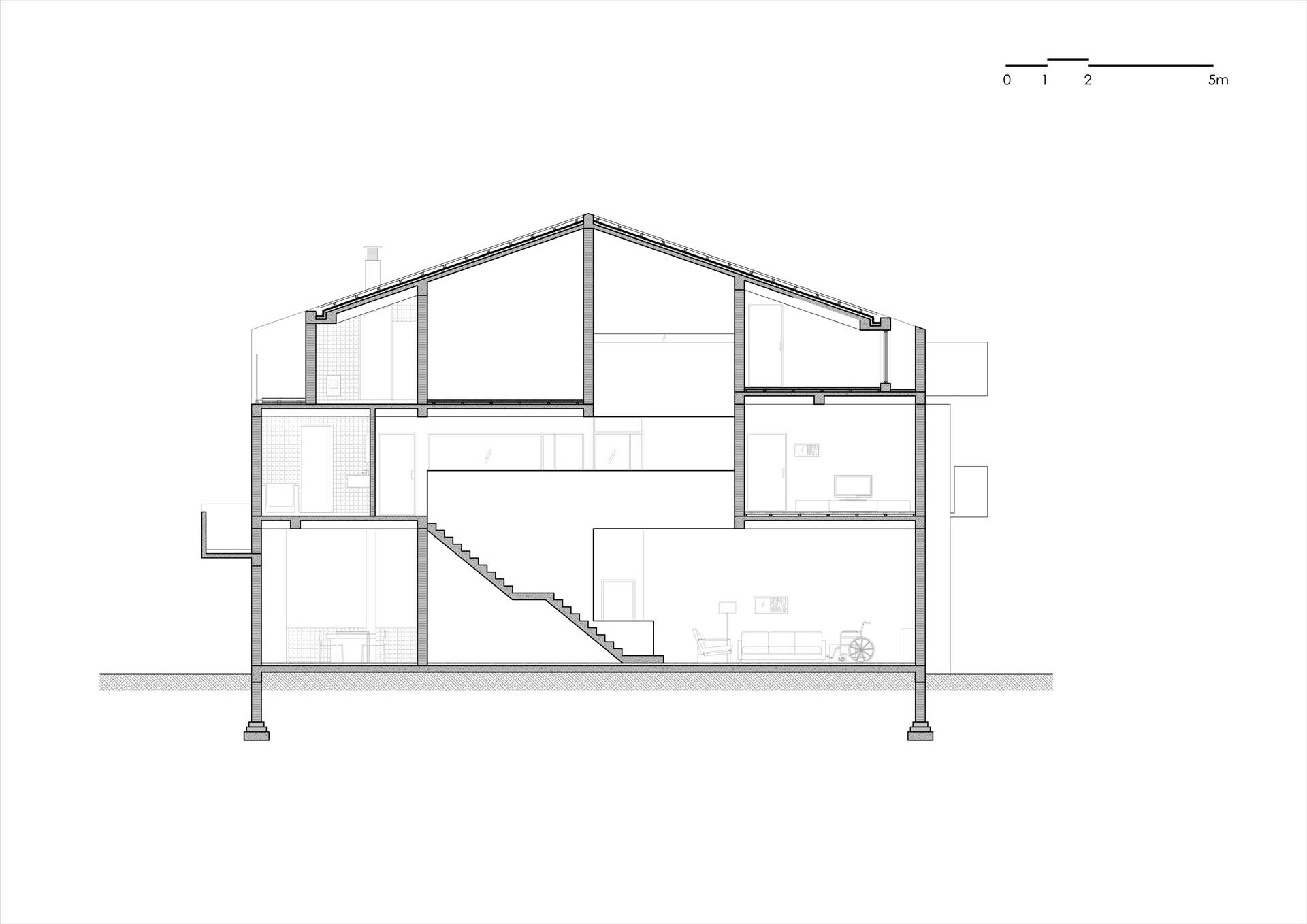
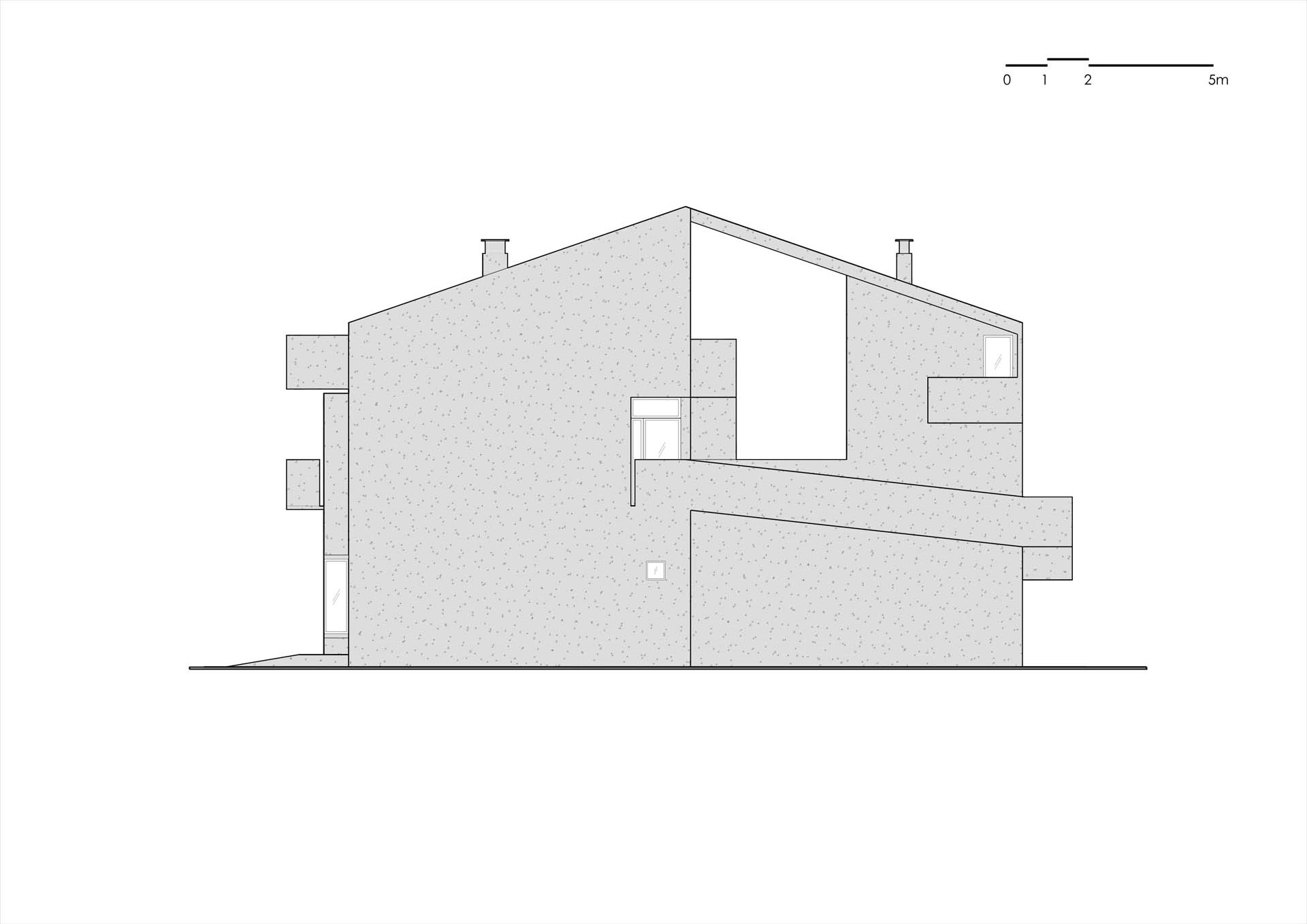
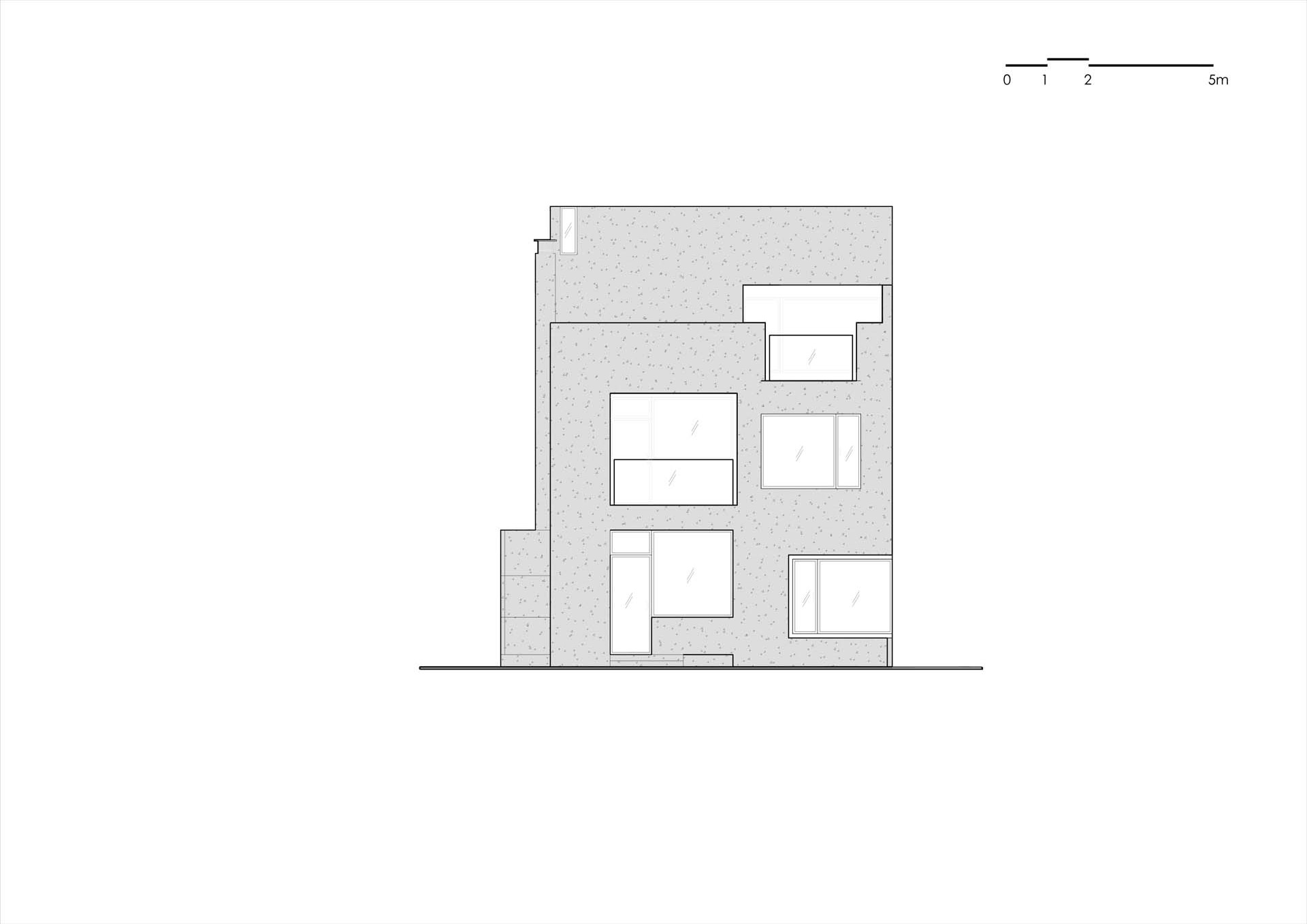
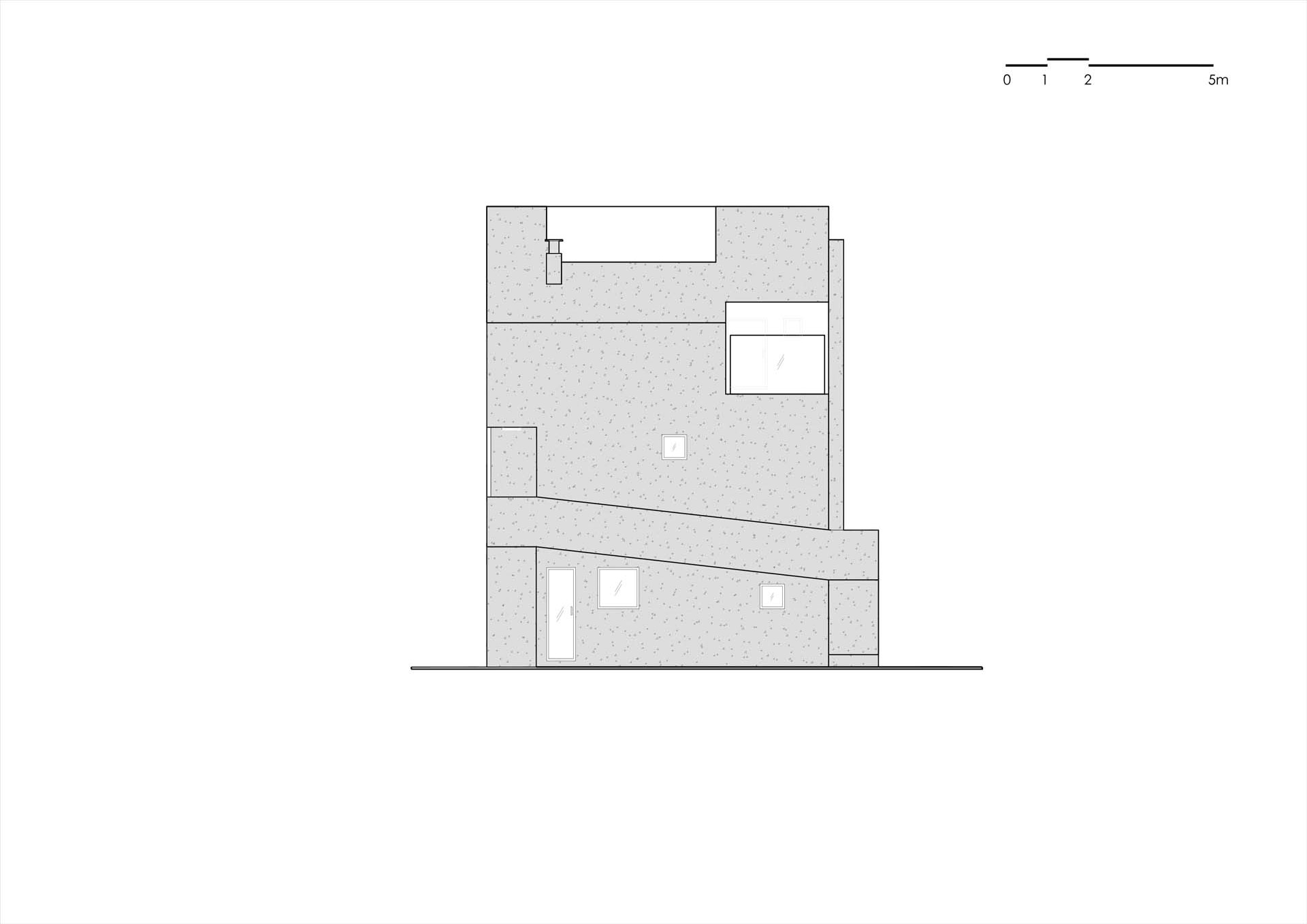
The progress of civilisation and the happiness index are not simply proportional. Shanghai, as the city with the highest GDP in China and a world-famous international metropolis, faces its own dilemmas and conflicts in both the city and its suburbs. Ordinary citizens working hard in the city cannot fully resolve the pressure of reality, while rural communities and living environments are in decline at the same time. The story begins when the client, Old Song, has an elderly mother in the countryside of Fengxian who needs care, and an old house that has fallen into disrepair. His hard-working son's home in central Shanghai cannot provide a comfortable, independent living situation for the elderly mother, who is completely unable to adapt to the cramped top-floor attic. The dream of Old Song and his wife is to retire from central Shanghai and return to their home village of Nan-song in Fengxian, demolishing the dangerous old house and rebuilding it as a new house suitable for the elderly and loved by the whole family, so that they can better care for his 82-year-old mother. To help their daughter and son-in-law in Shanghai work with less pressure, Old Song and his wife invited their less healthy in-laws to come back to Fengxian with them, so that the two couples could look after each other in retirement. As salaried workers, the family has spent almost all their savings on this house, which embodies a large share of their life. The project is a new rural house built for a multi-generational family. The design uses a simple rectangular plan with a central courtyard, white walls and grey tile roof, providing accessible single-level living for the elderly on the ground floor and guest rooms for the younger family above. It is a demonstration of how a rural house can be rebuilt for a modern Chinese family, respecting the scale and material of the village while providing the comfort and accessibility that an elderly household requires.













 Editor's Pick
 Latest Design