Text description provided by the architects
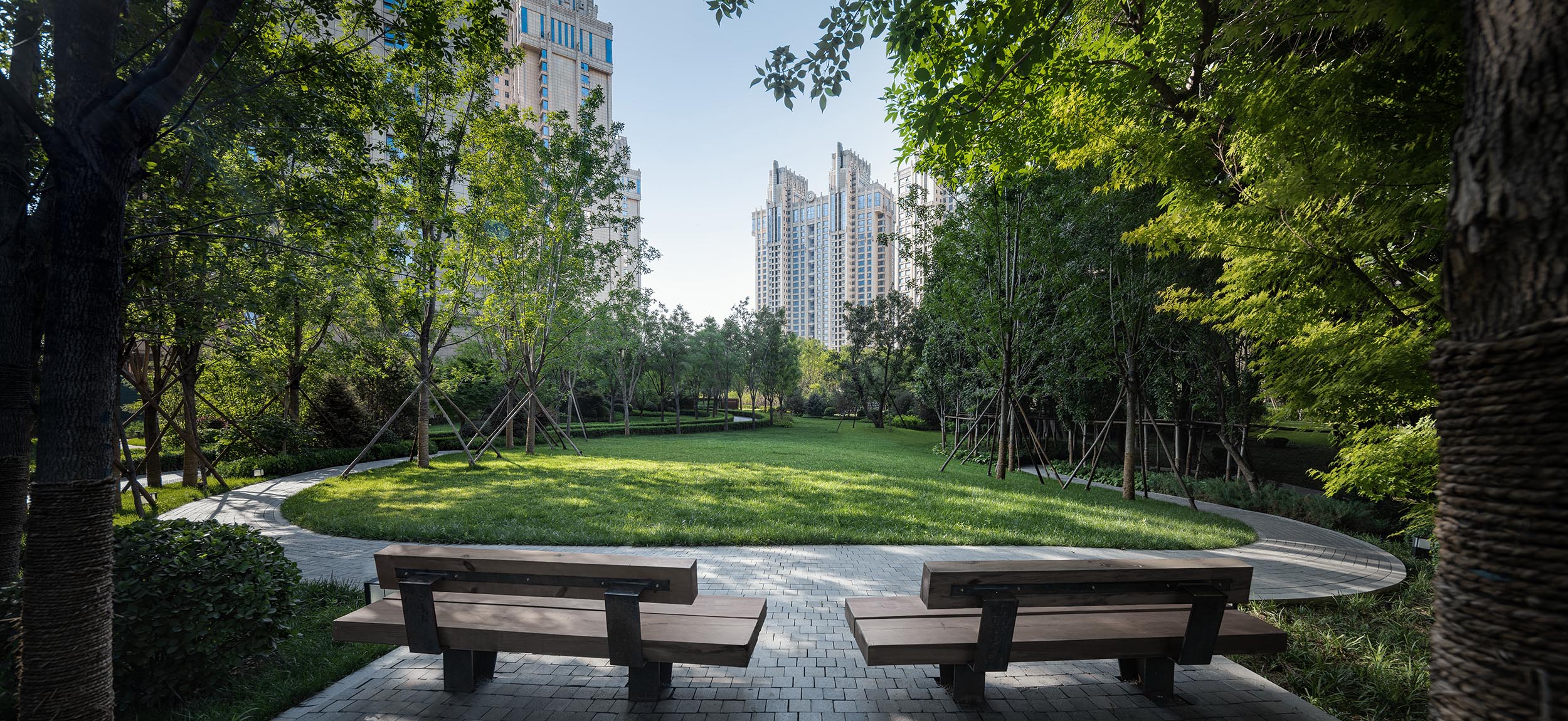
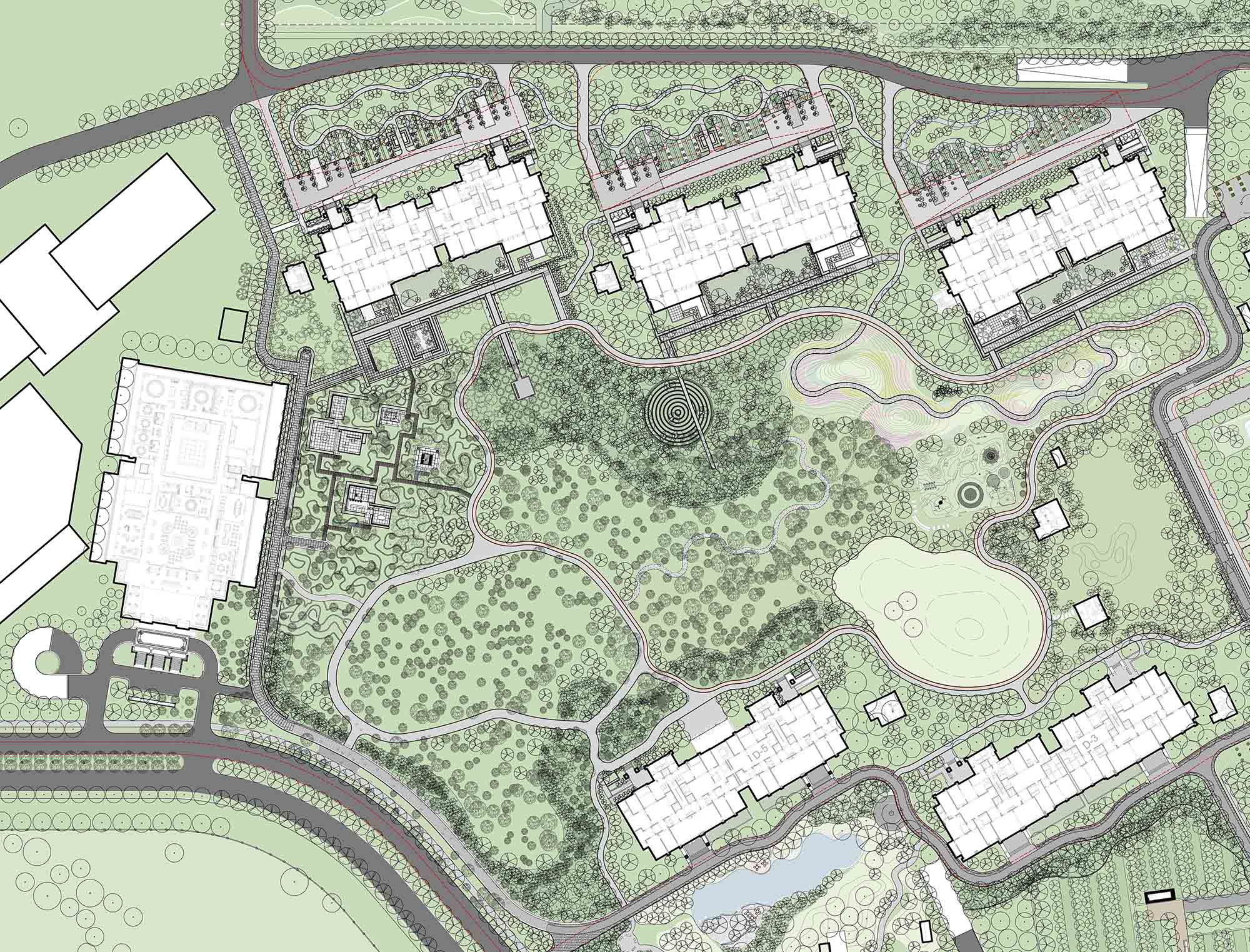
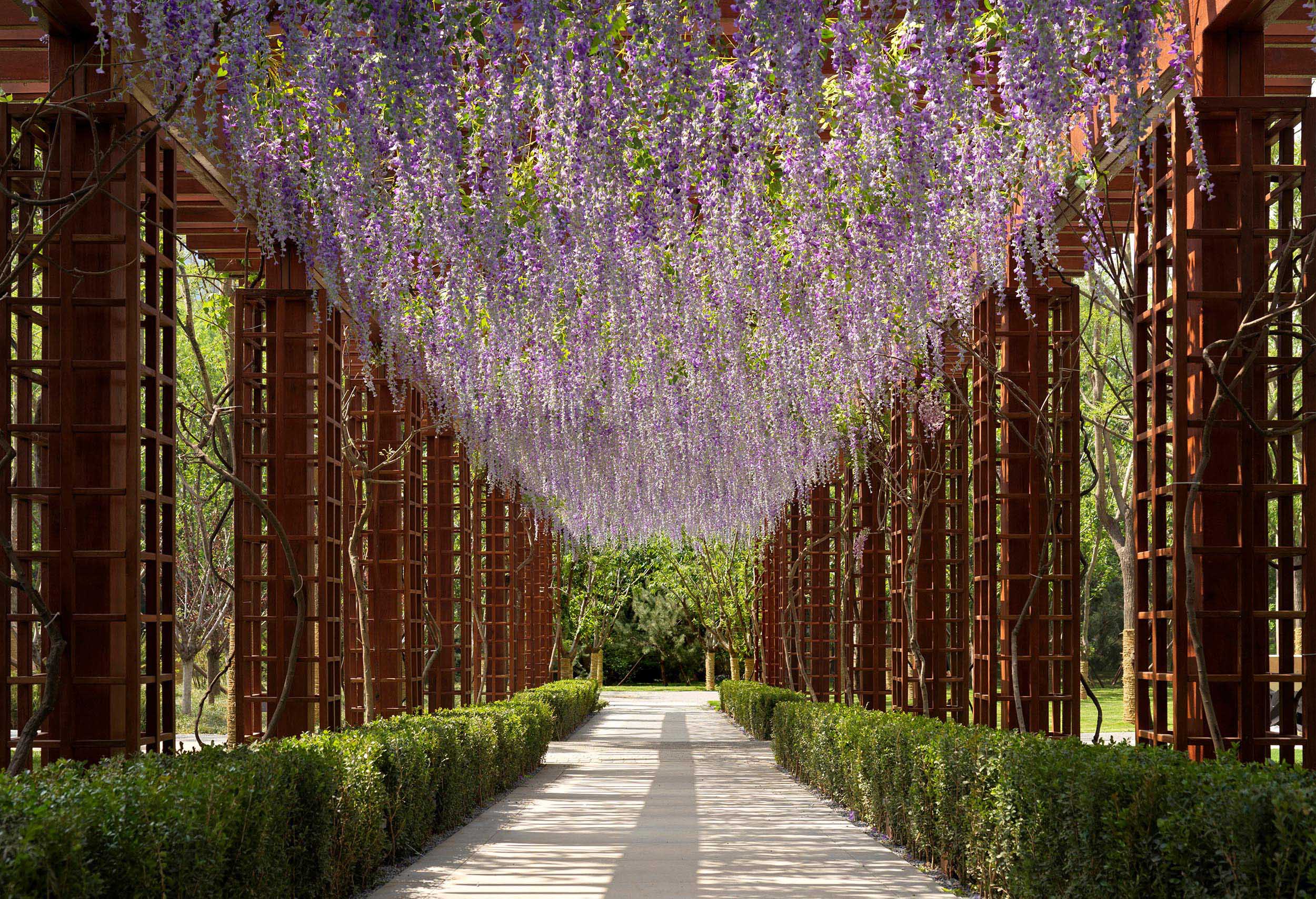
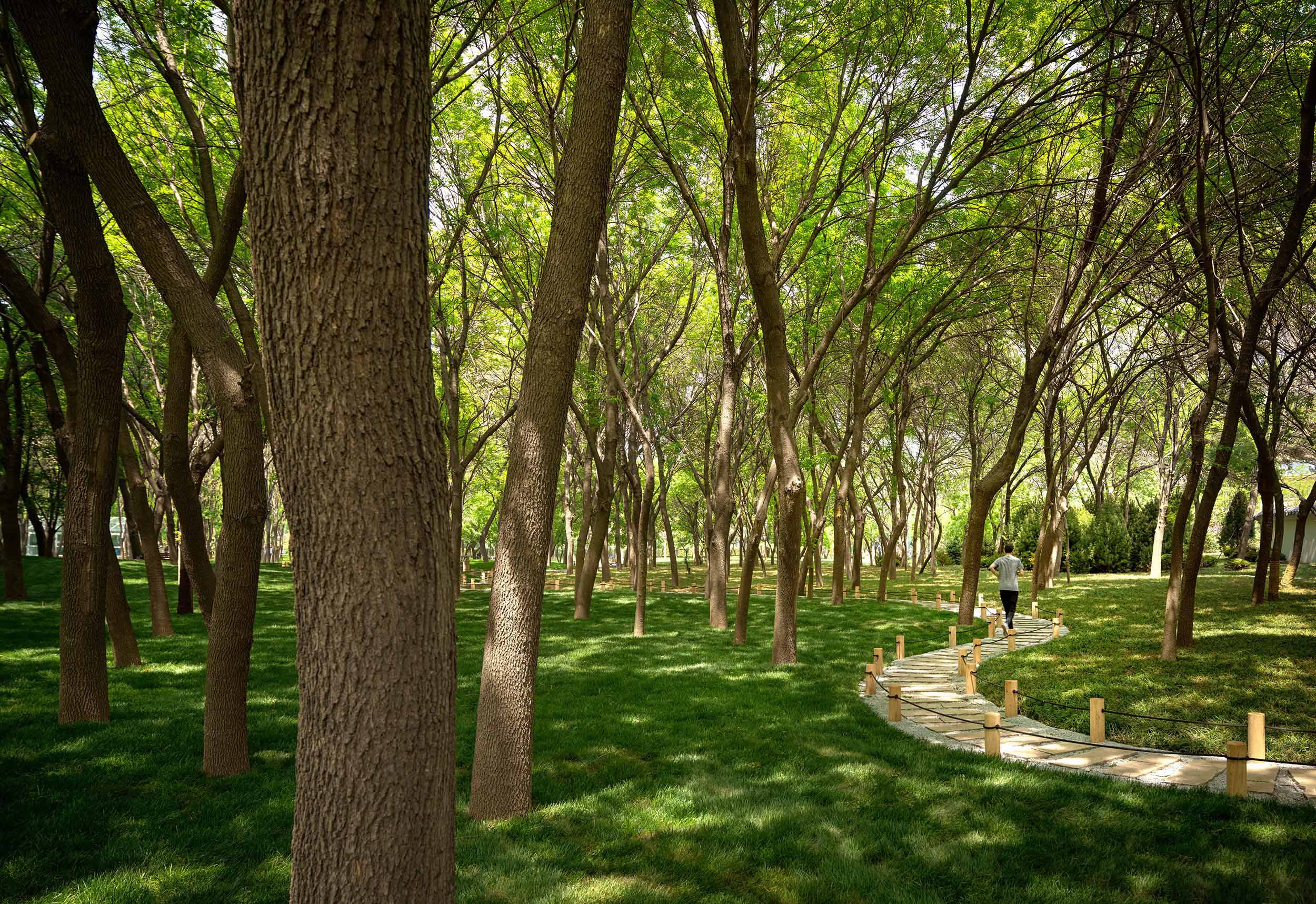
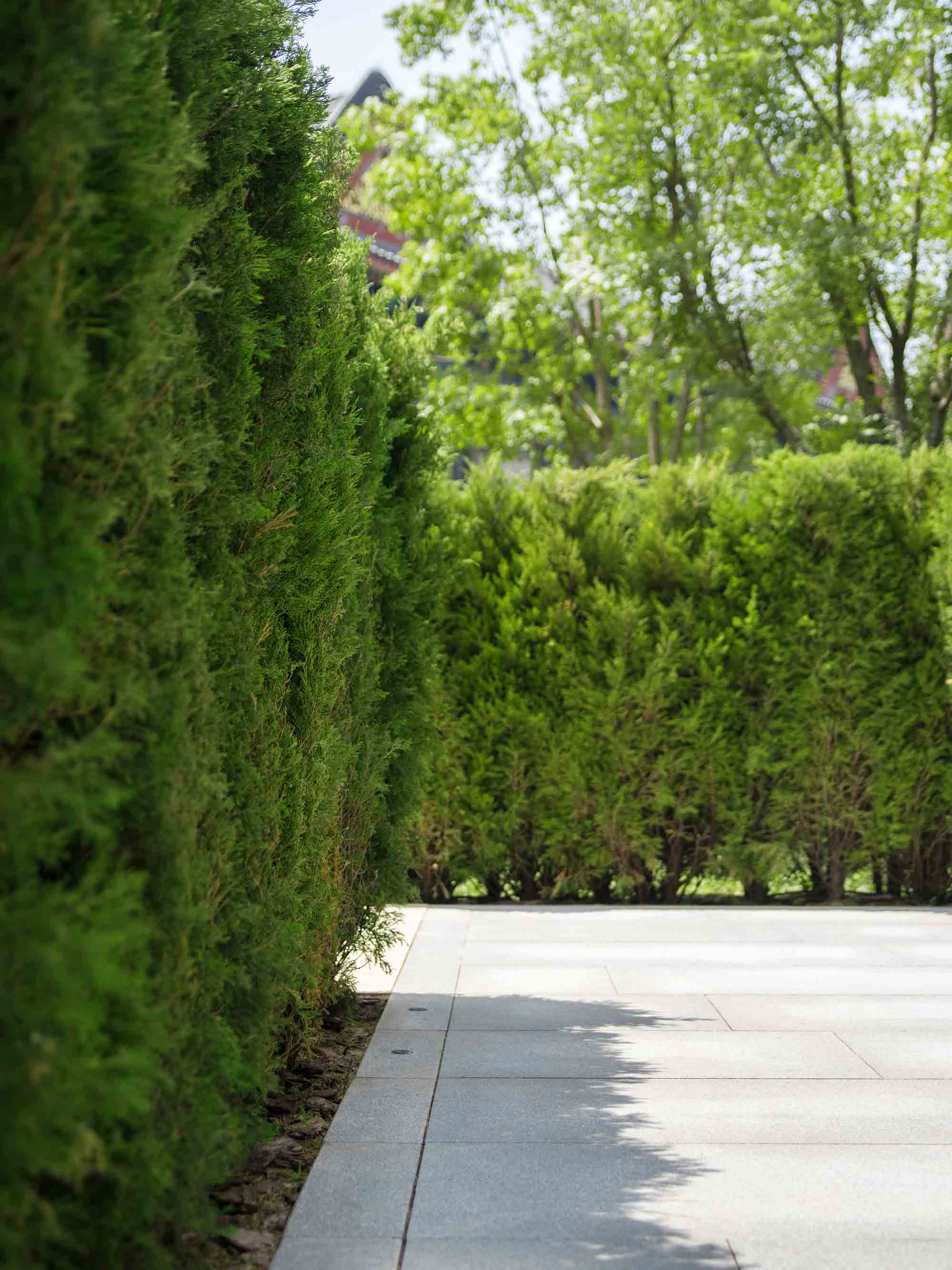
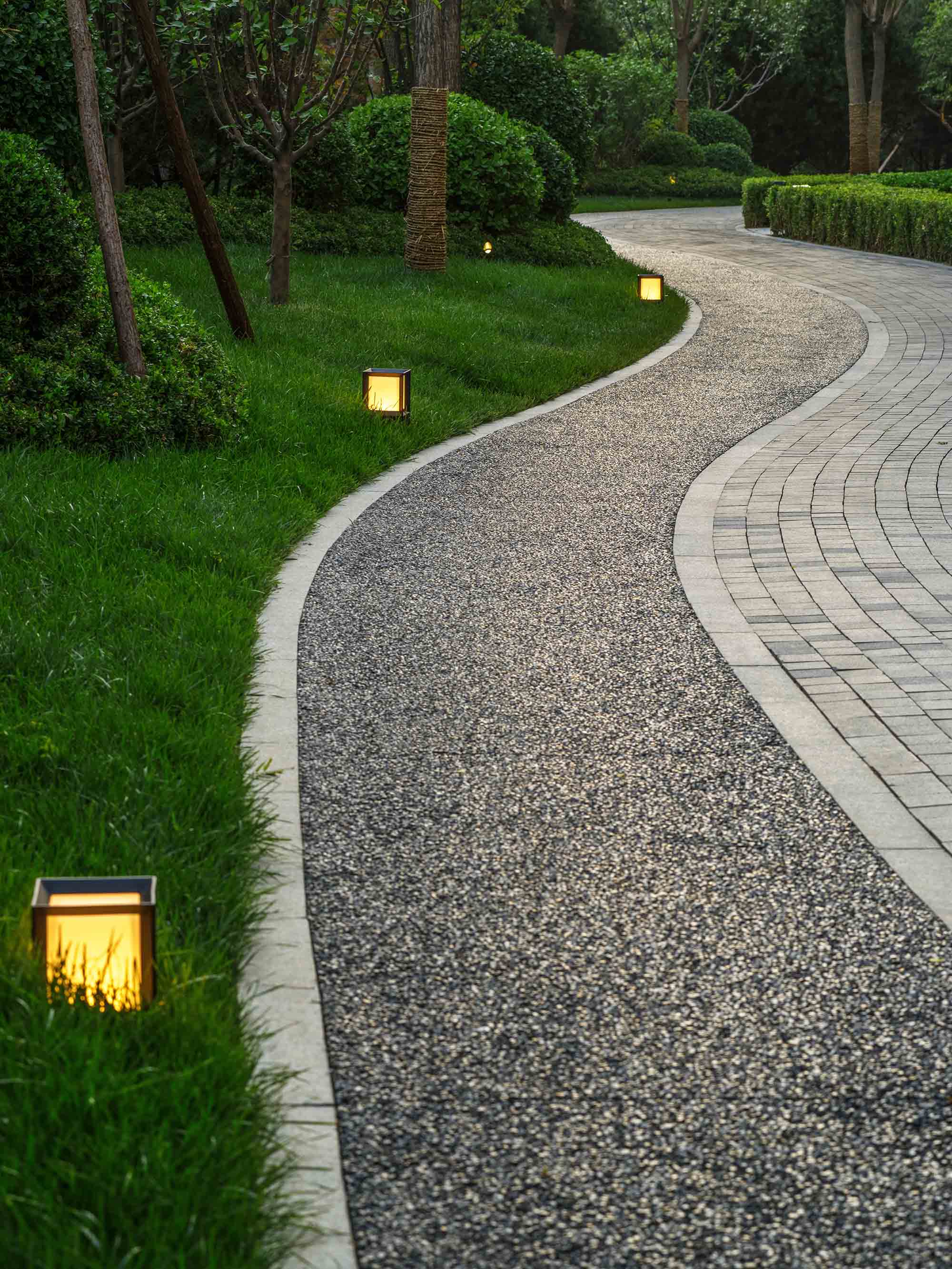
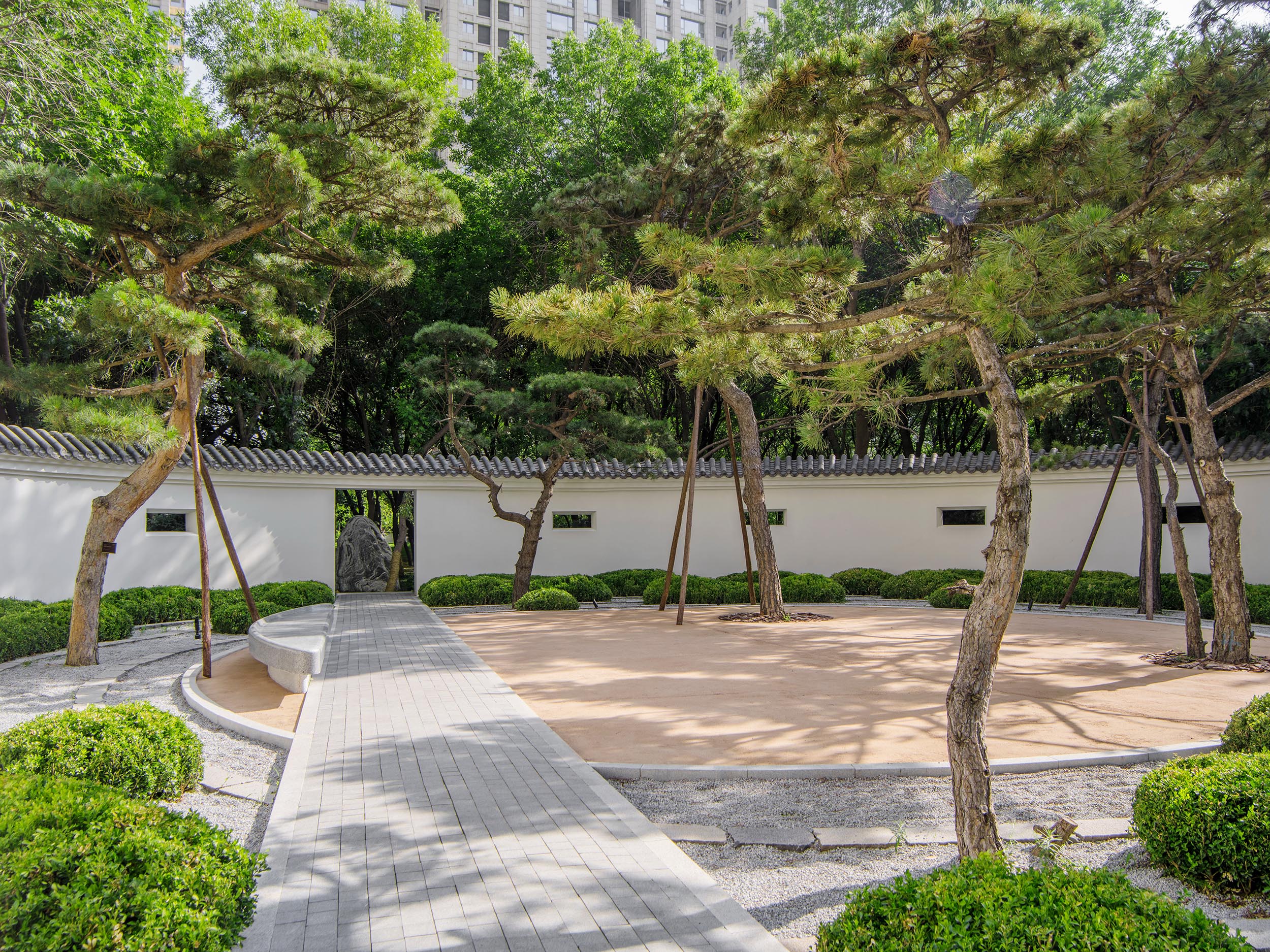
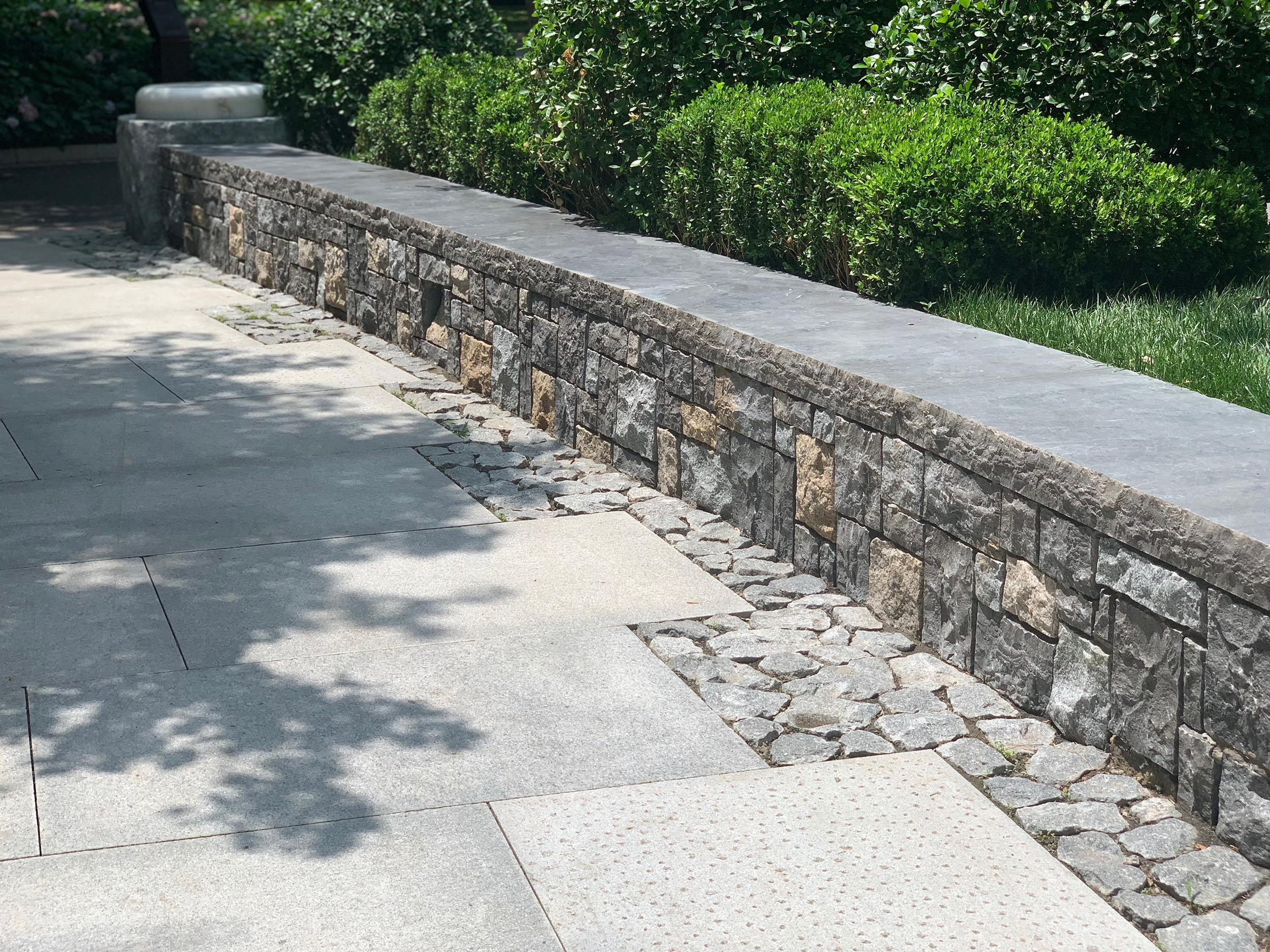
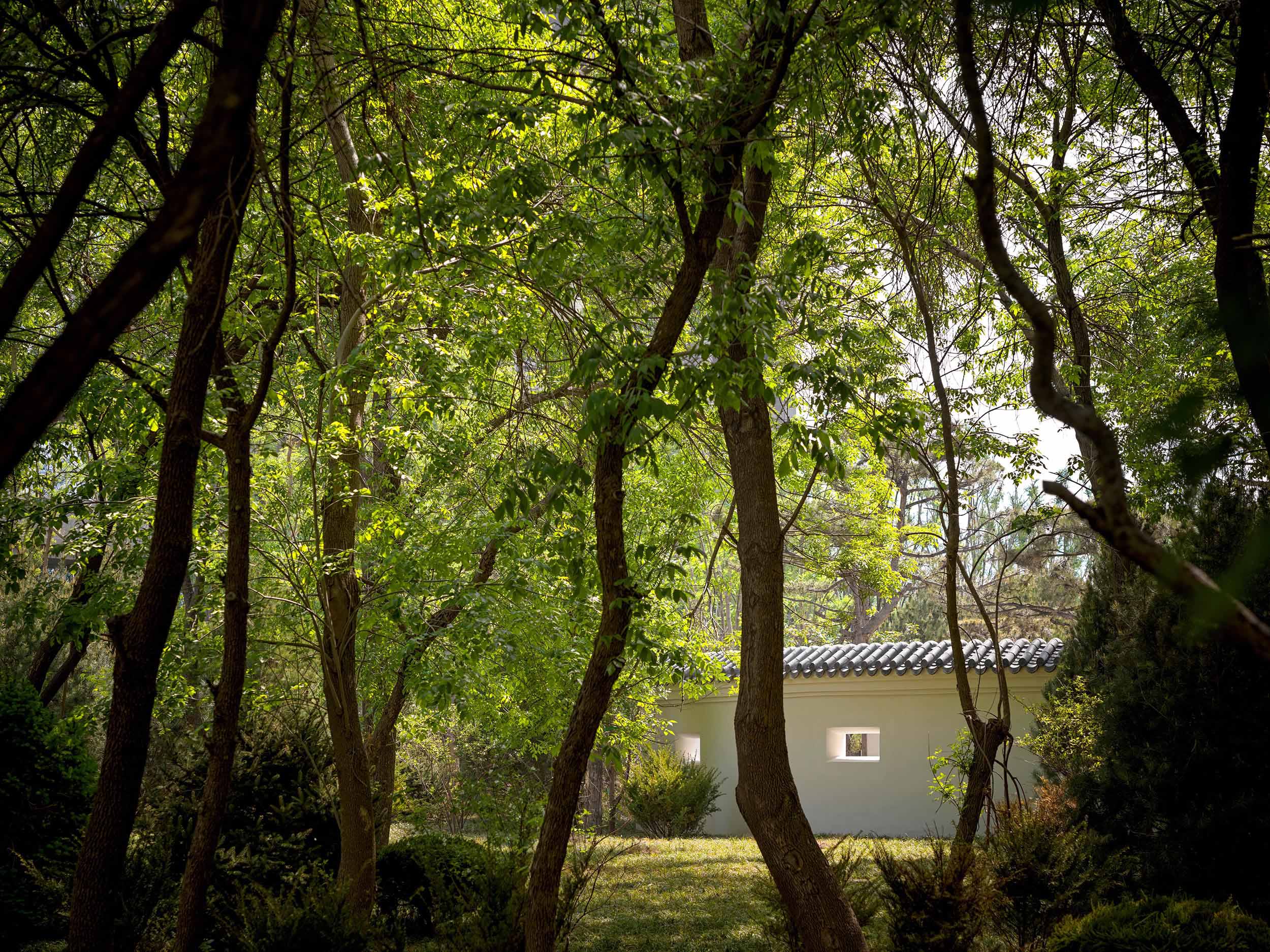
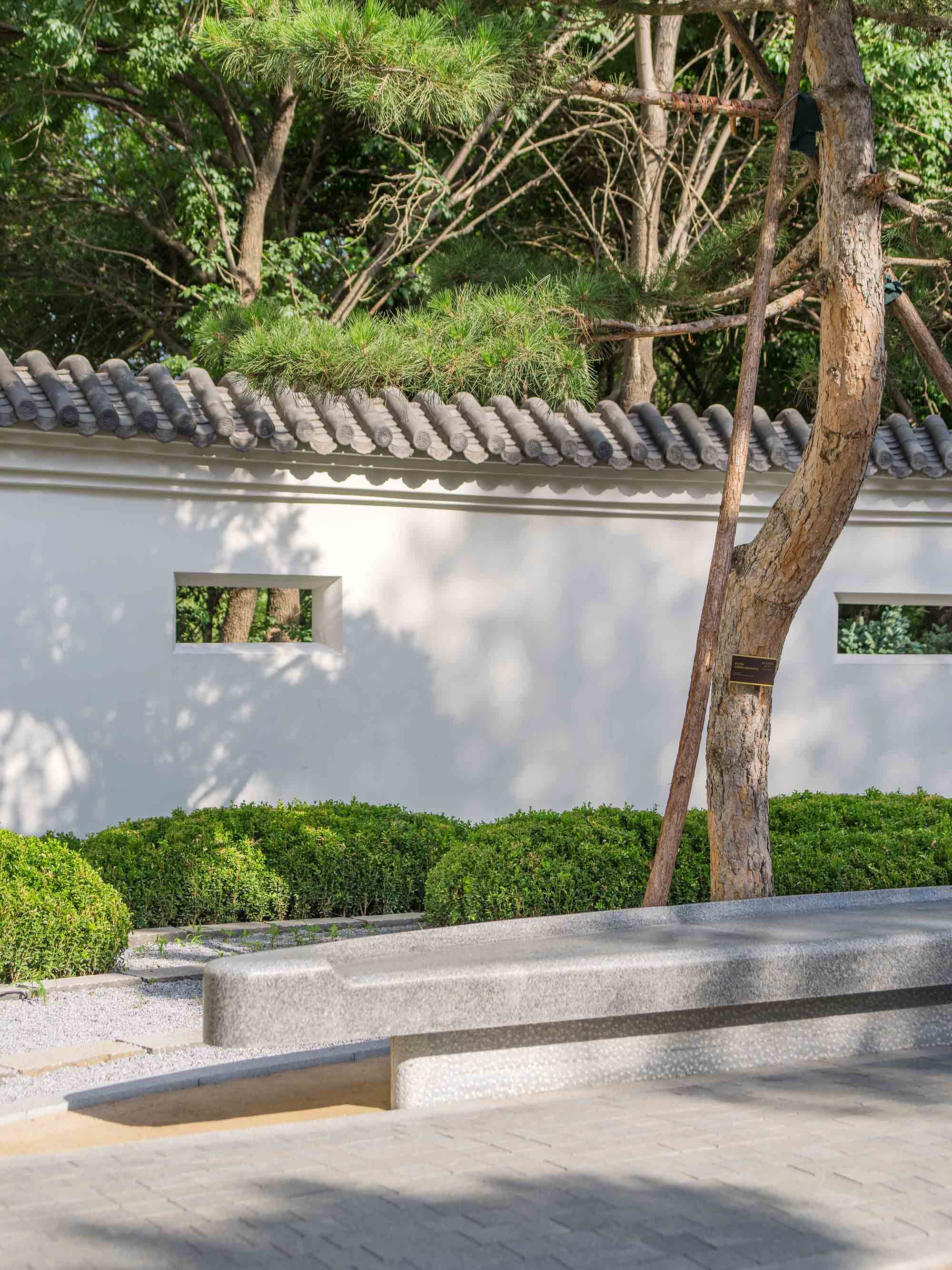
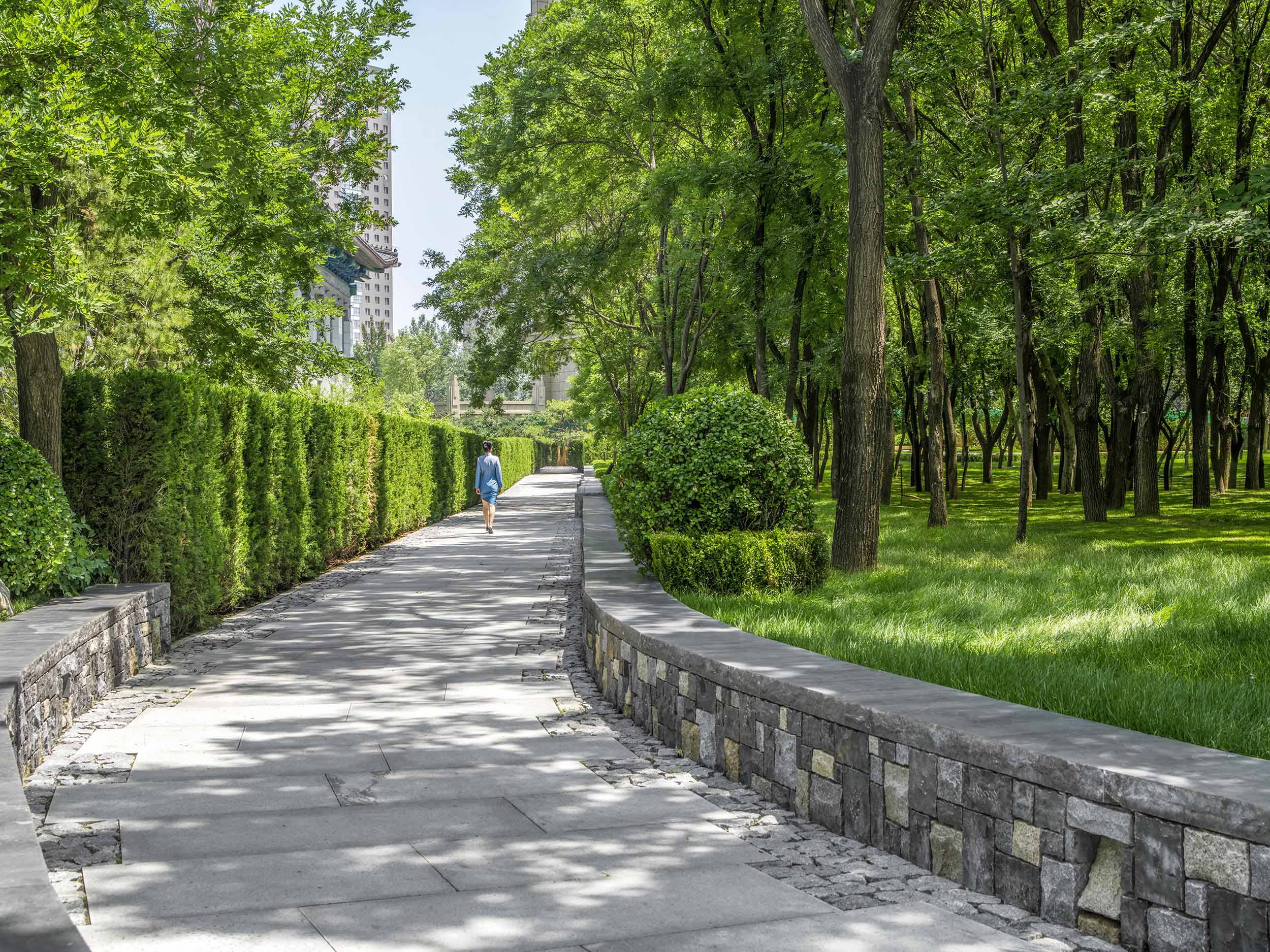
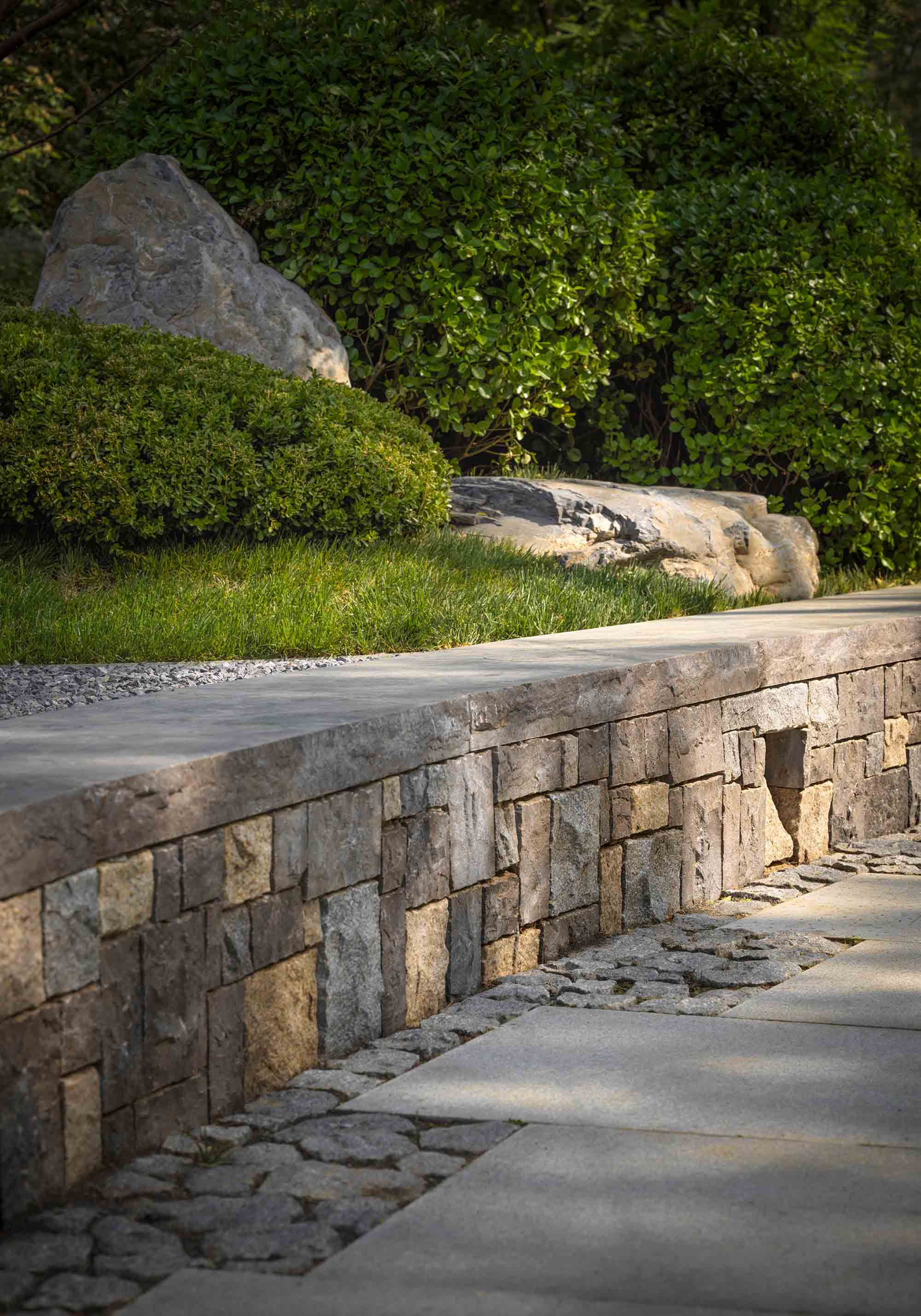
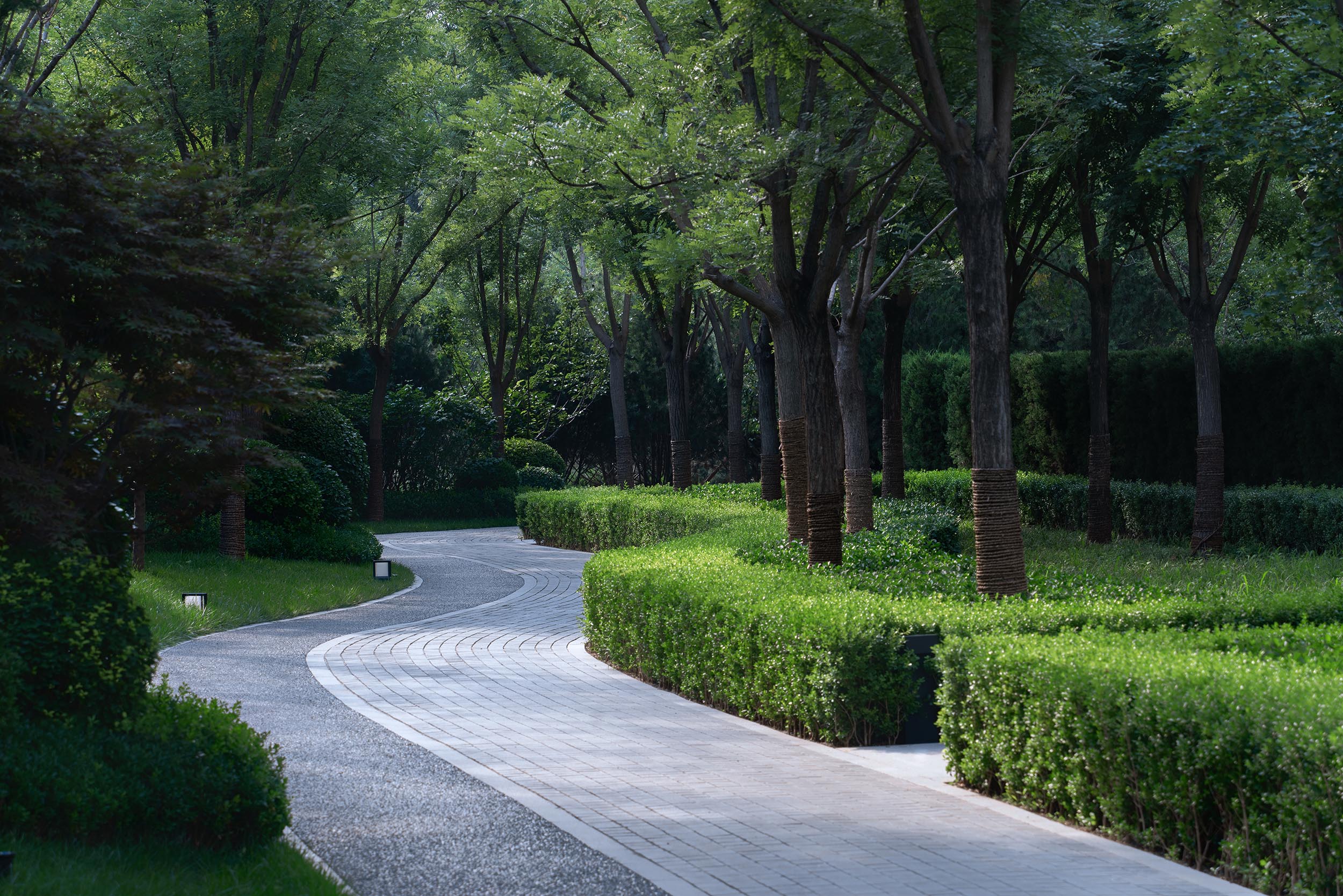
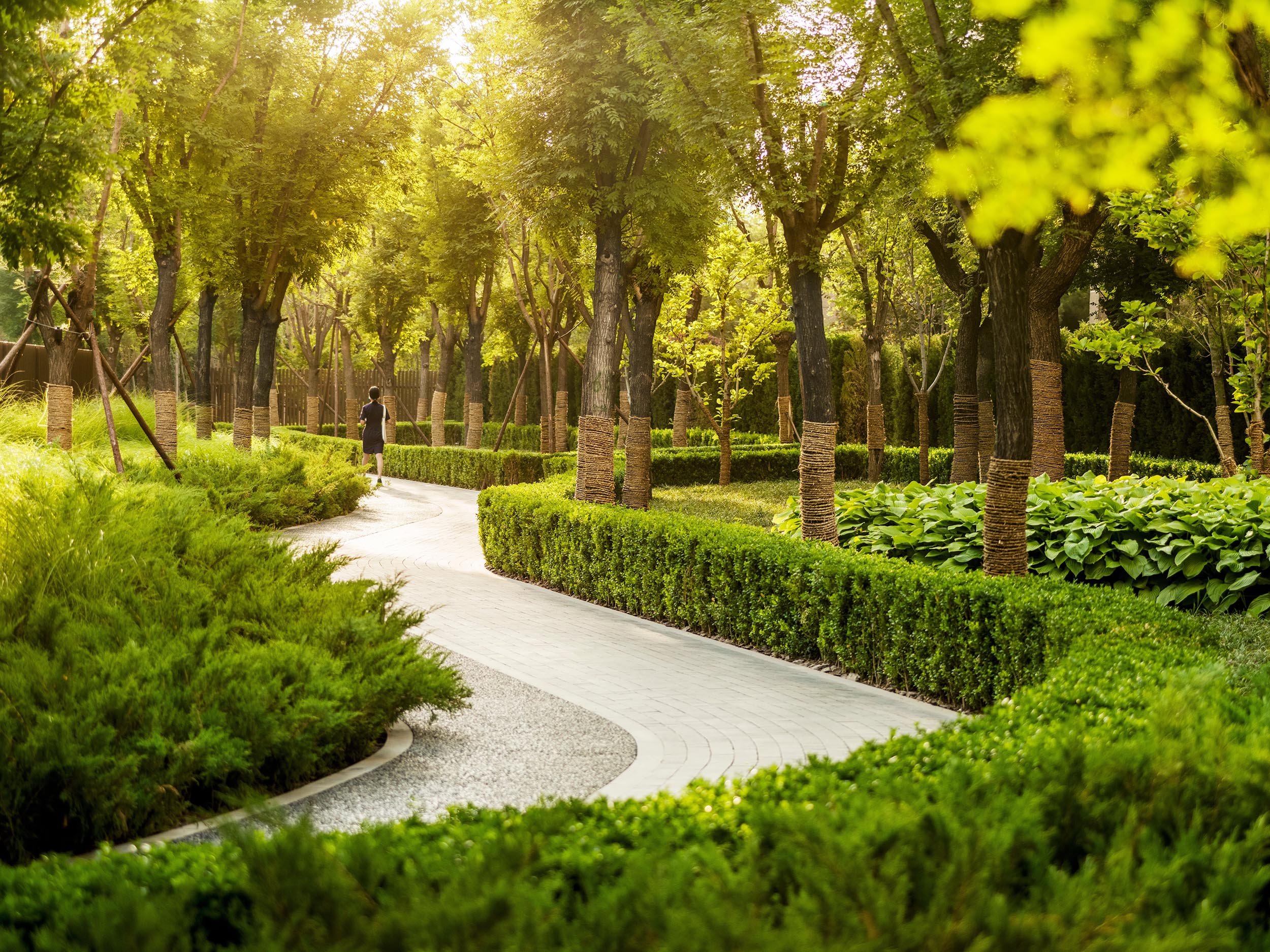
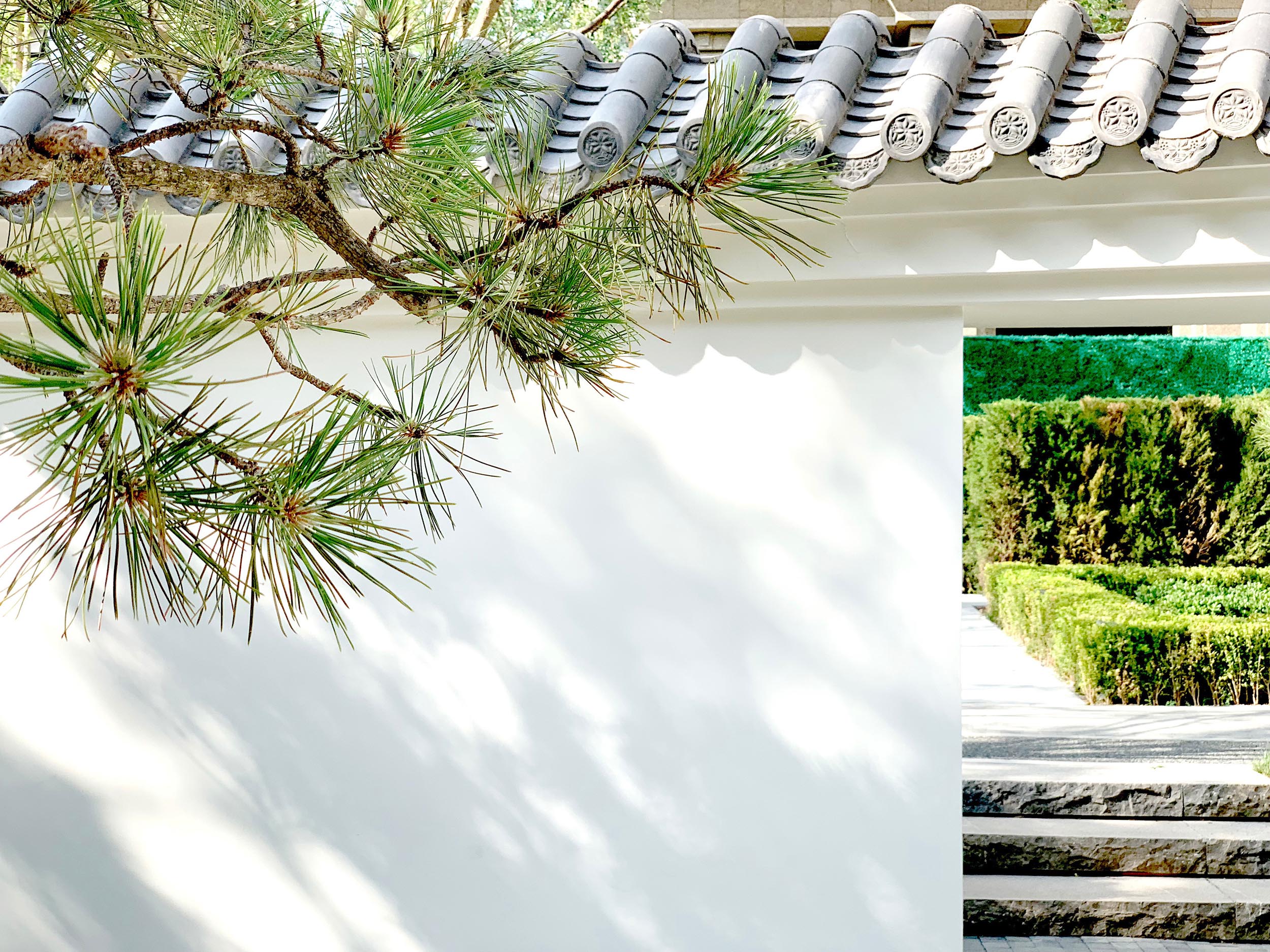
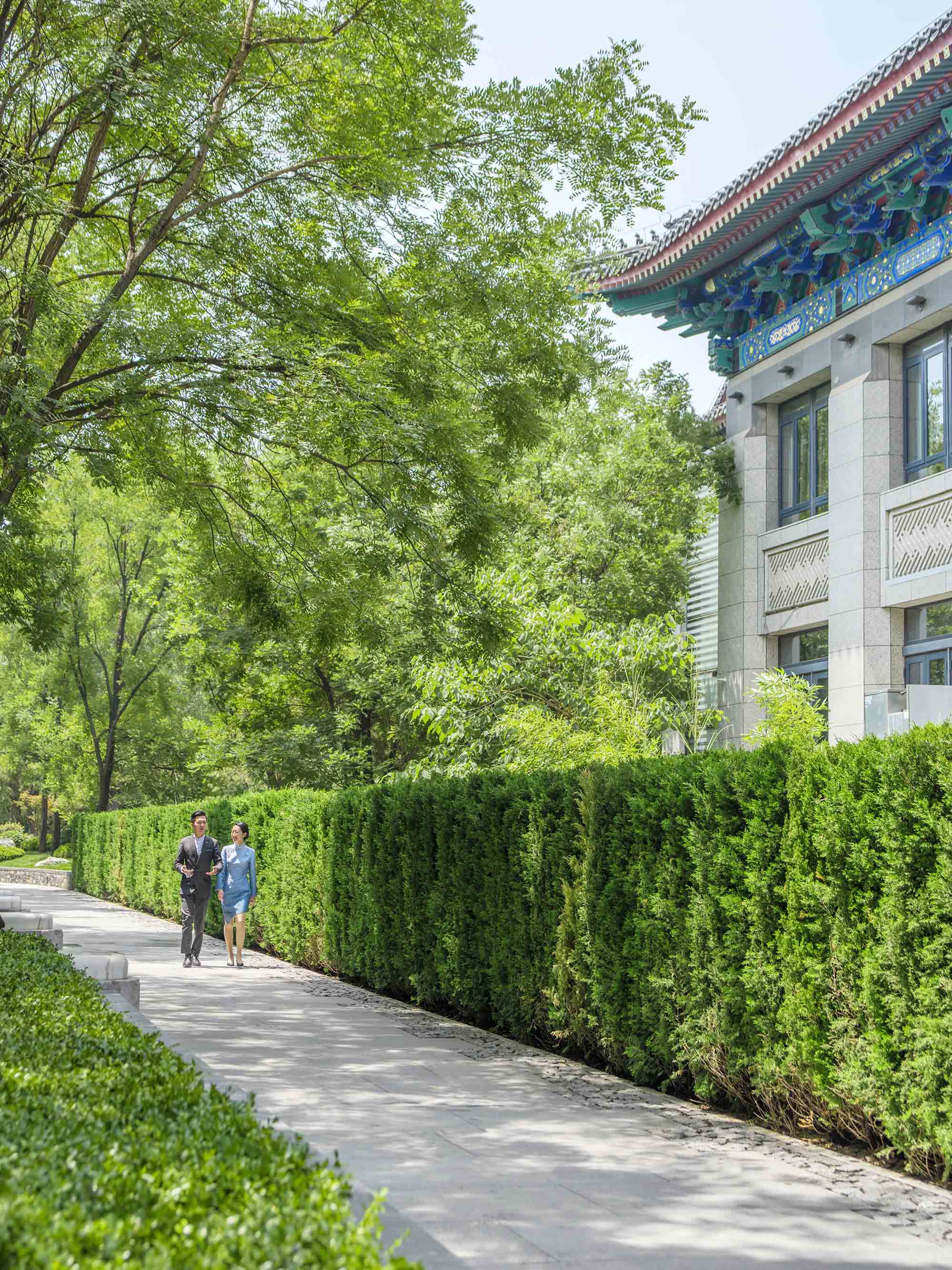
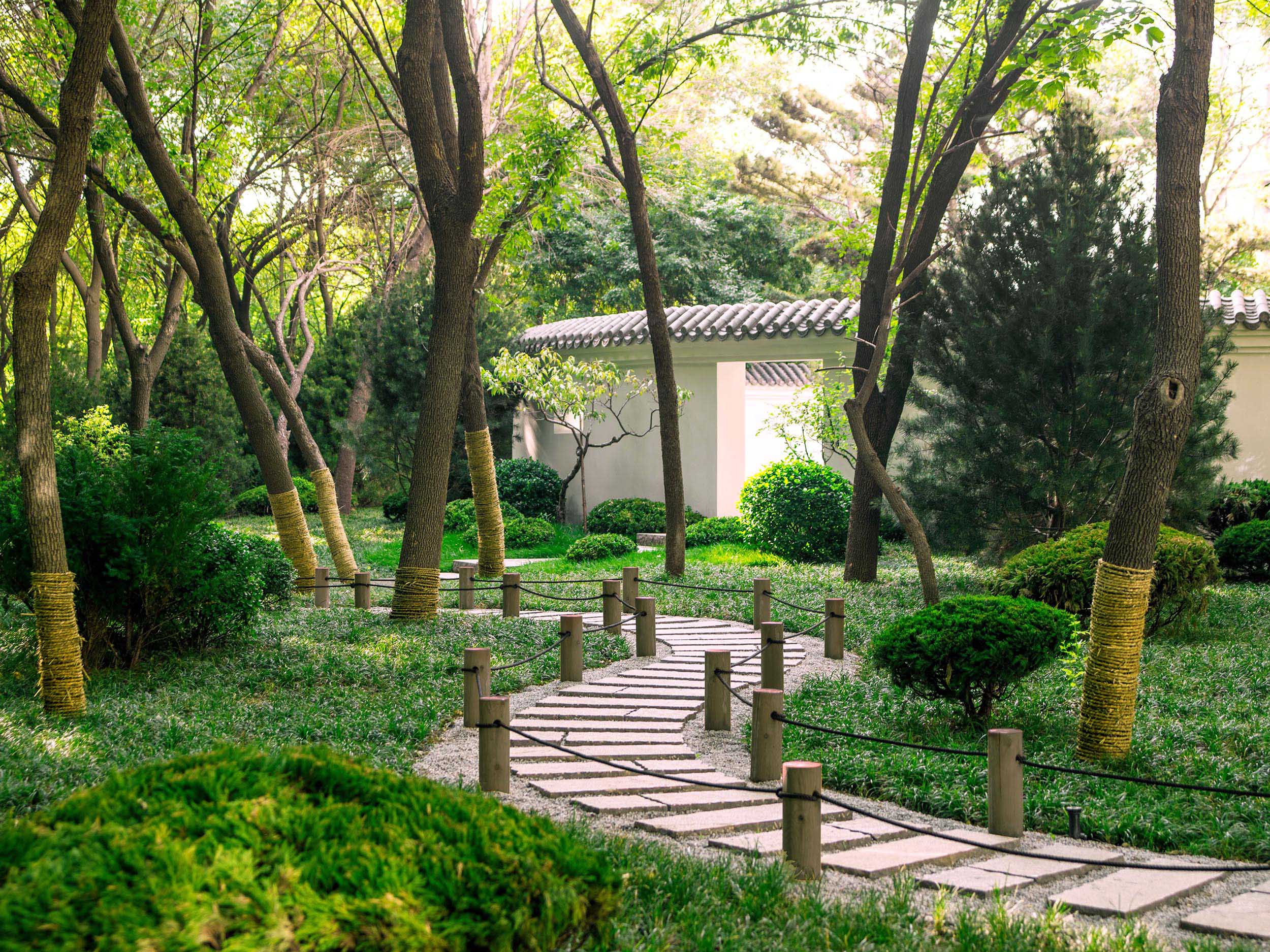
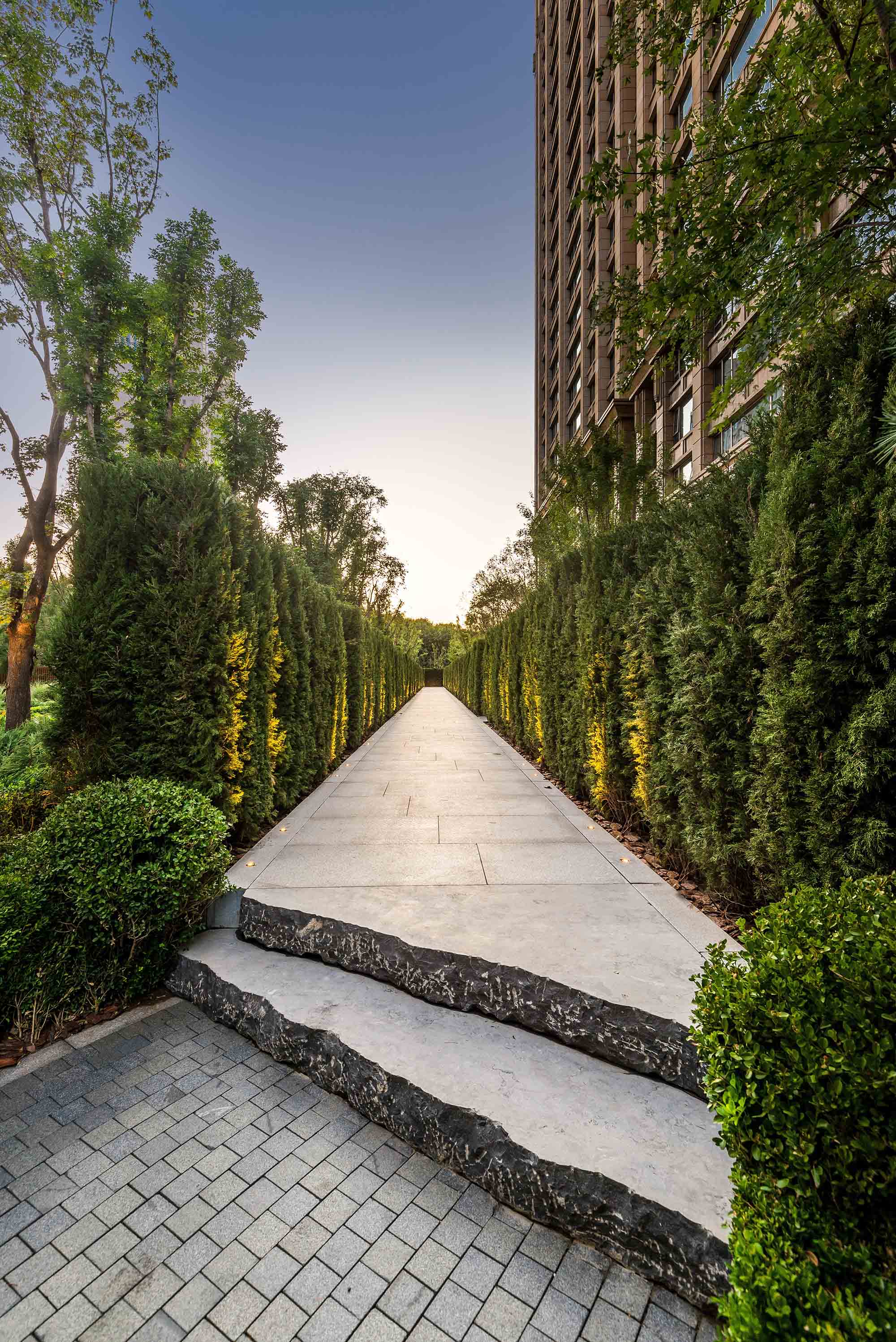
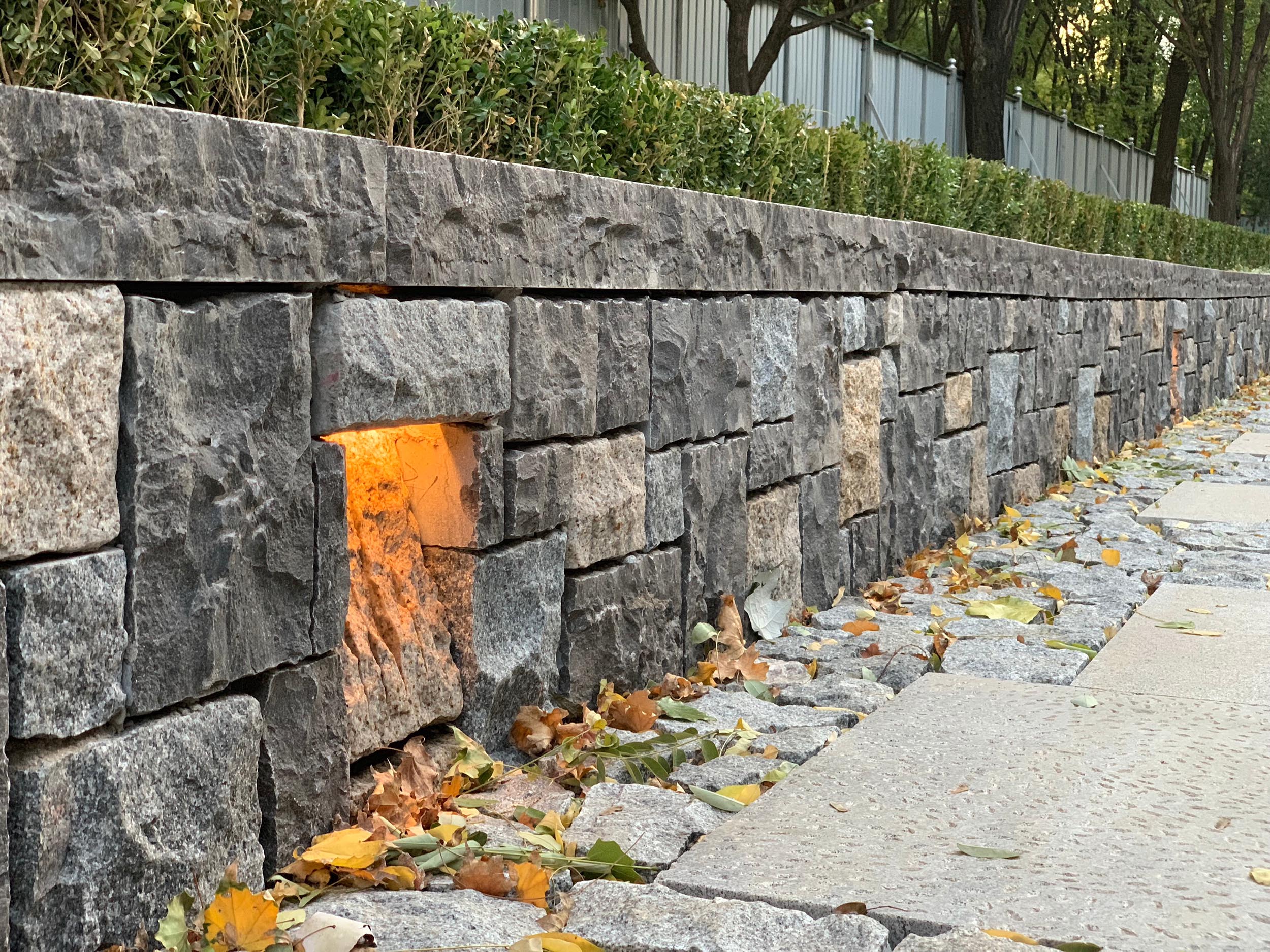
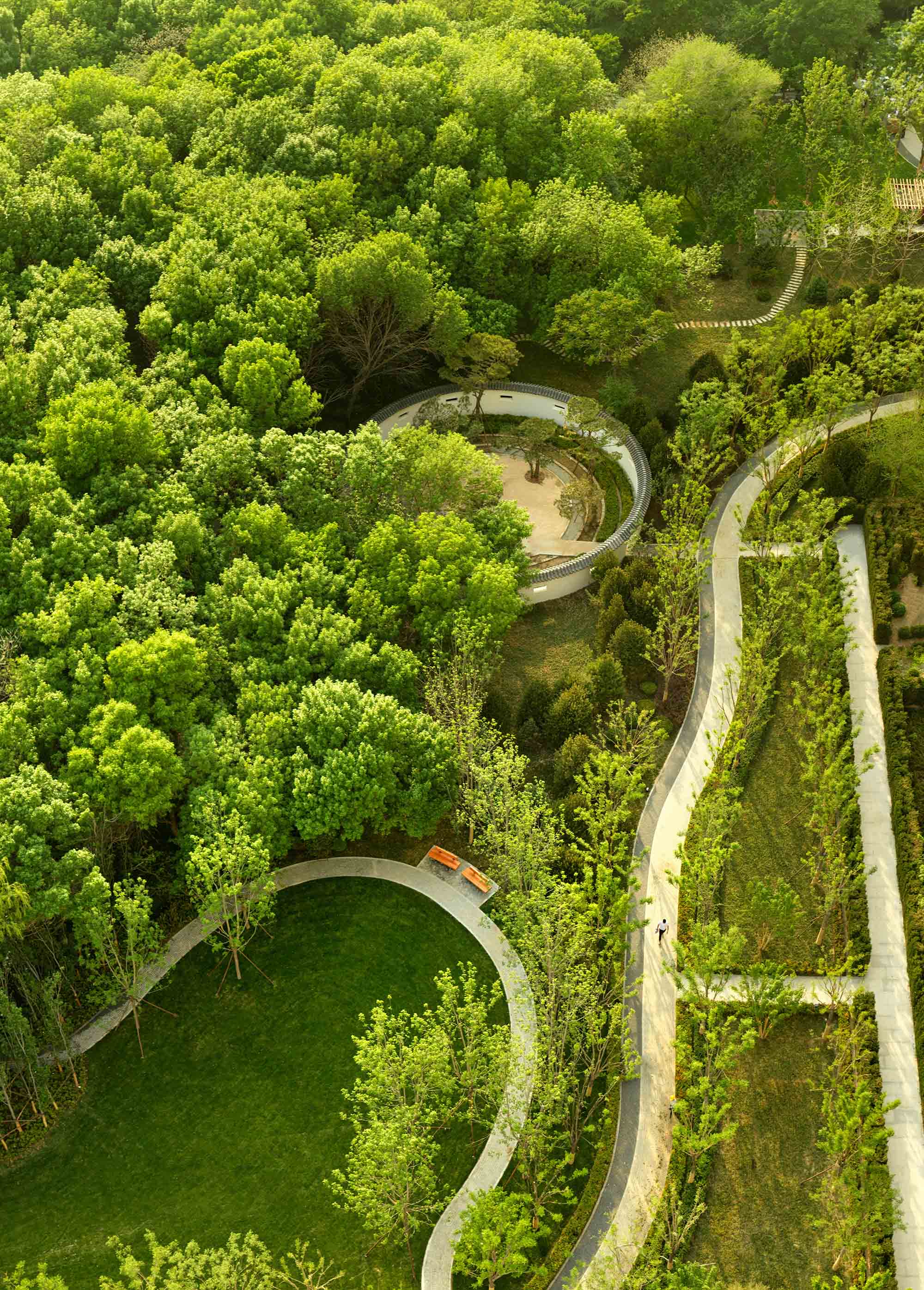
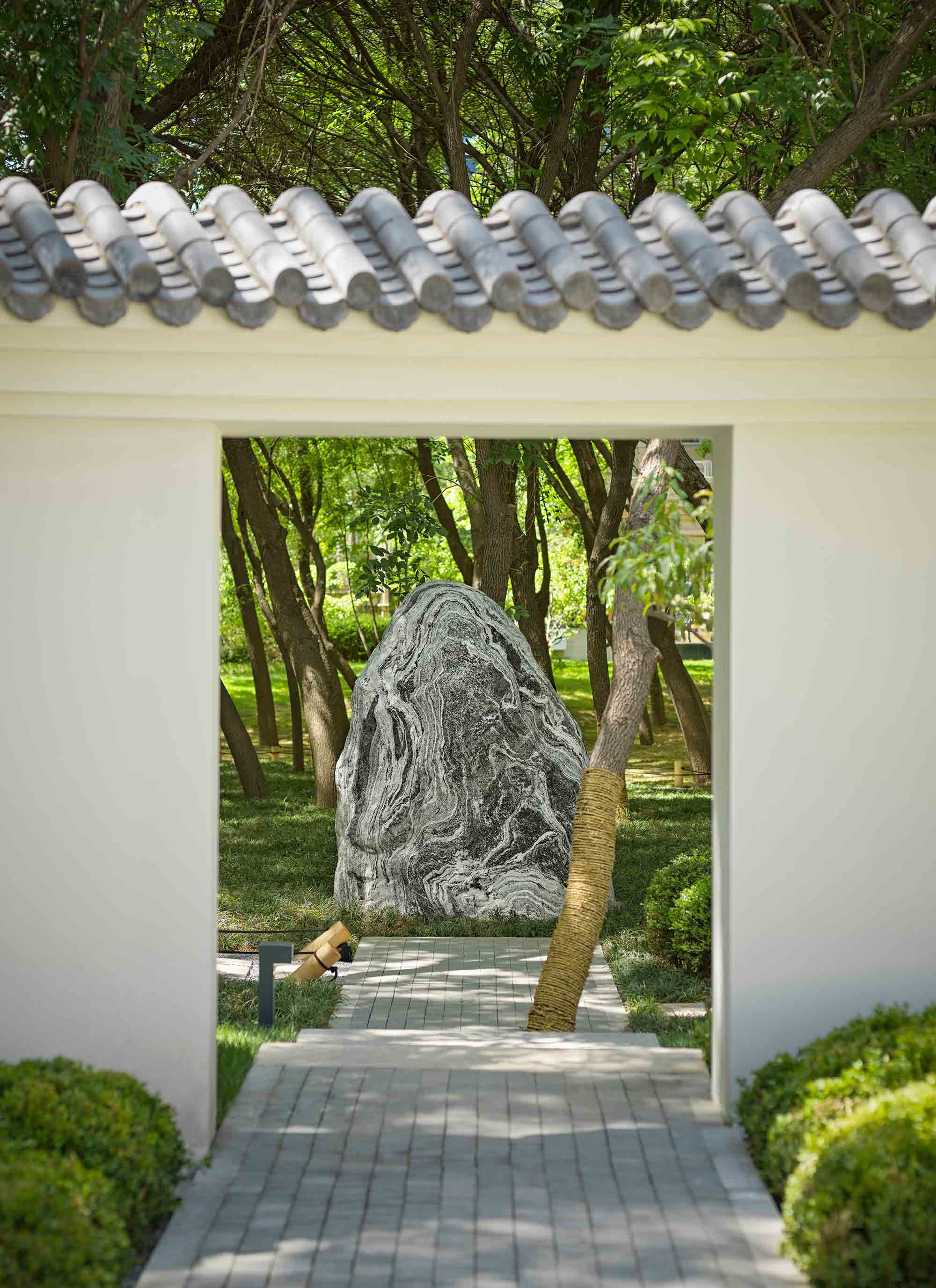
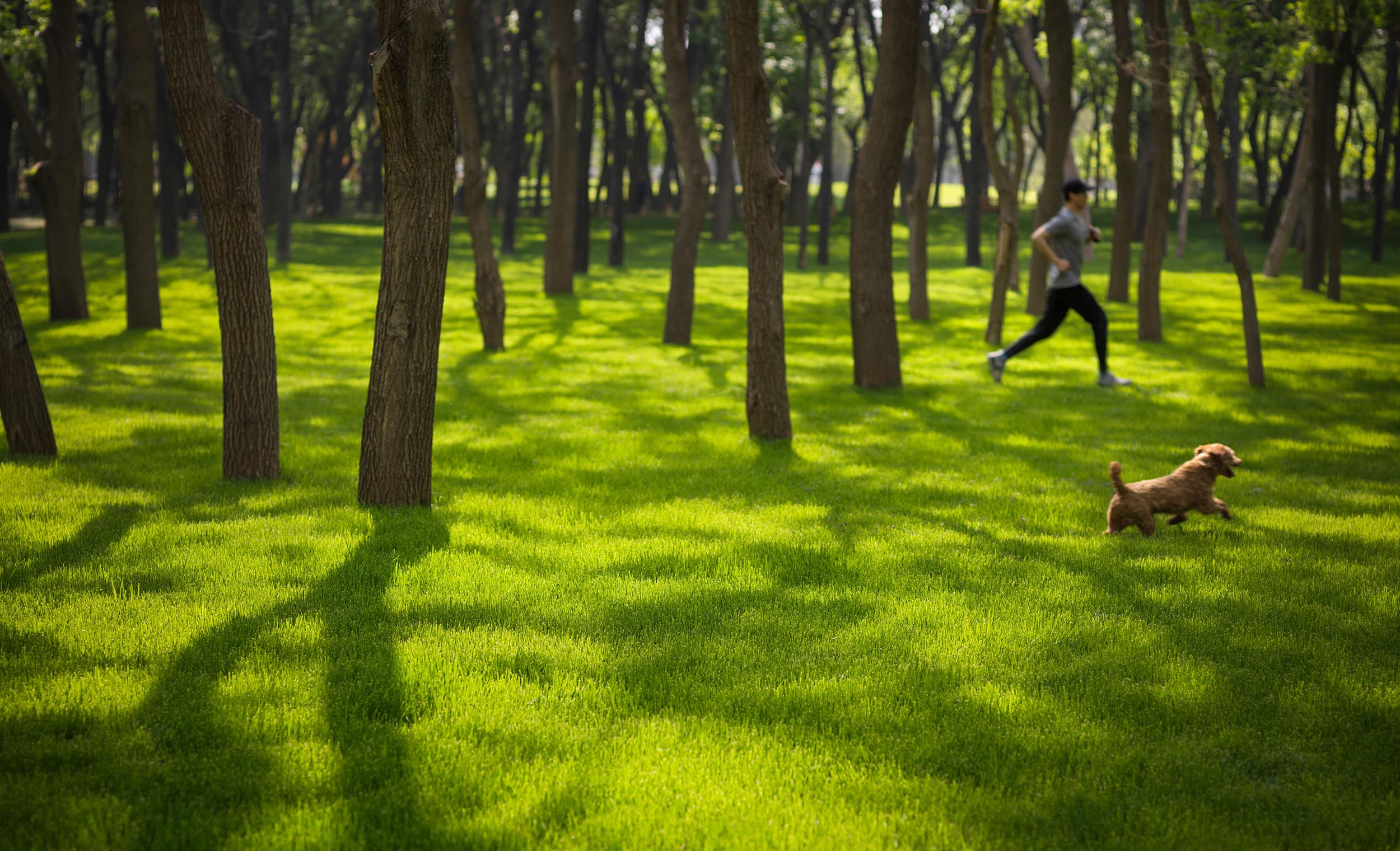
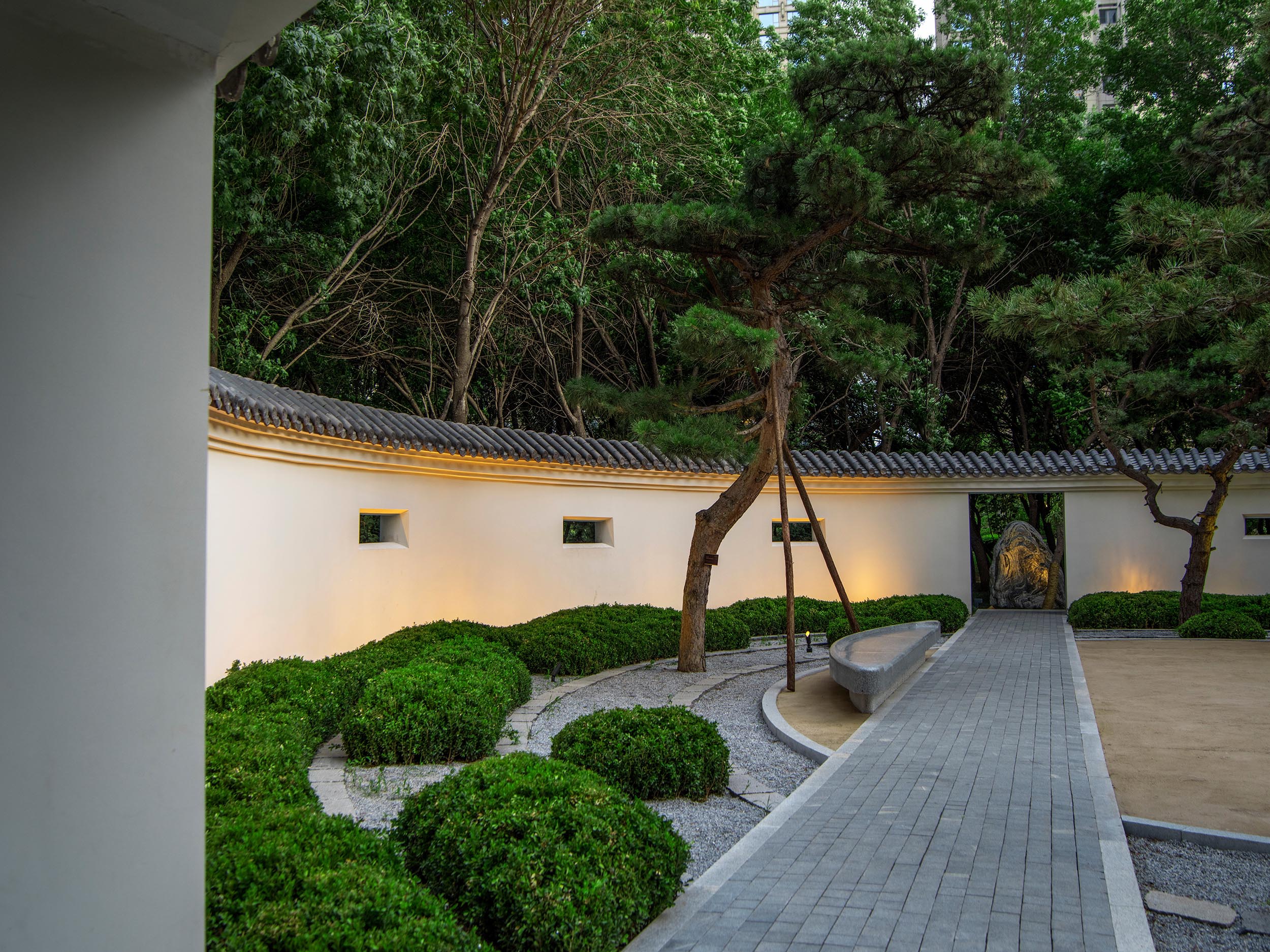
Beijing MAHA Residential Park wins the 2022Architizer A+ Popular Choice Award in the Private Garden category. With theMAHA Residence Grand Opening scheduled for October of this year (2022), thesoft opening of the MAHA Gardens last summer featured an exclusive open-airfashion show by British designer, Jenny Packham. Ballistic Architecture Machine (BAM) workedclosely together with renowned hotelier, Adrian Zecha, and the MAHA team todesign the landscape and develop a multiphase masterplan strategy to seamlesslyweave a complex mixture of preexisting contemporary and classically-styledelements on the site. The fast-paced world of Chinese real-estatedevelopment is not well suited to ideas, themes, and methodologies based onslowly maturing landscapes. However, BAM believes that luxury in a landscape isfundamentally an expression of time. While the quality and richness ofmaterials in architecture and interior design tend to be defining factors of'luxurious', BAM believes that time occupies that role in a landscape - timegiven to mature, time and effort to care for it and maintain it. A luxuriouslandscape can therefore be understood as a physical manifestation of time. The site occupies the northern edge ofChaoyang Park inside the Fourth Ring Road. At the time of engaging BAM, thesite architecture was a mixture of four occupied residential towers, fiveincomplete and unoccupied towers, a Chinese-styled members club, and multipleclassically-styled gatehouses in varying states of functionality. The existinglandscape was also a smorgasbord of functional and dysfunctional spaces,including a scaled replica of an imperial garden, and a beautiful and maturingman-made forest. BAM’s design for the landscape and masterplan unifies disparate aspects of the site together in a seamless series ofgardens, functional spaces, and circulatory pathways. The existing landscapespaces are blended with new landscapes. Conflicting styles, epochs, andcultural references are reconciled with a minimalist landscape approach. China’s real estate market is constantlychanging. Even before the recent economic meltdown, in part driven by thecollapse of one of China’s largest real estate developers, focus was shiftingtoward redevelopment and upgrading of existing projects, rather than onexpanding into new and increasingly further territories. The MAHA residentialpark is an exemplar of this changing mentality in the Chinese developmentindustry, and as more and more projects are reimagined, the Chinese developmentand associated design communities will need to grapple more seriously with howto design by integrating, rather than erasing, existing site conditions. In most regions of the site, buggycirculation is pushed to the periphery. However, in some key areas, the buggiespass through the center of the site. In those areas, it is critical to define aclear boundary beyond which the buggies should not venture. A low retainingwall, punctuated with low heavy stone bollards marking important entries,demarcates the boundary of the central forest. BAM carefully picked the best trees toplant in the MAHA gardens from sites with ancient histories. The evergreenpines come directly from the base of Taishan, in Shandong Province. The plantingwas upgraded to include more all-season greens. Seasonal highlights featureplant species such as Wysteria vines, maple trees, plantain lilies, and reddogwood, infusing color and character throughout the year. The circulation around the site is definedthrough a hierarchy subtly expressed through the paving. The main loop, whichcircumambulates the site, is divided into two materials - a permeable pouredmaterial ideal for jogging or children’s scooters, and a walking path ofgranite cobbles. The stone-stepped pathway slows the pace of the walk, allowingone to appreciate the presence of the forest from within. Although Beijing’s climate can be extreme,it also experiences the fullness and distinct qualities of each season. Typically, the Winter and Summer seasons are the longest, punctuated by short,but much-anticipated, Spring and Fall. Gardens for each season are designed totake advantage of the planting’s seasonality, bringing unique identities toeach space. The Wintergarden is a garden contained within a traditional gardenwall that is punctuated with minimally expressed windows and gates. Plantedonly with evergreens, the garden will remain green through the gray and frigidBeijing winter. The entry of the Wintergarden, shrouded byevergreens, peers into the man-made deciduous forest, with a meandering pathguiding the way. The Wintergarden doubles as a small multifunctional space forparties, events, or tea ceremonies. The space is occupied by sculptural pines,which appear to dance together in the space. During the winter season, theaustere garden comes to life when snow periodically blankets the space, makingthe pines appear even more expressive than usual. A garden cannot be constructed in a day. Itmust be allowed to grow, and landscapes must be maintained, cared for, andcultivated. When one looks at a masterful or luxurious landscape, one can seetime itself in its years of growth, years of maintenance, and seasonalprogressions. Unlike architectural fields that depend upon rare or expensivematerials to express luxury, a landscape can only truly achieve luxuriousexpression measured in years or decades. BAM’s idea is to establish a grander senseof time by planting the foundations of a landscape that will grow and continueto mature for generations. Technical sheet Project: MAHA Xiaoyun Road Beijing Location: 8 Xiaoyun Road, Beijing, China Design Period: 2018-ongoing Construction Period: 2019-ongoing Planning Area: 115,000m2 Landscape Design Area: 64,755m2 Scope: Masterplanning, LandscapeArchitecture




 Editor's Pick
 Latest Design