Text description provided by the architects
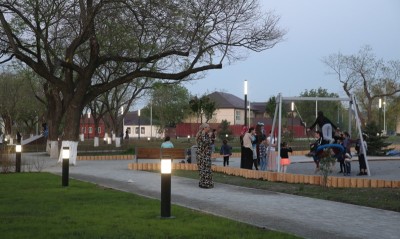
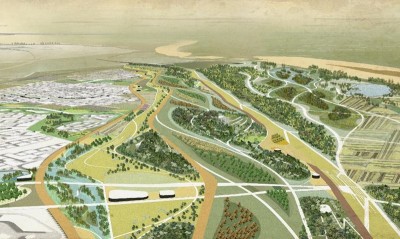
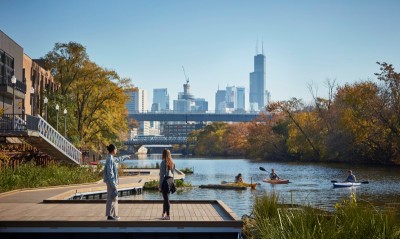
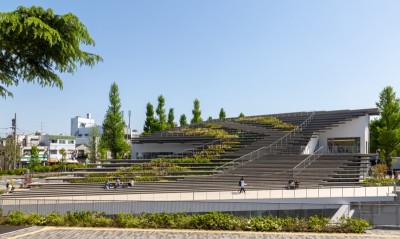
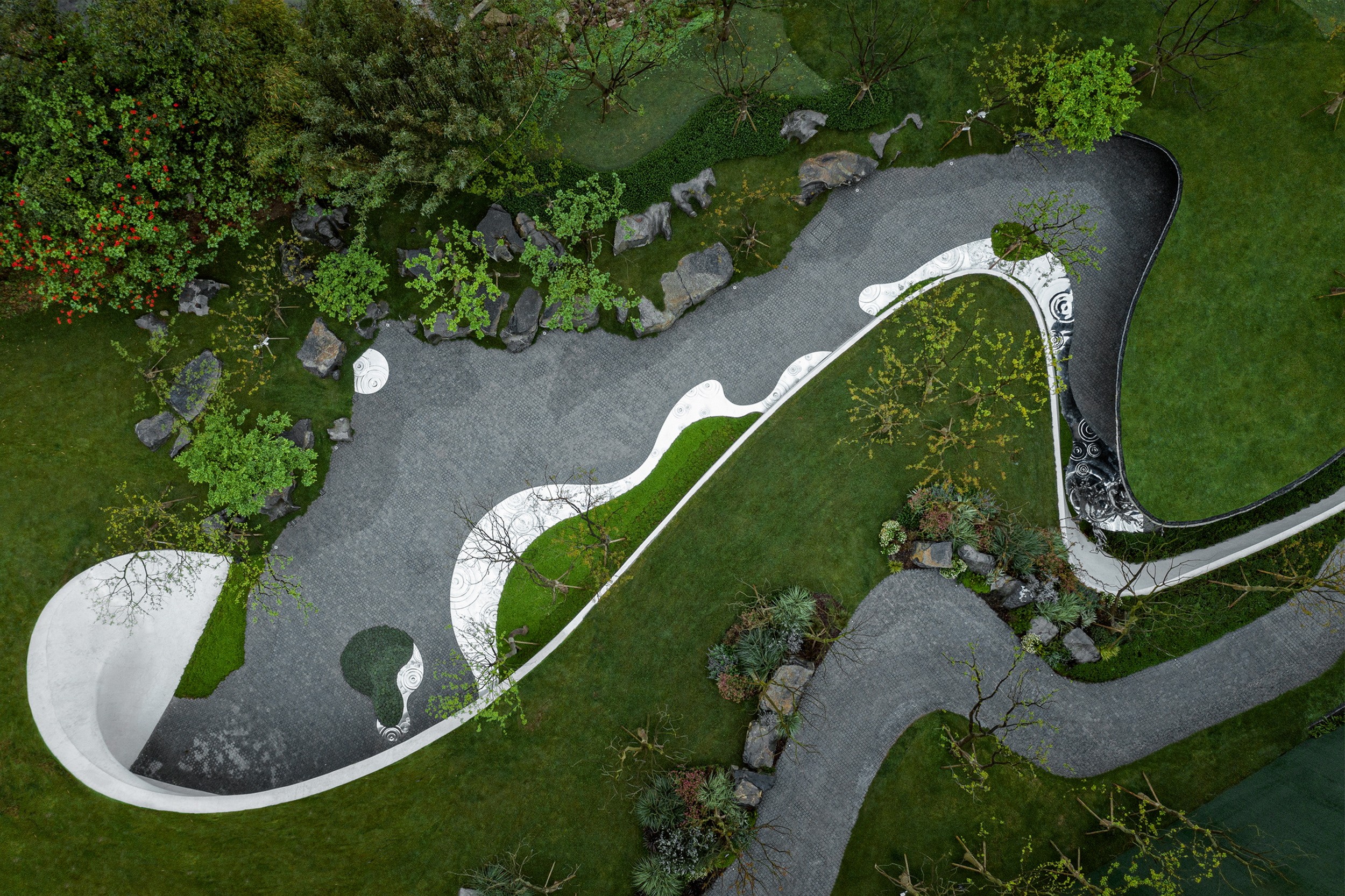
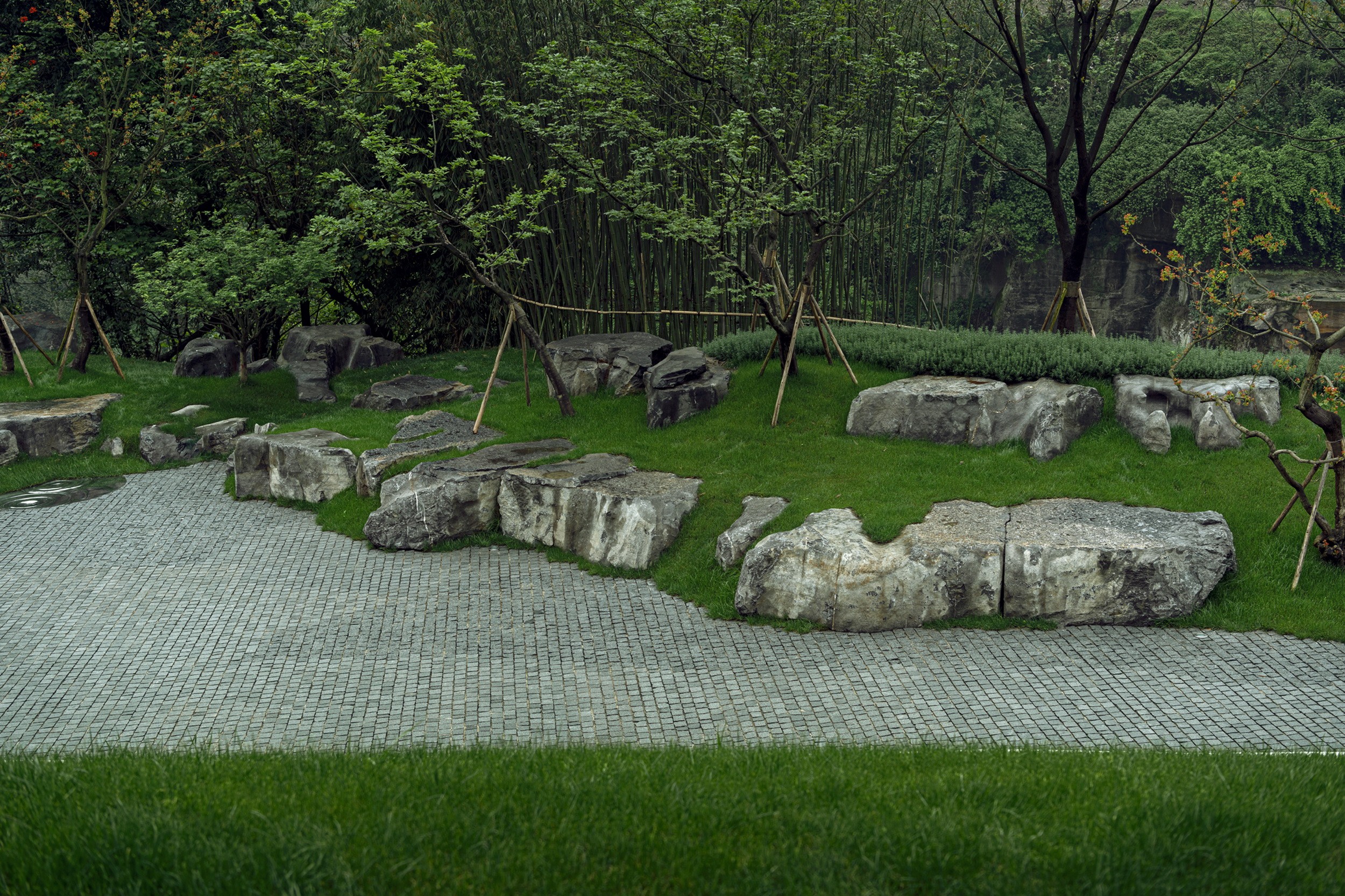
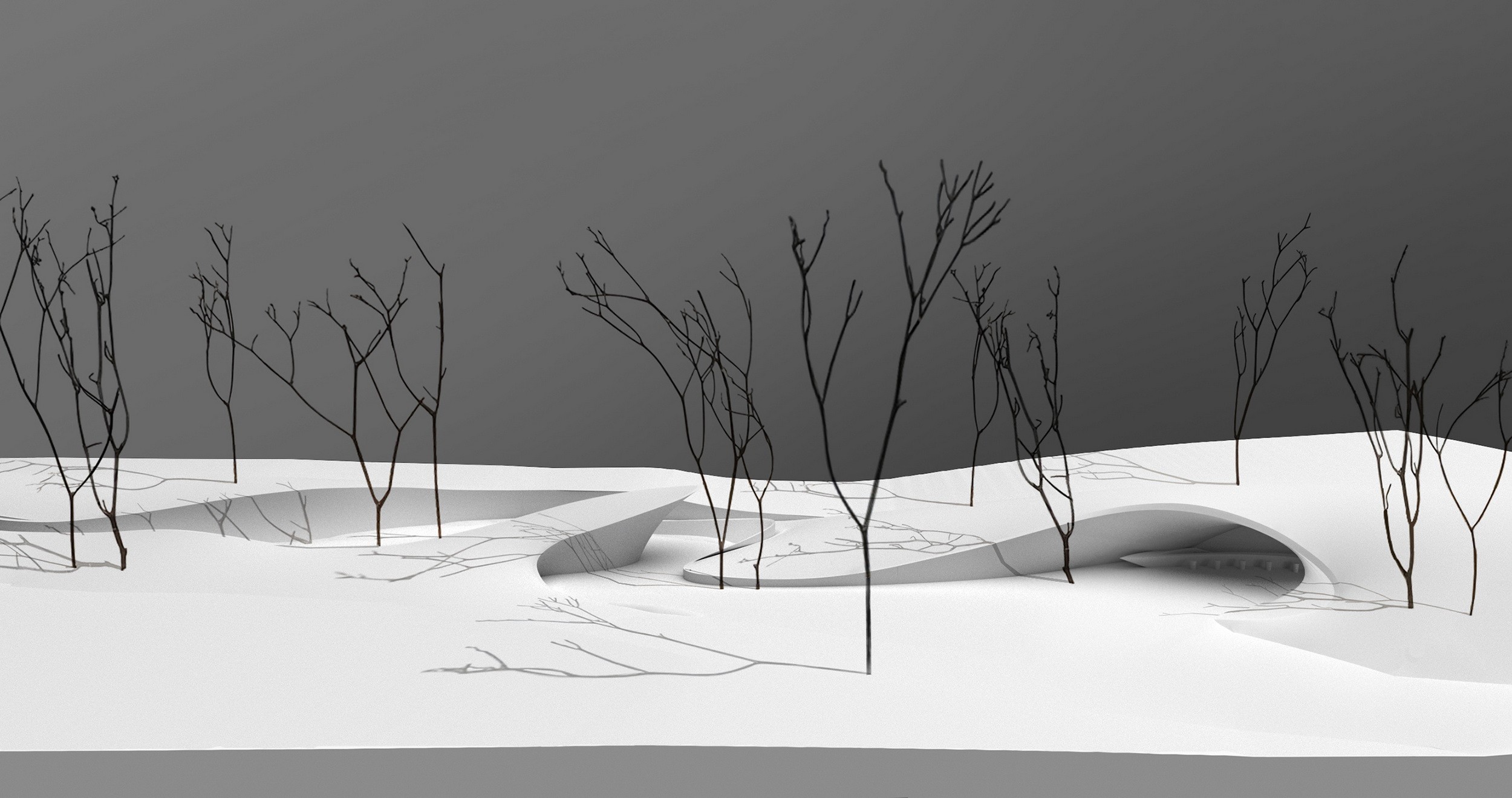
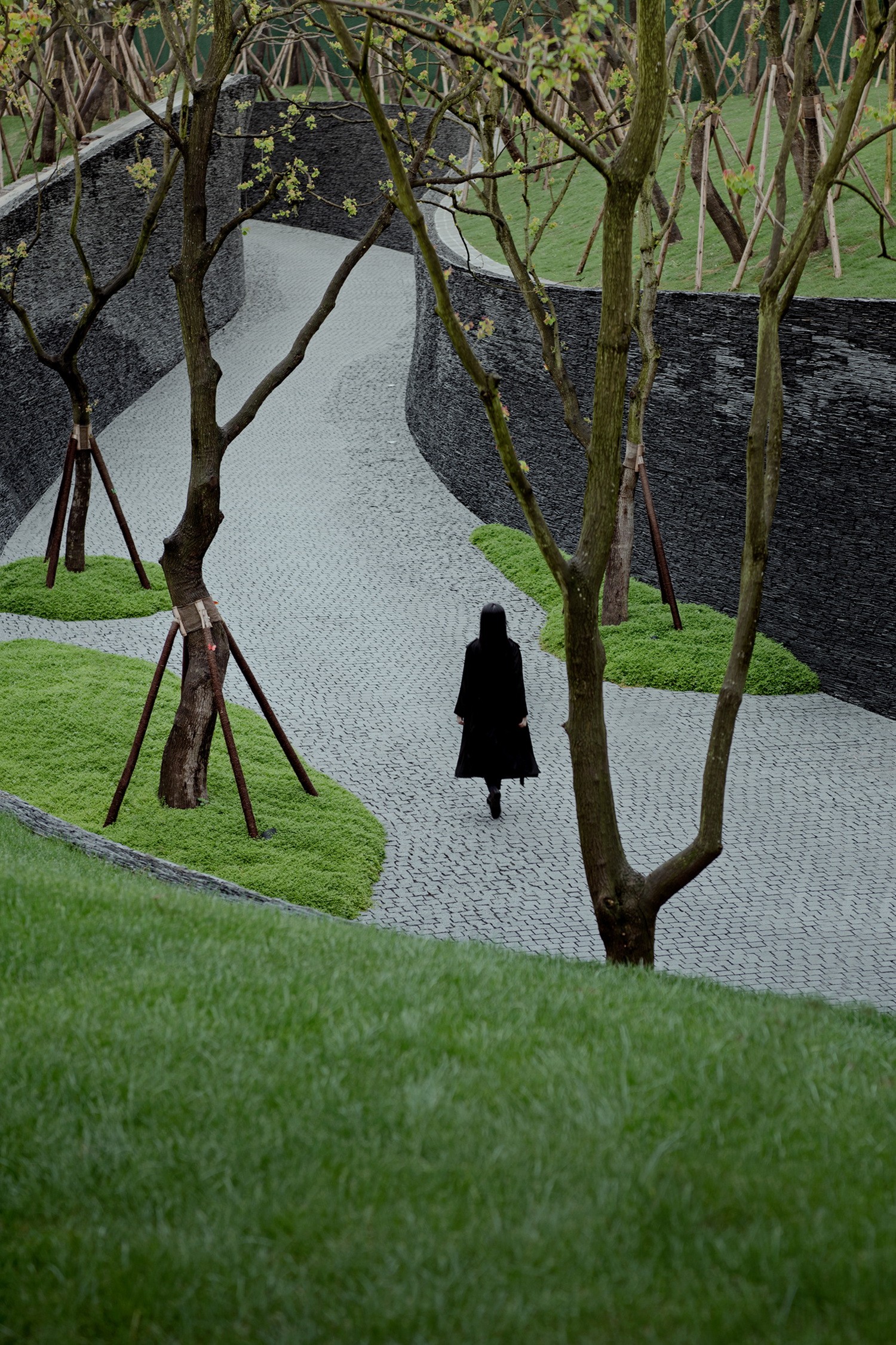
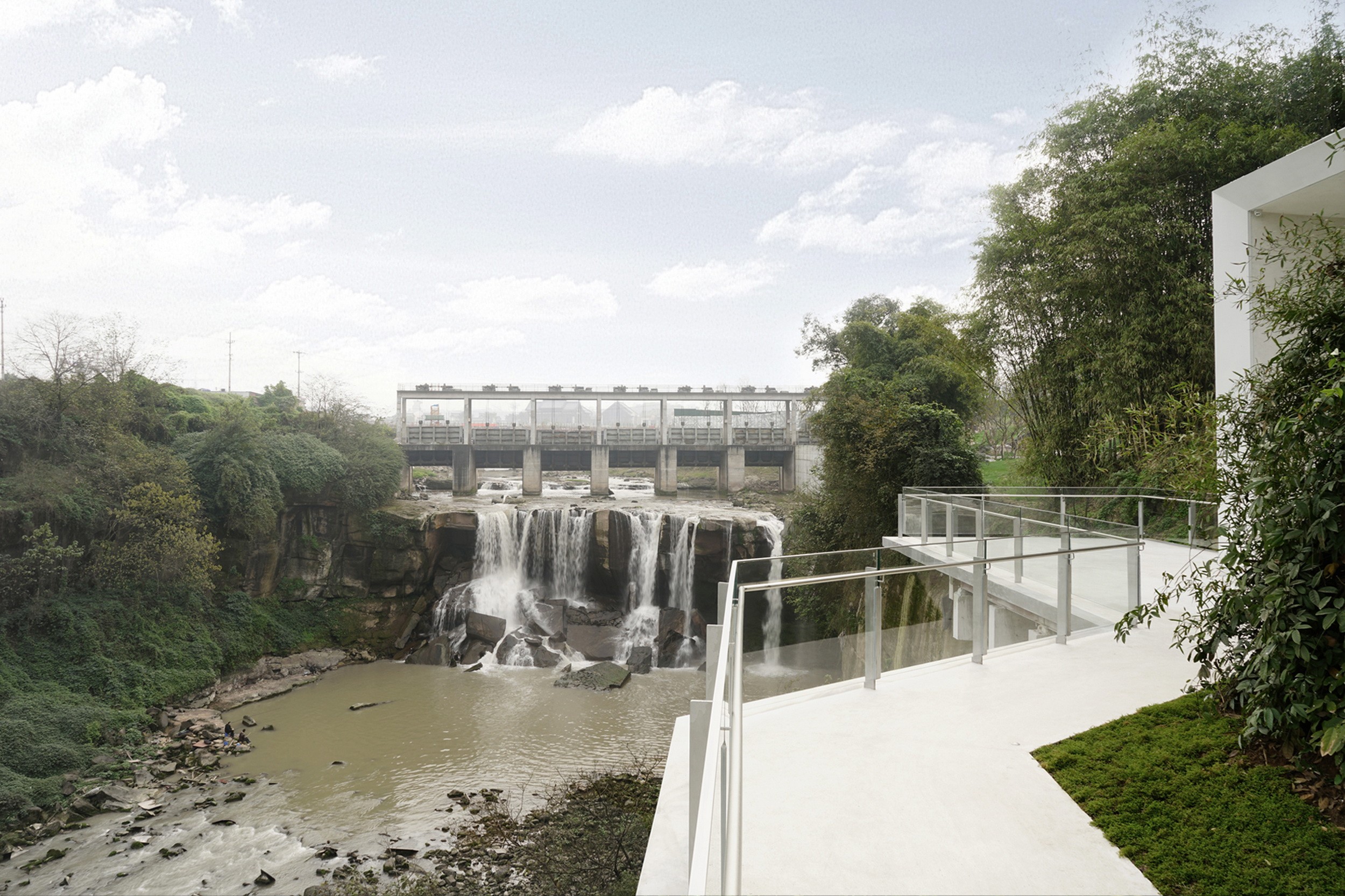
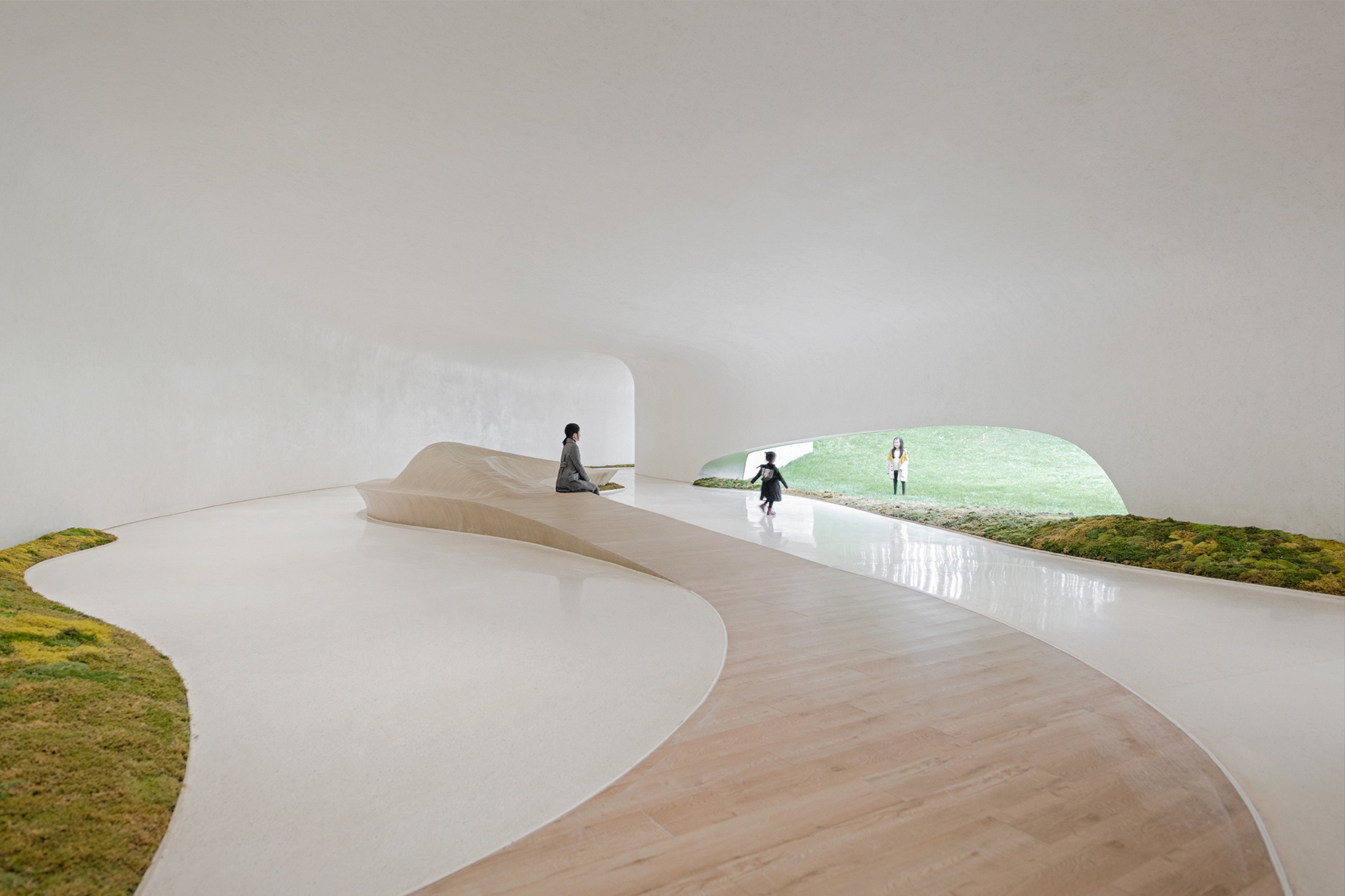
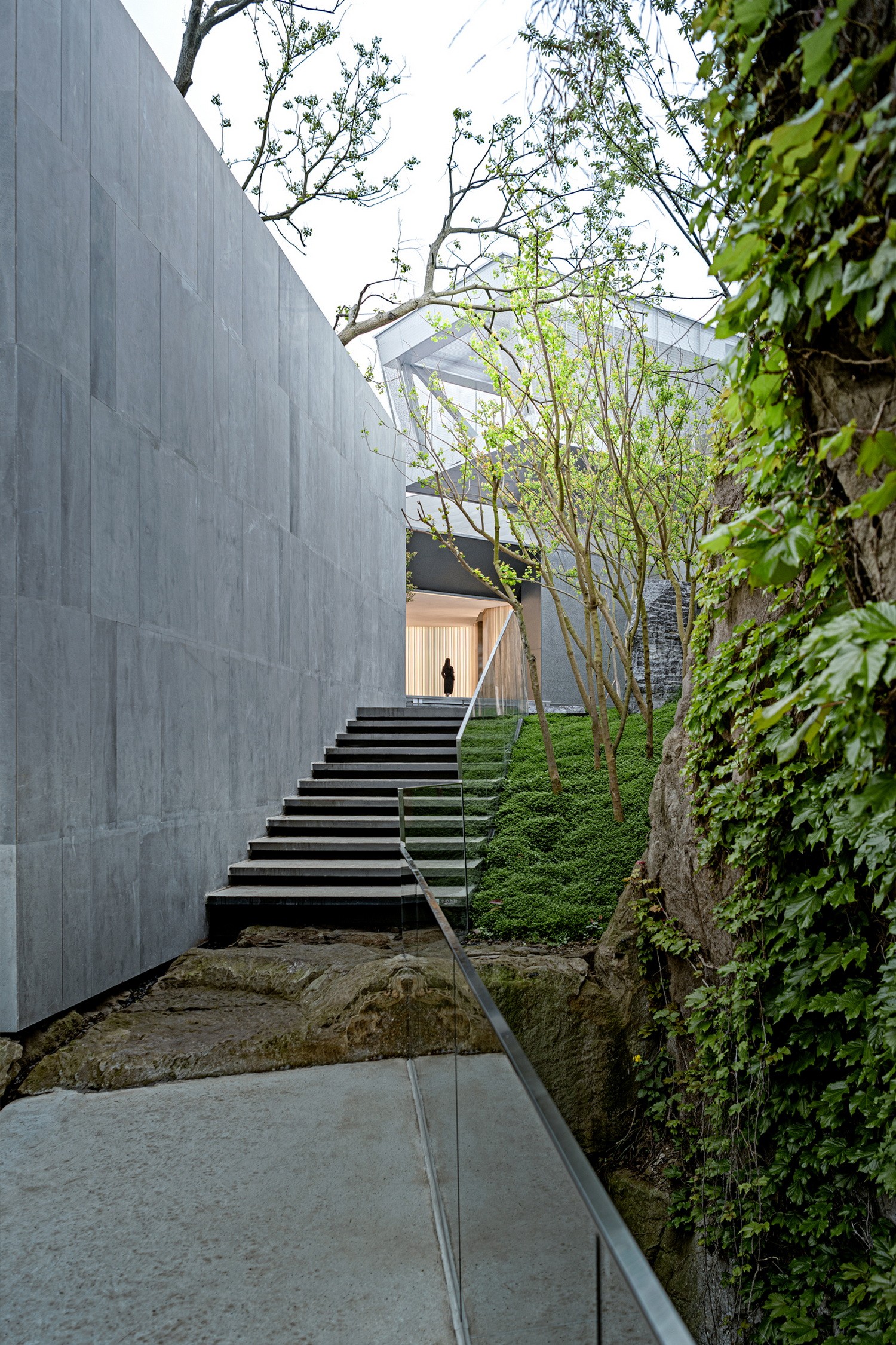
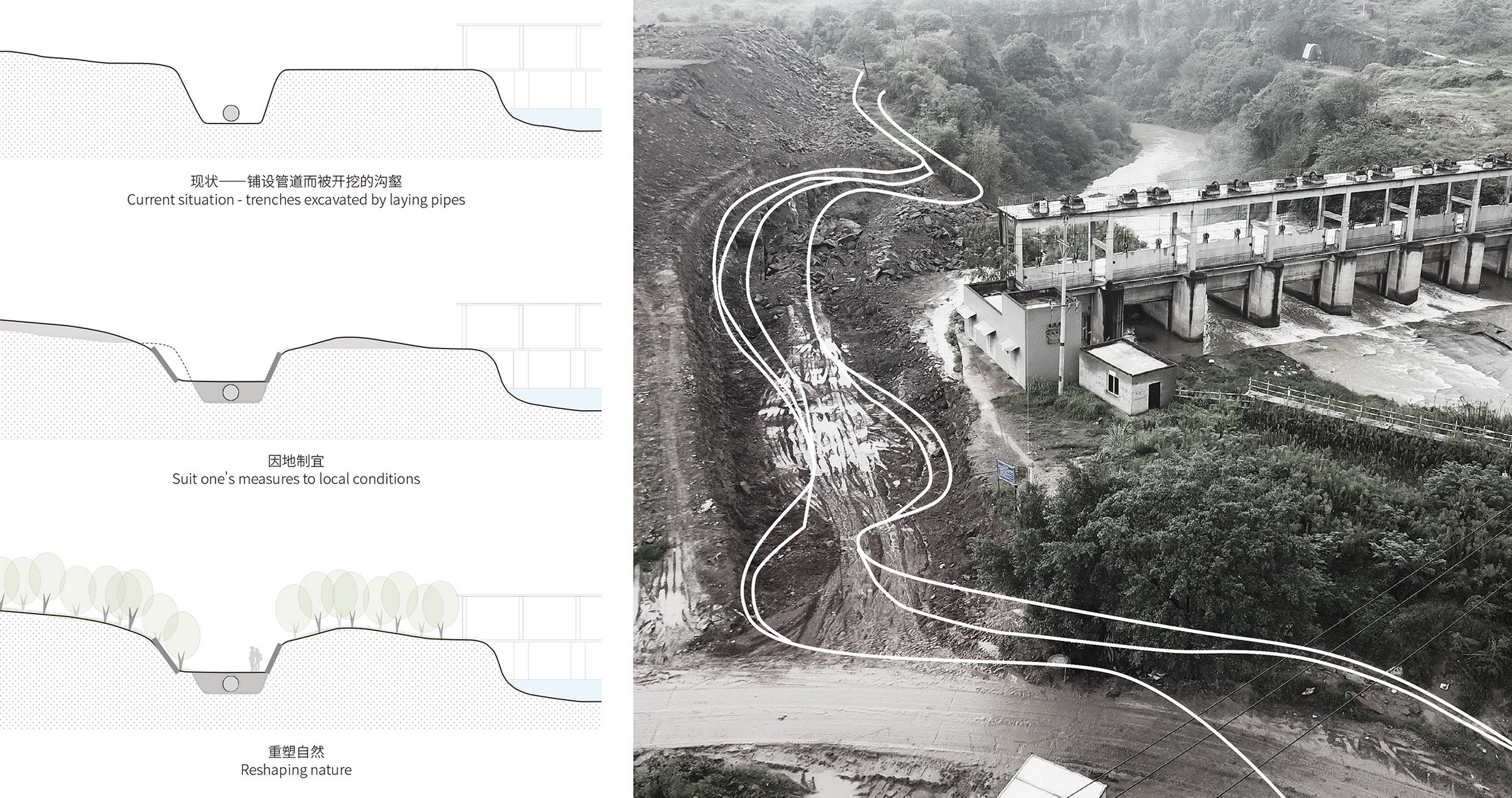
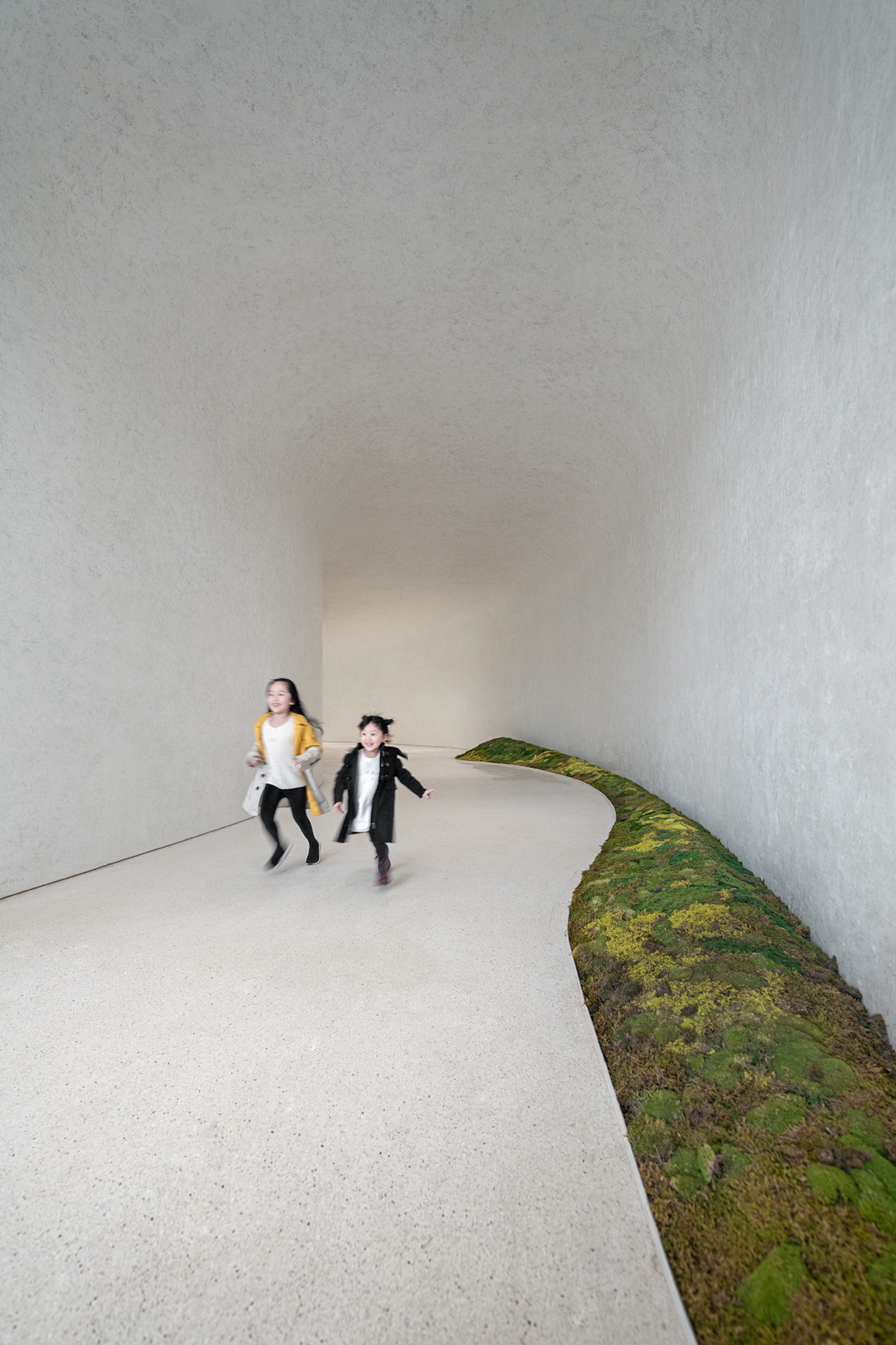
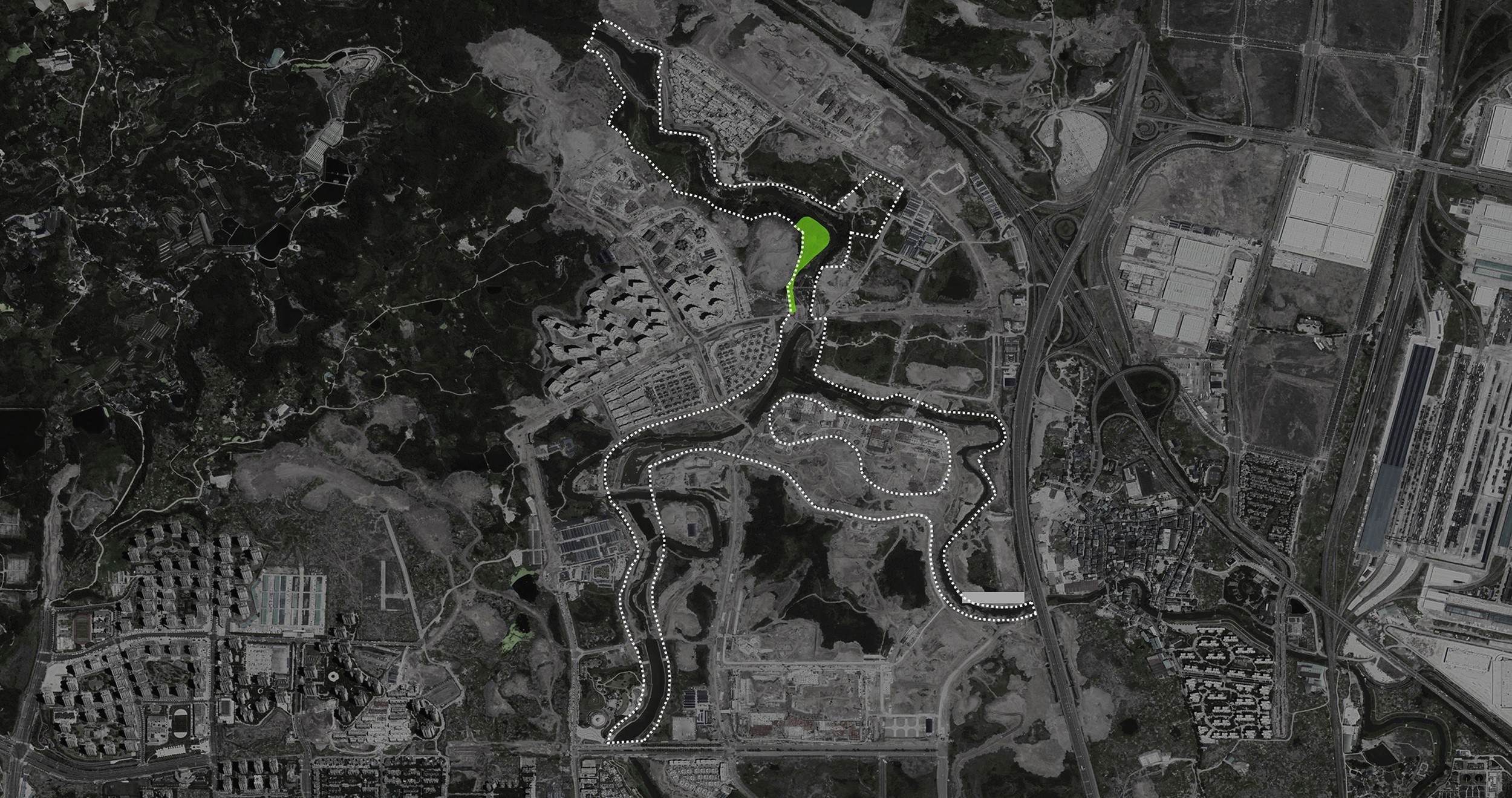
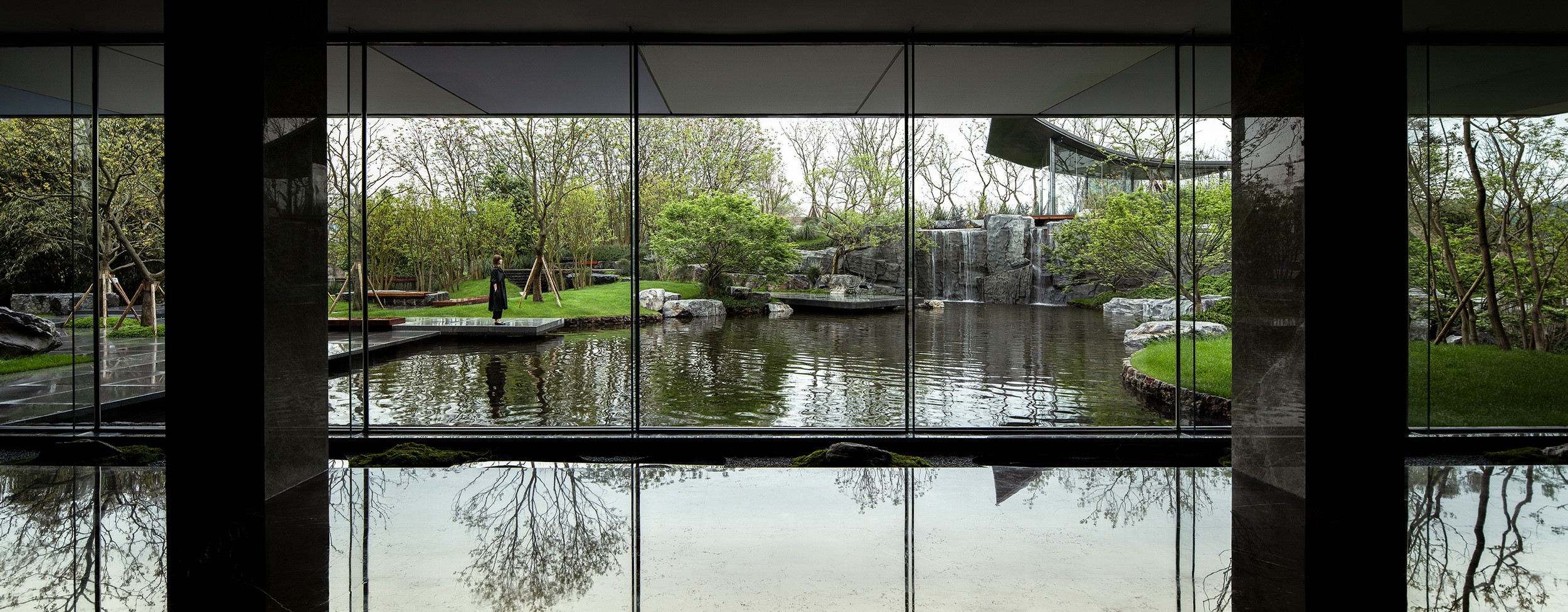
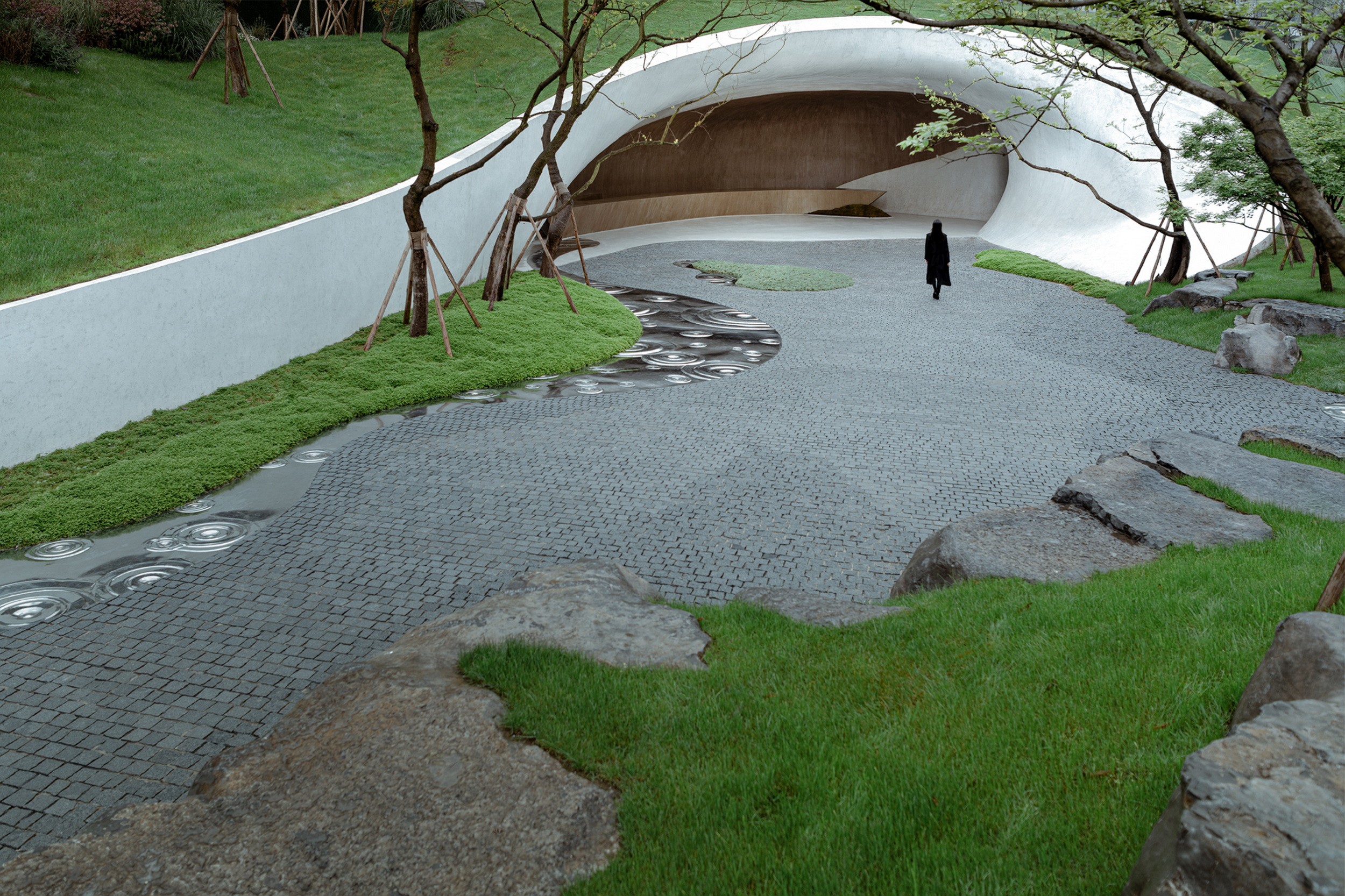
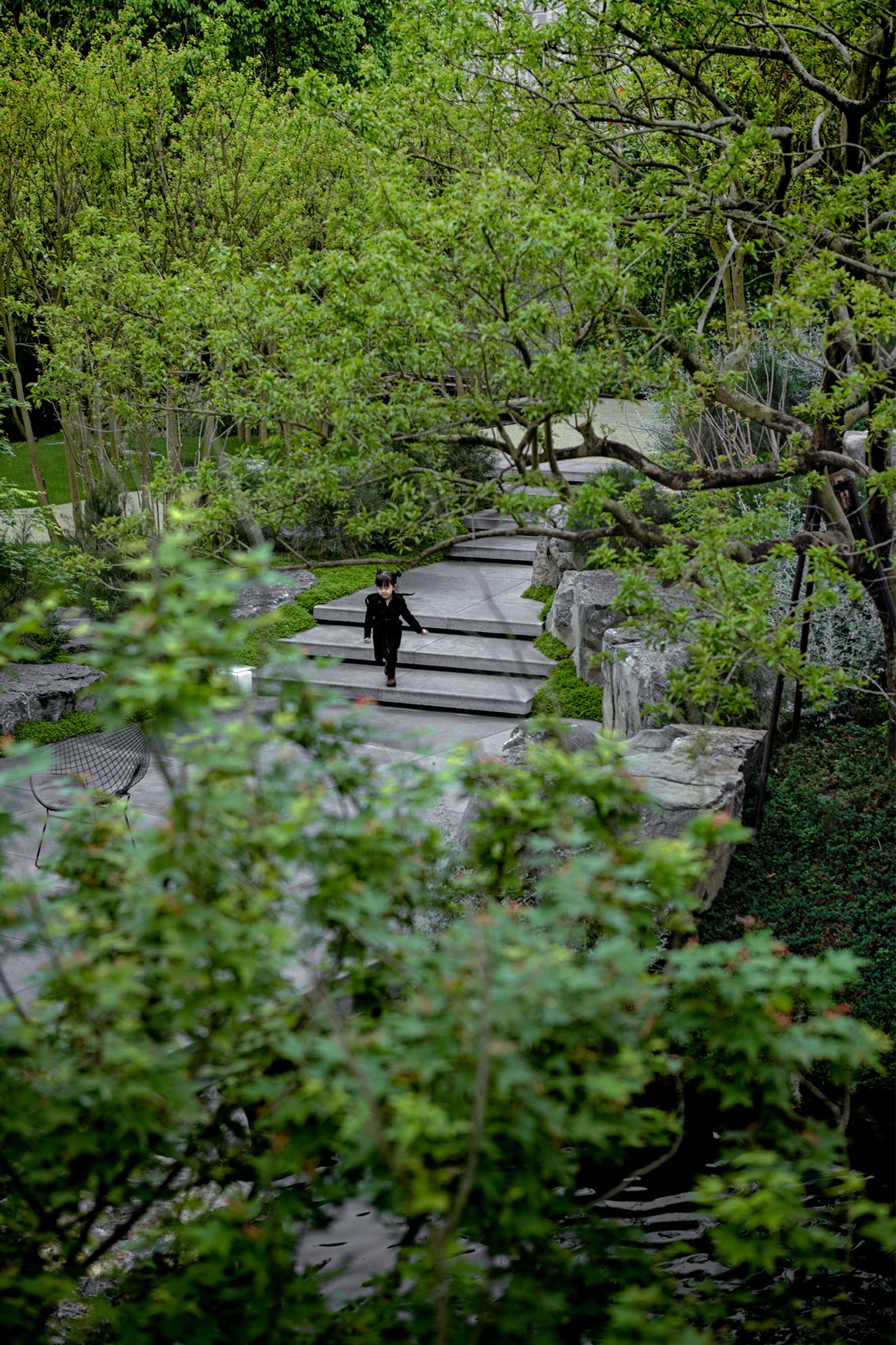
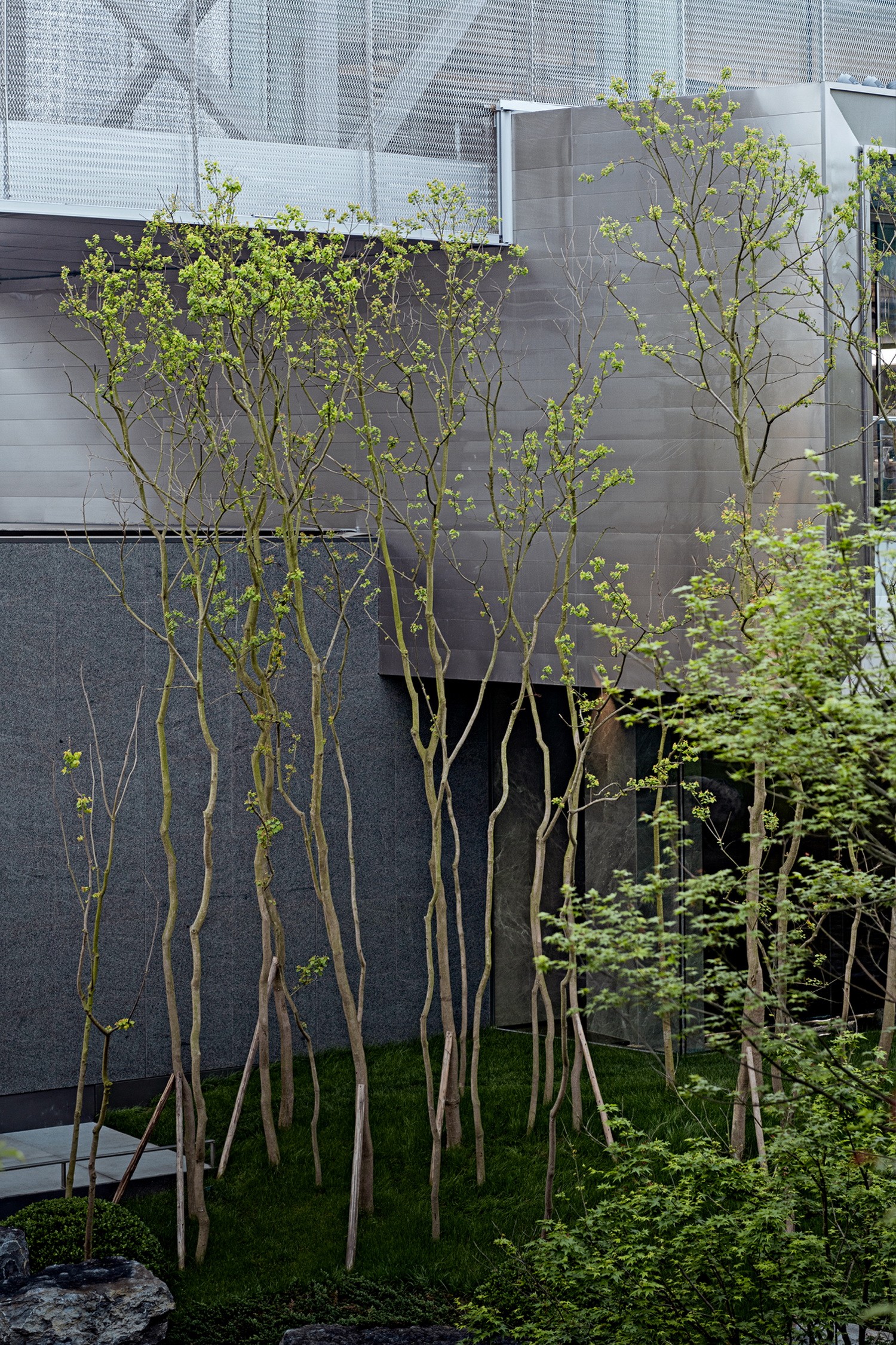
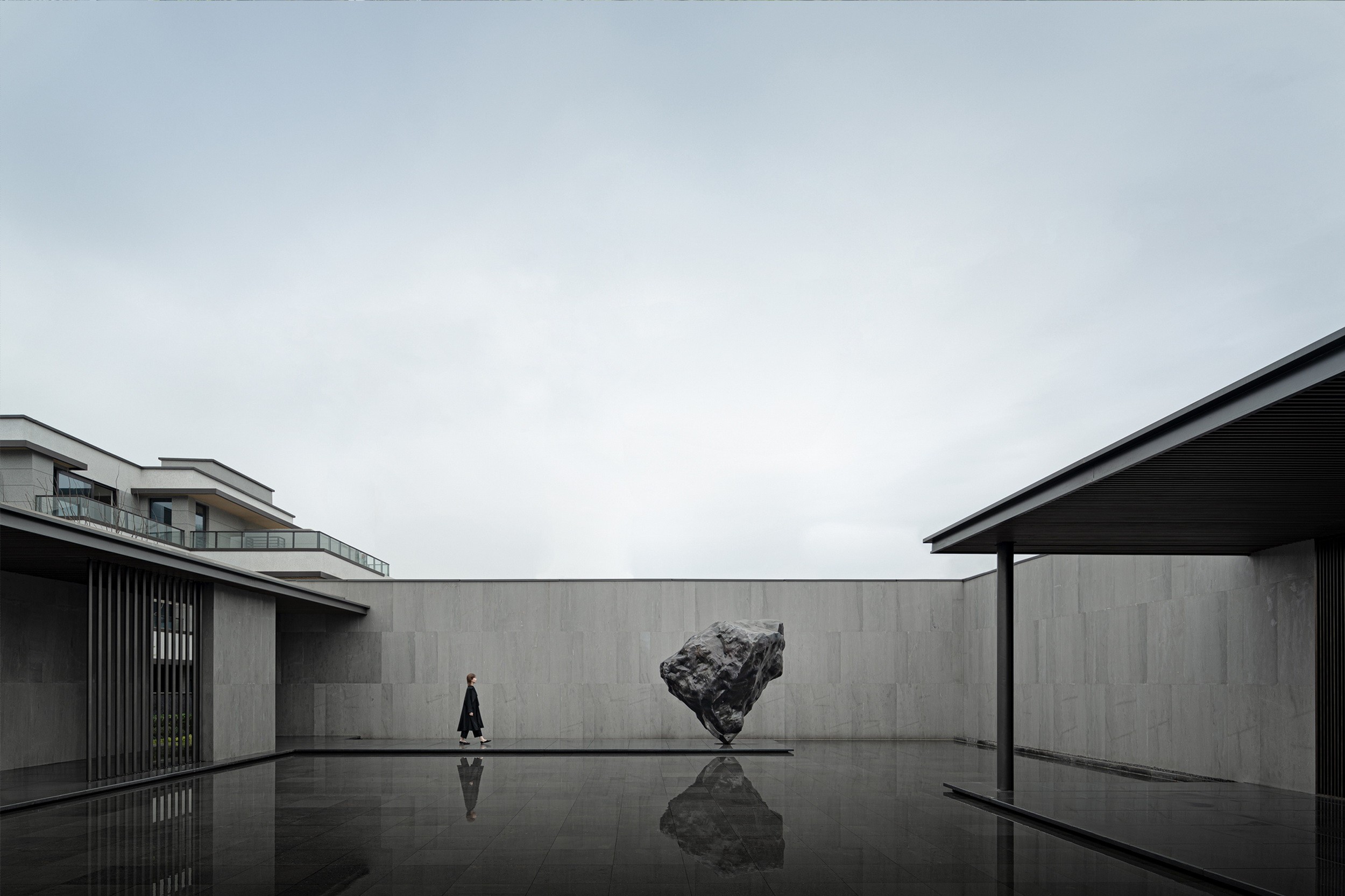
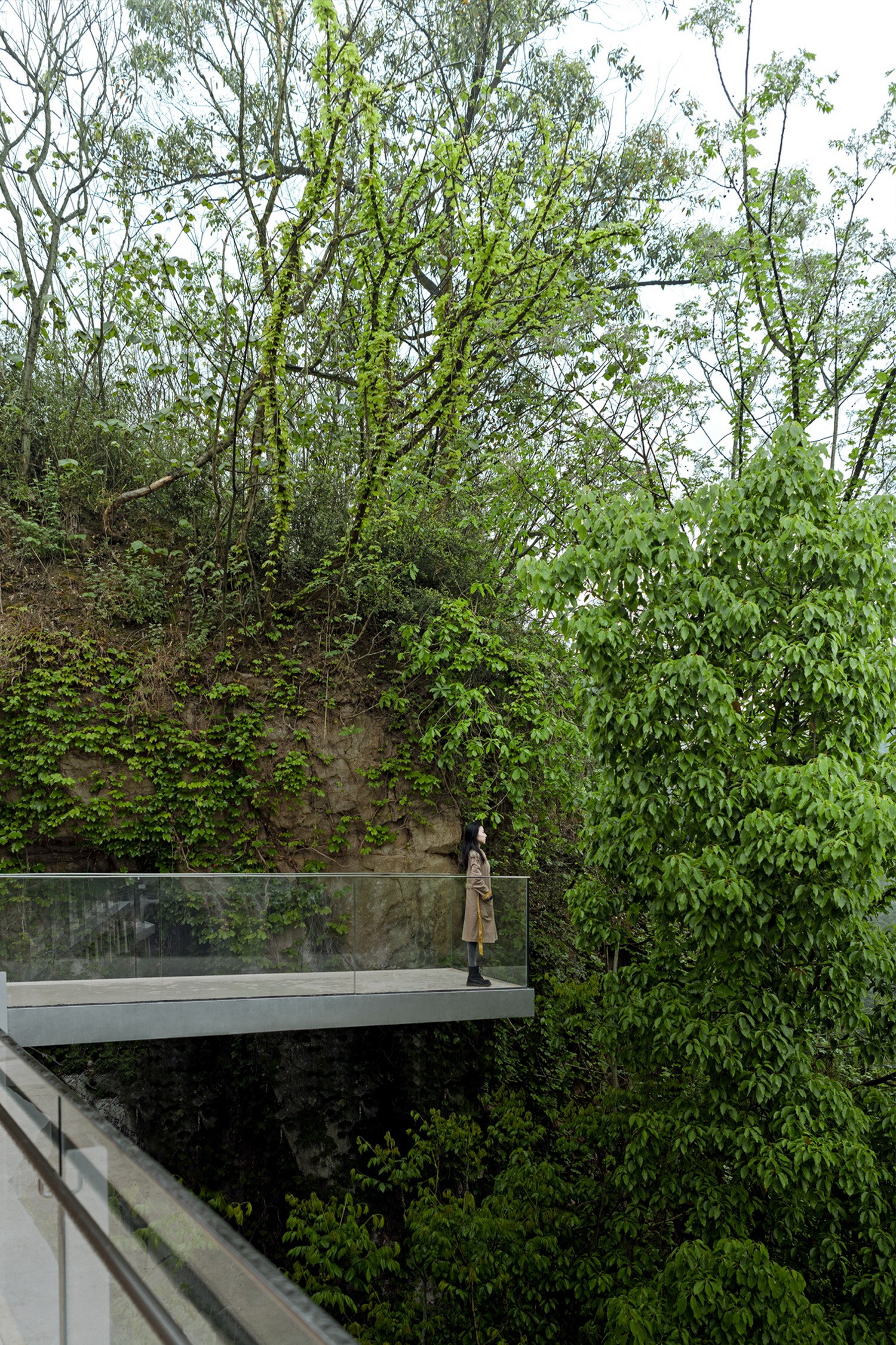
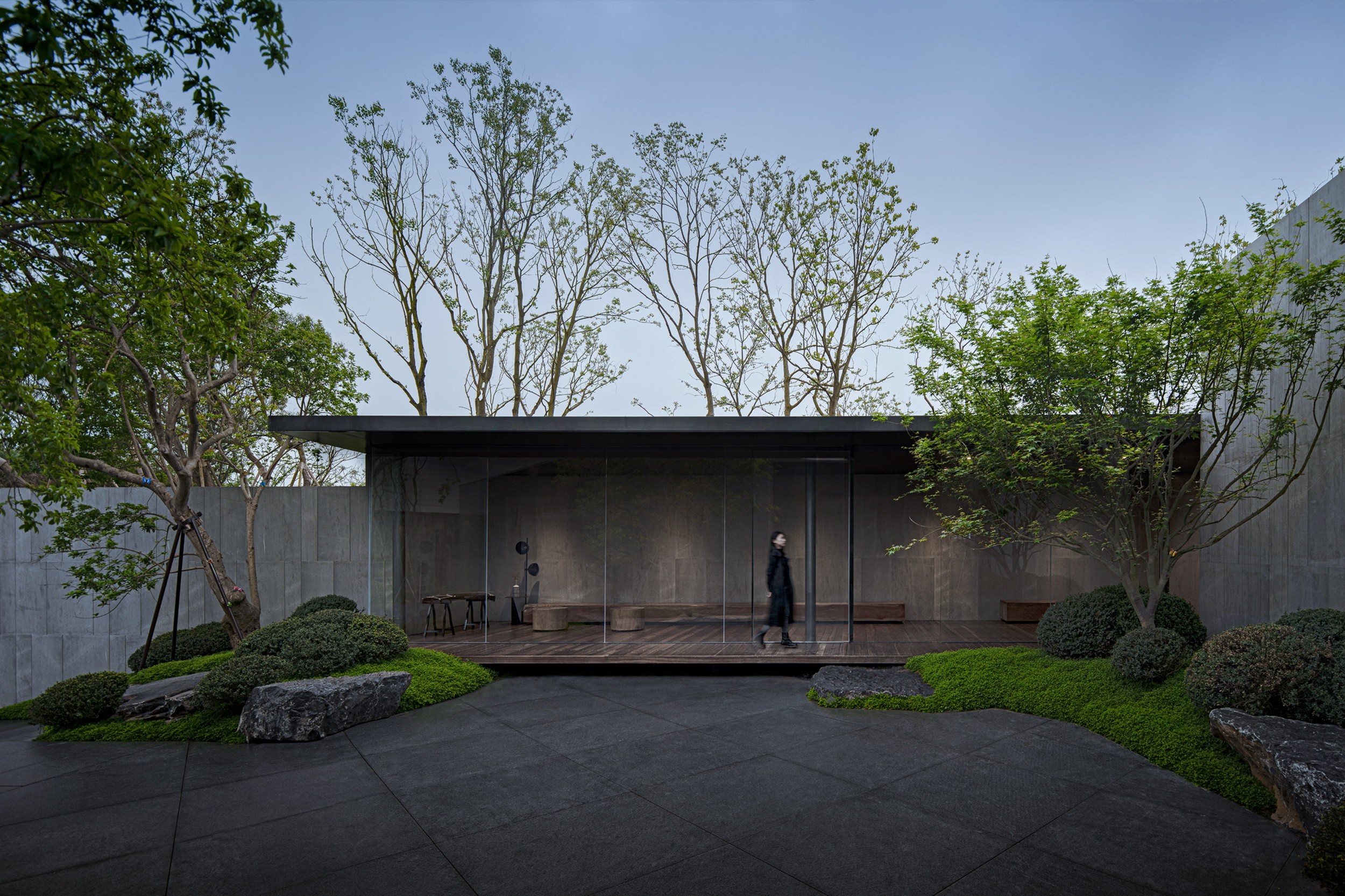
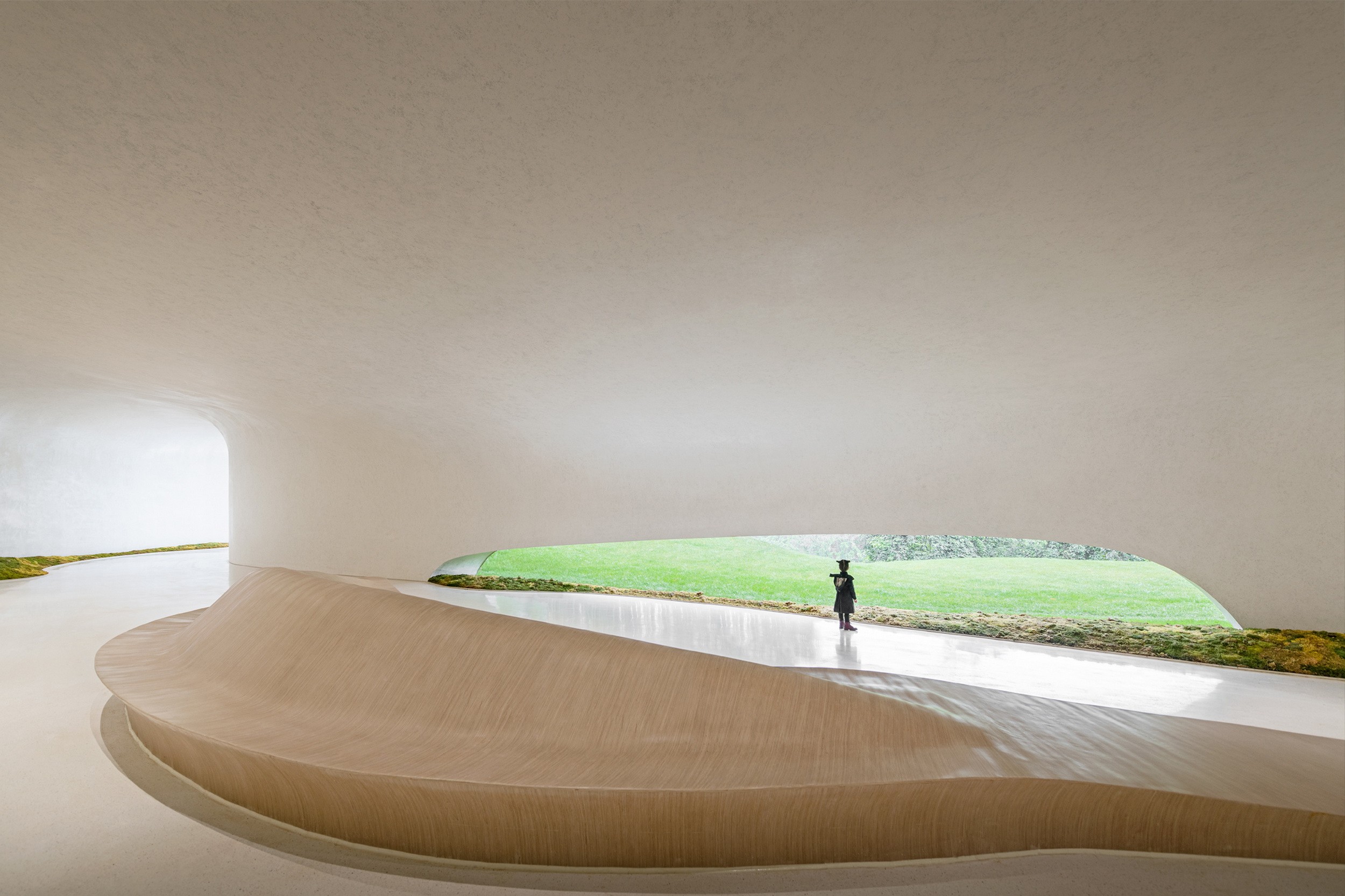
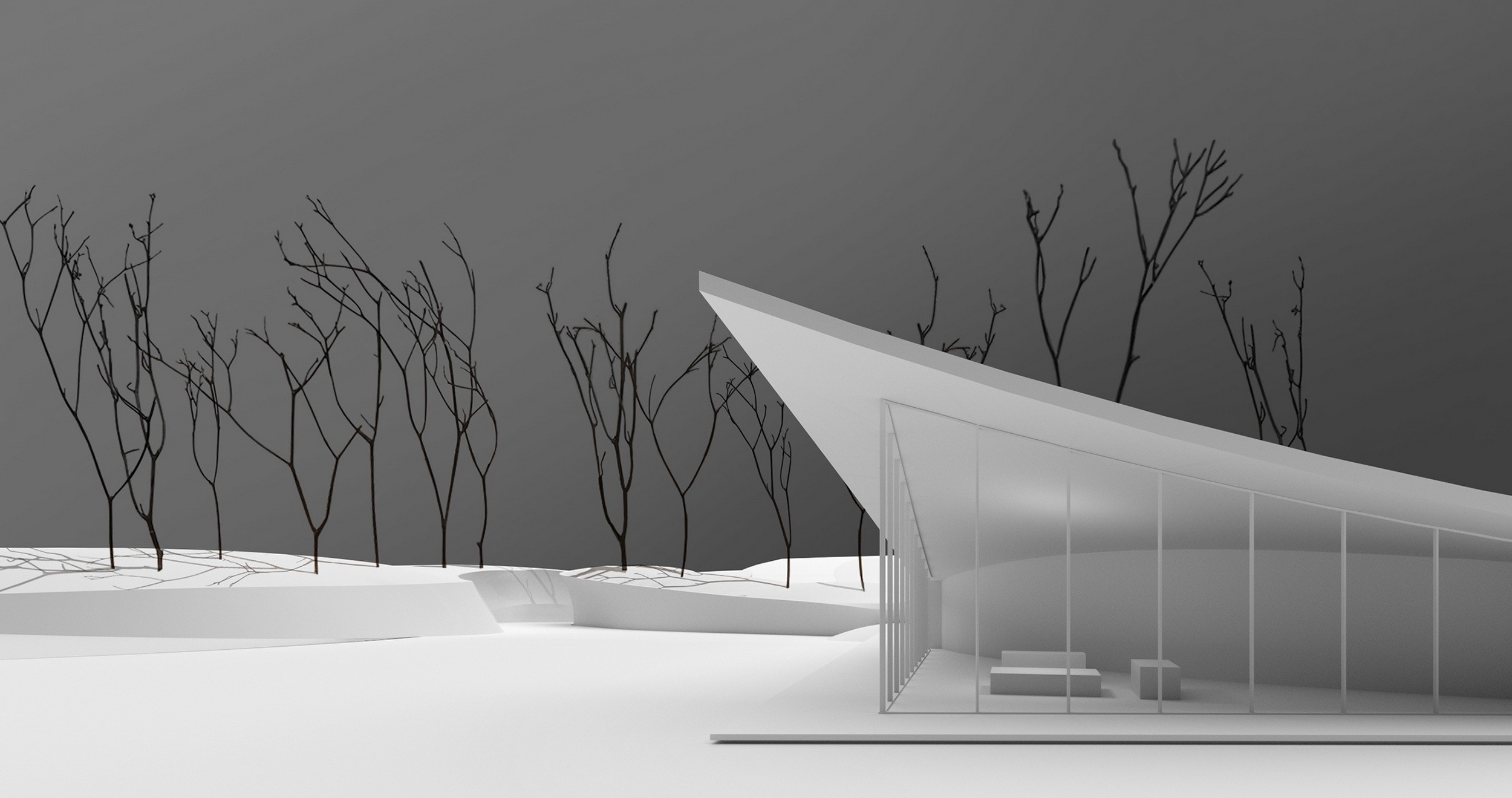
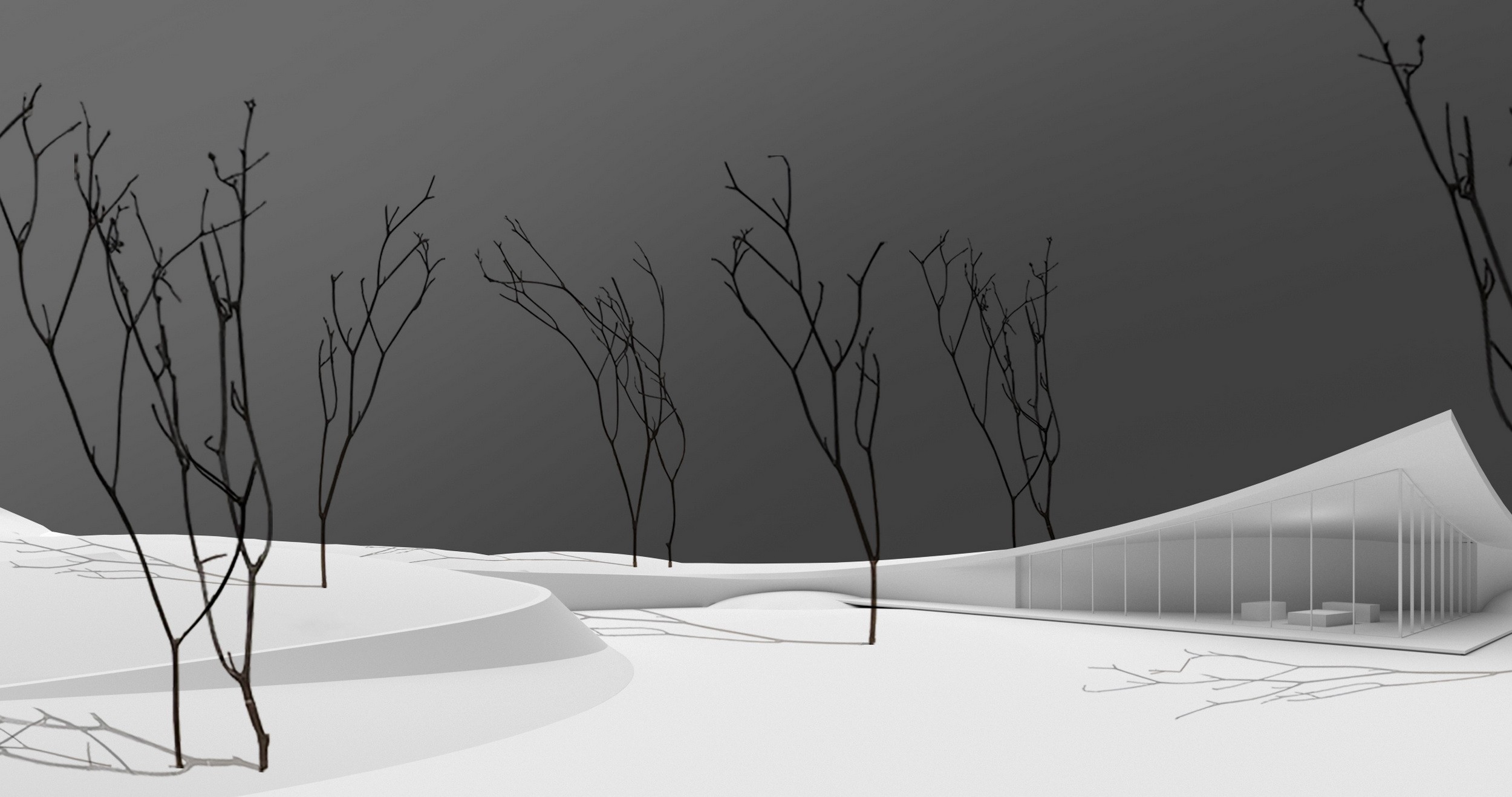
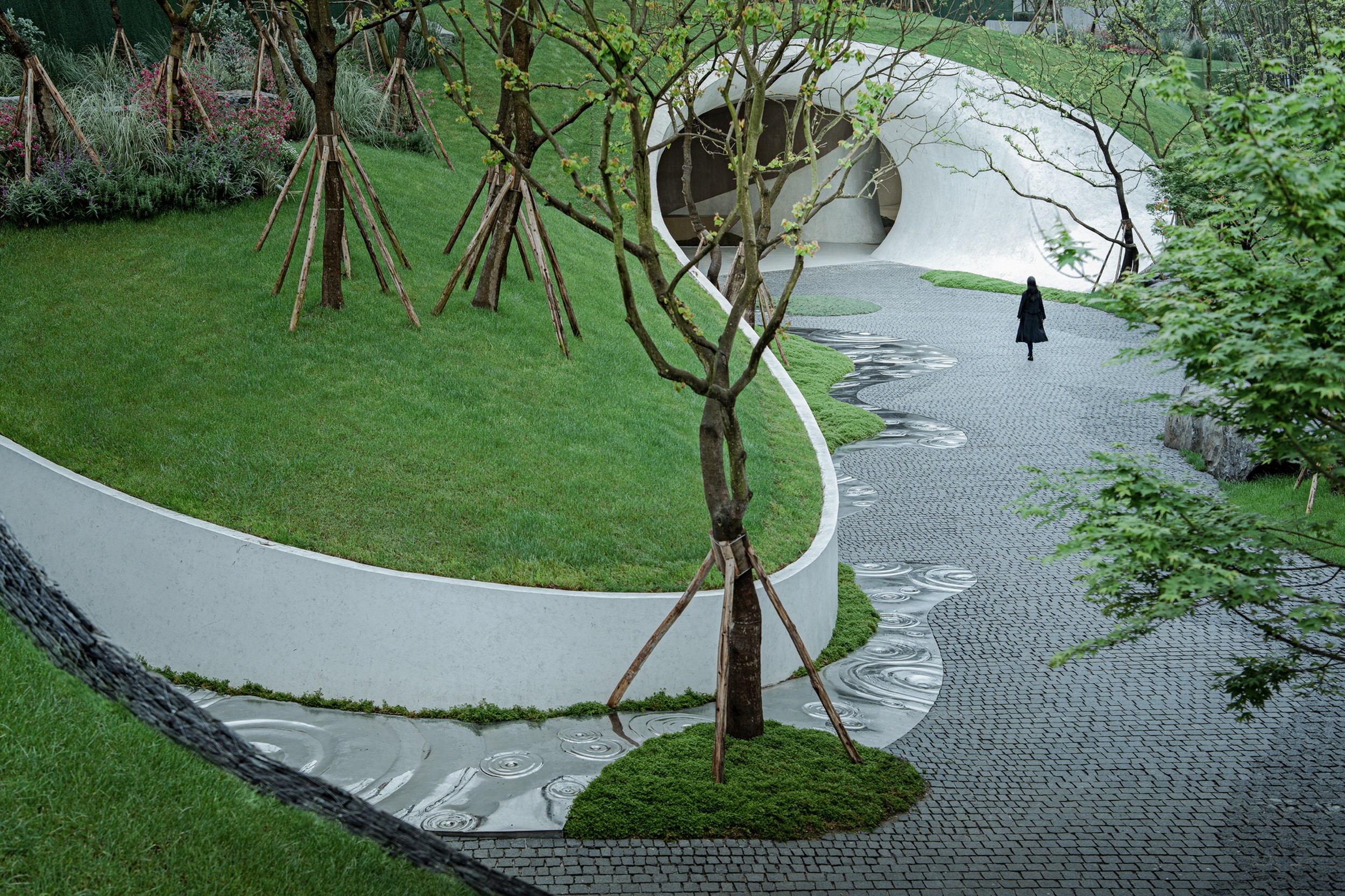
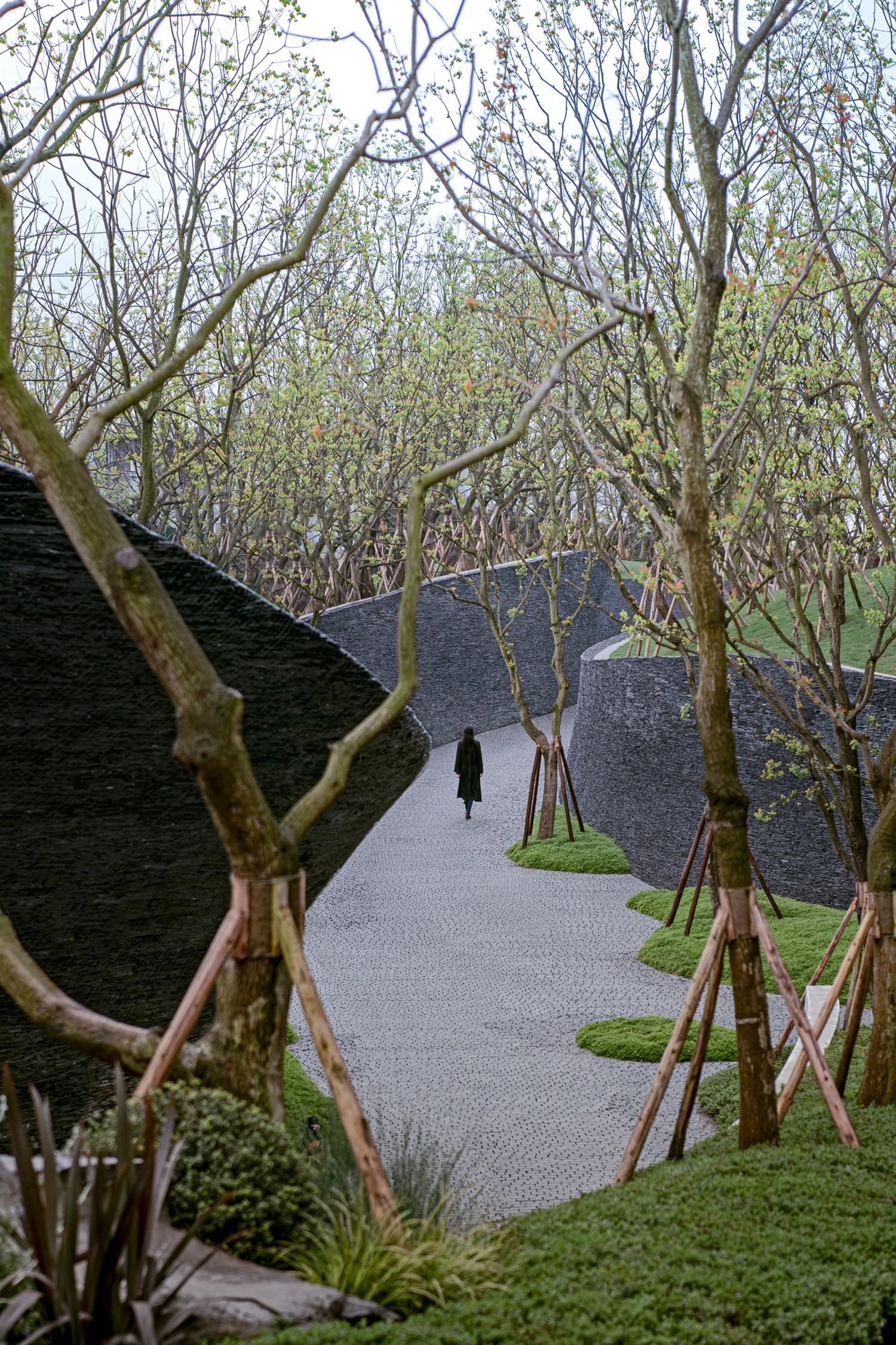
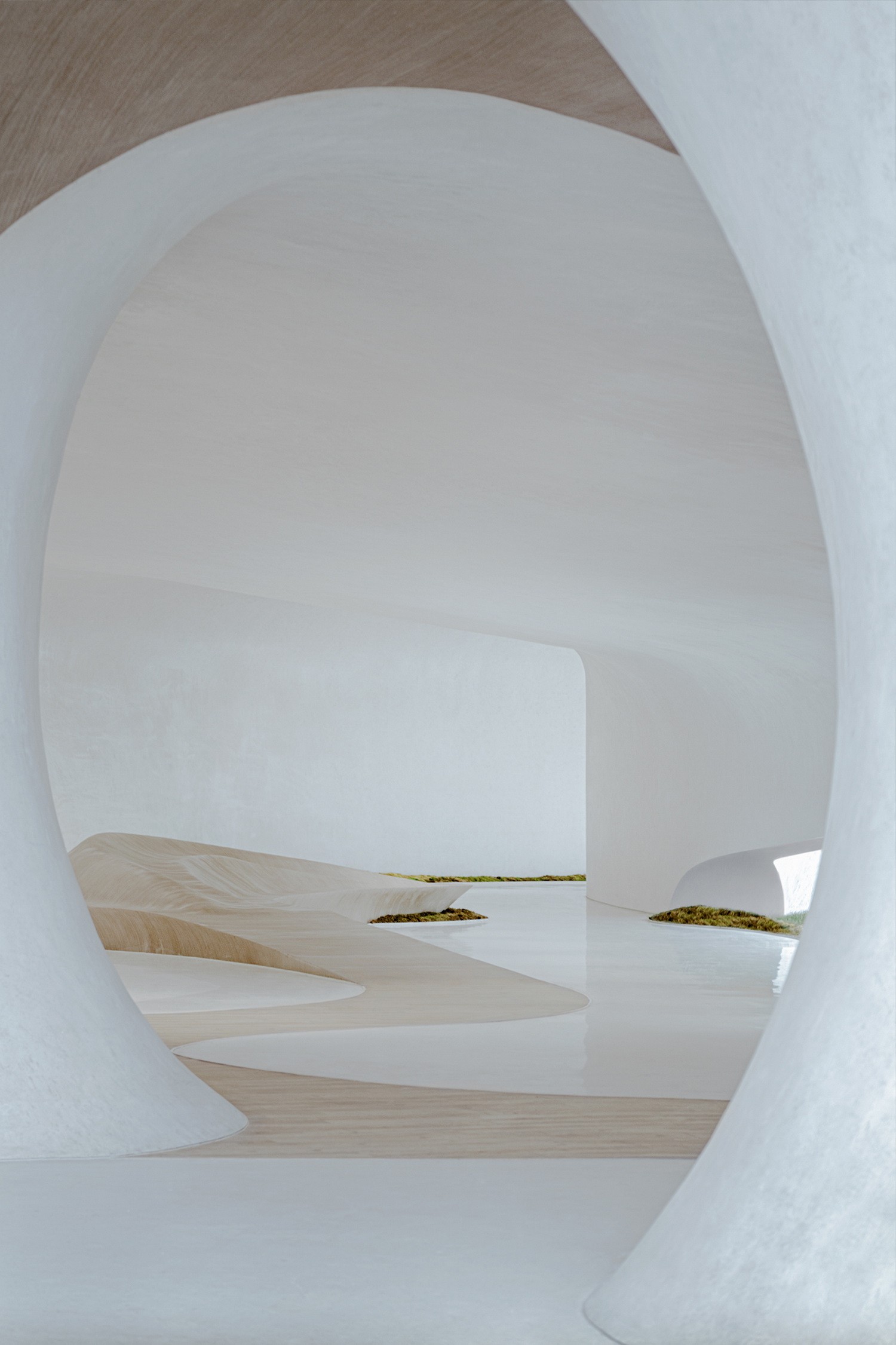
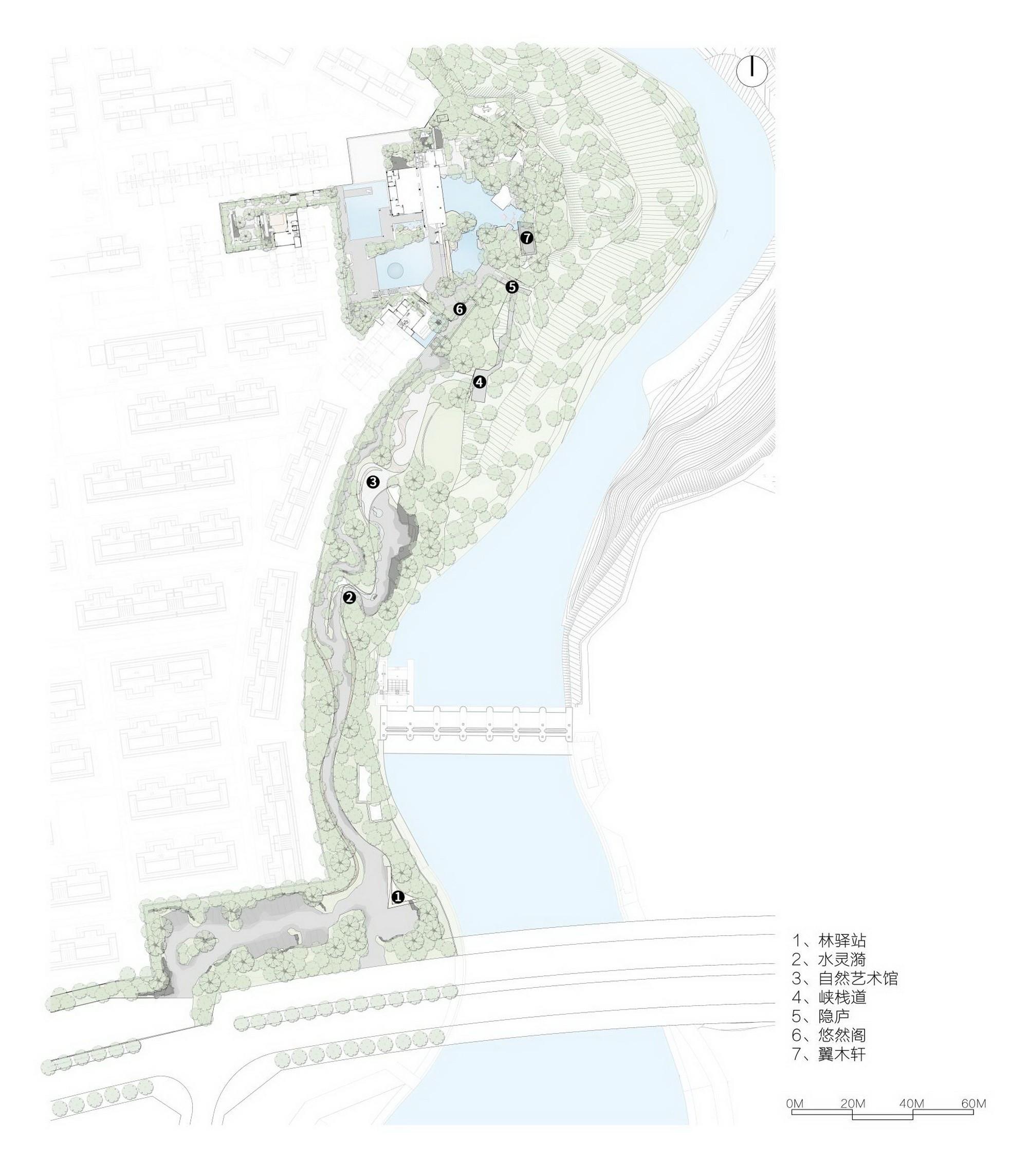
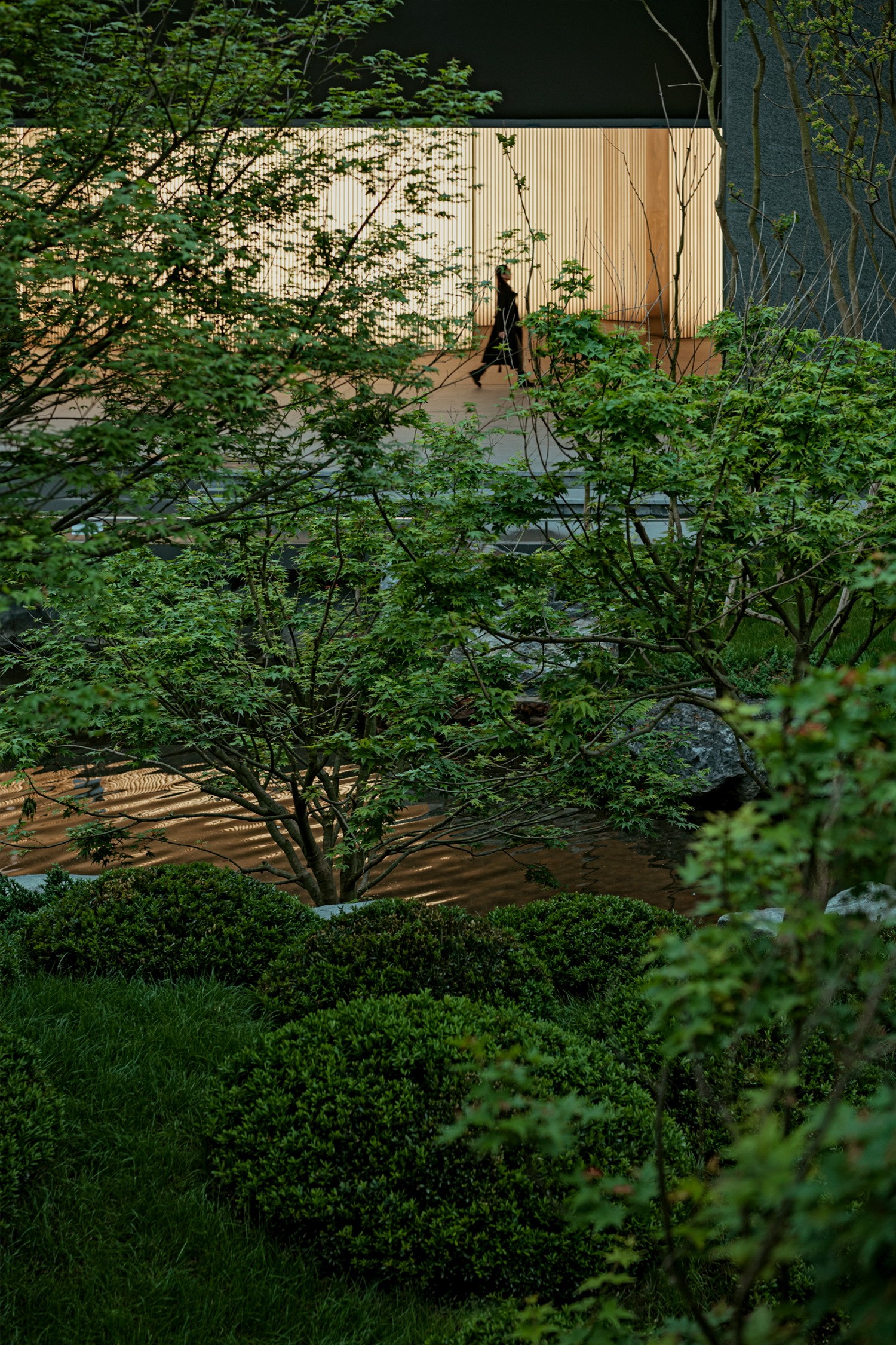
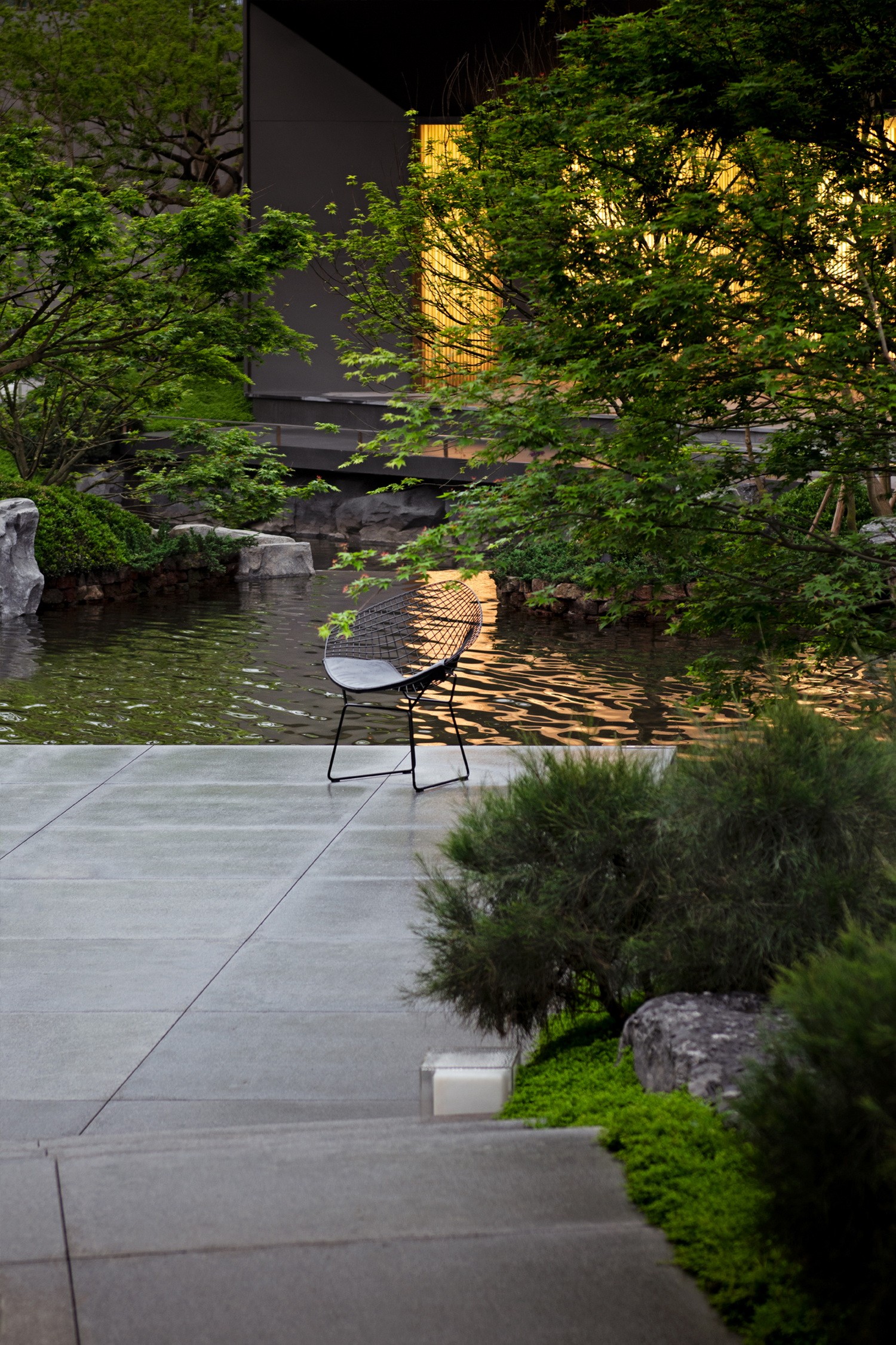
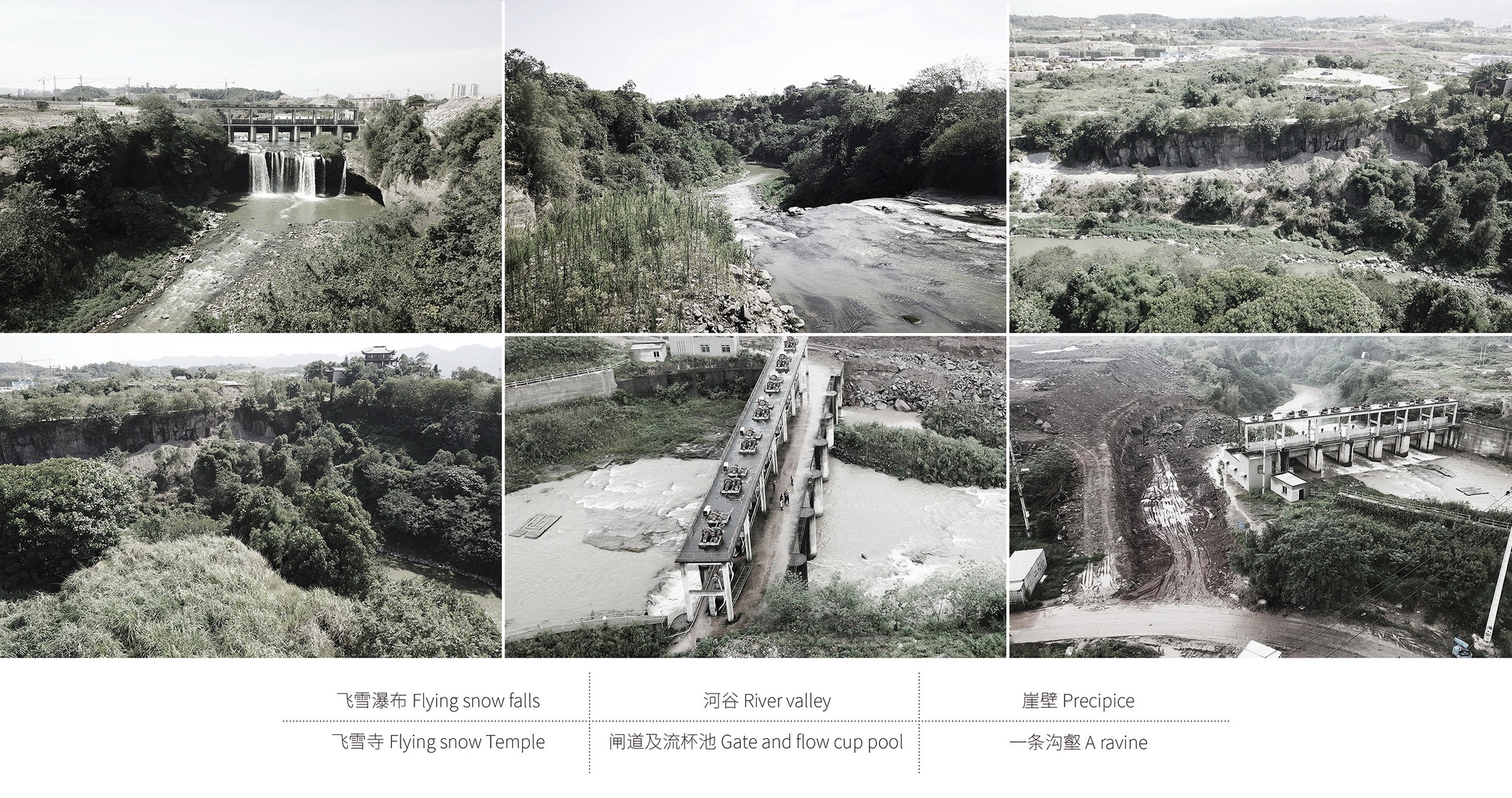
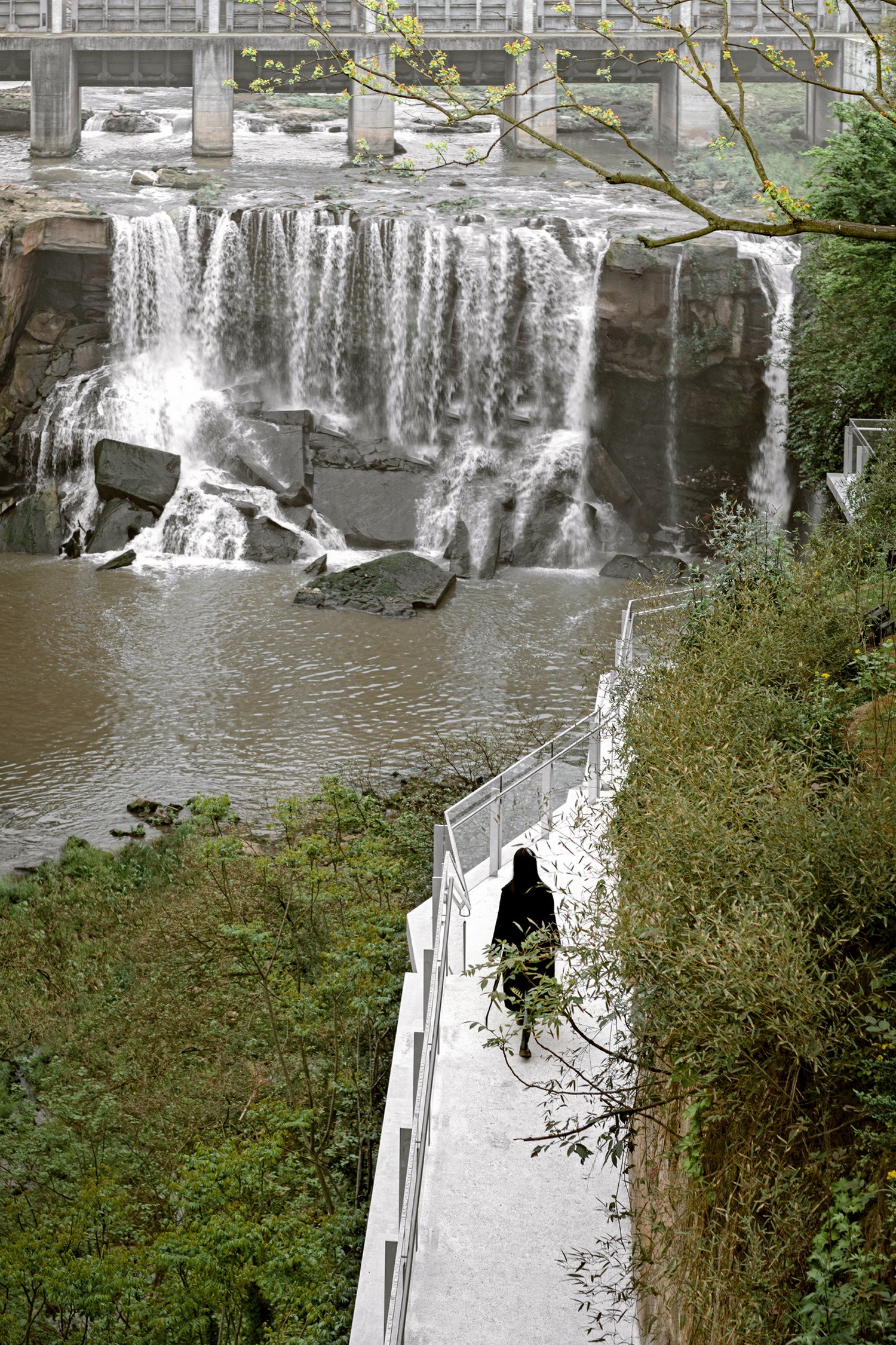
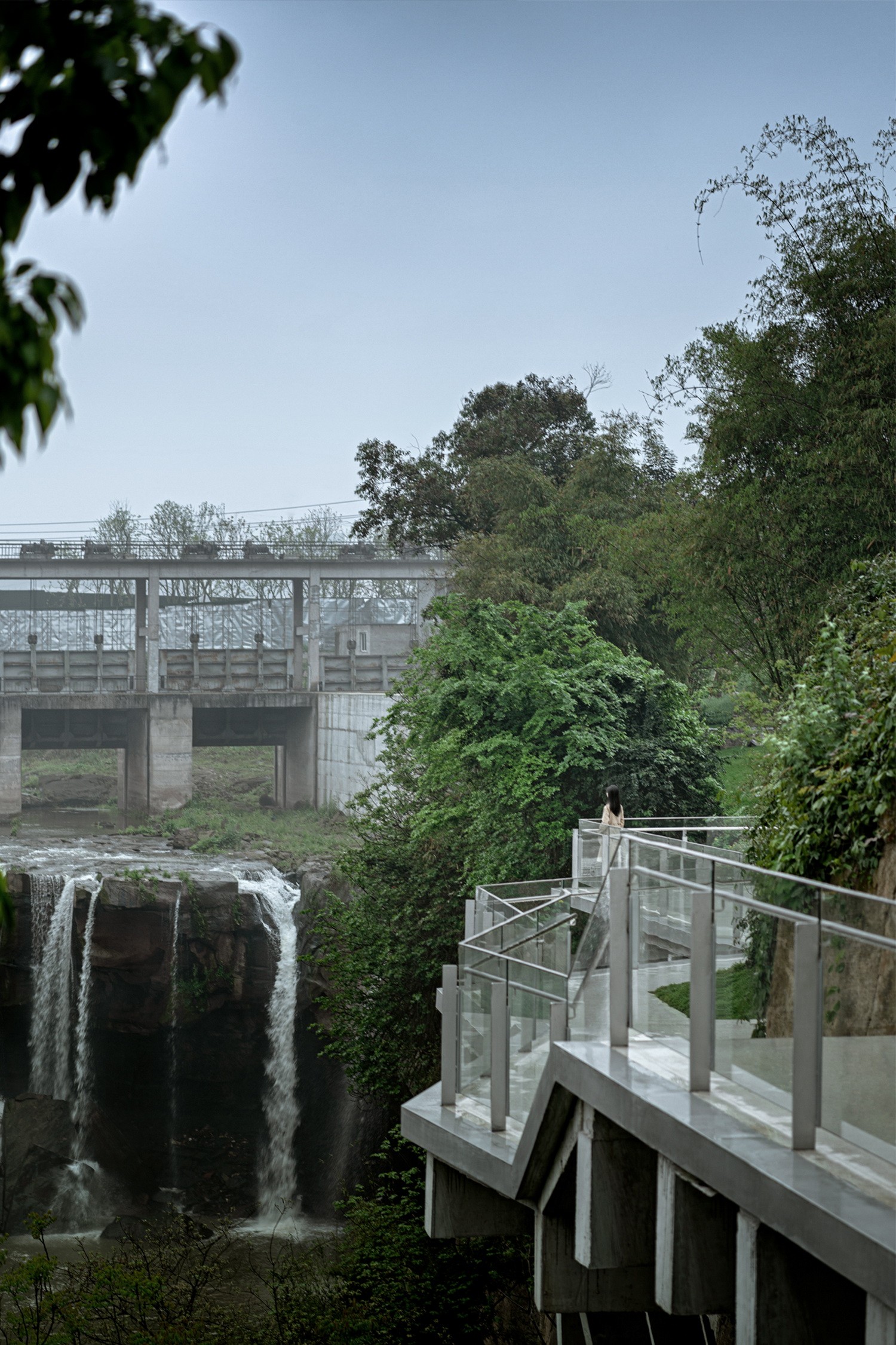
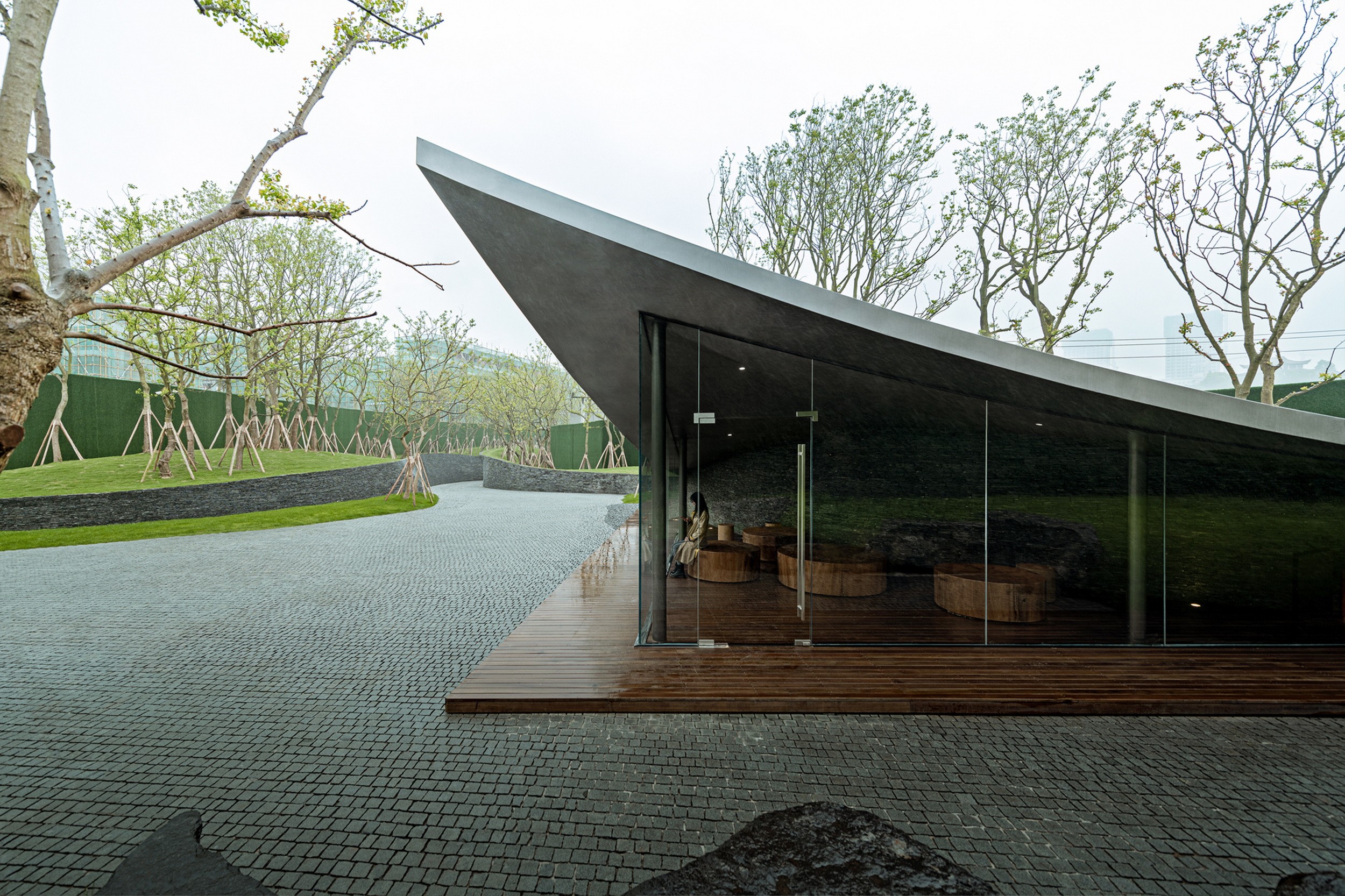
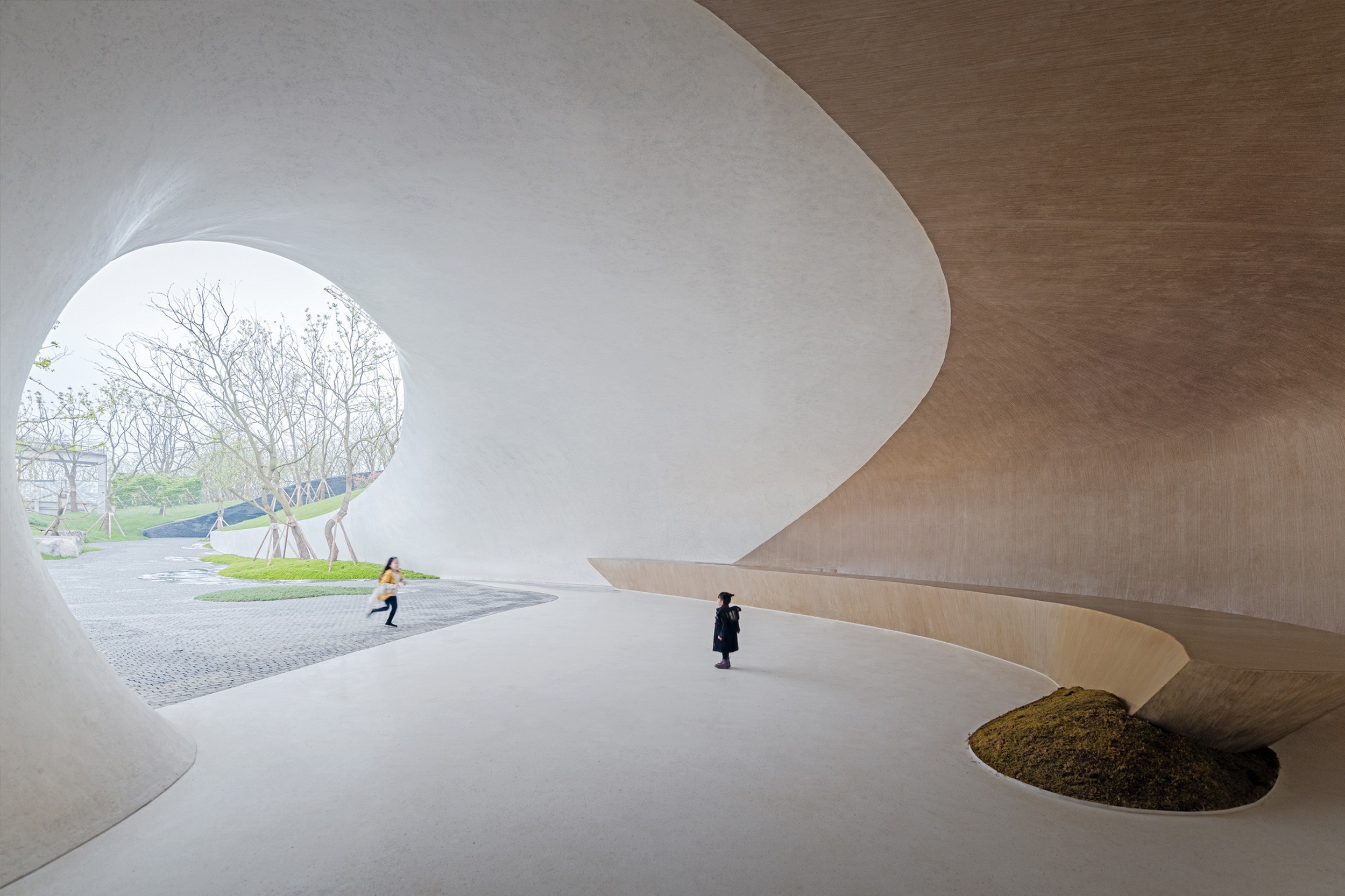
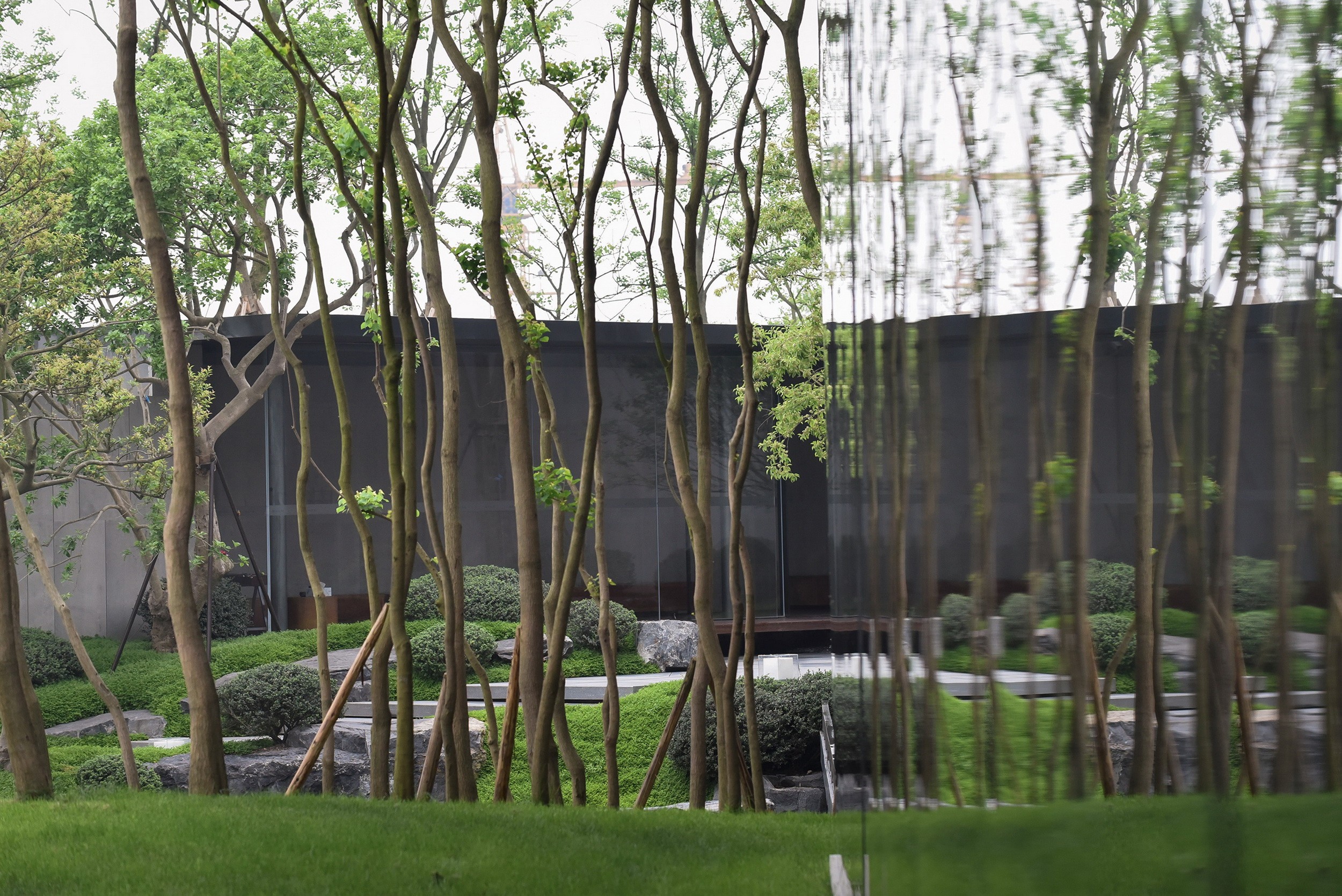
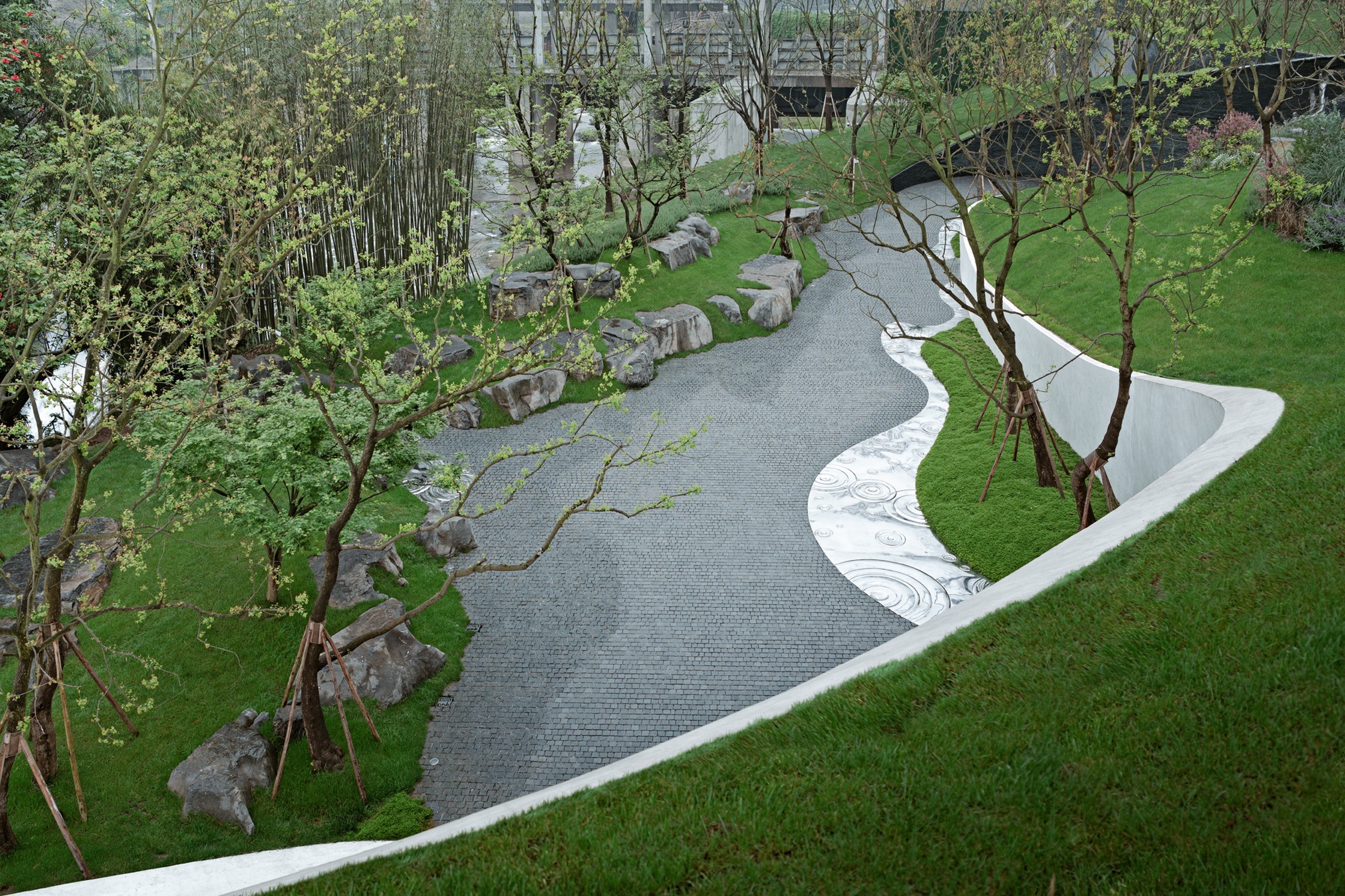
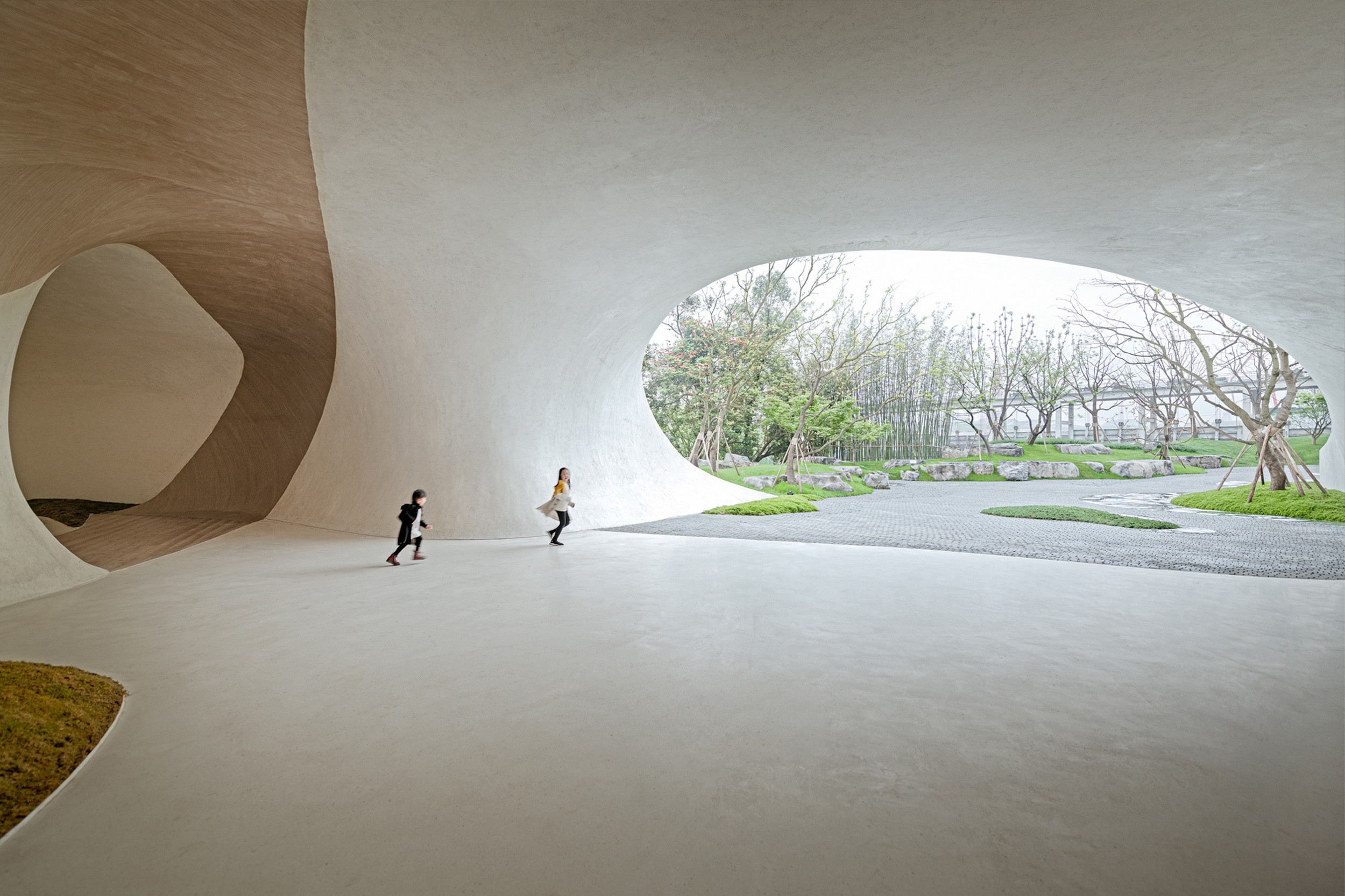
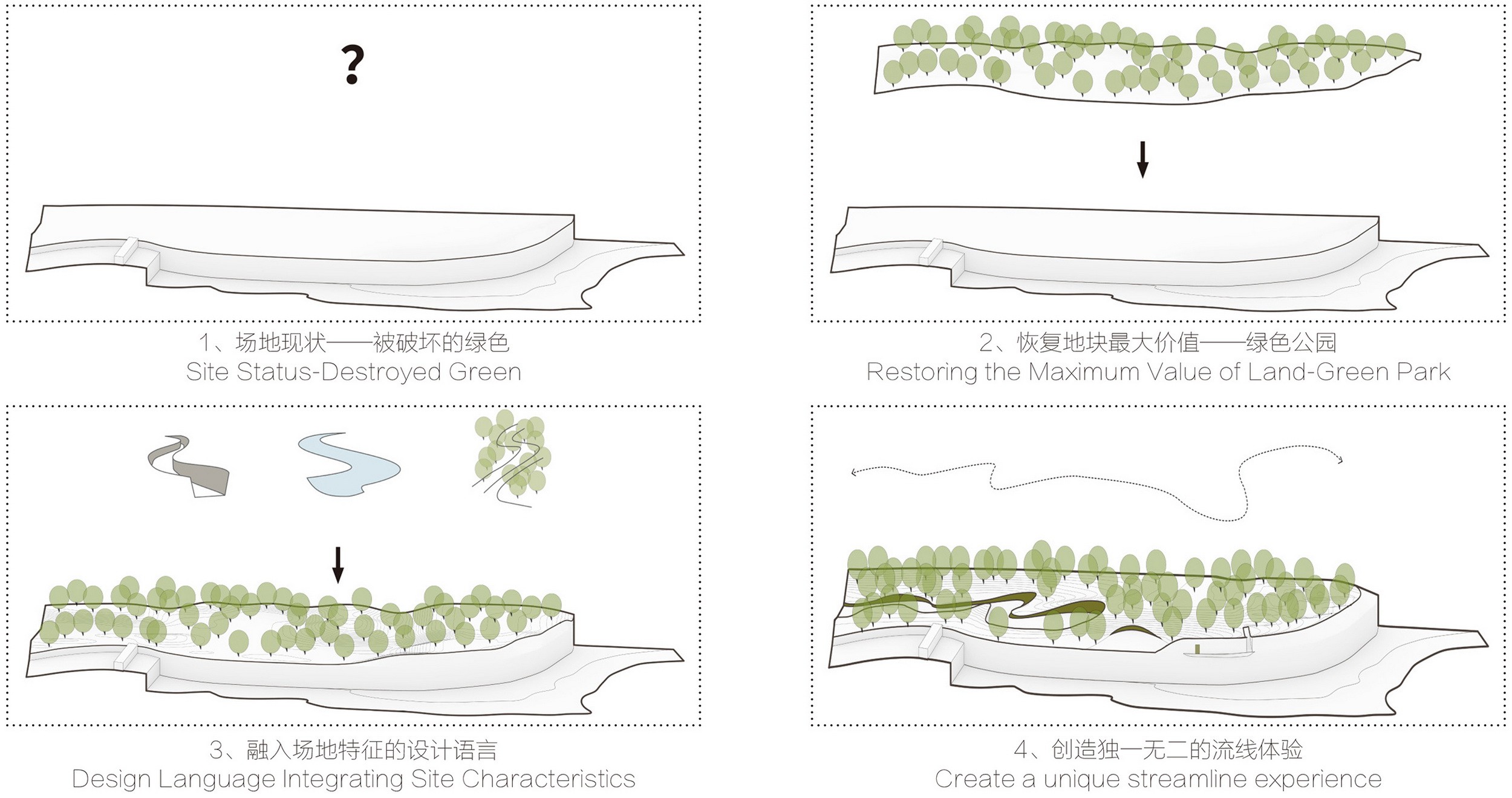
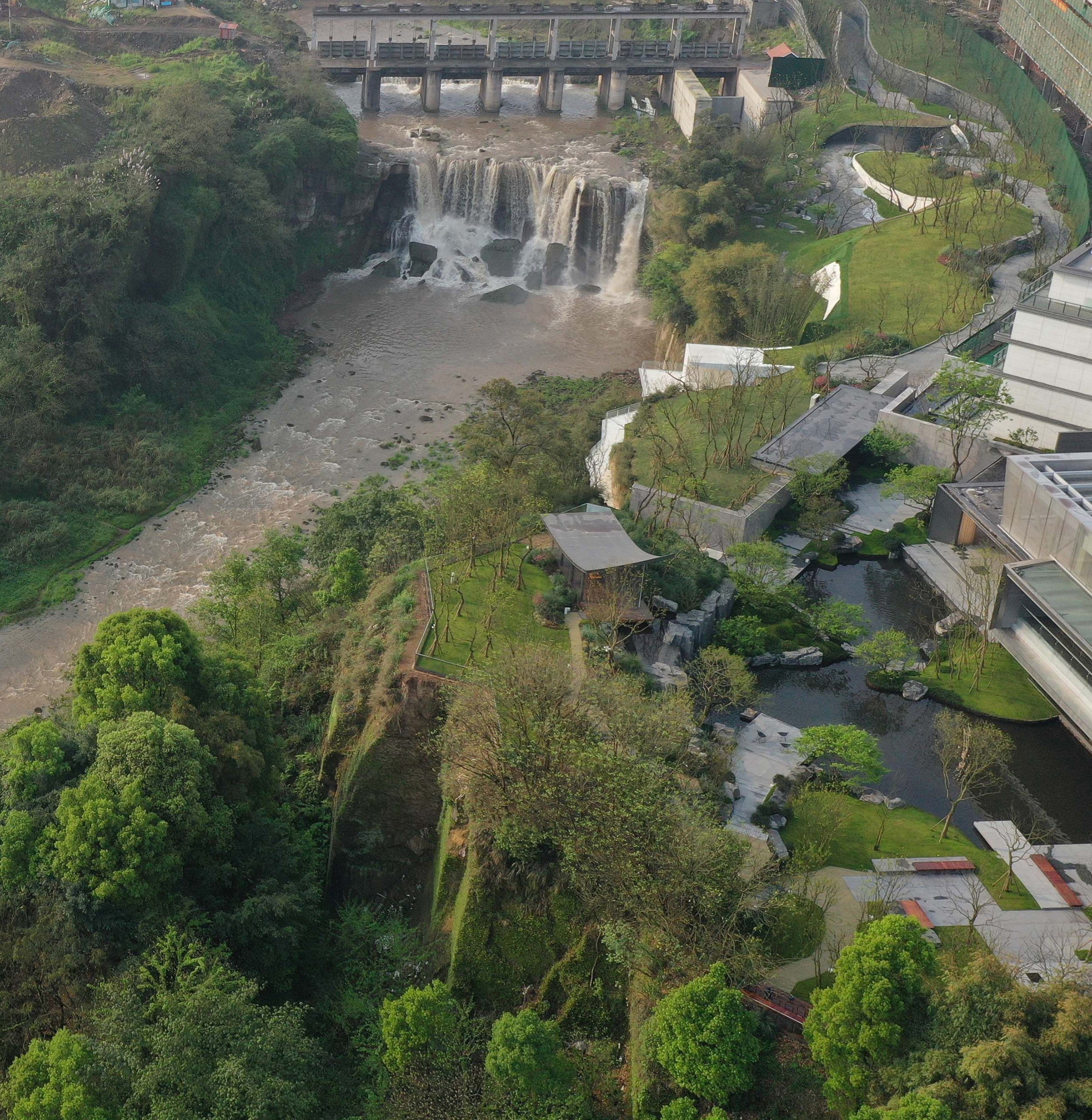
Canyon Forest is the riverside park of the Chongqing Sunac Cultural Tourism City in Shapingba District, designed by Trans-Architecture Landscape (Chengji Landscape) with structural engineering by Changsha Anji, covering three hectares of initial public open space together with five hectares of residential ground threaded into the natural forested gorge. Designed in 2018 and built in 2019, the project begins from a contradiction: rapid urban growth often demands protecting culture and ecology while simultaneously remaking nature in landscapes already damaged by construction. On the west side of the park valley, an eight-metre-deep trench cut for urban utilities lay like a wound across the ground, severing the city from the natural river valley. Rather than fight the given scar, the designers follow the depth and direction of the excavated trench to reshape it into a natural canyon flowing along the river, guiding every human activity within its forested envelope. At the canyon's end, parallel to but out of sight of Feixue Waterfall, the team responds to the human search for landscape with what it calls 'the reproduction of nature': an art installation abstracts water so that it appears more beautiful than in its natural state, carrying an idealist's longing for mountains and streams. The canyon dissolves into a gravel beach, and the sound of nature leads to a cave hidden in the woods, designed as both future gathering and exhibition space for neighbourhood residents and a place of quiet contemplation and memory. The cave is the most modest, humble intervention possible, concealed beneath greenery, its mysterious interior amplifying curiosity and imagination; its exit is deliberately placed at the best viewpoint of the waterfall, so that after the water-art and the narrow cave passage, the real waterfall opens like a dream. A light boardwalk dissolves into the cliff and becomes part of the scenery. Where the cliff walls pinch into a slit of sky, they form the community's opening to the park; climbing the steps, a restrained modern building of metal and glass appears behind small trees, reflected in a pool below. The project moves from reshaped nature to sought nature, from abstraction to the real thing, creating a contemporary way of living that does not let people stop at the constructed object but guides them toward perceiving and longing for a better, truer nature.





 Editor's Pick