Text description provided by the architects
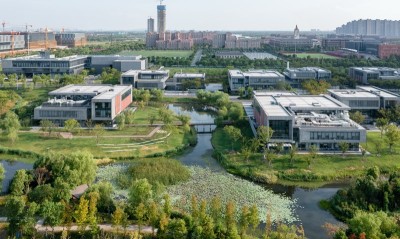
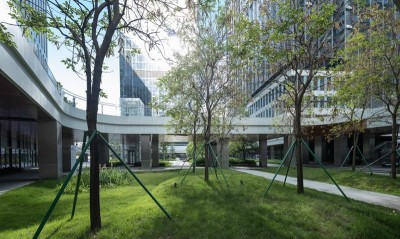
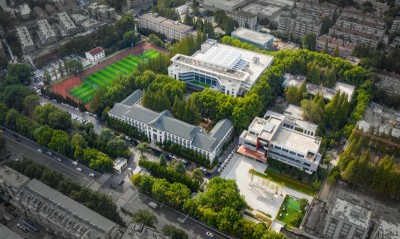
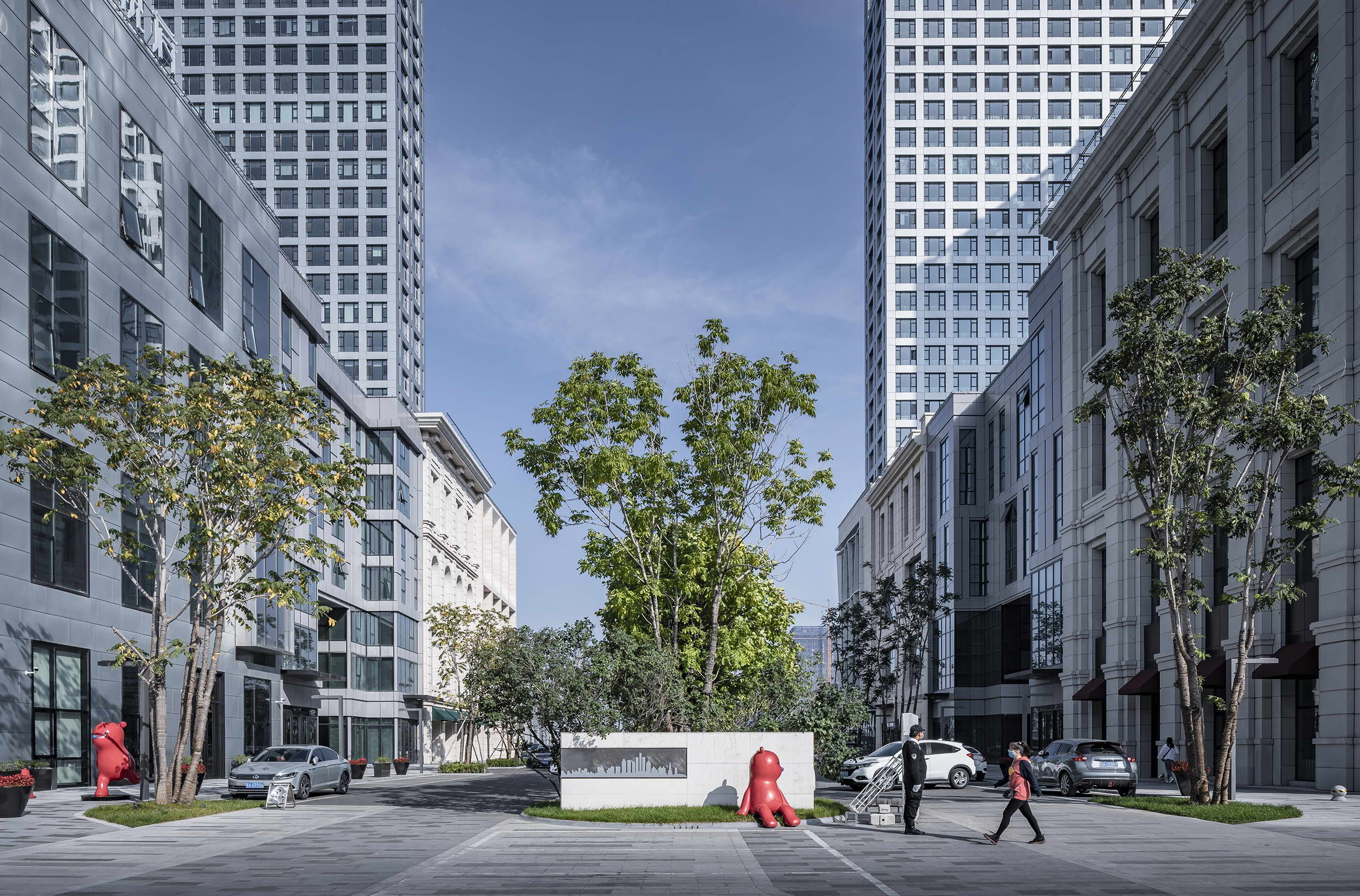
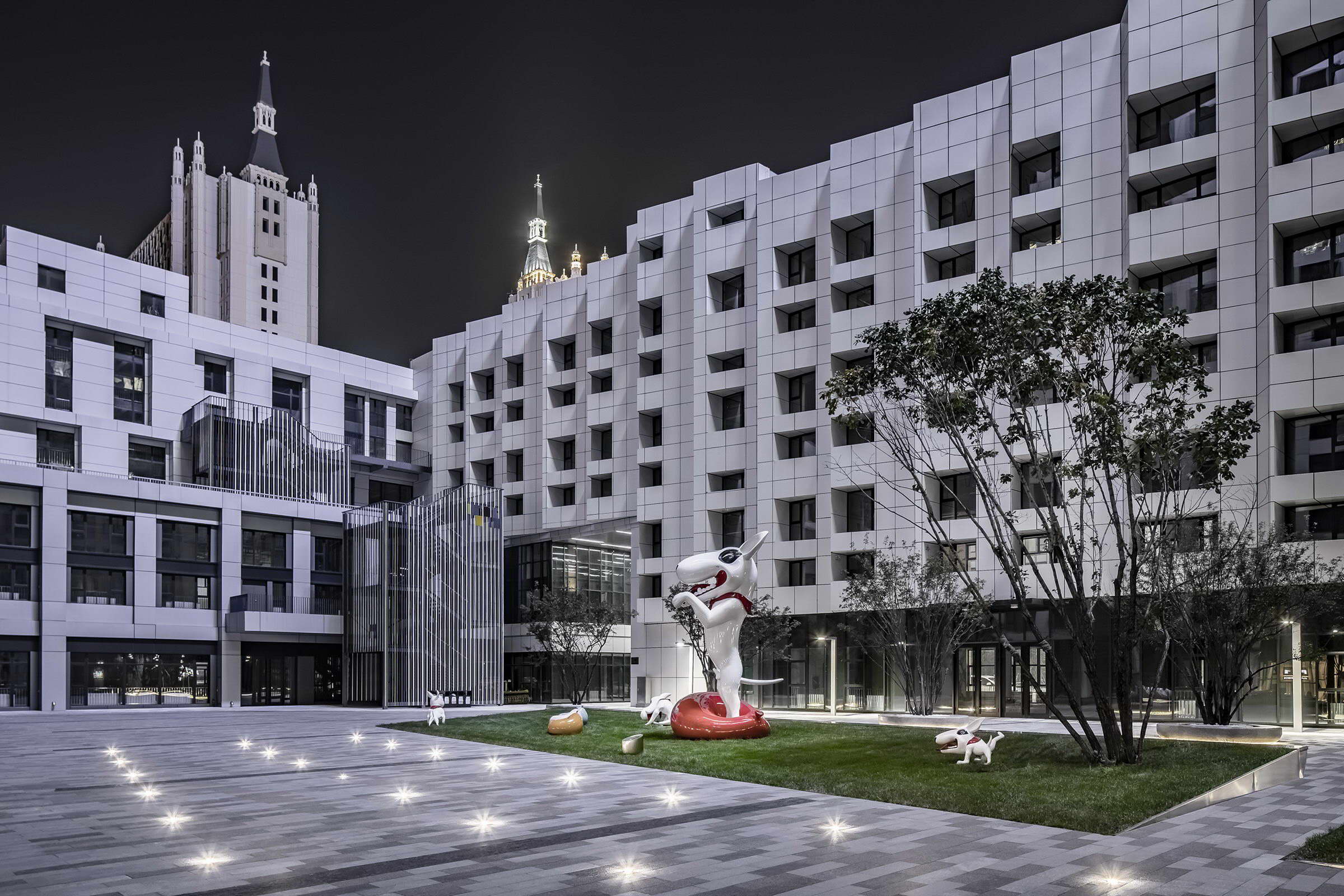
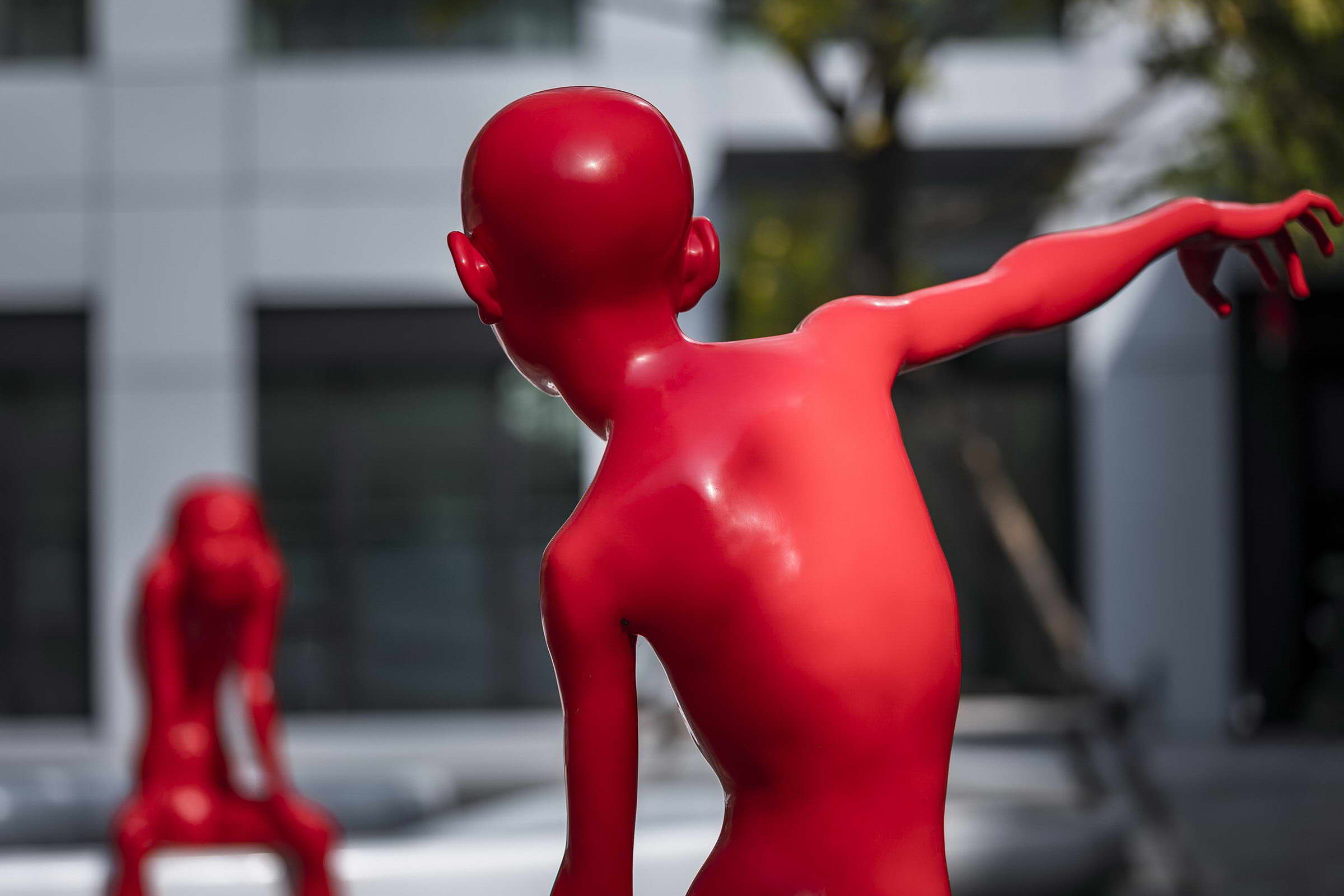
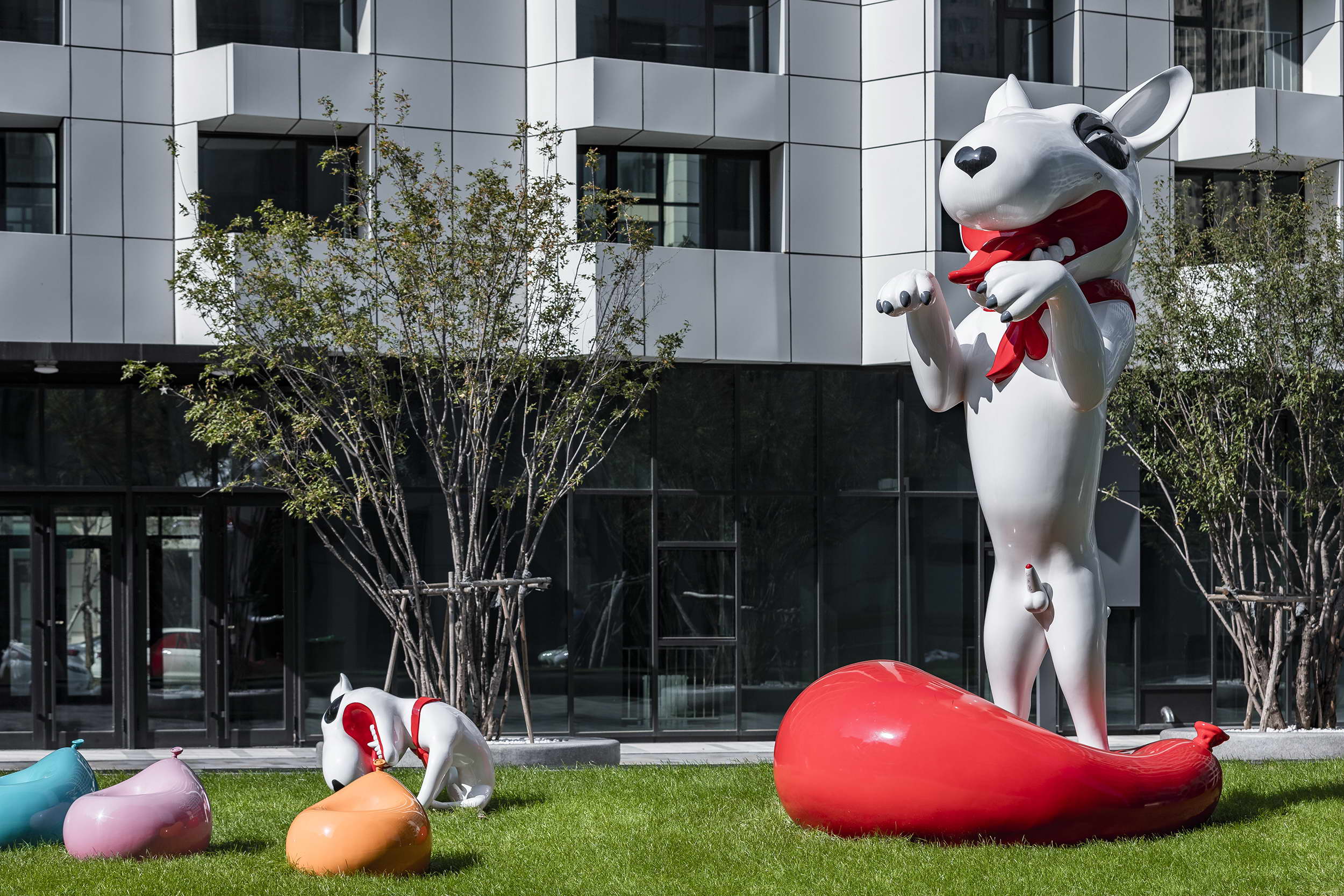
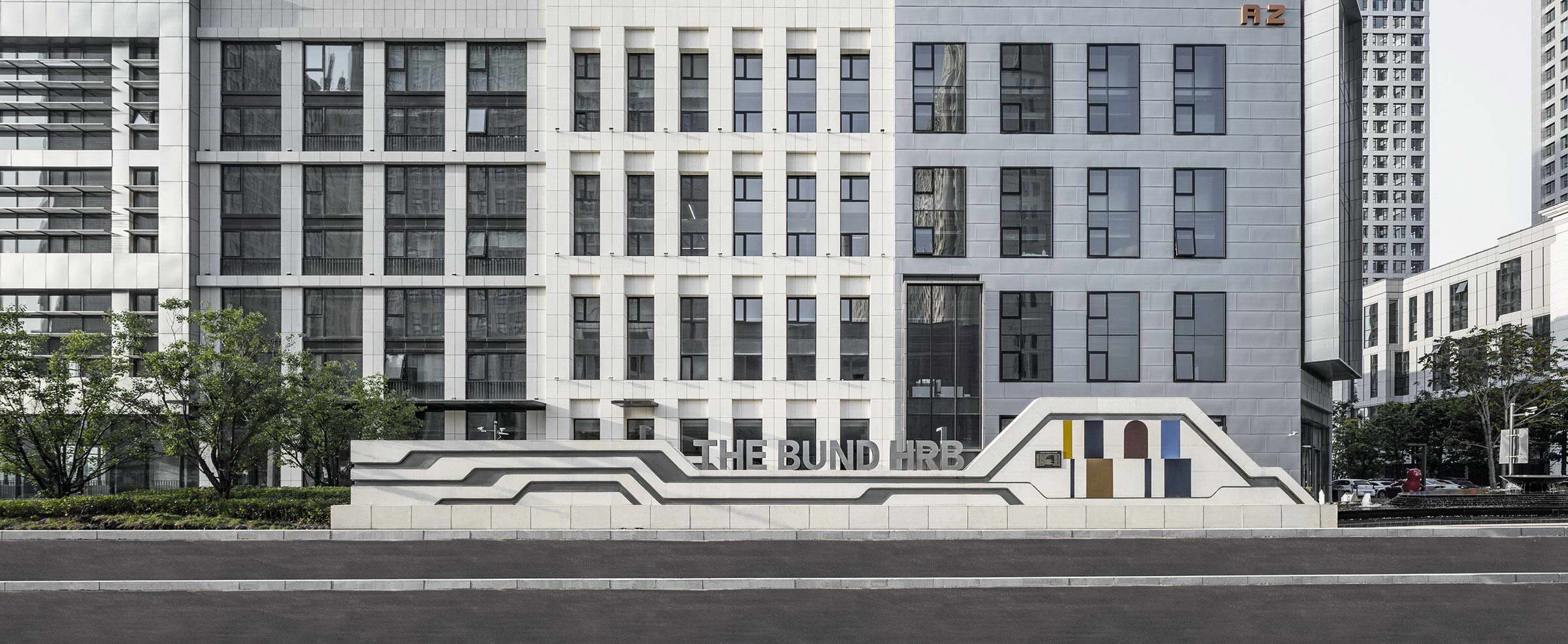
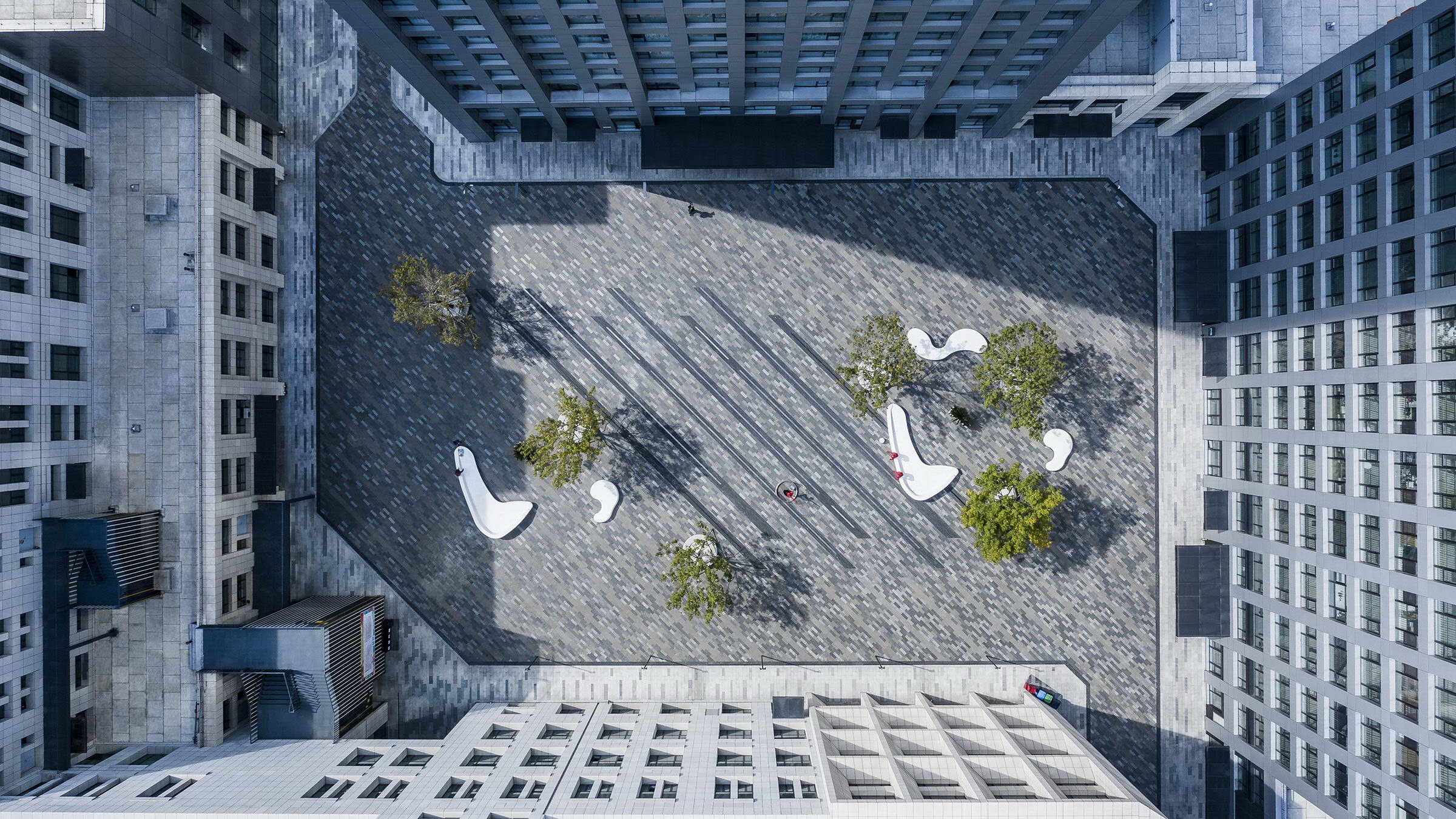
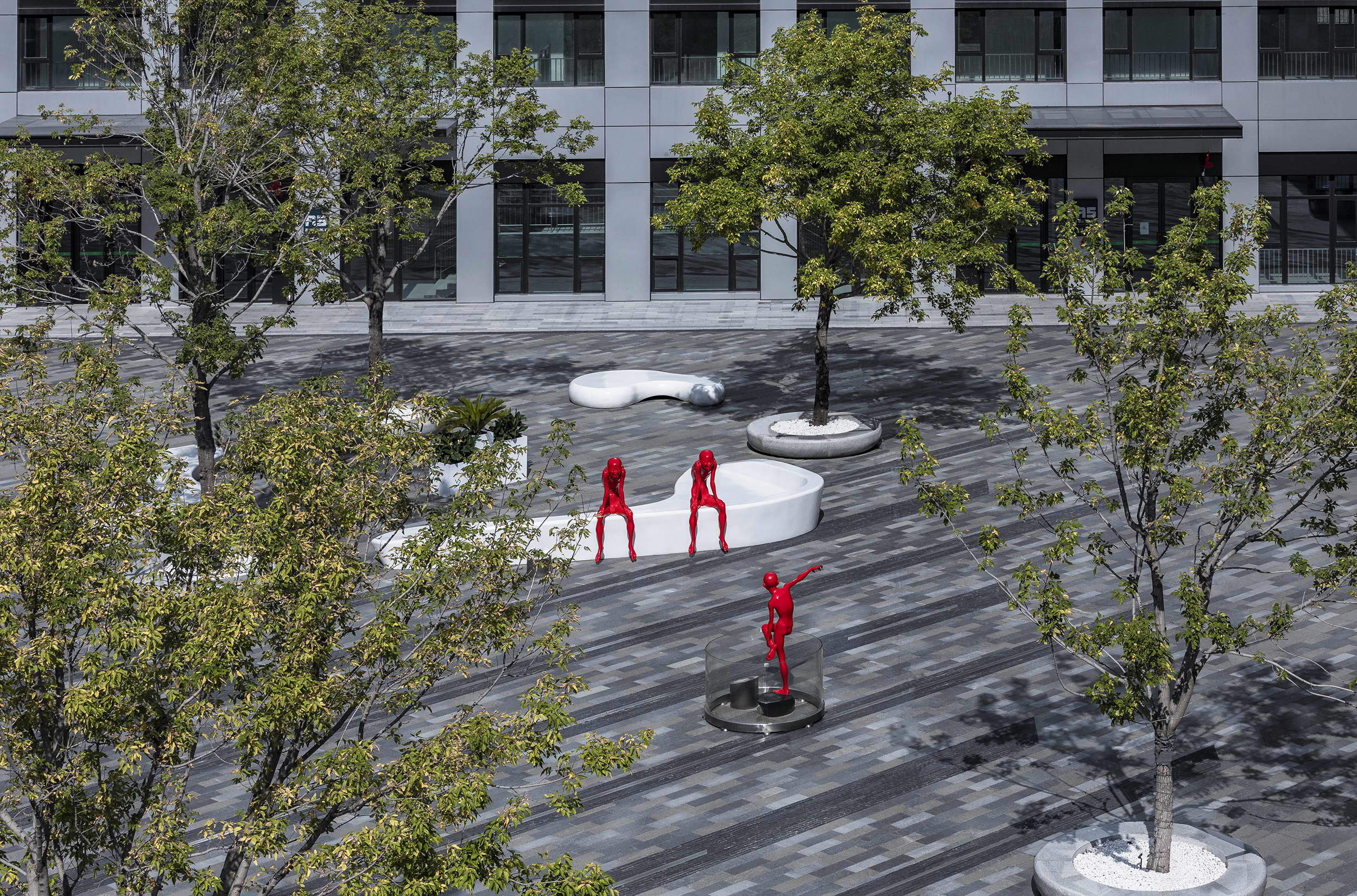
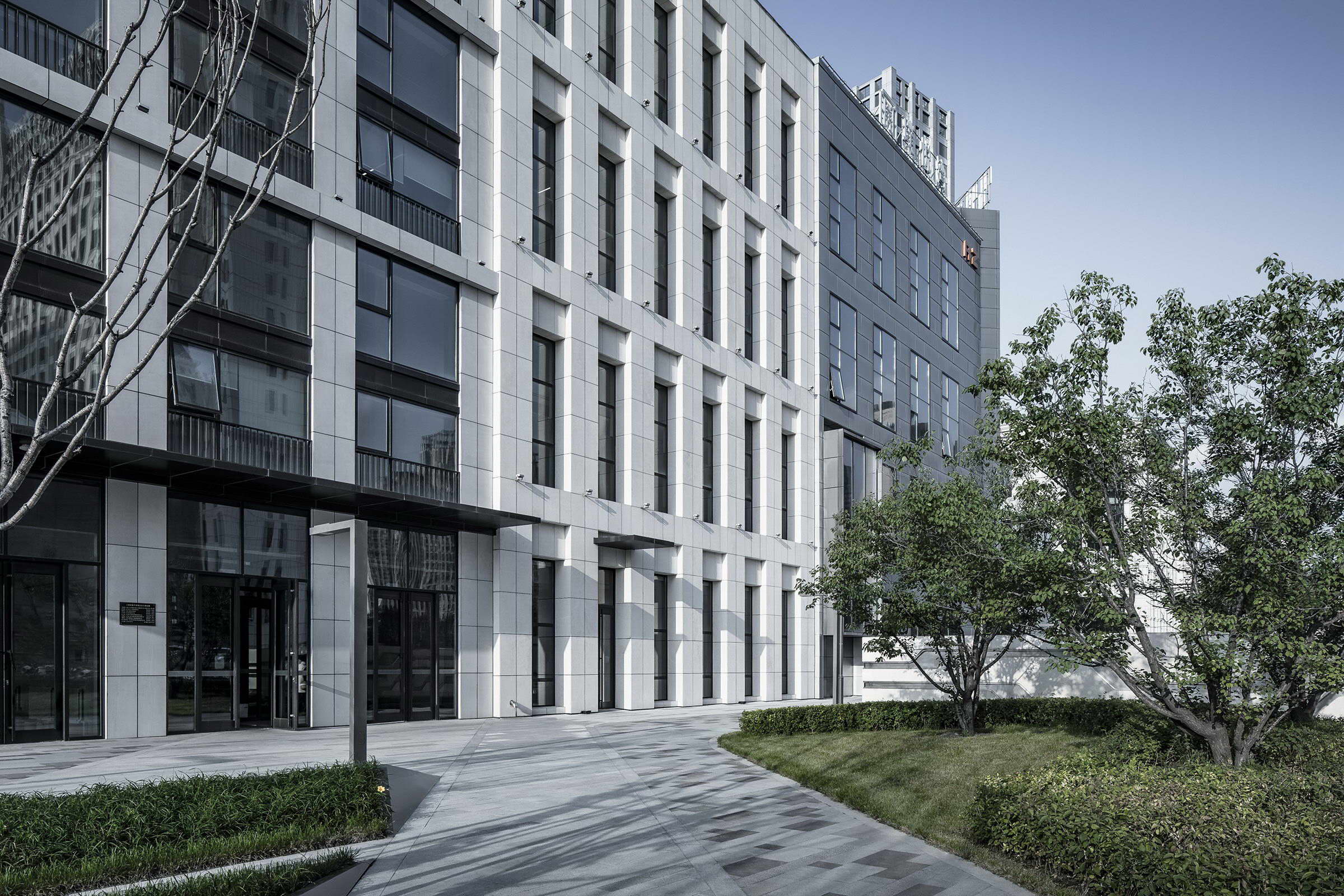
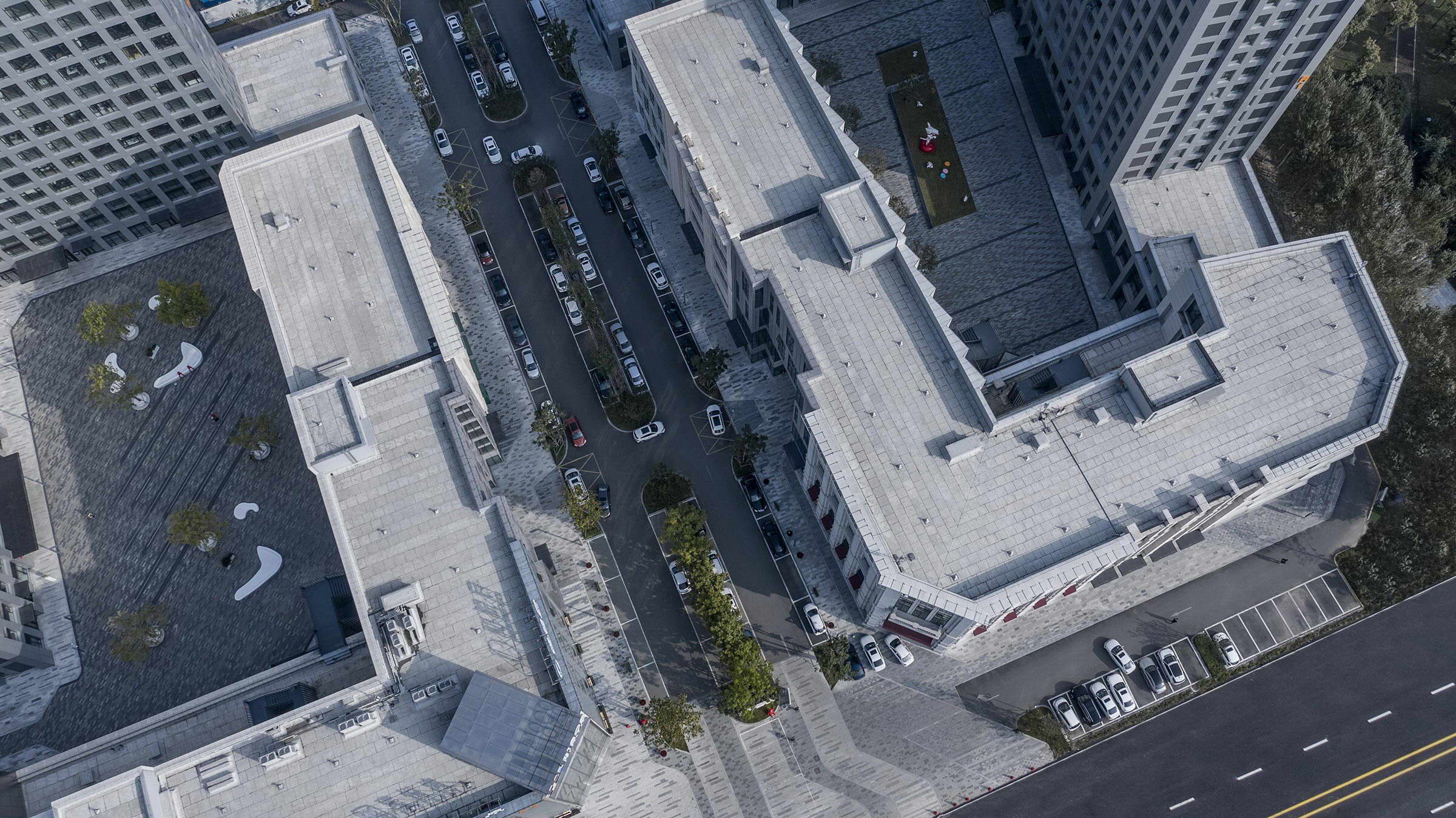
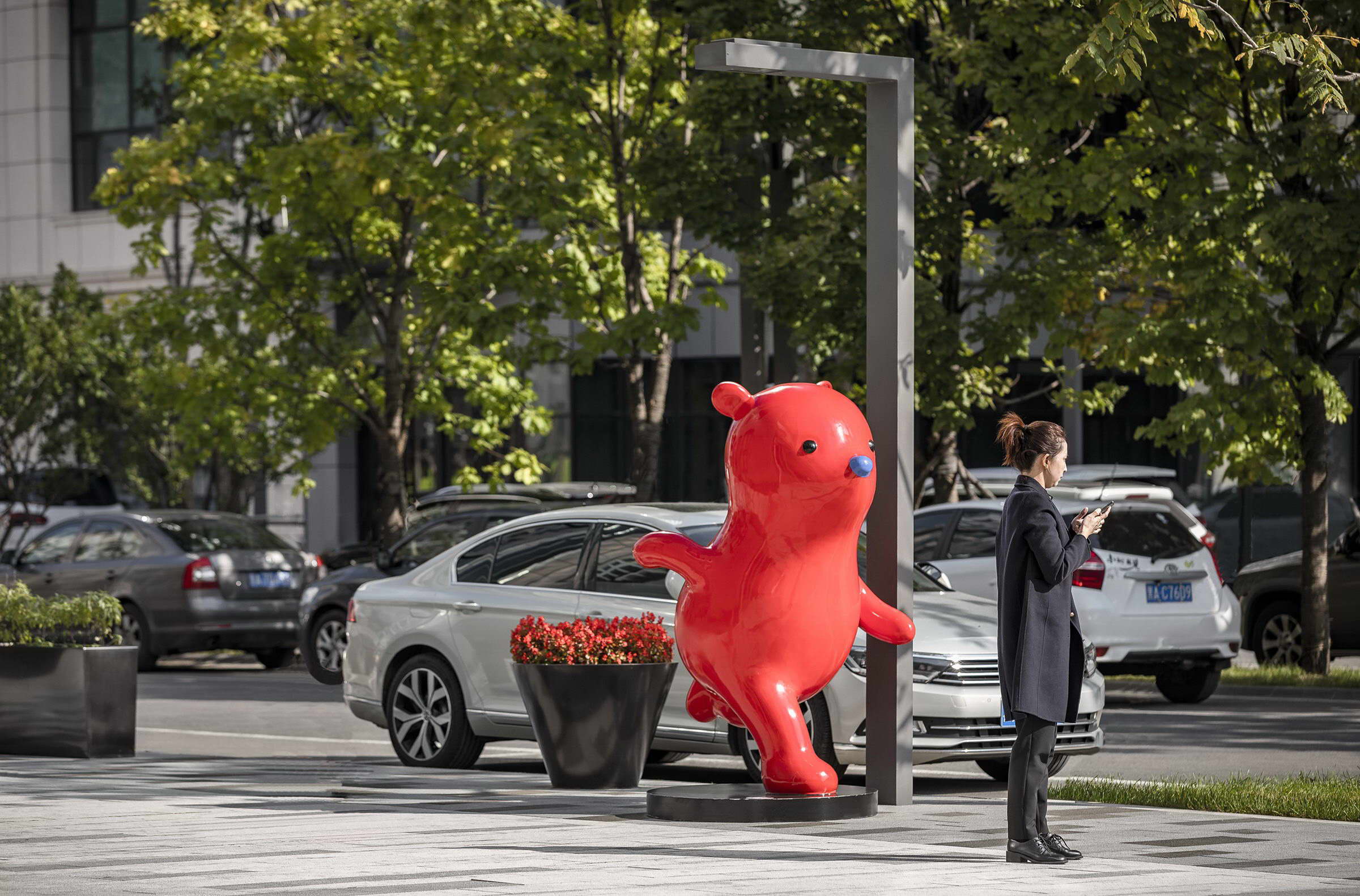
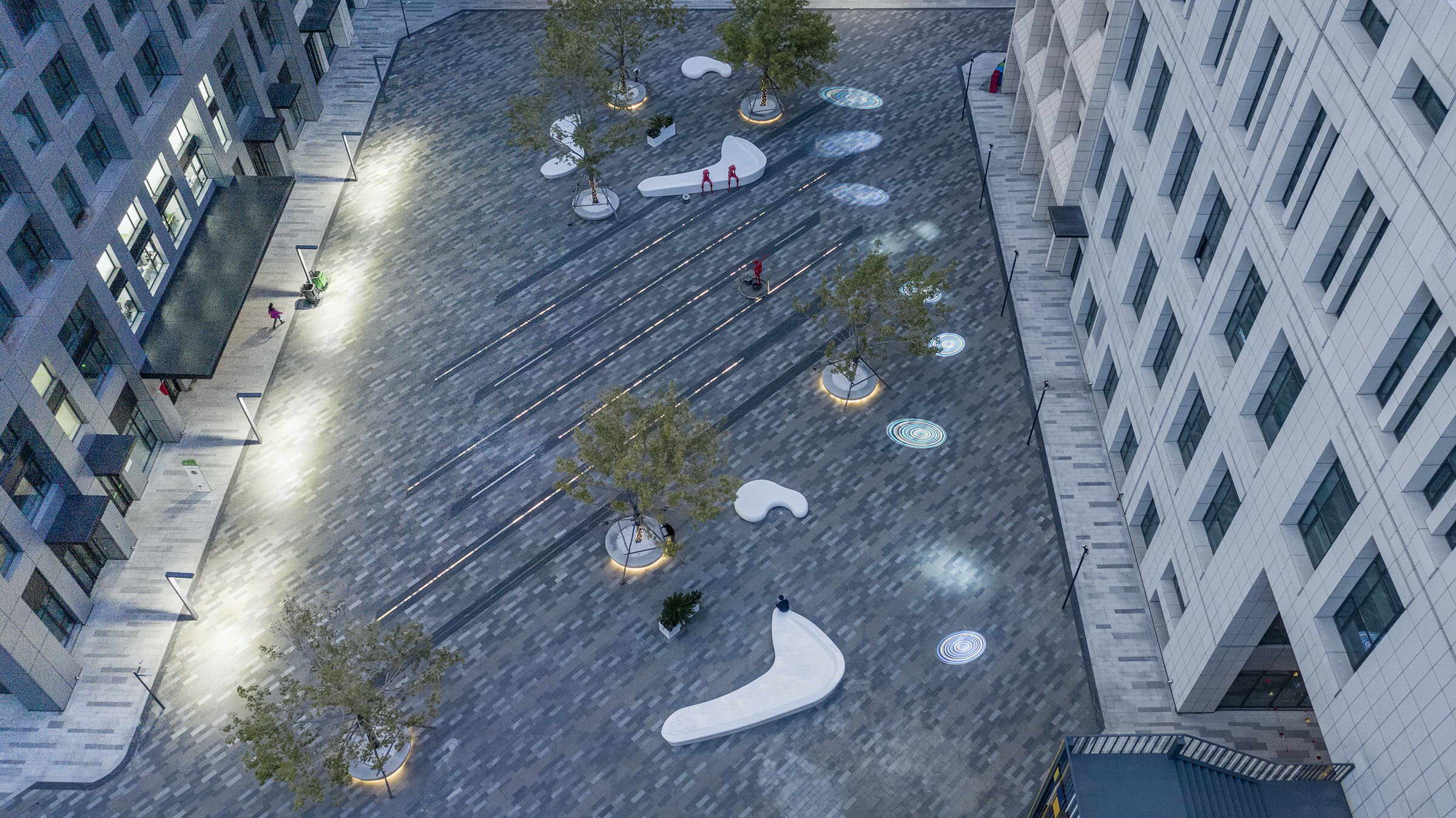
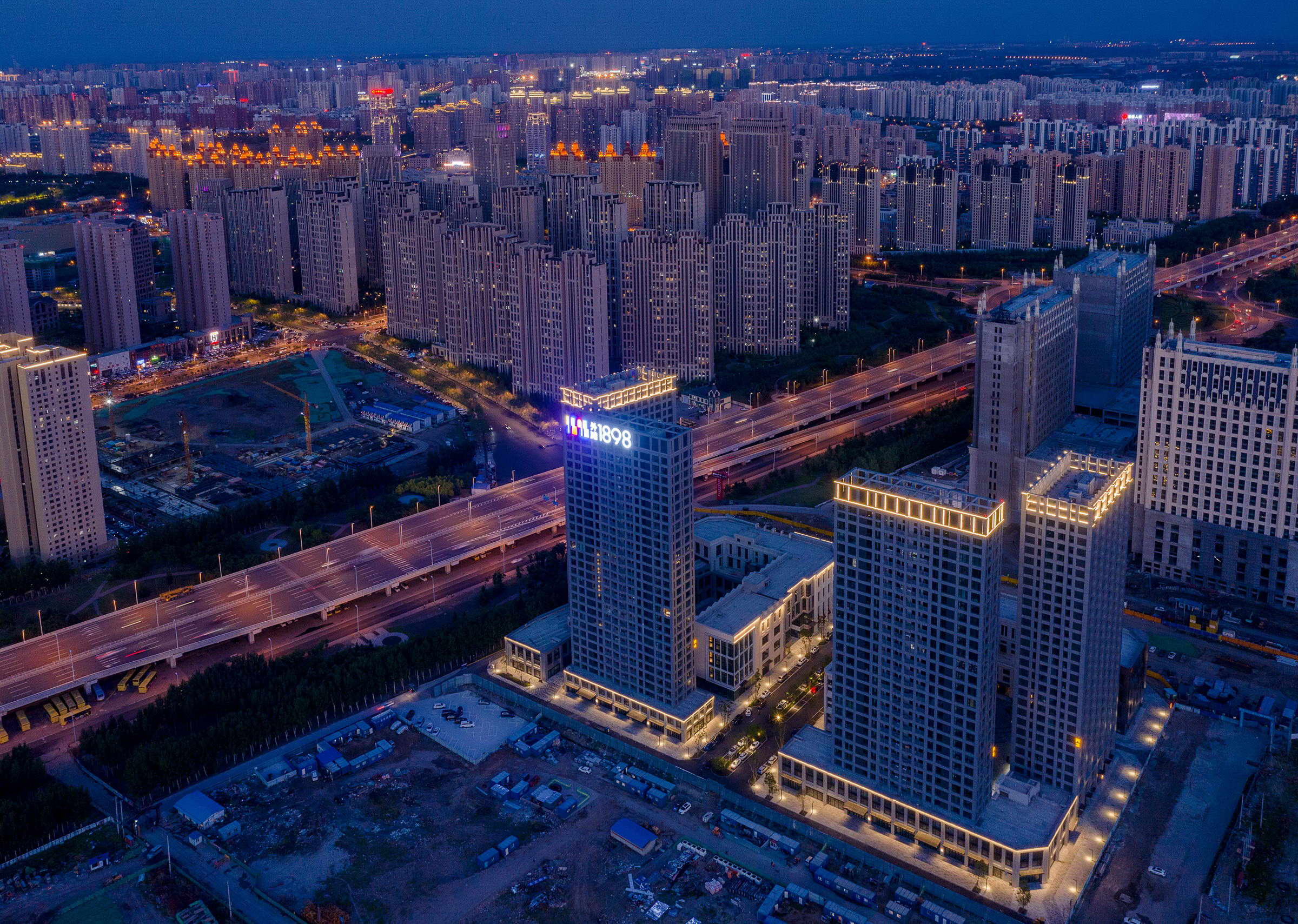
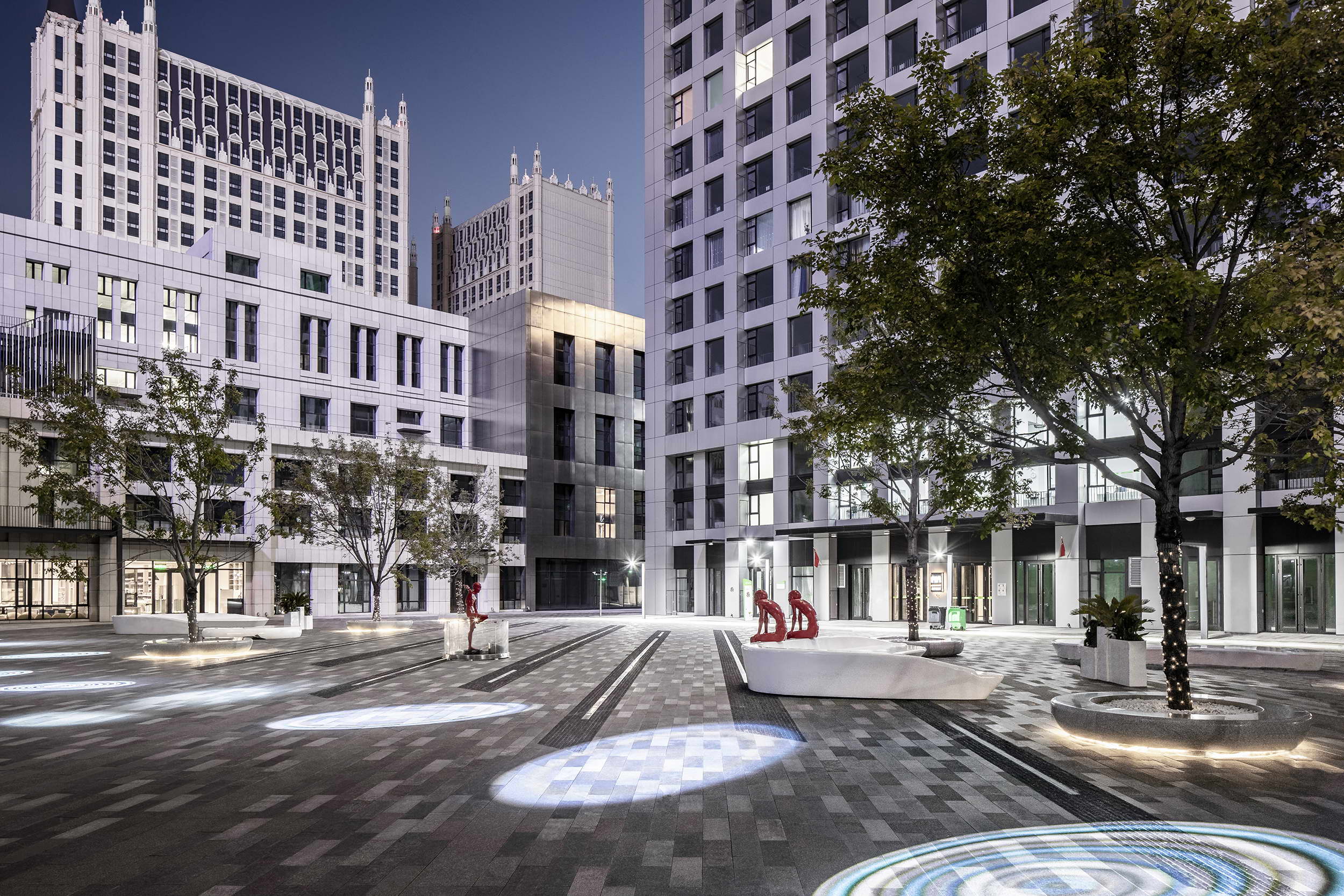
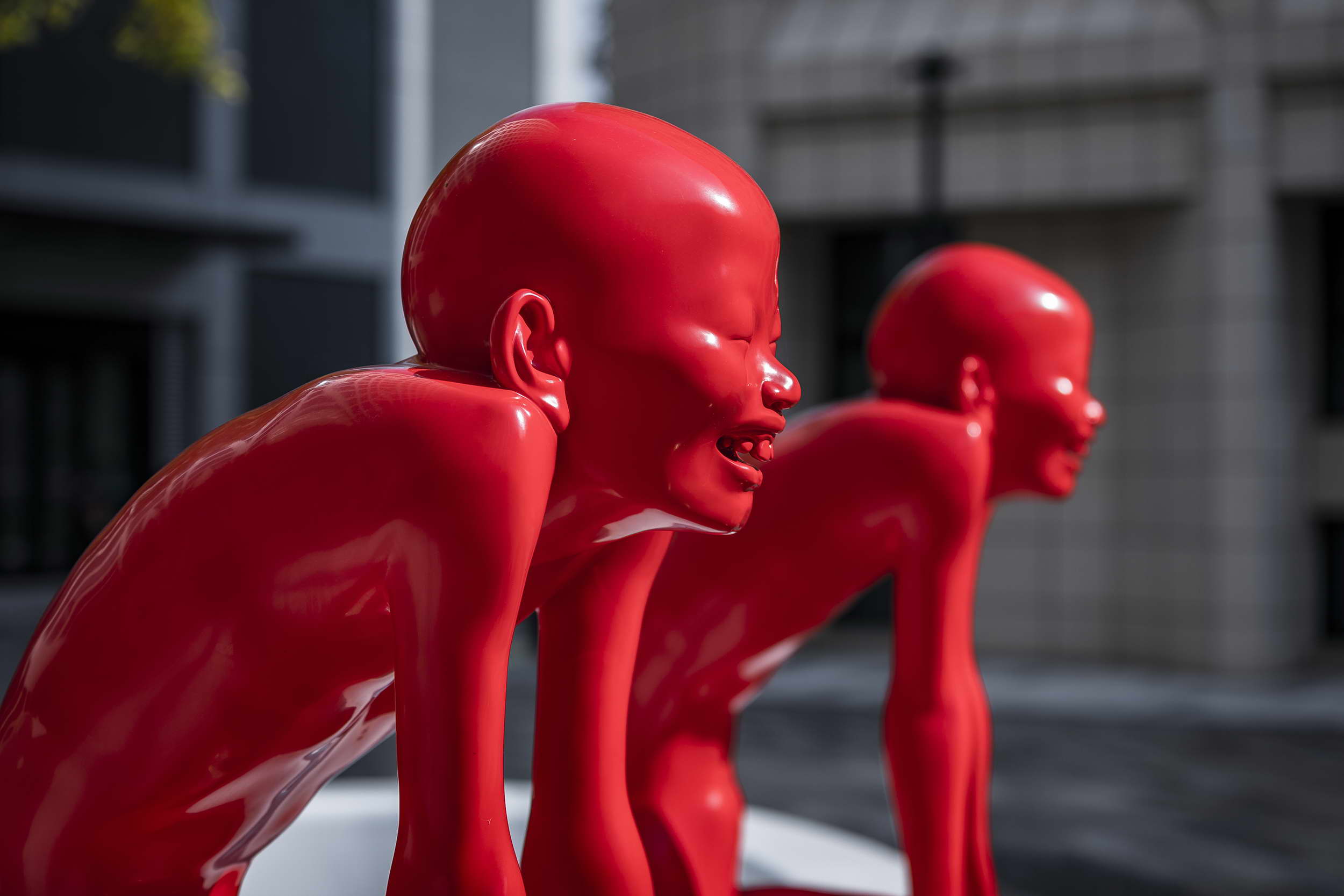
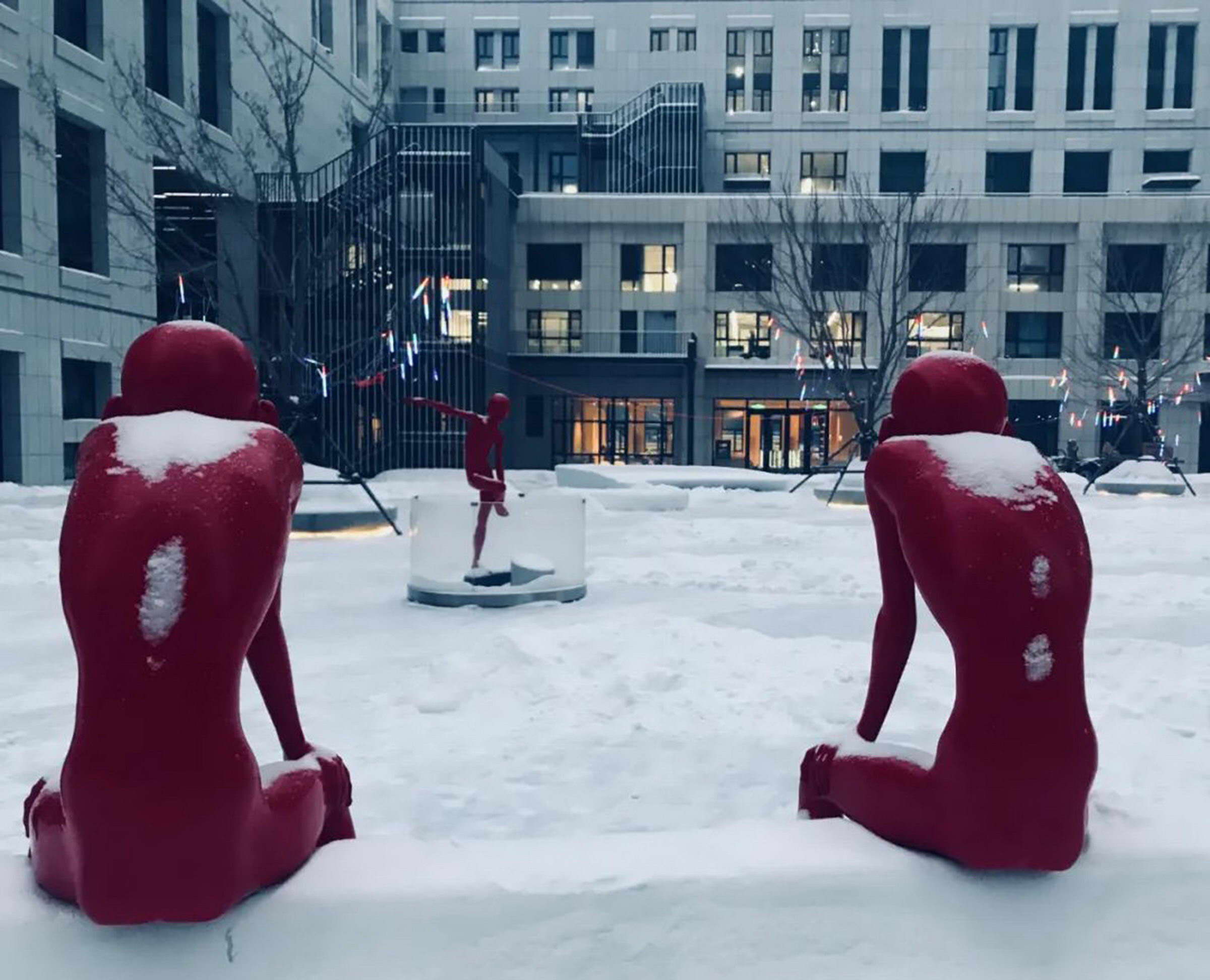
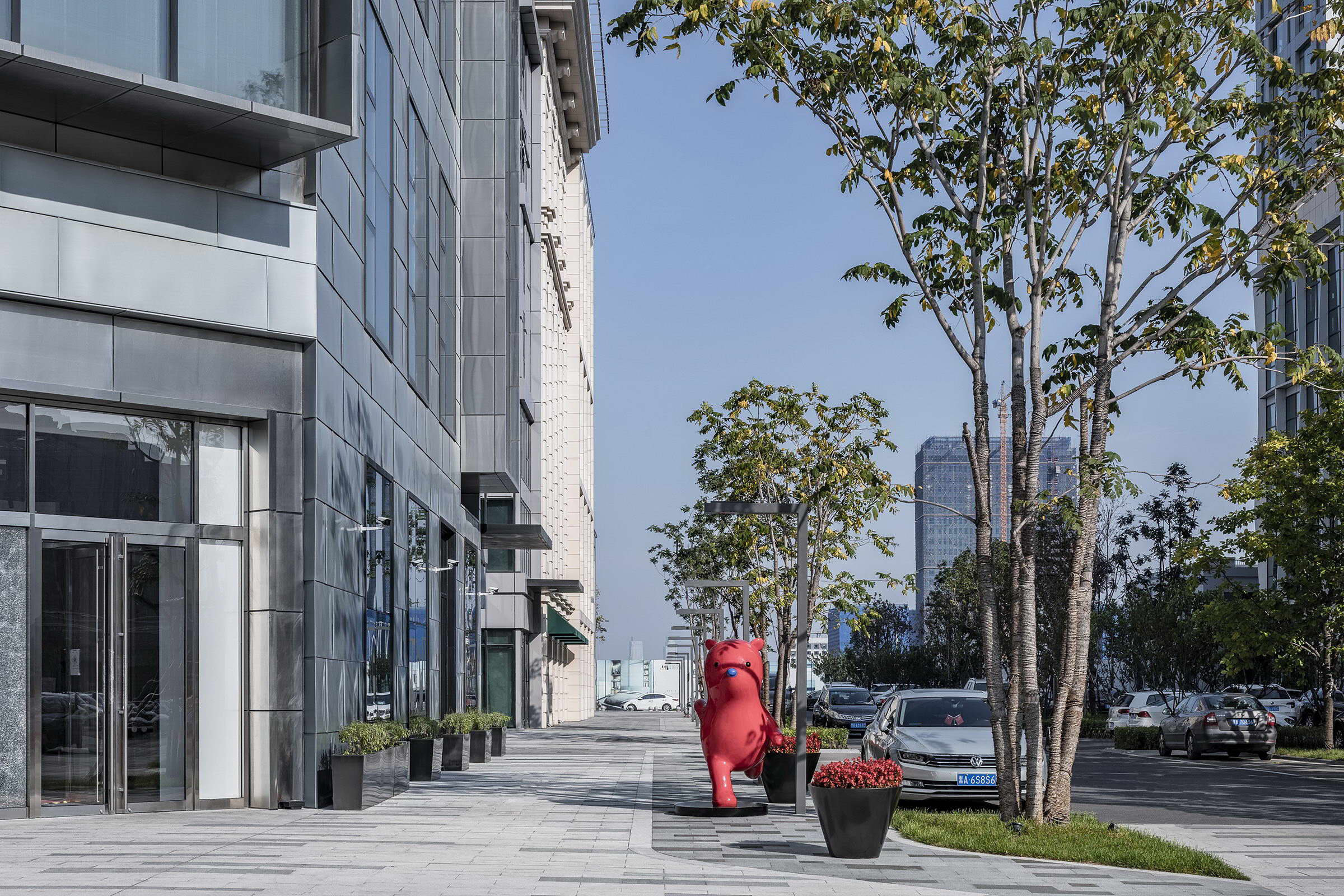
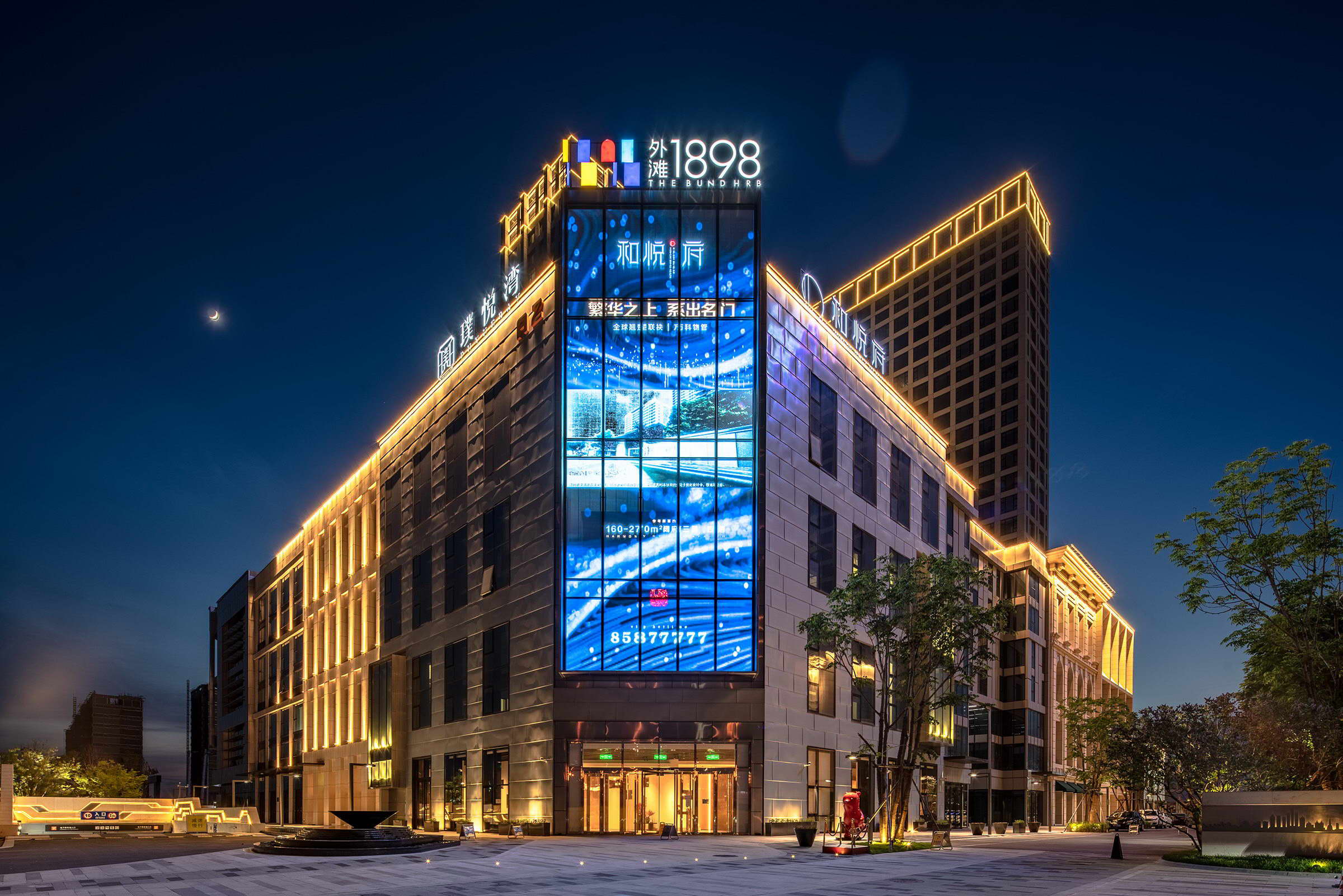
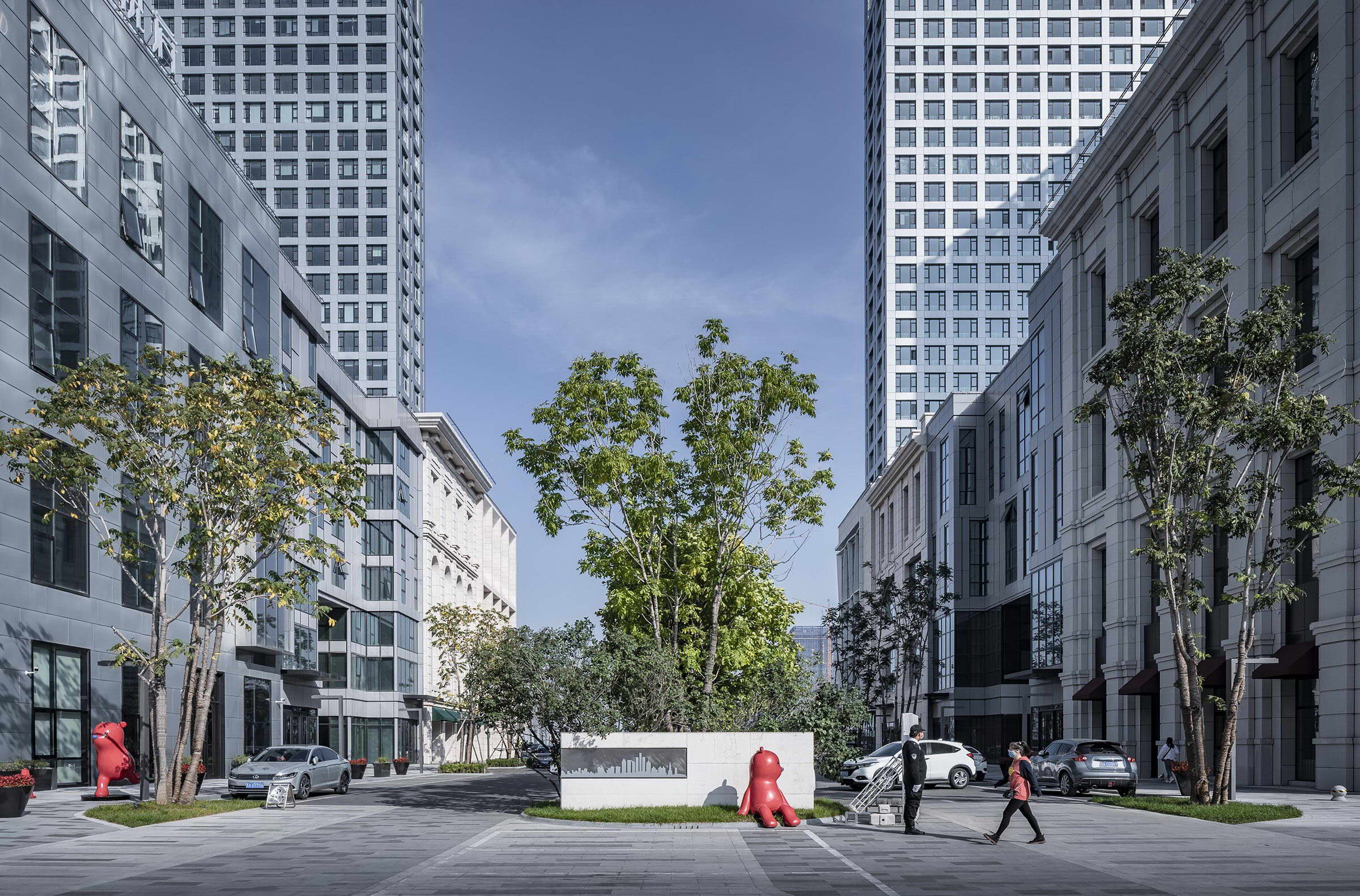
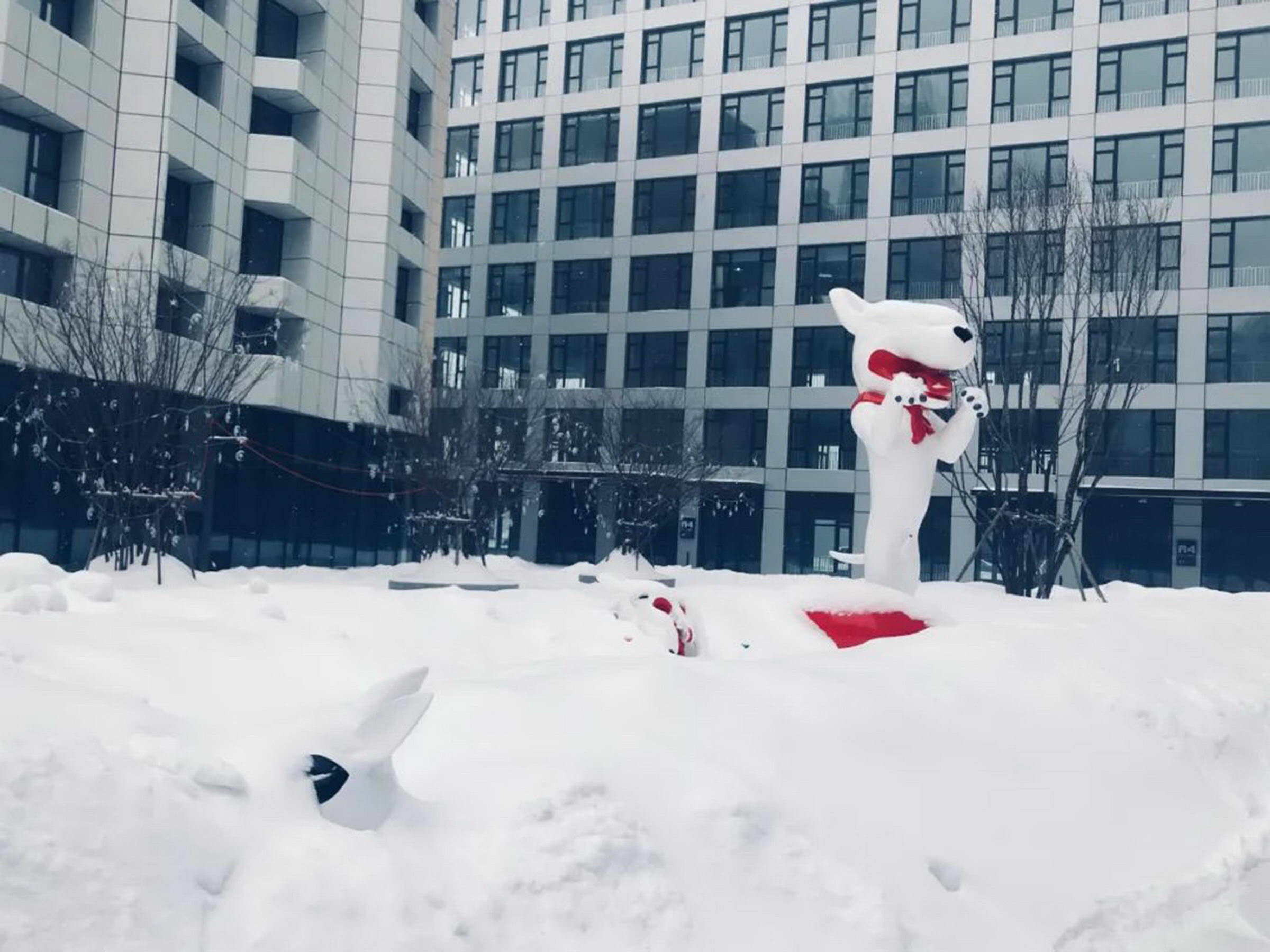
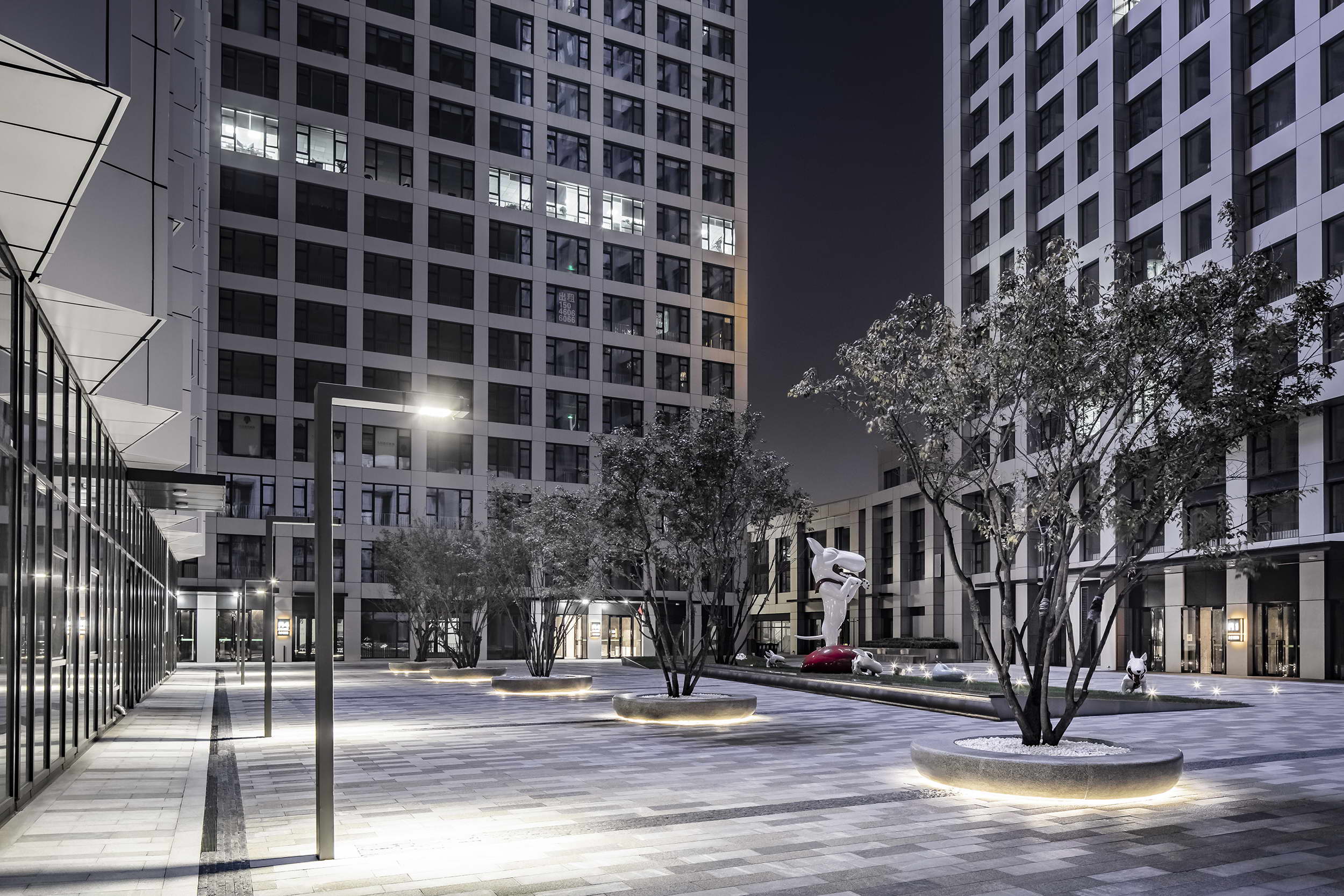
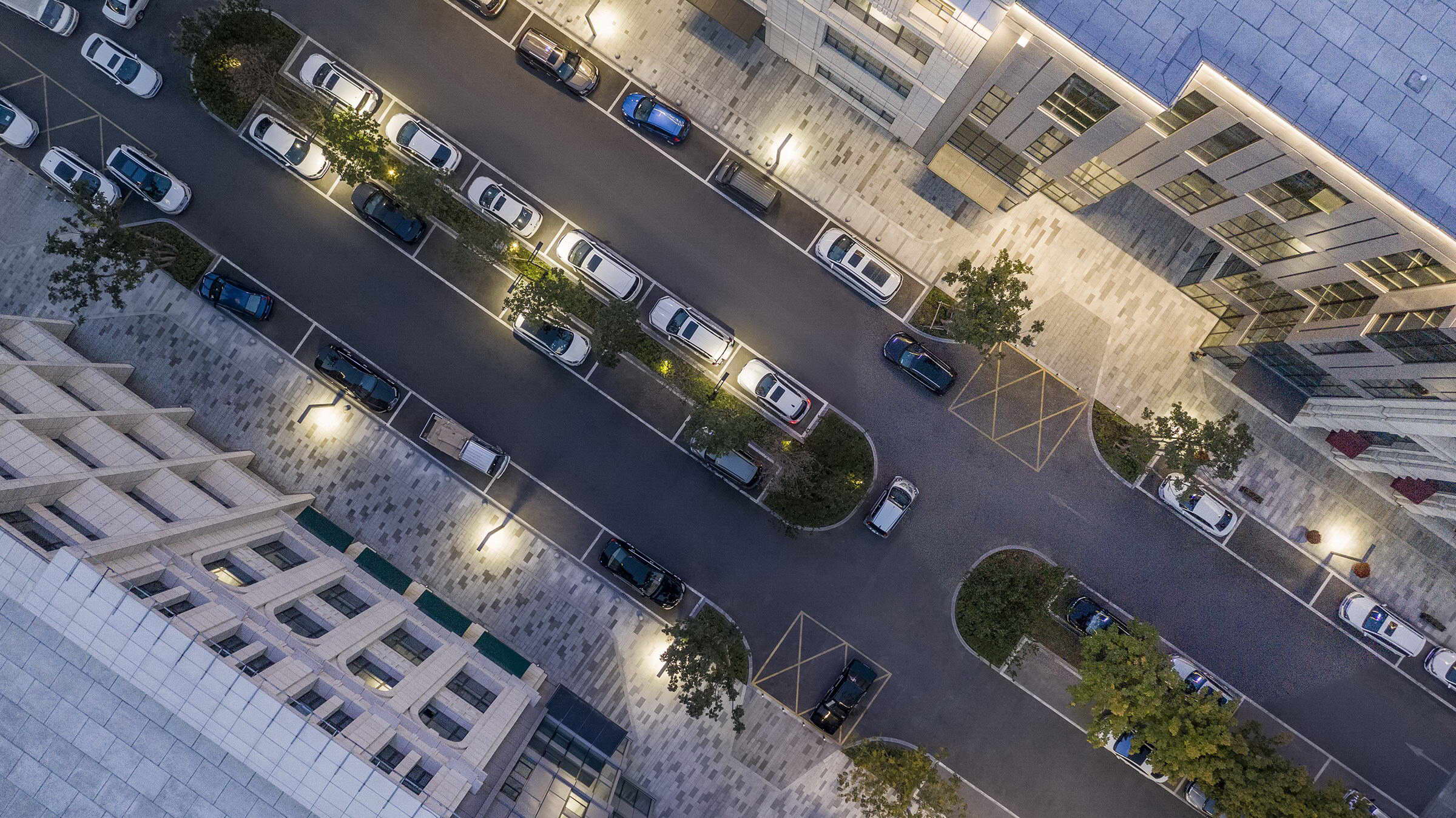
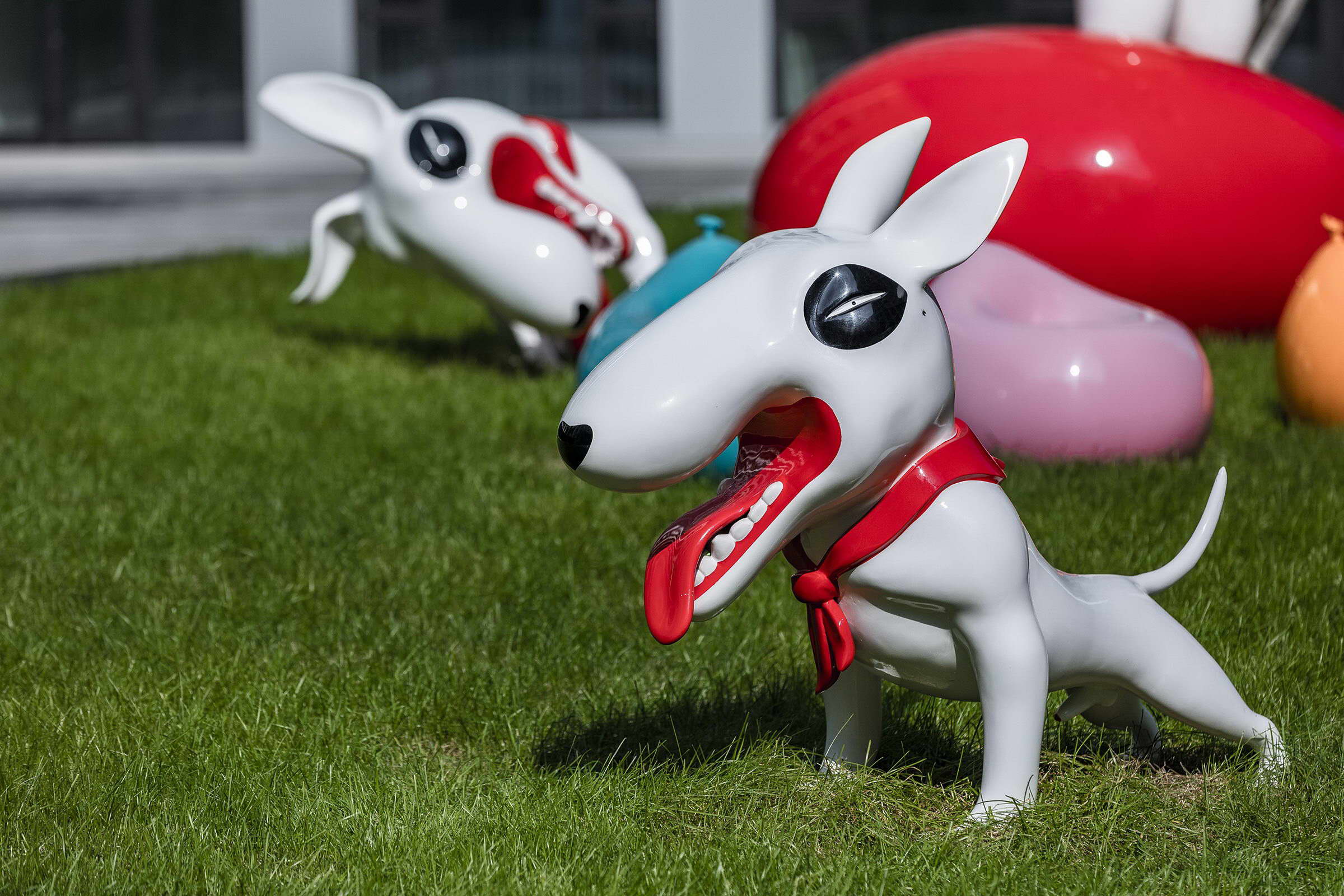
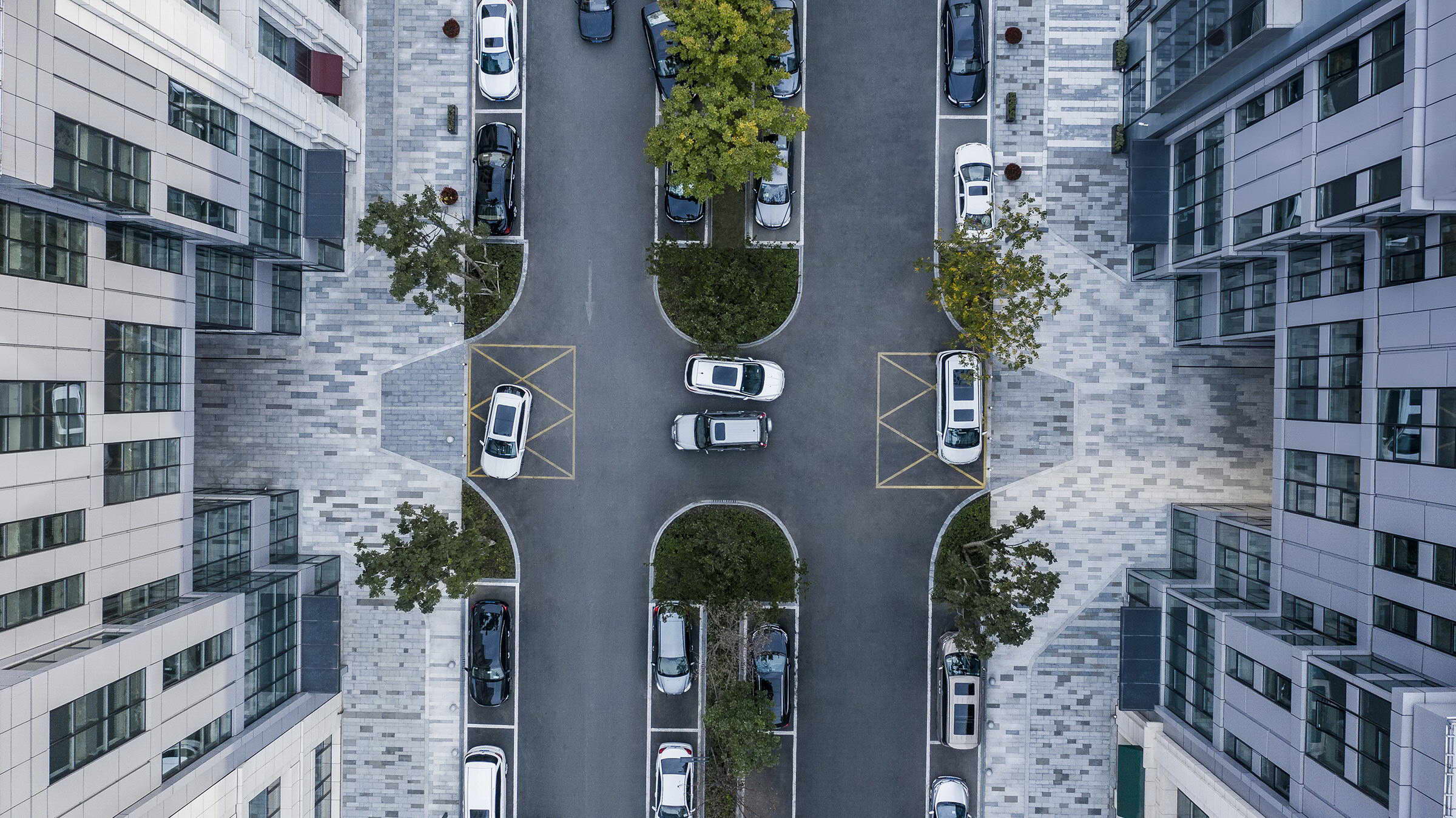
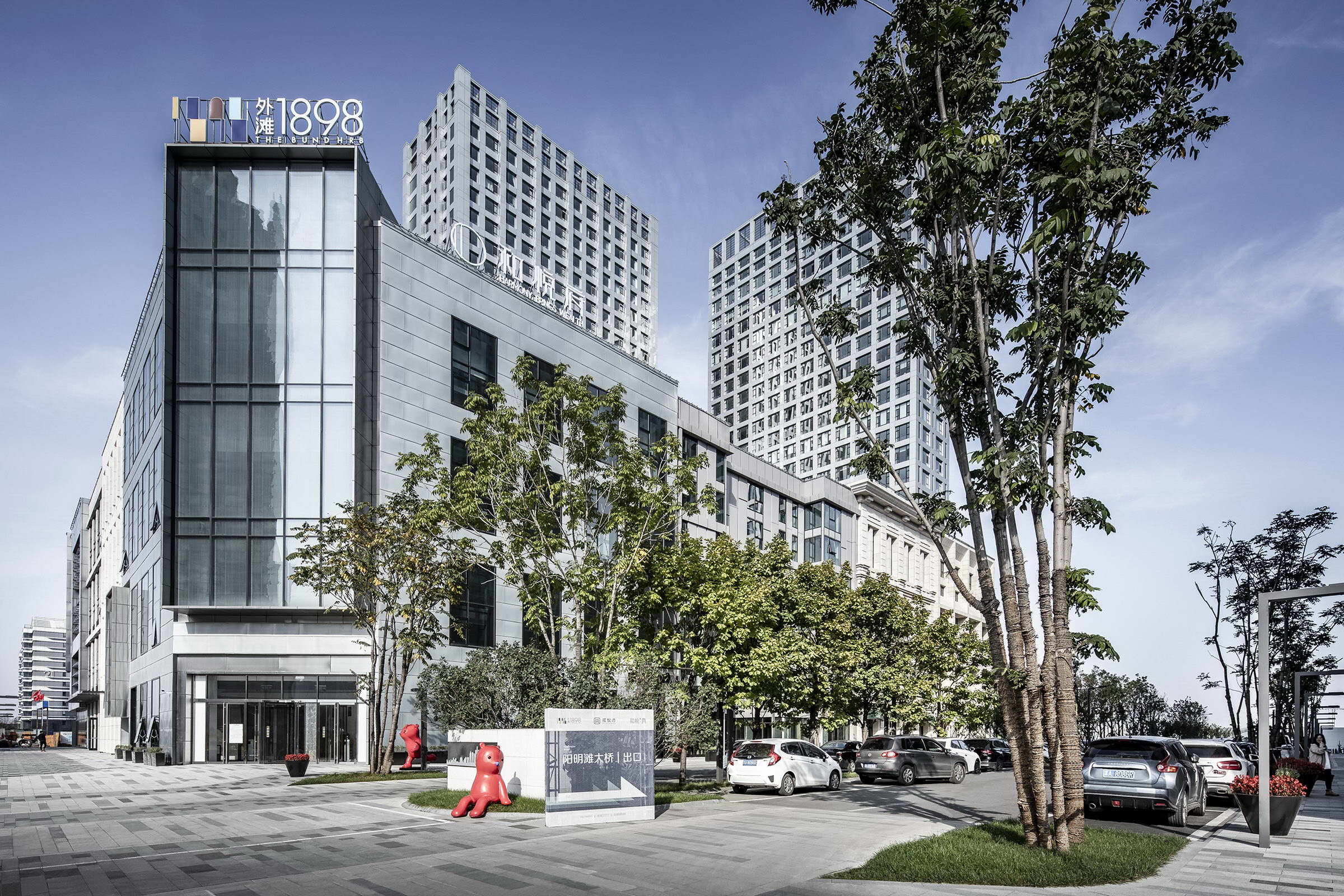
Restarting the Bund, an artistic calling card for a city: the China Arts and Crafts Cultural and Creative Park, The Bund 1898, sits in Harbin's emerging main urban district, on the city's primary development axis, advancing Harbin's ambition to become an international metropolis together with the old city. The masterplan was designed by Gensler, and SED Xilin is the landscape architect, redefining Harbin's artistic, cultural and business landmark. The landscape draws inspiration from world heritage pedestrian streets such as those of Copenhagen. Large-floorplate offices, SOHO apartments and an art shopping street are linked along a central spine and secondary roads; streets of varied character symbolize the layered evolution of culture from ancient to modern, East to West, and fuse the district with a city long known as the Oriental Little Paris. The art-city concept uses public space of the landmark street, combining precious northern greenery and art sculpture to create a novel outdoor journey of art, culture and colorful daily life, a humanist oasis for urban residents. Facing Qunli Avenue, the park forms the external display interface and a city-image node, building a modern creative environment on local humanist roots. Dispersed open-air parking is treated with plants, light and lines, thoughtfully dividing two-way traffic to express order; middle-story planting is reduced to keep sightlines clear, while upper-canopy shade trees with regular crowns offer summer cover. The creative park has invited leading artists to contribute work, turning the whole district into an open-air gallery that fuses business, art and northern urban life.






 Editor's Pick
 Latest Design