Text description provided by the architects
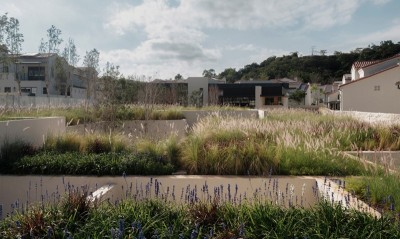
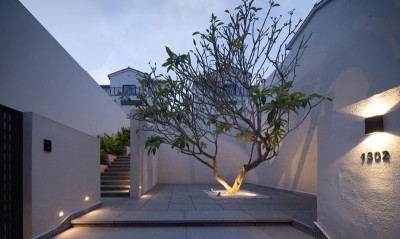
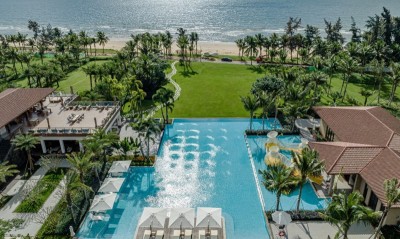
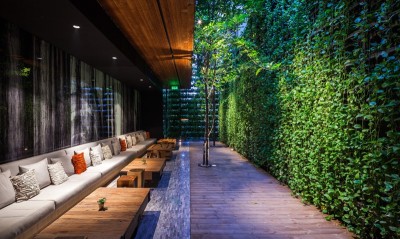
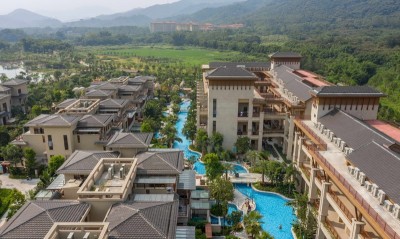
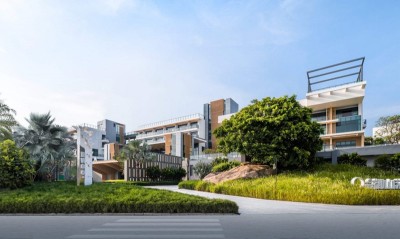
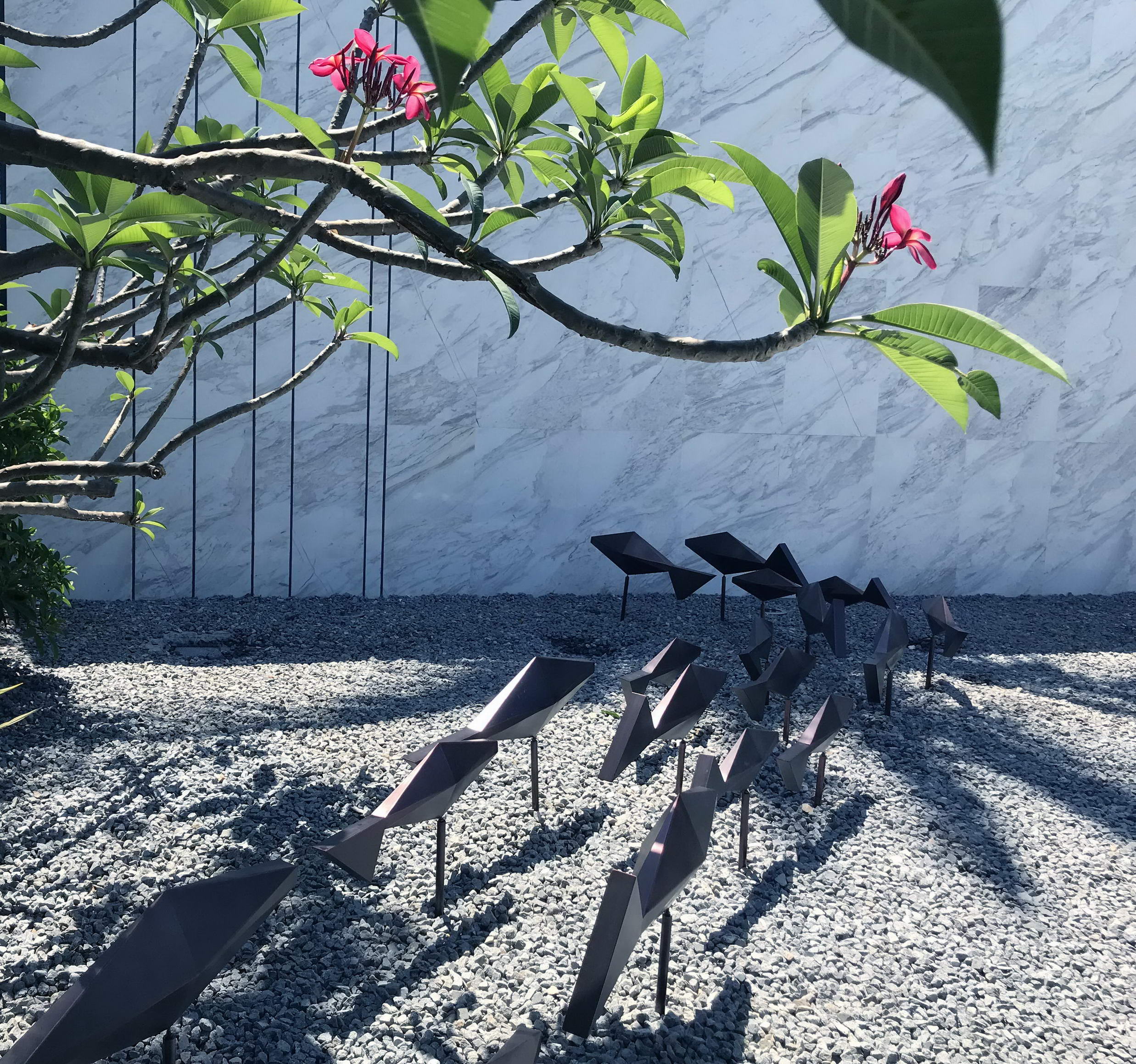
At Wanning on Hainan Island, Shenzhou Peninsula is a ten-square-kilometer promontory of native hills between two seas and four bays, where sky is the curtain, mountains the scenery, and the mystery of islands and beaches composes the holiday landscape. On first arriving, the soft white sand and quiet sea push the soul outward; standing before the ocean, one feels small yet free. How to make the newcomer feel that smallness and freedom? The answer becomes the fish of the sea, and the fish's journey is the narrative spine of the Sea Mansion display area. With only a 4,000-square-meter site to establish that sense of freedom, the design repeatedly walked the ground and chose to borrow the resources outside: borrow the road, the mountain, the sea and the adjacent coastal park. The building is set at the optimal sea-view elevation, and the planting and sightlines of the neighboring coastal park are reorganized so that the borrowed view belongs to the composition. Inside, the route from entrance to show flat is a mere forty meters—too short to carry the fish's journey—so the design winds and opens and closes: an emphatic entrance under shaded trees, light revealed after suppression, then sudden release onto a broad lawn and viewing platform where one pauses to look across the park and out to sea; looking back inward, the free fish contracts the space; finally releasing into the show flat, whose rear opens directly onto beach and ocean. By making the forty-meter walk about a hundred meters long and stringing spatial nodes along it, the experience is enriched. Mackin has long believed demonstration gardens should stage the story of future community life, and the fish chapters—discovering the fish, meeting the fish, asking the sea, the quiet fish, the free fish, the joyful fish, the fish of the sea—become the landscape's narrative spine, anticipating the larger migratory-bird journey of the full residential park.











 Editor's Pick