Text description provided by the architects
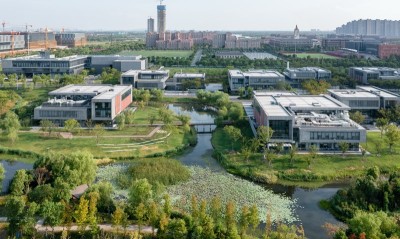
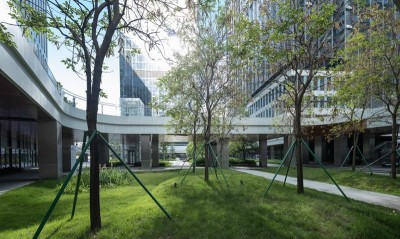
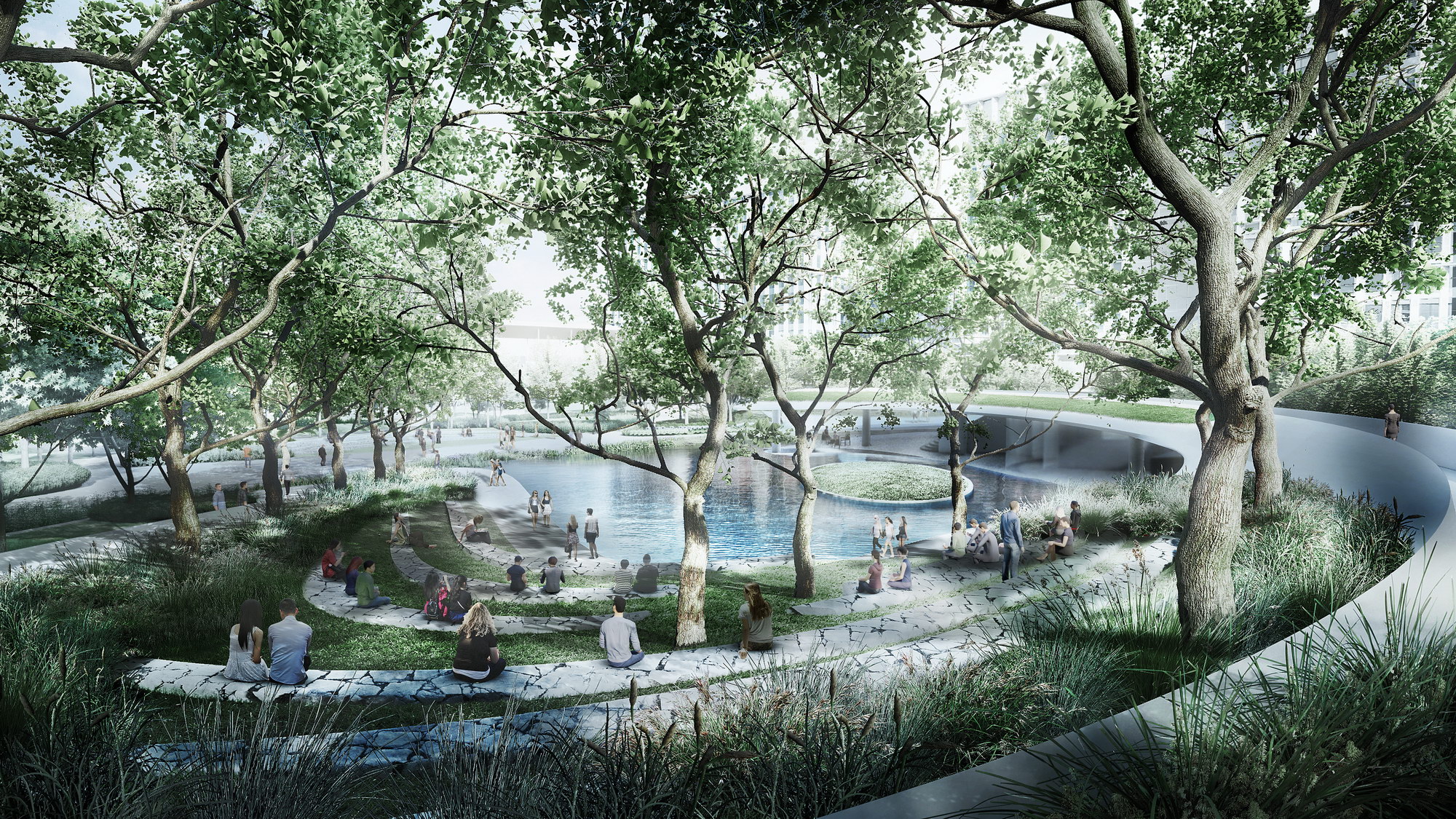
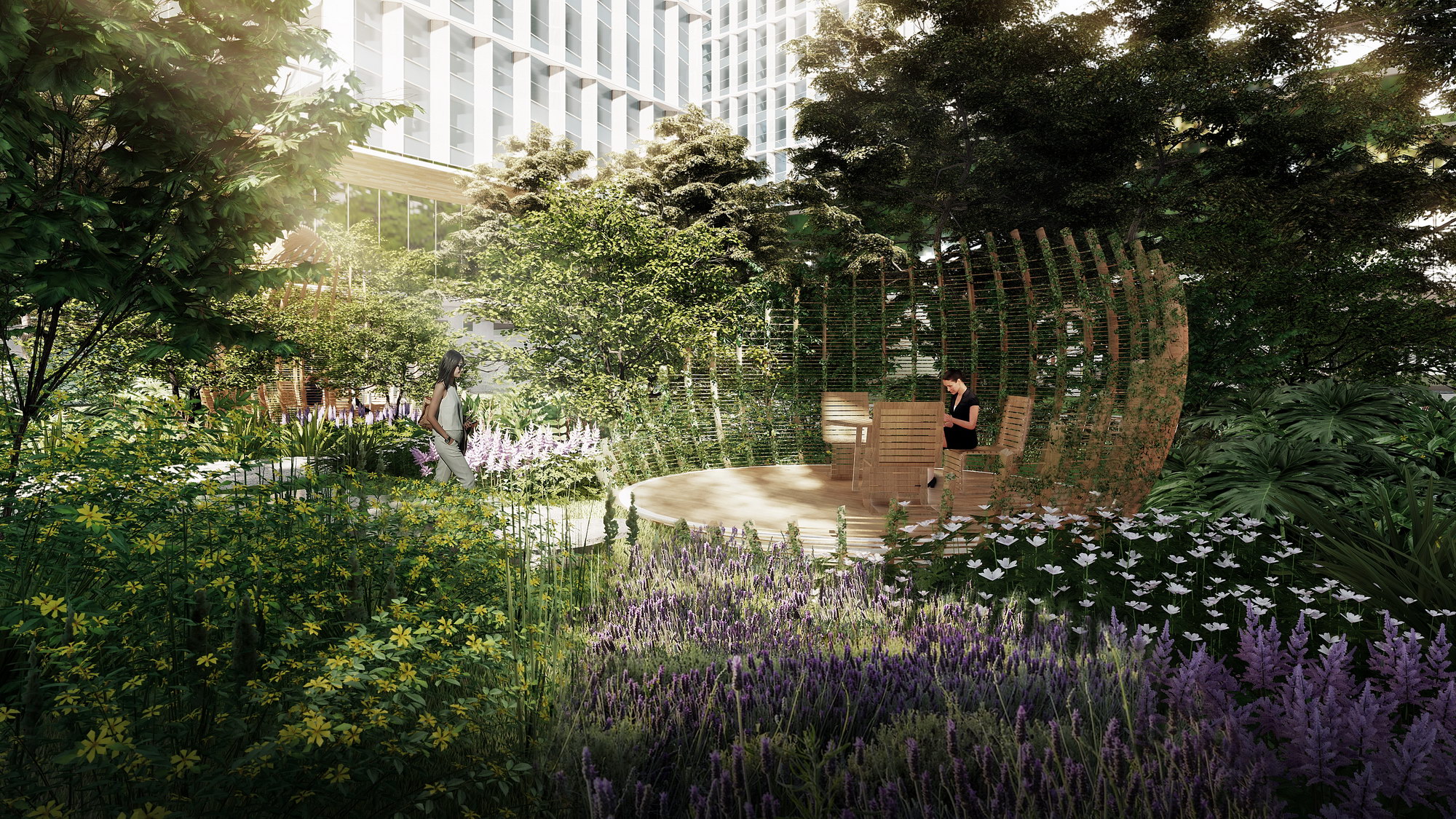
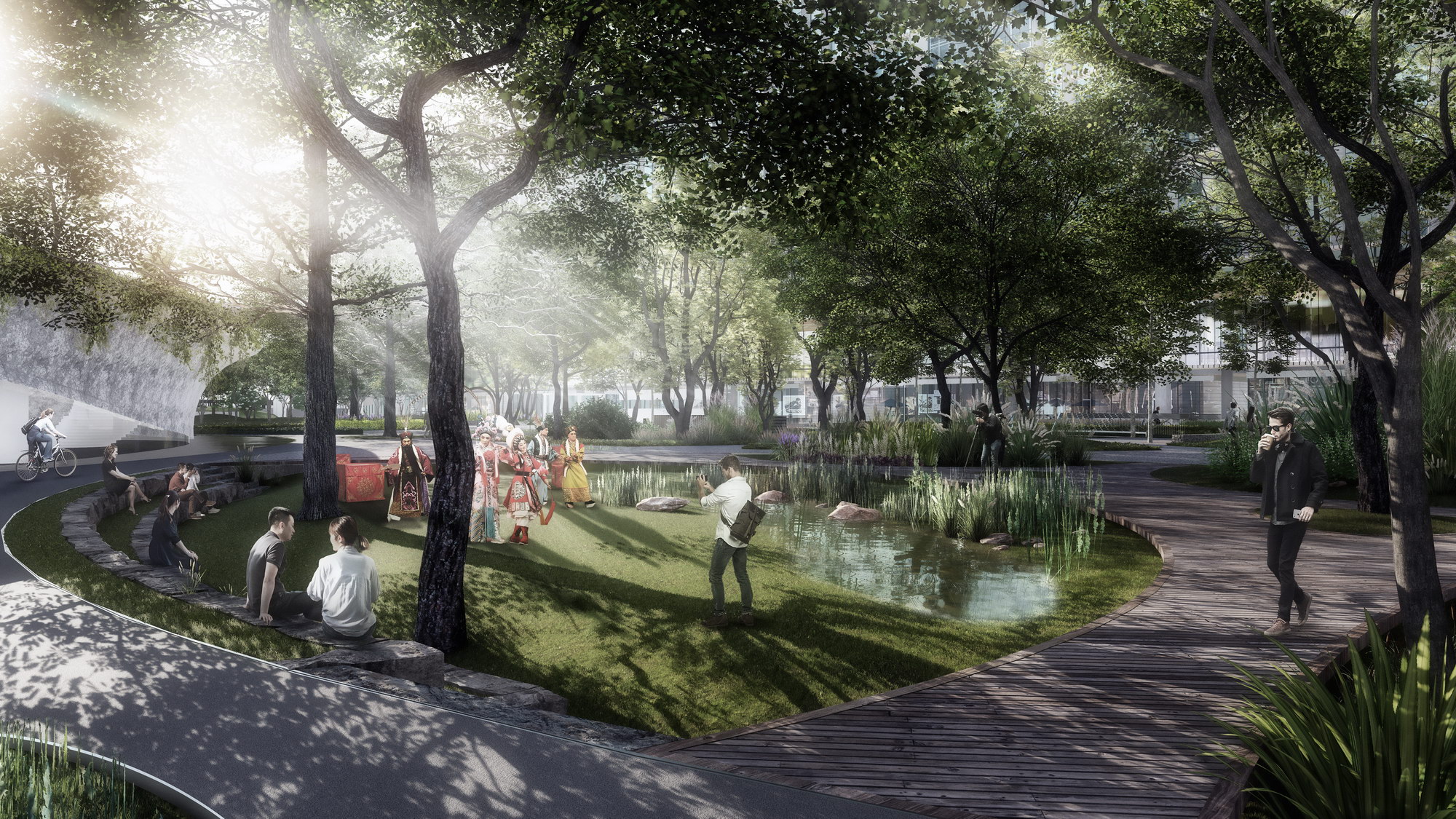
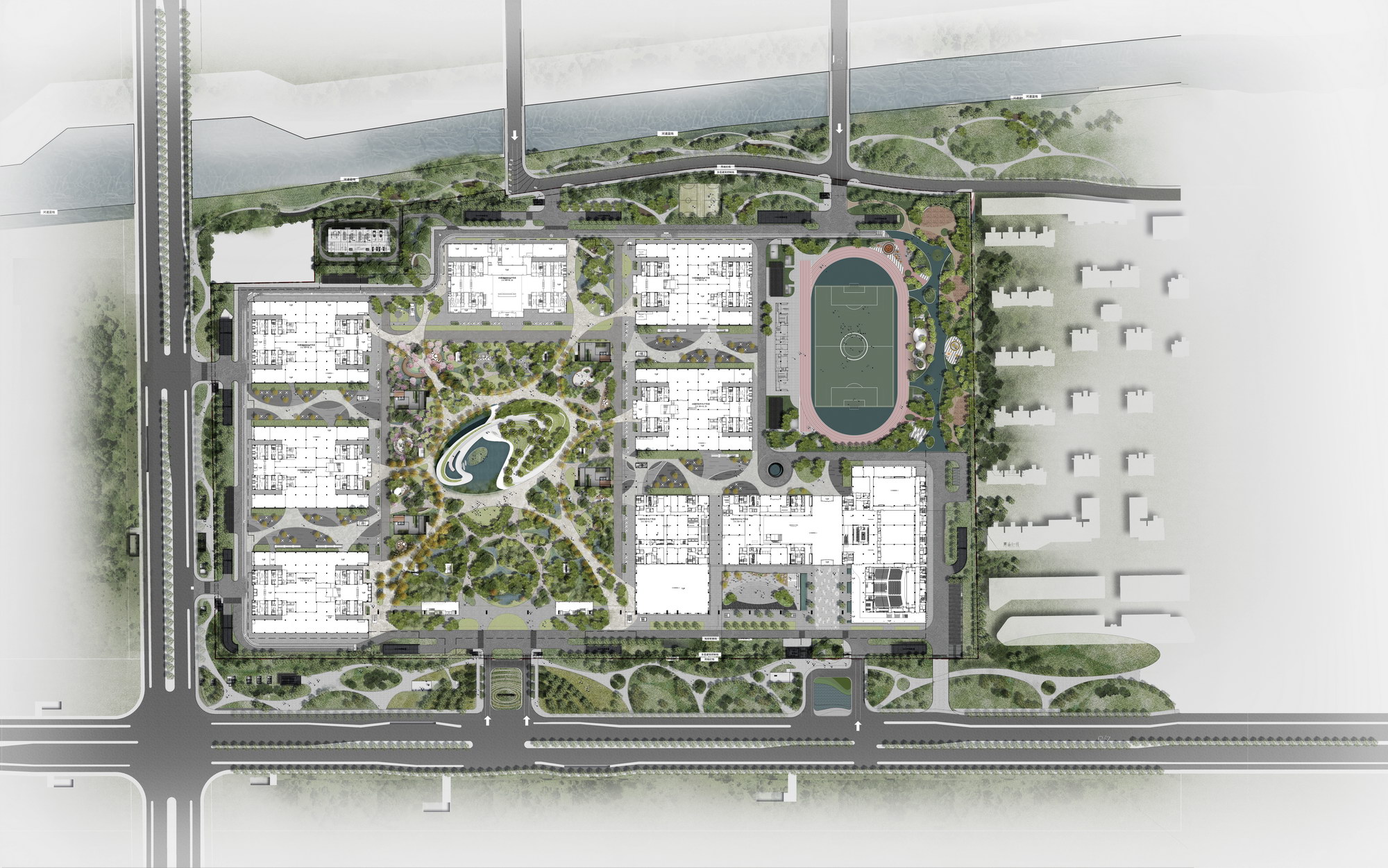
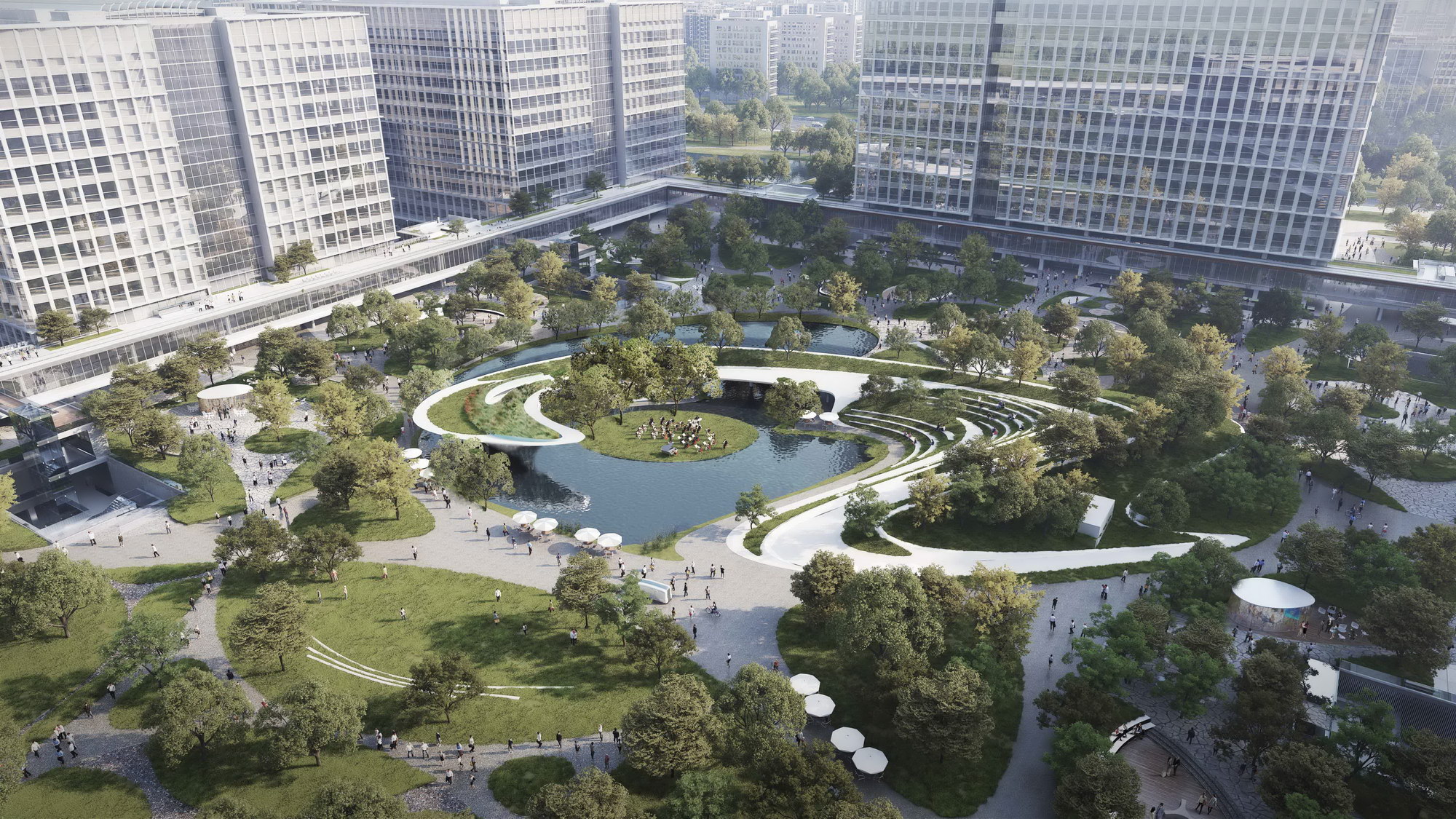
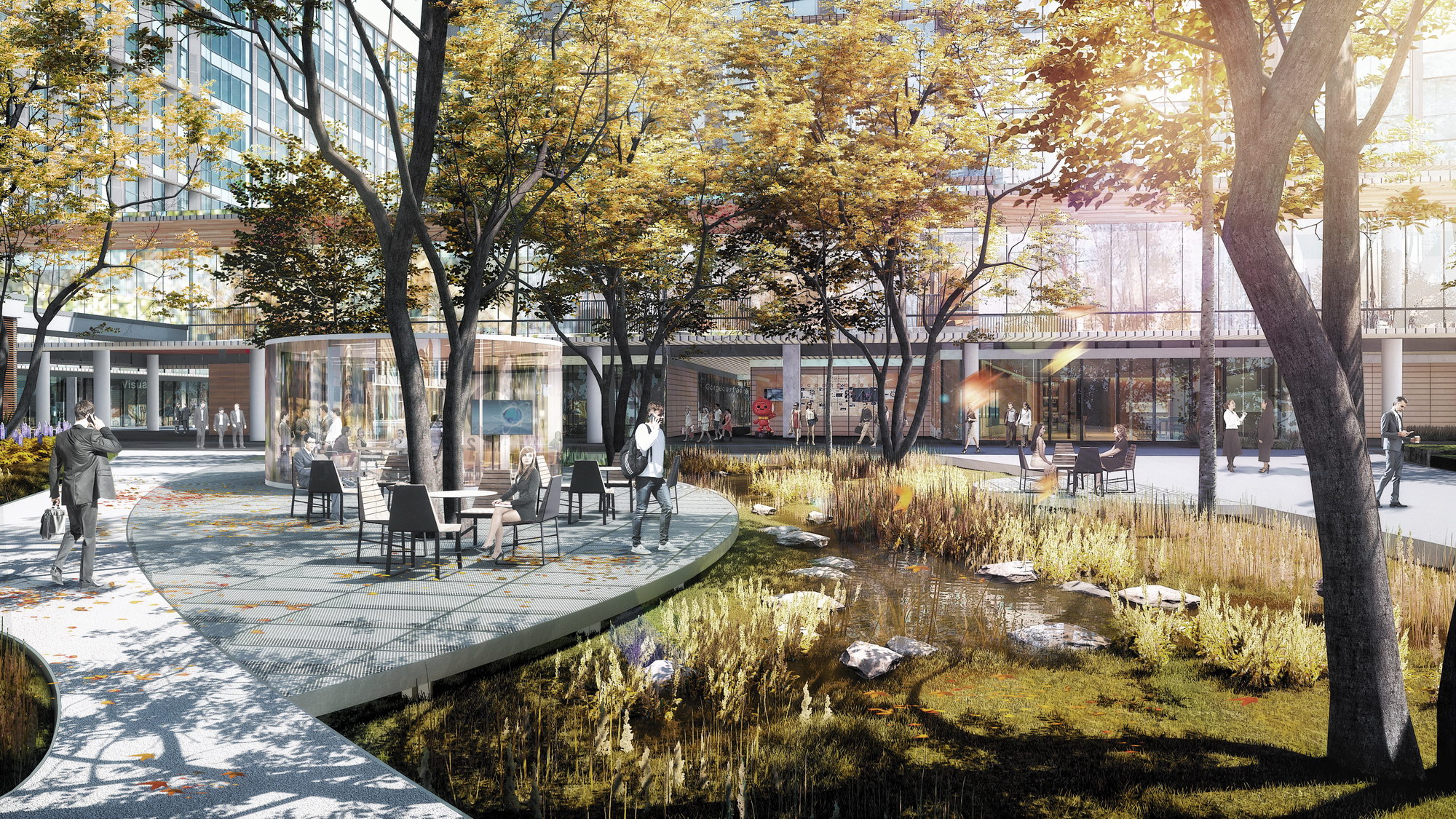
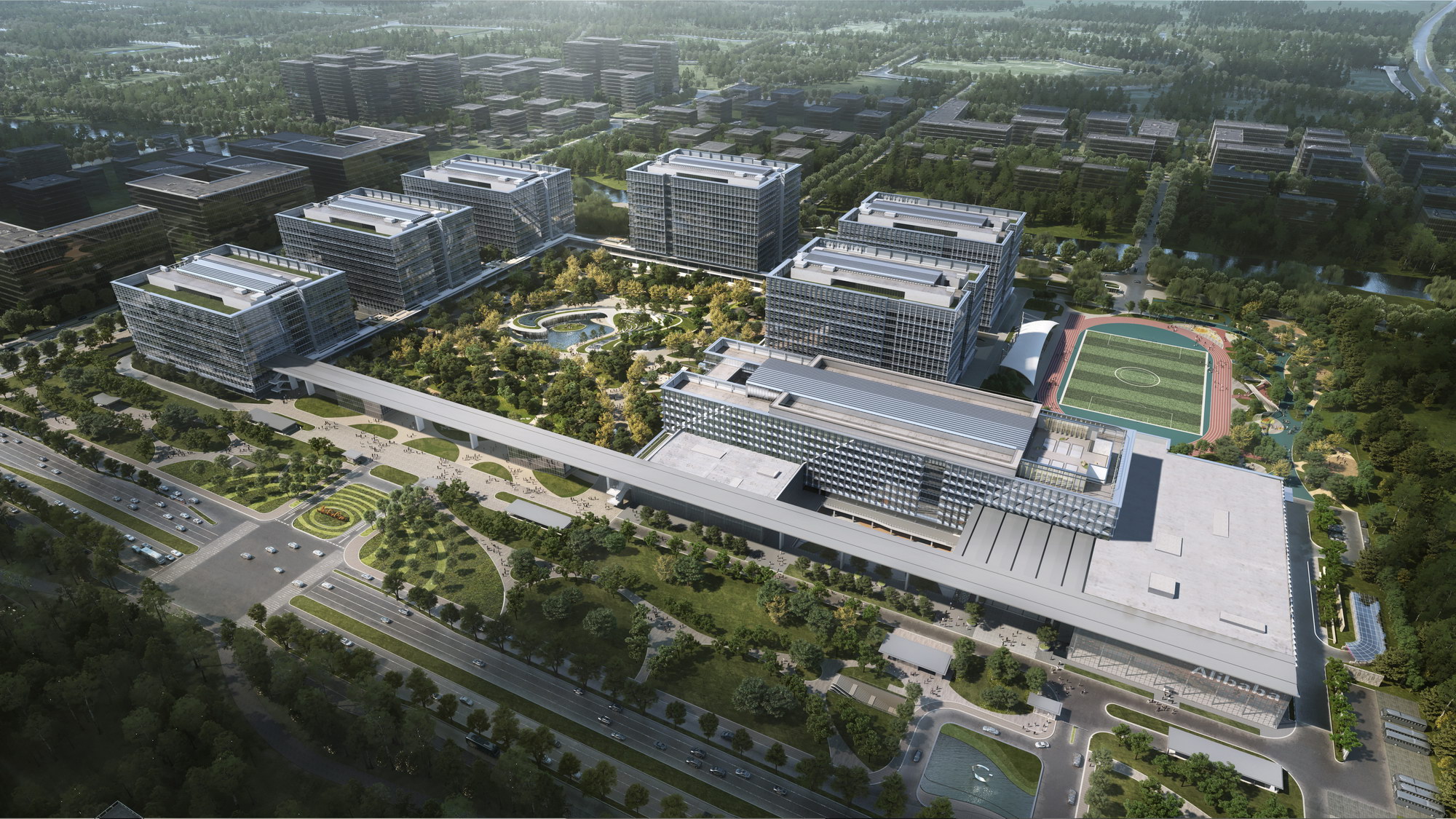
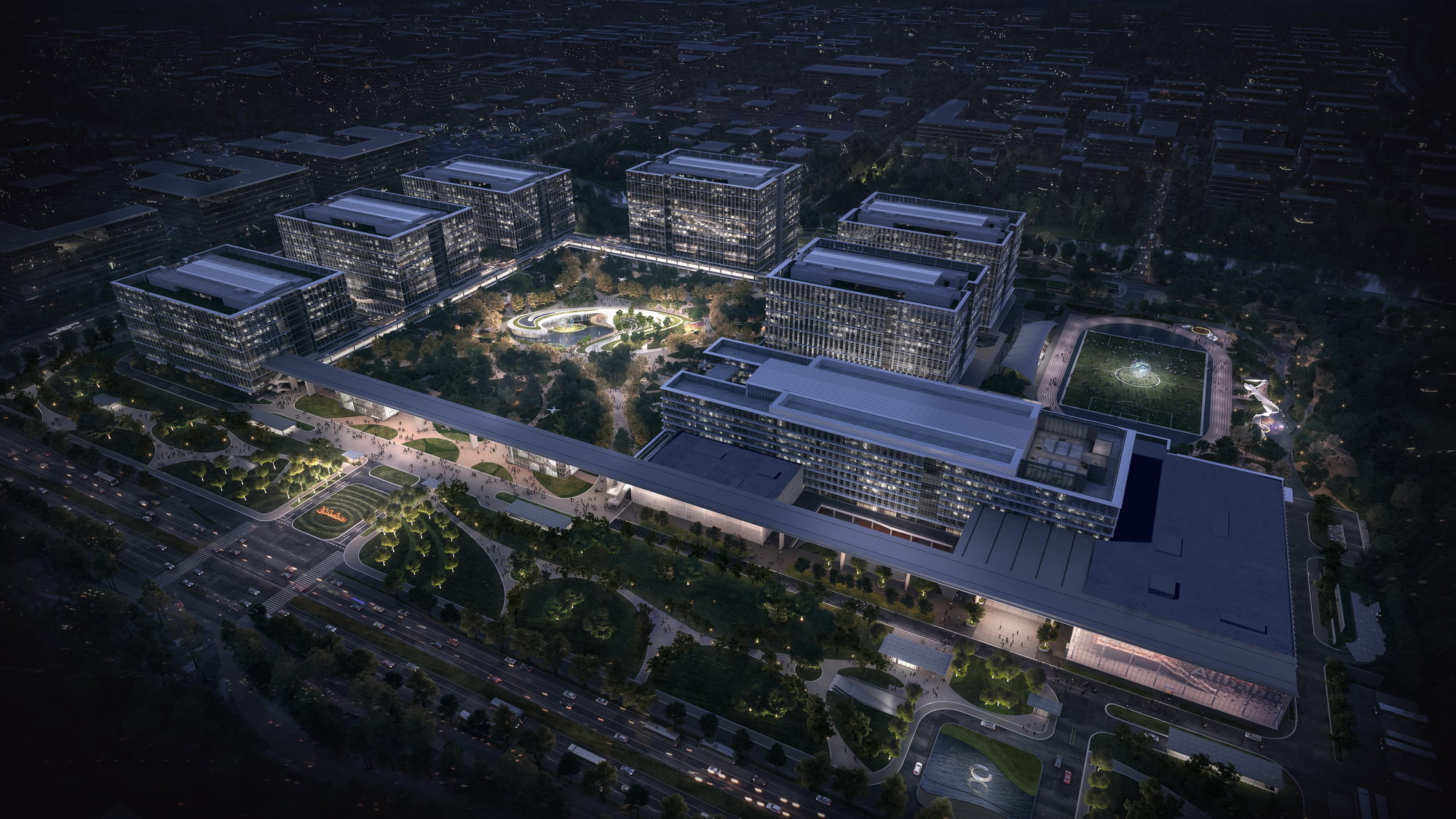
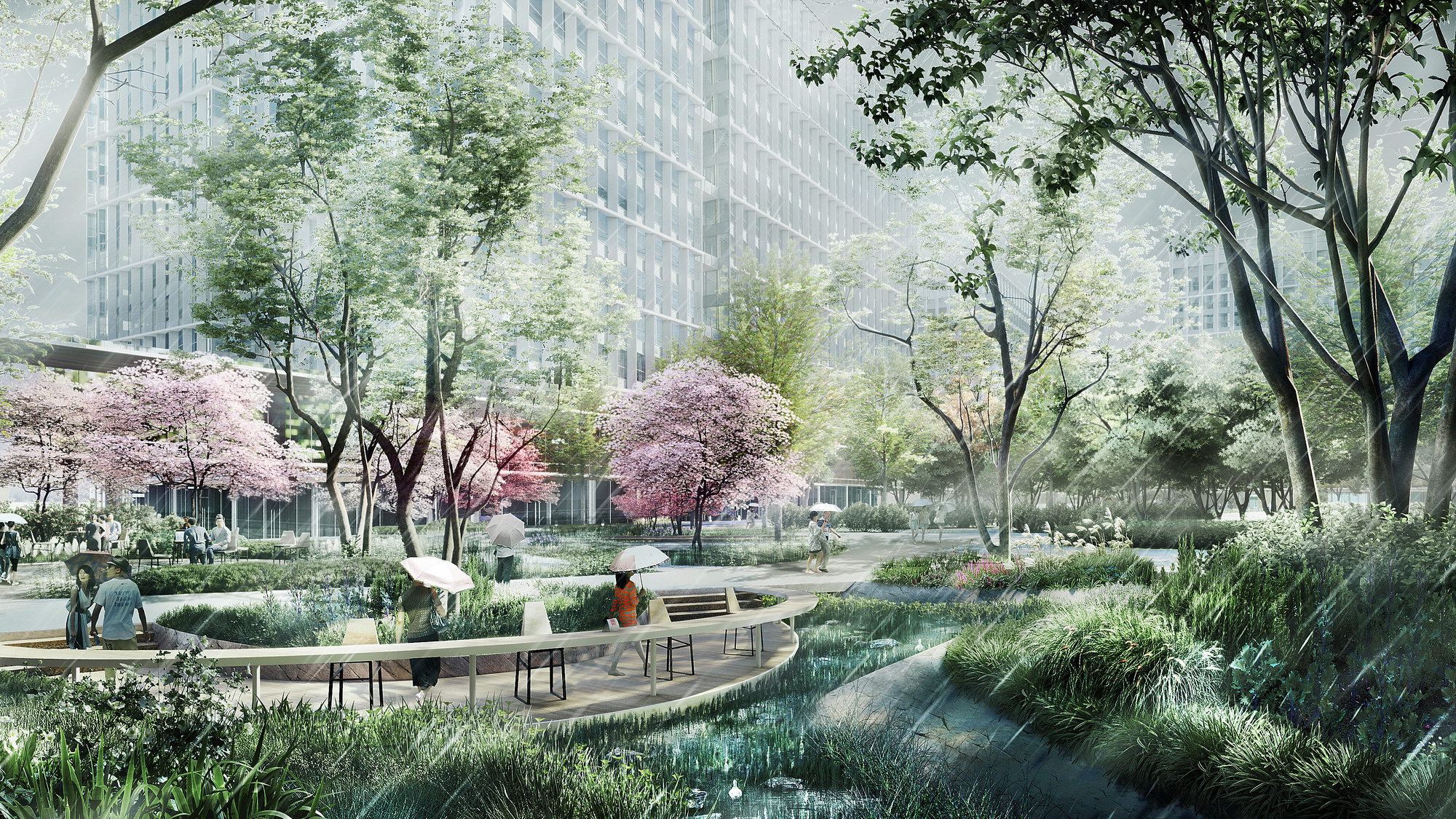
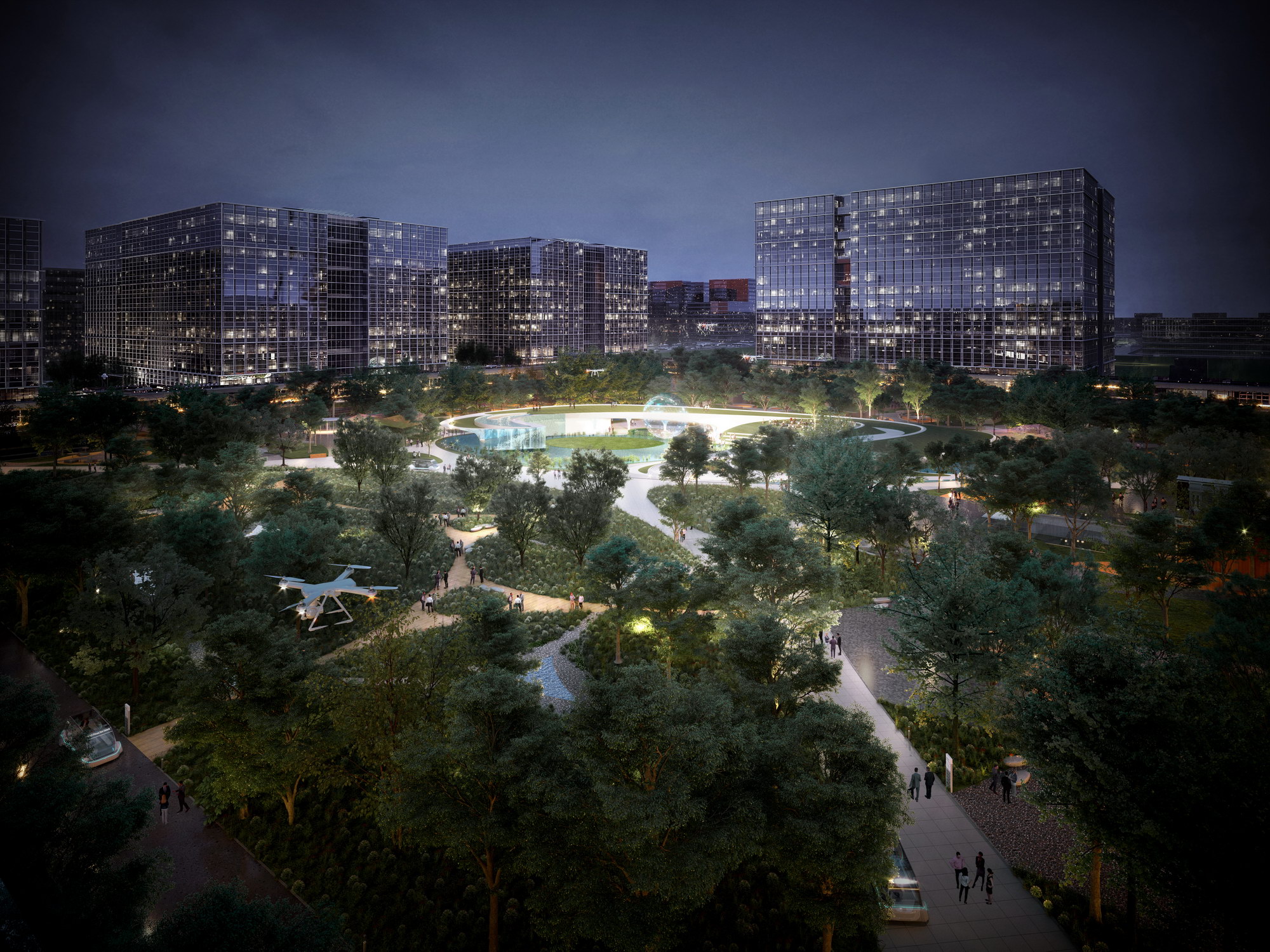
ASPECT Studios has won a hotly contested competition for Alibaba’s headquarters (Park C) campus project in Hangzhou. The design inspiration is from the Xixi Wetland, the name card of Hangzhou city. Based on the local unique ecological texture, ASPECT created a design proposal focused on an interconnected network of layered design systems. Water, biodiversity, people and culture come together in a webbed network of experience and natural beauty to create a stimulating and engaging campus environment for over 30,000 Alibaba staff. With a focus on sustainable solutions, the design at its core looks to support the objectives of China’s target of being carbon neutral by 2060. To achieve this, standard approaches to design, construction and operation needed to be reconsidered. For ASPECT Studios’ Shanghai team, this focus gave birth to the “BioHabiNet” concept. The BioHabiNet system is a project specific evidence-based design approach to achieve an interwoven network of biodiversity, protected natural habitat, sustainable water systems and a community-orientated framework of places for people to engage with each other and nature. A design for people Understanding the unique culture of Alibaba and its focus on community lead the team to envisage a people-oriented campus that defines a specific program to support a healthy active lifestyle, while at the same time generating opportunities for campus staff to engage with nature on multiple levels. These humanistic systems are defined by three principal strategies – health, social and work – each defined and embraced by nature overlaid with a site-wide system of interactive technology. The new campus landscape creates a comfortable network of spaces by drawing the natural characteristics of the area into the heart of the complex. By creating a series of outdoor spaces immersed in natural beauty, ASPECT’s design reflects Alibaba’s vision of a people-oriented place that welcomes everyone. Carbon-positive design The winning design demonstrates deep thinking about how to build and operate a substantial campus in a carbon-positive way. ASPECT’s approach was guided by the quest to reduce greenhouse gas emissions that result from producing, transporting, and installing building materials. Wherever possible, local, recycled and sustainably produced materials have been used, complemented by an virous green urban forest and extensive indigenous planting schedule. Water as a precious resource ASPECT’s design captures and sustainably manages most of the rainwater that falls across the site. With a sitewide system of rain gardens and bioswales, water will be retained and recycled to use for onsite irrigation. This system then slowly releases water into the local groundwater, essentially transforming the entire site into a giant sponge for the benefit of the wider area. Alibaba Xixi Campus-Park C project positions the campus is as an interactive, immersive and iconic tech campus that supports Alibaba’s cutting-edge work. ASPECT’s winning proposal is under construction. ASPECT BioHabiNet concept: Biodiversity – Habitat – Network Network: connect people, place and nature, interweaving a network of places for the community to connect, social, health and work and natural connective programmes Biological: biodiversity, biophilic, biology, ecological, bioretention, indigenous species Habitat: wilding, people, human comfort levels, passive cooling





 Editor's Pick
 Latest Design