Text description provided by the architects
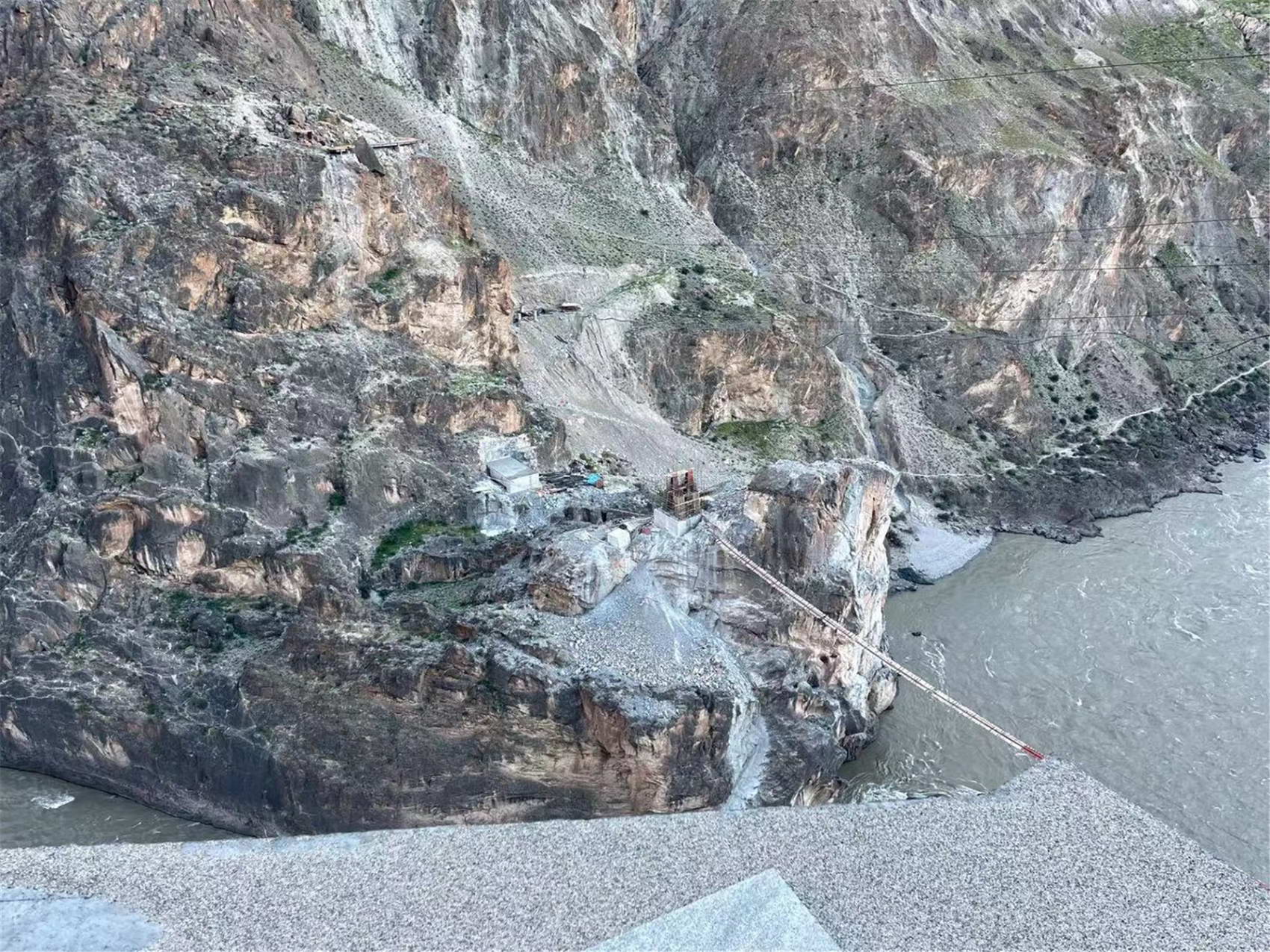
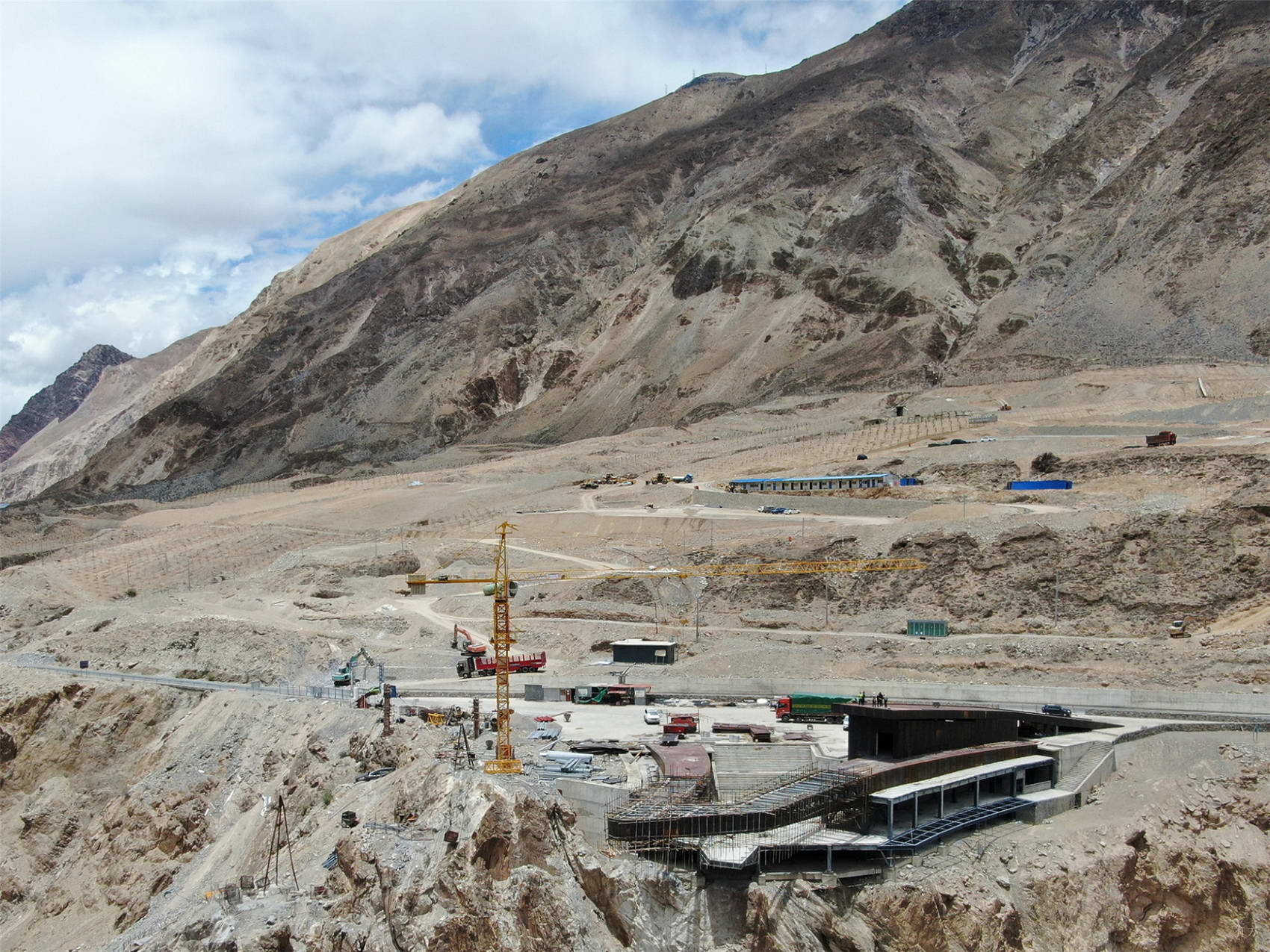
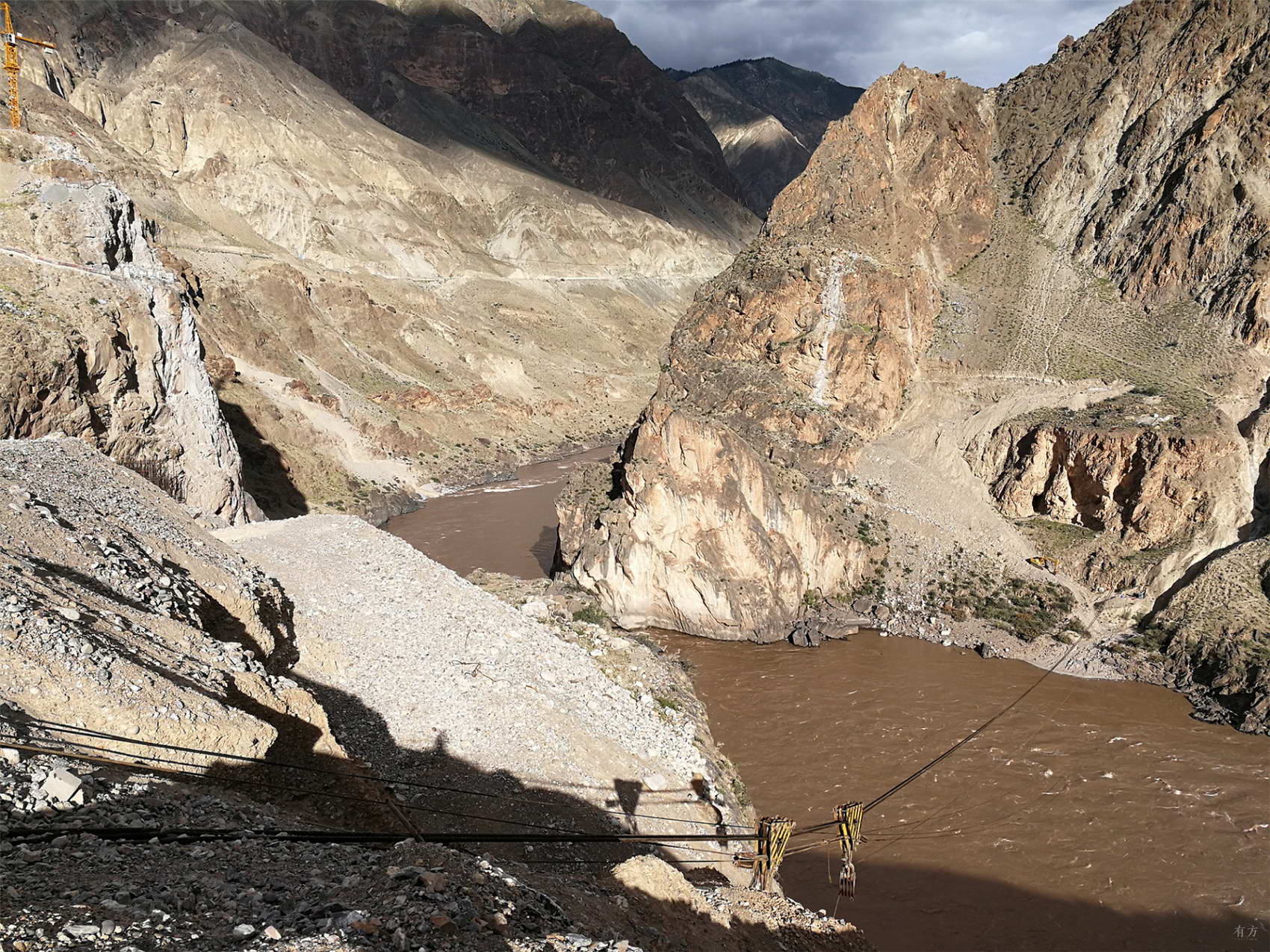
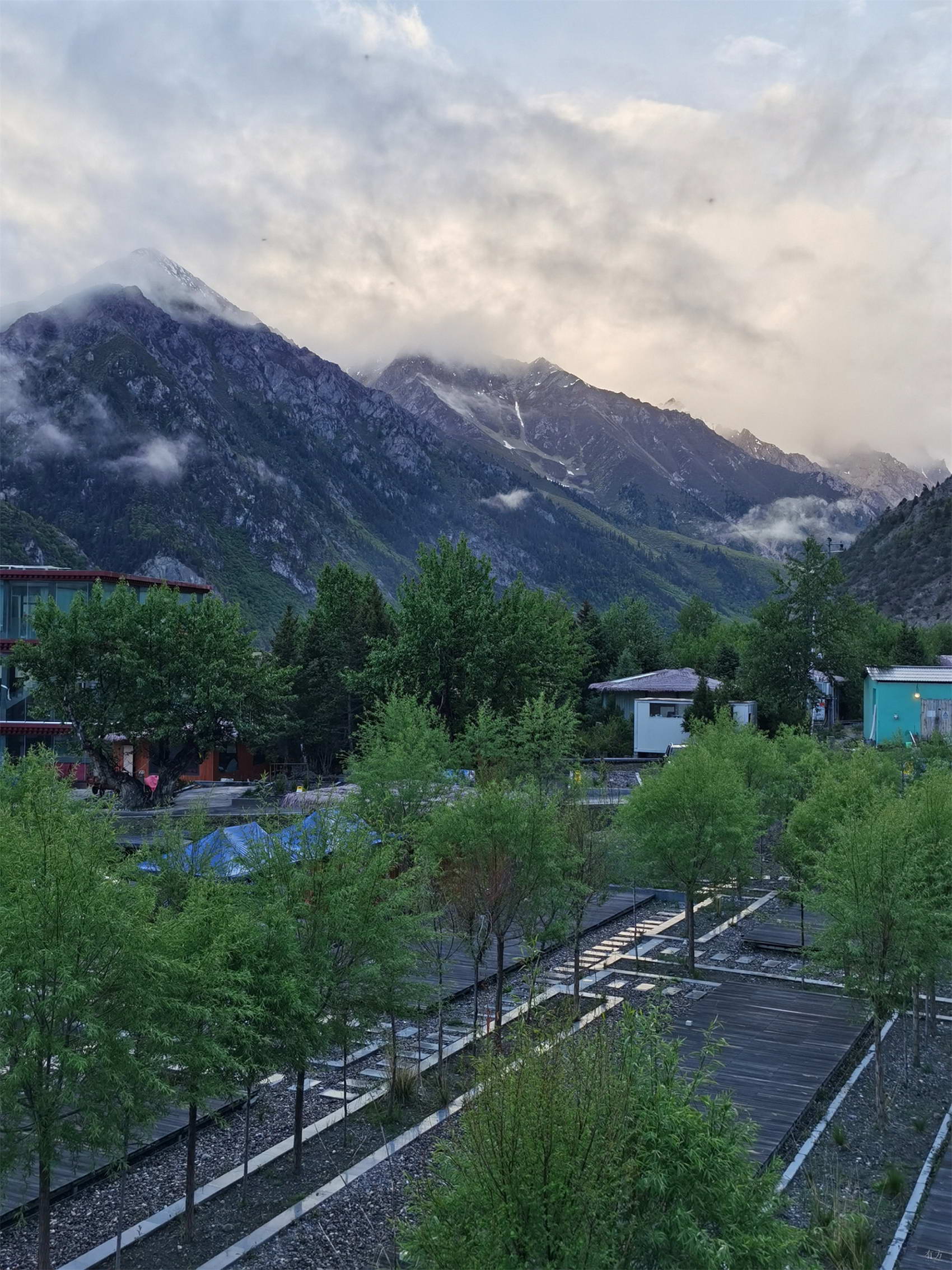
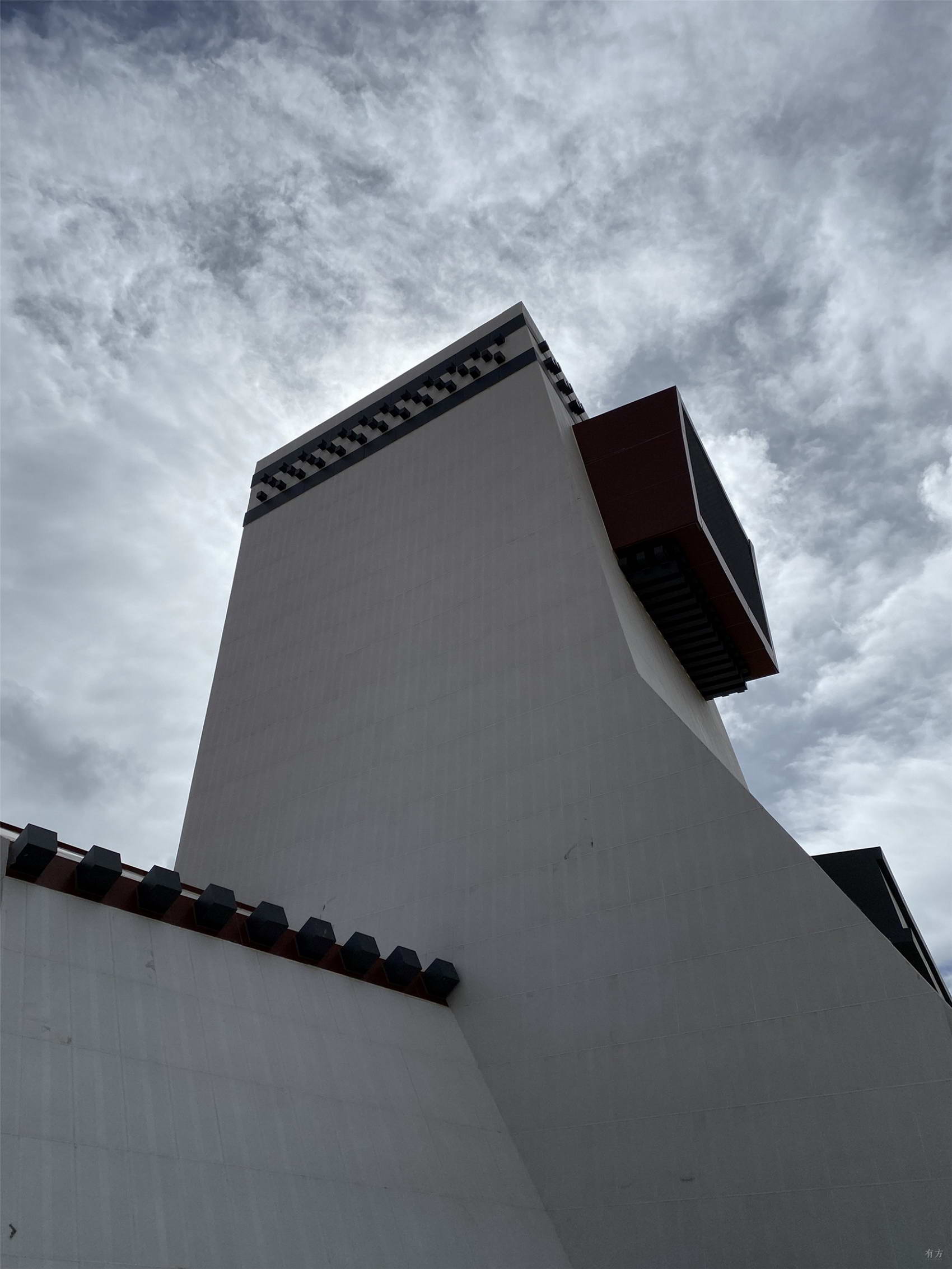
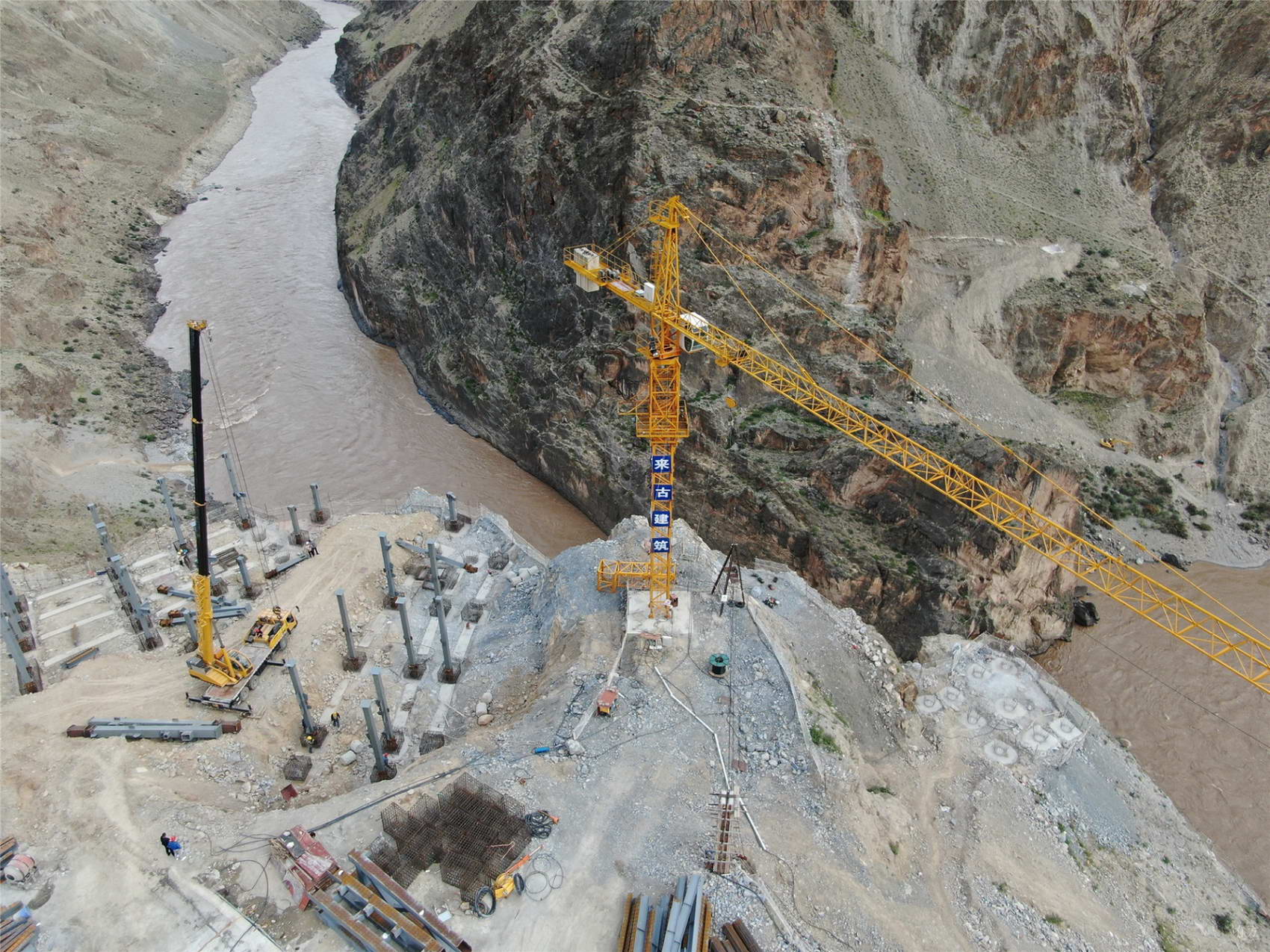
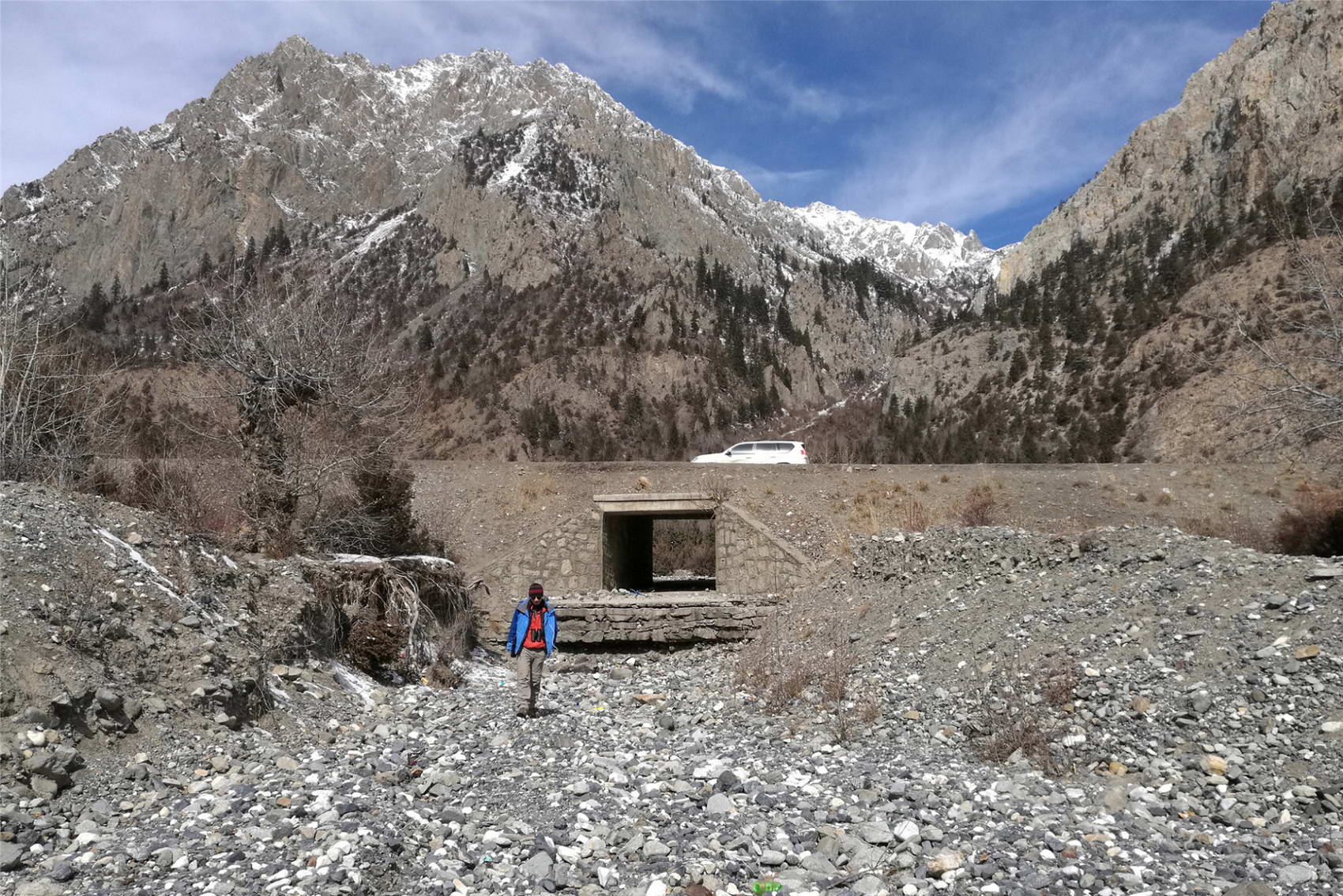
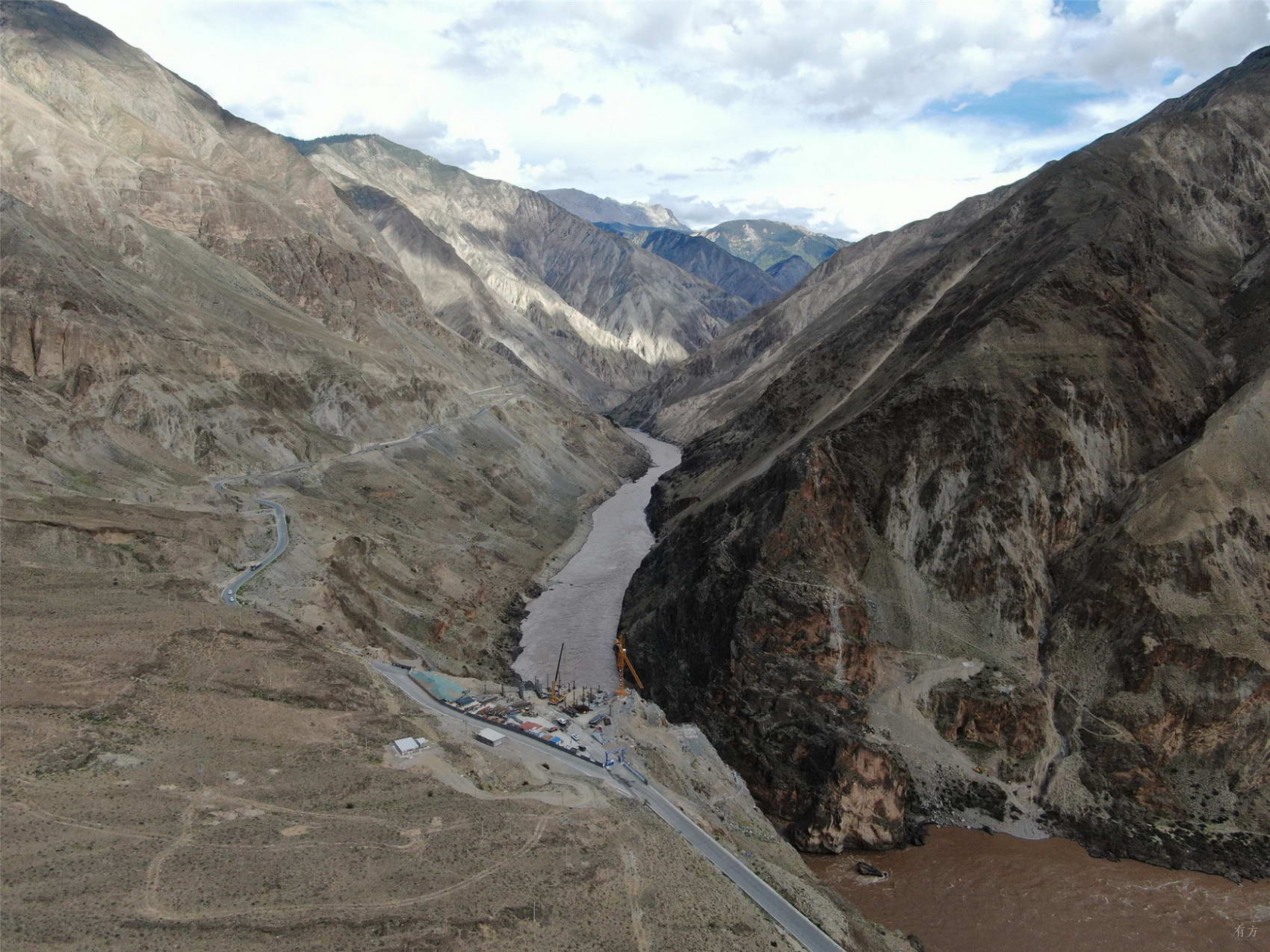
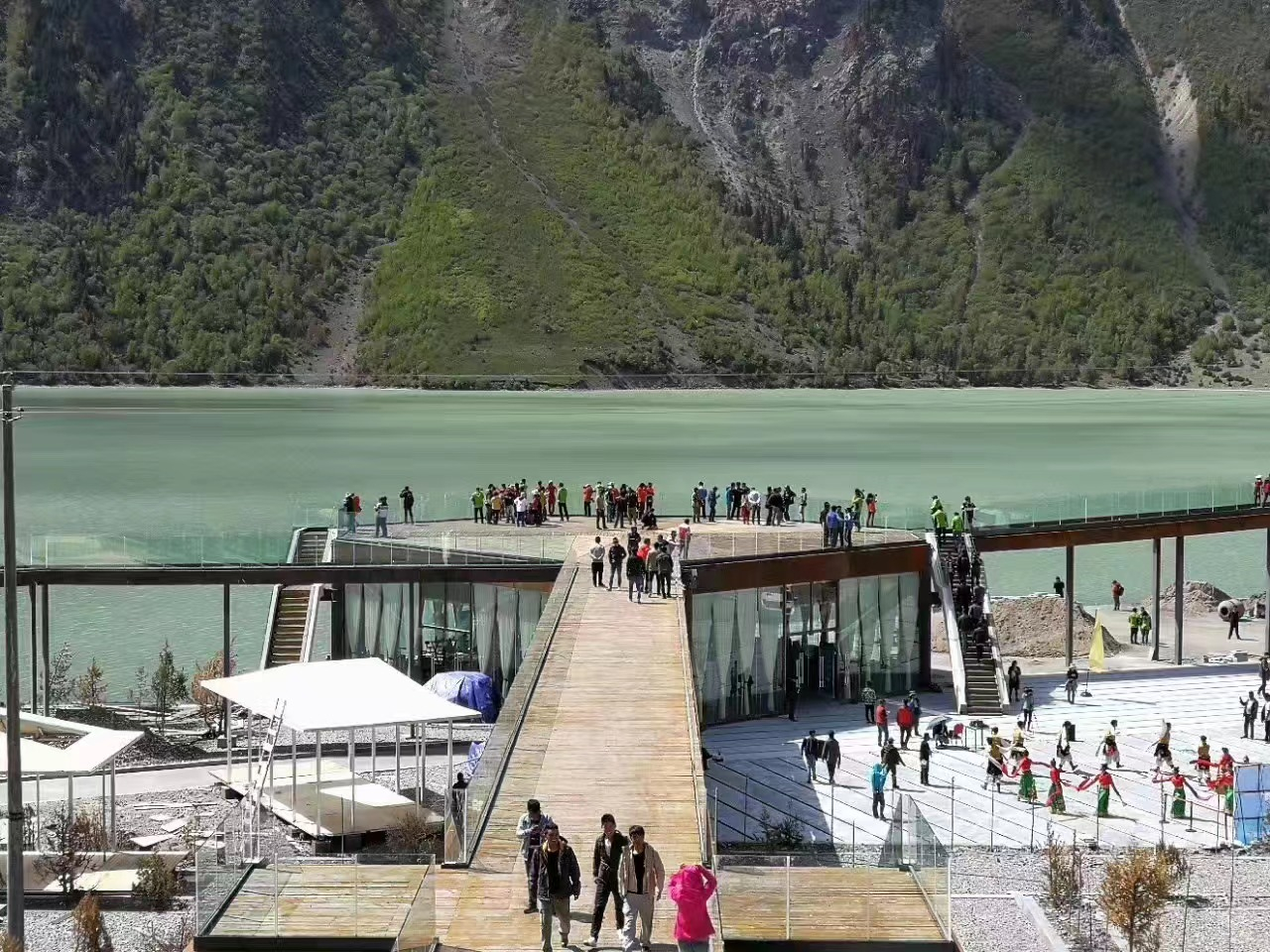
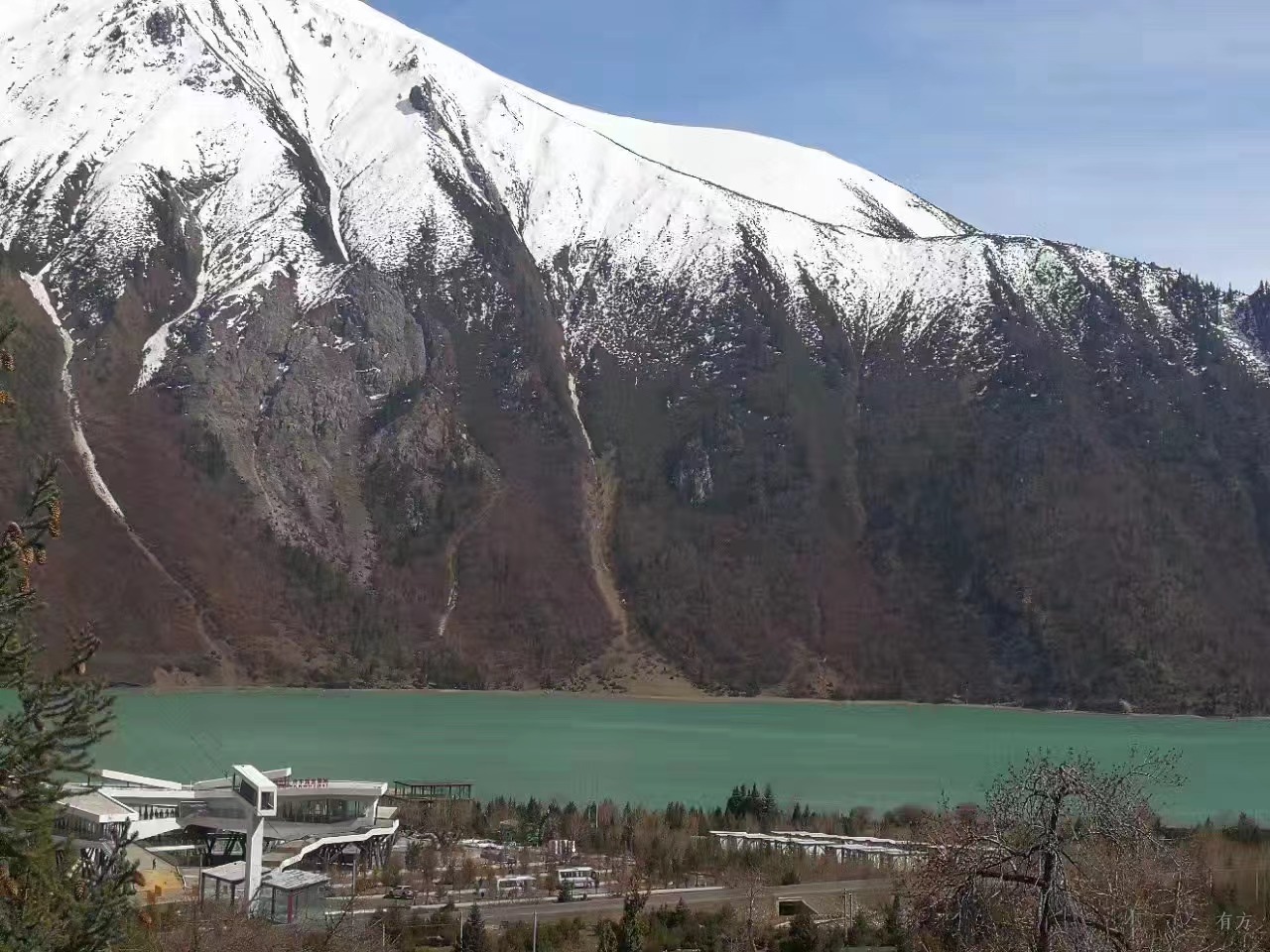
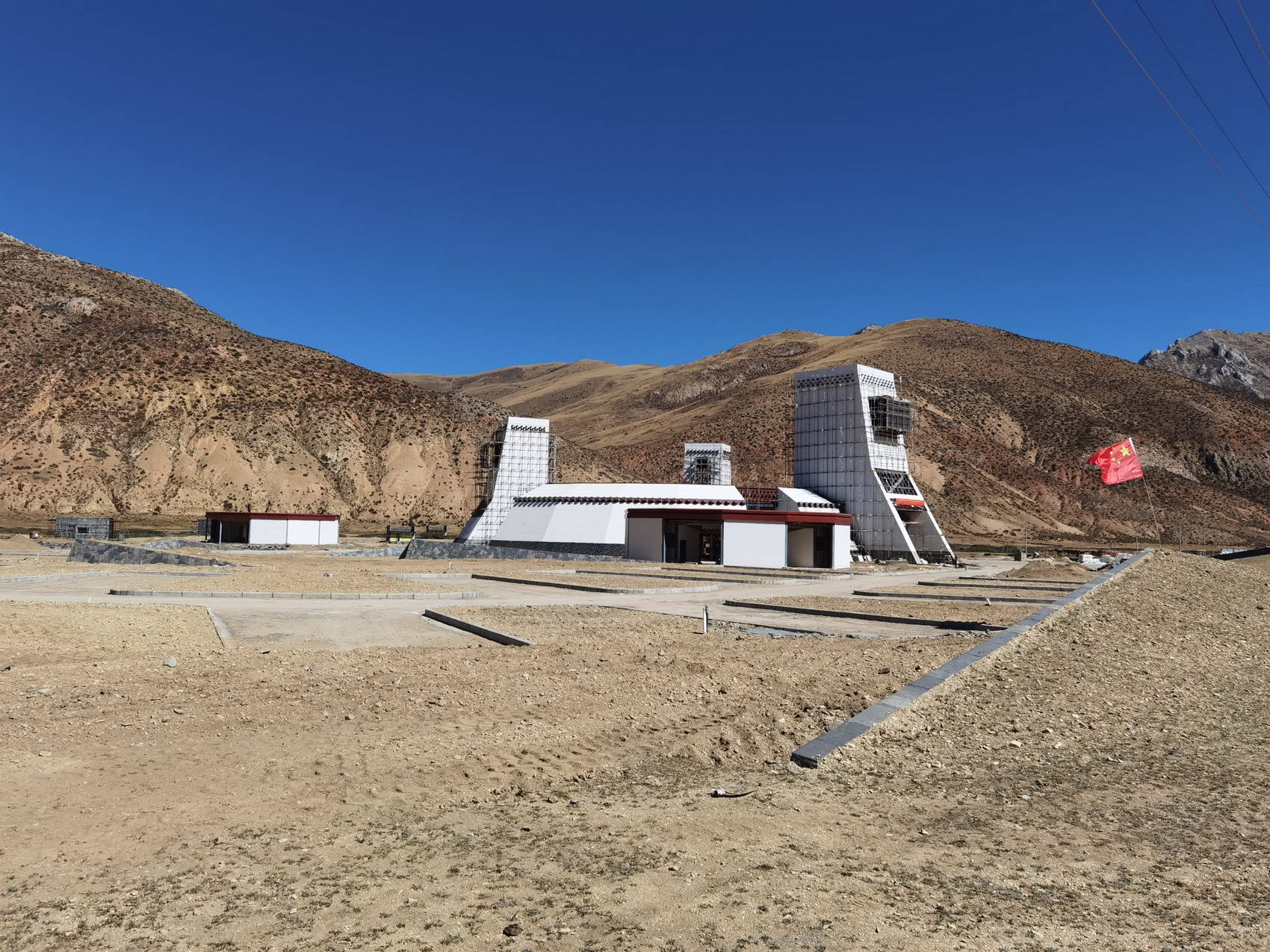
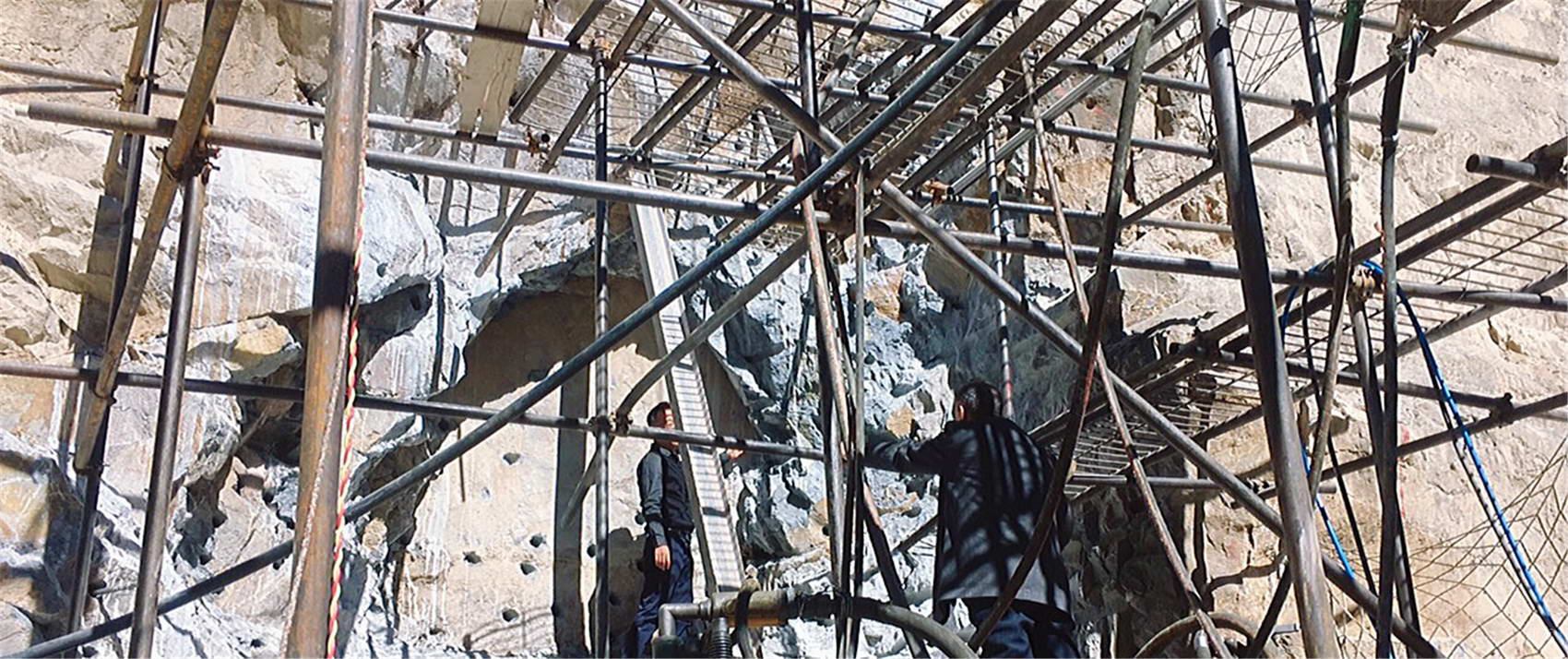
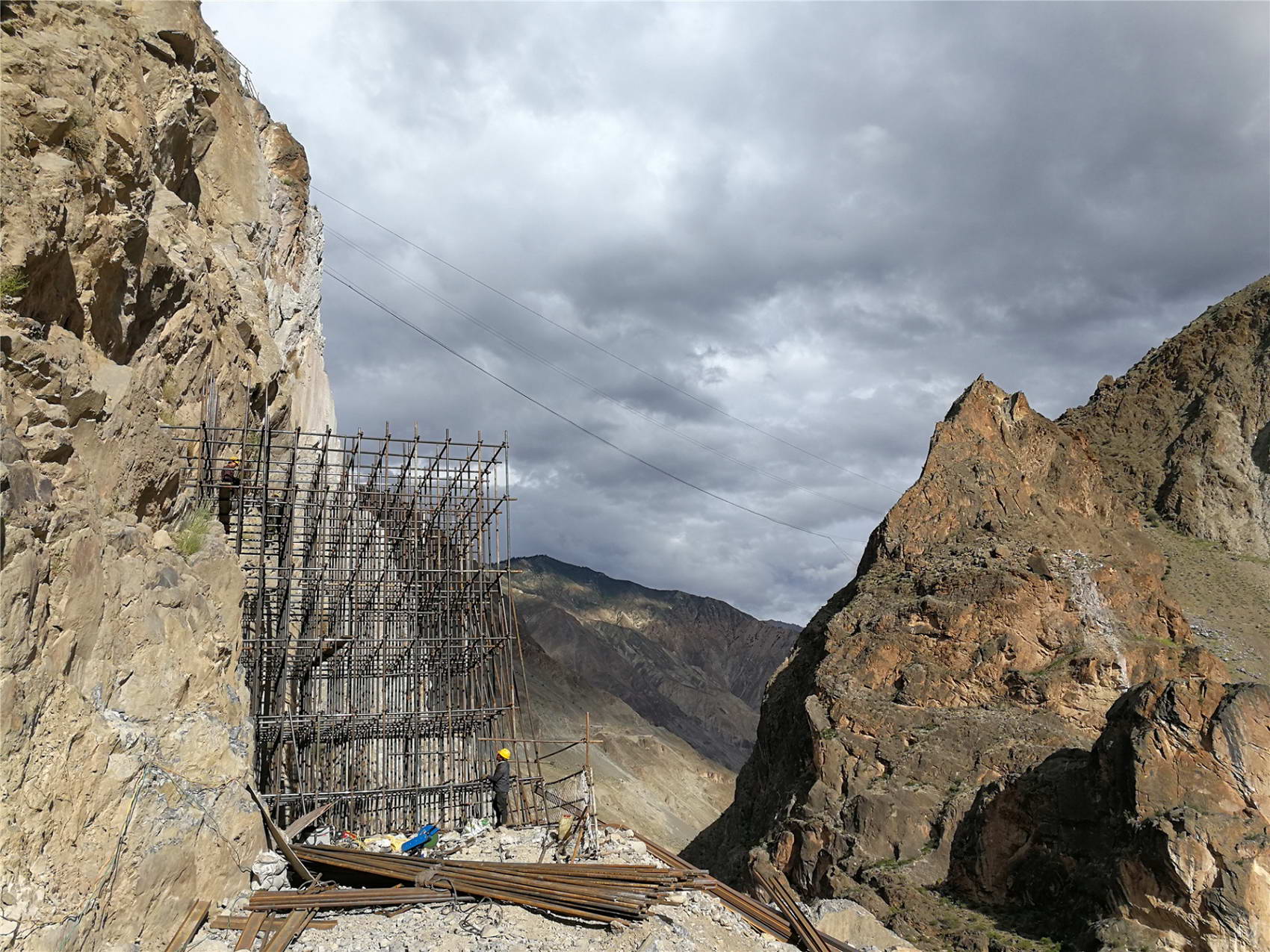
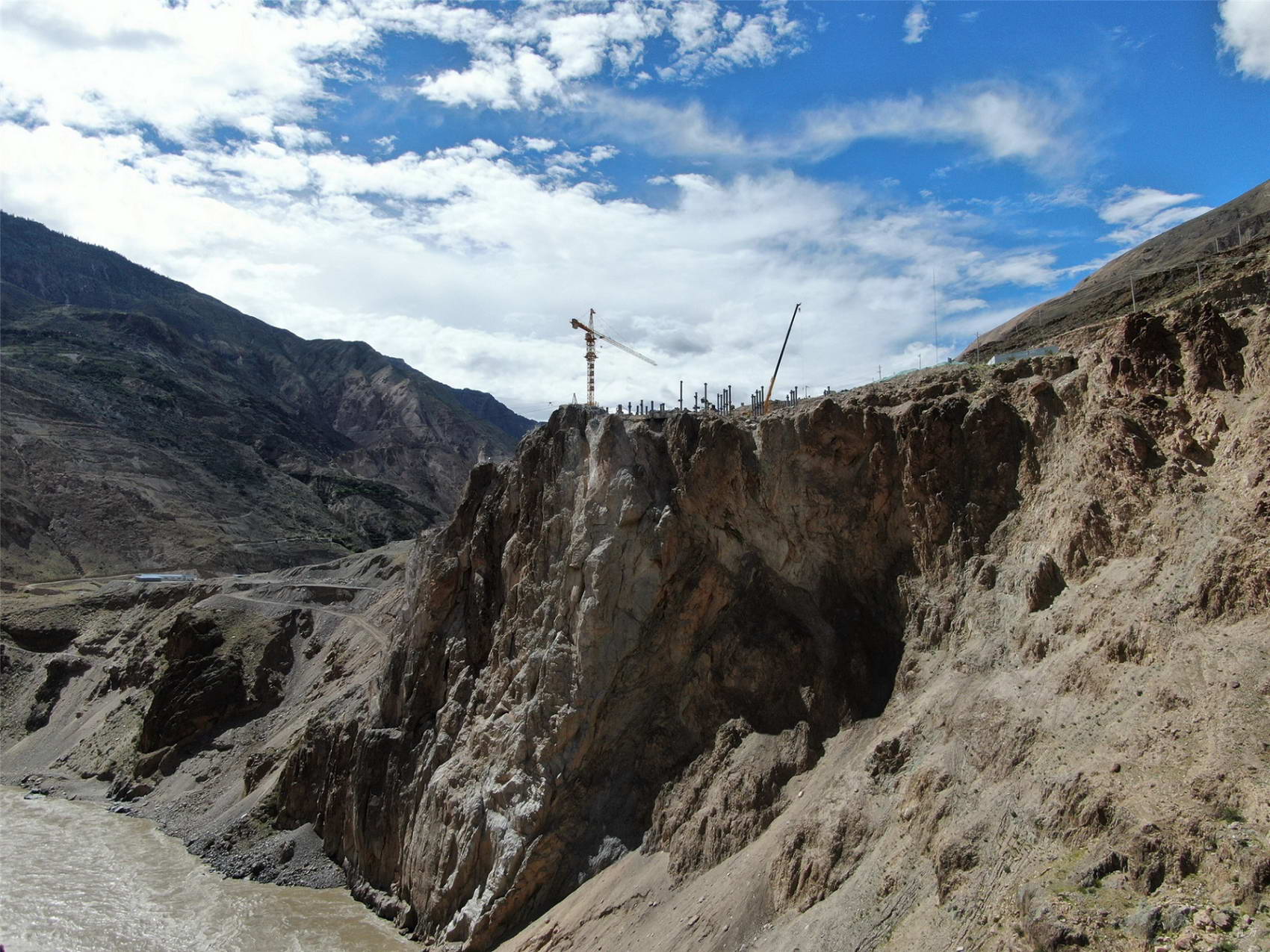
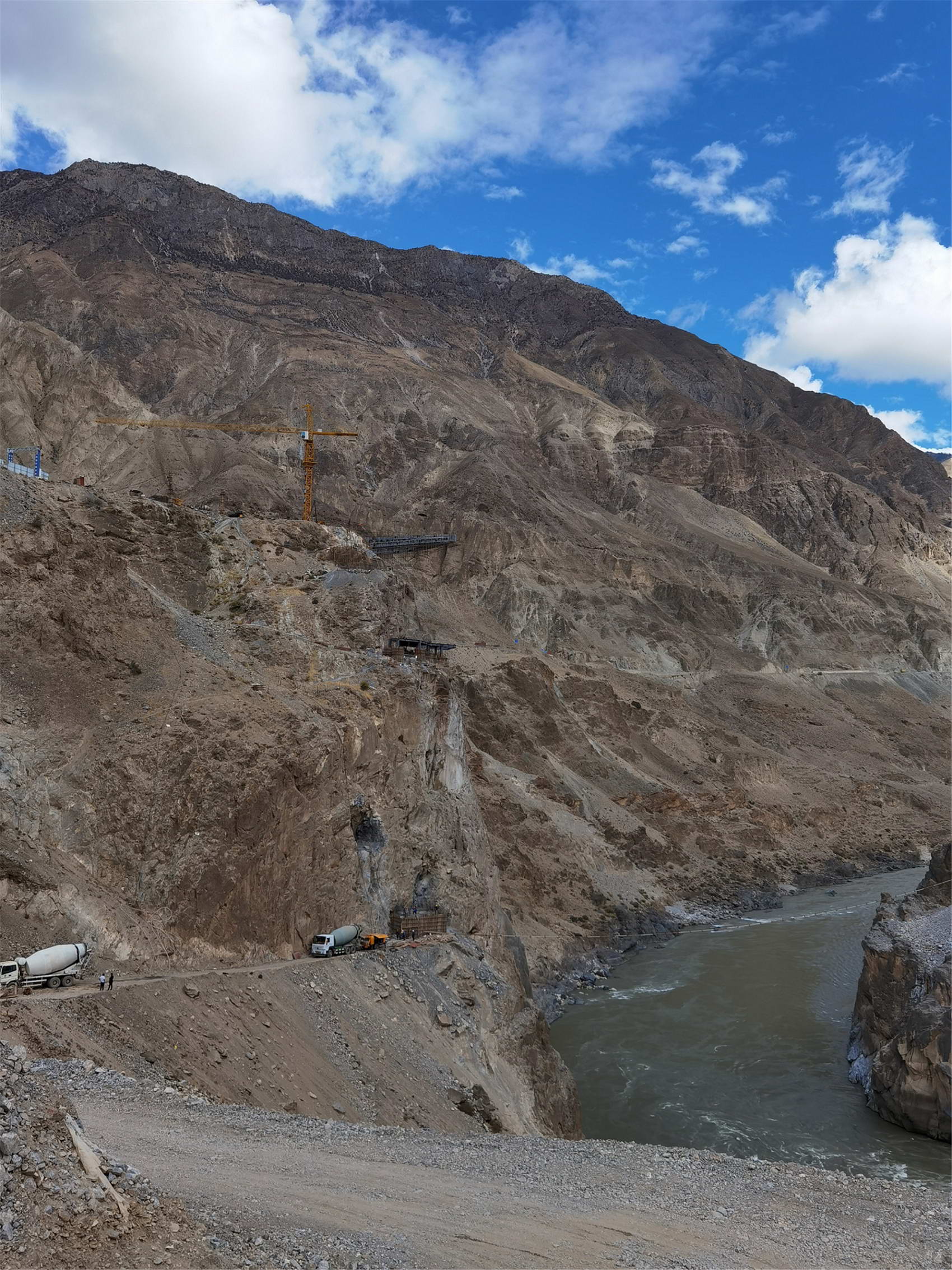
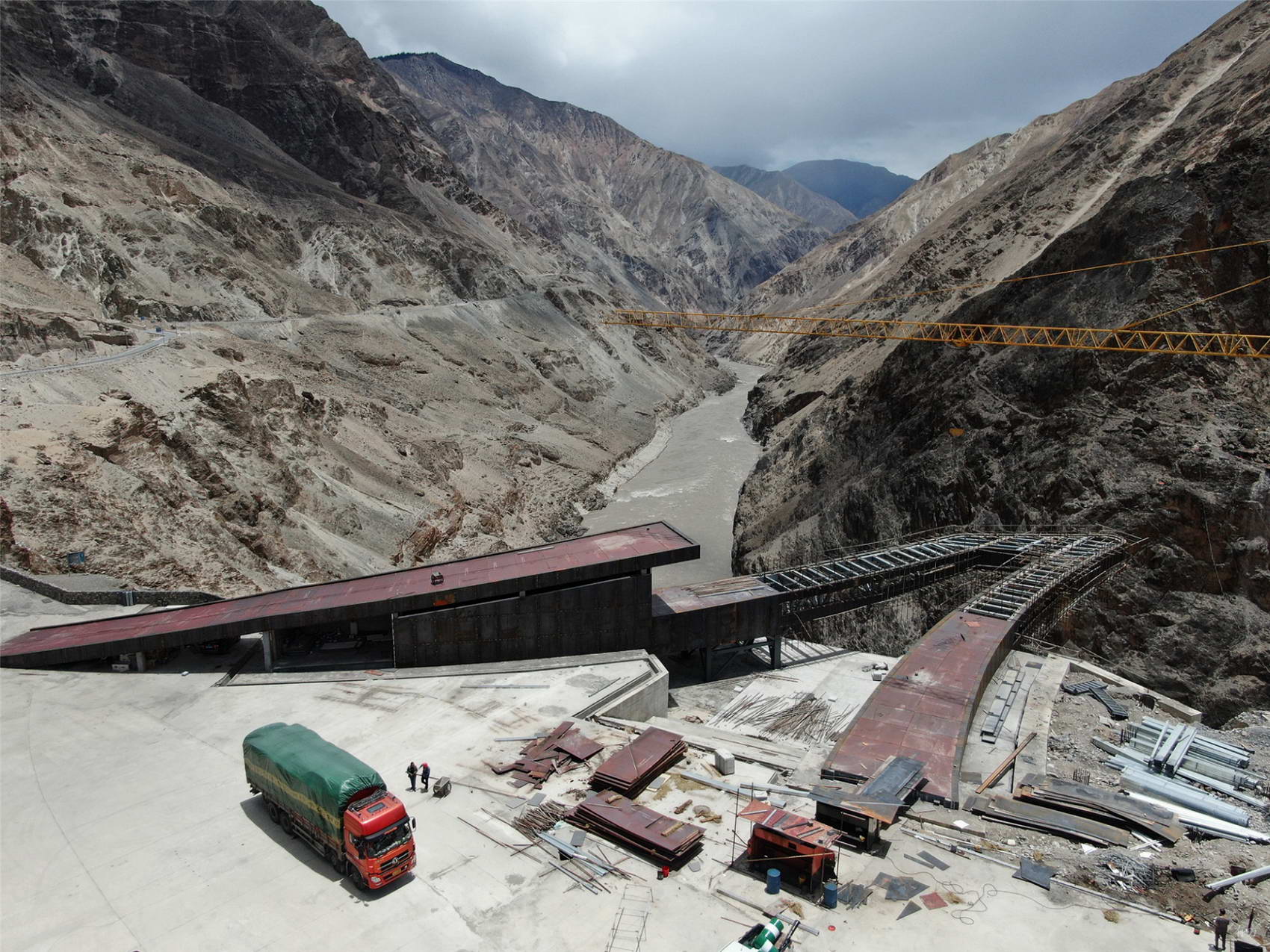
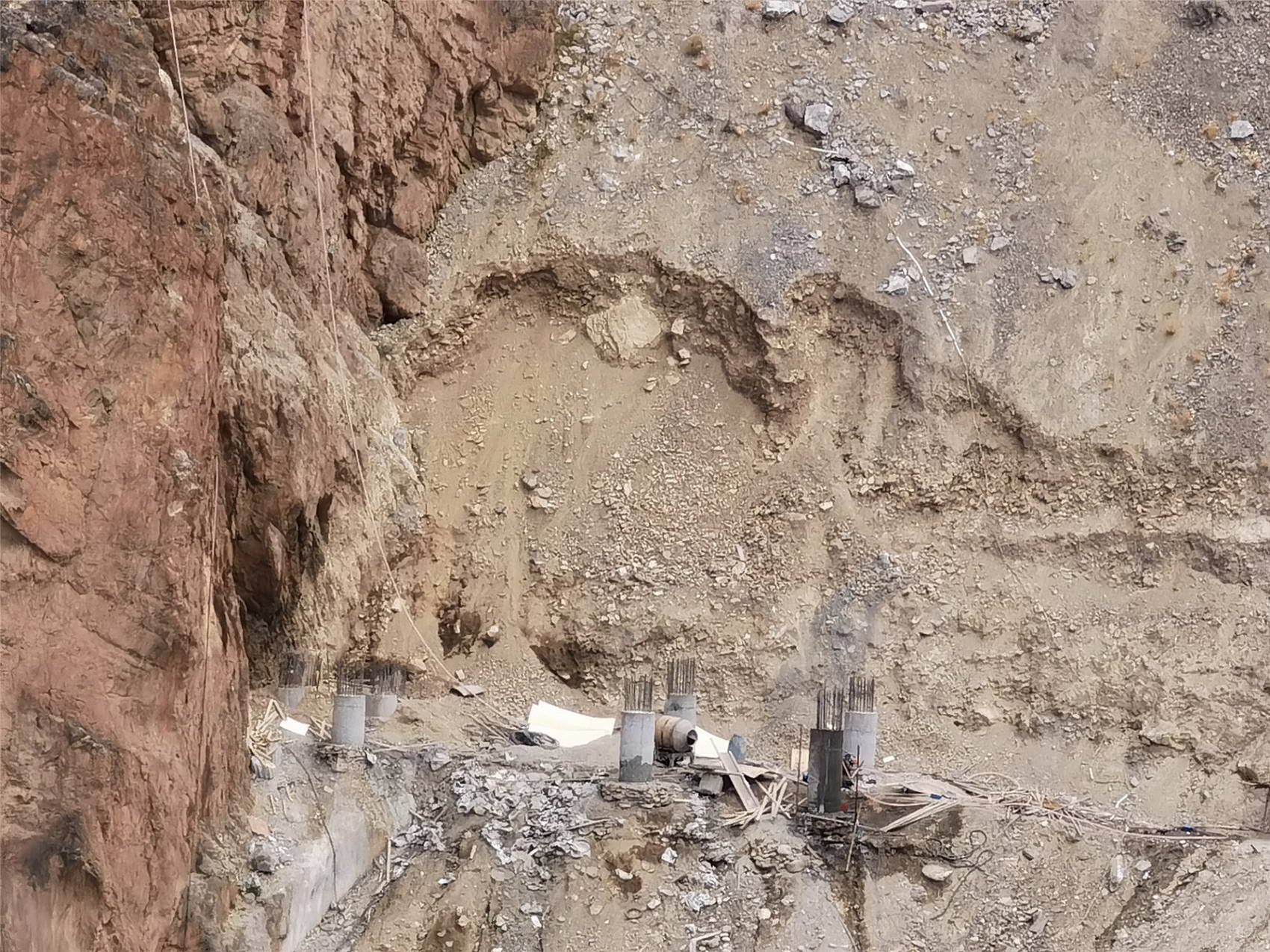
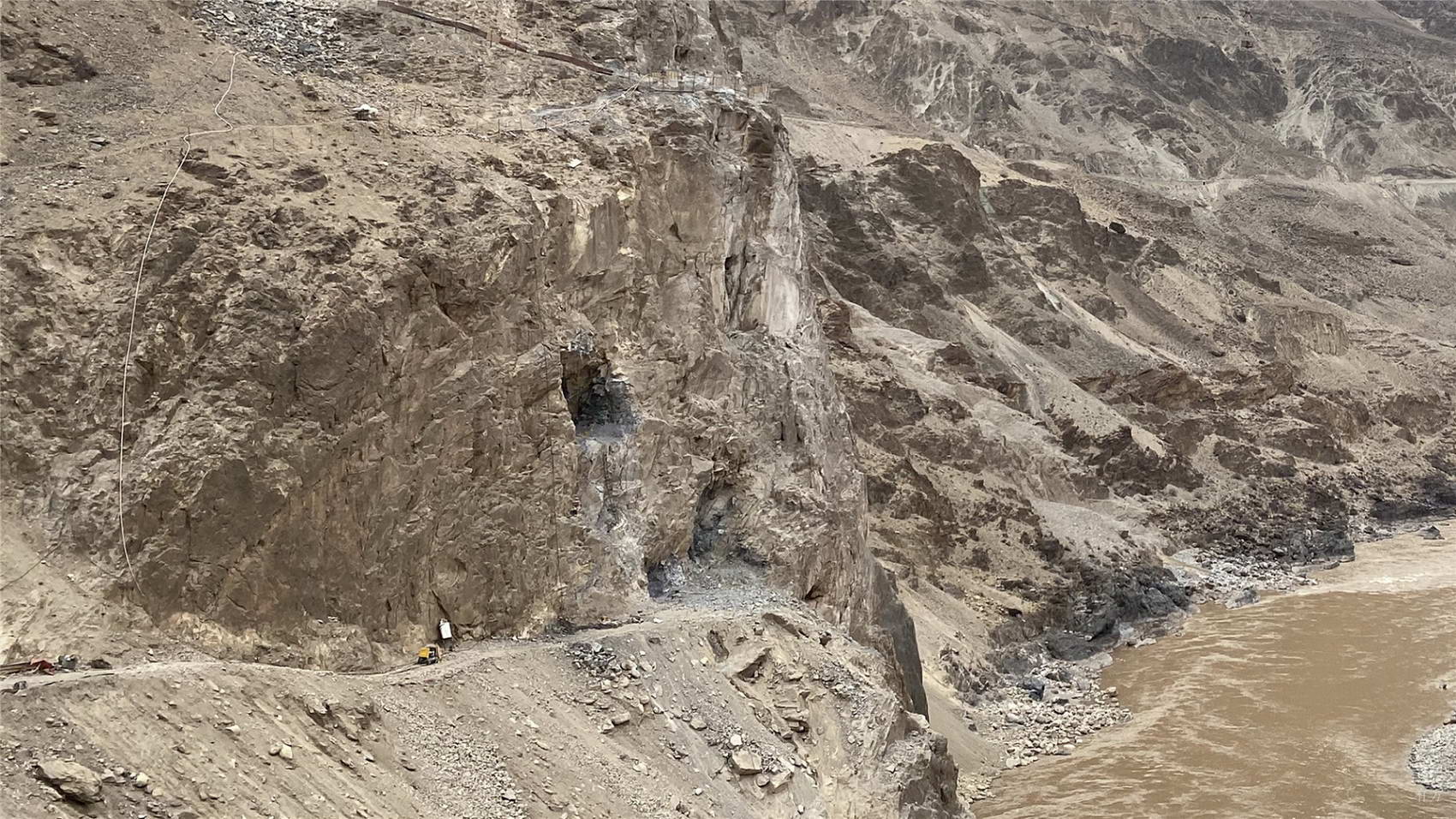
“Man himself is mute, and it is the image that speaks. For it is obvious that the image alone can keep pace with nature. ” - Boris Pasternak Another year is coming to an end. This year, we are still in the grip of the COVID-19 pandemic. The sudden pause button to our lives forced us to think more about relationships both on human & human or human & architecture. “Is building only a cold concrete box? Is building just a shelter for humans? “, questions like these appear in our brain spontaneously. Bunch of thoughts collide and integrate, eventually we reach a consensus. Perhaps, architecture is not only a "tree" that grows out of the land, but also the residence of human consciousness. ARCHERMIT was founded in Chengdu, China. As the pioneer and practitioner of Imagist theory of architecture, we pursue to inter-grow with nature, aim to create poetic venue based on motion and vitality and build a new generation multidimensional experience space. 1. What are the technical difficulties encountered in projects at frigid and high-altitude areas during the construction period? ① Ranwu Lake International Self-drive Tour and Recreational Vehicle Campsite has the largest temperature difference among our projects in Tibet. The temperature difference between season and day is huge, and in extreme cases, the temperature difference between day and night is over 40centigrade degrees. This brings many restrictions to the choice of construction materials and equipment. ② In addition to temperature differences, extreme weather also affects the normal construction schedule. Most parts of Tibet have more than five months of snow and ice in a year. Sudden rain, snow, high temperatures, strong winds and other bad weather in summer limit the time and period of normal construction in a year. The Bangda grassland, where our tourism transportation center is located, begins to snow at the end of October every year, and the snow and ice cannot thaw until around May of the following year. ③ Due to the complex terrain in Tibet, most of the roads are rugged and curved, tunnel culverts are densely covered, and road damage caused by mudslides and landslides occurs from time to time, which has a great impact on the transportation of construction materials and equipment. Building materials over 13 meters can hardly be transported to the site, large construction equipment such as cranes and pile drivers cannot be transported, road damage and bad weather will also lead to uncontrollable transportation time. ④ Ranwu Lake is over 3,900 meters above sea level. High altitude is a great challenge to the physical fitness of construction personnel. In 2016, the first wave of workers withdrew from the site in less than half a month after the project started. Many workers from plain areas can't adapt to the high-altitude climate, which limits the choice of construction workers. In addition, the high altitude also makes great challenges to some construction techniques, such as electric welding, concrete pouring, metal plate installation, etc. How did you solve these difficulties? Could there be some ingenious original technical research involved? In fact, there’s no research we could say it’s original, most of the construction methods are normal and daily used, or used by predecessors but gradually forgotten by the masses, we just choose the appropriate method to solve the problems. As for the originality of construction, we believe that it could only be achieved by the development of revolutionary new materials. Considering the great temperature difference in high latitude area, we avoid using plate materials with high deformation coefficient. These materials are easily influenced by temperature changes, leading to aging, deformation and even fall off. In order to avoid hidden danger, we mainly choose stone, wood, cement products, local materials and some metal materials with low deformation coefficient. Besides materials, we use adhesive construction technology as much as possible, and as little as possible the use of cement bonding construction technology. On the one hand, the short construction period in the frigid area is not conducive to cement bonding construction; On the other hand, great temperature difference and freezing in winter will cause a large number of problems, such as cracking, peeling, peeling, alkali erosion and so on. Ranwu Lake International Self-drive Tour and Recreational Vehicle Campsite is our first project in Tibet. The main building is a steel structure. After many twists and turns, the exterior materials are finally decided, white cement fiberboard, red weathering steel plate, pebbles selected on site, abandoned train ties, etc. are chosen. After the completion of the project, it becomes a benchmark project along Route 318, which has great influence in Tibet and creates opportunities for our subsequent projects. Viewing Platform of Nujiang (Salween River) 72-turnings Canyon is still under construction. We believe it will be a unique project for experience and challenge in Tibet after completion. The main body of No. 1 platform is a steel truss structure, 27 meters cantilever out from the cliff, the main material of the appearance is red weathering steel plates and imported SGP laminated glass. The main building of Bangda Tourism Transportation Center is also constructed by steel structure, located 4200 meters above sea level bangda grassland. The main materials of appearance are white ceramic sheets, aluminum plates, local stone, slate, etc. The Lhasa Mercedes Benz Global Service Center is our first project located in the big city of Tibet, adjacent to Princess Wencheng Theatre and overlooking Potala Palace, which is also a steel structure and presented by white and Tibetan red ceramic sheets and dark grey high-strength alloy aluminum sheets. In places like Tibet, where transportation is inconvenient and construction period is greatly affected by weather, steel structure is an ideal construction method, with less on-site construction, fast installation and controllable comprehensive cost. The common characteristics of the main exterior materials of these projects are good weather resistance, relatively simple construction process, simplified site operation, which are all conducive to the project landing. We hope these creatively designed projects will be excellent both in quality and completeness. Considering the special conditions of the region, reasonable construction time and process planning are necessary. Not only ensure the project schedule, but also avoid the severe adverse impact of snow and ice period and sudden bad weather on construction. From this point of view, what we have completed is not only design in a narrow sense, but also consider ahead the constraints on the project landing in remote areas from the design perspective. Based on this point, the transportation of materials should be considered as much as possible at the beginning to avoid the use of large specifications construction materials. When steel structures are used for construction in frigid regions, special attention should be paid to the reasonable separation of structural components. On the premise of guaranteeing the mechanical properties of materials, the materials should be divided into sizes convenient for transportation. At the same time, many commonly used equipment in large cities is difficult to deliver, so reasonable construction measures, mechanical equipment and alternative construction methods should be considered to ensure the smooth development of construction. As far as possible, avoid using complex construction technology. Working in high altitude areas is a giant challenge to construction personnel both physical and psychological. In order to avoid waste of resources caused by blind pursuit of "high technology", proper process and construction measures must be chosen rationally and preparing different kinds of construction consulting work about the site in advance seems necessary. All these technical problems mentioned above will be encountered by most Tibetan projects, and Viewing Platform of Nujiang (Salween River) 72-turnings Canyon is a typical representative. The design and construction problems encountered in this project can almost cover all the problems encountered by all Tibetan projects. Since the beginning of design, we have proposed the concept of "challenging". In addition to providing tourists with "challenging" experience, the design and construction of the project itself is also a major "challenging" to the engineering construction in high altitude areas, which is of great significance to our engineering practice in Tibetan areas. The site is located on a cliff with a 110-meter drop from the Nujiang (Salween River). The site spans over 260 meters of the Nujiang and is right at the air opening of the valley. The north bank is close to Route 318, but the south bank has no road facilities and is very poor in accessibility. From the beginning of the topographic mapping and geological exploration, the design work was fraught with difficulties. In order to create a westward journey experience of 72-turnings and Nujiang Canyon, the design scheme also makes a very bold attempt and challenge. A large number of special design demonstration work, such as disaster assessment, wind tunnel test, TMD calculation, cantilever steel structure construction simulation and so on, has provided sufficient technical support for the subsequent construction. At the same time, the Viewing Platform has thin air and low oxygen content, accompanied by strong winds of more than six levels all year round. The geological structure of the mountain surface on both sides is unstable, and debris flow and rock fall occur from time to time during the rainy season, resulting in great potential risks for construction safety. During the construction, many difficulties have been overcome based on the joint effort of the design team and construction team. Difficult 1: Mapping and survey laying out. As the buildings and structures of the project straddle the Nujiang River, which is more than 260 meters long, the south bank of the Nujiang has only a rugged hairy road that can only be passed by one person, requiring both hands and feet to pass. Although 1:100 detailed topographic map was made in the early stage, there were many difficulties in the actual laying out. Some points are located on the cliff. Due to the strong wind in the valley, the UAV cannot be controlled accurately, so it can only choose THE RTK measuring instrument to manually lay out the line. There is no temporary construction access road, so roping on the cliff to carry out the survey and laying out the line is the only choice. Difficult 2: Foundation excavation. The Viewing Platform is located between 72-turnings Canyon and The Tiger Leaping Gorge of Nujiang. The special location makes it impossible for large machinery to pass through. The viewing platform adopts pile foundation, which is located in different layers on the cliff without roads and flat construction surfaces. Therefore, the artificial hydraulic grinding and drilling method can only be used due to the limited conditions. The deepest pile base up to 35 m, the landform is all rock, and rock changing. Most of the layers of rock are hard and dense. We replaced more than 50 bits on the market but none can achieve drilling requirements. Therefore, the project department sent rock samples to Chongqing, Shandong and other cutting tools manufacturers and finally customized a suitable bit. The construction of the pile foundation took six months, six construction teams were replaced during that time. This work cannot be finished without efforts from hundreds of these people.

















 Editor's Pick