Text description provided by the architects
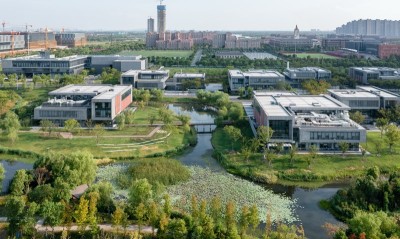
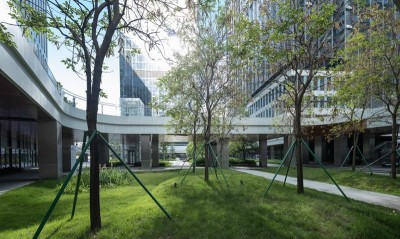
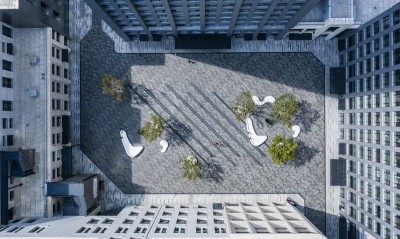
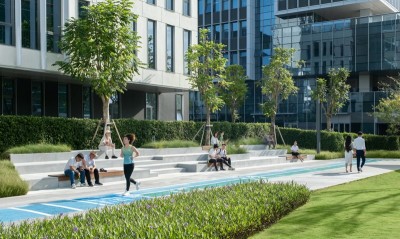
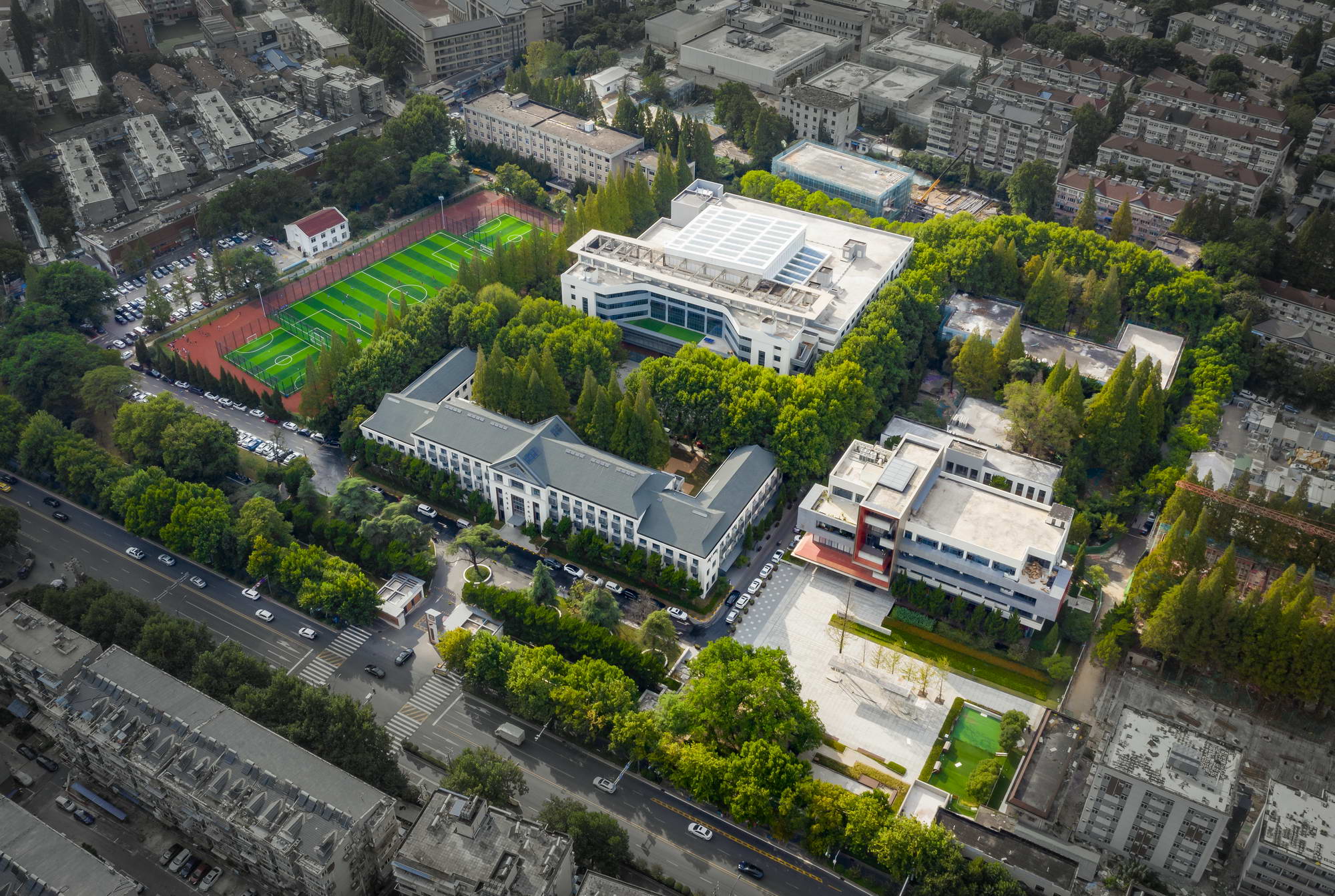
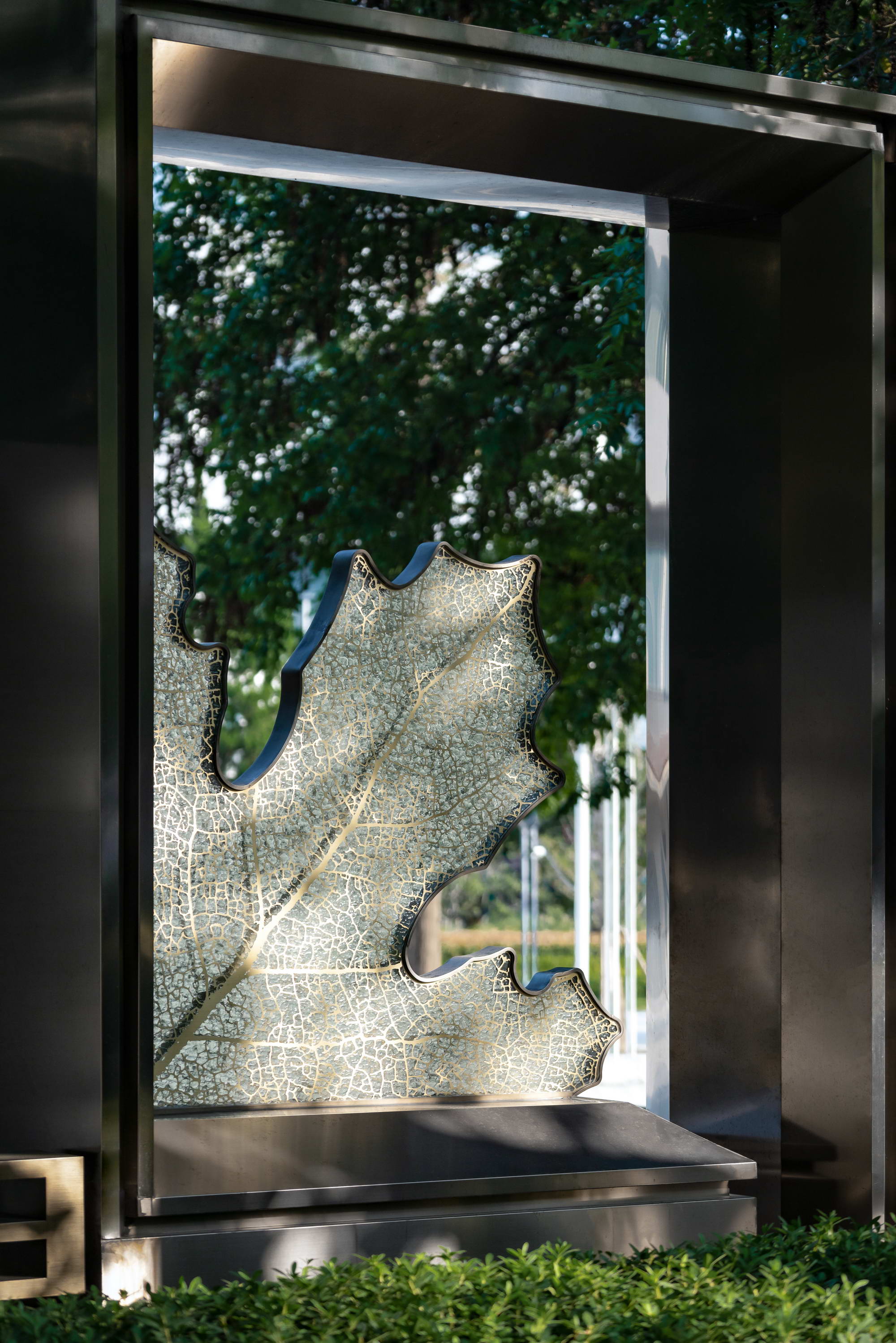
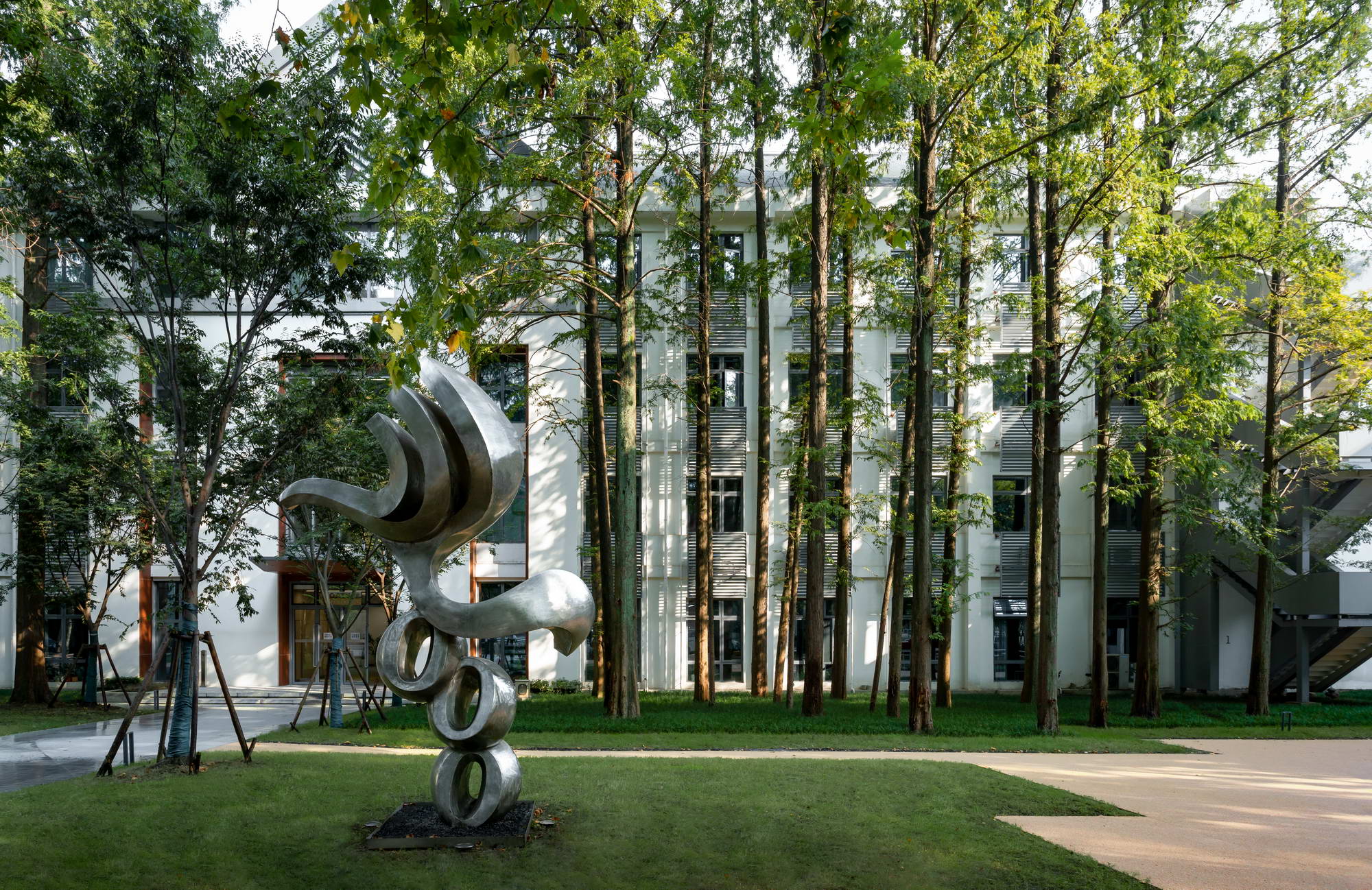
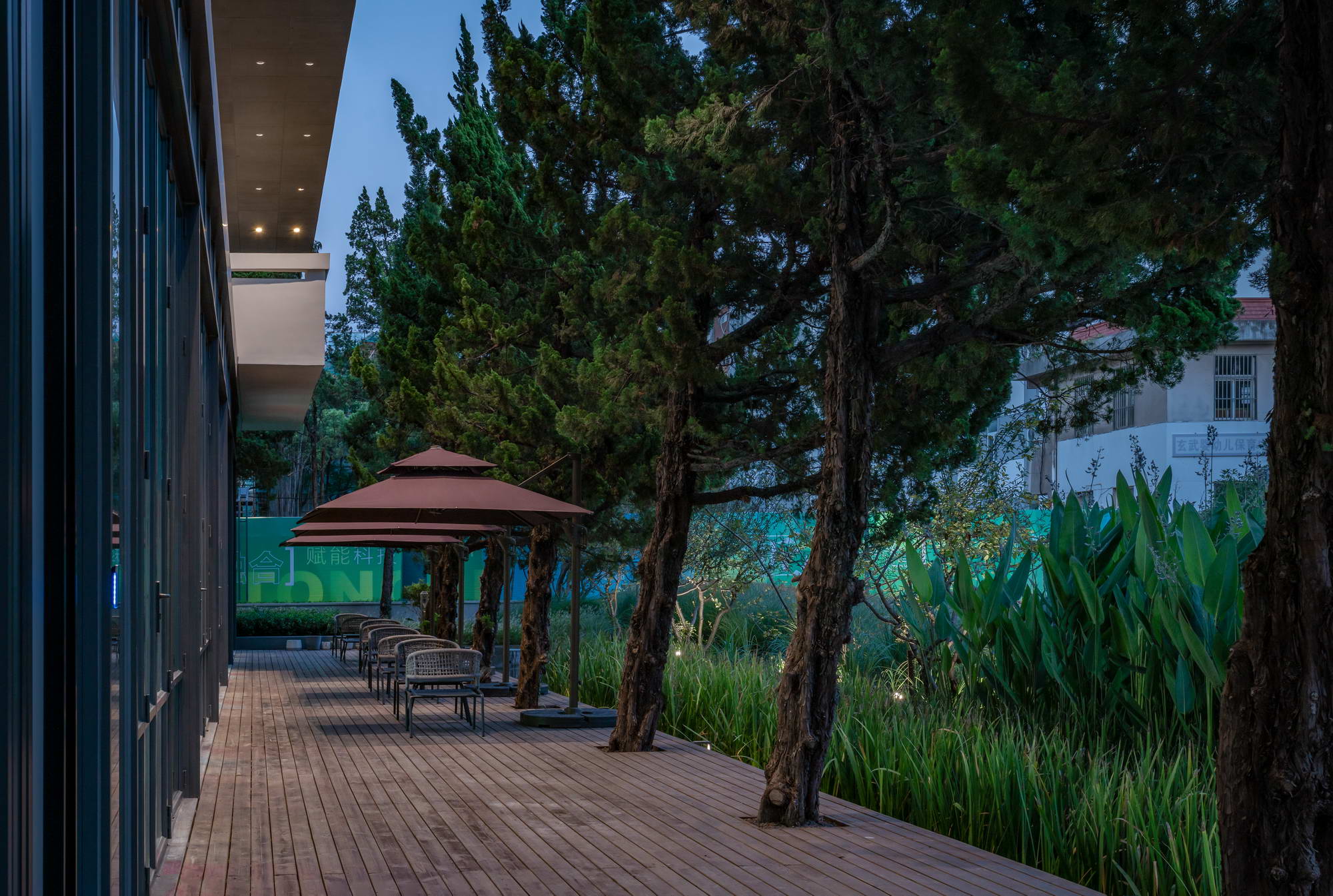
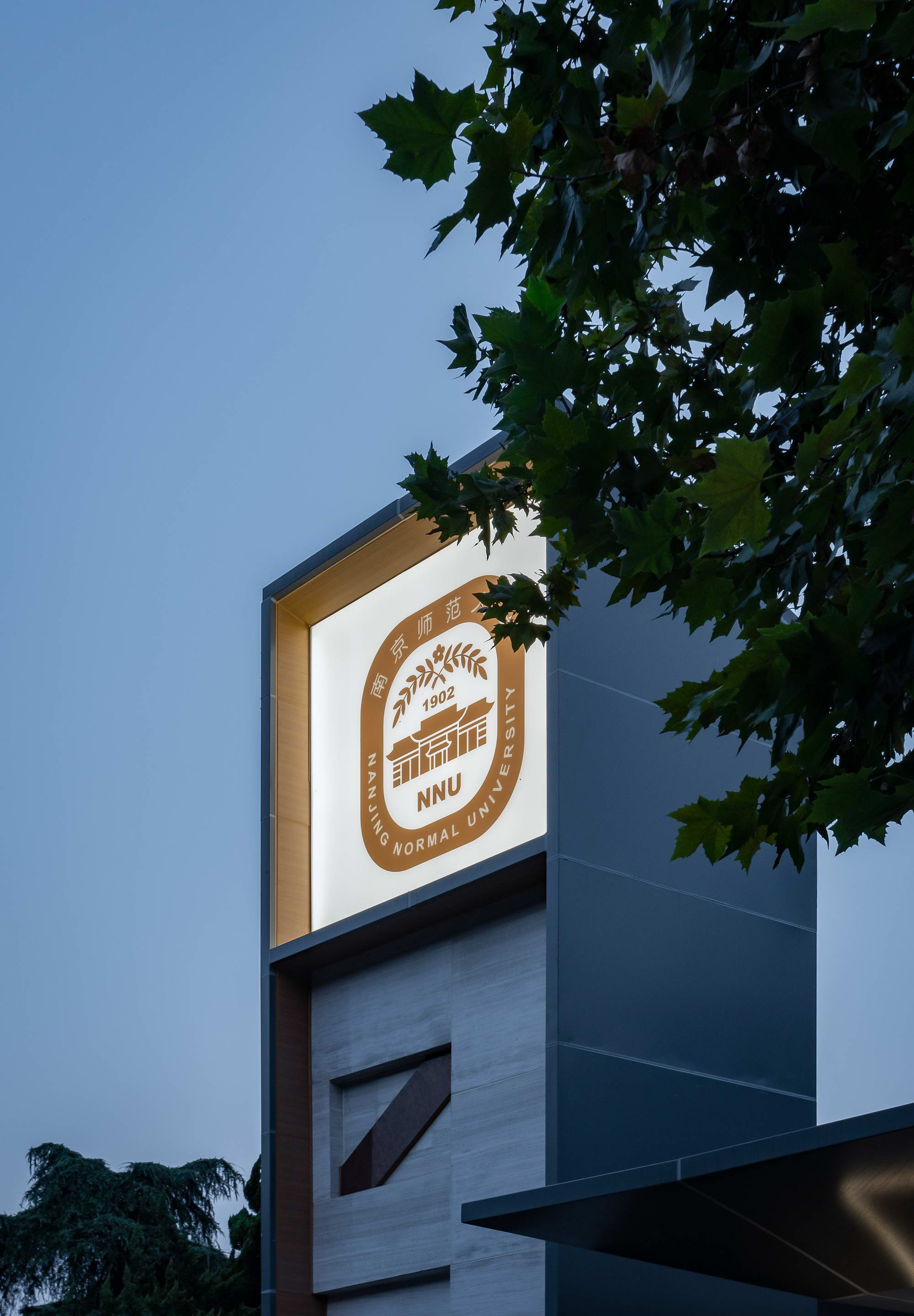
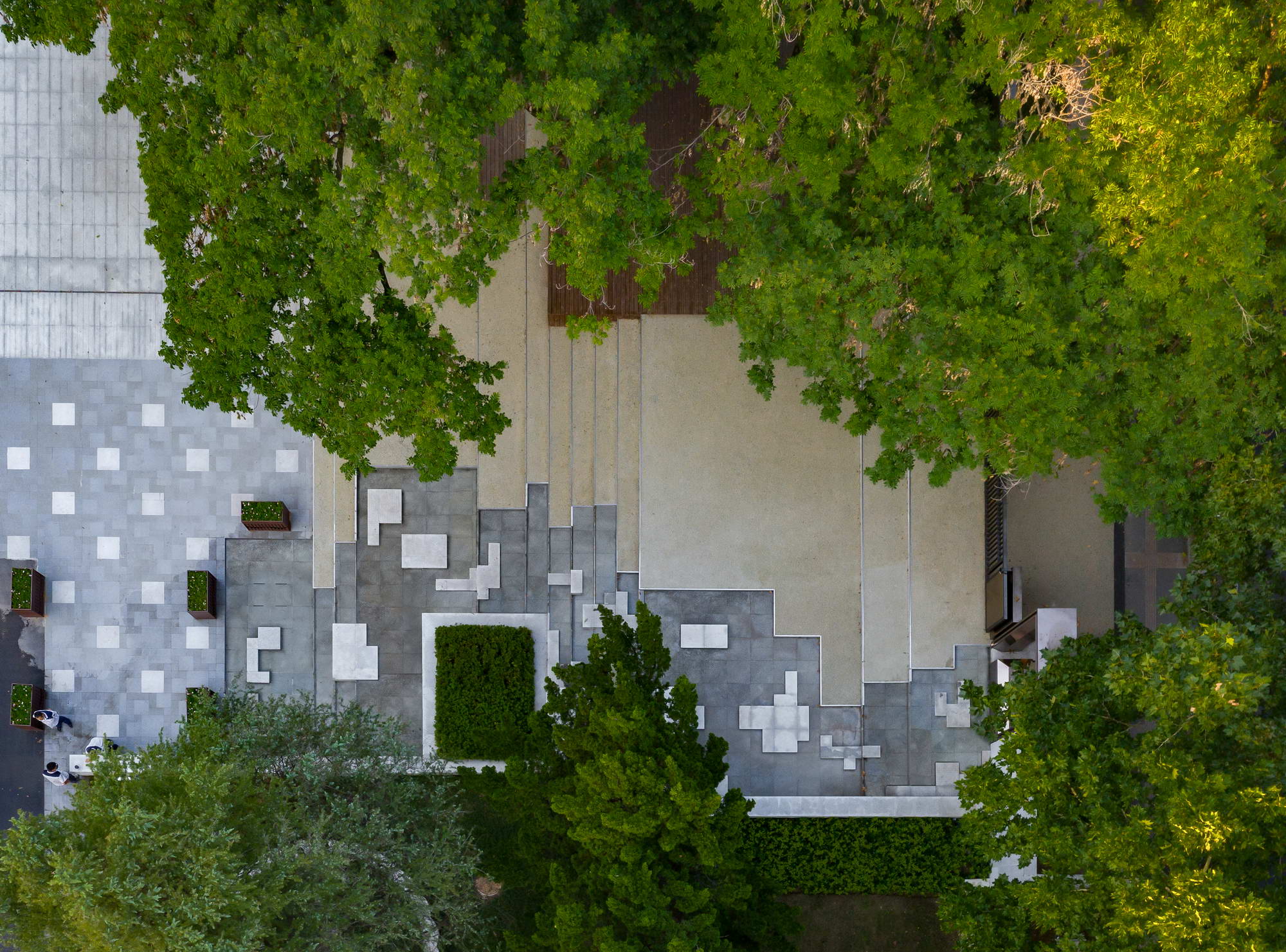
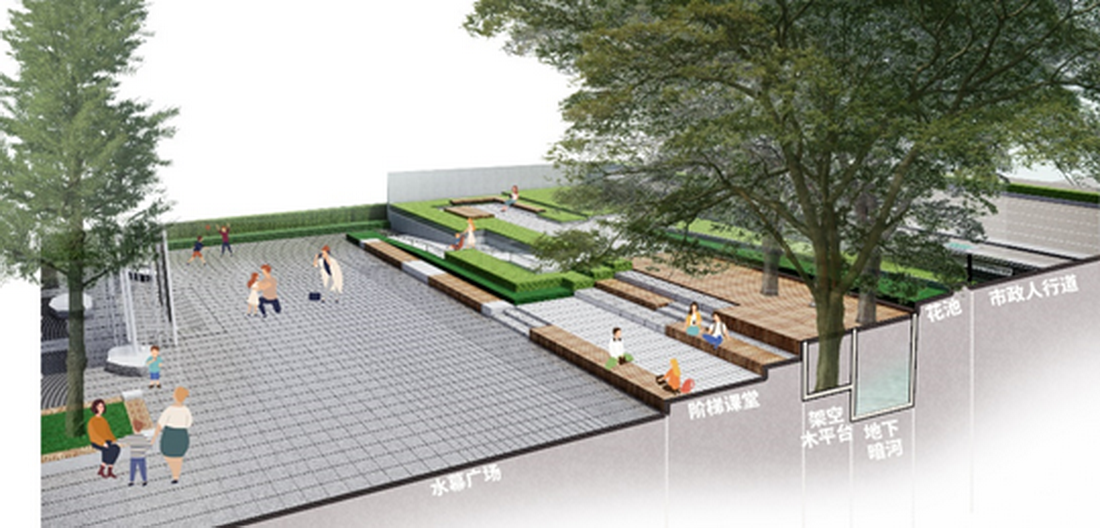
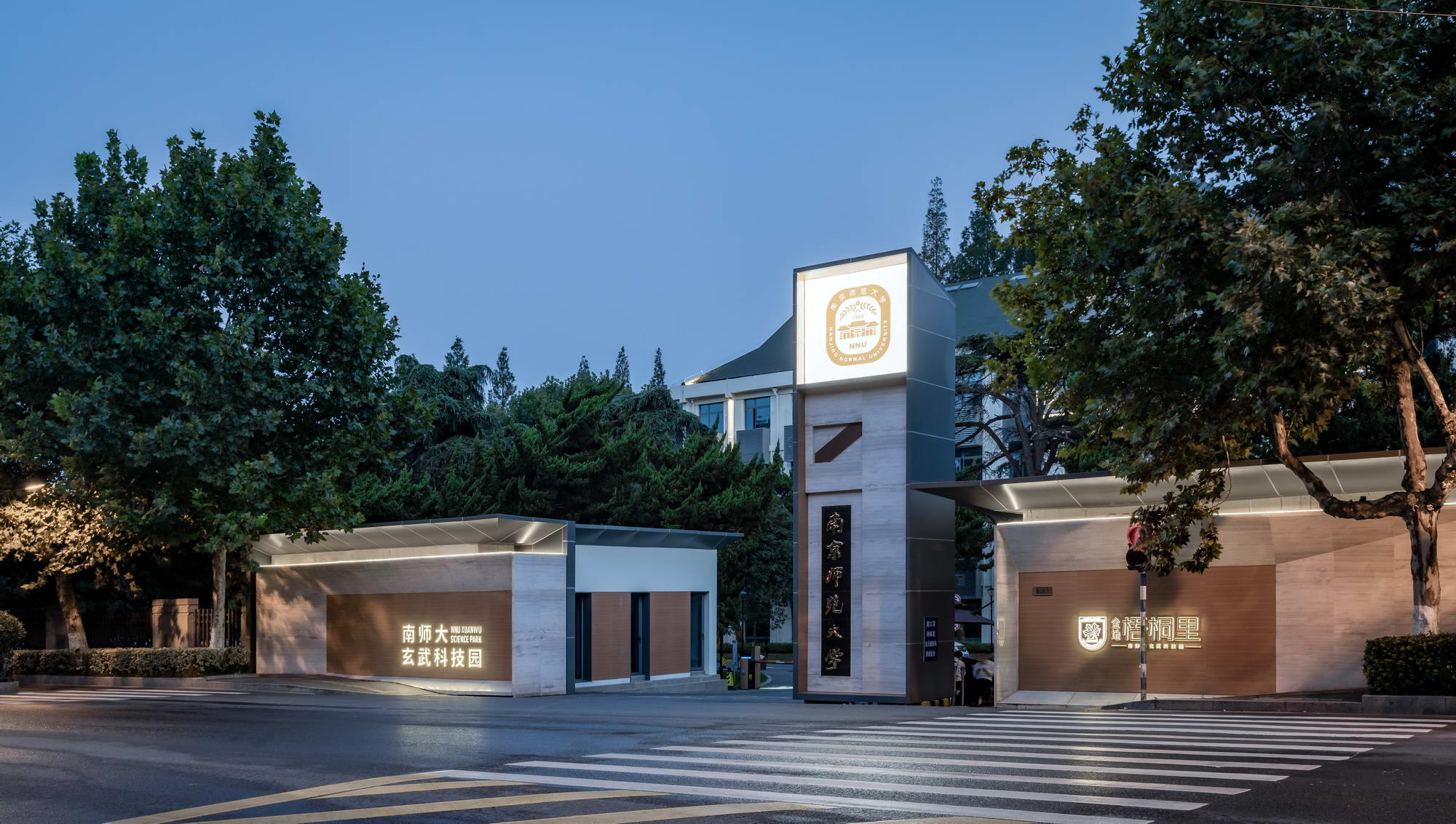
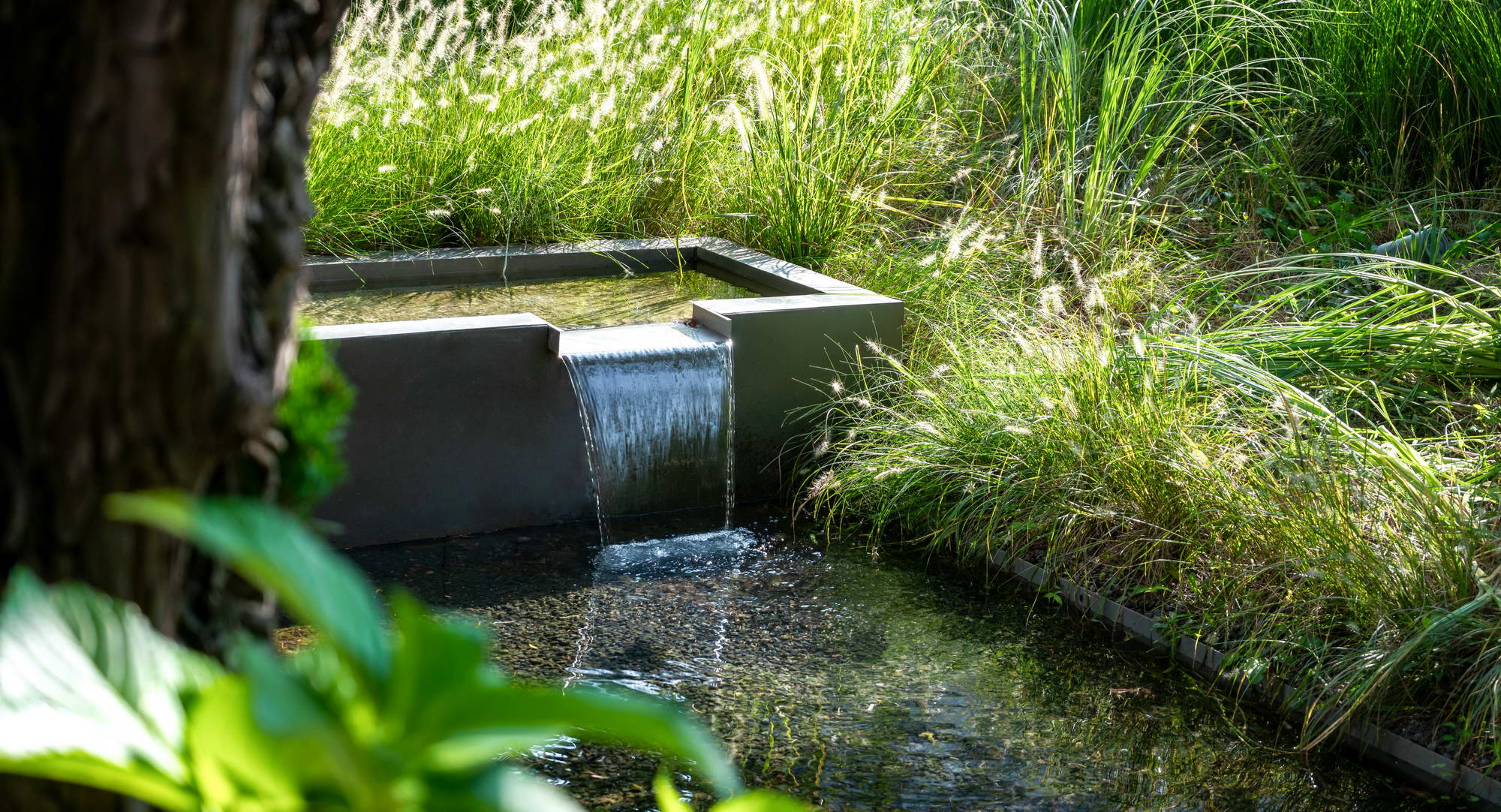
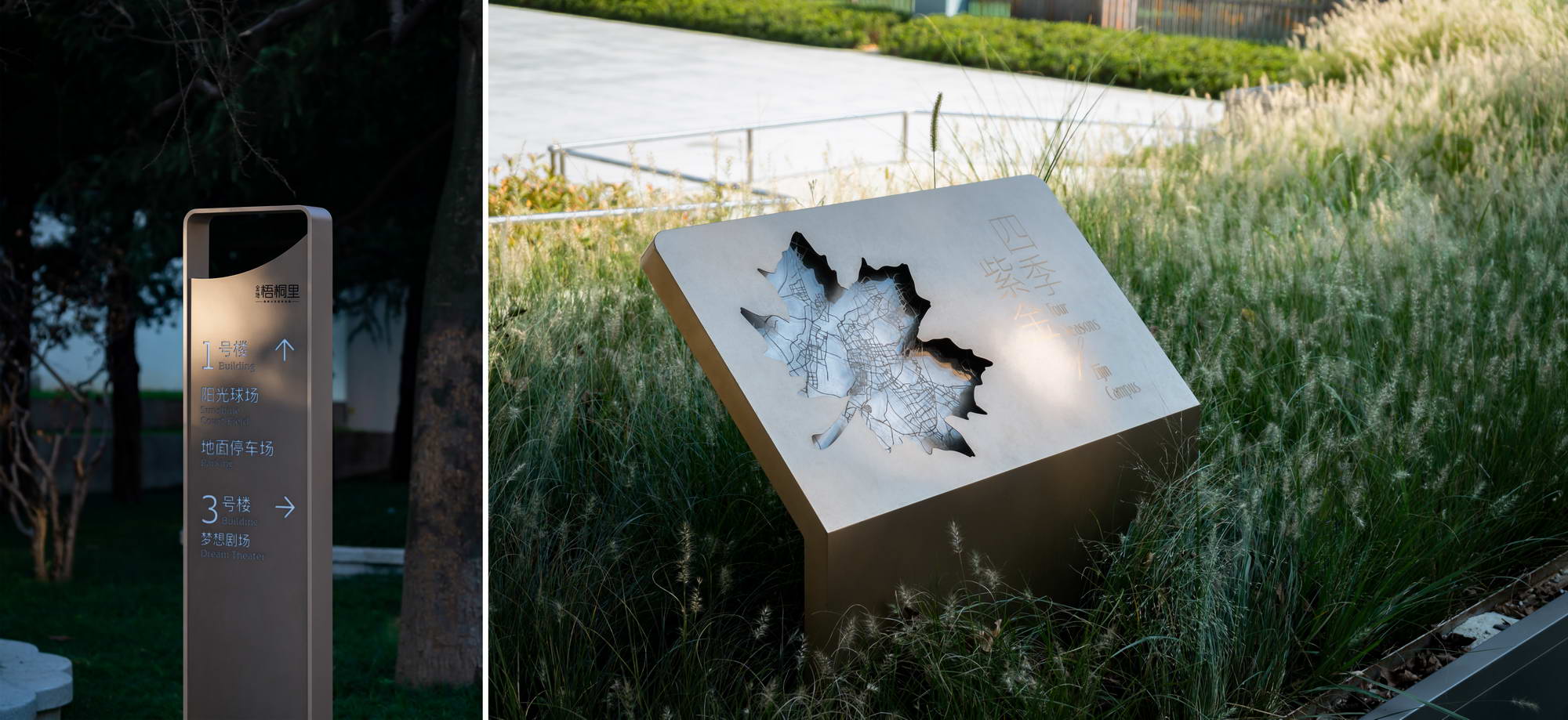
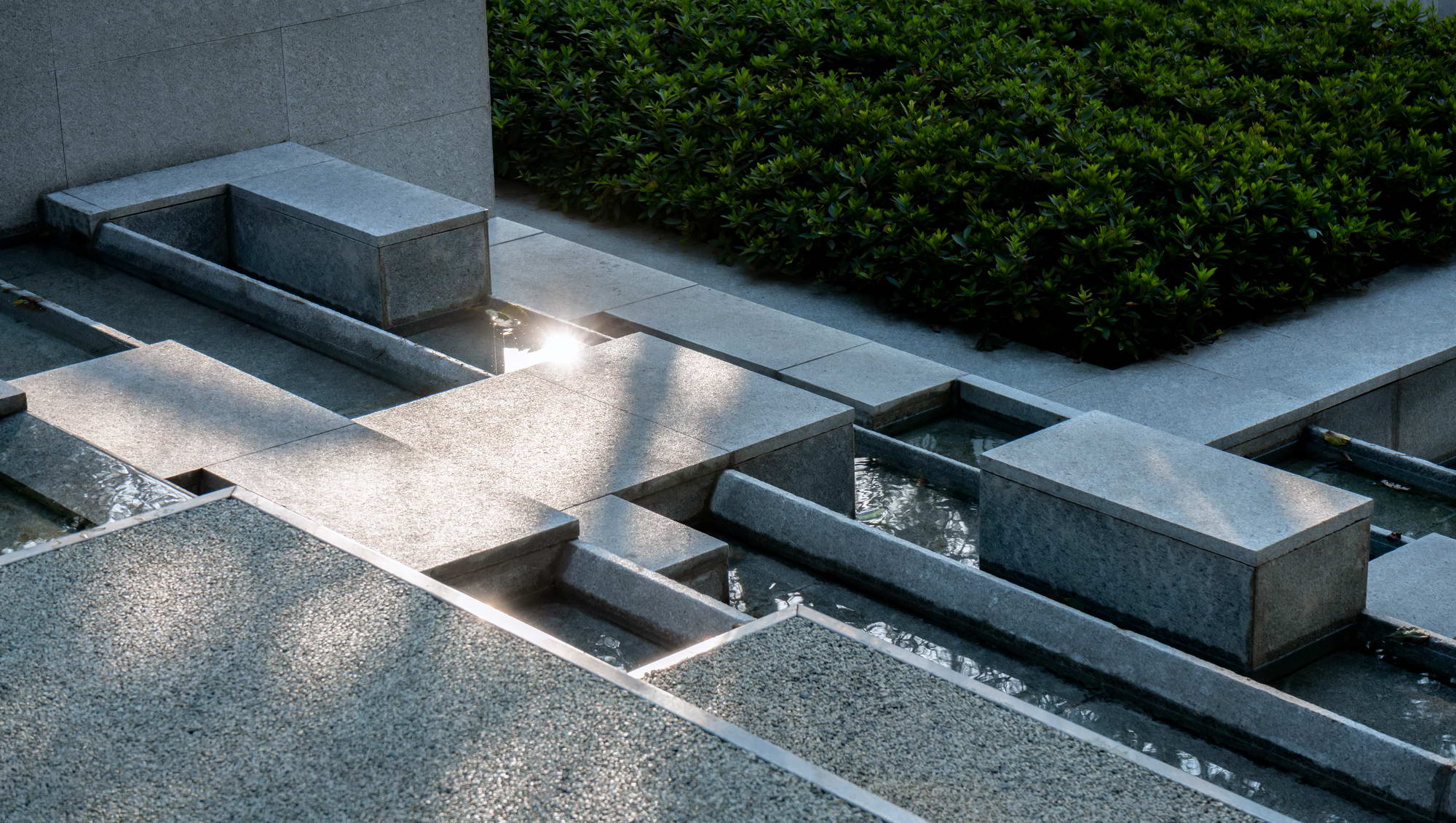
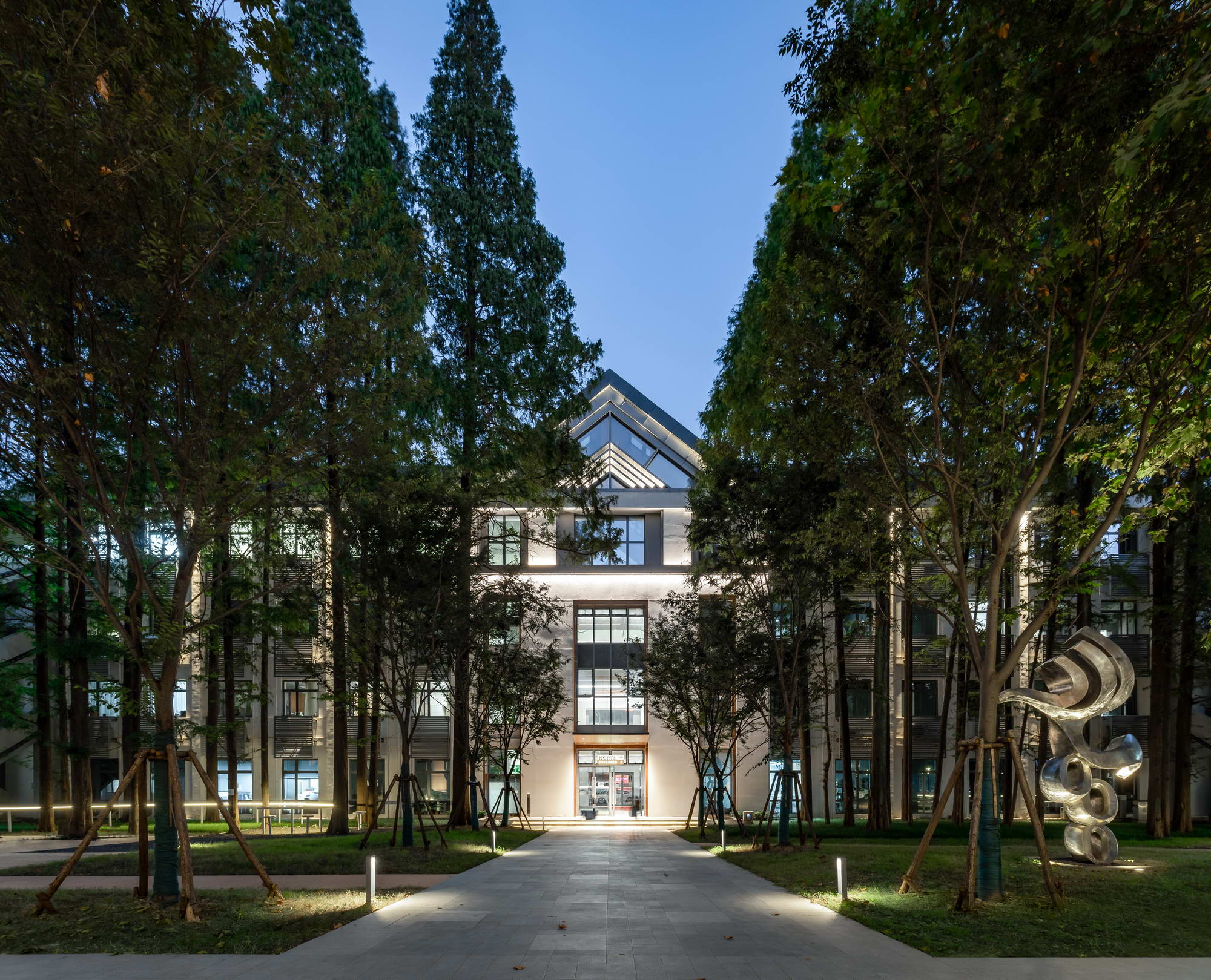
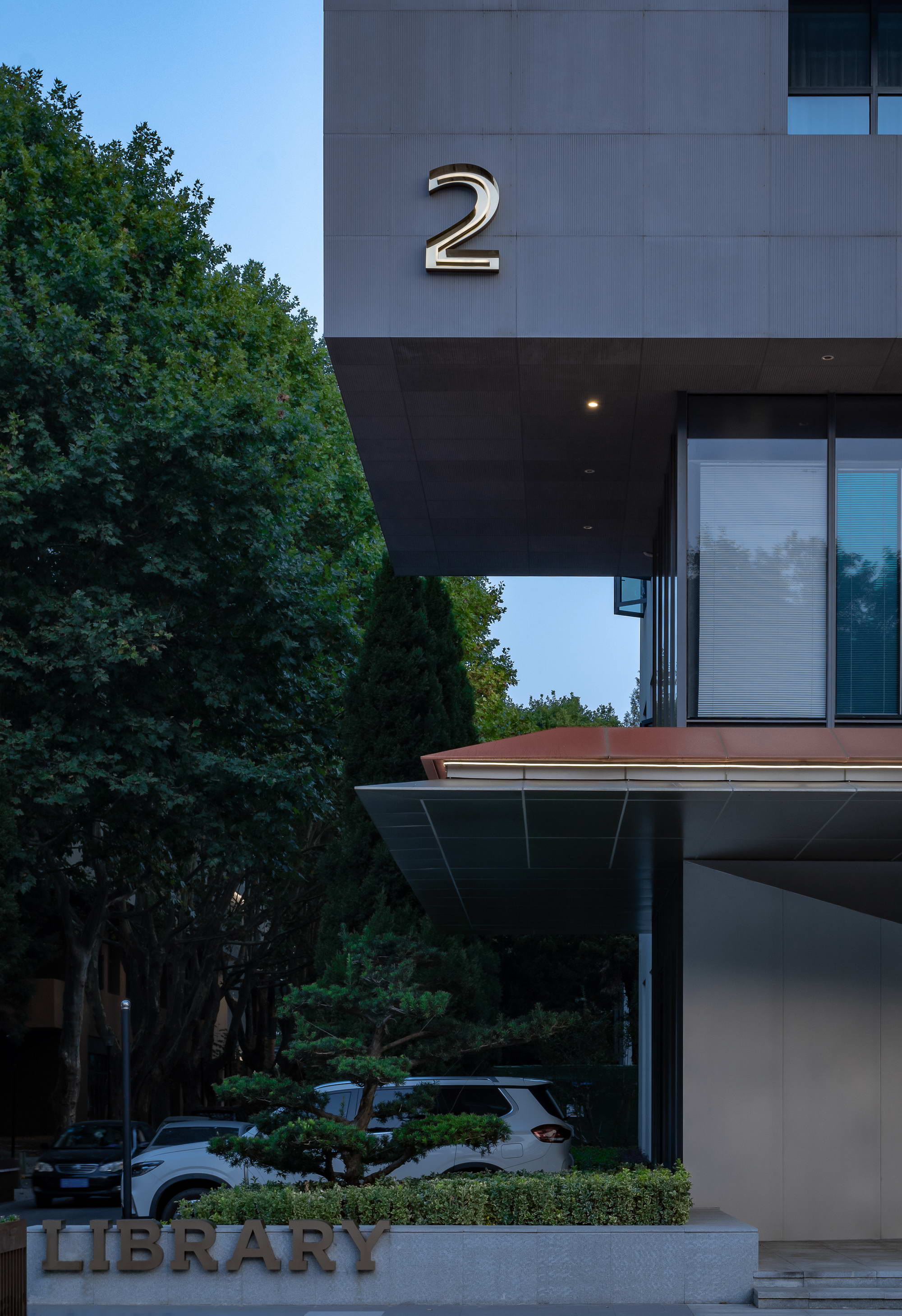
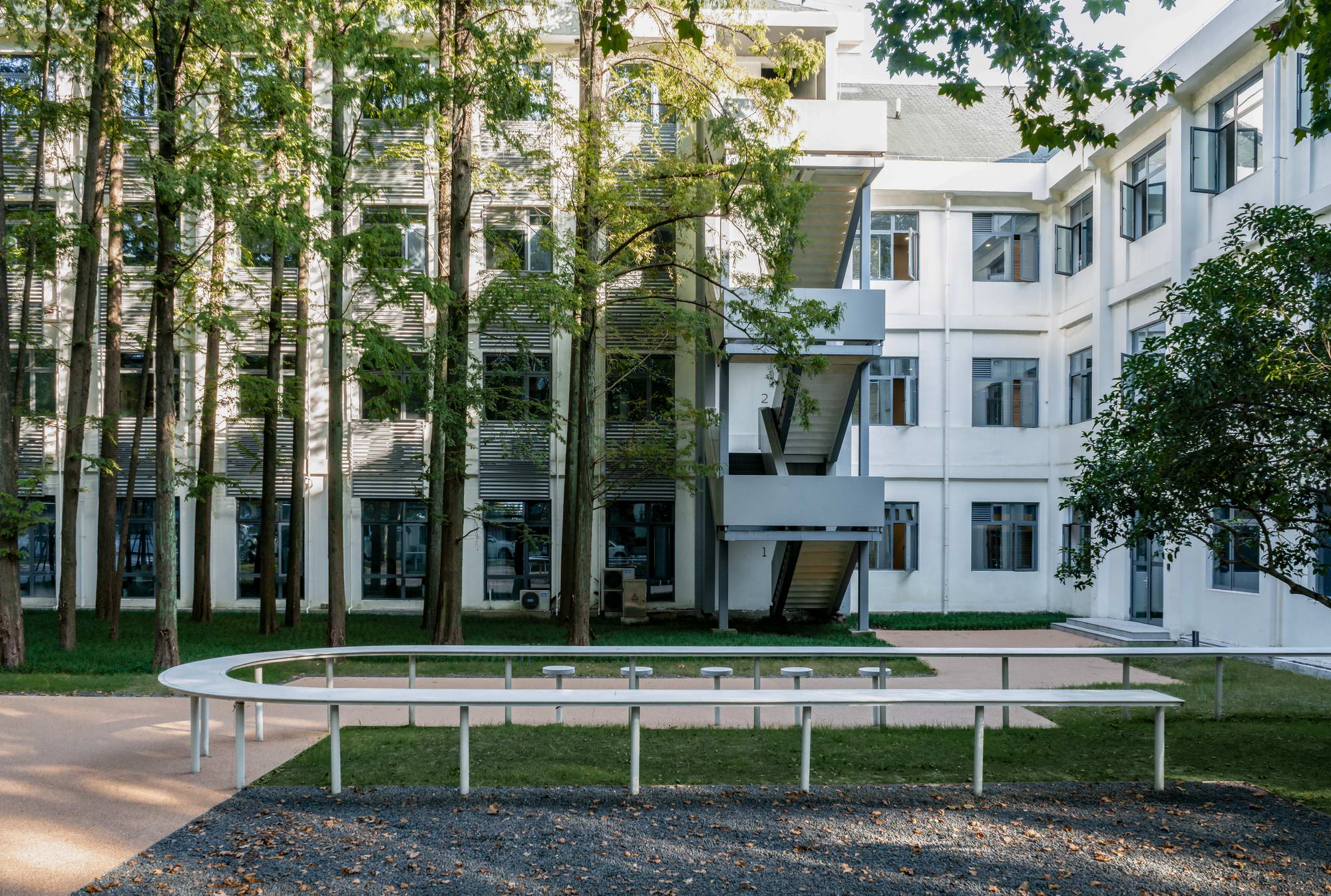
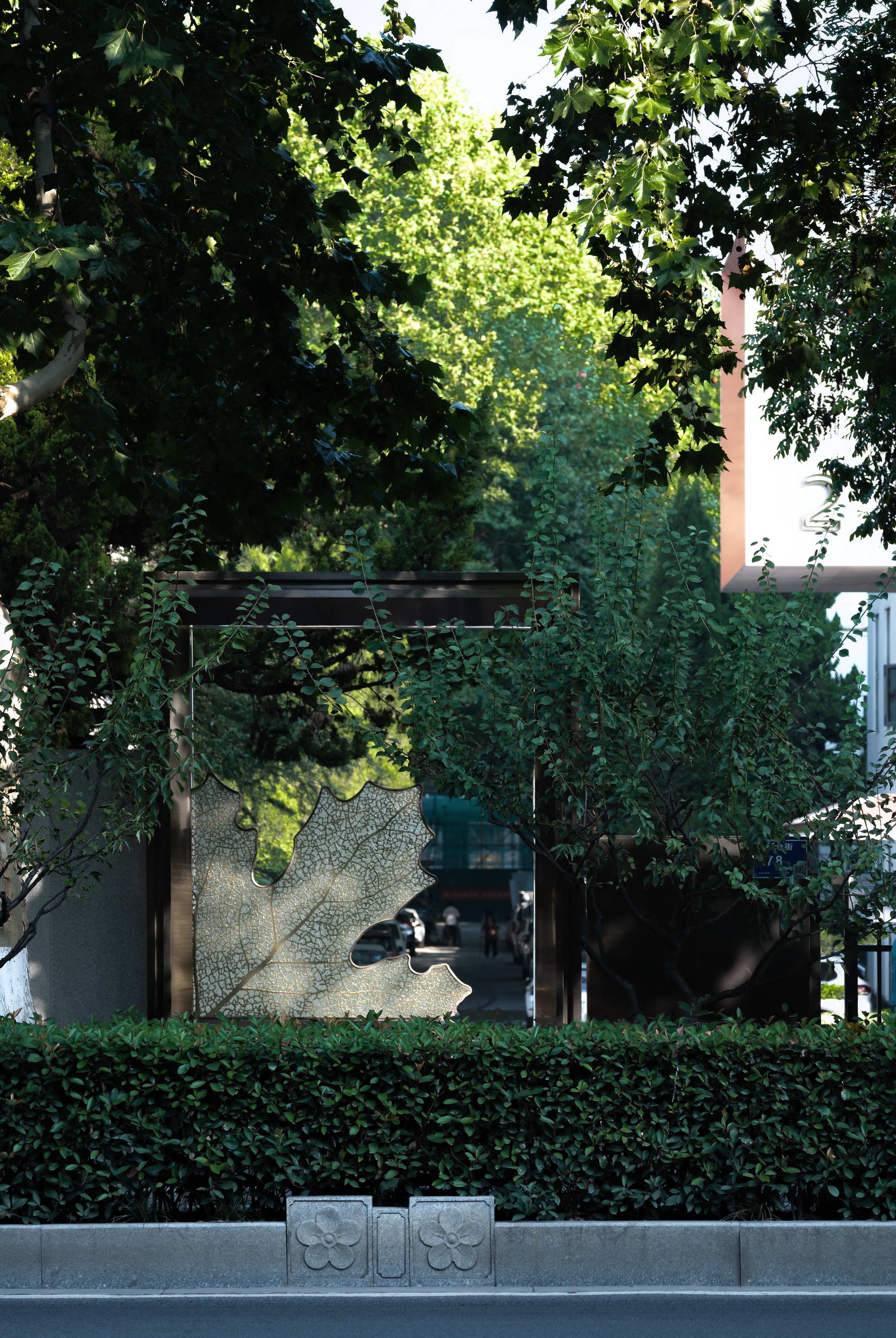
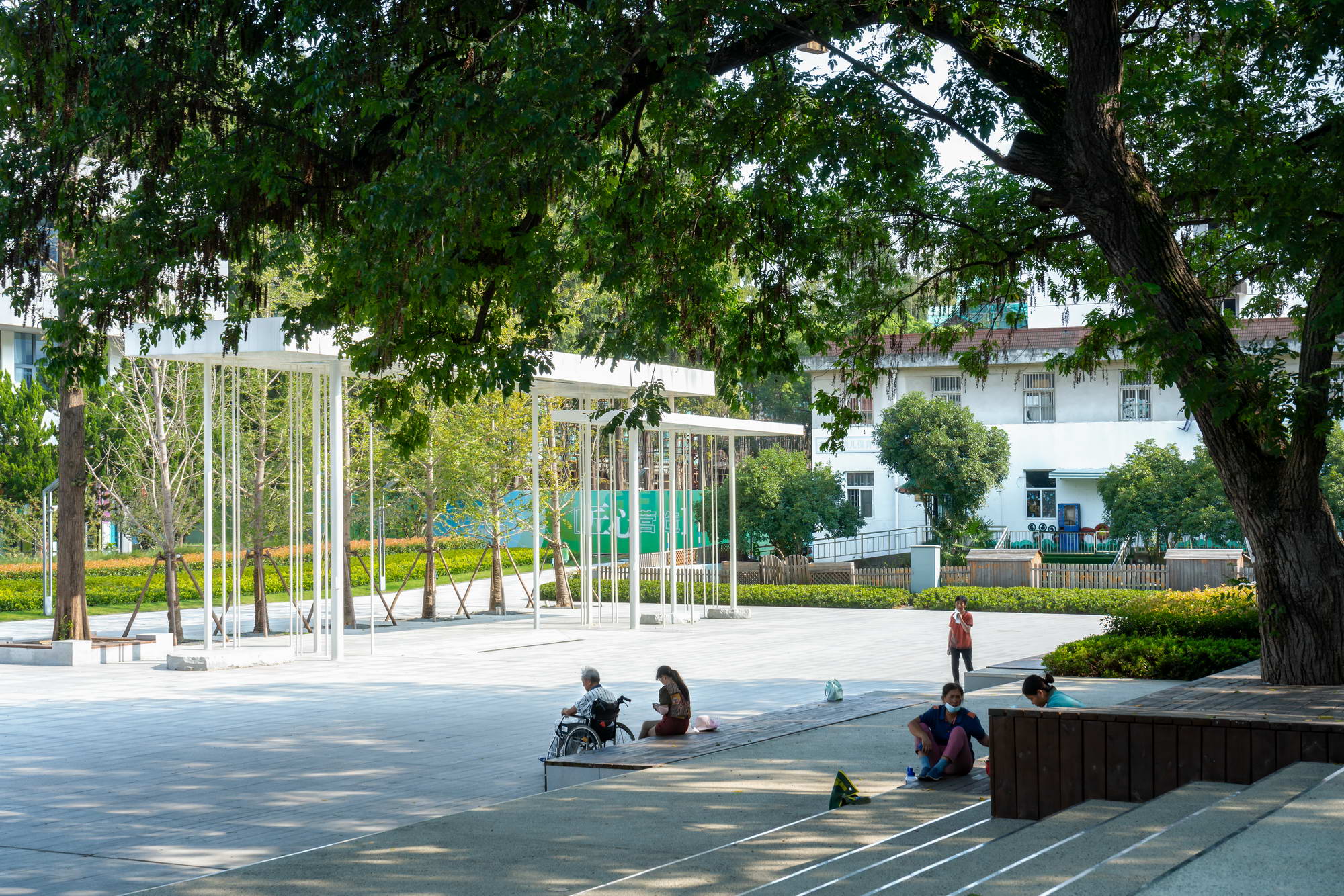
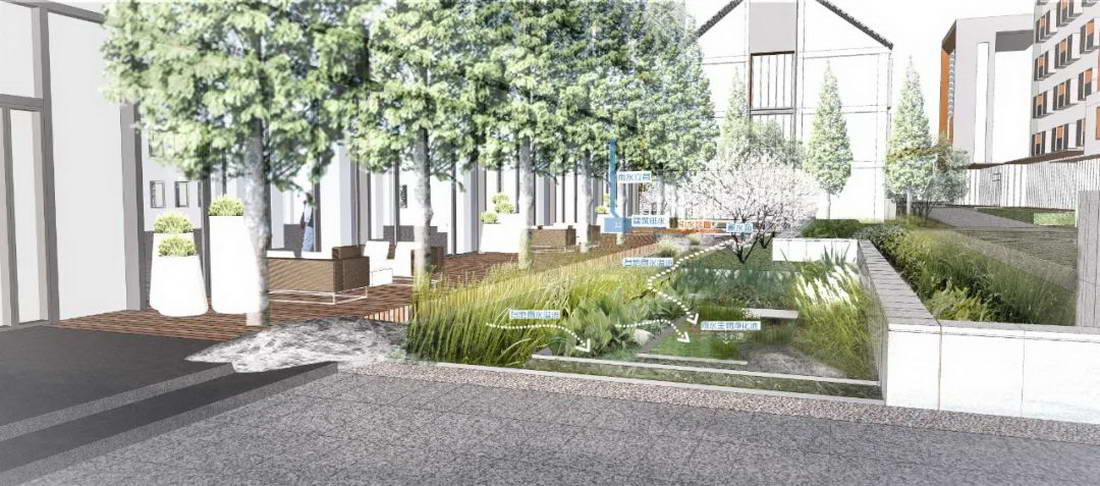
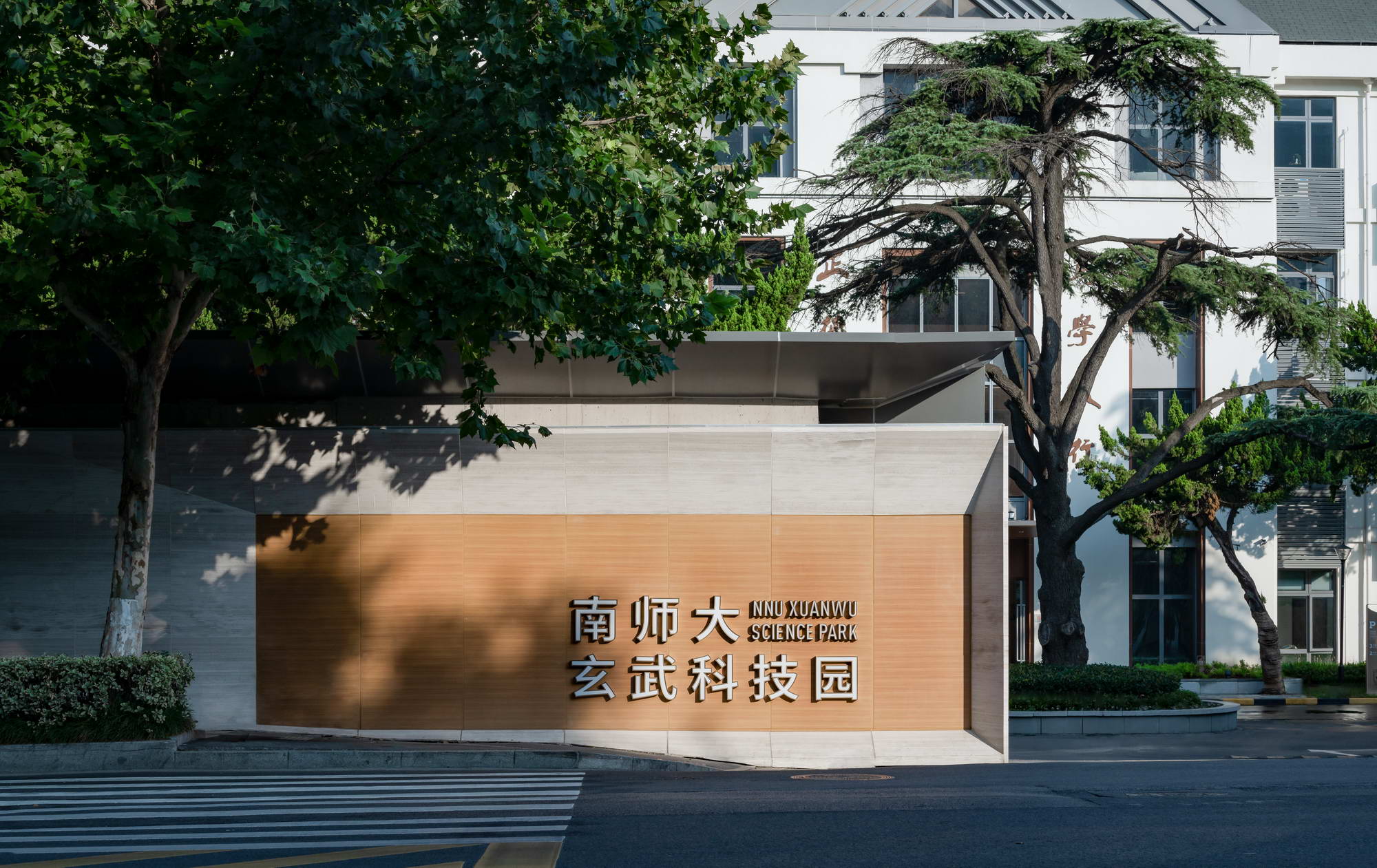
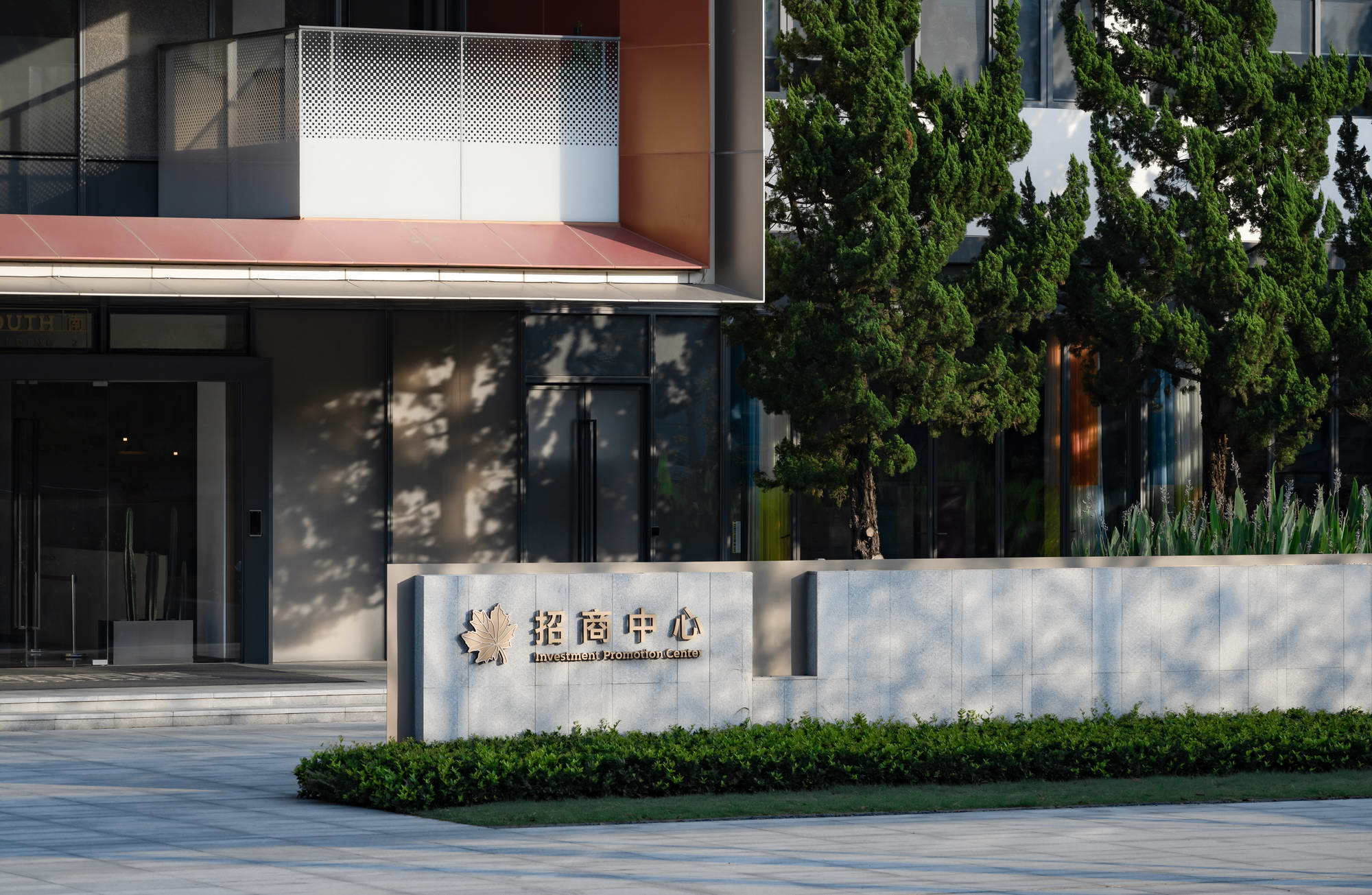
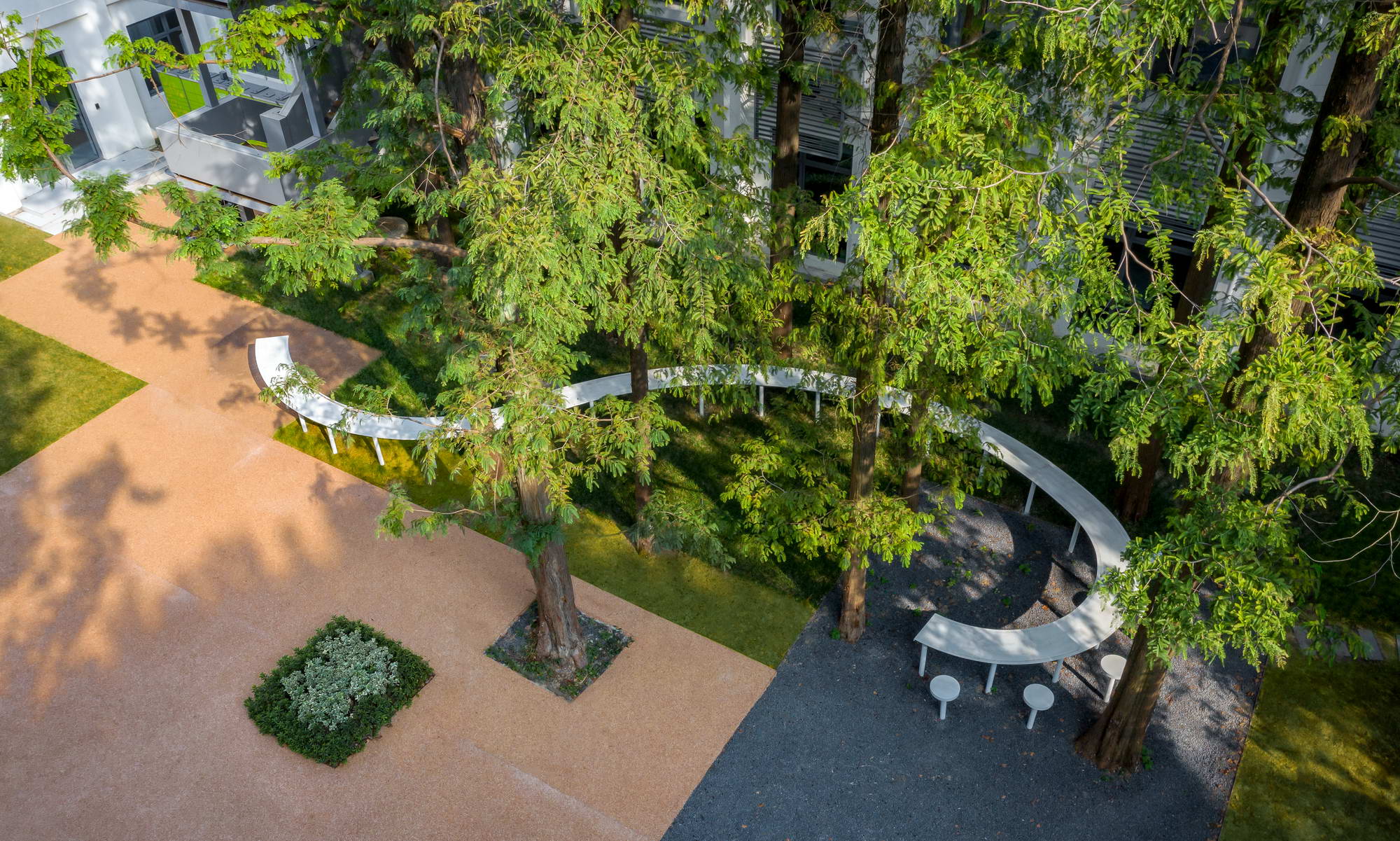
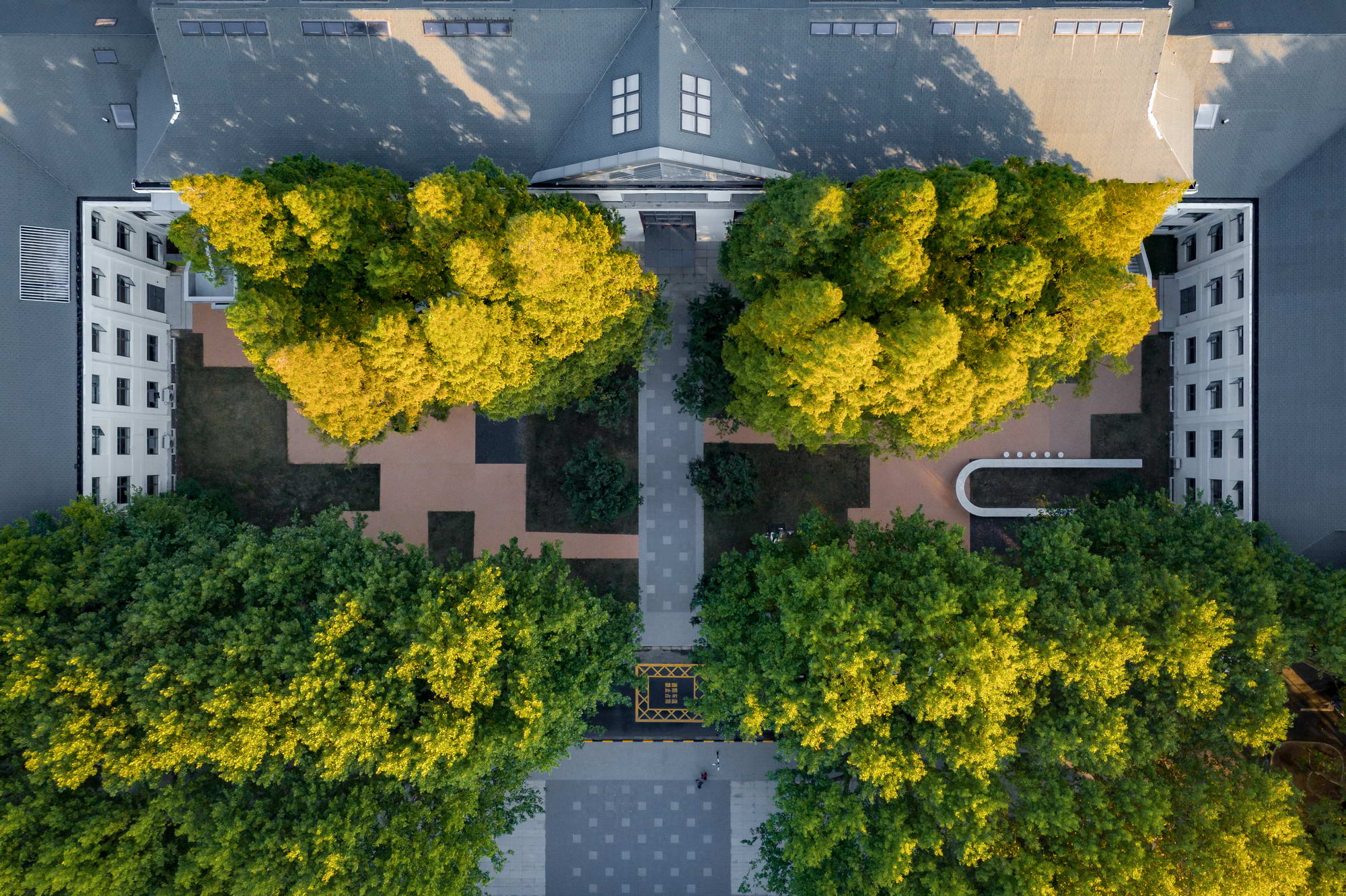
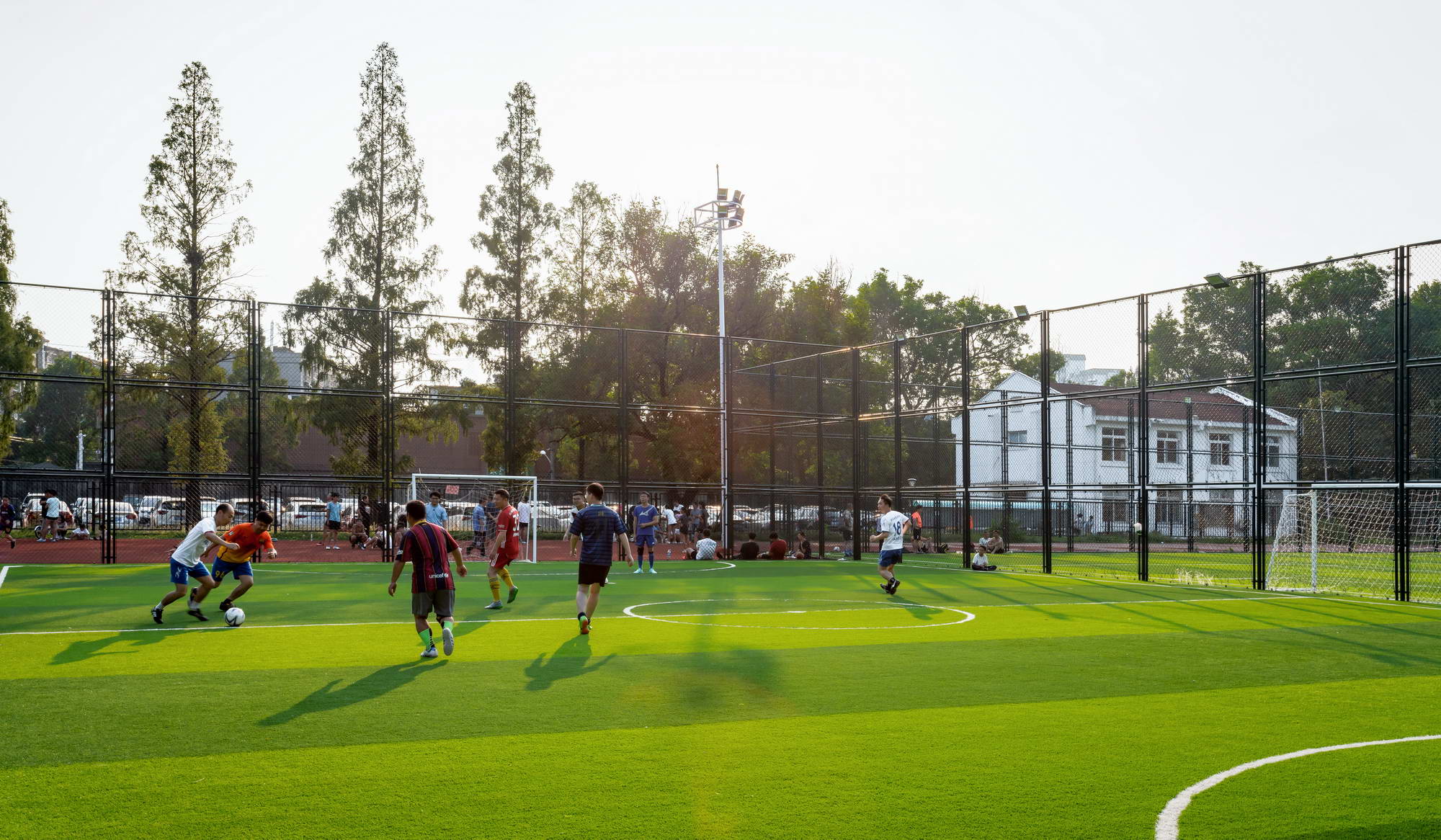
Gemdale Wutong Li is the adaptive reuse of the former Zijin campus of Nanjing Normal University, located at 78 Bancang Street, Xuanwu District, Nanjing, between Xuanwu Lake and the Purple Mountain. After sixty-five years of educational life, the 65-year-old campus is being transformed into the Nanjing Normal University Xuanwu Science and Technology Park, focused on software information and cultural and creative industries and combining research and development, office space, commerce and talent housing into an industrial innovation complex. The developer is Gemdale Commercial Real Estate; interior design is by Dozen Studio, landscape by LAURENT Landscape, signage by Kaifeng Art, floral borders by Luolang Weimu, and the first-phase landscape of 23,550 square metres was completed in August 2020. With the campus population shifting from students and faculty to office workers, visitors and nearby residents, the central design question is how the genius loci of the old campus can fuse symbiotically with the demands of new commercial functions under constrained site conditions, complex user needs, subtle cultural imprinting and a relatively modest budget. The team works along three axes: time, space and users. First, resource integration and minimal renewal respect the existing fabric and native planting, preserving the campus entrance and its memory, letting original trees become the main actors of themed scenes, and combining existing grade changes with planting to form stepped classrooms and a living amphitheatre. Second, functional translation and scenographic vitality respond to the varied needs of office workers, neighbouring residents and retired teachers through comfortable under-tree steps, cascading water for children, a cedar-courtyard office outlook, and a sports field that becomes a football pitch. Third, ecological and natural working introduces rainwater harvesting and ecological protection, managing runoff by following terrain gradients and using rain gardens to infiltrate, detain, purify, store, use and discharge roof and surface water, easing urban drainage pressure and letting nature do the work. Fourth, memory layering takes the Chinese parasol tree as the spiritual symbol of the park, threading values, naming and the visual system, and fusing the university shield, parasol leaves, lane culture and collaborative spirit of hand and line into a bespoke identity. The retained 'Galloping Song' sculpture anchors the emotional continuity. The project is presented as JYL Creative Studio's experiment in urban renewal: old urban university campuses, with their prime locations, academic atmosphere and deep culture, but also ageing buildings and run-down sites, can be revitalised into quality urban districts that benefit surrounding residents while carrying the genius loci forward.








 Editor's Pick
 Latest Design