Text description provided by the architects
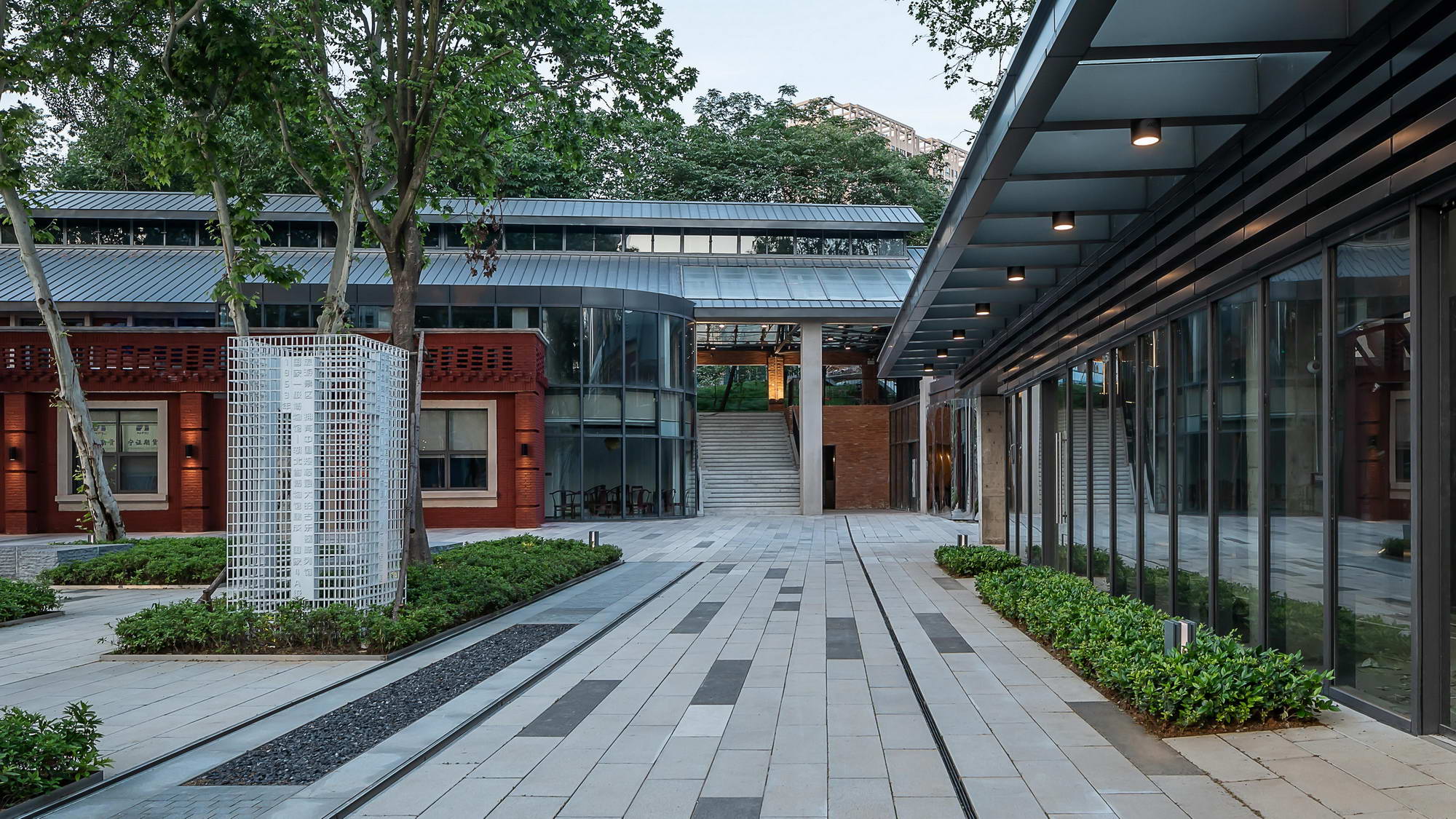
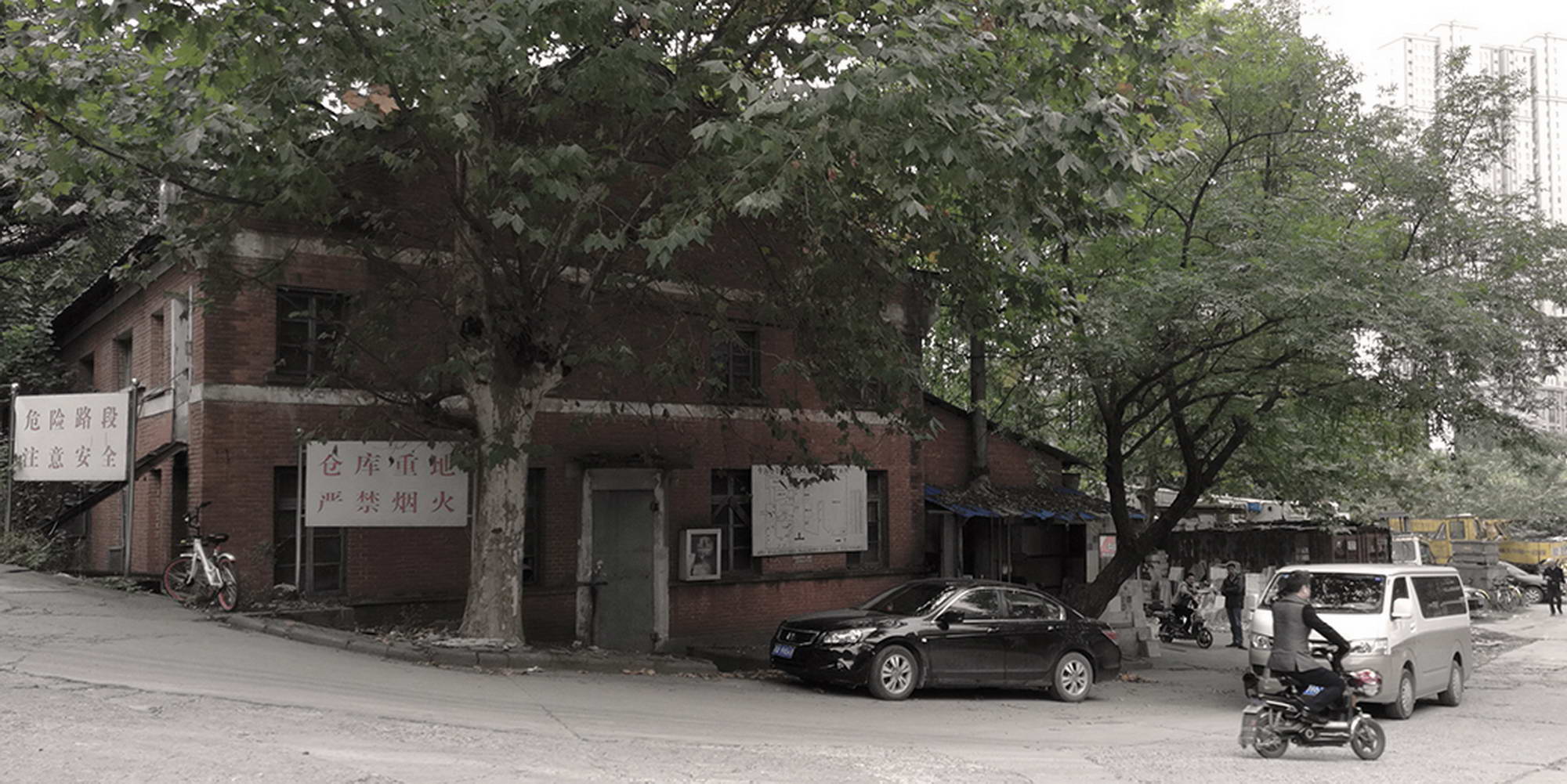
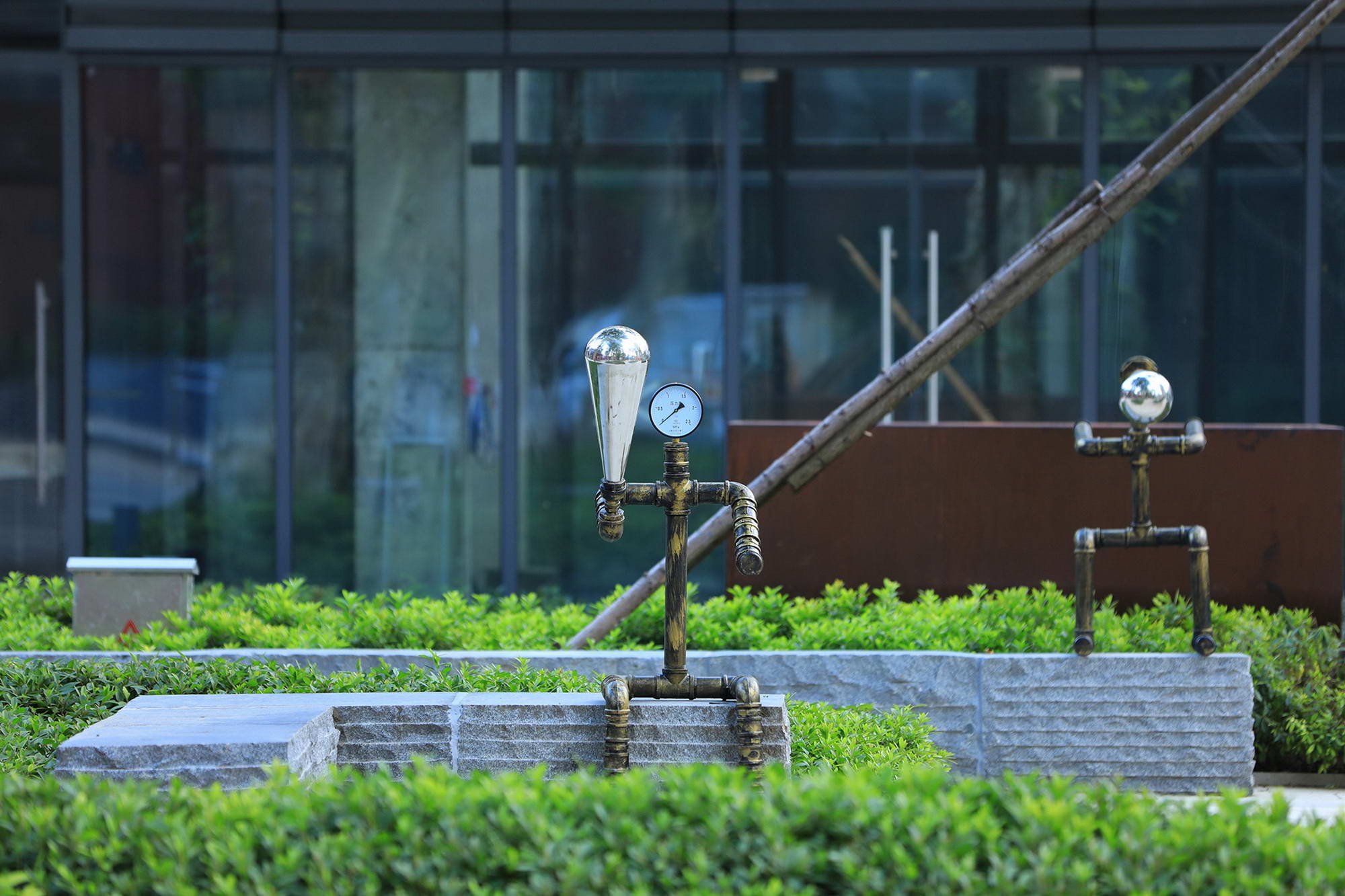
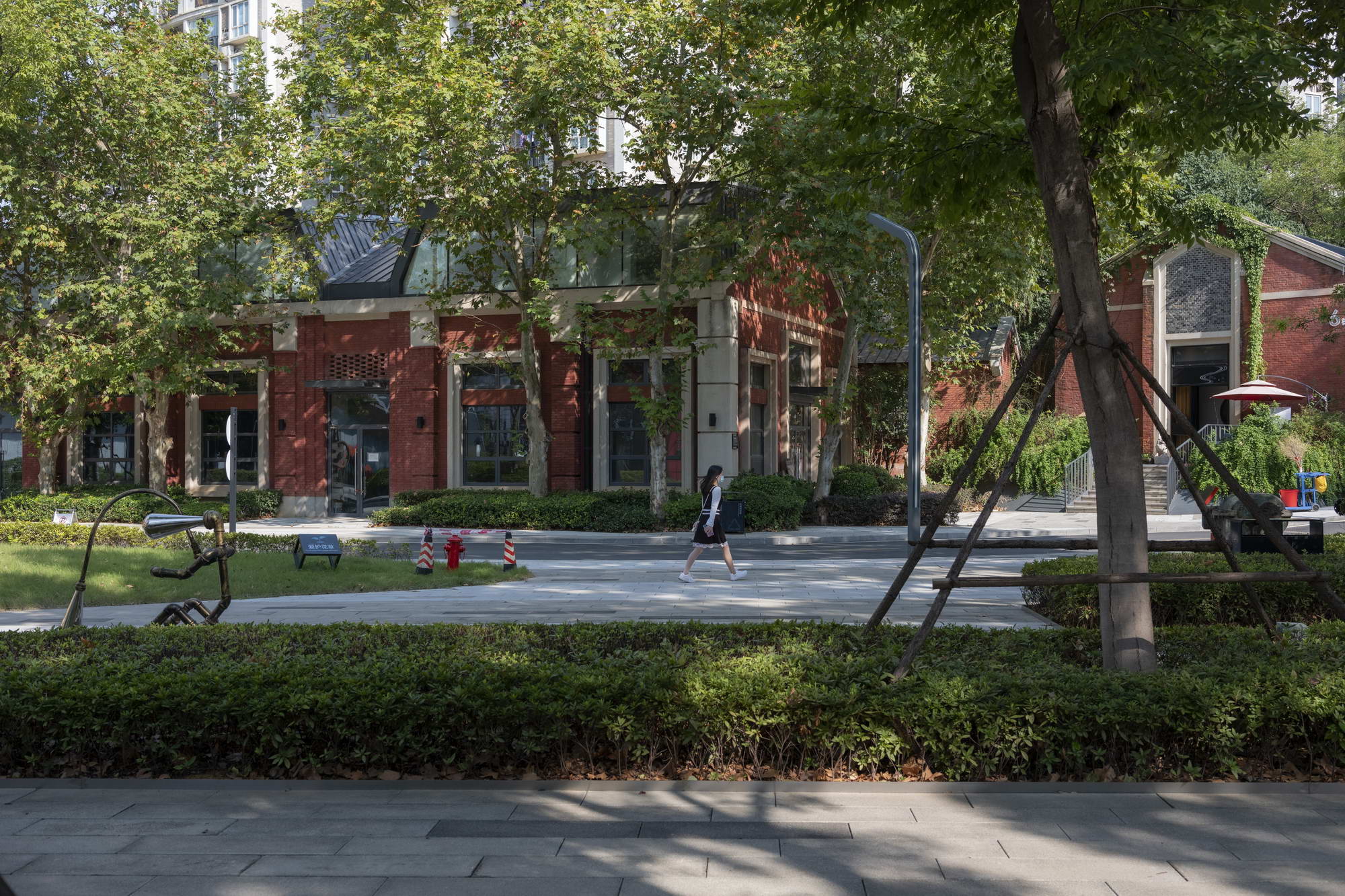
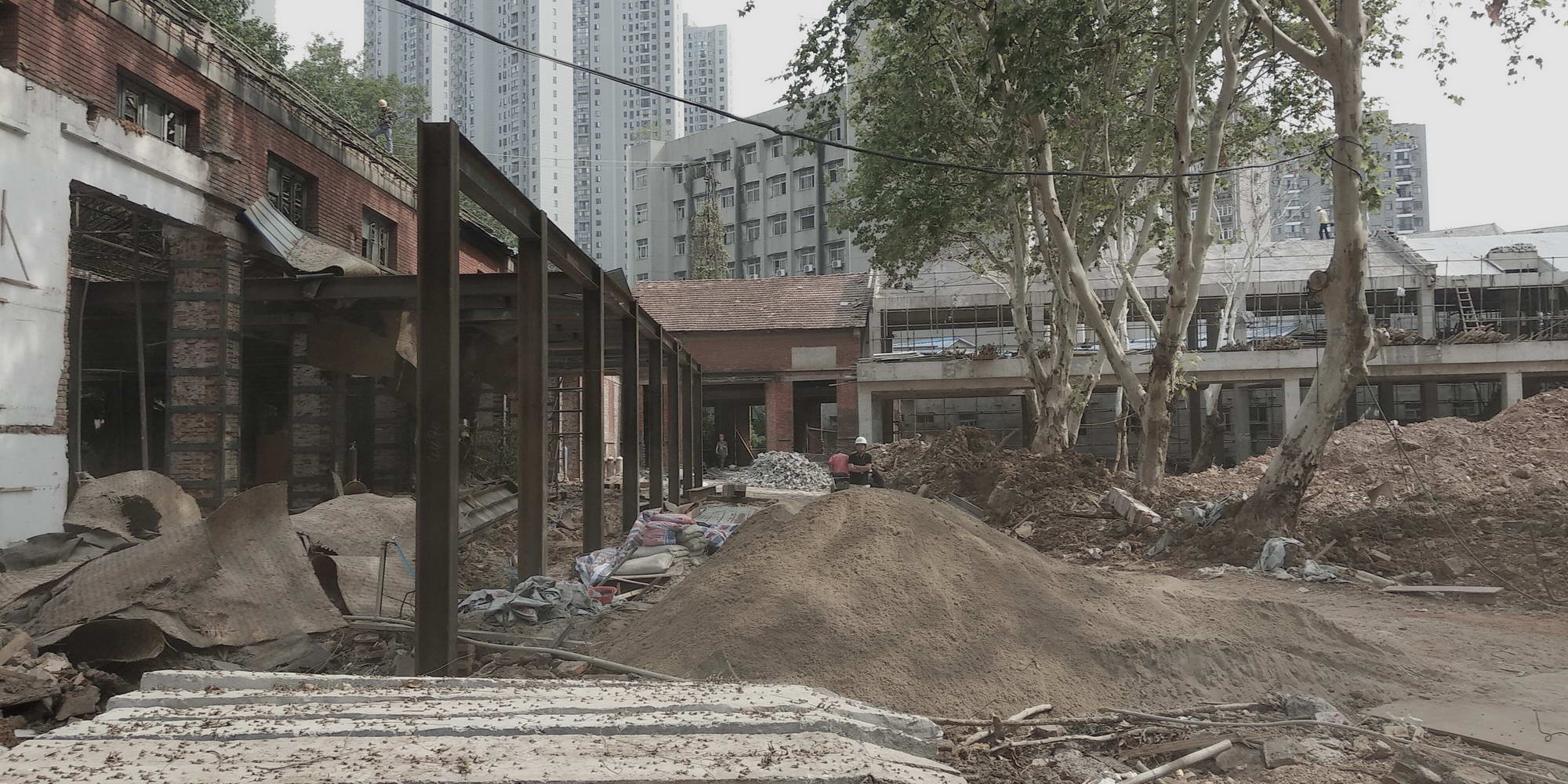
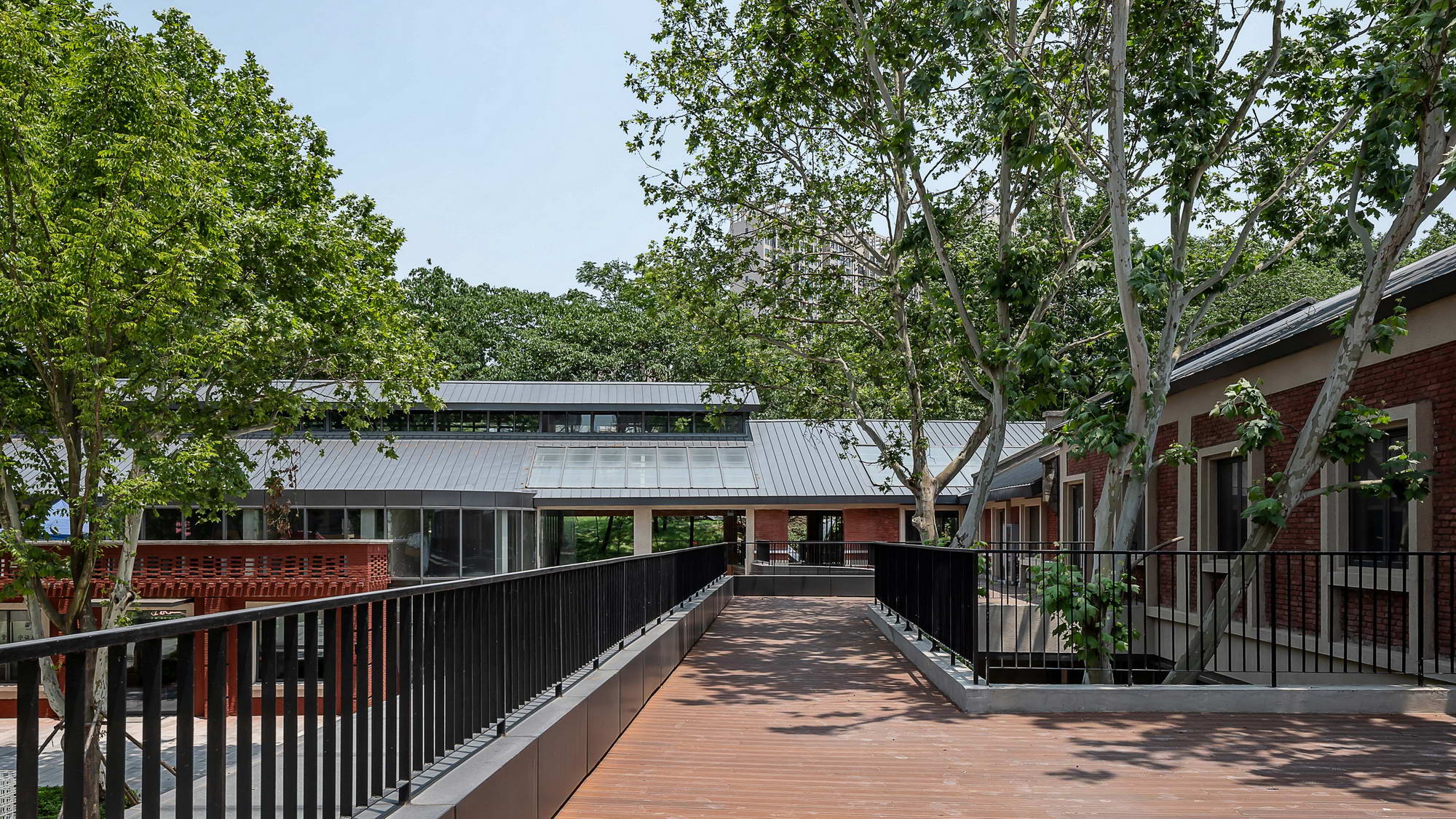
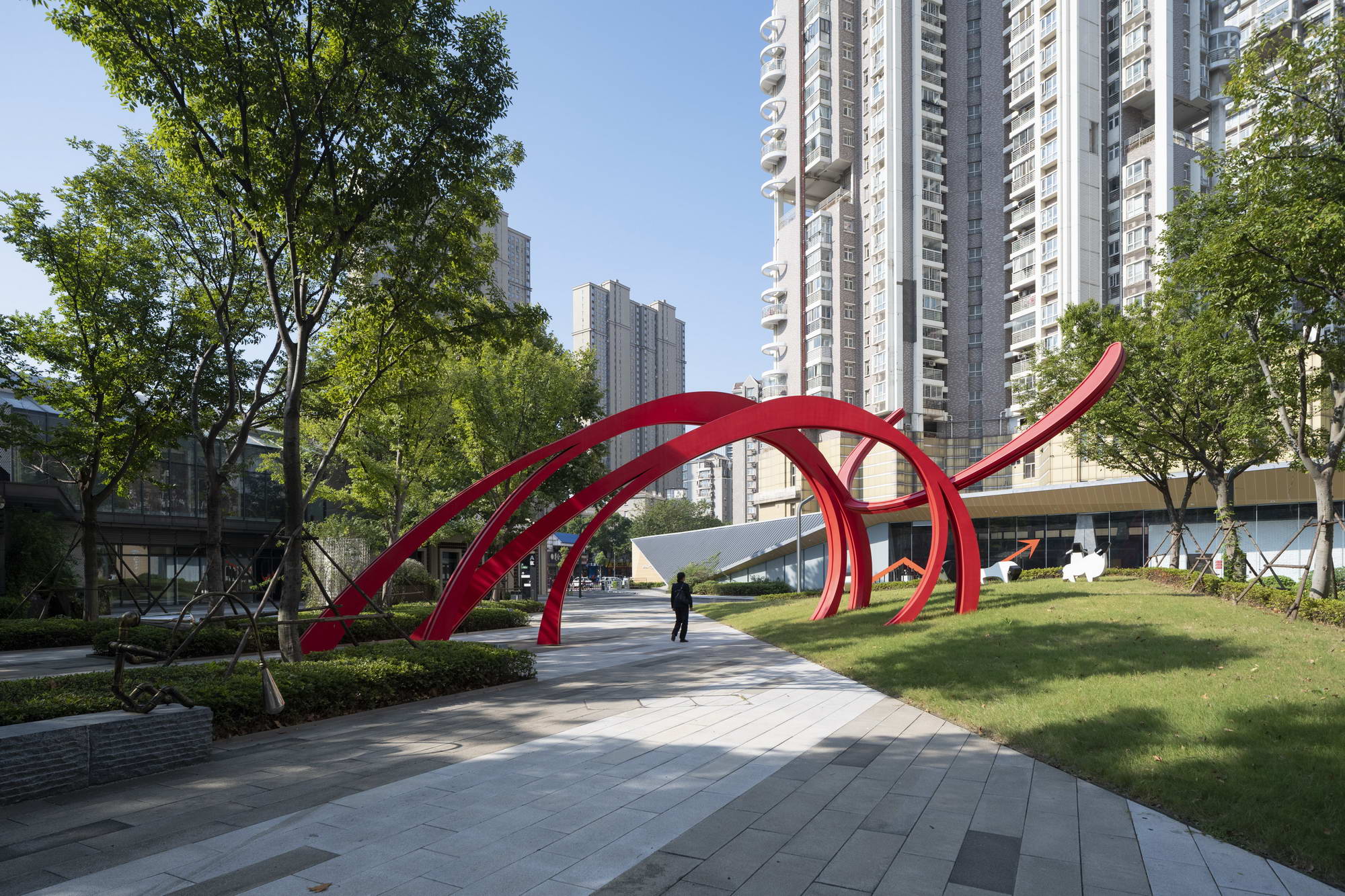
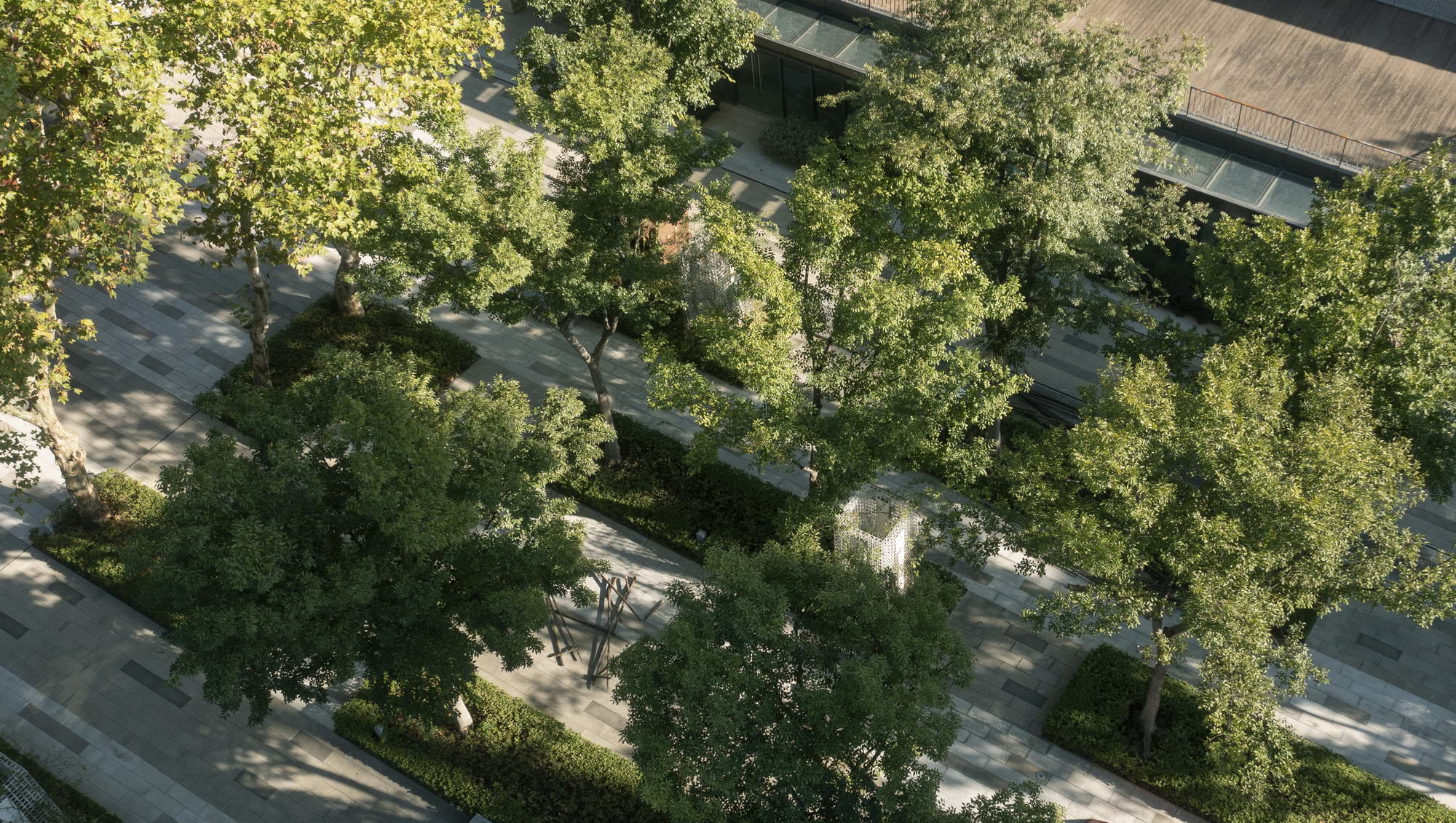
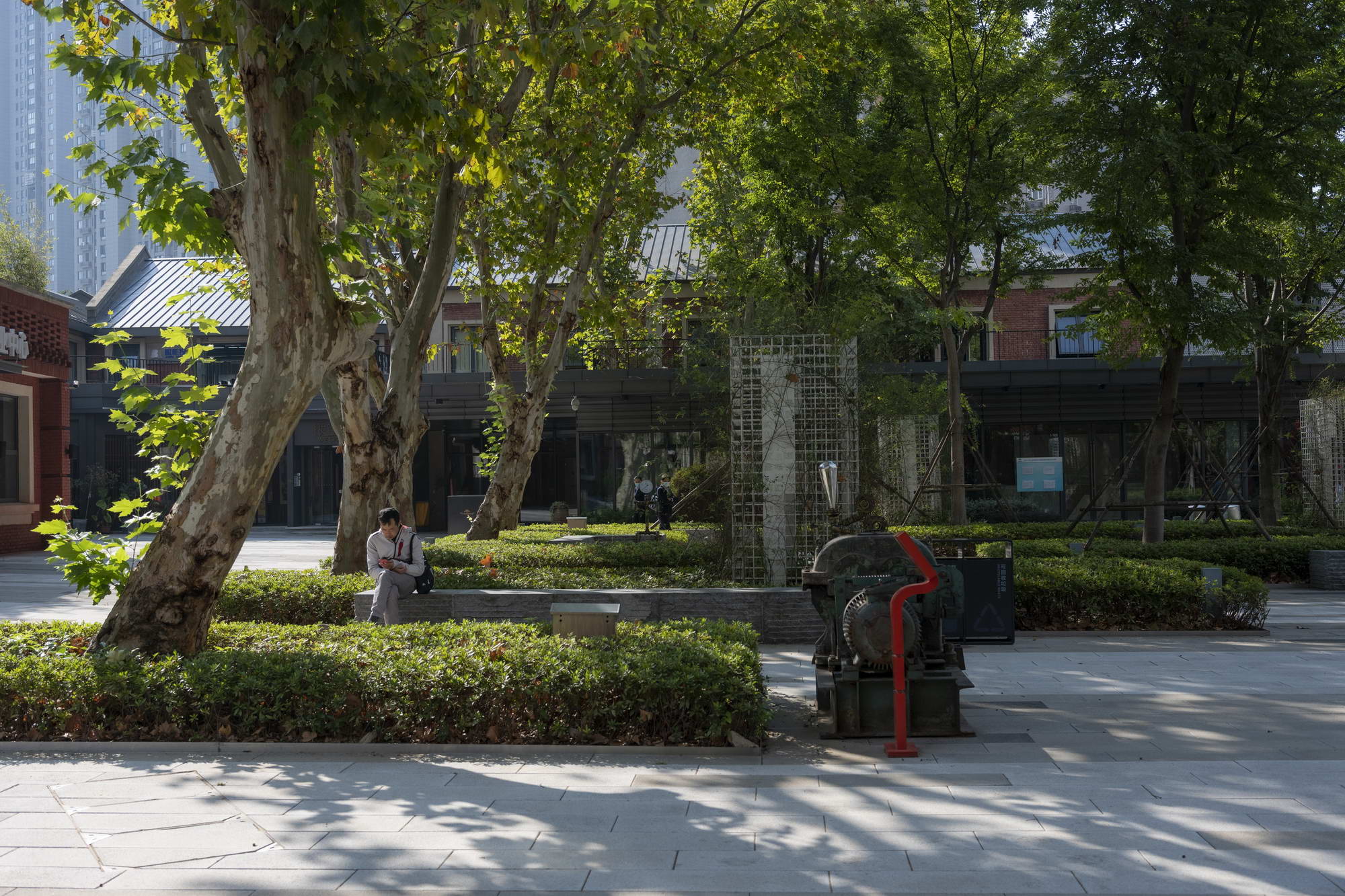
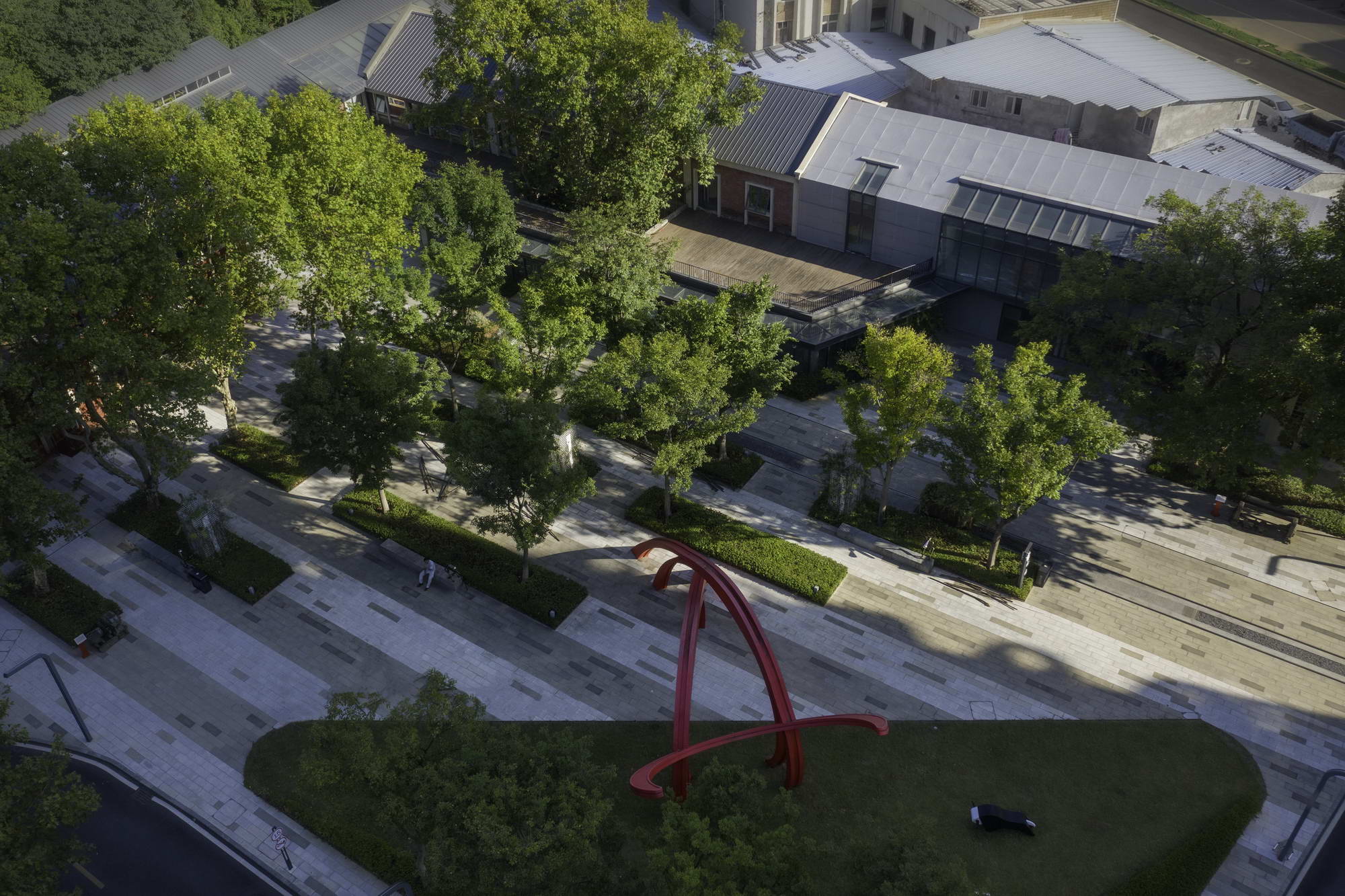
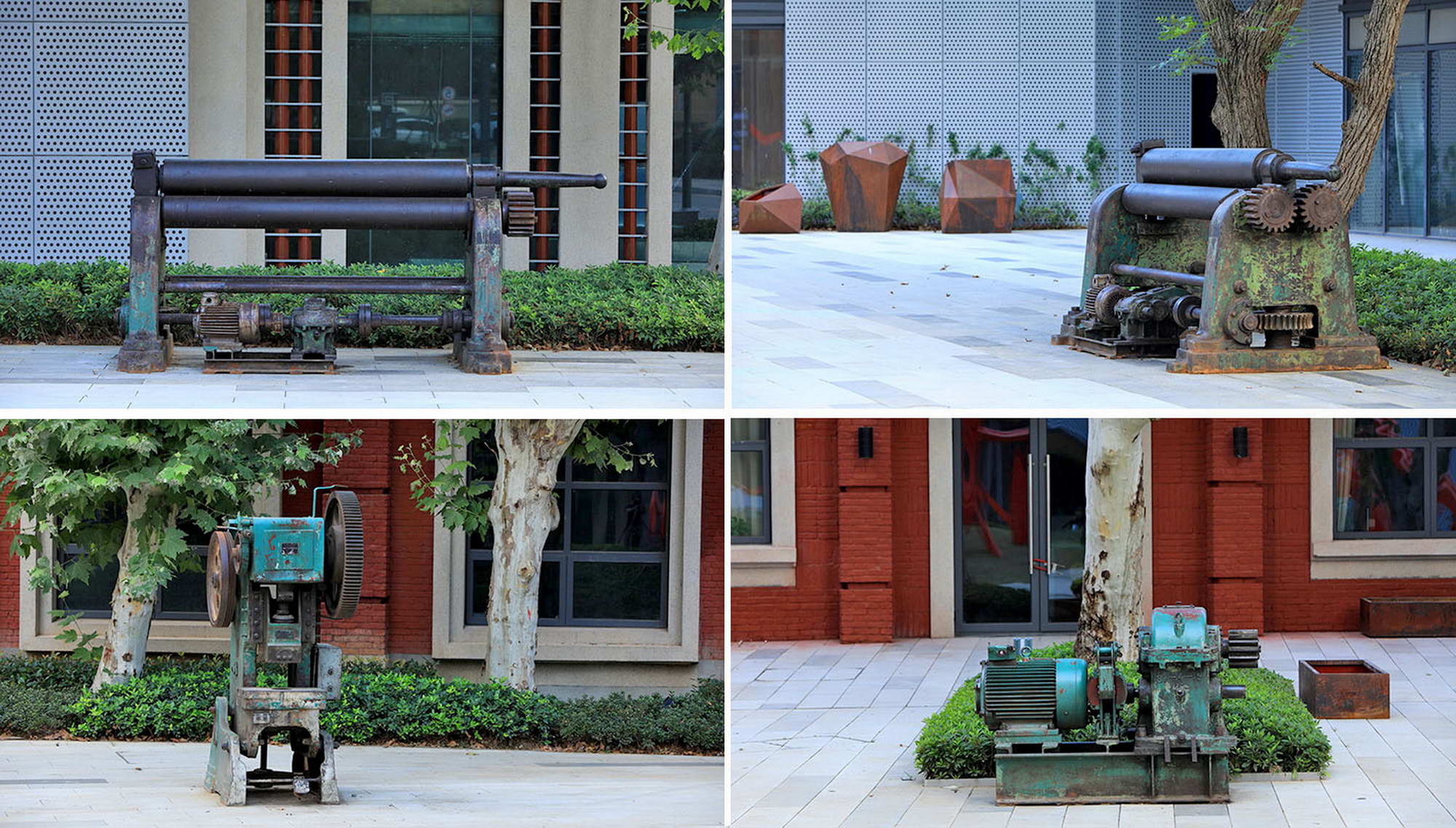
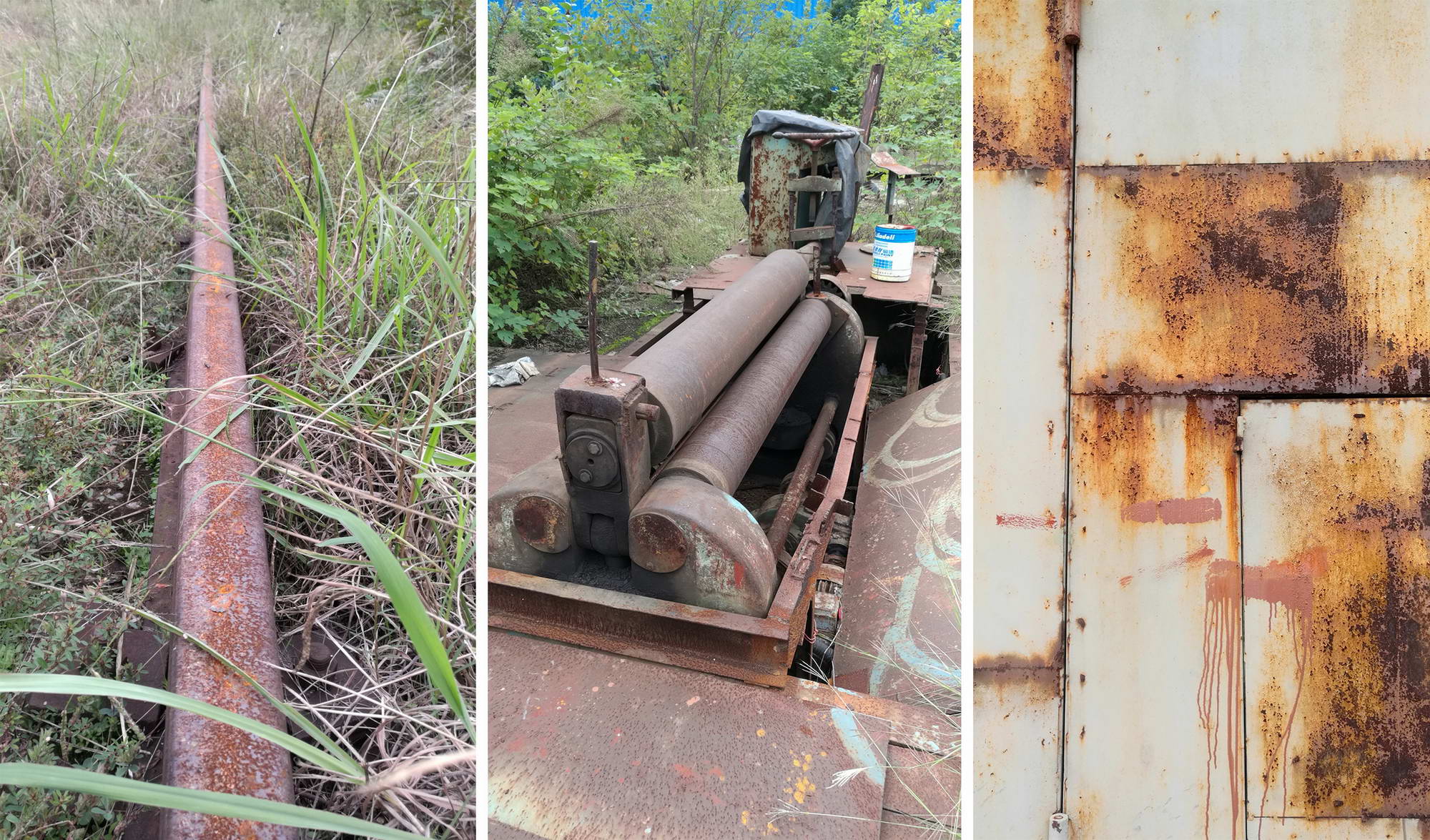
Place-based design thinking never aims at creating an internet-famous spot; it focuses on exploring the site's own story, listening to the voice of history, and using new design techniques to awaken it—meeting old memories and reproducing new time. Established in 1952, Hubei Electric Construction Company No. 1 is the earliest electric power construction enterprise in the central and southern regions, known as the First Brigade of Chinese Electric Construction and the first Chinese power construction firm to enter and establish itself in the international market. In the 1970s, the electric construction plant's processing workshop was located at Xiaoguishan, Wuchang District, Wuhan, developing into a robust rear production base. As China's industrial layout transformed and Wuhan's urban planning blueprint emerged, this once-dominant industrial rear base gradually declined, leaving only dilapidated old factory buildings. Xiaoguishan belongs to Zhongnan Road Street, east of Zisha Road and north of Xiaoguishan Road, designated as an important mountain park in central Wuchang. The peak elevation is approximately 63.8 meters, and the mountain form is irregular, significantly affected by construction. The project is located on the slope of Xiaoguishan; after long-term factory construction, the original mountain has essentially disappeared, creating enormous internal elevation differences. Between roads, terraces, and slopes, the height difference mostly ranges from 7 to 12 meters. The design treats the old electric construction factory site and the fractured, growing mountain park as intertwined layers, using place-based thinking rather than chasing trends. By listening to history and applying new design methods, the project awakens old memories while creating new time, transforming a derelict industrial base into a financial and cultural park that honors the site's industrial heritage and ecological potential.





















 Editor's Pick
 Latest Design