Text description provided by the architects
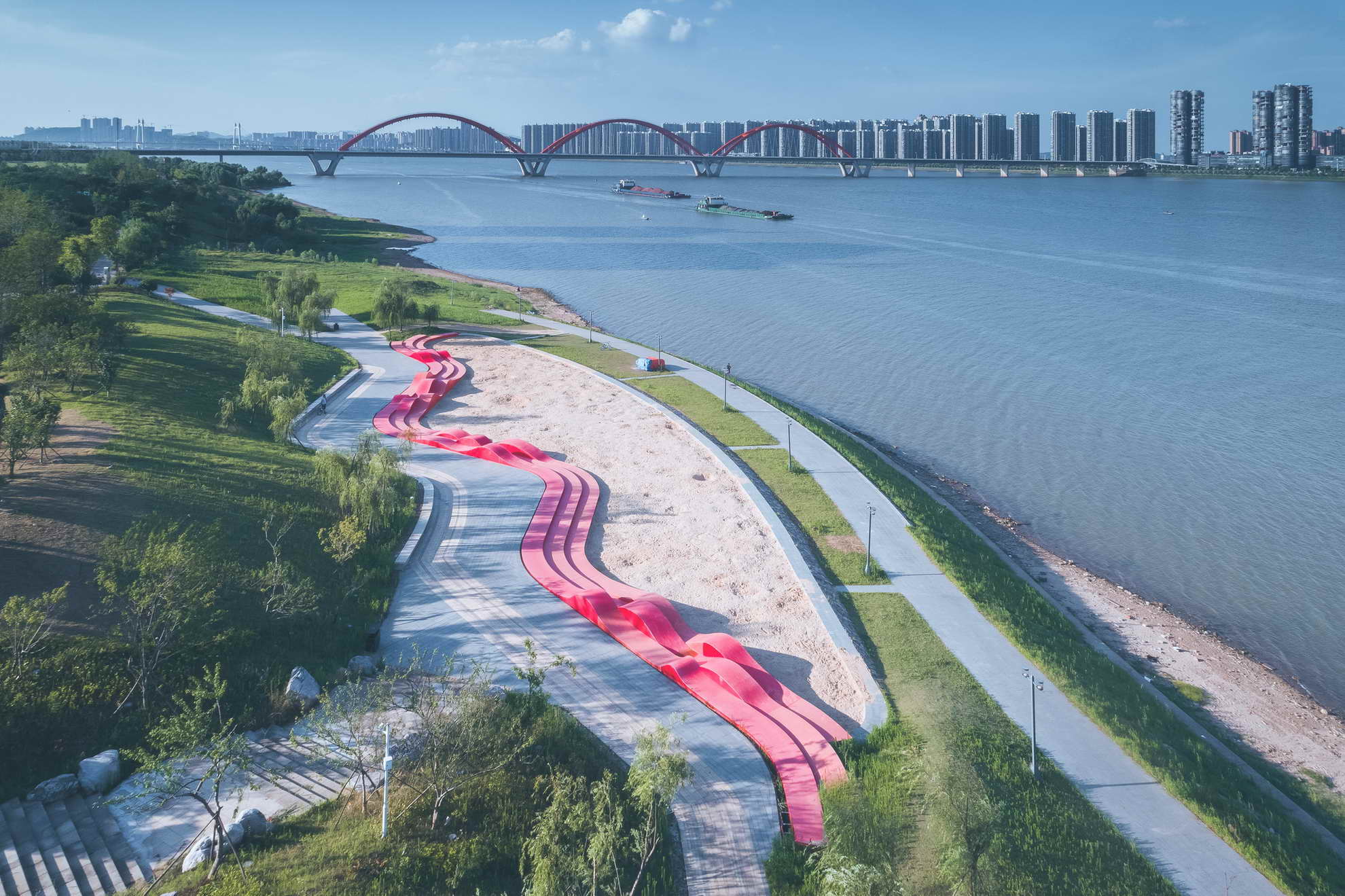
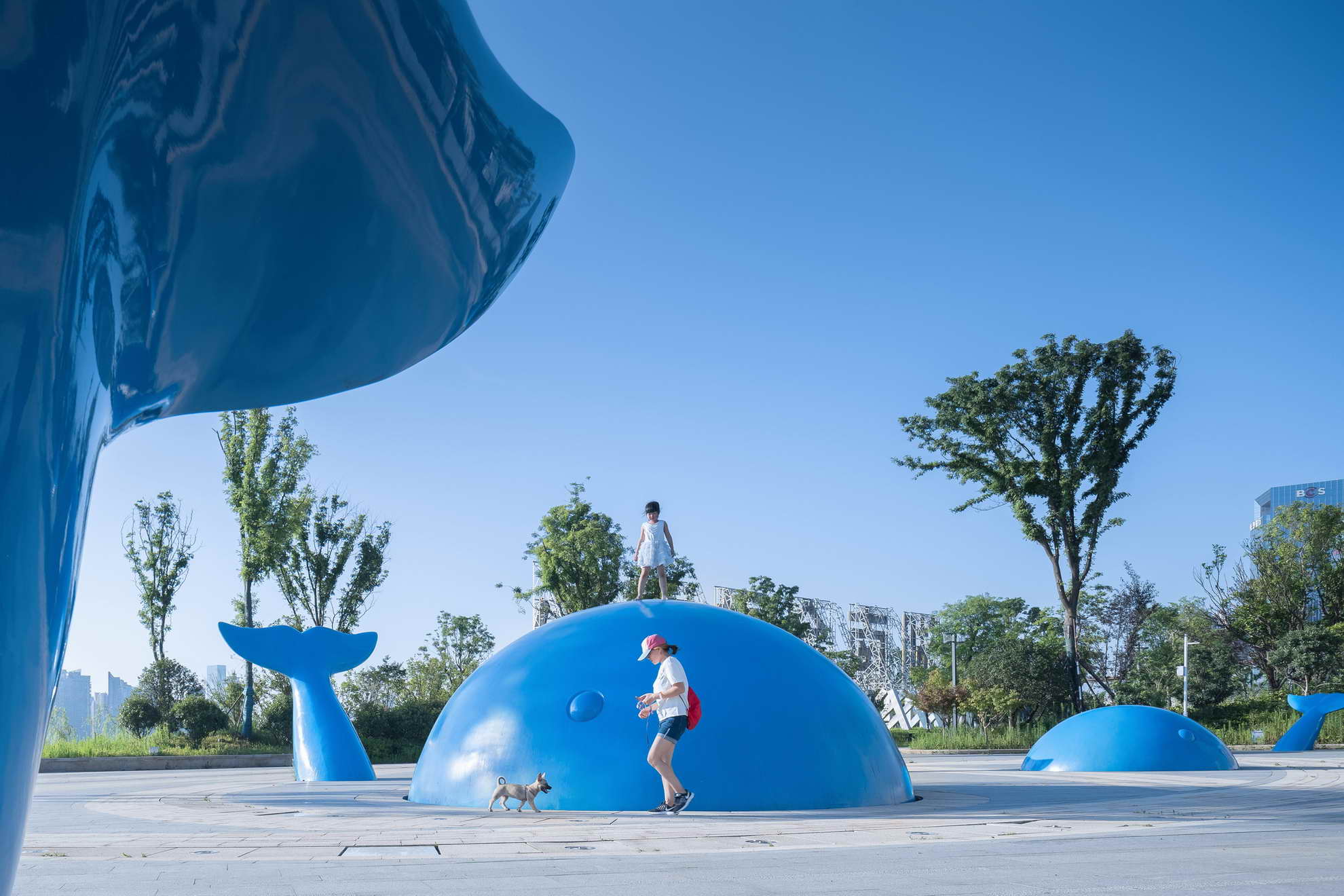
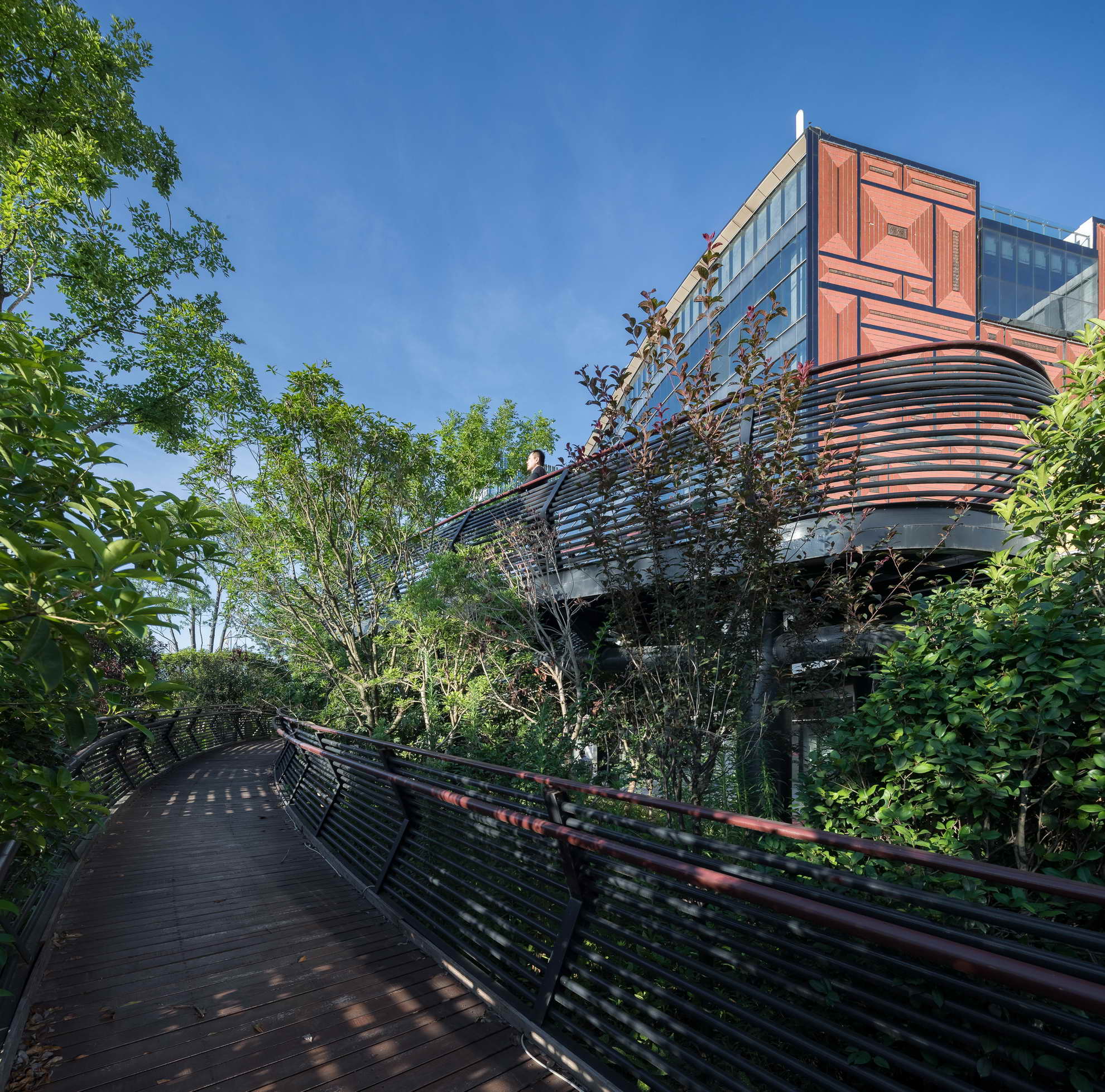
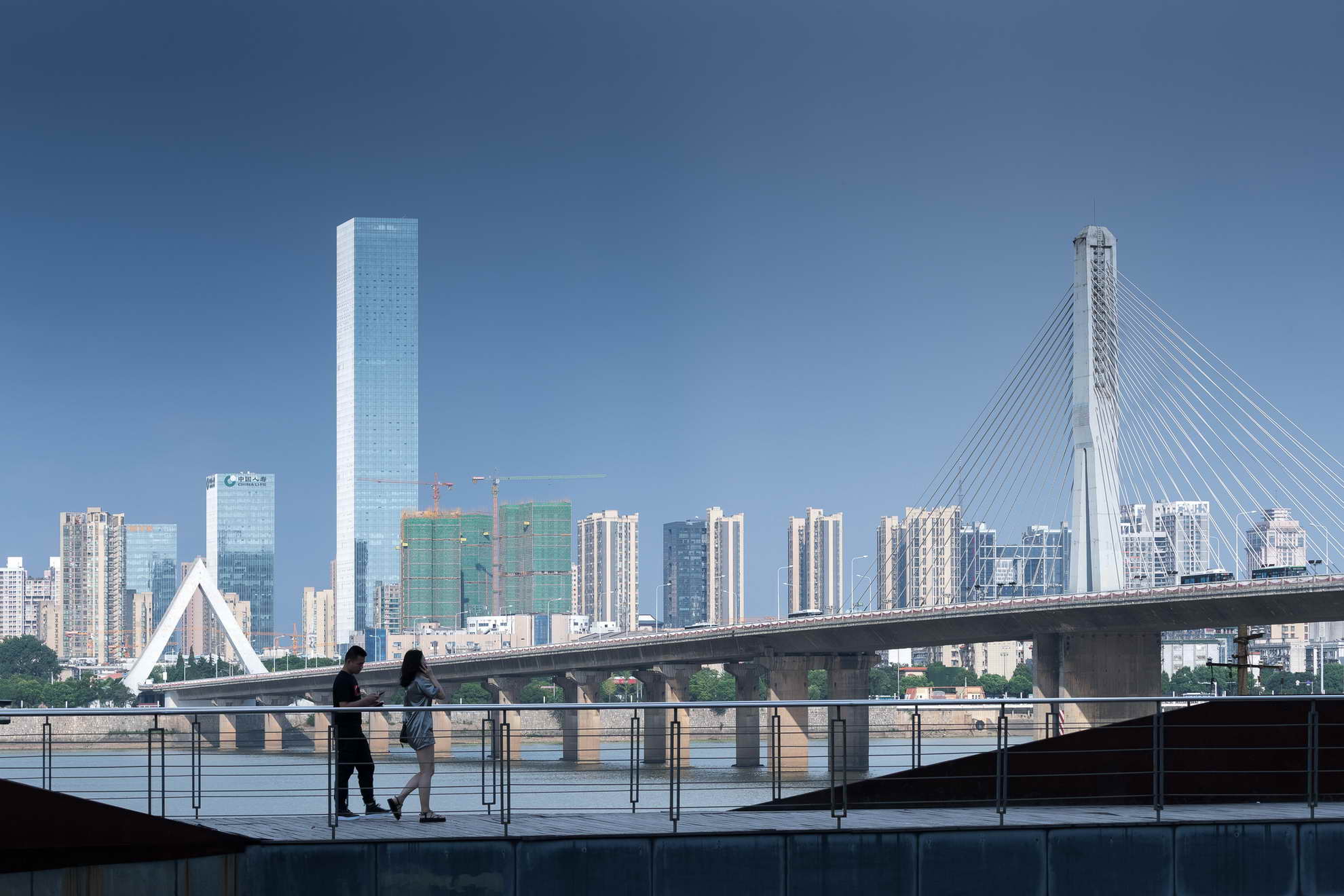
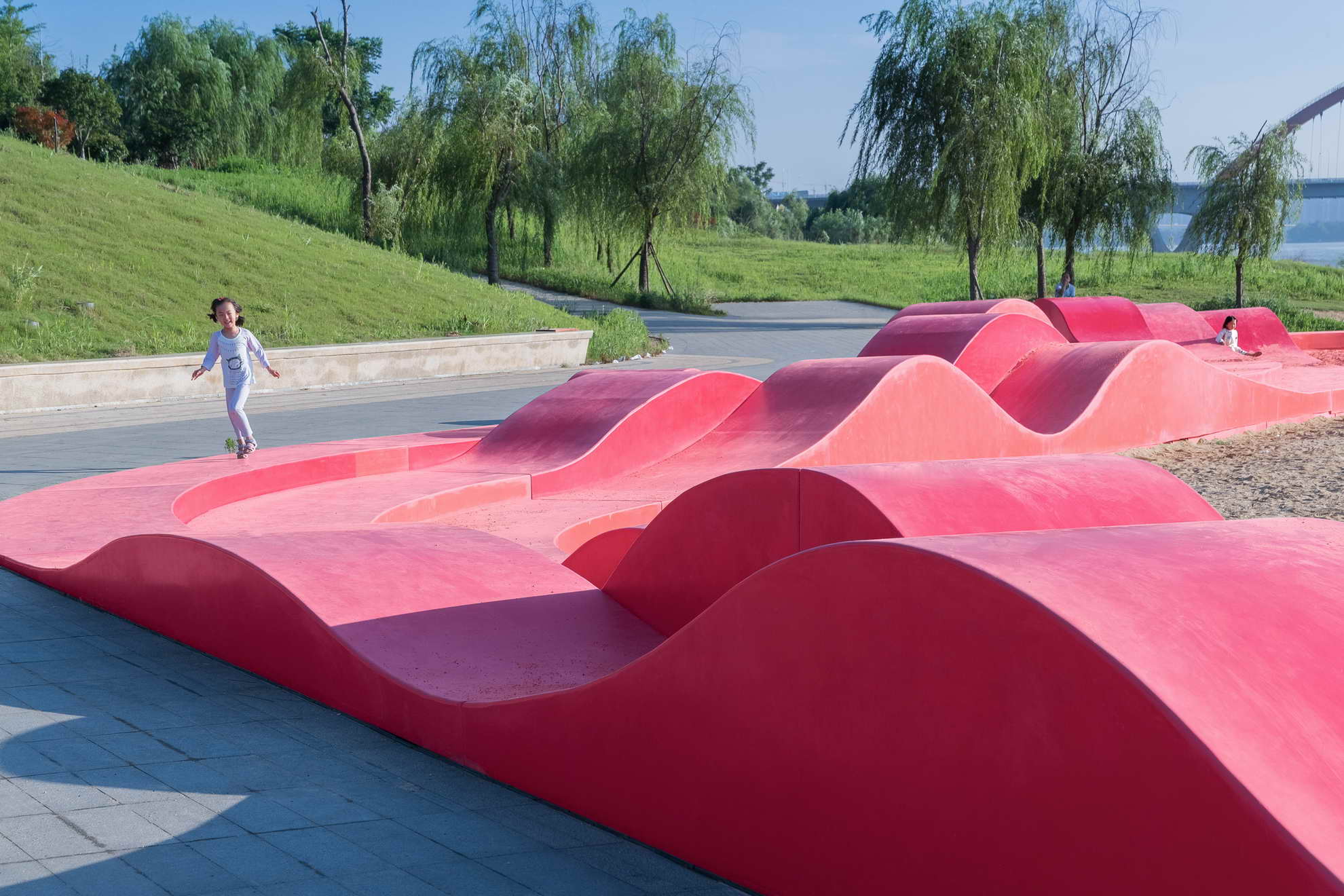
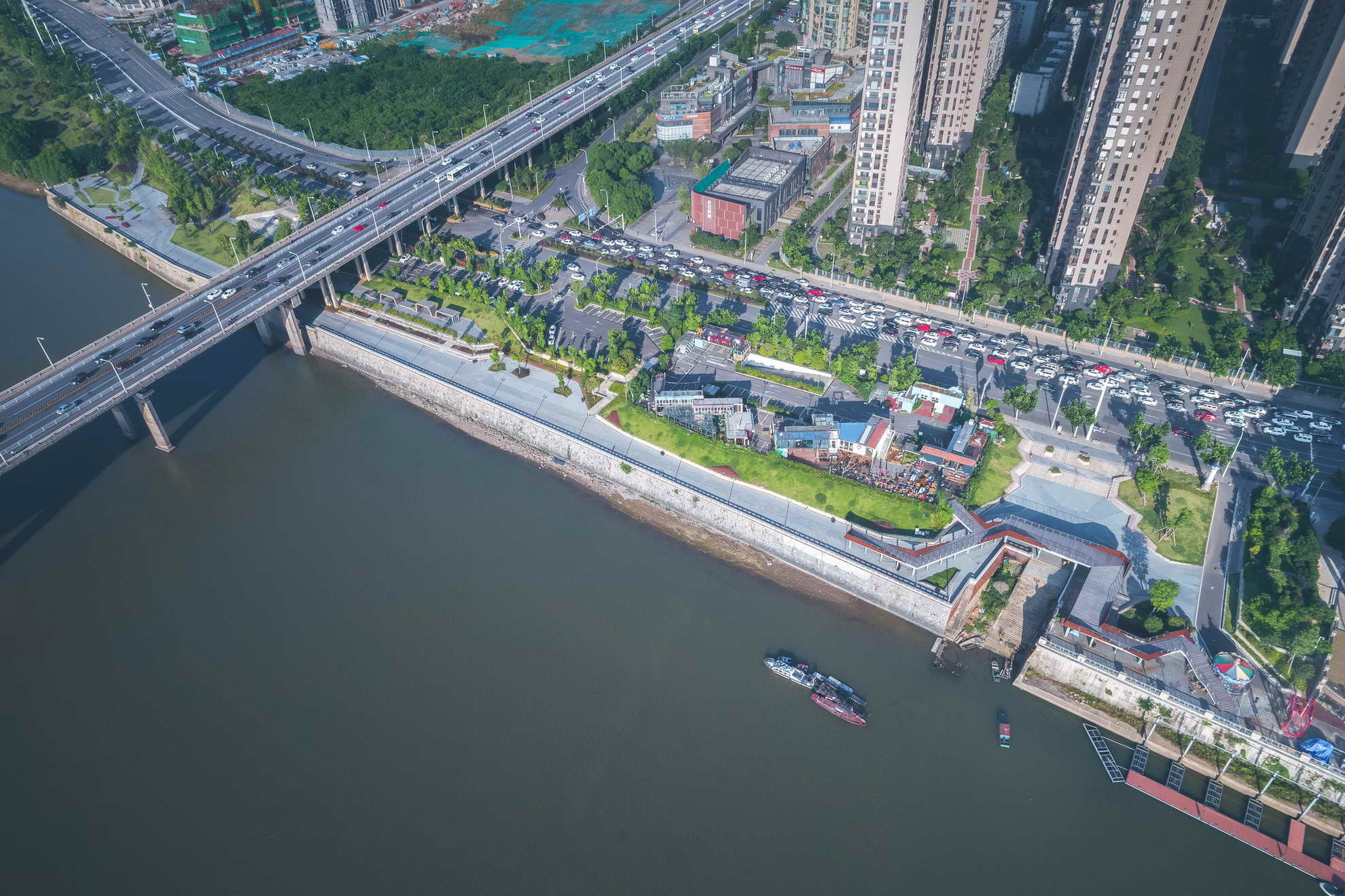
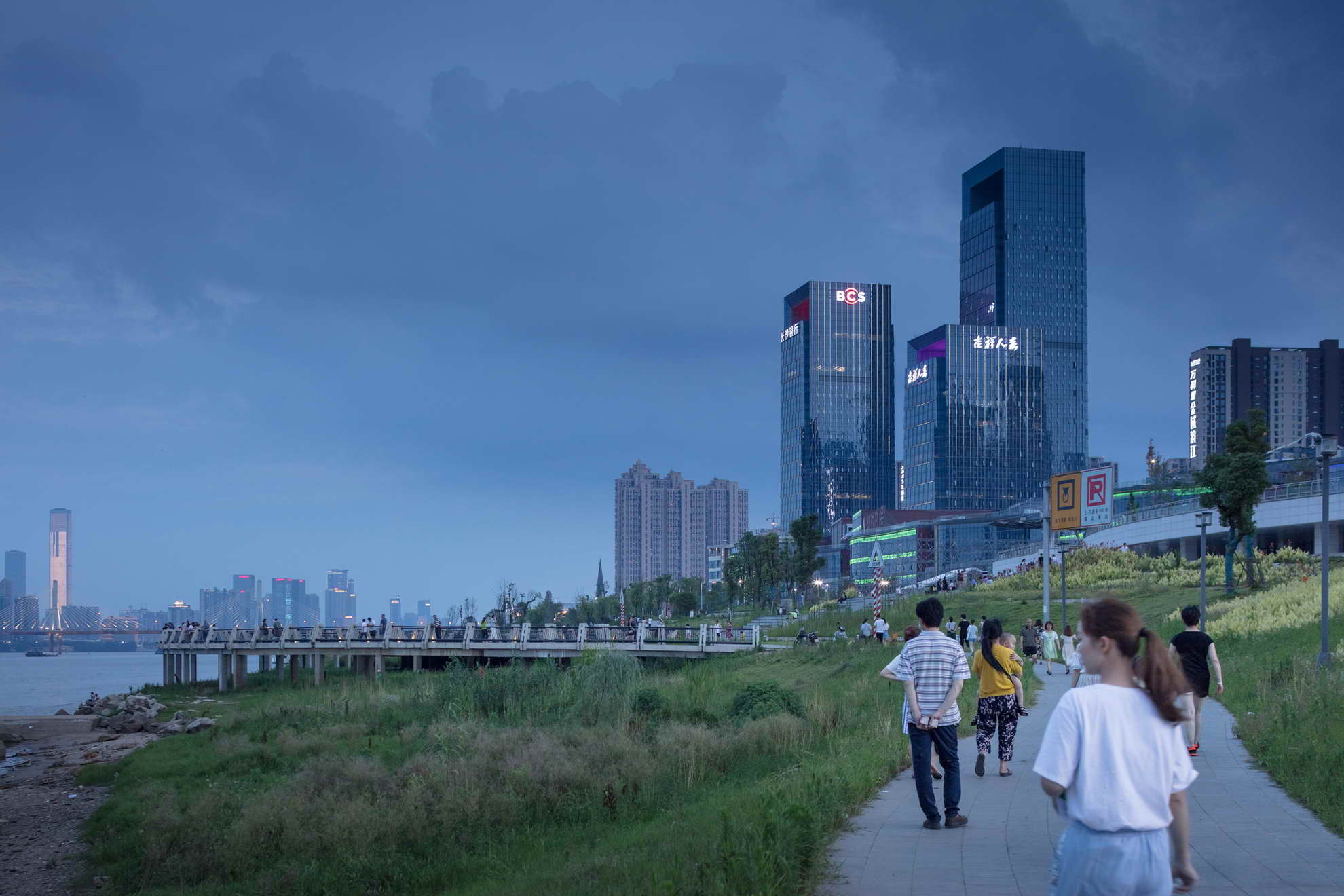
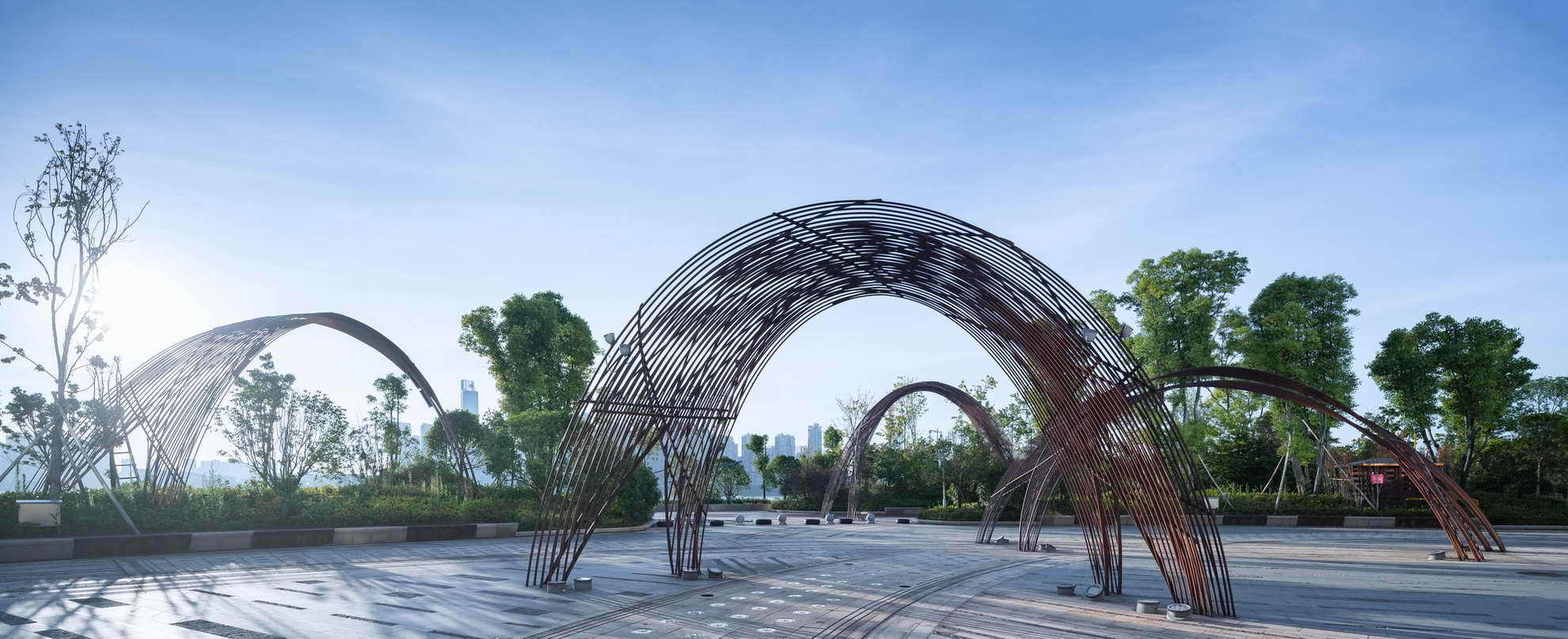
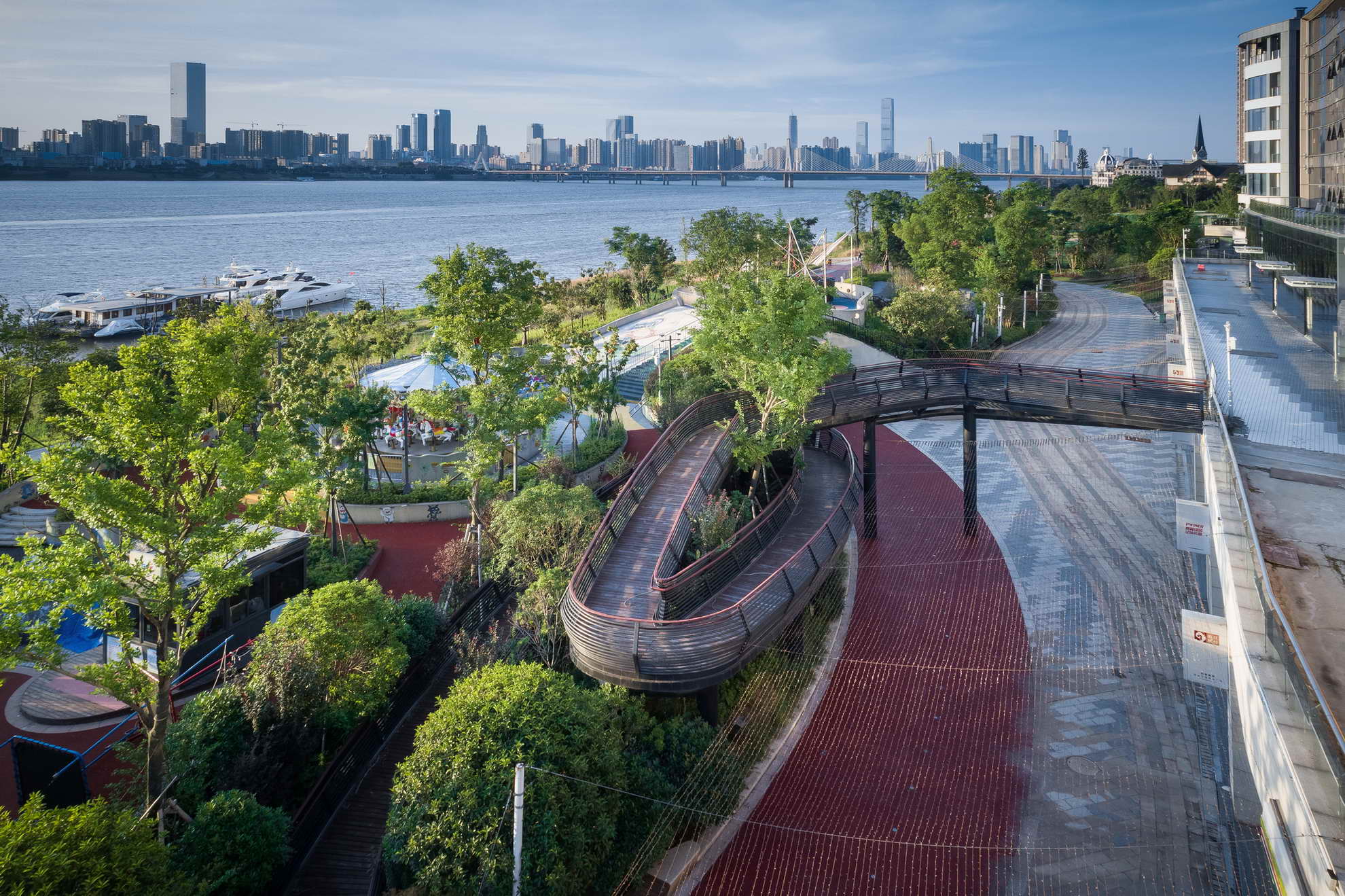
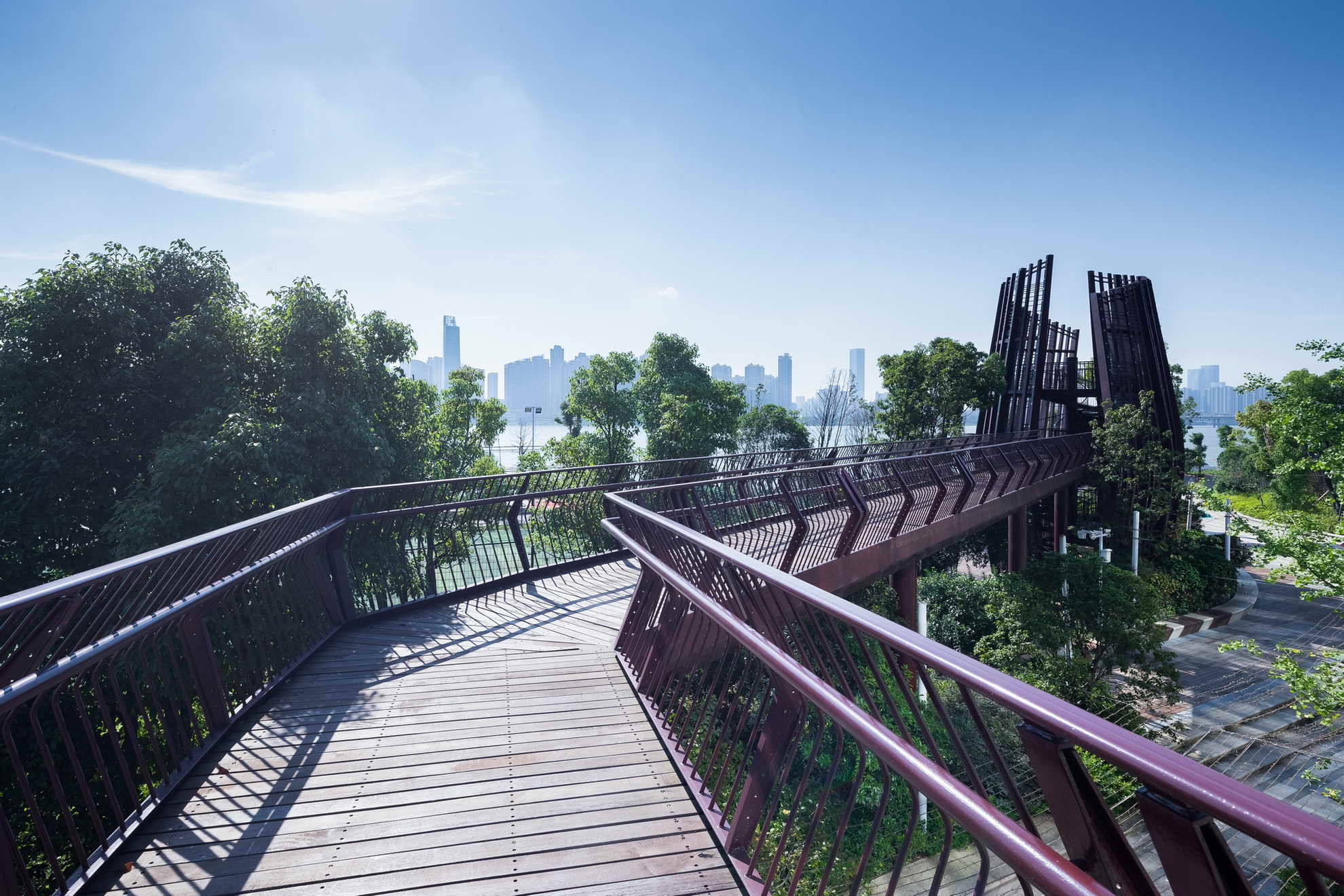
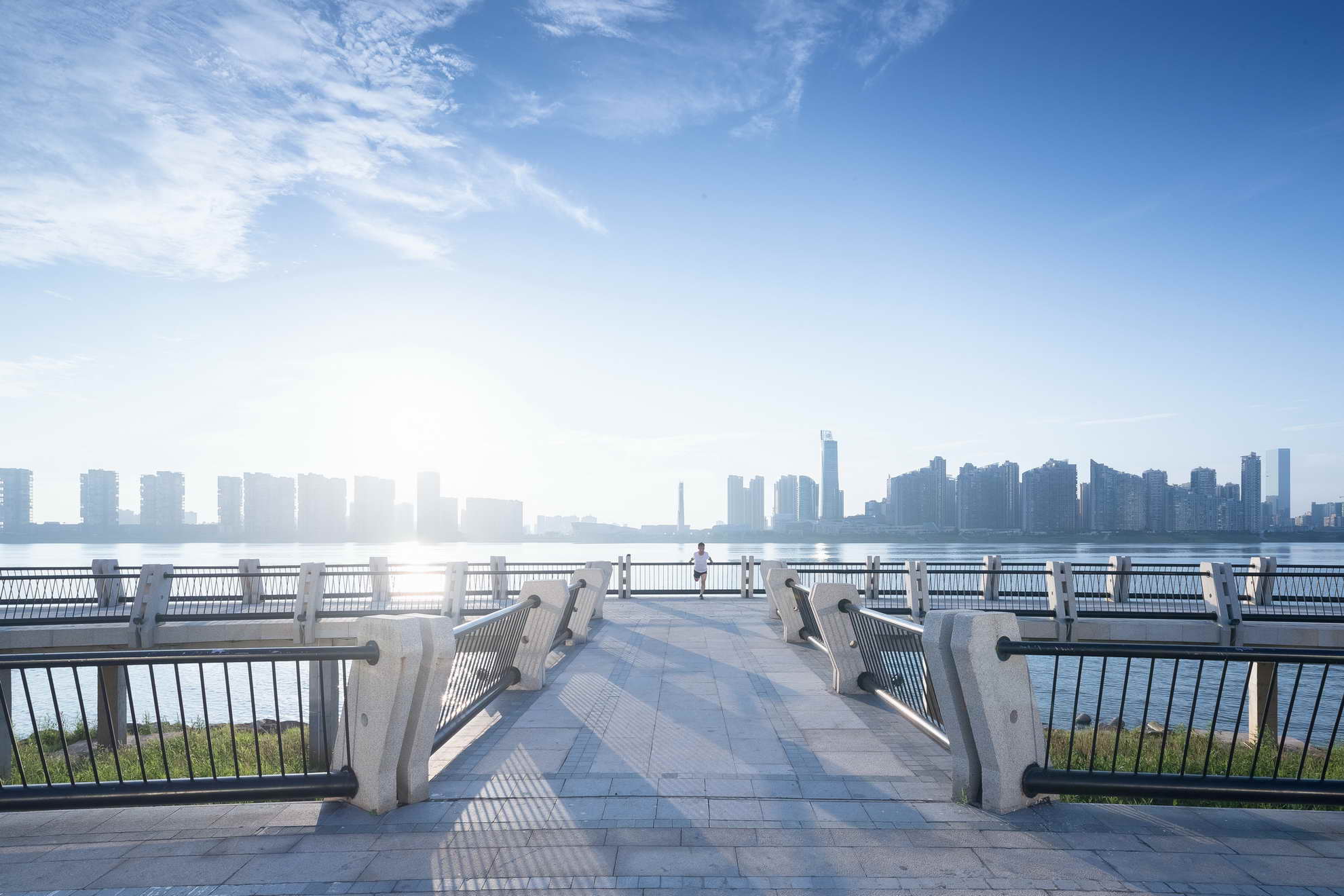
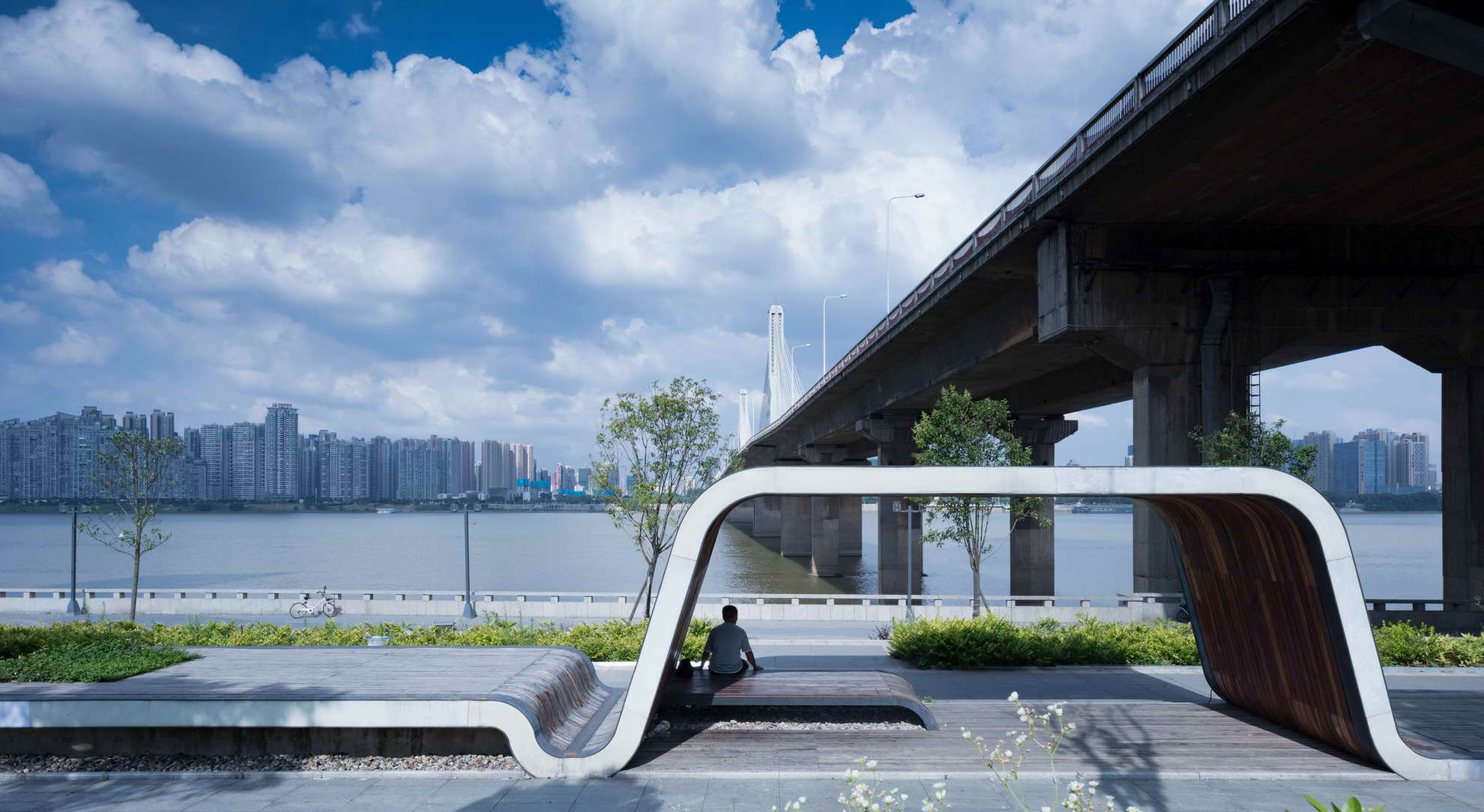
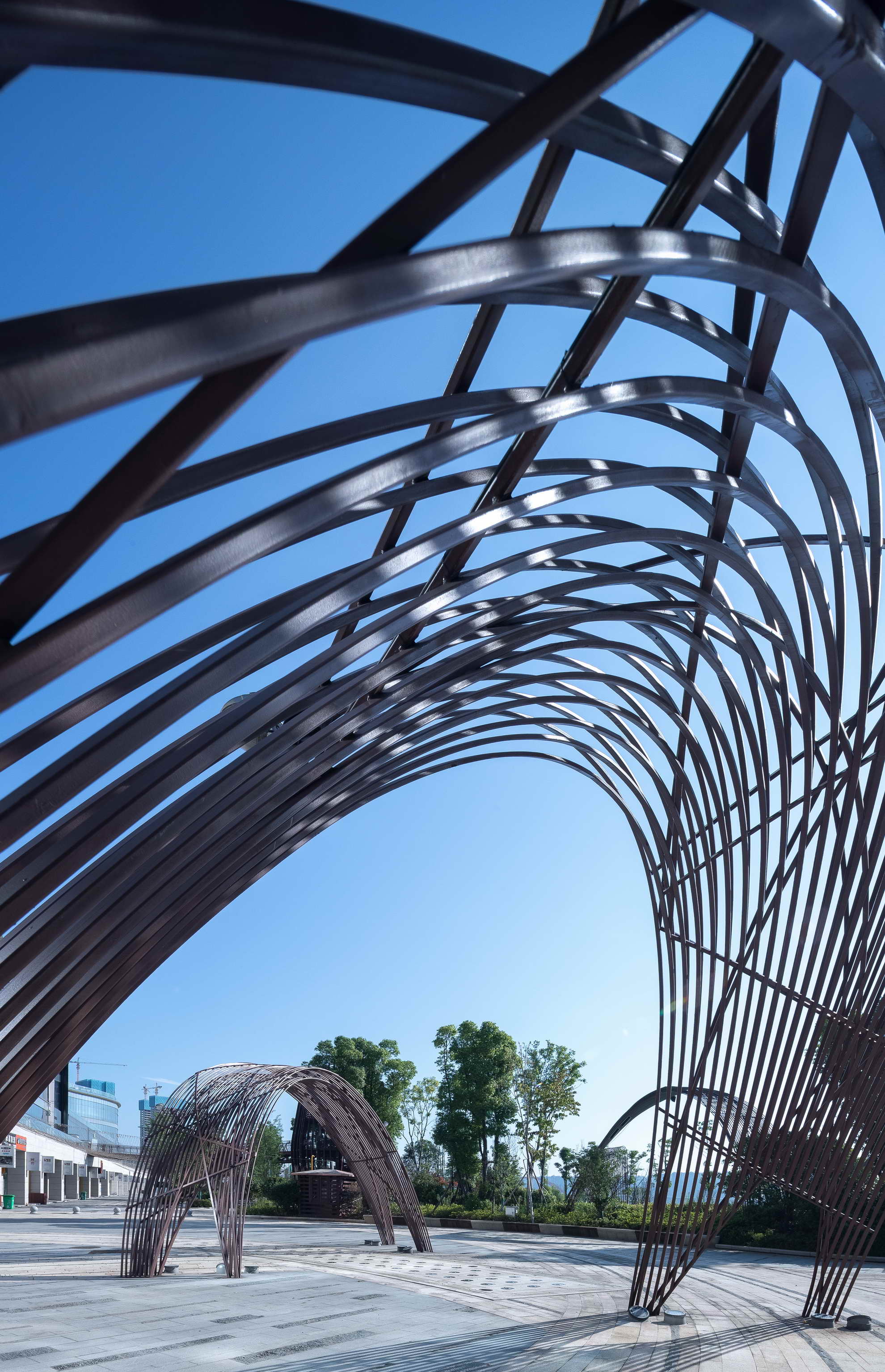
People have always settled where water and grass are abundant, and cities have grown along rivers. Every city has its river vein, just as the Seine belongs to Paris, the Thames to London, and the Huangpu River to Shanghai. The Xiang River is Changsha's water vein and urban lifeline, serving as the material foundation and spiritual support for generations of Changsha residents. Known historically as the hometown of the patriots Qu Yuan and Jia Yi, and as a cradle of traditional Chinese learning, Changsha has evolved into a modern entertainment and cultural capital. From ancient streets and markets to an international metropolis in central China, Changsha continually refreshes its urban image through reform and exploration. On the west bank of the Xiang River, within Binjiang New Town, GVL Landscapes has designed a 2.45-kilometer waterfront commercial and tourism landscape belt that offers a model for Changsha's future international urban identity. The design vision builds on the city's historic structure of one river, two banks, mountains, water, islets, and city, leveraging the 2.45-kilometer waterfront promenade and the upper-planning positioning of Binjiang New Town as an international financial center and municipal CBD core. Respecting the water vein and emphasizing historical and cultural memory, the team aims to help Changsha project an international metropolitan image. Taking waterfront resources as the entry point and exploiting the seamless connection between commercial parcels and riverfront assets, the team approached the design from an operational perspective, seeking to create a composite riverside landscape belt integrating commerce, leisure, culture, and sports that would provide a daily-life urban open space with emotional belonging. The site extends from Tanshan Road in the north to 150 meters south of the Yinpenling Bridge, facing the main urban district and the Three Halls and One Hall public building complex across the river, with rich ecological and landscape resources. However, the long, narrow linear riverfront lacked spaces for experience, interaction, and rest, which did not match the ambitions of Binjiang New Town. The Xiang River belongs to the Dongting Lake drainage system of the middle Yangtze and carries abundant water. Accordingly, water-level fluctuation was the primary consideration in shoreline design. Based on historical water-level records, the team transformed the original single shoreline into a three-tier waterfront system that enriches elevation variation while strengthening the relationship between people and water. In structuring the linear riverfront space, the team controlled the opening and closing of spaces through interface modulation, emphasizing site character by carefully managing points, lines, and planes. Points function as the DNA of the space, shaping memorable nodes; lines constitute the traffic system, including pedestrian paths, cycleways, and a mini railway that enhance accessibility; points and lines together form various interfaces that generate a sequence of ordered waterfront spaces. Beyond visual effect, landscape design must create future possibilities. From an operational perspective, the team introduced a series of engaging facilities intended to attract visitors and drive commercial development. The landscape corridor connects with commercial podium buildings. An arch structure in the Hunan Embroidery Square adds delight to passage. A landscape tower serves as a landmark for overlooking the Xiang River. A lively whale sculpture pairs with fountains to delight children, and a beach area provides future recreational possibilities for the commercial zone. The west bank is where Changsha's industrial civilization began, home to the former Yuxiang Cotton Mill and Changsha Shipyard. The team drew on industrial elements from the old shipyard and applied post-modern design techniques to shape the landscape. The former Yuxiang Cotton Mill site, south of Yinpenling Bridge, benefited the development of Hunan embroidery; the team took inspiration from the mesh and twisted patterns of Hunan embroidery to create characteristic landscape elements. At the southern end, where the old shipyard once stood, the designers followed the historical style and created a double-level lounge bridge offering diversified spaces for staying and relaxing, intended to evoke old memories and interpret the city's history. Classic ship models produced by the Changsha Shipyard also appear in the landscape design, reminding visitors of bygone days. All design must be grounded in human needs, and space should be a container for holding all kinds of feelings. People of different ages have different requirements for public space, so the team sought to provide multiple spatial experiences that deliver comfort and a sense of belonging. The first phase of the landscape belt has already opened to the public, greeting each dynamic morning alongside the striving young people of this rapidly developing district.













 Editor's Pick
 Latest Design