Text description provided by the architects
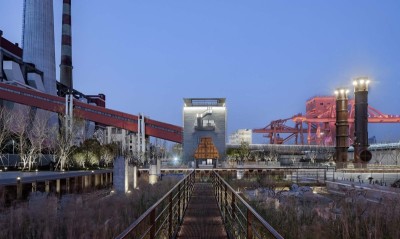
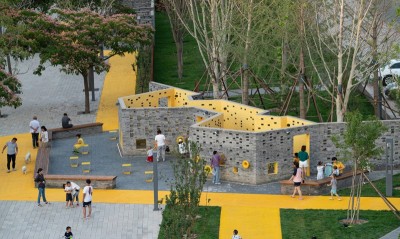
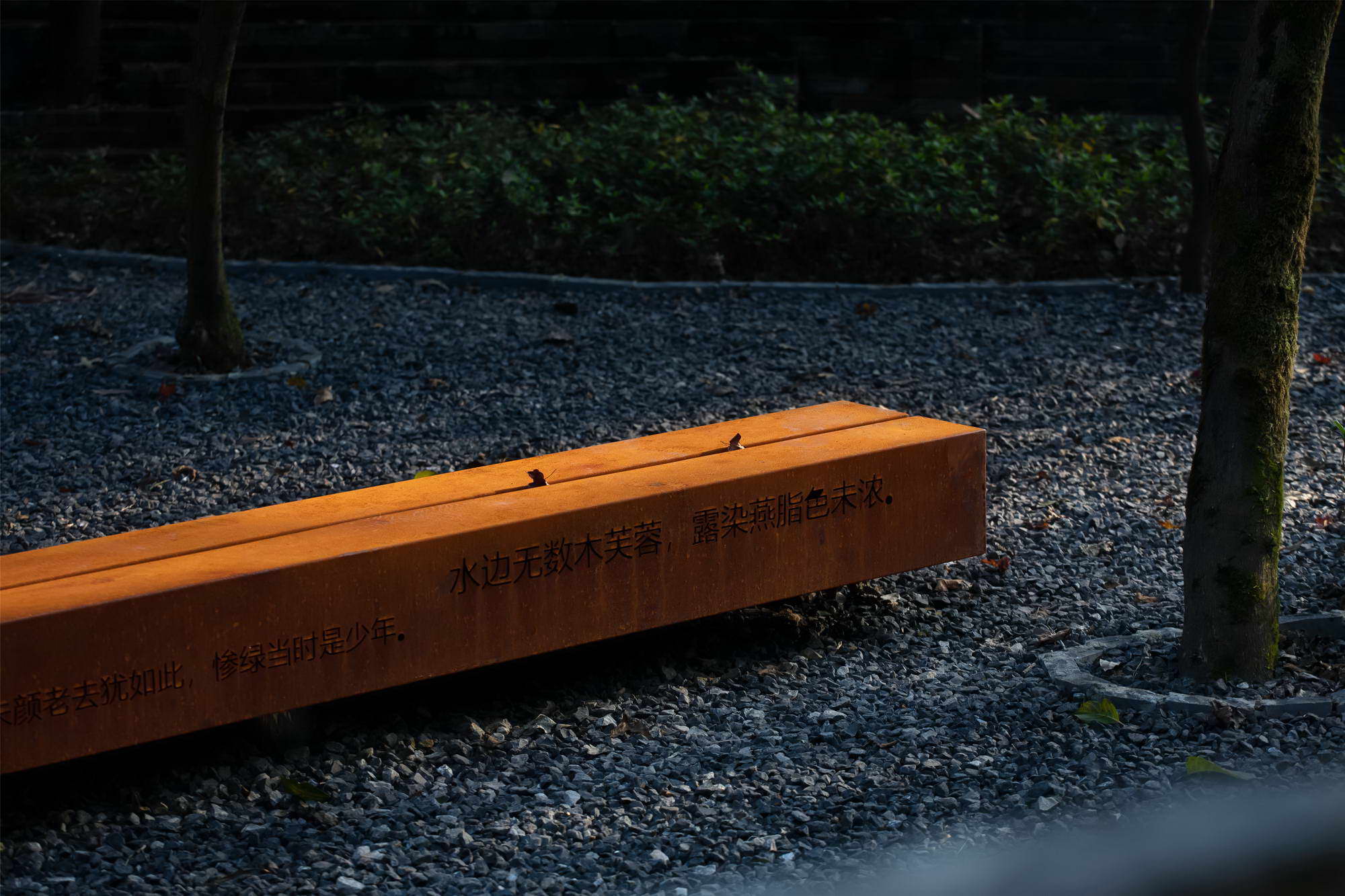
Set in the Eco Grand View cultural-tourism zone of Nanchuan, Chongqing, the "Huanzhou Miracle" is an immersive outdoor game landscape designed by WTD Design for client Chongqing Nanchuan Yonglong Construction and Development. Positioned as a thematic, immersive natural theatre, the project is organised around a circular hotel building already completed on the hilltop, which from a distance resembles an alien spaceship; the design uses this form as the narrative origin of a time-travelling "ring ark" that landed in 2022 and awakened plant spirits across the site. Visitors play the role of "yuanqi masters" tasked with locating spirits and collecting energy, and their combined progress directly affects the ark's state. Rather than producing a passive sightseeing landscape, WTD treats the entire 1-kilometre main route as a sequence of twelve themed outdoor rooms that combine terrain, planting, interactive lighting and art installations so that players move between worlds. The "Forsaken Forest" zone deploys a desaturated palette, a solitary bench and broken glass embedded in the paving to reflect a ruined woodland and drifting firefly-like lights, while the adjacent village cluster is built in grey brick with mirrored floors and a slit of artificial daylight. A rose-form labyrinth assembled from five unopened buds uses shifting colours, random grass mounds, broken mirrors and distortion mirrors to disorient players, and a sunken, bright-red linear volume framed by muhlenbergia and ginkgo reads as the throat of the earth, a piece of land art that propels further exploration. Suspension bridges, a bamboo-forest theatre with curtain projections and a "world entrance" gate sequence stitch the zones together. Scenery, projection, music, lighting, performance and sci-fi special effects are layered along the route so that visitors are wrapped on every side by a narrative environment that works by day and by night. The design merges nature education, cultural continuity, digital art and mass entertainment into a repeatable, living real-scene game, and is delivered largely by a team of post-1990 and post-1995 designers whose imagination is legible in the sensory, multi-species tone of the result.






 Editor's Pick
 Latest Design
 Best Idea
 Hottest of Week