Text description provided by the architects
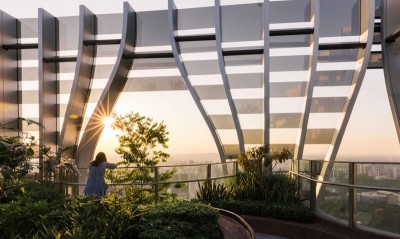
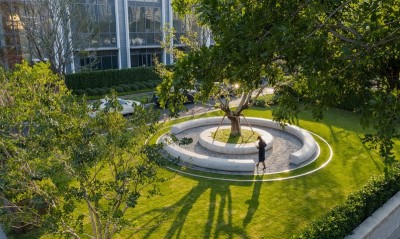
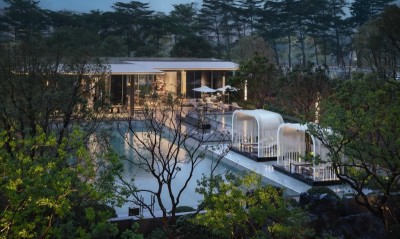
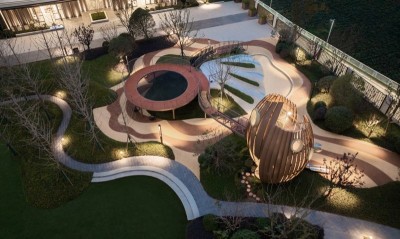
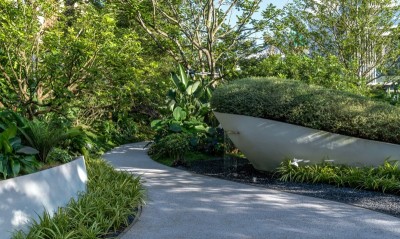
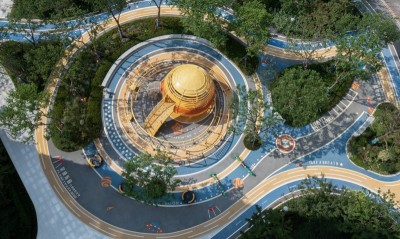
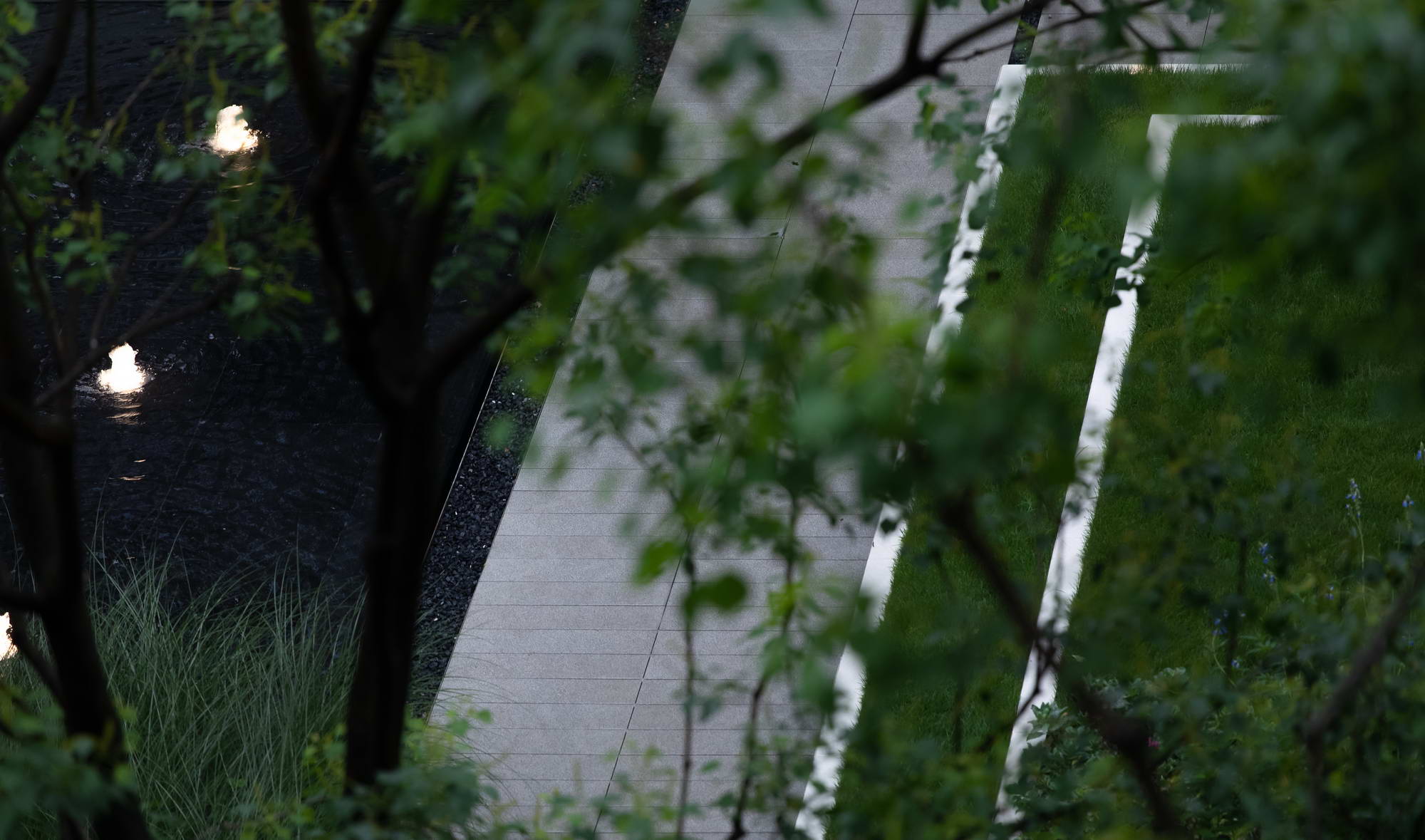
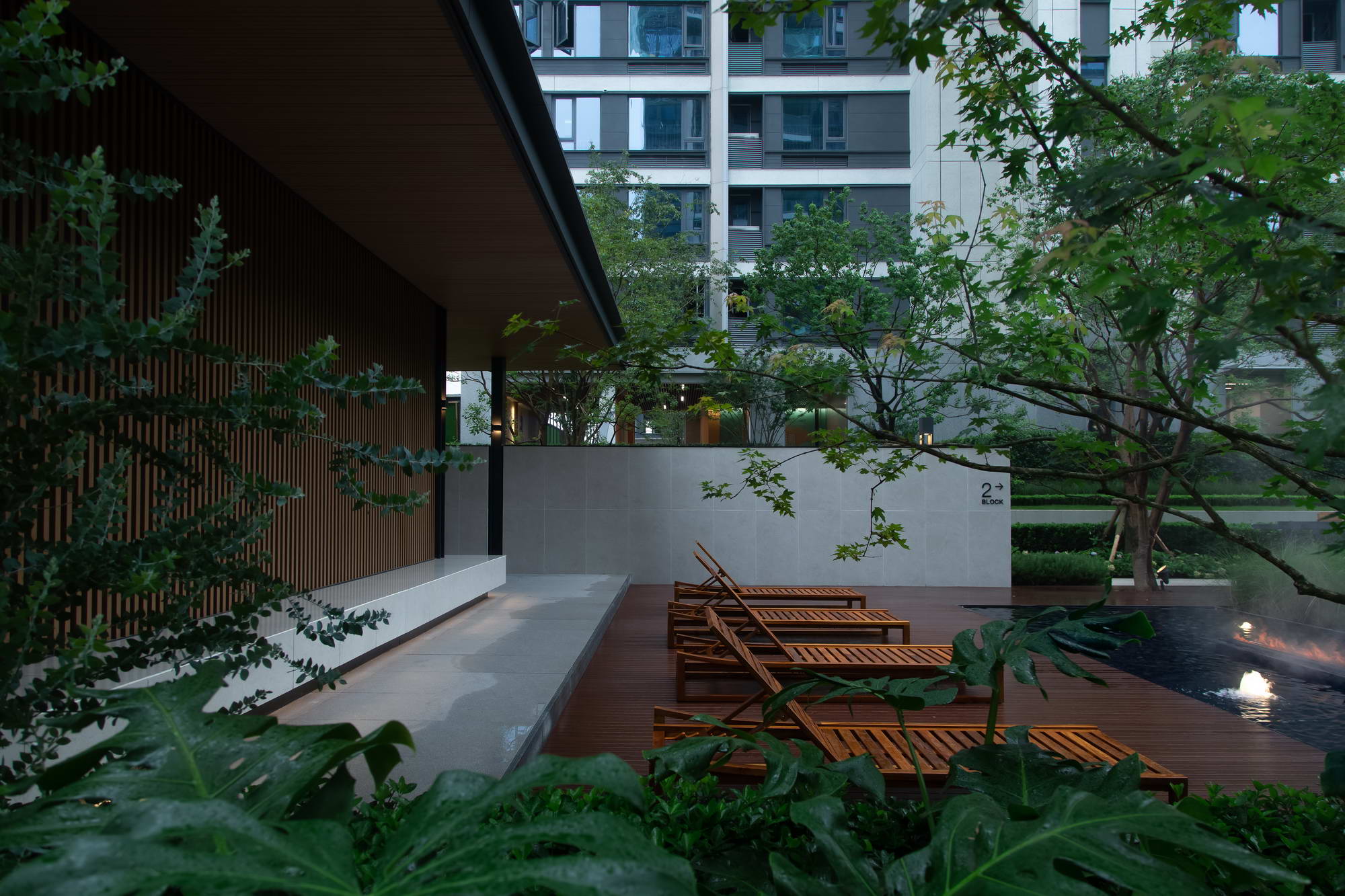
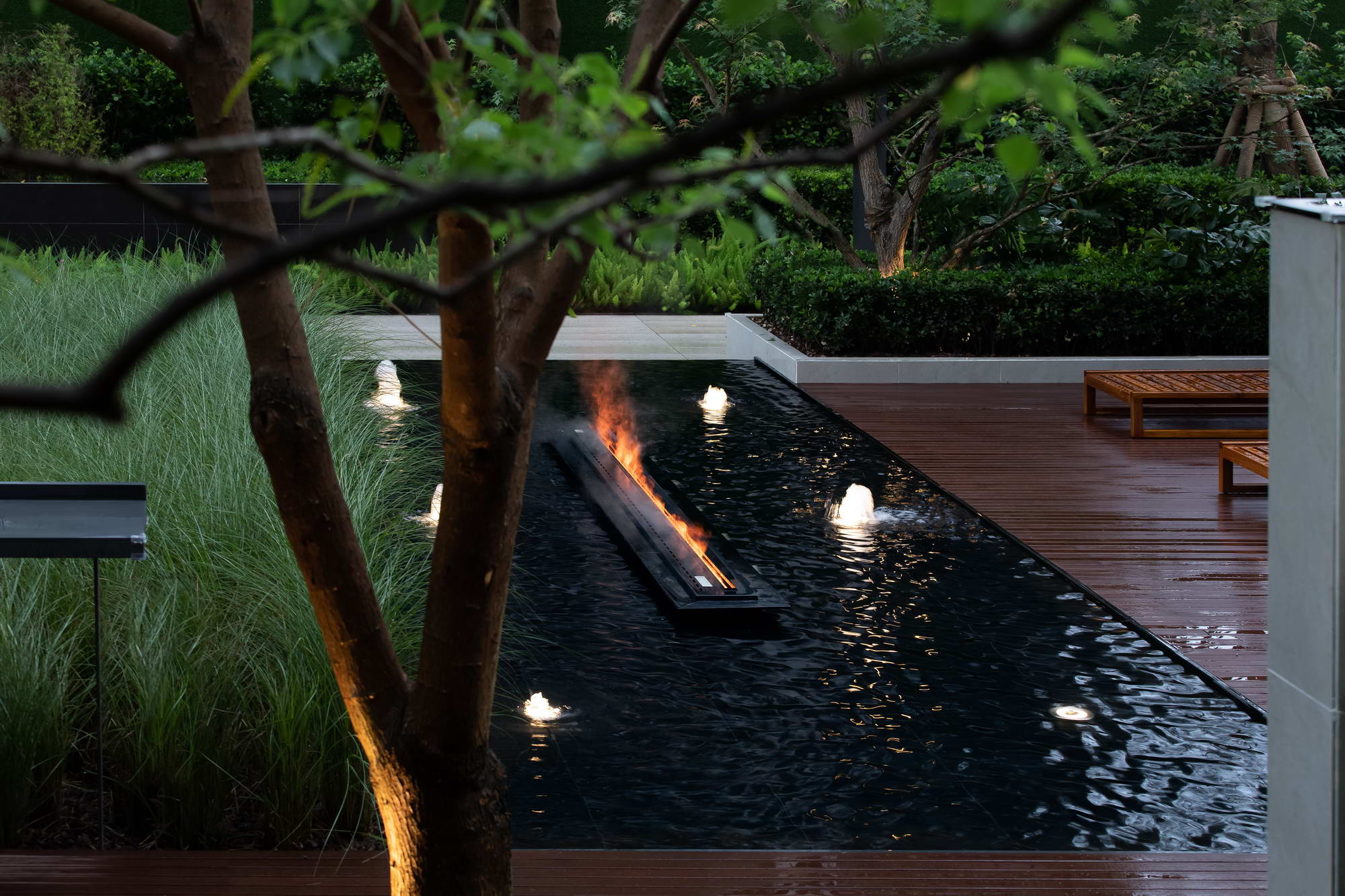
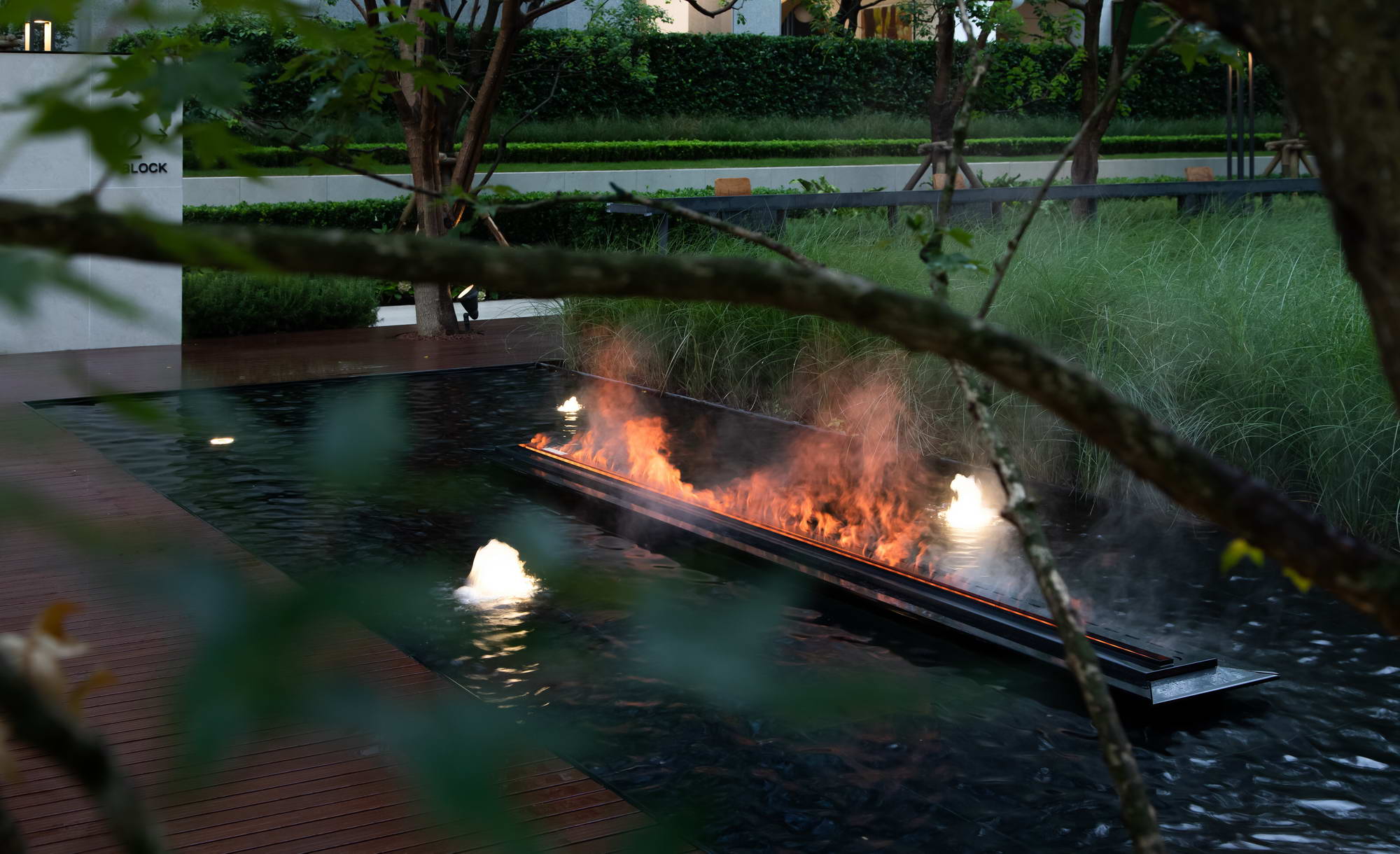
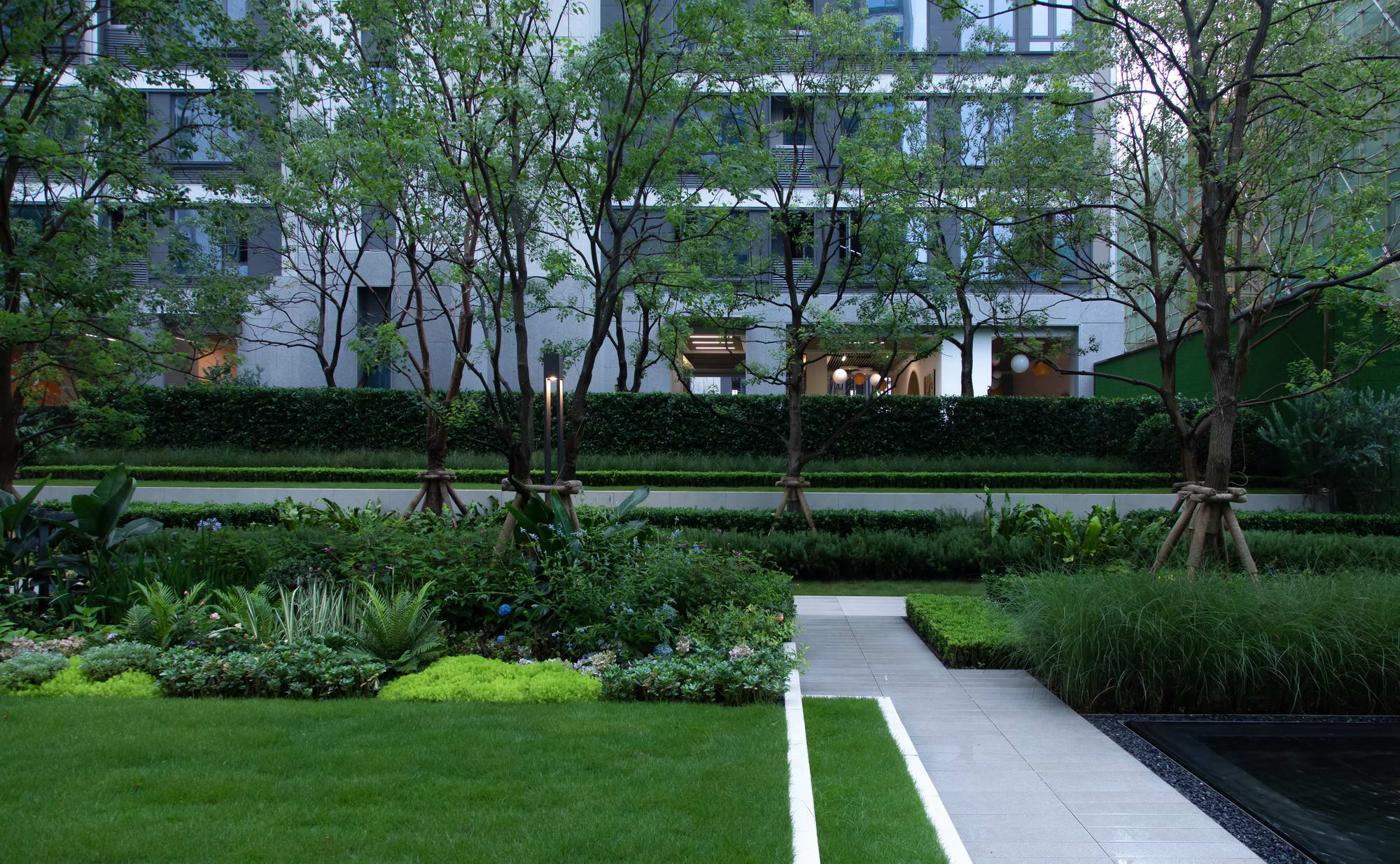
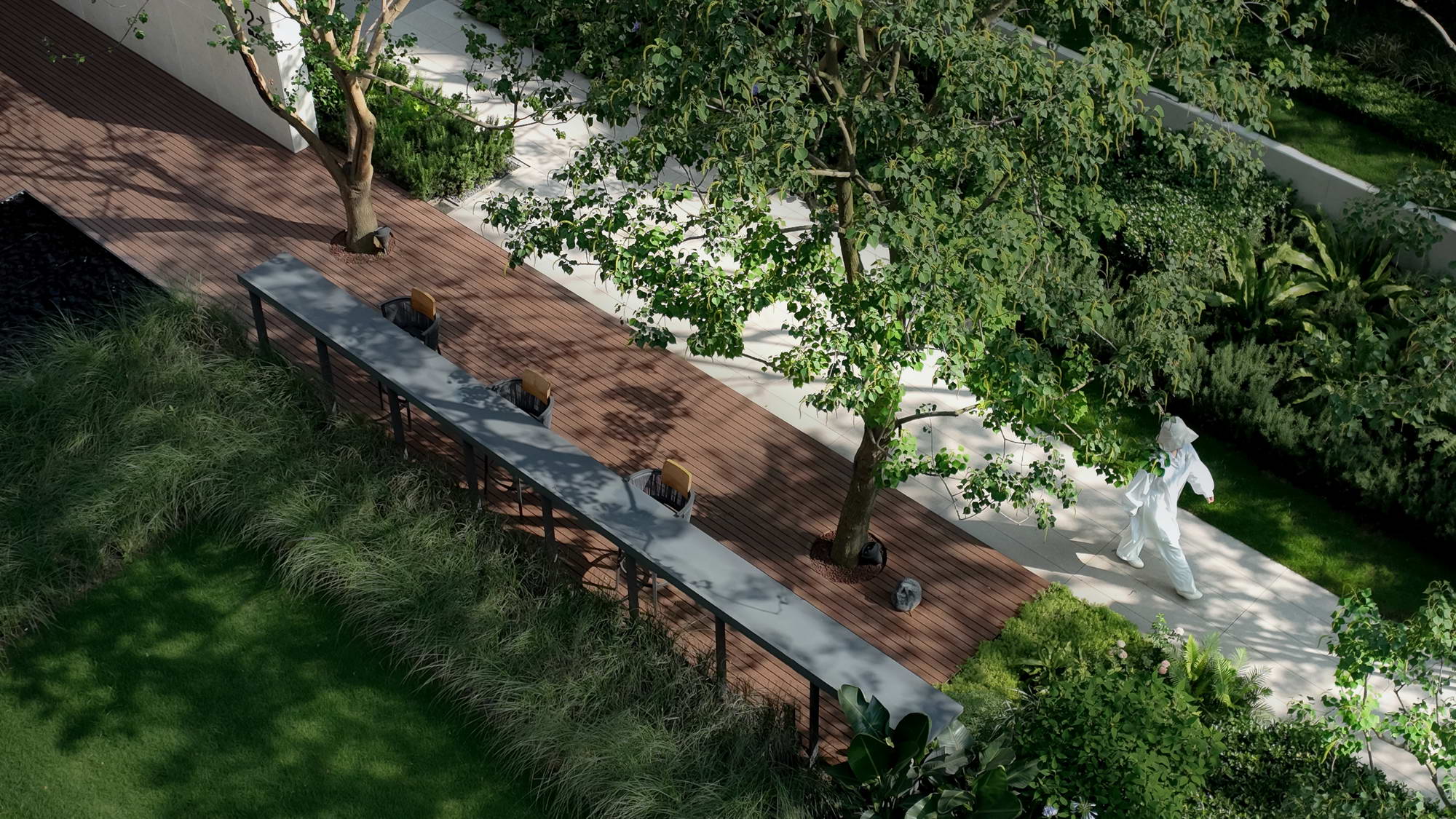
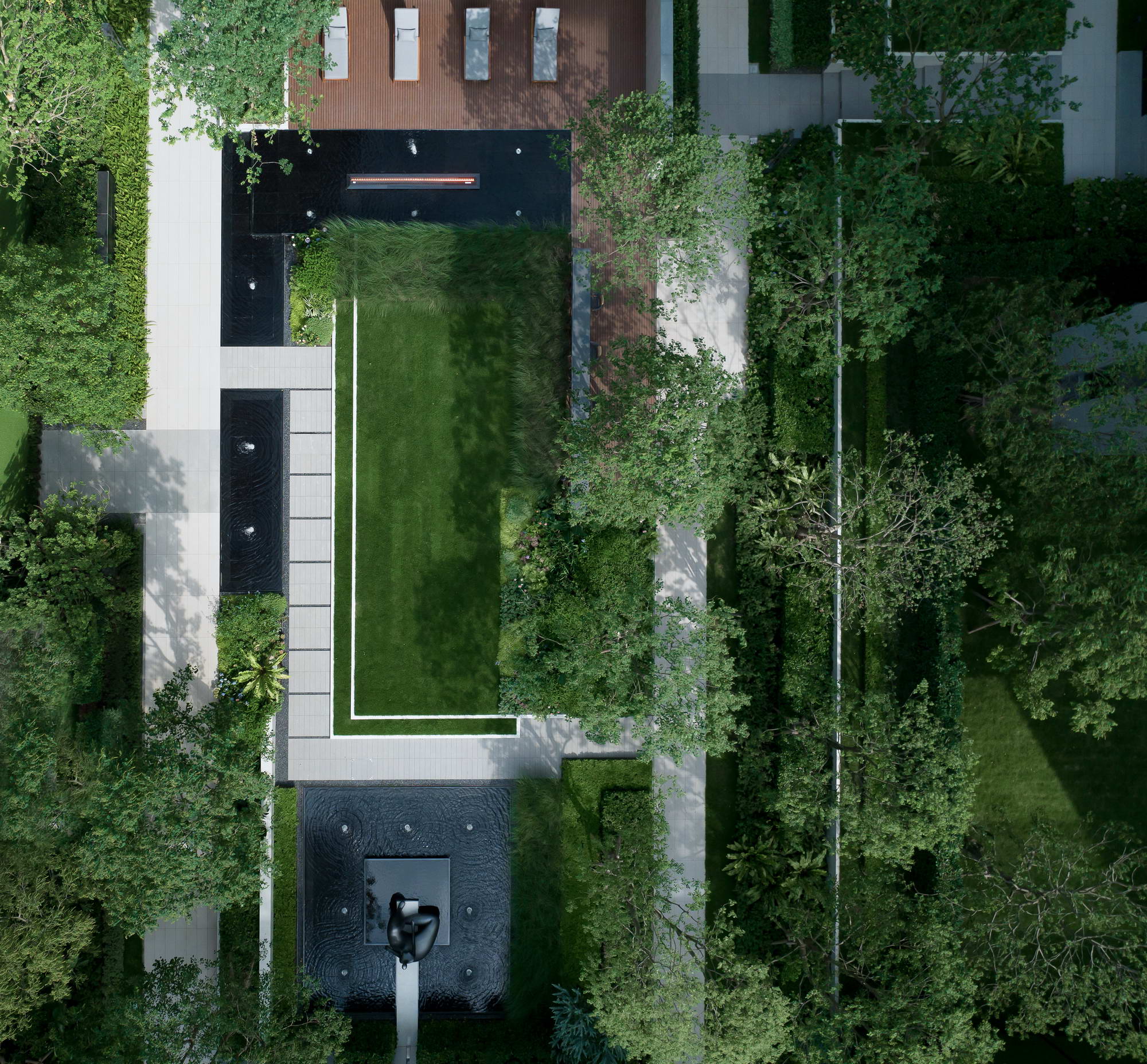
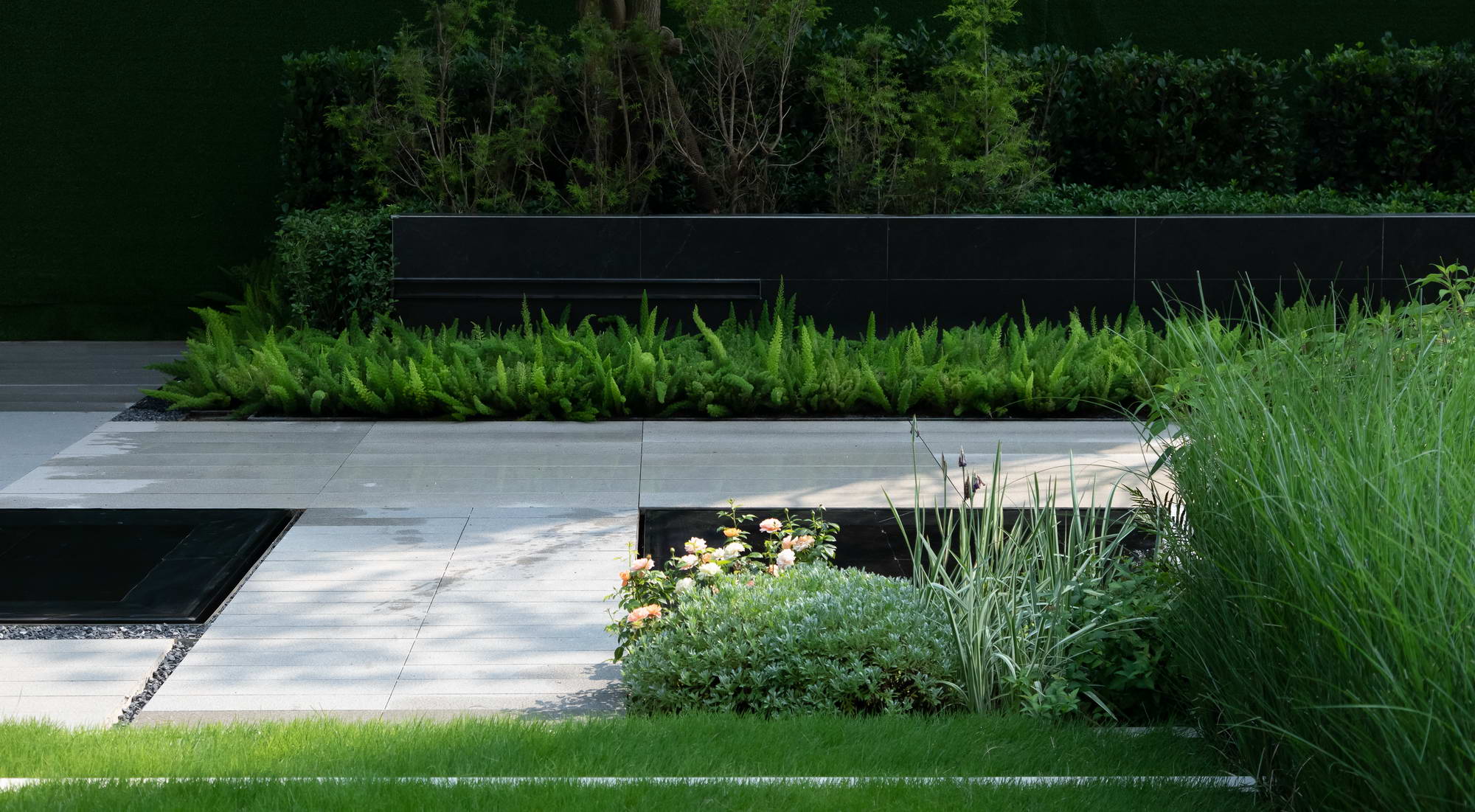
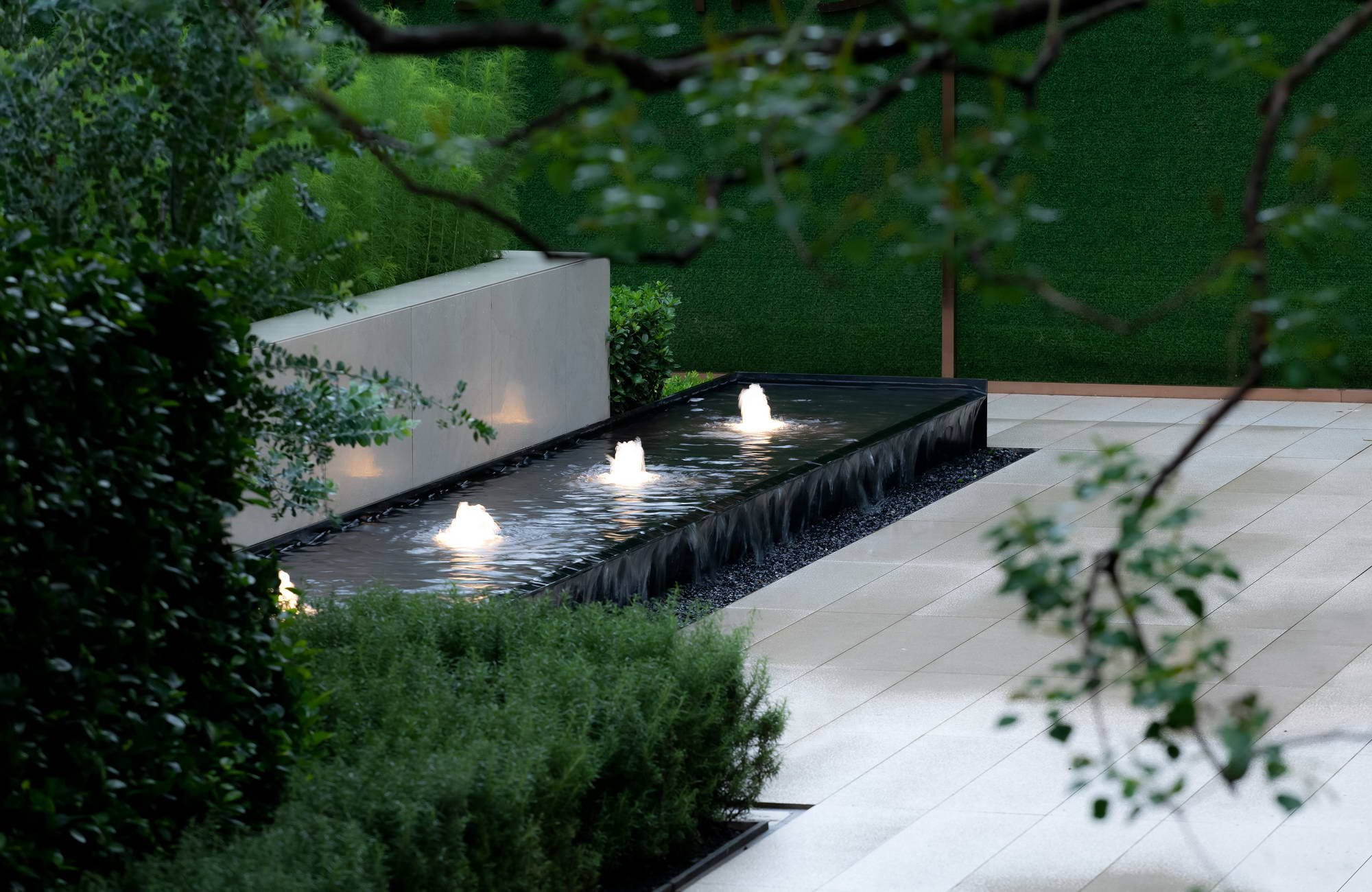
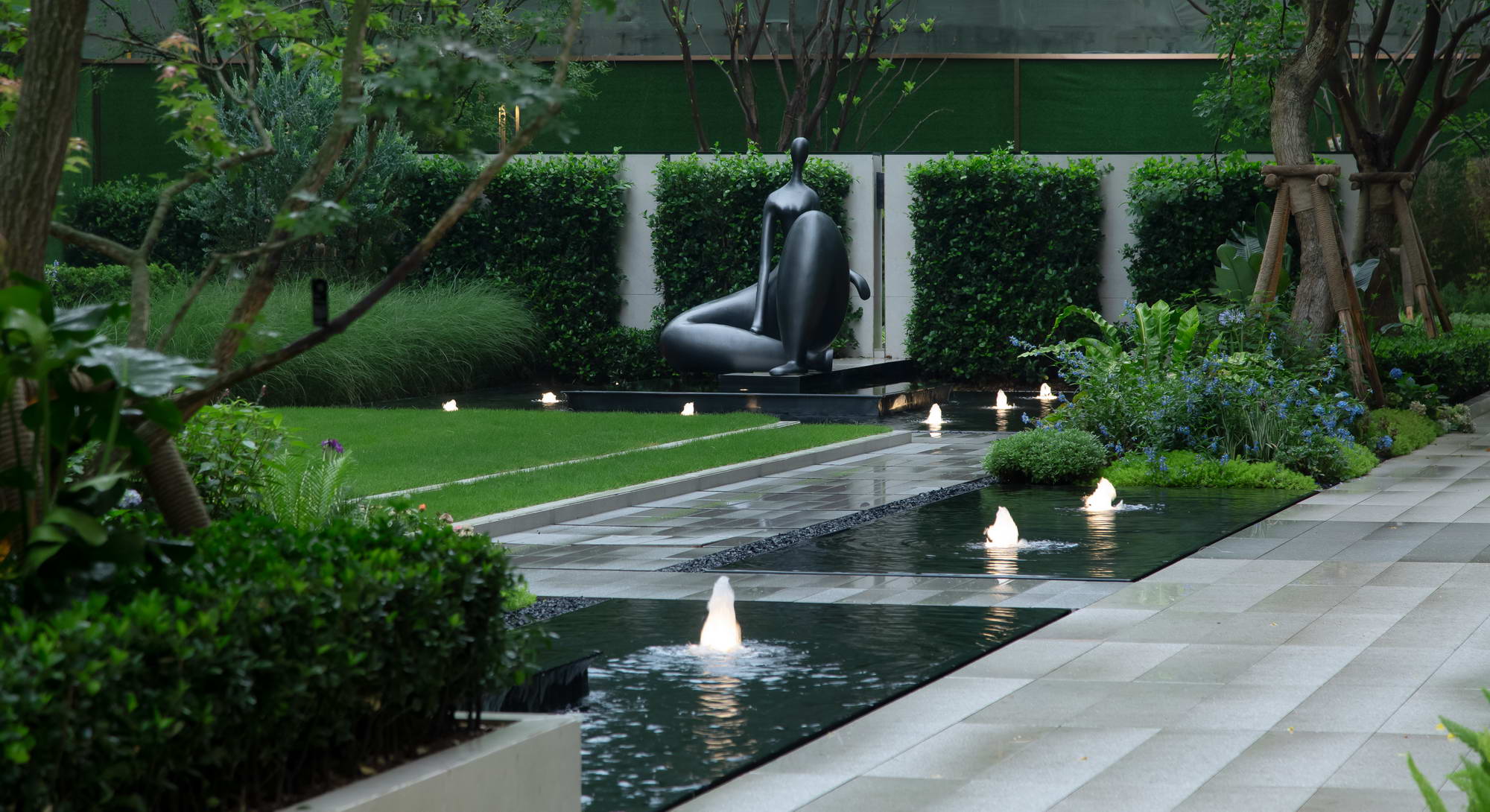
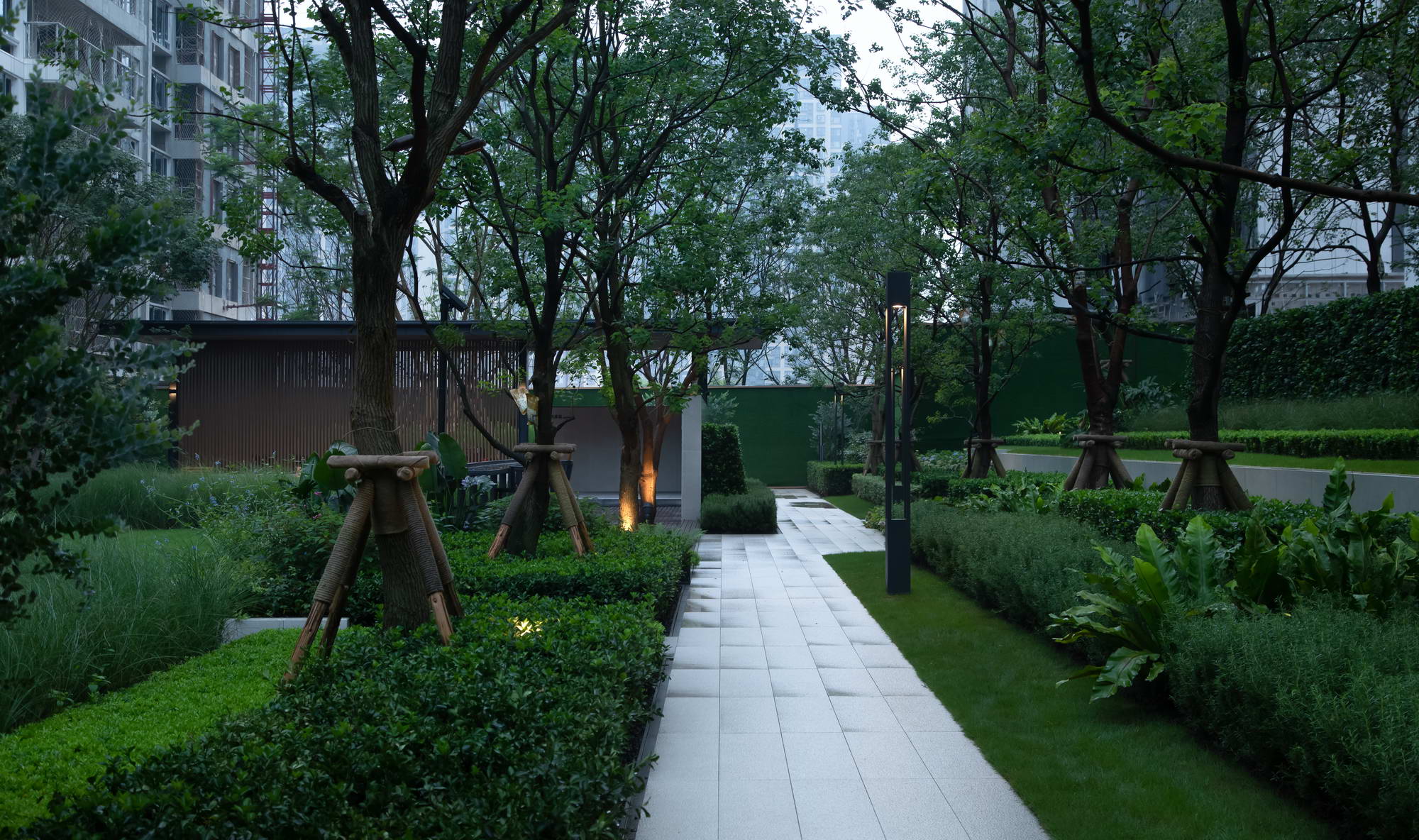
The second-life demonstration zone of the Vanke High Line Park sits above the Chengdu Administrative College Station TOD, a roughly 947-mu, transit-oriented, station-city integrated masterplan that is one of Chengdu's first pilot TOD projects. Within the larger TOD organism, where circulation, education, social life and daily living are woven into a continuous network of lines, the High Line Park is the community-scale interior space that carries residents' everyday aspirations. Conceived at the outset as both functional landscape and an expression of naturalistic aesthetics, it is intended as a place where body and mind can recover from the rhythm of the transit city. The design emphasises the organic permeation of community, ecology and lifestyle, recomposing the openness and enclosure of residential form and the speed and slowness of contemporary life so that scenes of a good everyday life are drawn into the neighbourhood. It is presented as an experiment within Chengdu's future park-city community agenda: the community is absorbed into the park, spatial fusion becomes the city's ecological expression, and layered, scenographic, playful spaces generate new encounters between residents. As the last stop of the TOD life, the landscape deliberately constructs a slow system that contrasts with the speed and noise outside the gate, so that a resident stepping from the metro into the park-like community moves instantly from tension to repose. Layered canopy trees, carefully coloured shrubs, woodland of varied density and tropical groundcover with unusual leaf shapes together build a light, natural undergrowth. Ritual, in this project, is understood as the nesting and interpenetration of spaces, the tonal register of a contemporary residence, and the whole park is composed as a walk through a natural forest that resets the city dweller's tempo.












 Editor's Pick
 Latest Design