Text description provided by the architects
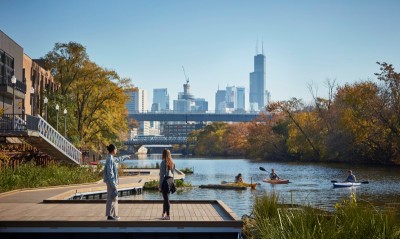
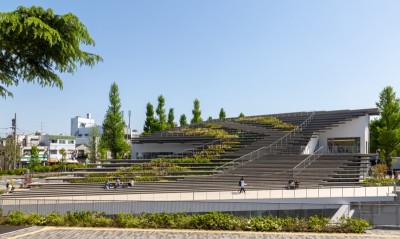
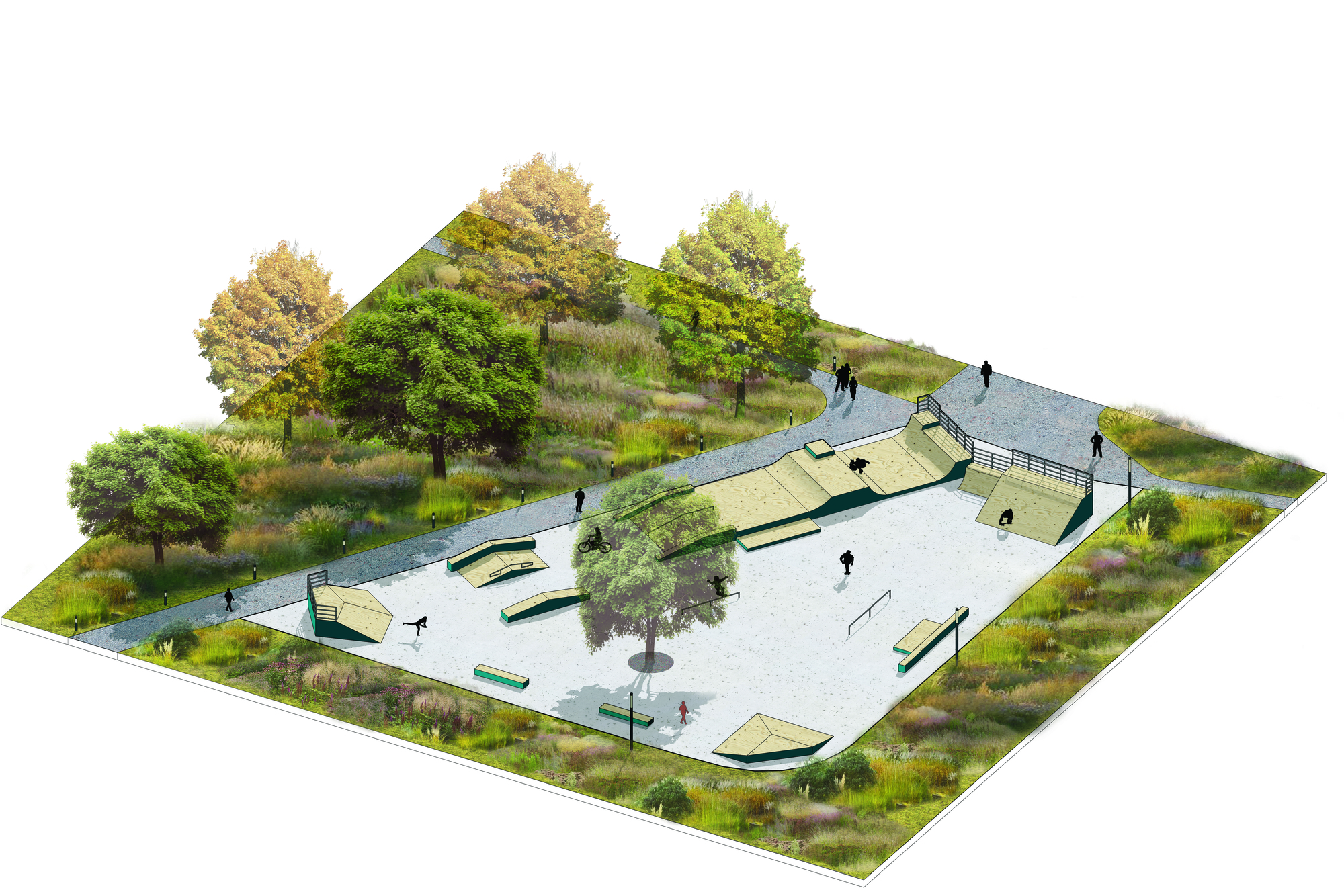
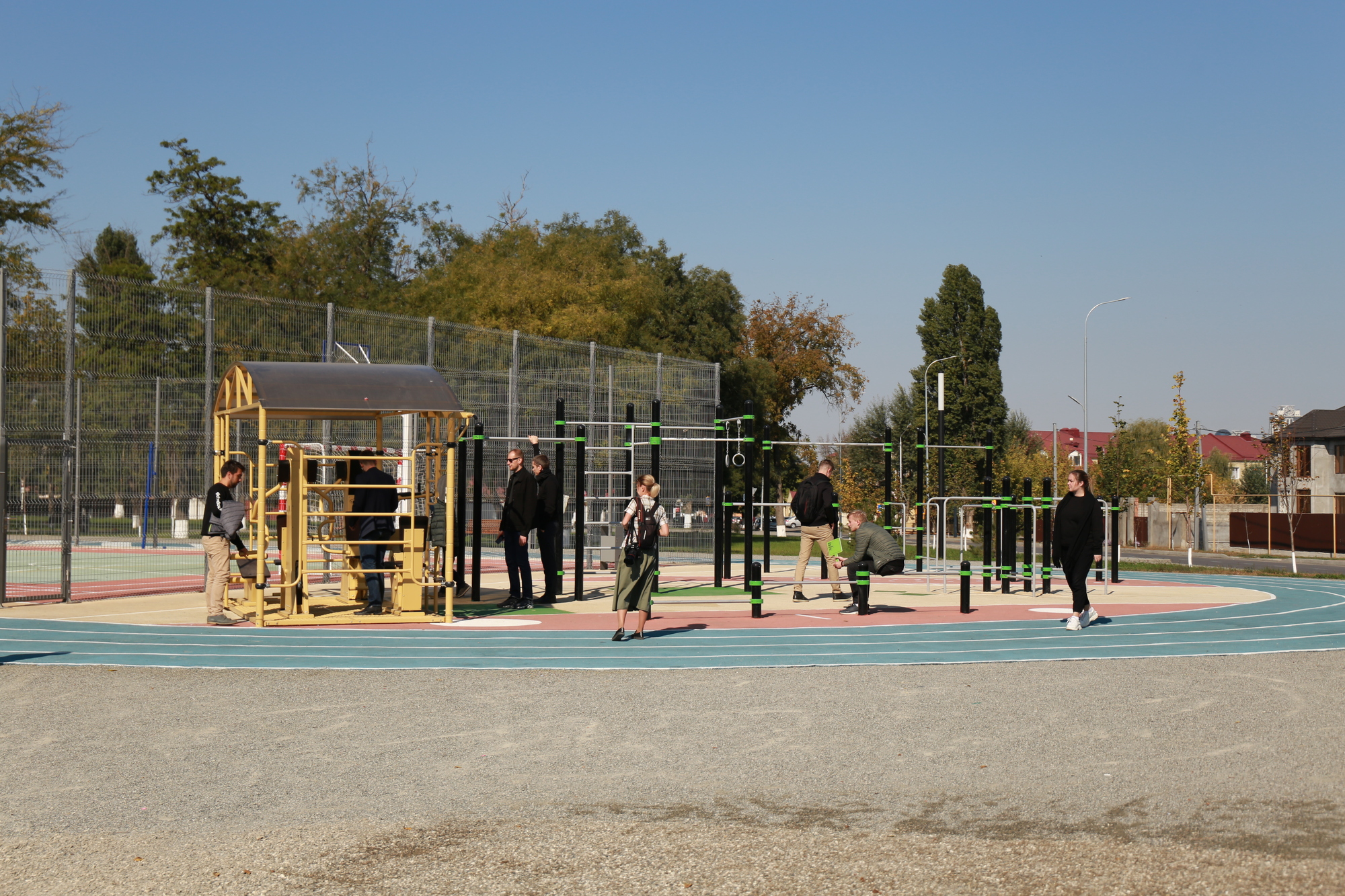
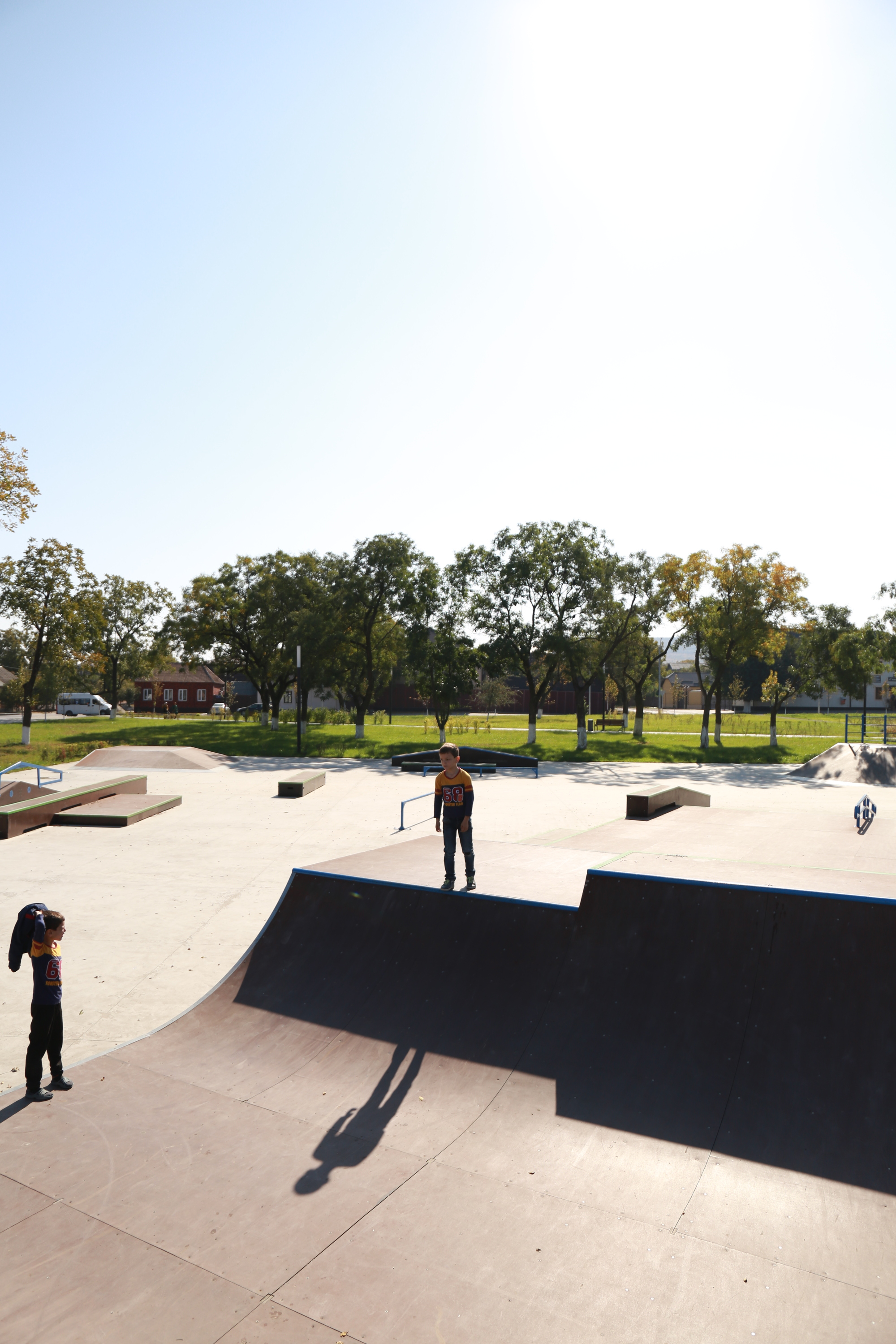
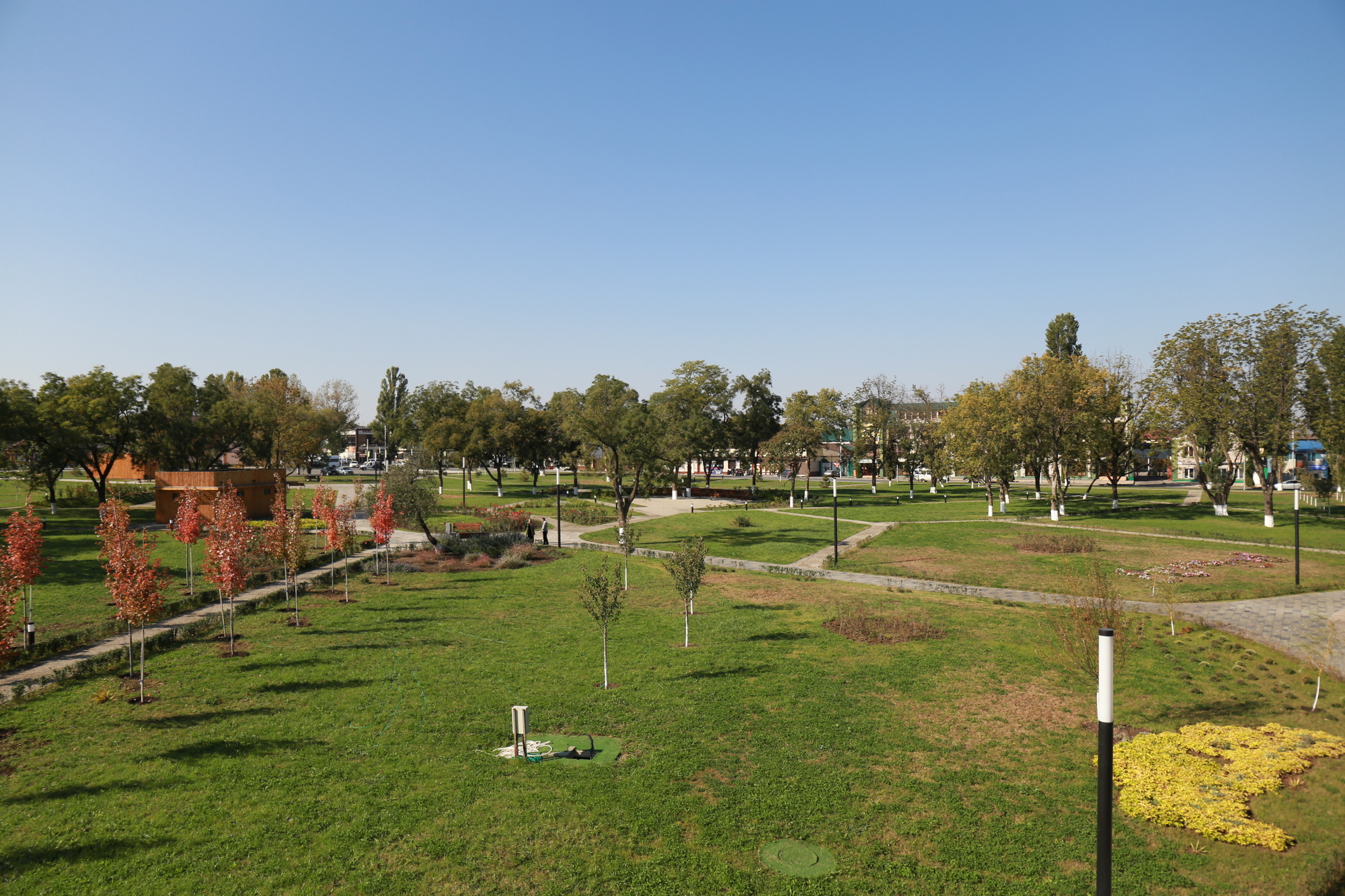
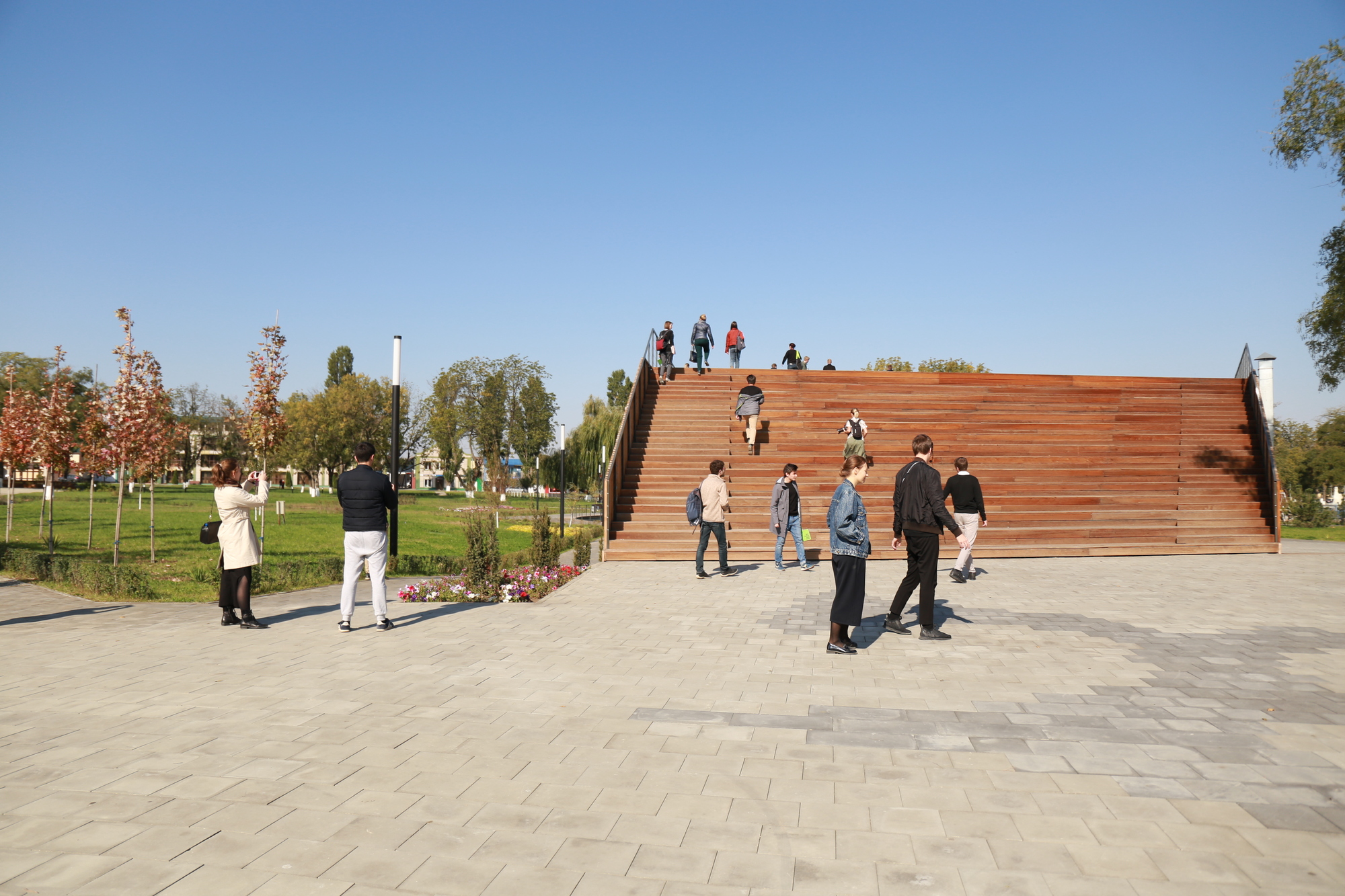
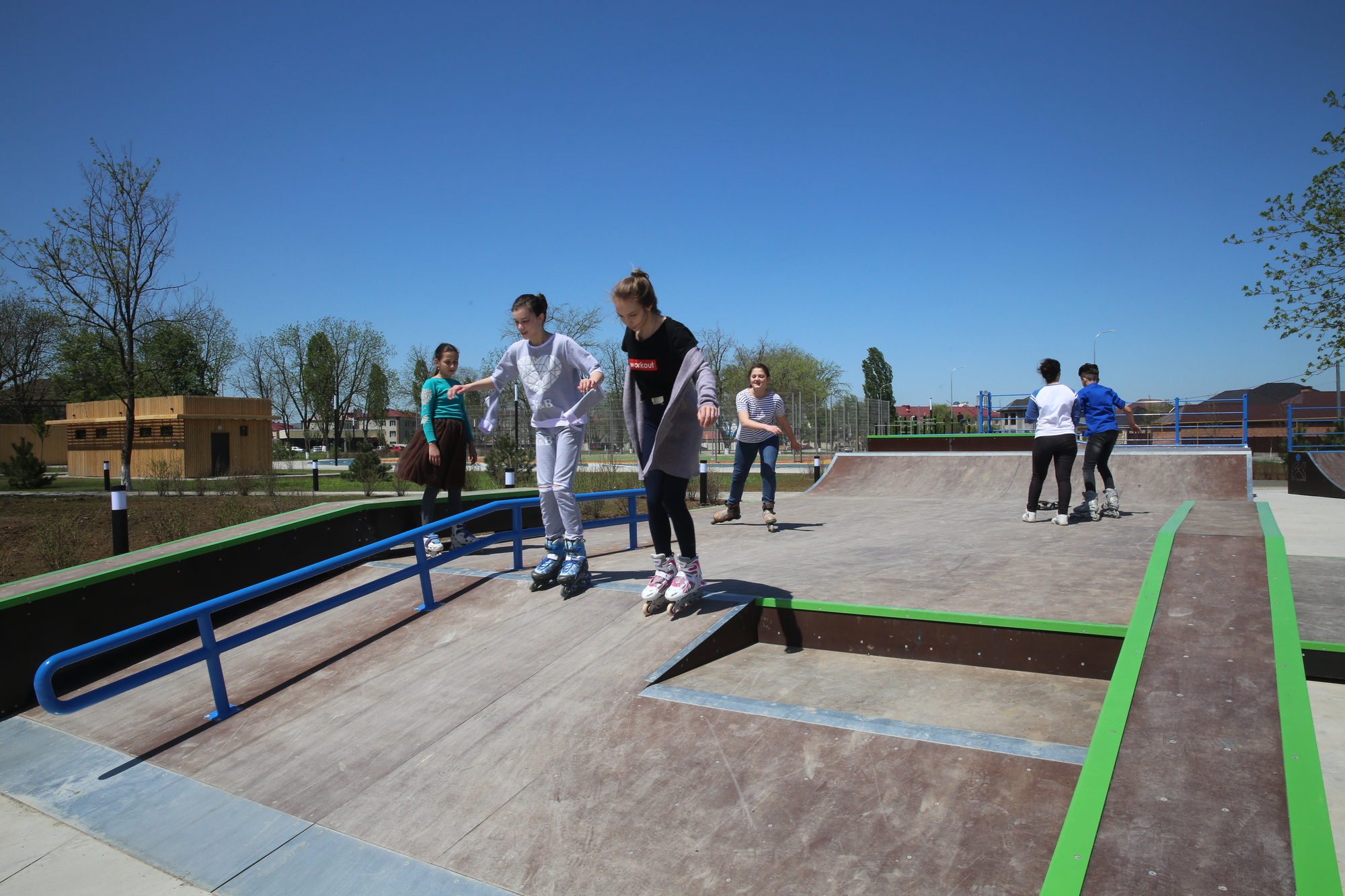
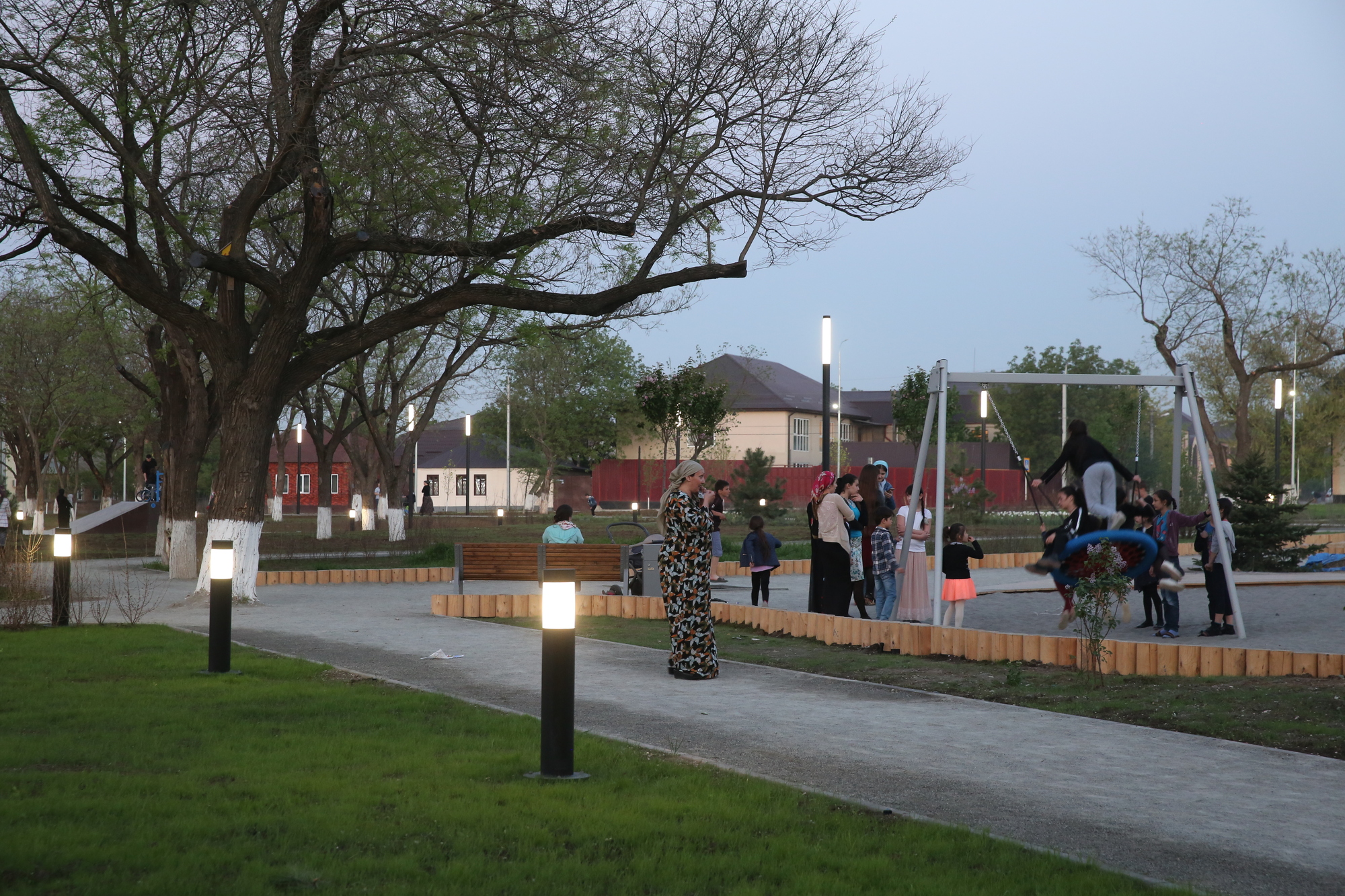
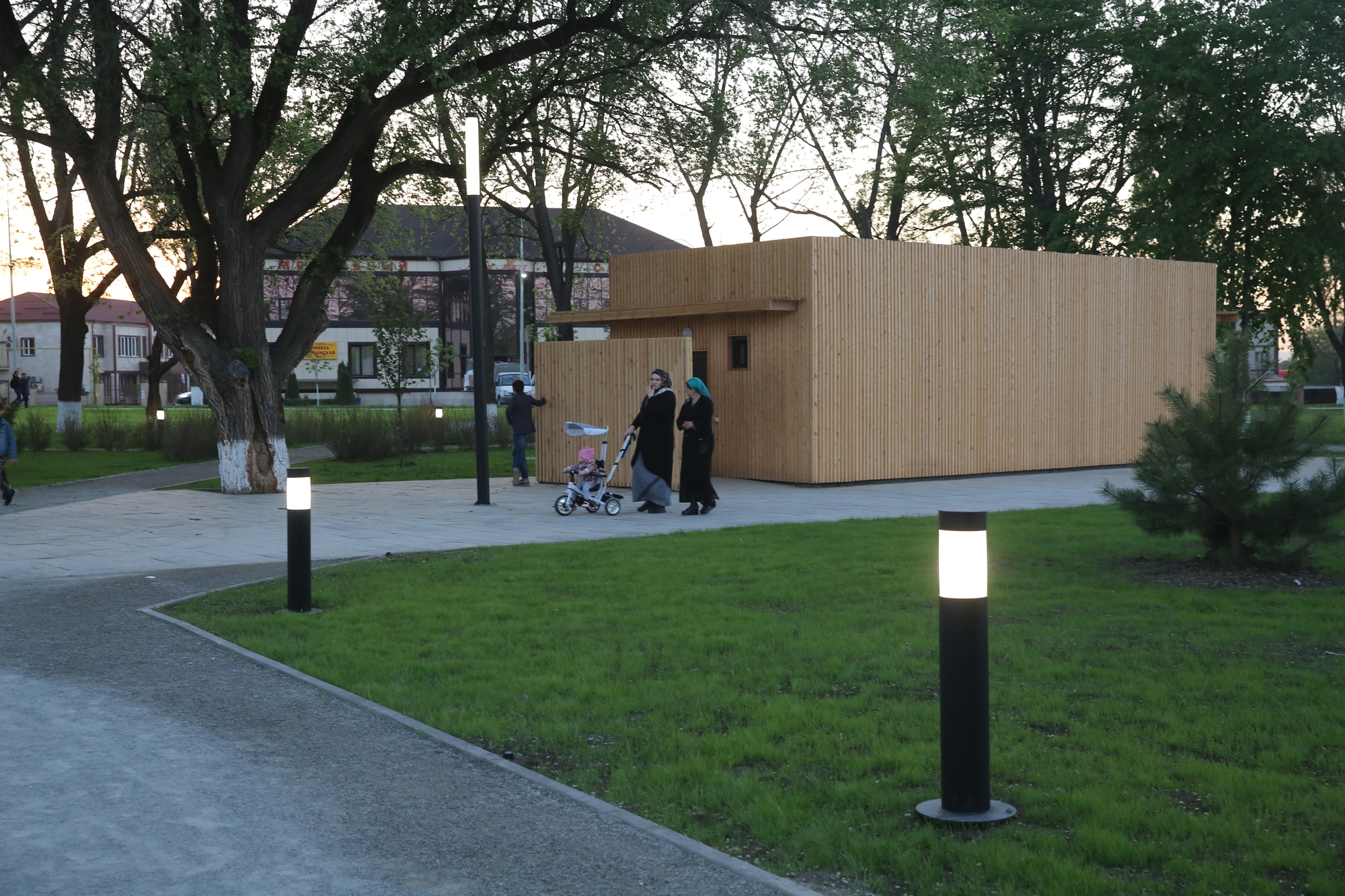
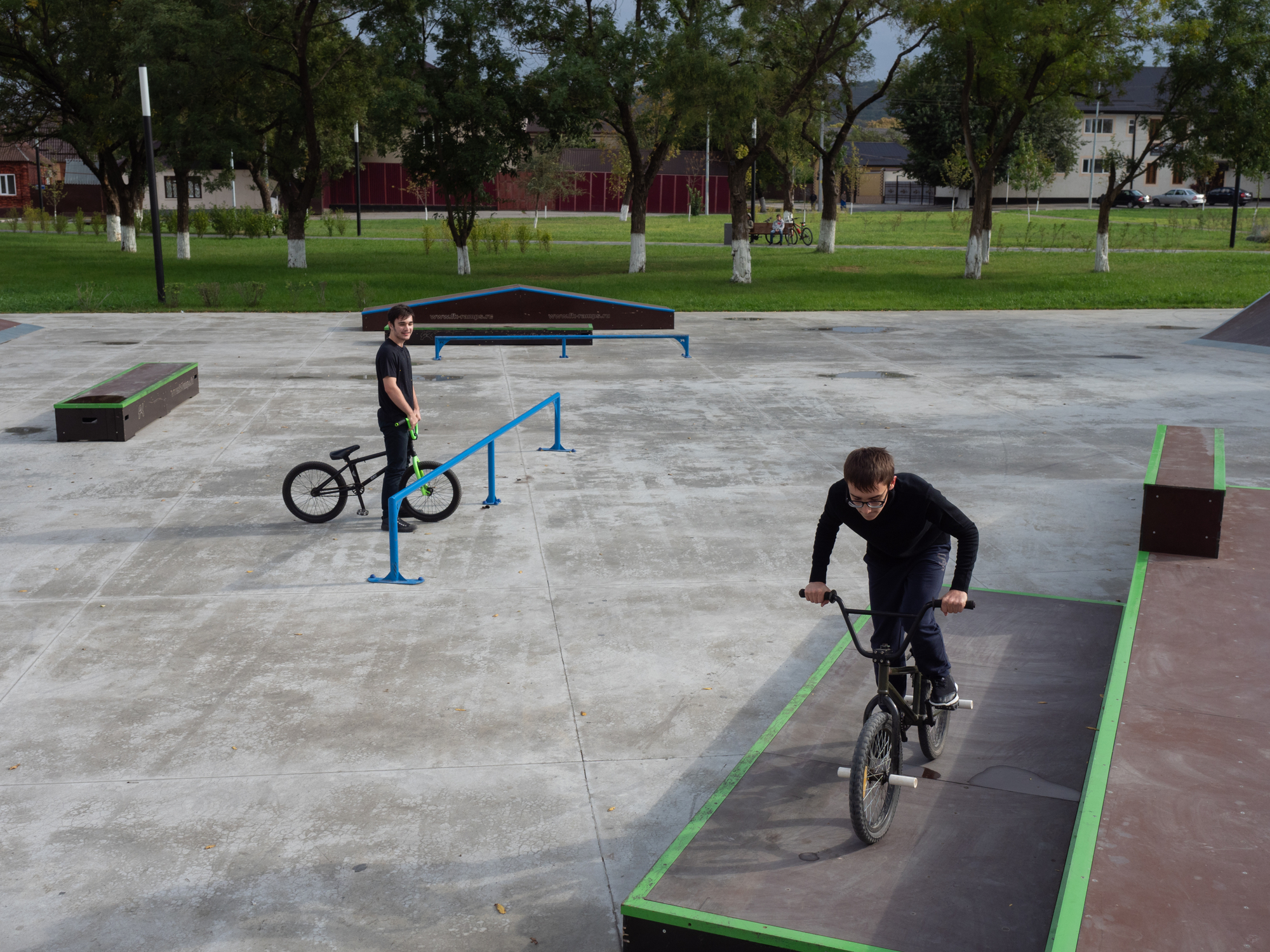
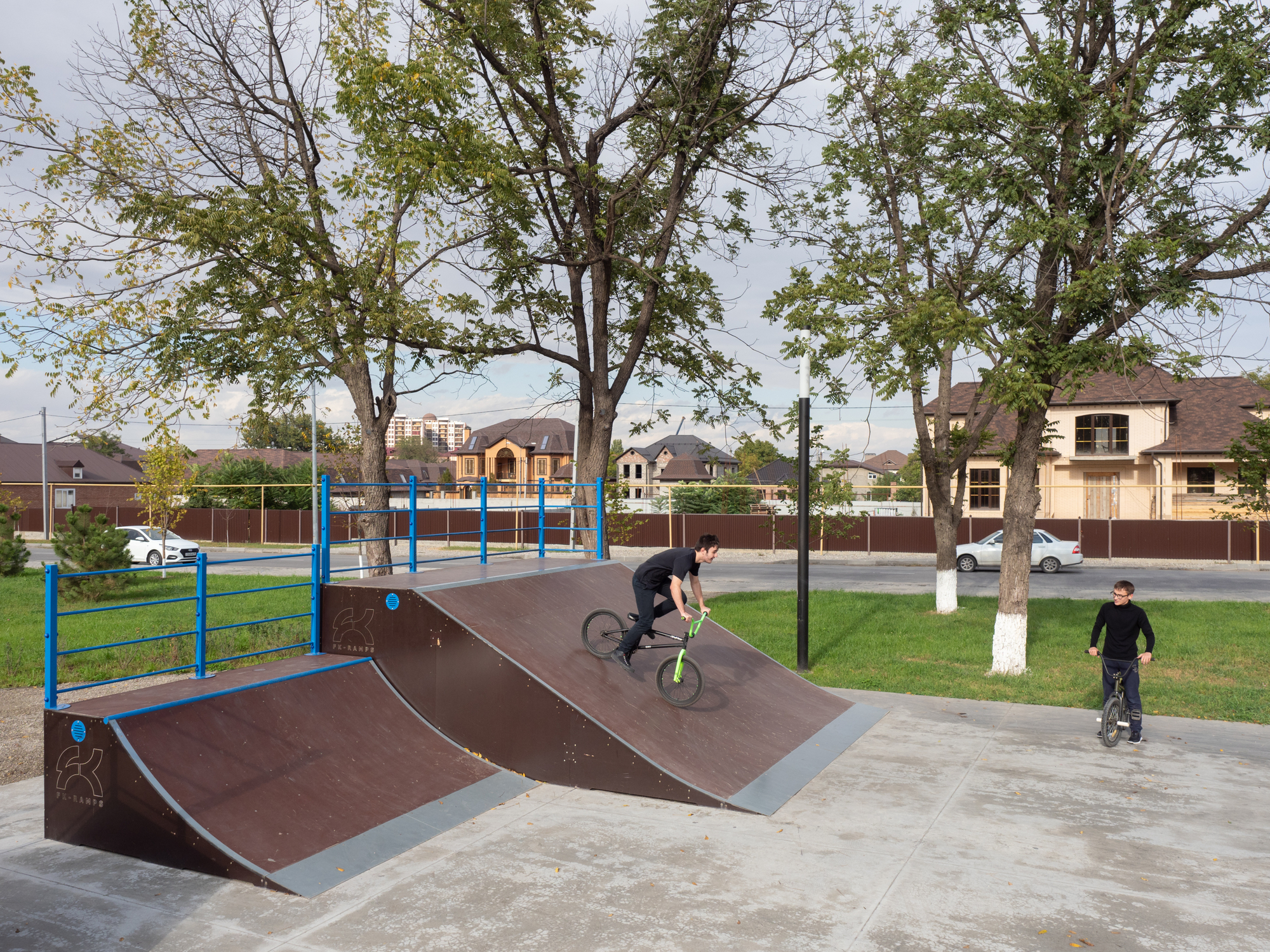
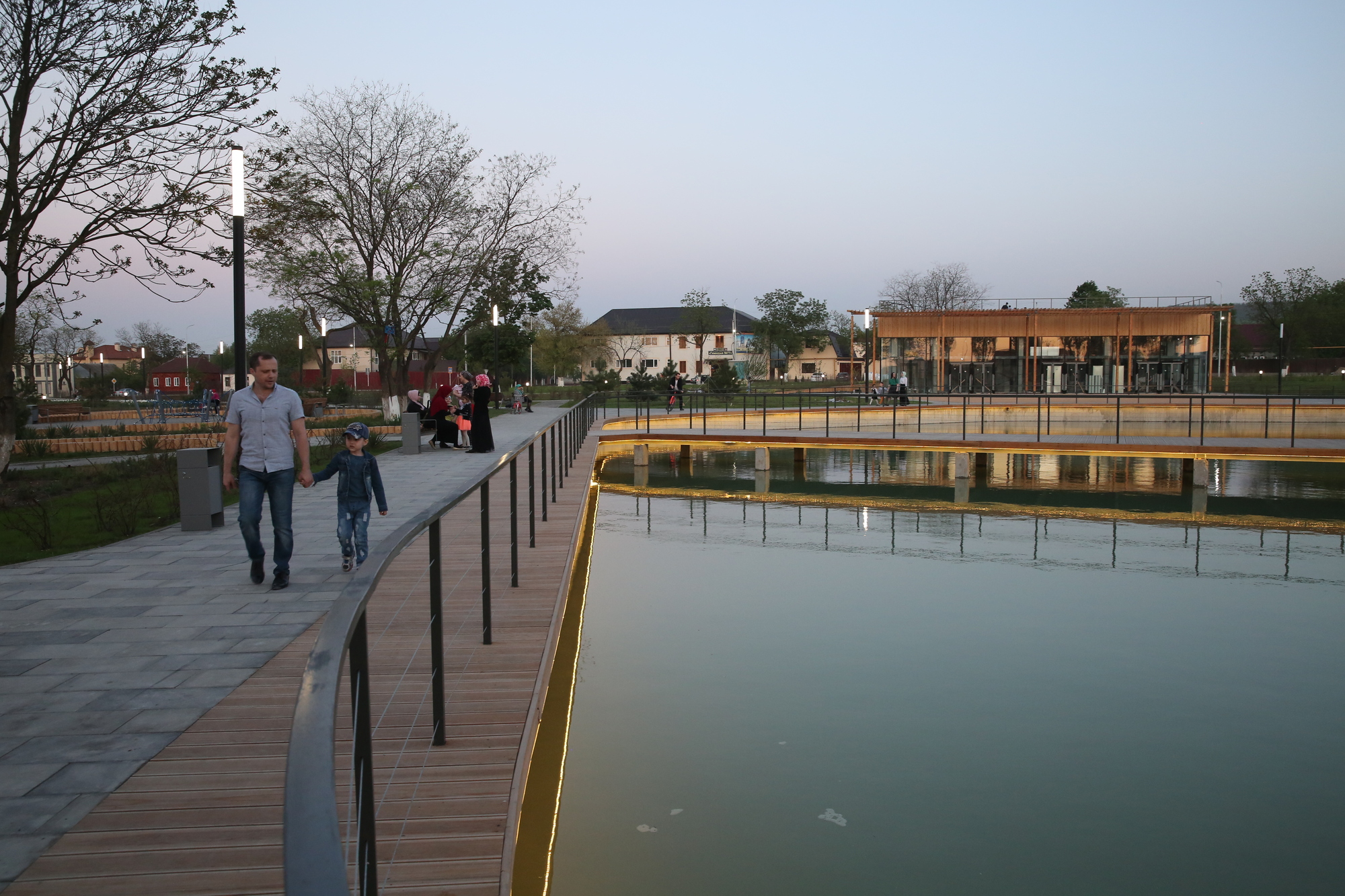
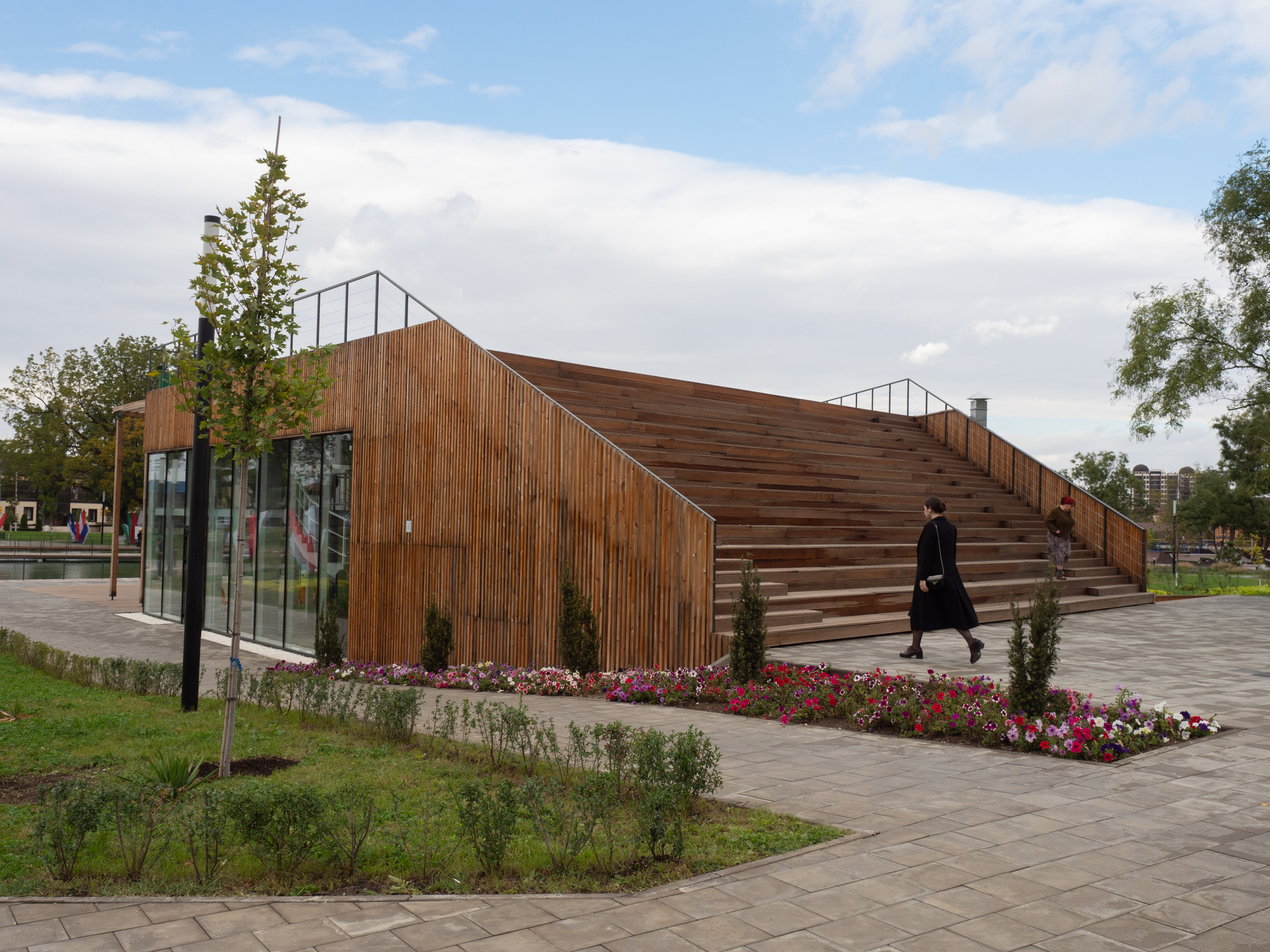
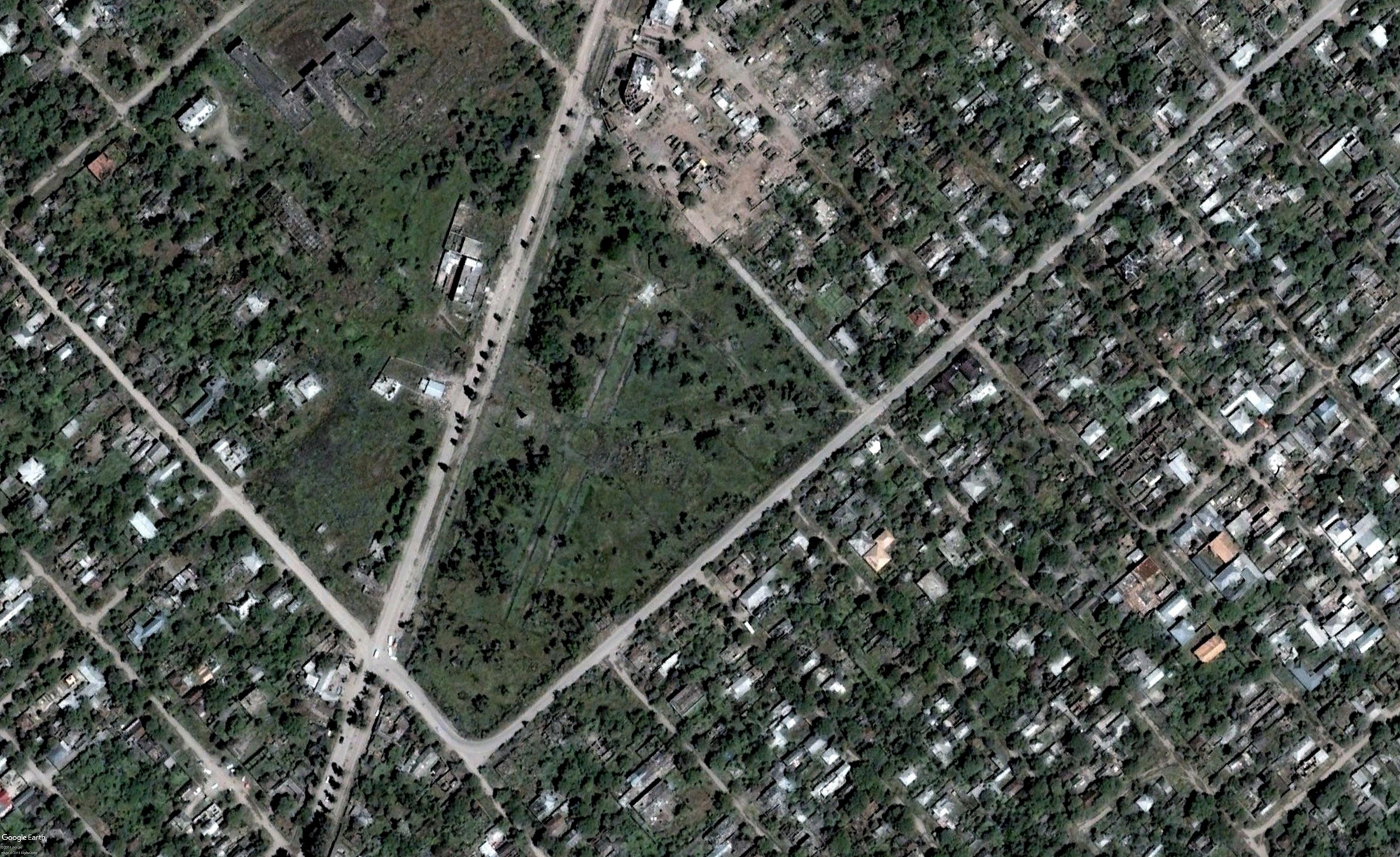
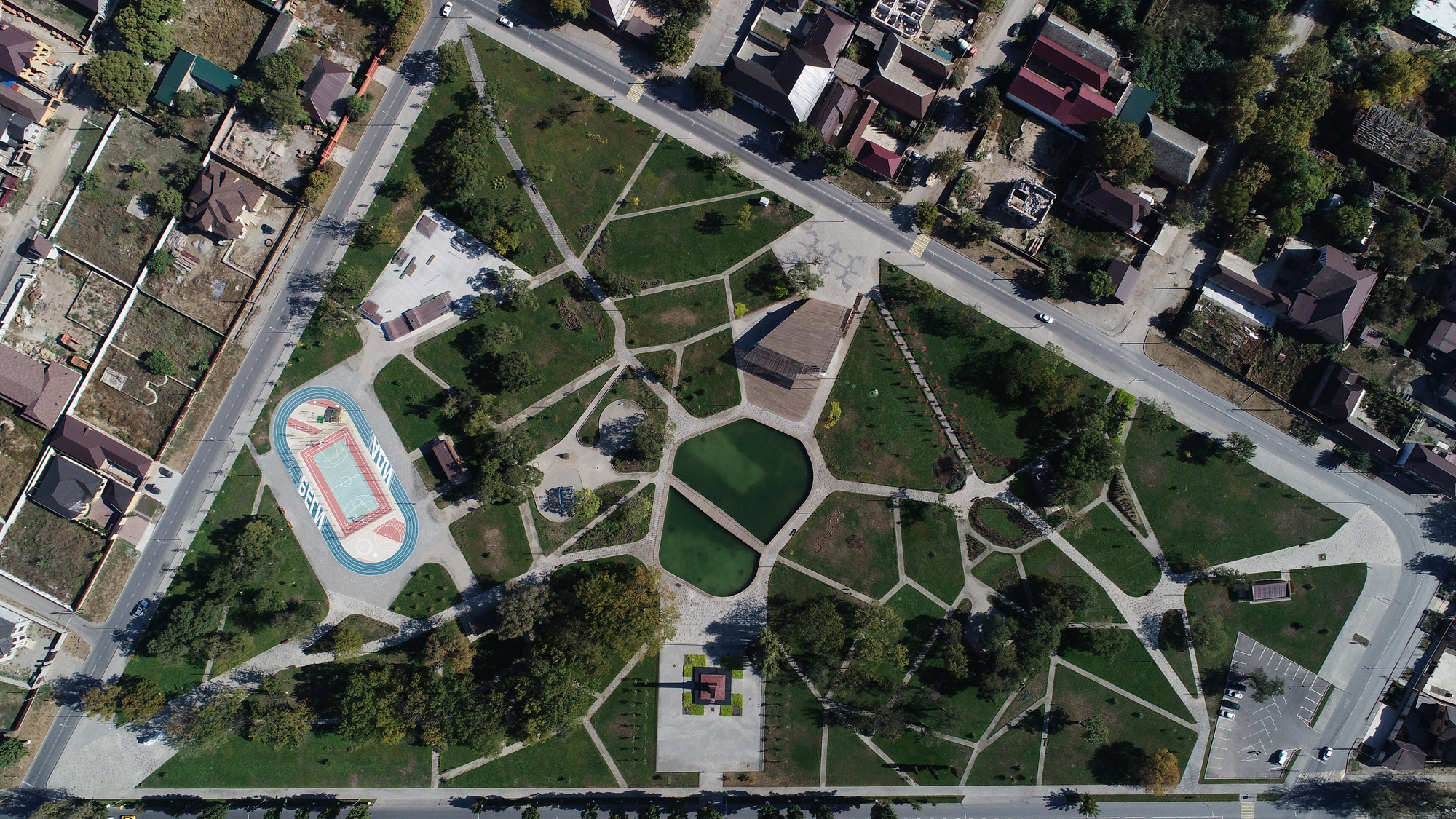
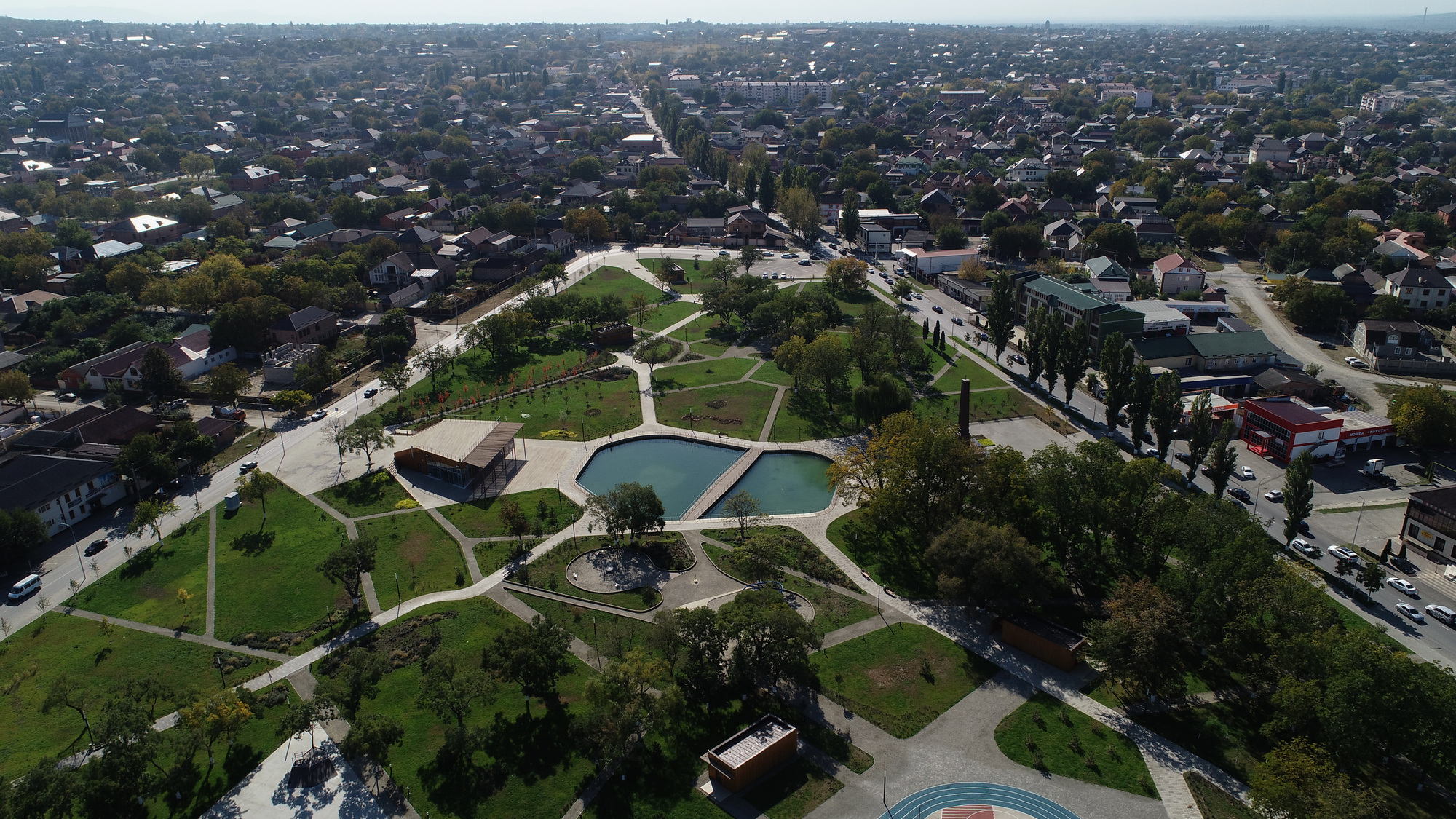
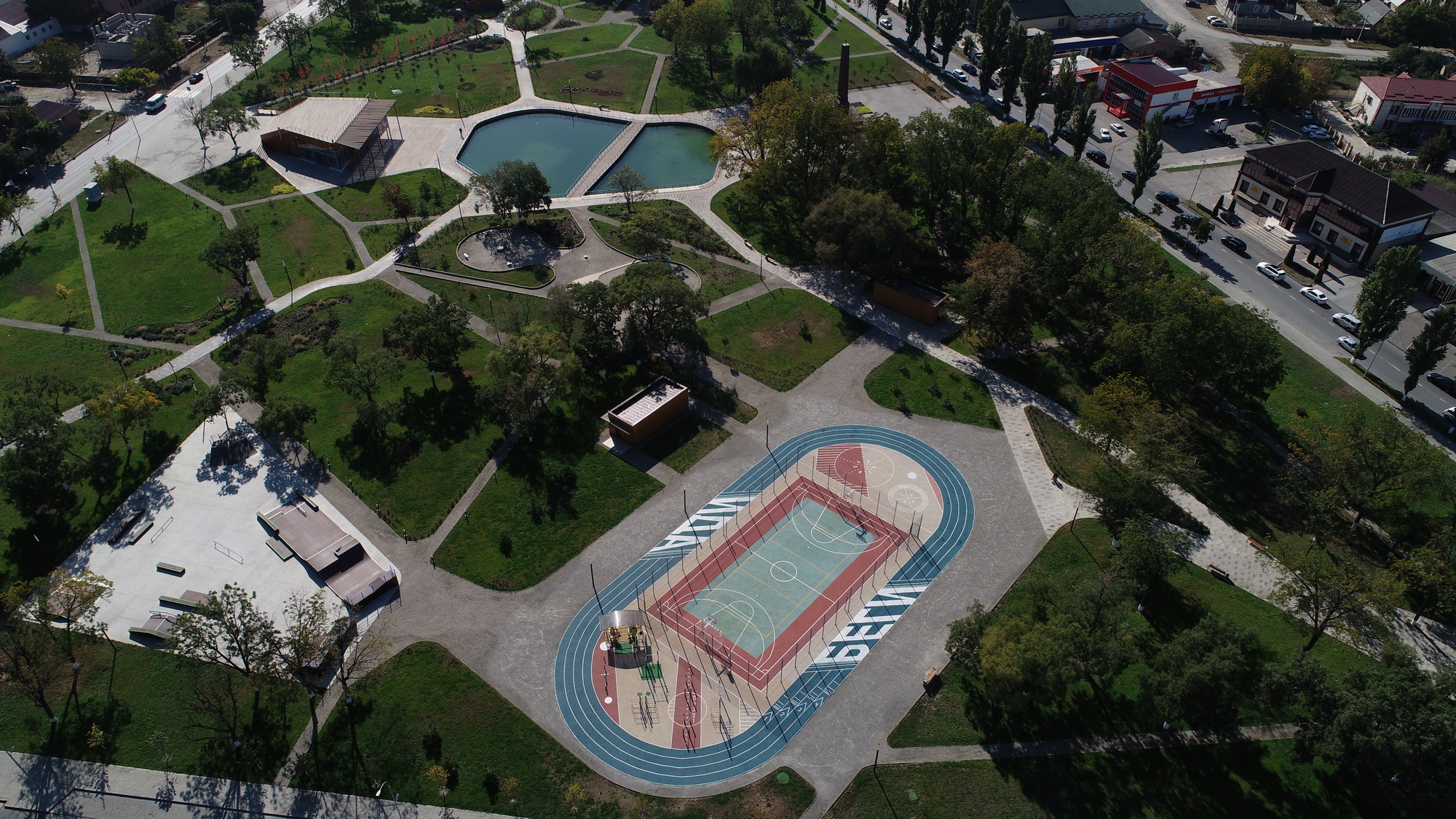
Hussein bin Talal Park in Grozny may seem unremarkable at first glance, but it is regarded as one of the first contemporary public spaces in the Russian Caucasus. Following regional conflicts after the collapse of the Soviet Union, Grozny, the capital of the Chechen Republic, faced the task of nearly complete urban reconstruction. Grozny has a ninety percent Muslim population. Reconstruction began in 2003, and enormous progress has been made in clearing signs of destruction and decay, but public spaces with less direct economic impact naturally ranked last. The city needed a new type of urban center that would attract residents of all ages. This park serves as a bridge between national culture and modern infrastructure and has become extremely popular within the local community. Notably, a female deputy mayor of Grozny, Milana Sadaeva, championed the project from within the administration. The park represents a new approach to urban public space in the Caucasus, moving beyond purely symbolic reconstruction toward functional, community-oriented design. It provides a green oasis in a rapidly rebuilt city, offering spaces for recreation, social gathering, and cultural events that reflect both Chechen identity and contemporary urban life.















 Editor's Pick