Text description provided by the architects
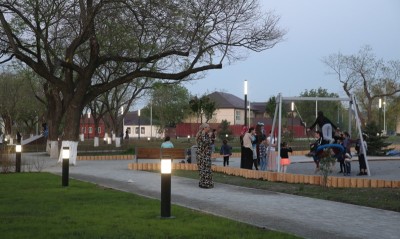
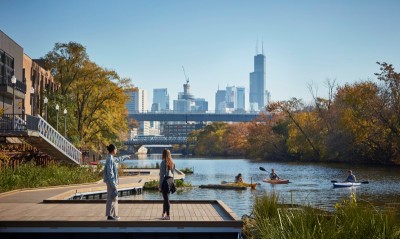
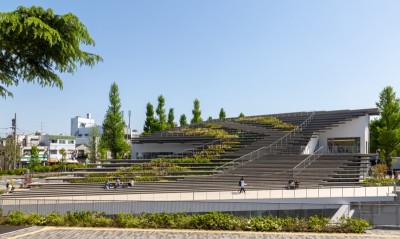
Zhenshan Park sits in Tong'an Town within Suzhou's High-Tech Zone, roughly ten kilometres from the city centre and well served by regional transport, and it has been designed as a forty-three-hectare urban landscape built on the footprint of a former landfill. The design respects the site's existing natural conditions and is organised around two guiding strategies: the construction of a sponge park and the creation of a productive, low-maintenance landscape. Under these two principles a derelict dump has been transformed into an urban park where residents can see green hills, clear water and the landscape memory of their home region, while making a tangible contribution to Suzhou's wider water-resilient city agenda. A roughly one-kilometre slow circulation spine stitches the park's northern and southern halves together, linking every programme zone; this promenade is made up of steel-grating walkways and red fibreglass benches and functions as a continuous ribbon for strolling, sightseeing, resting and environmental education. The entry plaza is treated as a series of branded gateways that reinforce the park's identity at every arrival point. The waterside leisure zone introduces retail, dining and entertainment around the lotus pond and the dawn-redwood island to draw nearby residents and animate the whole park. The rural wetland zone stages ornamental rice paddies, sunflower fields and agricultural production landscapes, using weirs and interactive water features to deliver hands-on agronomic education. The pastoral hill-forest zone offers a quiet mountain-retreat atmosphere sustained by u-pick orchards, green dining and boutique homestays in a self-funding, park-pays-for-pards model. The brief had to reconcile several ambitions: protecting and improving the site's character while expressing the civic-gateway status of the high-tech zone entrance; designing for the resettled farming communities in the surrounding neighbourhoods and preserving the land's working memory; and translating national sponge-city policy into plot-scale performance. Two hills, old quarries and waste ground left by stone extraction are reworked into a resilient topography where storm water, ecology and public life are treated as one continuous landscape.




 Editor's Pick
 Latest Design