Text description provided by the architects
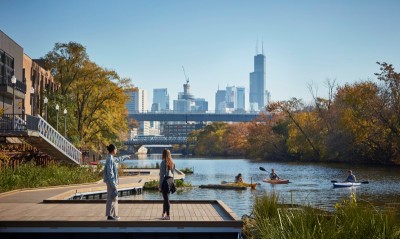
On the east bank of the Sanya River, in the heart of this tropical resort city on Hainan Island, a derelict ten-hectare lot walled in by concrete flood barriers has been rebuilt within three years into the Sanya Mangrove Ecological Park, a landscape where tidal water and freshwater now meet on equal terms for people and wildlife alike. Thirty years of urban expansion had polluted almost every waterway in the built-up area, smothered the mangrove and floodplain ecosystems under heavy seawalls, blocked the exchange between tidal flows and upstream stormwater, and worsened chronic urban flooding. At the same time, a growing population of residents and seasonal tourists had long asked for a continuous riverside promenade that did not yet exist. When the municipal housing and construction bureau launched a model urban-renewal project in 2015, the design team took on four intertwined site problems: strong tropical monsoons that could flatten young mangroves, upstream flood surges that could scour newly planted stands, polluted urban runoff toxic to sensitive seedlings, and the need to reconcile public recreation with ecological recovery. Their answer began with earthwork balance: construction rubble and demolished seawall concrete were reused to sculpt finger-like, interlocking landforms that pushed tidal water deep into the park while deflecting flood surges and runoff pollution. The finger plan lengthens the shoreline sixfold, from seven hundred metres to four thousand metres, amplifying edge effects, and the zero-to-one-and-a-half-metre water-depth range invites the daily rise and fall that mangroves, fish and birds depend on. A series of terraces and ecological corridors steps down the nine-metre drop from road to river, intercepting and cleansing urban runoff while holding shaded public platforms. Five modular concrete observation boxes, angled for birdwatching and storm resistance, sit quietly among the trees, and an elevated boardwalk lifts visitors above the canopy. Within three years of completion the mangroves had established themselves, fish and birds had returned, and the park had become a daily destination for families across the city, demonstrating that ecological restoration and public service can rise together.




 Editor's Pick
 Latest Design
 Best Idea