Text description provided by the architects
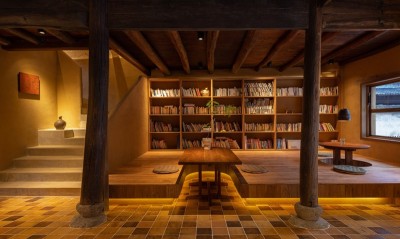
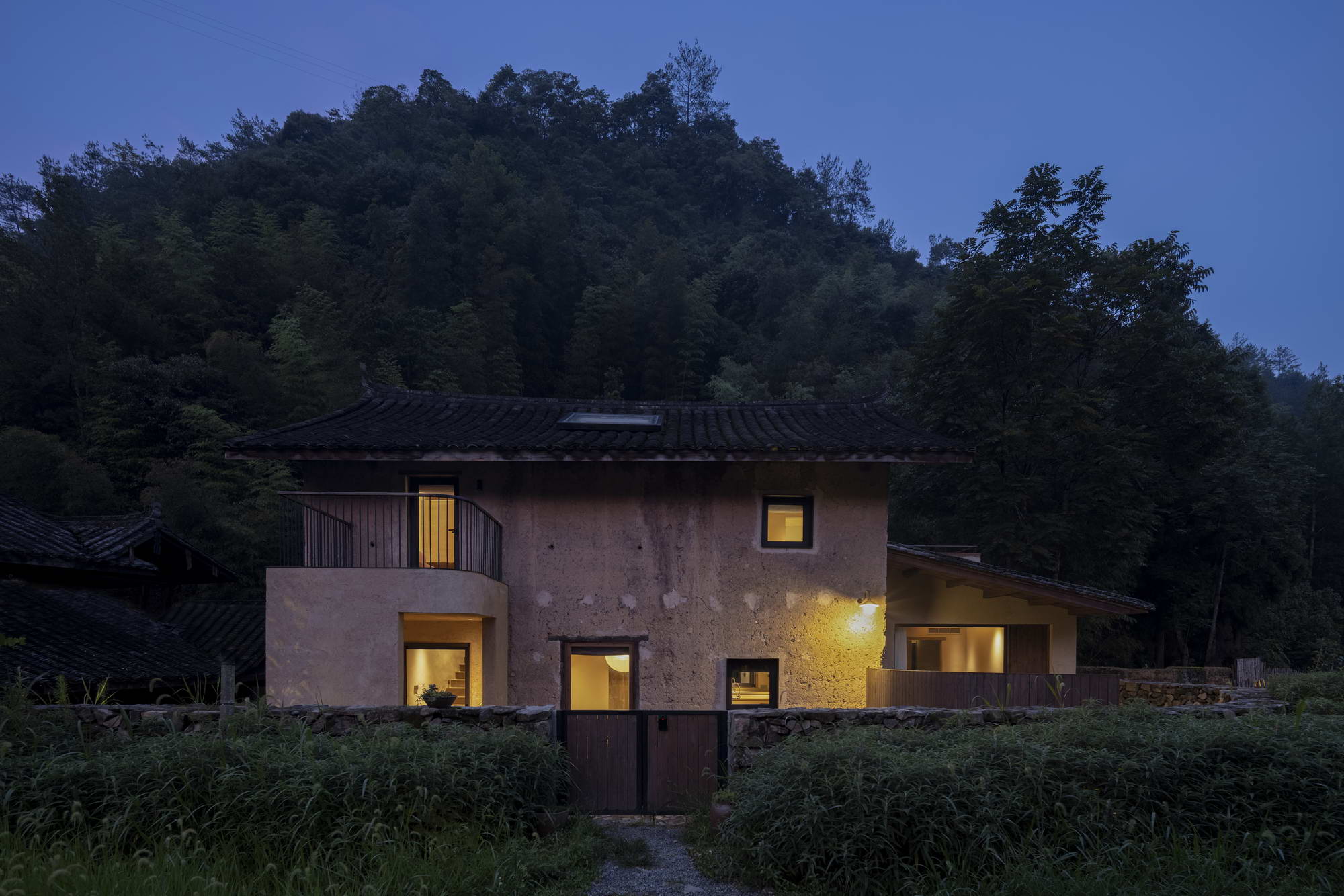
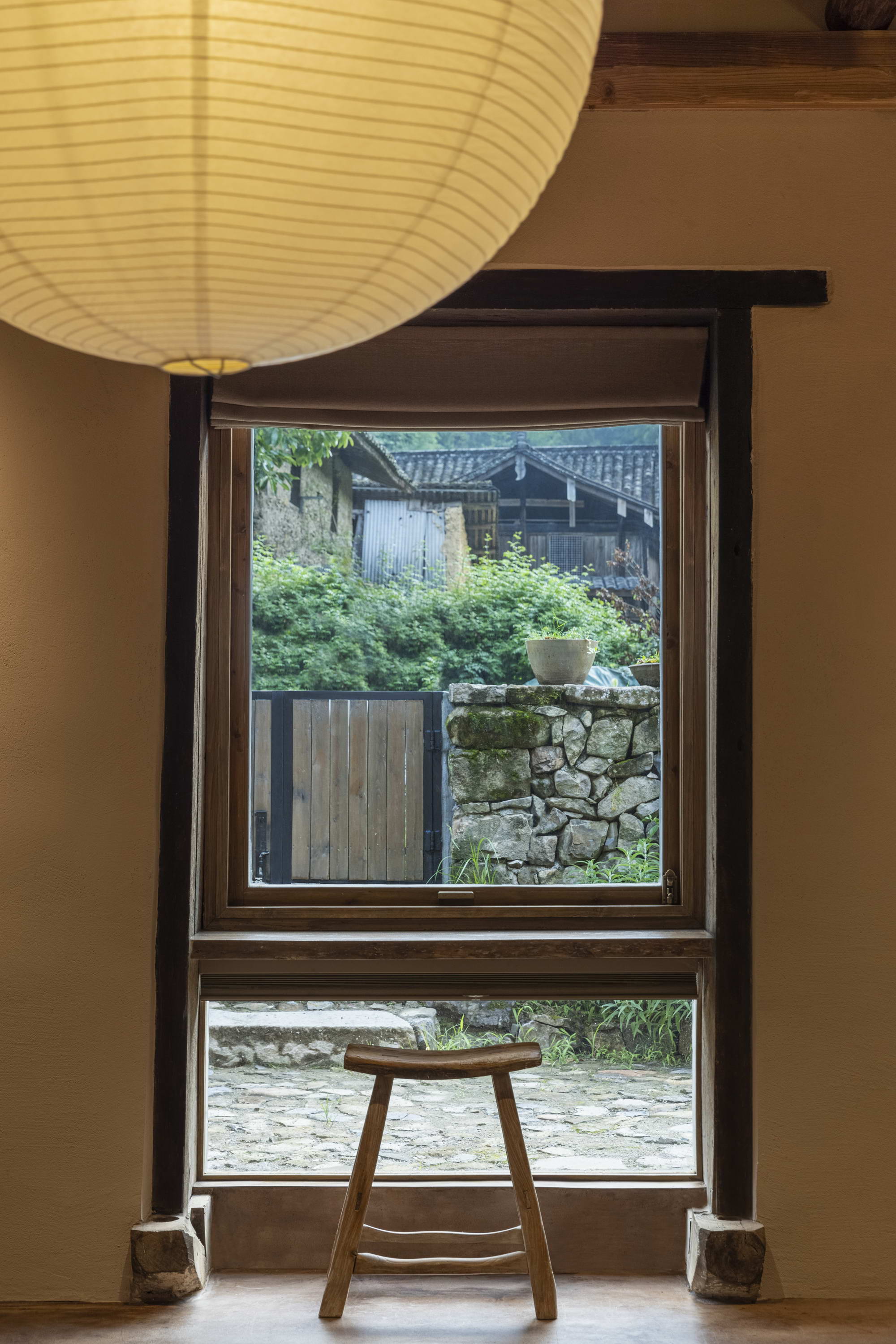
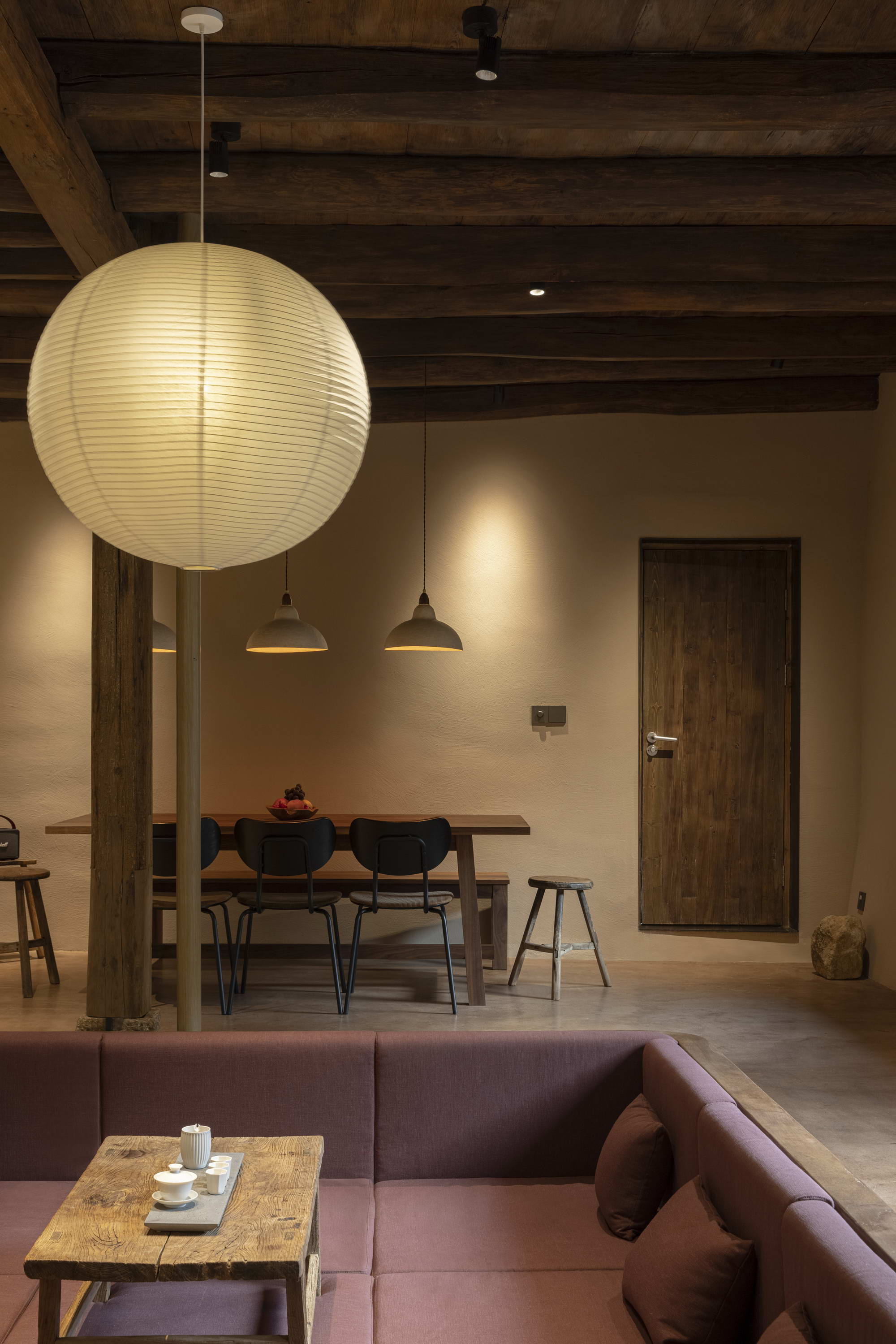
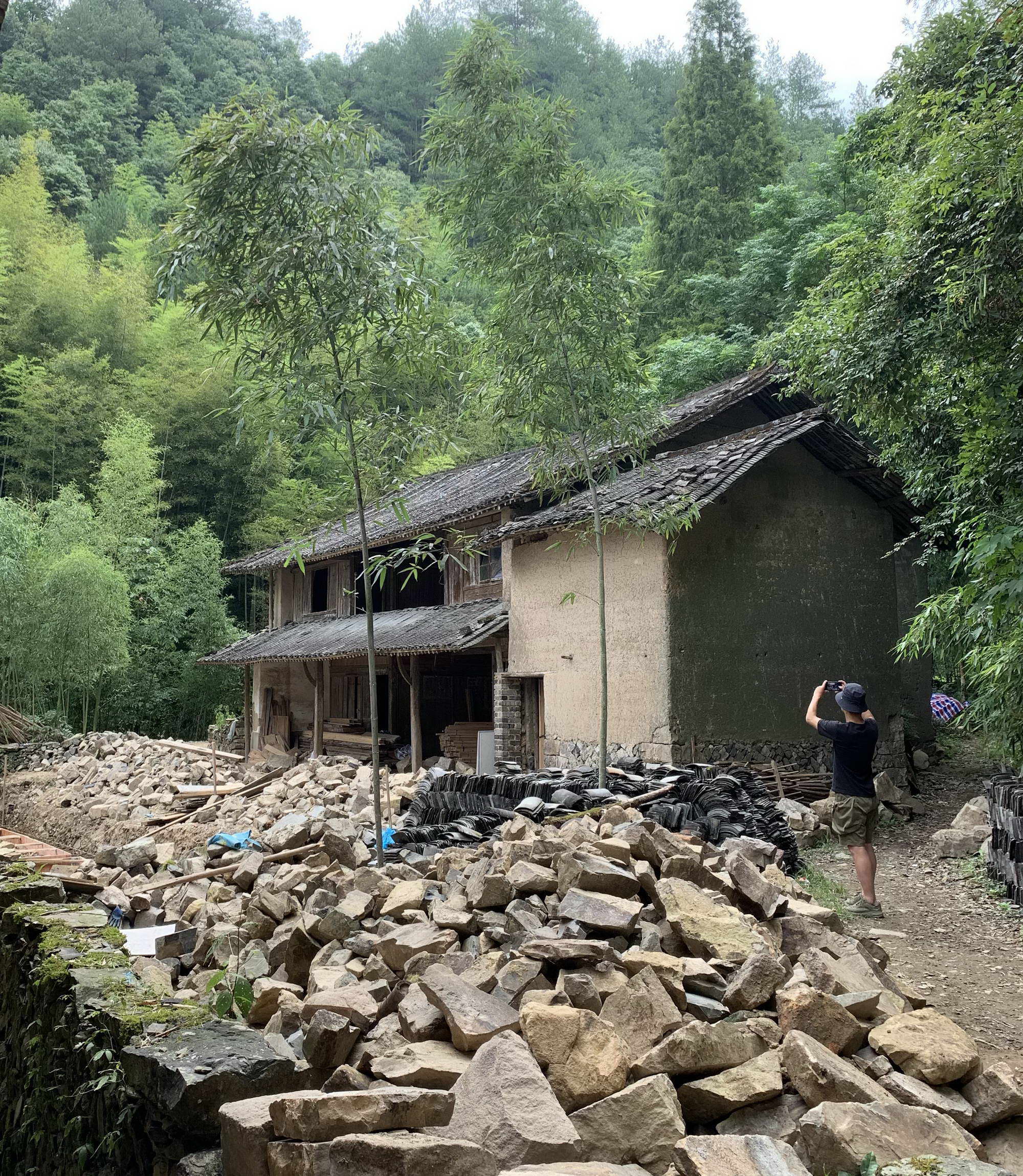
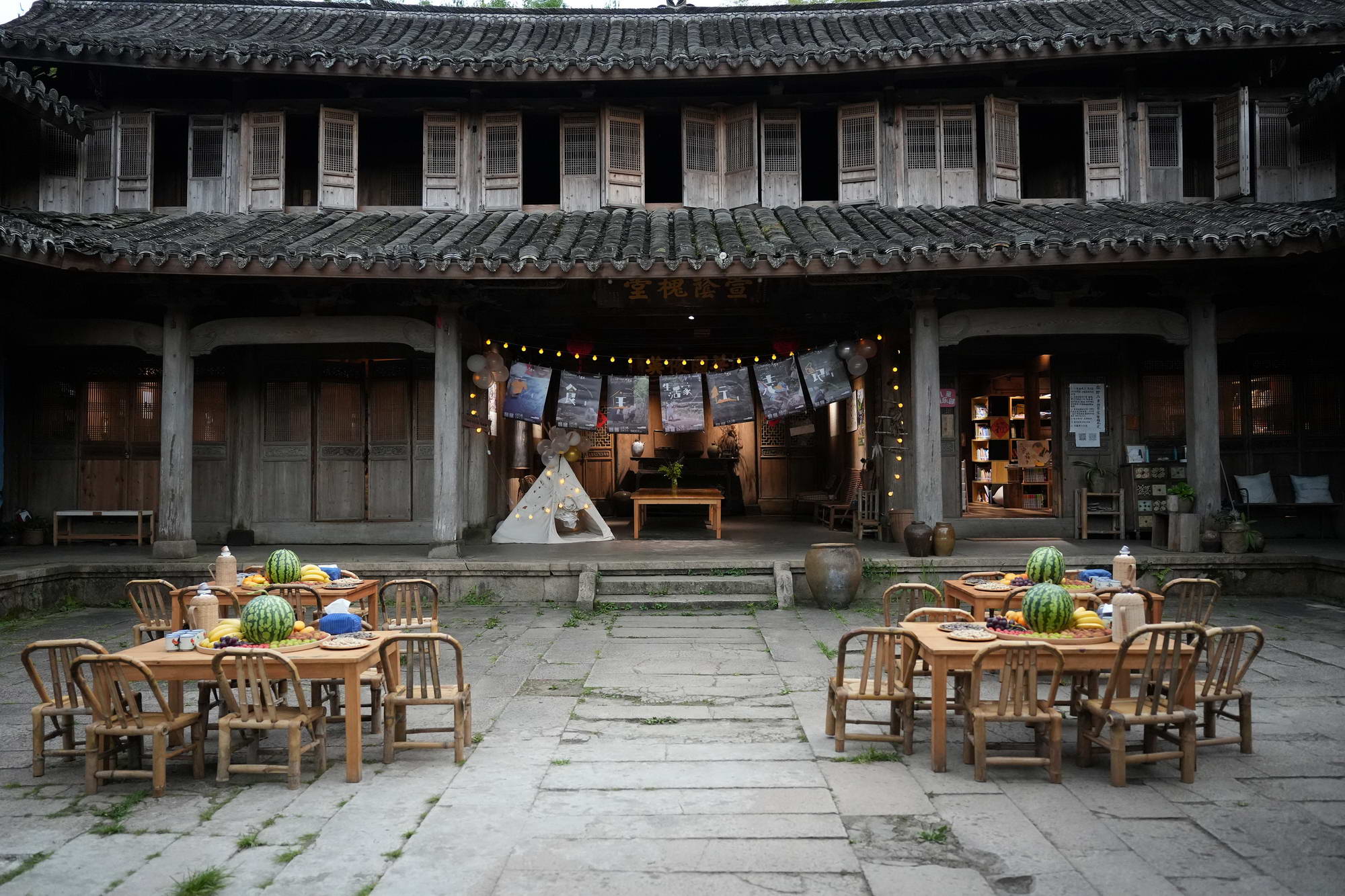
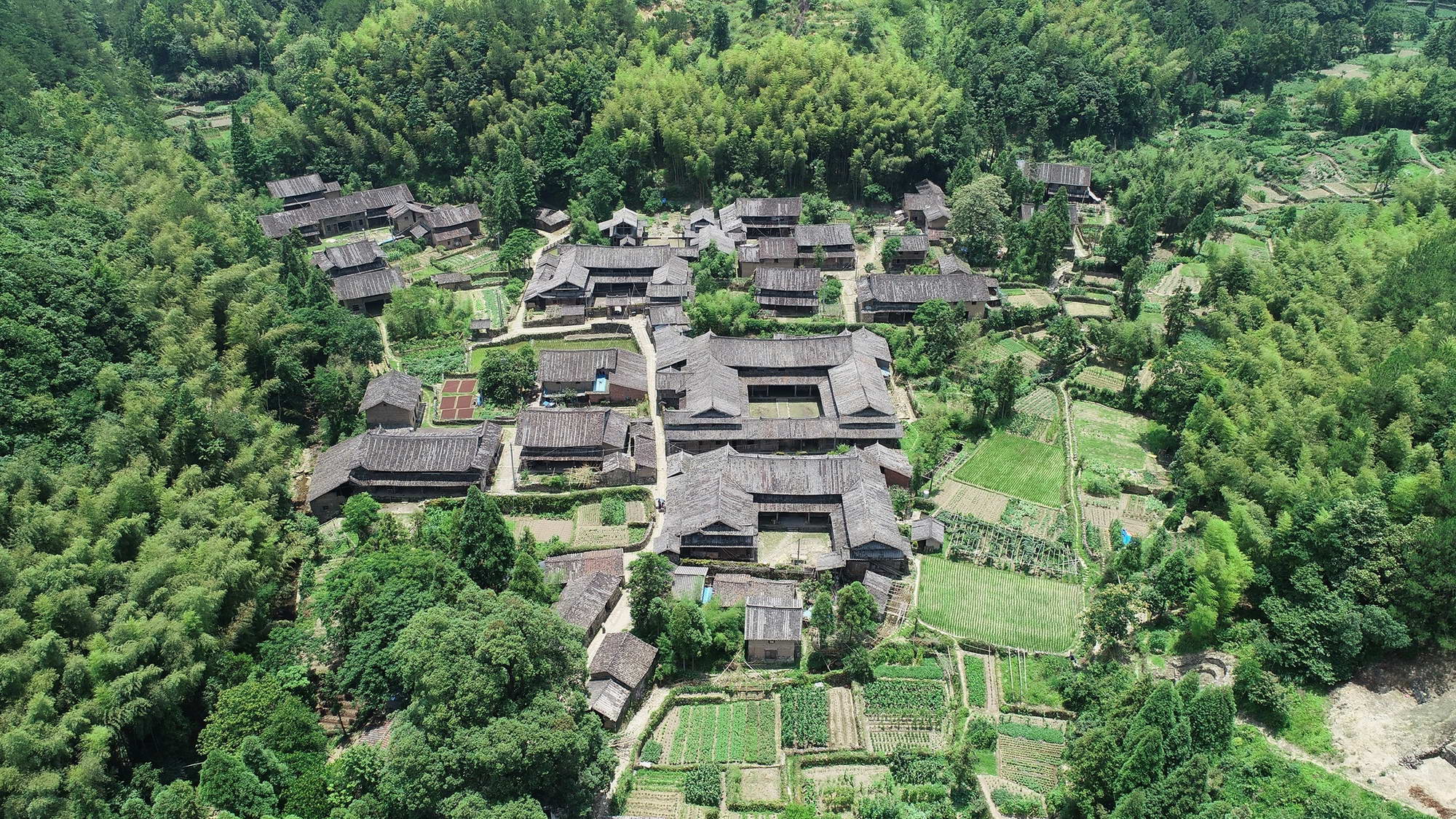
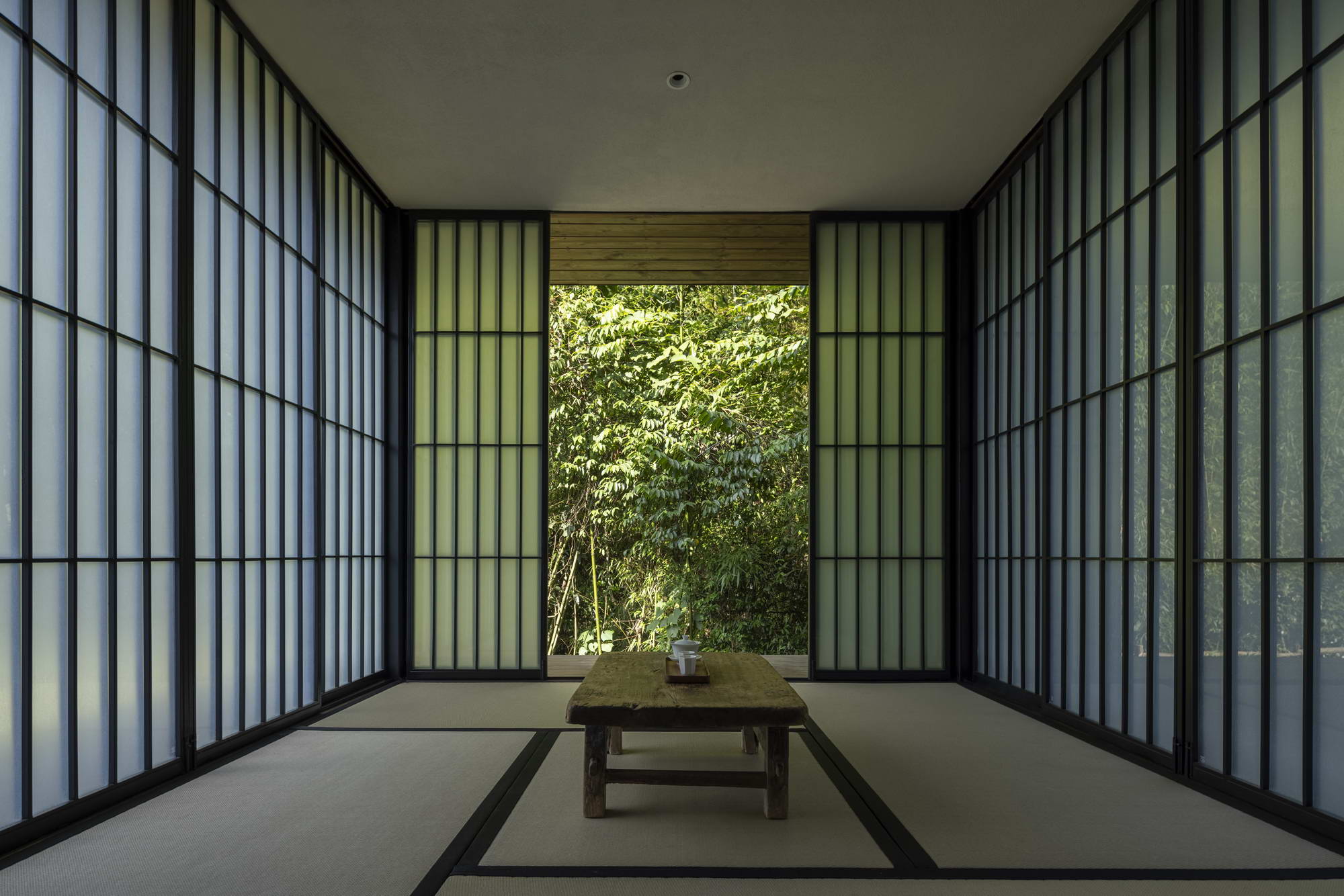
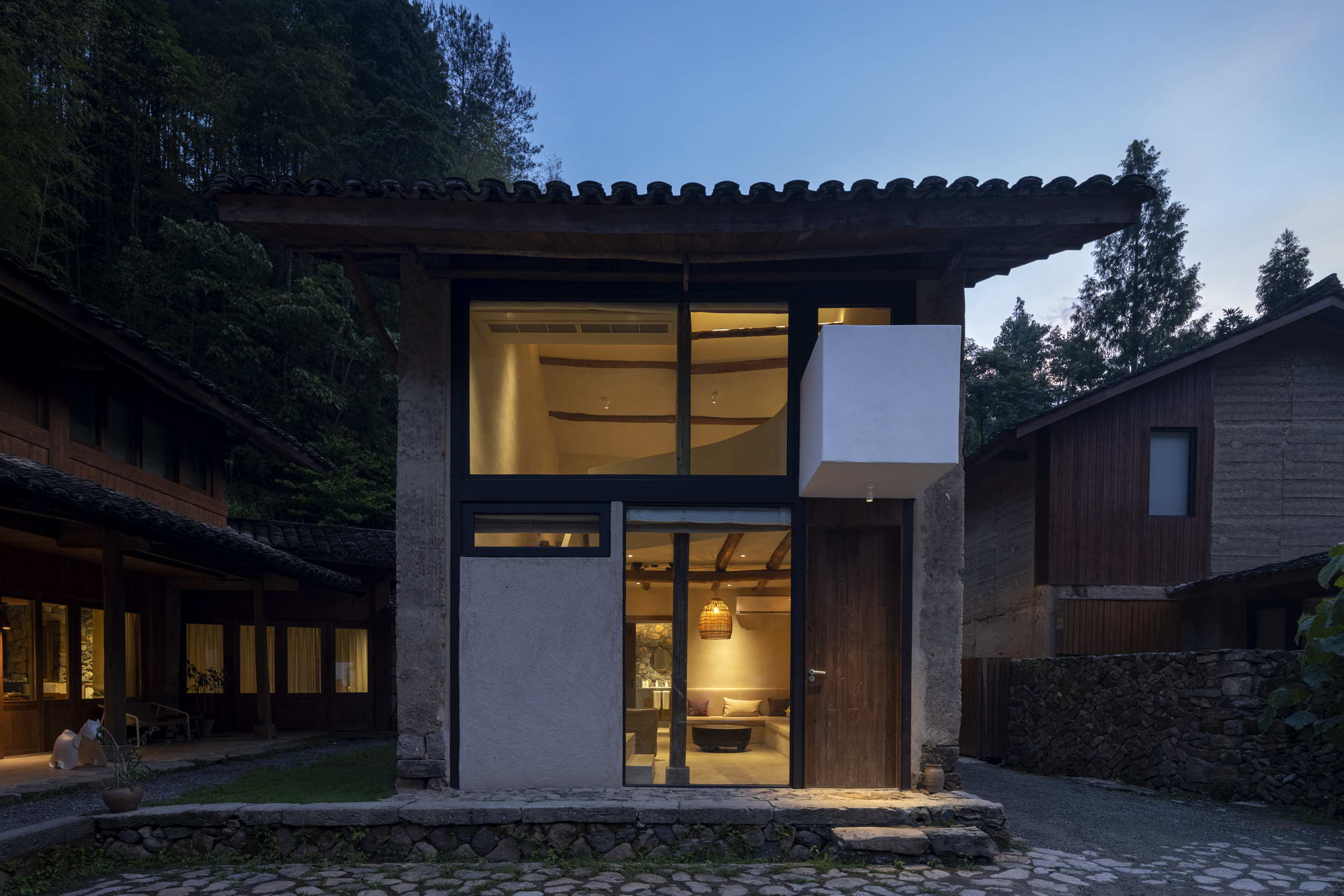
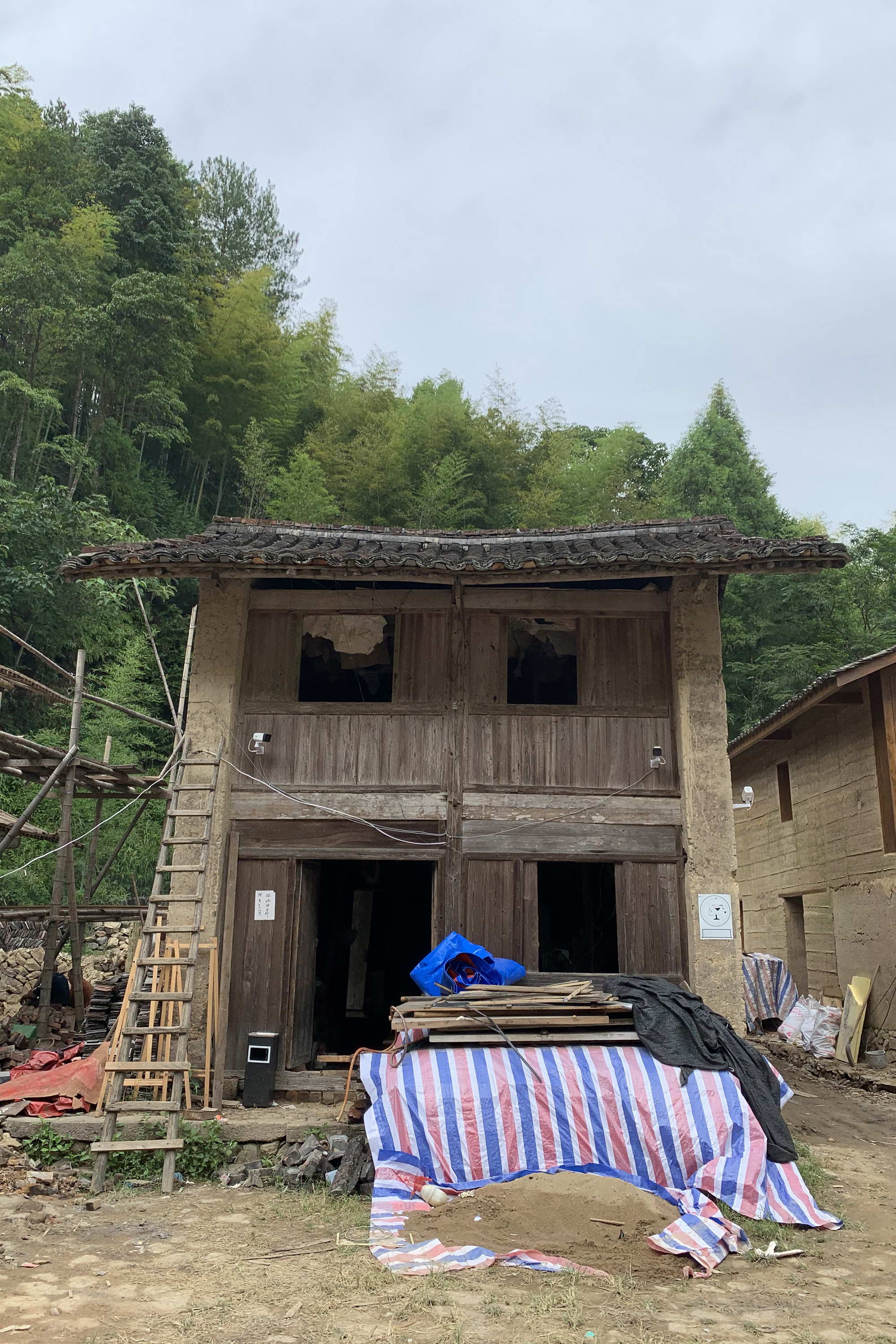
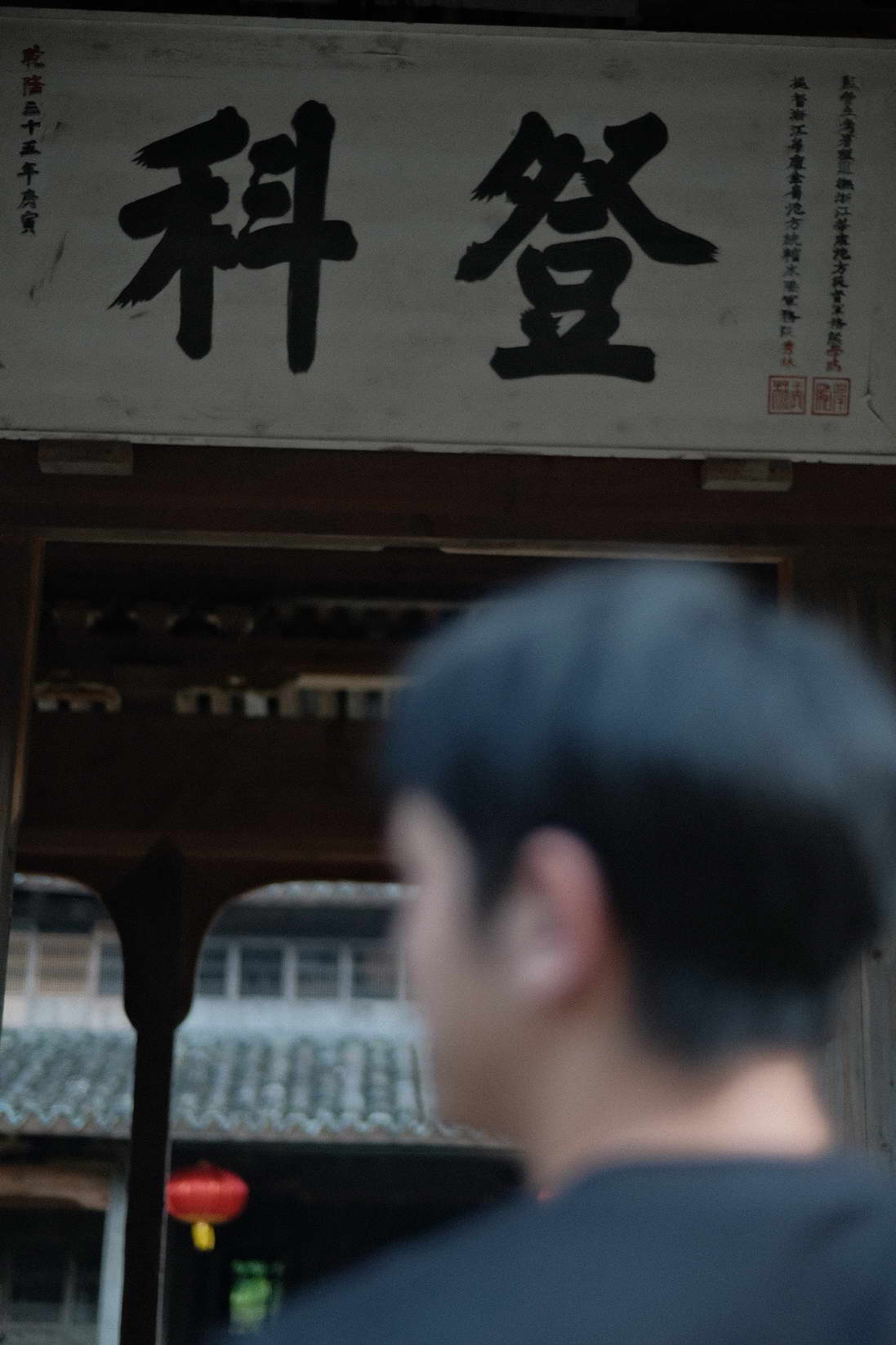
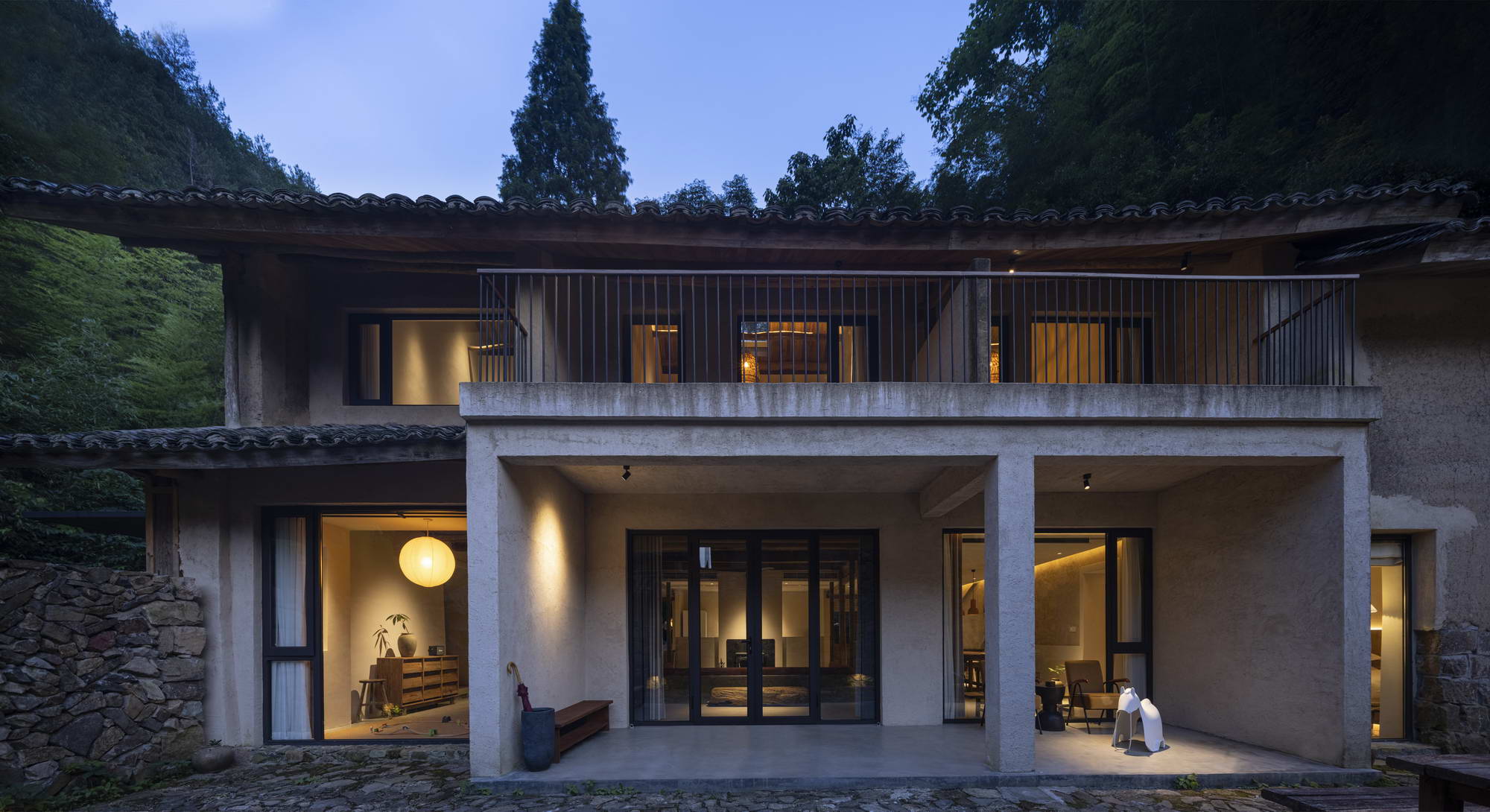
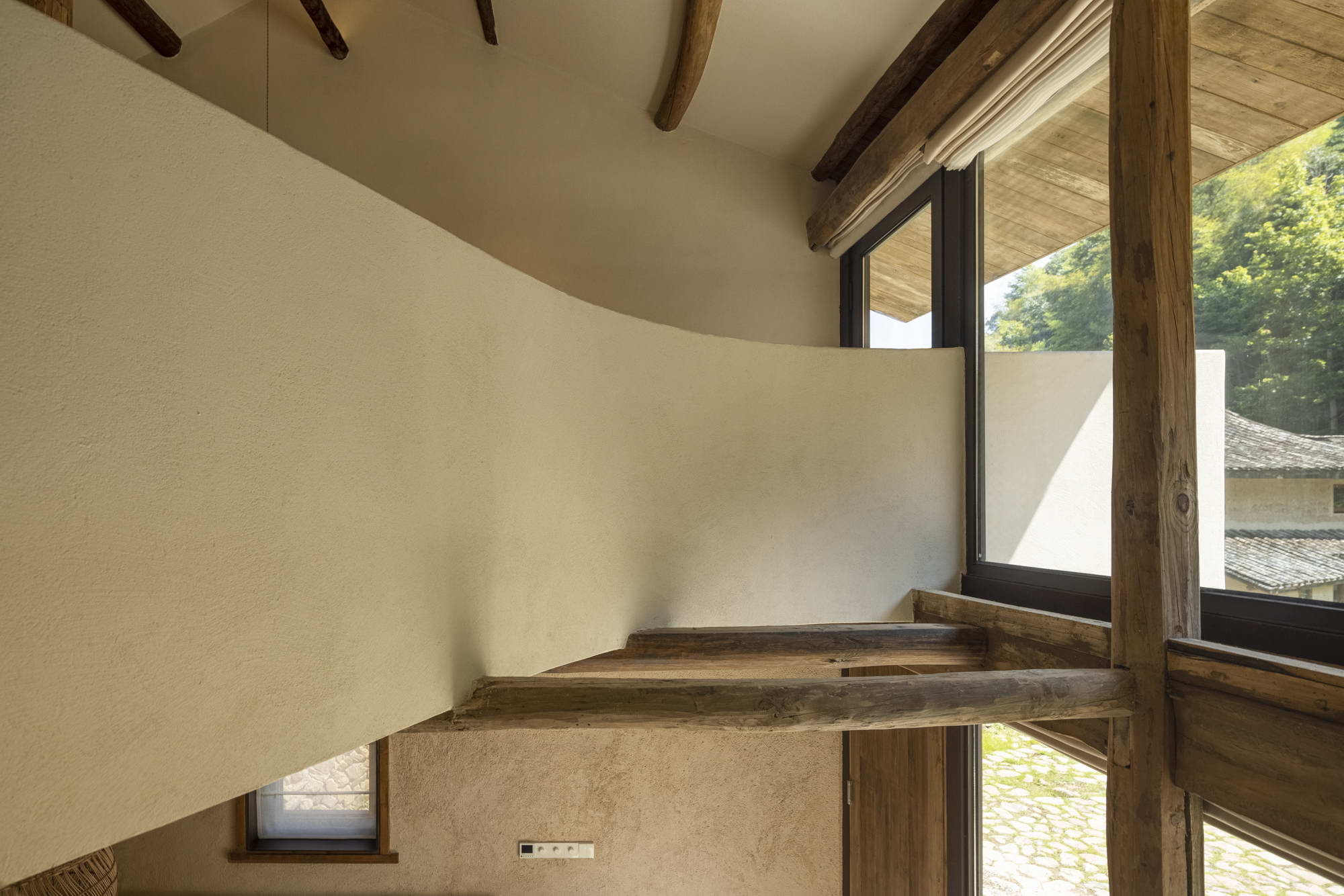
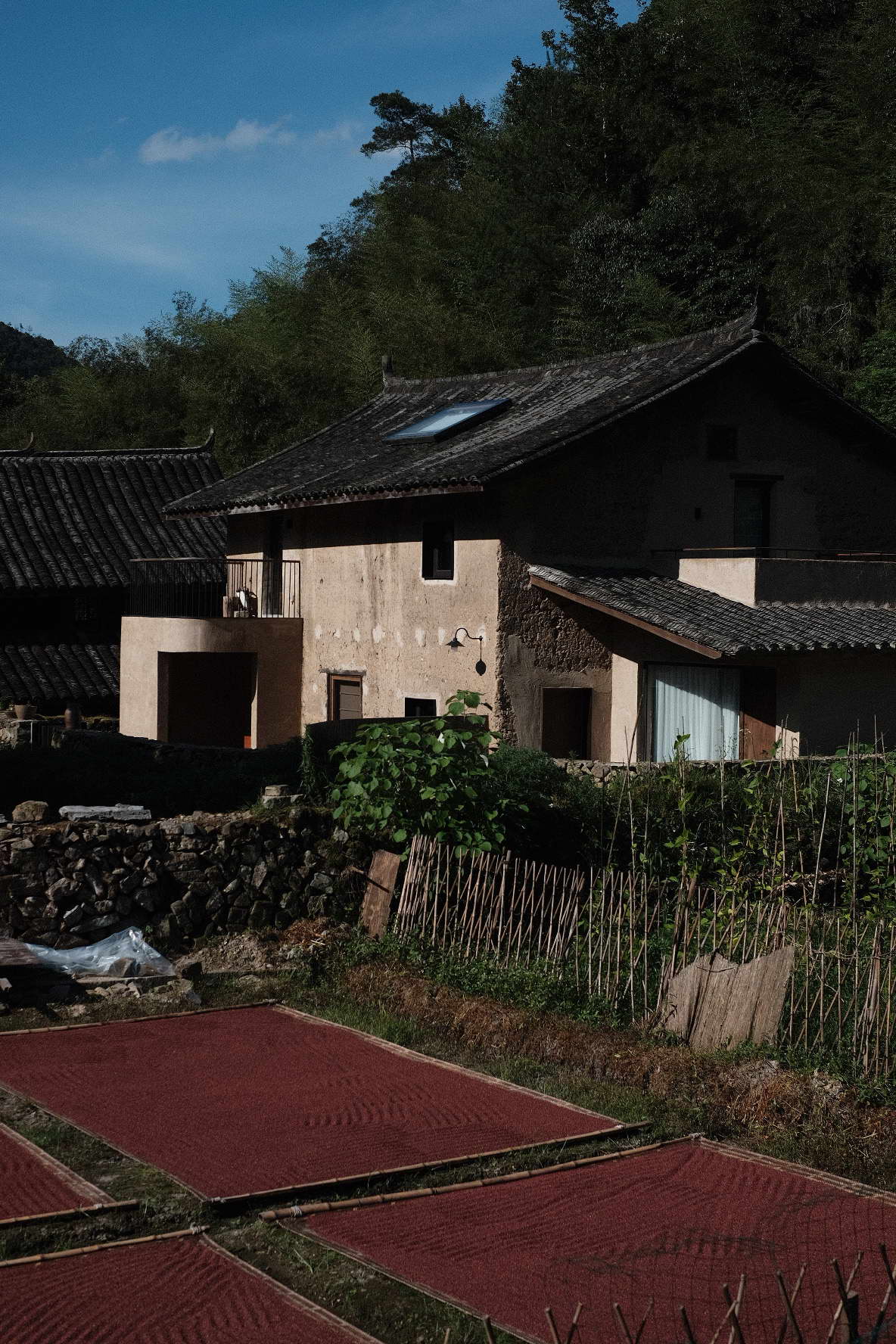
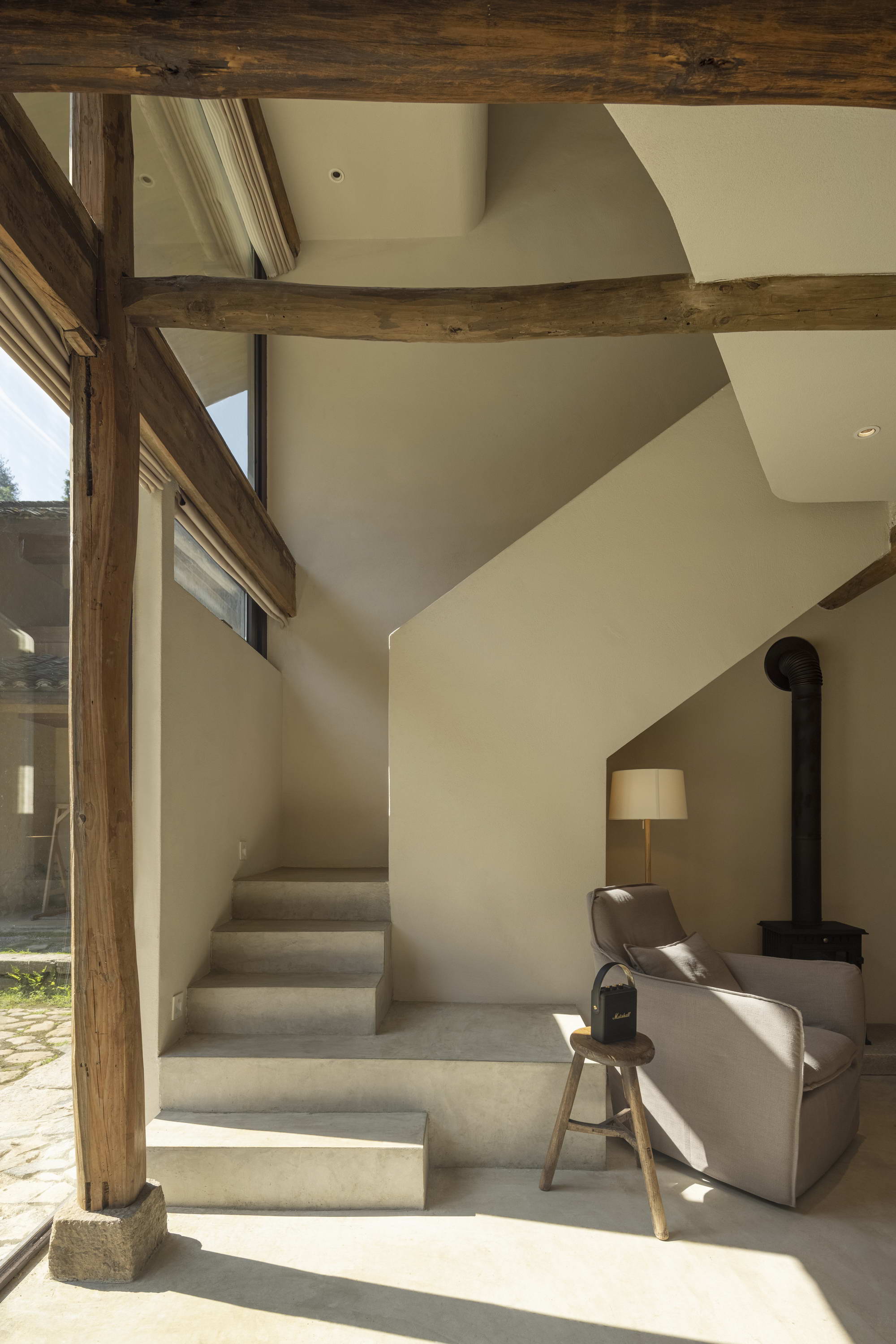
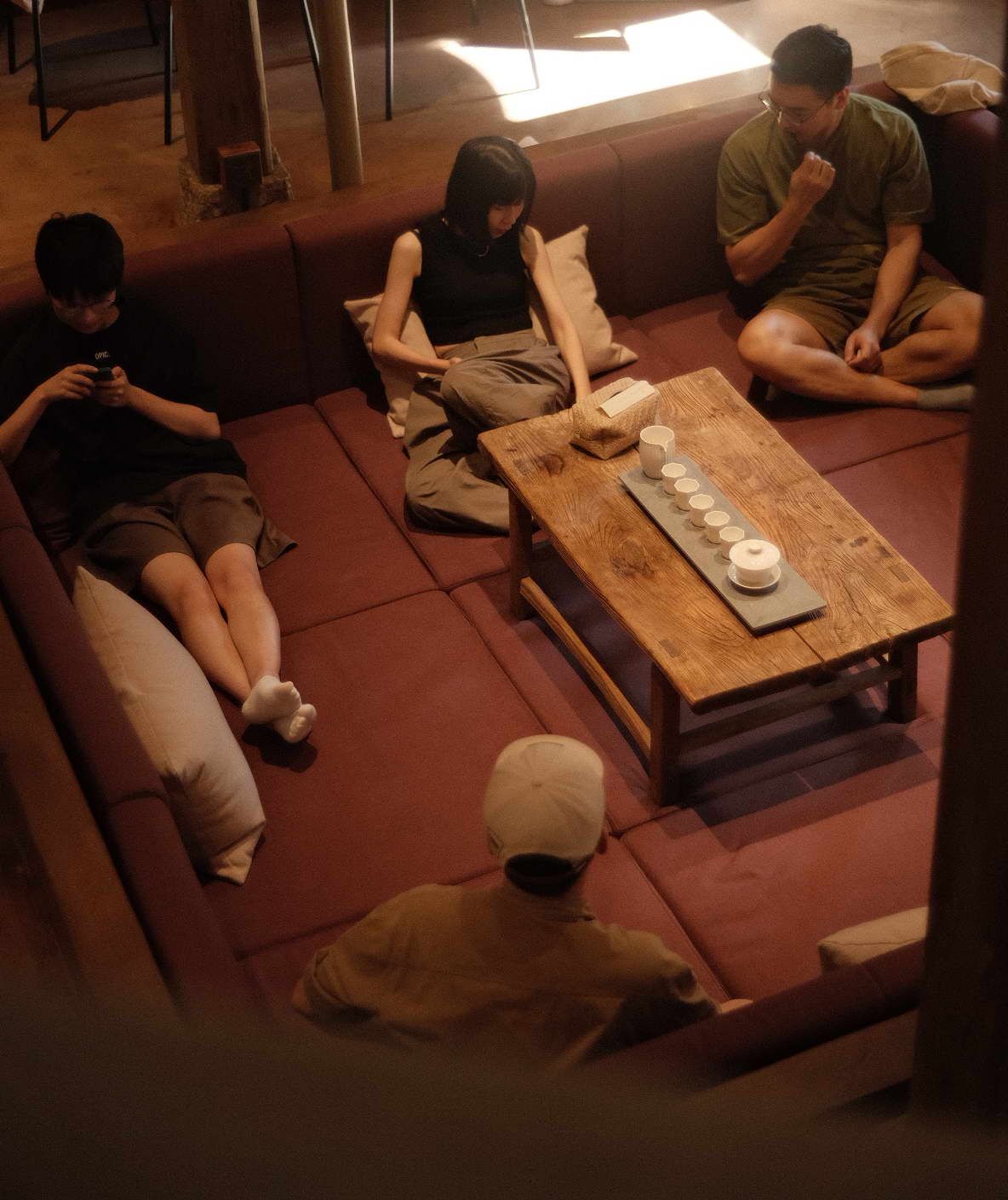
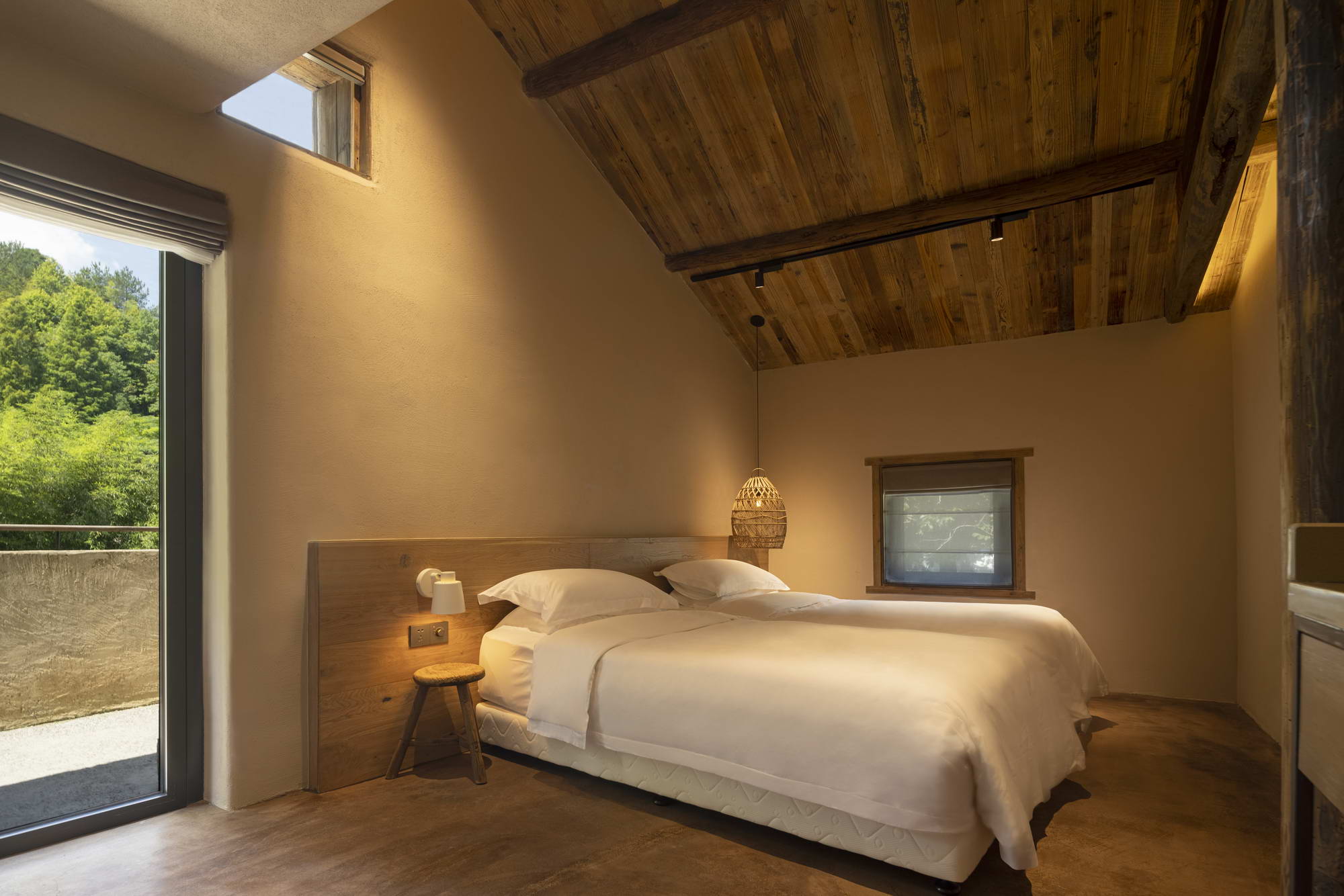
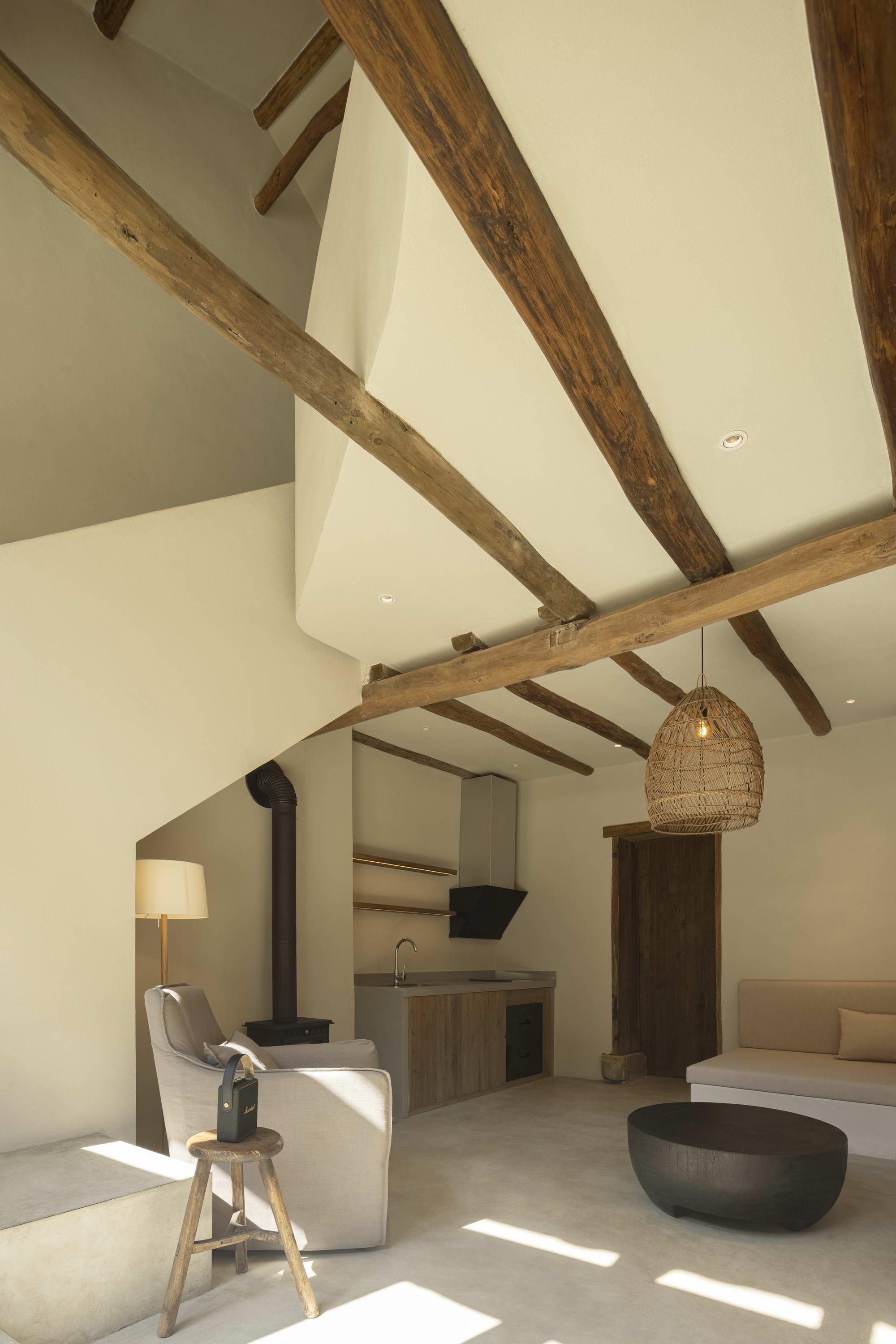
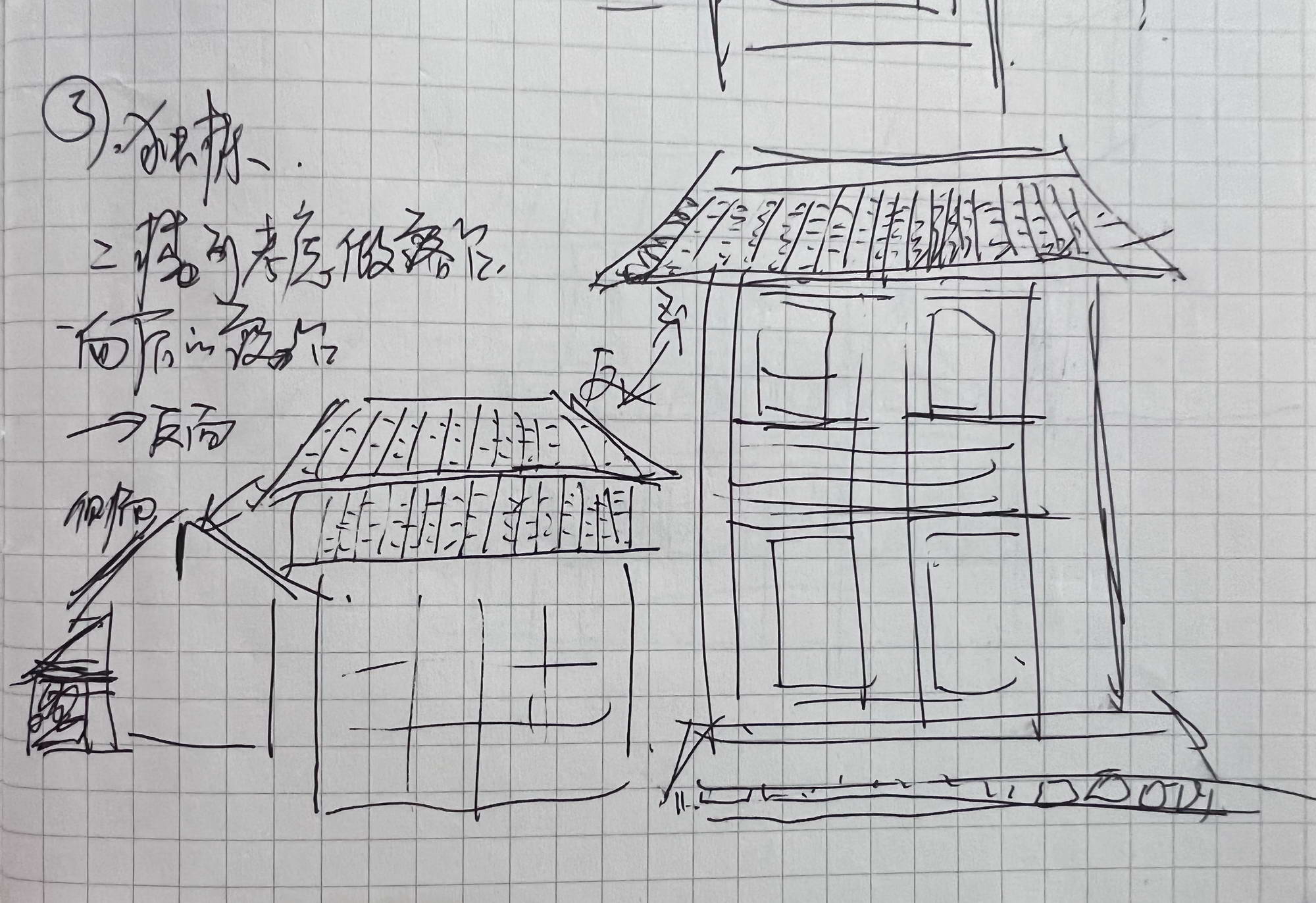
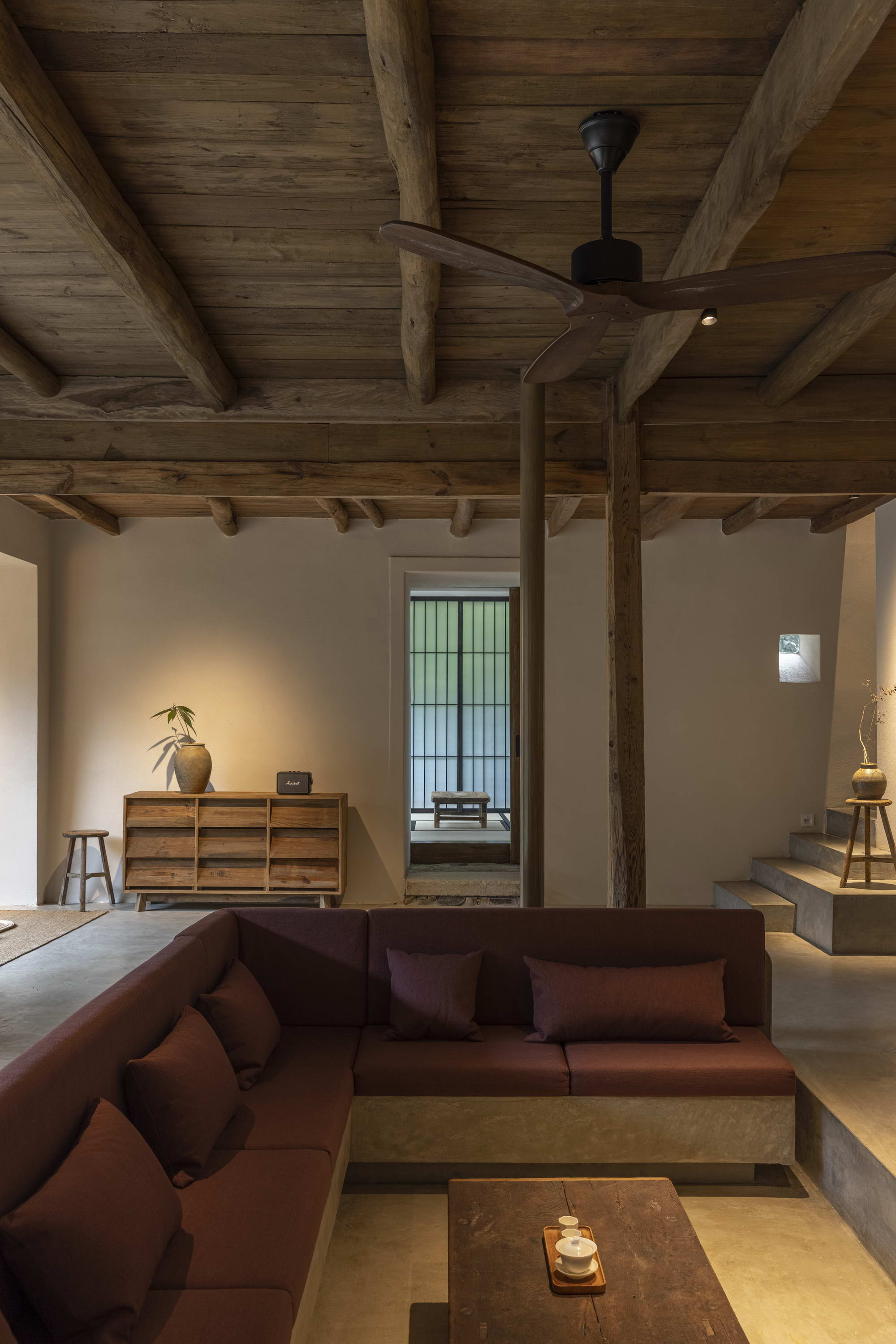
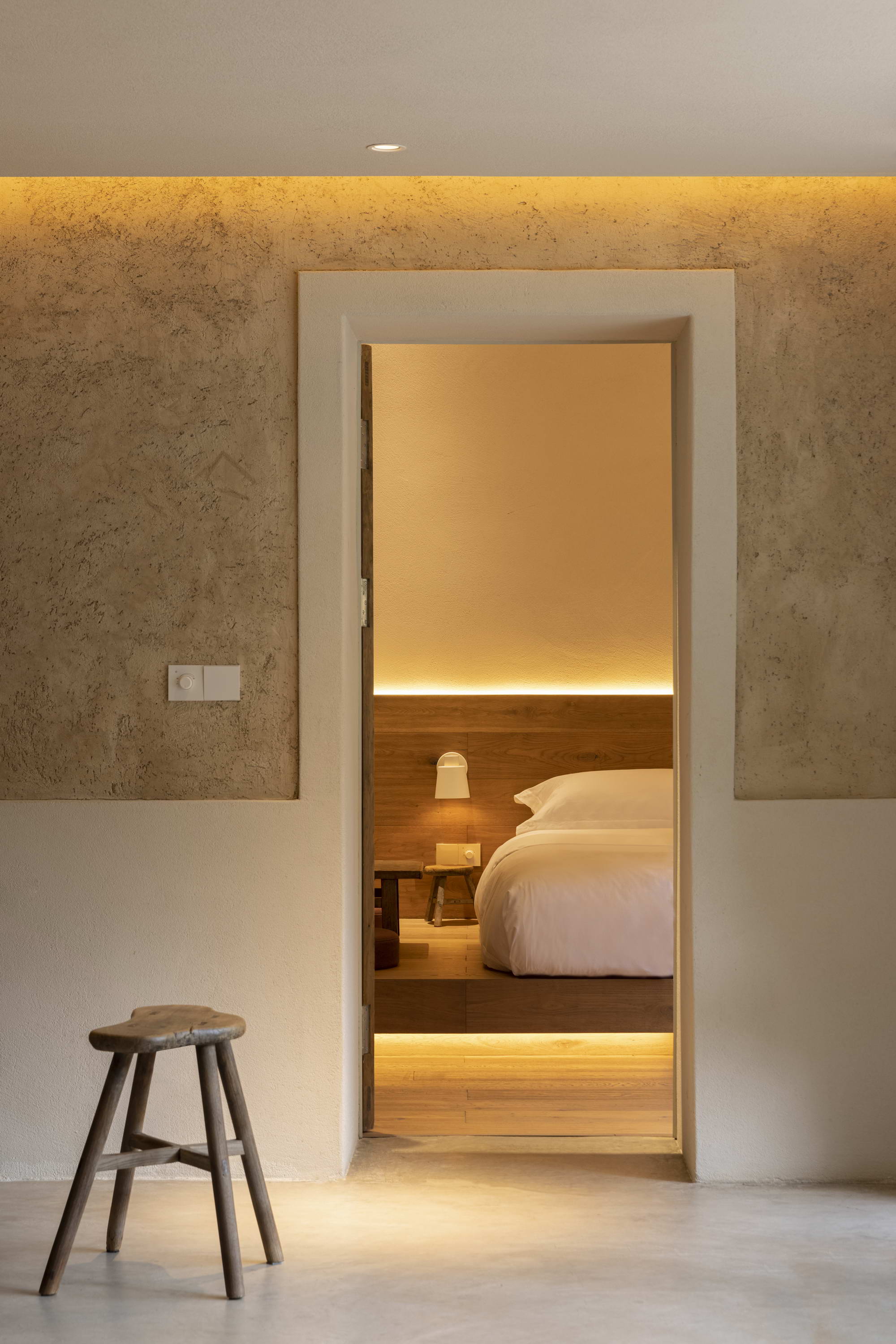
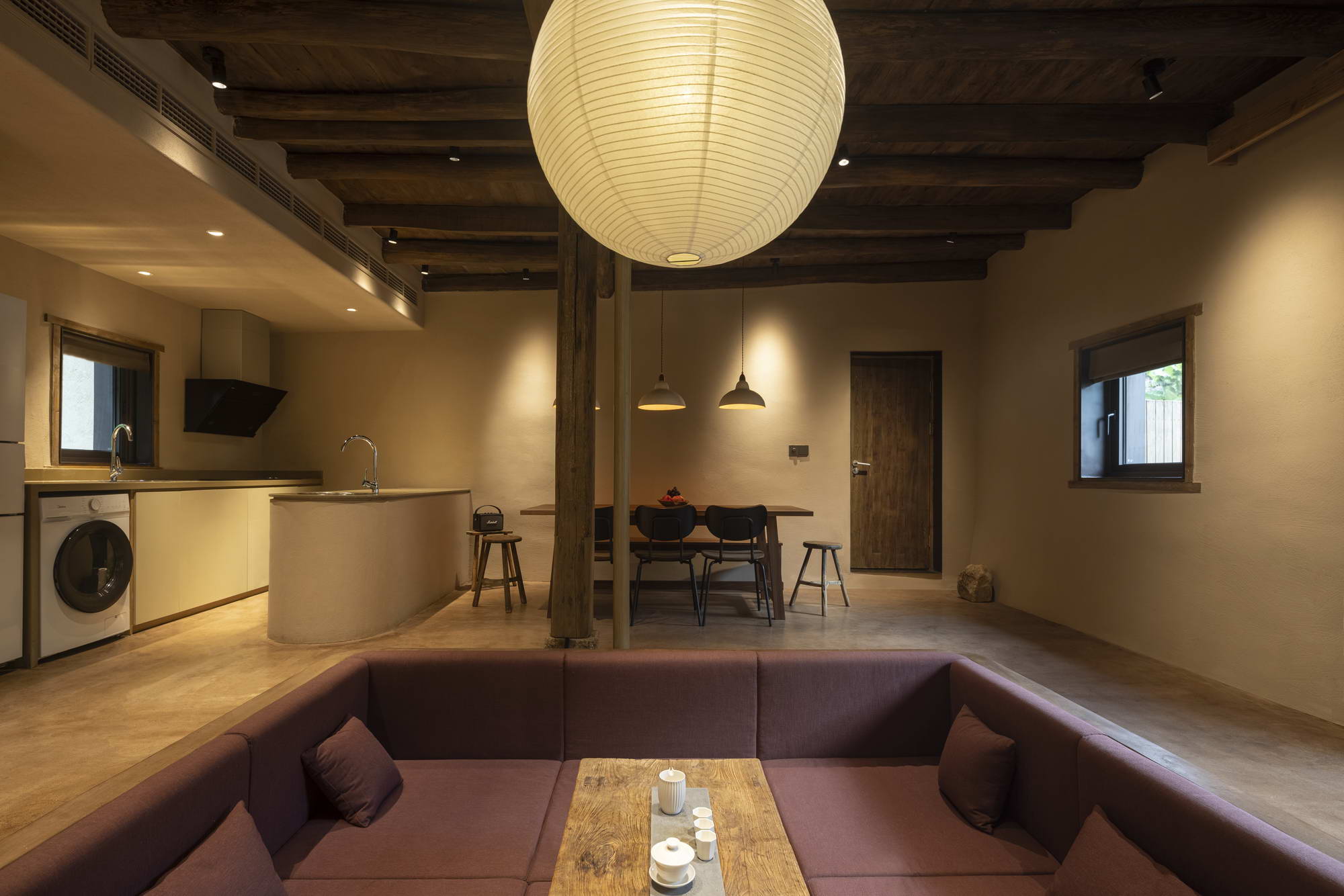
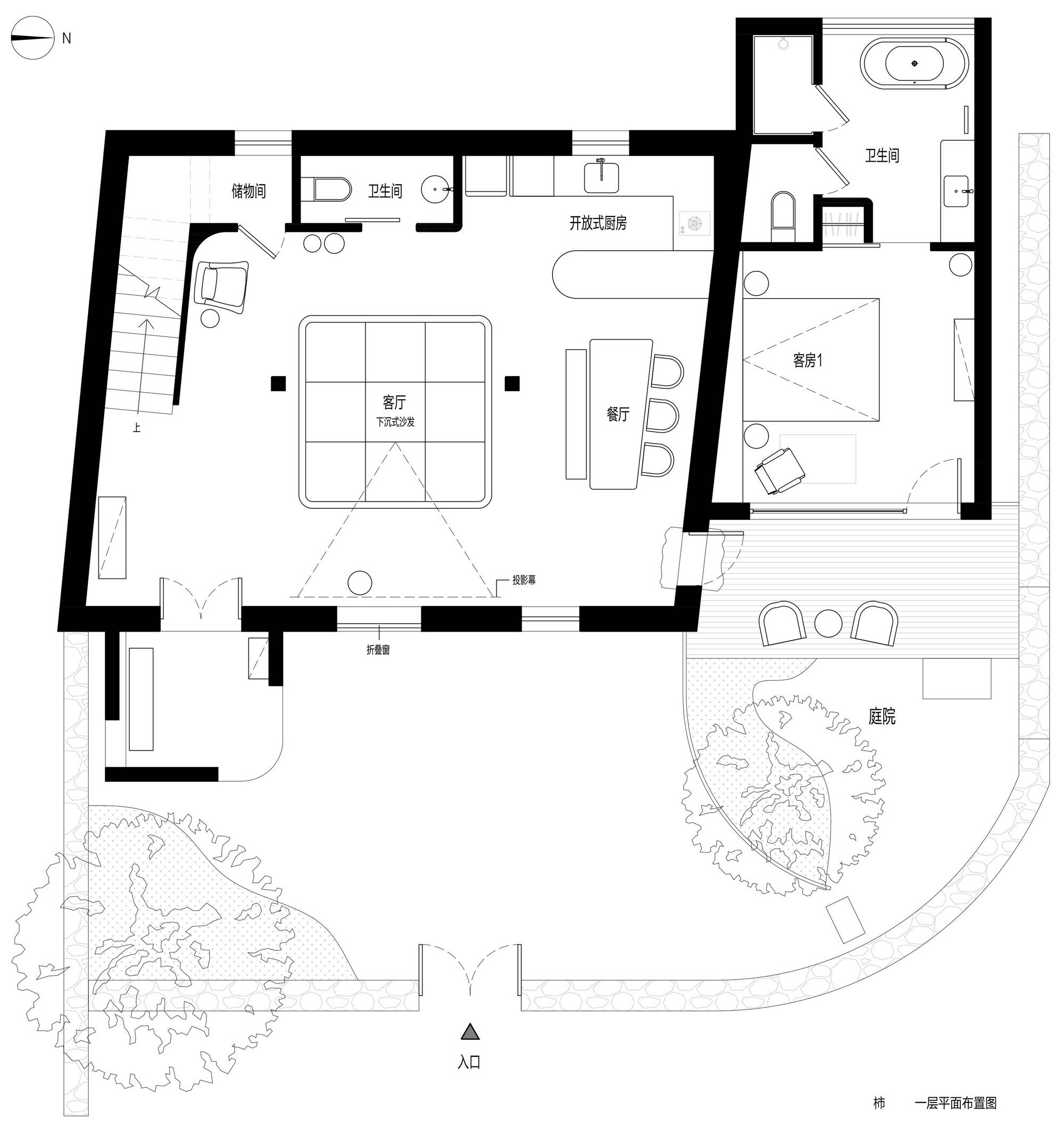
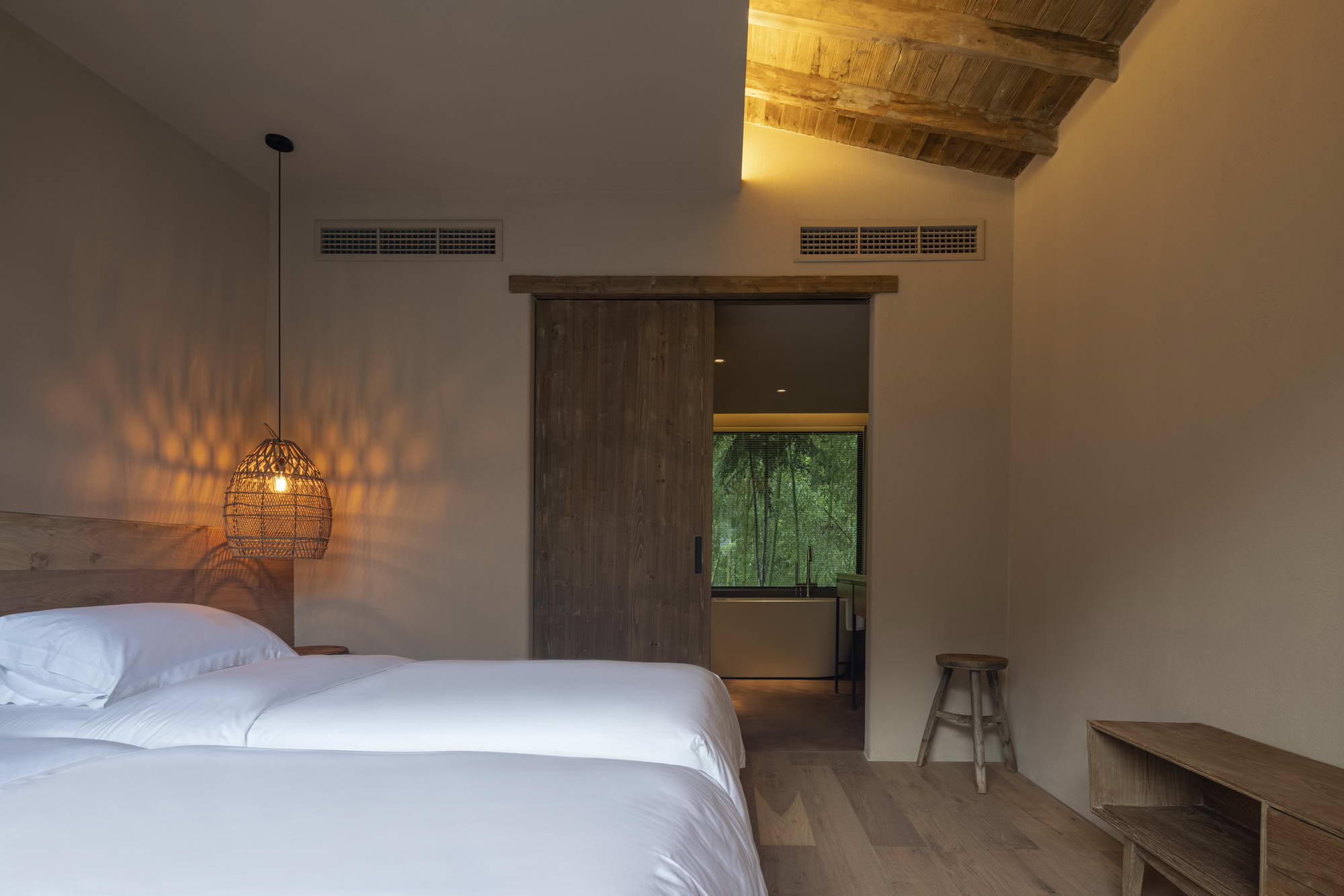
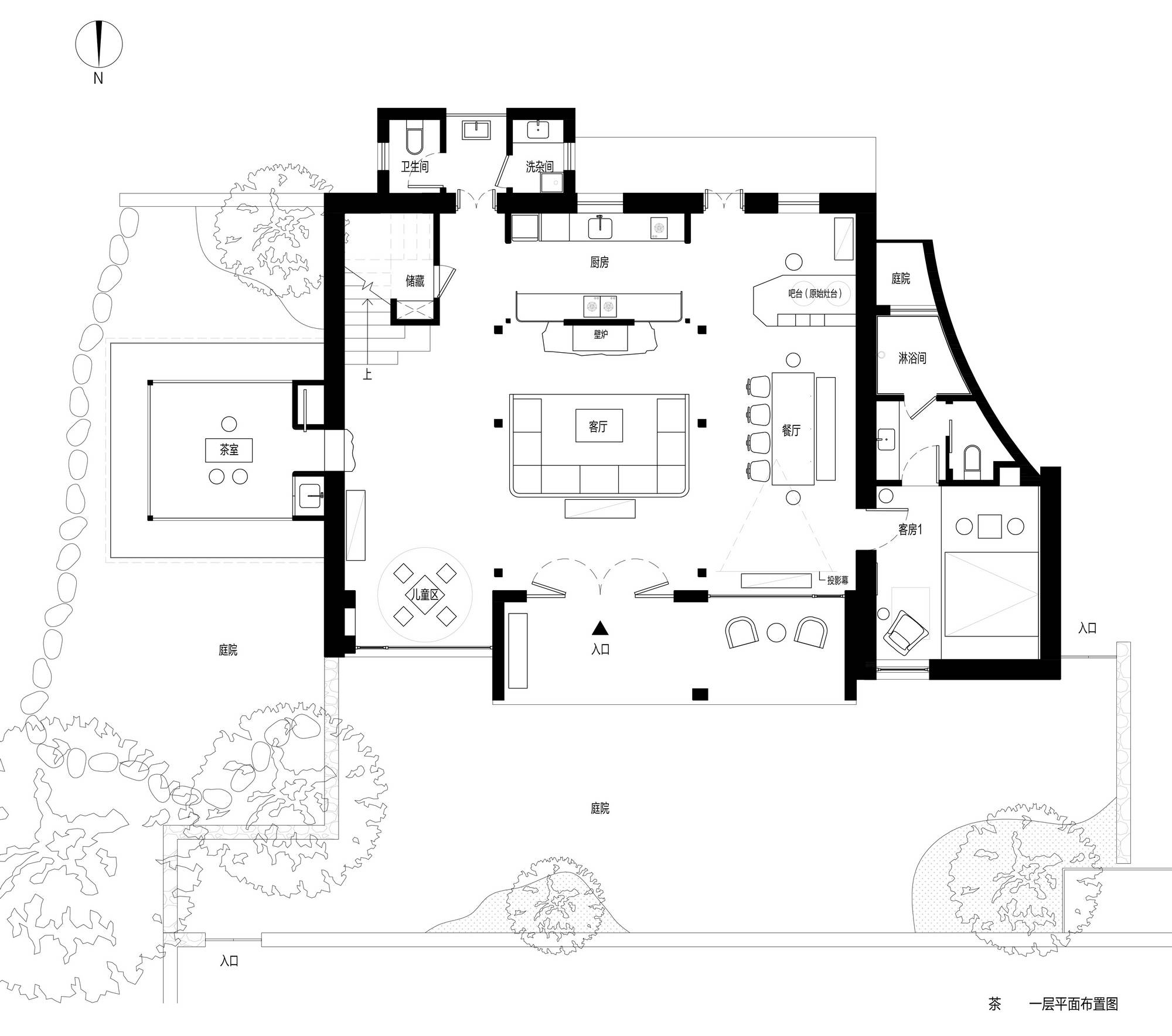
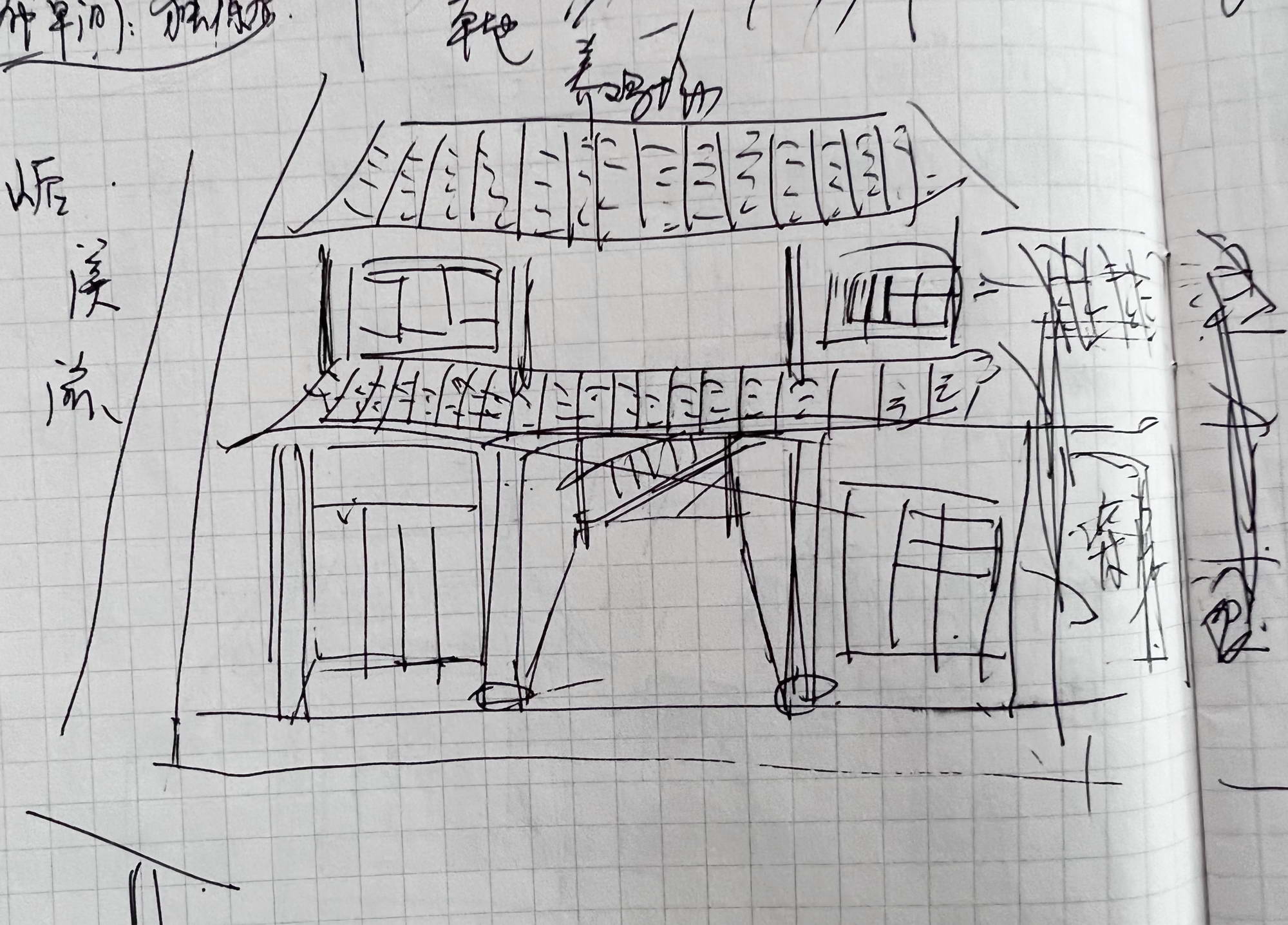
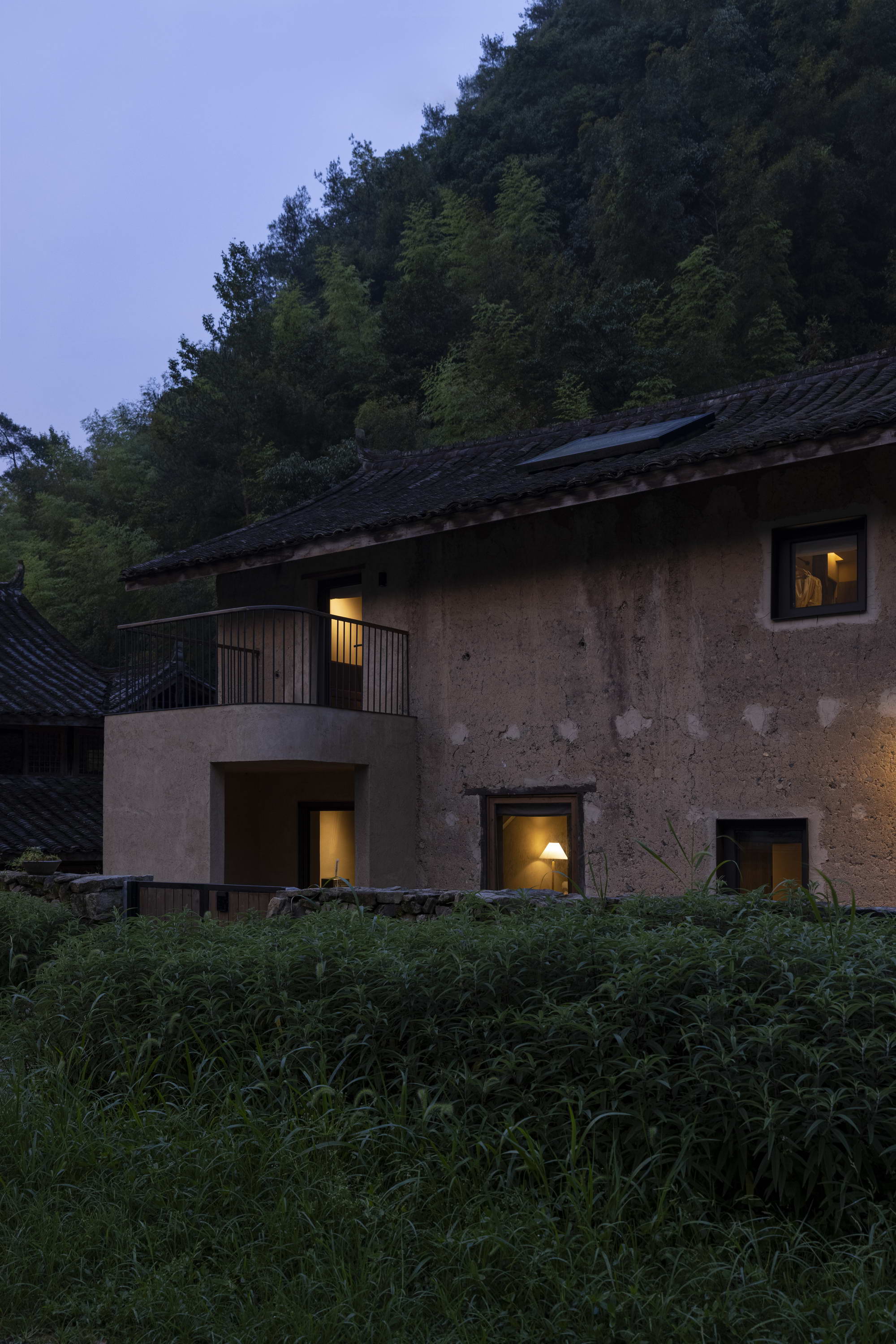
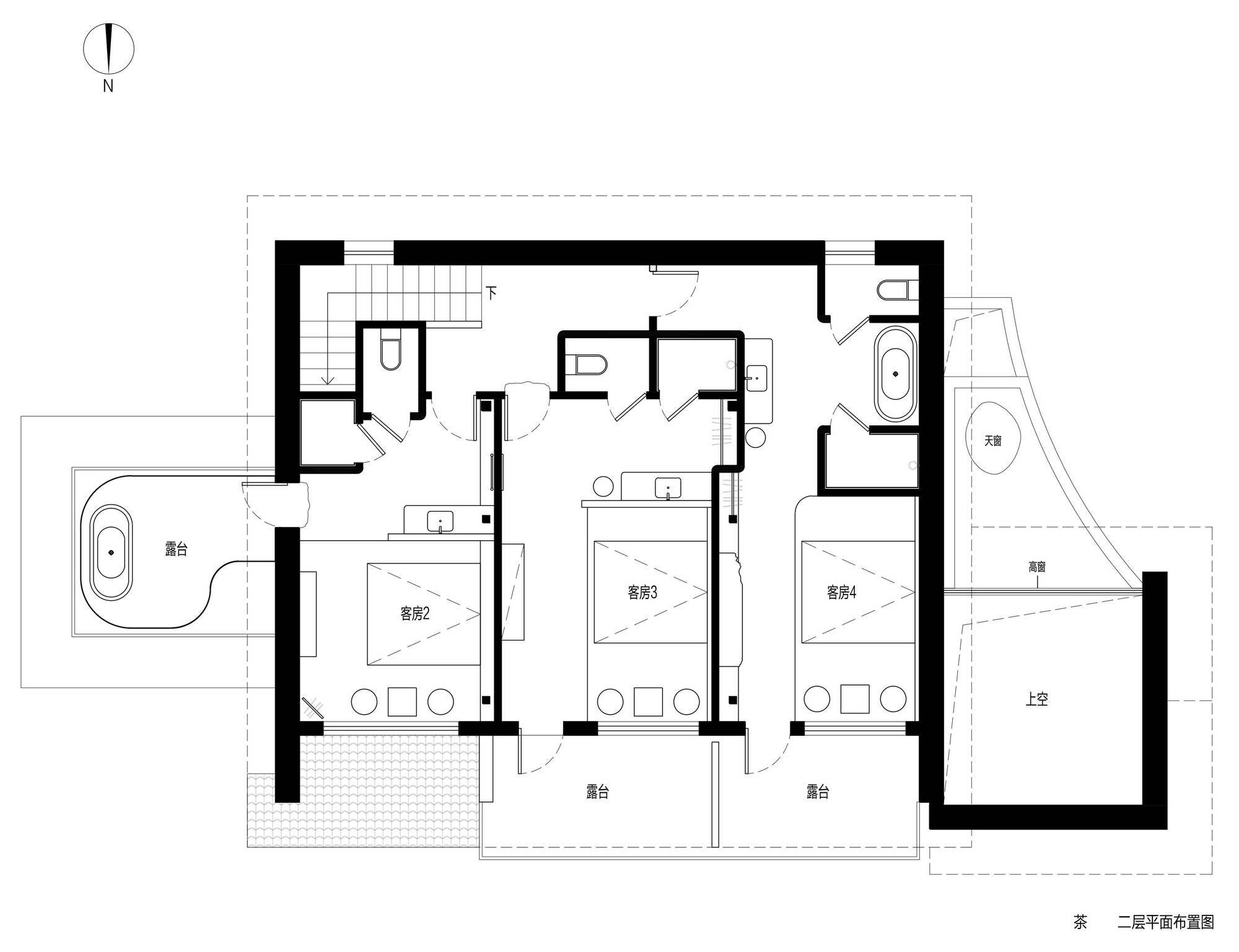
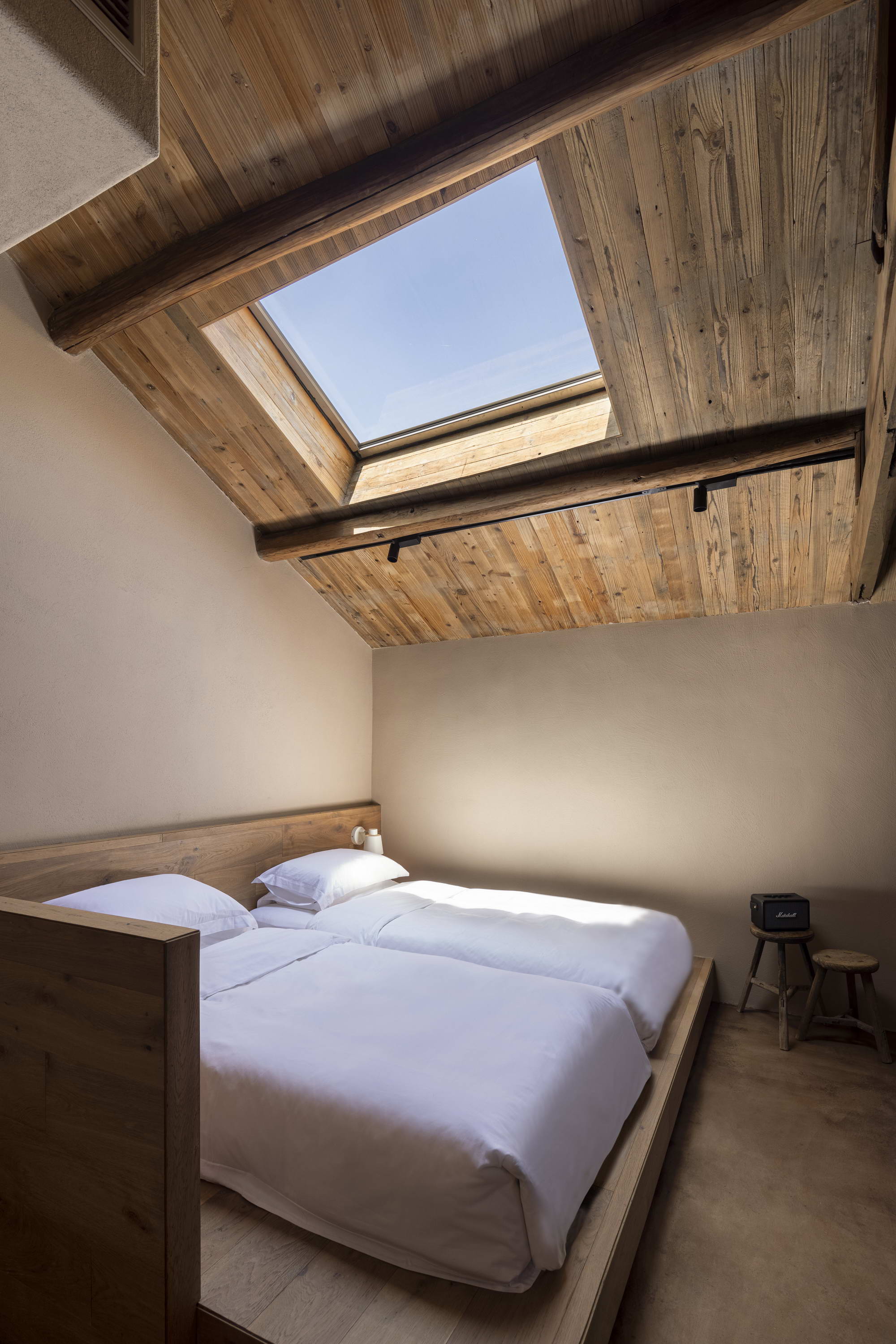
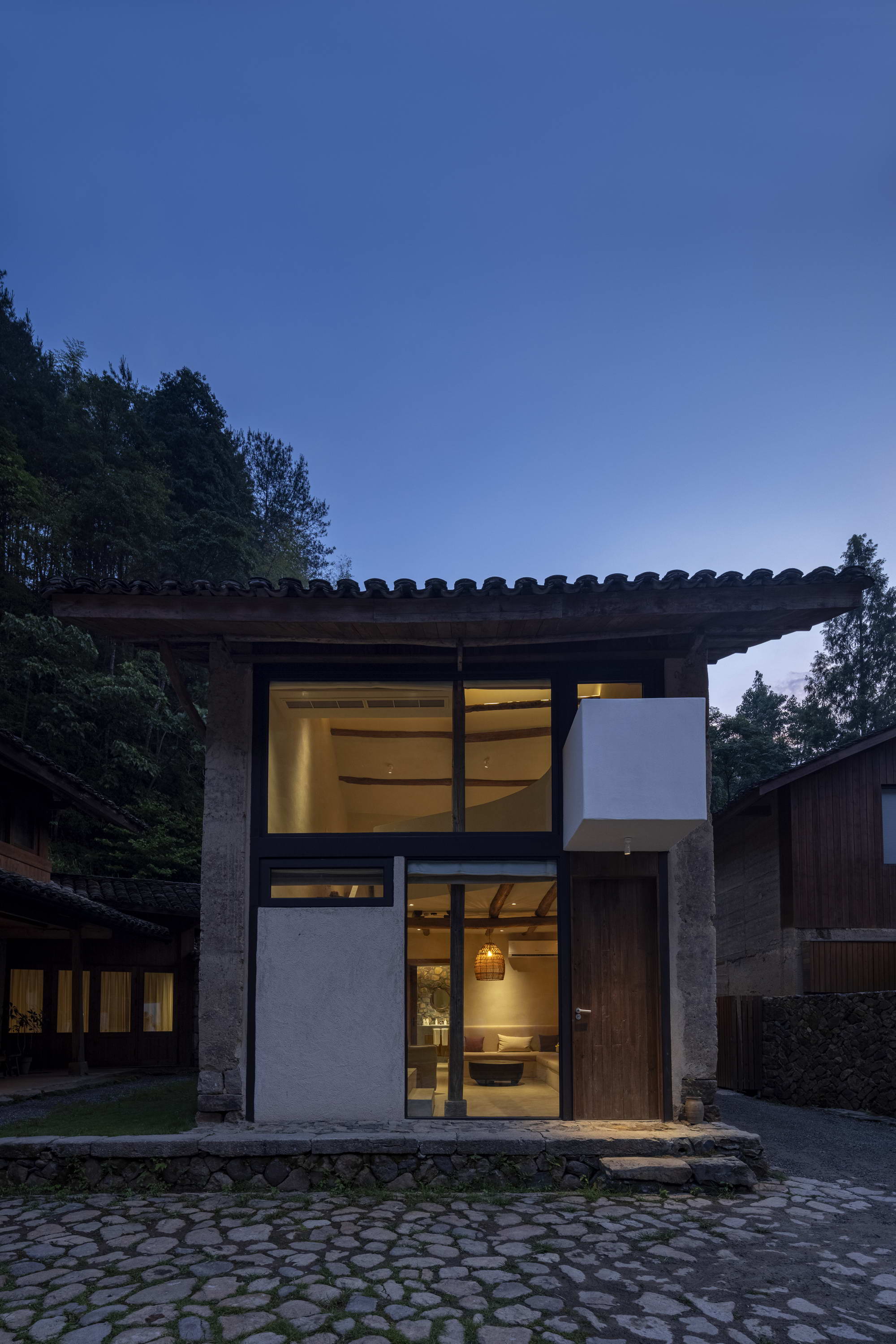
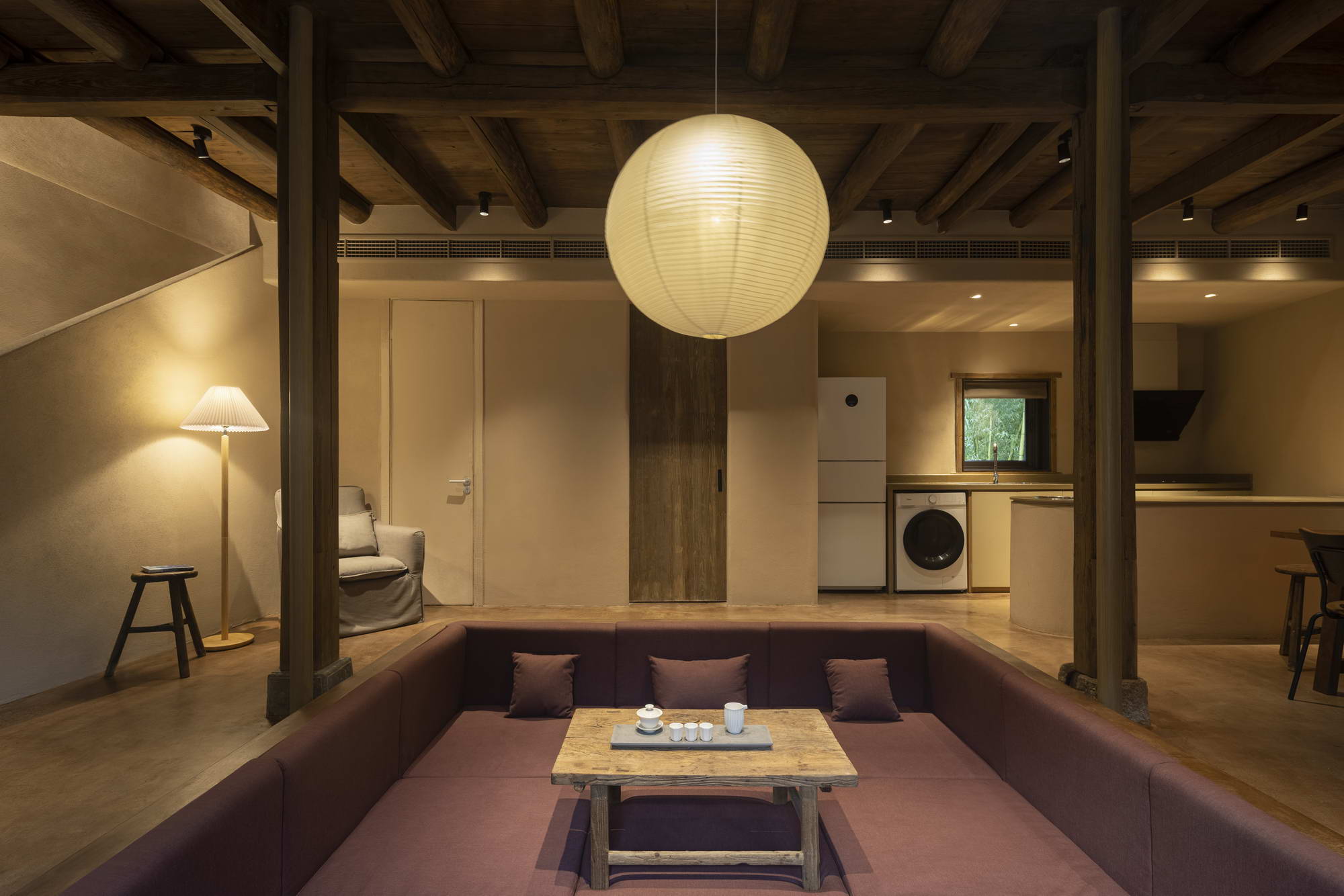
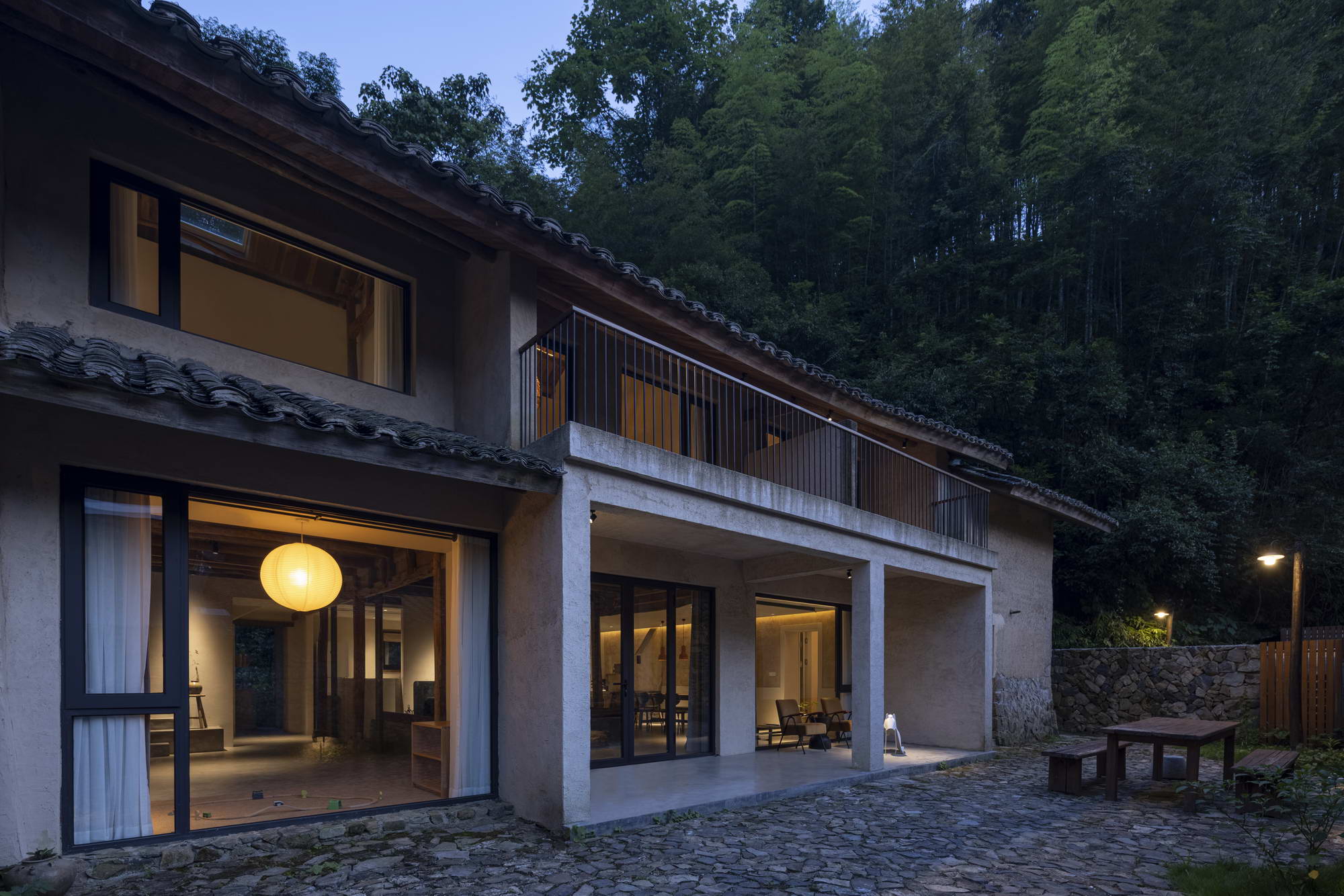
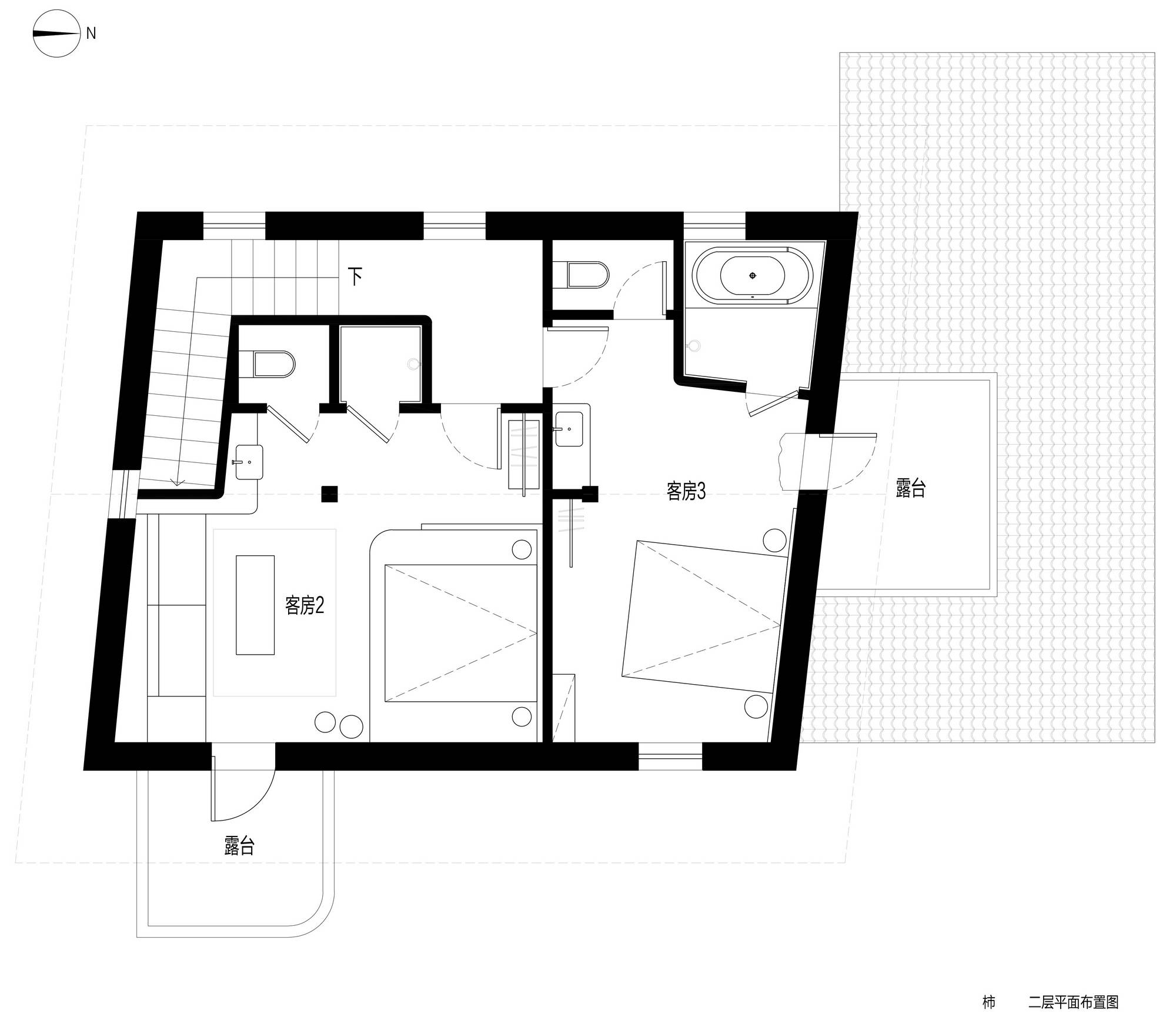
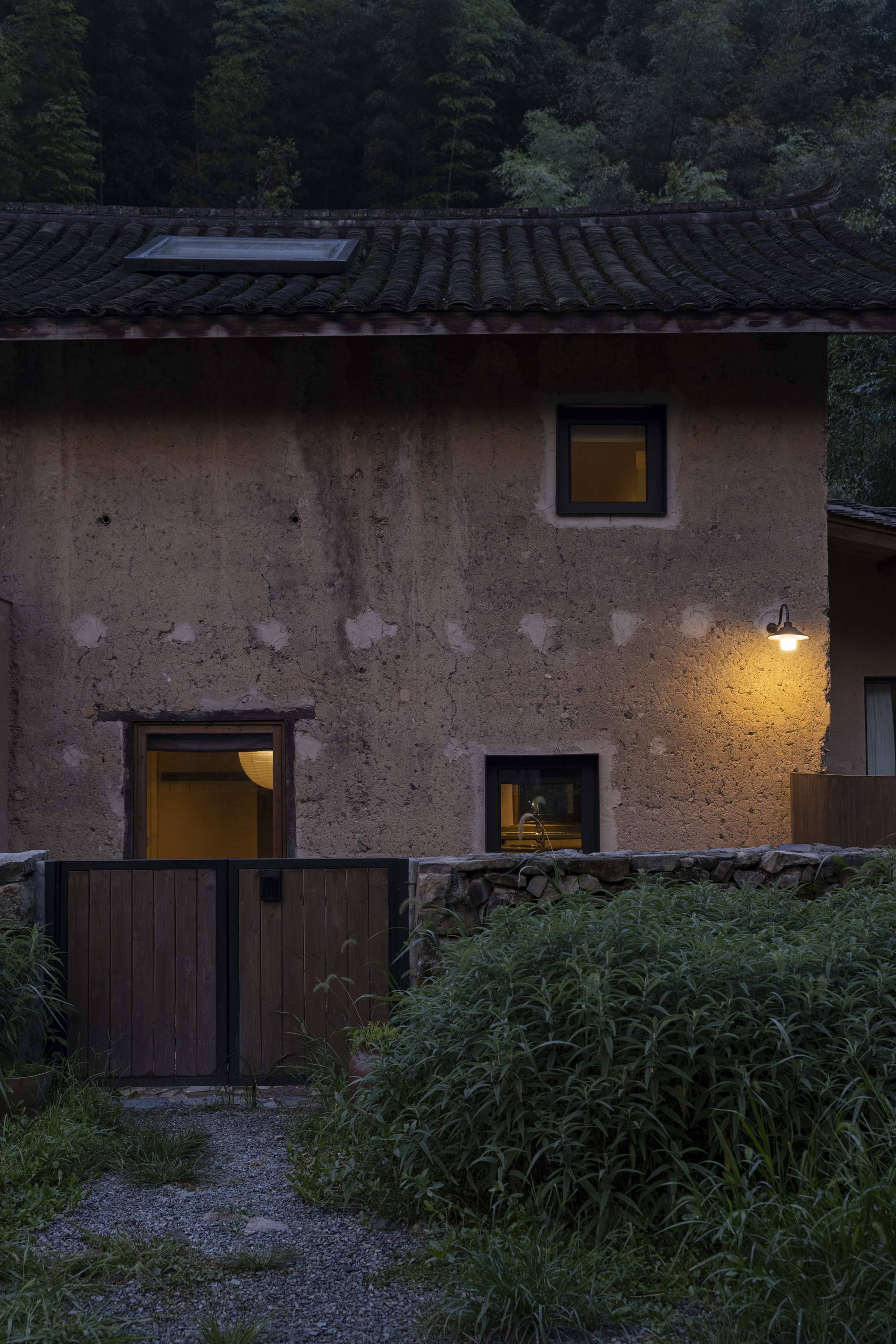
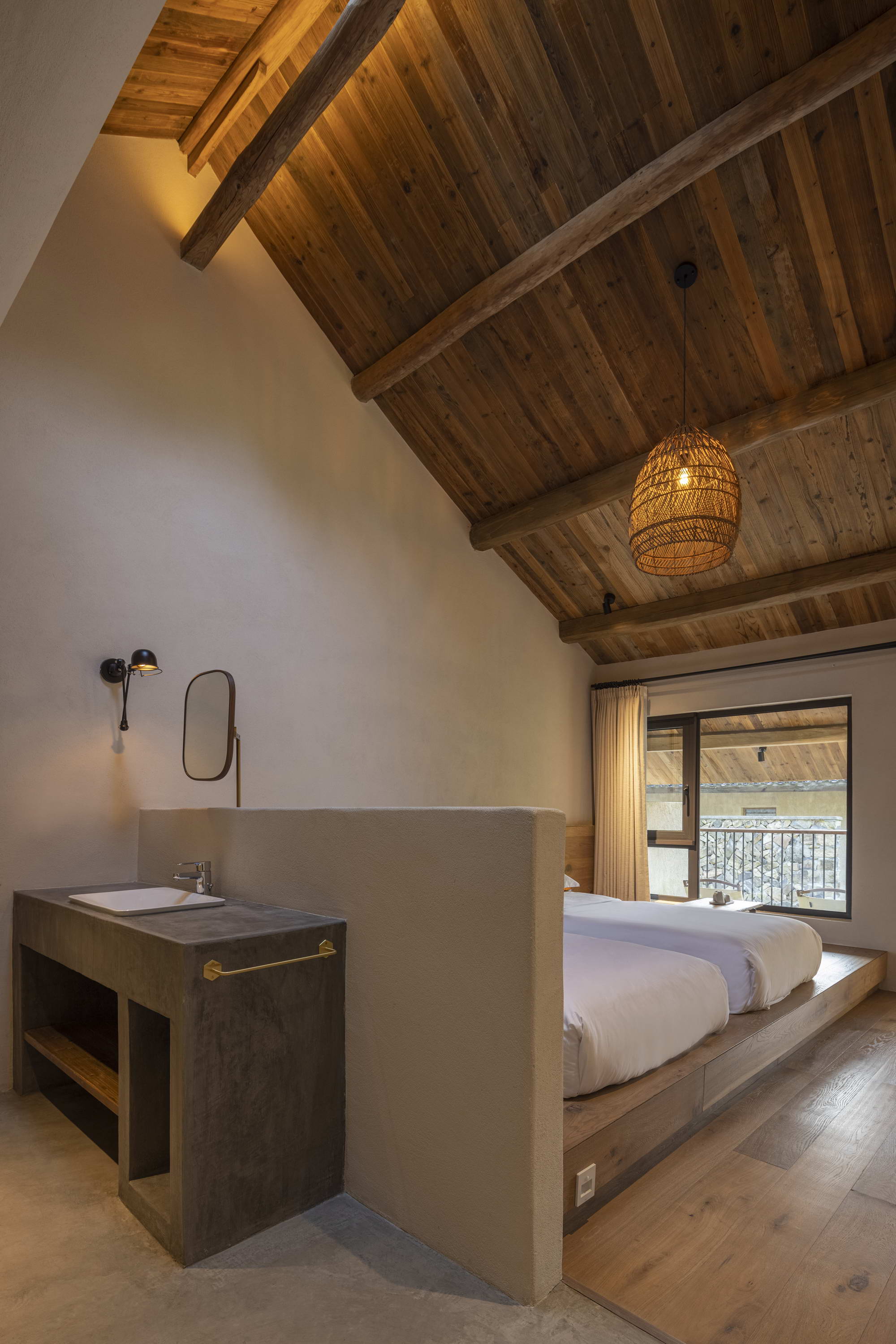
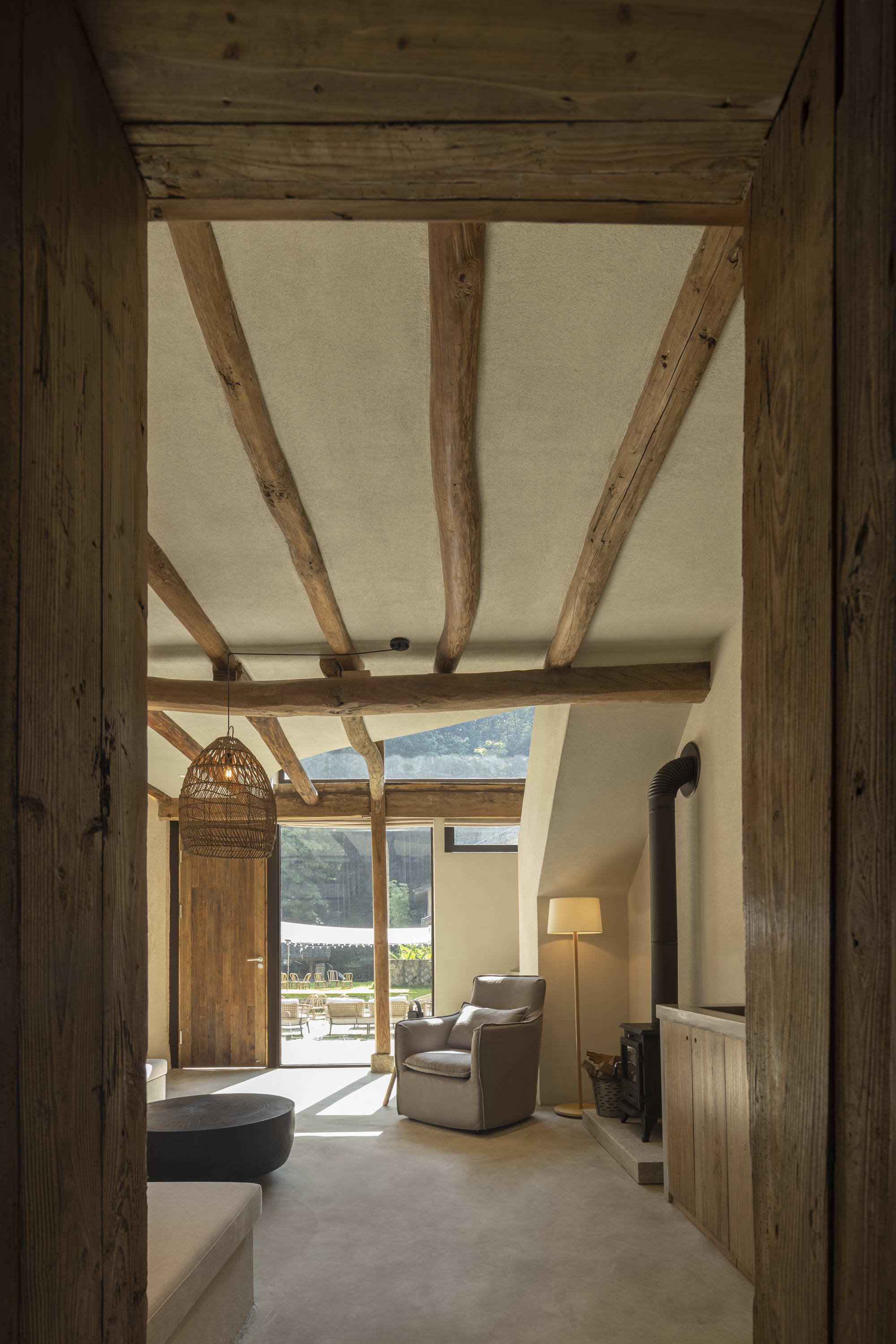
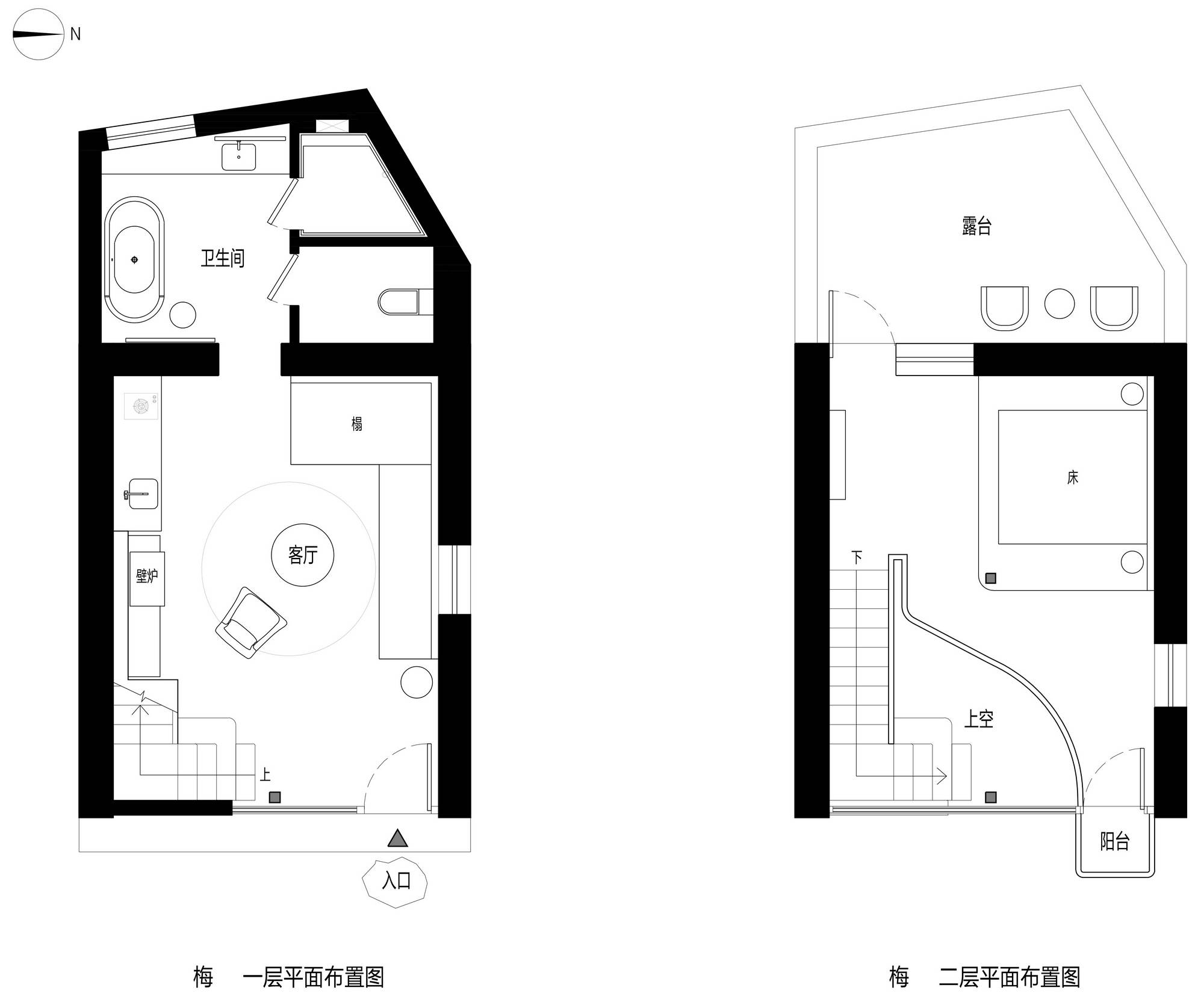
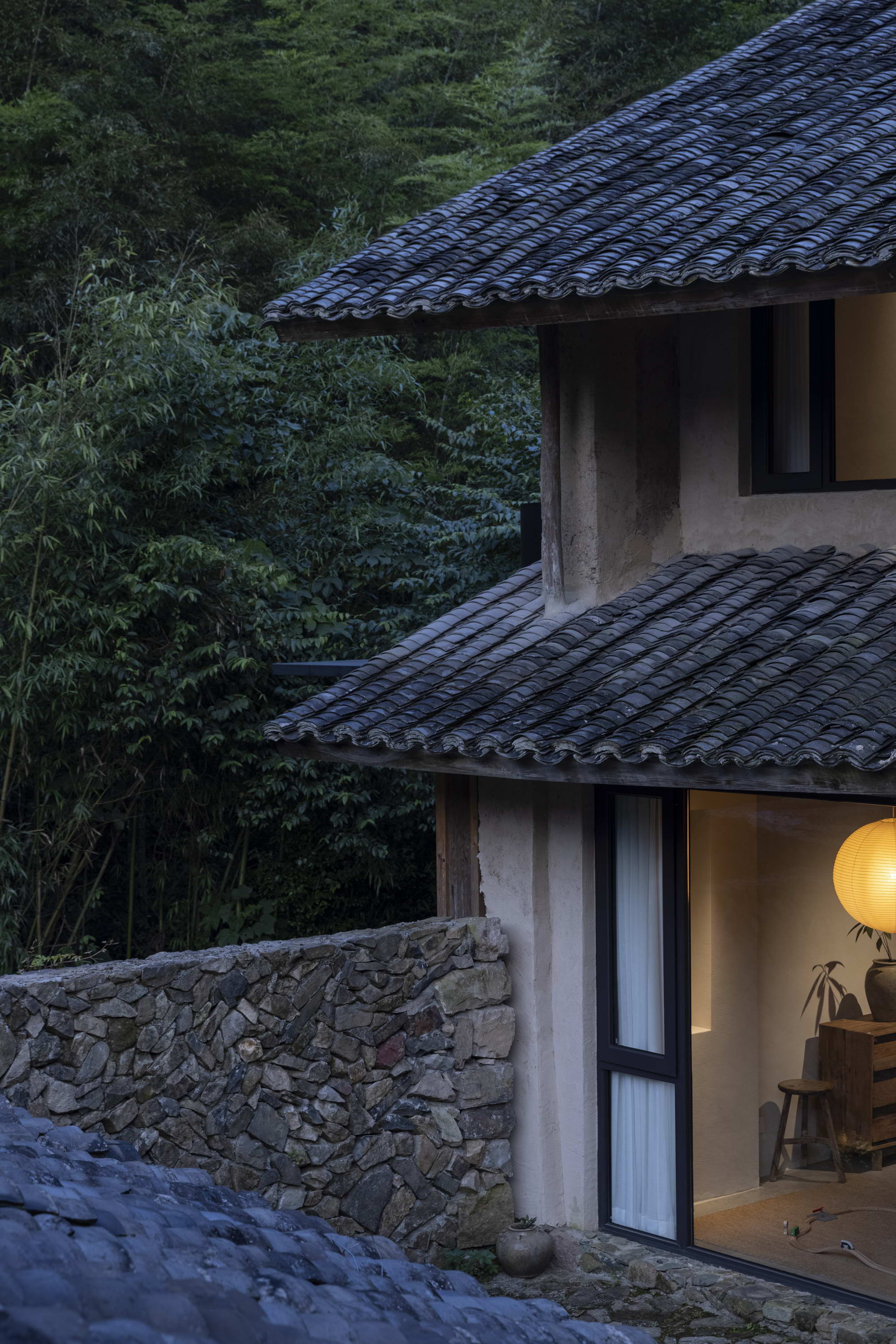
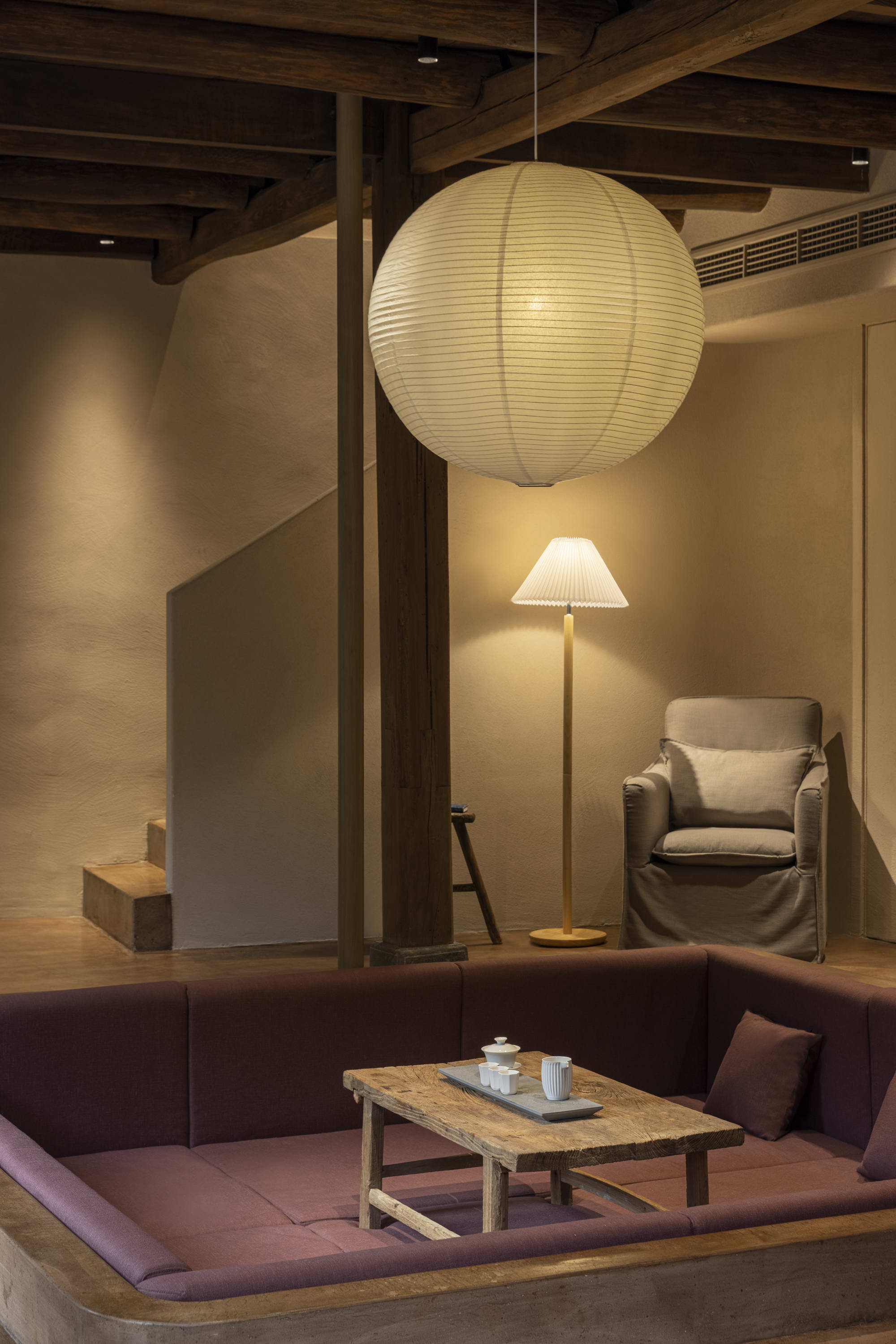
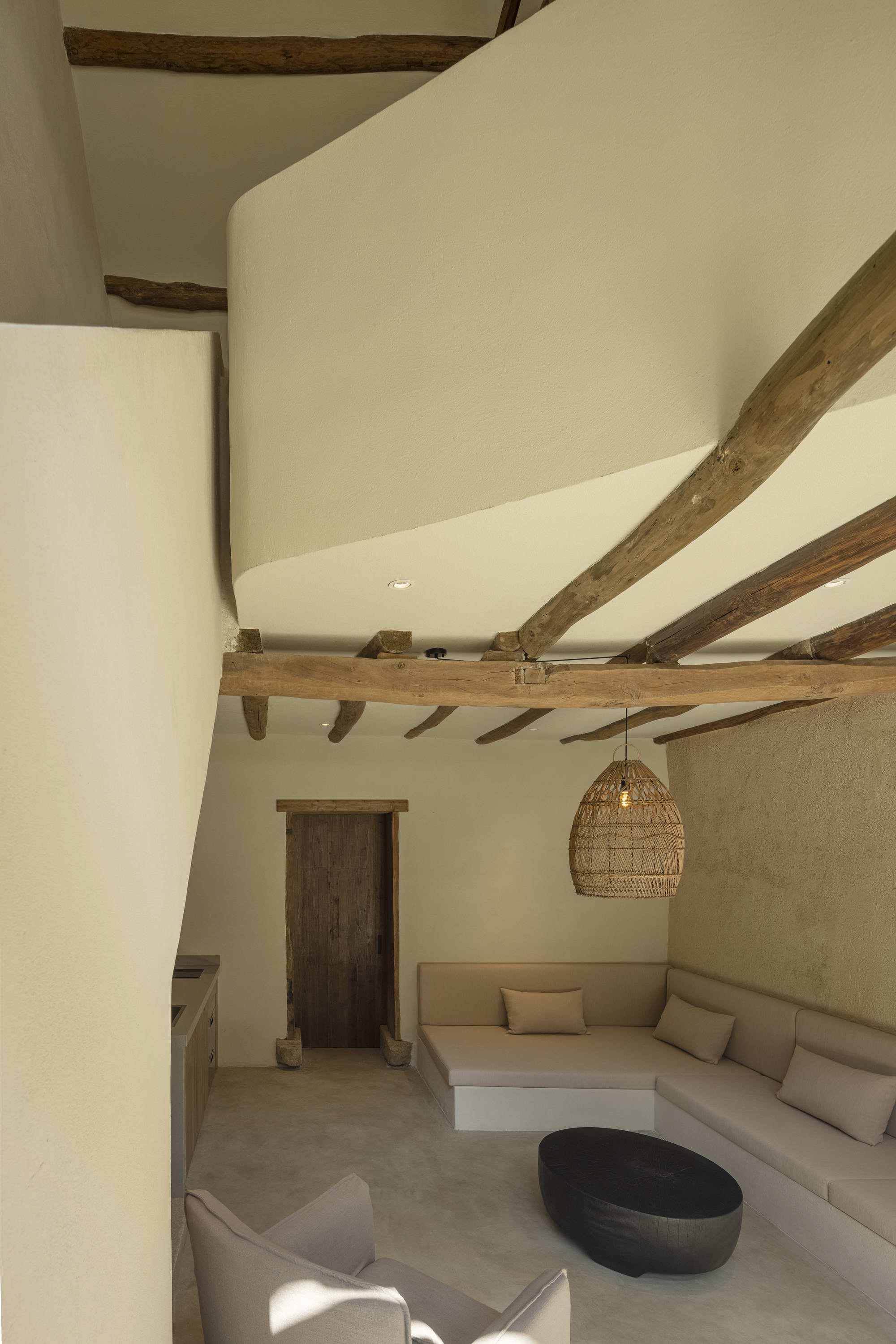
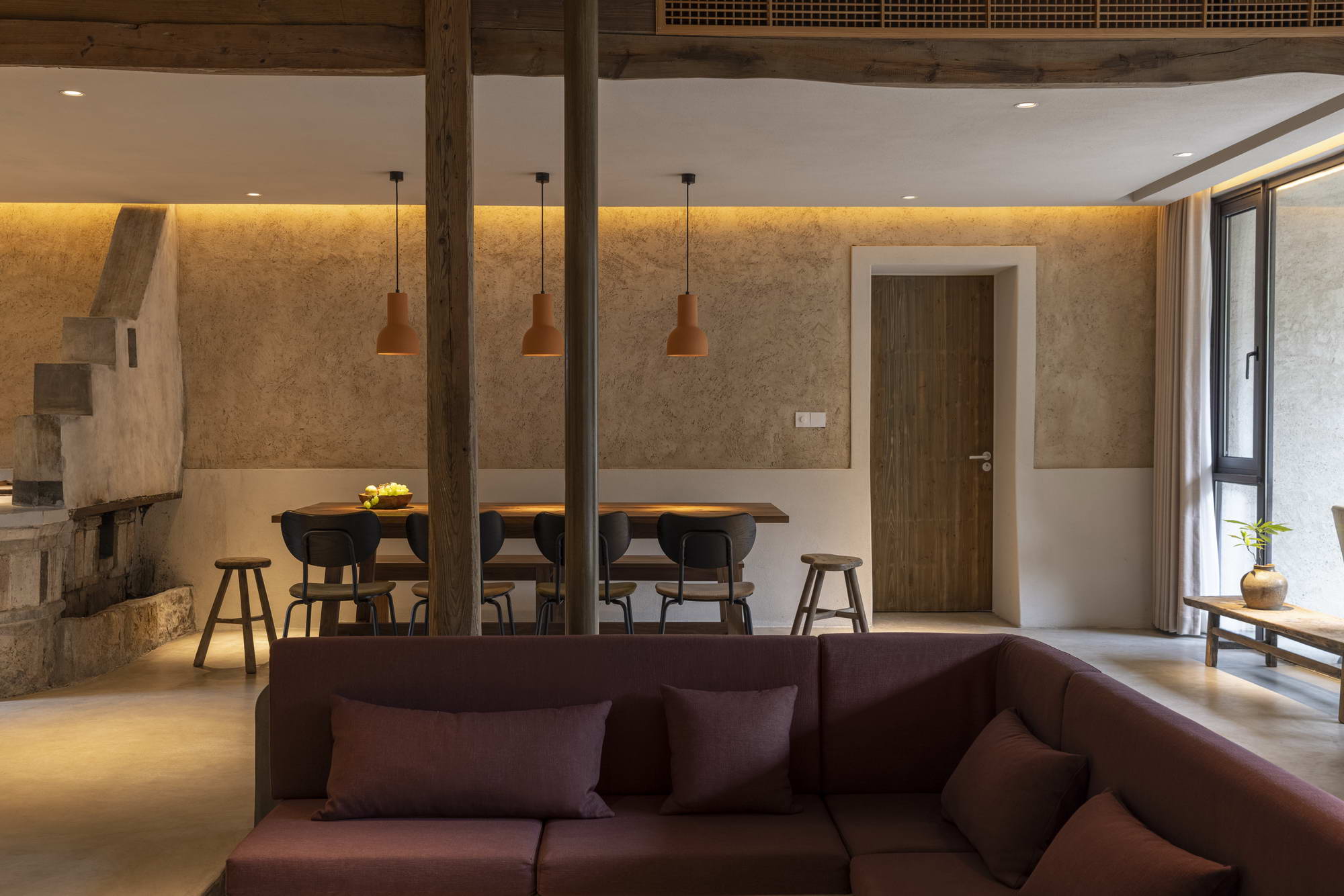
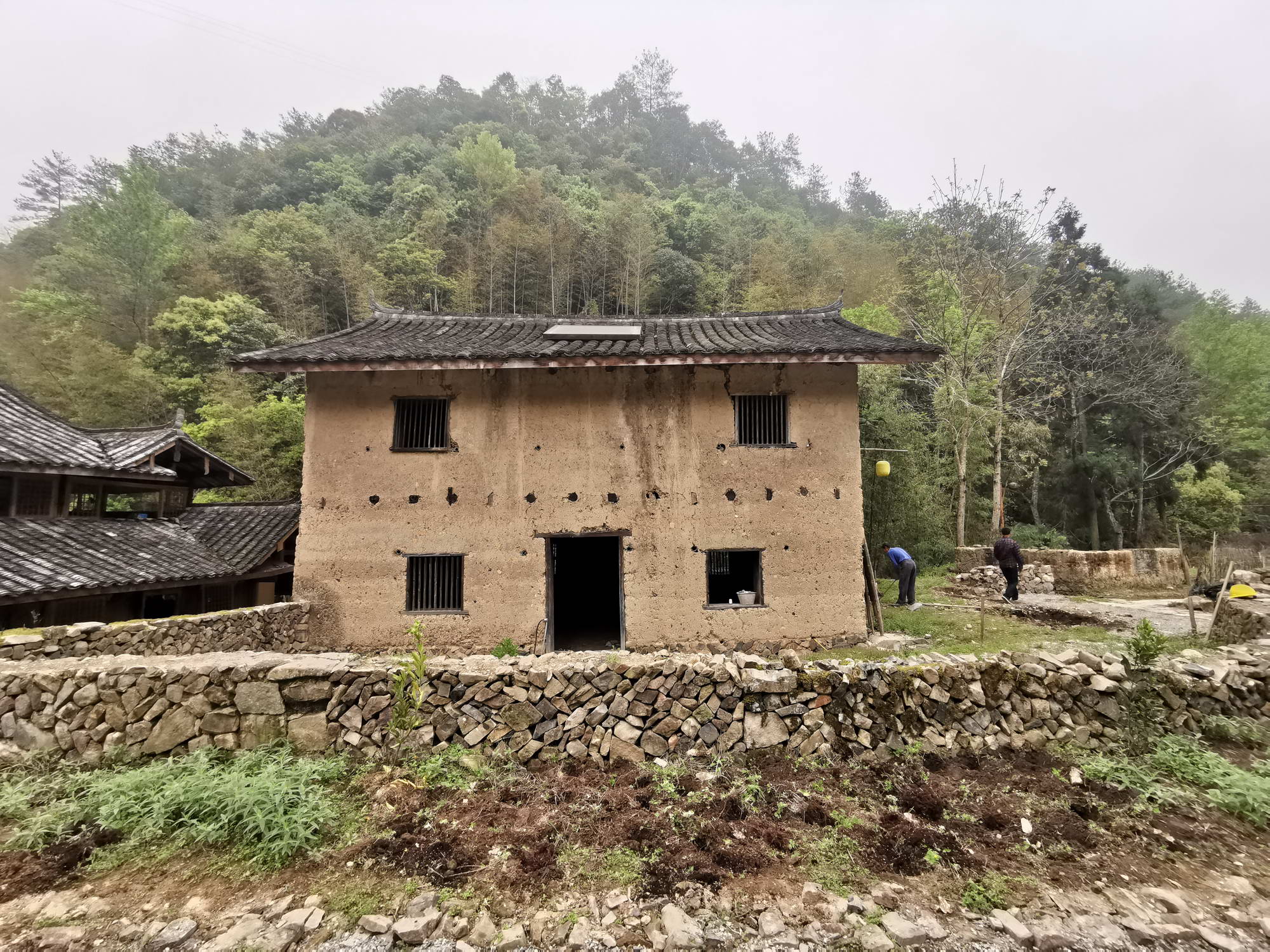
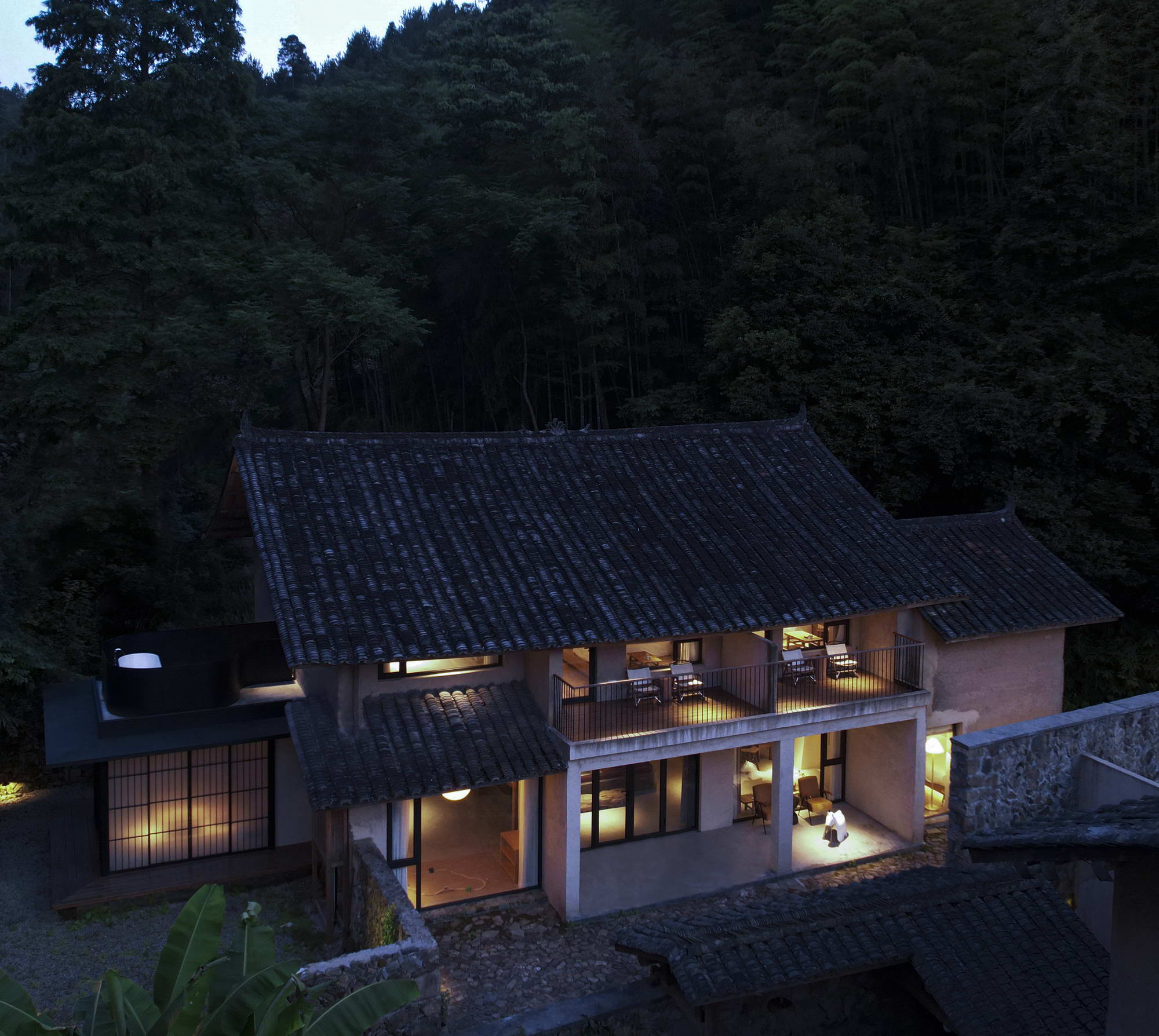
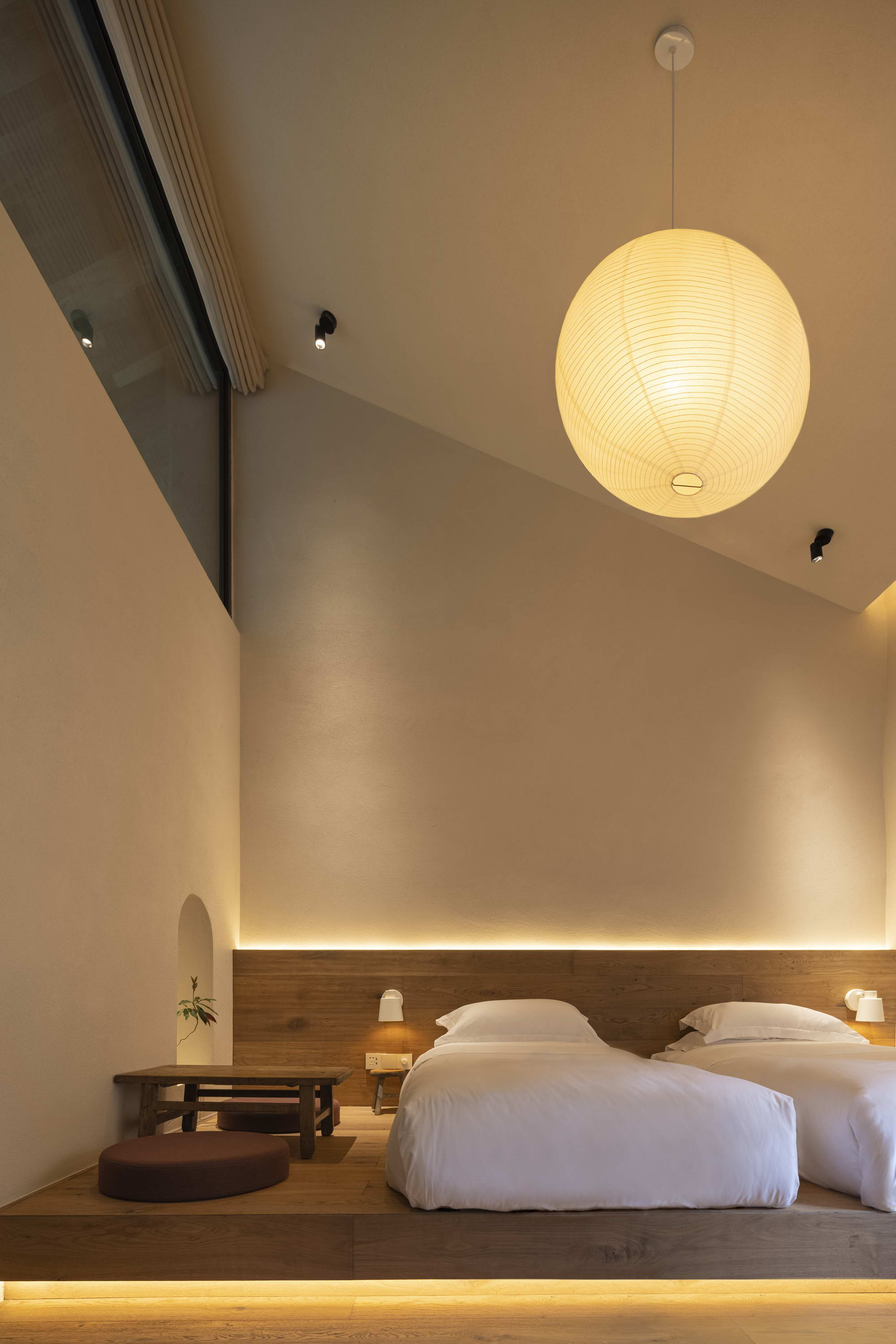
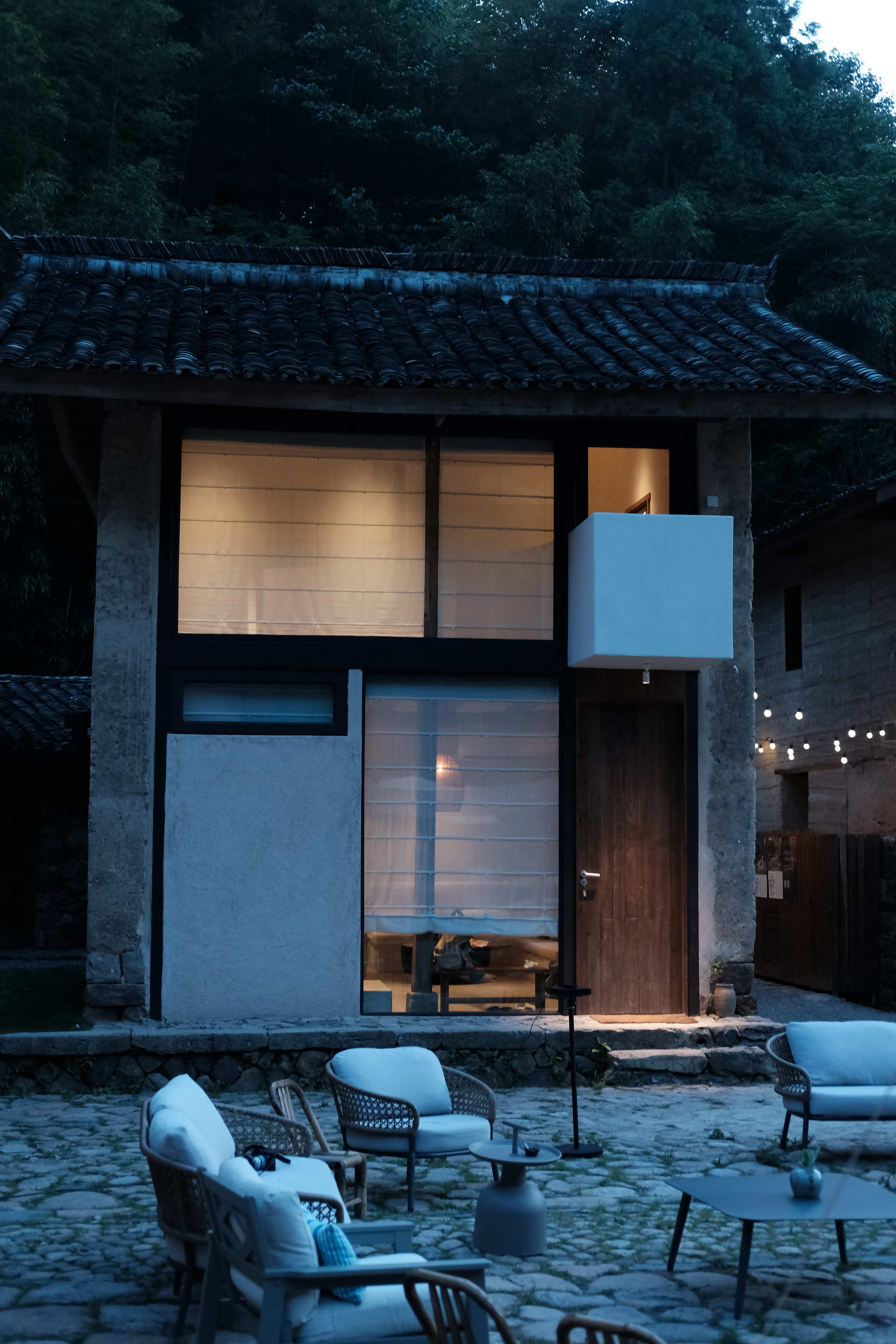
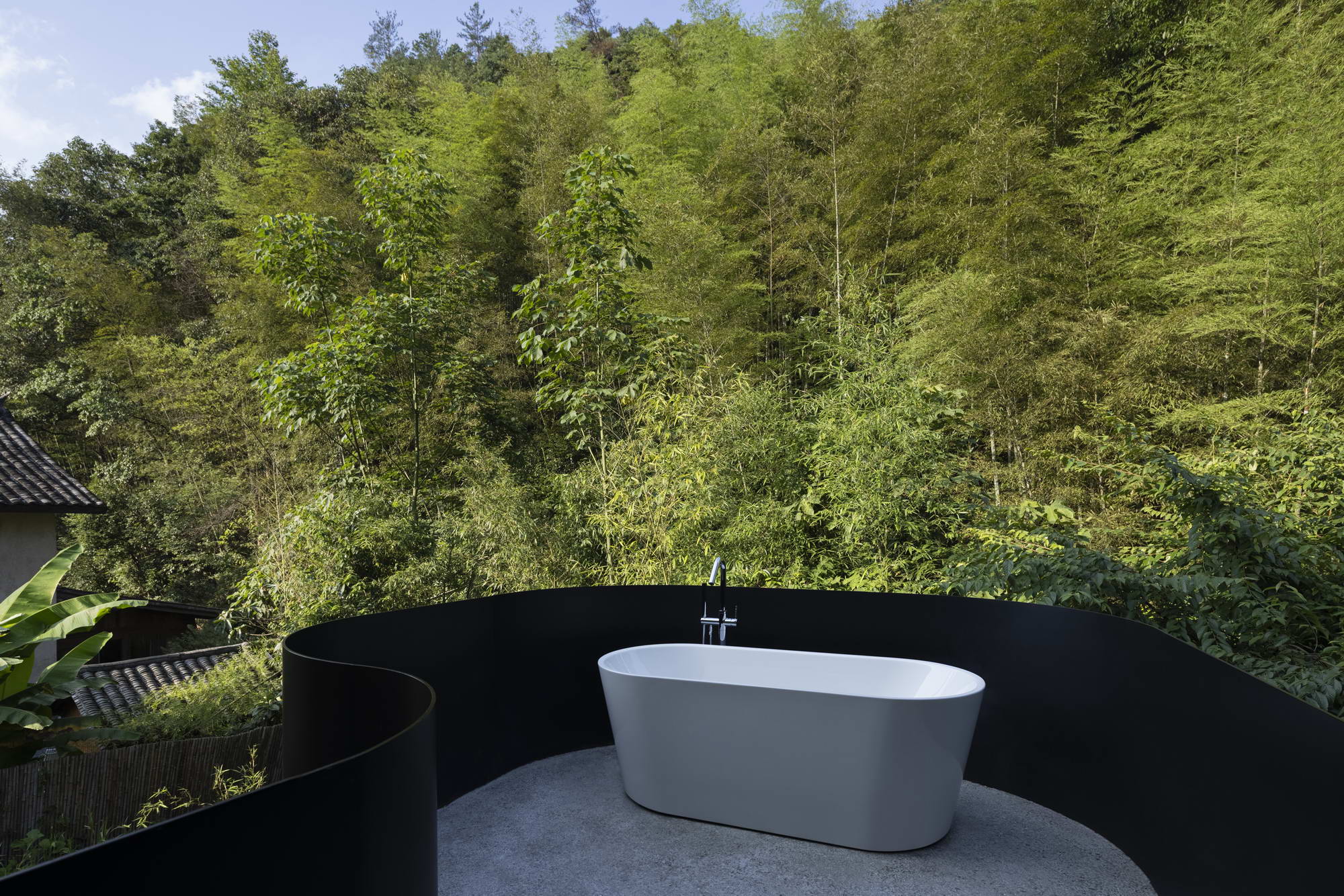
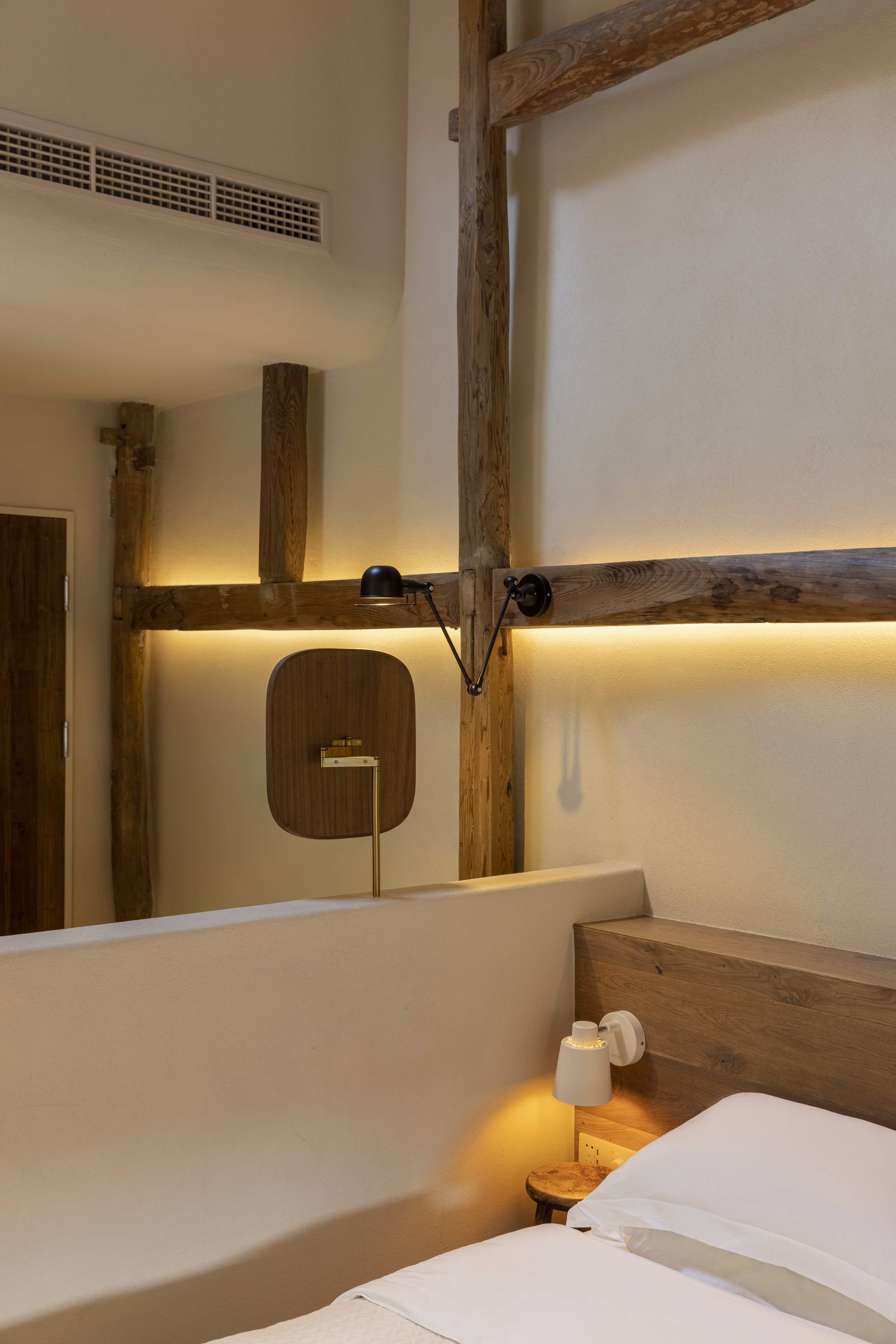
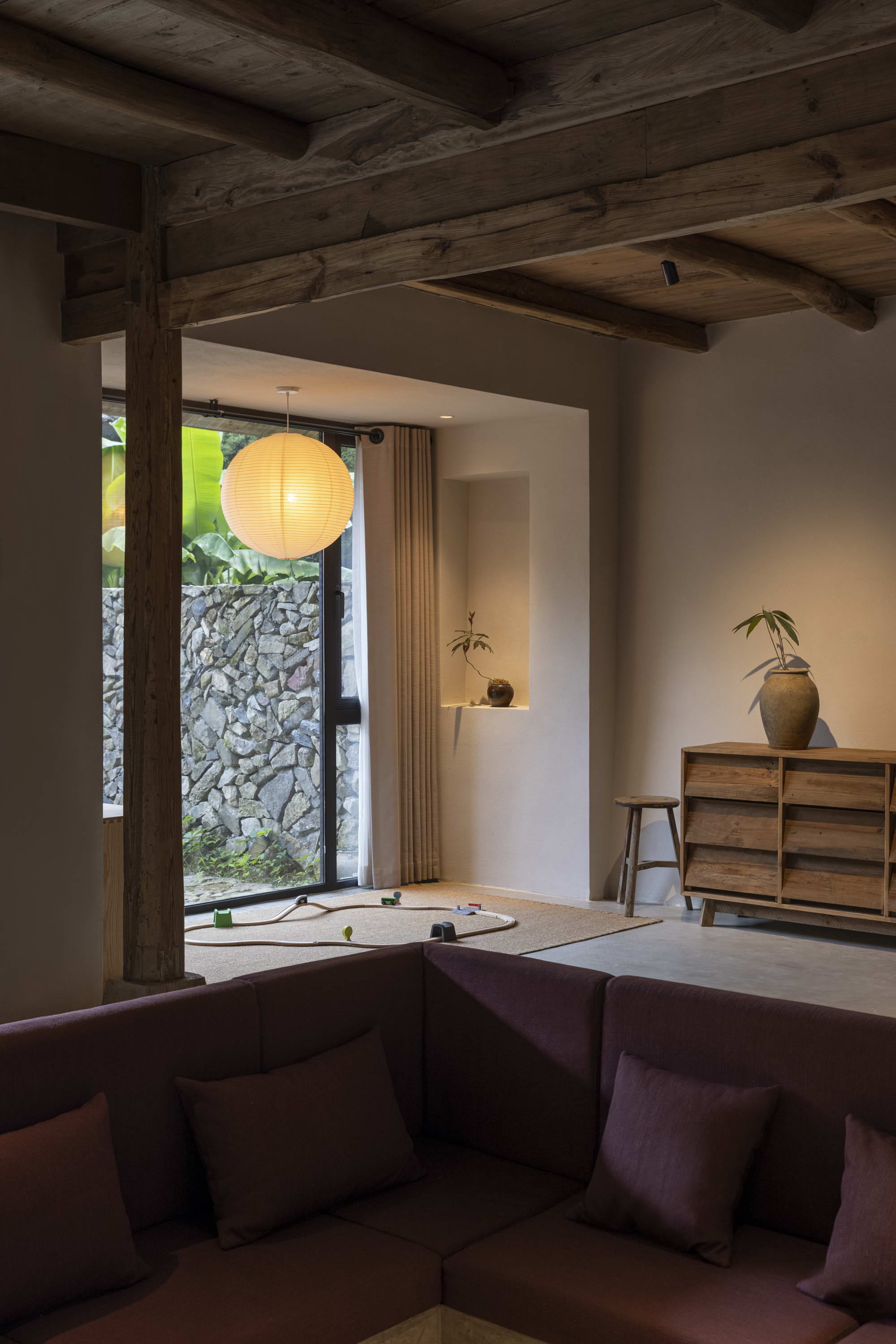
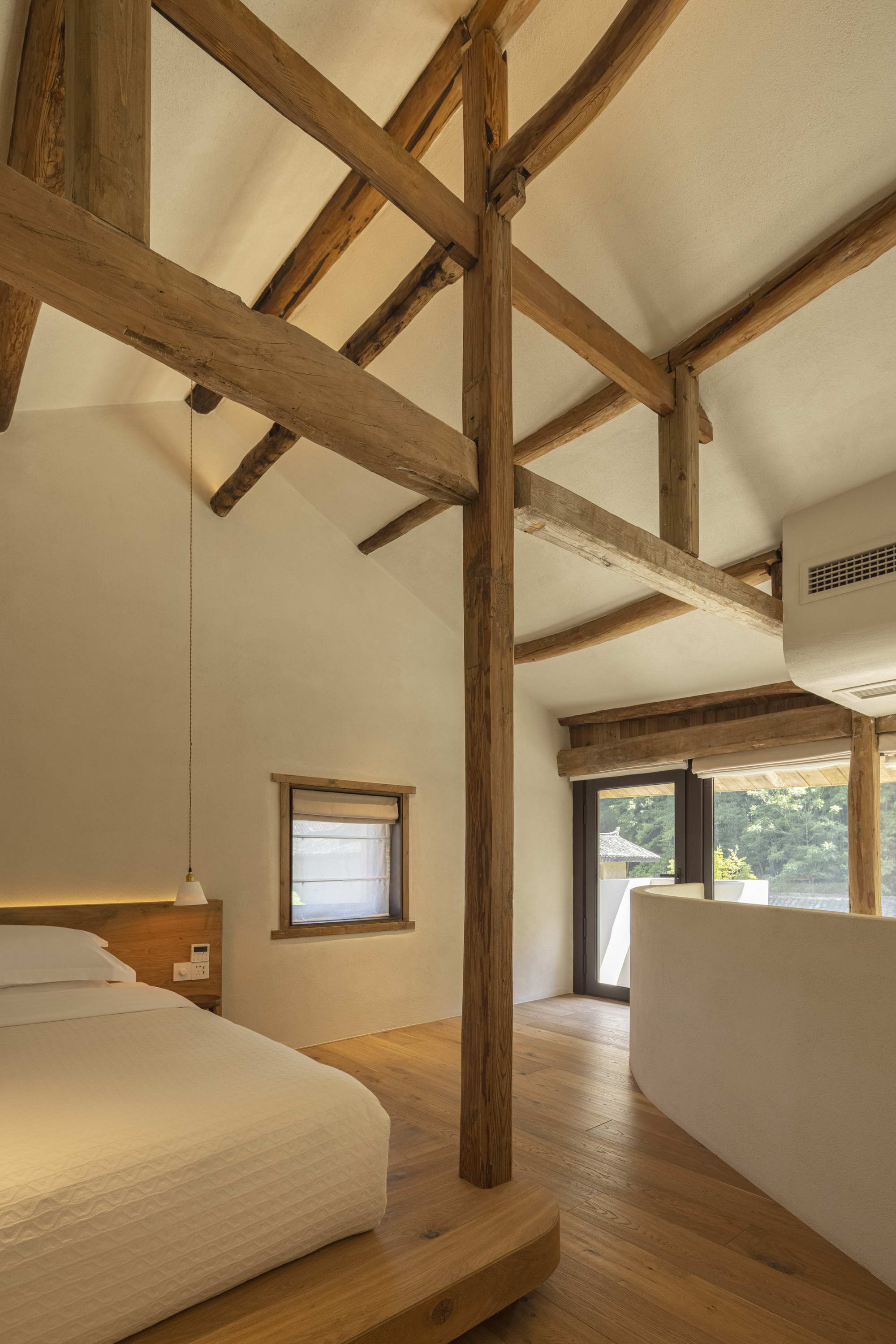
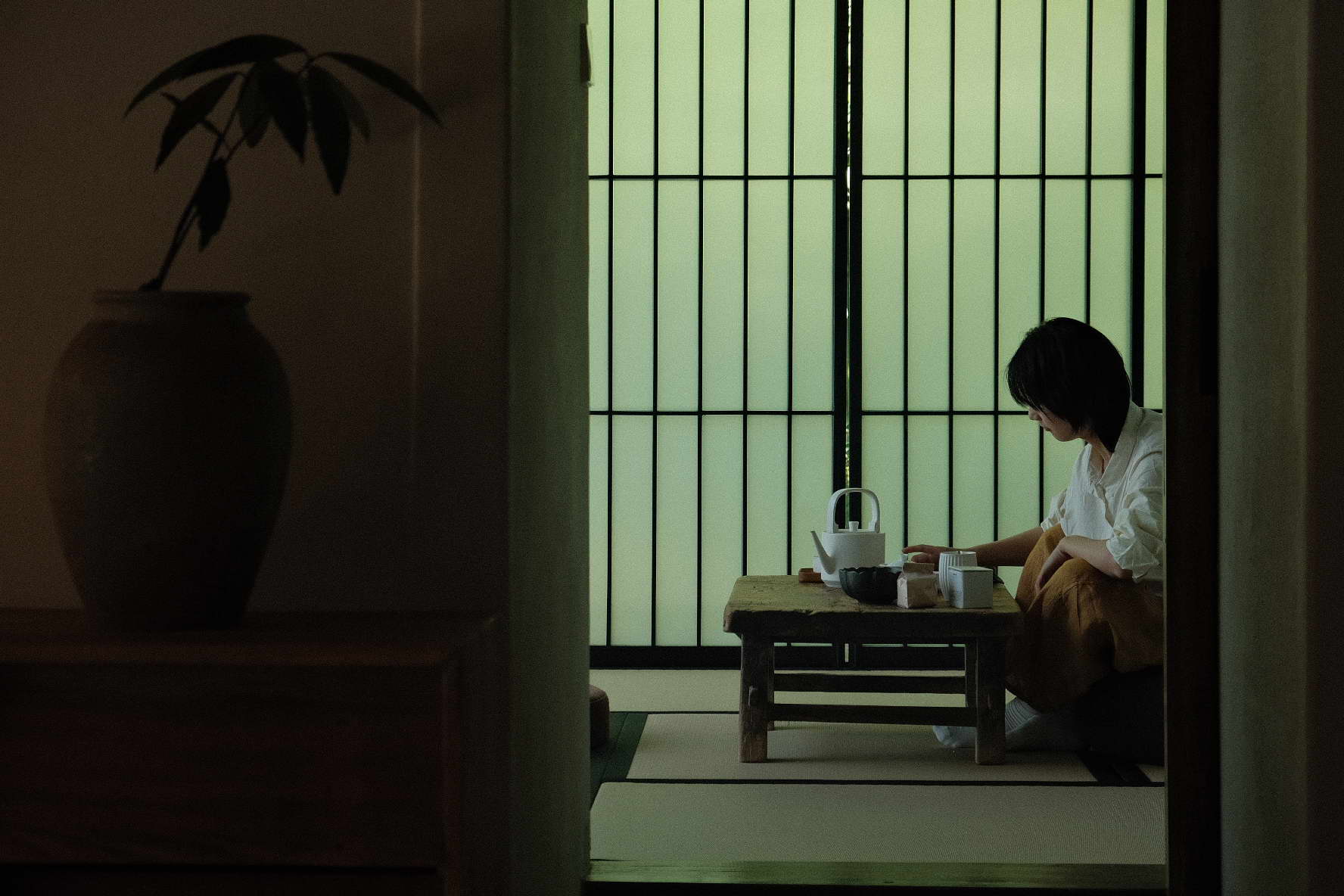
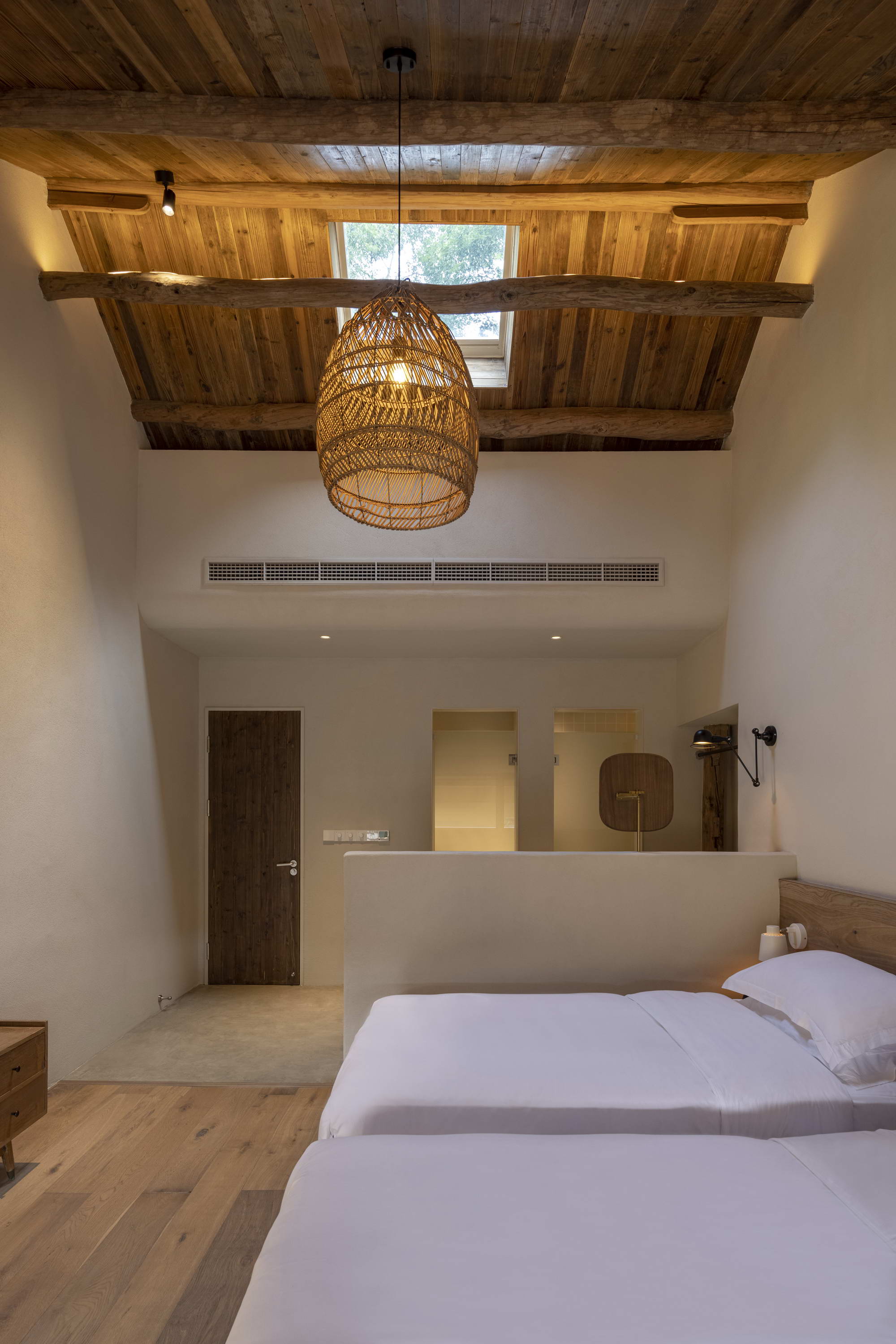
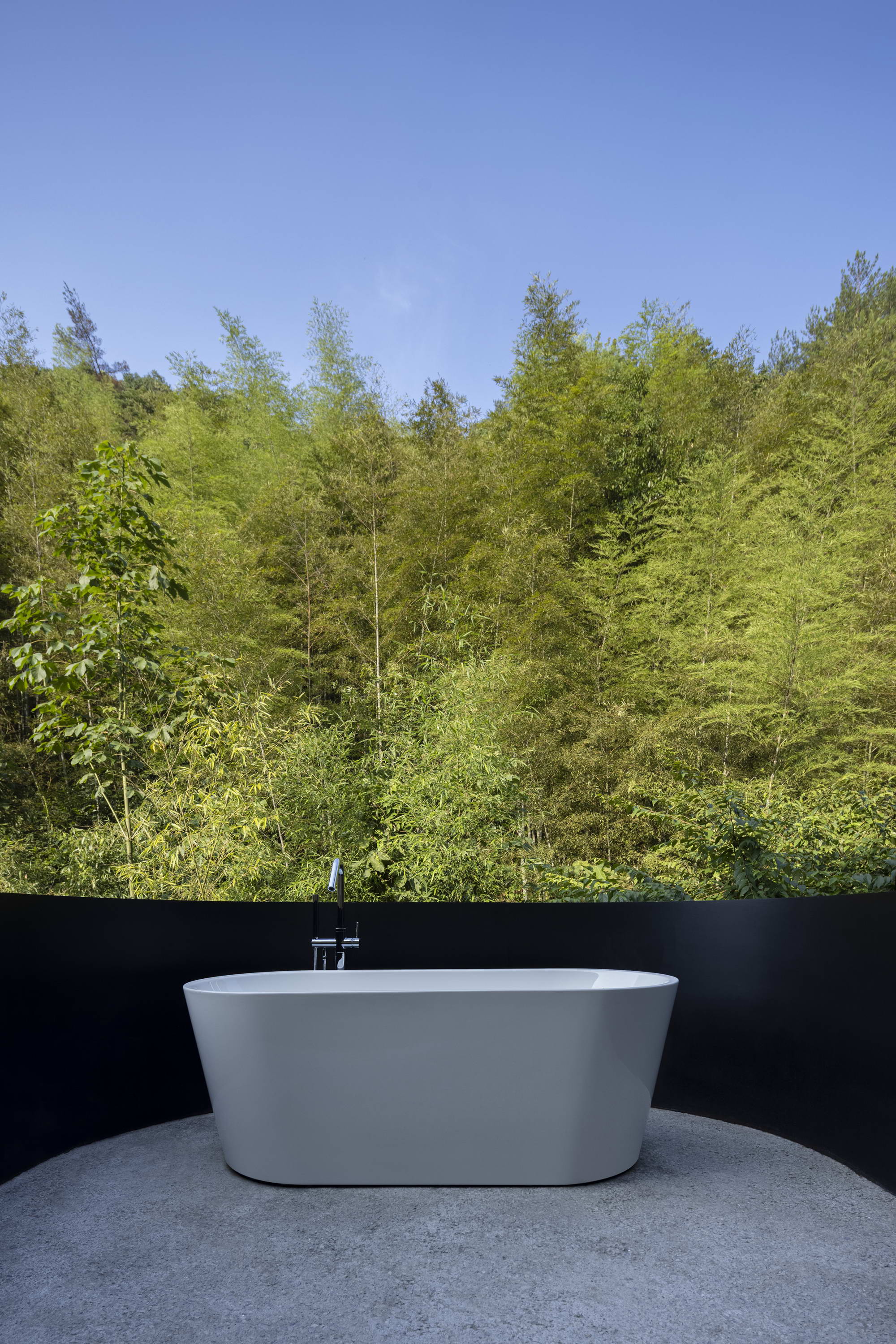
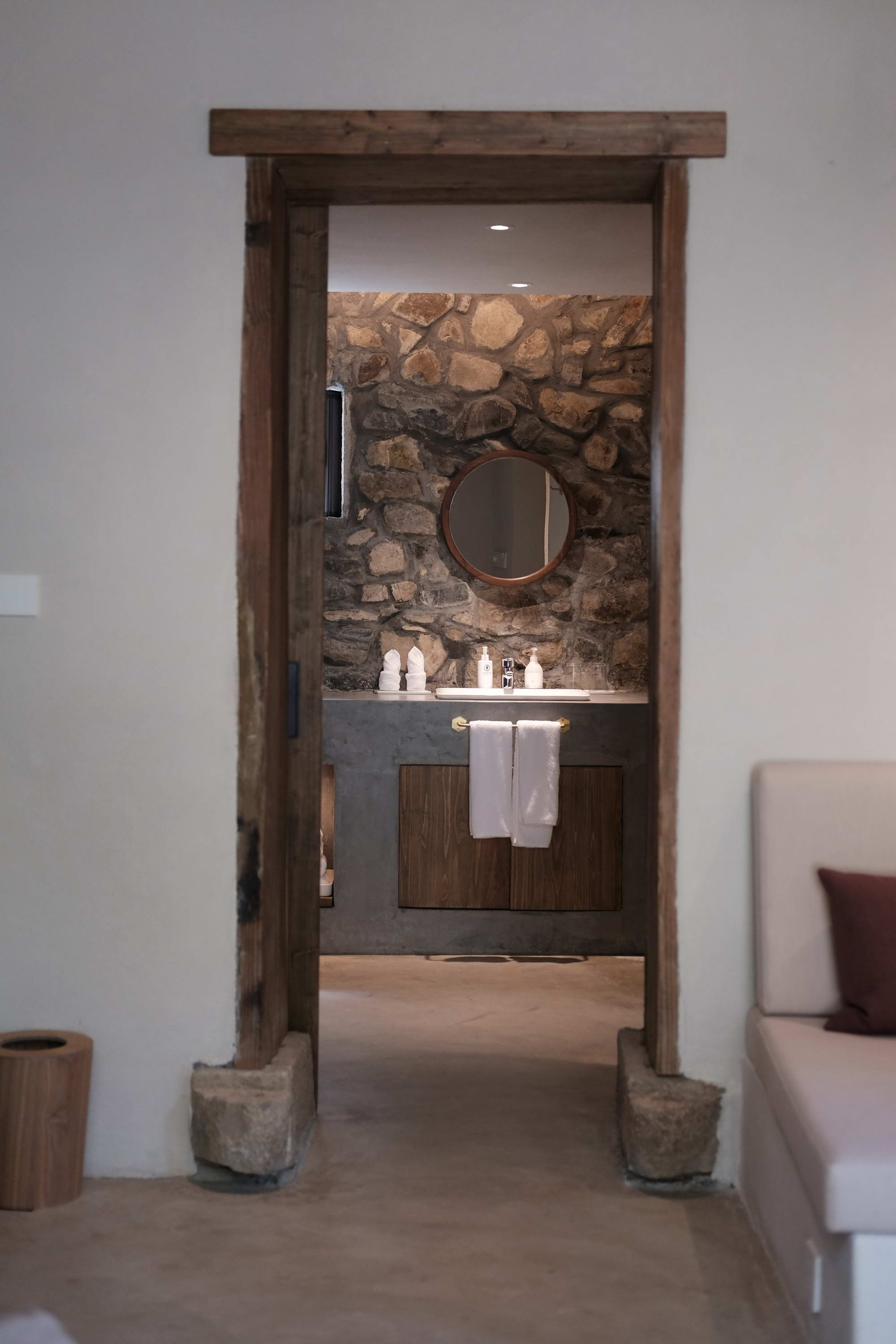
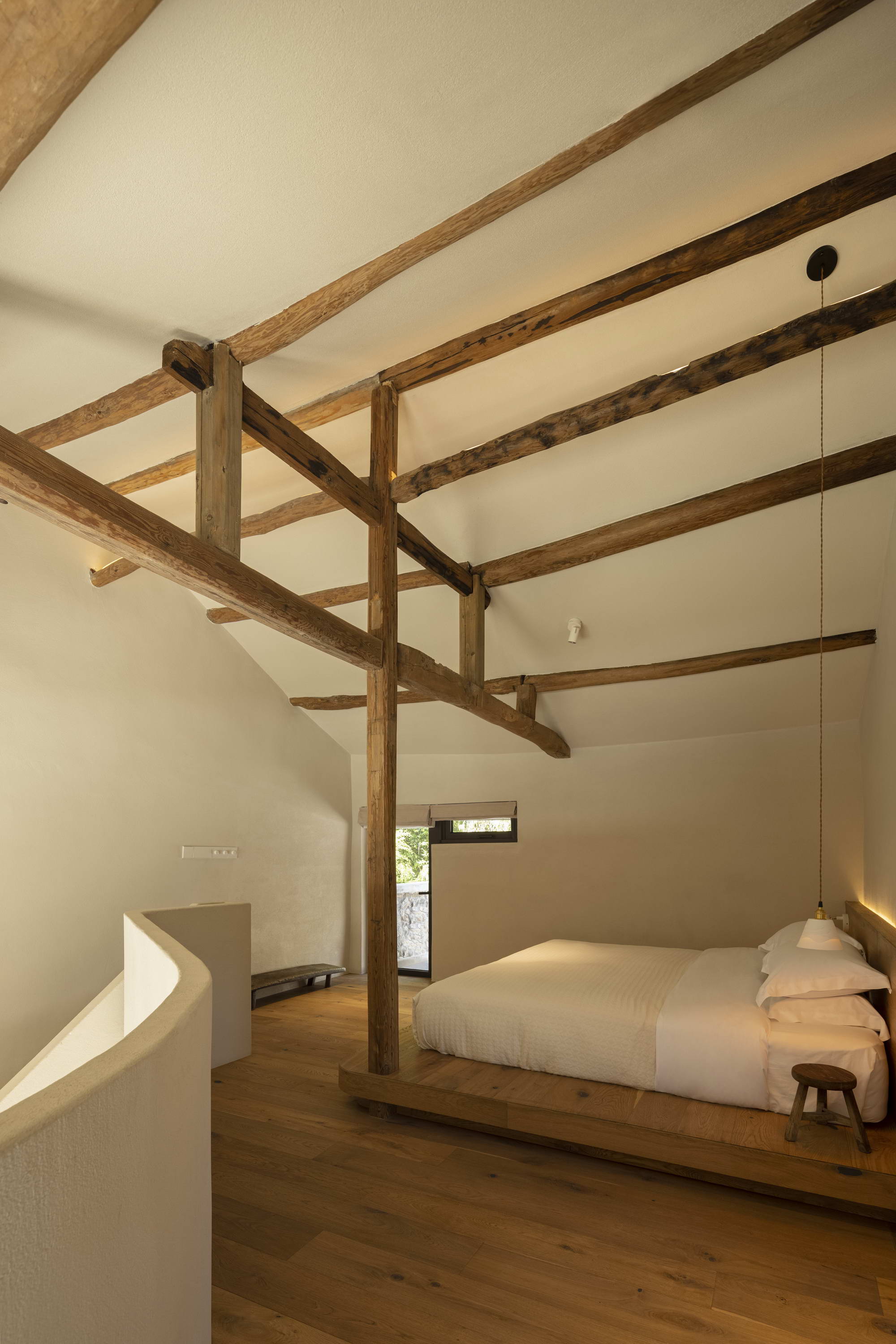
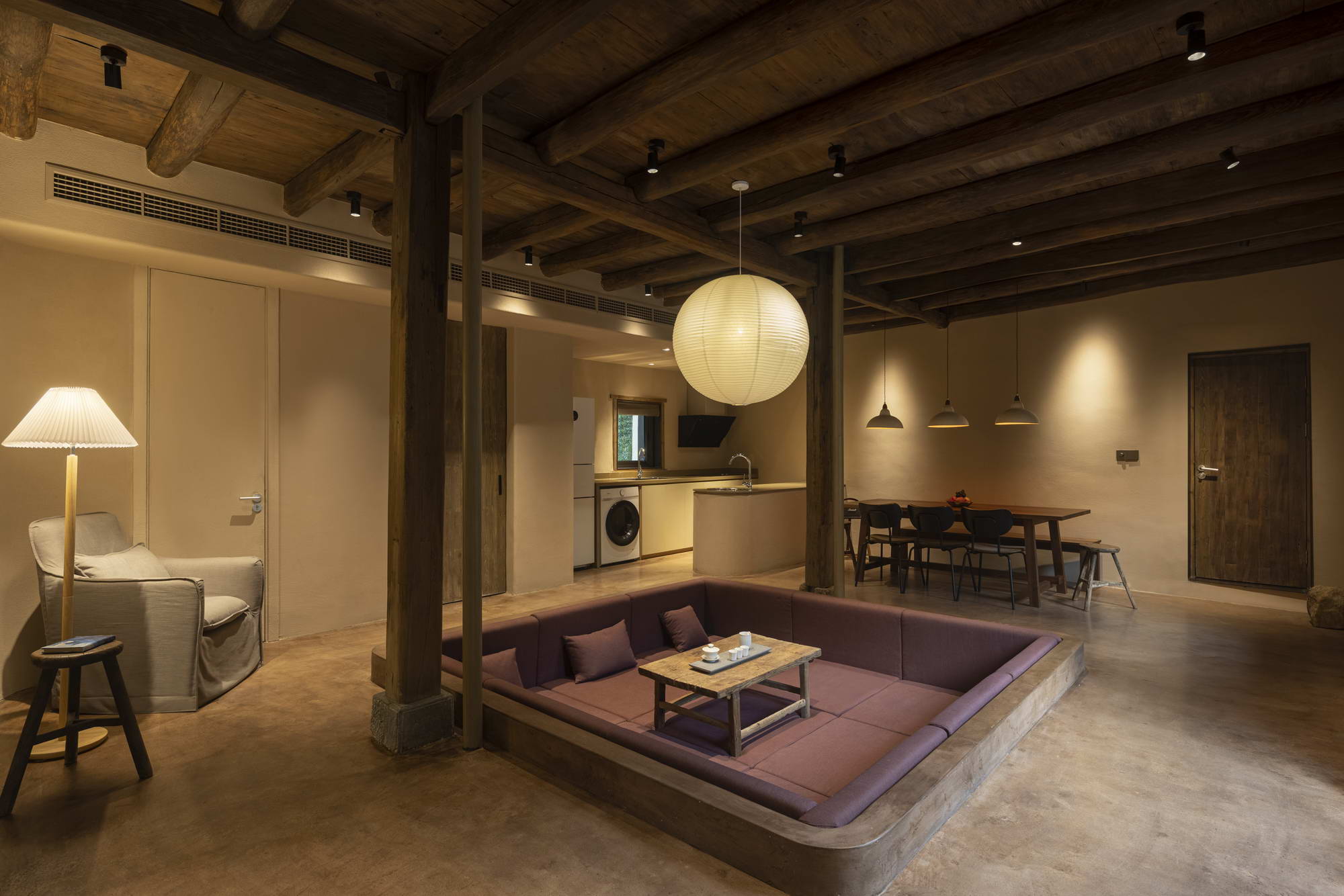
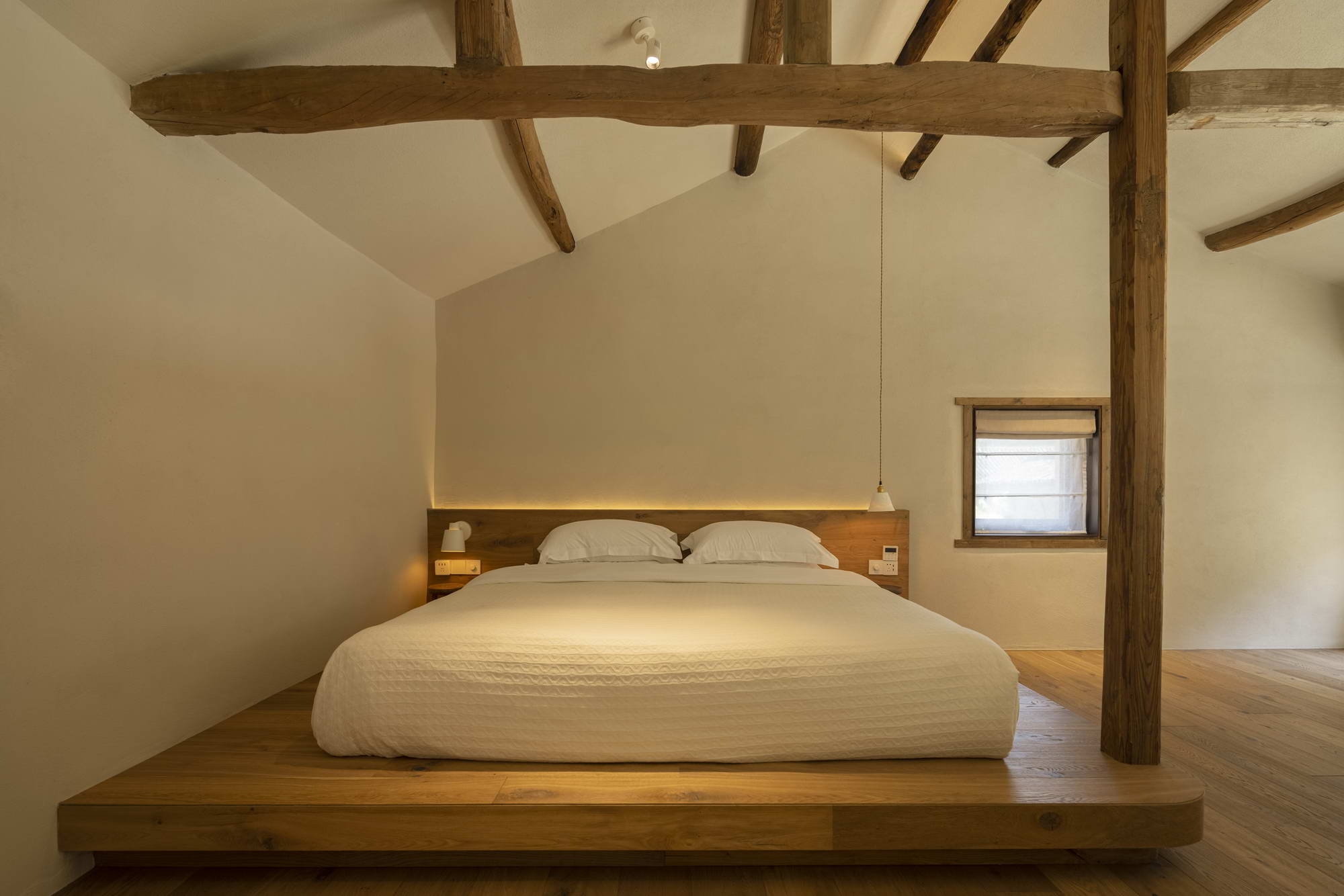
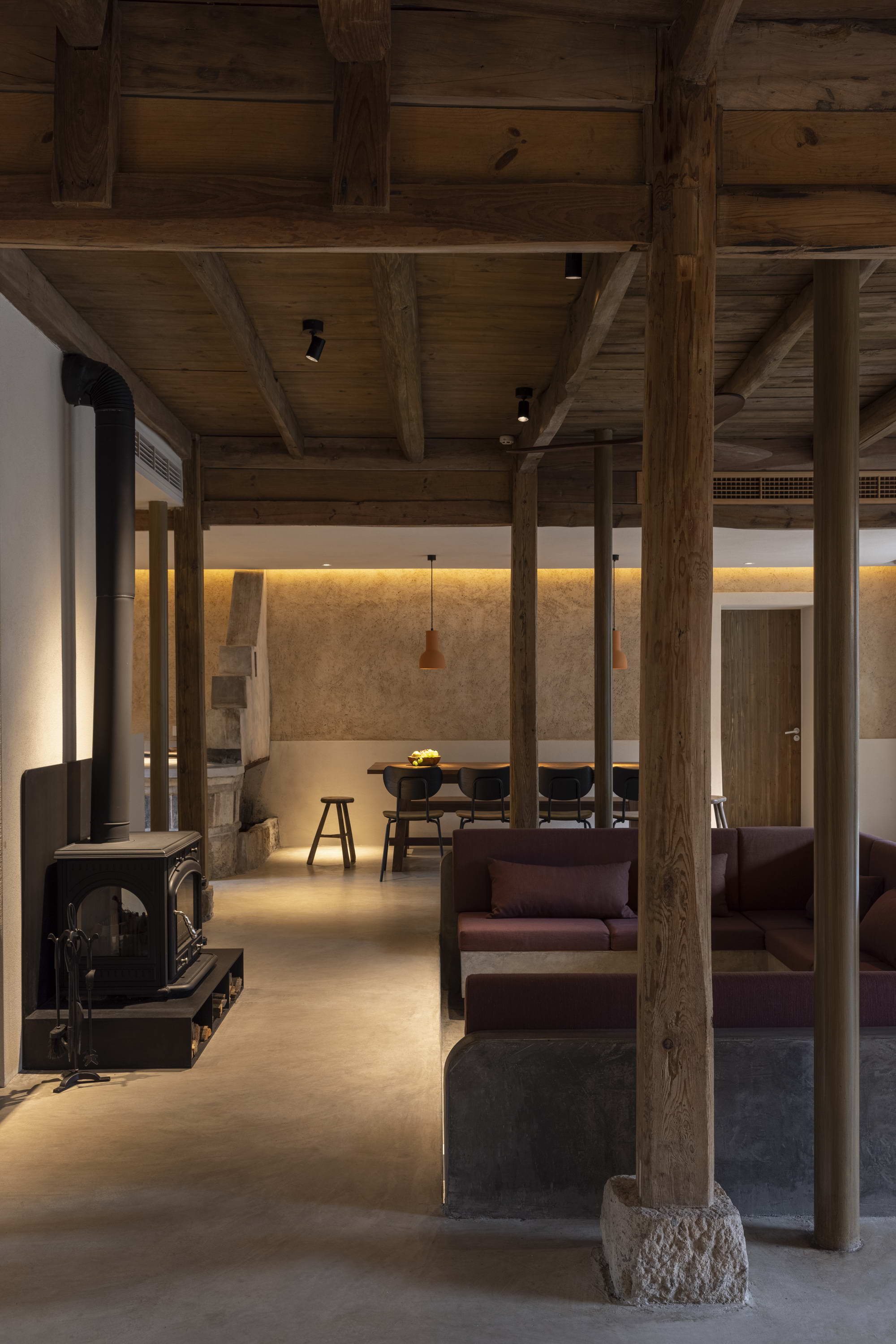
The Quli (Xu'aodi) village renewal is a hospitality project set inside an intact 13th-century traditional settlement in Xiaocun Town, Taishun County, Wenzhou, Zhejiang. Founded in 1236 and listed among China's fourth batch of Traditional Villages, Xu'aodi still preserves 38 courtyard compounds built largely in timber, stone and rammed earth, inhabited by the Wu clan for nearly eight hundred years. The village holds the Wenyuan Courtyard, Juren Mansion, Zhongxun Temple and Wu Ancestral Hall, together with three intangible cultural heritage traditions: string-puppet theatre, Wuyi red yeast rice, and the sixth-of-the-sixth-lunar-month deity-propitiation festival. The Quli brand, founded in 2015, entered Xu'aodi in 2018 and has, with the local government, carried out environmental remediation, residential retrofit and revival of craft workshops, opening nine guesthouses alongside a red-yeast exhibition and workshop, a natural-dye studio and a tea-and-book room. Guantang Design was commissioned to convert three of the historic houses into boutique guesthouses named Plum, Persimmon and Tea. The smallest, Plum, is a 94-square-metre two-storey loft that retains its original roof and three rammed-earth walls while replacing the entry facade with a glazed elevation to draw light deep into the plan; the exposed old timber structure becomes a dialogue between old and new. Persimmon, which unusually faces west, re-routes the entry to the left, adds a buffer vestibule whose roof doubles as a second-floor terrace, and introduces a sunken trampoline-like lounge at the heart of the living room, making it a favourite for families. Tea, the largest and deepest in the village, is organised as a shared living room, dining room, kitchen and tatami tea room opening onto a 270-degree mountain view, with four bedrooms across two floors, rented as a whole to groups of families. The project covers about 800 square metres and was completed in February 2022.








 Editor's Pick
 Latest Design
 Best Idea