Text description provided by the architects
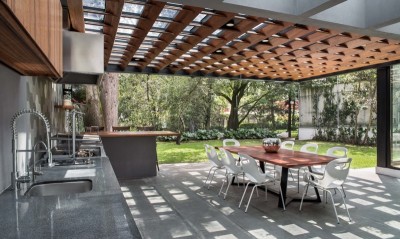
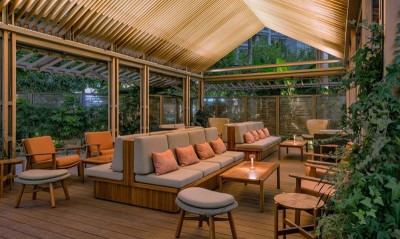
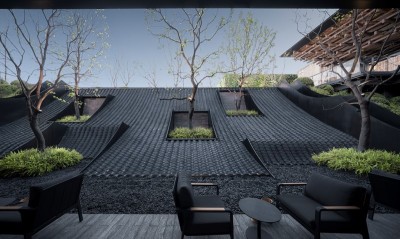
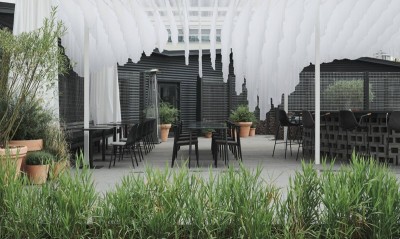
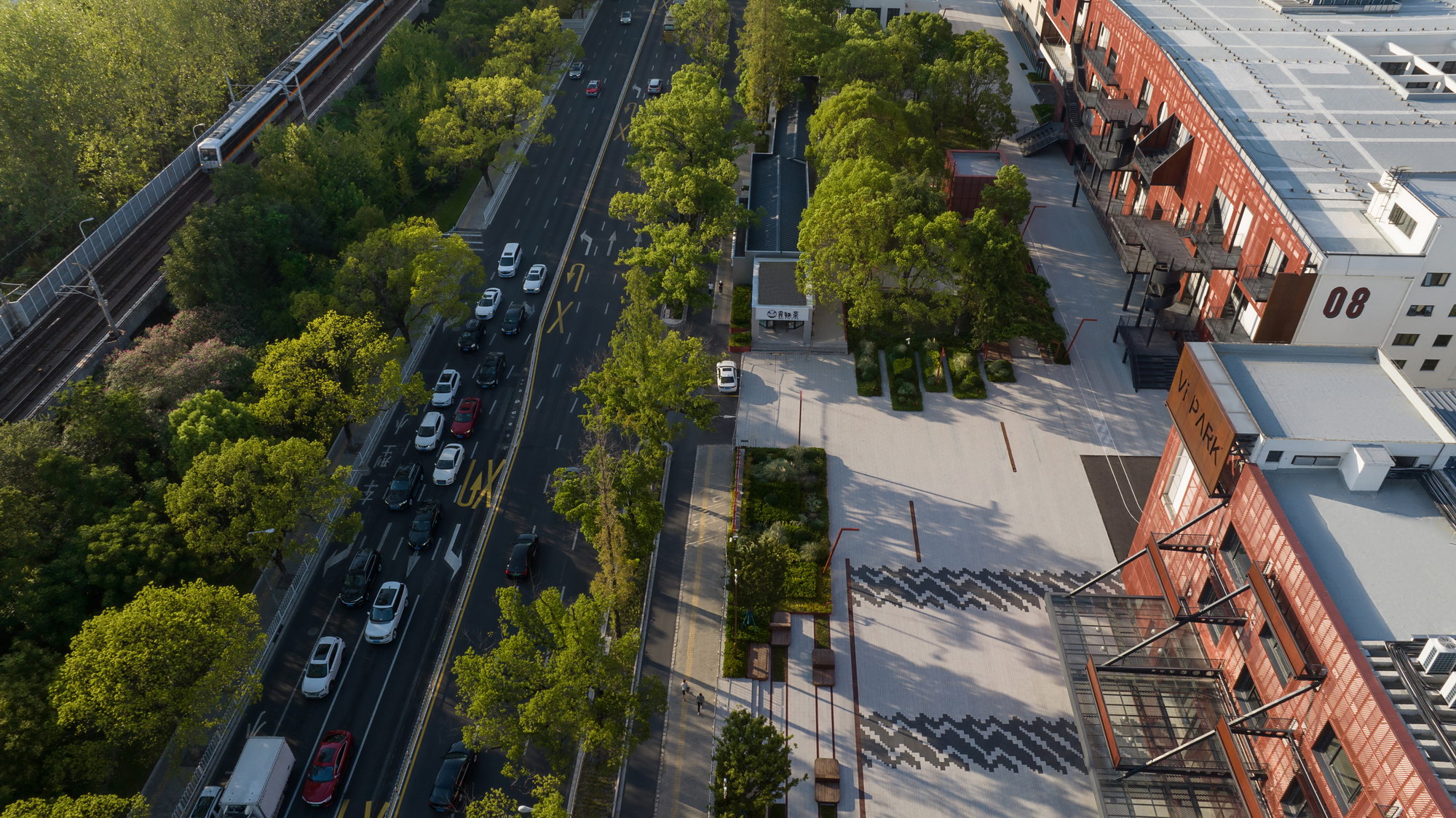
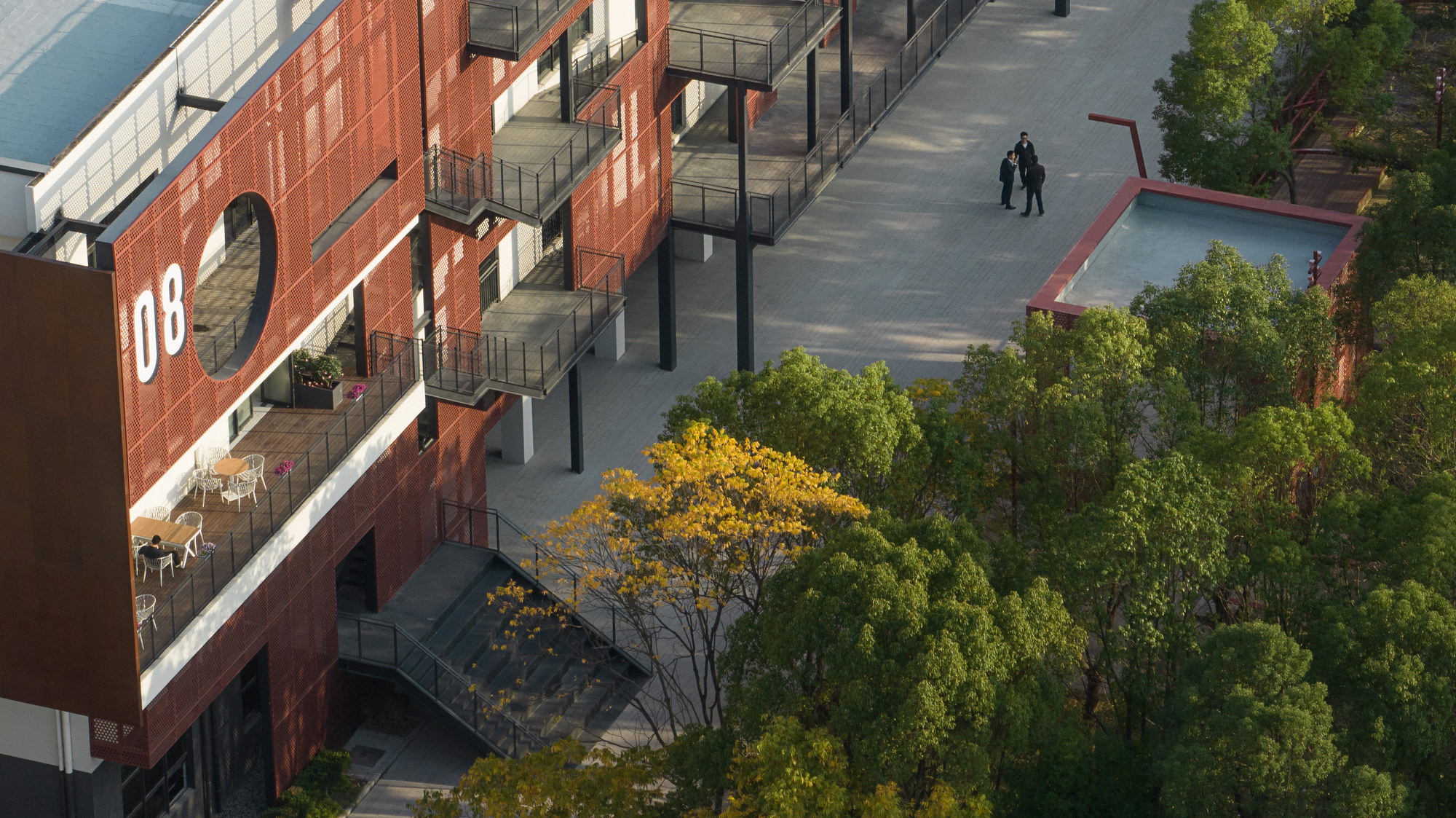
Rubber Factory Park occupies the site of the former Dazheng Rubber Factory, whose name combines two national rubber enterprises: Greater China Rubber Factory and Zhengtai Rubber Factory, both milestones in China's rubber industry. As Shanghai's industrial structure adjusted, the production lines moved out and the site was rebuilt as Vi Park, a high-tech corporate campus. Atelier Scale was invited to landscape the transformation, collaborating with the owner and specialists to give the historic factory a new core for a vital transition. The central question was balancing old and new: complex renovation cannot be reduced to simple retention or rebuilding, and decisions must flexibly respond to site condition, cost, and construction feasibility. The park's history should remain continuous, kept alive through design. Greater China Rubber, founded in the 1920s, produced China's first Double Coin rubber shoes and first vehicle tire, marking the birth of the national rubber industry, while Zhengtai created the Warrior tire brand. The factory layout evolved over three decades into a stable, functionally ordered structure, now reborn as a headquarters campus for innovation and R&D with supporting commerce and sports facilities. After repeated site visits, the team classified spaces and derived landscape strategies. Dazheng Square, between Building 103 and the Humin Road sidewalk, is the main display frontage and pedestrian entry; the former 300-to-600-millimeter grade difference separated by a wall was converted into a seating band facing the square, with planting and sliding furniture, while tire-track paving extending from the building columns carries industrial memory. A wisteria pergola repurposes an abandoned underground reservoir: the ancient wisteria covering its steel frame was preserved with new supporting structure and cables, and the reservoir was filled into a sunken sitting garden. Life Lane, the most commercial alley, received renovated ground-floor facades, abstract tire-colored stone paving, and arrays of lamp posts with hanging light curtains, preserving mature camphor trees. The waterfront boulevard on Hengjing Port opened up by removing enclosing walls, preserving trees, and adding a running loop with conveyor-belt furniture, while storefront steps became sitting tiers. The team retained 147 mature trees across the site as the primary carriers of memory, and carefully chose new materials so that old and new interweave in the same space.









 Editor's Pick
 Latest Design
 Best Idea