Text description provided by the architects
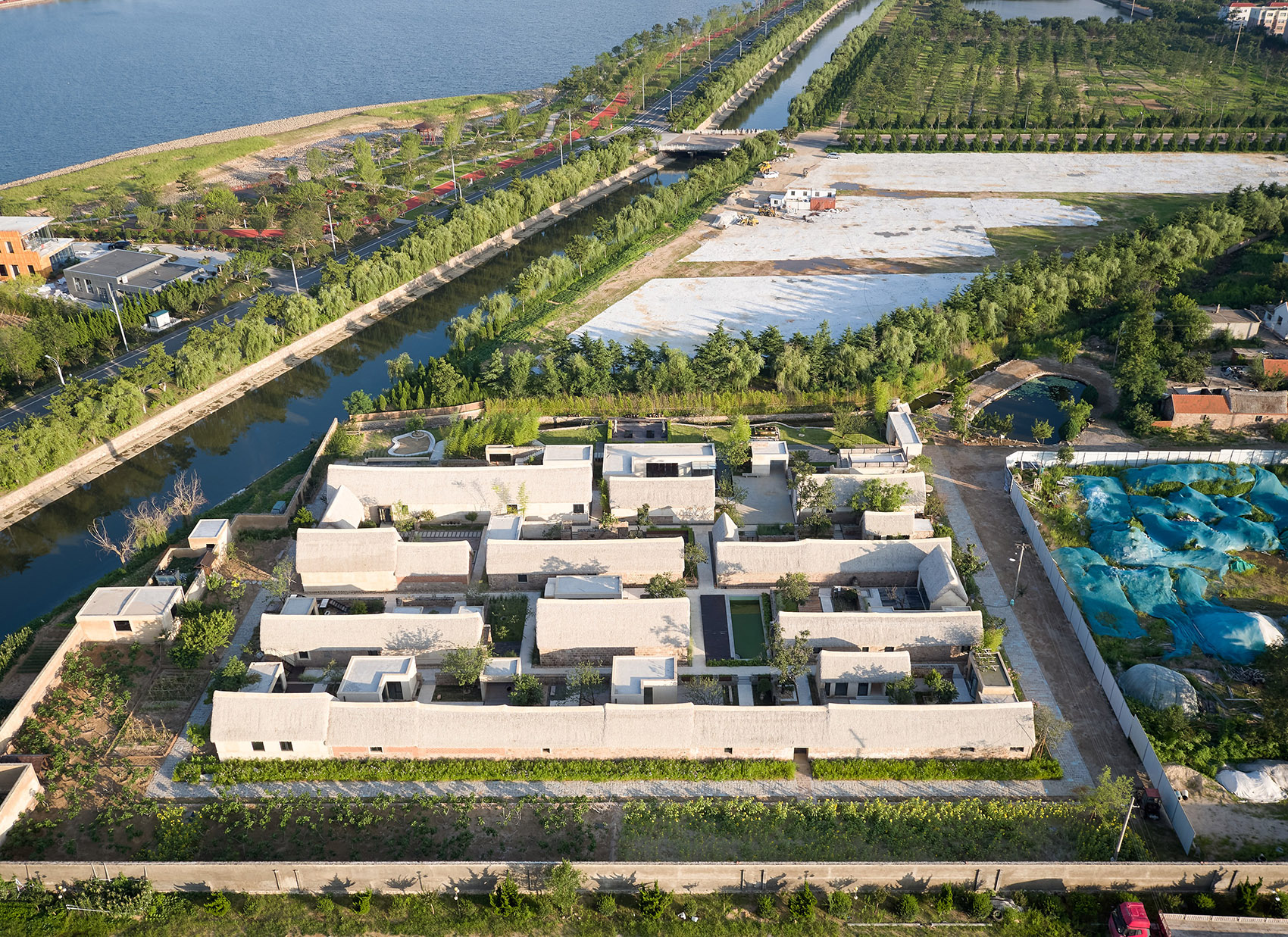
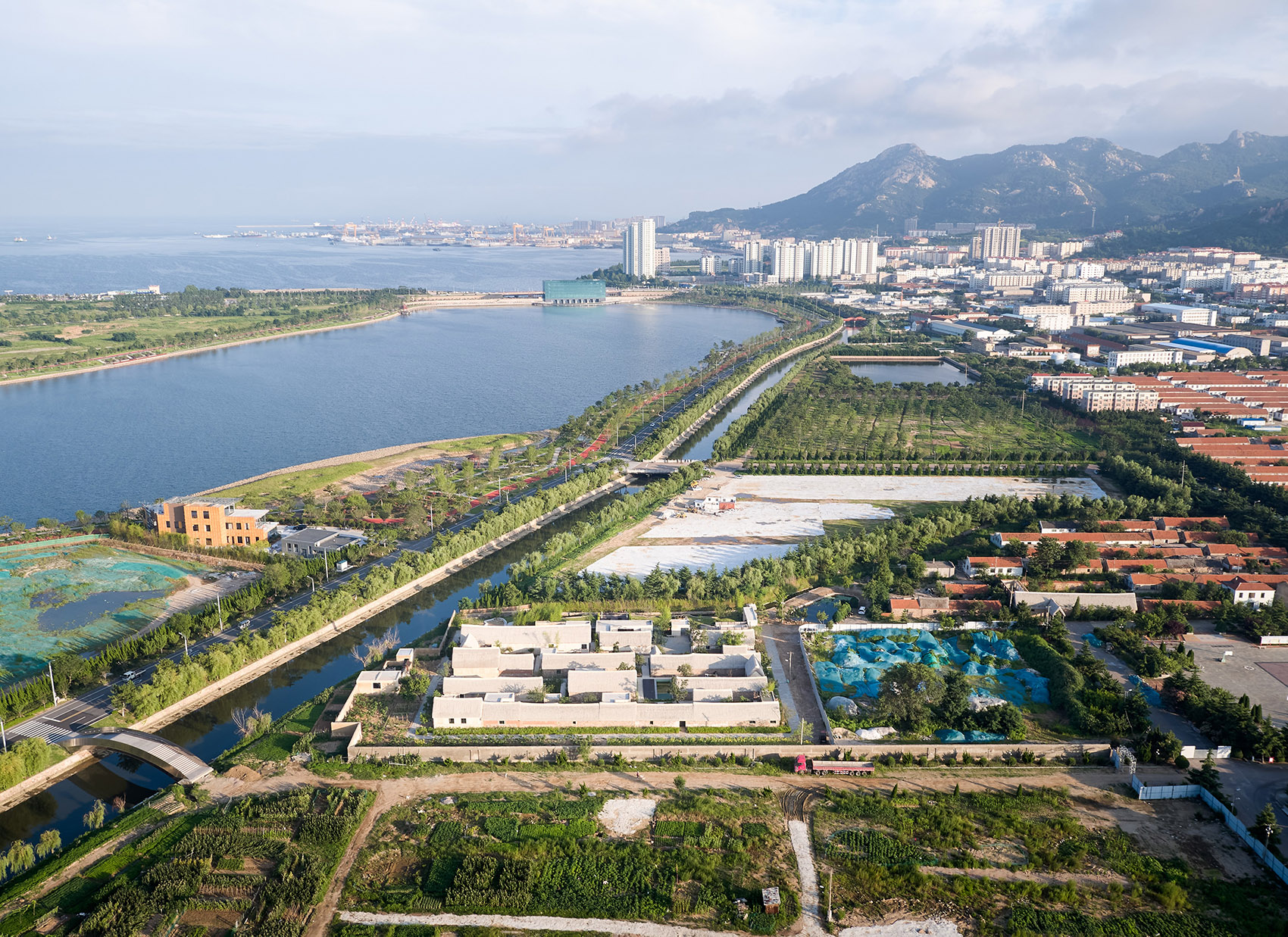
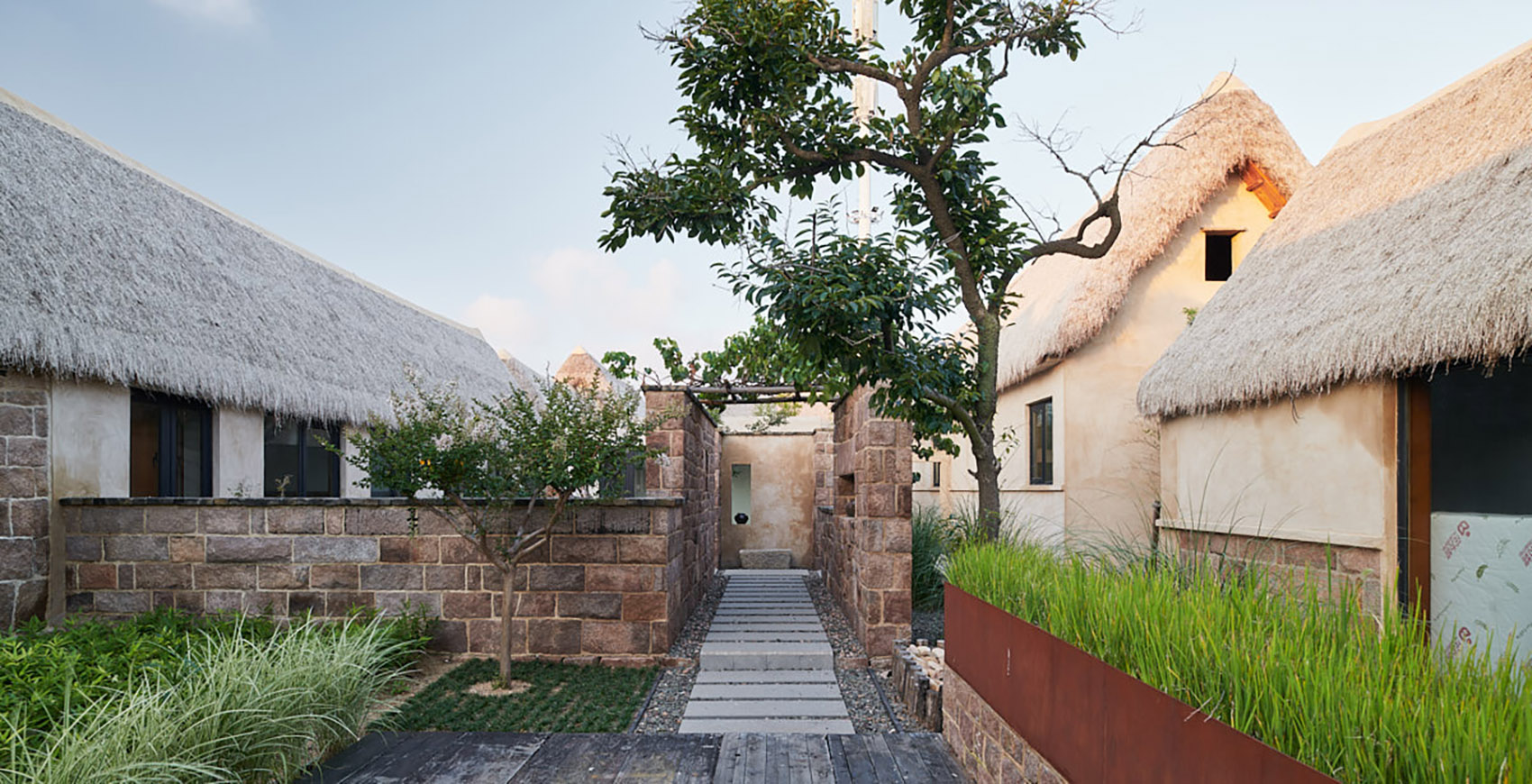
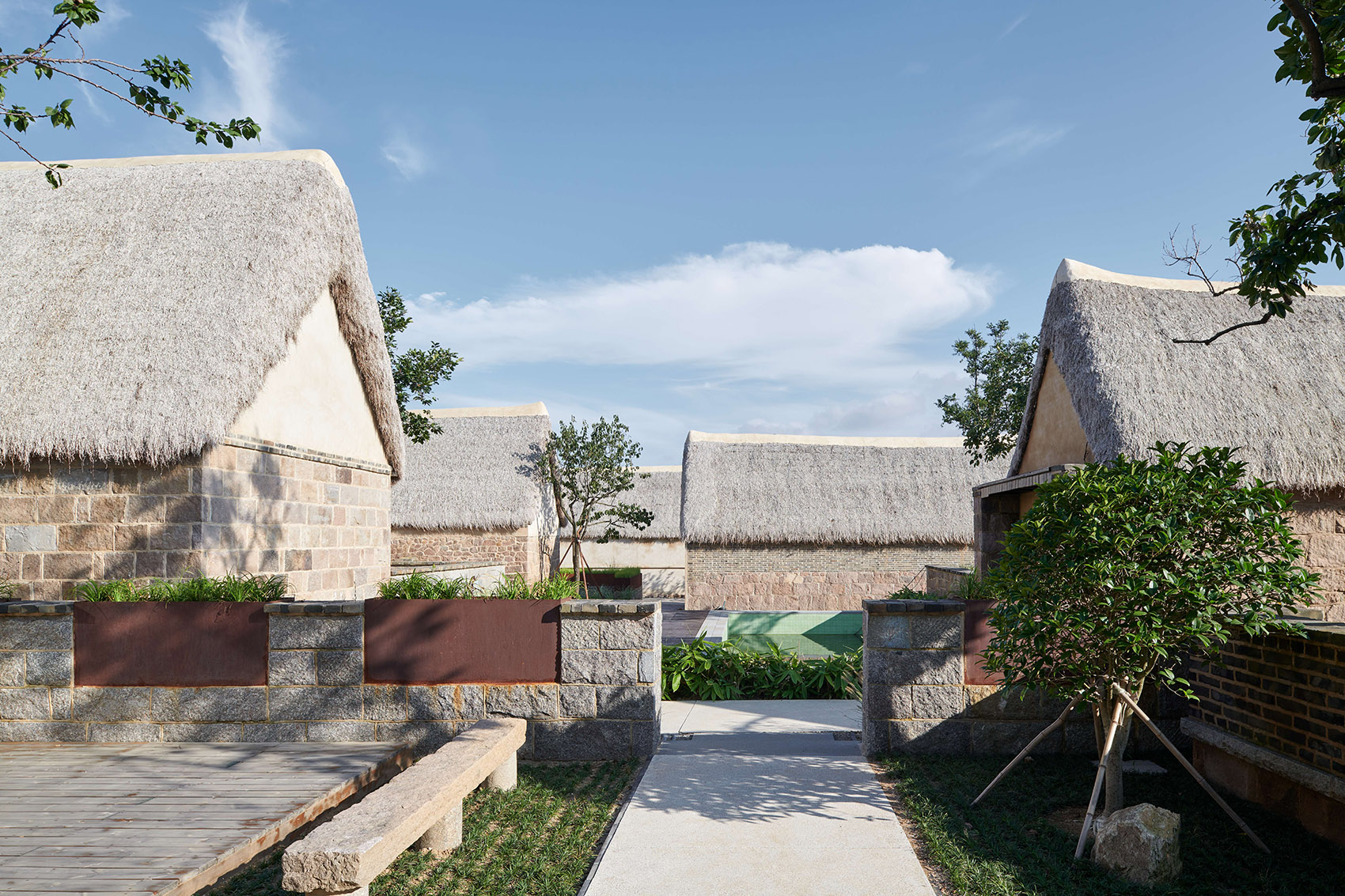
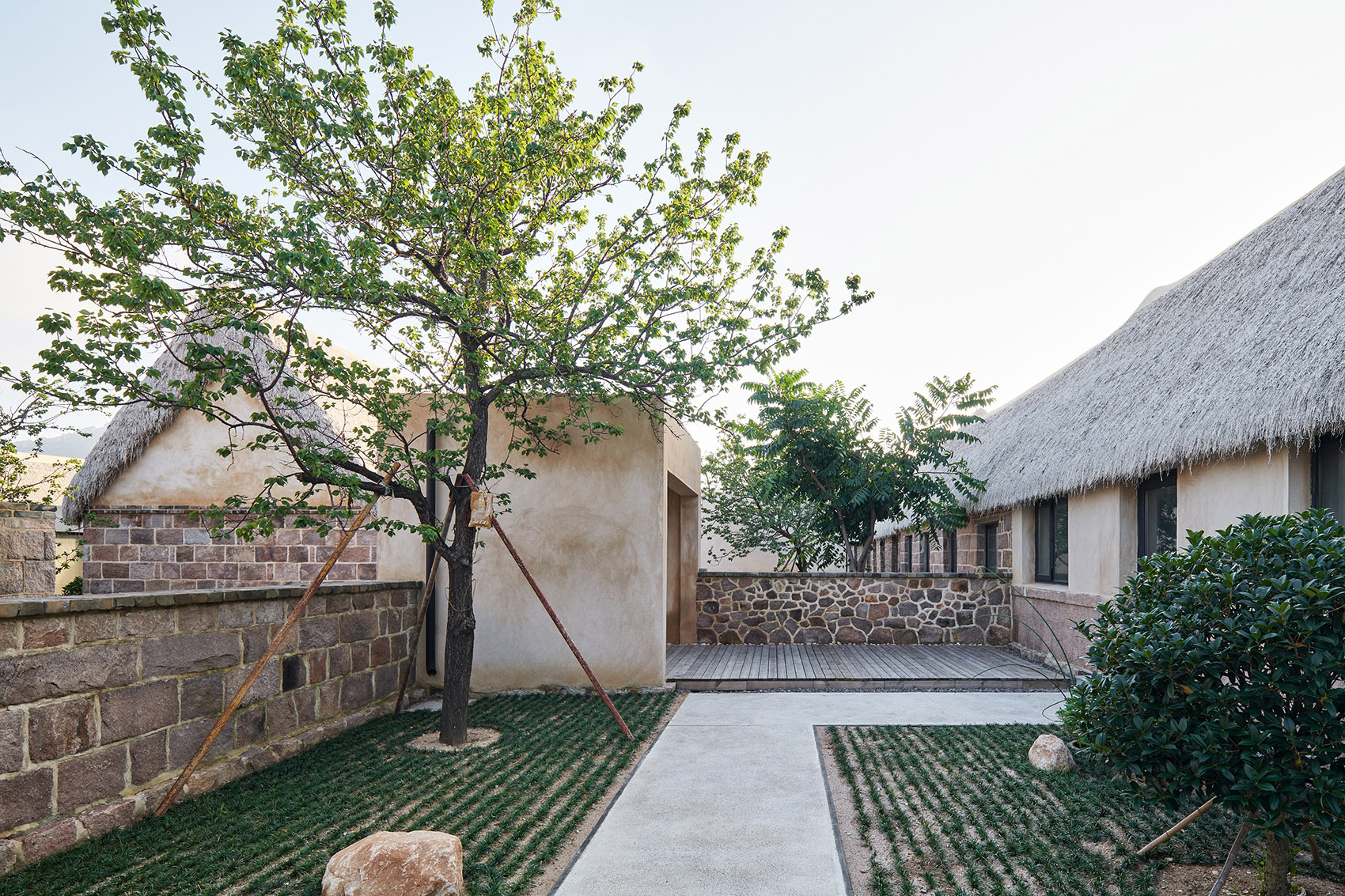
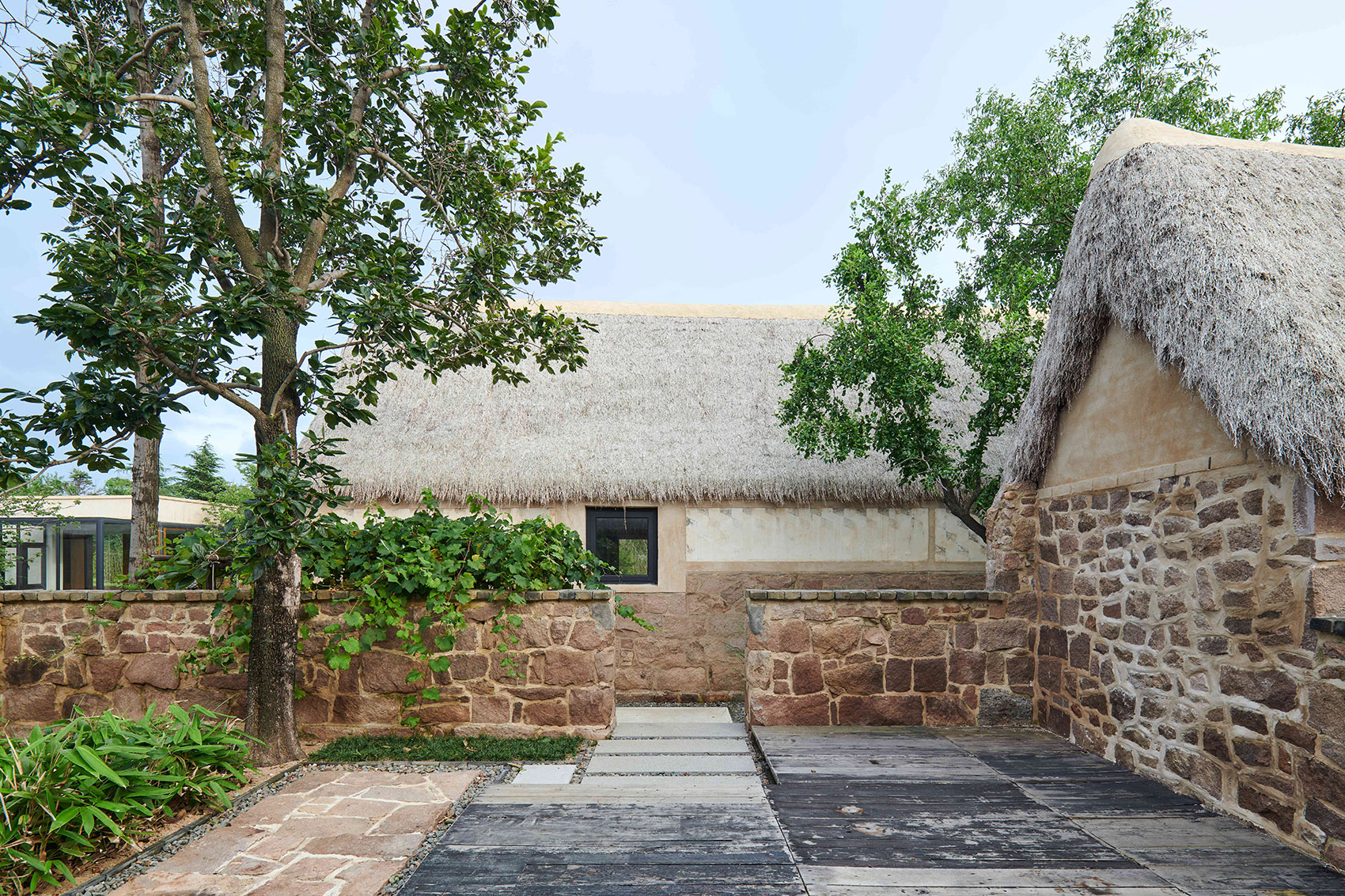
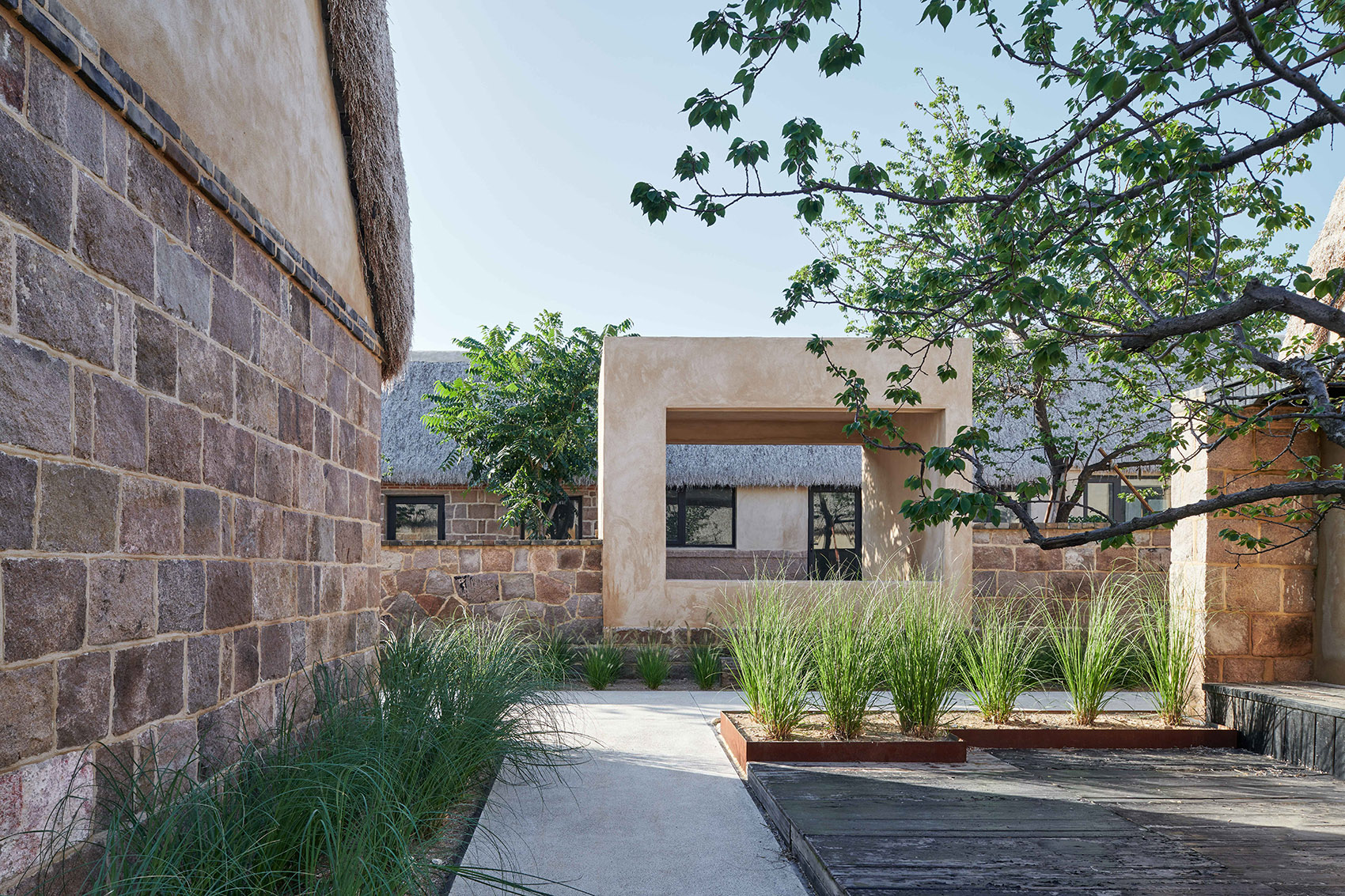
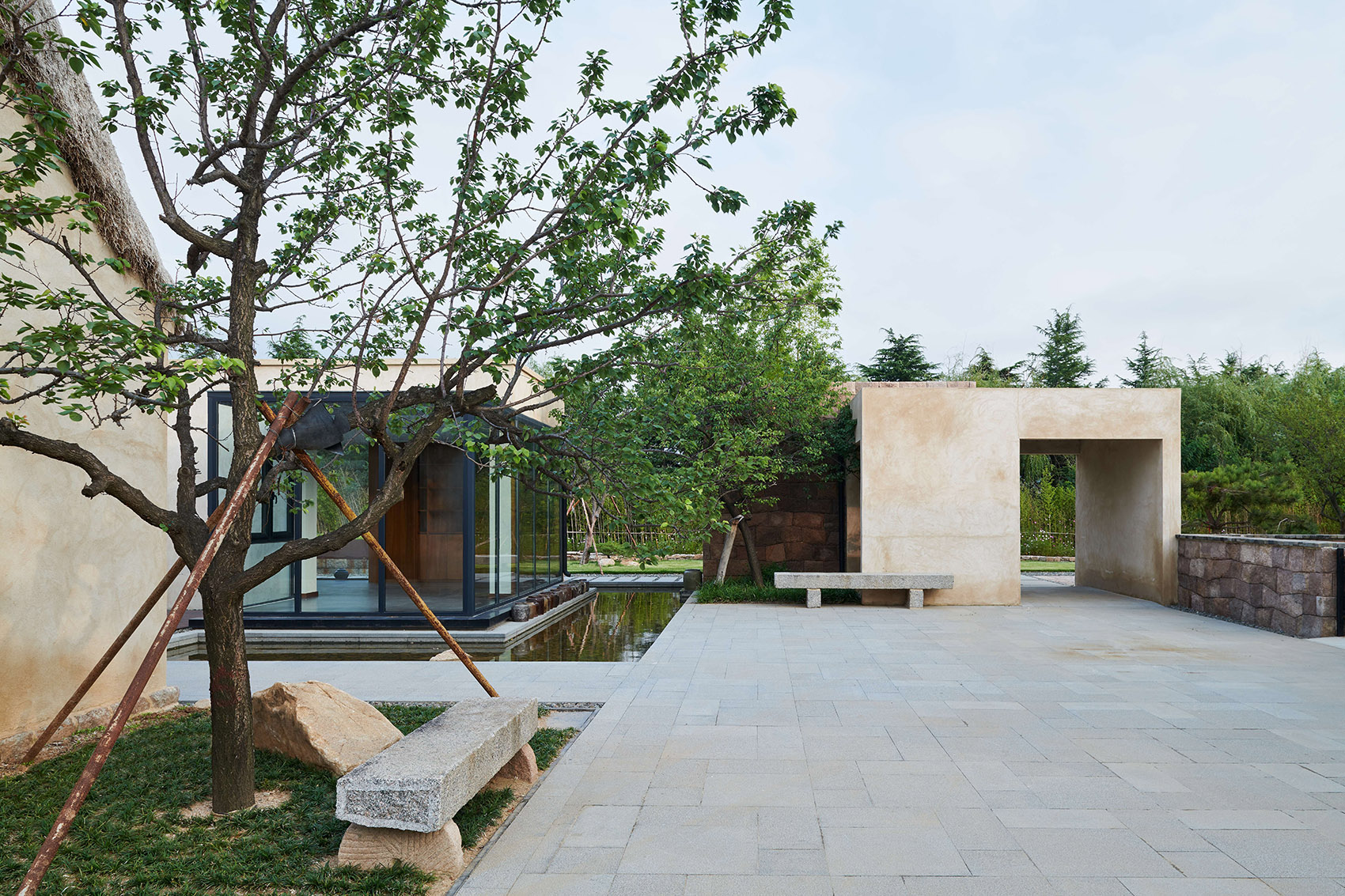
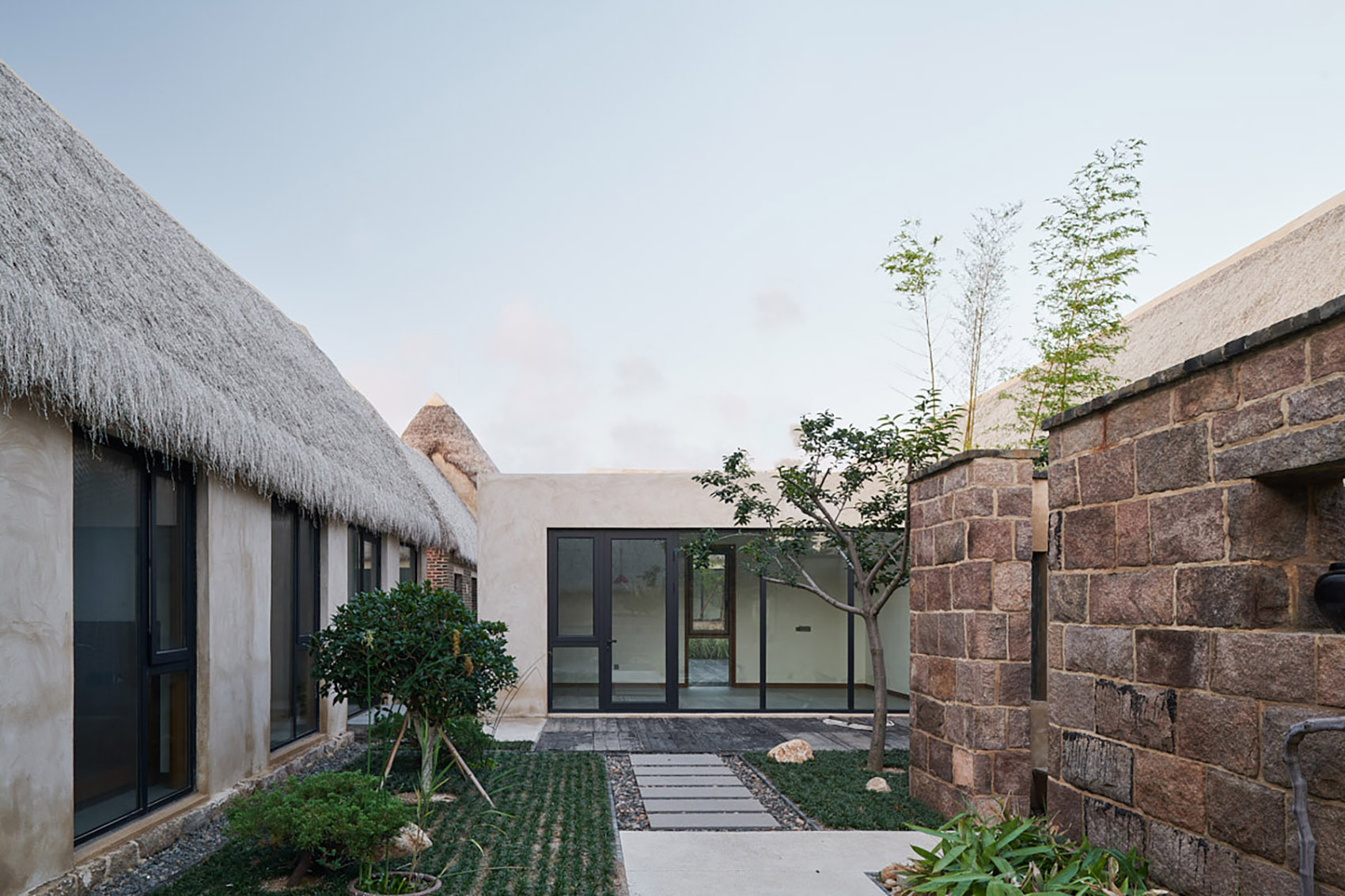
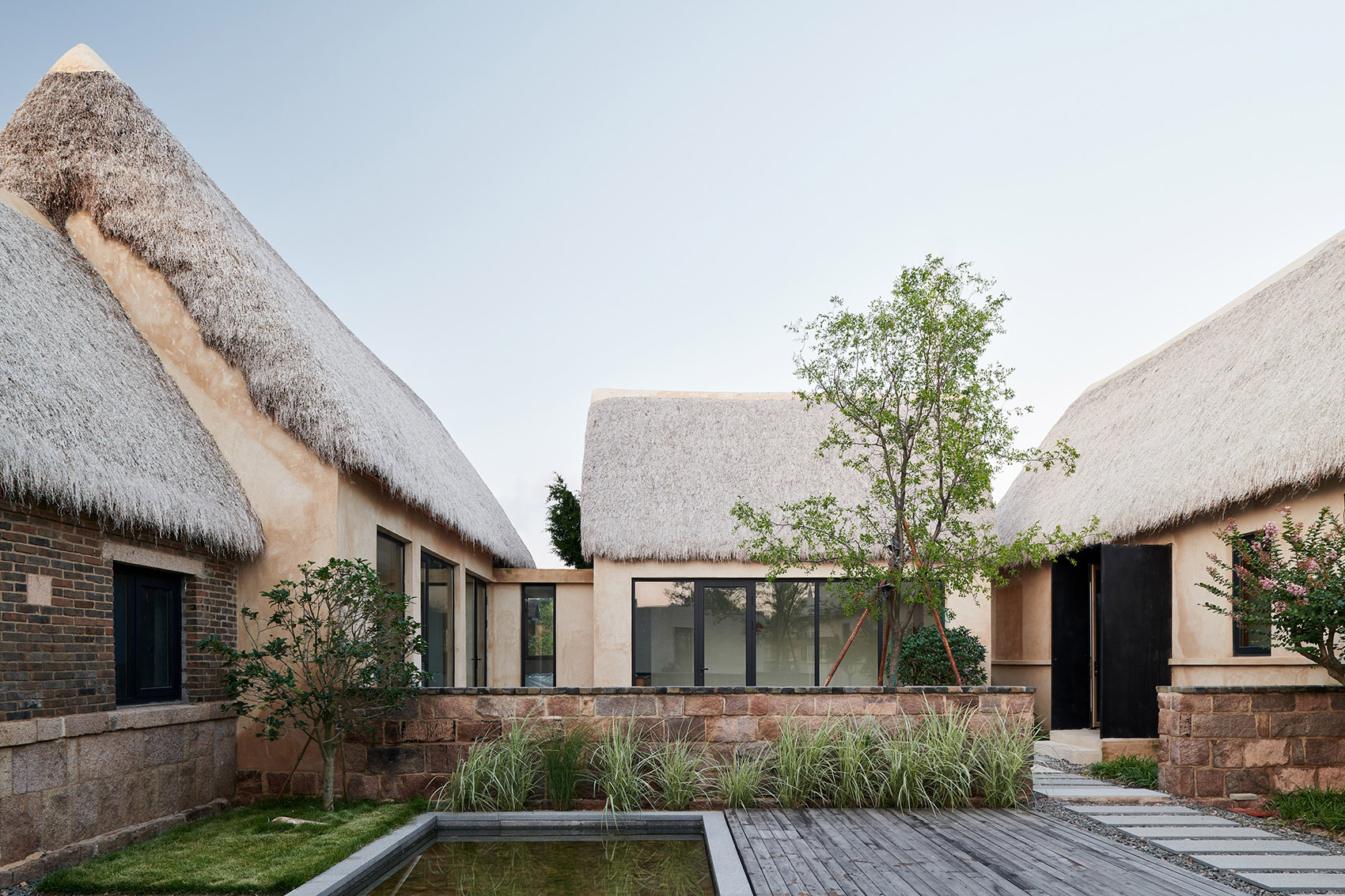
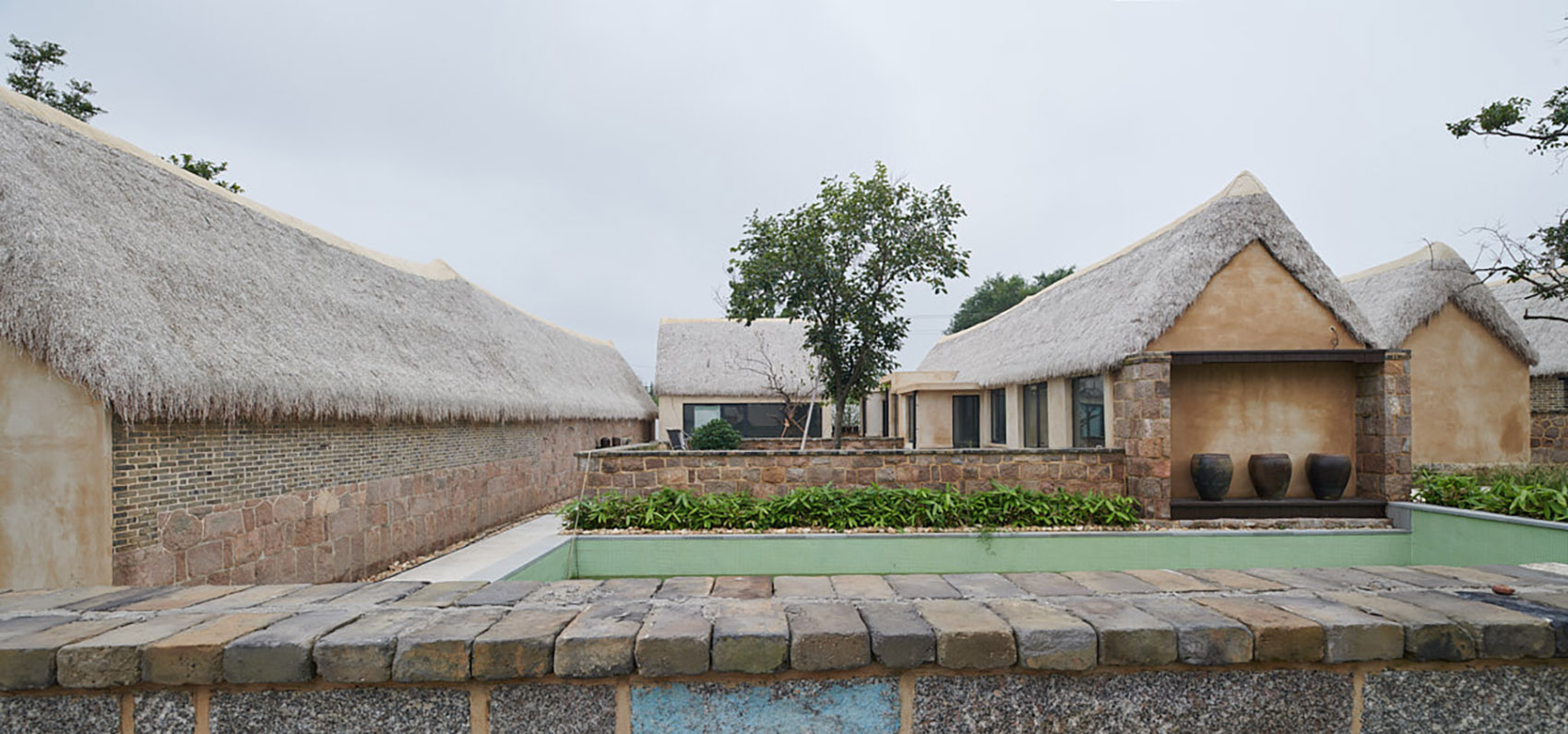
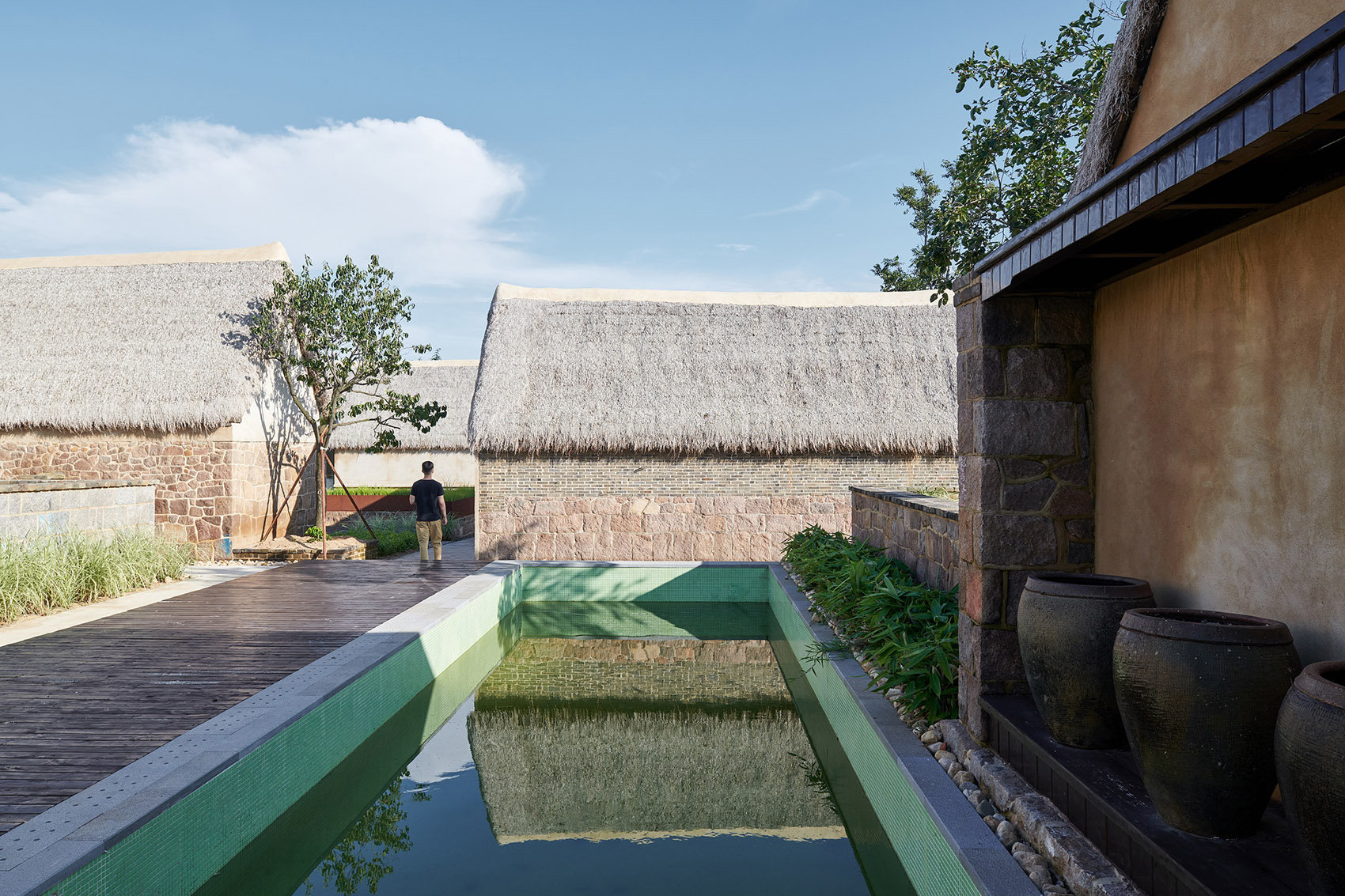
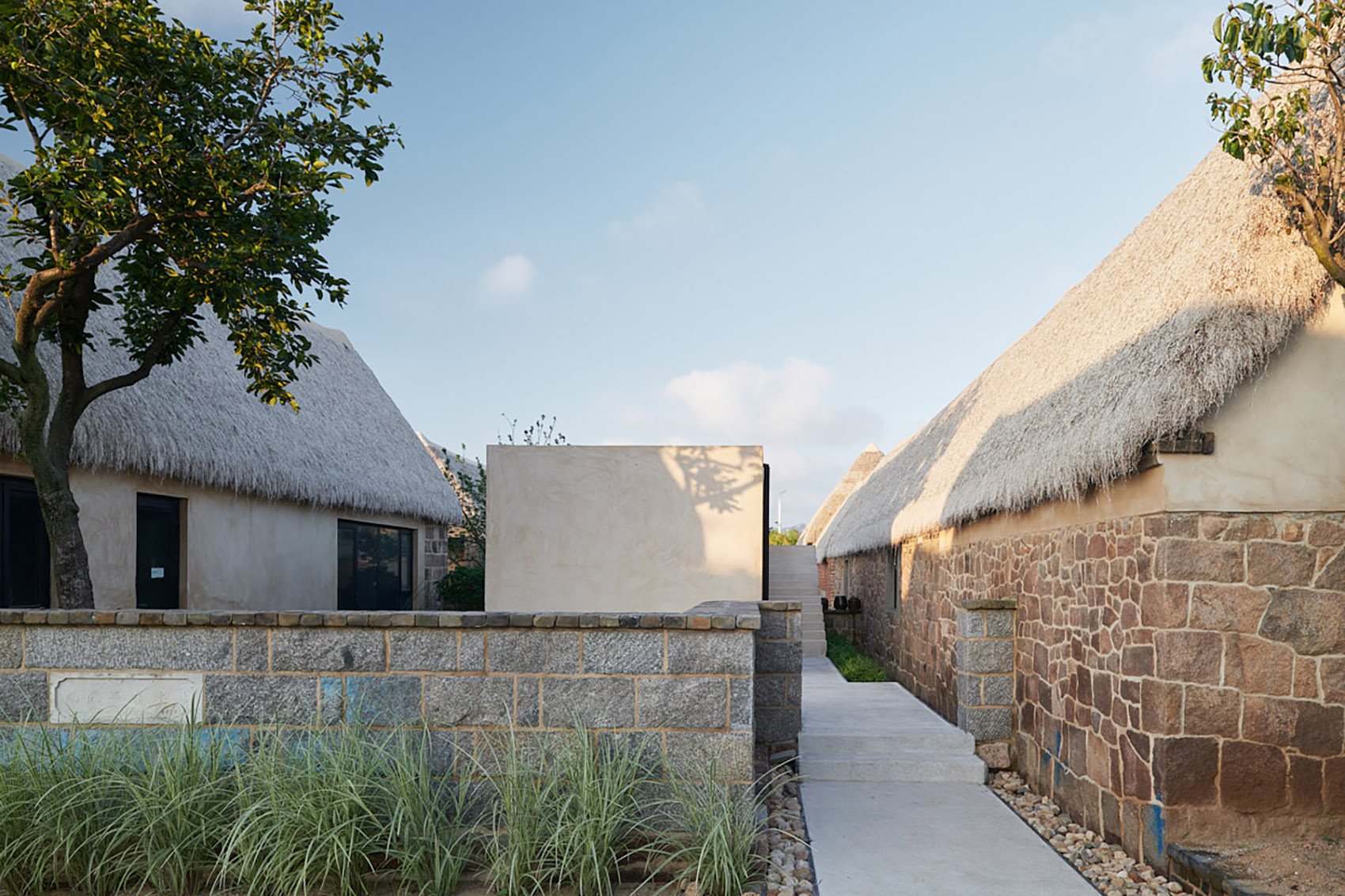
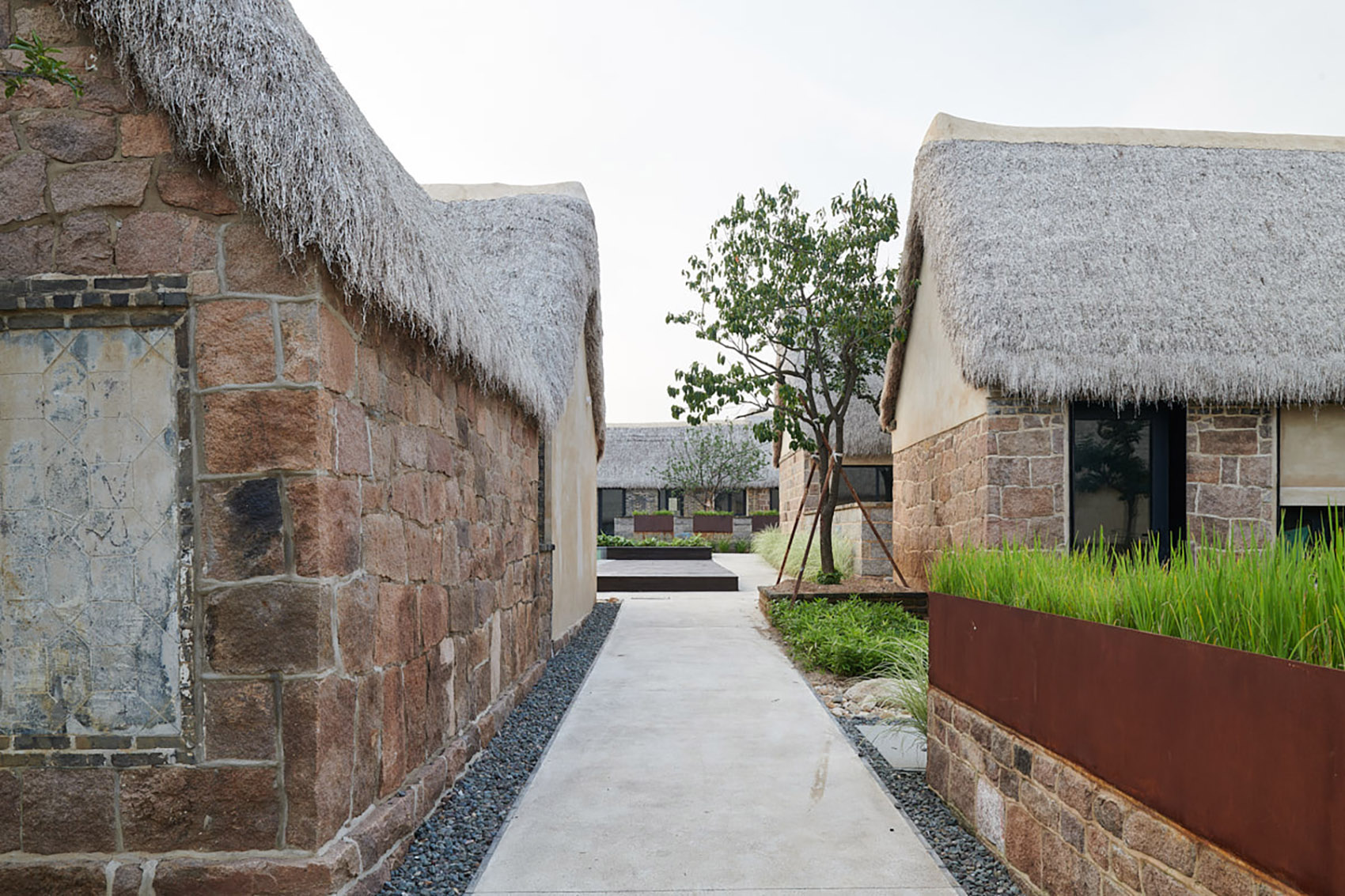
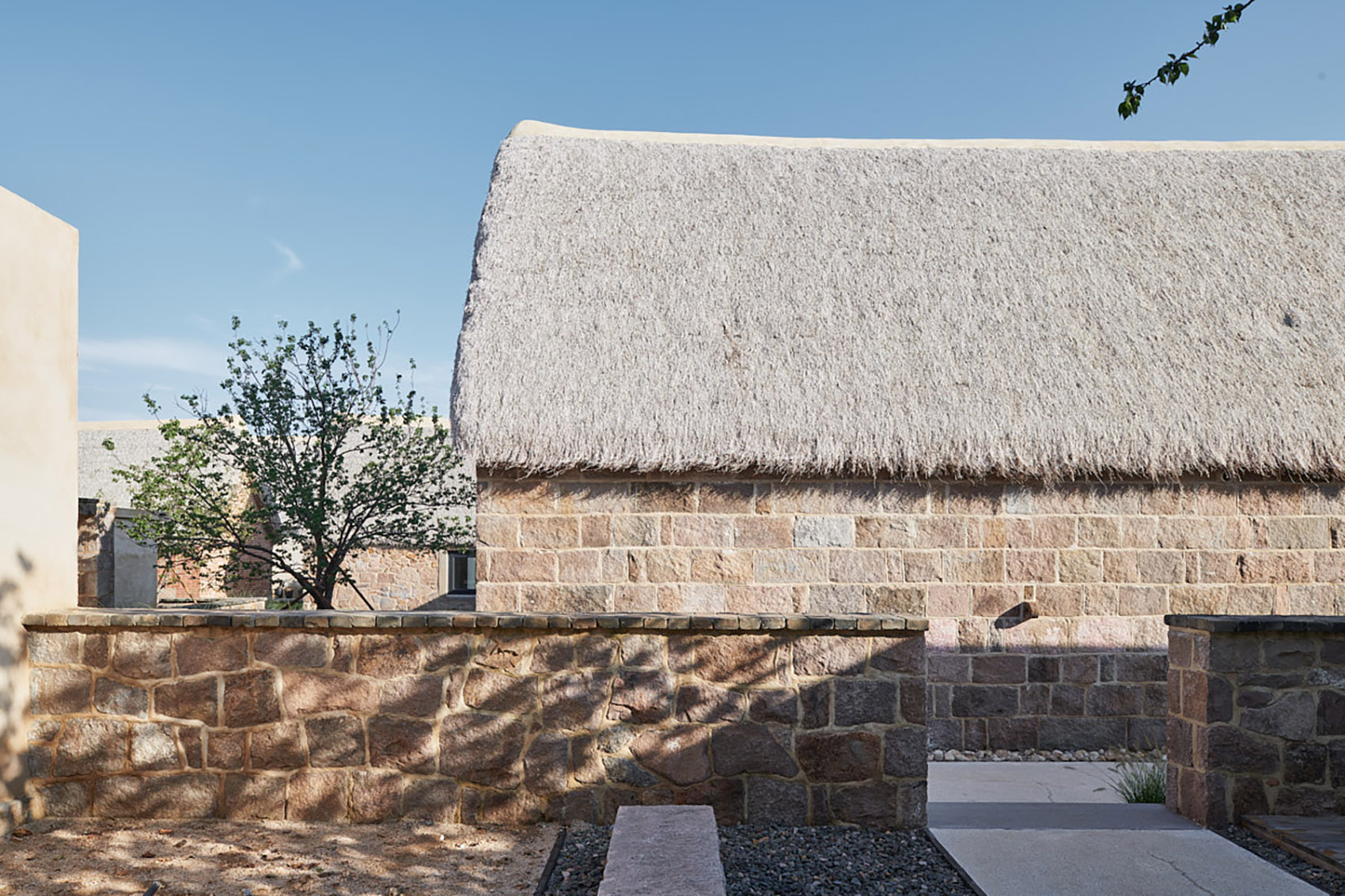
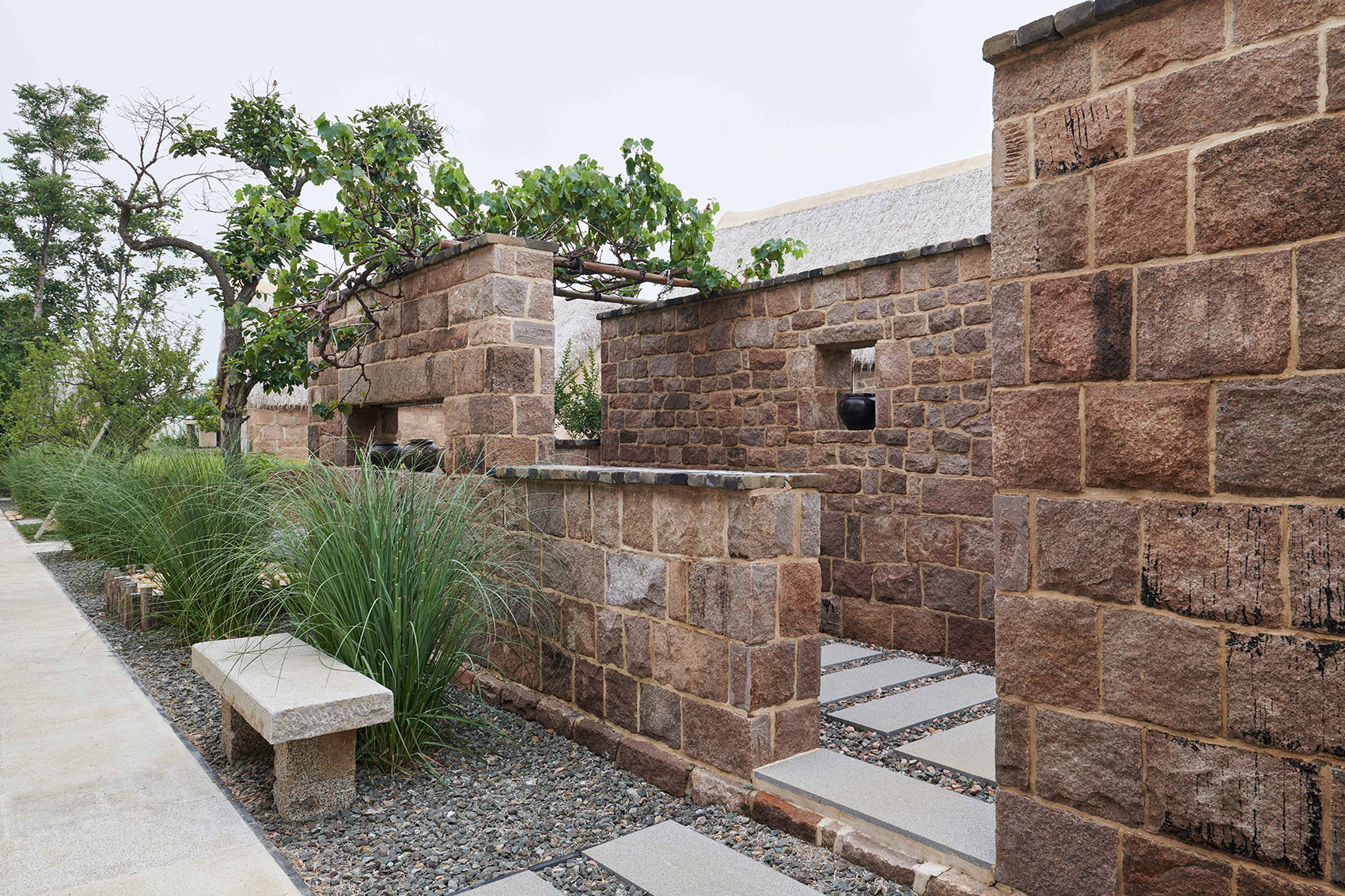
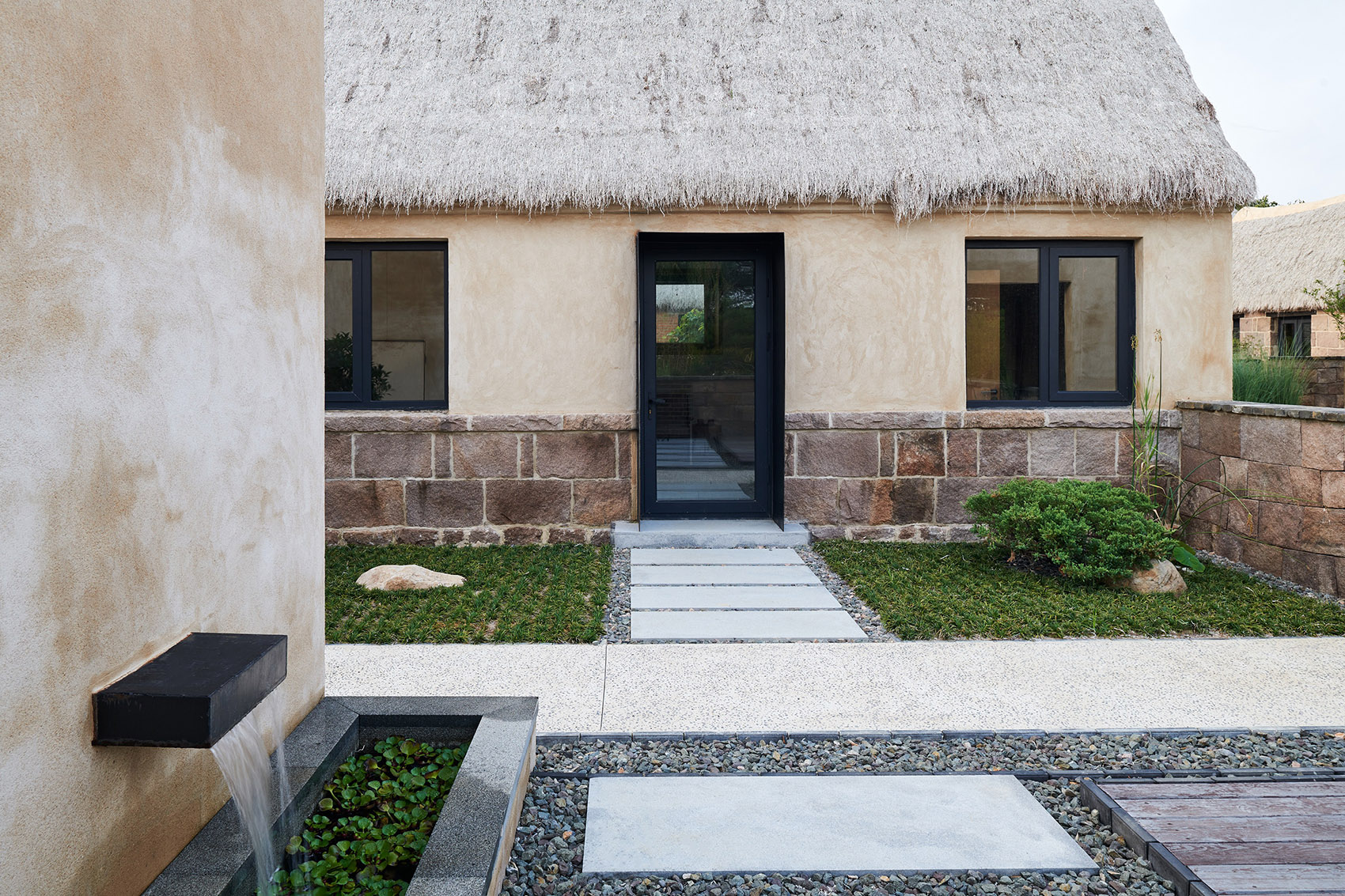
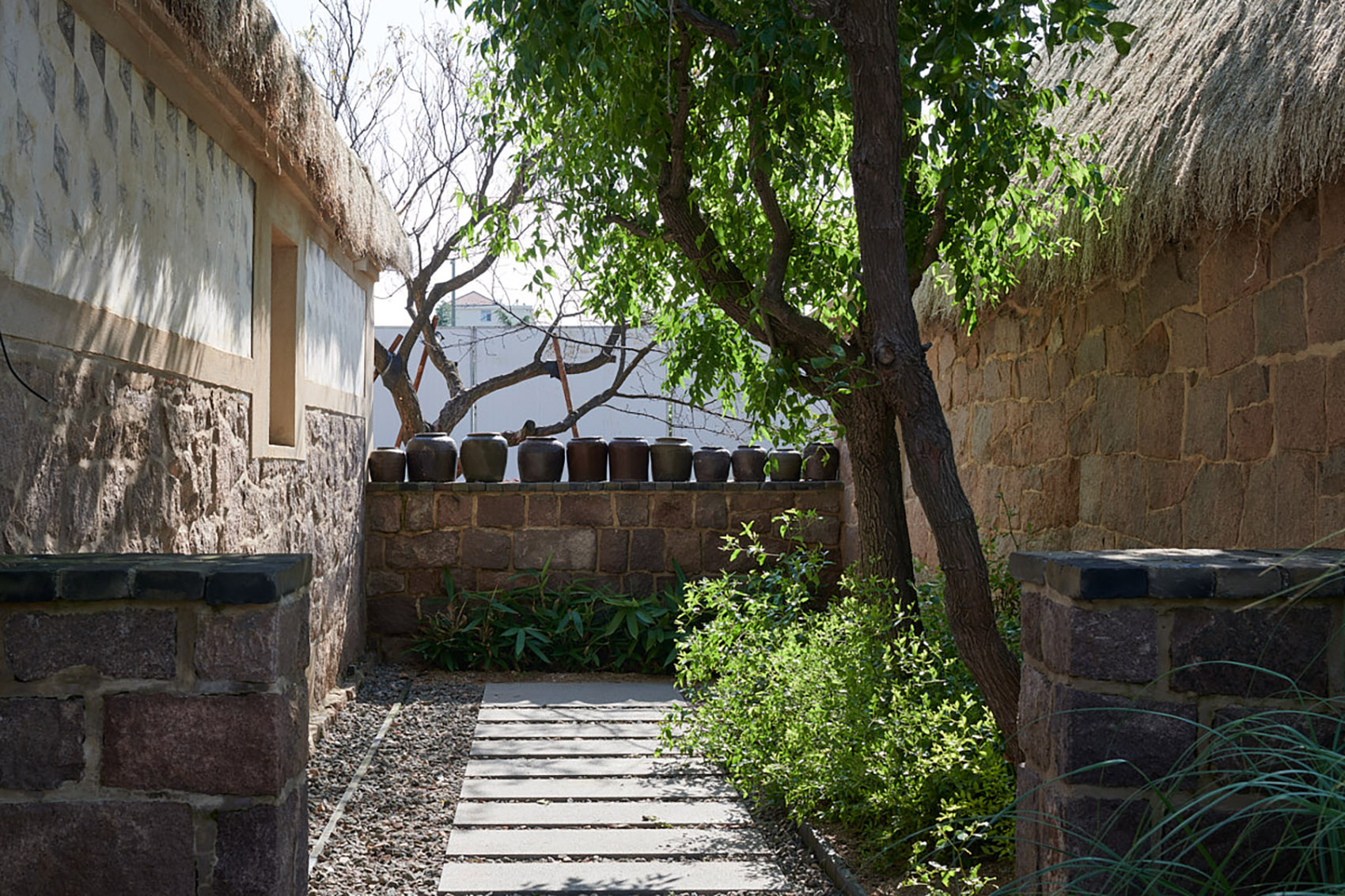
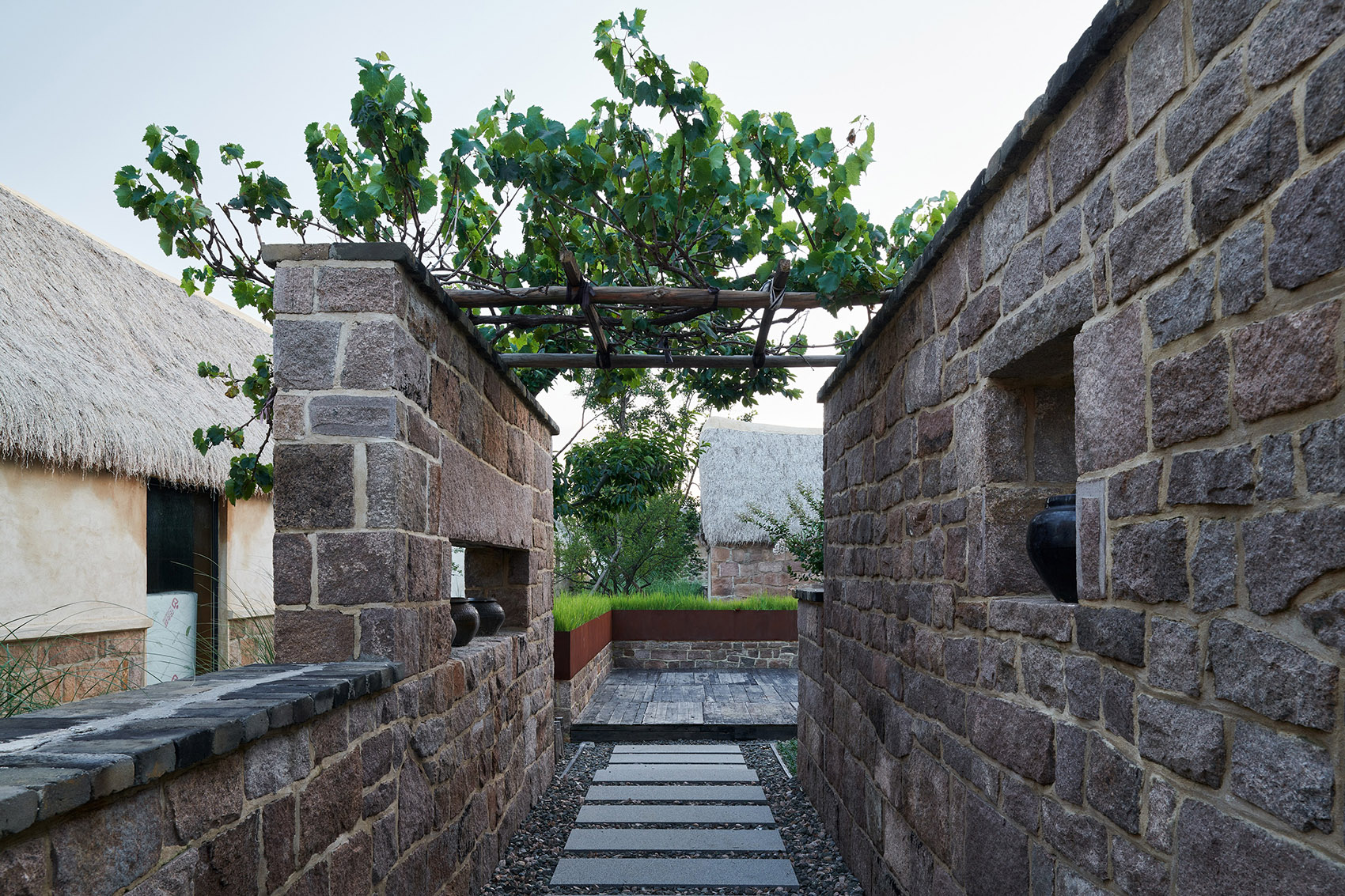
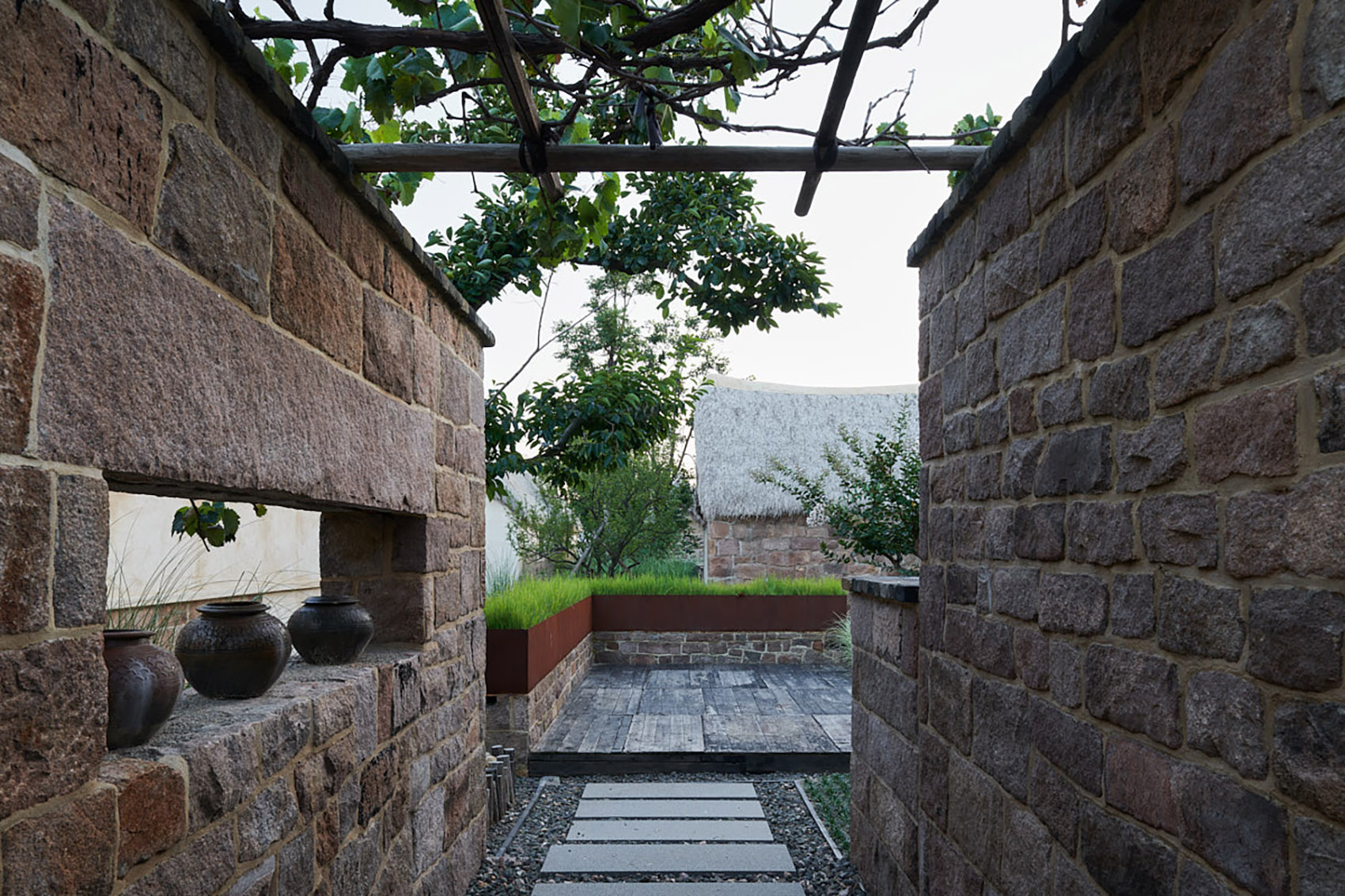
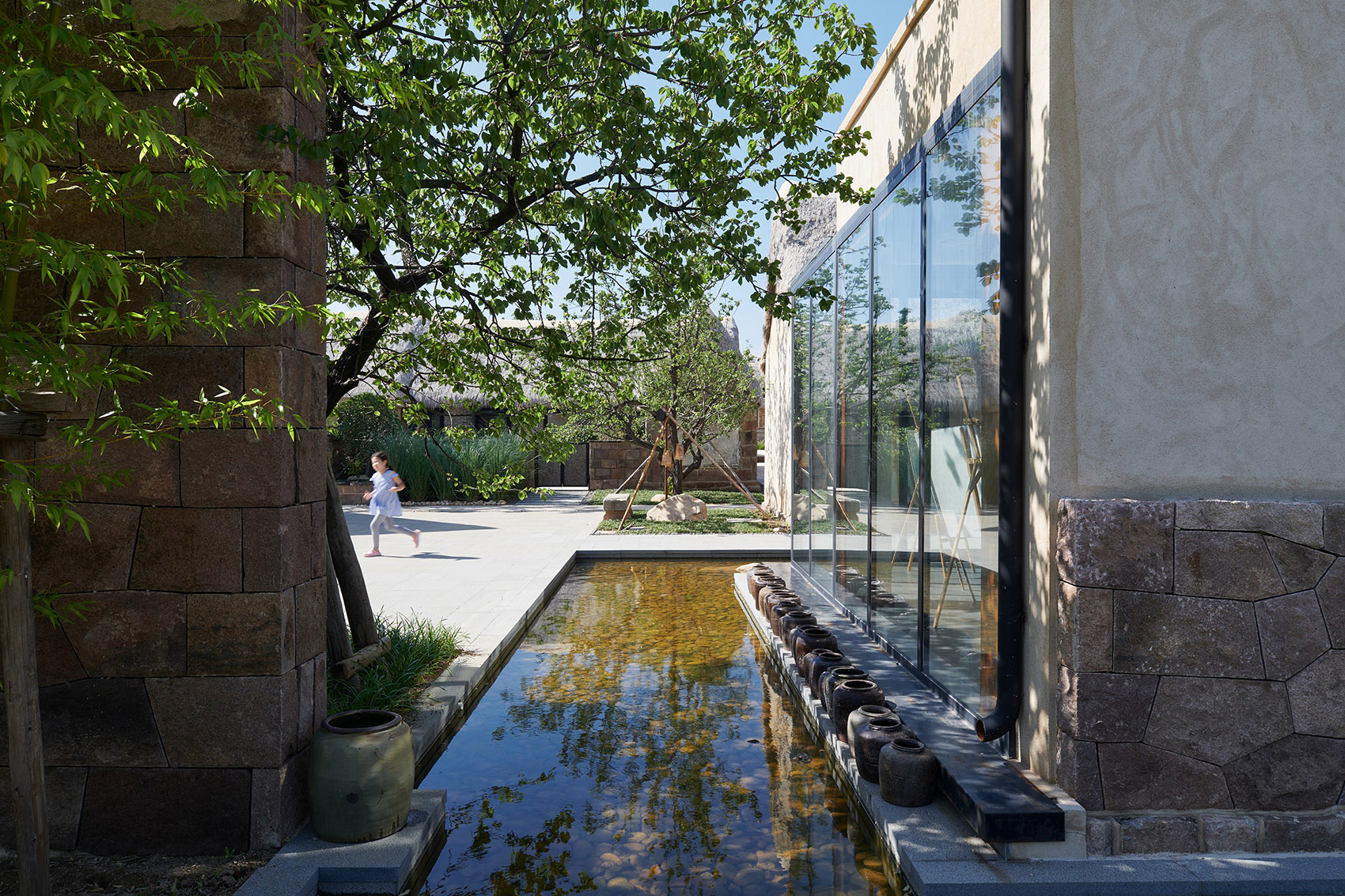
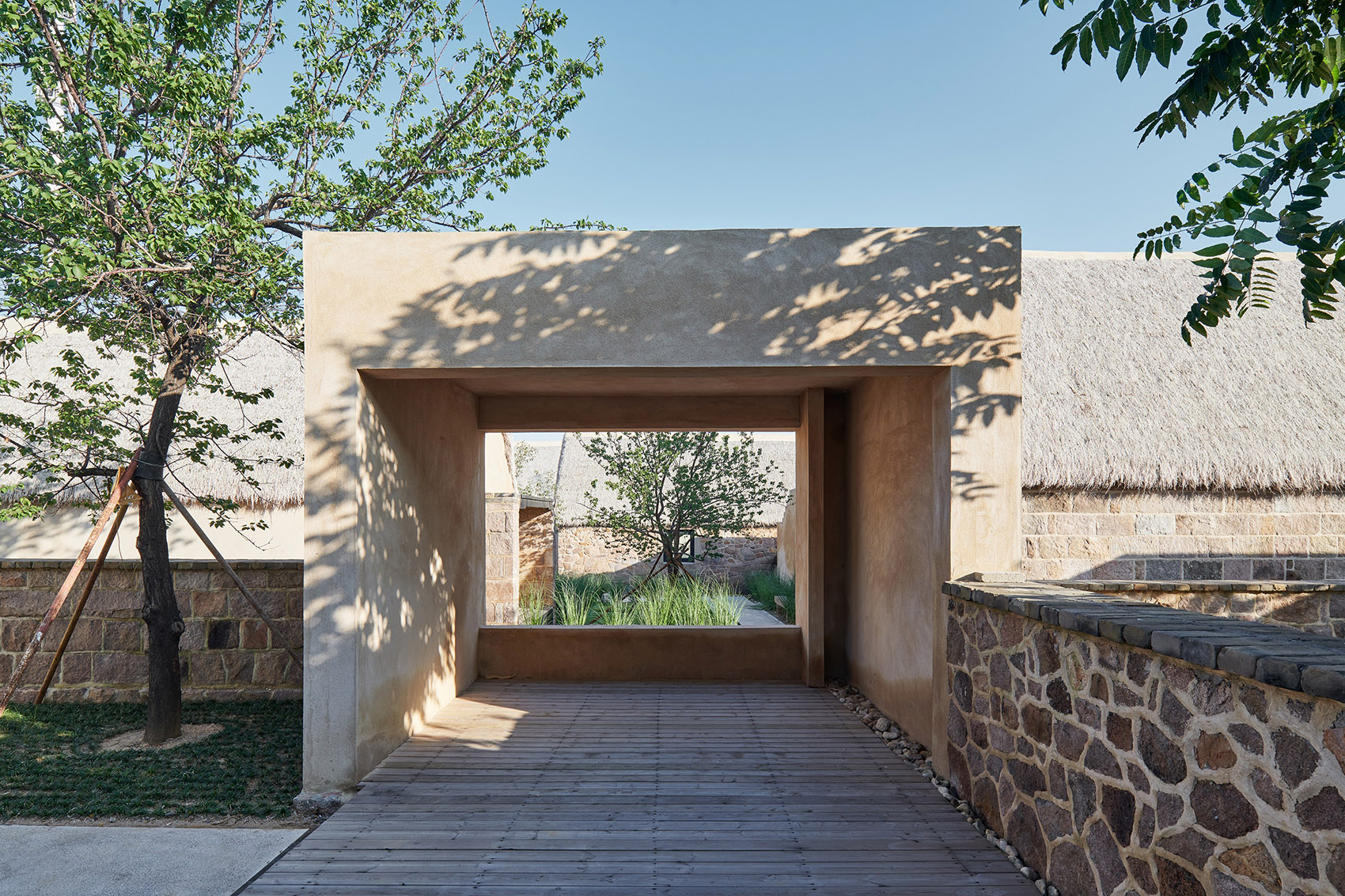
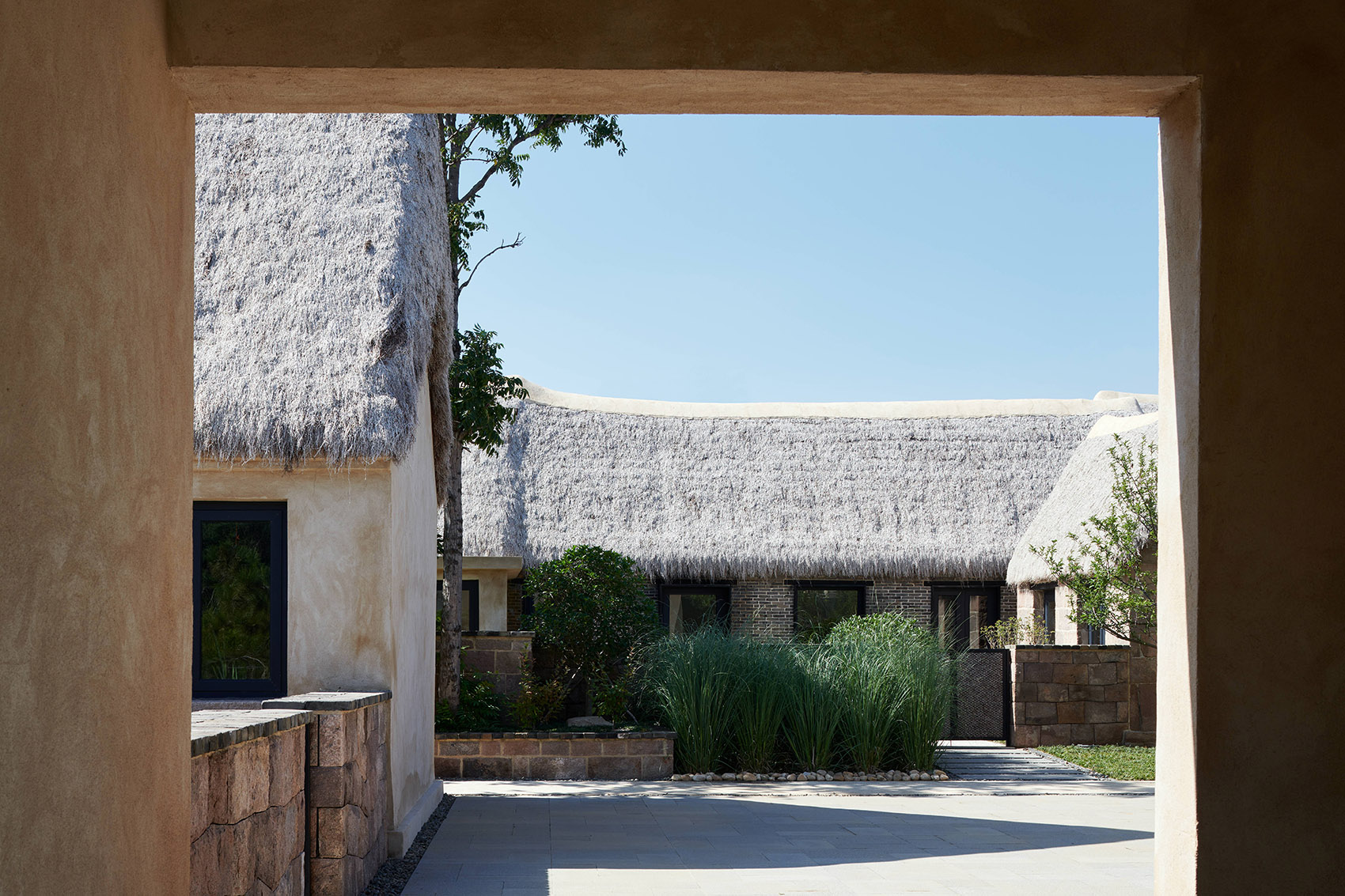
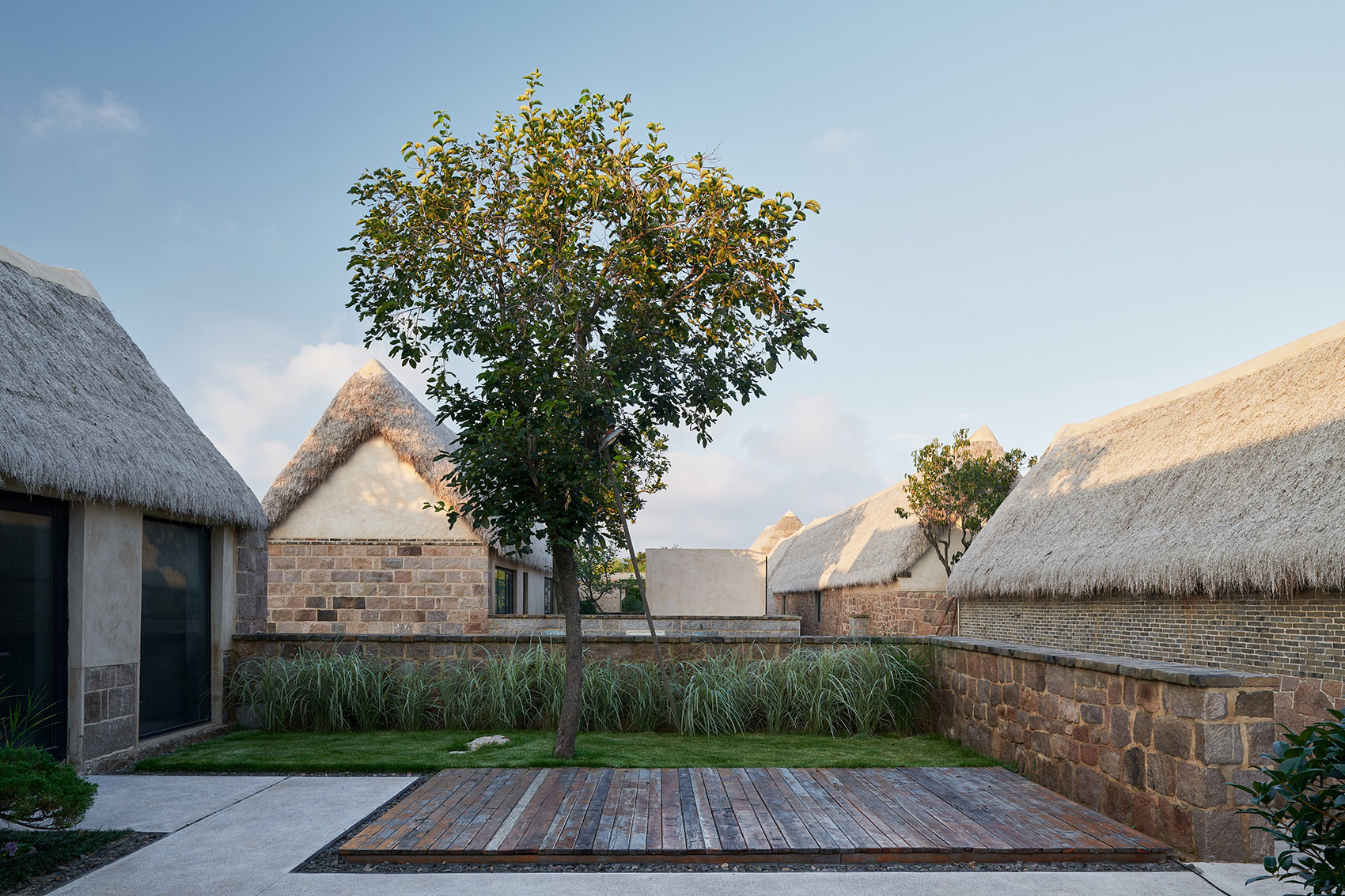
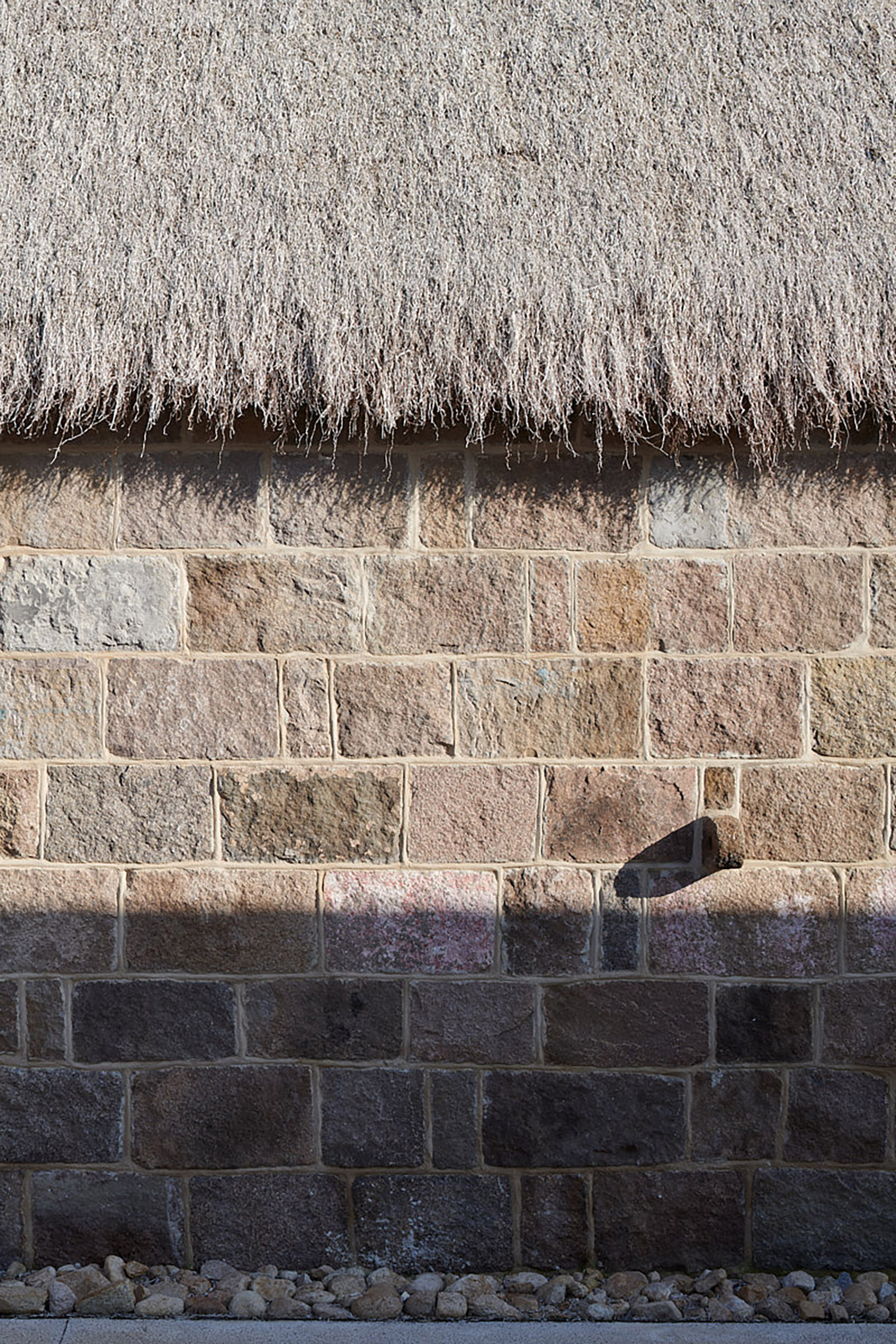
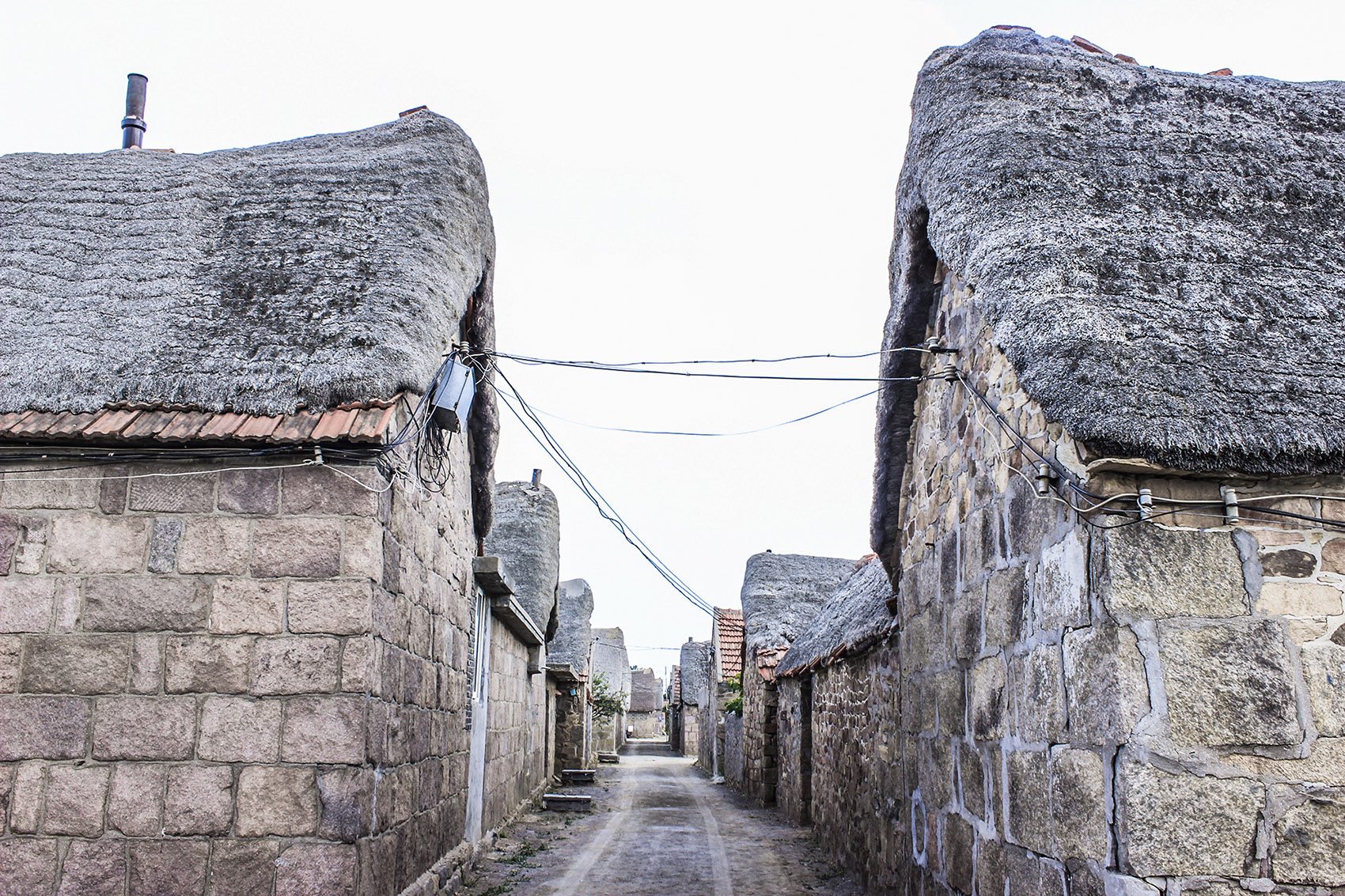
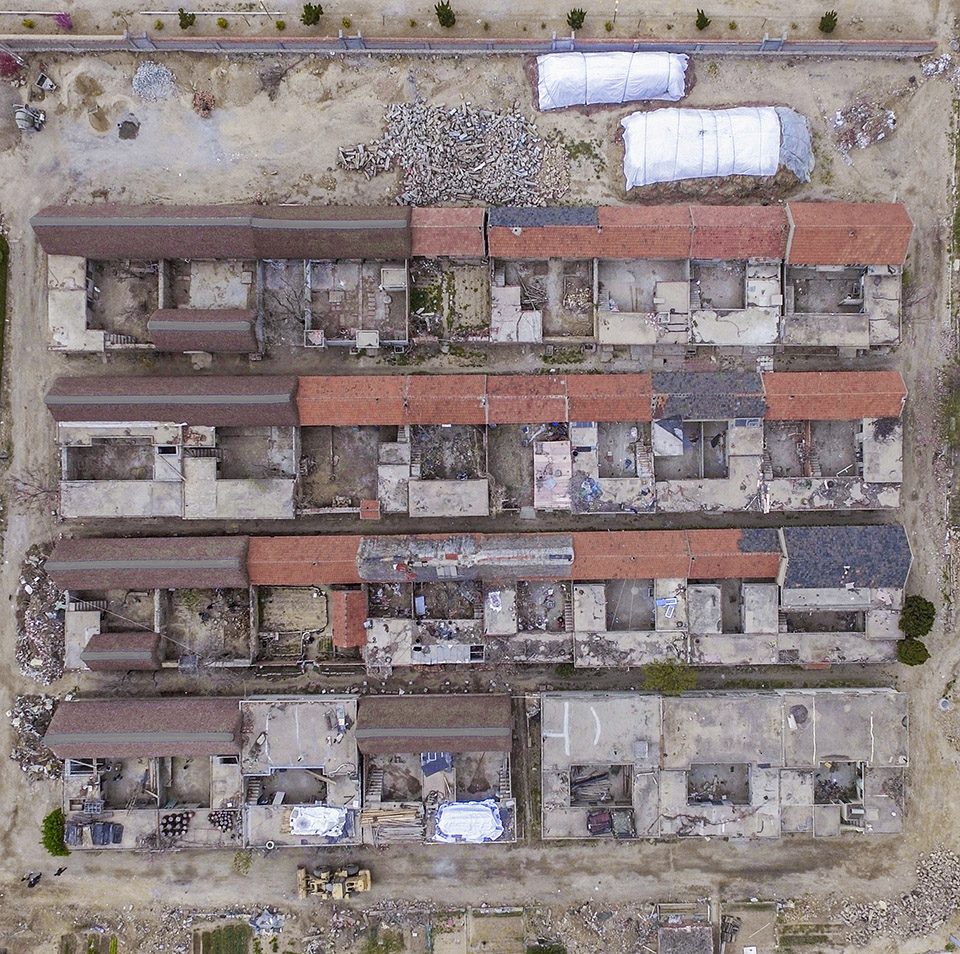
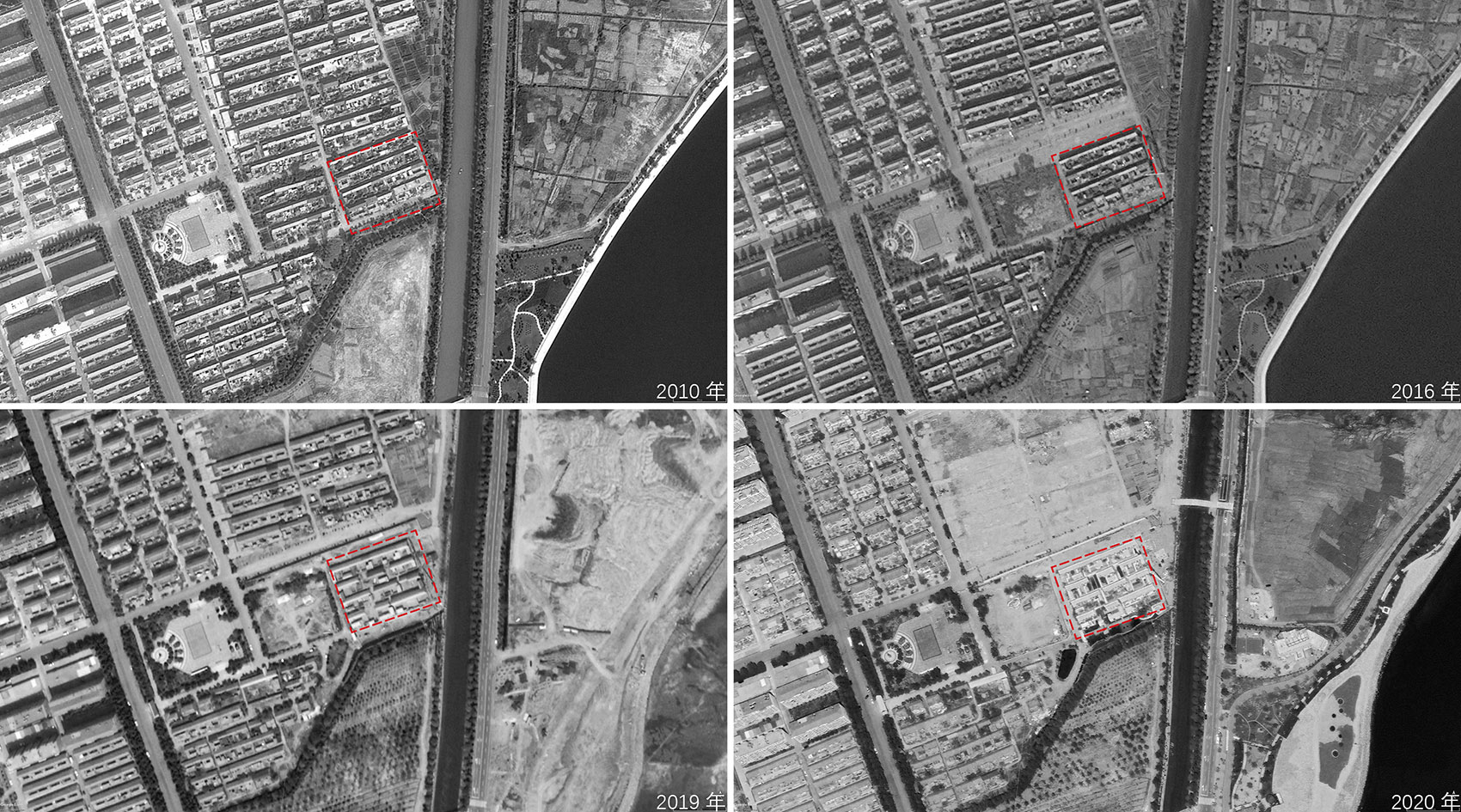
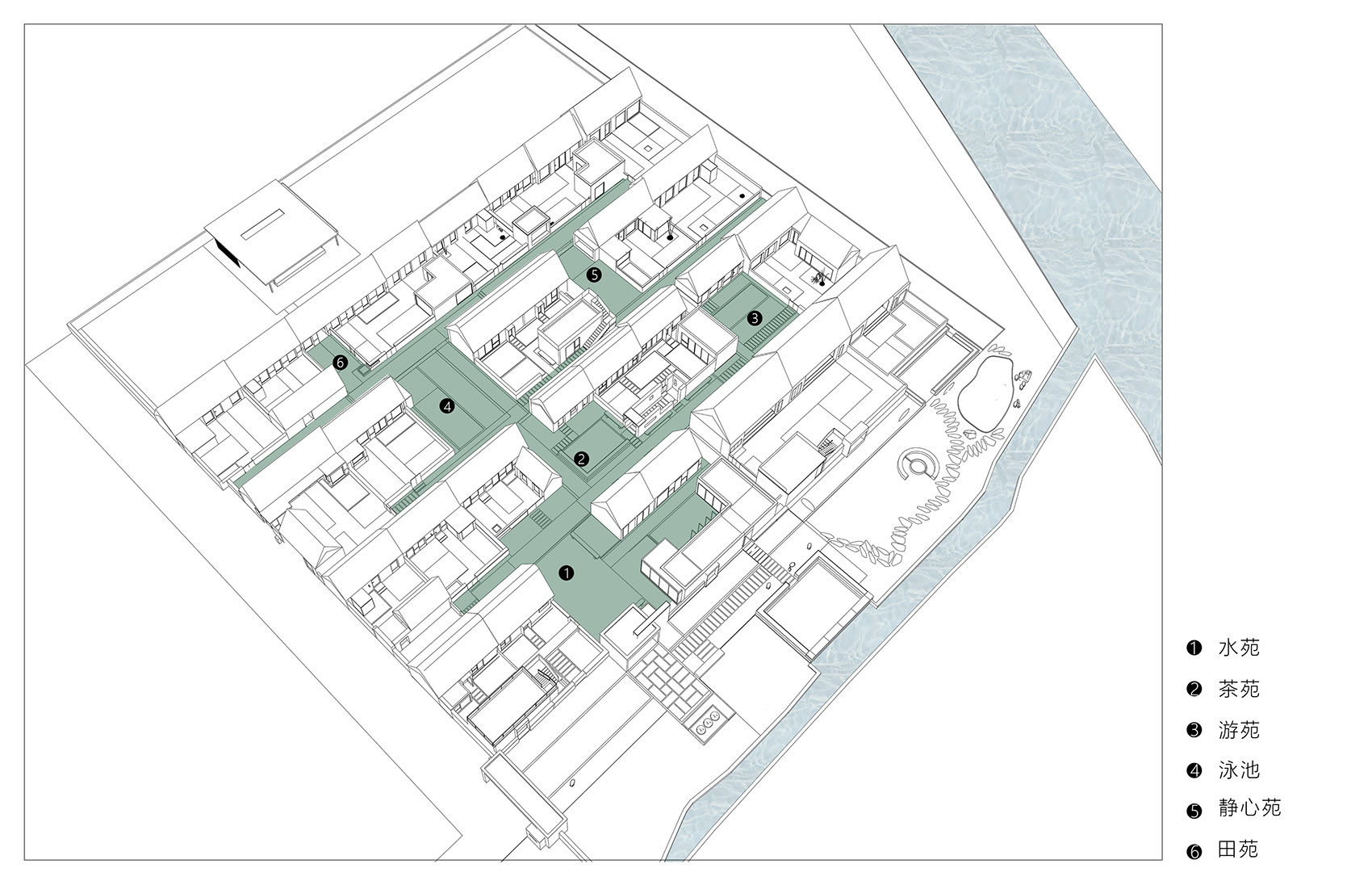
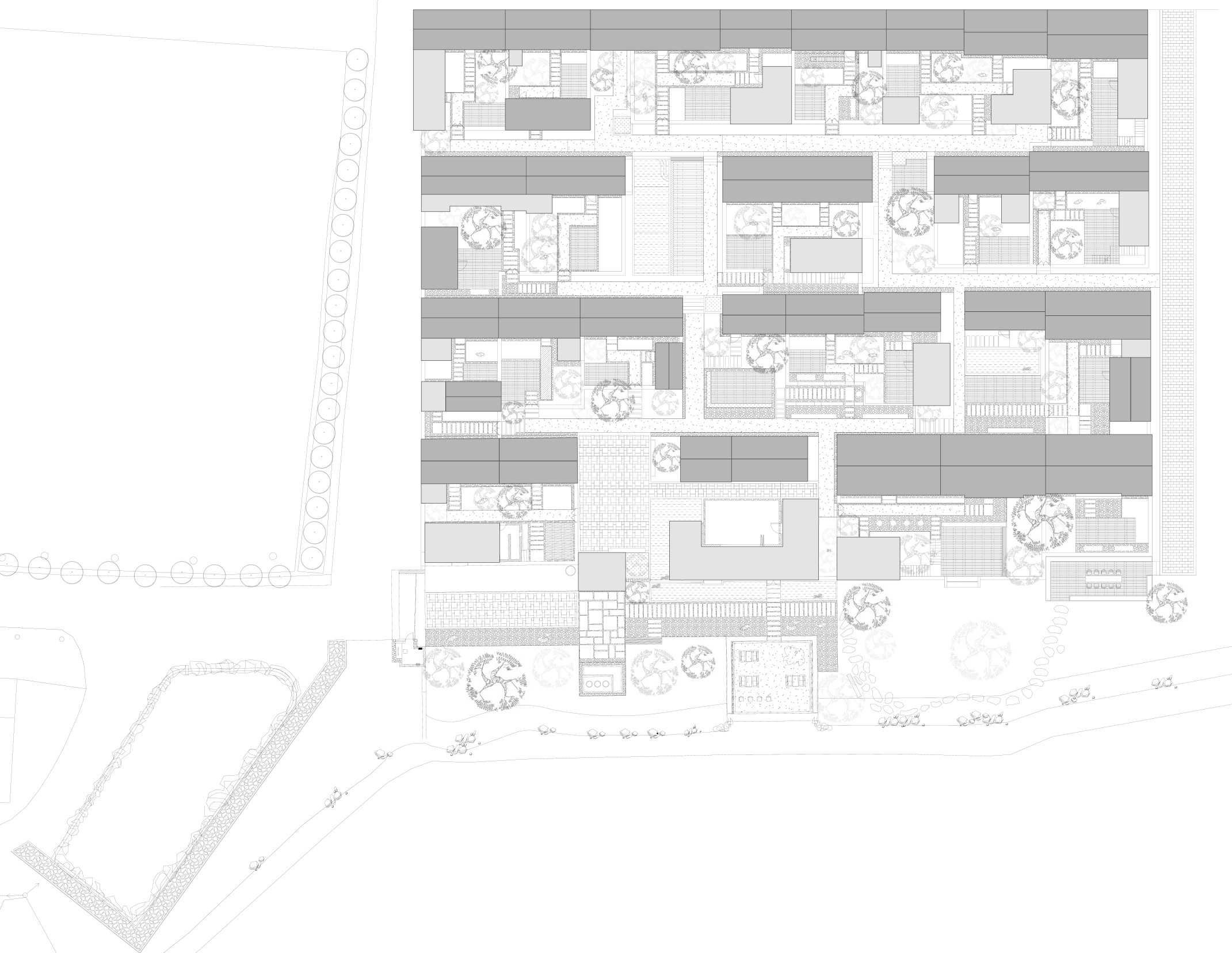
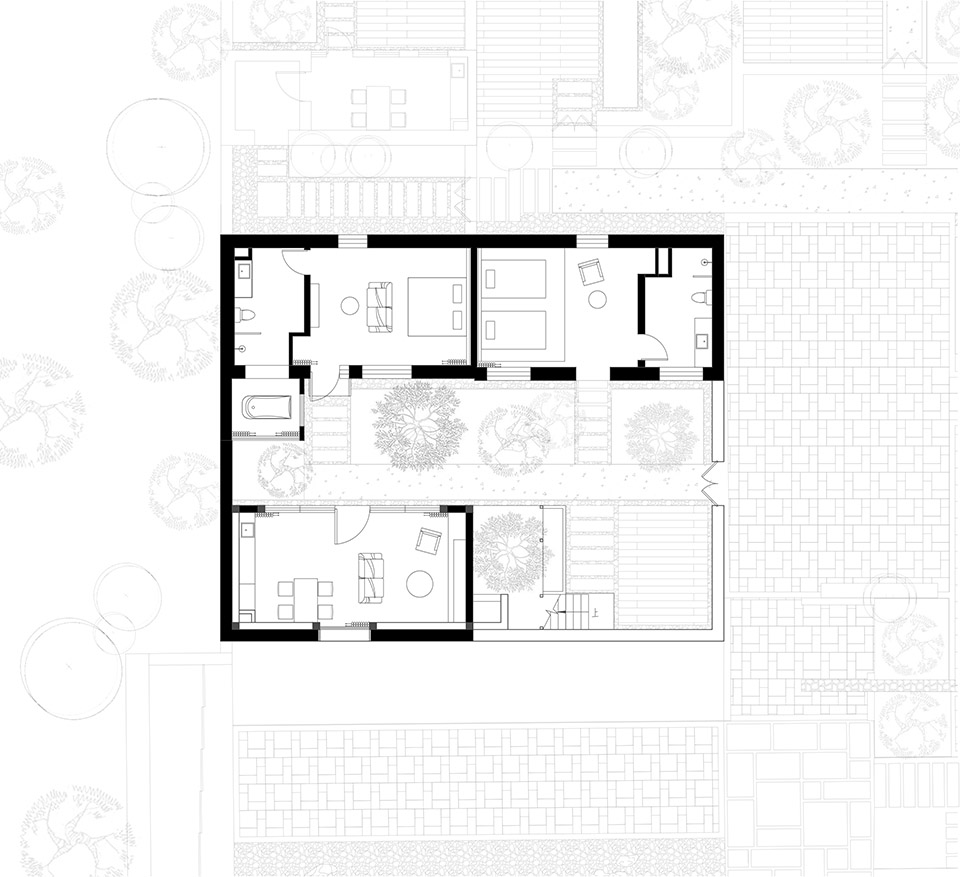
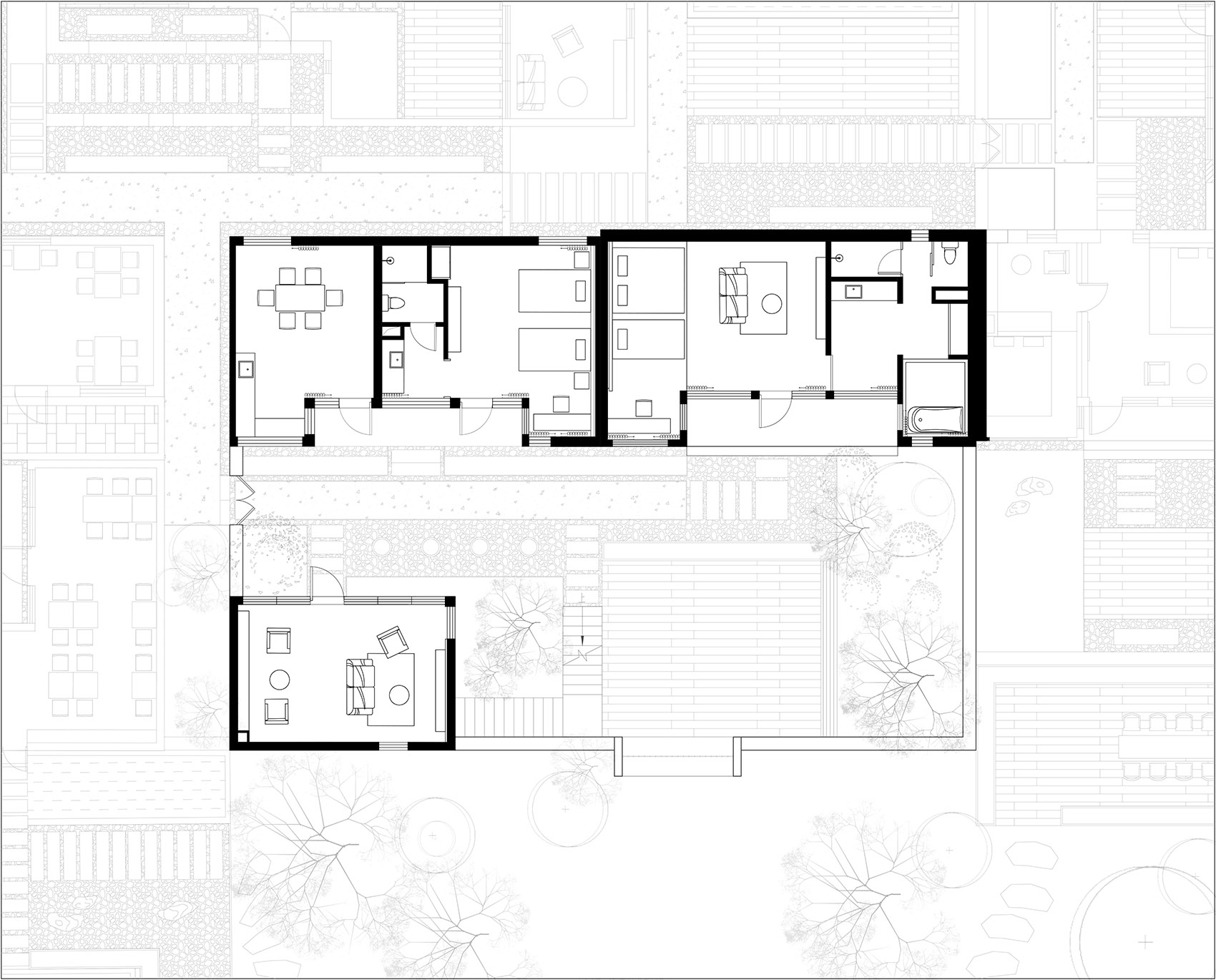
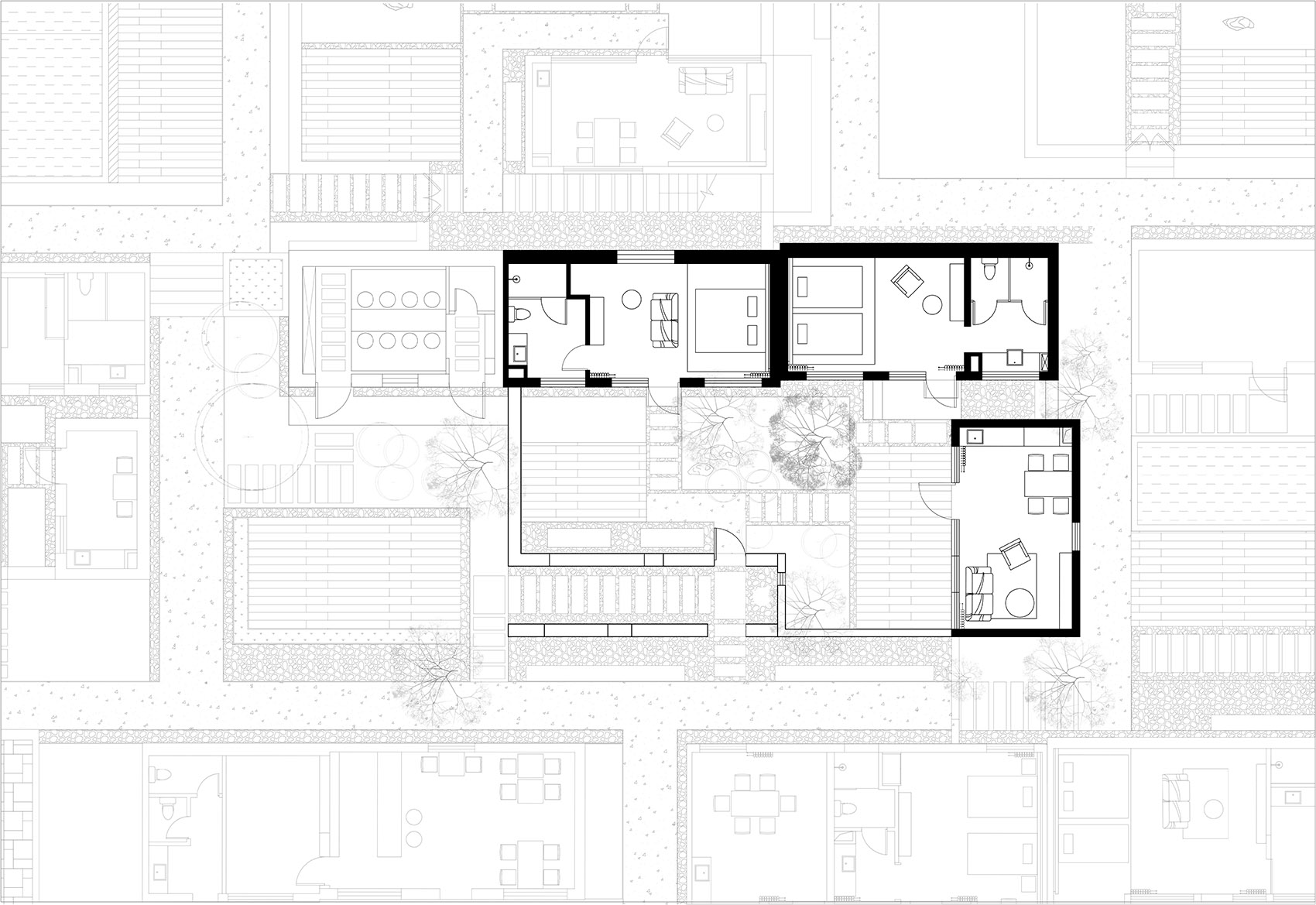
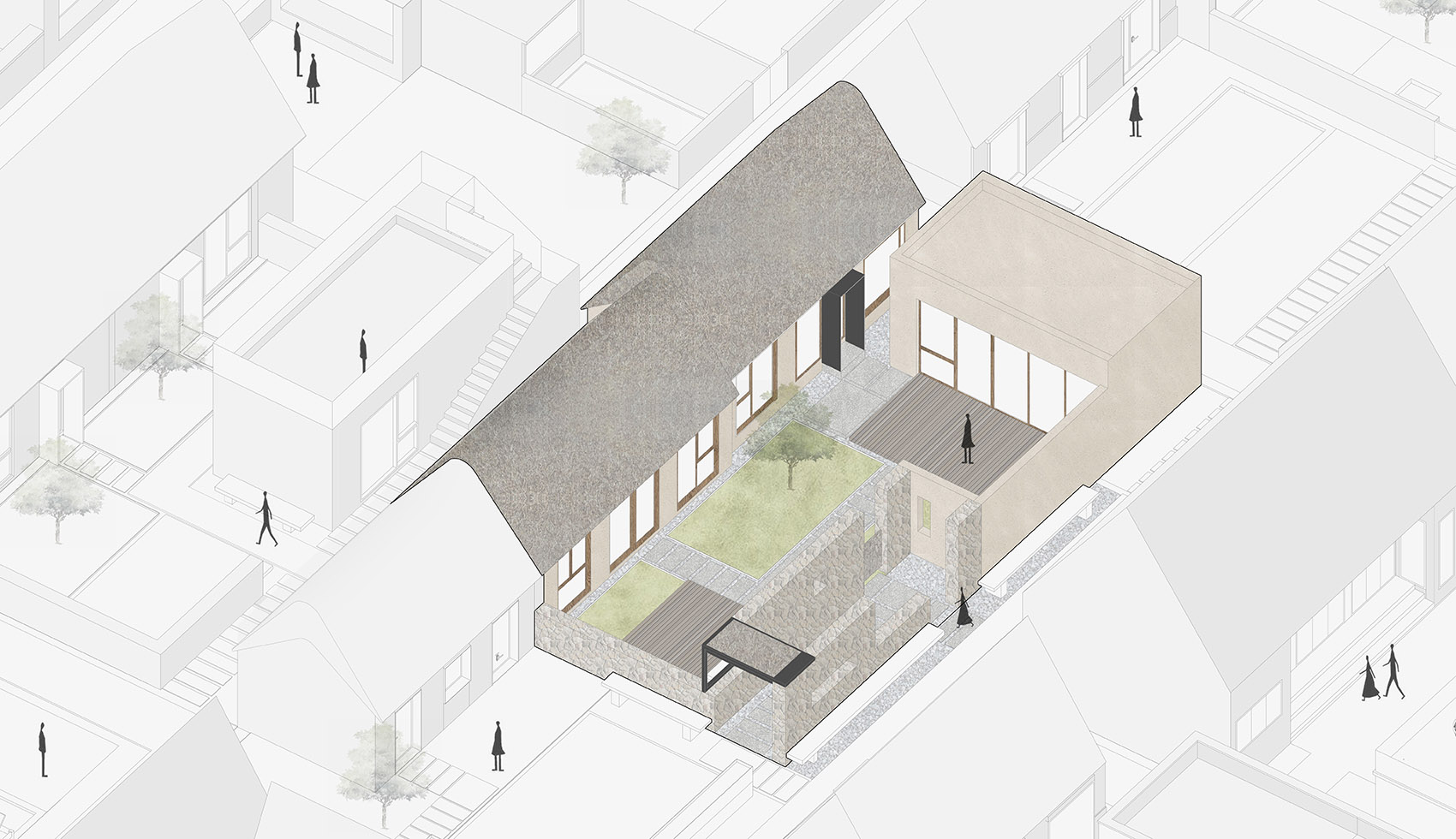
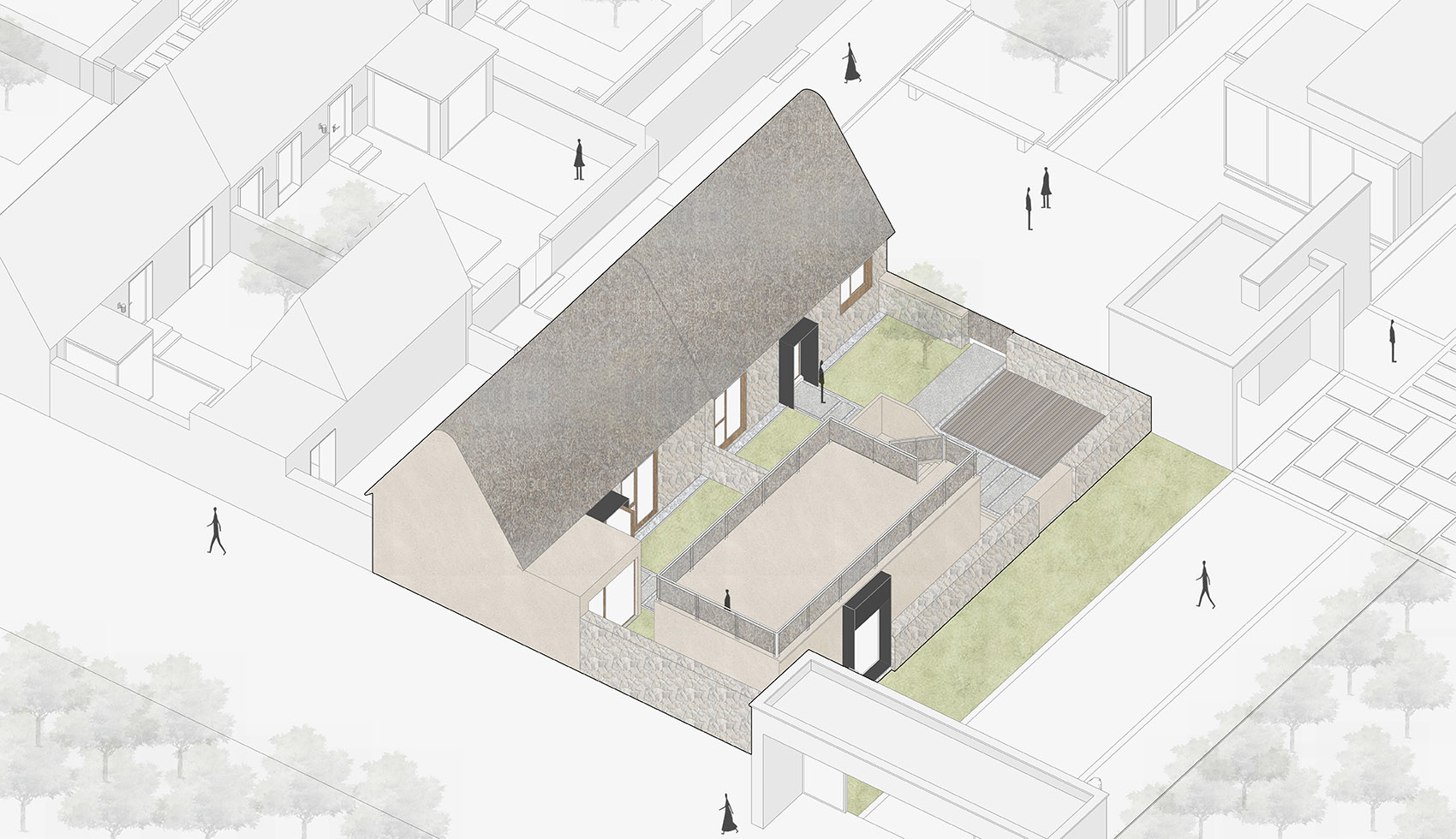
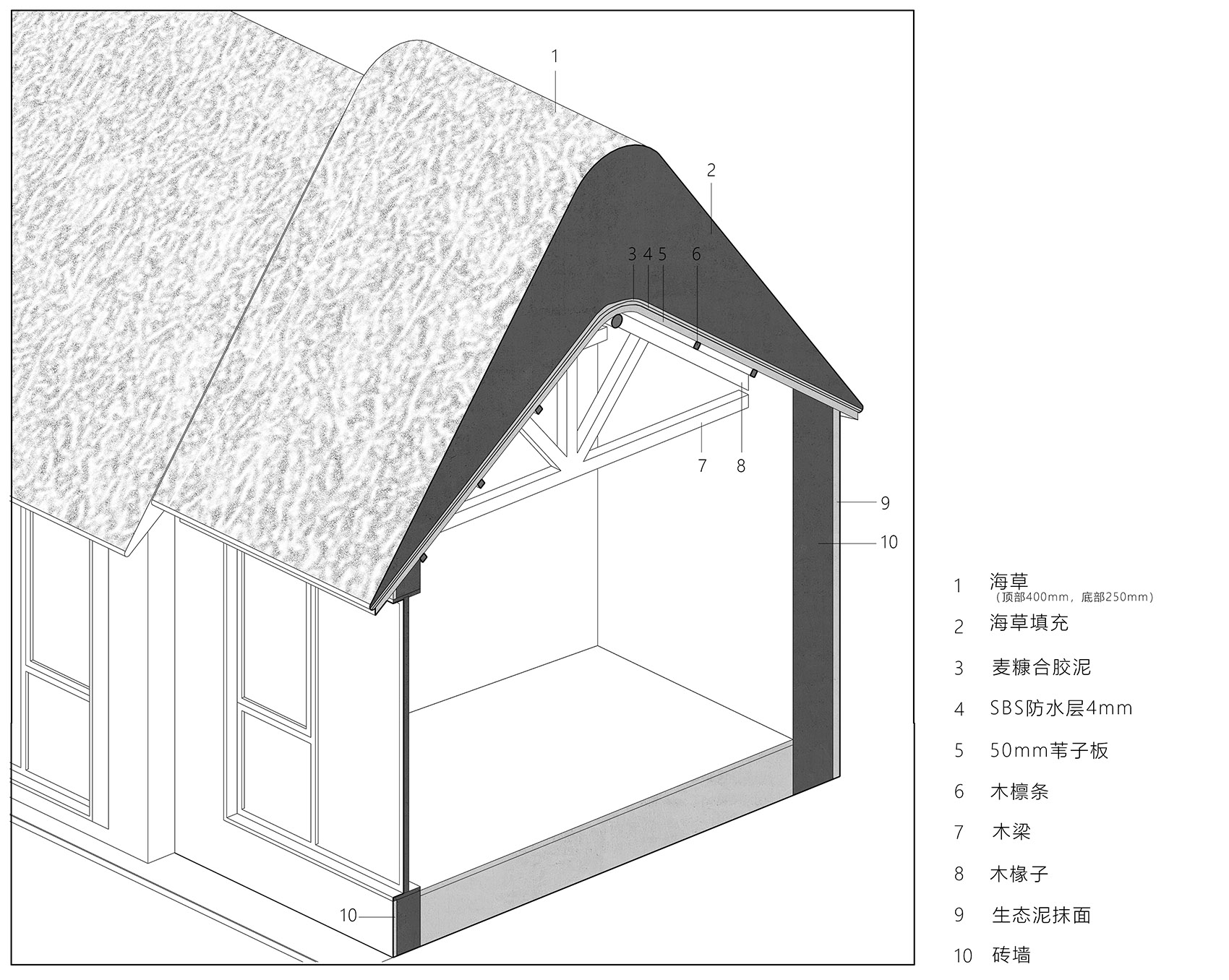
The Haicao (Seaweed) House Wellness Resort renovation project is located in Fanjia Village, Shidao Management District, Rongcheng, Weihai, Shandong Province, a typical northern row-courtyard village facing Shidao Bay. In recent years, under the local government's Beautiful Coastline policy, the area has been developed as a tourism demonstration zone. However, traditional village fabric has gradually been demolished, replaced by row-style apartment buildings and villas. By May 2020, most of the original village had disappeared, and remaining houses were vacant and decaying, awaiting new functions. The design challenge is to preserve nostalgia while allowing historical memory and modern life to coexist. On one hand, the original village fabric and seaweed-house heritage must be retained; on the other, the existing barracks-like layout lacks identity, land efficiency, and courtyard spatial richness. The project must adapt space for hotel operations while preserving village fabric, courtyard spaces, and traditional dwelling patterns, and balancing hotel privacy with the openness and continuity of public space. Seaweed houses are the most representative traditional dwellings of the Jiaodong region, shaped by local climate: thick stone walls and roofs thatched with dried seaweed from 5-10 meter shallow waters. The seaweed contains salt and resins that make it insect-resistant, rot-proof, and fire-retardant. Building a seaweed house requires over 70 handcraft steps. Local master craftsmen guide the restoration using traditional five-step methods. Existing walls are preserved, some with brick upper sections and stone lower sections, others fully stone. New construction adds stone courtyard walls for completeness. Landscape elements partially use weathering steel and dark gray stainless steel to contrast industrial feel with handcrafted quality. Stone walls use local Shidao Red stone in both regular and random bond patterns, following traditional techniques where a mason can lay only one to two square meters per day. Eco-mud plaster on both old and new walls uses a 2:1 lime-to-earth mixture with special process to recreate ancient mud wall texture, creating a shared material that binds old and new buildings. Of 26 original courtyards surveyed, five poor-quality ones were demolished. Through merging, demolition, and expansion, the original 26 buildings were consolidated into 19, all retaining seaweed roofs to form a complete seaweed-house village. Demolished areas became public courtyards named Water Courtyard, Bamboo Courtyard, and others.





 Editor's Pick
 Latest Design