Text description provided by the architects
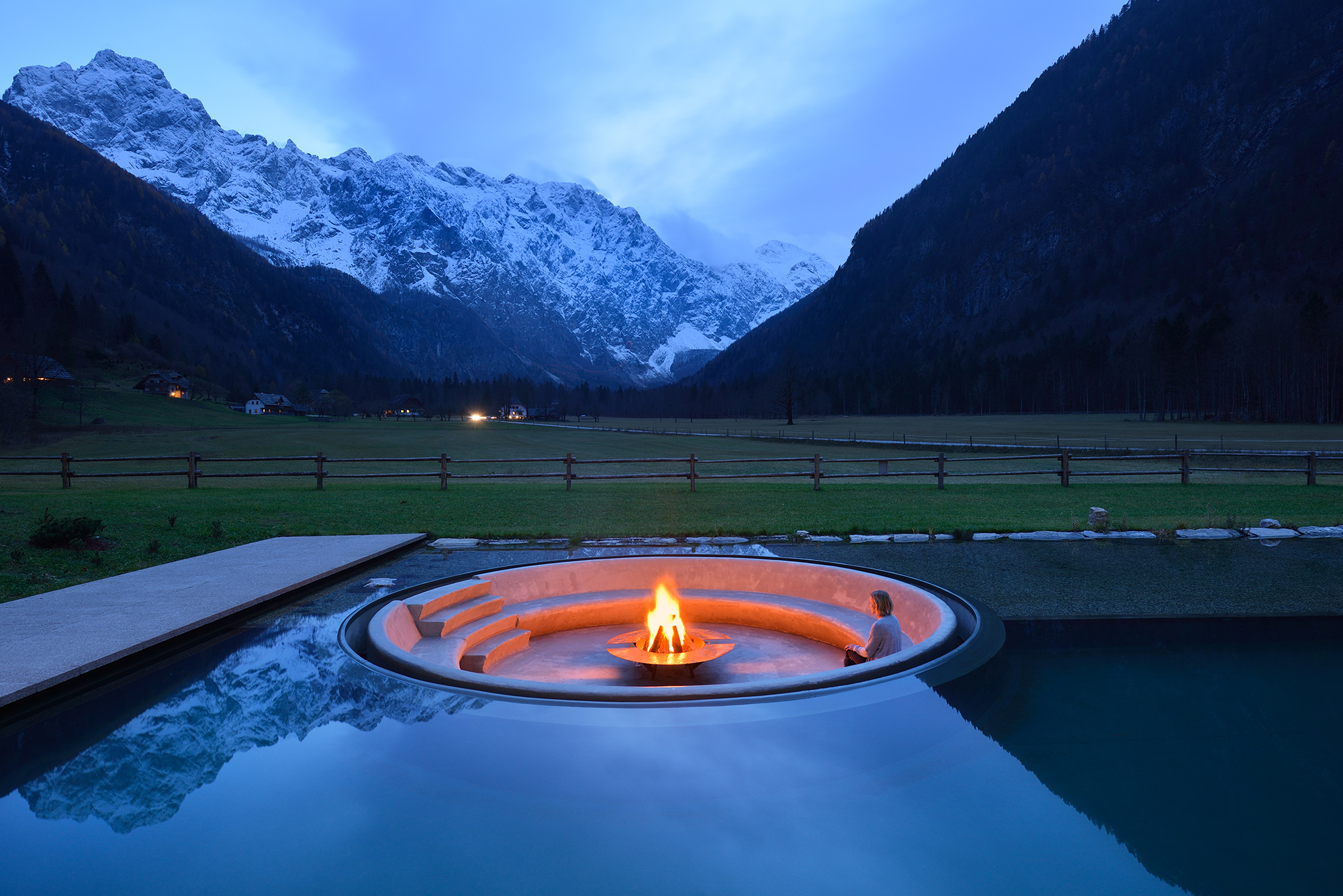
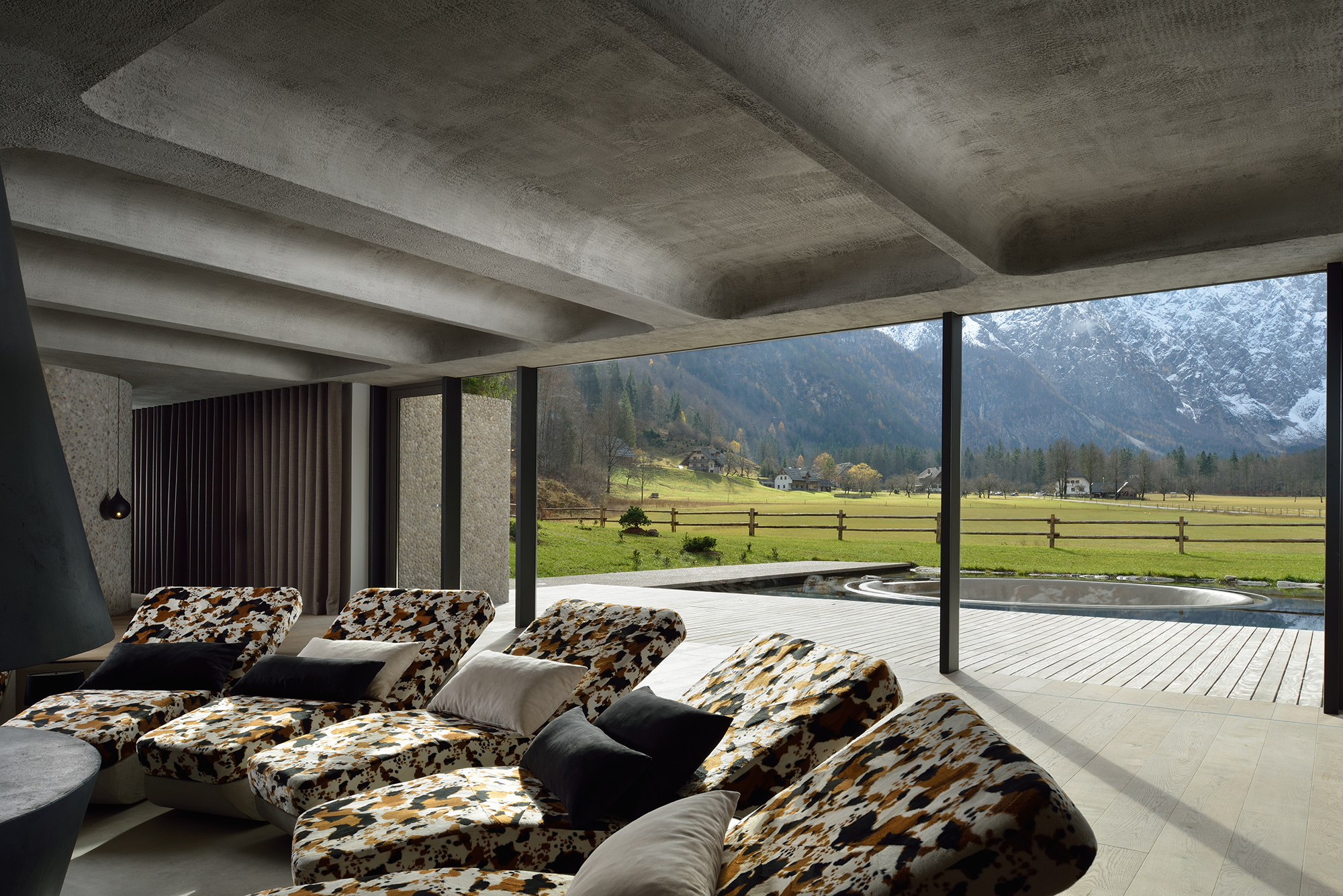
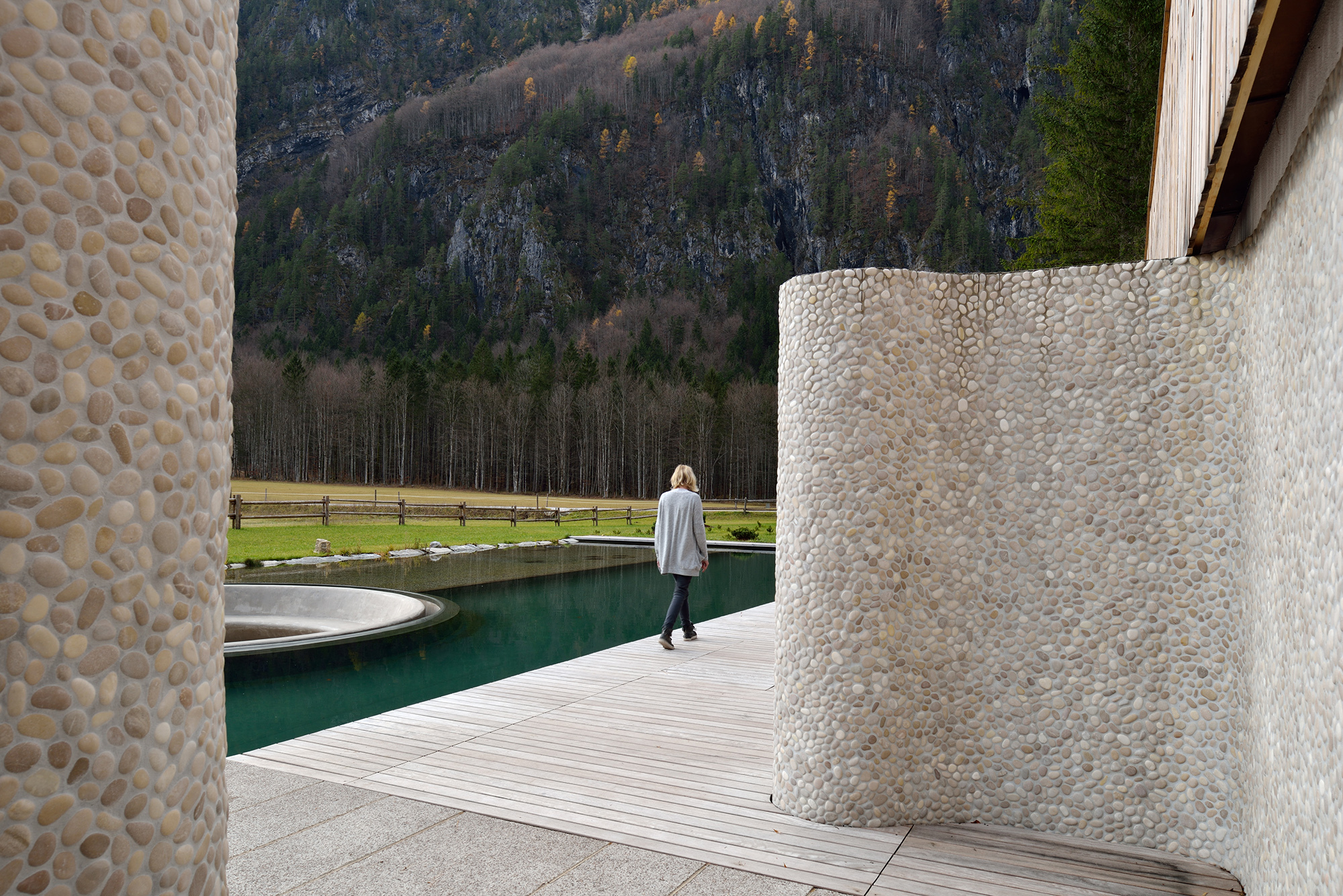
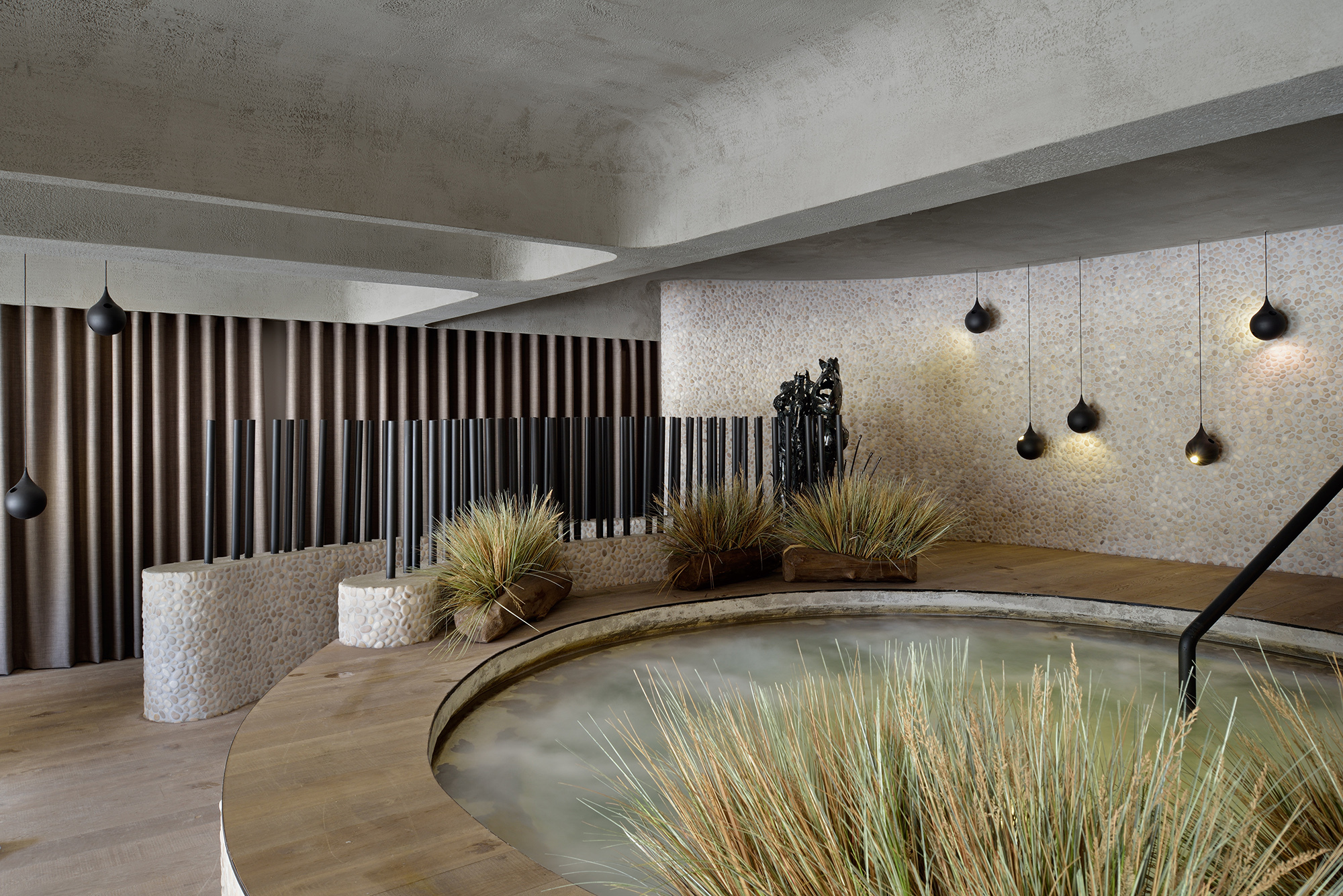
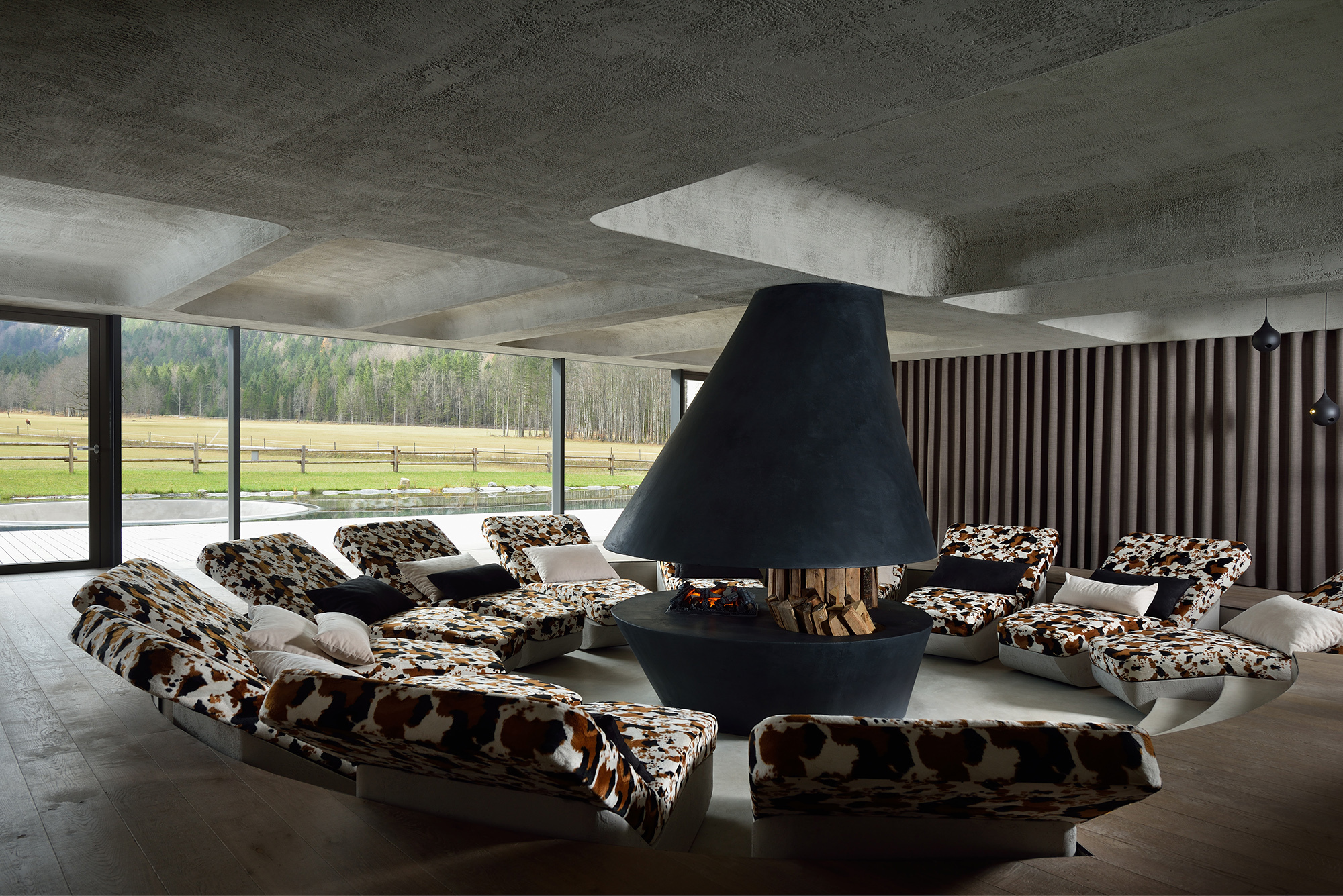
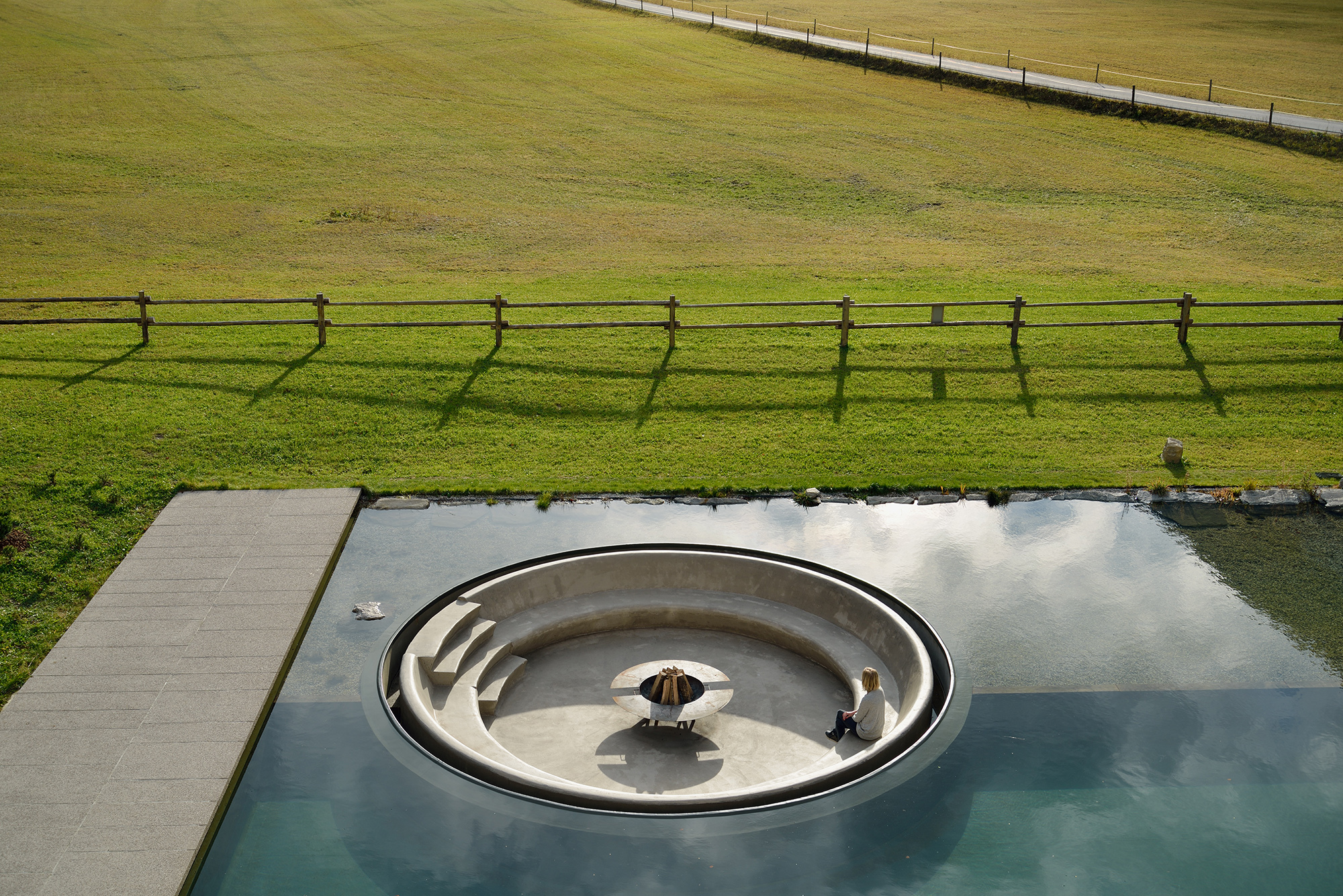
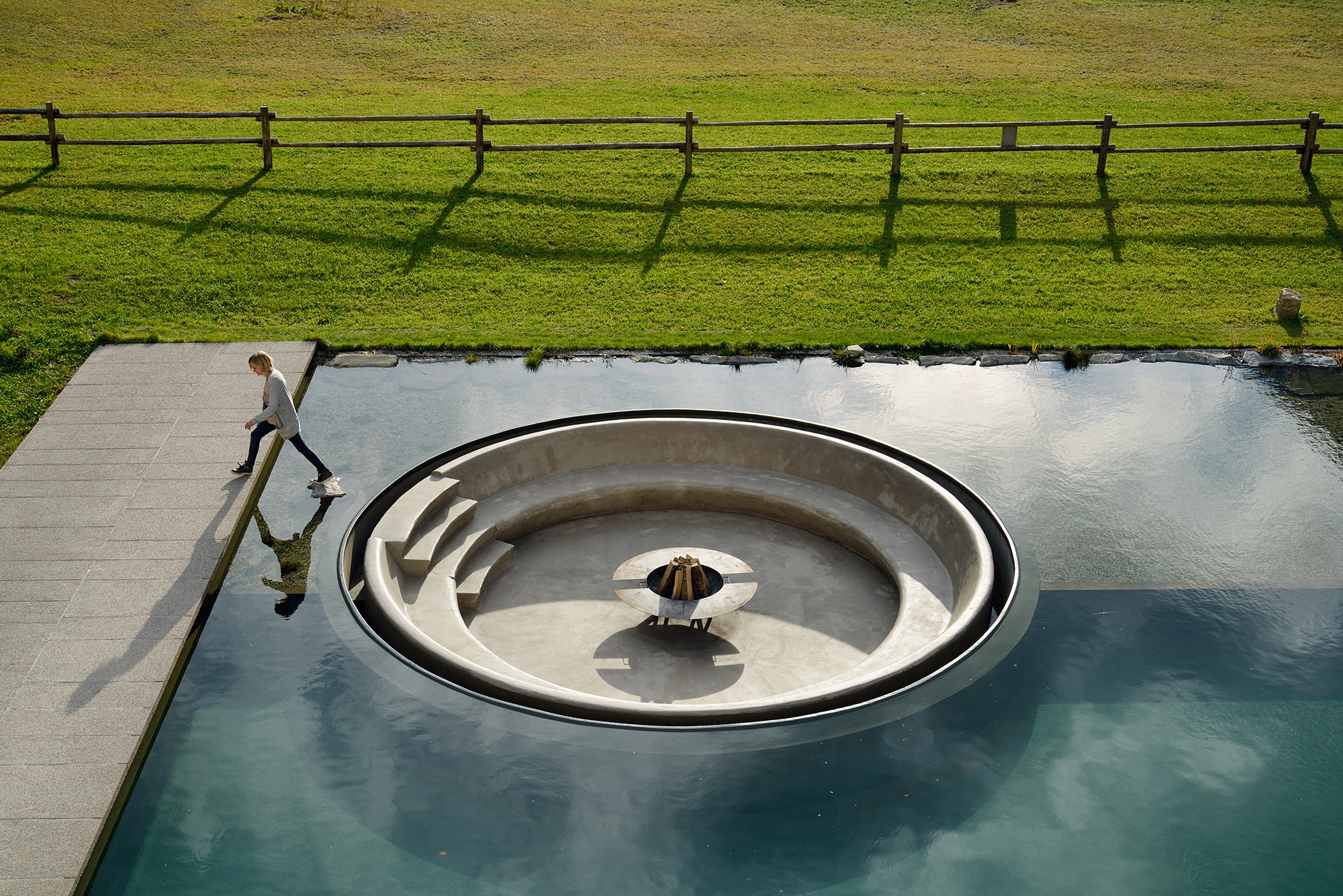
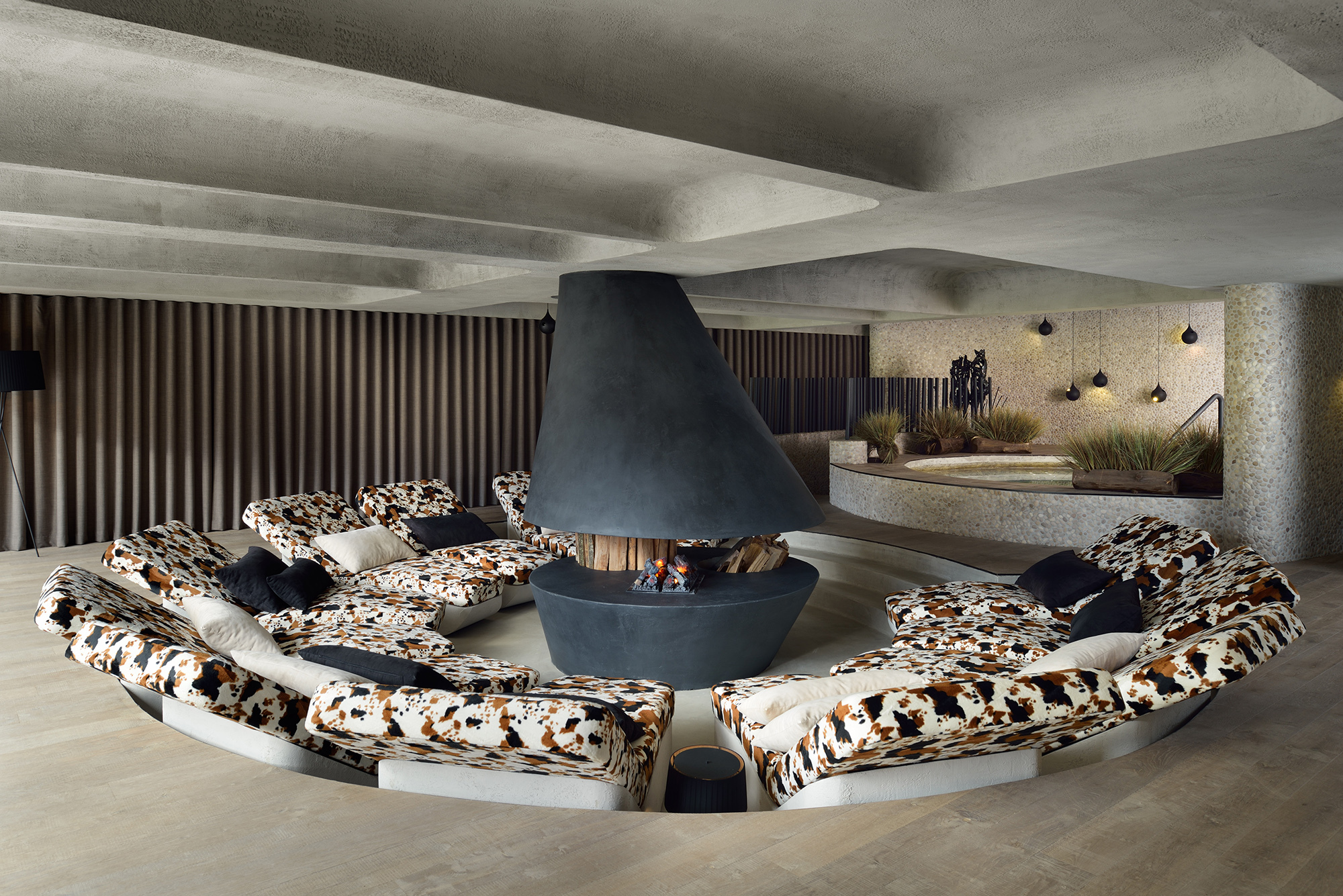
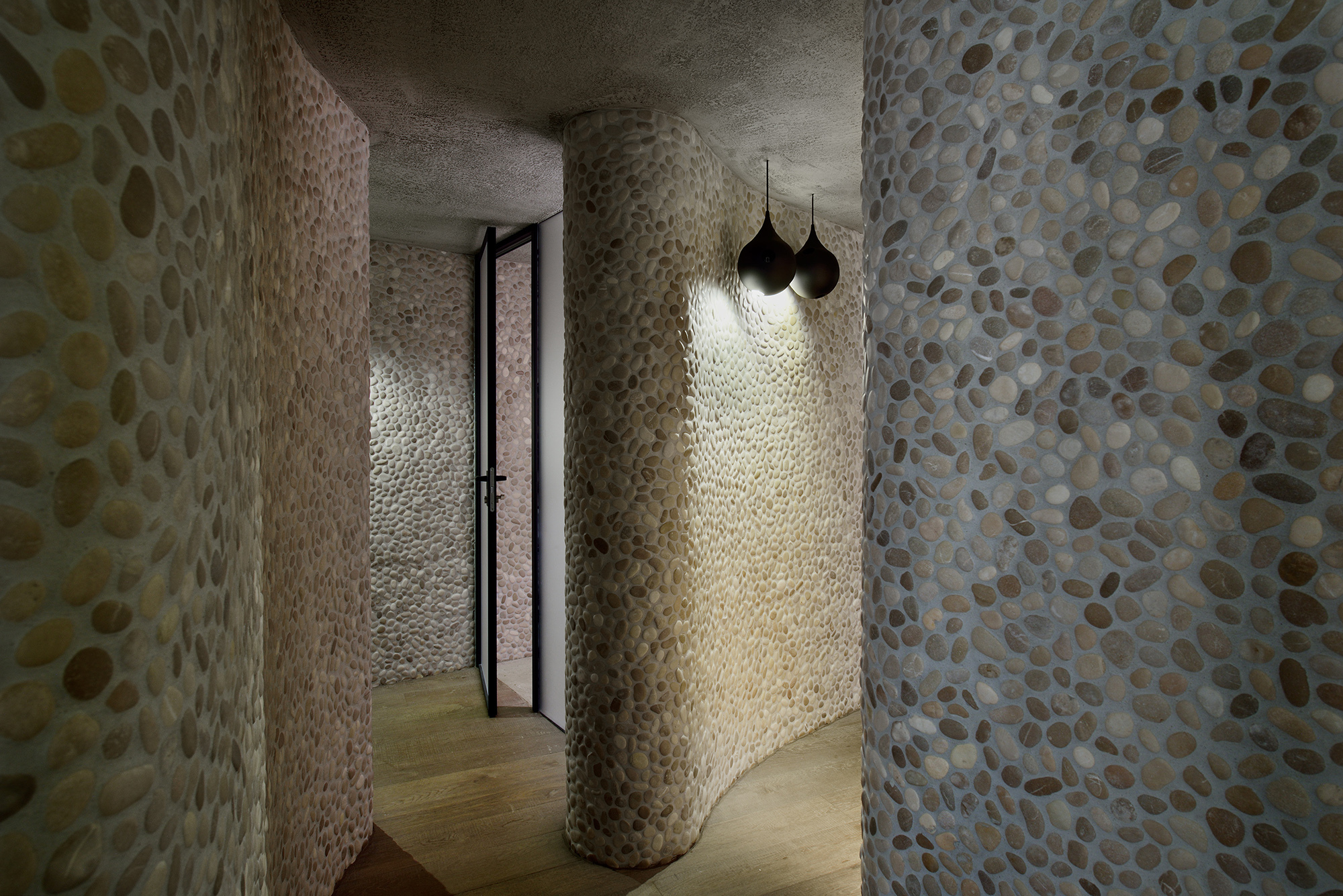
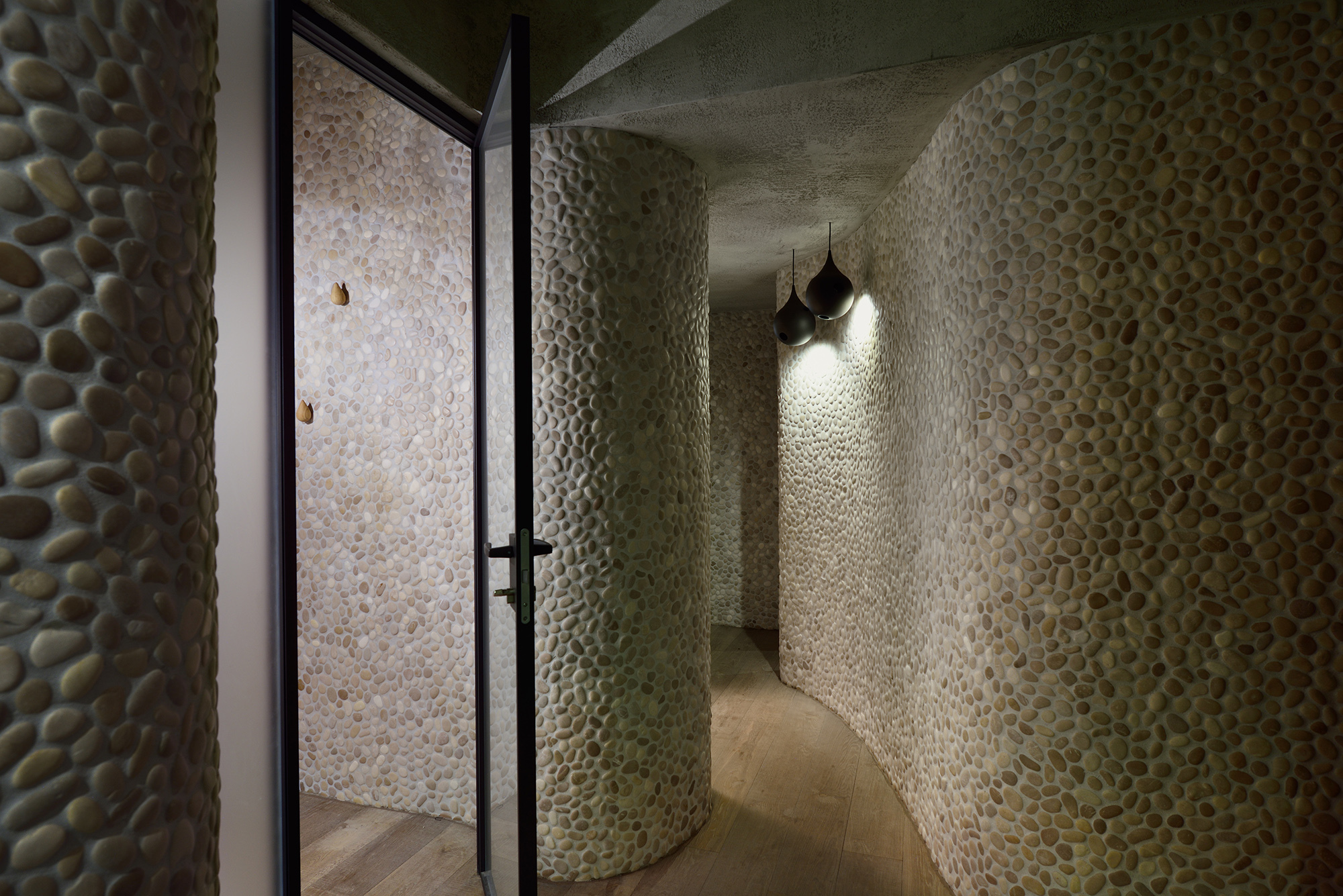
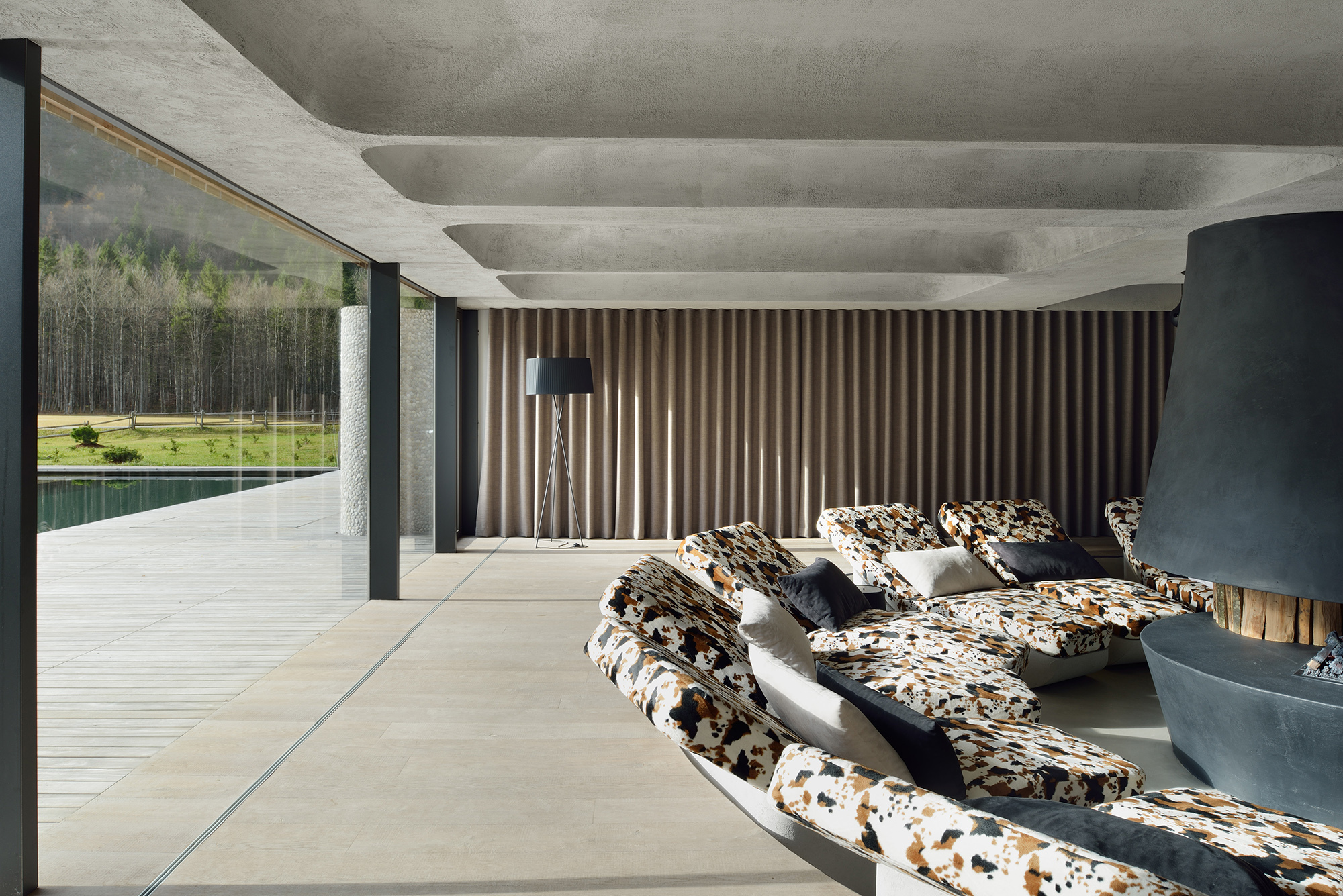
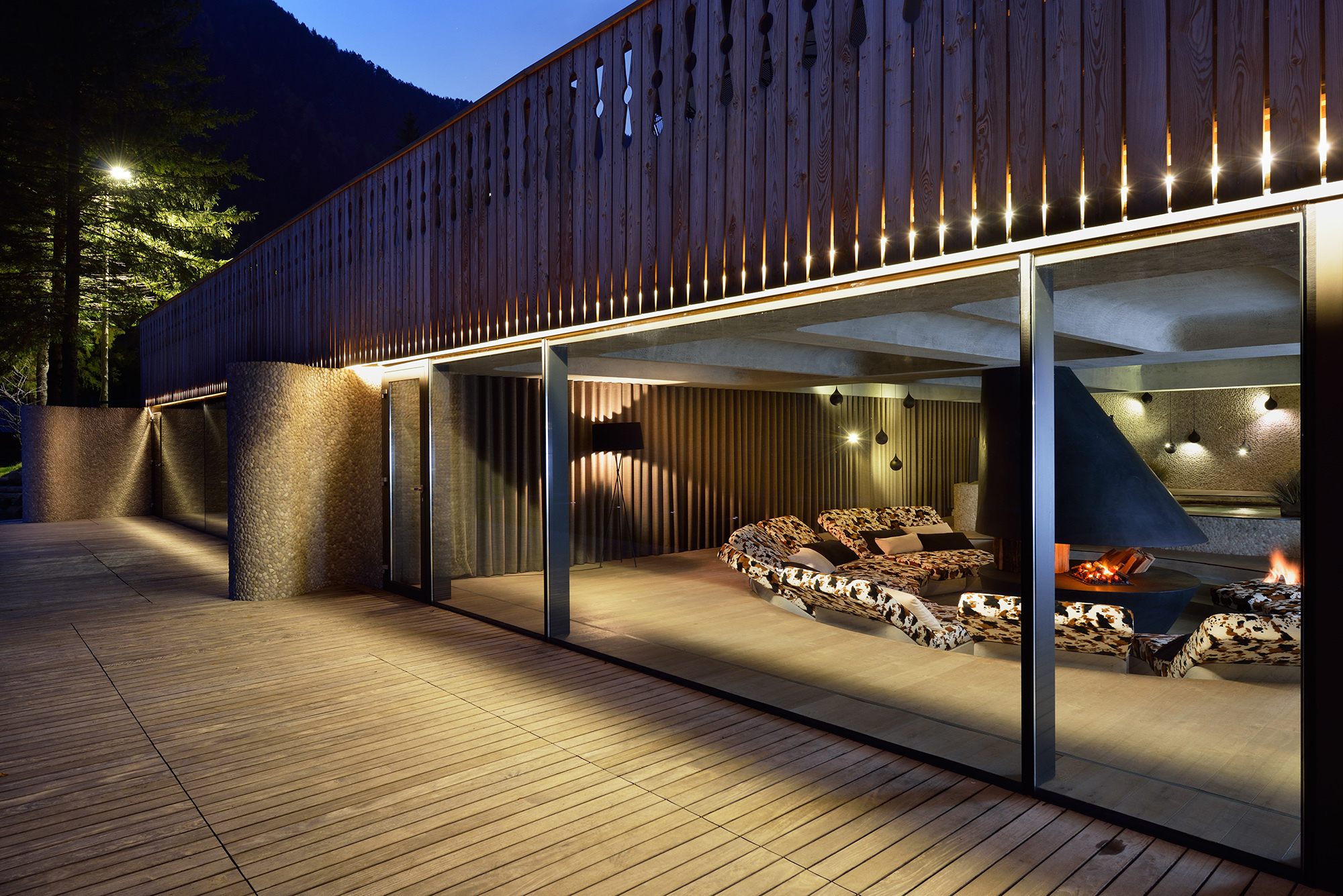
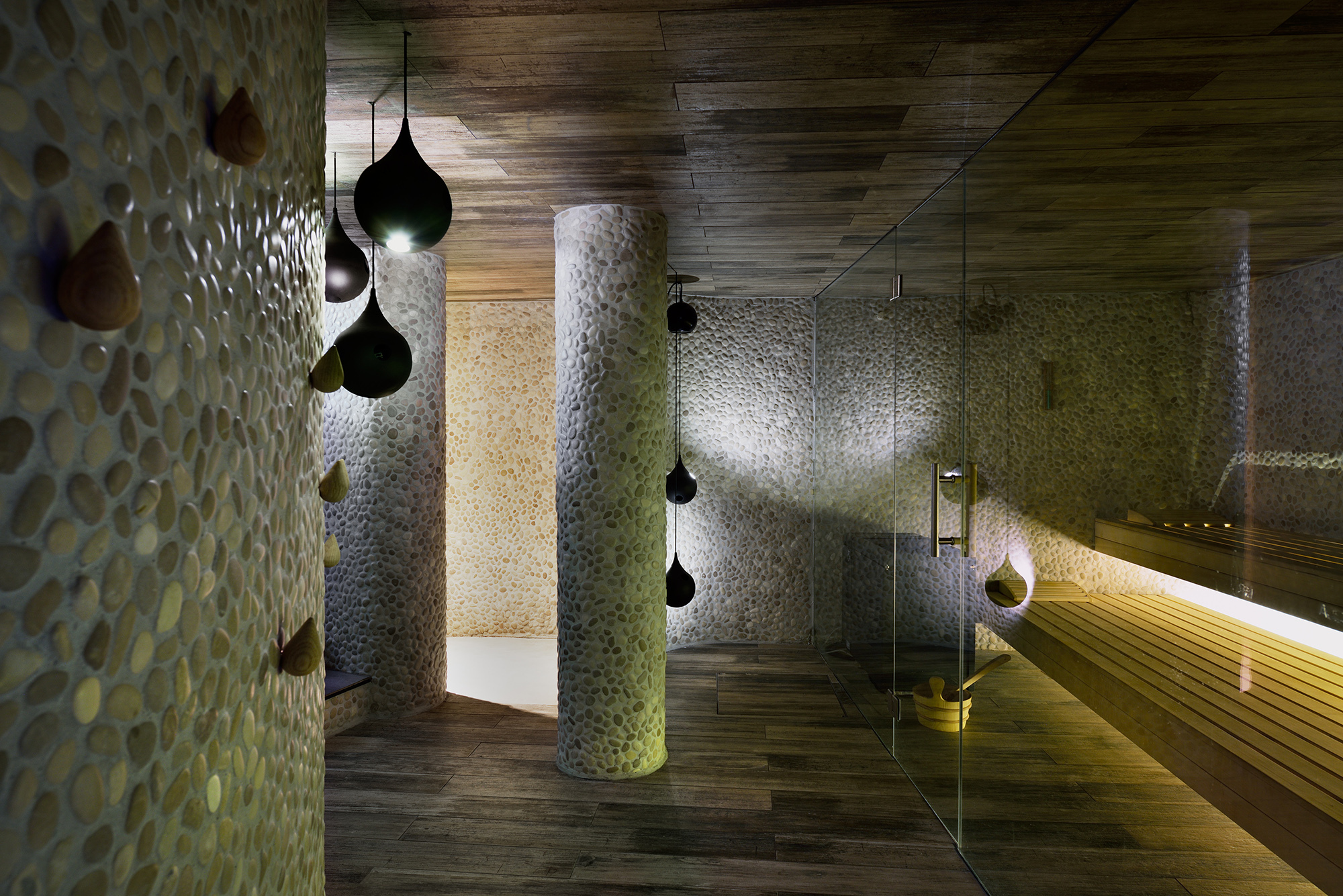
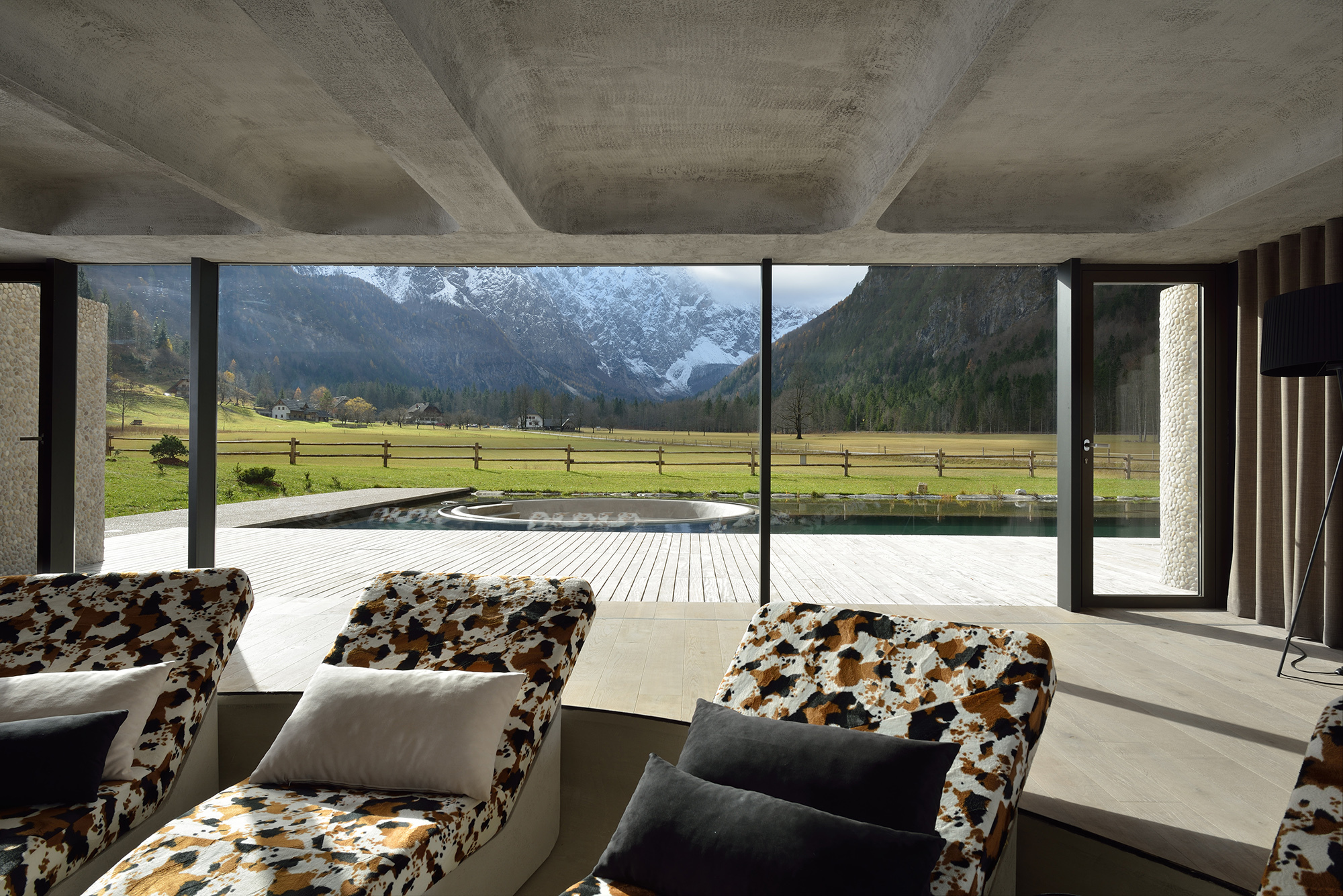
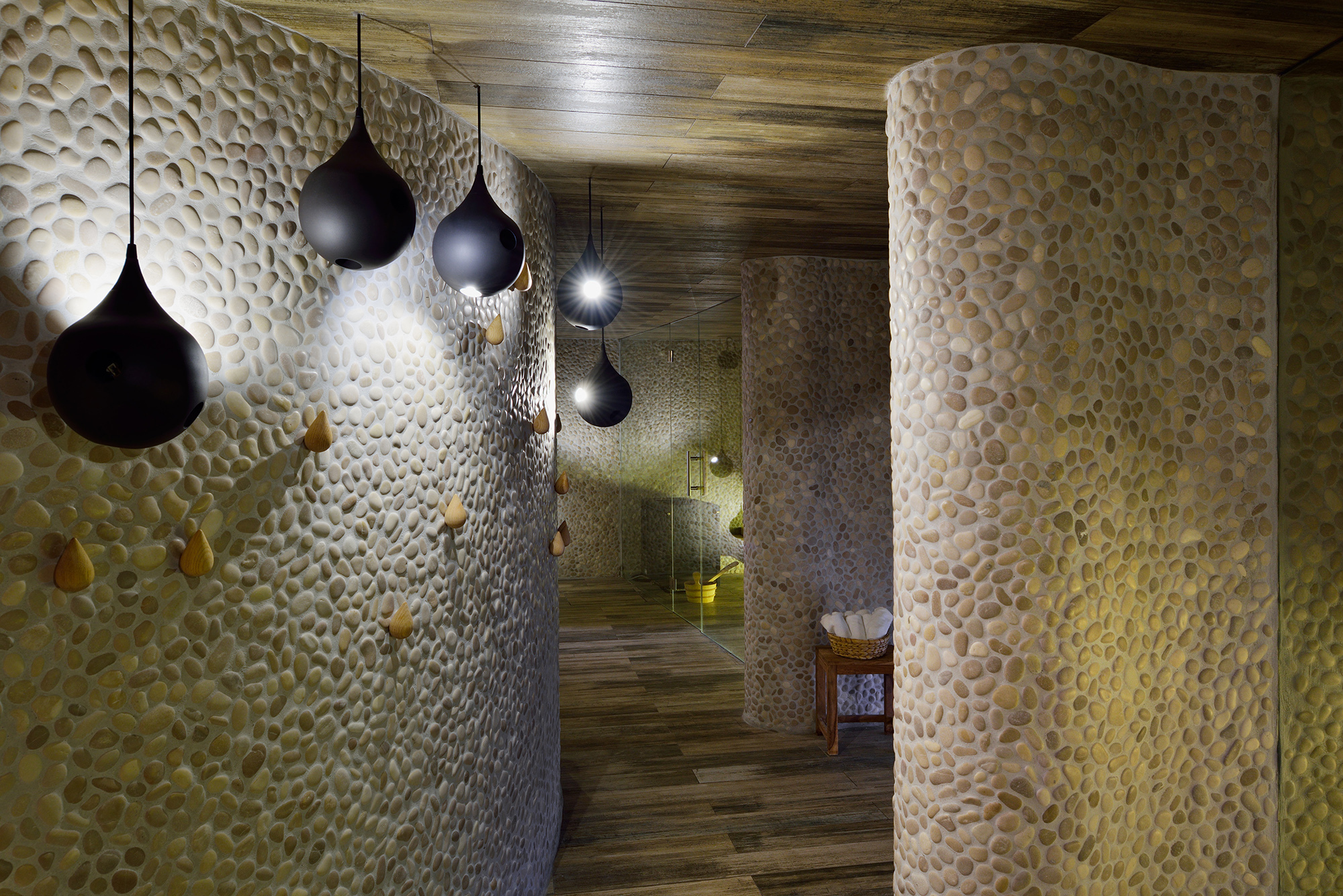
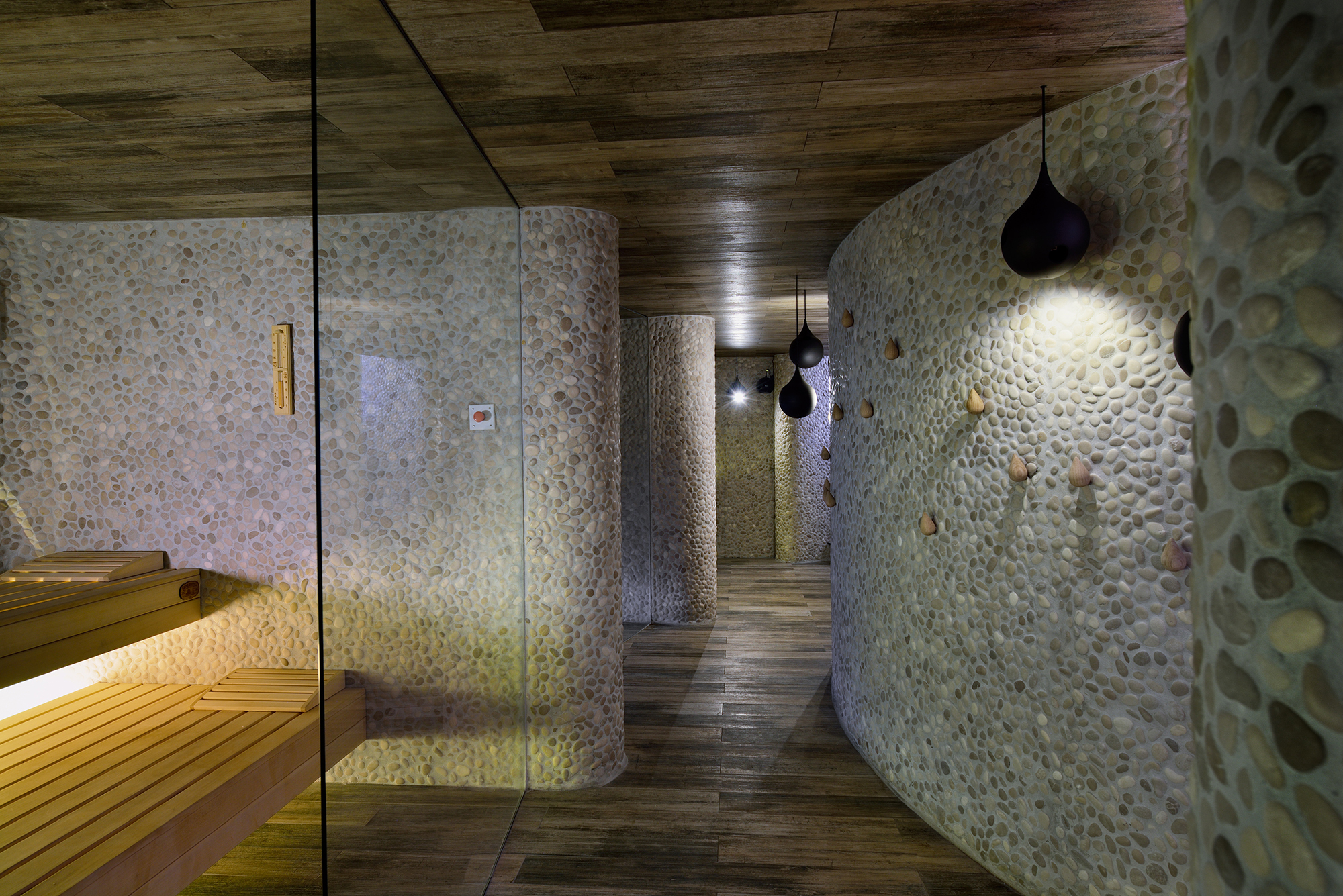
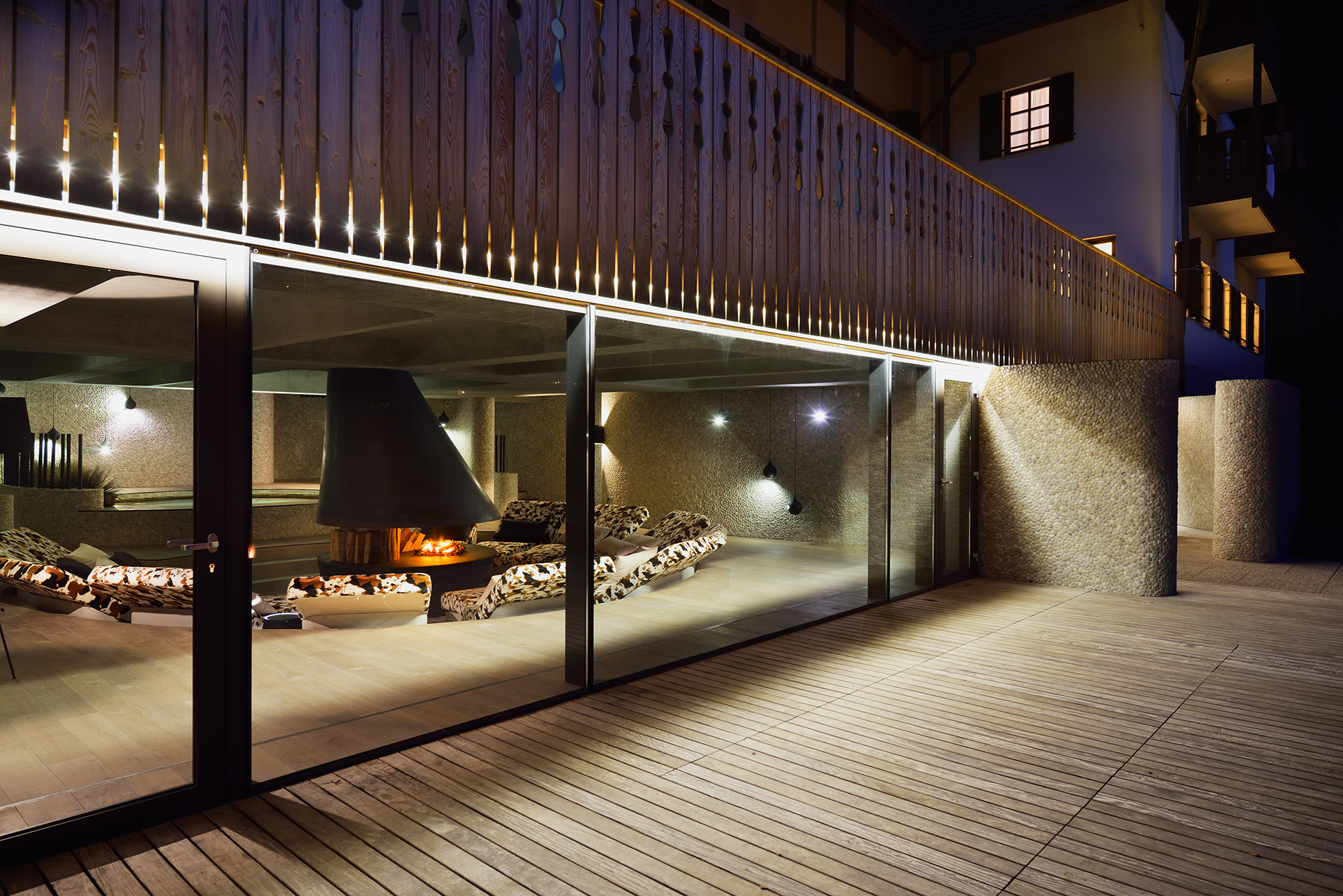
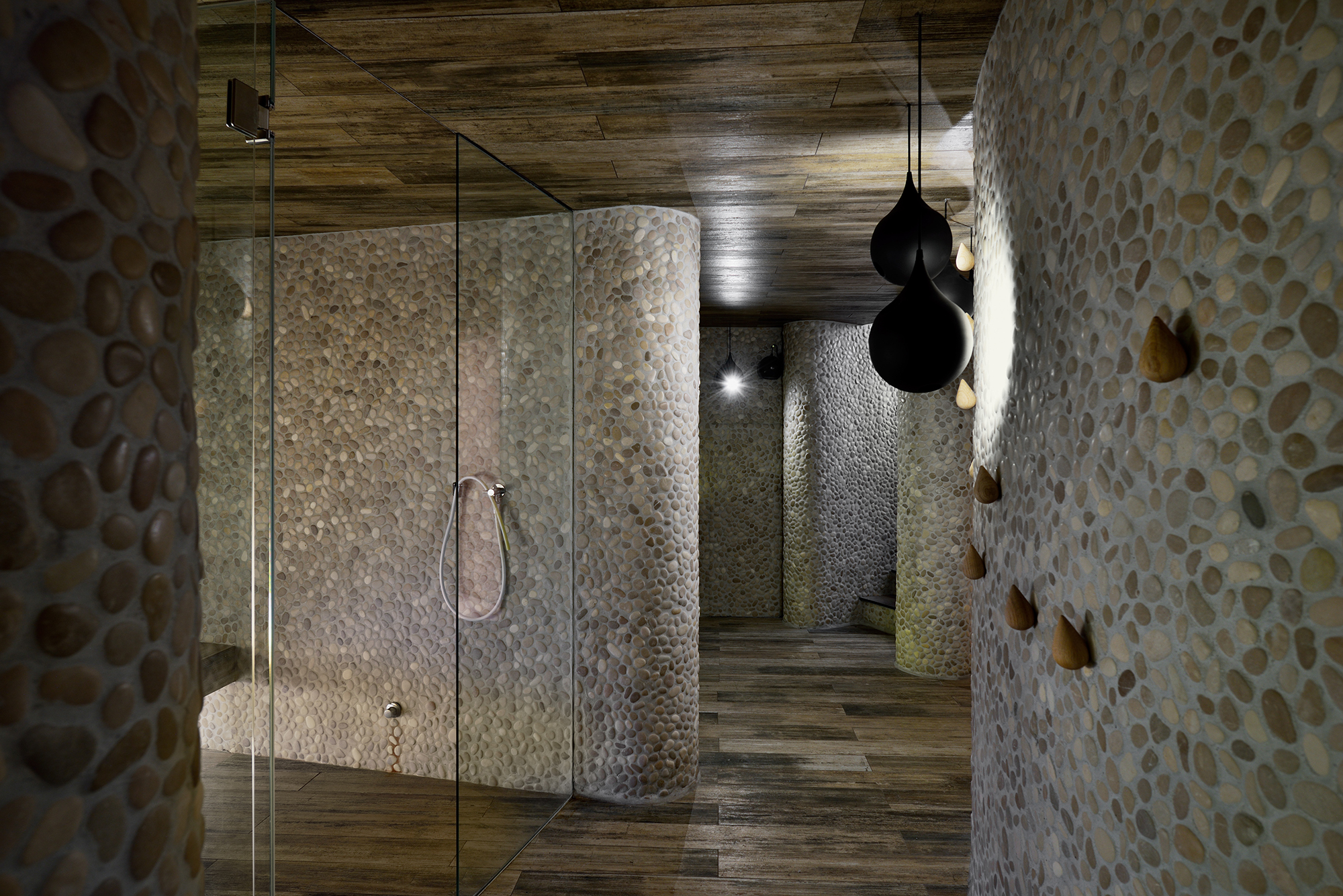
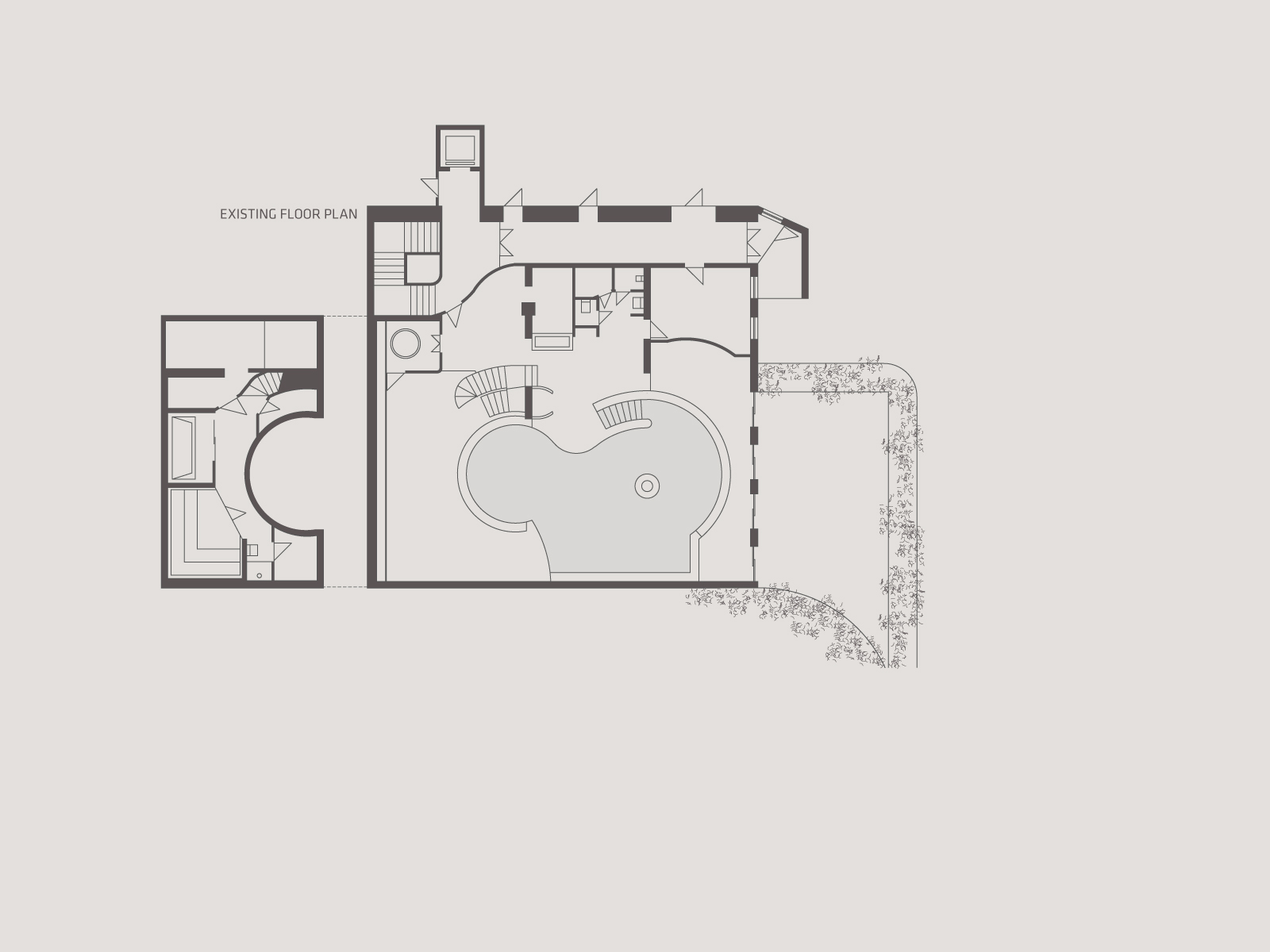
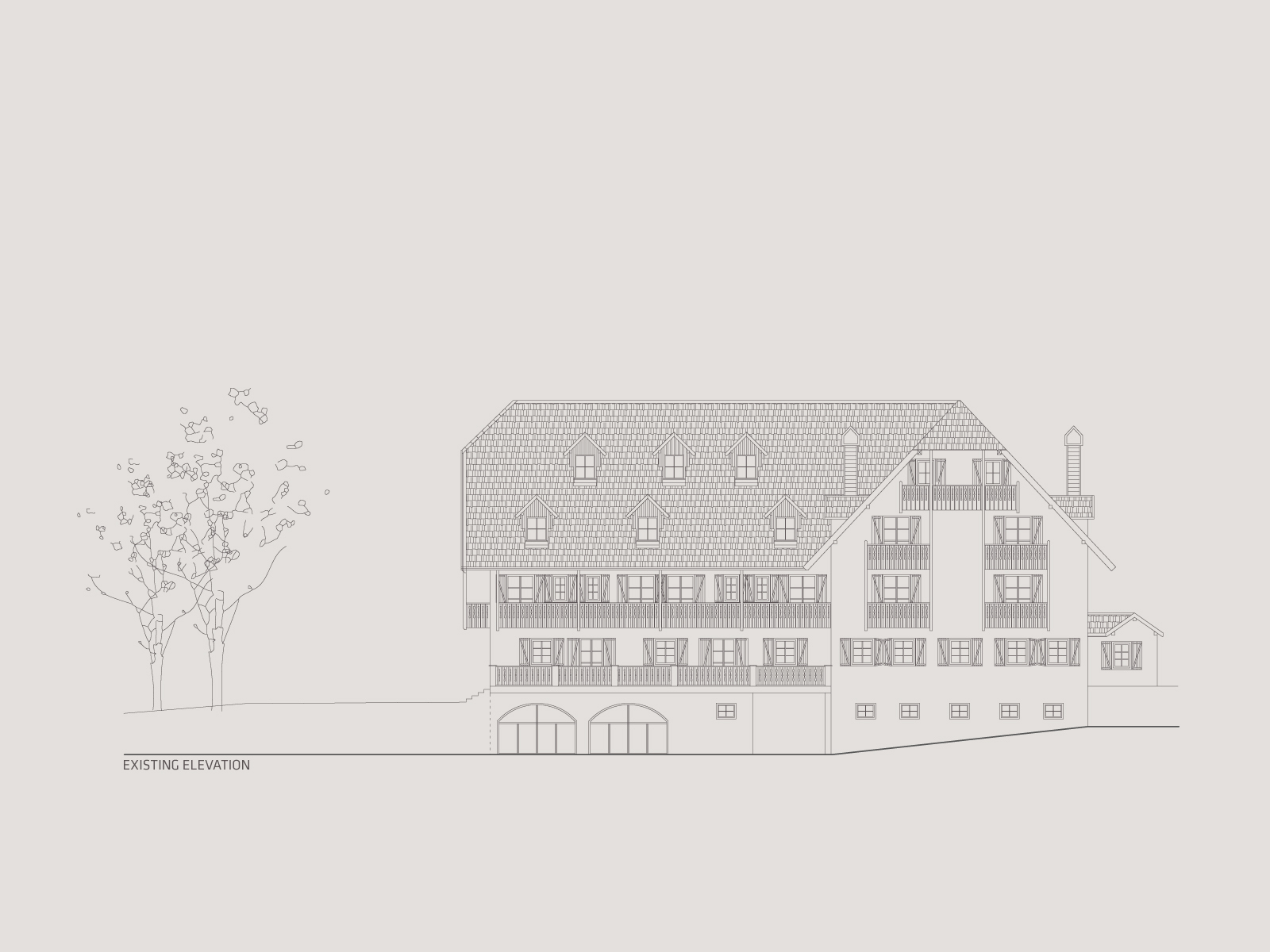
The Plesnik Hotel Fitness Center is set in the heart of a natural park, part of a stylish family hotel with over 80 years of history. Located at the head of the Logarska Valley in the Kamnik-Savinja Alps of Slovenia, the hotel has unforgettable views of spectacular Alpine peaks. Logarska Valley is considered one of Europe's most beautiful valleys, so the natural splendor of the surrounding landscape was an obvious theme for the fitness center renovation. The existing fitness space was mostly in a partially inserted basement, occupied by an organically shaped small pool connected directly to an outdoor deck in front. To meet new functional requirements, part of the pool was replaced by a large whirlpool, while the portion of the original pool with valley views was converted into a circular sunken lounge with a central fireplace. The outdoor deck was expanded to form a natural swimming pool occupying the former pool's position, with water reflections further emphasizing the beautiful views. Although aquatic plants give the new pool a natural filter effect, the pool is designed as a clear geometric form that continues the architecture rather than blending into surroundings. Echoing the interior lounge fireplace, the outdoor pool features a circular seating area around a fire. This establishes a continuous dialogue between fire and water, two basic natural elements that emphasize the beauty of the surrounding mountains. All design uses local materials. The irregular structure of the existing space made undulating walls a necessary choice. Loose interior partition walls wrap and hide all irregularities, creating a flowing space that extends toward the valley. Cobblestone-inlaid walls form the transition to outdoor space, visually dividing the deck into three zones: sauna, fitness, and entrance. The interior-exterior division is entirely glazed, replacing original arched doors and windows. The expanded glazing connects the fitness center interior with the picturesque exterior, reducing the spatial presence despite its large span. As each architectural element of the fitness extension was purified, it now belongs to its setting rather than to the building itself.










 Editor's Pick
 Latest Design
 Best Idea