Text description provided by the architects
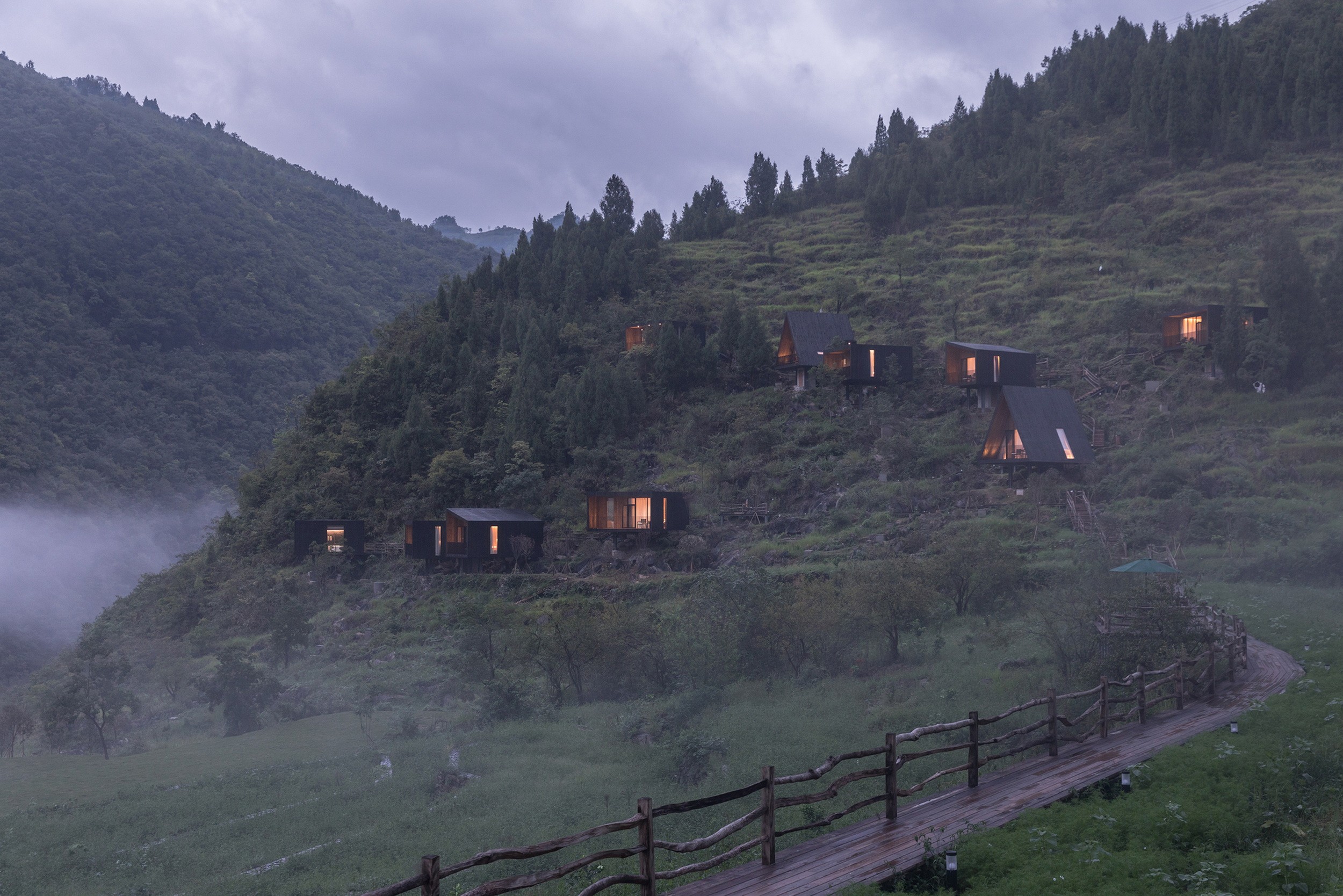
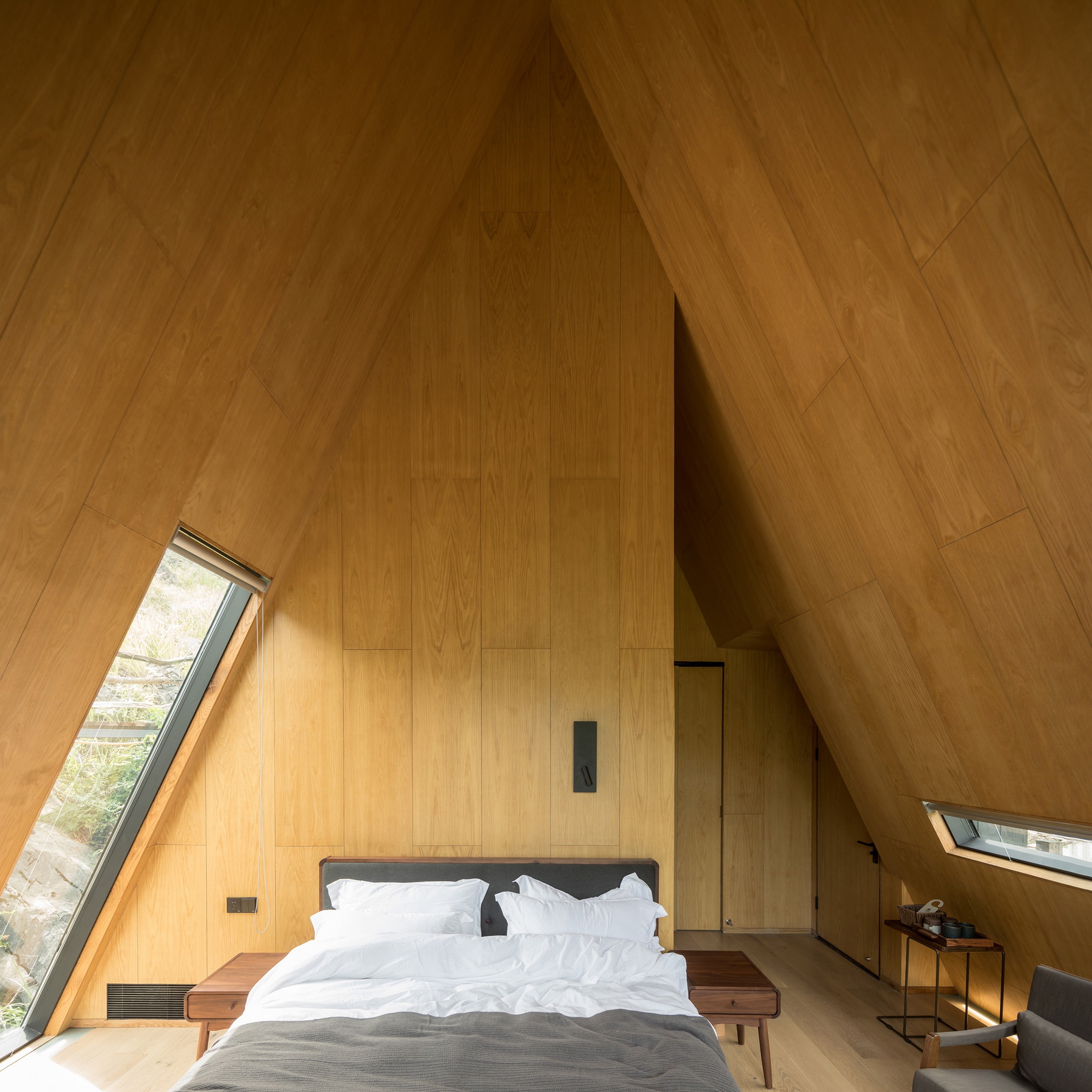
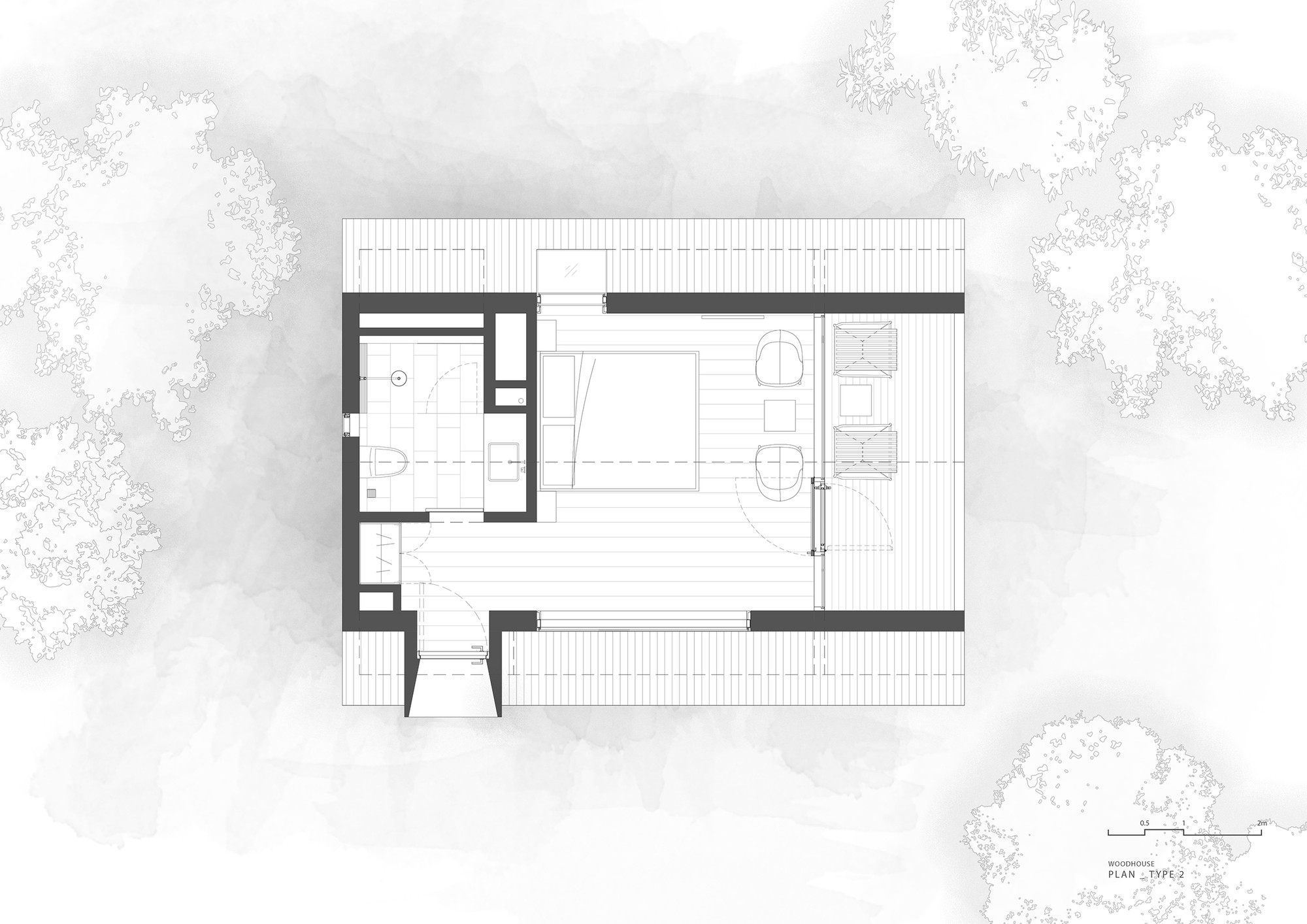
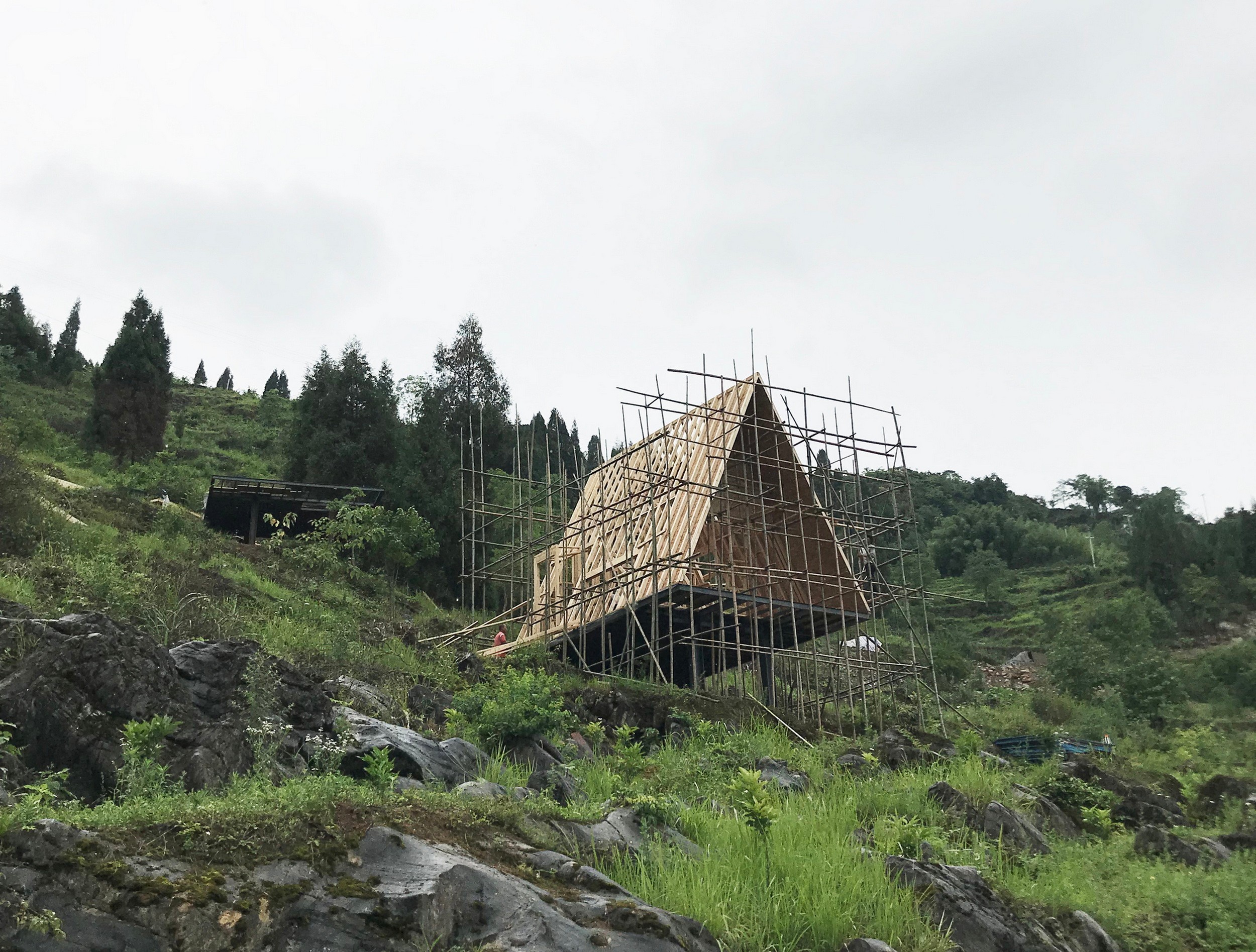
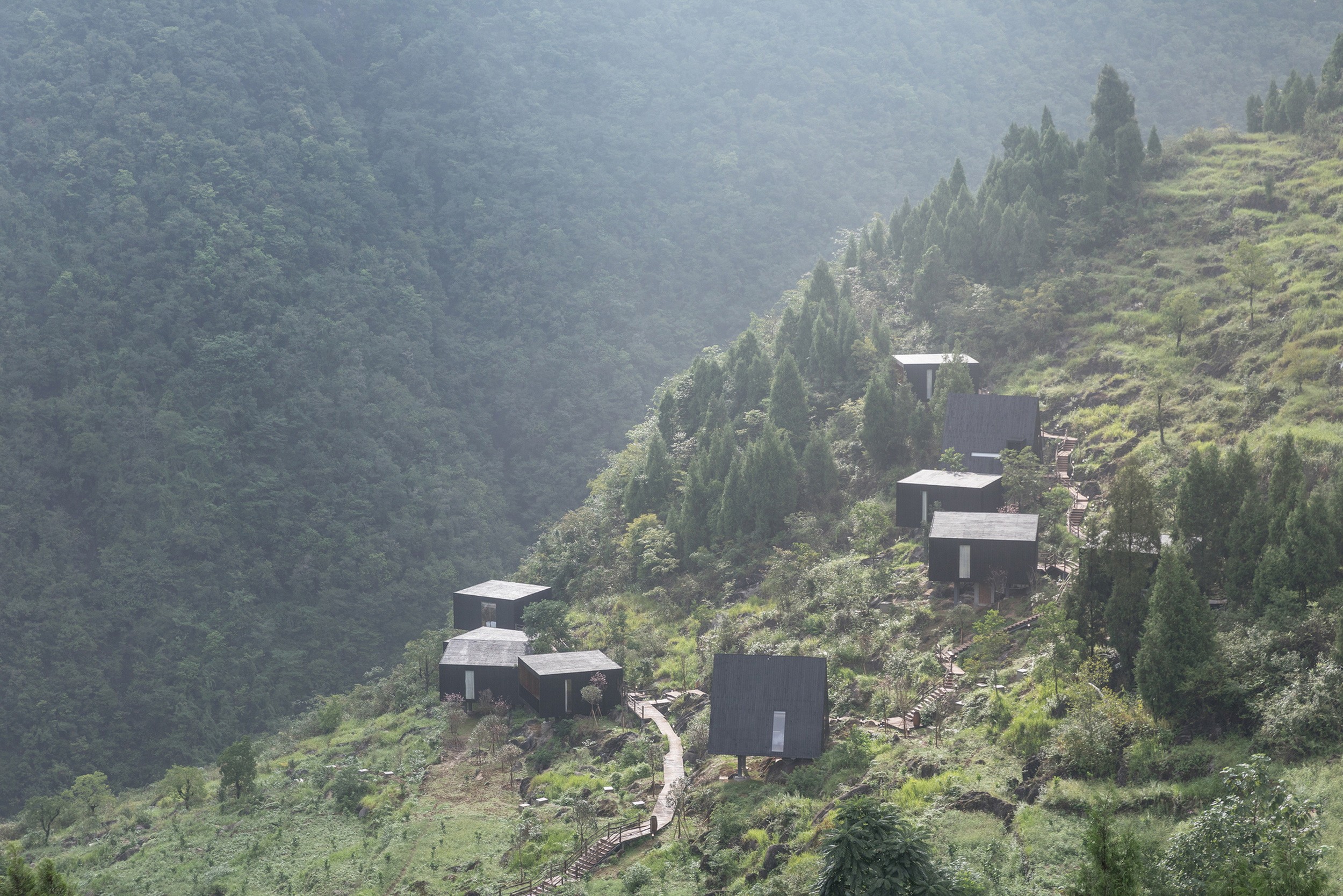
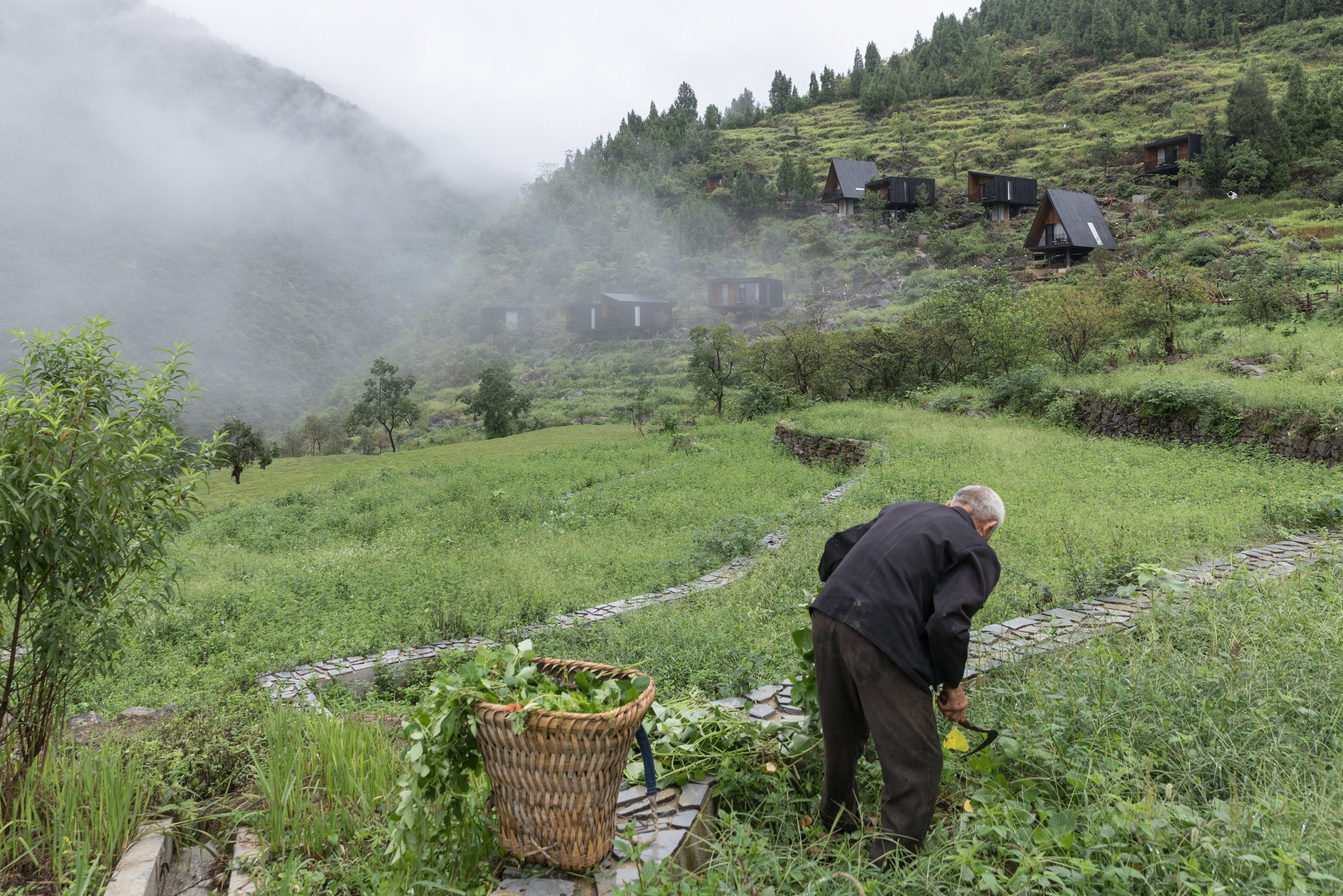
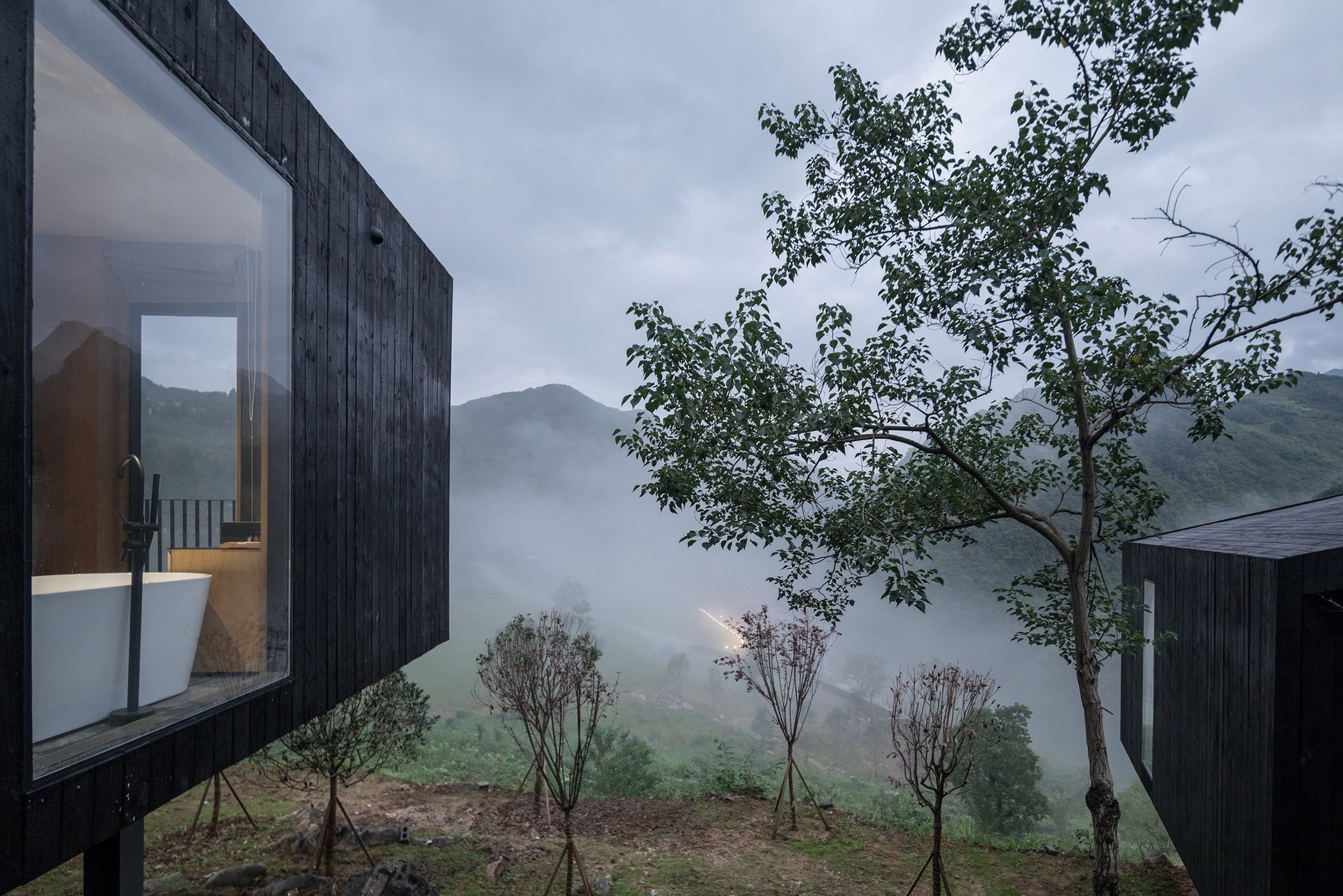
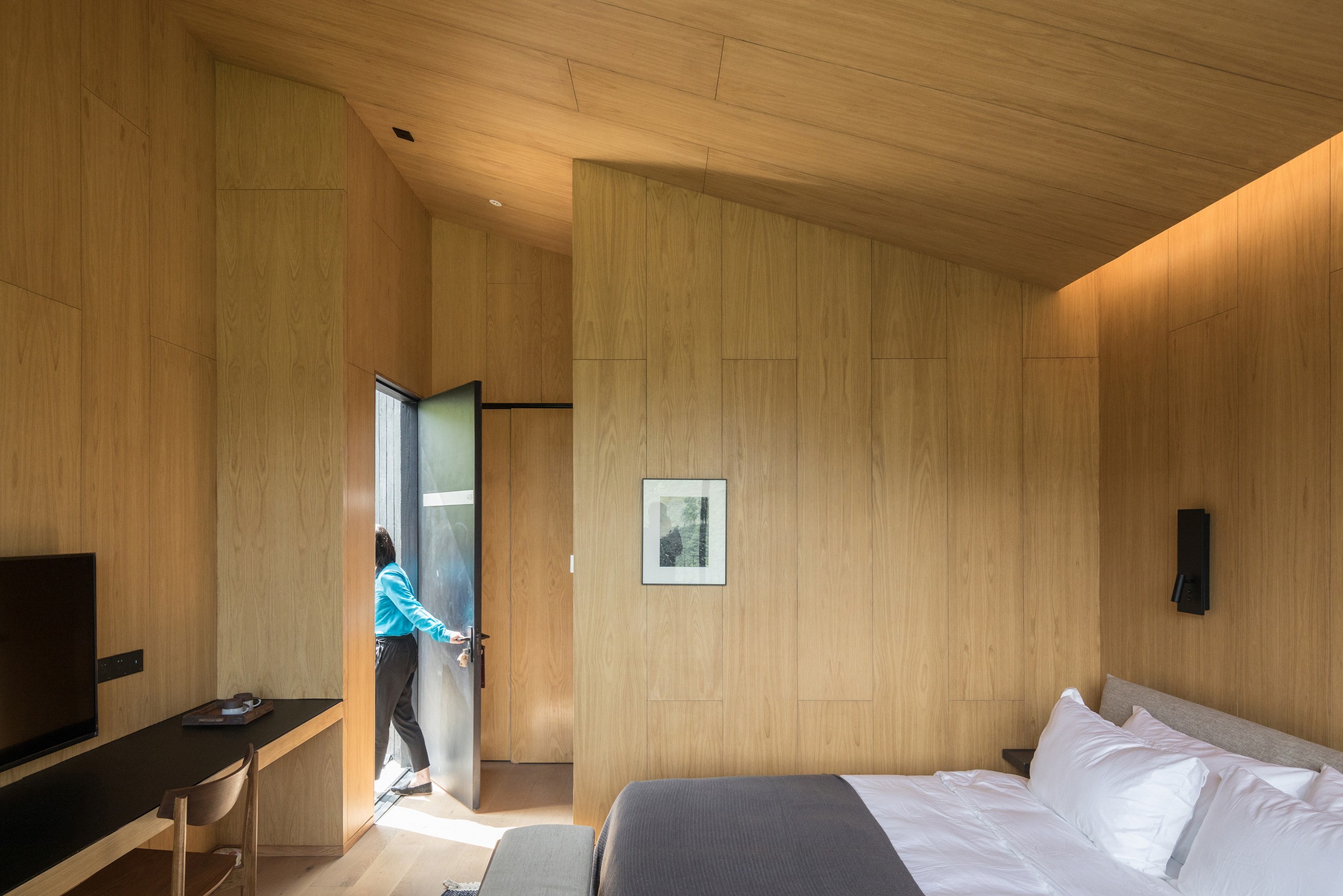
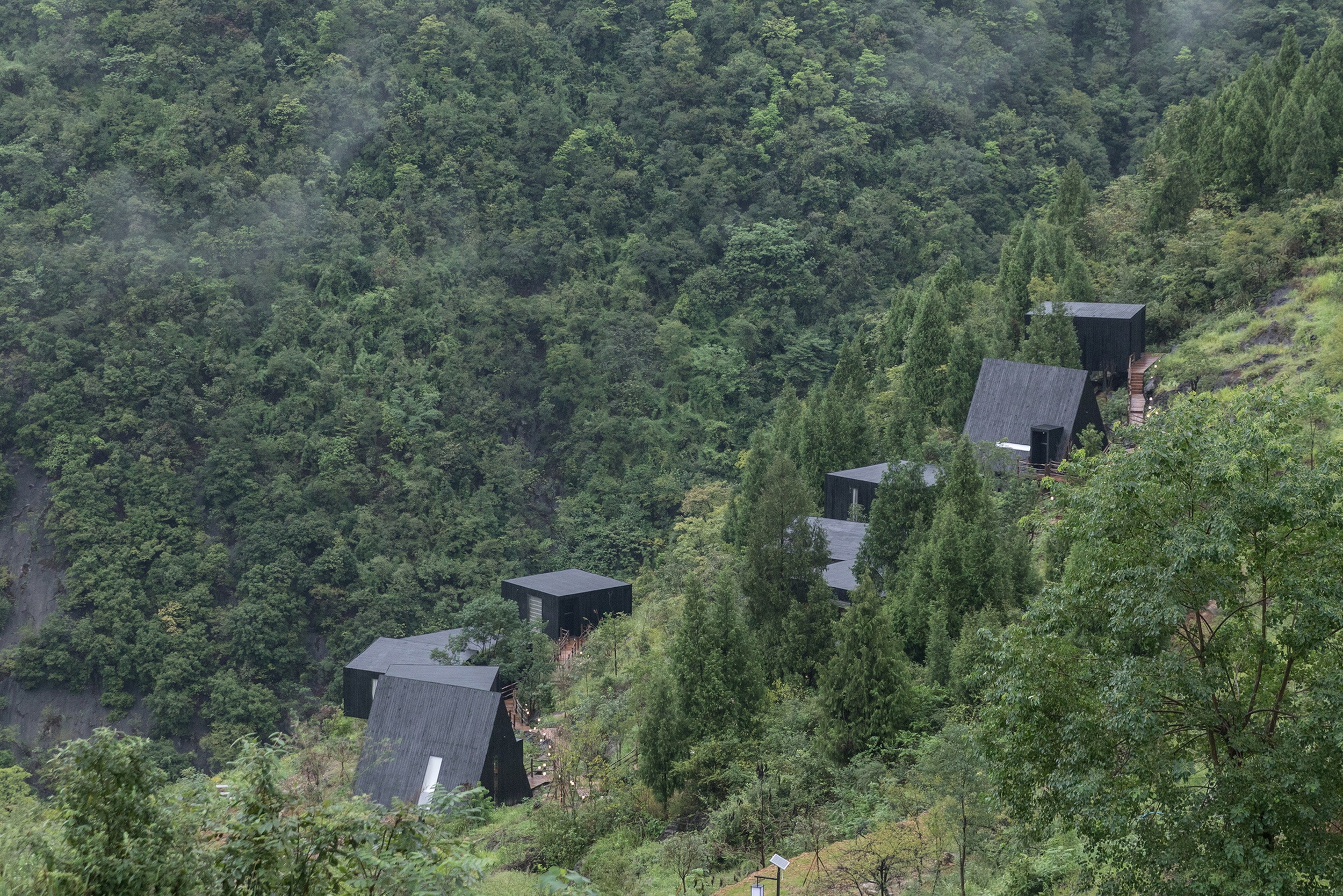
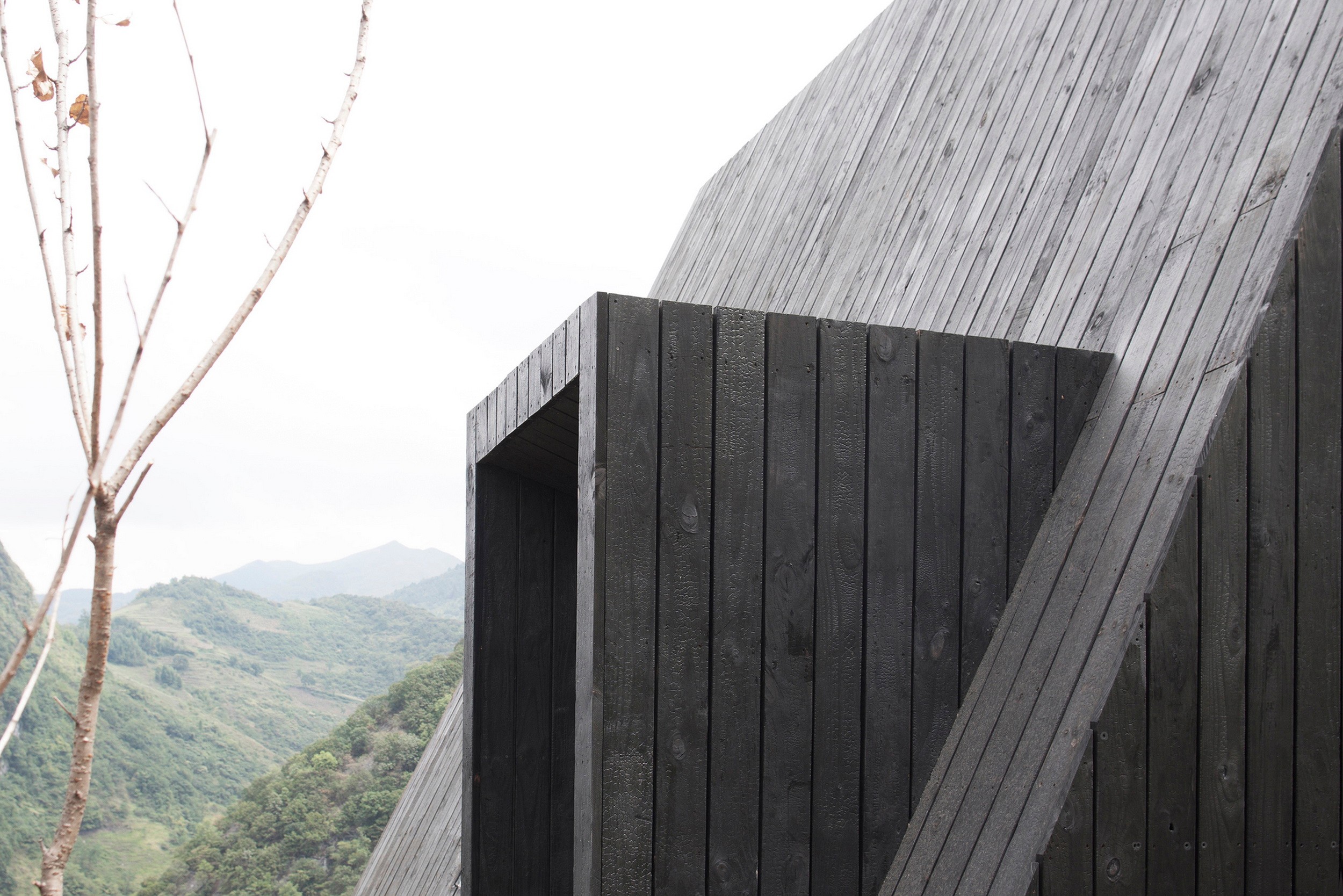
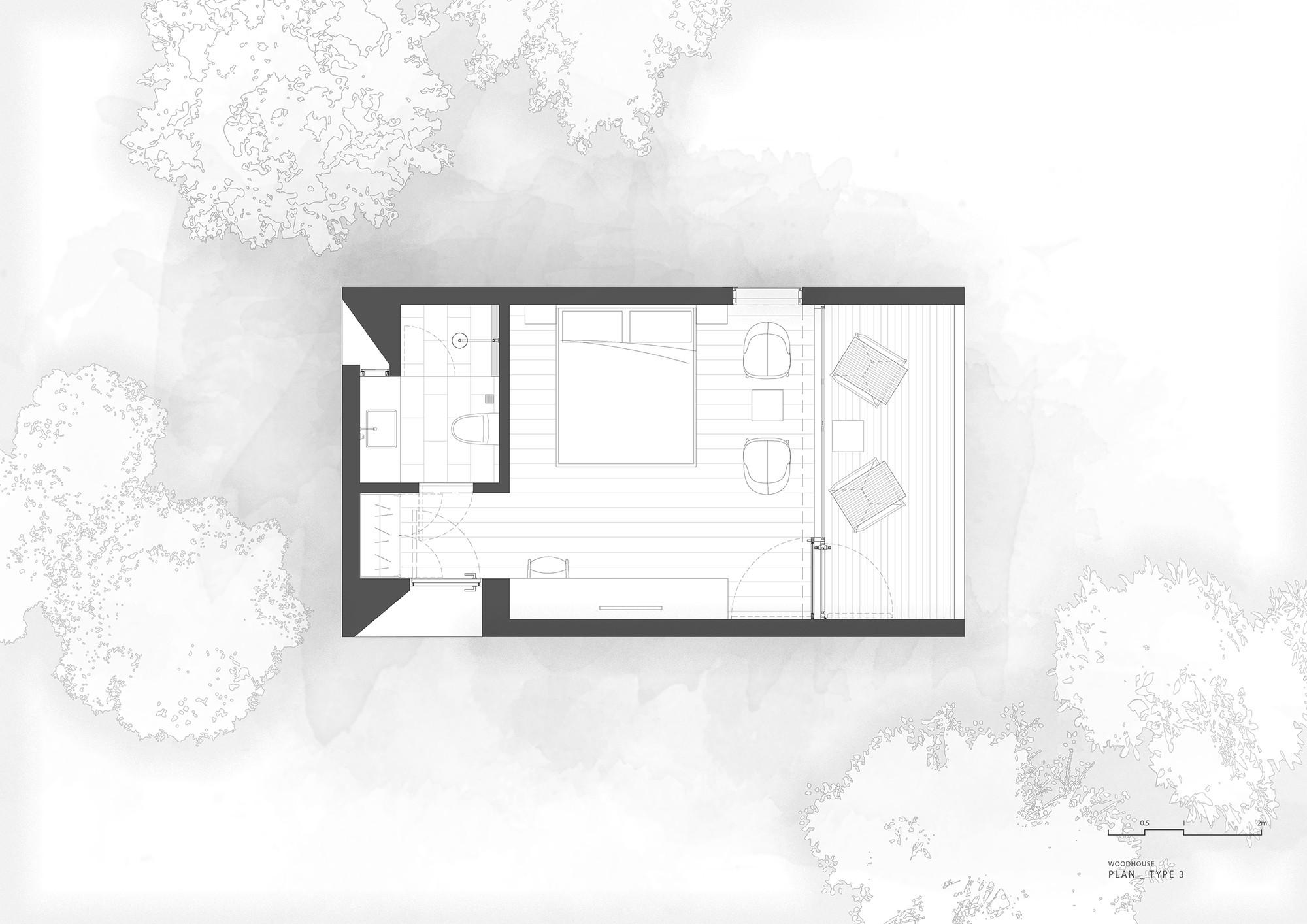
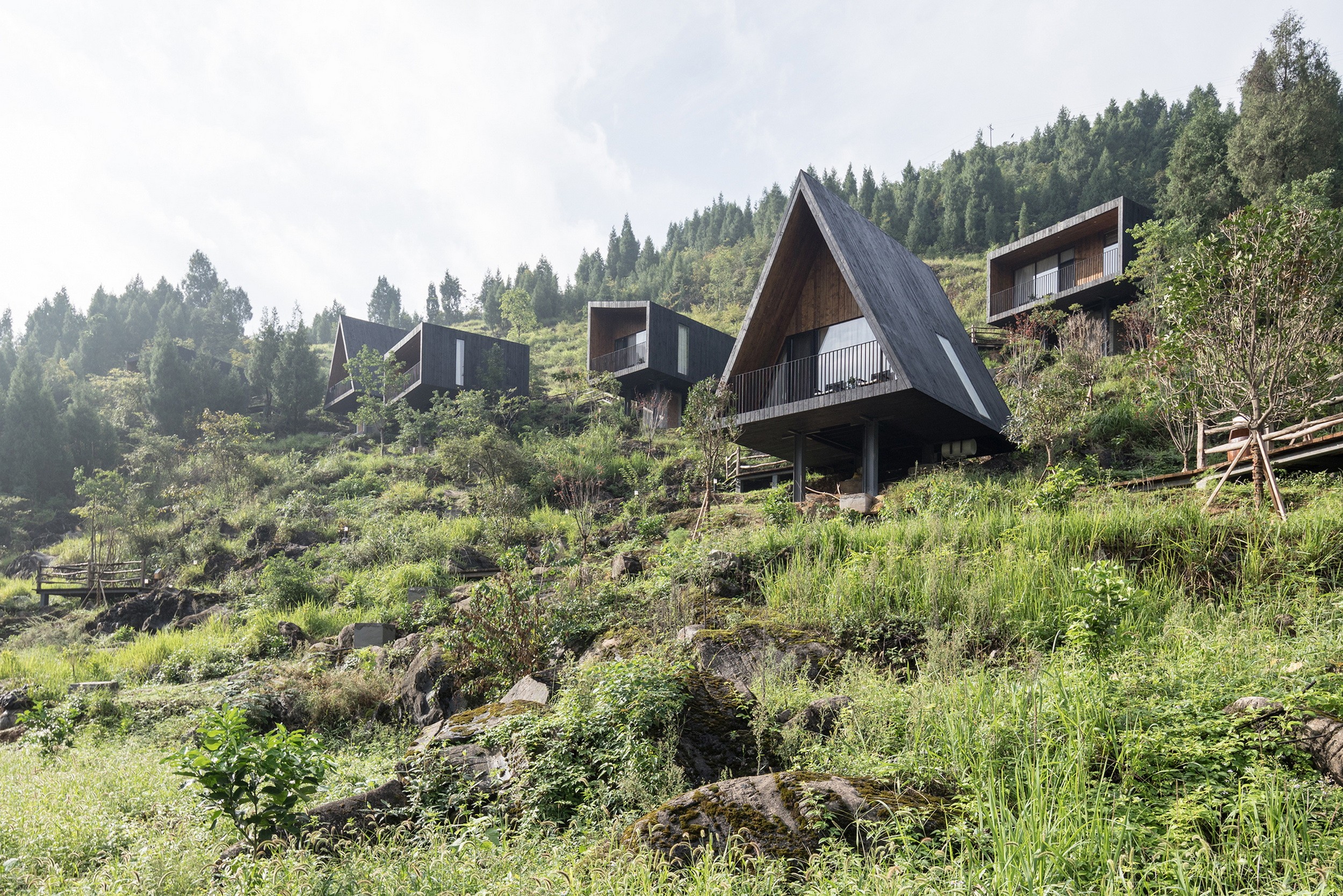
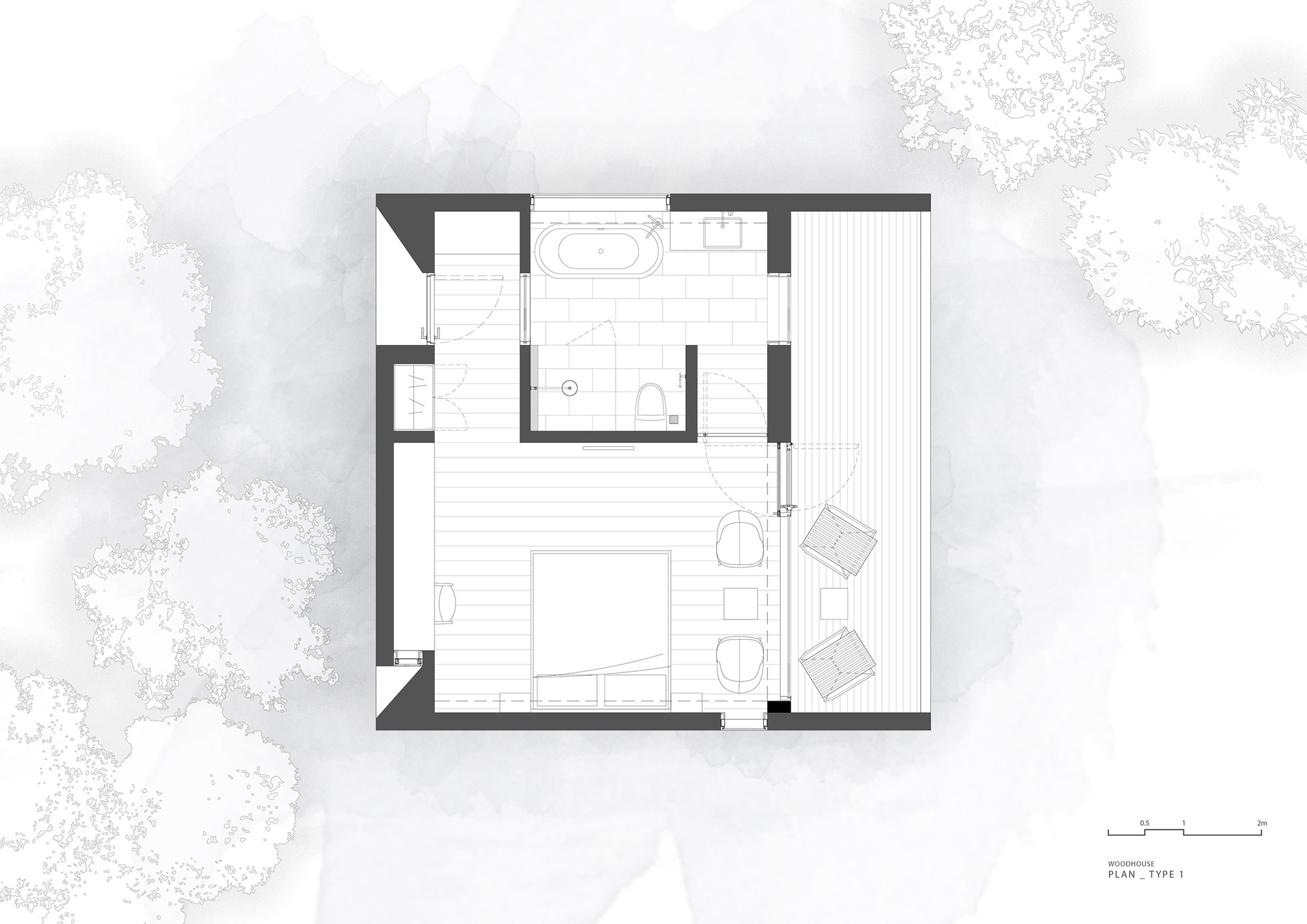
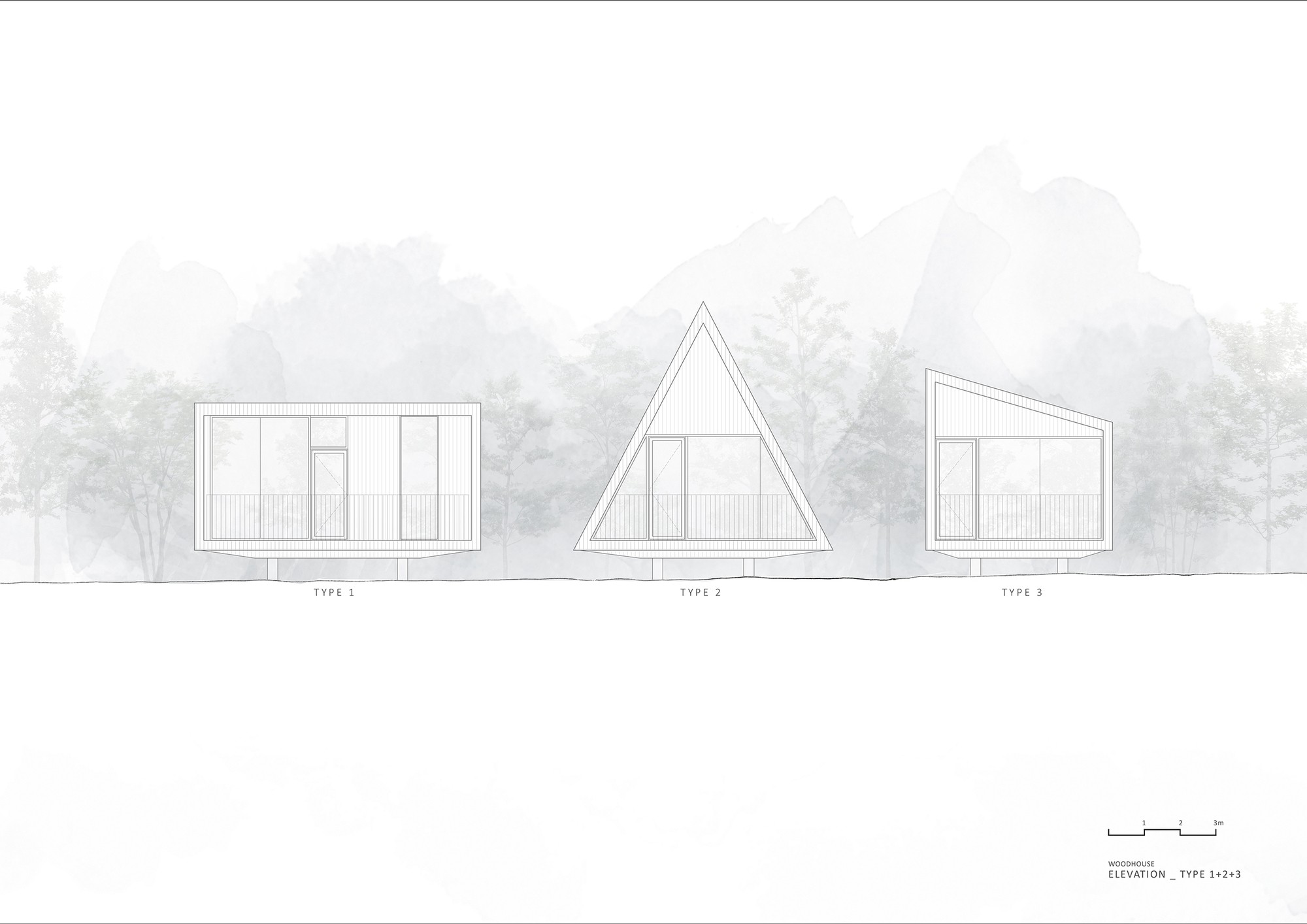
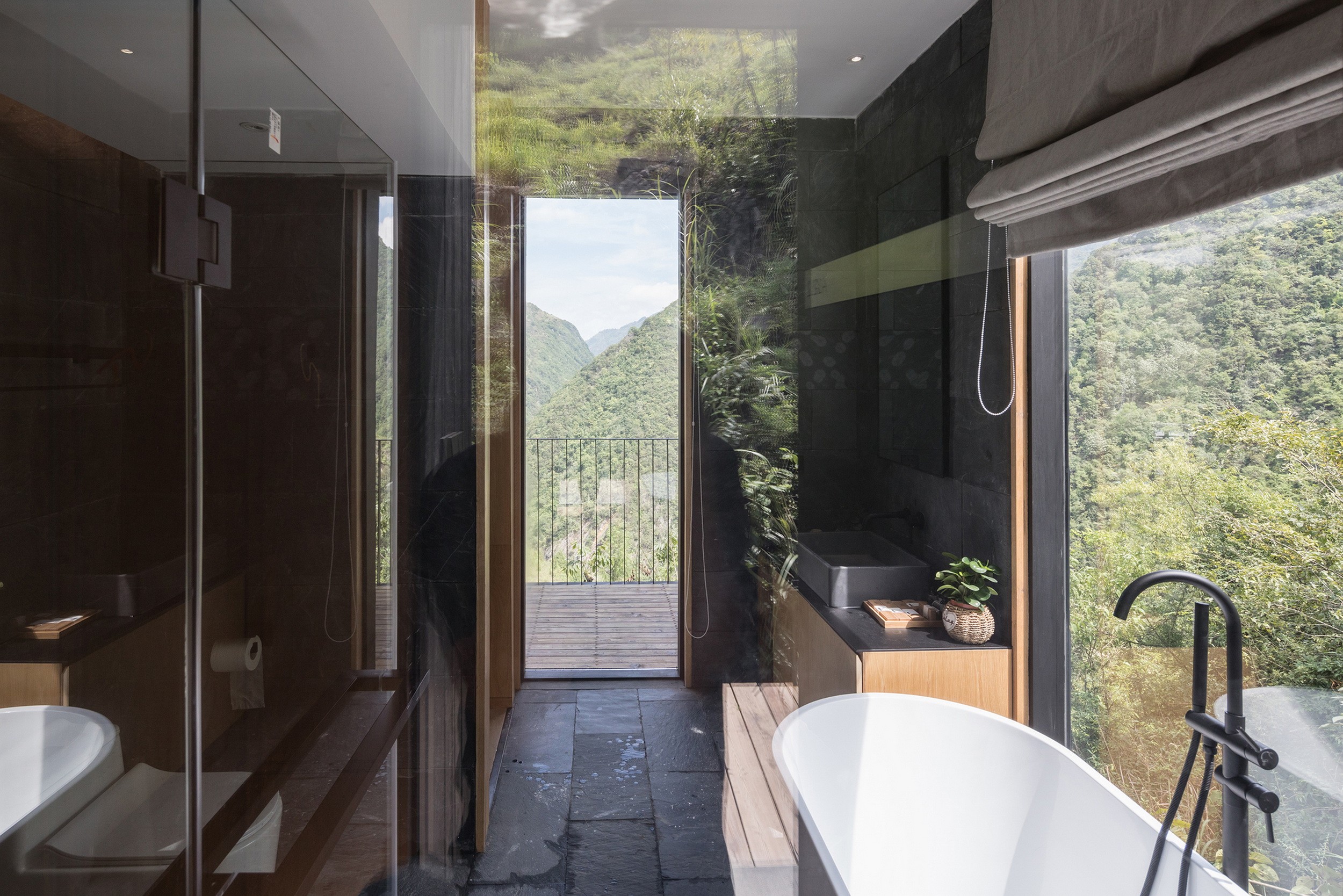
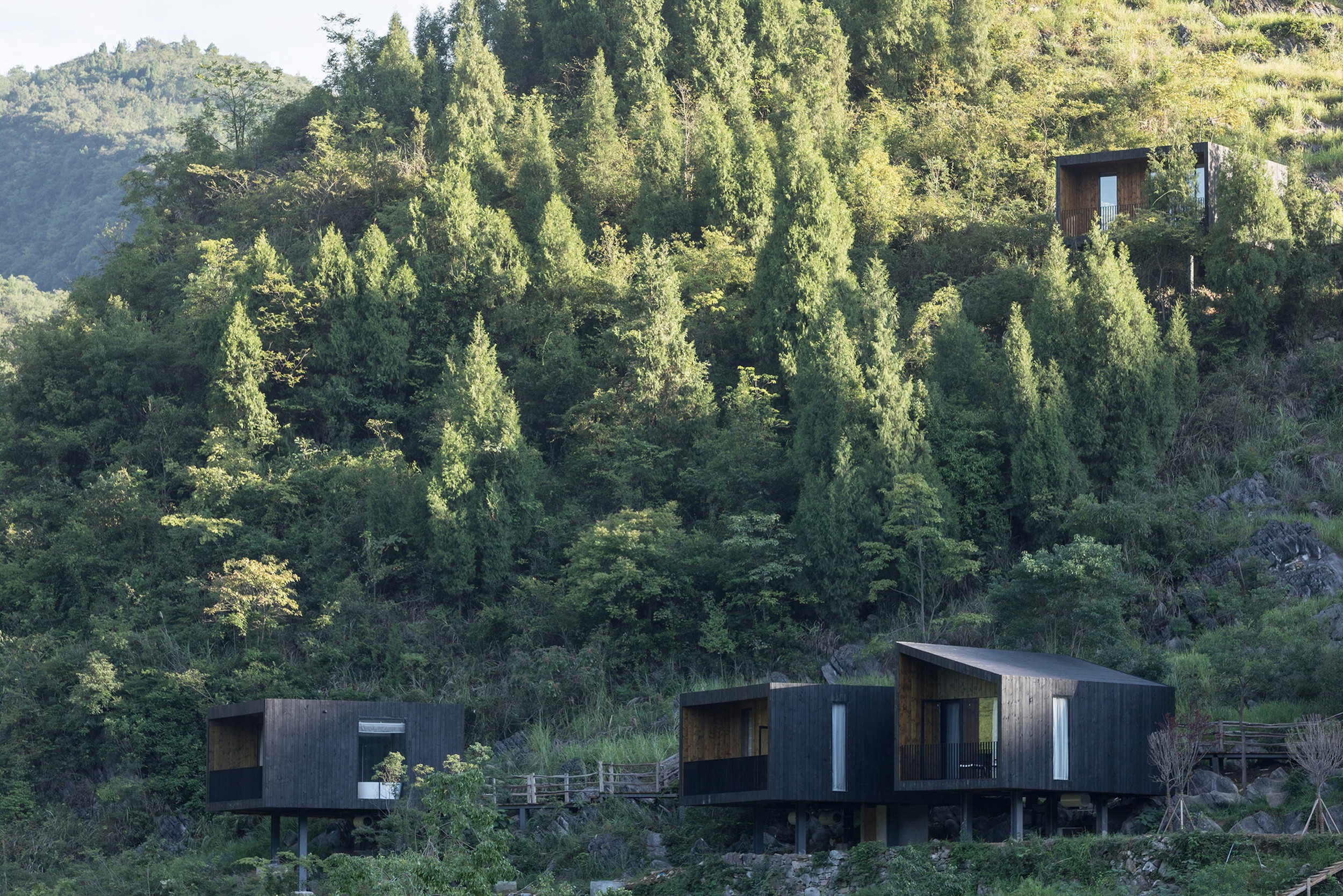
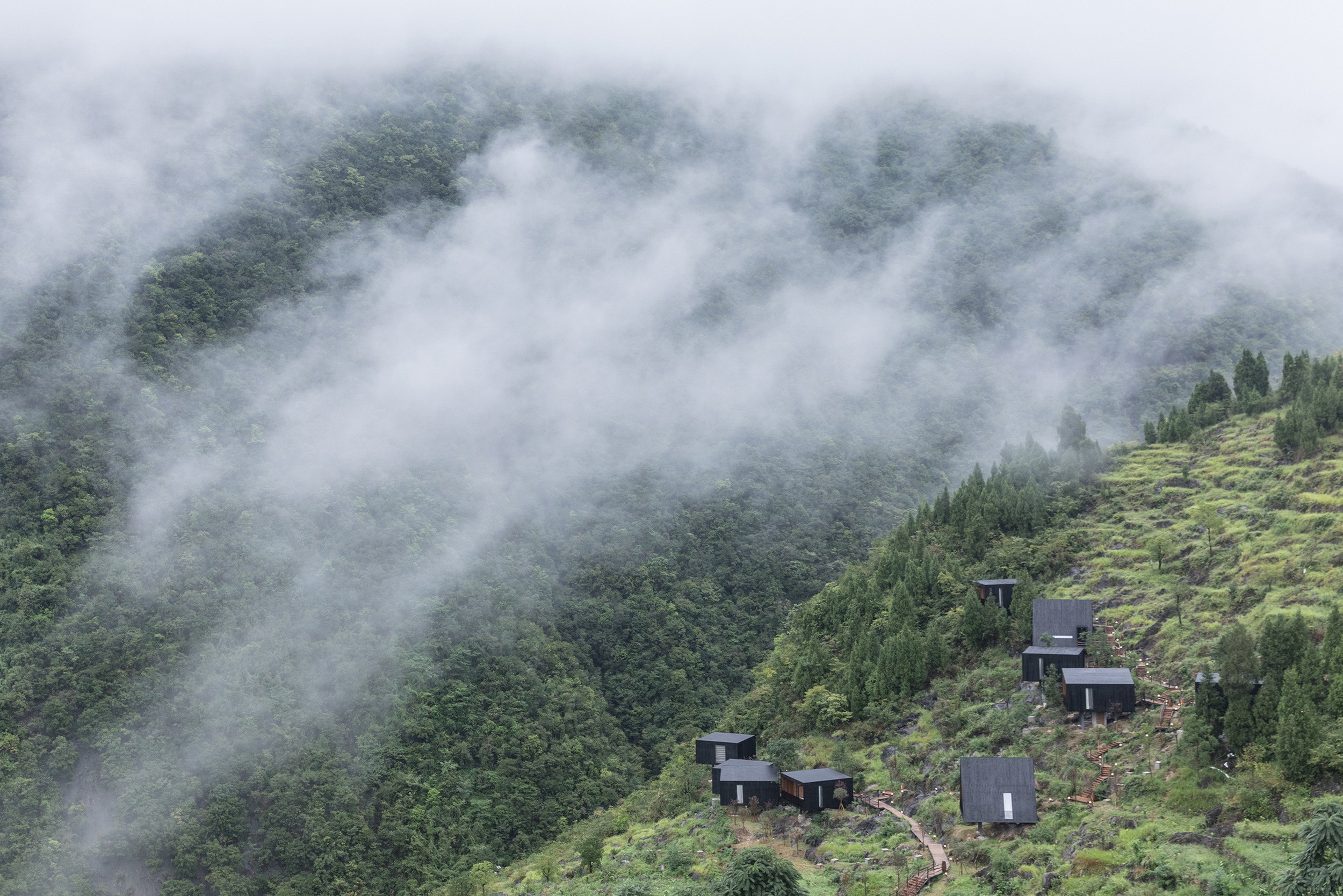
The Wooden House Hotel in Tuanjie Village, a deeply impoverished mountain village in Guizhou, is one of a series of rural poverty-alleviation projects developed by a local enterprise under government guidance, using agricultural tourism to improve the village economy. Unlike rural revival precedents that draw on rich architectural heritage, Tuanjie Village has no traditional building typology; its real assets are mountains, rivers, lush vegetation and clean, uncontaminated farmland. The design by Xiugeng Architecture, completed in 2018 and led by Cao Zhenyu, Chen Xuanru, Shen Hongliang and Cai Yuying, therefore treats the buildings as vessels for experiencing landscape that quietly blend into the untouched environment while strengthening agricultural tourism and creating local employment. The hotel comprises ten standalone log cabins of around forty square metres each, arranged on a steep rocky slope. With no accurate topographic survey, finding the right positions meant repeated site walks, carefully weighing view, balcony privacy and circulation for each cabin while avoiding the most difficult rock outcrops. Because all materials had to be carried up by hand, the cabins use a timber frame on elevated steel platforms, raising construction efficiency and sparing the original rock formations; the weathered-wood siding was made on site to reduce transport and uses a simple but effective craft. To keep the hotel low-profile, the design avoids dramatic forms, selecting three basic geometric volumes, each a private room whose size is minimised for comfort without consuming landscape space. Uniform charred-wood cladding, durable and dark-toned, sits unobtrusively among the grasses and trees, while each cabin's window openings are cut according to its particular view and its recessed balcony frames a private mountain prospect. The project is a quietly confident exercise in building lightly on a difficult site.




 Editor's Pick
 Latest Design
 Best Idea