Text description provided by the architects
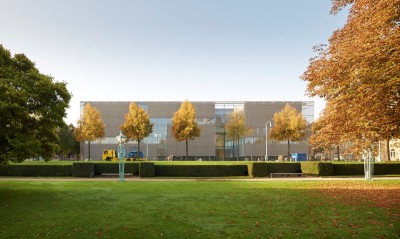
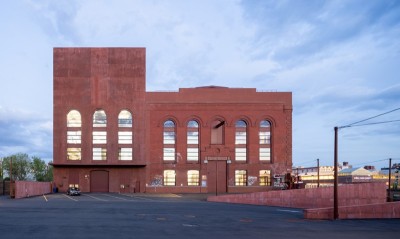
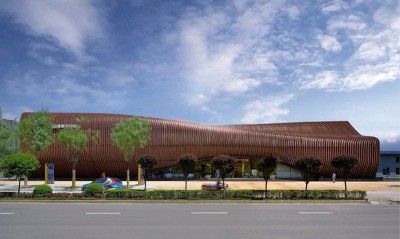
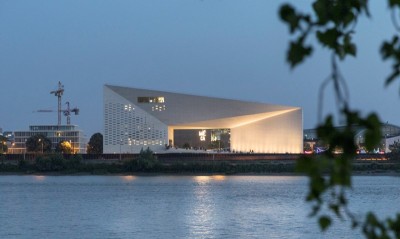
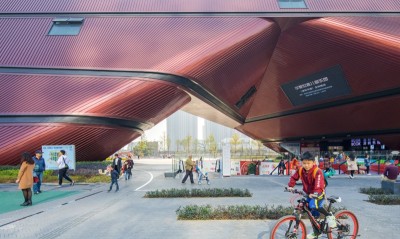
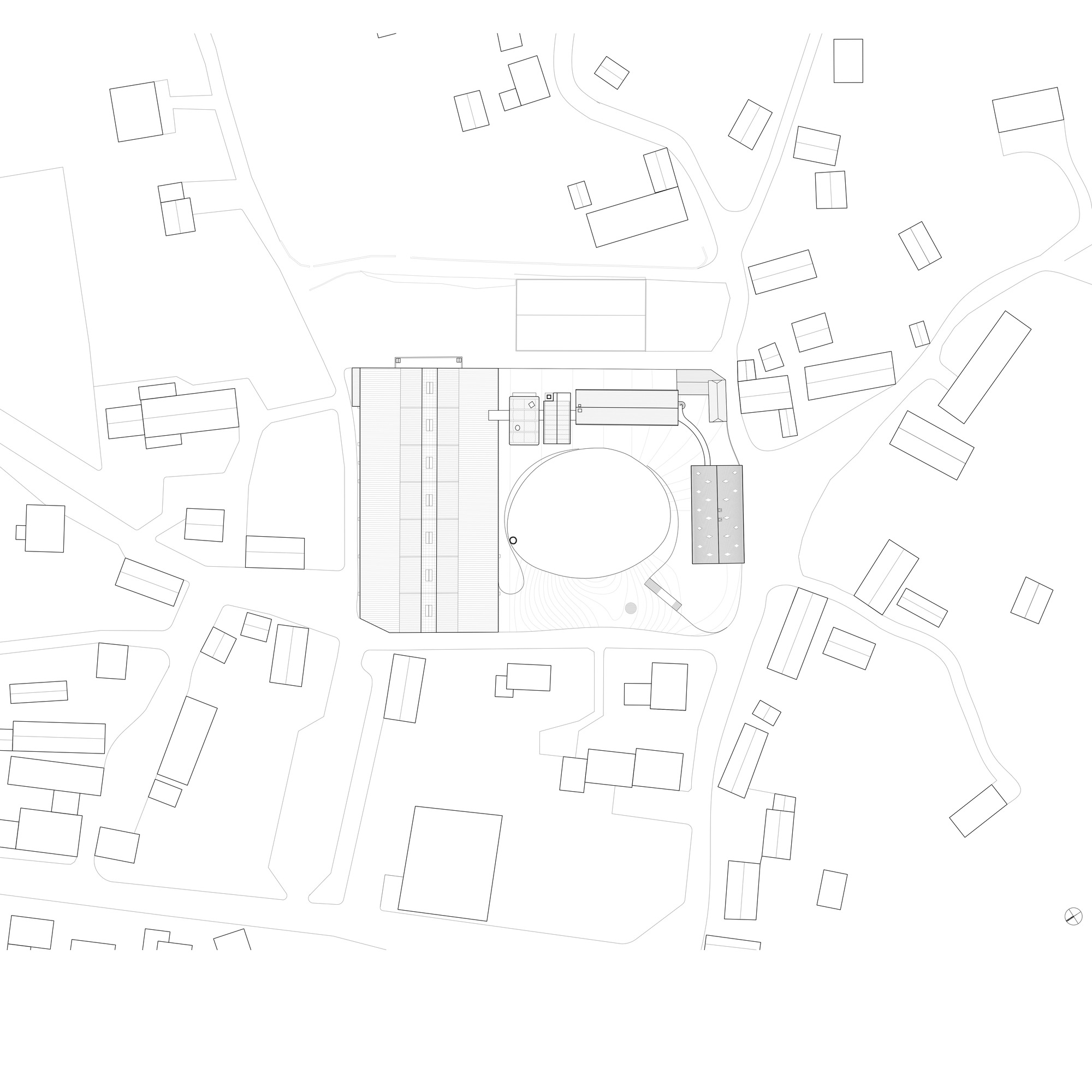
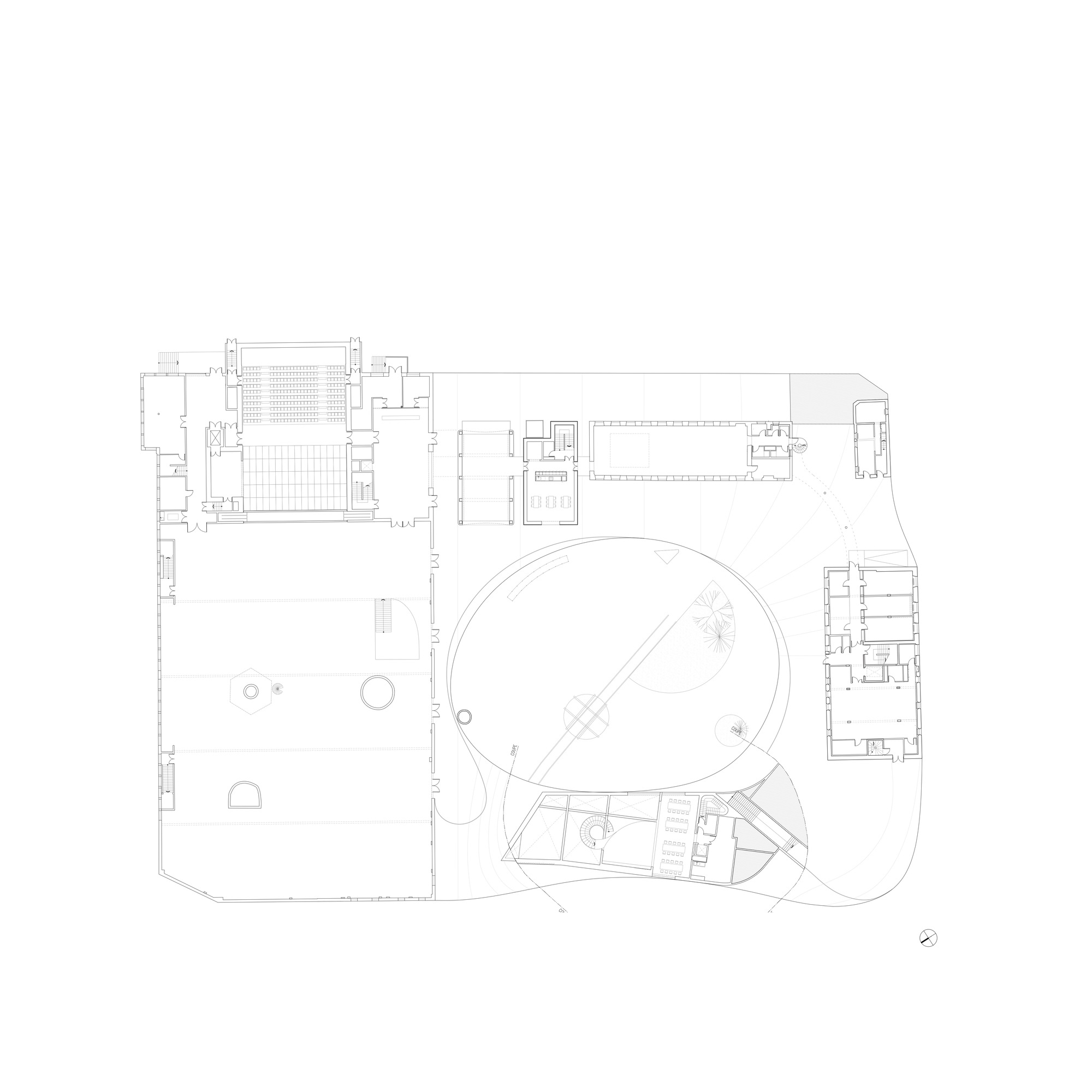
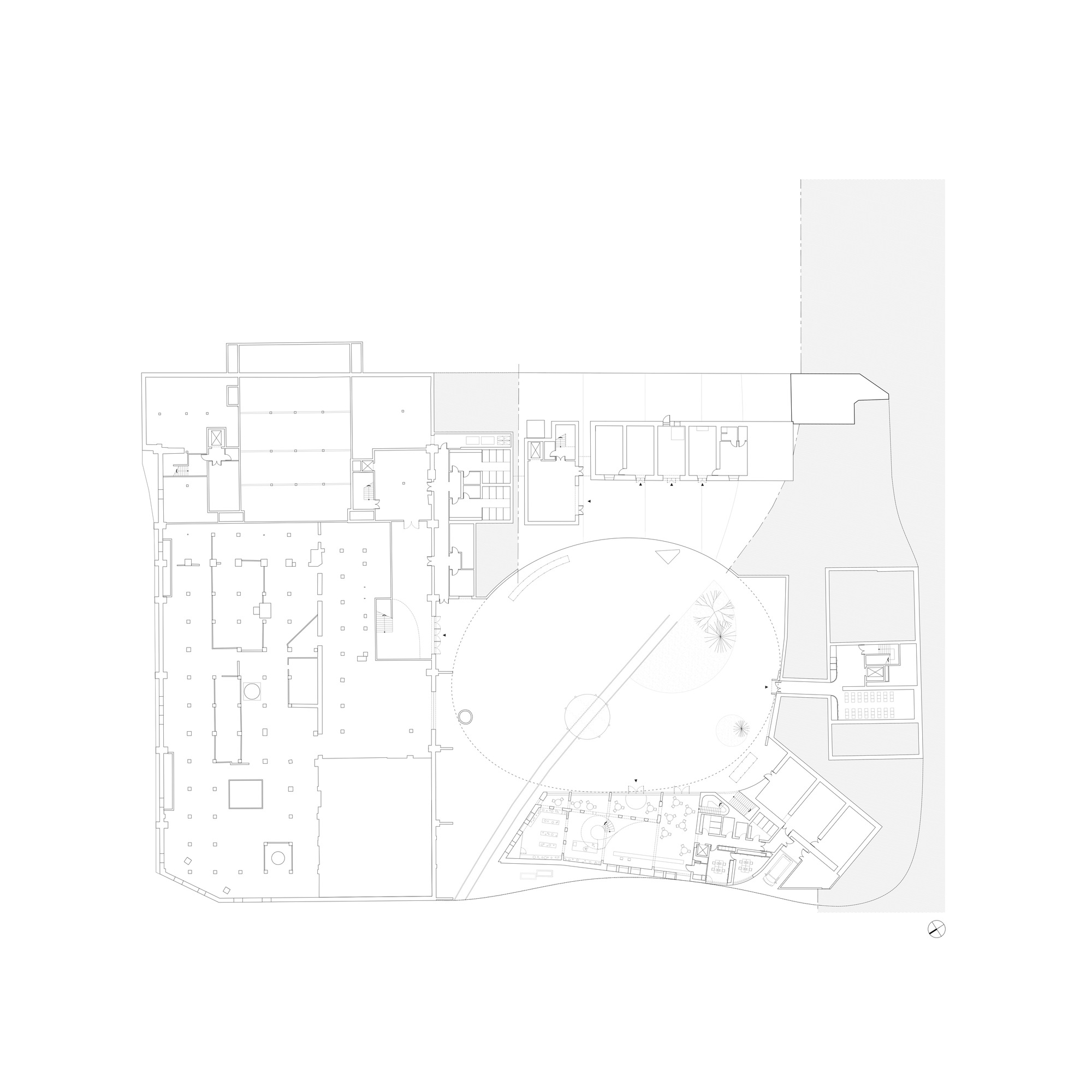
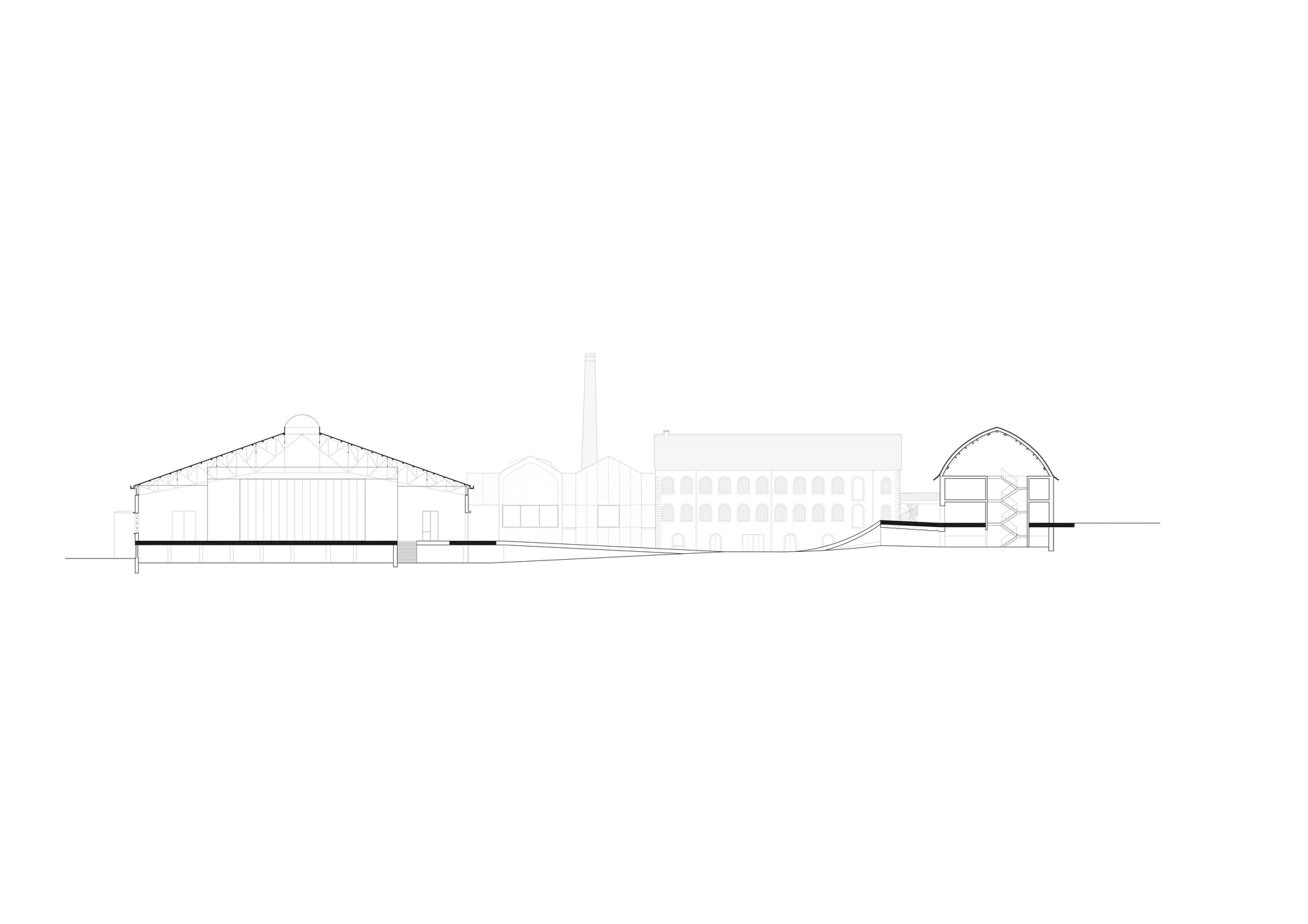
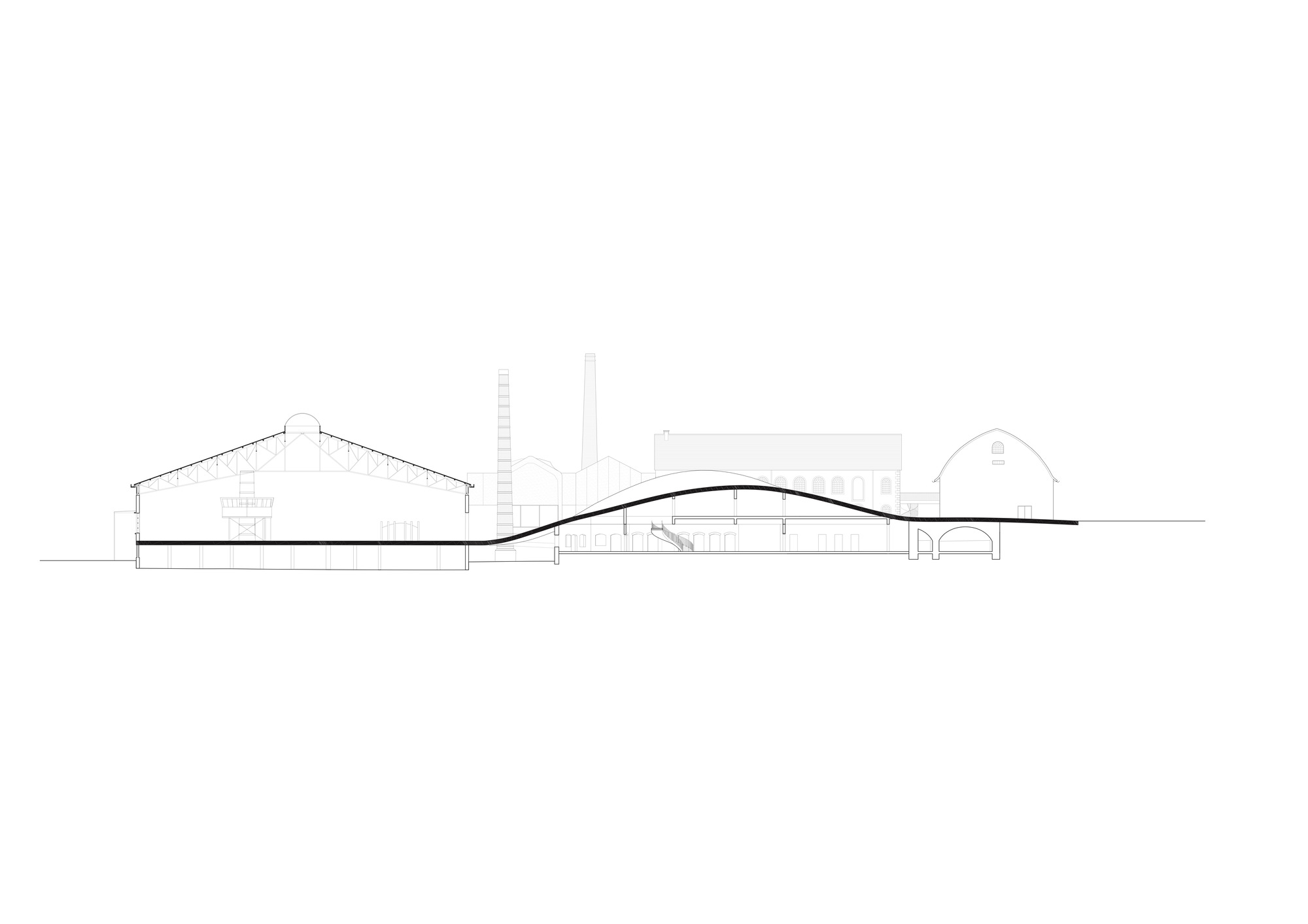
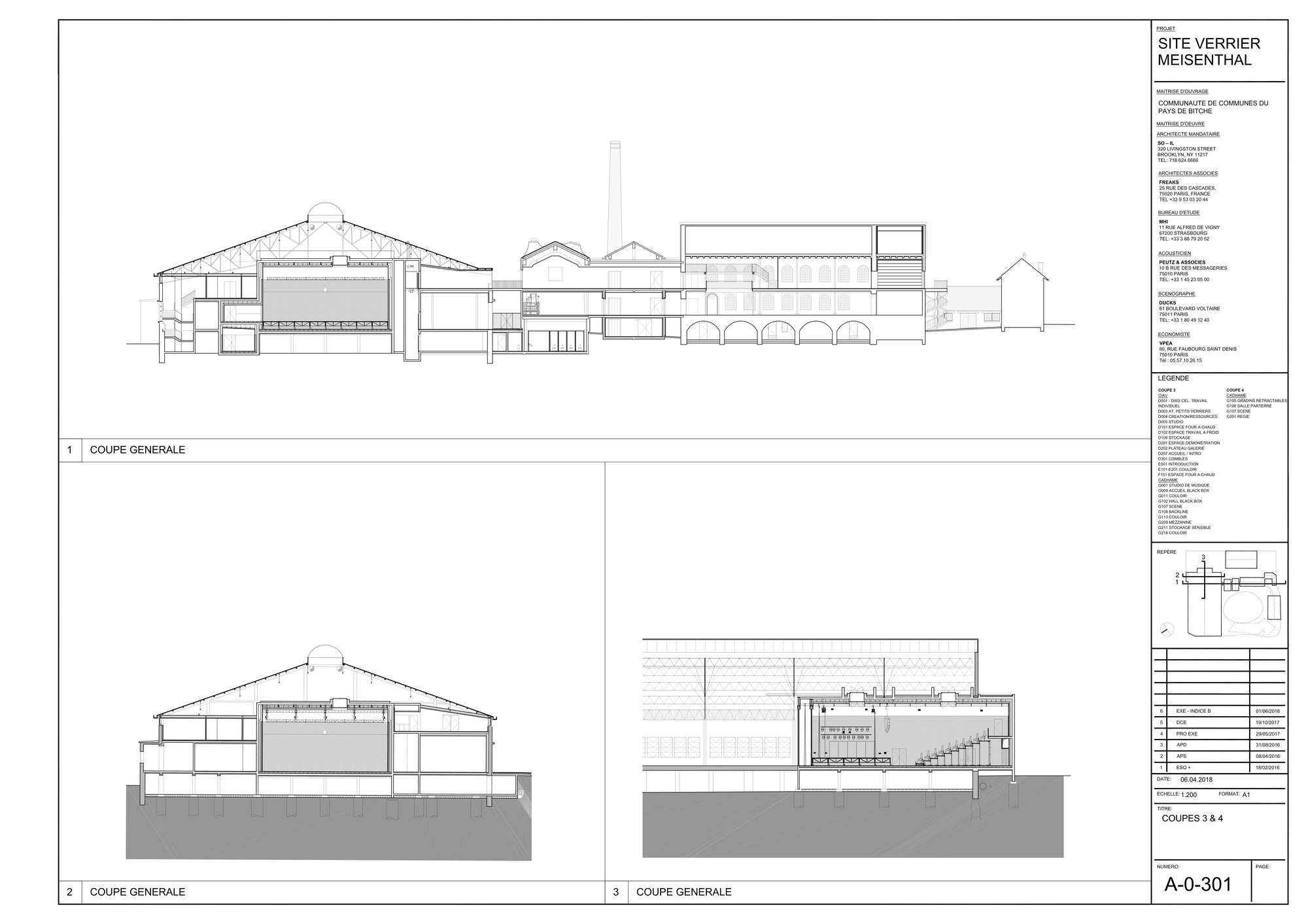
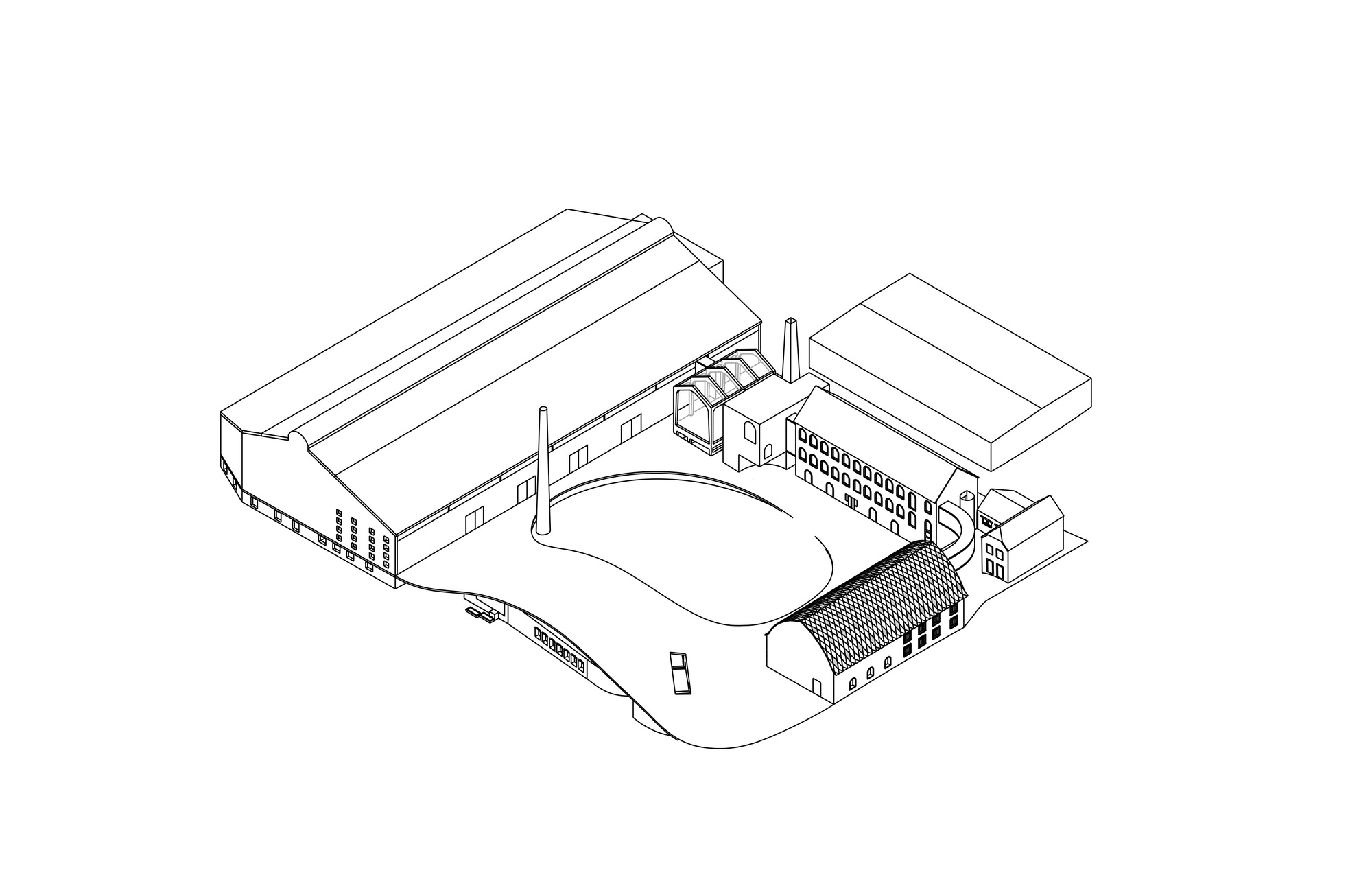
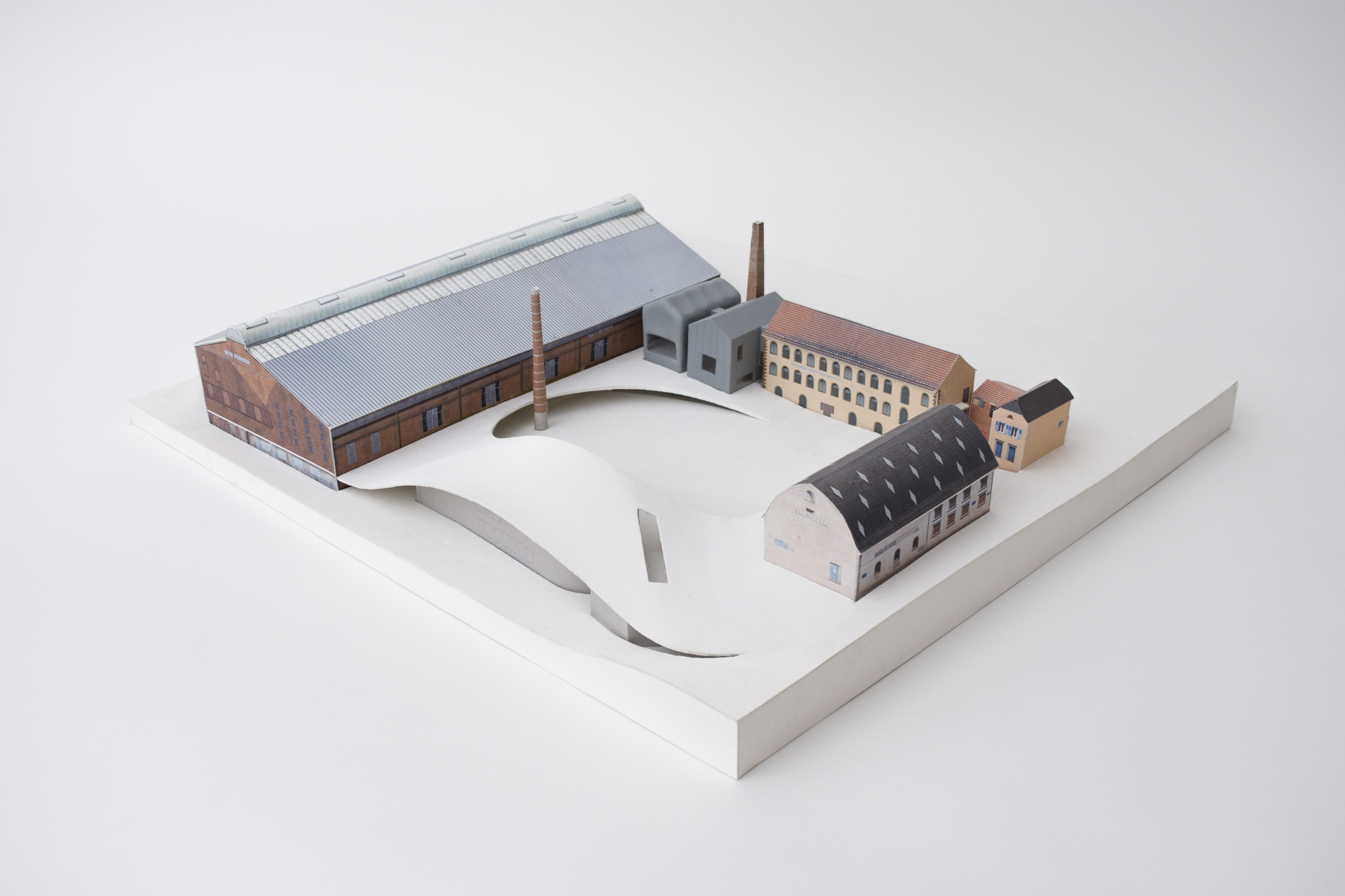
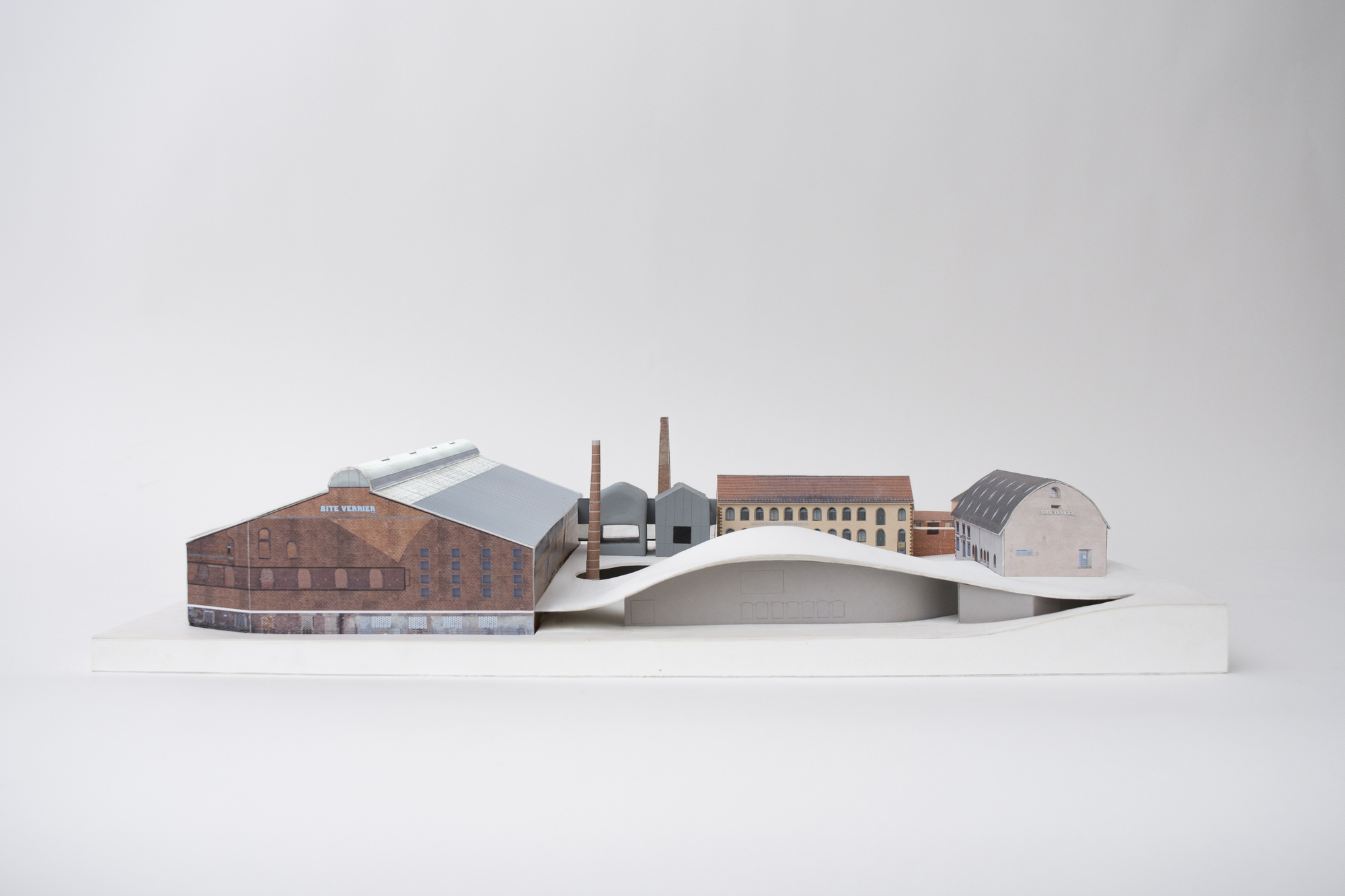
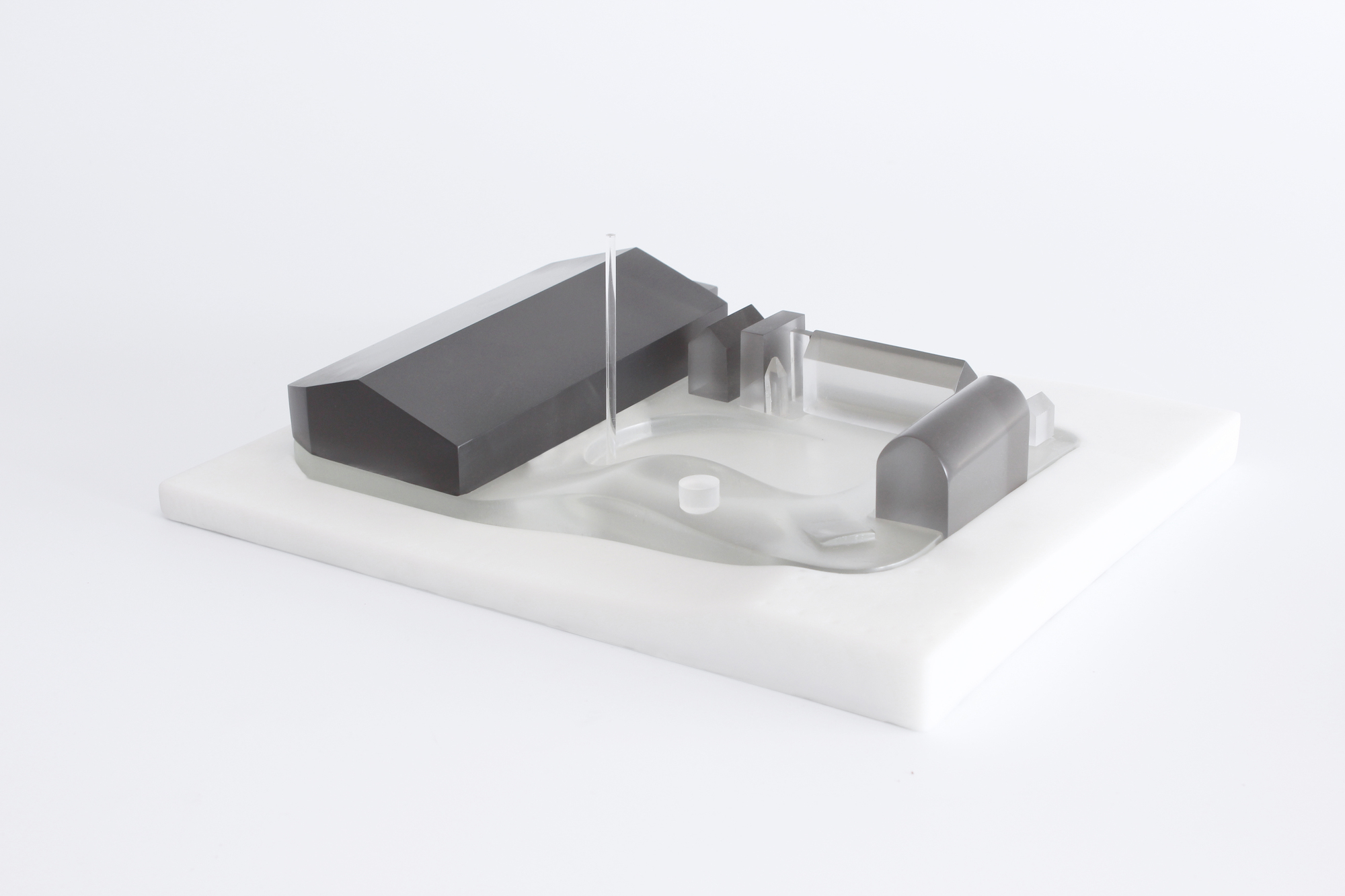
Nestled in the countryside of the Vosges Natural Park, the Meisenthal Cultural Centre is publicly funded and converted from the historic site of an eighteenth-century glassworks. The project houses three independent but interconnected institutions on different levels: the Glass Museum, which traces the history and living memory of glass on the site; the International Centre for Glass Art, which combines traditional craft with contemporary practice; and the Cadhame glass hall, an interdisciplinary cultural venue that hosts installations, events and concerts. The architects intended to unify them within a single building, redefining the identity of contemporary institutions through a dialogue with industrial heritage. A flowing, in-situ cast concrete surface suggests the glass production that once took place on the site and acts as the thread that binds the parts together. This surface is at once roof, ceiling and wall, connecting the ground floor into a public plaza. The architects also introduced new functions above and below this surface, including offices, workshop areas, a cafe and a restaurant. Existing parts have been reinterpreted and extended; a new entrance has been created in the basement level of the former factory hall, previously unused, together with a 500-seat black-box theatre. The theatre can be reconfigured as a 700-person standing venue, or its partitions can be opened to merge with a 3,000-seat concert hall alongside. The new public cultural space raises the cultural level of the town. The project is a conversion of an industrial glassworks into a multi-venue cultural campus, using a single flowing concrete surface to hold museum, studio and performance under one roof.





 Editor's Pick
 Latest Design
 Best Idea
 Hottest of Week