Text description provided by the architects
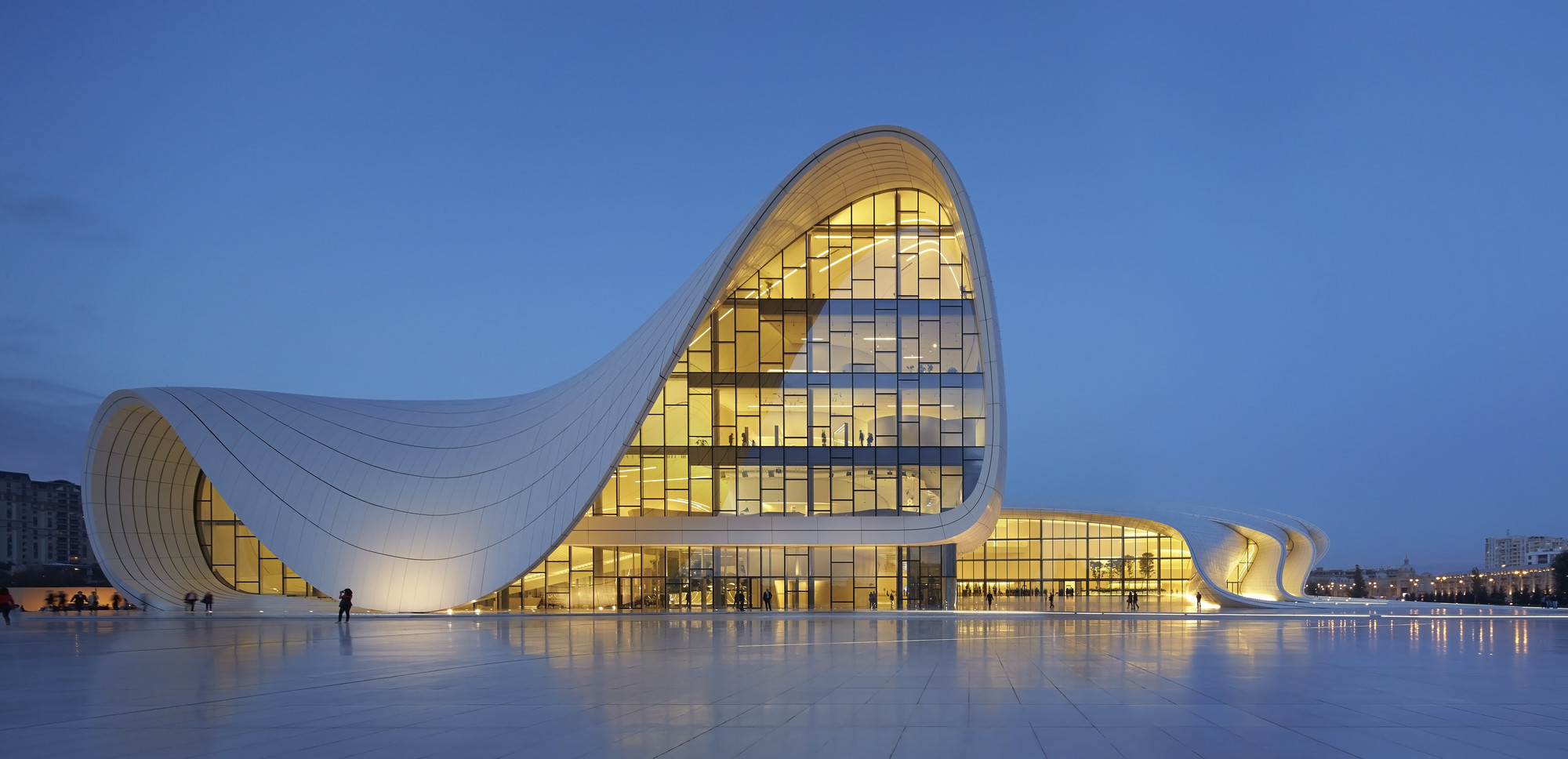
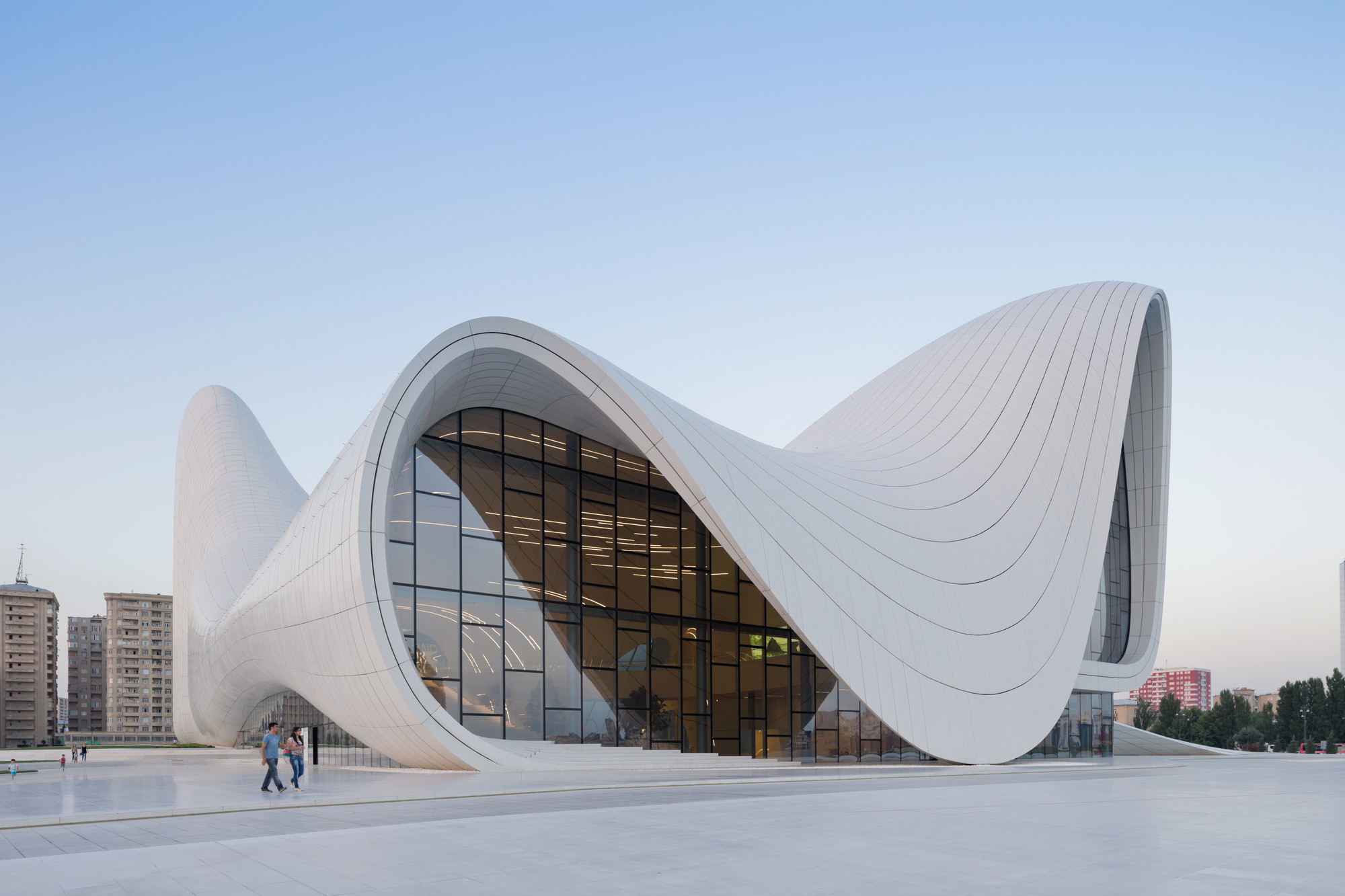
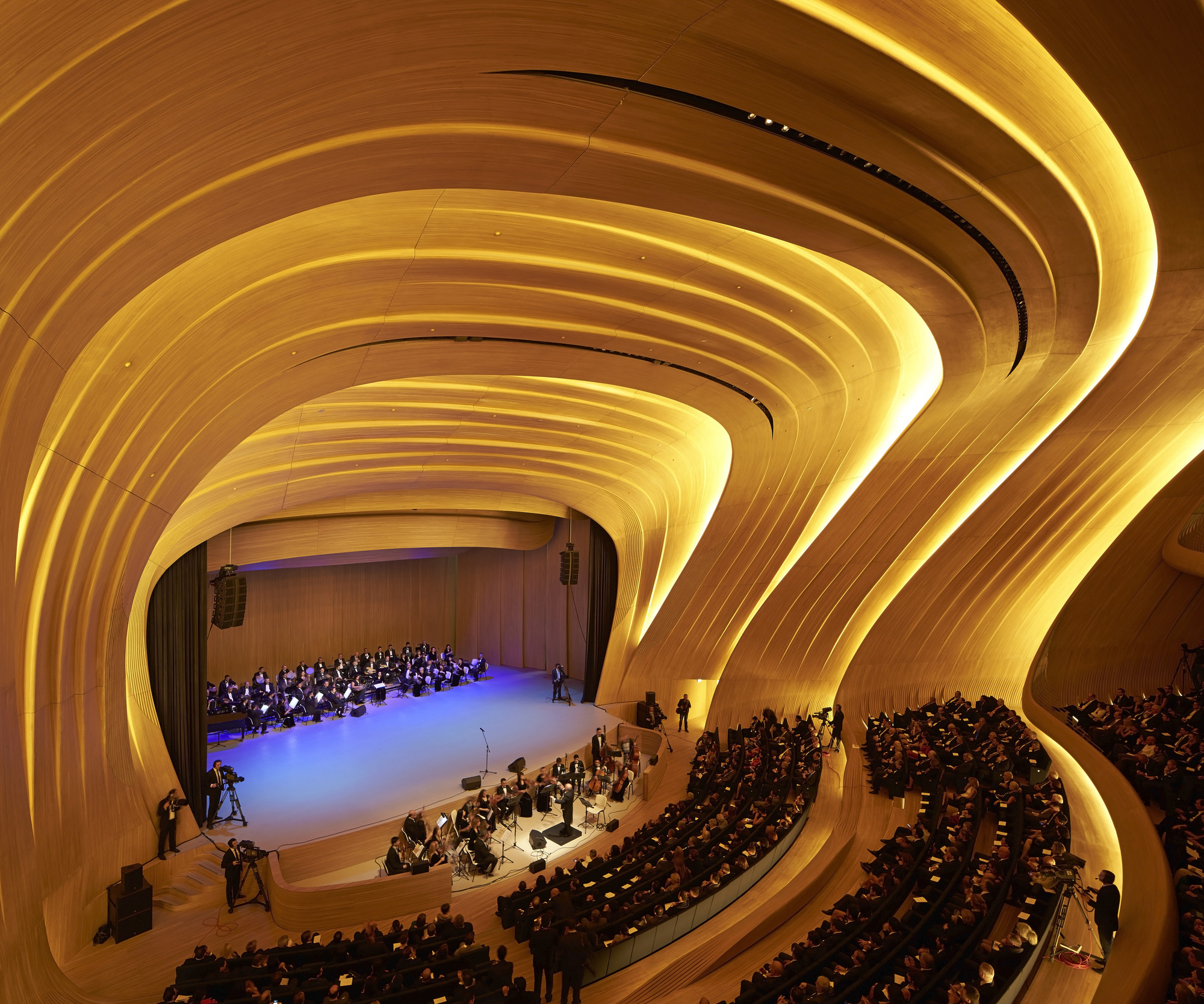
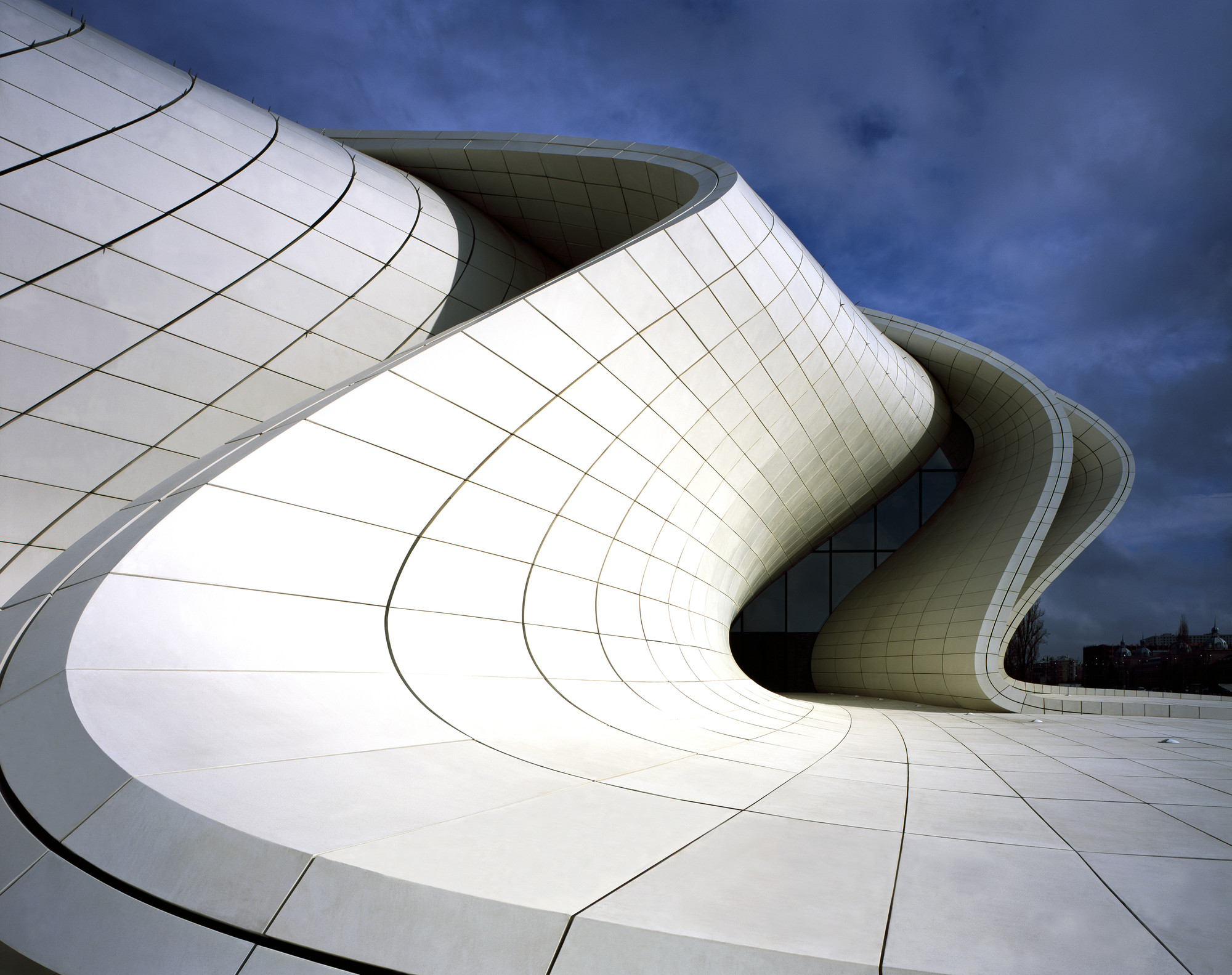
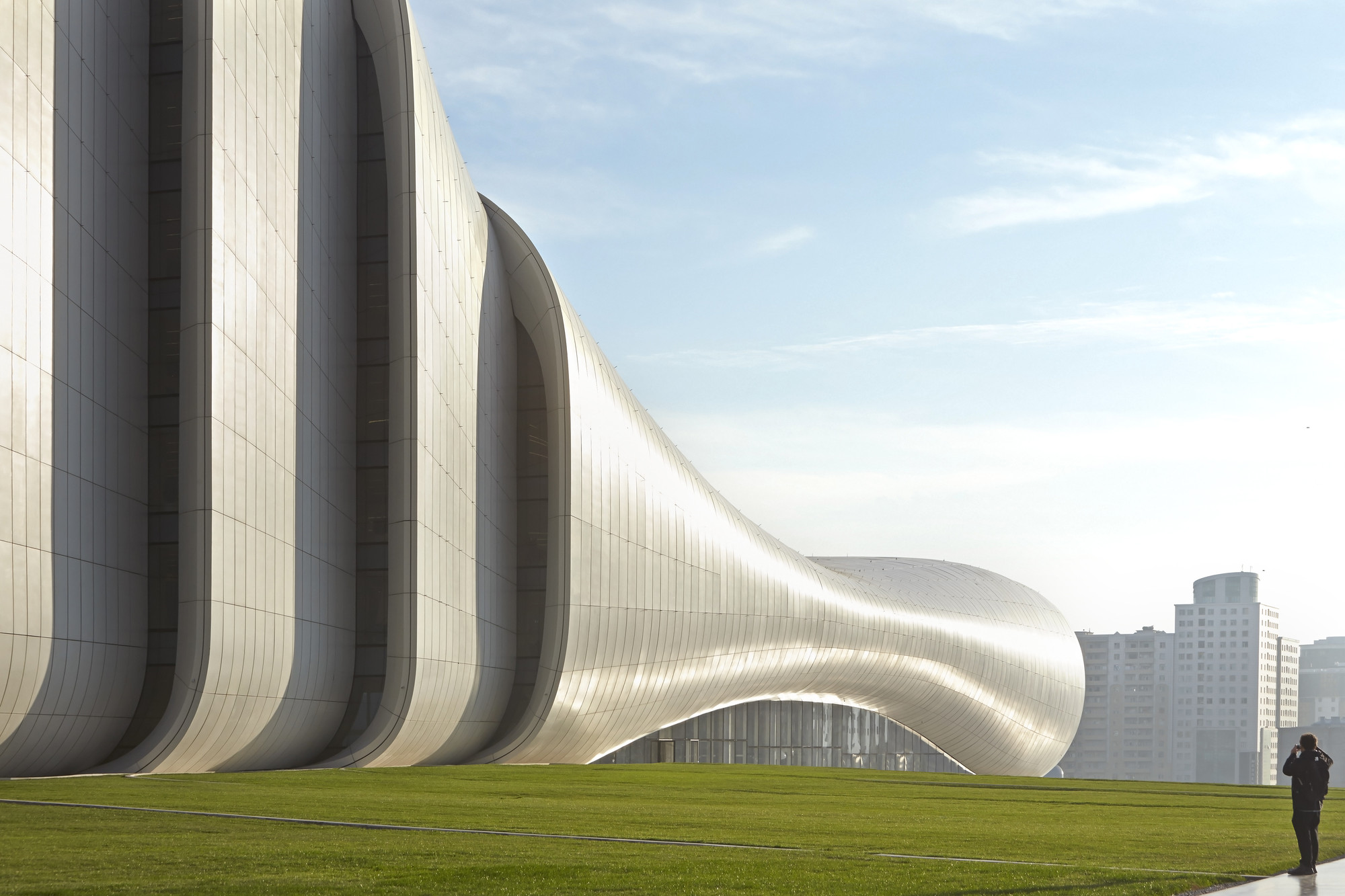
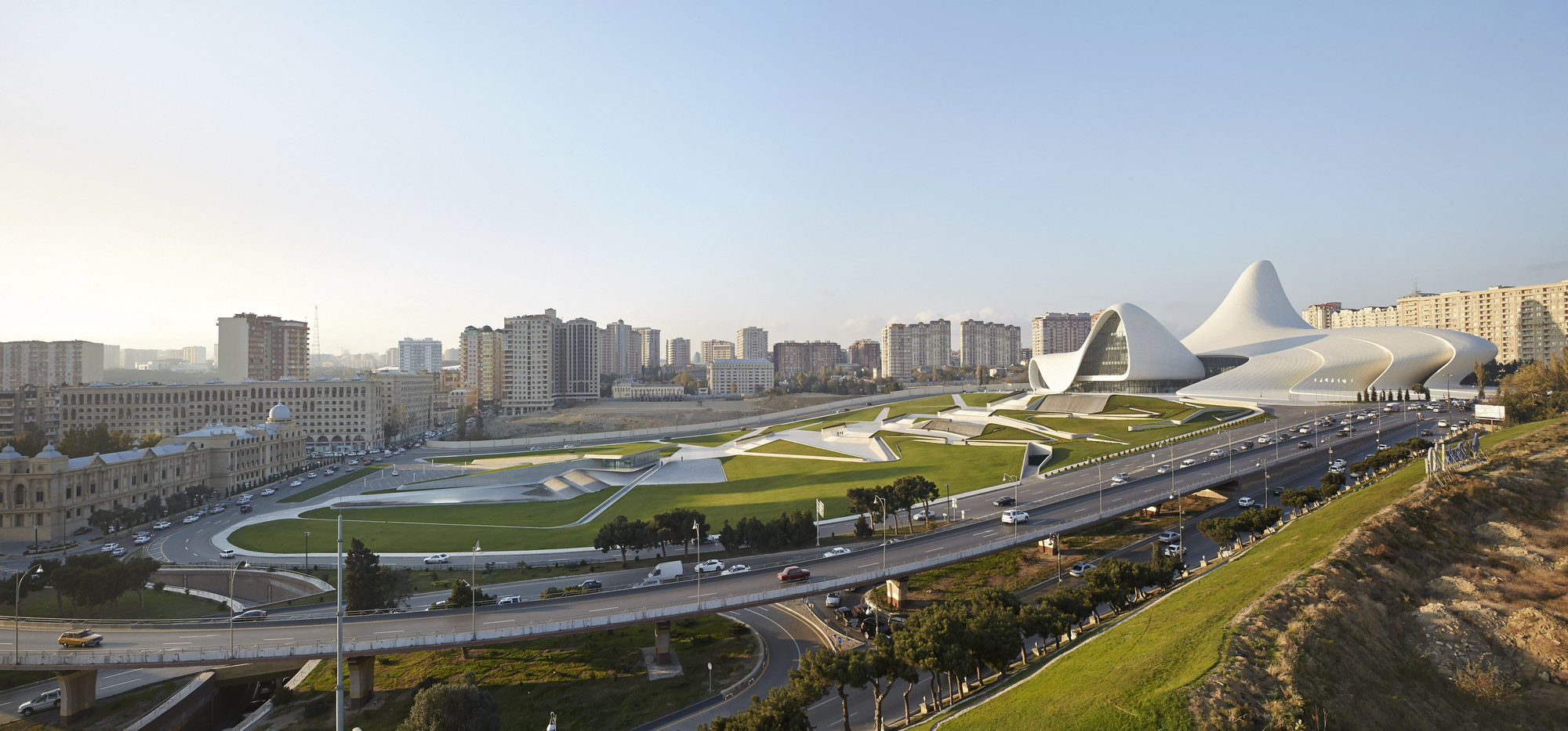
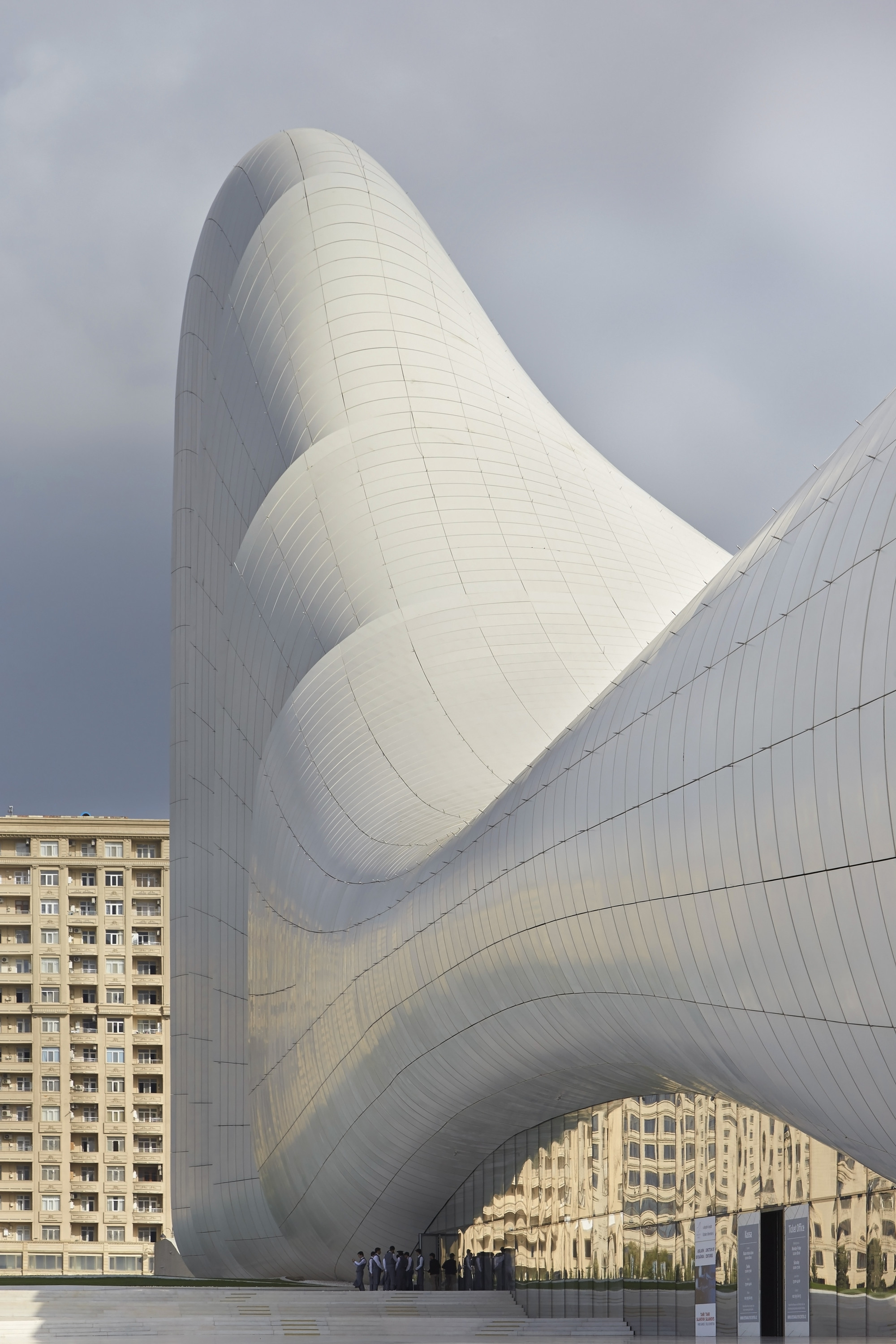
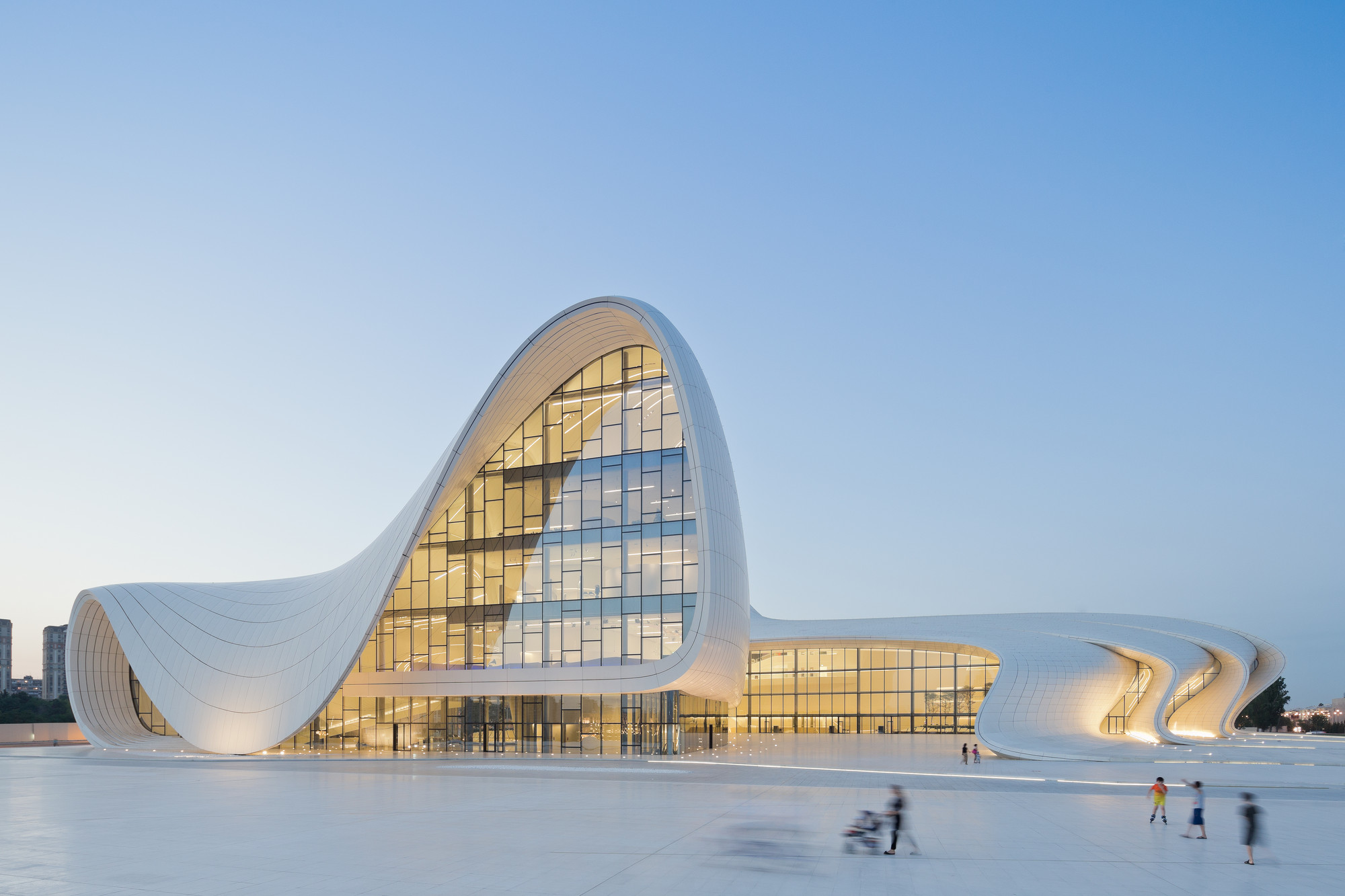
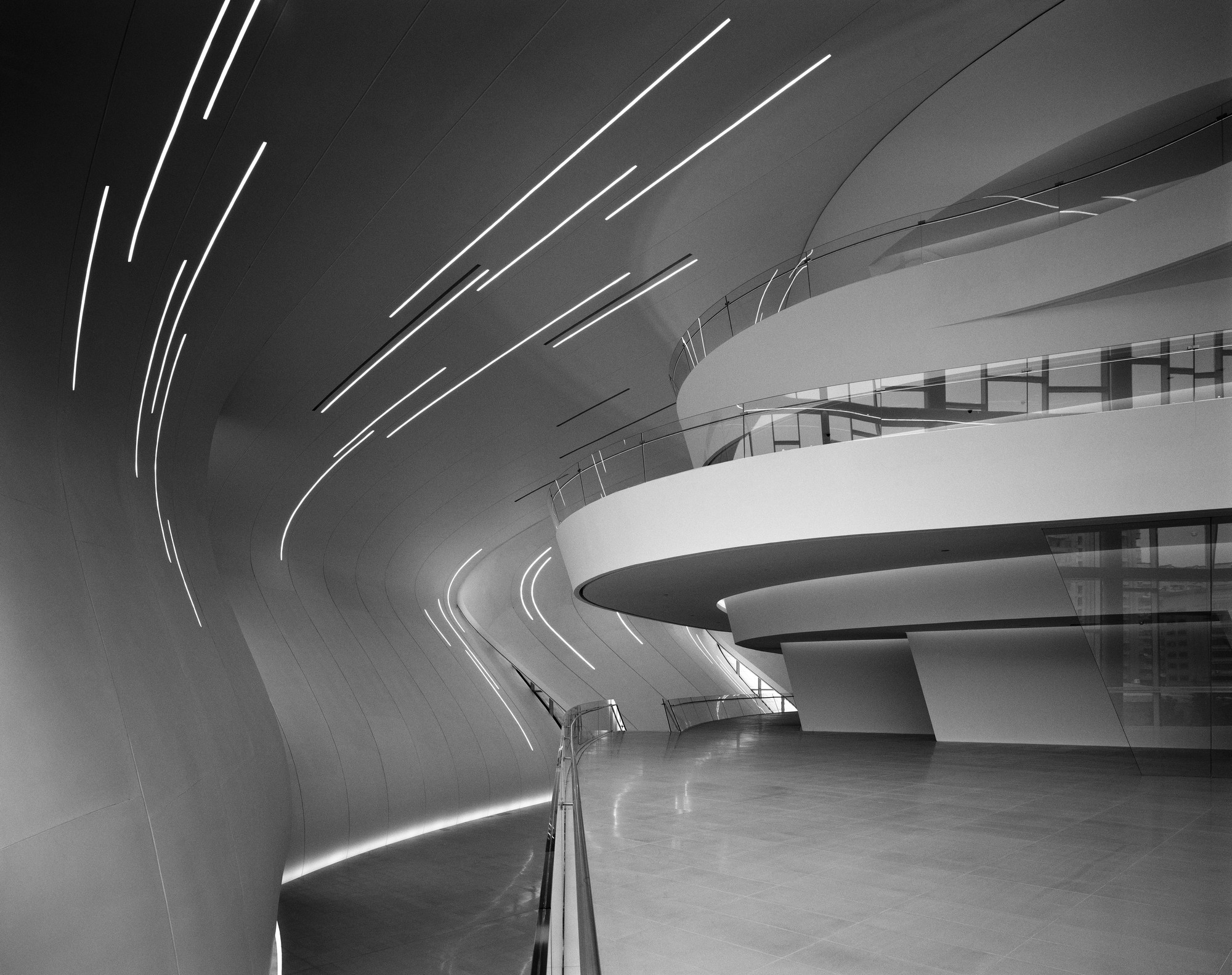
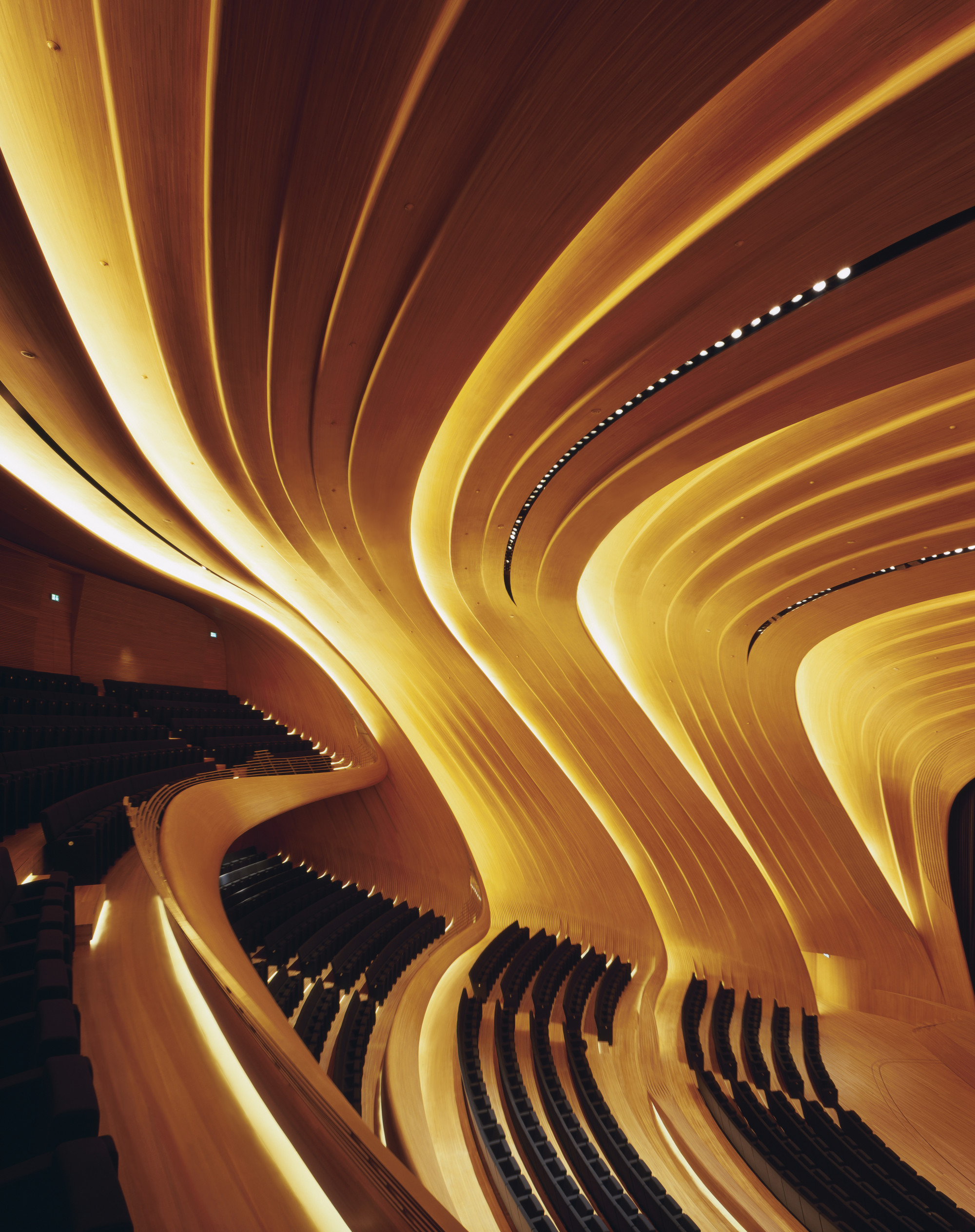
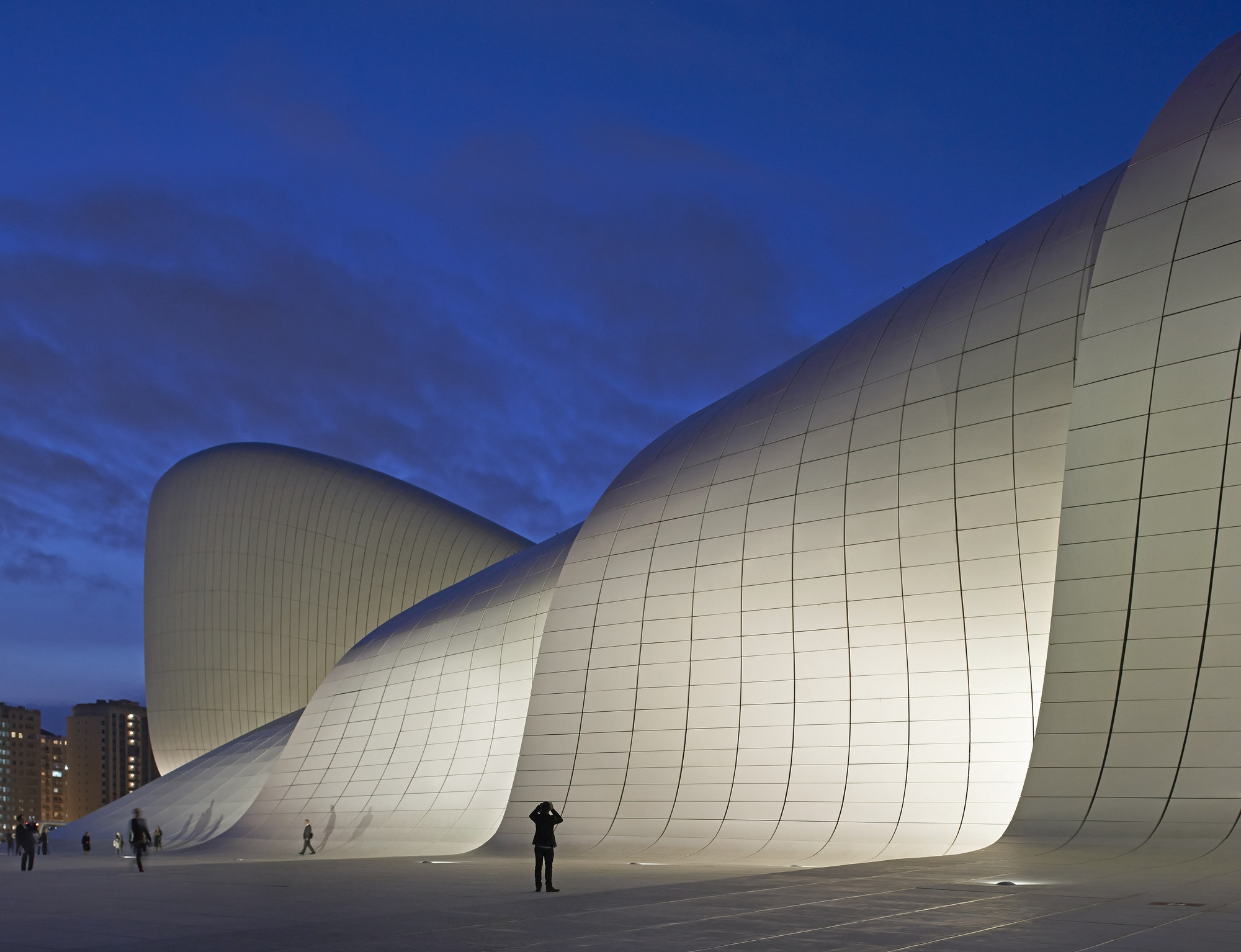
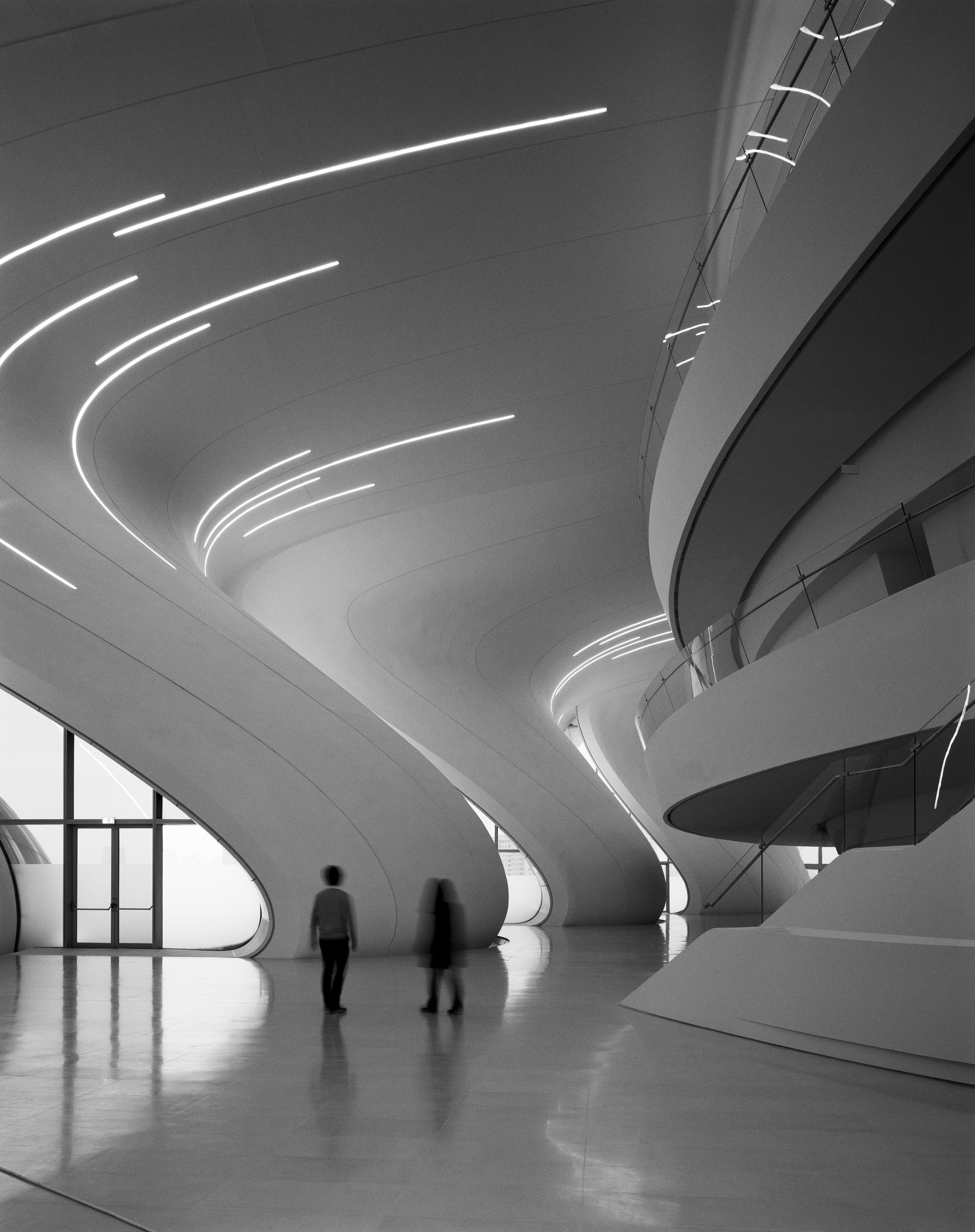
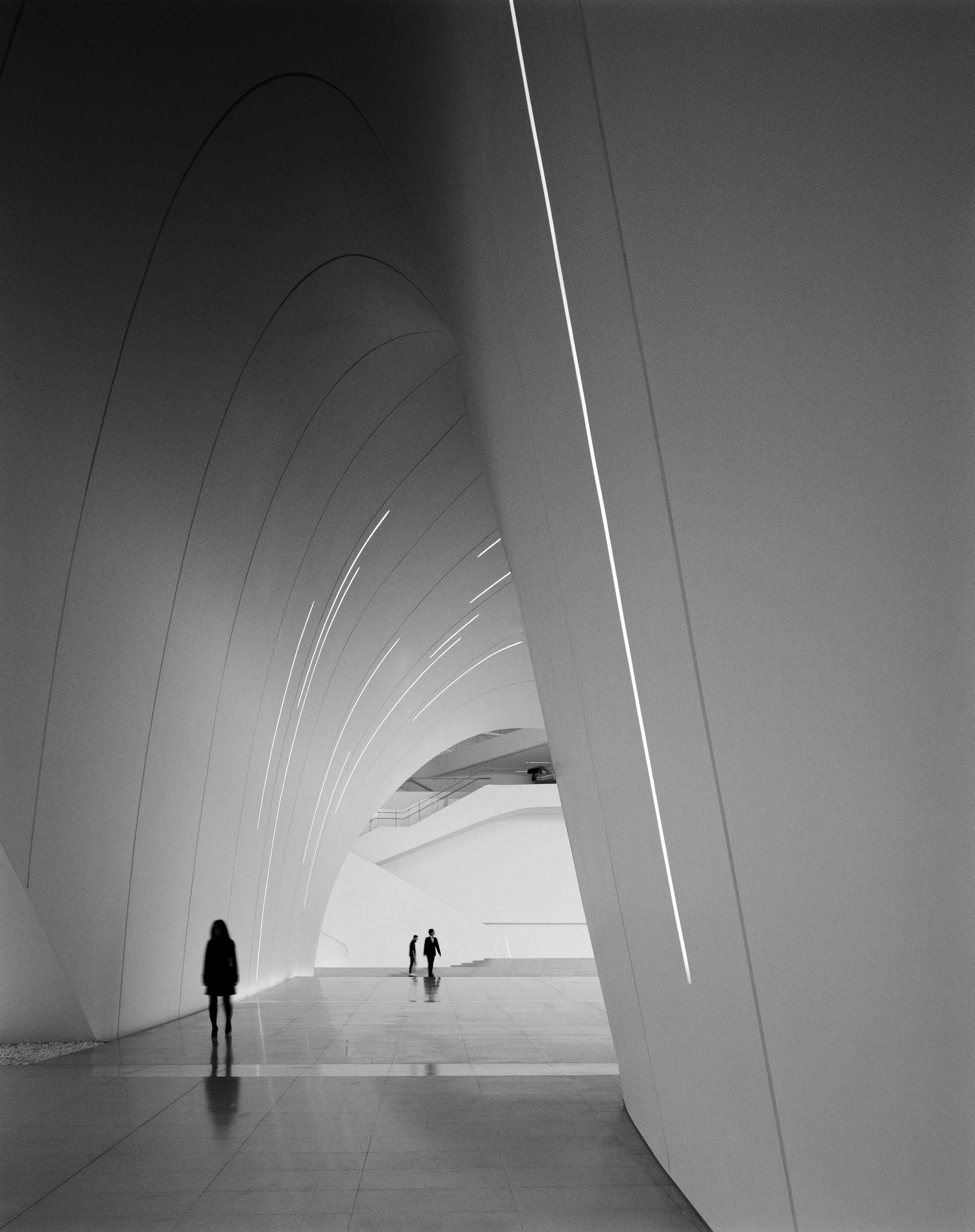
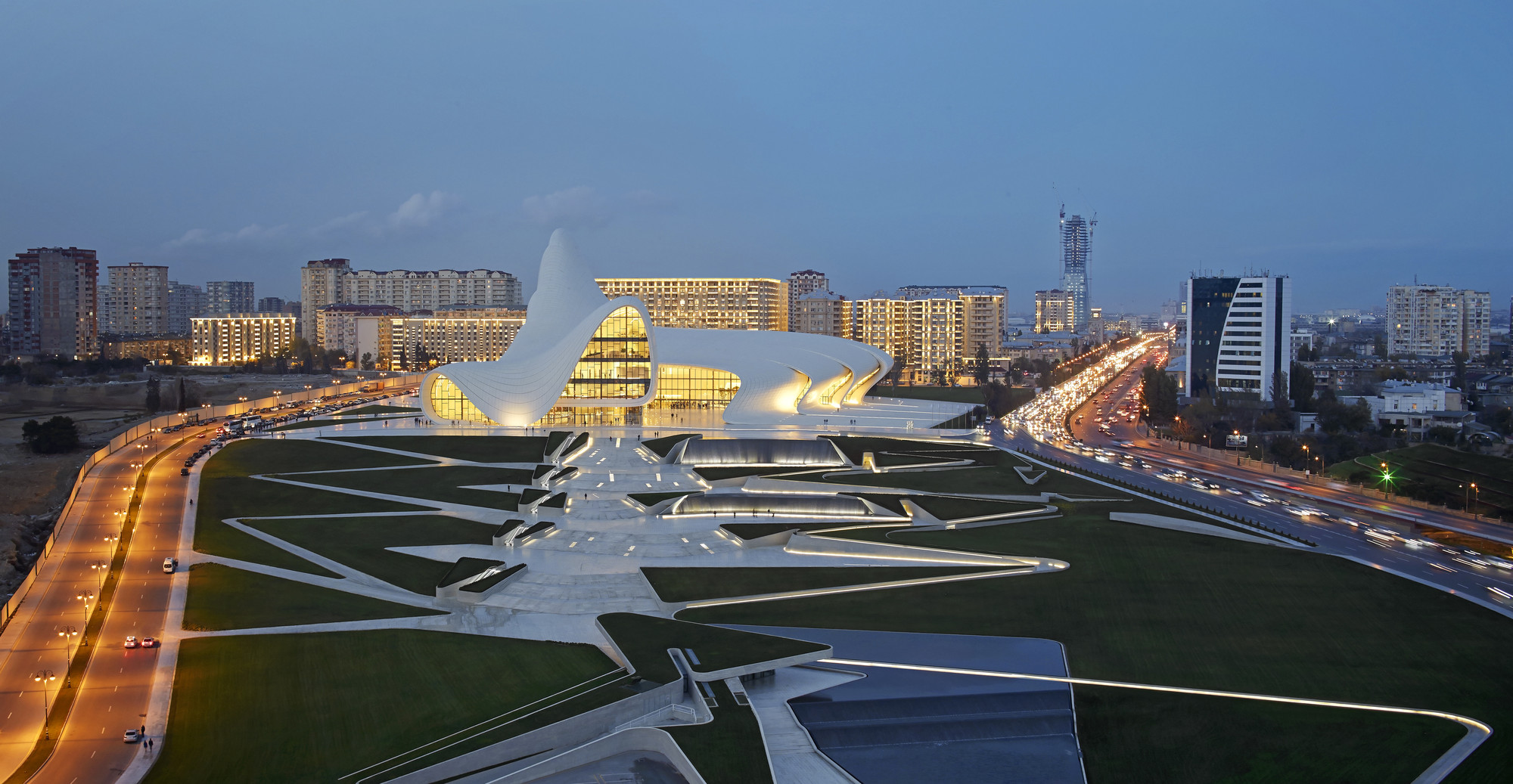
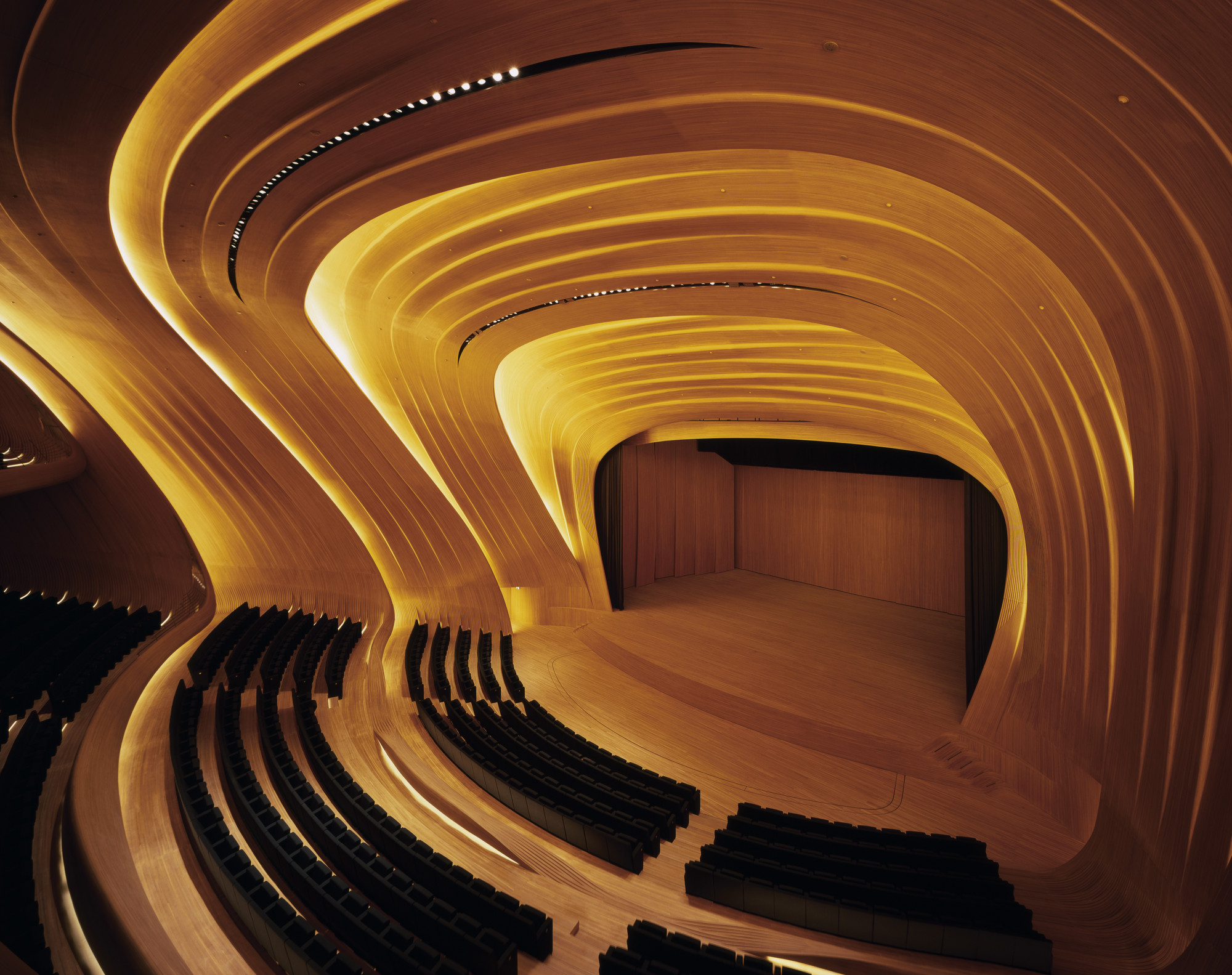
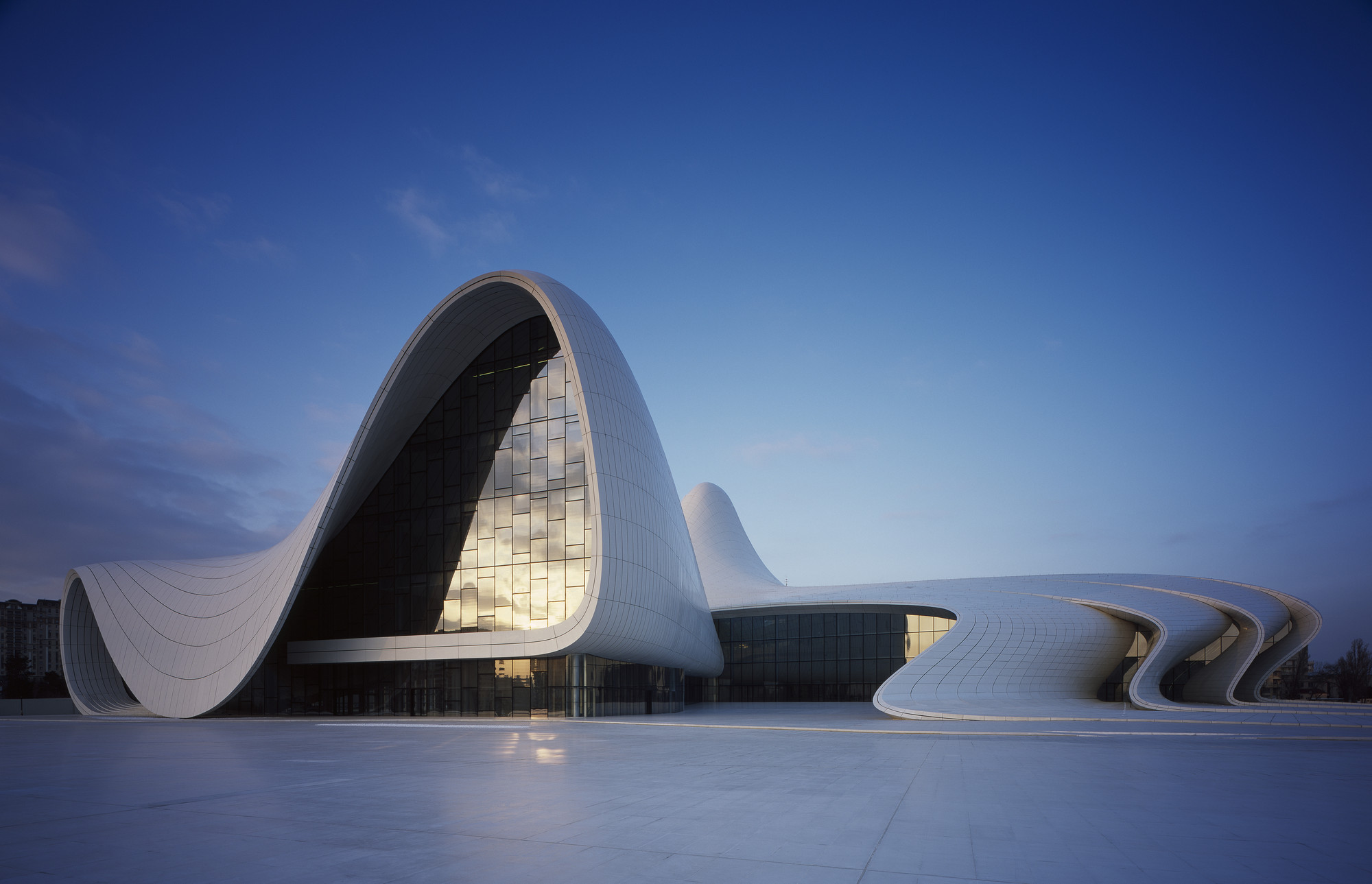
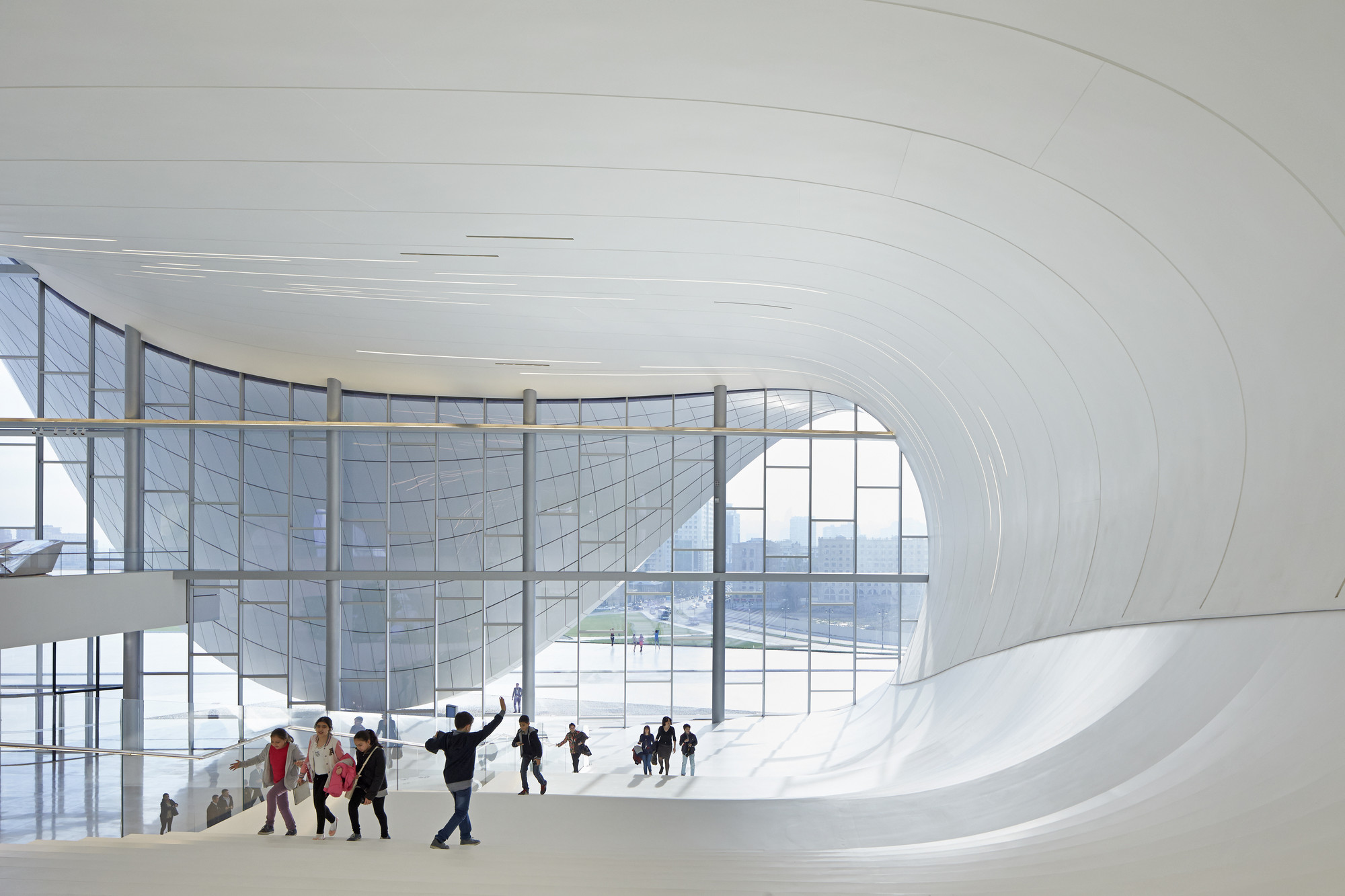
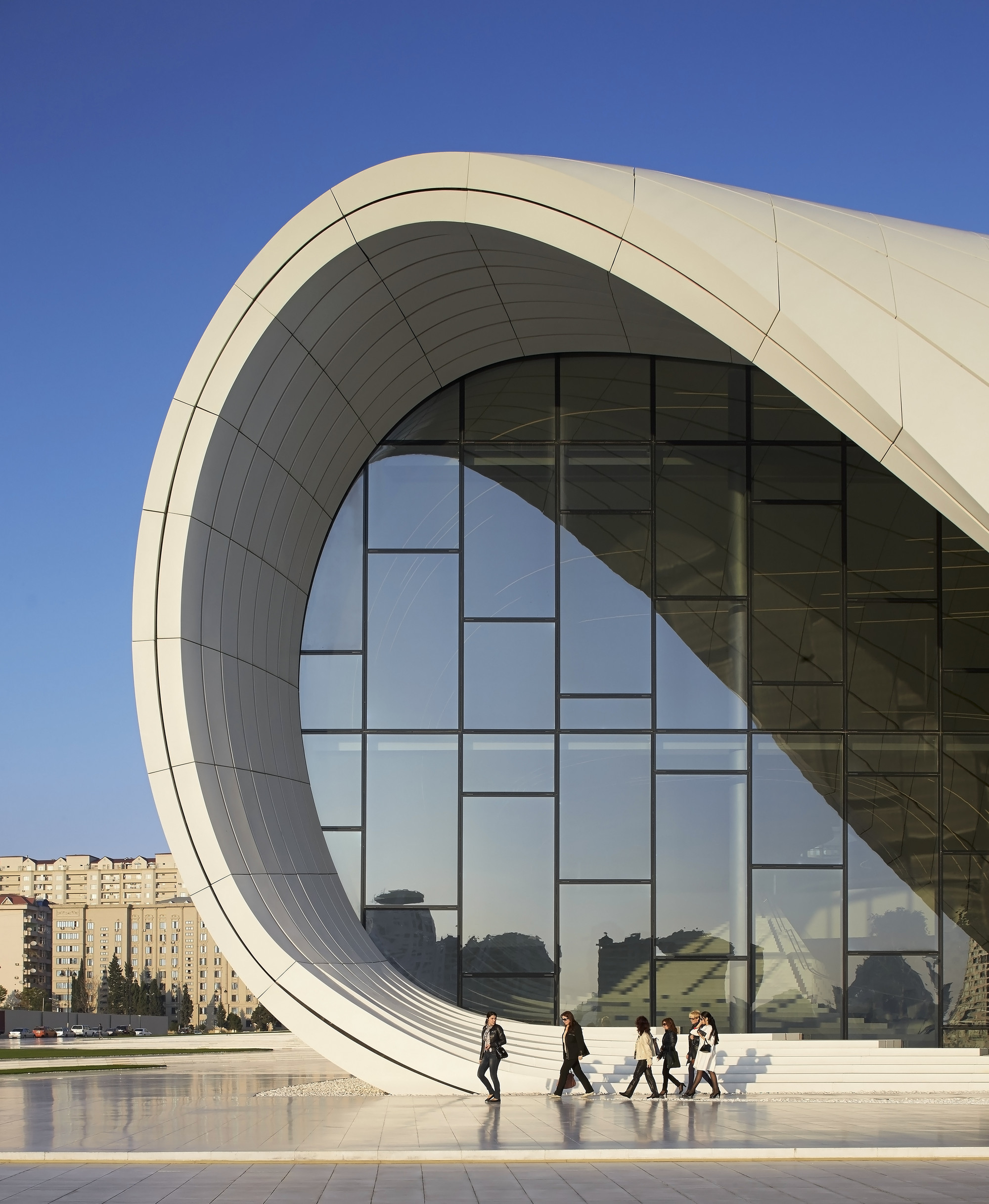
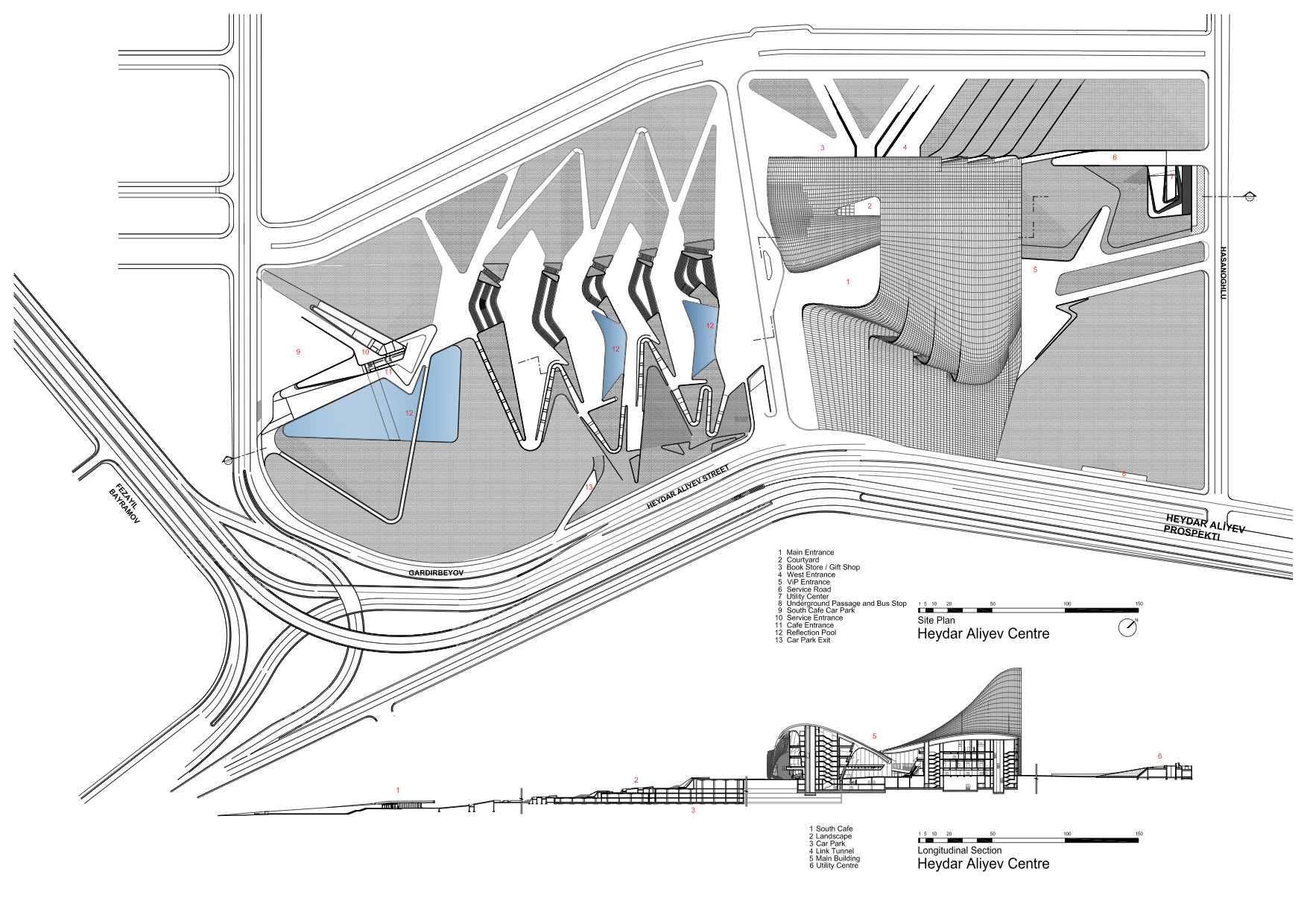
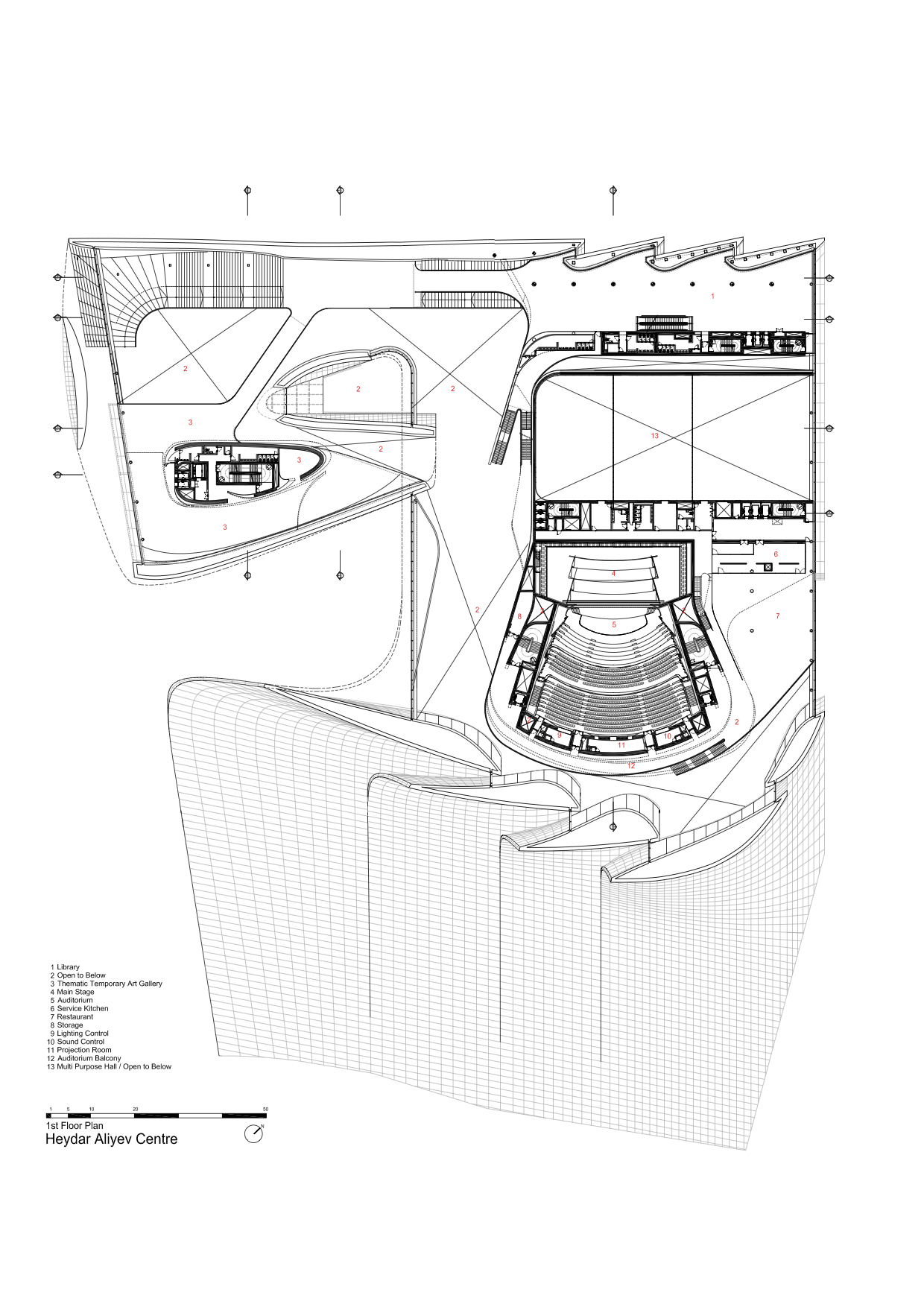
As part of the former Soviet Union, the city and architecture of Baku, the capital of Azerbaijan on the western coast of the Caspian Sea, were long shaped by Soviet-era planning concepts. Since the dissolution of the Soviet Union in 1991, Azerbaijan has pursued vigorous modernization, developing infrastructure and contemporary architecture in Baku and breaking free from the constraints of Soviet-style modernism. In 2007, Zaha Hadid was appointed through an architectural competition as the principal architect for the Heydar Aliyev Cultural Center. The local government envisioned the center as a representative building for national cultural life, moving away from the rigid, monumental Soviet architecture that prevailed in Baku and instead expressing the emotional connection to Azerbaijani culture and the nation's optimism toward the future. The design establishes a continuous, seamless relationship between the surrounding plaza and the interior spaces of the building. The plaza acts as a ground-level extension that directly integrates with Baku's urban fabric, gradually rising and enclosing public interior spaces that outline a series of areas for contemporary and traditional Azerbaijani cultural gatherings. Carefully designed formal transformations, branching, and folding make the plaza surface a multifunctional landscape architecture that welcomes, embraces, and guides visitors from different levels into the interior. The building's open gesture blurs the boundaries between architecture and urban landscape, between enclosure and public plaza, between background and ground, and between interior and exterior. Fluidity is not a new concept in this region: in traditional Islamic architecture, rows of columns flow like trees in a forest toward infinity, creating non-hierarchical spaces. Continuous calligraphic and decorative patterns spread from carpets to walls, from walls to ceilings, and from ceilings to domes, creating seamless connections. The Heydar Aliyev Cultural Center brings this tradition of continuity into a contemporary architectural language, producing a landmark that embodies Azerbaijan's cultural confidence and its aspirations for the future.
TEAM
Client: The Republic of Azerbaijan; Design Team: Sara Sheikh Akbari, Shiqi Li, Phil Soo Kim, Marc Boles, Yelda Gin, Liat Muller, Deniz Manisali, Lillie Liu, Jose Lemos, Simone Fuchs, Jose Ramon Tramoyeres, Yu Du, Tahmina Parvin, Erhan Patat, Fadi Mansour, Jaime Bartolome, Josef Glas, Michael Grau, Deepti Zachariah, Ceyhun Baskin, Daniel Widrig, Murat Mutlu and special thanks to Charles Walker























 Editor's Pick
 Latest Design
 Best Idea