Text description provided by the architects
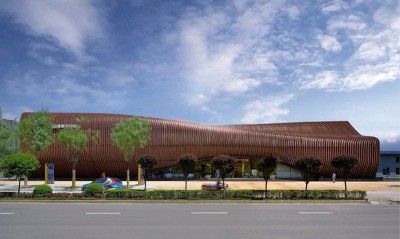
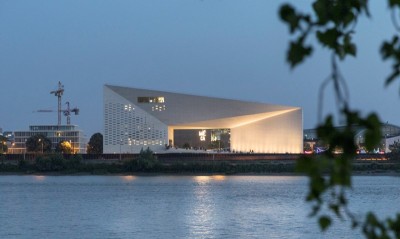
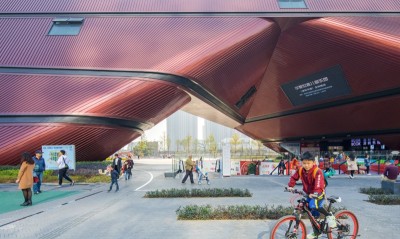
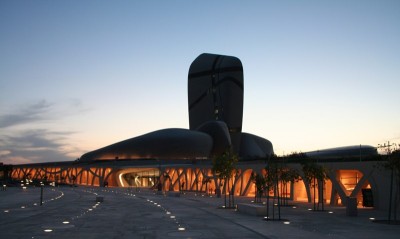
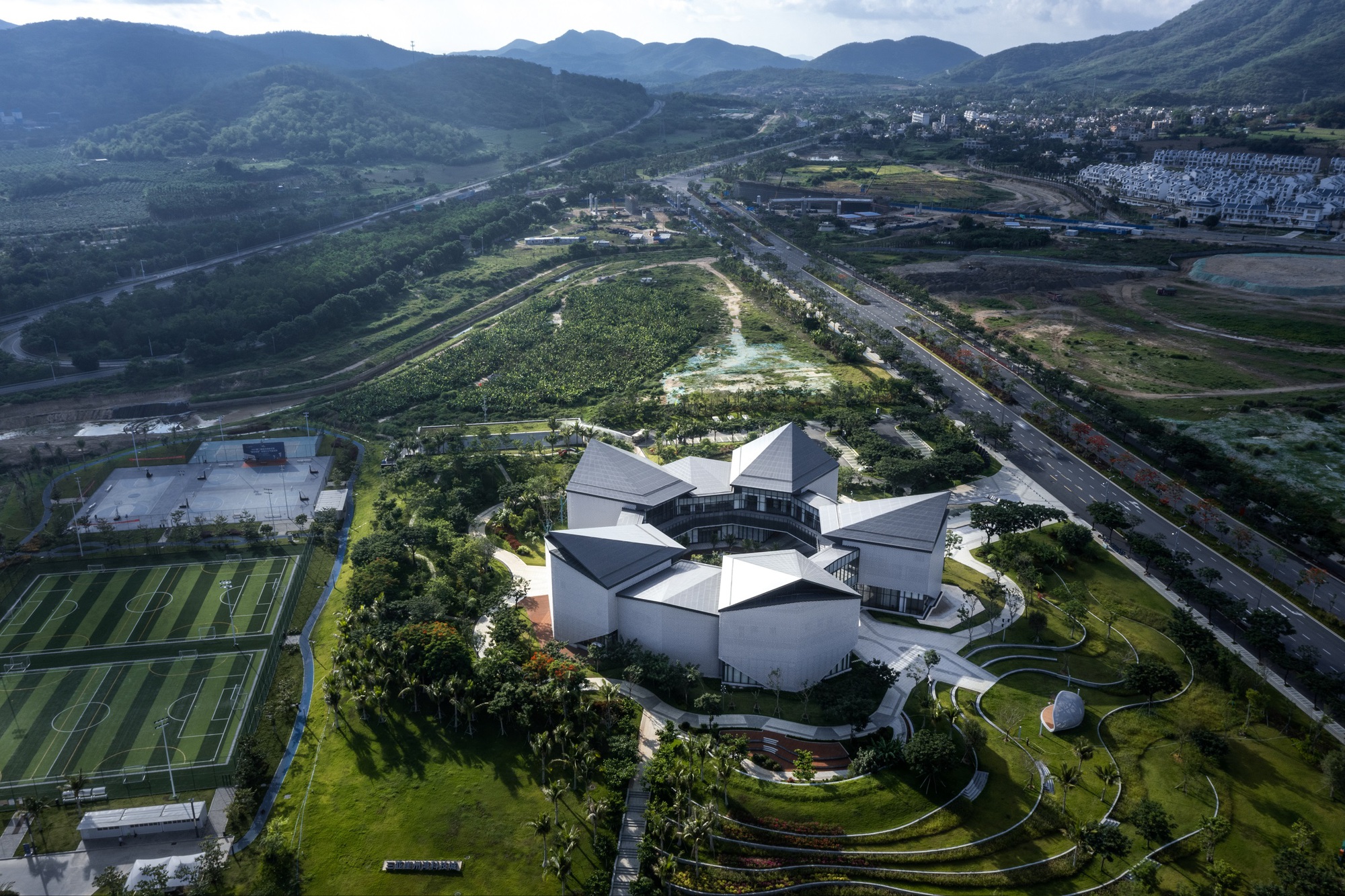
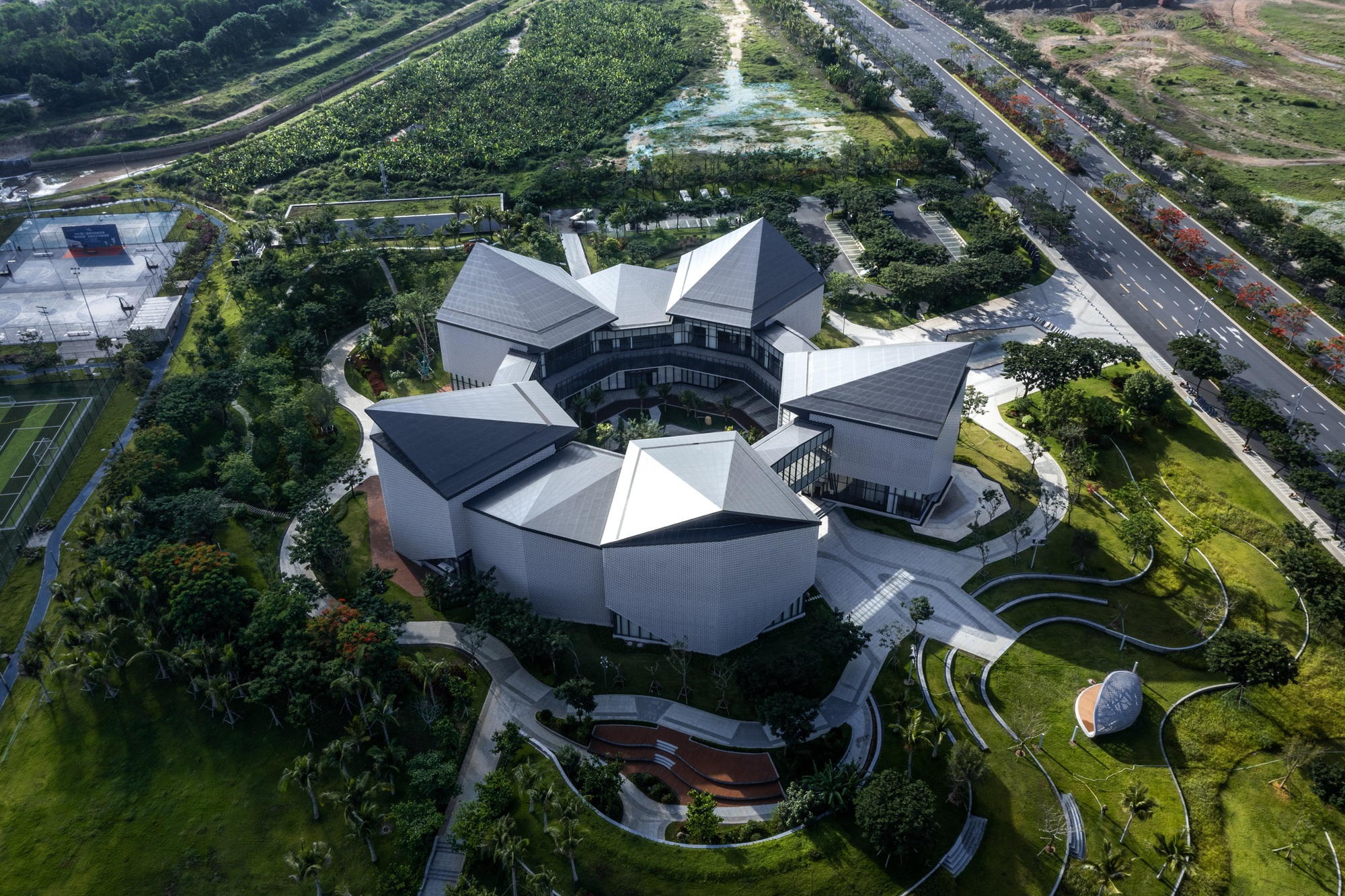
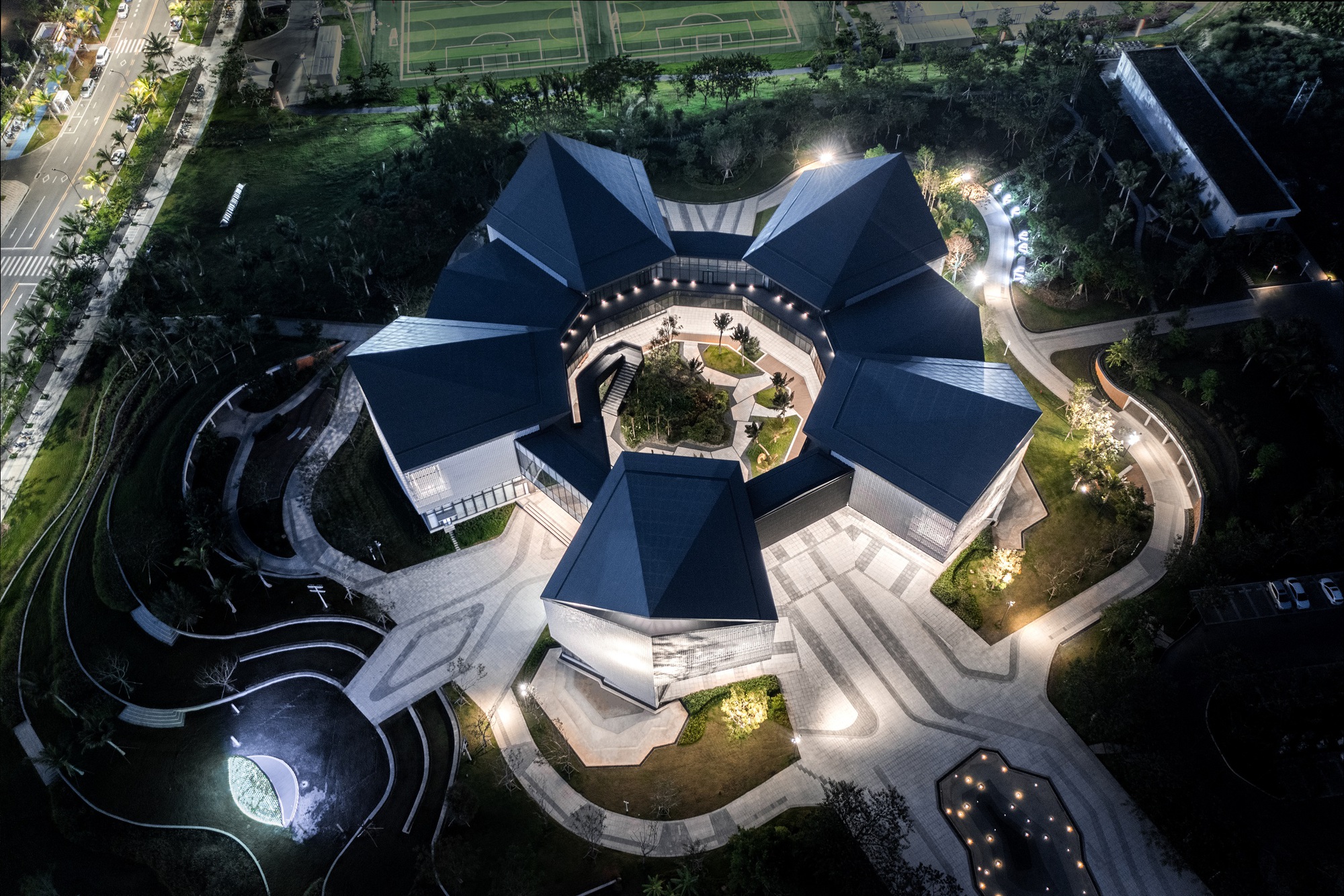
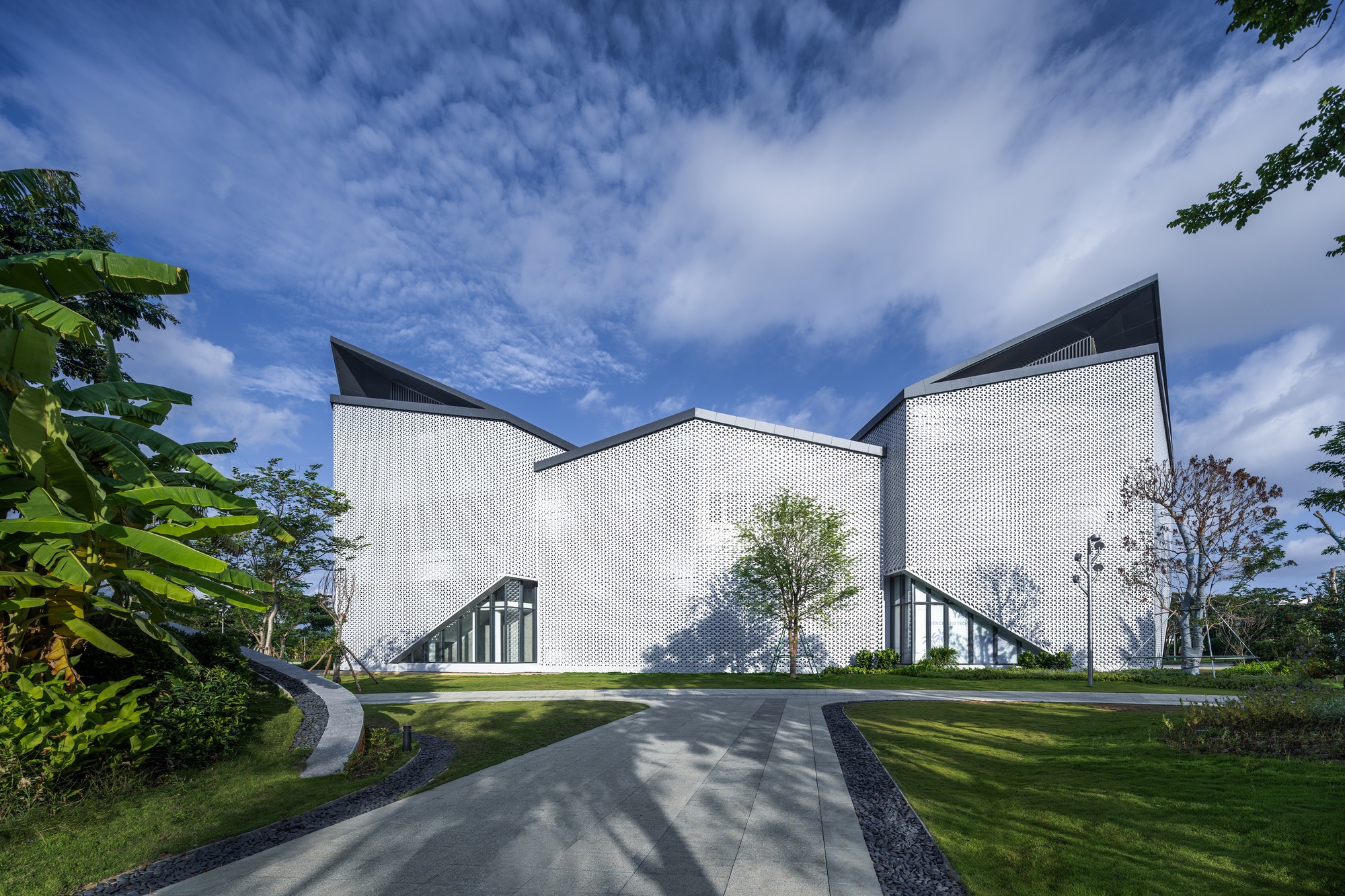
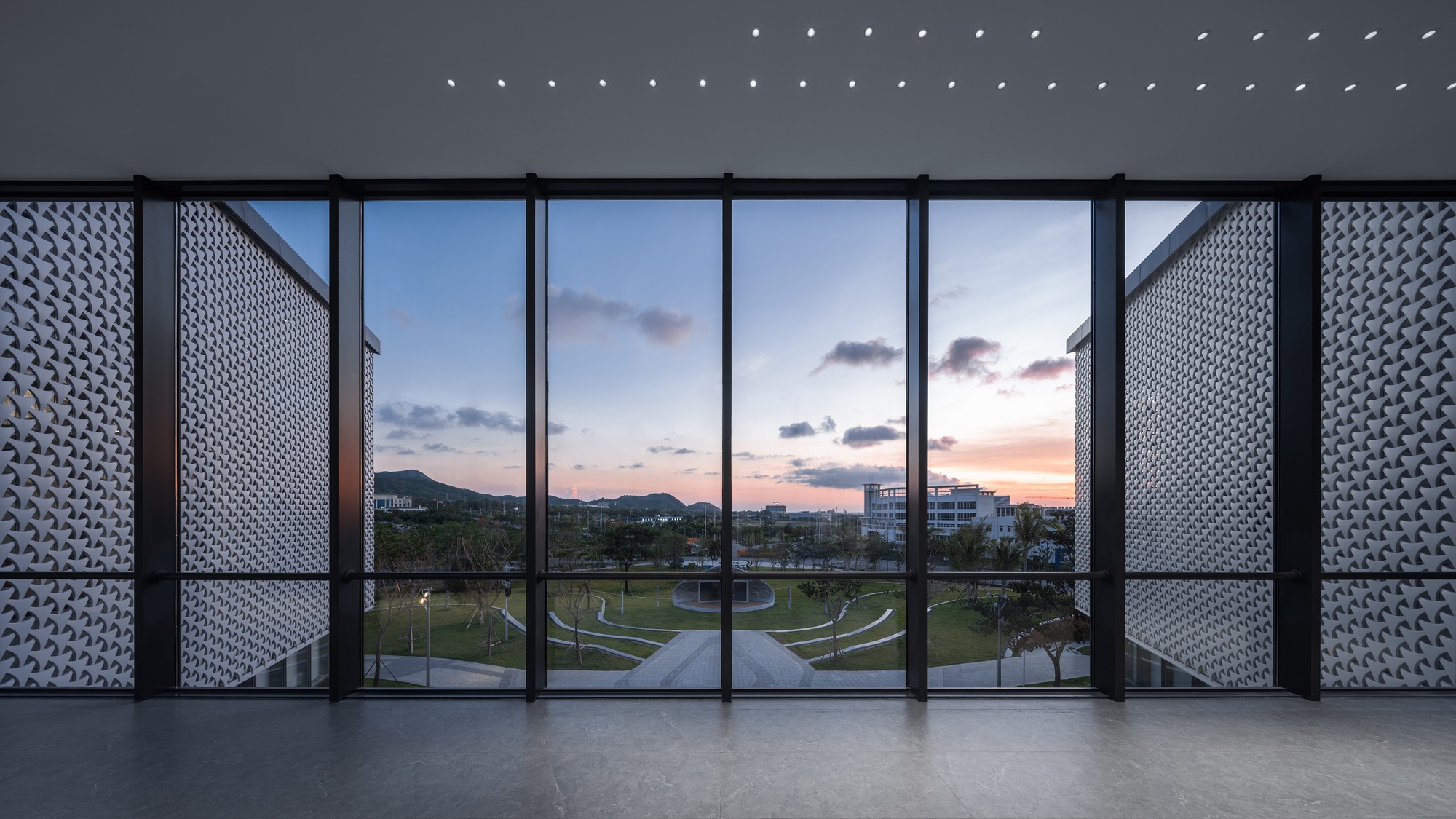
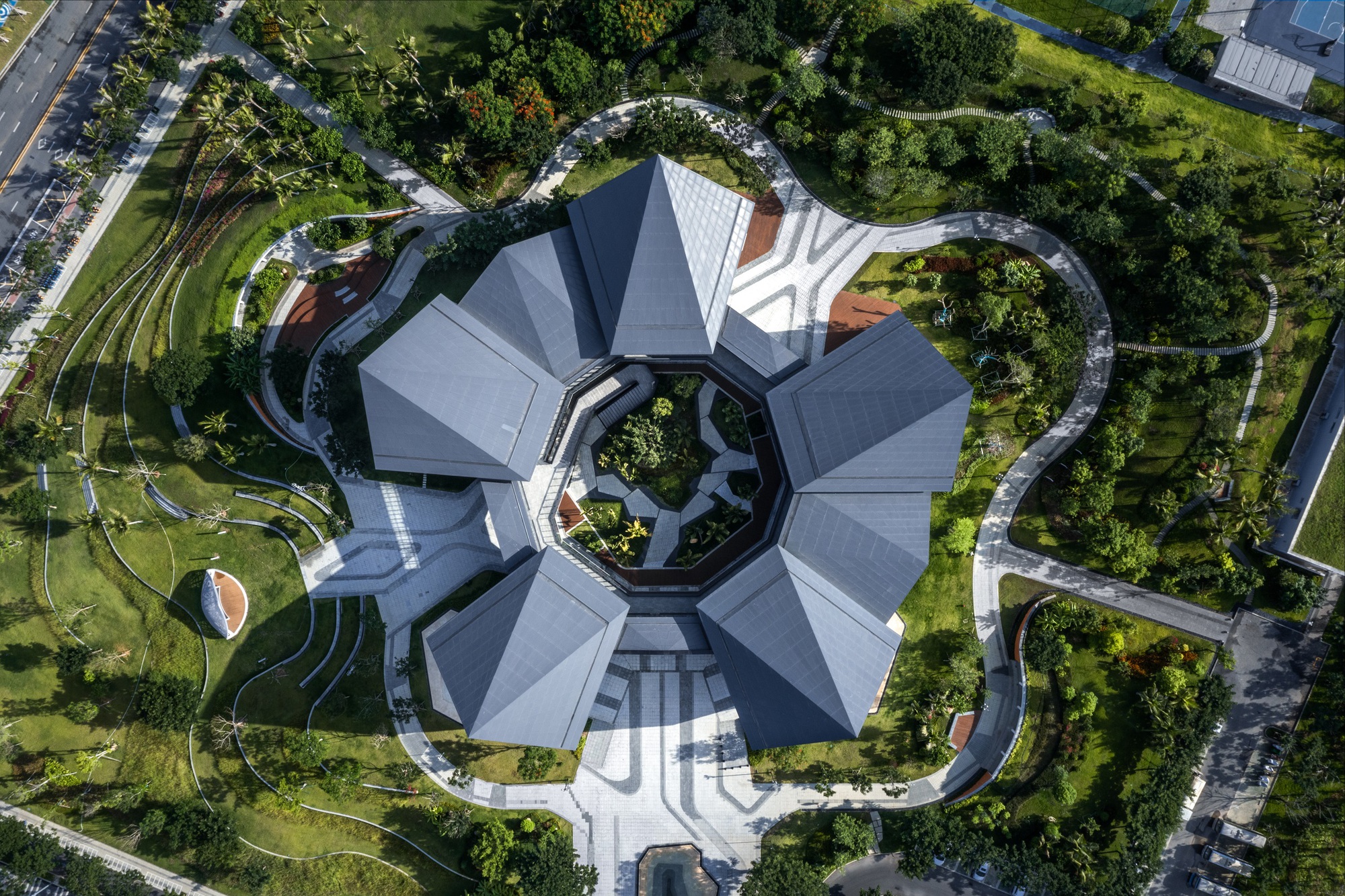
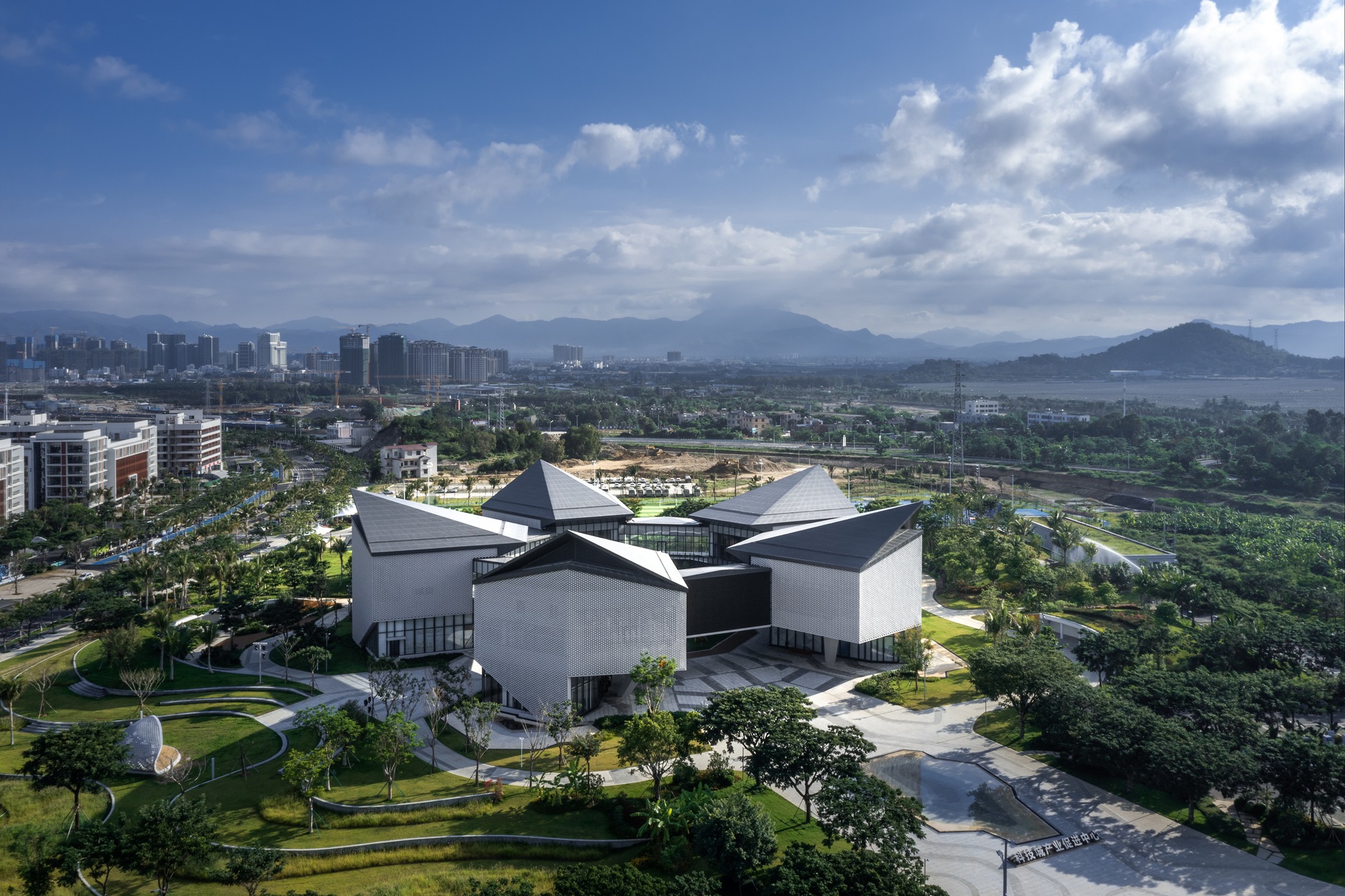
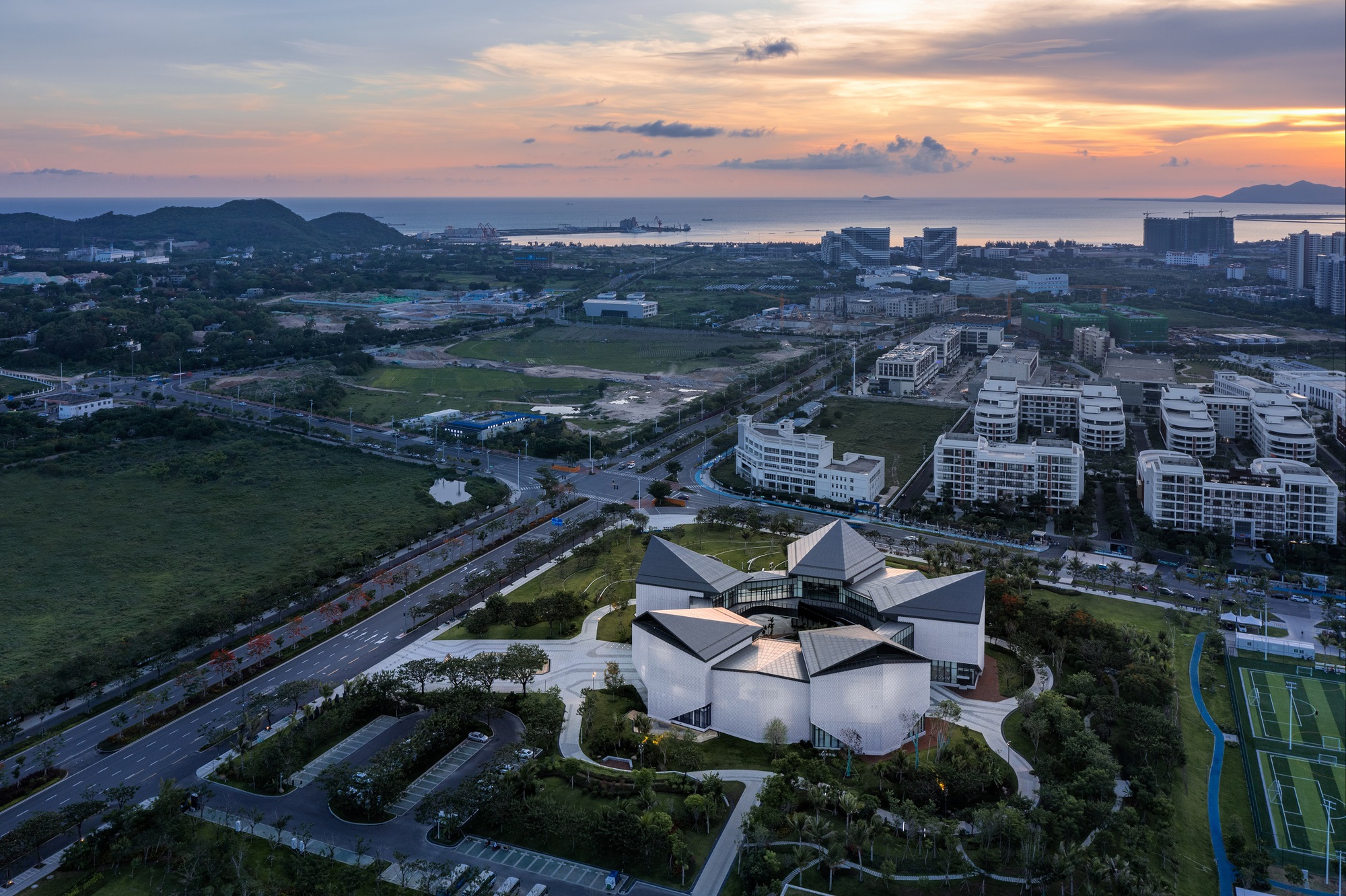
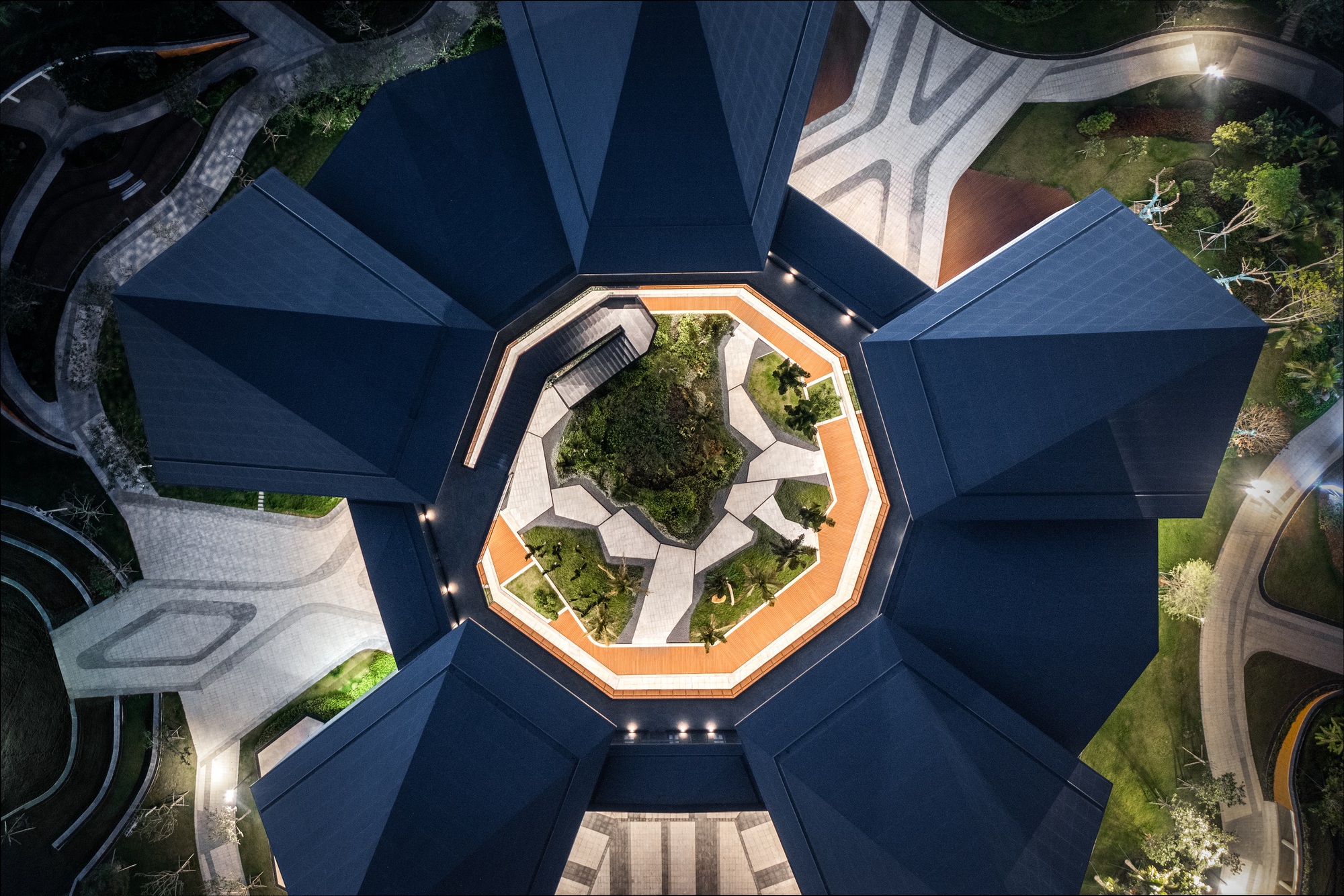
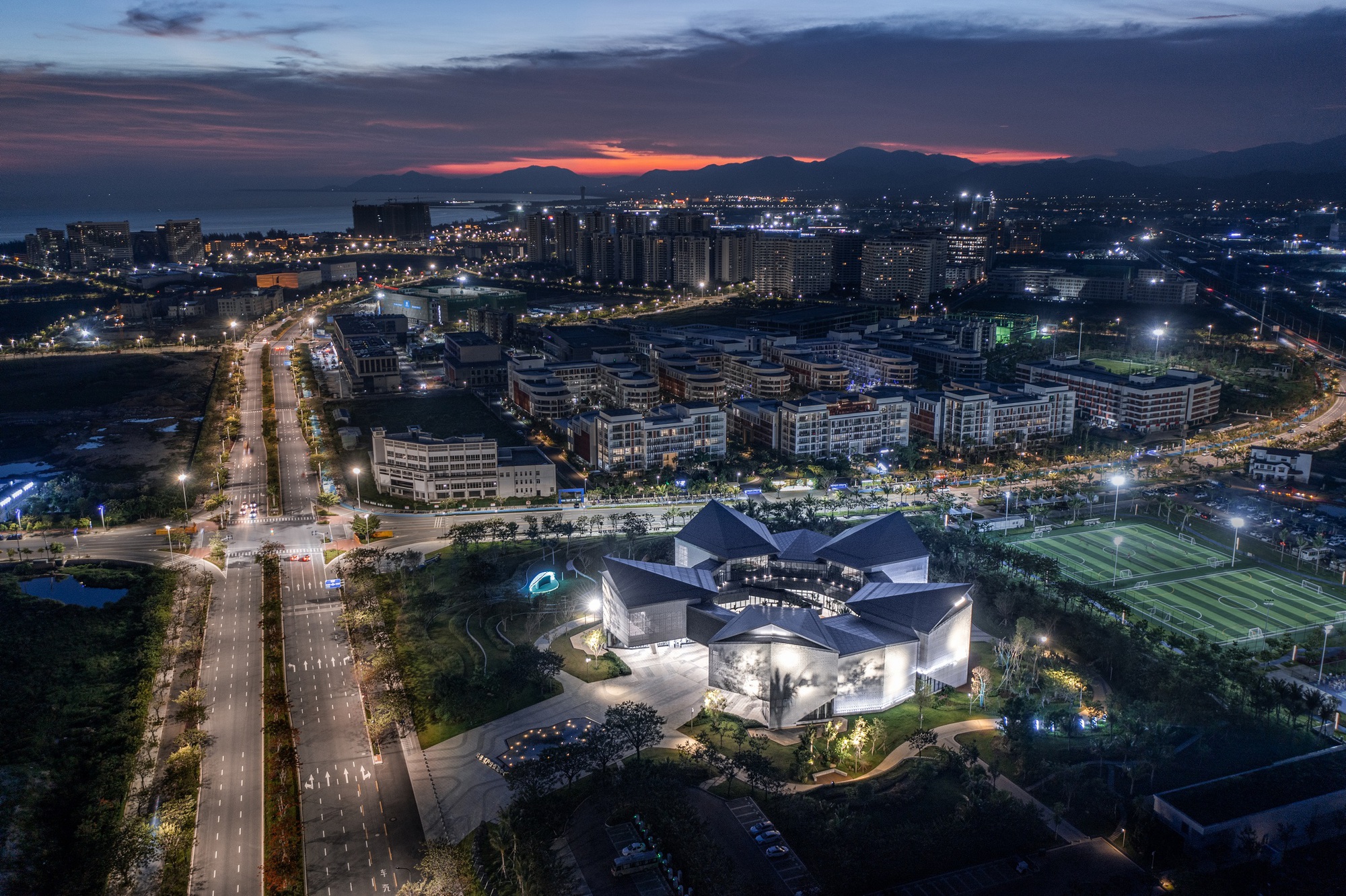
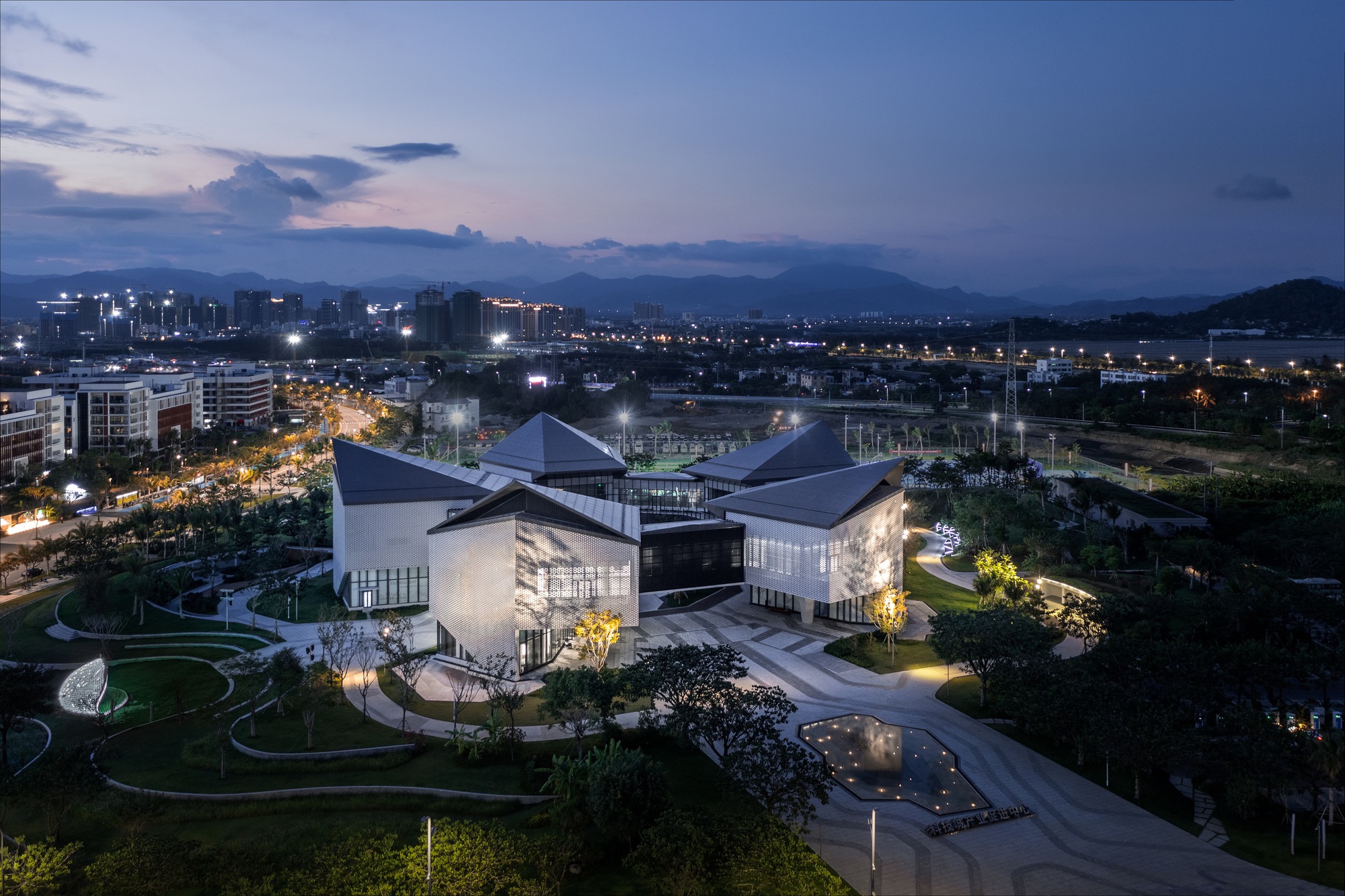
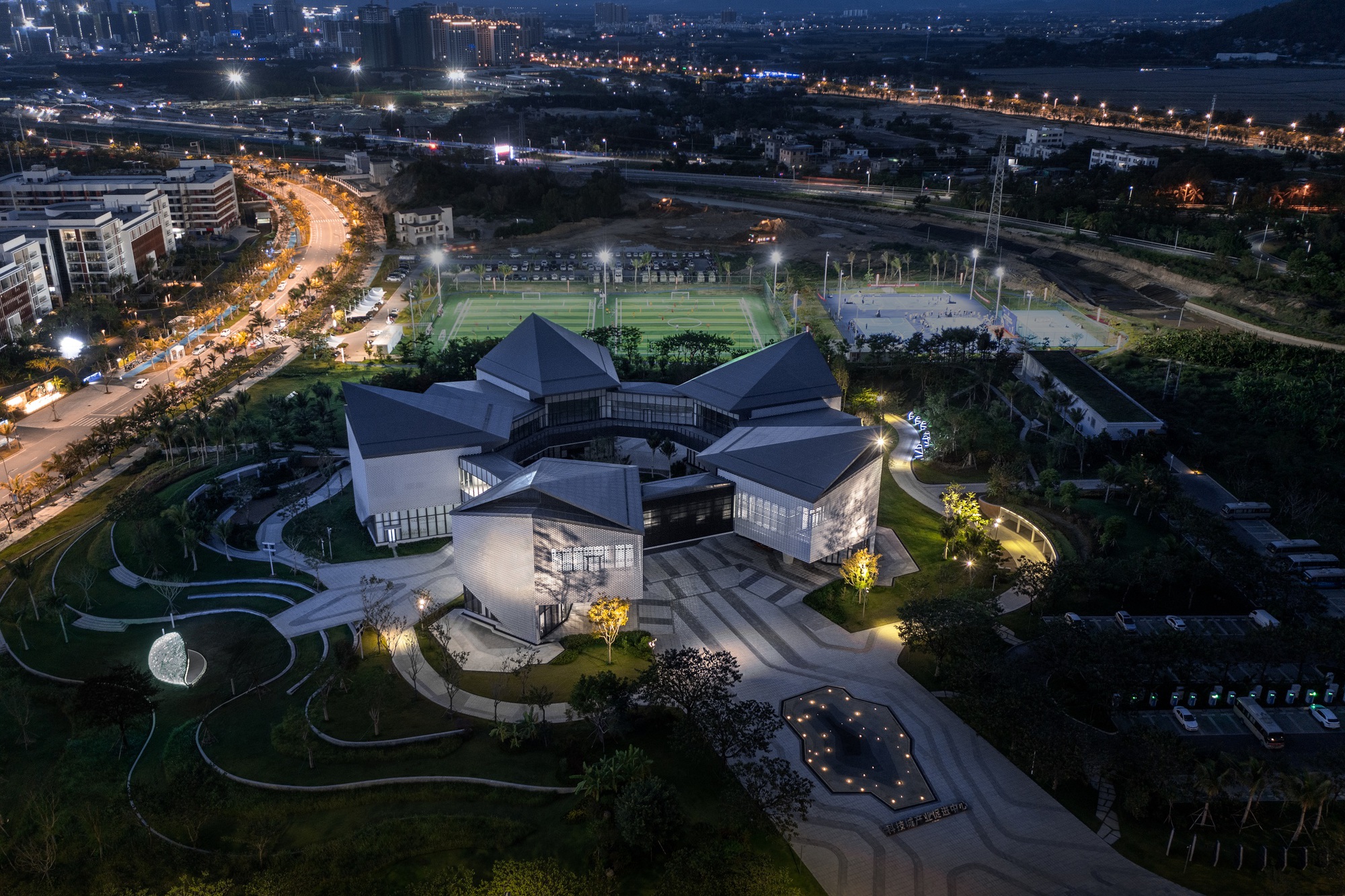
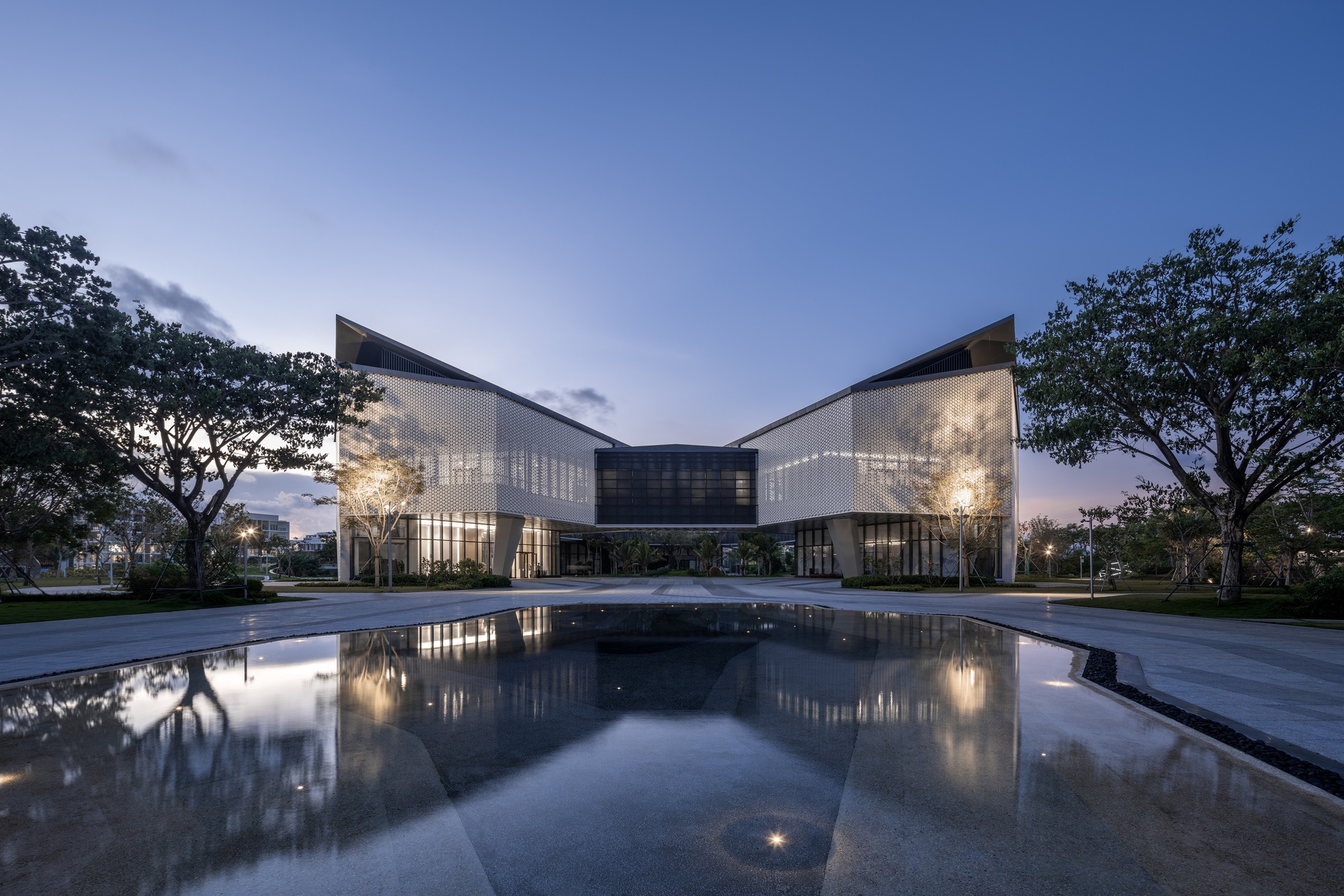
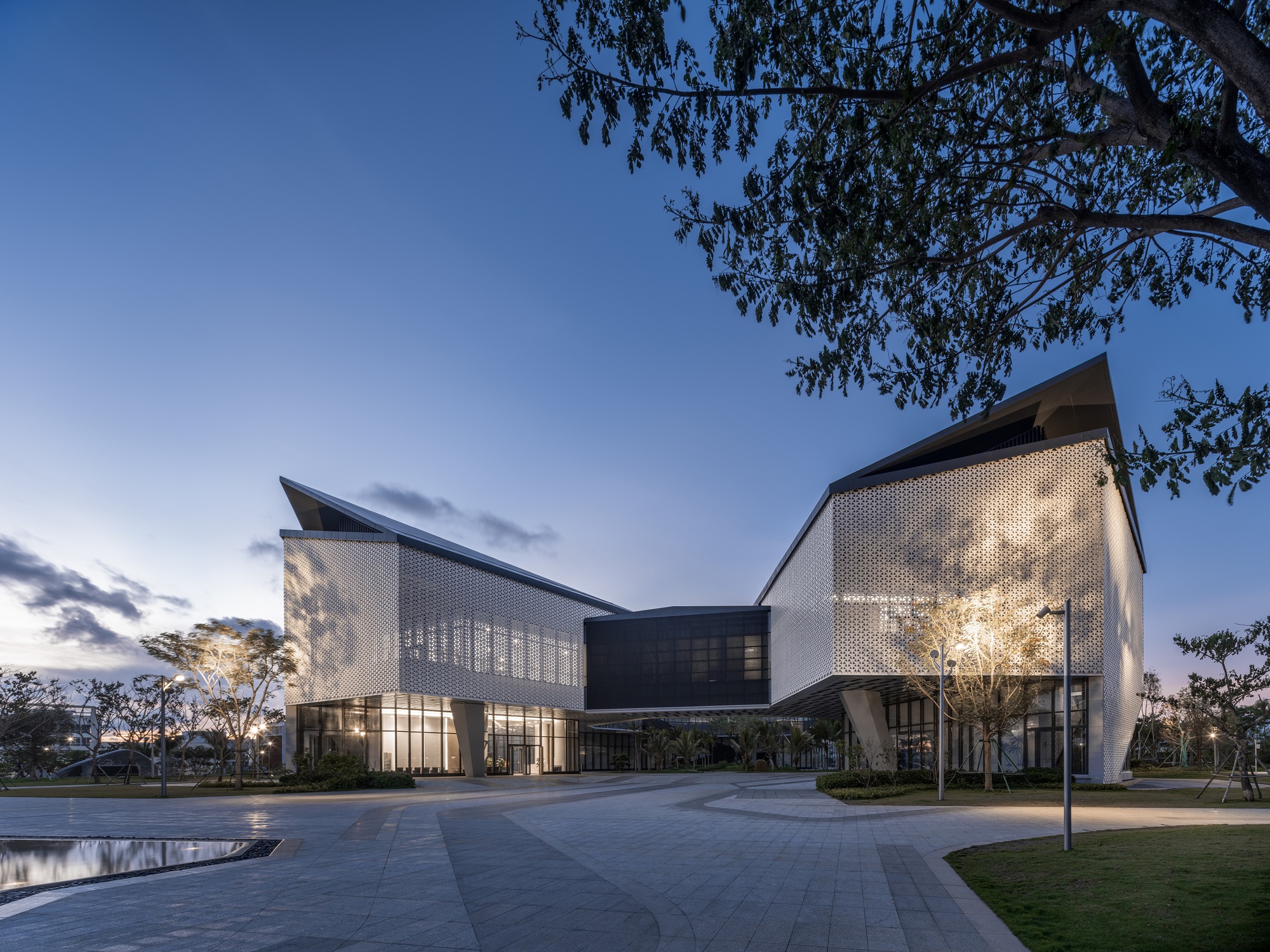
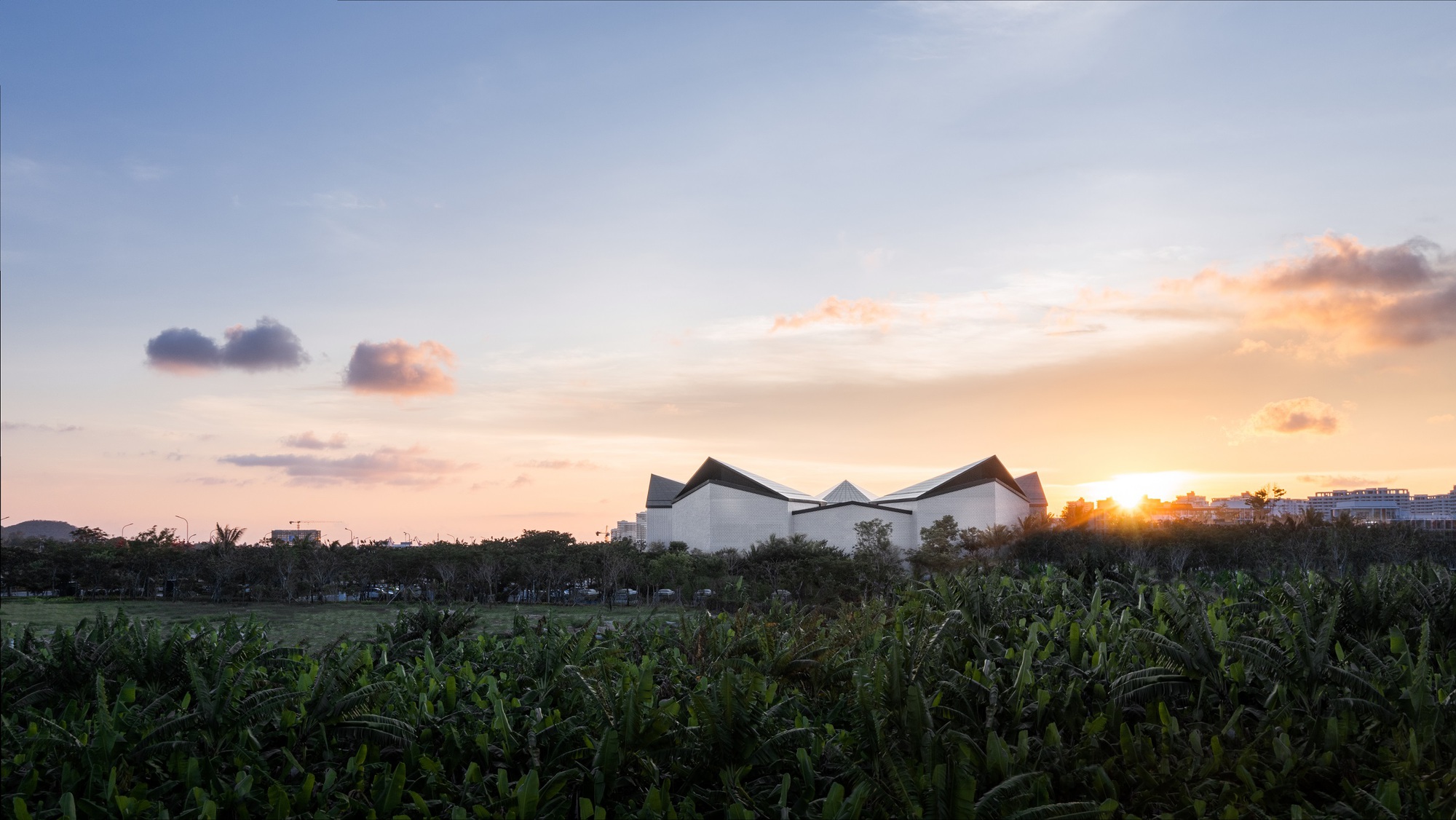
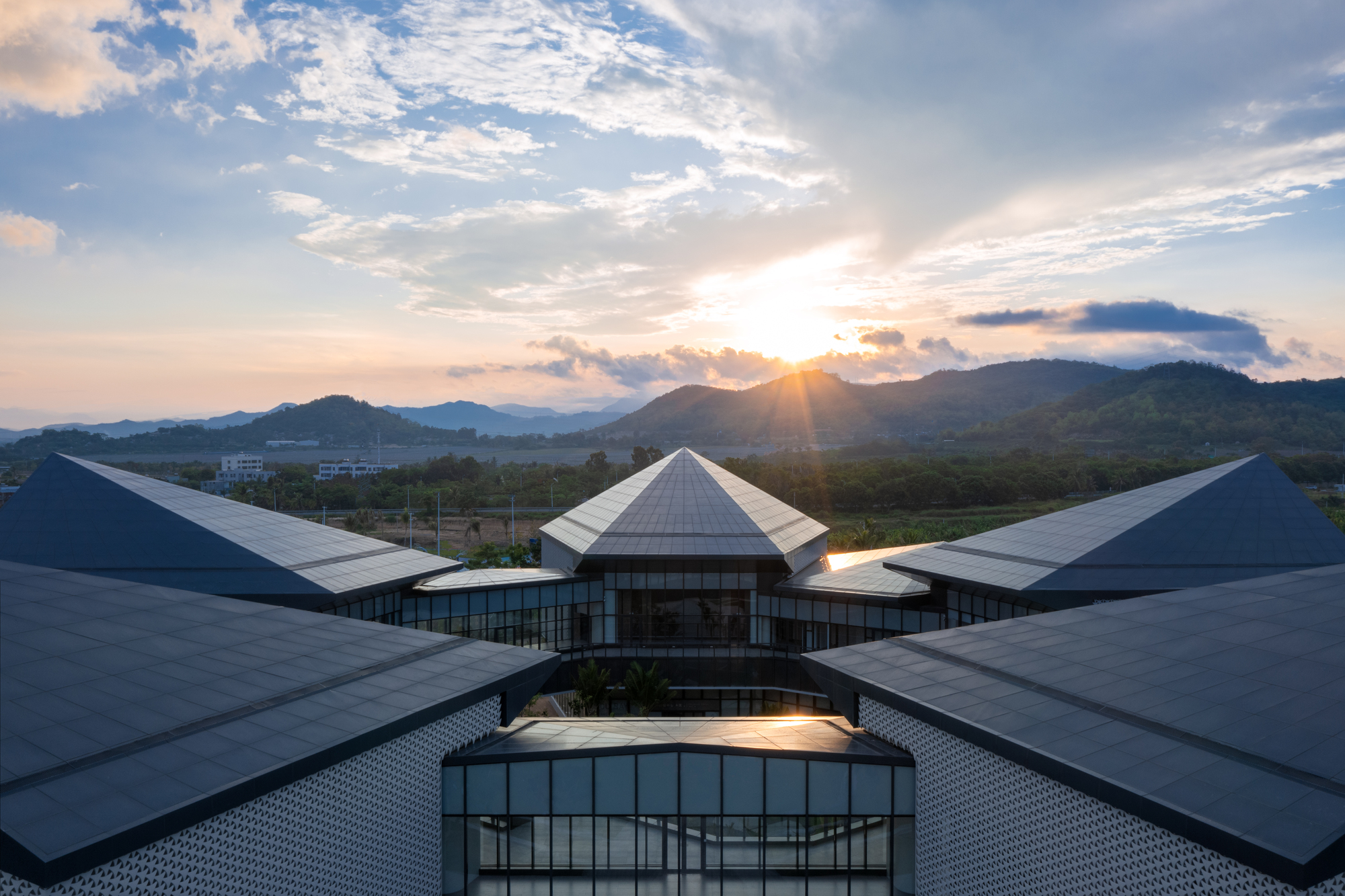
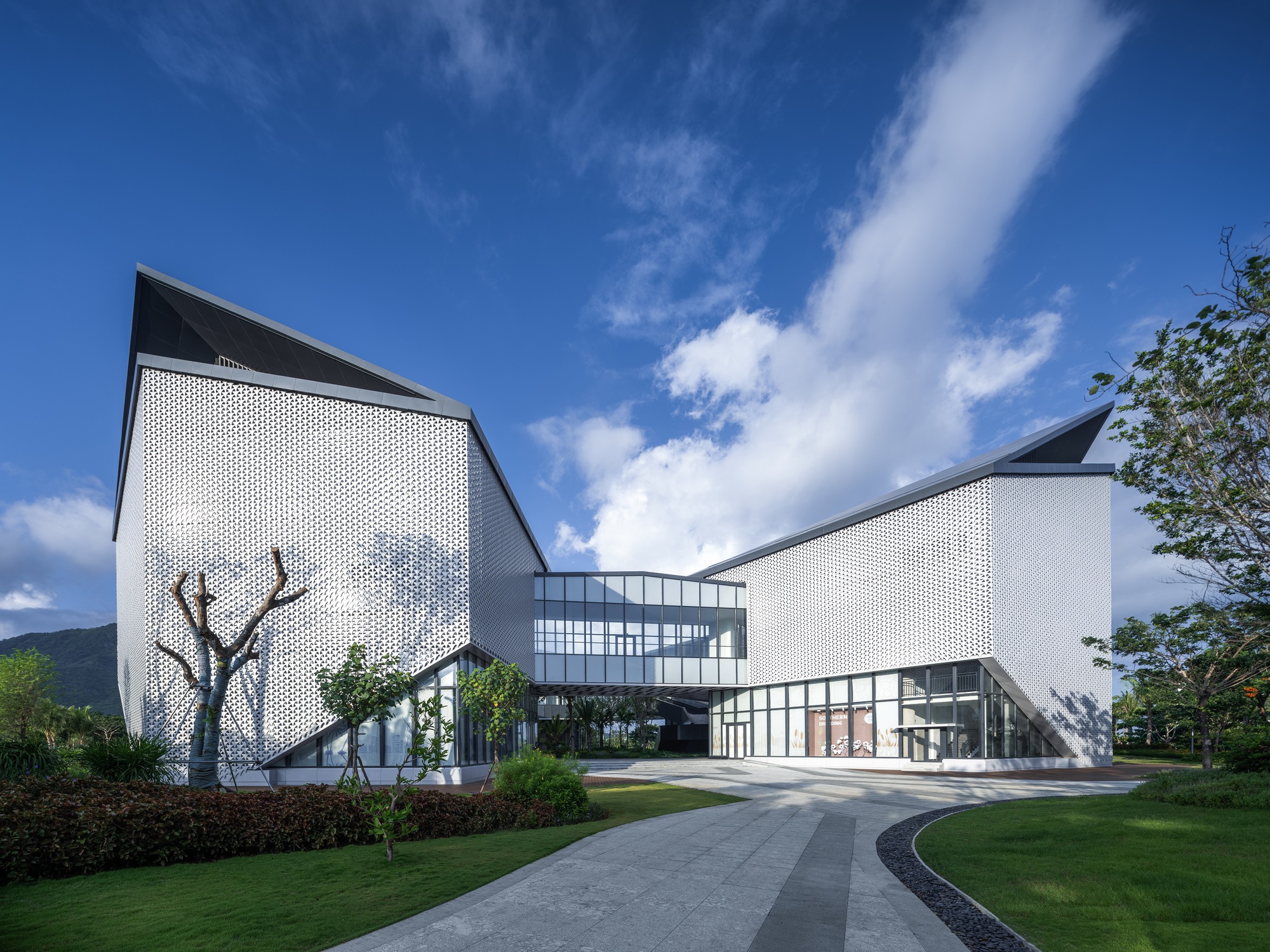
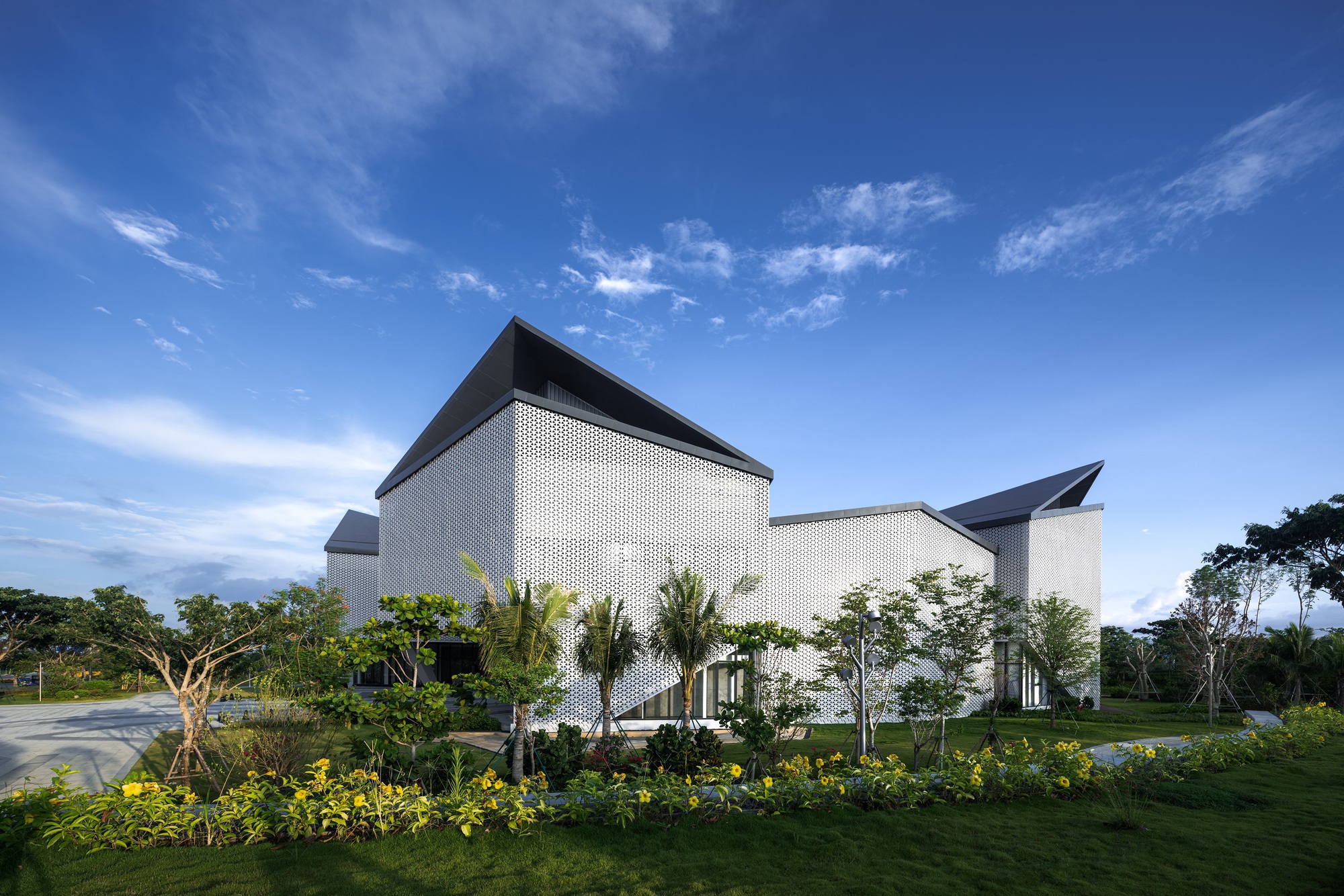
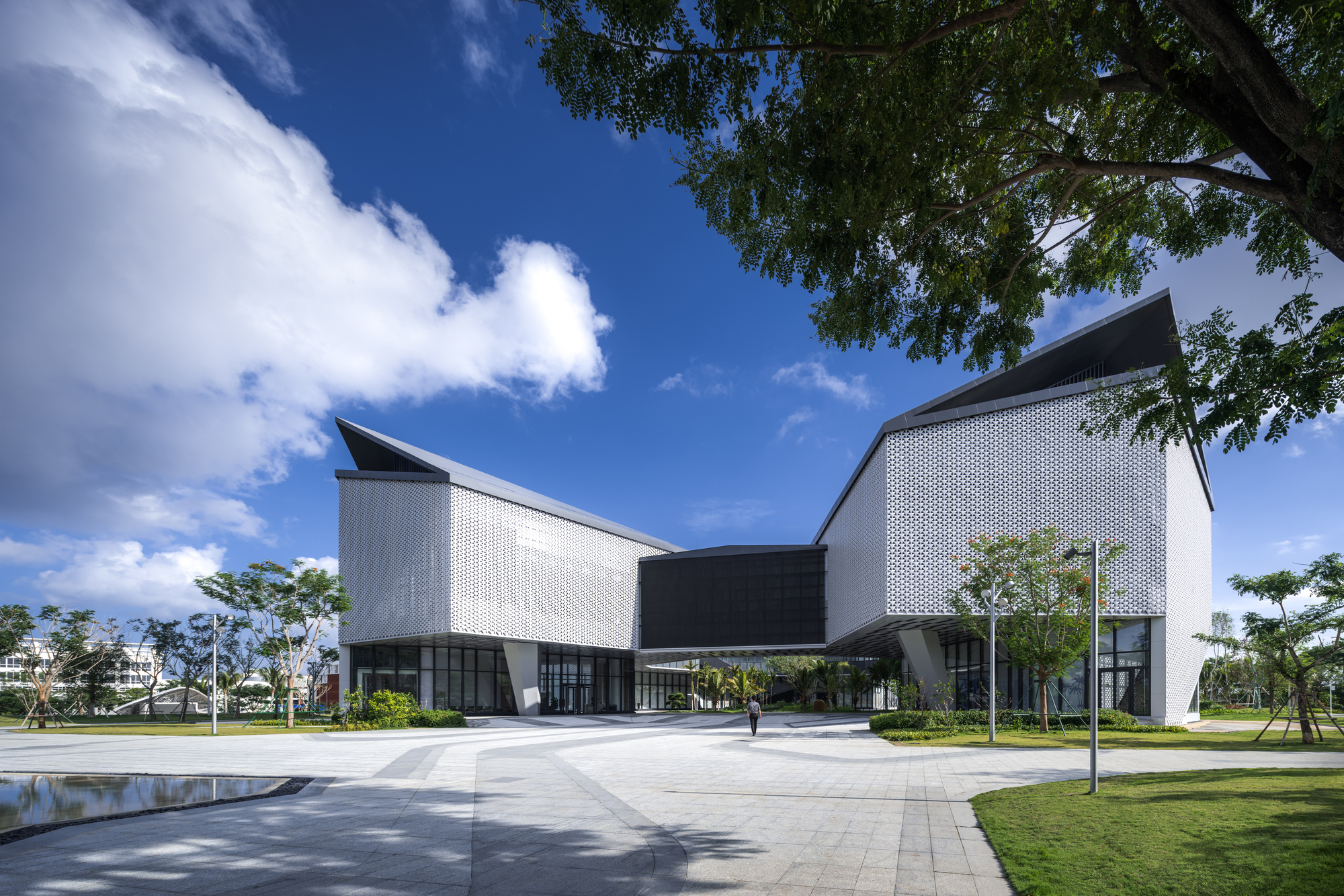
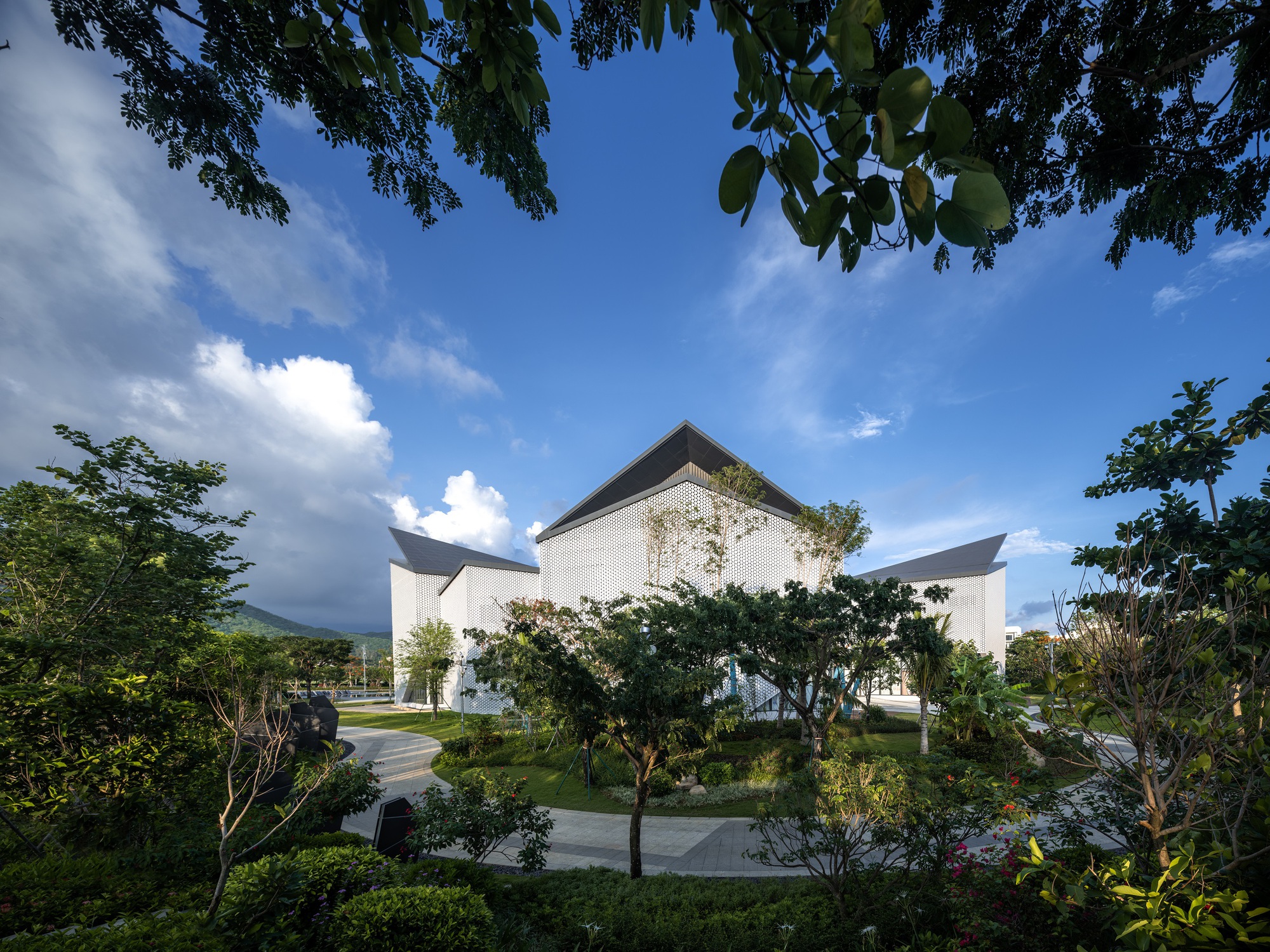
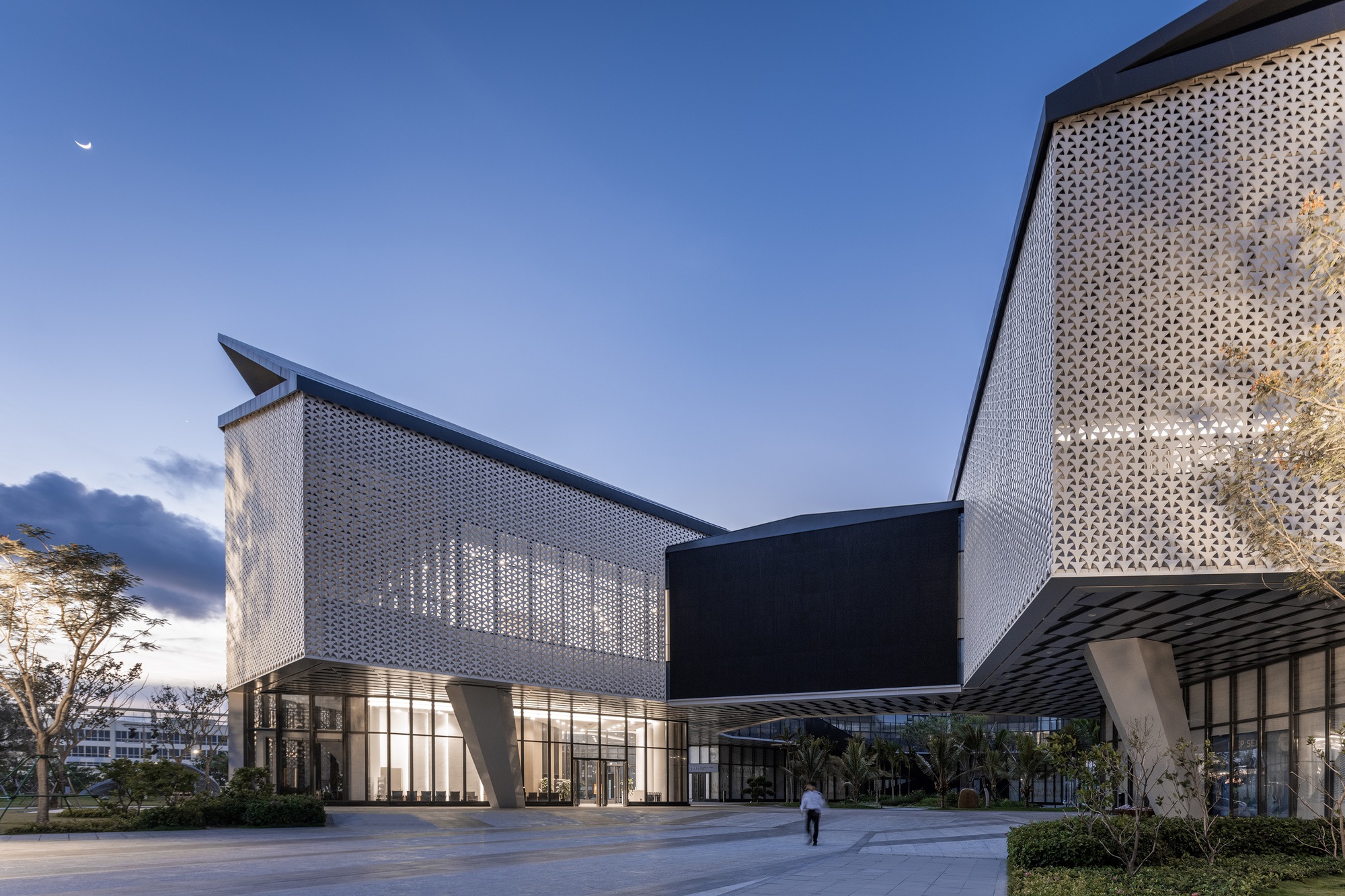
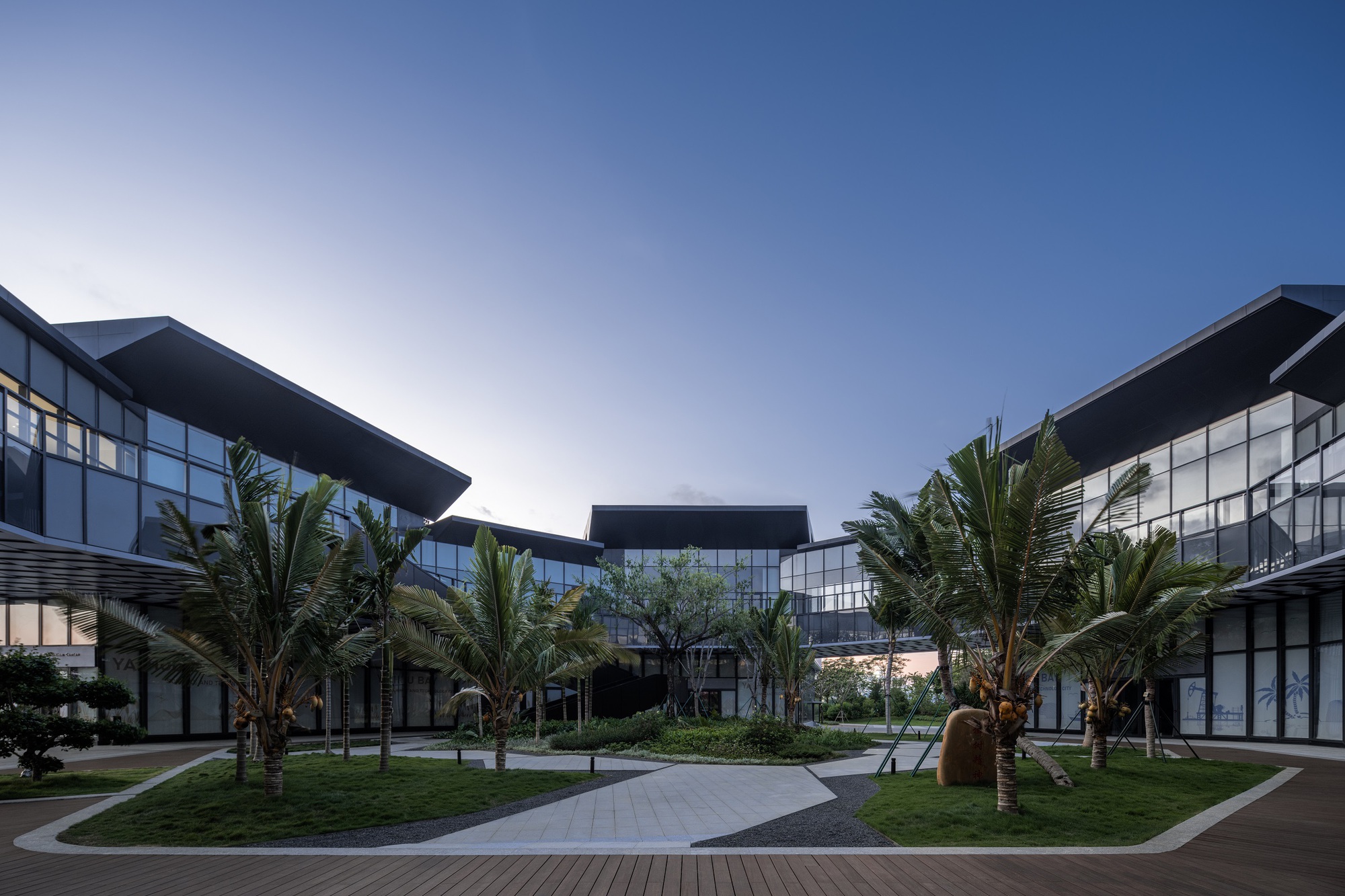
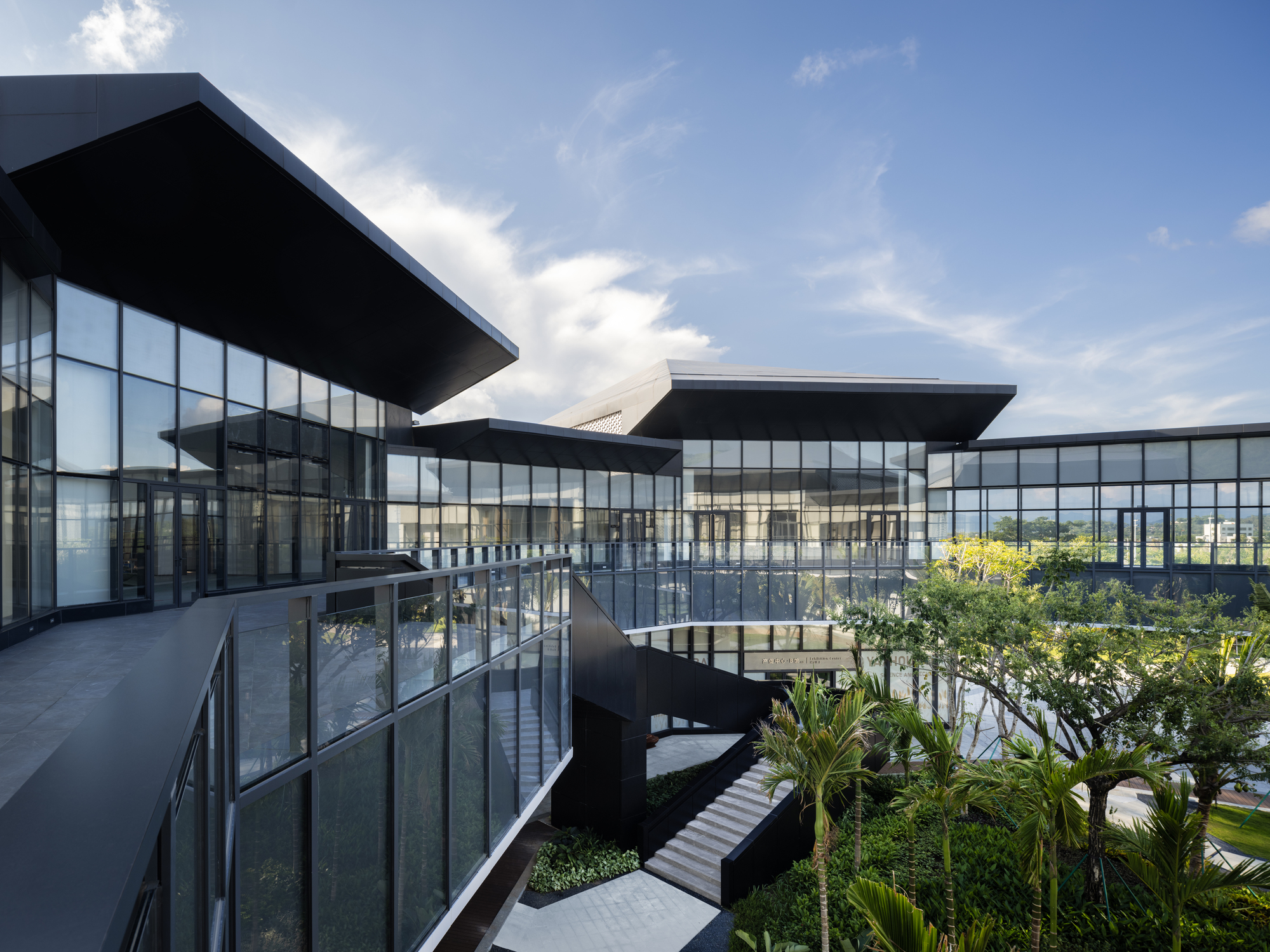
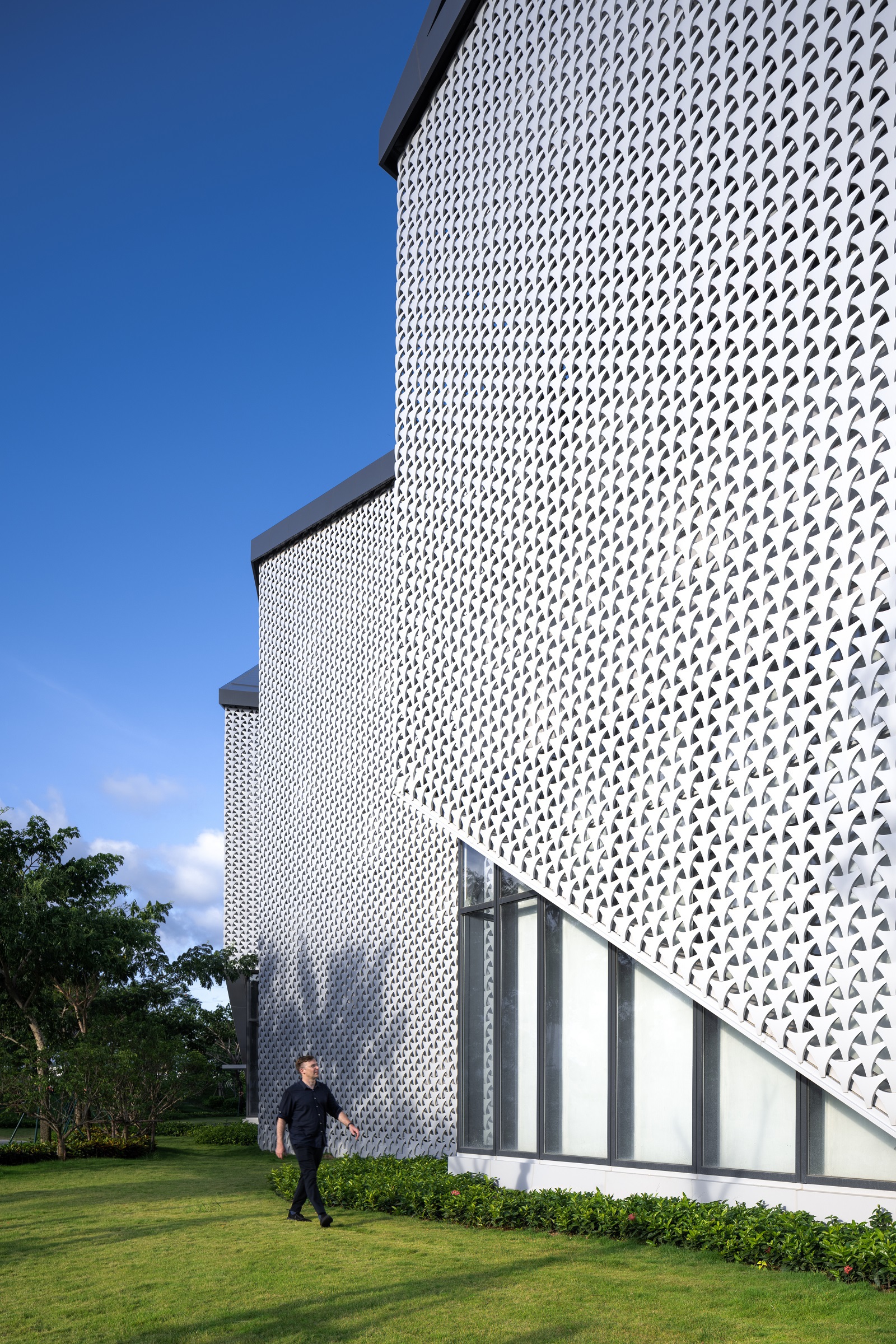
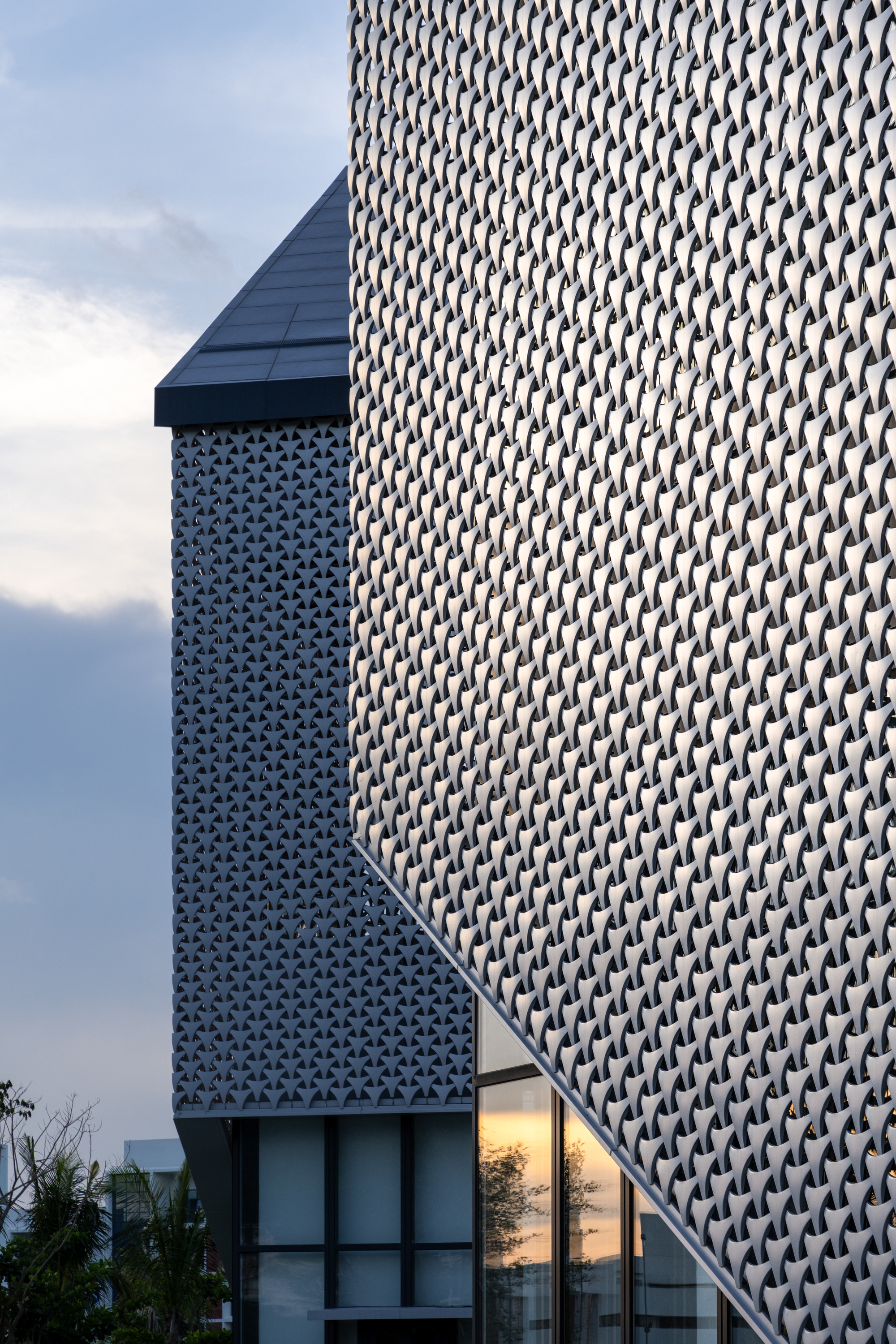
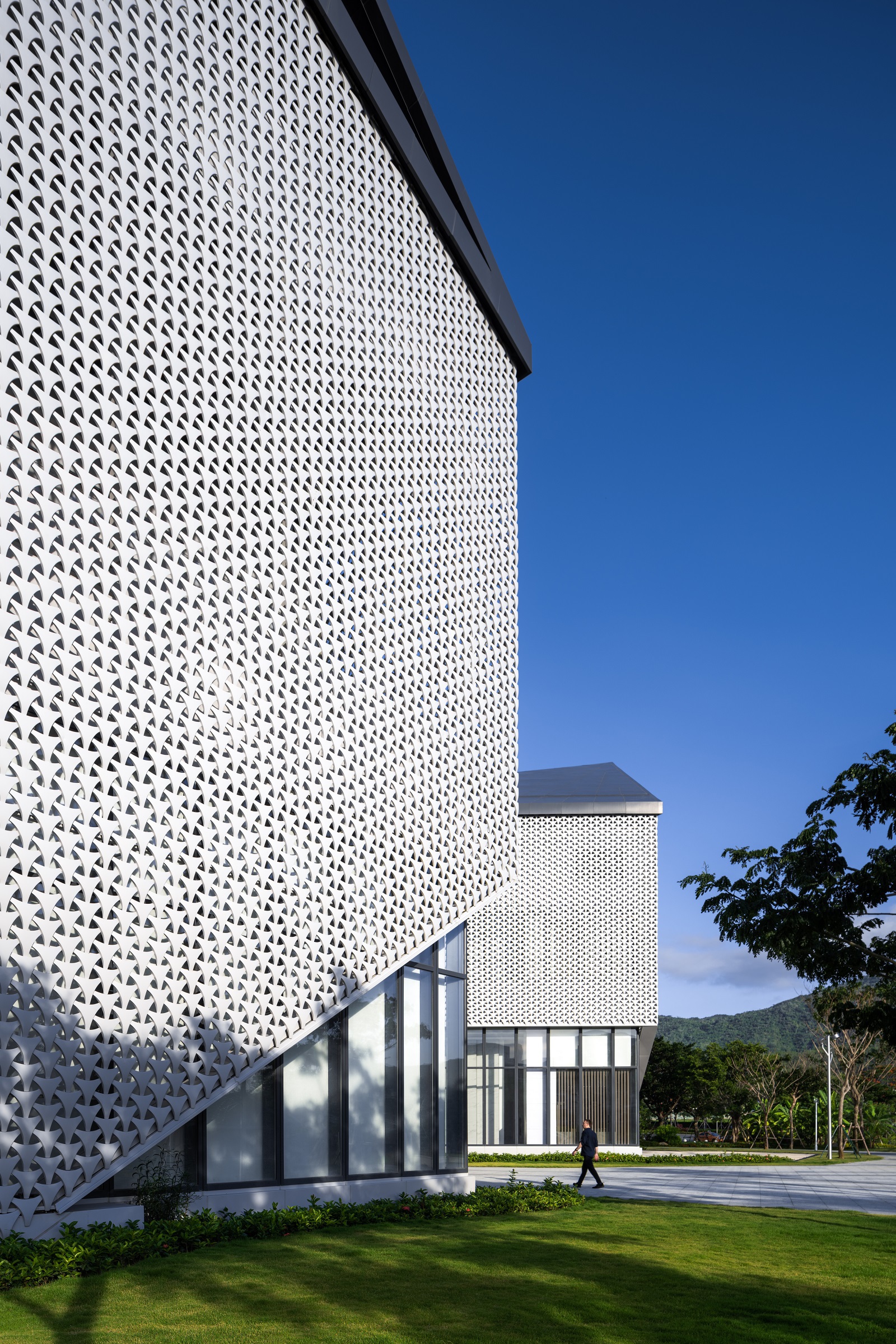
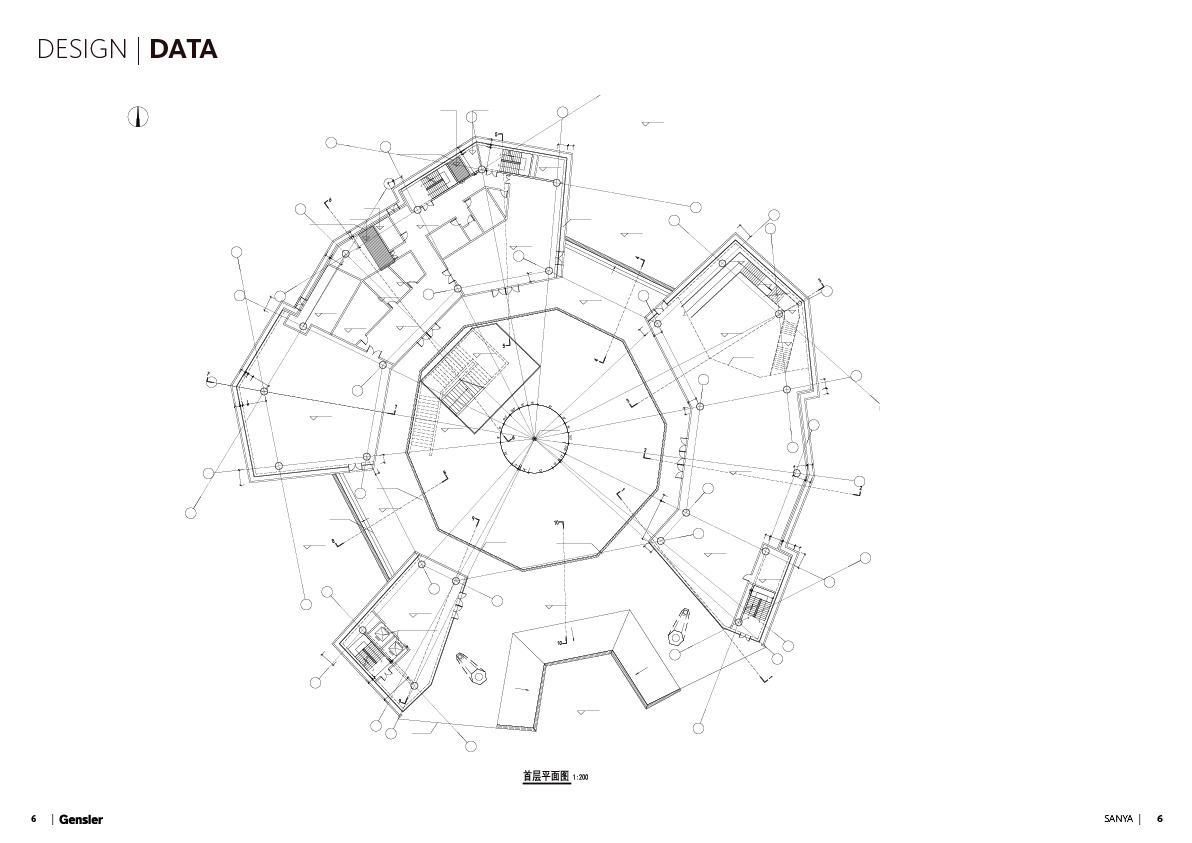
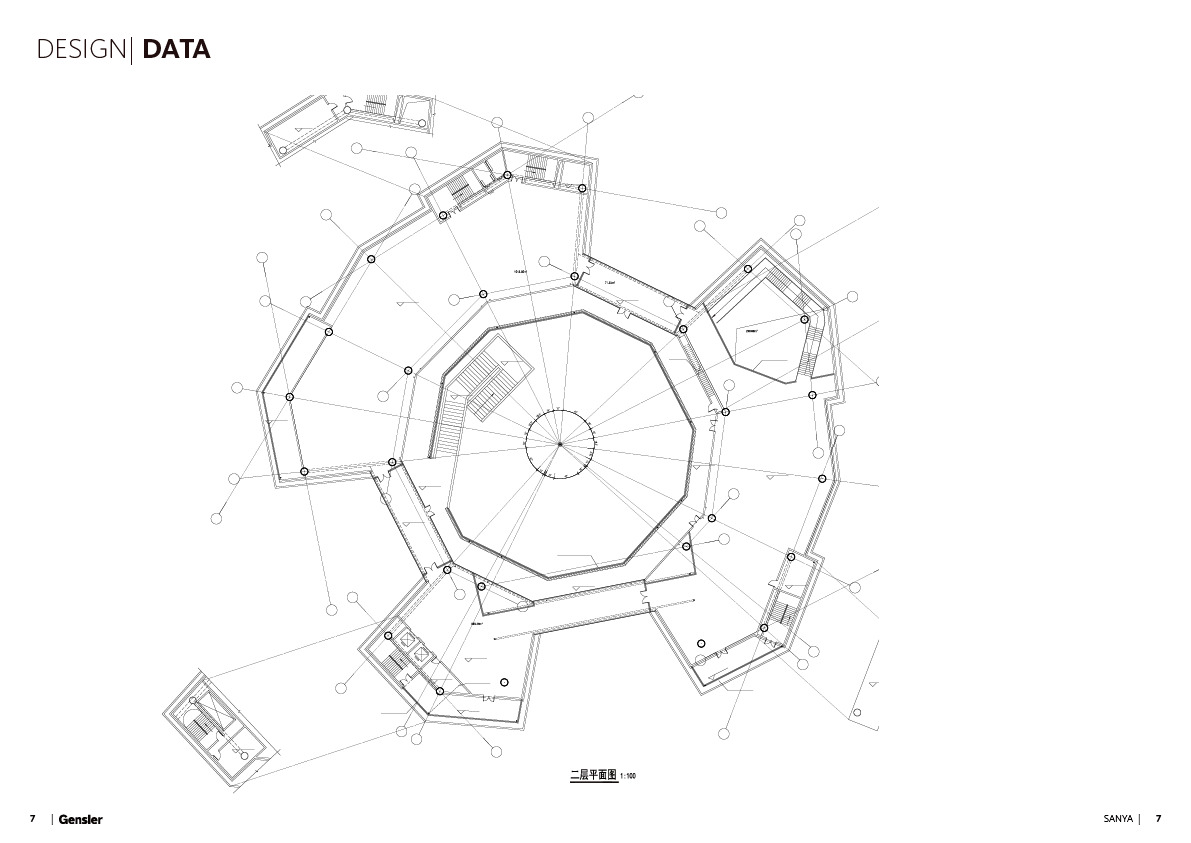
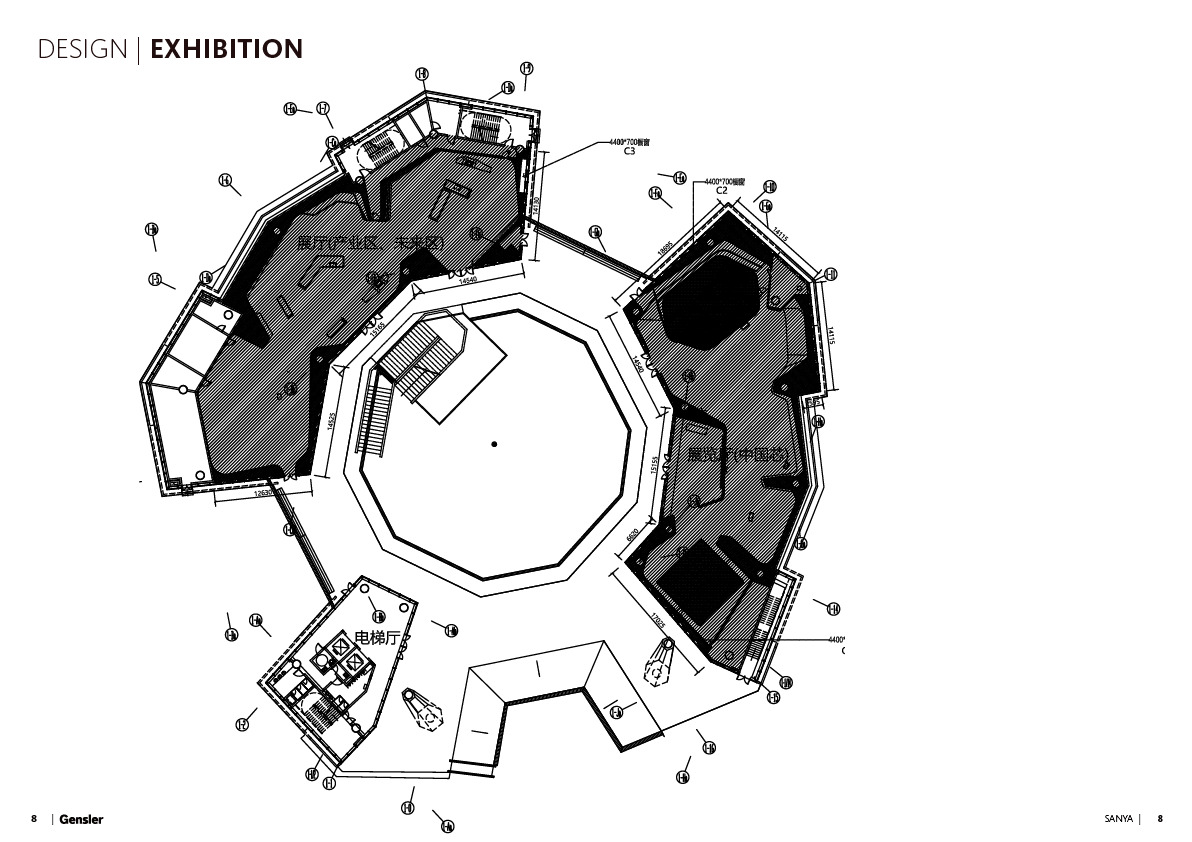
The Yazhou Bay Science and Technology City Industrial Promotion Center is an important gateway to the Yazhou Bay Deep Sea Science and Technology City in Sanya, Hainan. The center's architecture highlights local Hainan culture through carefully planned experiential routes and resilient design strategies, providing a distinctive visiting experience for guests. The main building draws inspiration from traditional Hainanese vernacular dwellings. Five principal roof forms are arranged in a circular, enclosing configuration and connected by elevated walkways, creating an open central courtyard while minimizing impact on the natural ground surface. Stairs along the atrium edge wind upward along the building mass, skillfully linking the two floors. Located less than three kilometers from the coast, the center appears from afar like a luminous pearl floating within the ocean landscape. Gensler's design team created a complete visitor experience route organized around pre-exhibition, during-exhibition, and post-exhibition phases. Before entering, visitors arrive at a spacious outdoor plaza where winding paths and tropical island vegetation create an inviting approach. The elevated structural concept seamlessly blends indoor and outdoor environments. After exhibitions or events, visitors gather in the central courtyard. Ecological design strategies include native plantings surrounding the building to provide natural shade and cooling. Hainan's warm, humid climate supports natural ventilation, and the project leverages this advantage to reduce cooling loads. The five inclined roofs allow air to circulate naturally at the openings. The perforated aluminum facade panels feature triangular cutouts that animate interior daylighting while providing effective solar shading. When the glass walls behind the panels open, the entire space becomes fully permeable, reducing operational carbon emissions. Prefabricated construction shortened the design-to-completion timeline to just sixteen months, and the parking area is equipped with twenty electric vehicle charging stations. The center was completed in 2020 and has become a significant local landmark and public gathering place, demonstrating how design can activate community and reflect deep cultural research.






 Editor's Pick
 Latest Design
 Best Idea