Text description provided by the architects
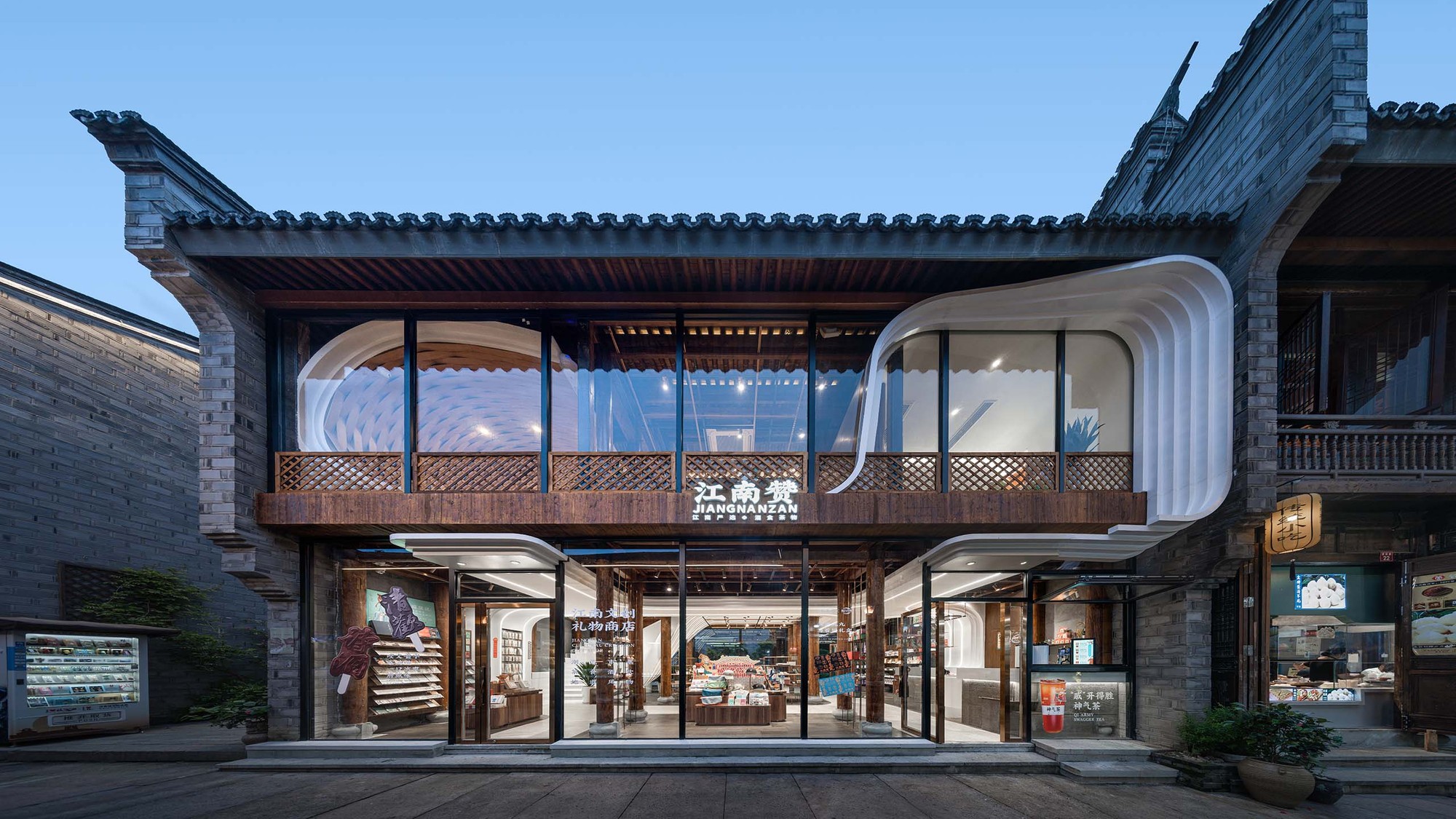
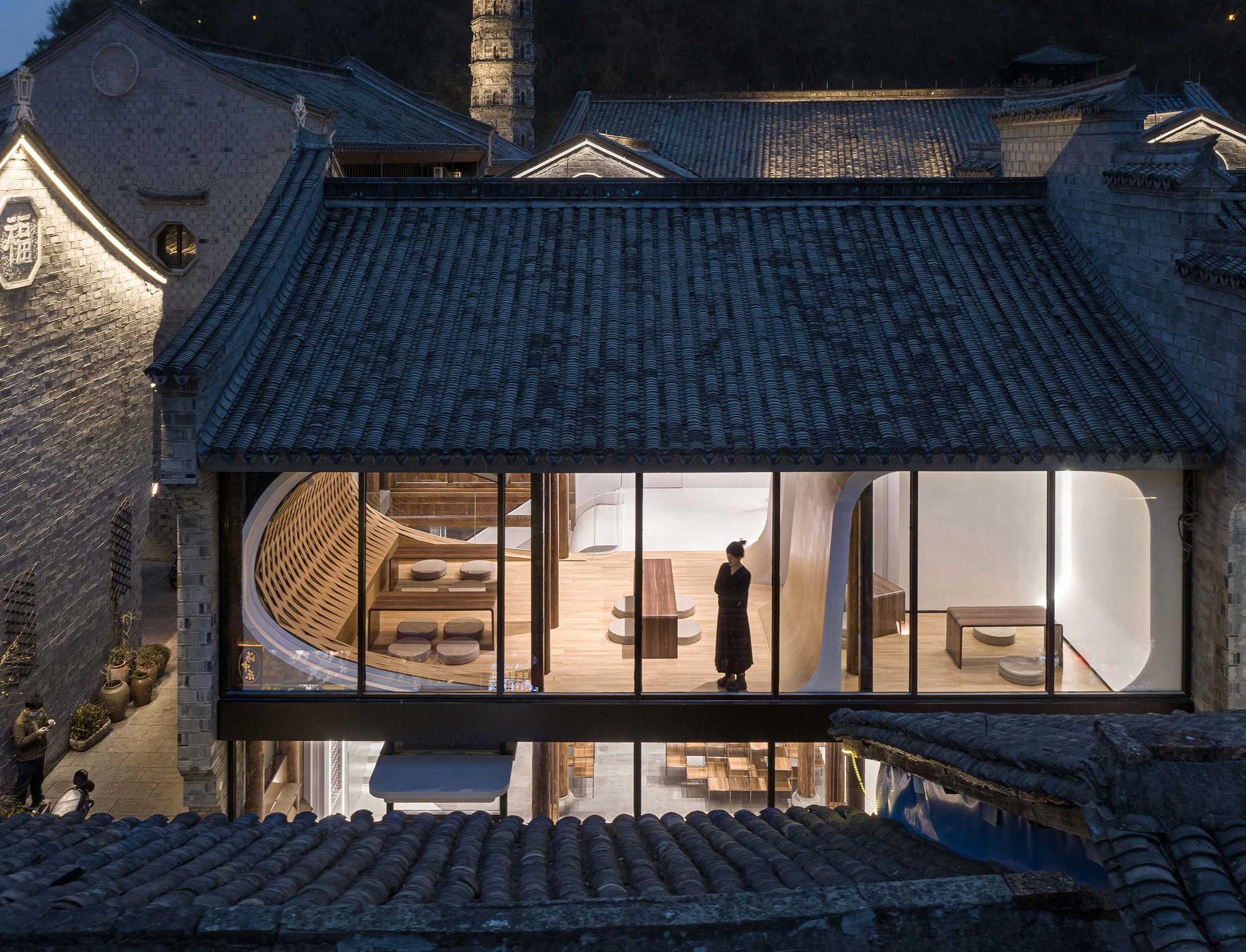
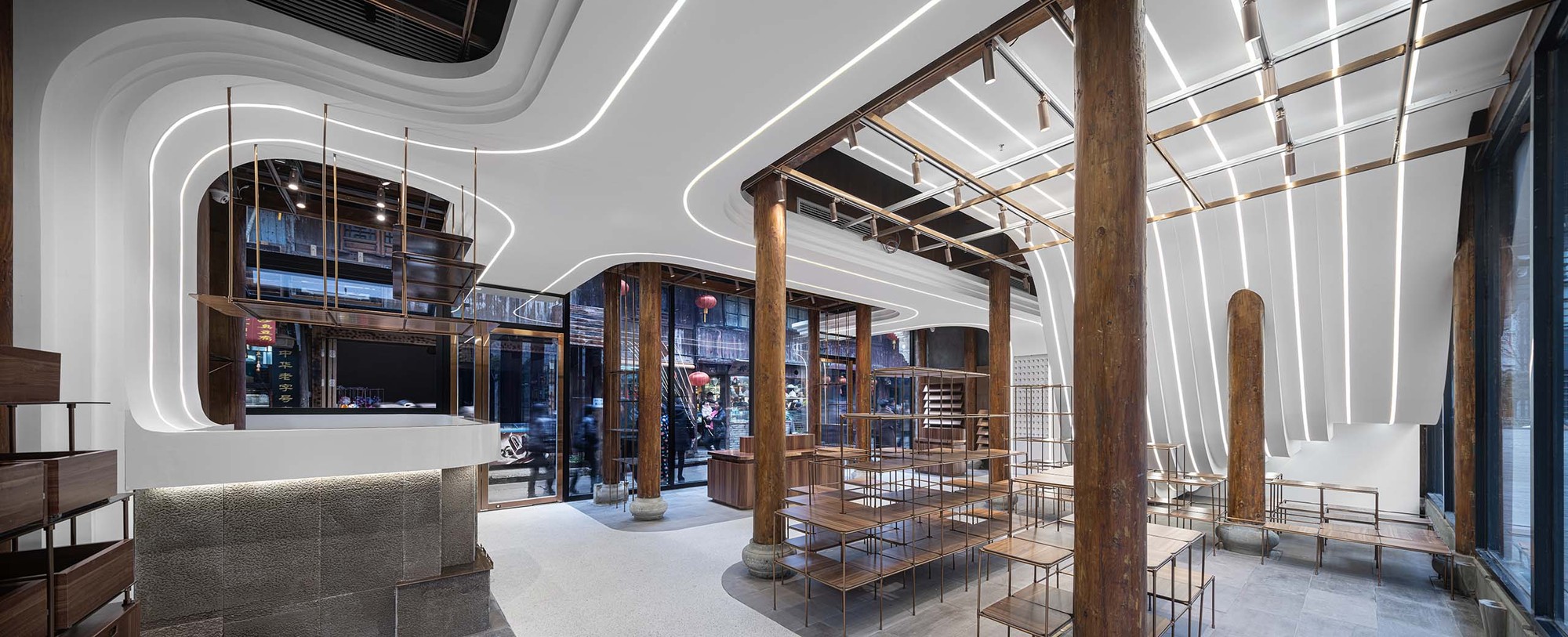
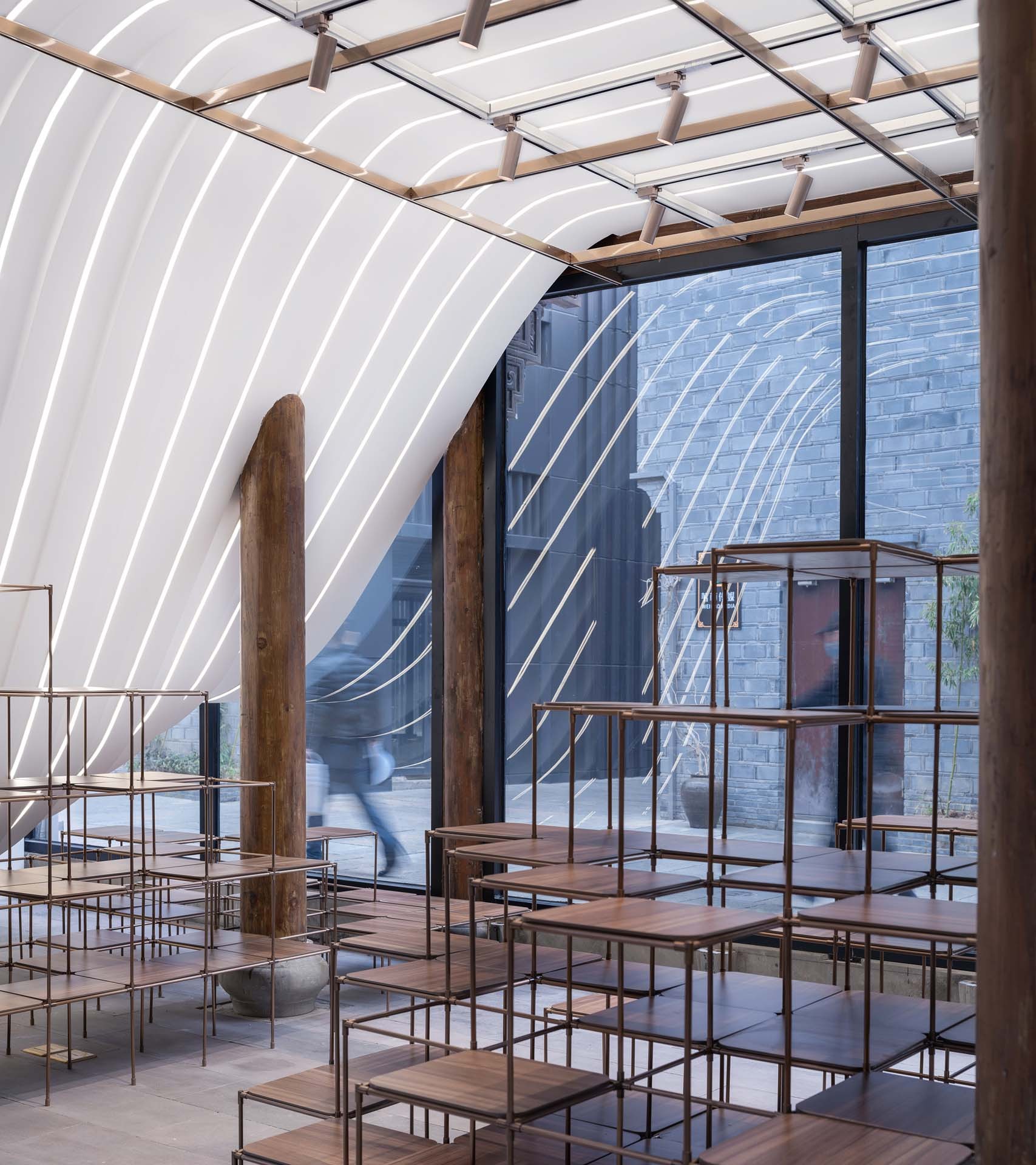
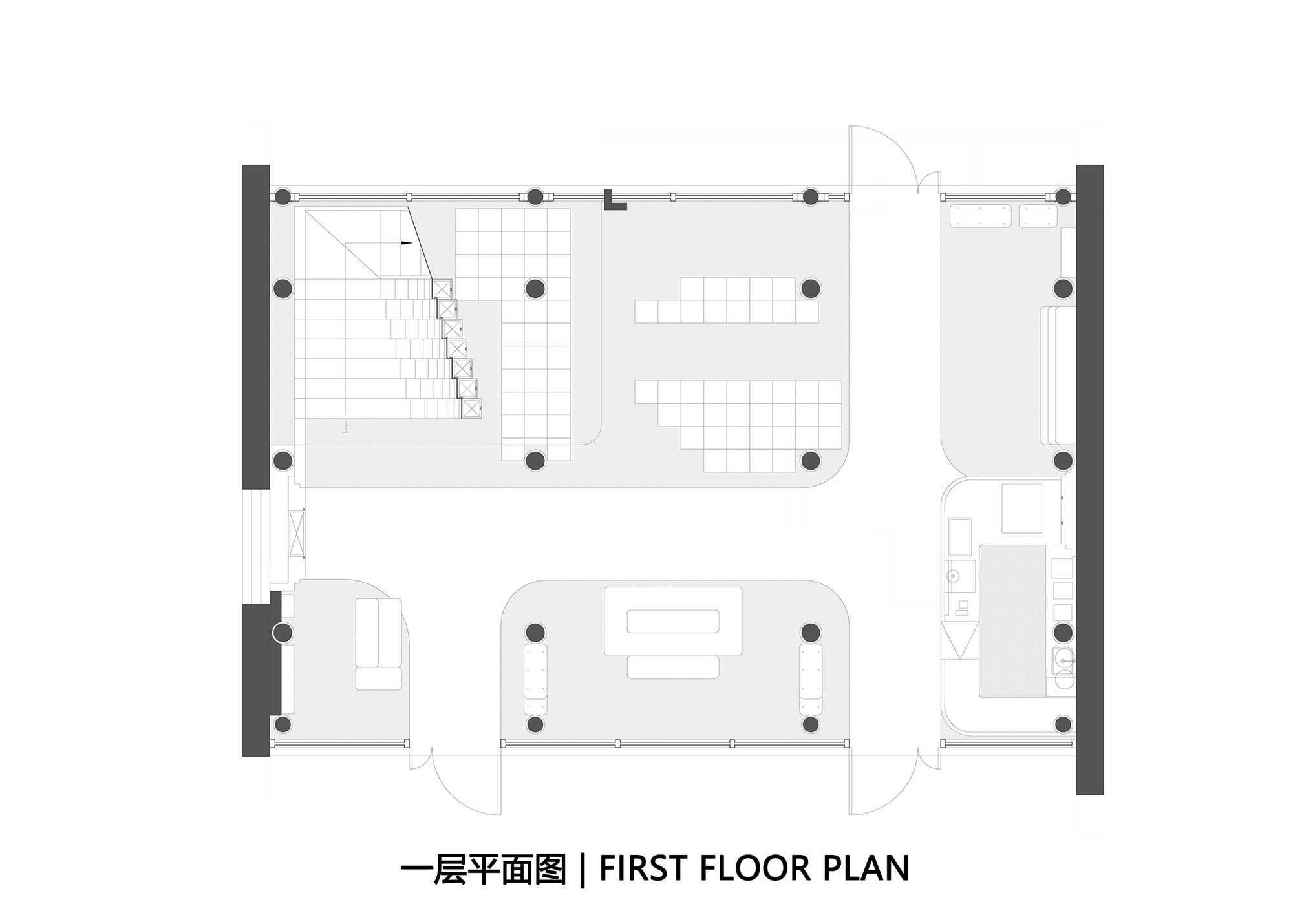
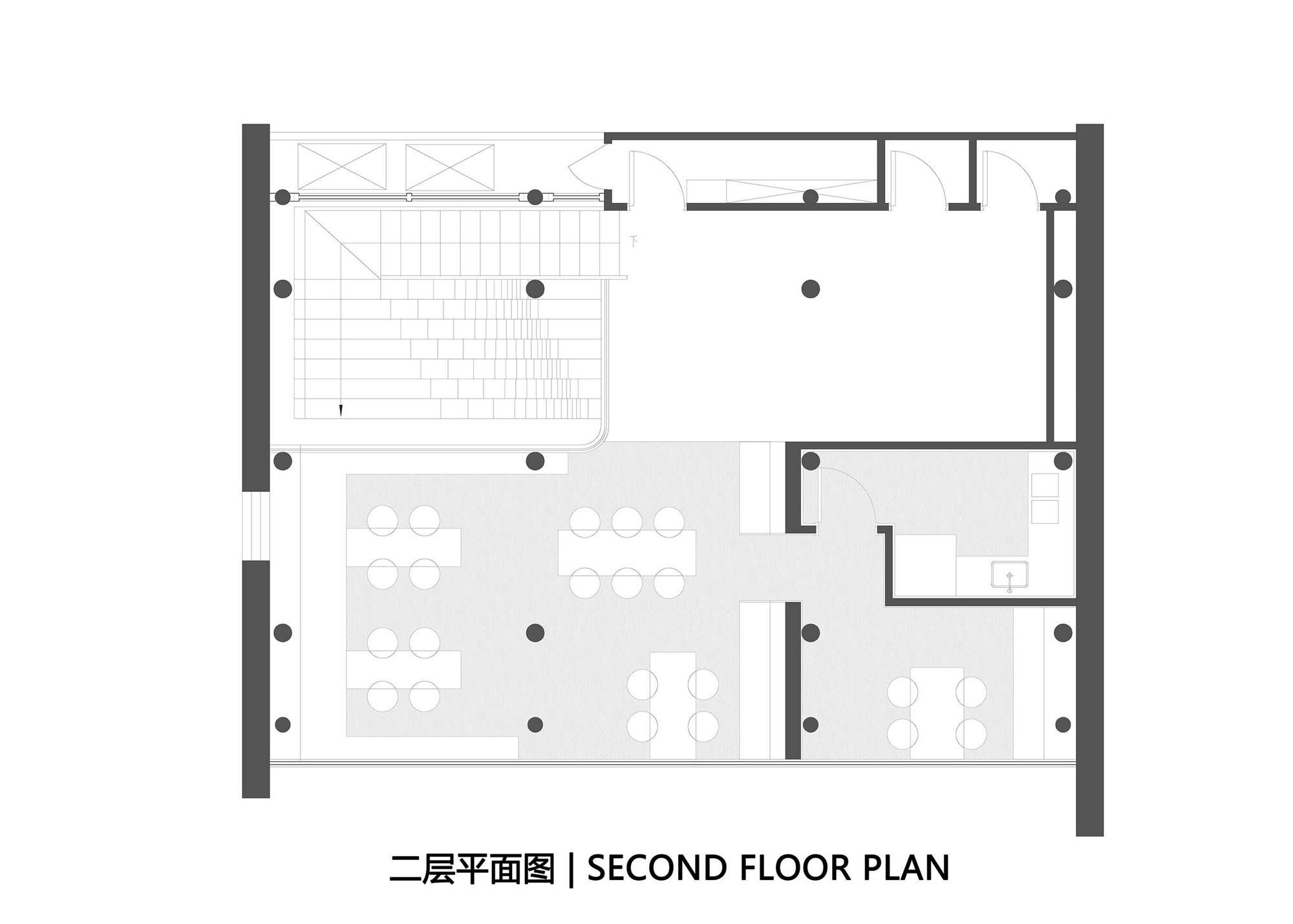
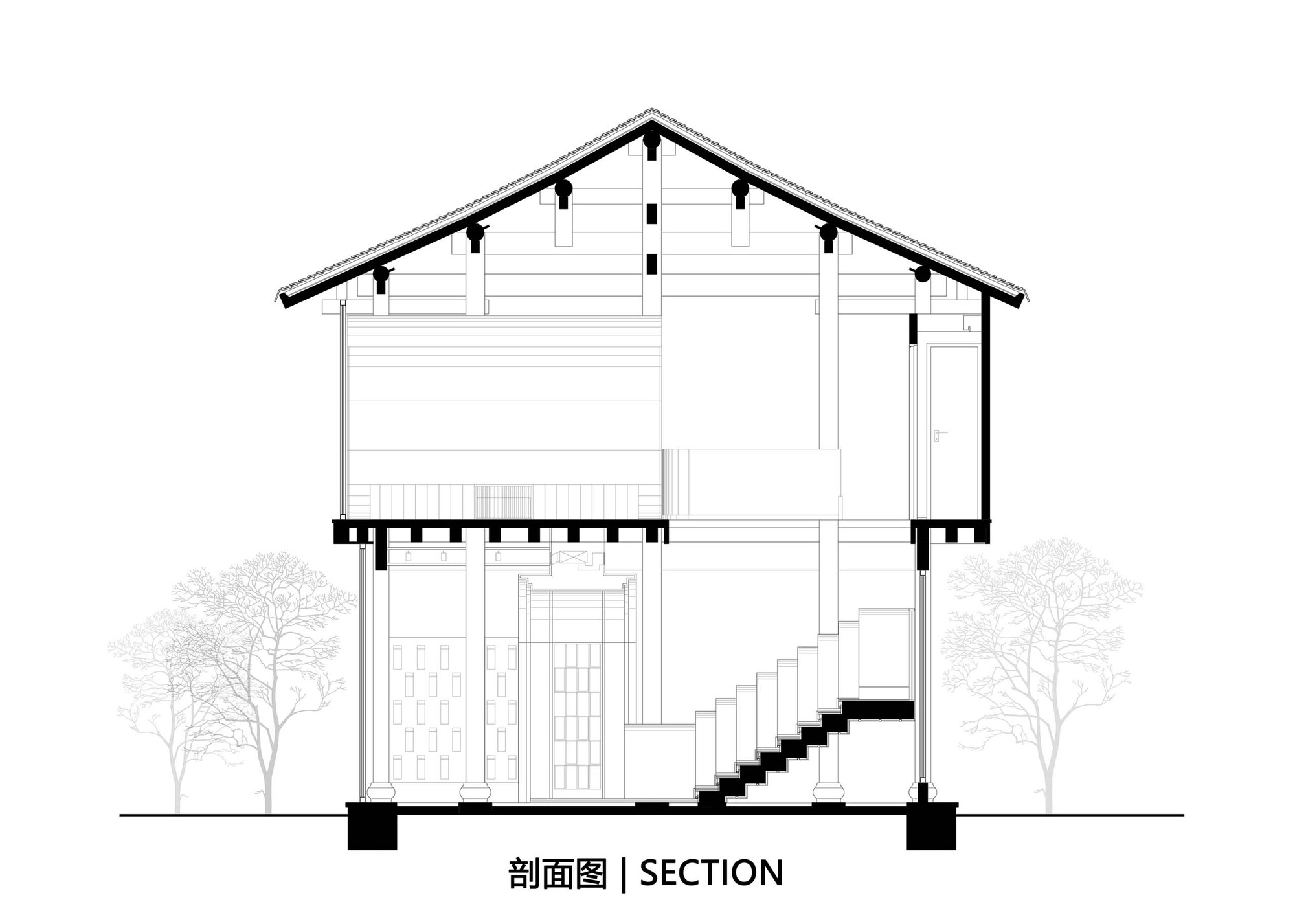
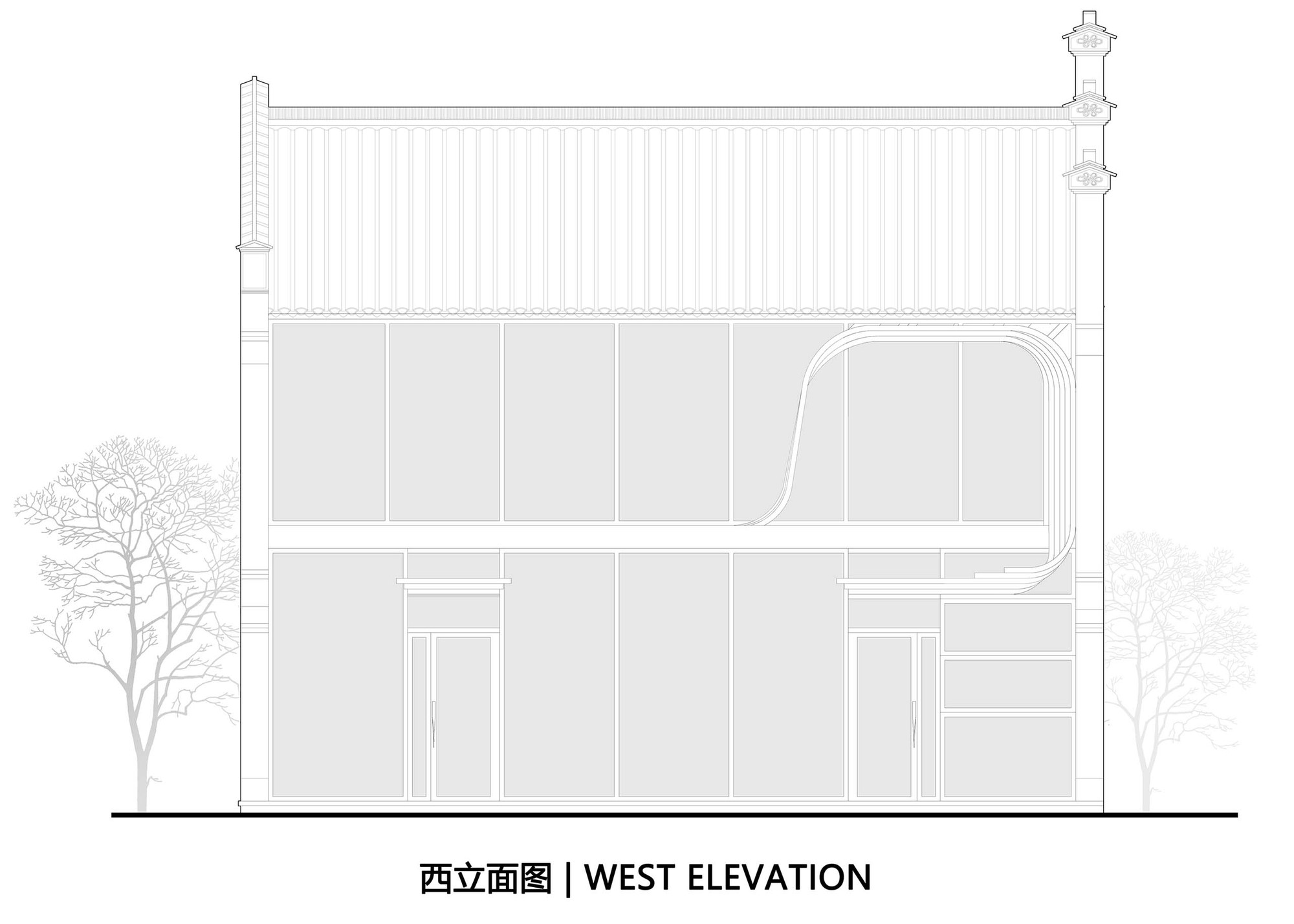
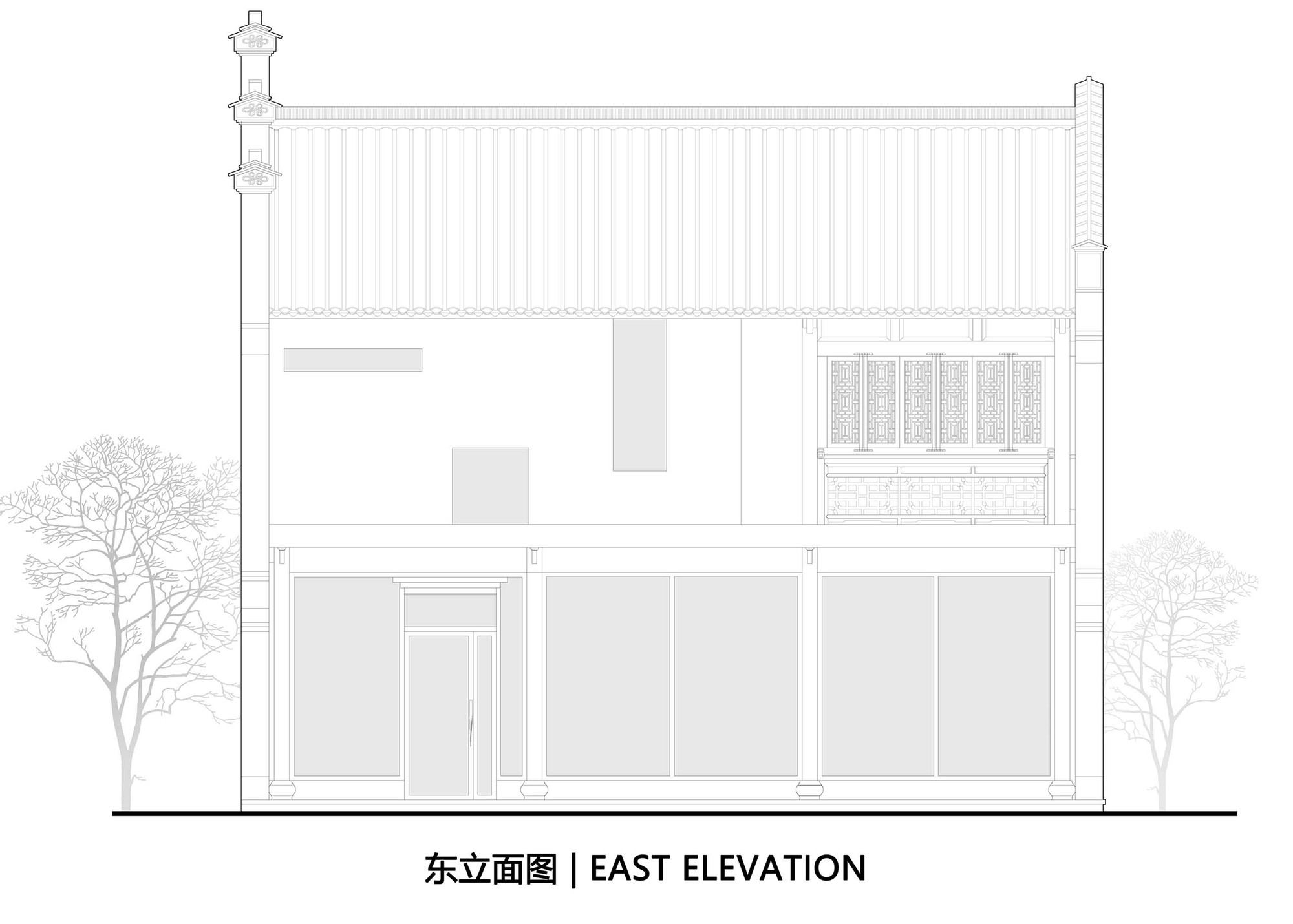
Linhai, Zhejiang, has 1,600 years of history: the ancient city wall of Taizhou prefecture, begun in the Jin dynasty; Longxing Temple where the Japanese monk Saichō received ordination; four pagodas on Jinshan built across the Song, Yuan, Ming and Qing dynasties; Ziyang Street; Qiguang Street; and the Luobinwang Shrine. Recently a small shop called Jiangnan Zan opened on Ziyang Street. The shop is not large, converted from an old house of about 200 square metres, and is the first outlet of the new cultural-tourism IP Poetic Jiangnan, created by the Zhejiang Ancient Village Protection and Utilisation Fund together with Huaxushi Culture, one of the forces behind the Palace Museum creative products. Architecture, interior and soft furnishings were all designed as an integrated whole by LYCS Architecture. Ziyang Street still retains the lifang system of the Tang and Song dynasties; it was once the main commercial street of Linhai, and many century-old shops still operate there, but the narrow street cannot take cars, and the old buildings lack novelty, making the ancient street seem increasingly forlorn among the bright modern city around it. In 2014, an online post about Emperor Yongzheng feeling cute went viral; the formula of cultural IP plus popular expression made the 600-year-old Palace Museum feel young again, and a wave of new cultural creative products swept the country. This prompted the design team to think. The design concept is wave: by inserting abstract wave elements into the old house, the contrast of old and new produces a surreal artistic scene, conveying a young spirit of riding the waves and playful irreverence, forming a rich and exuberant space. The wave motif runs through the shop as both display structure and circulation device. The result is a small retail interior that uses digital-form waves to animate a historic Linhai street, demonstrating how a contemporary cultural brand can activate a heritage lane without erasing it.









 Editor's Pick
 Latest Design
 Best Idea