Text description provided by the architects
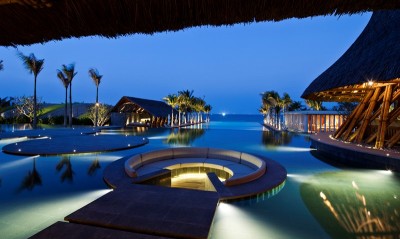
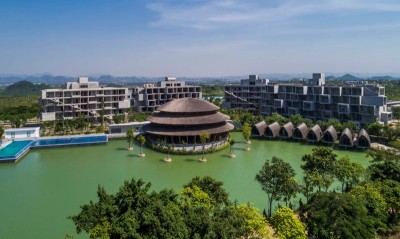
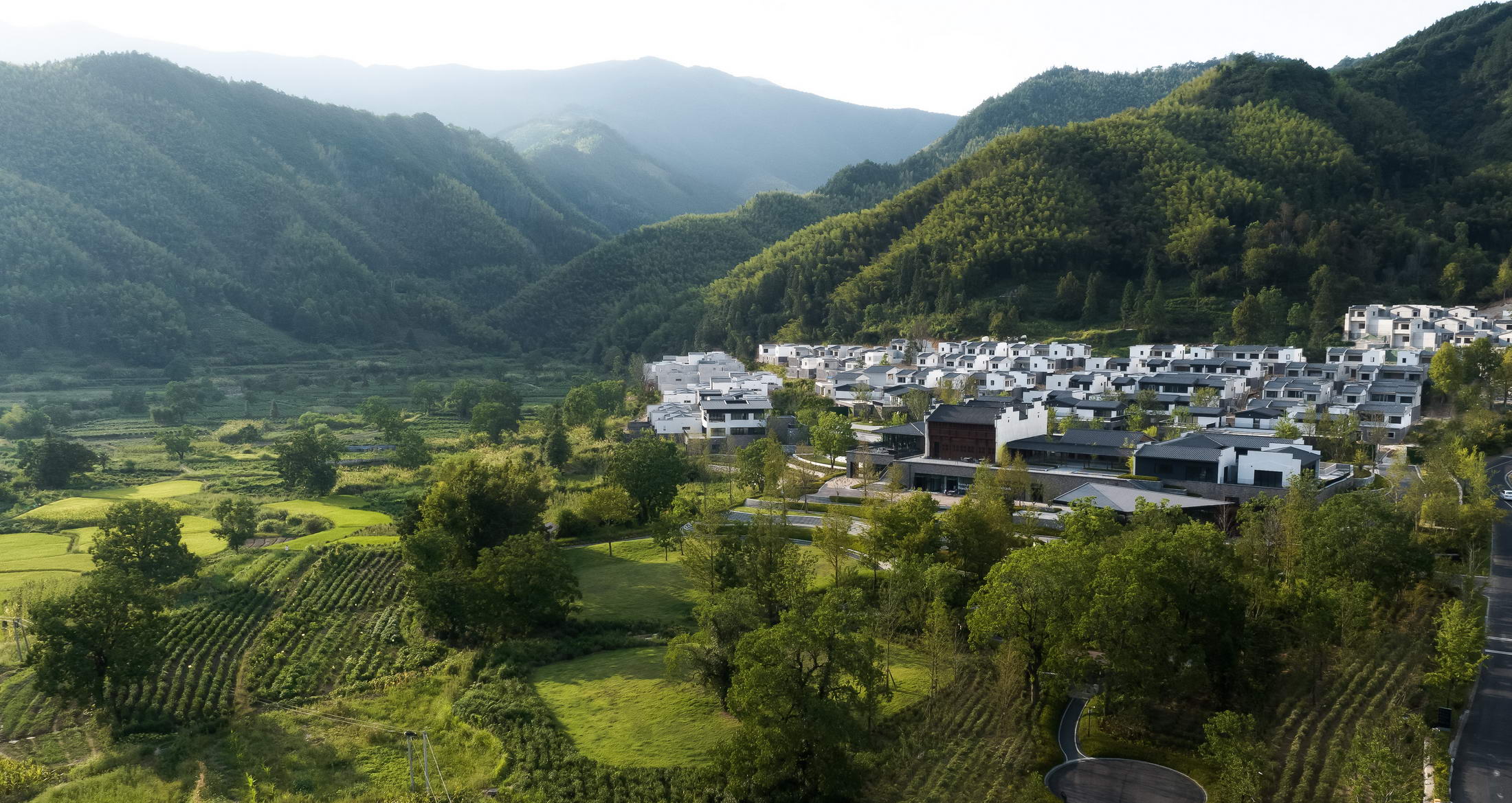
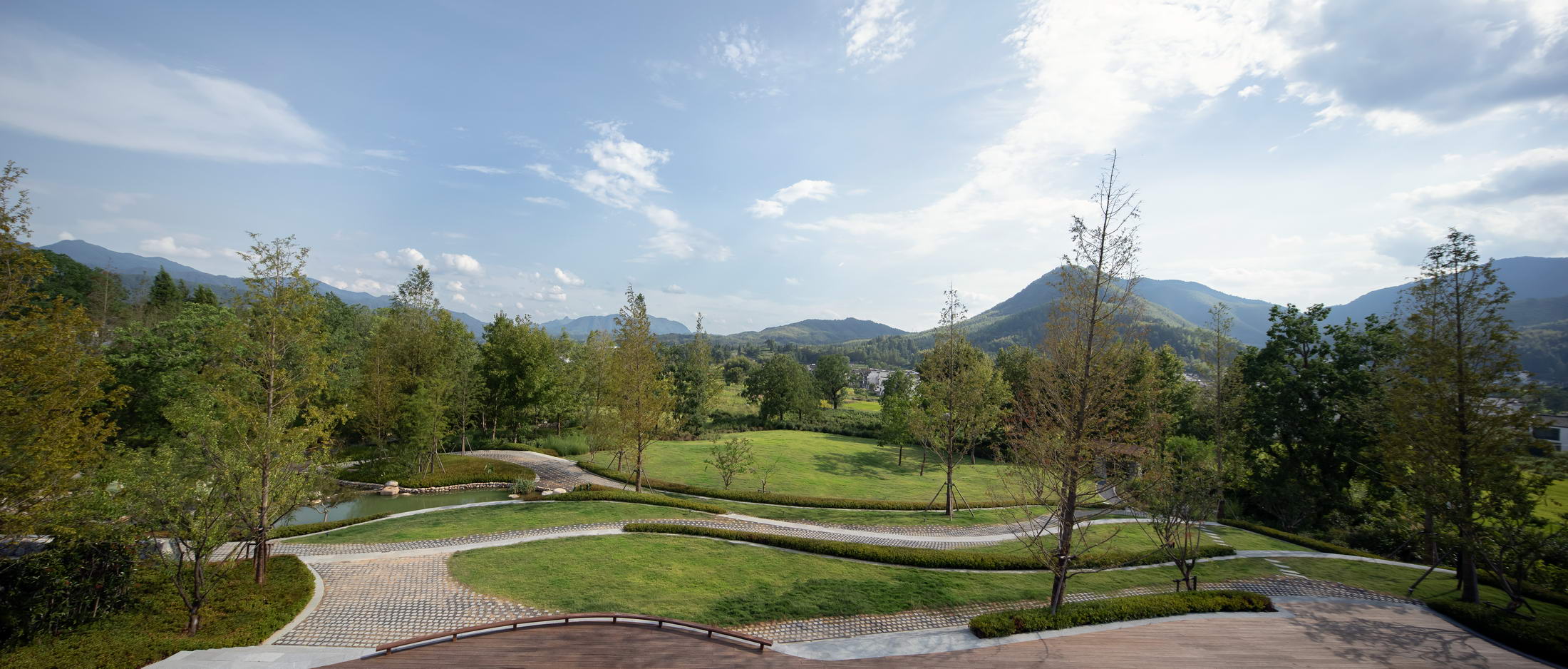
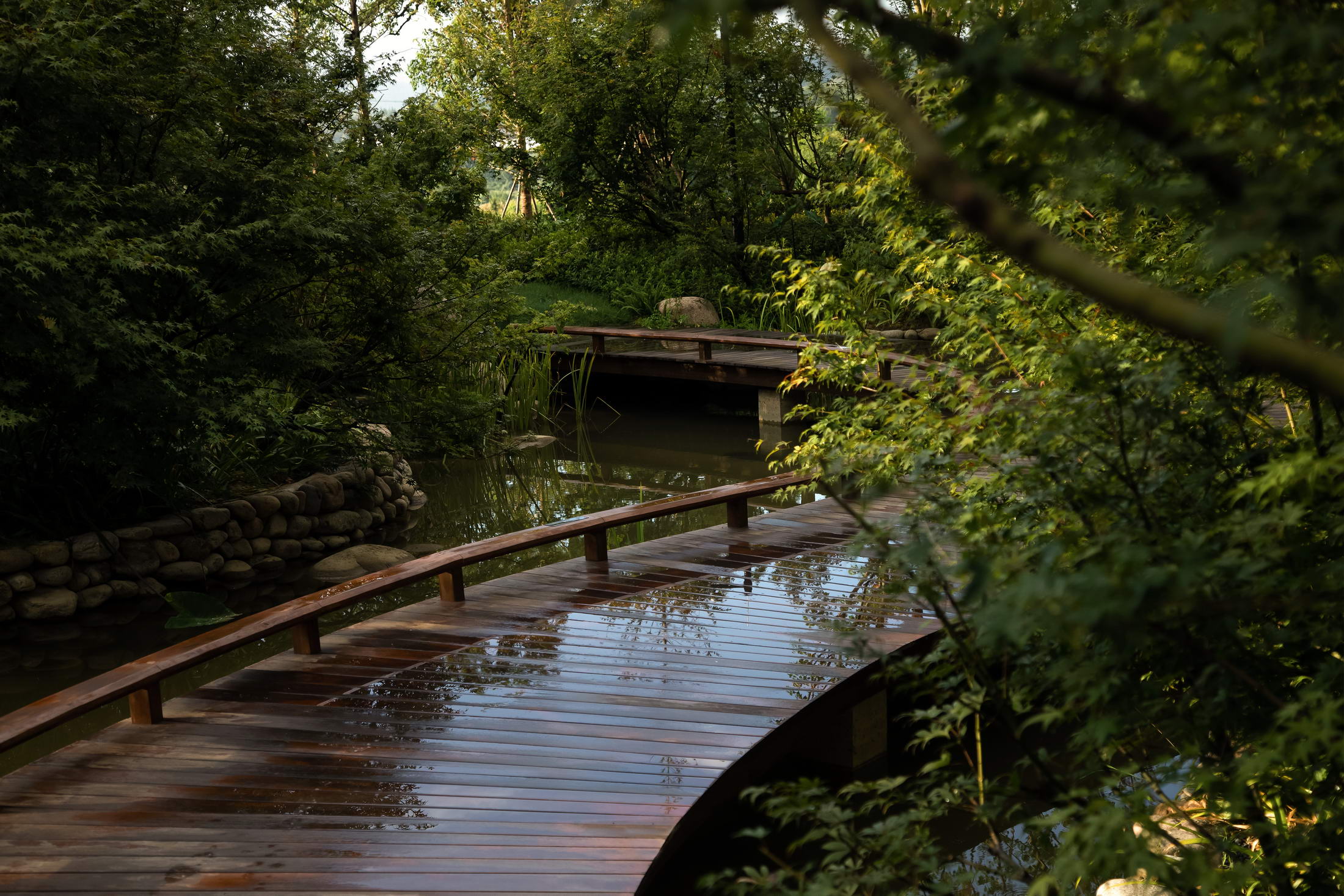
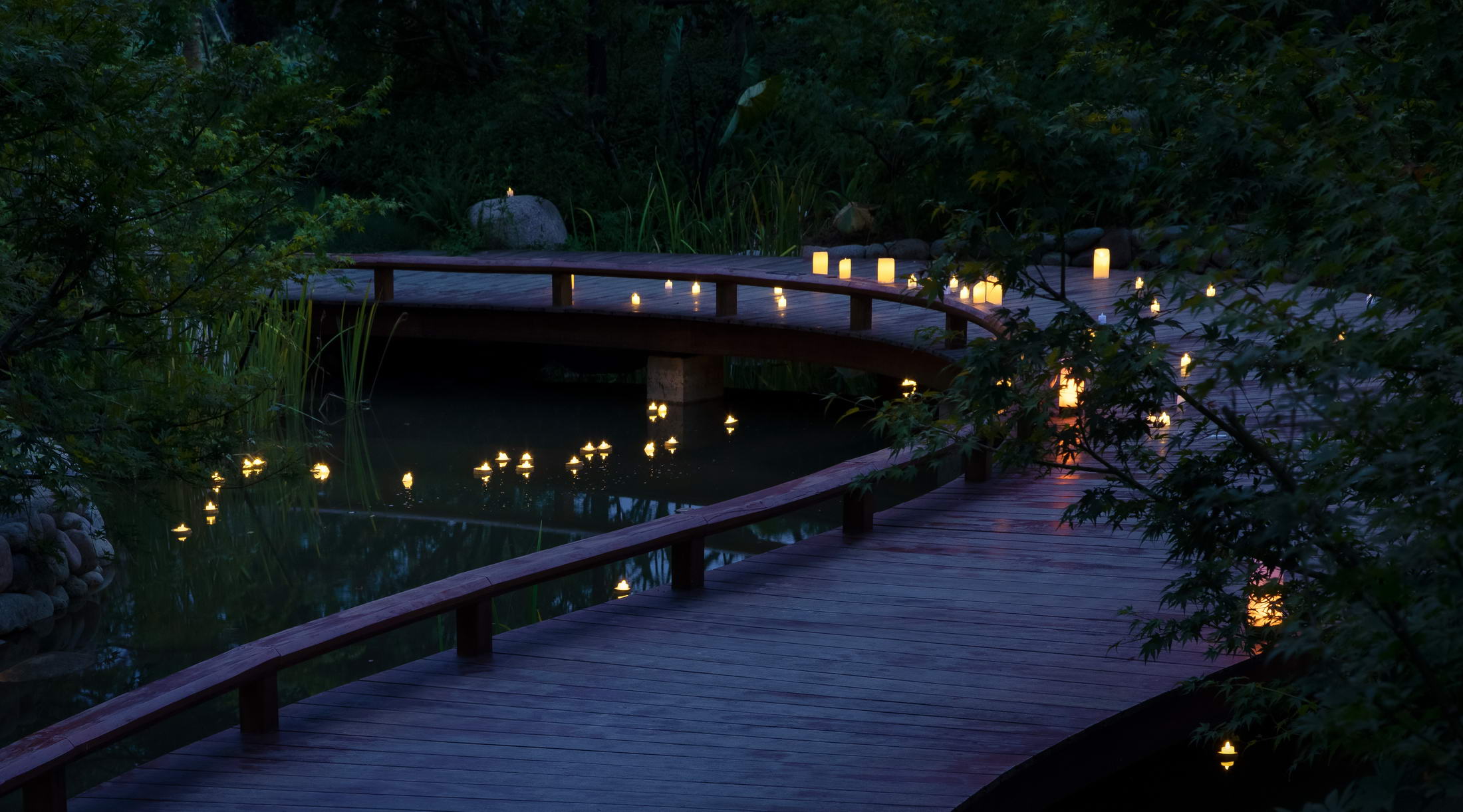
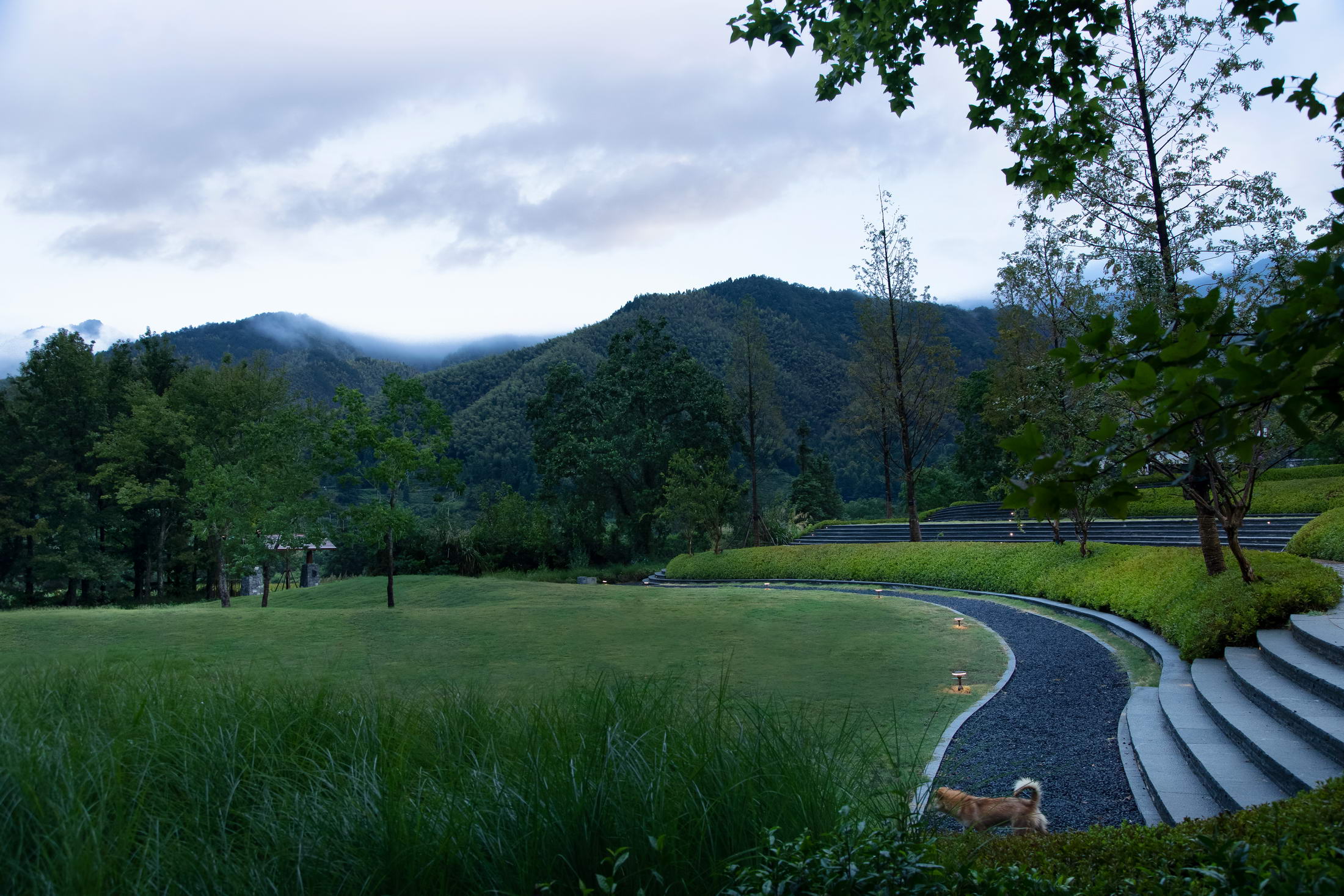
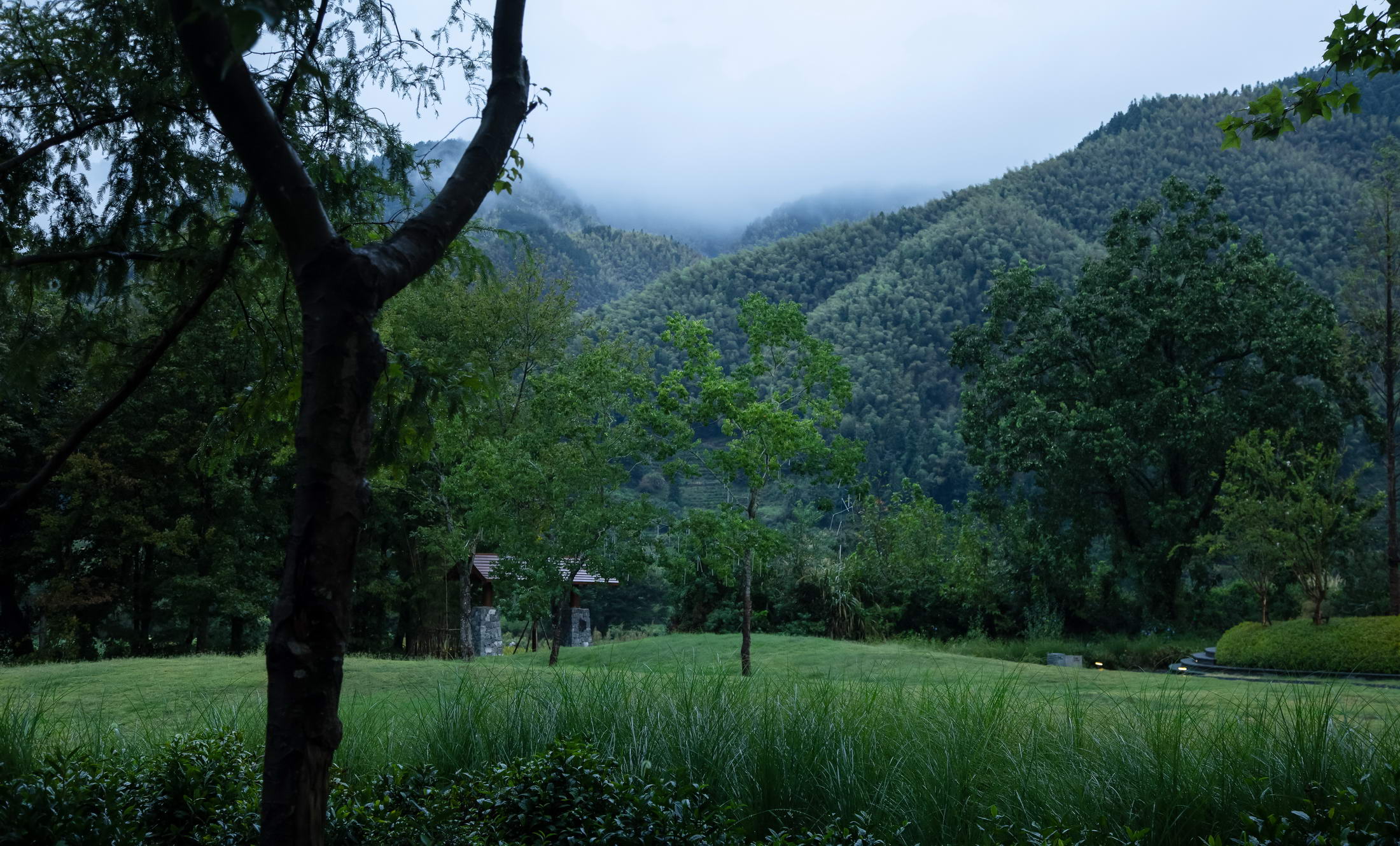
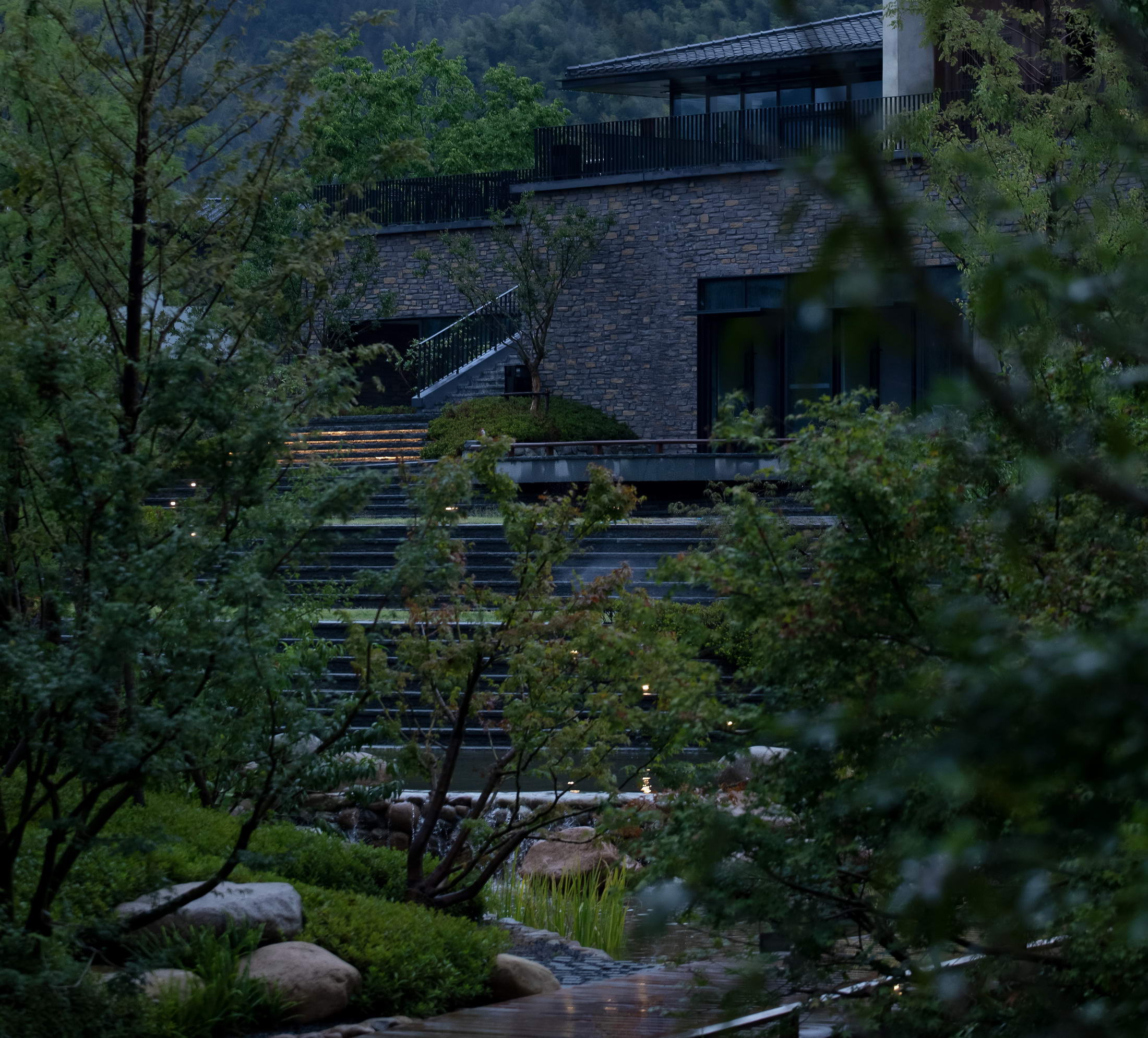
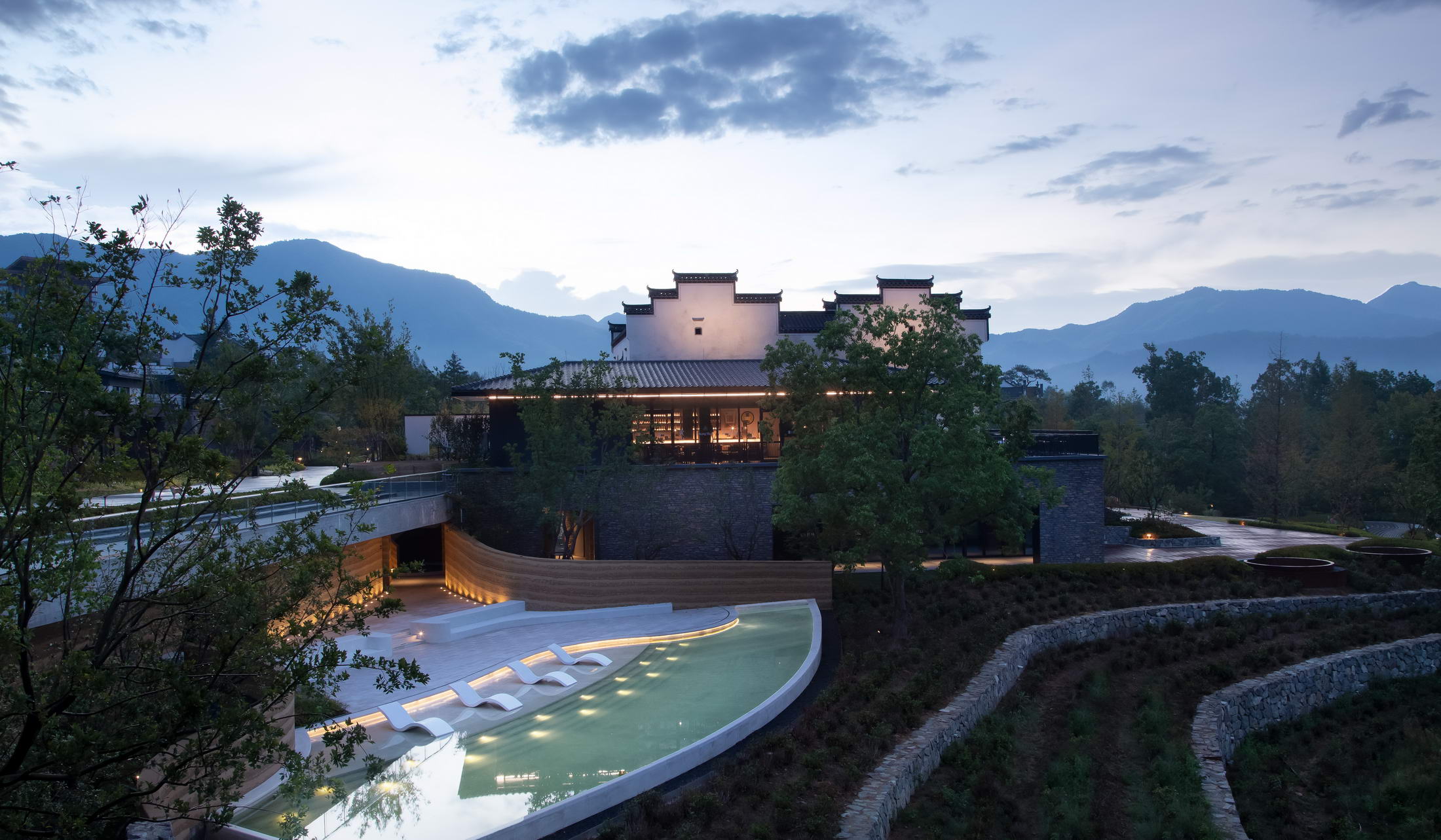
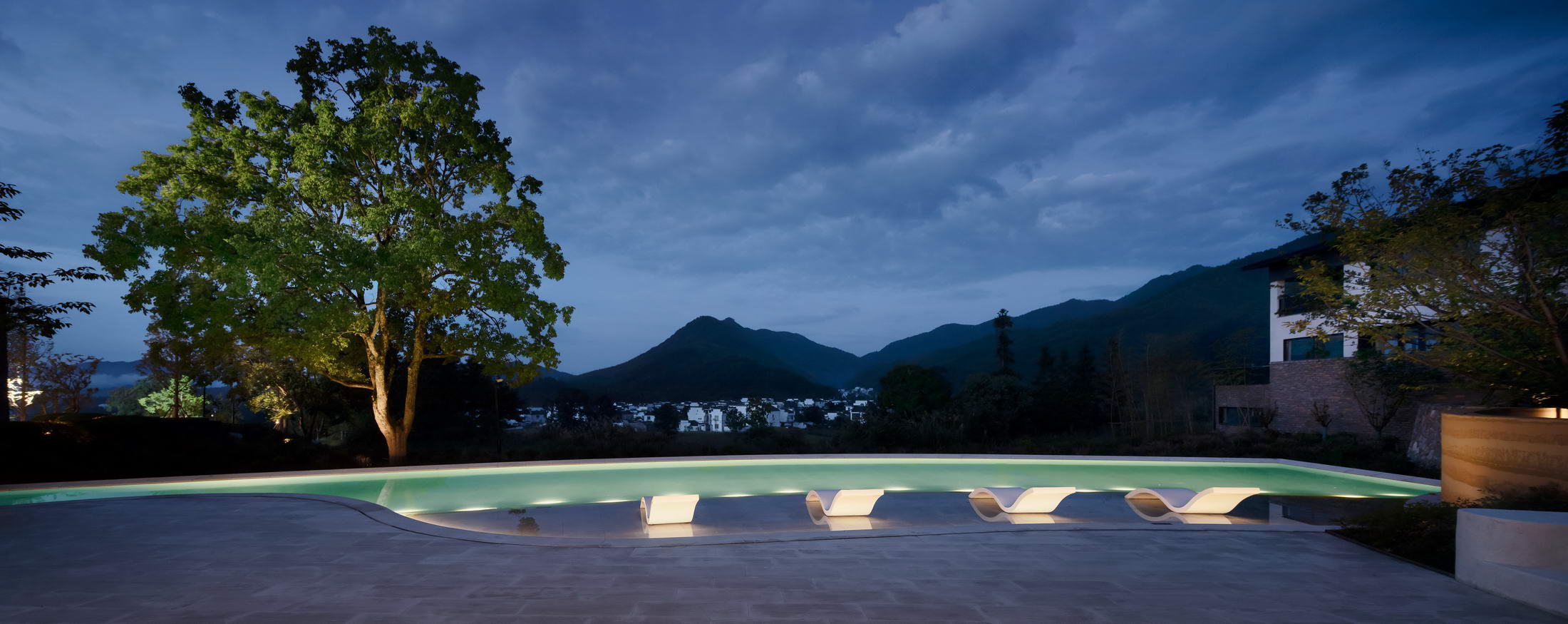
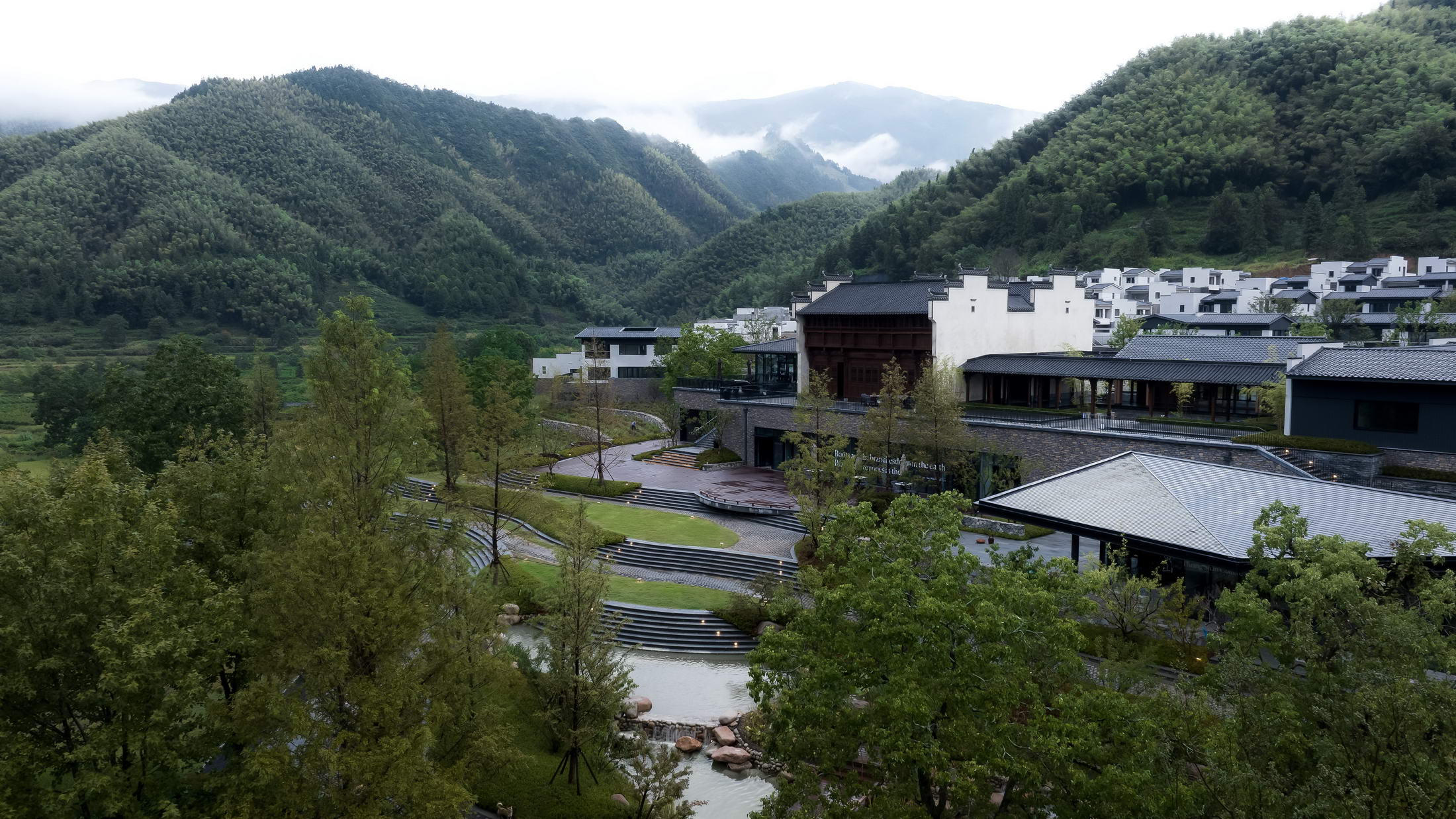
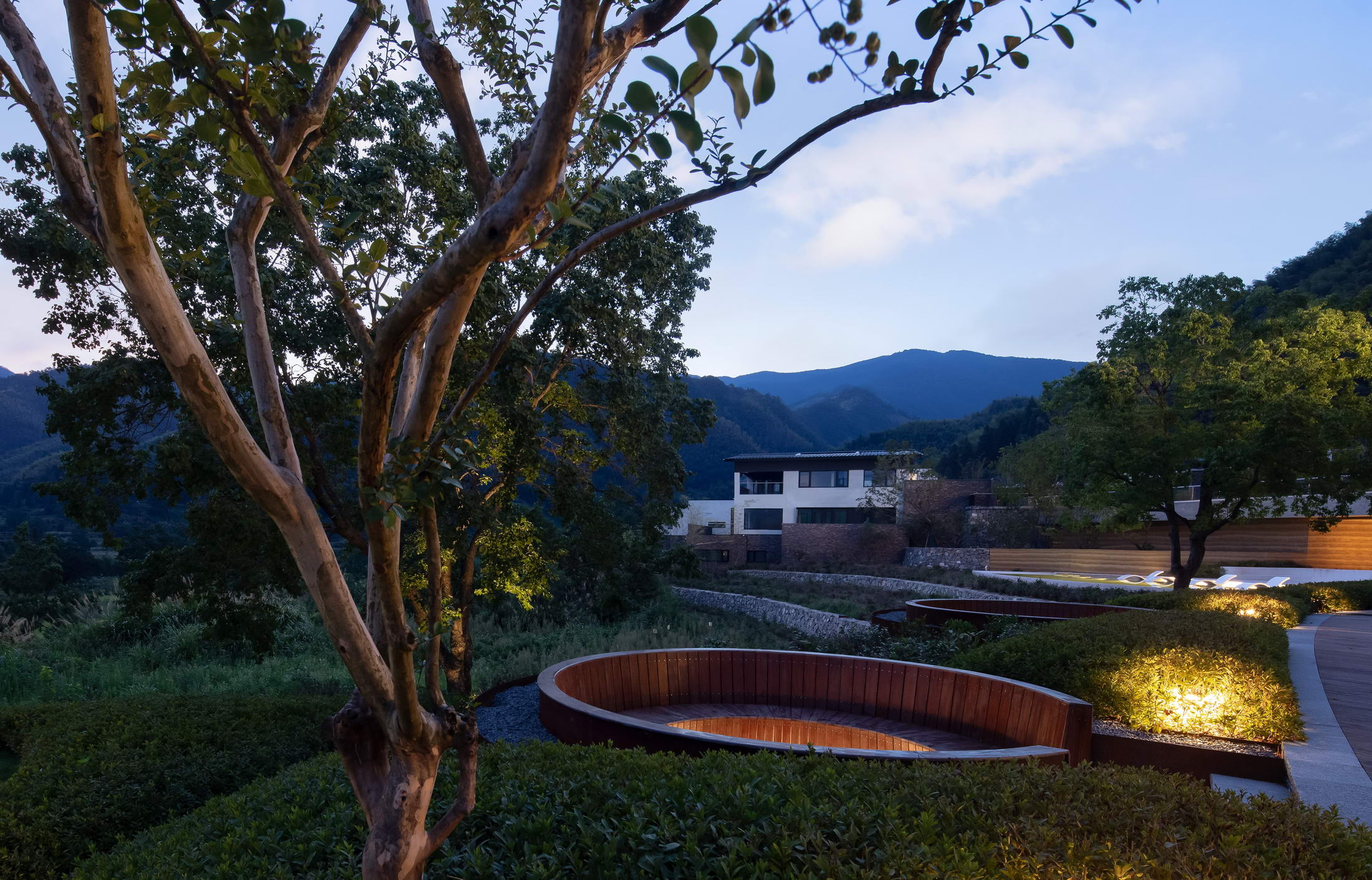
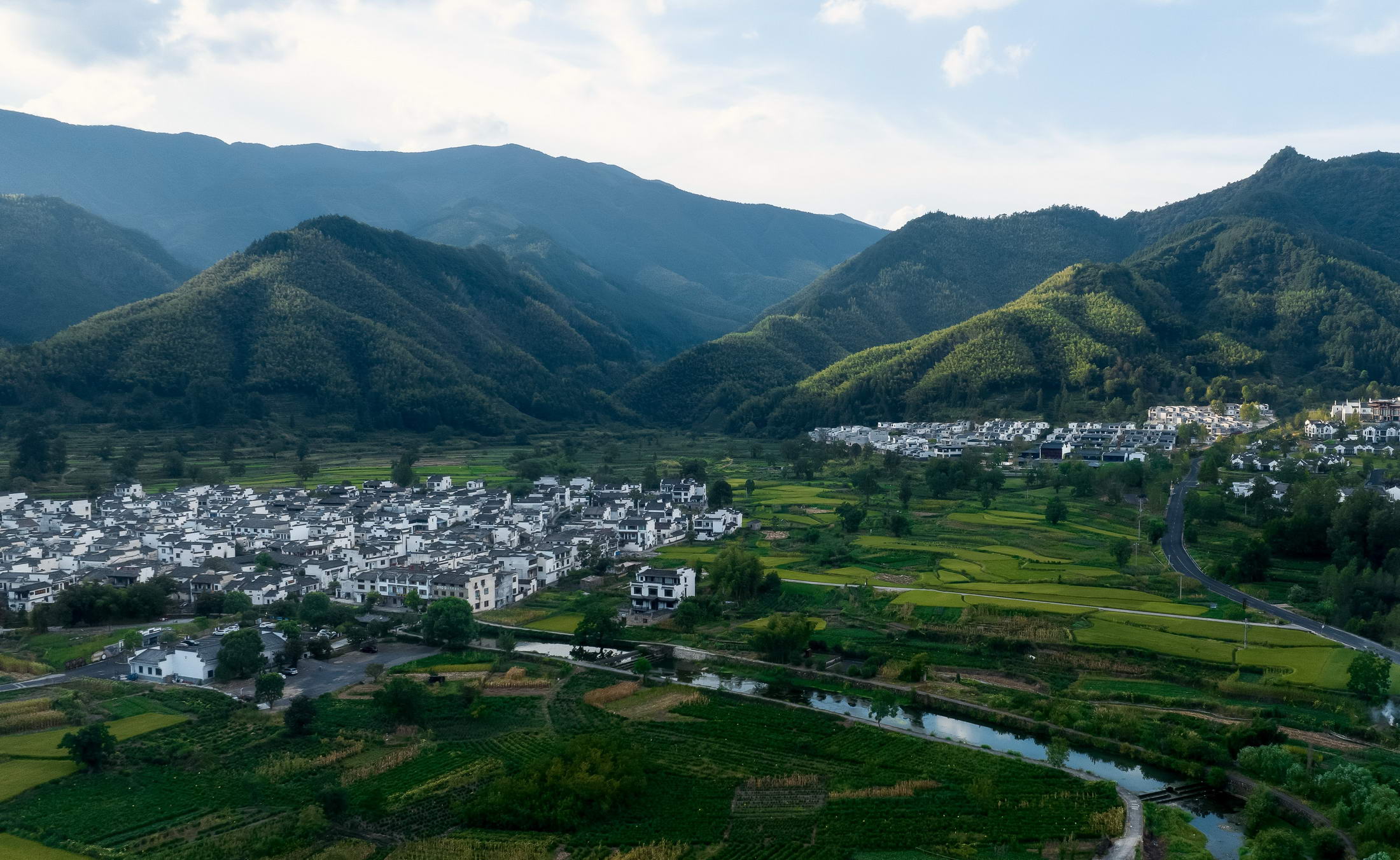
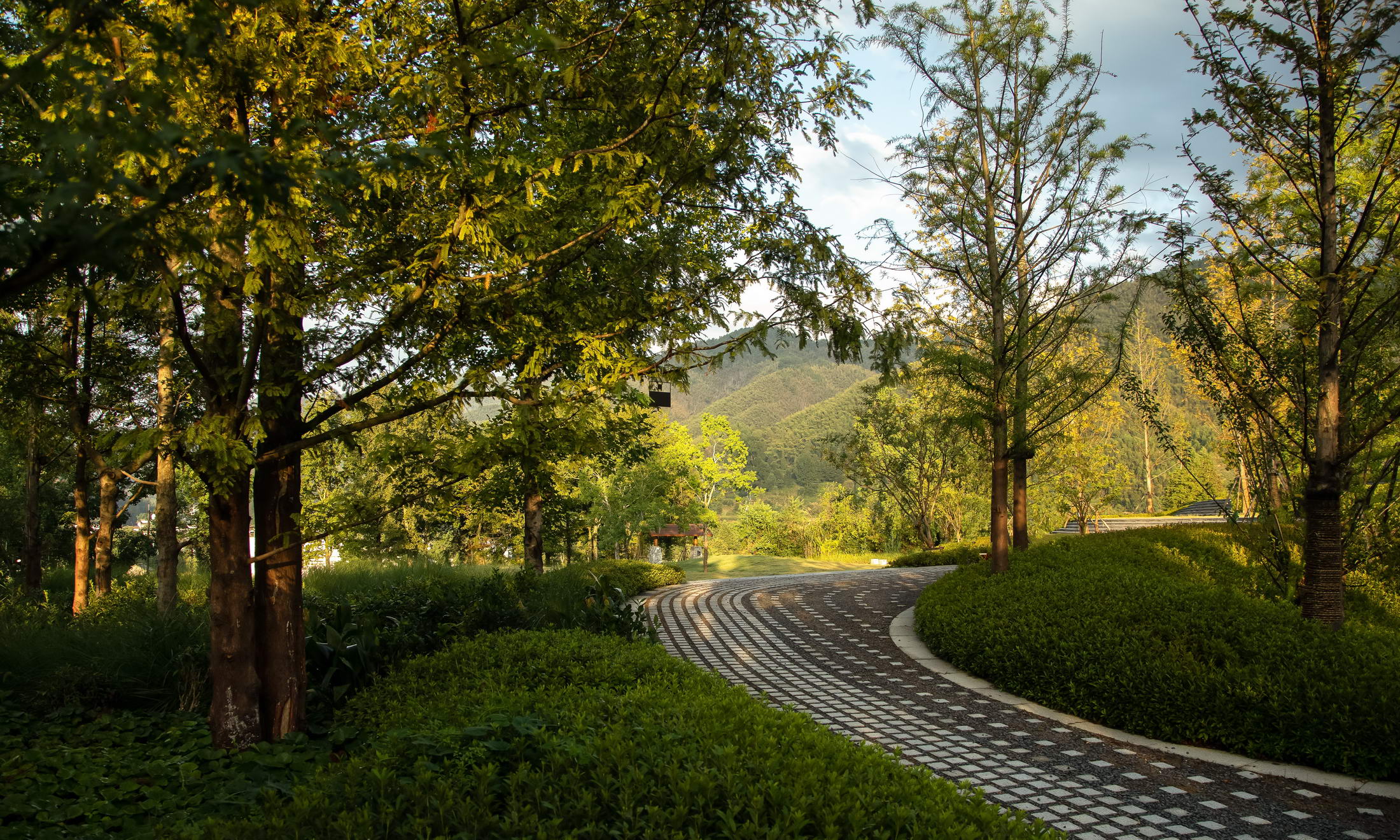
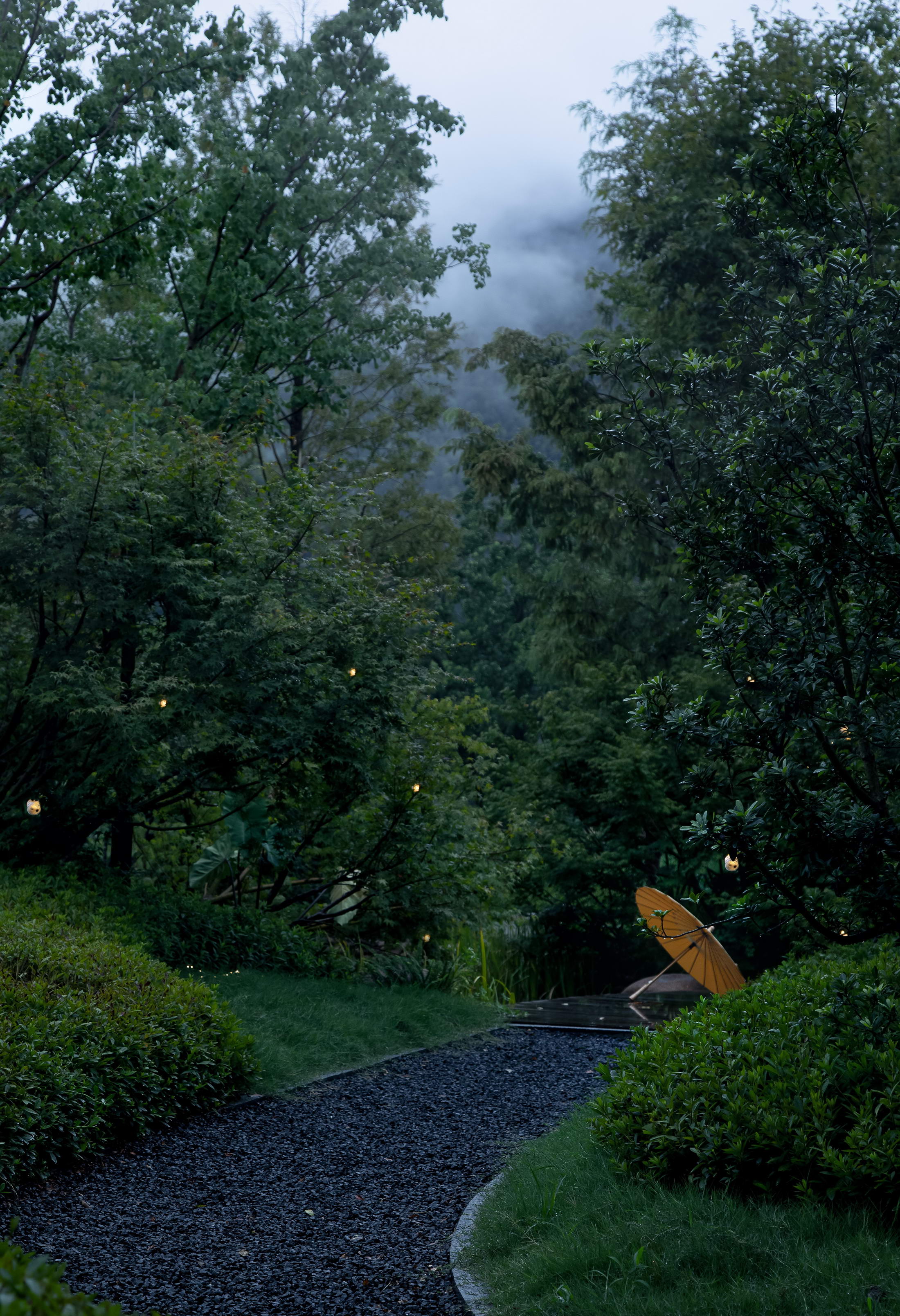
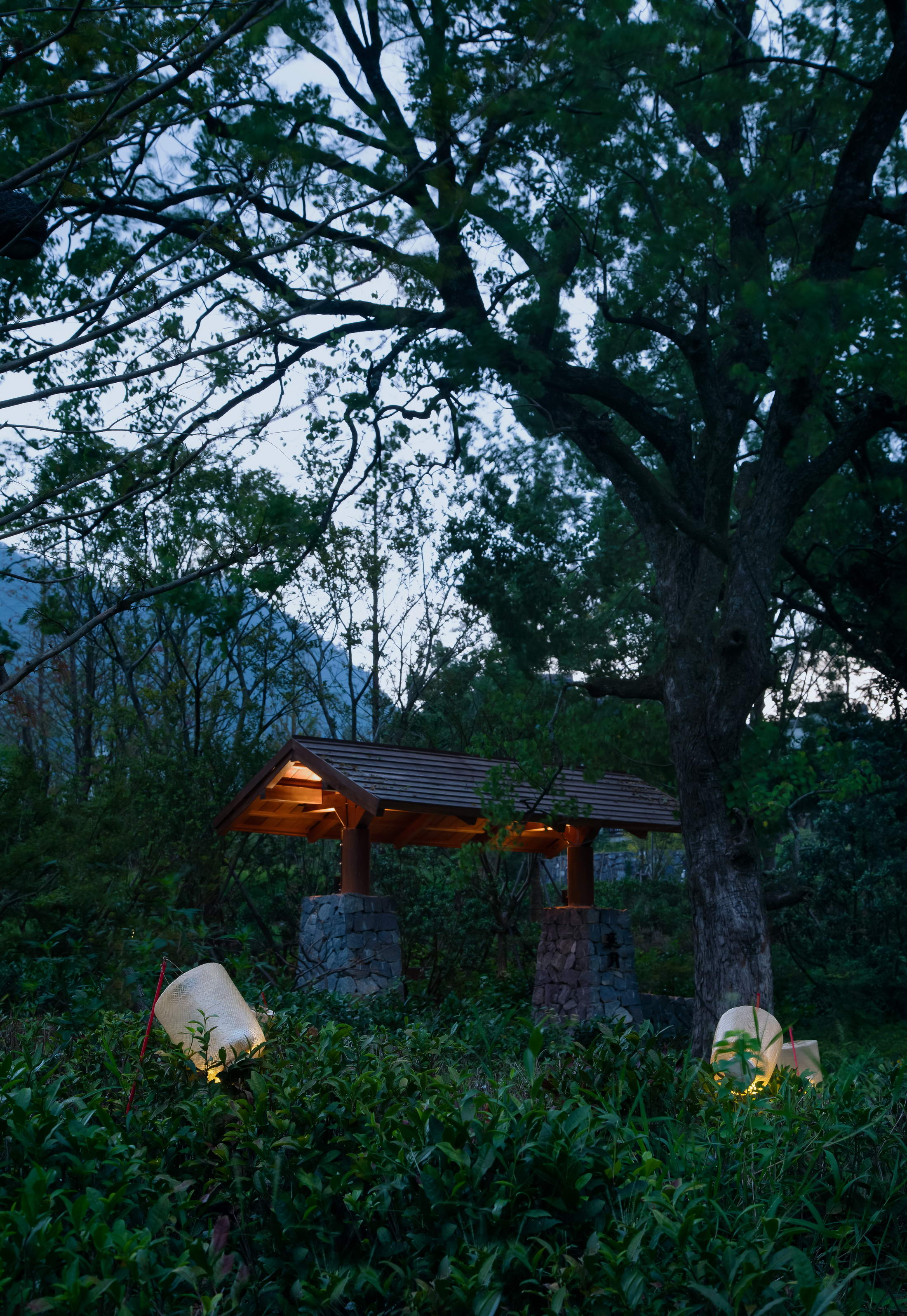
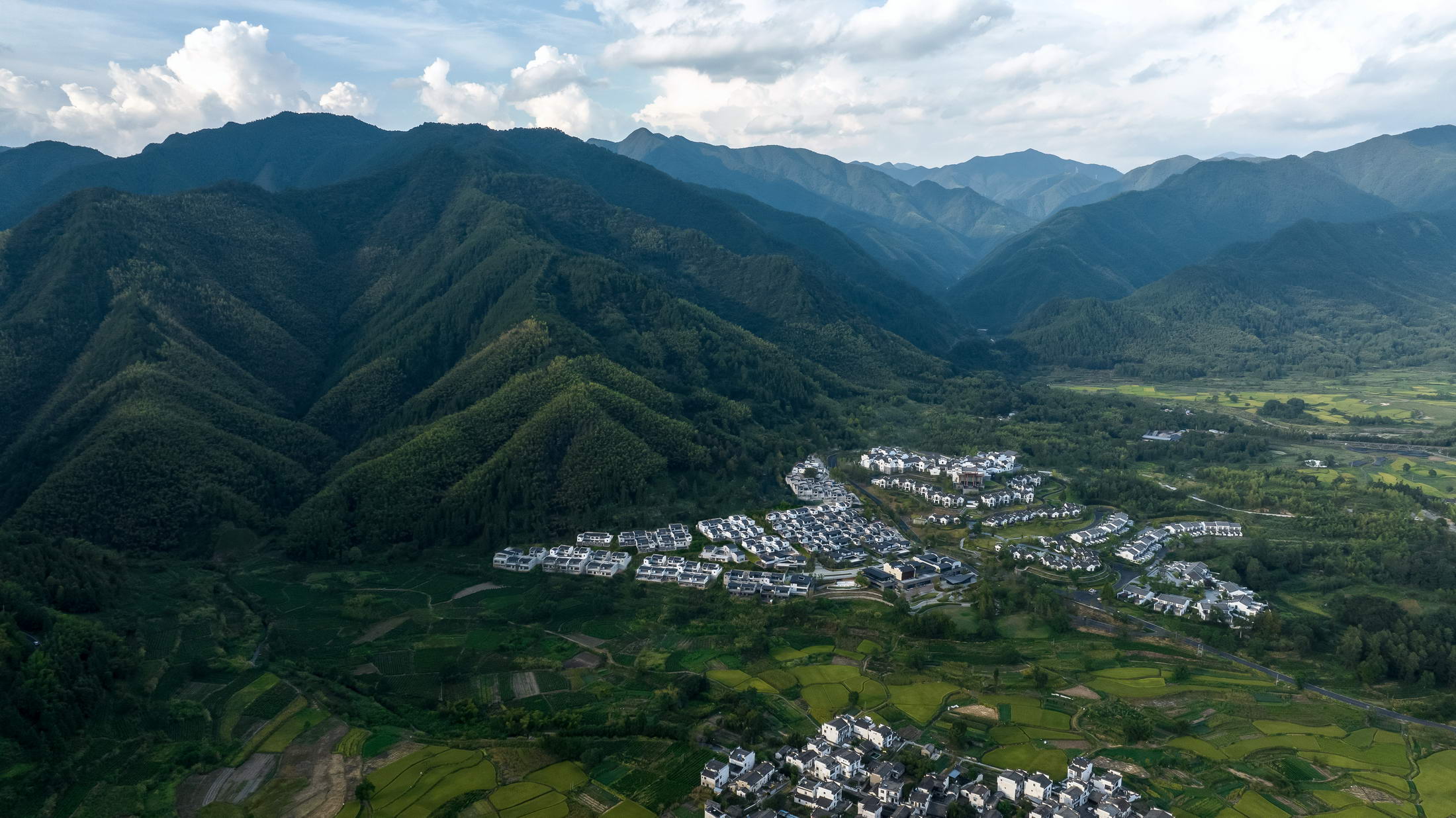
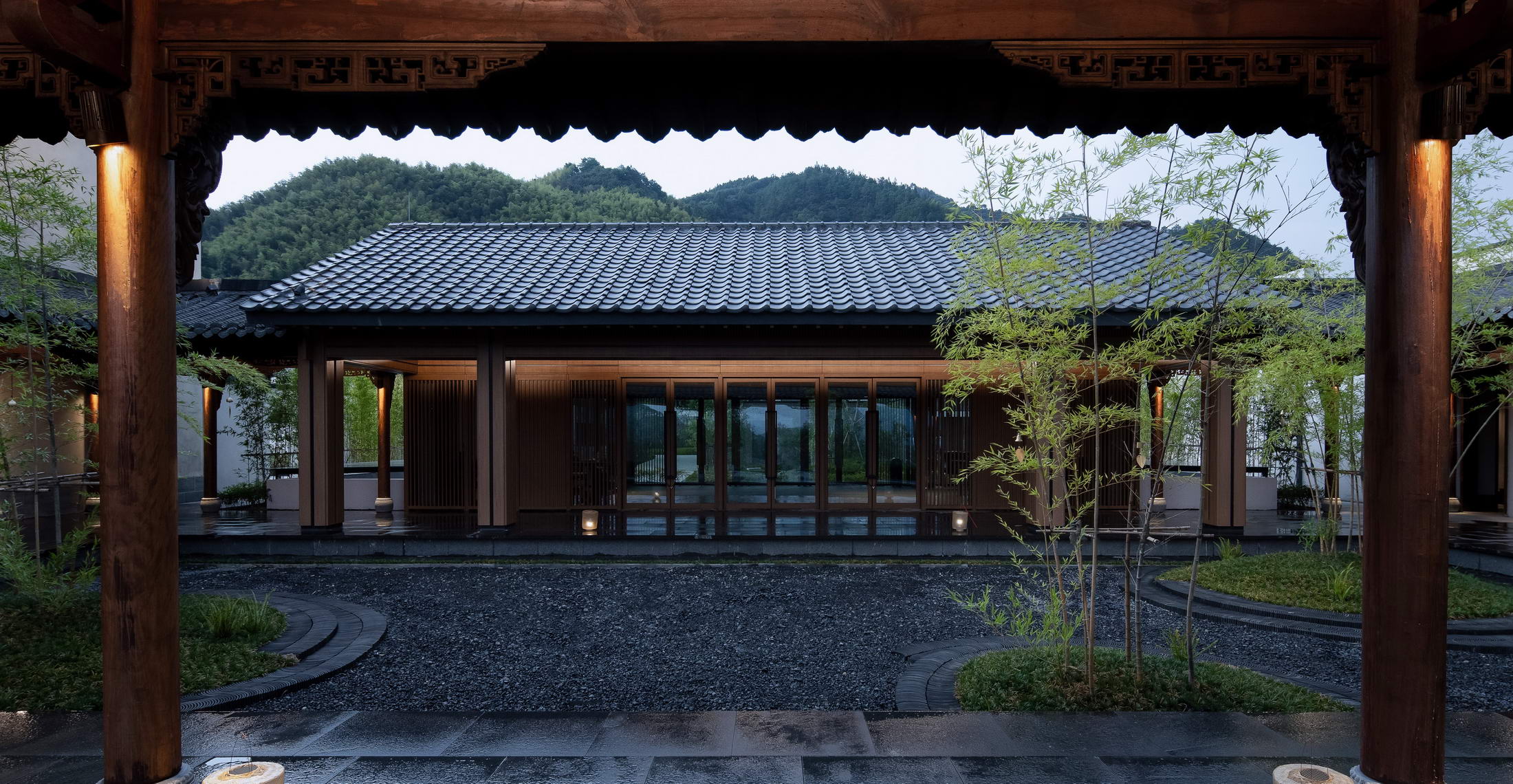
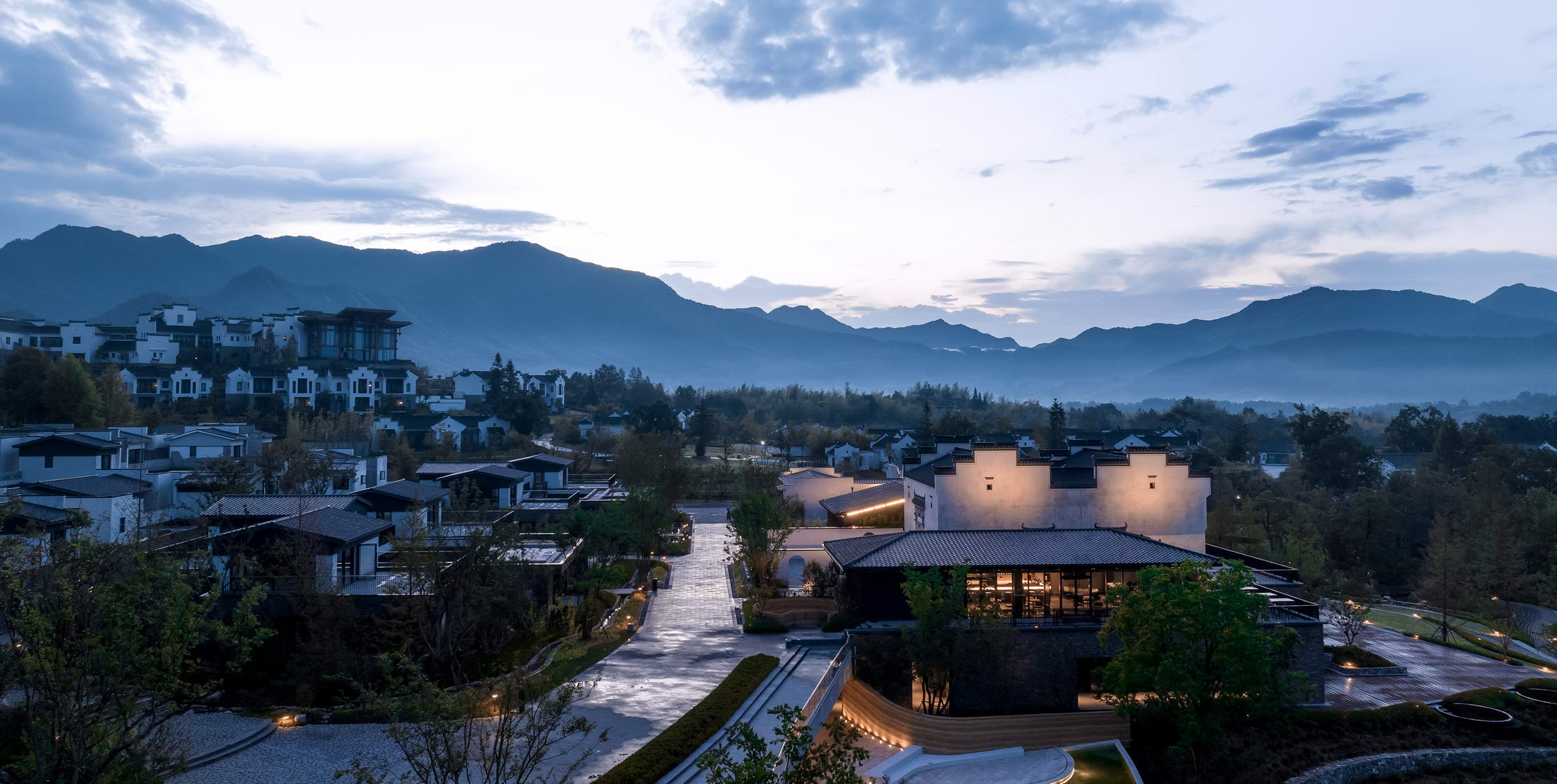
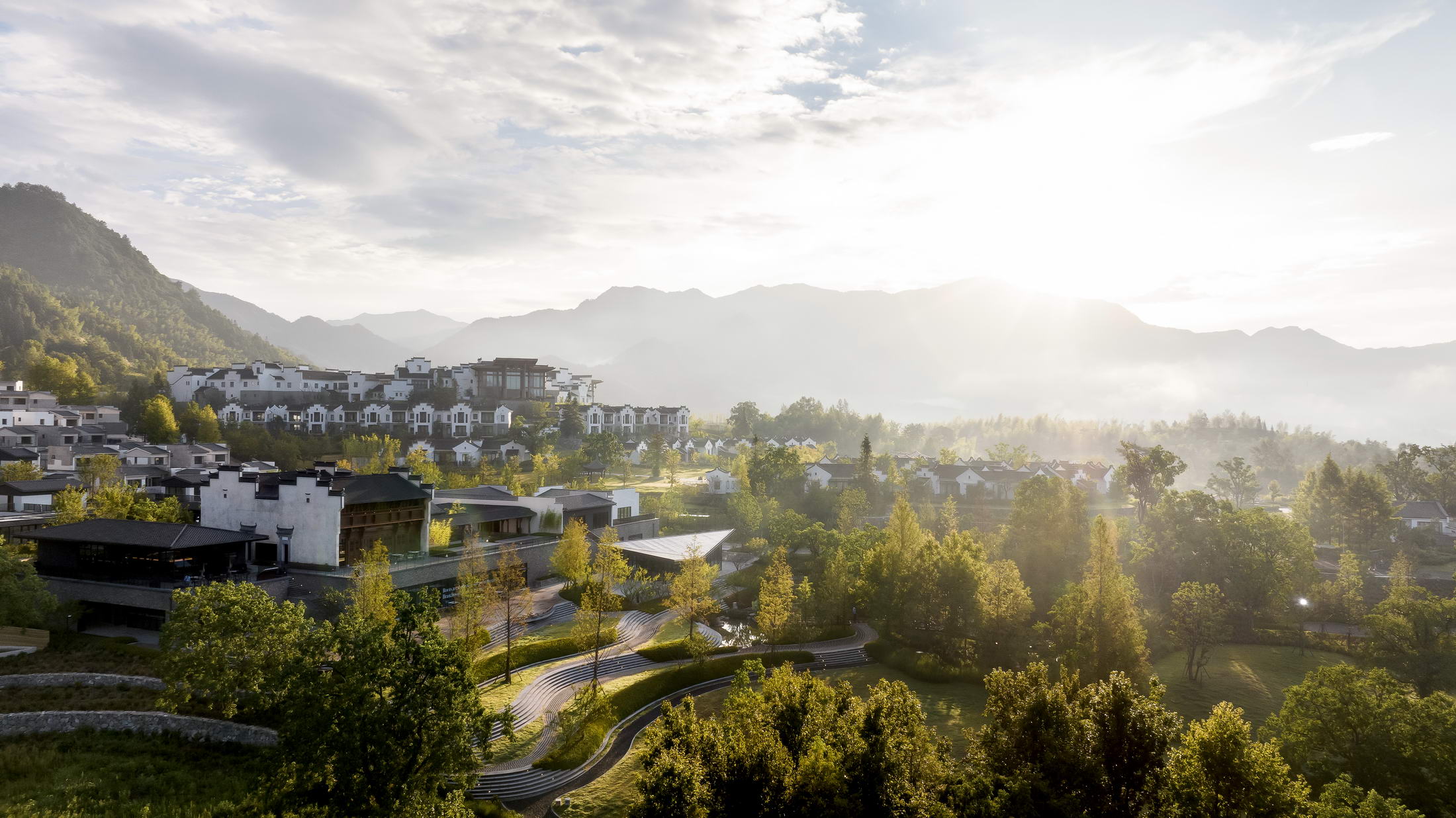
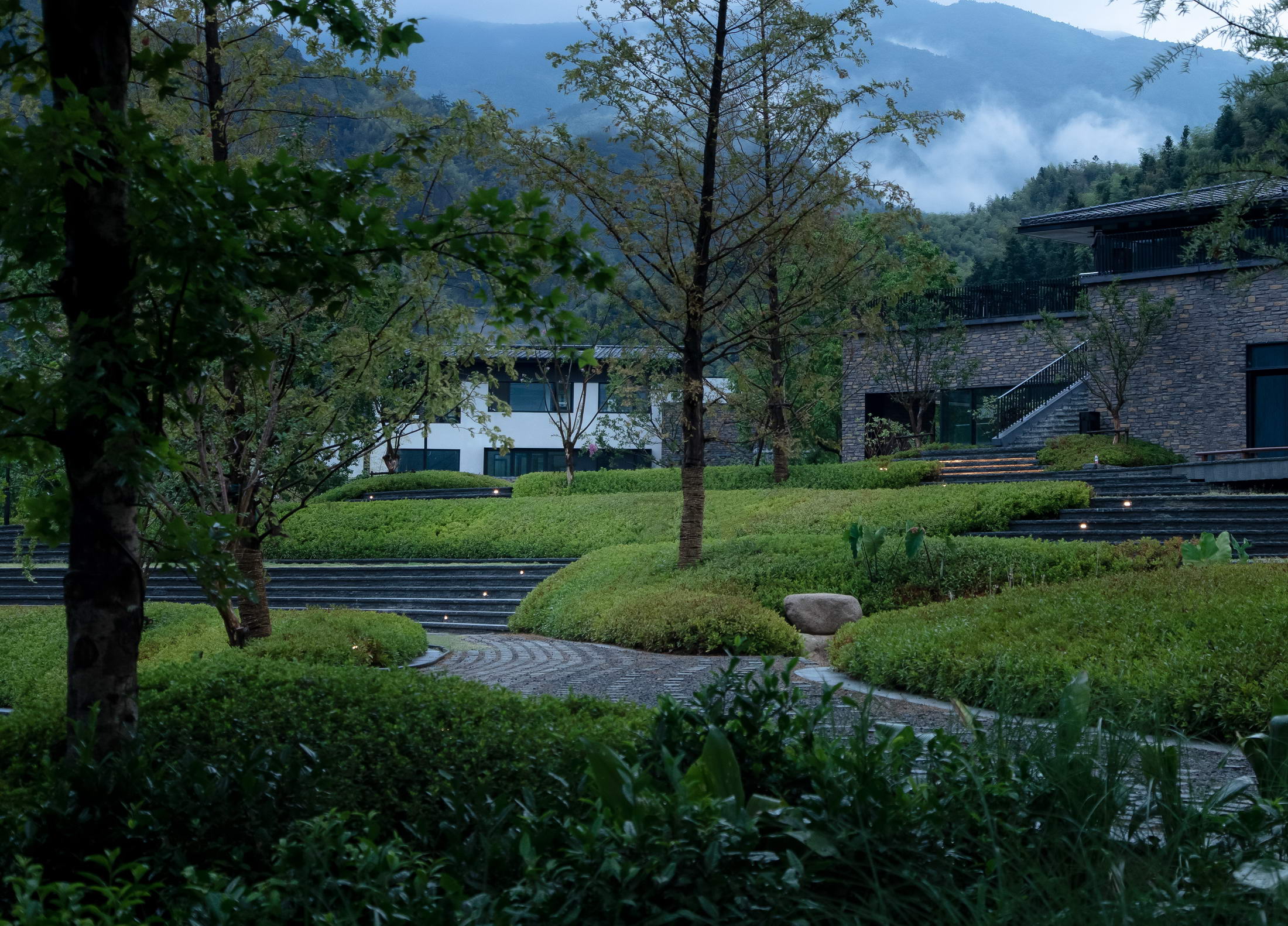
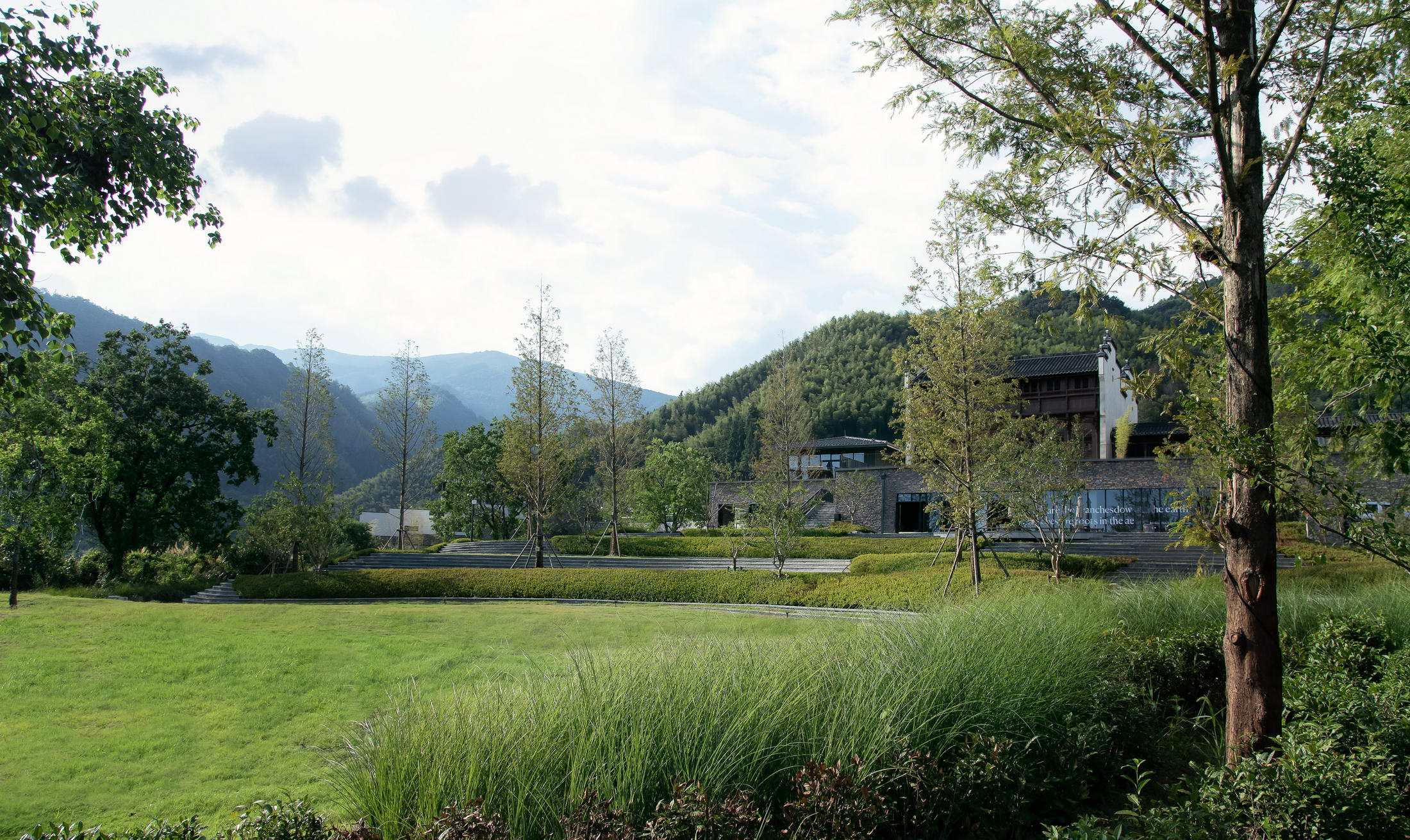
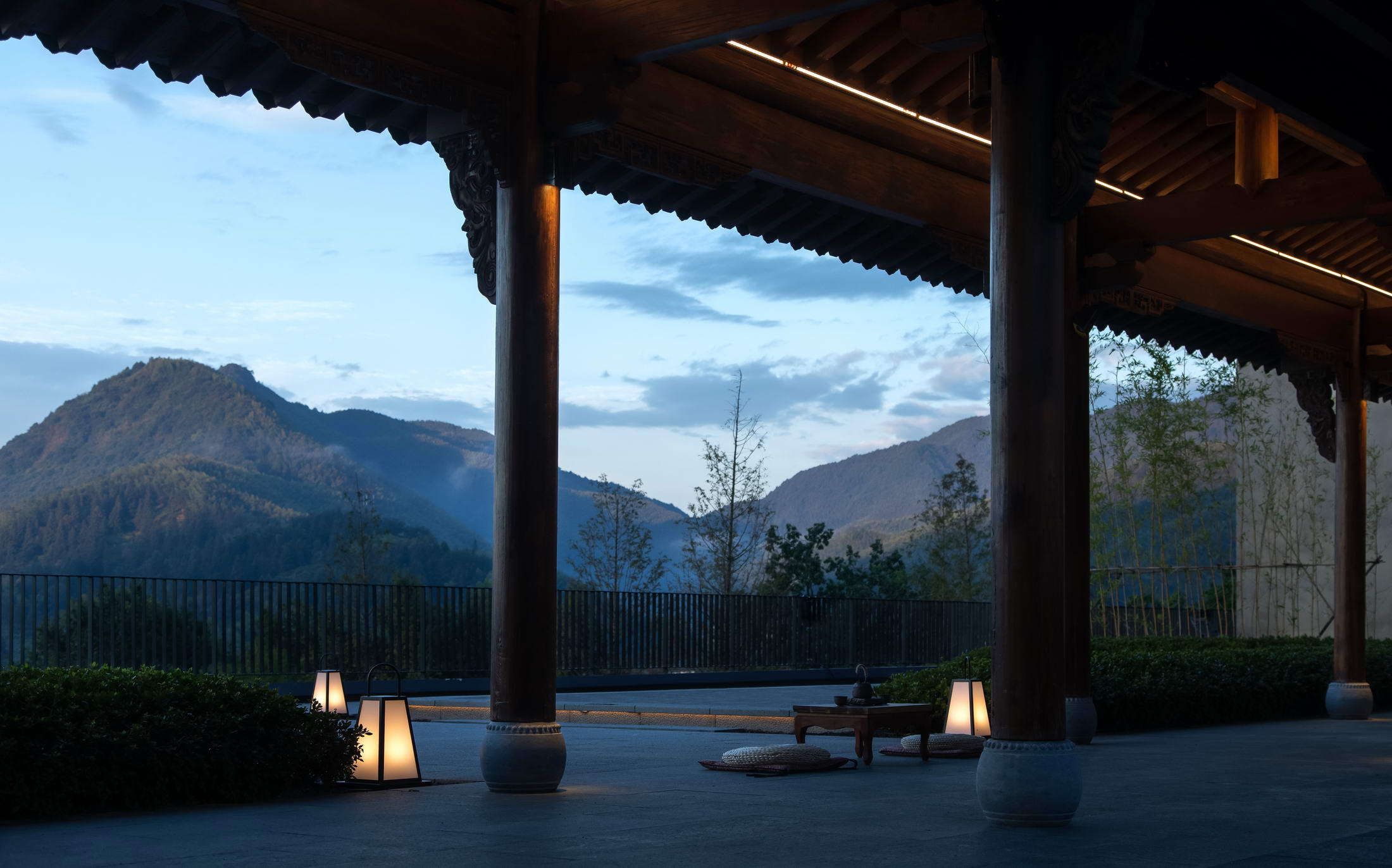
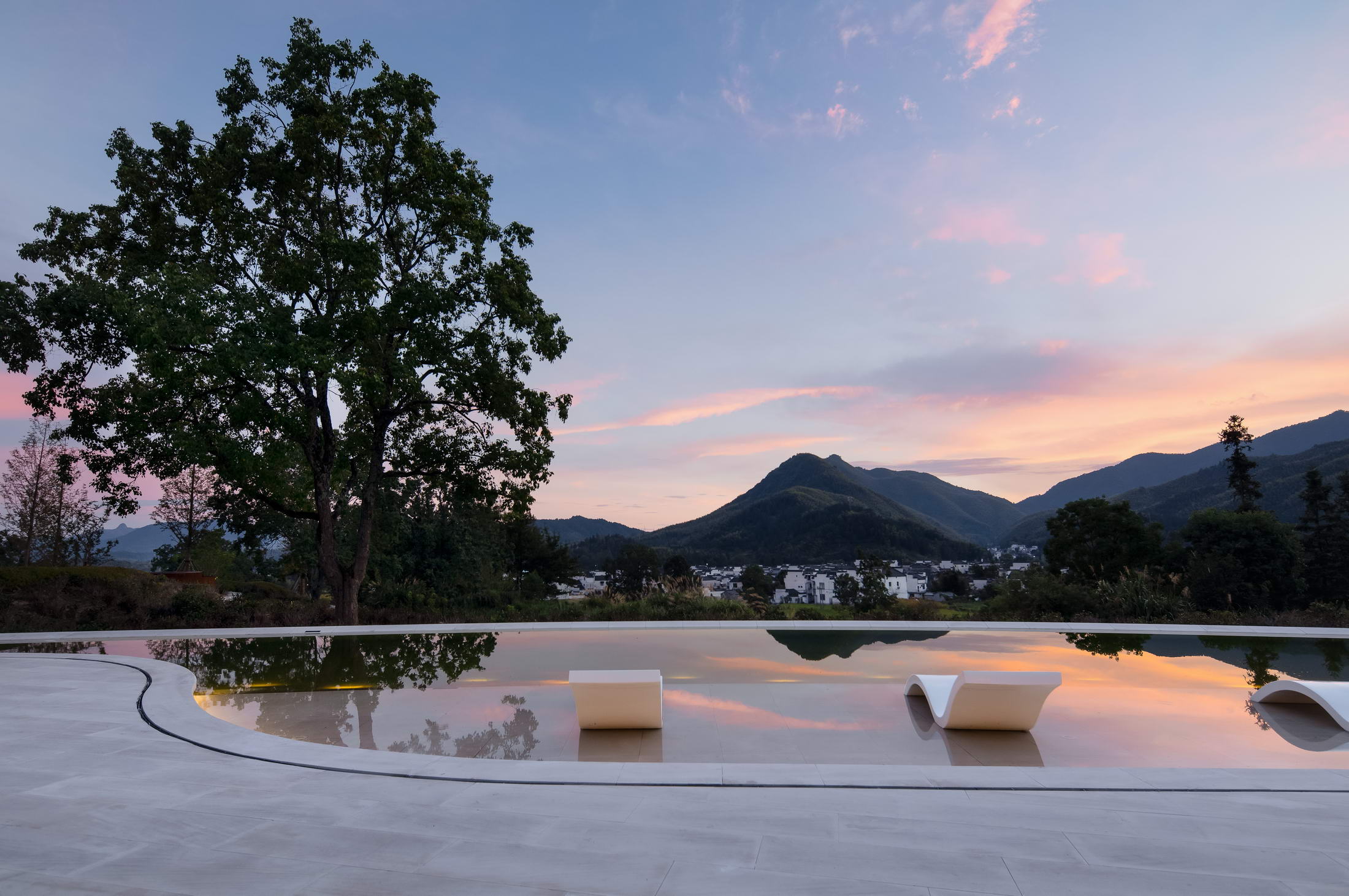
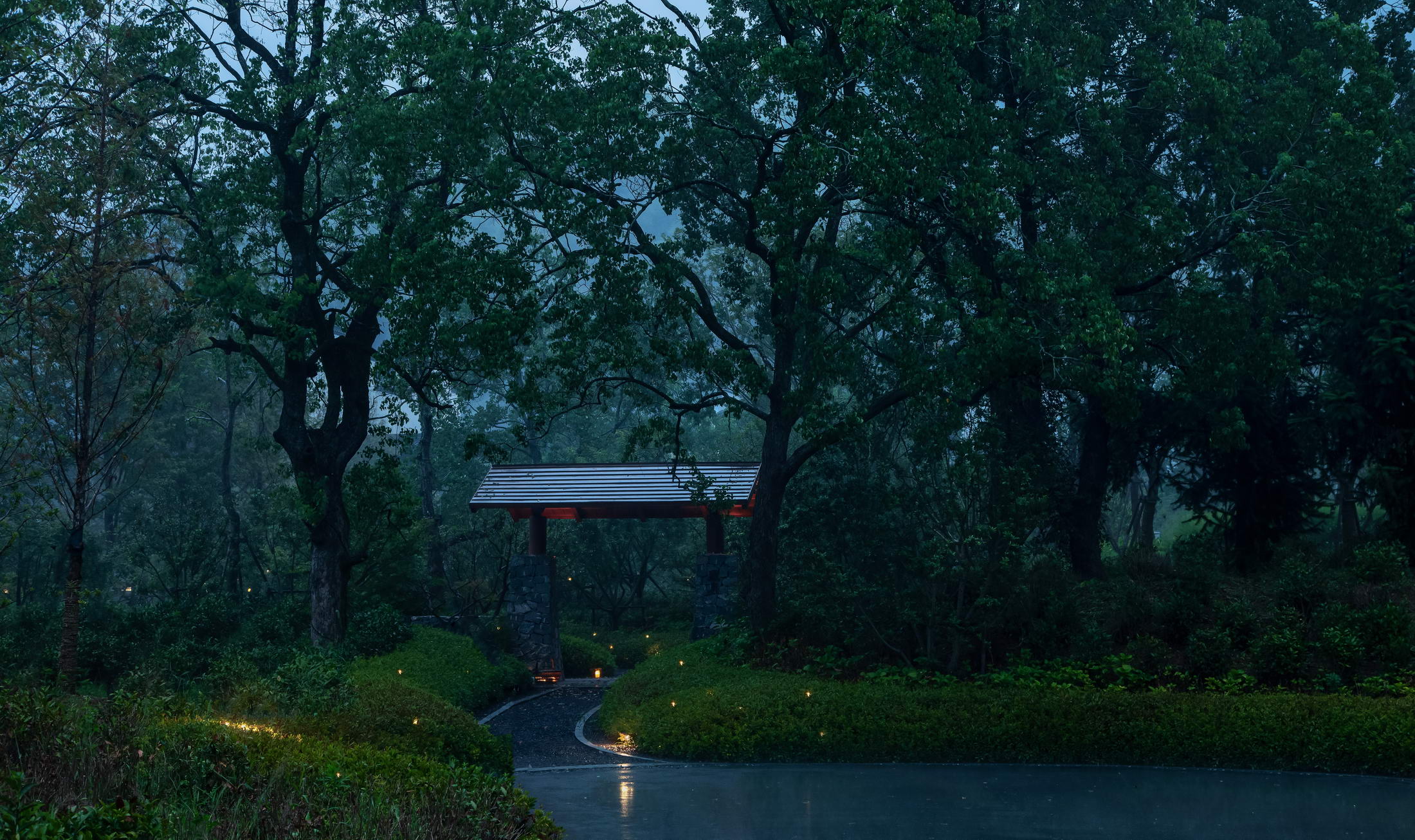
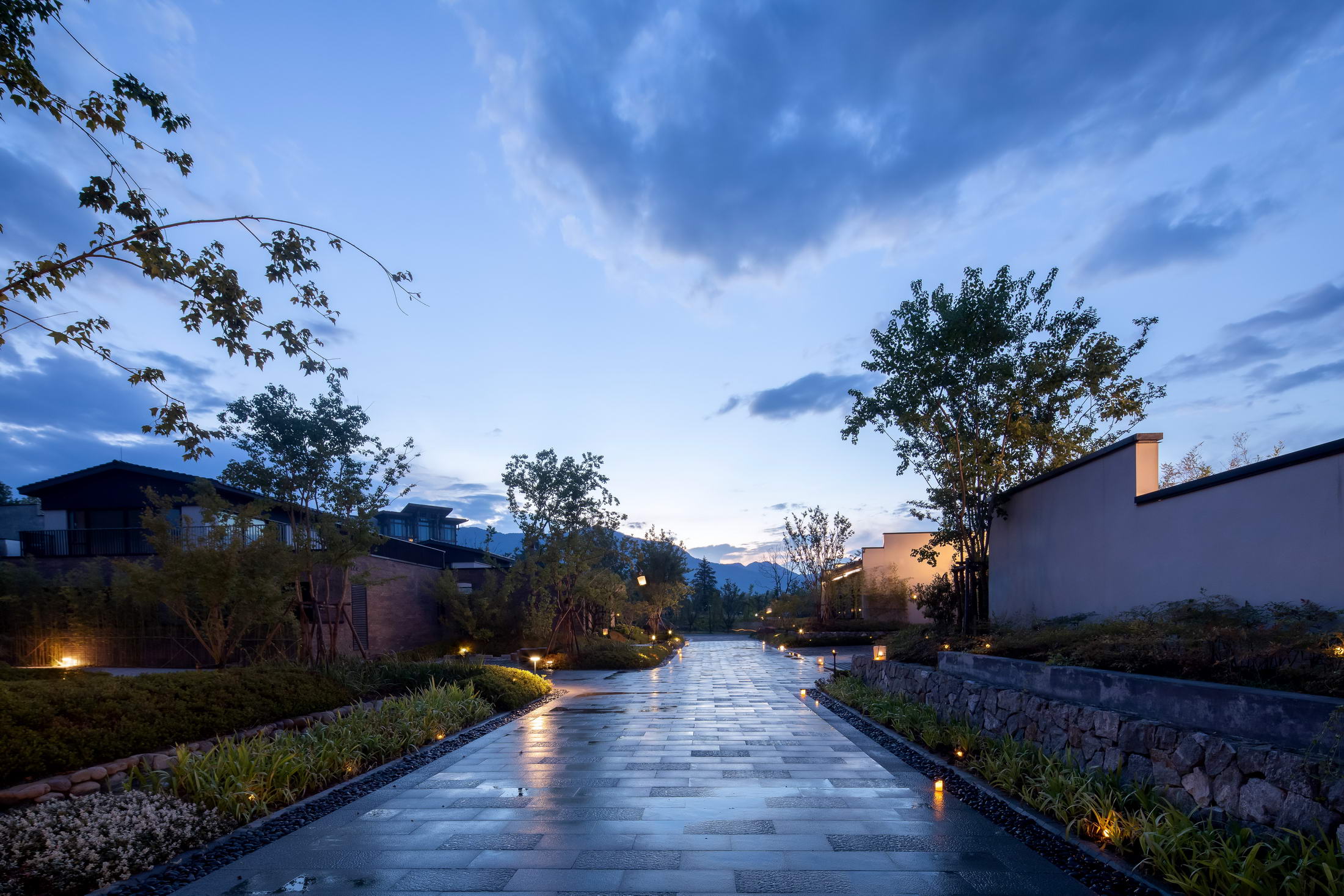
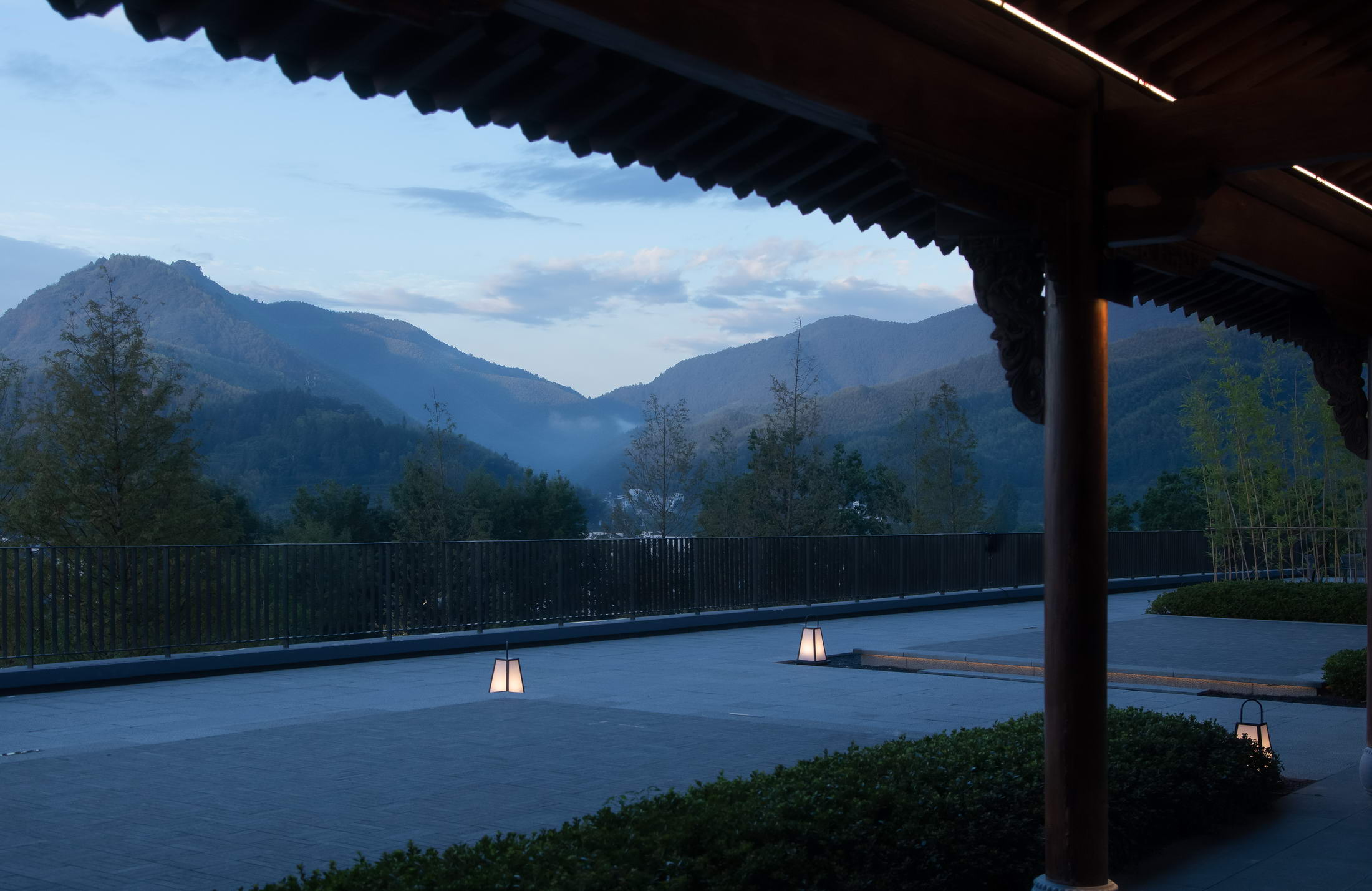
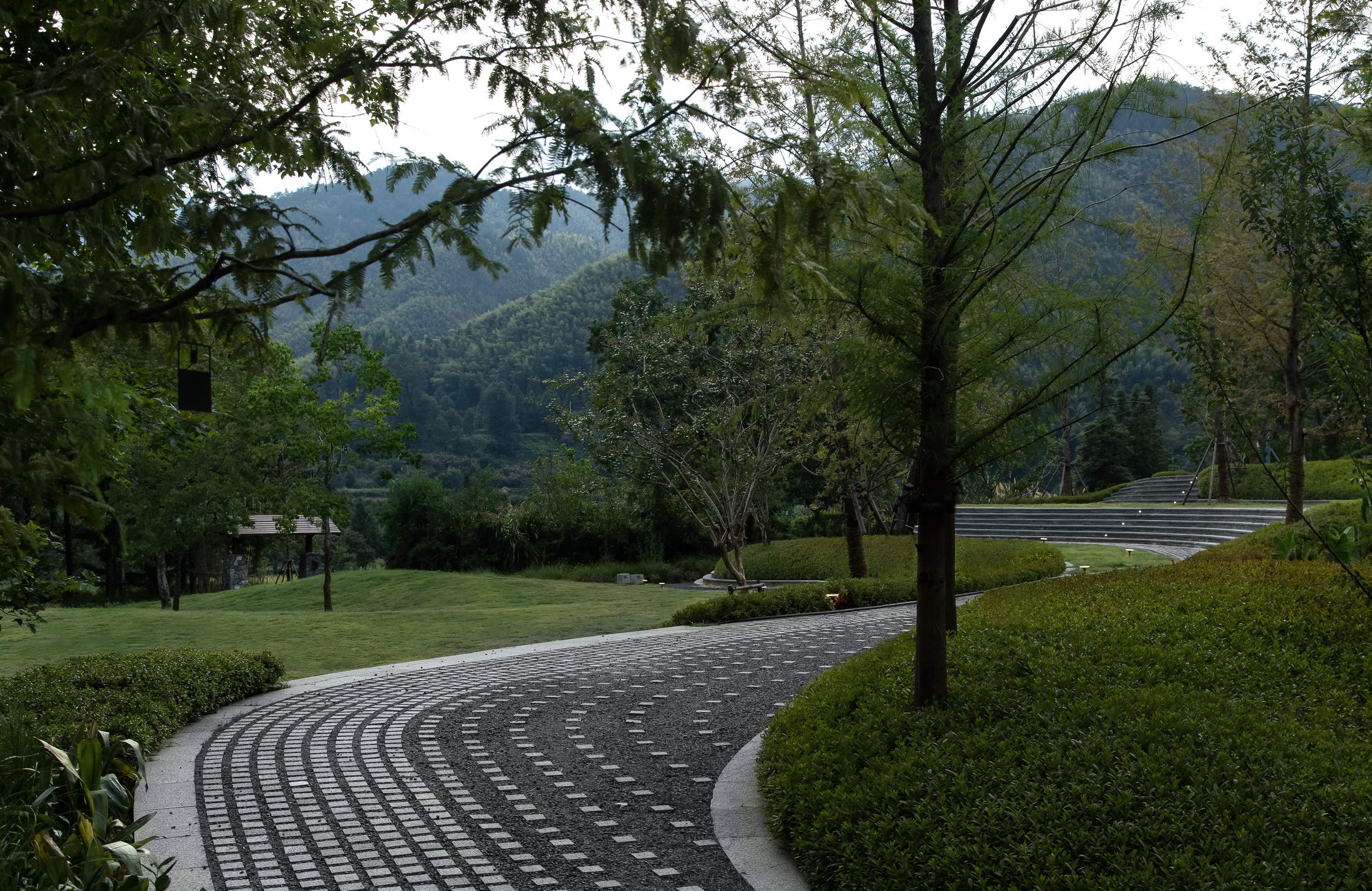
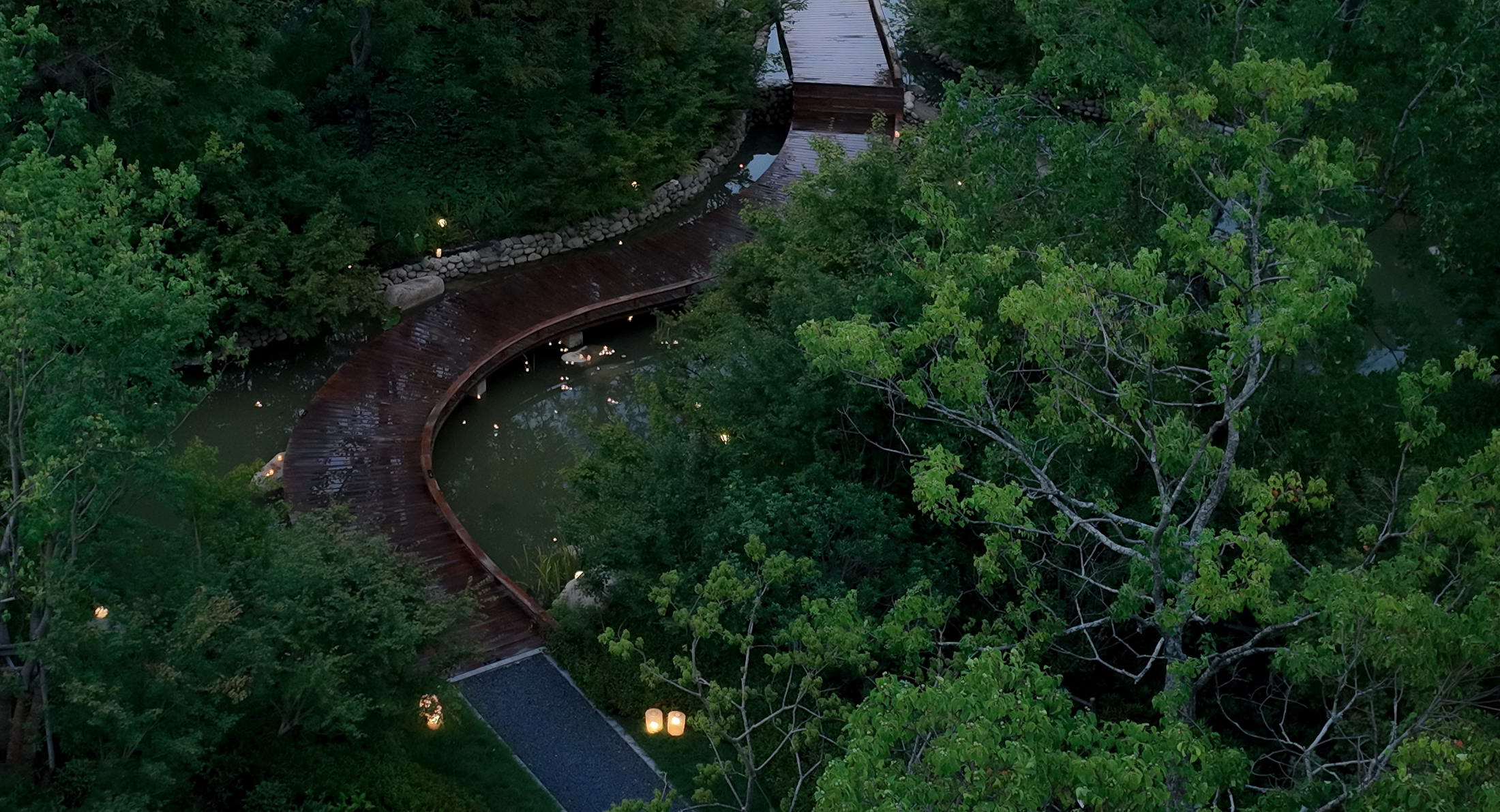
Banyan Tree Huangshan, the Huangshan Cultural Village, is a resort landscape designed by Hanshi Landscape Planning and Design (Shanghai) around the historic Lu Village in Yi County, Huangshan, Anhui. Yi County, the smallest and one of the oldest counties under Huangshan, is the birthplace of Huizhou merchants and Huizhou culture, a provincial historic and cultural city shaped by the neo-Confucianism of the Cheng-Zhu school, where clan order, education, righteousness, and neighborly harmony were long prized. The project seeks to pick up the poetic pastoral dream of the scholar-gentleman. Because the architecture and furnishings return to unadorned simplicity, thought and behavior become plain; the owner invests feeling in stone, wood, mountain, and water, where flowing streams, birds, and rocks reward slow viewing, tea, and self-cultivation. Huizhou culture treats water as wealth: the fishing weirs serve to retain water, and the village water mouth, where streams enter and leave the settlement, is the throat, facade, and spiritual soul of a Huizhou village. The design draws on the two layers of Huizhou water culture, the material layer of rivers, channels, and weirs, and the spiritual layer of water-management technique, fengshui theory of storing wind and gathering water, and the belief that water brings prosperity. The overall layout combines a stroll-style pond garden with a tea garden, echoing Bai Juyi's record of his Lu Mountain cottage, in which house, water, and bamboo occupy their respective proportions. The healing-garden program aims to reduce stress, soothe emotion, restore spirit, and rebuild the inner life, offering a retirement apartment, creative workshops, a care center, small shops, a coffee bar, and craft studios. The garden is designed for both solitude and gathering, with wide prospects and micro-landscapes, and at least seventy percent natural elements. Plants, sunlight, water, animals, and fragrance lower blood pressure and stress, while natural light and natural sound connect visitors to the positive influence of nature. Along the wandering path, islands, waterfalls, streams, mounds, bridges, shoals, dirt roads, stones, and pavilions are placed carefully; the path widens for two or three people in places and narrows to single file in others. The tea room is a quiet instrument for calming the mind, and a path only one person wide leaves no room for idle chatter, so that worries fall away. The project also preserves the eighteen-tea-garden terraces of Vanke Huangshan Cultural Village, using native Huangshan tea plants as a sign of respect for local culture. Huizhou historic architecture, a bar, a swimming pool, and a vitality center wrap around the community, near the thousand-year-old carved-wood Lu Village houses and the famous rape-flower fields, inviting visitors to see, smell, touch, and taste tea while contemplating the harmony of tea and pastoral life.















 Editor's Pick
 Latest Design
 Best Idea
 Hottest of Week