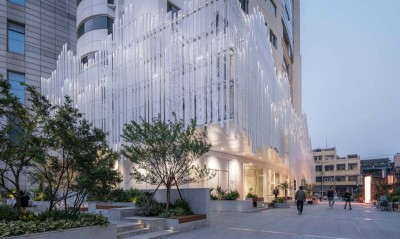
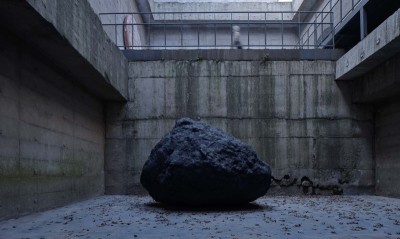
Text description provided by the architects
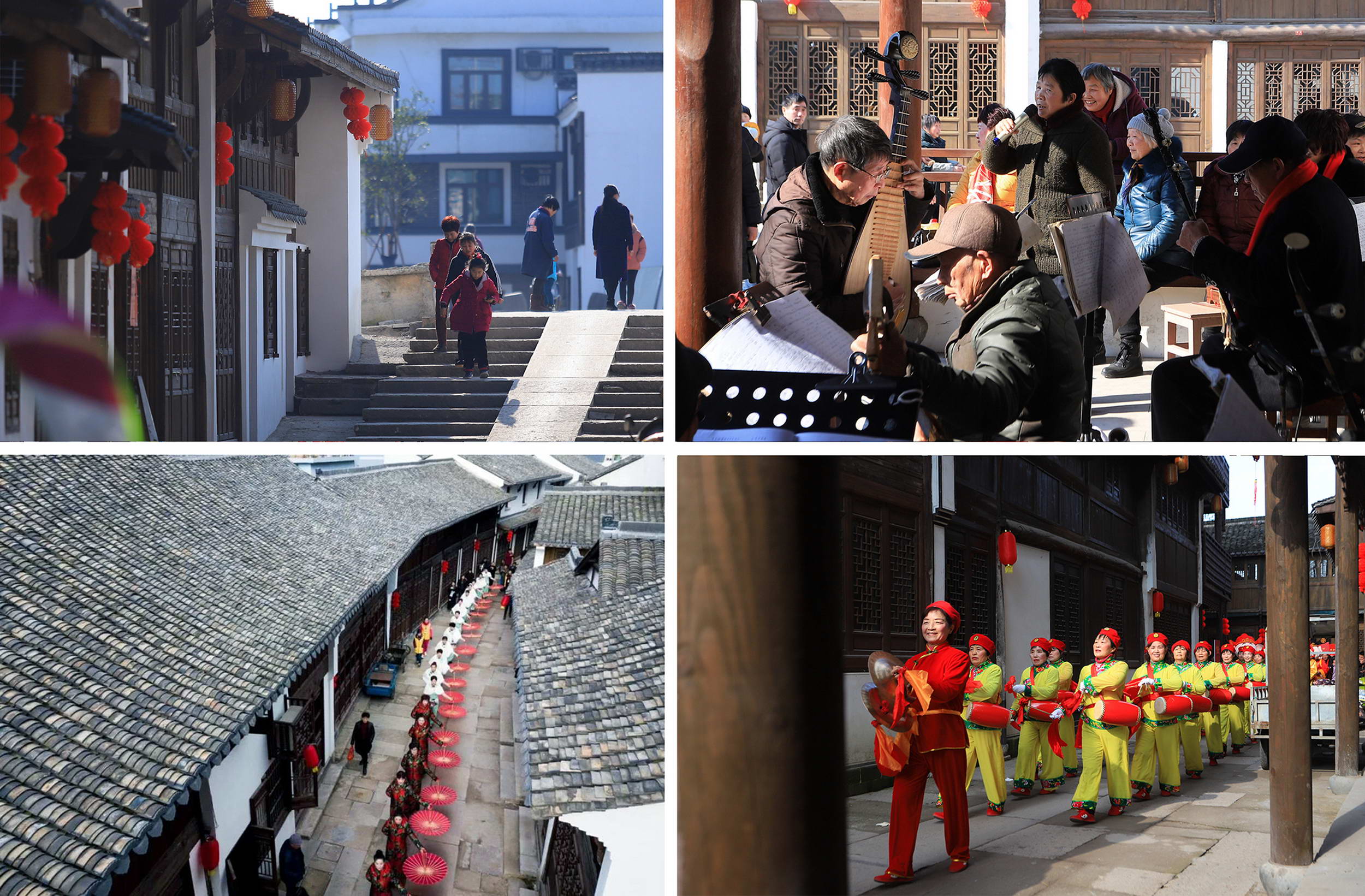
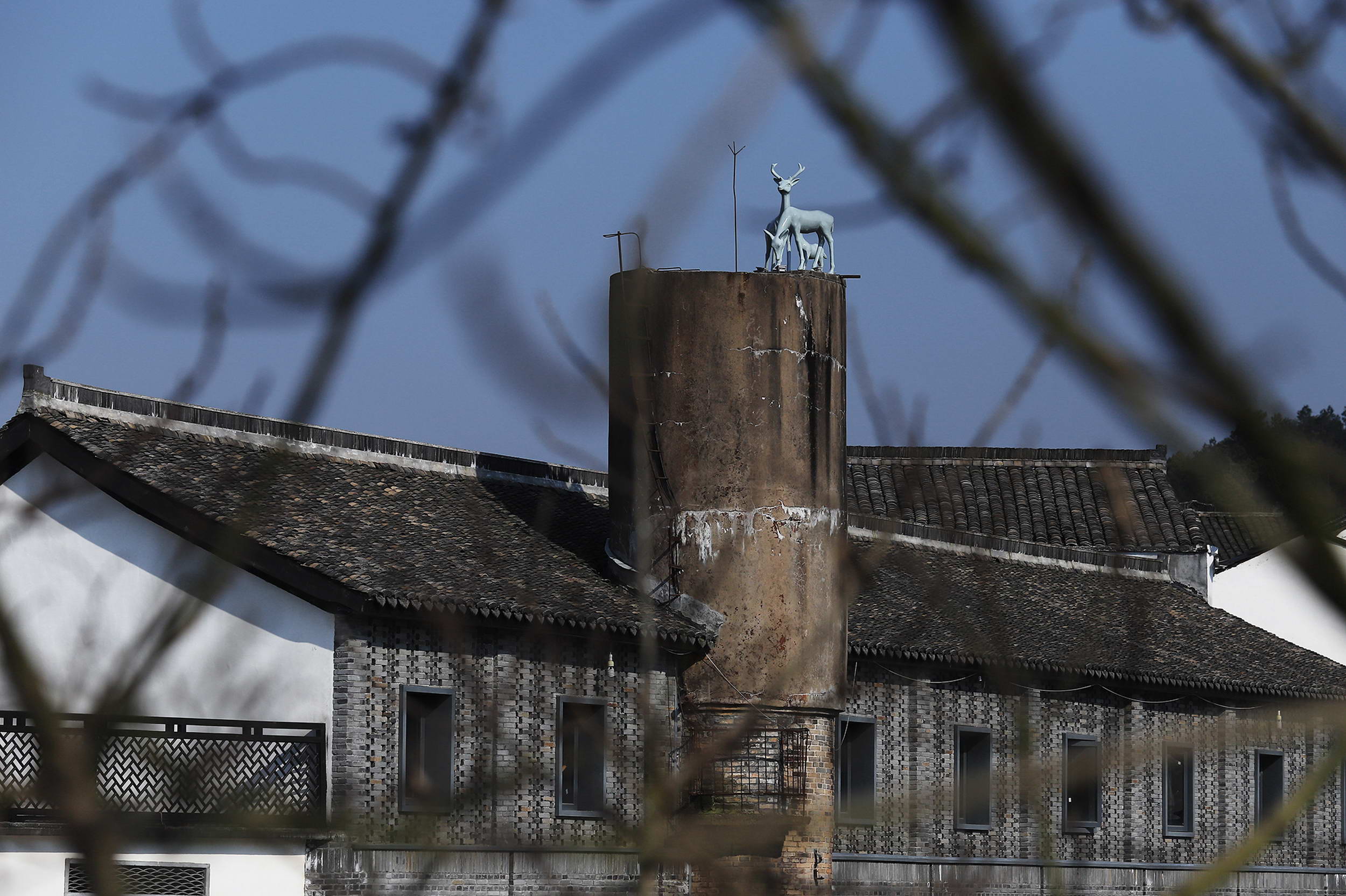
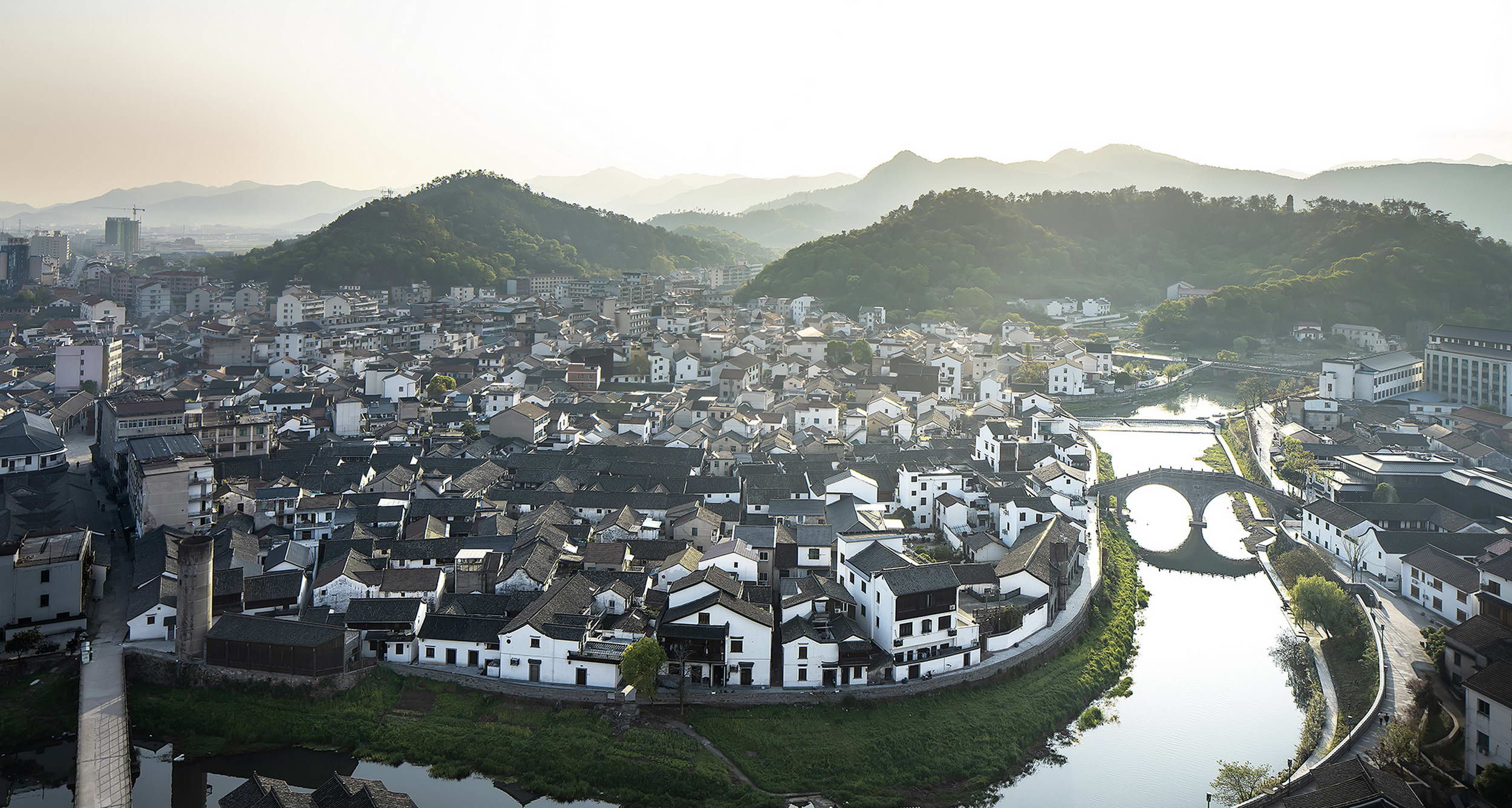
The Era of Pan-Architecture-Urbanization Wu LiangYong pointed out in " A General Theory of Architecture" that the mission of architecture and the extension of architecture are constantly changing with the development of the times. Meng Jianmin s "Reflections on Pan-Architecture" also clearly points out the dynamic relevance between architecture and other disciplines. Over the past few years, as China's new urbanization process has continued to expand in breadth and depth, the content and methods of construction activities have also undergone many changes. Architects have been given new responsibilities and expectations to directly face the problems of architecture outside of traditional meaning, that is, the variables of the non-building itself, the boundaries of architecture are being quickly broken, and the era of pan-architectural is truly the beginning of the implementation to the level of practice. Pan-ArchitectureObject - Fengqiao Ancient Town Fengqiao, a thousand-year-old town in Zhuji, Zhejiang Province, has become a cultural center in the northeastern part of Zhuji in history due to the Gu Yue Jian Du and Fengqiao Sanxian. The "Fengqiao Experience" in 1962 is known throughout the country as a model for social grassroots governance. Recently, Fengqiao Township's "Mo Mei" - "Don't exaggerate the color, only keep the atmosphere full of energy" is Keep visitors open. However, the ancient towns that are famous on the surface are actually bleak. At the end of 2015, when the task of revitalizing the entire town was handed over to the project team, we were very excited when we were excited. As an architect, the first feeling is that this is not a pure building project, compound development needs, uncertain work objects, vague design goals, even no mission books, no feasibility reports, no budget. In the traditional professional system, it is difficult to find technical means suitable for such objects, and it is impossible to find a working mode and guarantee mechanism. Pan-Architecture Practice - Differences in Seven Dimensions Everything needs to be explored, but everything has the meaning of transcending traditional "Architecture. " For four years, we have been working in Fengqiao, with the local feelings of the architects, and doing the practice of pan-Architecture in a solid and innovative way. The obvious differences between these projects and traditional architectural projects in seven dimensions are organized. Decision dimension (zero dimension) "Why shouldn't it be? " is the "presence" premise to be solved first. When we submitted the Fengqiao Ancient Town Renewal Development Plan for the first time, we proposed the overall development goal of seeing development and retaining homesickness, as well as the three-year three-step long-term plan and Three-year three-step plan, while listing a large number of landing construction items that match the target. Many times, even beyond the scope of architecture, the role of a decision maker is exercised. Subject dimension (The first dimension) The main body of a general construction project is very clear, but as a small town project, the main body of construction is very complicated. In terms of the main body of construction, it generally undertakes various departments related to policy formulation, investment, audit, management, and resource introduction; it uses the construction of multi-party joint platform on the main body of work, and joints related enterprises, through open work platforms, overall operations, It is divided into channel management, project planning and implementation to carry out all-round operation; in the main body of use, it also involves the citizens, tourists, associations, incubators, investors, makers, operators and other entities operating and using in the town.
















 Editor's Pick
 Latest Design