Text description provided by the architects
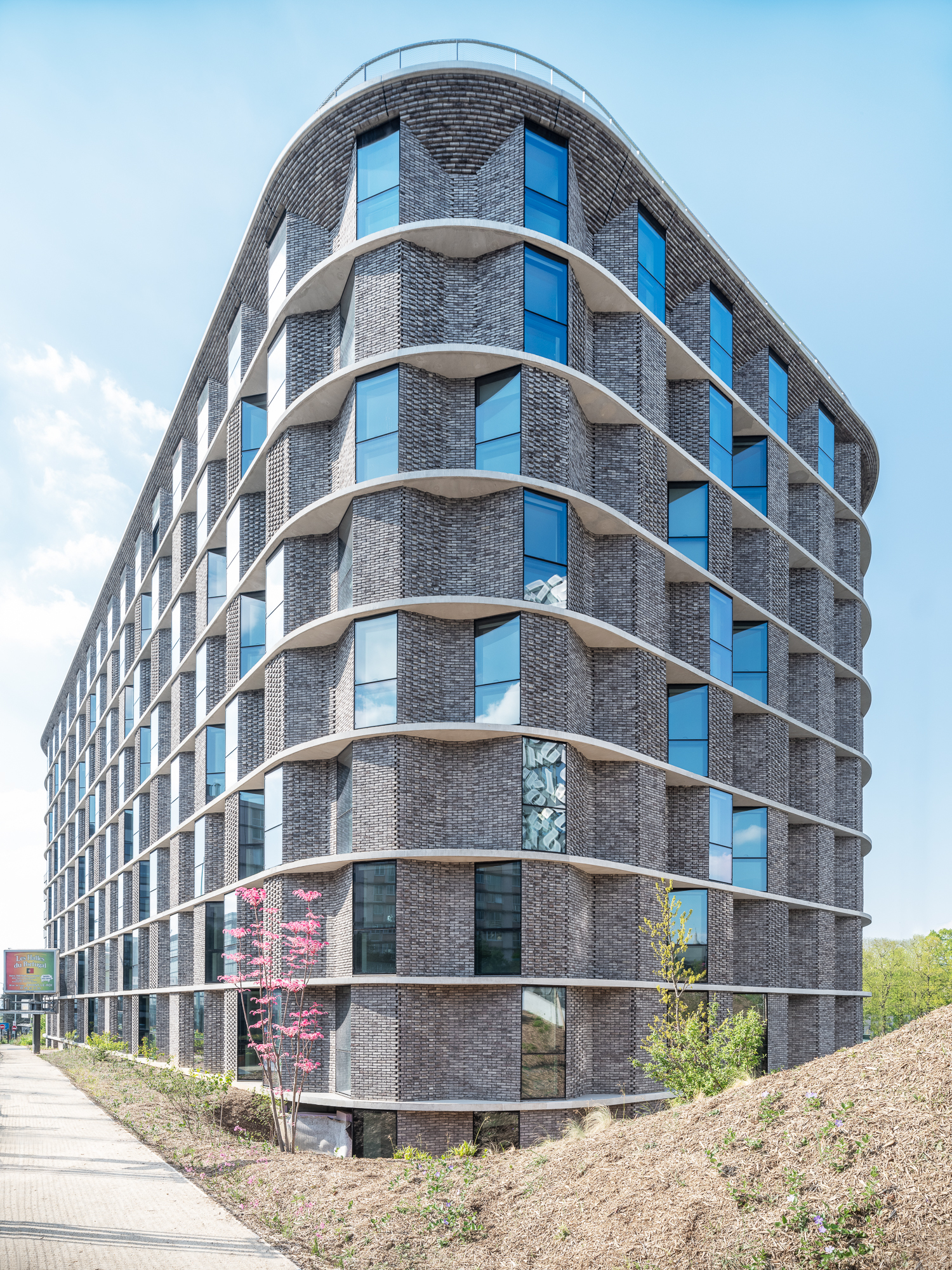
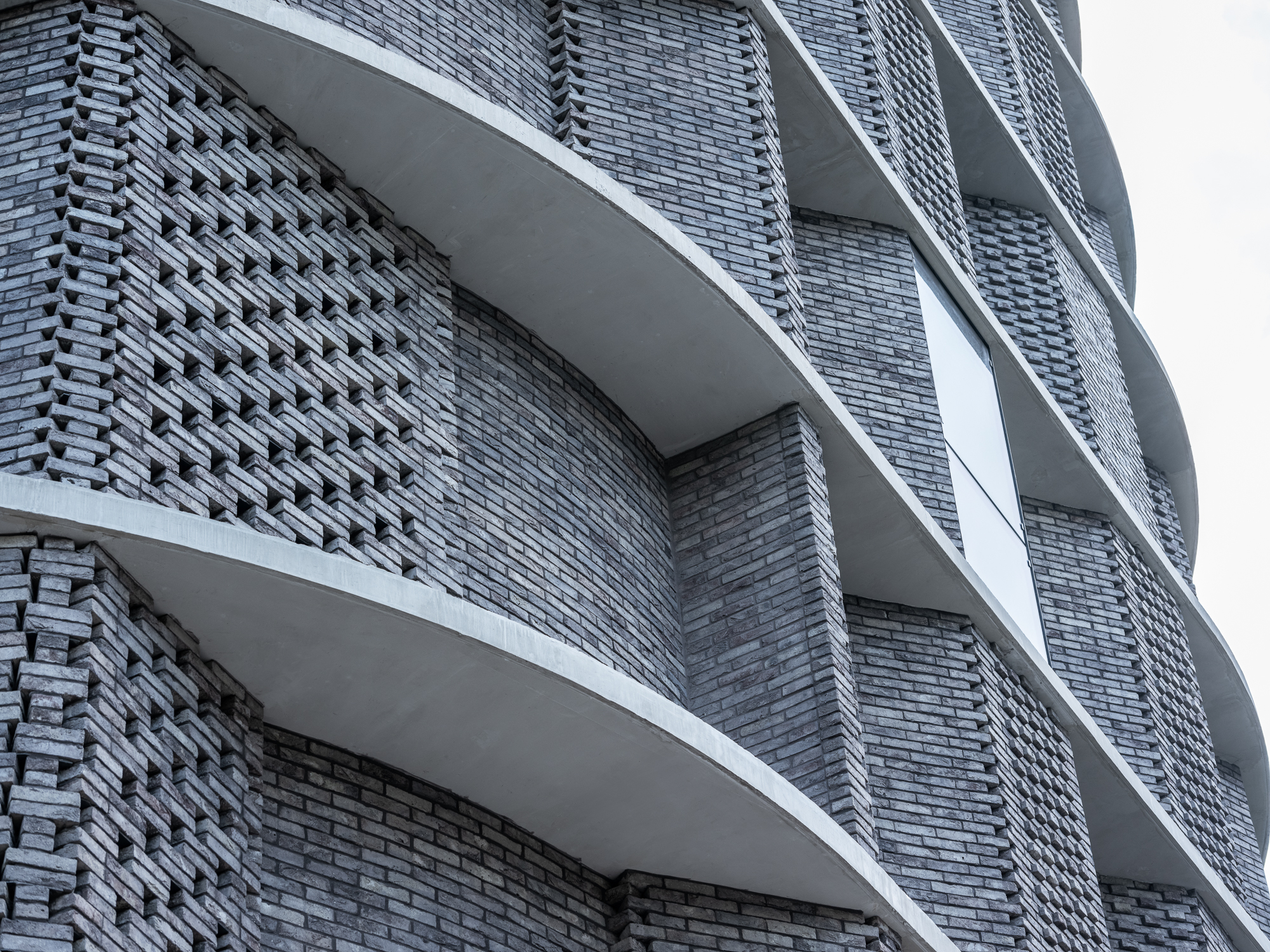
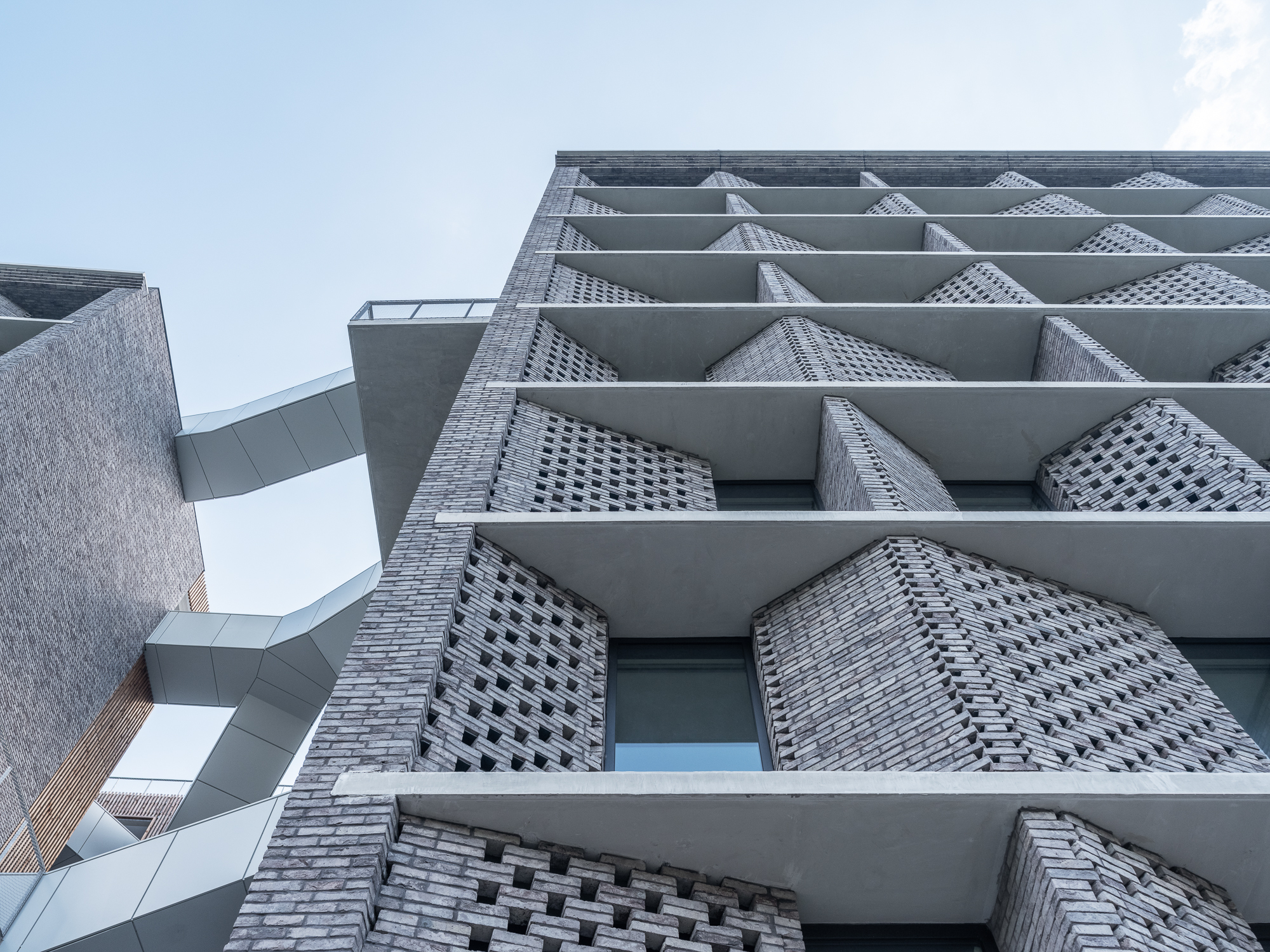
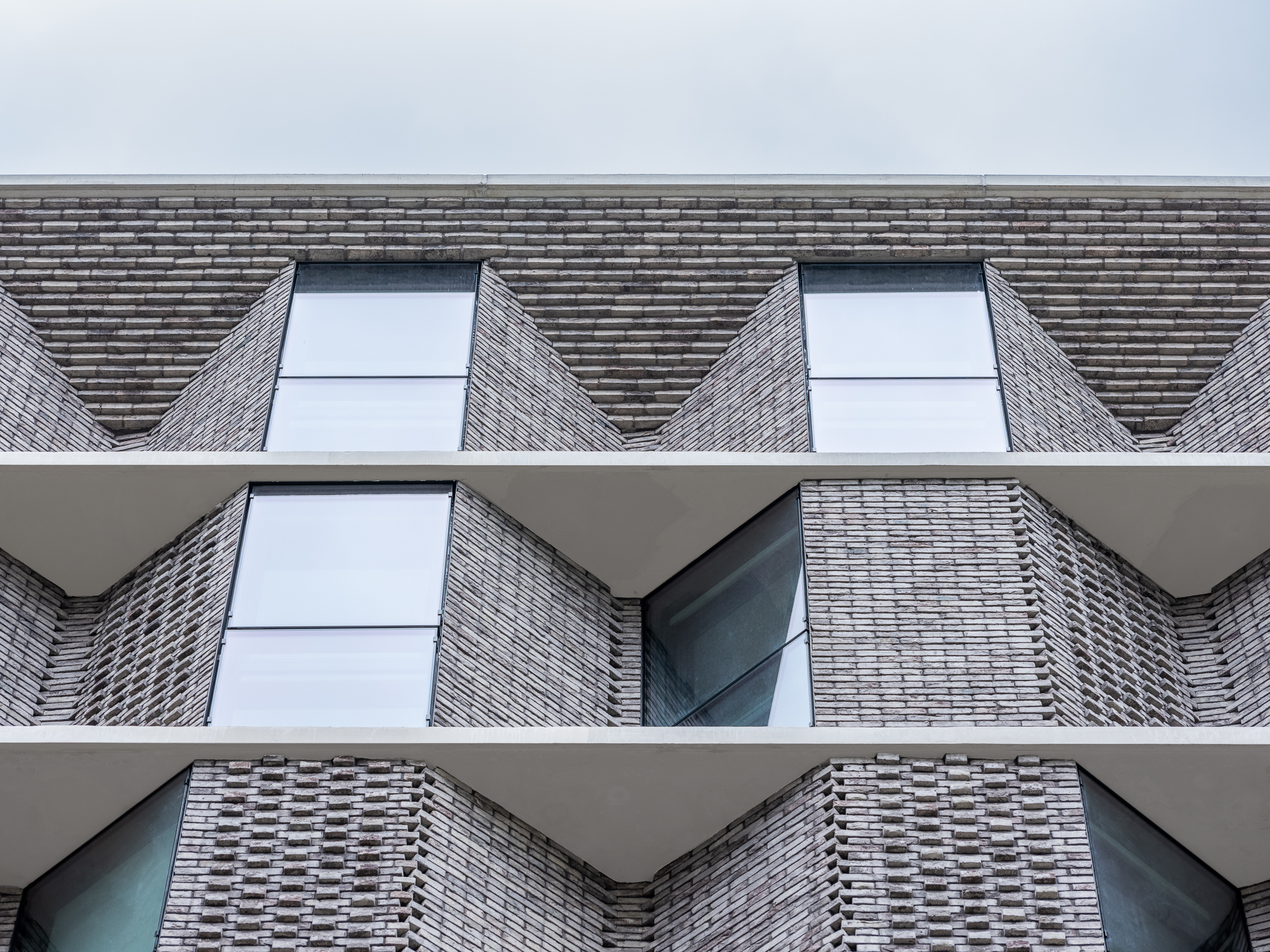
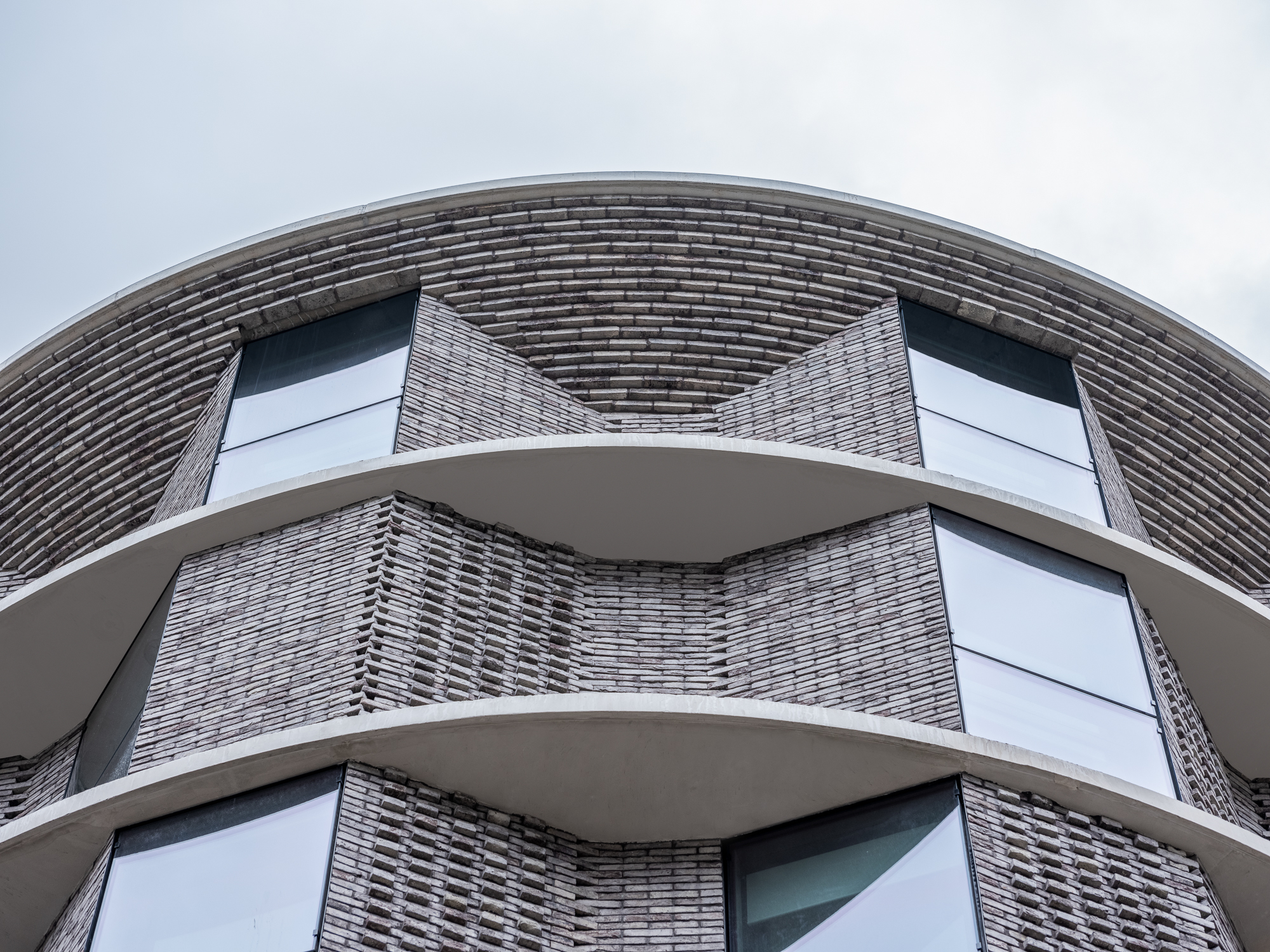
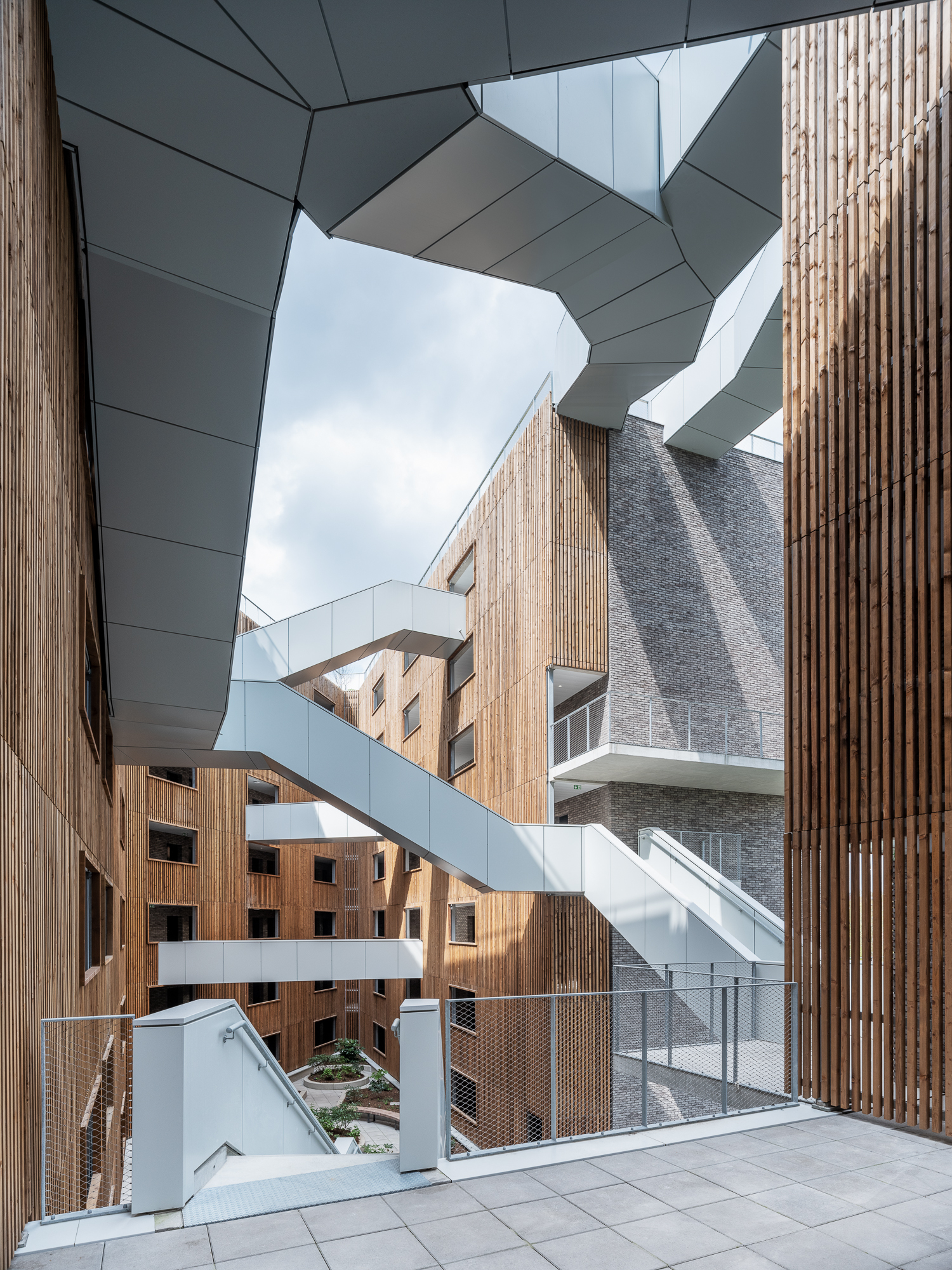
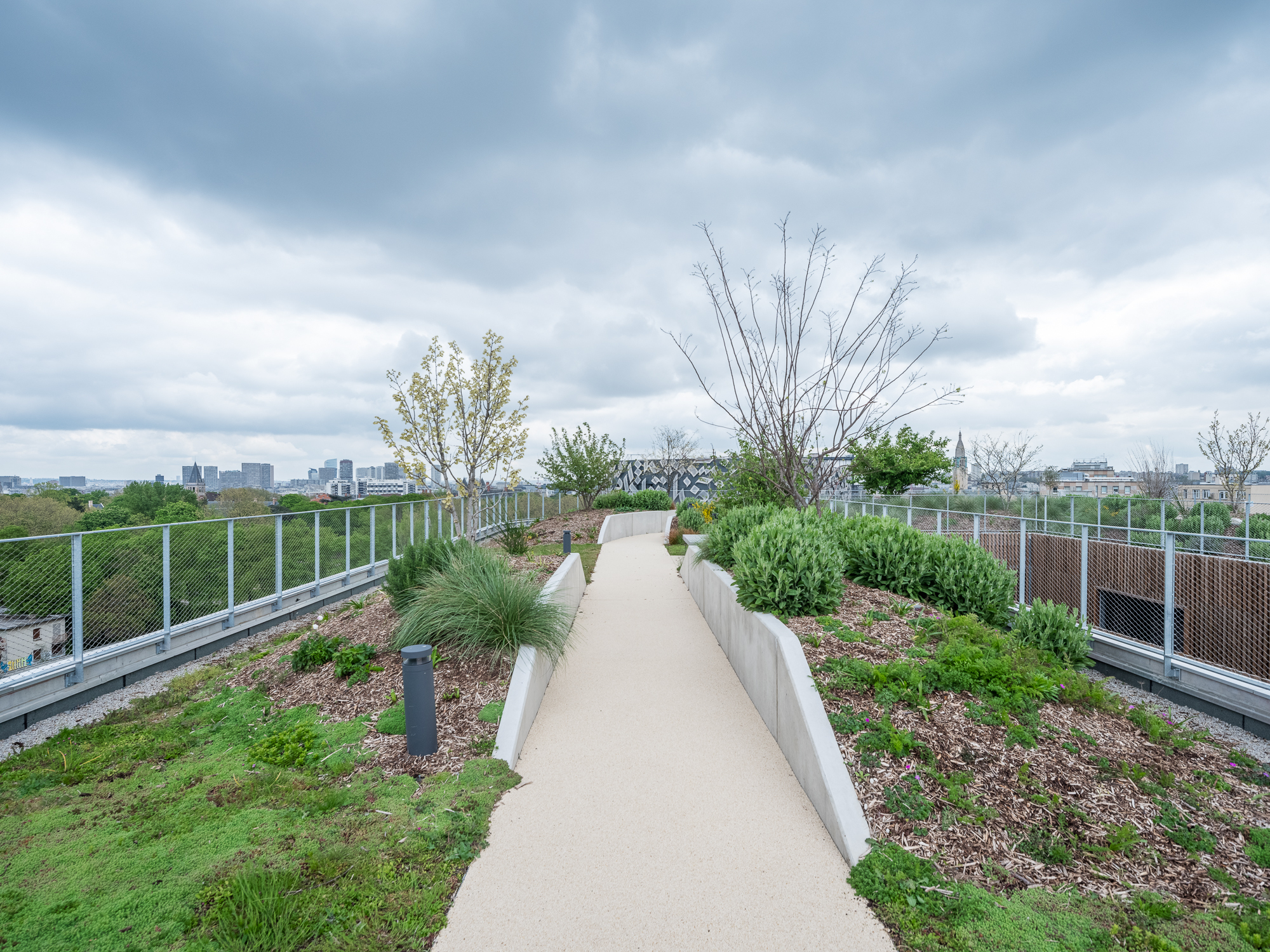
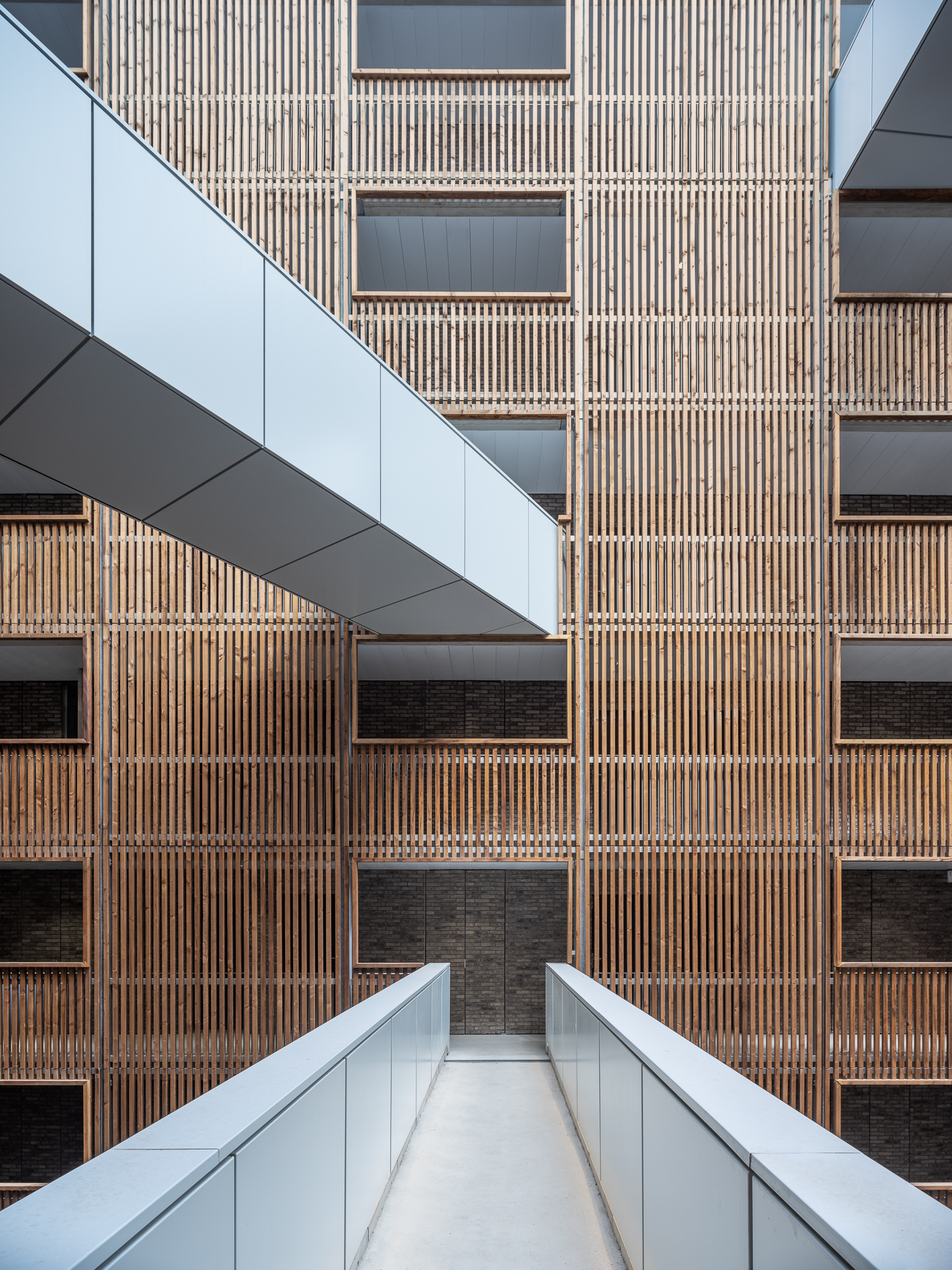
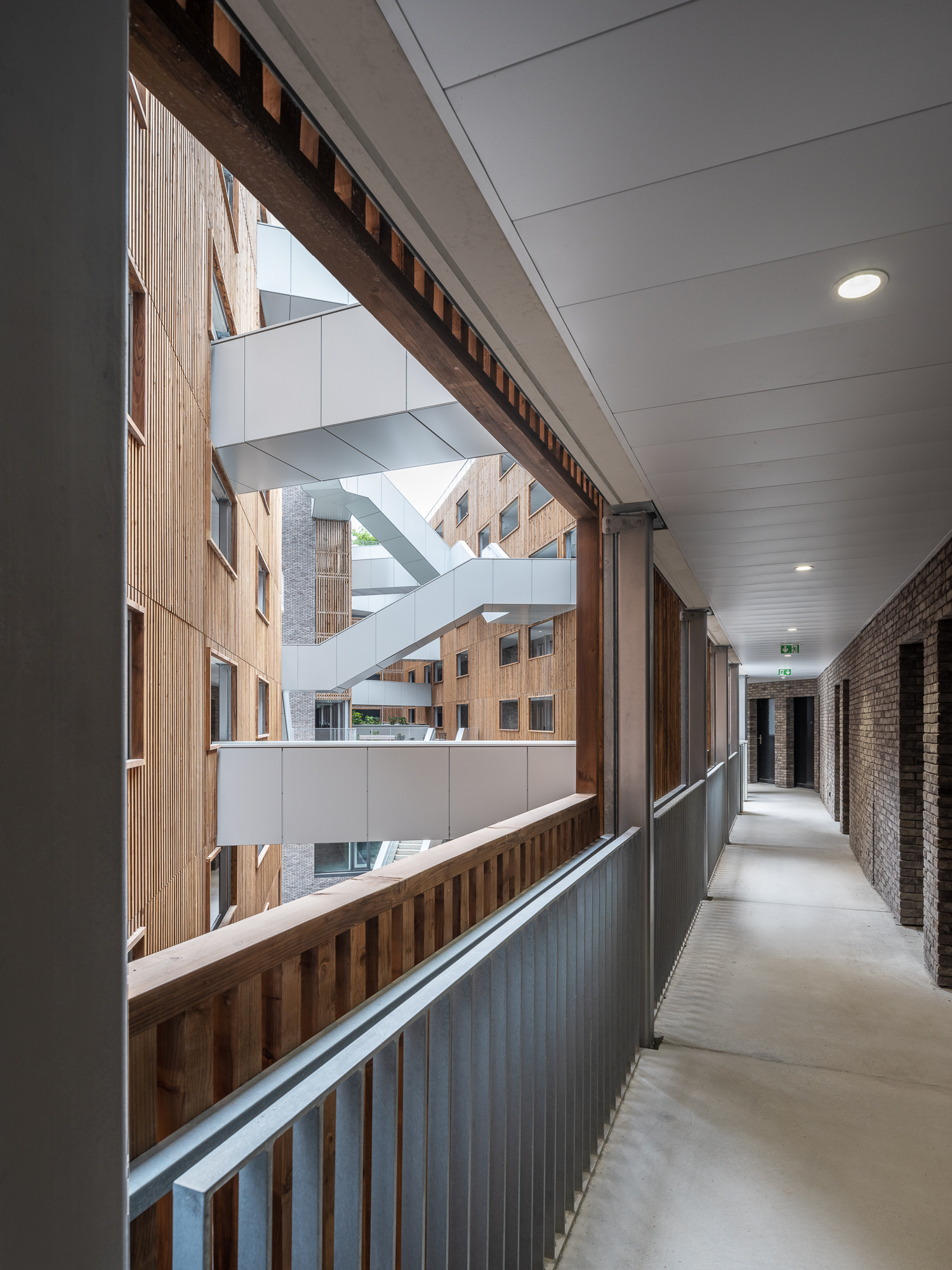
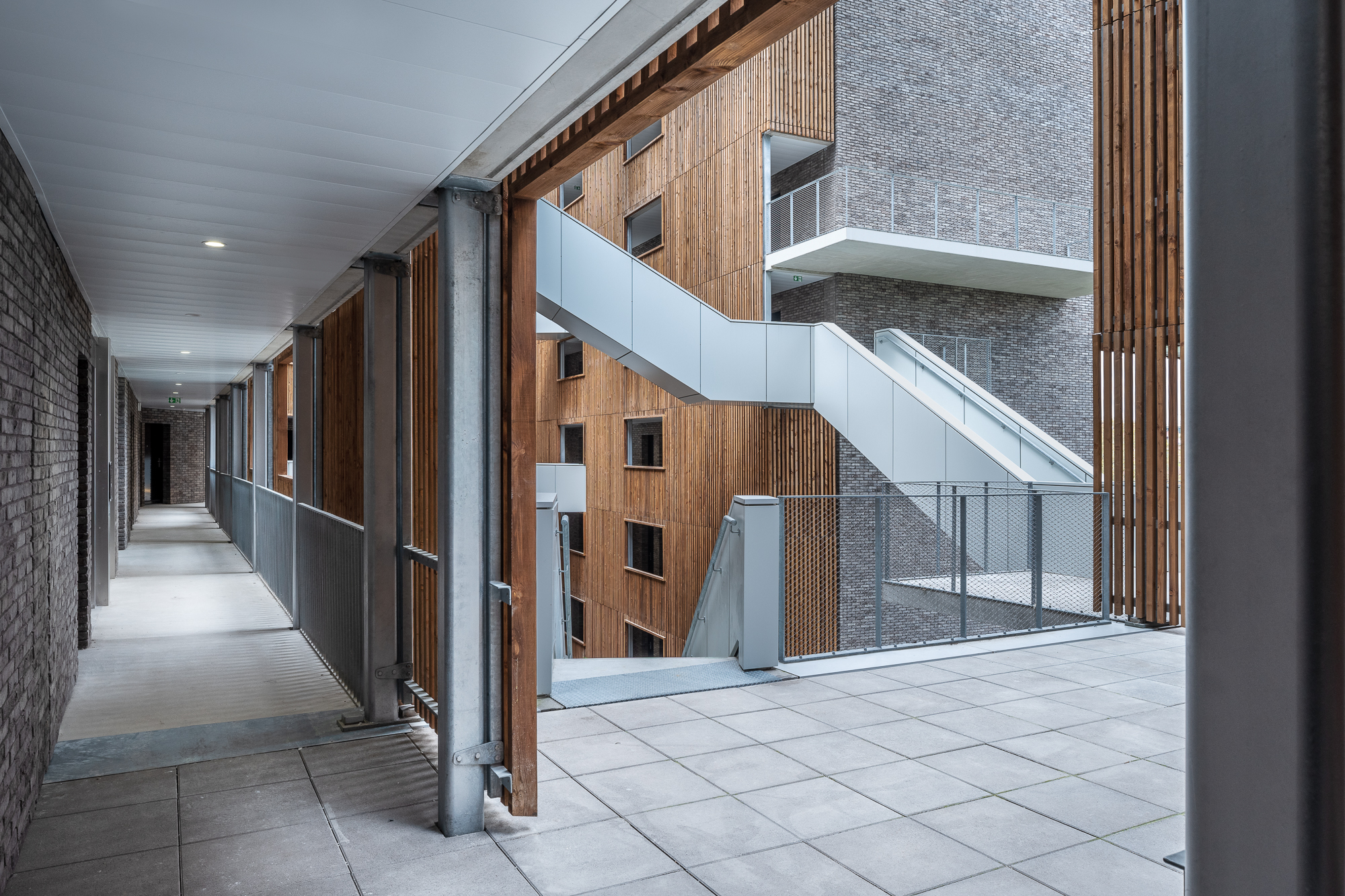
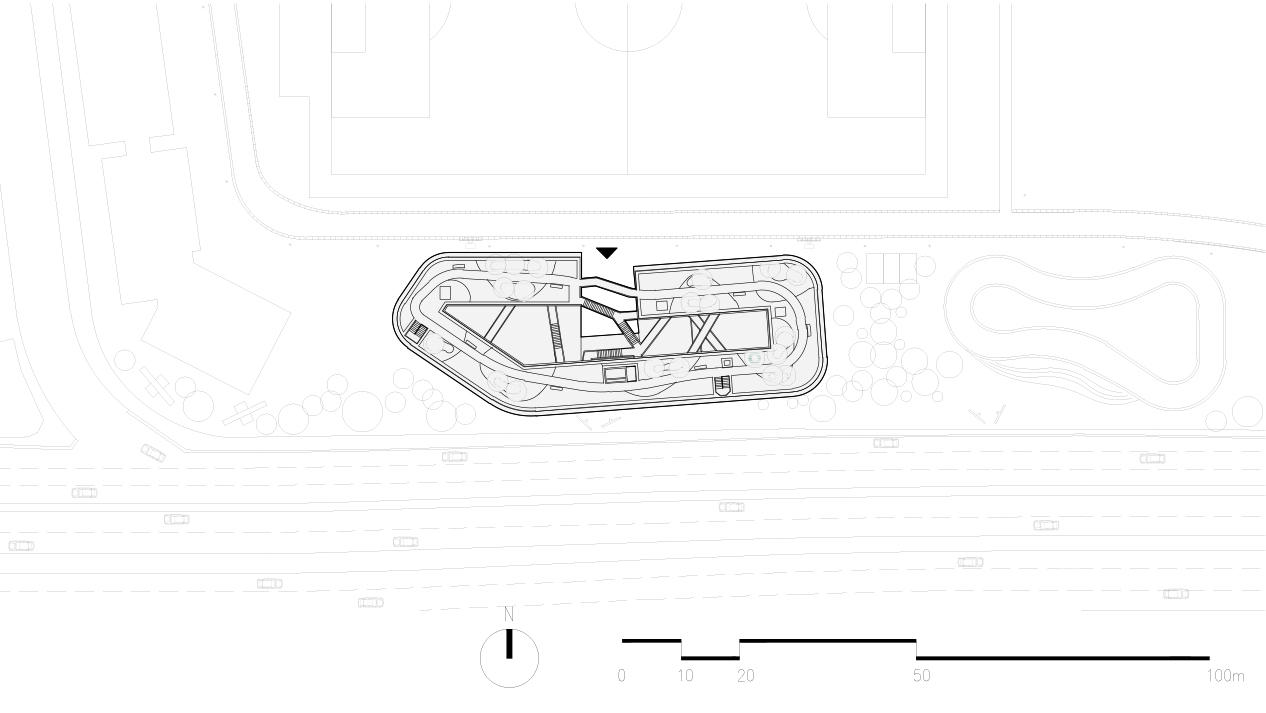
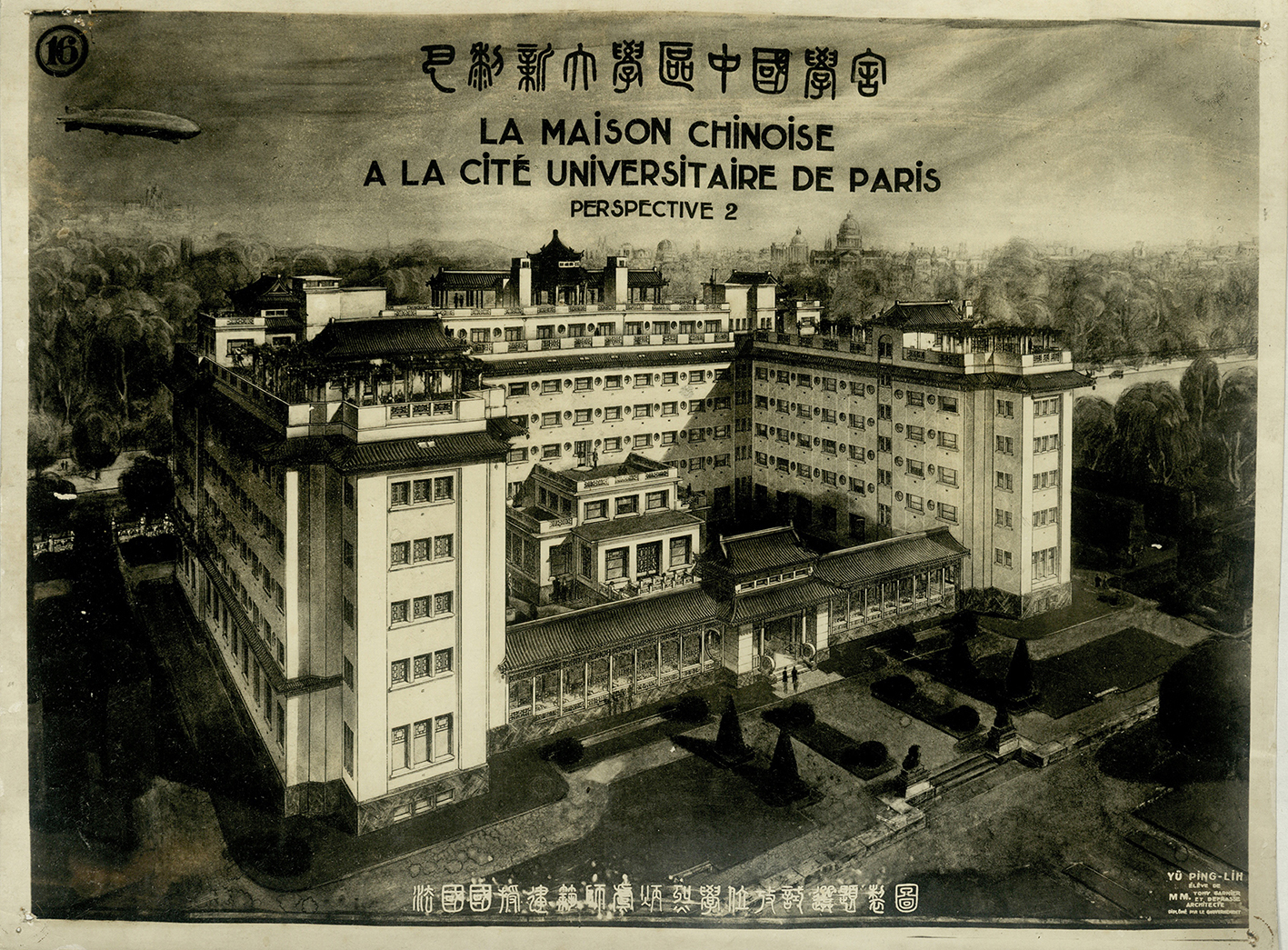
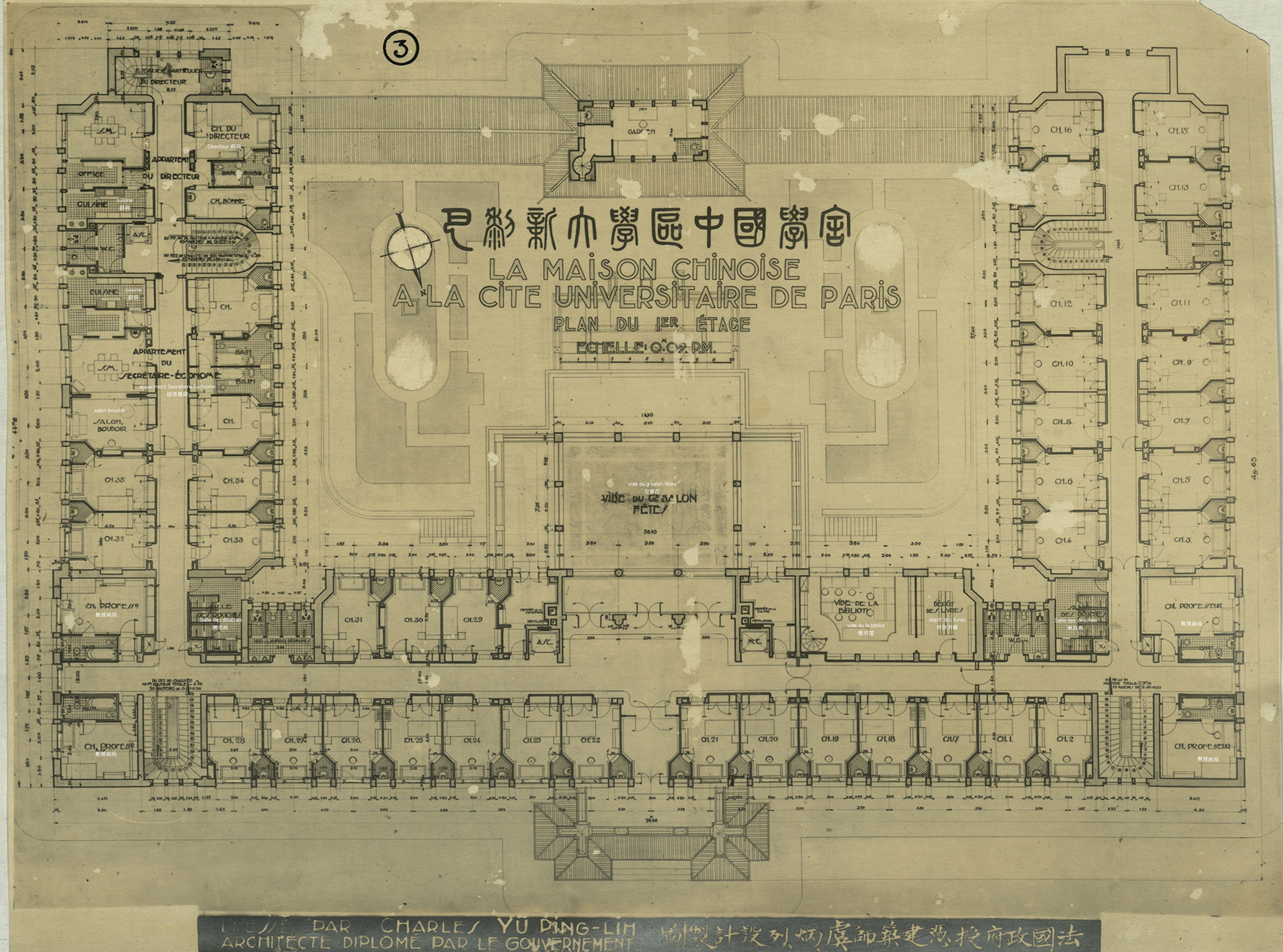
A permanent architecture exposition. China House sits in the Cite Universitaire Internationale in Paris's 14th arrondissement, founded in 1925 to house international students, now with over forty national residences. The Cite is famous for its architecture, including the Dutch dormitory by Willem Dudok, the Swiss pavilion by Le Corbusier, the Brazil House by Lucio Costa and Le Corbusier, and the Iranian pavilion by Claude Parent. The long-awaited China House: in 1930 Paris offered China a site, and Chinese architecture student Yu Binglie made the project his graduation thesis; earlier, Chinese students in Paris had formed a committee advocating for it, but political circumstances prevented progress. Yu's drawings are now held at Southeast University in Nanjing. In 2017, a joint Sino-French competition selected the team of Amateur Architecture Studio and CAAU from five Sino-French pairs. The site is on the southwest edge of the Cite, north of a sports field and south of the Paris boulevard peripherique. Initially imagined as a village for 300 single rooms and a 500-seat cultural hall, the design evolved from the tulou, the communal roundhouse of southern China, into an eight-story irregular open-ring volume suited to the narrow site. Le Corbusier's Swiss pavilion centered healthy living; the designers agree, arranging rooms around a central courtyard garden so students can go outdoors as much as possible. The roof is part of the vertical landscape, reached by stairs and platforms in the courtyard, where a Chinese-style garden offers views of Paris; hence the name He Yuan, Harmony Garden. Carrying cultural genes through materials rather than formal imagery, the exterior uses handmade grey-blue clay bricks, with modern interpretations of traditional Chinese brickwork including openwork, lattice and corbeled courses, making material and craft part of the architectural language. The undulating facade solves the monotony of repeated rooms, strengthens individual units and reduces boulevard noise. Timber lattices line the courtyard; wood with grey brick recalls the Chinese idea that architecture is earth-and-timber. Yet the building also belongs to Paris, and the handmade European grey bricks remind us that human building culture is universal.
TEAM
Design Team: 张永和,鲁力佳,程艺石,Simon Lee,孟瑶, Thomas Coldefy, Isabel Van Haute, Marc Franco, Marianna Guarino, Daniel Katz, Marceau Portal, Yizhou Hong, Ettore Musso, Beatrice Congiu, Marco Proietti, Vincent Vaulot, Sophie Graux, Zoltan Neville, Zhuo Wang; Client: 巴黎国际大学城/北京首都创业集团有限公司; Structural Engineer: AEDIS Ingénierie; MEP Engineer: S2T; Sustainability Consultant: Le Sommer Environnement; Landscape Design: Base












 Editor's Pick