Text description provided by the architects
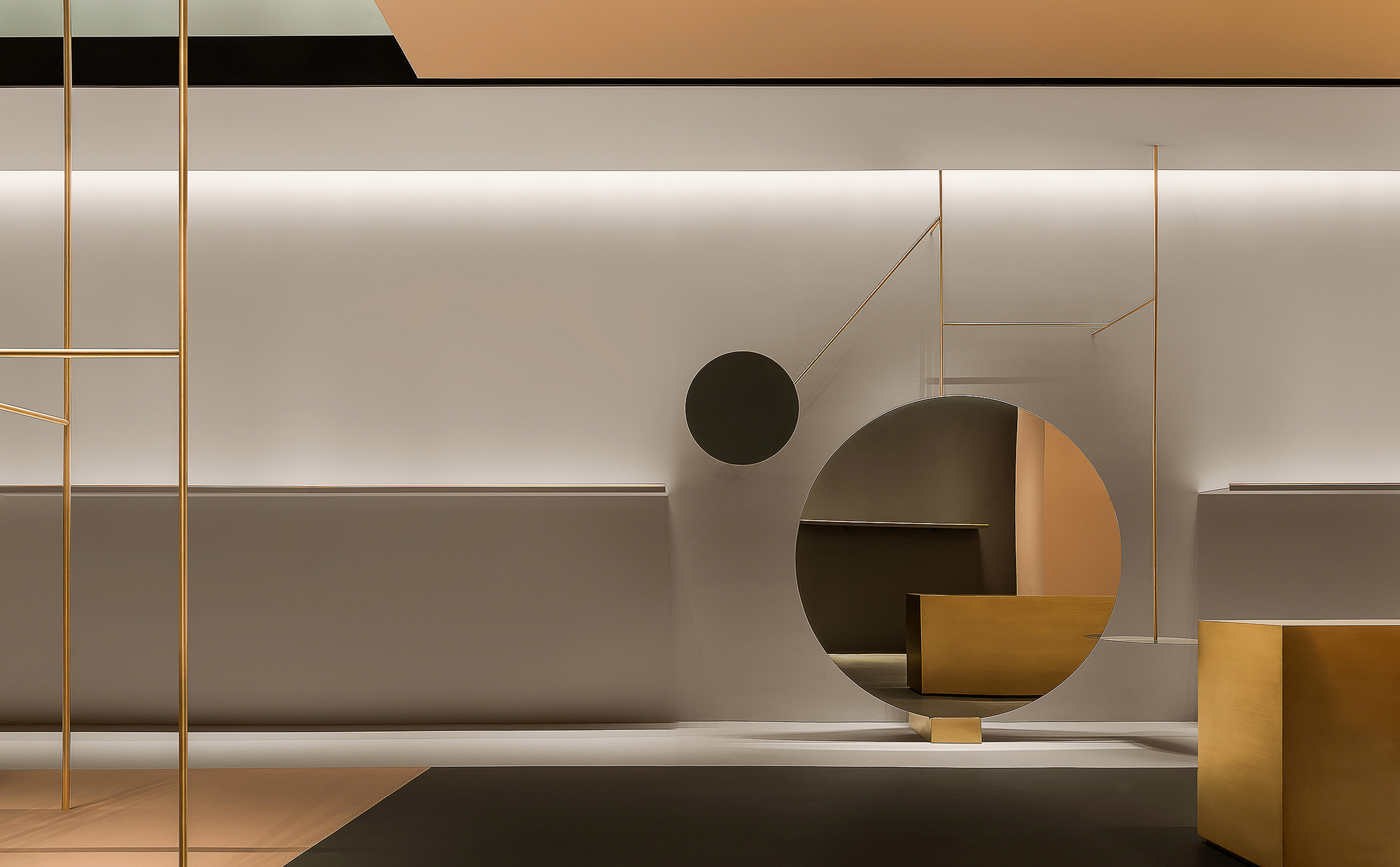
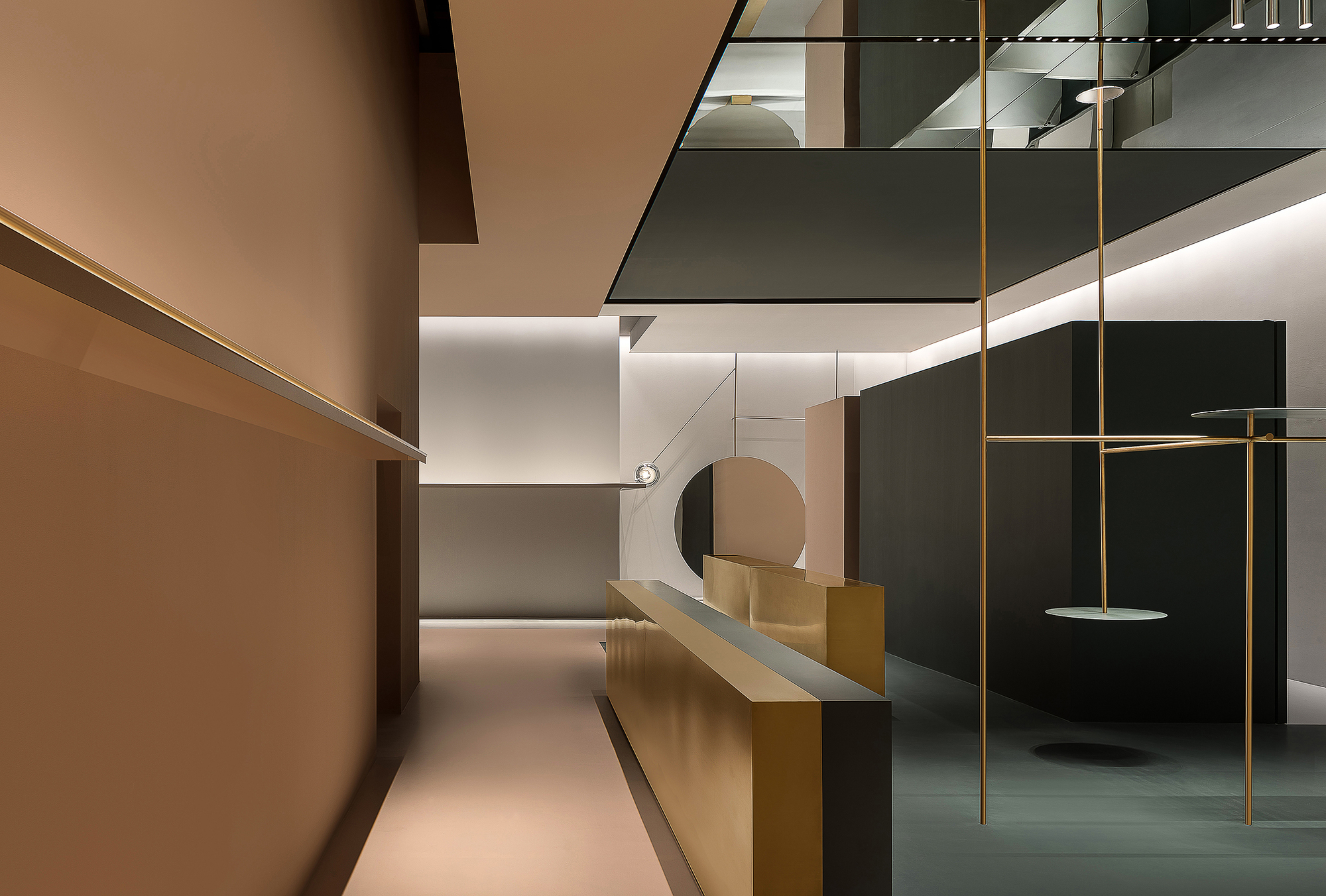
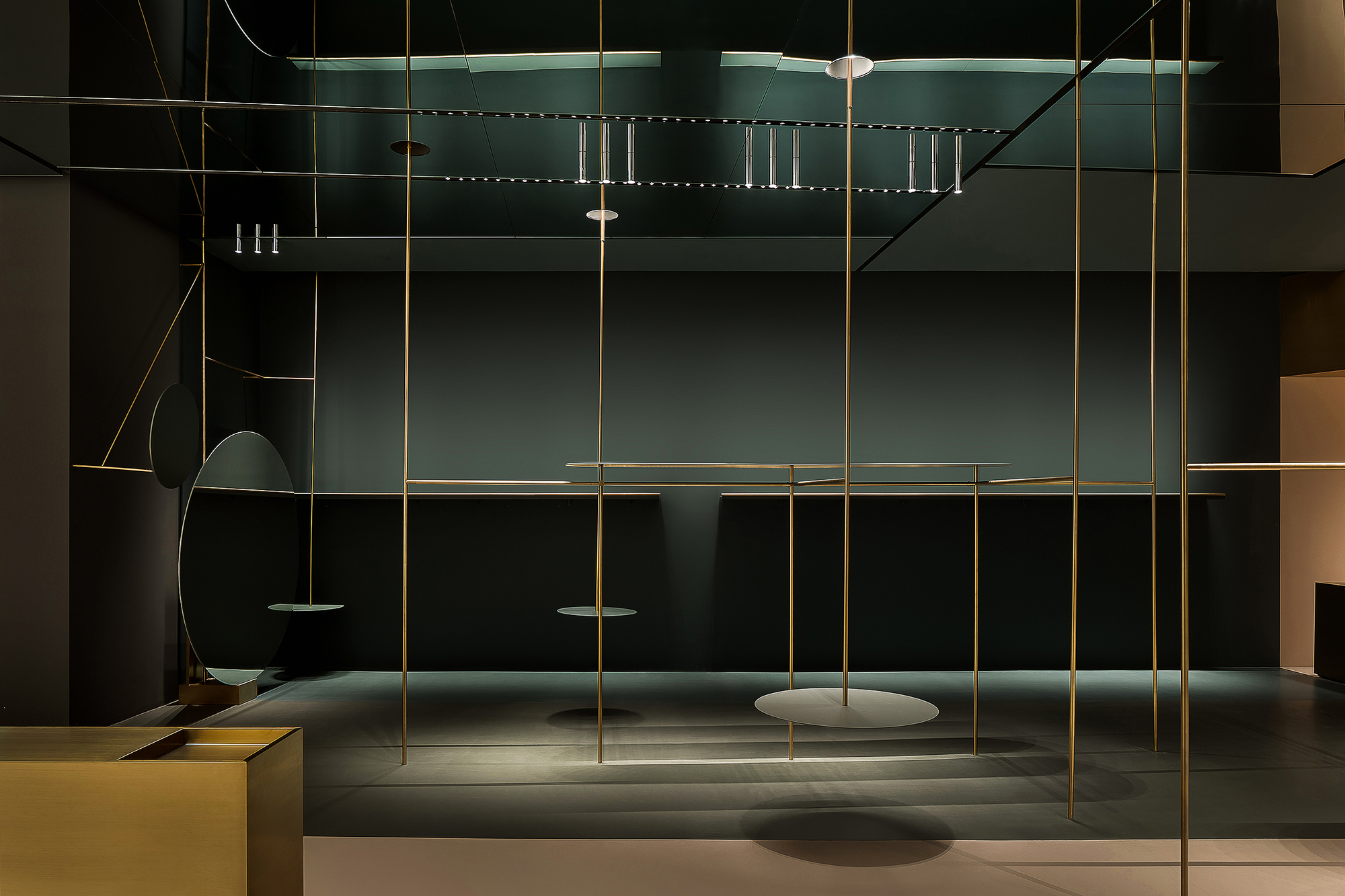
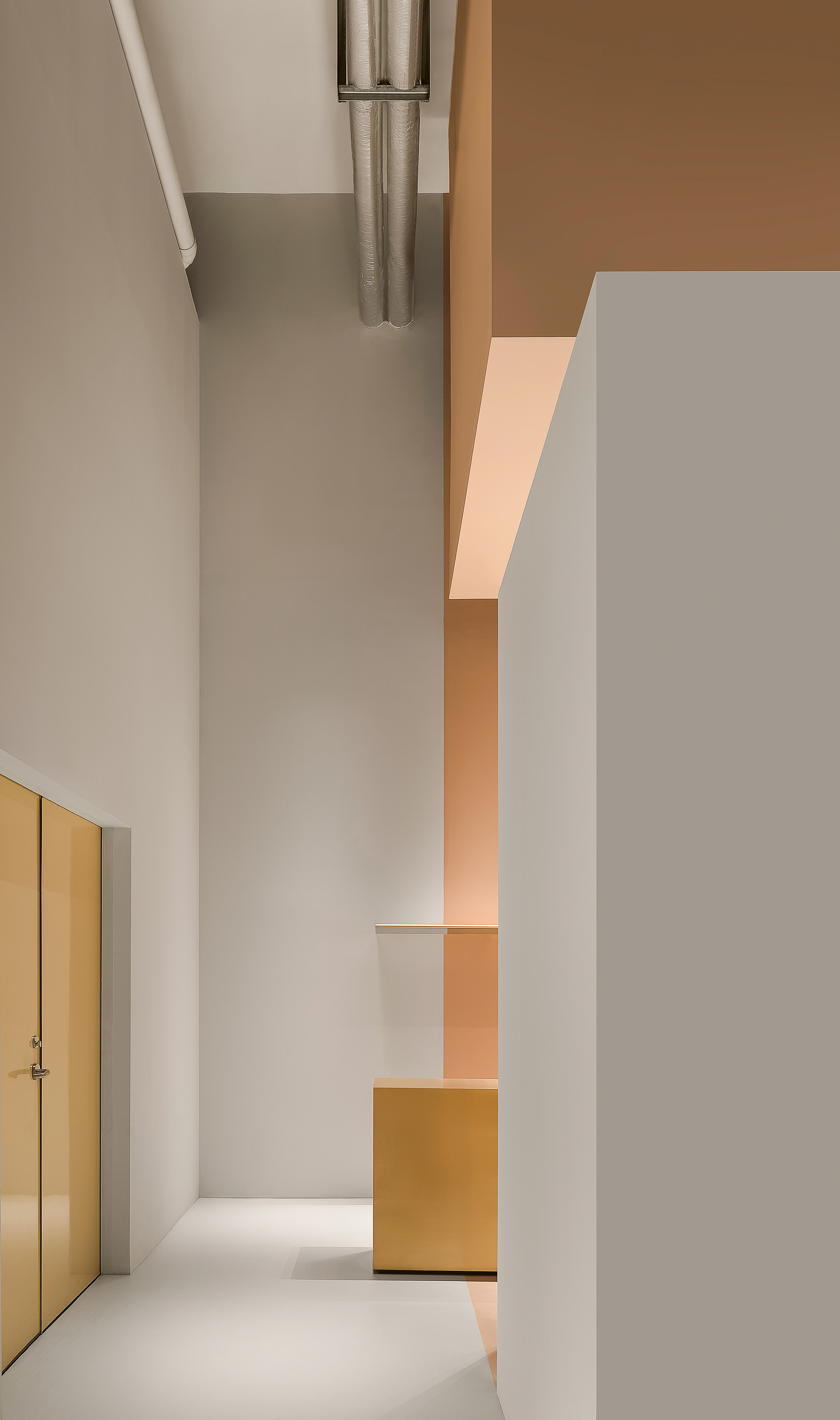
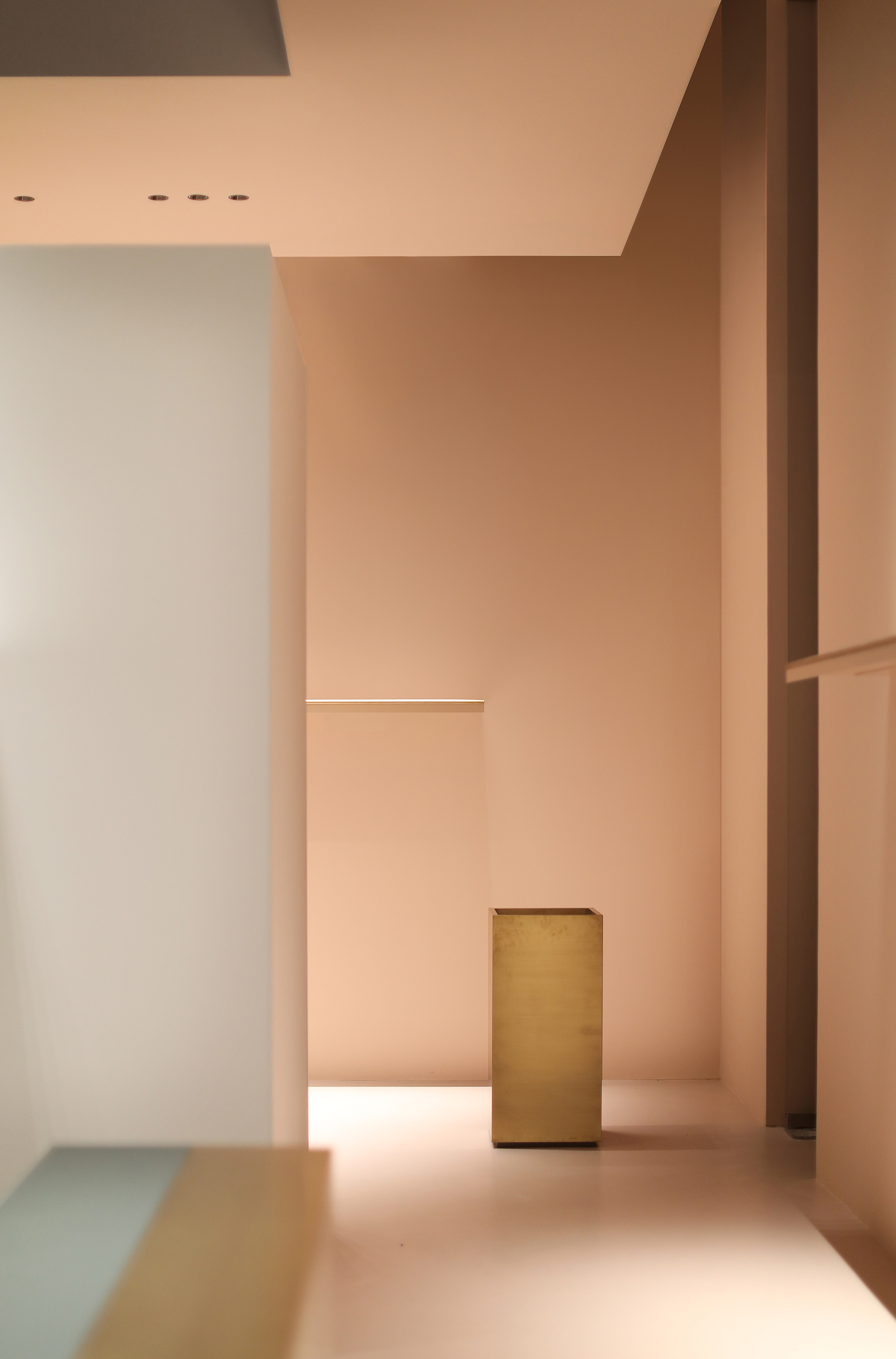
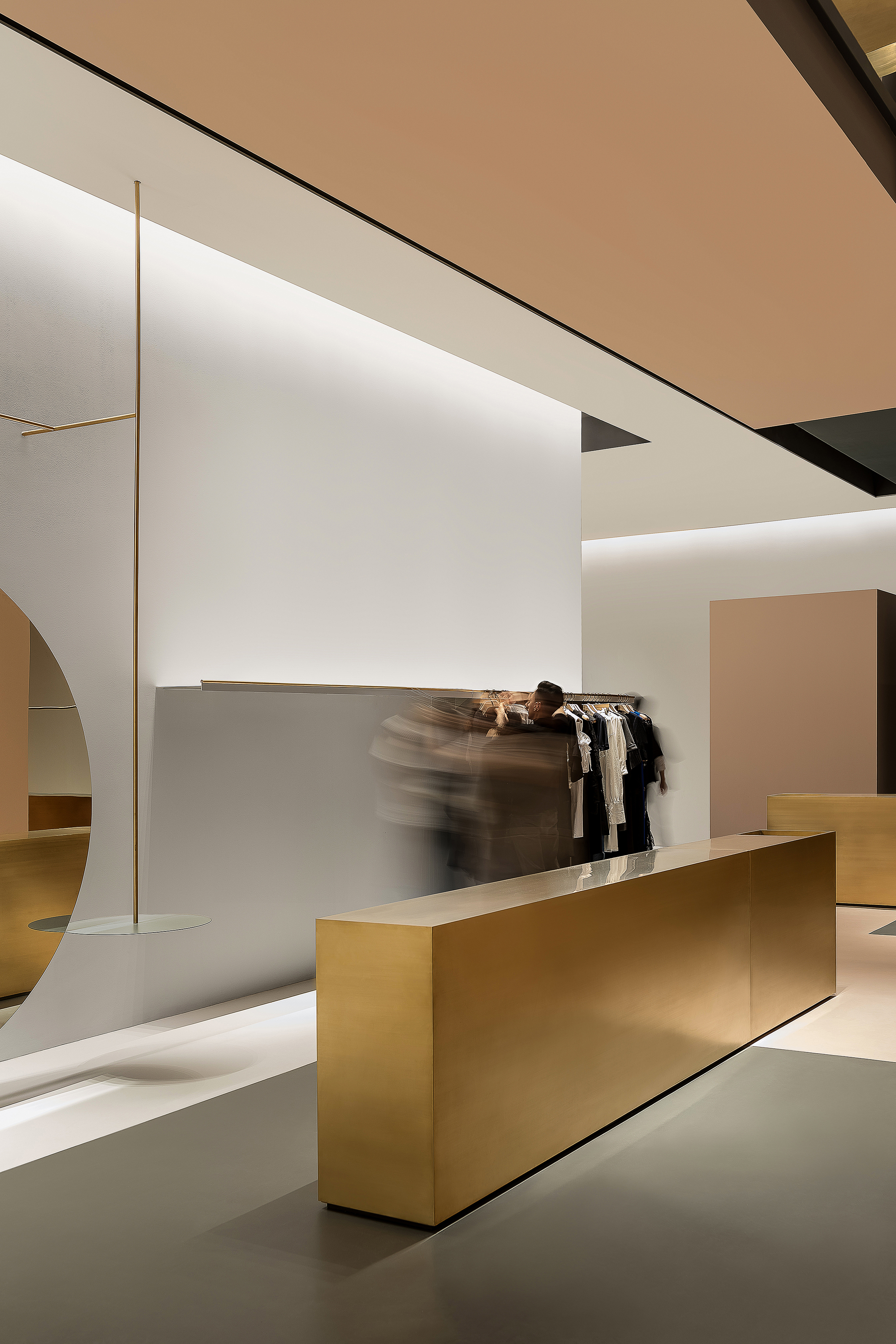
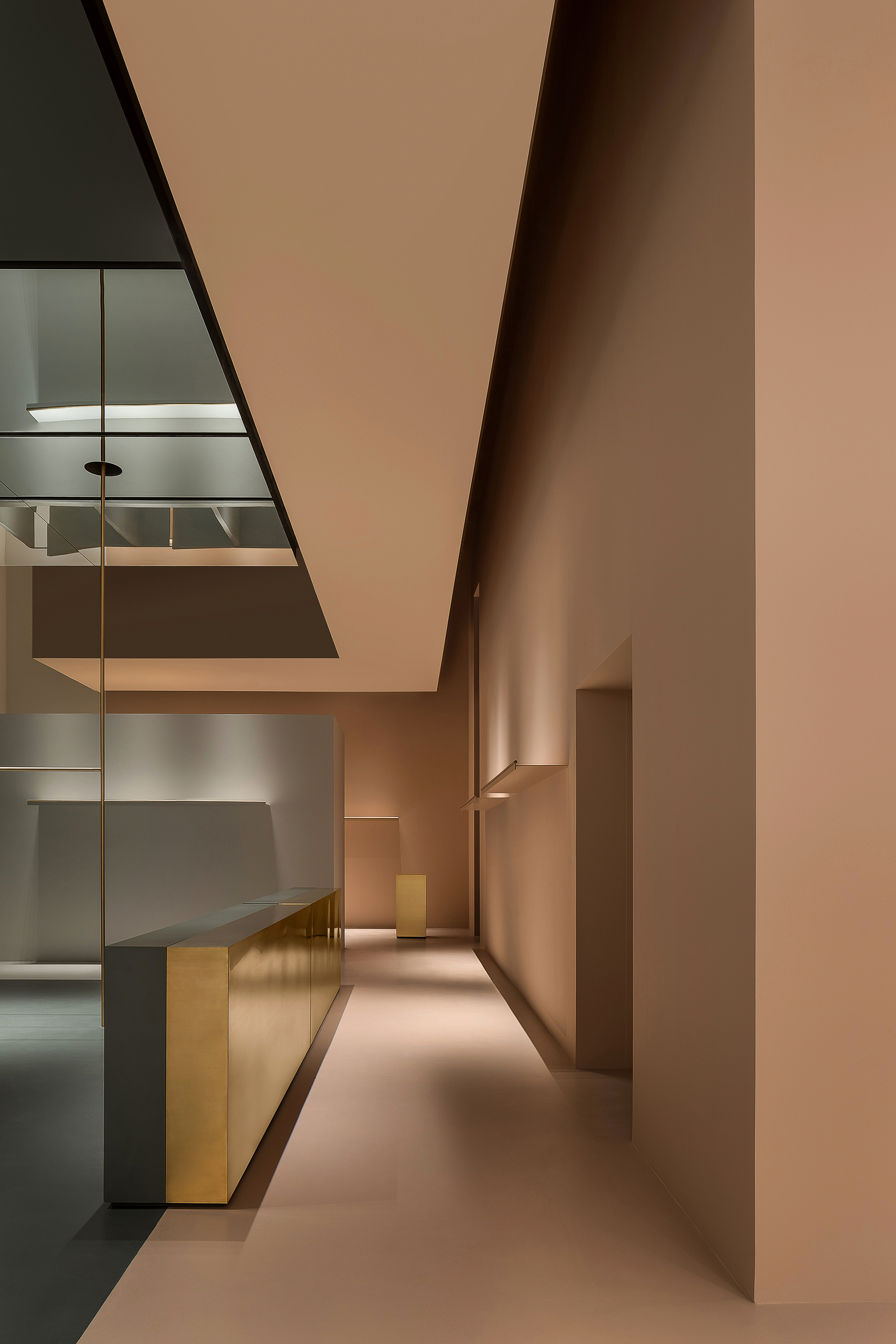
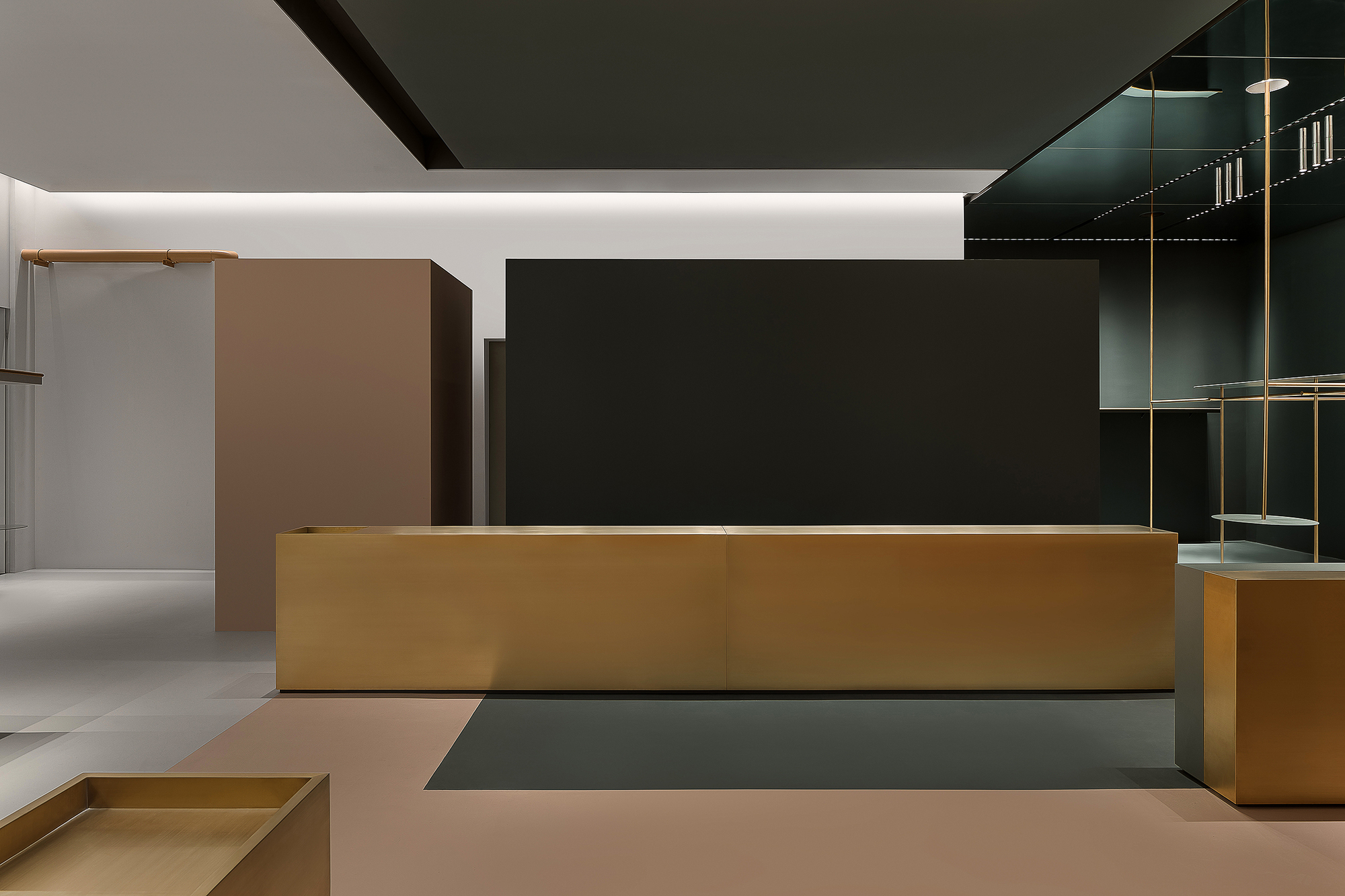
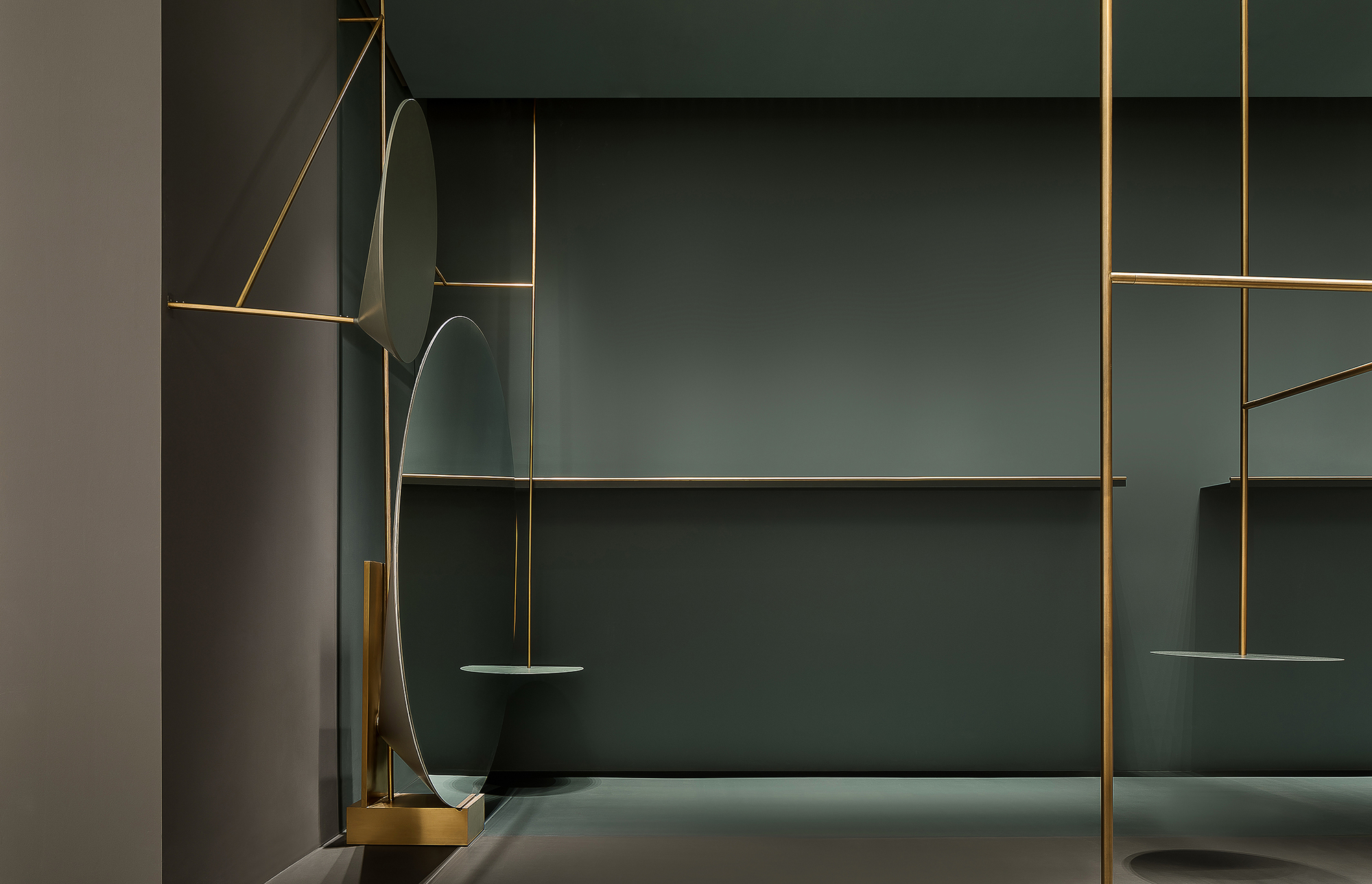
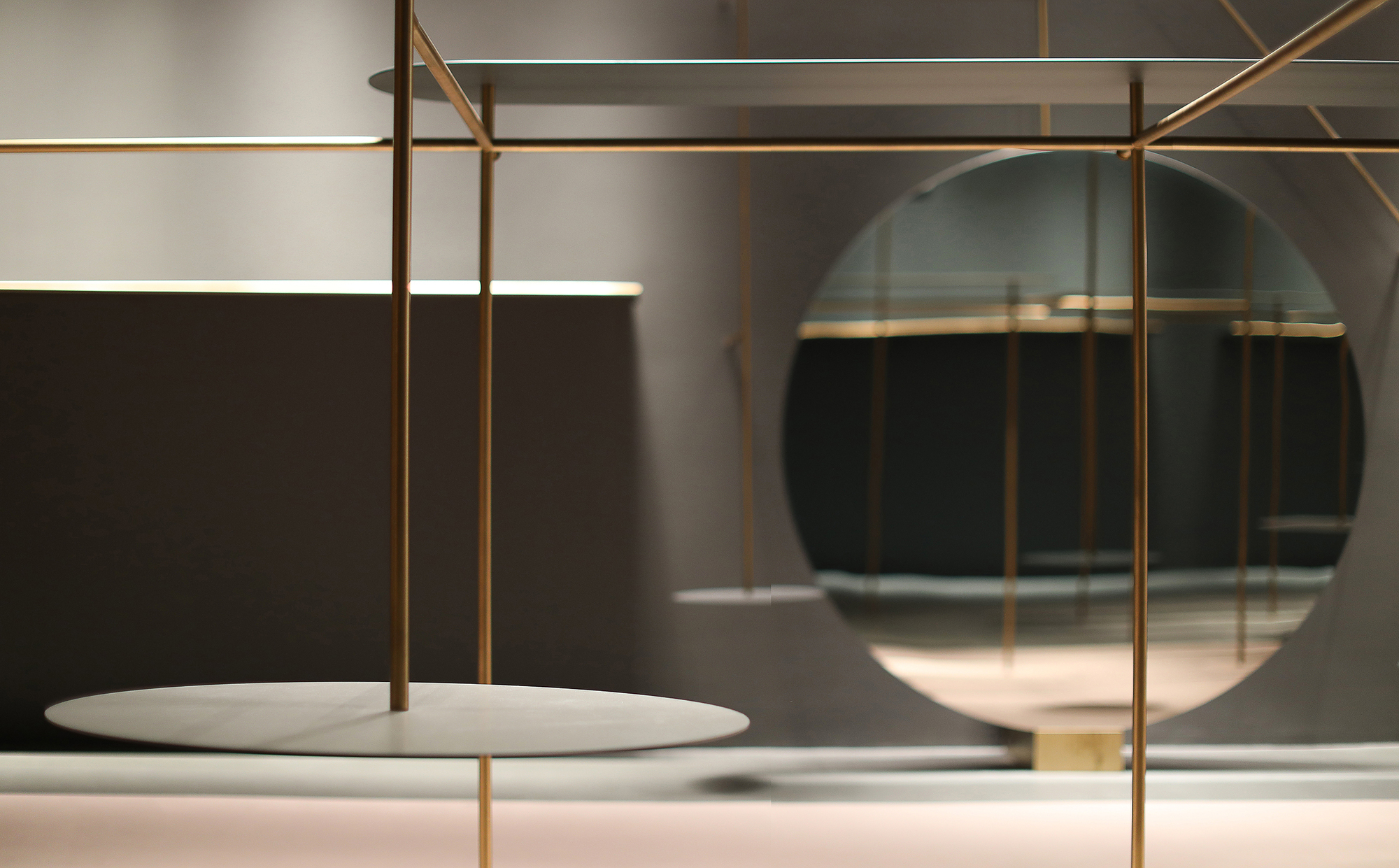
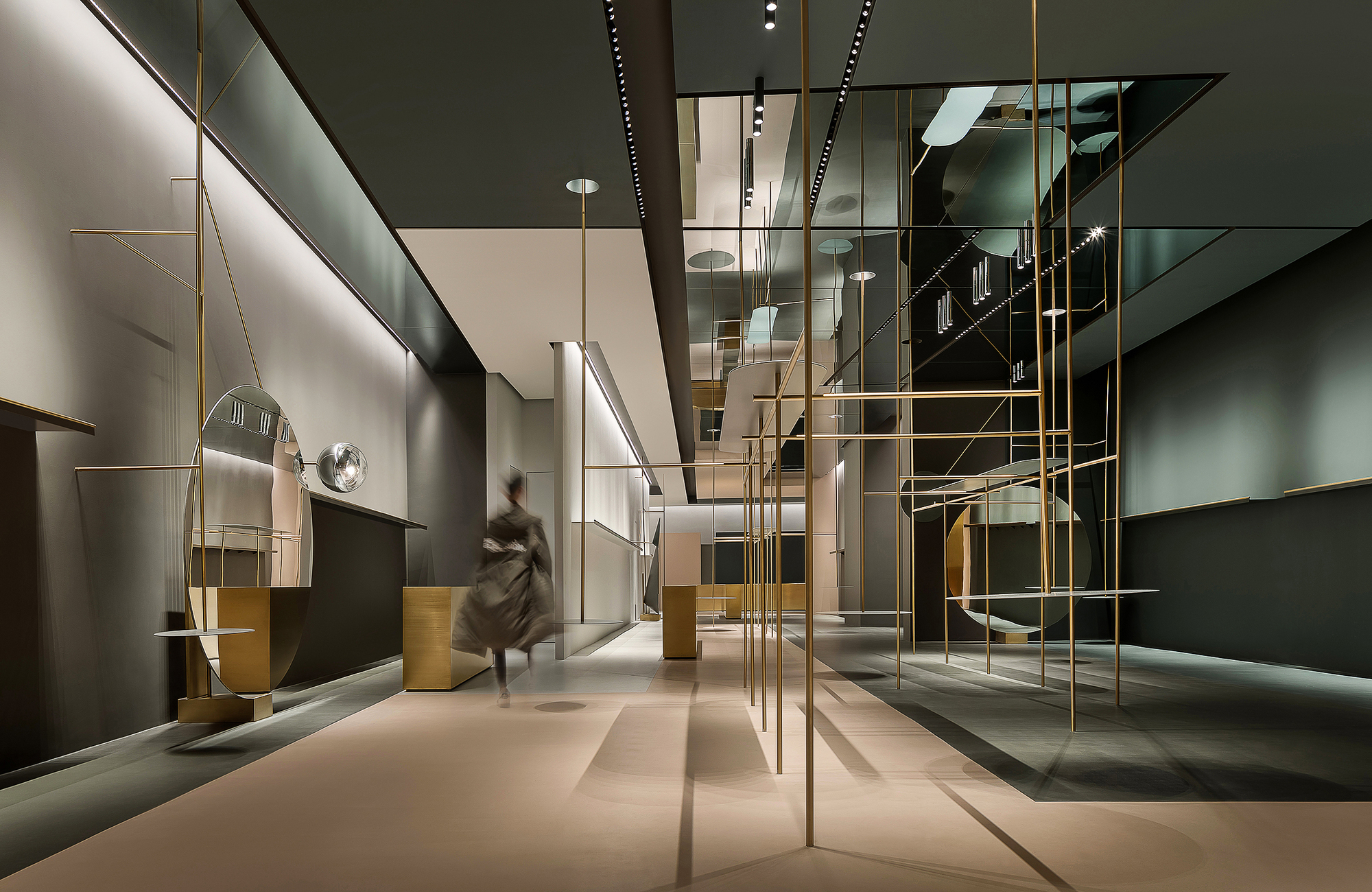
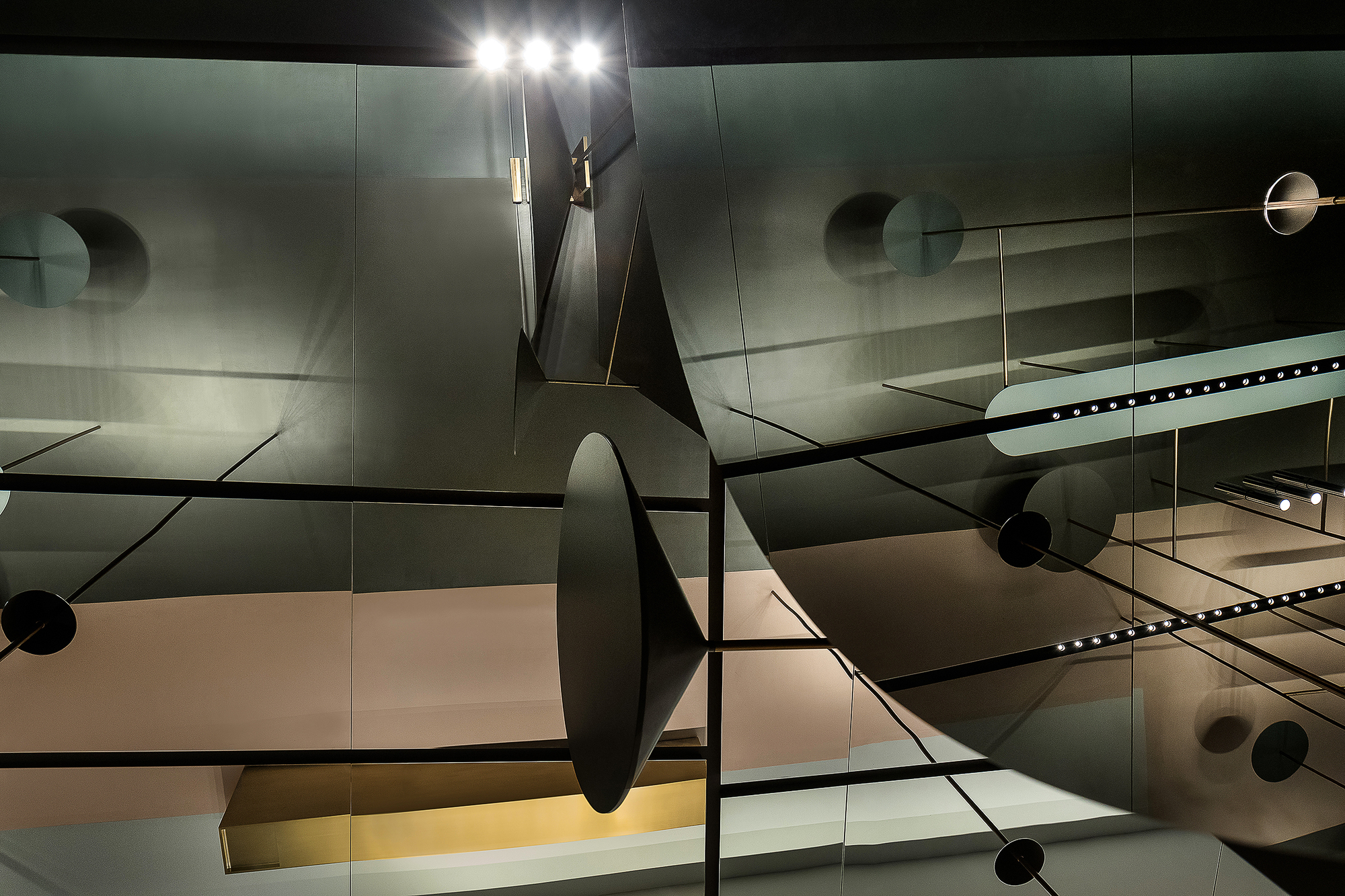
In 1939, Pablo Picasso painted the surrealist-cubist work Woman's Head; in 2017, Pakistani digital artist Omar Aqil three-dimensionalized and redesigned it as an installation. The interest of this leap lies in the fact that the core of surrealism and cubism is to break with a logical and ordered view of reality, emphasizing instinct, contradiction, the subconscious, memory, and the belief that absolute truth transcends everyday reality into a deeper conscious truth. Nearly a century later, this once untouchable imagination has been three-dimensionalized and appears physically before the viewer, its fully concrete form, material, and texture ironically reminding us, in a contemporary idiom, of the inescapable nature of lived reality. The designer recalls childhood curiosity about why almost every map of China uses only four colors; a mother explained that four color blocks can delineate the boundaries of any complex terrain without adjacent regions sharing a color. This seemed like a mathematical game, the famous four-color theorem of modern mathematics. When the basic plan of this project presented an excessively rugged and complex shape, the childhood memory of the four-color map became the designer's first instinct. Two reference elements are thus invoked: a precious personal memory and a remarkable contemporary artwork. Yet returning to the project itself, the designer's real constraints are the commercial brief: within an uninspiring spatial shell and a precise construction budget, the space must articulate 1WOR's two brand positions as a global designer-brand buyer and a light-luxury retailer, while accommodating product display and related functions. The store is a fashion platform linking global designers with the Greater China market. Beyond observing emerging retail models, the ambition is to capture the attention of urban trend-setters who are contradictory, high-spending yet indecisive, emotional, ritual-averse, tactile, self-centered, and adventurous in pursuit of beauty. Abandoning the conventional two-dimensional retail logic, the design starts from the space's inherently angular, irregular plan and uses folded planes to generate spatial guide lines, weaving a new two-dimensional sequence through the interior. This sequence then extends the space in four directions, combining the four-color map principle with color extraction and material decomposition drawn from a sculptural installation, producing a space that appears inspired yet is fully generated by logic. Partial wall surfaces extend by color association onto floors and ceilings, forming volumes that interpenetrate and break through one another; mirrors represent dissolution, and ceiling sections aligned with shelving reflect displays and space from above. Shelving and main fixtures are firmly orthogonal, composed of circles, rectangles, and lines, though their organization is slightly tilted and asymmetric, and the changing mirrors carry a subtly questioning presence. The result resembles contemporary urban life itself: simple and complex, rational and indulgent, bounded yet interlocking.











 Editor's Pick
 Latest Design