Text description provided by the architects
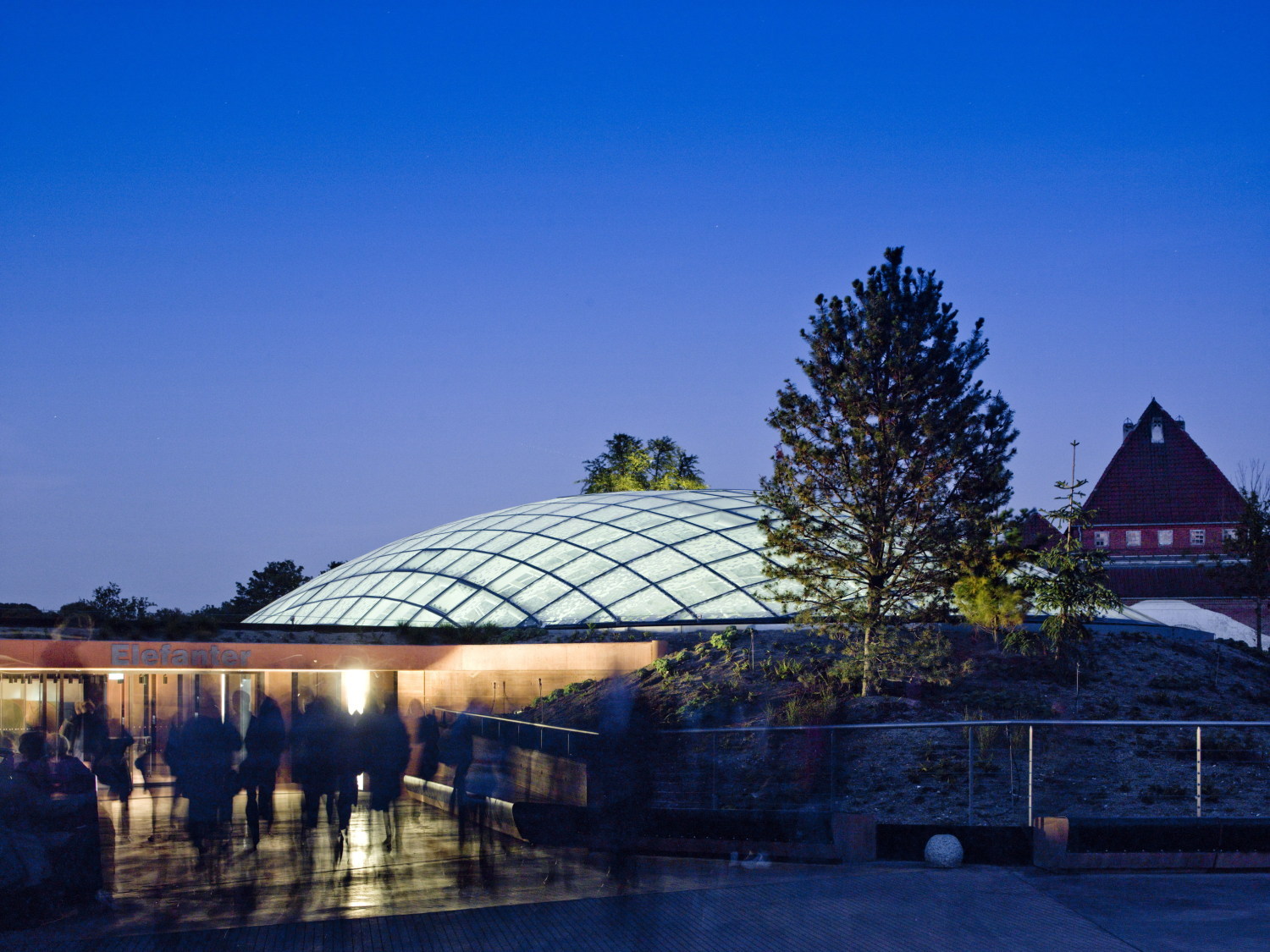
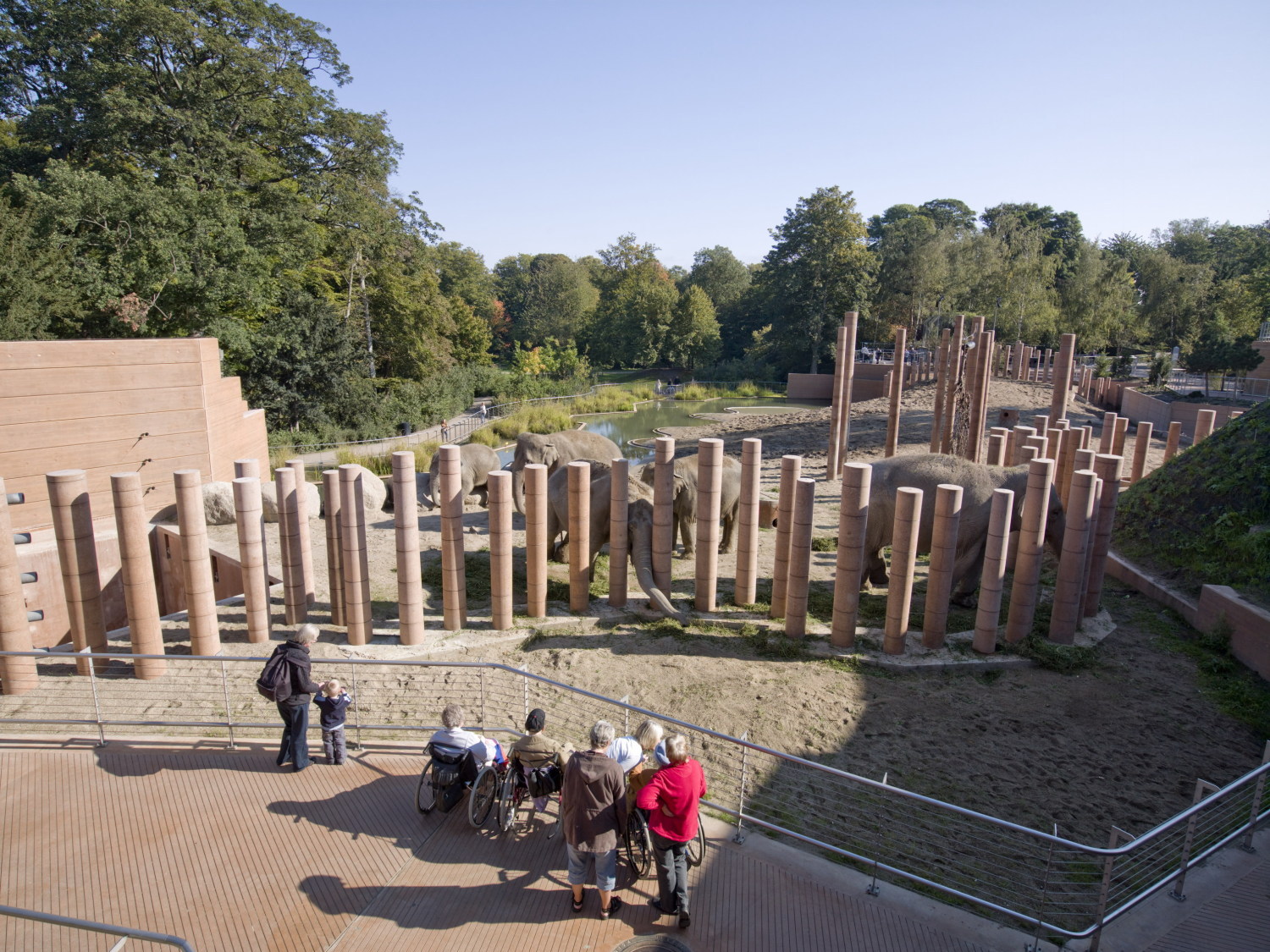
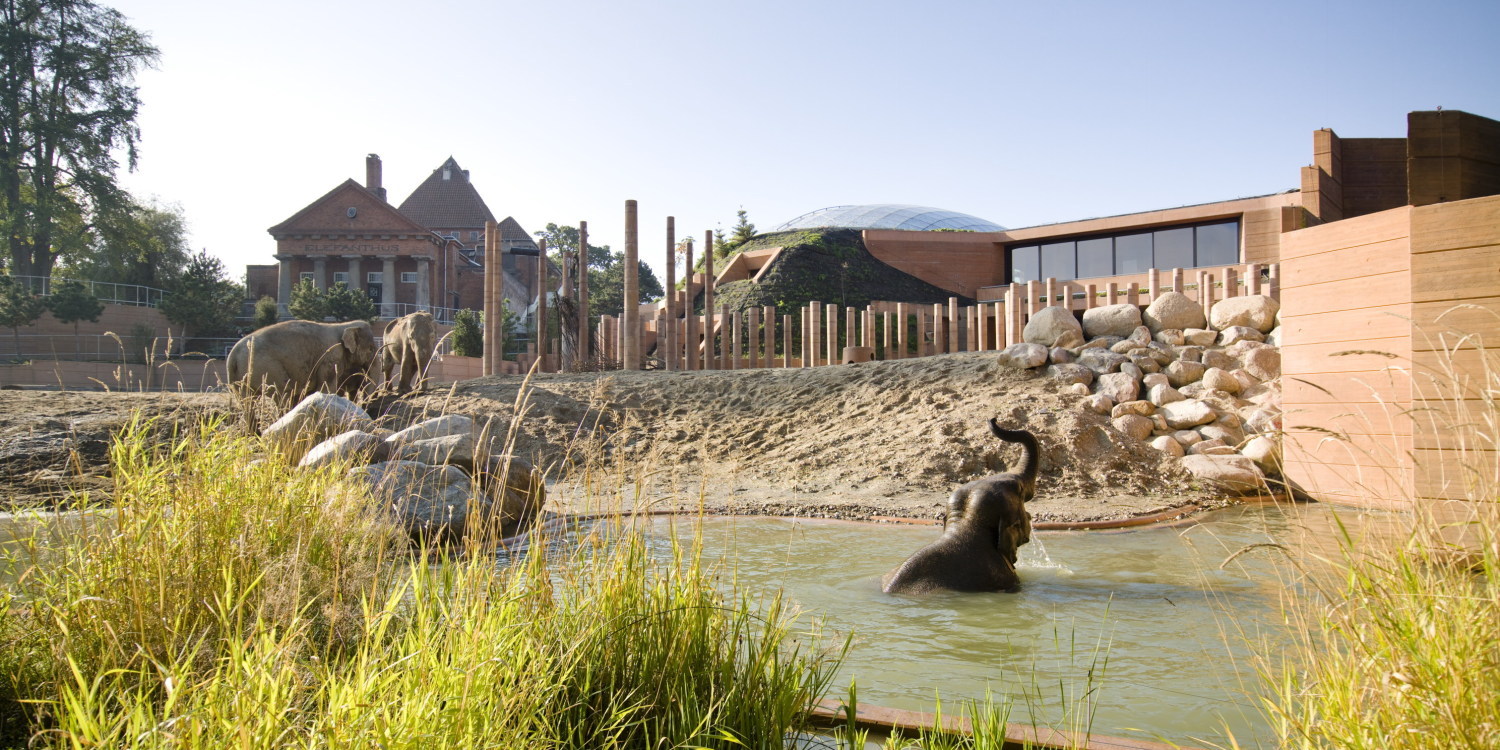
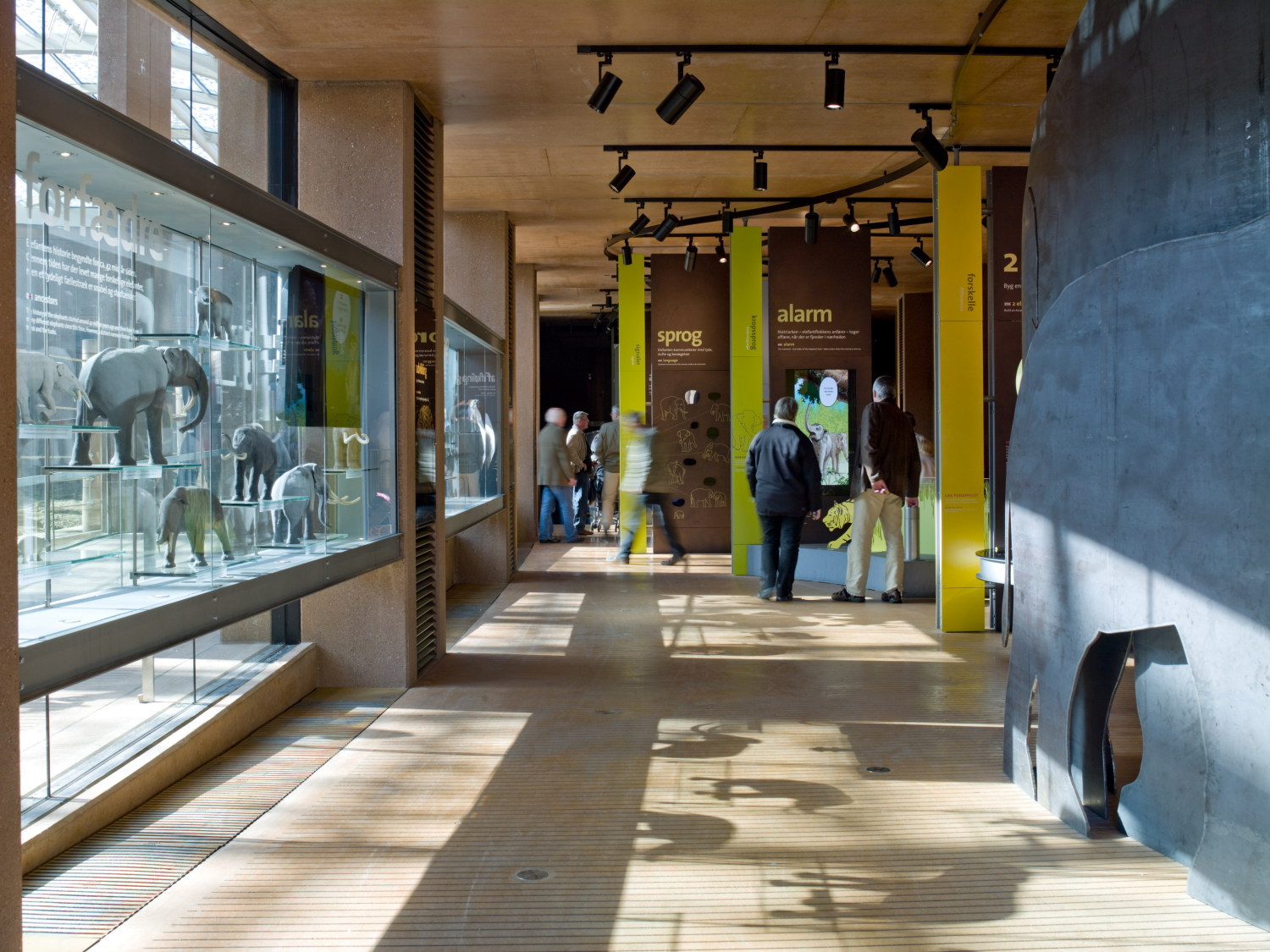
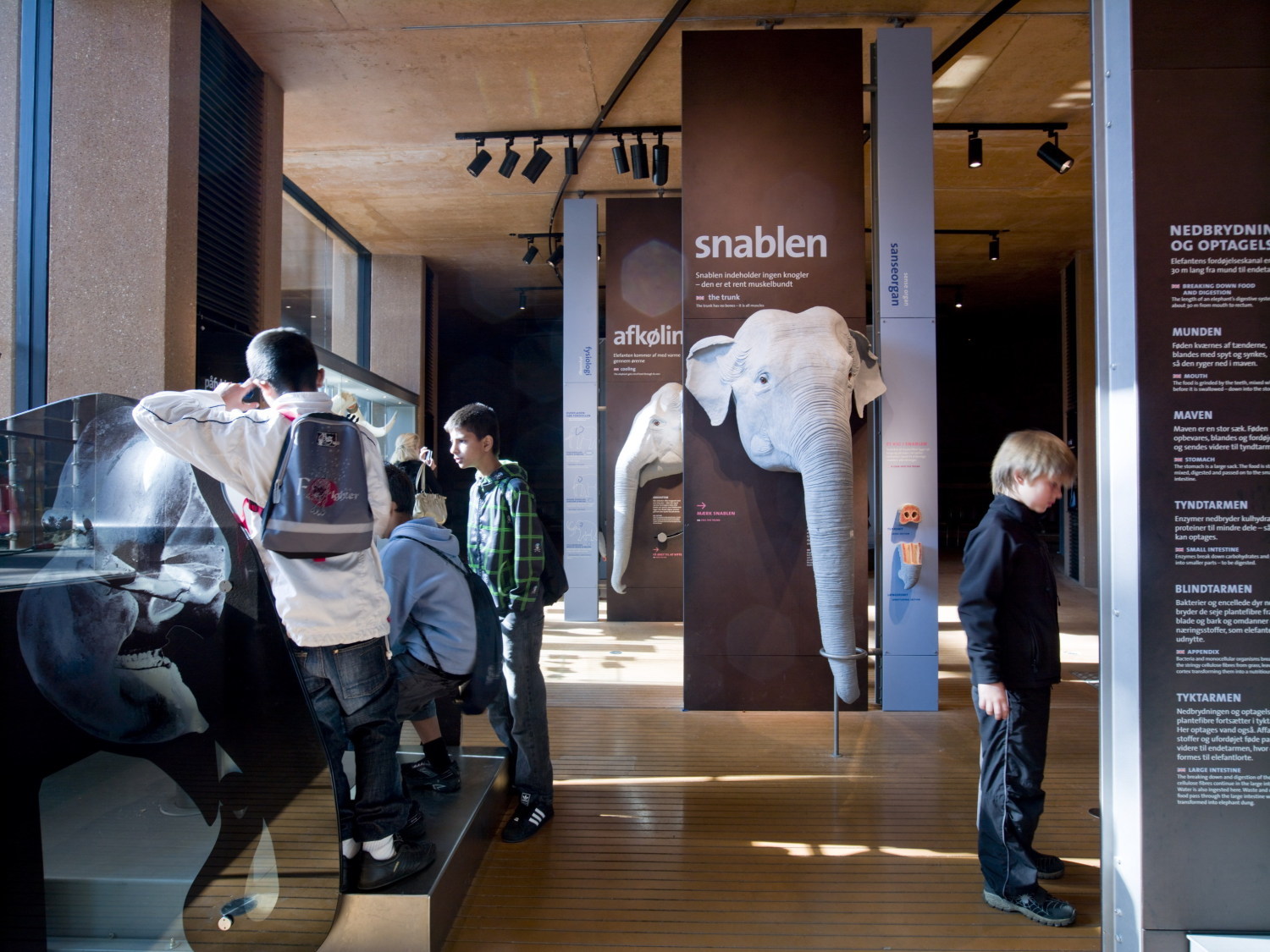
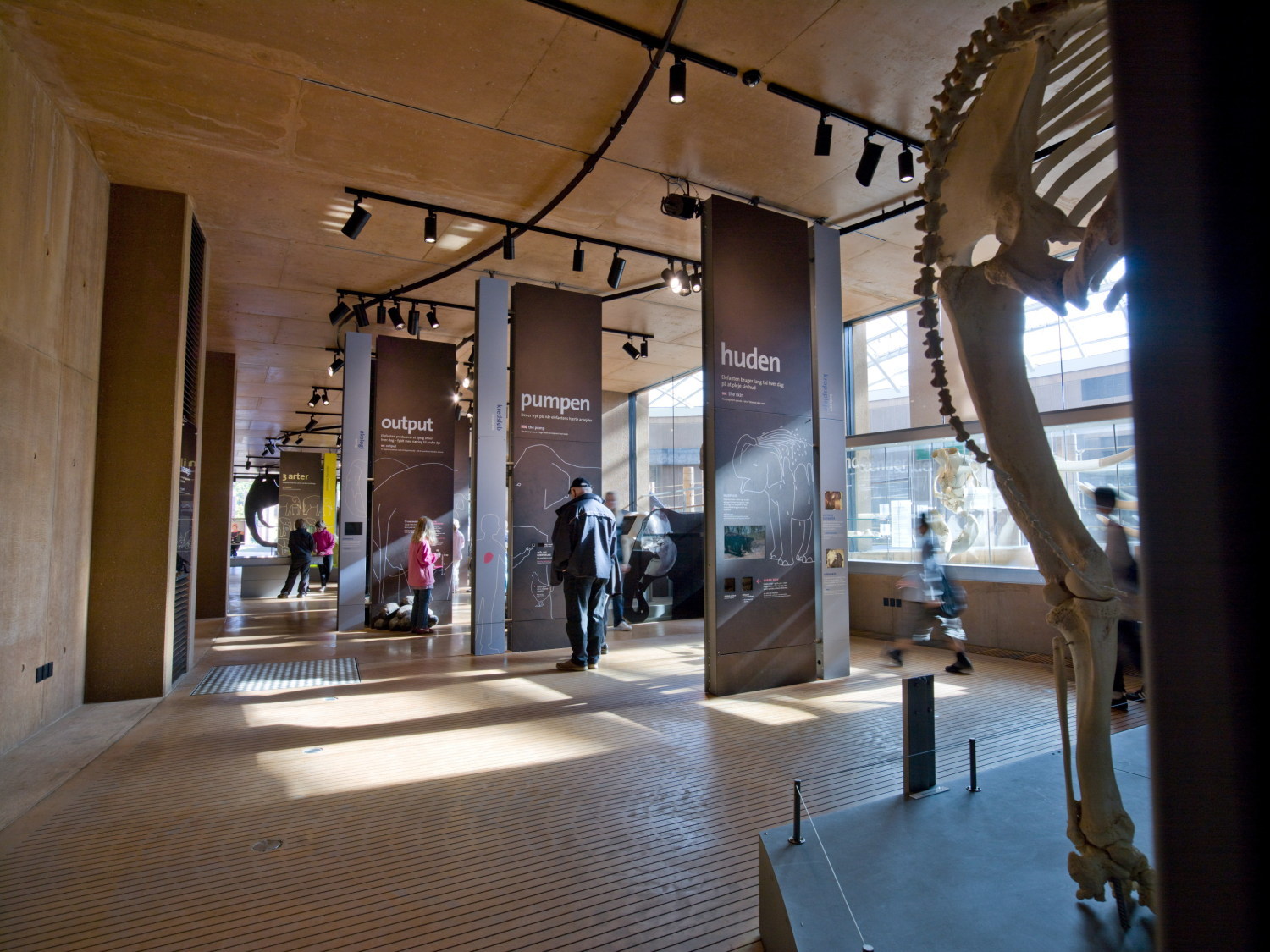
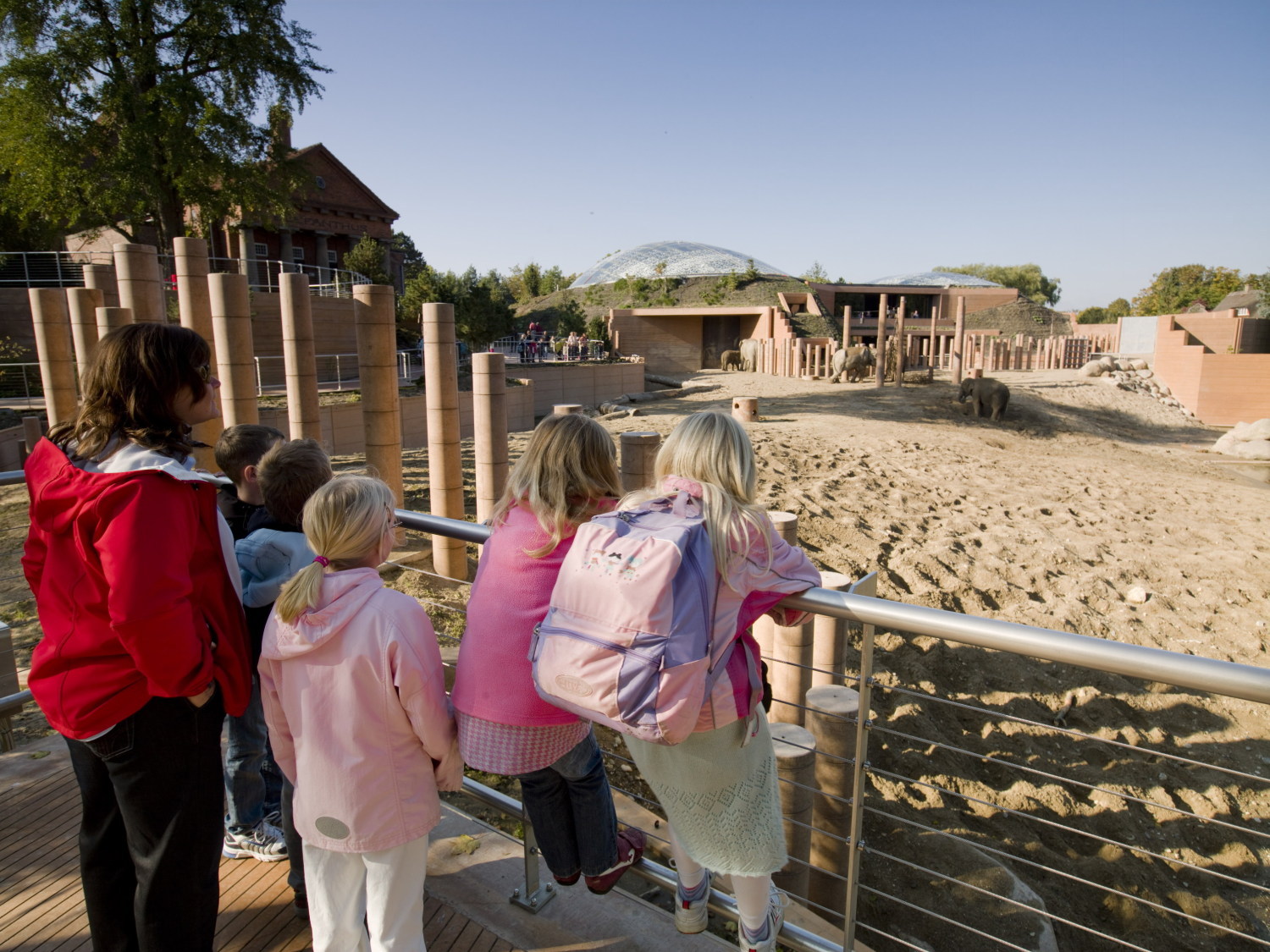
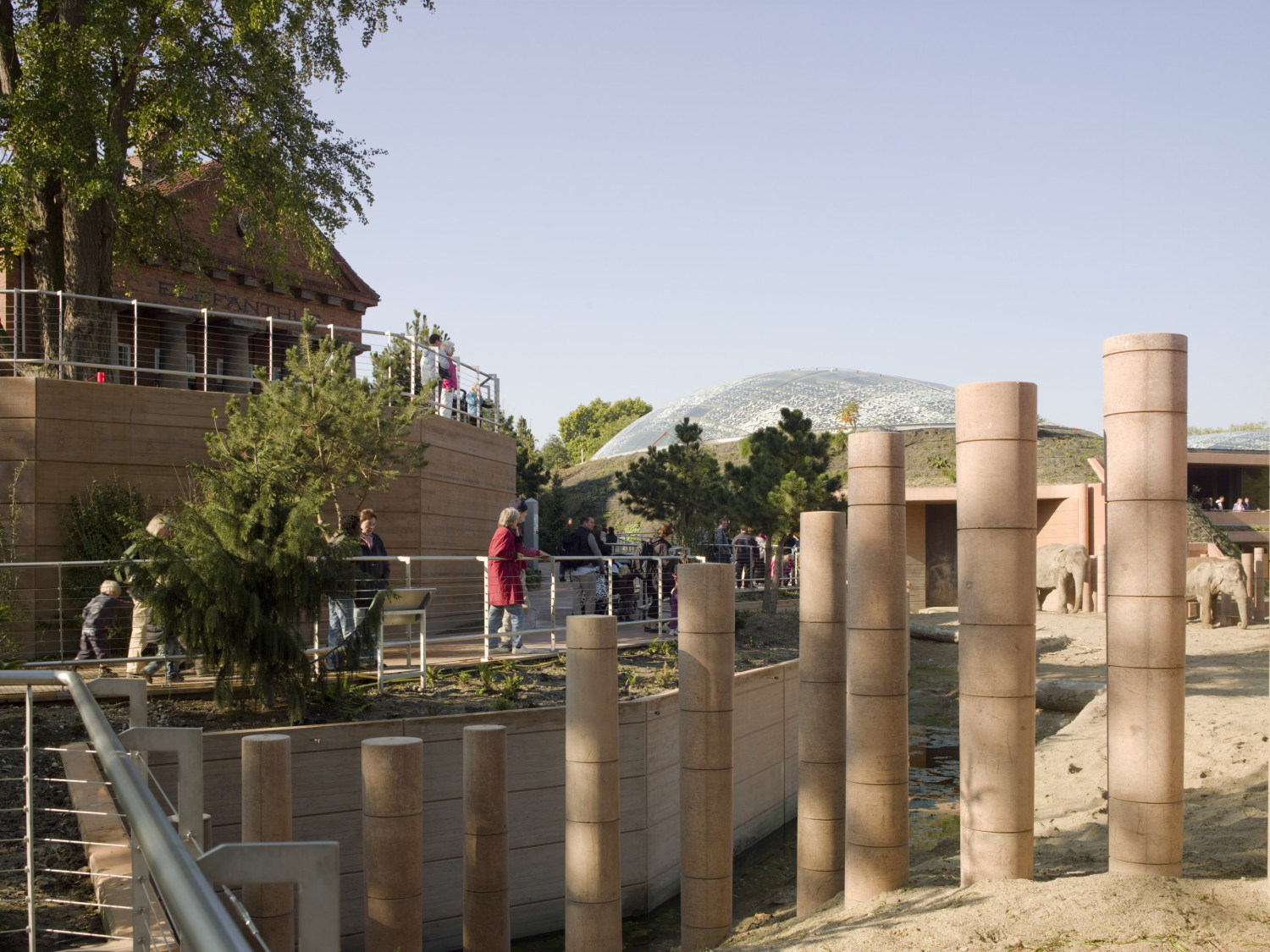
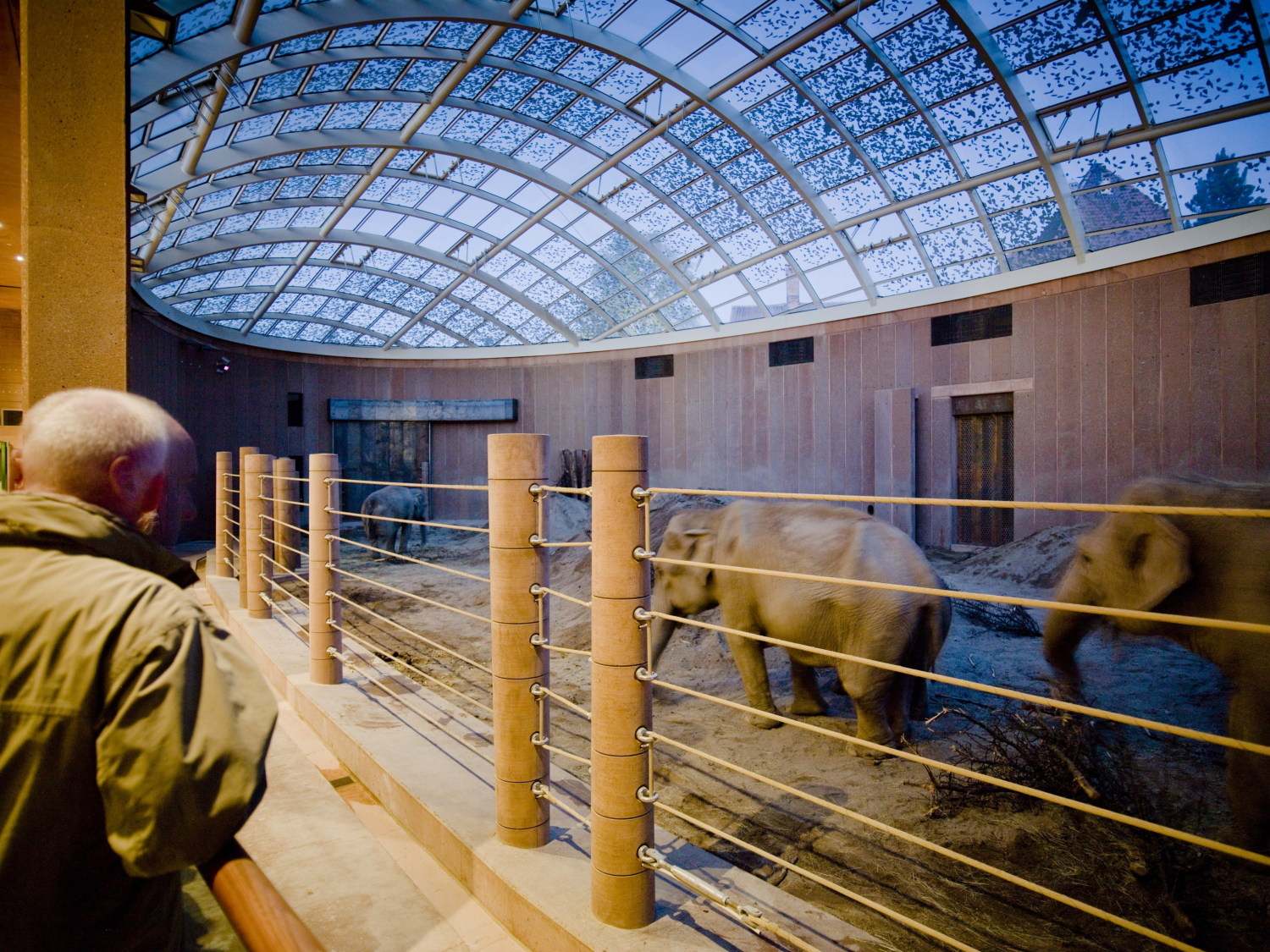
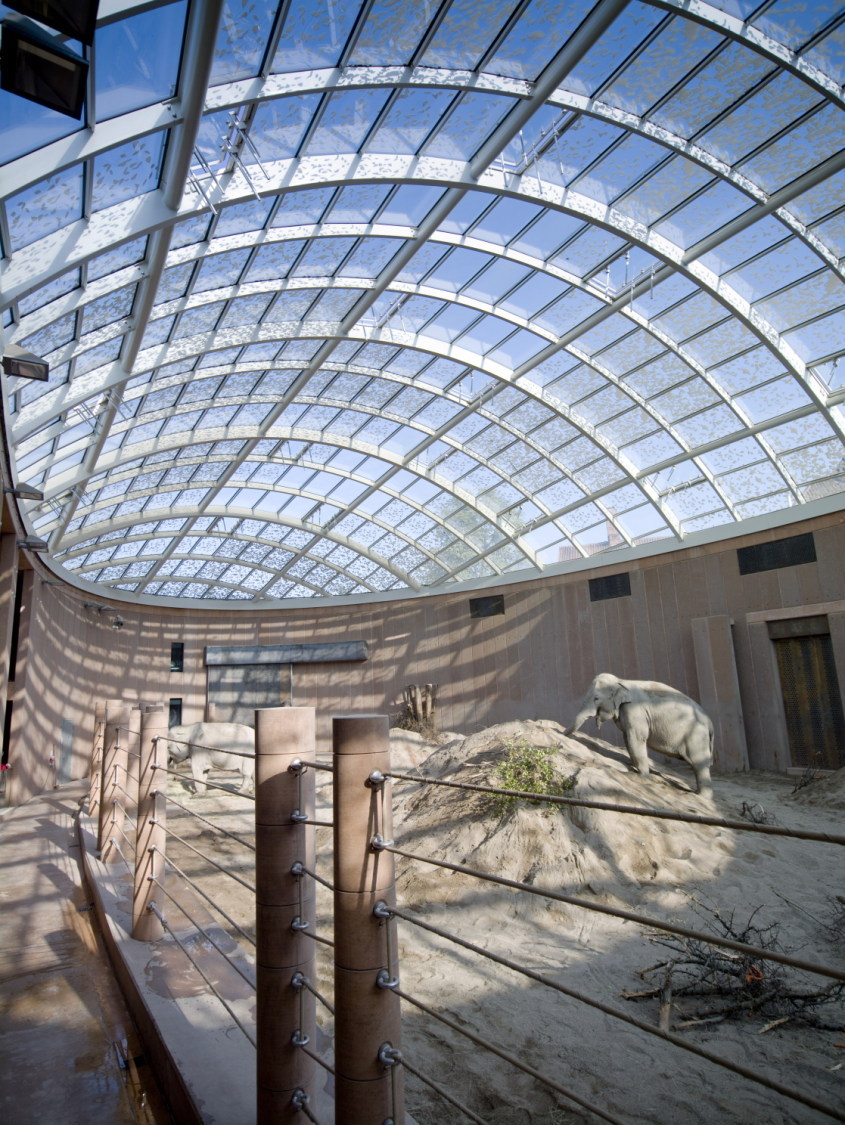
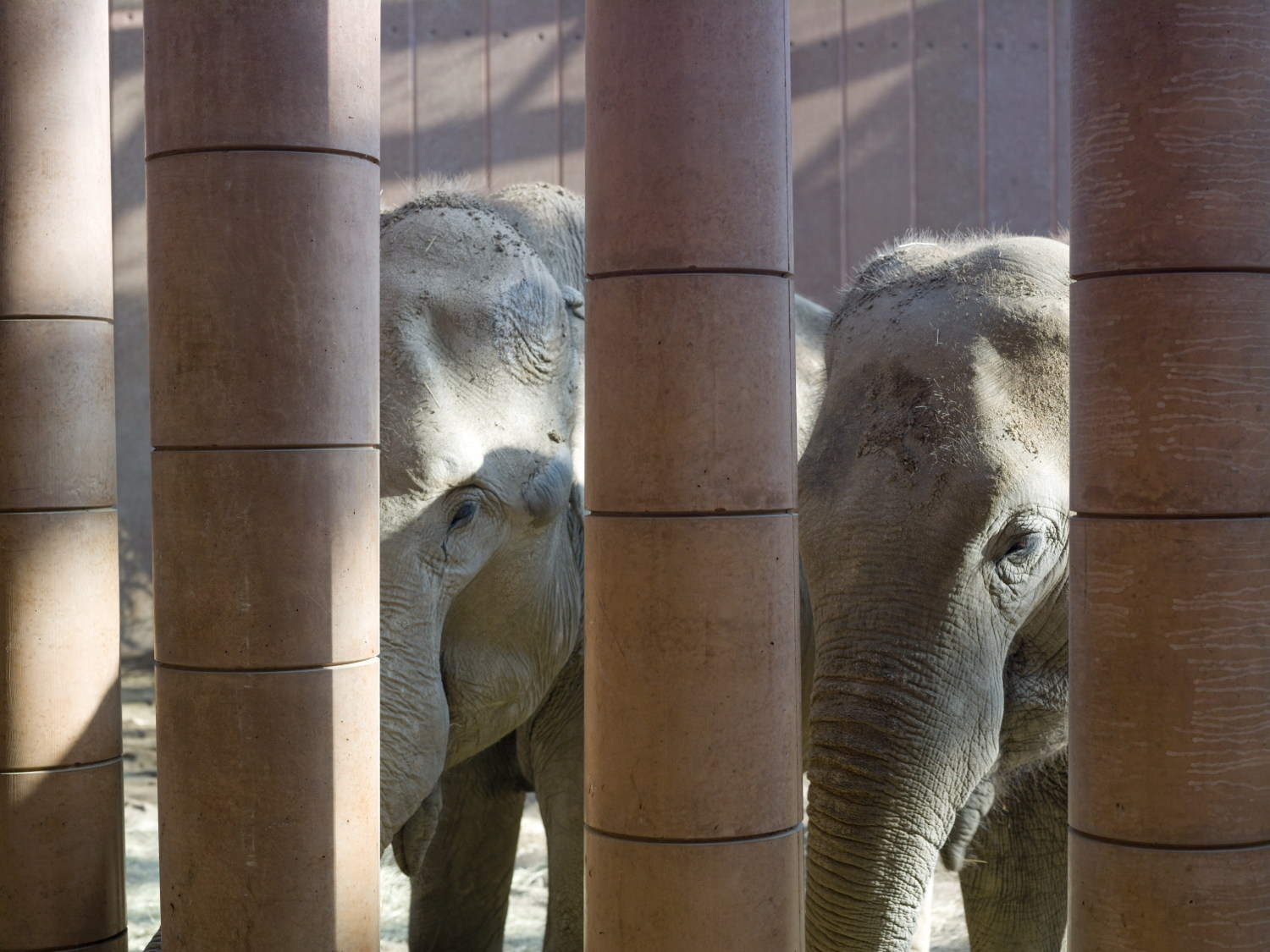
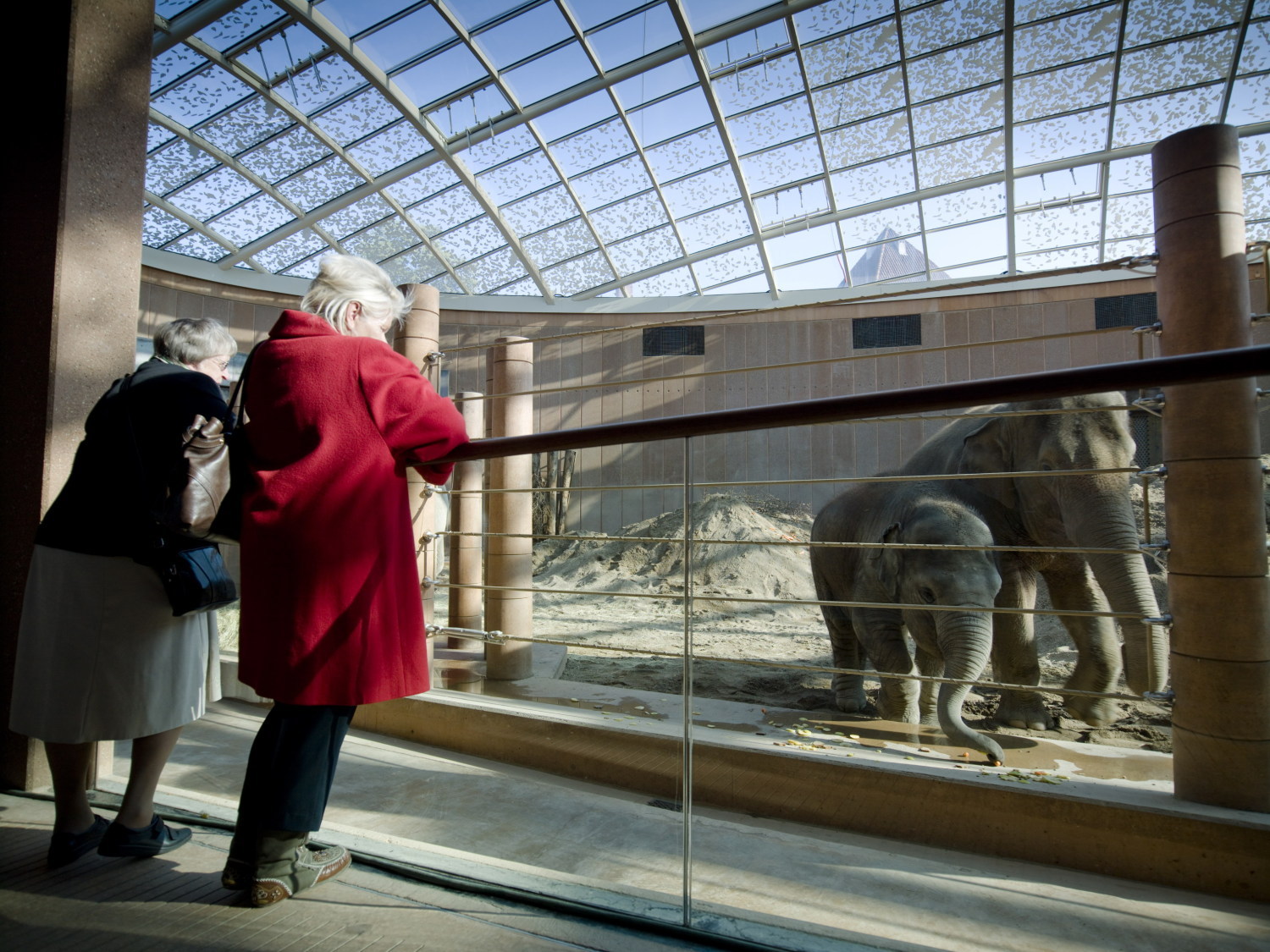
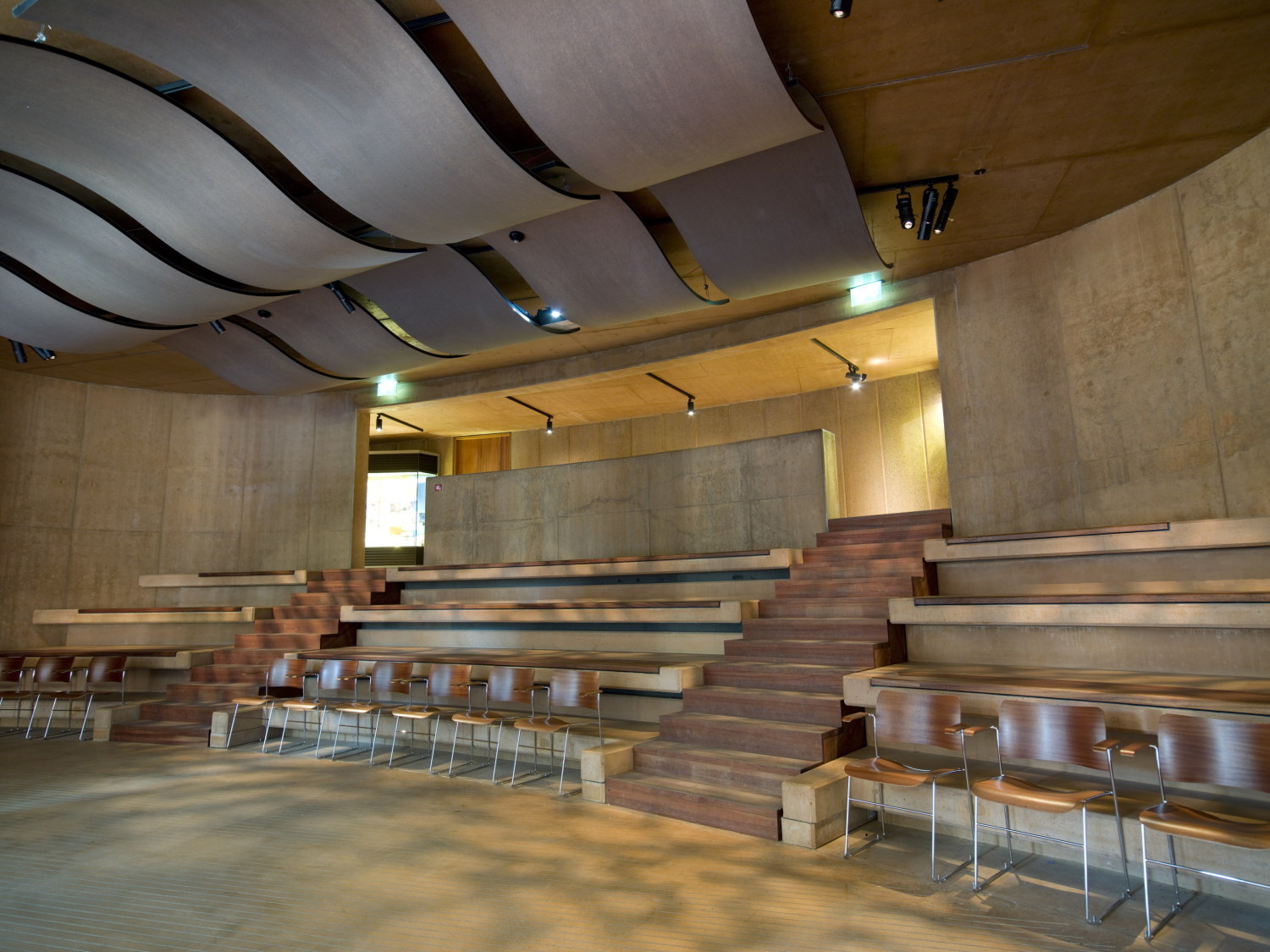
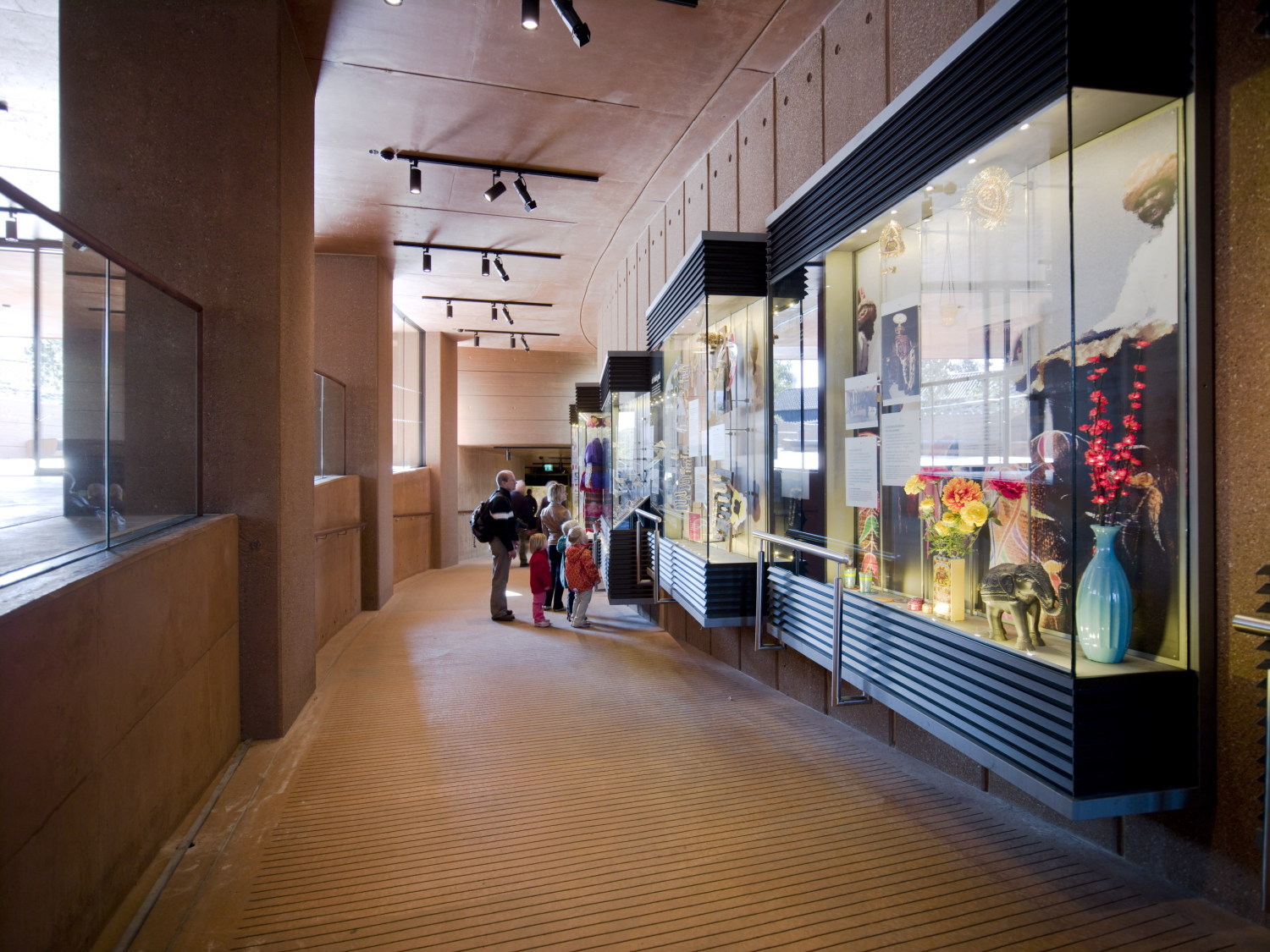
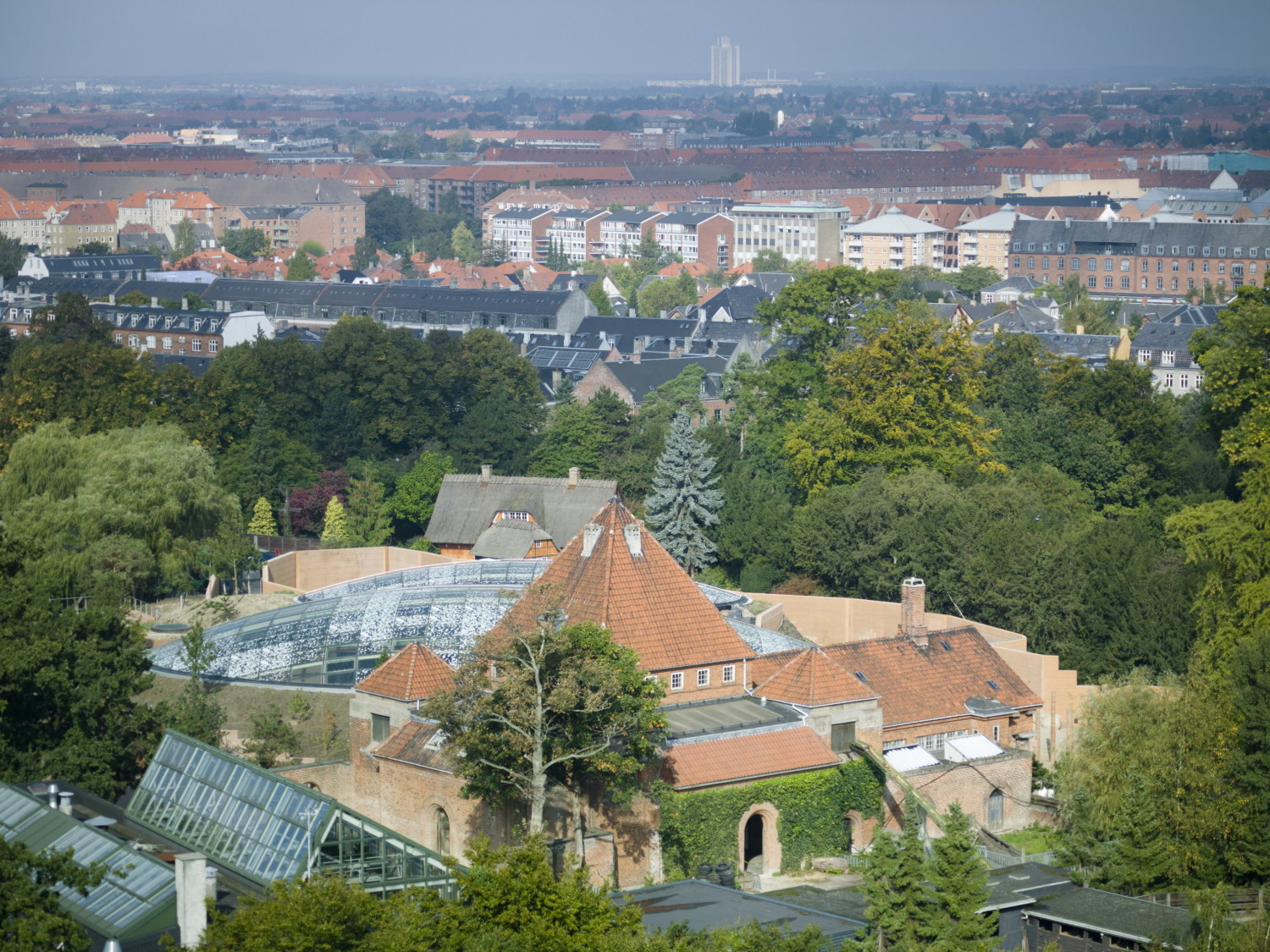
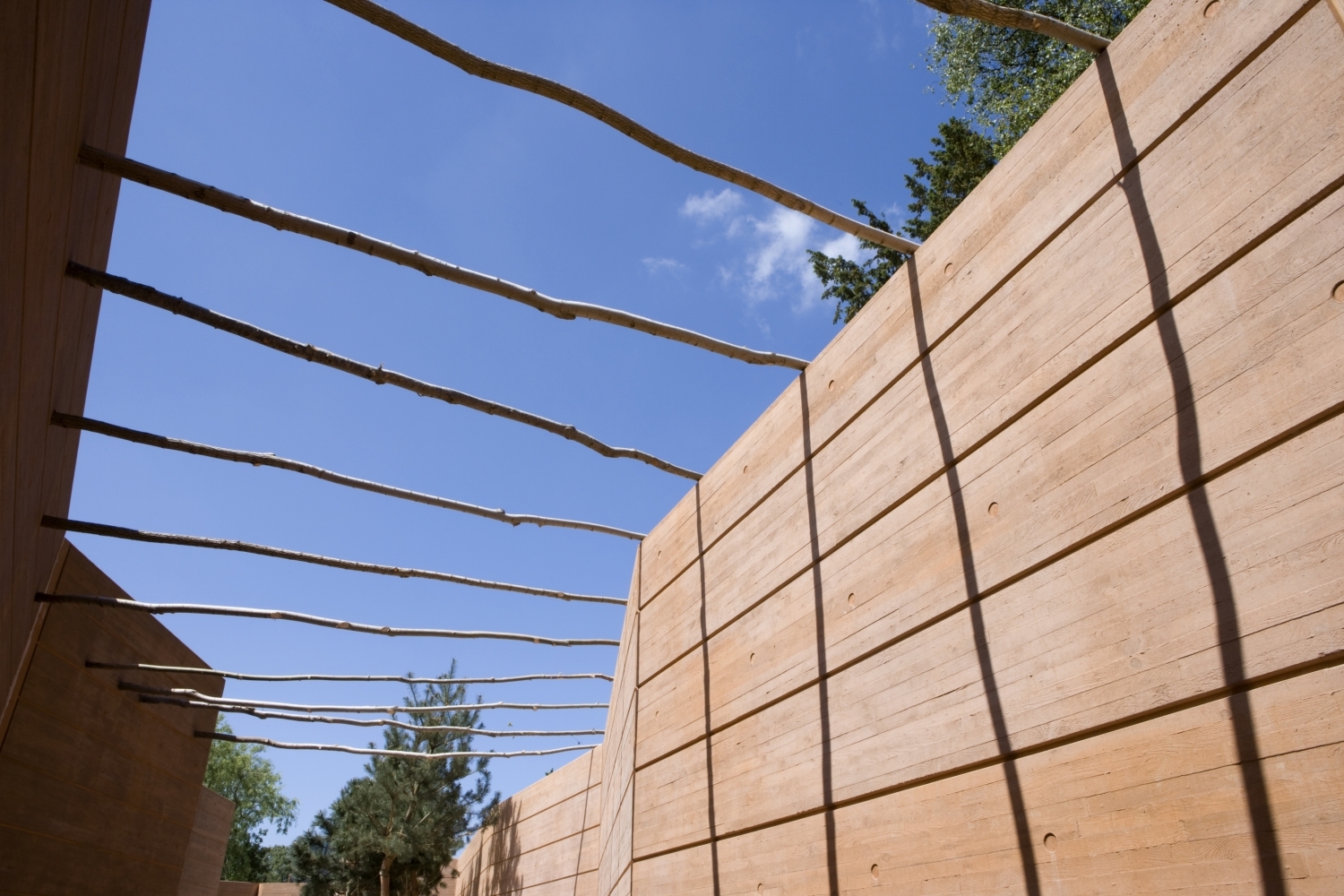
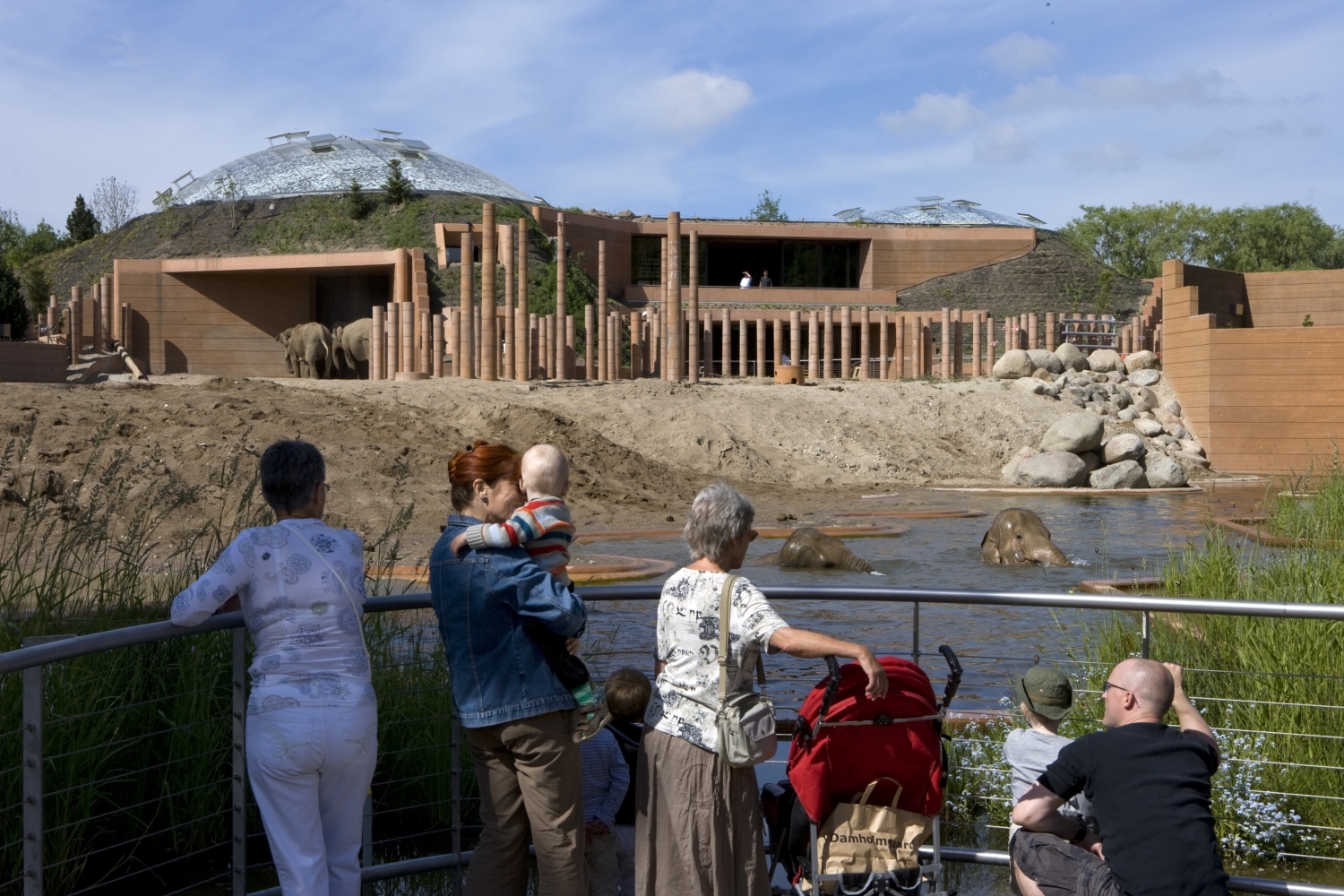
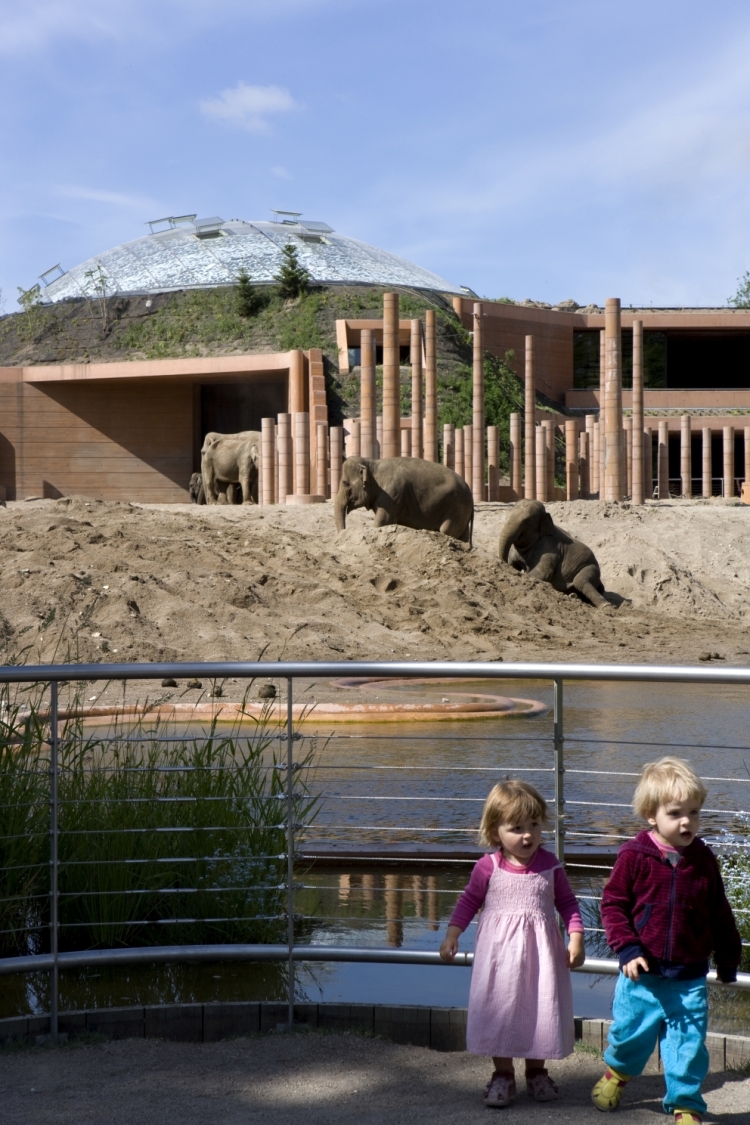
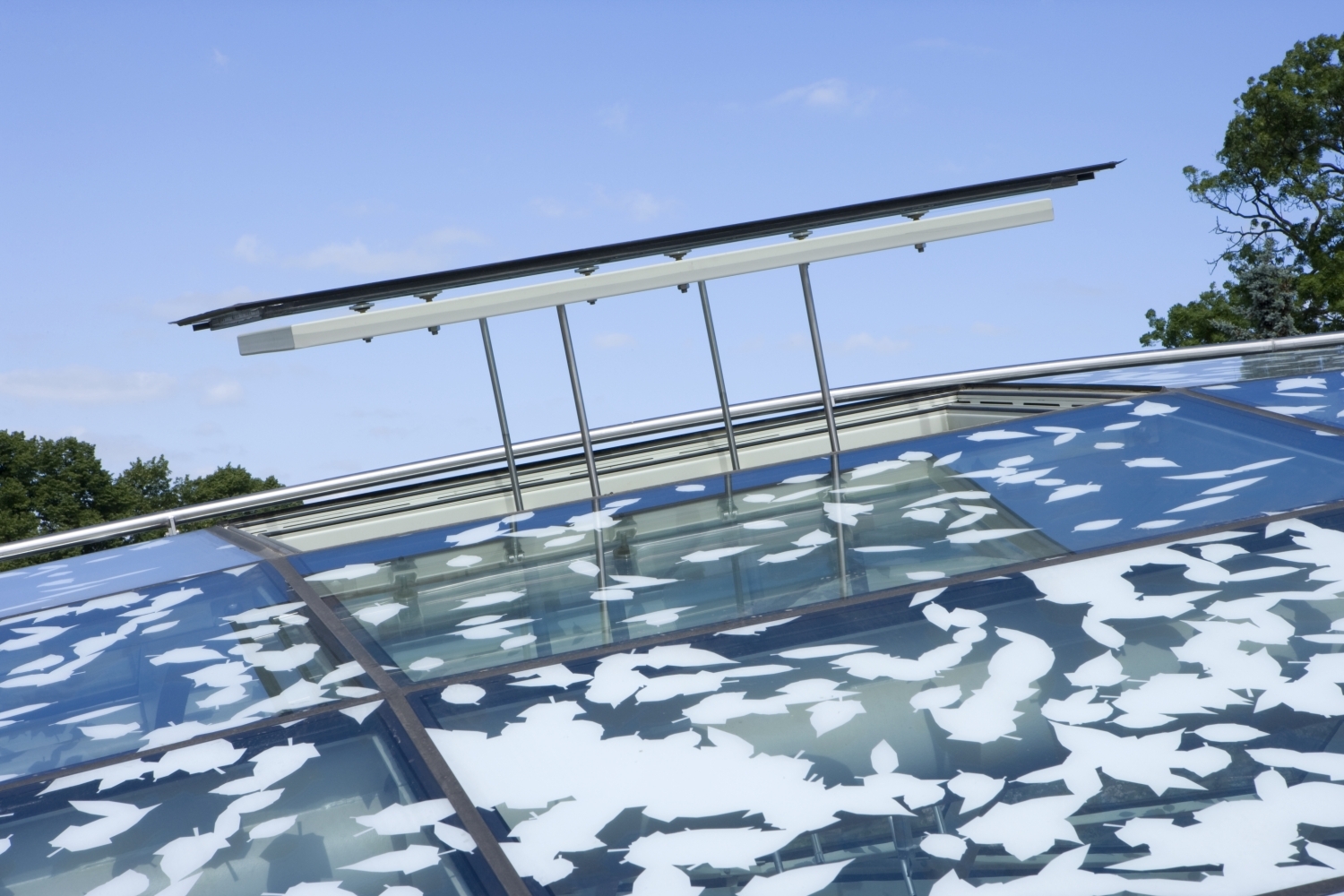
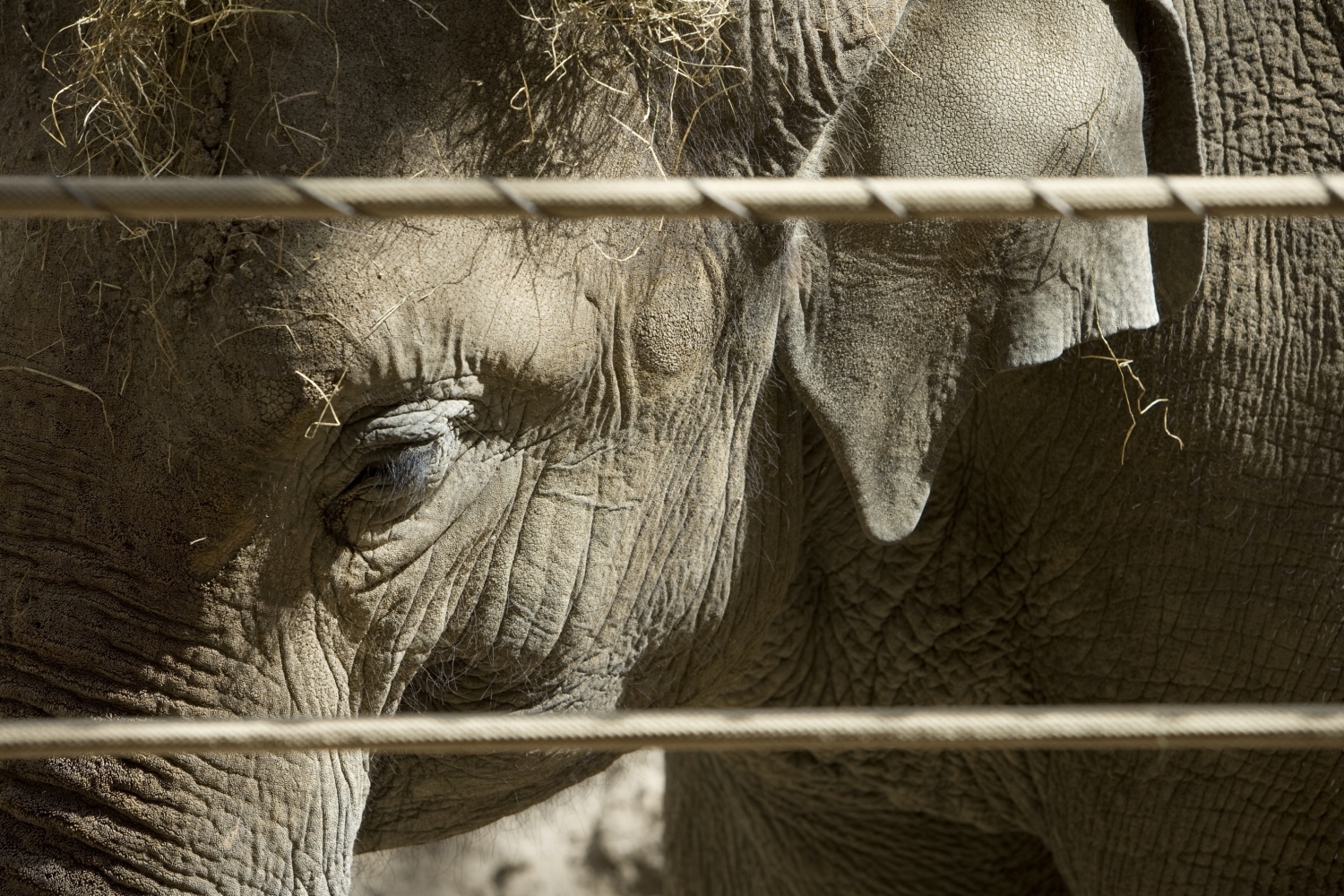
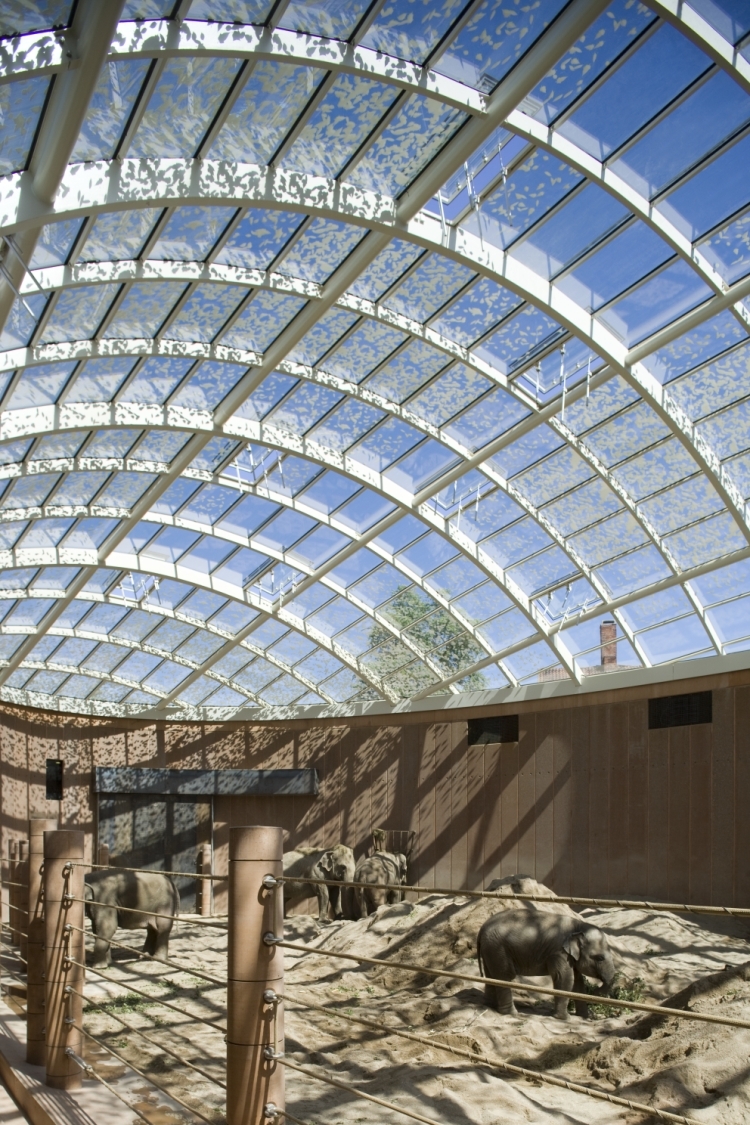
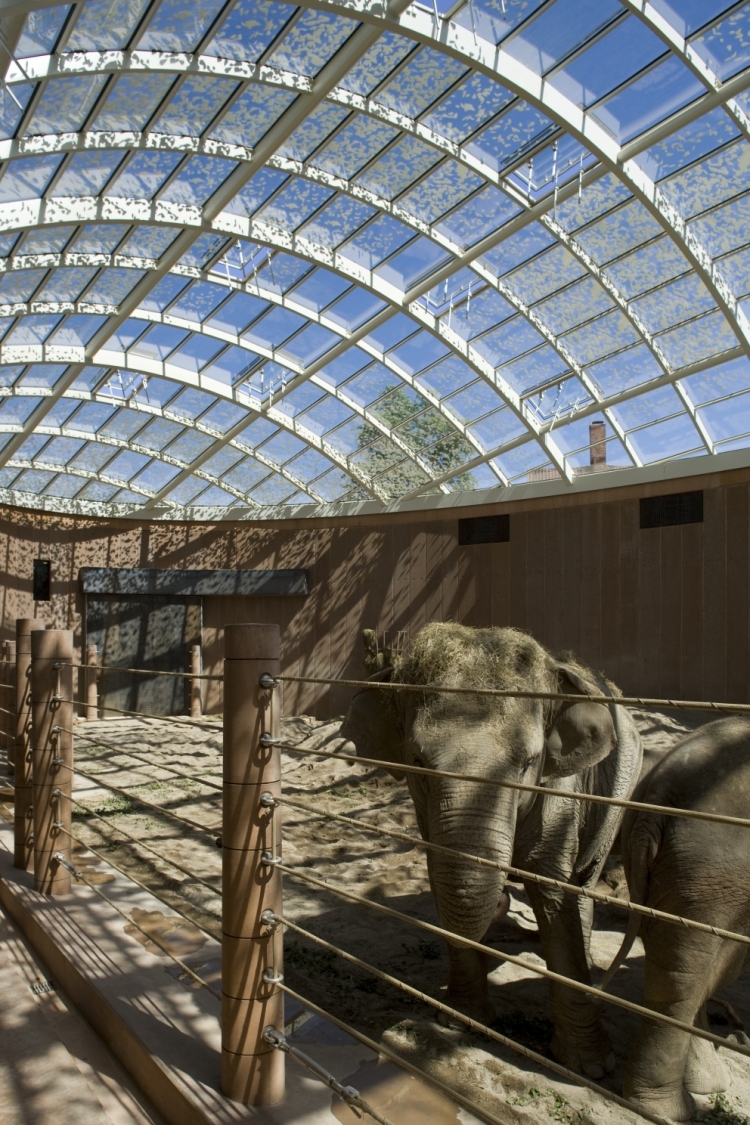
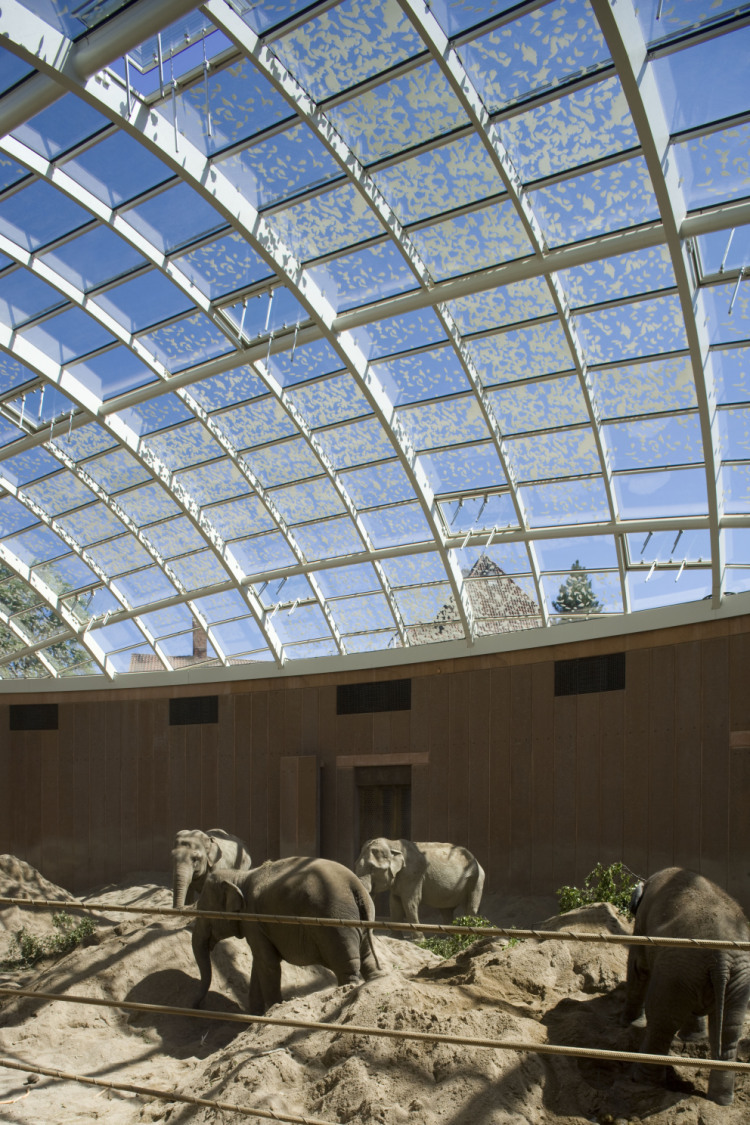
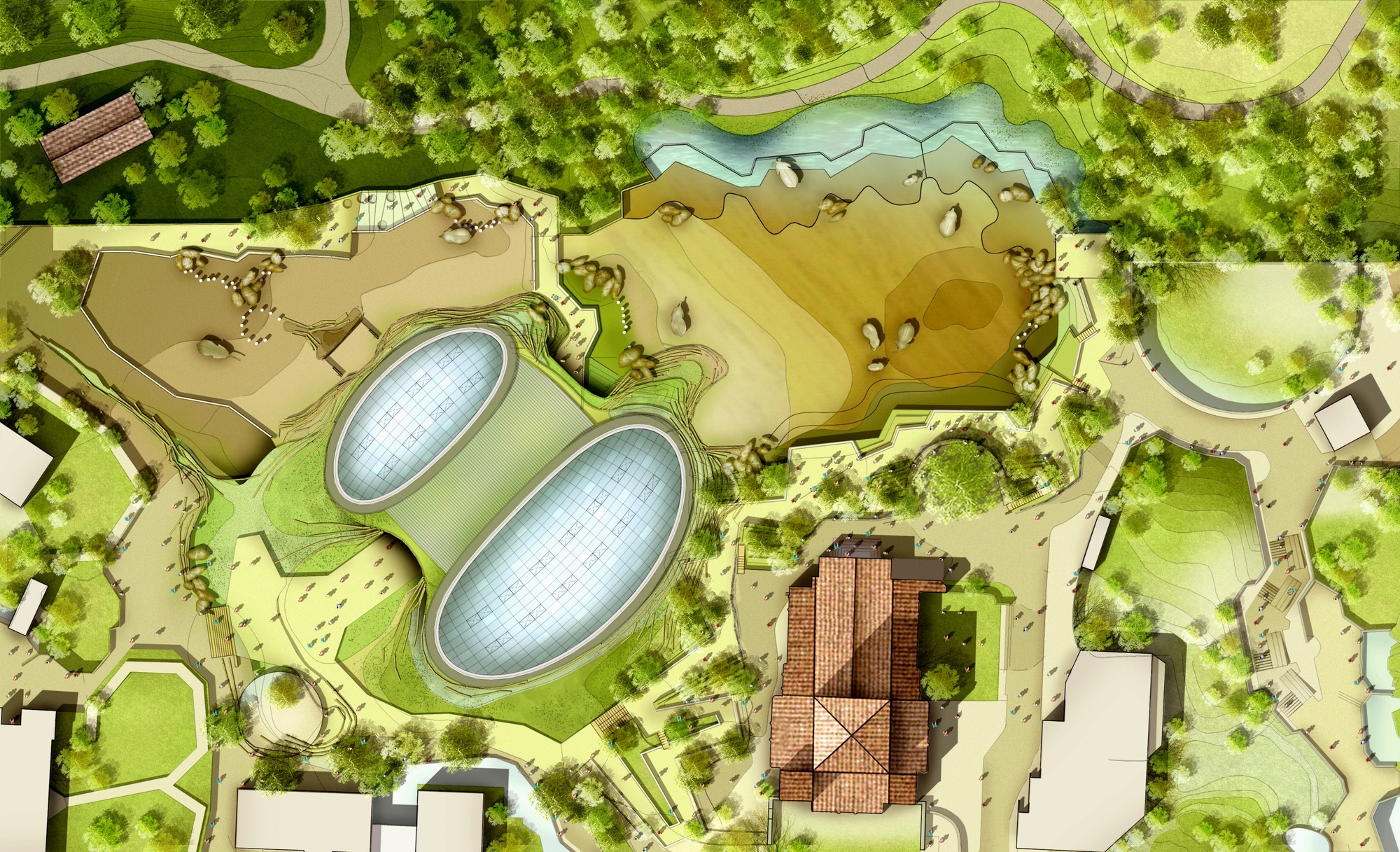
Copenhagen Zoo is located within a historic royal park adjacent to Frederiksberg Palace. It is one of Europe's oldest zoos and one of Denmark's most popular cultural destinations, welcoming 1.2 million visitors annually. The Indian elephants are among the zoo's most popular attractions. The starting point for designing the new elephant house was to provide these magnificent animals with a healthy, growth-supporting environment while creating an easily accessible space where visitors can observe them well. The design process drew on research into elephant social behavior. Based on the wild elephant's tendency to roam in herds, the designers developed a scheme organized around two separate enclosures. These enclosures are excavated into a sloping site, which both reduces the building's impact on the landscape and optimizes its passive thermal performance. The spaces are covered by glass roofs that maintain a strong visual connection to the sky and alter daylight patterns. After entering, visitors pass through the foyer and descend a ramp into an educational space, with views into the enclosures along the way. At the end of this route is a broad public platform from which visitors can observe the elephants in their habitat. The design by Foster + Partners creates a habitat that supports elephant welfare while providing an educational and engaging experience for zoo visitors, demonstrating how modern zoo architecture can balance animal care, conservation education, and public access.













 Editor's Pick
 Latest Design




