Text description provided by the architects
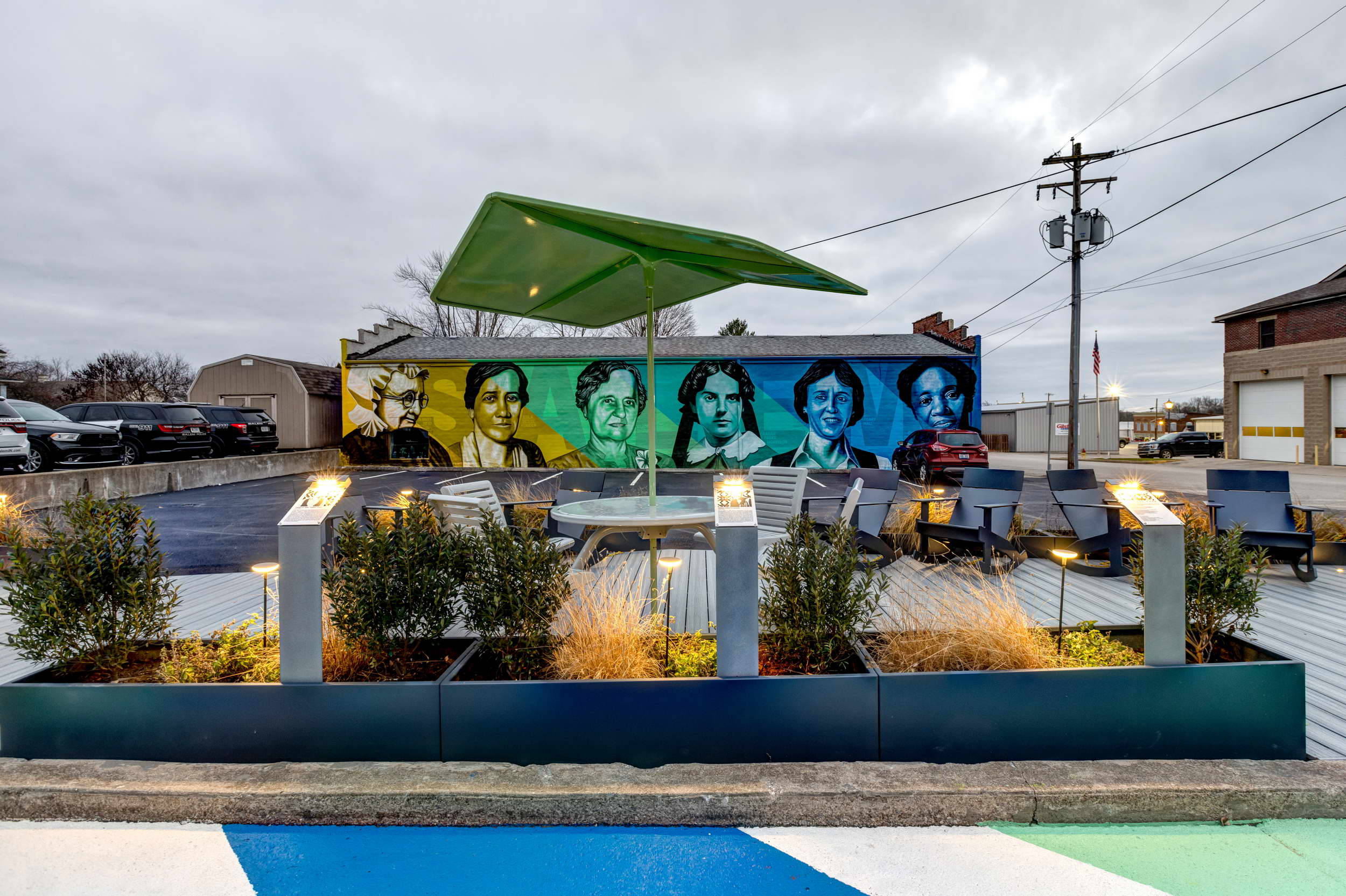
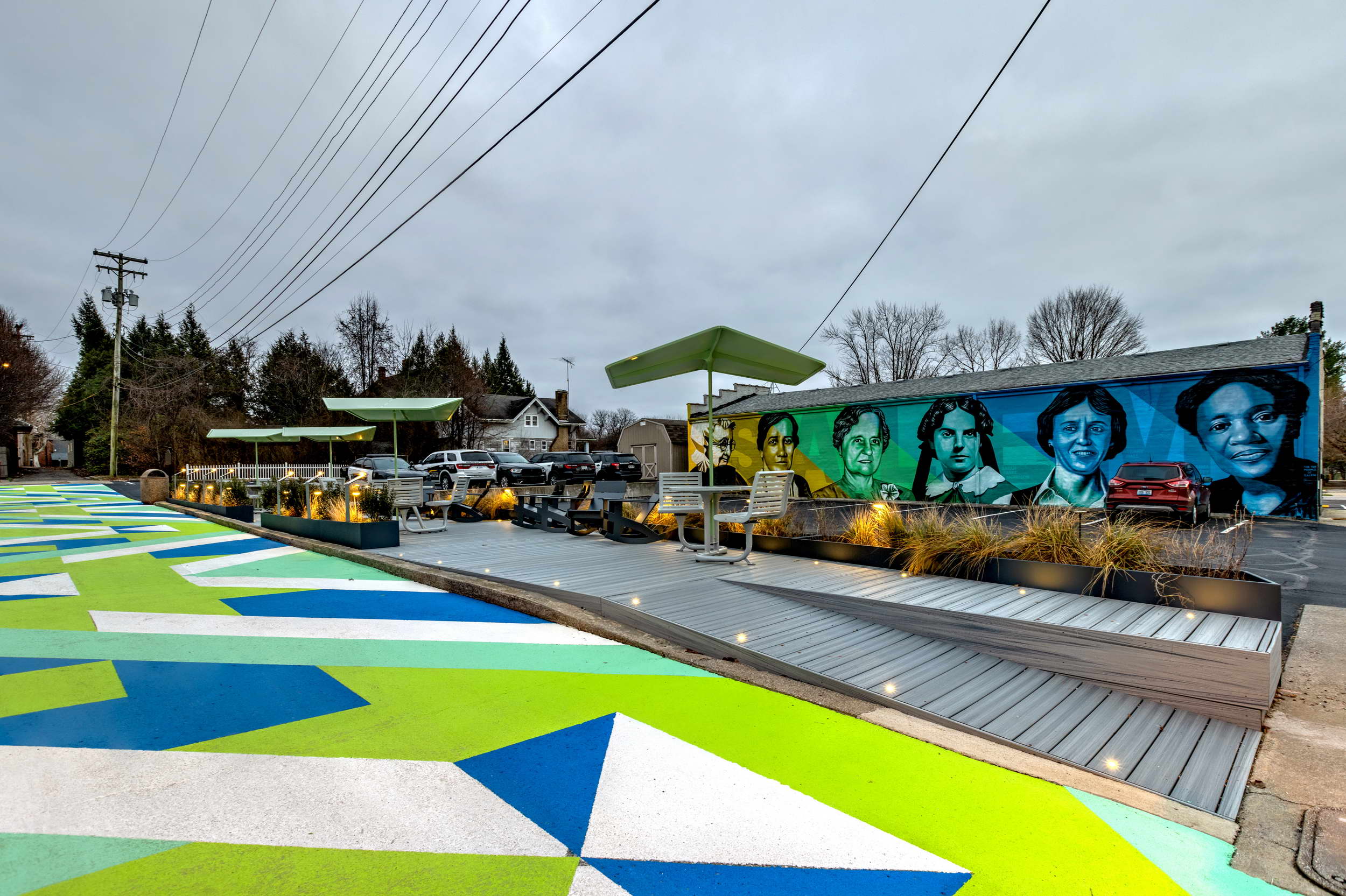
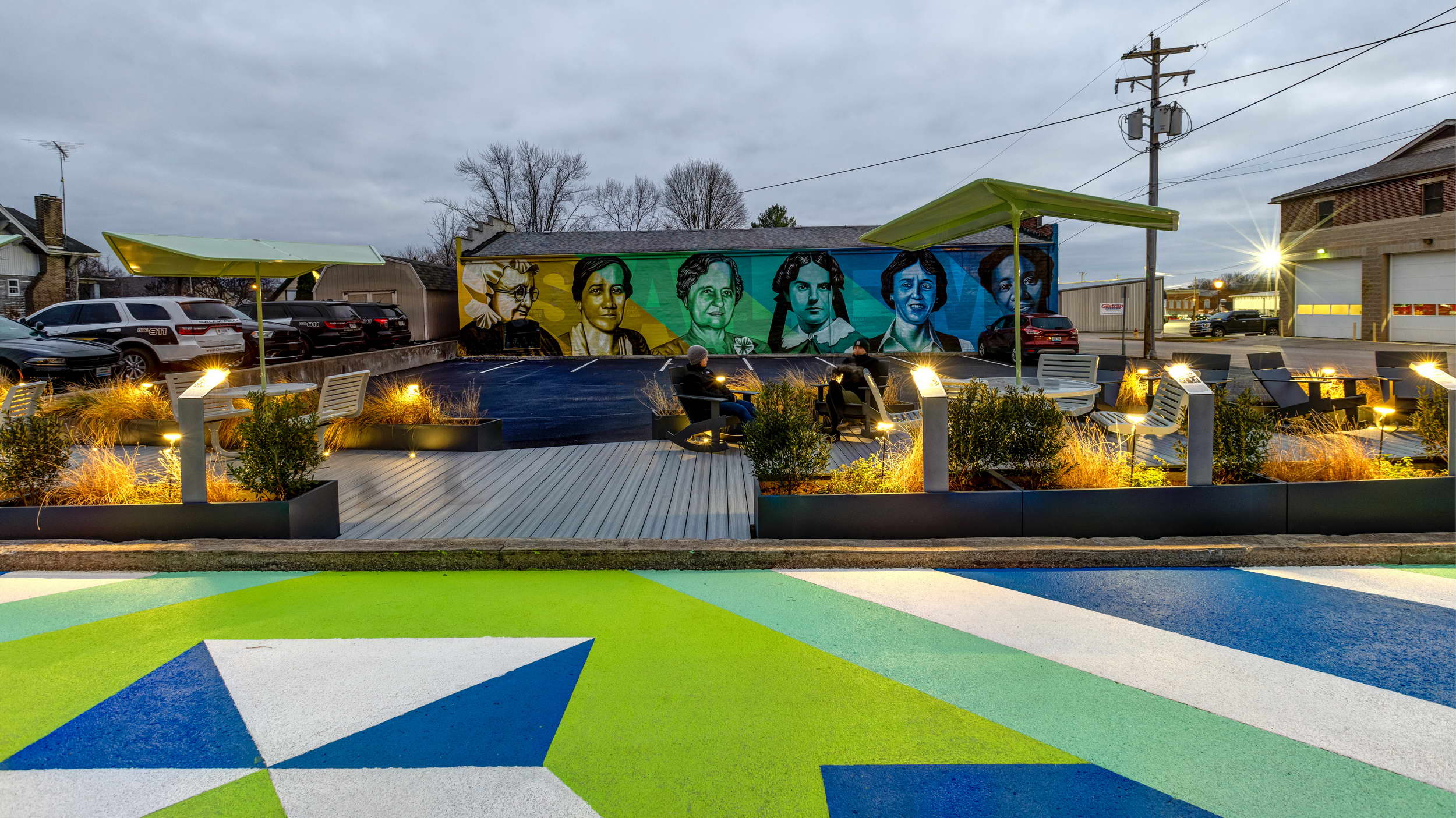
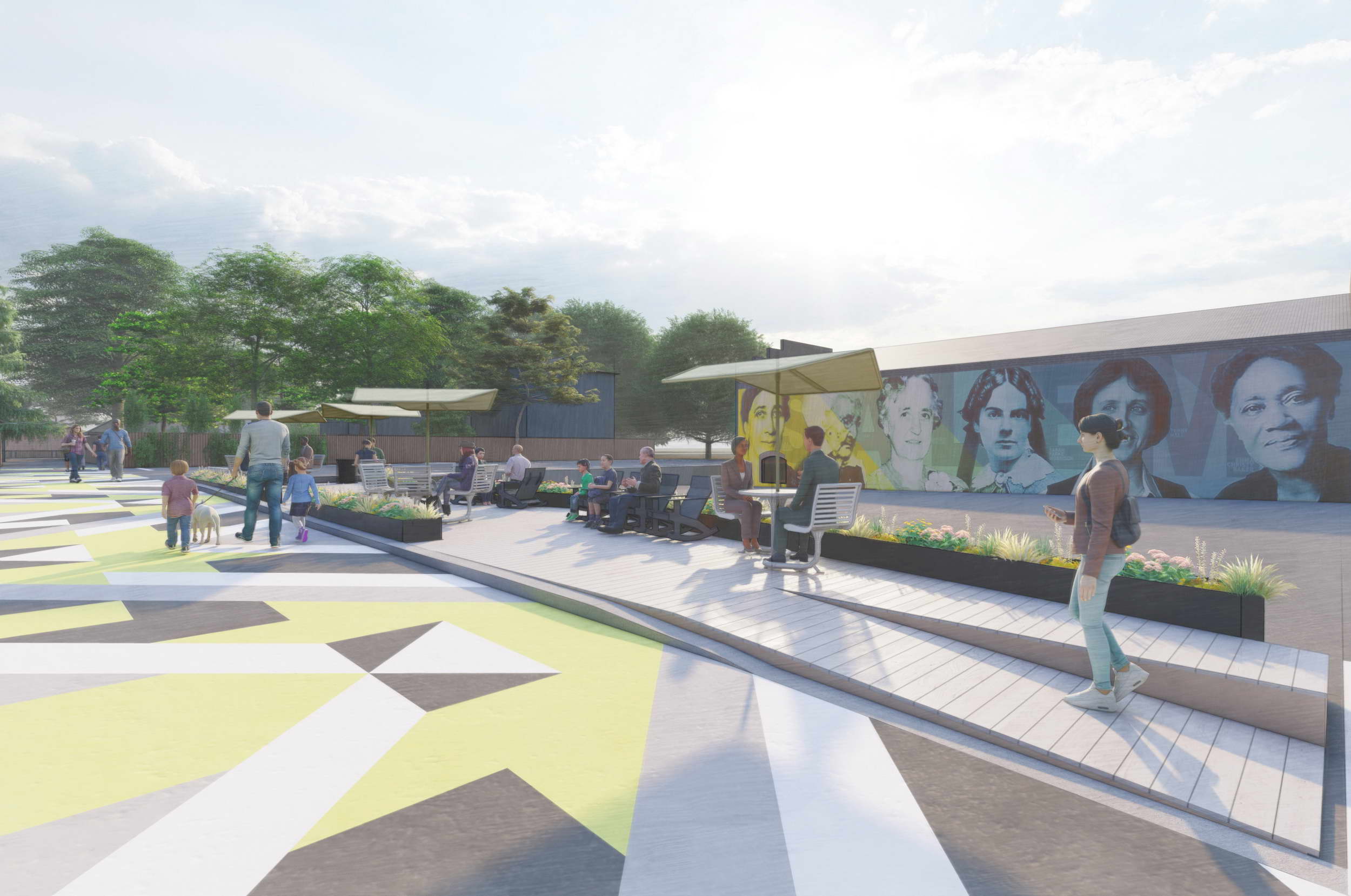
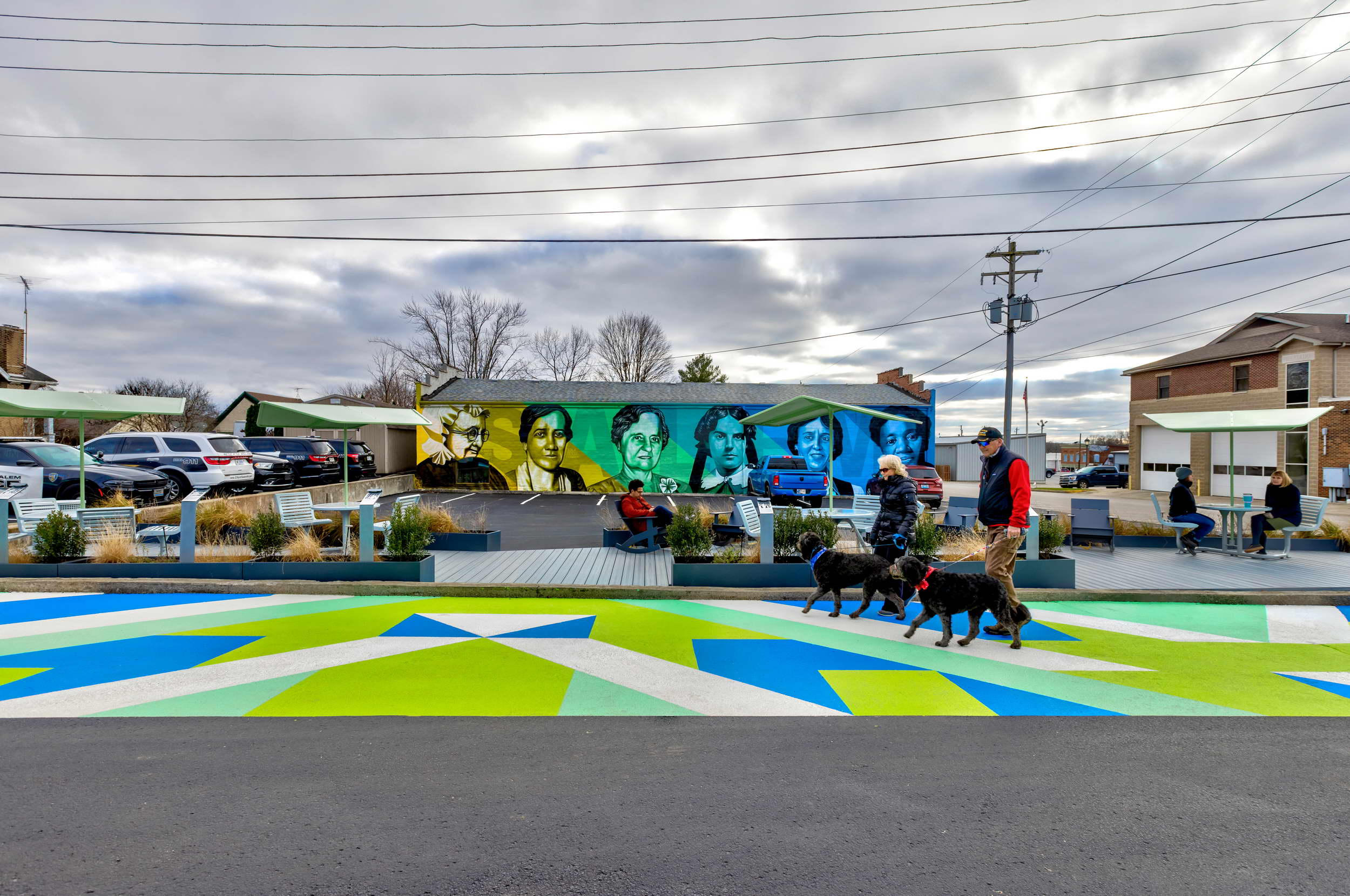
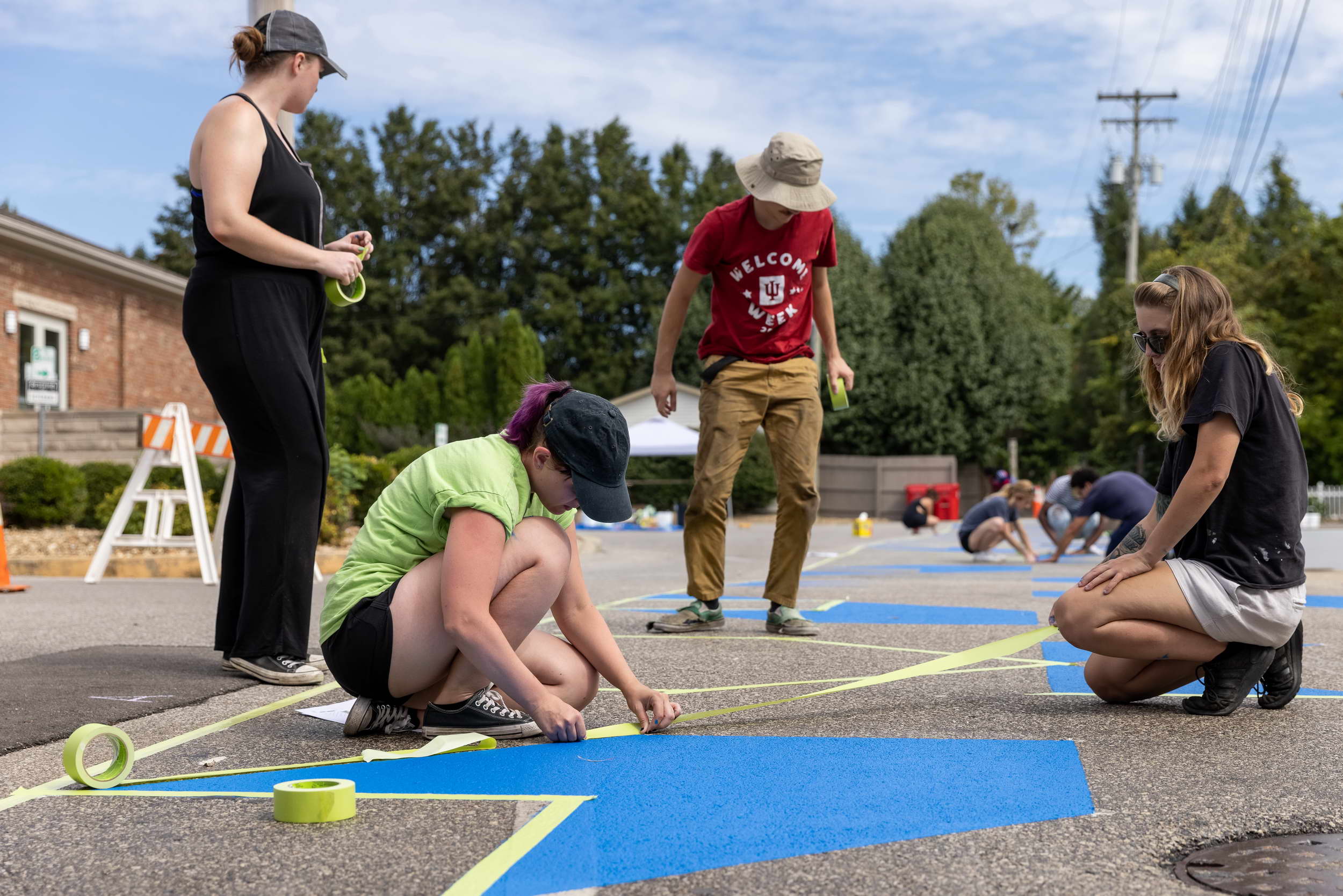
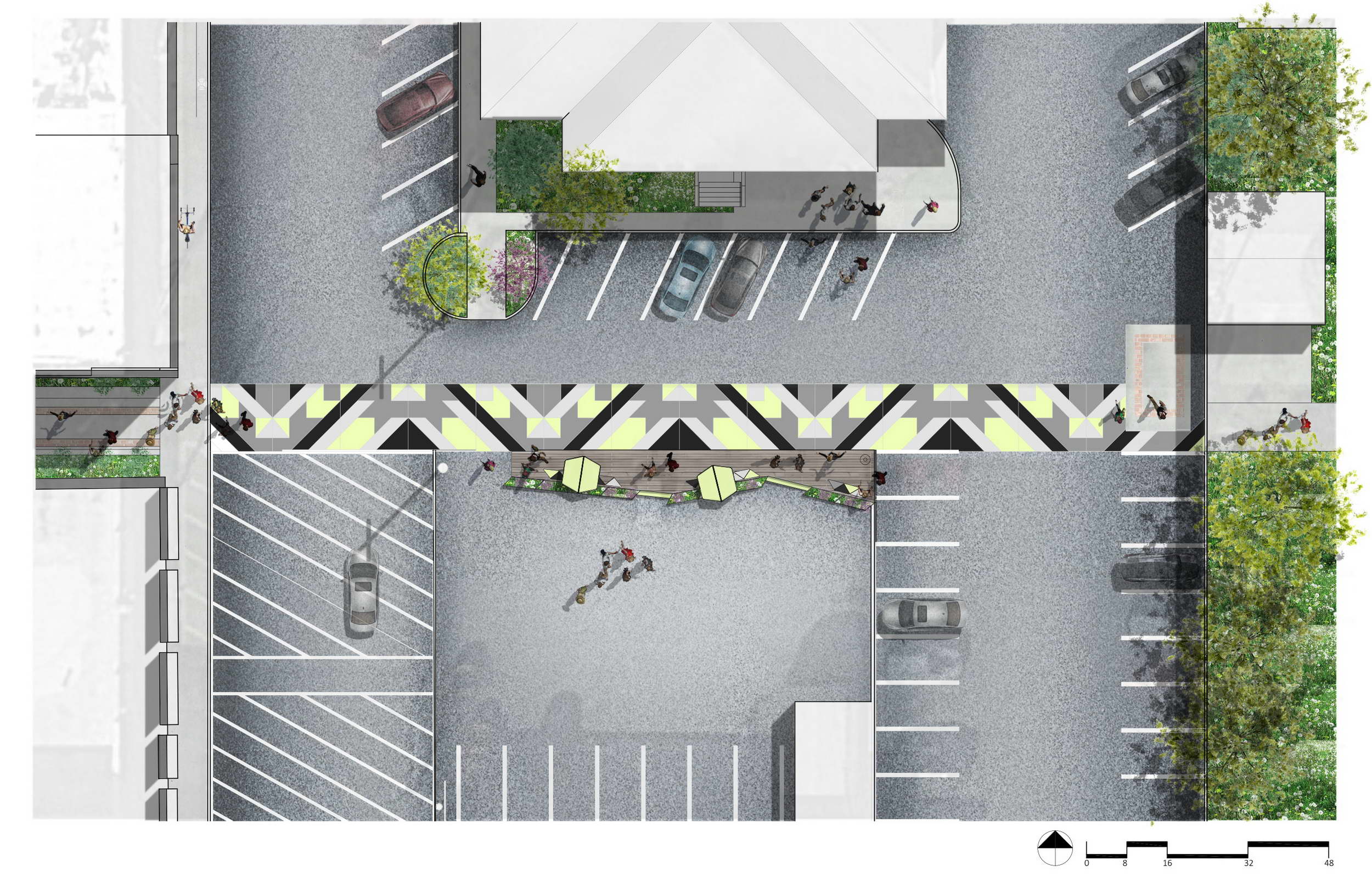
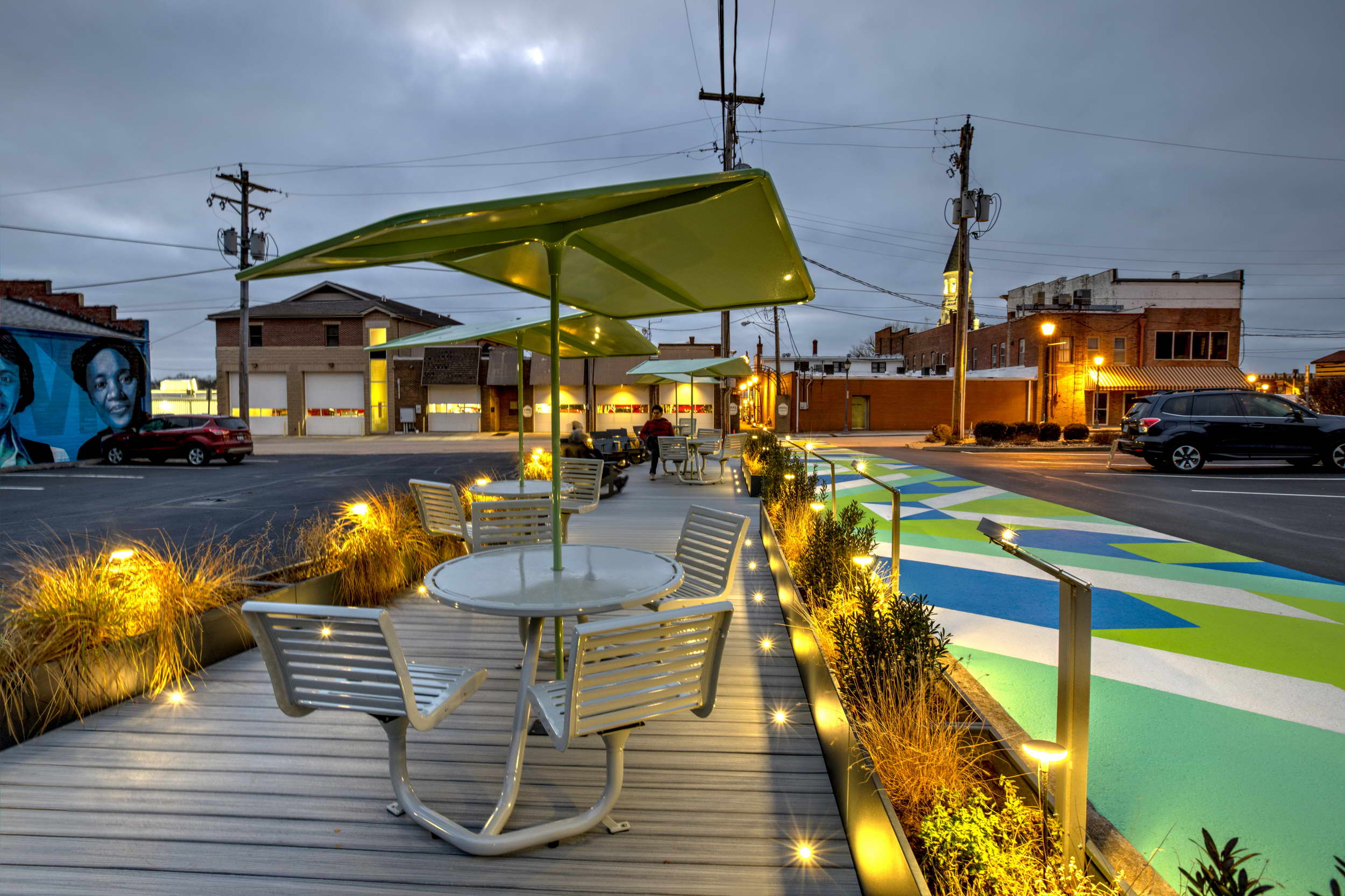
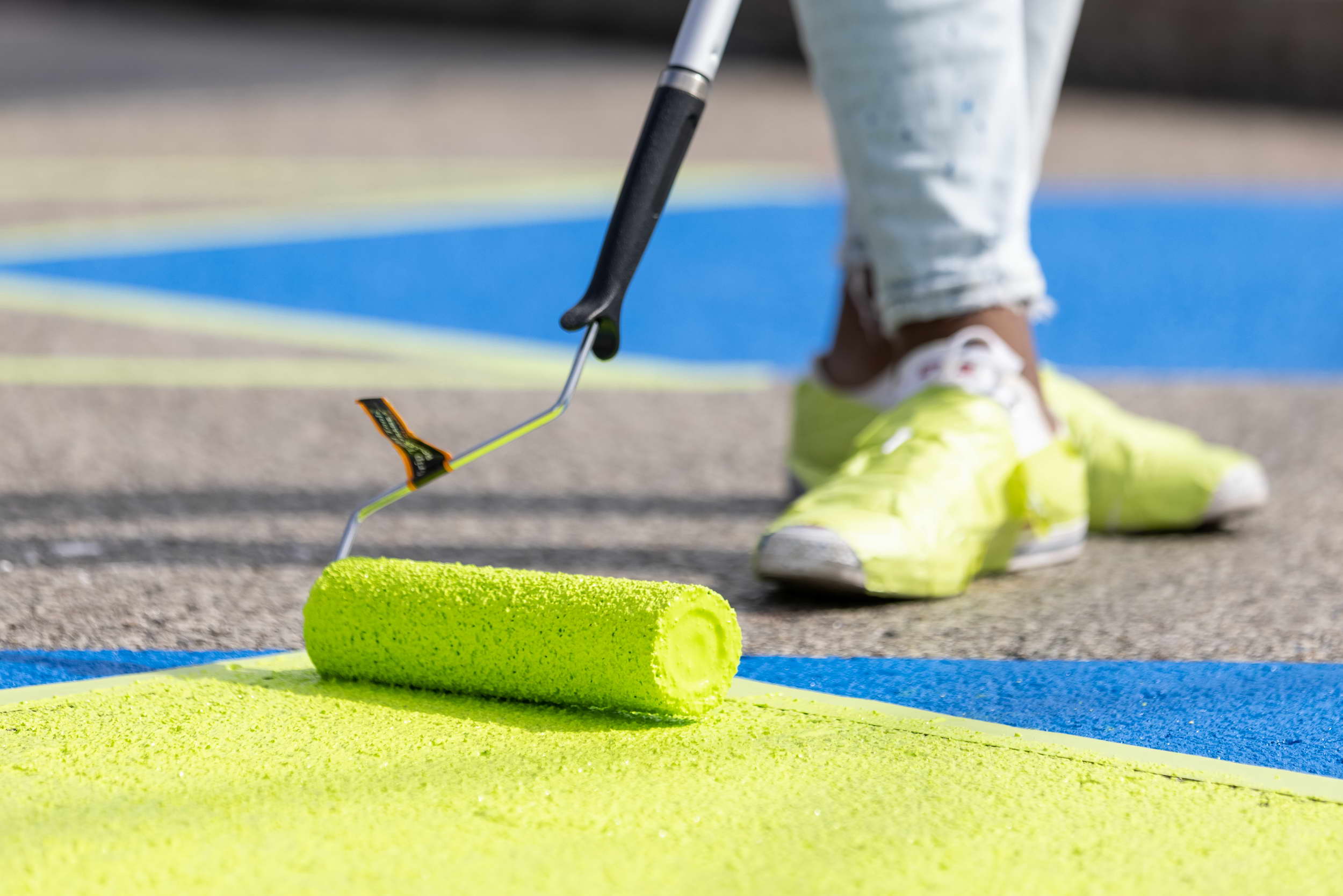
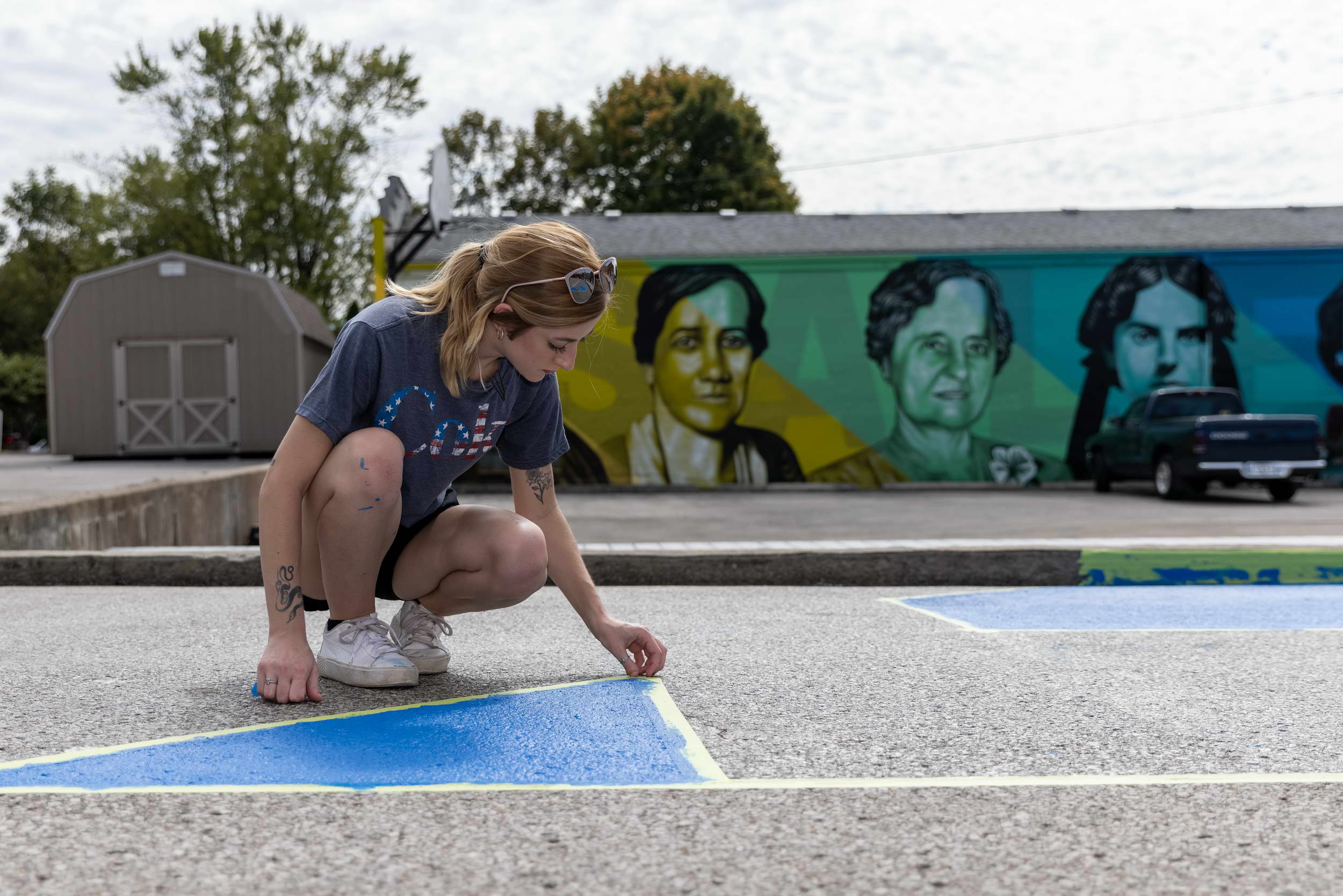
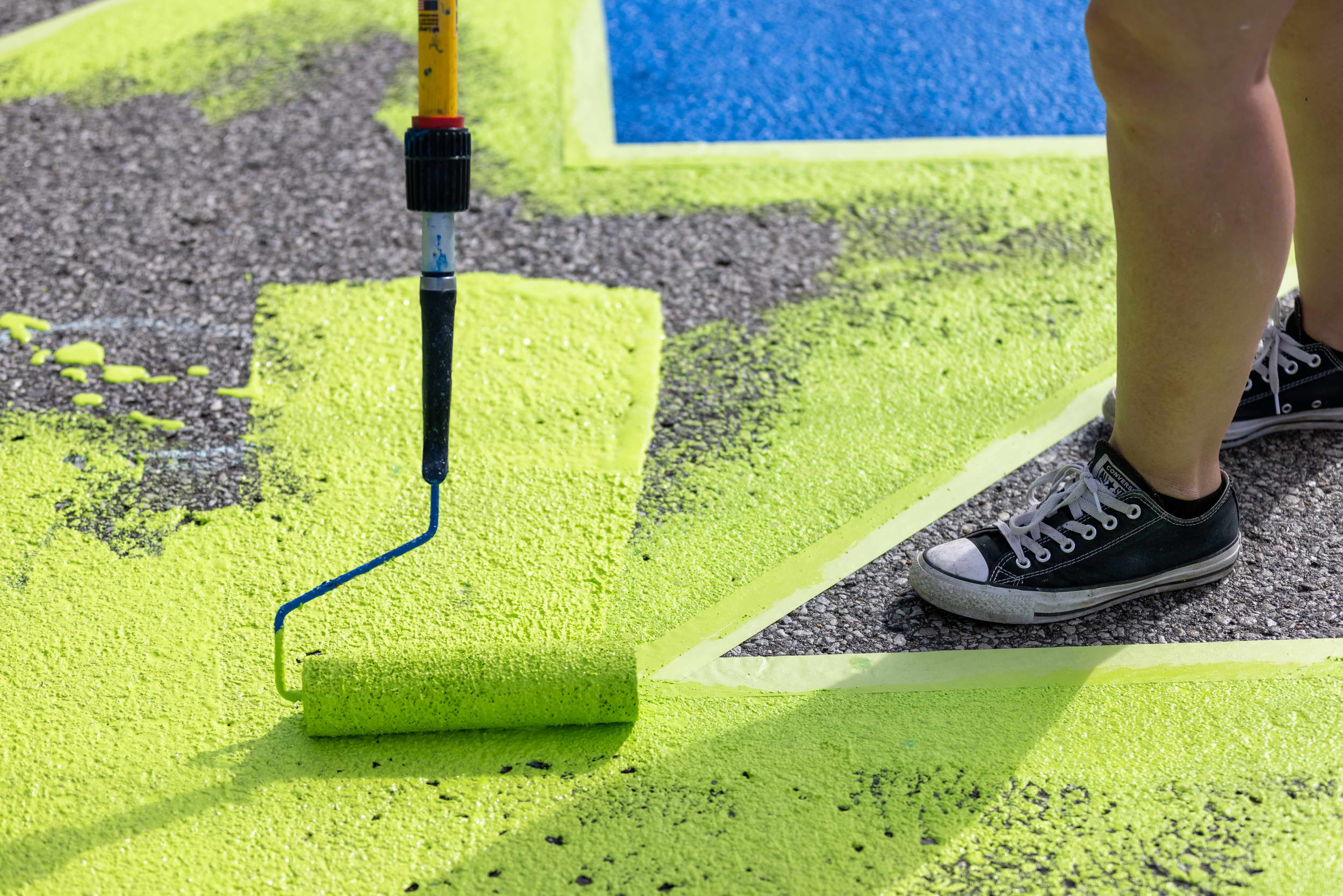
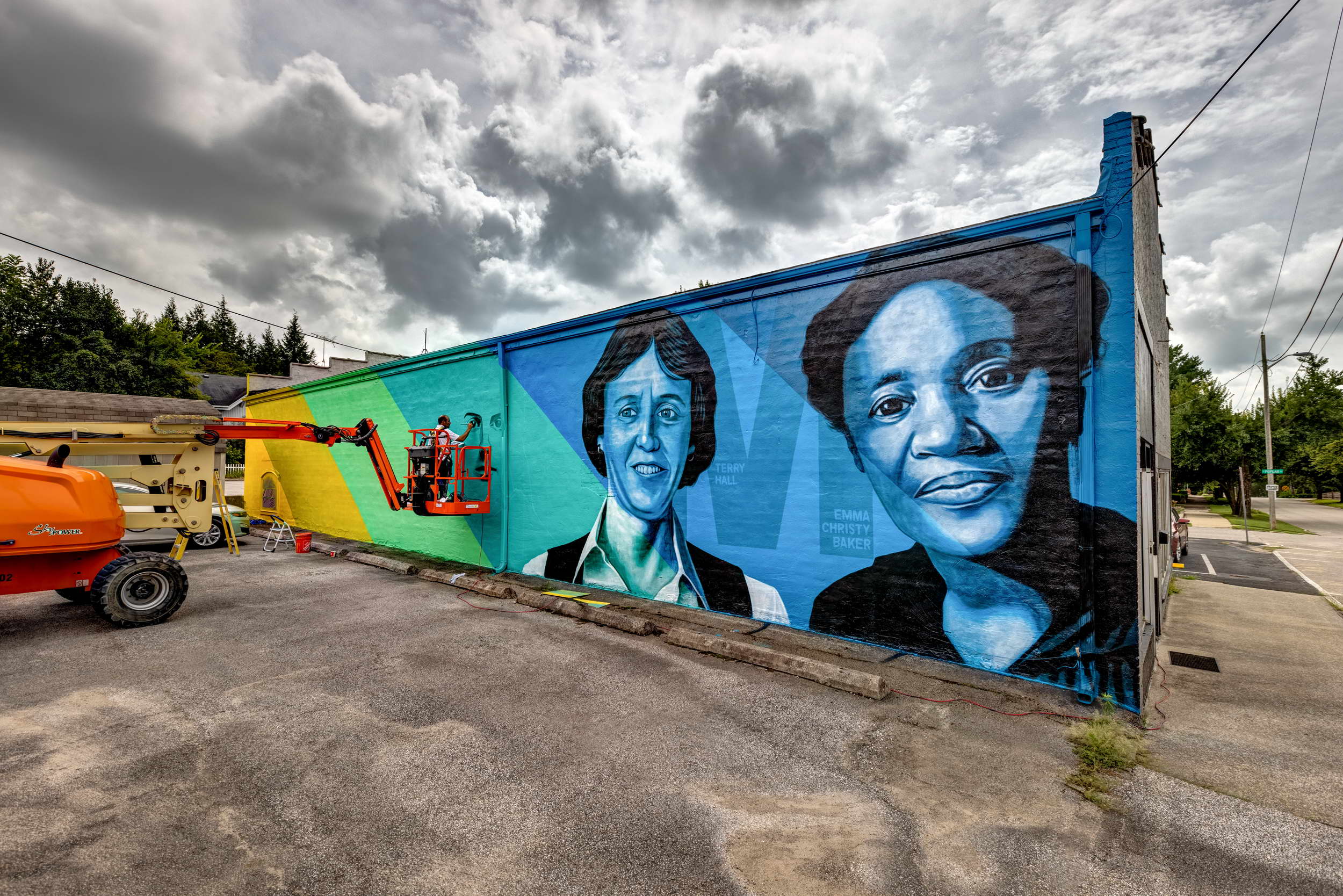
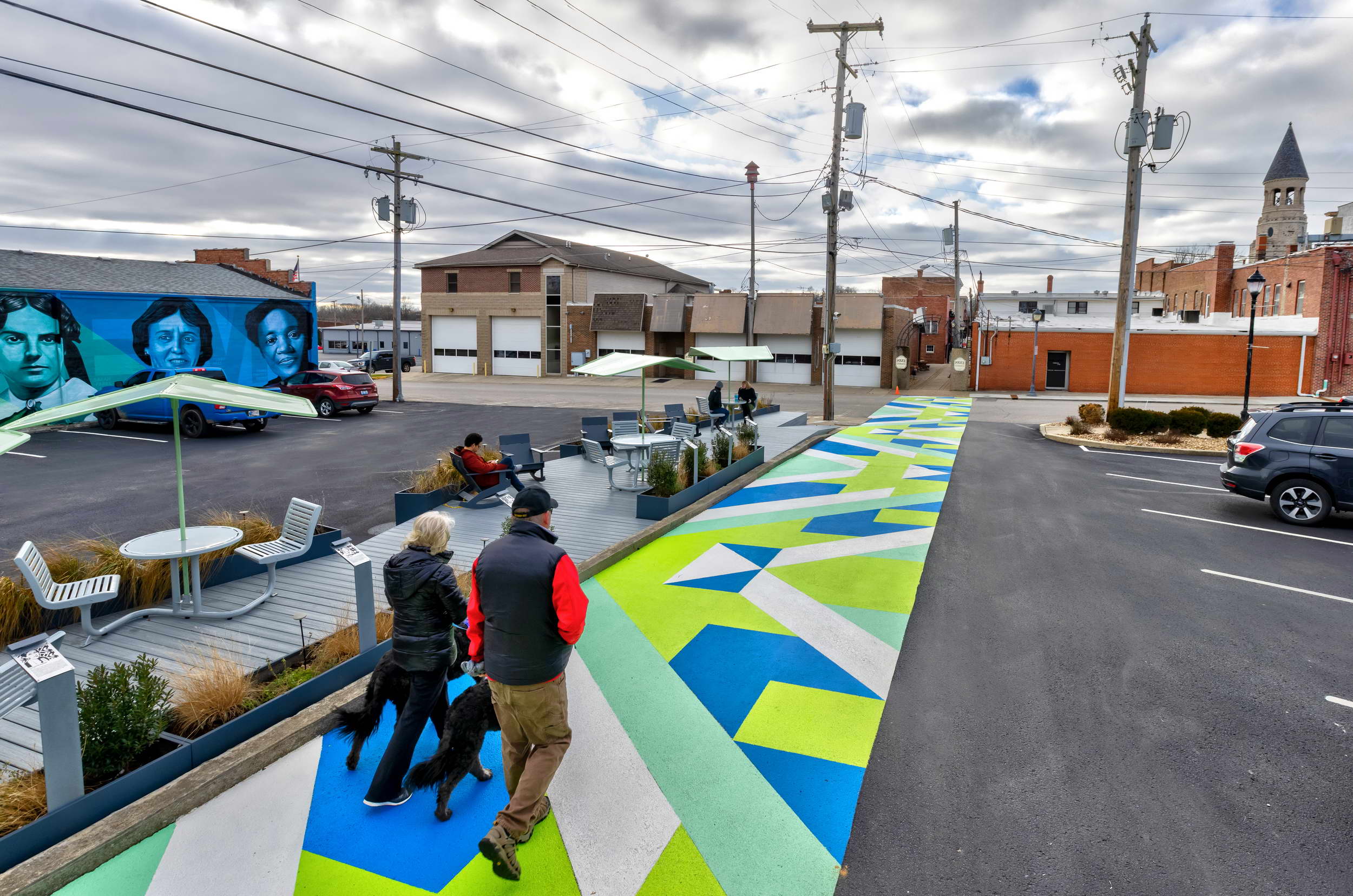
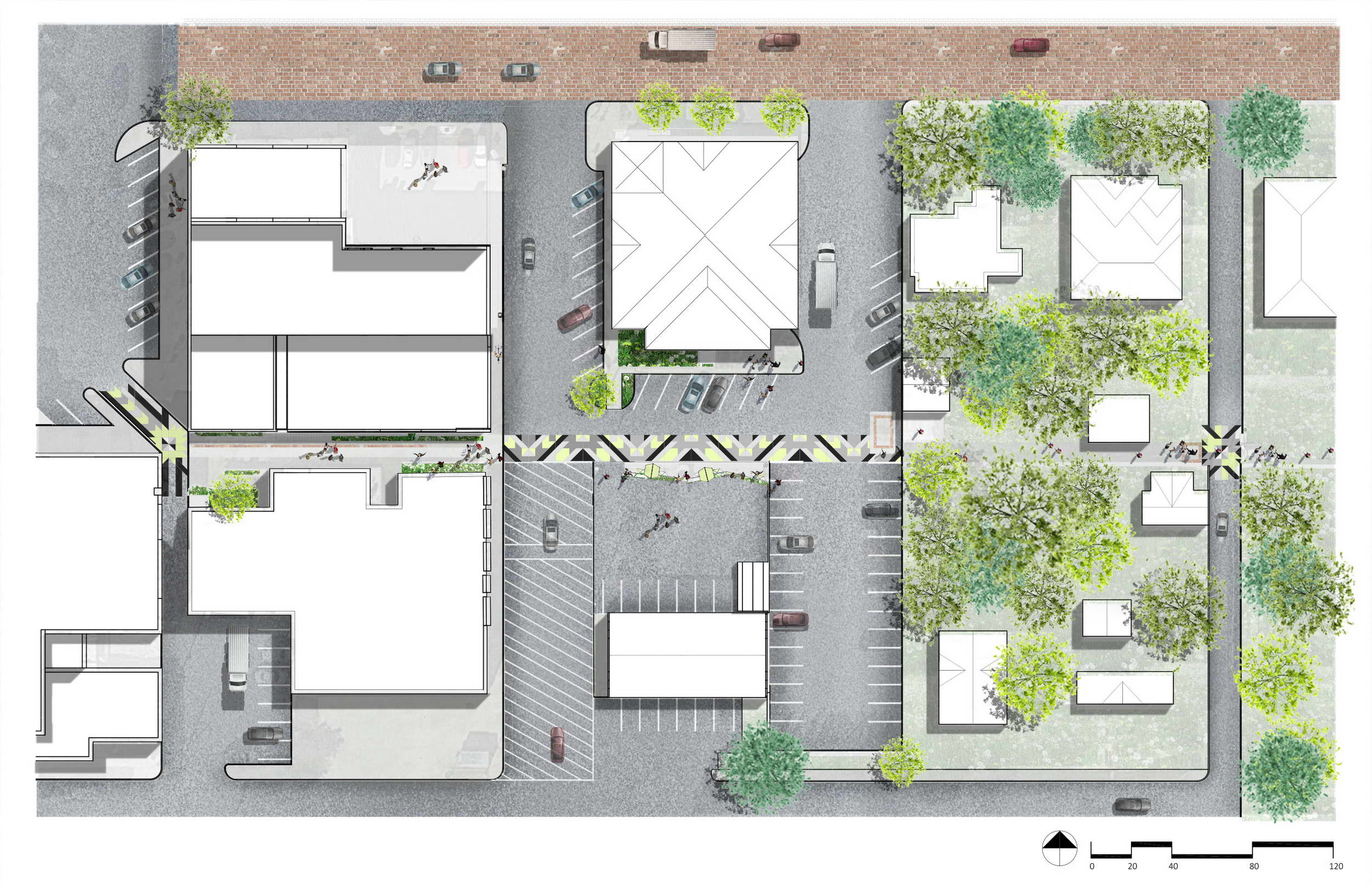
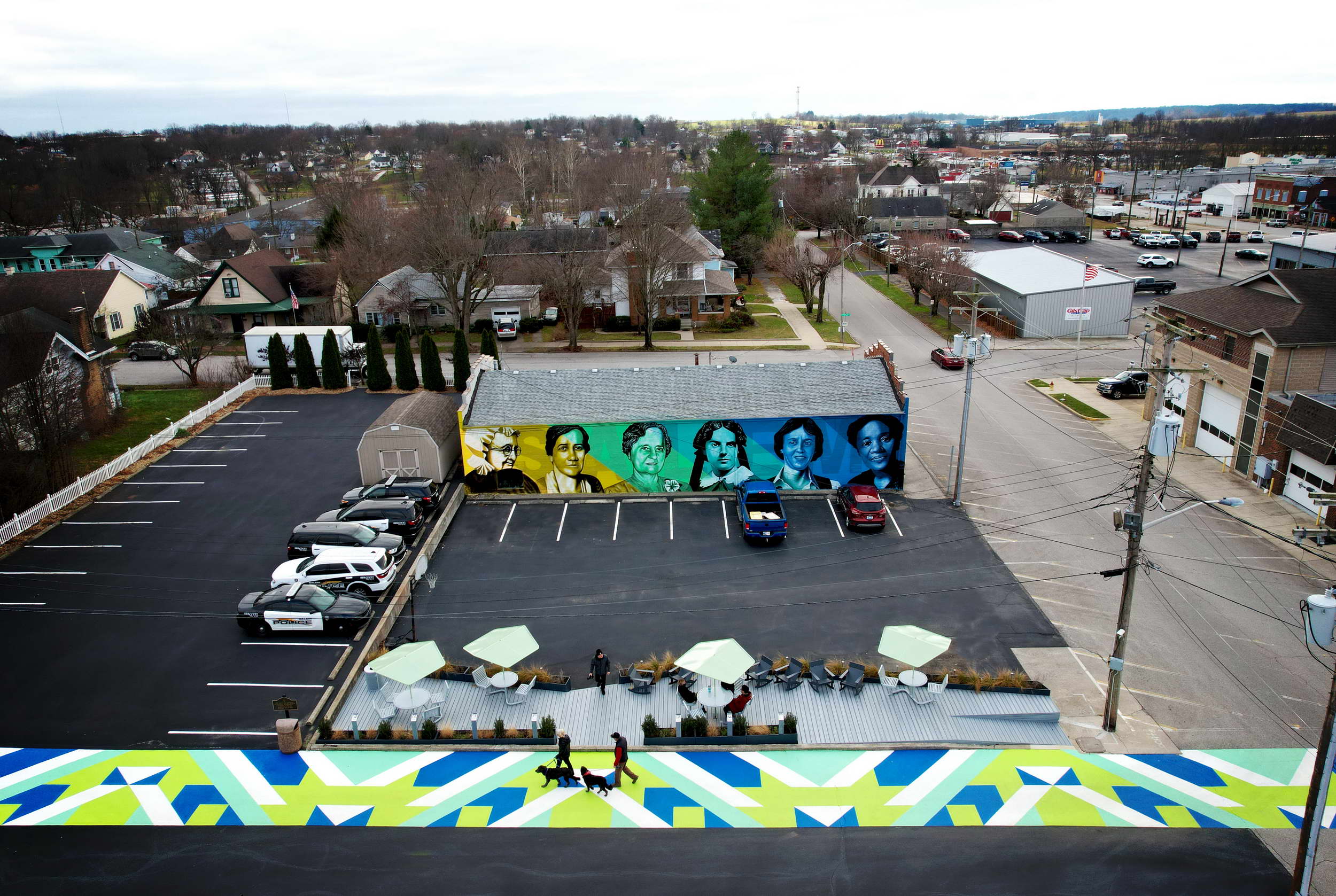
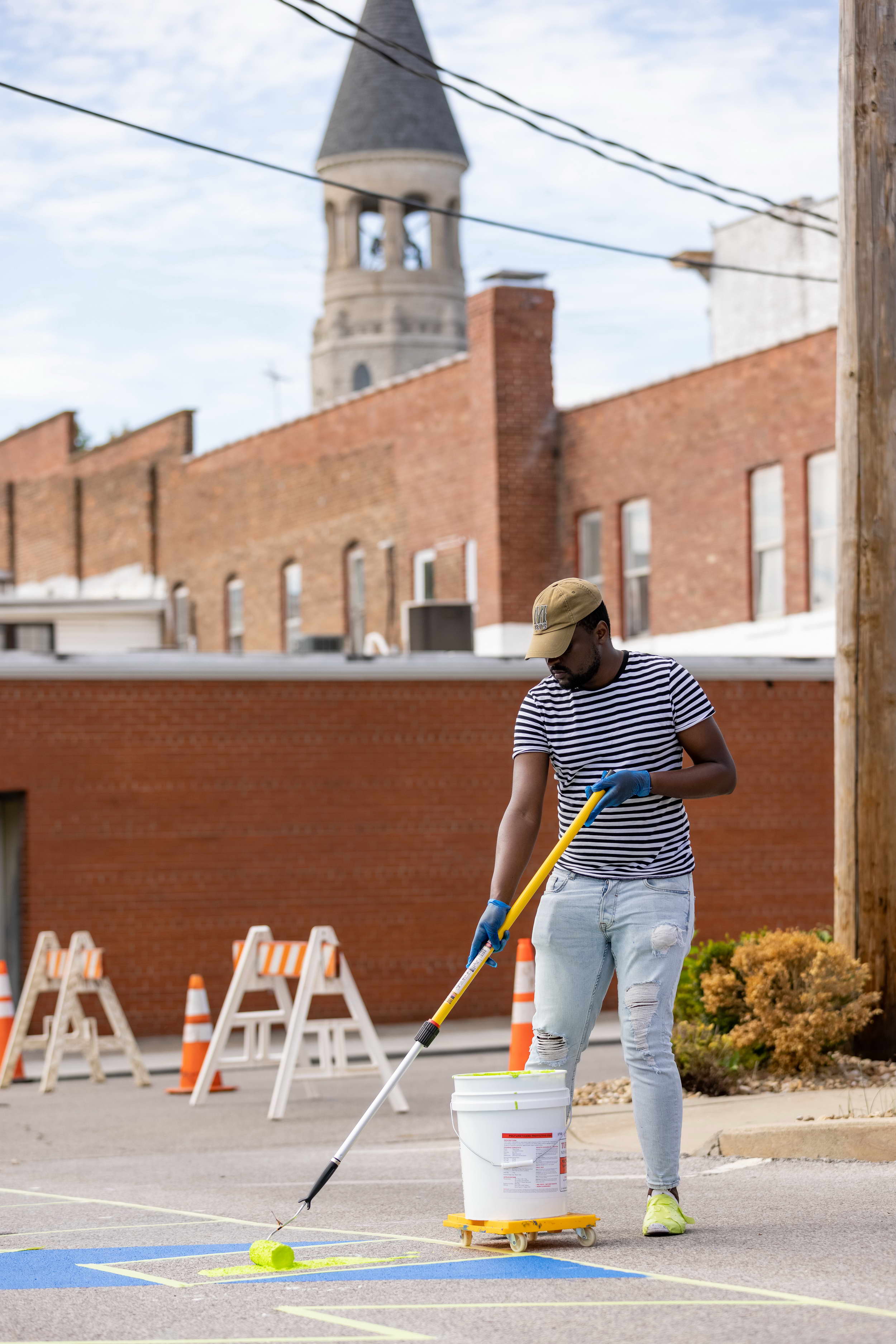
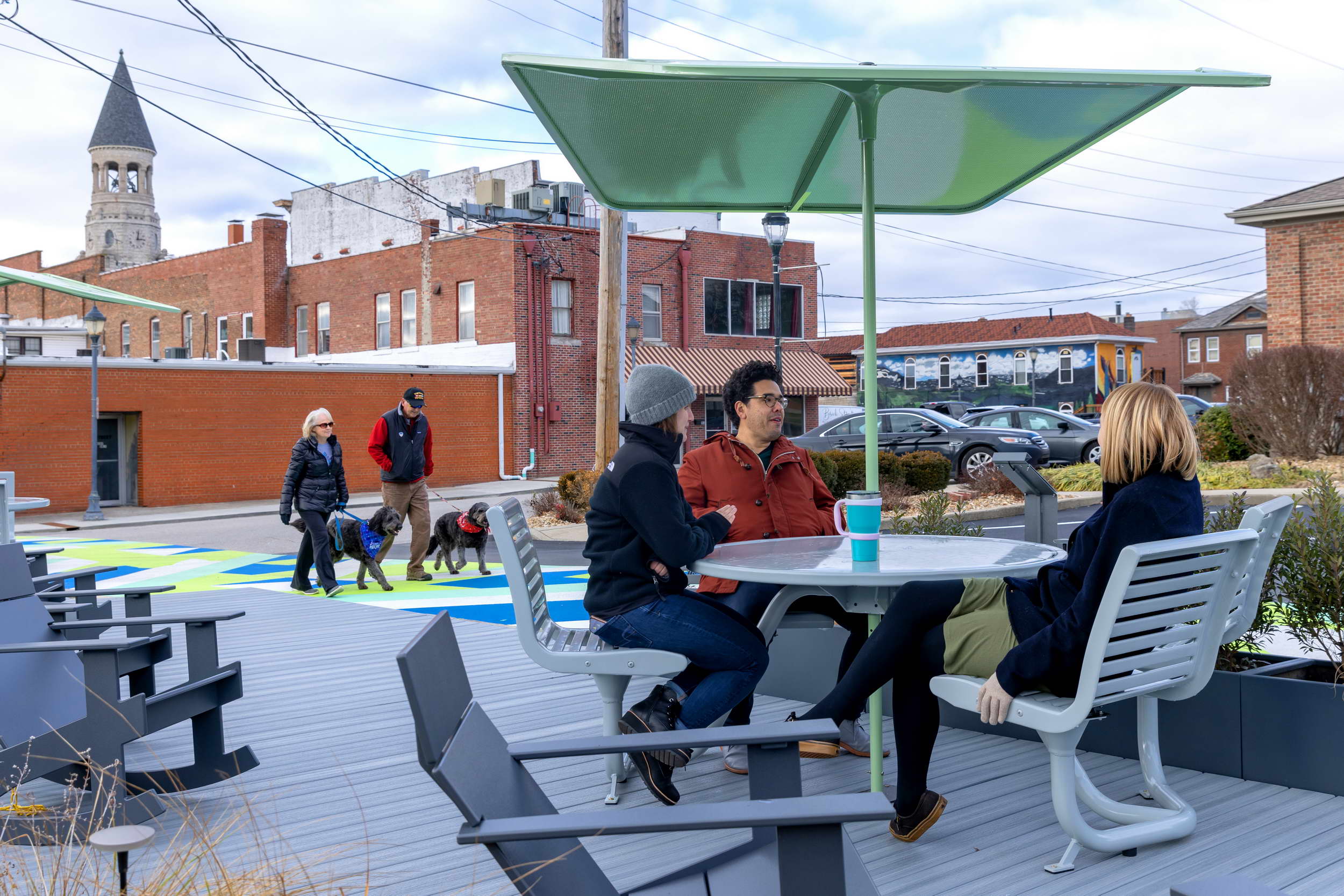
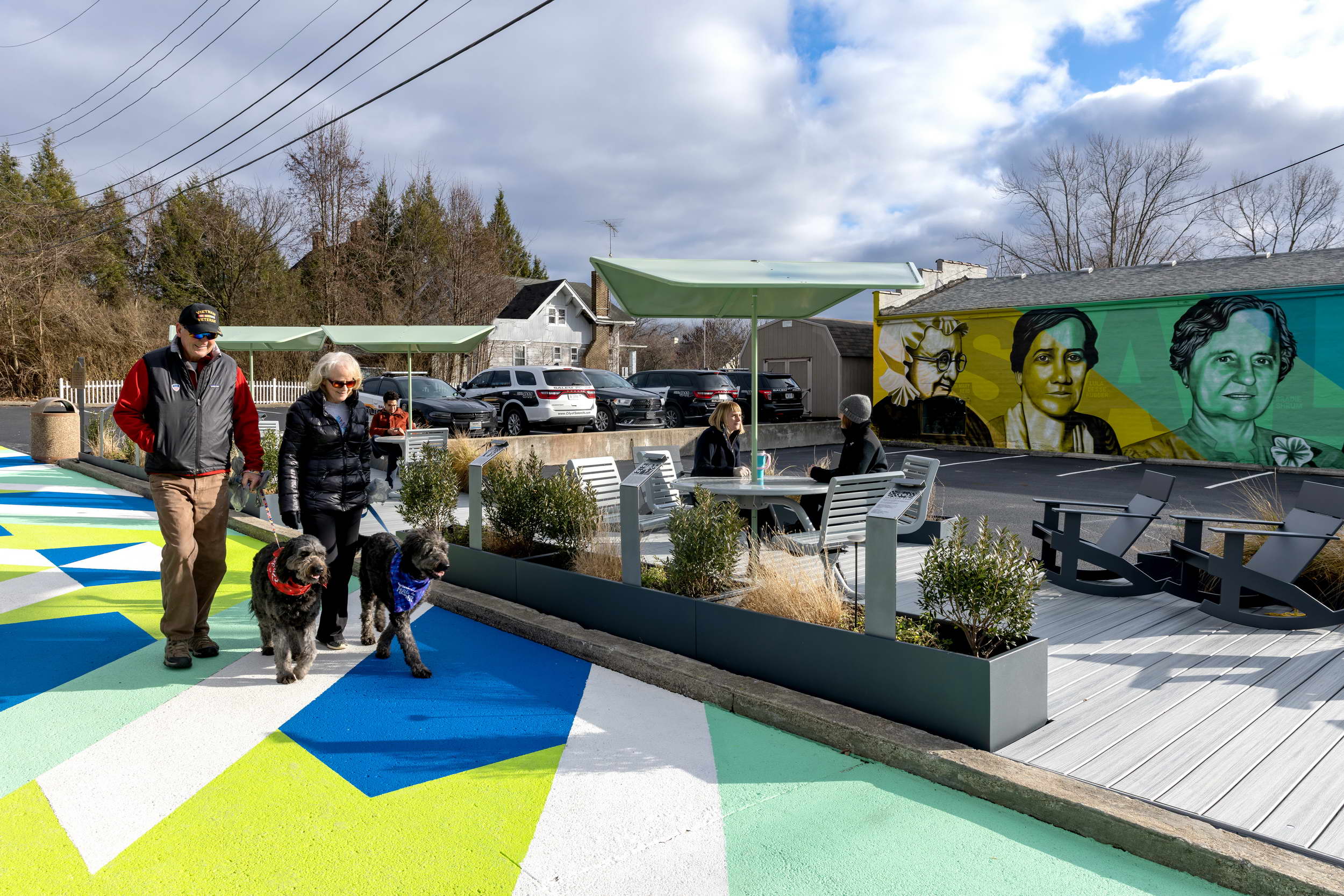
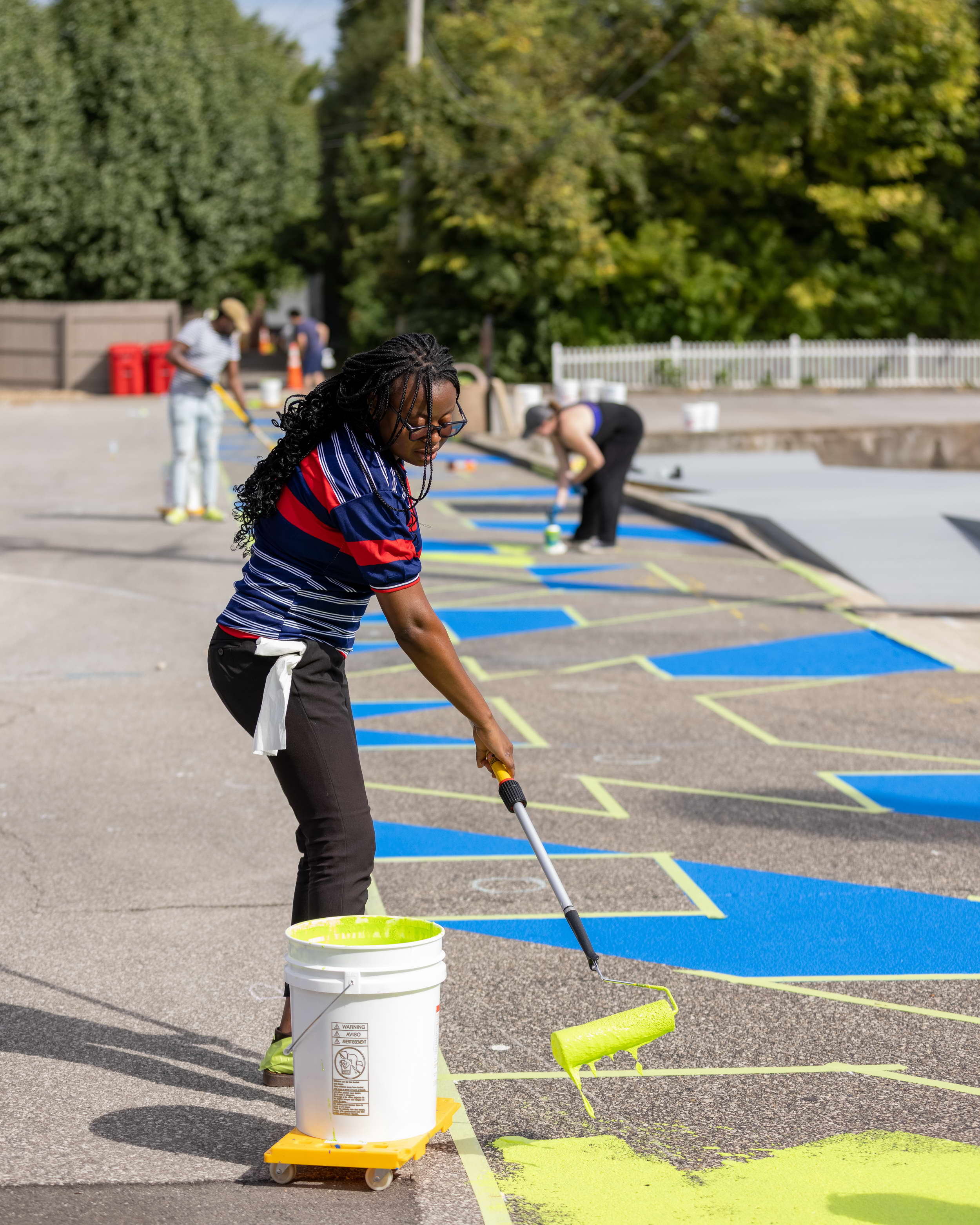
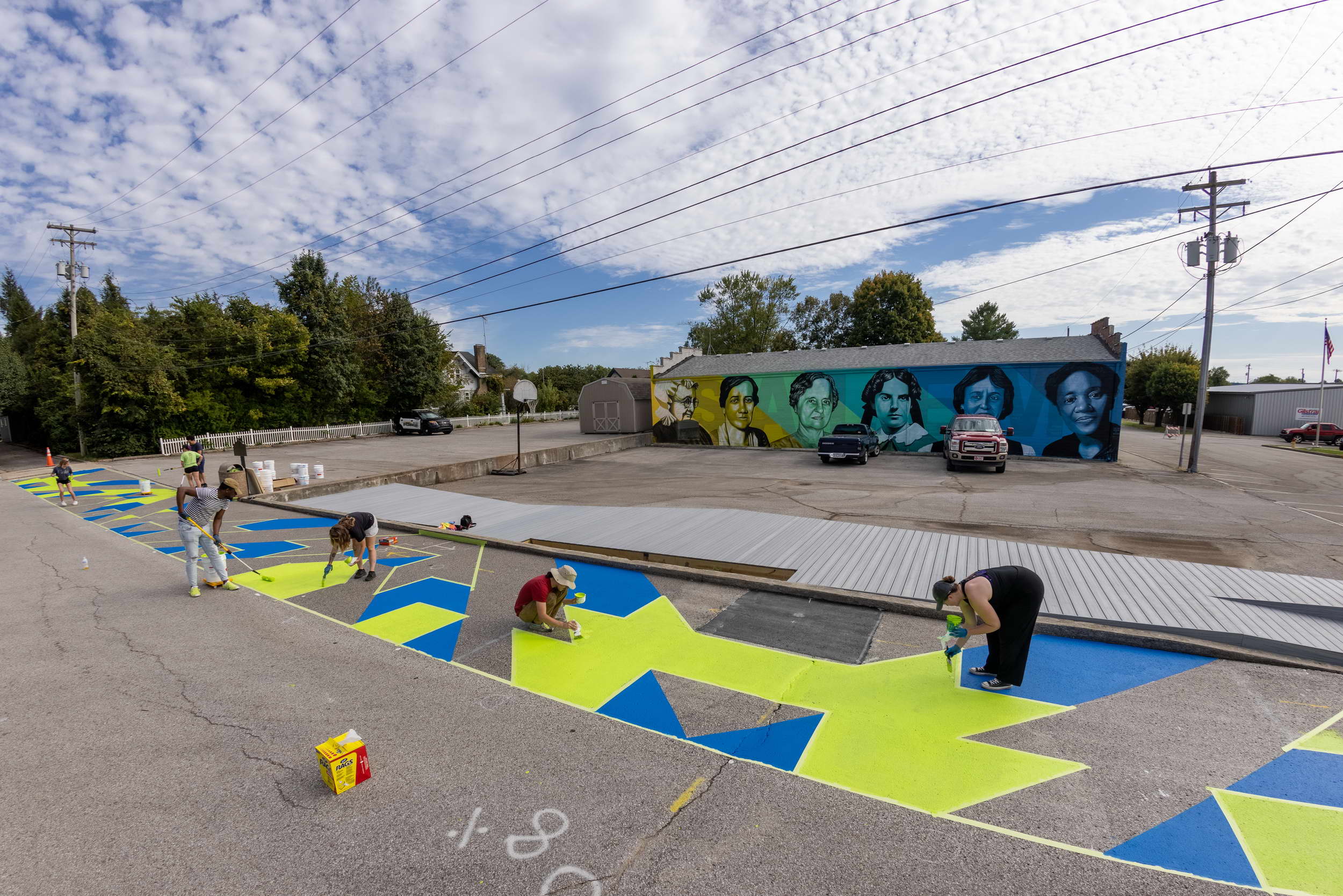
Salem, IN—Heritage Park, a new pocket parkdesigned by LAA Office, a Columbus, Indiana-based multi-disciplinary designstudio, is activated by public art and placemaking. The project stems fromIndiana University’s Center for Rural Engagement and ServeDesign Center, whofunded the initial study for the park and implementation funding was providedthrough a significant grant from Regional Opportunity Initiatives. LAA Office’sdesign creates a new, linear path between Salem’s Central Square and the JohnHay Center, a 5-acre campus with a historical museum and period buildings ownedand operated by the Washington County Historical Society. Heritage Park linksthese two landmarks that previously had no significant connection with anasphalt mural in vibrant shades of blue and yellow, and a new deck and gardenframed by a public artwork by the artist Rafel Blanco, honoring significantwomen in Washington County’s history. The design encourages pedestrians todiscover new parts of the city and to learn about pioneering women from Salemalong the way. Heritage Park continues LAA Office’s interest in repairing urbanfabric through public art and placemaking initiatives. Recently completed pastprojects of this type include their 6th Street Arts Alley project in Columbus,Indiana. Situated at the heart of the neighborhoodand across from City Hall, Heritage Park is designed as both a space forgathering and viewing art. LAA Office uses the term “Barn Quilt Urbanism”’ todefine their conceptual approach in Salem, which unites the landscape into anoutdoor museum or art trail. “Conceptually, we imagined the project as a way ofcreating a linear stitch in the town’s urban fabric. We were influenced by the regionalfolk art tradition of barn quilting,” says LAA Office Co-founder Daniel LuisMartinez. “Barn quilts are a rural phenomenon produced by the stewards of theland upon which they appear. We wanted to adopt the aesthetic language andorganizational framework of barn quilts in an urban setting because we knew itwould resonate with the citizens of Salem. ” LAA Office began by converting parkingspaces into public space and occupying various planes within the context:vertical (walls) and horizontal (ground). In doing so, the office creates athree-dimensional experience of art within the city. One artwork is apedestrian path that, in effect, becomes a form of wayfinding leading people tothe pocket park and cultural attractions in the town. Rafael Blanco’s muralfeaturing six pioneering women with roots to Washington County acts as a visualfocal point to be viewed from the new pocket park. The emerging studio also designed anelevated deck across from Salem’s City Hall that is accessible from the new pedestrianpath and surrounded by a perennial garden set within powder-coated, aluminumplanters. The public artworks are then coupled with public amenities, likegarden elements, tables and seating. Says LAA Office Co-founder Lulu Loquidis,“We worked with the stakeholders to select fun, contemporary furnishings thatwould make the park a popular gathering space. One of the biggest comments fromstakeholders on our team was Salem’s lack of public seating and places wherefolks might meet a friend for lunch or a coffee outdoors. We wanted to providethat for them within the context of new public artworks. ” C. A. A. Implementation of the barn quilt pattern onthe ground in Salem was completed by LAA Office with the help of communitymembers and students from Indiana University (where Martinez teaches). Volunteers mingled with students, each learning from one another and about thestories of strong, female role models with ties to Salem. The six women honoredby Rafael Blanco’s mural include Sarah Parke Morrison, who was the first femalegraduate of Indiana University and subsequently their first female facultymember. The mural also features Emma Christy Baker (first black, female policeofficer of the Indianapolis Police Department), Lula “Desse” Rudder (firstlicensed female pharmacist in Indiana), Terry Hall (a highly successfulN. C. A. A. women’s basketball coach), Dr. Mary Reid Lusk (a self-madeneighborhood doctor and participant in the region’s underground railroadoperations), and Bradie Shrum (a dedicated child educator and namesake of thelocal elementary school where she taught for 60+ years). Say Loquidis and Martinez, “We seestitching as a way of mending urban voids and bringing elements once separatedby that void together. Using this framework, we also realized that the stitchitself has the capacity to become a pathway or trajectory, since it constitutesa new physical element within the urban fabric. ” Project Information: Name: Heritage Park Location: Salem, Indiana Year Completed: 2021 Type: Pocket Park Size: 1,000 sf pocket park + 4,500 sf ofpublic artworks Client: City of Salem Funding & Supporters: RegionalOpportunity Initiatives, Indiana University Center for Rural Engagement,Indiana University ServeDesign Center, Washington County Community Foundation,Hoosier Uplands, City of Salem, Washington County Historical Society,Washington County Chamber of Commerce, Washington County Tourism, WashingtonCounty Family YMCA, Adrienne Brooke Salon, Lisa Fleming Project Credits: Design: LAA Office Design Team: Daniel Luis Martinez, NOMA(co-founder), Lulu Loquidis Martinez, PLA, ASLA, (co-founder), Jess Novitski,Priscilla Rocha, Stacy Hardy, Shorf Afza, Alyssa Bullock Muralist (AB SalonBuilding): Rafael Blanco Construction: Tovey Perry Co. Project Materials: Composite Decking byTrex Seating, Tables, and Planters by Anova Furnishings Rockers by Loll SunShades by Landscape Forms





 Editor's Pick
 Latest Design