Text description provided by the architects
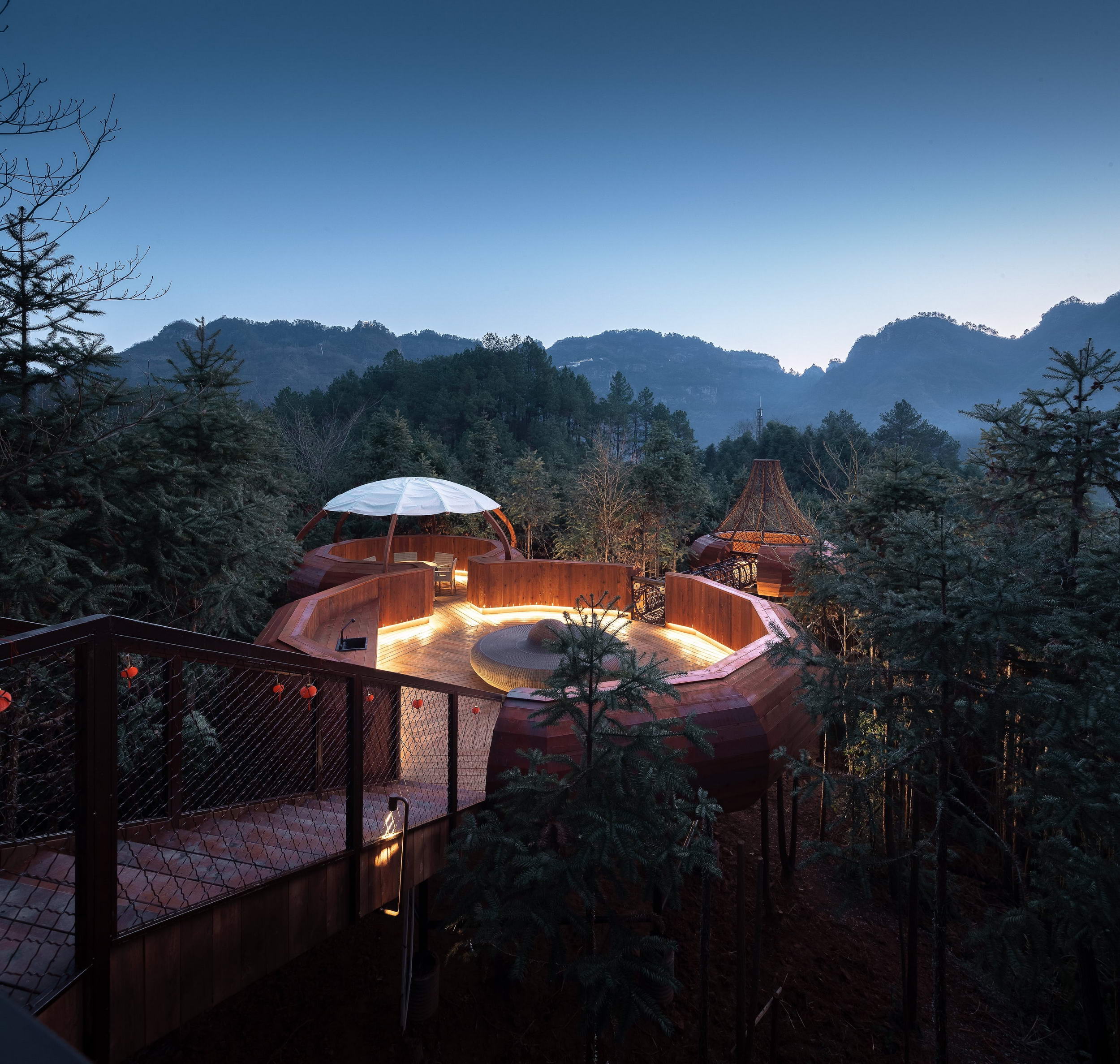
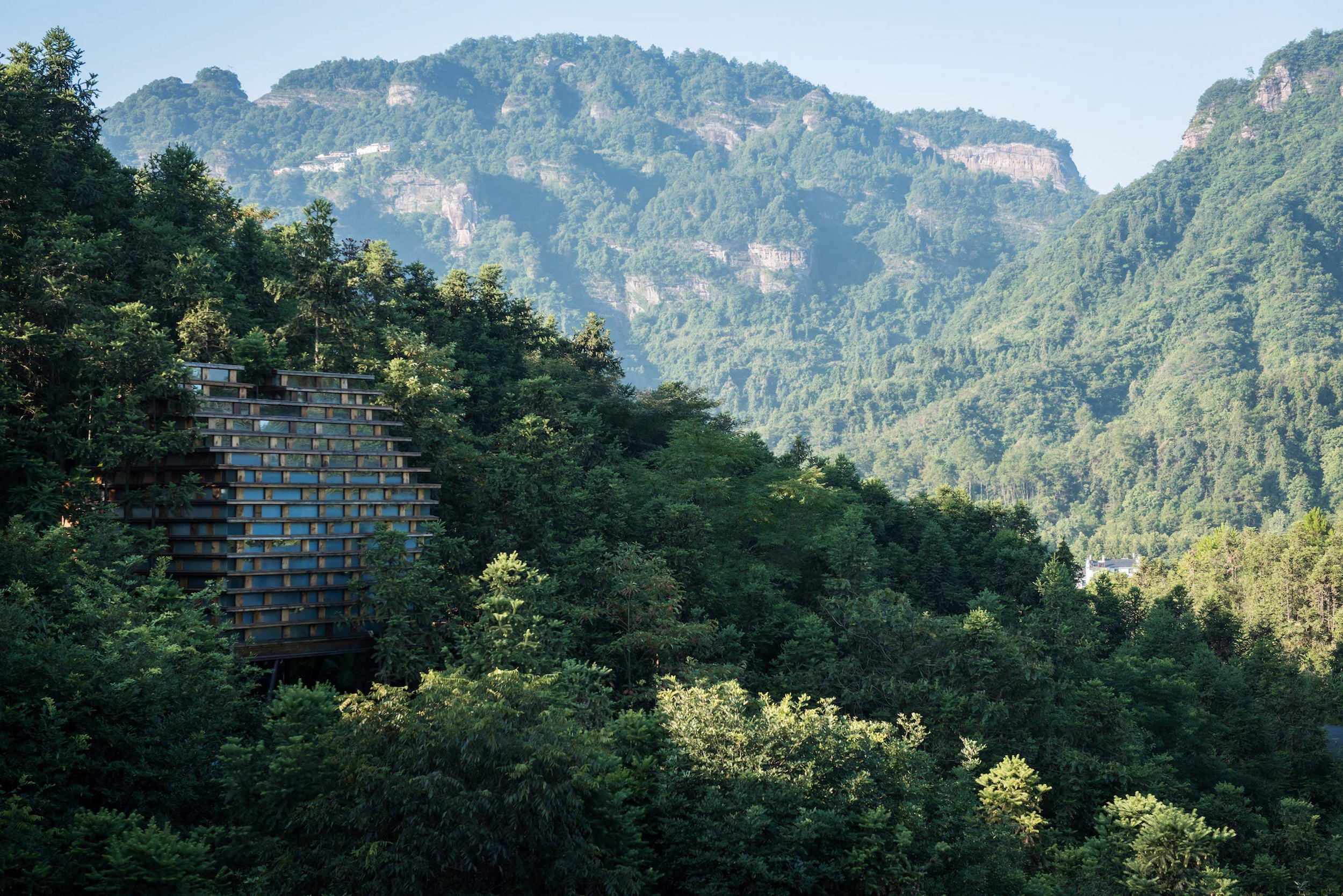
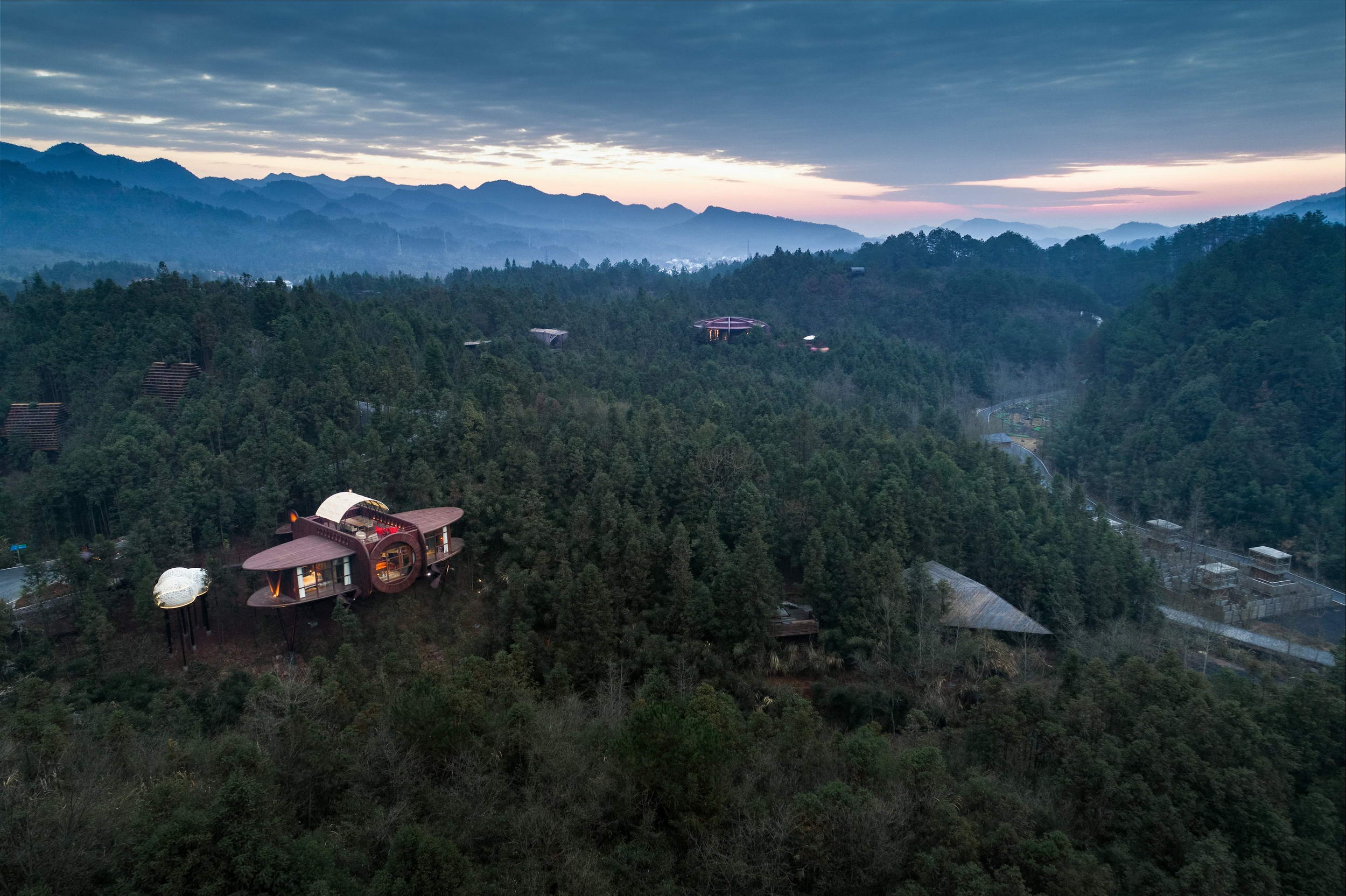
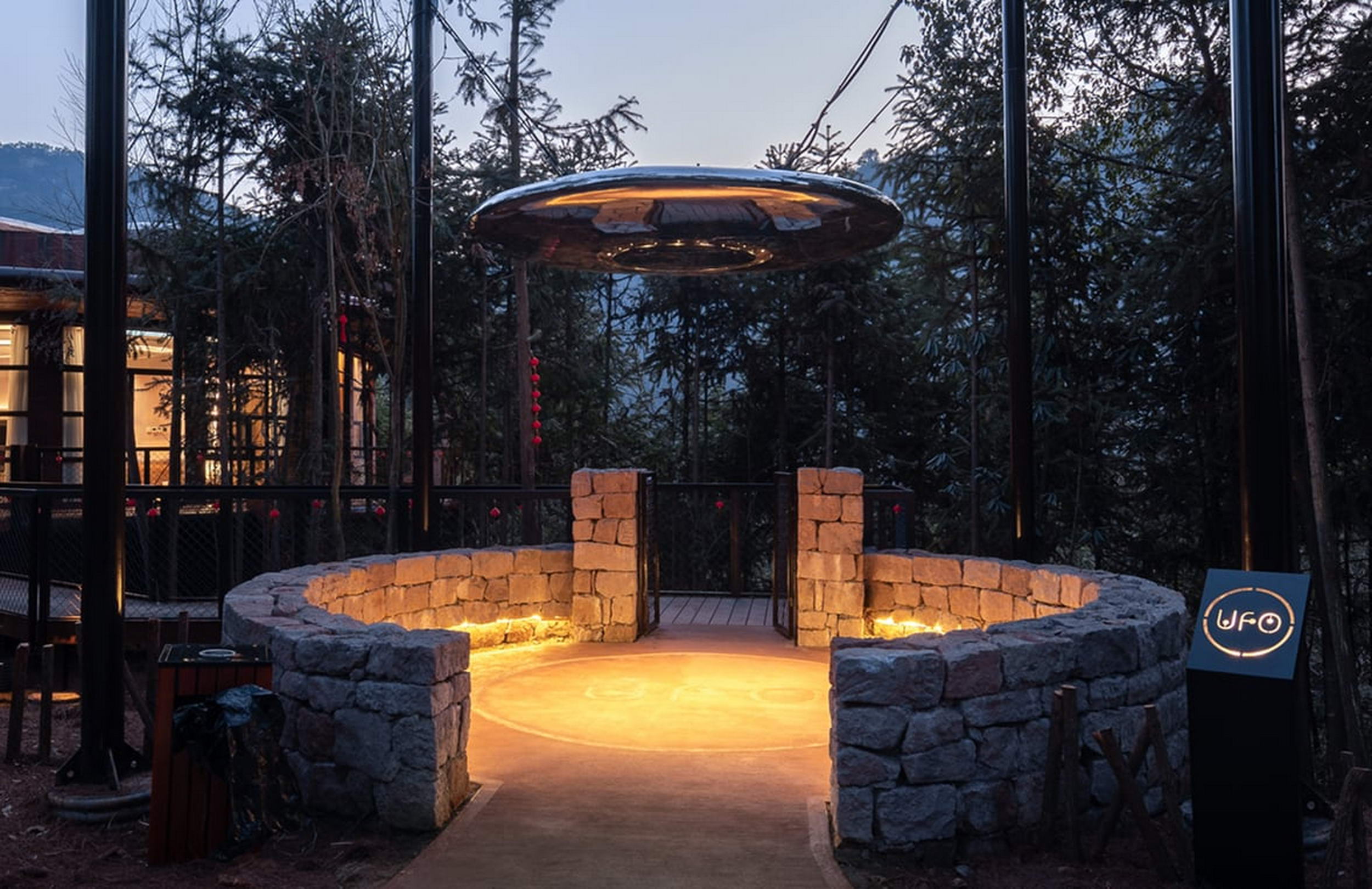
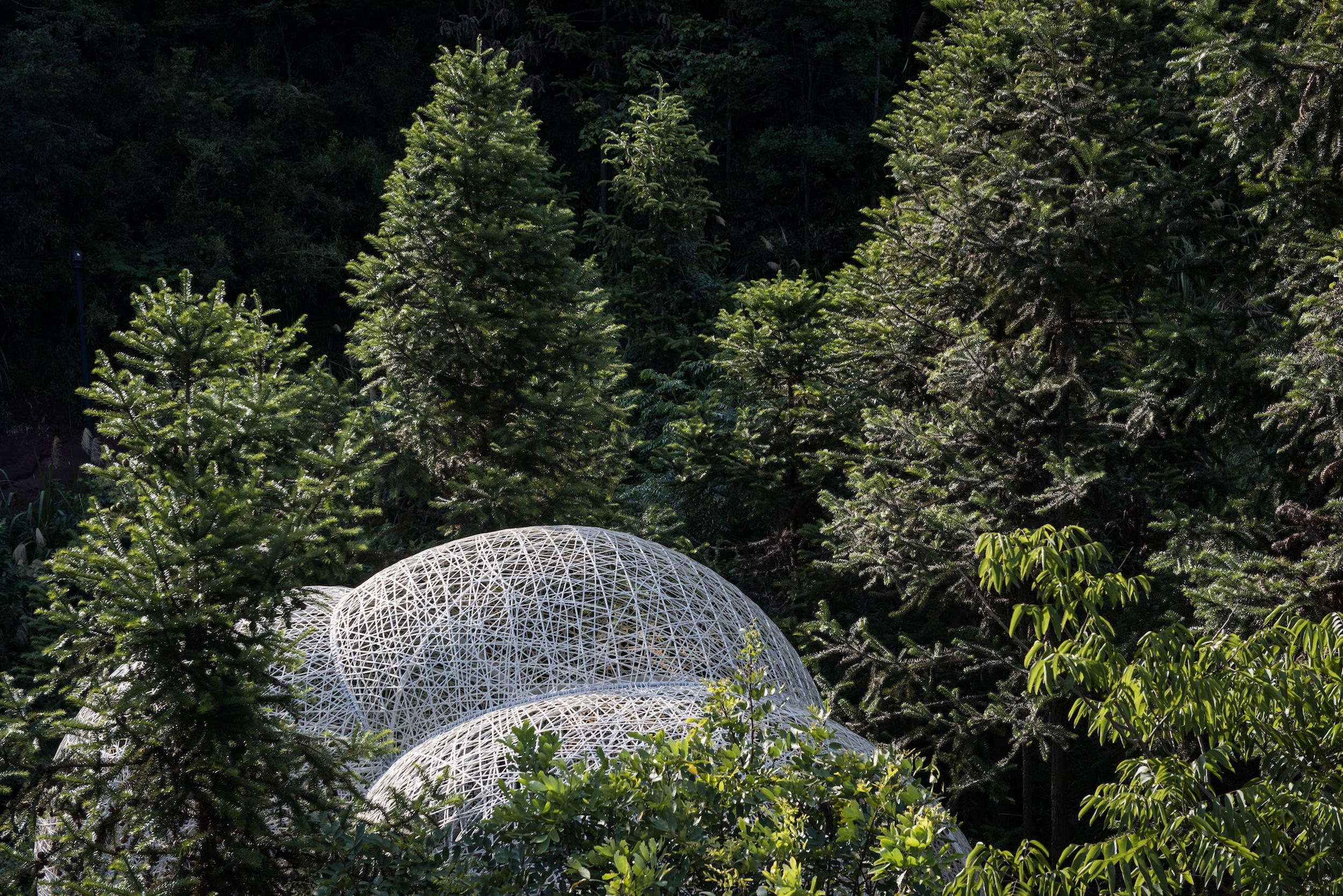
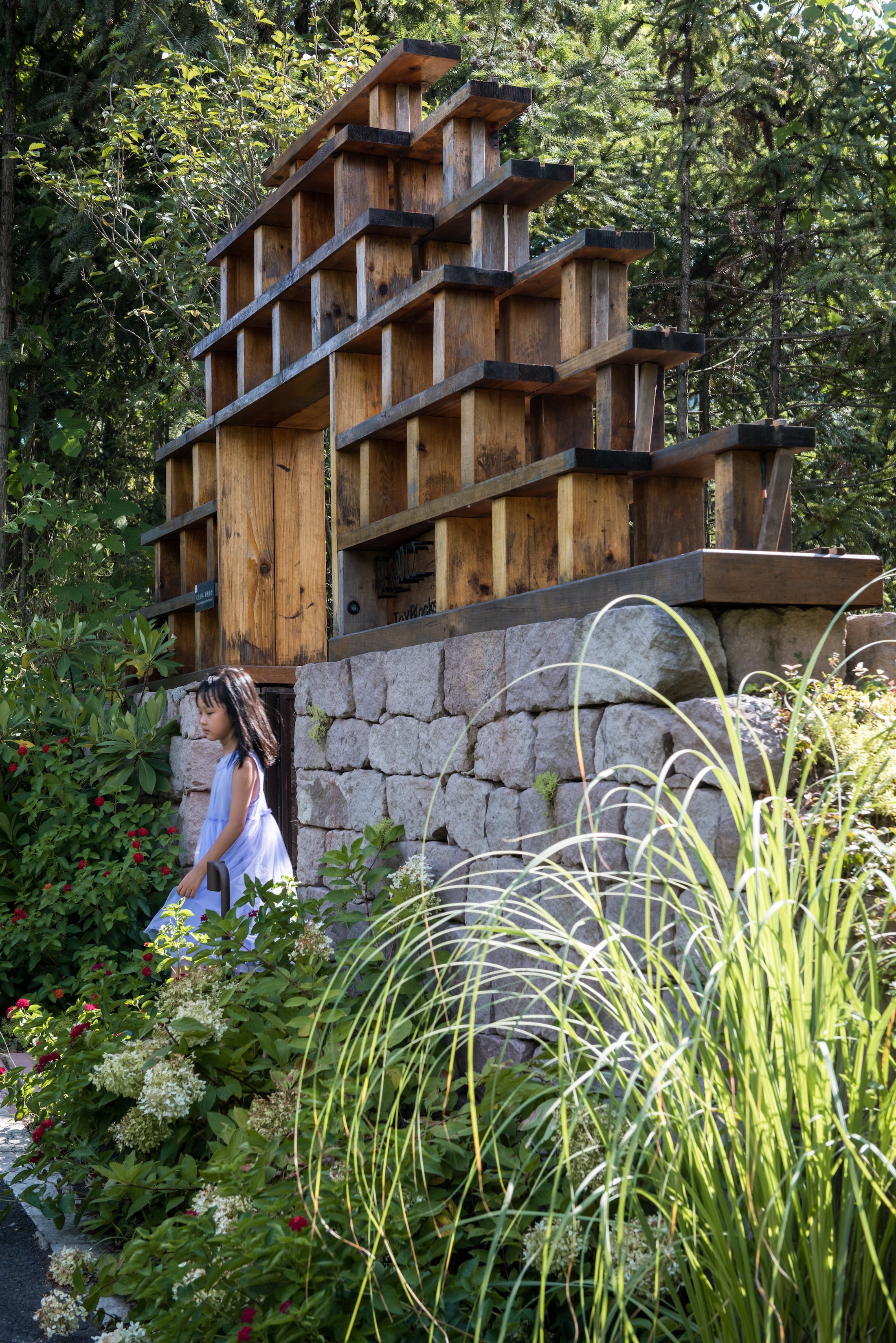
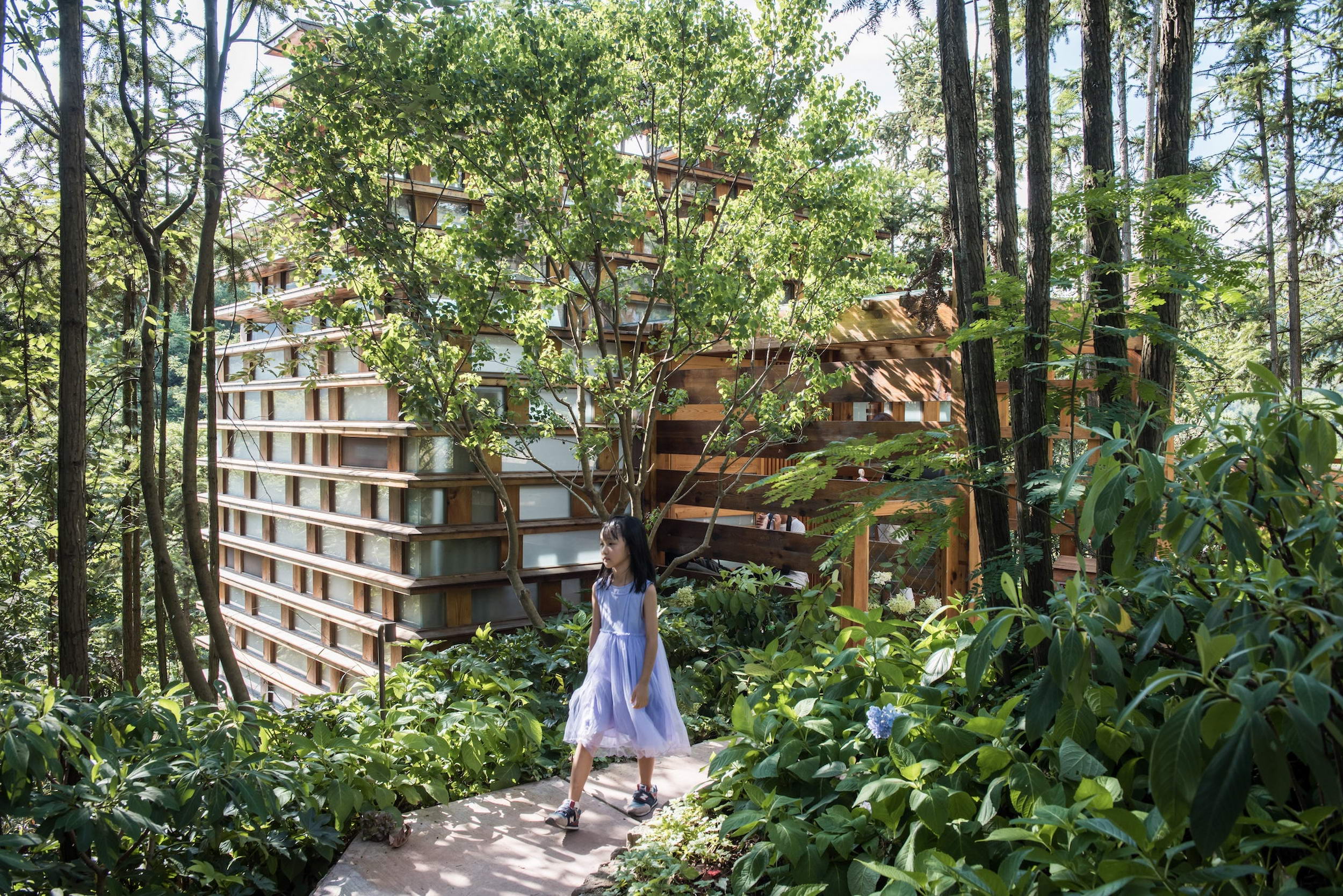
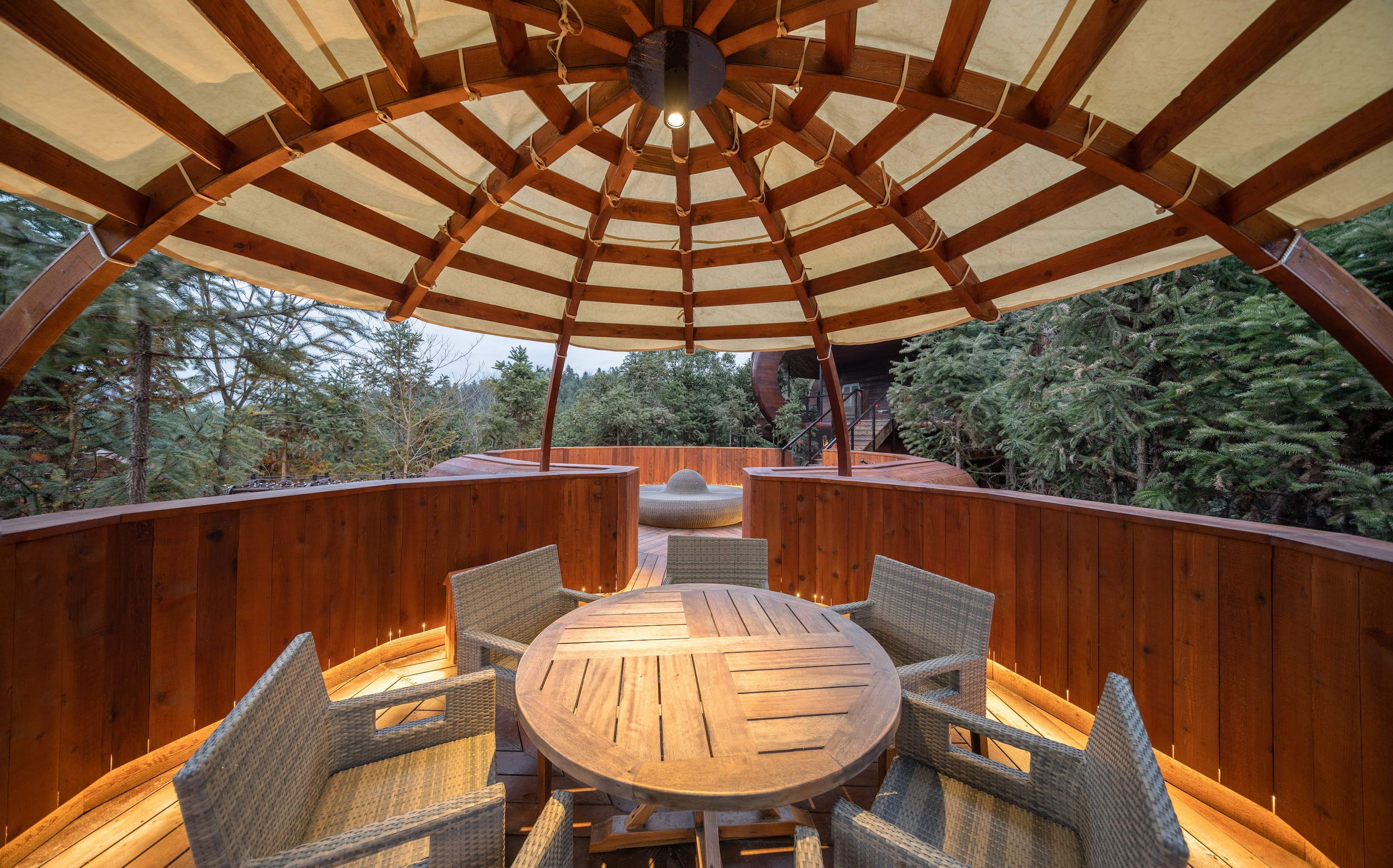
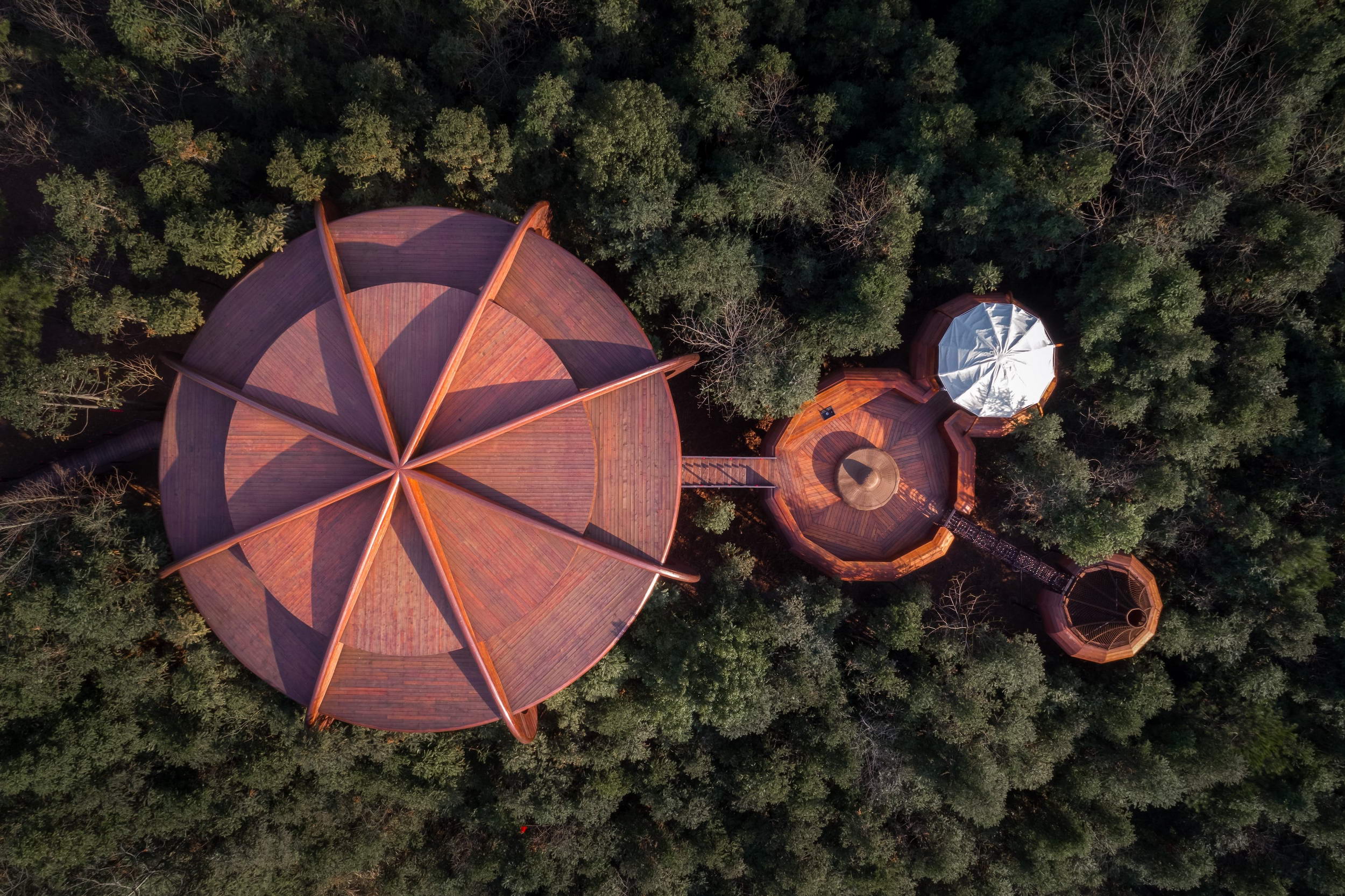
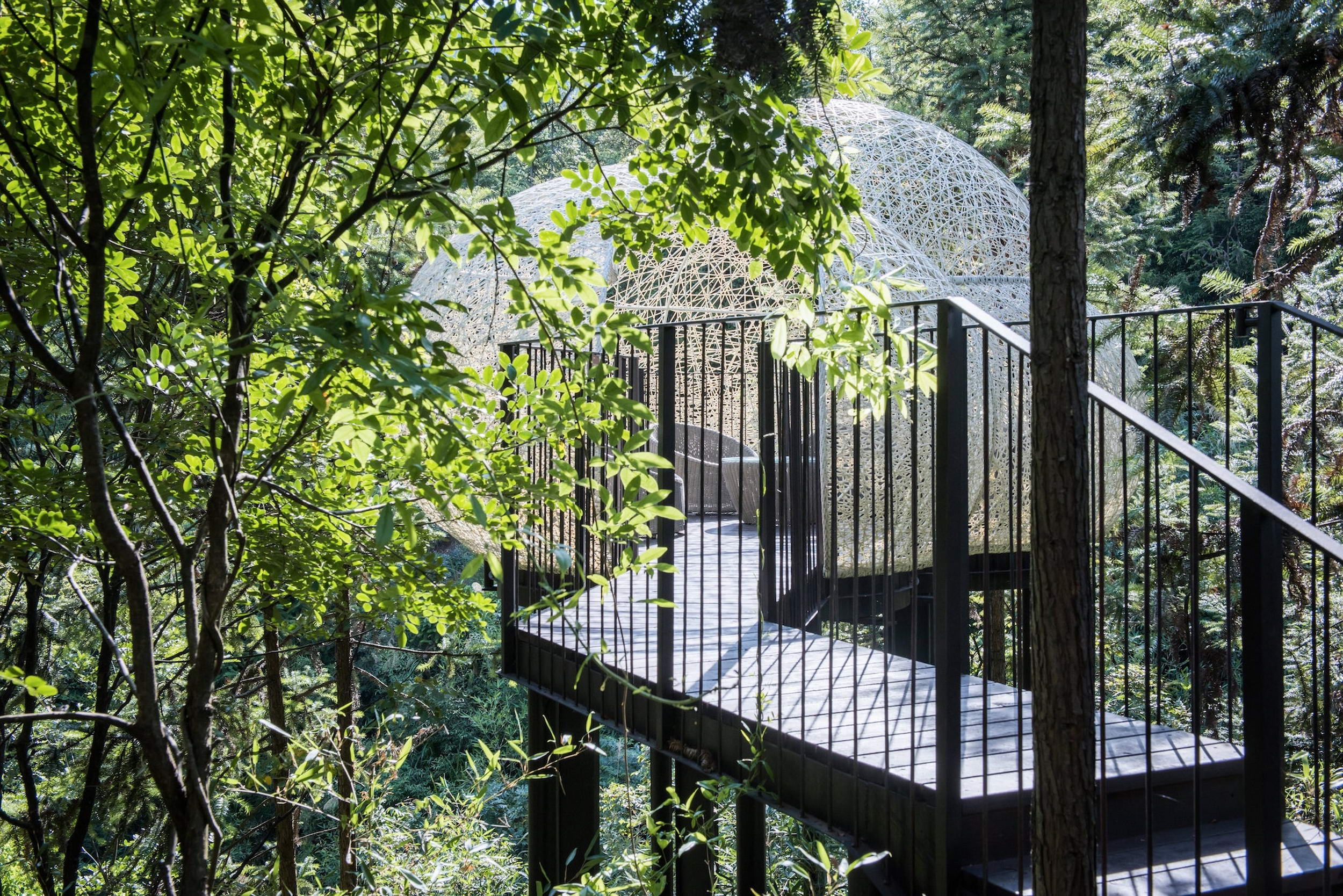
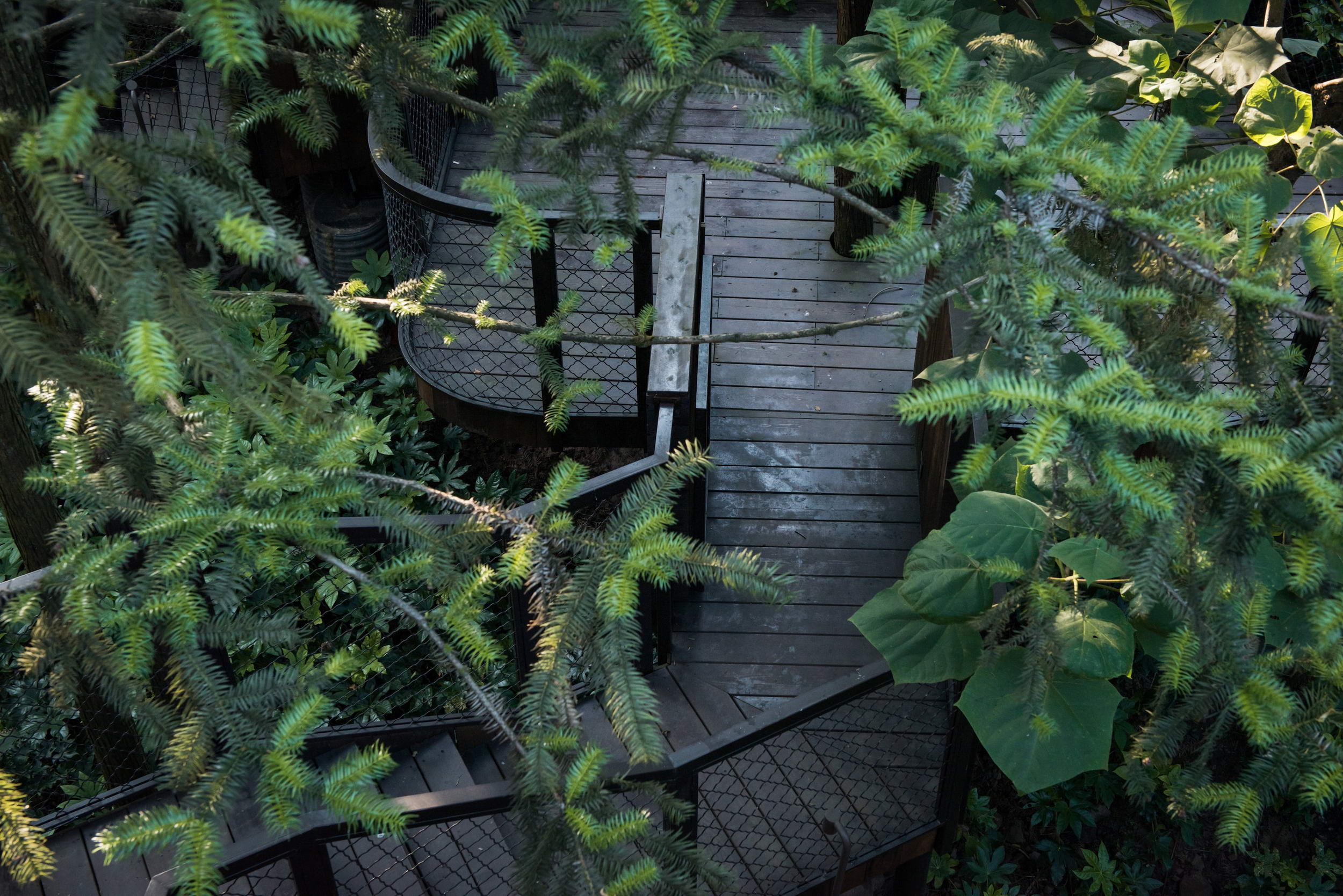
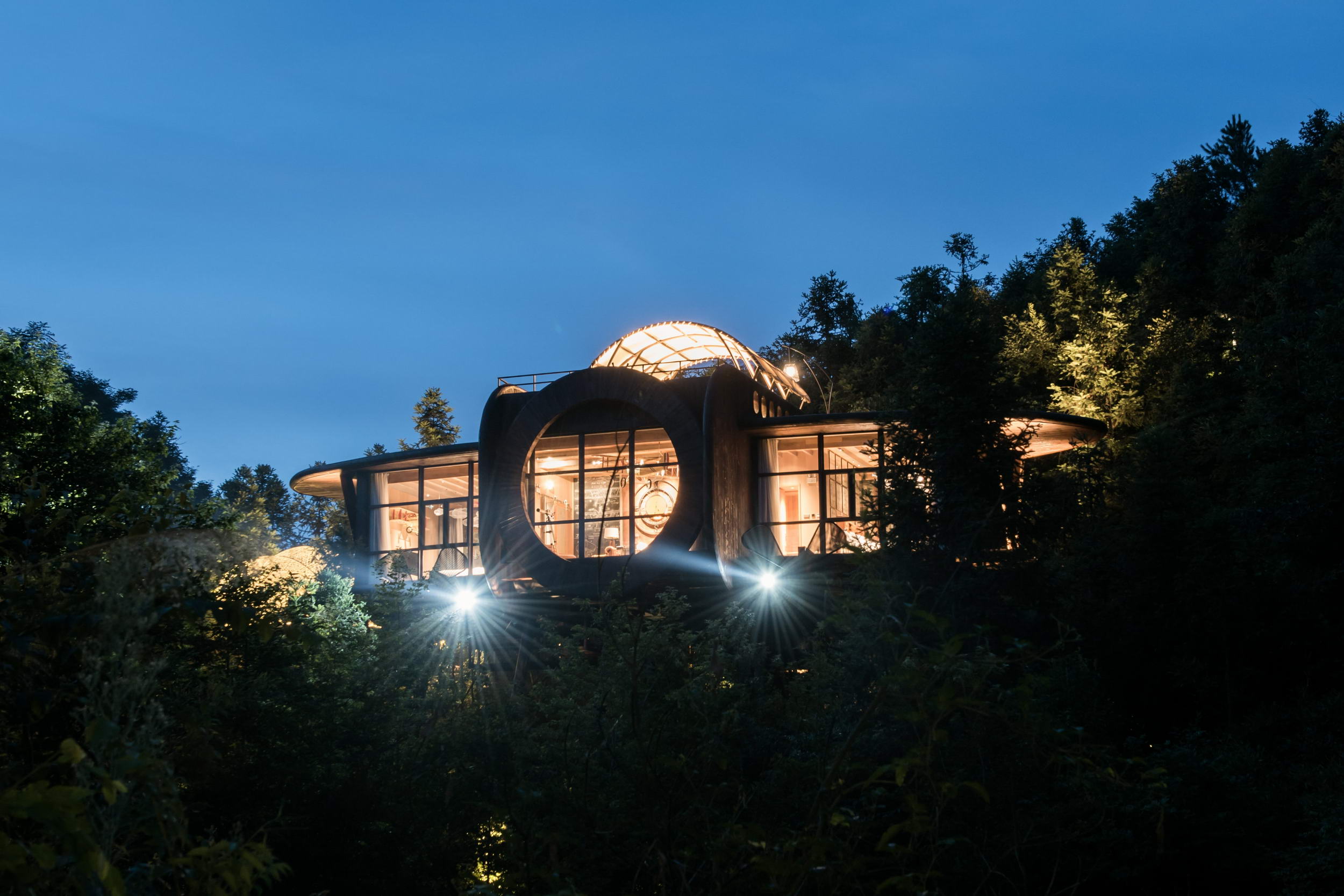
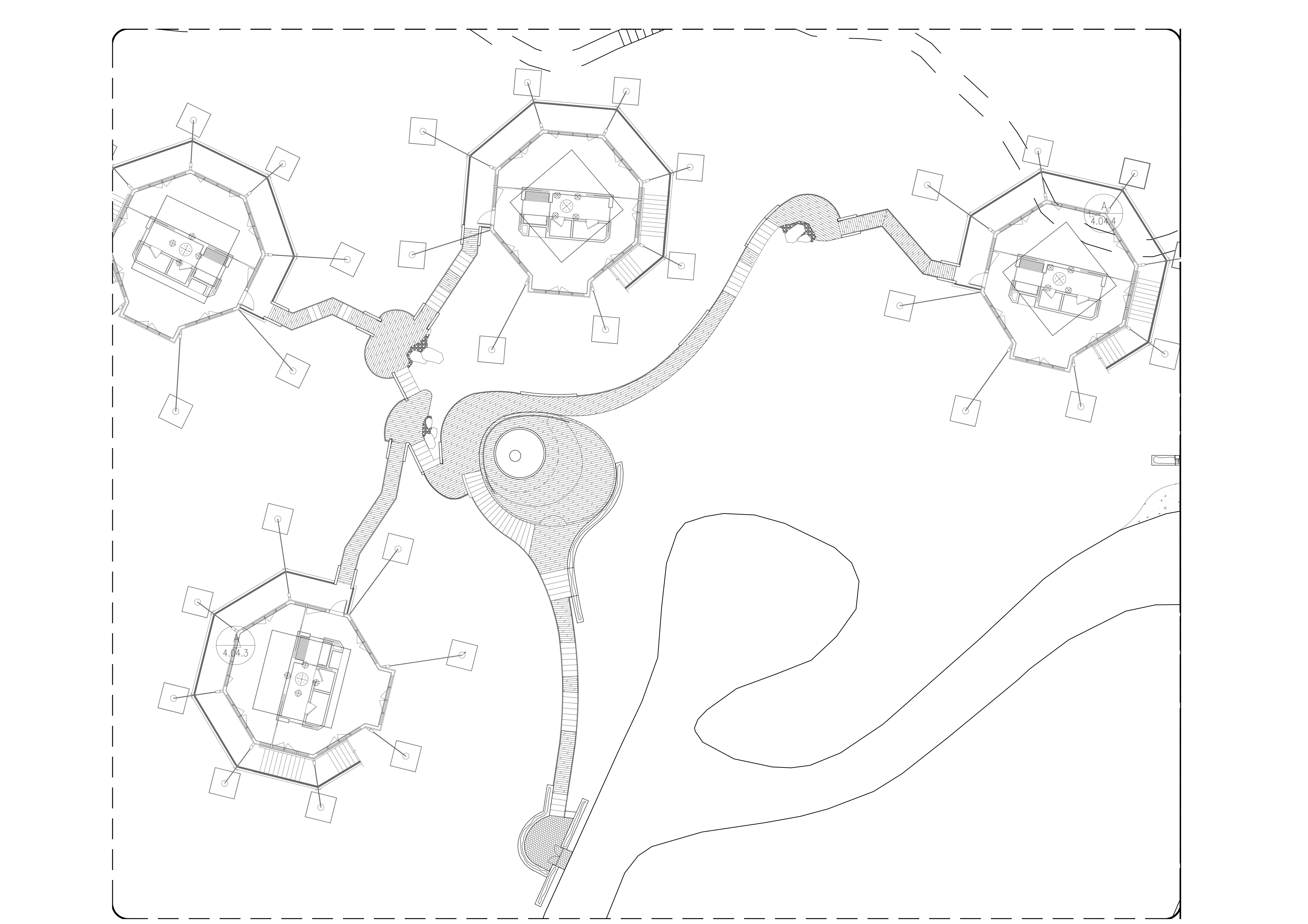
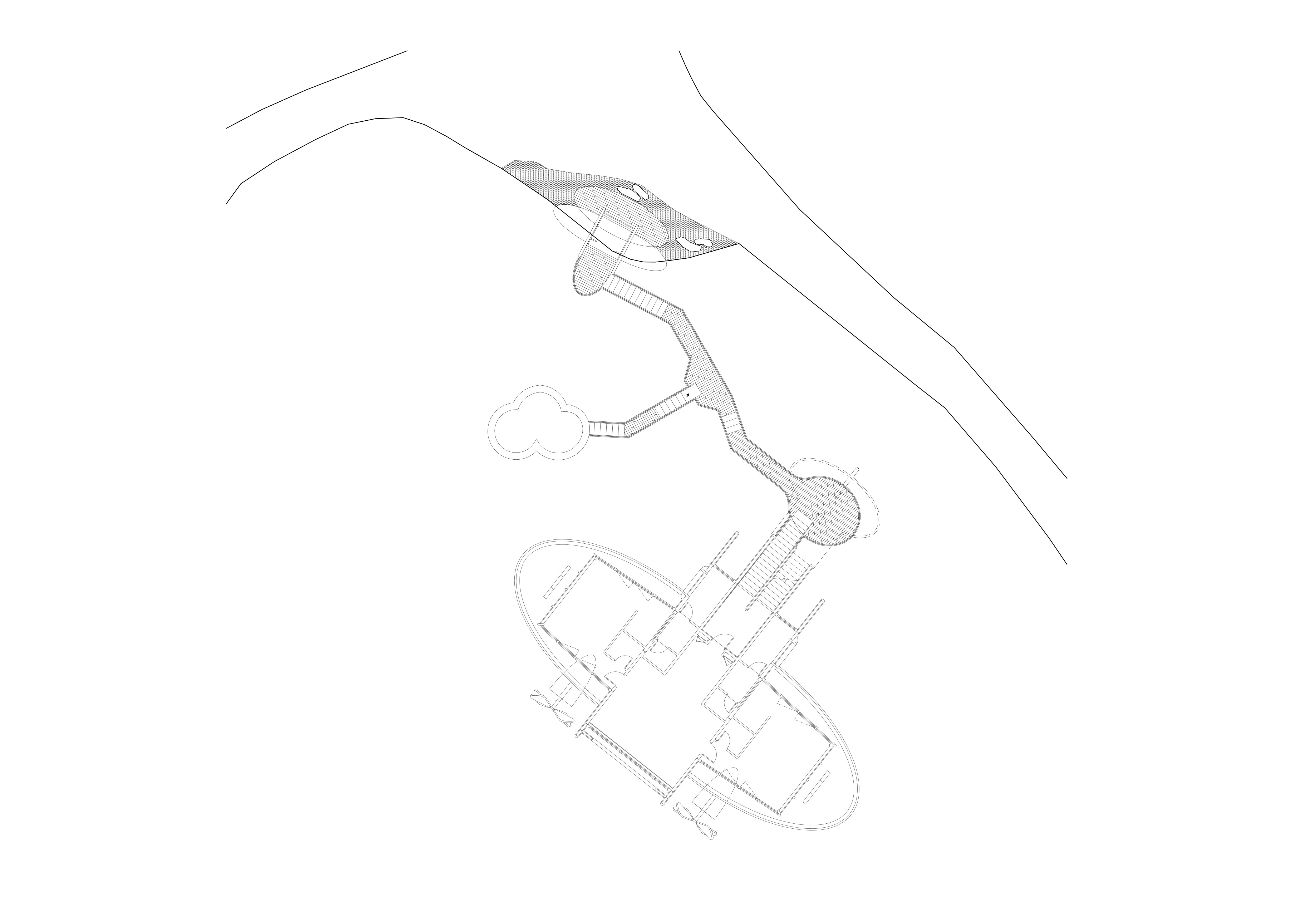
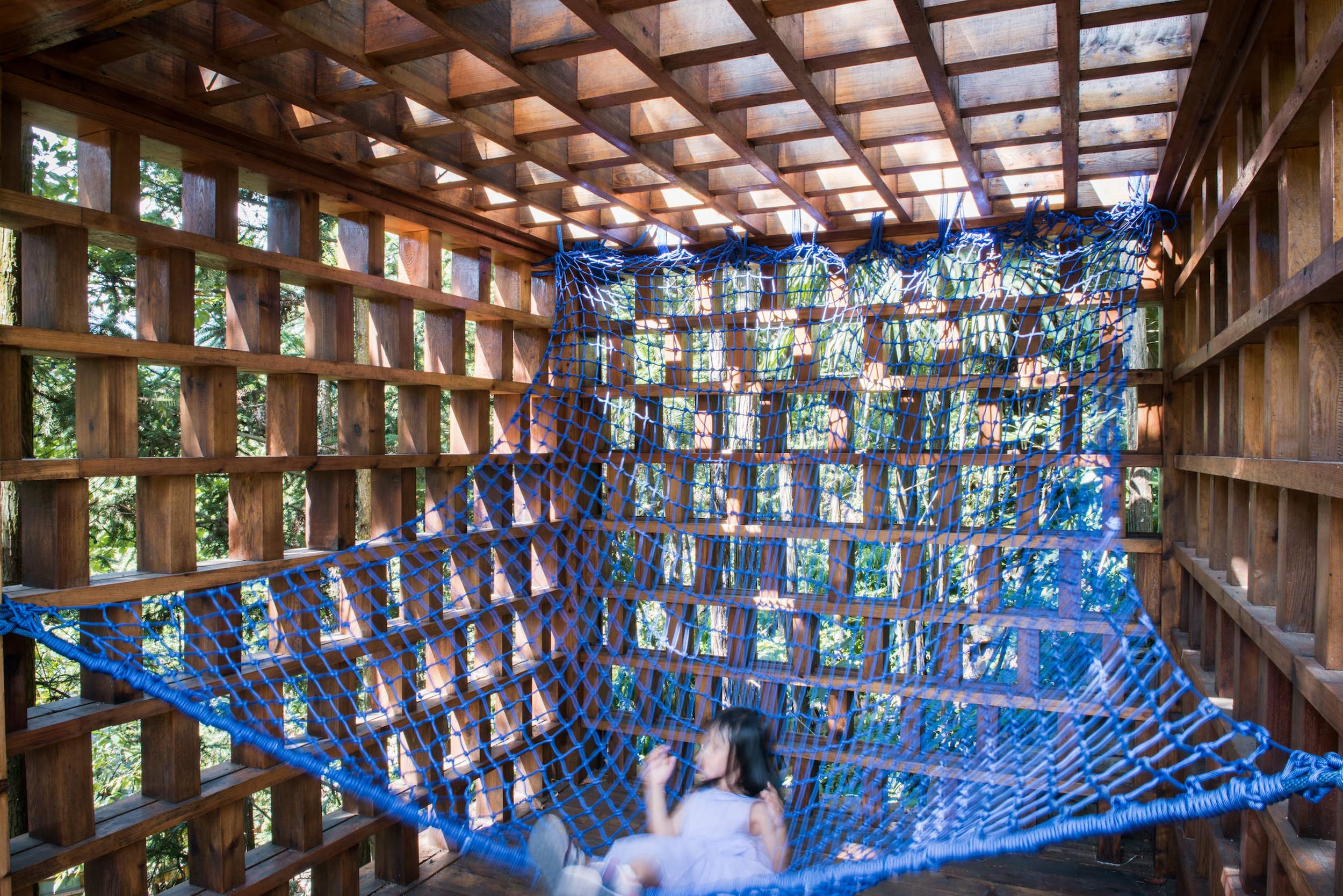
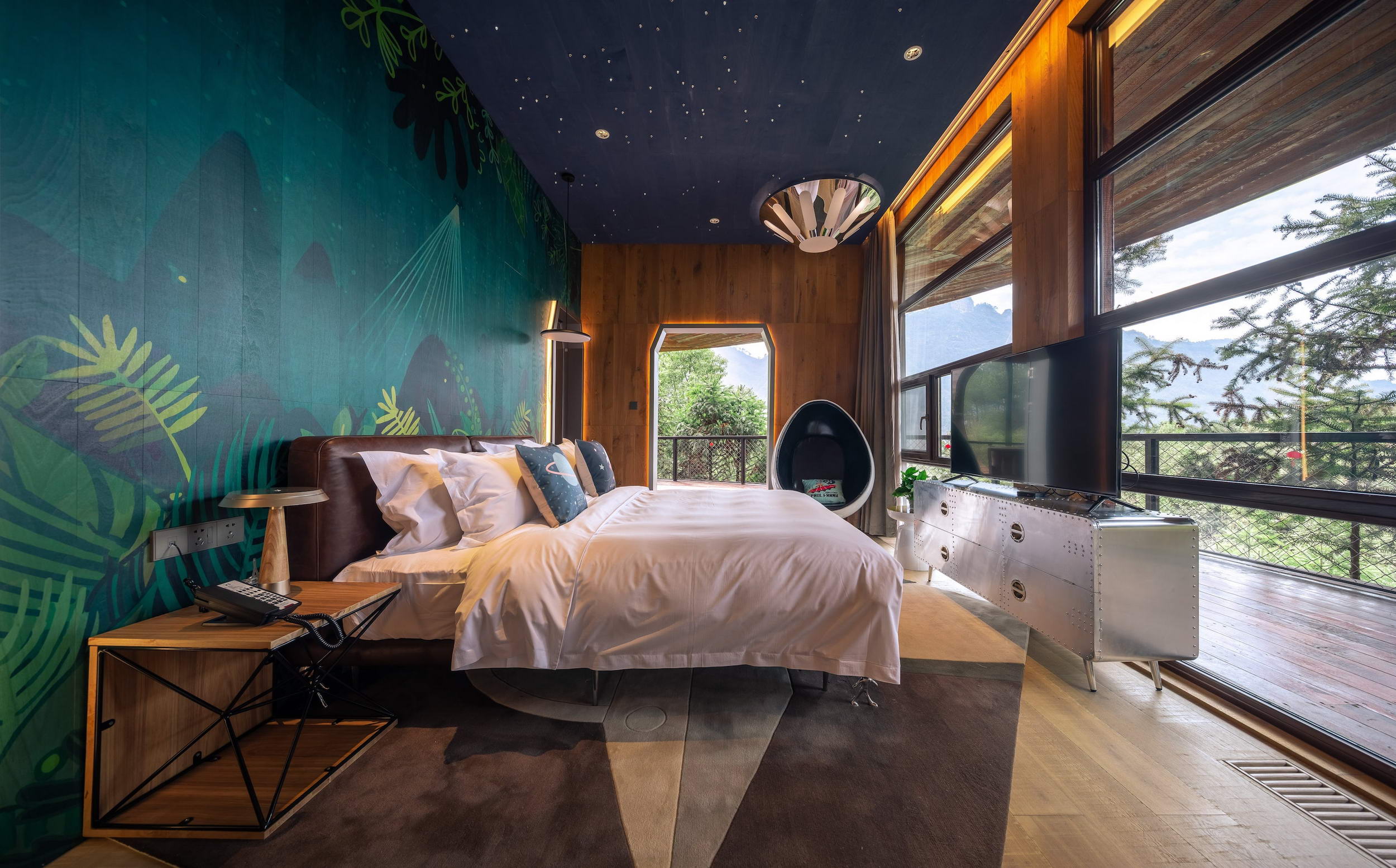
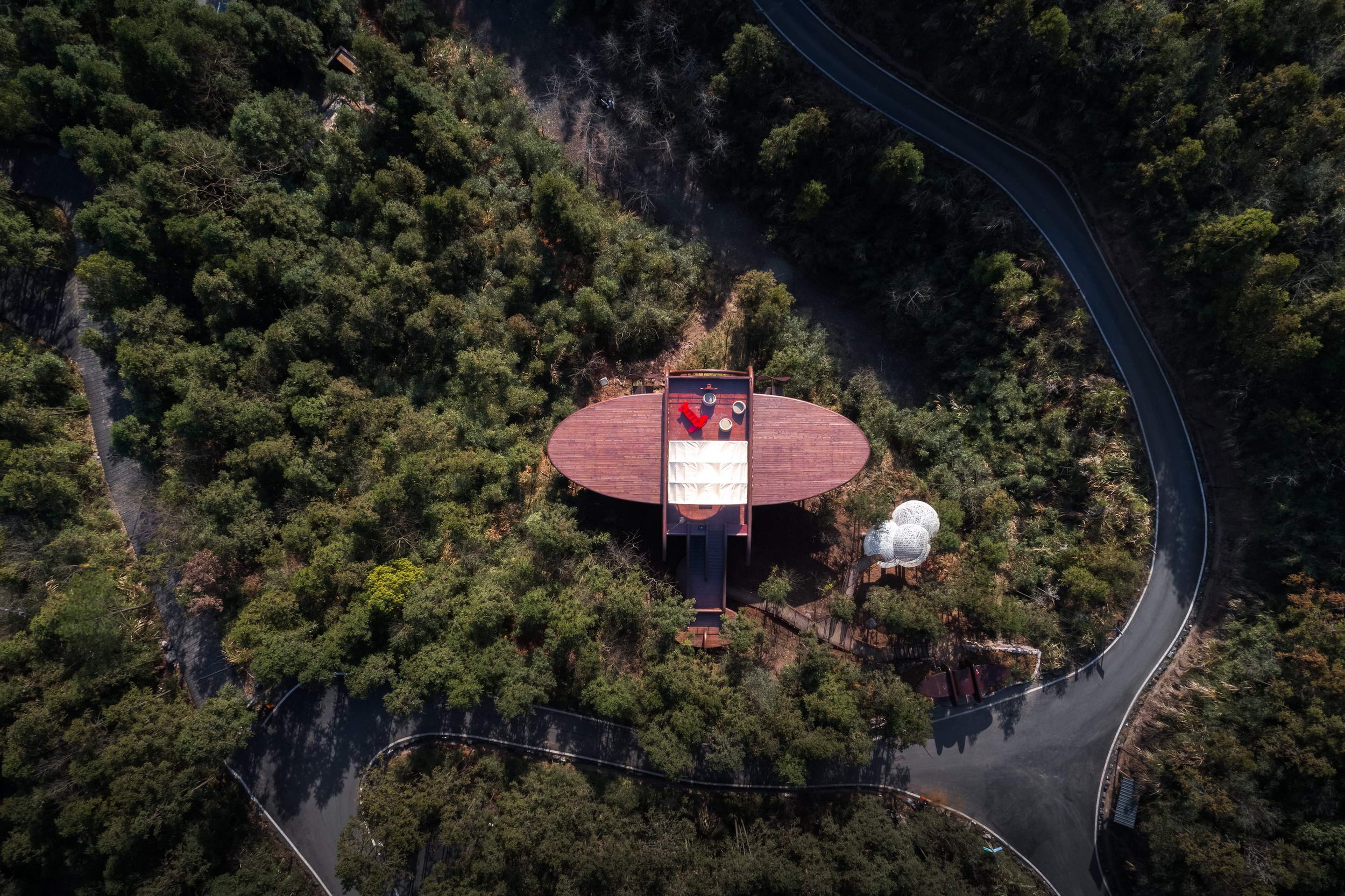
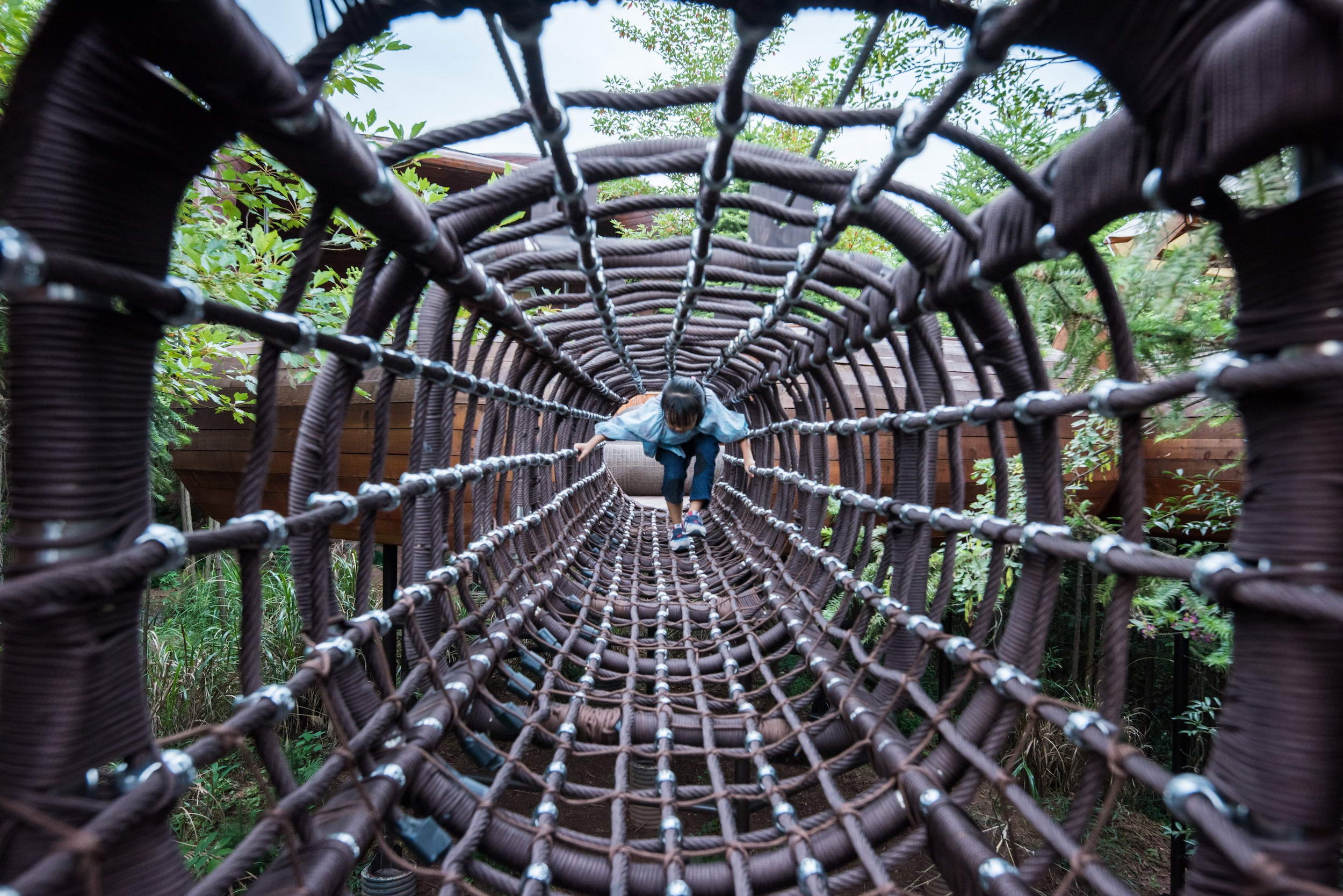
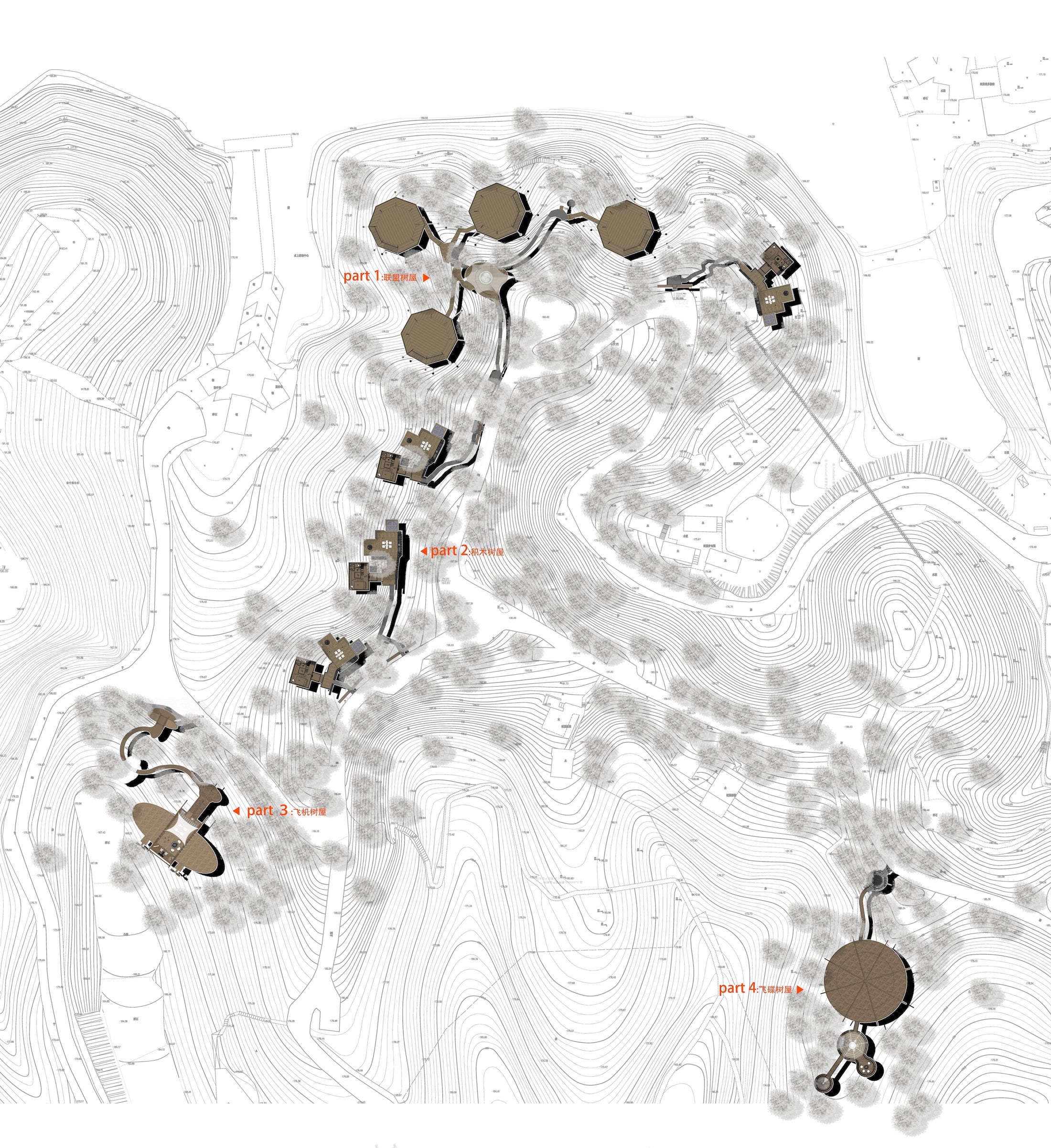
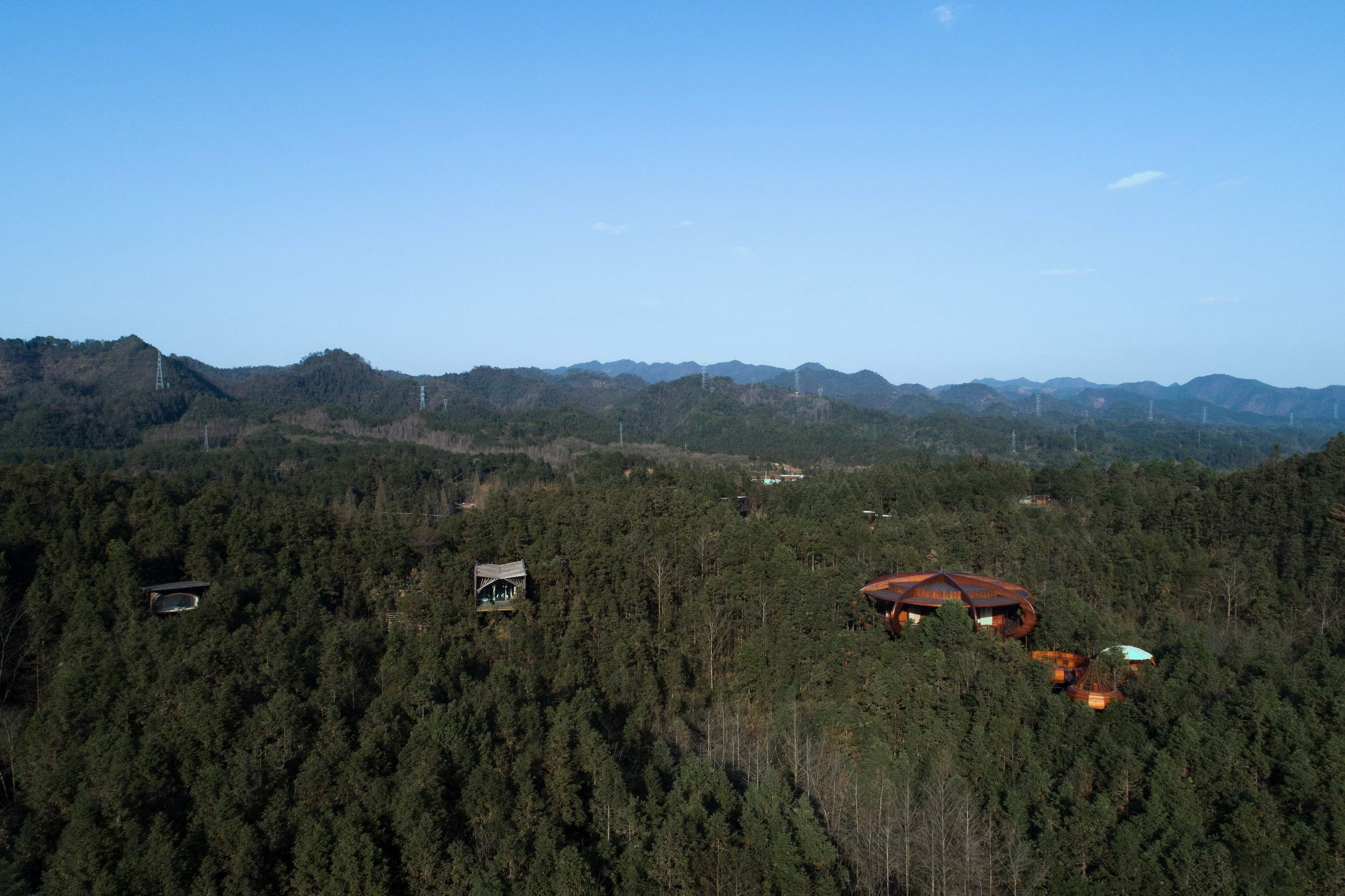
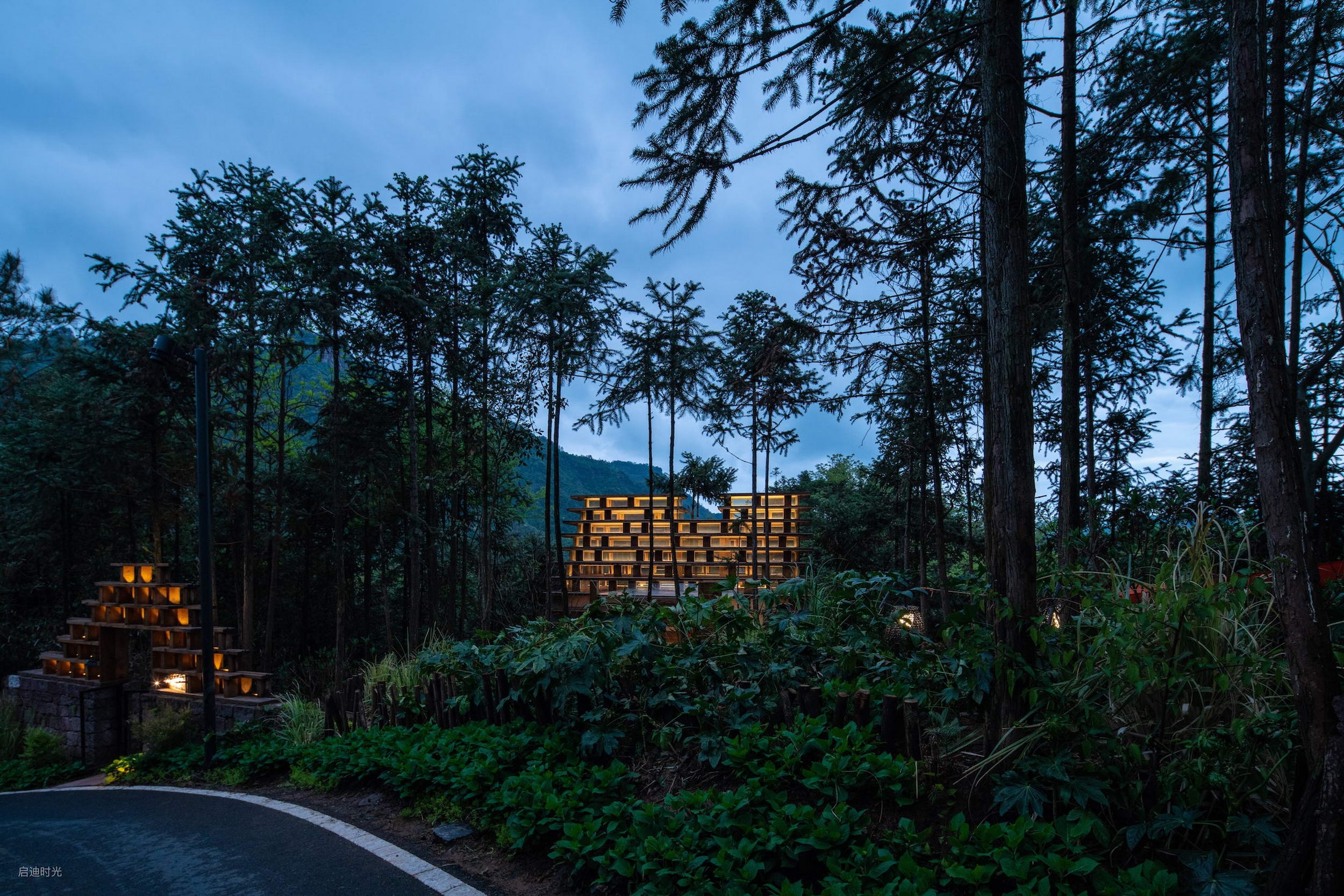
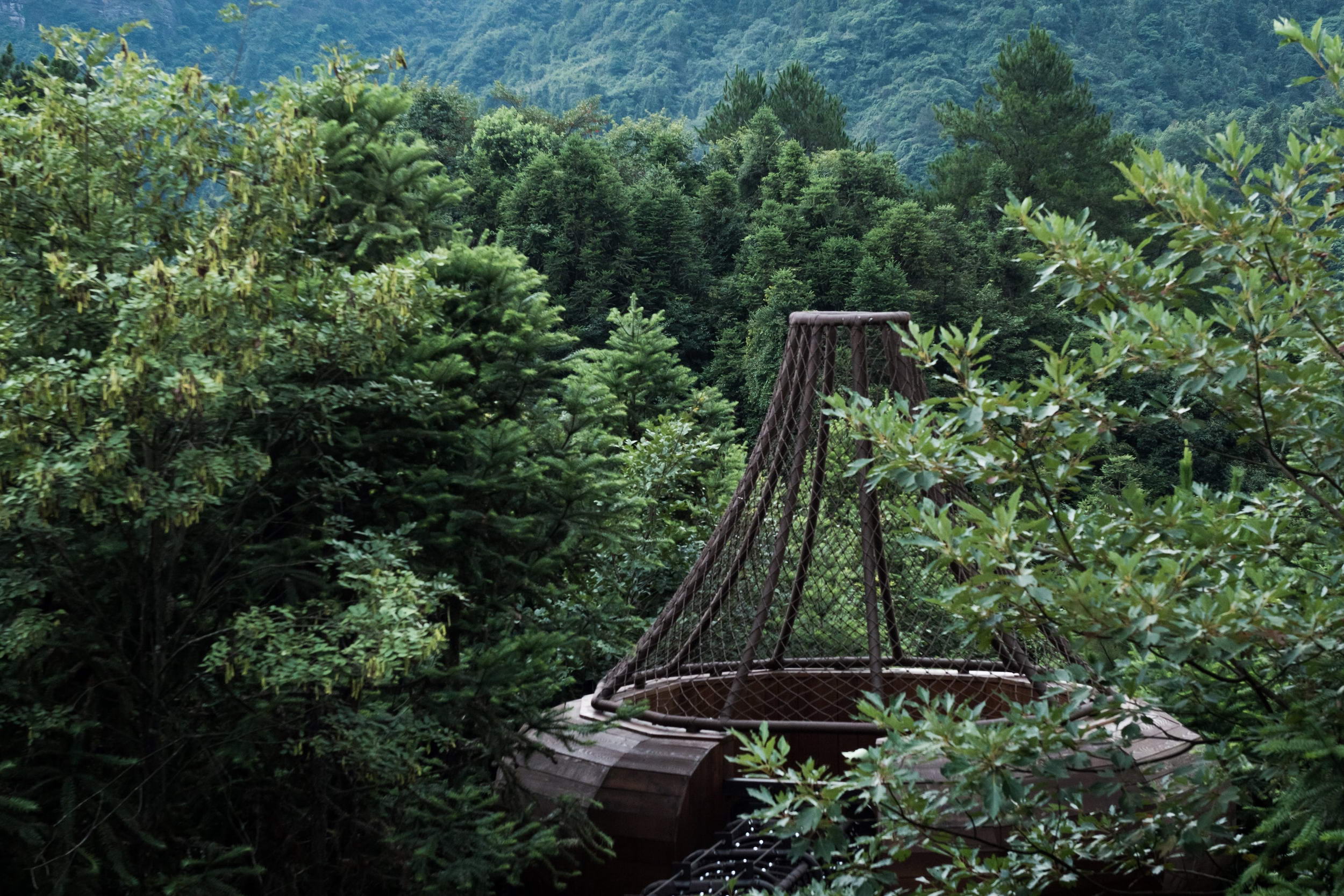
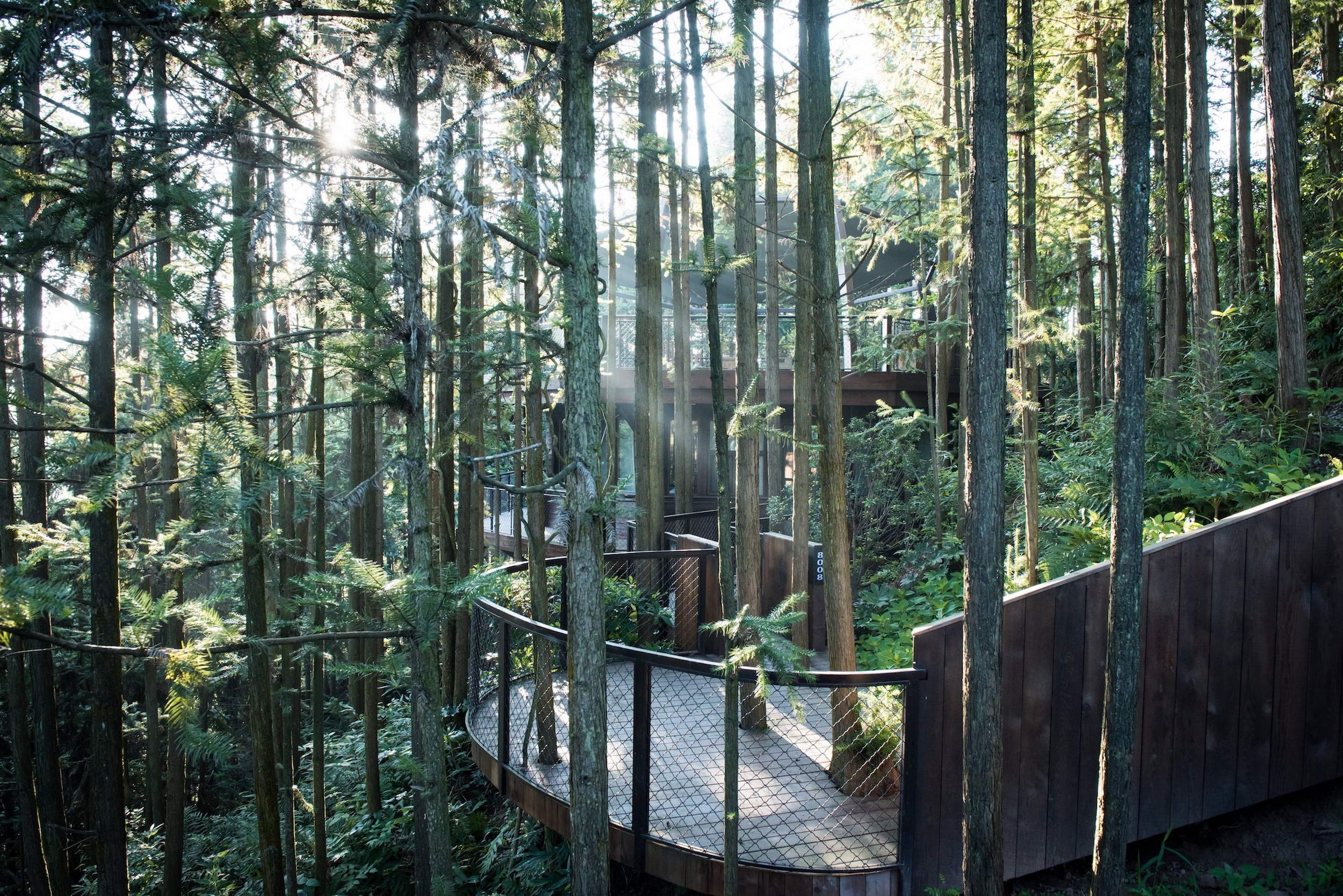
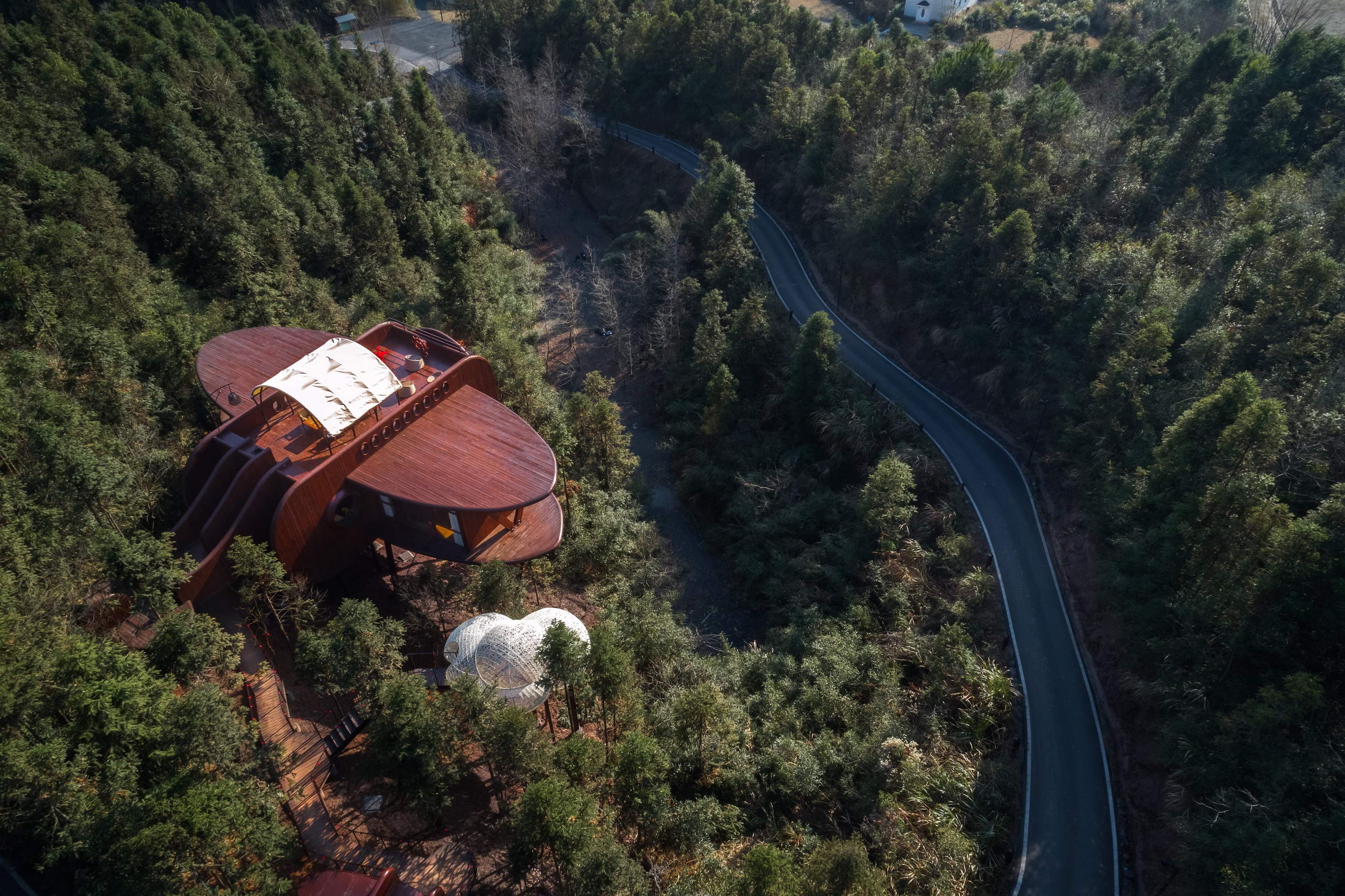
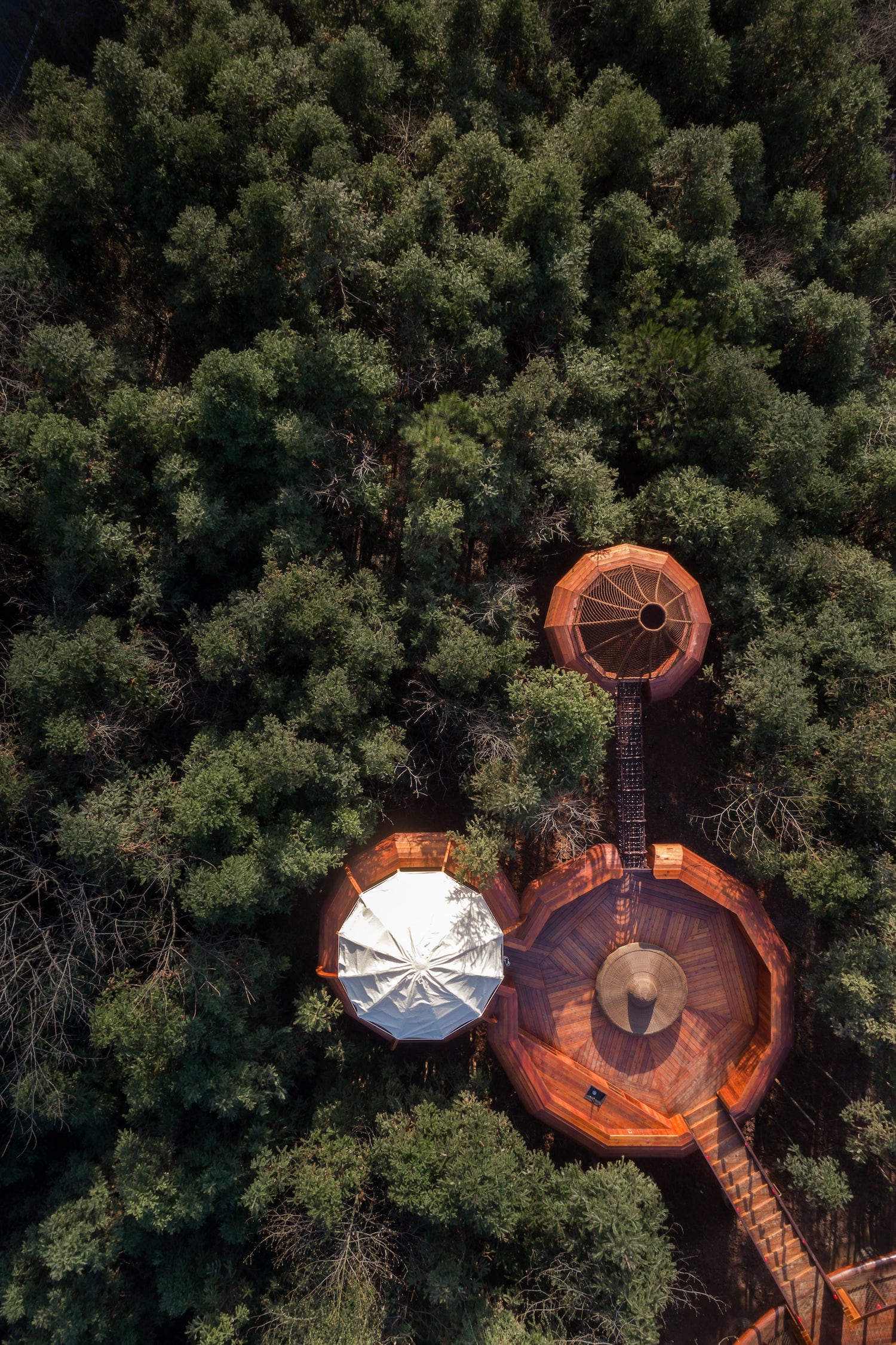
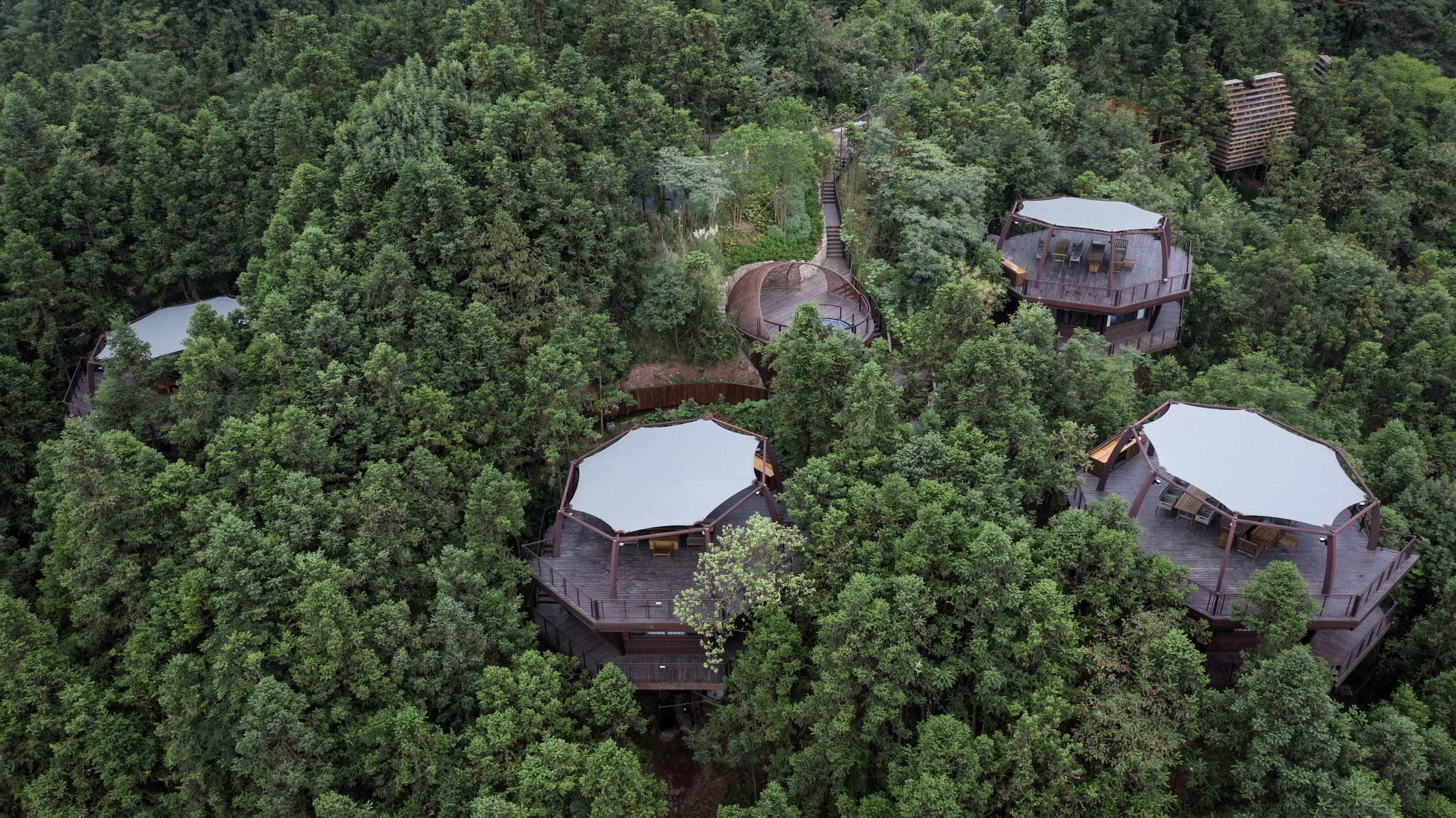
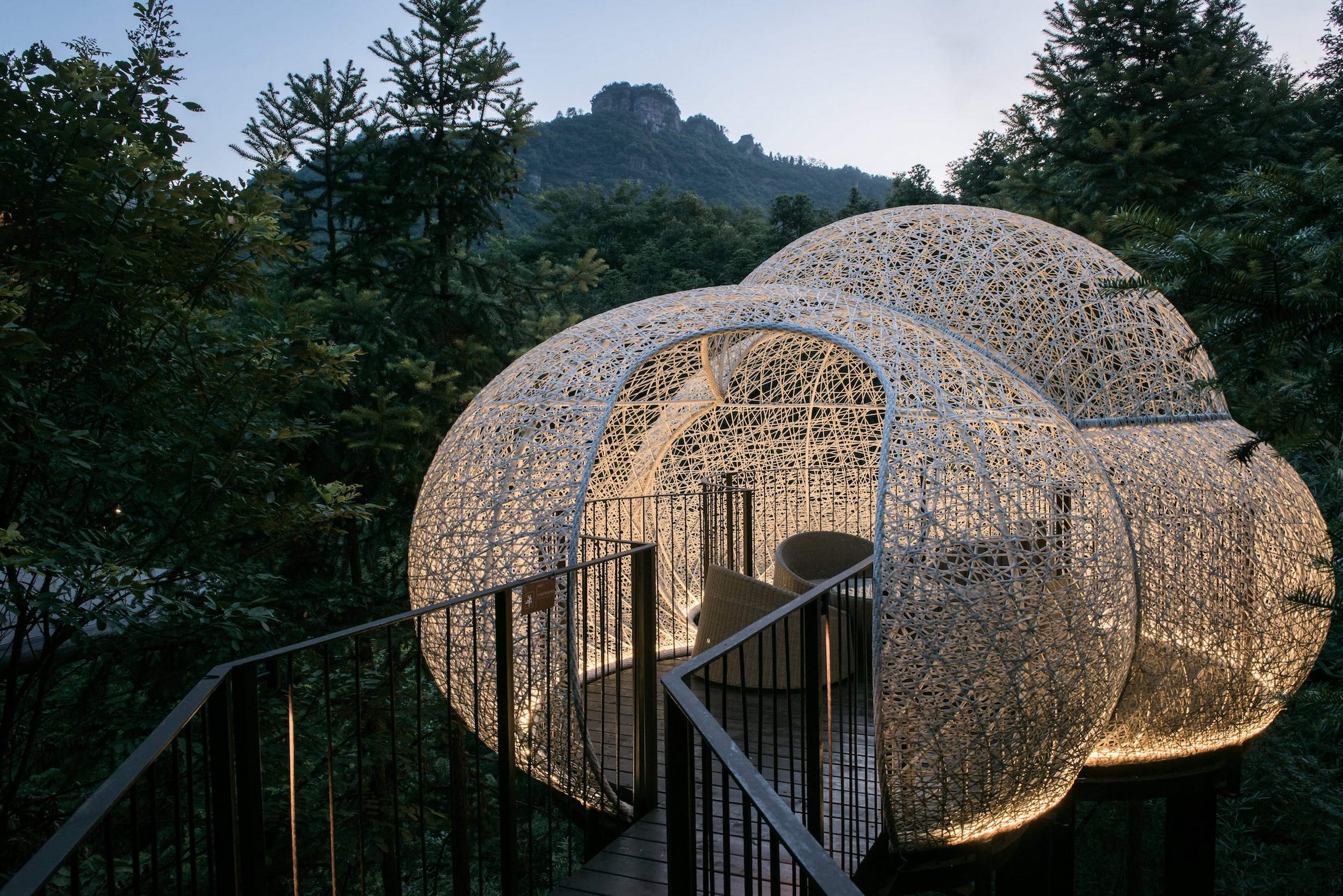
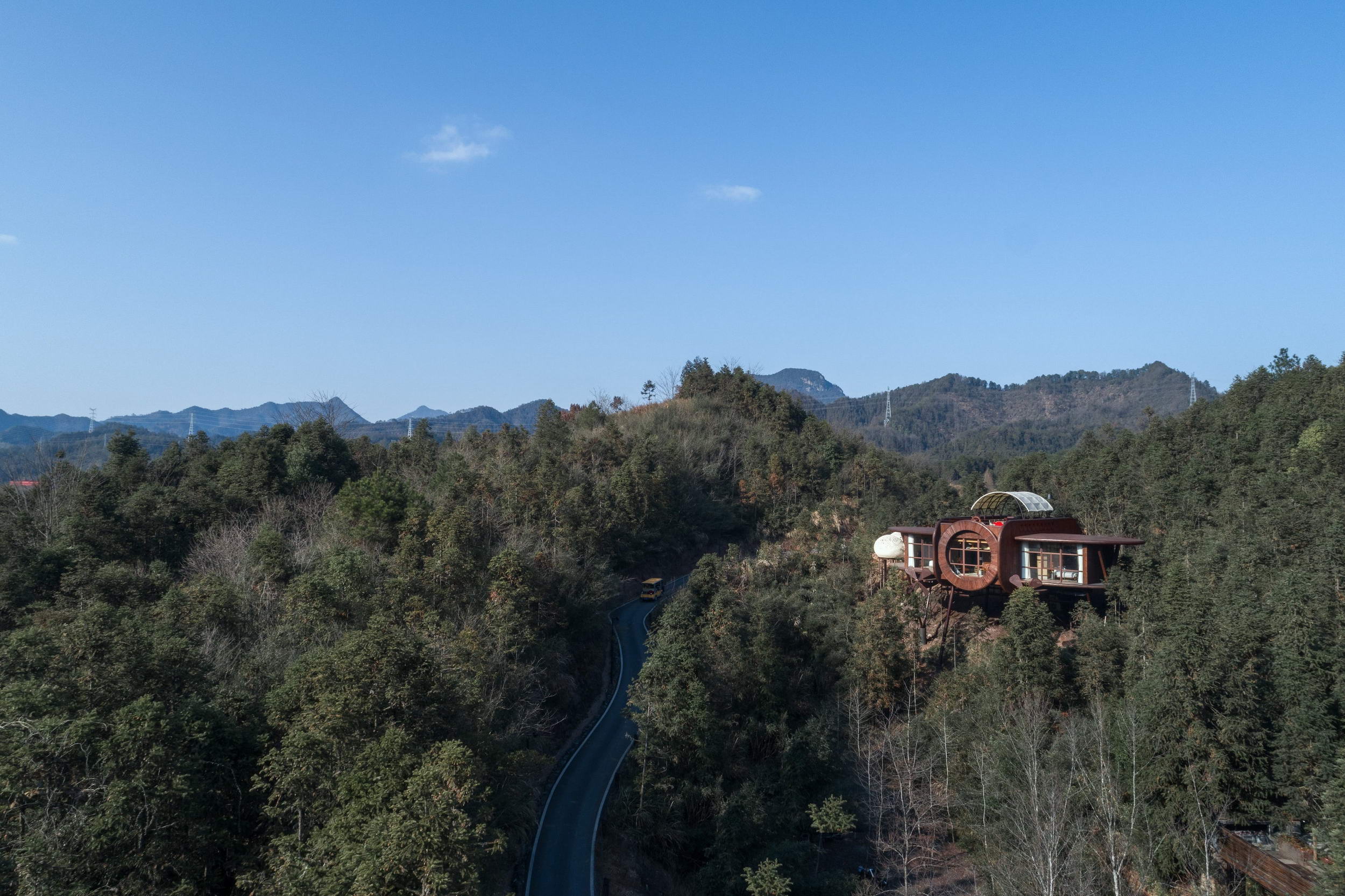
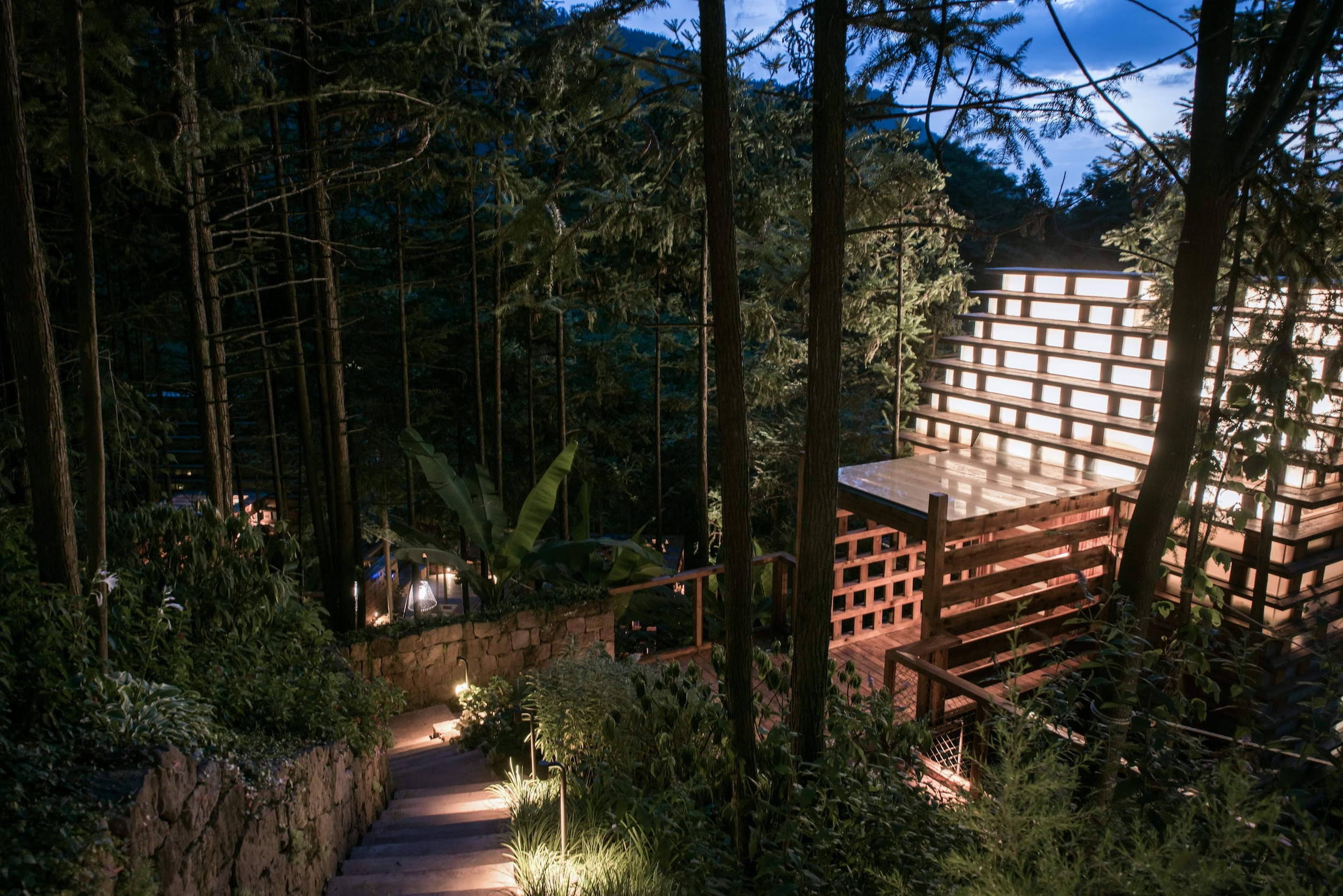
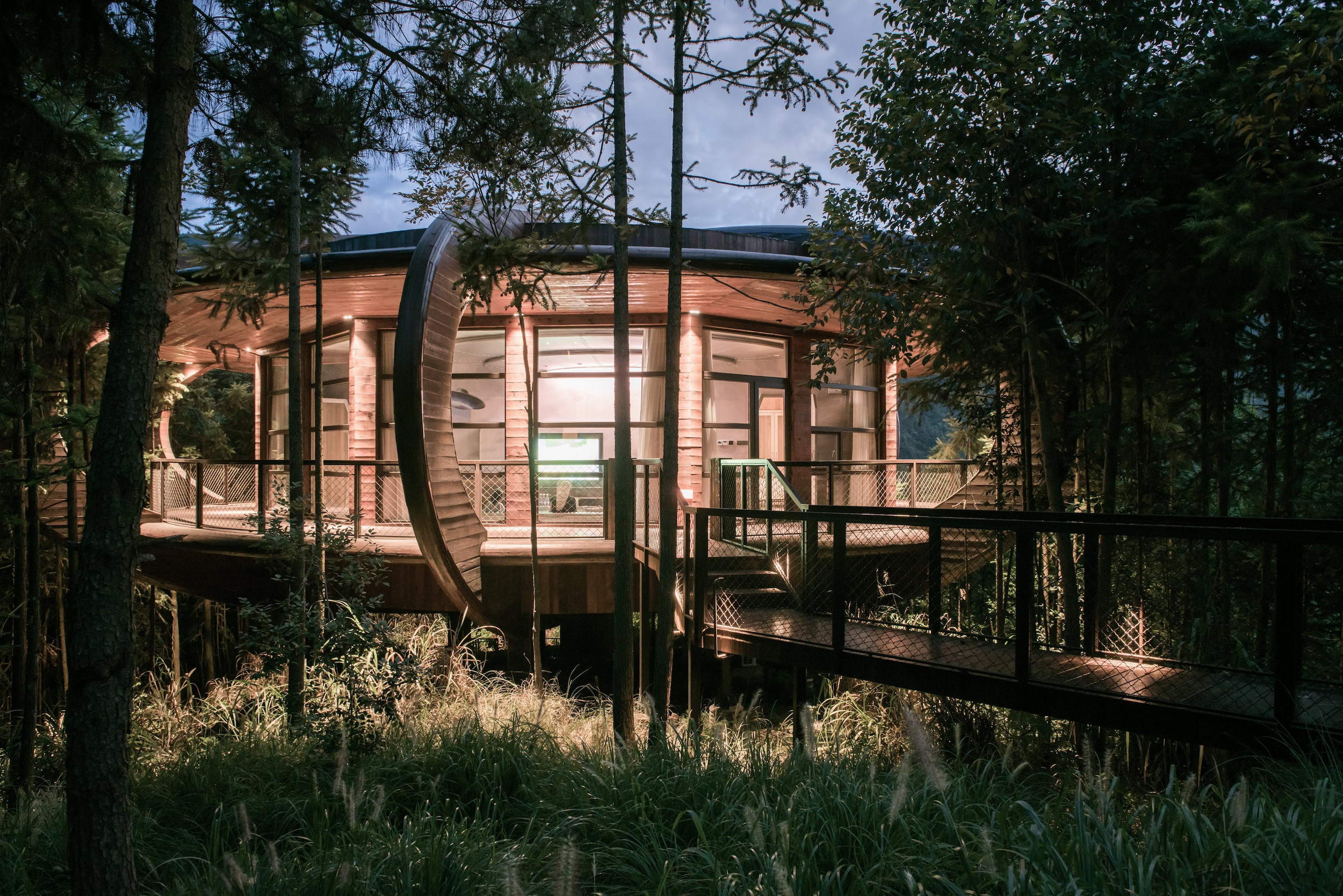
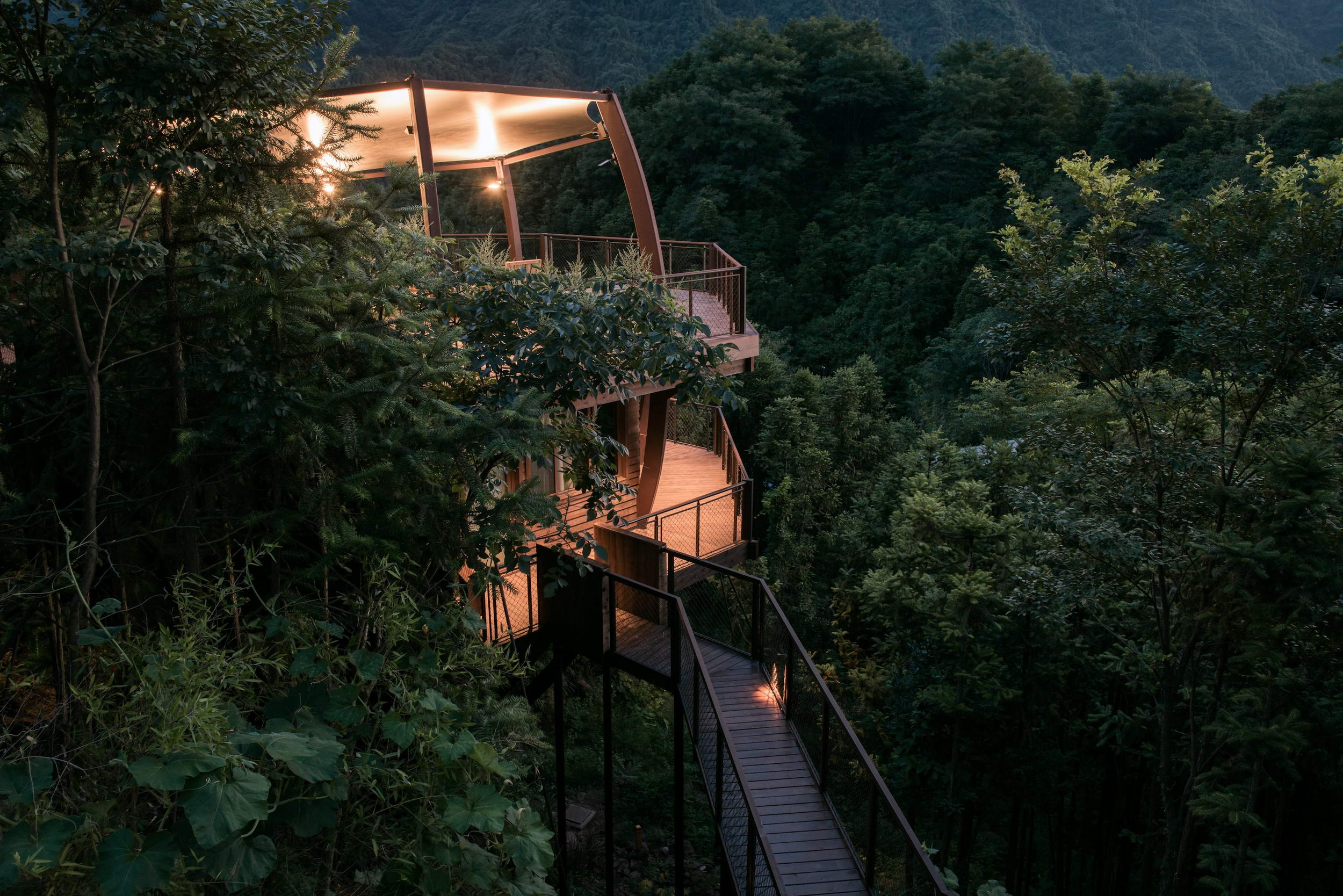
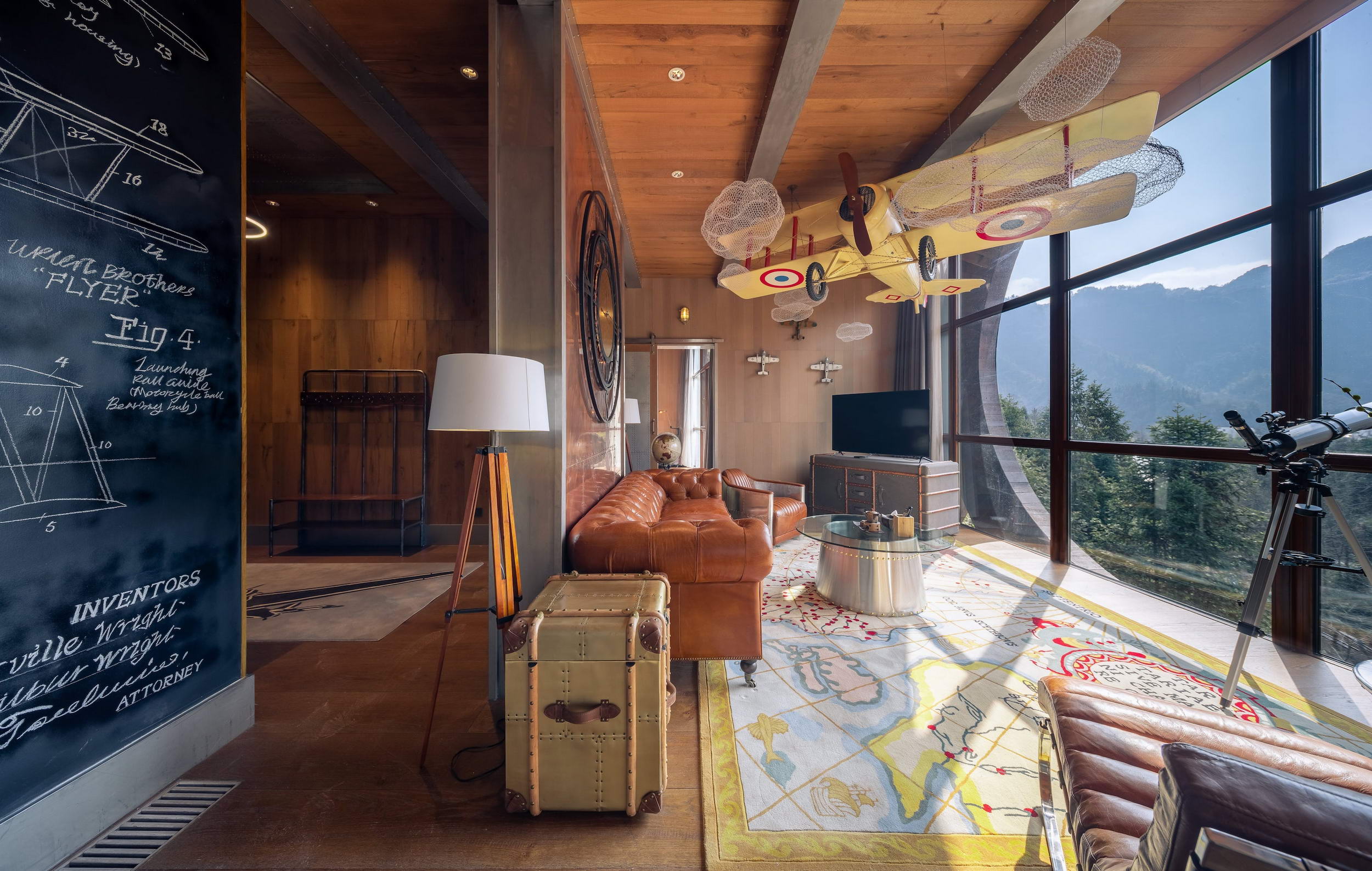
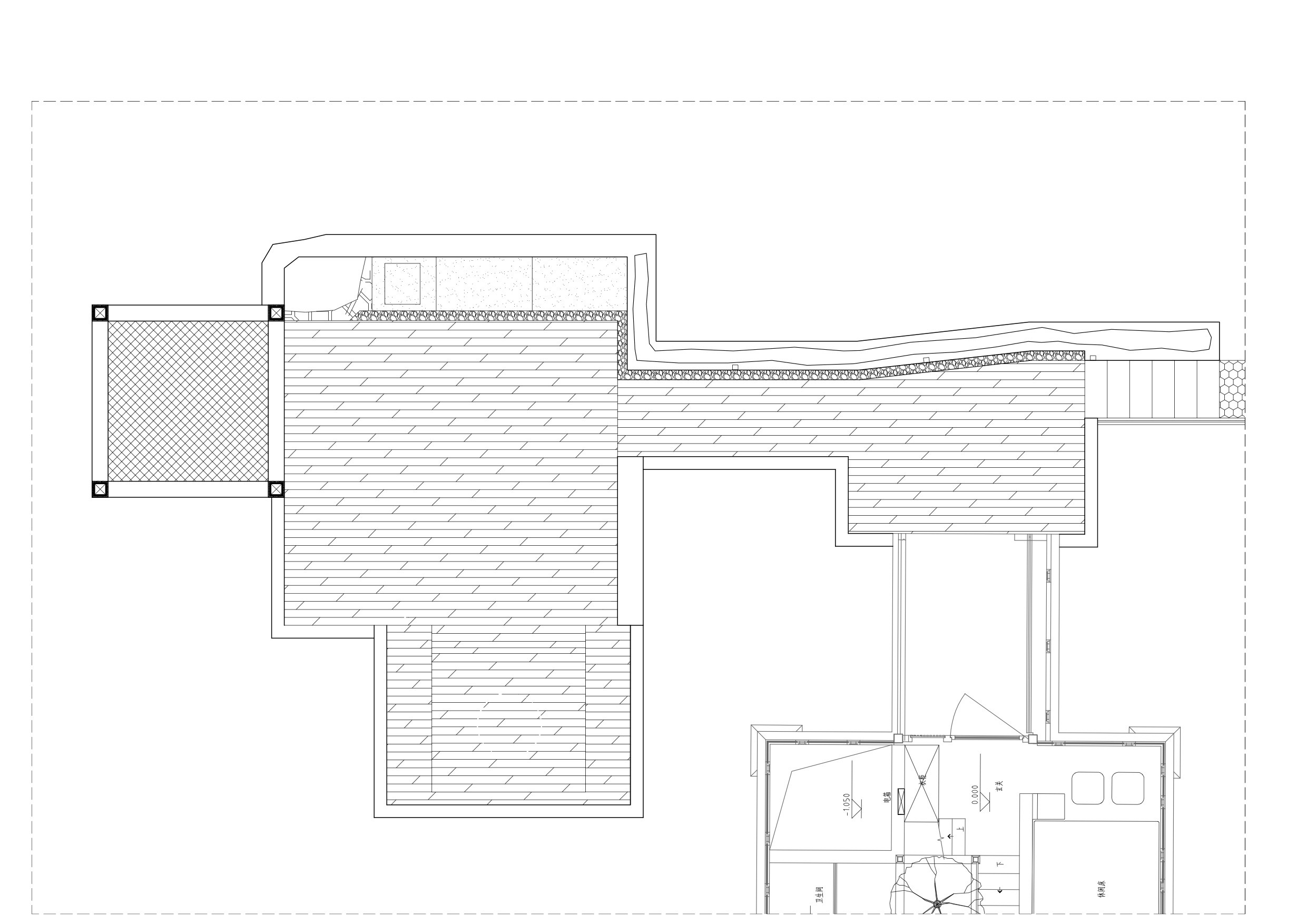
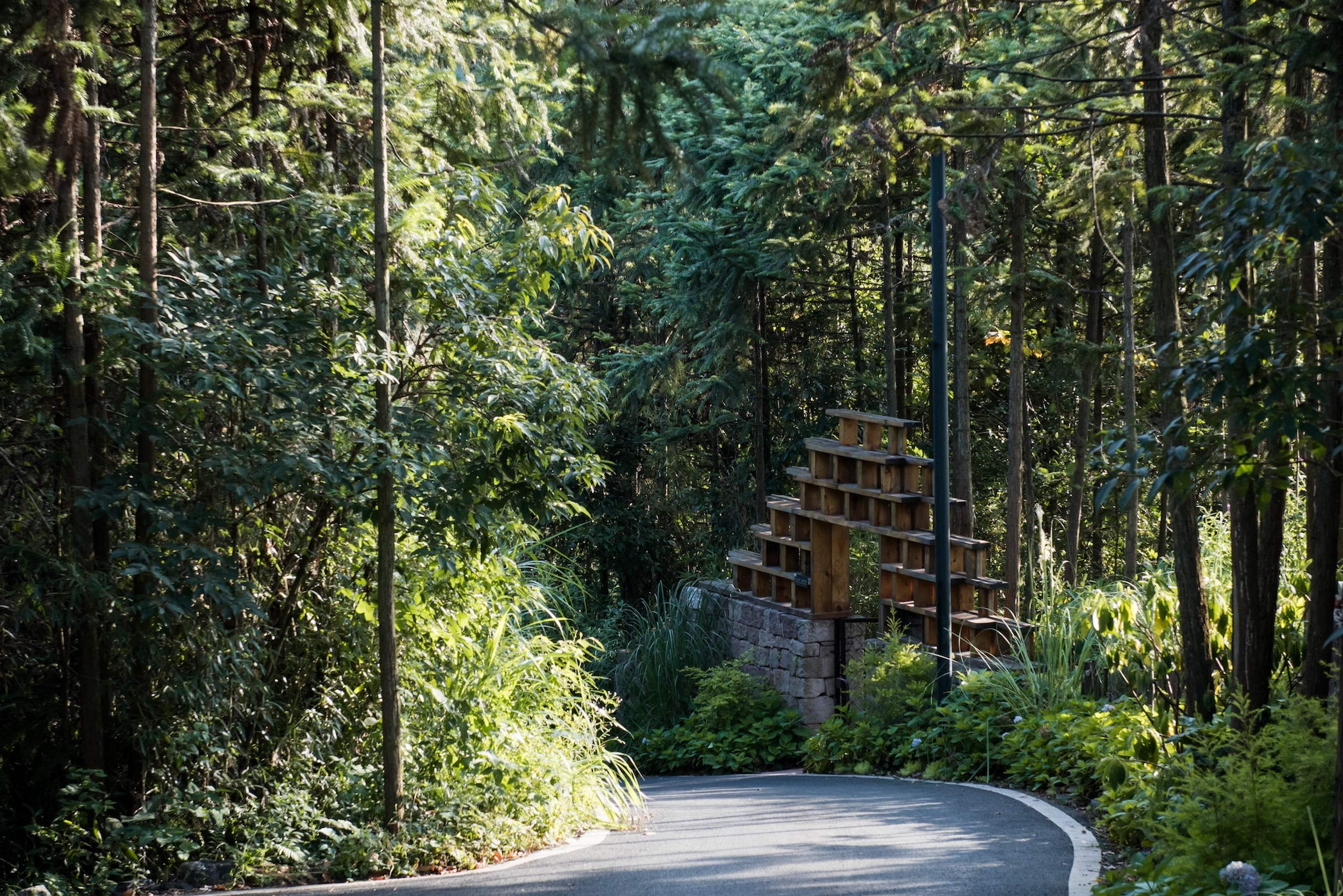
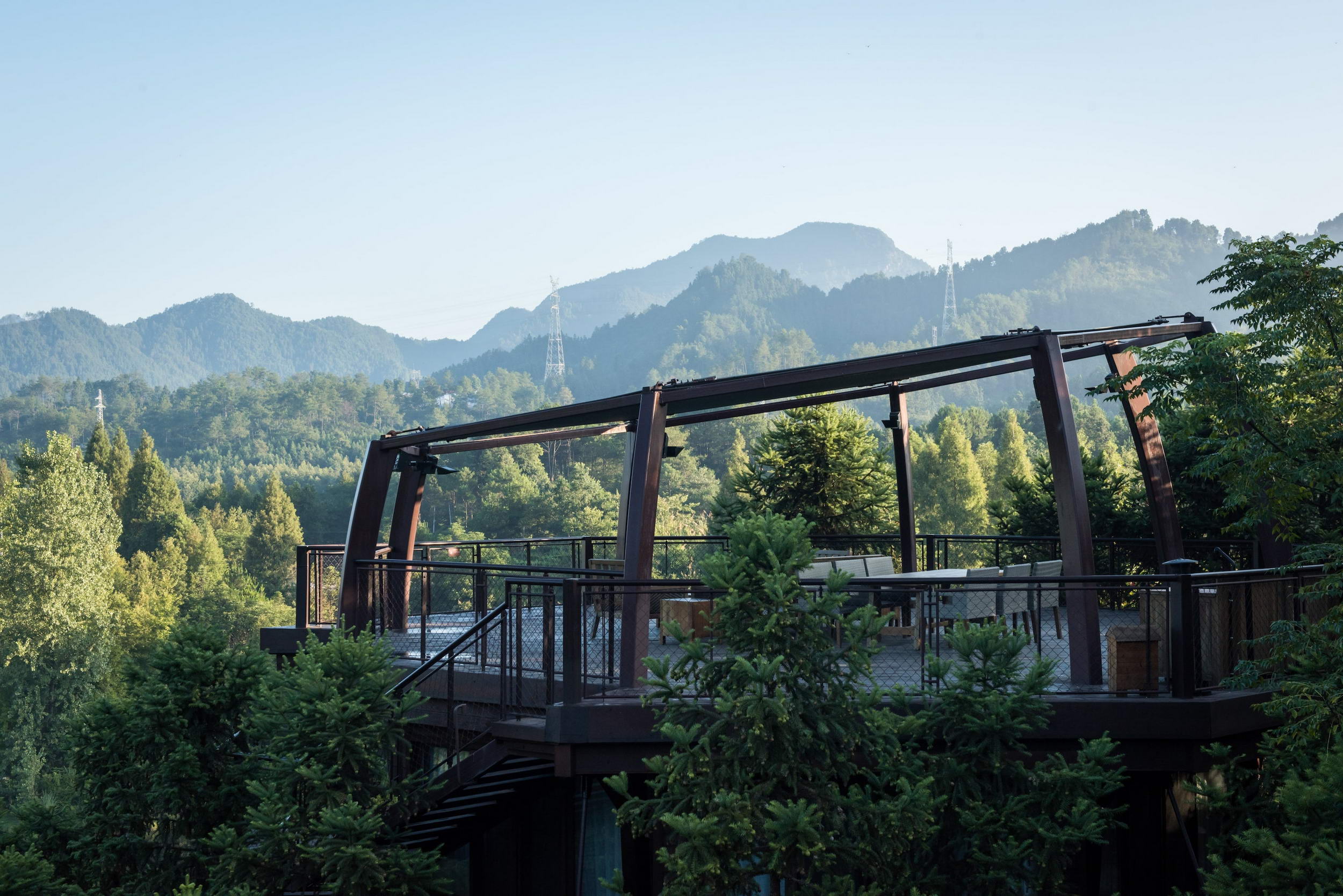
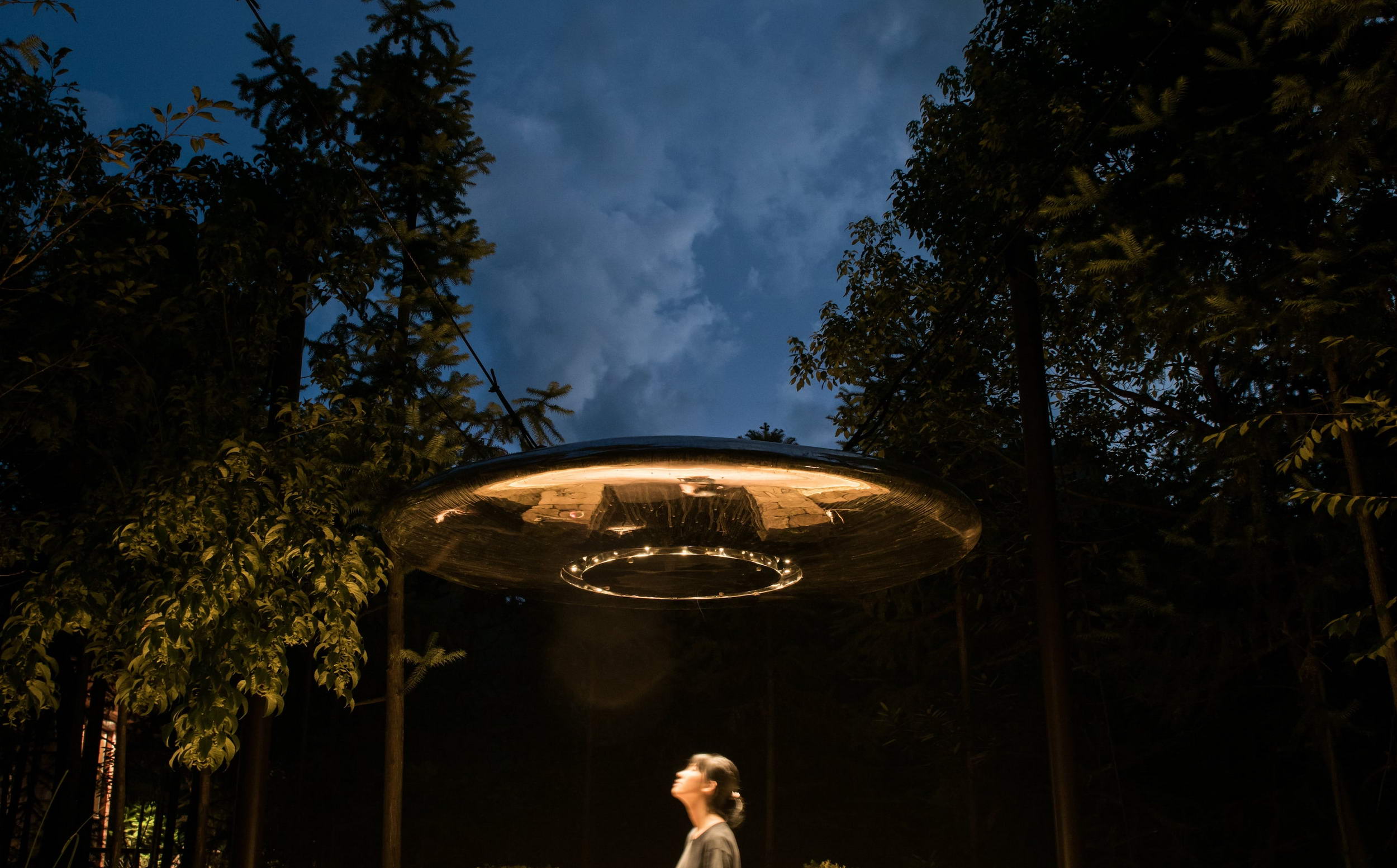
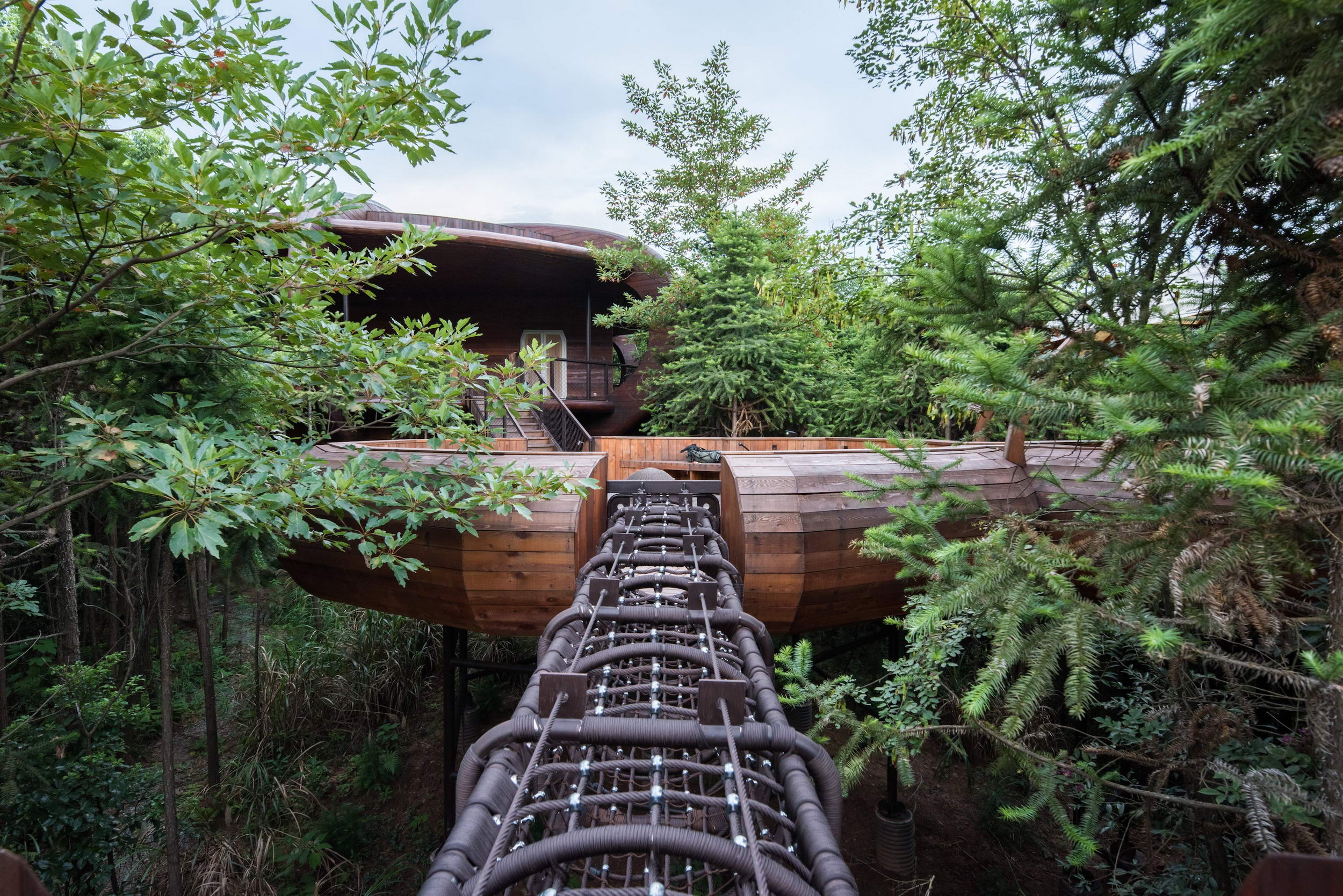
At the foot of Qiyun Mountain in Xiuning County, Huangshan, one of China's four sacred Daoist mountains, the Tree House World is a cluster of freestanding villa-style guest rooms scattered through the forest for the developer Xiangyuan Free Home Resort. The landscape and architecture practice WTD, with lighting by Enlighten Times and interiors by Guangzhou Muma and Shanghai Jinglan, was asked to fuse building and landscape into a strong-IP destination that feels as if it has grown out of the woods. The overriding siting principle was minimal intervention paired with maximum view capture: each structure was restricted to a forty-to-eighty-square-metre footprint so it could hide in the canopy while retaining comfortable room sizes. Buildings are raised on stilted pilotis that preserve original contours, and walkways and boardwalks replace any unnecessary mountain steps, leaving low shrubs and groundcover intact. Where a trunk crosses a path or a building, the path or building gives way, so that trees literally pass through the architecture. Four themed worlds organise the cluster. A floating UFO marks the arrival to the first, lit with magical lighting and joined by a stargazing trampoline, a fire pit and a sky bar. The airplane theme is approached along a suspended aircraft fuselage walkway that rises through sculptural clouds, each roughly three metres high, four metres wide and six metres deep, woven with vine mesh that filters dappled light. The building itself reads as a plane parked in the trees. A third theme treats the rooms as interlocking Lego blocks: large mountain-like boxes rise above the canopy as main guest rooms, while smaller boxes serve as changing pavilions and magical treasure chests. The fourth, Alliance, groups circular tree houses around a shared platform that links up and down the slope, ideal for families travelling together who want private quarters but a common camp. The design is driven by the conviction that capturing the mountain's best scenery and offering an alternative way of living are the same act, and the project demonstrates how hospitality architecture can be threaded through a sacred landscape without subduing it.








 Editor's Pick
 Latest Design