Text description provided by the architects
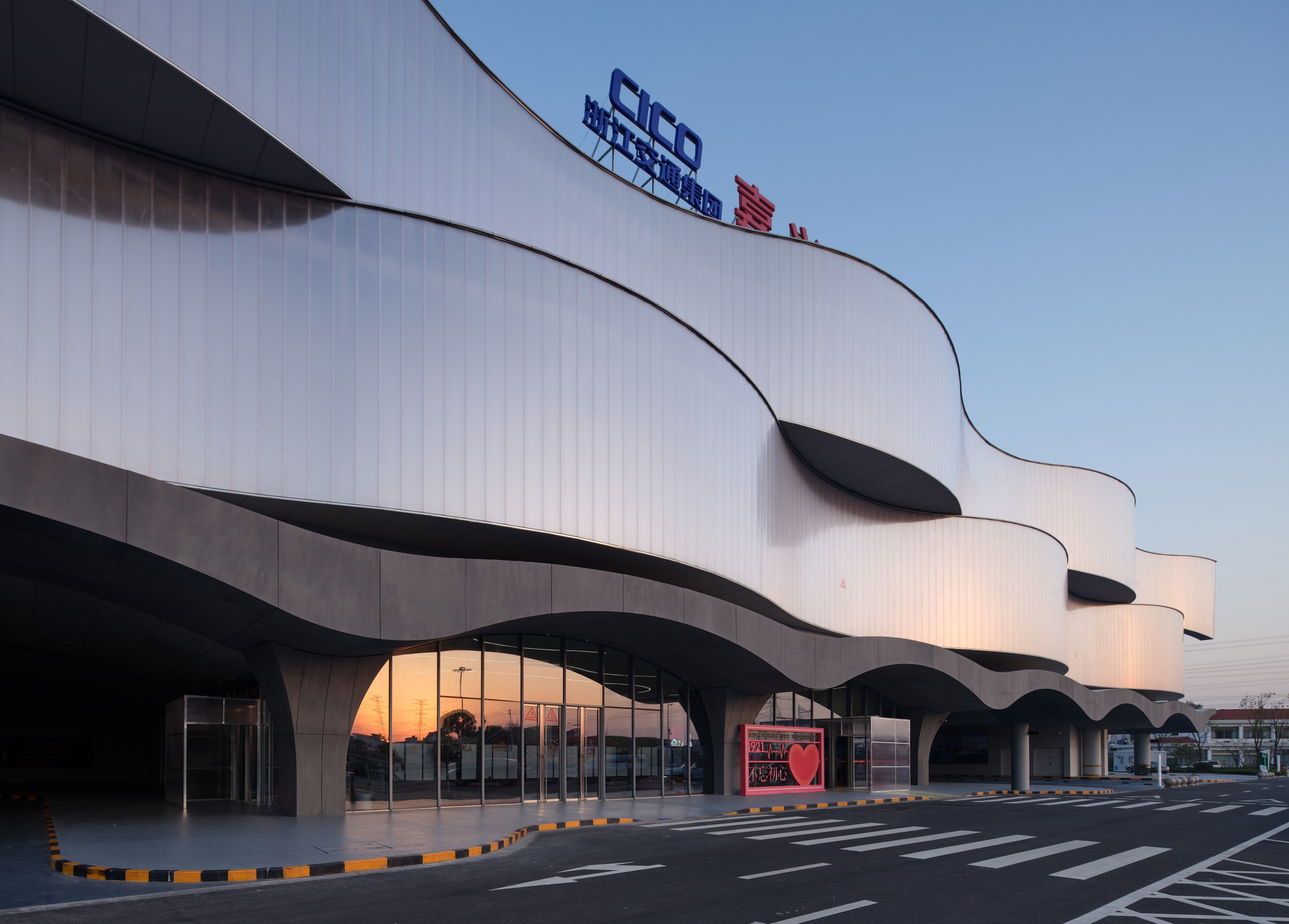
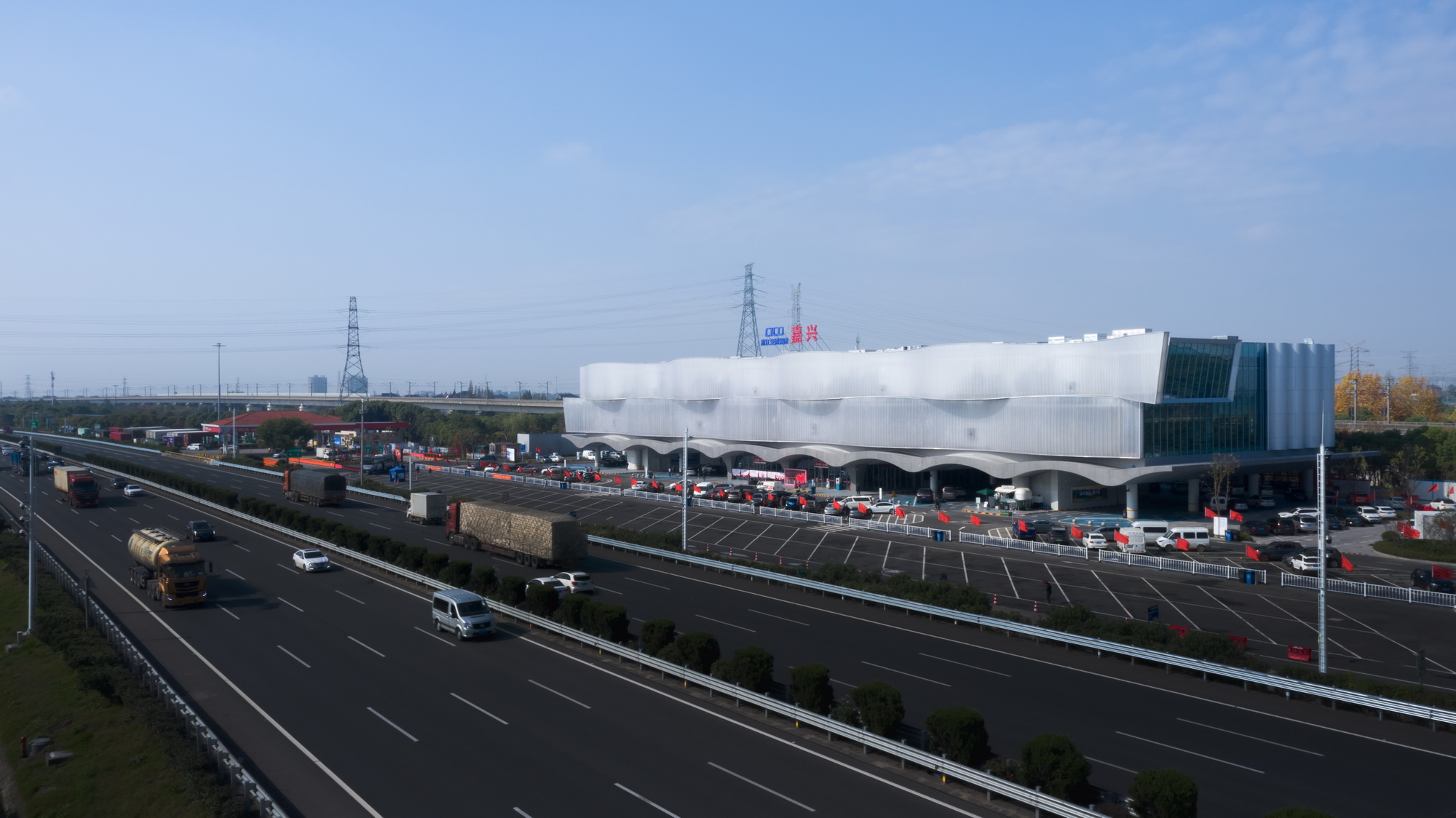
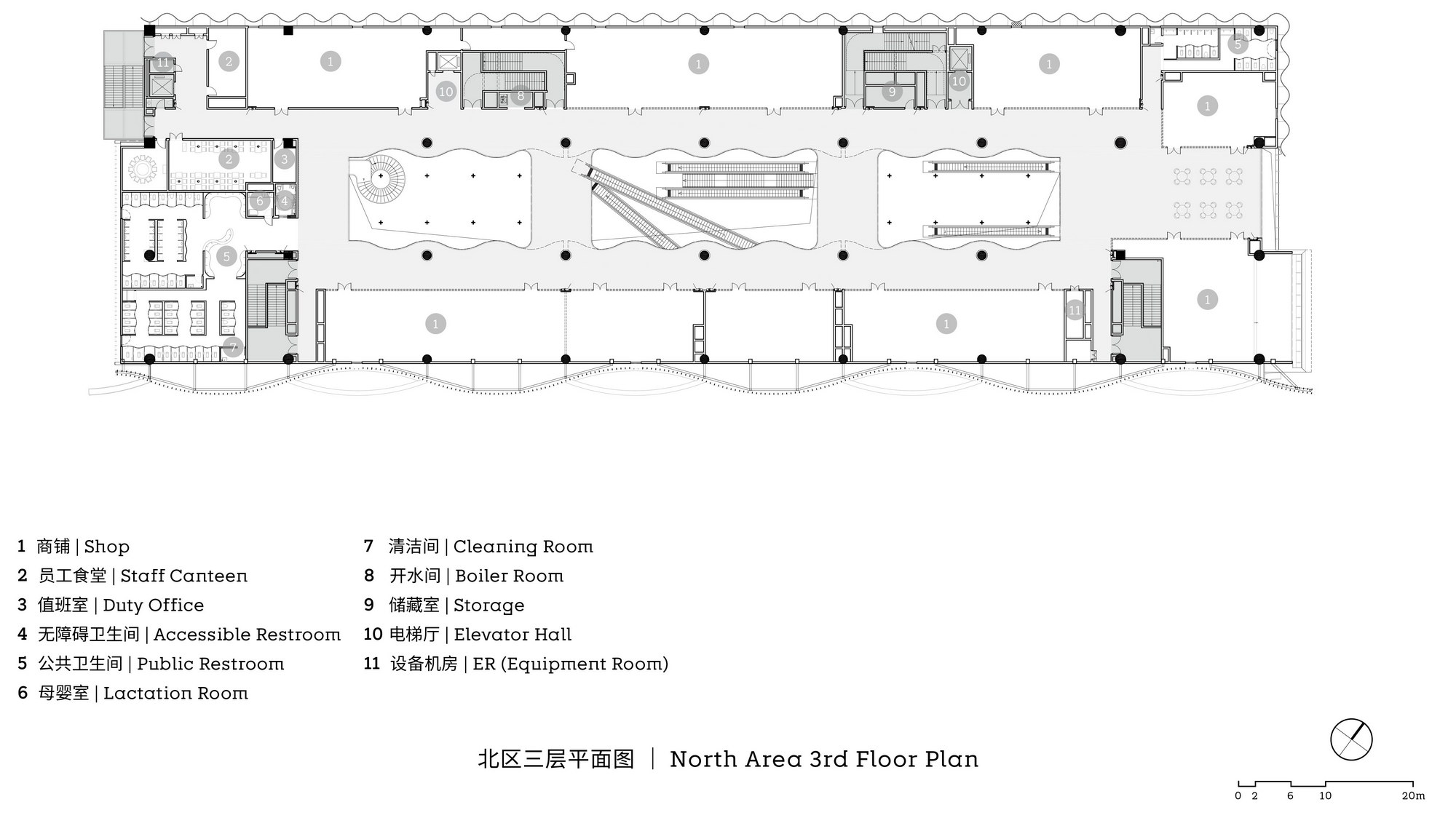
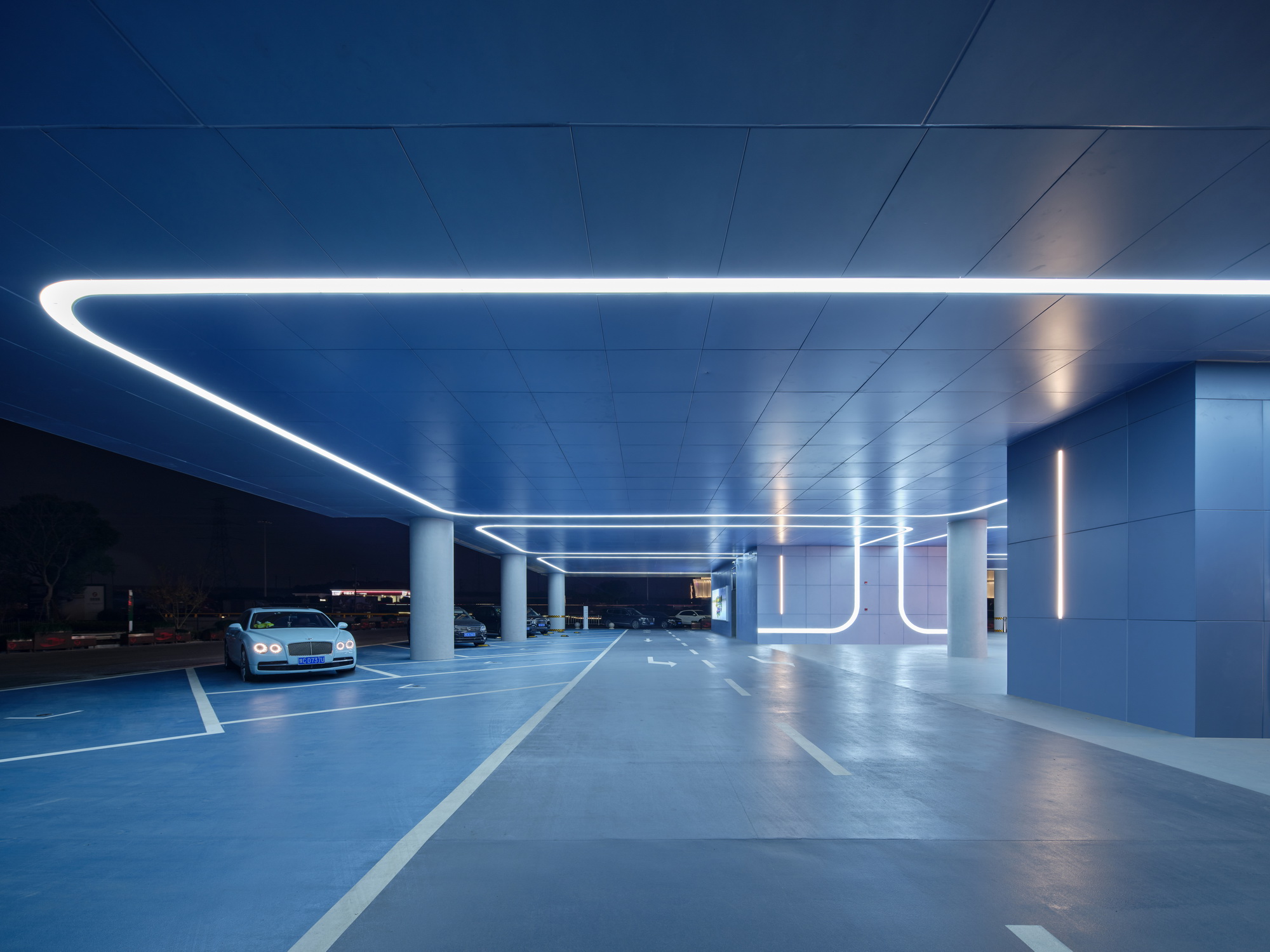
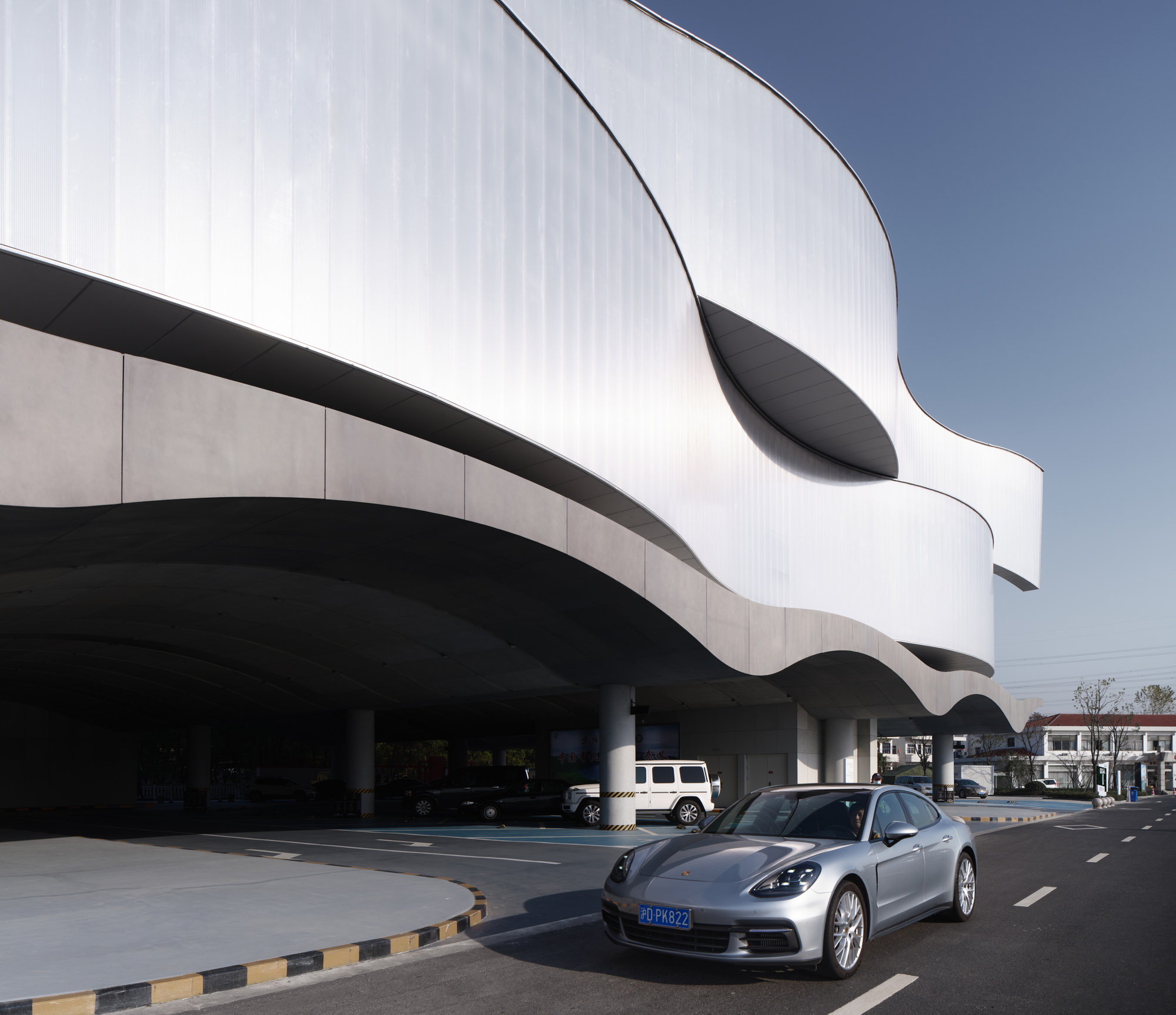
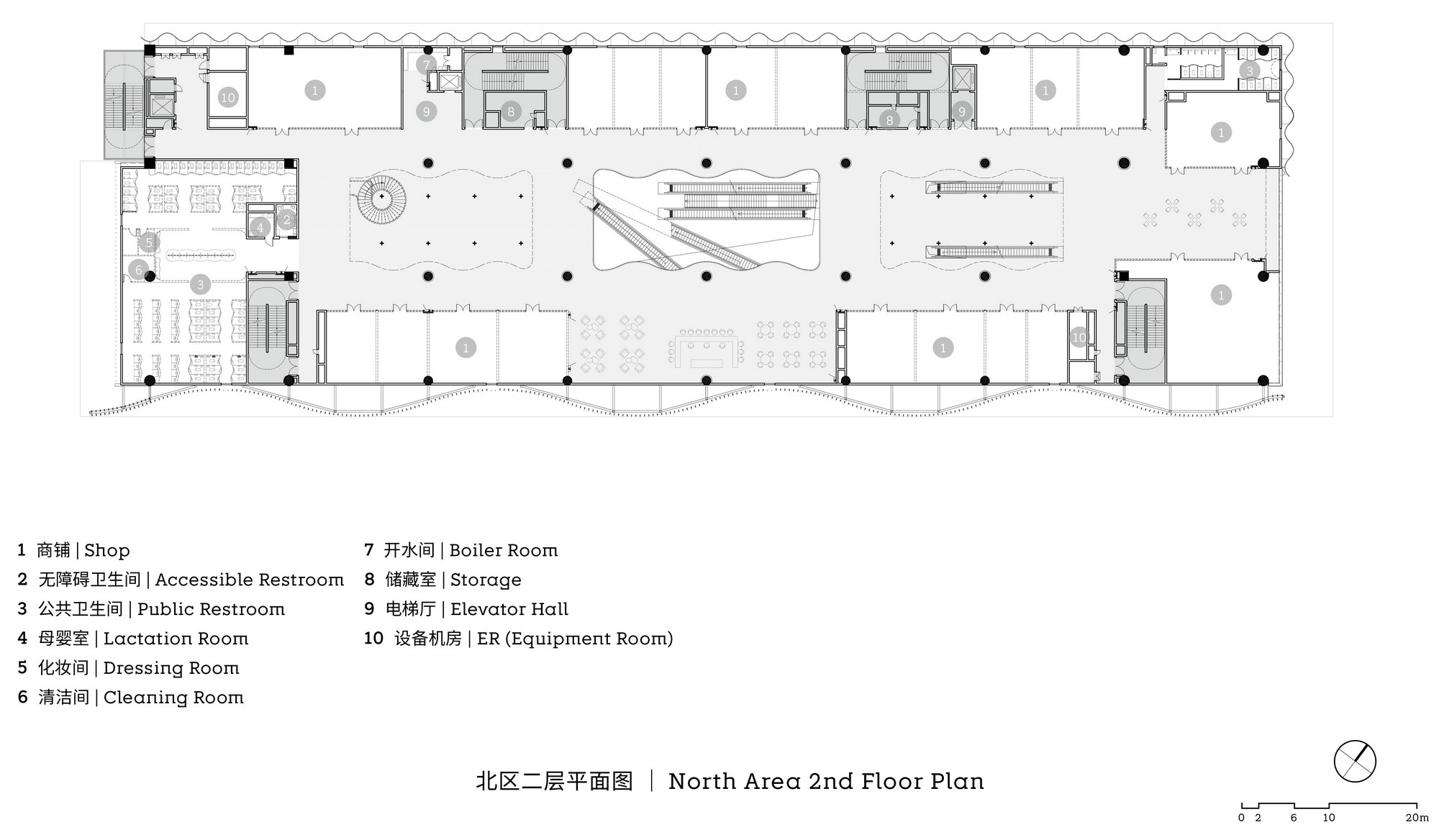
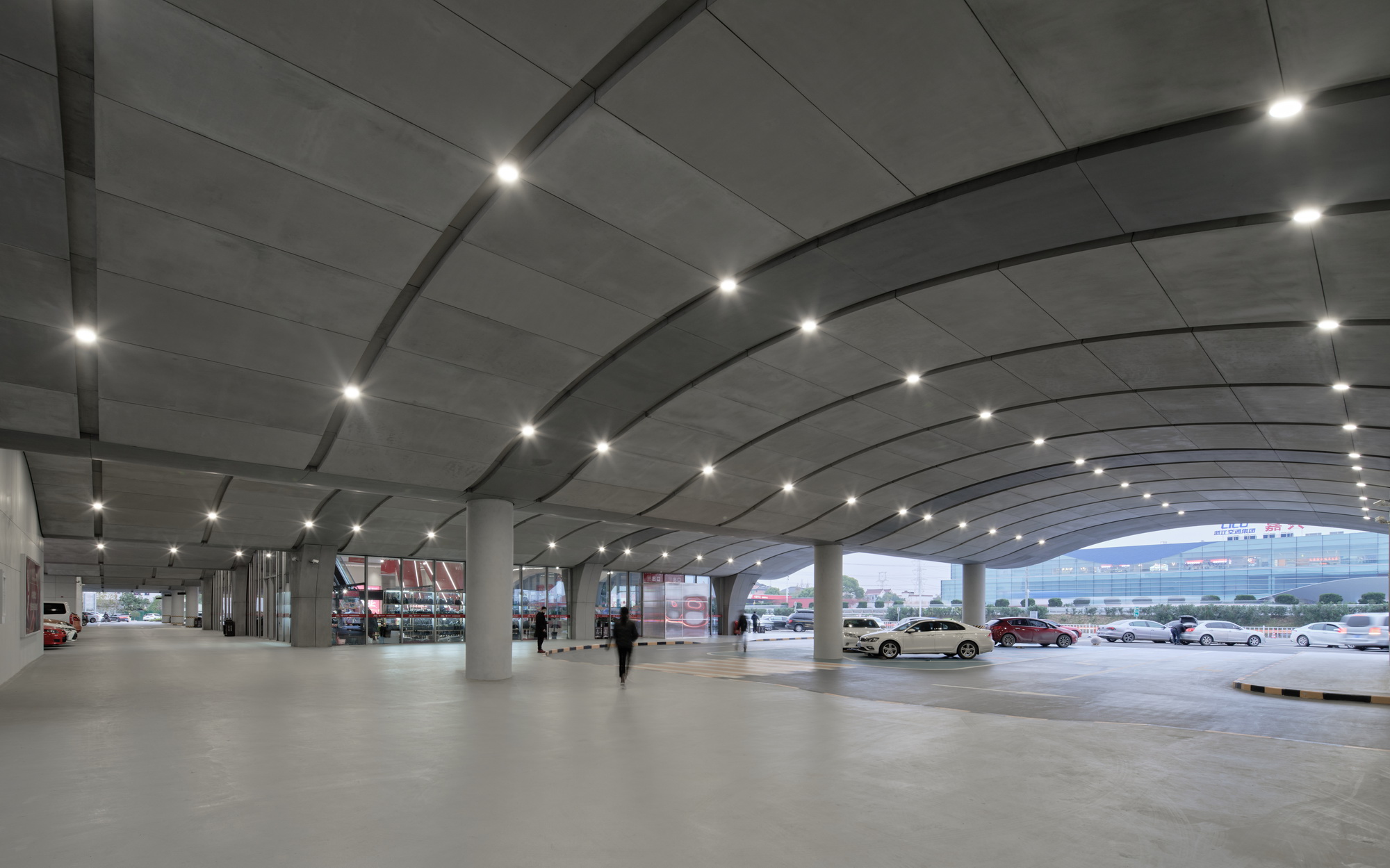
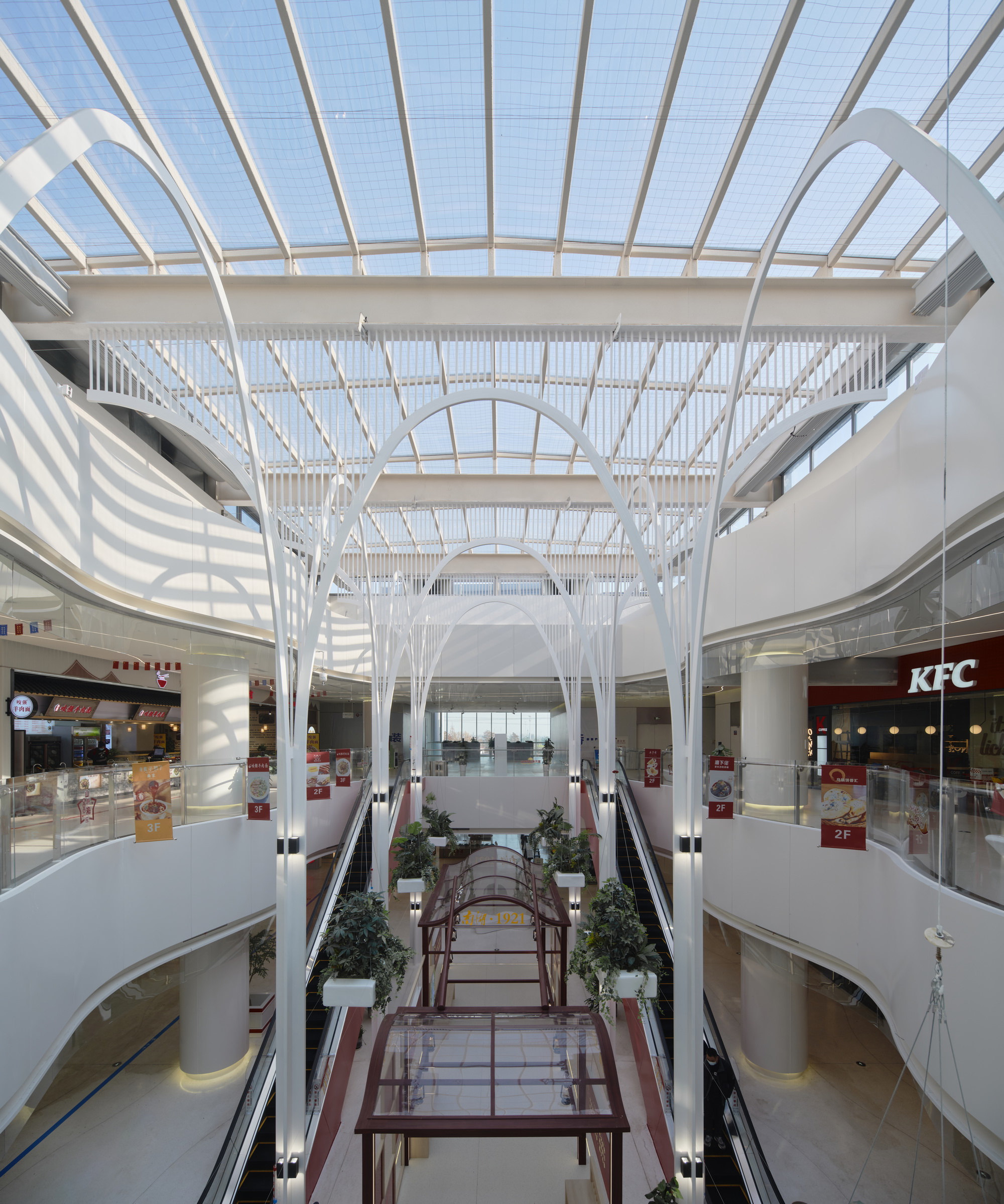
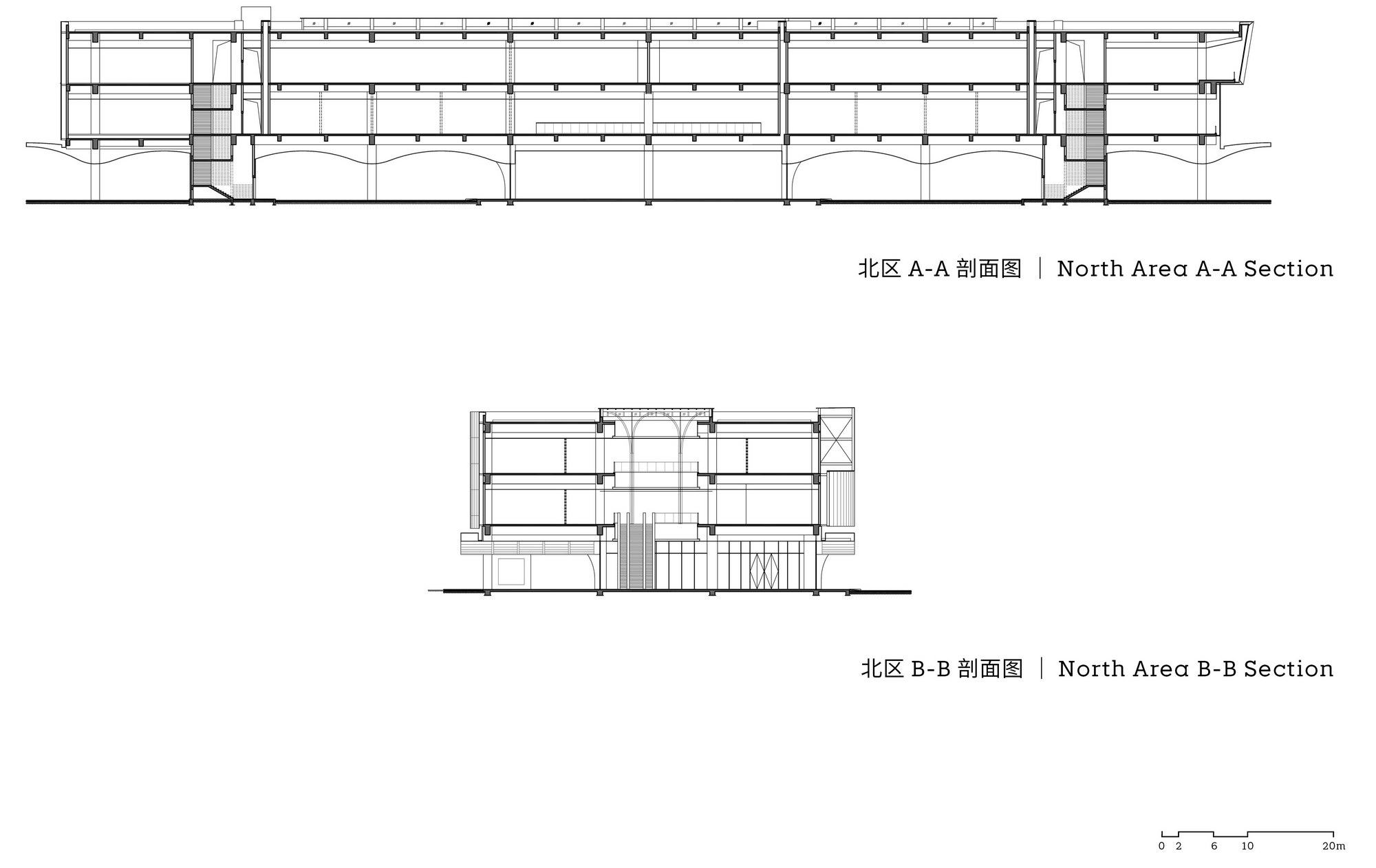
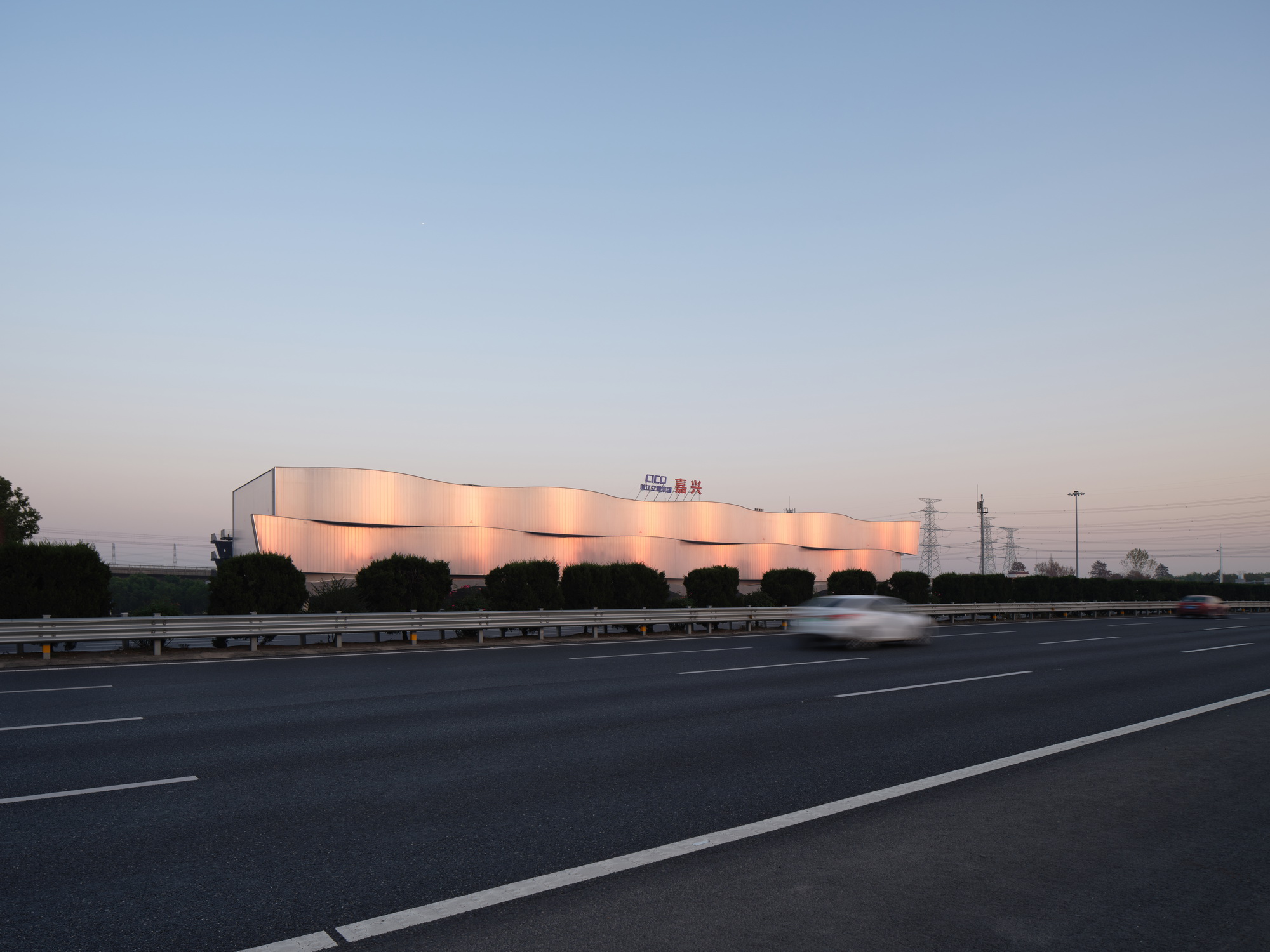
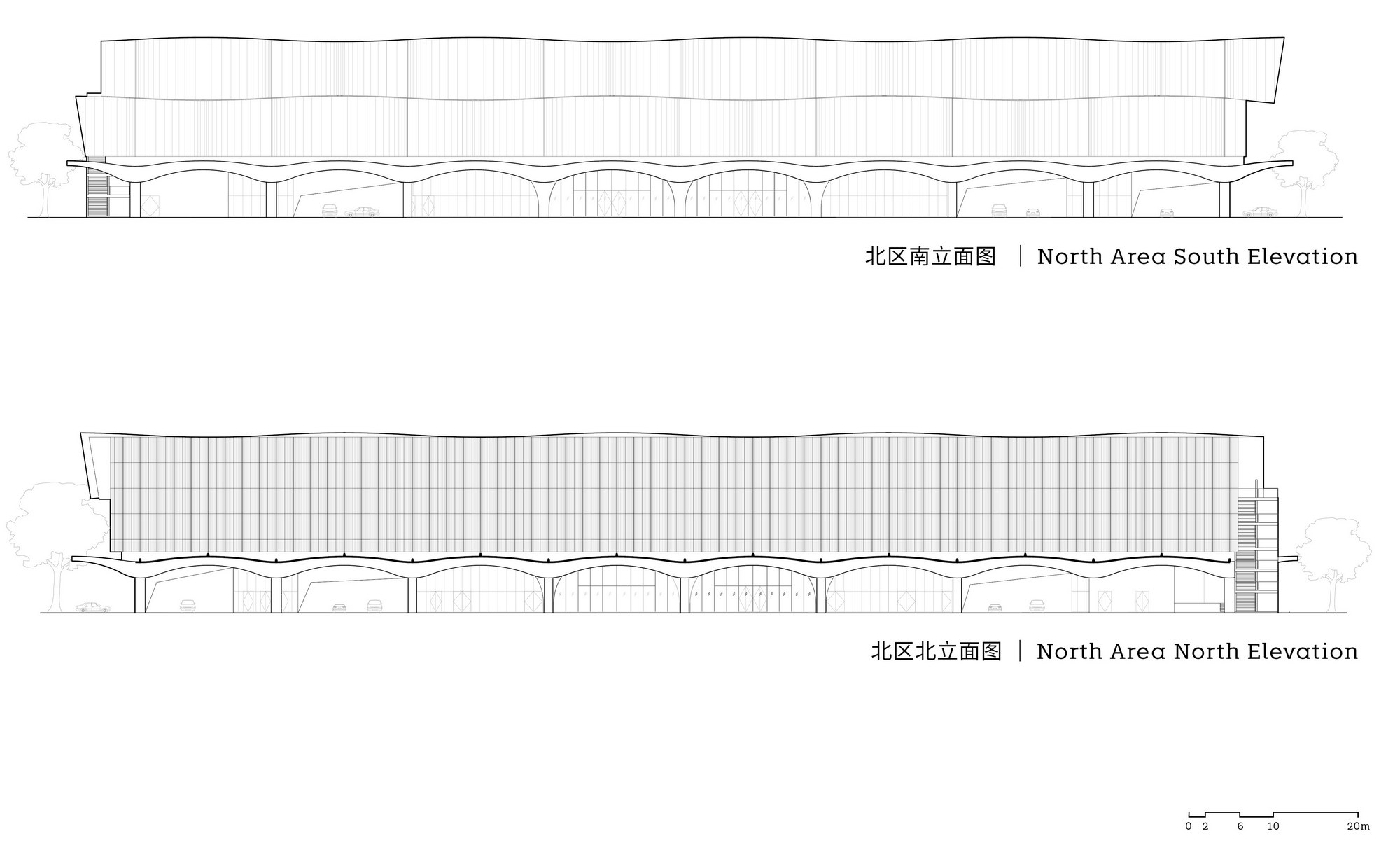
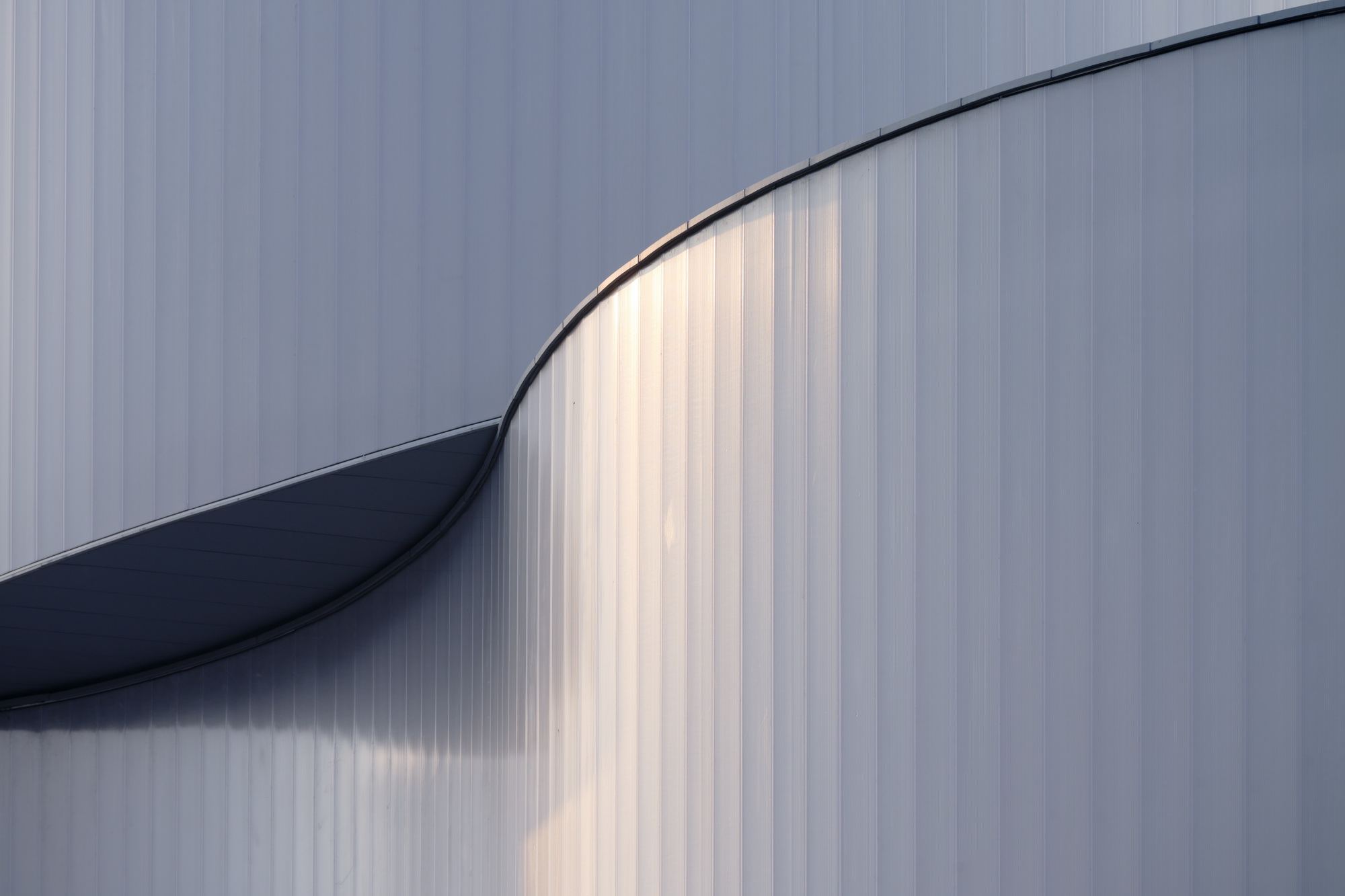
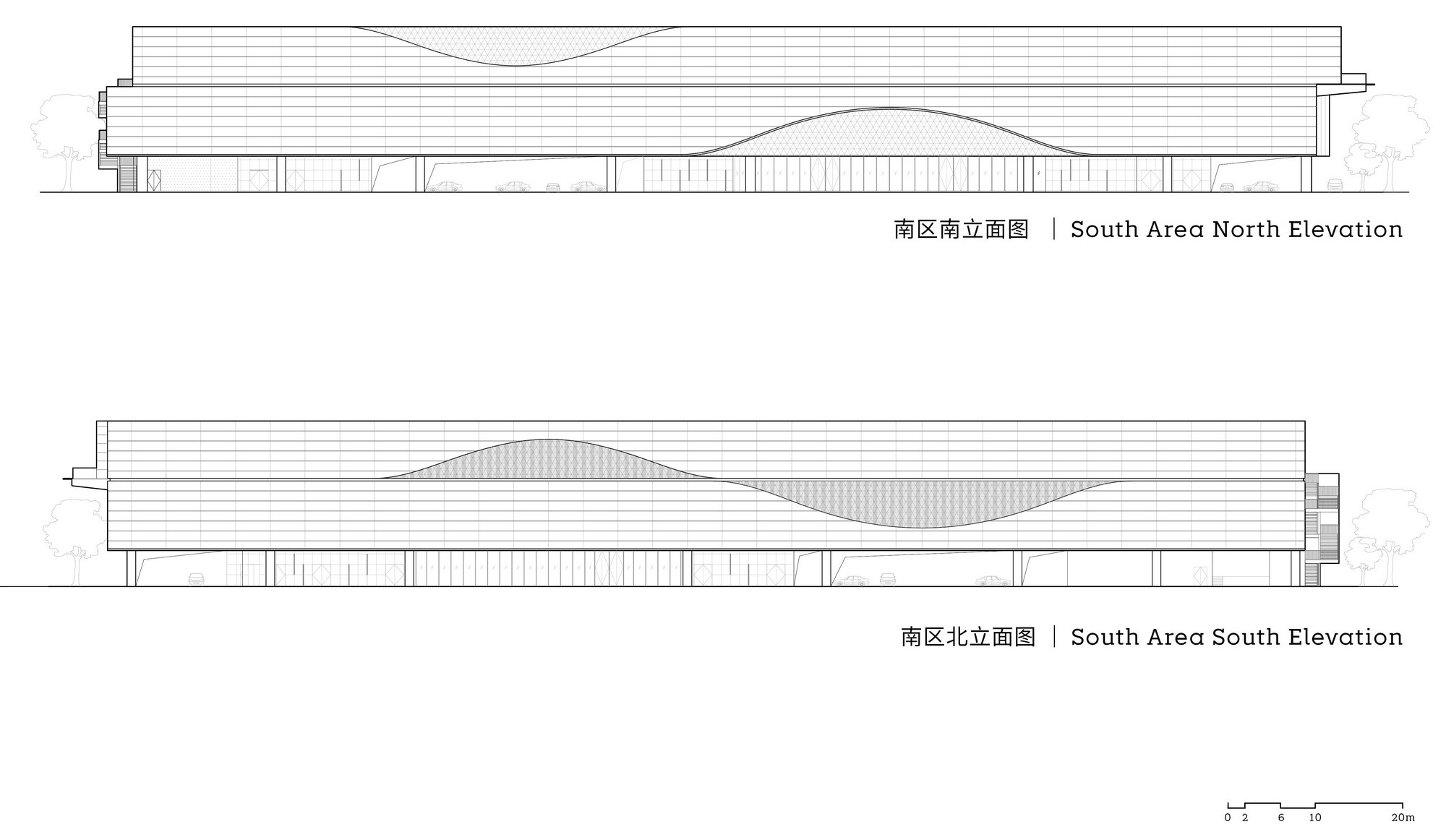
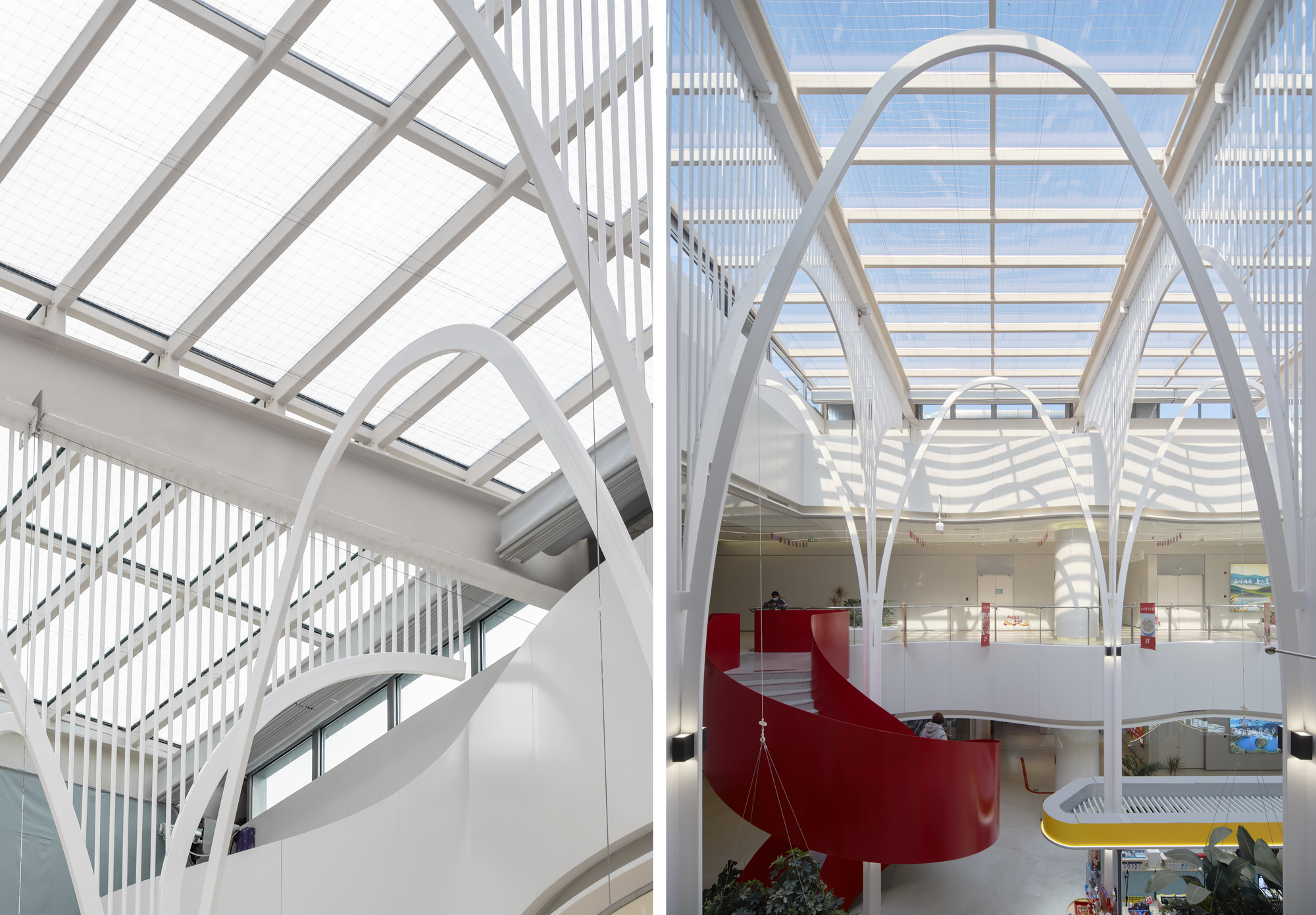
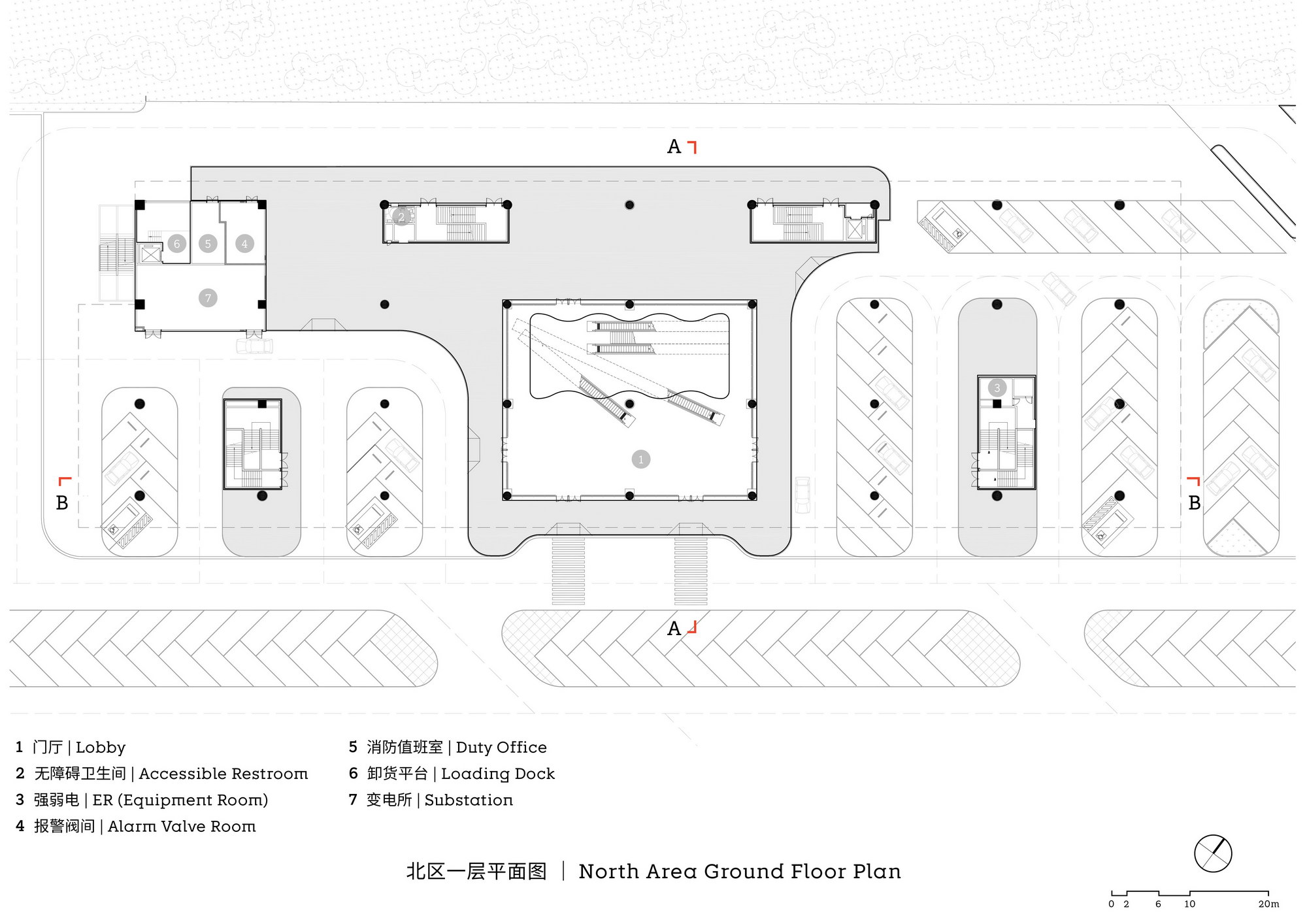
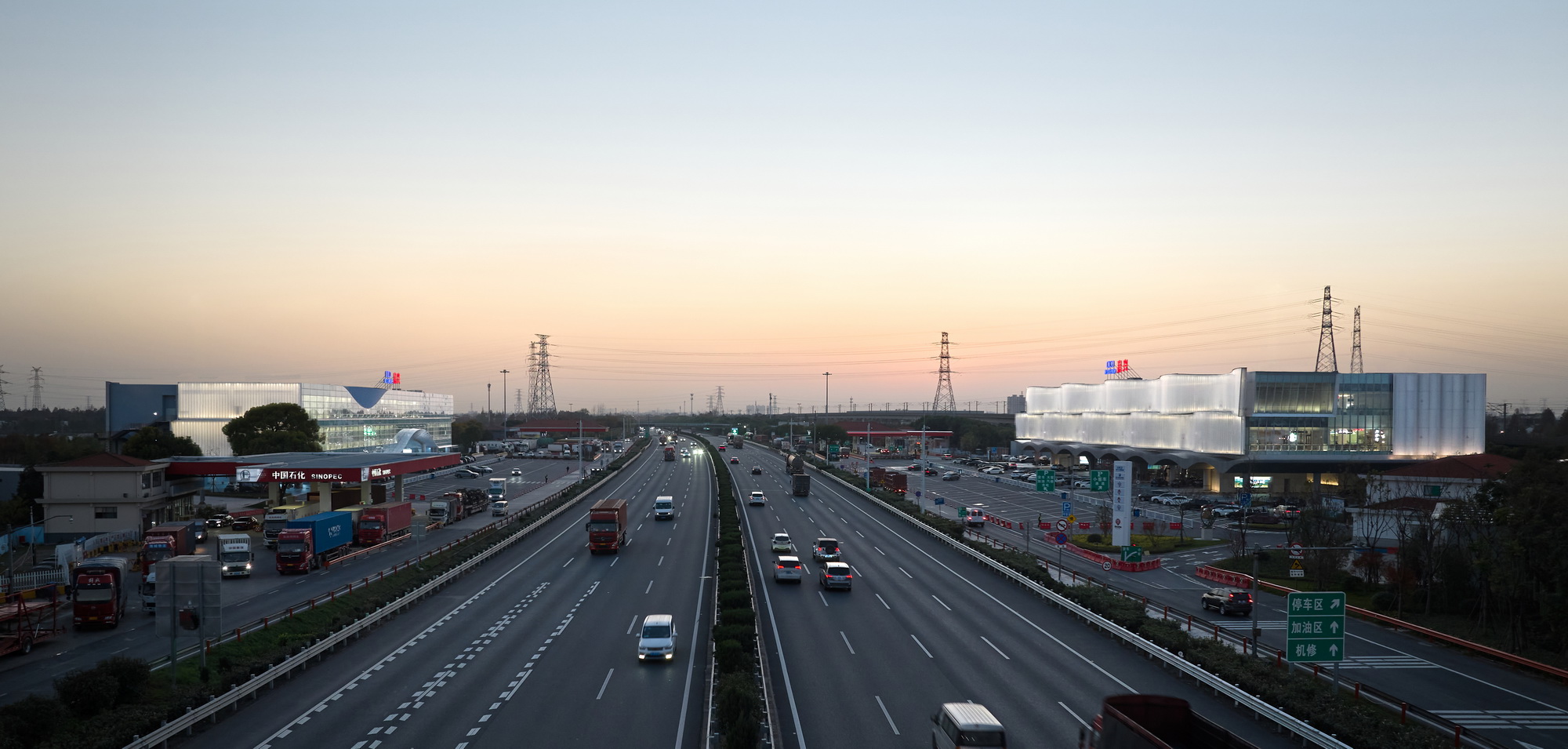
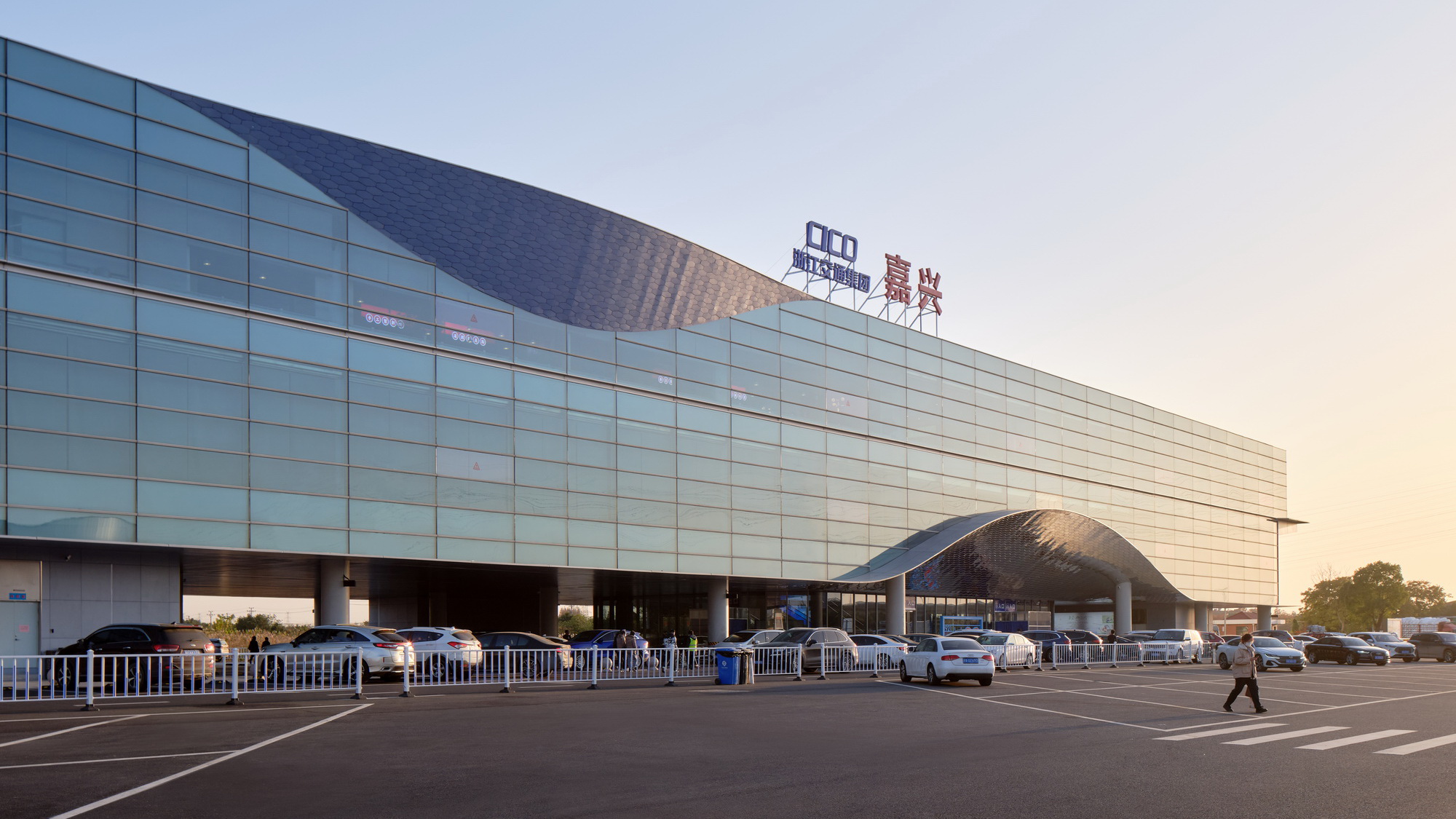
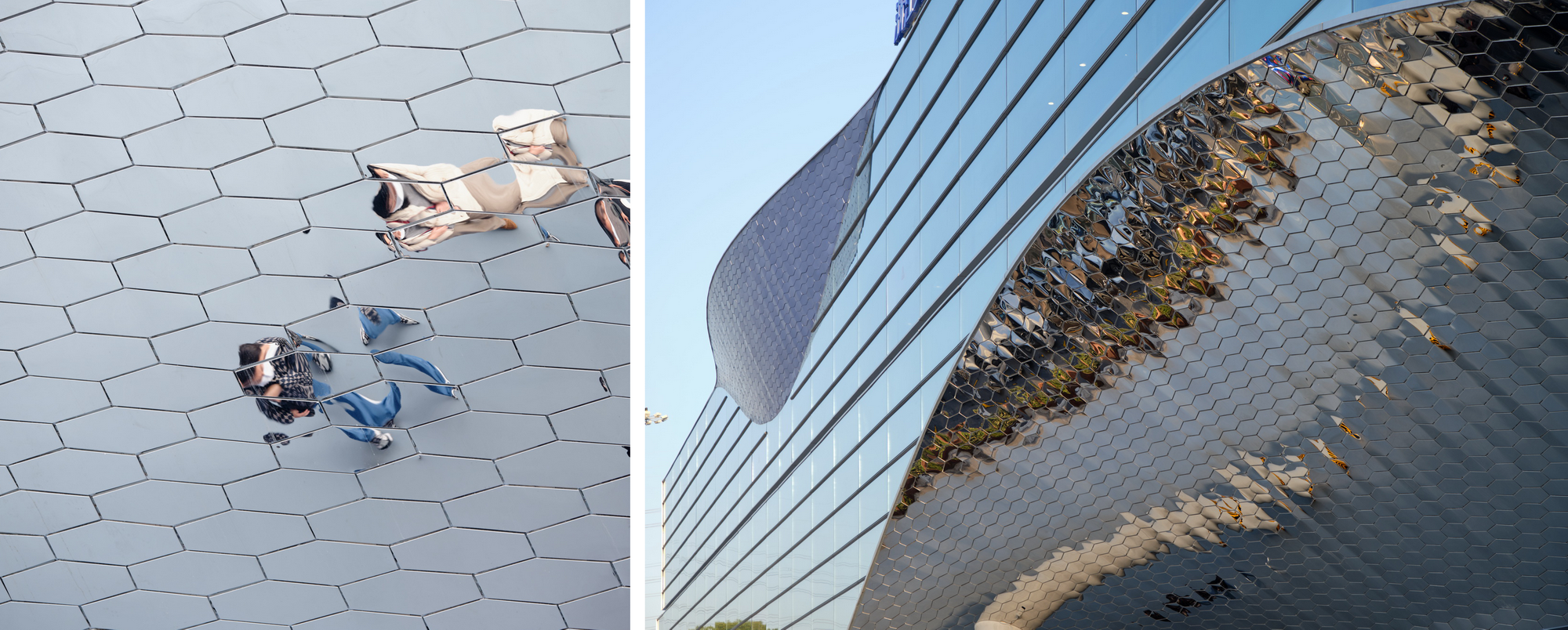
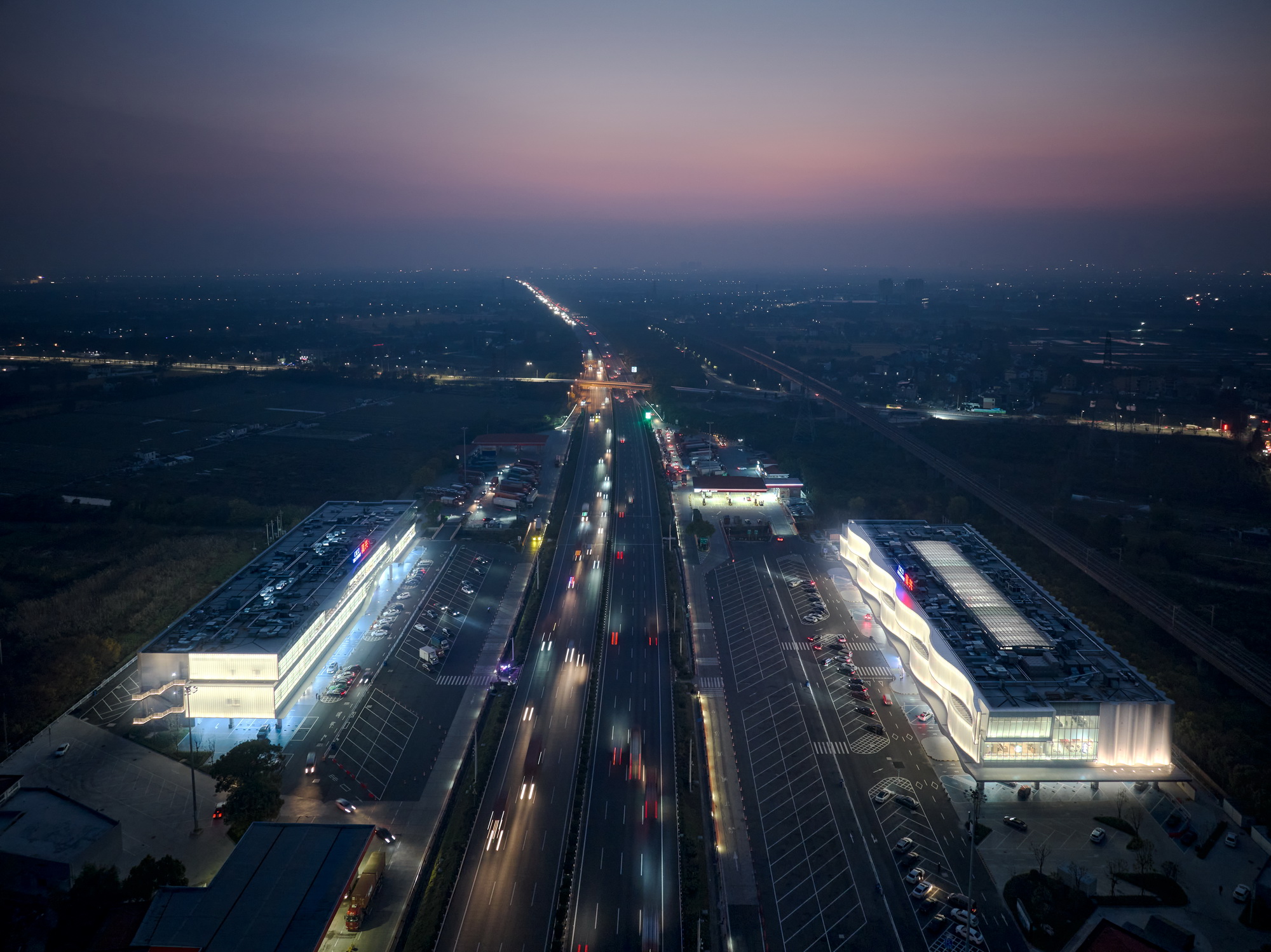
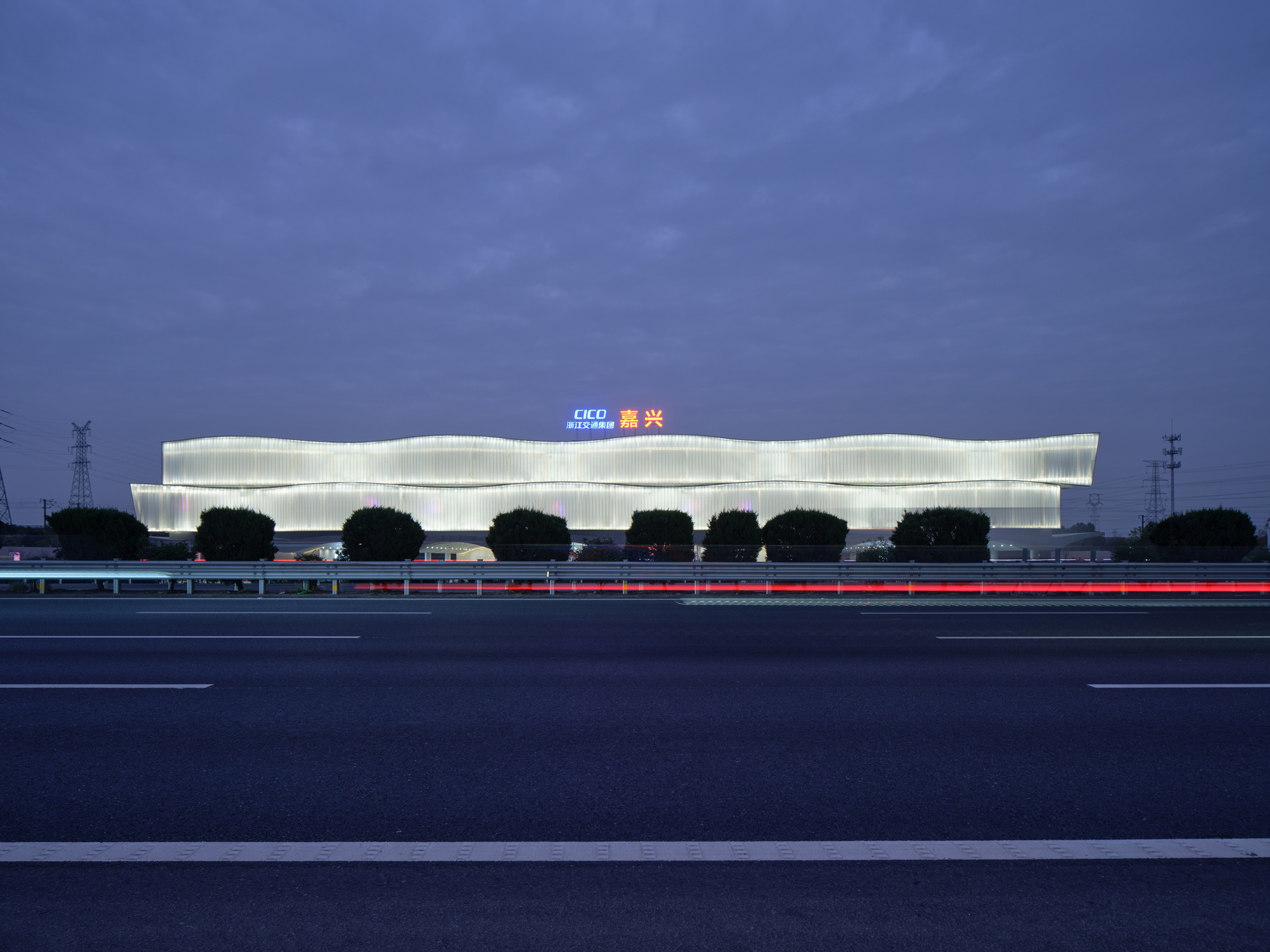
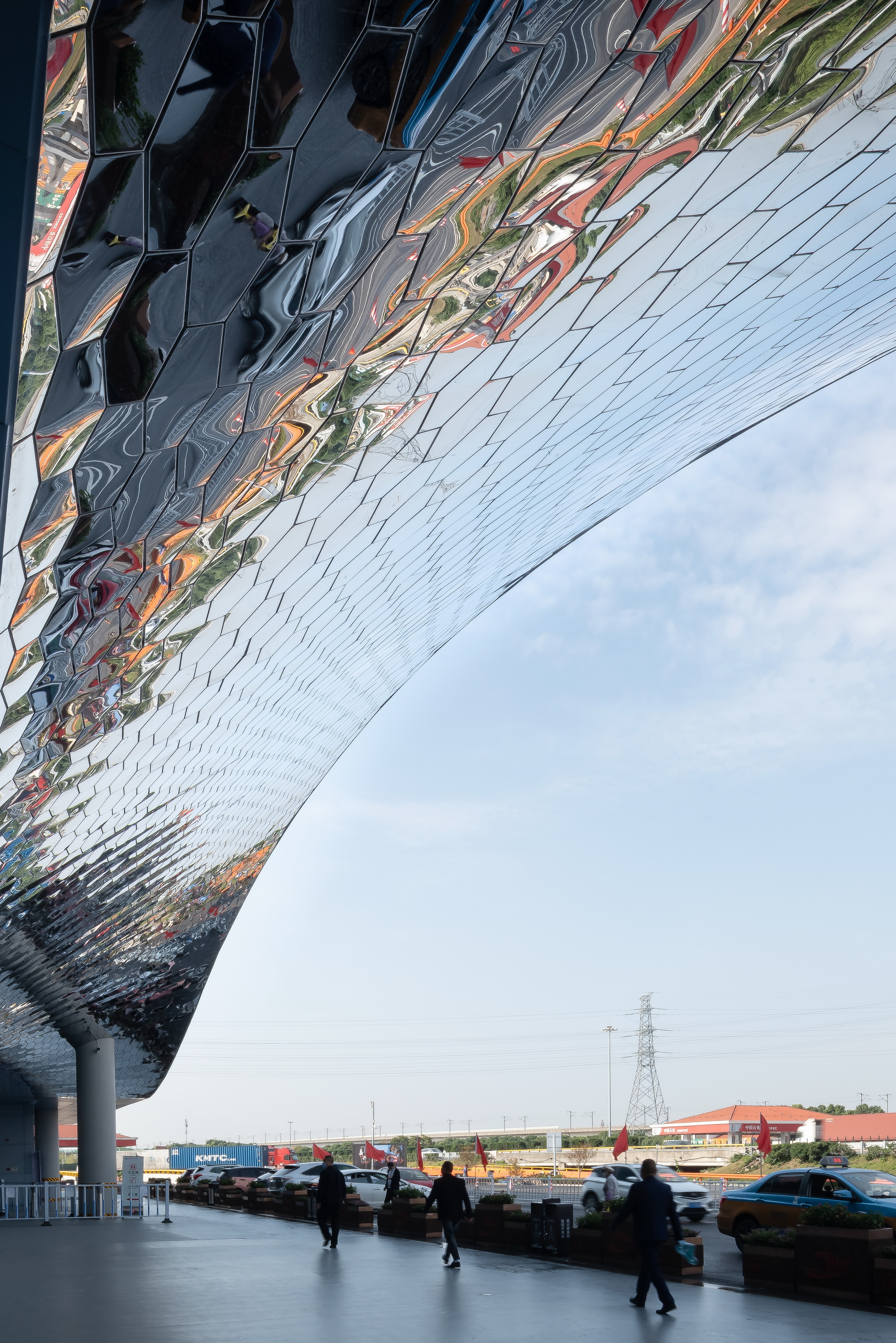
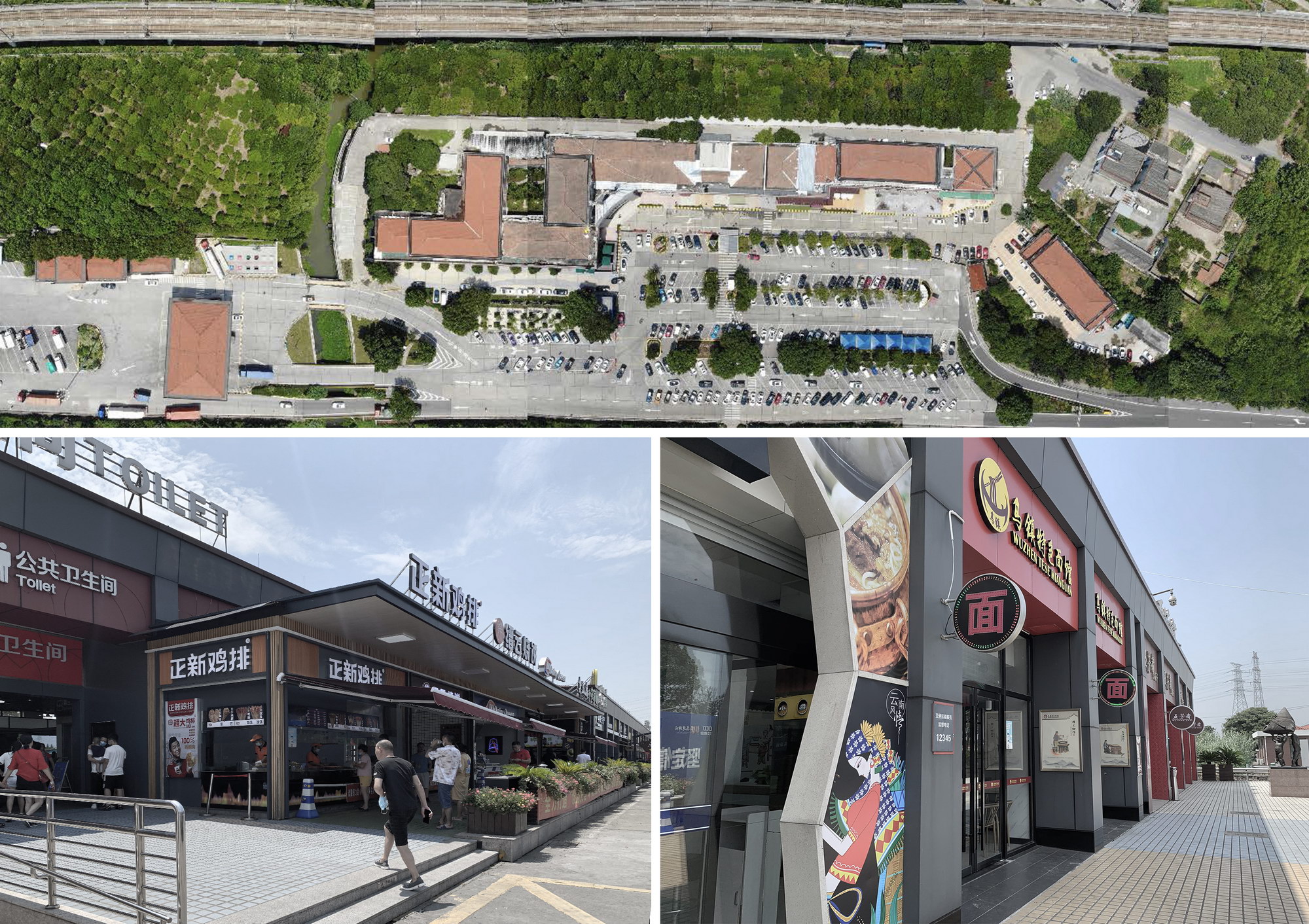
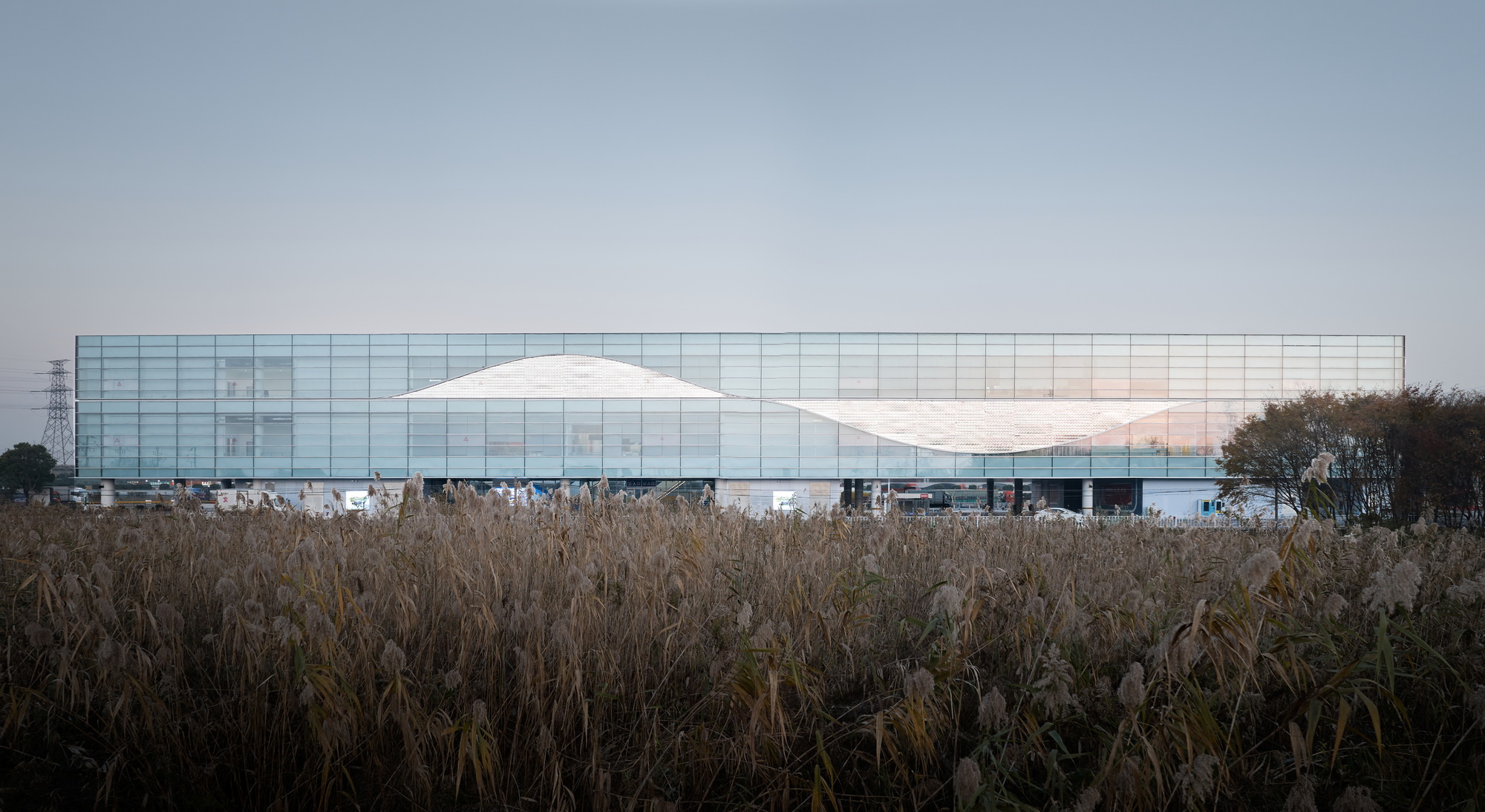
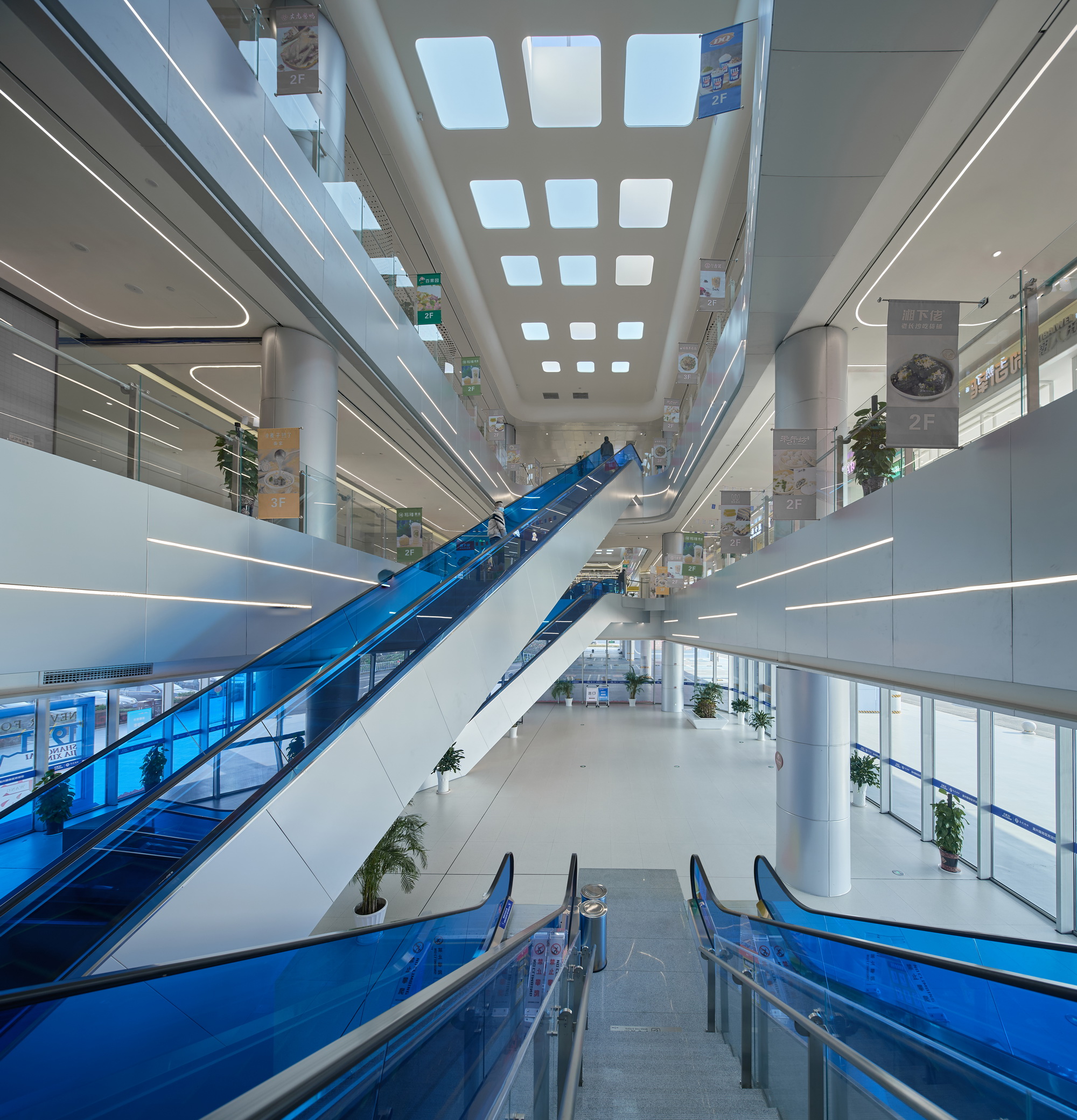
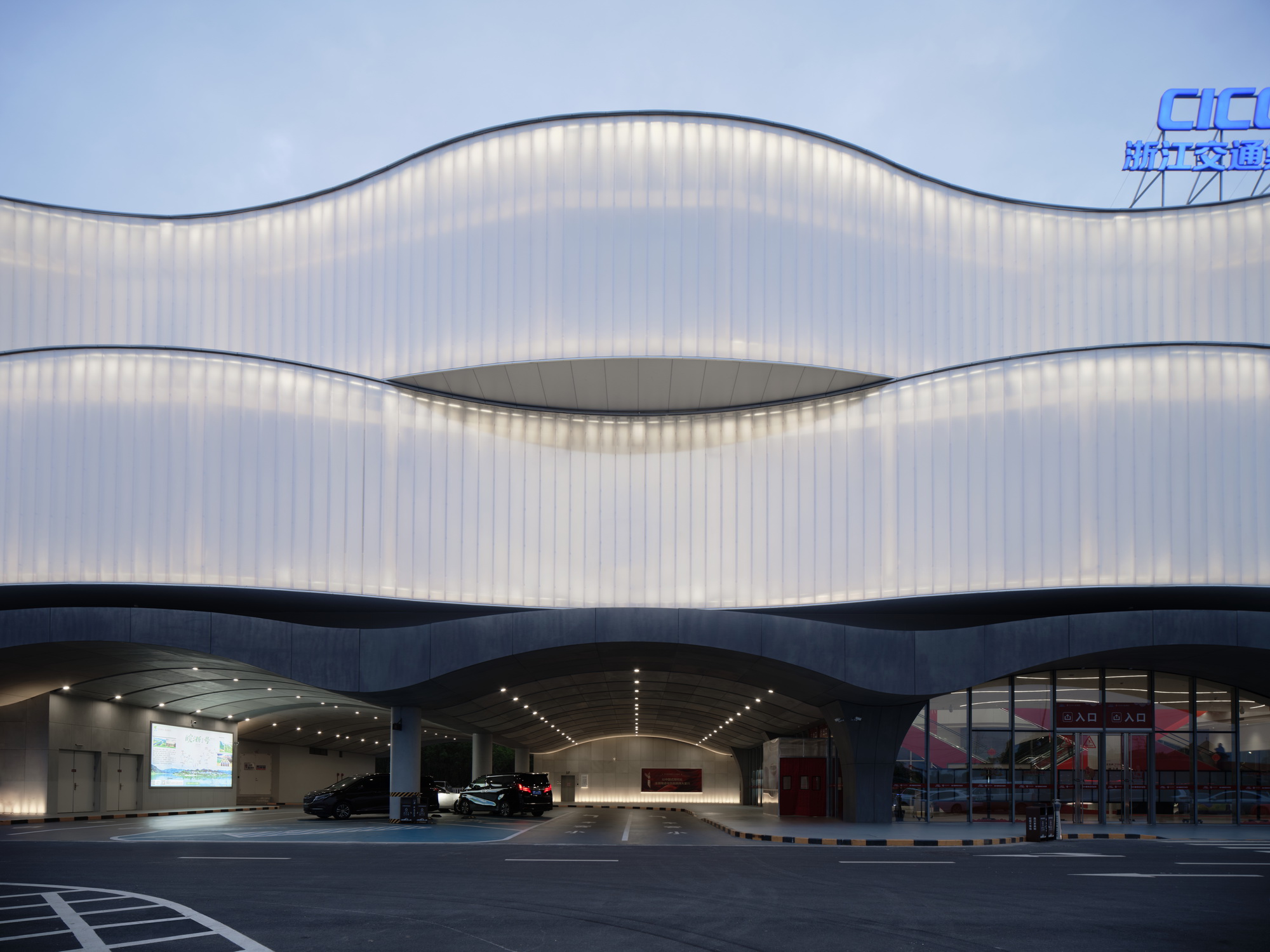
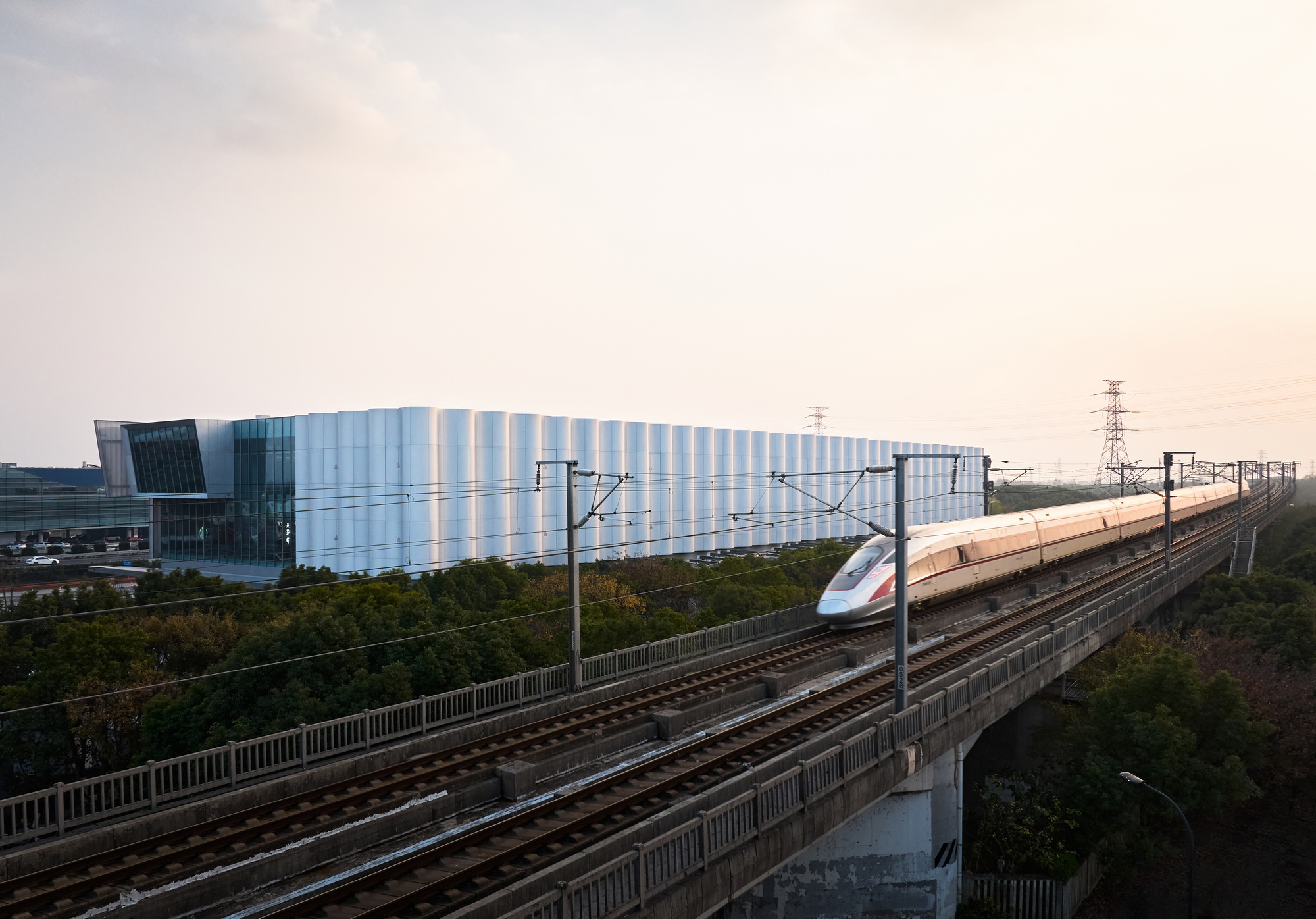
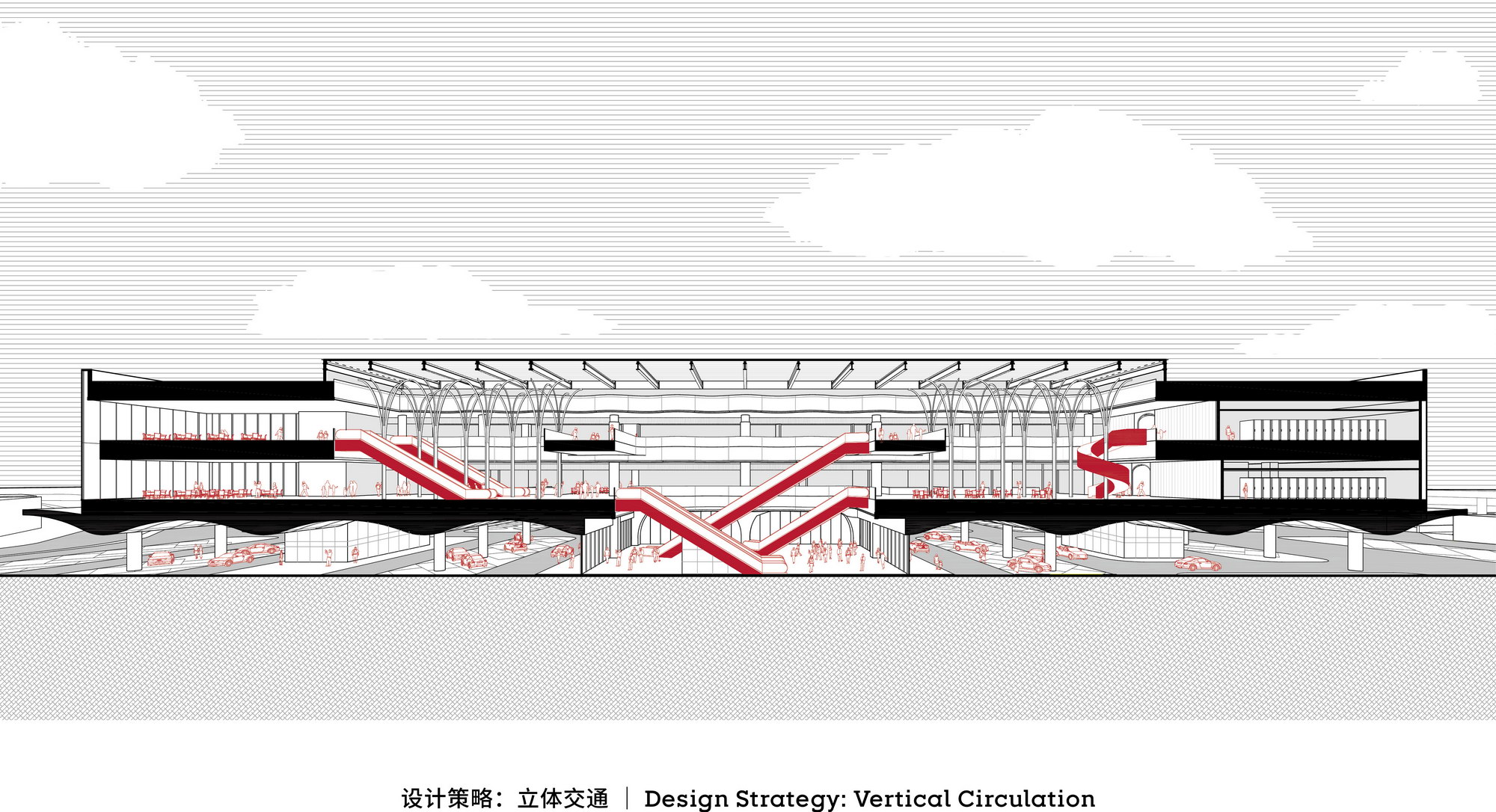
Located in Xiuzhou District, Jiaxing, on the Shanghai-Hangzhou Expressway, the Jiaxing Service Area is the first highway service station travelers encounter when entering Zhejiang from Shanghai and Jiangsu. The original facility, opened in 1999, consisted of separated north and south blocks laid out as a conventional one-bar service building paired with an open-air parking lot. Over two decades it became known nationally as the birthplace of the first Starbucks on a Chinese expressway and as the place where Jiaxing zongzi first reached a nationwide audience, but by 2020 the limited site and ageing facilities could no longer handle rising traffic and service expectations. Zhejiang Communications Investment Group therefore launched a full renewal, won in open tender by goa Elephant Design acting as whole-process engineering consultant; Xinjie Construction was the contractor and Jiada Design the facade consultant. The result is Zhejiang's first comprehensive service area built on a pilotis, ground-floor parking strategy. Reinterpreting the highway service area as more than a functional shed, the team advanced a 'Service Area Plus' concept that treats the station as a composite platform for culture, commerce and hospitality, and as a roadside calling card for the city. Dense urban constraints were turned into a vertical, intensive solution: lifting the building releases the ground plane for vehicle circulation and greatly expands parking while shielding passengers from Jiaxing's hot, rainy summers and cold, damp winters. Inside, a funnel-shaped atrium narrows at the base and widens upward, crossed by flying escalators that act as the building's vertical spine, guiding arriving travellers upward and dispersing departing crowds; retail and dining wrap the atrium at every level so that visitors with time to linger can wander while those in a hurry can reach restrooms and quick-service counters directly. Accessible toilets and lifts on the pilotis level serve all users. Standing on the flat Hangjiahu plain among villages and farmland, the two north and south volumes are rendered as bold geometric blocks suspended over the highway rather than as themed architecture; their facades abstract Jiaxing's Red Boat culture into motifs of water, boat and grain. The north block evokes rippling South Lake waves through a curved polycarbonate skin, its translucent warmth contrasting with heavy cement-fibre ceiling panels, while the south block pursues a future-boat idea in smooth metal and three-dimensional curvature, its mirror-polished stainless entrance canopy throwing reflections of arriving visitors. Completed in 2022 on a 21,800-square-metre site, the project argues that transport architecture is by definition future-facing, and that even the most mundane roadside building can be rethought around the human being inside it.





 Editor's Pick
 Latest Design


