Text description provided by the architects
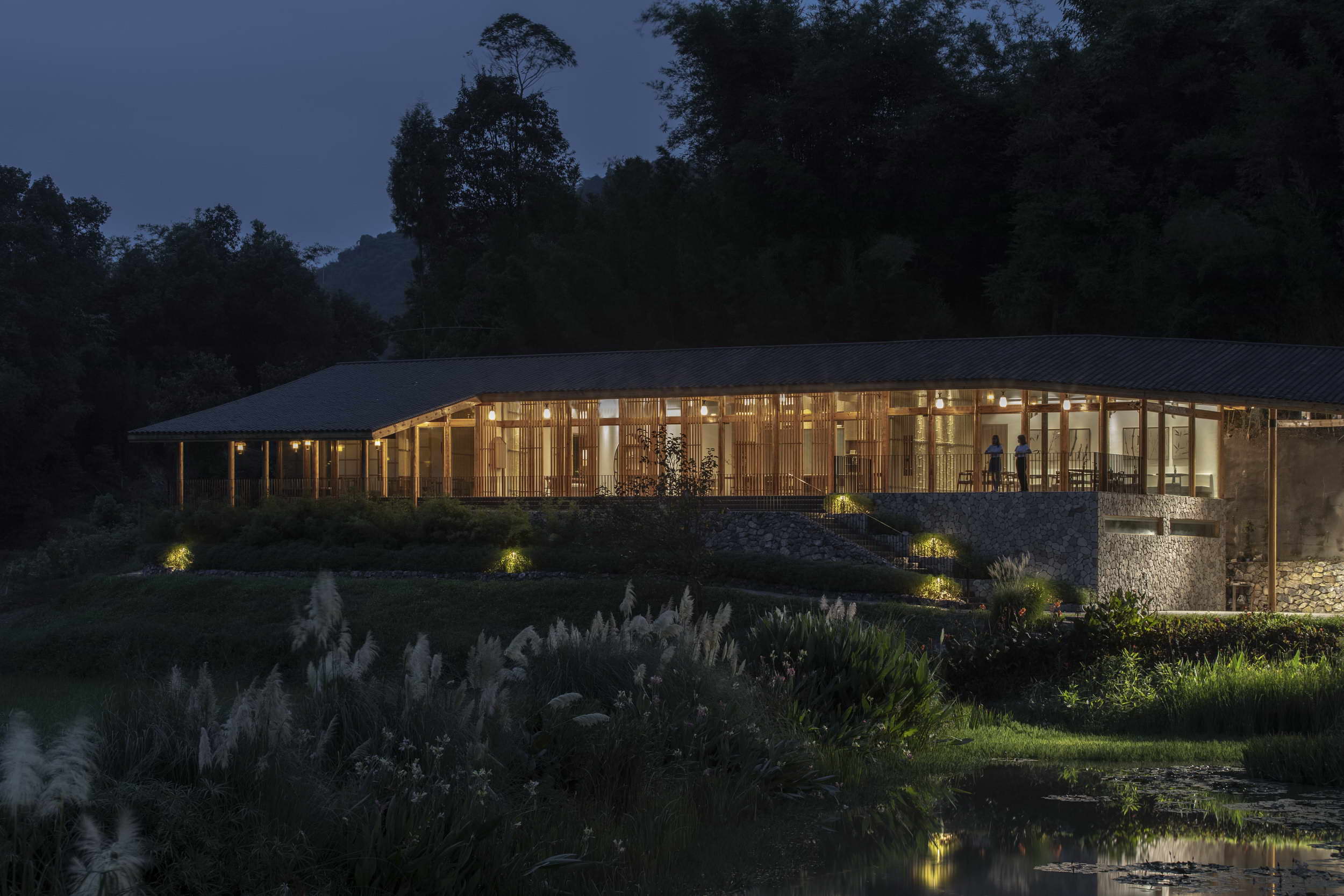
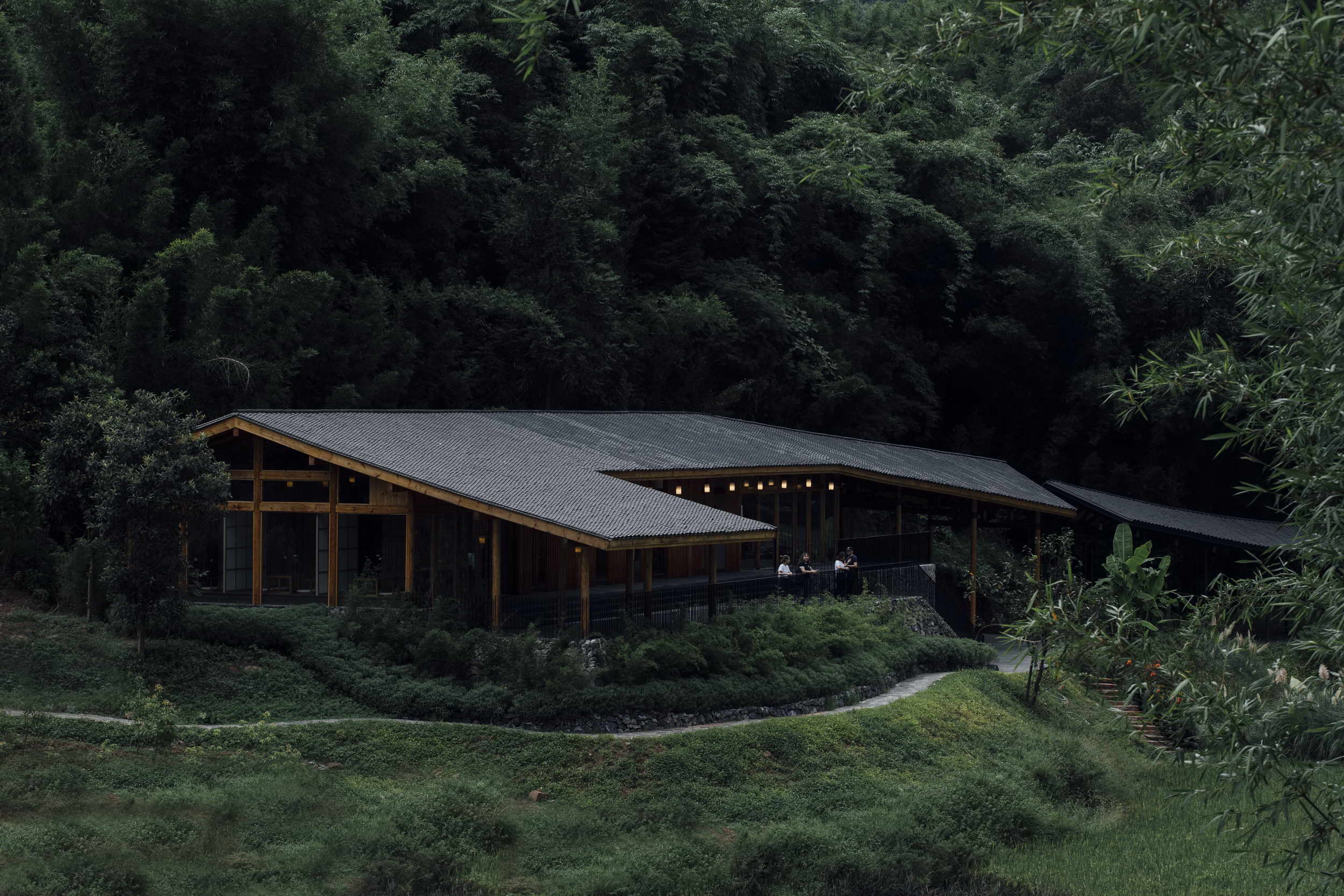
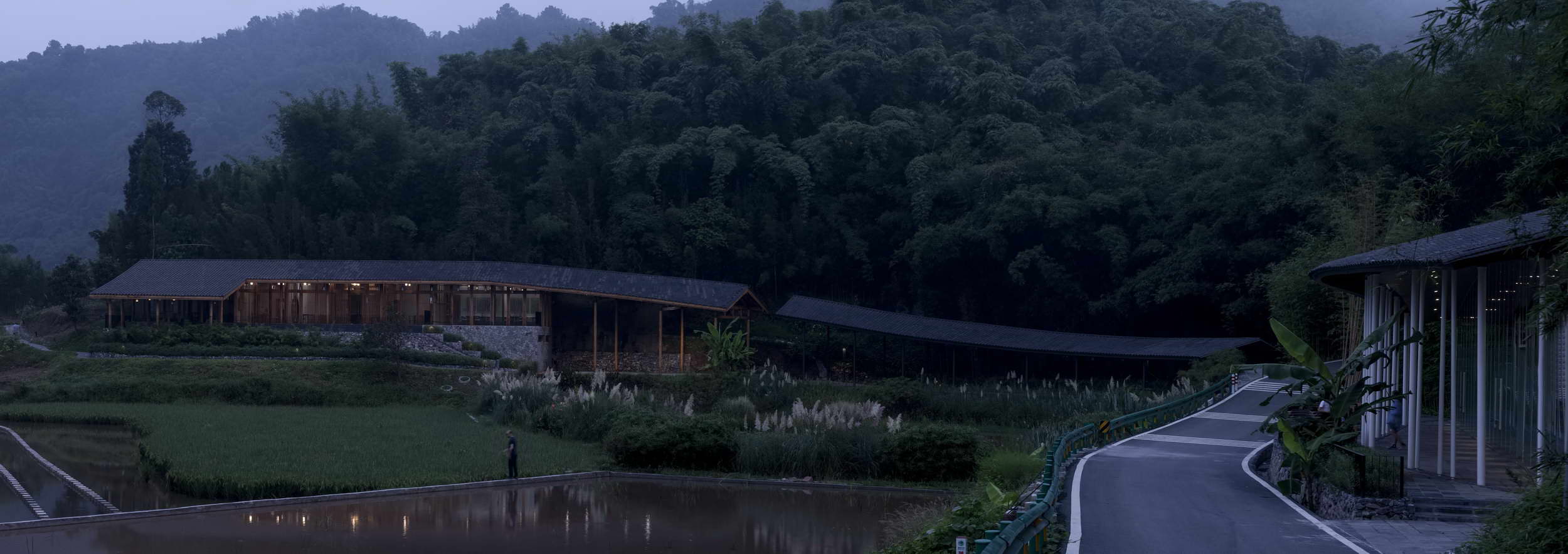
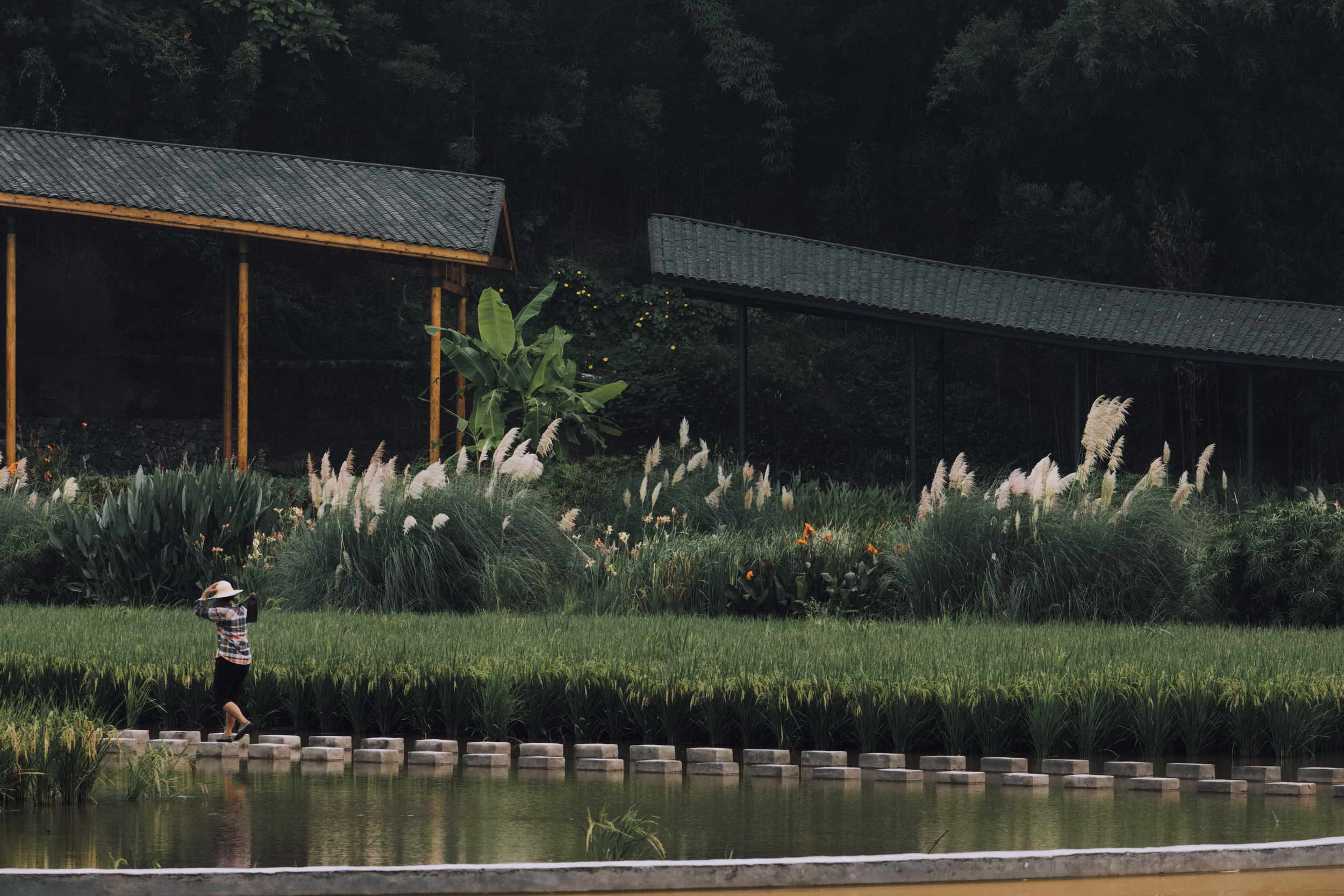
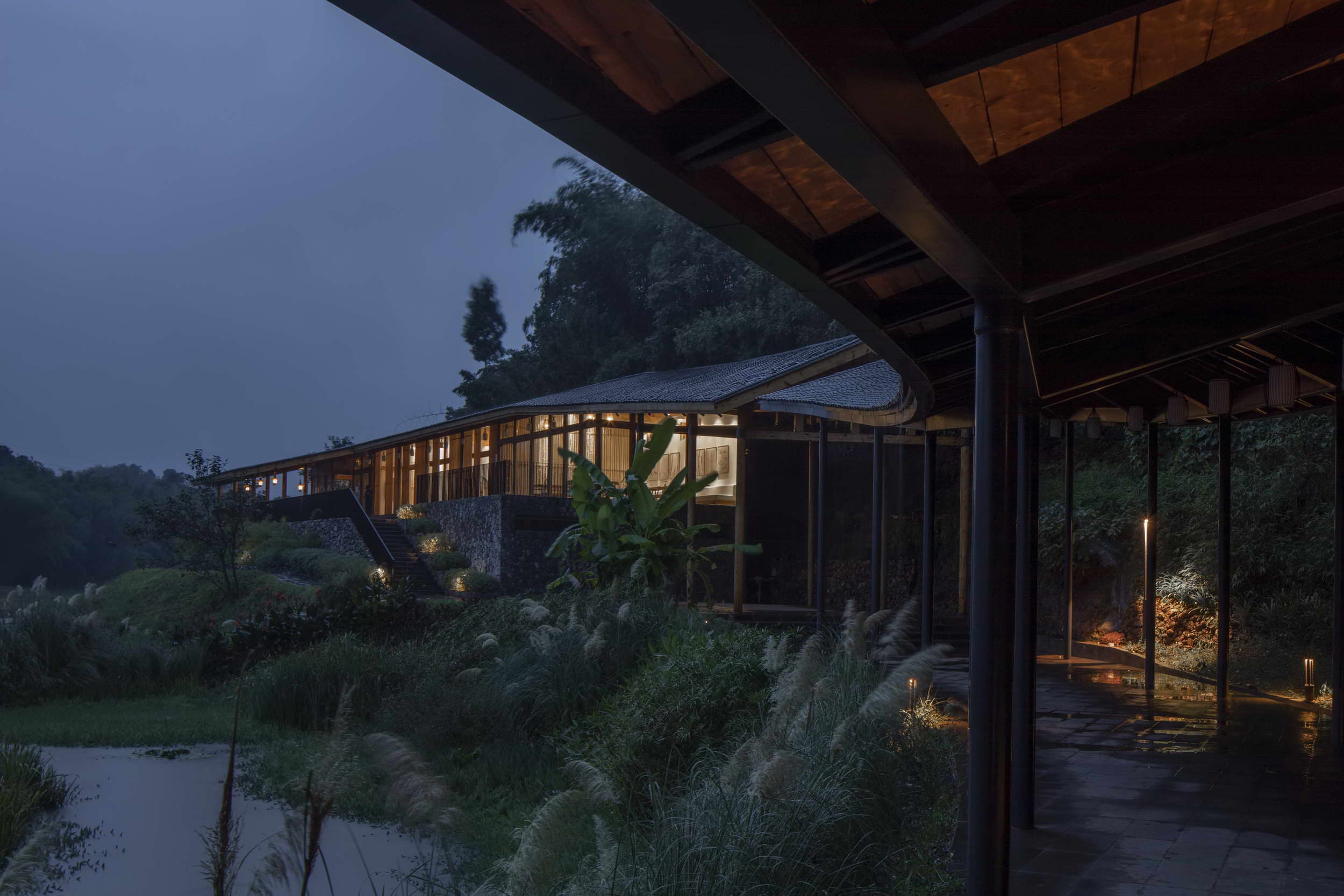
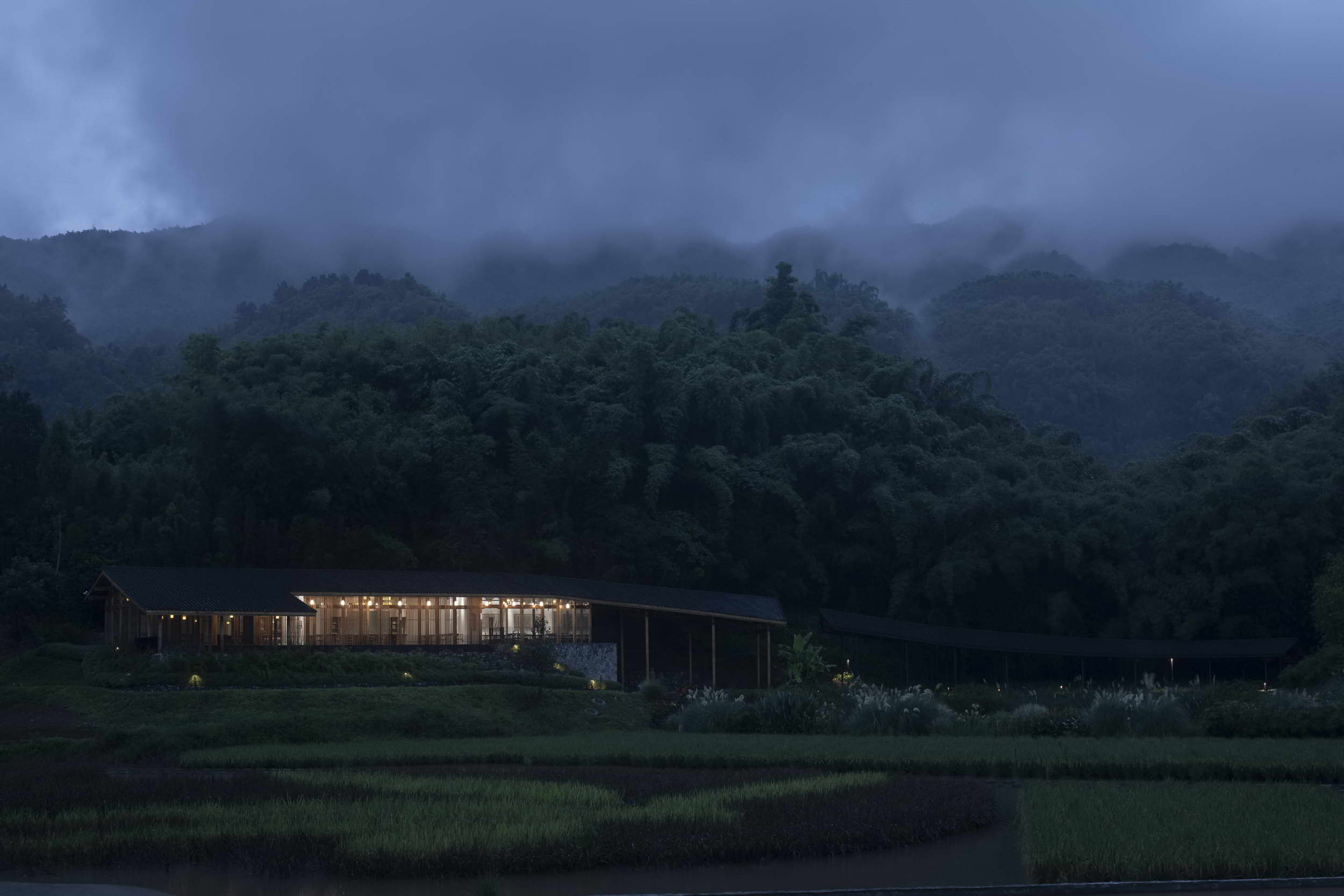
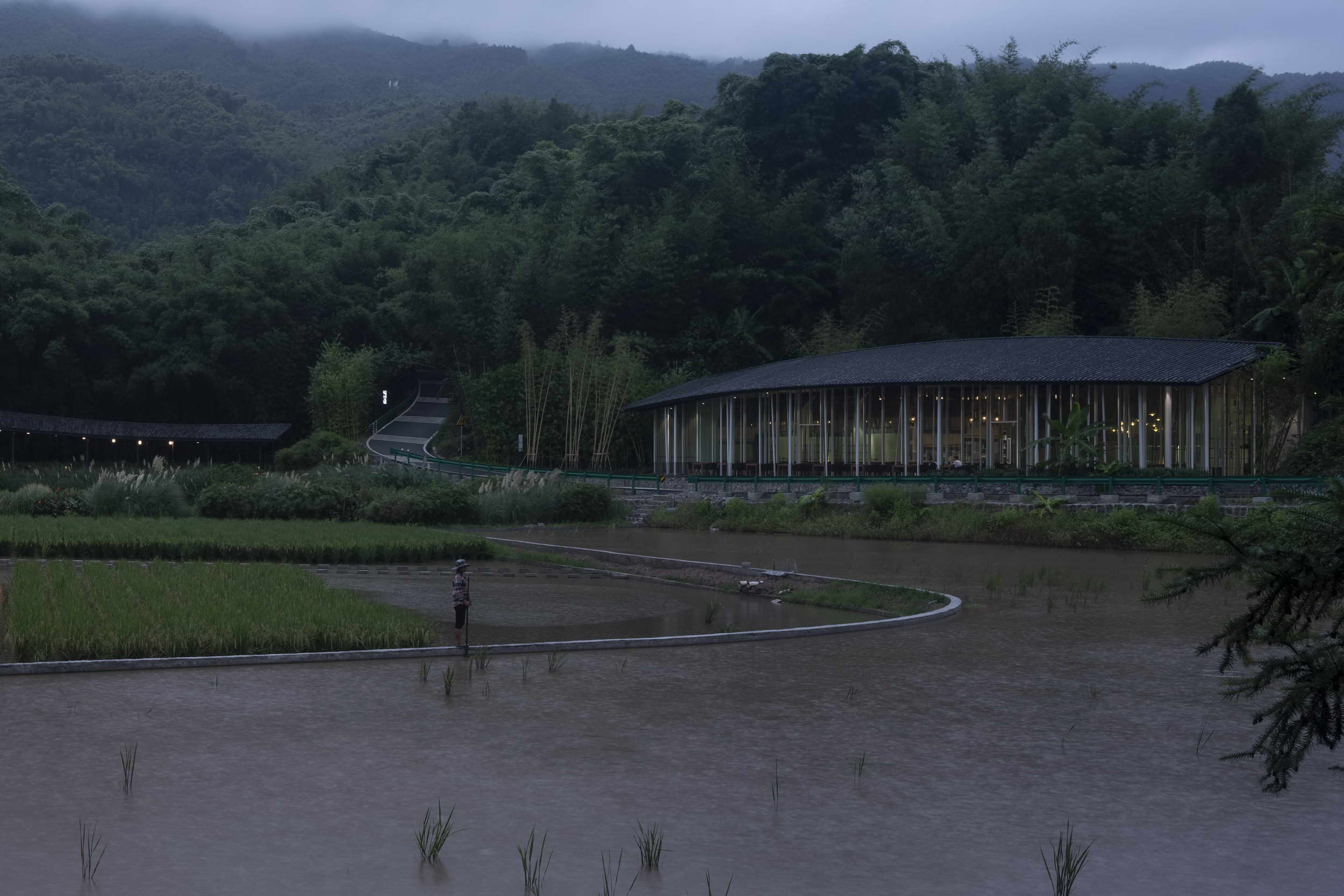
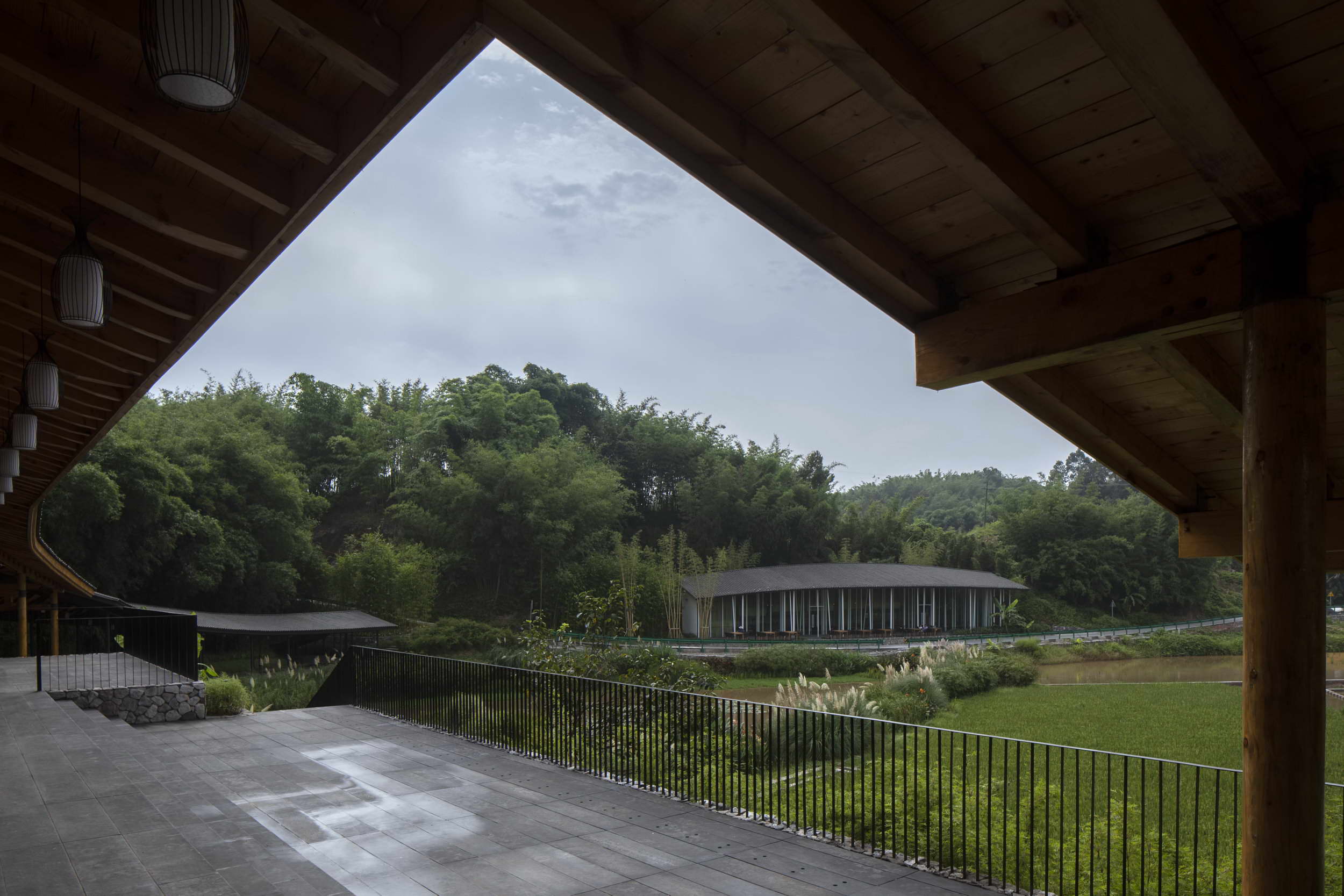
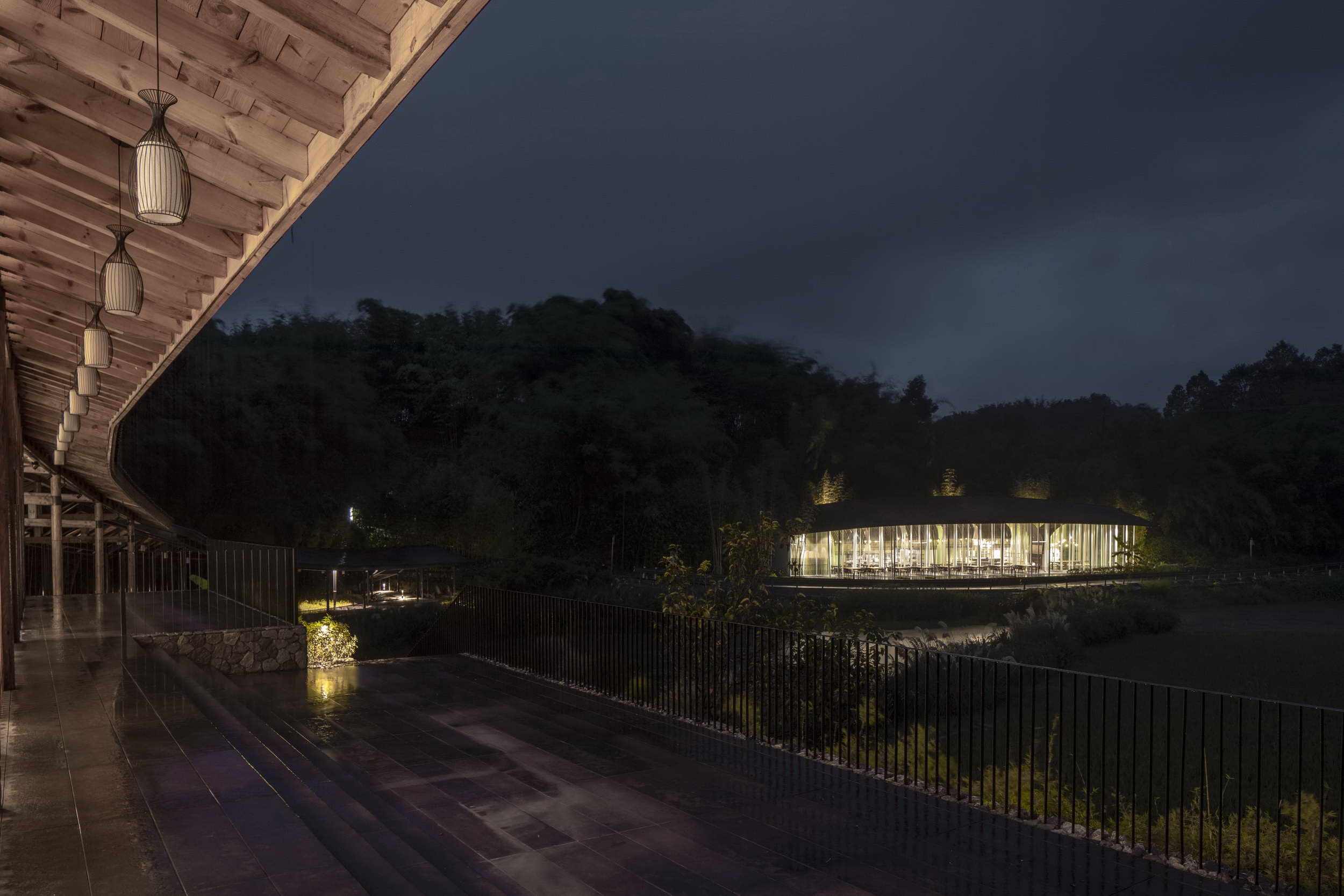
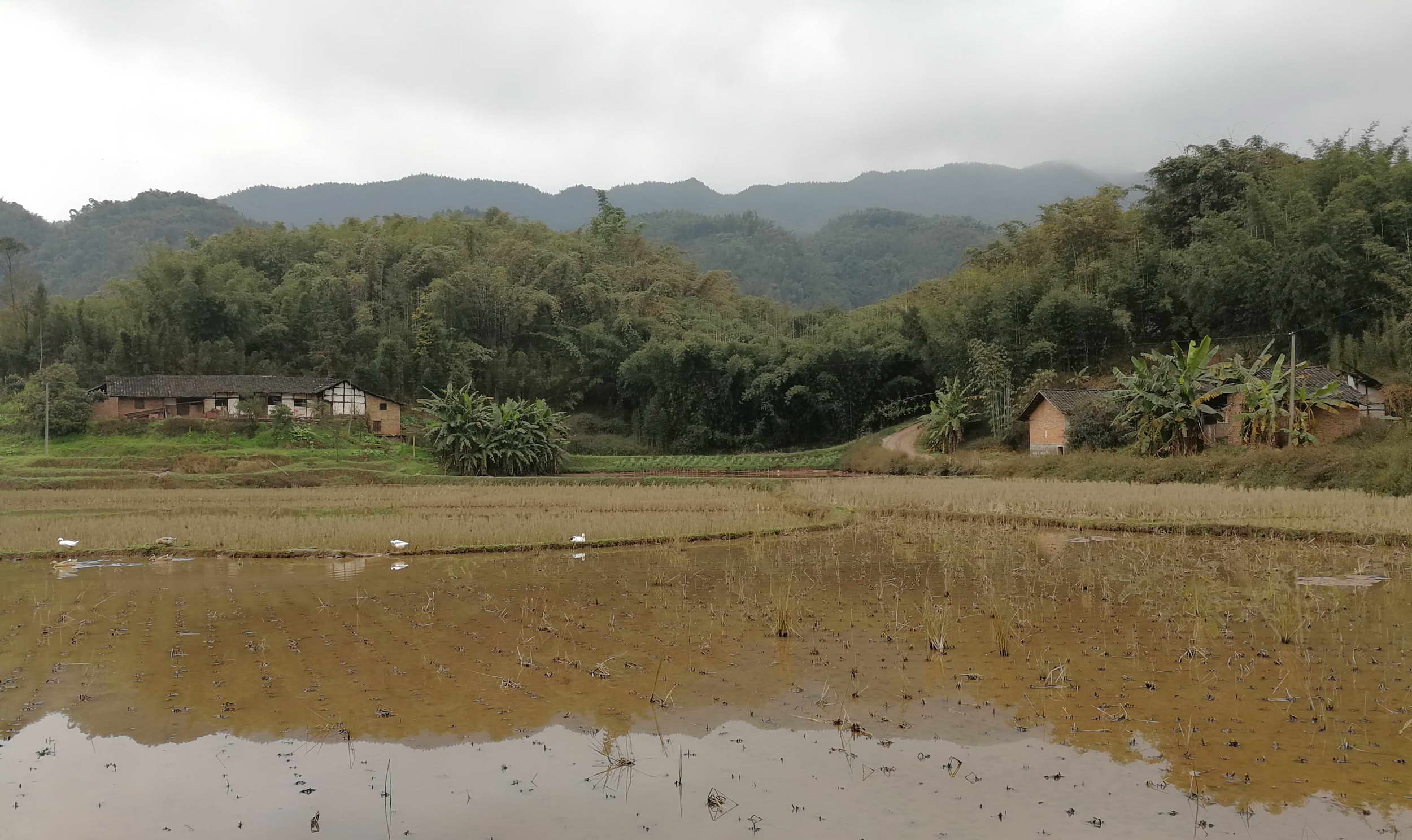
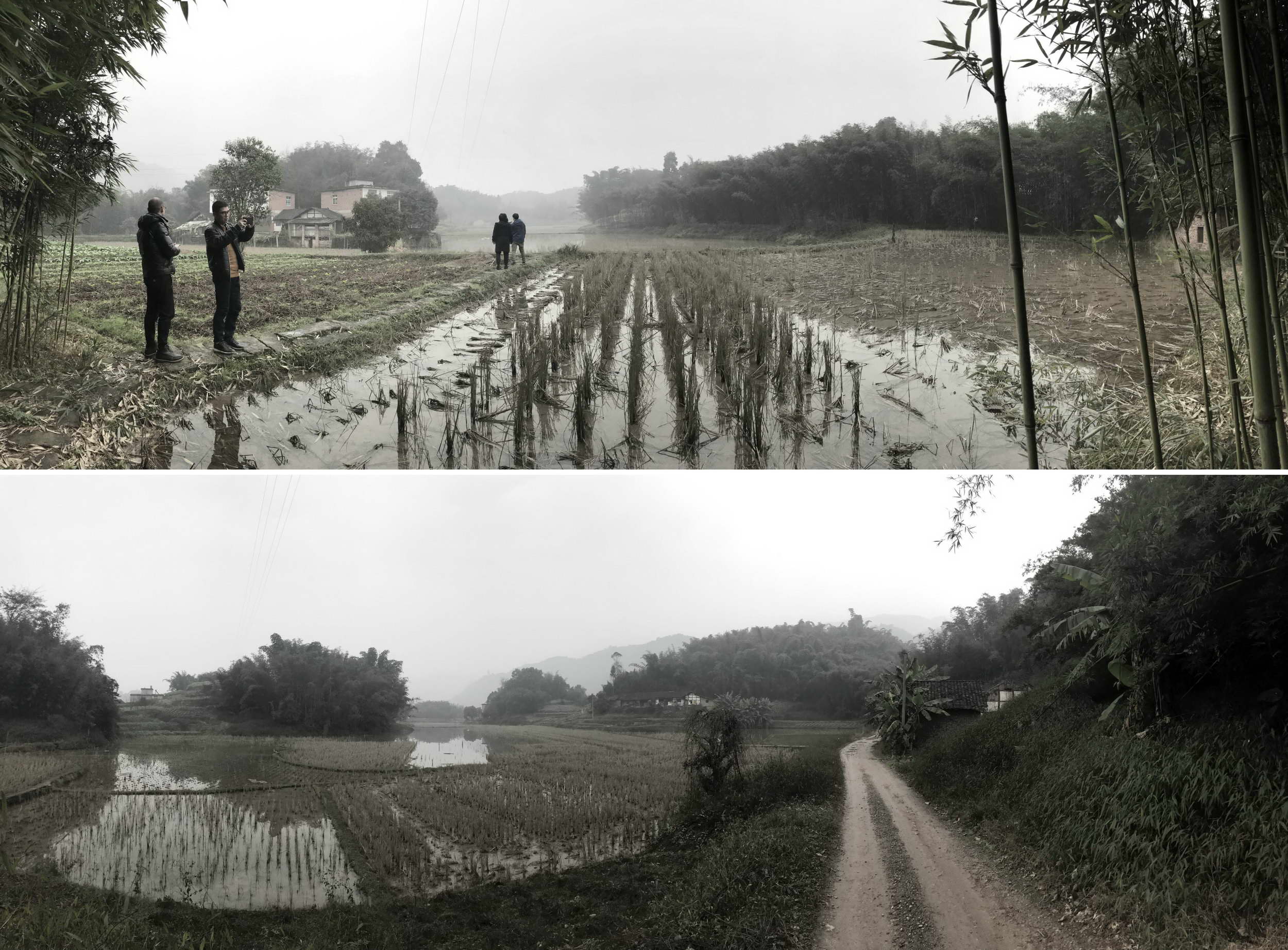
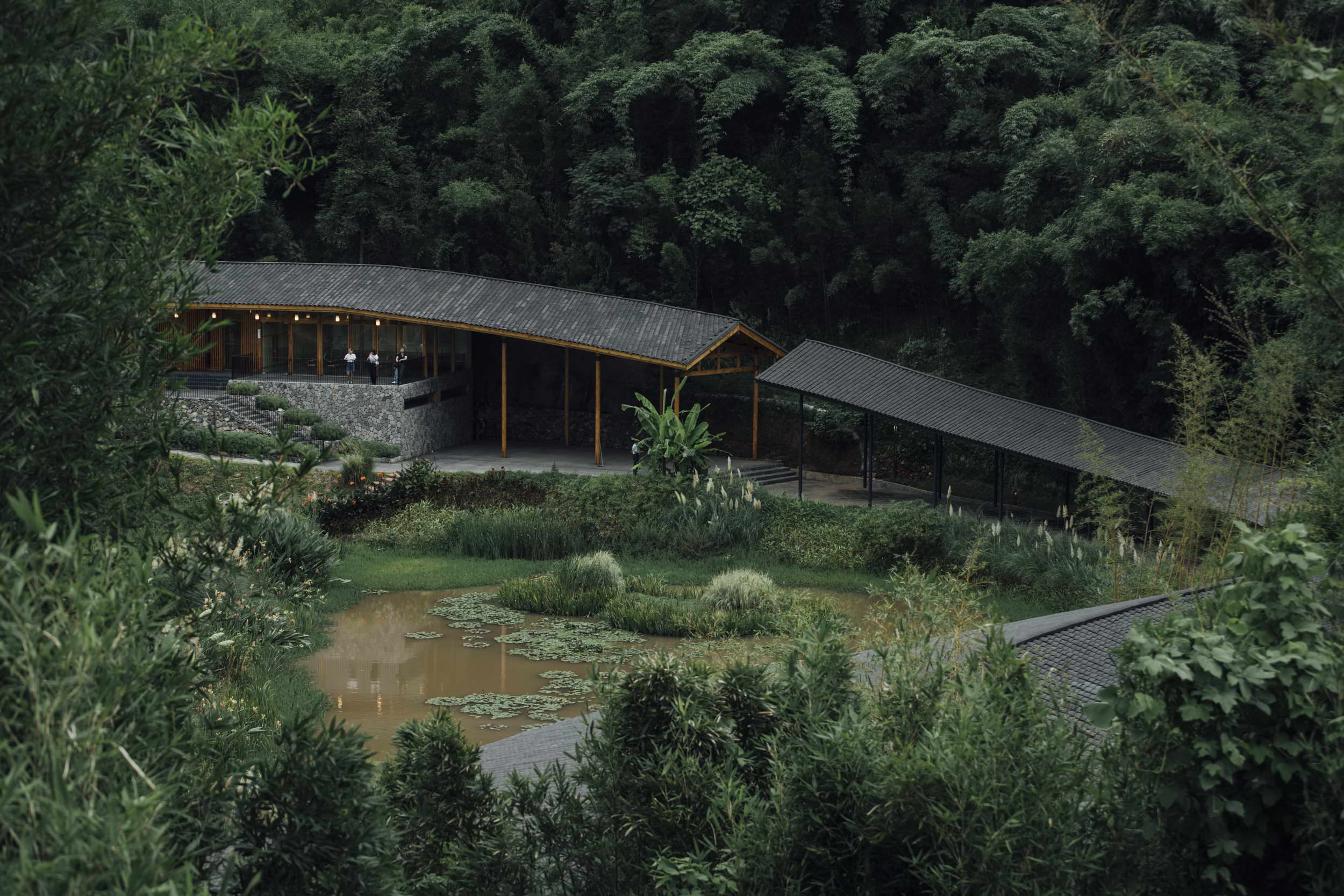
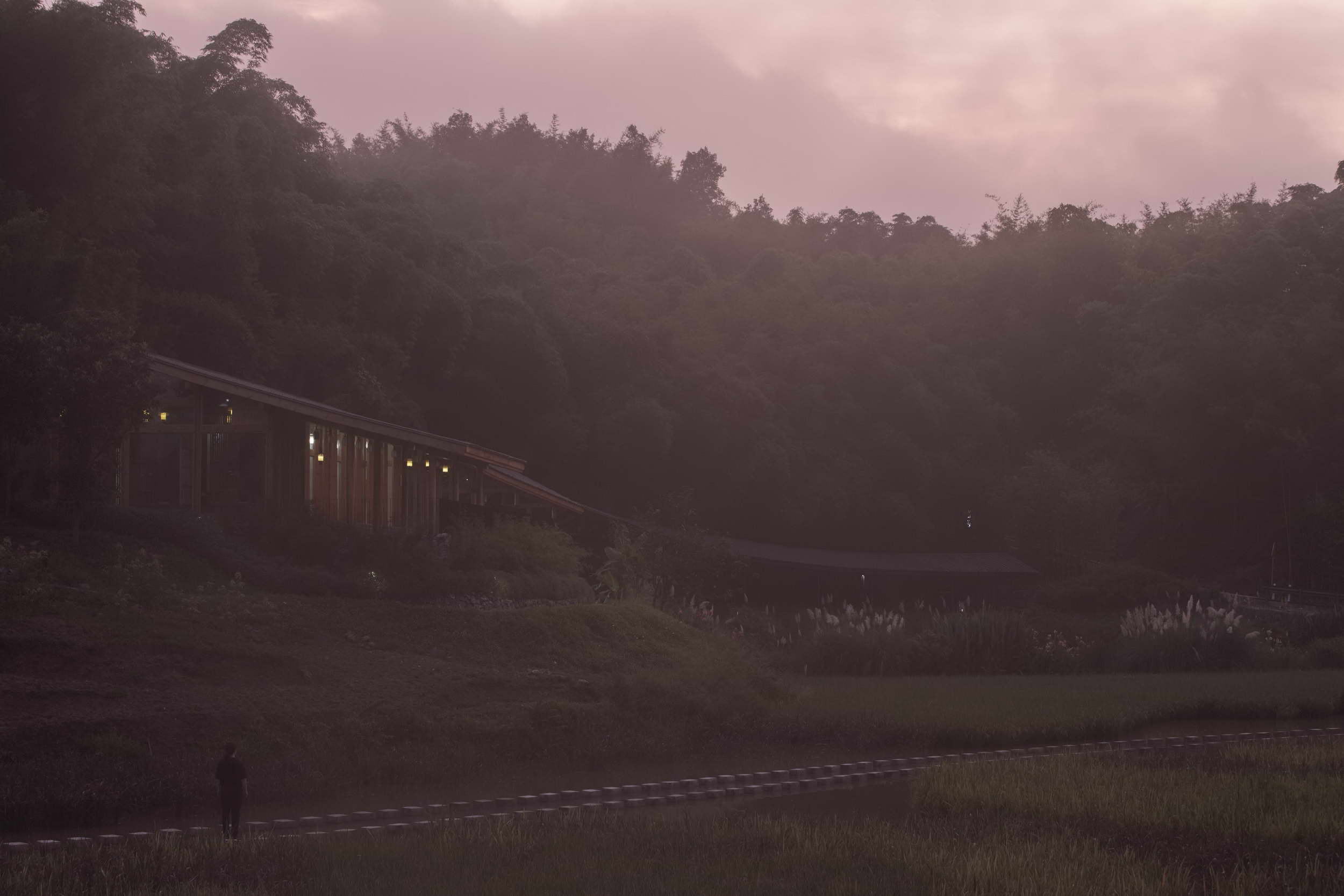
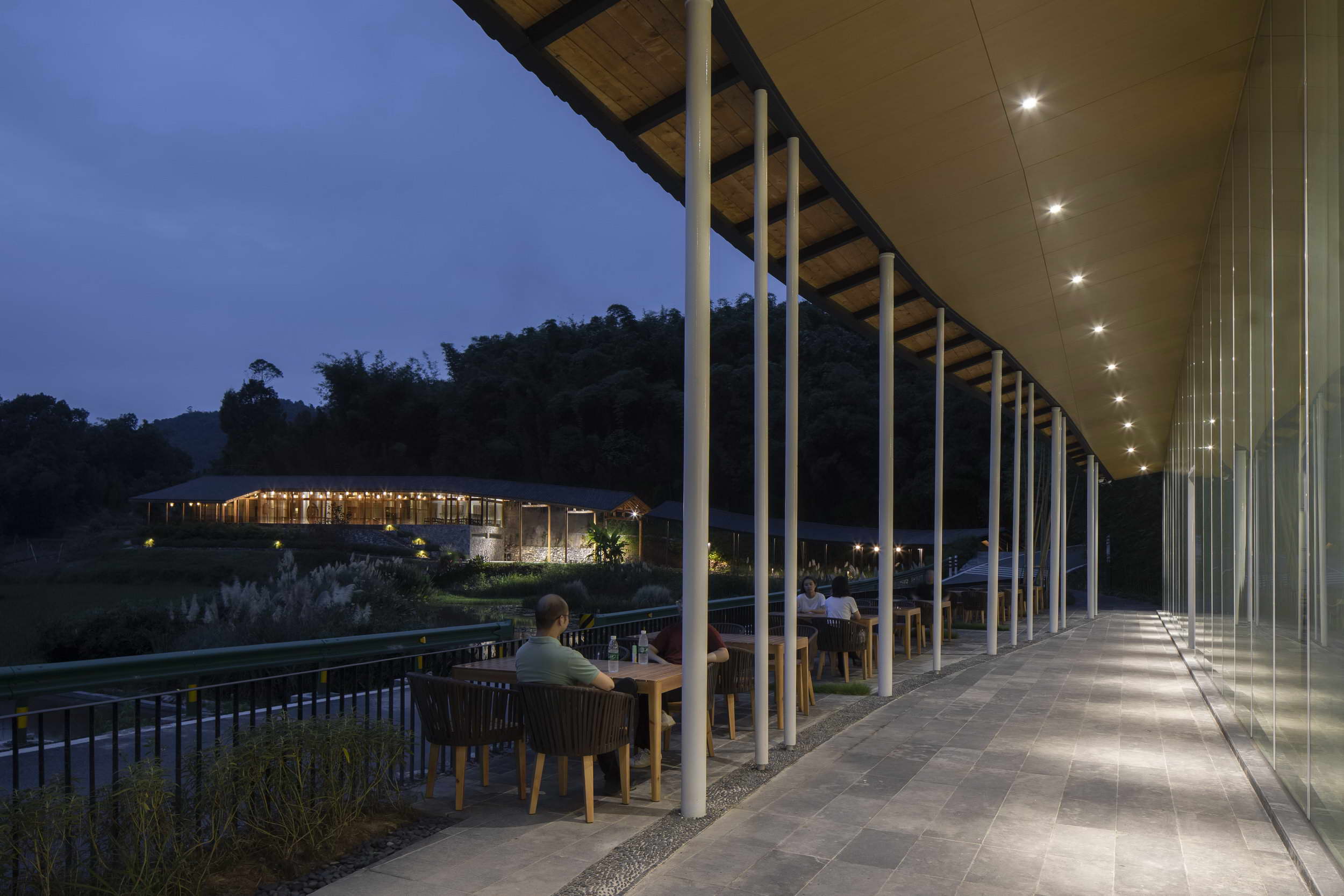
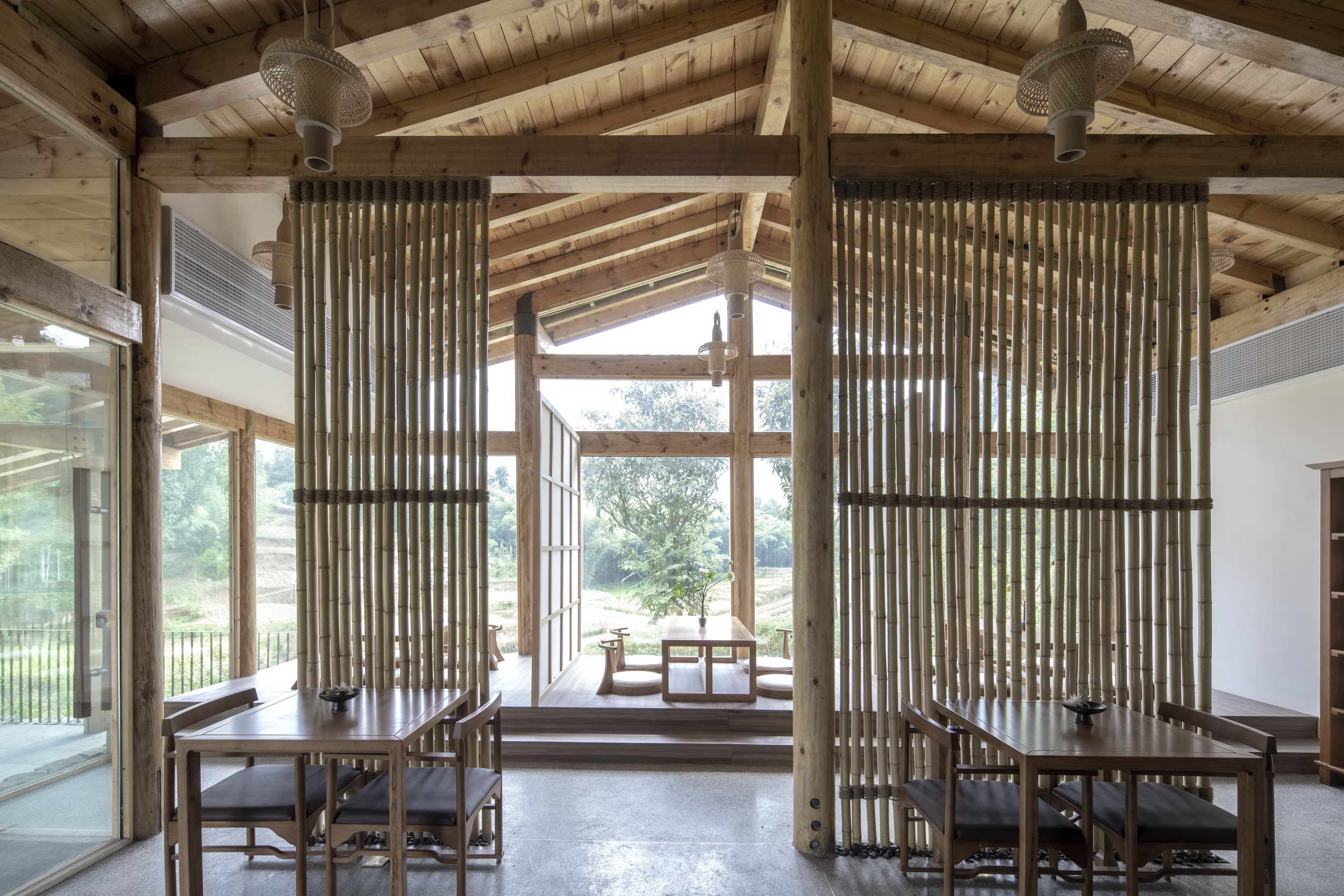
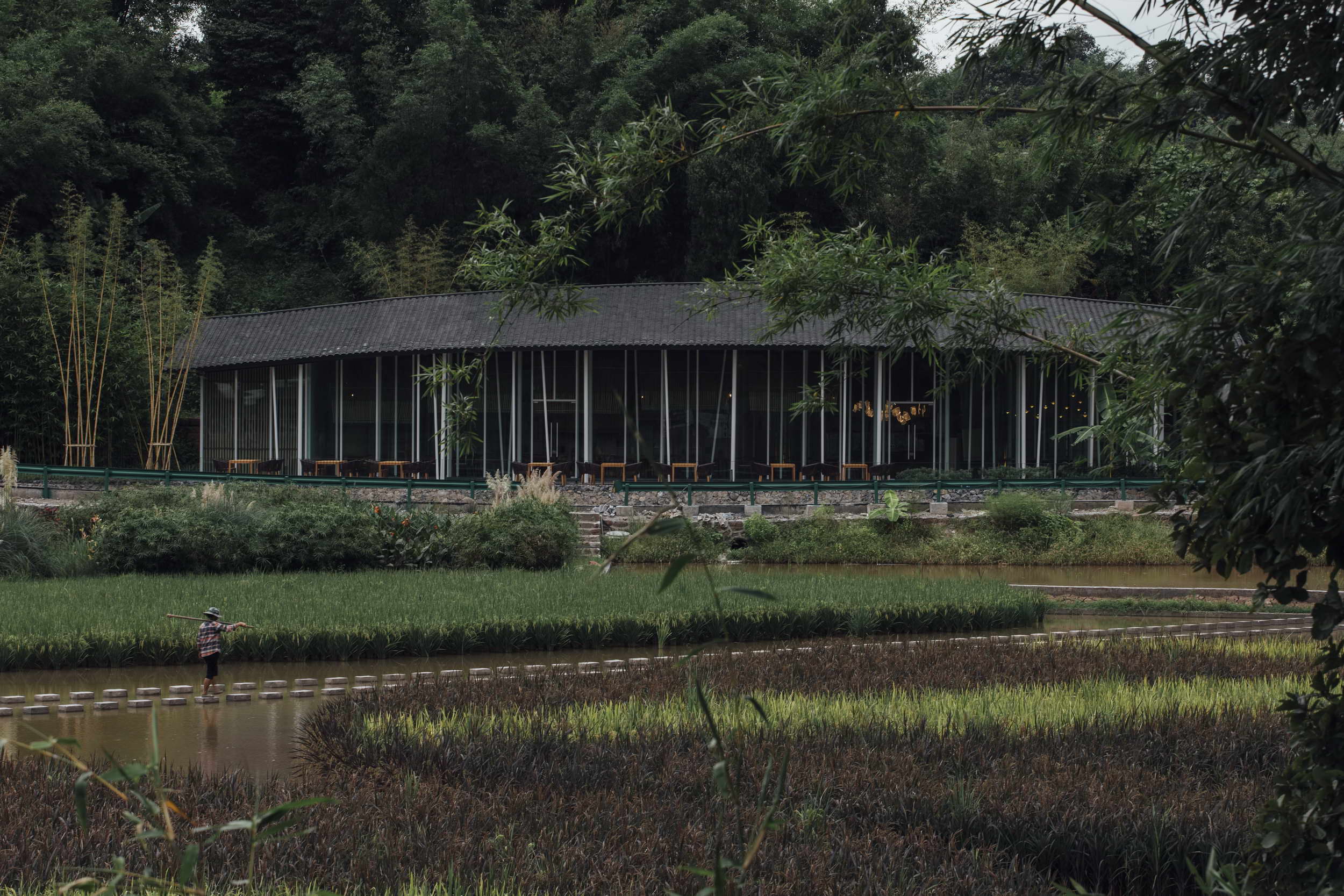
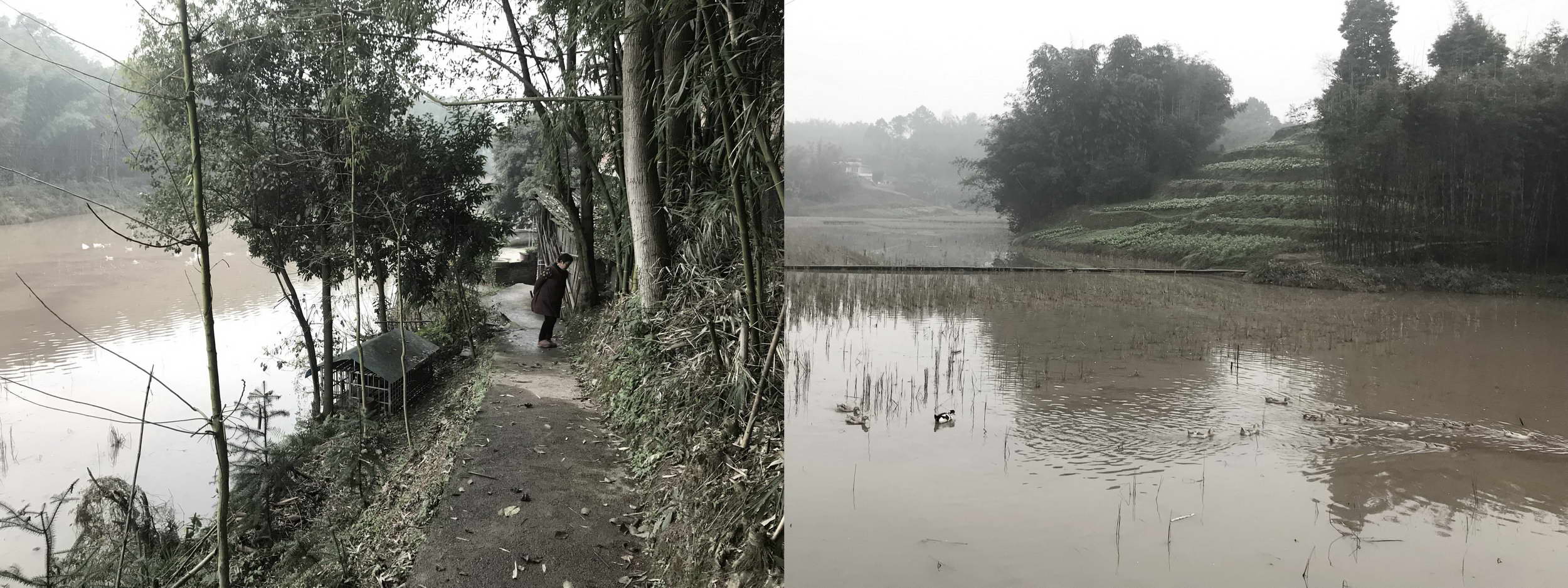
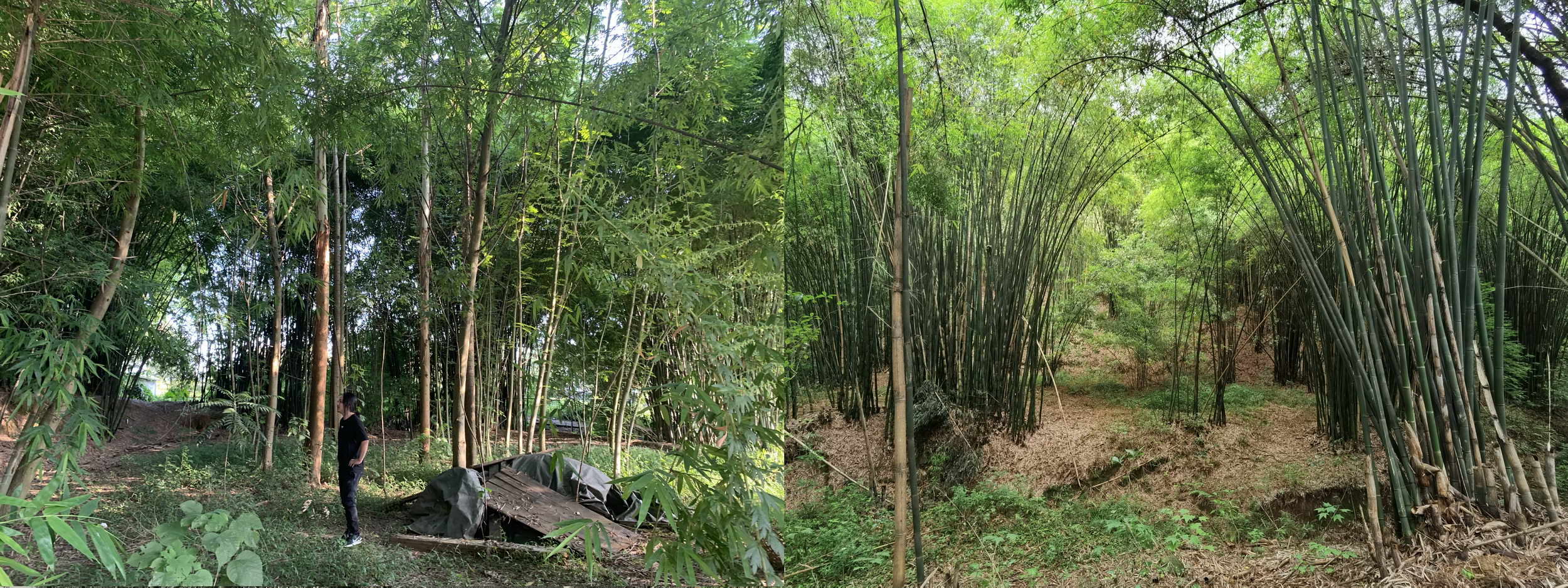
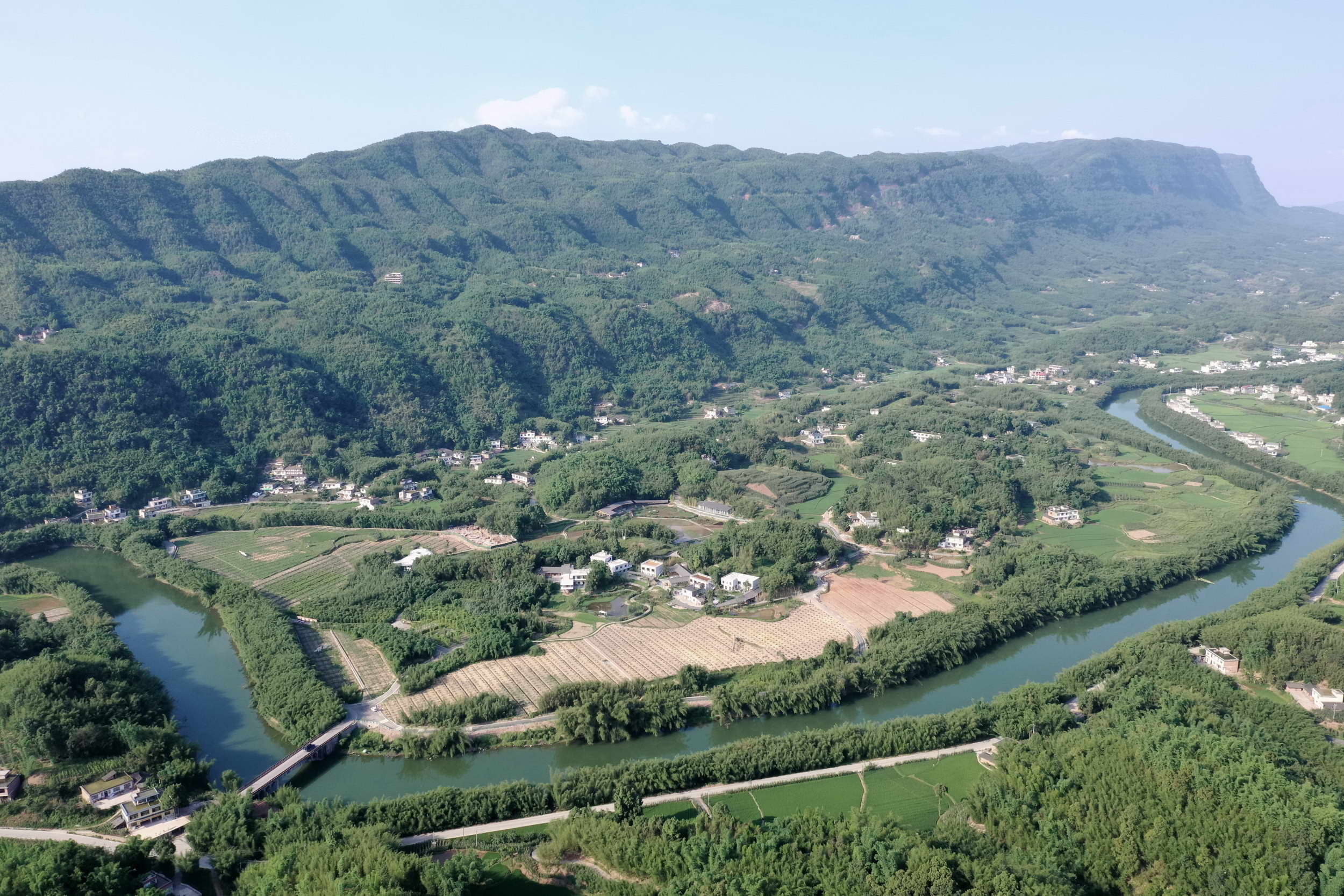
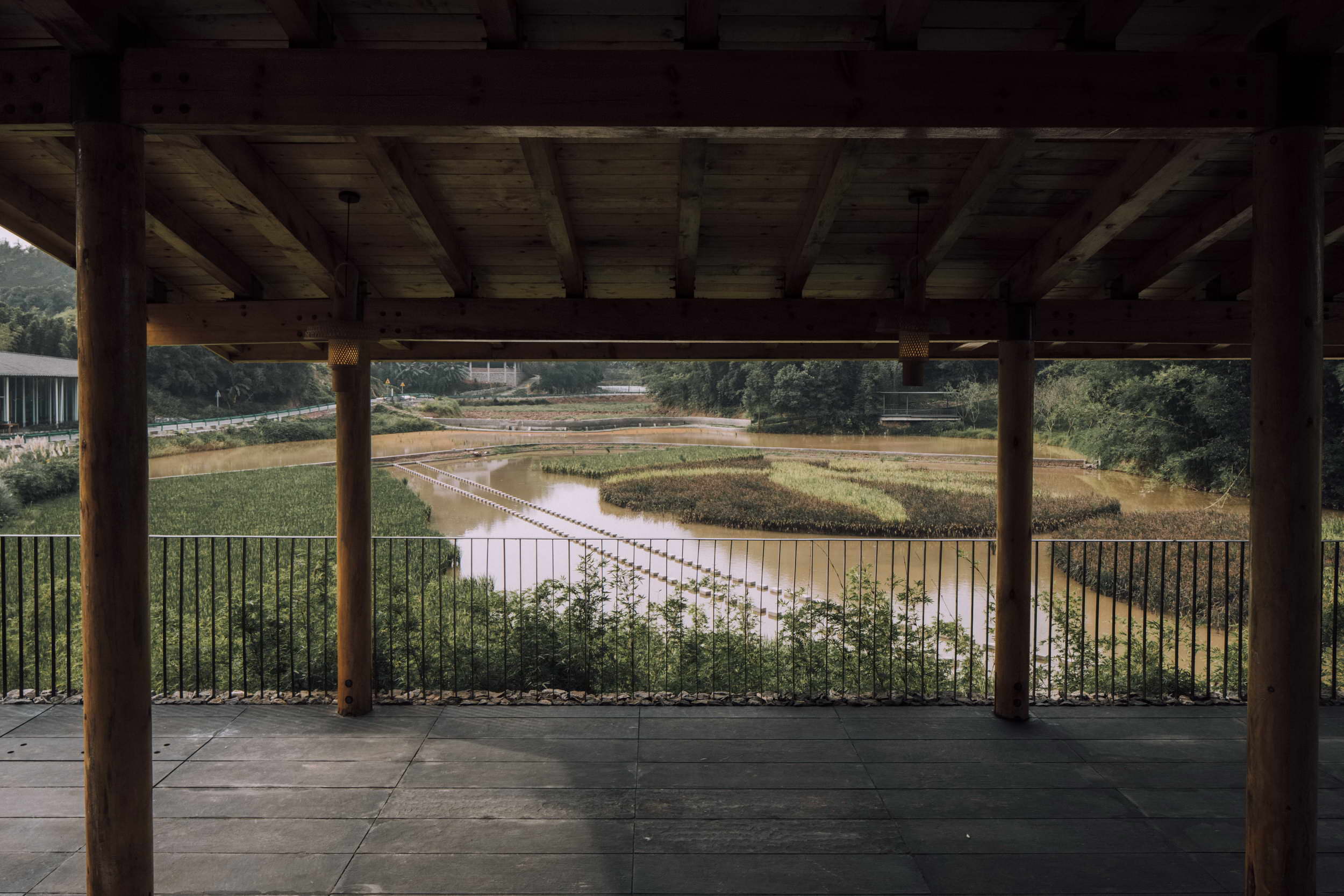
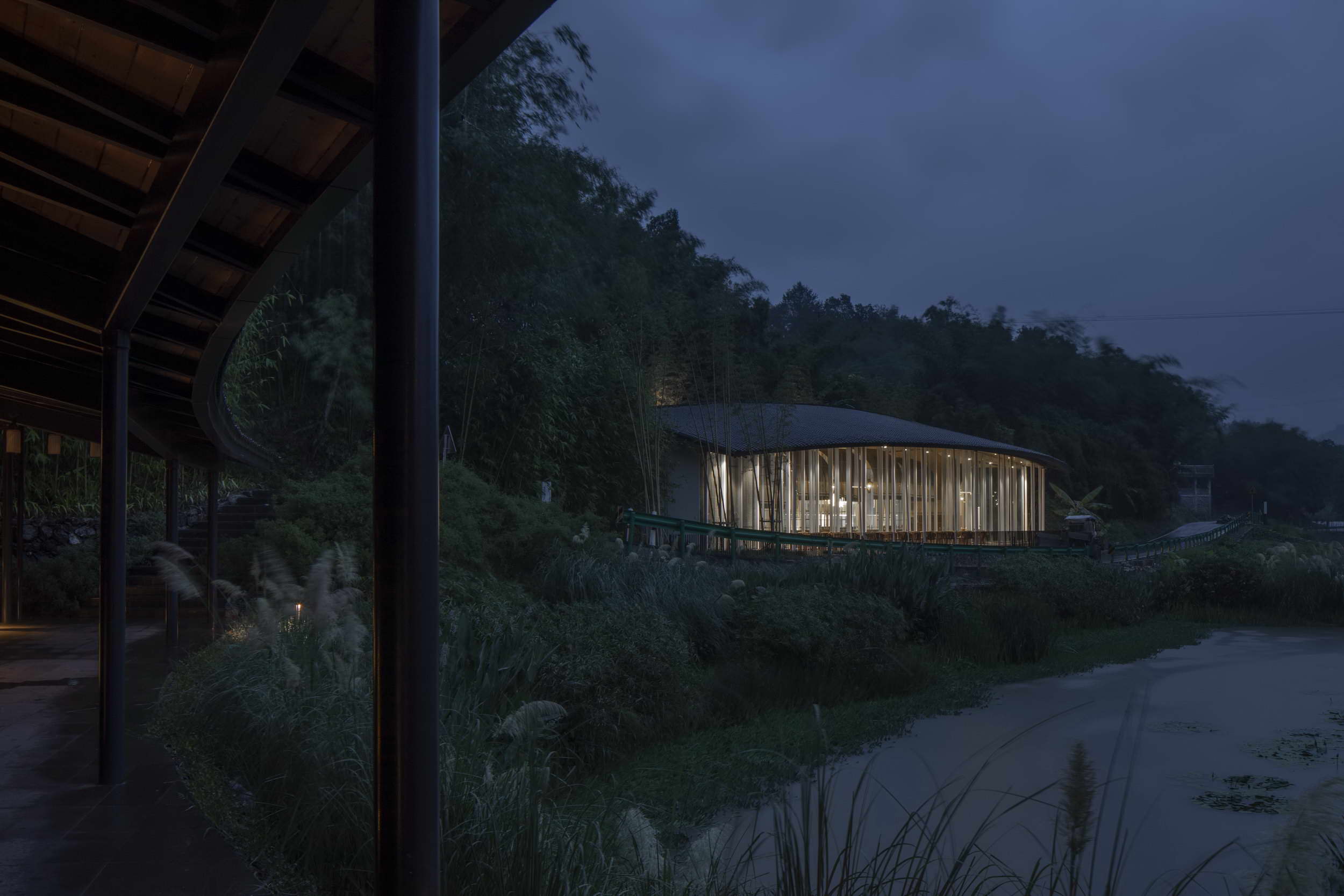
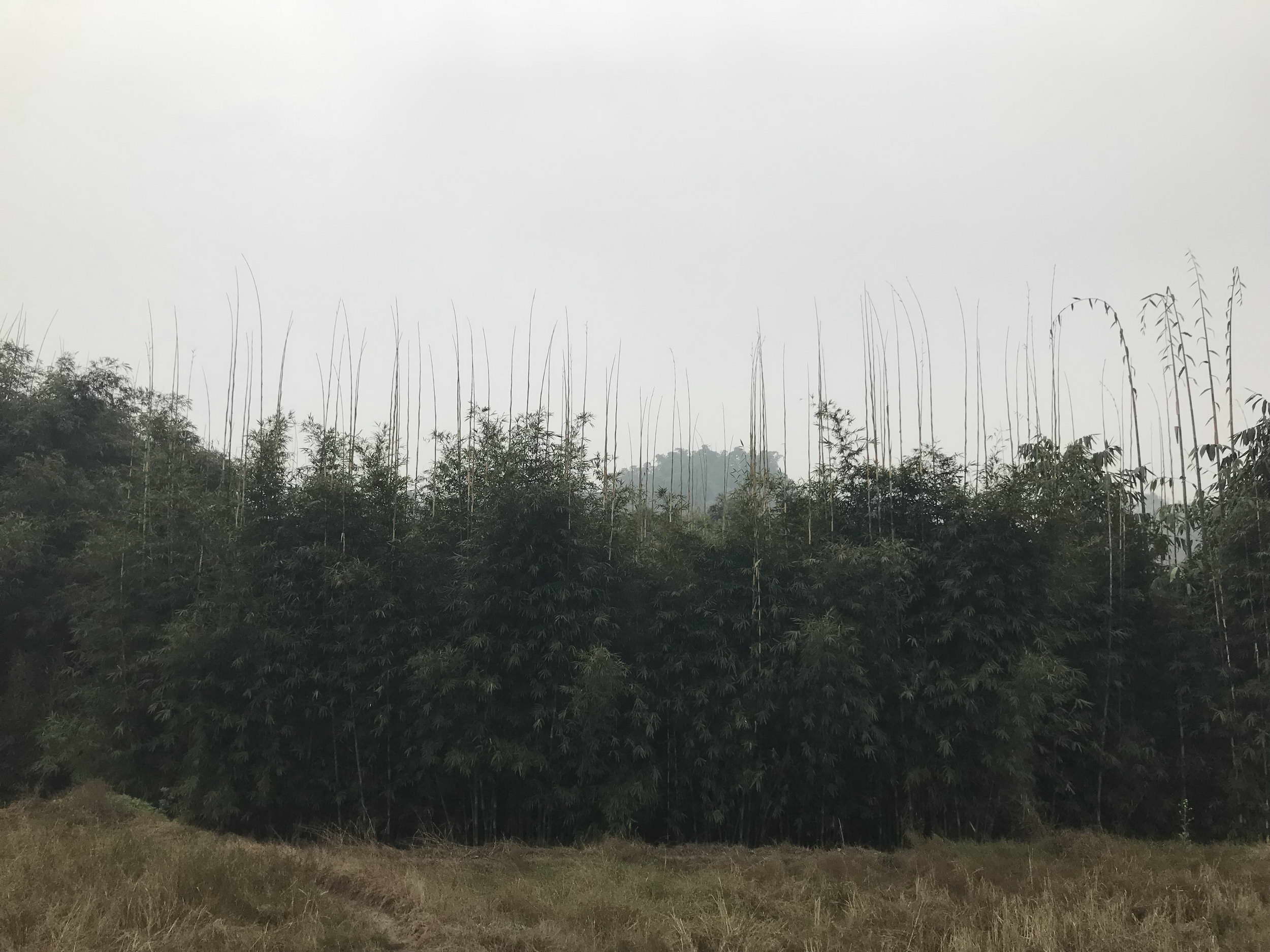
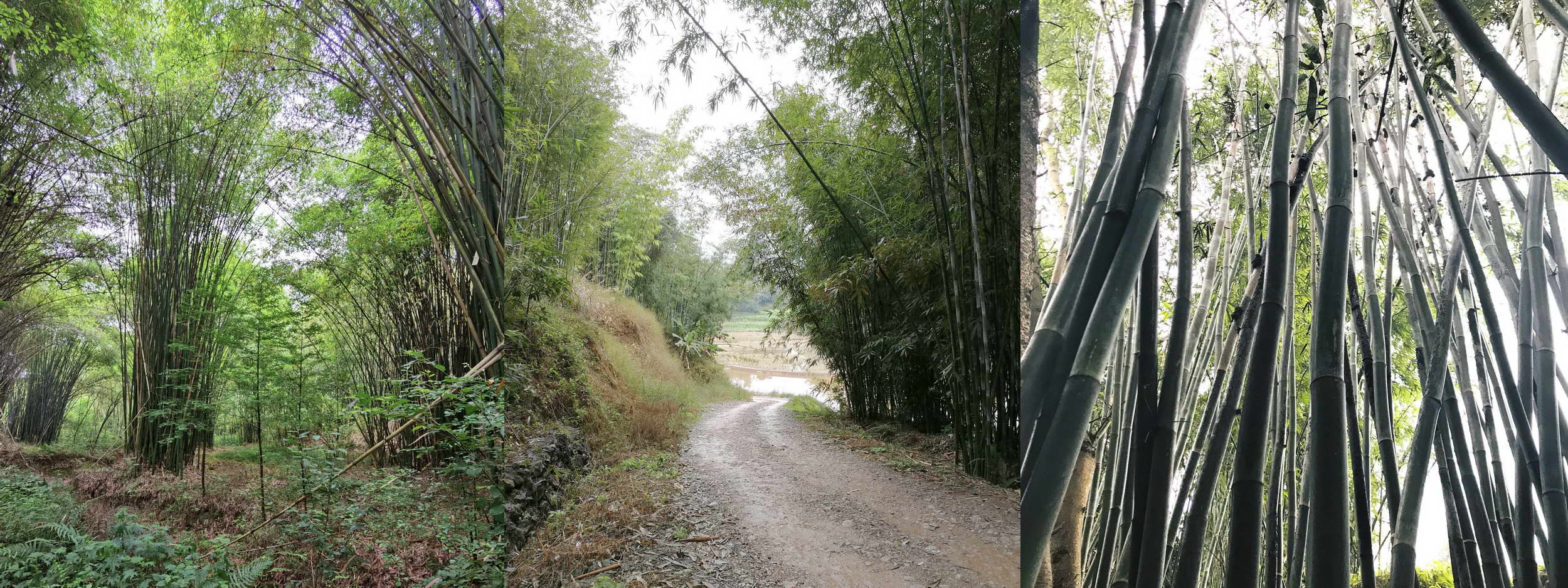
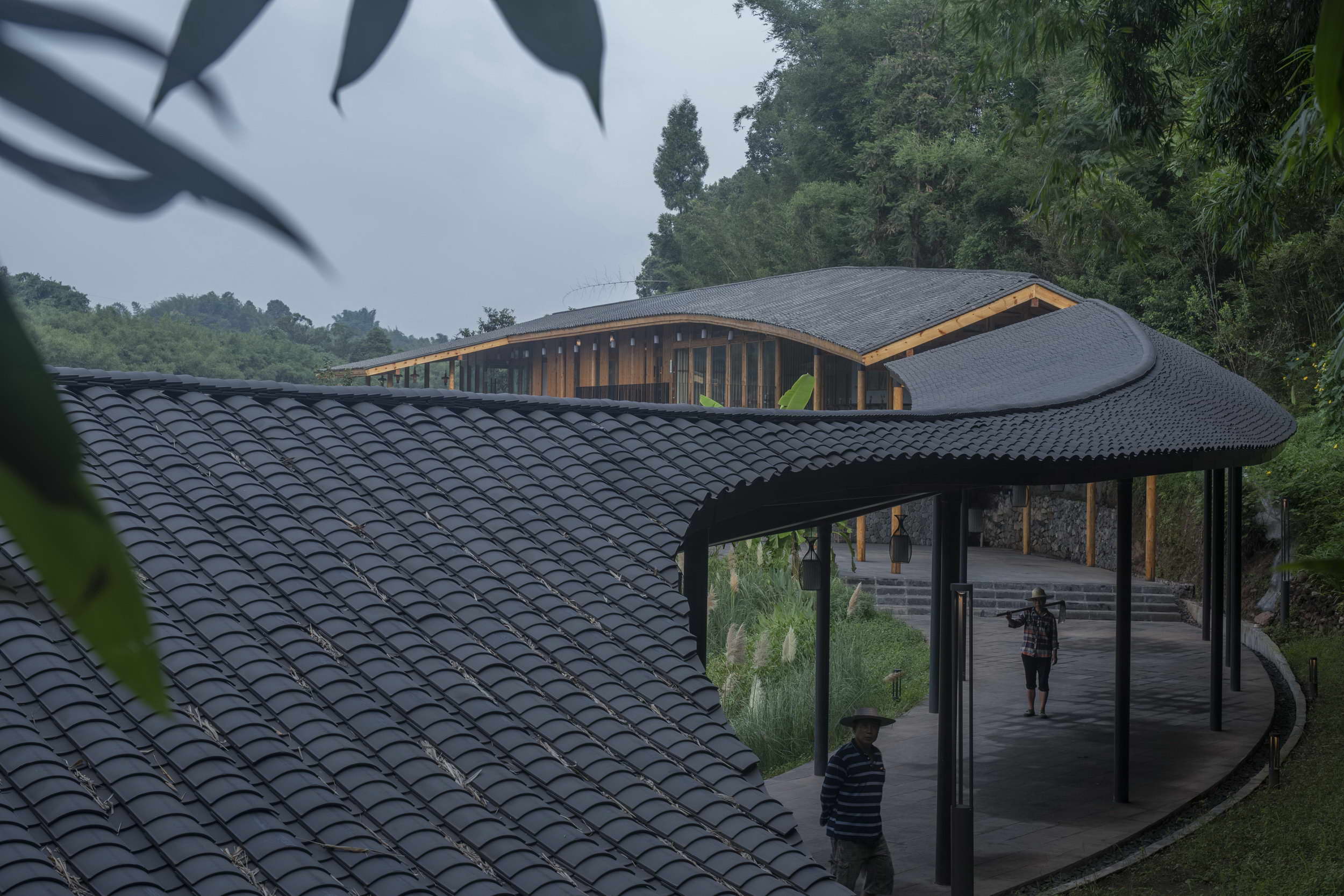
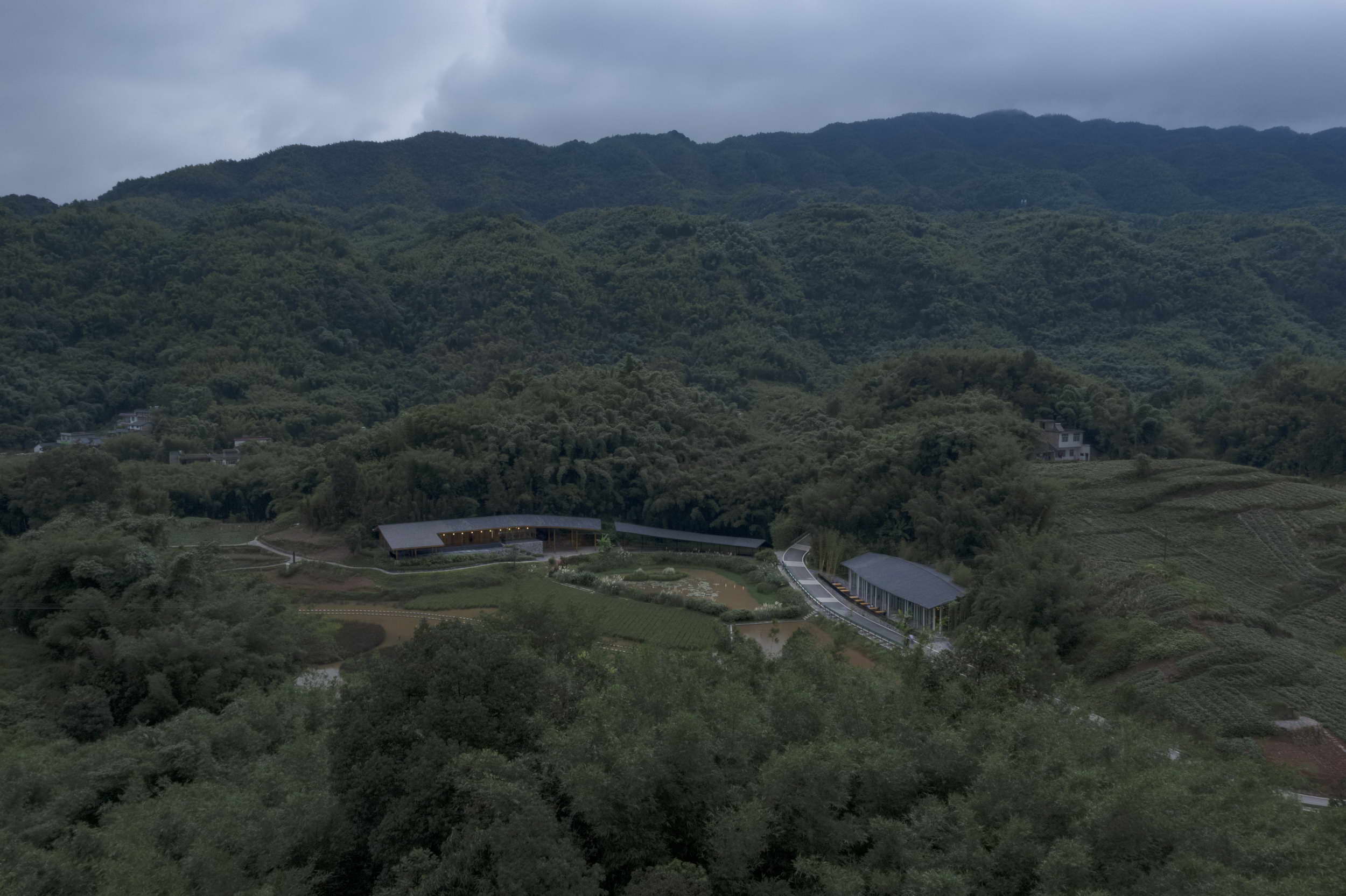
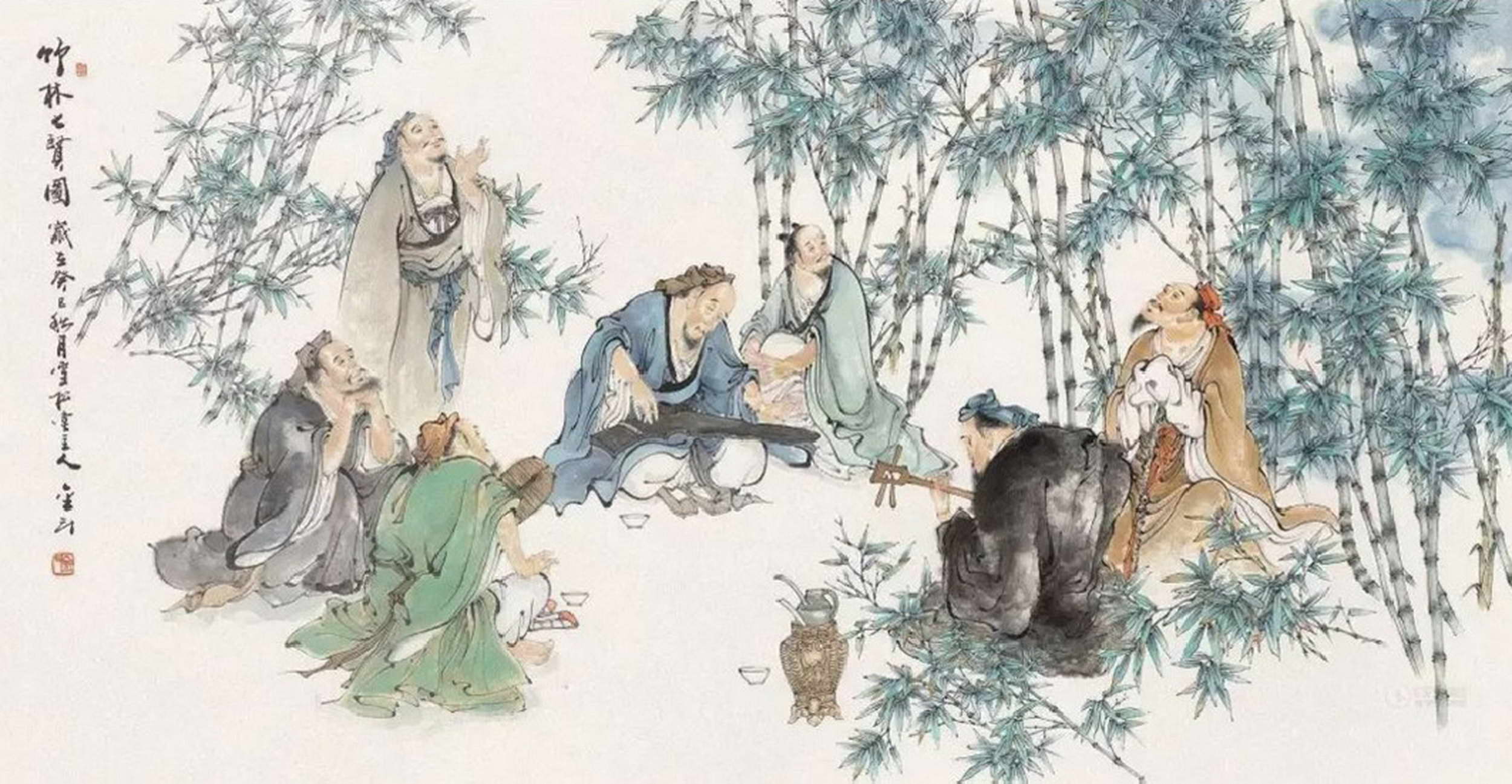
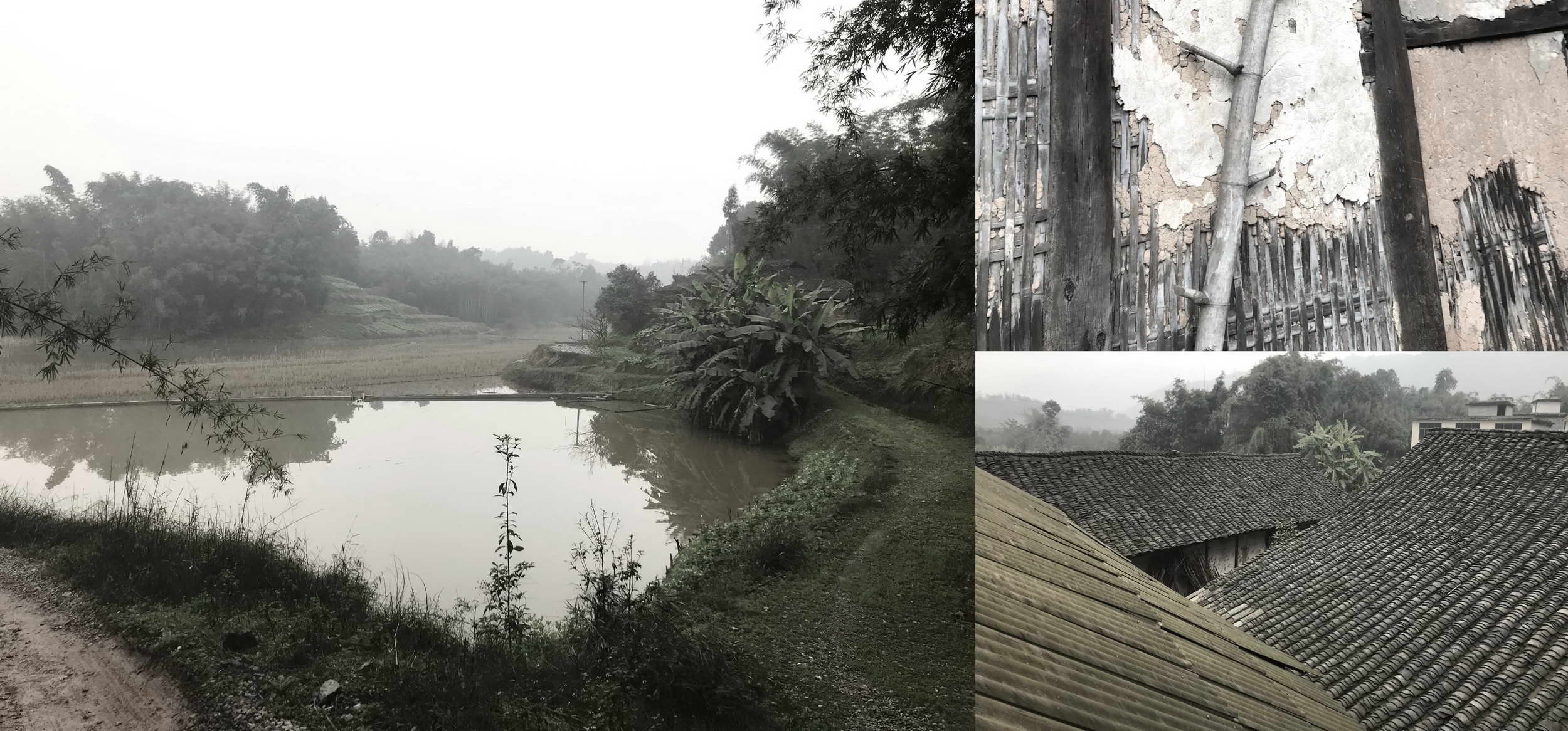
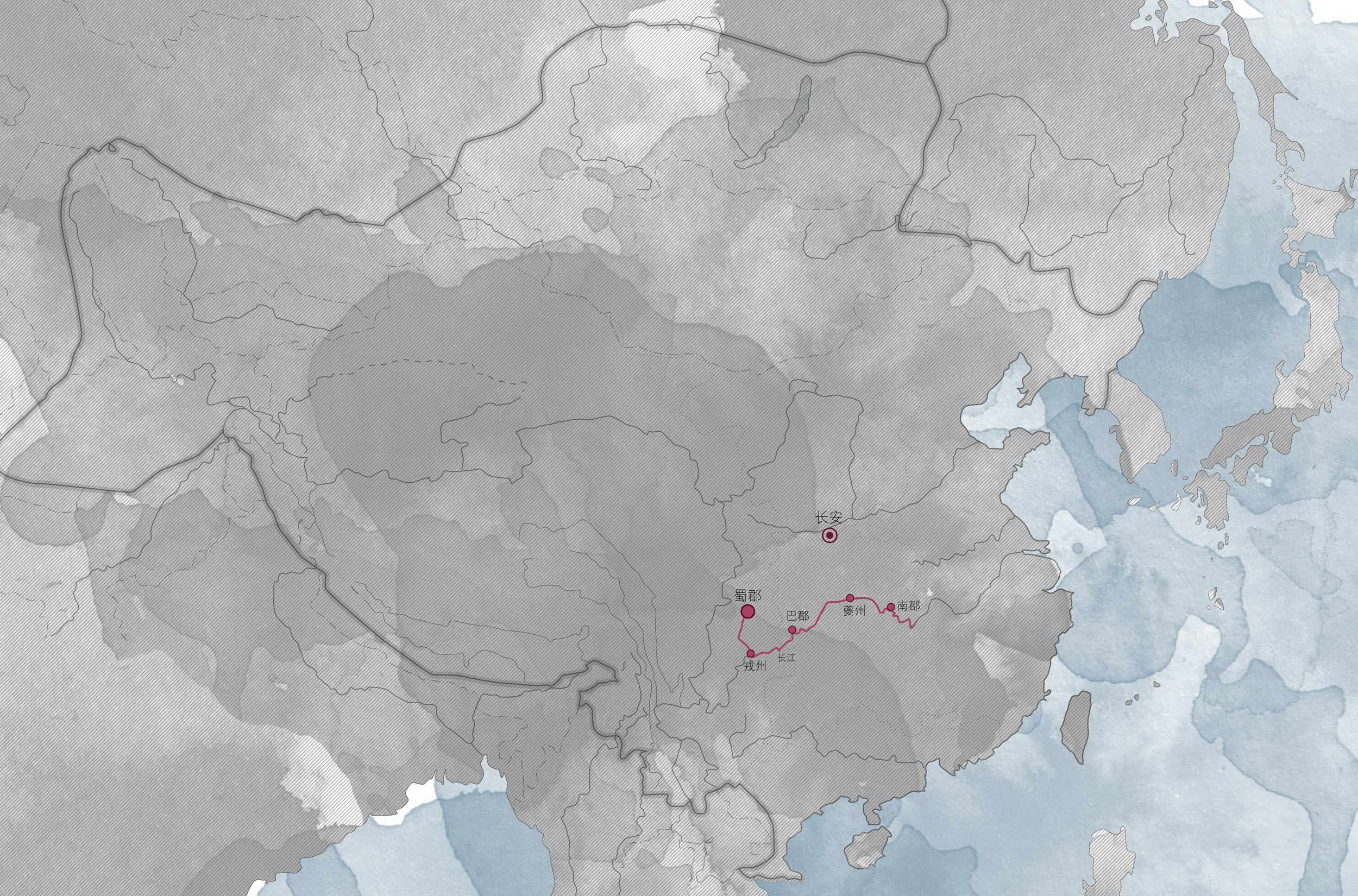
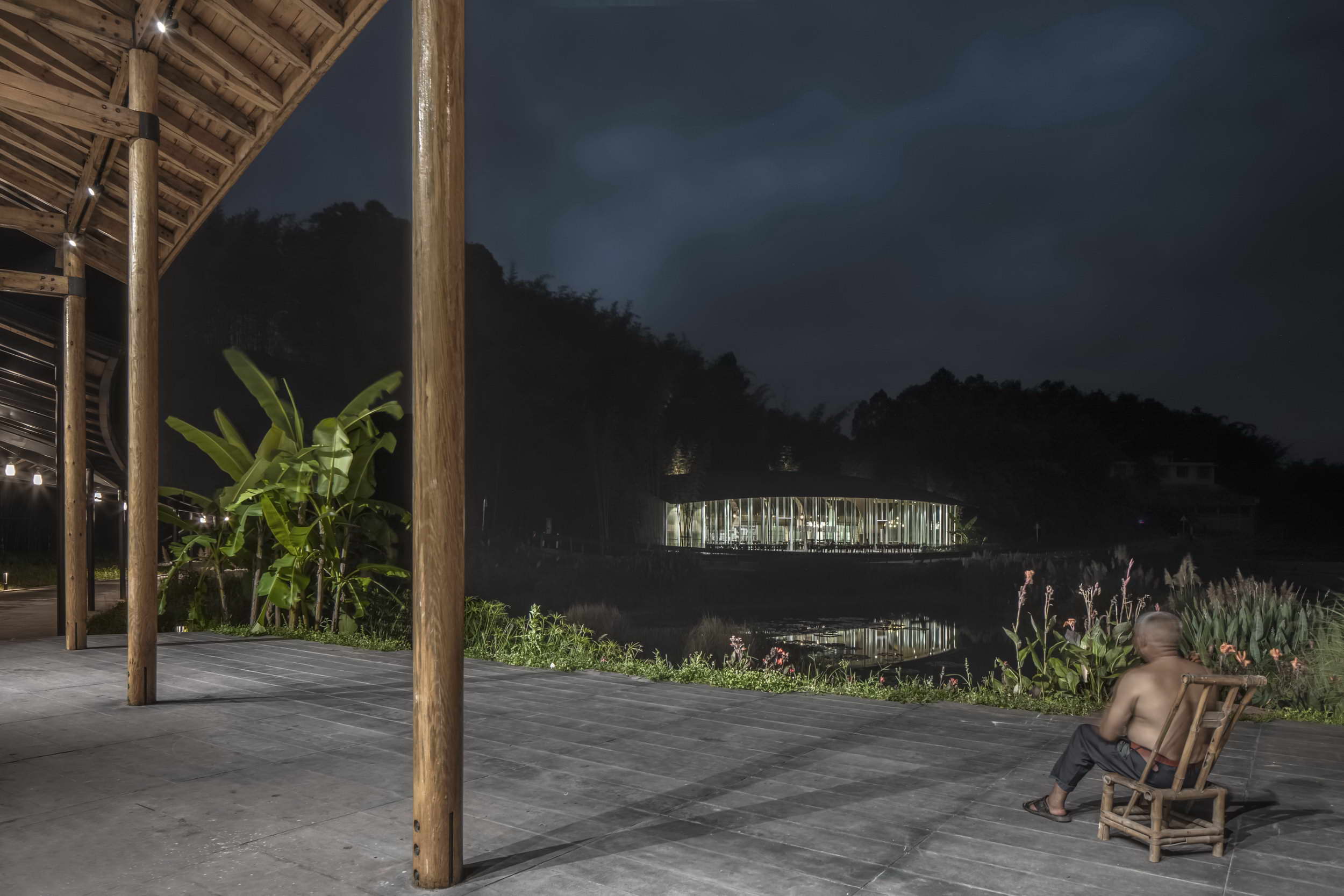
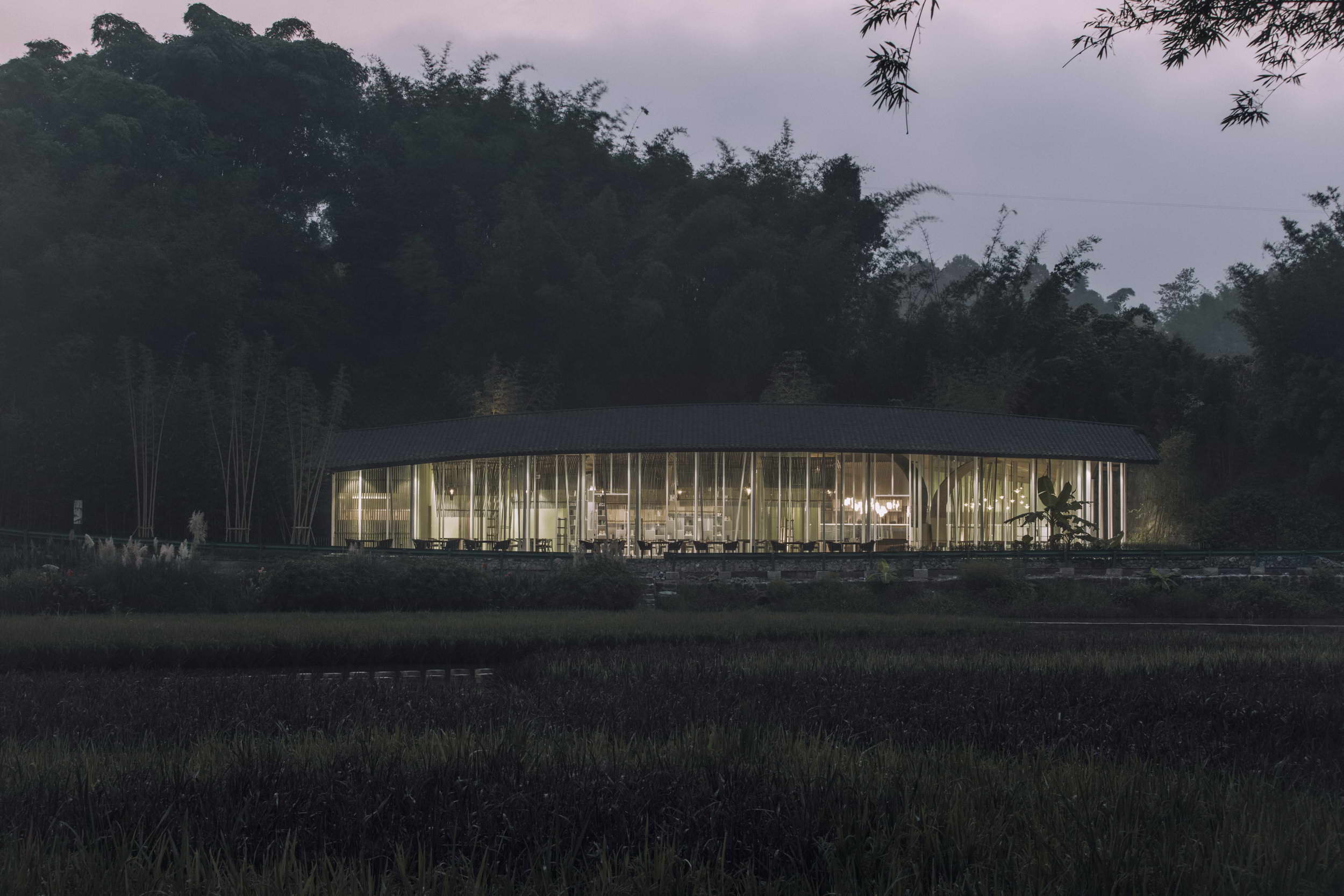
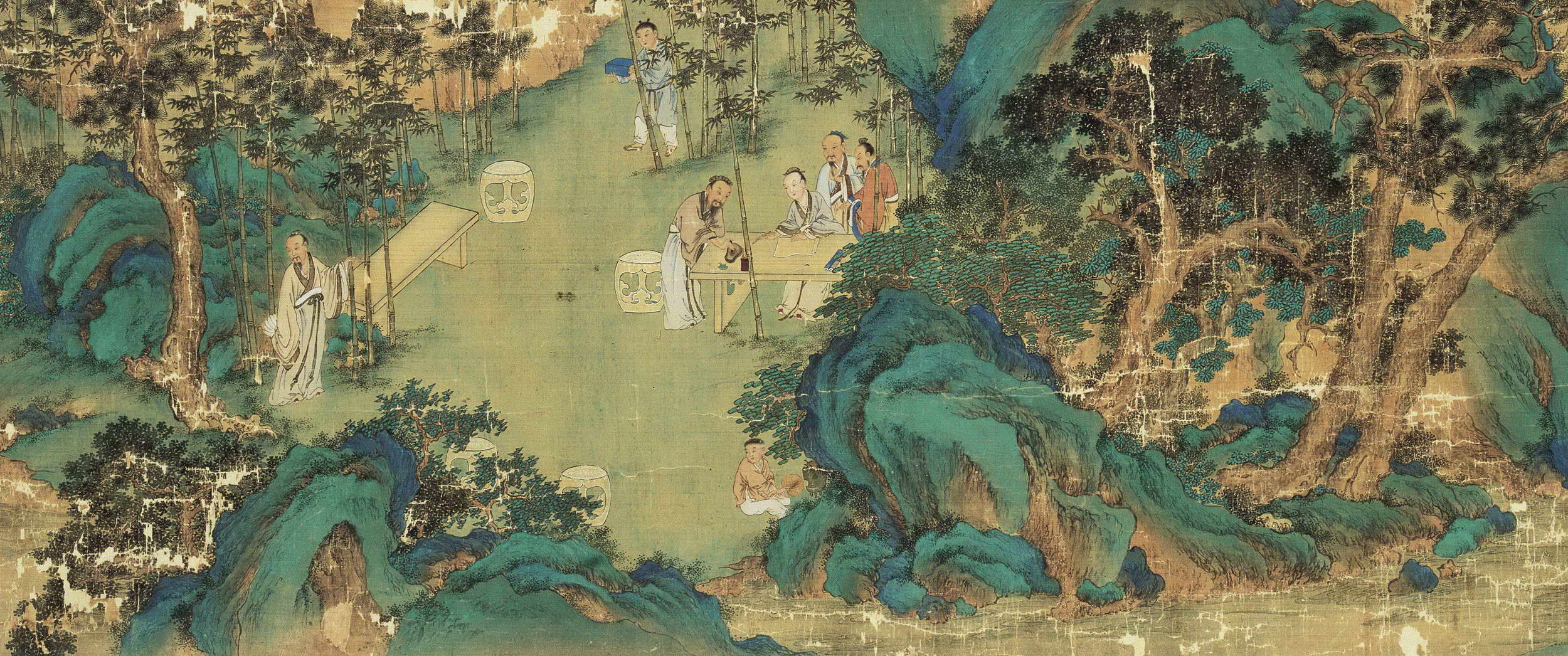
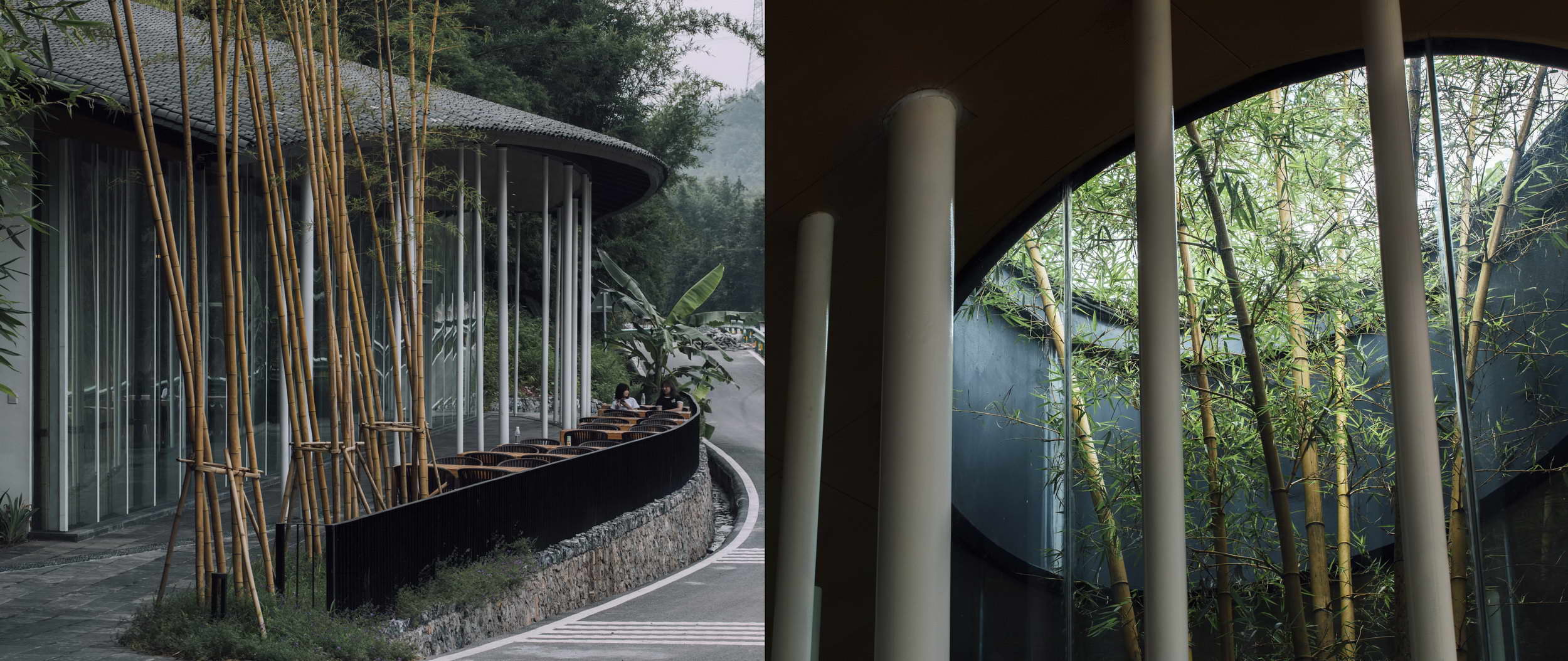
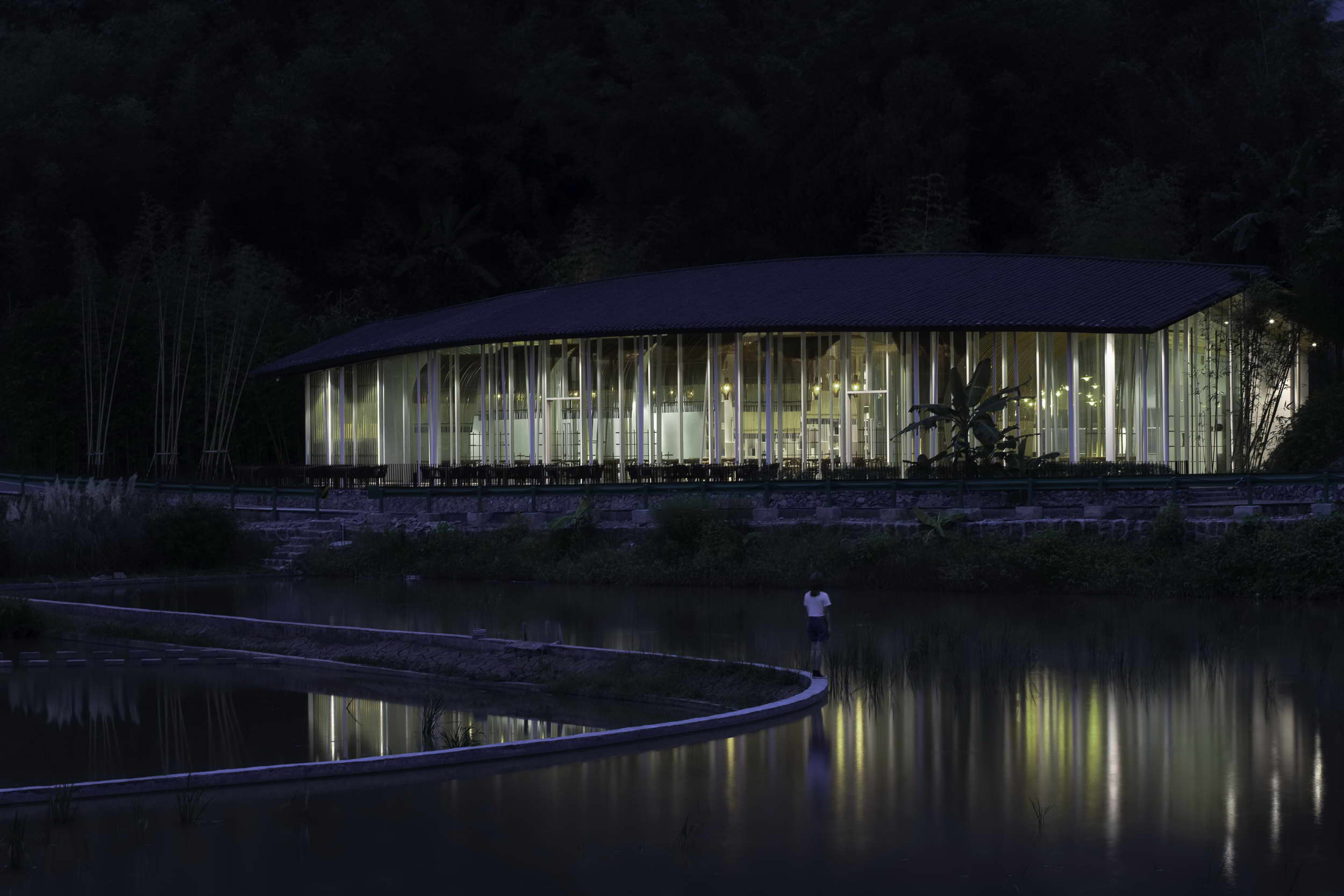
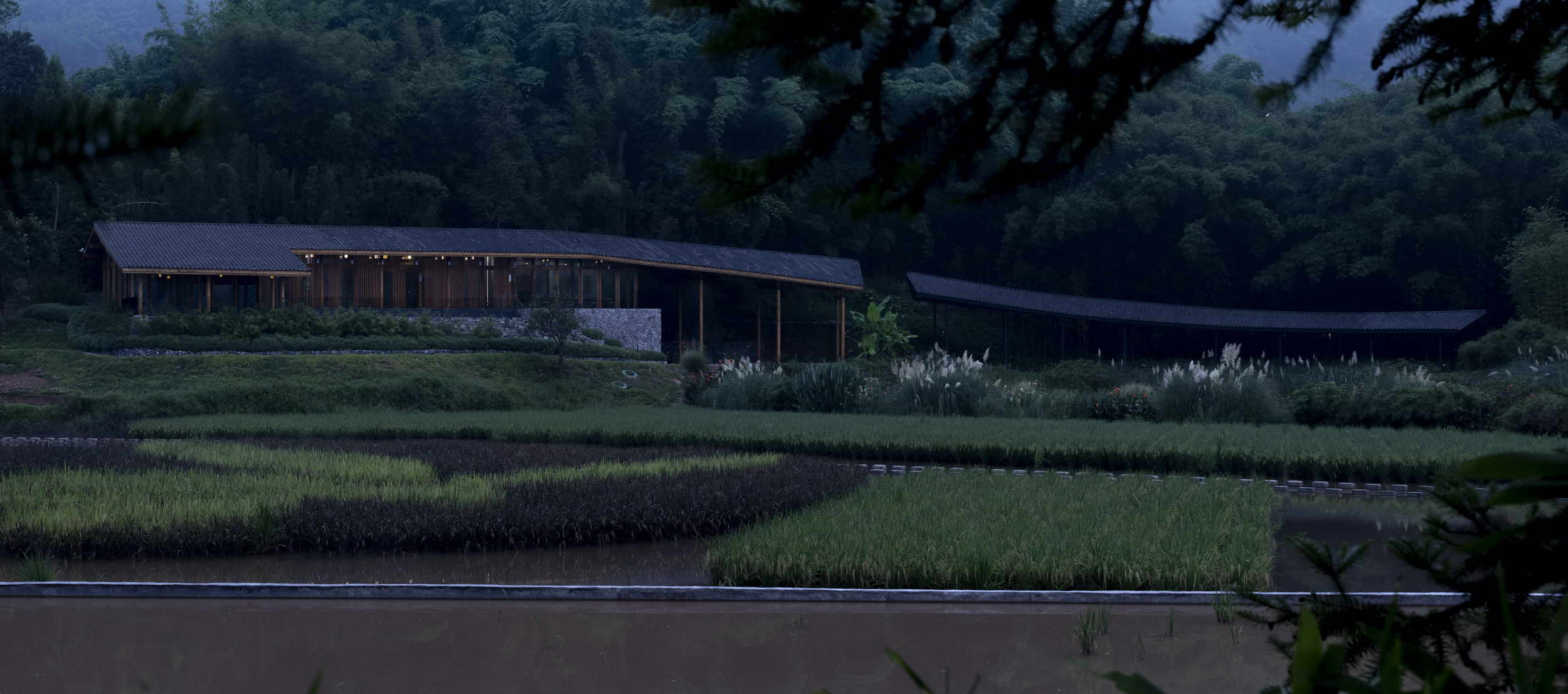
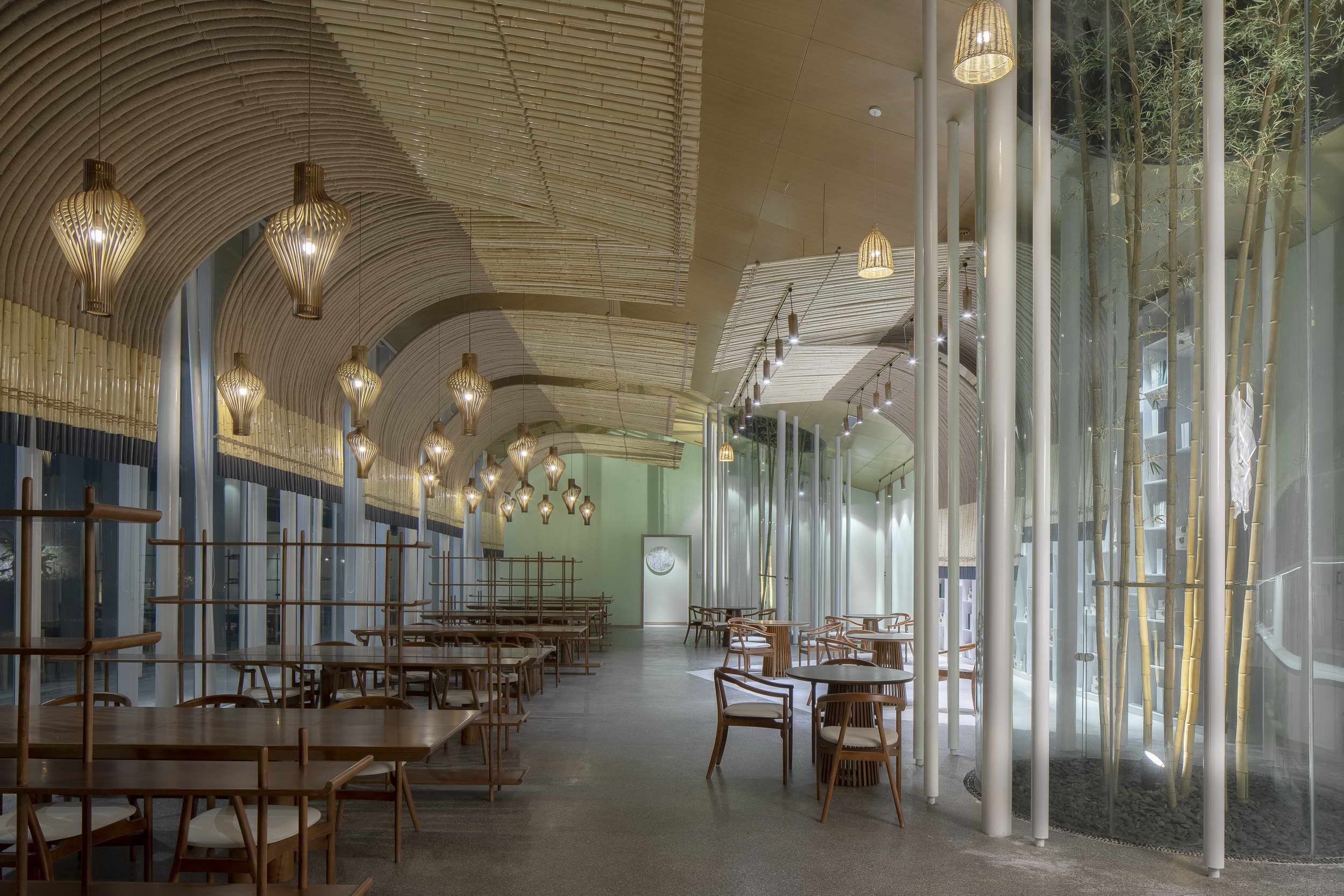
Regional culture and architectural purpose "BambooBranch Academy" is located in Yongjiang Village, Zhuhai Town, ChangningCounty, Yibin, Sichuan Province, near the famous Shunan Bamboo Sea Scenic Area. The project, situated in a small village in Huangjuetan, Yongjiang Village, issurrounded by bamboo forests, paddy fields, vegetable fields, and hills. TheYujiang River is babbling in the west and the south, and Shunan Bamboo Sea inthe north rolls like a large green screen. "BambooBranch Academy" was developed as China implemented the "ruralrevitalization" strategy. Mentally, its architectural purpose is to"develop the bamboo industry in accordance with local conditions, andlandscape Sichuan villages with bamboo forests" and "make bamboo ofYibin an ecological gateway to introduce southern Sichuan to the world. "Physically, its architectural purpose is to build the Music Workshop underBamboo, Paddy Field Academy, and Guild Hall for Buddhist Meditation. Architectural imagery The field visitis a necessary process to transform conceptual images into impressions andabstract the impressions into the core architectural imagery. The first visitwas conducted in the late winter of January 2019. The village was wreathed inmist with all plants withered. Only the ducks playing in the paddy fields, dogsbarking at strangers, and villagers strolling in the fields add to itsvitality. Though quite bleak and desolate, it brought a rare sense oftranquility and leisure. We wereimpressed by the various images here - the bamboo-clad hills around the base,the mud walls covered with bamboo strips surrounding the dilapidated house, thegrayish blue tiled roof, and the plantain trees next to the old house. They arecommon in the countryside of Sichuan, and hardly can leave a deep impression. We got excited upon seeing the bamboo forest by the river before leaving. Numerous bamboo shoots thrived with irresistible momentum, rising out of the canopy formed by mature bamboo towards the sky. A few had sprouted, reminding us of a bamboo-themed poem written by Zhang Zhengjian. It was in stark contrast withwhat we saw back in the village, which impressed us a lot. It reminded us ofthe motif of the project - "revitalization", which can be linked upwith such words and phrases as "prominence," "getting rid of thestale and bringing forth the fresh," and "prosperity of both the newand the old. " We came here thesecond time in the early spring of February. The bamboo trees on the hillsaround the village were about to reach the sky with tender shoots like clustersof green clouds. Itwas a breezy and sunny day to explore the bamboo forest. We saw first hand theimages like "mottled shadows cast by bamboo trees," "the bambooforest under the moon," and "the winding path through the bambooforest. " We were impressed by the corridors naturally formed by bambootrees, and their light and shadow, smell and sound. Inancient China, music was called "Sizhu",and traditional Chinese musical instruments such as flute,xiao,sheng,zhenganderhuare all made of bamboo. Chinese classical music is closelyrelated to poetry. Songs were distinguished from poems in ancient China as theformer was accompanied by music and the latter was not. Poems, a linguisticart, were derived from songs that fall under the musical literature with a longhistory. The emergence of Chinese academies can be traced back to the HanDynasty. They were places where literati and scholars gathered for givinglectures at first, and later developed into venues for lectures, debates,research, and collection of books. The books in ancient China were made ofbamboo slips. Meditation is generally a method of promoting peace of mind andself-cultivation, and highly compatible with music workshops and academies interms of function. Zhuzhi(bamboobranch) is the name of a tune and one of the Yuefu poems. It evolved from thefolk songs in the ancient Ba and Yu areas. Li Yuxi, a poet in the Tang Dynasty,composed a poem for the tune when he served as the prefectural governor ofKuizhou to depict the climate, natural phenomena and customs. It was performedby the singer with dancers accompanied by flute and drum. Kuizhou (now Fengjie,Chongqing) was the political, economic, cultural, and military center ofeastern Sichuan in the Tang Dynasty. Rongzhou (now Yibin) was a place ofstrategic importance in southern Sichuan in the Tang Dynasty and the first cityalong the Yangtze River. Rongzhou and Kuizhou are so closely connected by theYangtze River geographically and culturally that the "mountains of Ba and watersof Shu" have enjoyed a reputation since ancient times. Many literati andscholars traveled here, such as Li Bai, Du Fu, Bai Juyi, Liu Yuxi, Su Shi, andHuang Tingjian, and wrote countless poems about this region. Zhuzhiis closely related to the musicworkshop as the folk song, and to the academy as the poem. Bamboo branches areimportant not only to bamboo itself, but also to traditional Chineseliterature. The concrete and abstract imageries of bamboo branches coincidedwith the architectural purpose (music workshop, academy and meditation) and thescene that "the bamboo trees on the hills around the village were about toreach the sky with tender shoots like clusters of green clouds" greatlyimpressed us. Zhuzhias thecore architectural imagery represents the guiding architectural principles ofBamboo Branch Academy with great symbolic significance. The concrete image ofthe architecture should be expressed with the synaesthetic image deriving fromZhuzhior bamboo branches. Thefragmentary imageries obtained from the field visits and preliminaryinvestigations including bamboo knots, bamboo groves, mottled shadows cast bybamboo trees, paths flanked by bamboo, bamboo under the moon, plantain trees,grayish blue tiled roof and hills covered with bamboo forests can be integratedby the guiding architectural principles organically and function as thecornerstone for creating a proper architectural artistic conception. Architectural artistic conception Peoplein southern Sichuan live in villages built with and surrounded by bambootraditionally, as characterized by "one house with one patch of farmlandand one courtyard. "MouYanwu'sWrittenwhile Living near Water and Bamboooffers a prime example. By its barrage of beautiful imagery—such as a cabin encircled by clear water, green chiffon, vibrant fish and birds, the reflection of a balustrade on the rippling water, a small writing desk, a gentle green drizzle— the poem truly portrays the project's architectural concept. The "cabin encircled by clear water"is a metaphor for the rolling architectural form, "the reflection of abalustrade on the rippling water" indicates the ever-changing eavesgalleries, and the "small writing desk" the function of the academy;the "green chiffon, vibrant birds, reflection of a balustrade on therippling water and a gentle green drizzle" vividly depicts a tiny worldwhere architecture is in perfect harmony with nature, which is represented bybamboo forests, flying birds, rice paddies, and the light rain. "Between the willows green the river flows along; I hear my beloved from a boat breaking into song. The west is veiled in rain, the east enjoys sunshine; My beloved is as deep in love as the day is fine. " Liu Yuxi'sBamboo Branch Songdepicts an idyllic mood very similar to the scenes of interaction circulating for the architectural project of Bamboo Branch Academy. Endowing forms with ideas, and perceiving ideas through forms "BambooBranch Academy" is created by remodeling two old houses in southernSichuan. The functions of the music workshop, academy, and meditation should bewell combined to separate Bamboo Branch Academy into two parts. The house faraway from the road is serene and properly protected. It is renovated and turnedinto an academy for meditation. The one near the road and thus noisy isseverely damaged and should be rebuilt into the music workshop. The twoacademies are connected by a corridor to create an "image" of"surrounding the house" and a multi-functional outdoor space to addvitality. The modesty ofbamboo shares something in common with zen. The idea of bamboo knots is turnedinto the form of the interior and exterior of the academy for meditation. Theimage of bamboo knots is materialized with the semi-outdoor yard, the porchwith eave and the ventilated yet non-penetrated inner room. The idea of theunrivaled nature of bamboo is integrated with that of liveliness of the musicworkshop. The idea of "bamboo groves casting shadows and flanking awinding path to tranquility" blends into the image of the whole space ofthe music workshop, and is represented in an abstract way by the bamboothickets in the yard, the white steel pipes in the porch, the indoor glasspatio and bamboo installations. The undulatinggrayish blue tiled roof, the embodiment of the image that the "house issurrounded," is compatible with the "hills covered with bambooforests" in the vicinity, and a response to the requirements of localpeople for "prosperity of the new and the old. " The relocation andintegration of plantain trees, bamboo groves and farm paths endow Bamboo BranchAcademy with a gentle heart, which, as a new member, is once again embraced bythe village! Bamboo BranchAcademy is expected to shape the scenery of and add "poetic and pictorialsplendor" to Yongjiang Village, Yibin.






 Editor's Pick
 Latest Design
 Best Idea