Text description provided by the architects
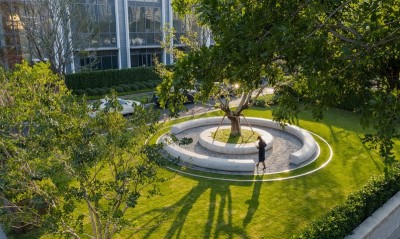
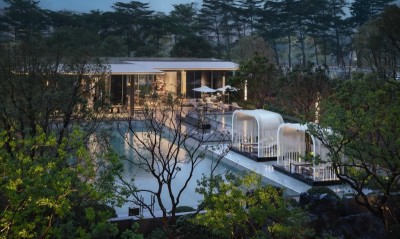
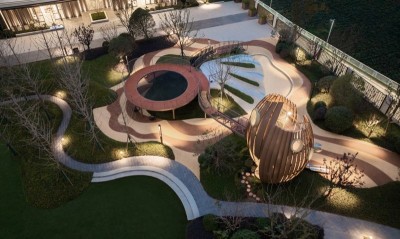
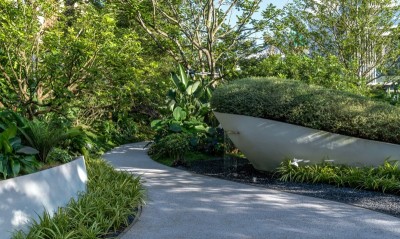
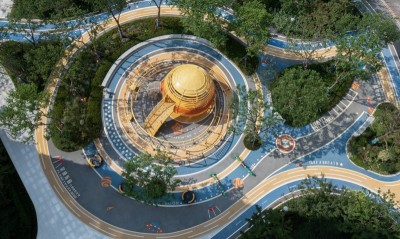
Jingxi by Xinhui and AVIC is located in Rongchang District, in western Chongqing, a district rich in natural resources and characterised as a comfortable, easy, leisurely dream city. The design team's strongest impressions of the city were old people resting in the shade, children running in the squares, and young people strolling along the streets. Drawing on the cultural personality of Rongchang, the designers hope, while inheriting the city's spirit, to carry local feeling through design and create a contemporary, place-specific new image for residents. Urban fabric is seen as the generator of civic life, the gathering of clothing, food, housing and travel, and the most vivid, direct expression of local image. The design addresses the needs of different users: children have their own playground, elders can sit comfortably to drink tea and play chess, young people stroll under the trees, and the memory of the city is preserved so that past ways of living continue and develop here, holding the warm memory of place. The first sequence chases the lingering light, arriving at a quiet forest where dappled tree shadows move across the ground. As new urban districts develop, the team believes a community needs a space for natural ecology and civic leisure, so a permanent park is built as a transition between city life and community life, activating the neighbourhood and becoming the focal point of the area. The team designed a waterside landscape along the Pingshui River Park beside the site, weaving the project into nature so that every carefully wrought detail reads as naturally grown. A cantilevered glass walkway extends out and disappears into nature, conveying to visitors the vitality and beauty of all growing things. The entry uses an angular design language themed on the mountain, water and forest of the site, with angular elements extended and permeated, flower seas as accents and varied planting techniques producing a layered floral experience.




 Editor's Pick
 Latest Design