Text description provided by the architects
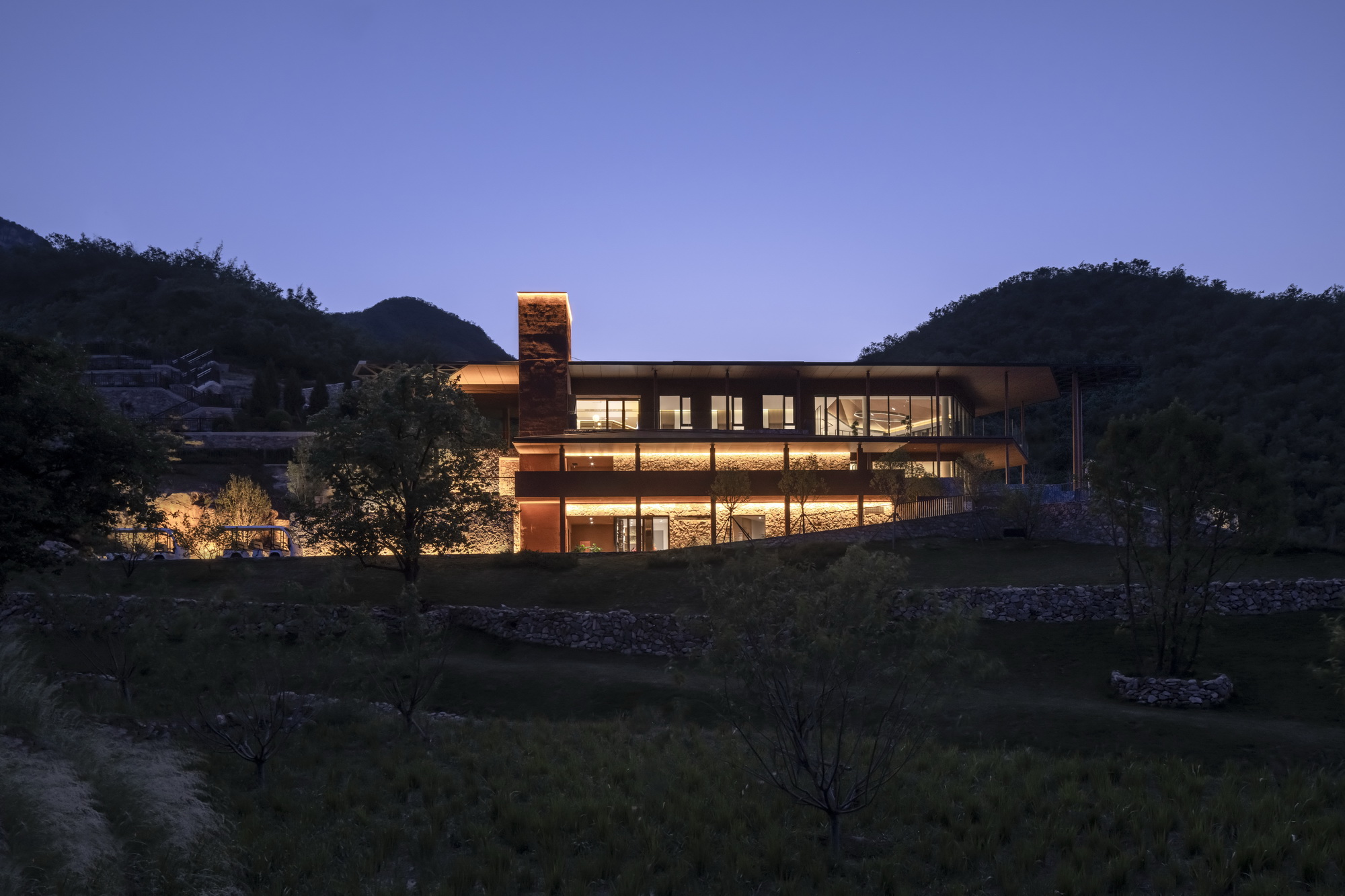
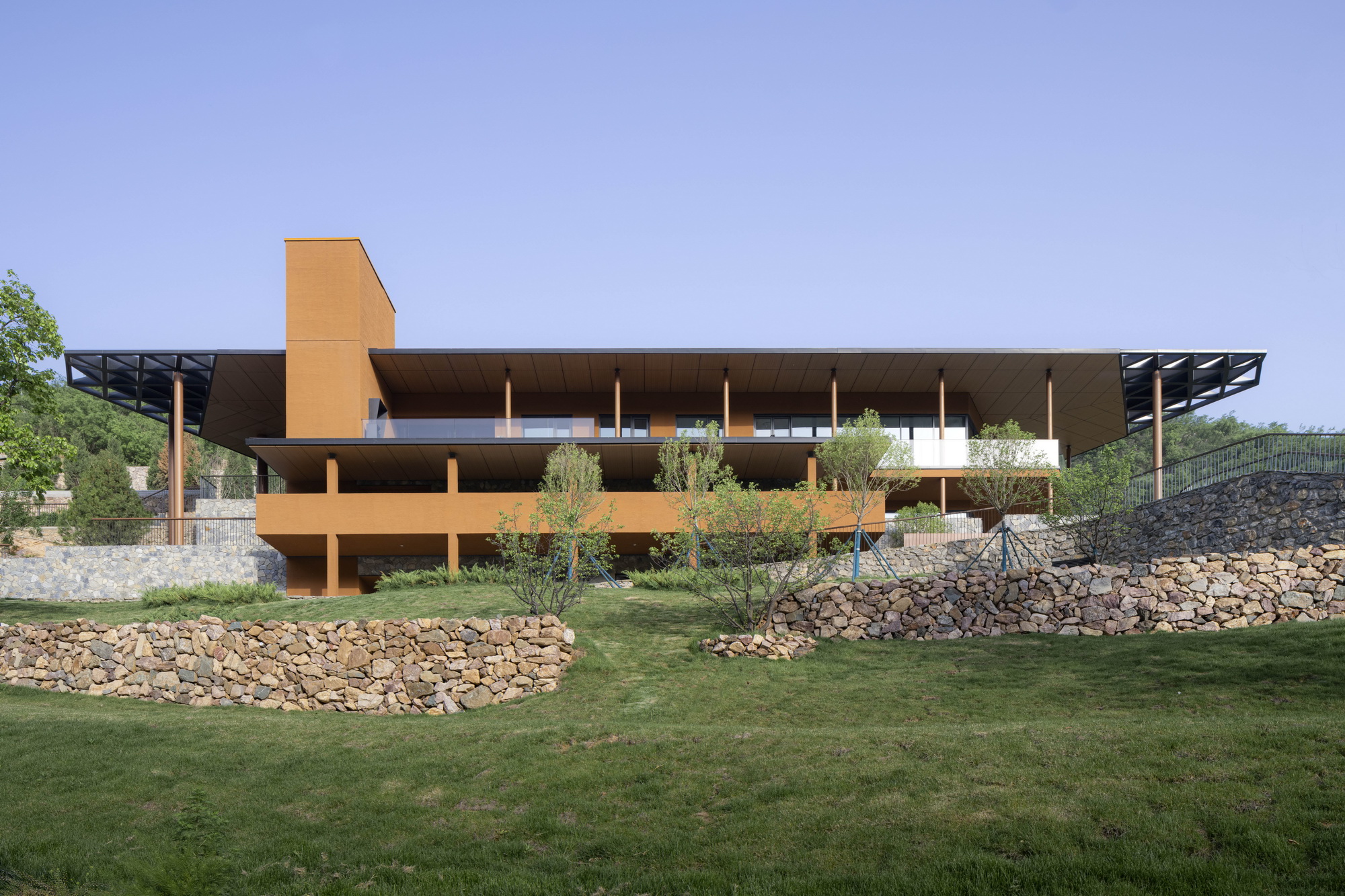
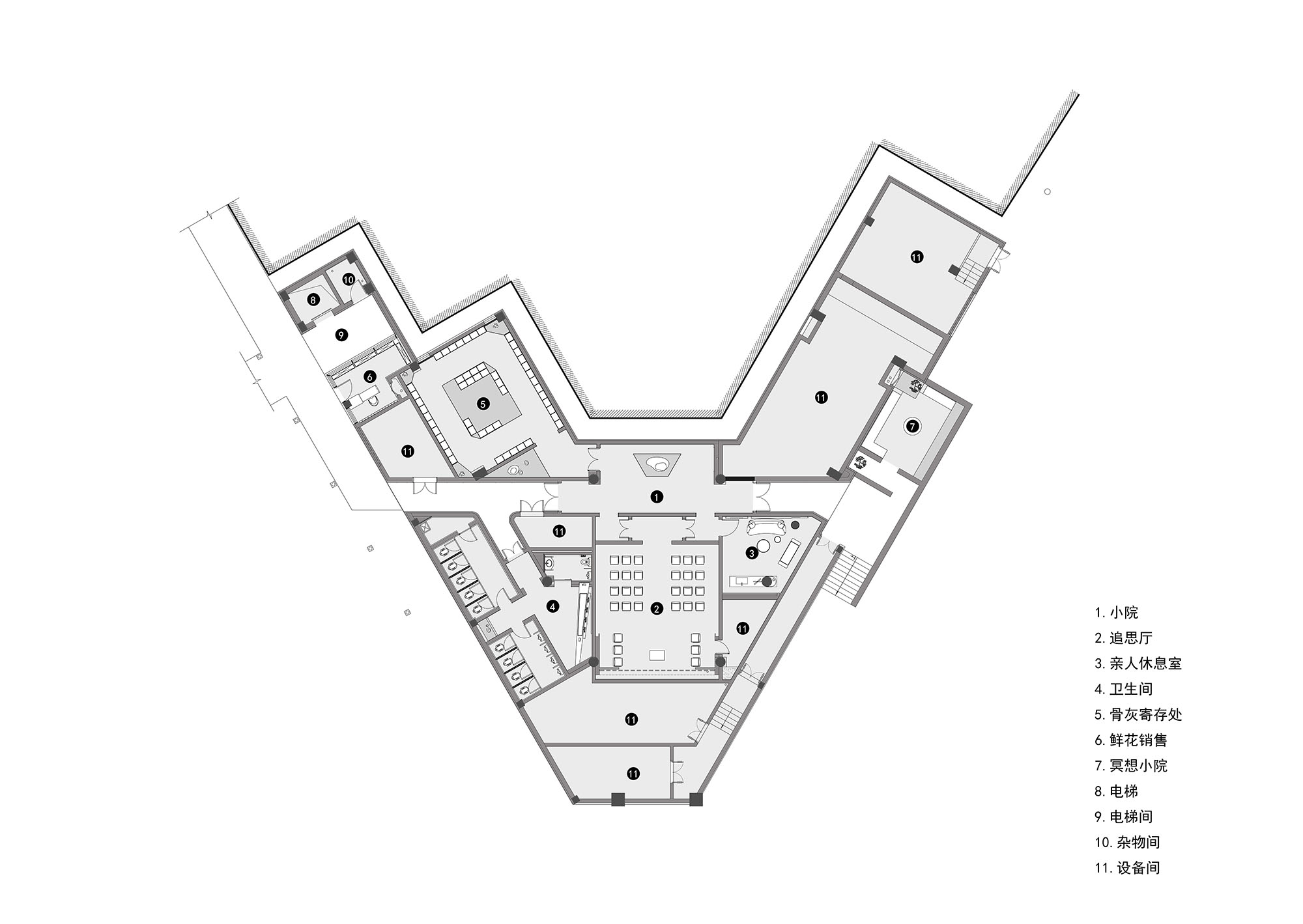
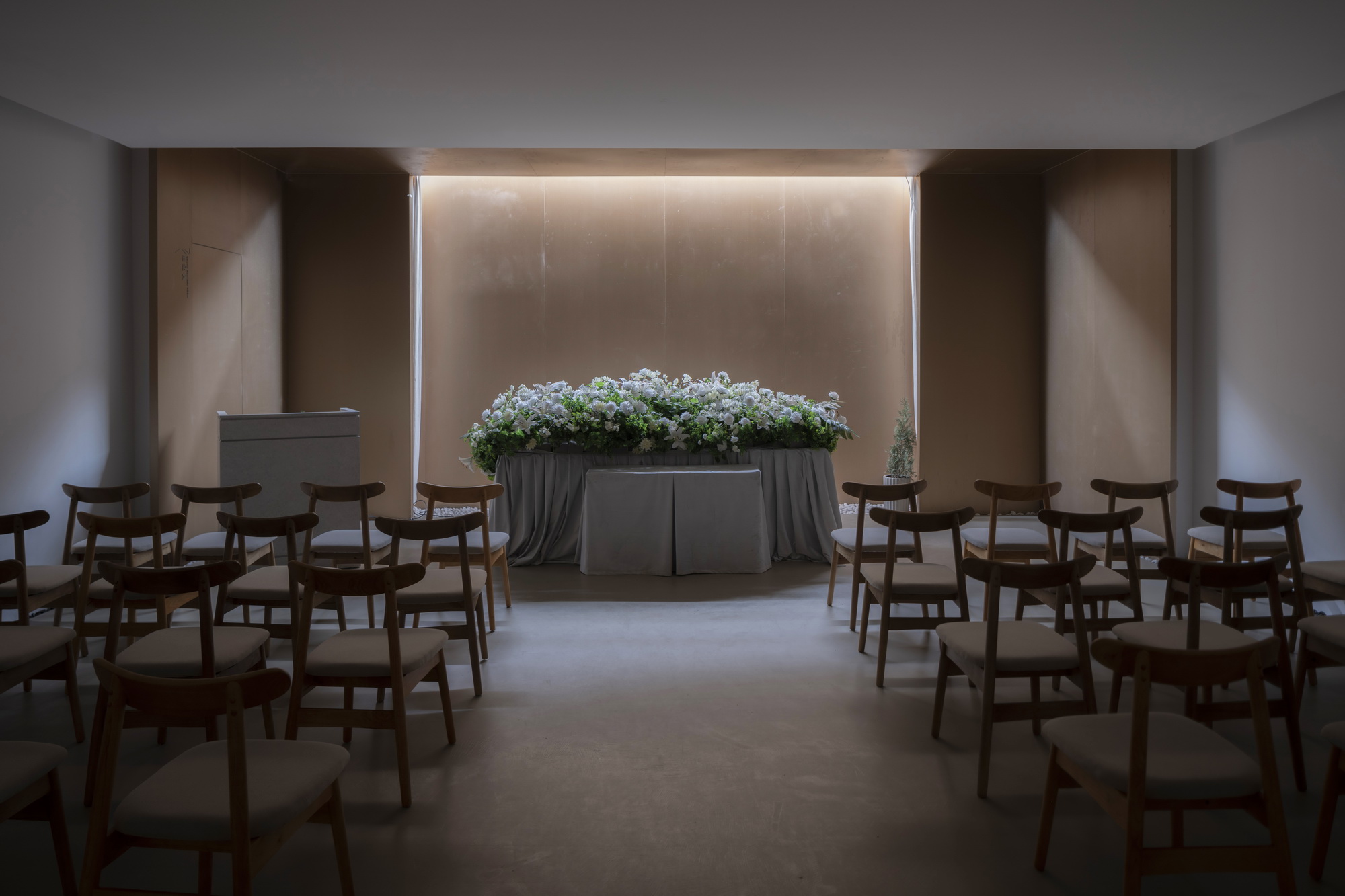
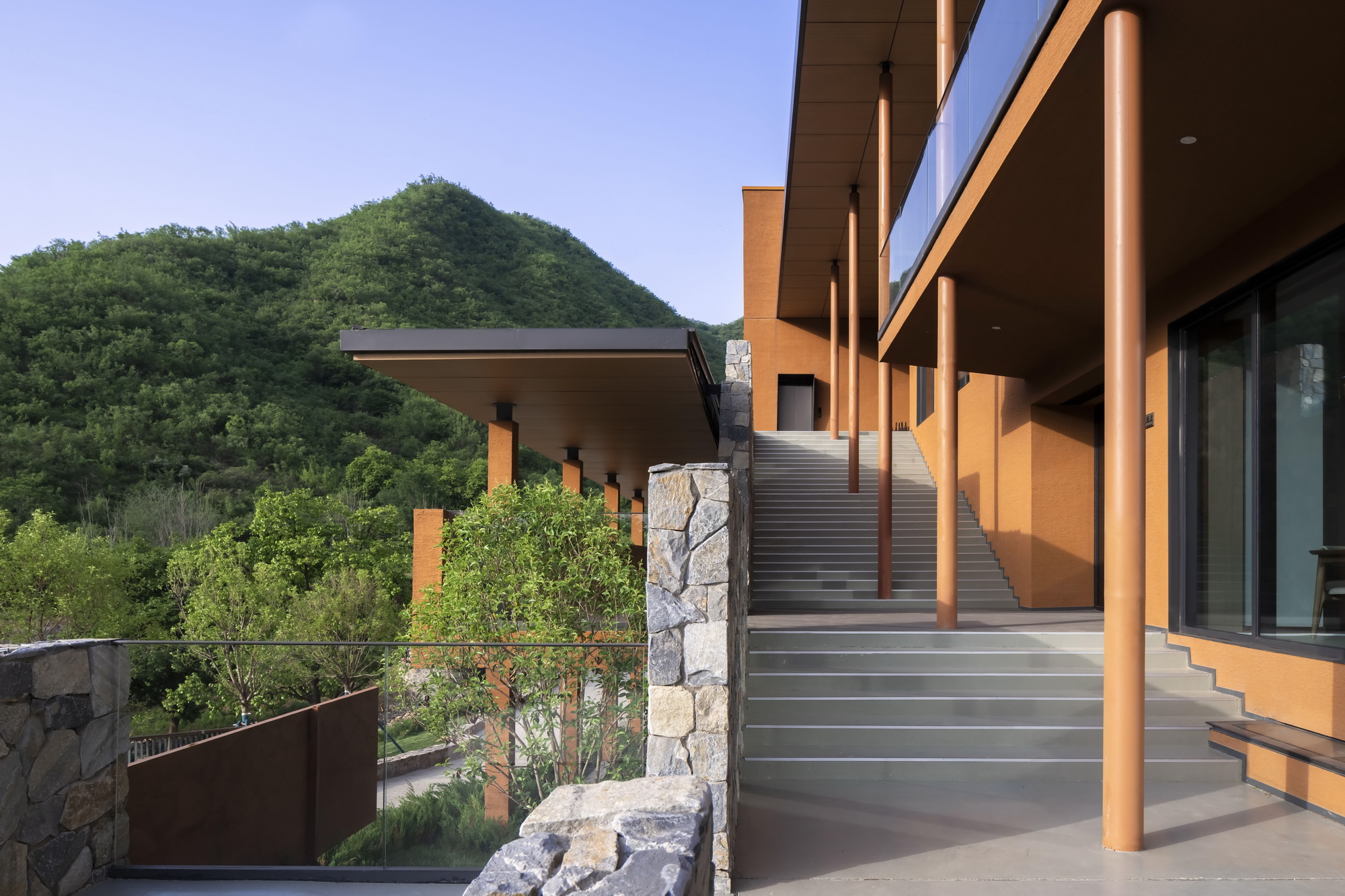
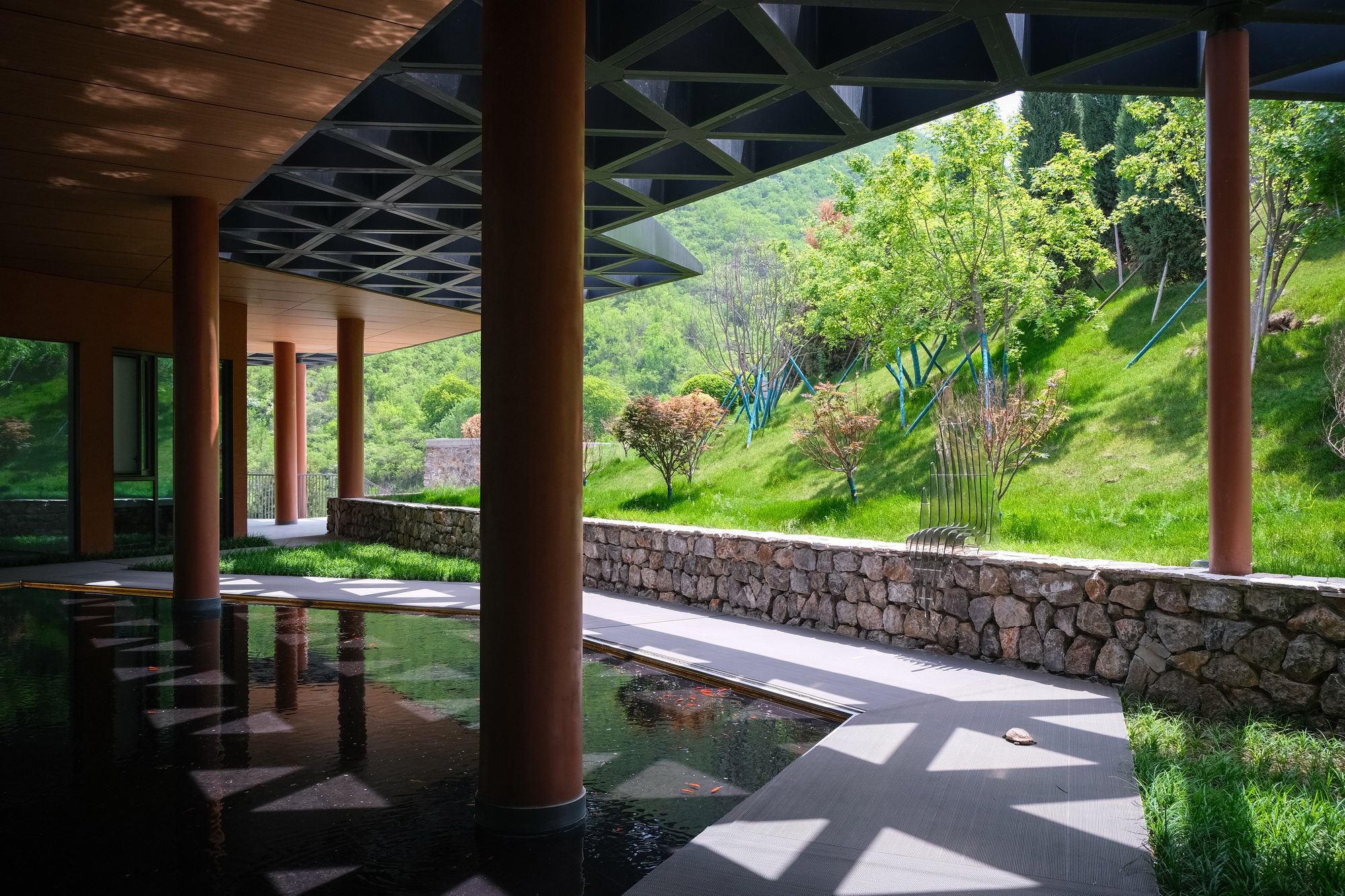
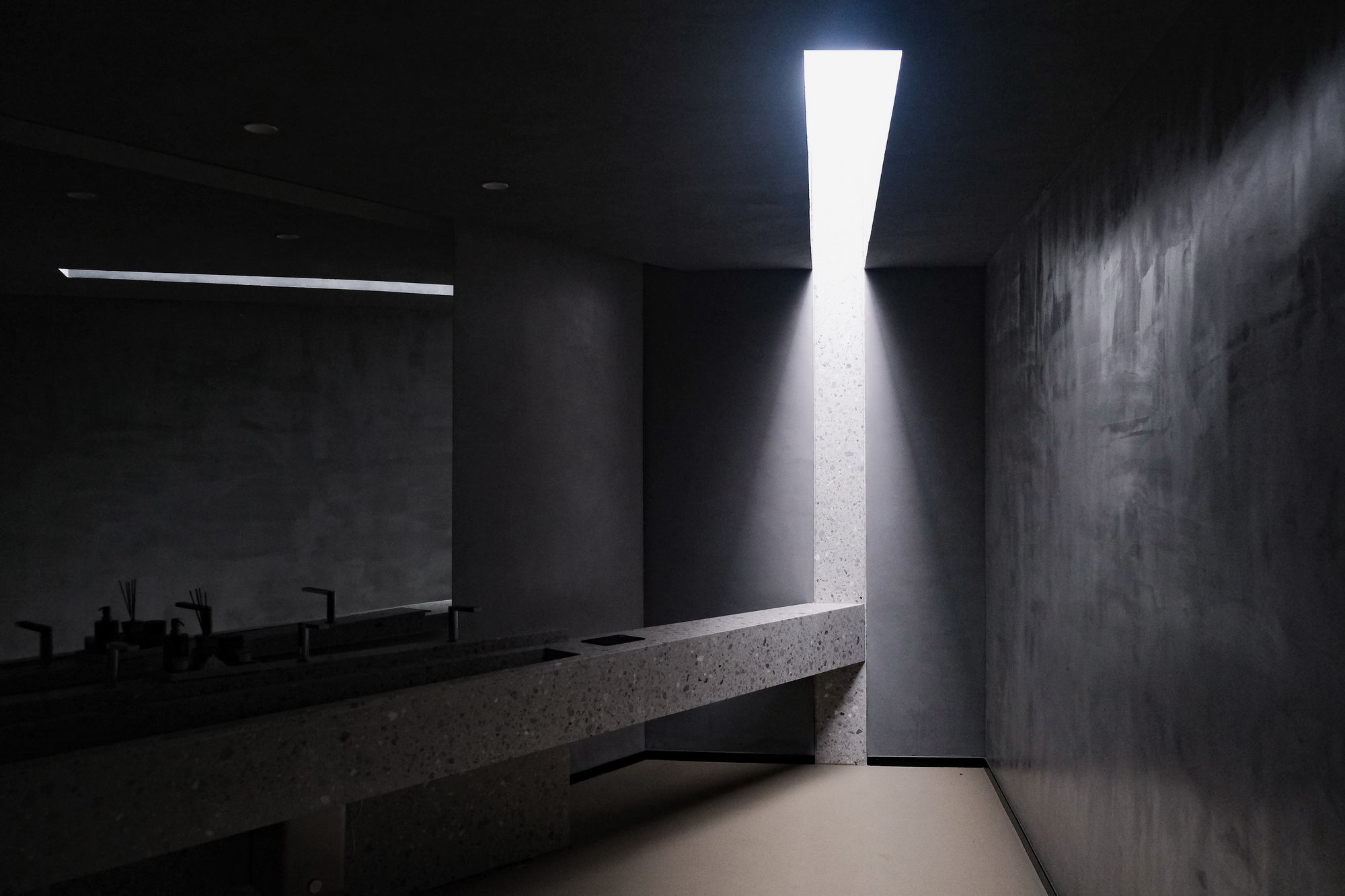
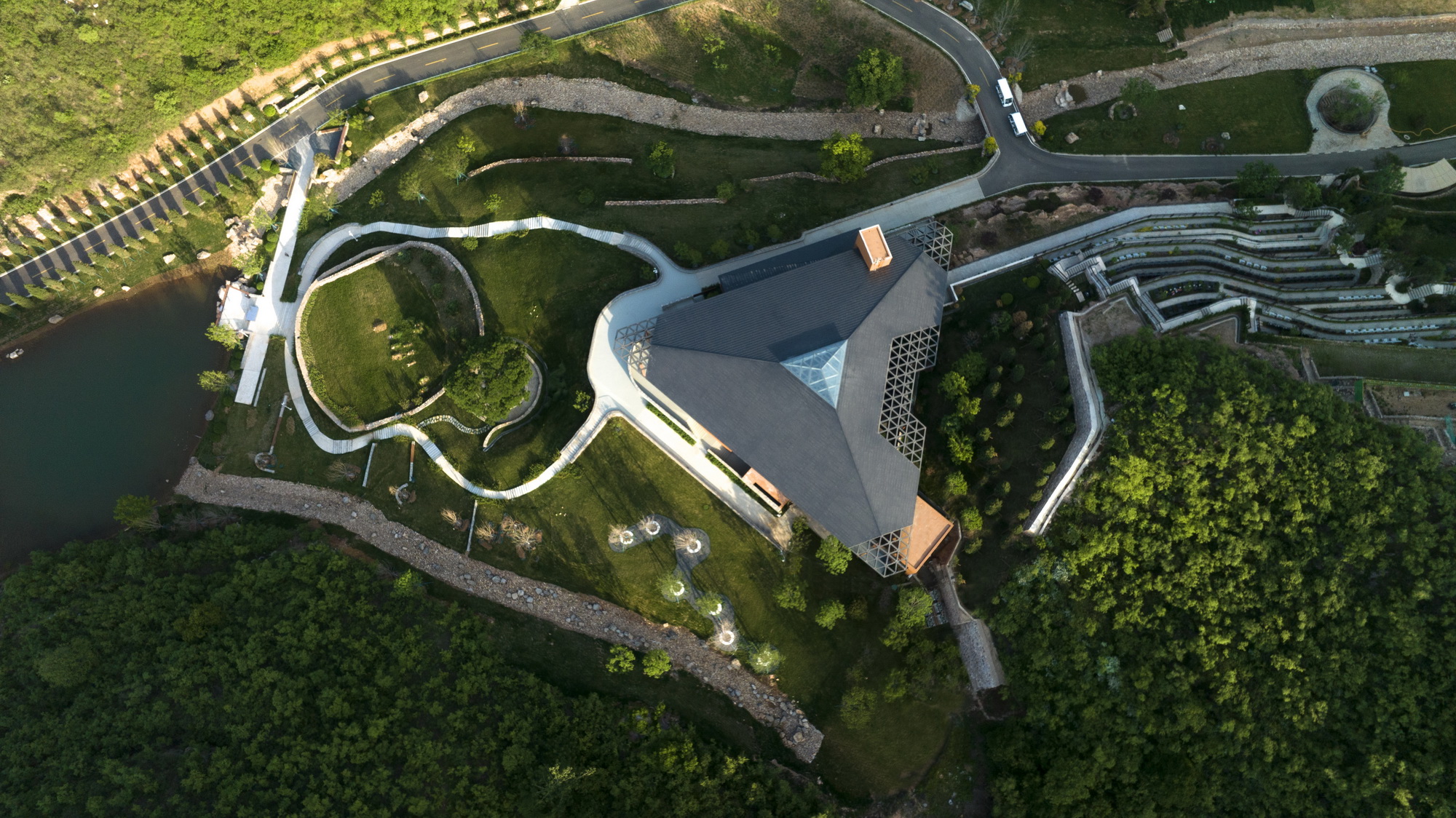
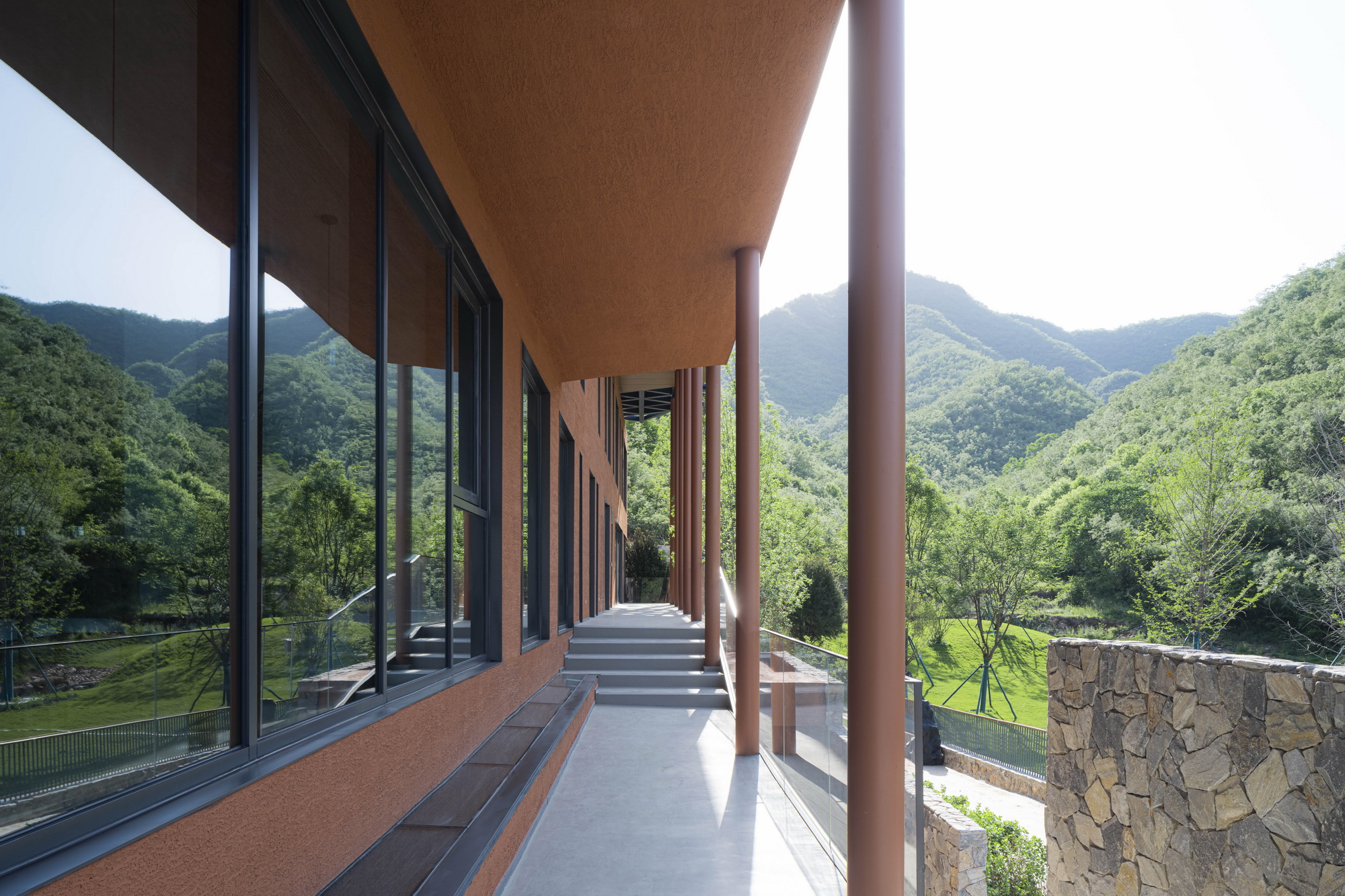
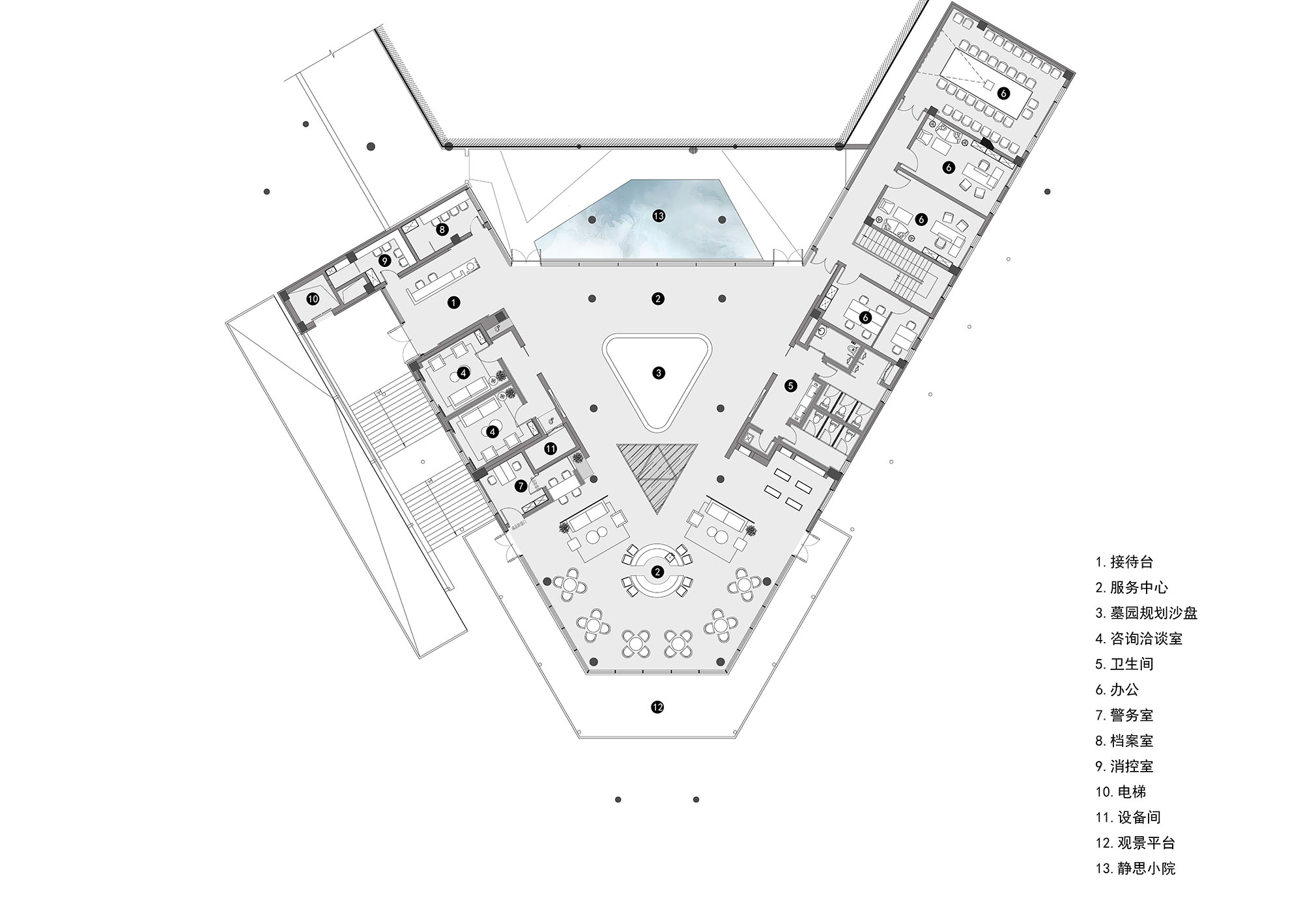
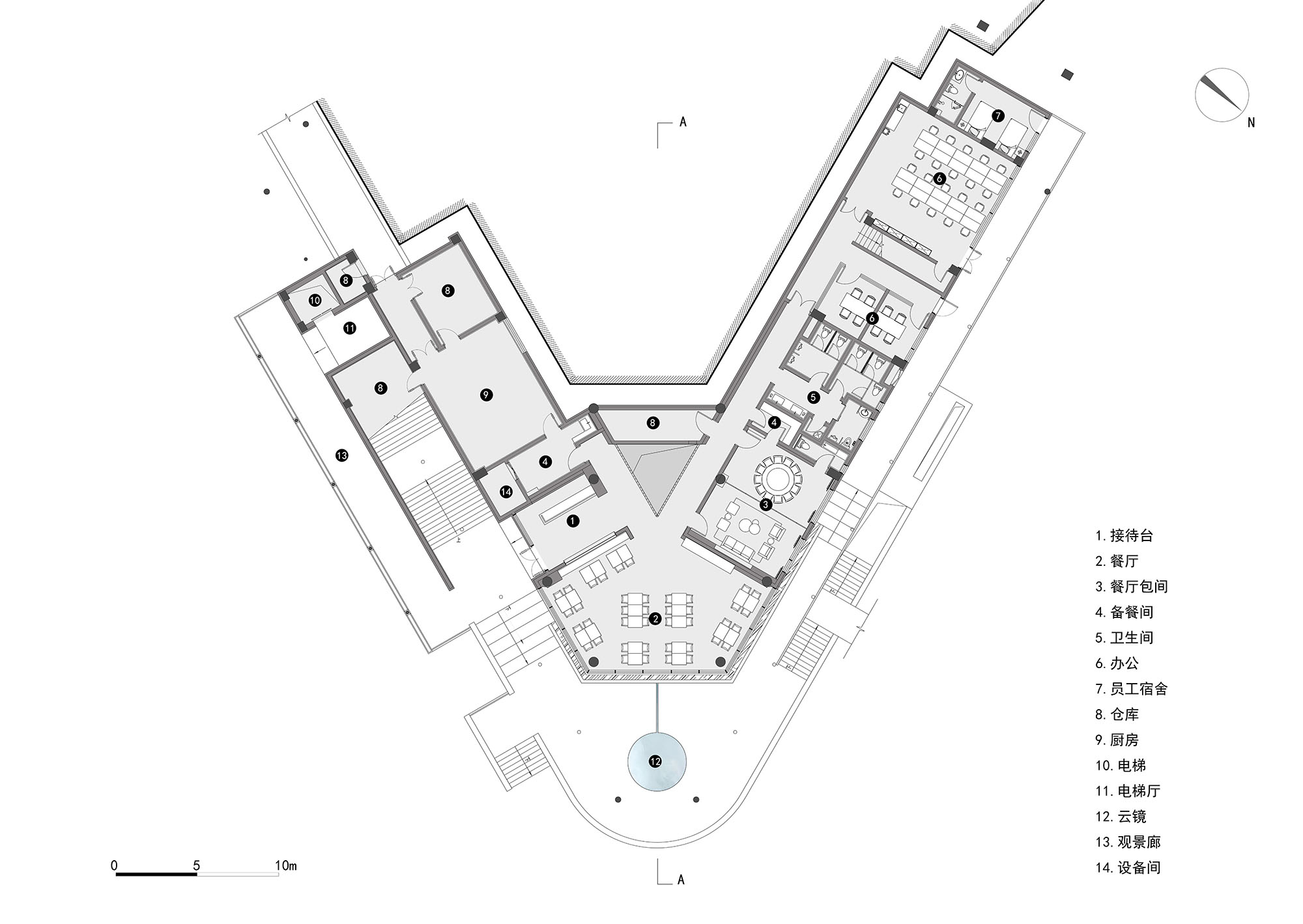
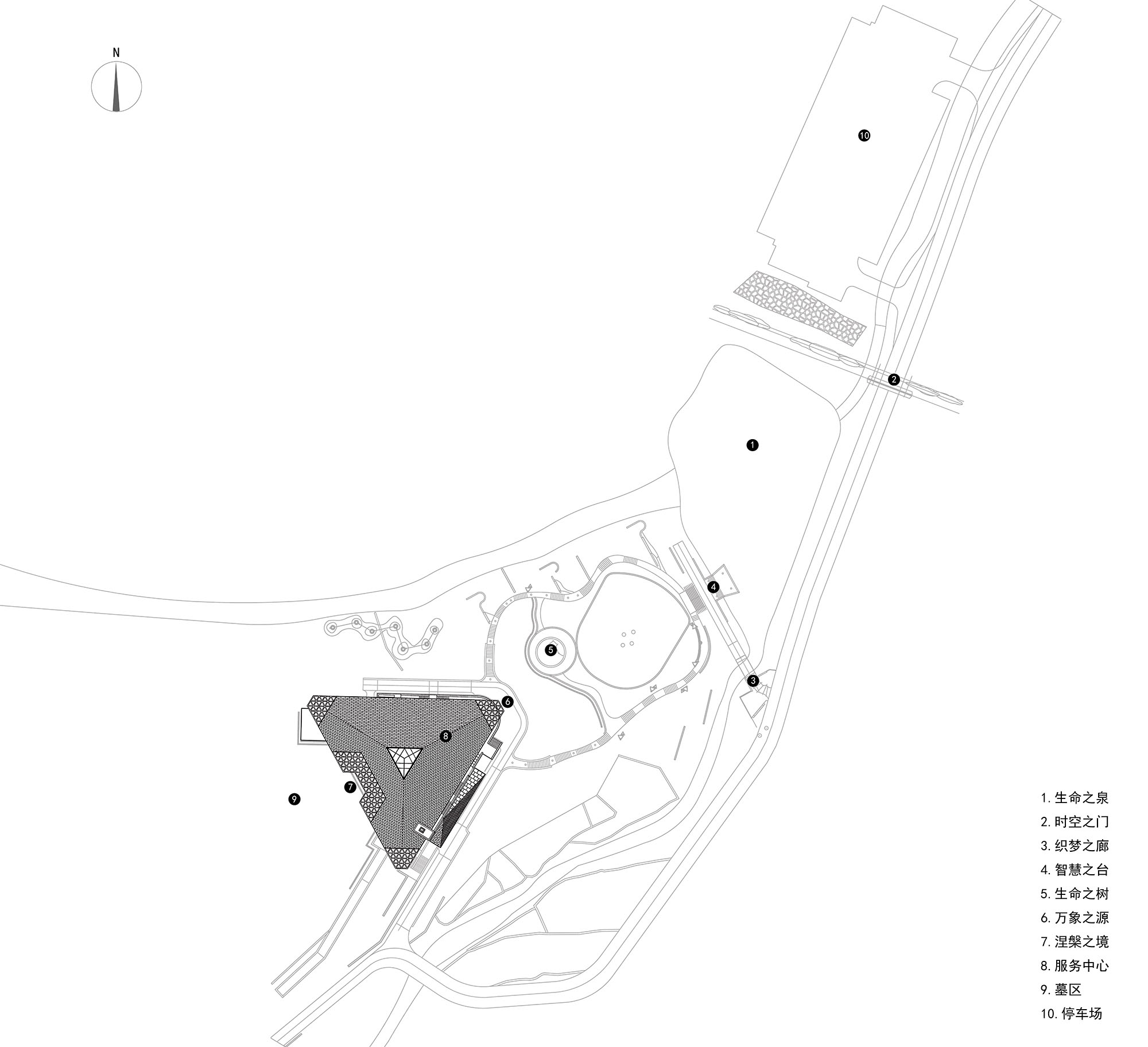
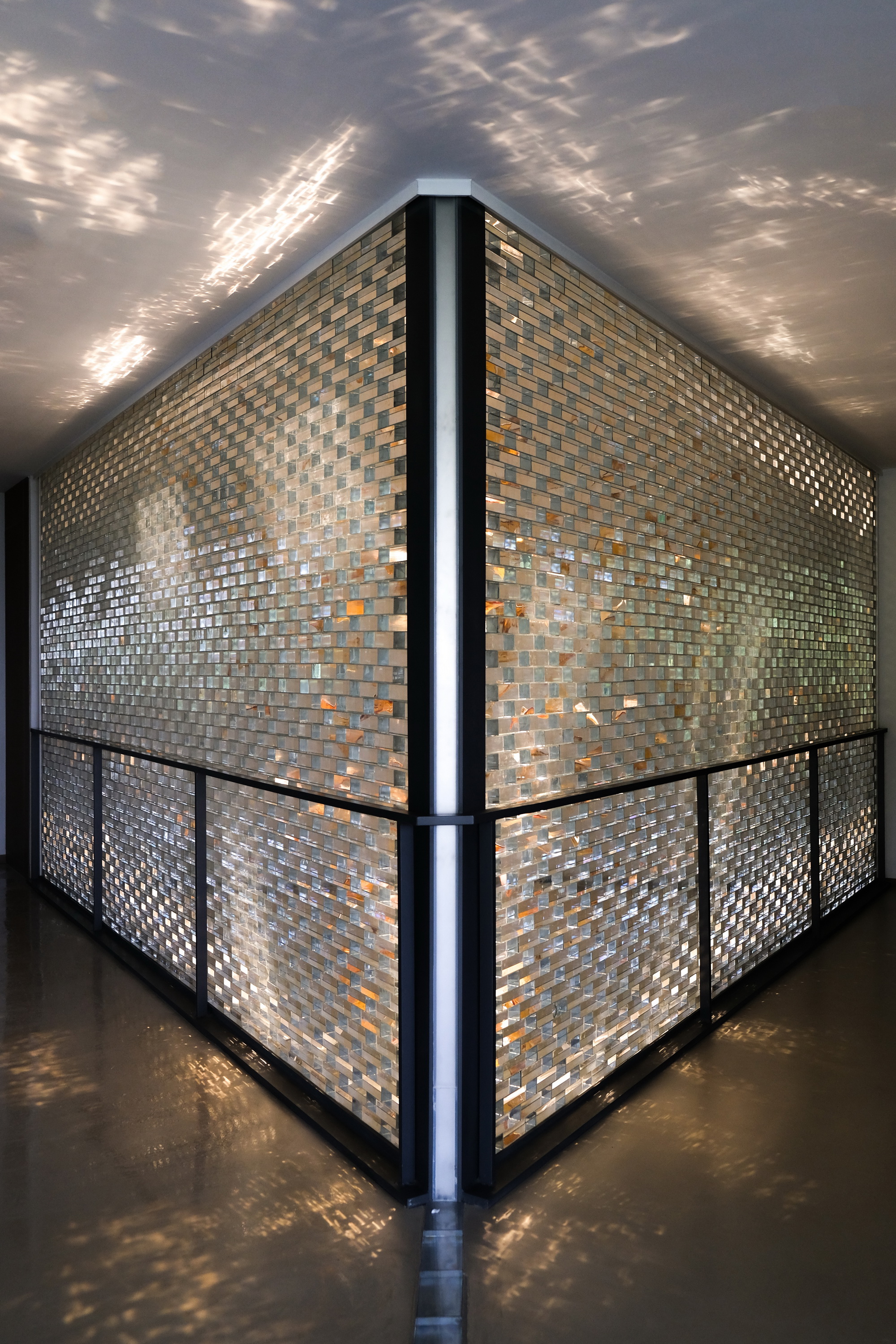
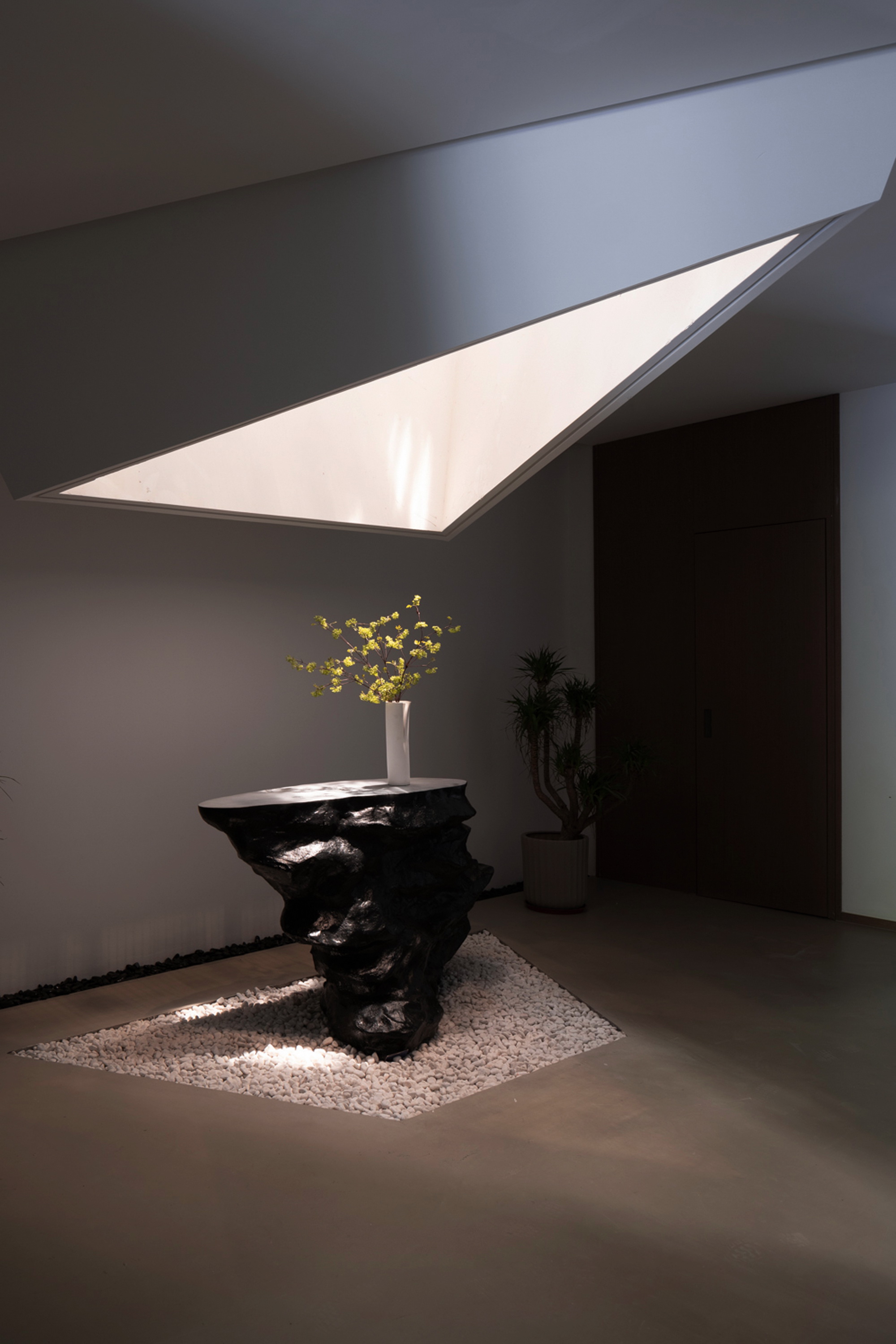
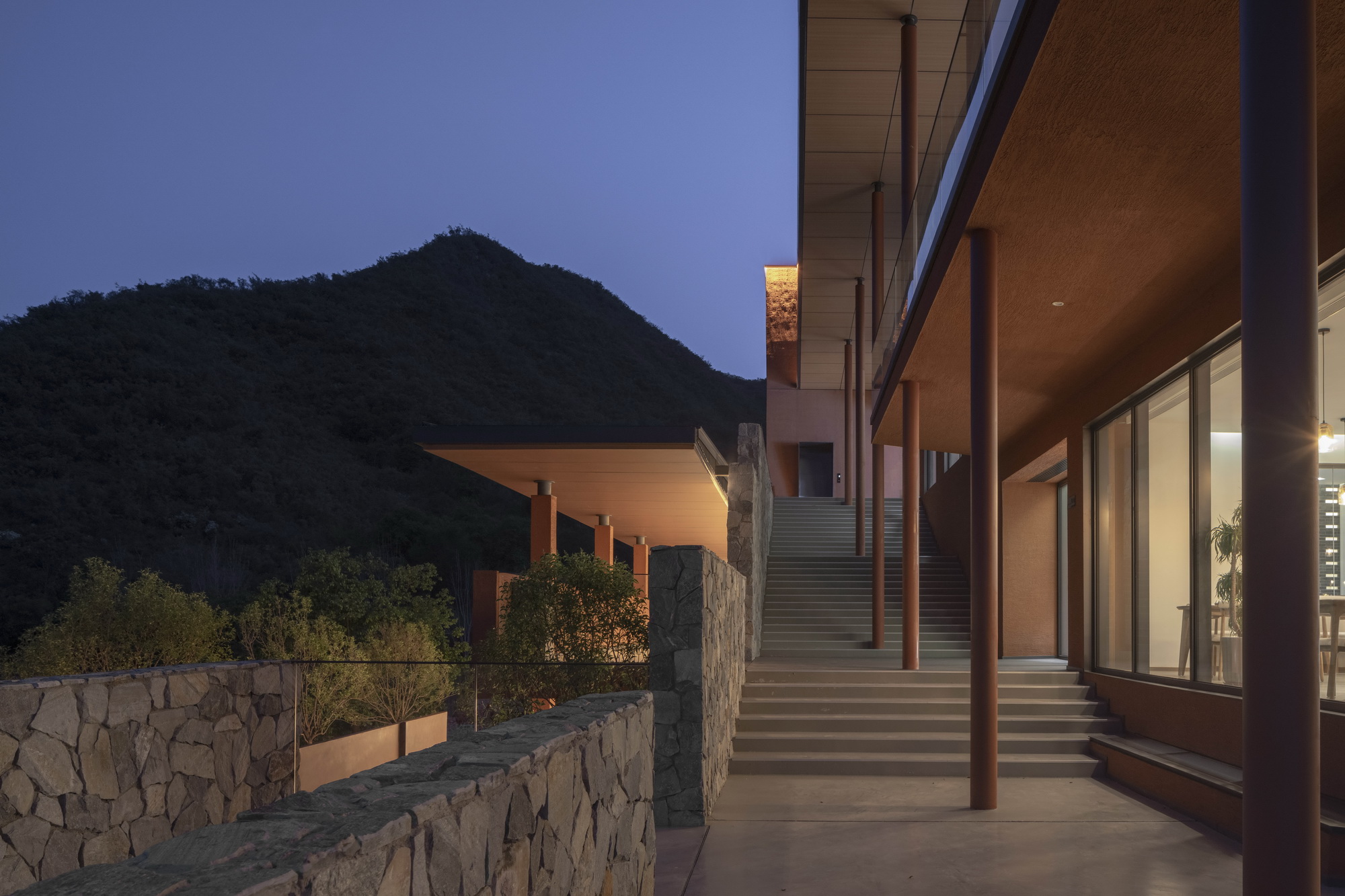
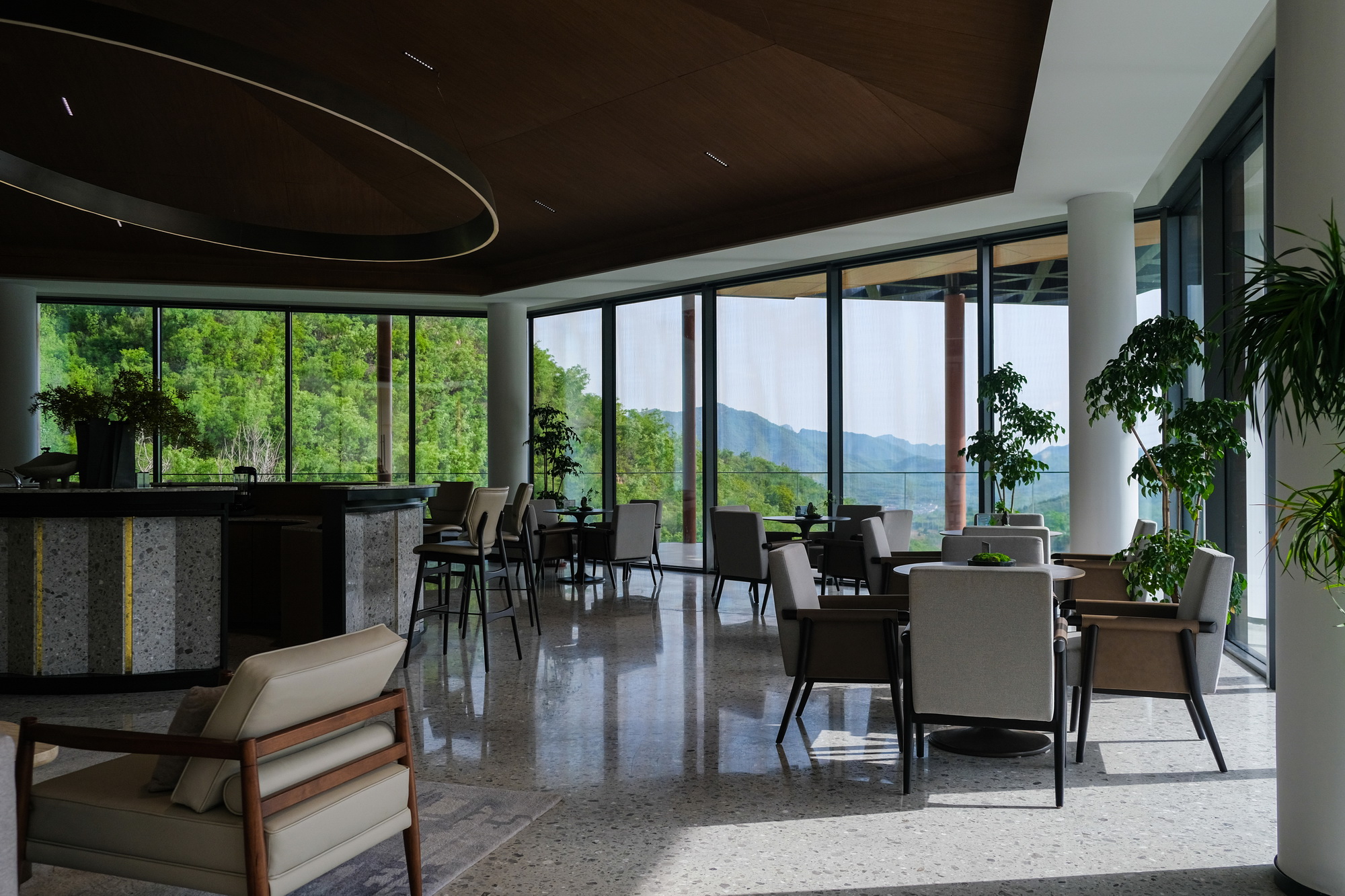
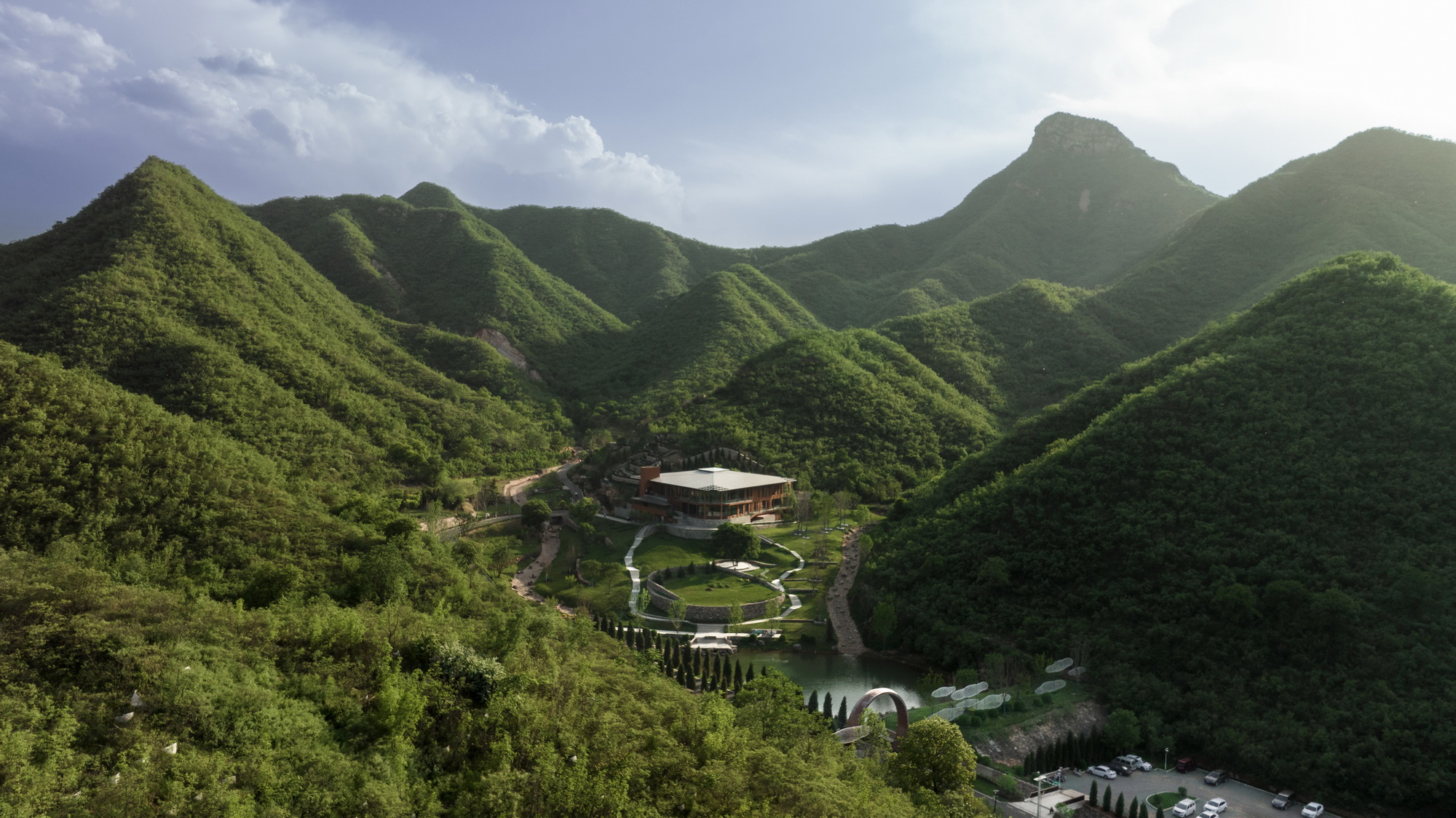
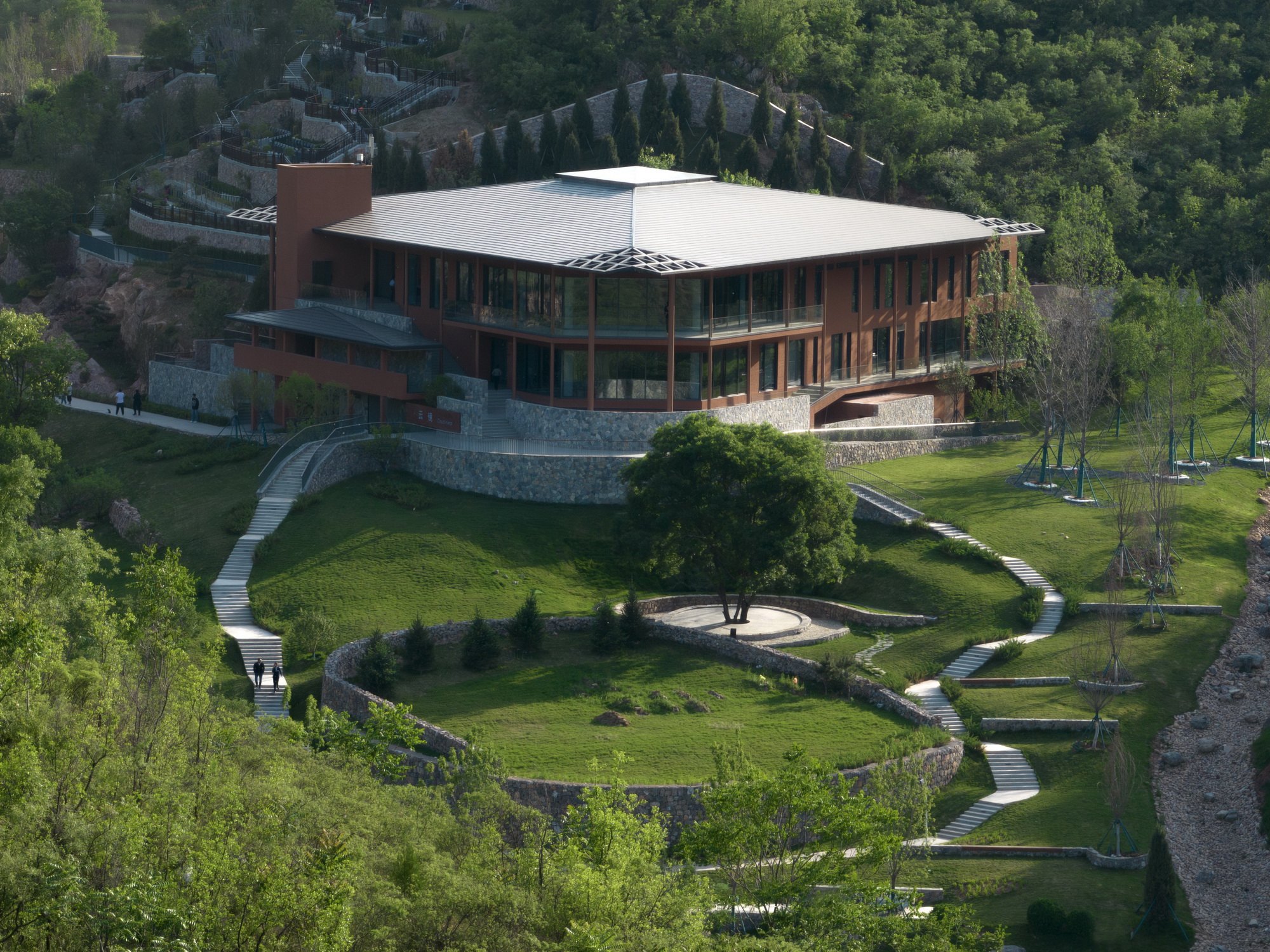
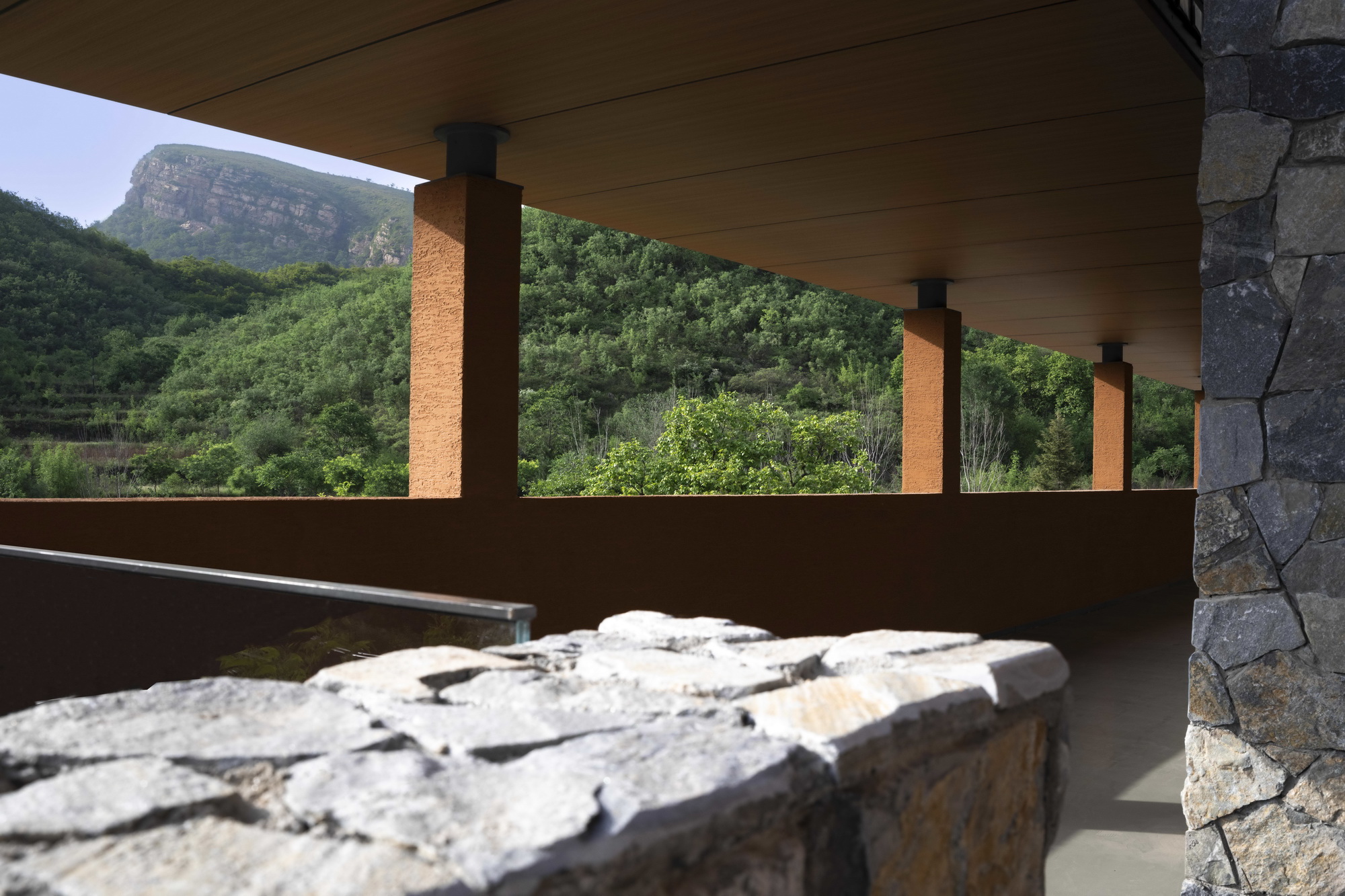
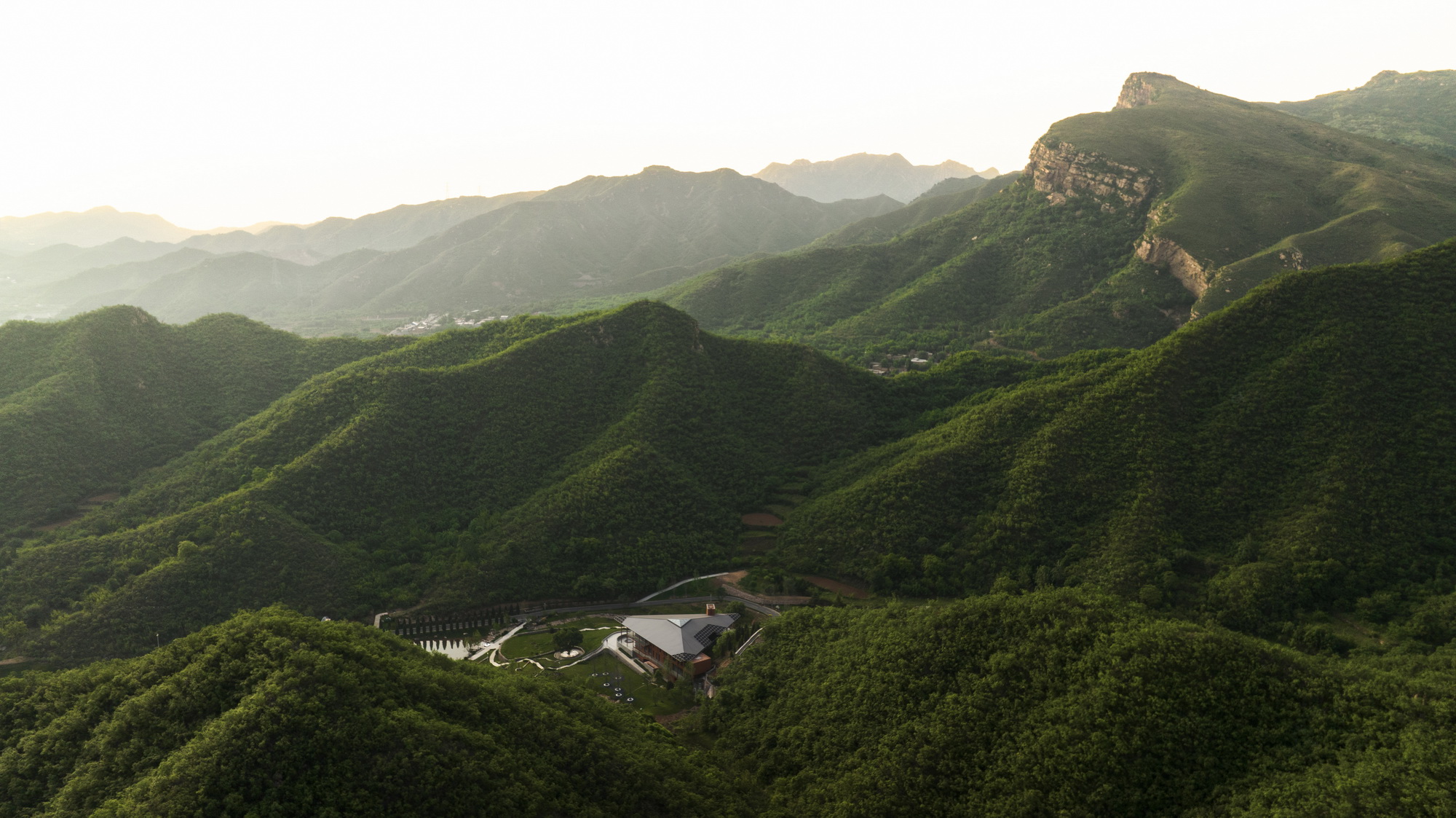
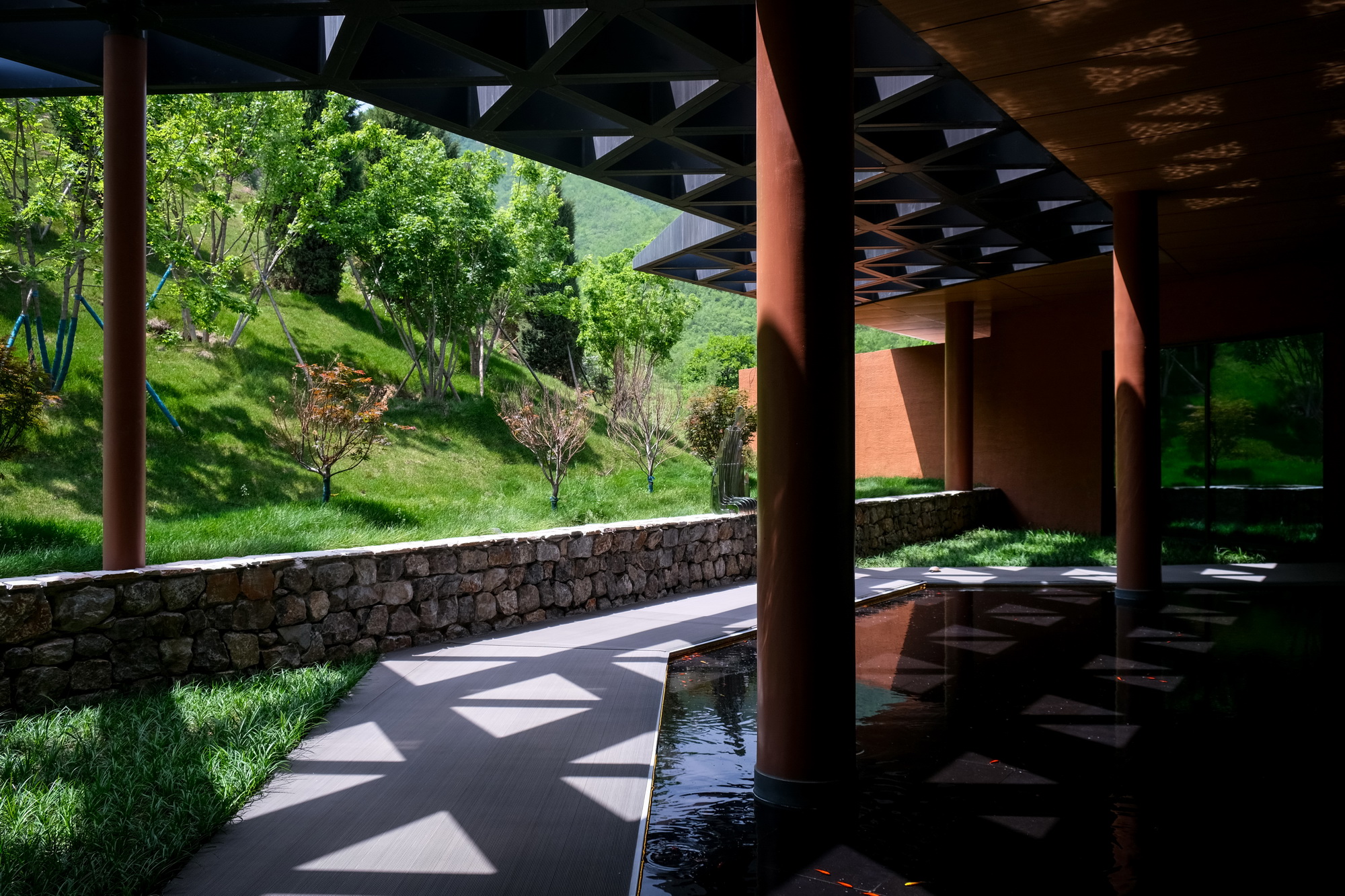
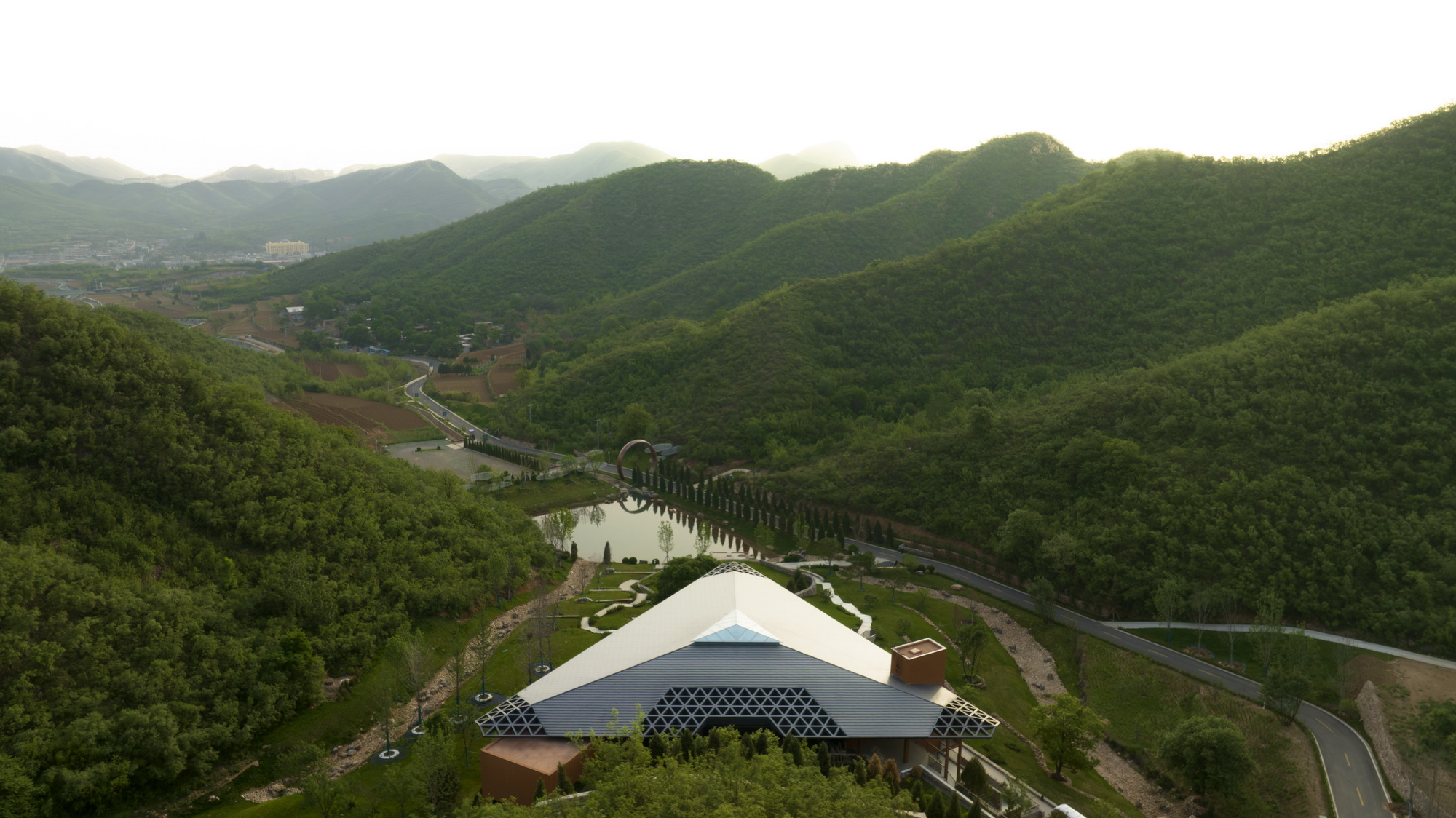
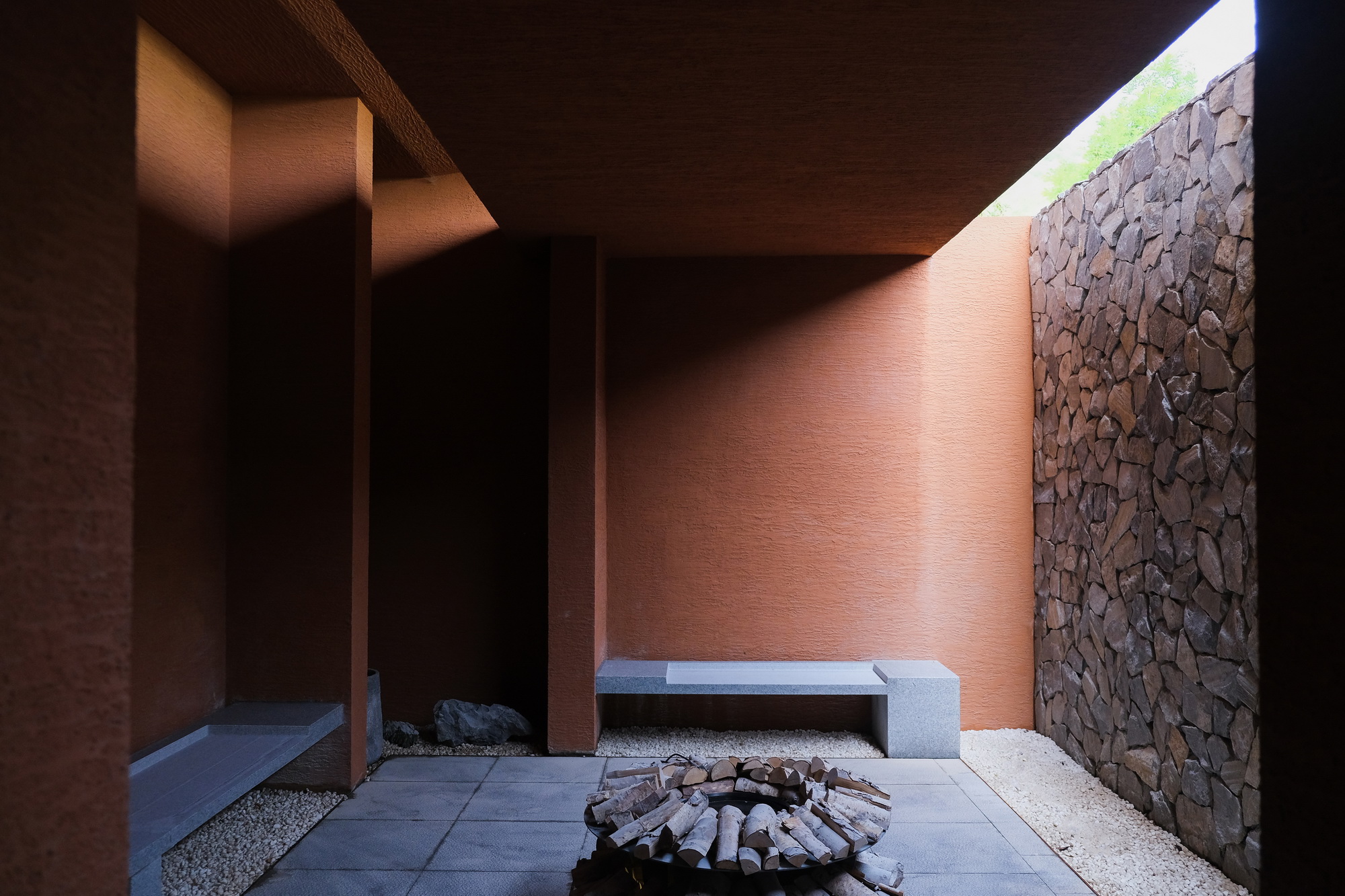
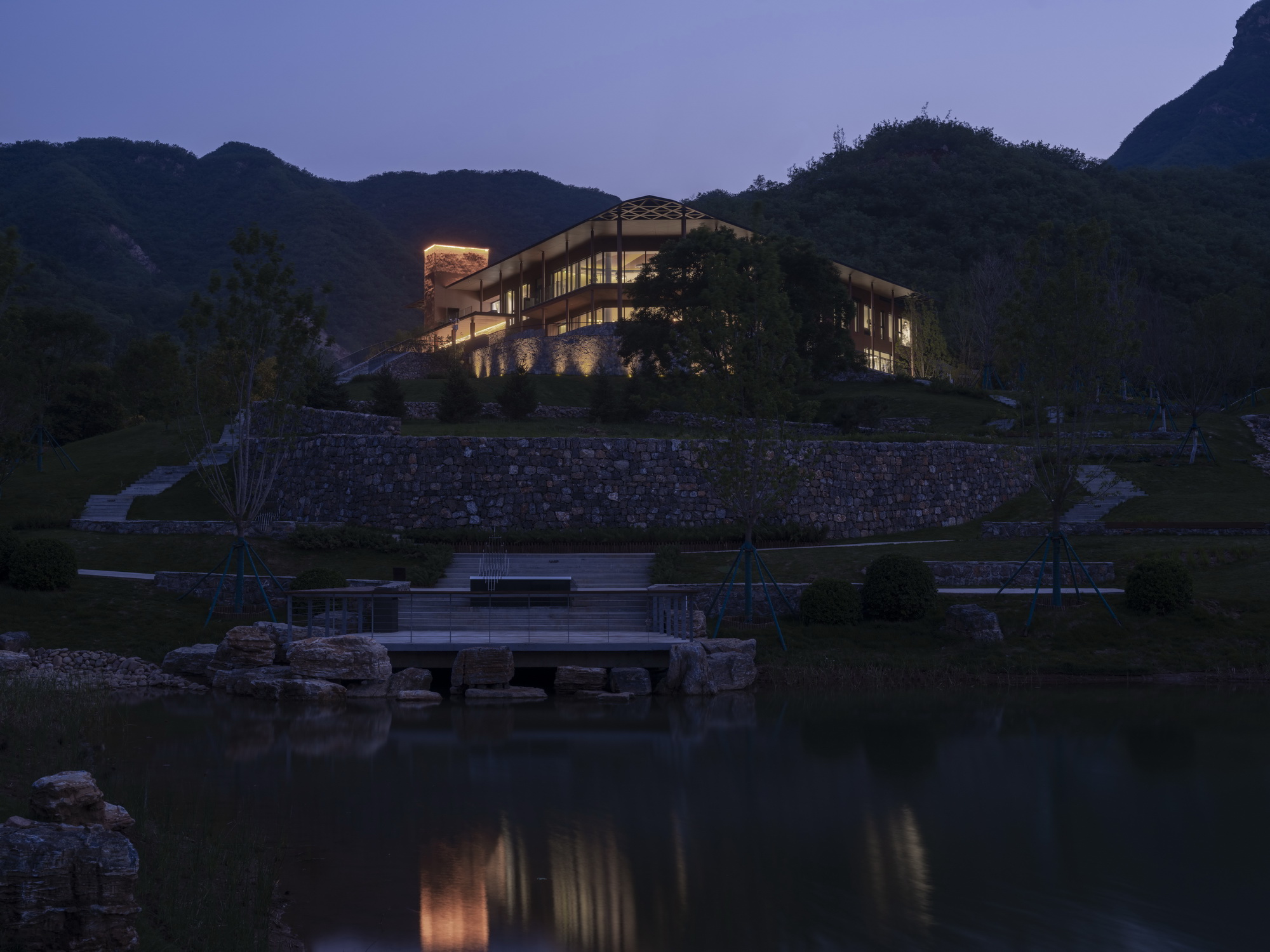
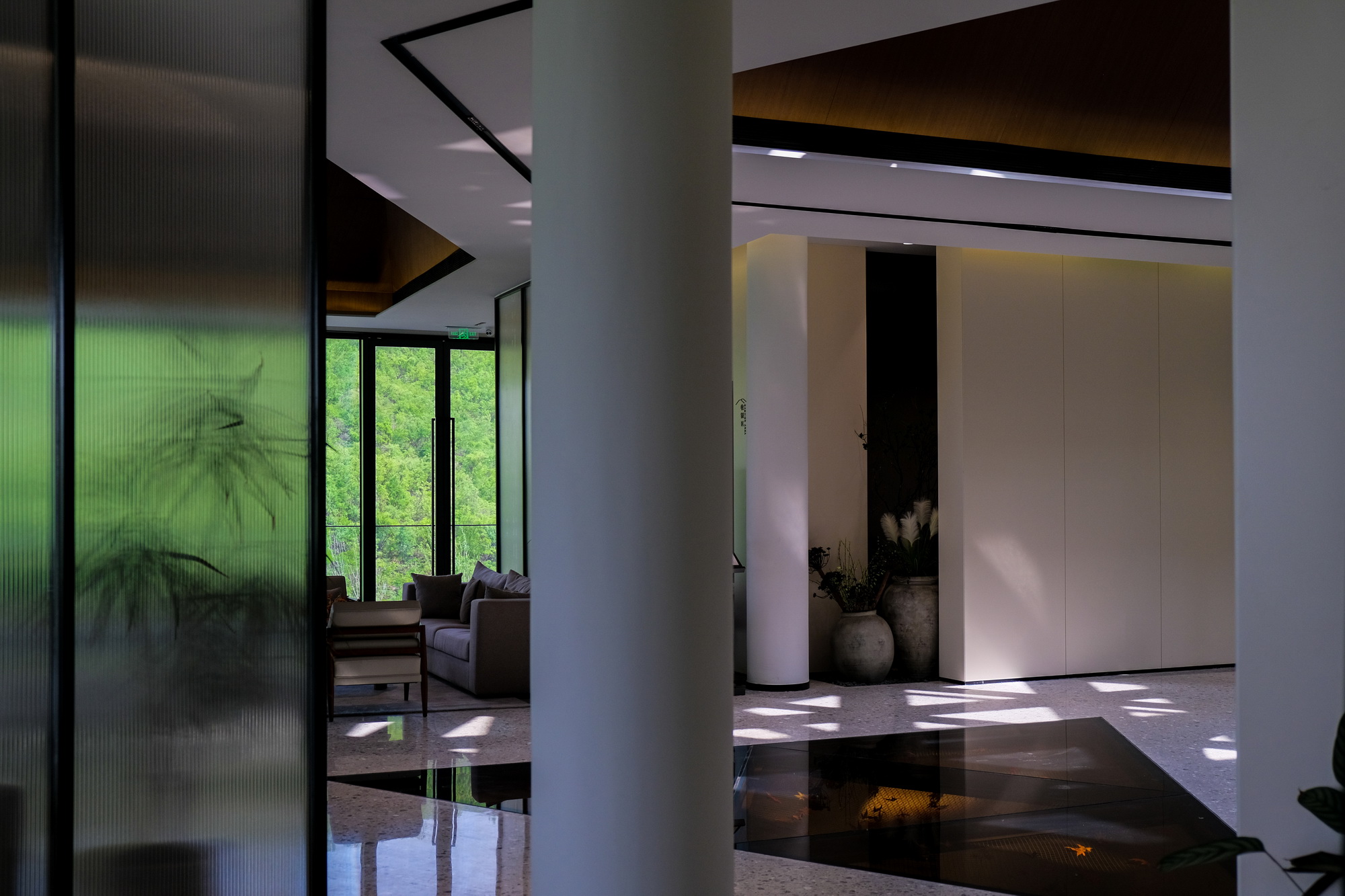
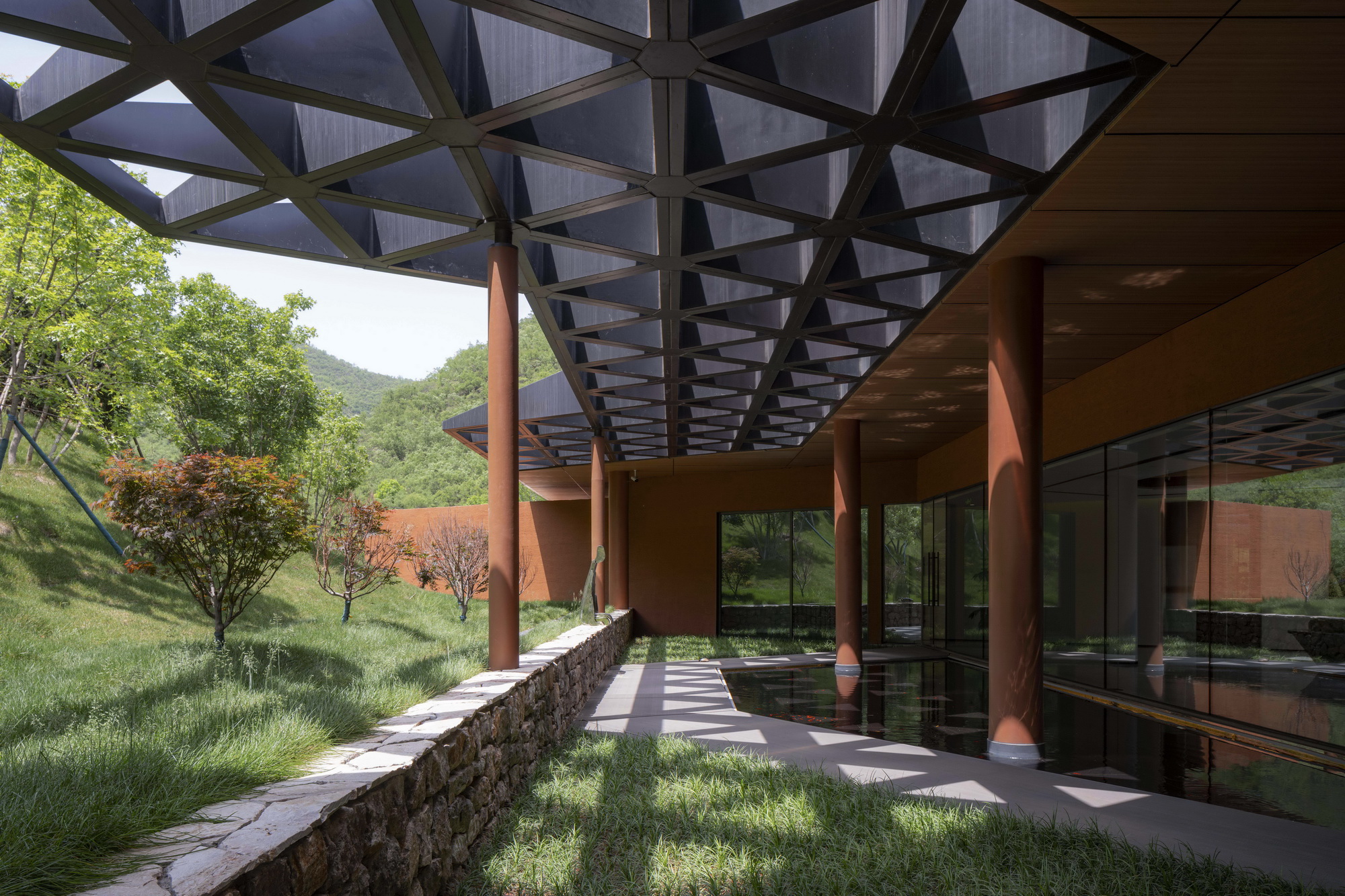
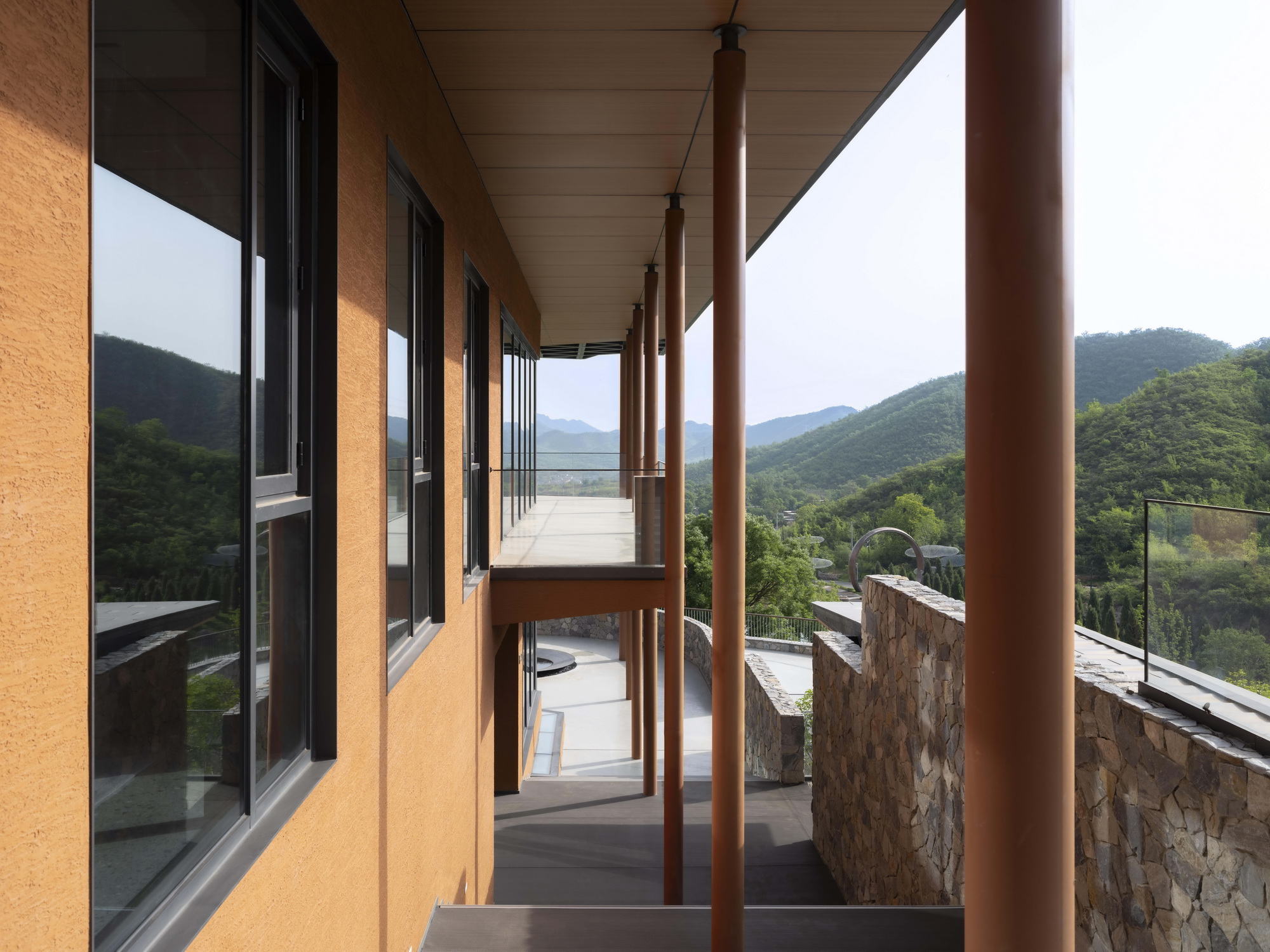
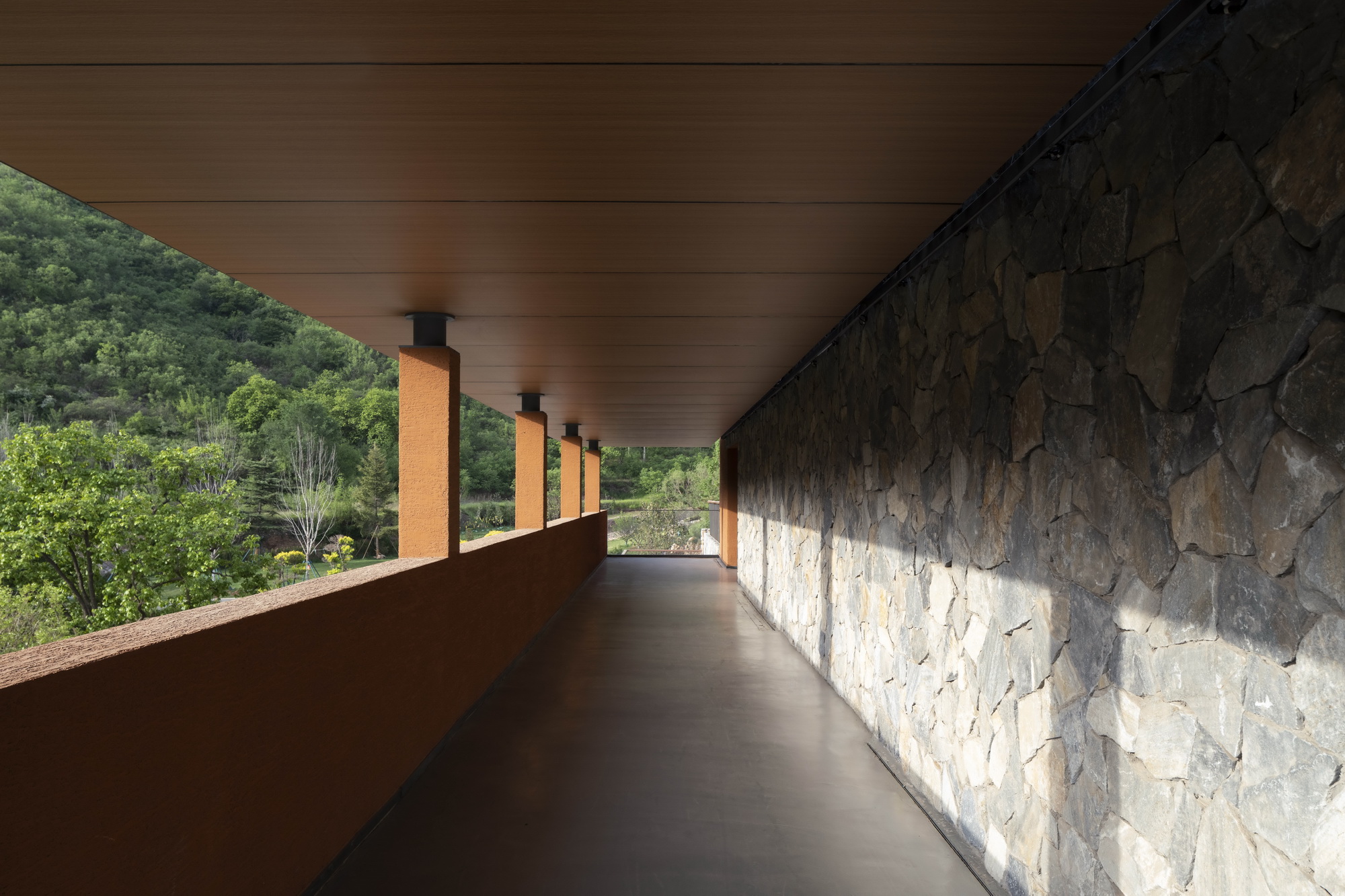
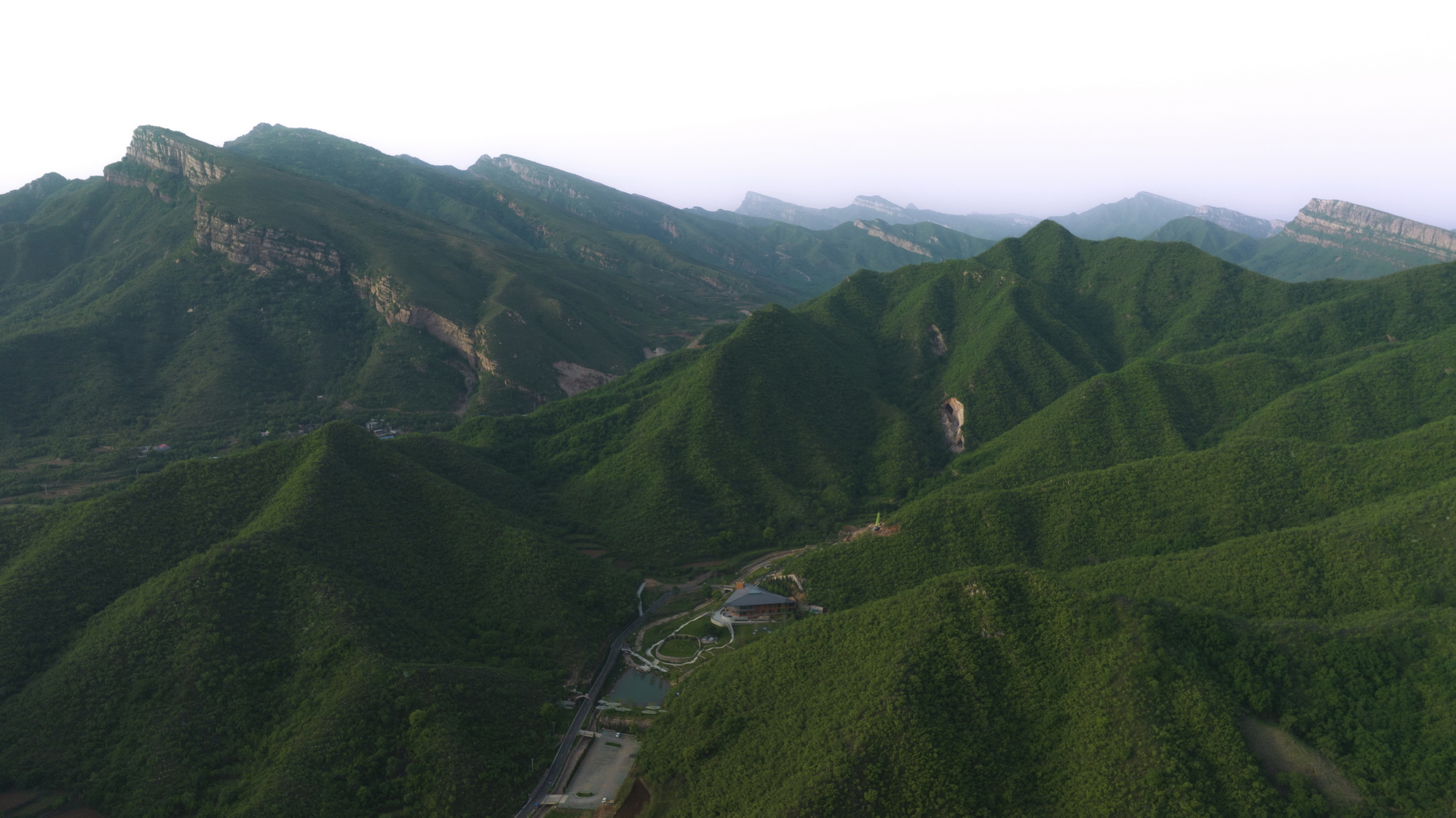
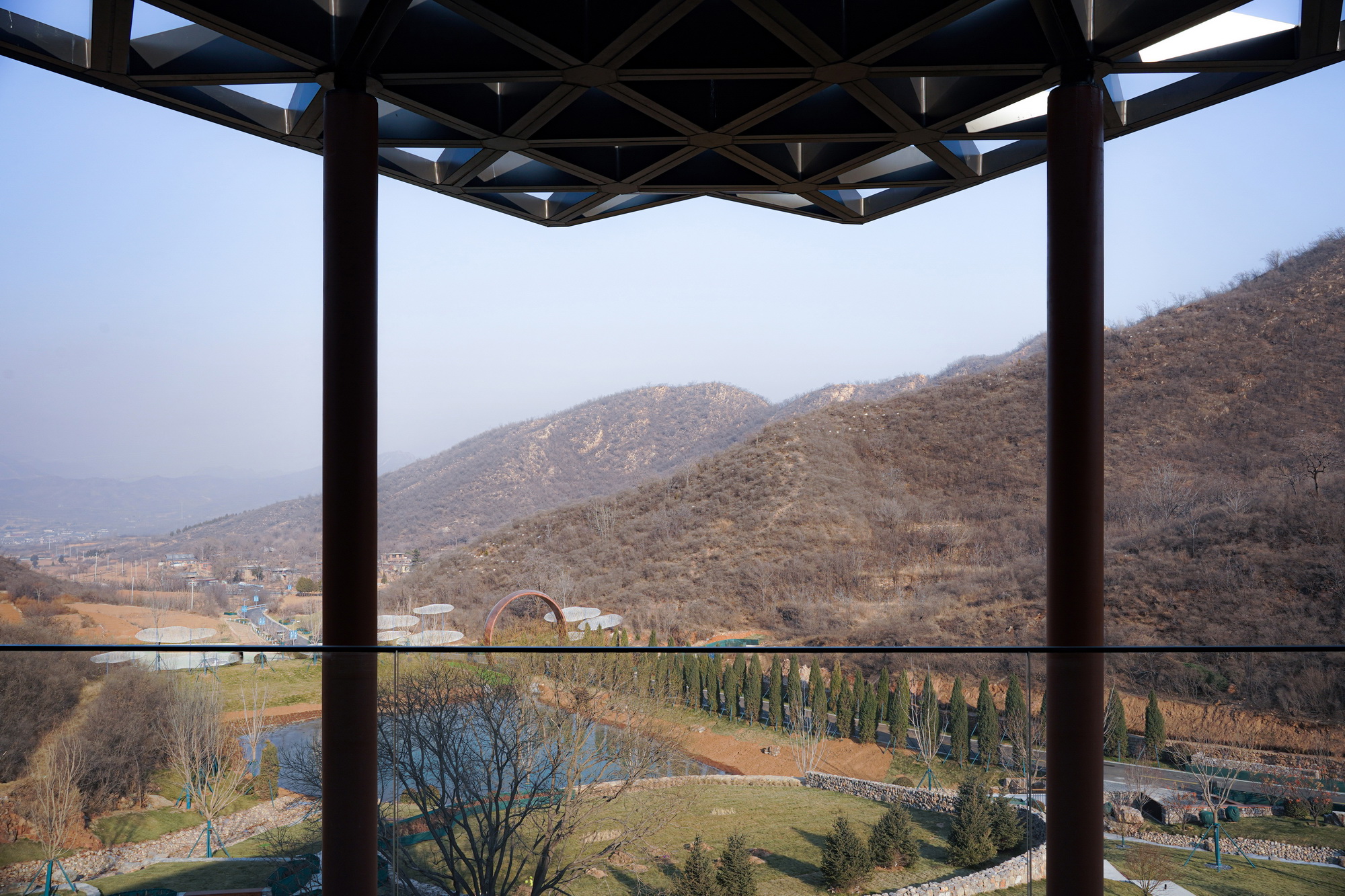
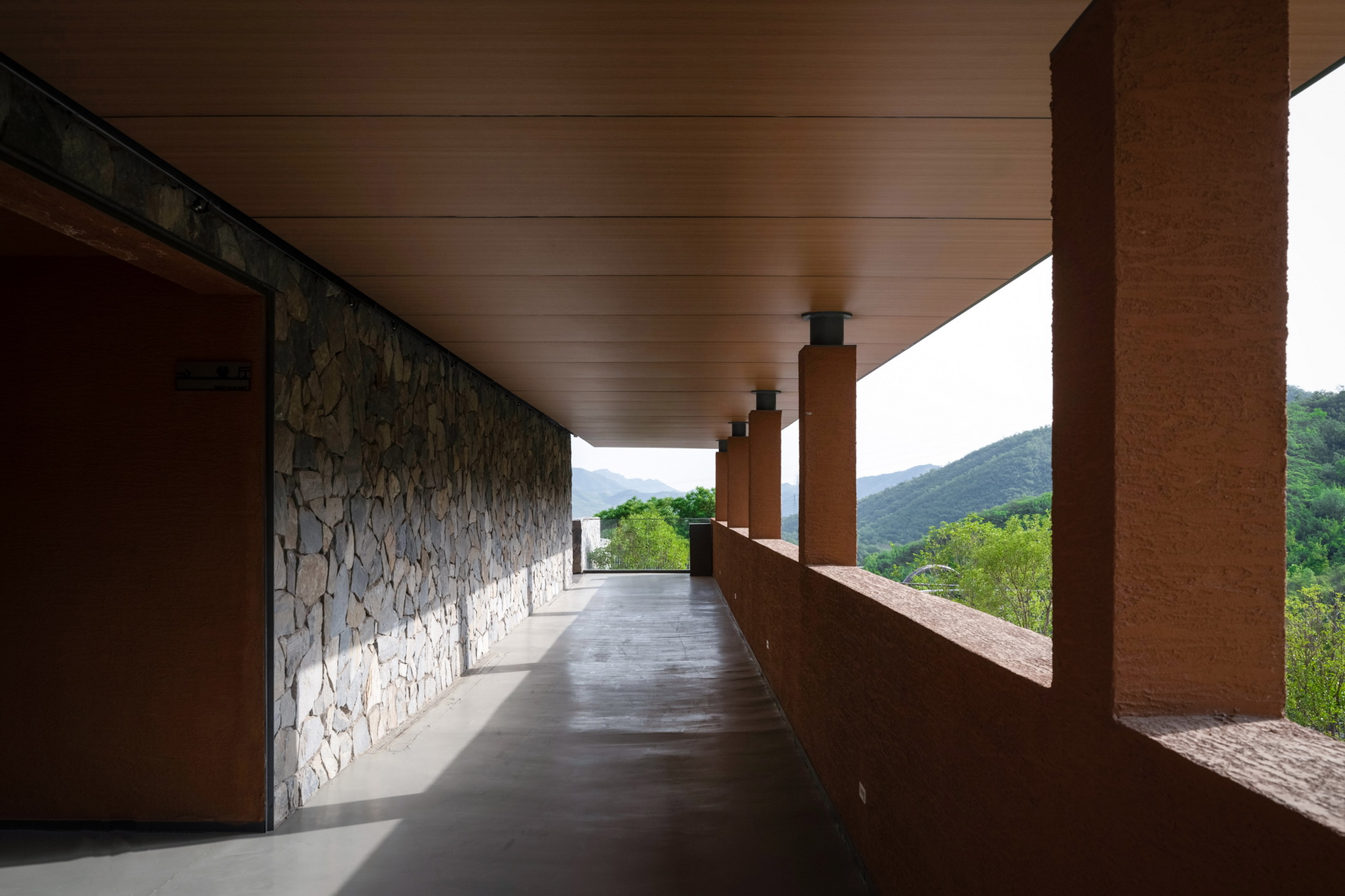
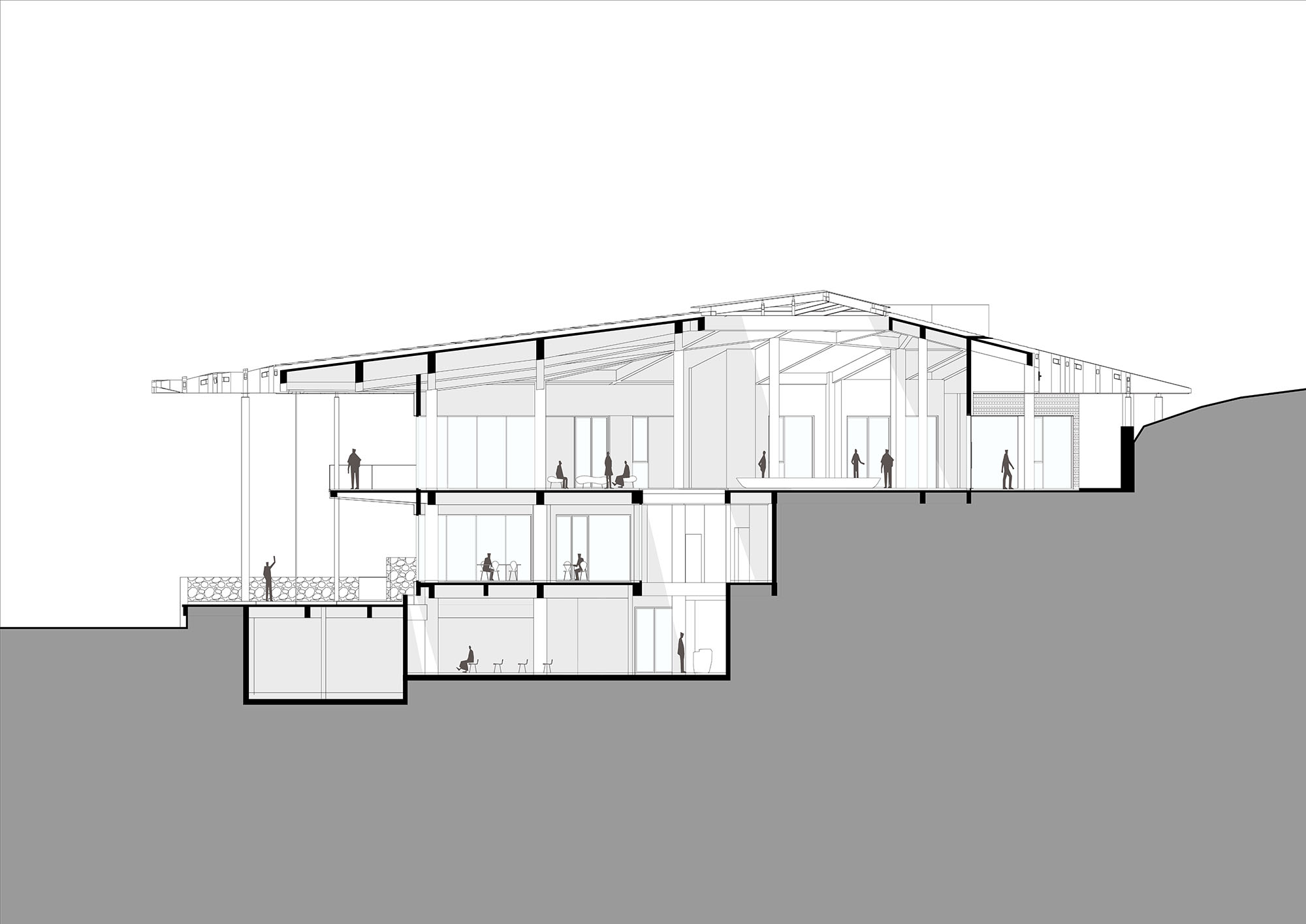
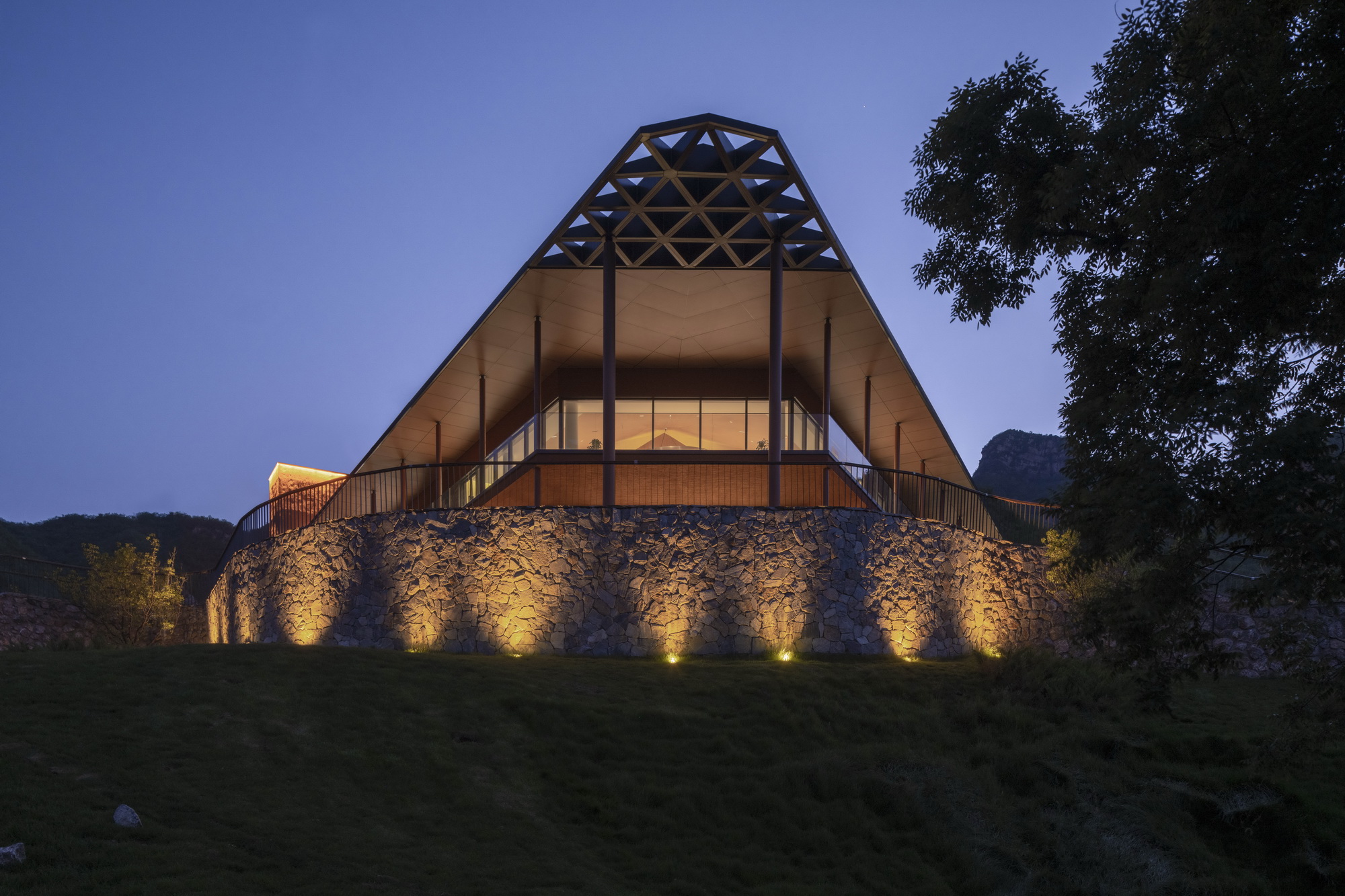
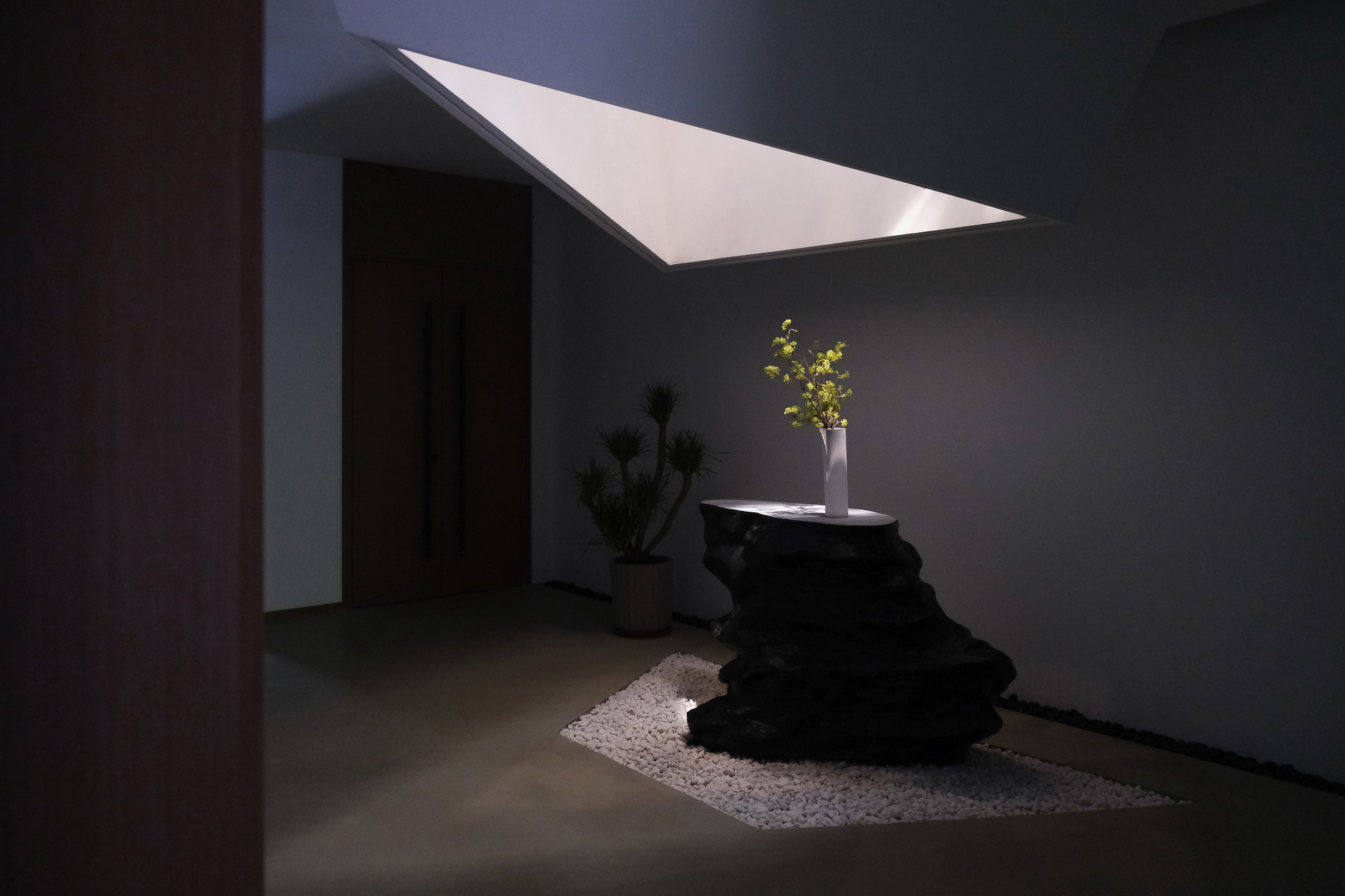
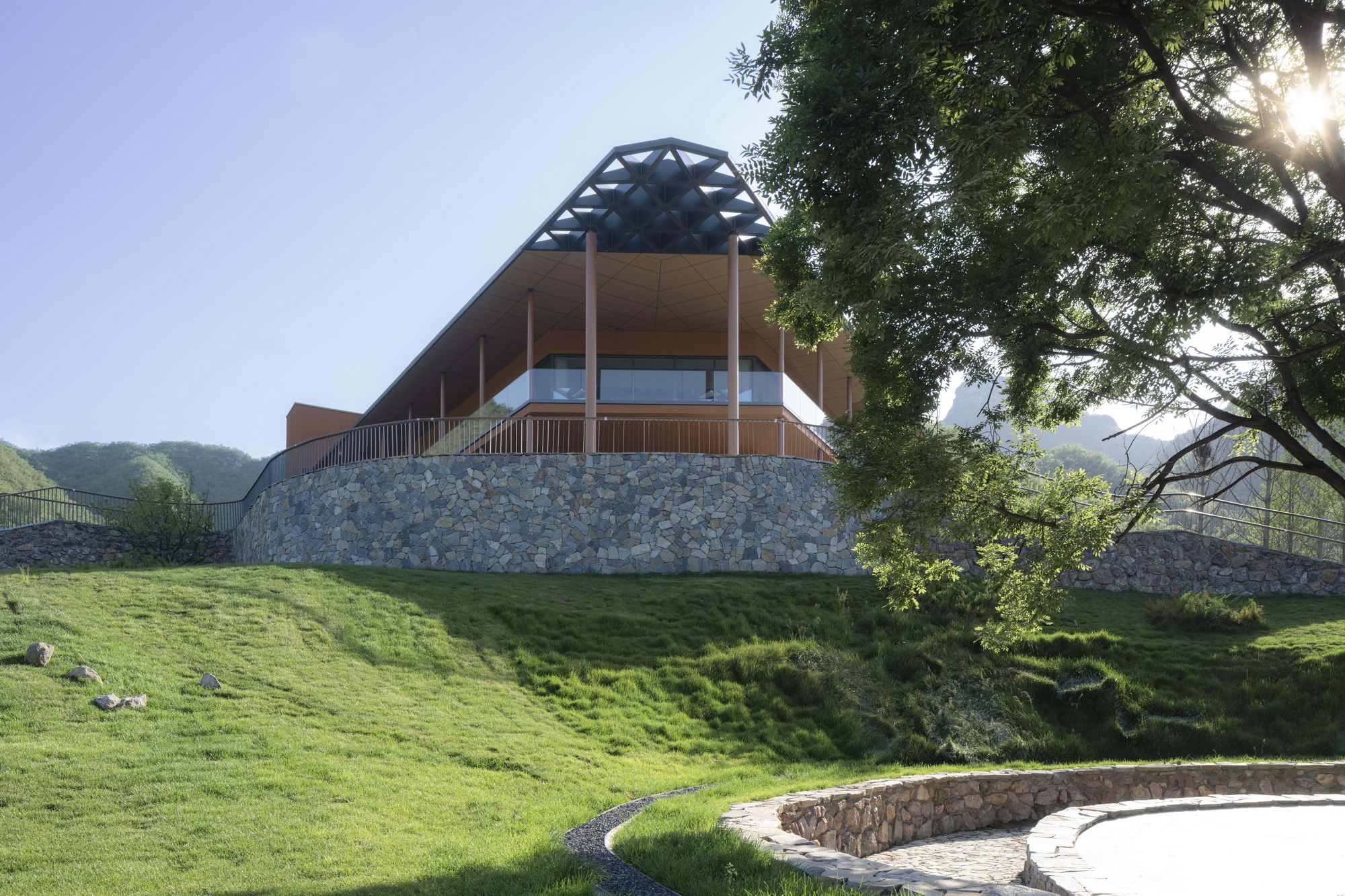
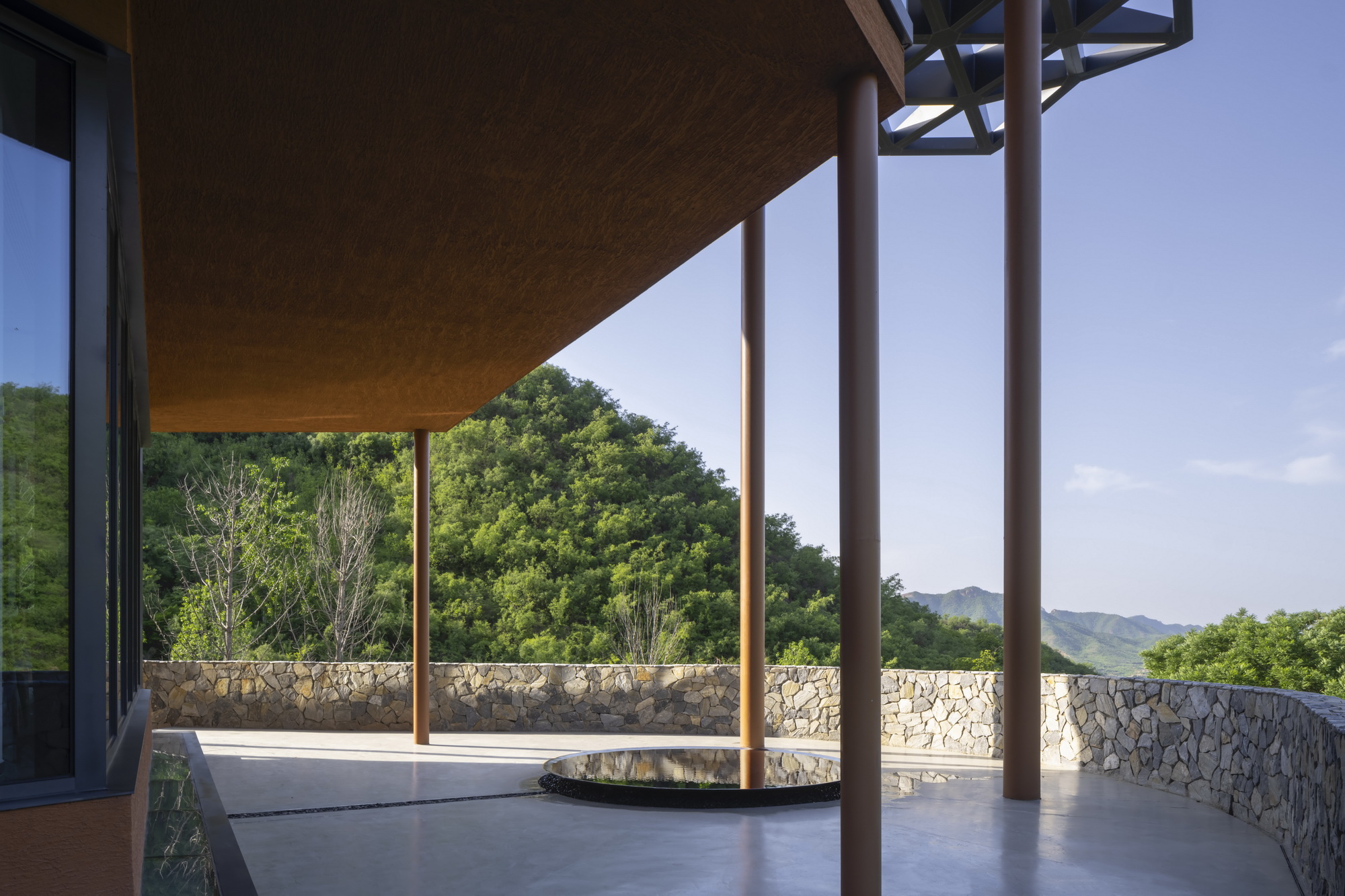
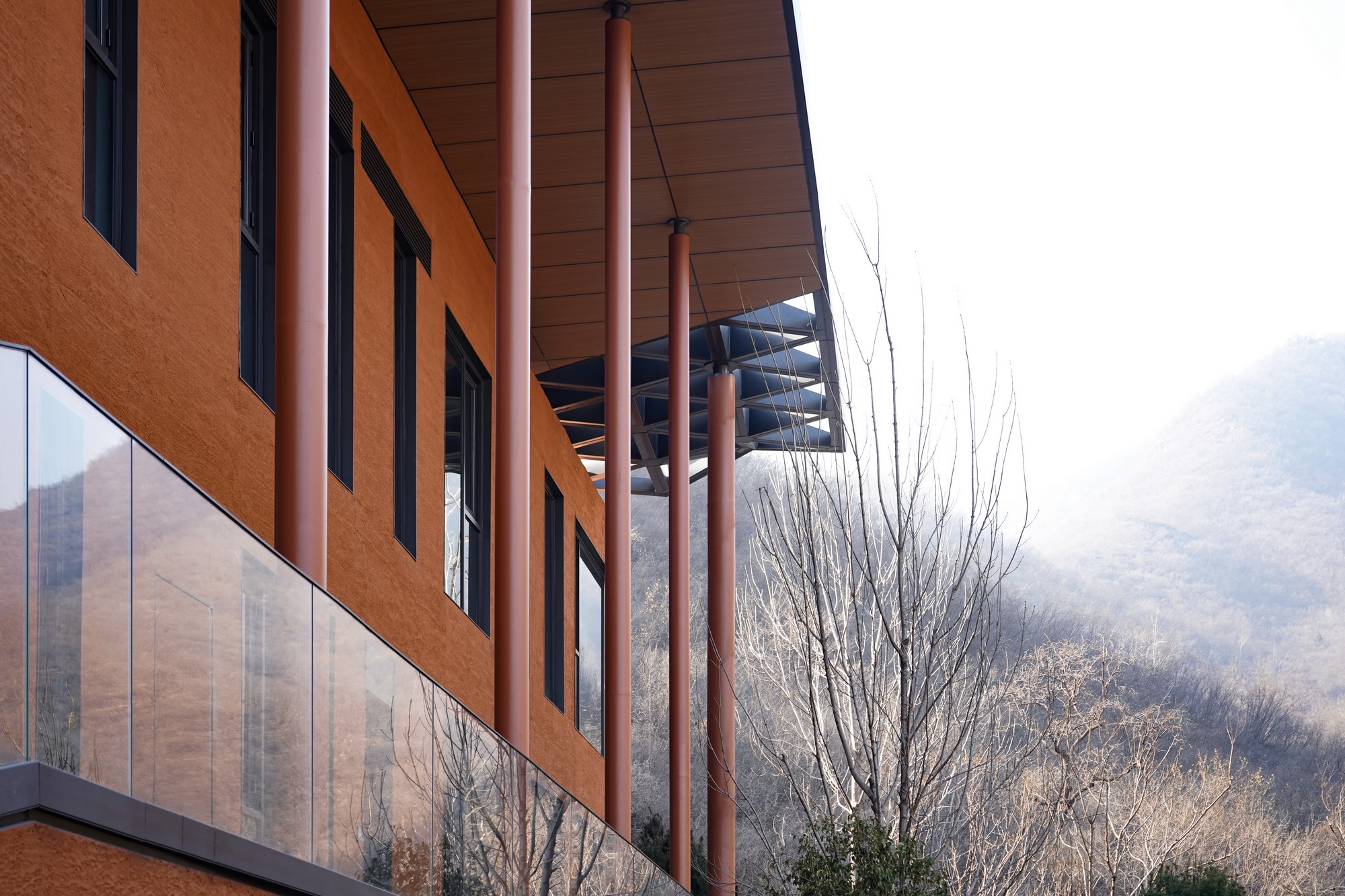
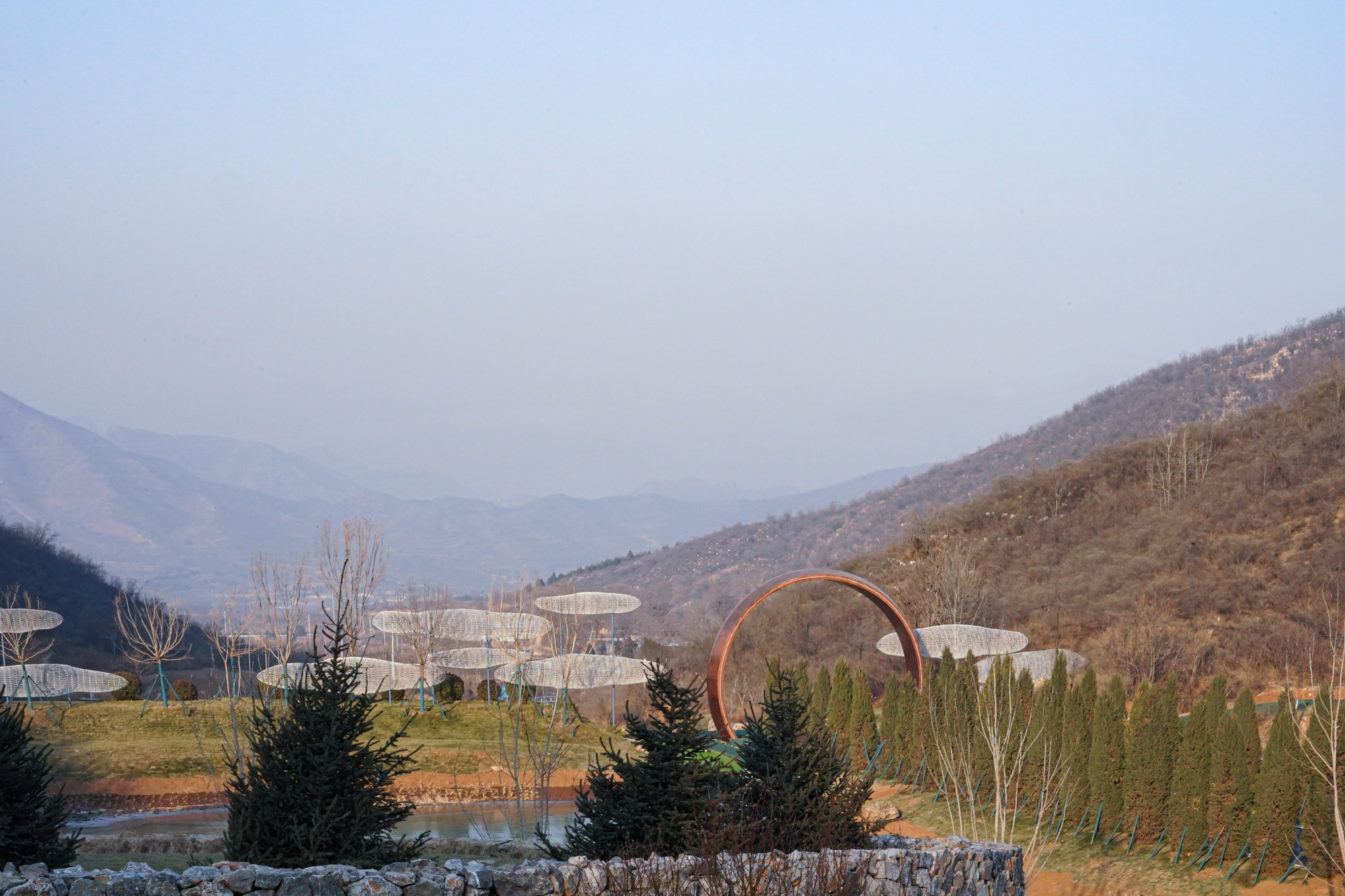
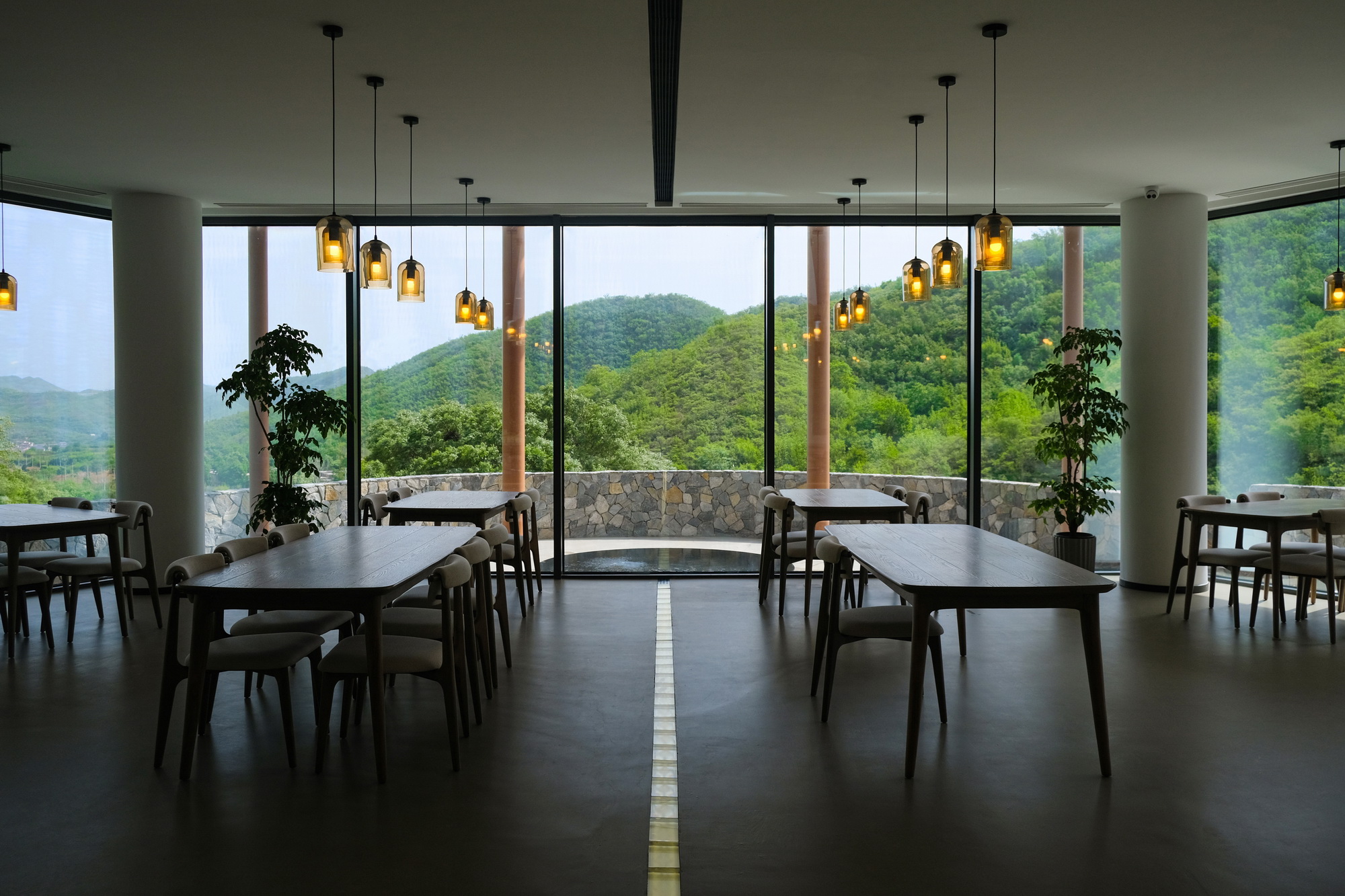
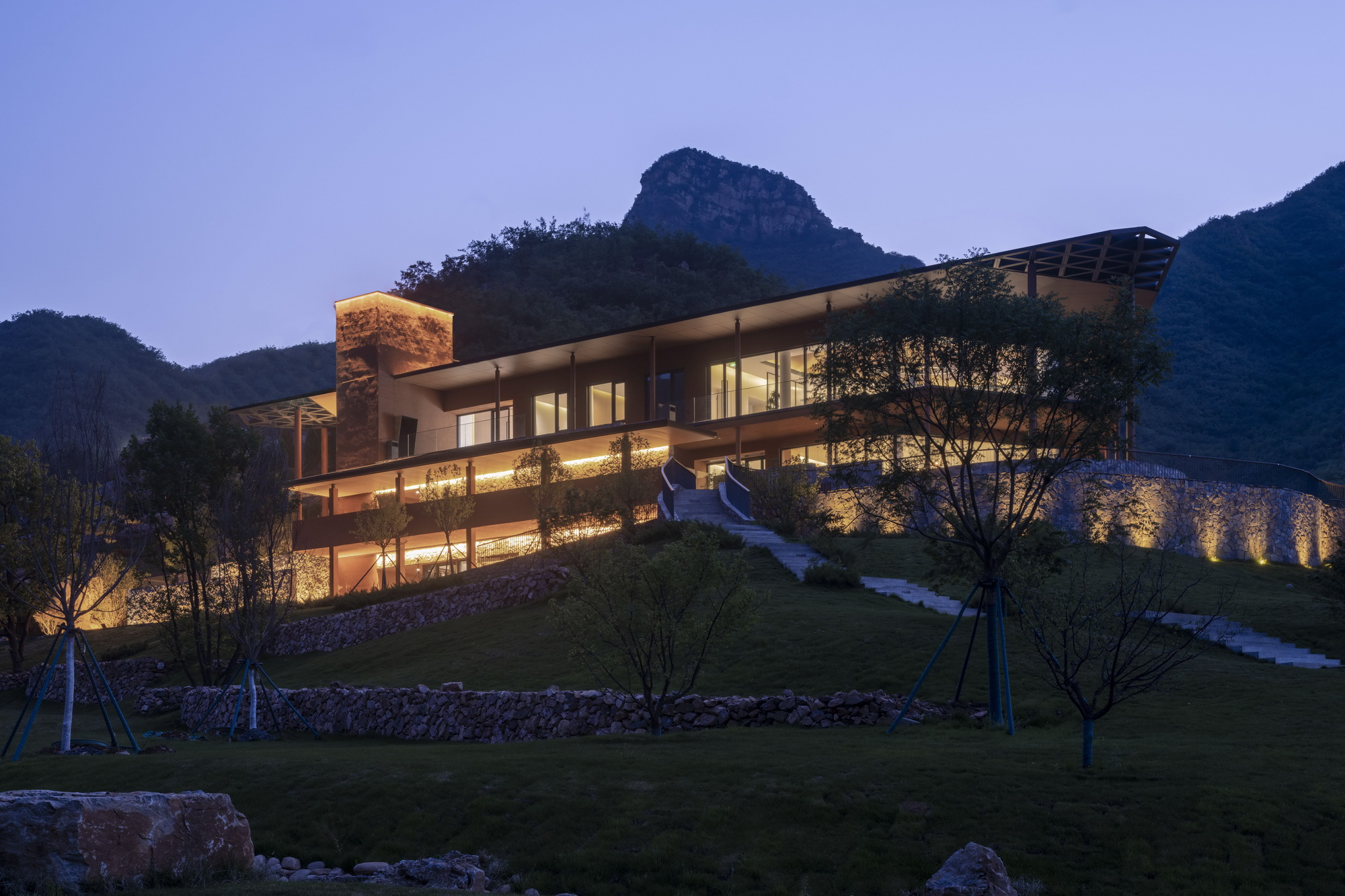
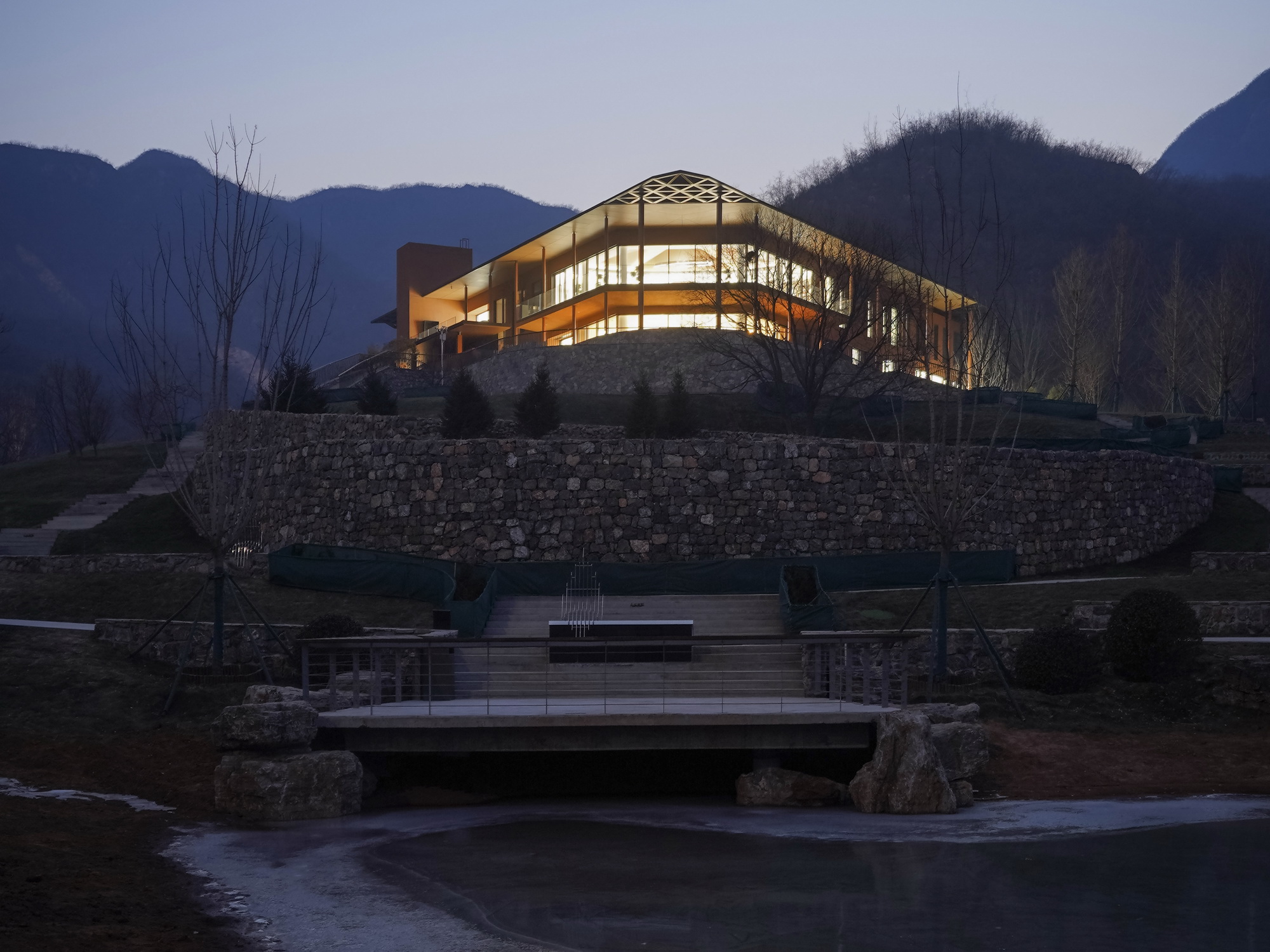
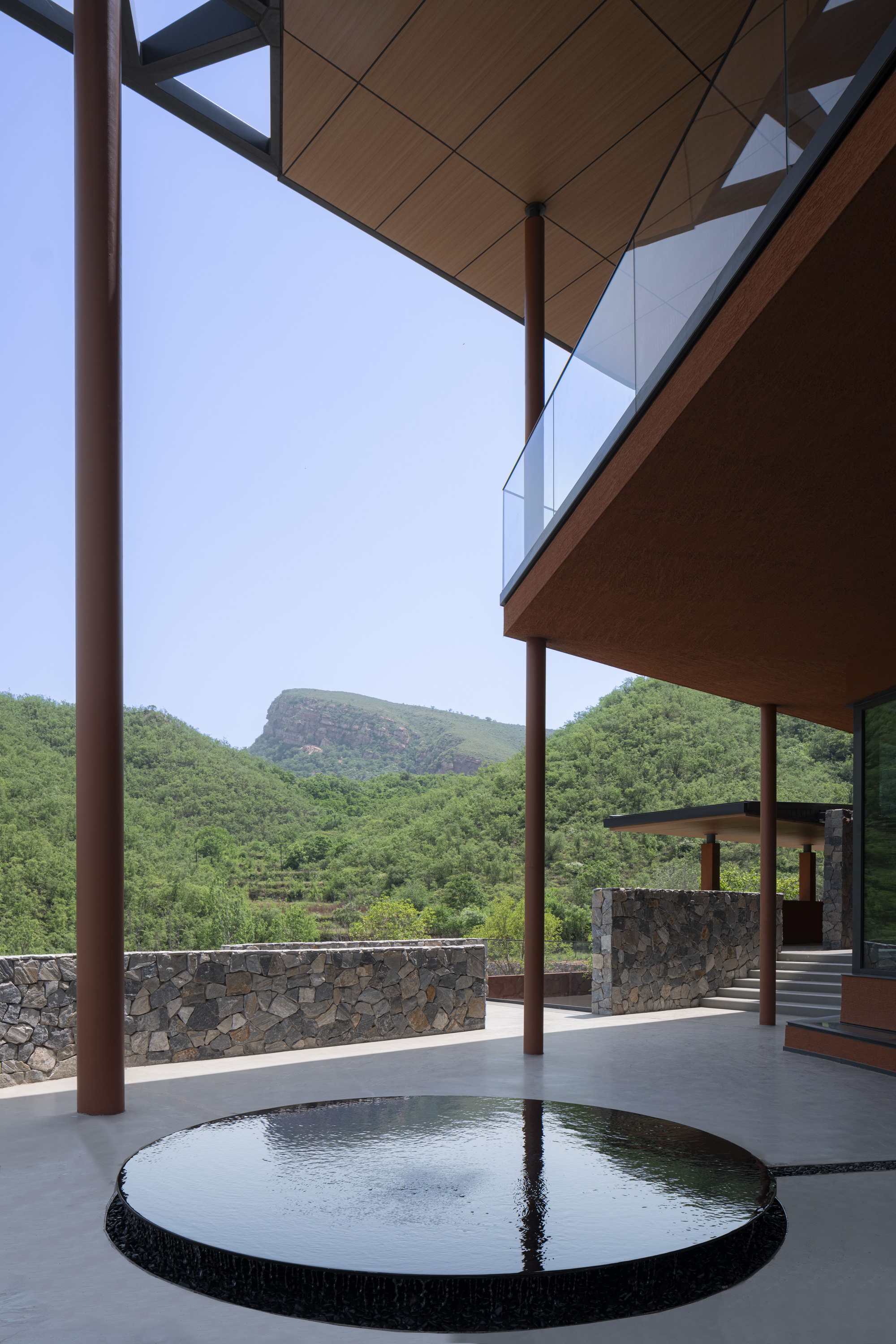
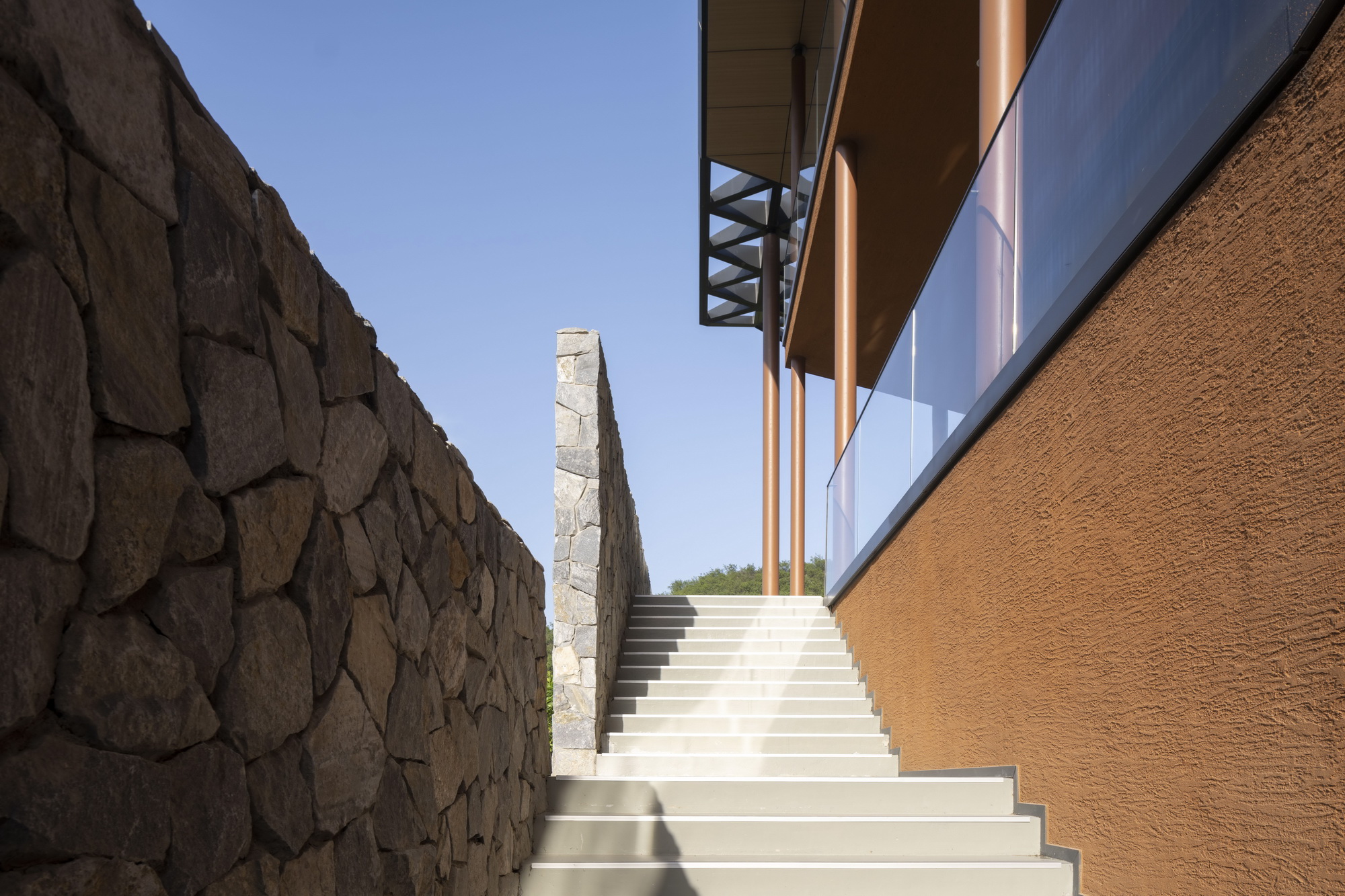
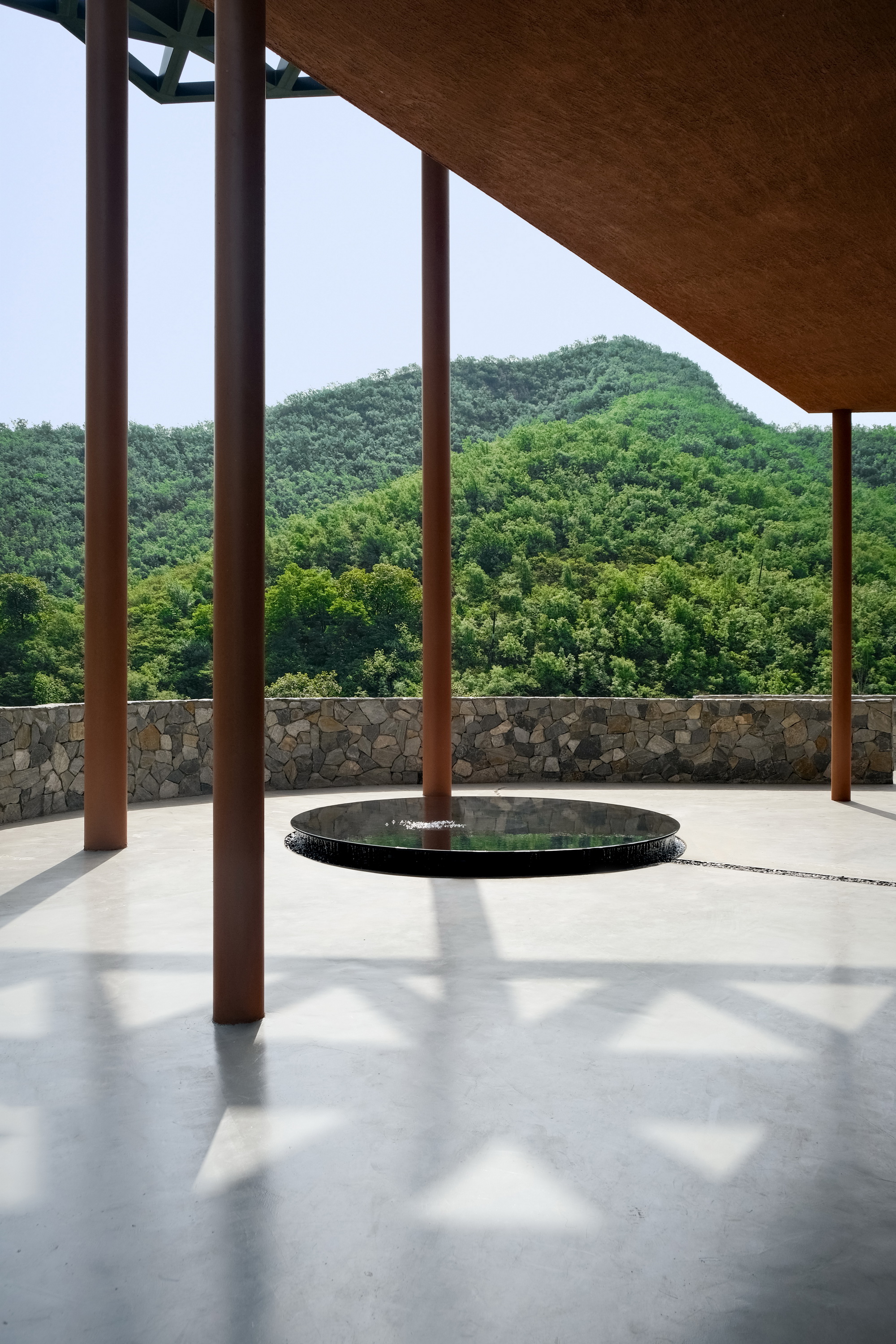
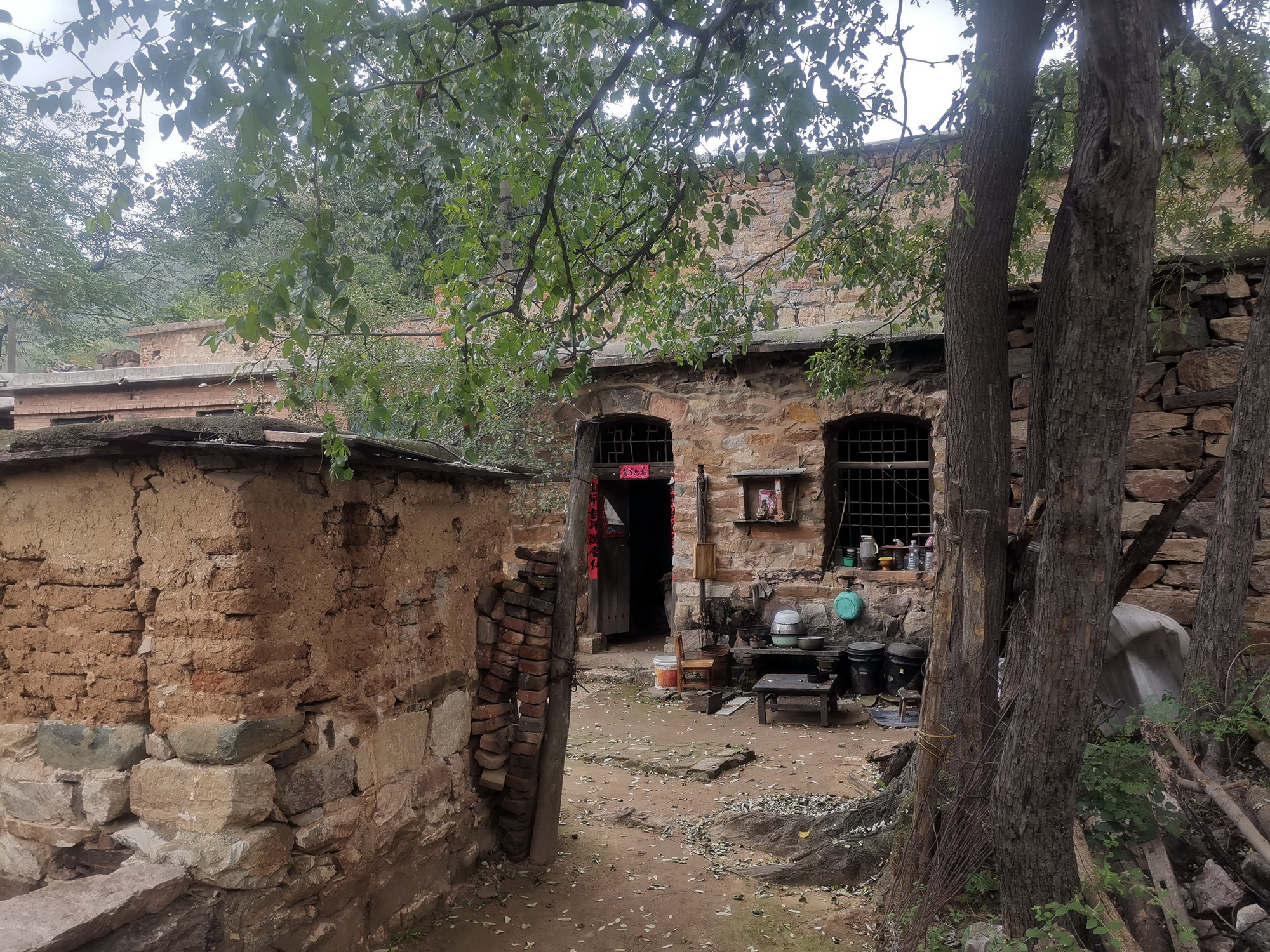
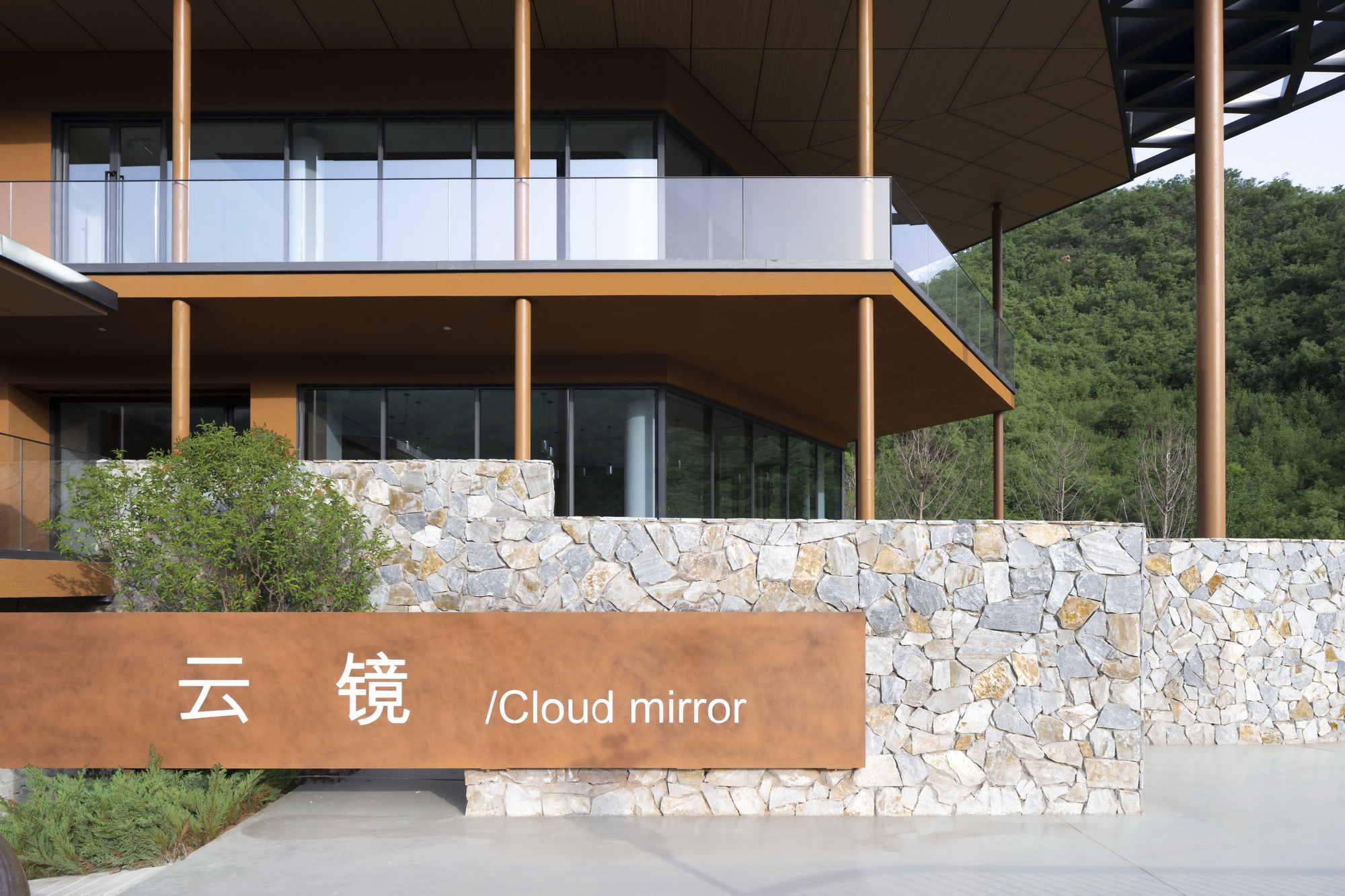
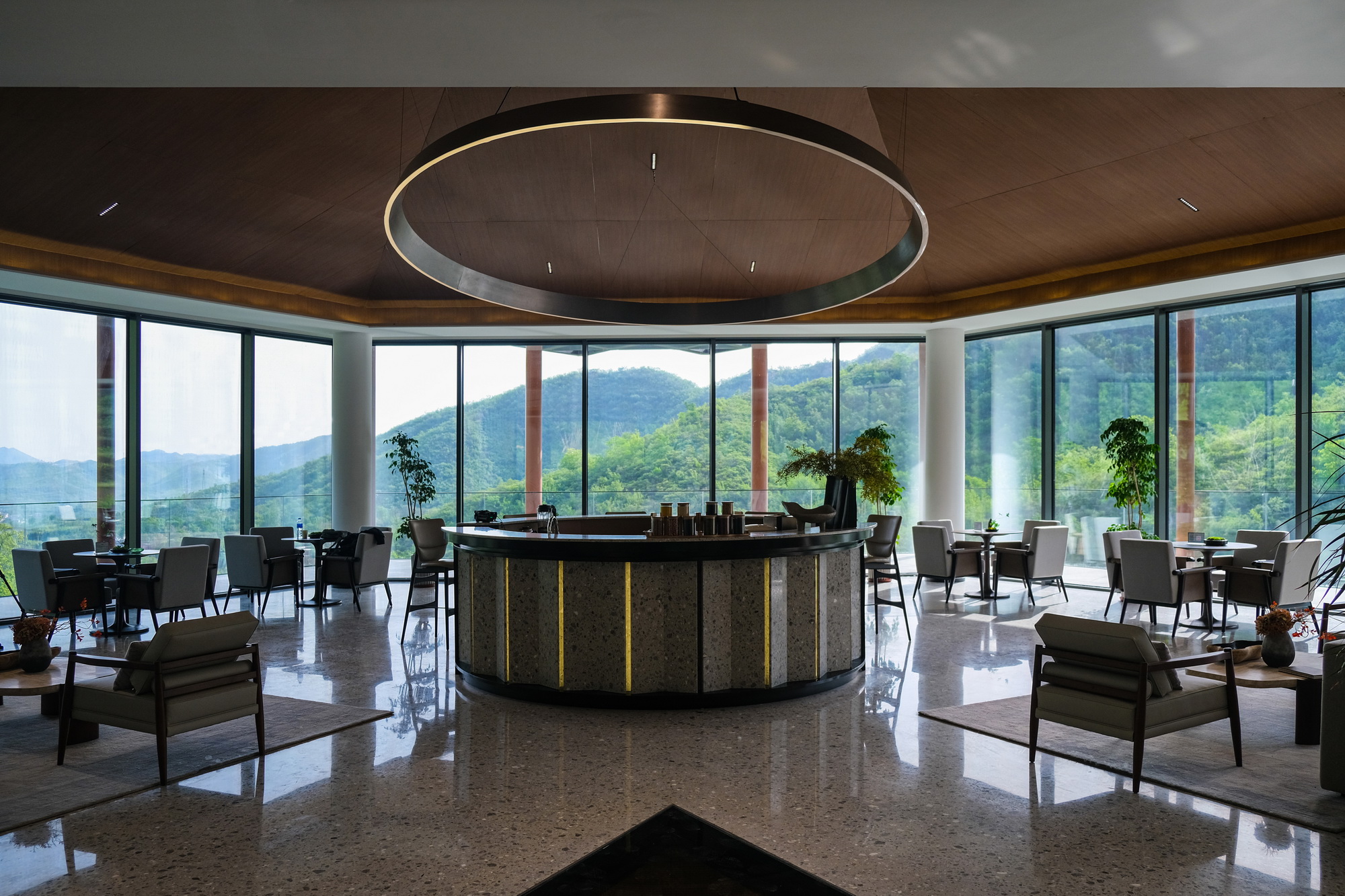
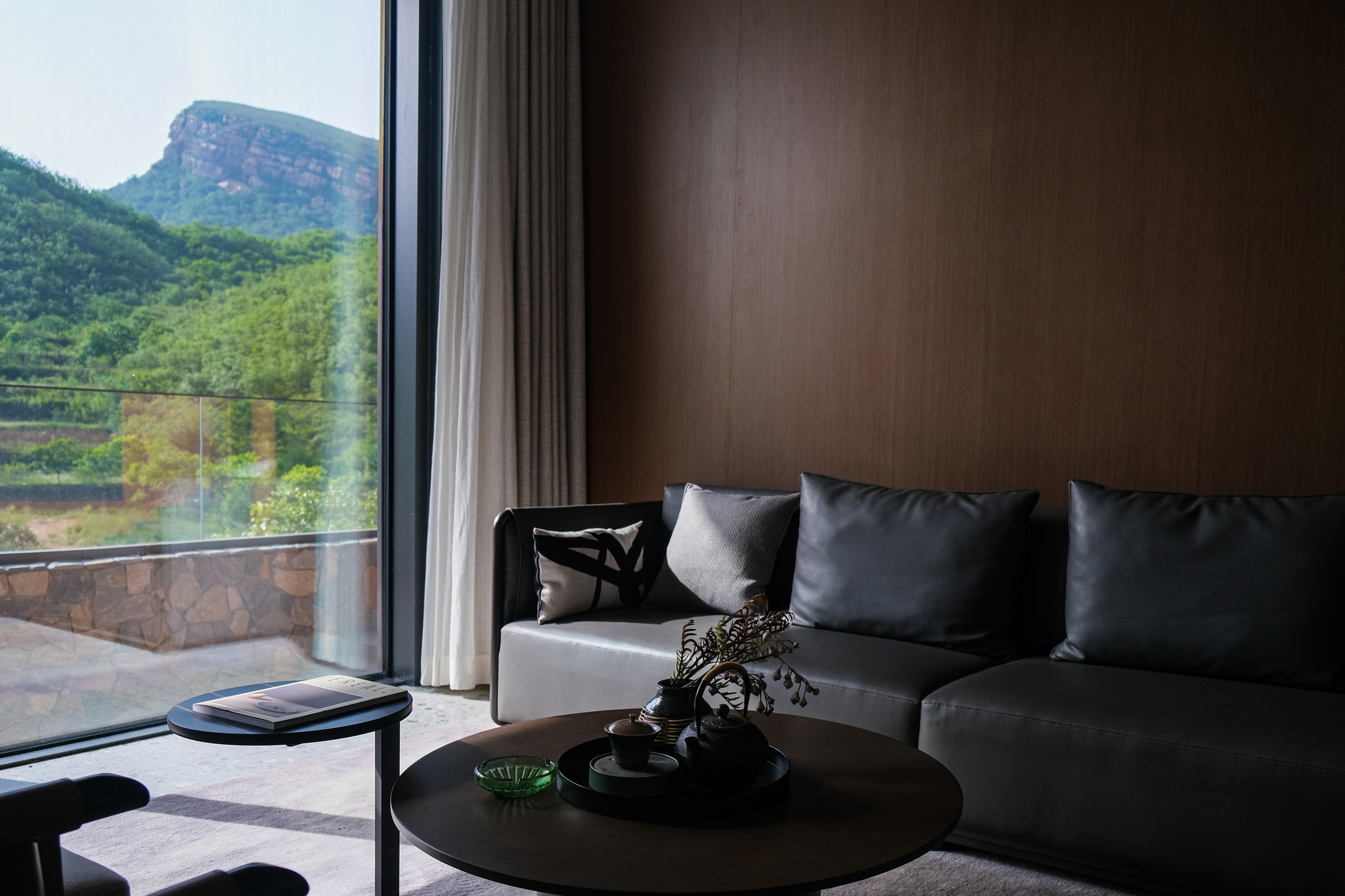
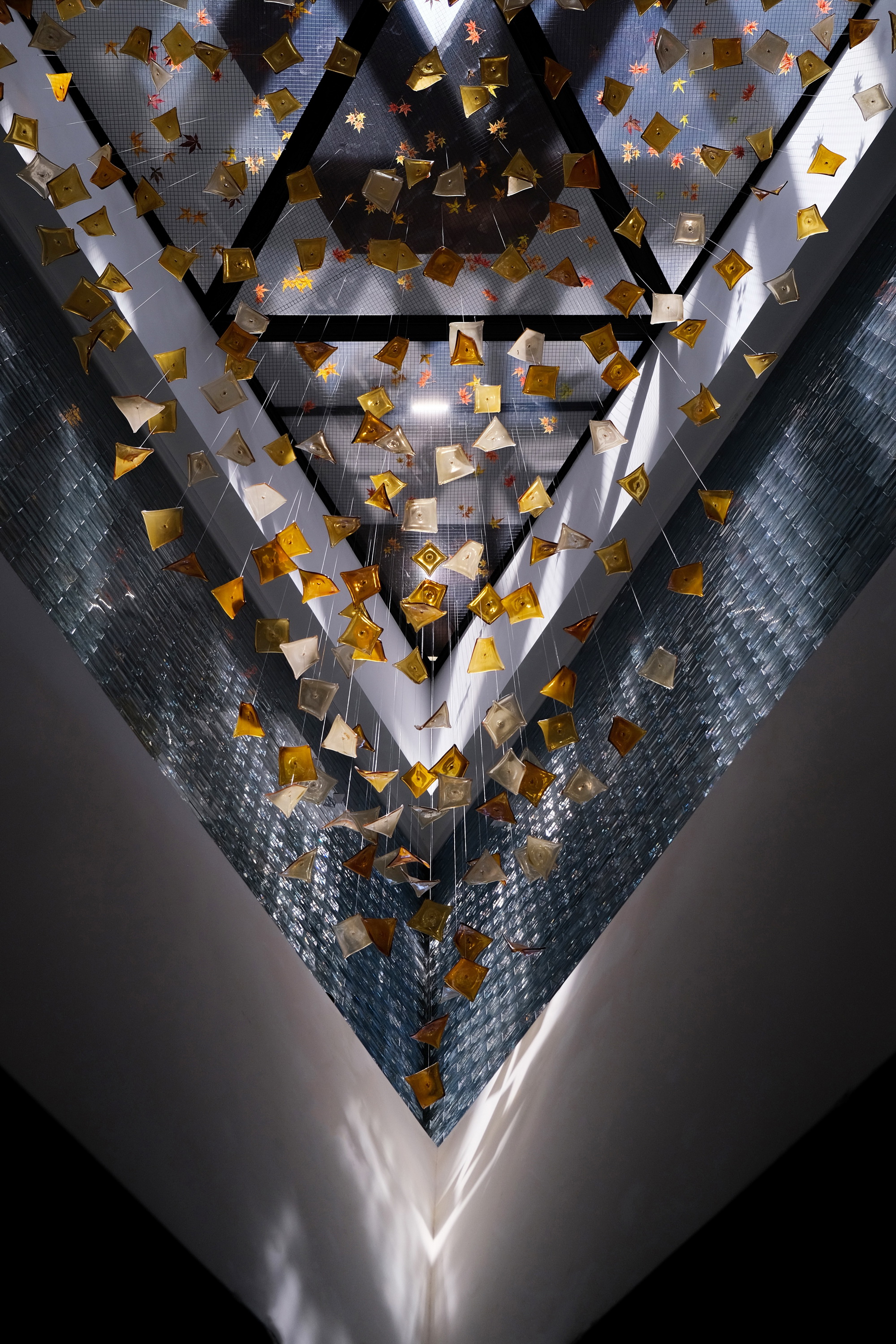
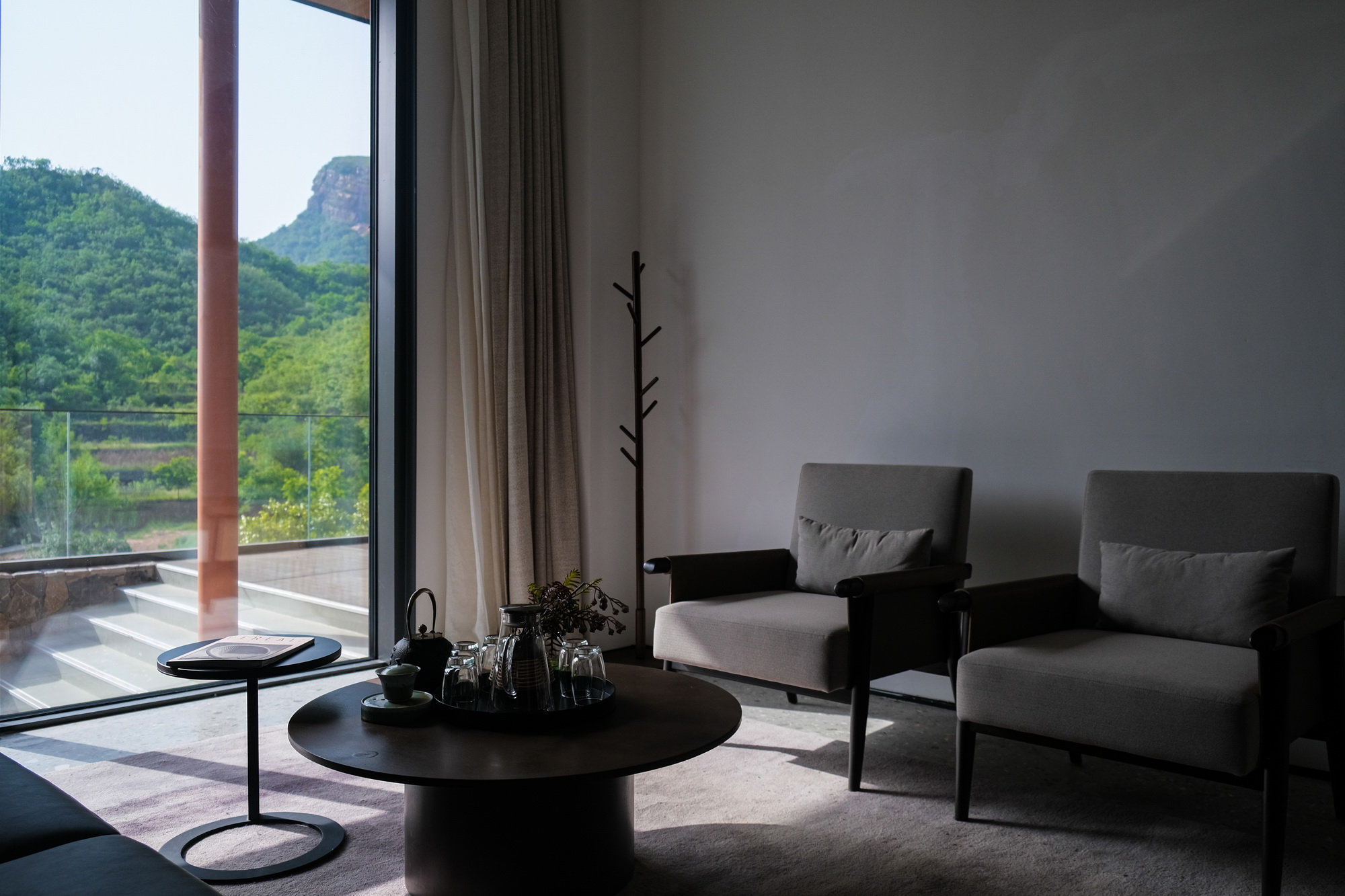
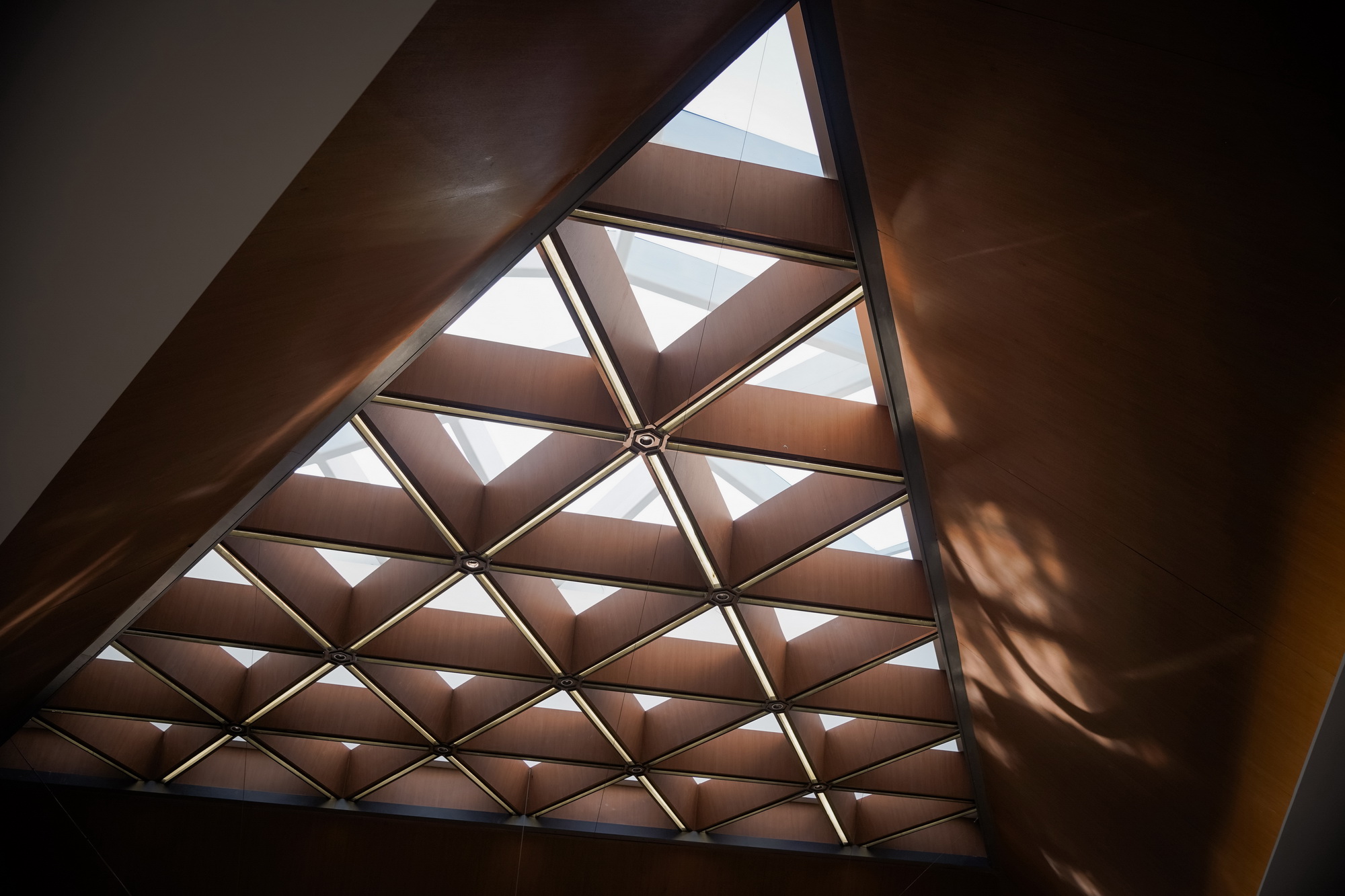
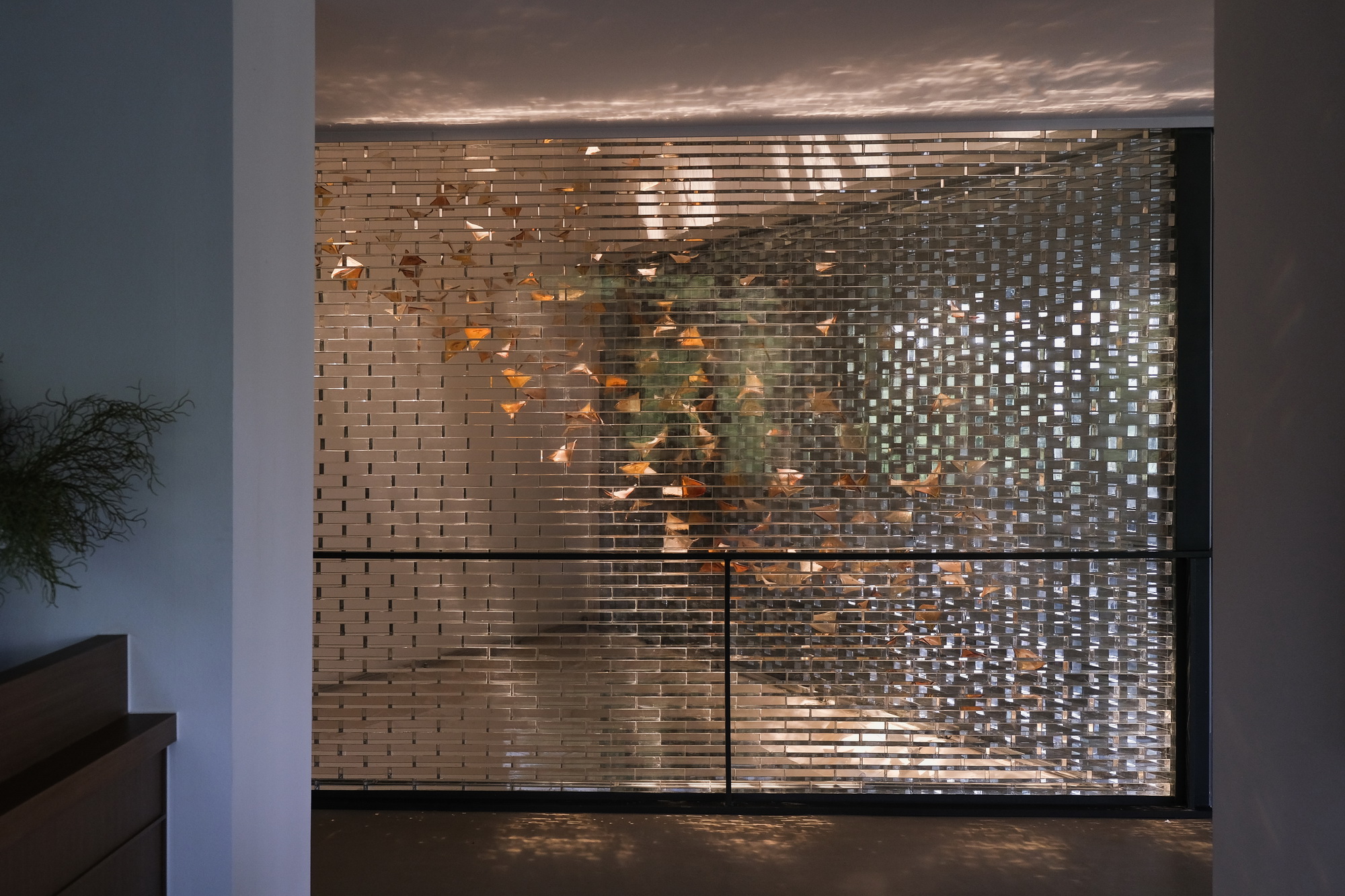
The Cloud Mirror at the Shijiazhuang Ande Life Memorial Park is the principal service building for a cemetery in the eastern foothills of the Taihang Mountains, in a region rich in scenic areas and considered a site of propitious geomancy. Led by Xiao Yin Atelier with lead architect Pan Youcai and design directors Yang Zhe and Chen Renzhen, and developed by Shijiazhuang Ande Cemetery Management, the project rethinks traditional Chinese funerary architecture, which has long relied on heavy, oppressive or even ghostly Chinese-style forms. Placing death inside the dimension of time, the design team argues that grief and fear are short-lived and that what remains is remembrance; in 2021, they sought to soften the pain death brings, particularly the weight imposed by tradition. The Cloud Mirror is planned as an integrated service center, memorial hall, columbarium, meditation court, restaurant, funeral-goods and flower retail space, sales office and management facility. Its position at the handle end of the Big Dipper corresponds to the star Yaoguang, traditionally an auspicious star symbolizing courage and rebirth, and the building reads as a giant star floating in the valley, mirroring the constellations above. To balance diverse religious beliefs, the design adopts a neutral architectural language and makes the star the core emotional image, taking the equilateral triangle as its geometric embryo and extending the symbolism of nebulae, the Twenty-Eight Lunar Mansions and the familiar Big Dipper. The landscape sequence unfolds along a stellar narrative: the main entrance is a Gate of Time and Space inspired by the star Tianxuan, formed by a giant mist-ringed portal flanked by cloud installations; an adjacent pond inspired by Tianshu has been repaired and expanded into a great basin pool that restores spirit to the site's lost Vermilion Bird; a ceremonial green corridor of tall arborvitae leads to the Wisdom Platform inspired by Tianquan, cantilevered over the pool and facing east; beyond it, on a broad grass slope, stands the Tree of Life, an ancient native Chinese scholar tree that is the soul of the site, and at the slope's edge lies the Nirvana Realm embedded in the hillside. Twenty-eight columns around the building represent the lunar mansions, and three semi-outdoor spaces at the boundaries of the Three Enclosures offer places to converse with nature, with oneself and with the departed. The building sits low and horizontal, embedded into the excavated hillside: its base is laid in local rubble stone, its upper walls finished in warm straw-colored render matching local earth, and its sloping roof is a grey aluminum-magnesium-manganese standing seam replacing traditional tiles, with deep thin eaves, warm timber ceilings and extensive glazing. At noon, sunlight passes through a triangular roof skylight, pierces the glass floor of the service hall, falls through a falling-leaf installation in the central atrium, crosses translucent glass blocks in the restaurant and illuminates the memorial-hall courtyard below, joining heaven and earth and yin and yang. The design seeks to make the cemetery a healing, emotional and artistic place where the living can be comforted and the dead can rest.





 Editor's Pick
 Latest Design
 Best Idea