Text description provided by the architects
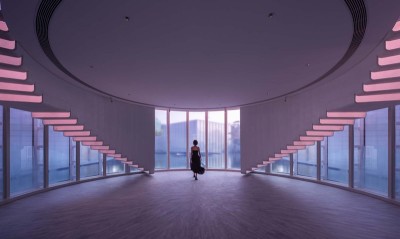
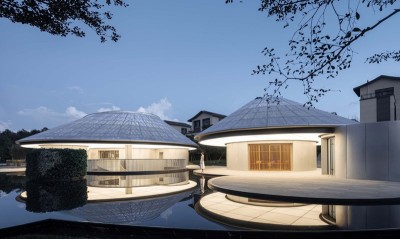
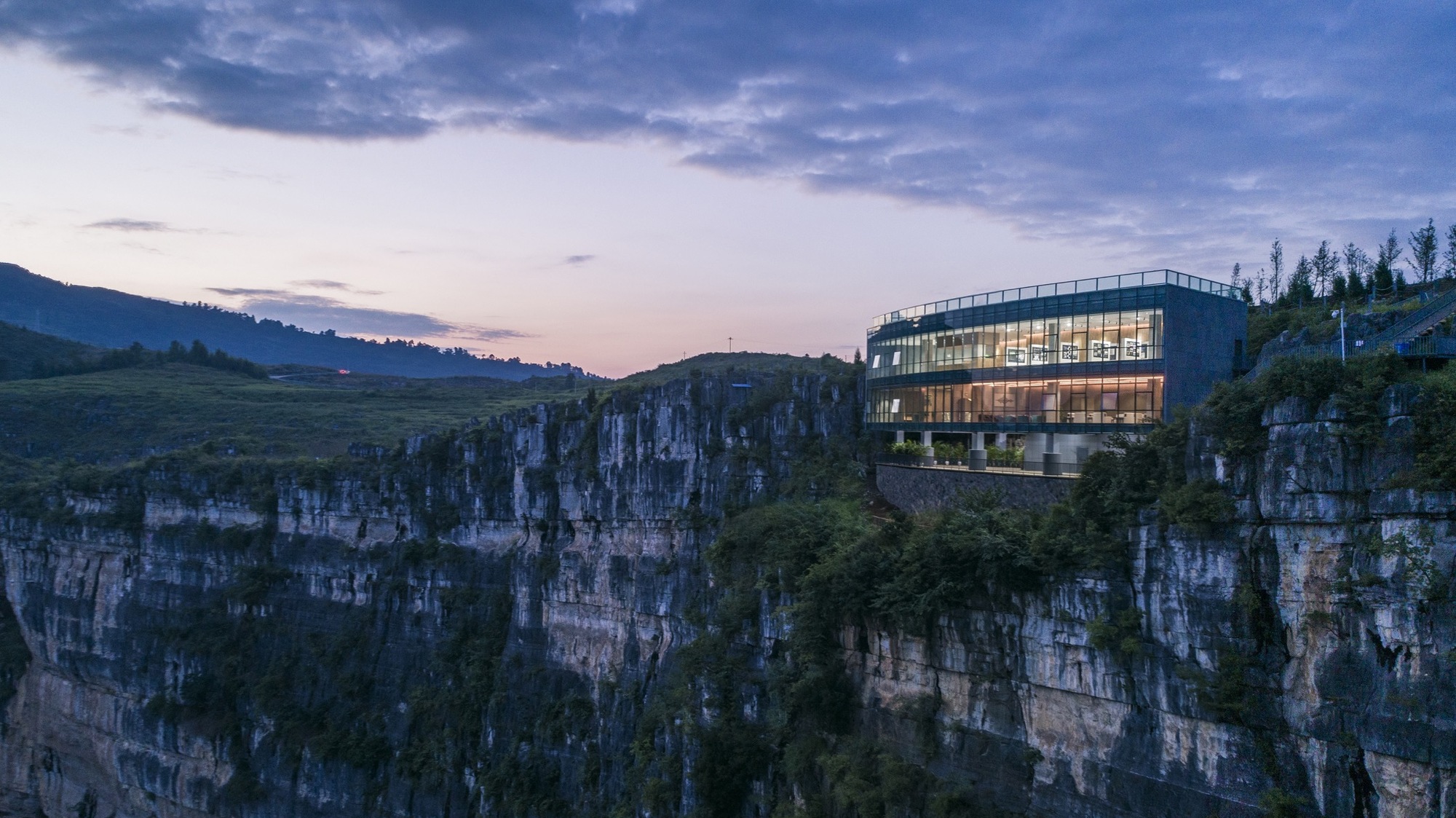
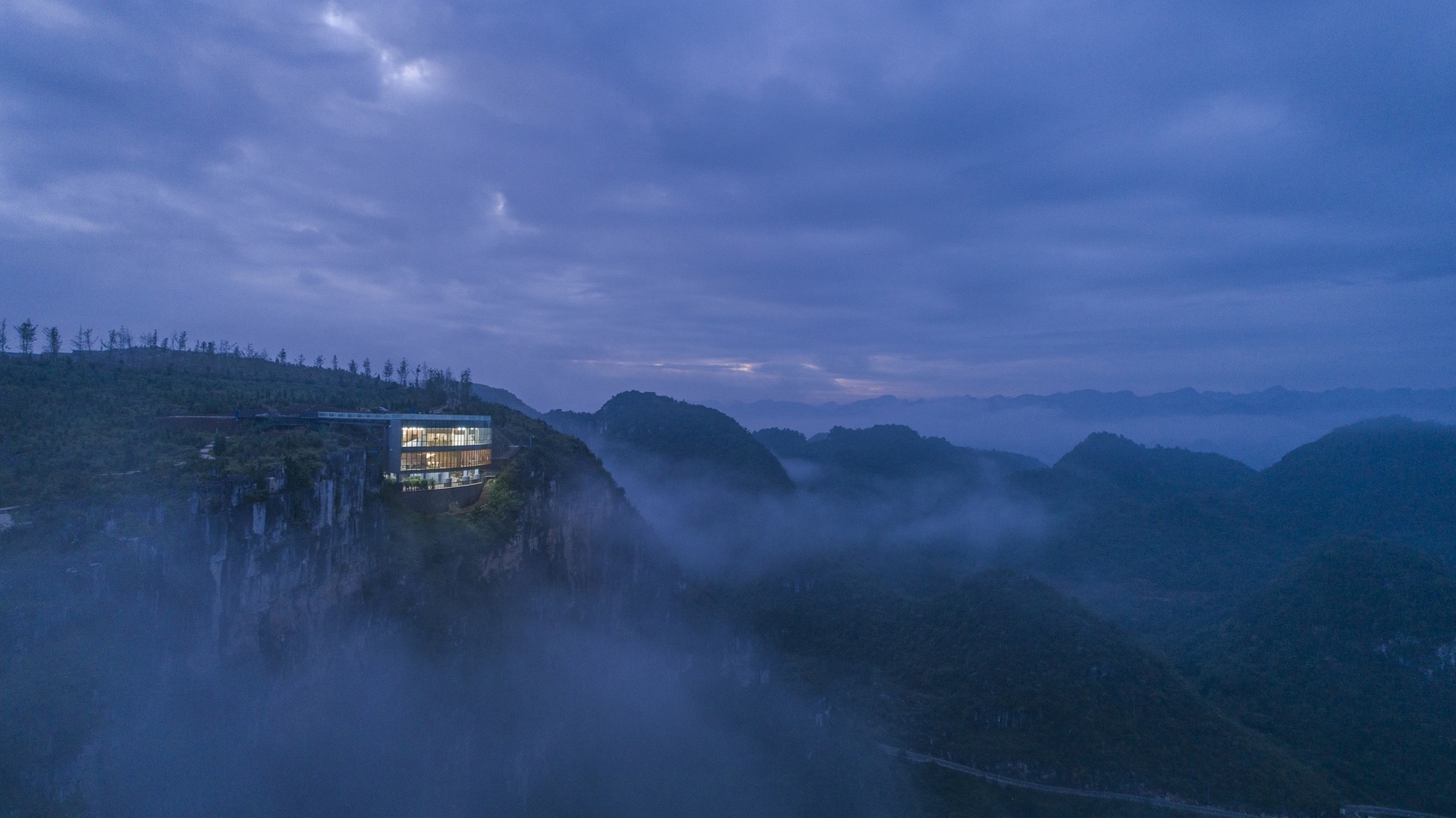
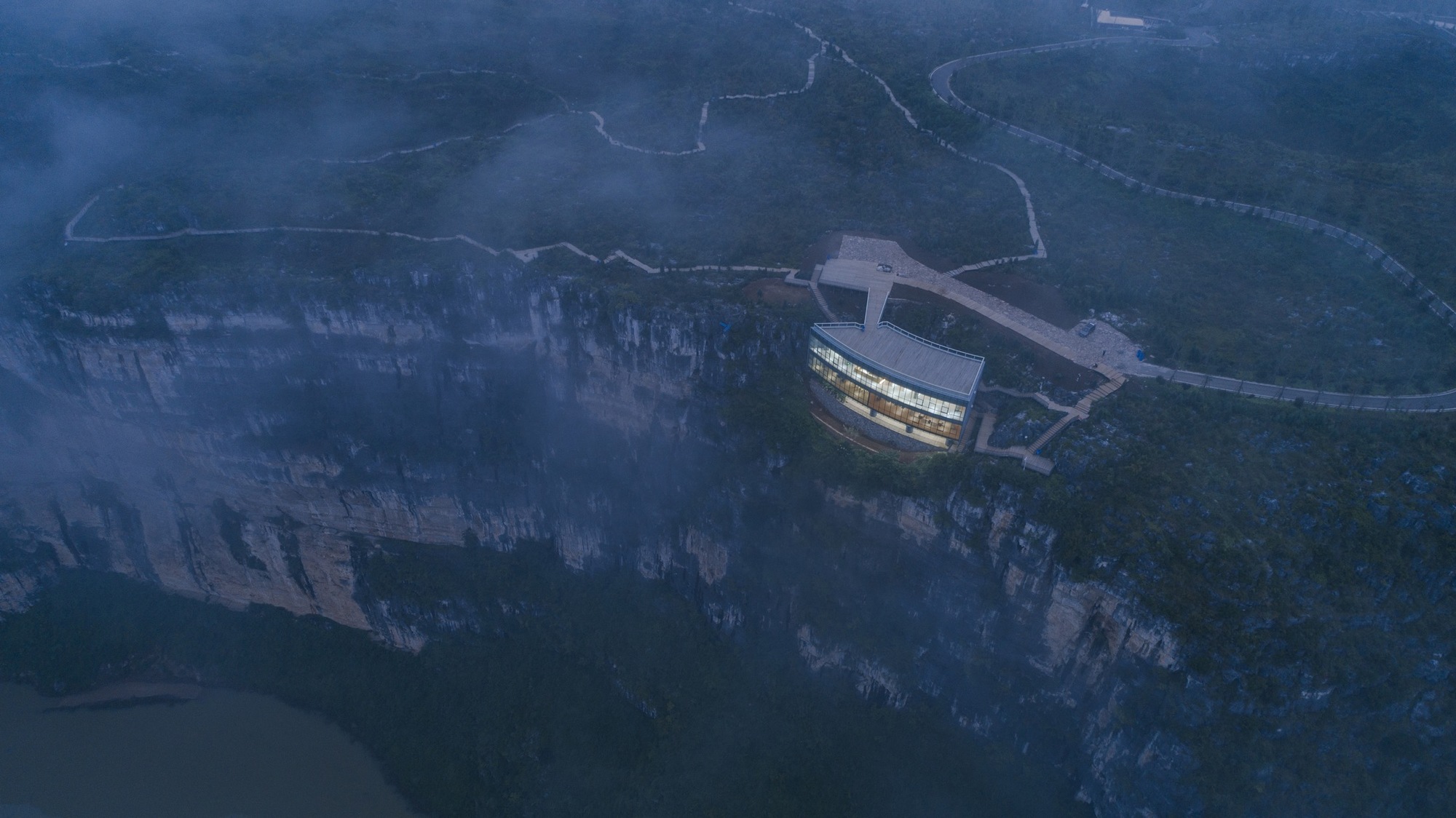
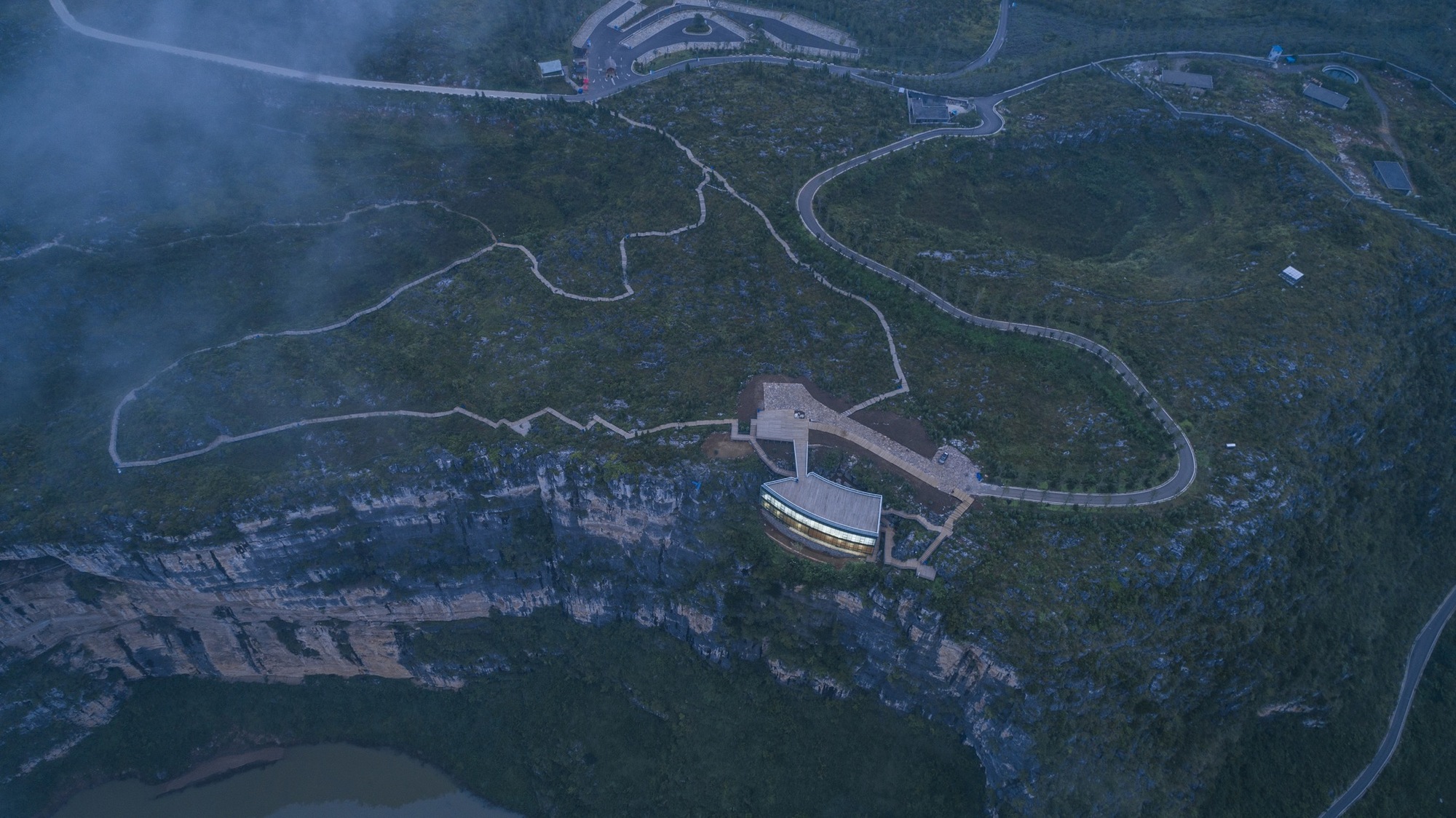
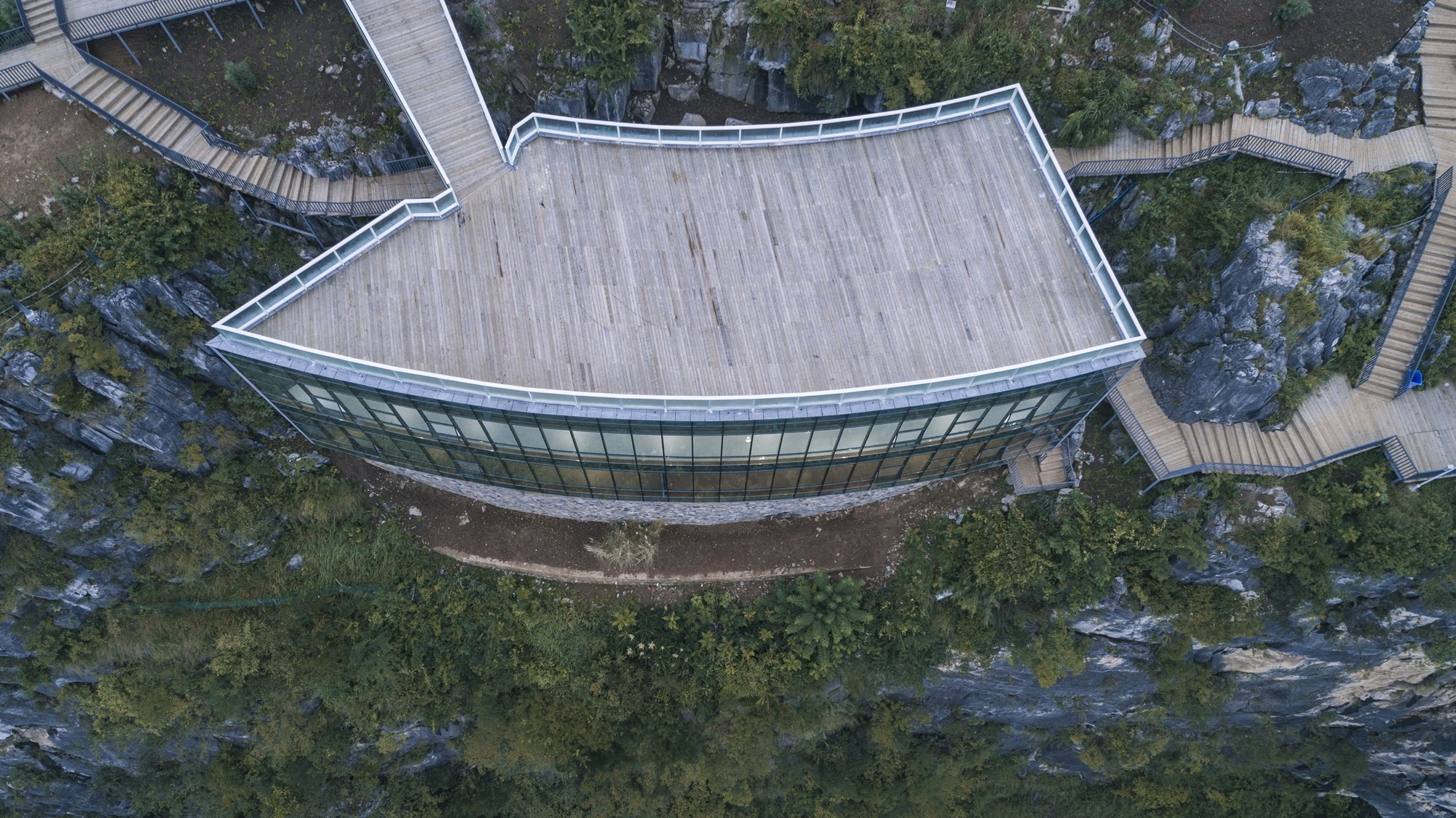
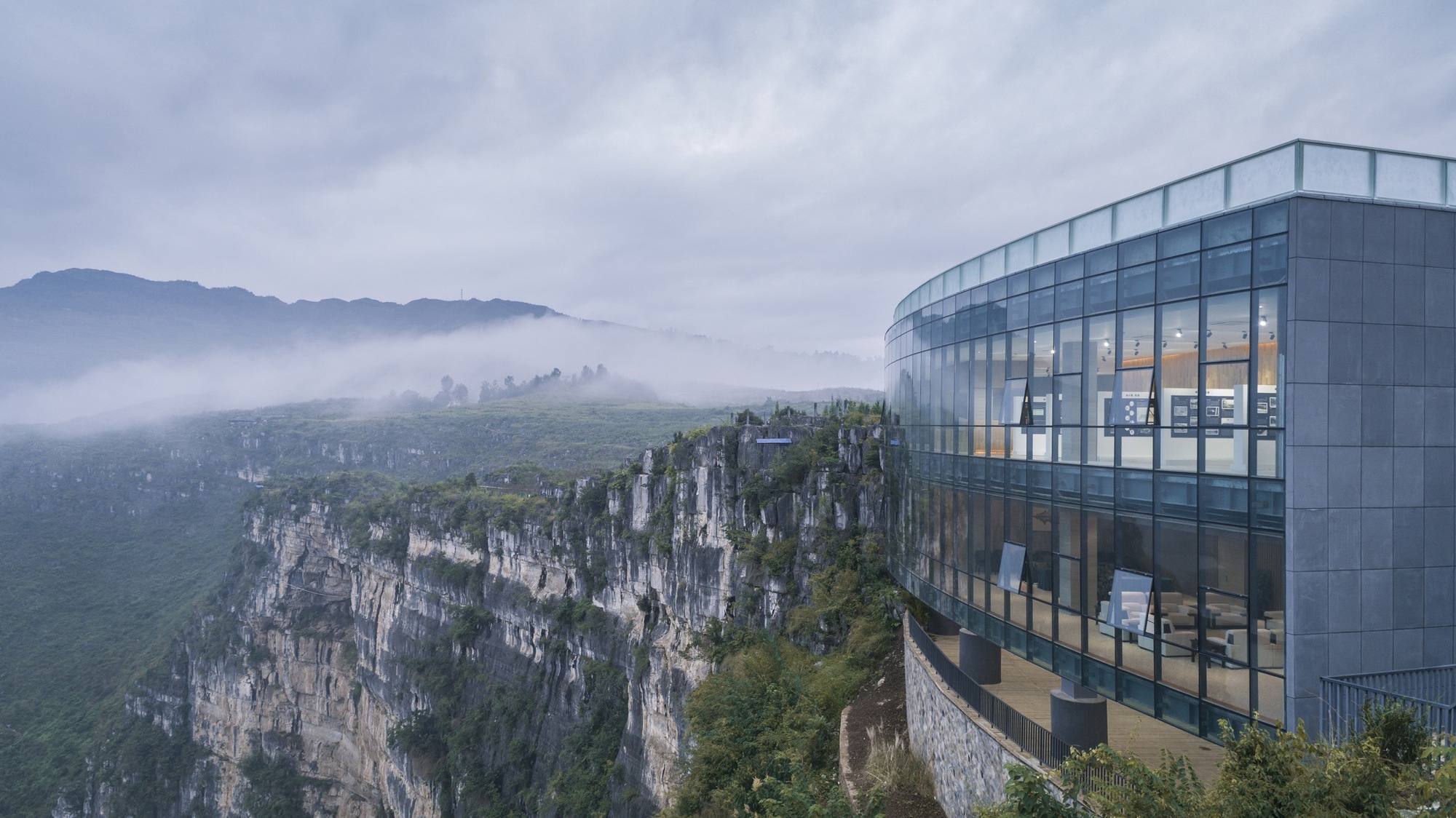
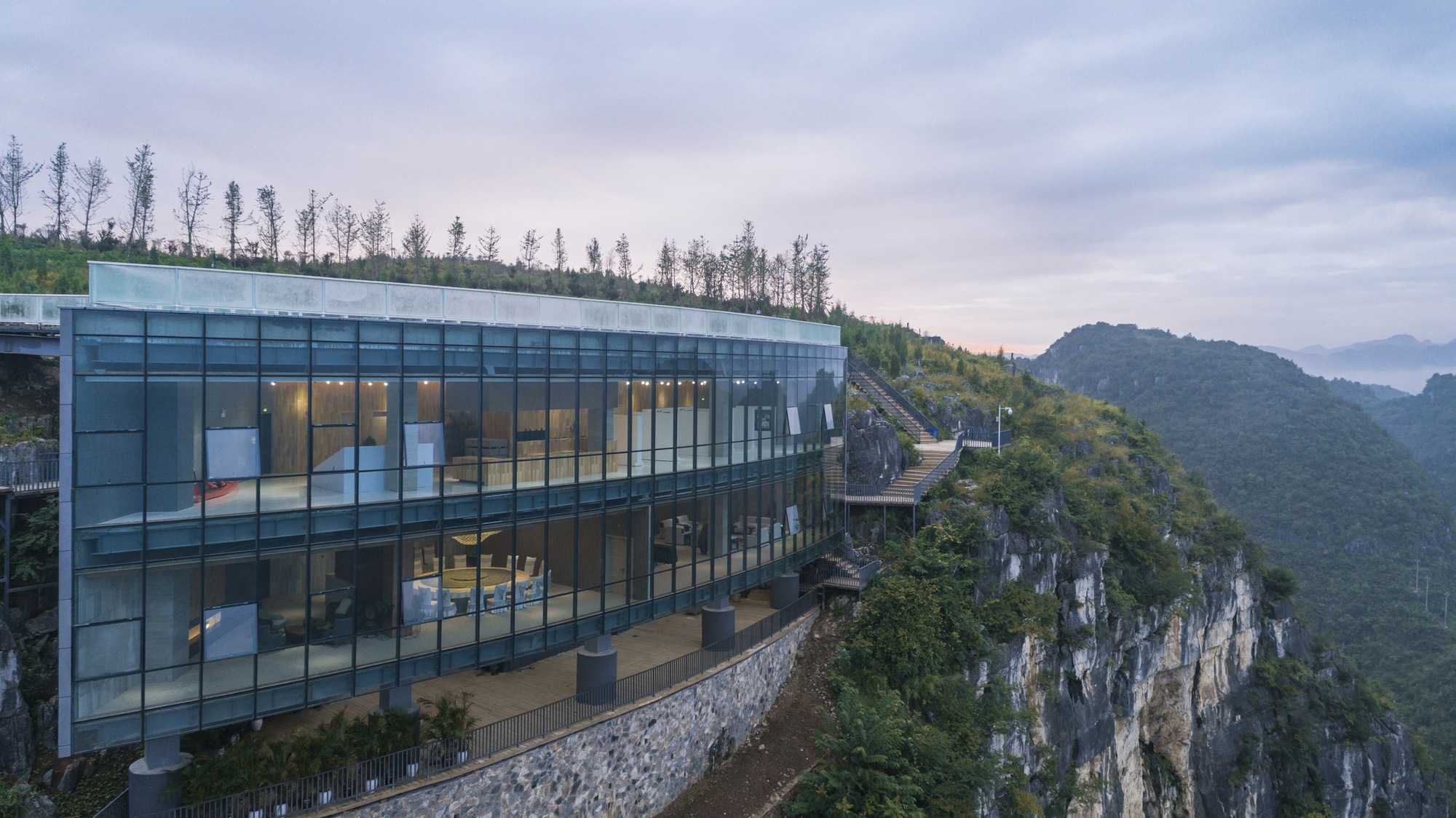
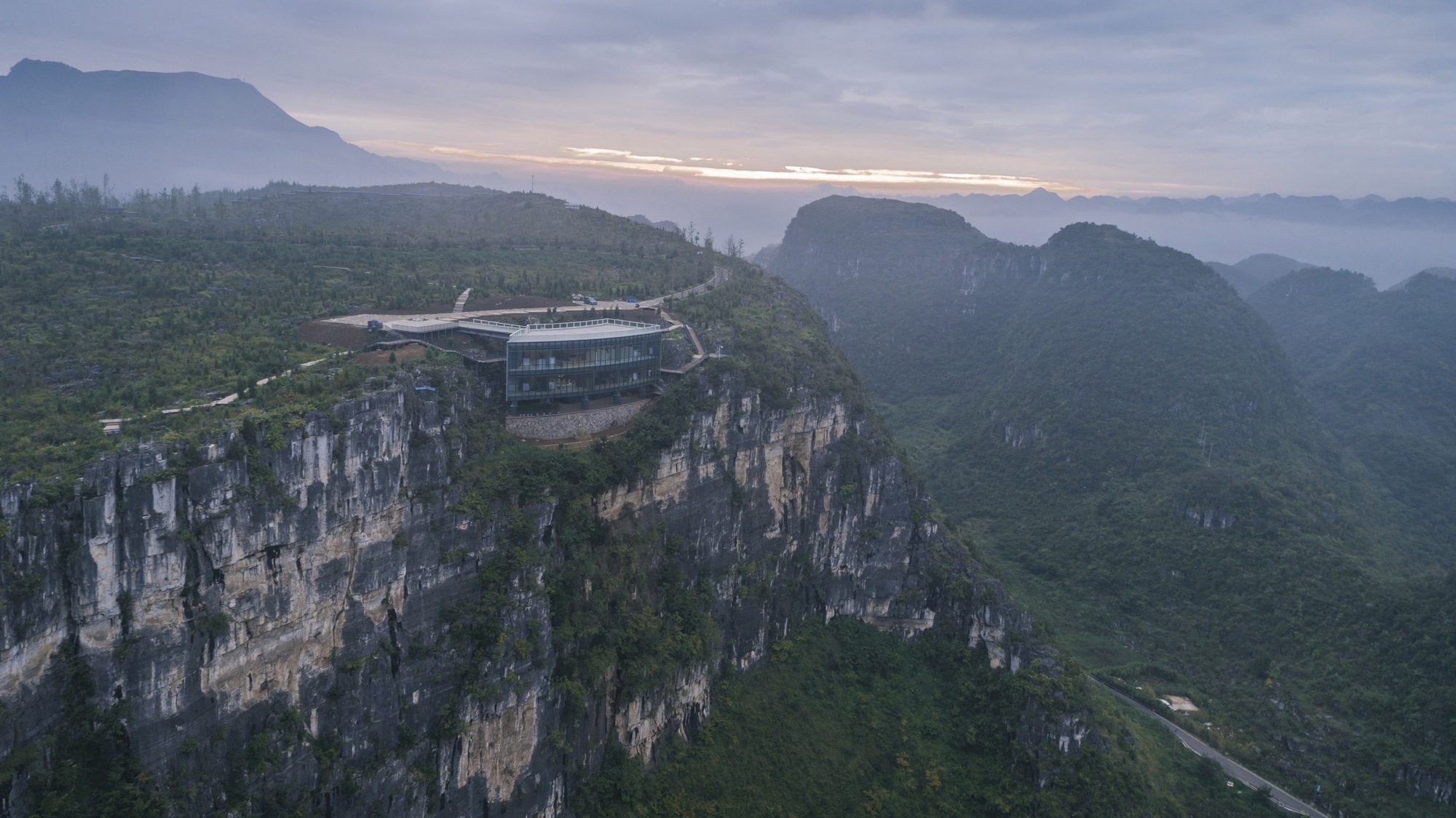
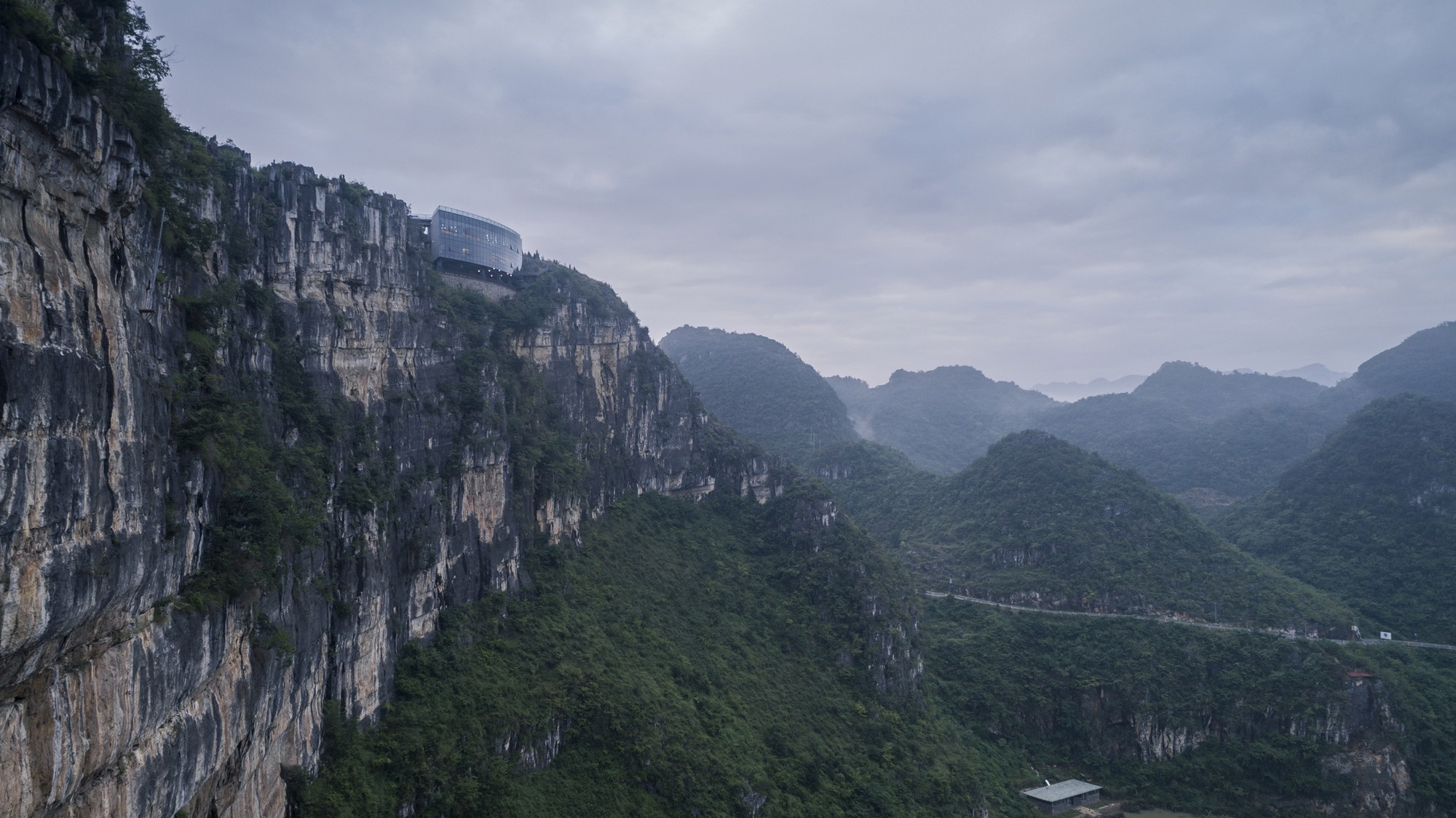
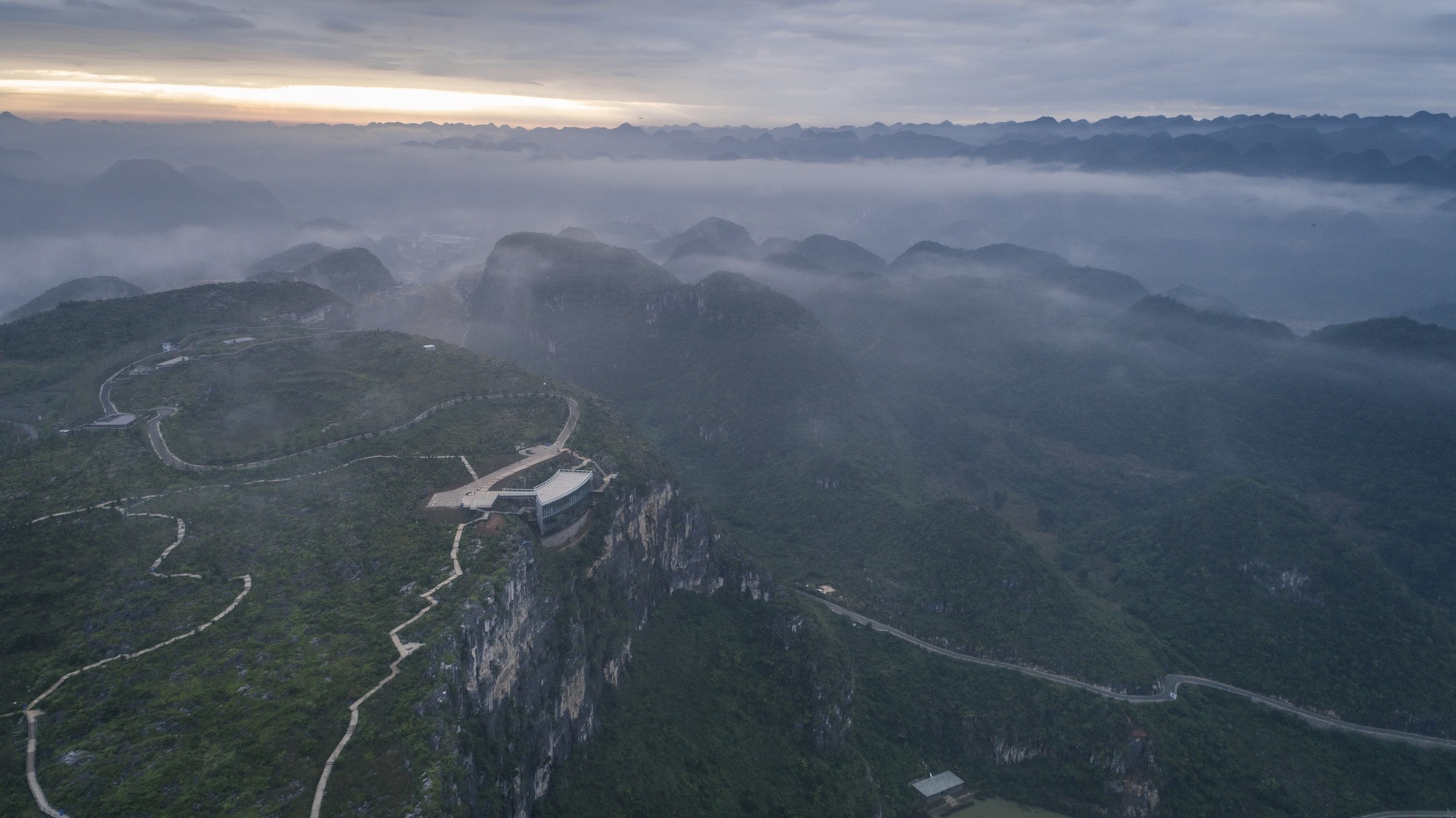
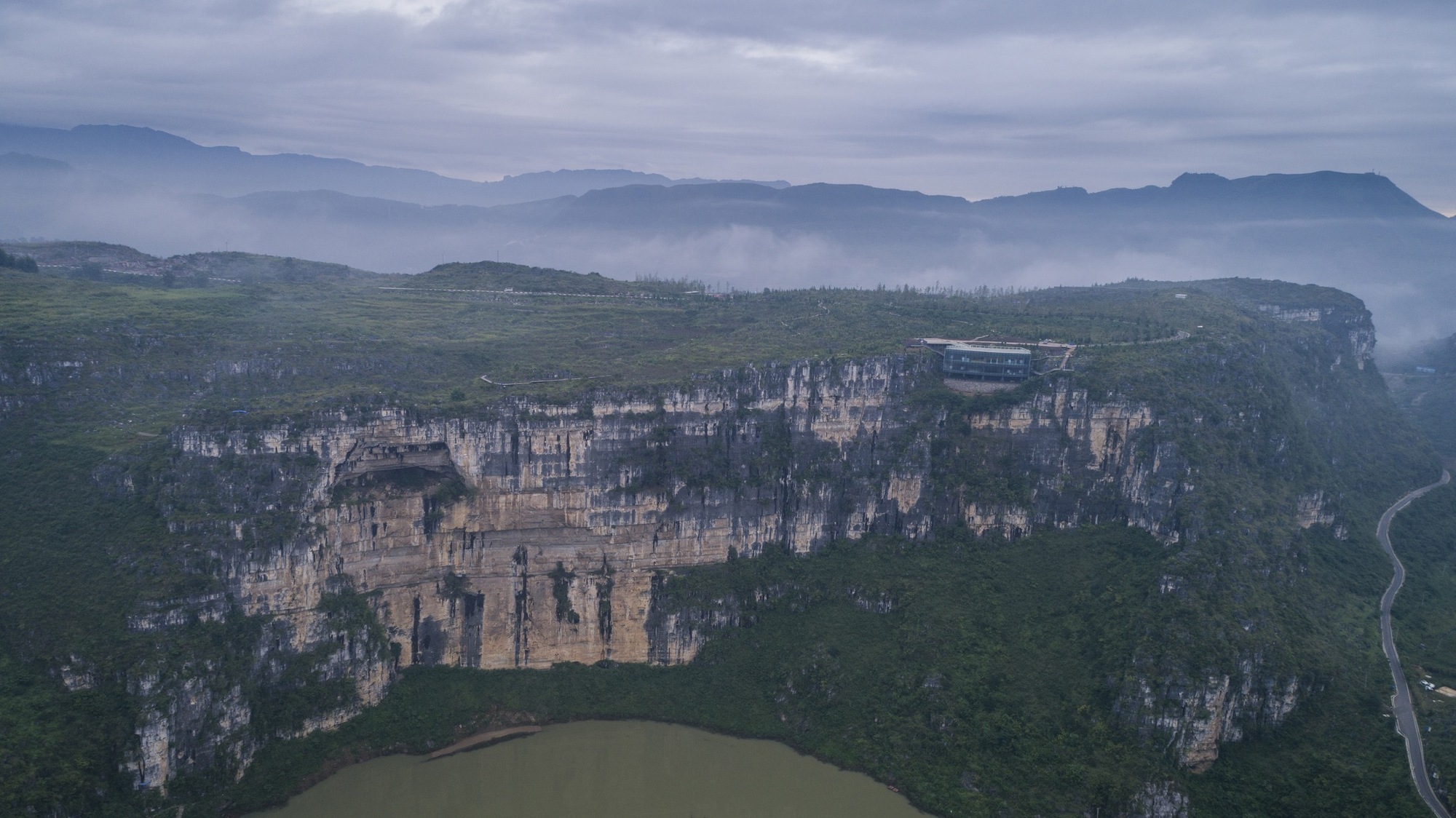
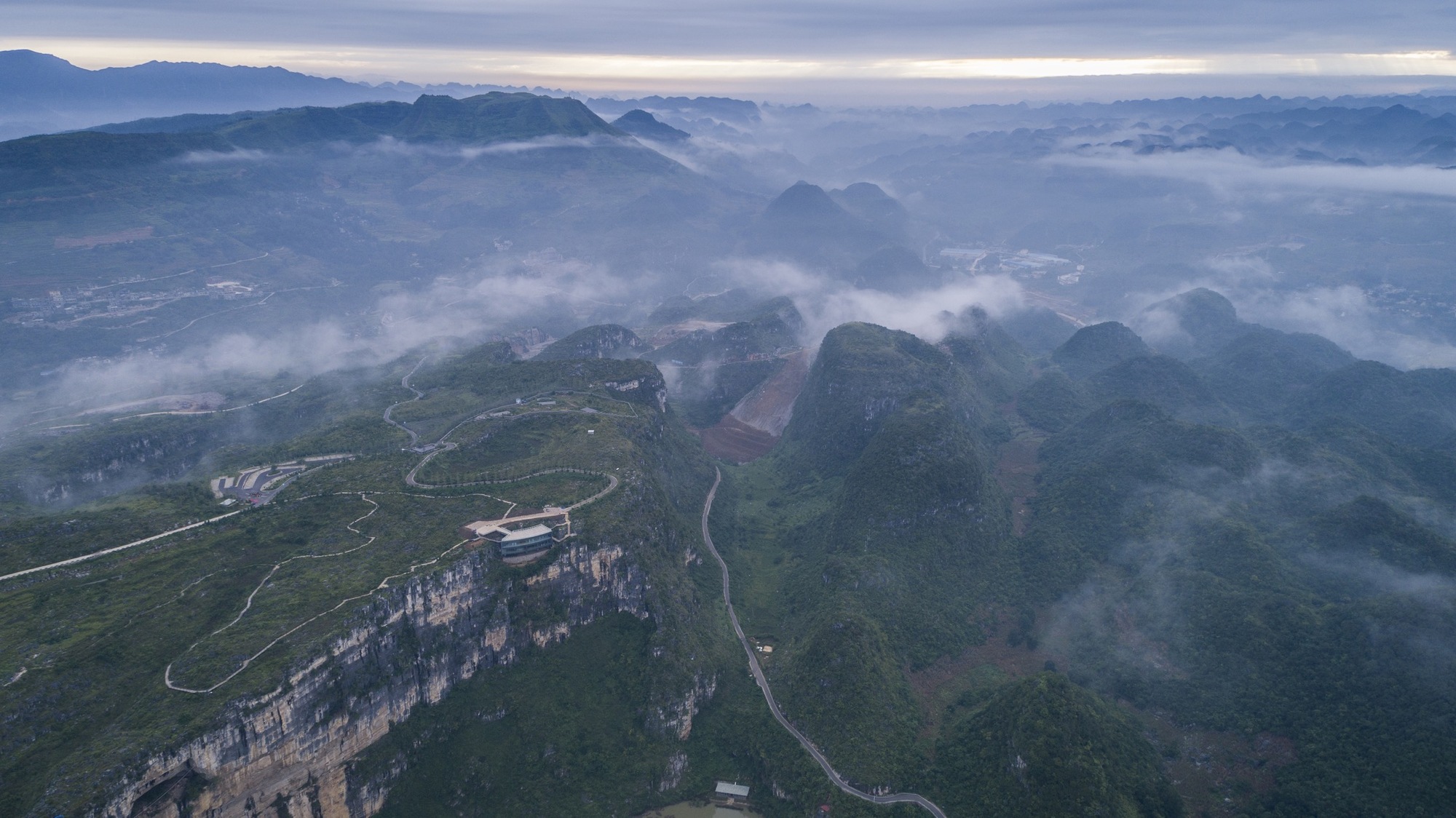
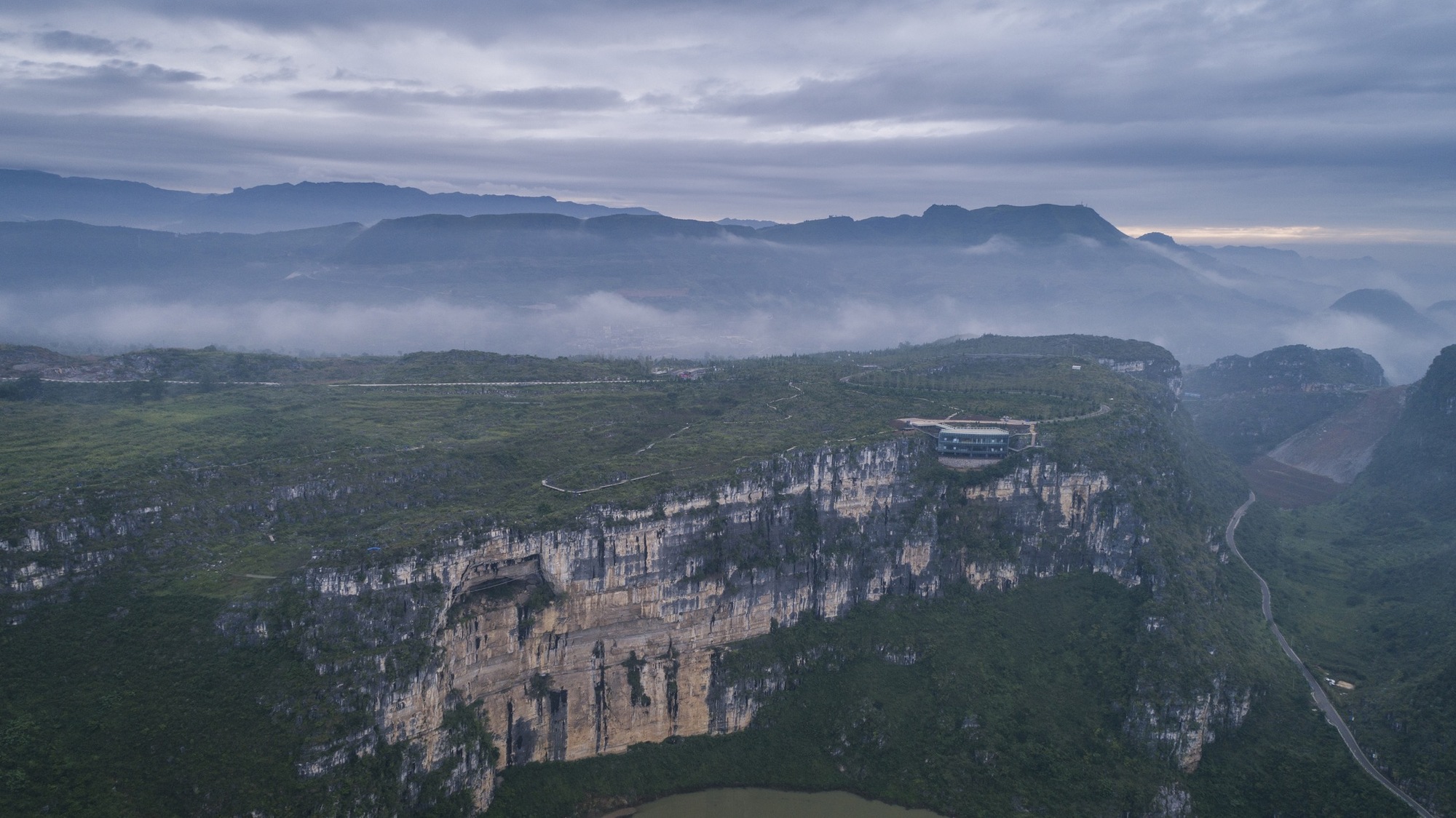
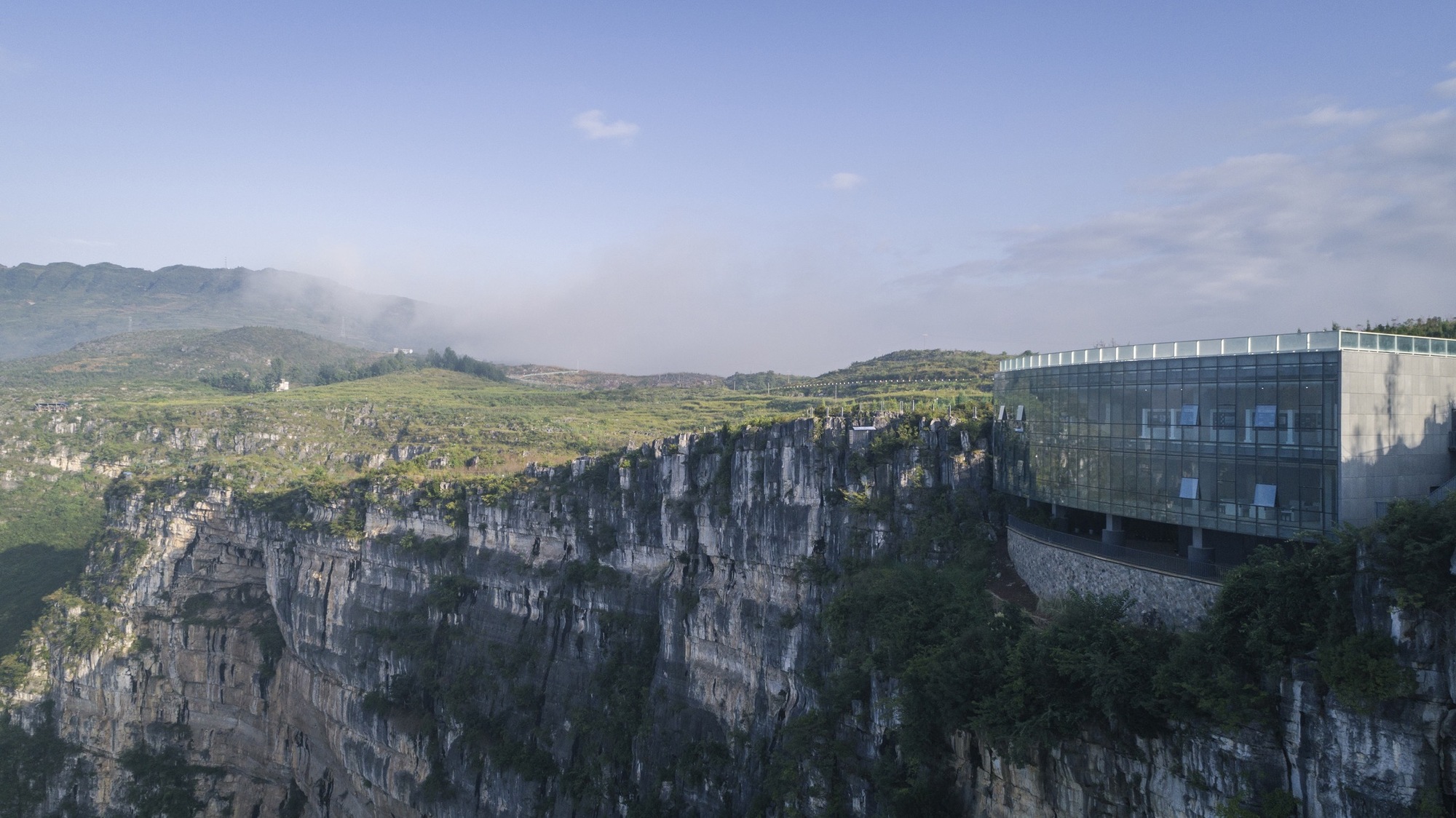
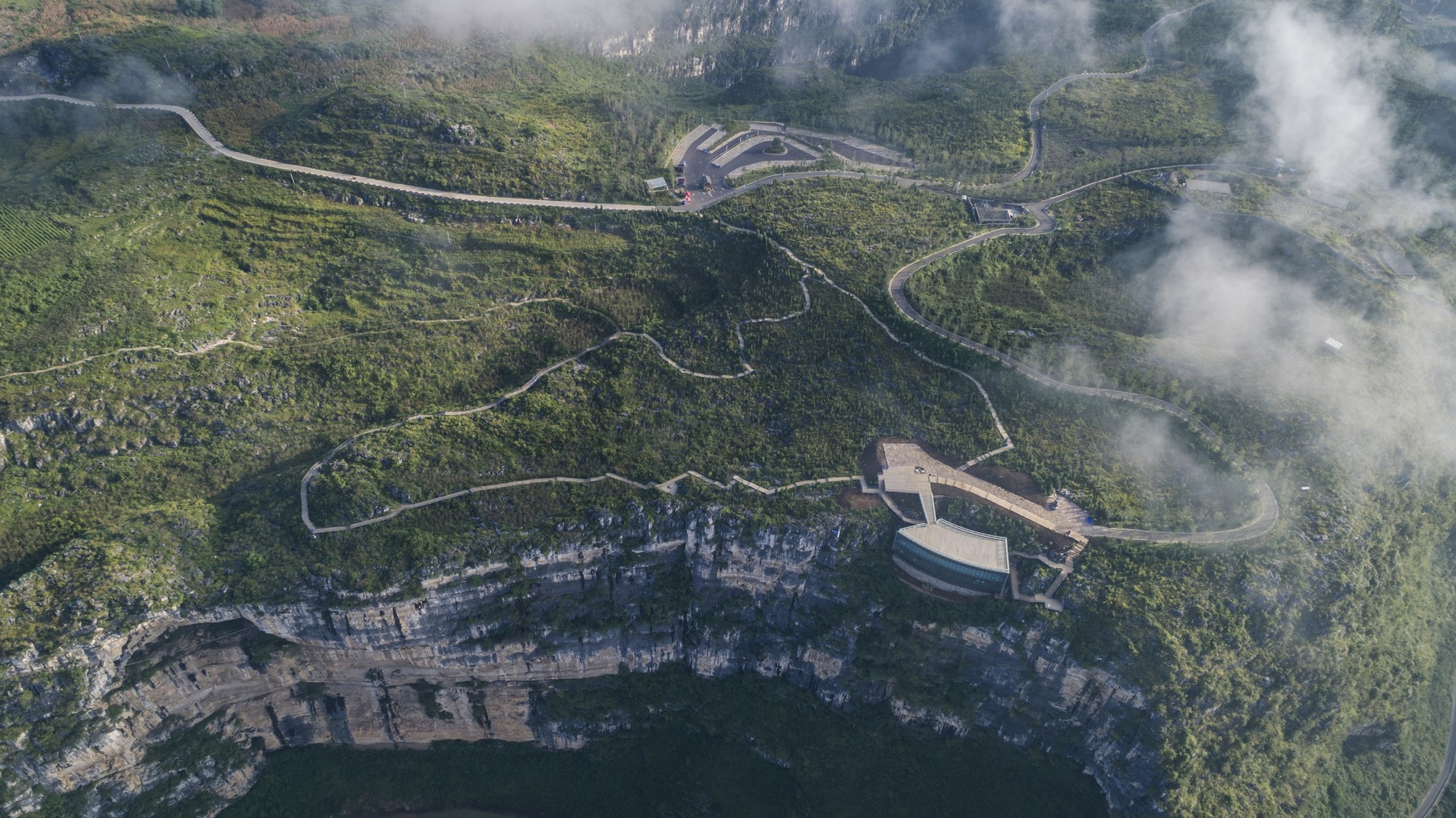
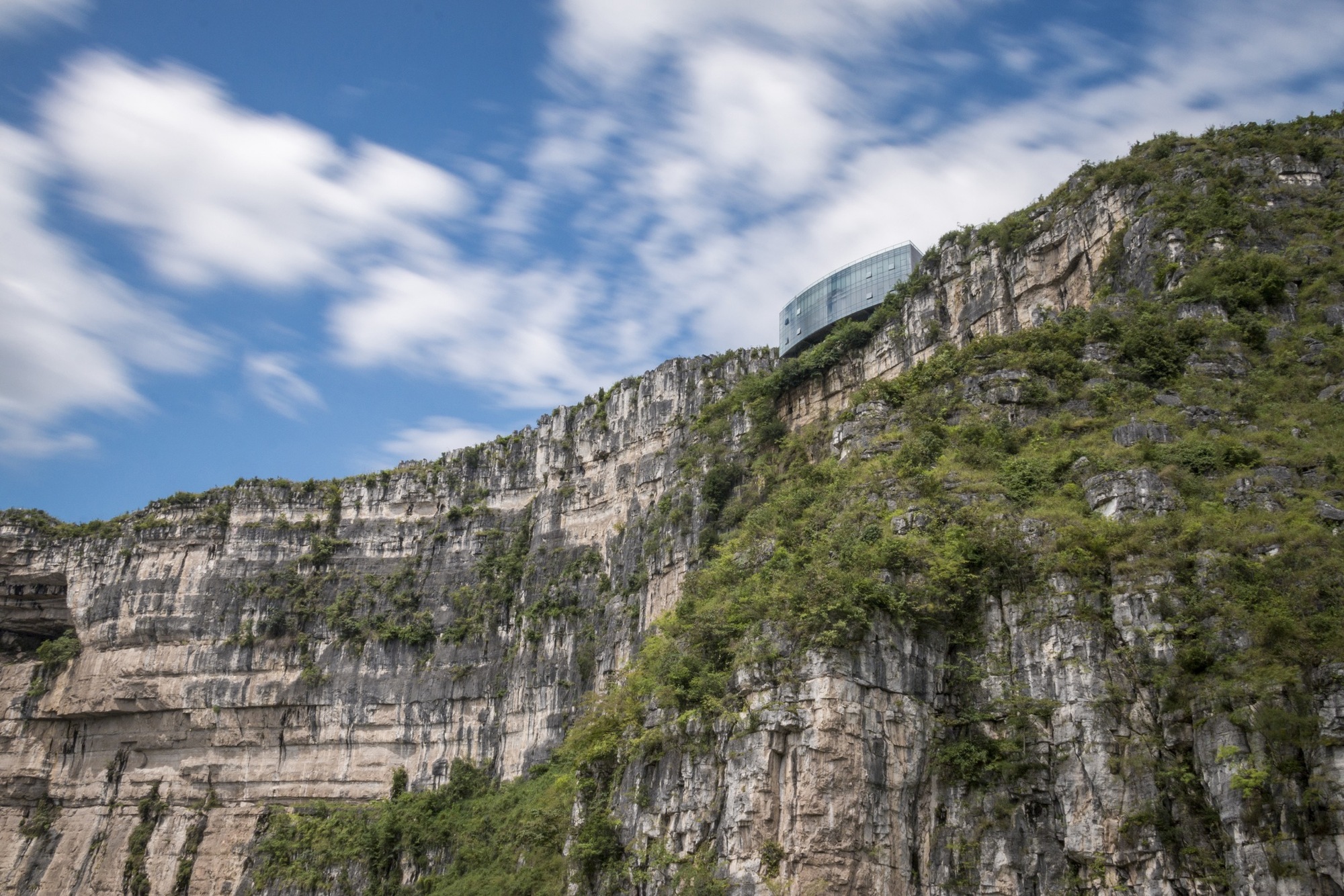
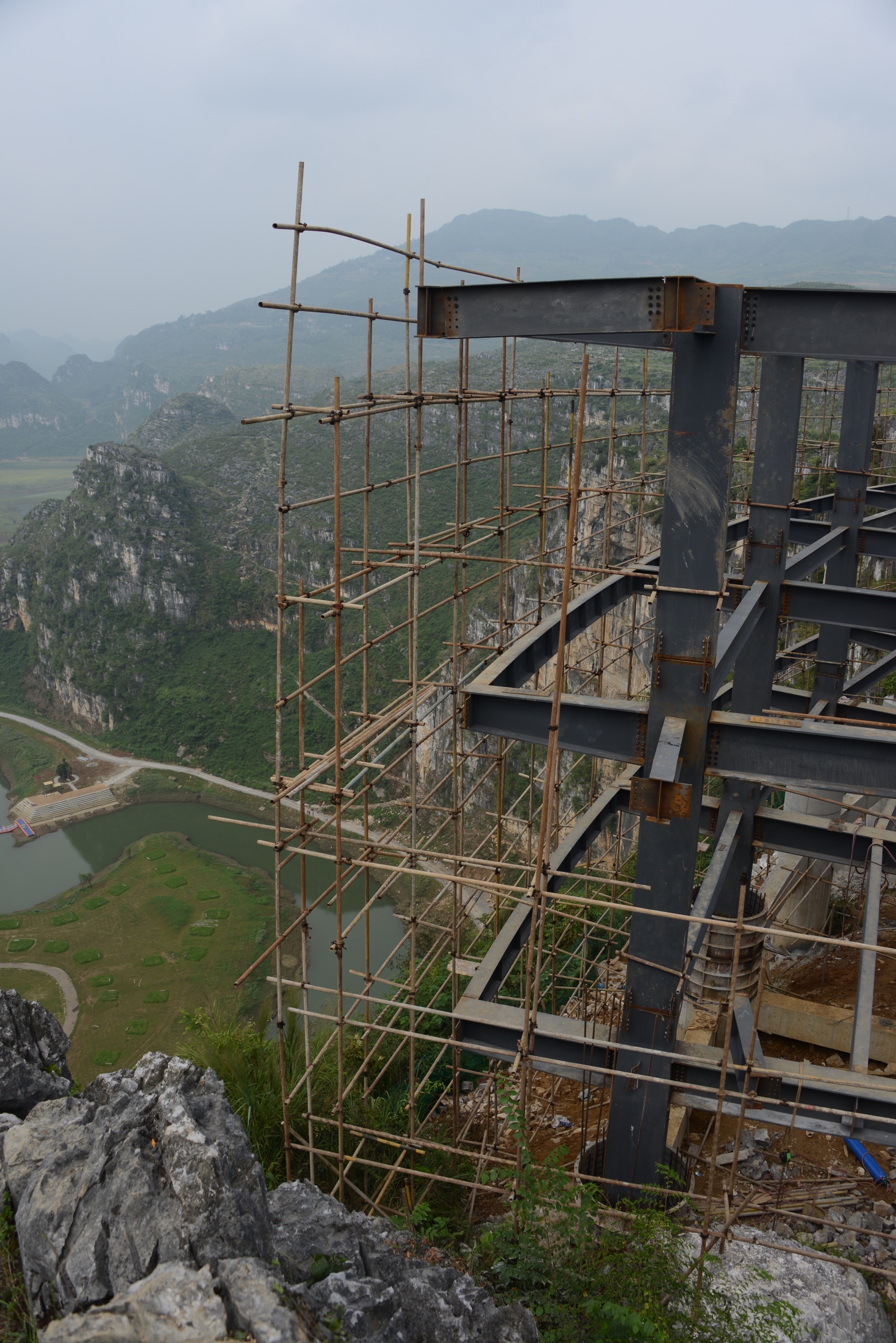
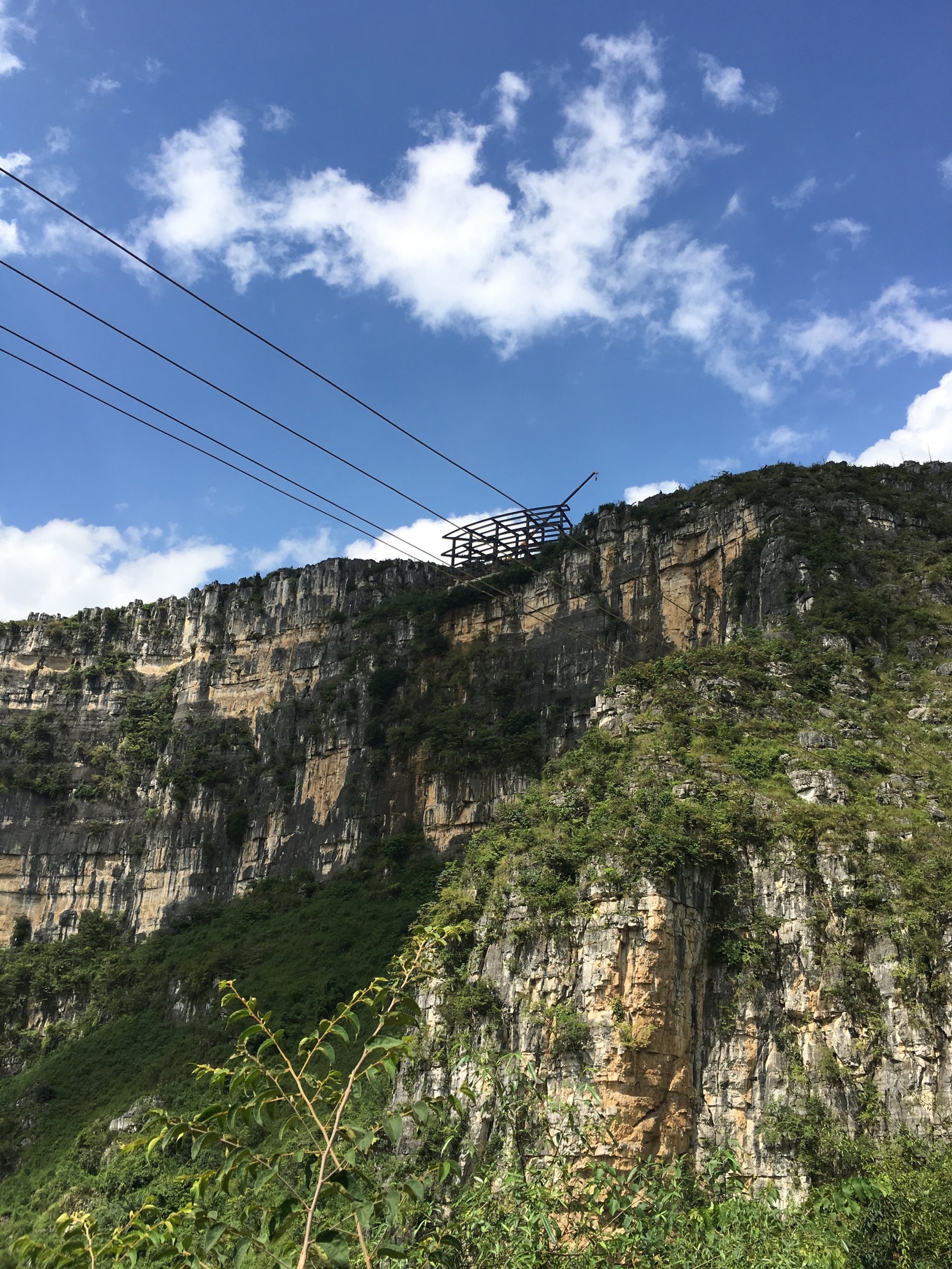
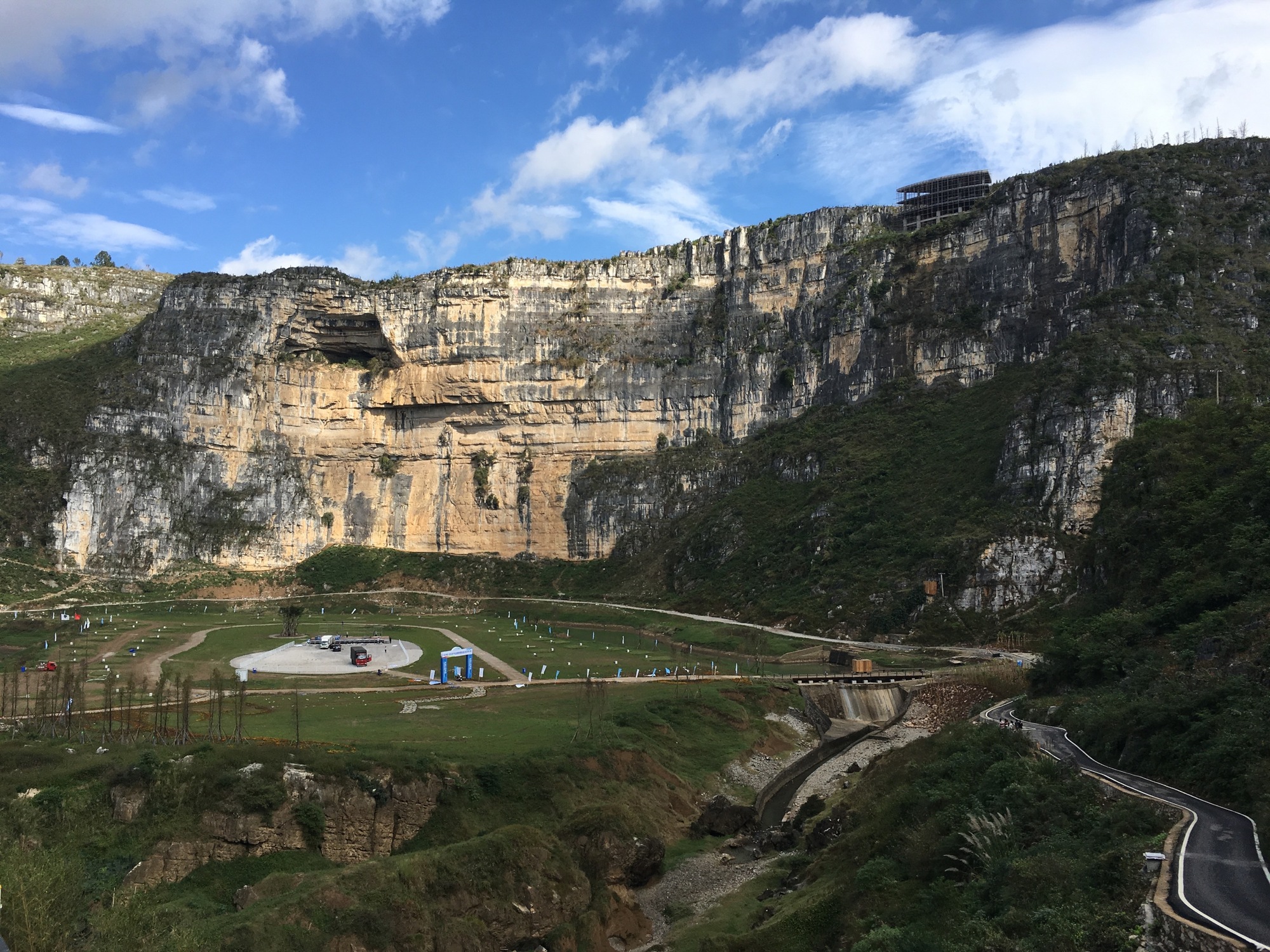
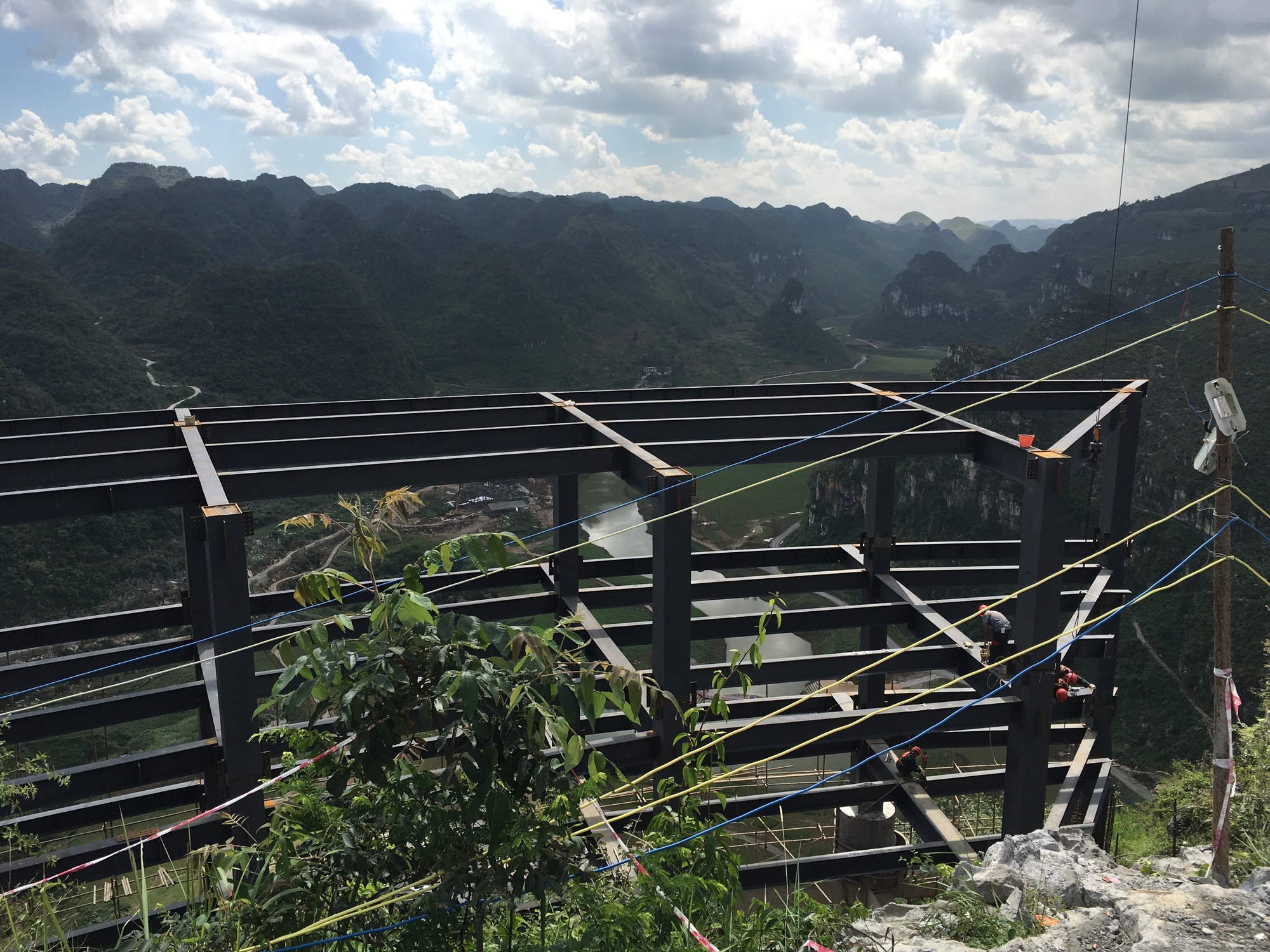
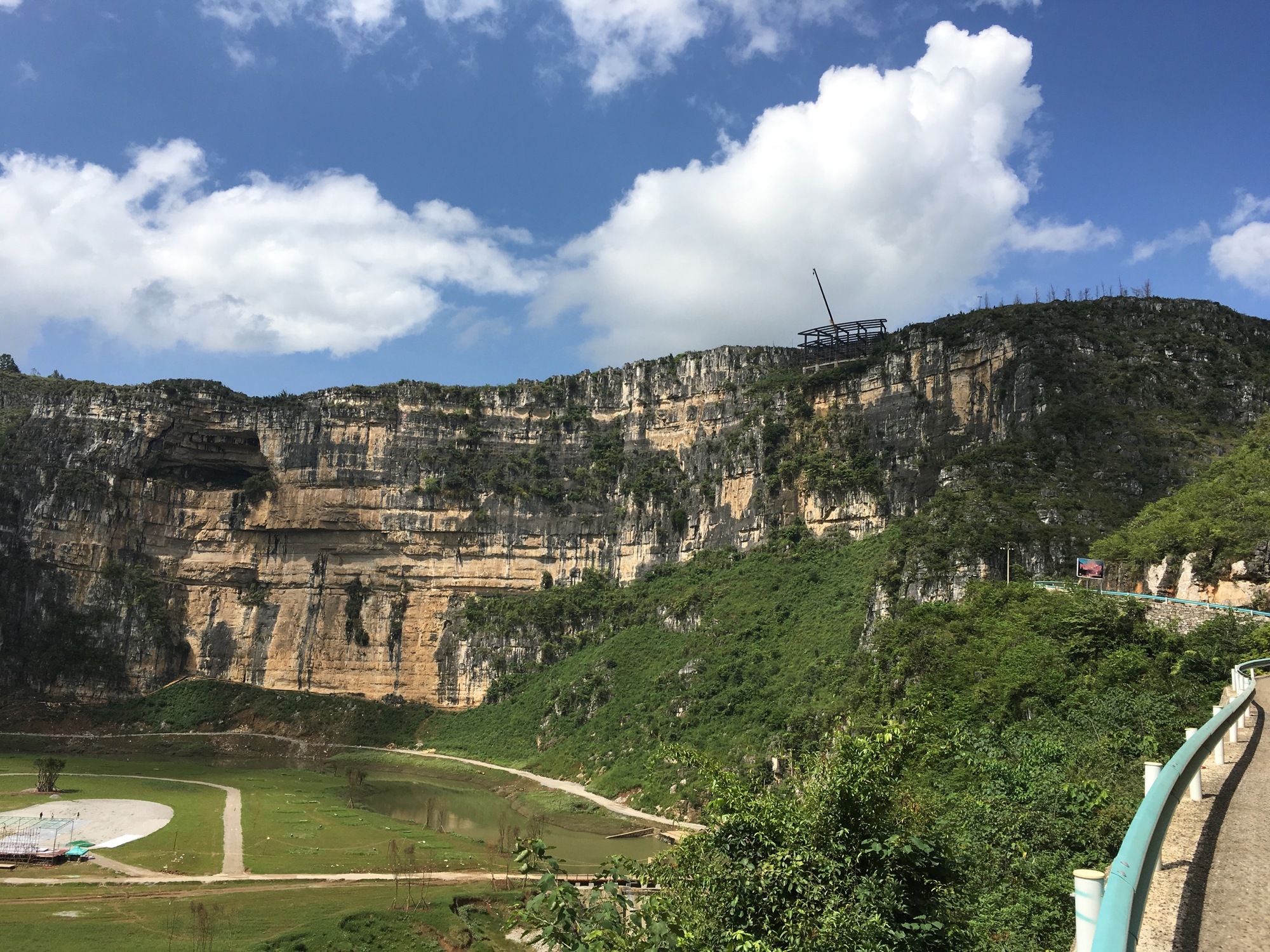
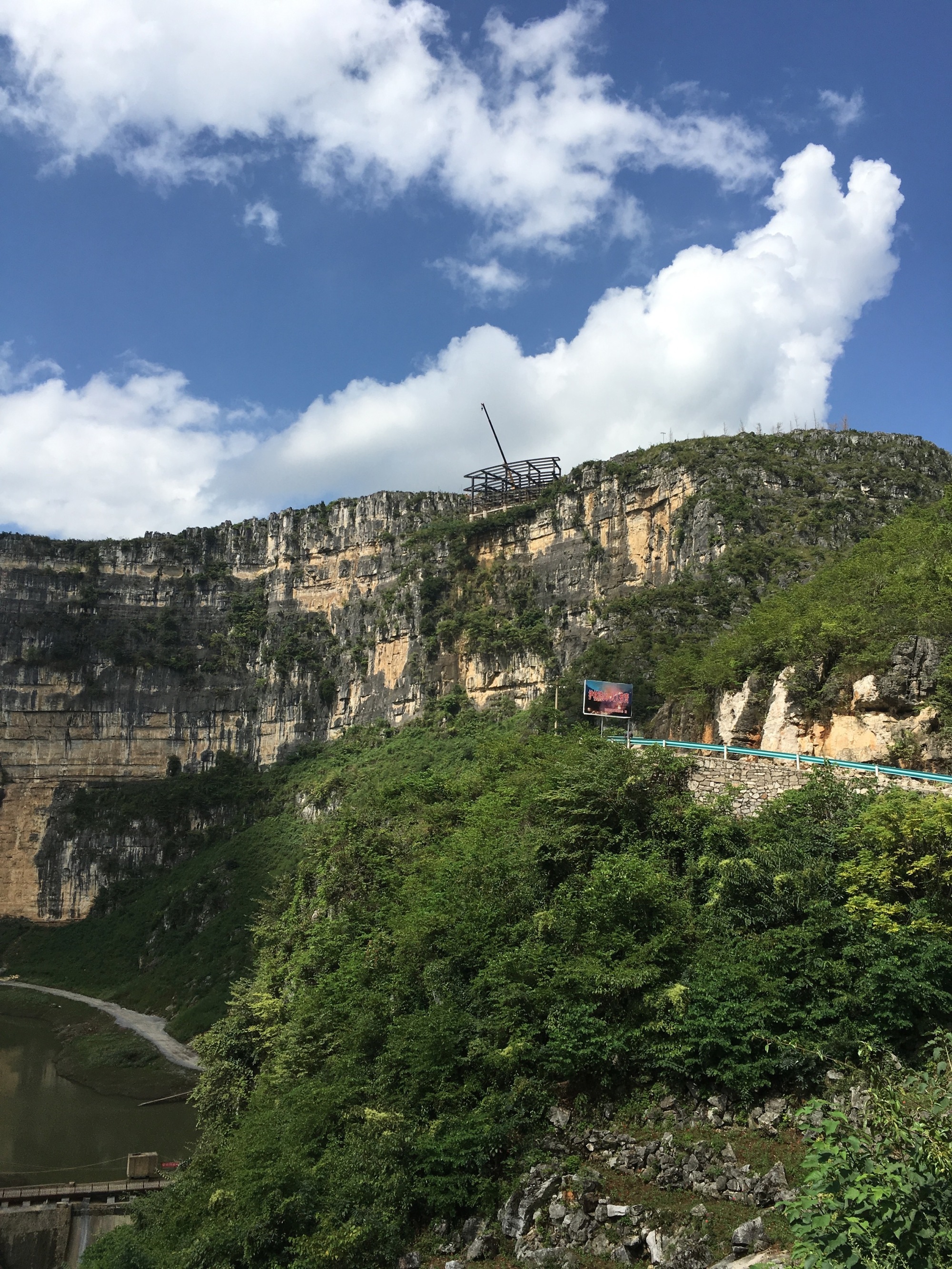
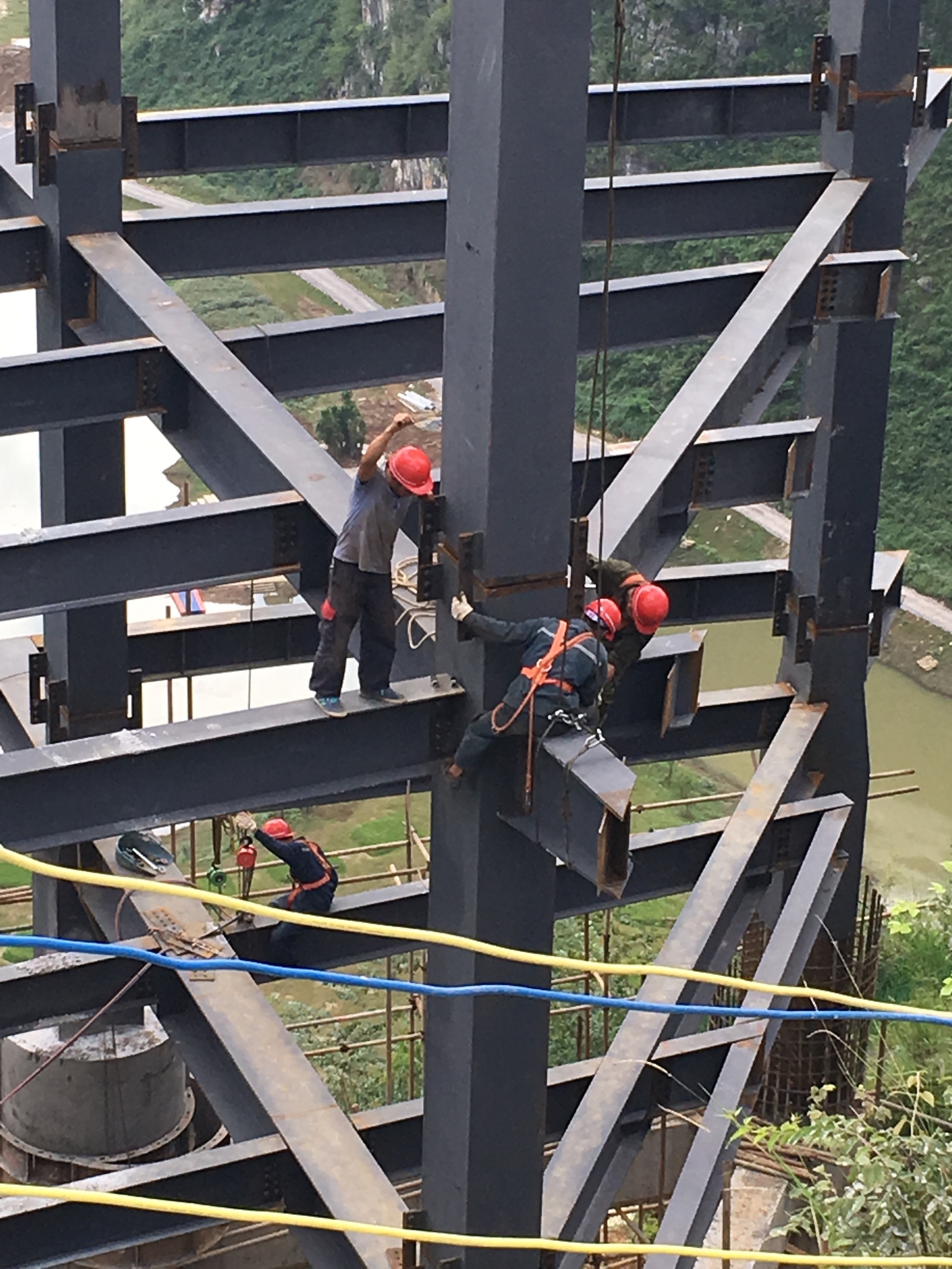
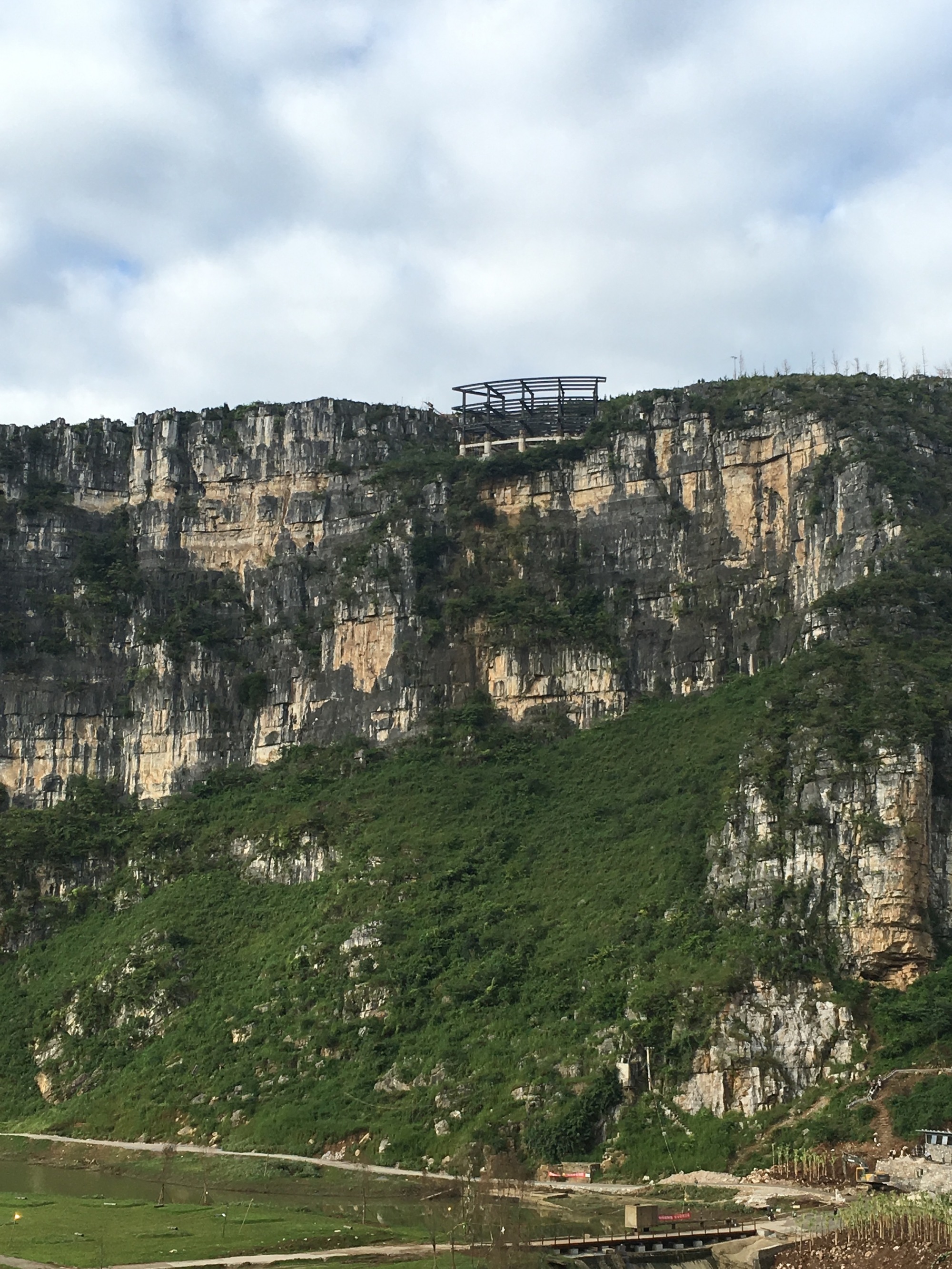
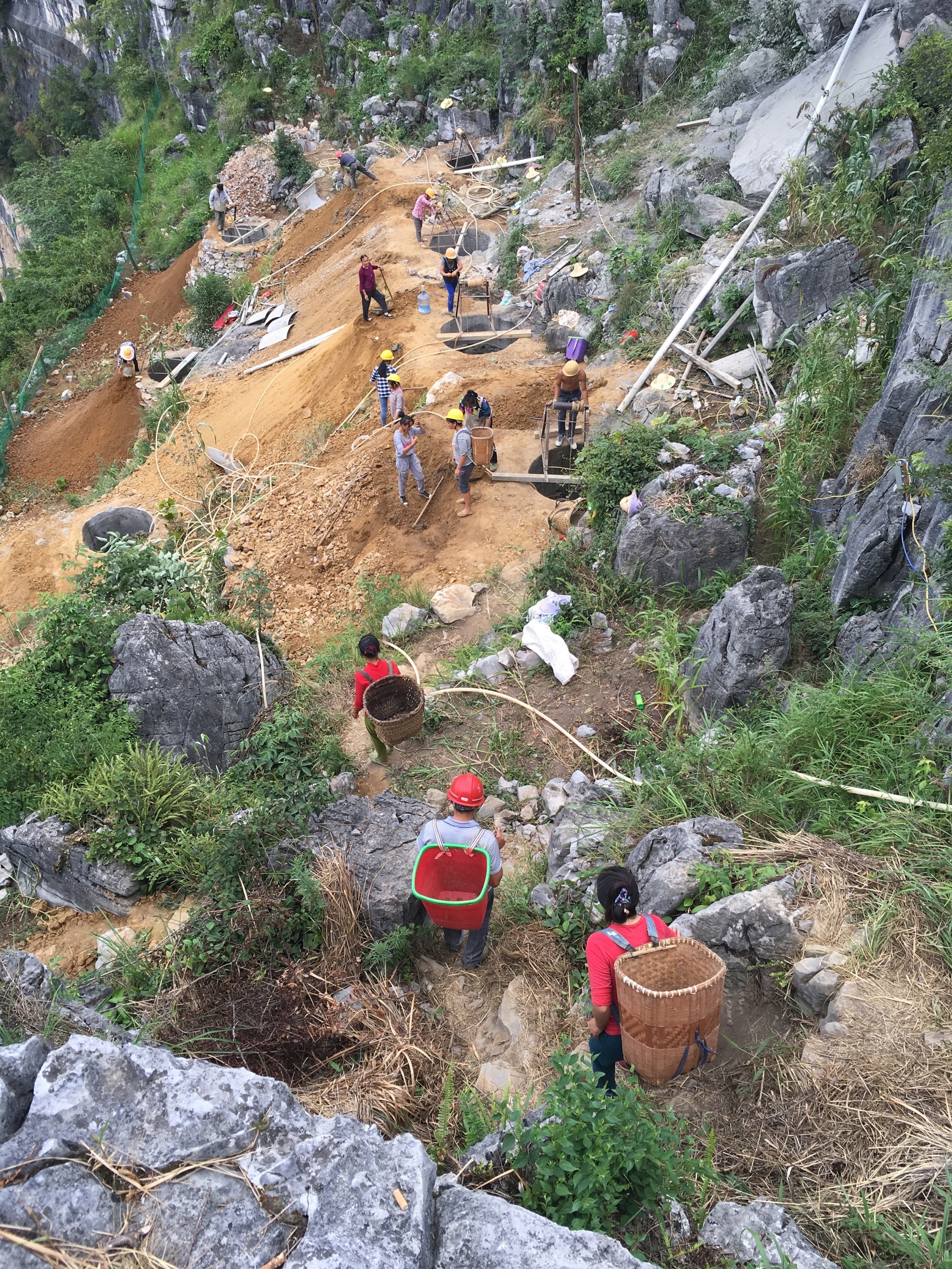
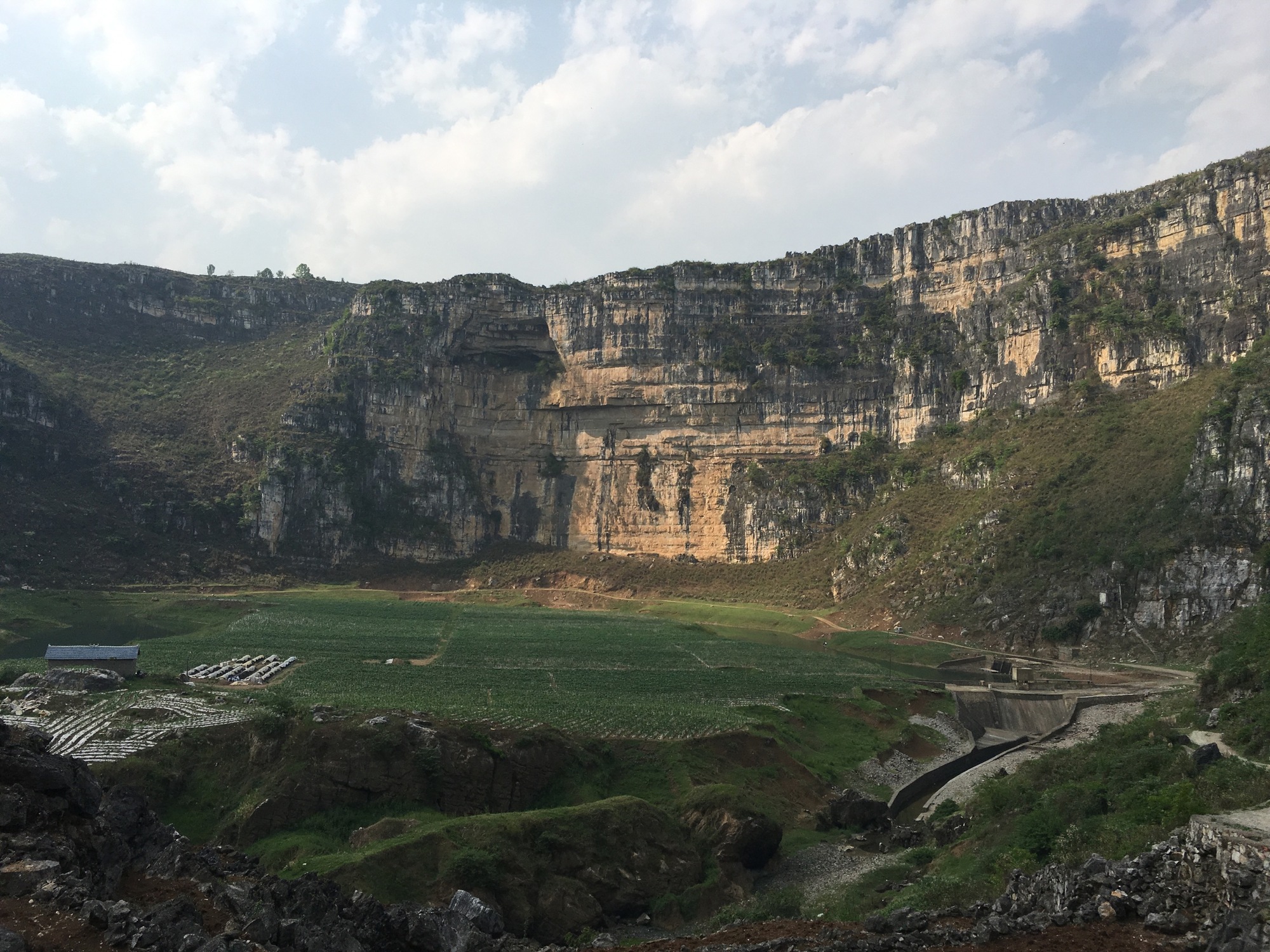
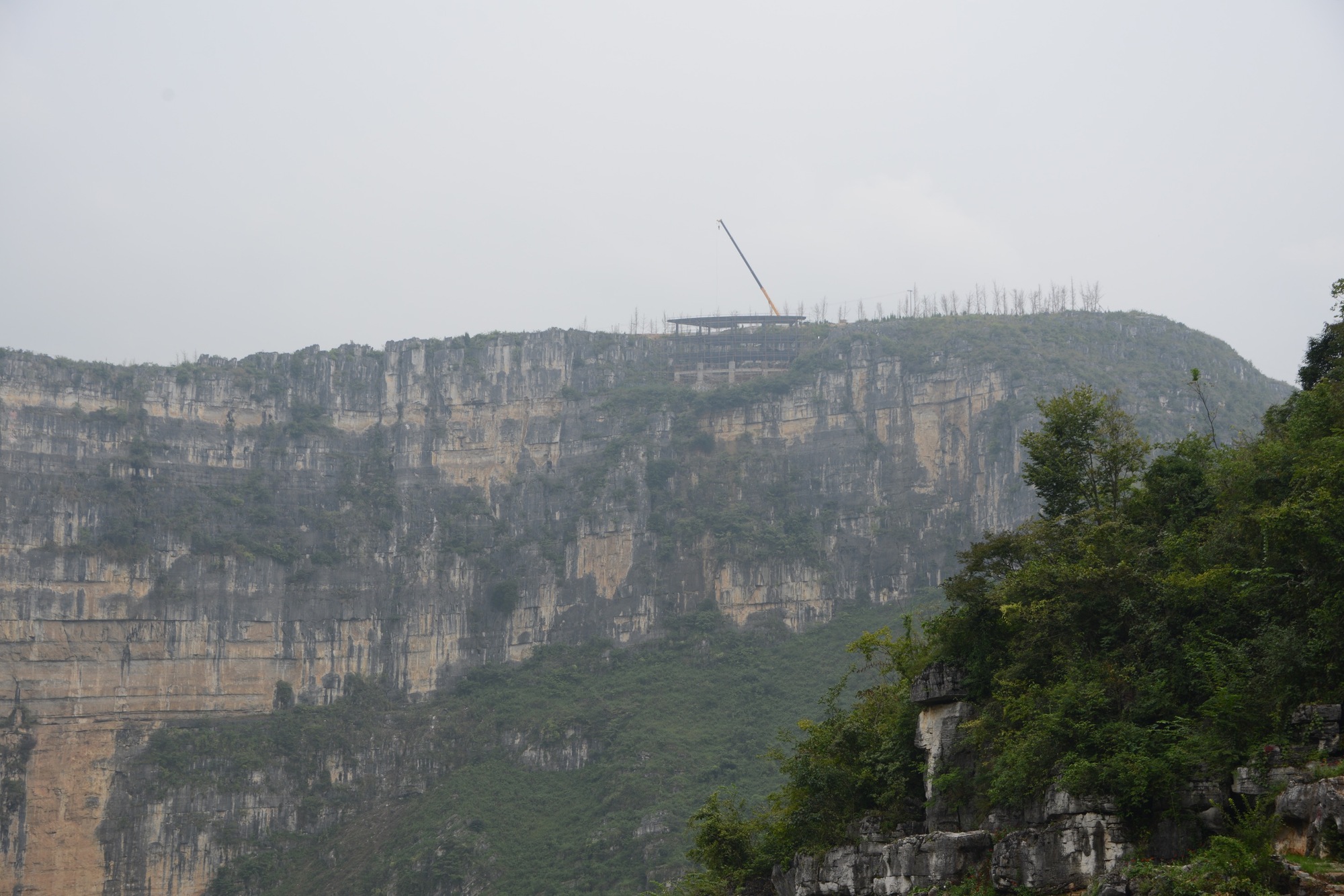
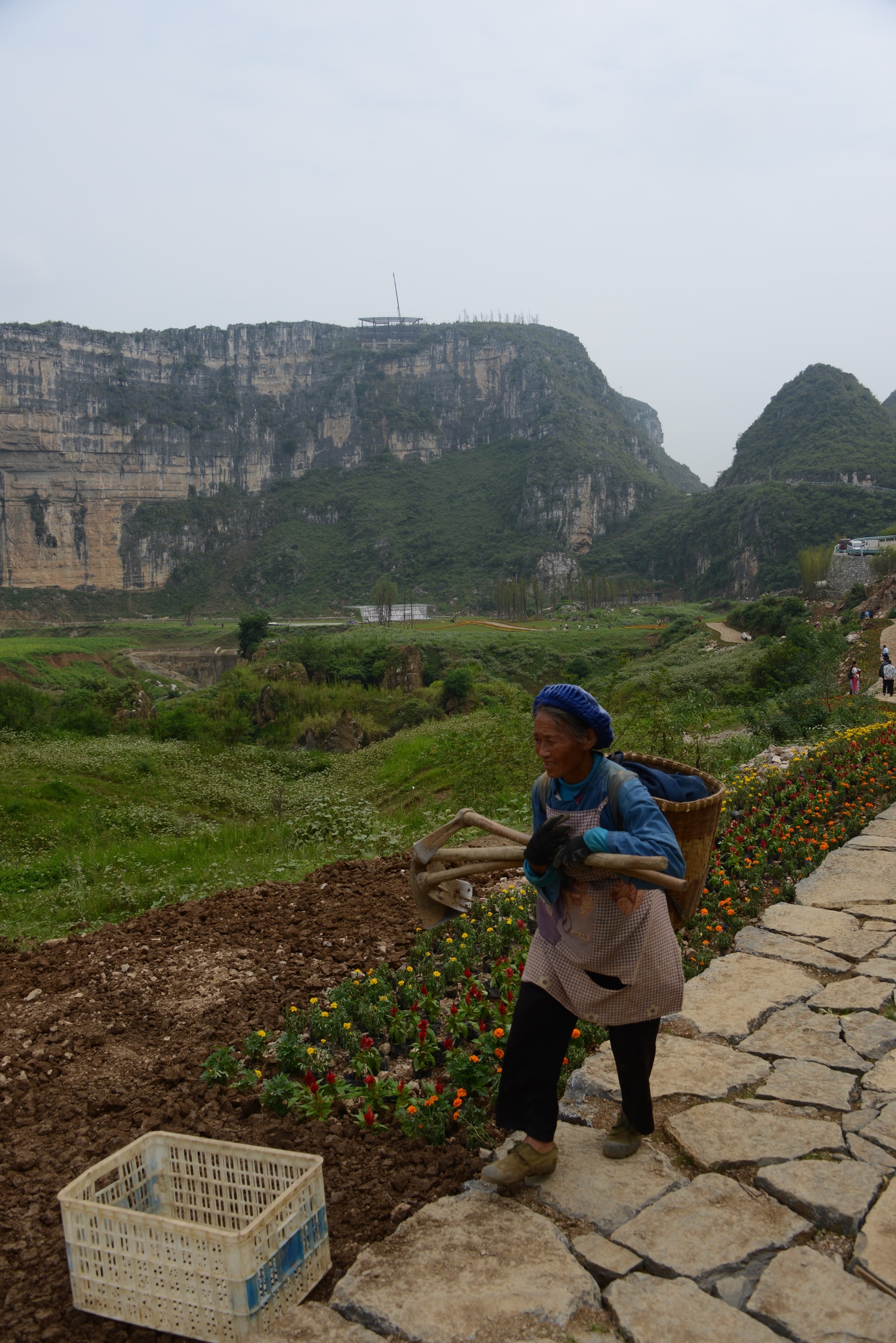
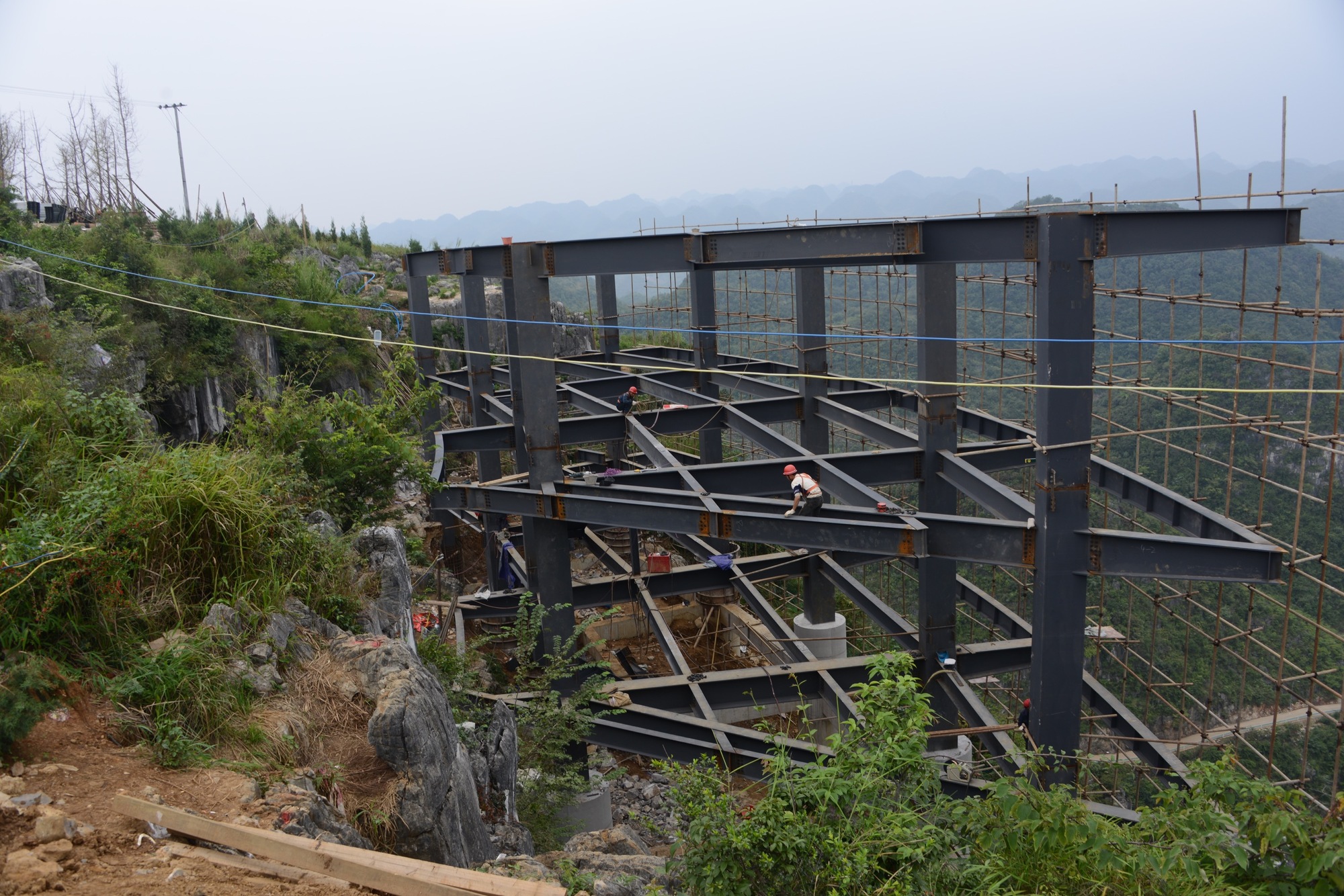
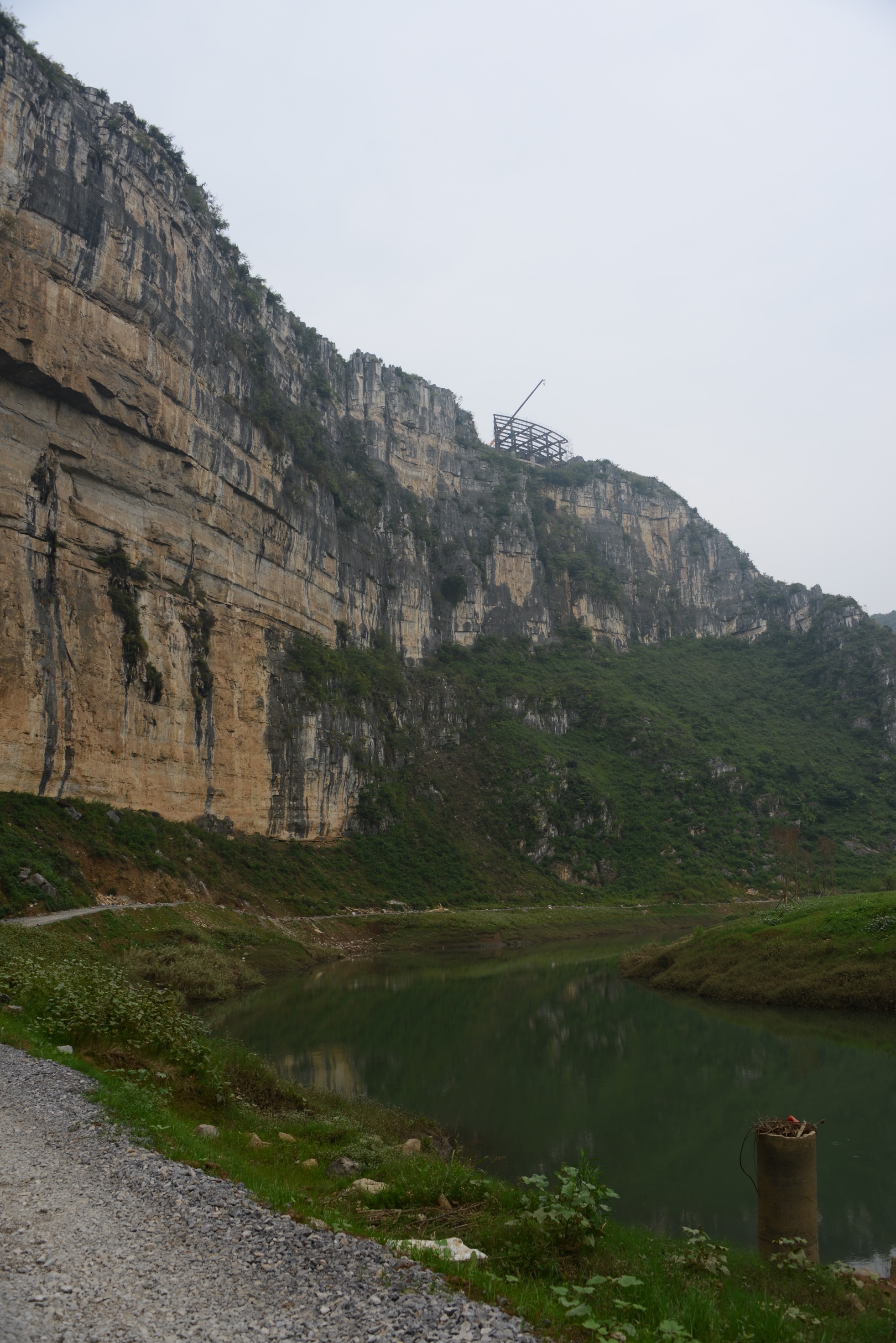
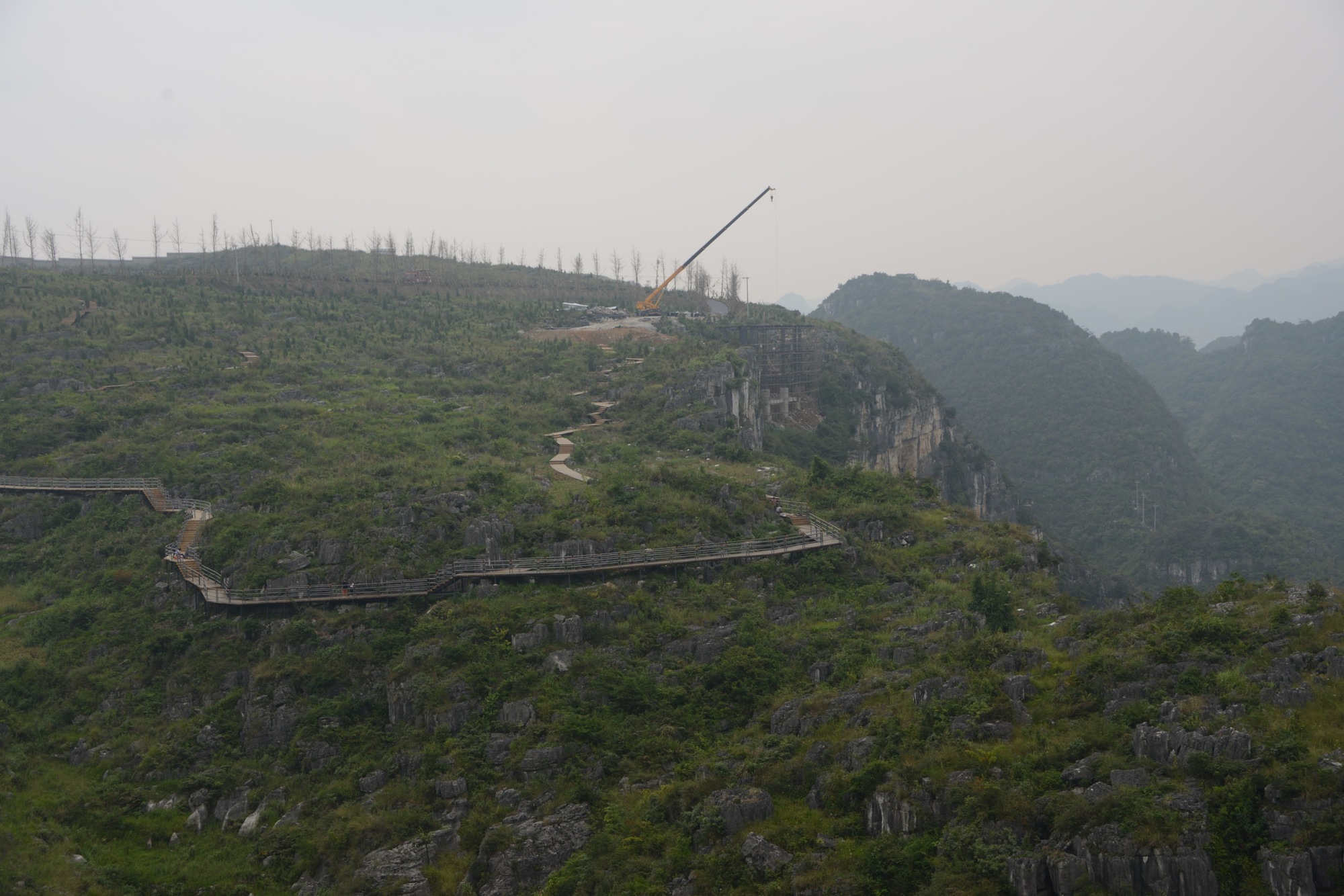
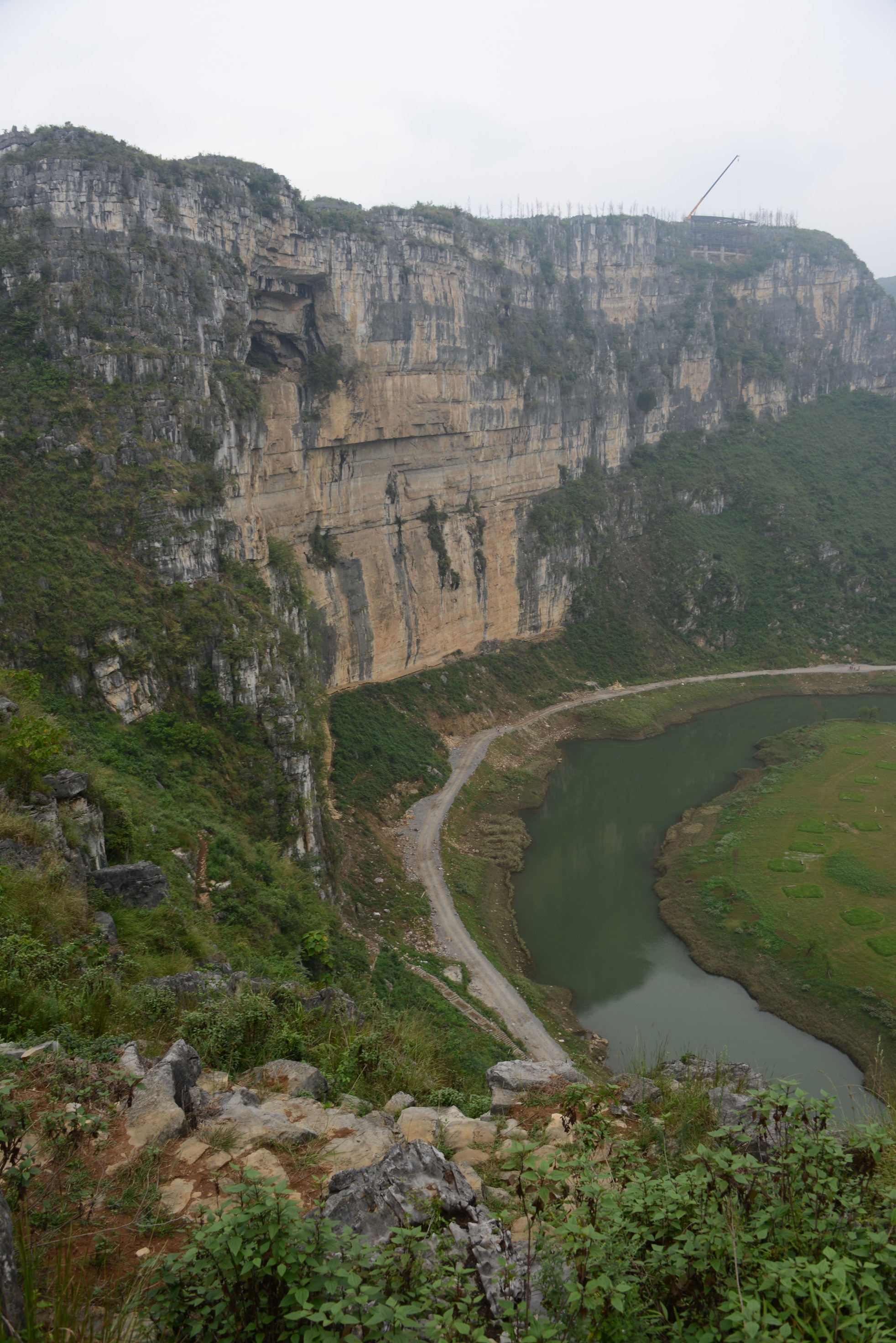
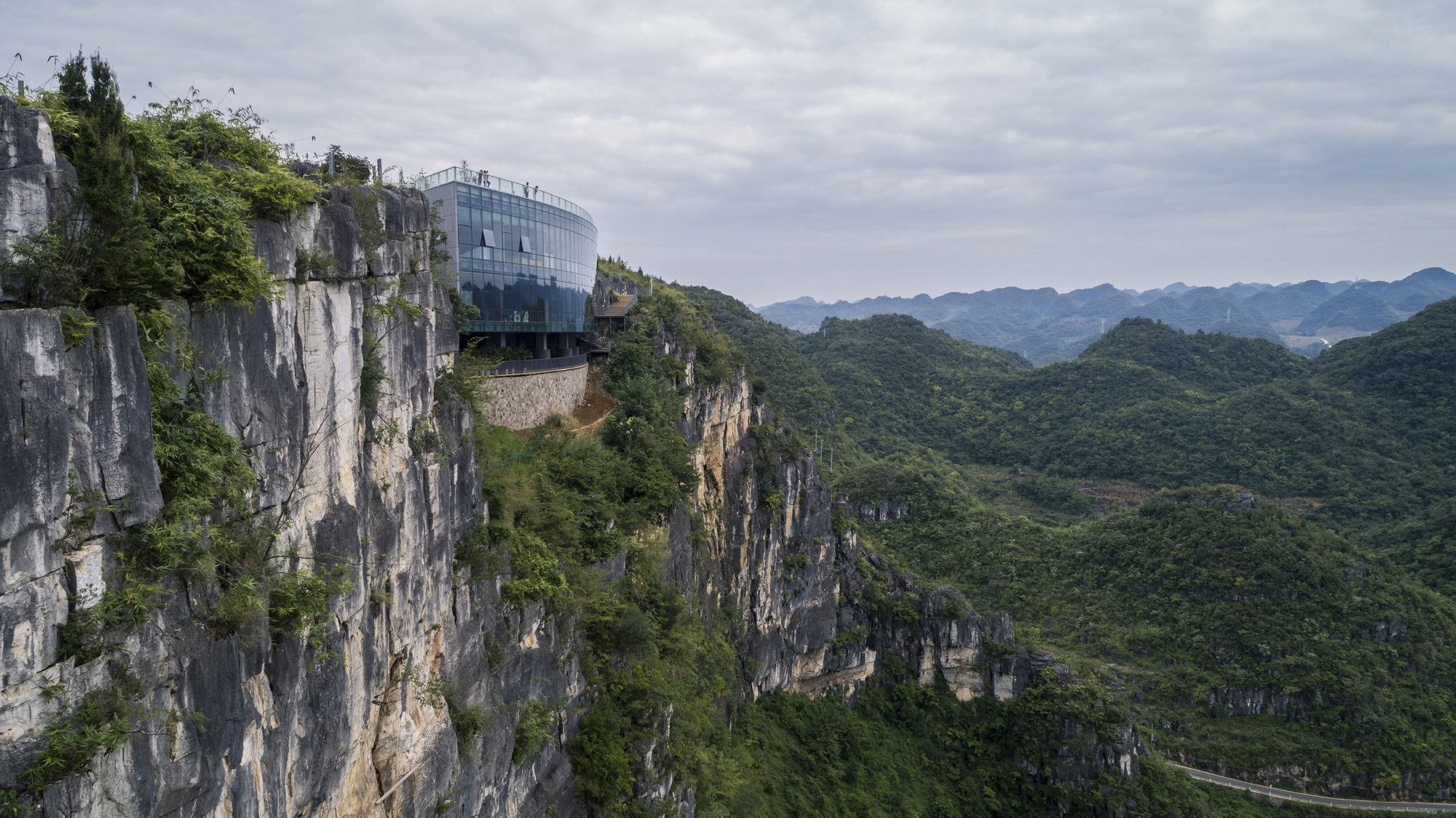
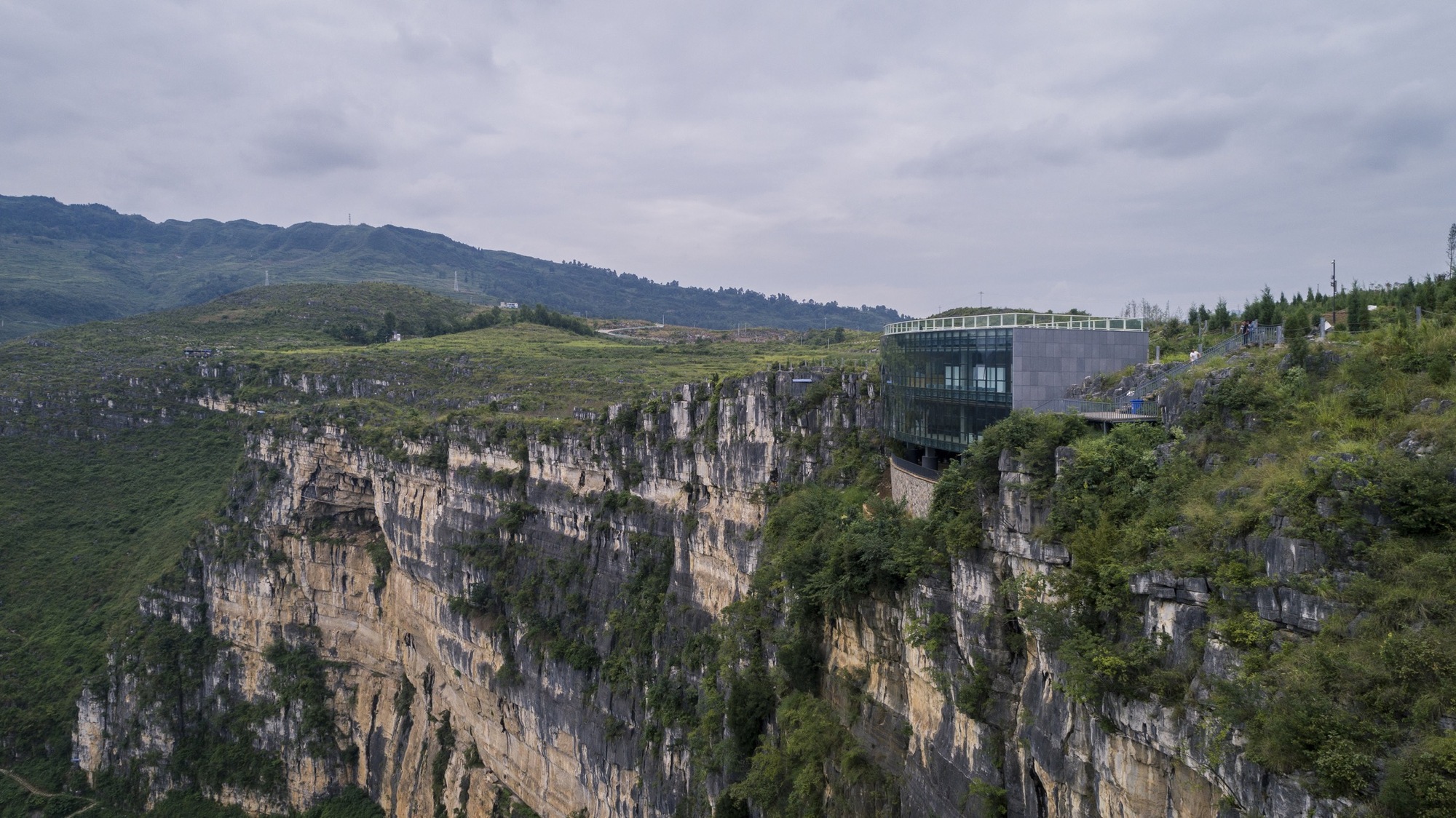
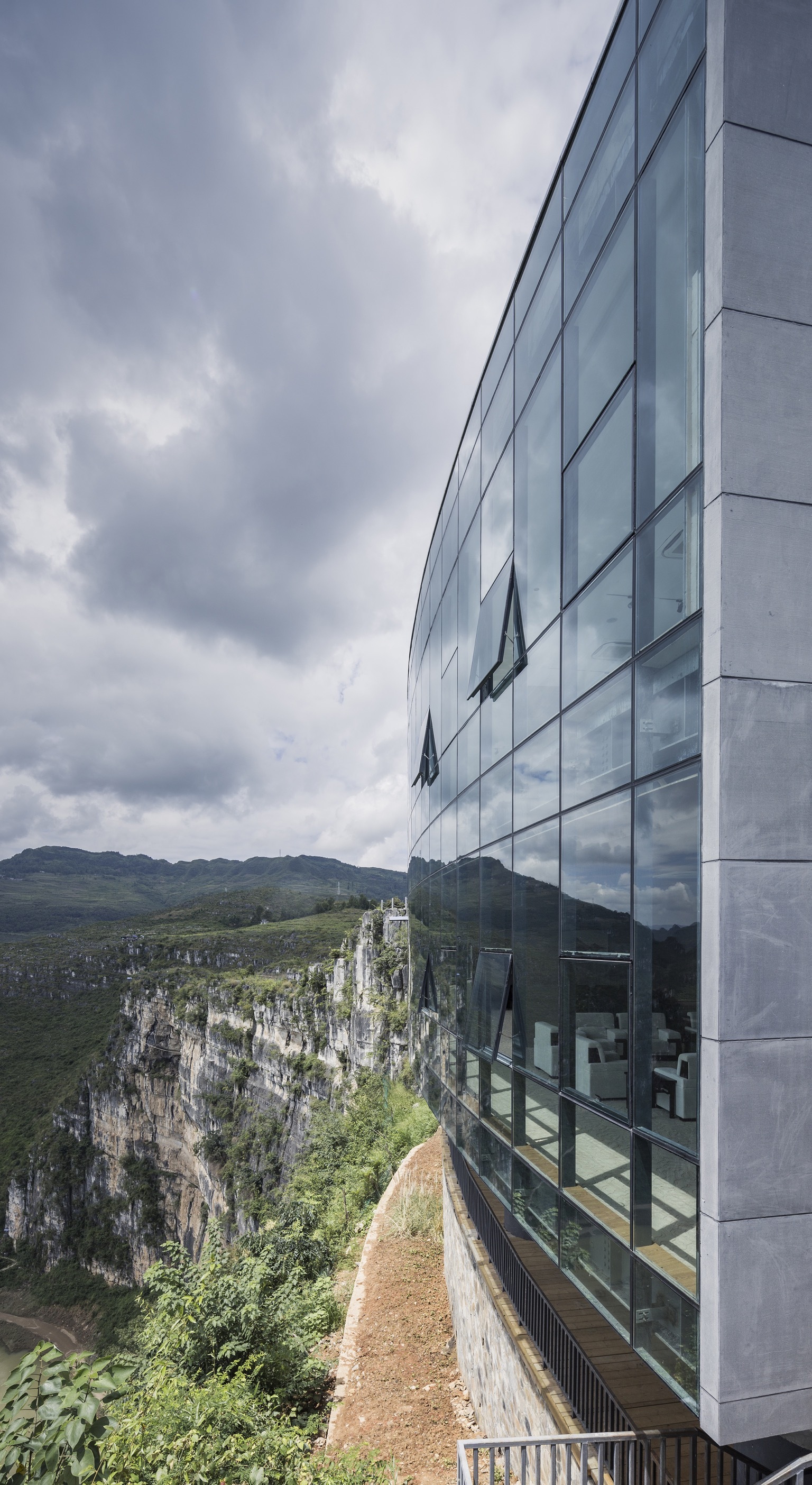
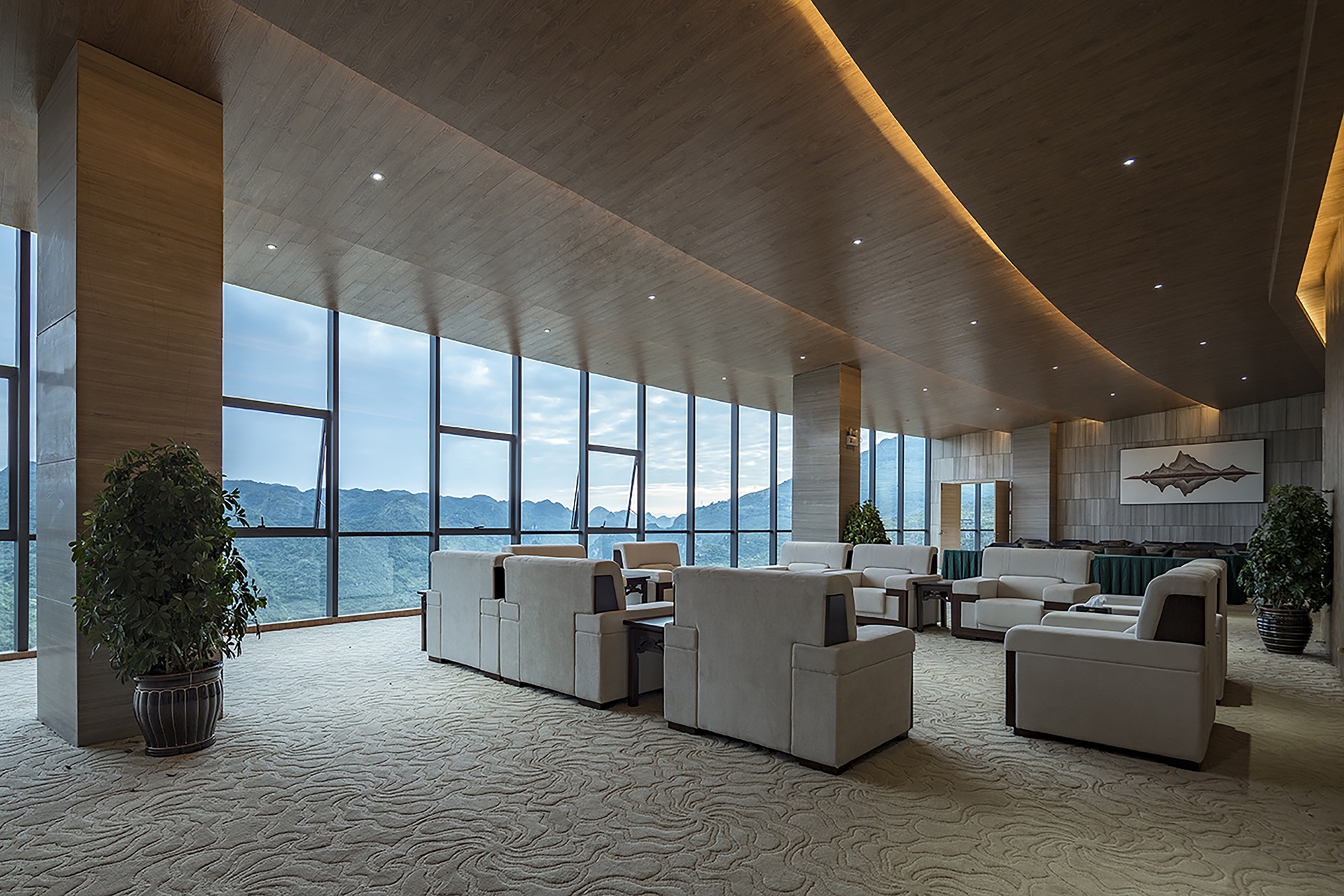
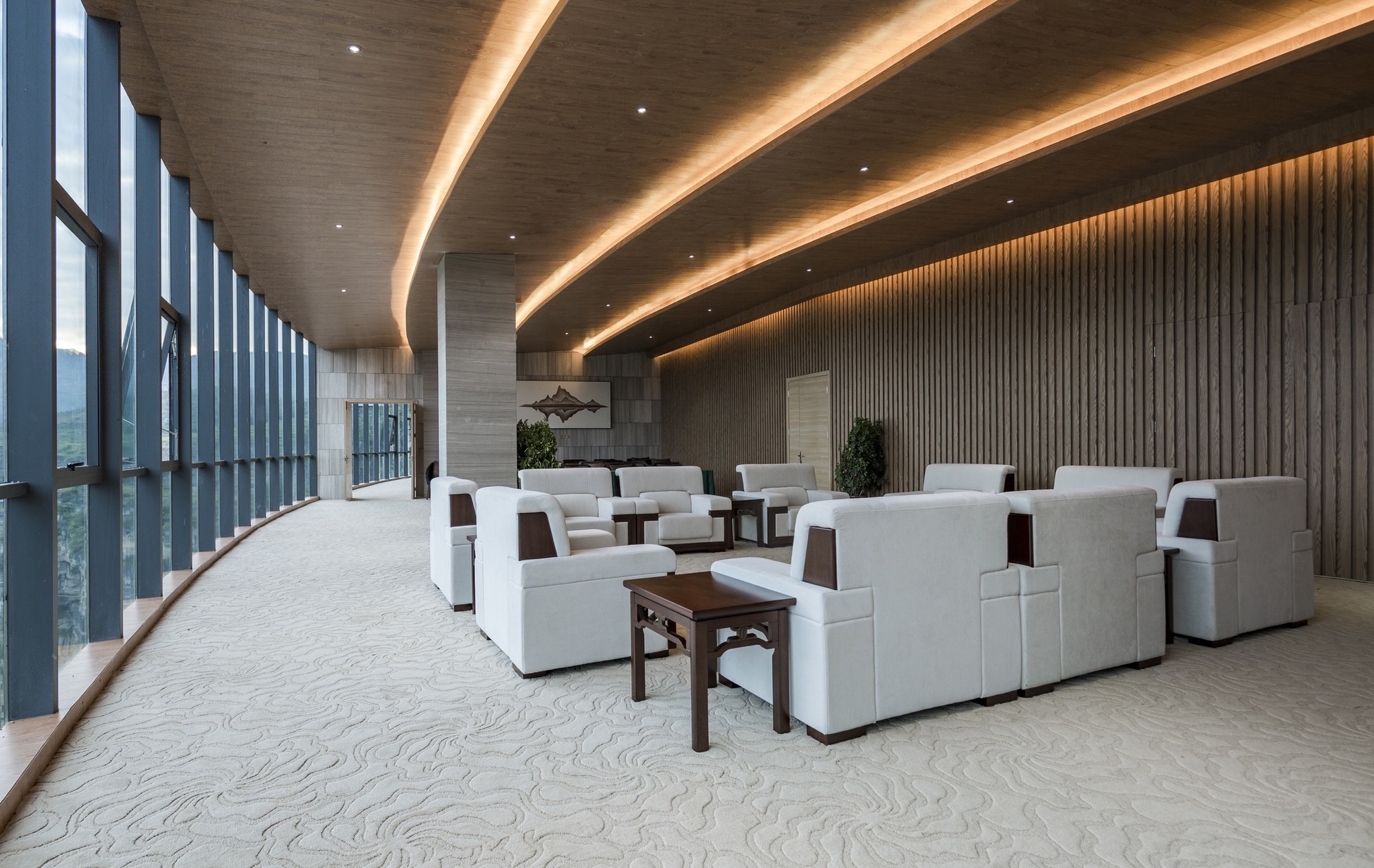
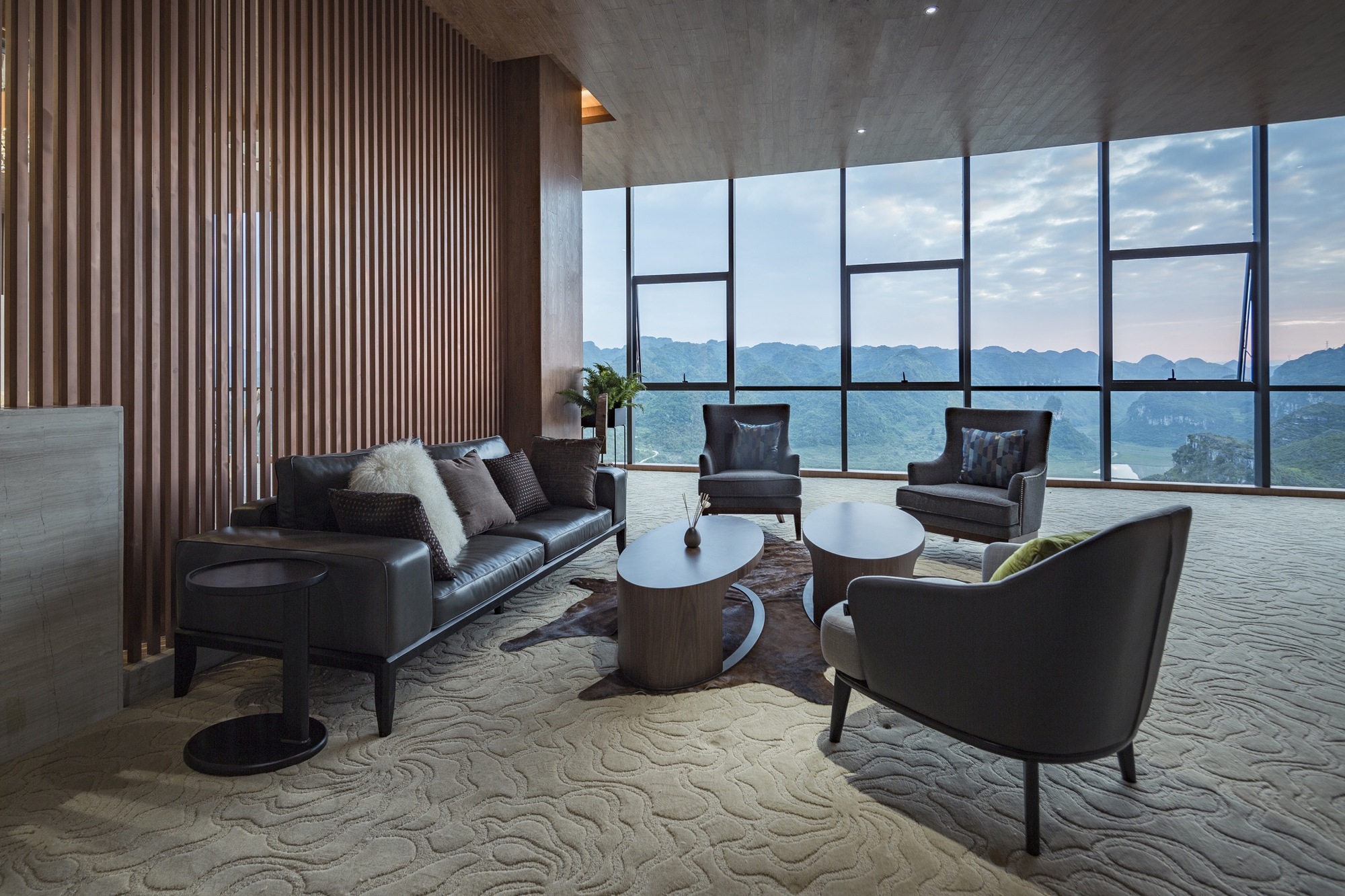
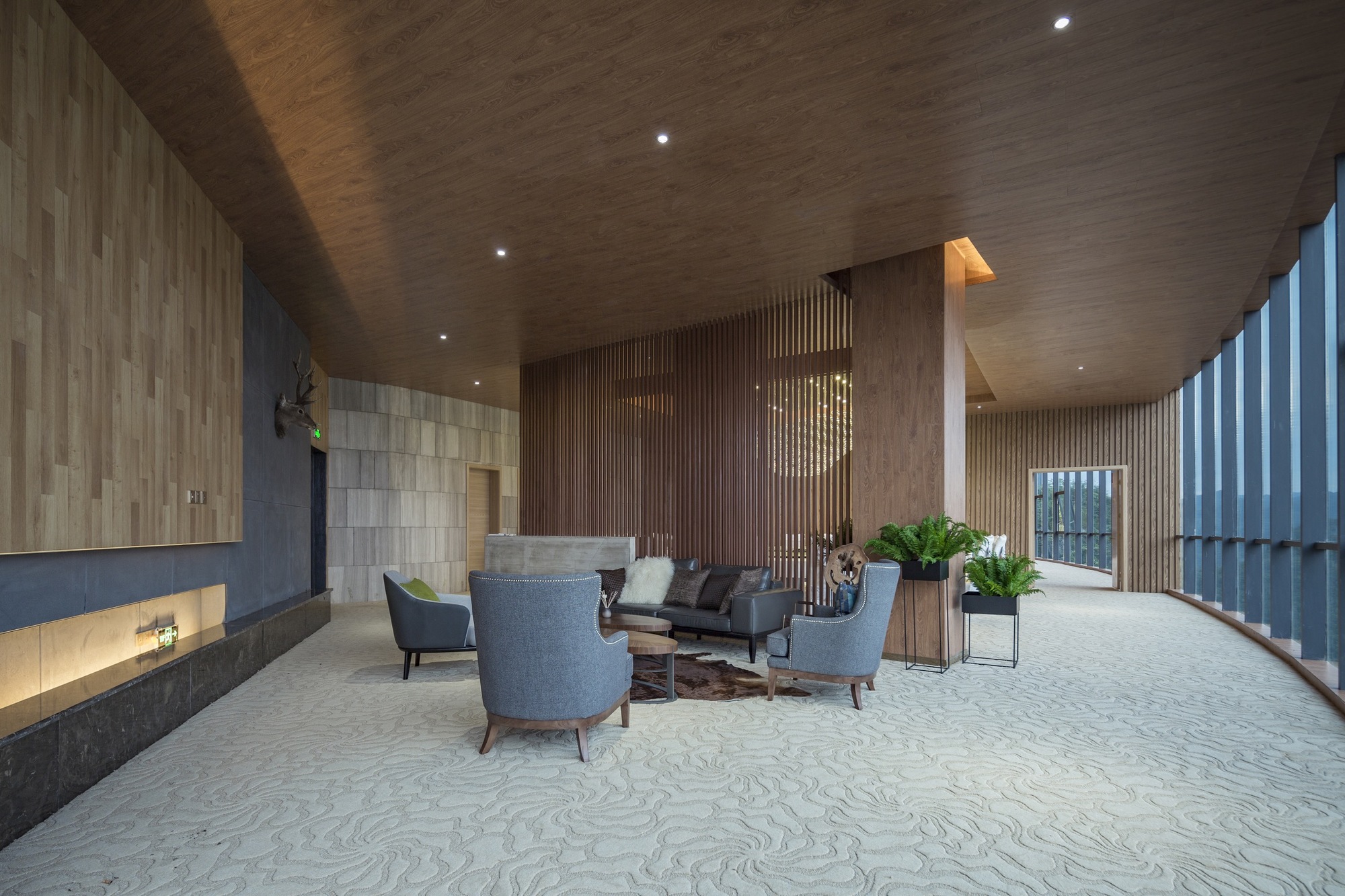
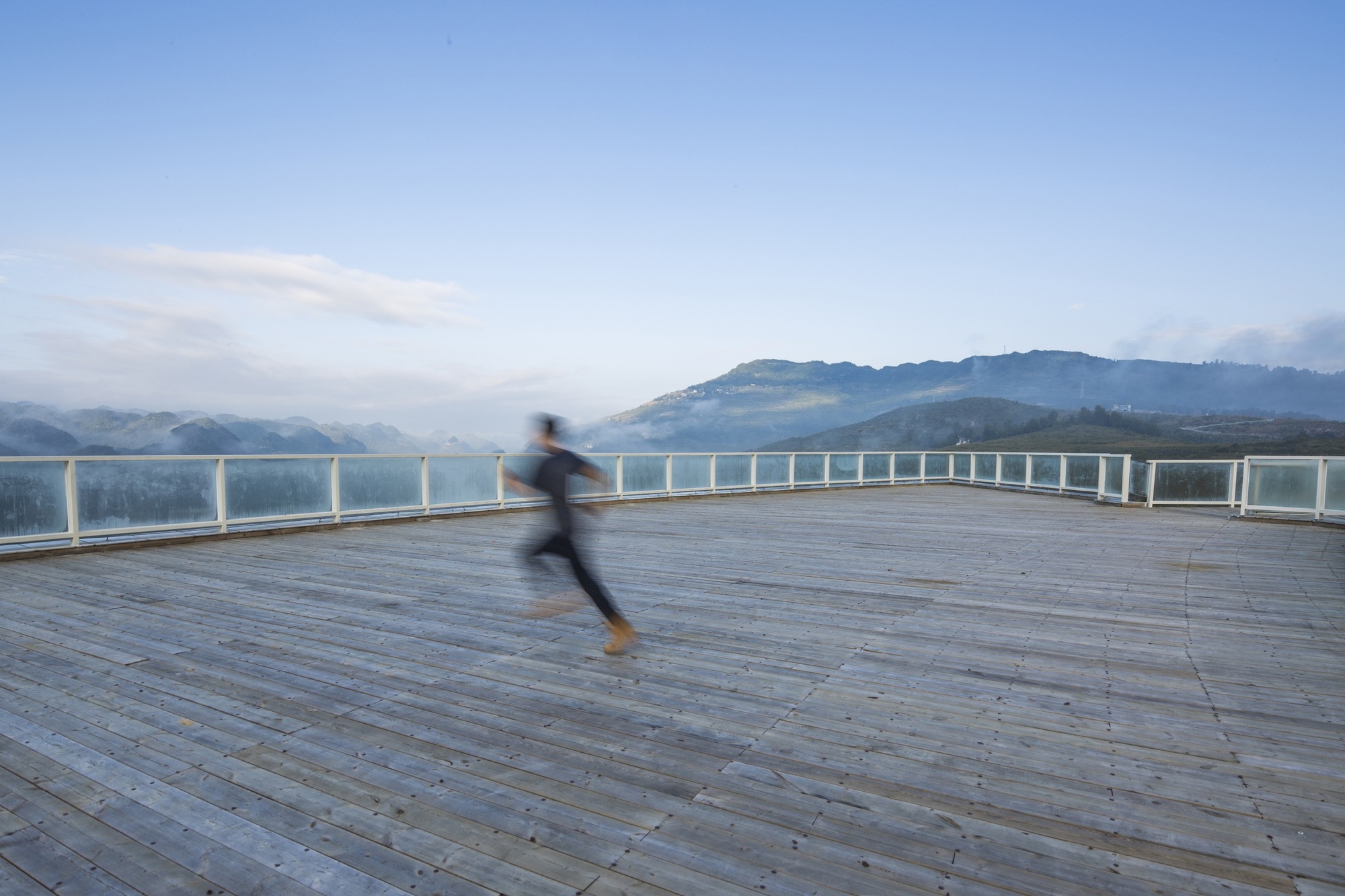
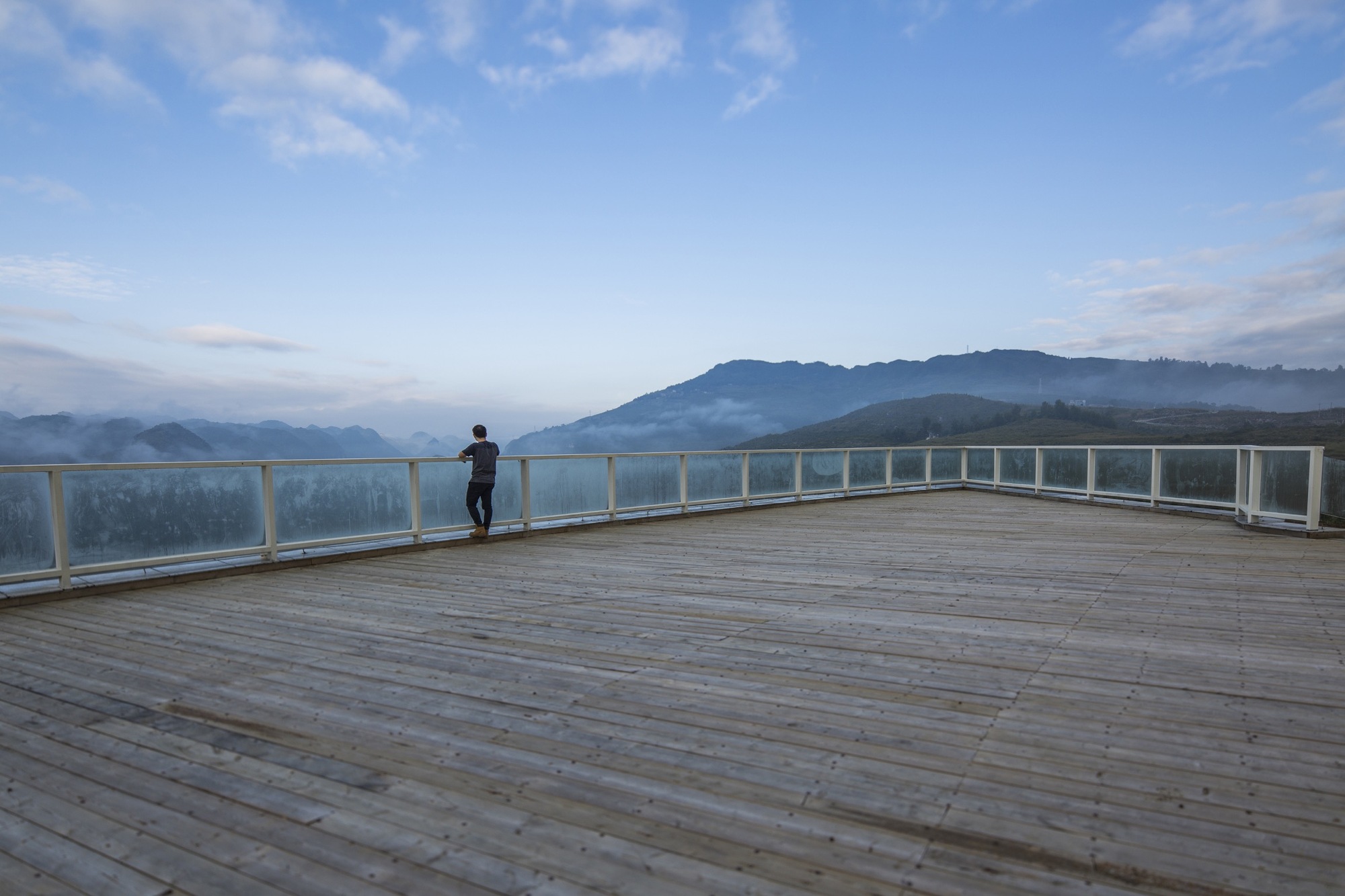
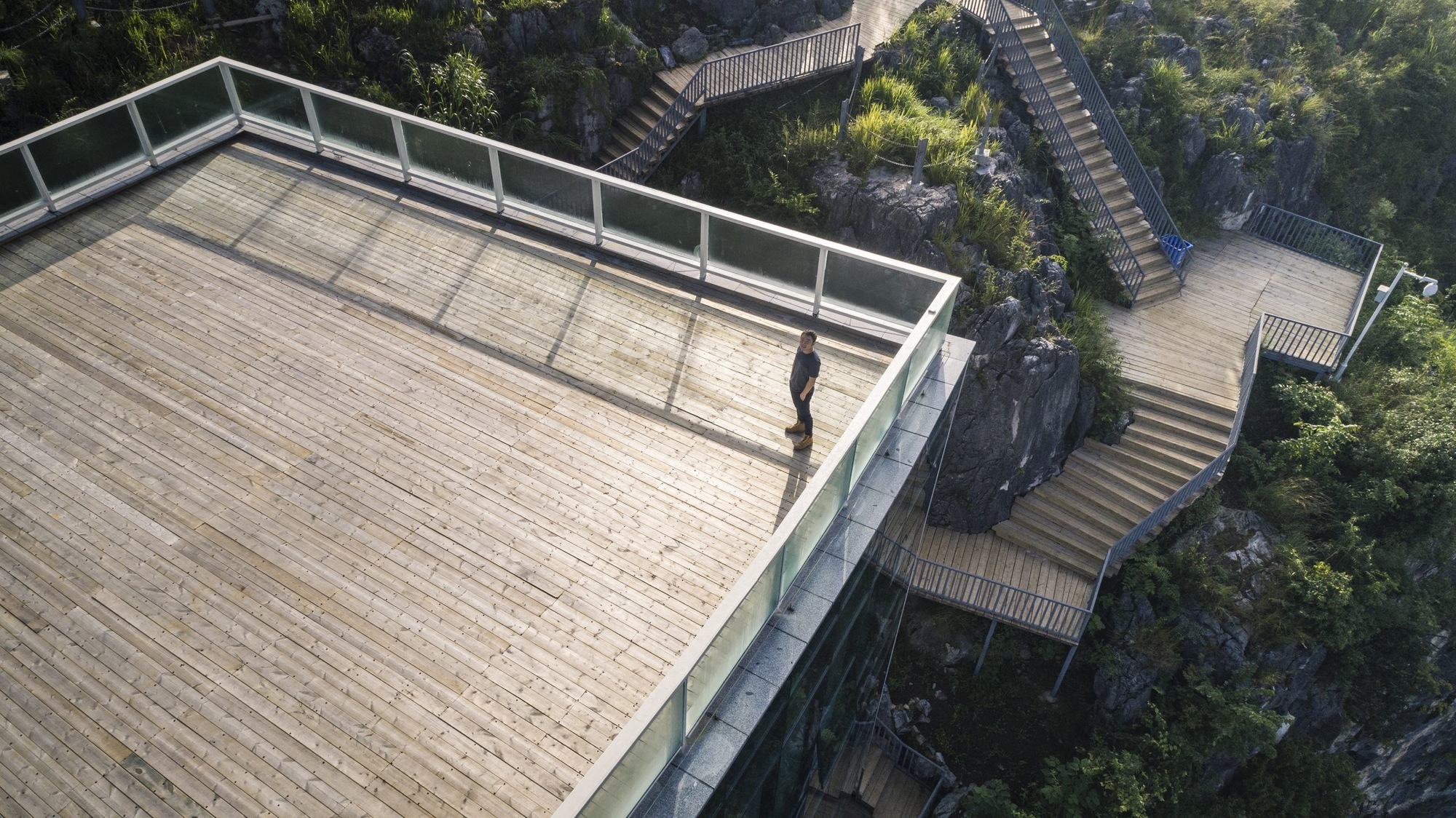
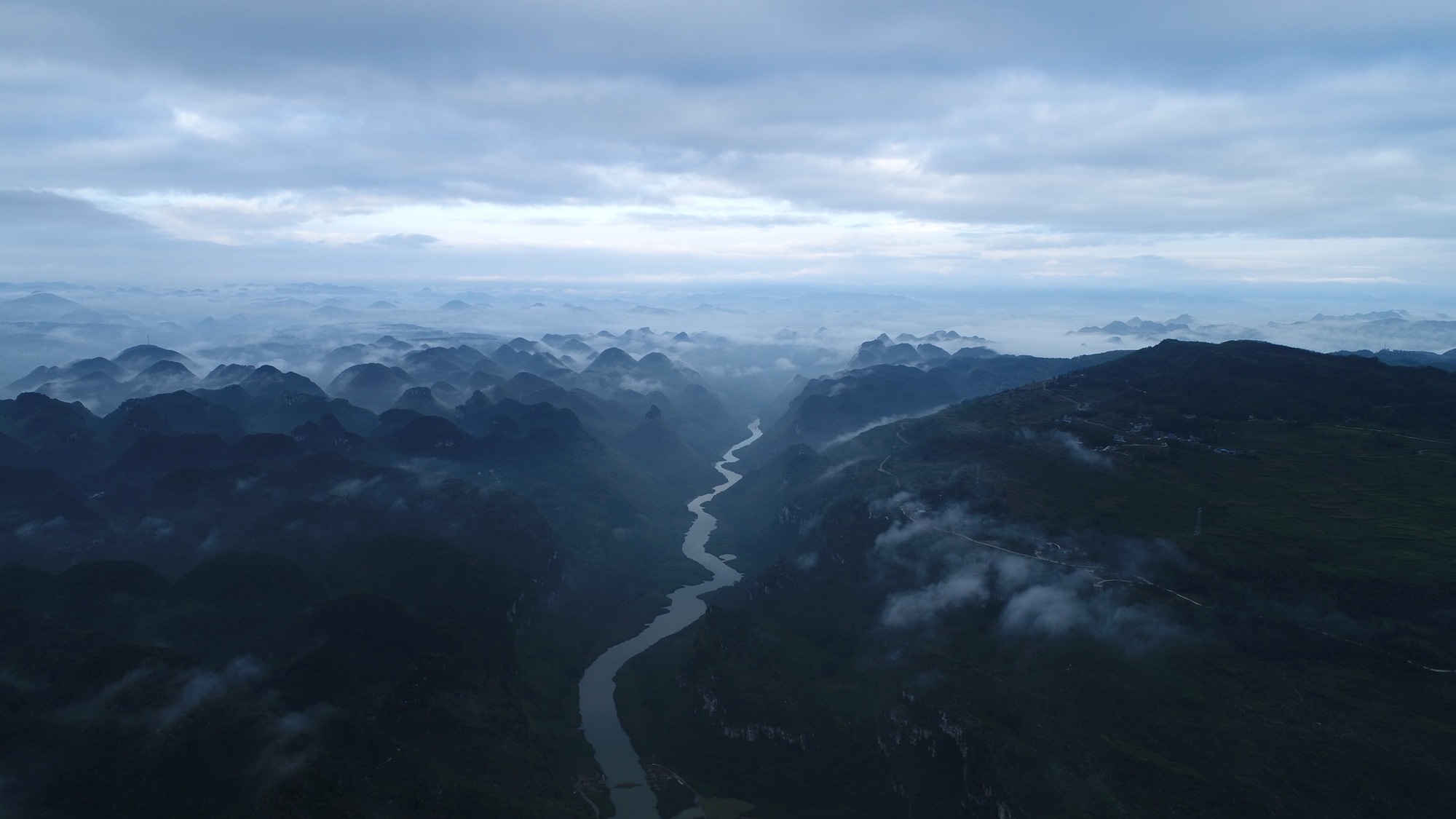
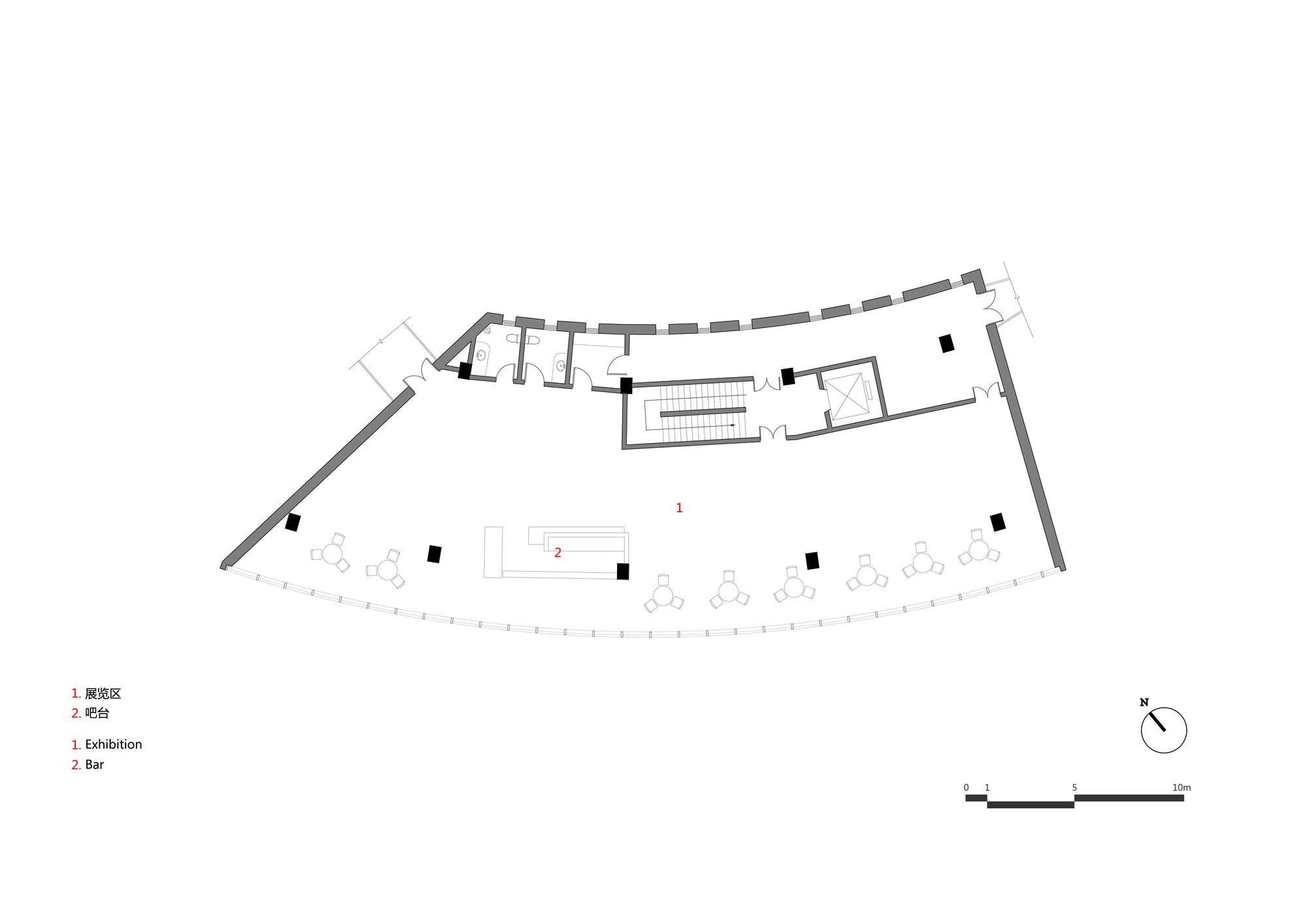
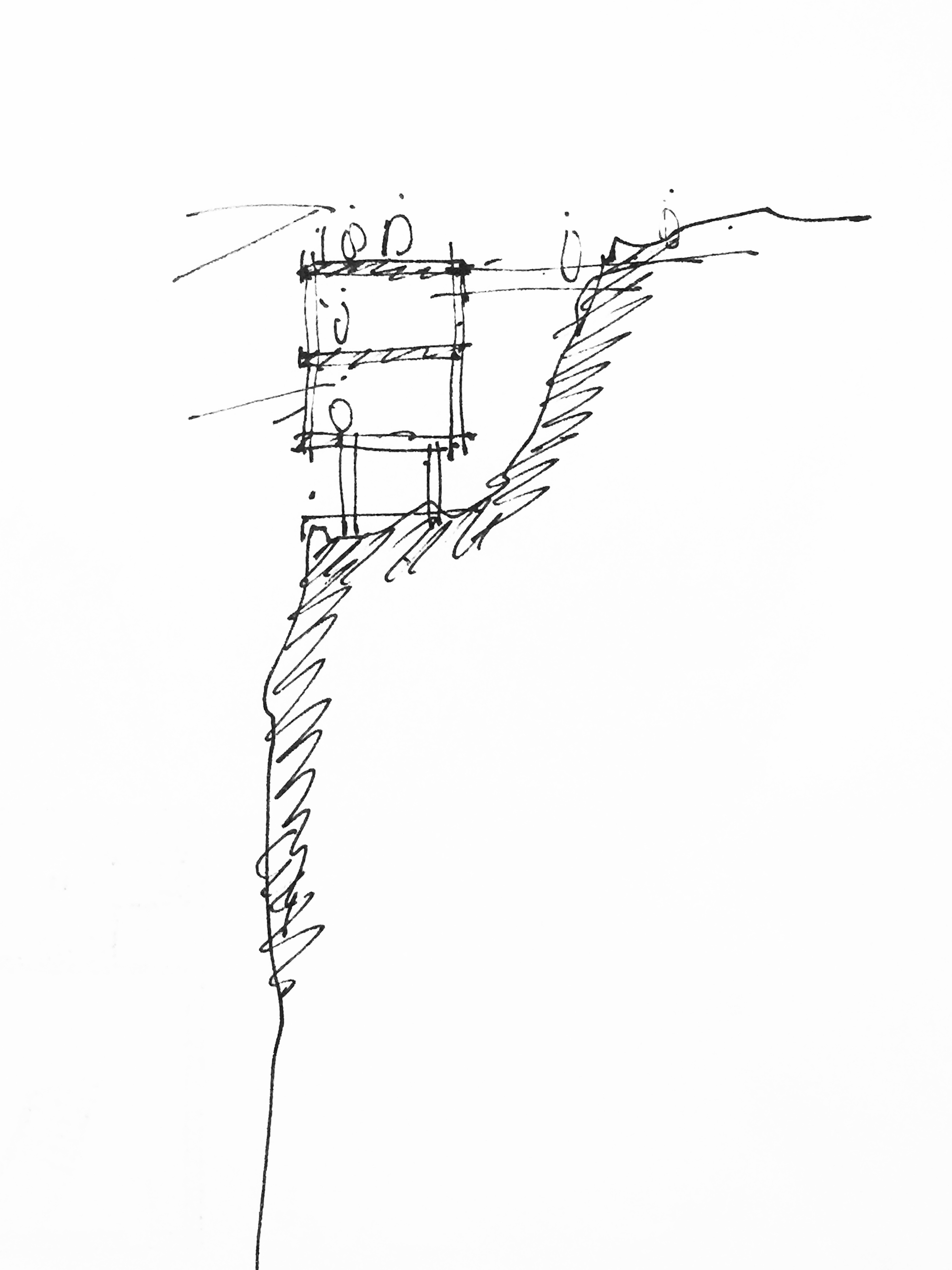
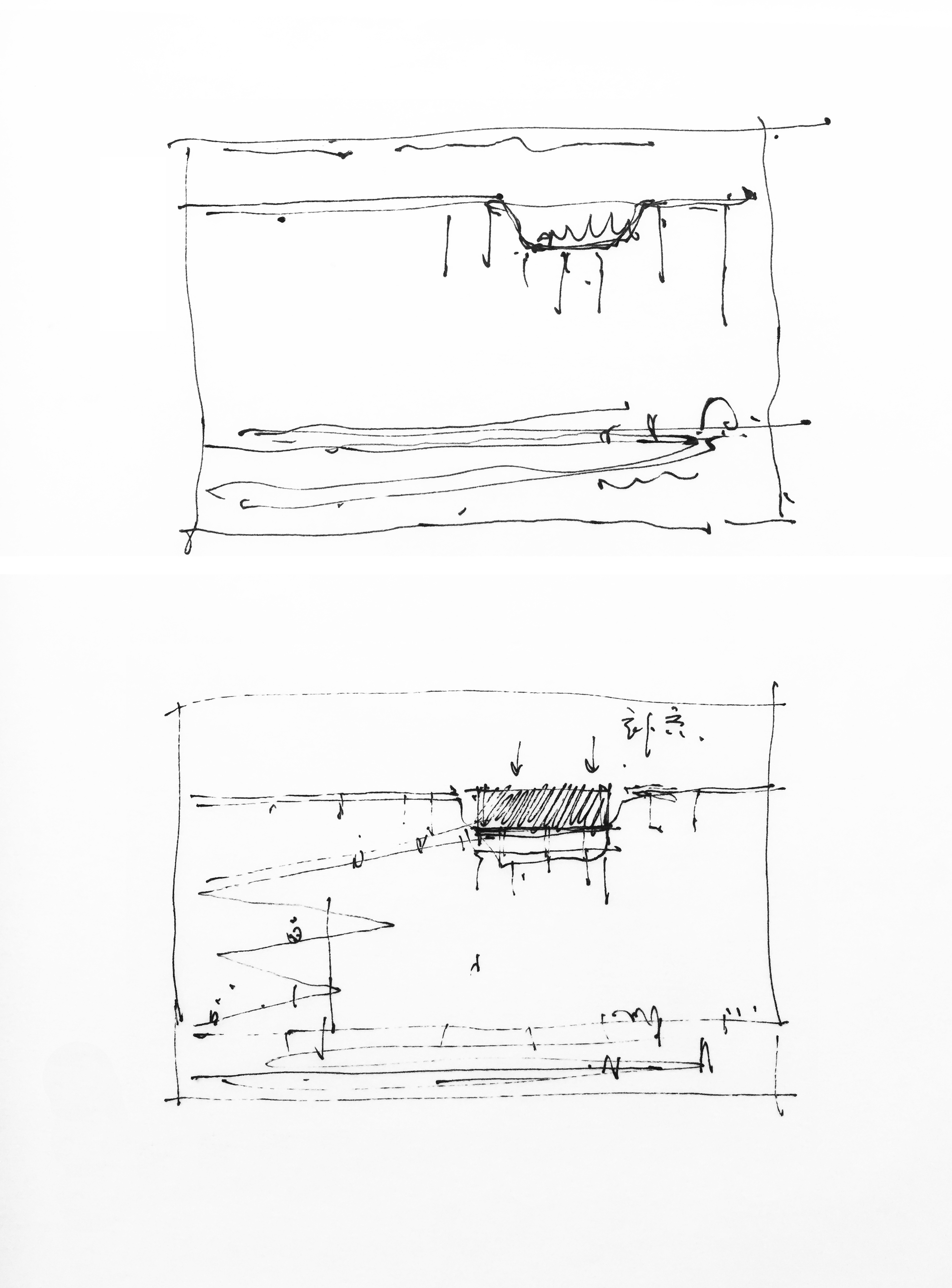
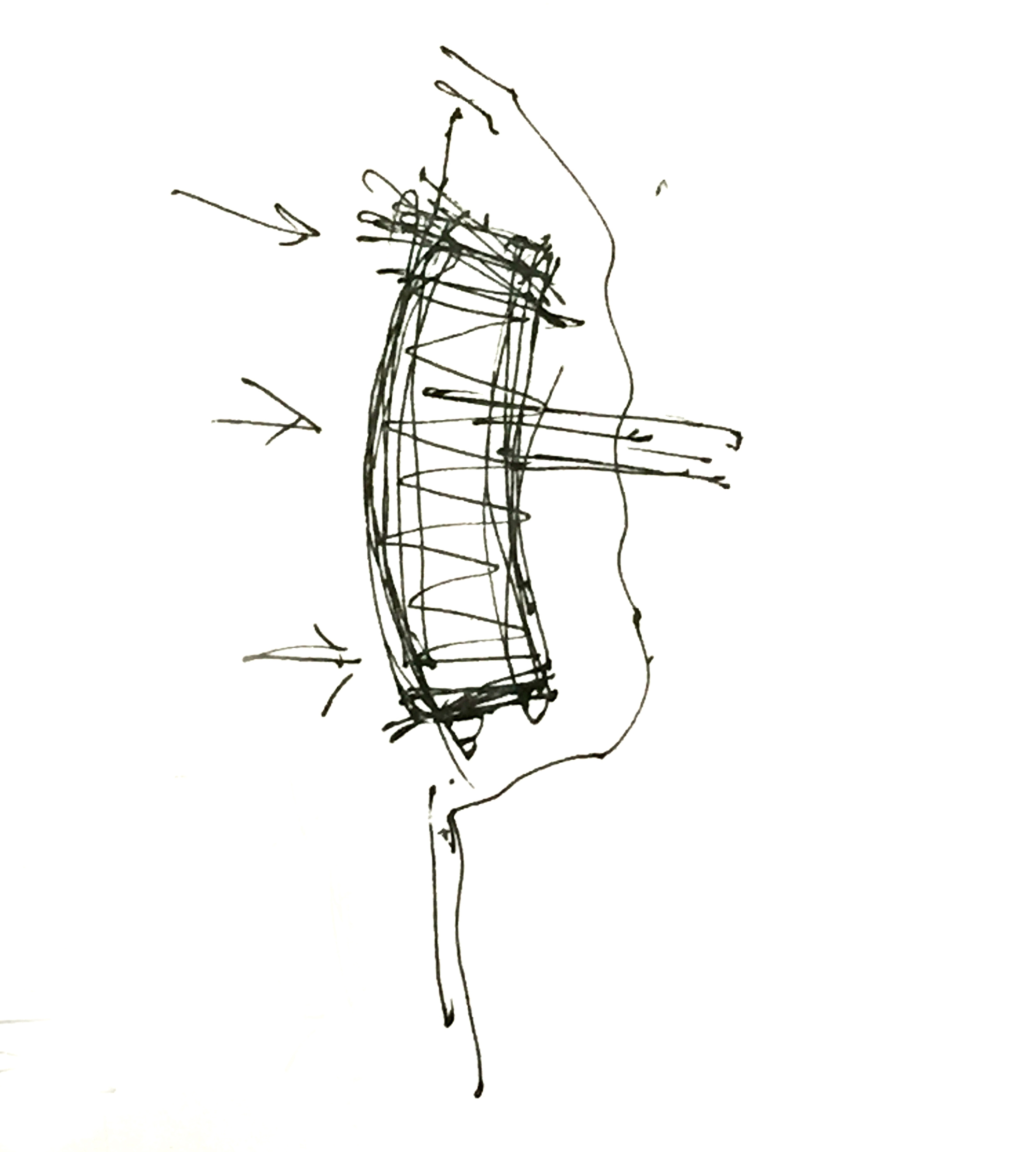
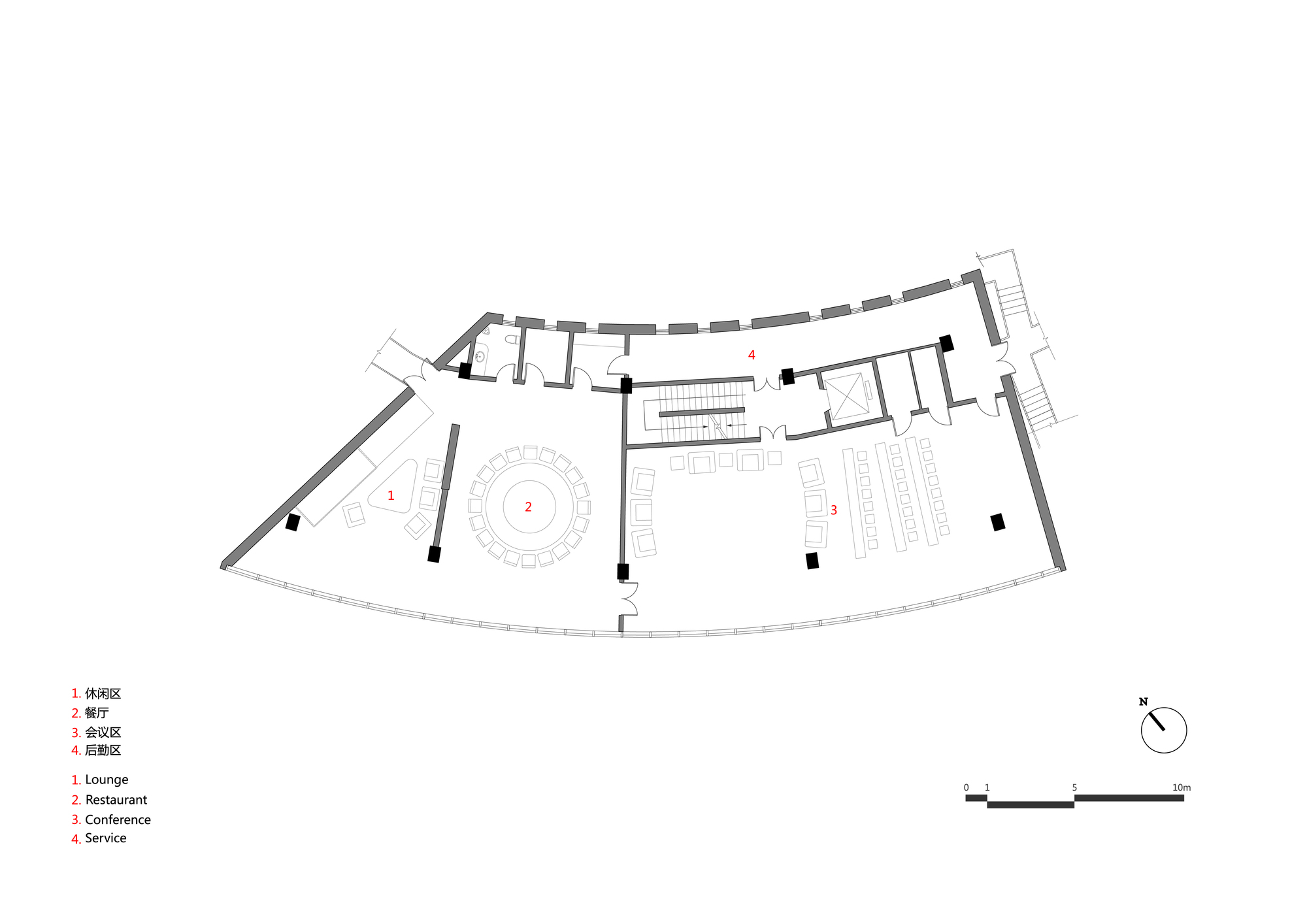
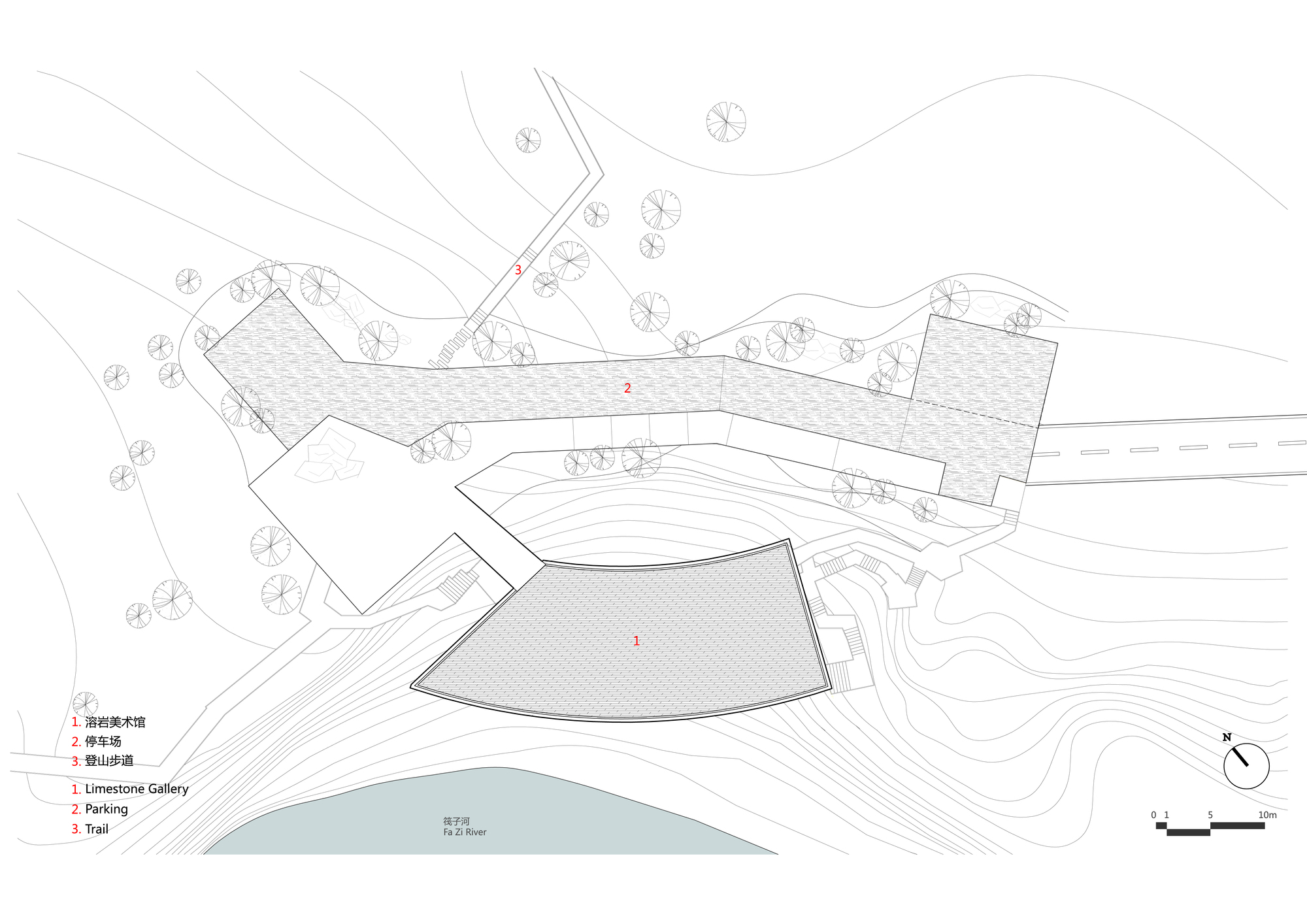
The site holds two sinkholes where the river suddenly disappears underground, giving the place its name Haiwei, sea tail. Thanks to rich karst geology, Haiwei Canyon is a paradise for outdoor enthusiasts, especially climbers and mountaineers. Rongyan Art Museum is built on a huge cliff on the north side of the canyon, overlooking the whole valley: strange peaks, rocks, river, sinkholes and the visitor center at the bottom, while above stretches an endless forest of peaks. Sunrise, sunset, rolling clouds; being in the museum gives an unreal happiness. The interior is about 800 square meters across two floors, housing exhibition halls and conference/service areas; externally there are also two levels, a public viewing platform on the roof and an outdoor resting area beneath the floor slab. After on-site setting out, the original scheme was substantially adjusted. The plan is a roughly crescent, asymmetrical because of complex site conditions: steep level changes, unstable cliff and many irregularly distributed giant floating boulders at the cliff edge.








 Editor's Pick
 Latest Design
 Best Idea