Text description provided by the architects
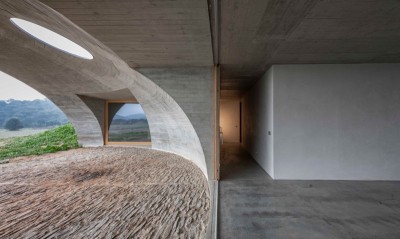
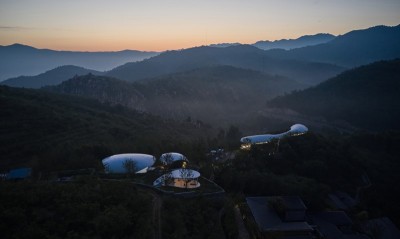
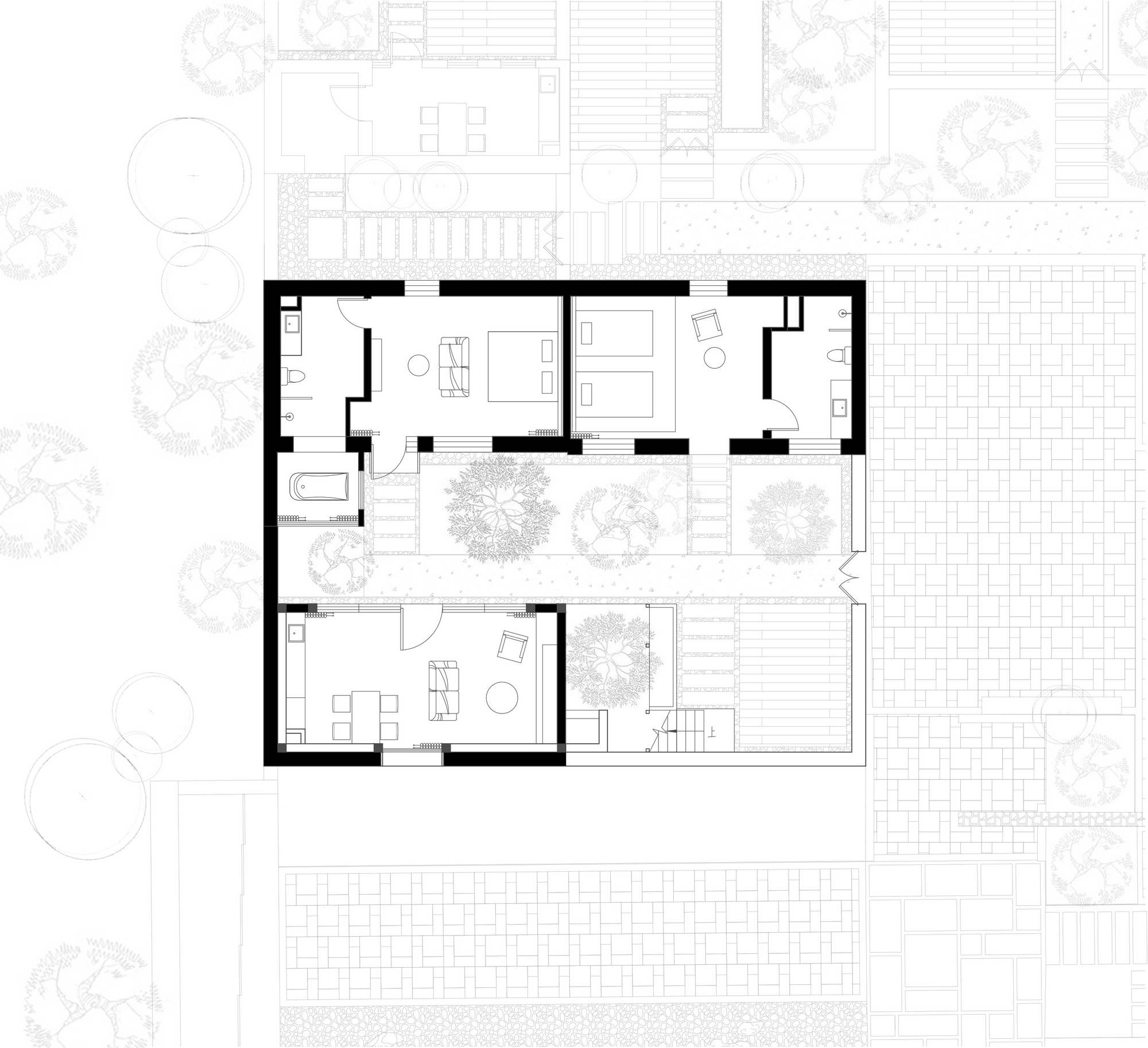
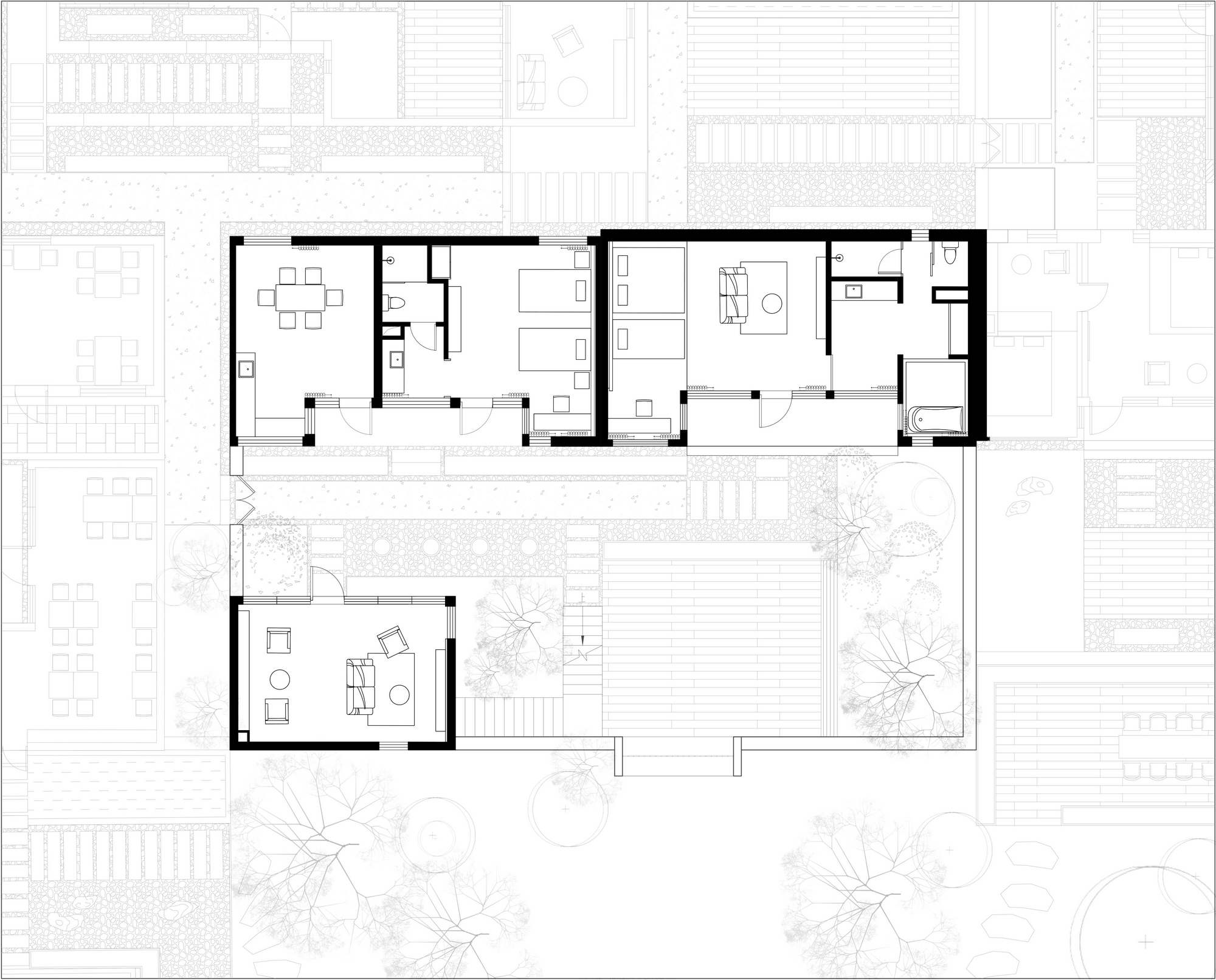
Fanjia Village is located in the Shidao Management Area of Rongcheng, Weihai, Shandong Province, with the scenic Shidao Bay inner lake to its east. It is a typical northern row-style courtyard village. In recent years, guided by the policy of one hundred miles of coastline, one scenic chain, the Shidao district has focused on developing four major zones: the Most Beautiful Fishing Village folk-custom display area, the Ten Miles of Ancient Township cultural-tourism integration area, Mountain Residence, Sea Charm experiential zone, and Quality Agriculture leisure sightseeing area. A comprehensive demonstration belt for beautiful countryside tourism runs through all four zones, and Fanjia Village sits at the midpoint of the demonstration section. As coastal scenic area and infrastructure construction progressed, traditional seagrass-roofed dwellings were gradually demolished, and the village fabric around Fanjia was destroyed. By May 2020, most of the original traditional fabric had essentially vanished, replaced by row-style slab apartment buildings and villa clusters. Houses within Fanjia Village itself were left vacant, some falling into disrepair, awaiting new functions. How to preserve nostalgia, how to let historical memory and modern life coexist, is the starting point of this design. On one hand, the original village fabric and the heritage of seagrass-roofed houses need preservation; on the other hand, the existing building layout is a functional, barracks-like arrangement that lacks identity and is deficient in both land efficiency and the layered quality of courtyard space. The main challenge is how to preserve the village fabric, courtyard spaces, and original vernacular layout while adapting spaces to hotel operational needs, and how to preserve and extend the openness of public space and the continuity of the overall spatial sequence while protecting the hotel's privacy. Seagrass-roofed ancient dwellings are the most representative traditional residential type in the Jiaodong region, the product of long-term environmental and climatic influences. The coastal region is rainy and humid in summer and snowy and cold in winter, and the special geography and climate historically favored dwellings that retained warmth and blocked cold. The design treats materials and construction as a process of continuation and regeneration, working with the existing seagrass roof typology while introducing contemporary interventions that serve the wellness resort program.







 Editor's Pick
 Latest Design