Text description provided by the architects
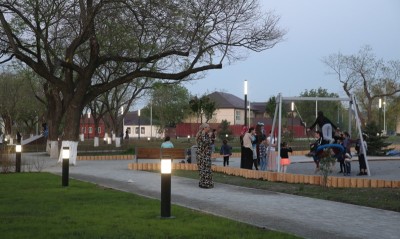
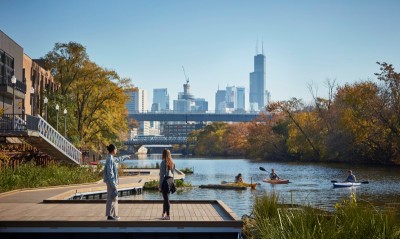
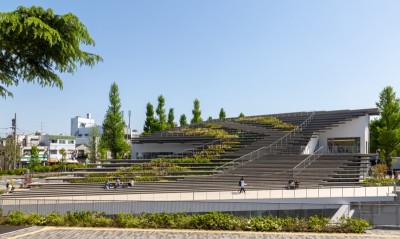
Despite its small size, the town of Istra has potential for developing tourism, residential, and transport infrastructure. Its historical and cultural heritage was formed around the New Jerusalem Monastery, whose center is the Resurrection Cathedral of the late 17th century. Central Park, renovated by Basis Architectural Bureau, has long been a favorite leisure destination for city residents. Before the renovation, local residents requested that existing park functions be preserved while outdated paving, lighting, and playgrounds be updated. The architects' goal was to create a modern ecological park where visitors of all ages could gather and interact. Newly planned walking routes run along the river, connecting Istra railway station and the New Jerusalem Monastery and passing through the park's most scenic spots. The new paths replace existing ones and direct pedestrian flow toward leisure zones. The park values the area's ecology and strictly adheres to nature reserve regulations. The natural terrain features pronounced elevation changes, forming slopes, ravines, and small plains that appear especially rich when viewed from observation balconies. Floodplain meadows, after proper cleanup, have been successfully preserved. The oxbow lake of the Istra River, known as Podkova Lake, will undergo gradual ecological restoration in the future. Located 1.5 kilometers away, the New Jerusalem Monastery gives the park a visual advantage: a pedestrian bridge floating above the ravine offers views of the distant white-stone monastery. The renovation balances recreational needs with ecological protection, creating a park that serves both daily relaxation and cultural tourism.




 Editor's Pick
 Latest Design