Text description provided by the architects
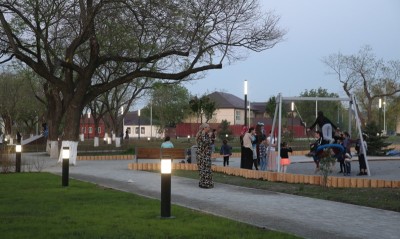
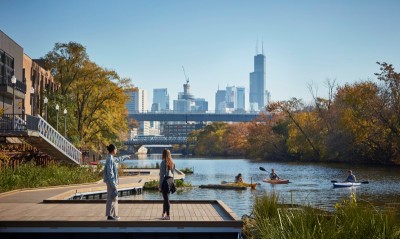
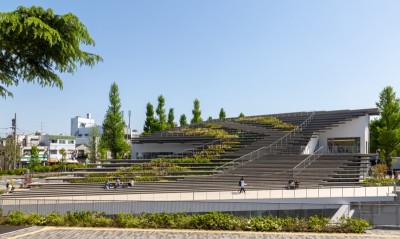
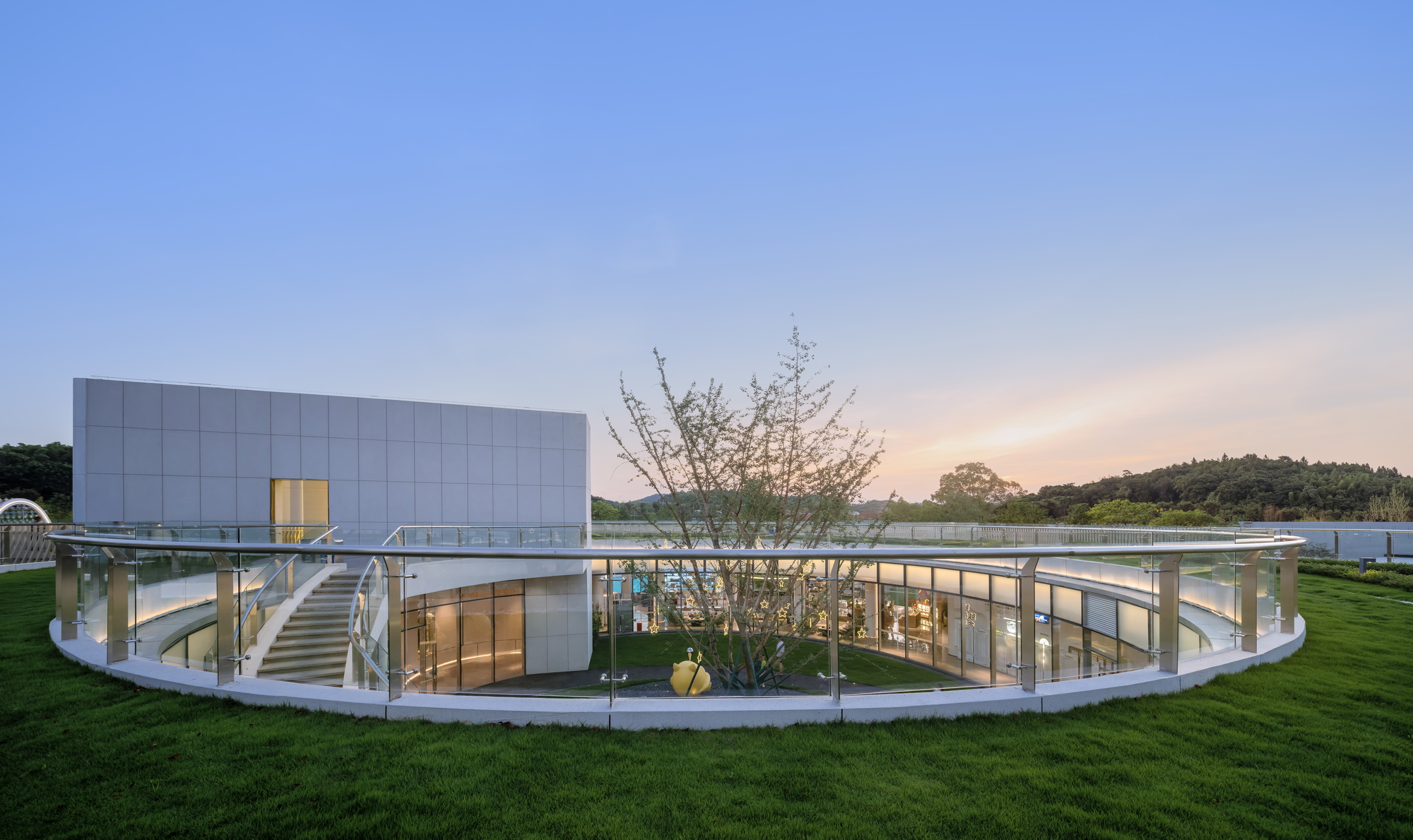
At the beginning of the design, three major challenges confronted the team. First was waterlogging drainage: the site sits in a depression with an average depth of seven to eight meters. Second, with such a large elevation difference, how to solve site accessibility while creating a unique experience? Third, the original topography was maximally preserved on site—ponds, wetlands, and camphor trees are the site's most important memory points; how to guide the design by these conditions and make them function to greatest effect? The design process is one of solving actual site problems one by one. By leveraging site characteristics, the team wove edutainment into ecological restoration, creating a citizen park translated from animated scenes with a distinct children-focused theme. The park serves as a green gift box to the Dongshanwan area of Changsha, hoping citizens lose themselves here and open a different kind of joyful time. The project is located at the intersection of Lianping Road and Muzi Road in Yuelu District, Changsha, approximately two kilometers from Shifeng Mountain Forest Park and Yanghu National Wetland Park, covering about 5.9 hectares. The area is undeveloped, with minimal human disturbance, lagging basic amenities and public open space, and poor transportation accessibility—but precisely because of this, the site retains its most ecological and original condition. The team transformed the depression from a drainage liability into a thematic adventure landscape, using the elevation difference as a play feature rather than an obstacle. Existing ponds and wetlands were preserved and integrated into the play narrative, while camphor trees were retained as natural anchors within the park.












 Editor's Pick
 Latest Design
 Best Idea