Text description provided by the architects
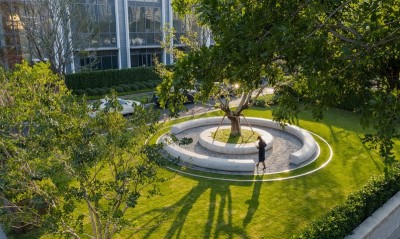
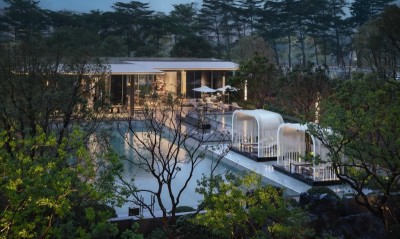
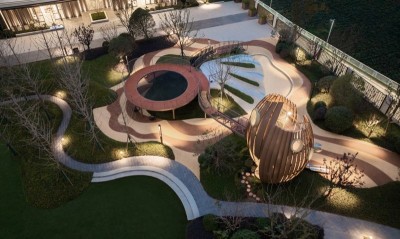
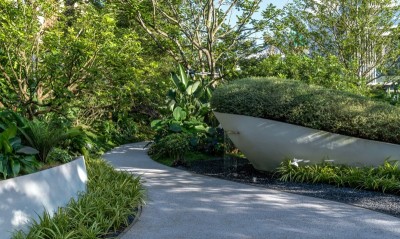
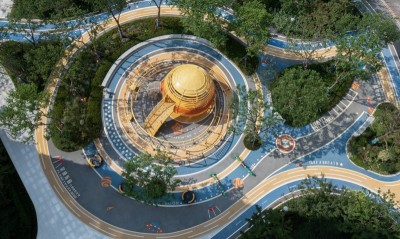
Jinke Bocui Tianchen in Jinzhong, Shanxi, is a residential landscape designed by ACA Maiken Landscape for client Jinke Group. Jinzhong sits in the centre of Shanxi, east of the Taihang Mountains and west of the Fen River, beside ancient Jinyang, one of the great northern metropolises of imperial China. The region is celebrated for its merchant culture embodied in Pingyao Old City, Yuci Old Town and the fortified courtyards of the Jin merchants. Bocui Tianchen inherits that local courtyard tradition, blending humanist warmth with neo-Chinese landscape techniques and reinterpreting the multi-courtyard sequence of Shanxi mansions through contemporary taste. The design pursues layered realms of physical, emotional and atmospheric experience, unfolding through four courtyards that are whole in plan and rich in detail. Shanxi merchant mansions, alongside Anhui residences, are the canonical examples of Chinese domestic architecture, and the Jinzhong mansions are celebrated for their depth, richness and craft. The hotel-like arrival court is grand and composed: an eight-metre curved U-glass mountain-water wall at the centre of a traffic roundabout conveys prestige, while crisp geometric lines organise the forecourt, flanked by feature oak trees in orderly green settings. Water, indispensable to Eastern atmosphere, appears beyond the water wall: a calm pool, floating bridge and two welcoming specimen trees reflect one another, with the sales centre hovering above the waterline. Because the north has a long freezing season, the demonstration zone substitutes a dry-karesansui garden for open water, pursued with minute attention to enclosure, material, solid-void and penetration, all in pursuit of Zen and Eastern mood. A bamboo path leads through to the model courtyard, where an outdoor reception hall invites the visitor to sit with tea and absorb the literati atmosphere. Maiken's position on Chinese courtyards is that they must balance nature, poetry and humanism, fuse with surrounding context, and extend local cultural continuity.




 Editor's Pick
 Latest Design
 Best Idea