Text description provided by the architects
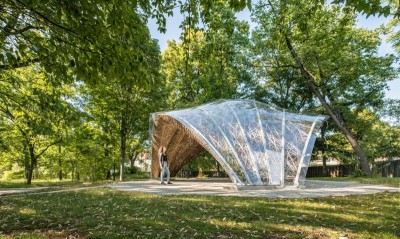
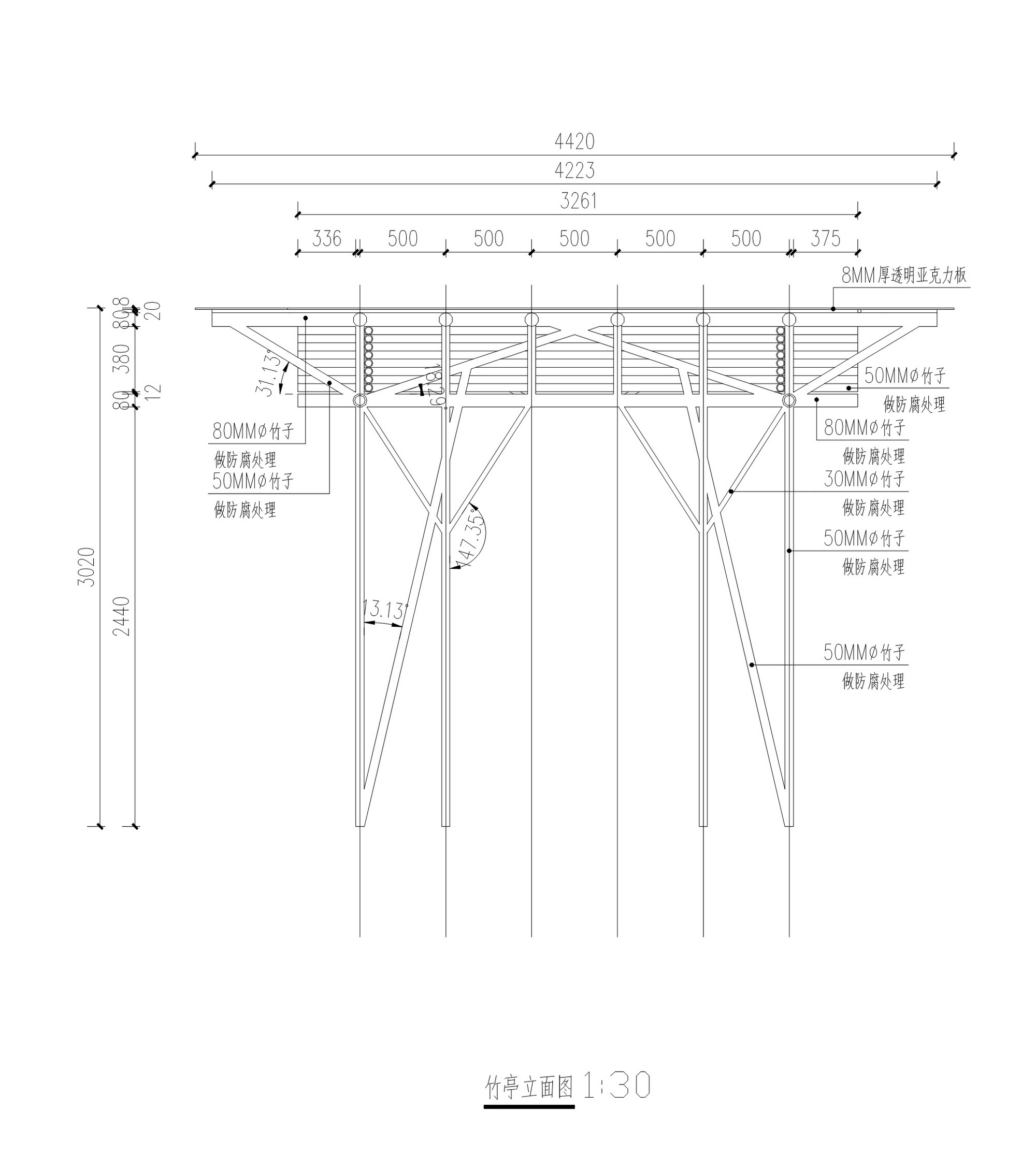
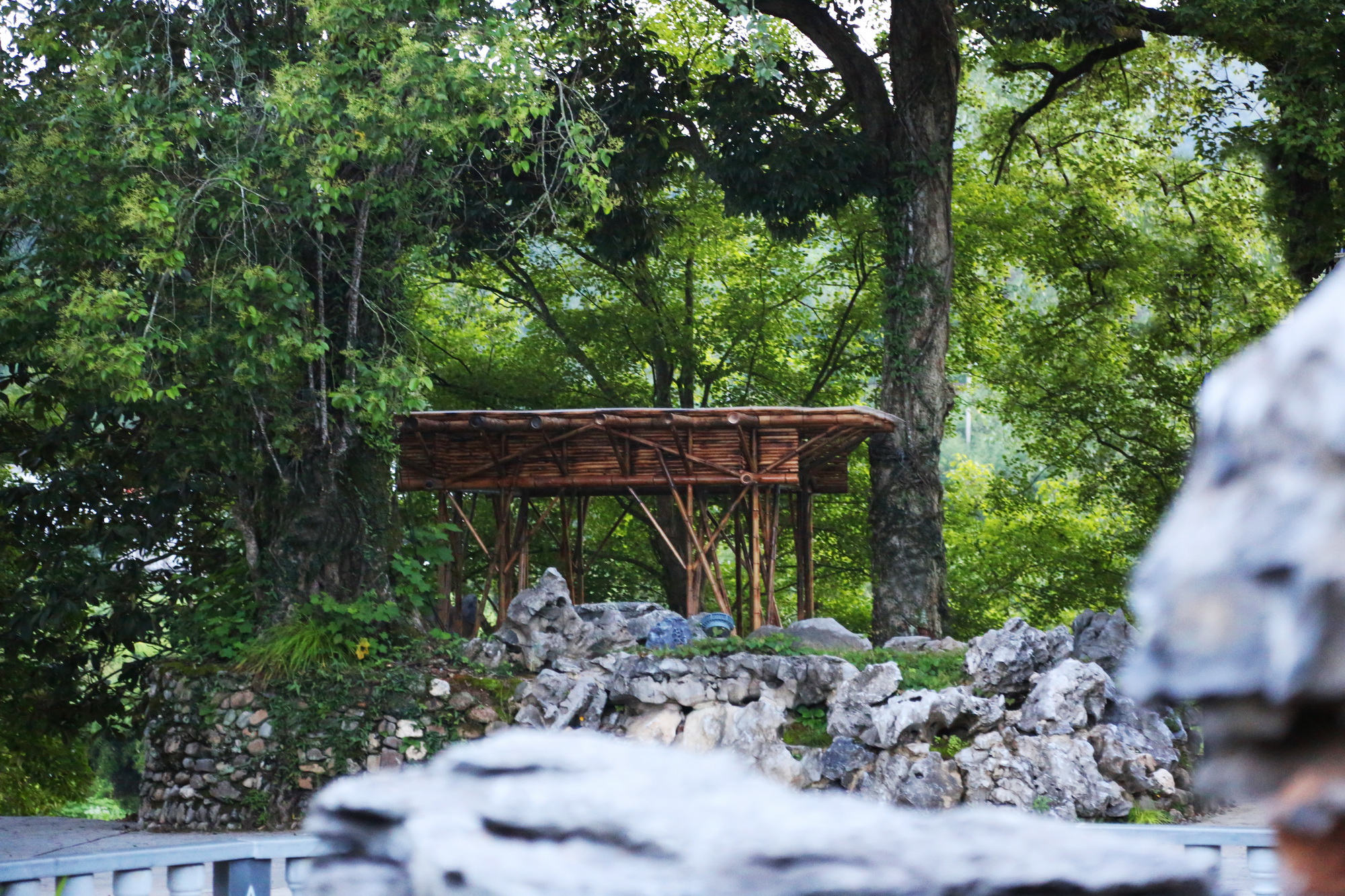
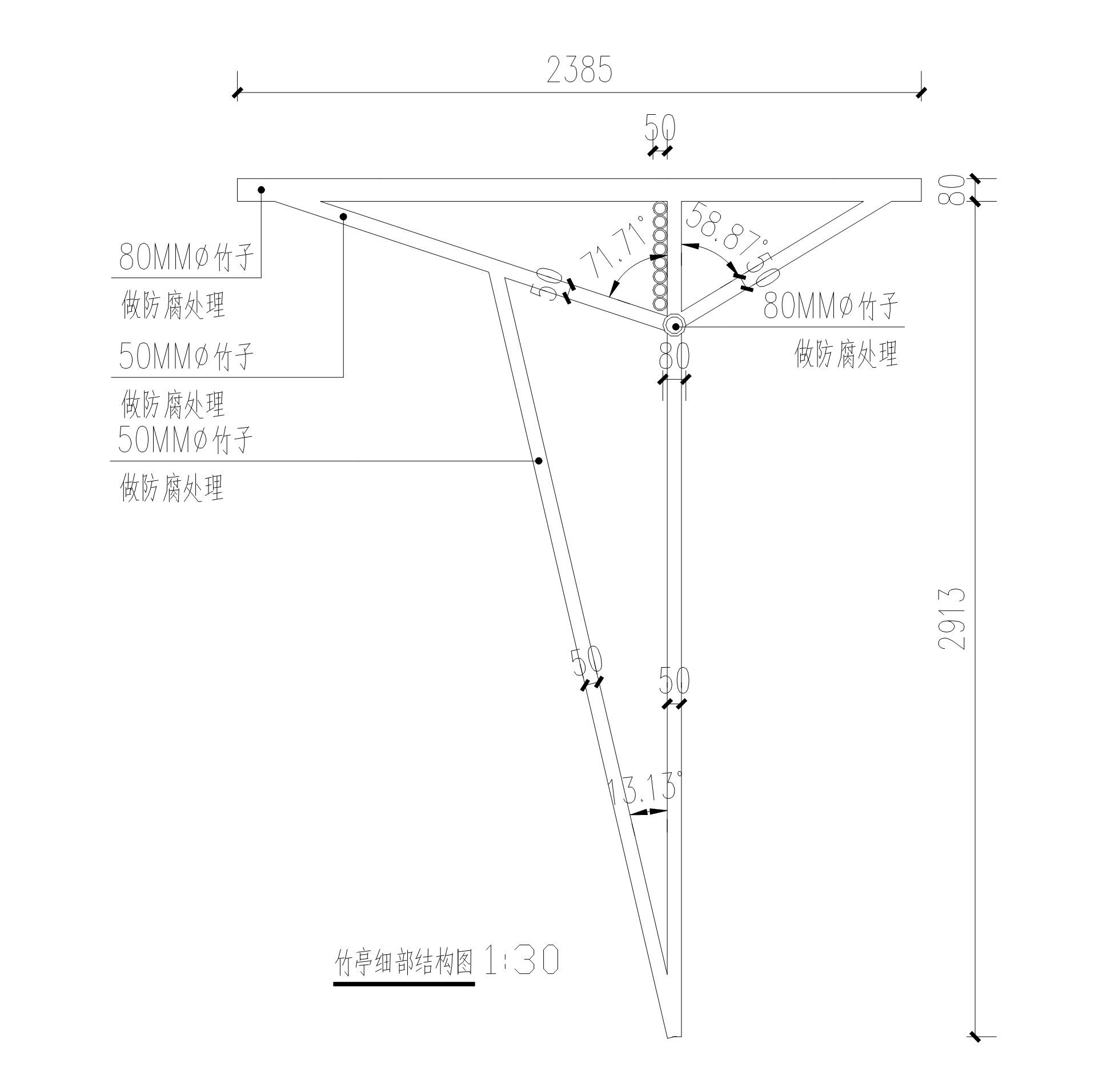
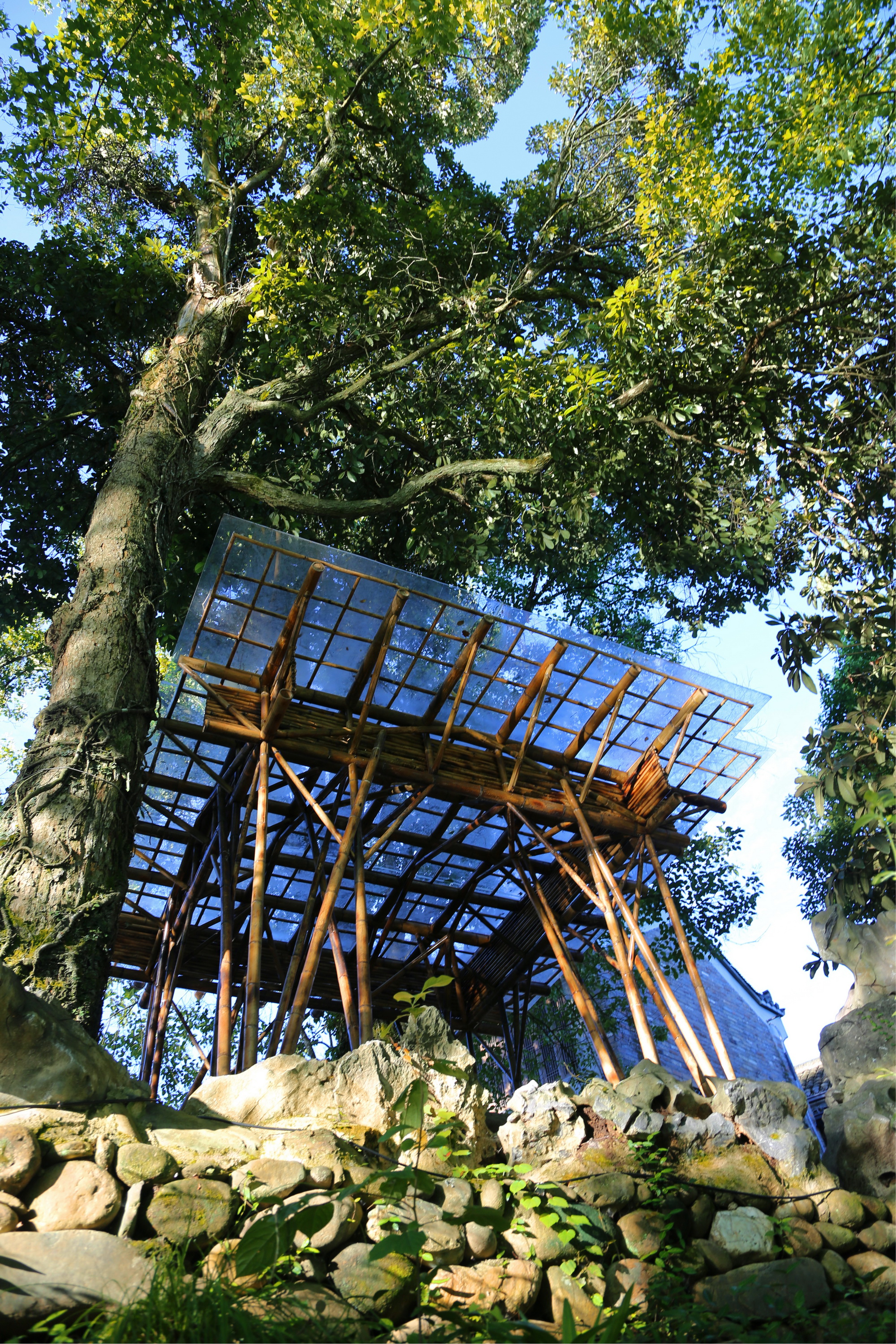
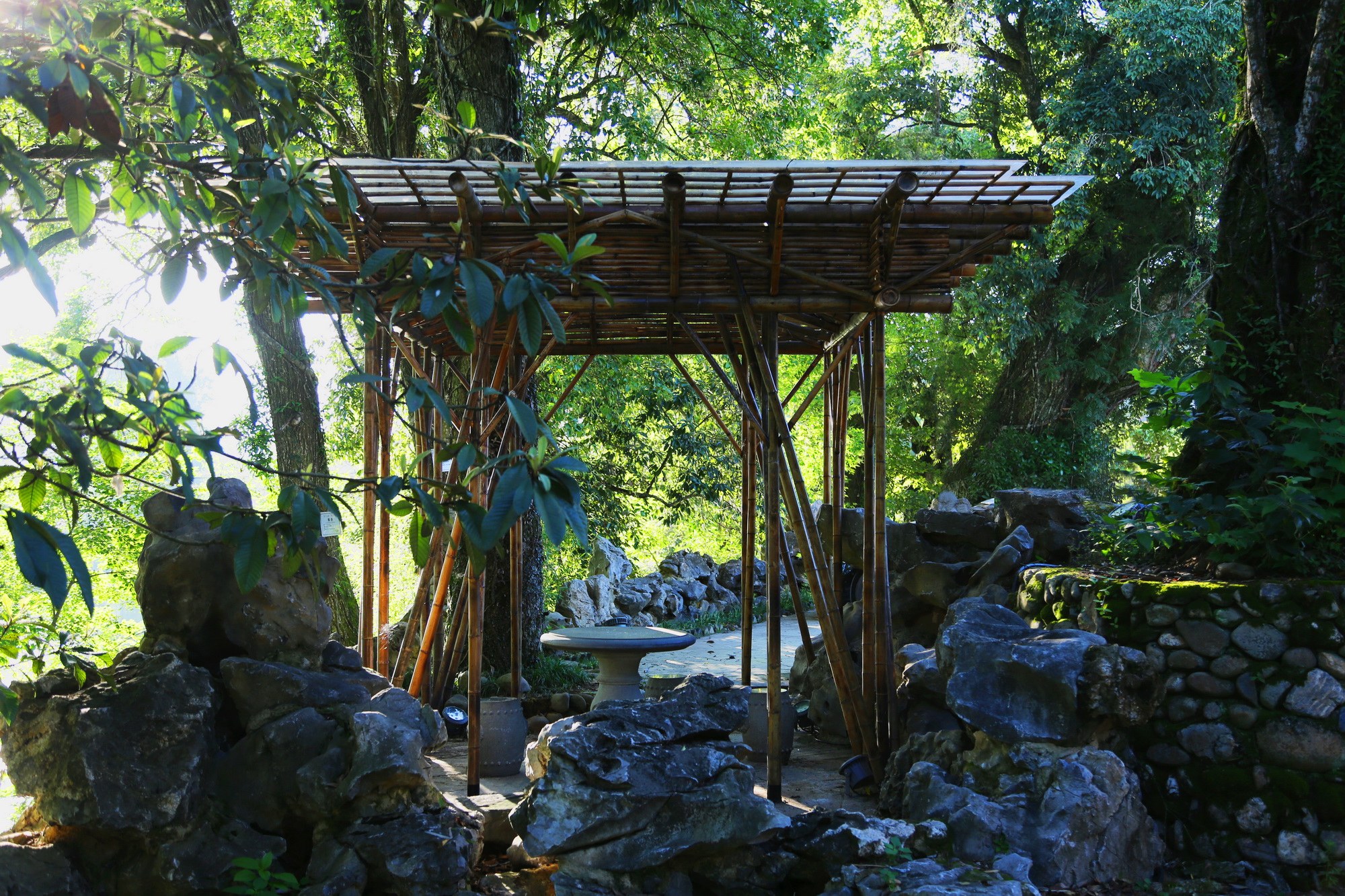
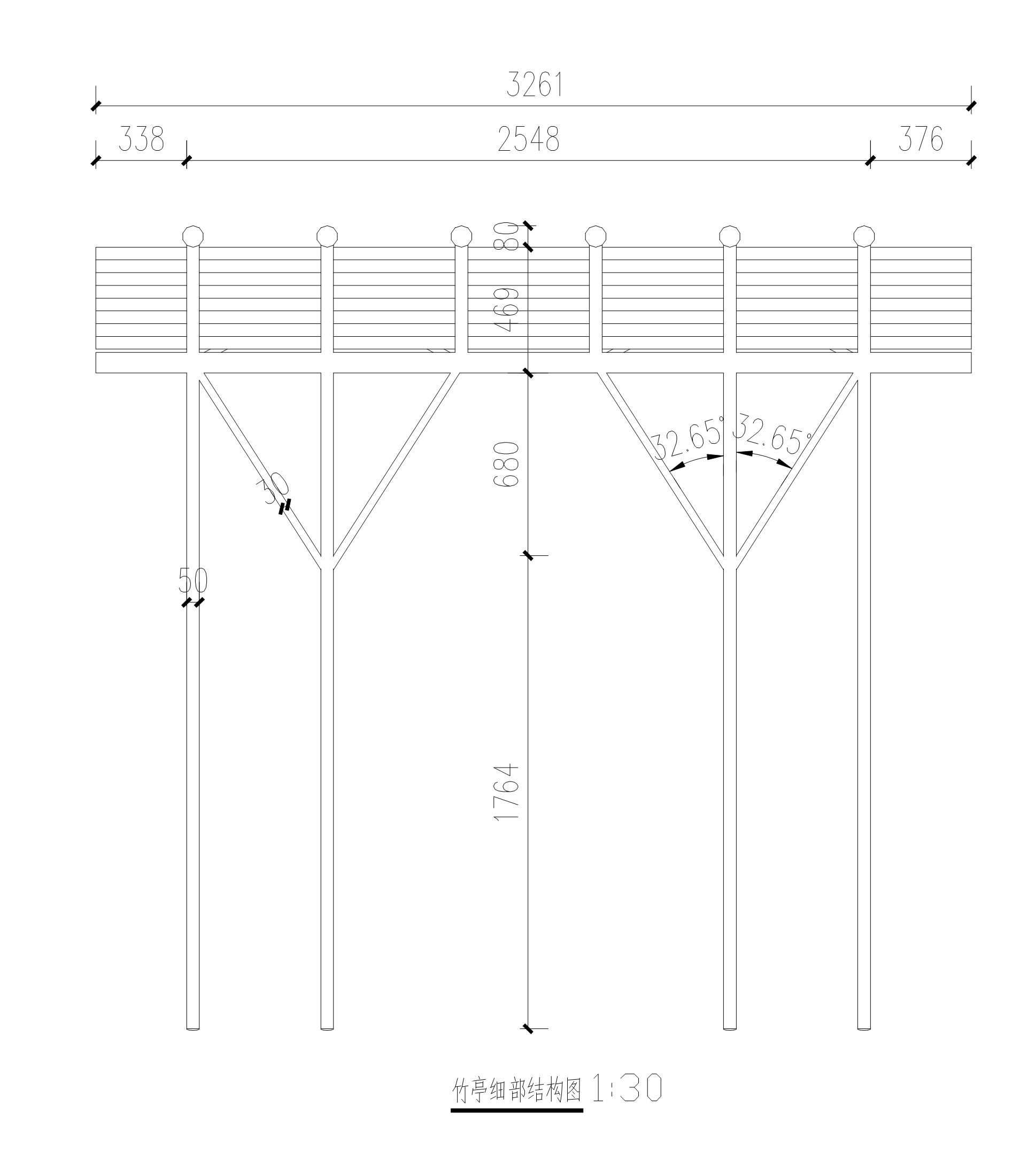
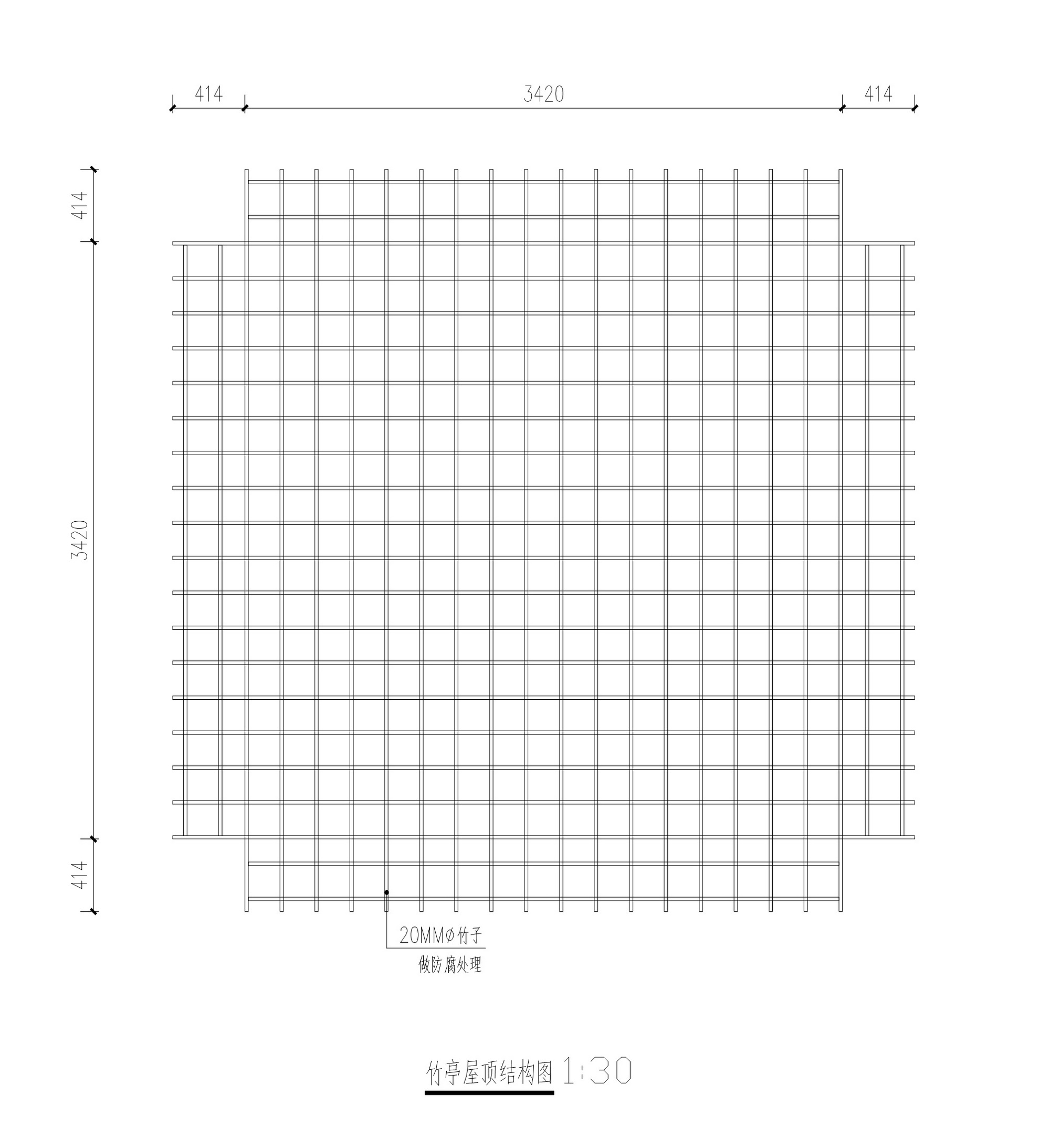
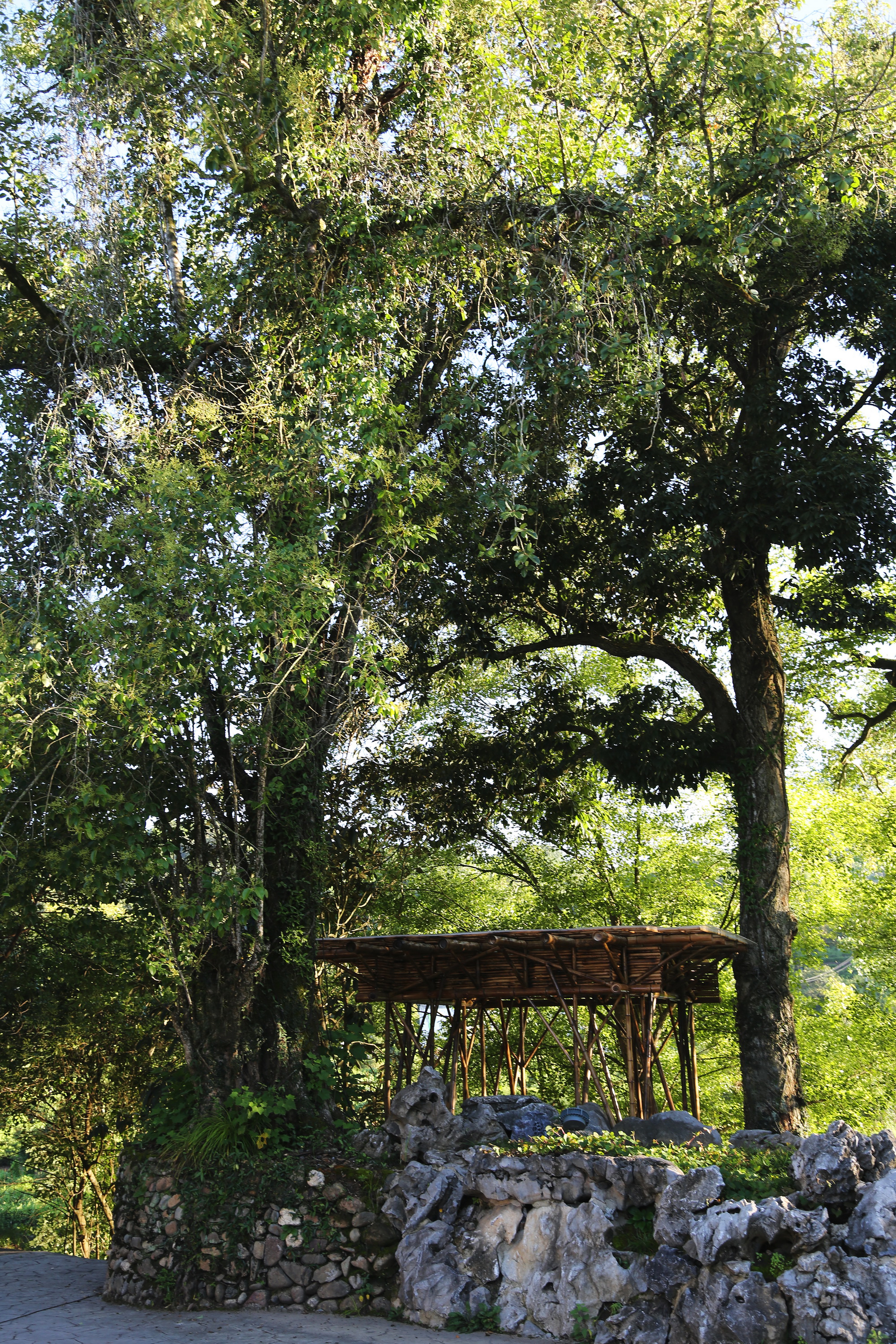
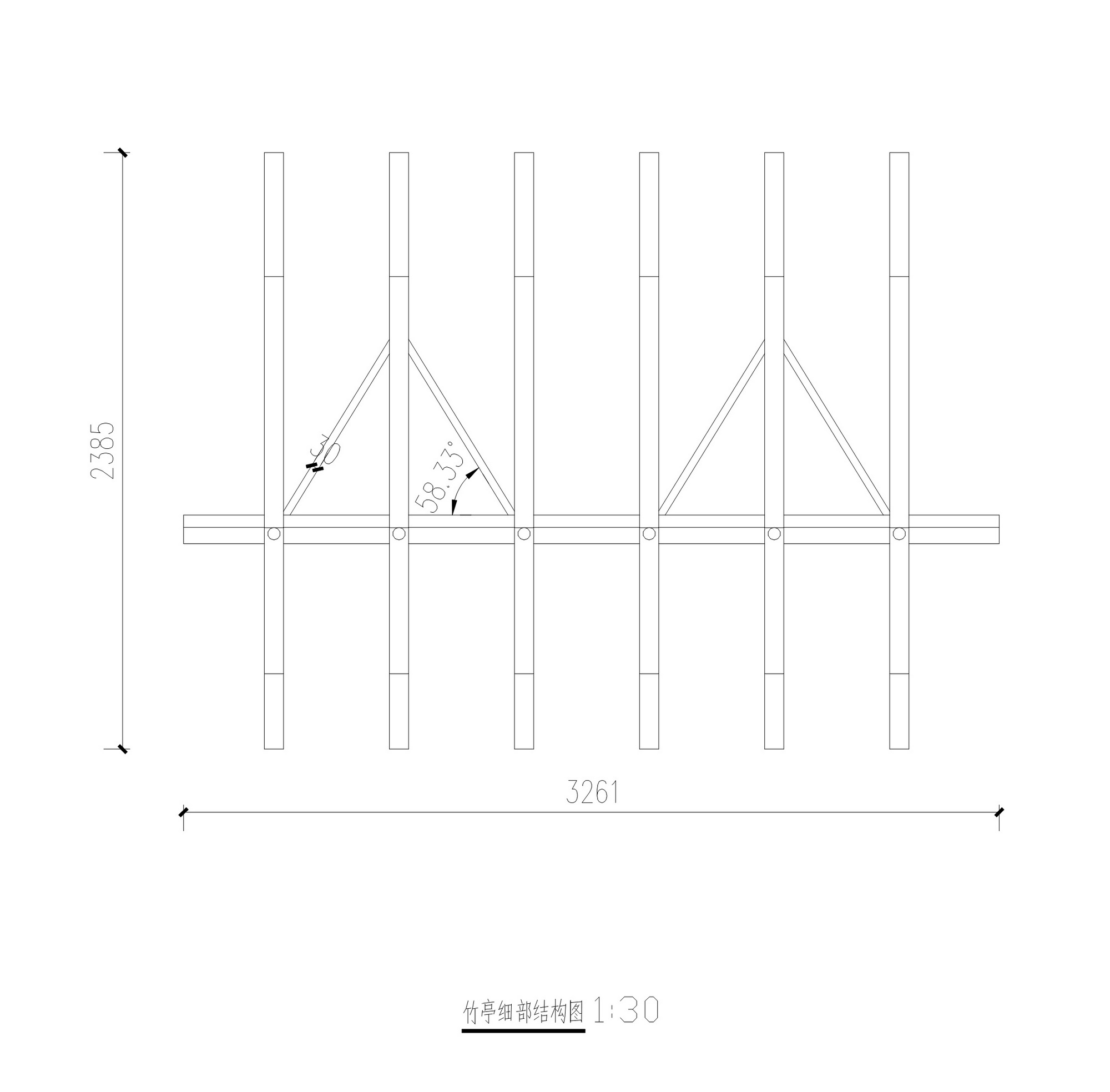
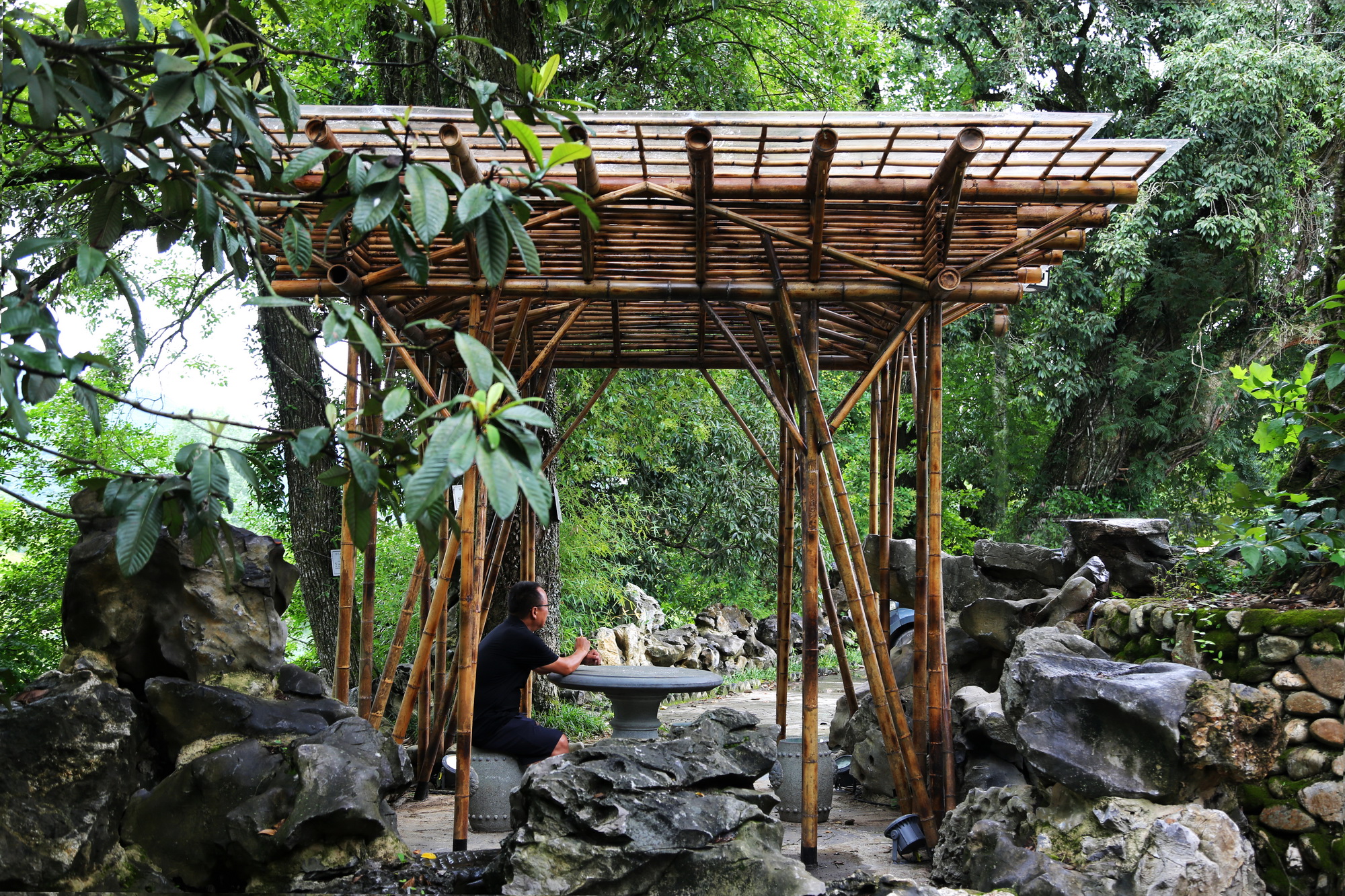
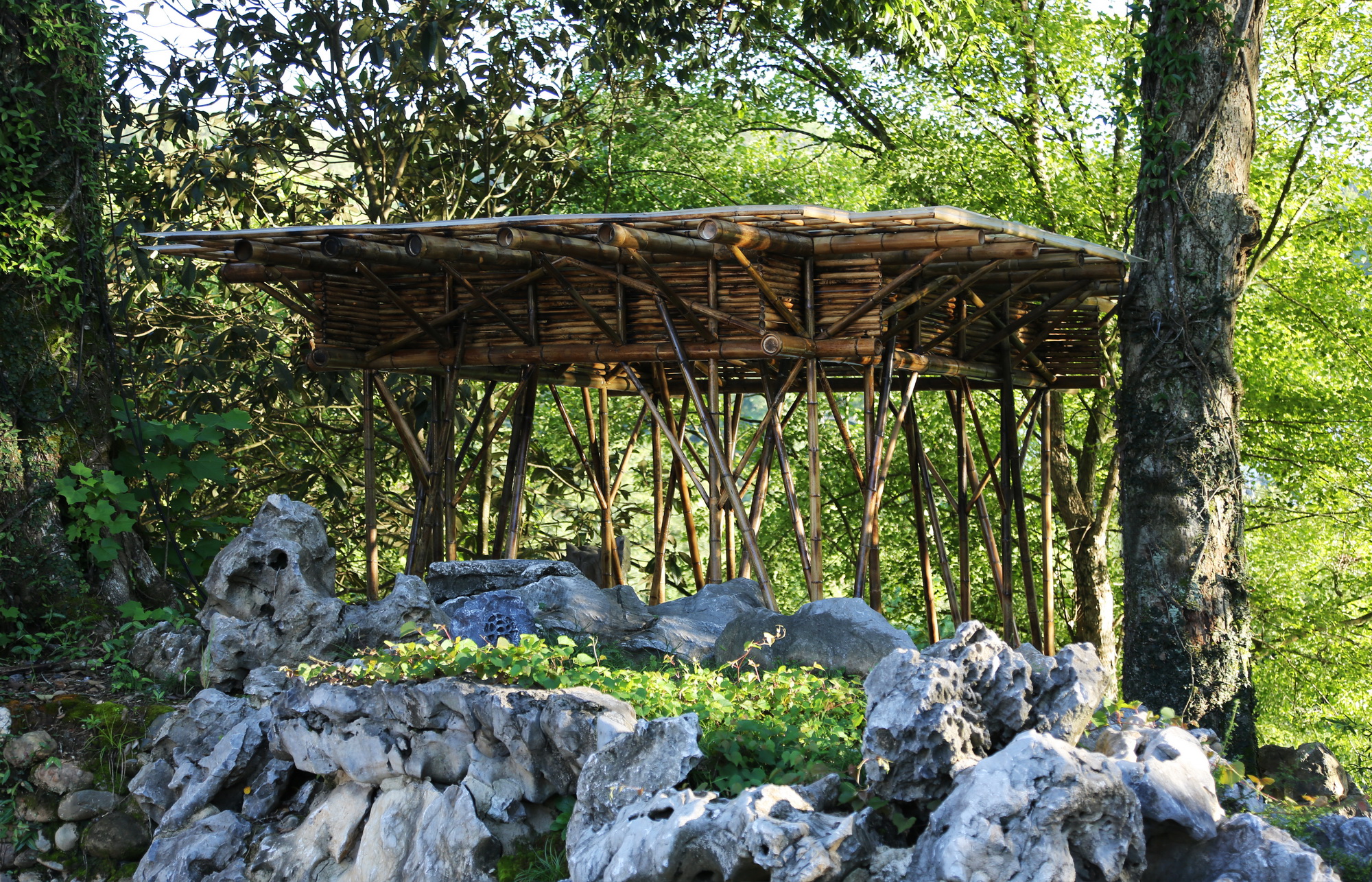
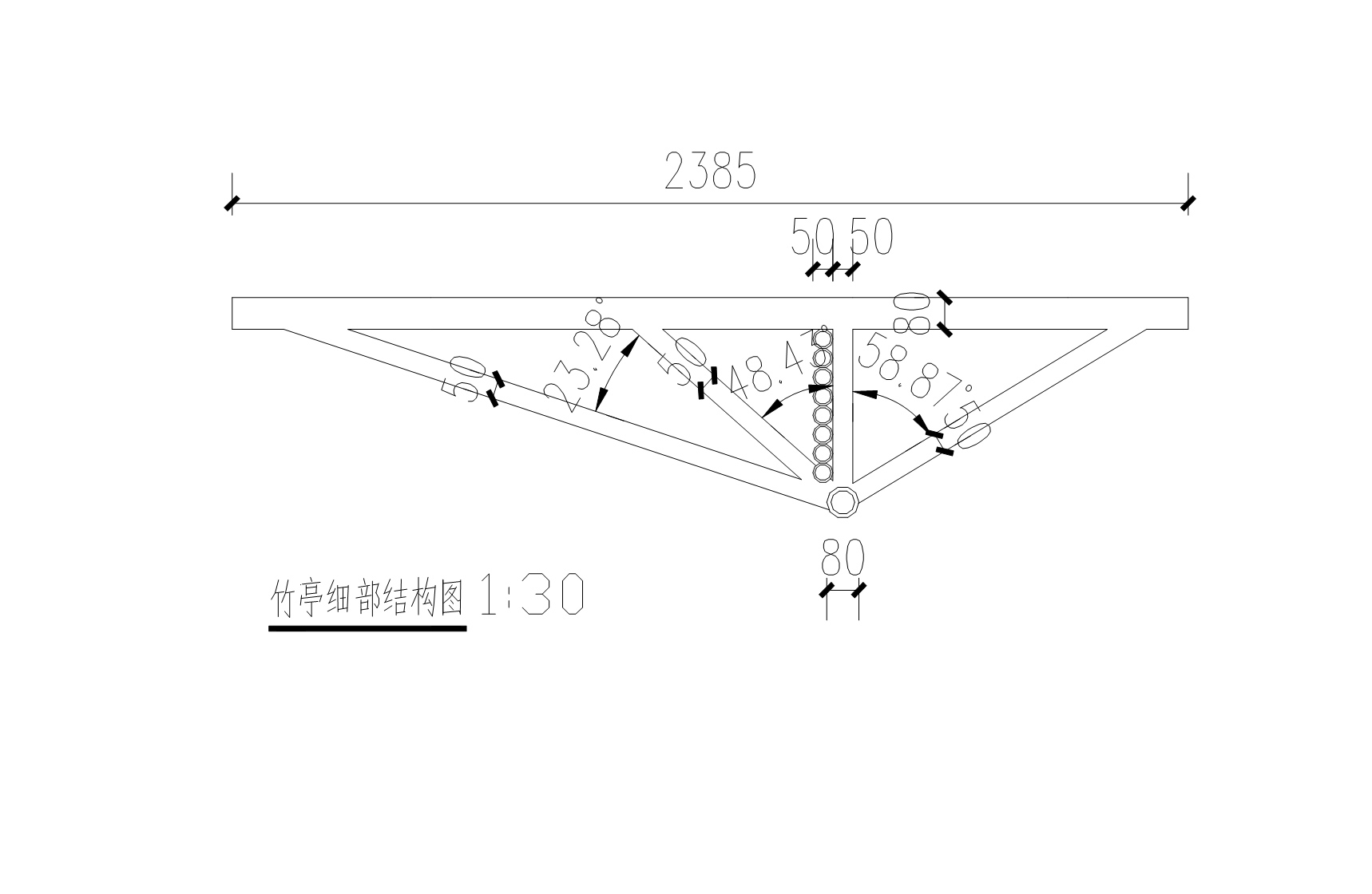
West Bamboo Pavilion in Xitang Village, Likou Town, Qimen County, Huangshan, is a small rural pavilion designed by Kong Xiangwei Studio for the Likou town government, set in a historic Huizhou village in a mountain basin. At the village entrance, more than a dozen ancient trees, bitter oak and privet over two hundred years old, form a natural shady gathering place, bounded by Taihu stones and paved with bluestone, around a traditional stone table and benches where villagers chat as if at an open-air tea table. This summer, village homestays began operating, with guest rooms scattered among existing farmhouses; the client wanted a fast, low-cost landmark to lift the whole village. After several site visits, Kong was struck by the ancient tree group and, while sitting on the stone bench watching the stream, conceived a small pavilion under the trees: it would shelter visitors from Huizhou frequent rain, act as a welcoming marker at the village approach, and, lit at night, help arriving guests find the homestay. Qimen, in old Huizhou, is bamboo country; bamboo is cheap, durable, locally abundant and a long-standing material for courtyard fencing and agricultural outbuildings, and Huizhou bamboo craft is a strong folk tradition. The pavilion is therefore built of bamboo cut on the mountain, 20, 50 and 80-millimetre fresh culms of moso, Lei and bitter bamboo chosen for their flexibility, and assembled by local villagers. The frame is fire-carbonized with a blowtorch to dehydrate and preserve it, and a lightweight acrylic sheet finishes the roof for fast construction. From design through erection the whole process took ten days. The pavilion is small enough to shelter only the existing table and benches, with four clipped corners that yield to the ancient trees like a tiny house tucked under the canopy. Rather than traditional lashing, the structure uses inserted joints, with six pairs of longitudinal and transverse triangular trusses supporting the flying-eave roof; the facade is filled with a regular array of equal-diameter bamboo culms for a uniform, repetitive beauty. Columns are given diagonal braces that branch like tree limbs, echoing the surrounding forest. The overhanging eave, roofed with thin acrylic, lets sunlight filter through, so that tree shadows dance on dappled floors. By dawn the small pavilion merges with the light; at midday it shelters under the great trees; at night, lit from within, it guides visitors home.















 Editor's Pick
 Latest Design